How Feng Shui Can Help You Recalibrate The Energy In Any Room
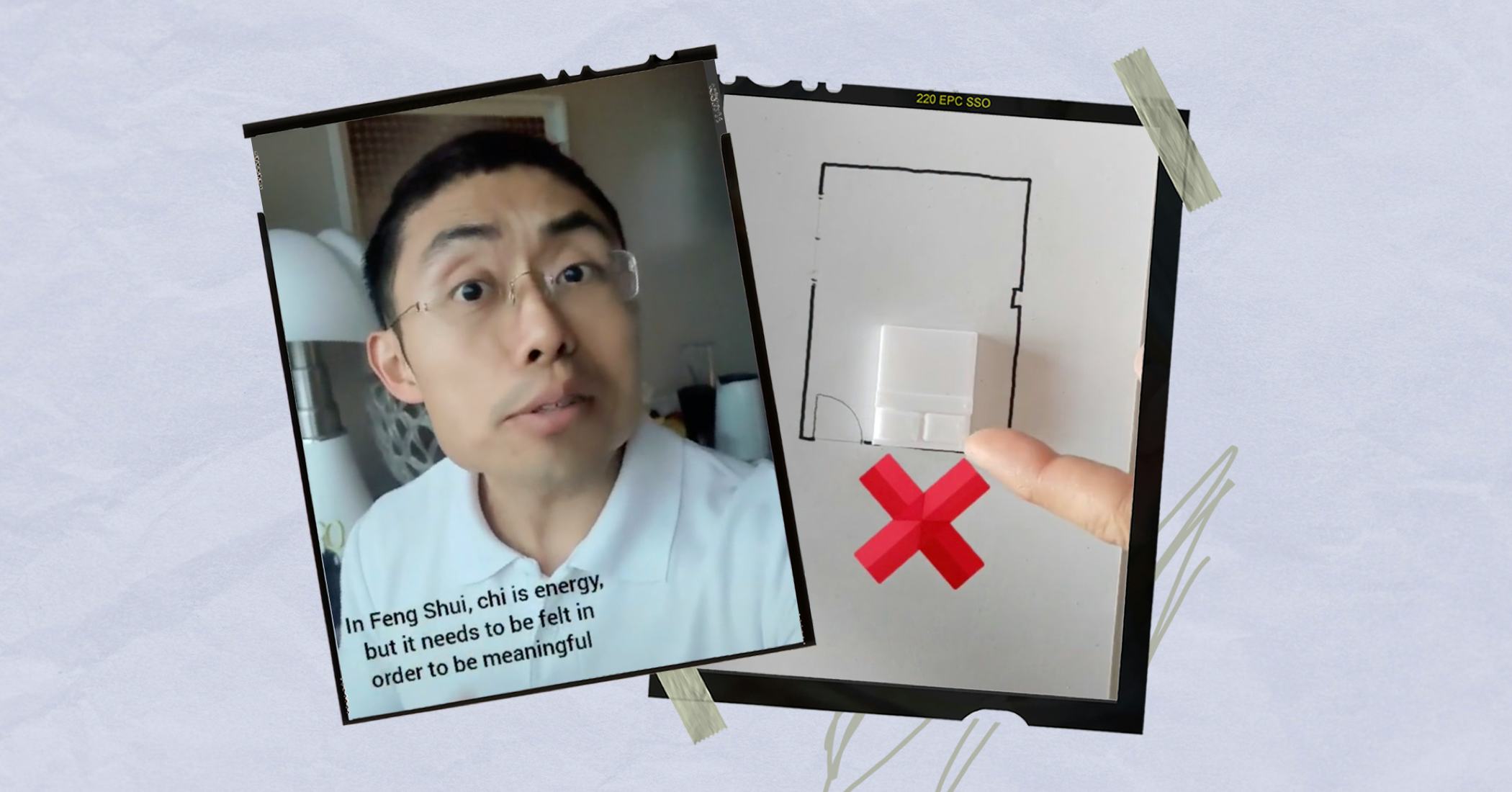
Feng shui, a Chinese art form focused on optimizing the energy in environments, has gained significant accessibility through social media platforms like TikTok, thanks to practitioners such as architect and feng shui consultant Cliff Tan. Initially, feng shui was about finding optimal locations for homes or graves, but in modern contexts, it’s primarily about tailoring spaces to enhance individual lifestyles. This involves arranging elements within a space to support specific activities and overall well-being. Tan, known on TikTok as @dearmodern, subconsciously integrated feng shui principles into his architectural designs for years before recognizing their explicit connection to the ancient practice. He leverages miniature room models in his TikTok videos to illustrate his teachings, making complex concepts easy to understand for his 2.2 million followers. Having authored a book and consulted over 1,000 clients, Tan has become a full-time feng shui expert.
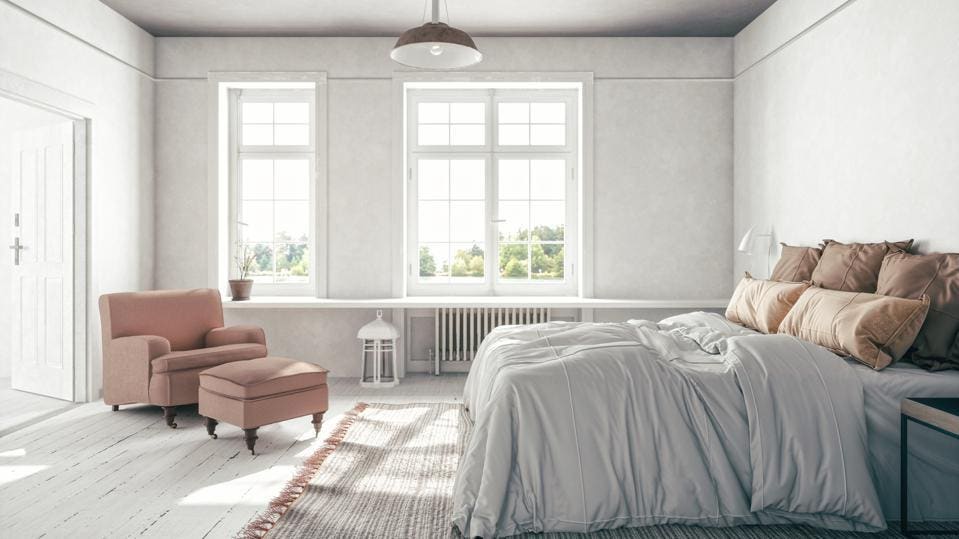
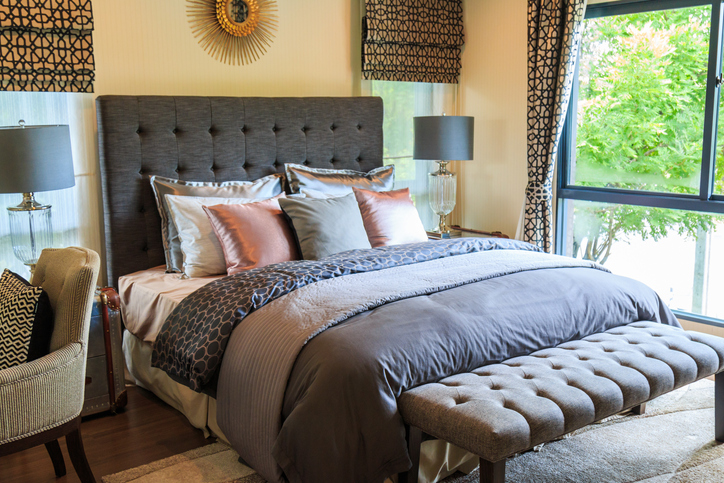
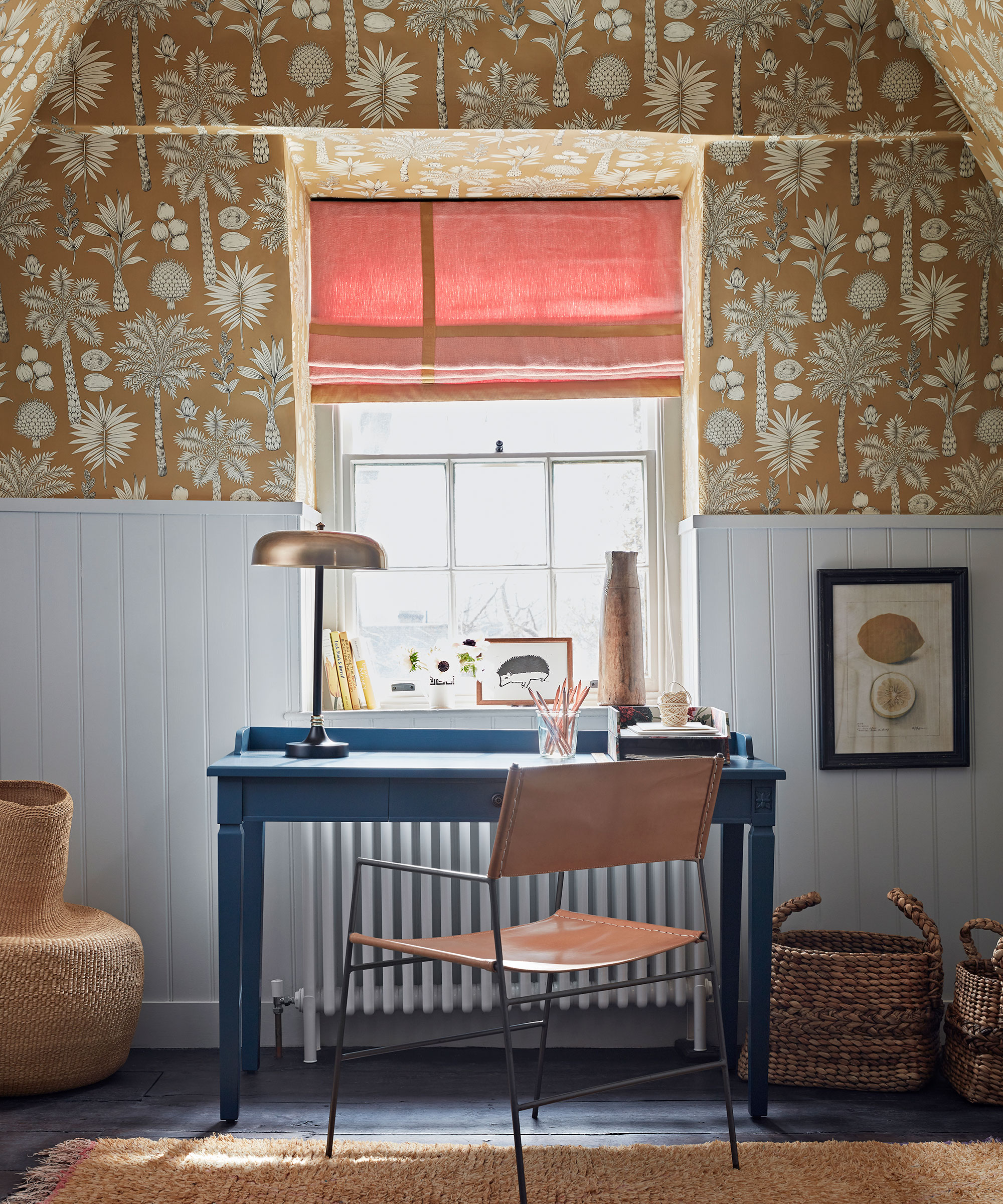
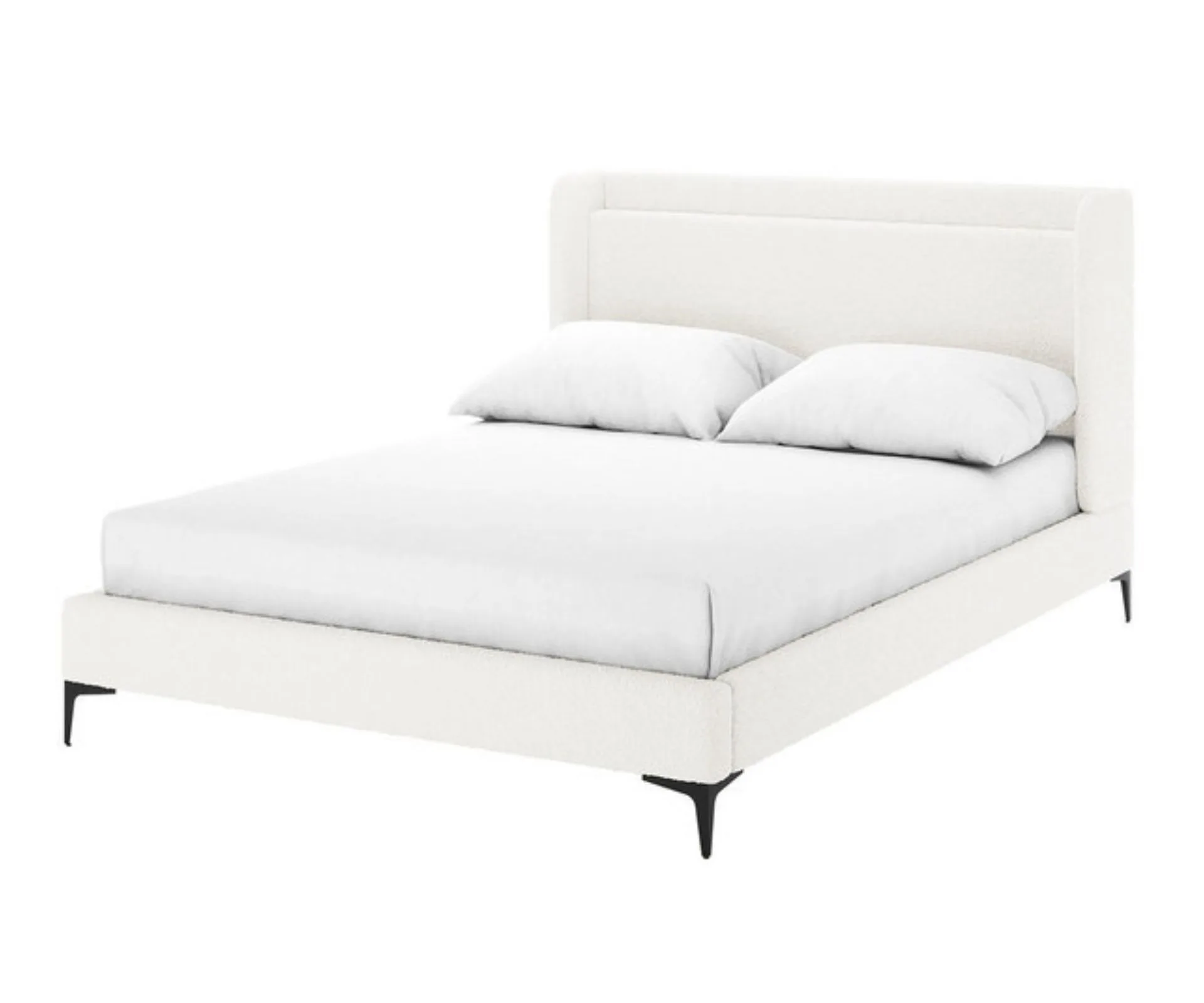
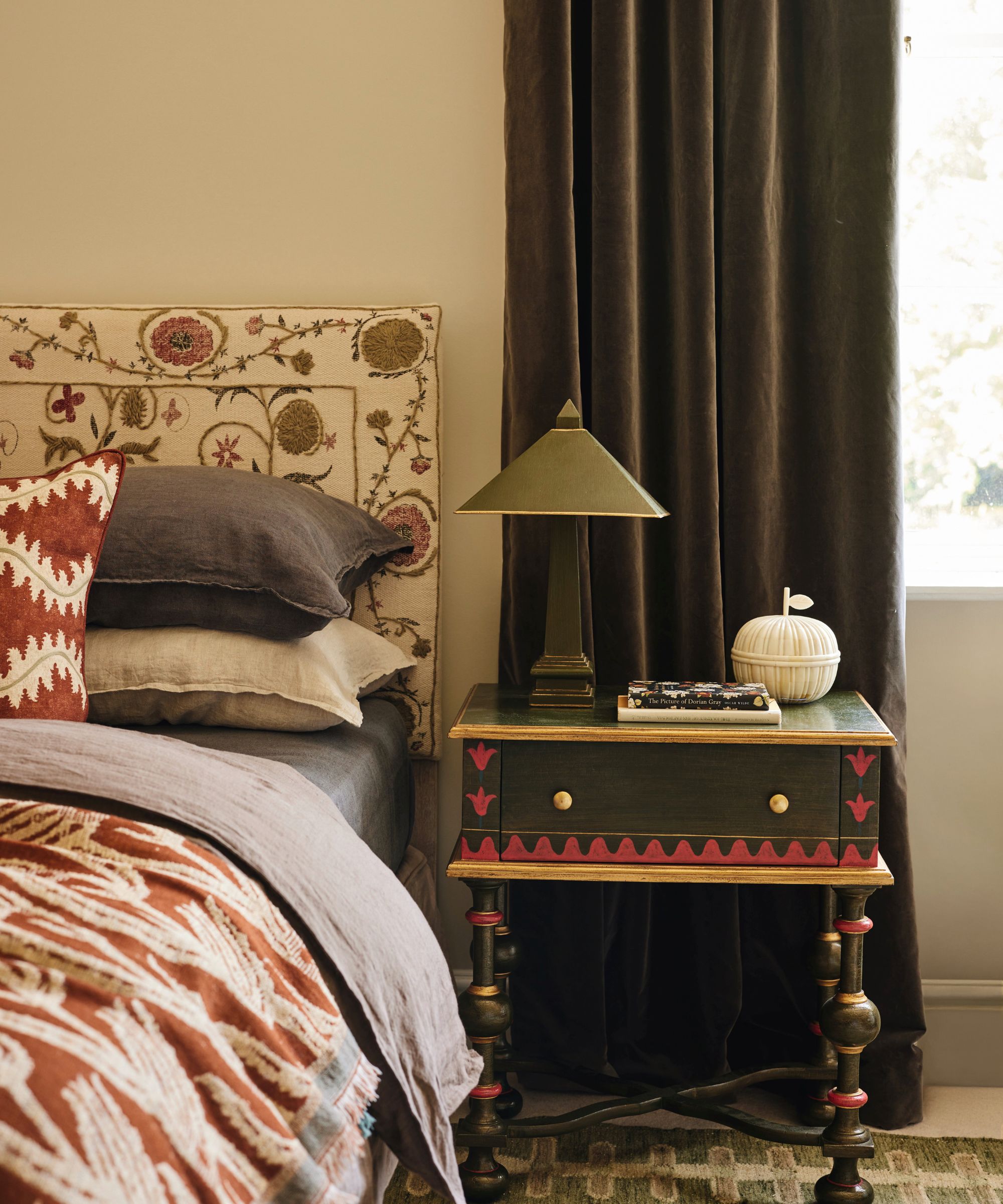
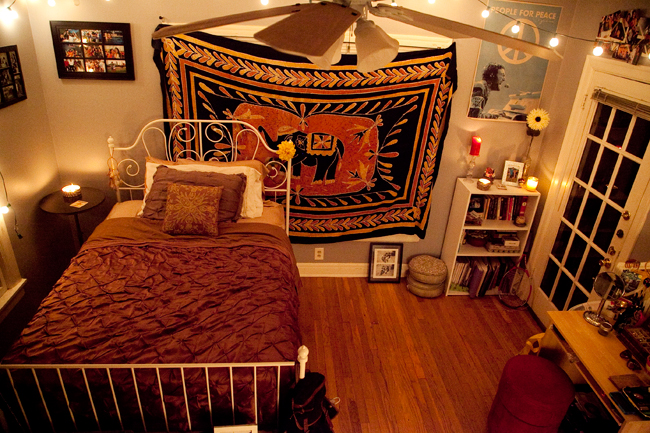
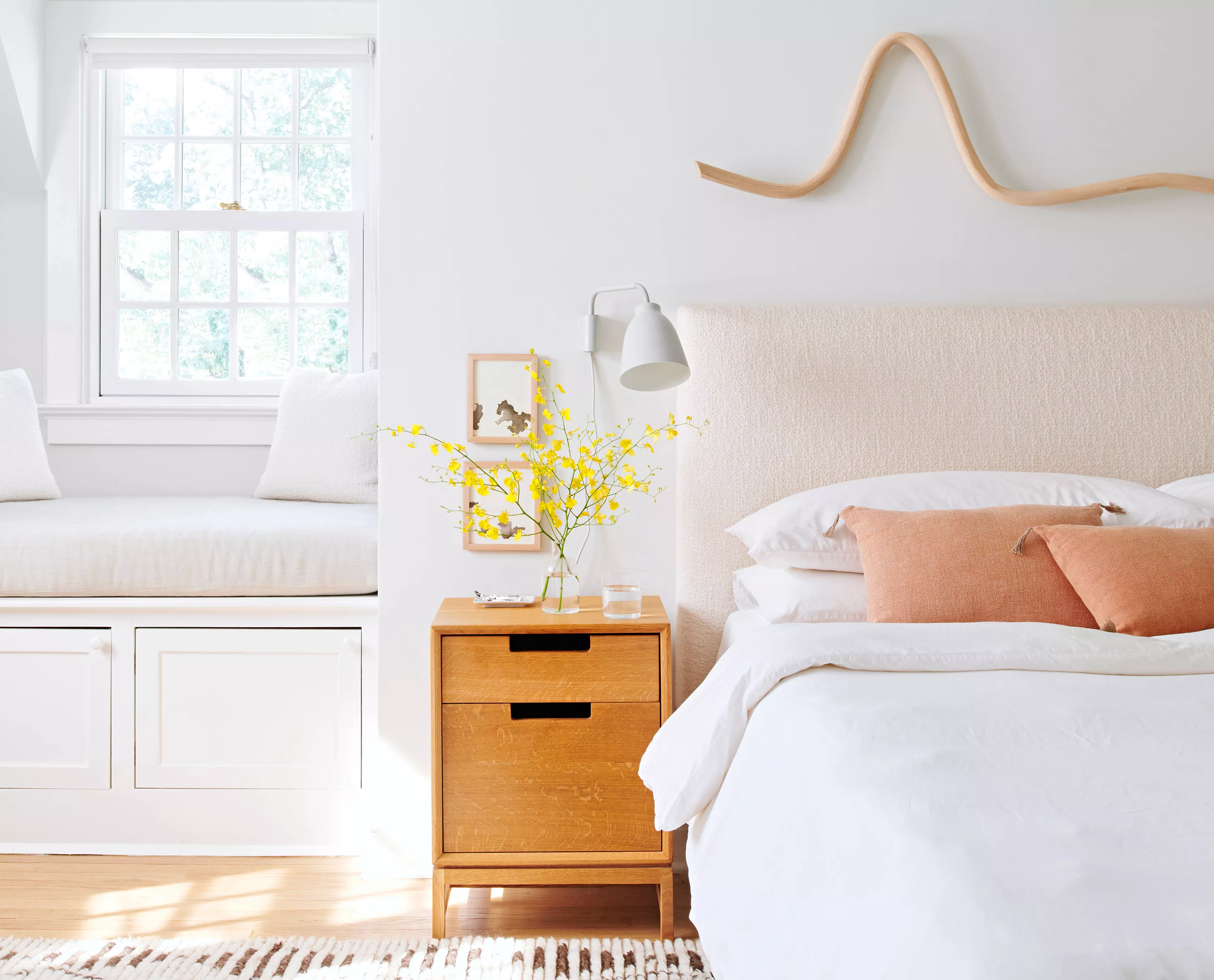
When applying feng shui to a bedroom, the primary goal is to optimize for sleep. Tan advises placing the bed in a “commanding position,” where the occupant can see the door without being directly aligned with it. This positioning relates to managing energy flows, especially from entry points like doors and windows. The door represents potential intrusions, making it undesirable to sleep directly beside it. Windows, as sources of light, are better suited for areas like desks where visibility is beneficial. Tan clarifies that these principles are not superstitions leading to immediate negative consequences but rather guidelines for creating an environment that gradually fosters positive energy over time. For small bedrooms or those with challenging layouts, Tan suggests adapting principles to the available space, offering practical solutions such as using curtains if a bed is too close to a window or tilting a monitor to reduce feelings of vulnerability when a desk is near an entrance.
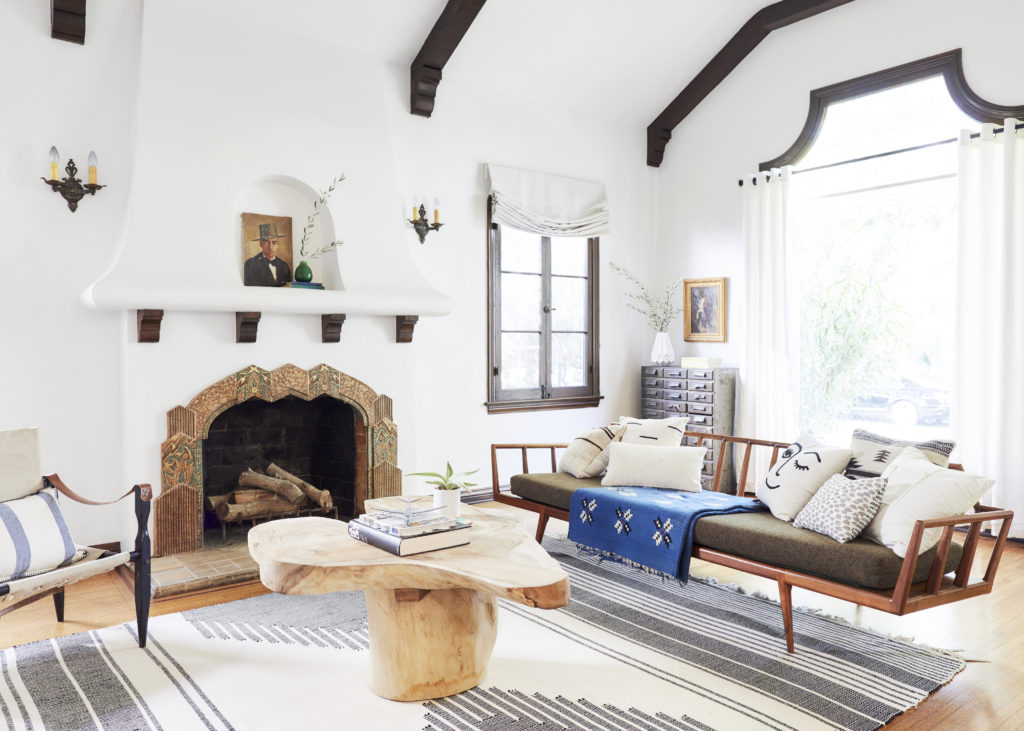
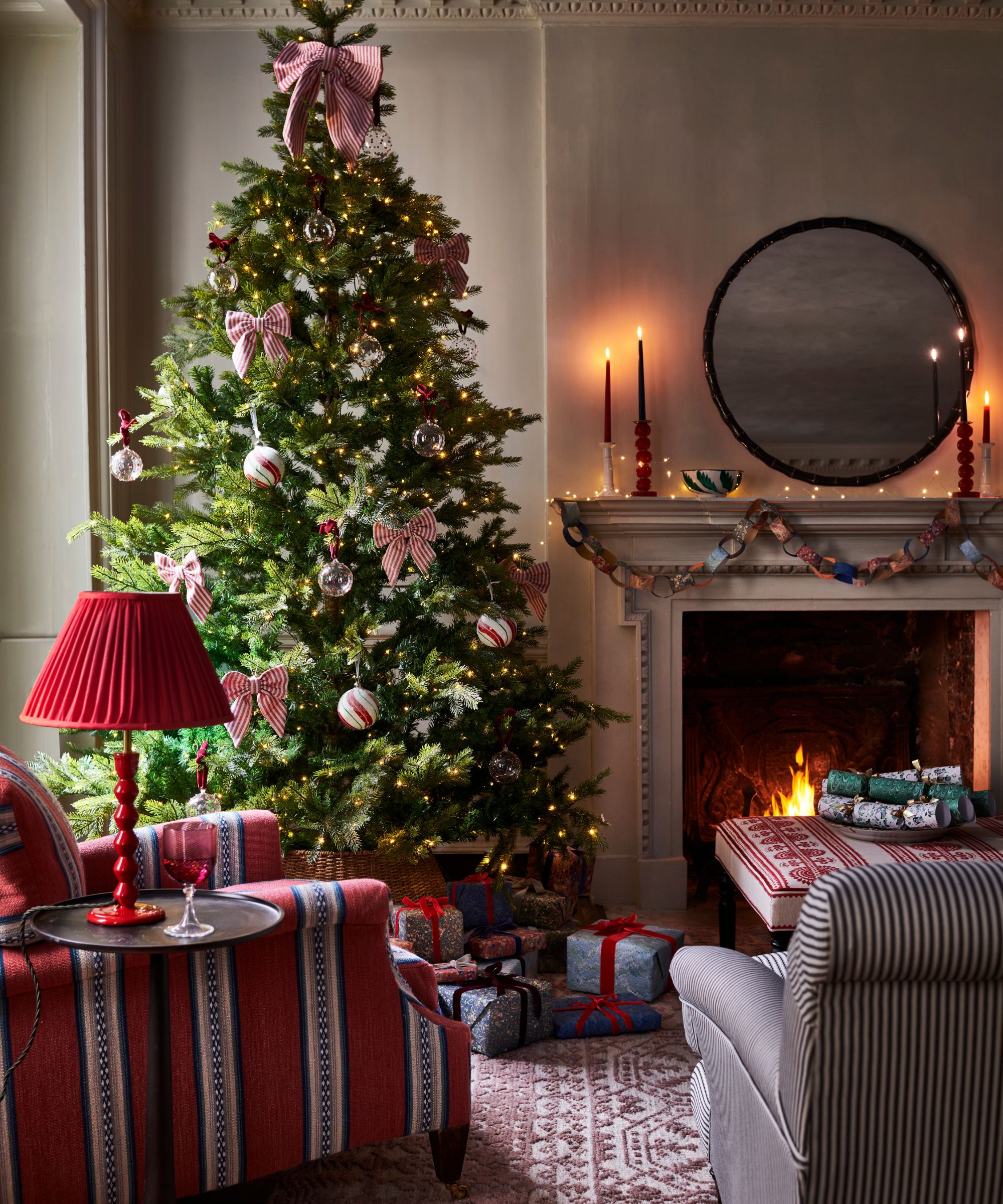
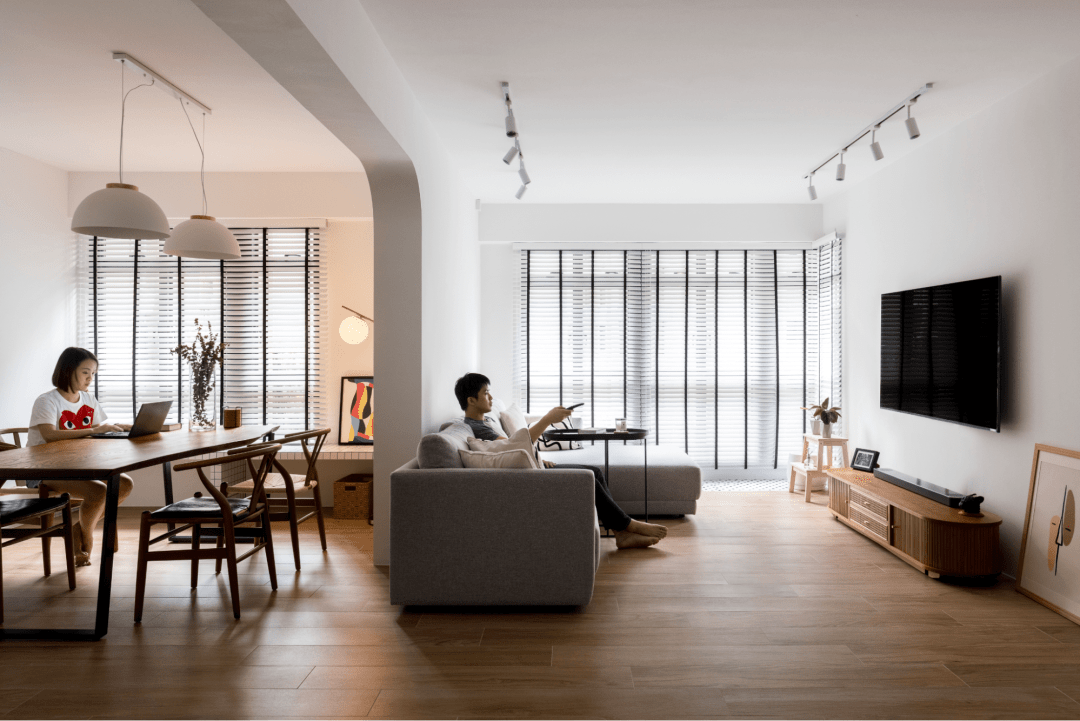
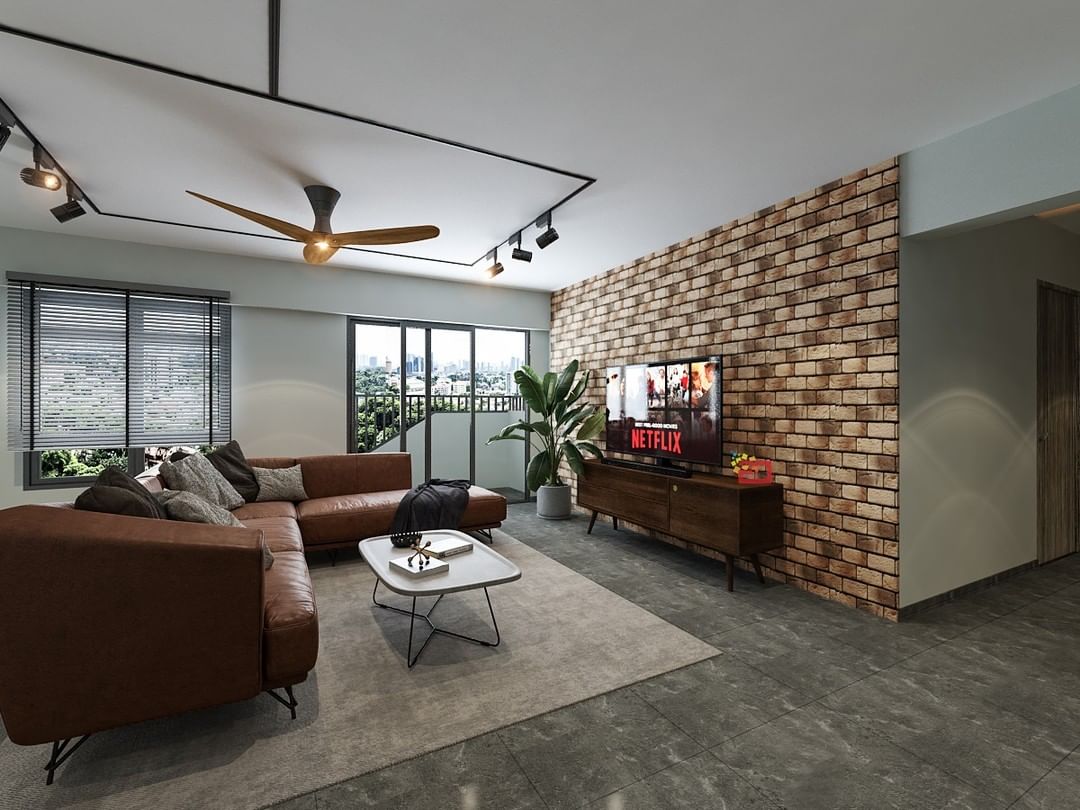
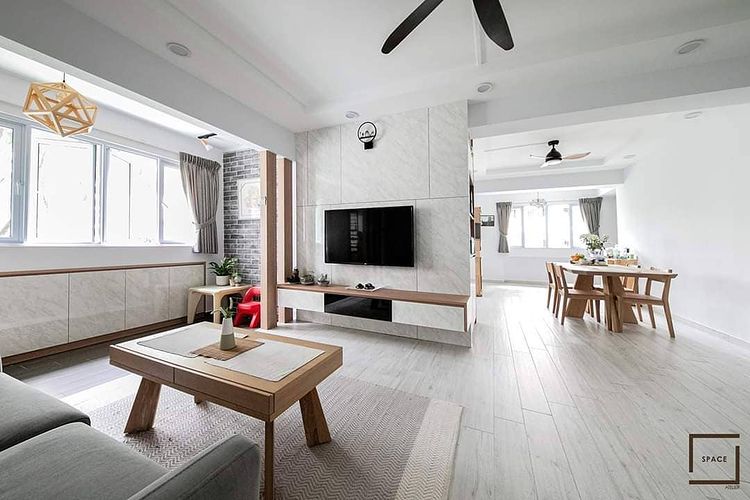
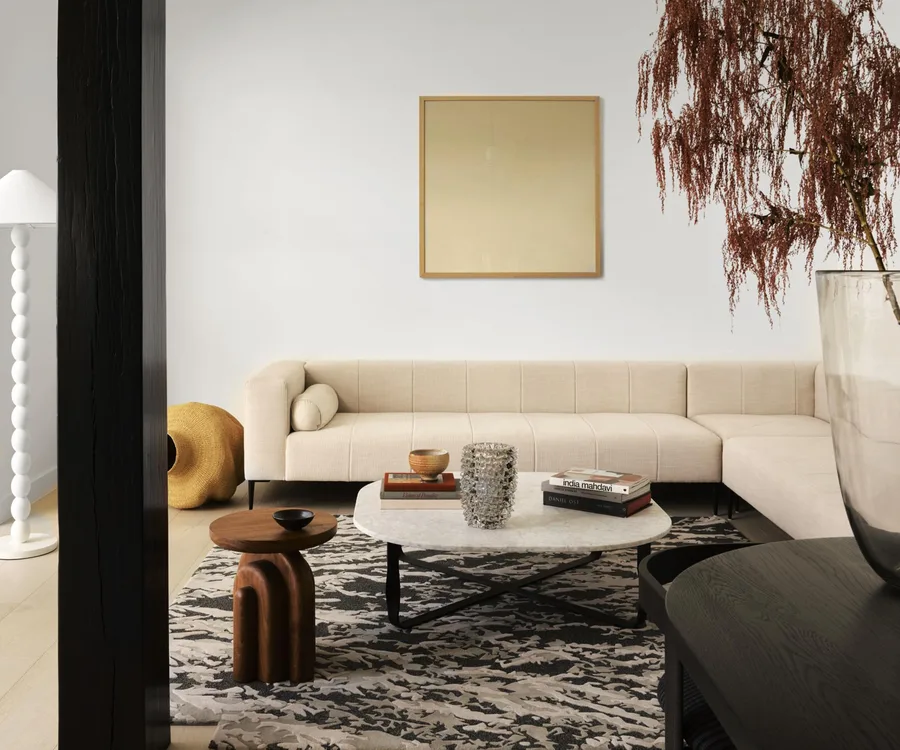
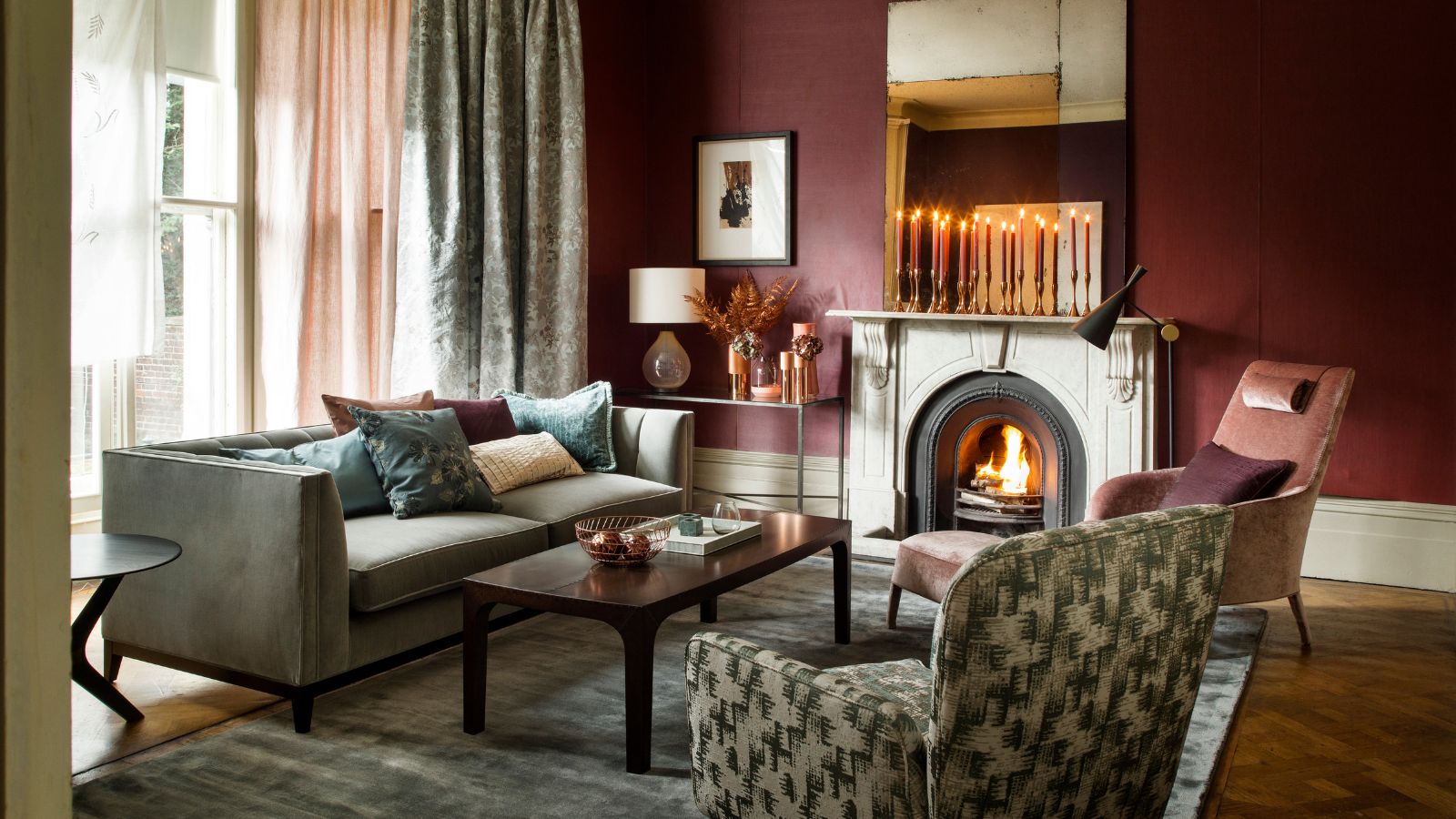
Living rooms present more complexity due to their varied uses. Tan emphasizes that feng shui arrangements in this space should align with the desired lifestyle. For example, a living room meant for hosting guests should facilitate comfortable seating arrangements where people can face each other. Conversely, a space primarily for personal entertainment might prioritize the television setup. Regardless of use, the main seating area should be in the room’s “commanding position,” providing a clear view of the surroundings to minimize feelings of vulnerability. This position is typically furthest from negative energy sources like main entrances and closest to positive elements such as natural light, fresh air, or communal gathering spots.
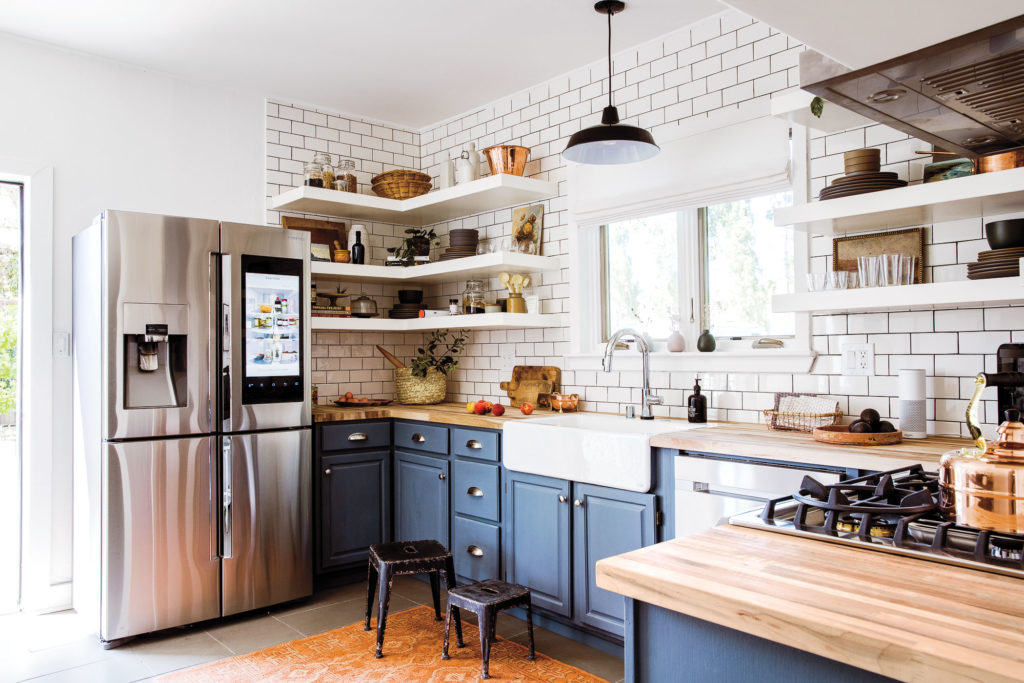
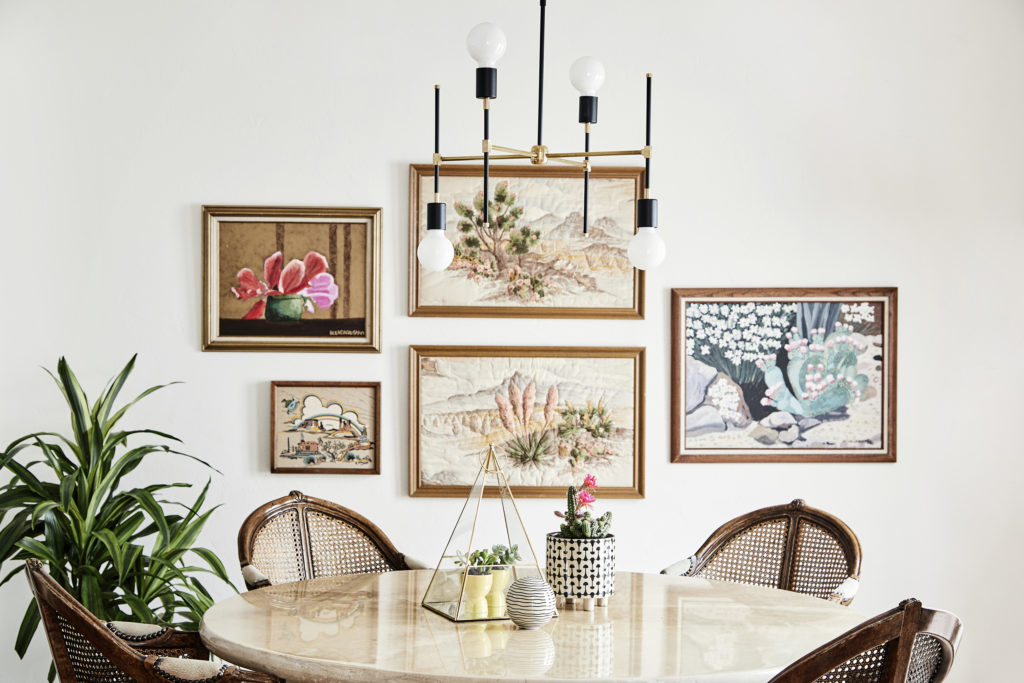
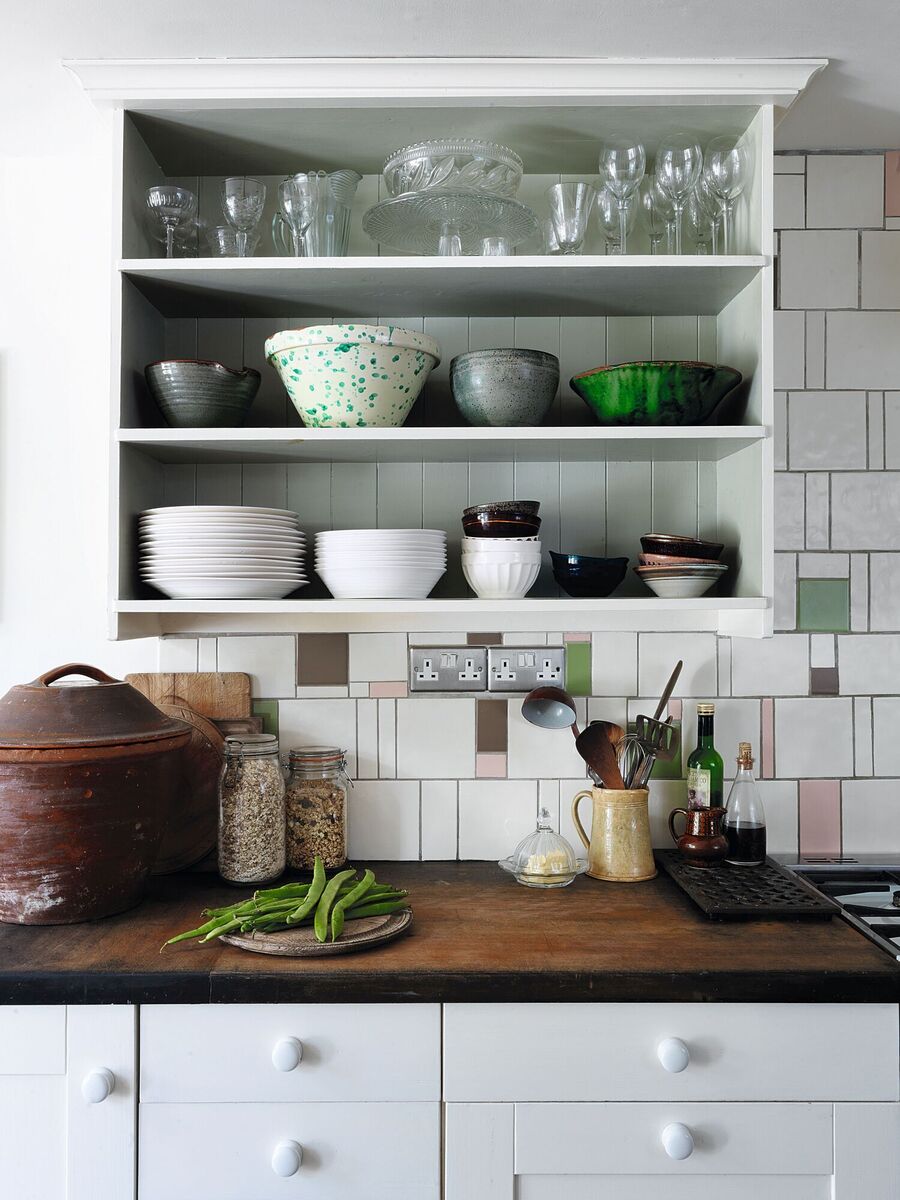
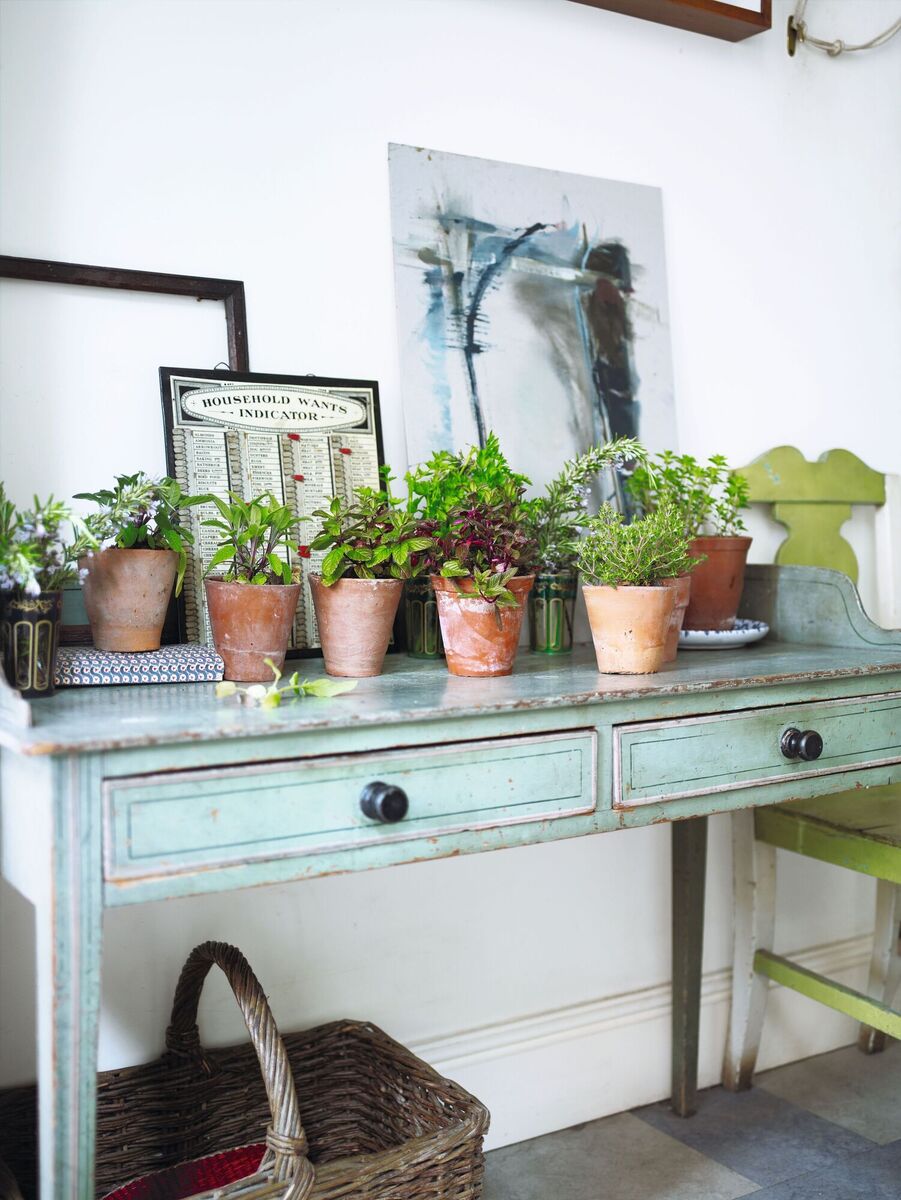
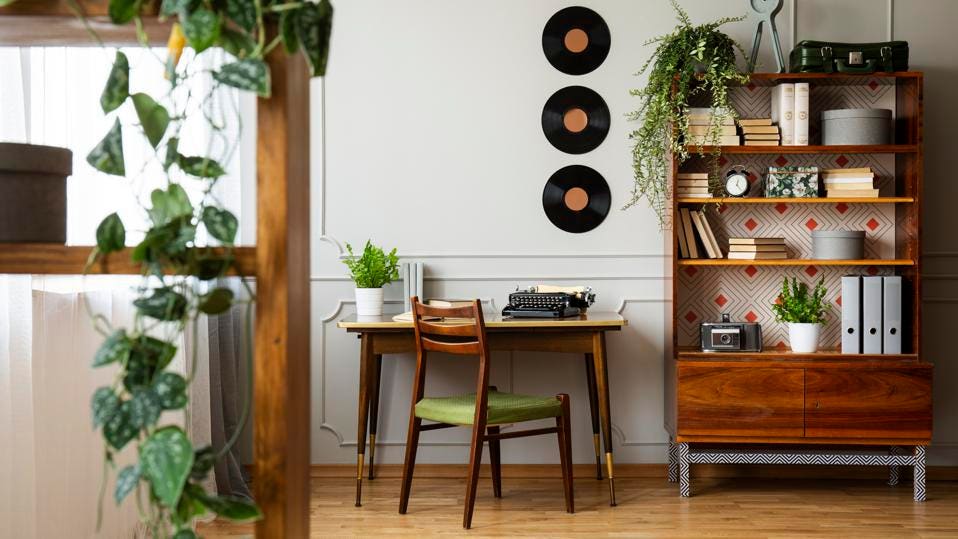
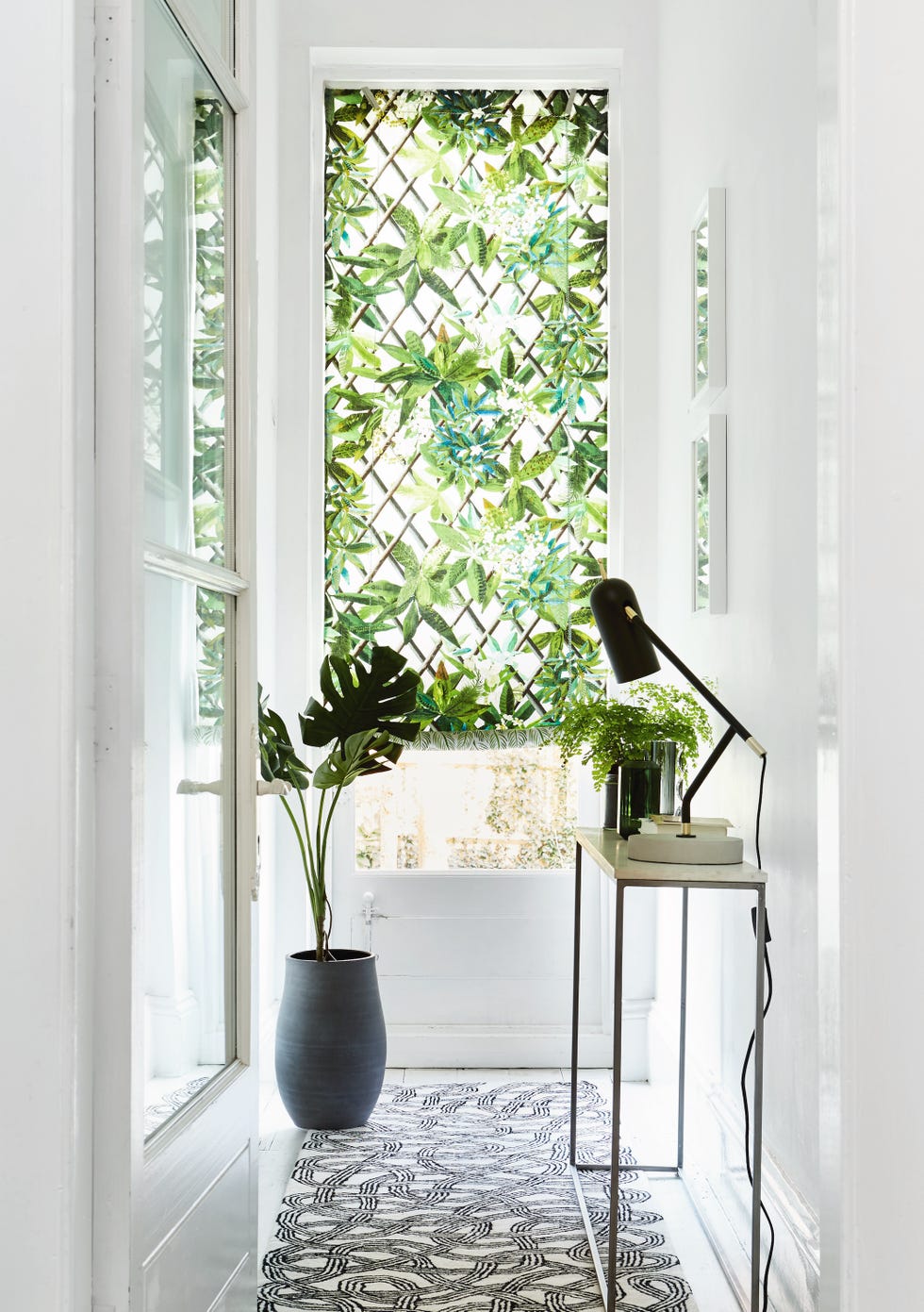
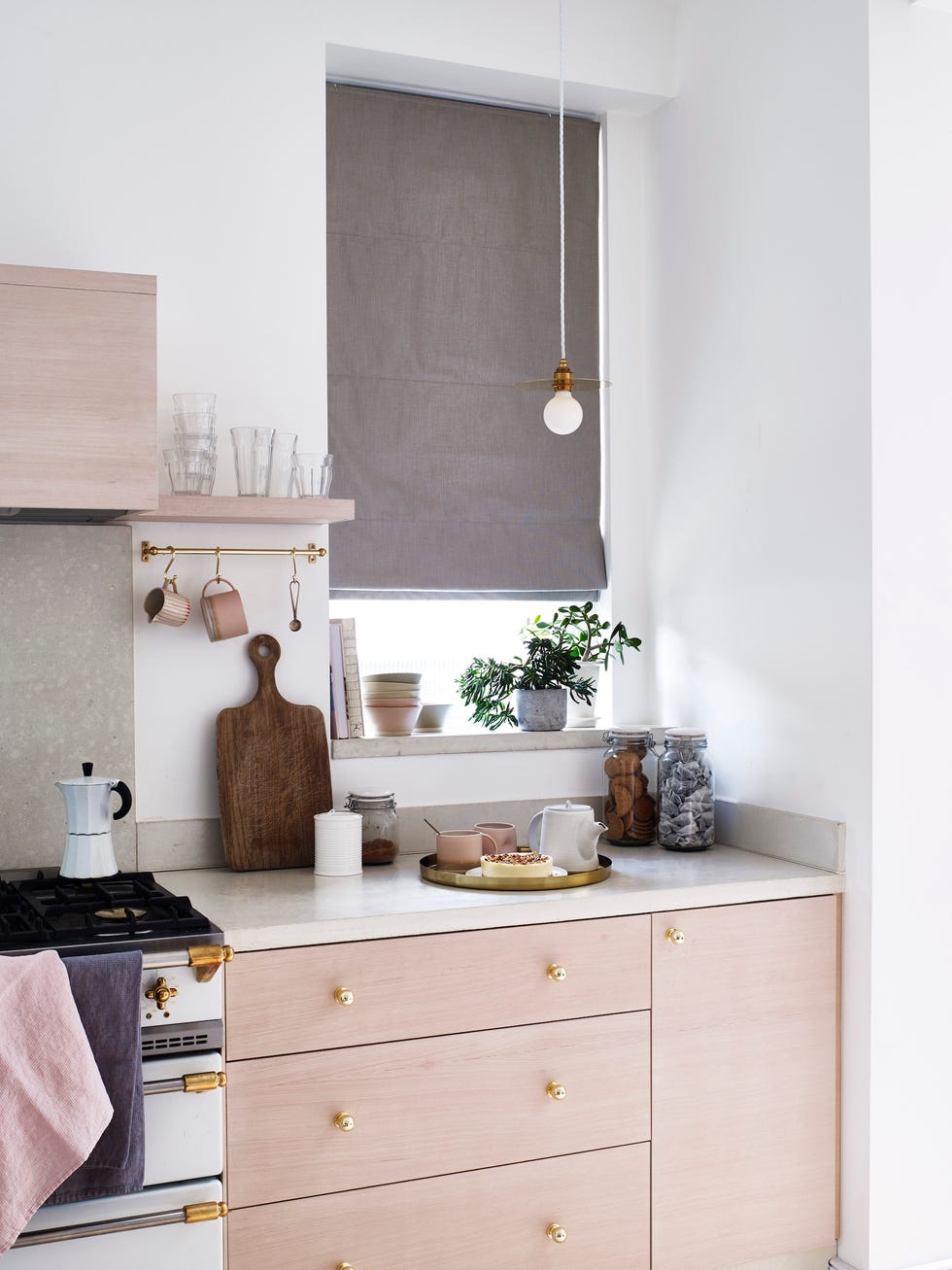
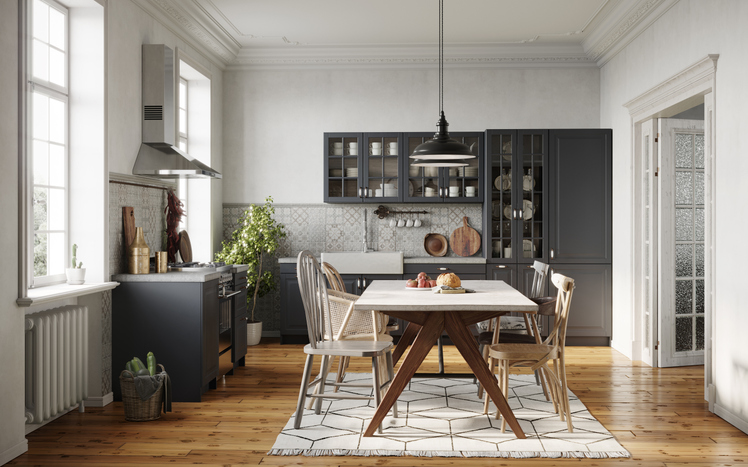
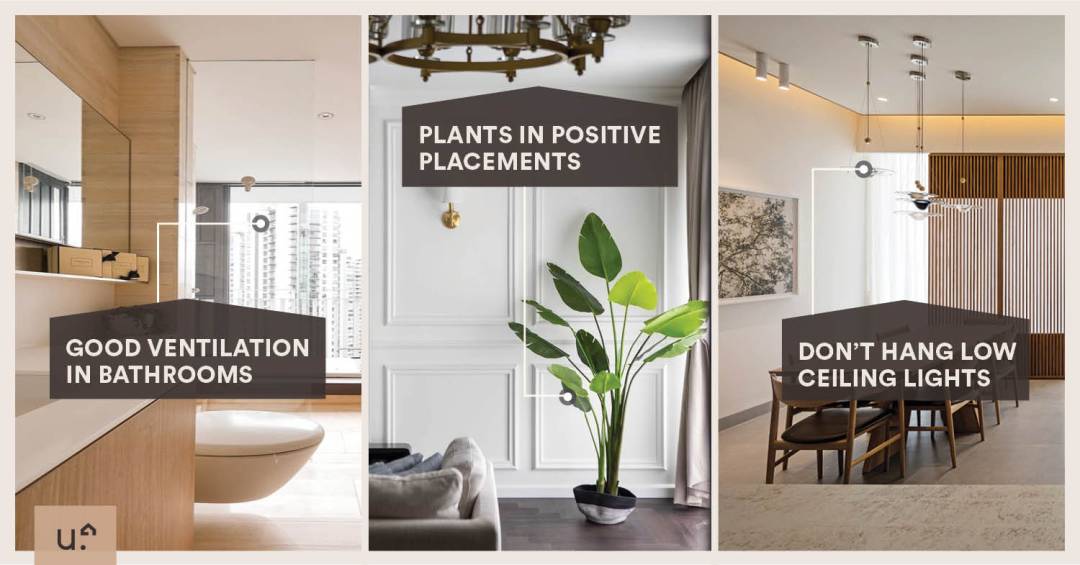
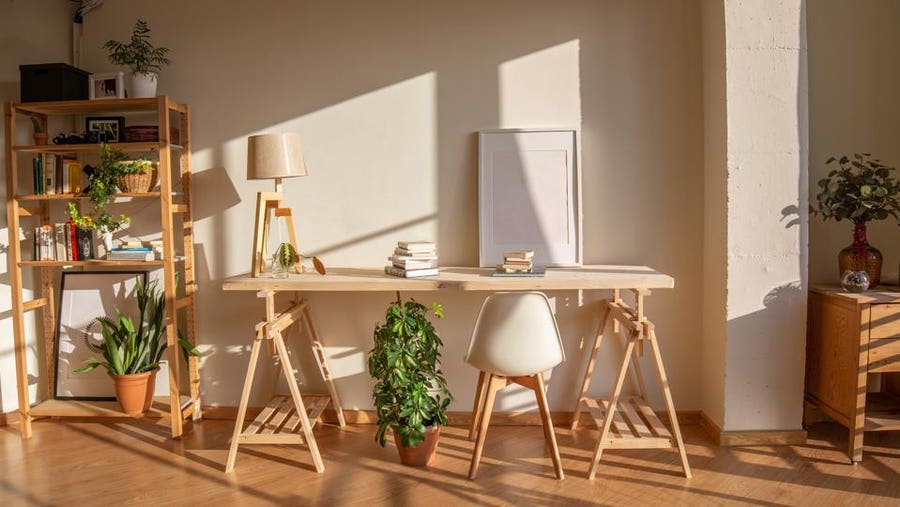
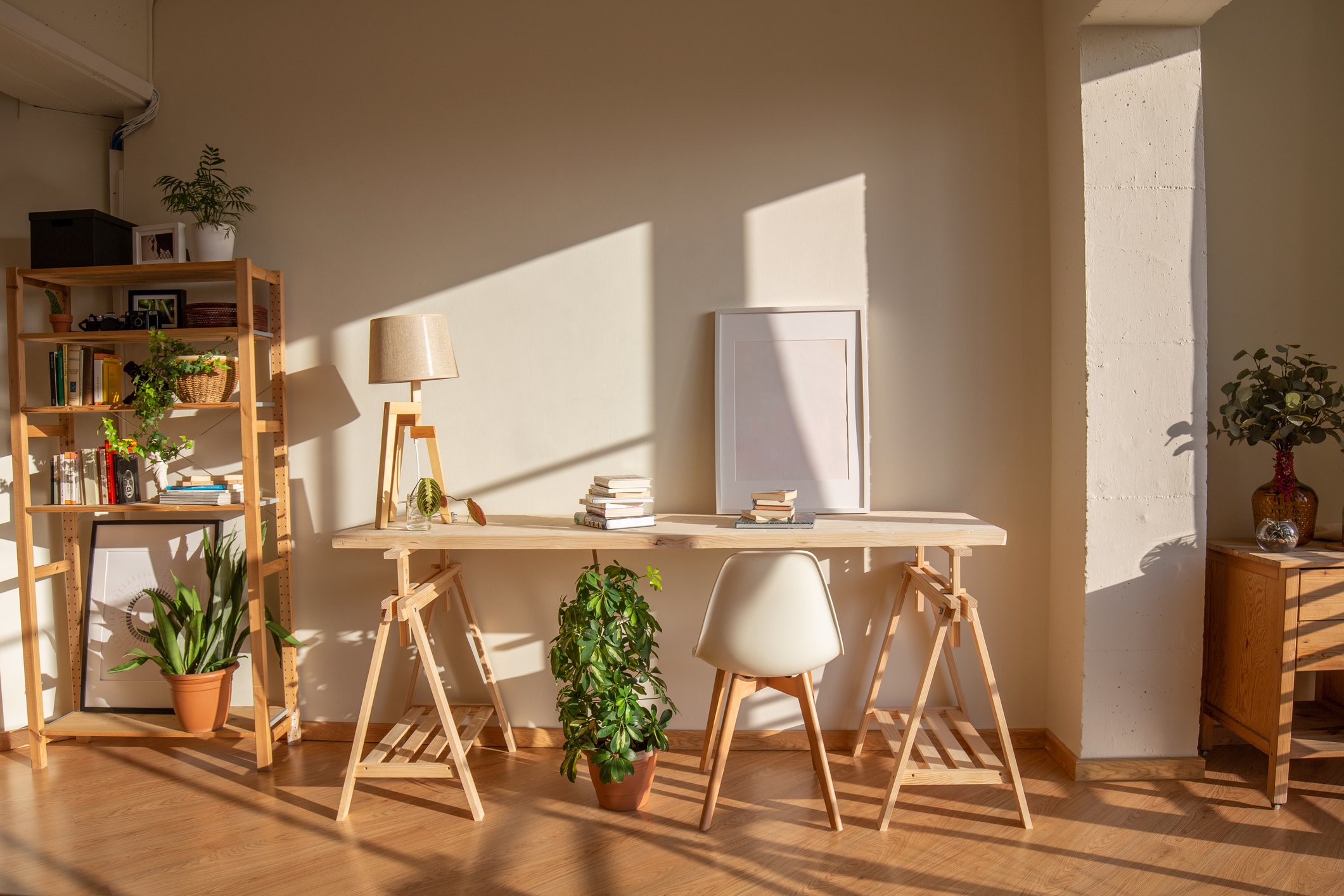
In kitchens, traditional feng shui often focuses on the fire element, suggesting avoiding placing bedrooms near them. However, Tan notes that this guidance can be flexible, especially if the kitchen is not heavily used for cooking with fire. The key is to support the cook, ideally by arranging the stove, sink, and refrigerator in a convenient triangle to minimize unnecessary movement. Beyond room-specific layouts, other elements like lighting, art, and plants can further optimize feng shui. Natural lighting is preferred, mimicking outdoor light patterns to avoid harsh shadows. Art can be a powerful tool for channeling desired energy, as its constant presence influences the subconscious. The choice of art should reflect the room’s intended mood, such as a landscape painting for calmness in a bedroom or food imagery in a kitchen for abundance. Plants symbolize growth and life, making them suitable for home offices, though their placement in bedrooms should be considered carefully to avoid promoting too much activity where rest is desired. Ultimately, feng shui is about making small, thoughtful adjustments to create a harmonious and supportive living environment.
#FengShui #HomeDesign #InteriorDesign #SpaceOptimization #CliffTan #TikTok #BedroomLayout #LivingRoomLayout #KitchenLayout #HomeDecoration #FengShui #HomeDesign #InteriorDesign #SpaceOptimization #CliffTan #TikTok #BedroomLayout #LivingRoomLayout #KitchenLayout #HomeDecoration
0 commentaire au total
 Aucun commentaire pour le moment
Vous aimerez aussi
How to Feng Shui Every Room in Your Home
8 Feng Shui tips to revitalise your home for free (and in less than 24 hours)
The Feng Shui energy map explained – and how to apply it at home

Change the Wall Your Bed Faces to Improve Your Space’s Feng Shui (and Prevent Bad Luck)

How to use feng shui to bring harmony to your home
Use Feng Shui for great hosting energy
Feng shui helps organize every day life

8 Feng Shui Tips You Need To Follow At Home, Revealed By A Local Master
10 Feng Shui Rules To Live By For A Calm, Restorative Space

10 Expert Feng Shui Tips for Your Living Room

How to master the layout of your home, according to Feng Shui

Feng shui tips to tweak your wealth, career, and health this month
Feng Shui Tips for Every Room in Your Home
Three feng shui principles to improve the energy of your small flat

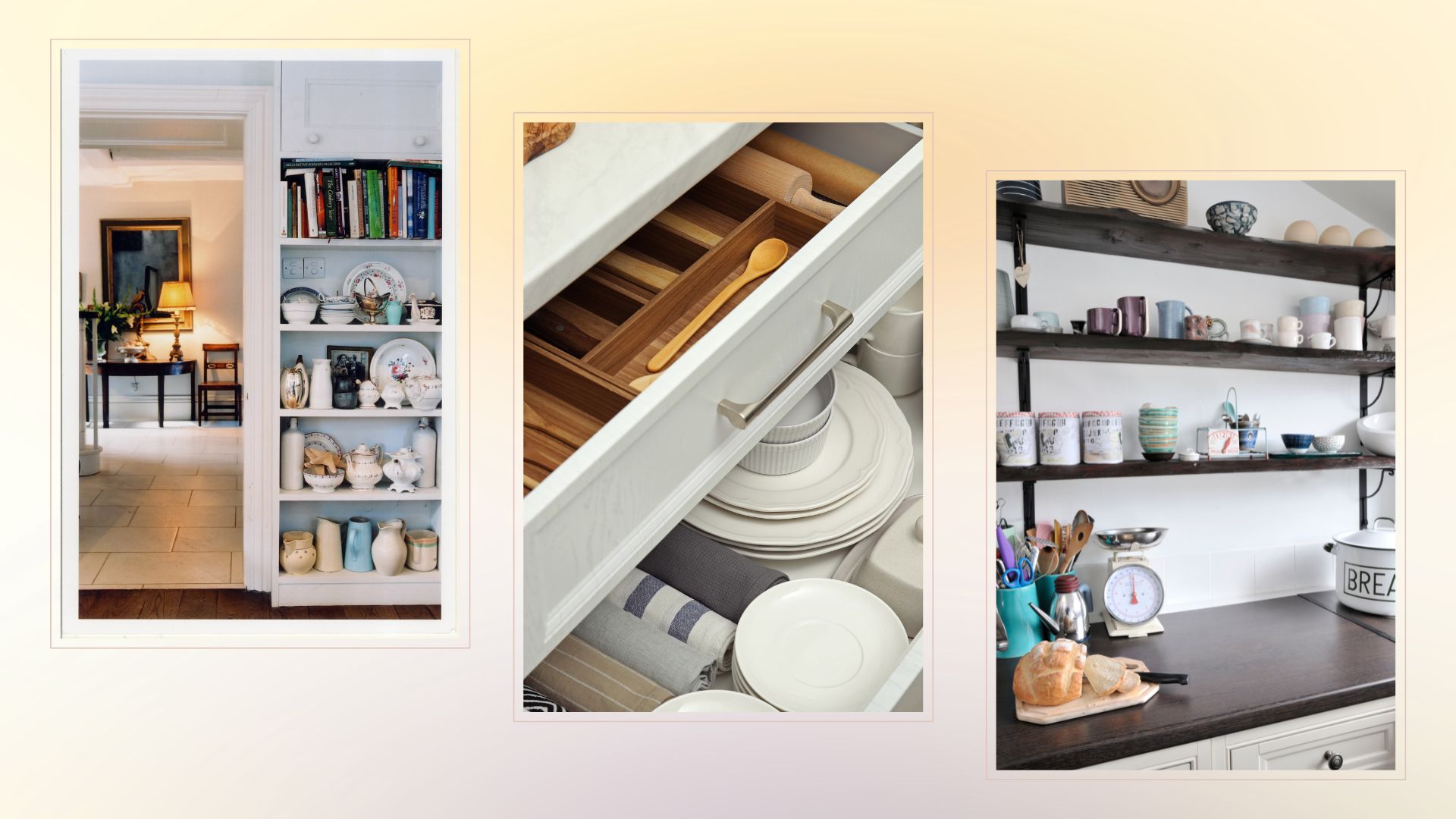
9 'negative' things you should declutter in 2025 to re-energise your home, according to Feng Shui experts

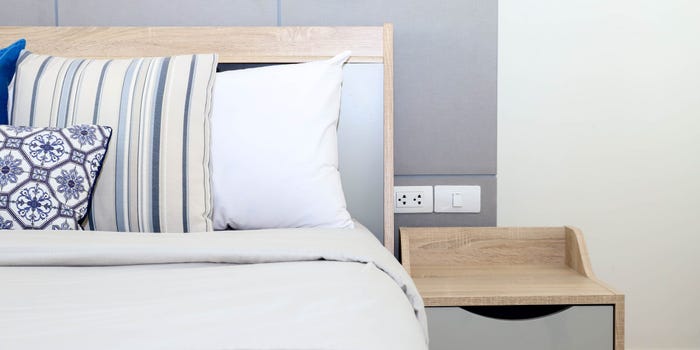
14 ways to bring feng shui to your bedroom for harmony and balance
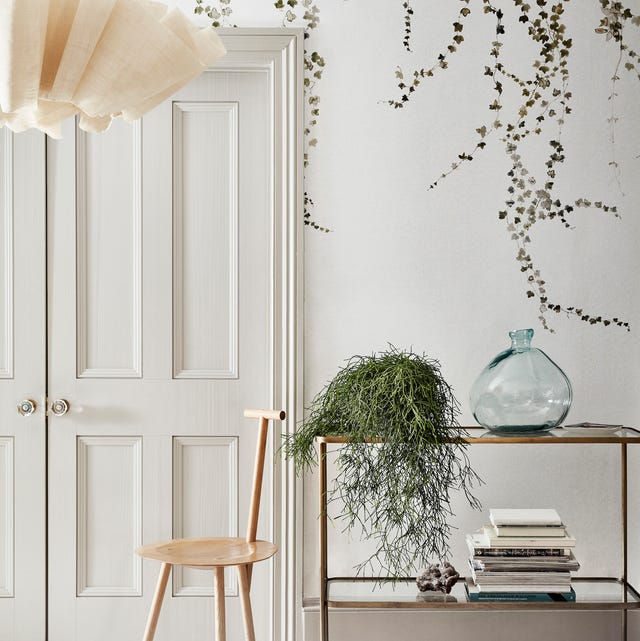
How to feng shui your home: 8 ways to attract positive energy

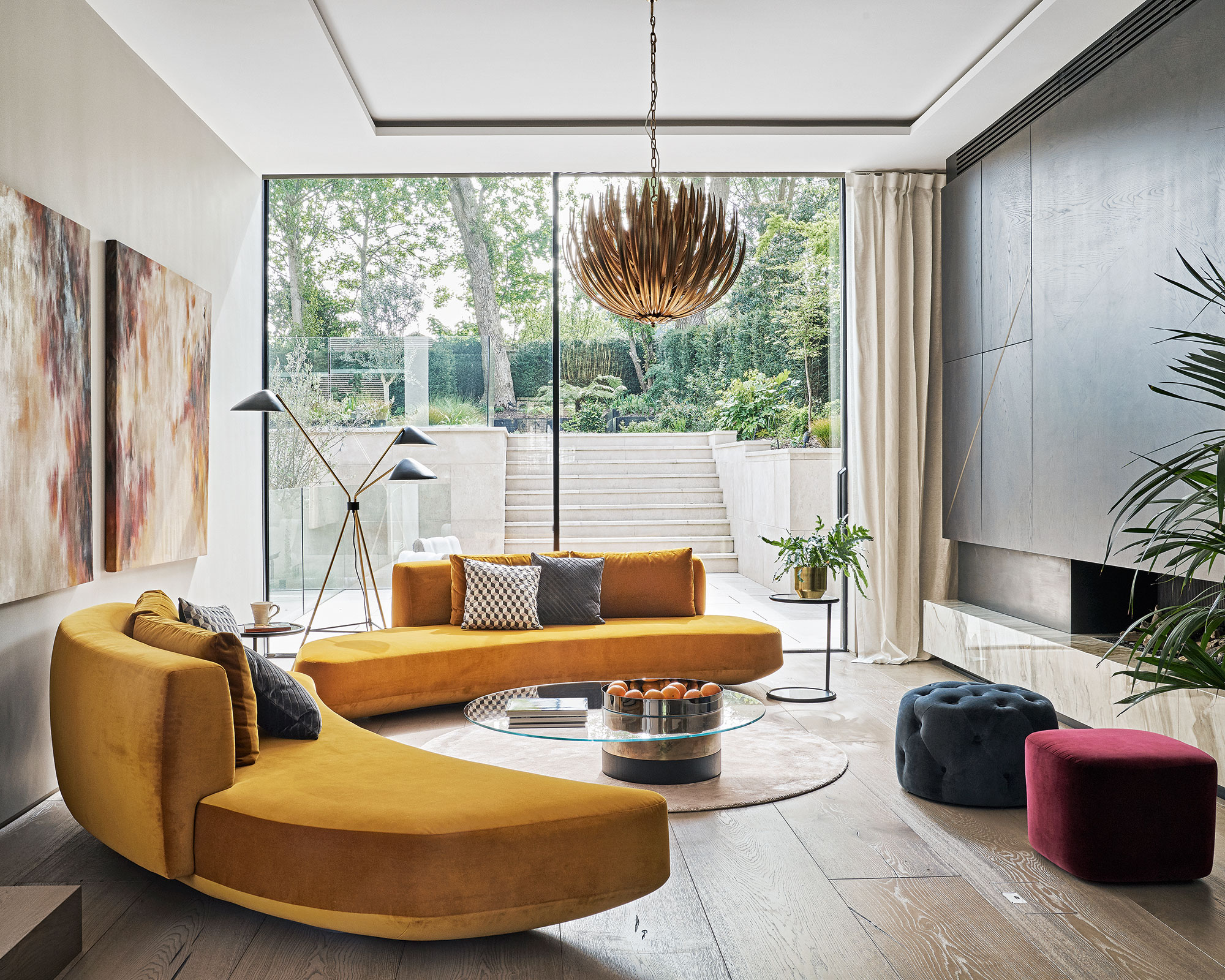
Feng Shui design mistakes to avoid – 5 things you may be getting wrong
How to Feng Shui Your Vanity, for Beginners
6 Things You Should Never Put in Your Home if You Want Positive Feng Shui