1/21
Grow Up! Flowering Vines to Adorn Walls, Trellises and Fences
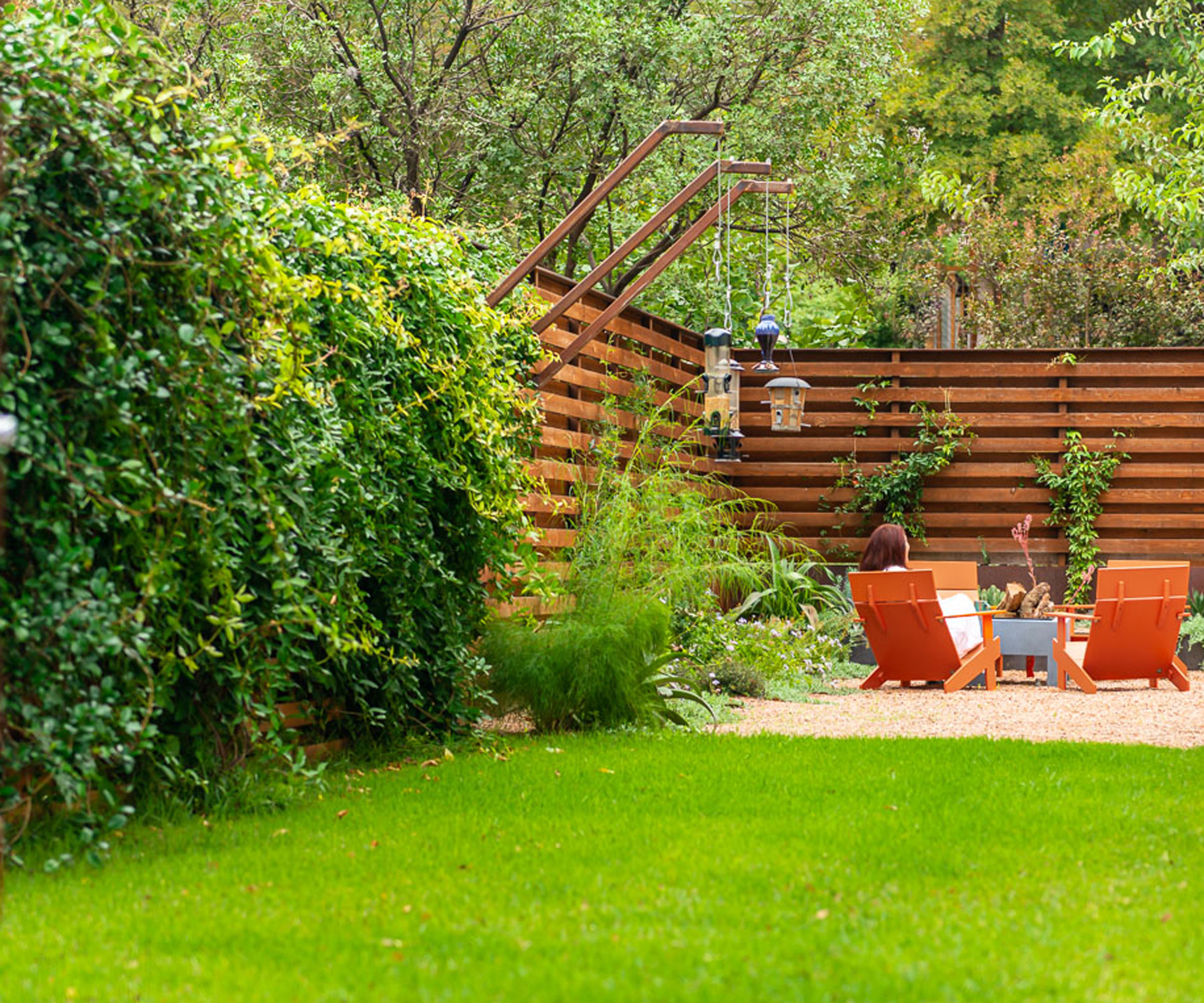
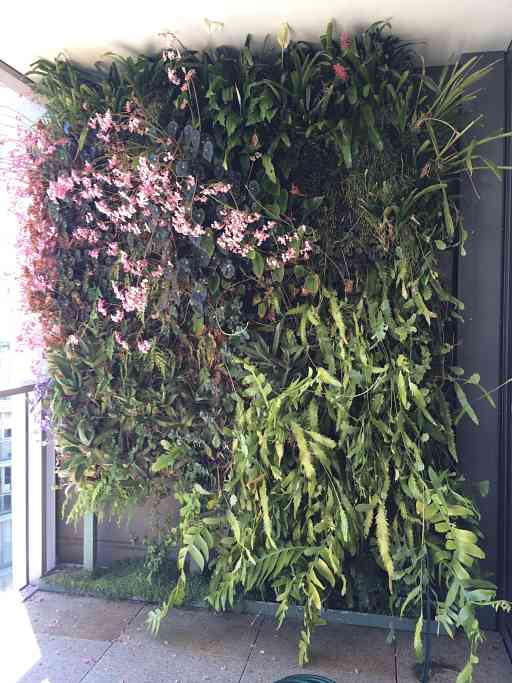
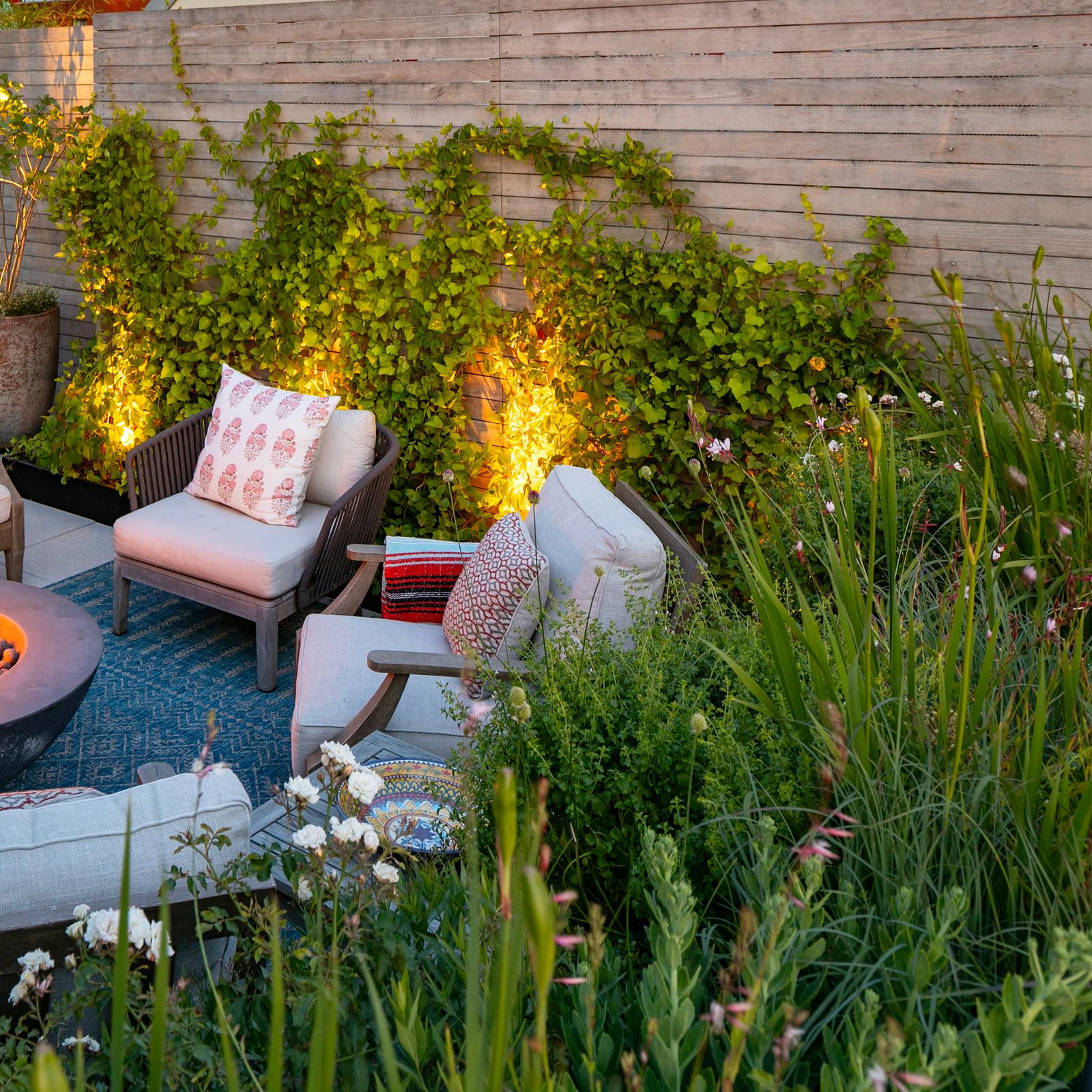
Flowering vines are versatile plants that can transform unsightly areas of a garden, such as chain-link fences or bare shed walls, into lush, vibrant displays, while also attracting pollinators. These plants can also provide shade and privacy when grown over pergolas or arches, creating secluded nooks. Many vining plants are fast-growing and thrive in full sun, though options exist for partial shade or slower growth, like climbing hydrangeas. Before selecting a vine, it is essential to determine the appropriate USDA Hardiness Zone for a specific area, as climate influences whether a plant will grow as a perennial or an annual. The USDA's Hardiness Zone map was updated in late 2023, so gardeners should verify their current zone.
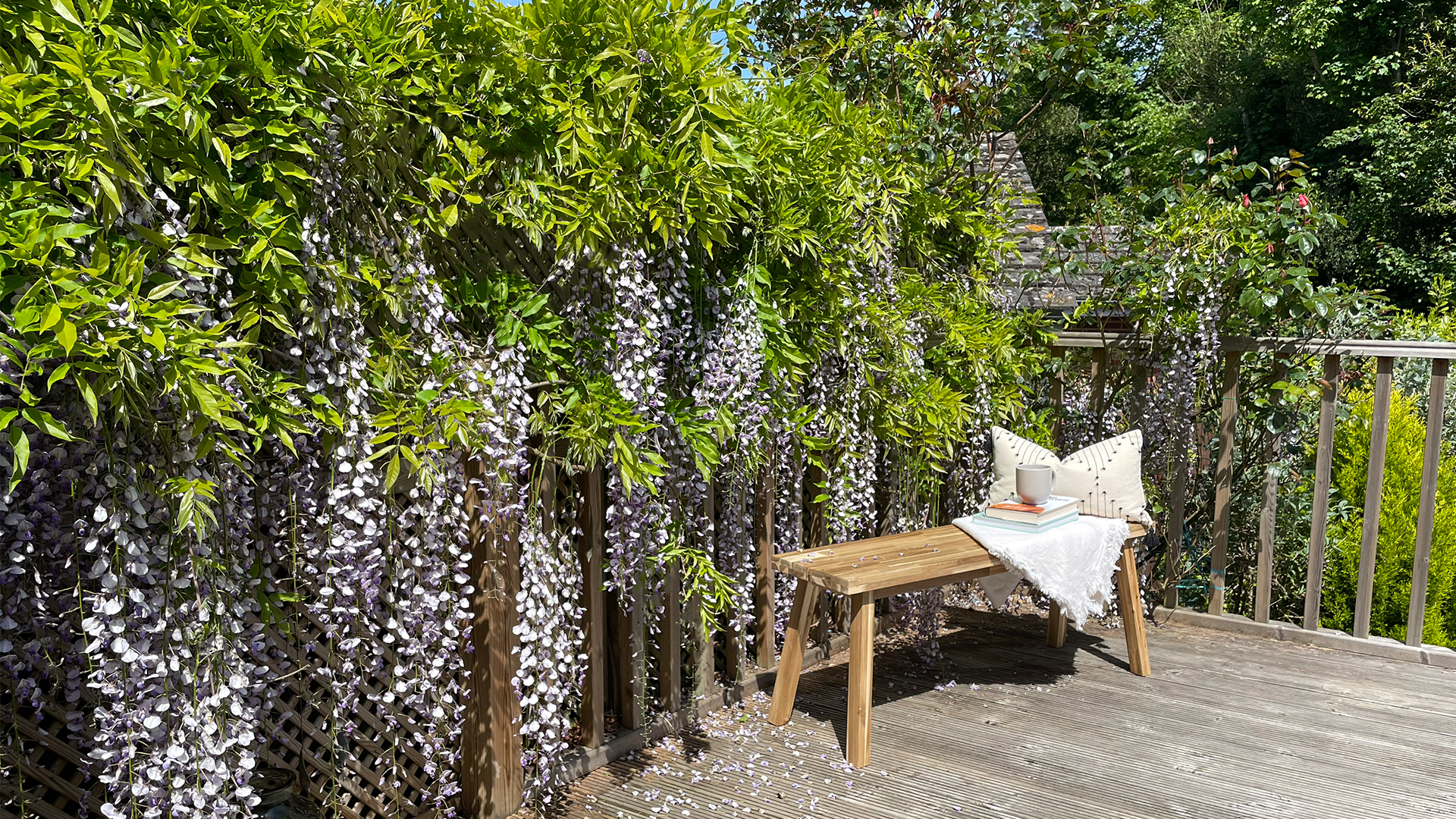
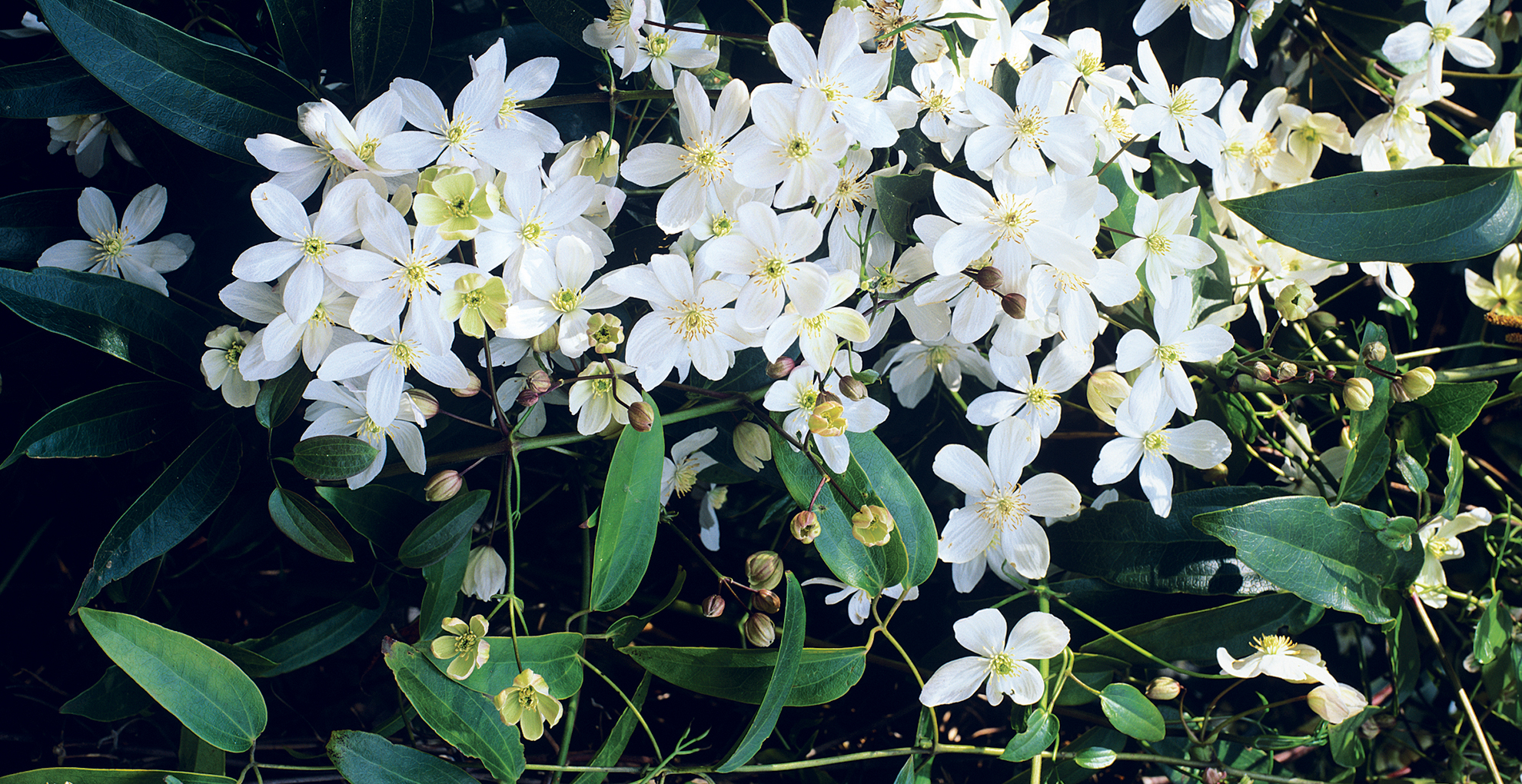
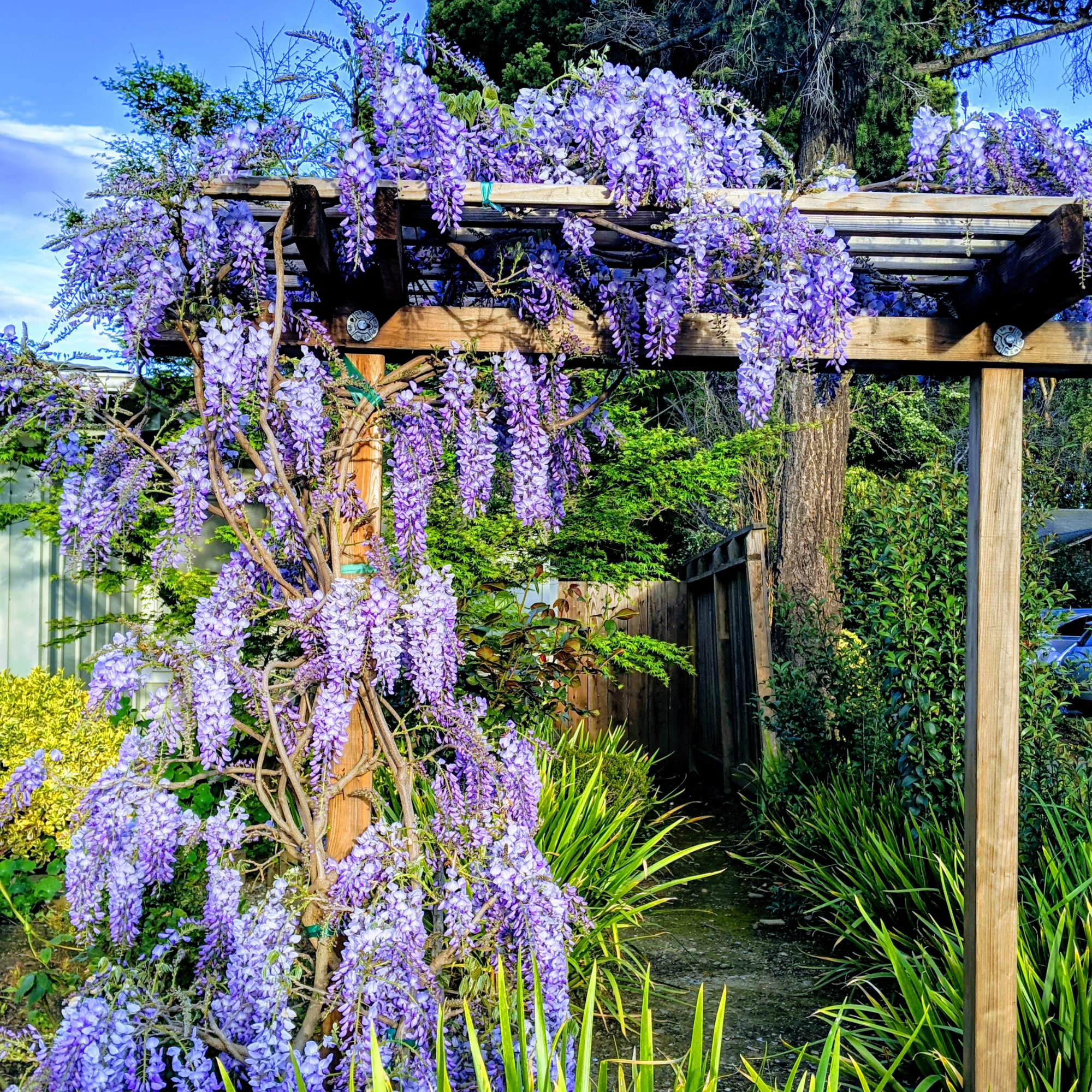
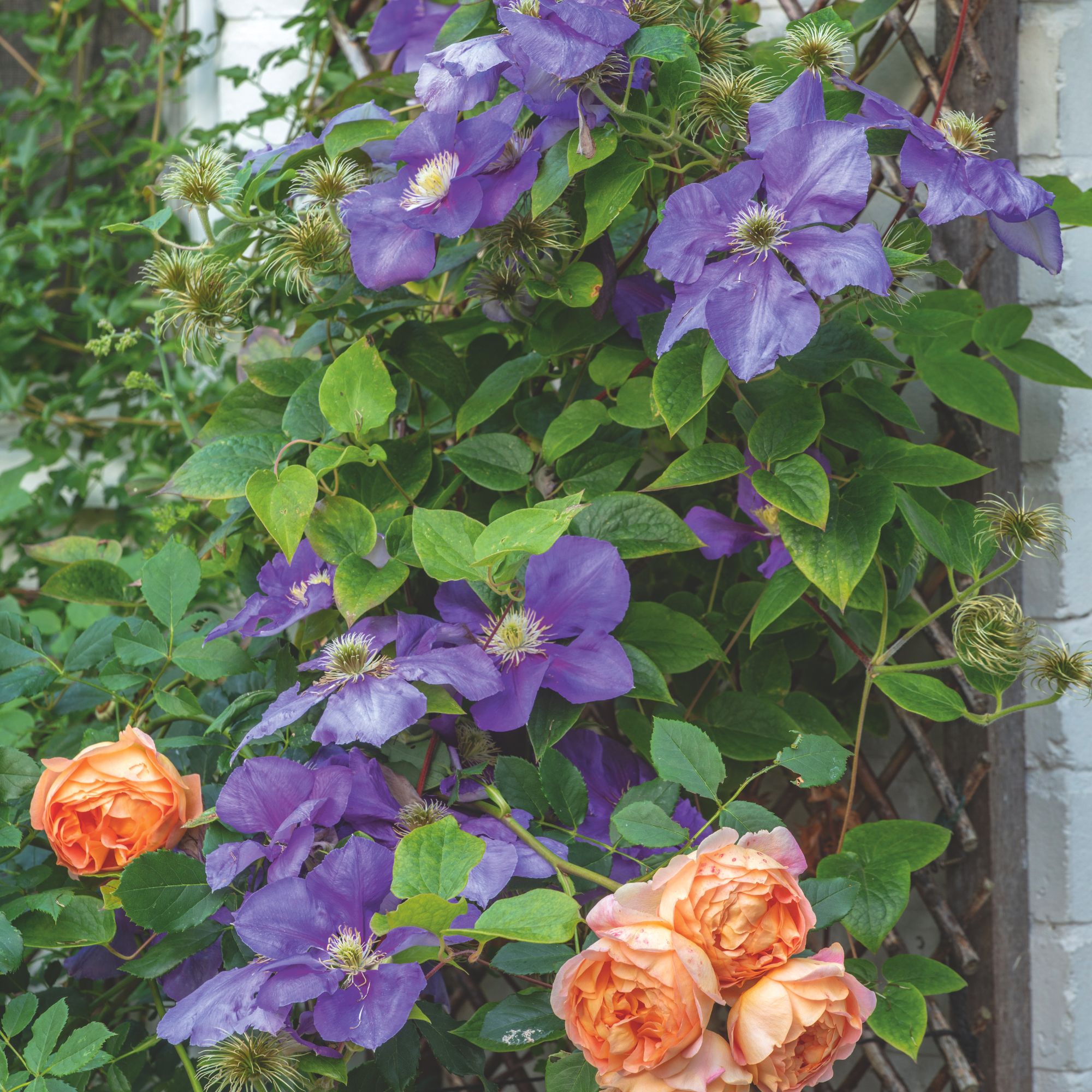
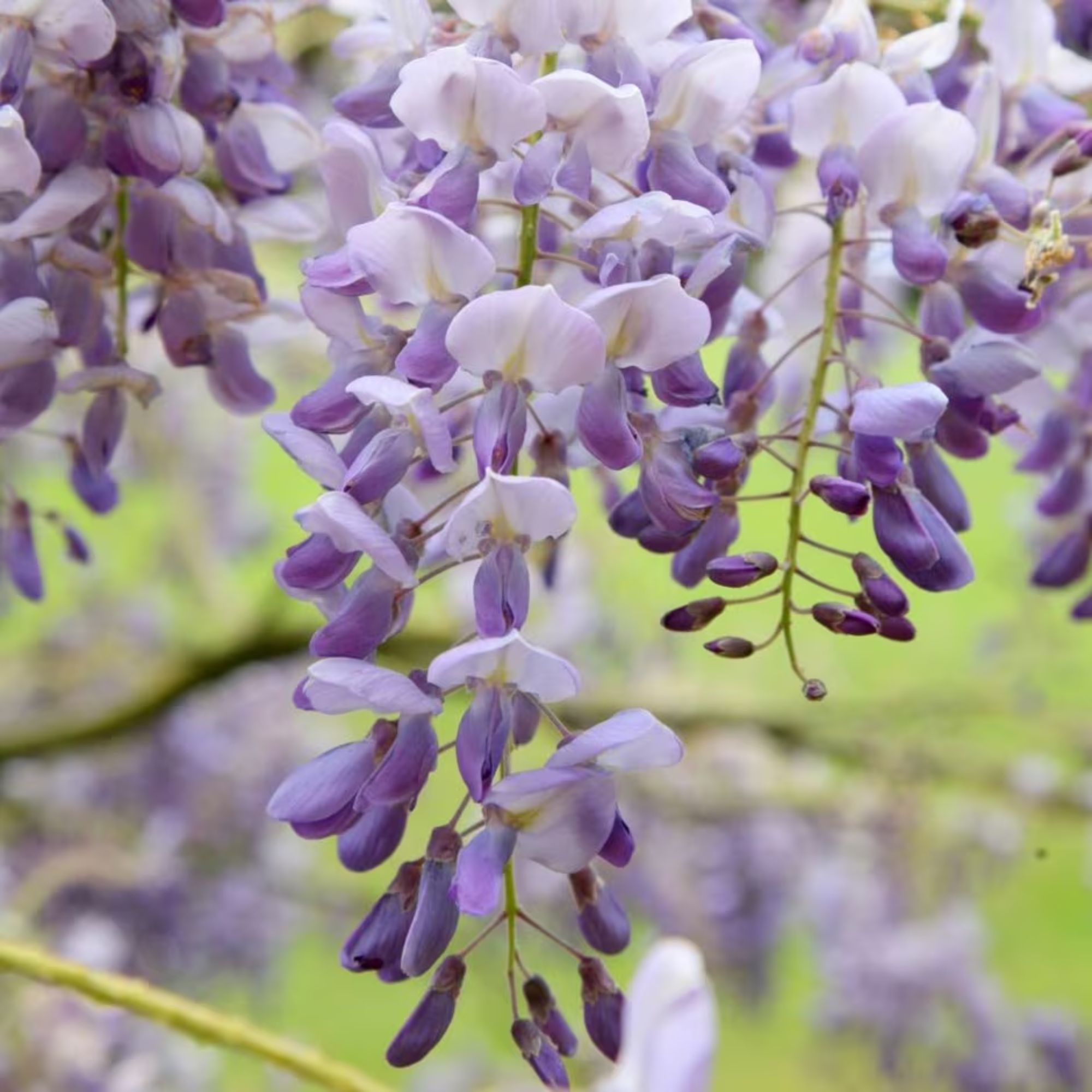
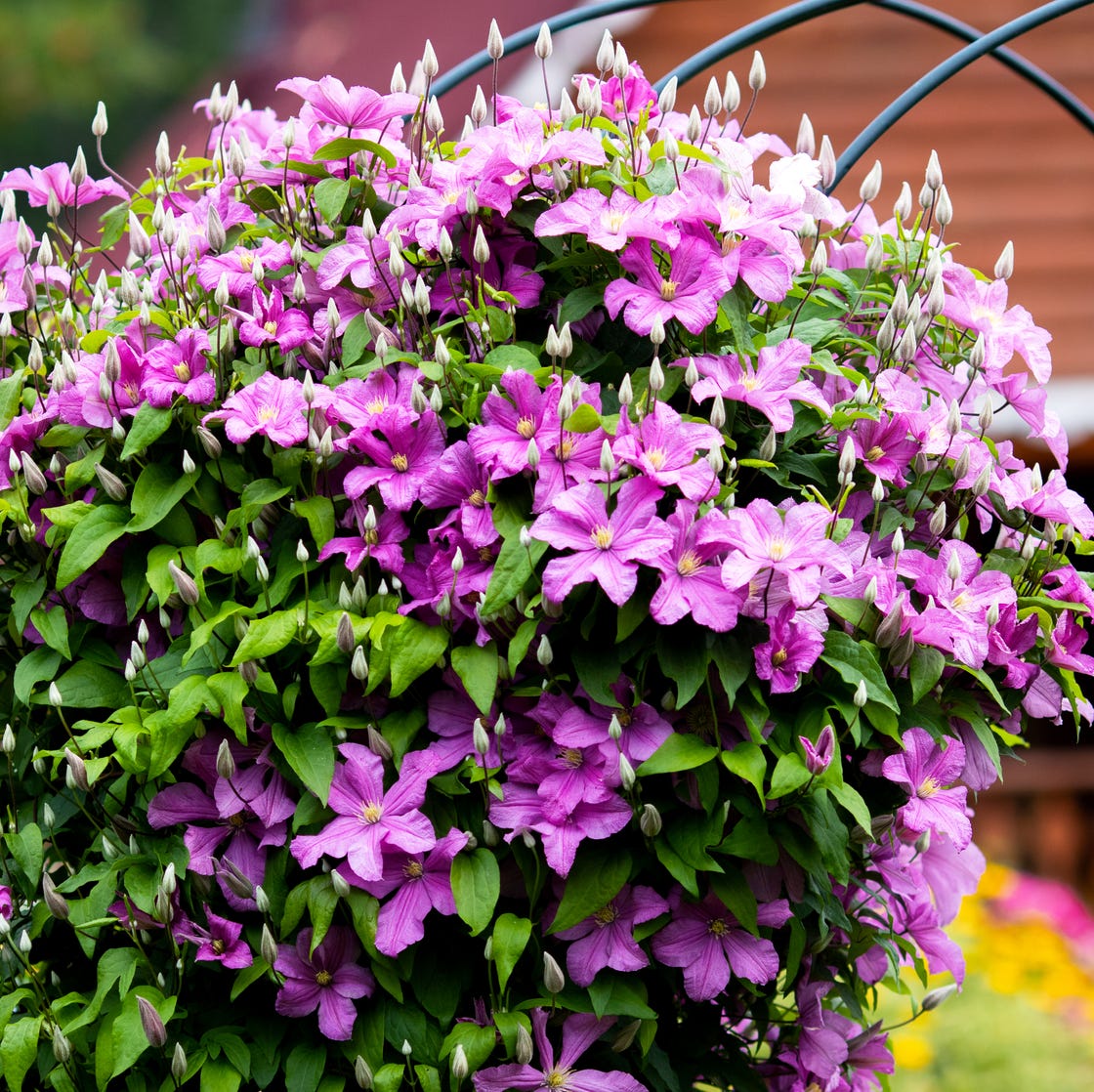
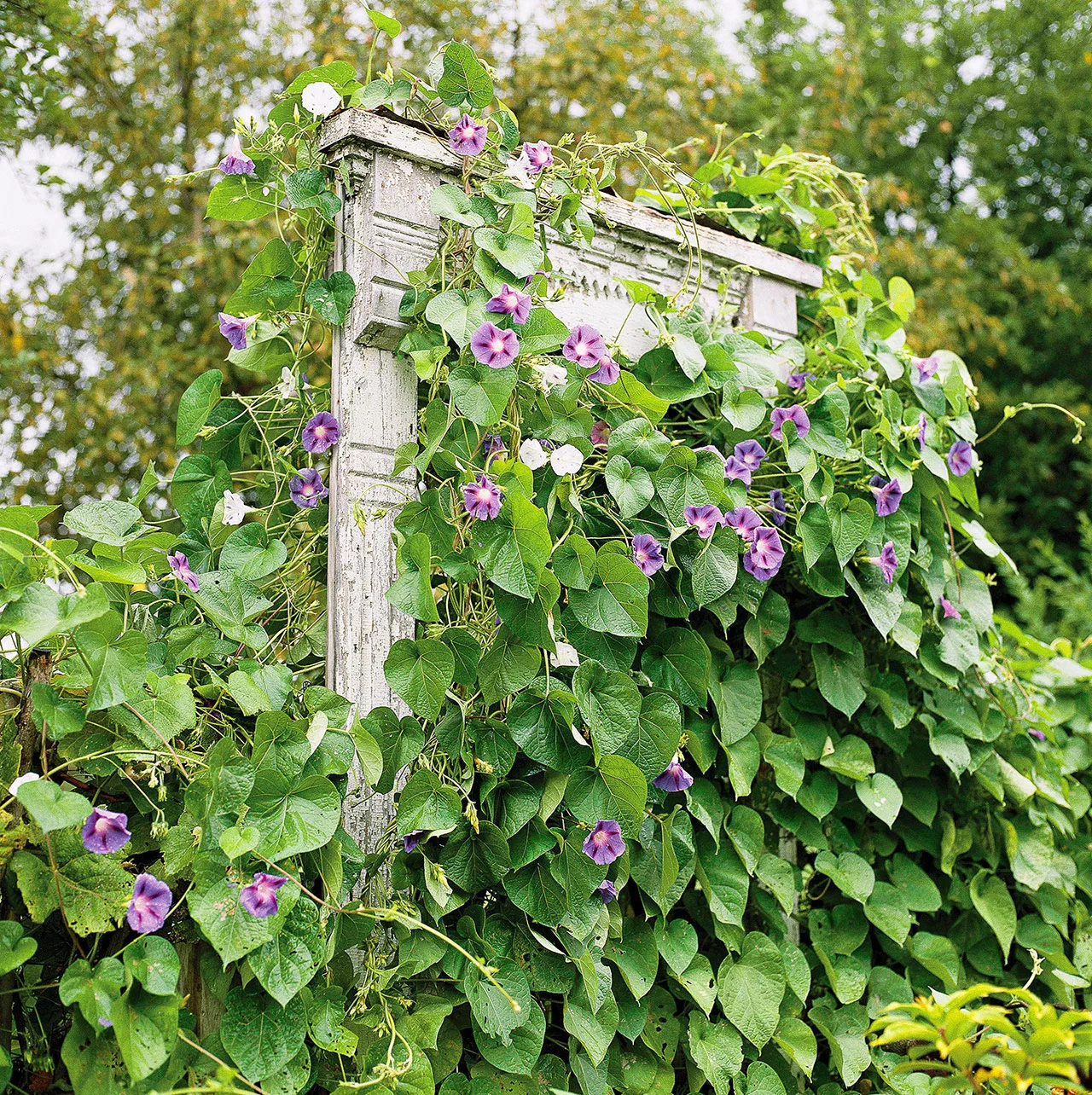
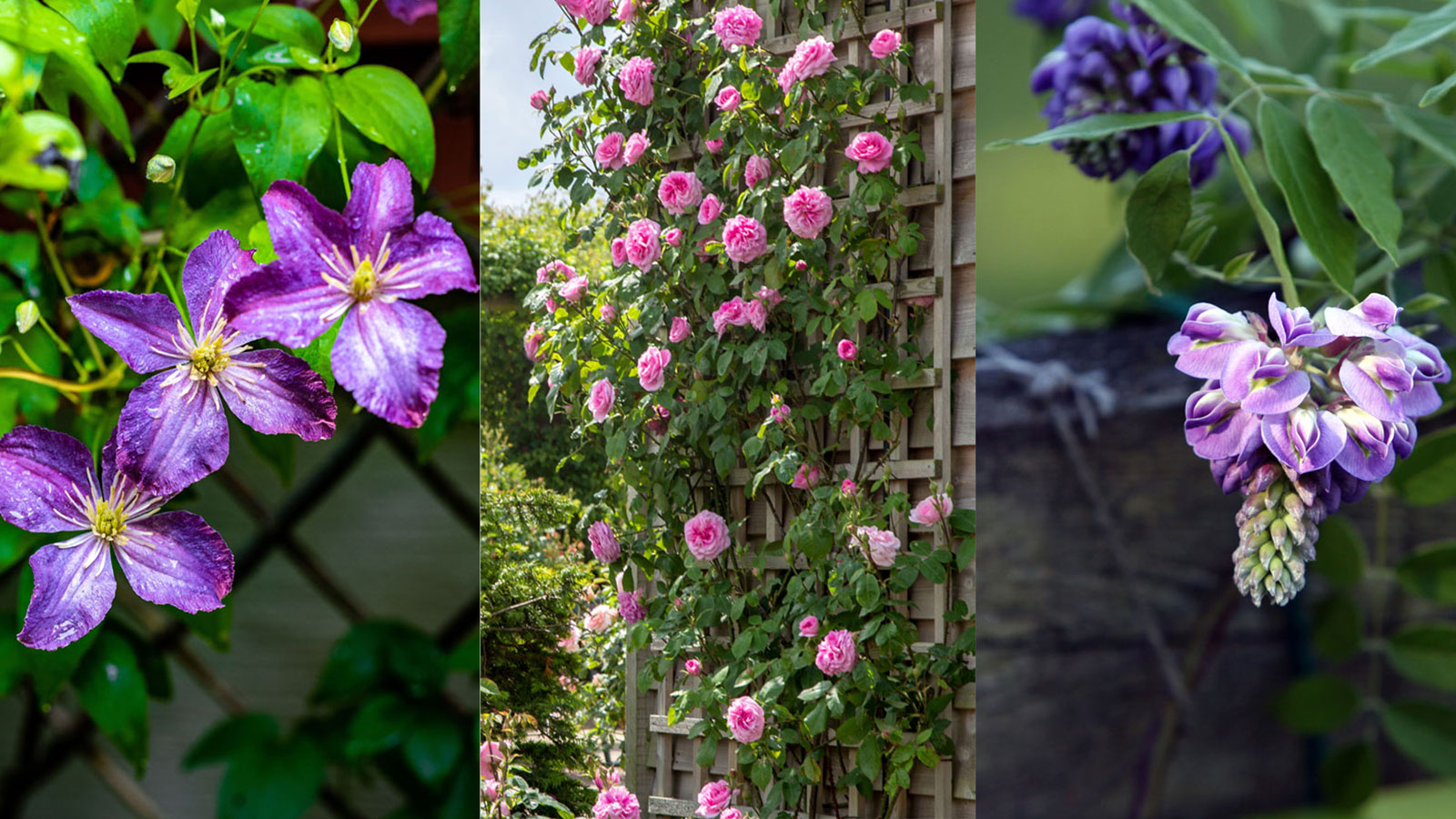
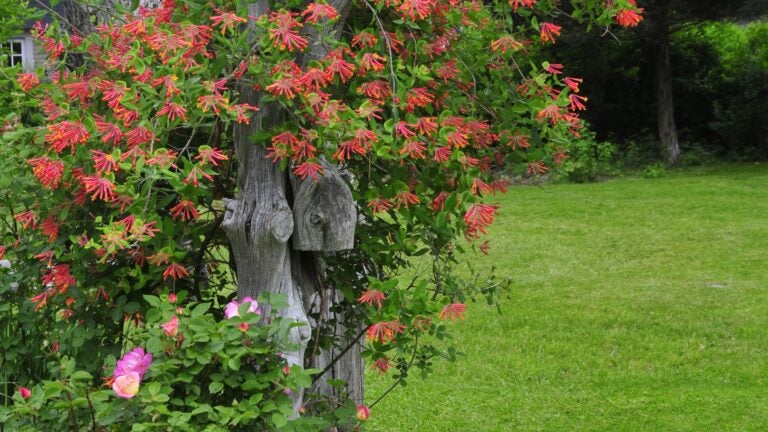
Some popular vining plants include Clematis, with over 300 species offering diverse bloom times and colors, thriving in full sun with shaded roots. Honeysuckle (Lonicera spp.) features fragrant, tube-shaped flowers that attract hummingbirds and bees, but gardeners should avoid the invasive Japanese honeysuckle. Morning Glories (Ipomoea purpurea) are known for their quick growth and morning blooms, easily self-seeding unless pods are removed. Wisteria (Wisteria frutescens) produces fragrant, grape-like flower clusters in mid-spring, but its rapid growth requires careful management. Native Wisteria frutescens is preferred over invasive Chinese and Japanese species. Bougainvillea (Bougainvillea spp.), an evergreen in frost-free regions, showcases vibrant pink or purple papery bracts and requires full sun, avoiding peat moss in potting soil to prevent root rot. Butterfly Vine (Mascagnia macroptera) attracts butterflies and is named for its distinctive seed pods. Snail Vine (Cochliasanthus caracalla) features unique snail-shaped purple blooms with a hyacinth scent. Climbing Carolina Aster (Ampelaster carolinianus) offers pink and purple flowers in summer and fall, preferring moist conditions.
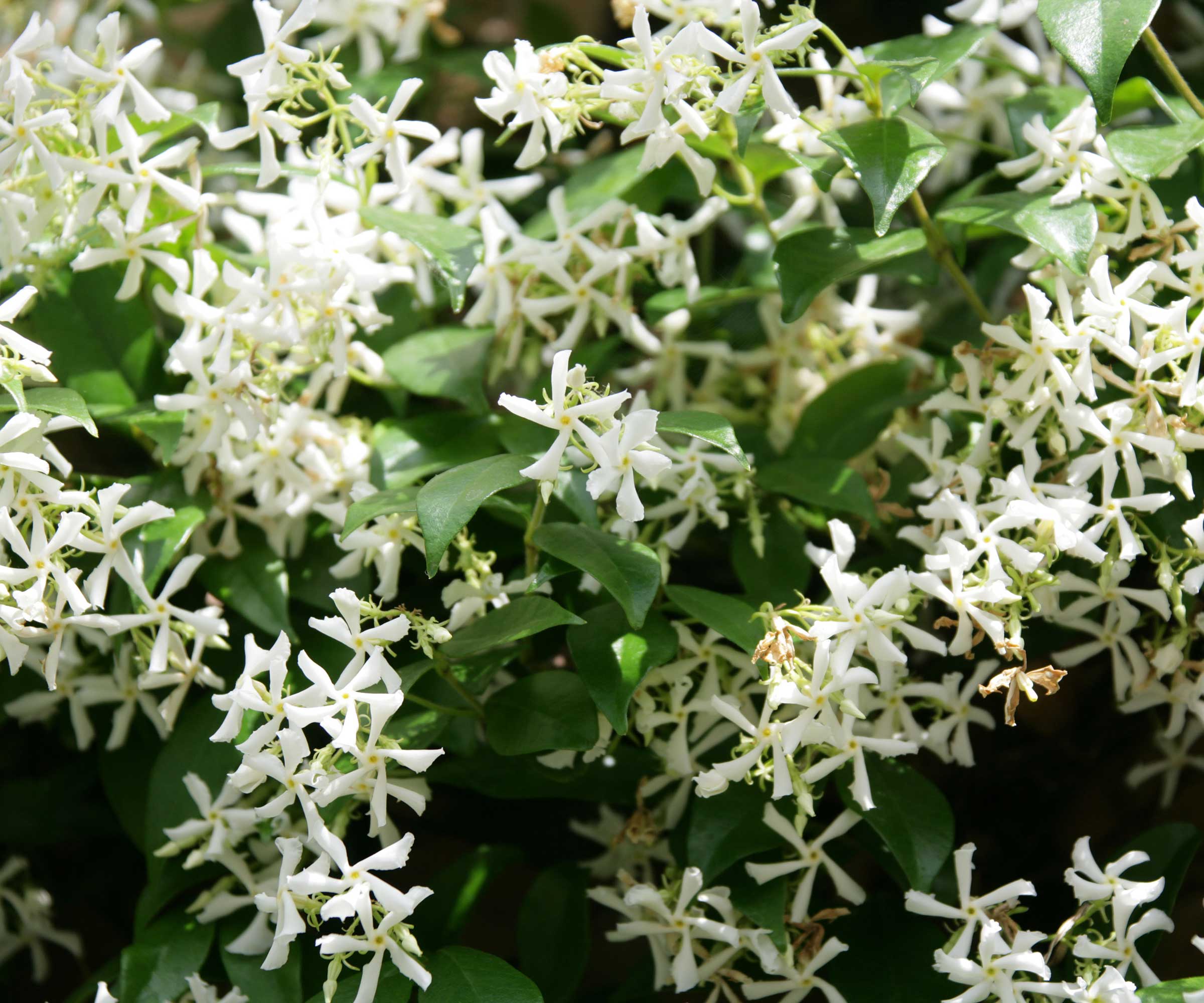
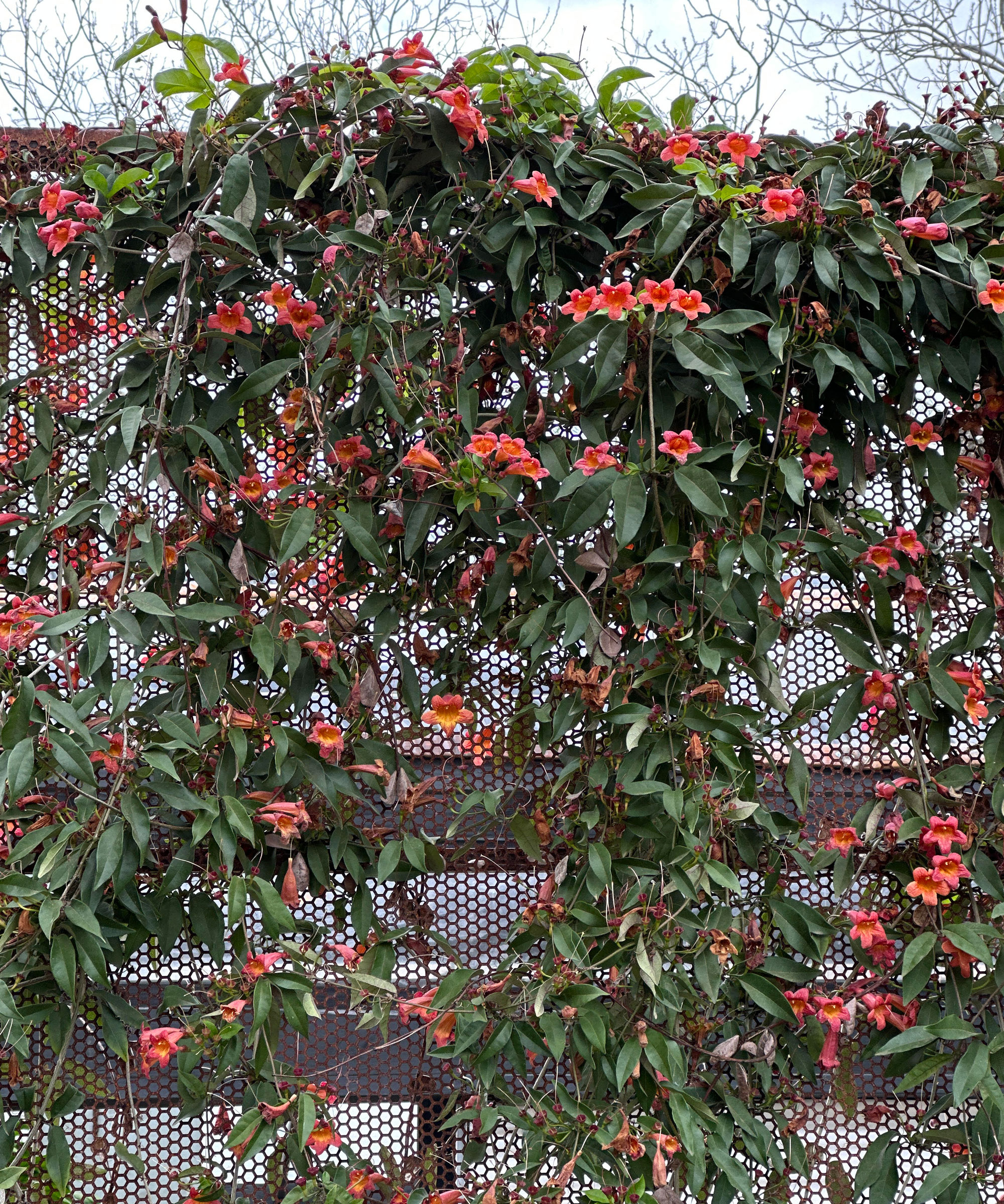
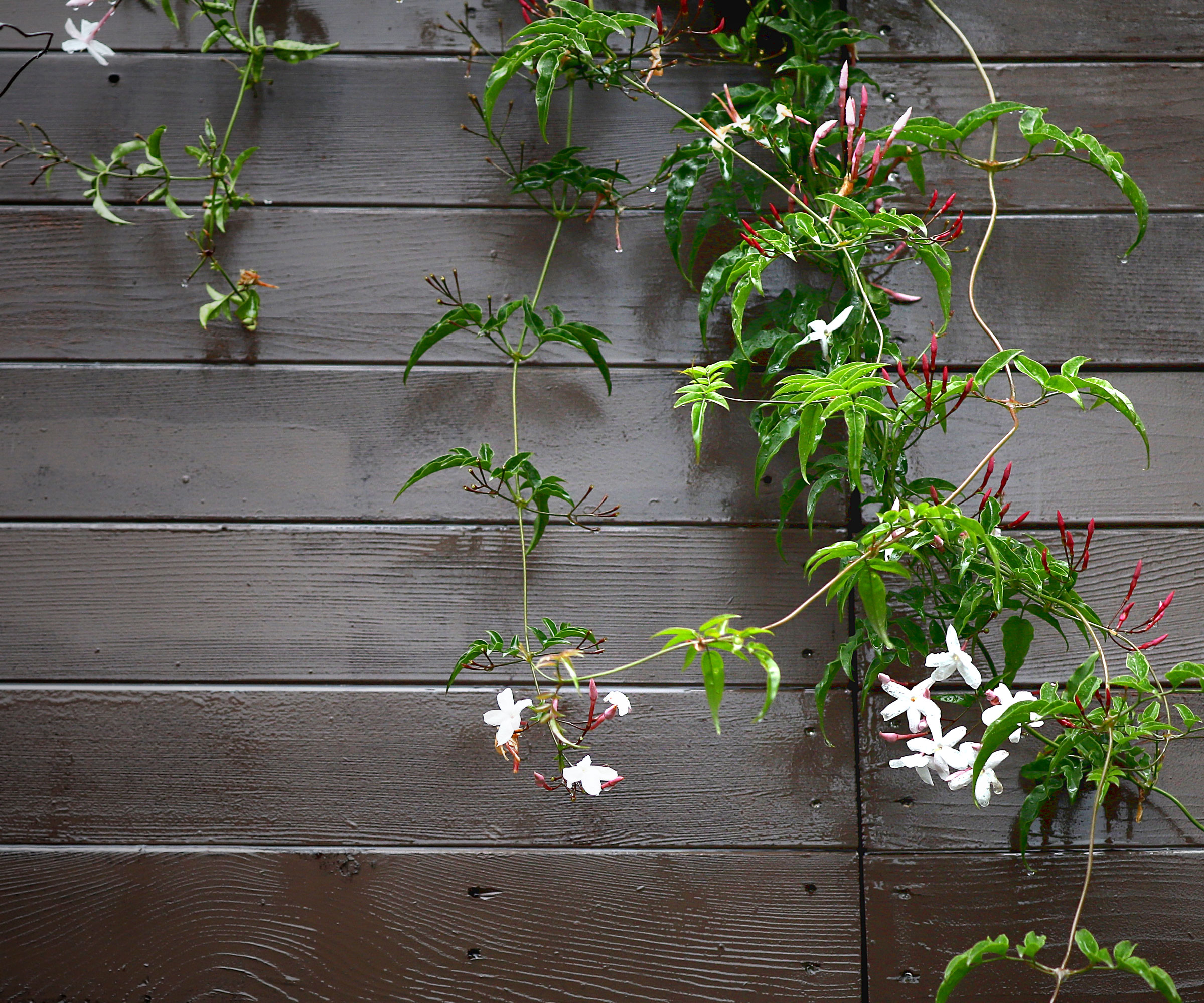
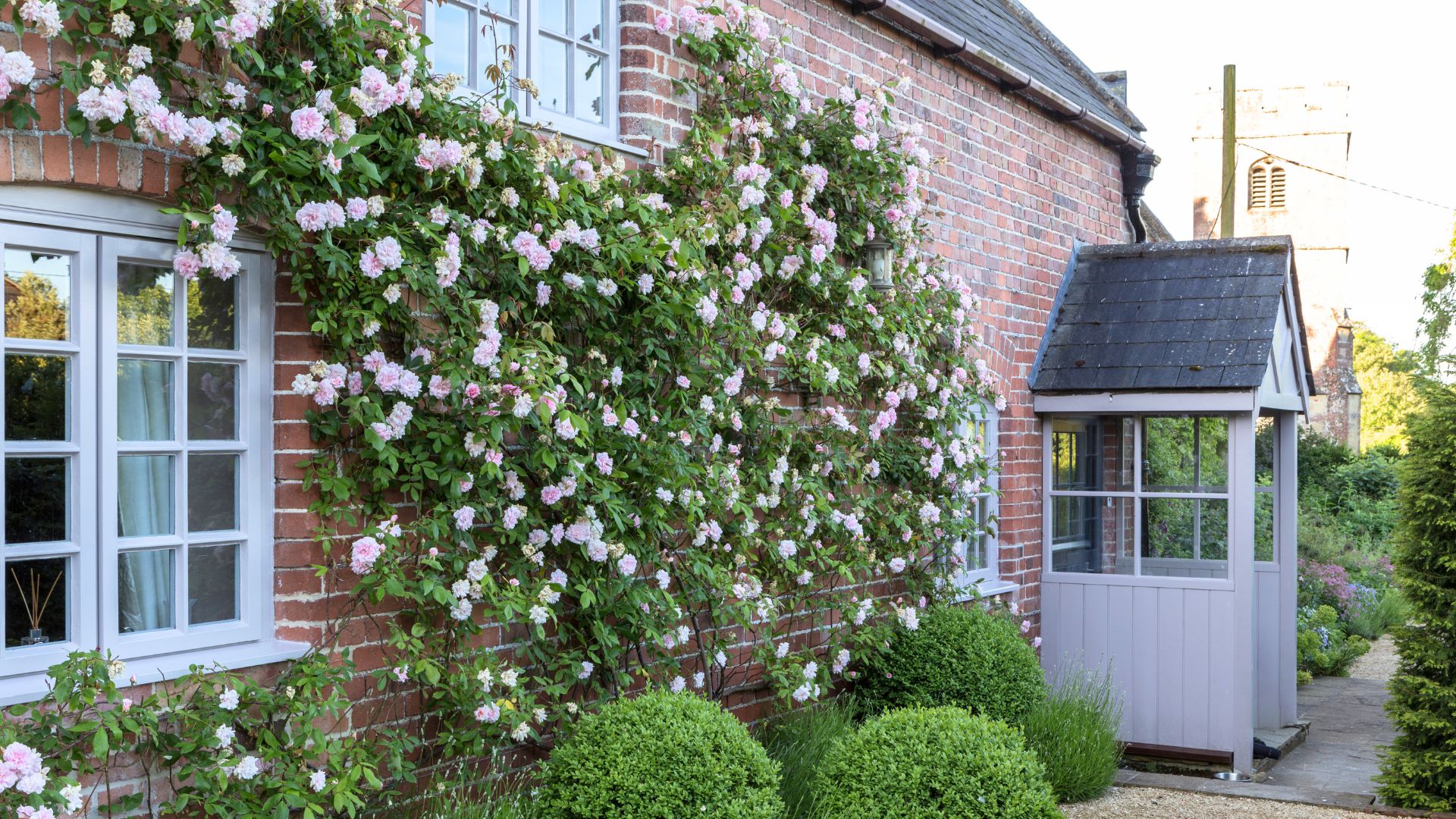
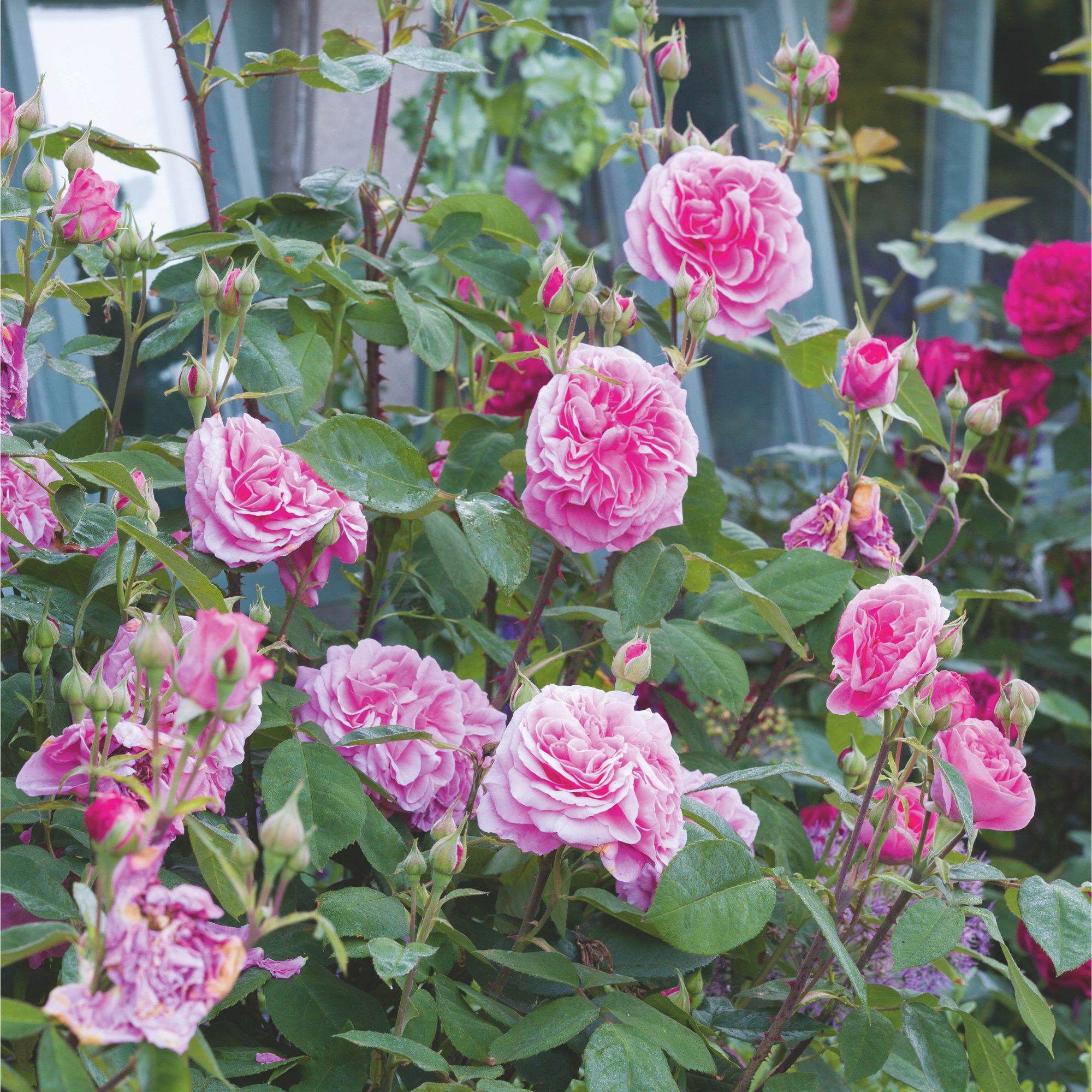
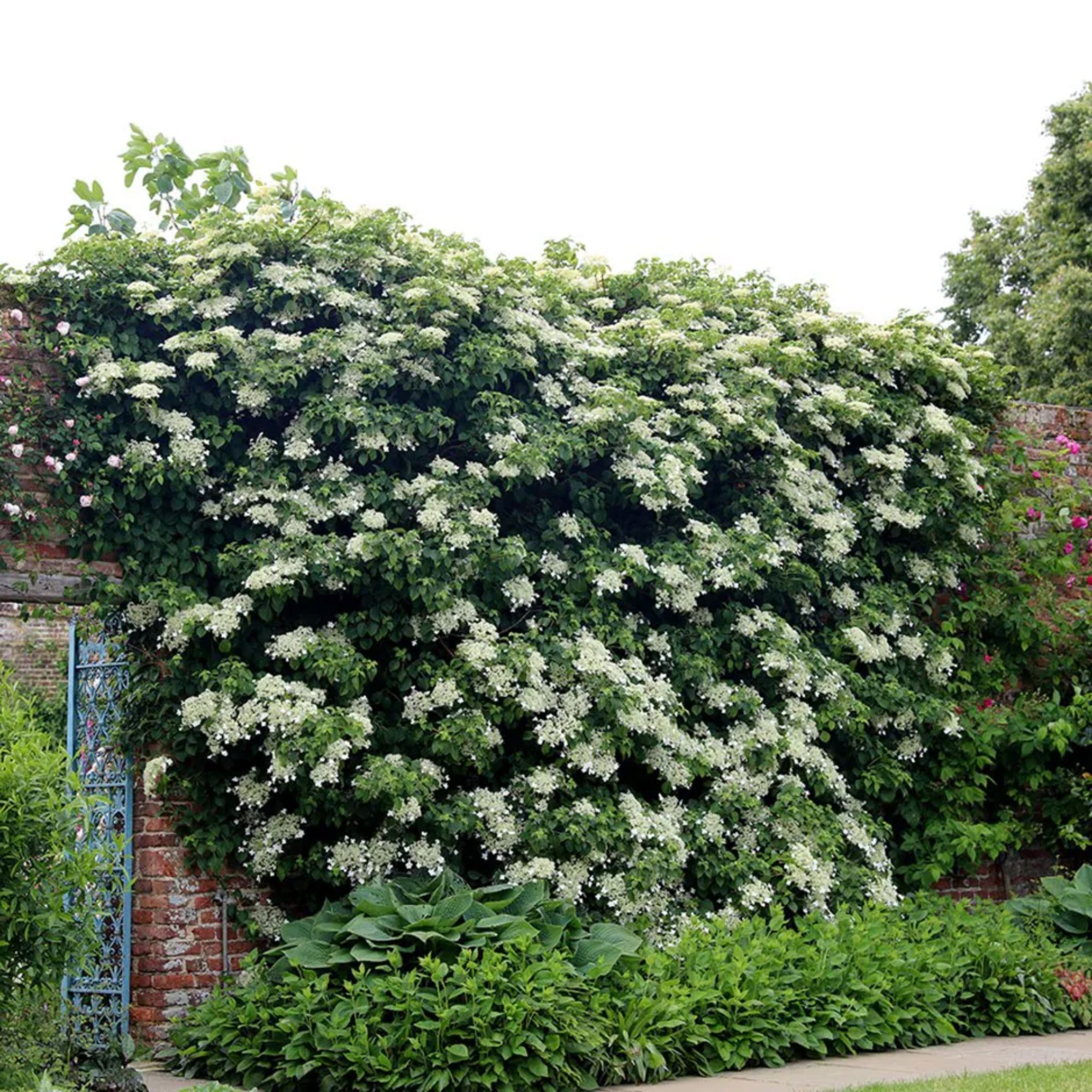
Dutchman's Pipe (Aristolochia macrophylla) is a woody vine with dense foliage for shade and distinctive curved flowers, though its leaves, sap, and flowers are toxic if ingested. Climbing Roses (Rosa spp.) come in numerous varieties that can be trained as vines, providing beautiful blooms when adapted to local conditions. Rocktrumpet (Mandevilla spp.) is a tropical vine with pink, red, or white blossoms that last all summer, suitable for full sun and often overwintered indoors in cooler climates. Madagascar Jasmine (Stephanotis floribunda) is a fragrant, tropical vine, notable for its waxy white flowers, but toxic to humans and pets. Cup and Saucer Vine (Cobaea scandens) displays unique bell-shaped flowers that change color as they mature. Crossvine (Bignonia capreolata) is a North American native with orange-red trumpet-shaped flowers, growing up to 50 feet. Climbing Nasturtium (Tropaeolum majus) is a fast-growing, edible plant that thrives in hot climates, producing gold, lemon, orange, pink, ruby, or bi-colored flowers. Trumpet Vine (Campsis radicans), another fast-growing native, boasts orange, red, and yellow trumpet-shaped flowers but can be invasive if not managed. Purple Bell Vine (Rhodochiton atrosanguineus) features long, tube-like flowers and is ideal for vertical growth in small spaces. Passionflower Vines (Passiflora spp.) attract various pollinators with their delicate blooms. Porcelain Flower (Hoya Carnosa) has ornate, star-shaped blossoms and thick waxy leaves, often grown indoors or in shaded outdoor containers. Blue Sky Vine (Thunbergia grandiflora) is a fast-growing purple vine that requires diligent maintenance to prevent invasiveness. Sweetpea (Lathyrus odoratus) offers fragrant, colorful blooms but is toxic to pets. Cypress Vine (Ipomoea quamoclit) attracts hummingbirds with its small flowers and feathery foliage. Japanese Hydrangea Vine (Hydrangea hydrangeoides) tolerates shade and produces pink or white bracts. Star Jasmine (Trachelospermum jasminoides) is a fragrant, creamy-white flowering vine that takes time to establish. Chocolate Vine (Akebia quinata) produces delicate purple flowers but can become aggressive if not contained. Scarlet Runner Bean (Phaseolus coccineus) offers edible beans and red blooms attractive to hummingbirds. Carolina Jessamine (Gelsemium sempervirens) is a fast-growing vine with fragrant yellow flowers. Firecracker Vine (Pyrostegia venusta) is a heat and drought-tolerant vine with orange blooms, appealing to hummingbirds. Climbing Hydrangea (Hydrangea petiolaris) is a slow-growing, shade-loving vine with creamy white flowers that requires sturdy support. Moonflower (Ipomoea alba) is an heirloom variety with large, fragrant night-blooming white flowers. Black-Eyed Susan Vine (Thunbergia alata) has cheerful blooms in various colors and is suitable for pots or trellises. Hyacinth Bean (Lablab purpureus) is a fast-growing ornamental vine with pink, purple, or white flowers, but its raw beans are toxic. Virginia Creeper (Parthenocissus quinquefolia) is a fast-growing vine with beautiful red fall foliage, ideal for covering walls and adaptable to various soil types. These vines offer diverse aesthetic and ecological benefits for garden enhancement.
#Gardening #FloweringVines #PlantCare #GardenDesign #PollinatorPlants #ClimbingPlants #USDAHardinessZones #Gardening #FloweringVines #PlantCare #GardenDesign #PollinatorPlants #ClimbingPlants #USDAHardinessZones
0 commentaire au total
 Aucun commentaire pour le moment
Vous aimerez aussi
Easiest climbers to grow – 5 fool-proof vines to quickly and effectively cover bare walls this year

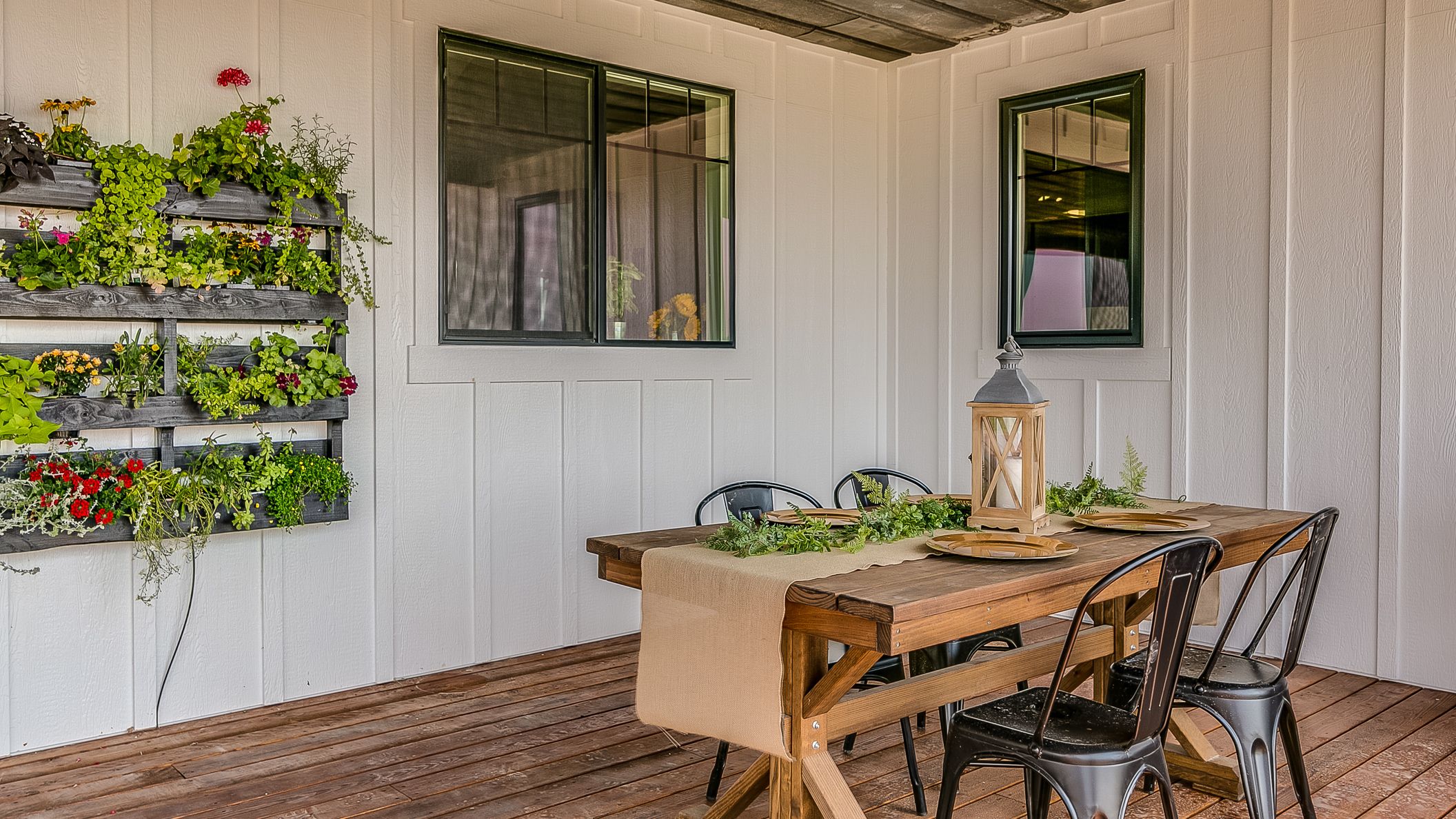
15 Vertical Garden Ideas, From Living Walls to Botanical Libraries

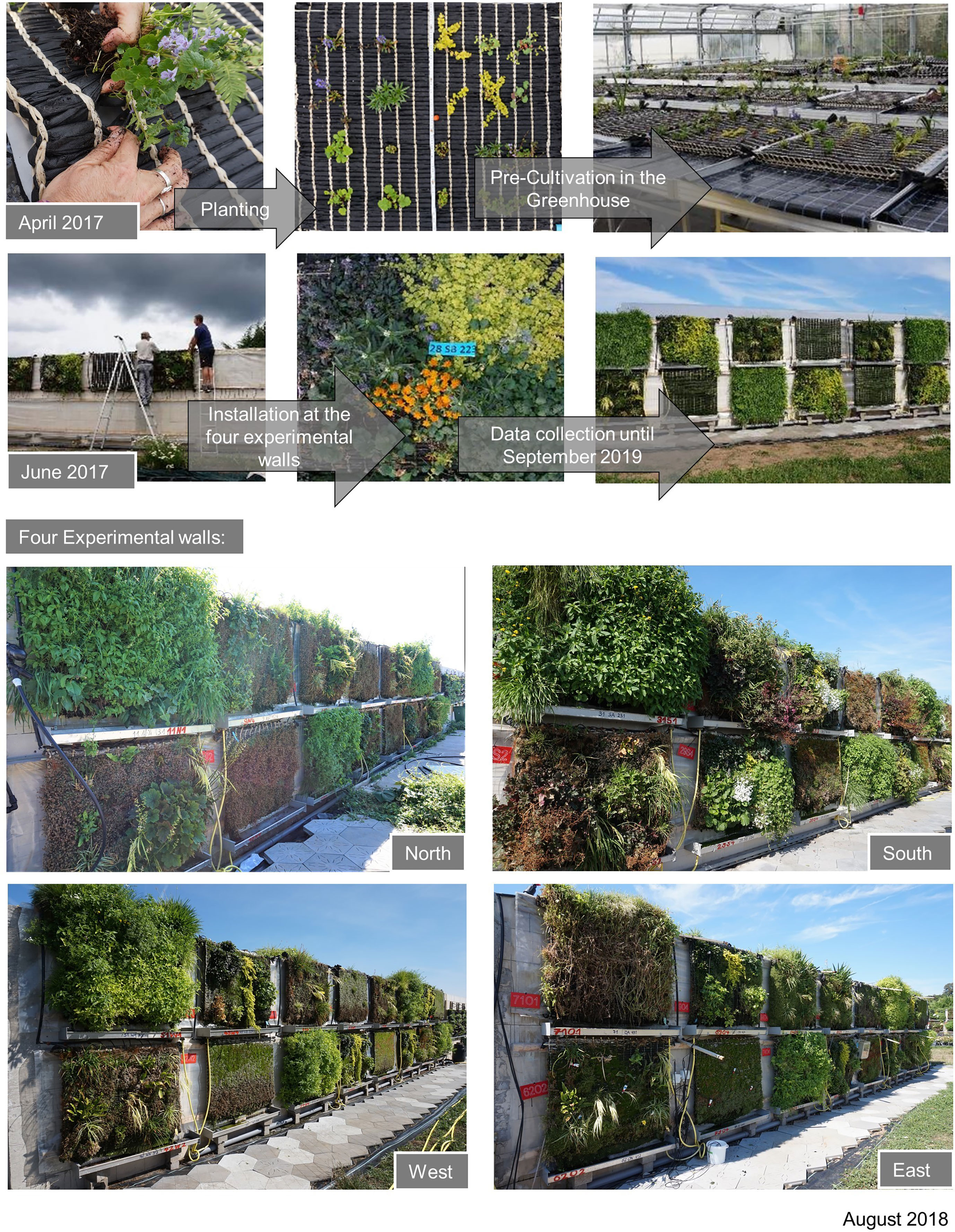
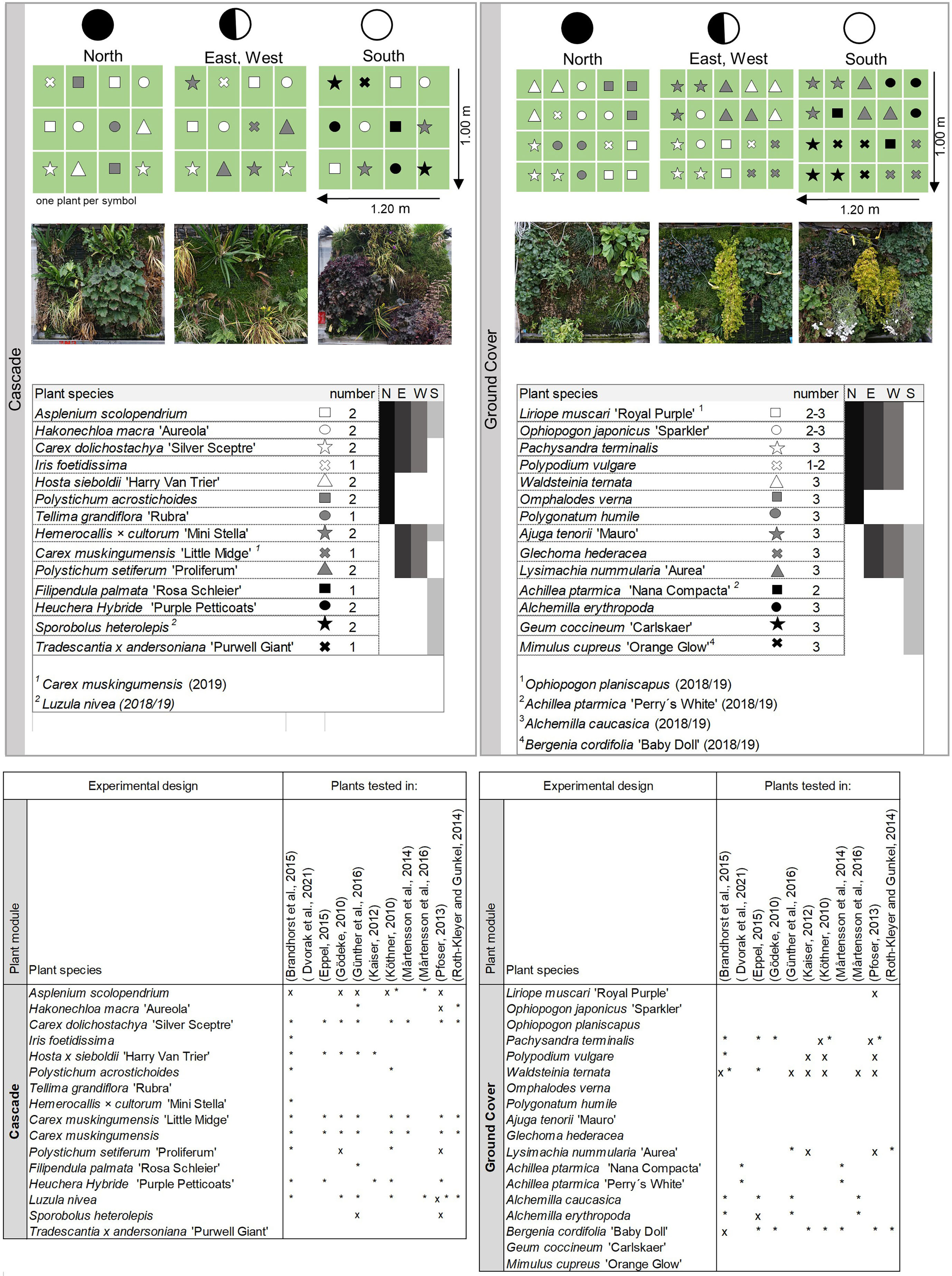
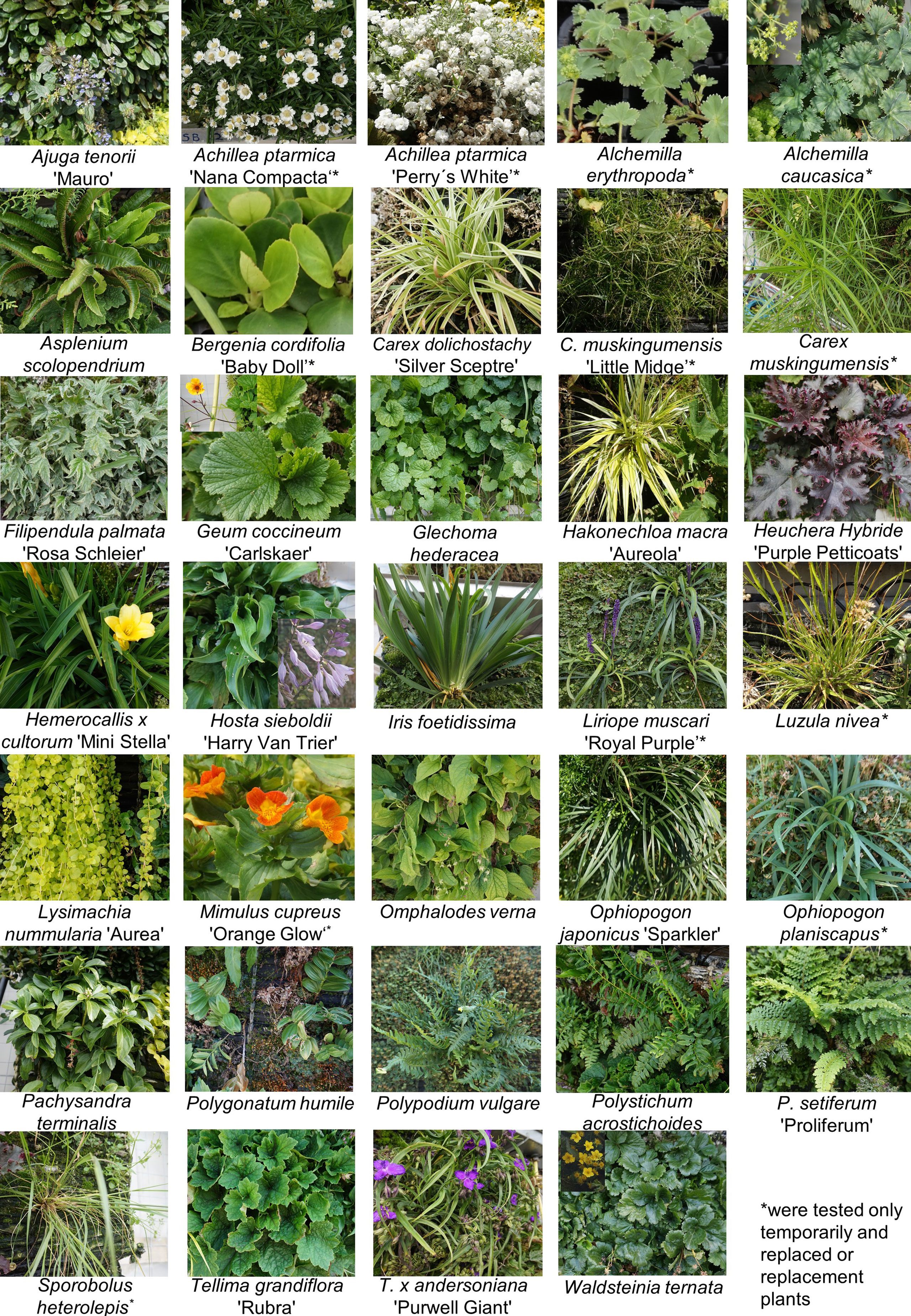
Vertical plants: Plant design of Living walls – evaluation of 34 perennials in a textile based Living wall over a three years experiment
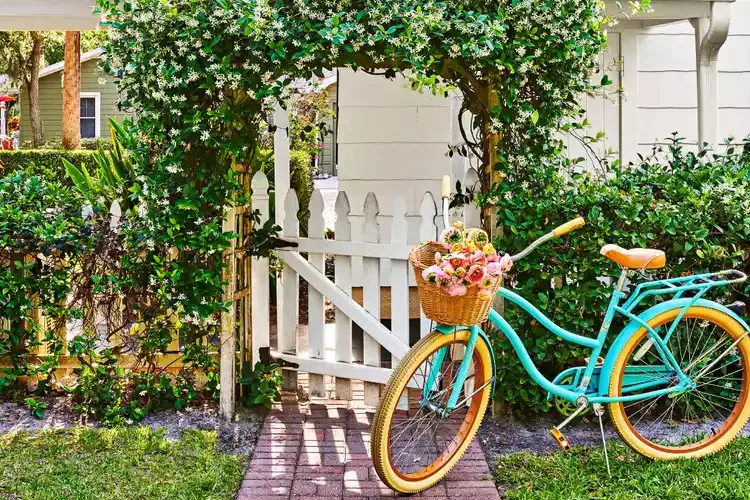
Garden Trellis Ideas That Make A Lofty Impact
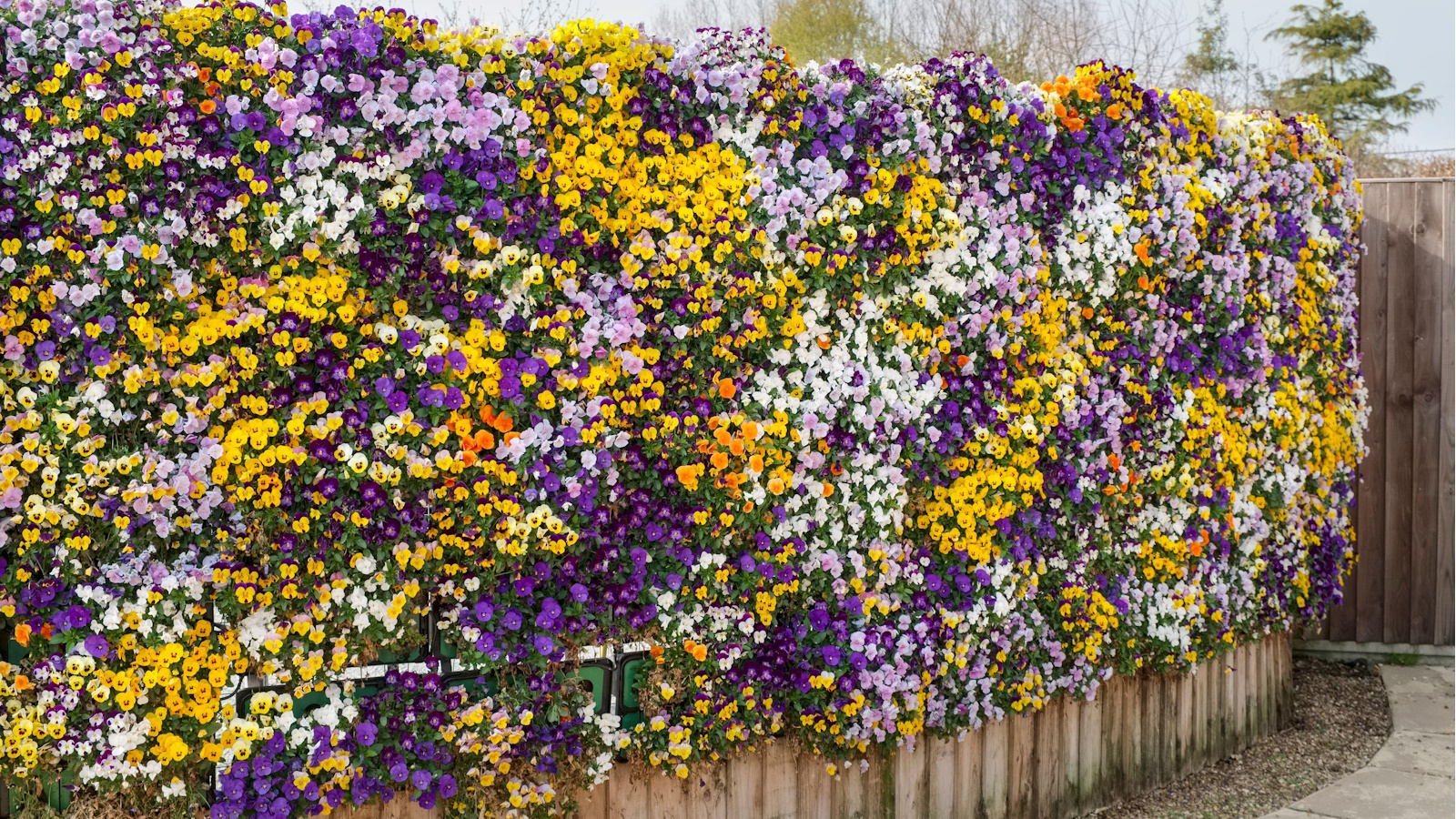
Best plants for a flowering living wall – 5 vertical blooms for a beautiful garden feature

19 vertical garden ideas - landscape experts show how plants thrive in small spaces inside and outside the home

These 11 Vine Supports Take Climbing Flowers to the Next Level

These Vertical Gardens Are a Plant Lover’s Dream

Best plants to cover a fence – 10 ways to disguise a fence with beautiful flowers and foliage
Ask the Gardener: The best vines to plant to climb your pergola
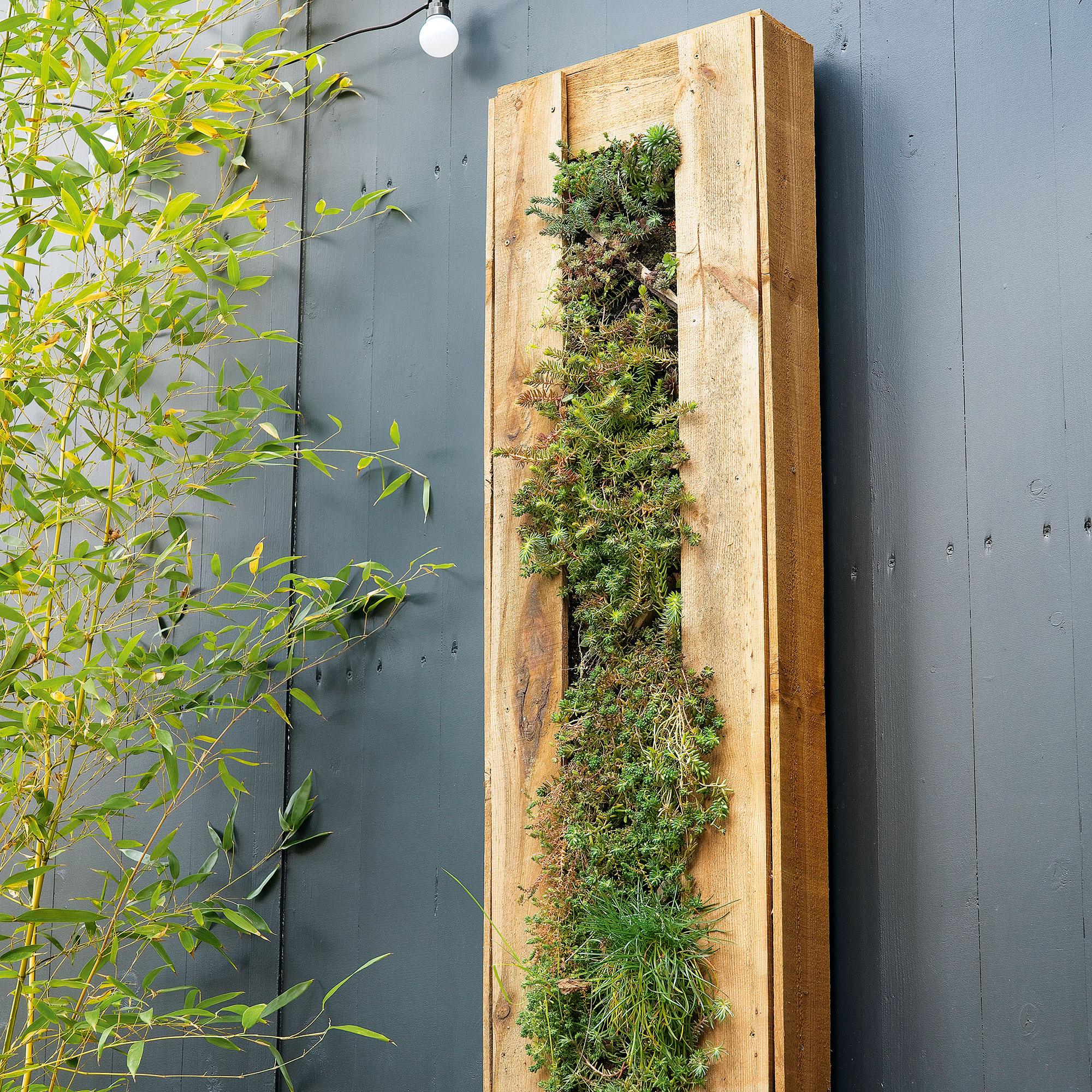
Living wall ideas to create a stylish vertical garden in your space

Bud Vases Are in Full Bloom
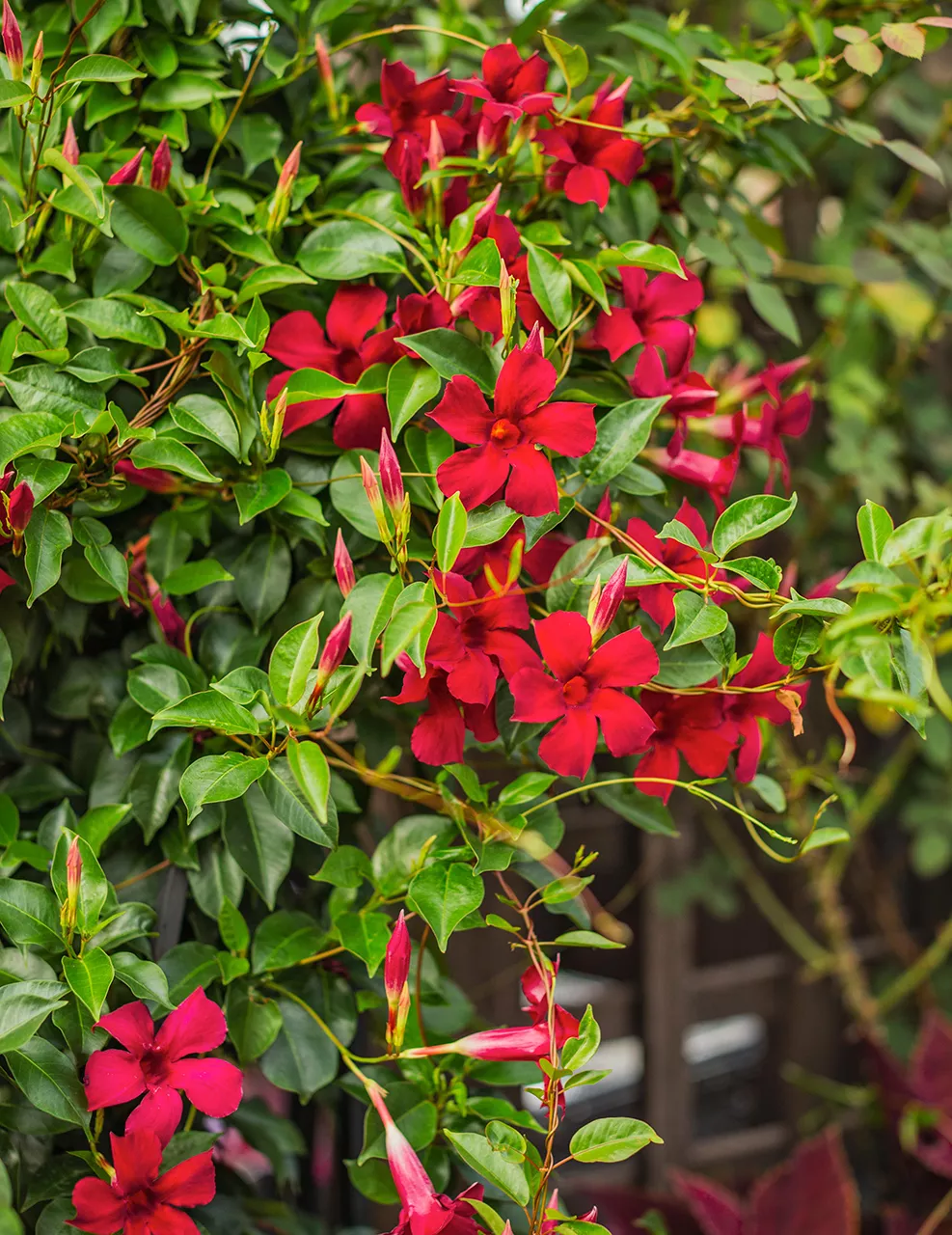
26 Flowering Vines for Dressing Up Fences, Arbors, and Trellises
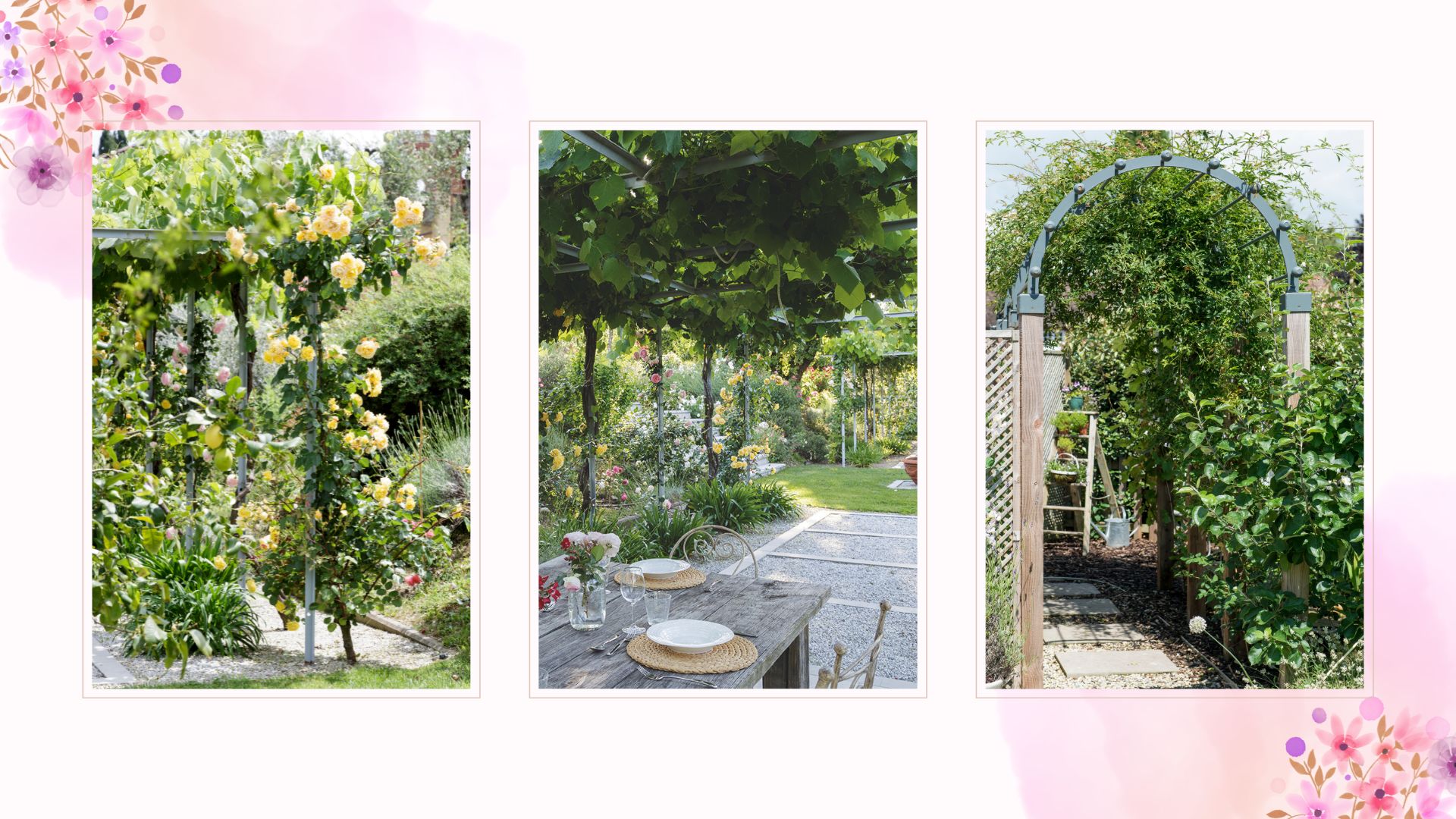
The best plants for a pergola: 5 thriving climbers chosen by professional gardeners

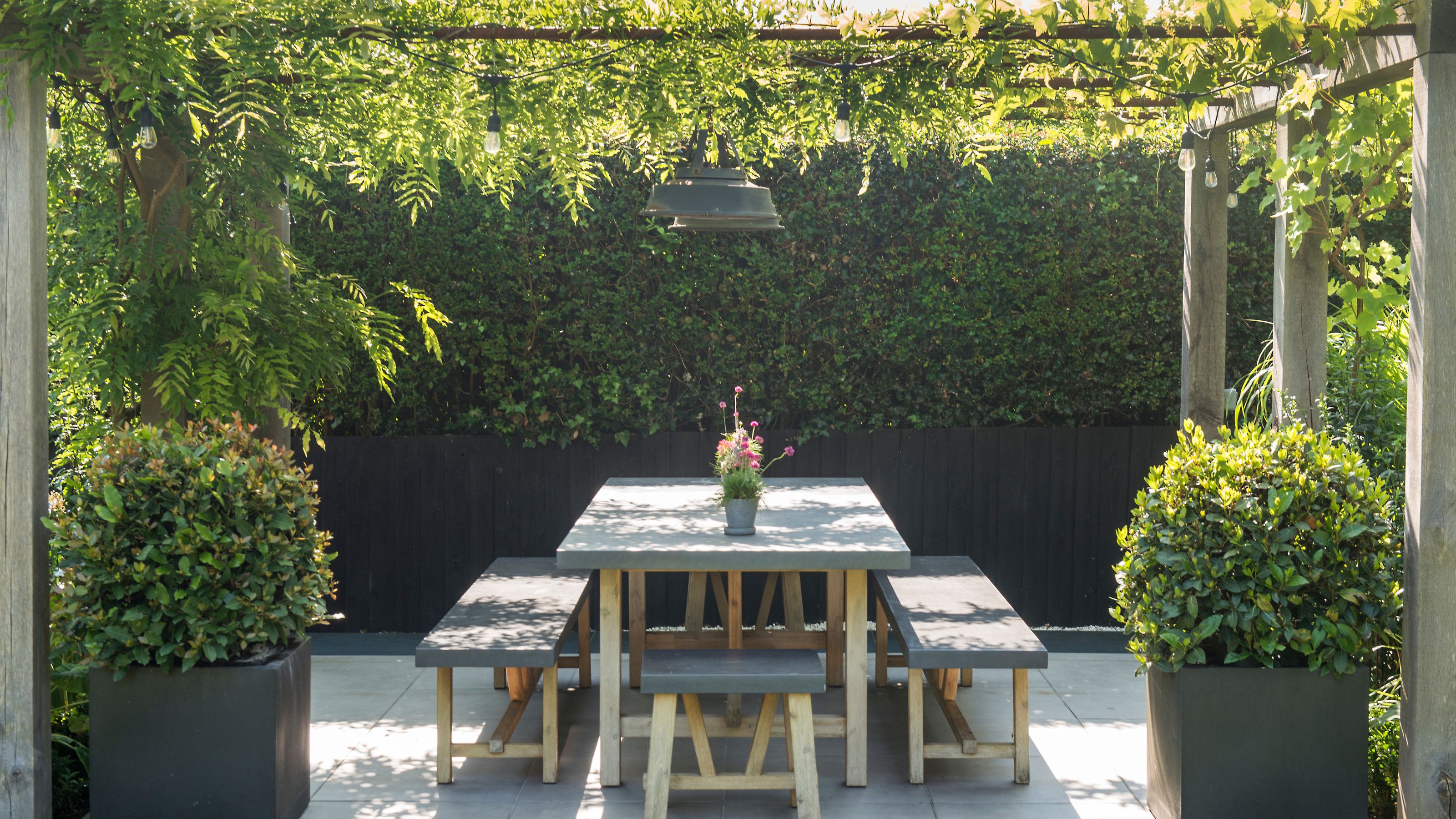
5 best plants to grow up a pergola for a beautiful, scented awning
These Pink-Blooming Beauties Are the Ultimate Yard Upgrade
How to grow a vertical garden at home
Best cascading plants: 5 joyful plants for pots and retaining walls
The 5 best climbing plants to cover an ugly fence, add privacy, and beautify your garden
9 of the best plants for vertical gardens