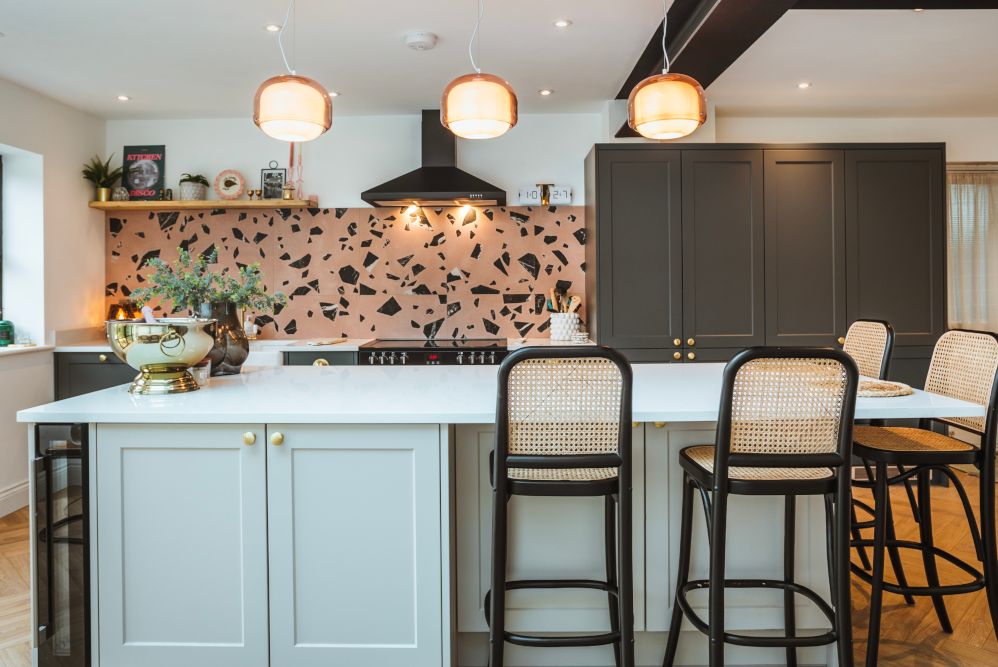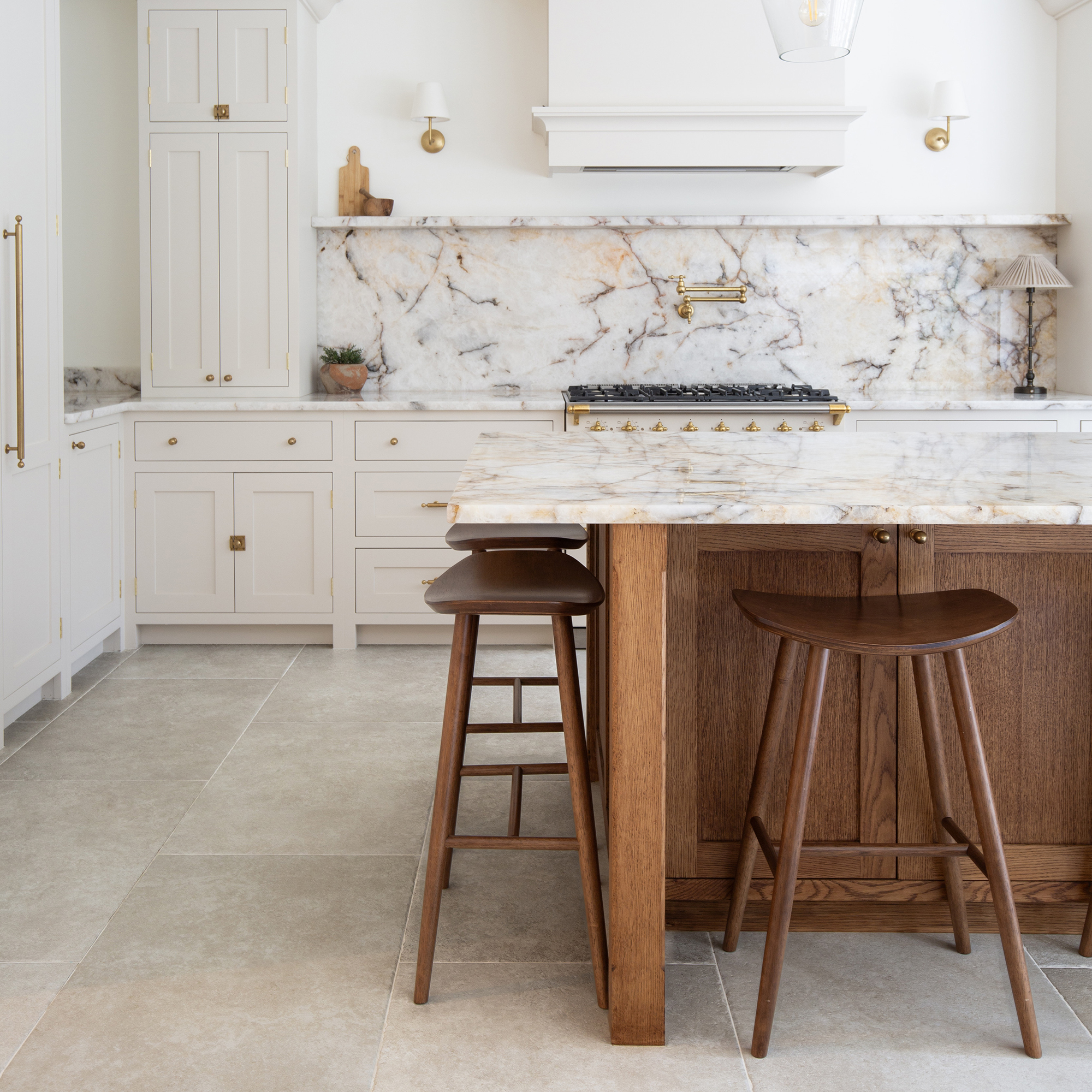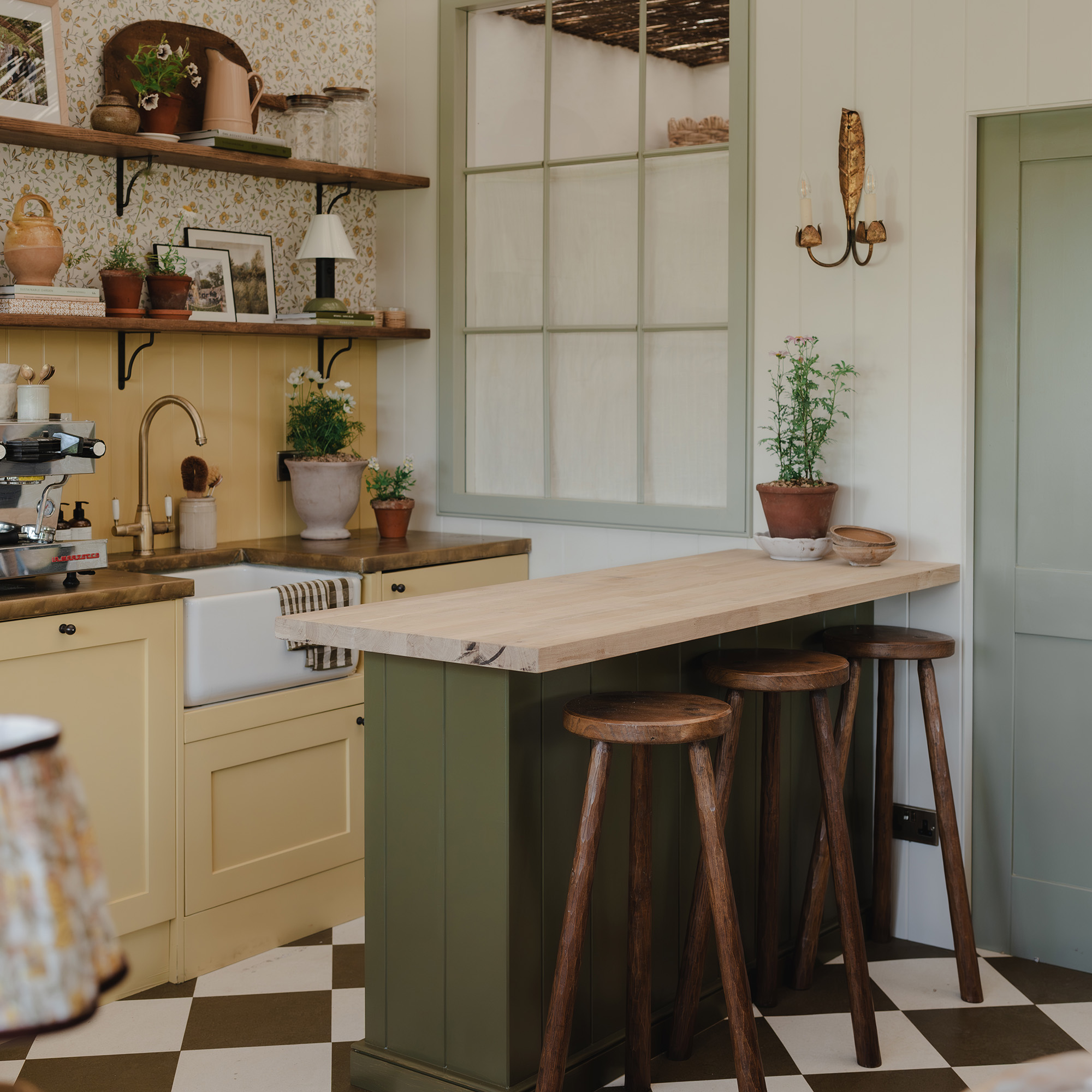
1/8
Fluted cabinets are set to be a huge kitchen trend in 2025 - this is how to make texture work in your cooking space
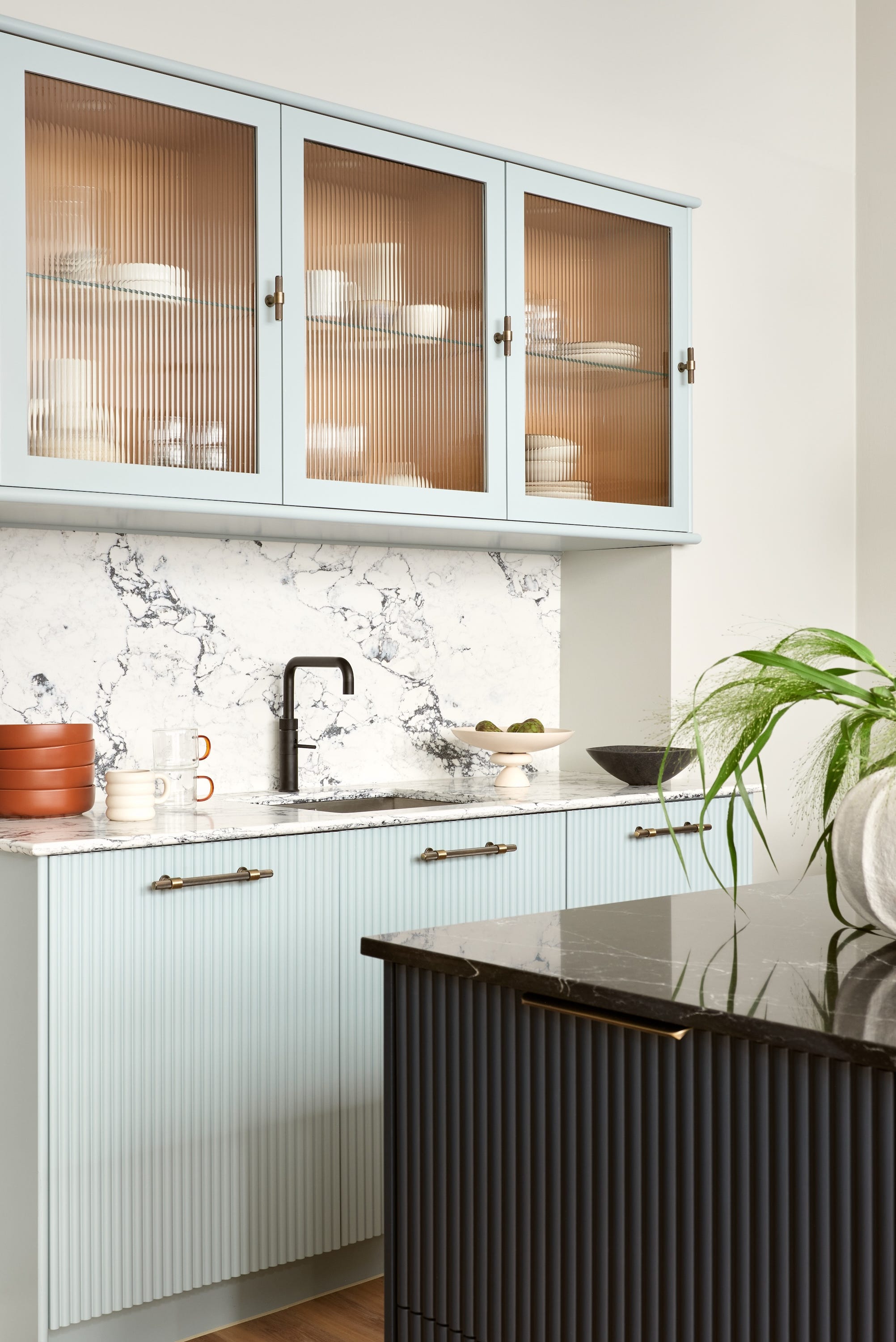
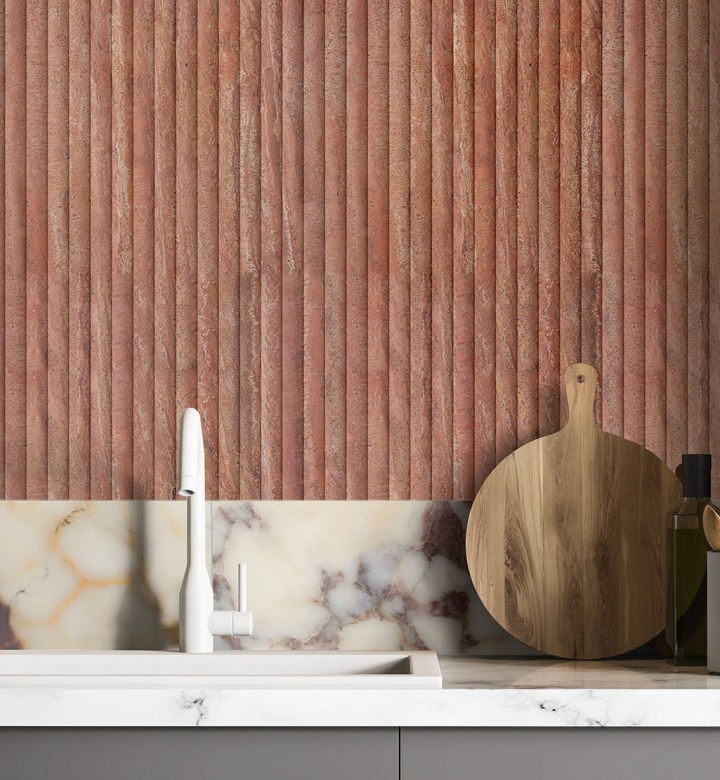
Fluted, or reeded, textures have emerged as a significant design focus across various areas of the home, transitioning from accessories and wall panels to mainstream kitchen designs. This trend offers a playful yet chic aesthetic, prompting exploration into its practical application within kitchen spaces. Experts in kitchen design, such as Stacey Cobley from Harvey Jones, emphasize that fluted designs introduce texture, visual interest, and depth to any room, and are considered a lasting trend. Given the substantial investment a kitchen remodel entails, careful consideration of any feature, including fluted cabinetry, is crucial.
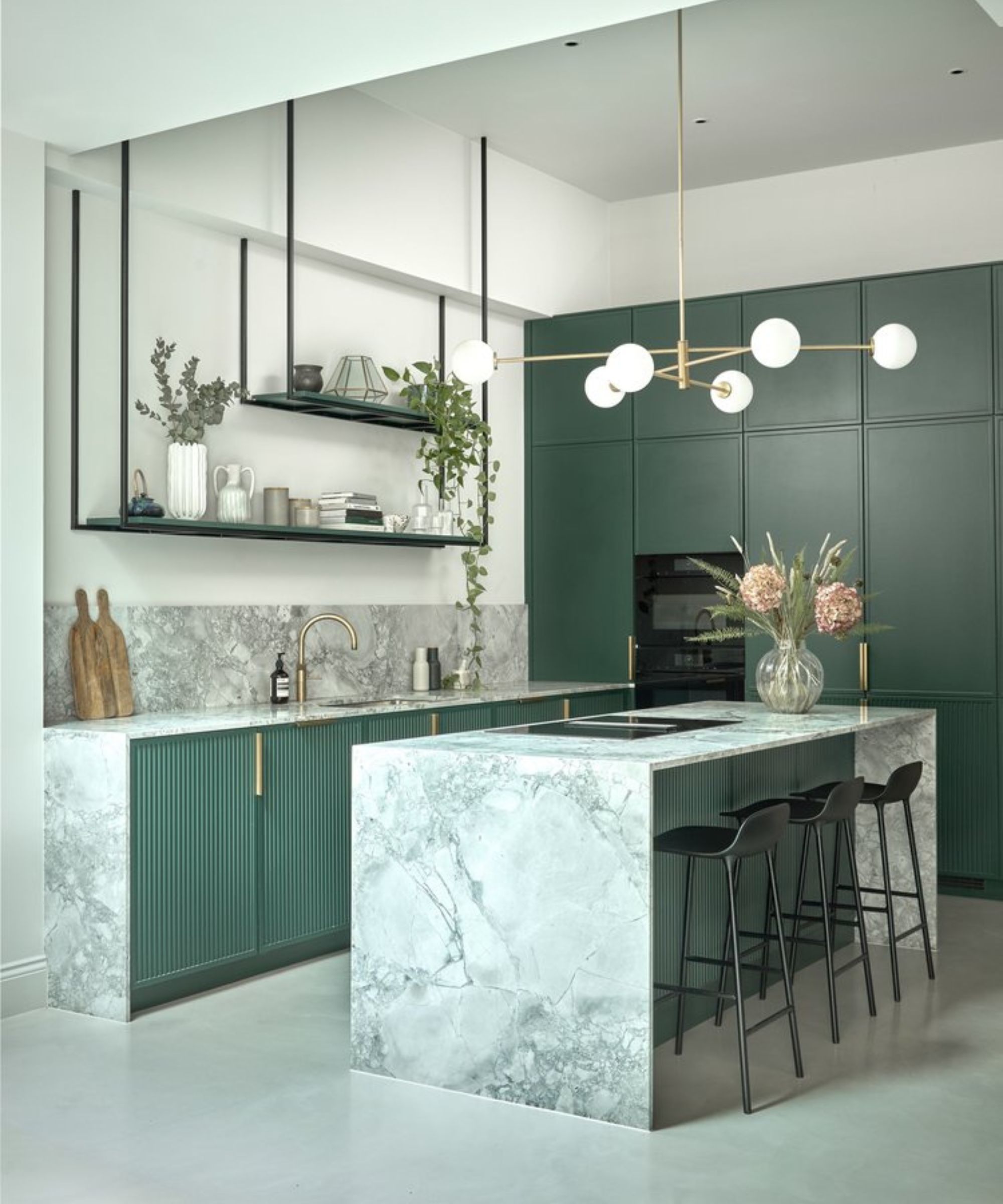
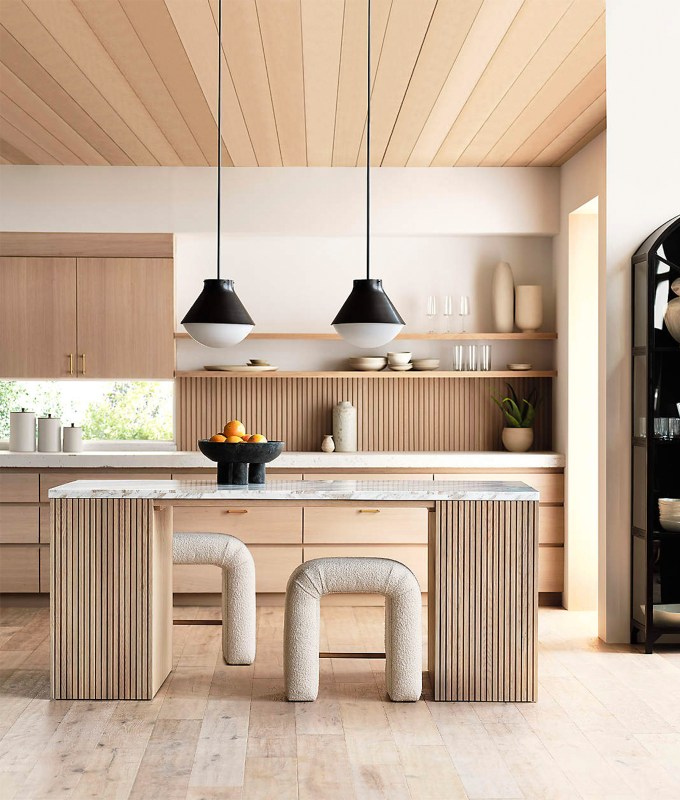
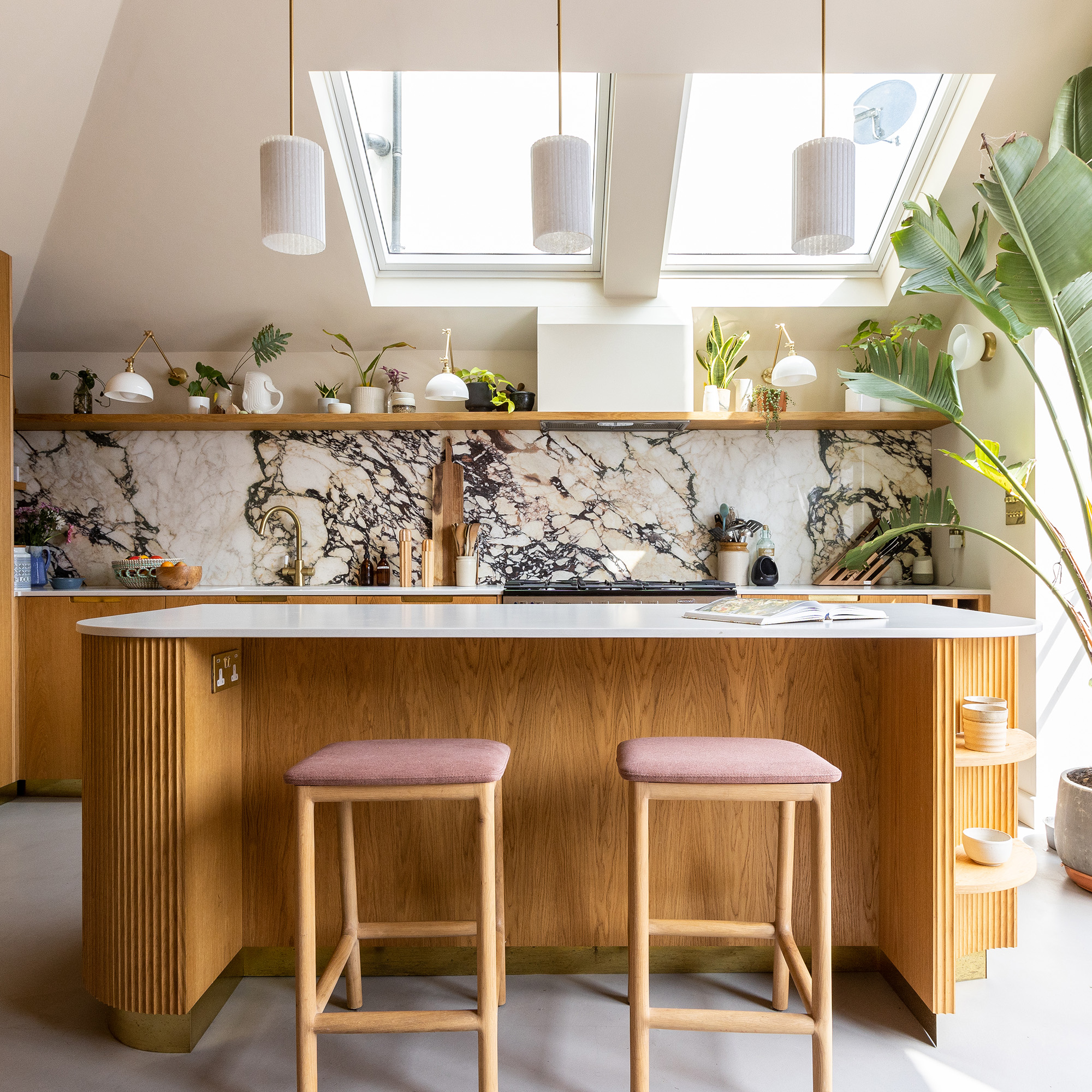
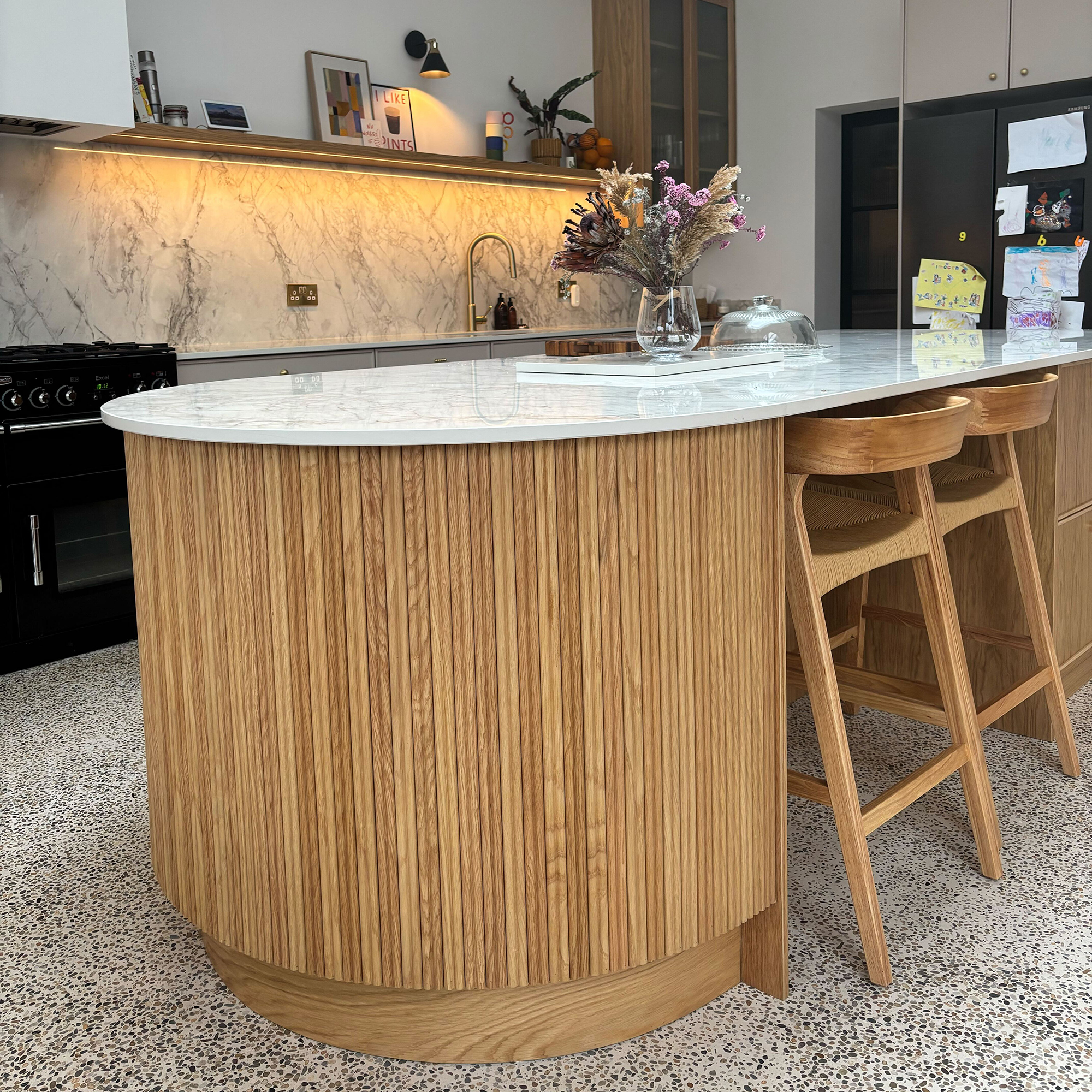
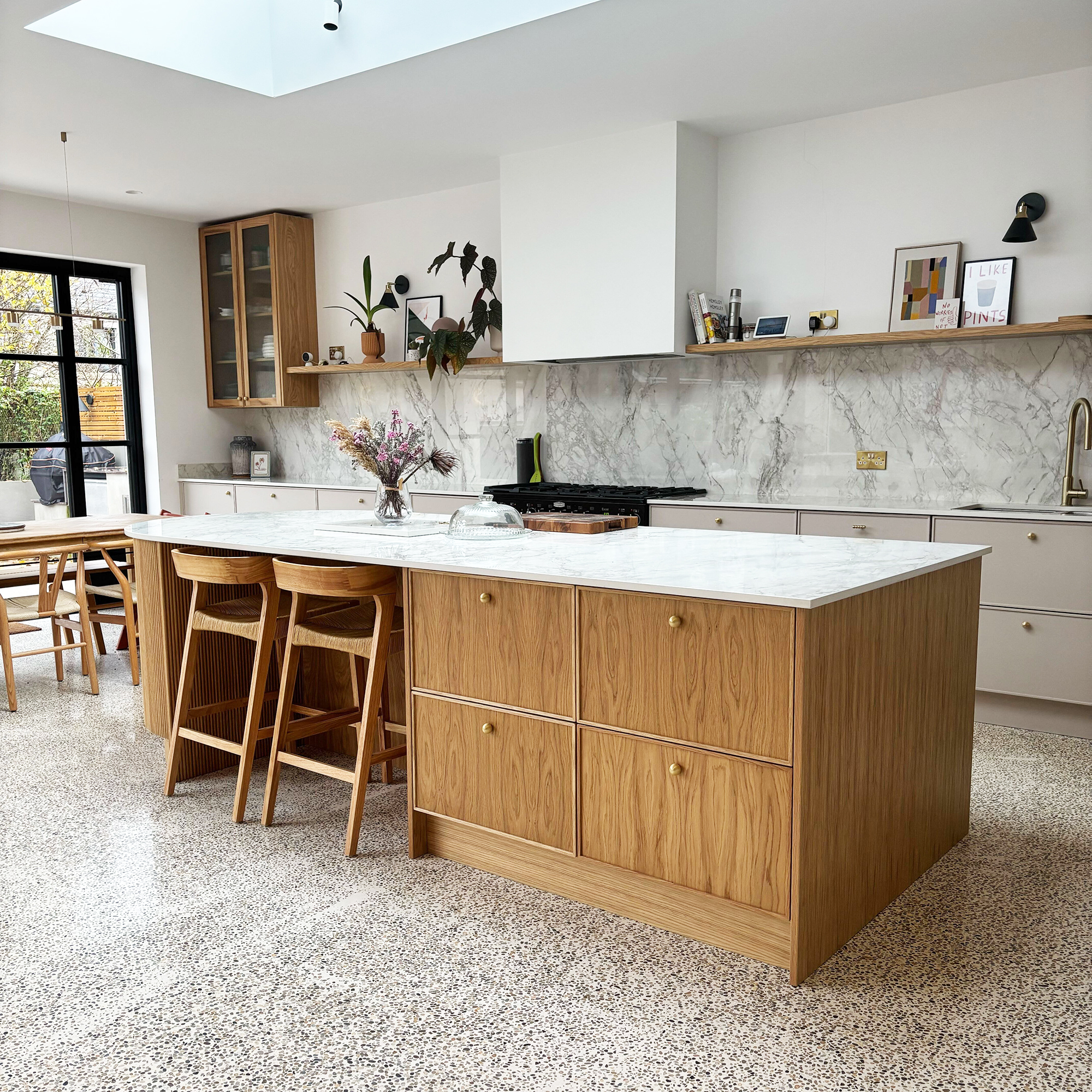
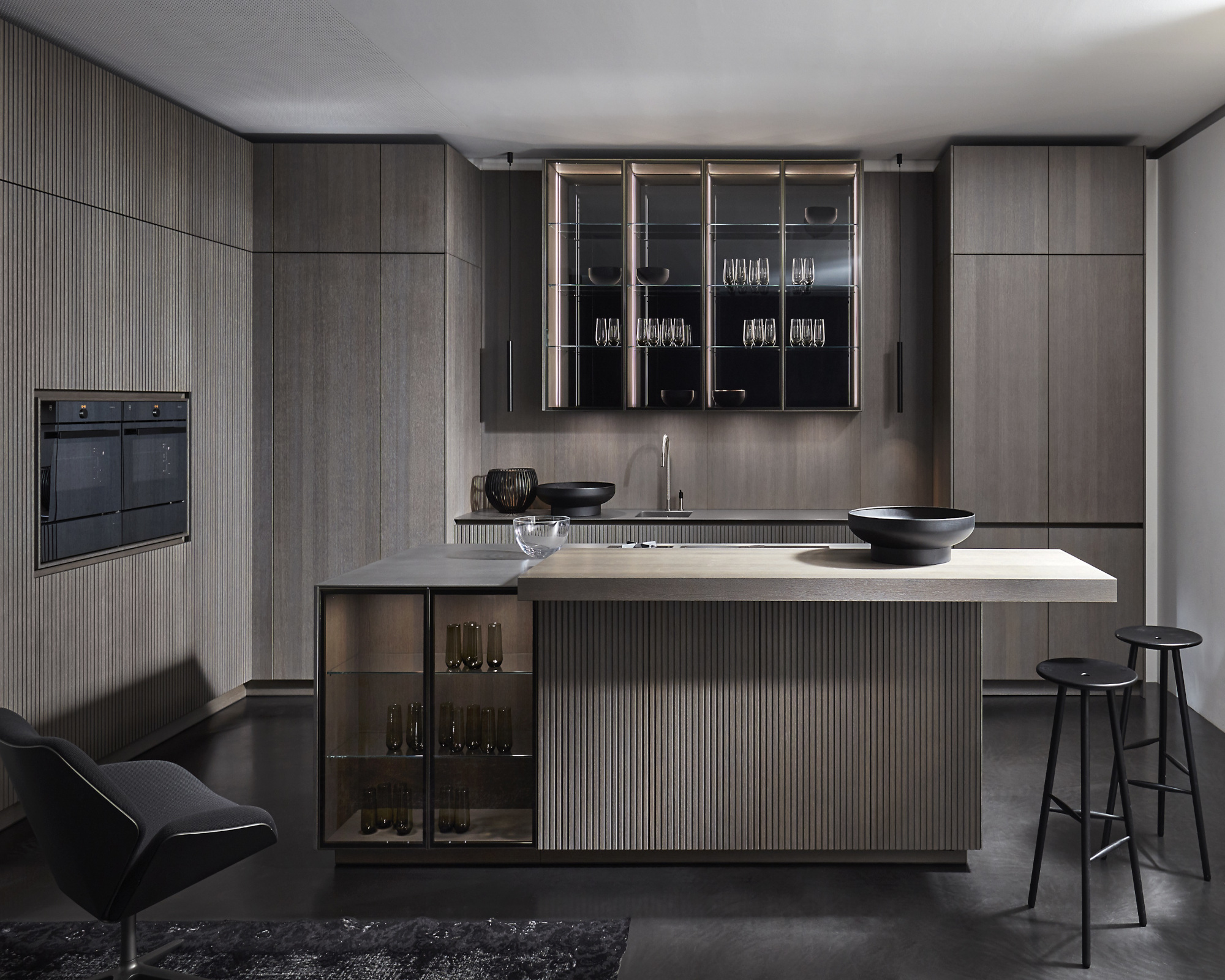
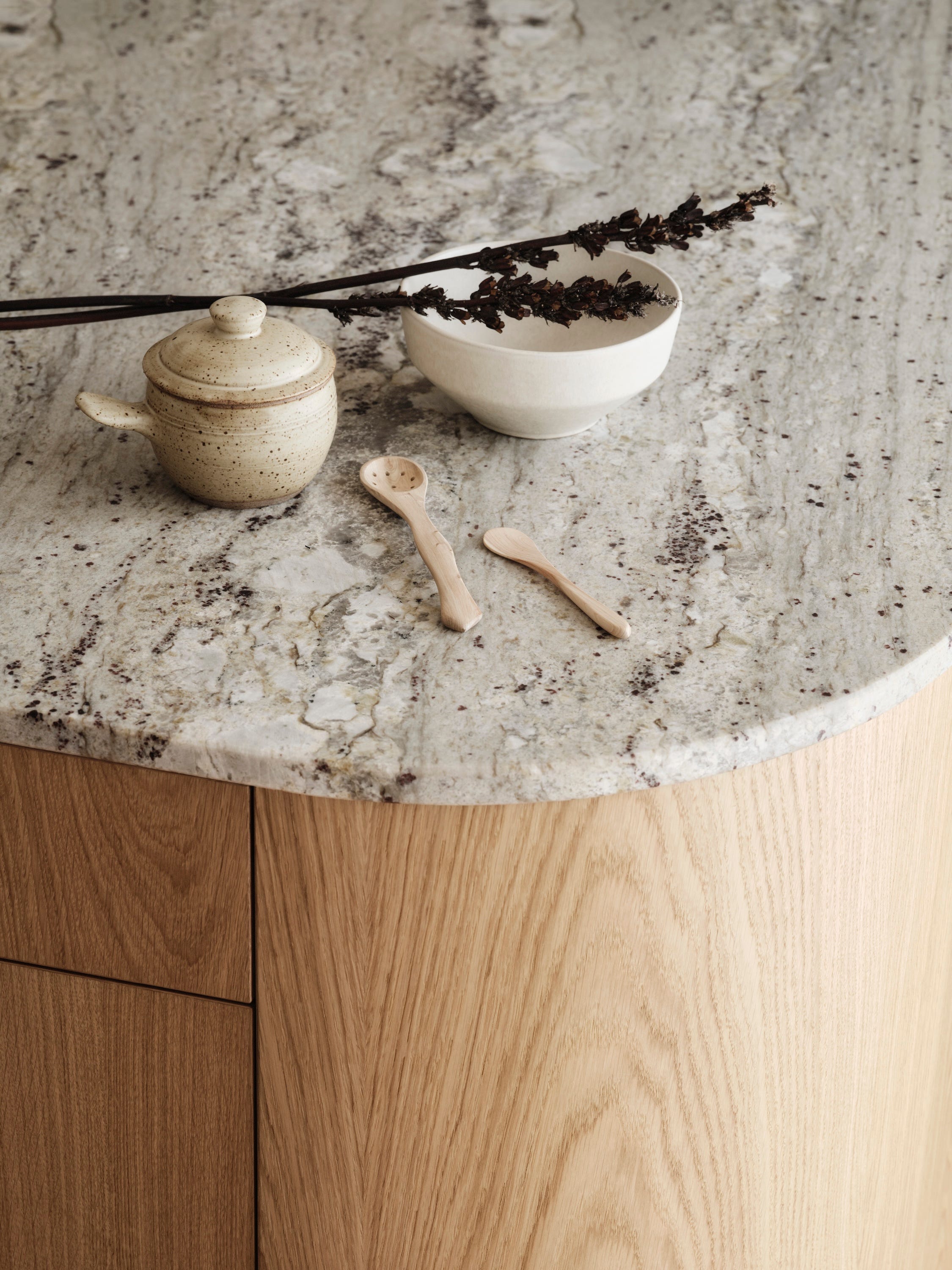
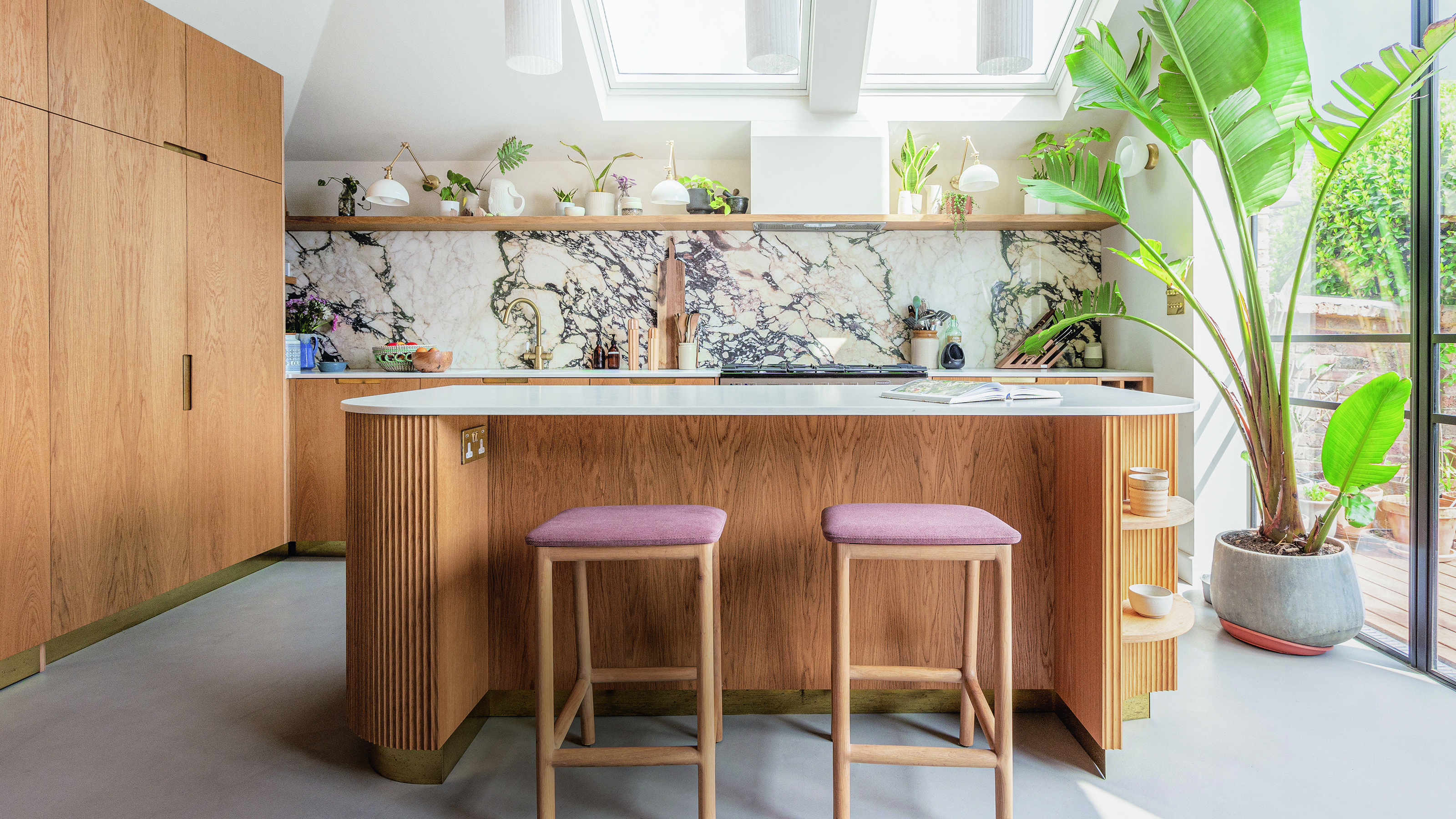
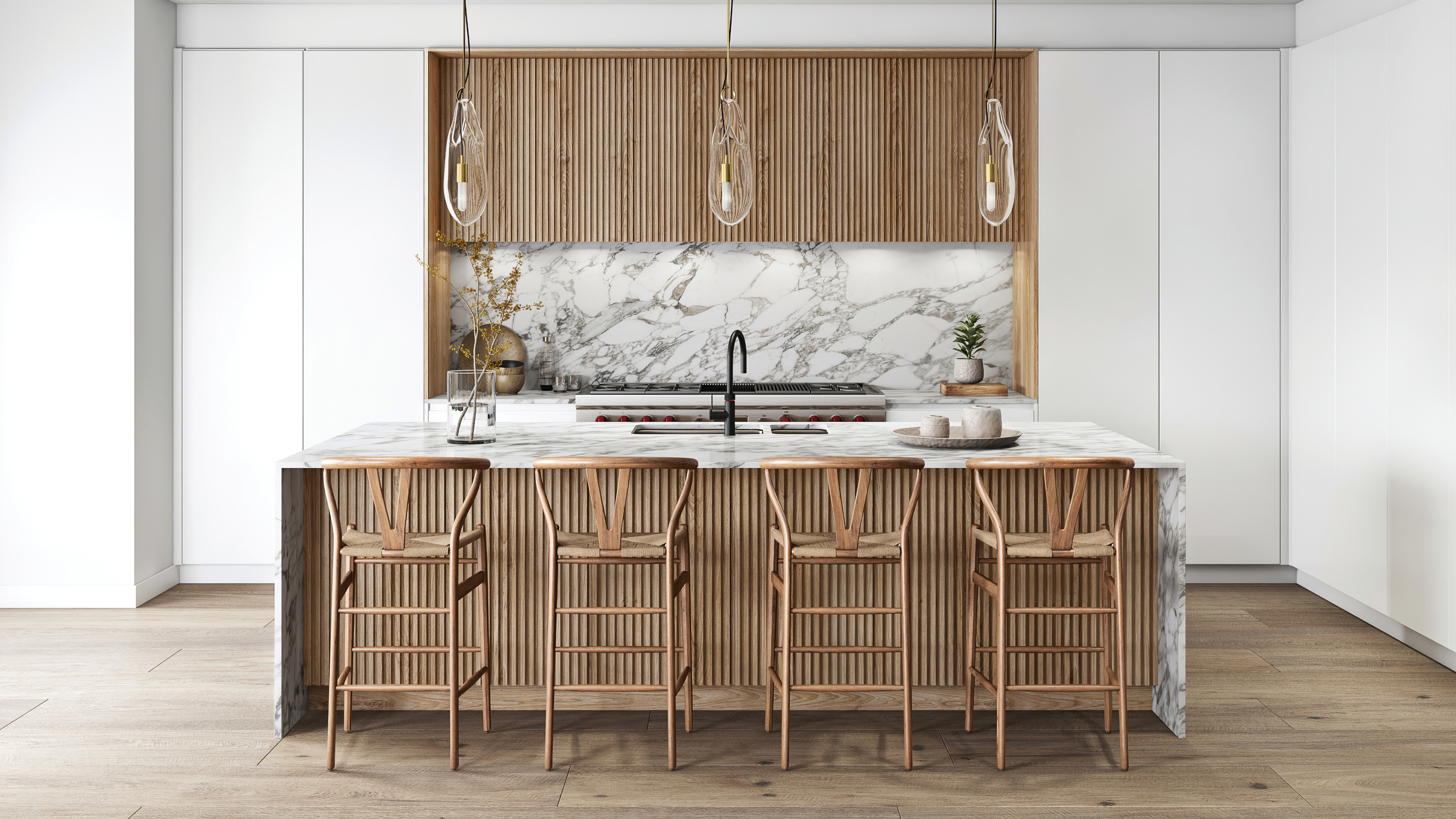
There are several effective ways to integrate fluted designs into a kitchen. For those hesitant to fully commit, incorporating a fluted panel on a kitchen island serves as a subtle introduction. An example is David Gandy's kitchen, designed by Bakehouse Kitchens, which uses a dark wood reeded panel on the island's underside to create a down-to-earth contrast with a glamorous stone surface. This approach allows for a peek of design flair when the island stools are vacant, offering a sophisticated detail without overwhelming the space.
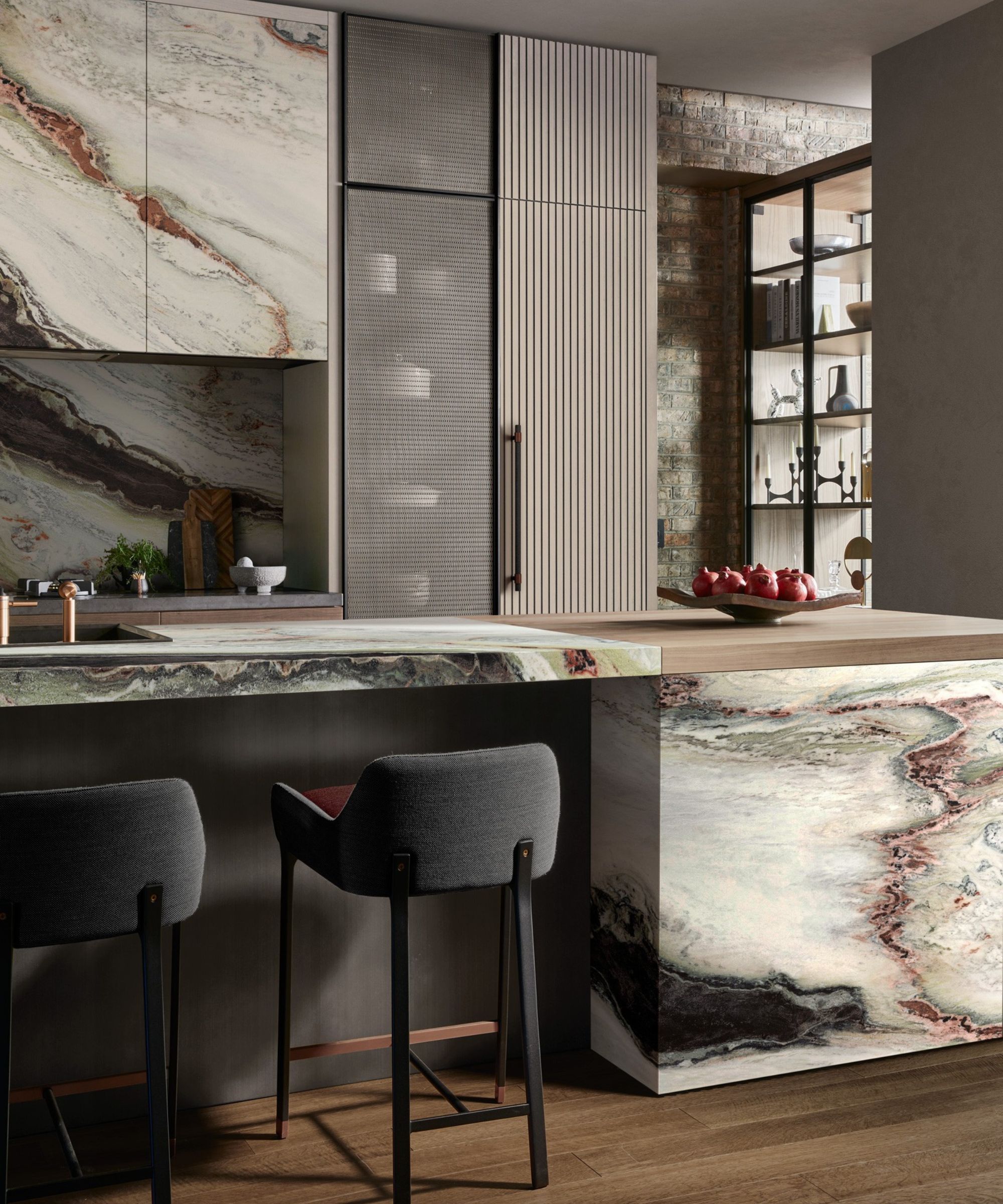
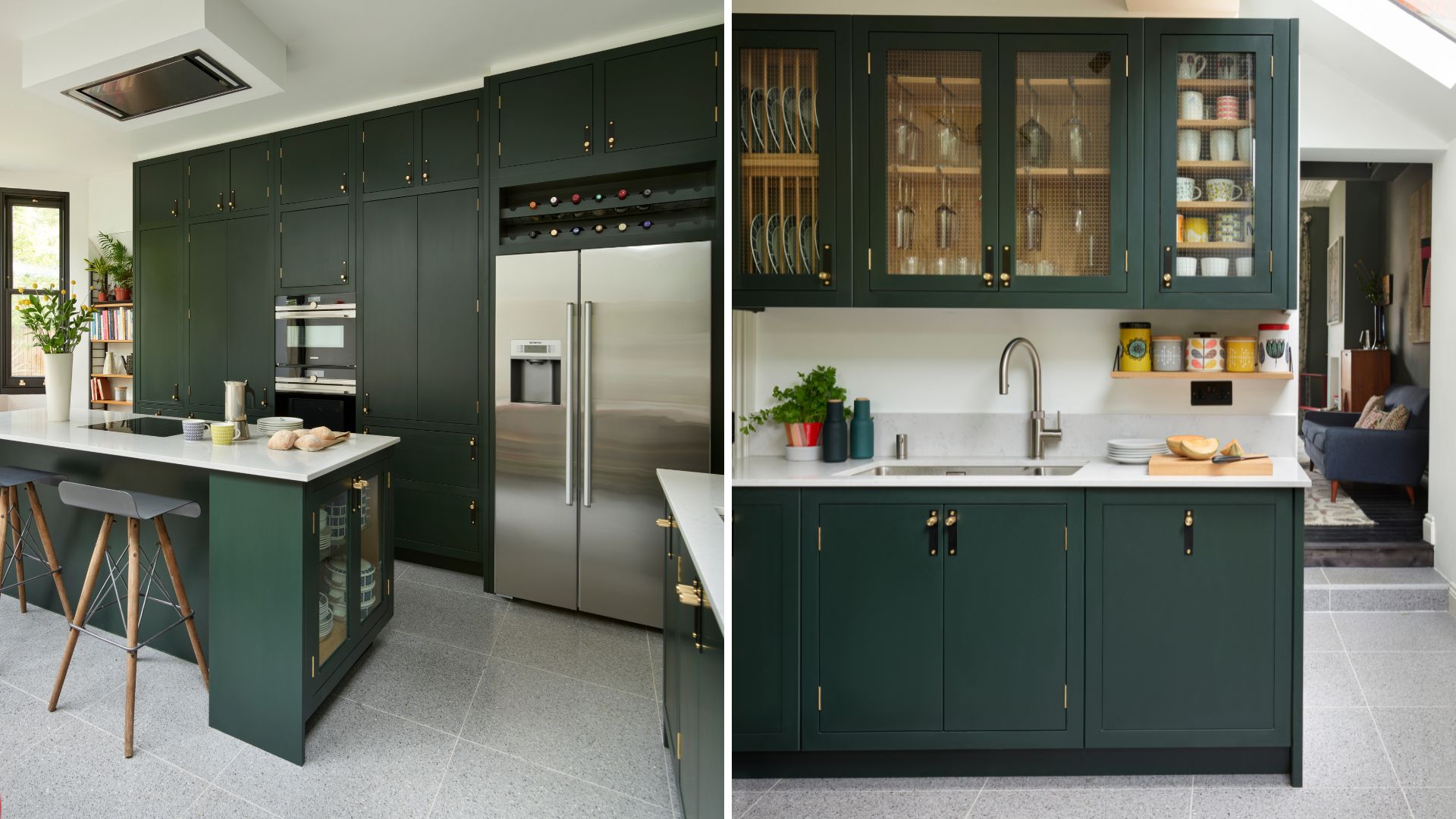
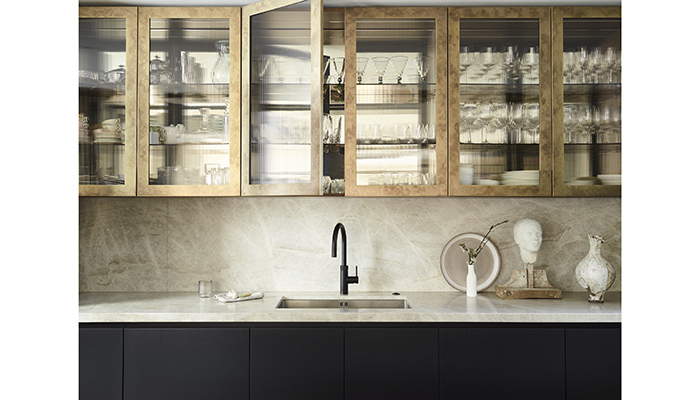
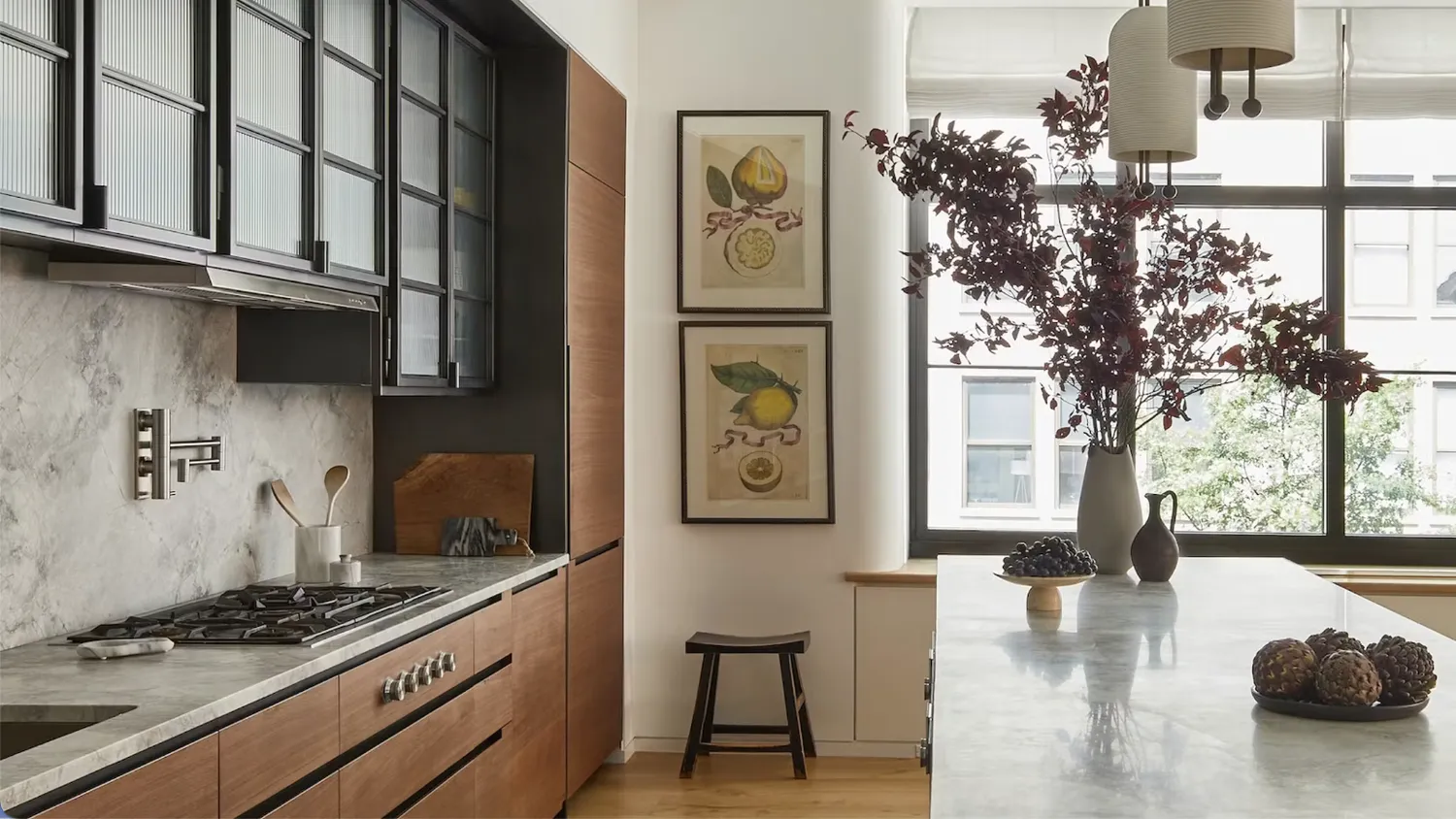
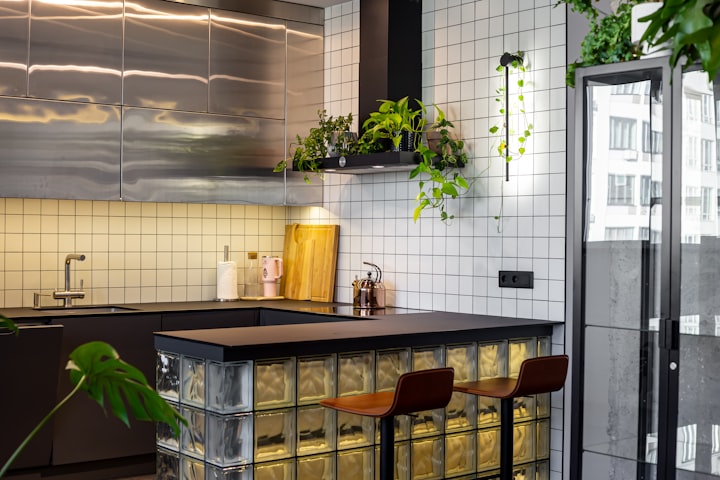
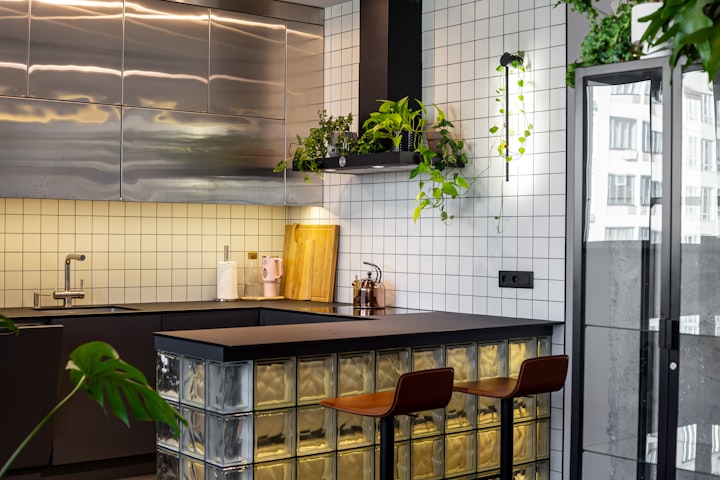
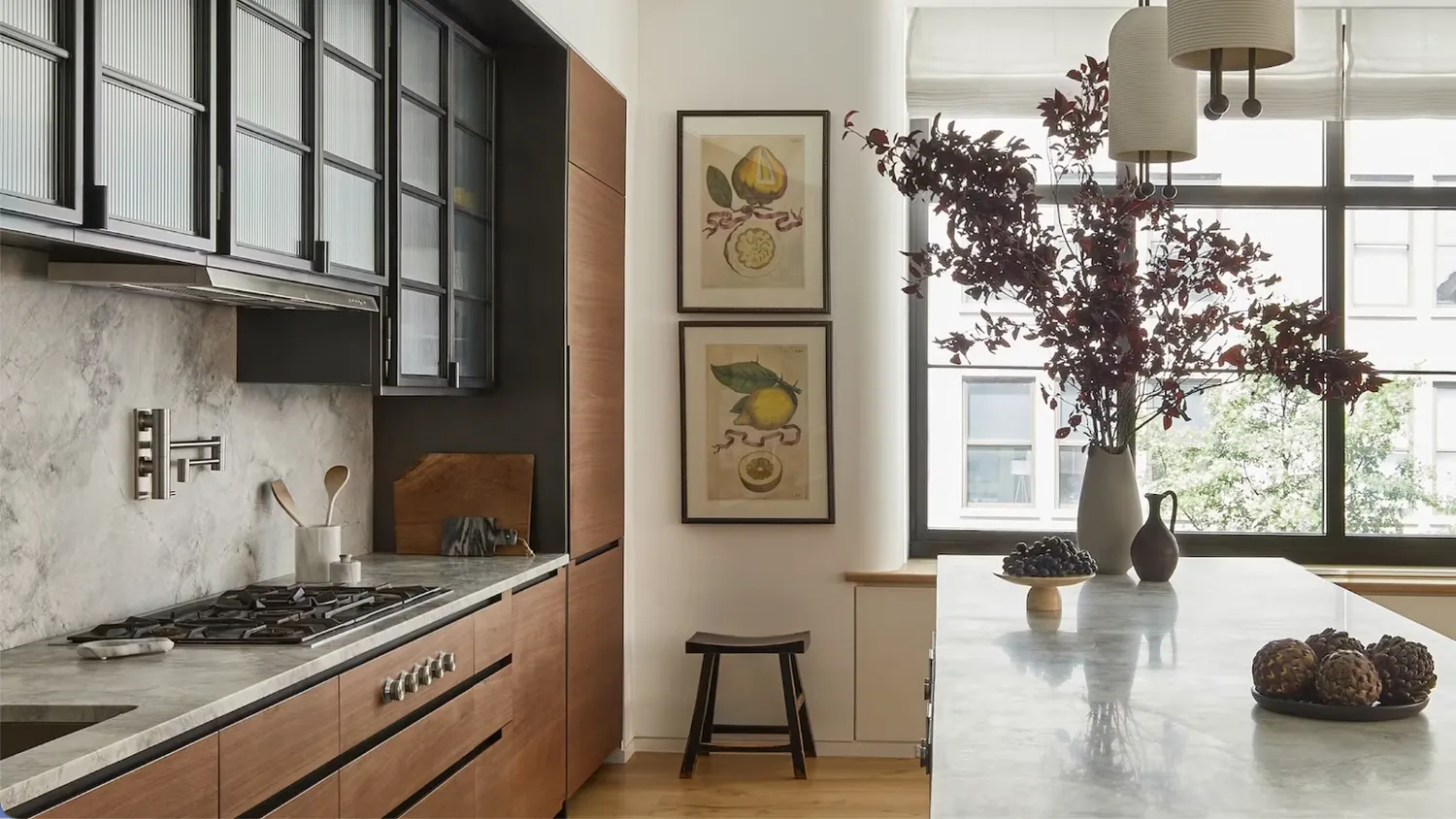
Another application involves utilizing fluted glass to enhance light and visual openness, particularly beneficial in smaller kitchens. While ample storage is vital, banks of closed cabinetry can make a space feel cramped. Reeded glass cabinets offer a solution by breaking up solid surfaces and adding textural interest, all while subtly obscuring the contents within, making the kitchen feel brighter and more inviting. This method provides the benefit of glass-fronted cabinets without the need for impeccable internal organization.
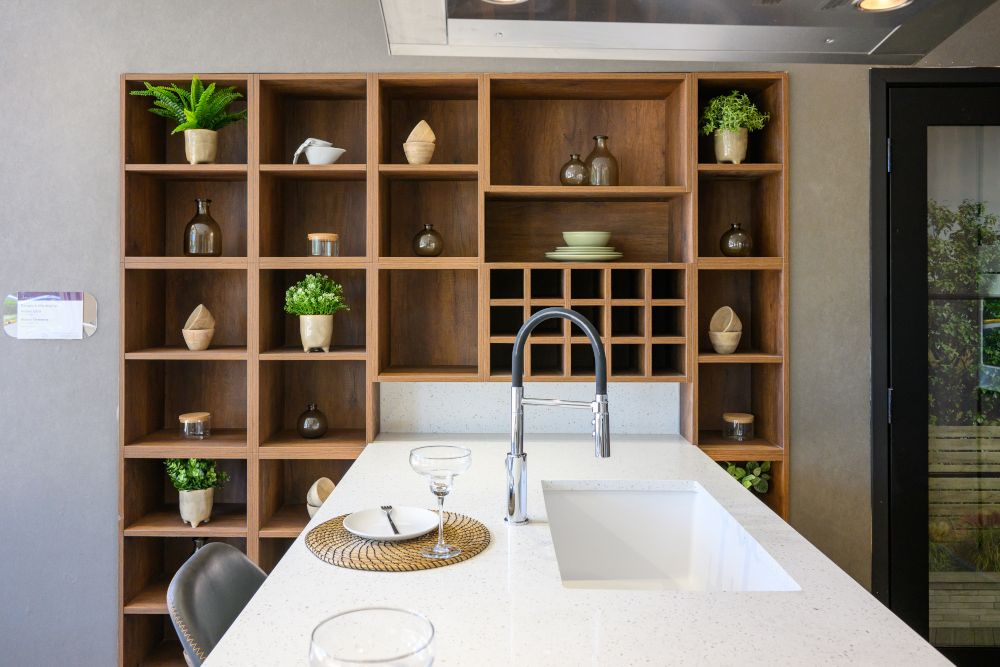
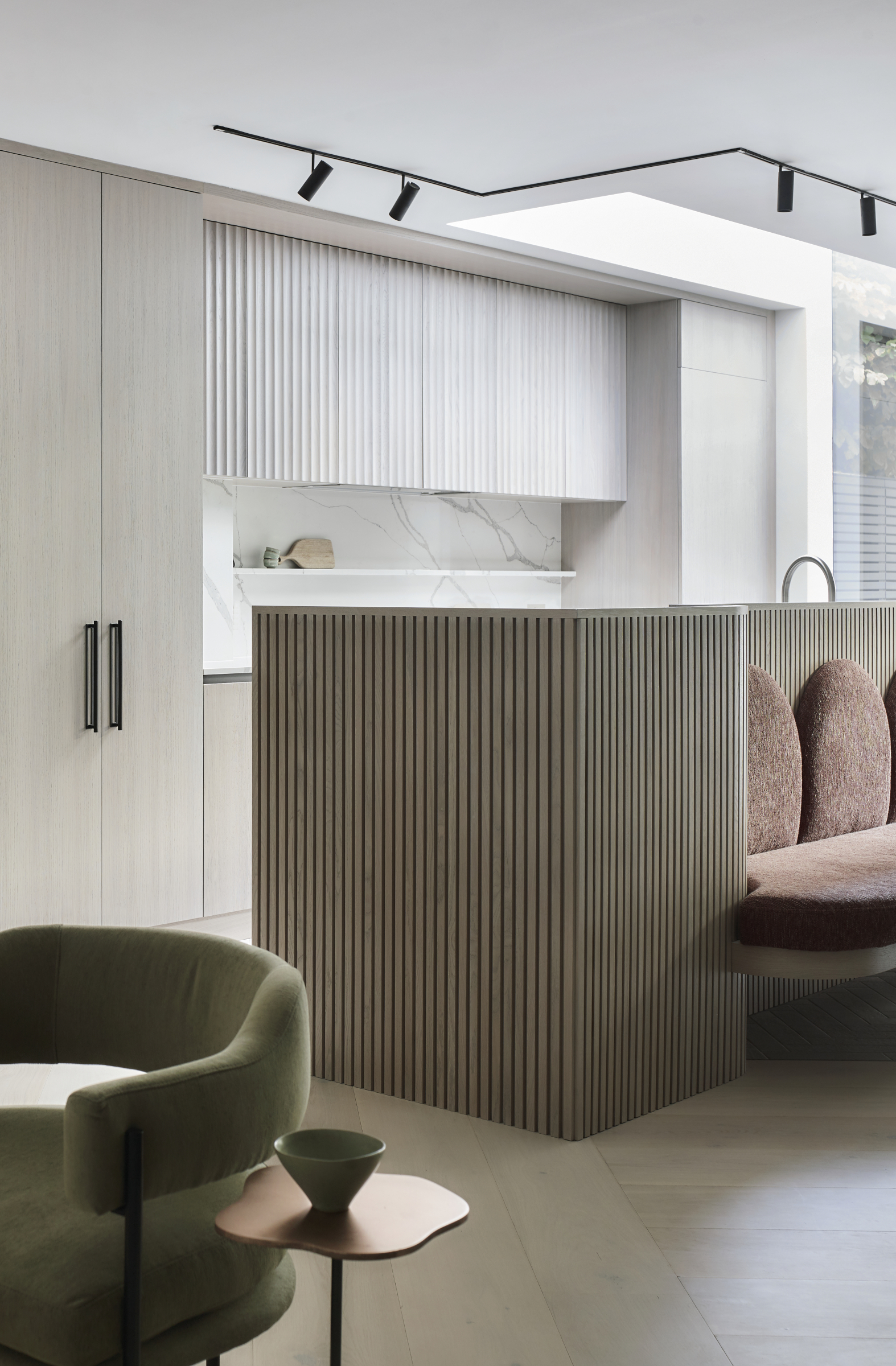
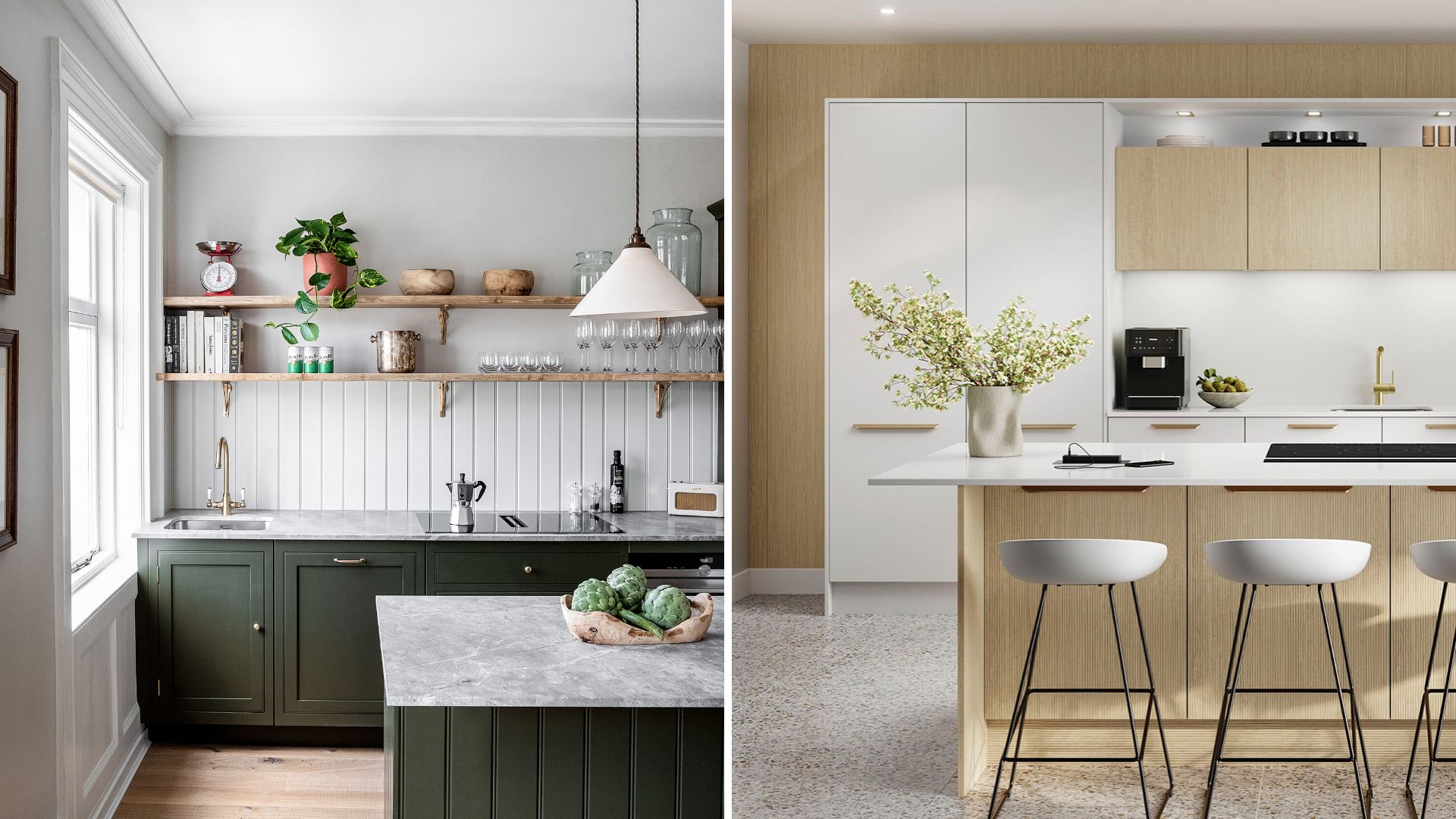
For interiors favoring simplicity, pairing reeded kitchen cabinets with a neutral color palette can balance the textural richness. An example is the collaboration between Harvey Jones and Swoon, featuring off-white reeded cabinets that create a bright and inviting atmosphere in a small one-wall kitchen. In such settings, eliminating wall cabinets, incorporating a statement backsplash, and adding open shelving for decorative items can further enhance the minimalist aesthetic.
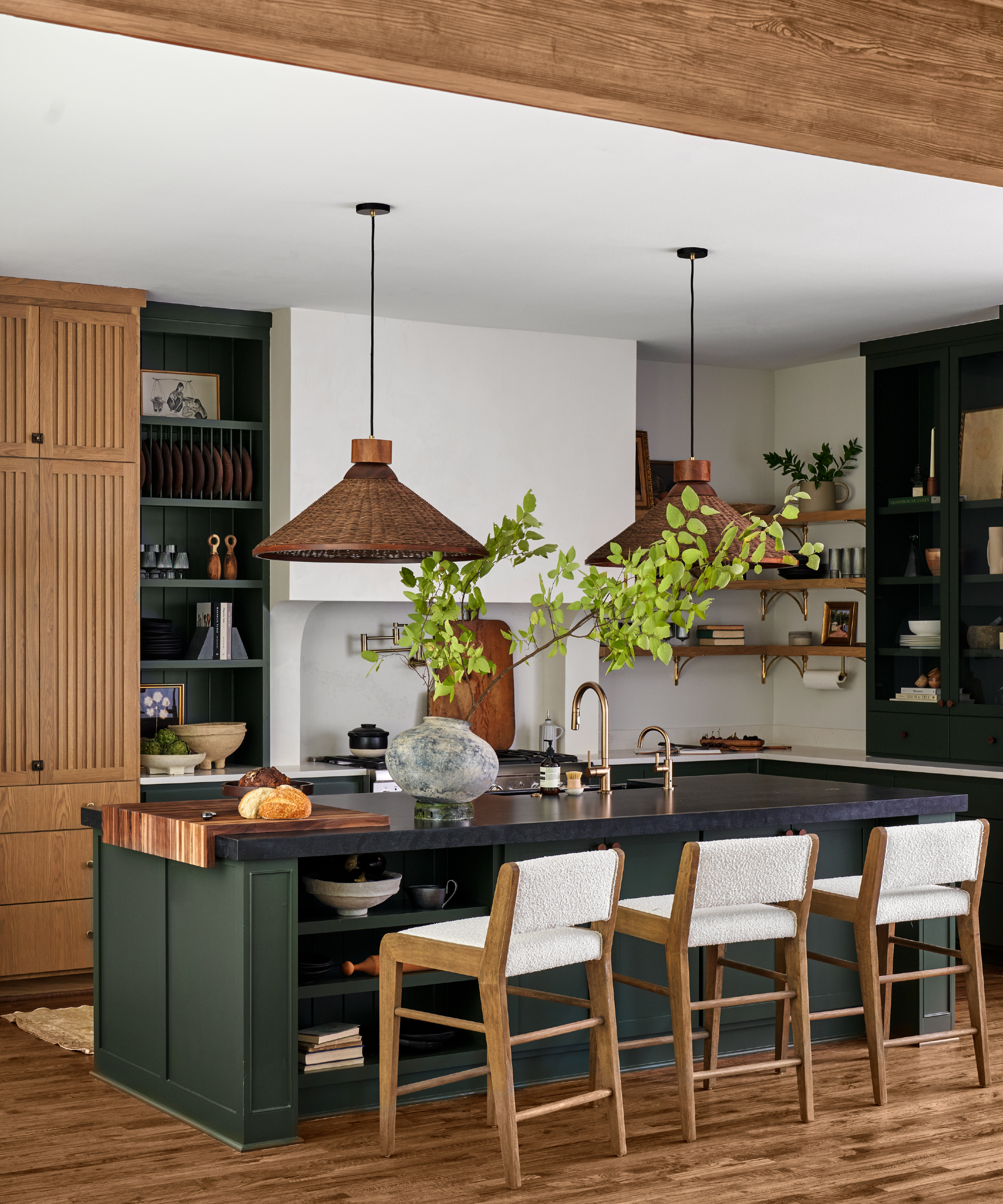
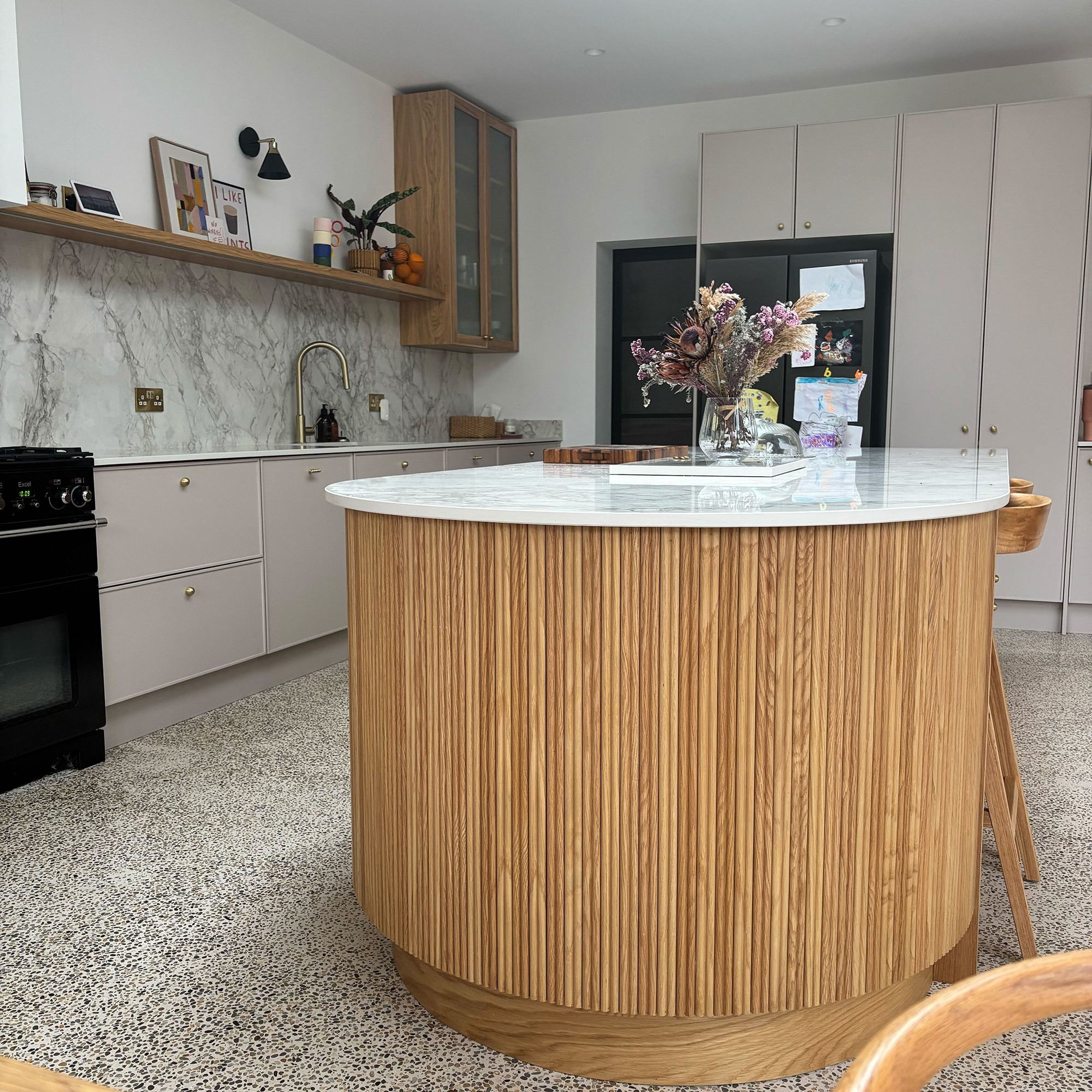
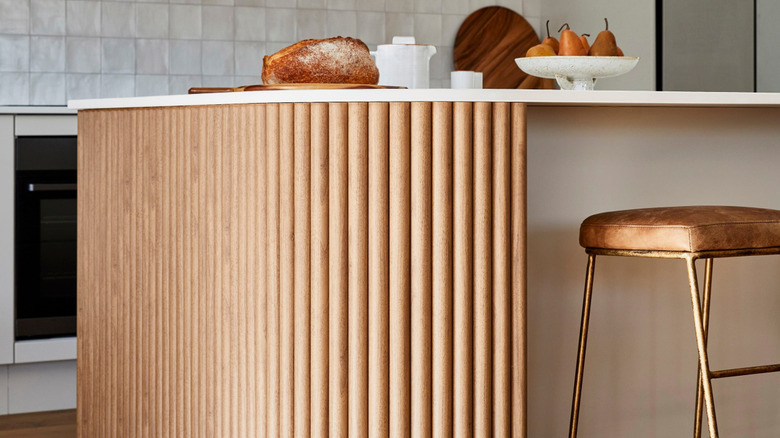
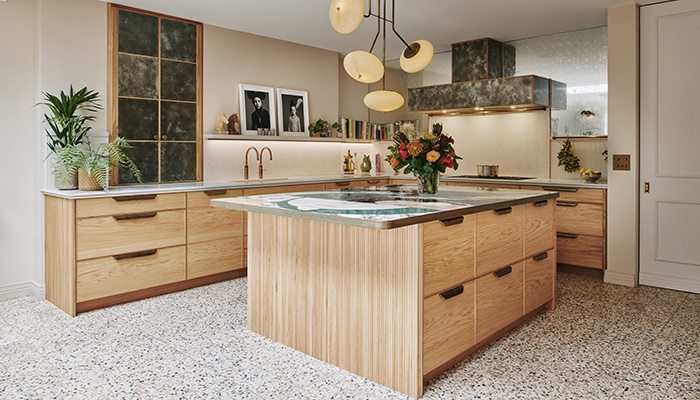
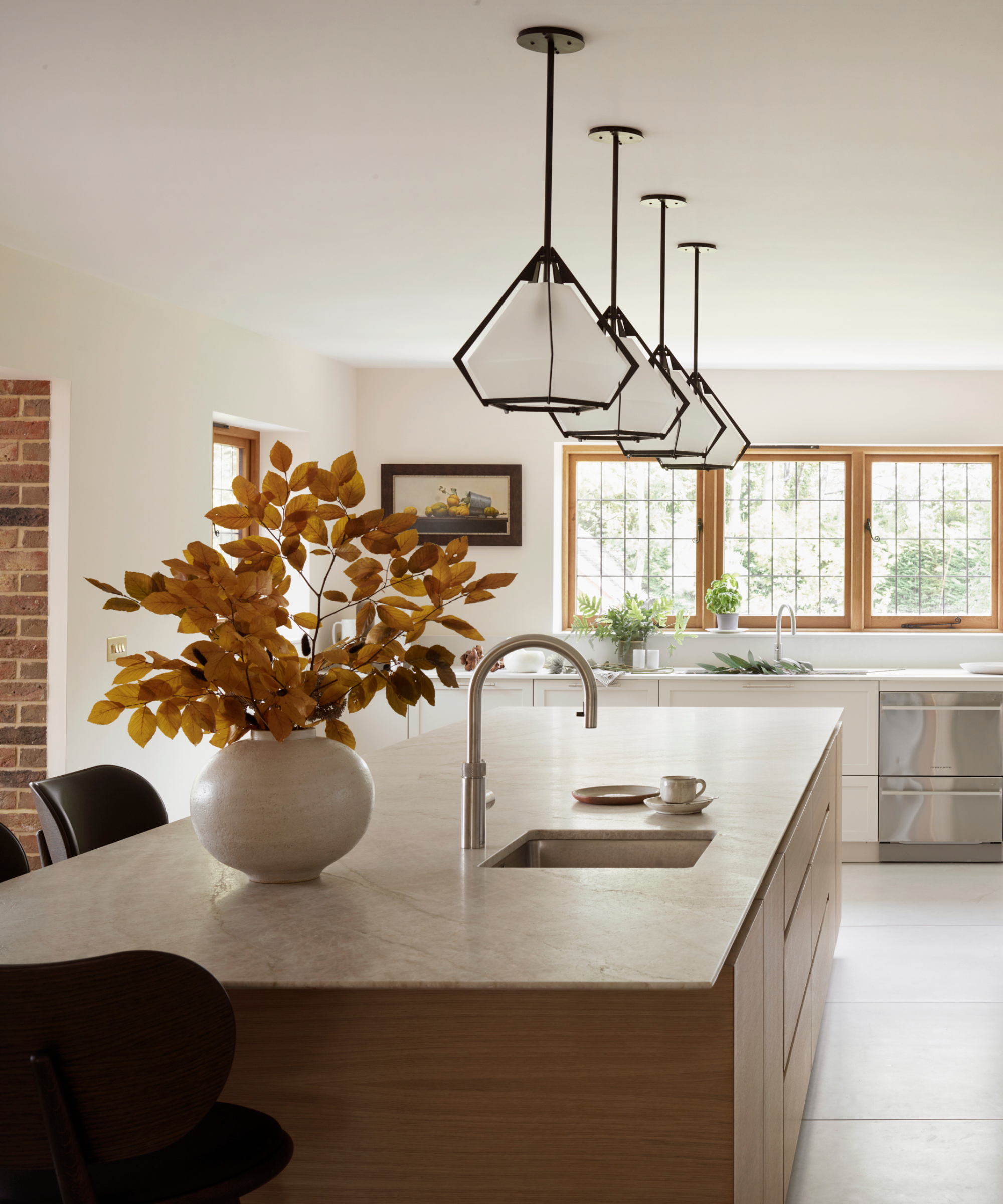
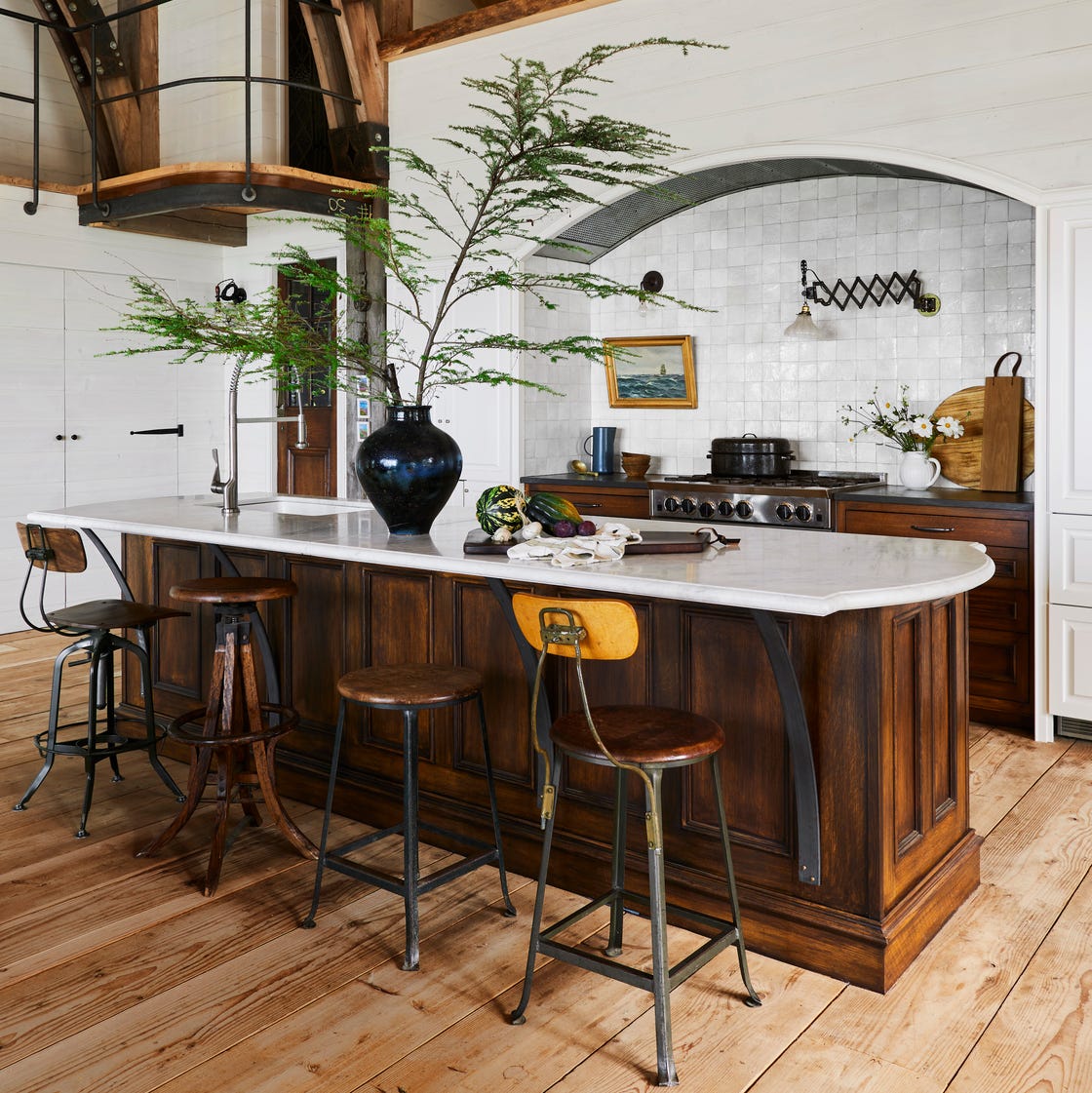
Embracing natural wood tones with reeded cabinets adds warmth and a natural aesthetic to the kitchen. A kitchen island, featuring rich wood planks, can act as a grounding element, transforming the space into a homely hub. Alan Ramm, founder of Bakehouse Kitchens, notes that reeded cabinets with real wood finishes, especially those treated with Rubio and Osmo stains, are highly popular as they combine the trends of texture and natural woods. Ramm advises styling these cabinets sparingly, allowing the natural woods and textural details to be the focal point.
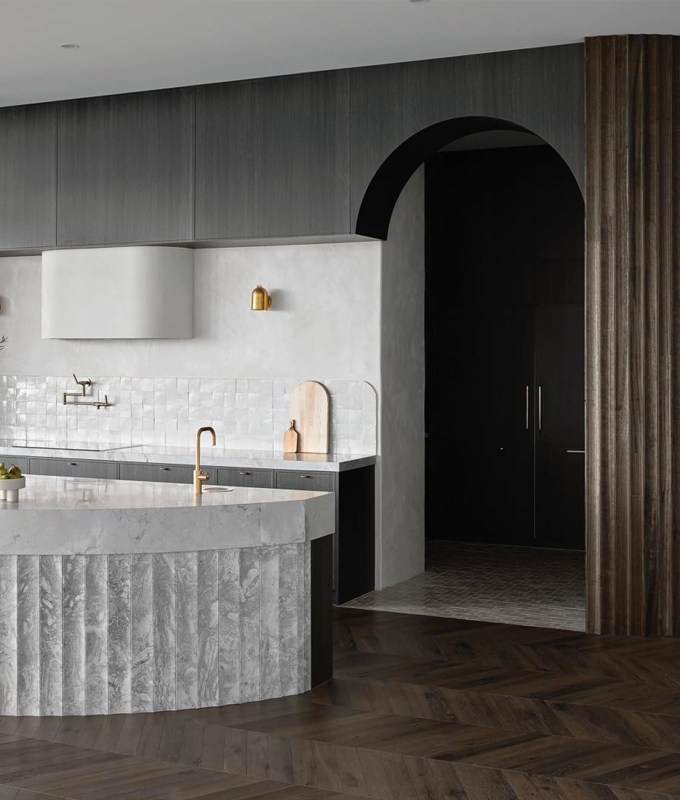
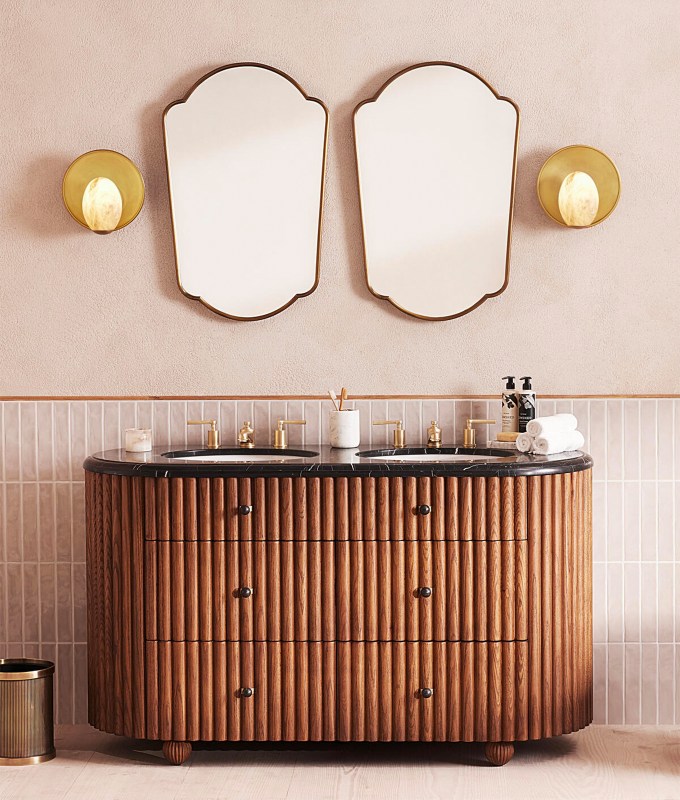
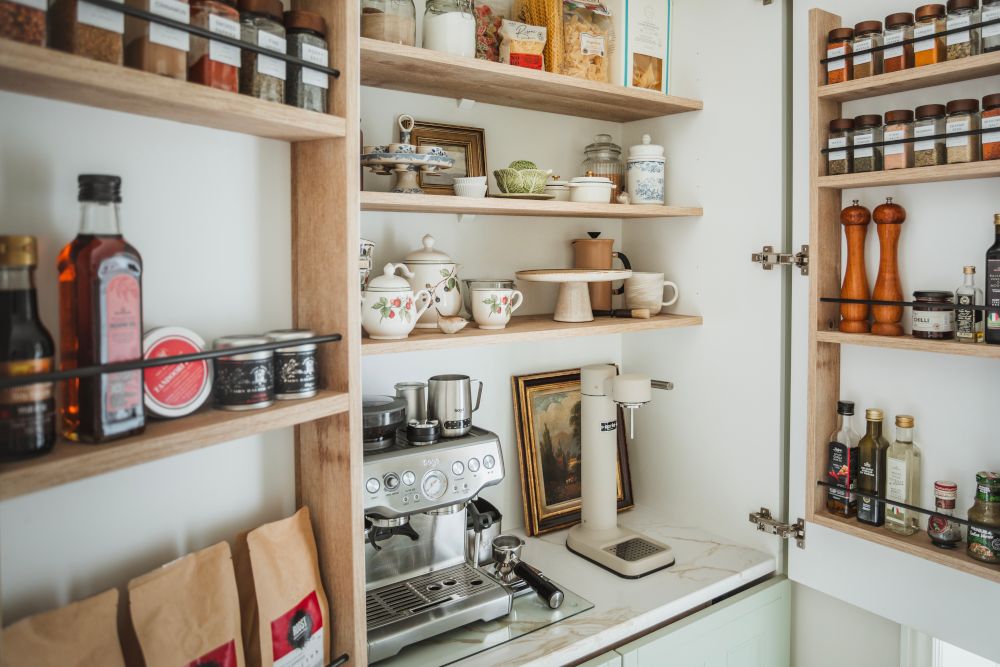
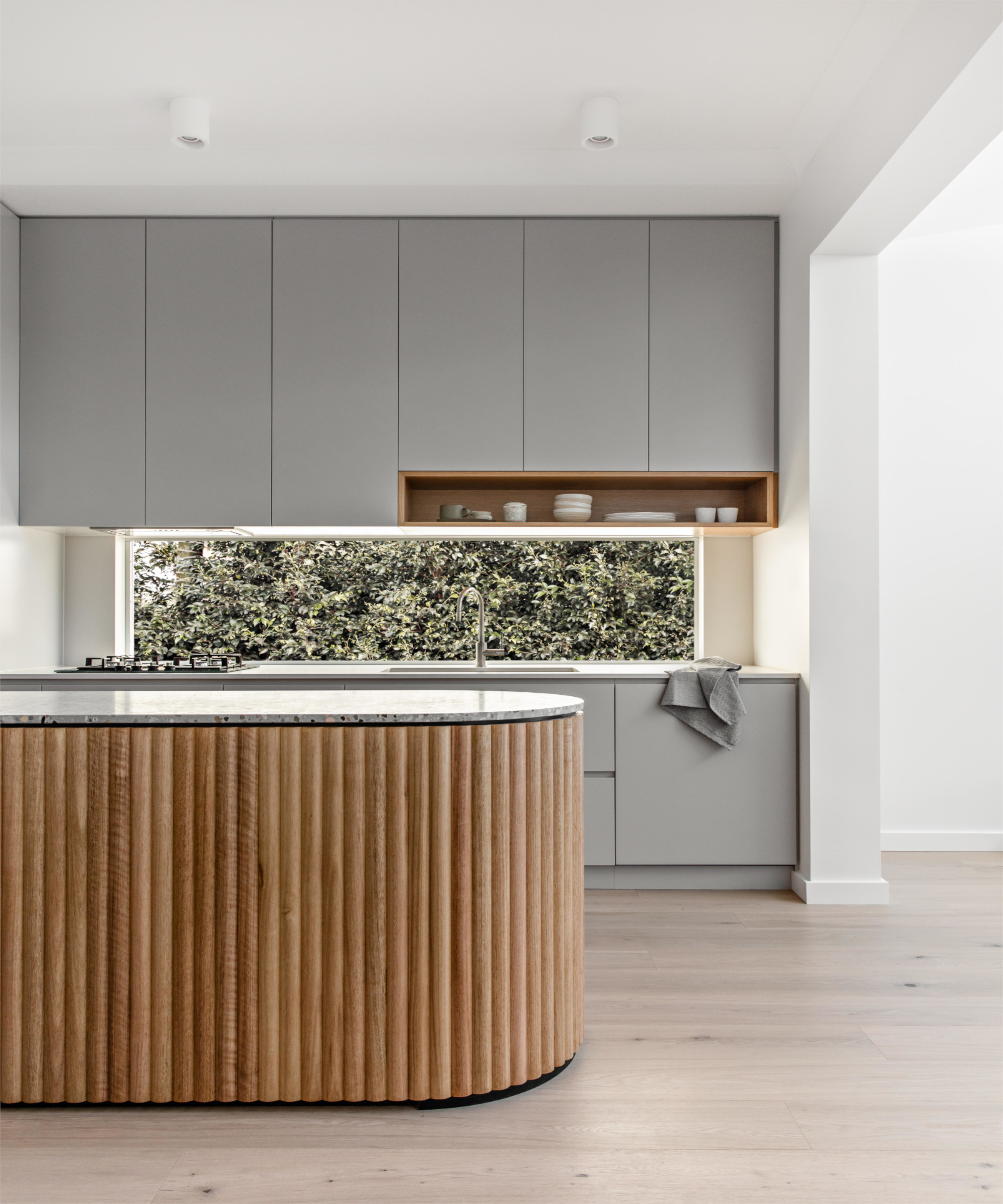
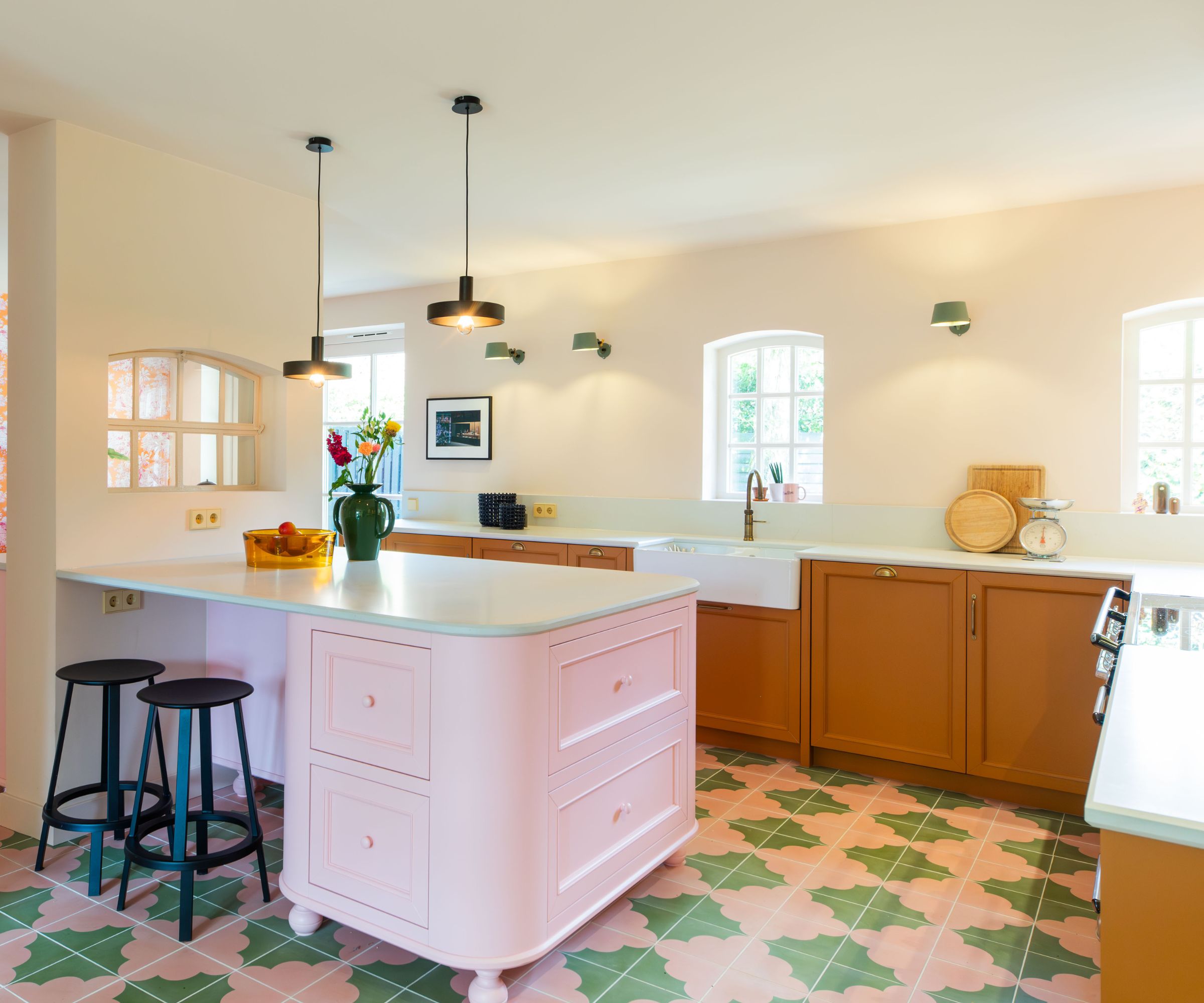
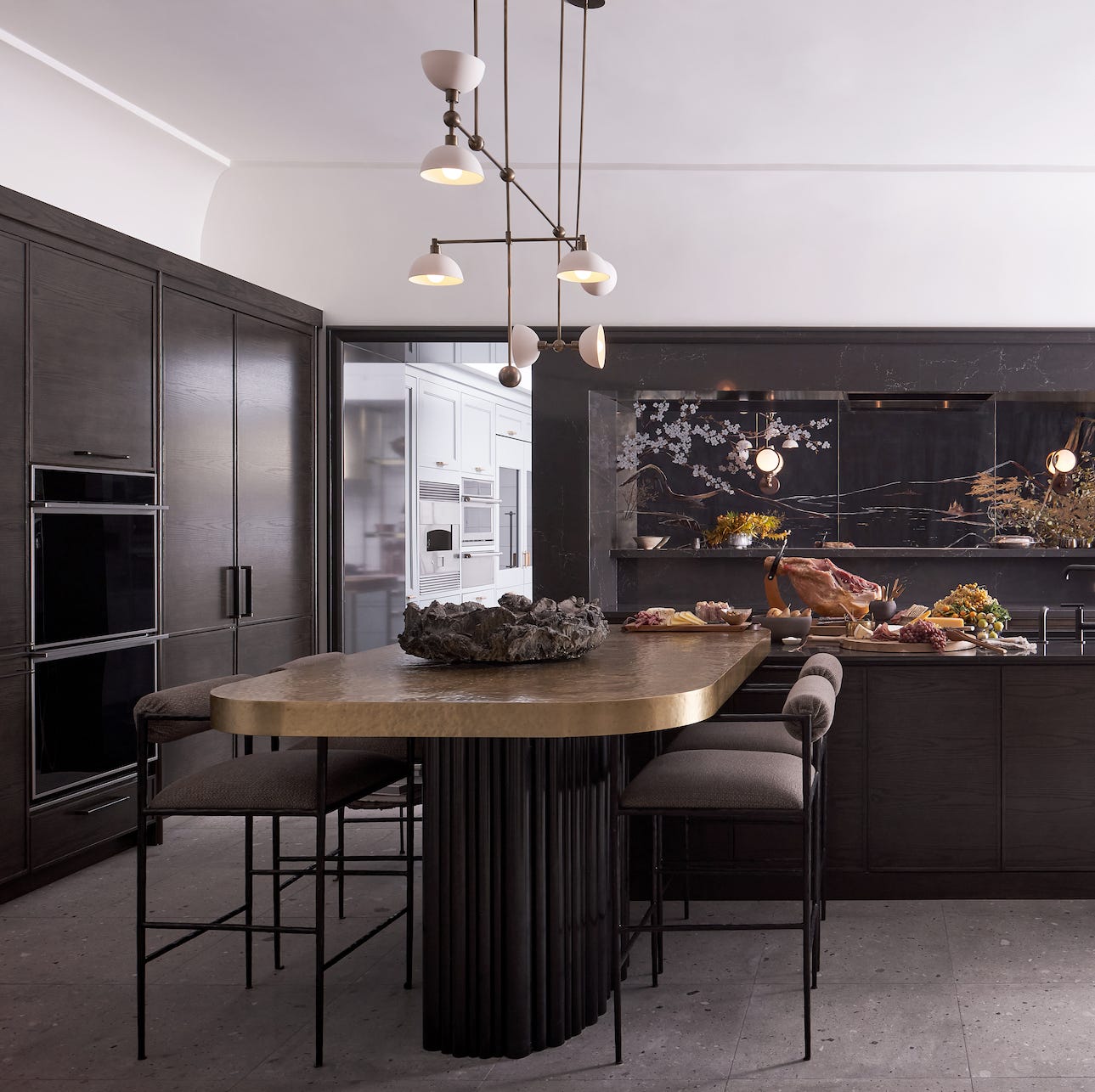
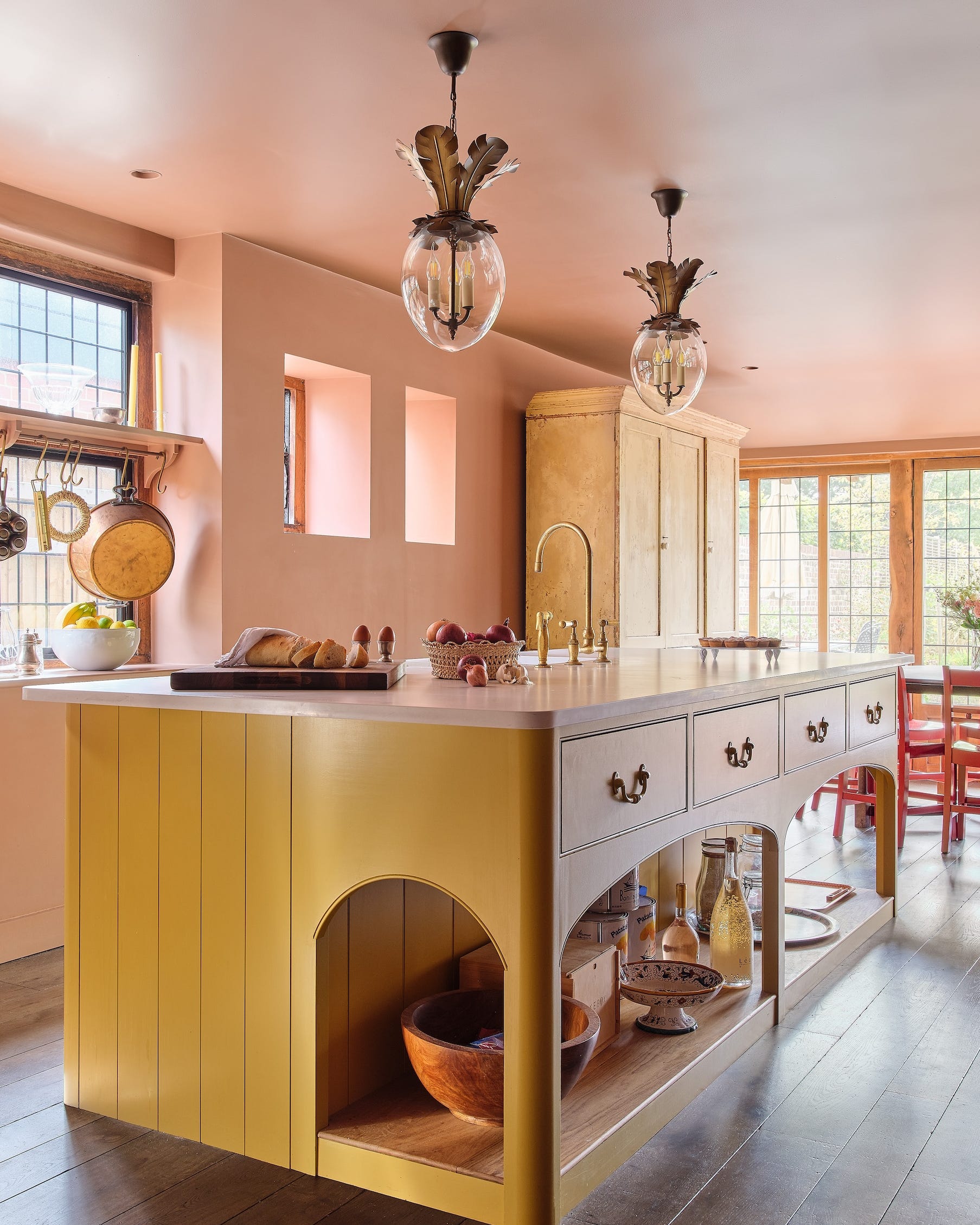
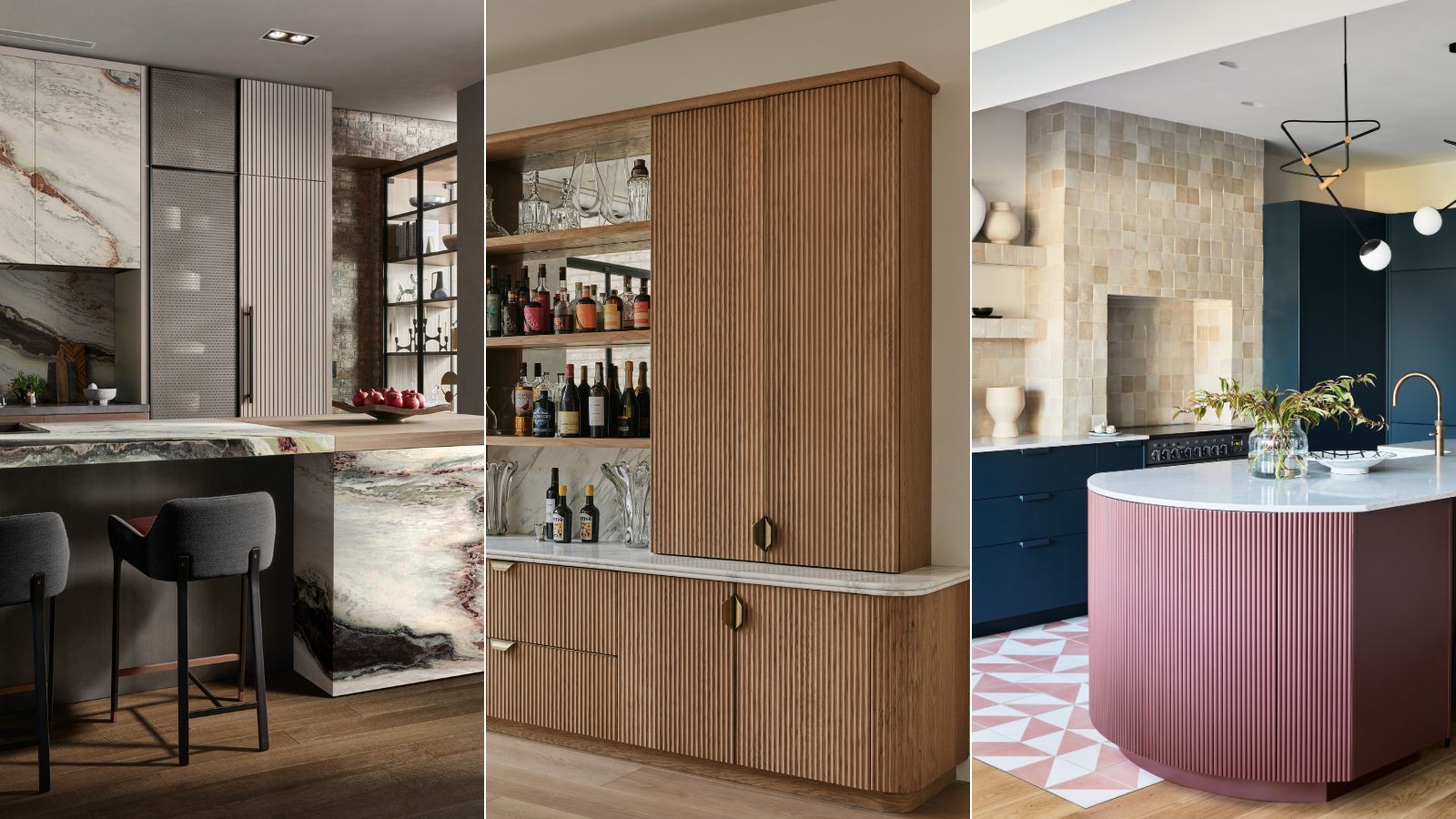
For a more dramatic effect, full-height fluted cabinets can elongate the space, with their vertical lines drawing the eye upwards. This approach is particularly effective for larder cabinets or pantries, making a bold statement. Stacey Cobley suggests that fluted finishes on full-height cabinetry, larder doors, or kitchen islands offer a sophisticated touch, while smaller fluted accessories like vases or lighting can introduce the trend more subtly. Finally, integrating curves into fluted designs, particularly in kitchen islands, is a key trend for 2025. A curved island softens the cooking space, which is especially important when dark shades and stone surfaces are prevalent, contributing to a high-end design that is both impactful and easily achievable.
#KitchenTrends #FlutedCabinets #InteriorDesign #KitchenDesign #TexturalKitchens #HomeDecor #KitchenRemodel #DesignIdeas #KitchenStorage #KitchenTrends #FlutedCabinets #InteriorDesign #KitchenDesign #TexturalKitchens #HomeDecor #KitchenRemodel #DesignIdeas #KitchenStorage
0 commentaire au total
 Aucun commentaire pour le moment
Vous aimerez aussi
Fluted kitchen cabinets are the trending way to add texture and interest to your space – here's how to get the look
This kitchen island trend is set to continue in 2026 – this is how one of our editors made it work in her busy family kitchen
Kitchen Trends 2025: standout designs and colours inspiring home improvement projects

Why Fluted Glass Cabinets Are the Must-Have Kitchen Trend of 2025
The Kitchen Trend We Called in 2021 Is Finally Going Mainstream, So Prepare to See It Everywhere
Fluted kitchen islands are the chicest new trend according to designers – here's how to get the look

Why Fluted Glass Cabinets Are the Must-Have Kitchen Trend of 2025

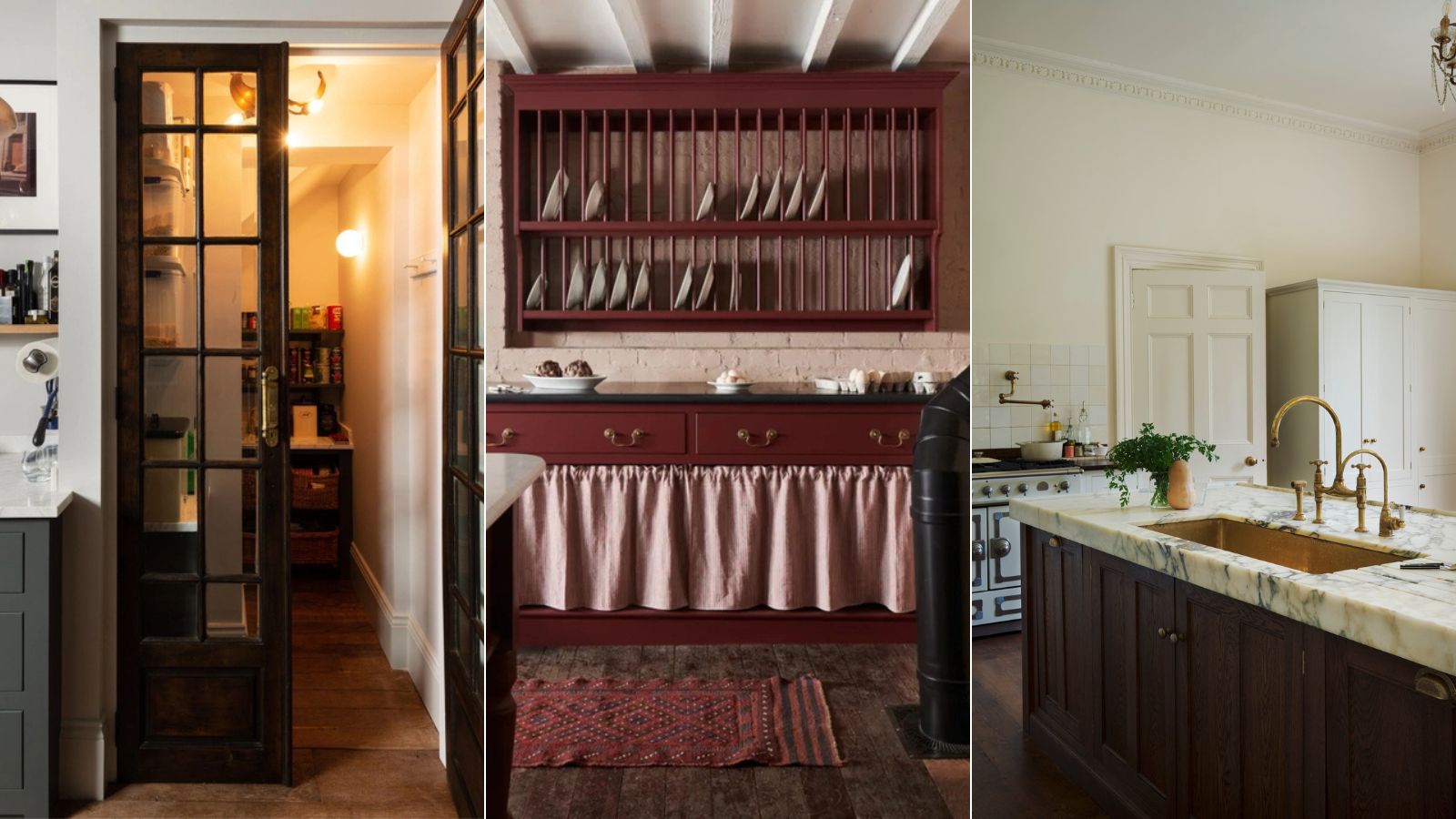
8 dated kitchen trends making a comeback in 2025

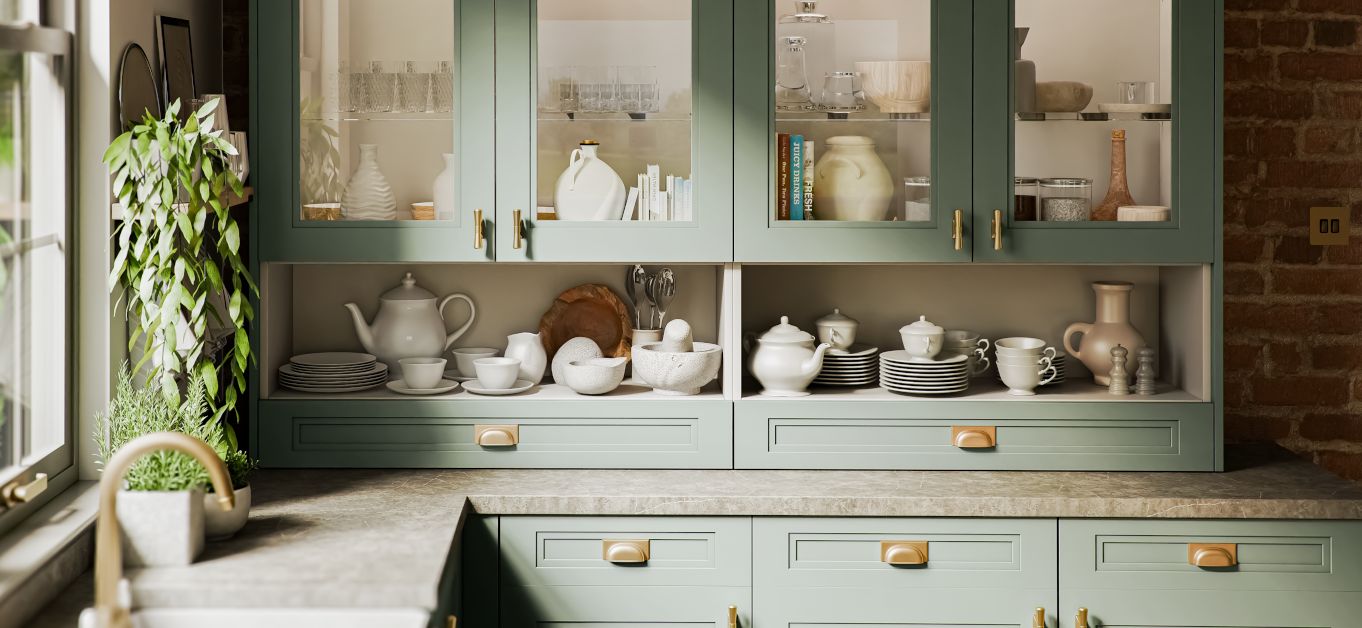
Bold splashbacks and open shelving will dominate kitchens in 2025

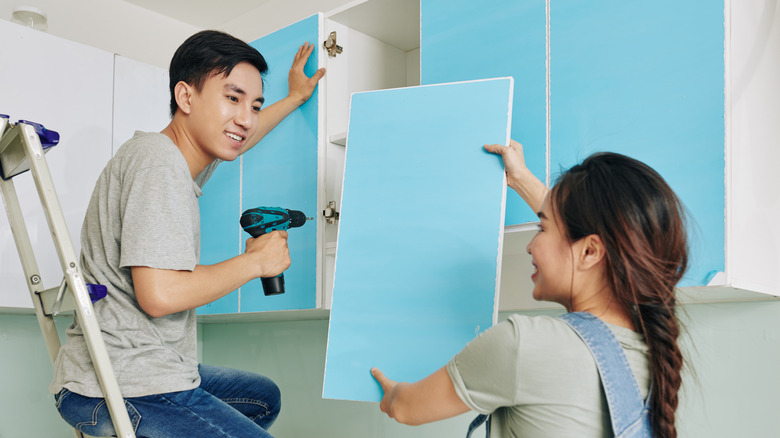
How To DIY One Of 2025's Biggest Kitchen Cabinet Trends
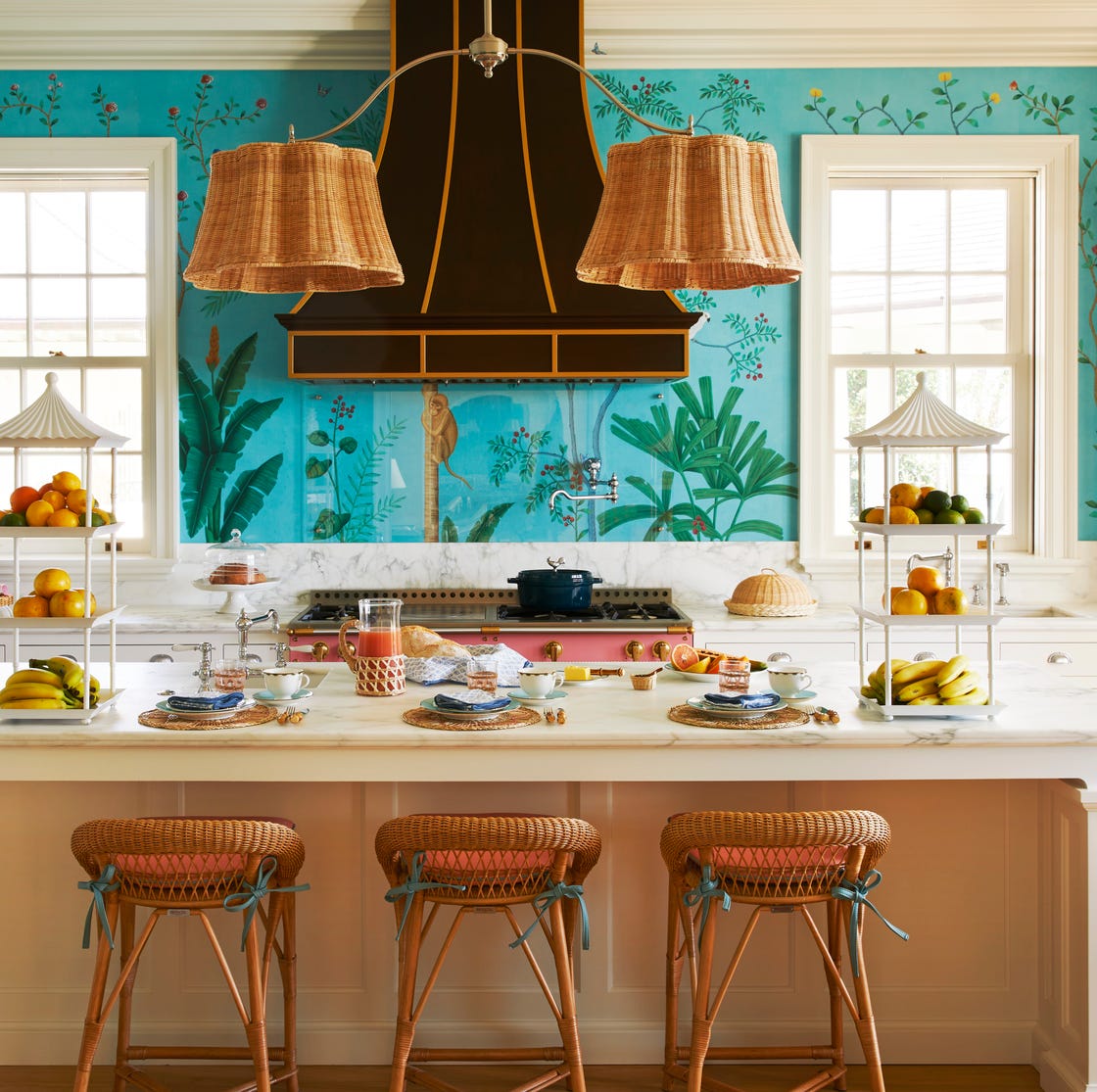
The 9 Kitchen Trends Designers Are Most Excited About for 2024

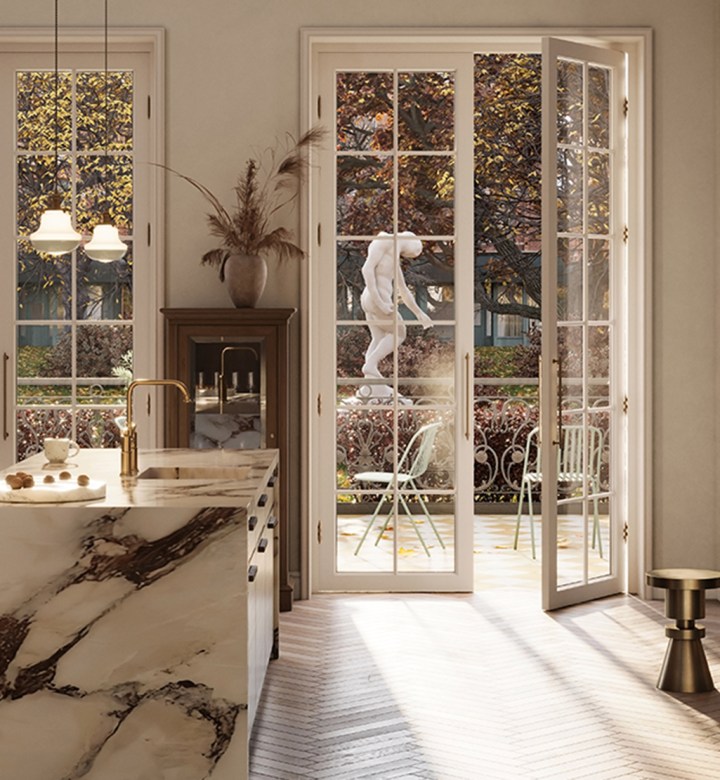
The Instagram Explore Page Has Spoken: These Are the Top 10 Kitchen Trends of 2025

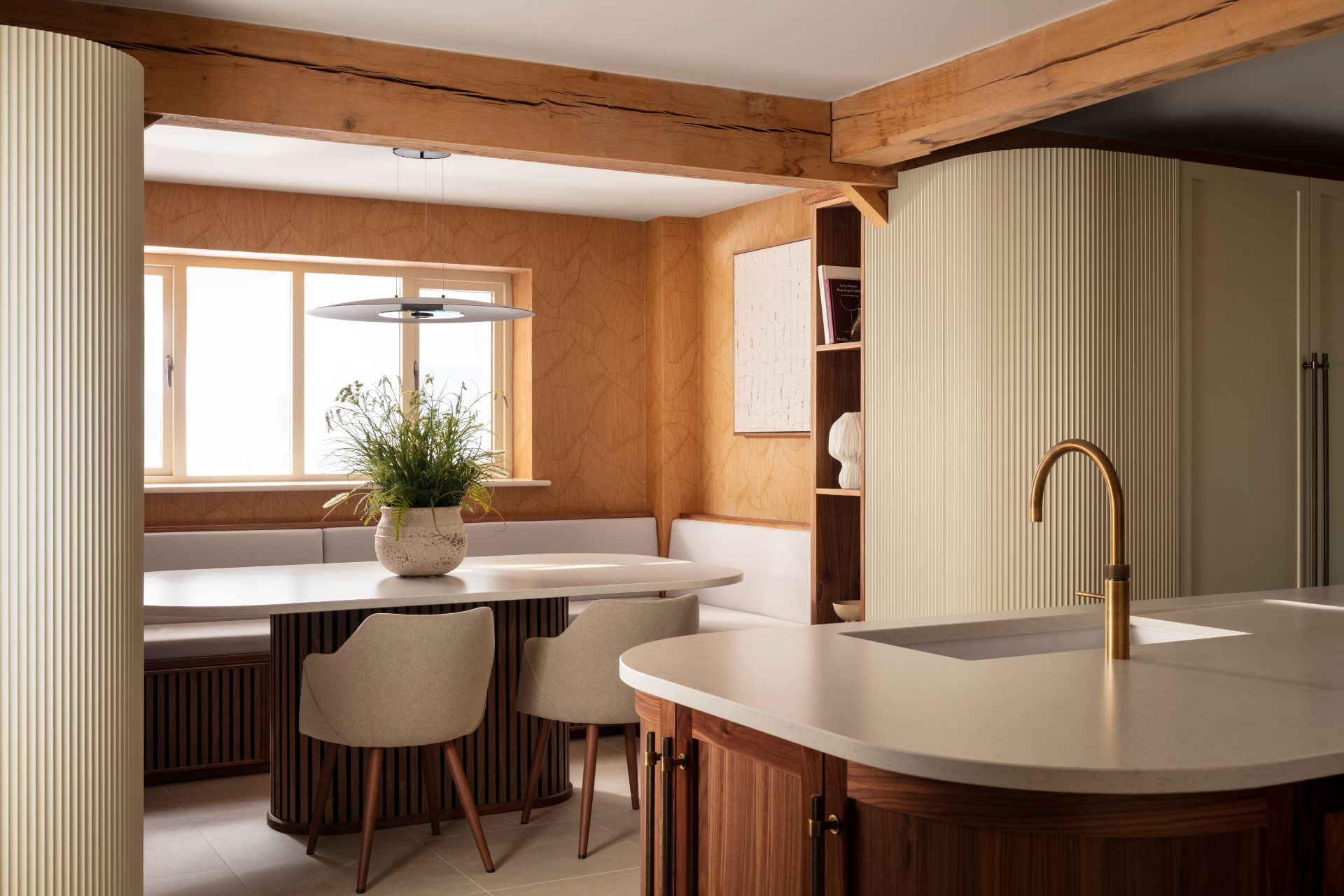
Are Fluted Kitchens Still On Trend?
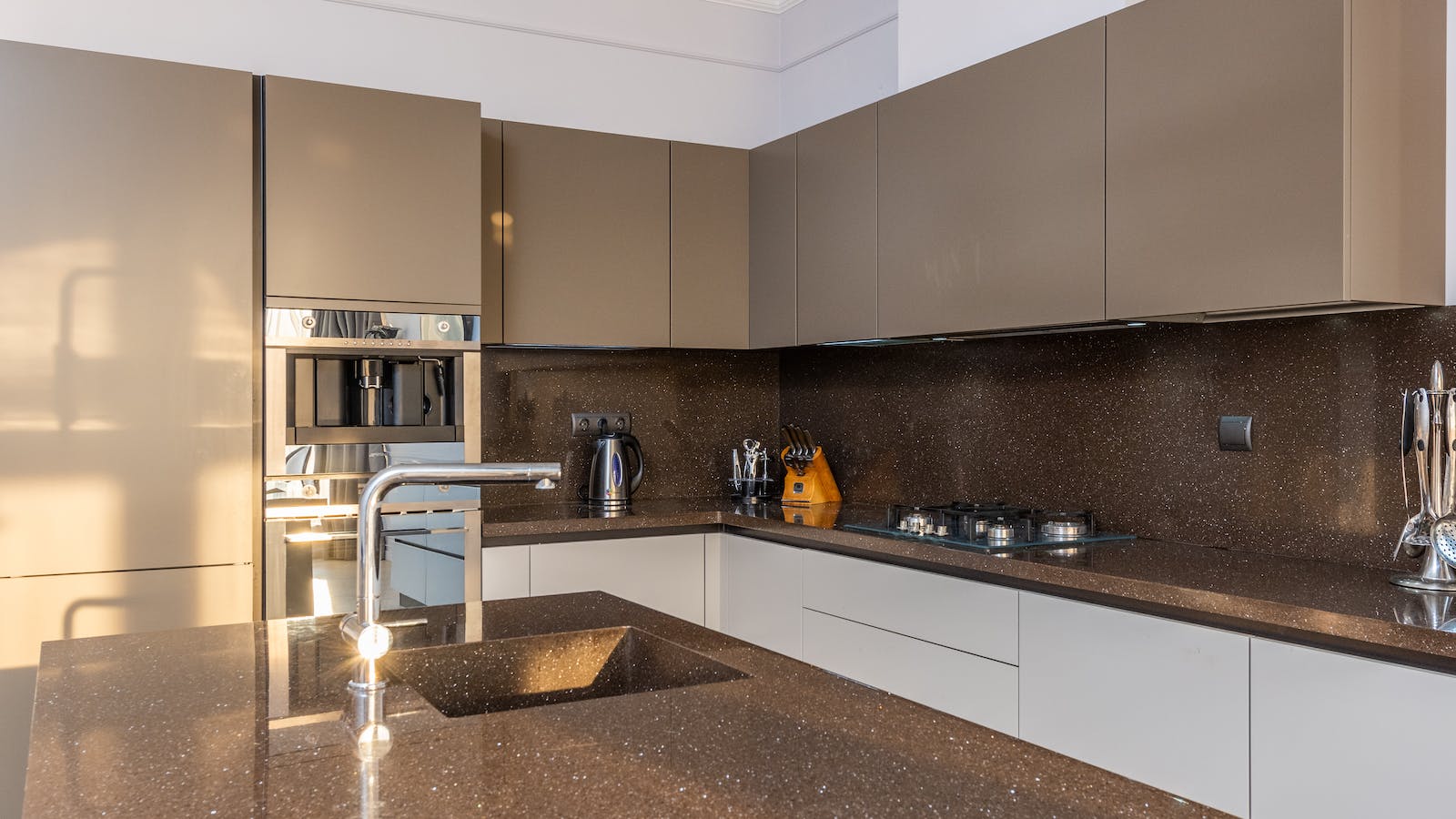
2025 Kitchen Cabinet Trends: Transform Your Space with These Top Styles
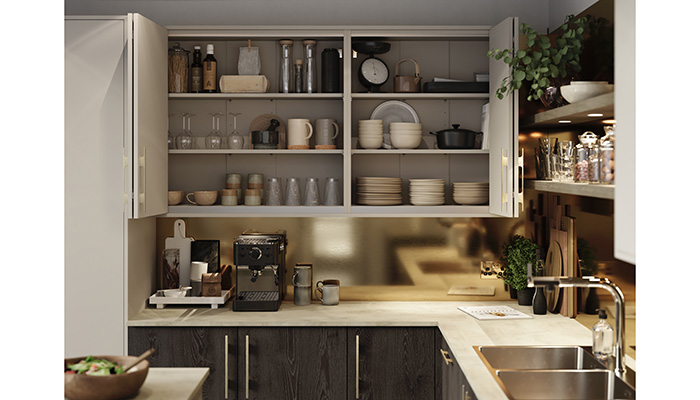
The shape of things to come – 4 ways kitchen cabinetry is evolving
Say Goodbye to White Cabinetry, Plus More Kitchen Trends for 2025
10 kitchen trends we're seeing everywhere in 2025 - create a stylish cooking space with the latest styles
7 kitchen flooring trends you'll be seeing everywhere in 2025, say interior designers
20 kitchen design trends you'll see everywhere in 2025, according to experts

Say Goodbye to Bland Kitchens: 5 Kitchen Cabinet Trends You're About to See Everywhere in 2026