1/4
Choosing a heater
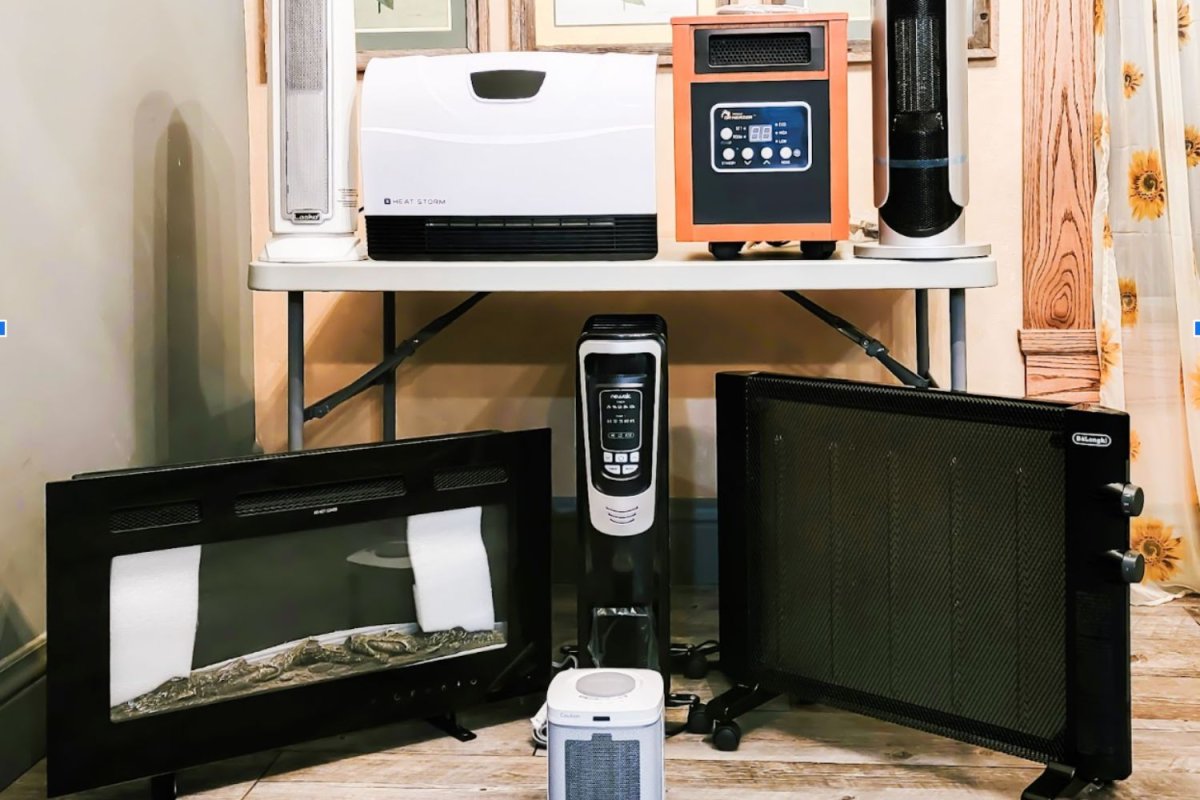
All electric heaters achieve 100 percent efficiency by converting all electrical energy into useful heat, but their heat distribution methods vary significantly. This guide explores different types of heaters and their suitability for various situations, providing insights into their functionality, cost-effectiveness, and safety features.
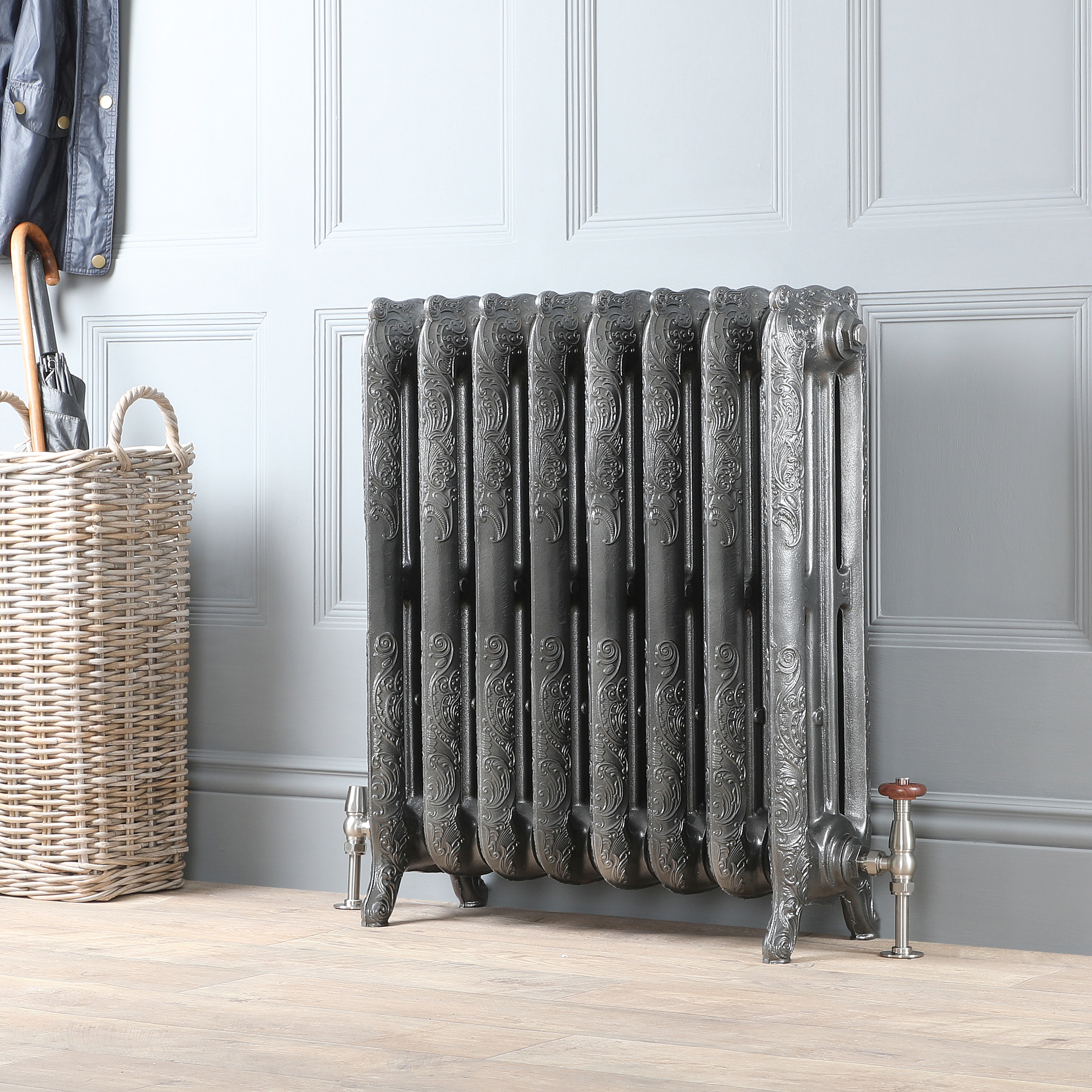
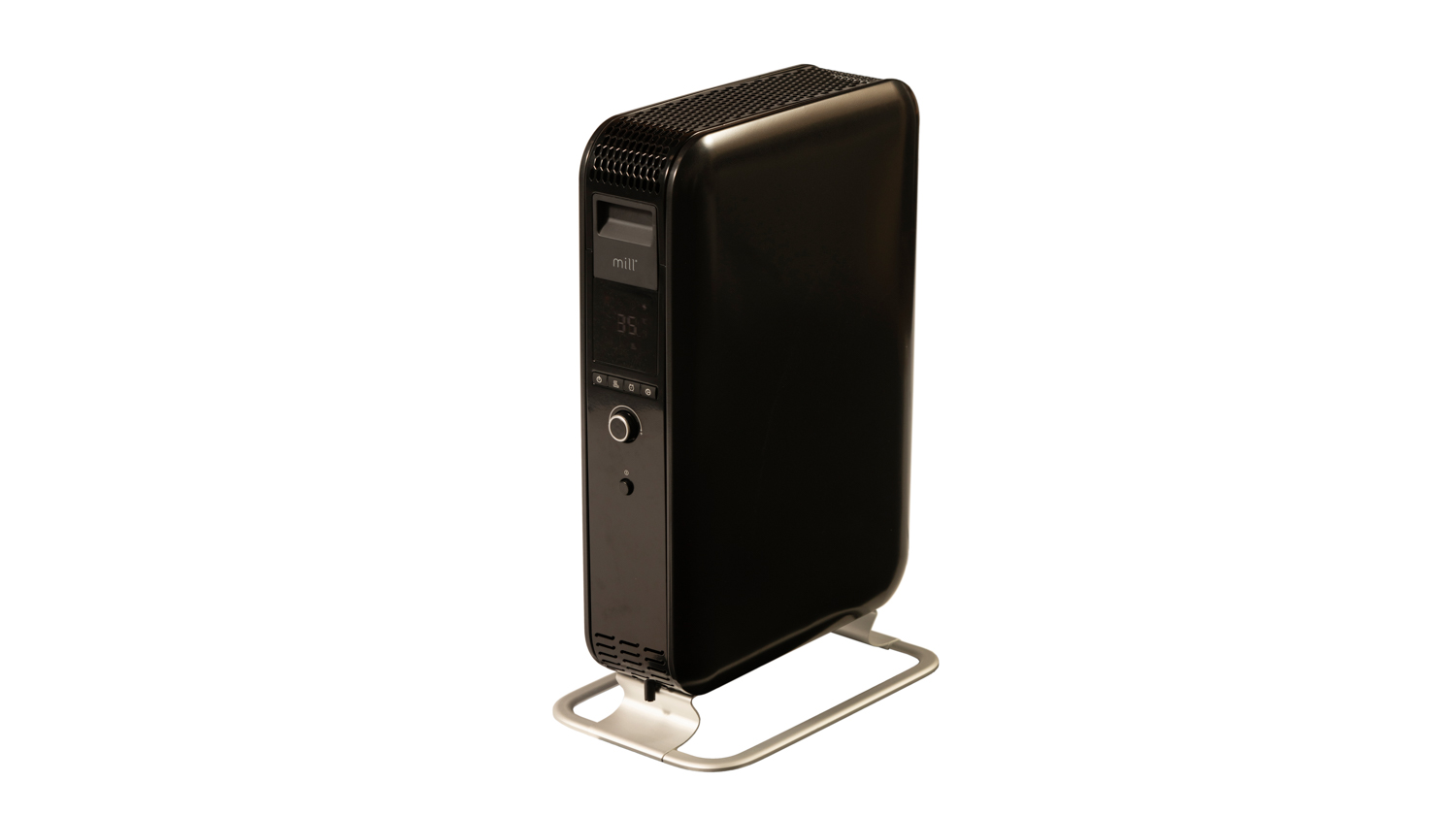
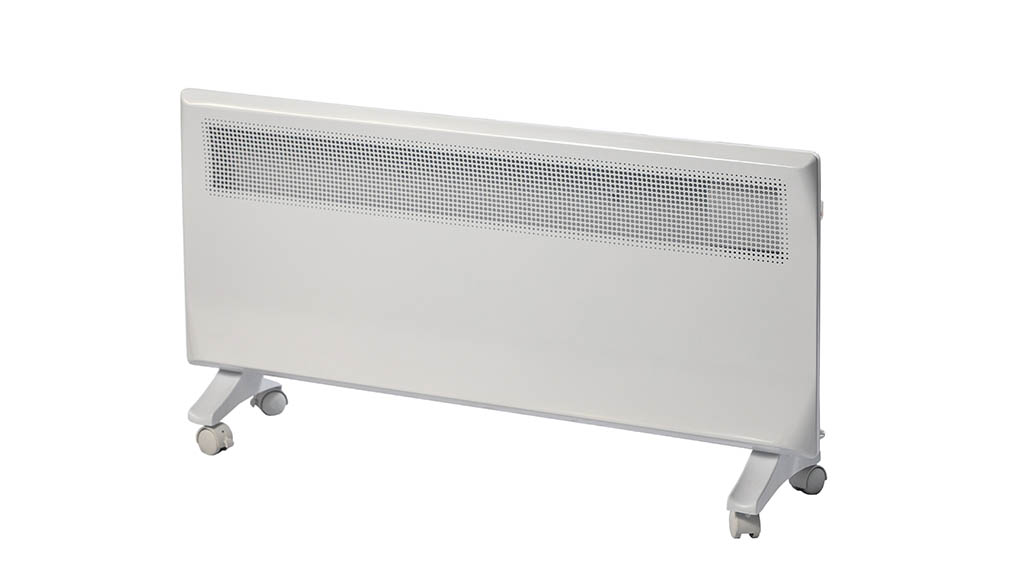
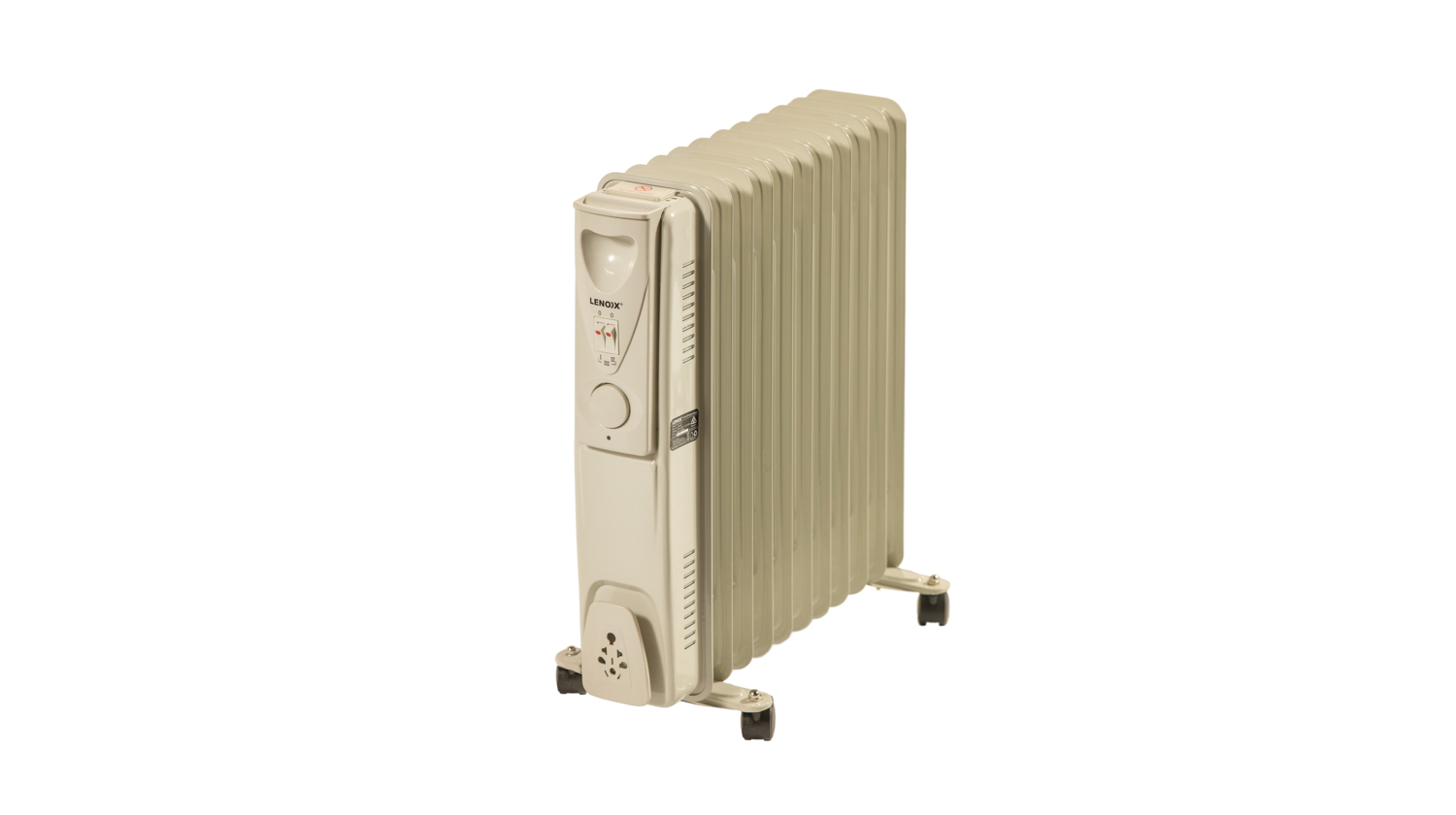
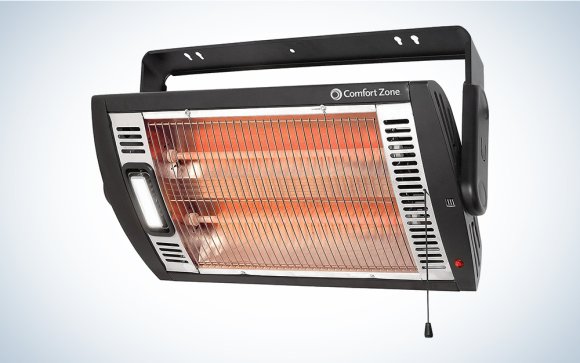
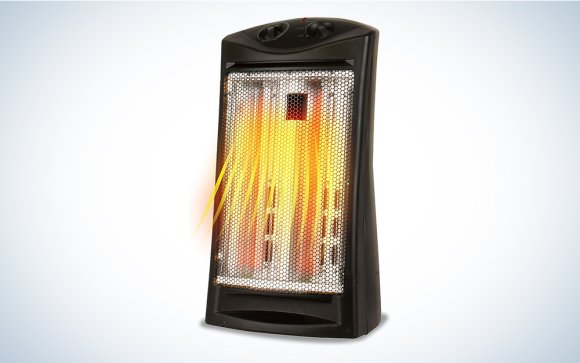
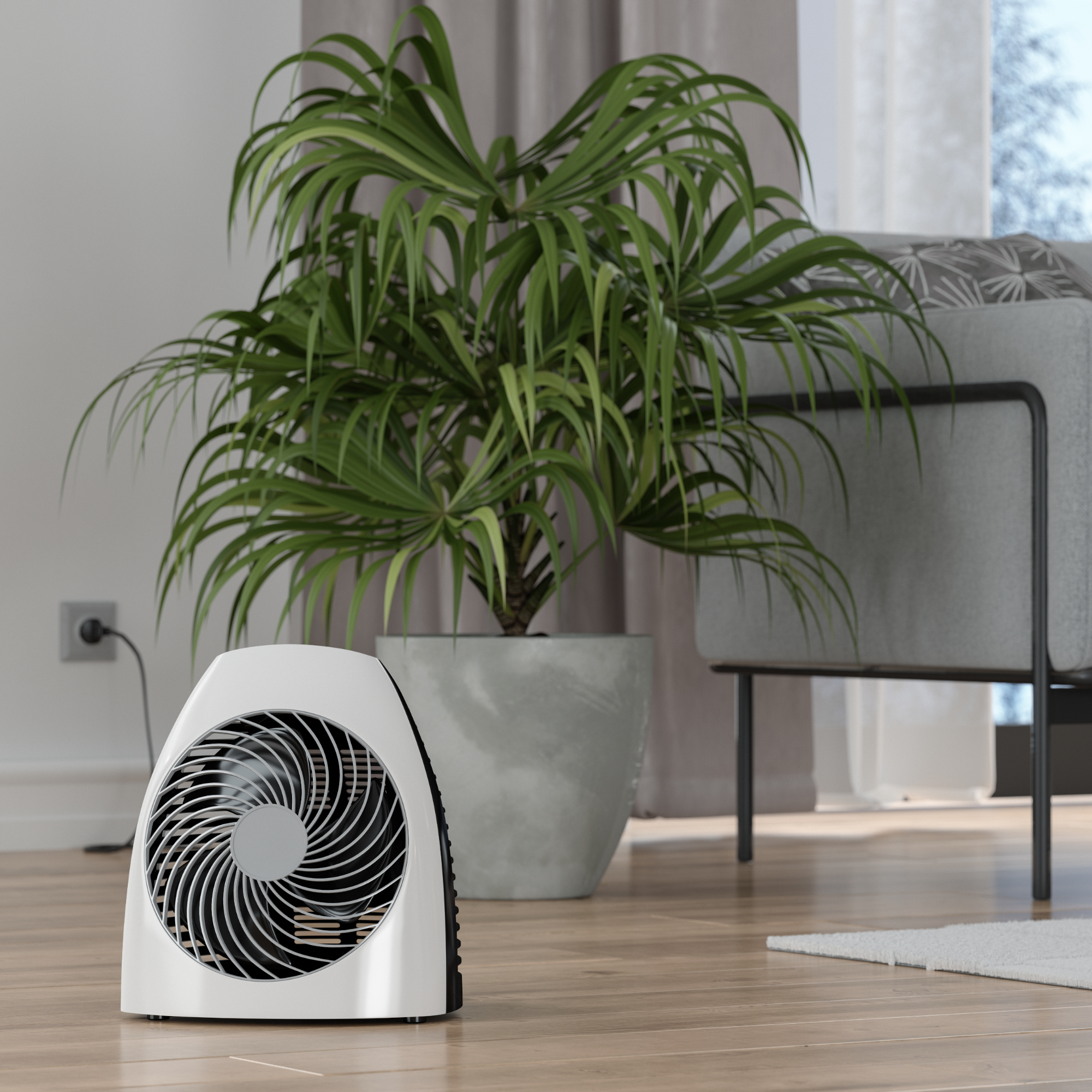
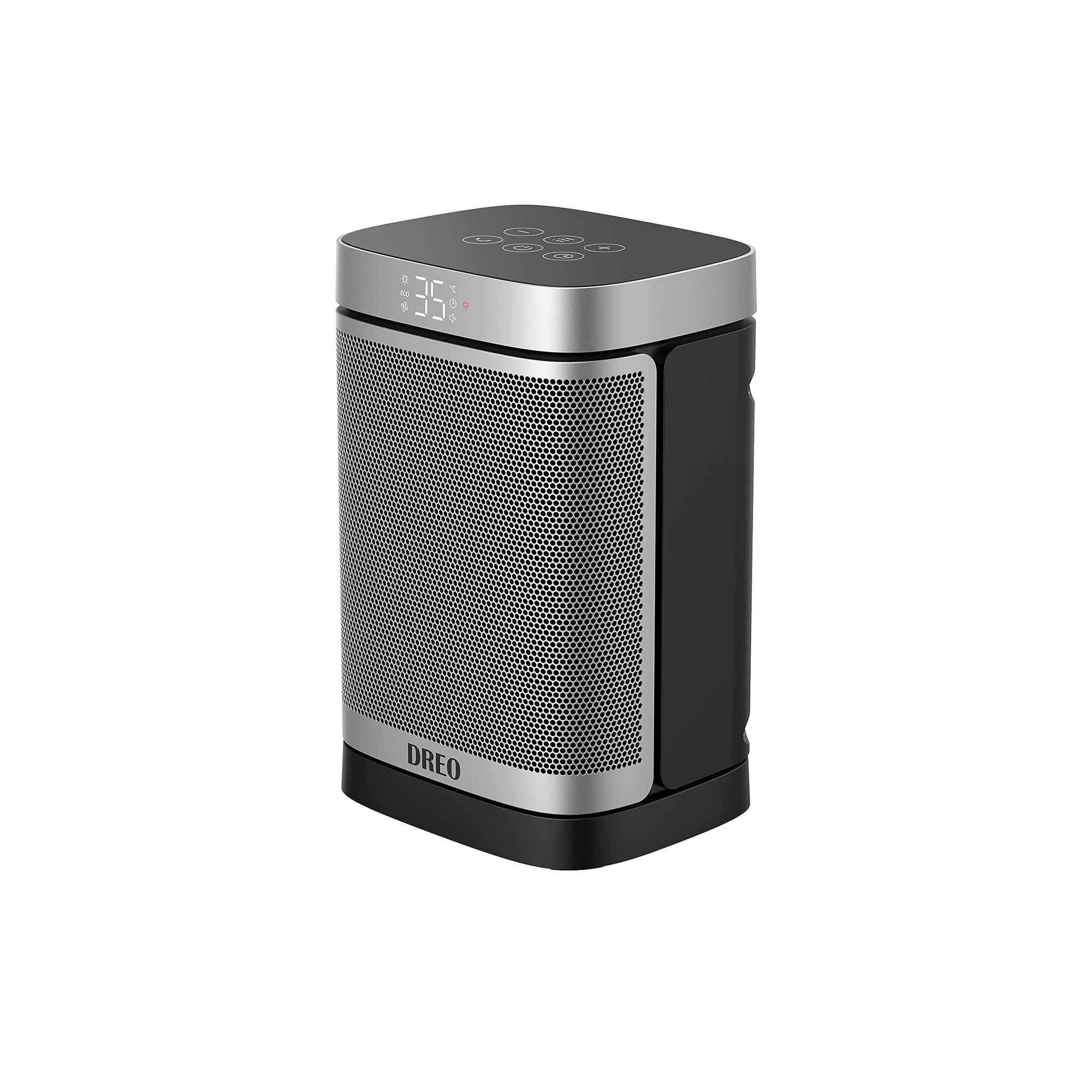
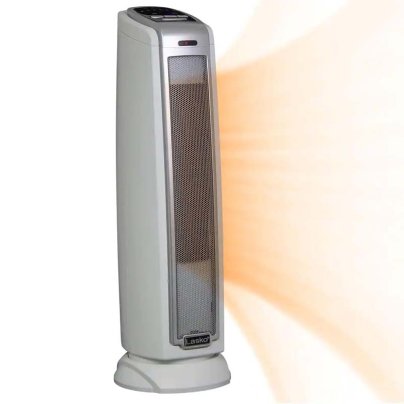
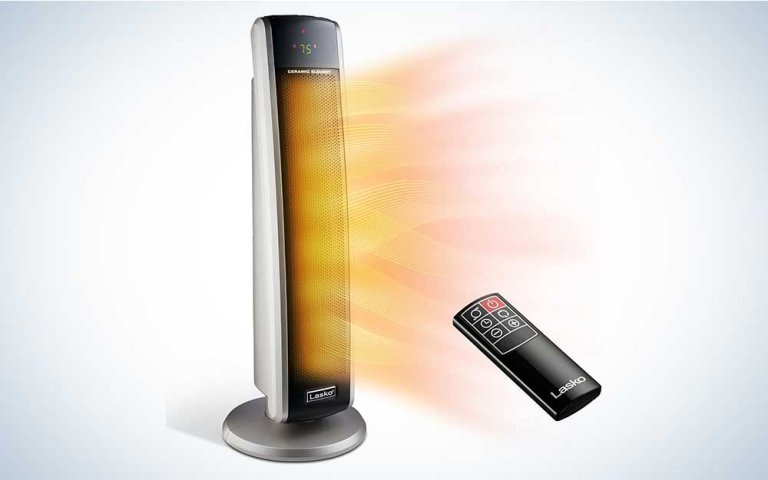
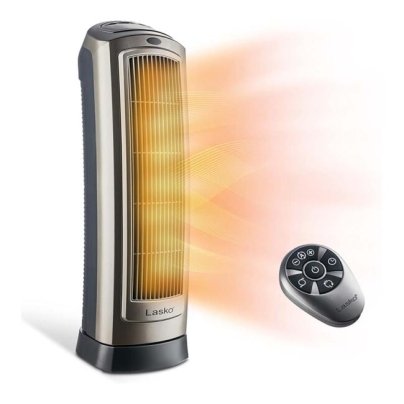
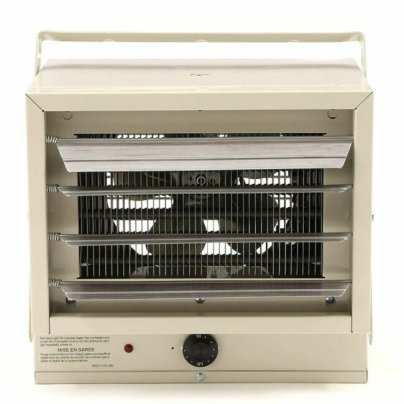
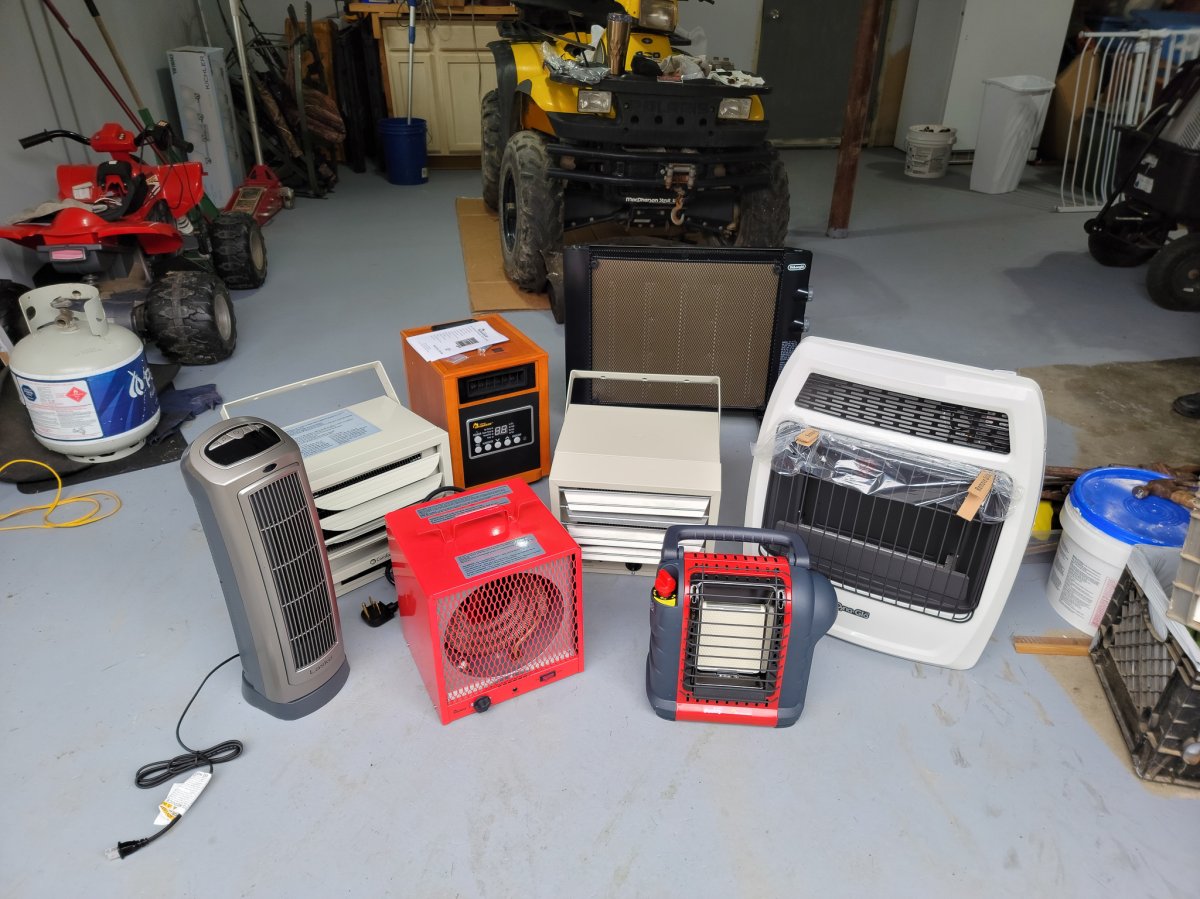
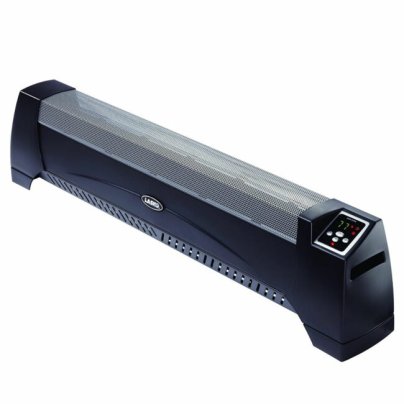
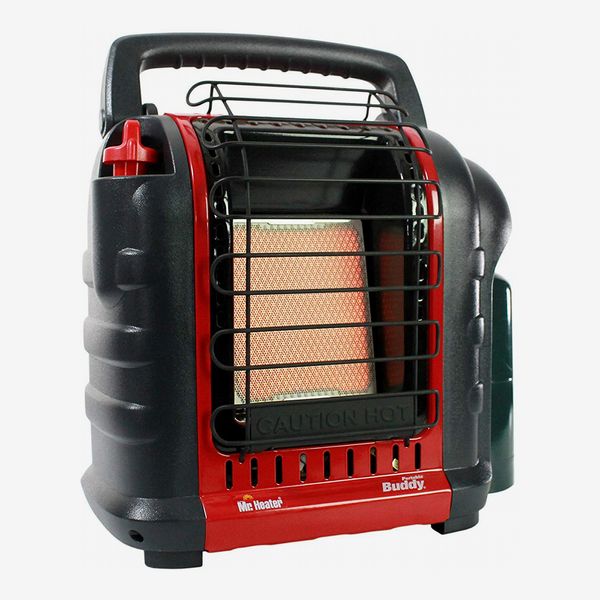
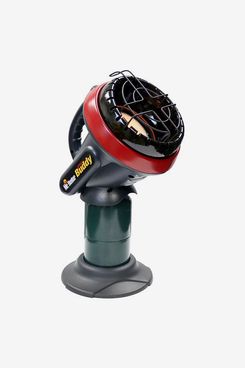
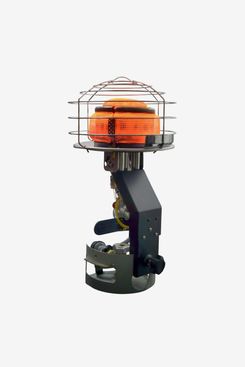
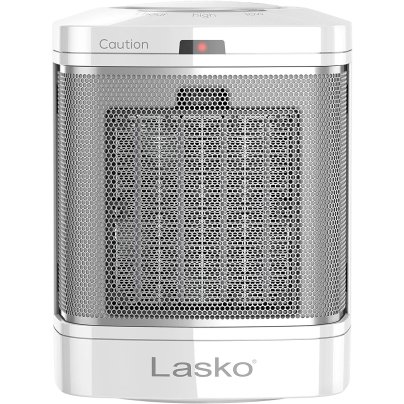
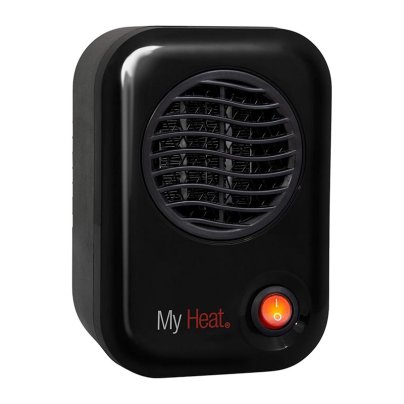
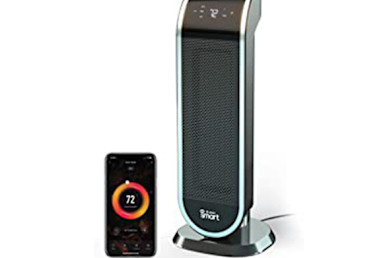
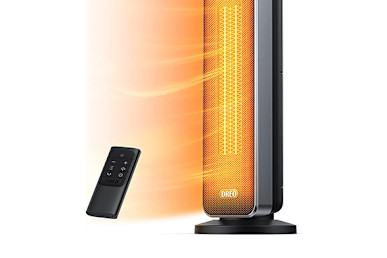
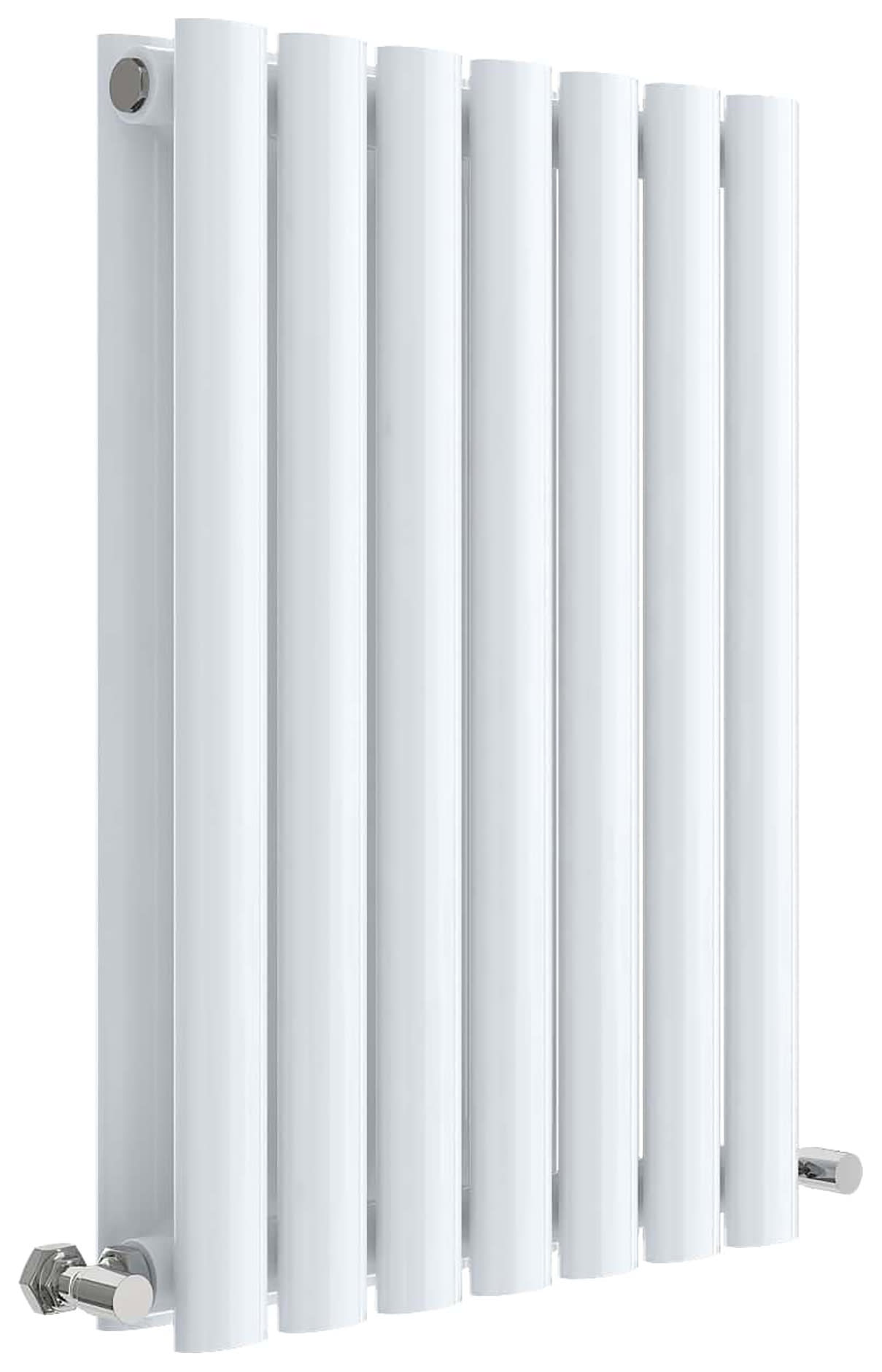
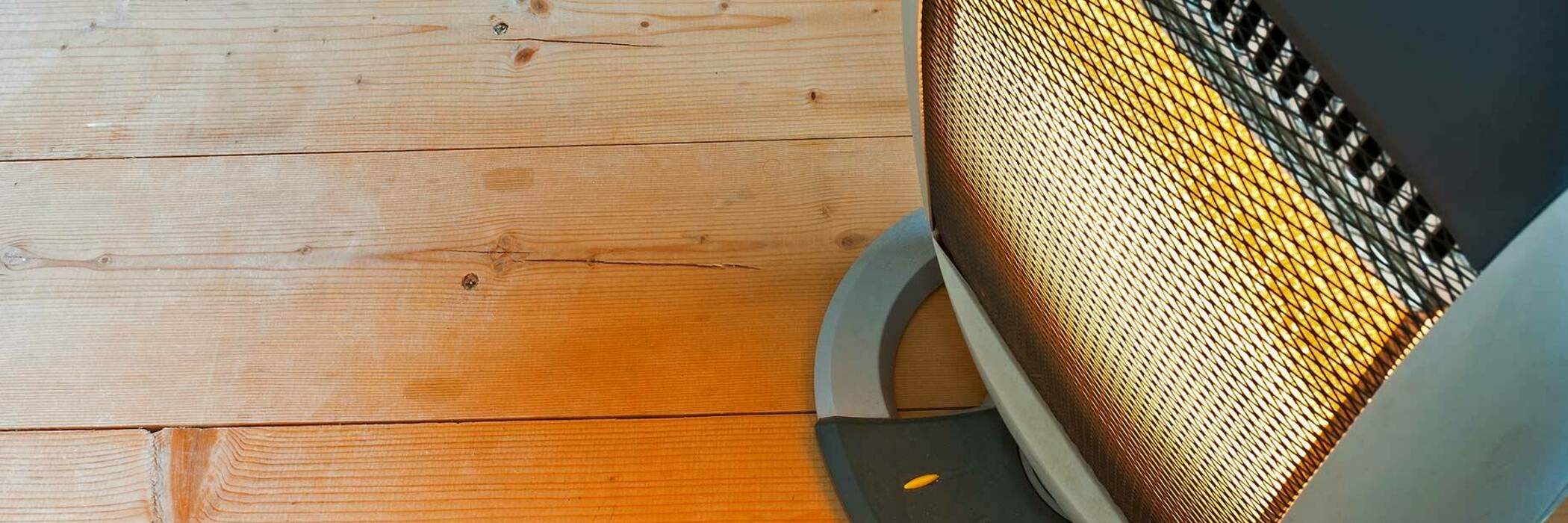
Convection heaters, such as oil-filled column heaters, are popular for providing background warmth by circulating warm air, often enhanced by a fan for faster and more even heating. Cheaper box-type convection heaters are also available. Portable fan heaters, while providing direct warm air, are generally noisier and less effective for overall room heating due to potential drafts. Radiant heaters use glowing elements and reflectors to provide quick, directional heat to specific areas, alongside some convection heat.
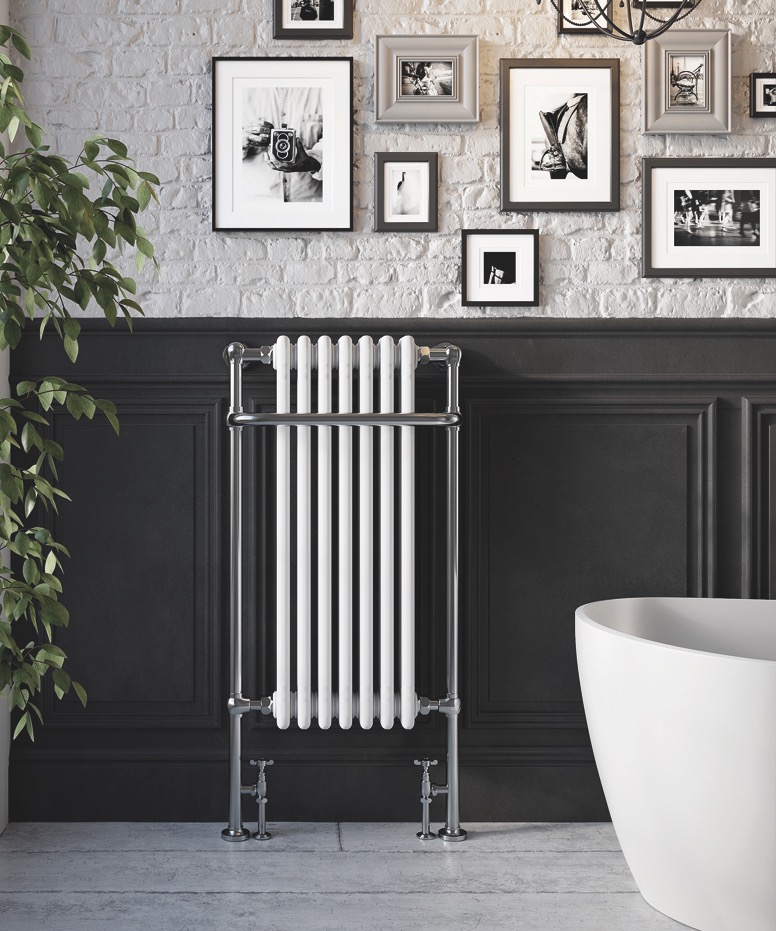
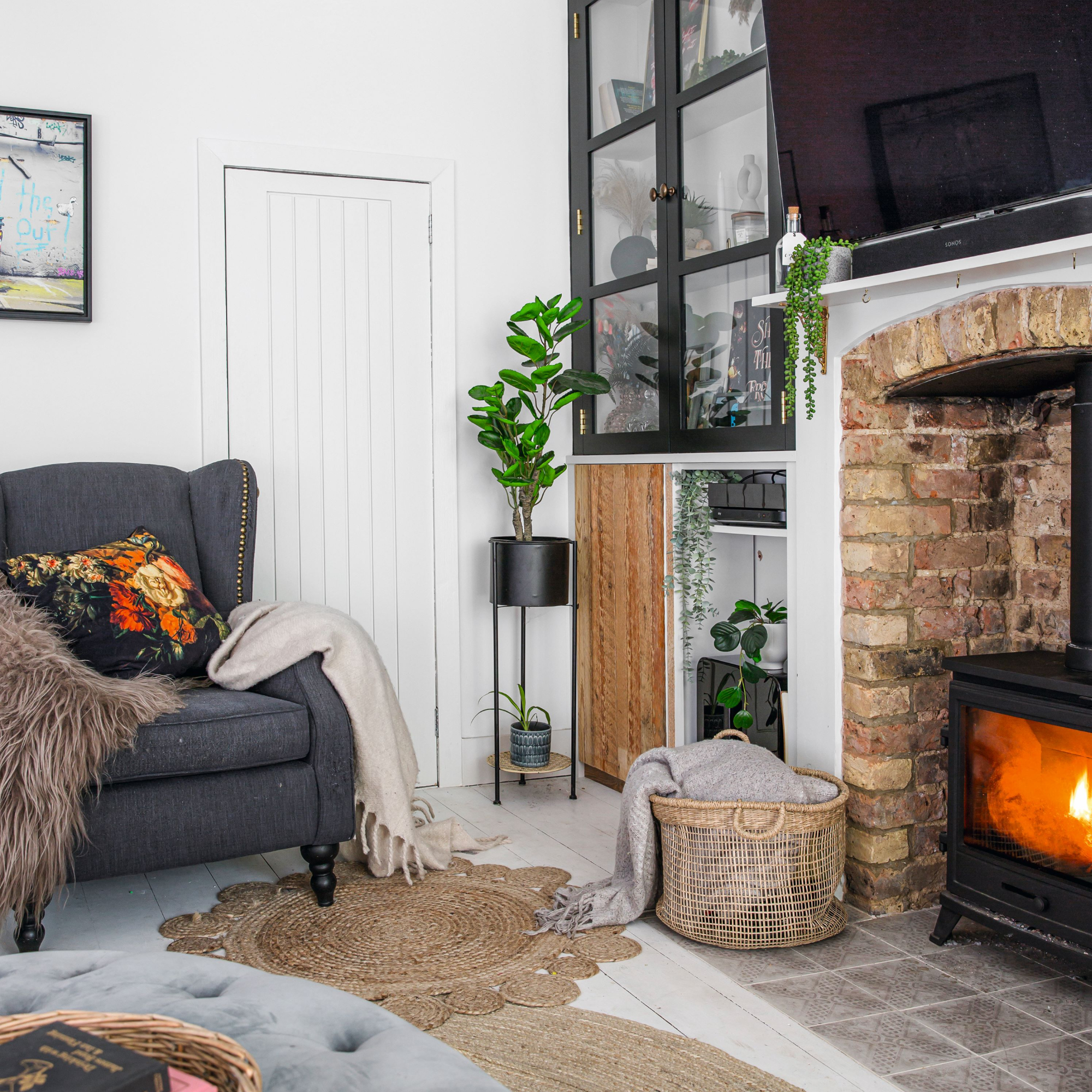
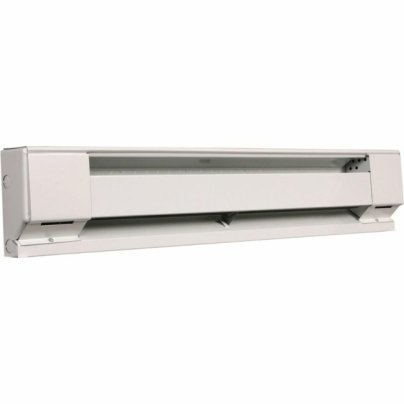
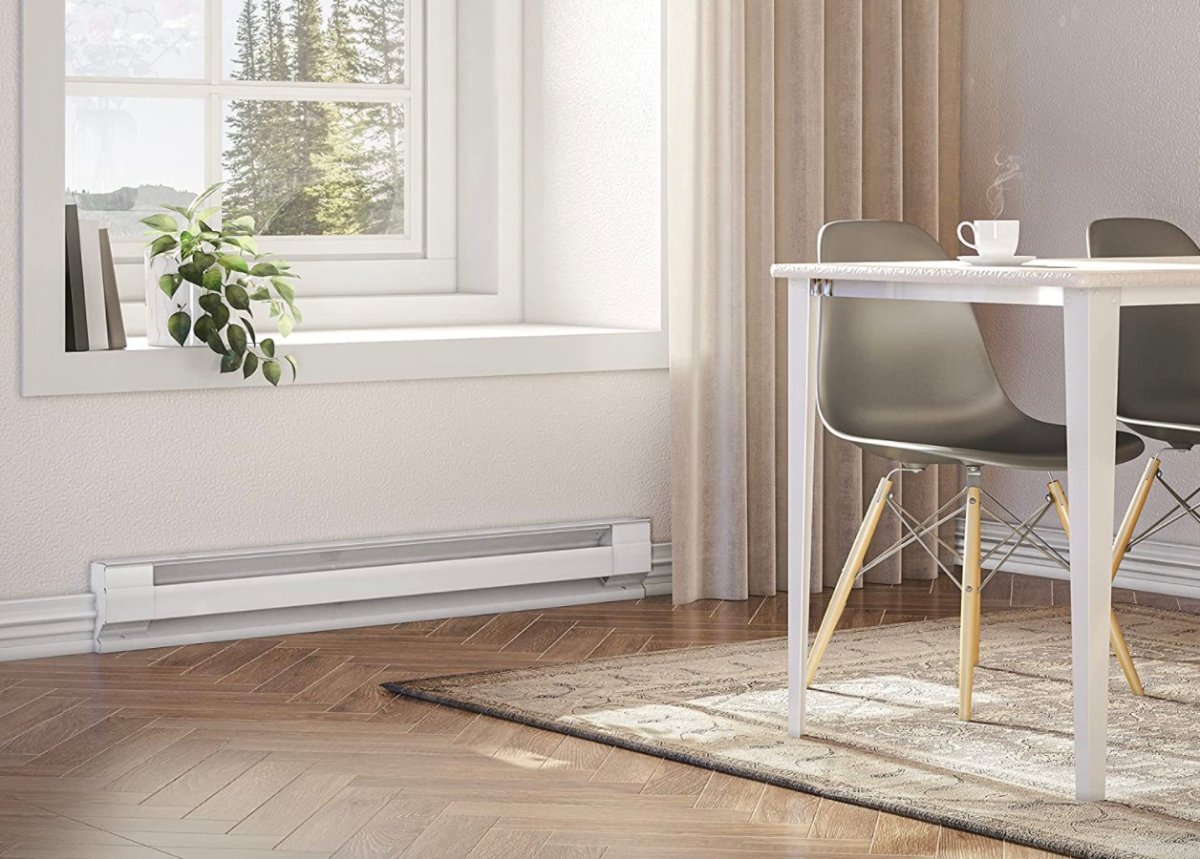
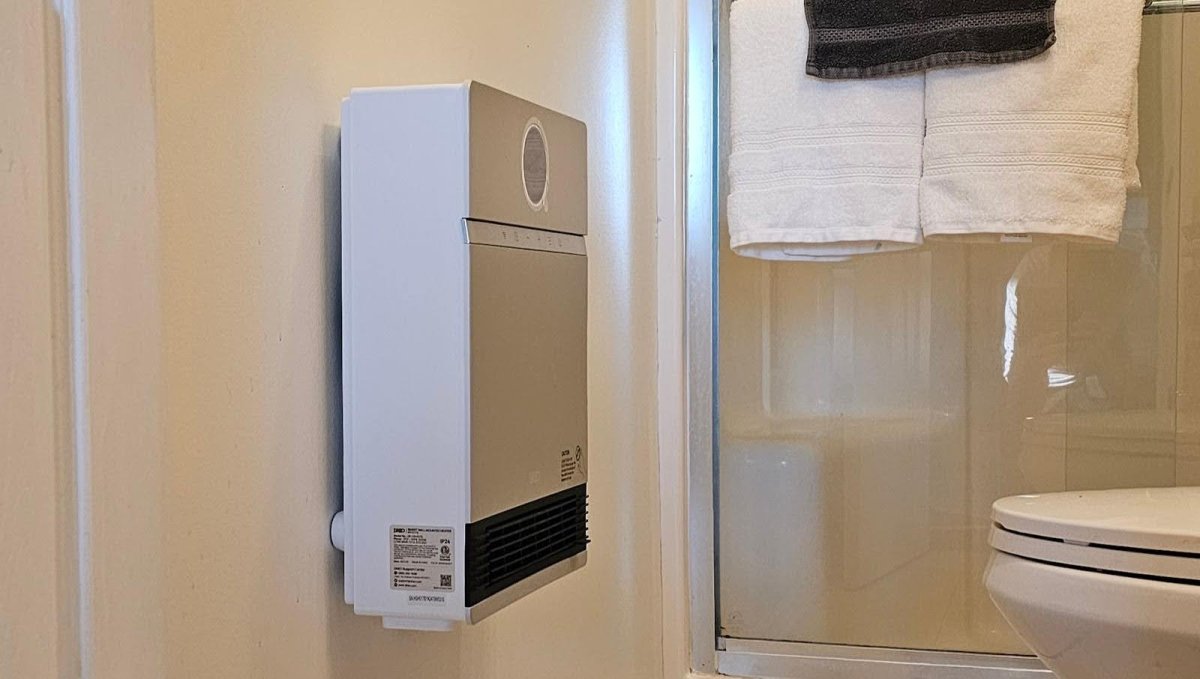
Heat pumps stand out for their efficiency, collecting up to three times more energy from the outside air than they consume, though their efficiency decreases in colder temperatures. Despite their higher initial cost, heat pumps are very economical to run. Panel heaters are permanently wall-mounted convection heaters designed for continuous background heating, typically using standard daytime electricity rates. Night-storage heaters, also permanently installed convection heaters, leverage off-peak night-rate electricity to store heat for gradual release throughout the day.
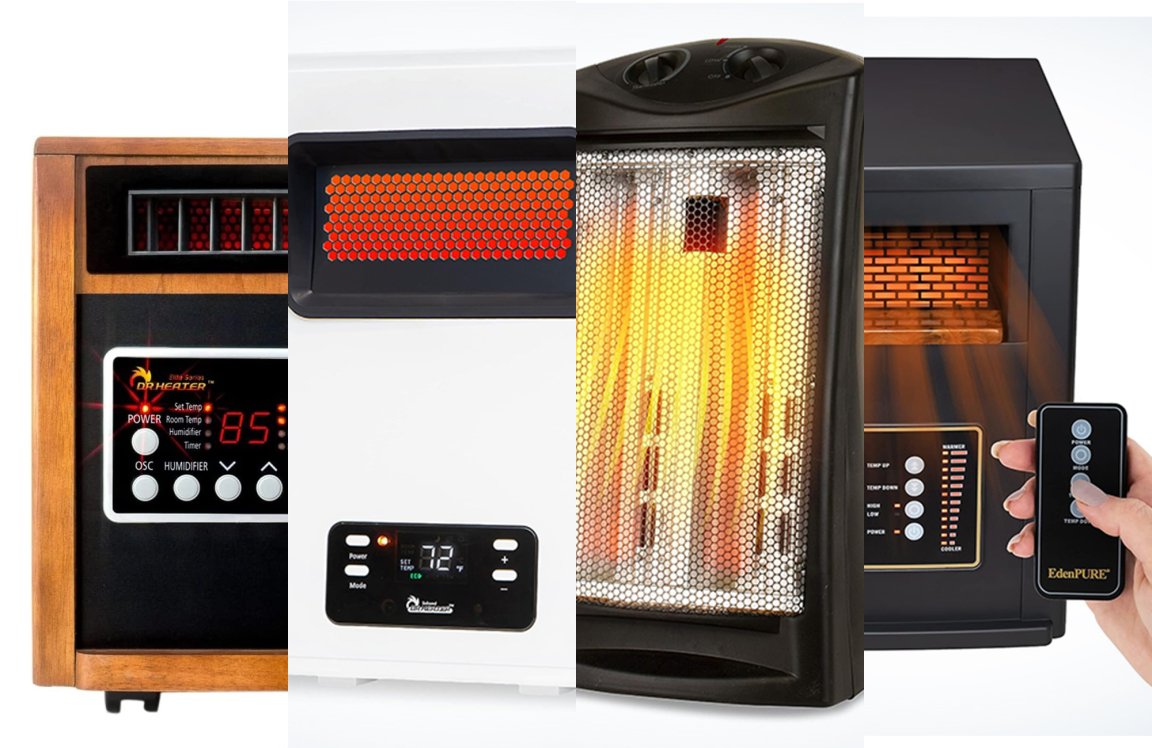
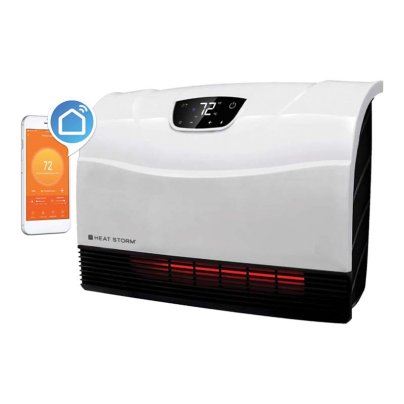
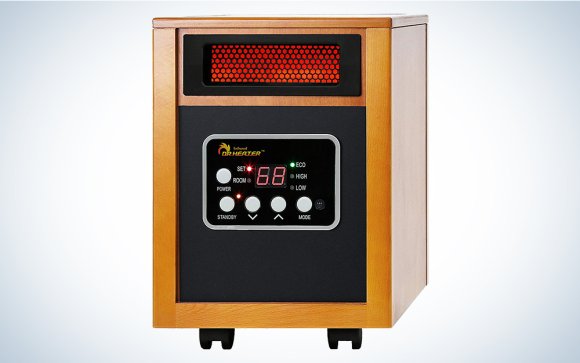
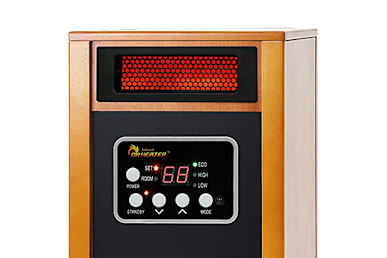
The article also compares infrared heaters with traditional electric fan, radiant, and oil-column heaters, highlighting infrared panels' claim of providing a warm, summer-like sensation. Recommendations for specific rooms include heat pumps or convection heaters for lounge/family rooms, with portable fan or radiant heaters for spot heating. Bedrooms, requiring less intense heat, benefit from panel or oil-filled column heaters with thermostats and timers, or a night-storage heater in a hallway. Service or workshop areas are best served by portable fan or radiant heaters.
Key features to look for in heaters include thermostats for consistent temperature and energy conservation, timers for scheduled operation, and fans to improve warm-up times and heat distribution. A size guide is provided to help determine the appropriate heater wattage based on room volume, insulation, and room type, with specific calculations for different scenarios.
Safety considerations are paramount. All heaters pose risks if misused or poorly maintained, with surface temperatures potentially causing burns. Oil-filled column heaters with wide or shielded fins generally have lower surface temperatures and are safer, particularly for homes with children, as their weight and height can pose a tipping hazard. Modern heaters undergo stringent safety tests to prevent fires from overheating, a standard not always met by older, second-hand models. A tilt switch is identified as a valuable safety feature that automatically shuts off a heater if it tips over.
Running costs are a significant factor. While purchase prices vary, plug-in electric heaters are generally more expensive to operate than heat pumps or woodburners. Electricity costs range from 23 to 31 cents per kWh, and an example calculation demonstrates that a 2kW heater running for 5 hours daily can cost around $75 per month. Thermostats can help mitigate these costs.
Finally, the article offers practical advice for purchasing a heater, suggesting waiting for mid-year sales, checking fan noise in-store, and, if feasible, investing in more energy-efficient alternatives like heat pumps, flued gas heaters, or woodburners as primary heat sources over plug-in electric heaters for long-term savings.
#HeaterTypes #HomeHeating #EnergyEfficiency #HeaterSafety #RunningCosts #HeatPumps #ConvectionHeaters #RadiantHeaters #HomeComfort #HeaterTypes #HomeHeating #EnergyEfficiency #HeaterSafety #RunningCosts #HeatPumps #ConvectionHeaters #RadiantHeaters #HomeComfort
0 commentaire au total
 Aucun commentaire pour le moment
Vous aimerez aussi

Experts Urge Homeowners to Avoid This Radiator Mistake That 'Exaggerates' How Well It Will Heat Your Home

5 bathroom heating options, and our expert advice on which is best for you

6 of the best heater ideas to warm up your home this winter

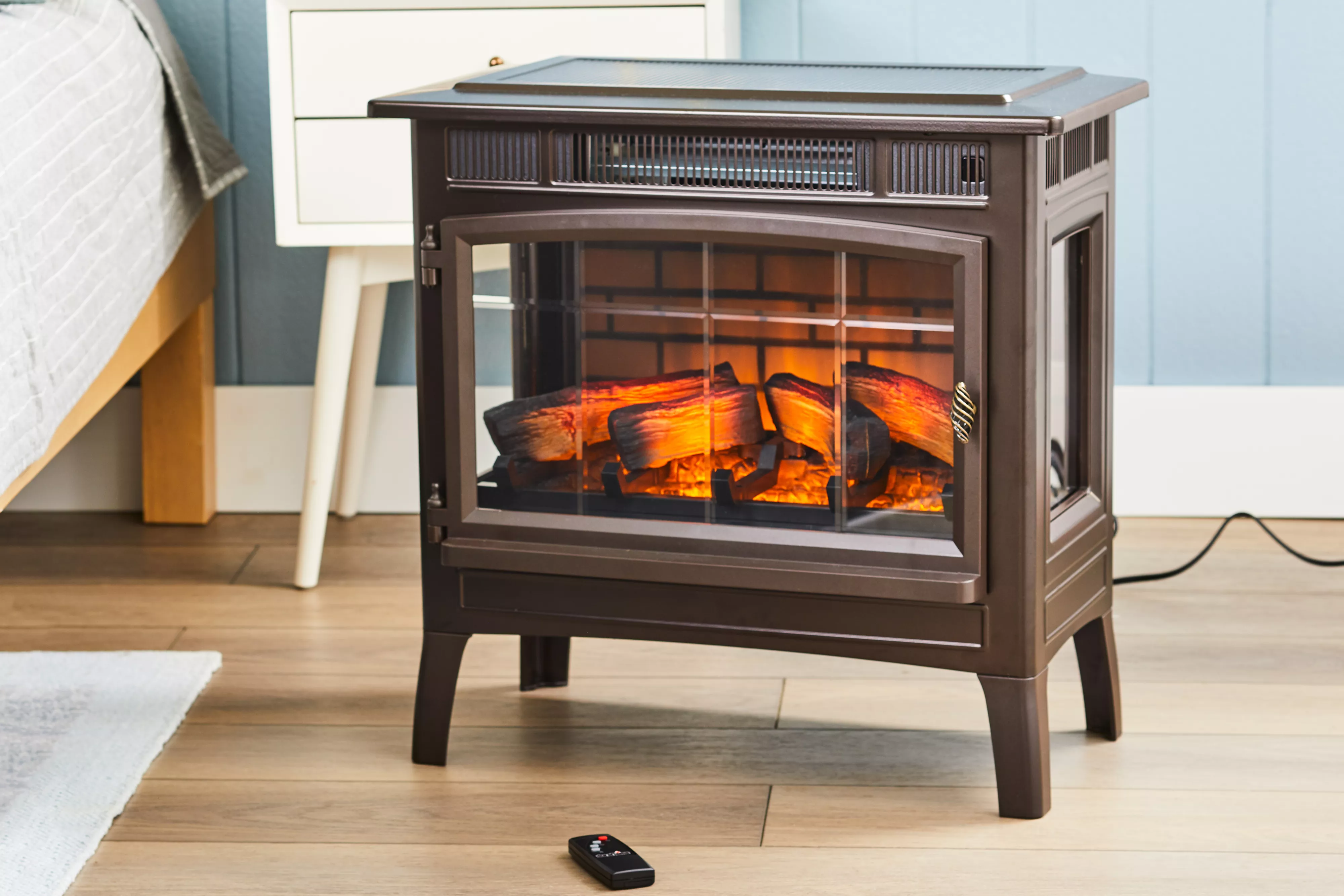
These 5 Space Heaters Will Keep You Extra Toasty This Winter

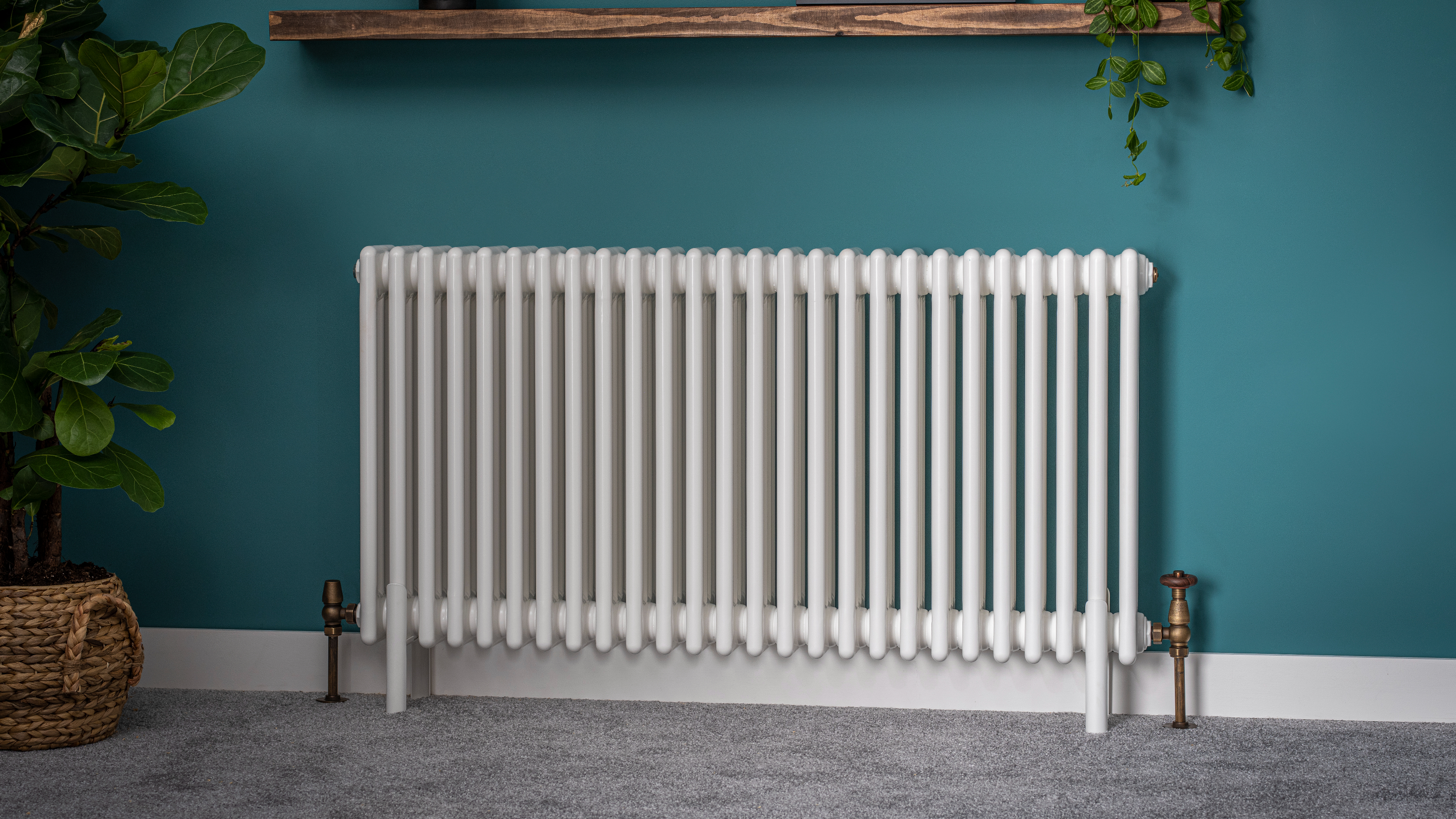
Central heating - everything you need to know about heating your home
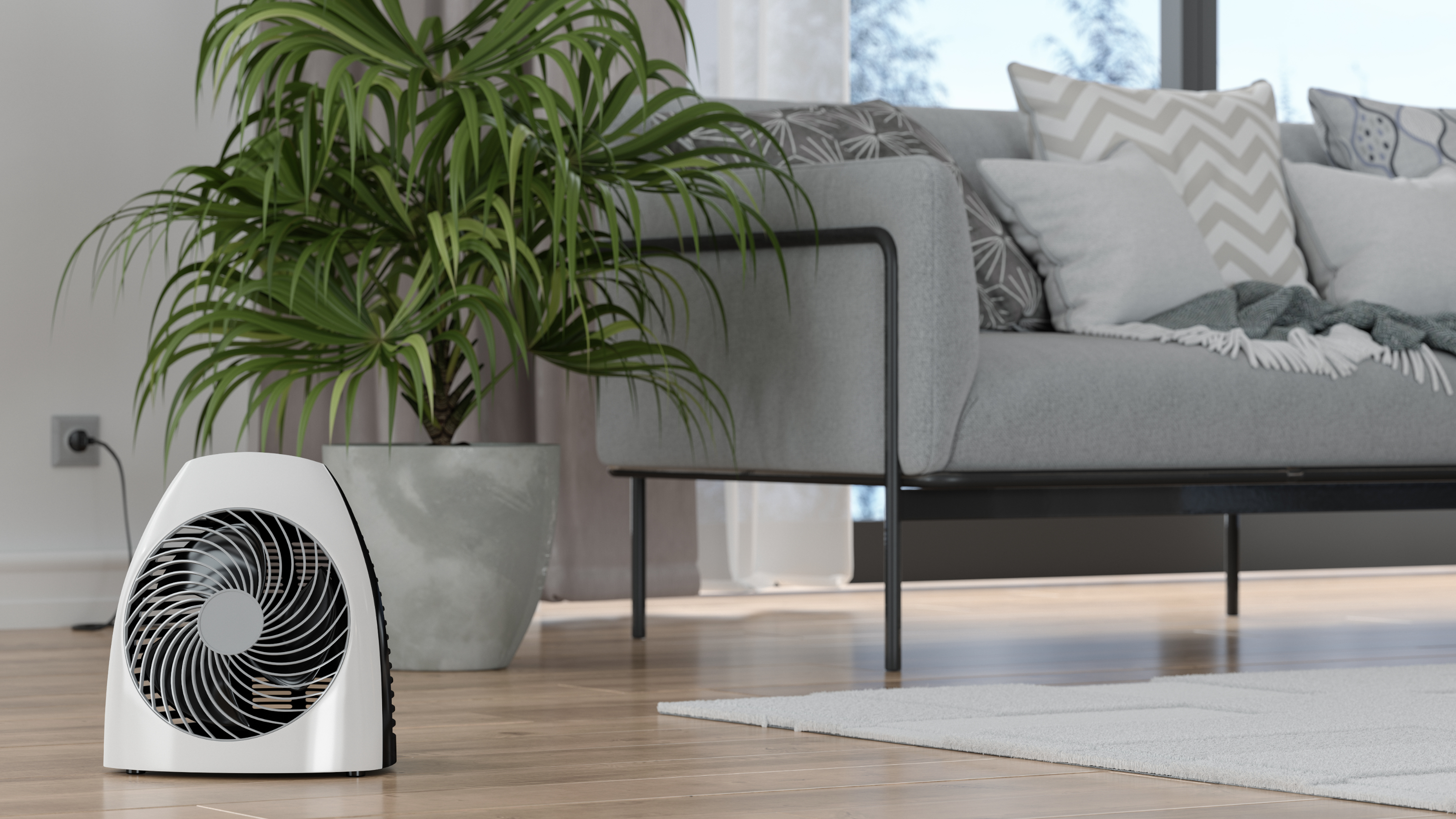
What is the cheapest electric heater to run? Experts reveal
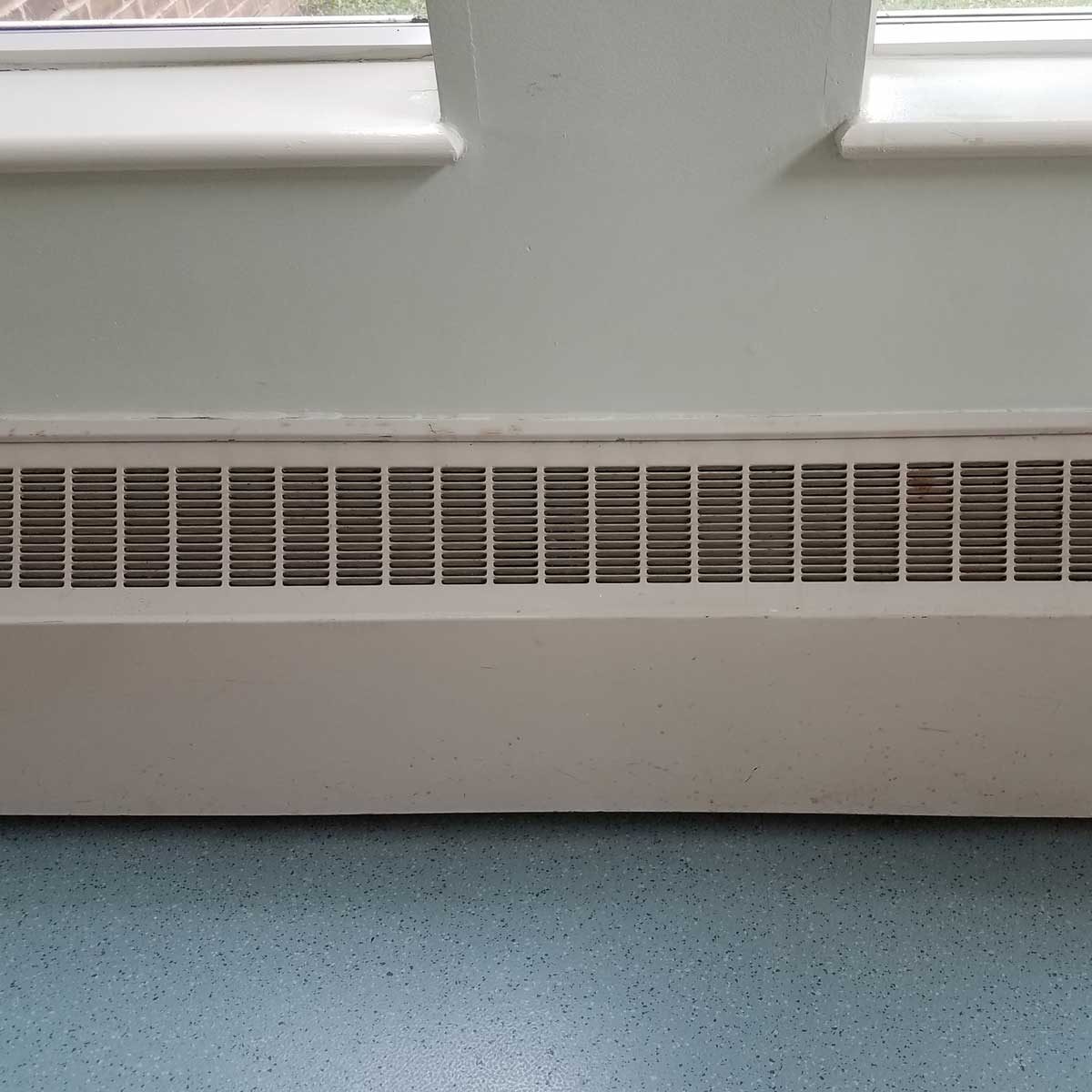
Hydronic Baseboard Heater Buyers Guide: How to Choose, Costs and Installation, Safety Considerations

After 56 Days of Testing, We Found the Best Bathroom Heater

The electric heaters to avoid buying
We Tested 50 Space Heaters—These 7 Are the Best for Staying Warm
The Best Garage Heaters For Workshop Comfort, Tested
Warm Up Your Space & Lower Your Bills With This Energy-Efficient Home Swap


The Ultimate Guide To Warmth: How To Choose The Best Room Heater For Your Home?
Our Favorite Energy-Efficient Space Heater Adds Style to Our Homes While Heating
Vetted: The Best Baseboard Heaters for Home Comfort

Smart Heating

The best infrared heaters
The best space heaters in 2025

The 12 Very Best Outdoor Heaters
We Tested the Best Space Heaters—These Warmed Up Rooms Fastest