1/8
Best smart locks to buy in 2024
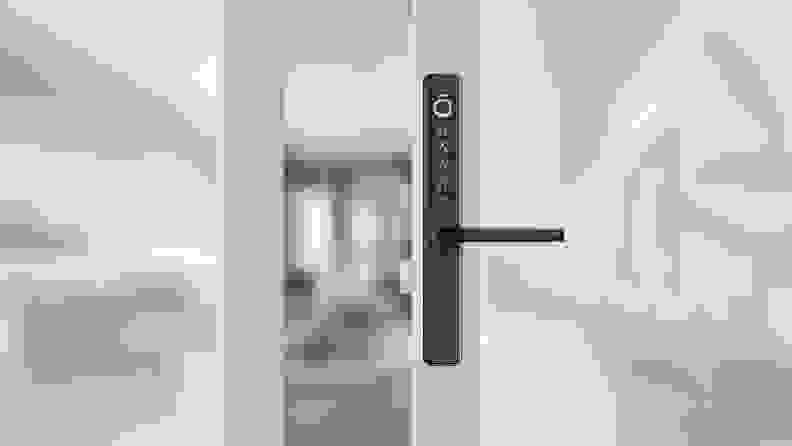
This article details the top smart locks available in 2024, offering a comprehensive guide for homeowners looking to enhance their home security and convenience. Smart locks integrate digital security with remote control capabilities, allowing users to manage door access from anywhere. The guide emphasizes that modern smart locks are as secure as traditional ones but offer significantly more utility, such as granting temporary access to cleaners or delivery personnel.
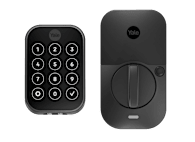
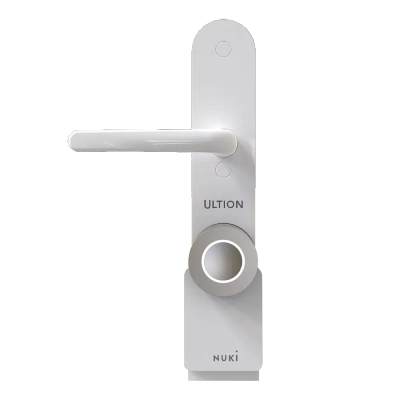
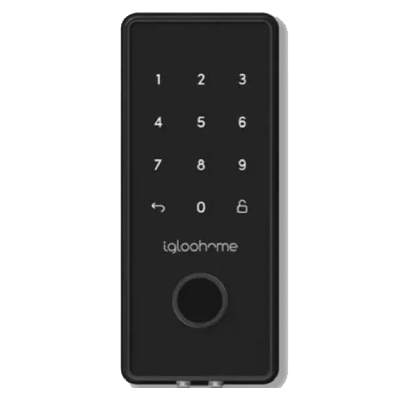
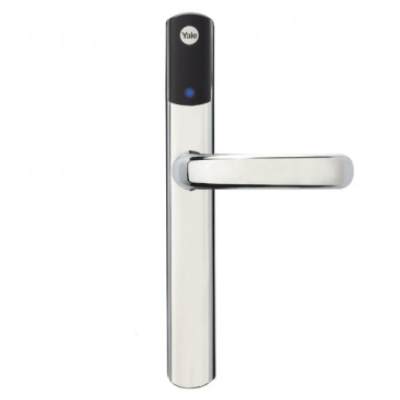
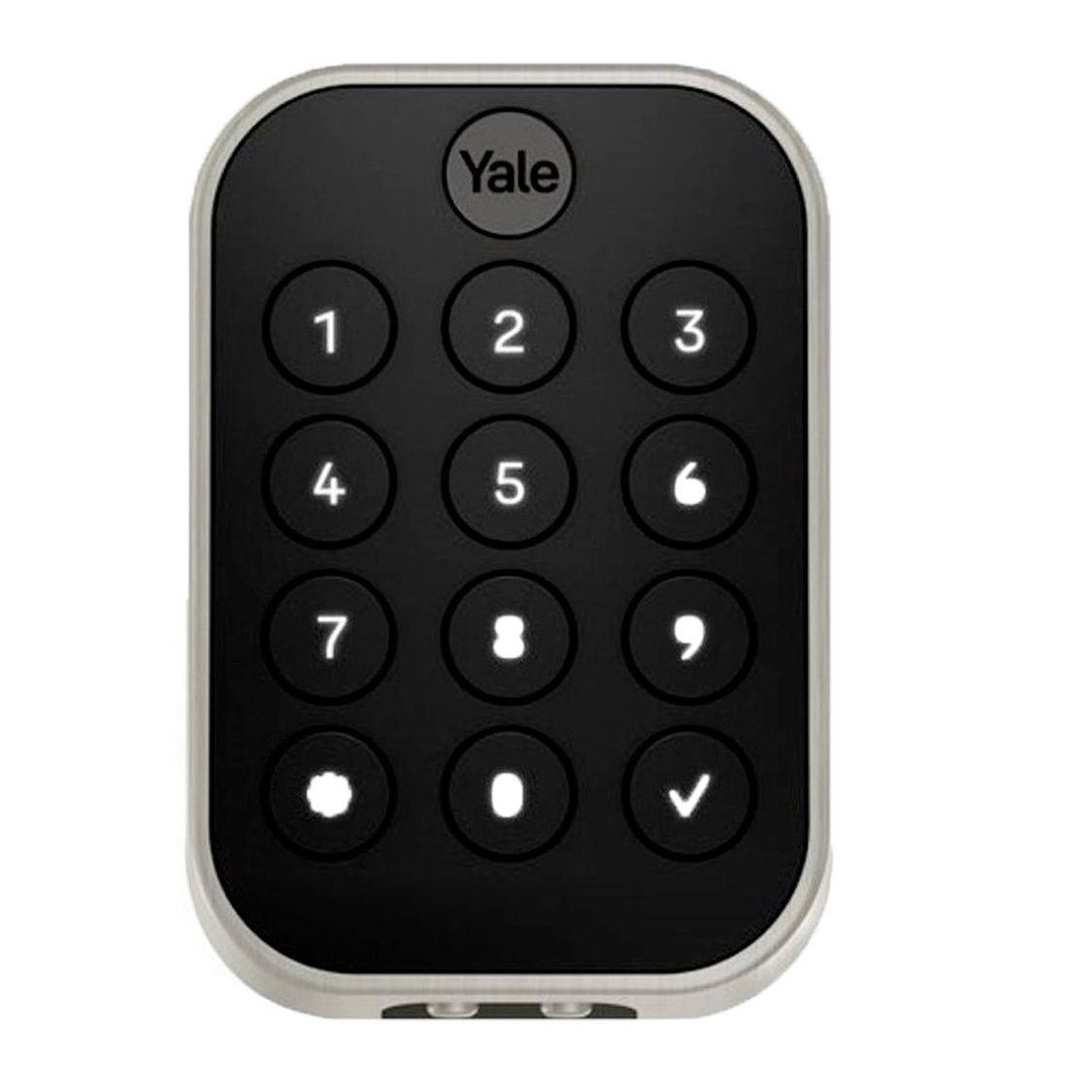
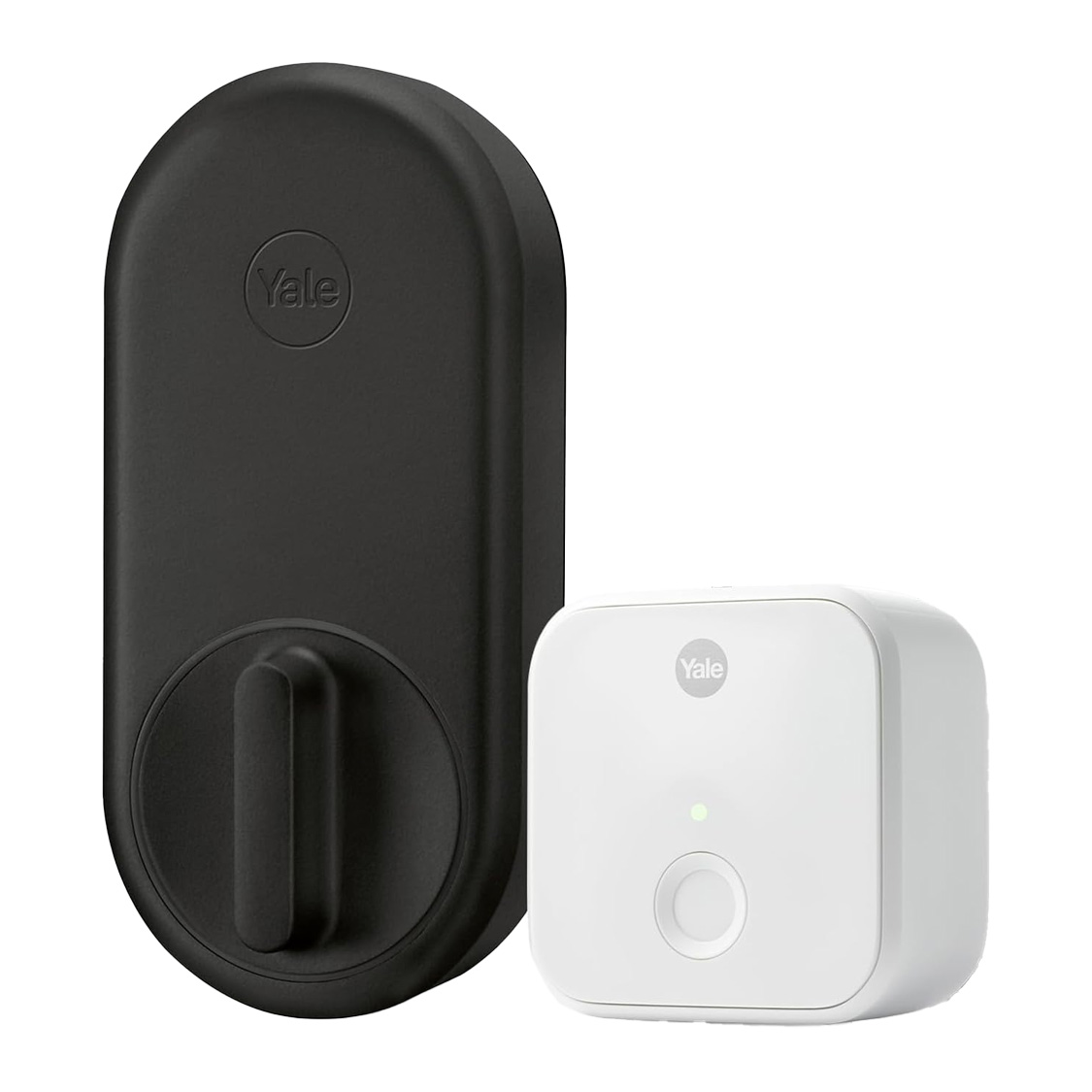
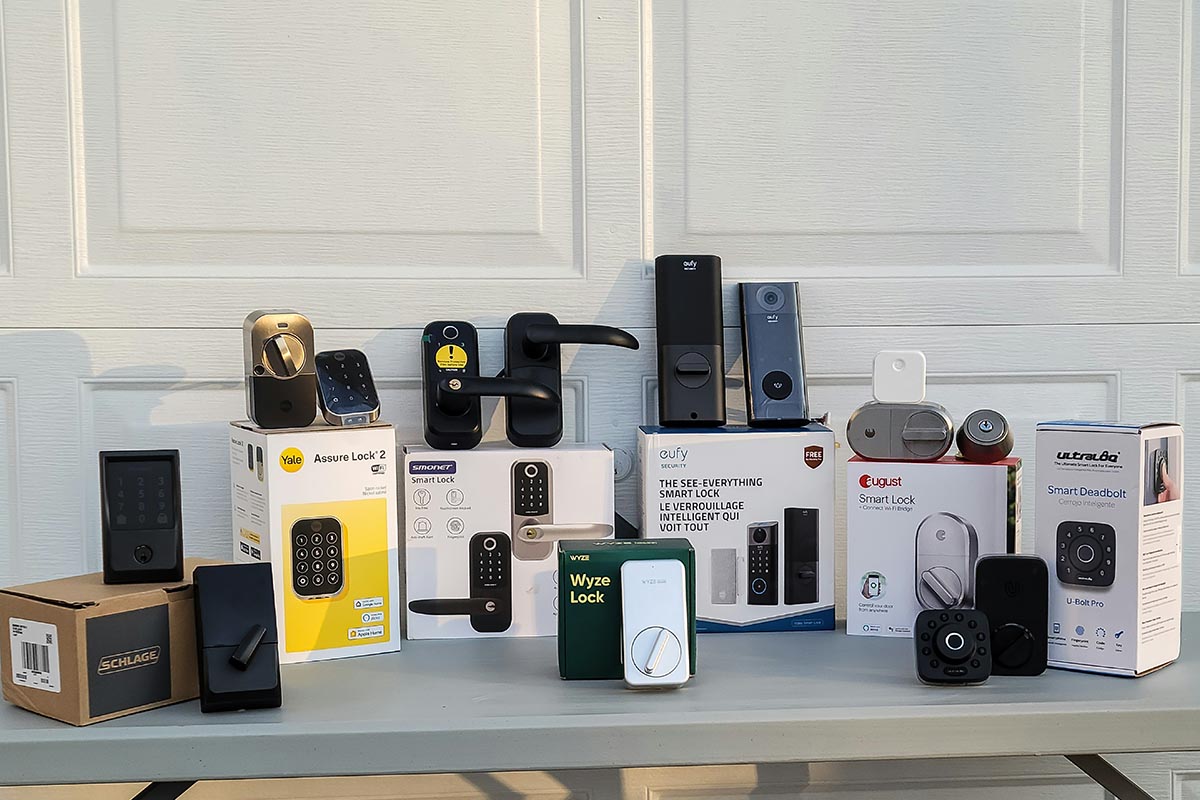
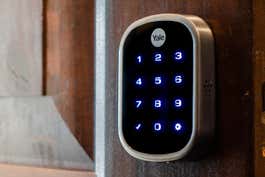
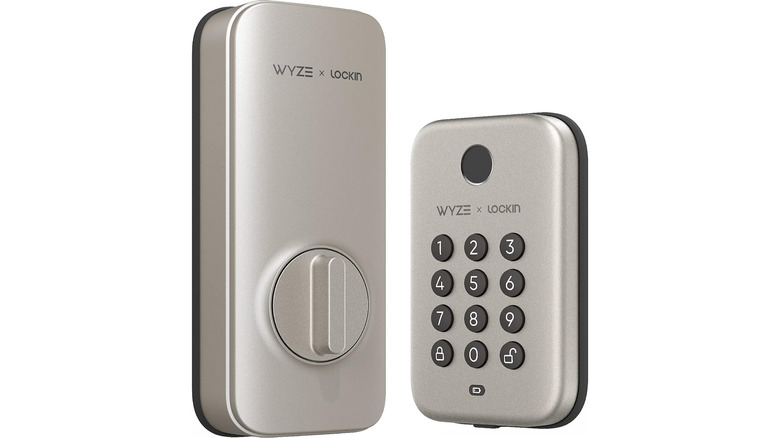
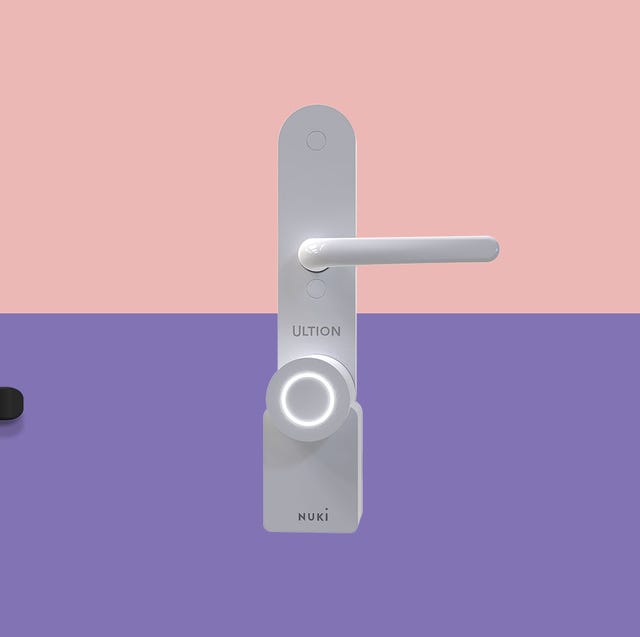
The article begins by introducing several highly-rated smart locks, providing a quick overview of their key features and suitability for different needs. These include the Yale Linus Smart Lock for smart home integration, the Yale Keyless Connected for holiday rentals, the Brisant Secure Ultion Nuki as a versatile option for most homes, the Yale Conexis L1 for existing Yale smart home users, the Avia Smart Lock for its simplicity, the Igloohome Smart Mortice 2+ for rural or low-connectivity areas, and the Bold Smart Lock SX33 for communal spaces. Each lock is briefly described with its pros, cons, and a link to its detailed review within the article.
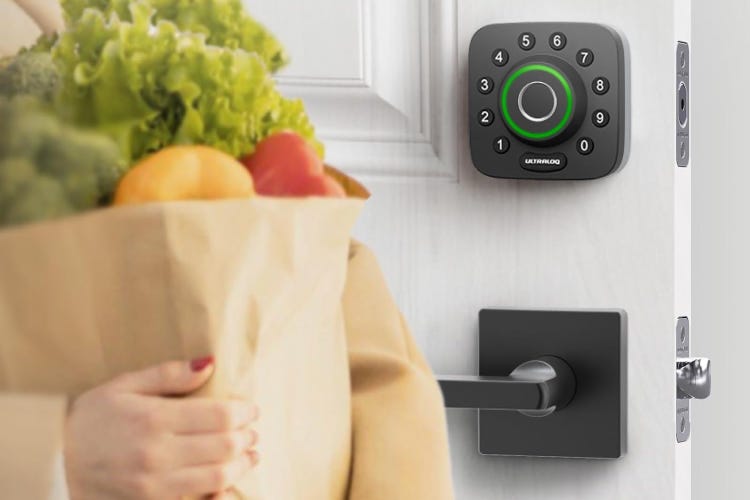
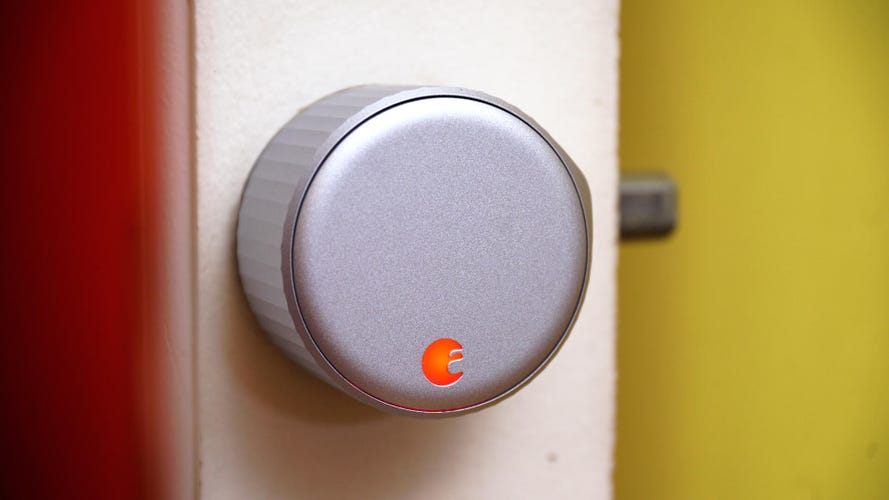
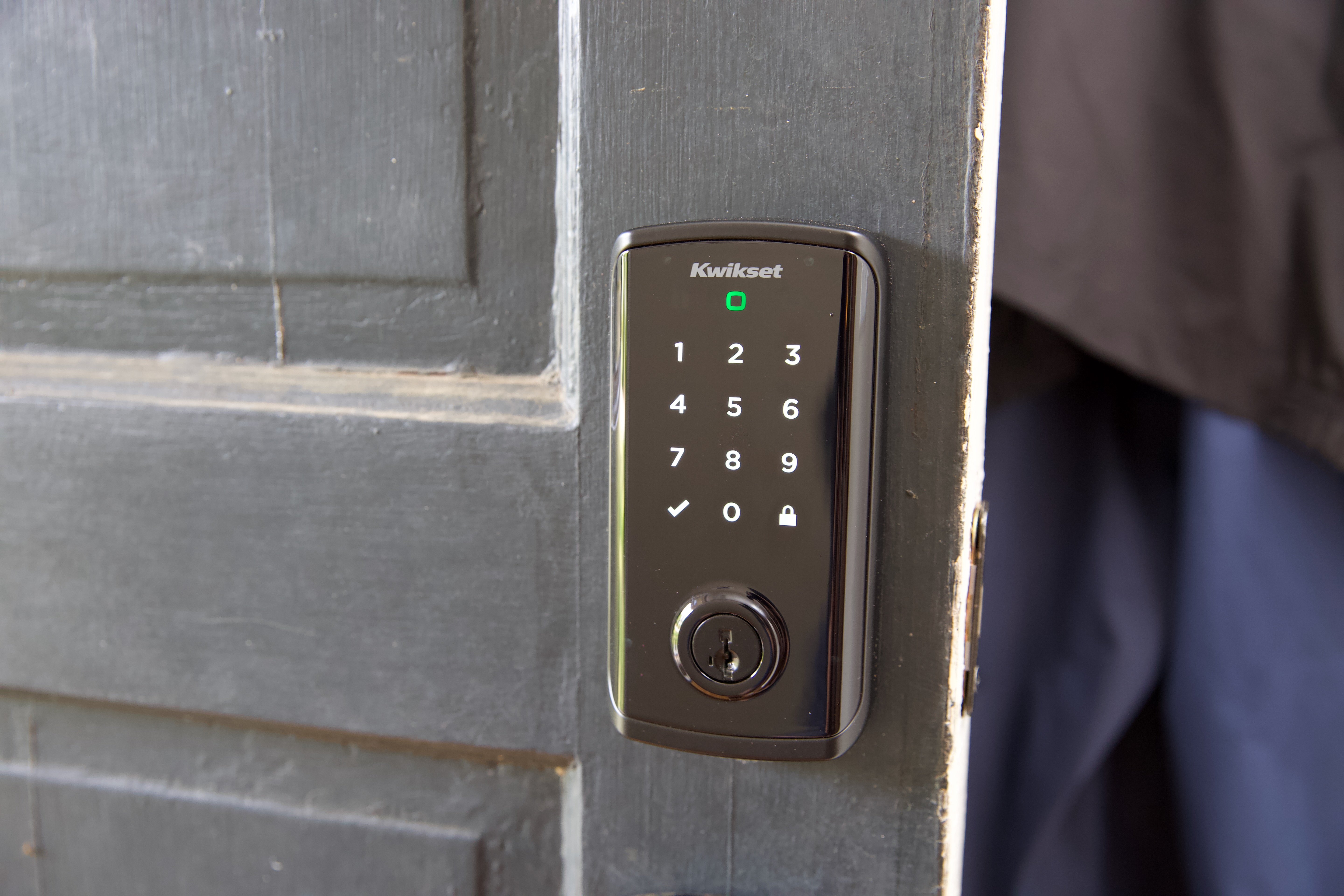
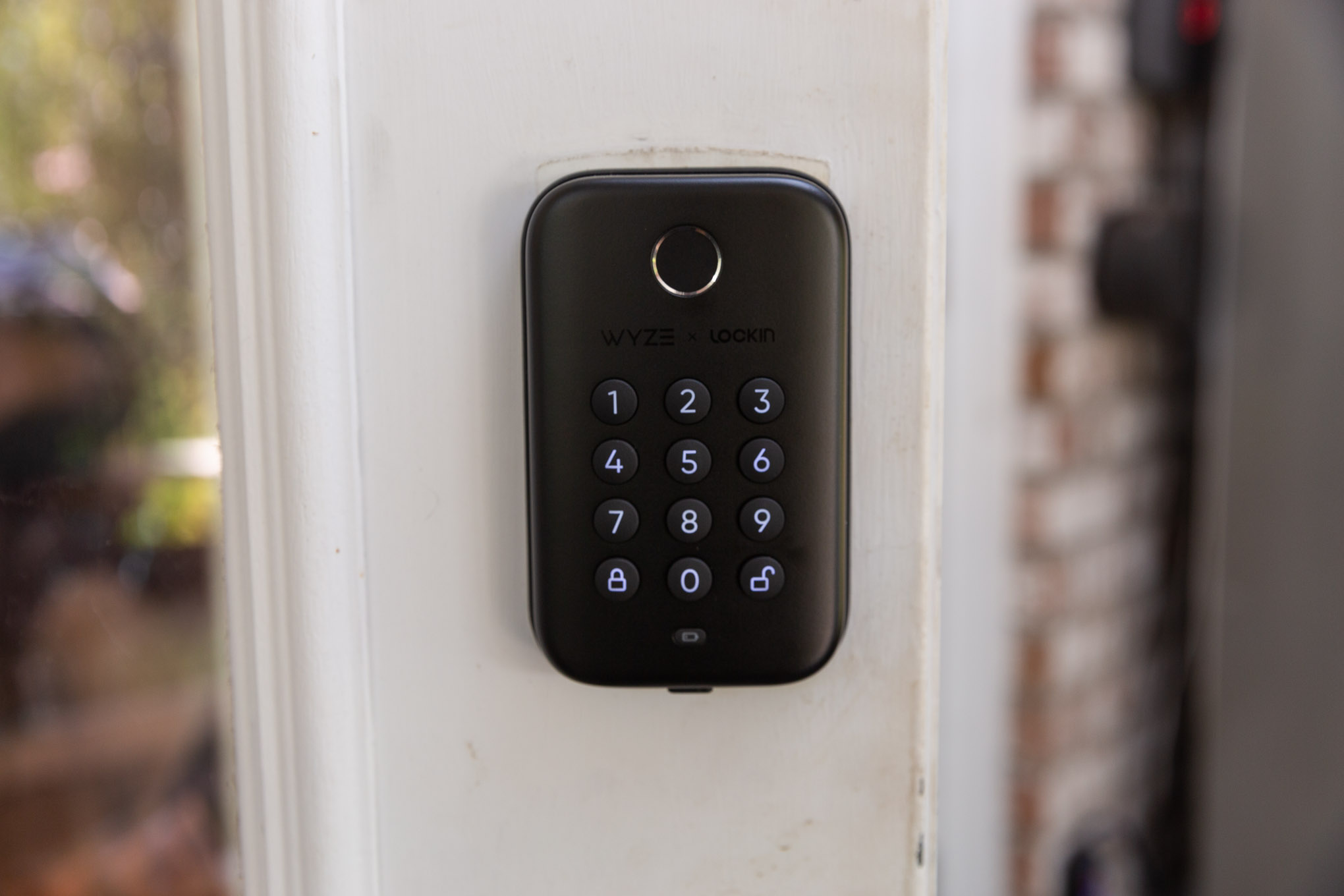
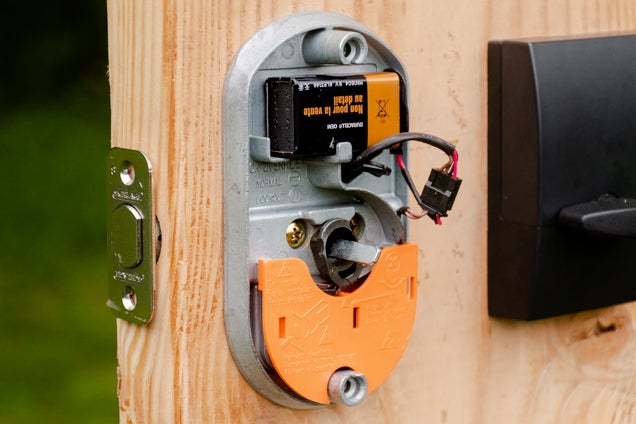
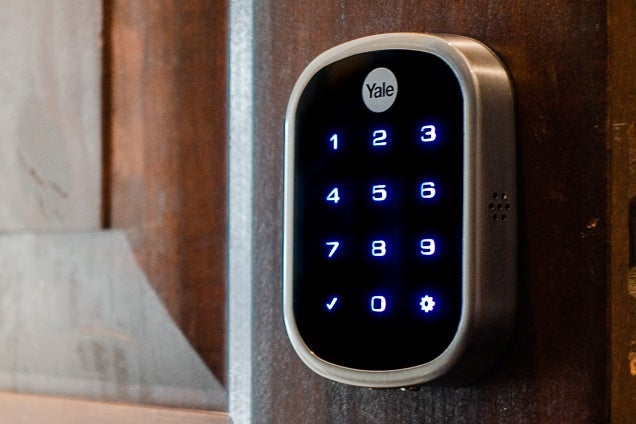
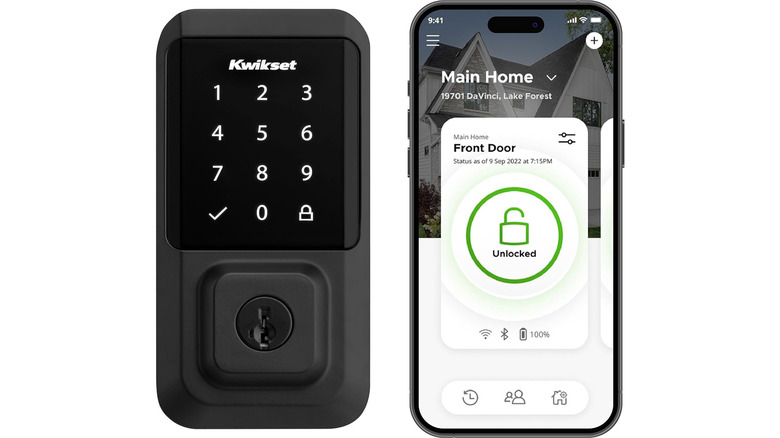
Following the overview, a section explains the fundamental operation of smart locks. It clarifies that these devices replace or augment parts of existing locking systems with smart elements. Unlocking can occur through various methods, including standard metal keys, digital keys via mobile apps, credit card-style fobs, or keypads. The importance of encryption for digital keys is highlighted. The article notes that advanced smart locks often incorporate keypads for backup access and, in some cases, fingerprint readers. It also stresses the necessity of backup options to ensure access even if batteries die, Wi-Fi is down, or servers experience outages.
The testing methodology employed by the Good Housekeeping Tech Team is outlined, focusing on compatibility with UK locksets, installation, and connectivity with popular smart home platforms like Alexa, Google Home, and Apple HomeKit. The testing involved prolonged use to assess consistency and identify any connectivity problems, without physically attacking the locks or using aggressive digital hacking techniques. The article specifically mentions testing UK-specific locks that fit British doors, addressing a common point of confusion for consumers, and includes products from market leaders like Yale, alongside newer competitors.
A dedicated section is provided for each recommended smart lock, offering more in-depth information about its features, installation process, and specific benefits. For instance, the Yale Linus Smart Lock is praised for its easy installation and retention of the exterior Euro cylinder, making it suitable for rental properties. The Yale Keyless Connected is noted for its value and backlit keypad, despite a complex system. The Brisant Secure Ultion Nuki stands out for its sleek design and ease of installation, offering multiple access methods. The Yale Conexis L1, an older but reliable model, is highlighted for its build quality and inclusion of virtual keys. The Avia Smart Lock is commended for its robustness, straightforward installation, and a £1000 guarantee against break-ins. The Igloohome Smart Mortice 2+ is presented as a unique solution for mortice locks, featuring time-sensitive codes and ‘algoPIN’ technology for offline access, ideal for holiday rentals. Finally, the Bold Smart Lock SX33 is described as a simple, Bluetooth-enabled option perfect for communal areas, despite its limited smart home integration.
The article then discusses the cost factors of smart locks, noting that prices vary based on complexity and whether they replace just a cylinder or an entire lock and handle assembly. Installation costs are also mentioned as a significant consideration, advising professional installation for complex systems. Additional costs for accessories like hubs and extra fobs are also factored in.
Key considerations for potential buyers are explored, emphasizing the complexity of the UK market due to diverse lock systems, insurance approval issues, and varying smart home platform compatibility. The article advises checking the existing lock system, with Euro cylinder and rim cylinder night latches being common in the UK. Compatibility with existing smart home ecosystems (e.g., security cameras, alarm systems, video doorbells, smart plugs) is presented as crucial for maximizing benefits through integrated automation. The visual aspect and location of the smart lock are also discussed, contrasting obvious external keypads with more subtle internal mechanisms, catering to different security and aesthetic preferences.
Addressing a common concern, the article examines the hackability of smart locks. It reassures readers that most high-quality smart locks from reputable brands are designed with security in mind, and casual burglars are unlikely to possess the technical skills to hack them. However, it stresses that overall network security is paramount, recommending practices like changing default router passwords and securing smartphones used as digital keys. The article suggests that smart locks can be strategically used in less critical entry points, like porch doors, to allow remote access for couriers while maintaining traditional security on inner doors.
Finally, the article delves into the insurance approval of smart locks, clarifying that while cheap, unbranded options may not be covered, established brands often offer insurance-rated products with guarantees. It advises consumers to carefully review their insurance policies and consider how the smart lock will be used to ensure compliance.
#SmartLocks #HomeSecurity #TechReviews #SmartHomeIntegration #UKHomes #AccessControl #DigitalKeys #HomeAutomation #SmartLocks #HomeSecurity #TechReviews #SmartHomeIntegration #UKHomes #AccessControl #DigitalKeys #HomeAutomation
0 commentaire au total
 Aucun commentaire pour le moment
Vous aimerez aussi
Best Smart Locks of 2025
Best Smart Locks of 2019
The best smart light bulbs for 2024
After Six Months of Testing, Here Are the 6 Best Smart Door Locks Worth Installing

Best smart locks 2025: secure your home with smart locks, deadbolts and more
The Best Smart Locks For Your Needs, Tested and Reviewed

Best smart door locks: Top 10 options for pocket-friendly space security | Technology News

The Best Smart Lights of 2025

Best Smart Locks of 2025: High-Tech Door Defenses

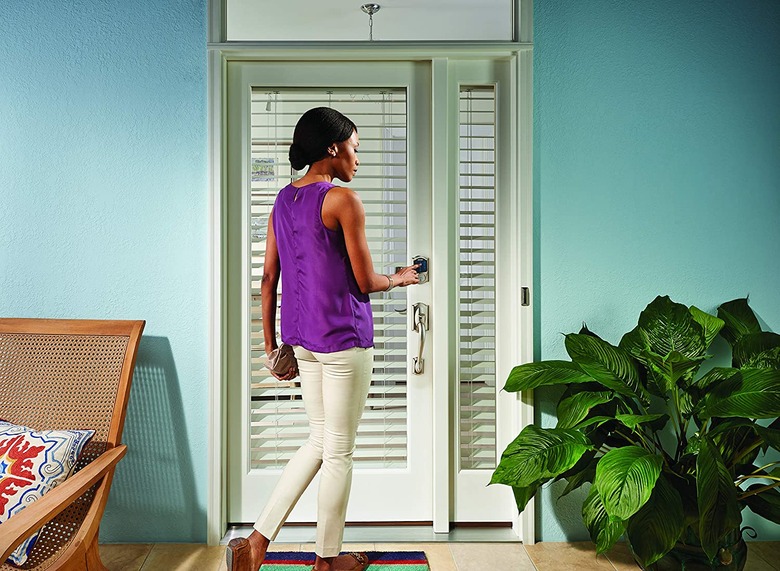
Best Smart Locks, Based On Extensive Expert Testing

The Best Electronic Keypad Door Lock for 2026 | Reviews by Wirecutter

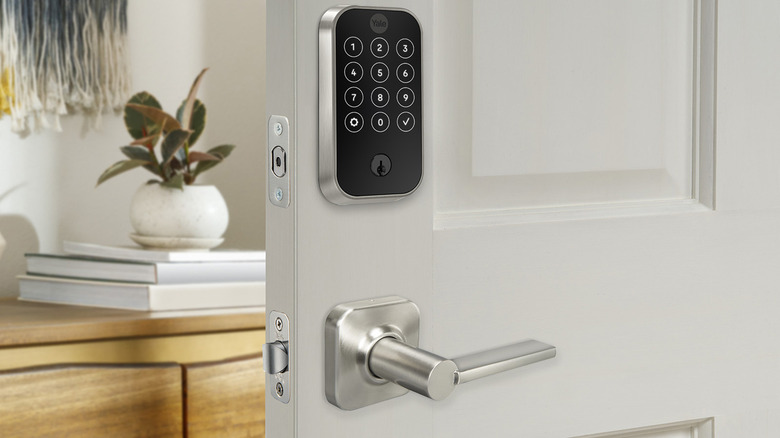
Major Smart Lock Brands Ranked Worst To Best
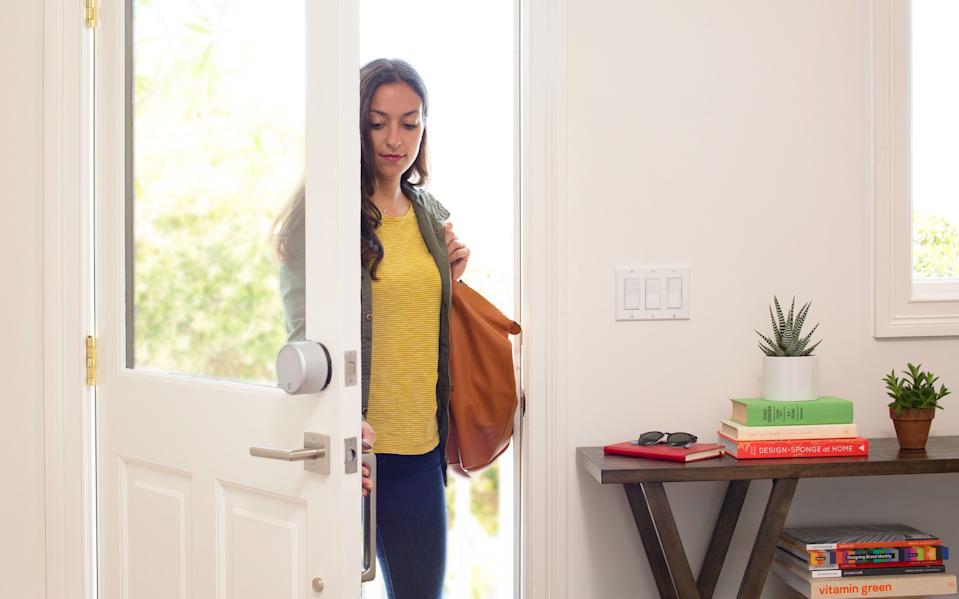
The Best Smart Locks for 2025

The Best Smart Pet Doors in 2024

The Best Electronic Keypad Door Lock for 2025 | Reviews by Wirecutter
Once We Got a Smart Lock My Family Stopped Using Keys
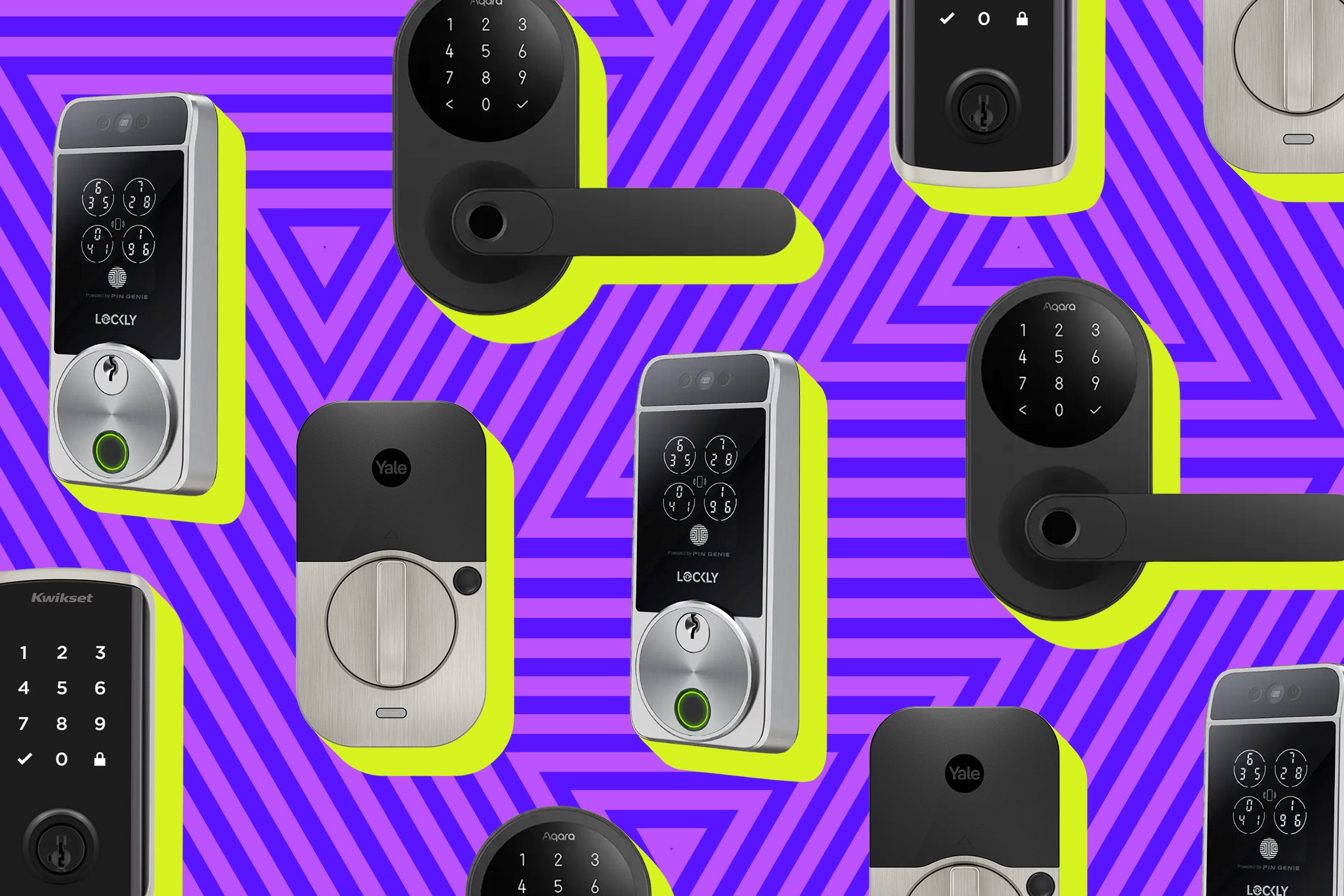
Here are the best smart locks you can buy right now
Ditch Your Keys and Improve Home Security with the Best Smart Locks We Tested
The Best Keyless Door Locks: 7 Models Tested for 2025
Finally, a good smart lock for sliding doors