1/6
Are Waterfall Edges Going Out of Style? A Design Debate
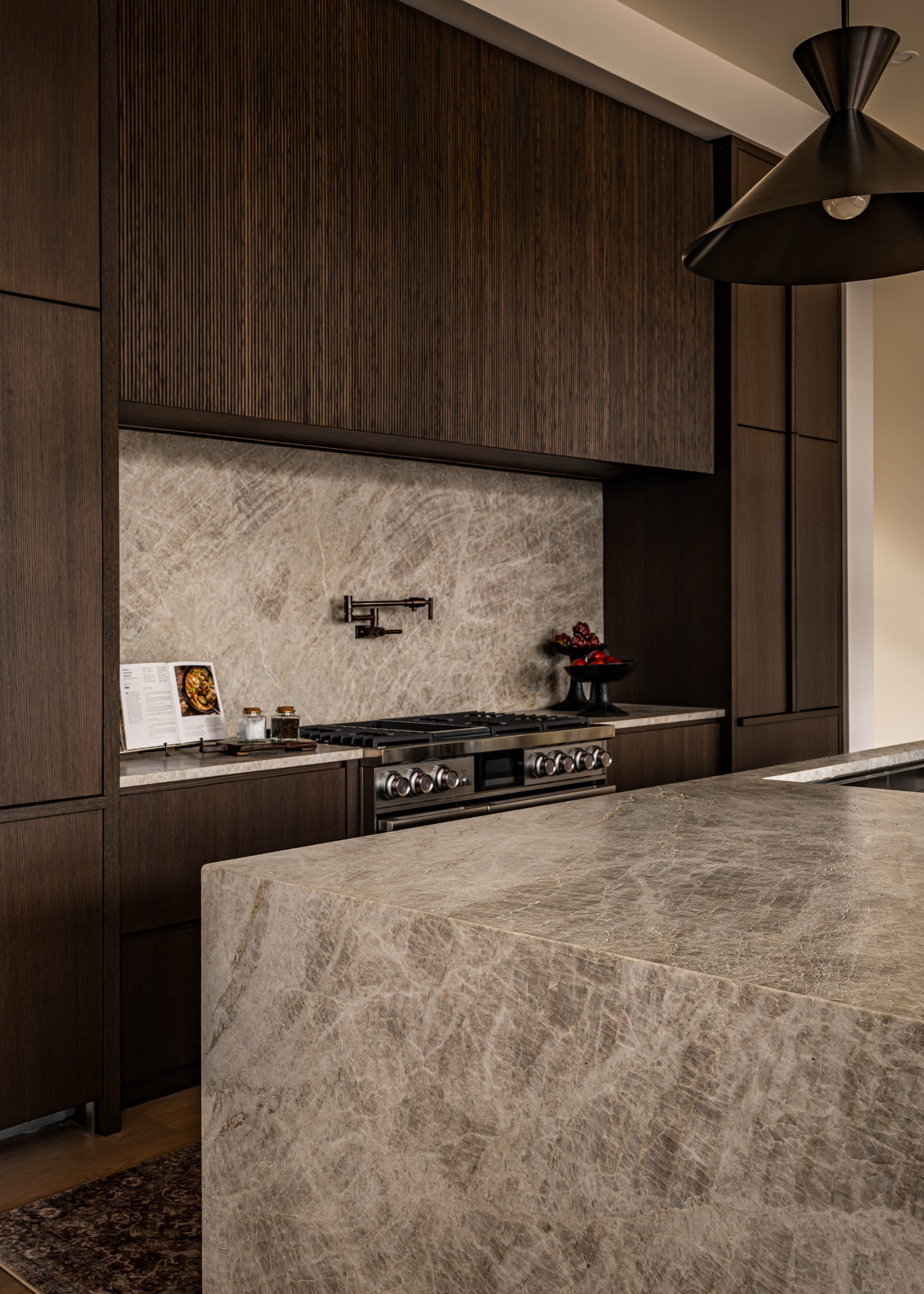
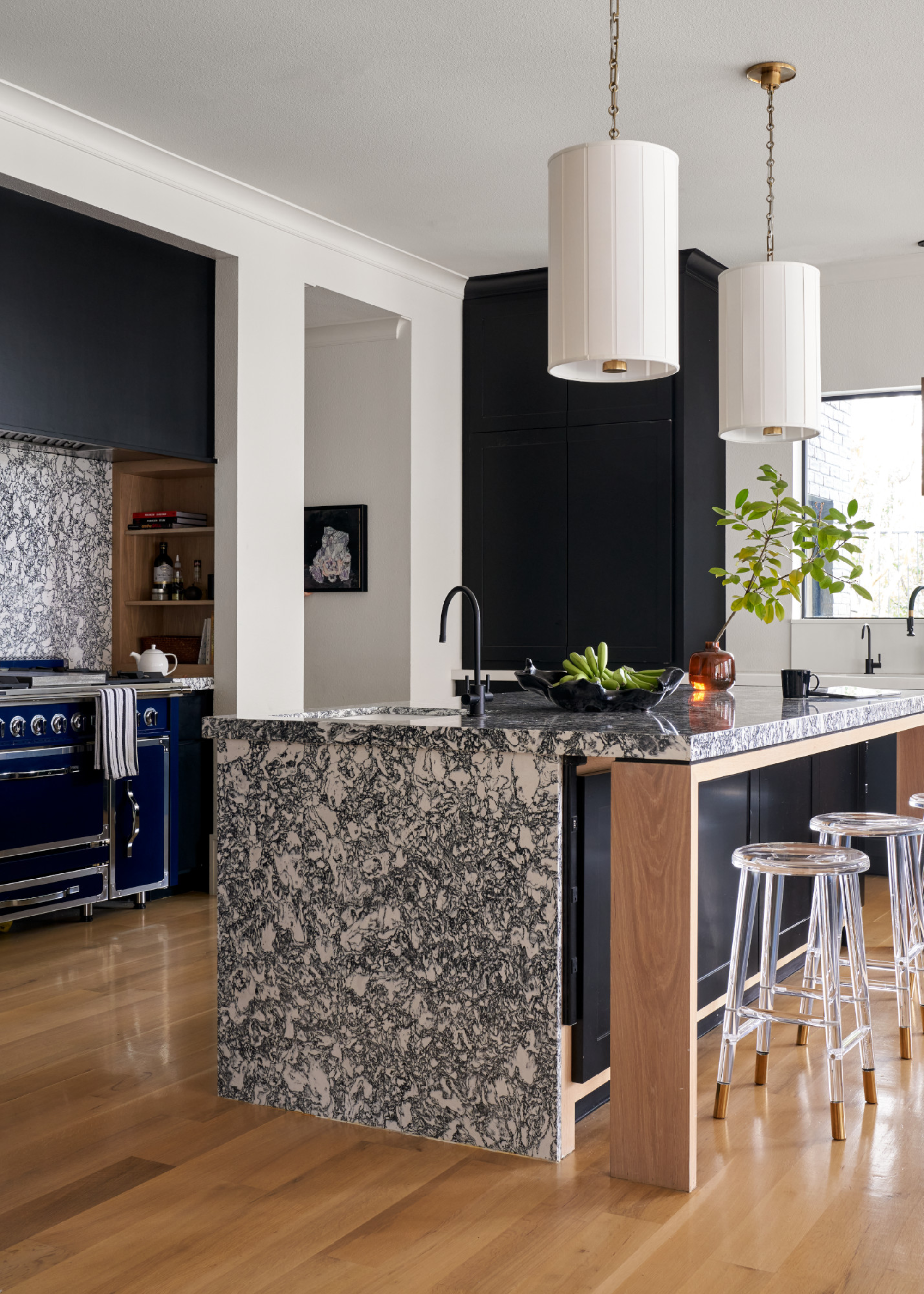
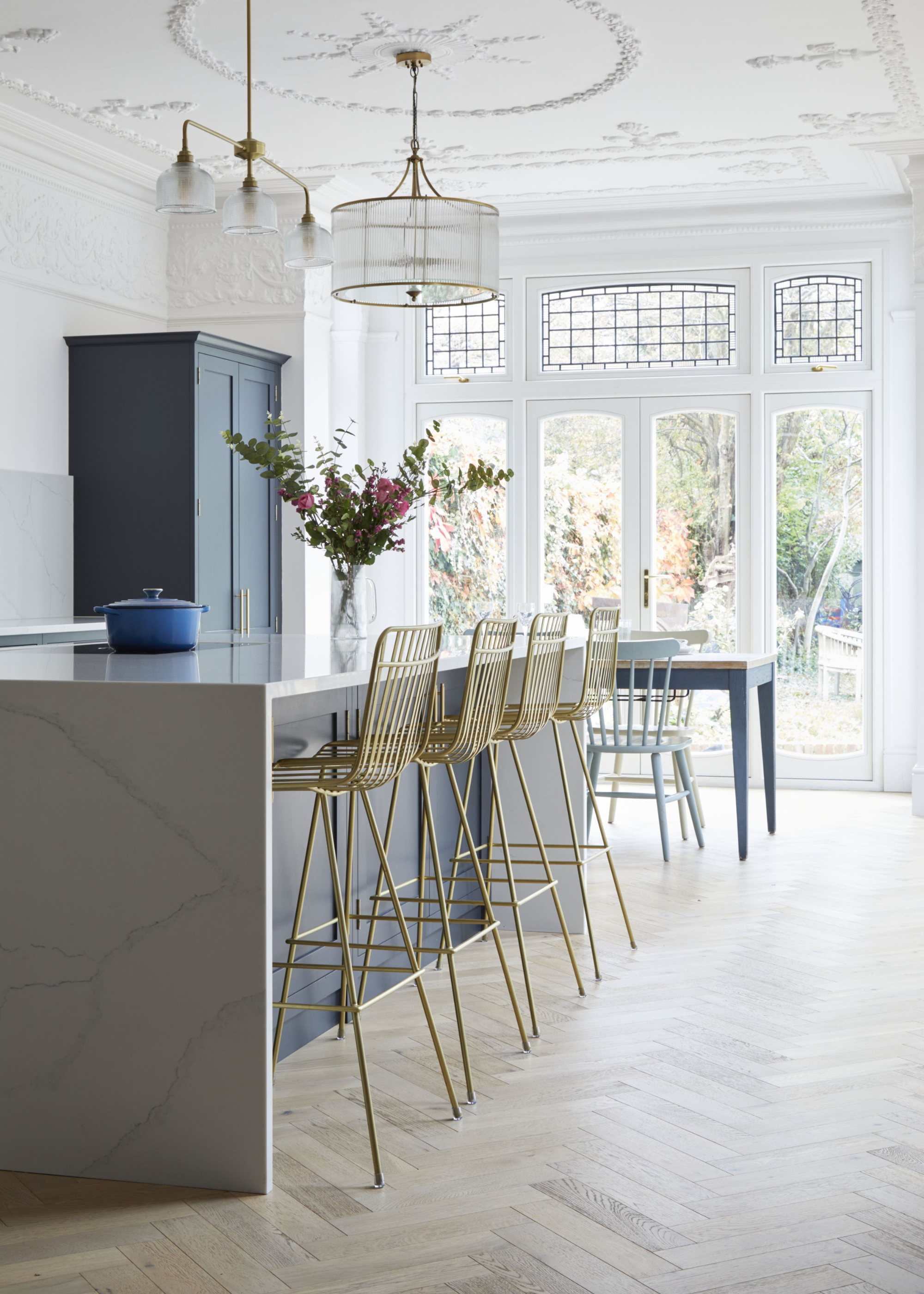
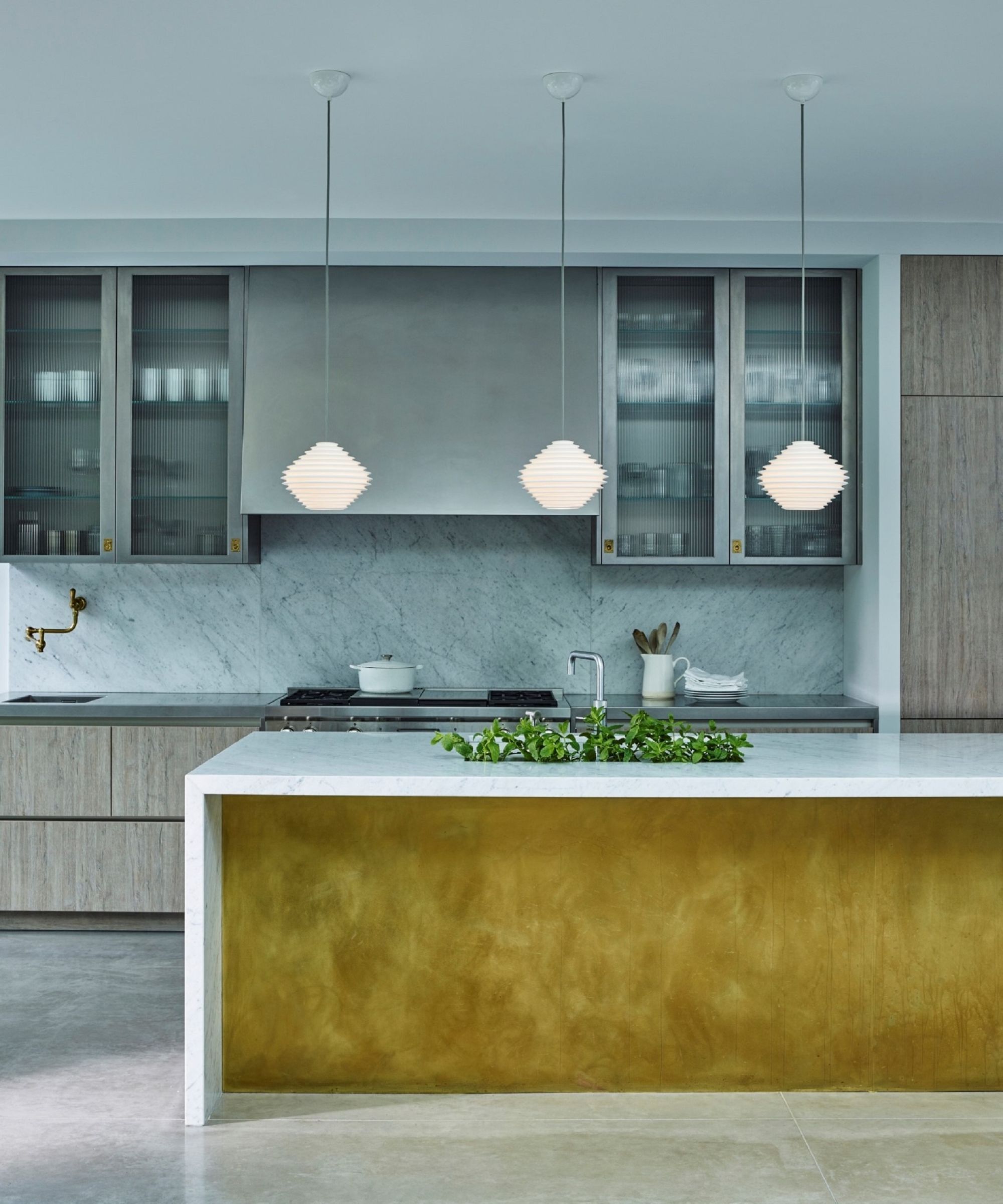
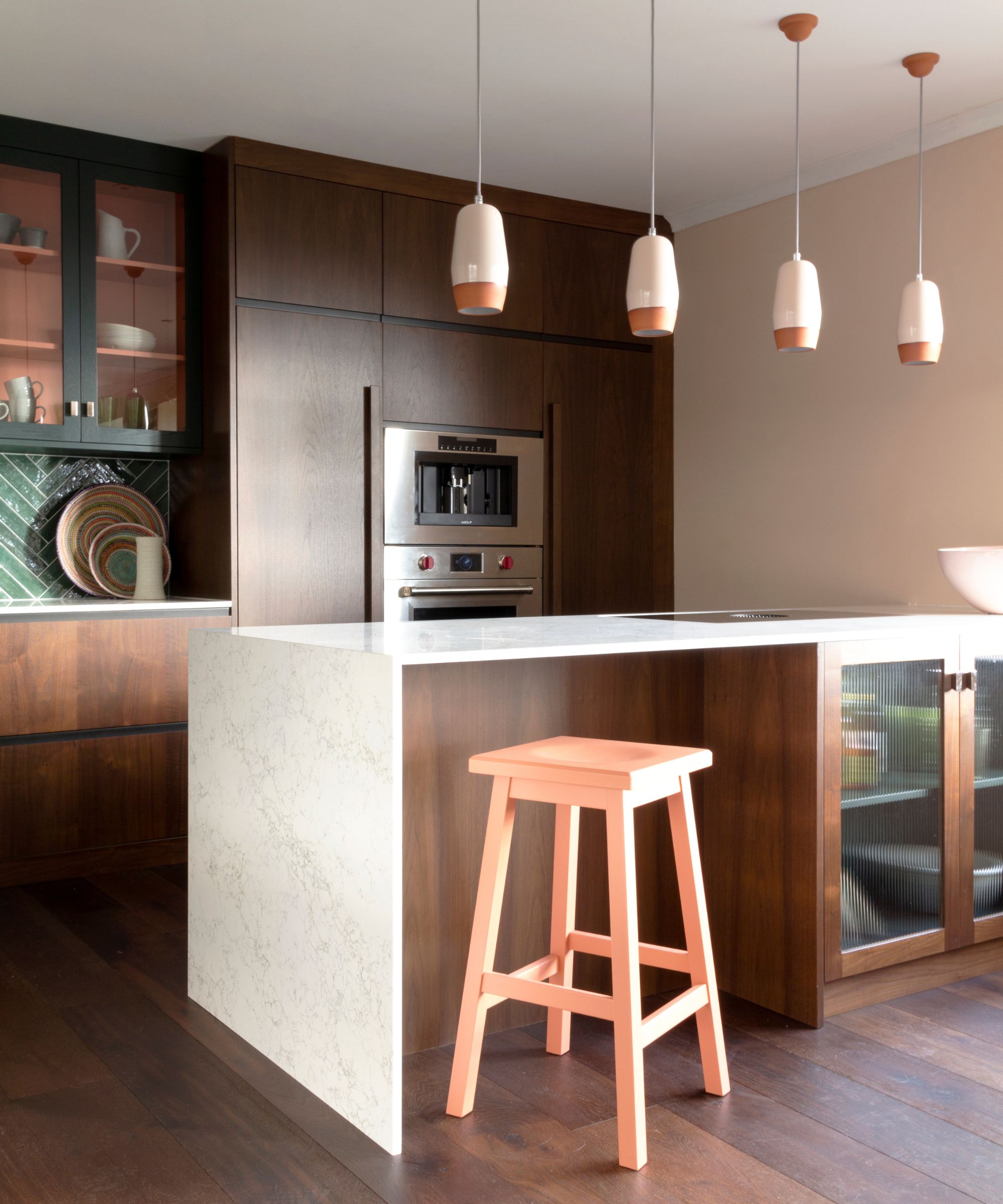
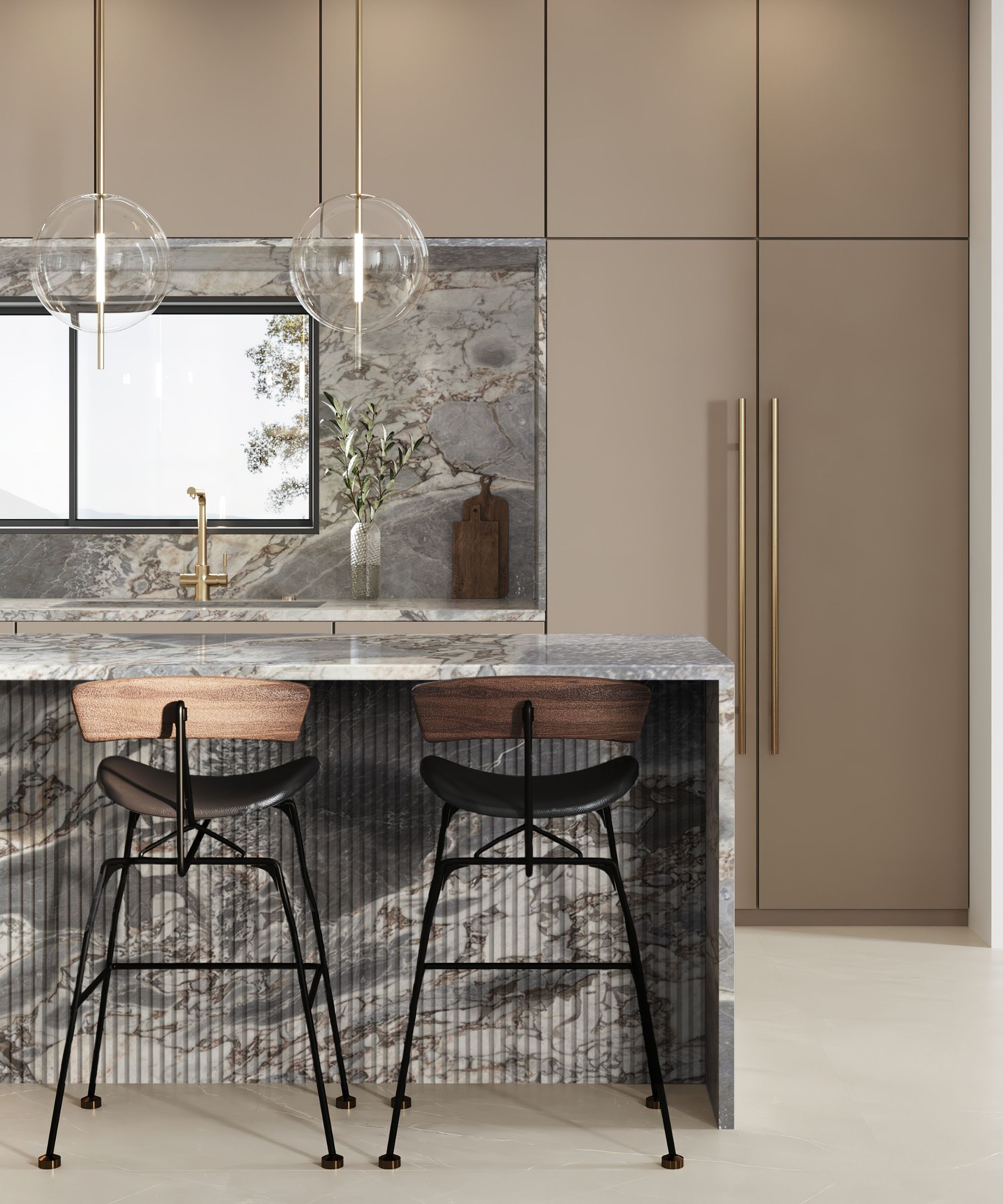
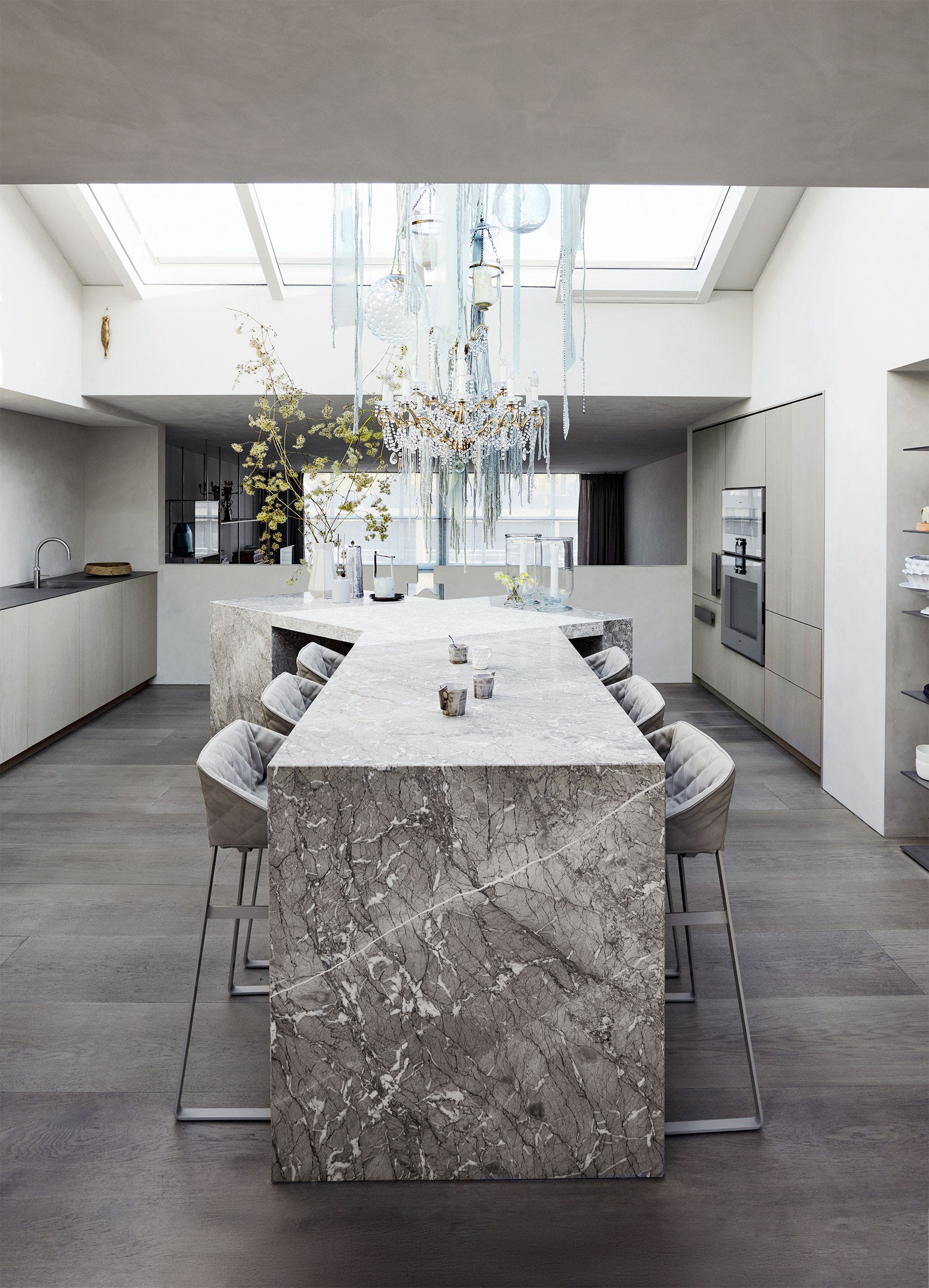
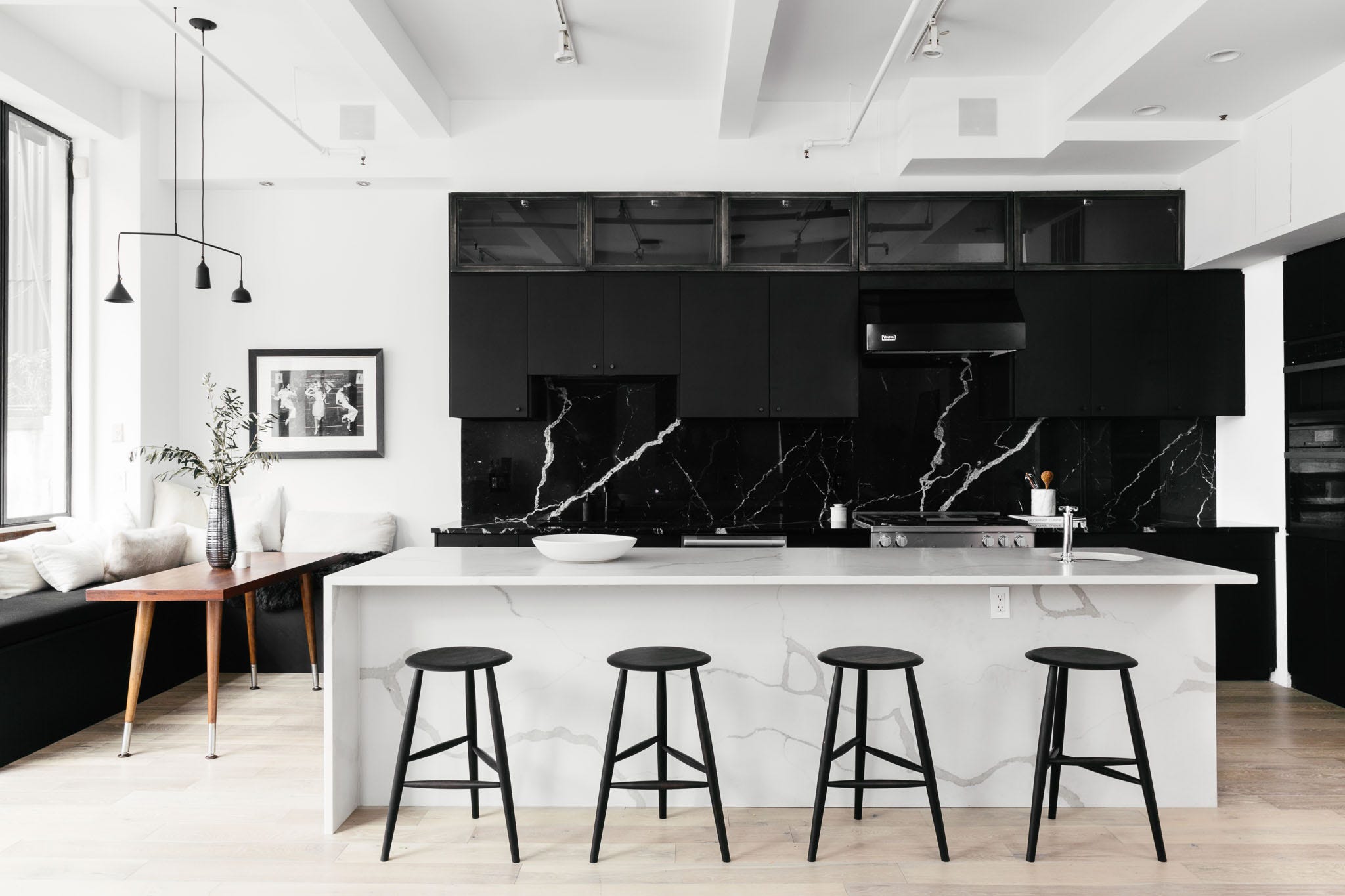
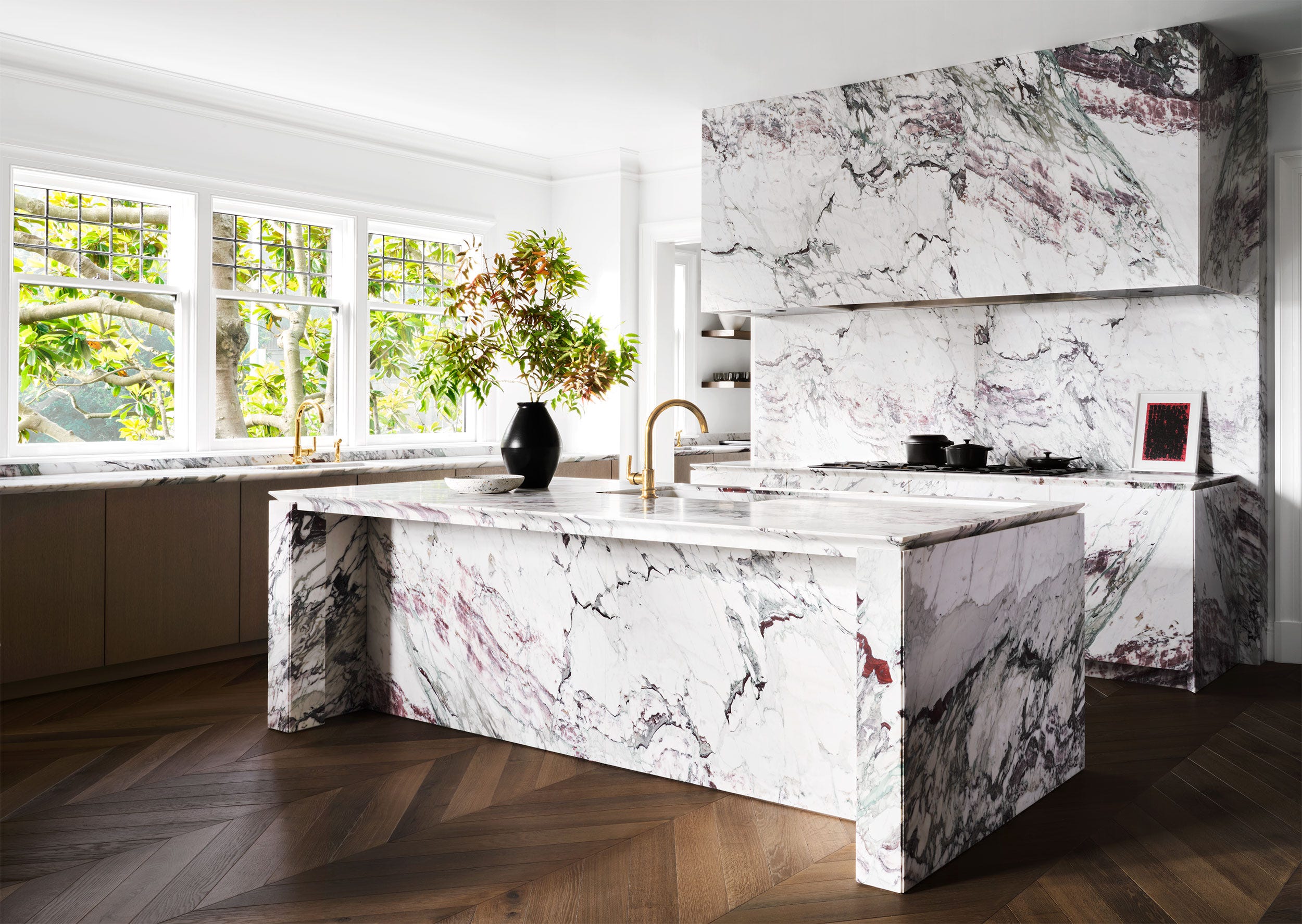
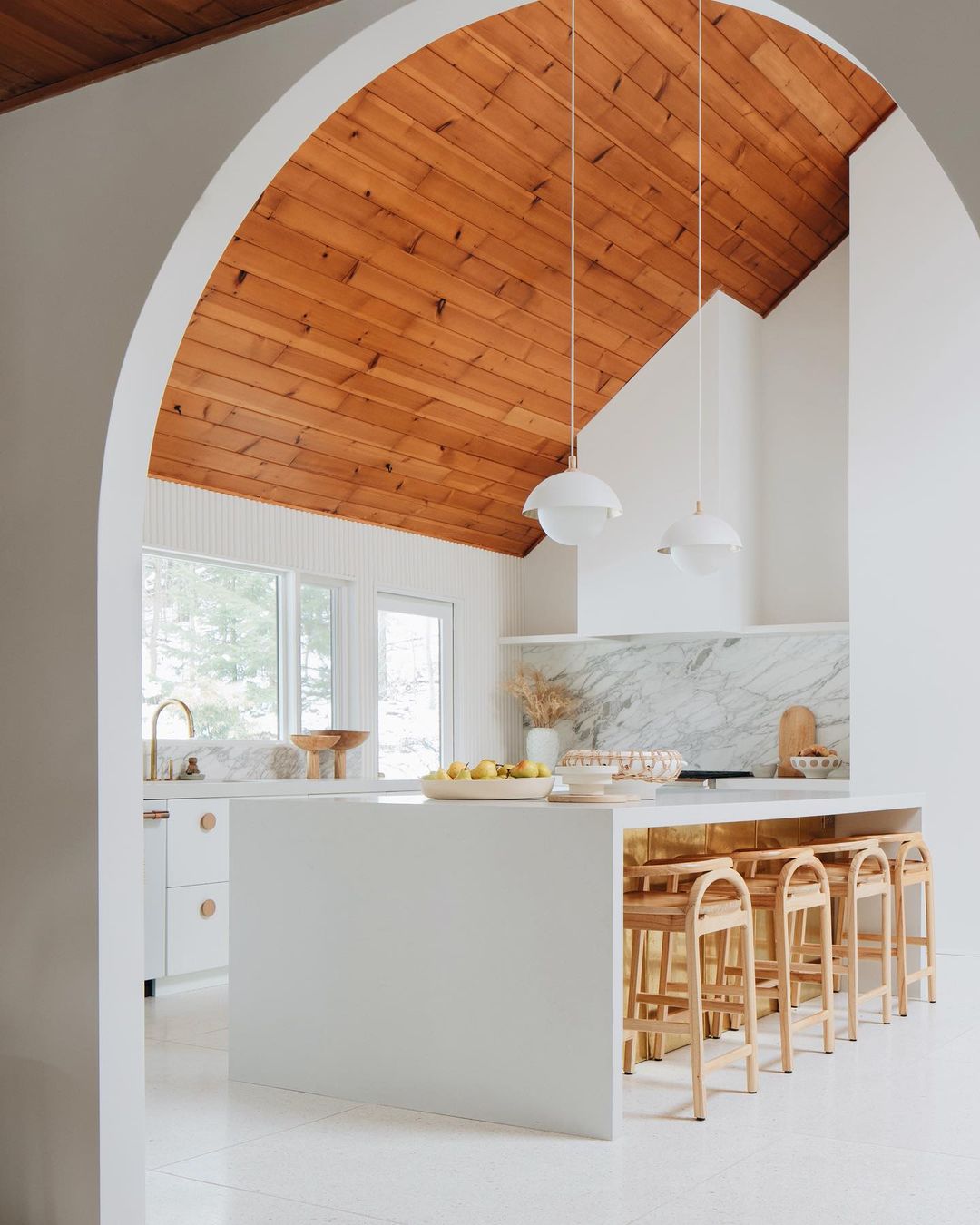
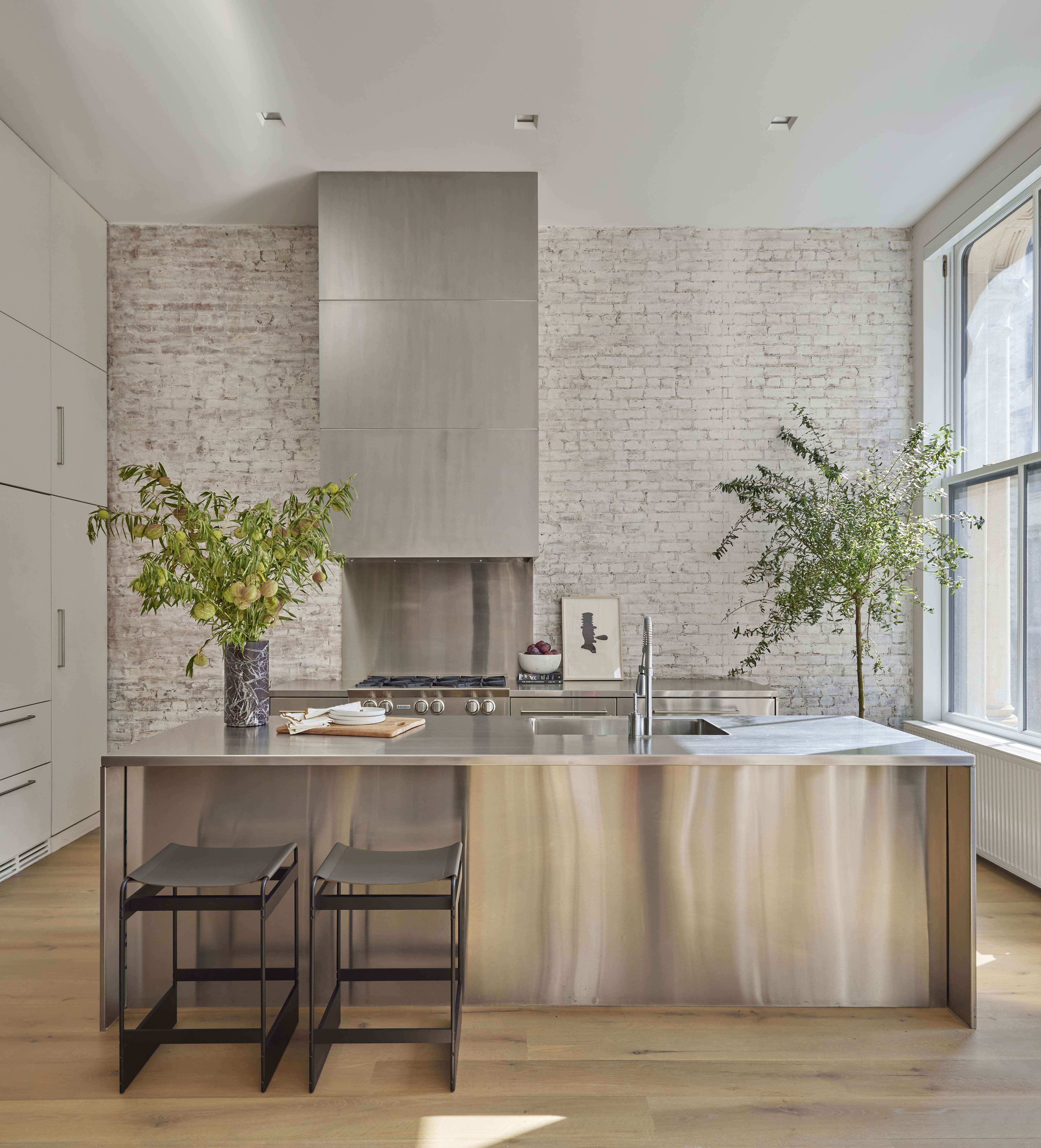
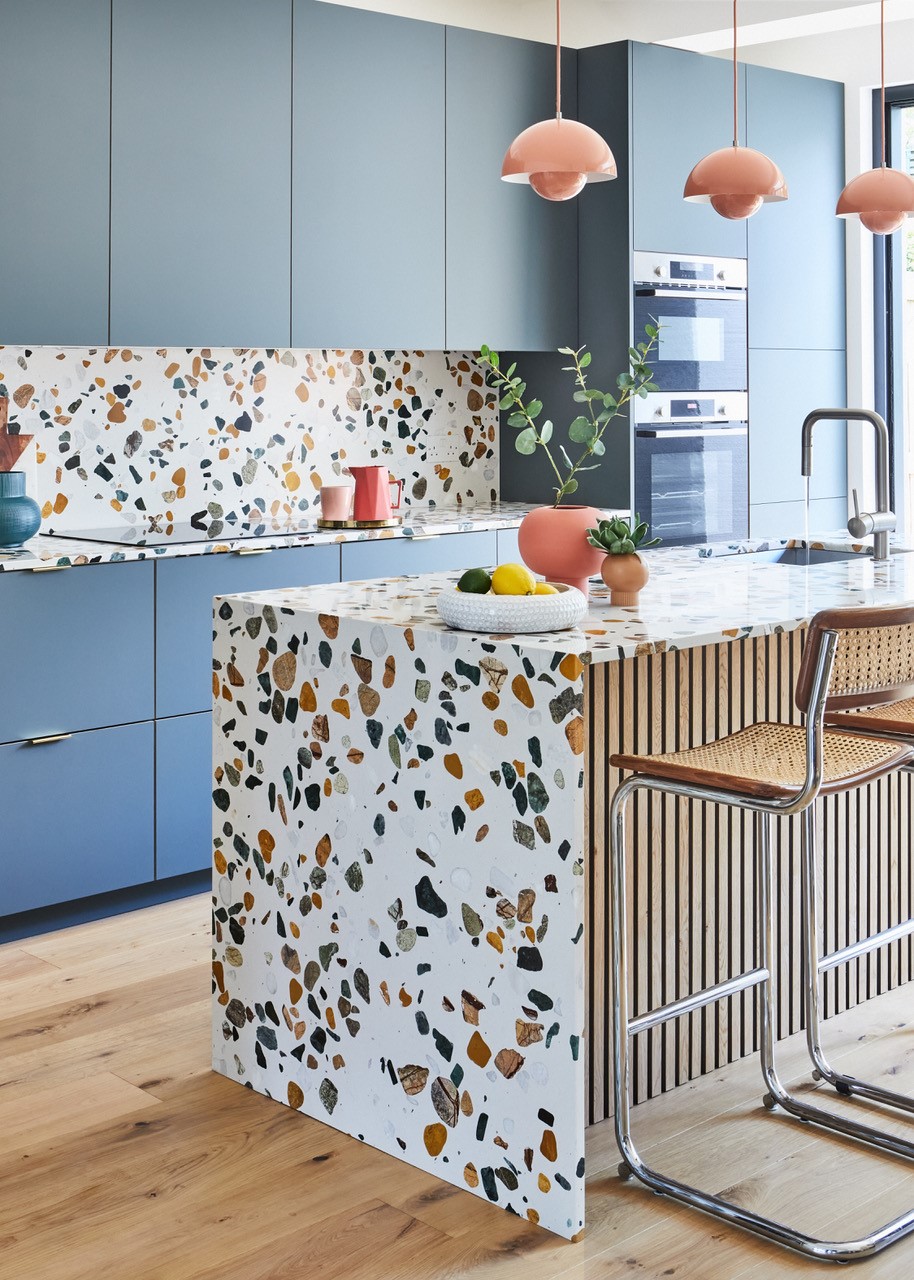
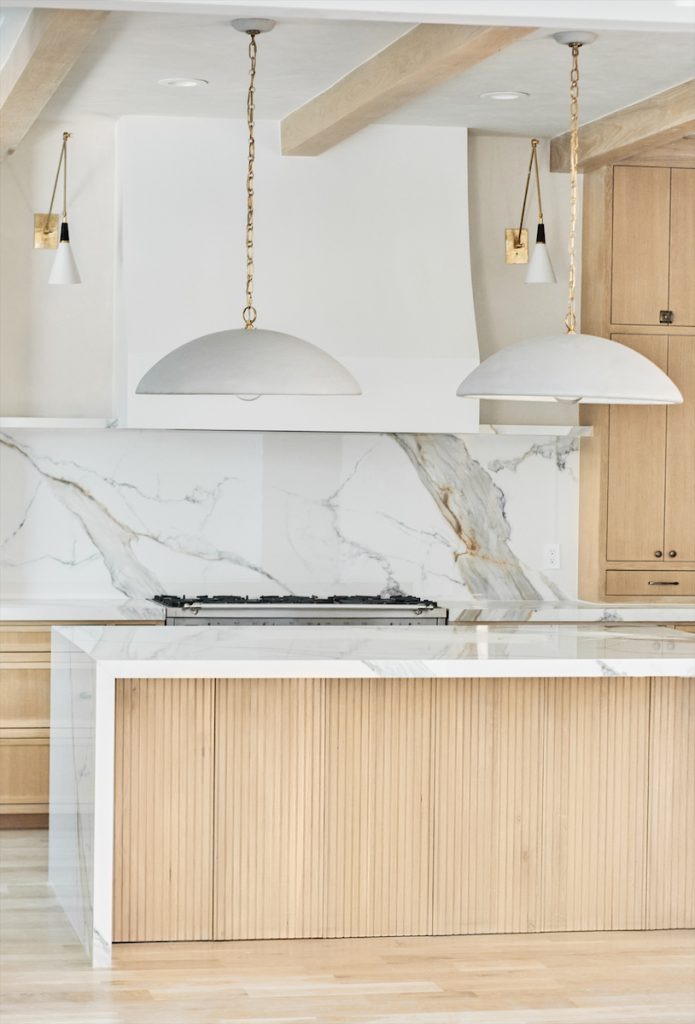
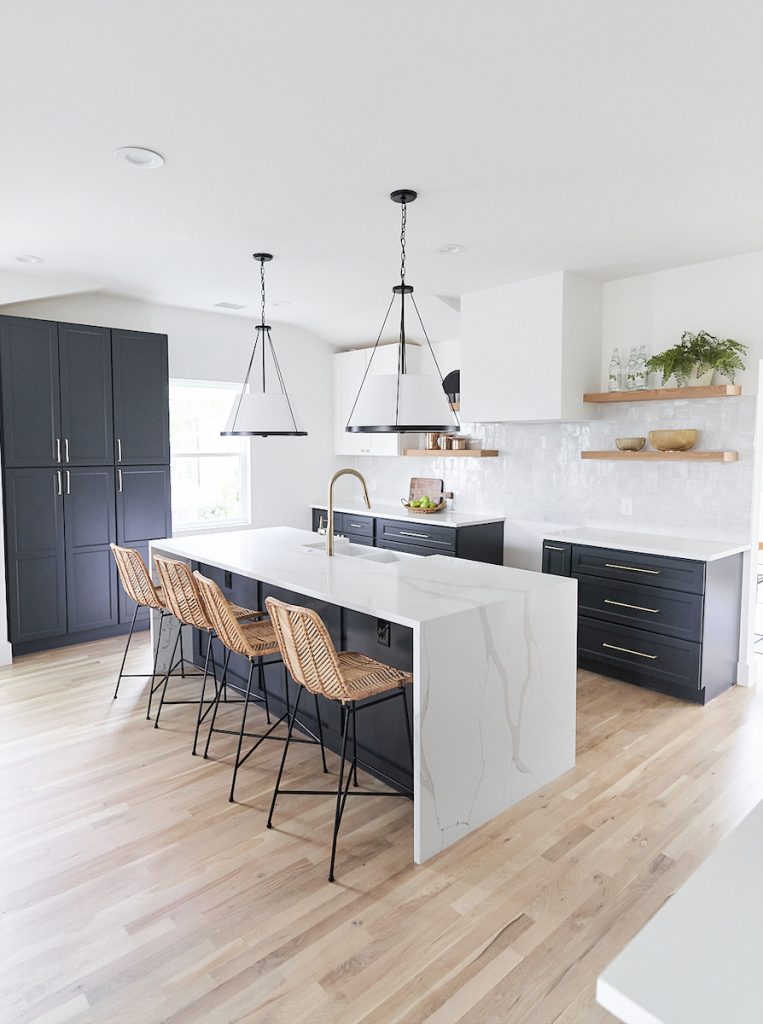
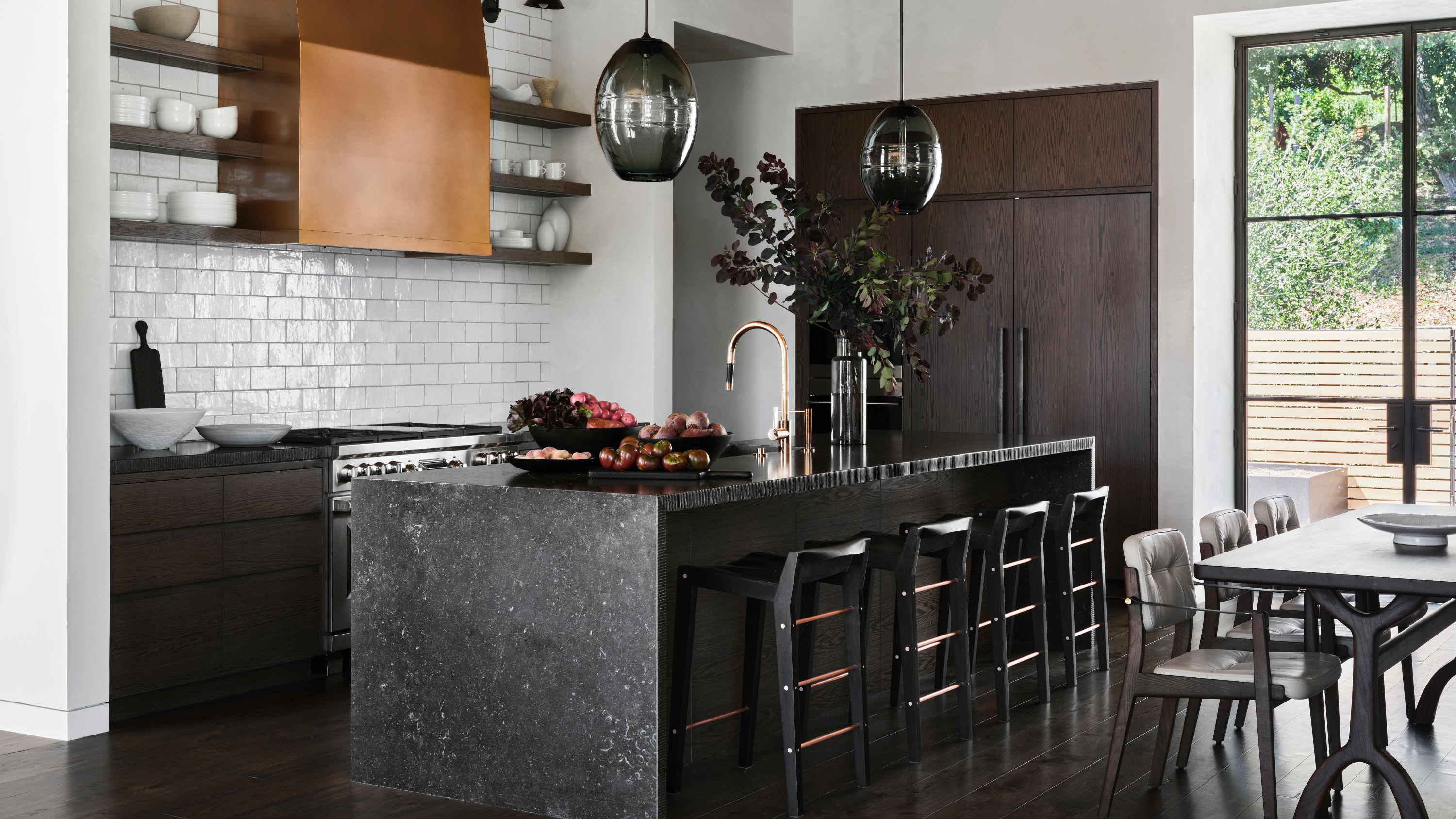
This article explores the evolving perception of waterfall countertops in kitchen design, analyzing whether this popular trend is losing its appeal among design experts. Waterfall countertops, characterized by the worktop material extending down the side of the counter to the floor, have been a prominent feature in modern kitchens for years. However, recent discussions among architects and interior designers suggest a potential shift away from this style.
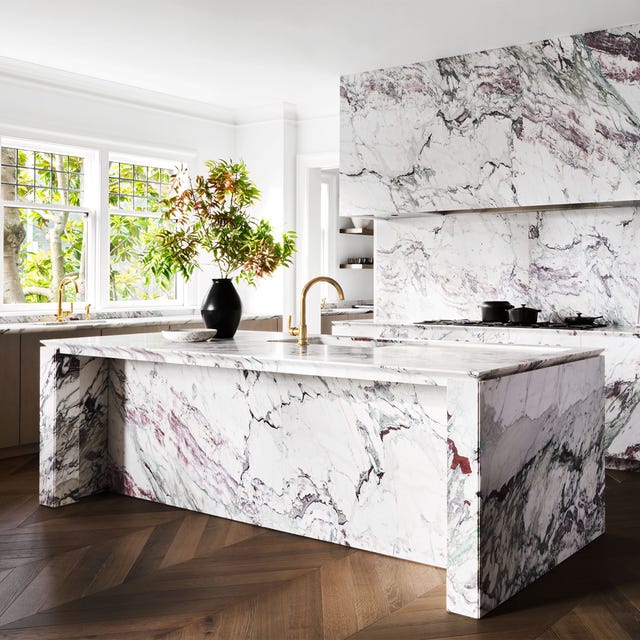
The cons of waterfall edges are highlighted by several design professionals. Georgina Wilson, founder of Georgina Wilson Associates, describes them as a design habit rather than a creative choice, often used due to expectation rather than unique aesthetic contribution. Ellen Finch, Livingetc's deputy print editor, notes that their overuse and tendency to appear 'blocky' in certain kitchens contribute to a sense of them being outdated. She suggests alternative methods for incorporating stone, such as 'drenching' it up the backsplash and onto a shelf, or exploring more dynamic kitchen island designs like mixed-material surfaces or unusual shapes. Hugh Metcalf, Livingetc's editor, observes a decrease in their appearance in recent interior projects and points out their inefficiency in terms of space utilization, as they occupy areas that could be used for island storage or seating. Furthermore, Teri Simone of Nieu Cabinet Doors explains that waterfall edges are a more expensive option due to the increased material usage and may not seamlessly integrate with traditional home styles or cabinet designs, potentially creating aesthetic inconsistencies with future kitchen updates.
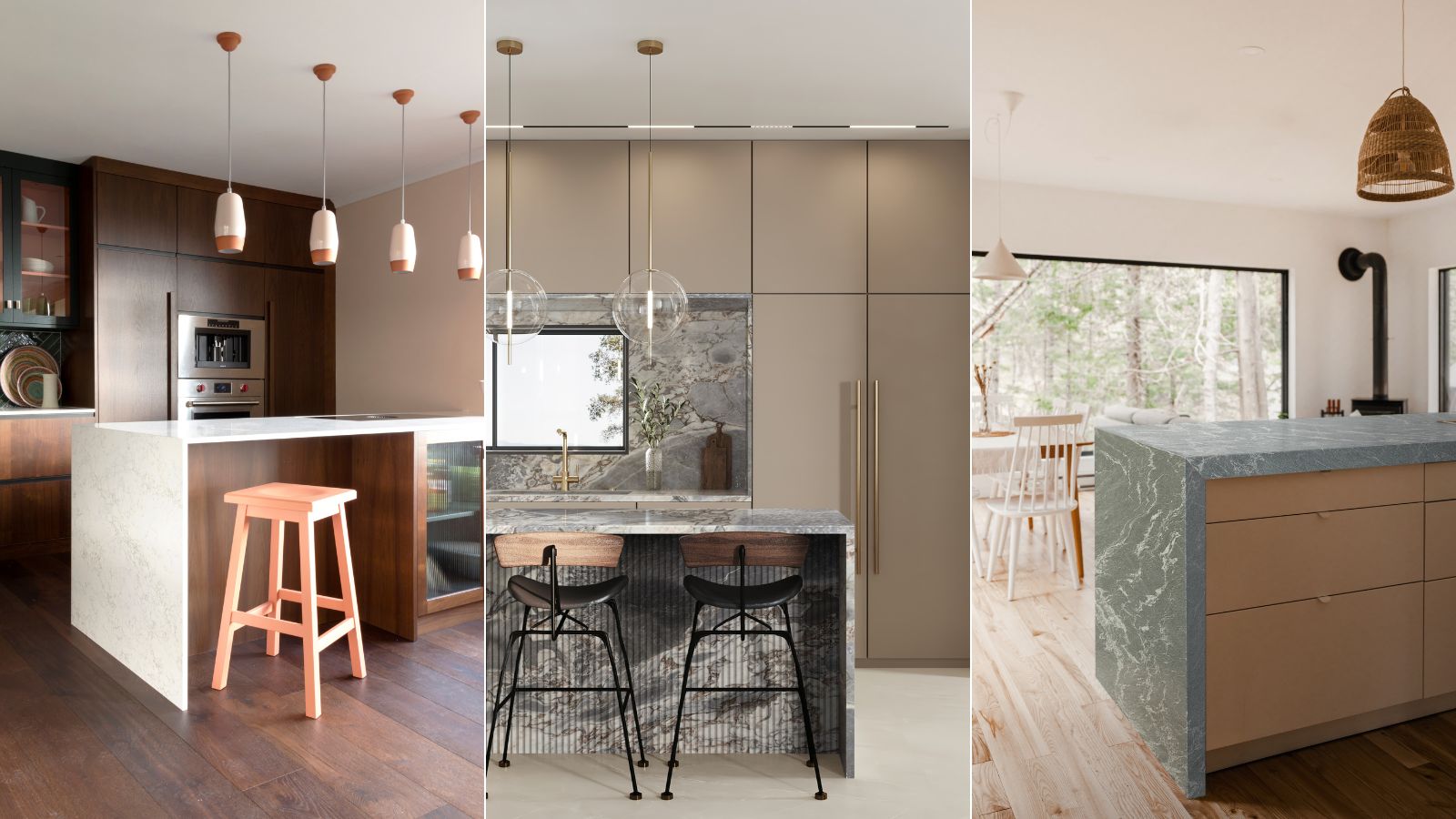
Despite these emerging criticisms, the article also acknowledges the continued appeal of waterfall edges. Many still appreciate their ability to deliver a sleek, modern, and design-forward aesthetic in contemporary kitchens. Georgina Wilson, while noting the need for intentionality, confirms that she still incorporates this trend in her designs when it adds genuine interest and stands out. The inherent statement-making quality of a countertop that flows to the floor means it can serve as a sculptural element, particularly in larger islands. To maximize its impact, designers recommend embracing its 'main character' potential by carefully selecting a statement material and contrasting it thoughtfully with other elements in the kitchen. This approach helps enhance the overall design without overwhelming the space. The article suggests focusing on visual contrast, for example, by balancing large marble sections with natural materials like wood or by choosing cabinet colors that offer timeless appeal.
Ultimately, the decision to use waterfall countertops depends on individual preference and the specific design context. While they are a definitive and common style, designers suggest a more considered application. Teri Simone advises opting for thinner profiles and neutral tones if a waterfall style is preferred, to prevent it from dominating the design. The core message emphasizes creating a space with contrast and selecting design elements that resonate with personal style, recognizing that kitchen renovations are significant investments demanding lasting appeal. The trend is moving towards more nuanced and innovative uses of materials, suggesting that while waterfall edges may not be entirely obsolete, their indiscriminate application might be.
#WaterfallCountertops #KitchenDesignTrends #InteriorDesign #KitchenIslands #CountertopMaterials #HomeRenovation #ModernKitchen #DesignTips #WaterfallCountertops #KitchenDesignTrends #InteriorDesign #KitchenIslands #CountertopMaterials #HomeRenovation #ModernKitchen #DesignTips
0 commentaire au total
 Aucun commentaire pour le moment
Vous aimerez aussi
The Design World Is DIVIDED on This Controversial Curtain Styling Trend
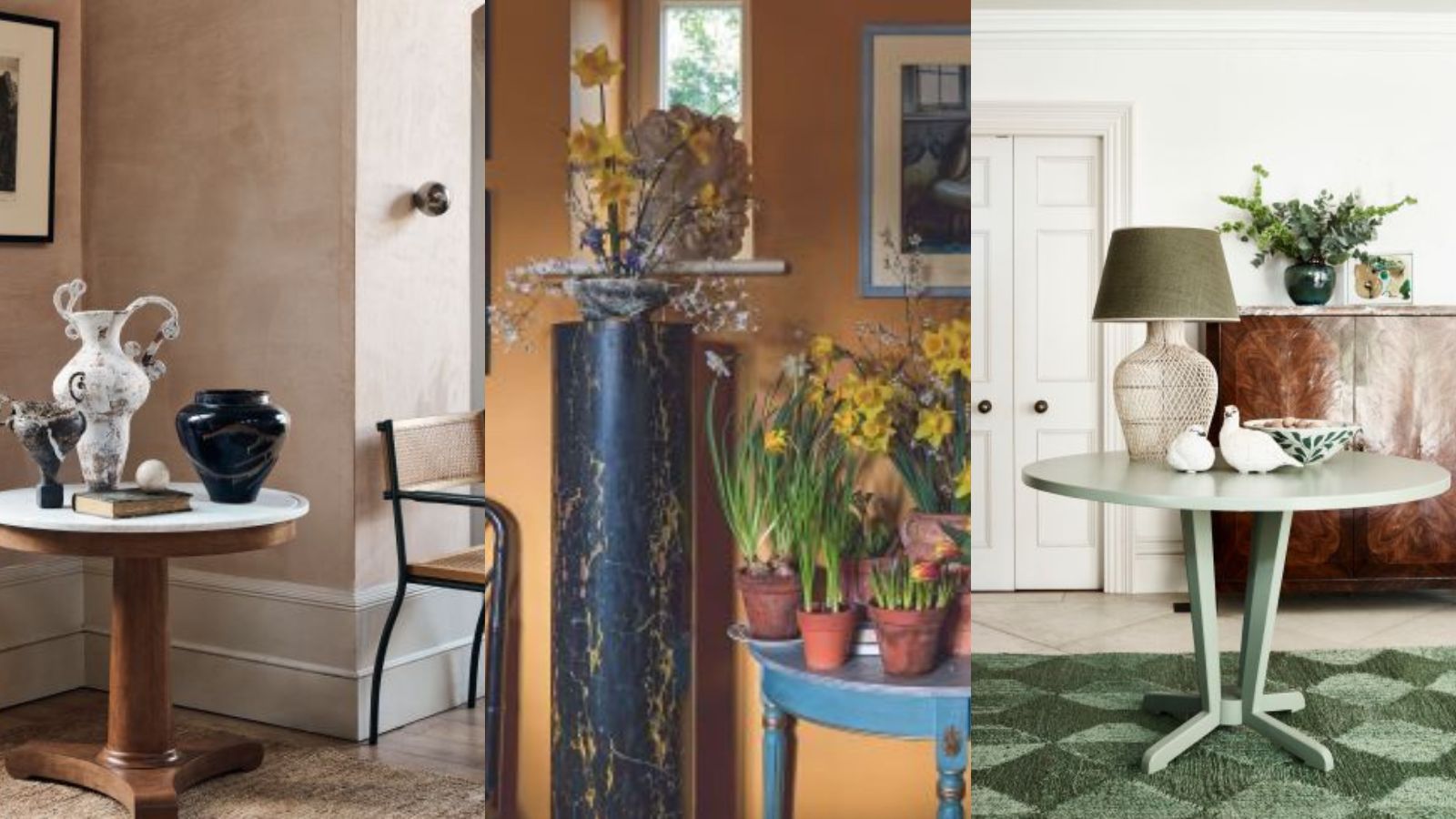
Pedestal styling is the overlooked decor trend we shouldn't ignore – says this leading interior designer

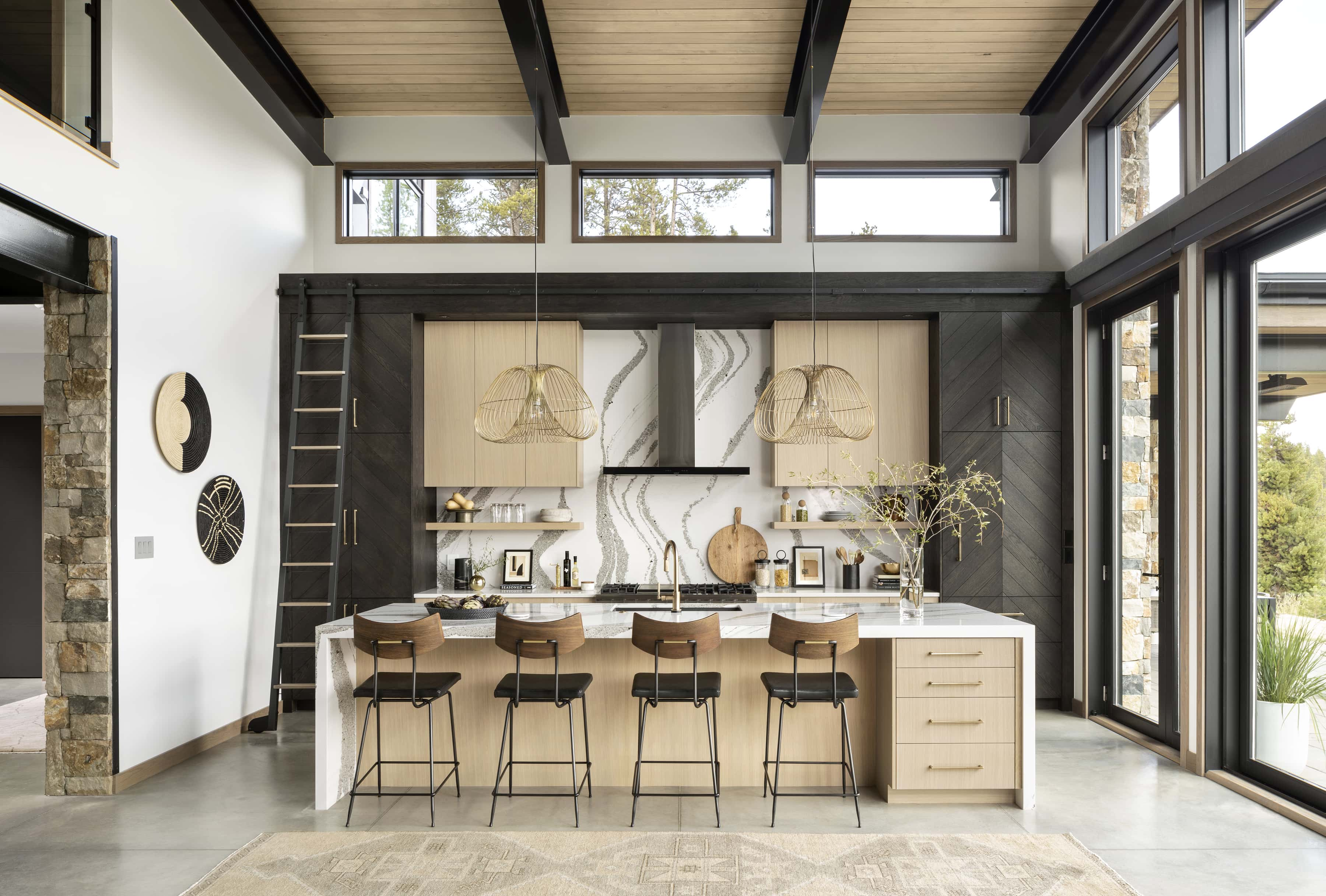
10 perfect waterfall countertops that make a strong case for this being the best kitchen island style
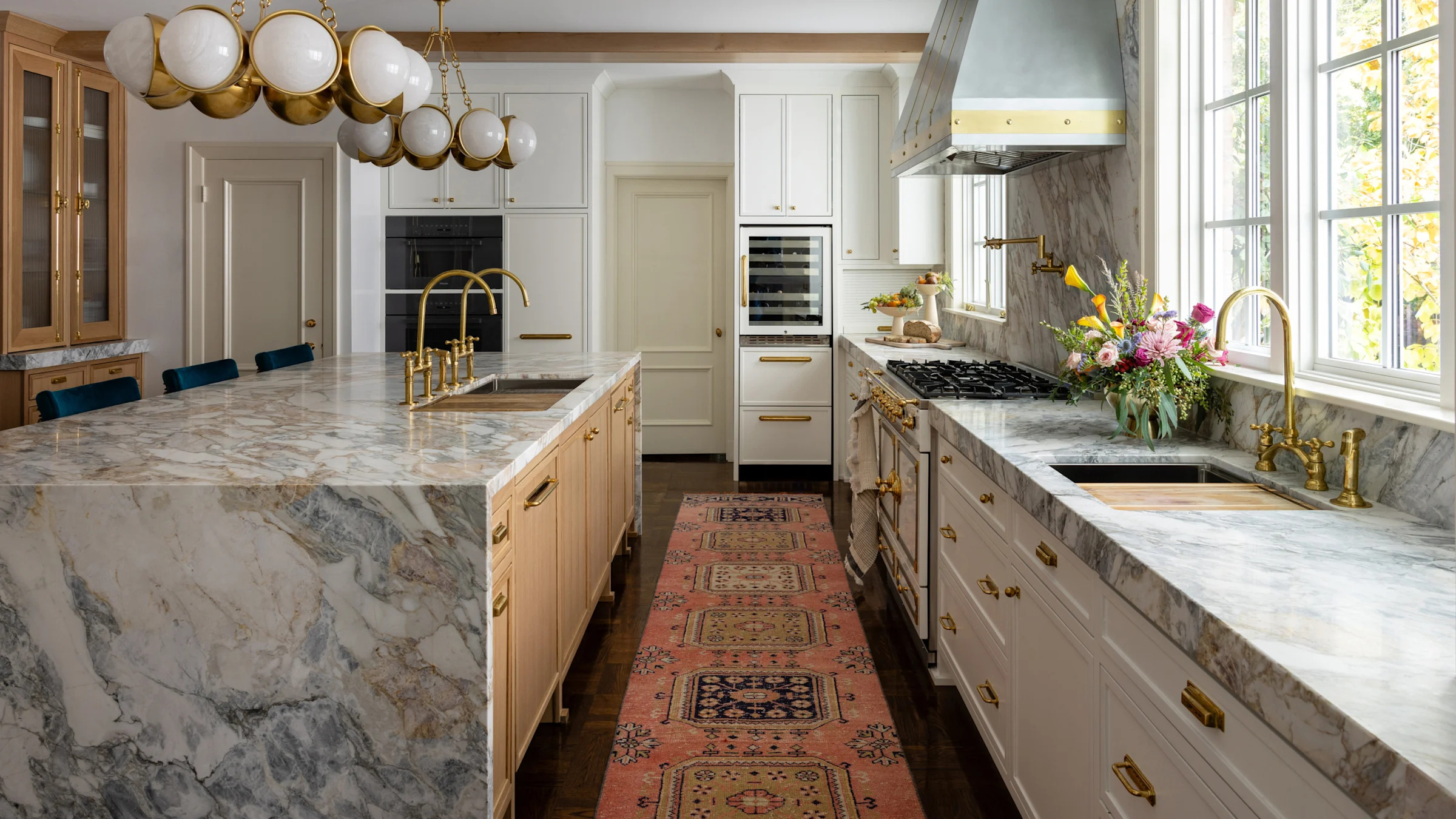
5 Problems With Waterfall Kitchen Countertops That No-One Ever Talks About

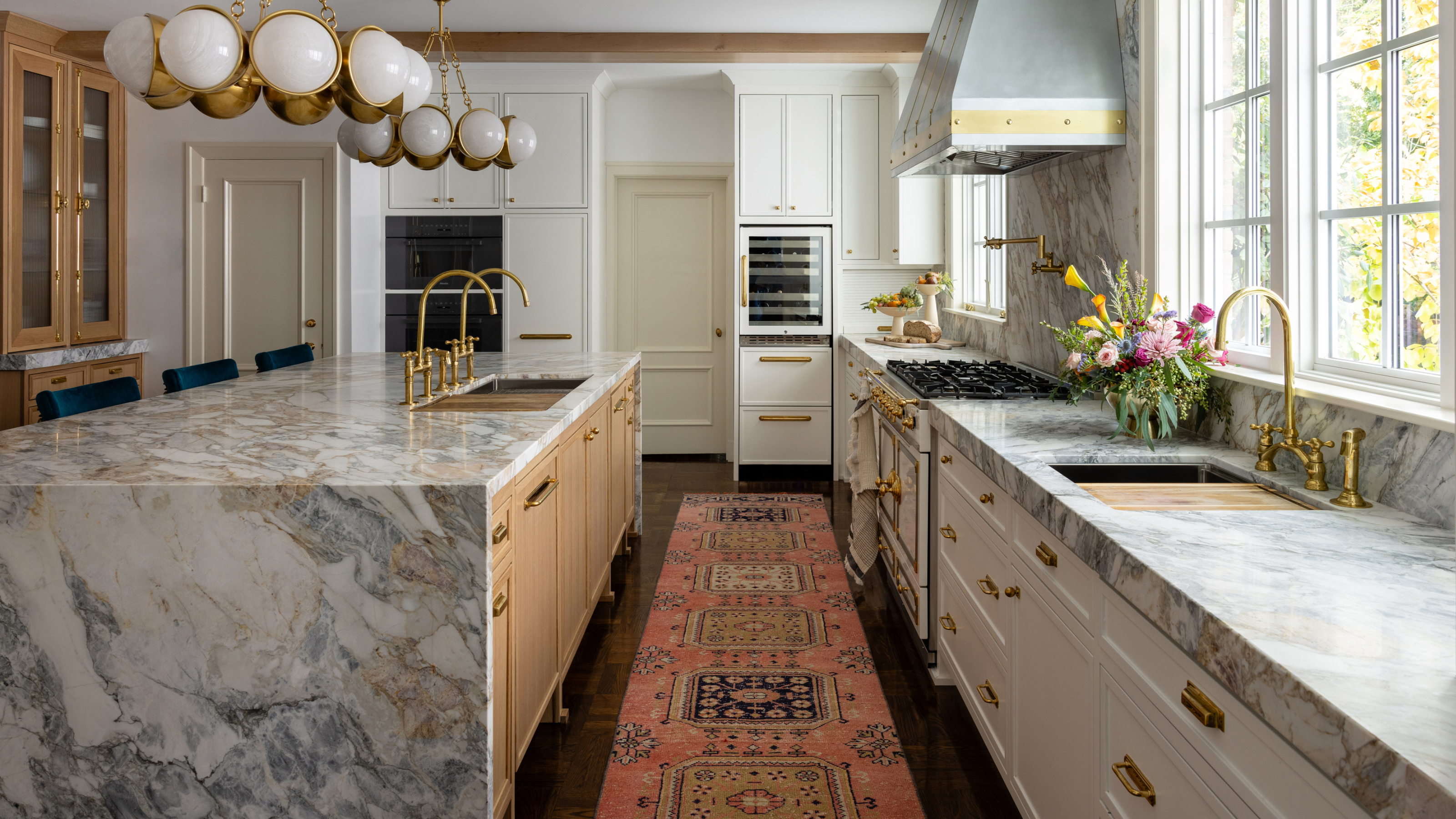
5 Problems With Waterfall Kitchen Countertops That No-One Ever Talks About
These 15 Gorgeous Waterfall Countertops Are Utterly Luxurious

This Throwback Trend Is Coming Back in Style—and Designers Have Mixed Opinions

12 Waterfall Kitchen Island Ideas for a Streamlined Modern Look

What is a waterfall countertop? Experts on the pros and cons
Fallingwater: A Contradiction in Sustainable Design
10 Horrifying Home Design Trends: 2023 Edition
Backyard Water Feature Trends for 2025: Pools, Ponds, and Tech

Waterfall edges on countertops are a smooth new look

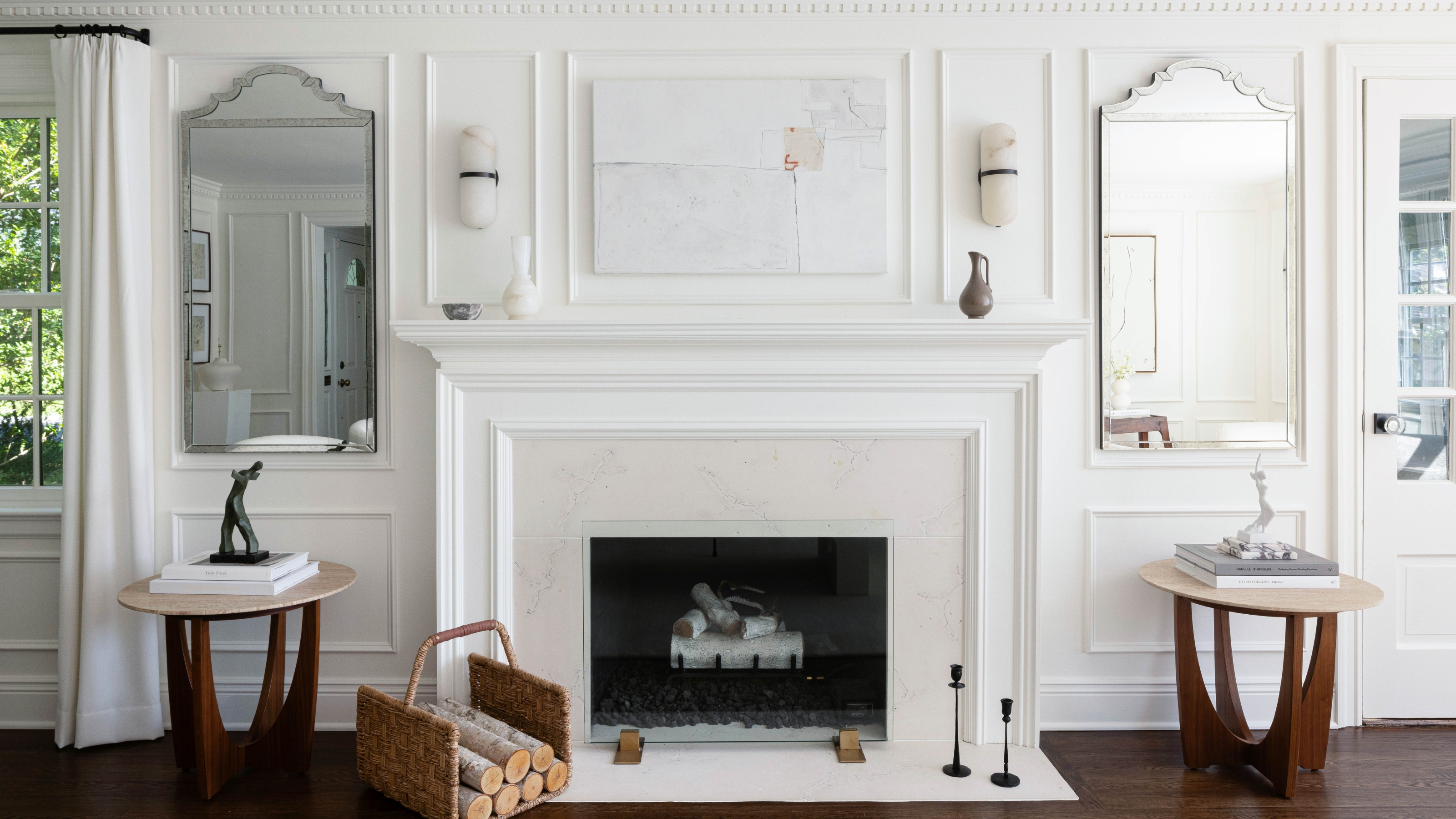
I Can't Help But Wonder If Crown Molding Is Out of Style These Days — Here's What Designers Say
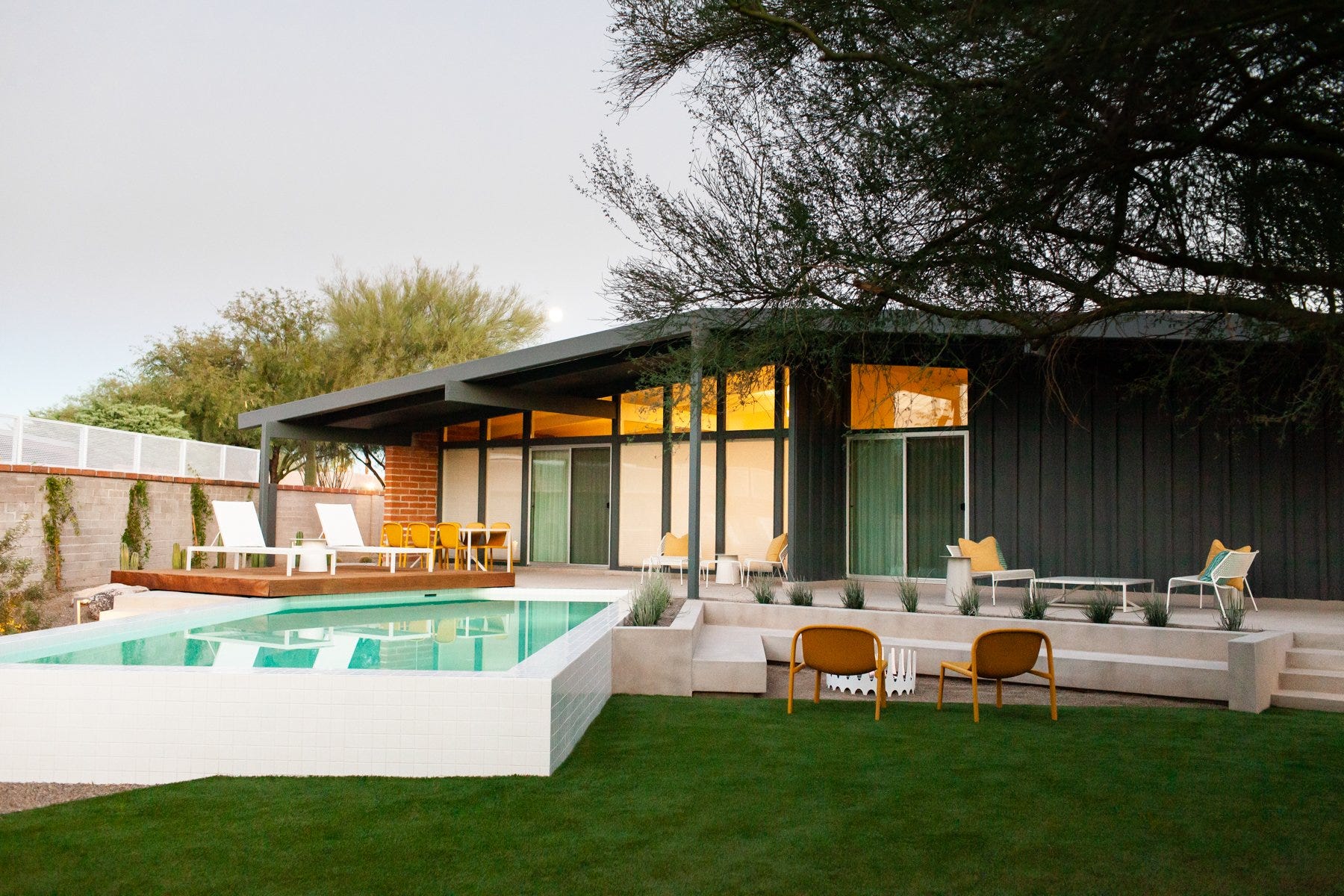
Above-Ground Pools Are Having a Serious Style Moment

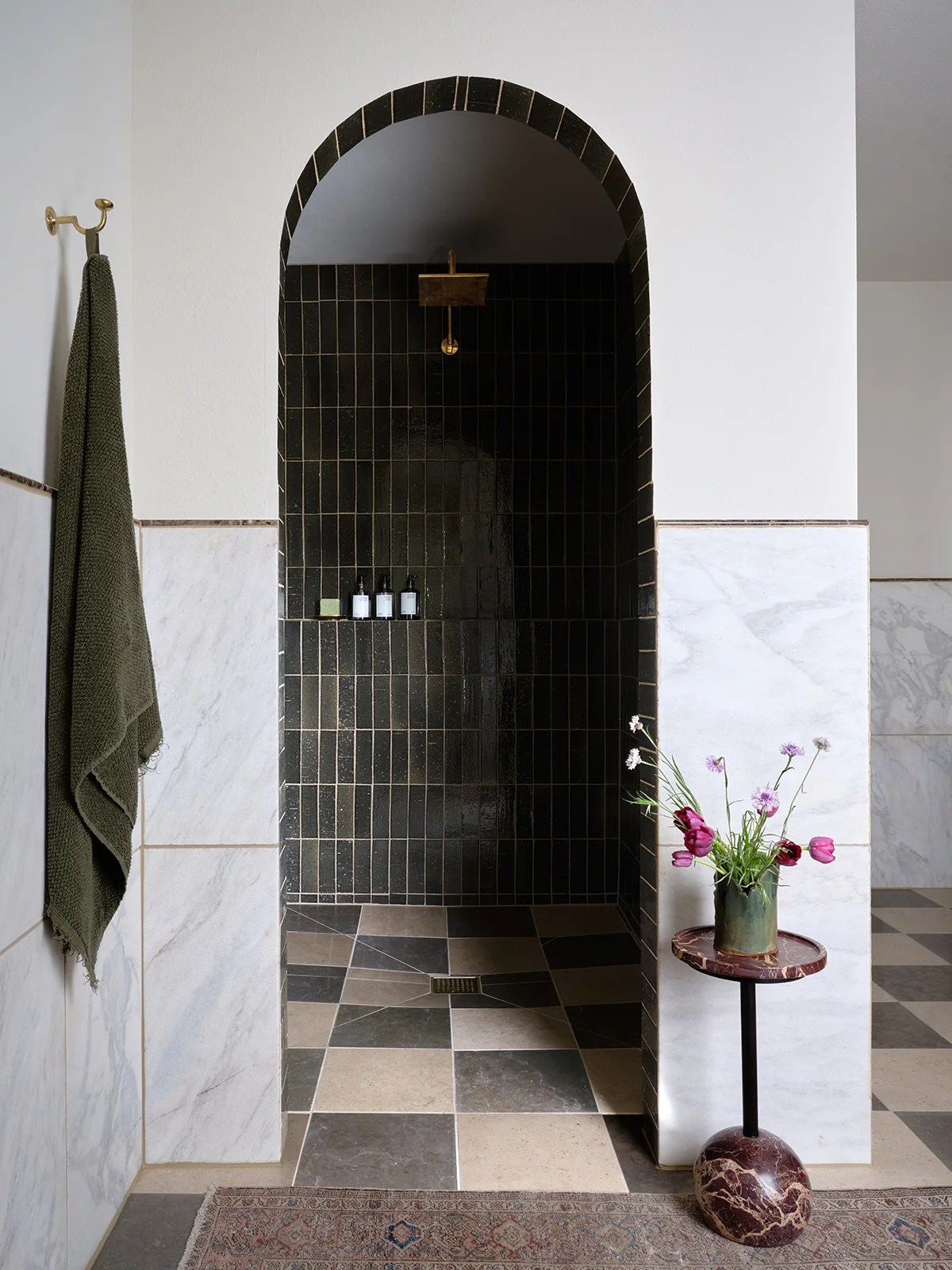
These 2 Shower Features Might Be Unpopular, But Designers Love Them Anyway

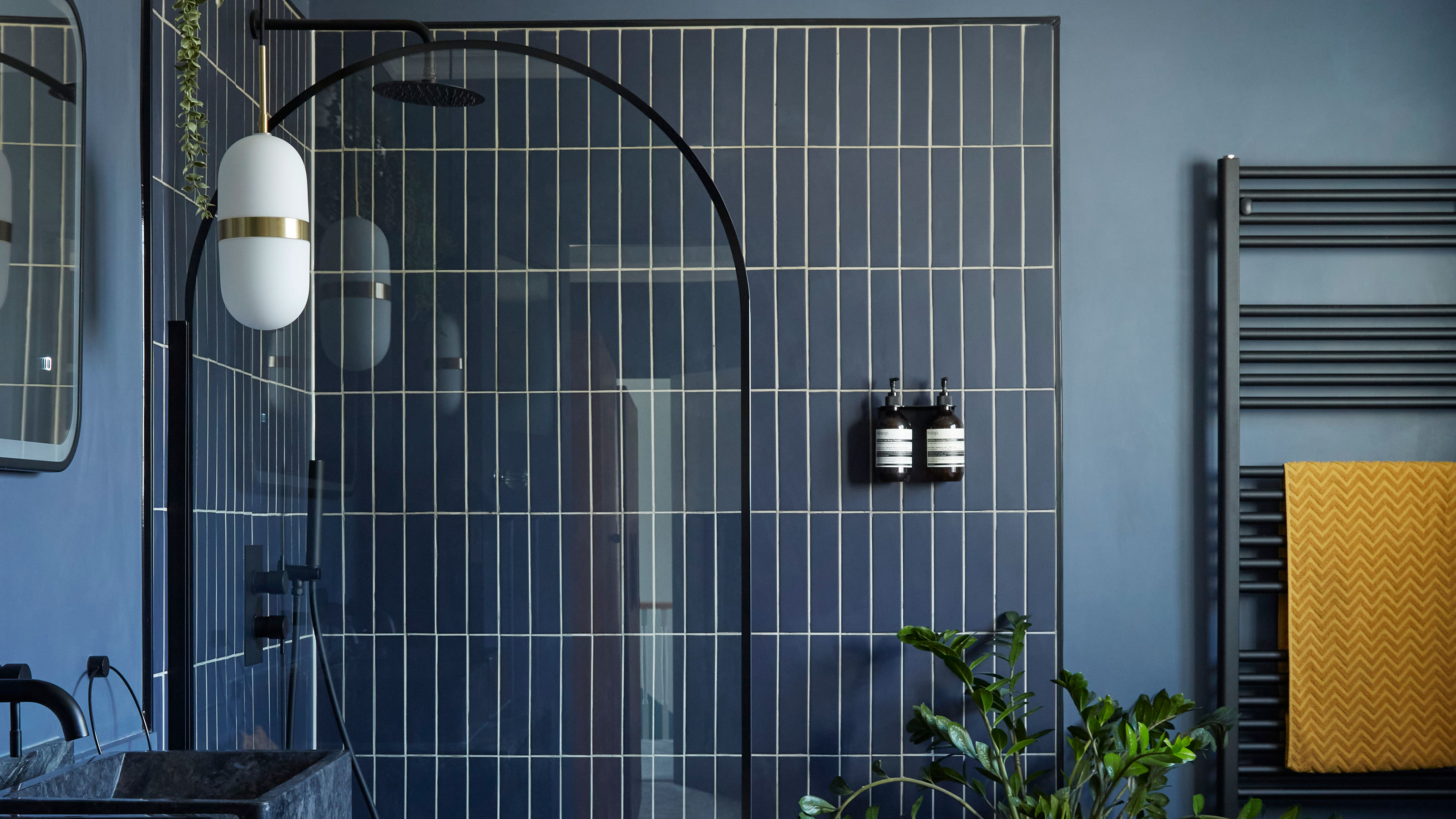
Are rainfall shower heads out of style in 2025? These 3 alternatives could be the next best thing
It’s Time to Say Goodbye to These Outdated Design Trends in 2024
29 Elegant Fountains That Create a Sense of Tranquillity

This Outdated Stair Trend Is Fading Fast—and Designers Say It's Time to Move On