1/4
Are the '90s the Next Big Thing in Interior Design?
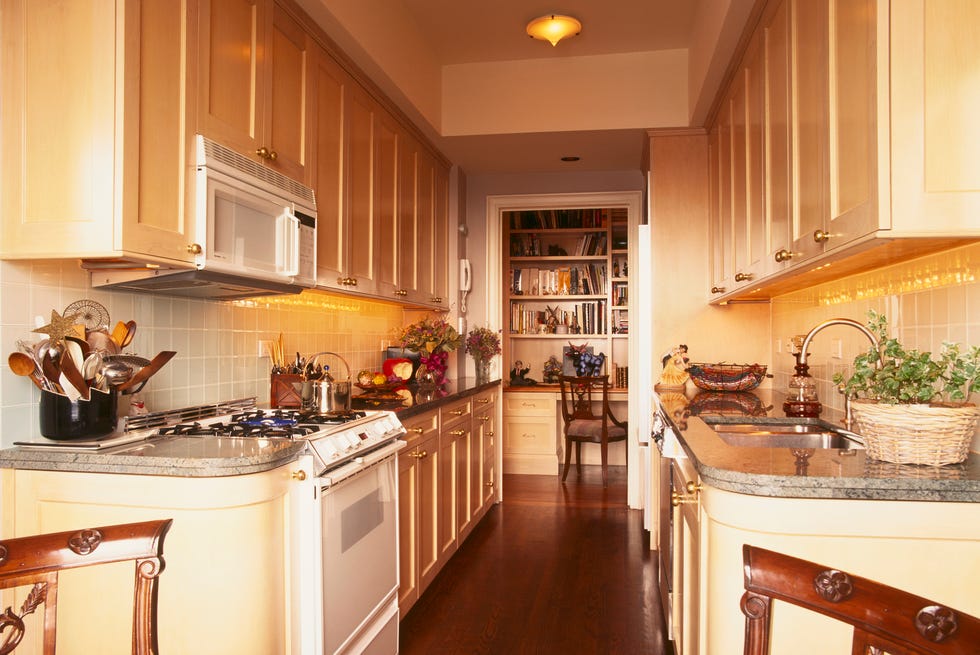
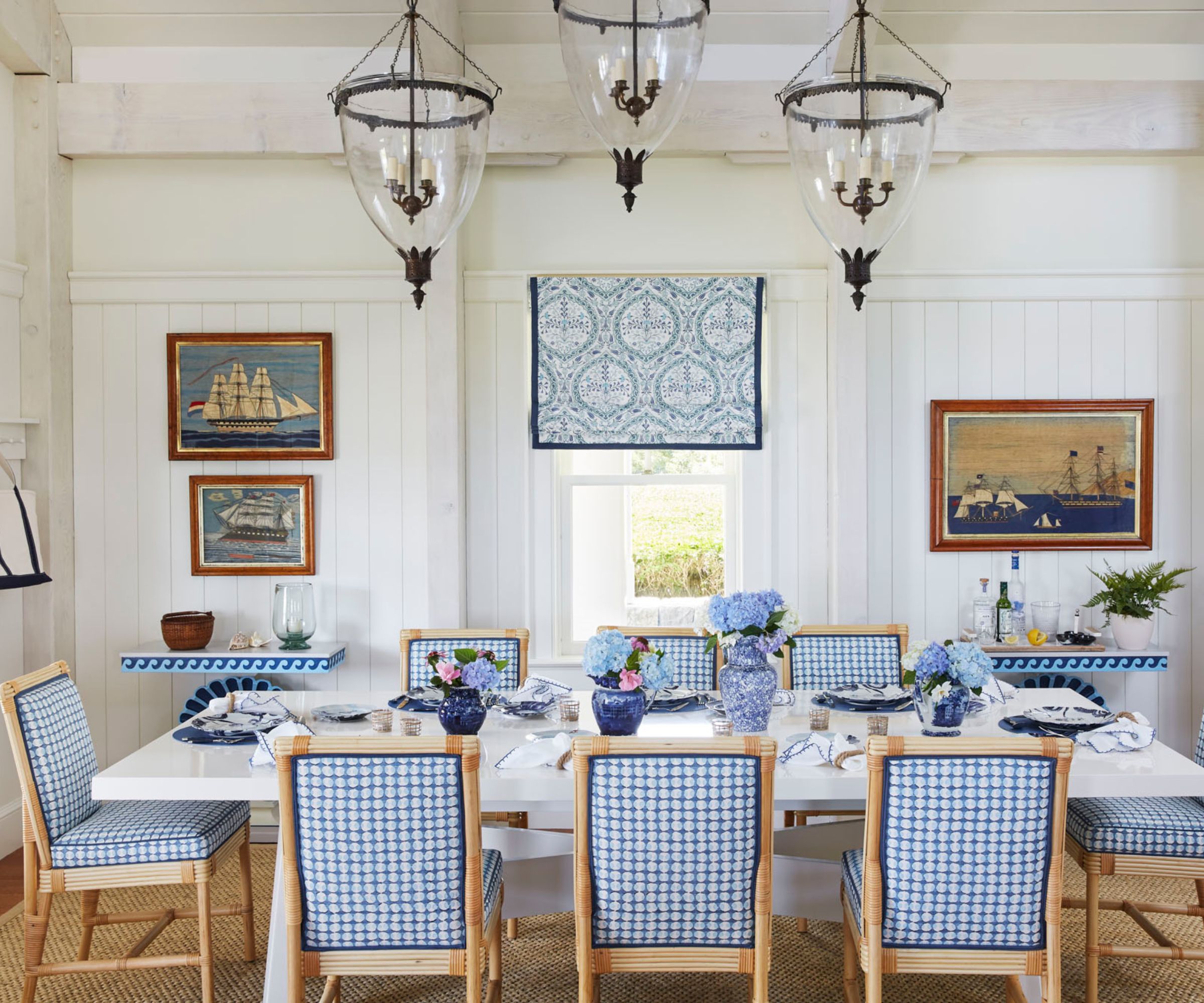
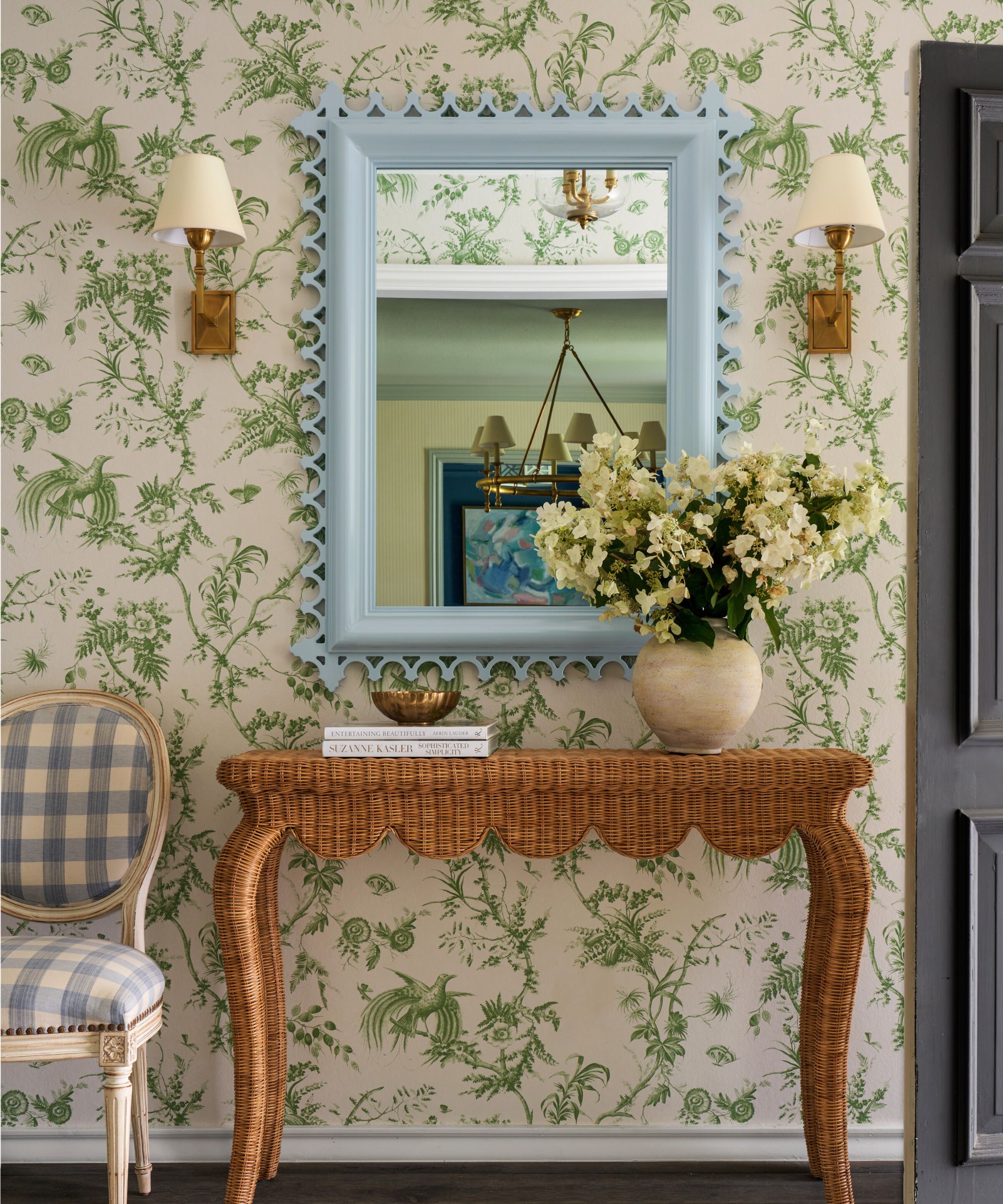
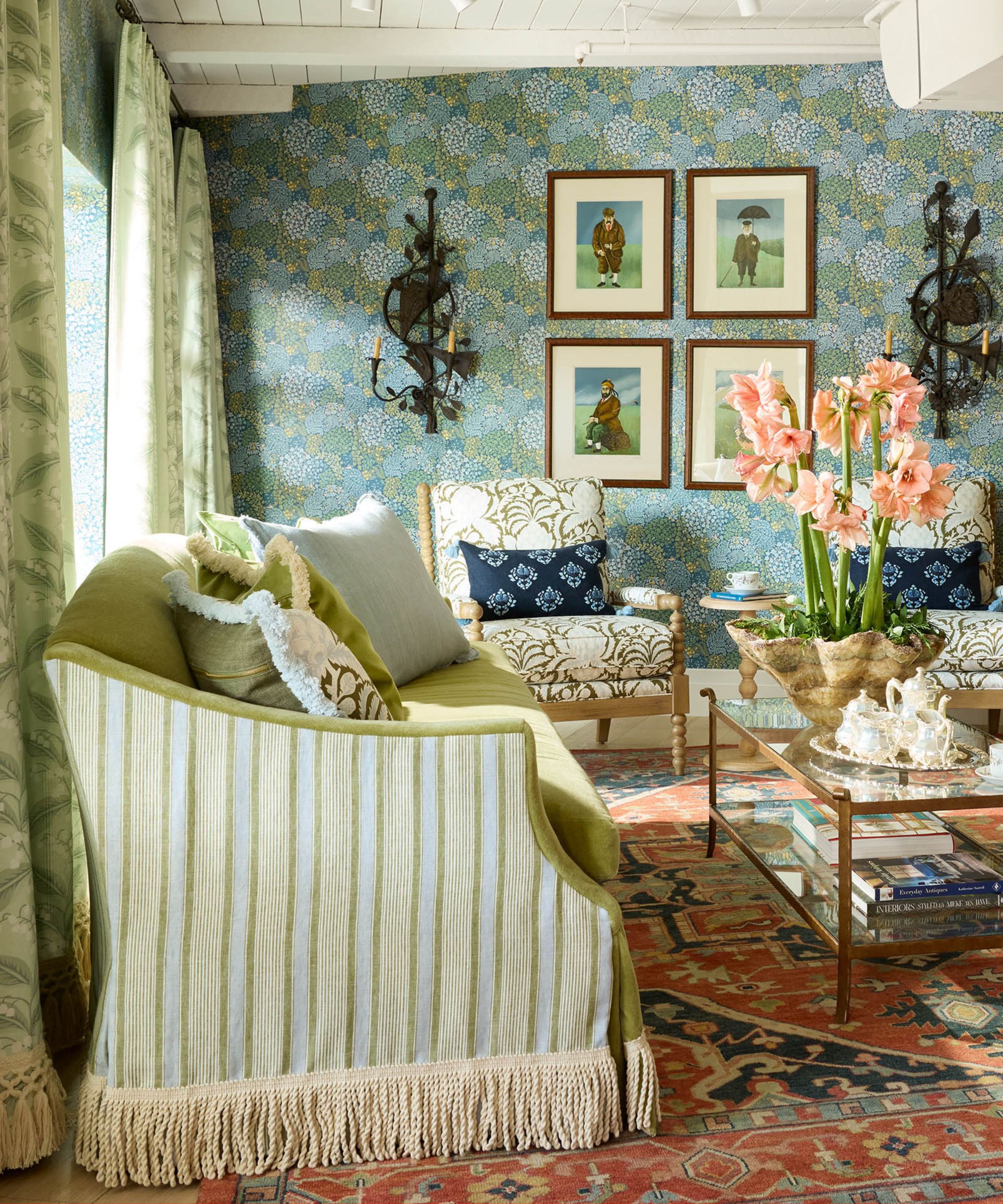
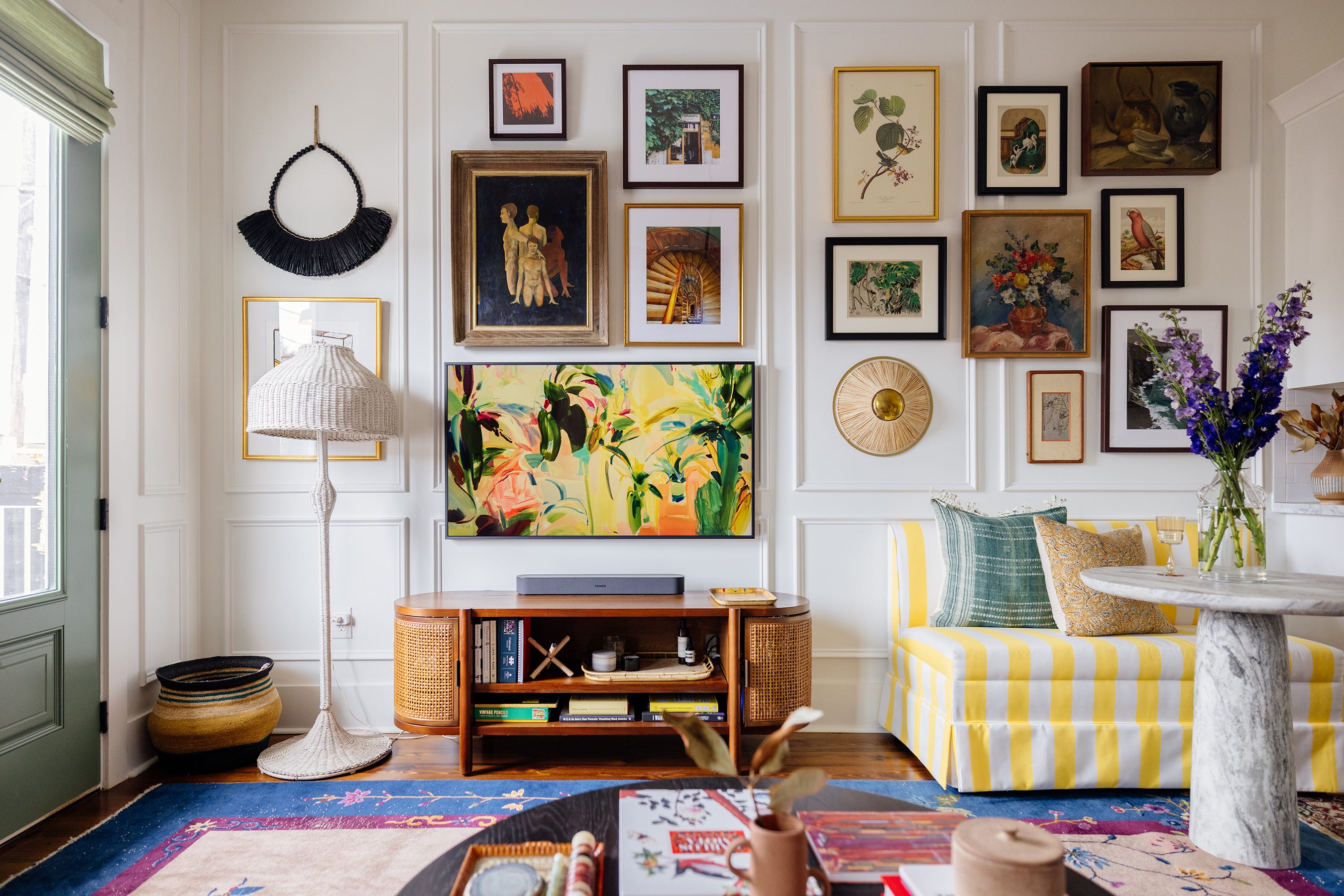
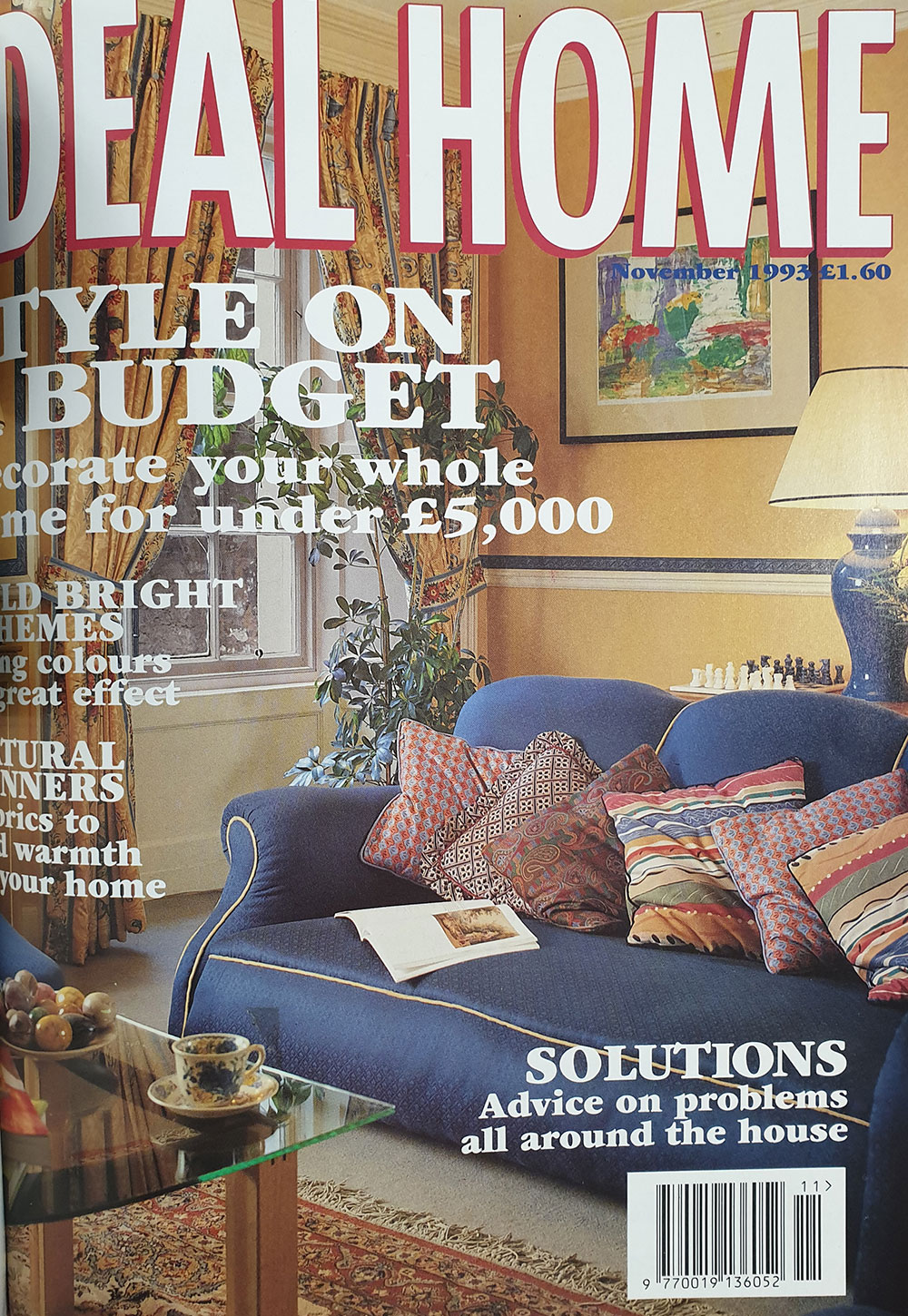
The 1990s aesthetic in interior design is experiencing a notable resurgence, moving beyond dated elements like dial-up tones and frosted tips to embrace a more refined and intentional style. This revival is characterized by a shift from the excessive glamour of the 1980s to a focus on relaxed, eclectic, and personal spaces. Designers are now incorporating '90s influences with a modern twist, concentrating on specific design elements that evoke a sense of quirky warmth and comfort.
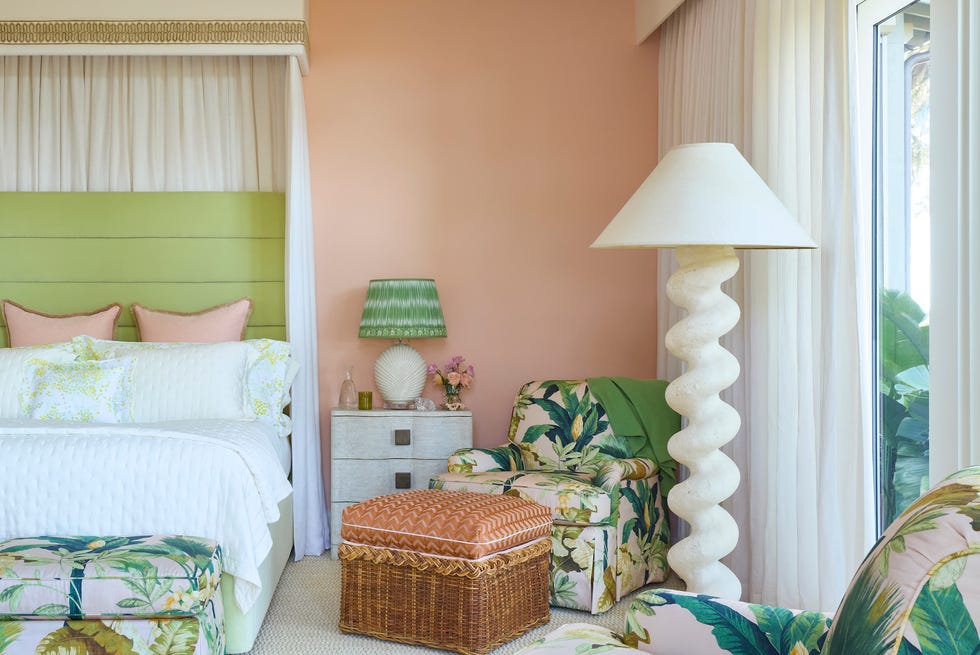
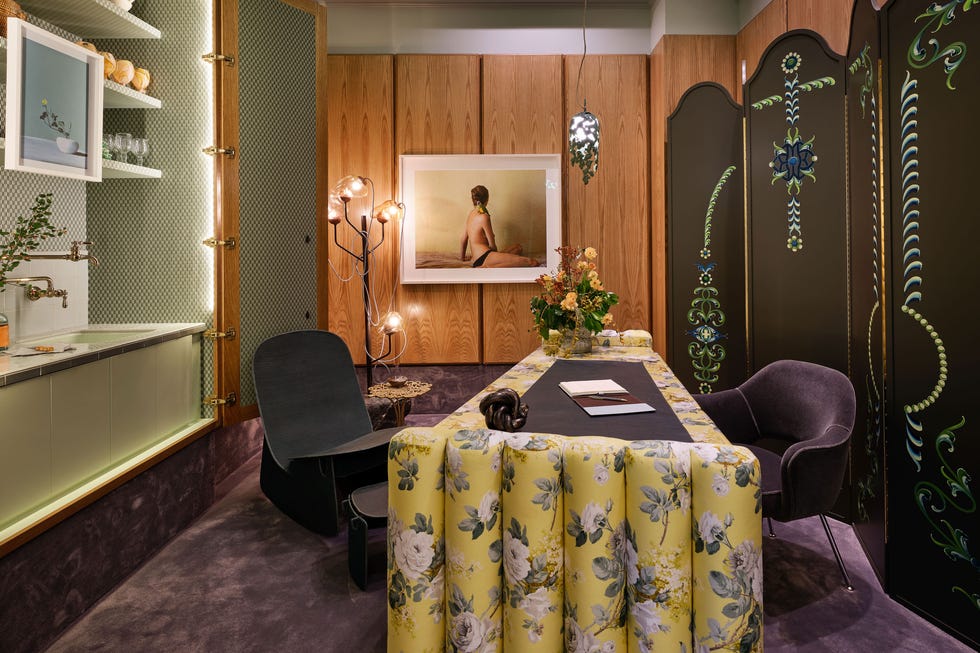
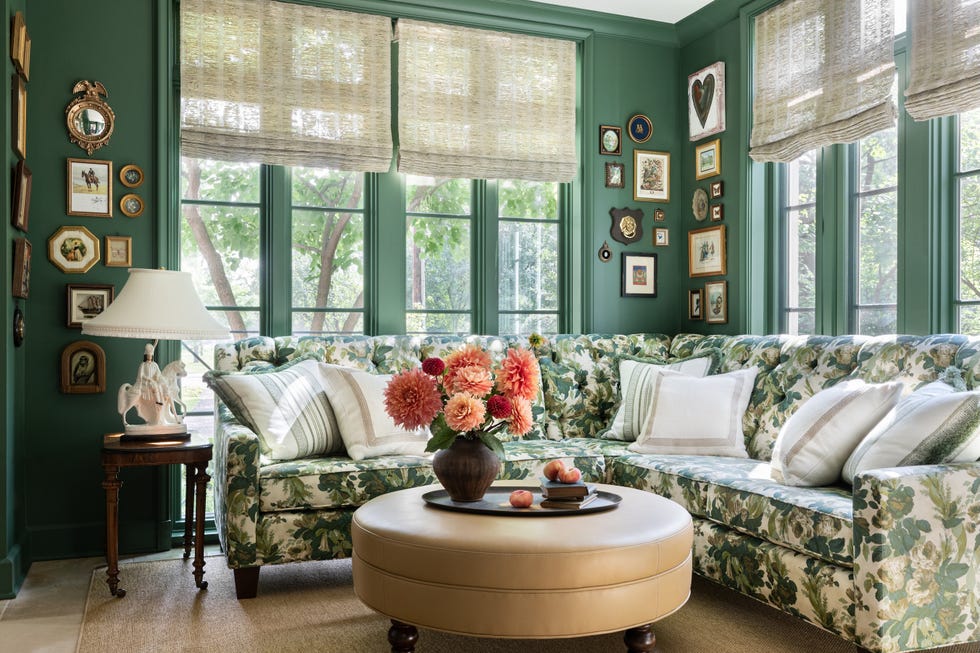
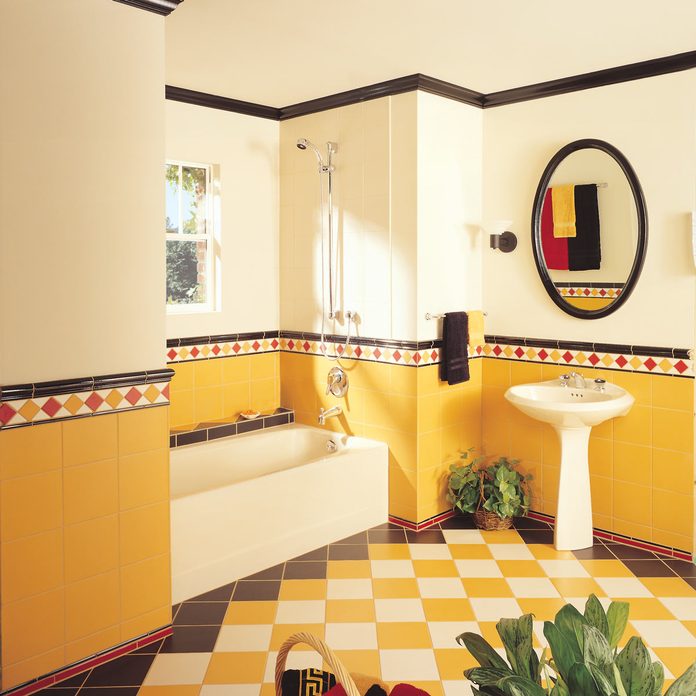
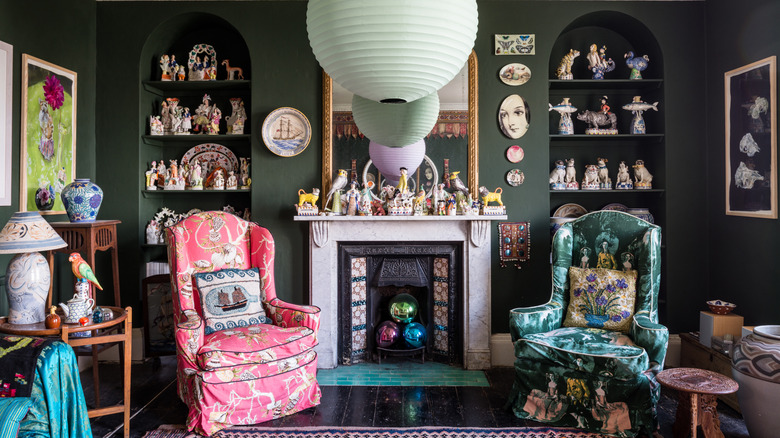
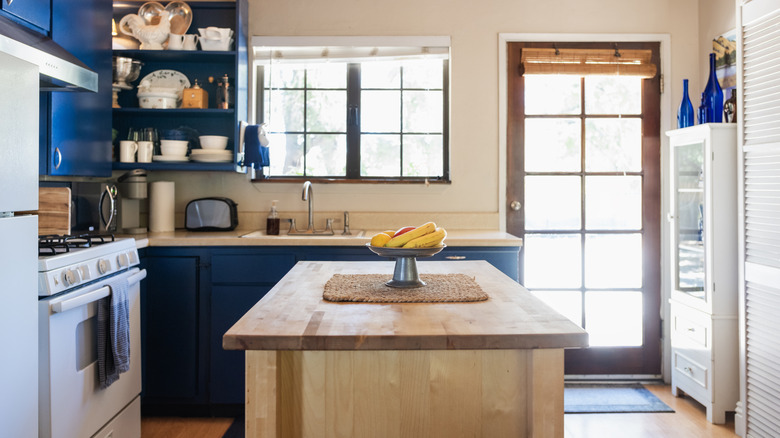
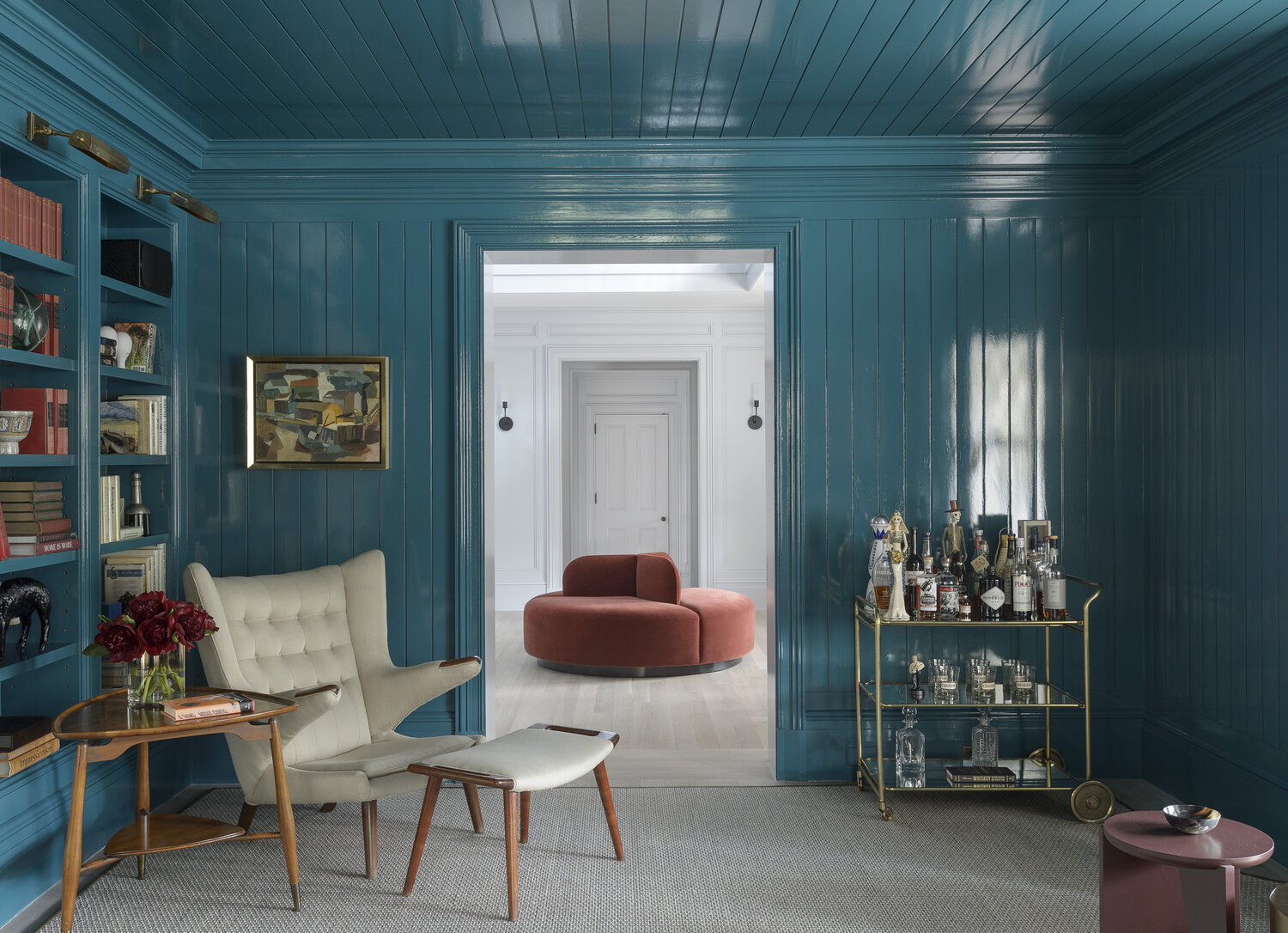
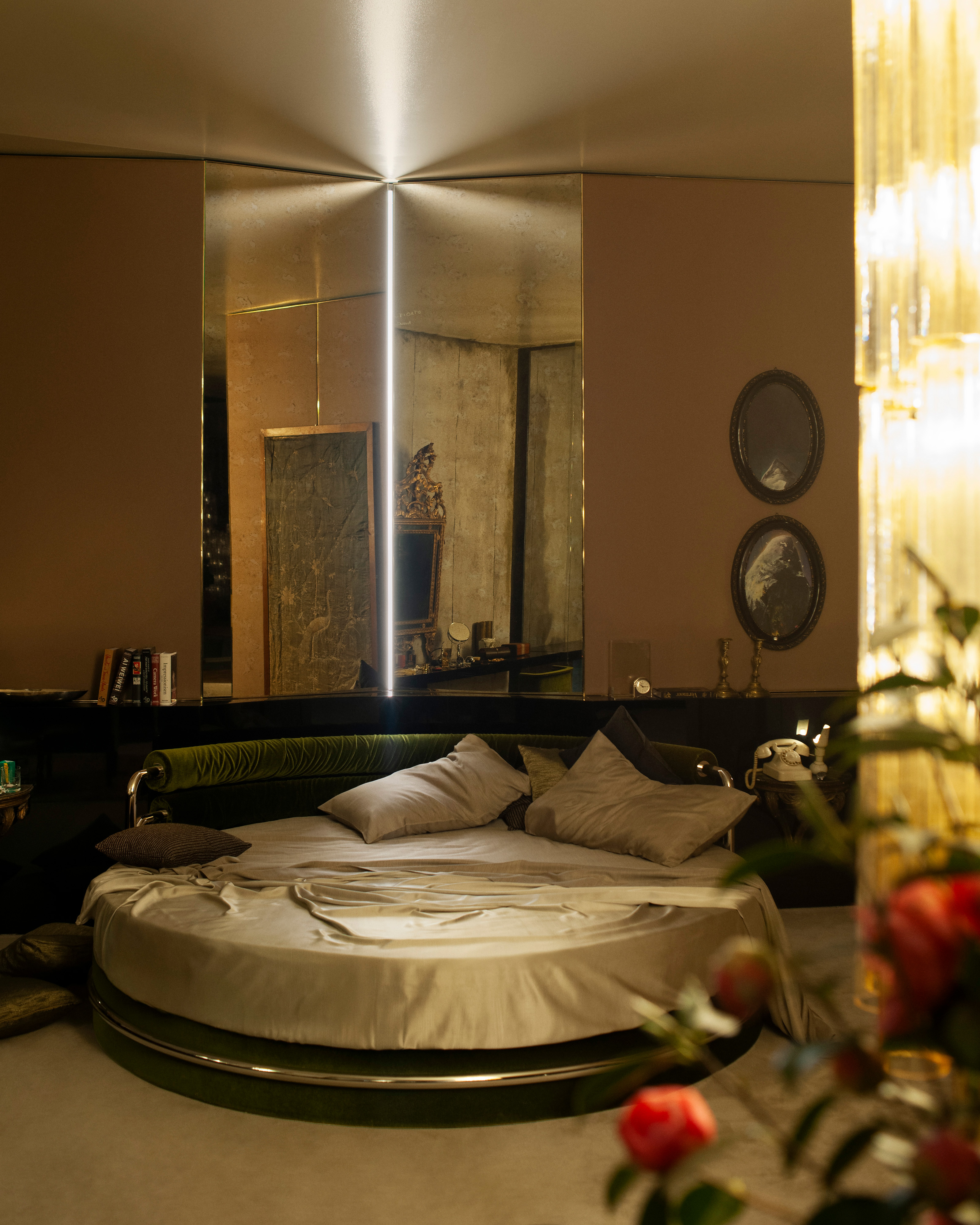
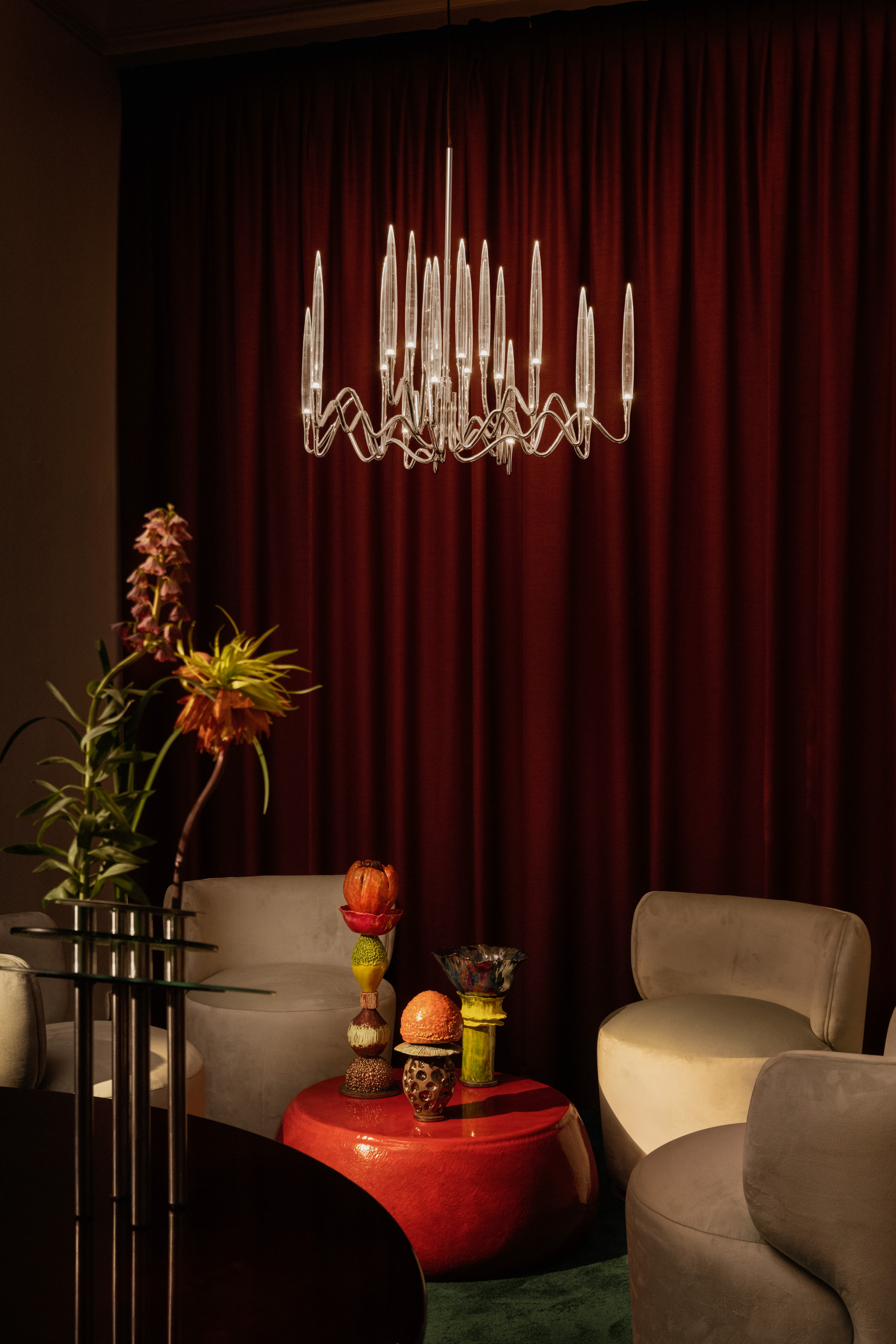
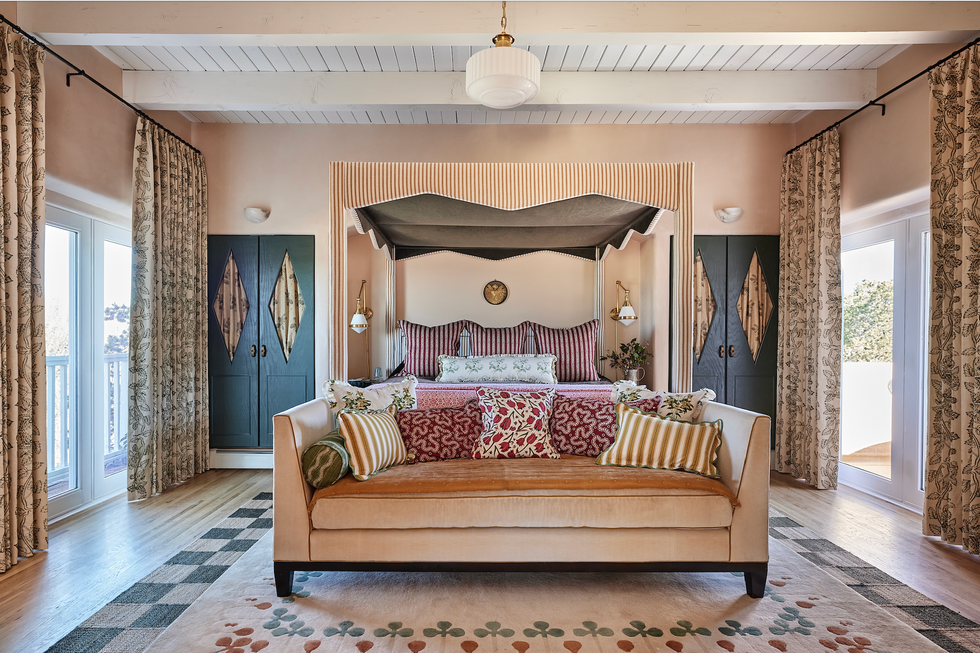
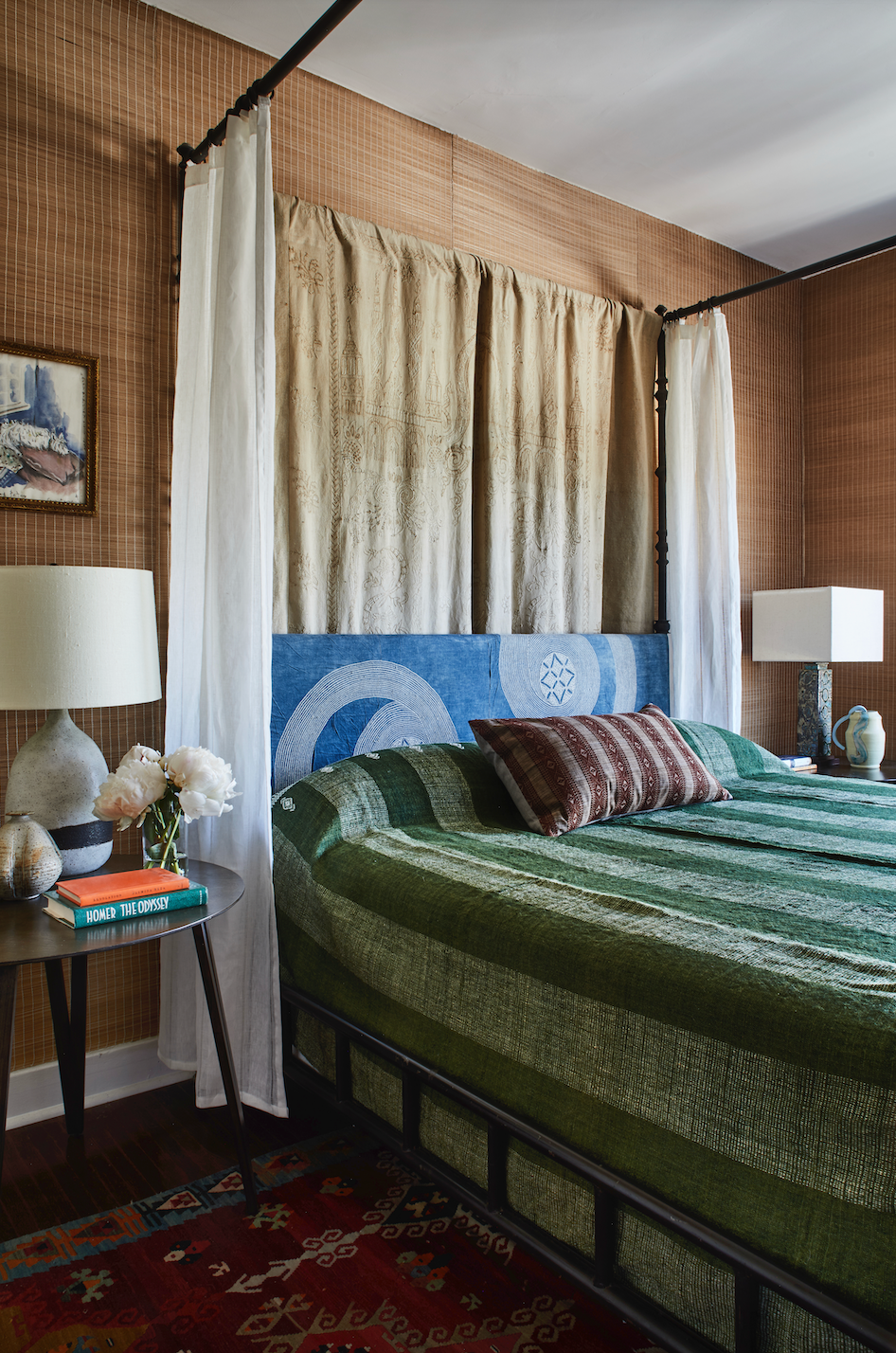
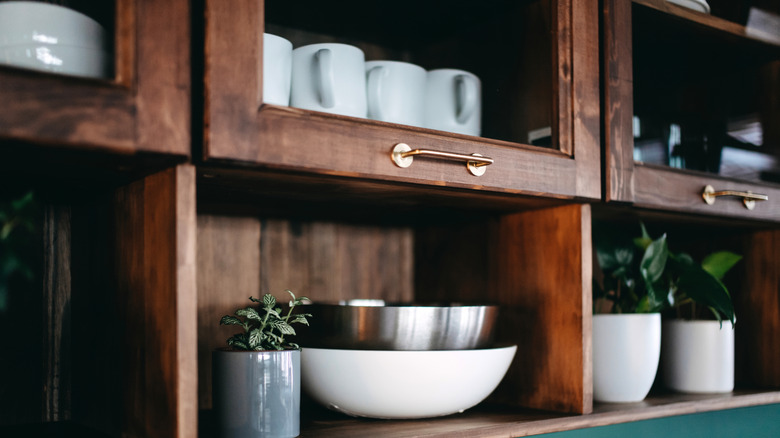
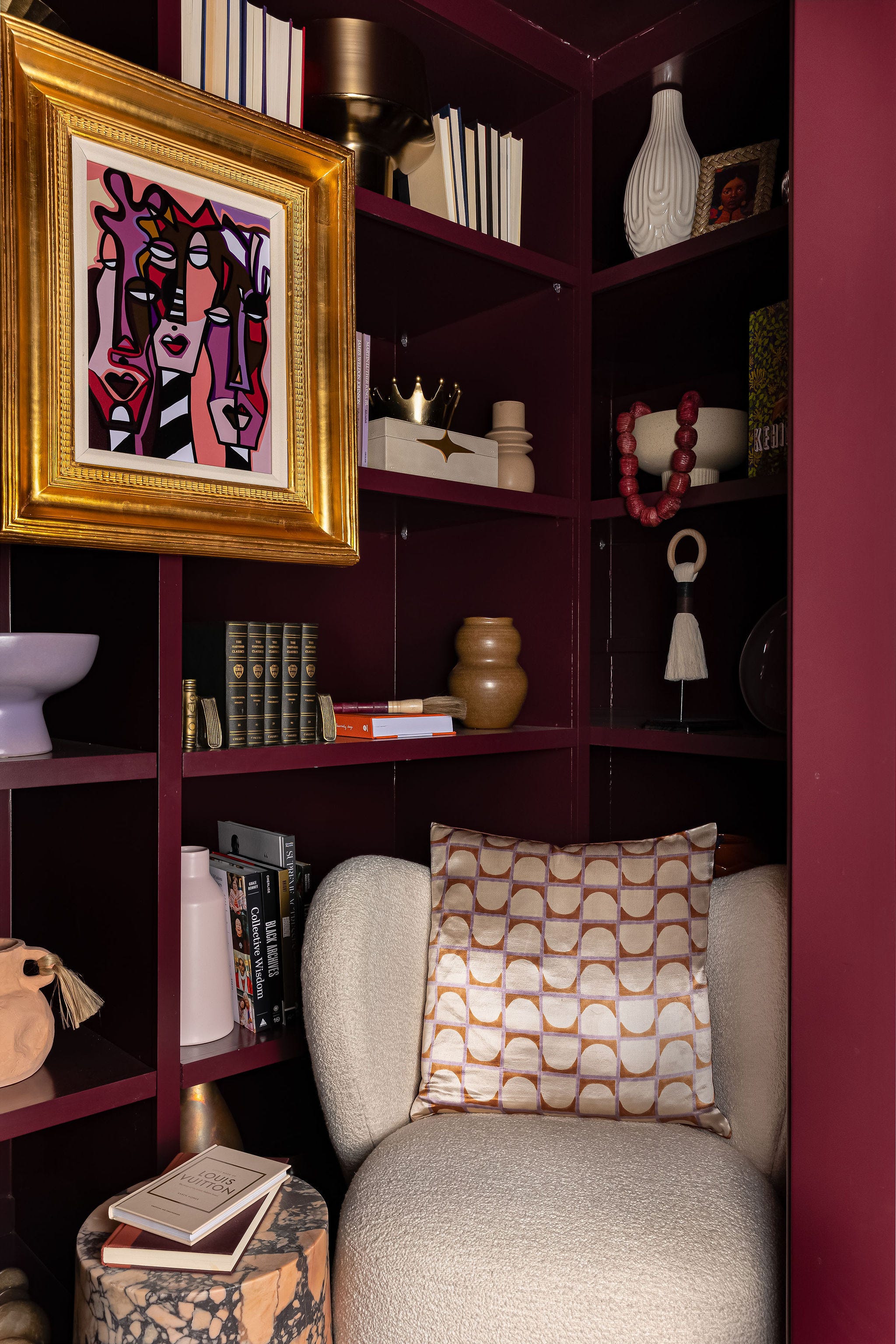
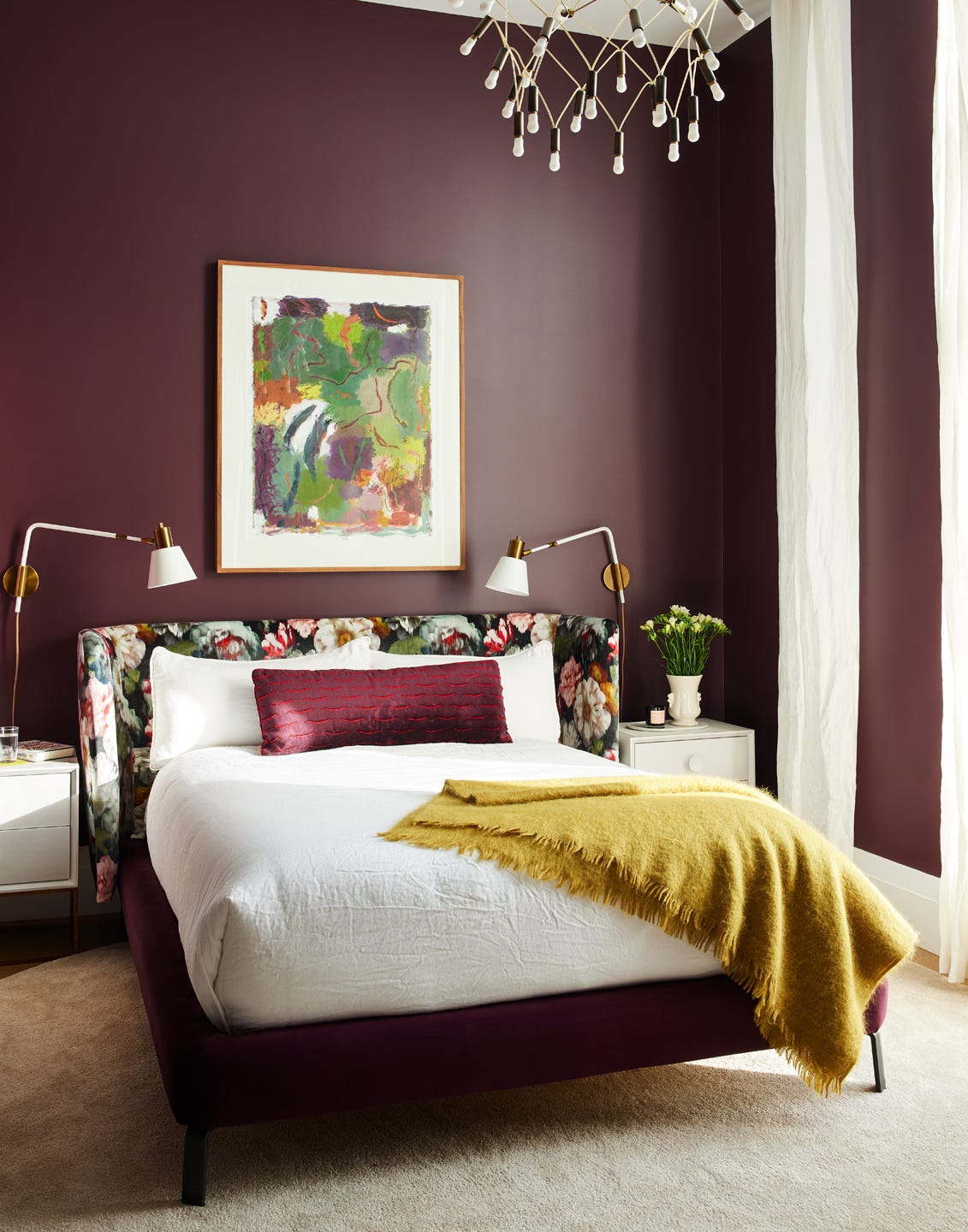
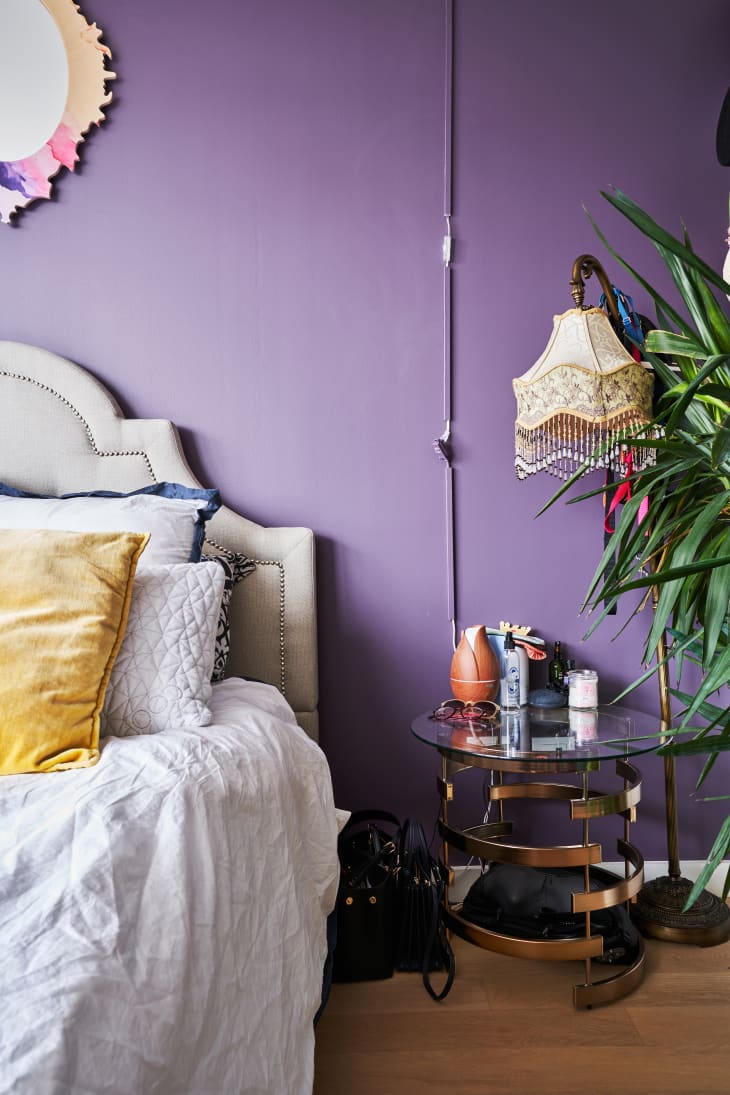
Key aspects of this comeback include the prominent use of jewel tones. The '90s were marked by a fearless approach to color, with rich, saturated hues that made rooms feel like opulent jewelry boxes. Contemporary designers, such as Isfira Jensen of Jensen & Co. Interiors, are utilizing these deep tones, including aubergines, deep greens, and burnt oranges, on large surfaces like walls or built-in cabinetry. These bold colors are often balanced with neutral backdrops to prevent overwhelming a space, creating a sophisticated yet vibrant ambiance.
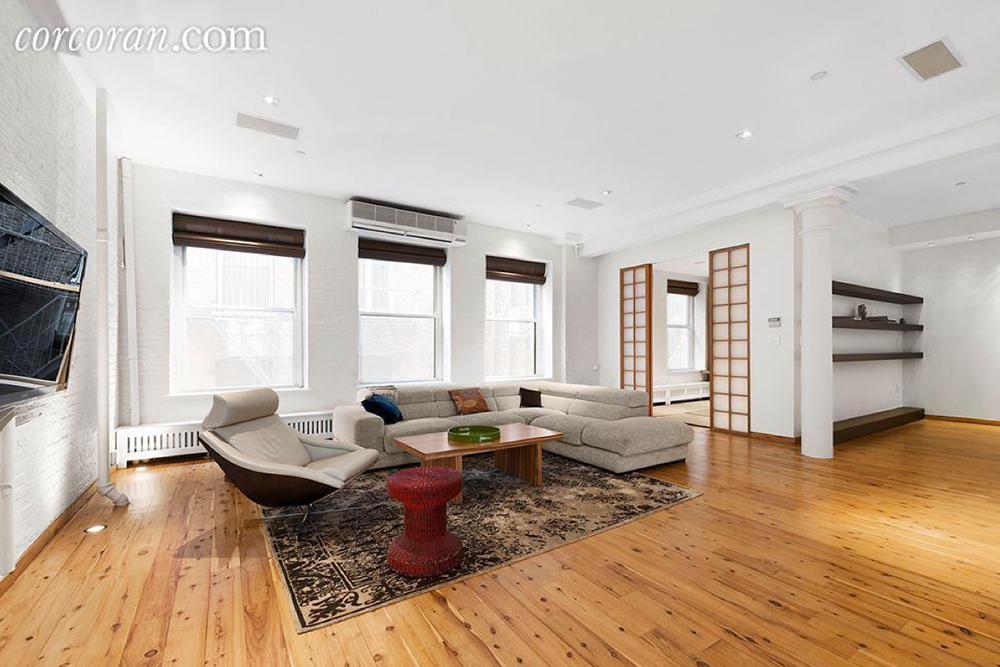
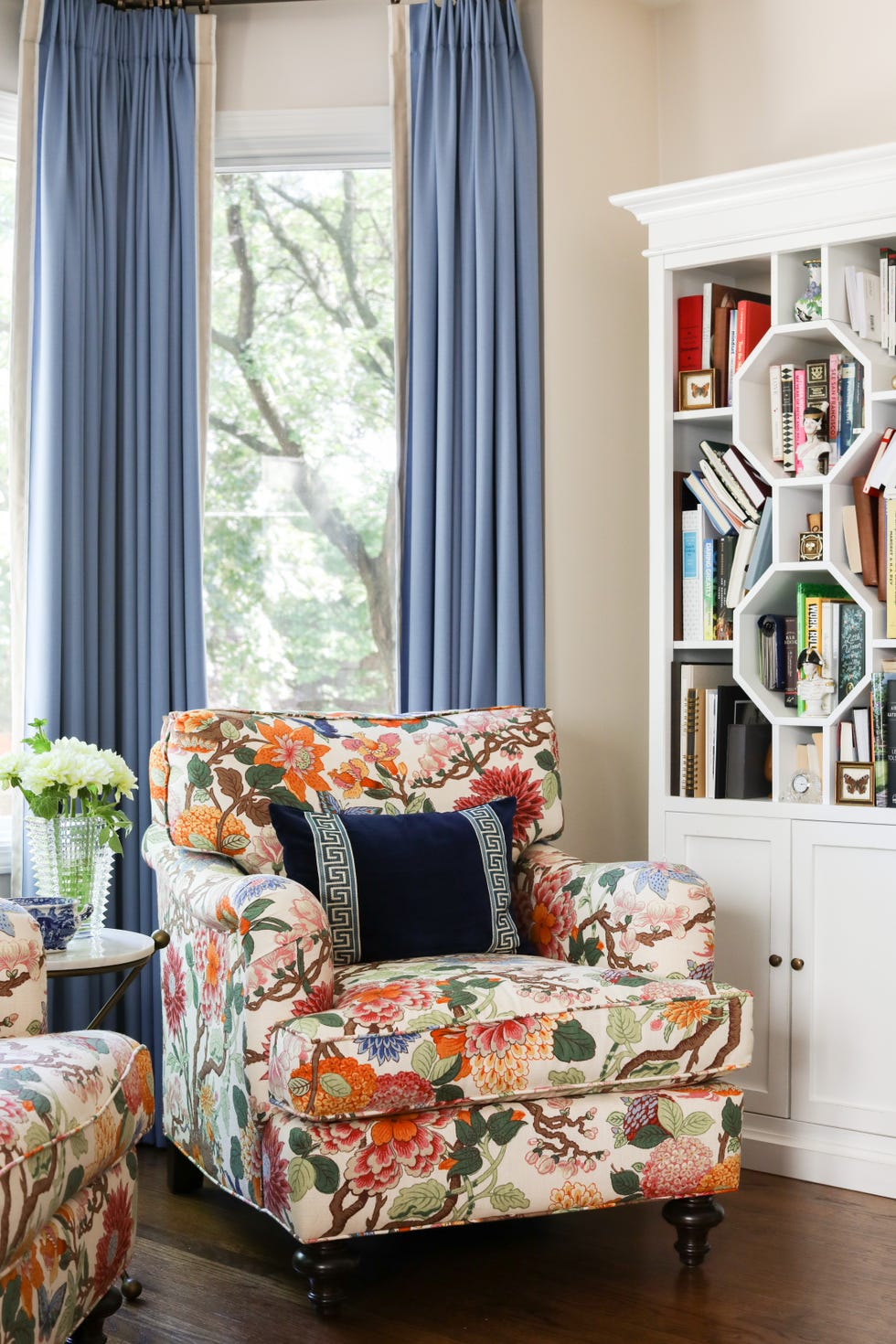
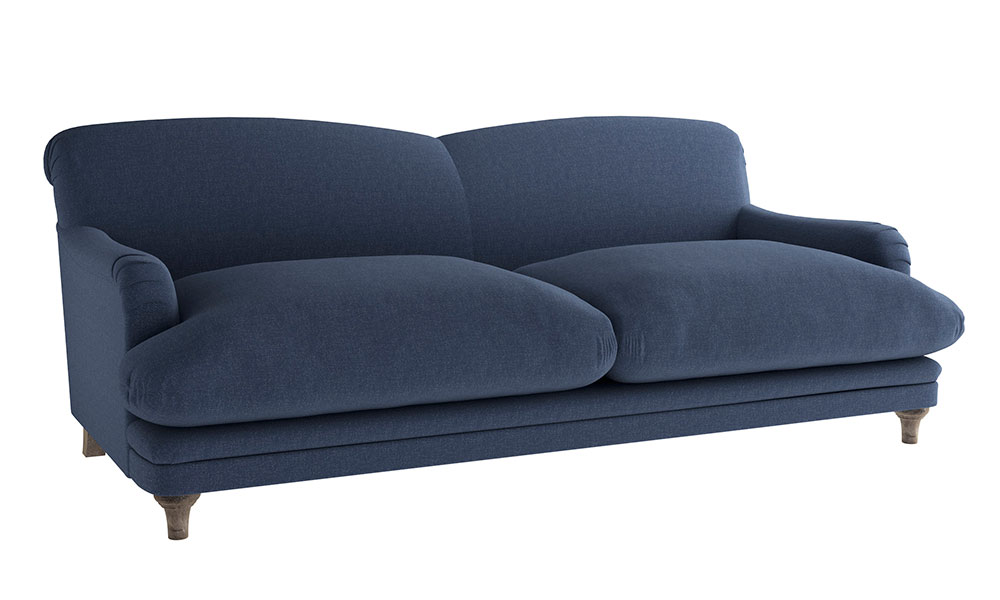
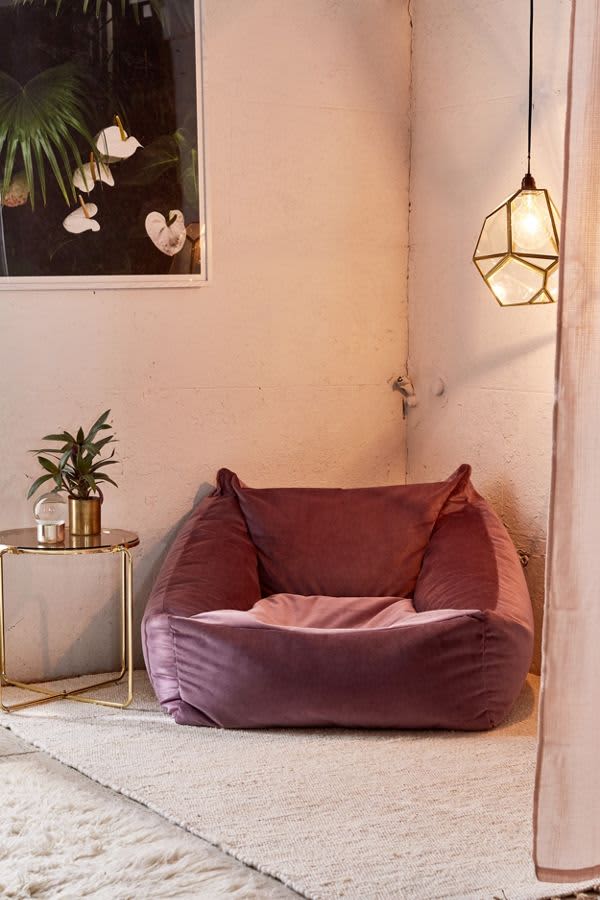
Chunky furniture is another defining feature making a return. The era rejected delicate pieces in favor of substantial, comfortable furnishings that made a statement. Christopher Boutlier notes a growing interest in these chunkier silhouettes, such as deep-seated sofas, oversized lounge chairs, and exaggerated forms. Modern interpretations of these pieces focus on improved proportions and more thoughtful material selections, ensuring they integrate seamlessly into contemporary interiors without feeling anachronistic.
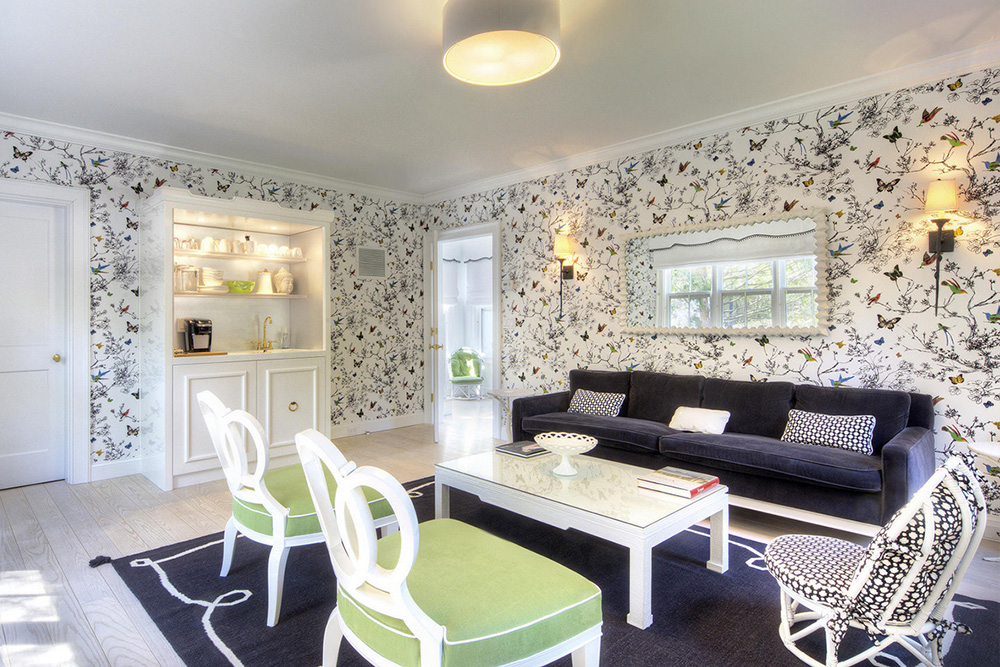
Wallpaper borders, an iconic '90s element, are also seeing a fresh reinterpretation. Melanie Bryant highlights a creative comeback for these borders, moving away from traditional florals to incorporate bold geometric patterns and unexpected colors. These modern borders are used strategically to frame doorways or accent walls, adding visual interest and a touch of nostalgia without the dated feel of their predecessors.
Tactile textures, particularly bouclé, chenille, and chunky linen, are integral to the '90s revival. These materials contribute warmth and softness to contemporary spaces, often appearing on curvy furniture pieces. Lauren Conner emphasizes the return of these textures, while Boutlier suggests sculptural chairs upholstered in warm wool or bouclé to create a statement piece that feels substantial and meaningful rather than merely nostalgic.
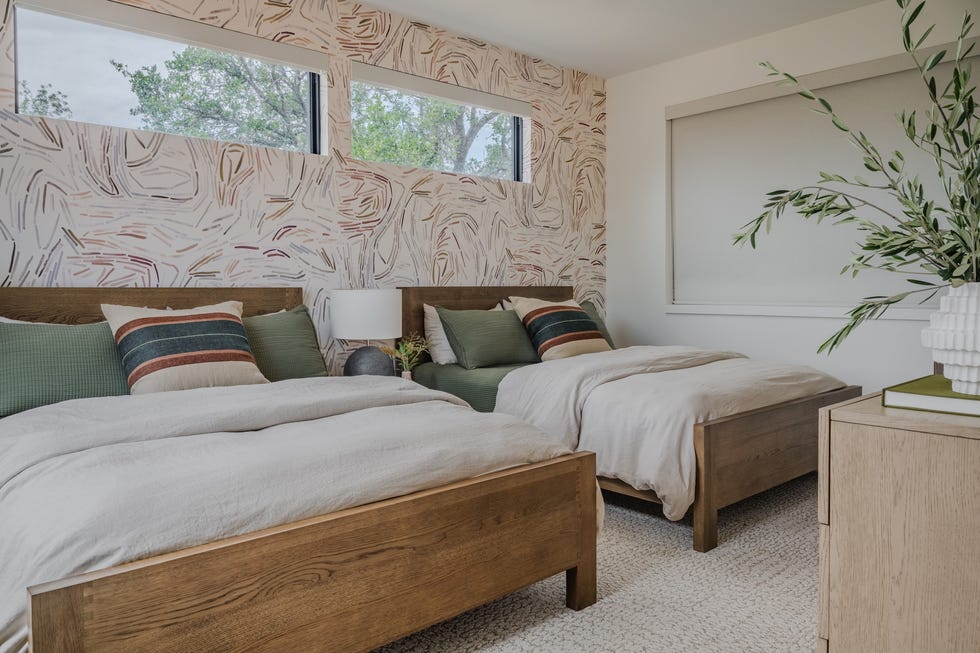
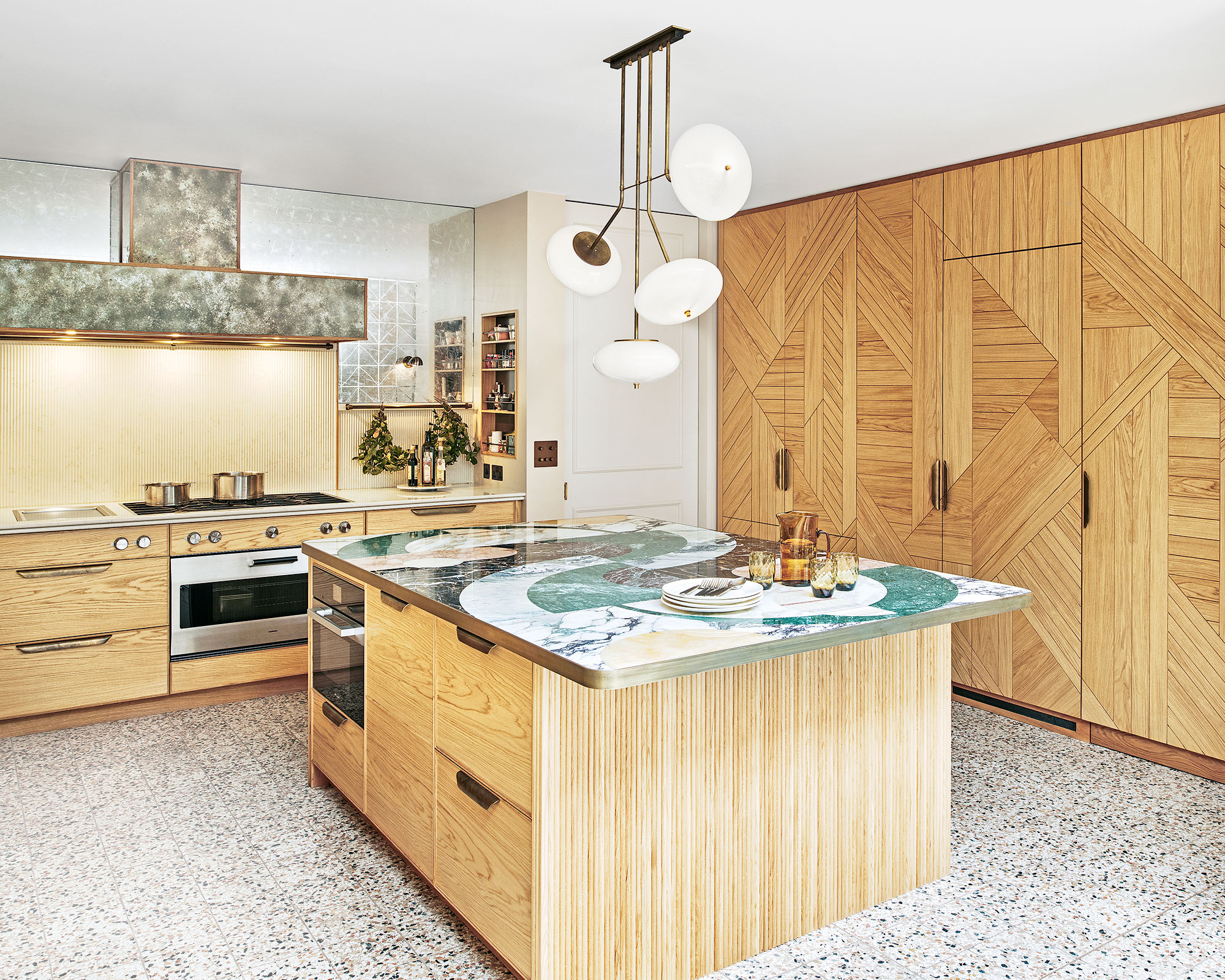
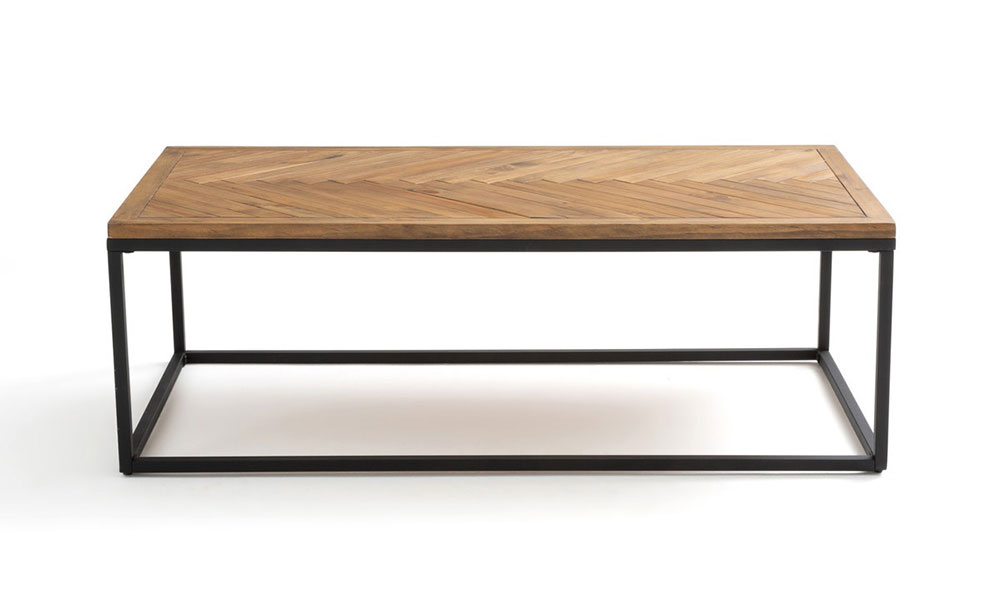
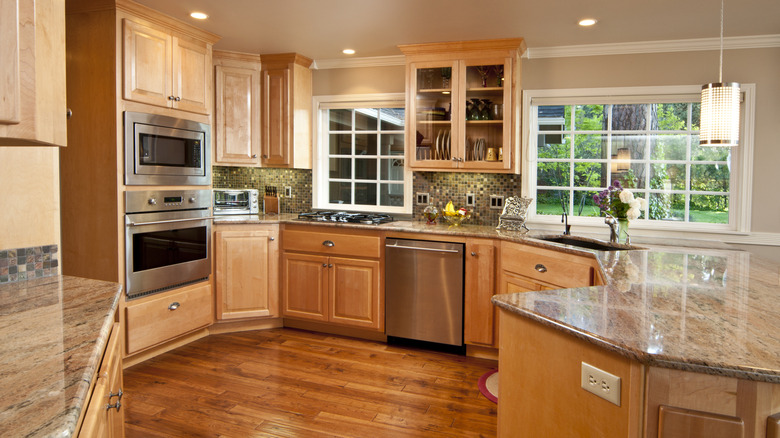
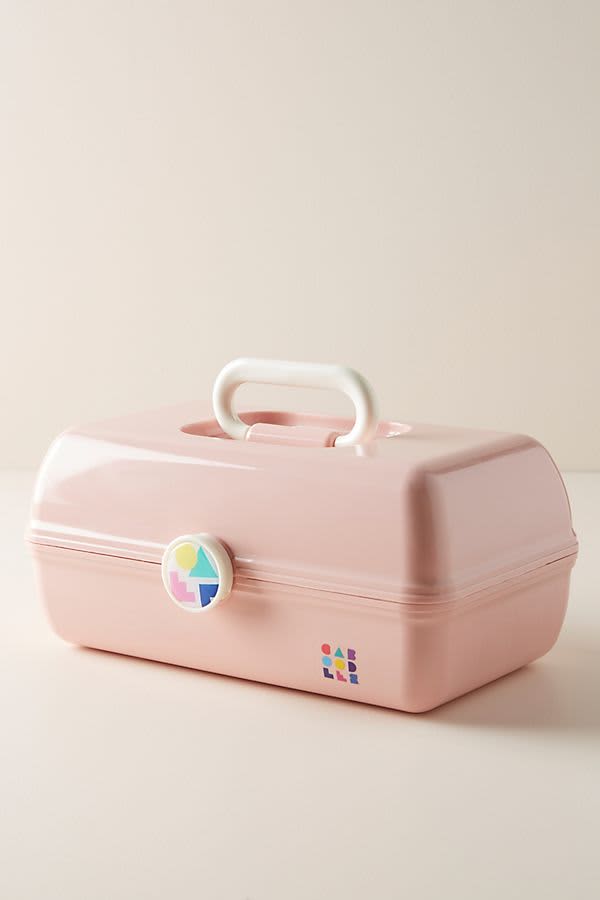
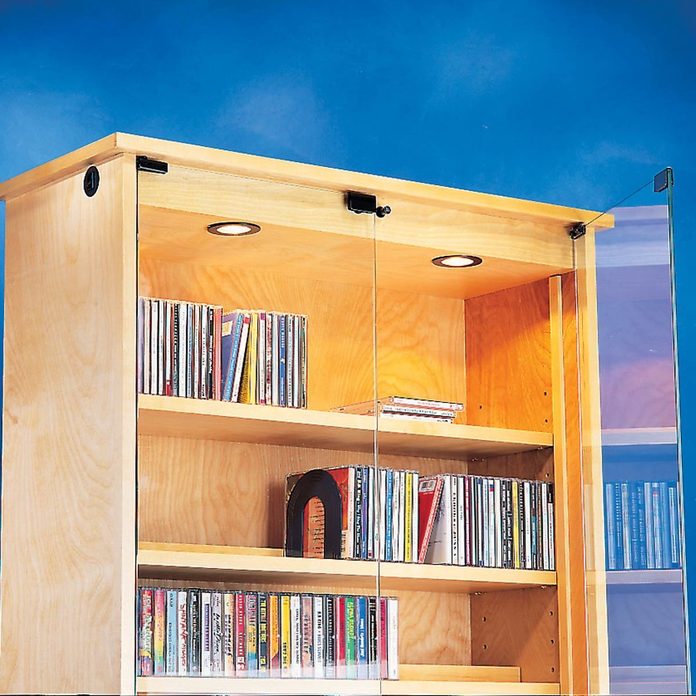
Finally, material experimentation, including the unexpected return of Formica and light wood tones, is observed. Niki Cheng of 18th Street Design Collective points to a renewed interest in Formica, not in its old-school applications, but in smaller, intentional uses such as lampshades, serving trays, and home accessories. This approach allows for the integration of retro elements without dominating a room. Additionally, Conner notes the comeback of light wood tones, frequently seen in Scandinavian-style furniture, stripped oak flooring, and minimalist bathroom vanities, further cementing the eclectic and comfortable ethos of the '90s in modern interior design.
#InteriorDesignTrends #90sRevival #JewelTones #ChunkyFurniture #WallpaperBorders #Bouclé #TactileTextures #Formica #EclecticDecor #InteriorDesignTrends #90sRevival #JewelTones #ChunkyFurniture #WallpaperBorders #Bouclé #TactileTextures #Formica #EclecticDecor
0 commentaire au total
 Aucun commentaire pour le moment
Vous aimerez aussi
’90s Fashion is Back—But What About ’90s Interiors? Here’s What Designers Say

10 '90s Kitchen Design Trends We Think Need A Comeback

Is preppy interior design making a comeback in 2025?

Wait, Are '90s Kitchens Back in Style? Why Designers Are Embracing Them Again

Surprise: 1990s Design Trends Are Coming Back
Are design studios the next trend in home remodeling?

The Daring '80s Trend That's Taking Over Home Design Again In 2025

This Bedroom Trend From Your '90s Childhood Dreams Is BACK and More Stylish Than Ever
Interior Designers Say the 1990s Are Back—Here’s How to Capture the Look

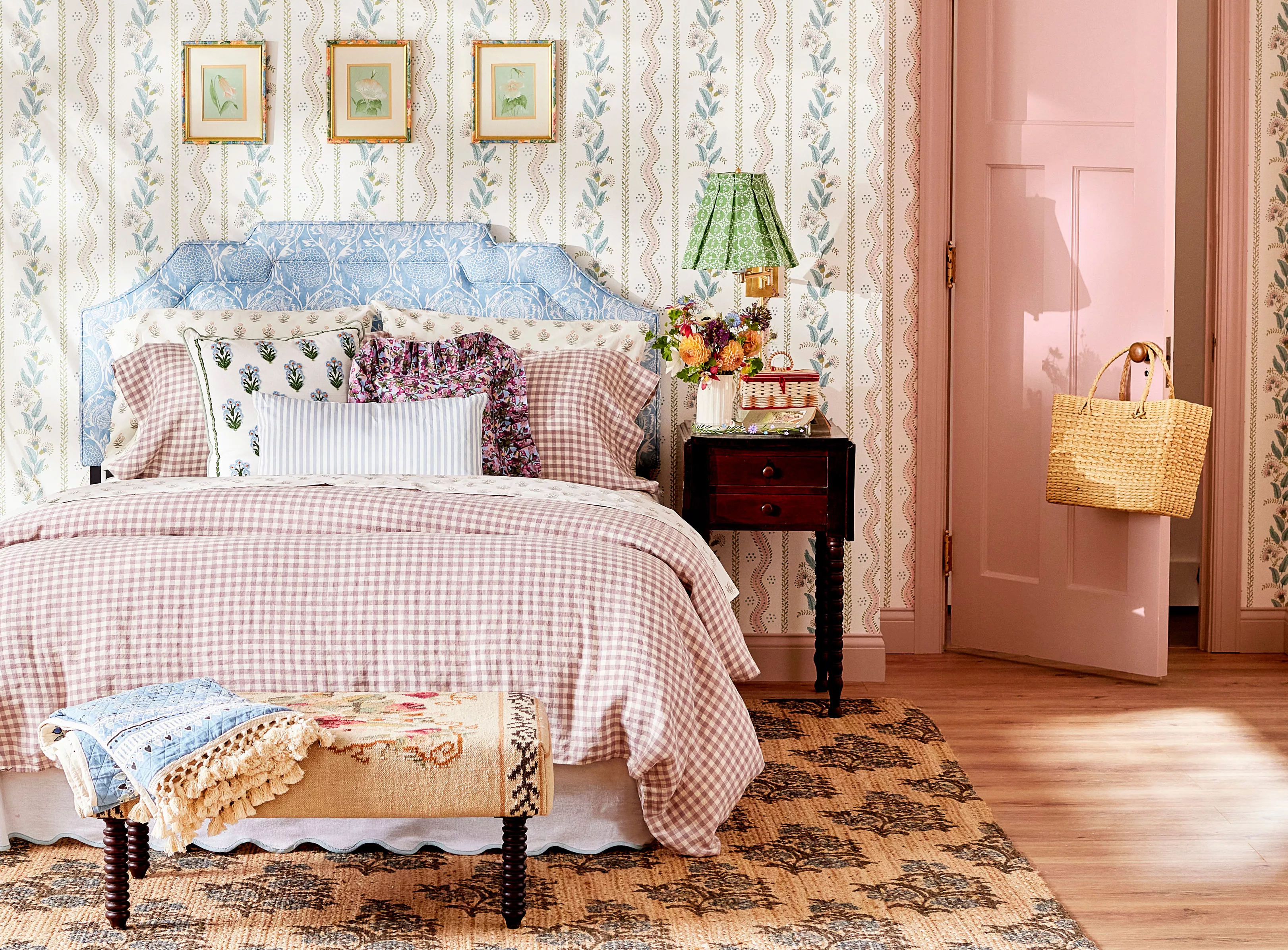
'90s Decorating Trends We're Still Obsessed With

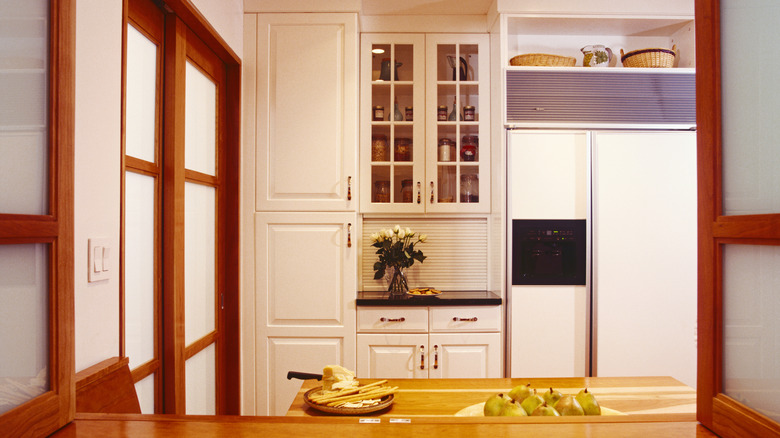
9 Kitchen Trends From The '90s That Are Making A Comeback

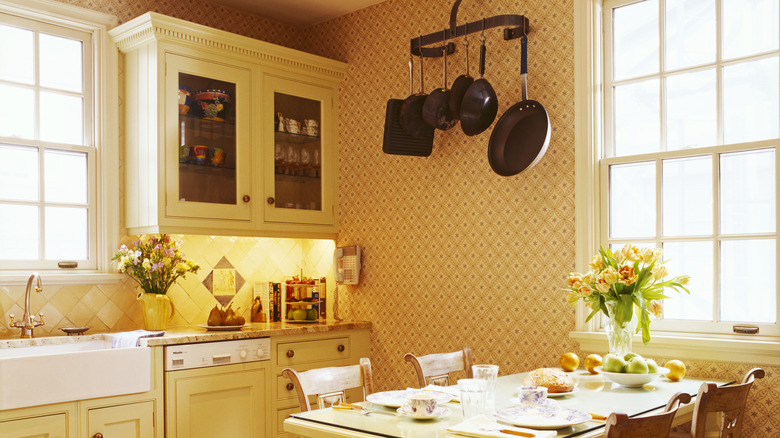
Charming '90s Kitchen Color Schemes That Deserve A Comeback

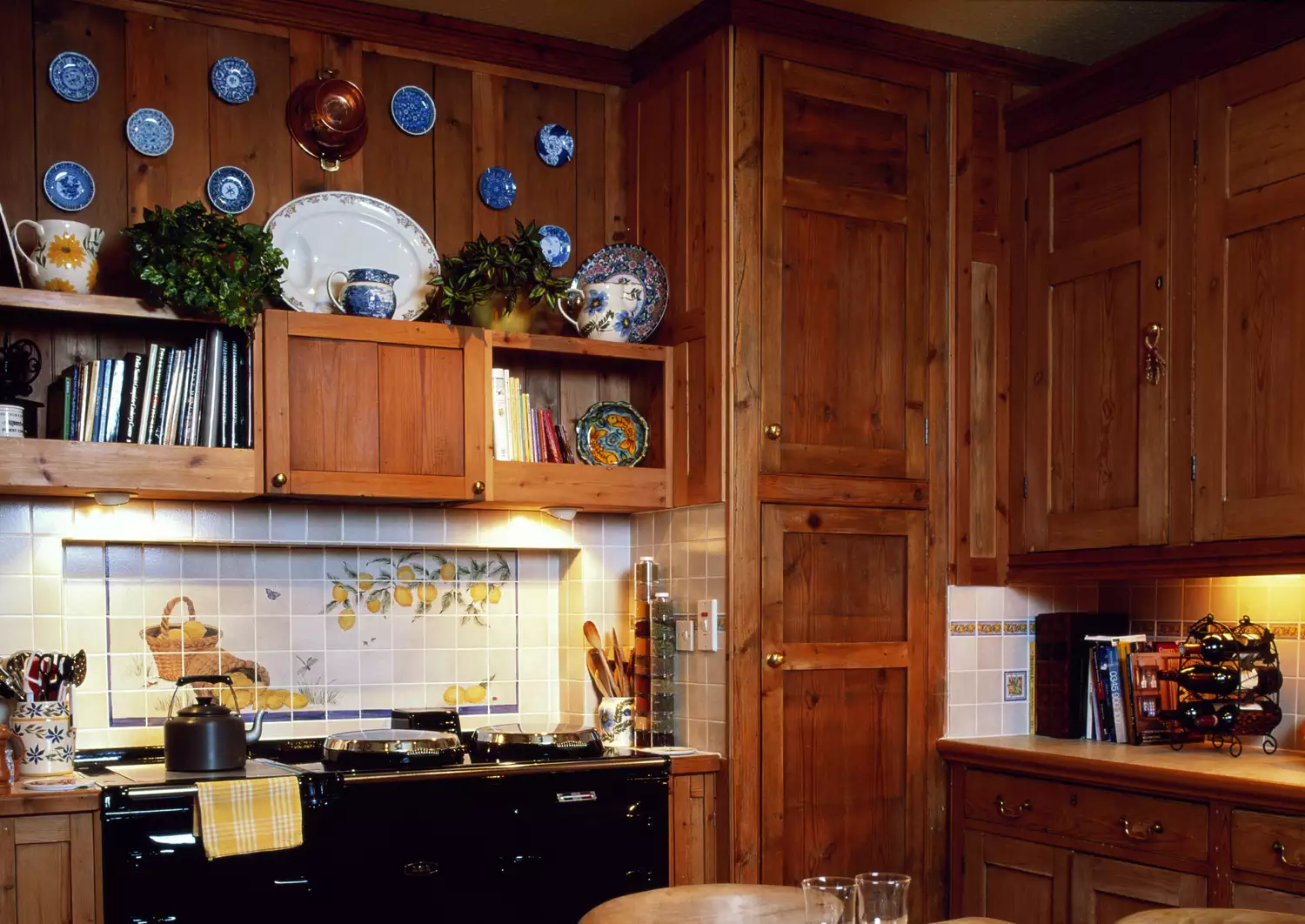
Like it or Not, 90s Décor Is Back and in Homes Everywhere, According to Interior Designers
Home decor in the 1990s – recreate a classic living room from then, updated for now
The Biggest Interior Design Trends for 2025

The Pros Have Spoken: These Interior Design Trends Will Define 2025
5 outdated '90s interior design trends that everyone will be decorating with again in 2024, and experts agree
30 Home Trends Kids of the ’90s Remember

8 Bedroom Decor Icons From the ’90s That Are Cool Again
20 Photos of 1990s Home Décor to Overwhelm You With Nostalgia