1/8
7 Modern Japanese Hotels That Will Help You Find Your Zen
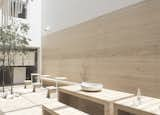
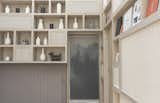
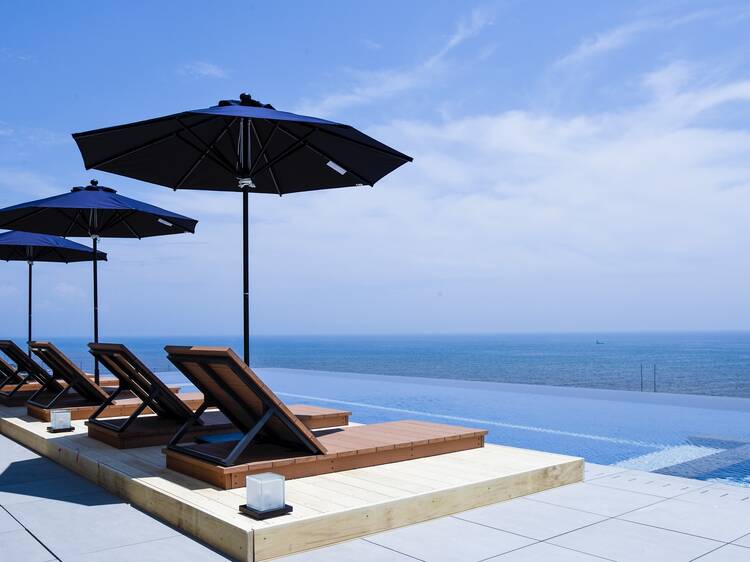
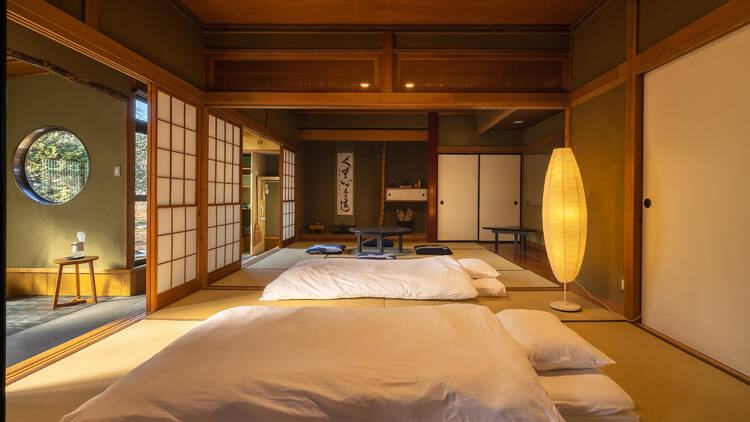
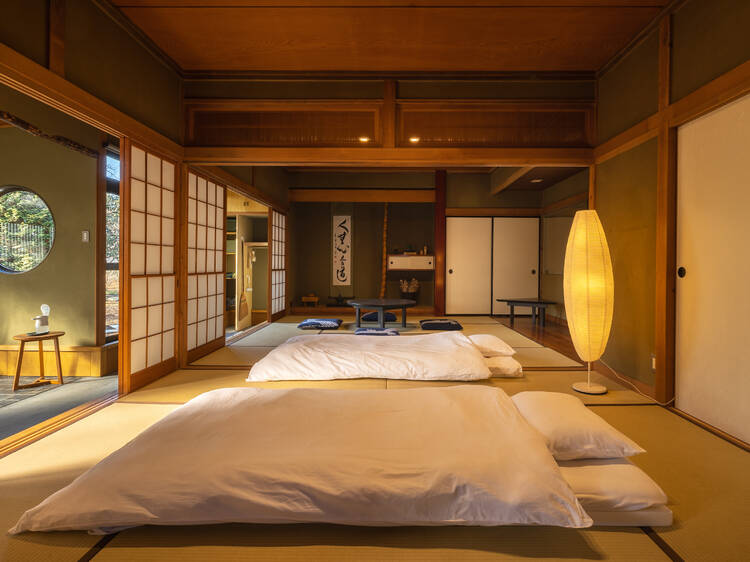
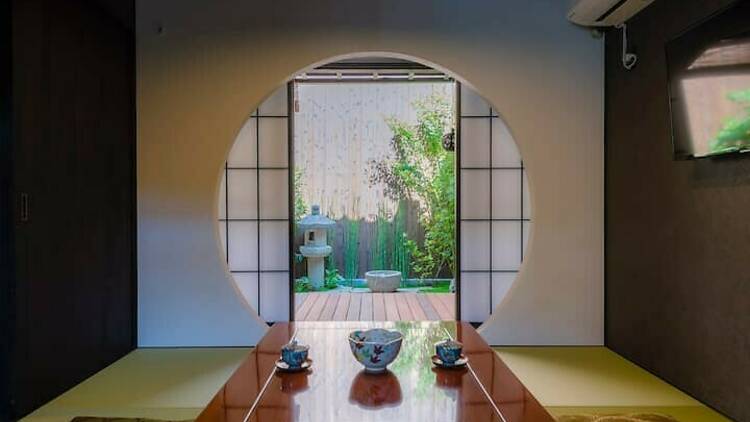
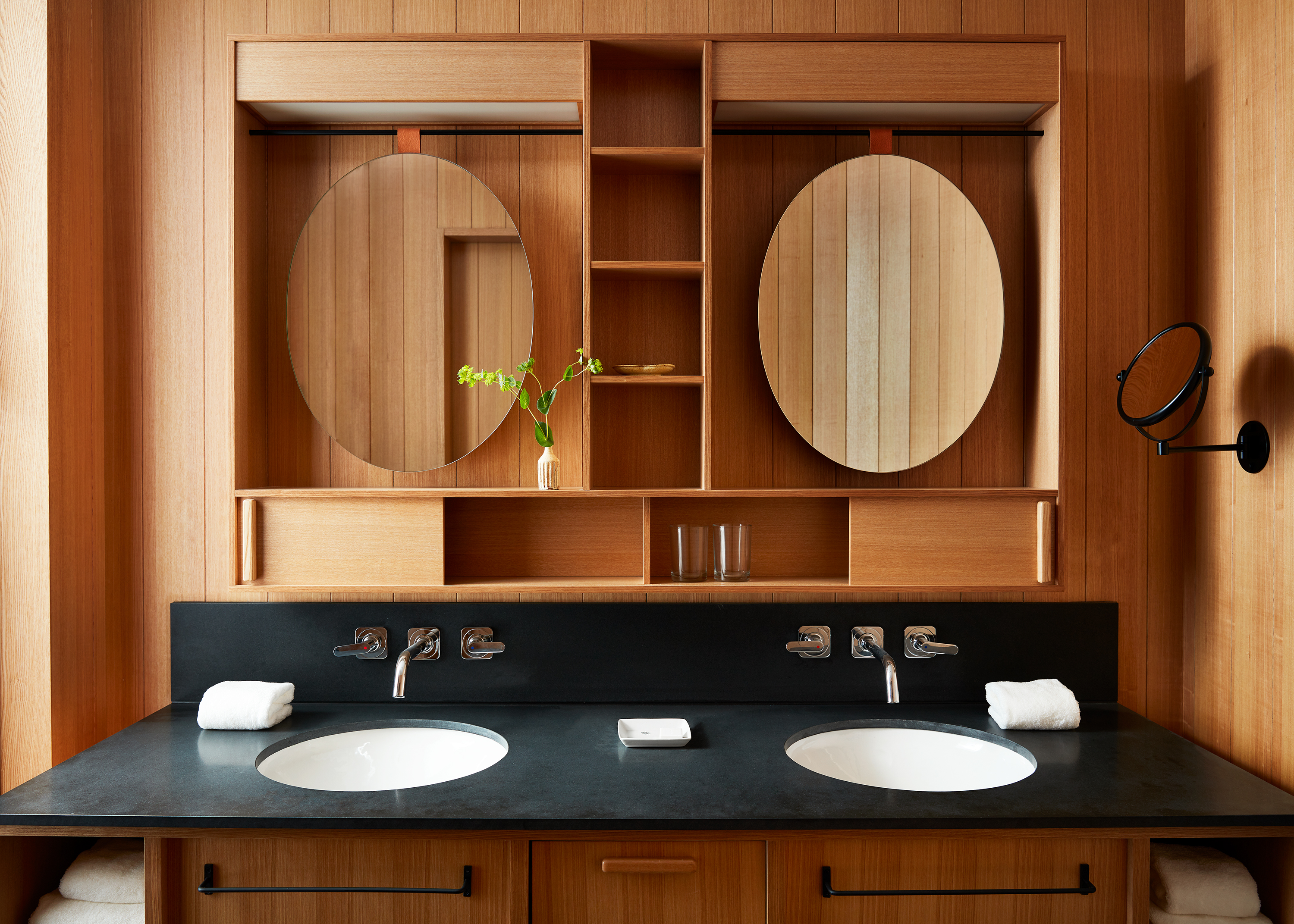
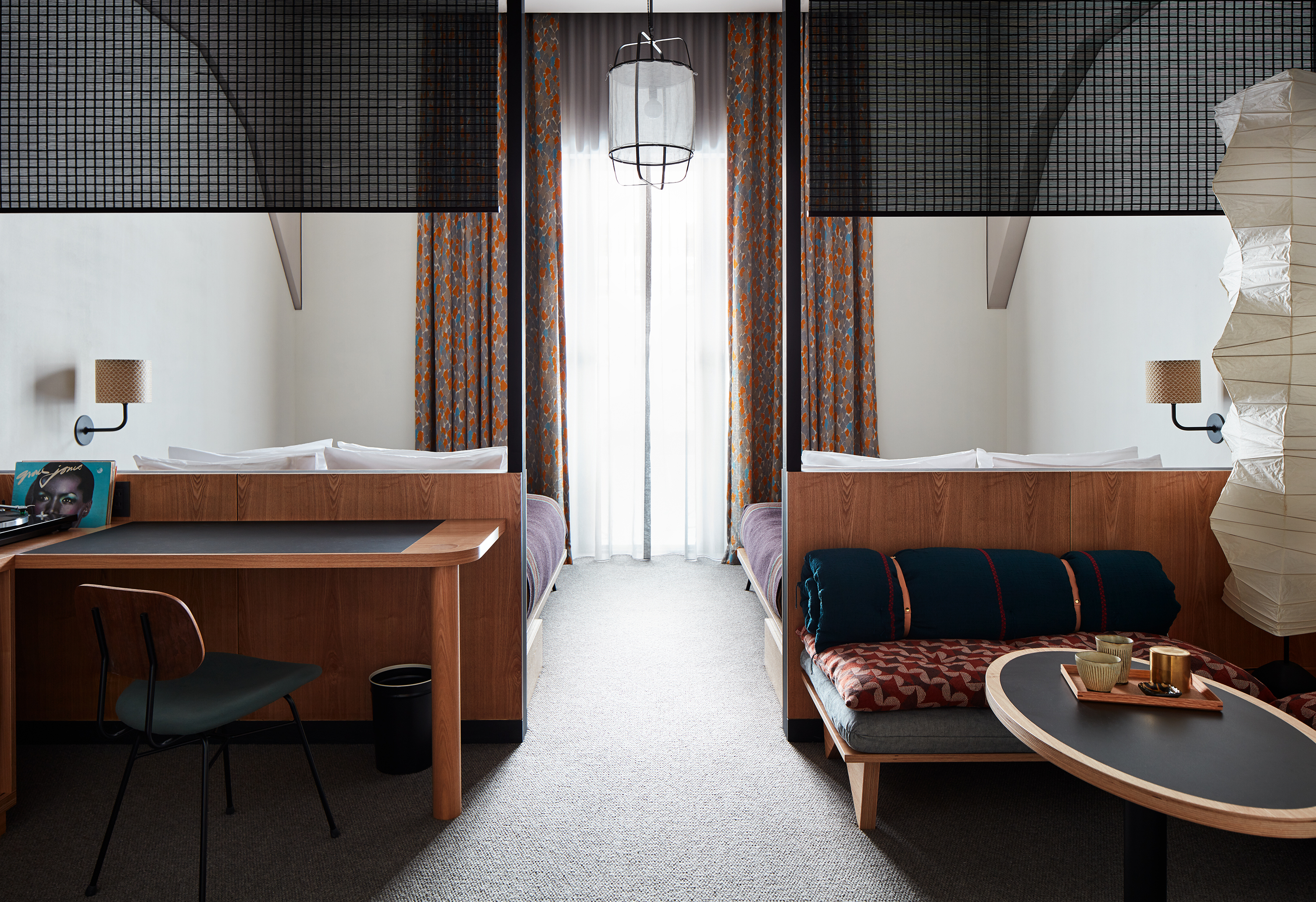
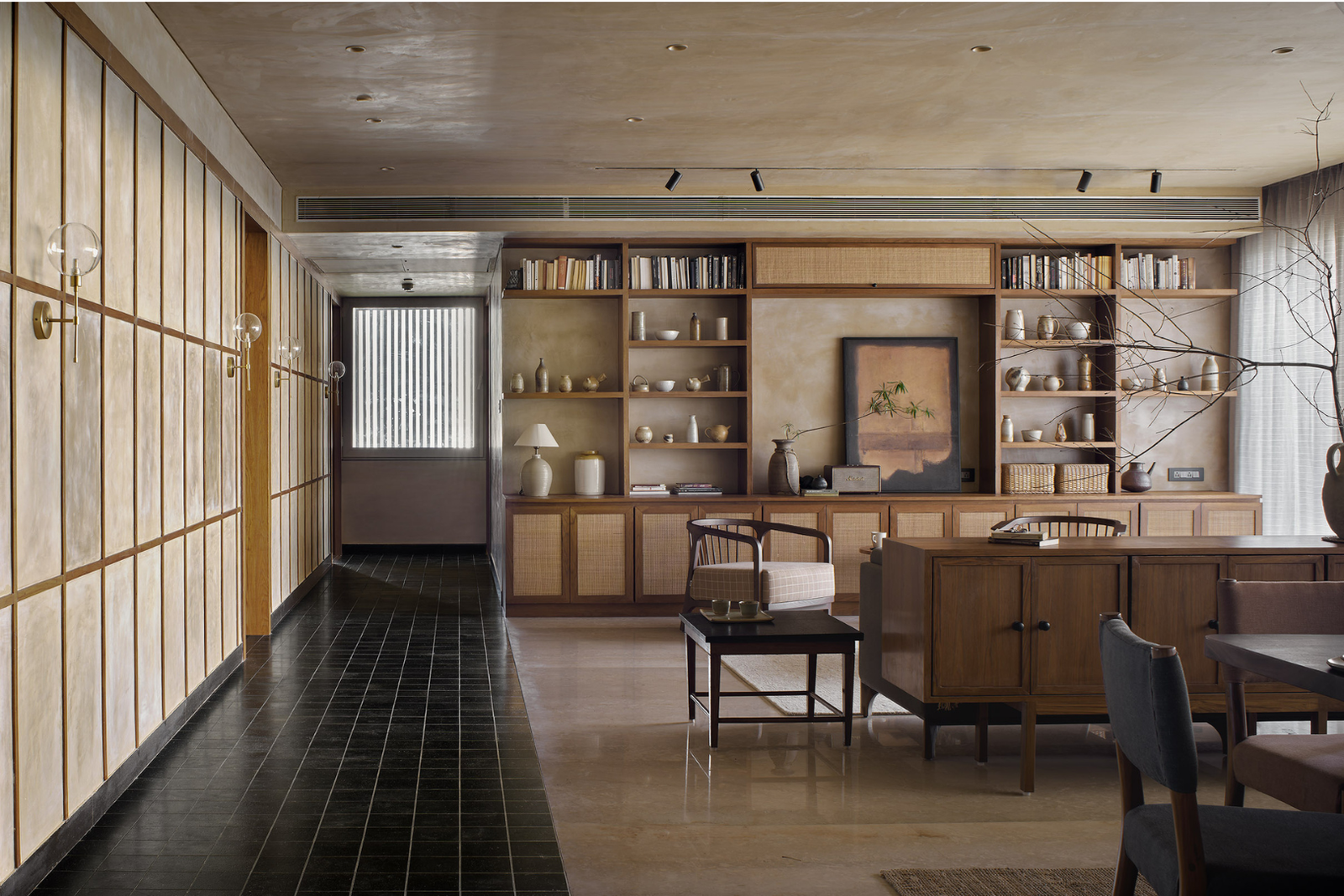
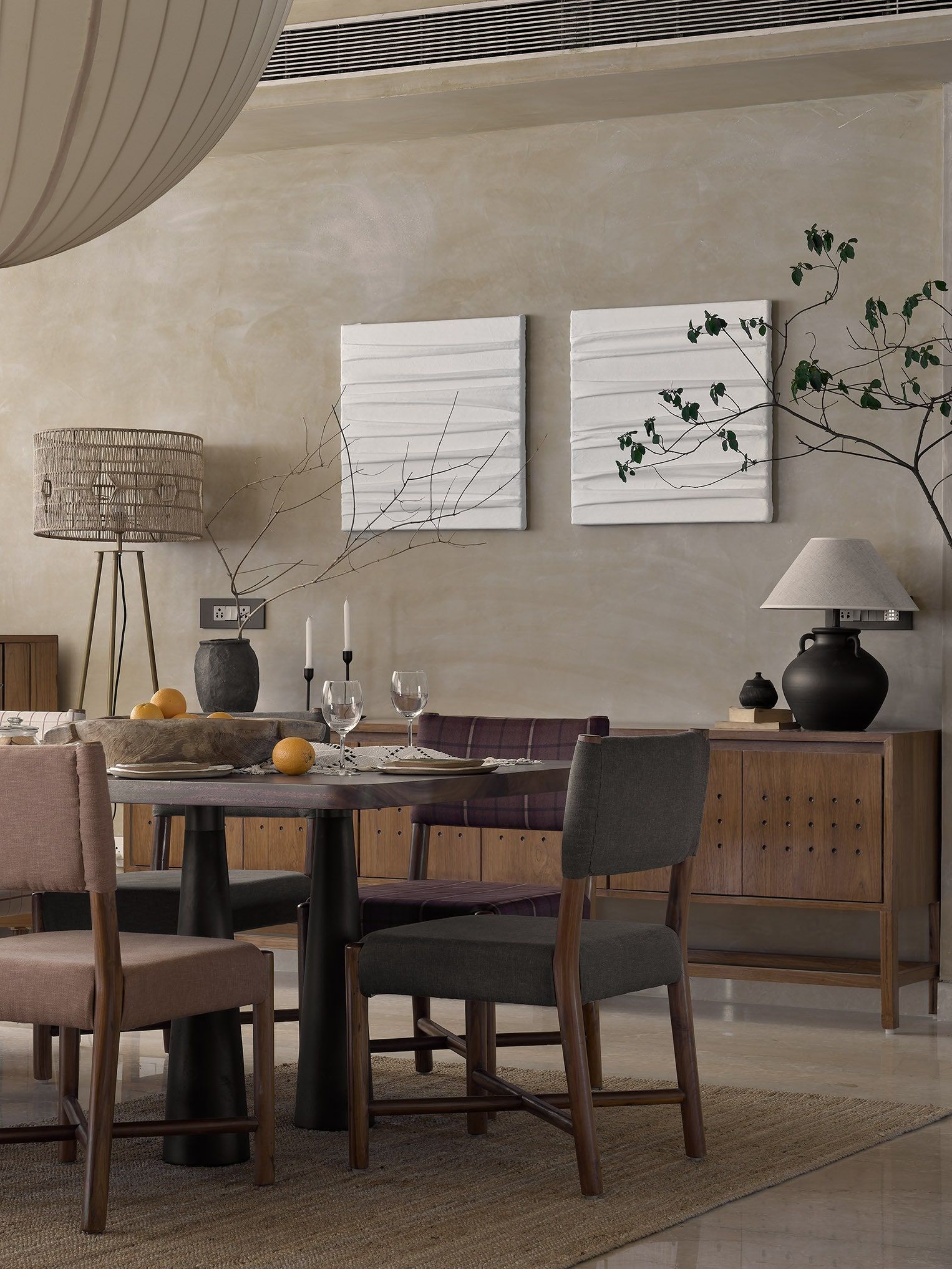
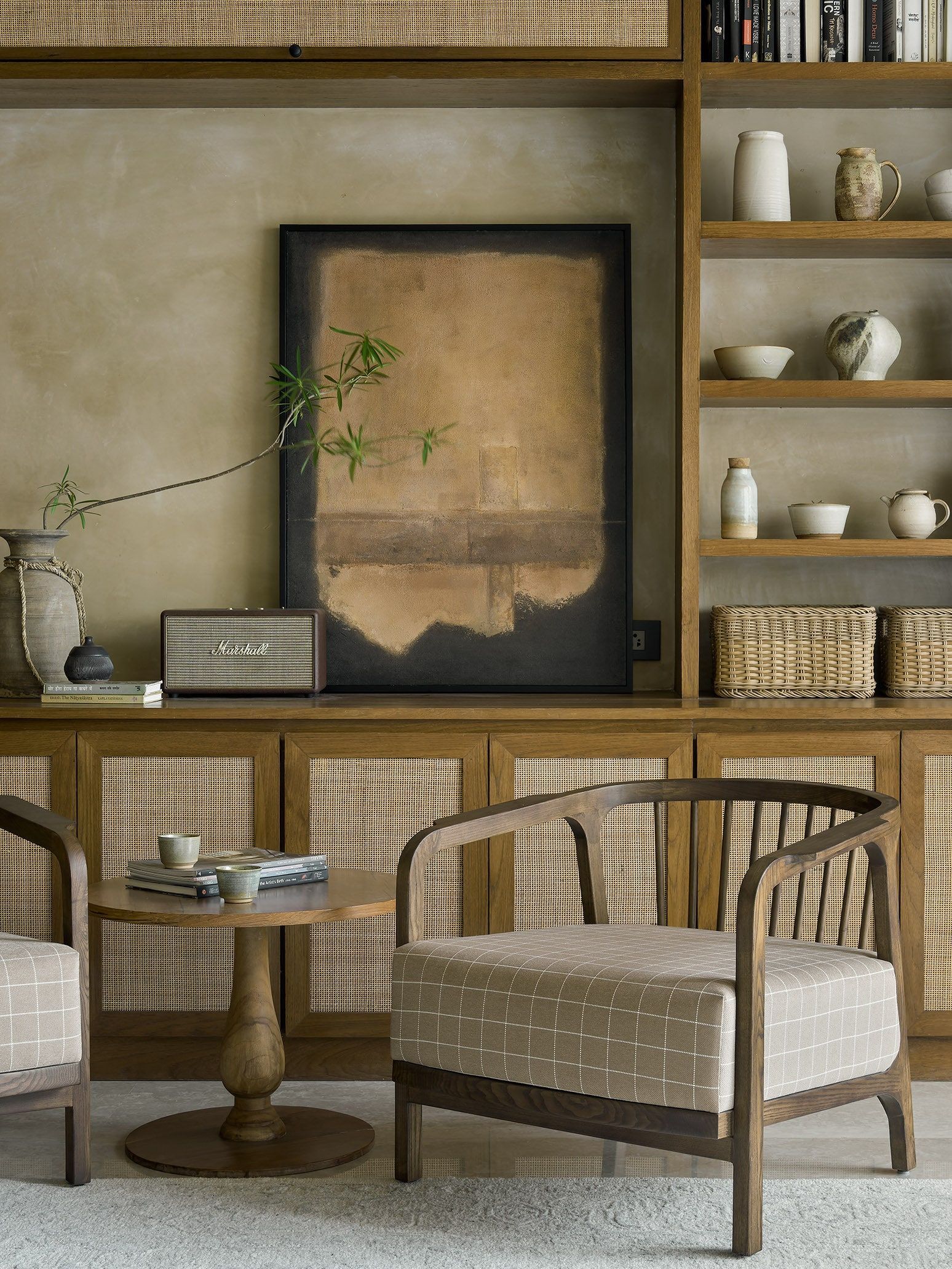
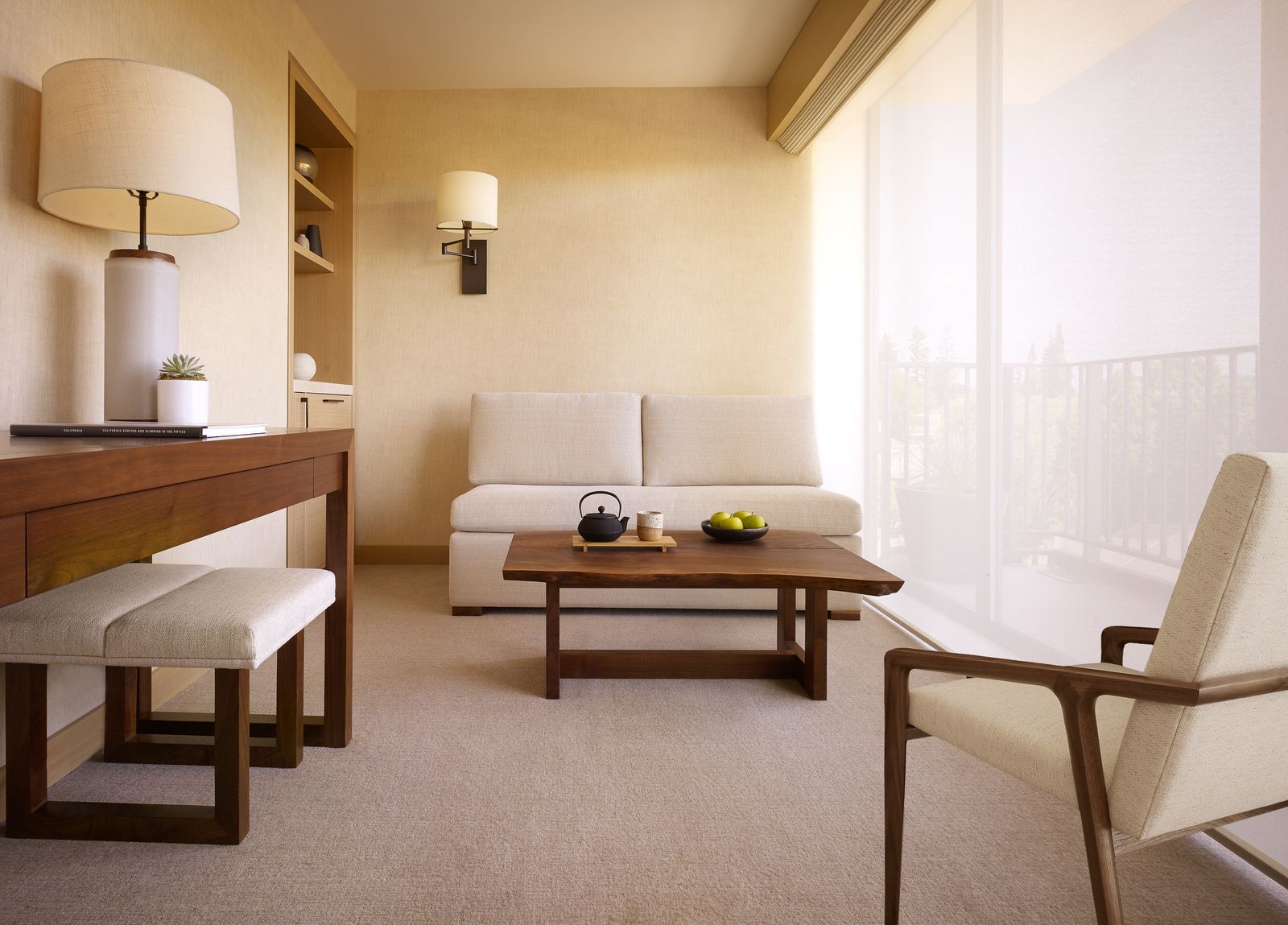
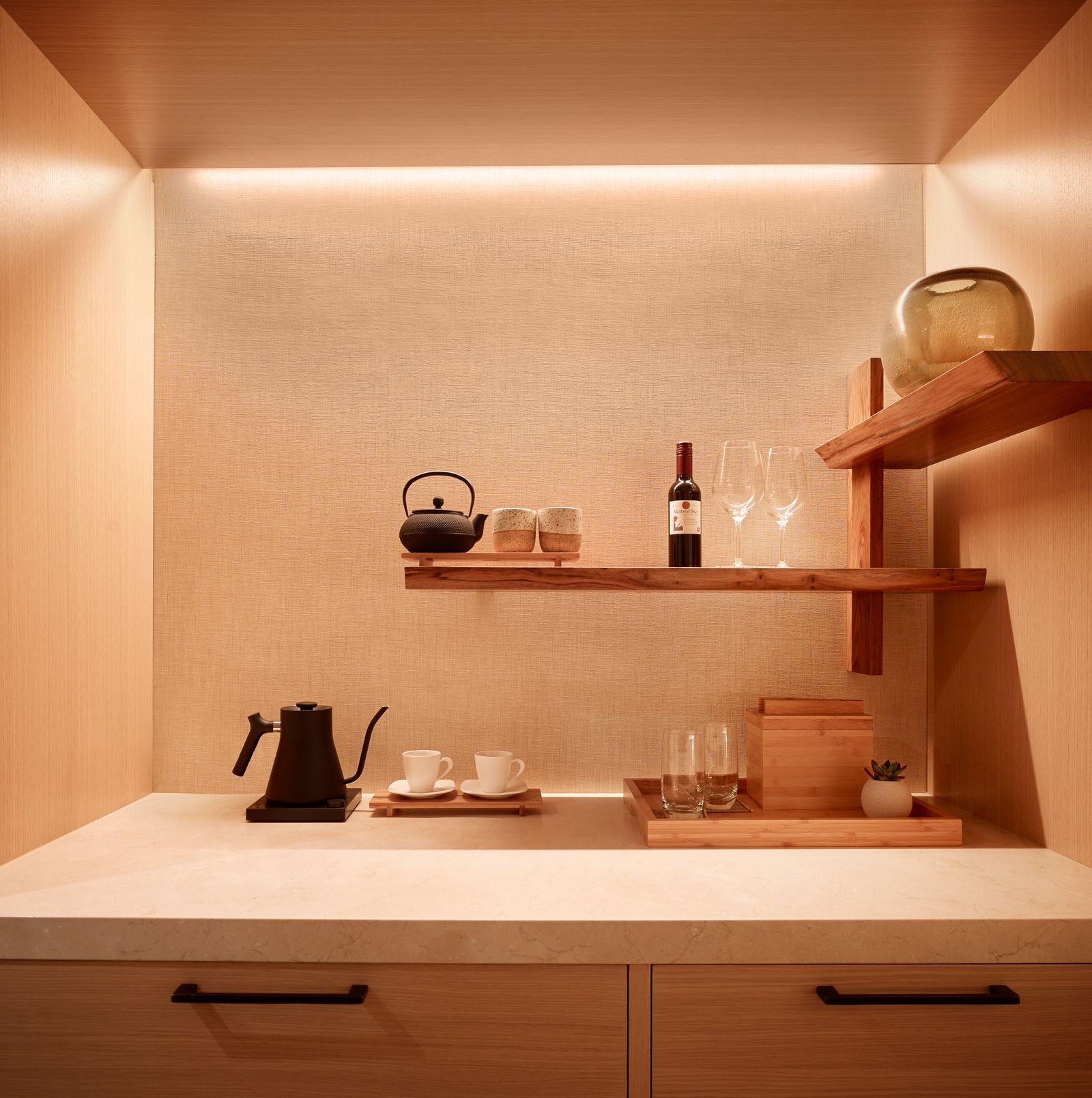
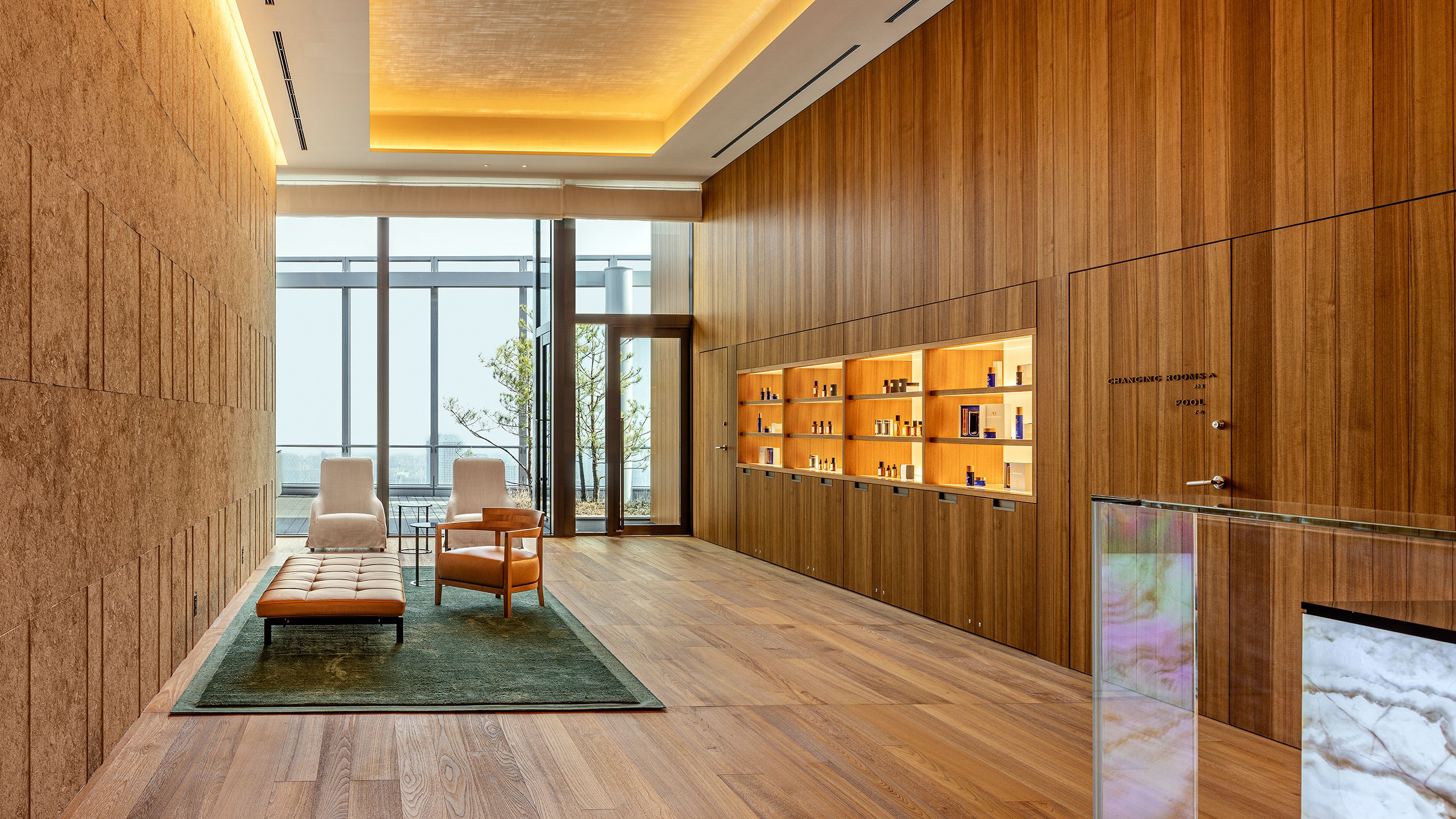
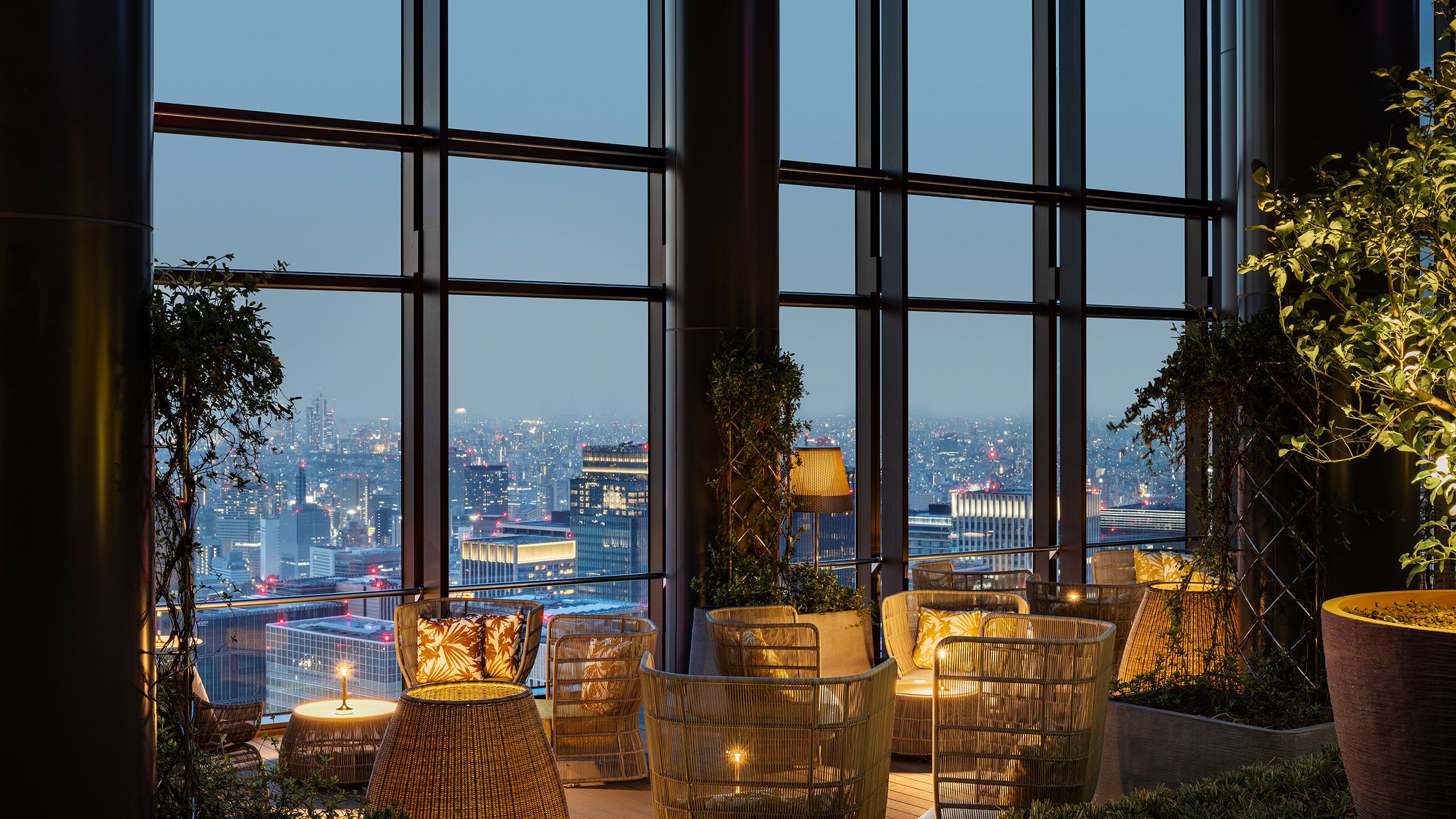
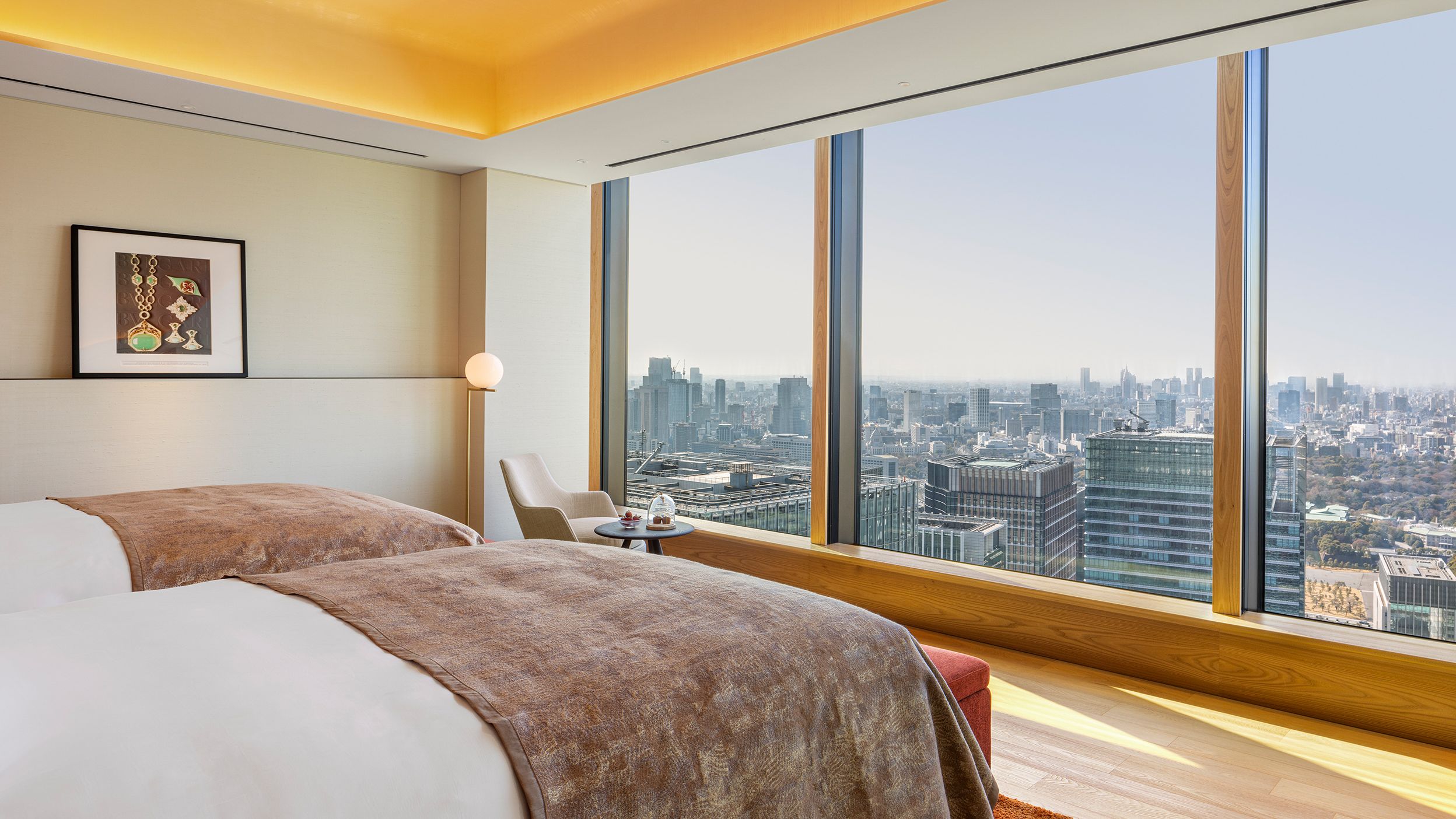
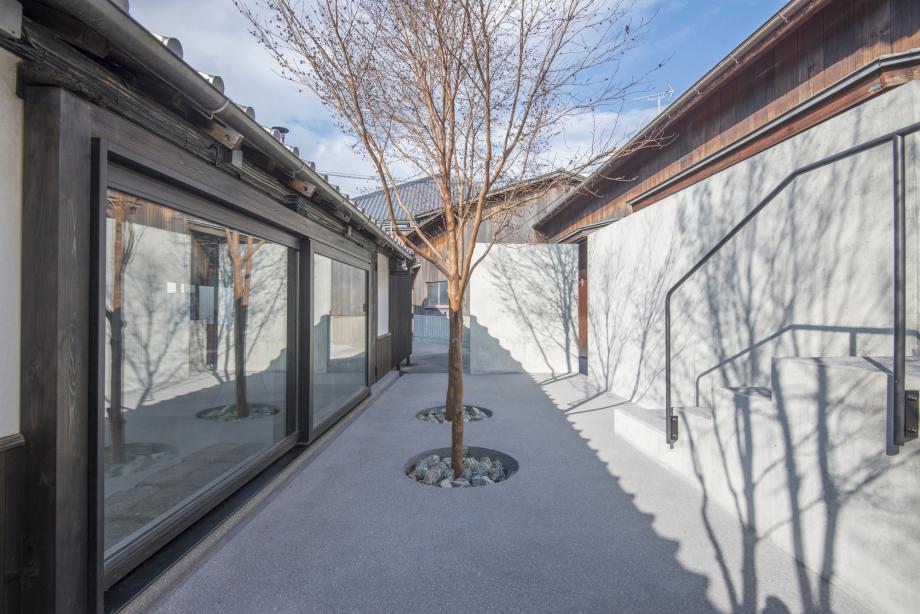
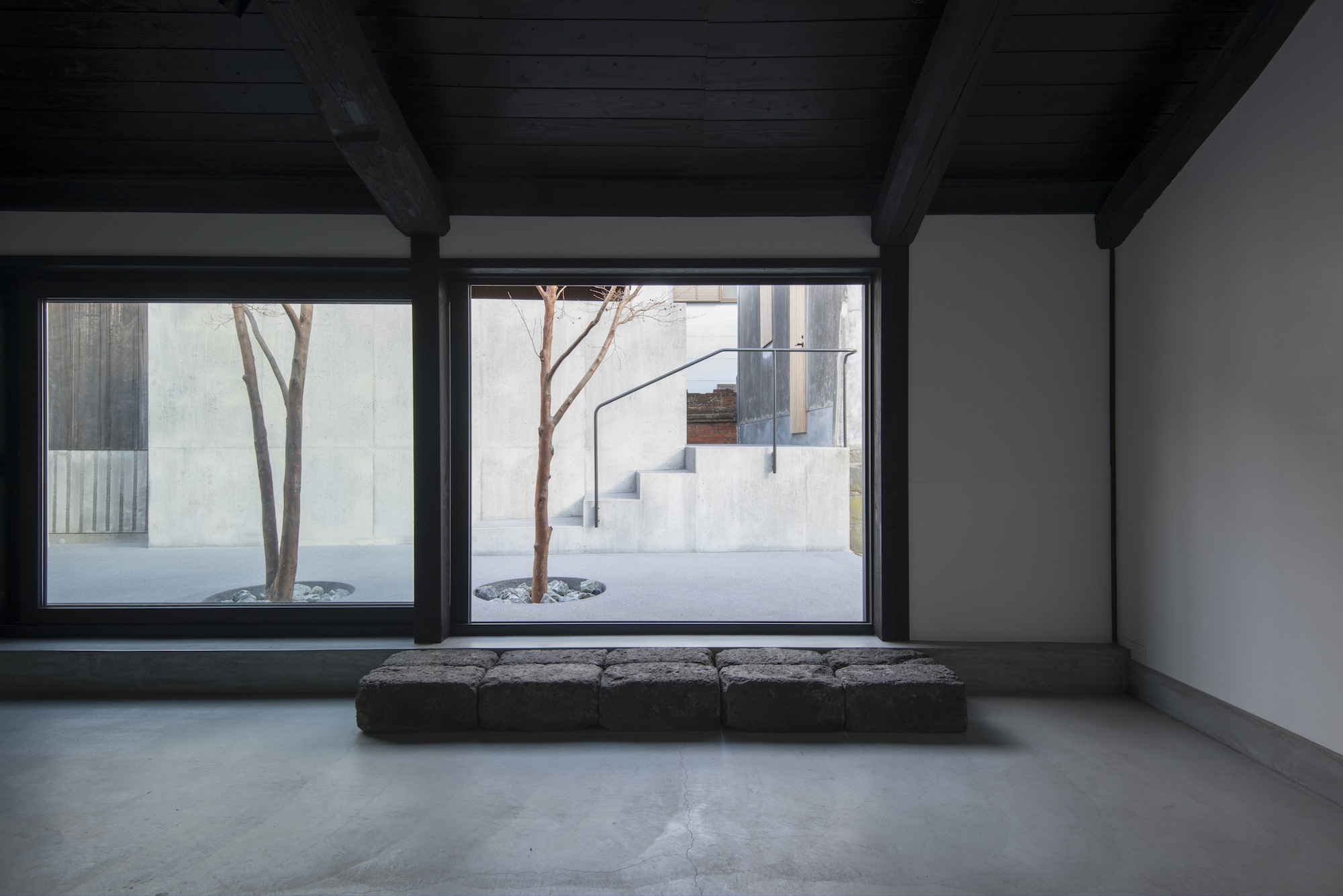
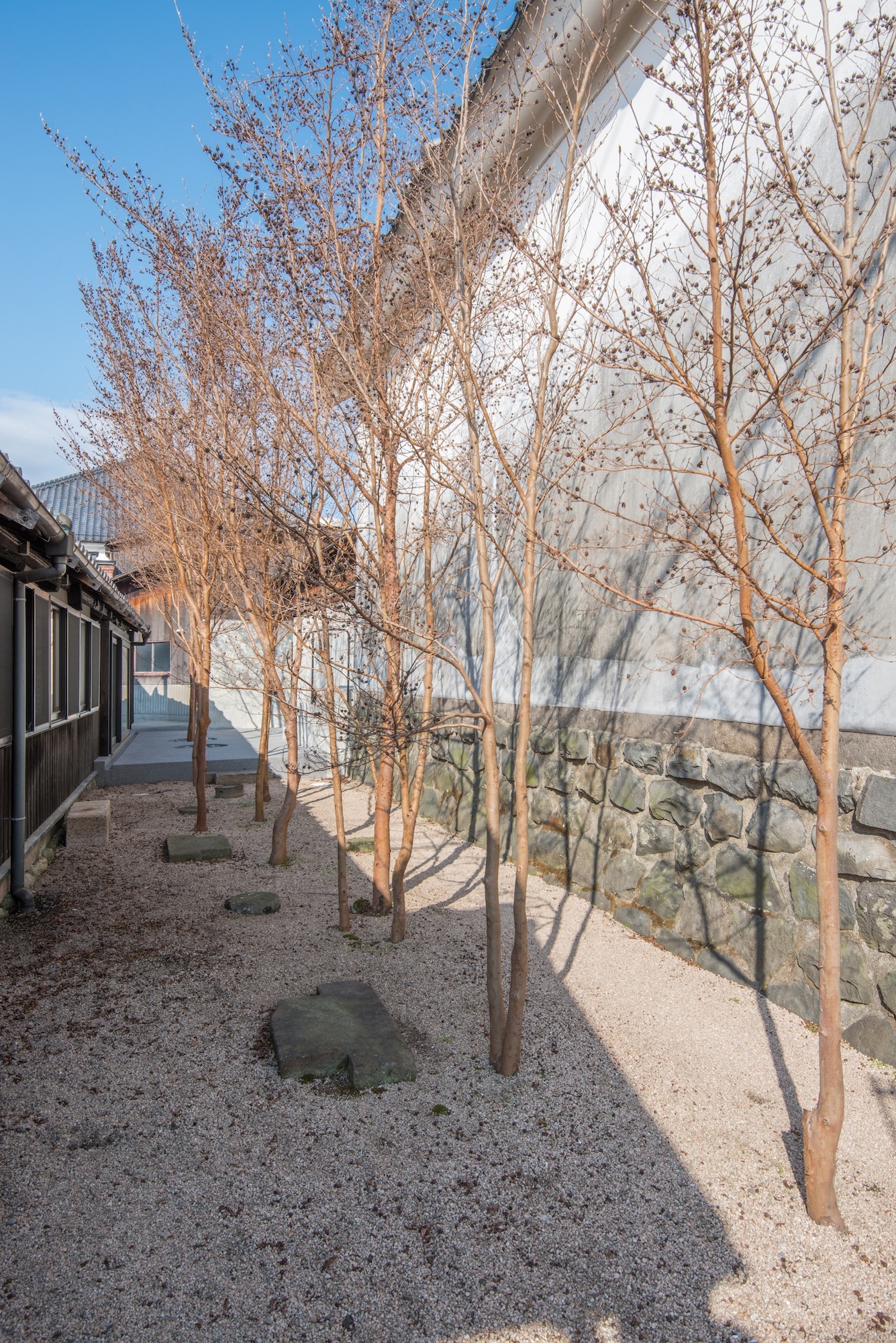
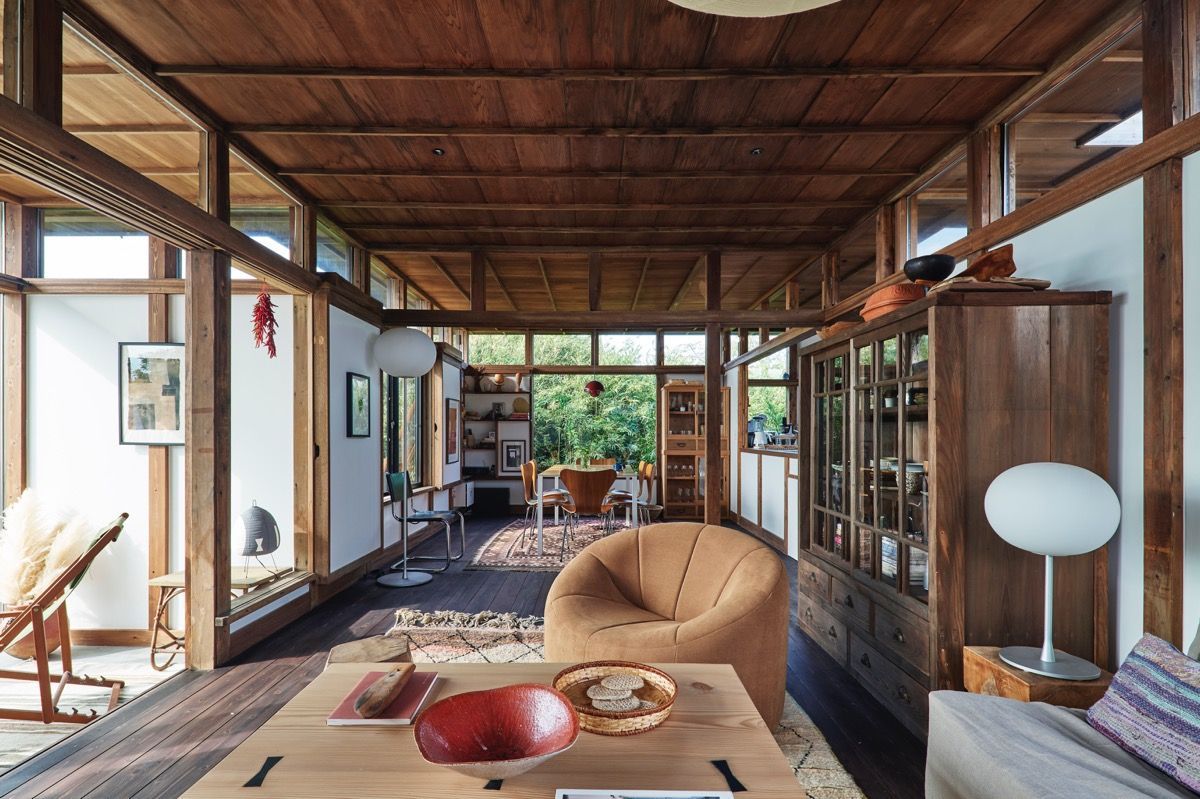
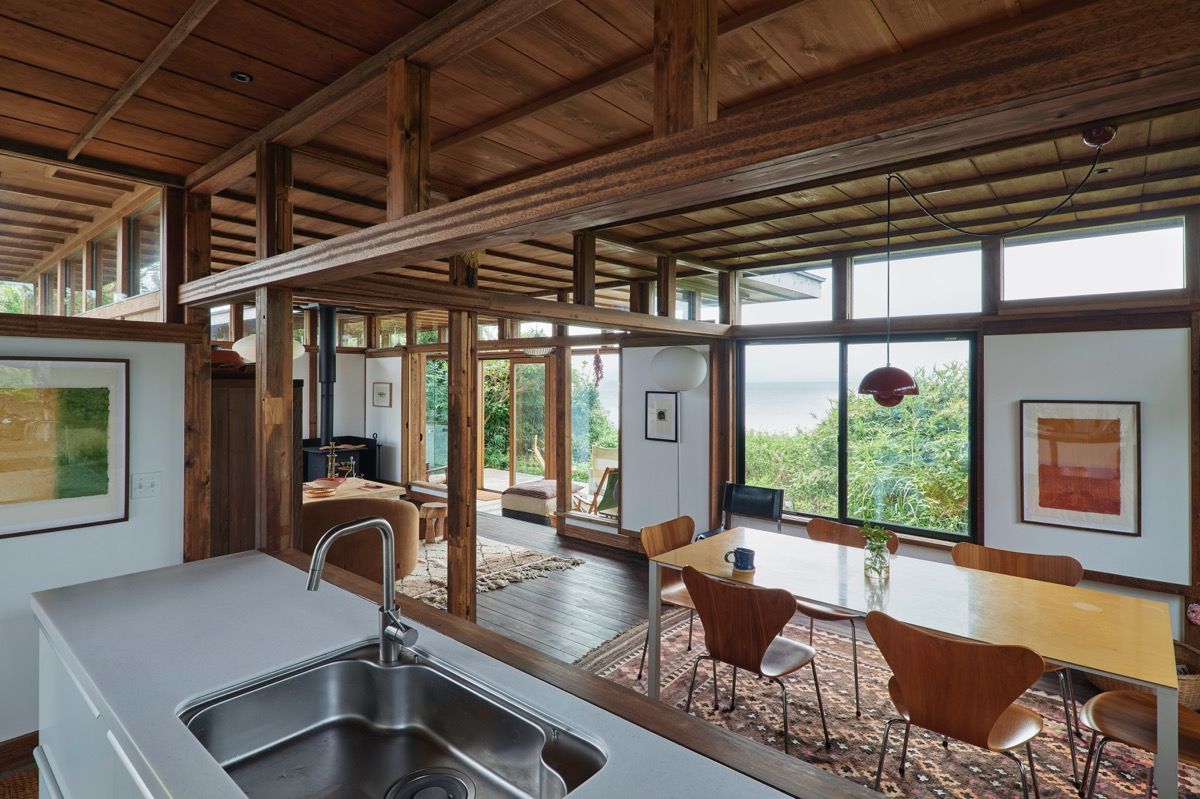
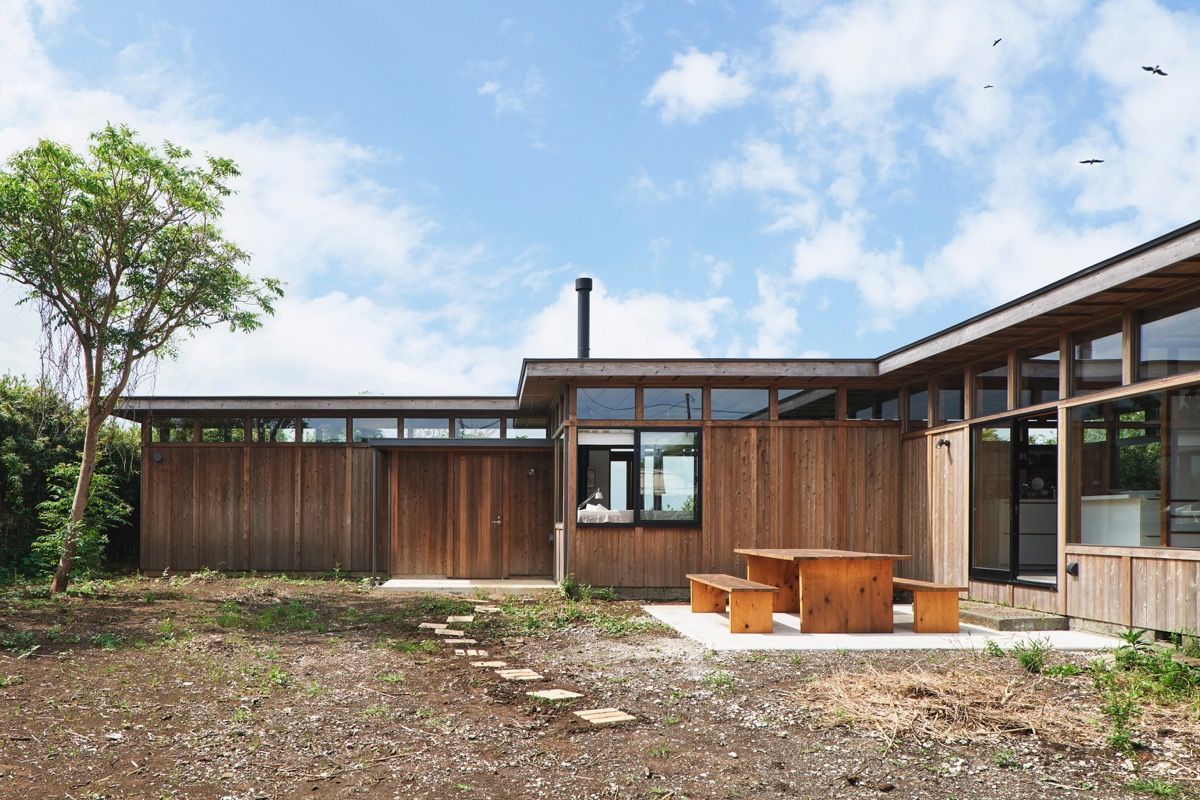
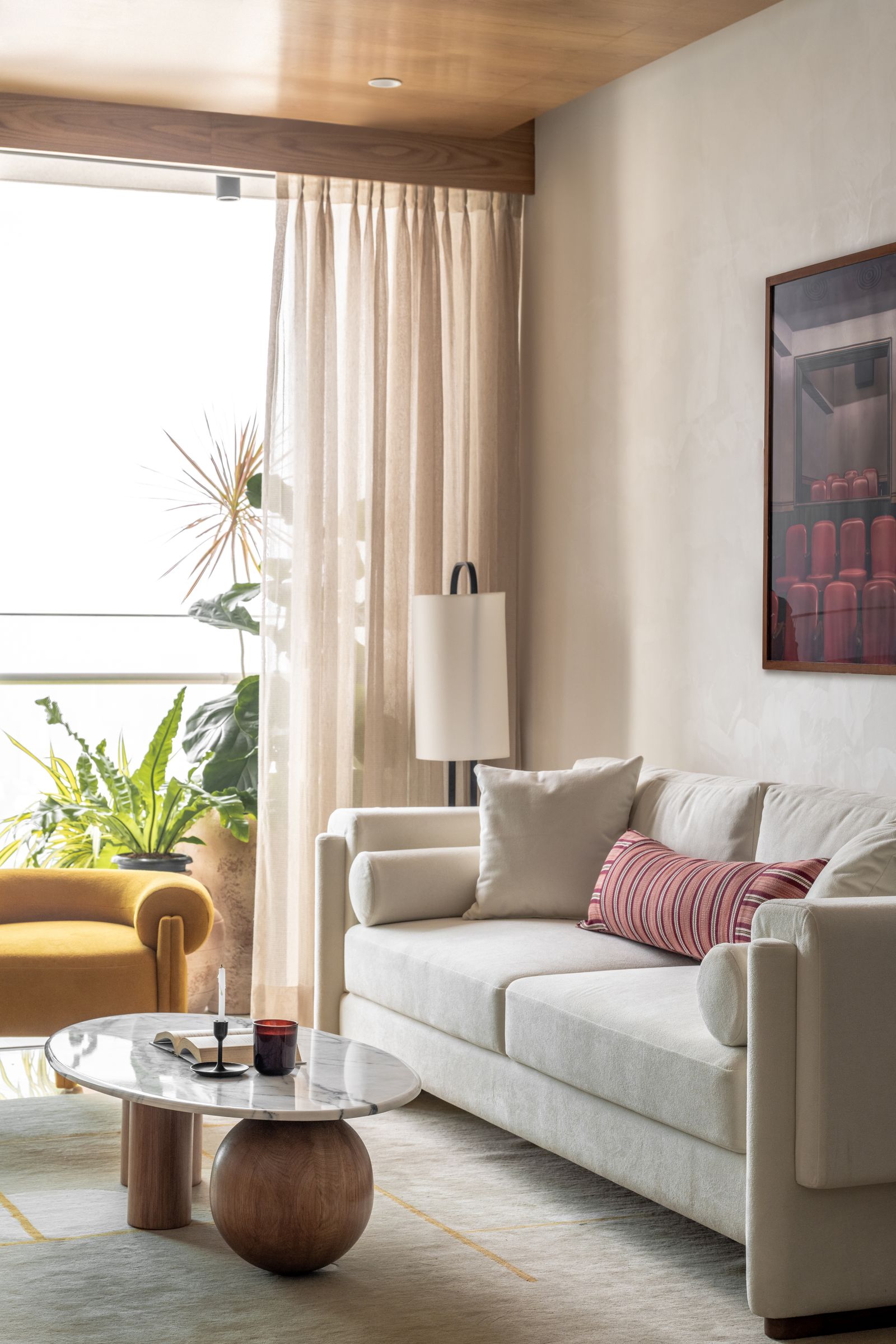
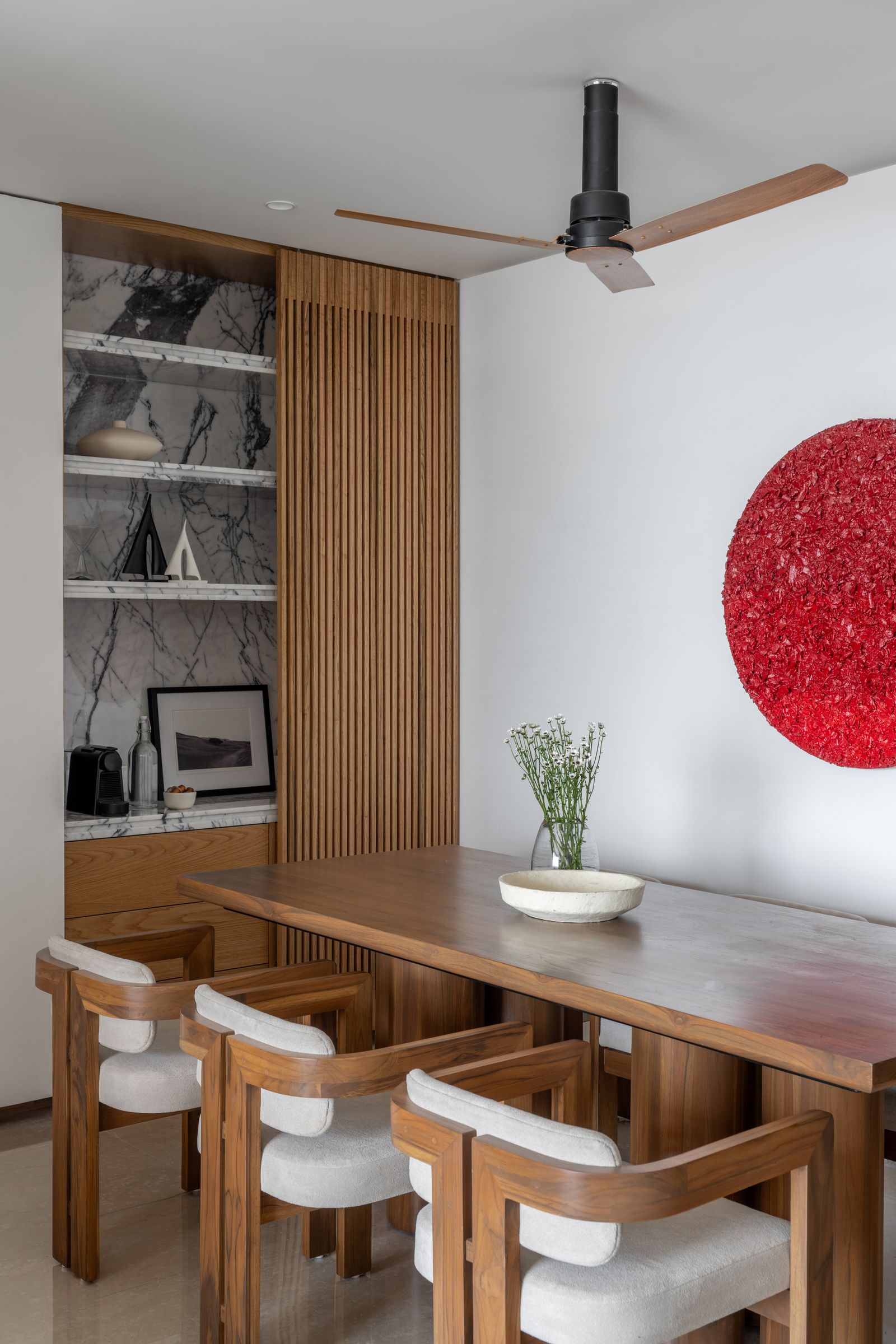
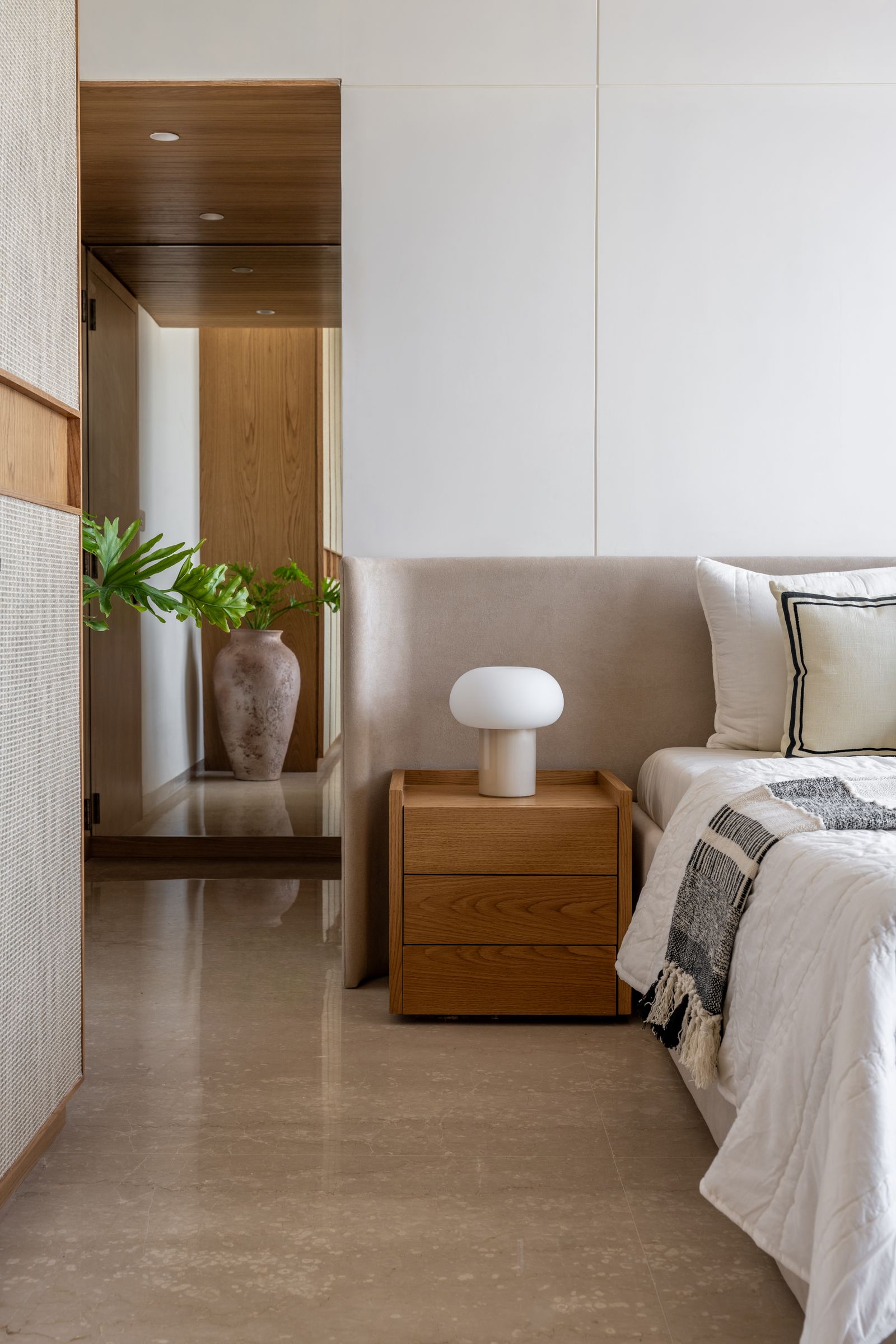
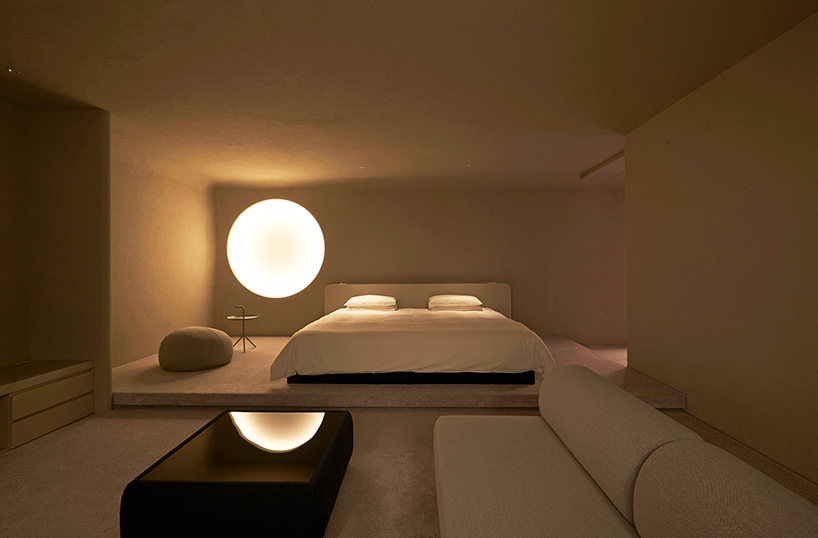
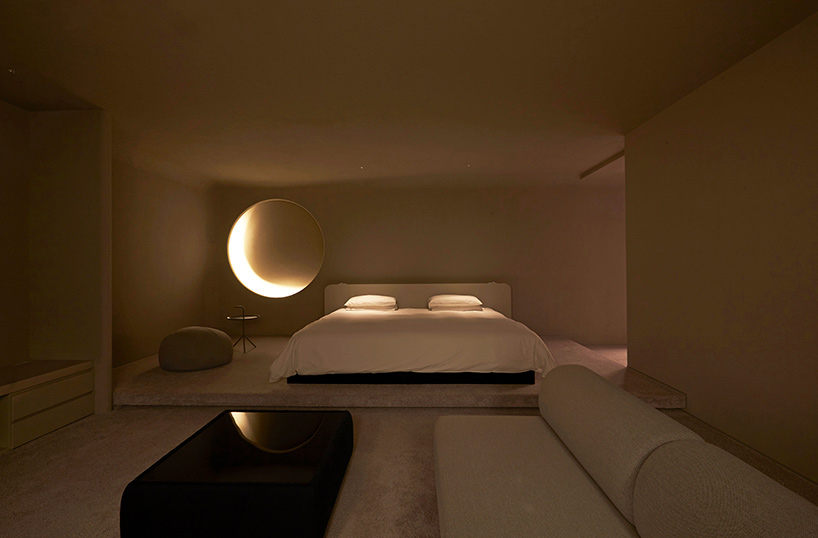
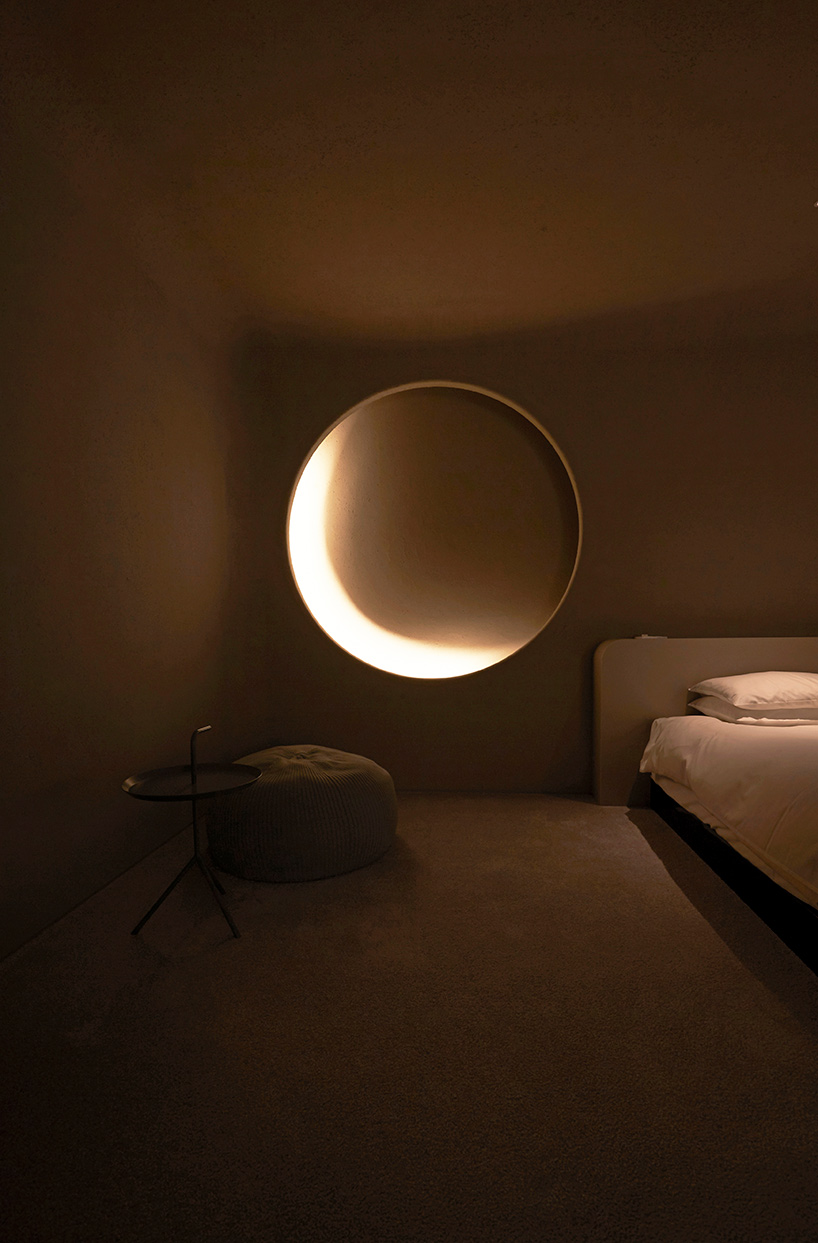
In Japan, where Zen principles rooted in ancient Shinto rituals and Buddhist meditations deeply influence daily life, interior design reflects these philosophies through an emphasis on balance, minimalism, and harmony. This approach often manifests in Japanese homes designed to evoke equanimity, calmness, and freedom from excess. The aesthetic is characterized by a timeless beauty, frequently incorporating a basic color palette of light and soft earth tones. Furniture typically features clean lines and sharp angles, often finished with unvarnished cedar wood. This article highlights seven modern Japanese hotels that embody these Zen-inspired design principles, offering travelers an opportunity to experience peace and serenity.
The first featured hotel, Amanemu, is located in Iseshima's tranquil Ise-Shima National Park on Honshu Island. It provides suites and villas equipped with spacious outdoor decks and traditional onsen baths, aligning with the concept of integrating nature and relaxation. Next, Zaborin in Hokkaido is nestled within forests and meadows, close to premier ski slopes. Its 15 villas each boast indoor and outdoor traditional Japanese baths, fed by natural volcanic spring water, emphasizing a deep connection to the natural environment.
The House of Finn Juhl, situated in the ski town of Hakuba in Nagano, presents a unique fusion of Danish and Japanese design sensibilities. This hotel is entirely furnished with pieces by Danish master Finn Juhl, demonstrating how distinct design traditions can converge harmoniously. Shimaya Stays in Kyoto offers a contemporary take on traditional Japanese living. Two historic townhouses, over a century old, have been meticulously restored and transformed into modern, clean-lined serviced apartments, preserving their heritage while providing modern comforts.
Sotoyama Jujo, located in Minami-Uonuma, a mere two-hour train ride from Tokyo, is a countryside hotel that blends natural elements with sophisticated design. It features cypress and cedar wood floors, an outdoor bathtub, stunning mountain views, and furniture by renowned designers such as Arne Jacobsen, Hans Wegner, and Isamu Noguchi. Hoshinoya Tokyo, opened in 2016, offers a contemporary interpretation of traditional Japanese ryokans within a 17-floor structure. Its rooms and public areas are designed with tatami mats, creating an authentic Japanese ambiance.
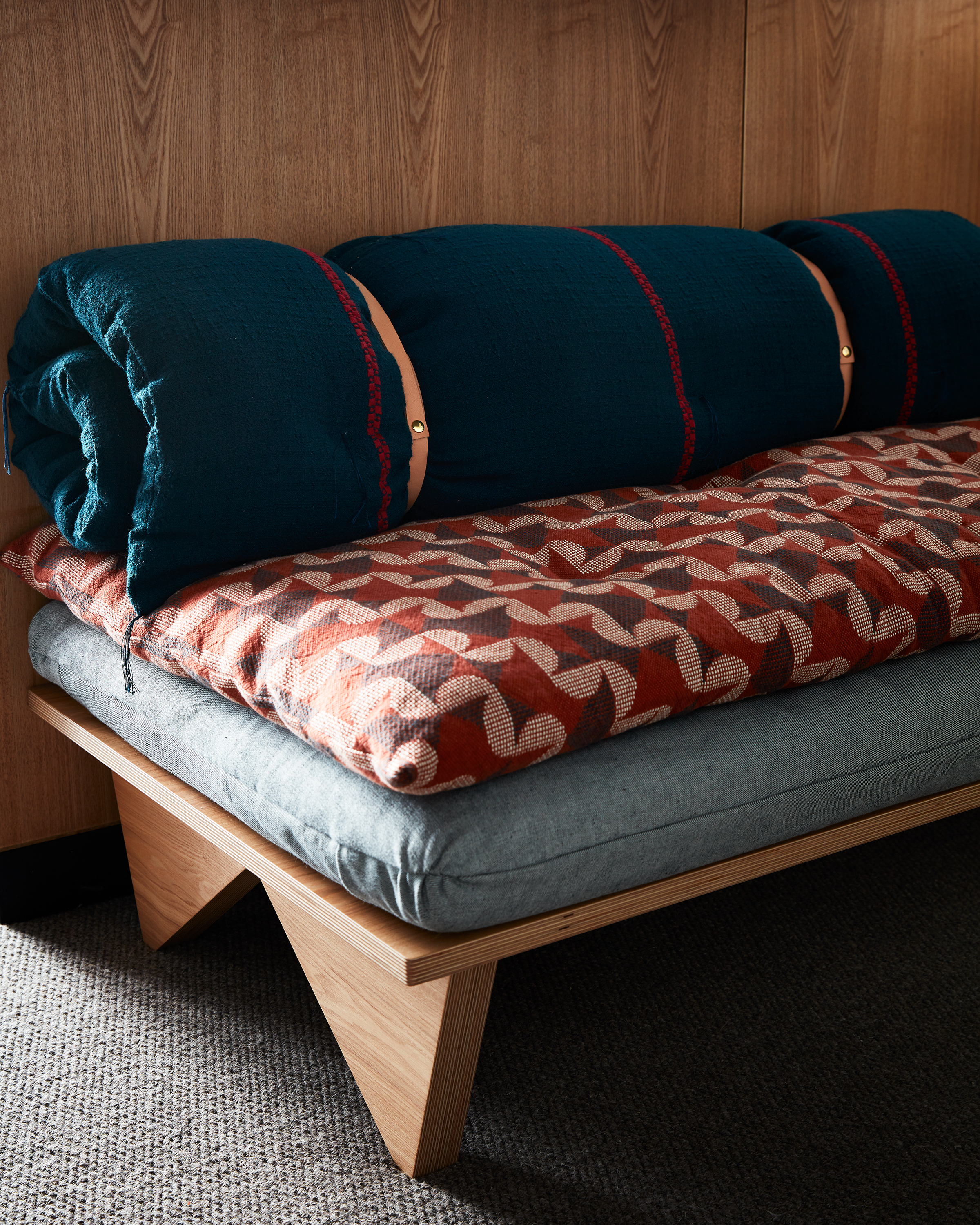
Finally, Hotel Kanra in Kyoto provides modern rooms inspired by "machiyas," which are traditional wooden townhouse homes characteristic of Kyoto. These rooms include tatami beds and aromatic cypress bathtubs, offering guests a sensory experience that reflects local traditions. Each of these hotels showcases how modern Japanese hospitality integrates Zen principles and traditional aesthetics to create environments of profound tranquility and beauty, inviting visitors to immerse themselves in a peaceful retreat.
#JapaneseHotels #ZenDesign #MinimalistInteriors #JapaneseArchitecture #LuxuryTravel #OnsenBaths #RyokanExperience #KyotoHotels #HokkaidoHotels #JapaneseHotels #ZenDesign #MinimalistInteriors #JapaneseArchitecture #LuxuryTravel #OnsenBaths #RyokanExperience #KyotoHotels #HokkaidoHotels
0 commentaire au total
 Aucun commentaire pour le moment
Vous aimerez aussi
This Japanese-Inspired Inn Is One of Mexico City's Best Kept Secrets

Tour 5 Japanese-Inspired Modern Homes That Embody Contemporary Elegance

Bulgari Hotel Tokyo – Hotel Review
Japanese Architectural Designs that embody a zen, minimal way of living!

6 most breathtaking hotel infinity pools in Japan – from Tokyo to Okinawa
5 homes that bring serene Japanese-inspired design to life

7 Japanese real estate inspired bathroom decor ideas for a calm and mindful home
A Minimalist Home Full of Clever Design Tricks Appears to Levitate Above the Earth
7 coolest Airbnbs in Japan that you should book

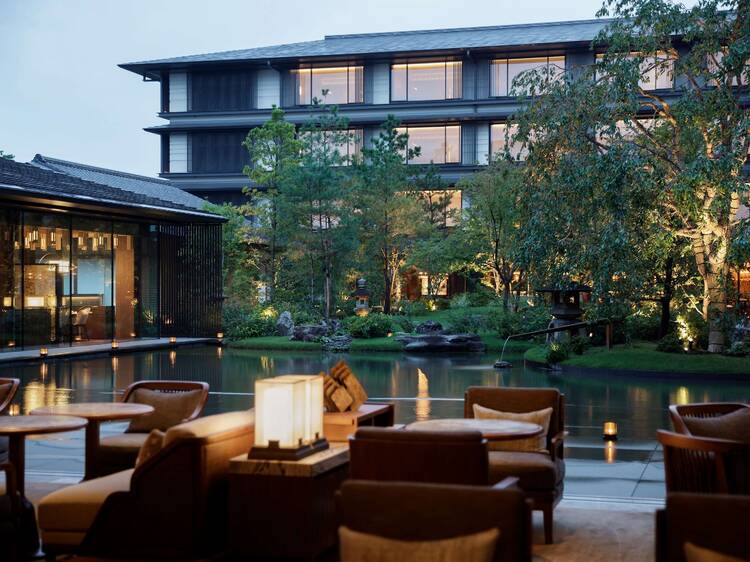
Hotel The Mitsui Kyoto offers Zen stays and exclusive access to rare cultural experiences
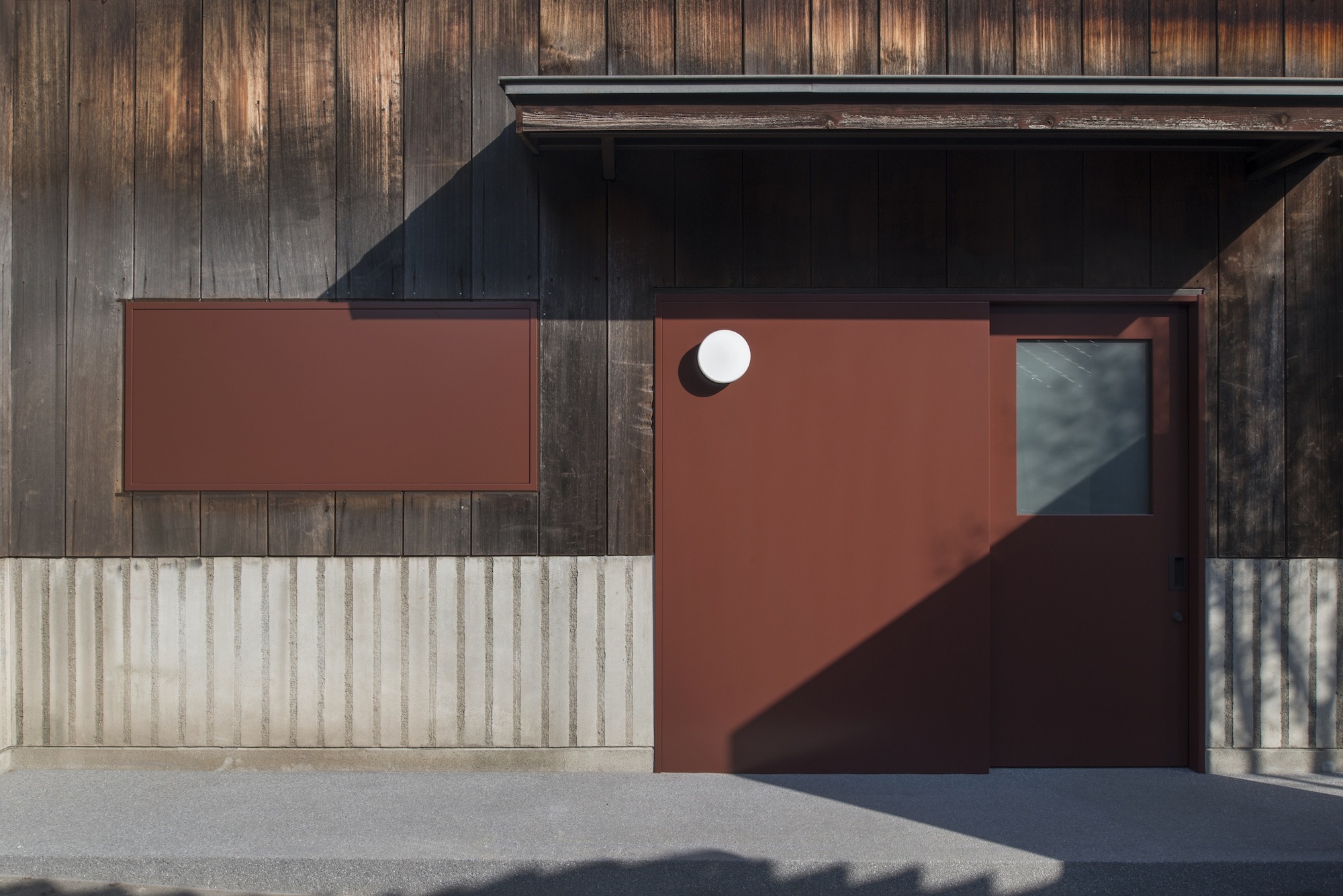
This minimalist Japanese sake brewery conceals a zen secret garden

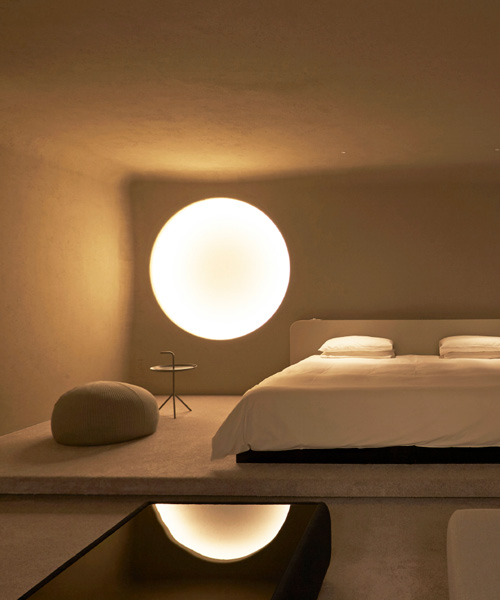
kyoto hotel room by kubo tsushima features a 'moon' light fixture that waxes and wanes
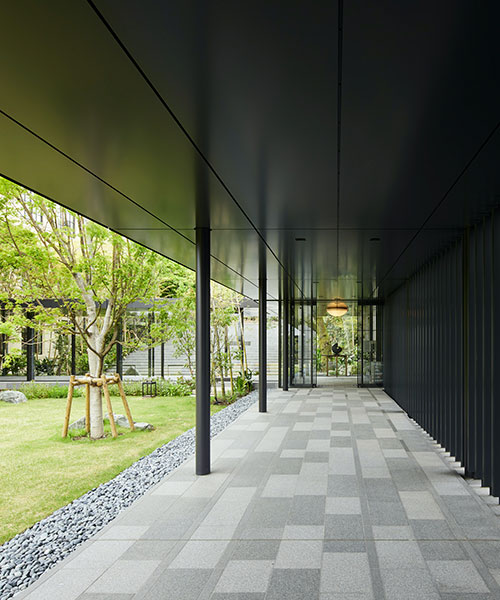
FHAMS & kosaka transform old school in kyoto into spacious hotel with zen gardens
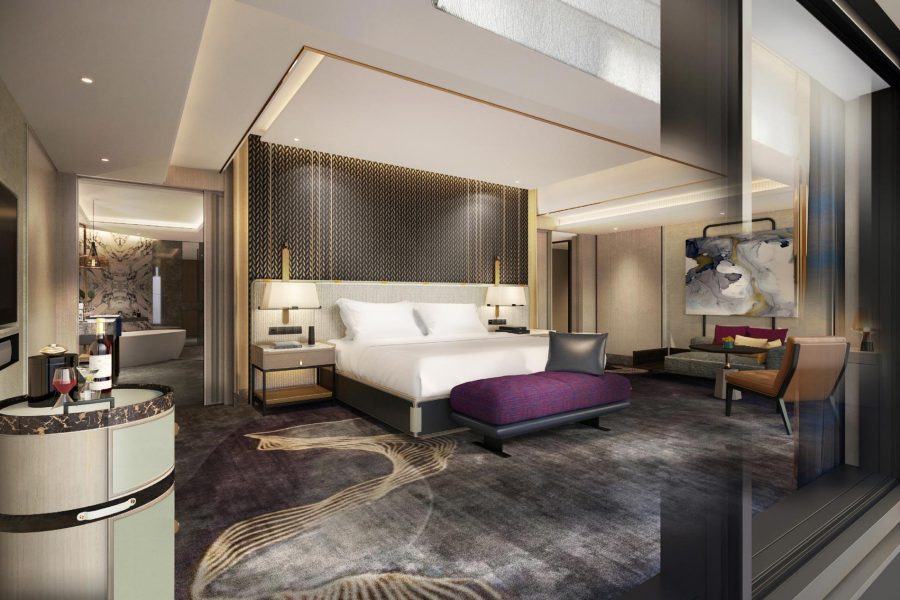
MESM Tokyo serves waterfront views in luxe surrounds

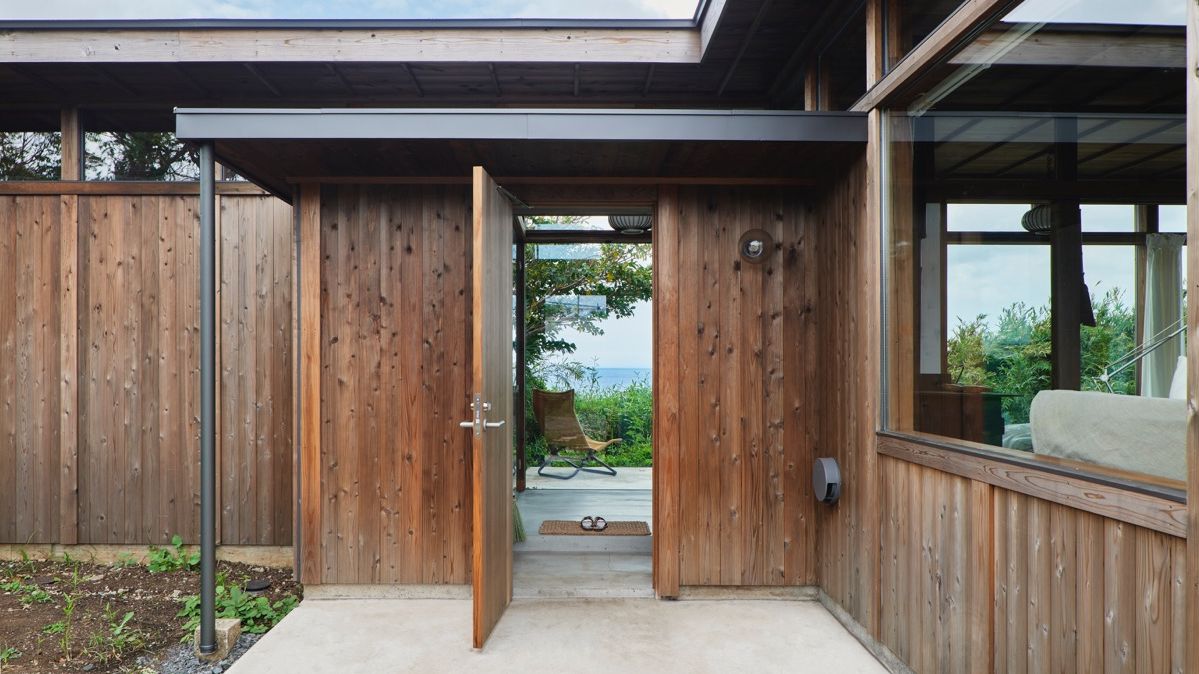
A 75-Year-Old Japanese House Was Transformed Into a Zen Weekend Hideaway
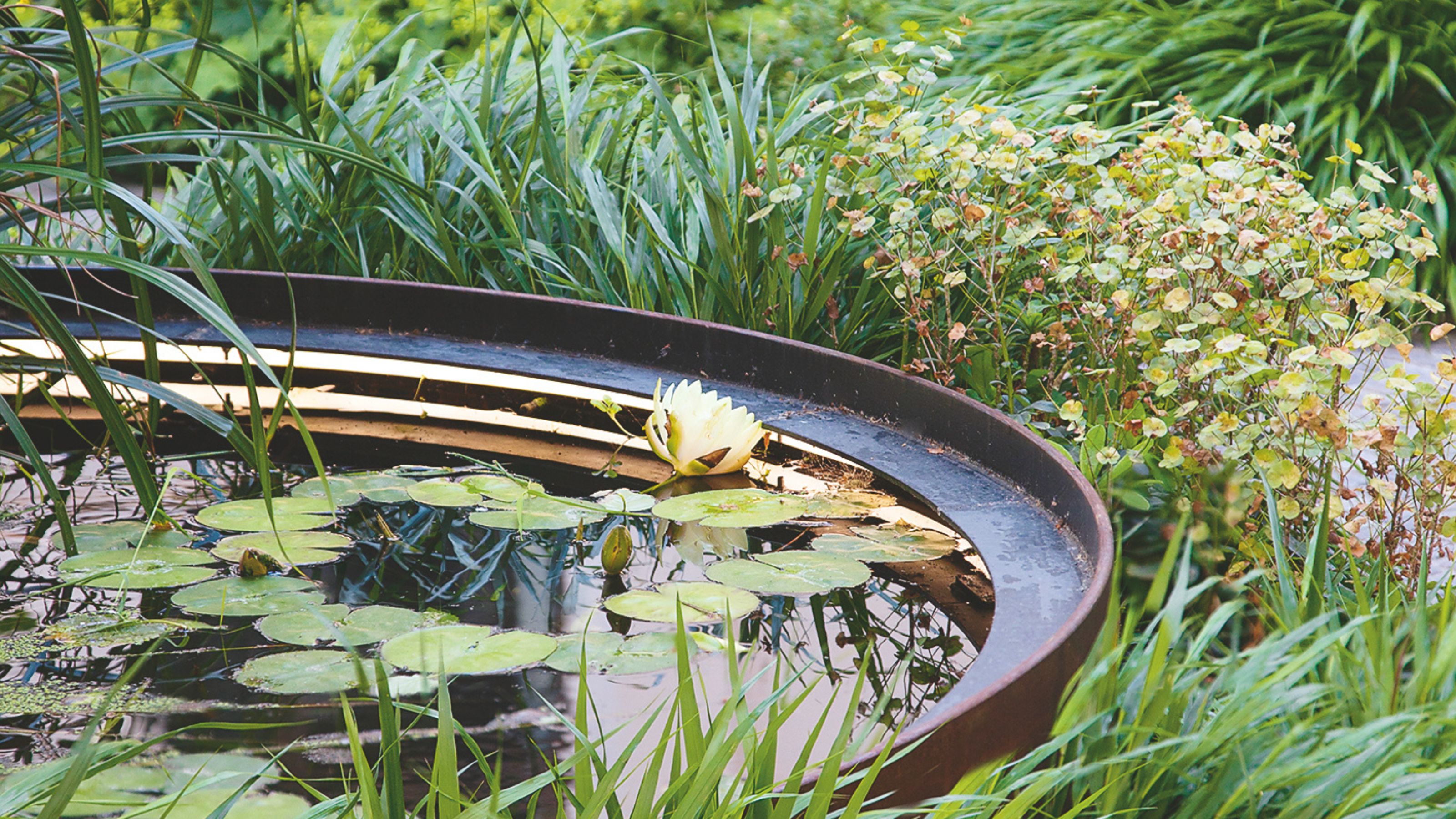
Zen garden ideas – 24 ways to transform your outdoor space into a Japanese-inspired sanctuary for relaxation
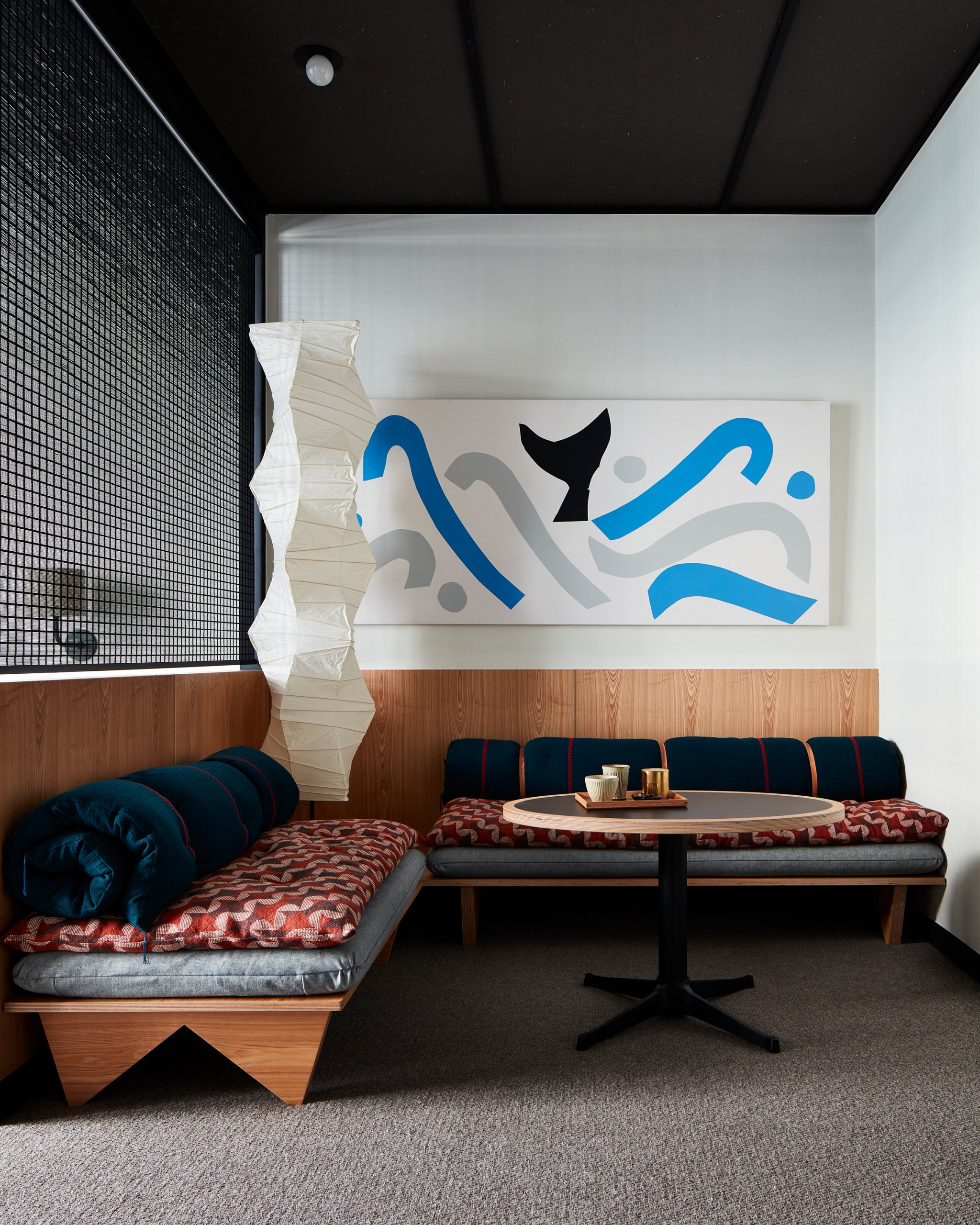
Ace Hotel Kyoto Already Won Us Over With Its Extra-Zen Bathrooms

Robert DeNiro Gives AD a First Look at the Latest Nobu Hotels Properties
This 1,100-square-foot Mumbai home embodies a quiet stillness
Where to Stay, and Where to Eat Tempura, in Kyoto (Published 2019)