6 Outdated Window Treatments Interior Designers Are Tired of Seeing
The wrong window treatments can significantly detract from a home's aesthetic, making a space feel cluttered or outdated. Interior designers emphasize the importance of updating window coverings to achieve a more natural and contemporary look. Several styles of window treatments are now considered passé and should be retired to enhance a room's ambiance.
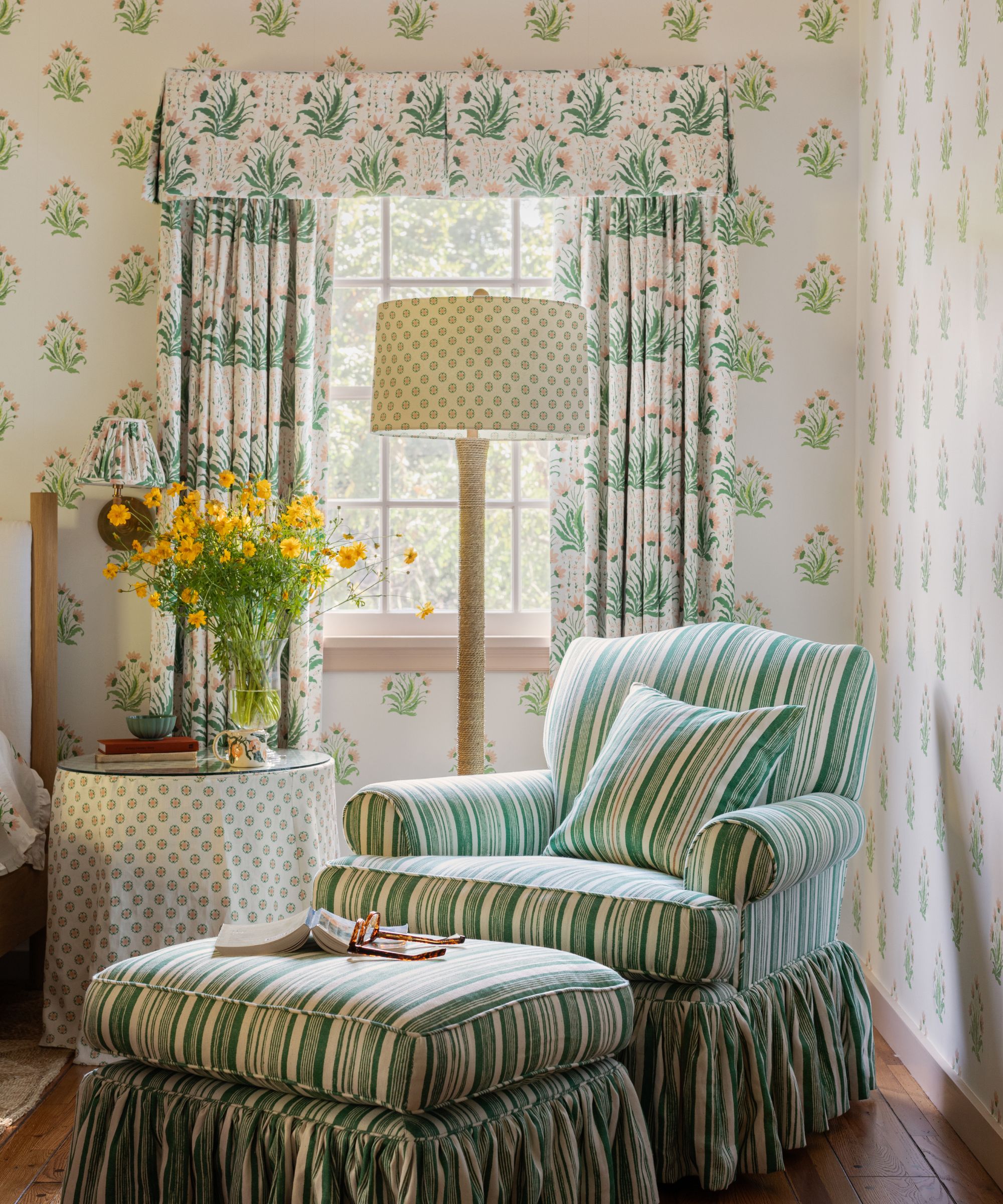
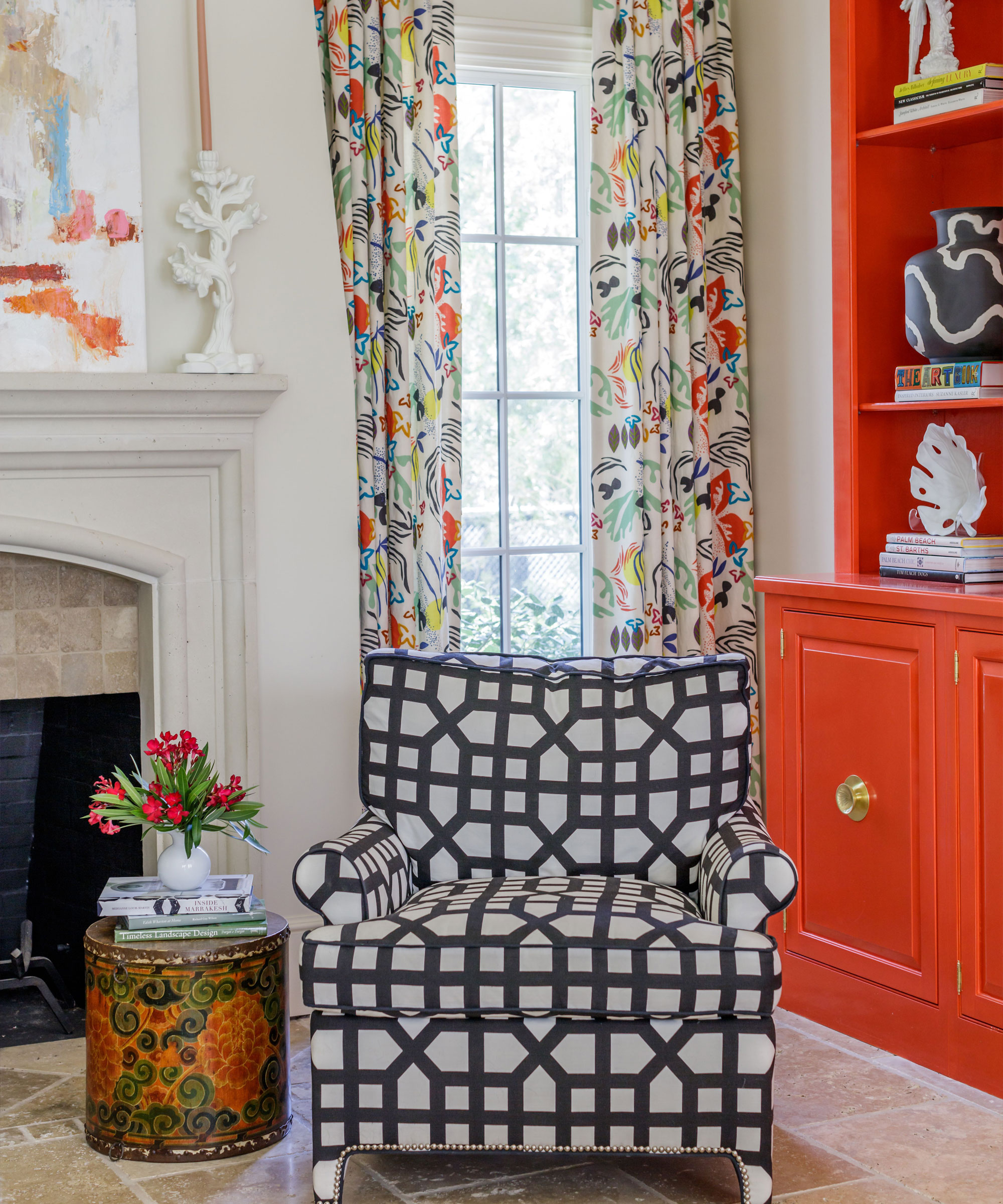
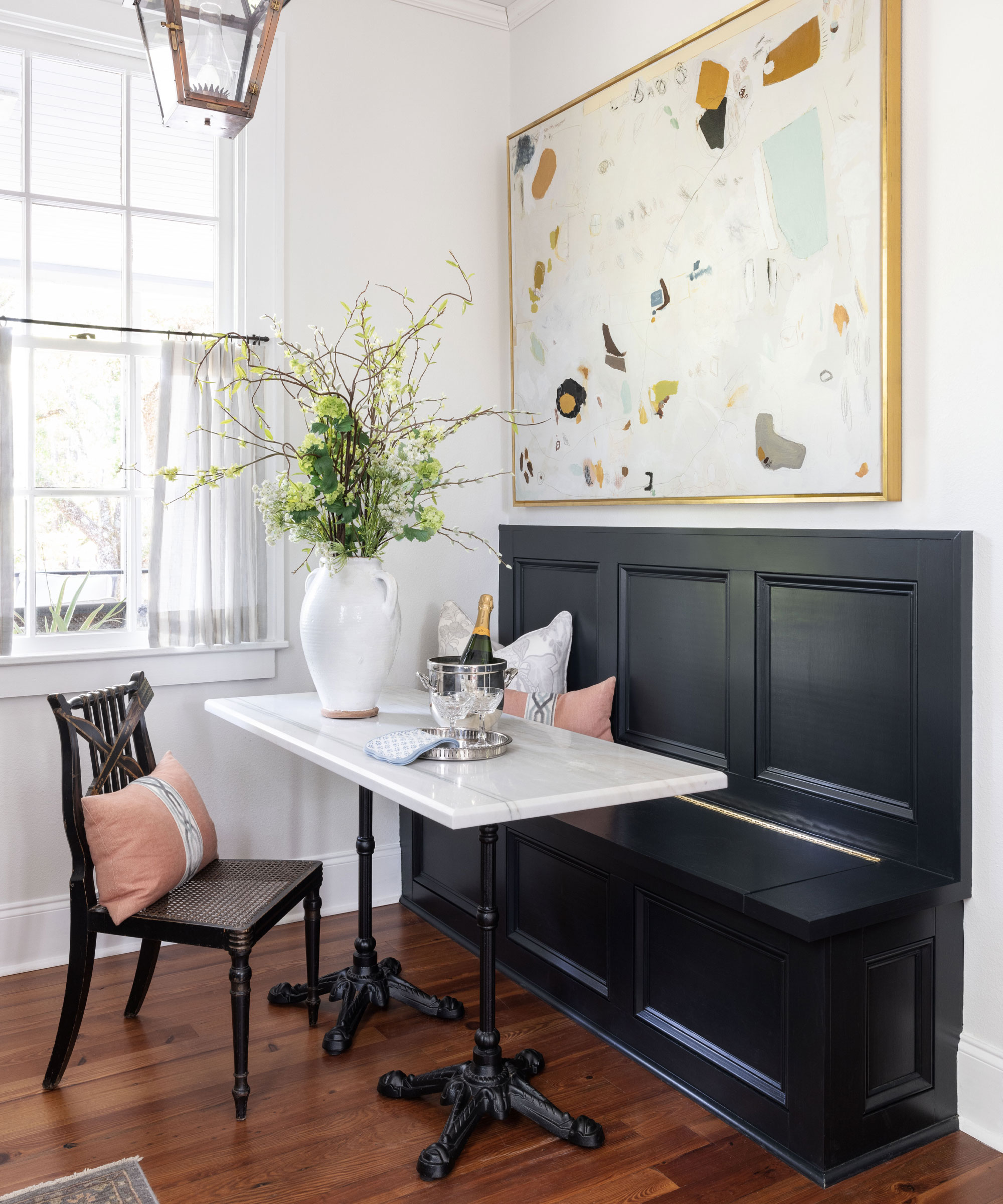
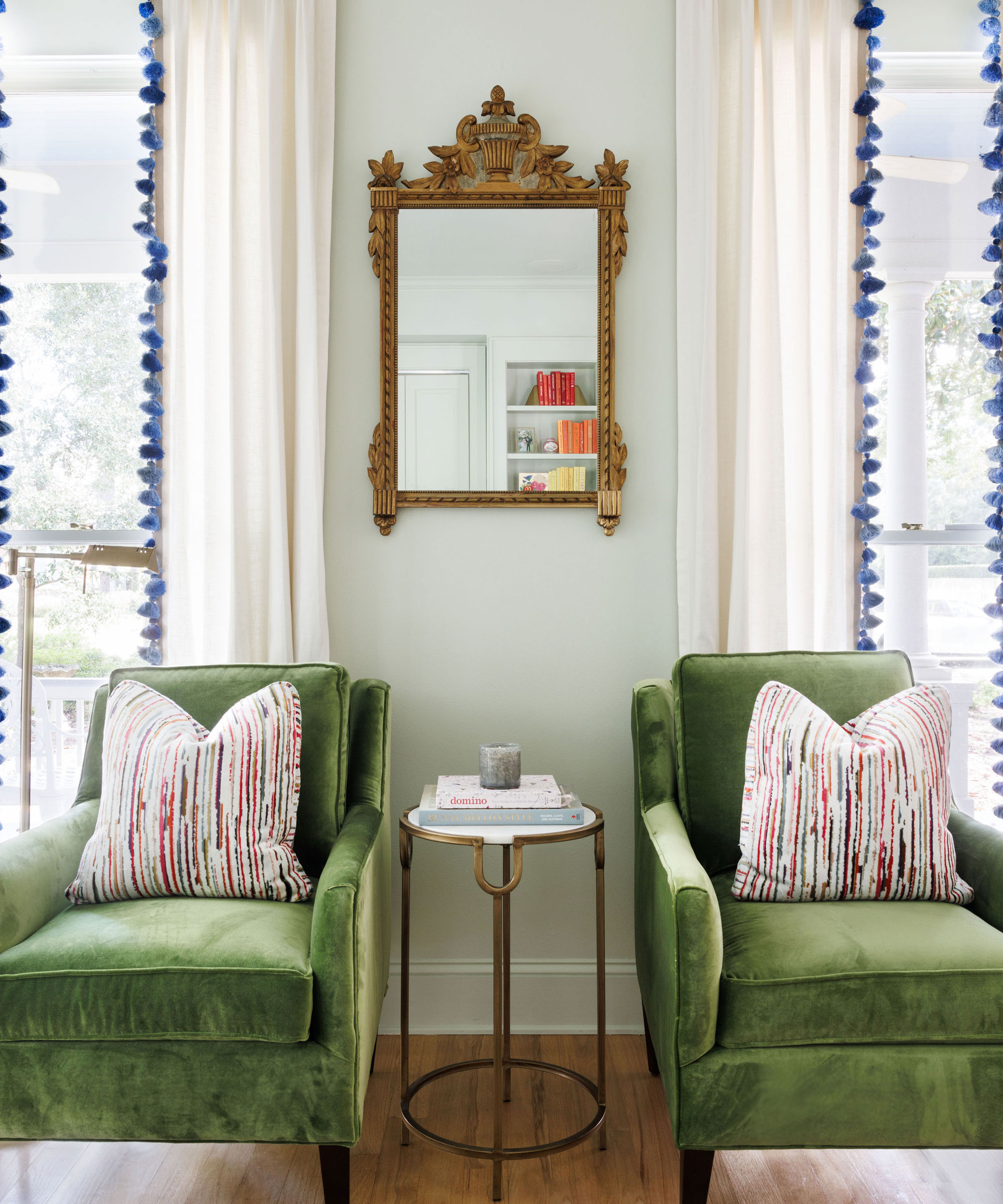
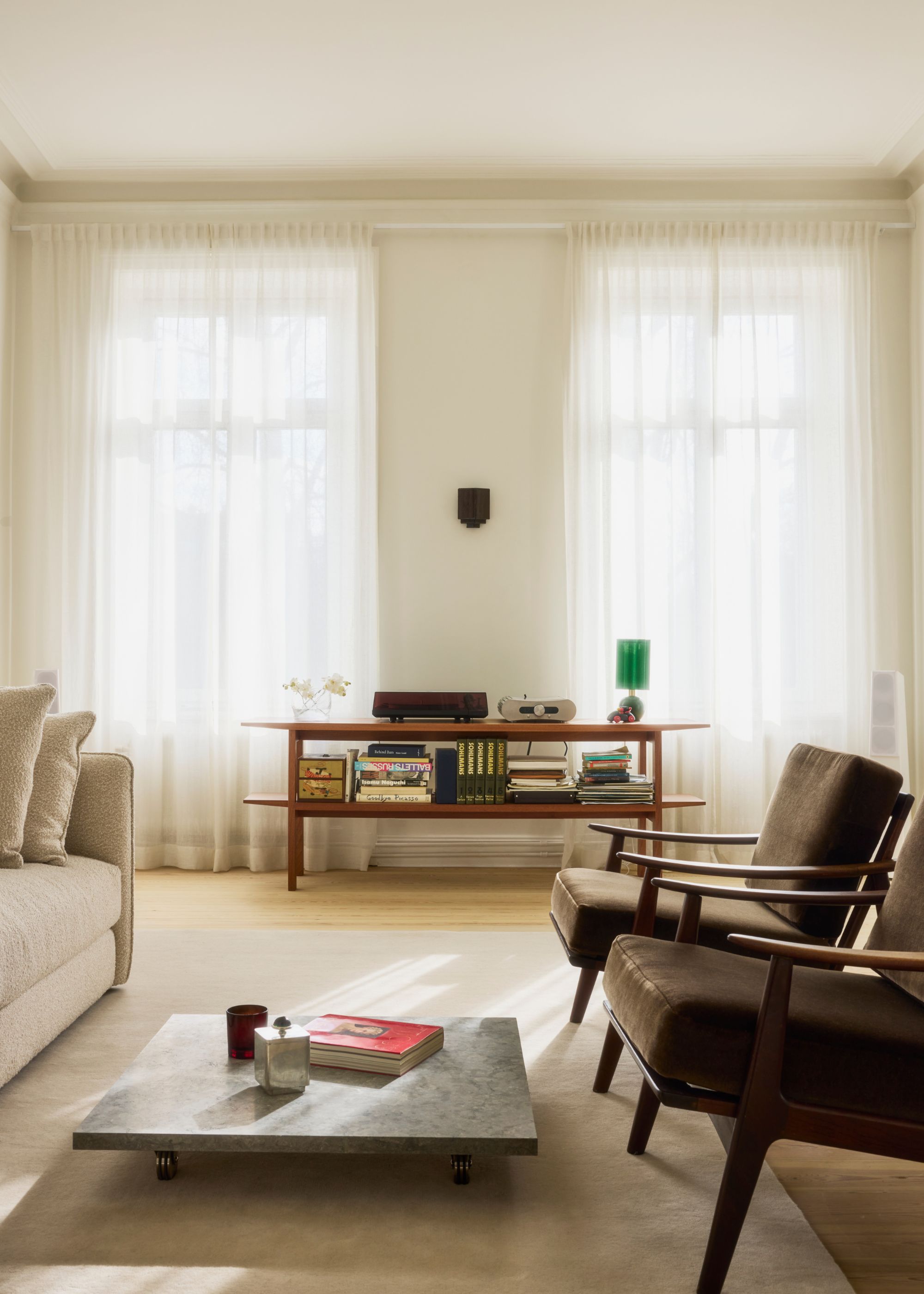
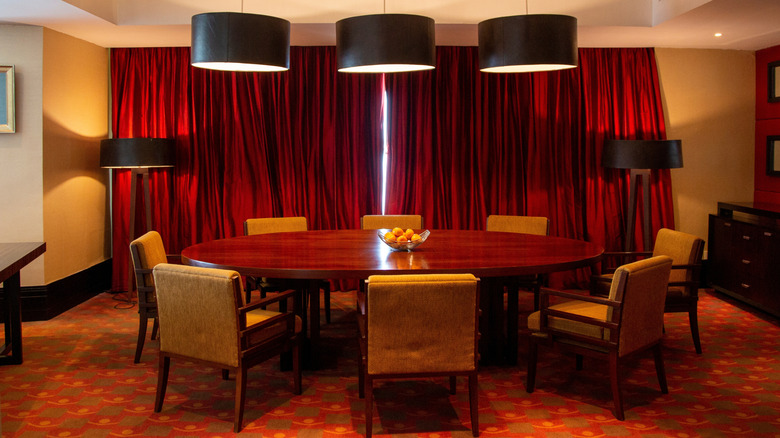
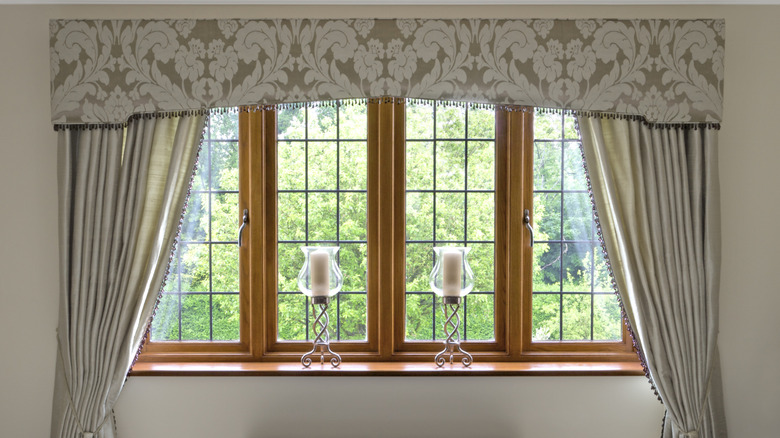
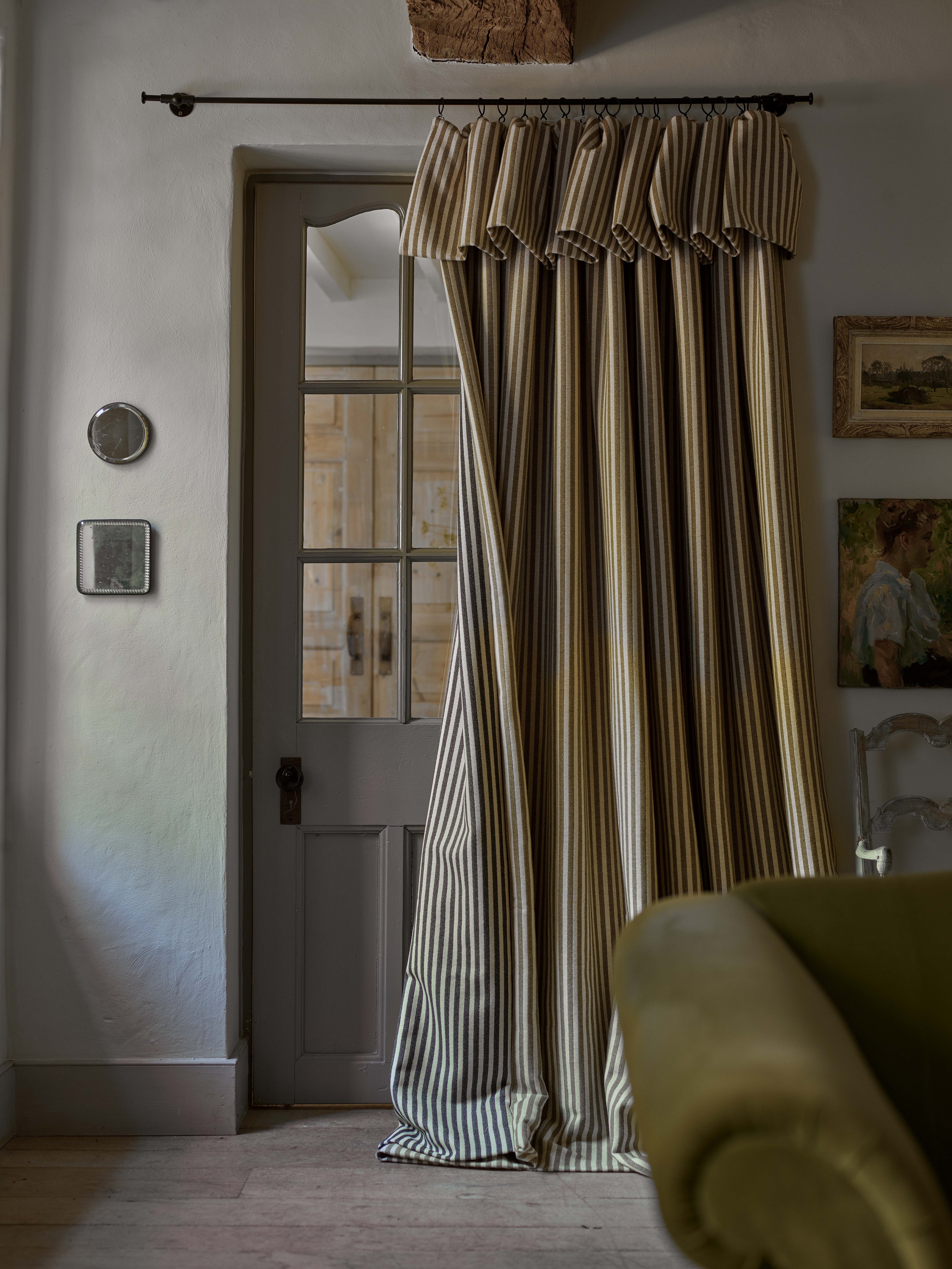
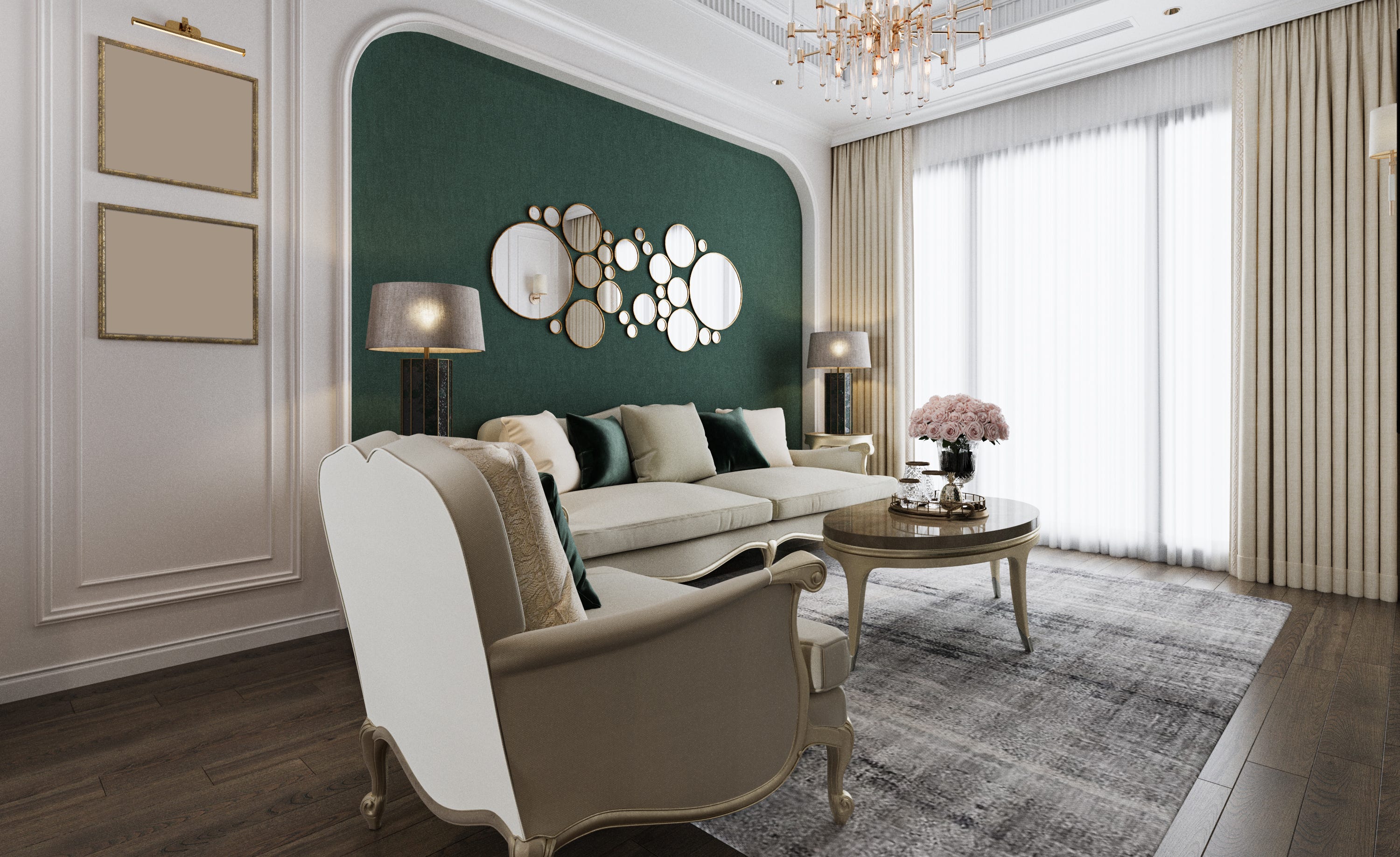
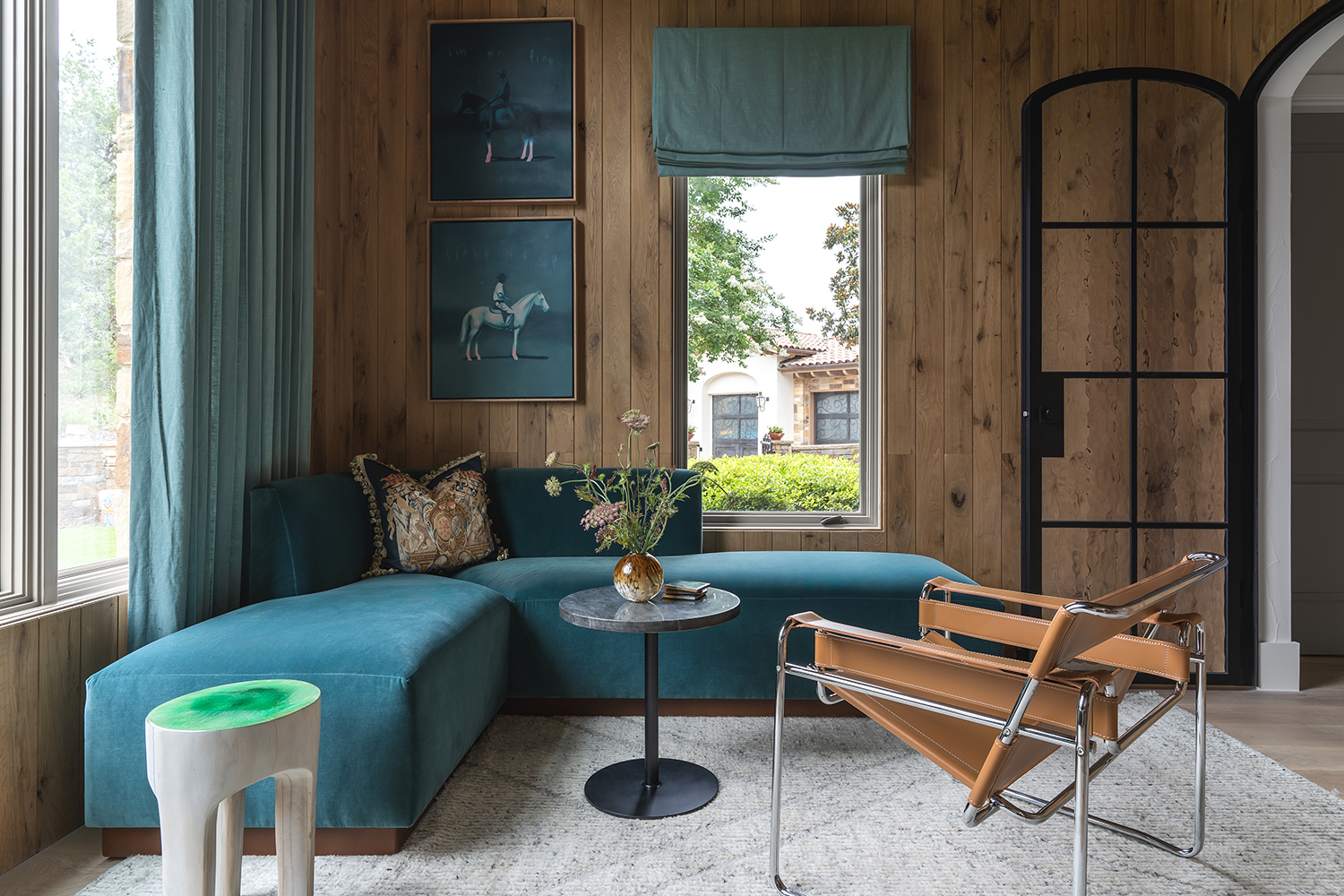
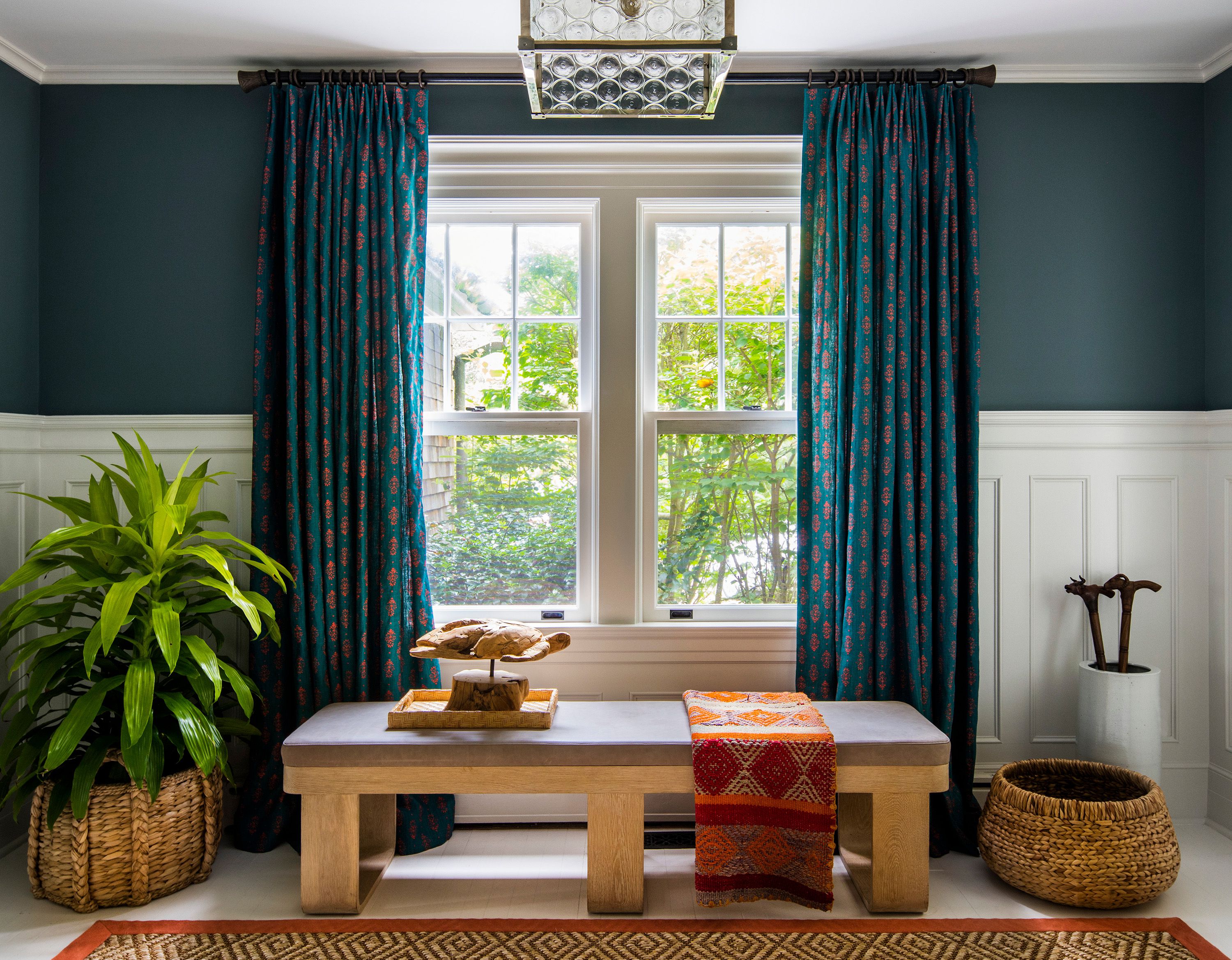
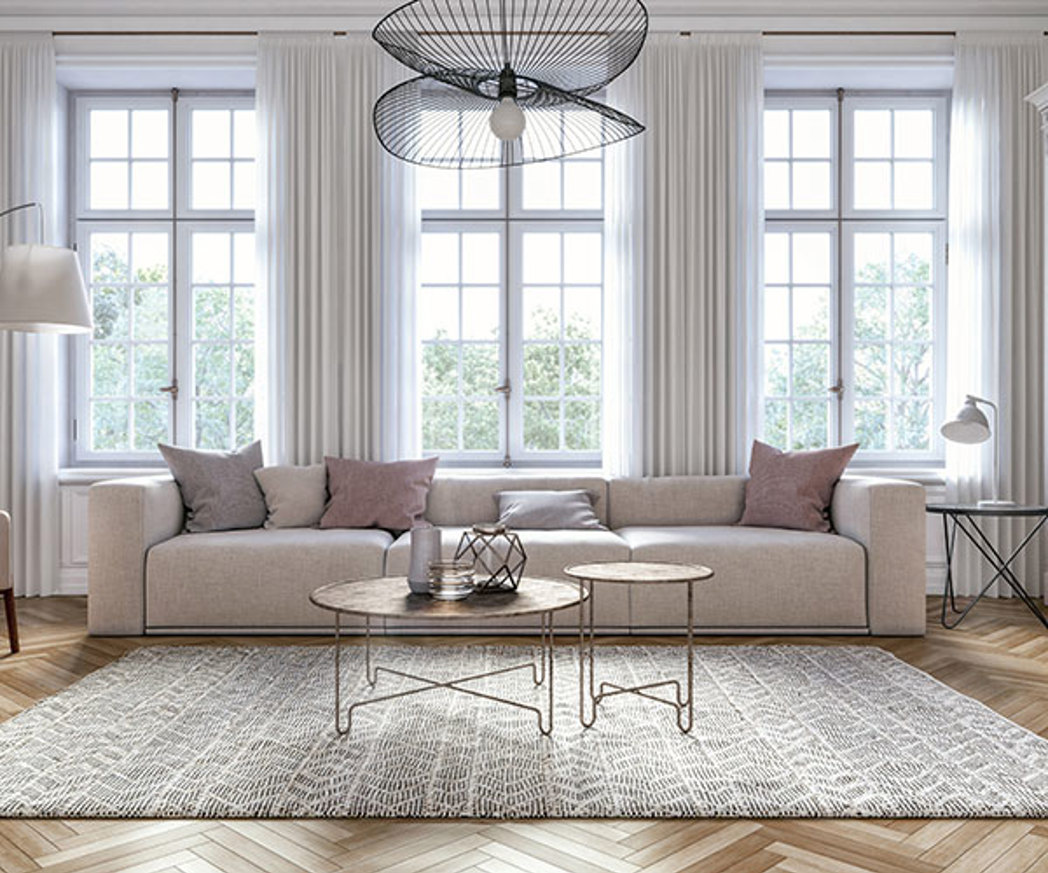
Heavy, ornate drapery, especially when paired with oversized valances, is a prime example of an outdated treatment. Such designs tend to overwhelm a room and obstruct natural light, which many homeowners currently prioritize. Instead, designers suggest a lighter approach, such as using colorful, sheer panels that extend from floor to ceiling to create an illusion of height and openness. If a more dramatic statement is desired, executing a cornice and drapery in the same fabric, with thoughtful details like tassels or a sculptural silhouette, can elevate the look from old-fashioned to artful.
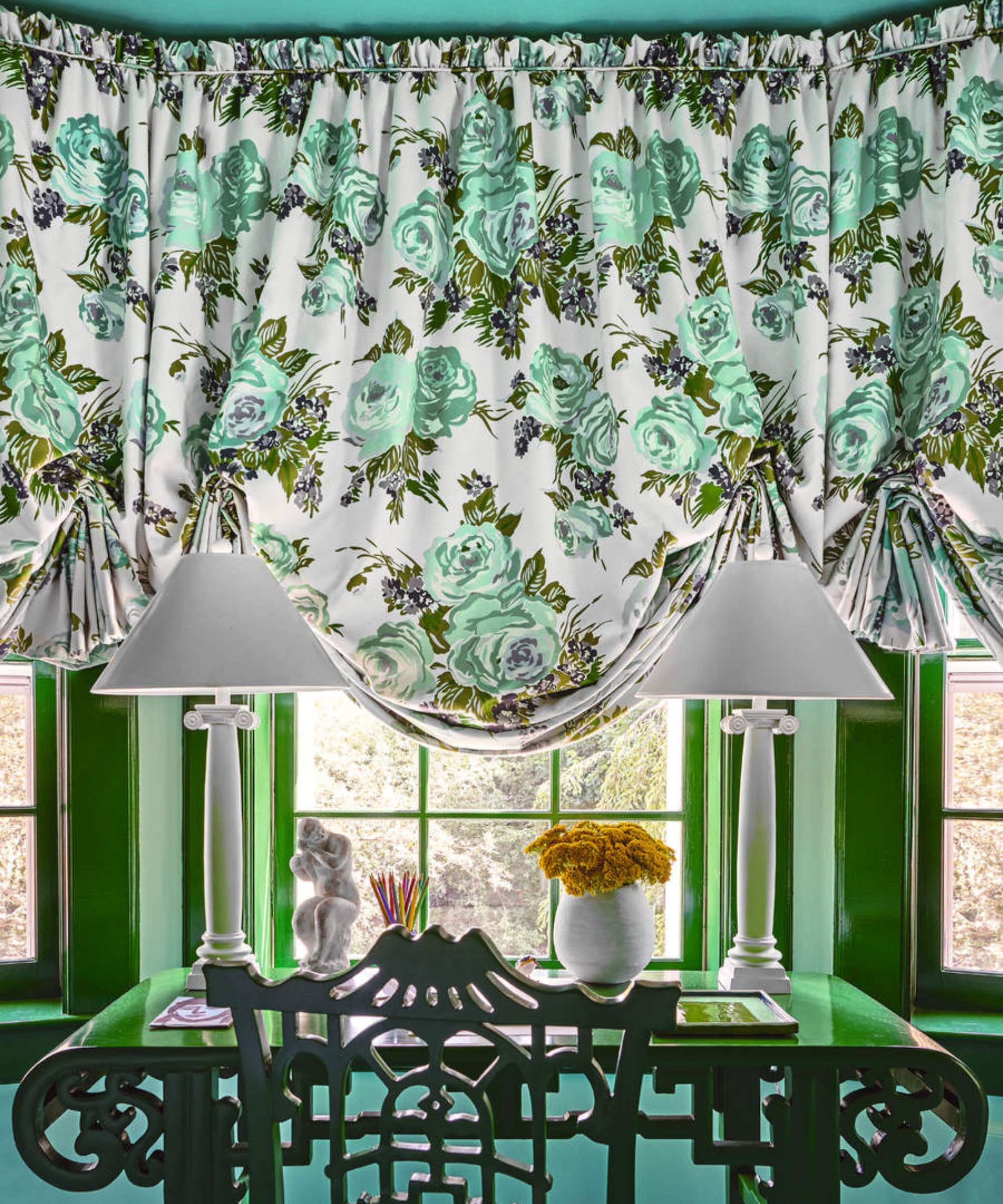
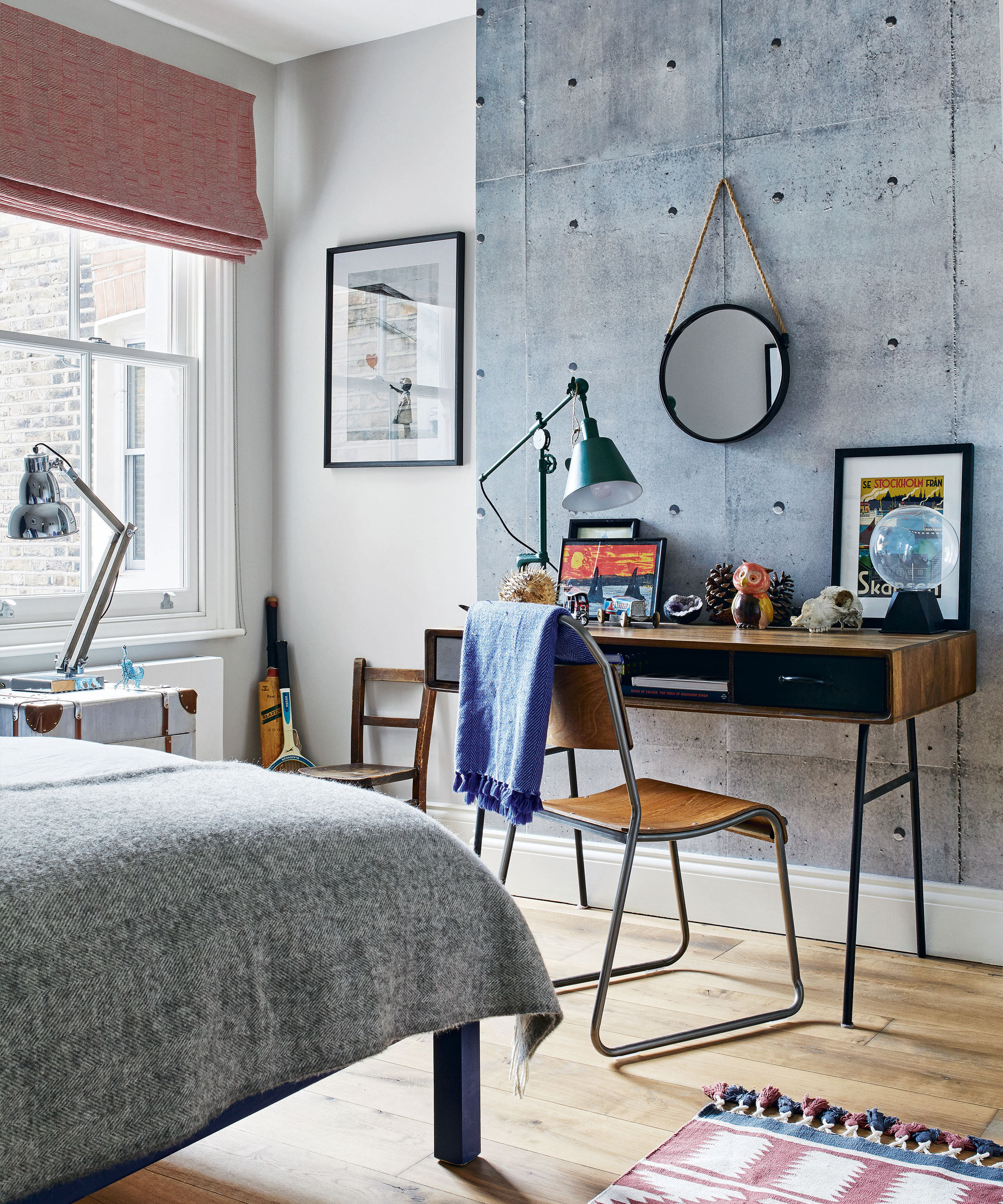
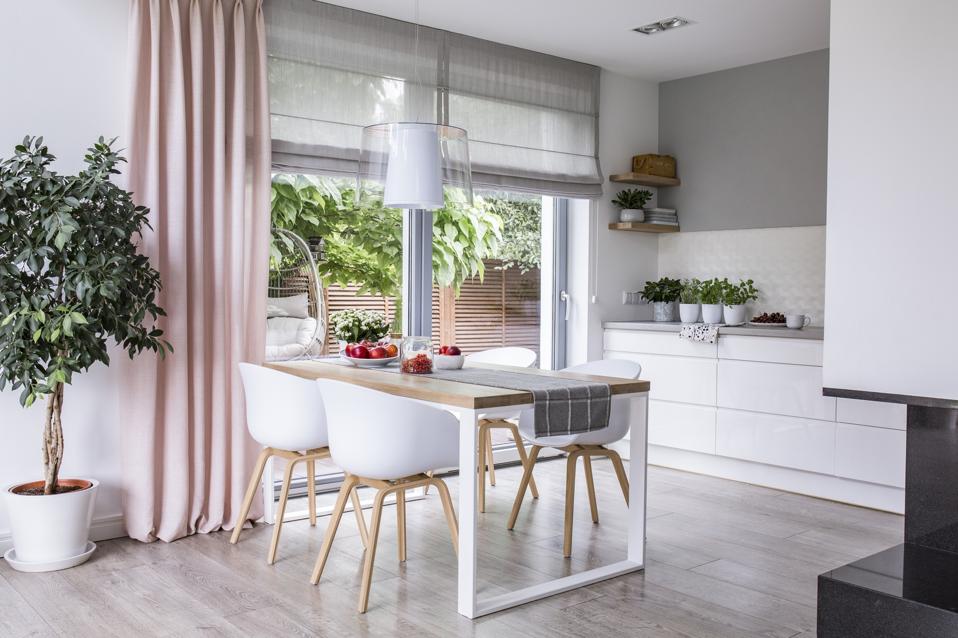
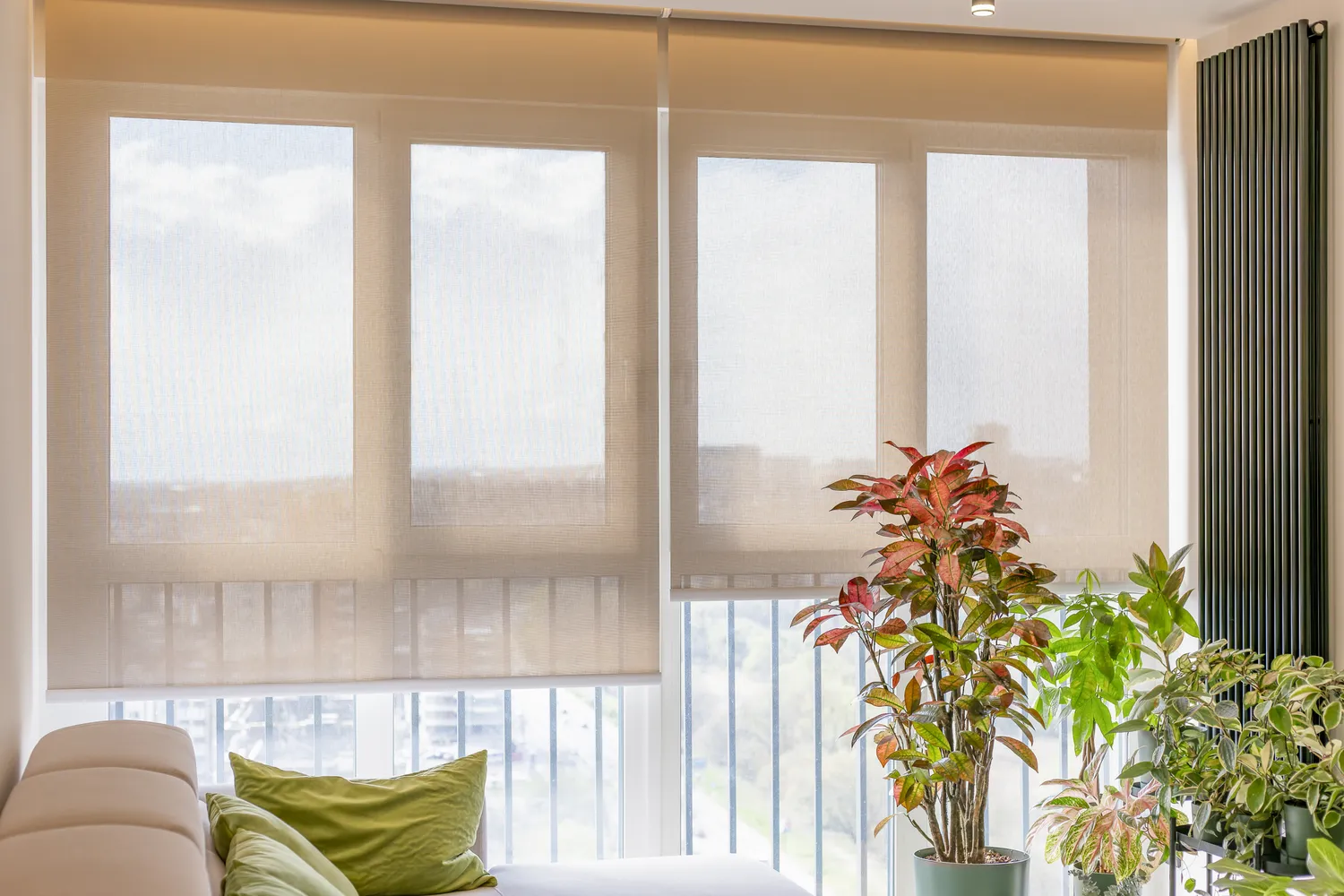
Matching Roman shades, which once signified a perfectly coordinated room, are also now viewed as predictable and staged. Modern design favors a more curated, less 'cookie-cutter' approach. For a cleaner and contemporary alternative, mesh roller shades in contrasting neutral or white tones are recommended. These shades are modern, allow ample natural light, and maximize views, aligning with current design aesthetics that value clean lines and functionality.
Another element that instantly dates a window is the use of cheaply made or flimsy fabric for curtains. Materials that lack substance can make an entire interior appear less elevated. Designers advise against using pure polyester without a blend and strongly recommend lining curtains. Lining provides curtains with a better presence, helps them drape properly, and protects them from sun damage, ensuring they contribute positively to the room's overall feel.
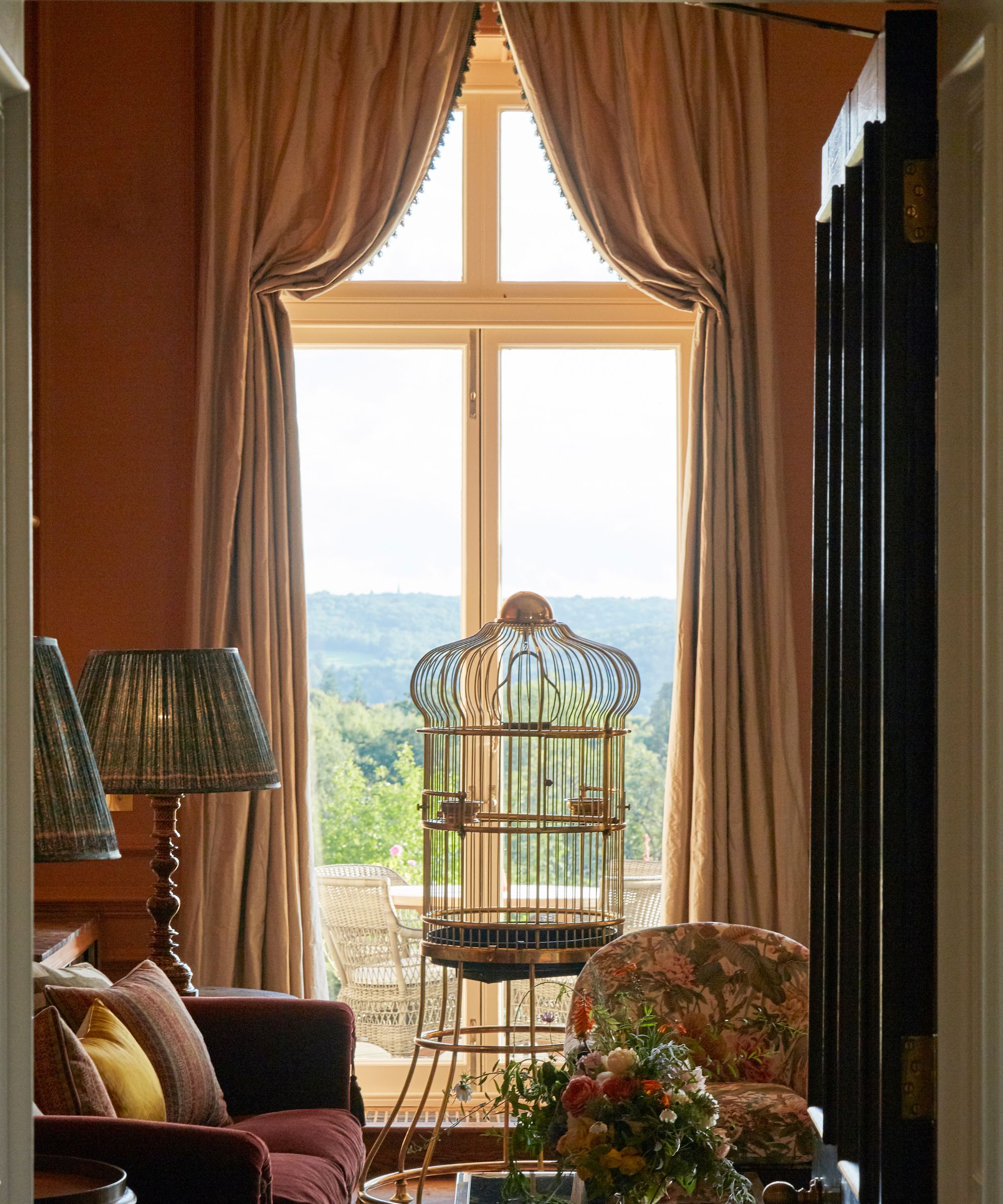
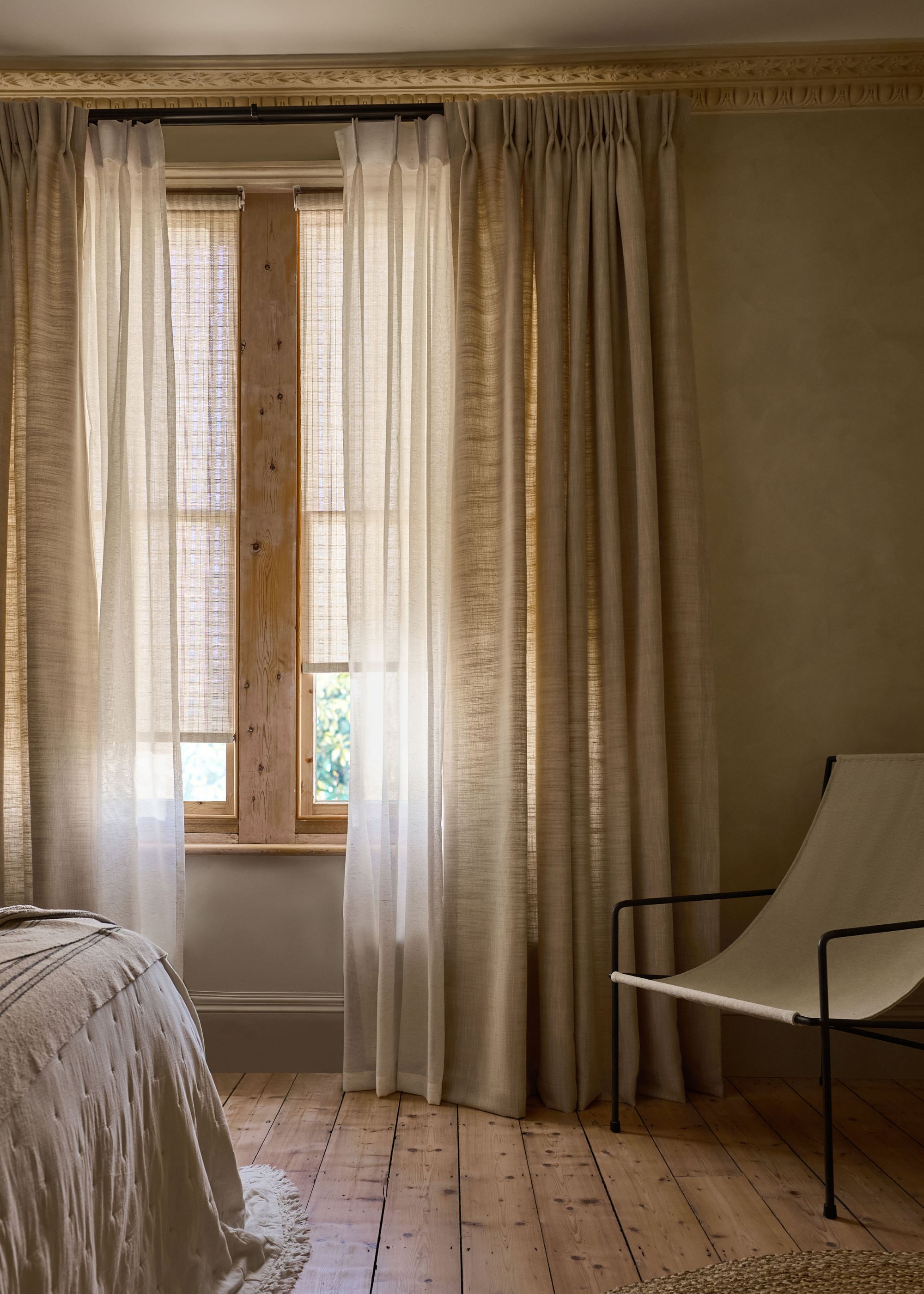
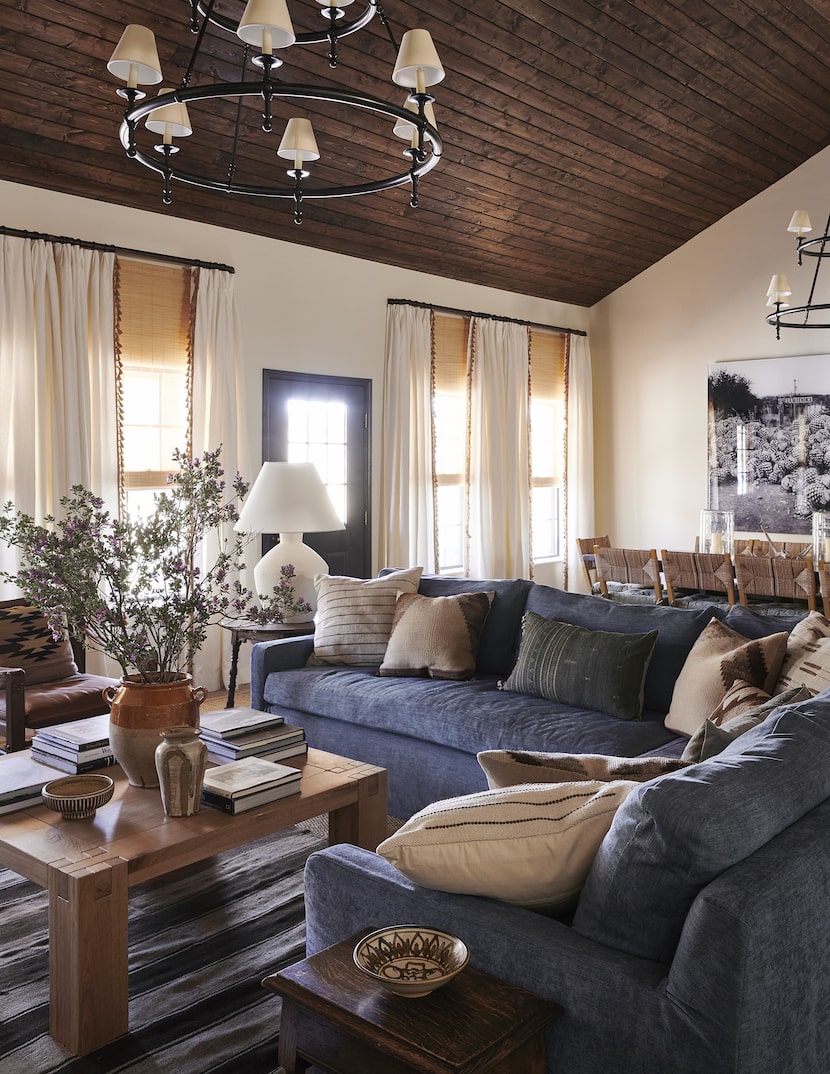
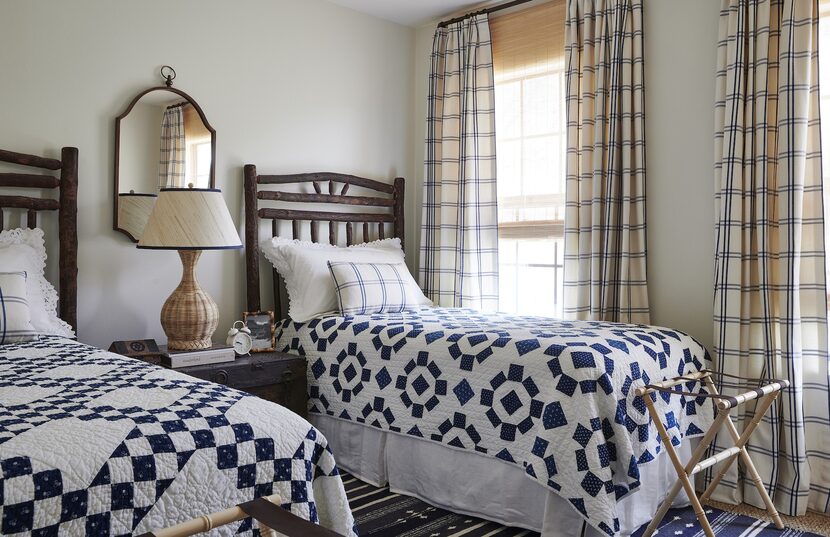
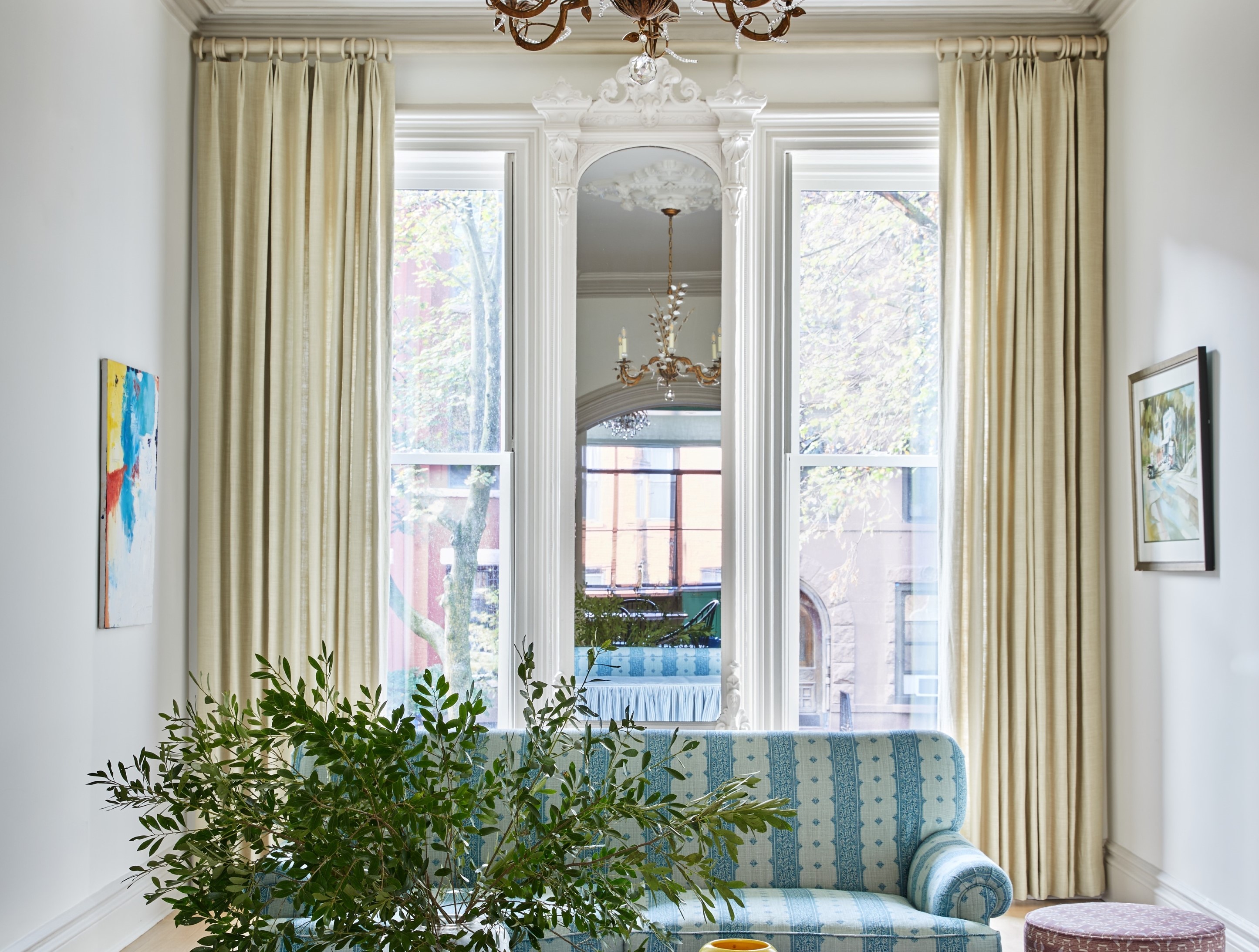
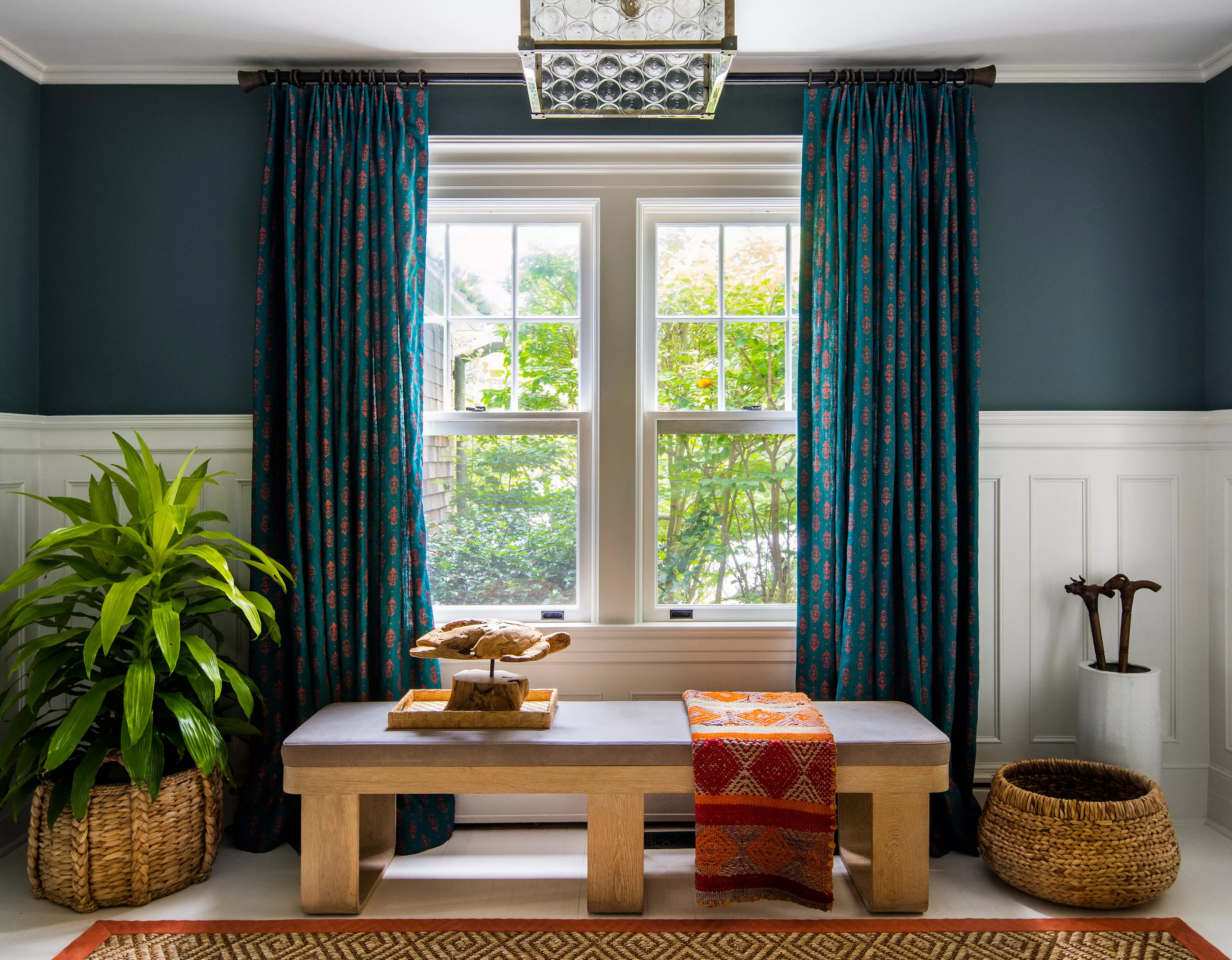
The placement and length of curtains are also critical. Drapes that are too short or hung too low can make ceilings appear squat and rooms feel compressed, while curtains ending well above the floor look unfinished. The ideal approach is to hang drapery from ceiling height, extending all the way to the floor. This technique dramatically improves a room's proportions, drawing the eye upward and creating a sense of drama and refinement. Panels that lightly skim or pool on the floor contribute to a cohesive and elegant look.
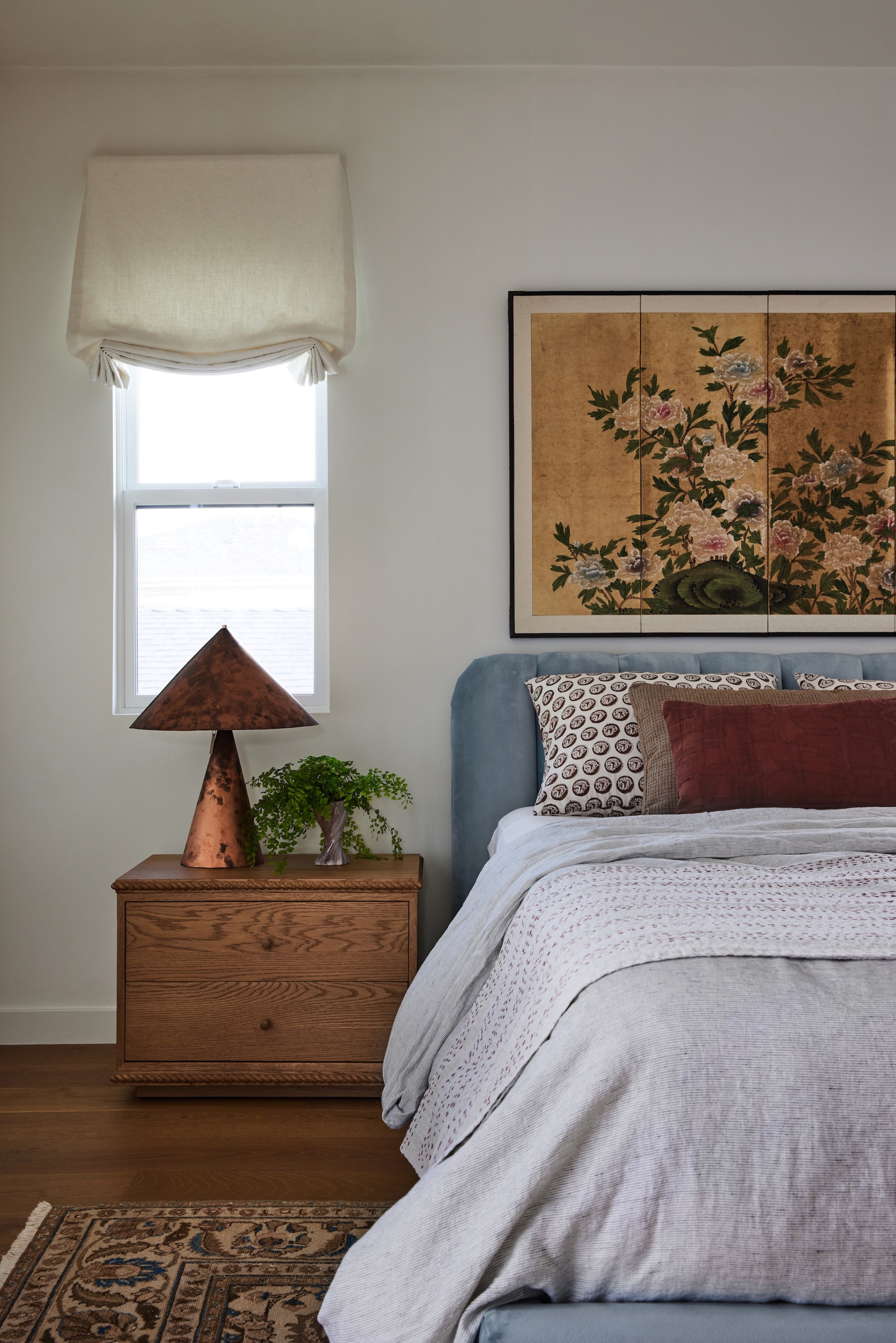
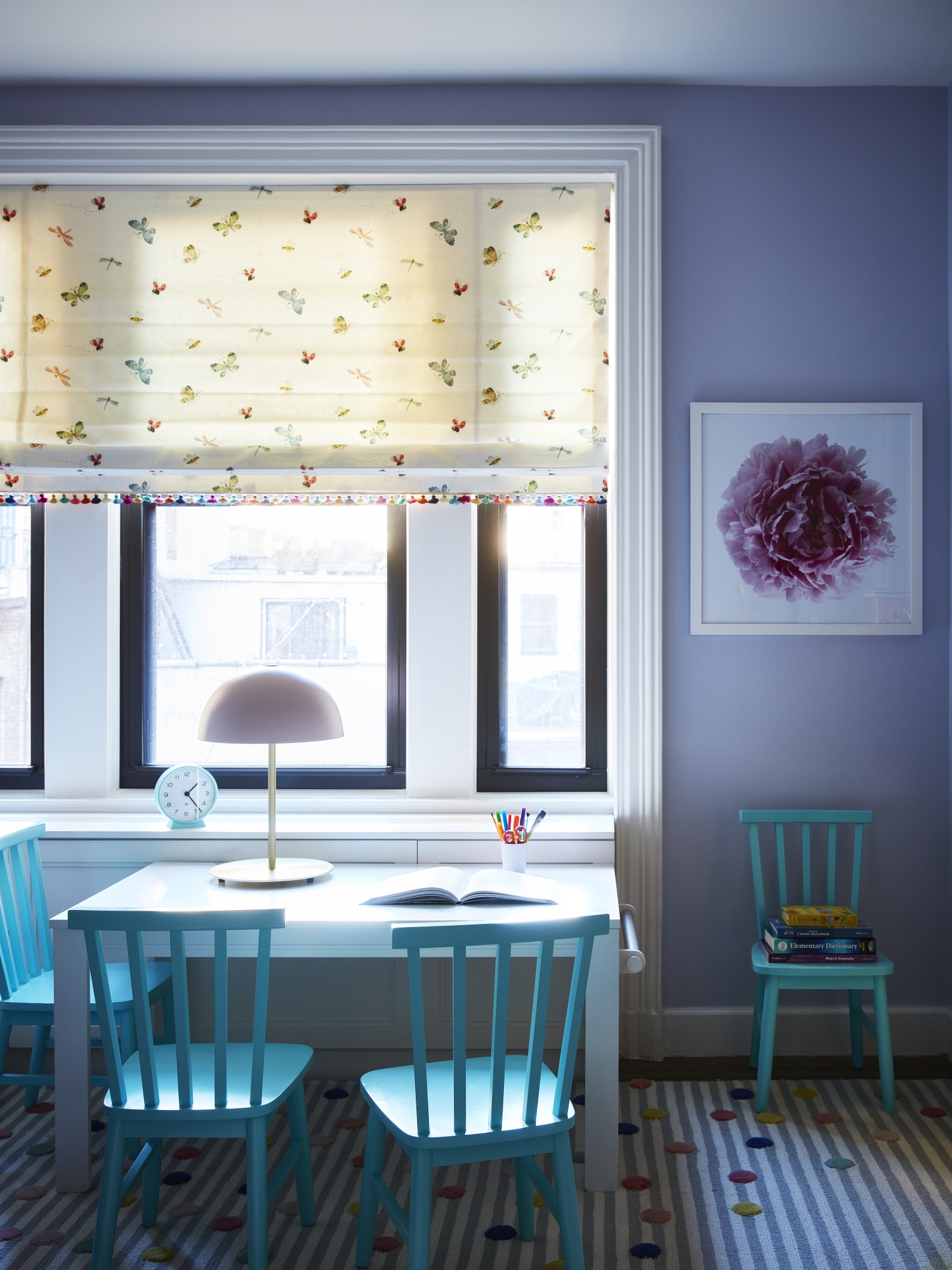
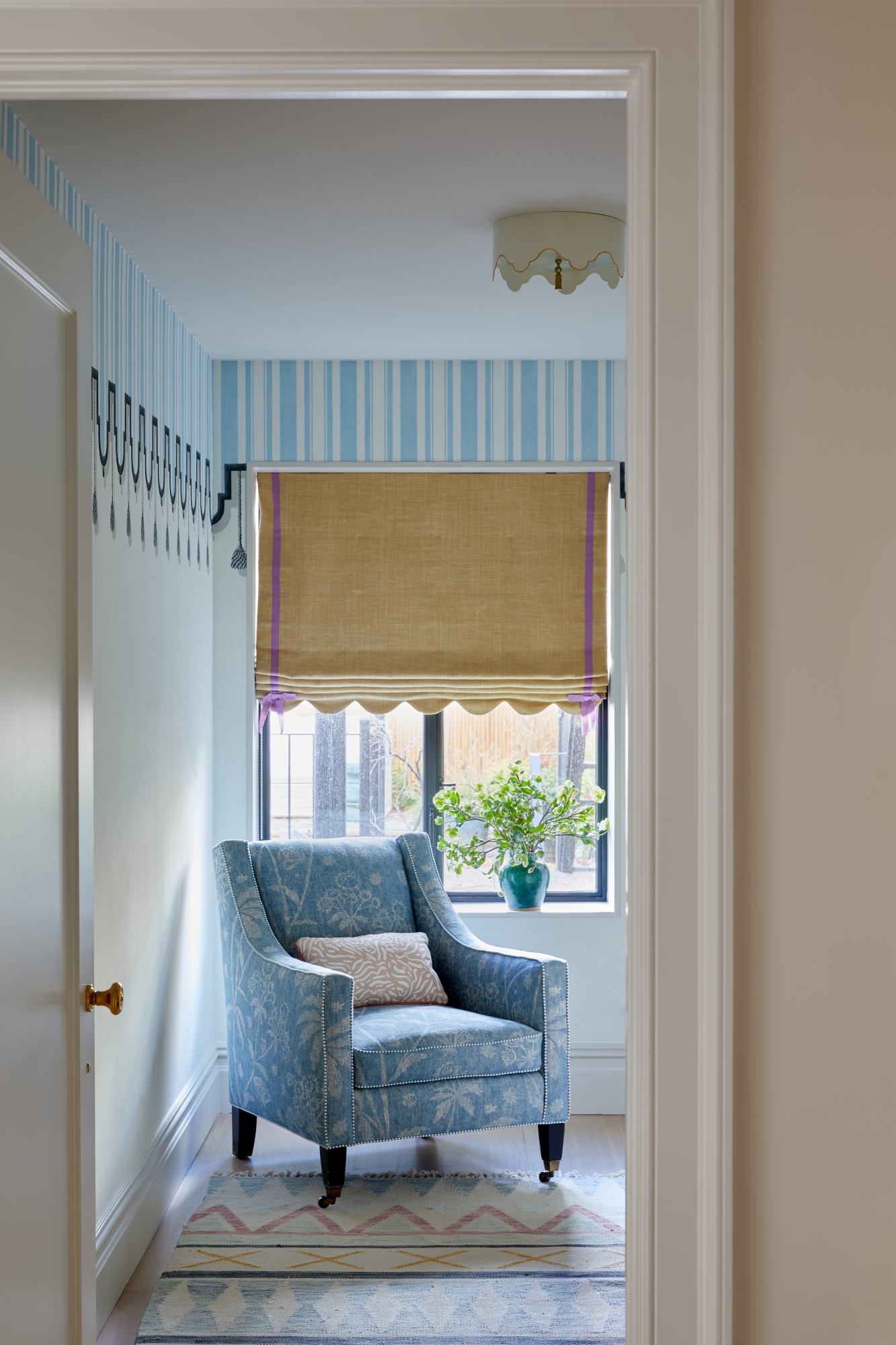
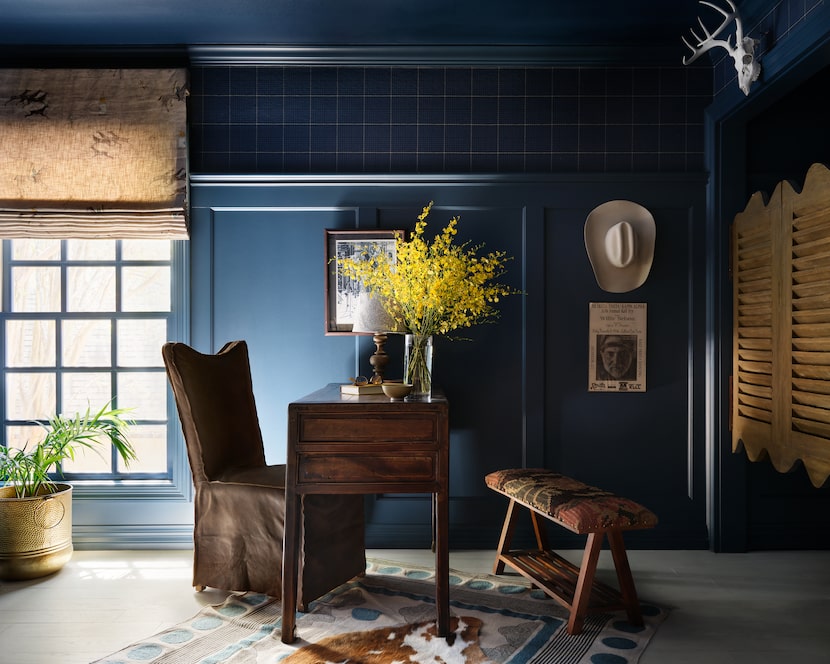
Curtains that are purely decorative and fail to serve their primary purpose of blocking light or providing privacy are also considered outdated. Functionality is paramount in modern interiors. Relaxed Roman shades are proposed as a practical and stylish solution, offering a balance between aesthetics and utility without requiring a full drapery overhaul. These shades can effectively manage light and privacy while maintaining a chic appearance.
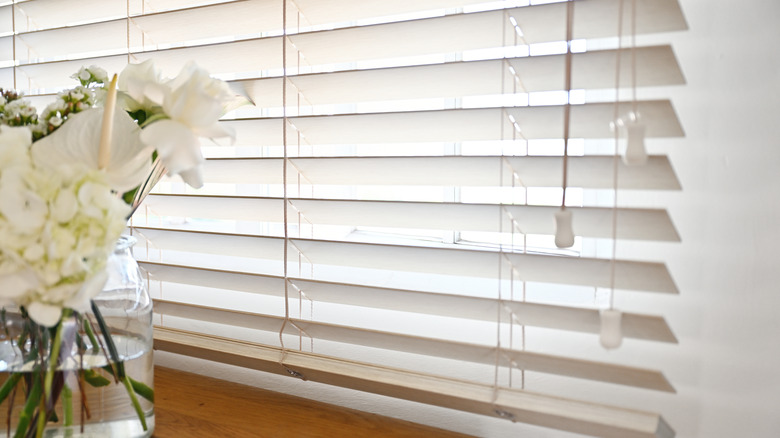
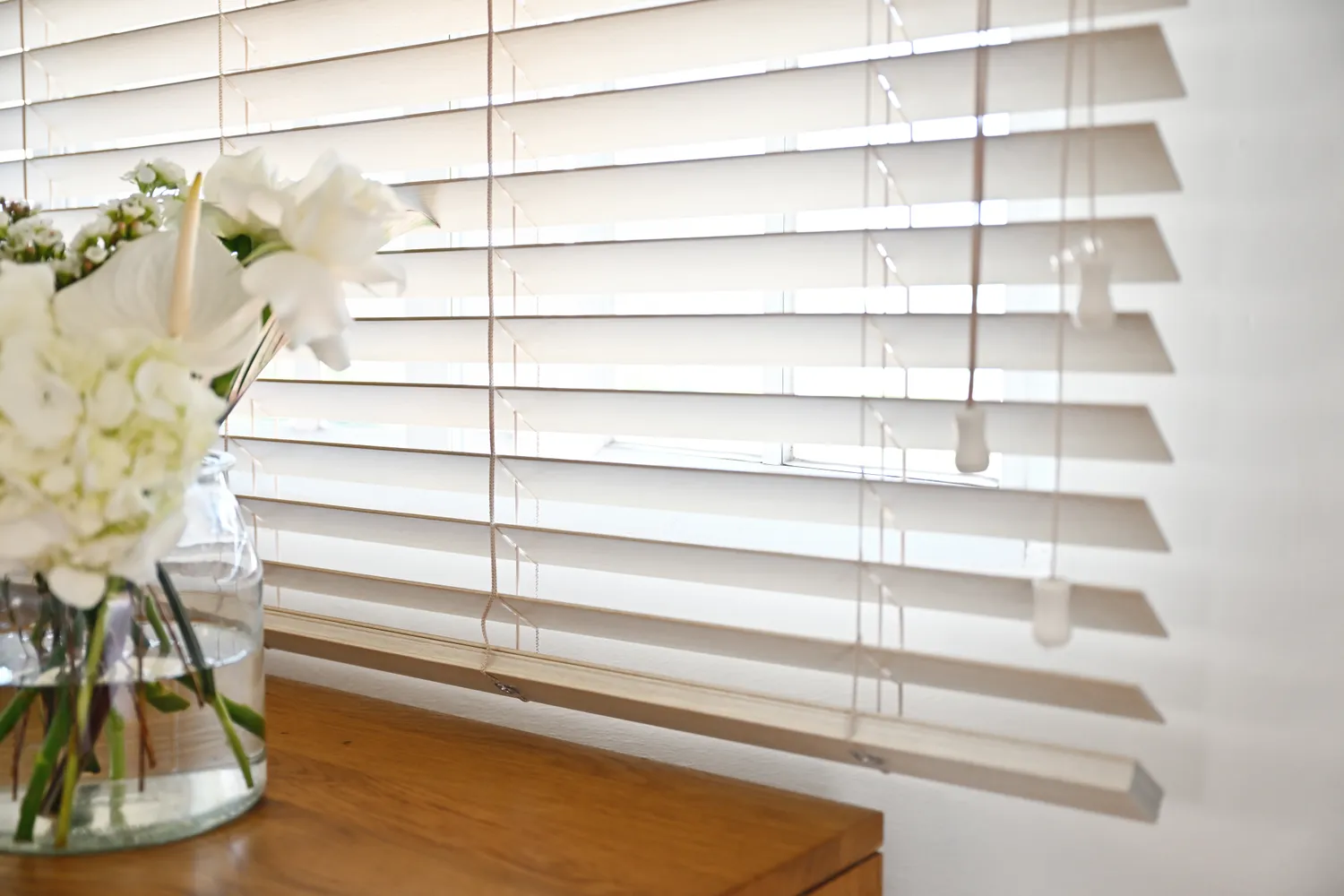
Finally, traditional vertical and horizontal blinds, once a common practical choice, are now often seen as dated and overly busy. They can disrupt the flow of natural light and introduce harsh lines that clash with today’s softer, more architectural interiors. Upgrading to automated Lutron shades offers a clean, modern aesthetic with the added benefits of convenience and smart-home integration, creating a seamless and elevated window treatment. While traditional blinds may still have a place in specific settings, such as libraries or moody dens where a darker, cozier atmosphere is desired, they are generally not suitable for contemporary spaces aiming for brightness and openness.
#WindowTreatments #InteriorDesign #HomeDecor #OutdatedTrends #ModernDesign #RoomAmbiance #NaturalLight #CurtainStyles #HomeRenovation #WindowTreatments #InteriorDesign #HomeDecor #OutdatedTrends #ModernDesign #RoomAmbiance #NaturalLight #CurtainStyles #HomeRenovation
0 commentaire au total
 Aucun commentaire pour le moment
Vous aimerez aussi
These are the dated window treatments interior designers are encouraging you to avoid in 2024

9 CONTROVERSIAL Decor Choices Designers Secretly Wish You’d Stop Making

4 window treatments that people with the most chic homes are choosing right now, according to interior designers
4 Outdated Window Treatments That Are Secretly Aging Your Home, Designers Say

6 window treatment trends that interior designers swear by for a quick and easy update
We Asked 6 Designers Their Favorite Way to Dress Up a Kitchen Window, and They Did Not Disappoint
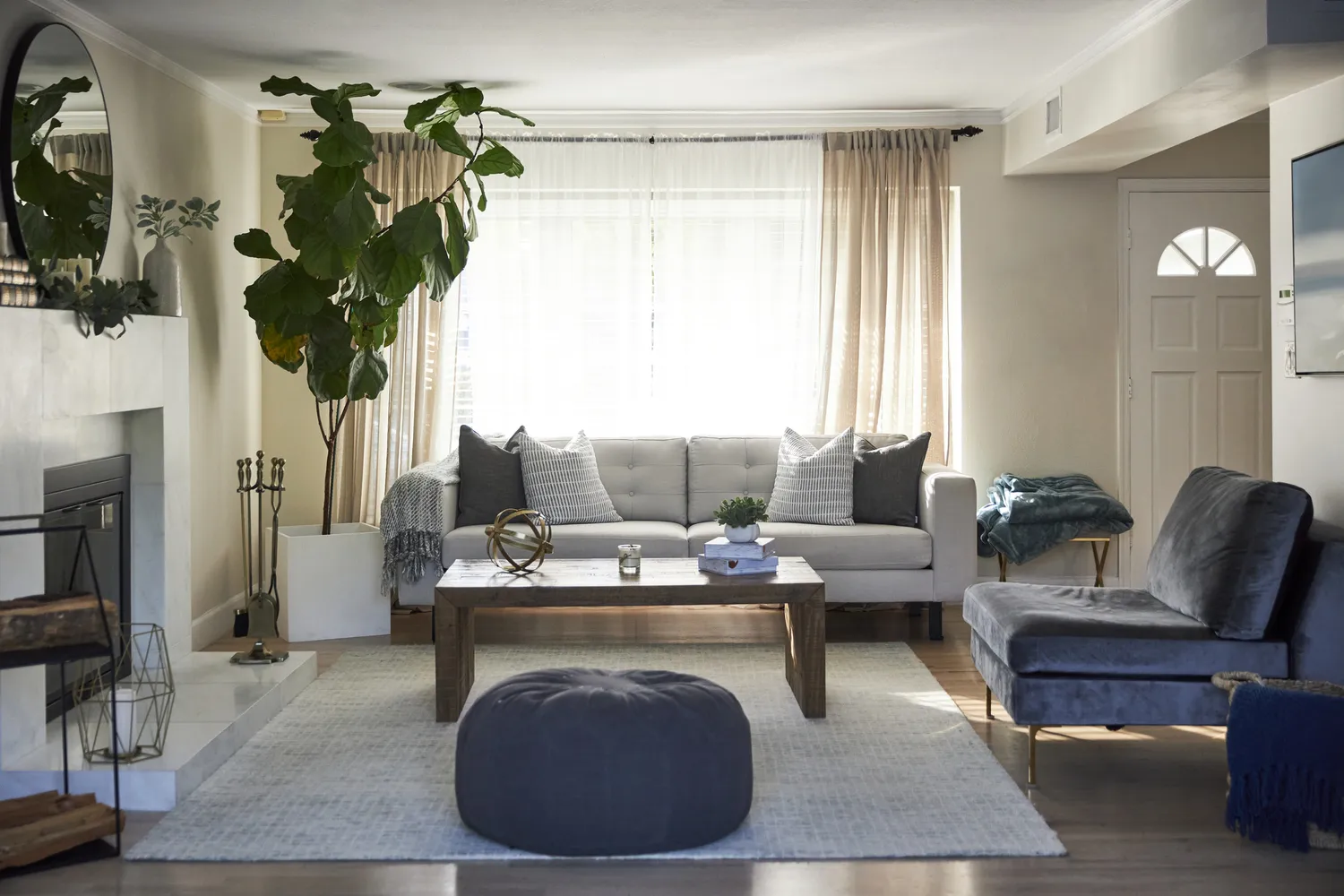
We Asked Designers Which Window Treatments People Always Regret—These 6 Came Up the Most
12 Client Asks That Absolutely TRIGGER Designers
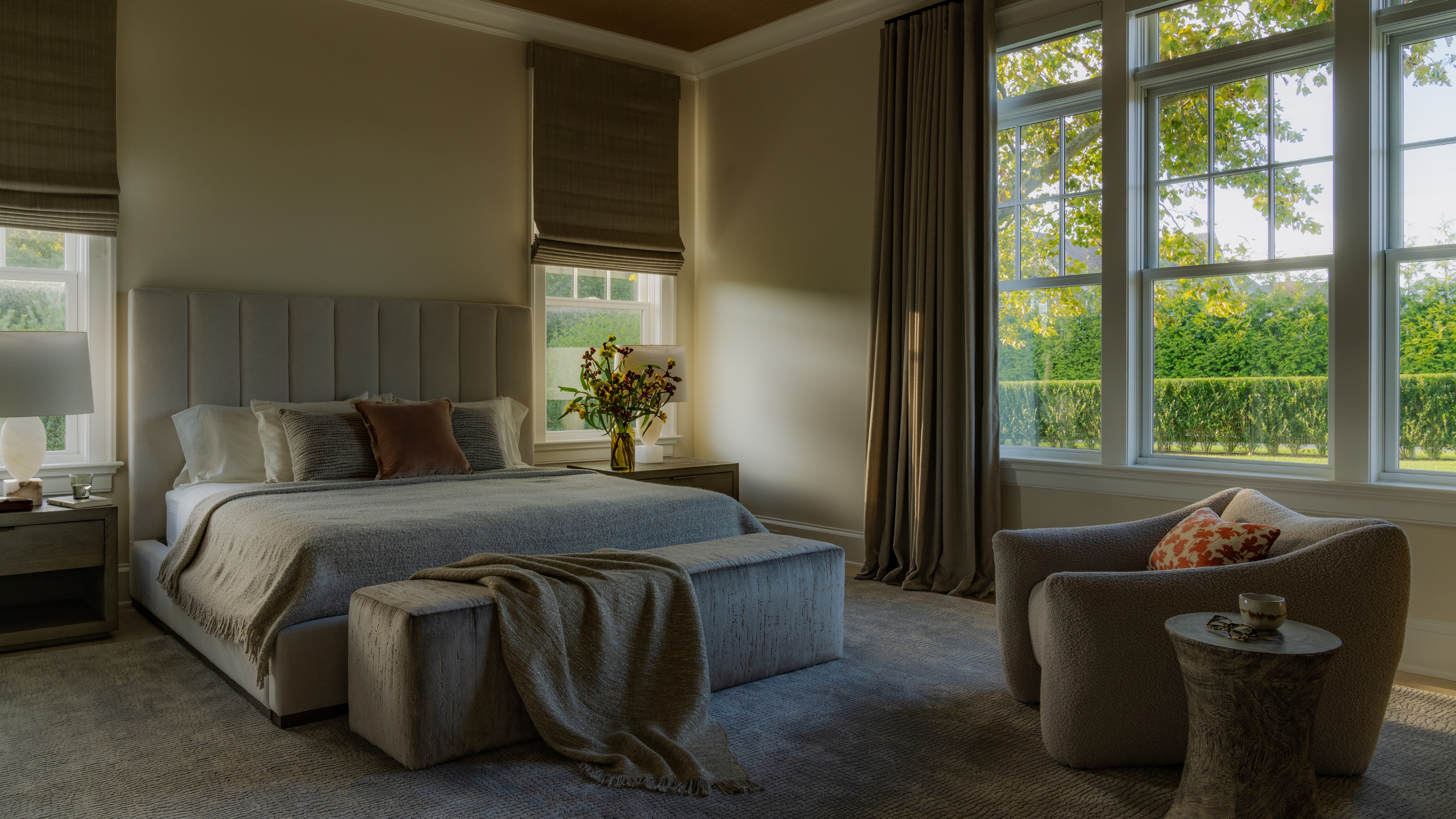
No More of These, Please — 4 Outdated Window Treatments Designers Don't Want to See You Using Anymore

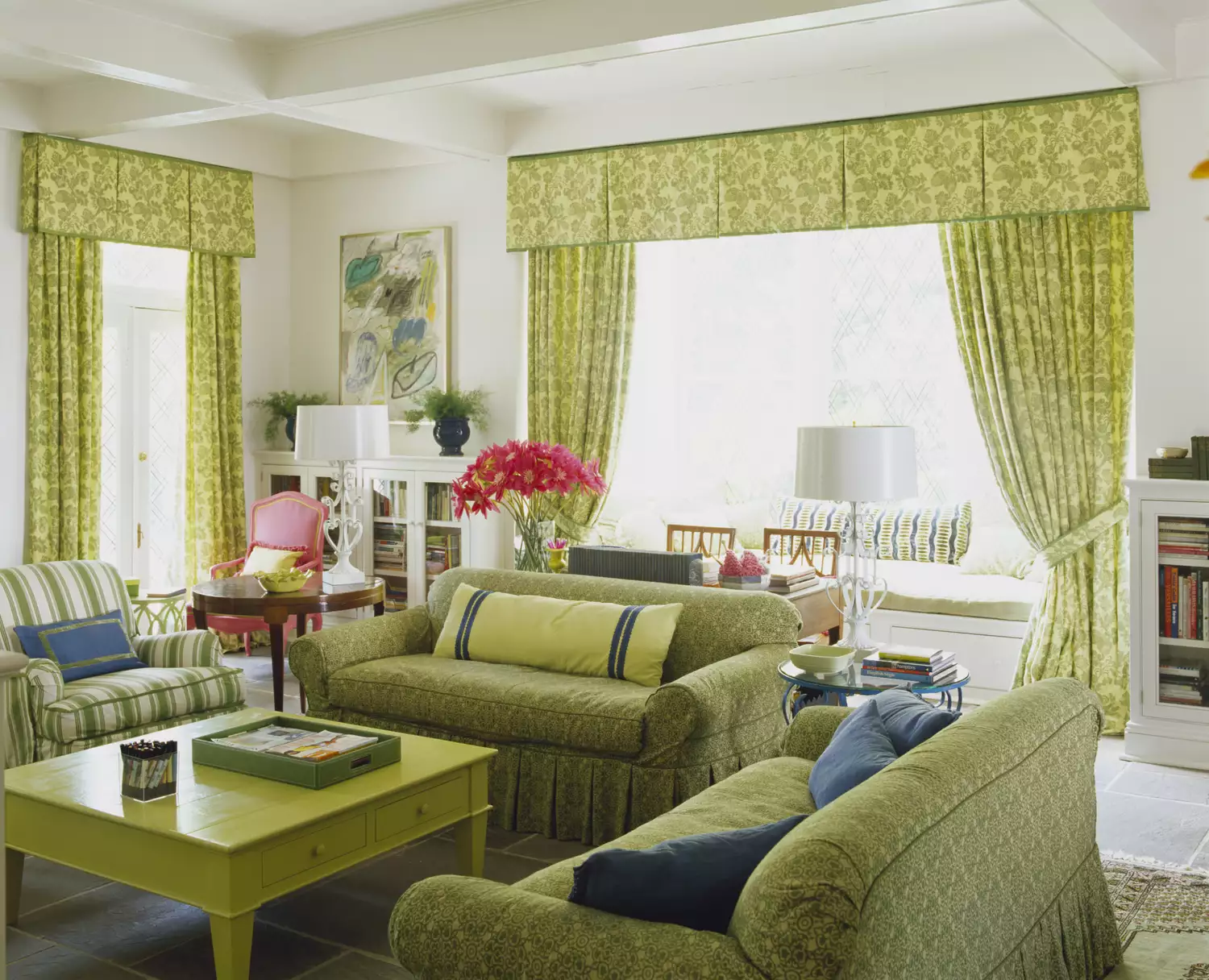
7 Window Treatments That Are Making Your Home Look Dated, According To Designers
7 Design Mistakes Interior Designers Always Notice

5 trends that look good right now but interior designers warn they won't last
6 Window Treatment Mistakes Designers Are Tired of Seeing

6 Outdated Tile Choices That Interior Designers Aren't Using Anymore — And What They Say to Try Instead
6 Things That Make Your Entryway Look TACKY, According to Designers
D-FW designers reveal the do’s and don’ts of window treatments

Once-Popular Window Treatments That Are Now Dating Your Home
5 outdated wall decor trends designers warn to avoid – plus what we should be doing instead
Window Pros Break Down Six Styles

6 Window Treatment Trends That Are Going Out of Style (and What to Do Instead)