1/27
27 stylish blinds from the world’s most creative designers
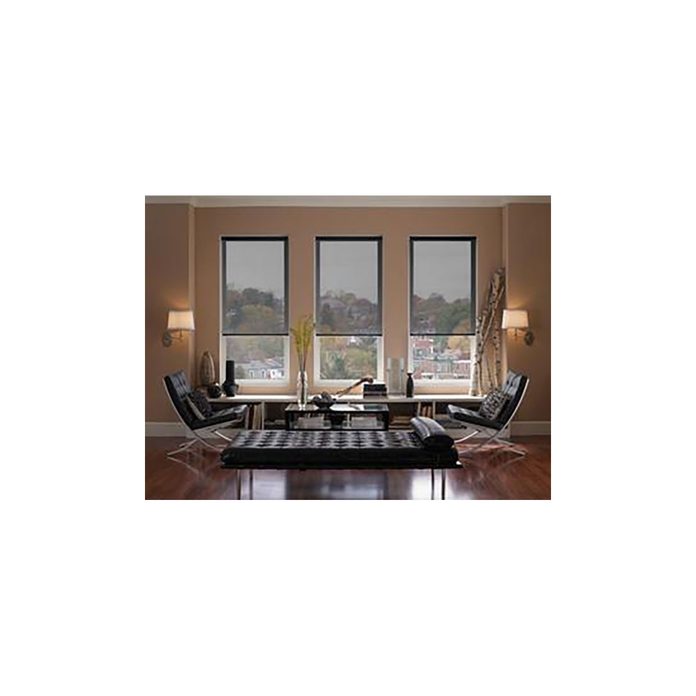
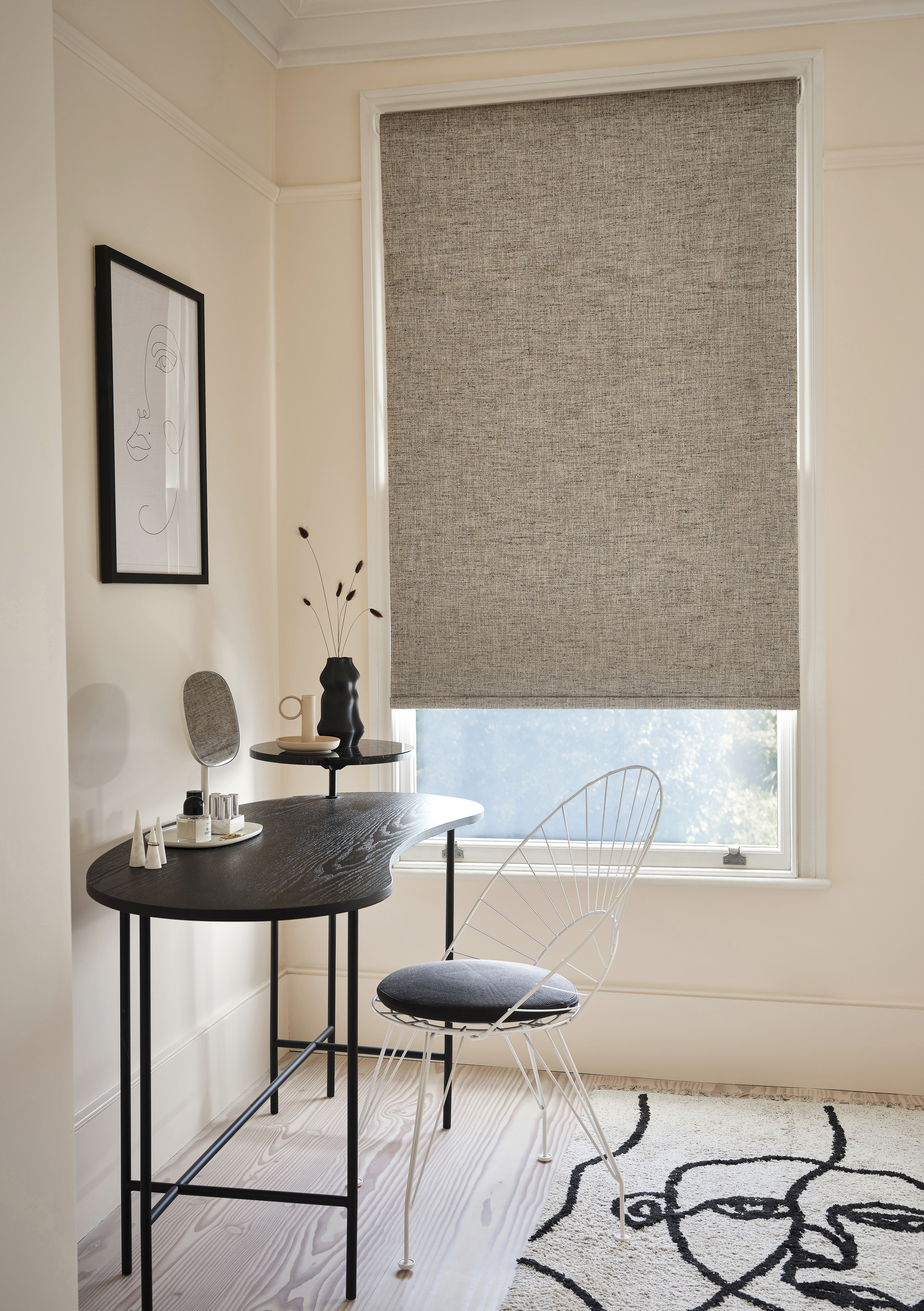
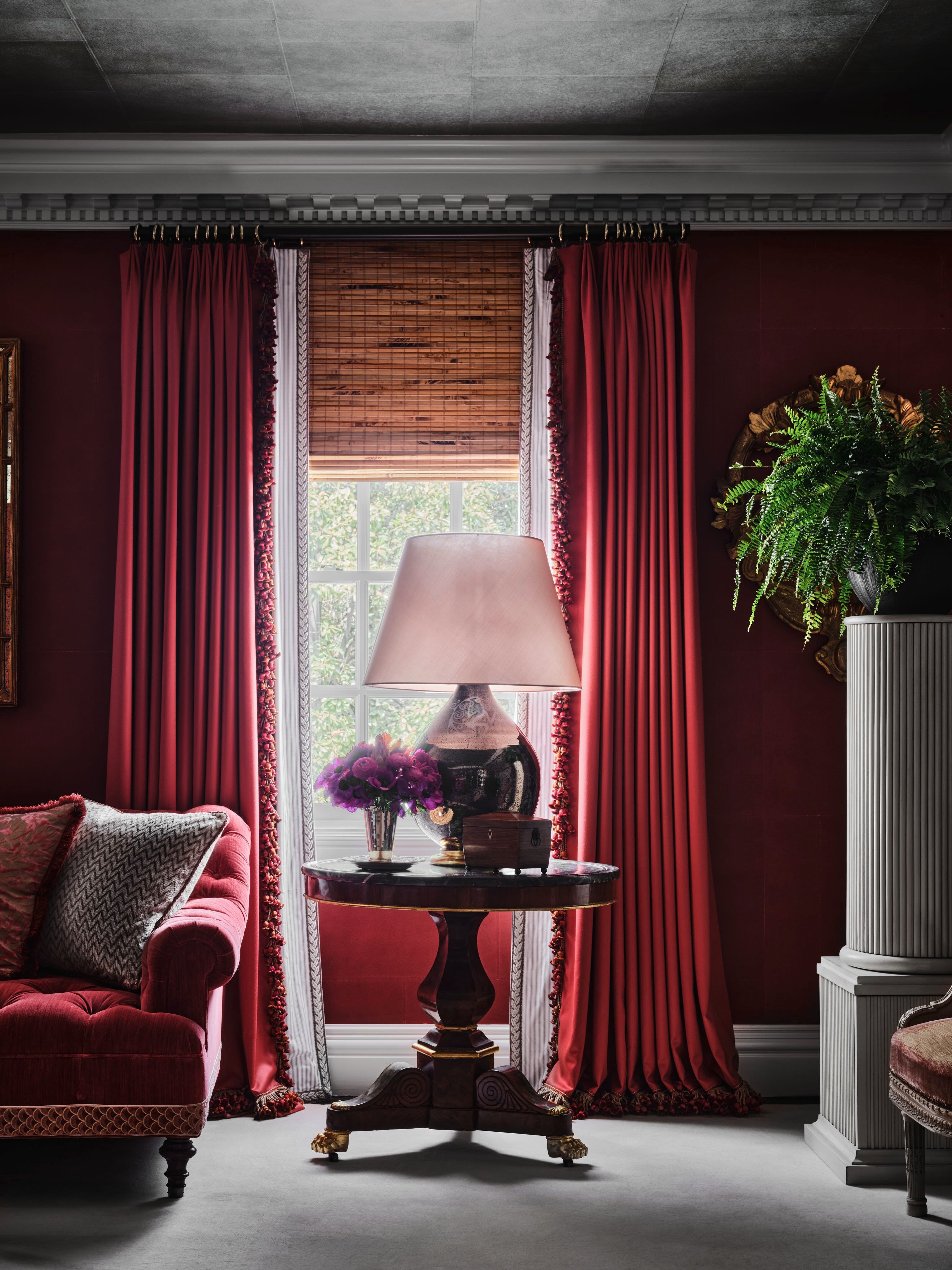
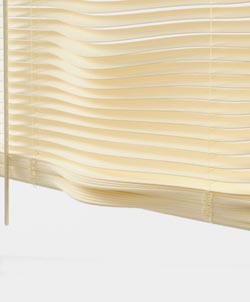
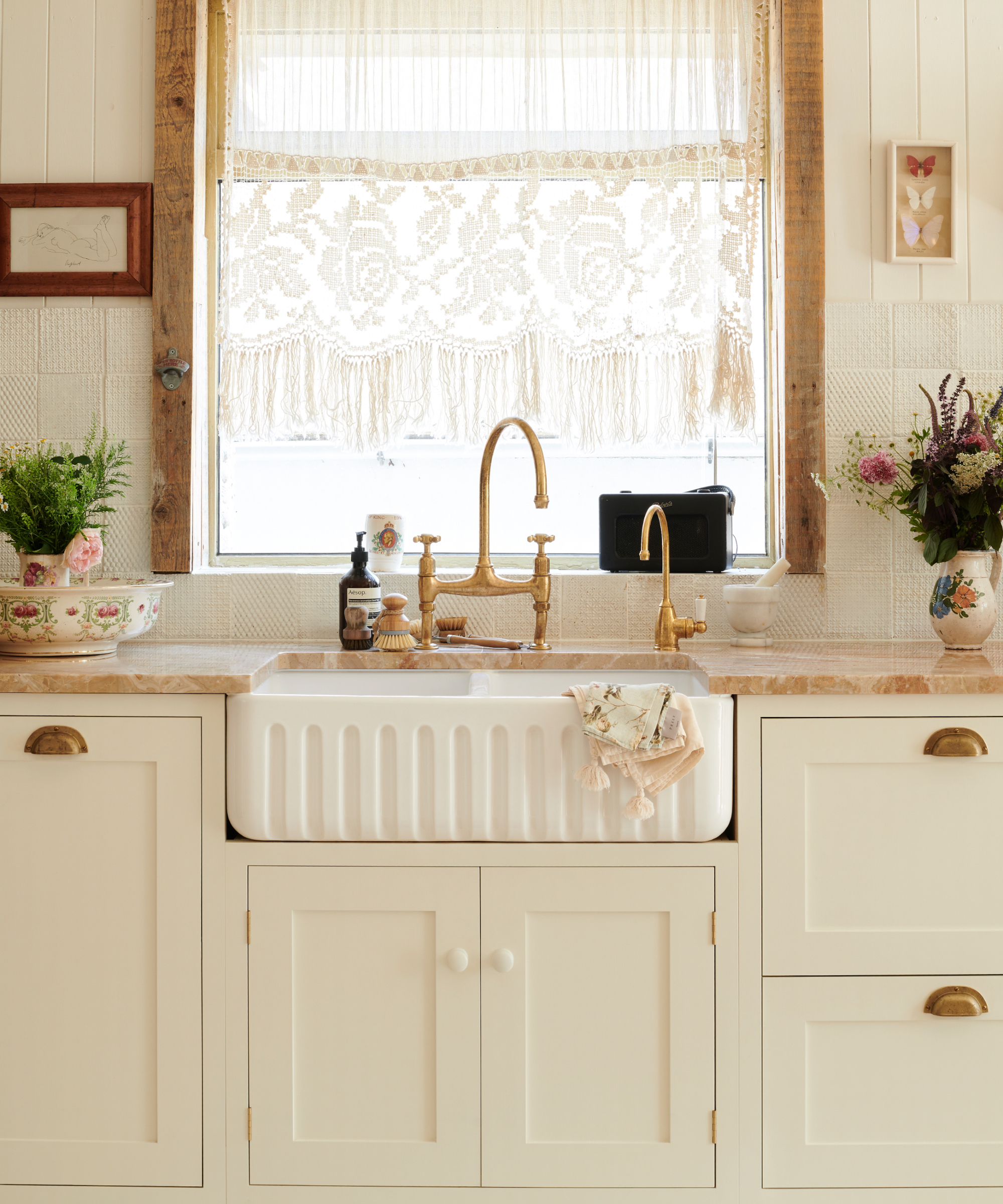
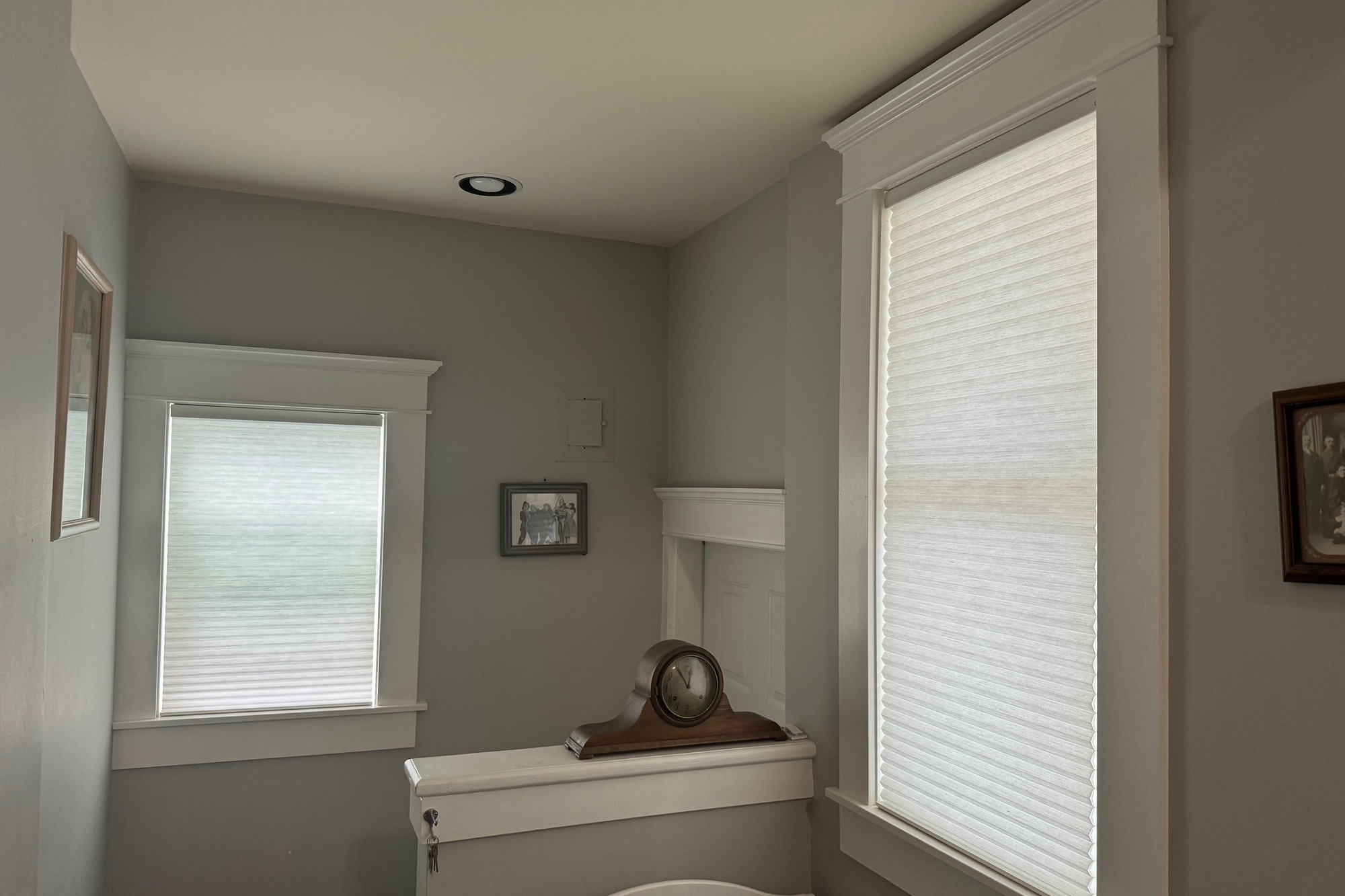
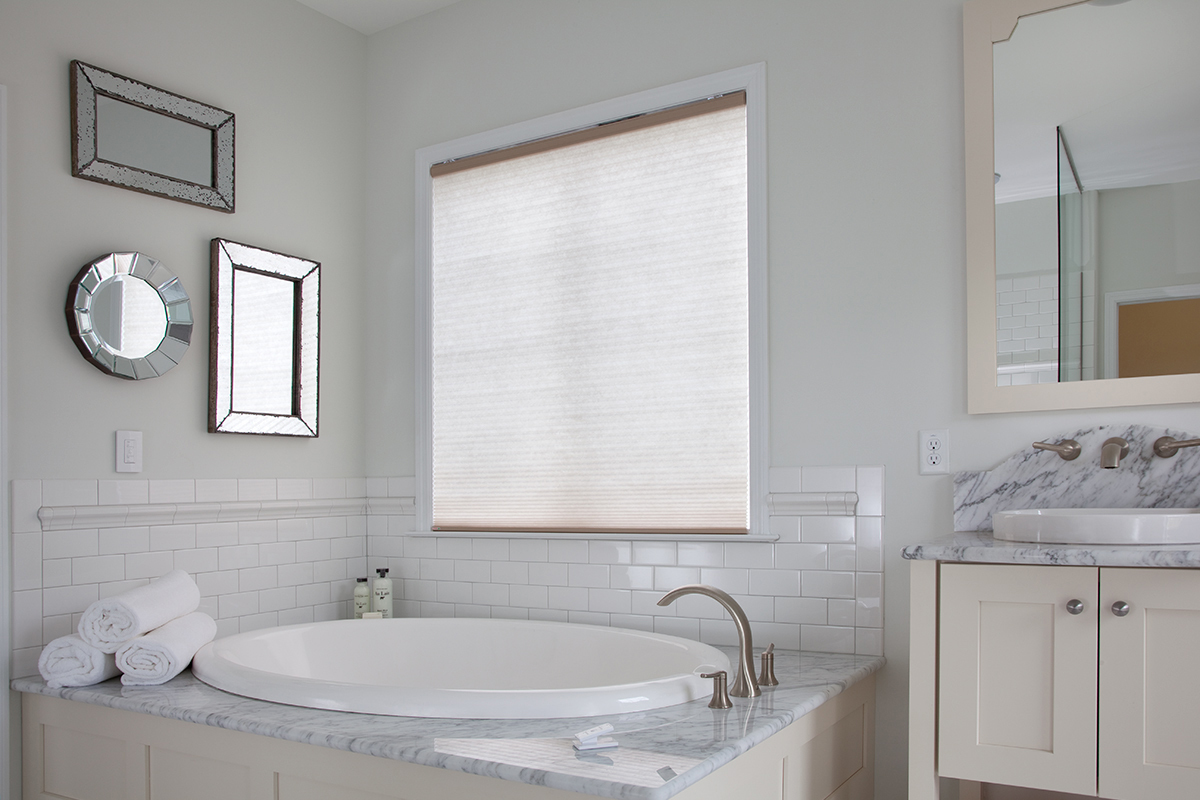
Blinds, often underestimated, offer a subtle yet impactful design tool capable of elevating an interior. While they may lack the dramatic flair of heavy curtains or sweeping pelmets, blinds can significantly influence light management and room proportion with quiet precision. Designers emphasize that achieving a well-executed blind requires considerable technical skill, sometimes even more so than creating an ordinary pair of curtains.
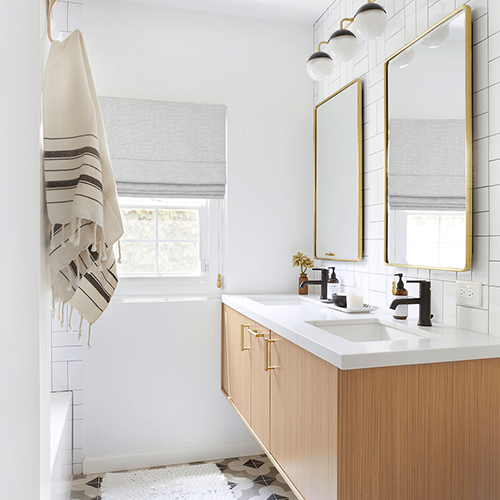
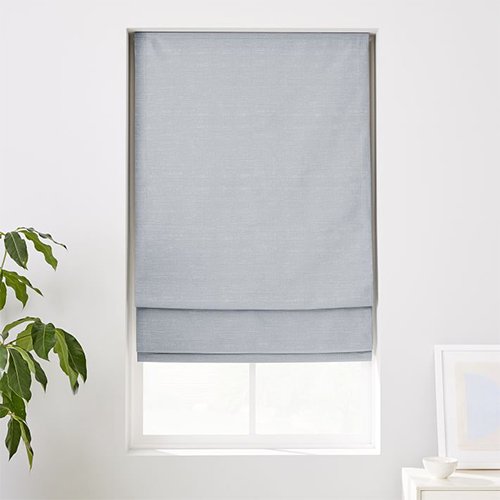
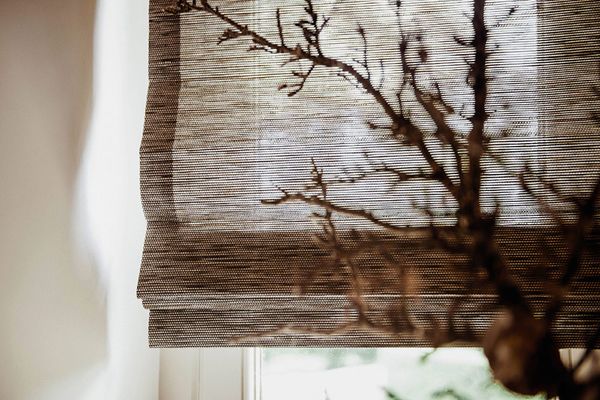
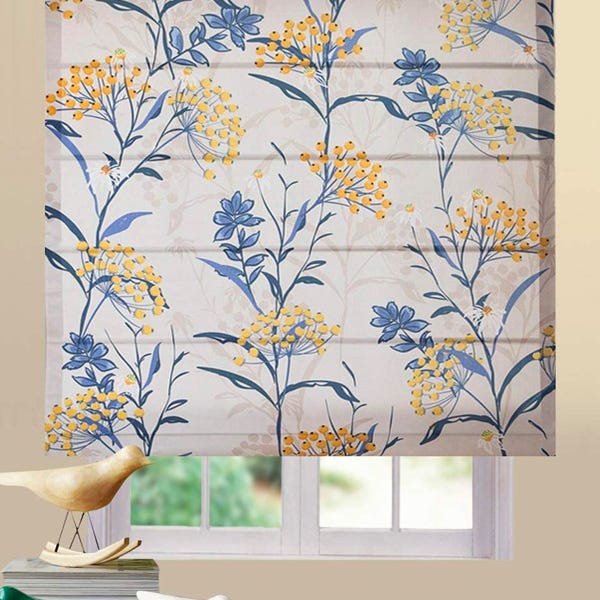
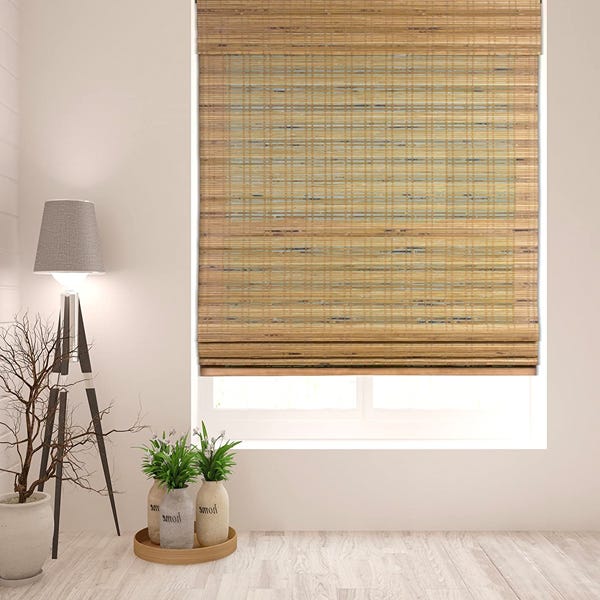
Among the various types, the Roman blind is commonly recognized, typically featuring internal rods that guide the fabric into neat folds, ensuring smooth operation. This structured approach appeals to those who favor clean lines and a precise aesthetic. However, for a softer look, designers often prefer unstructured or partially unstructured Roman blinds, where the fabric drapes more fluidly, adding life and movement to the window treatment, rather than the rigid functionality of traditional rods.
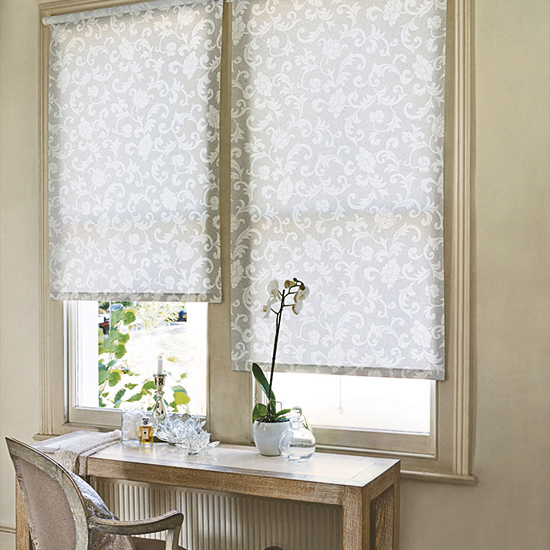
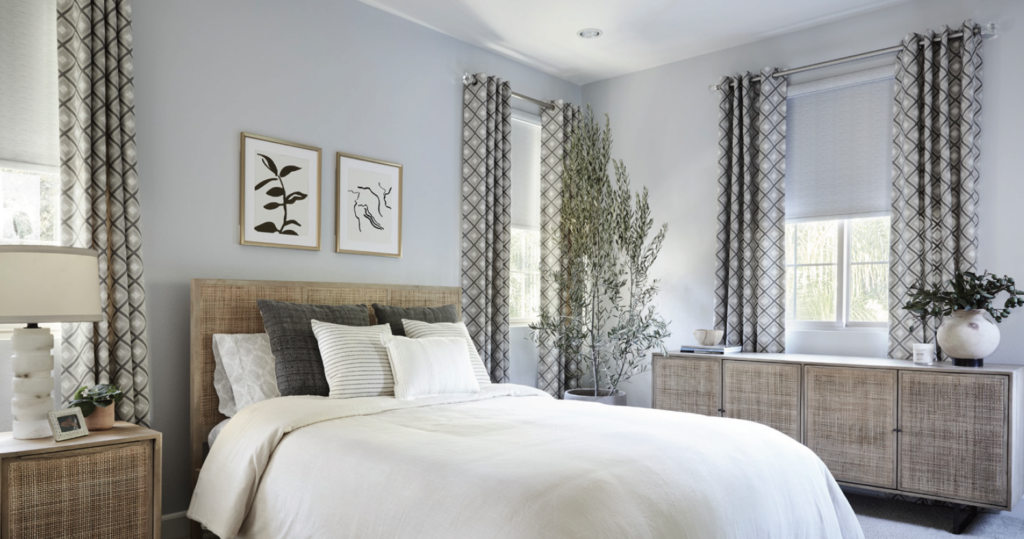
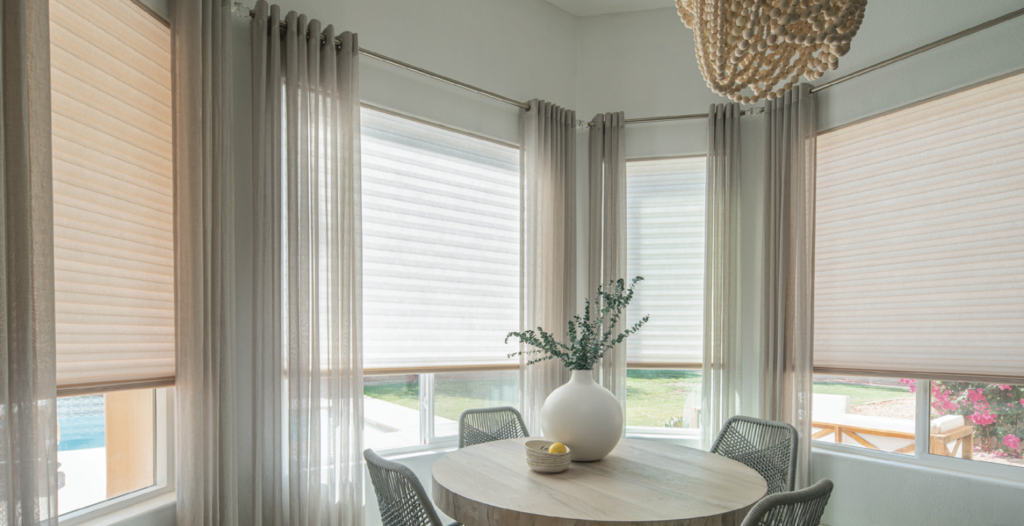
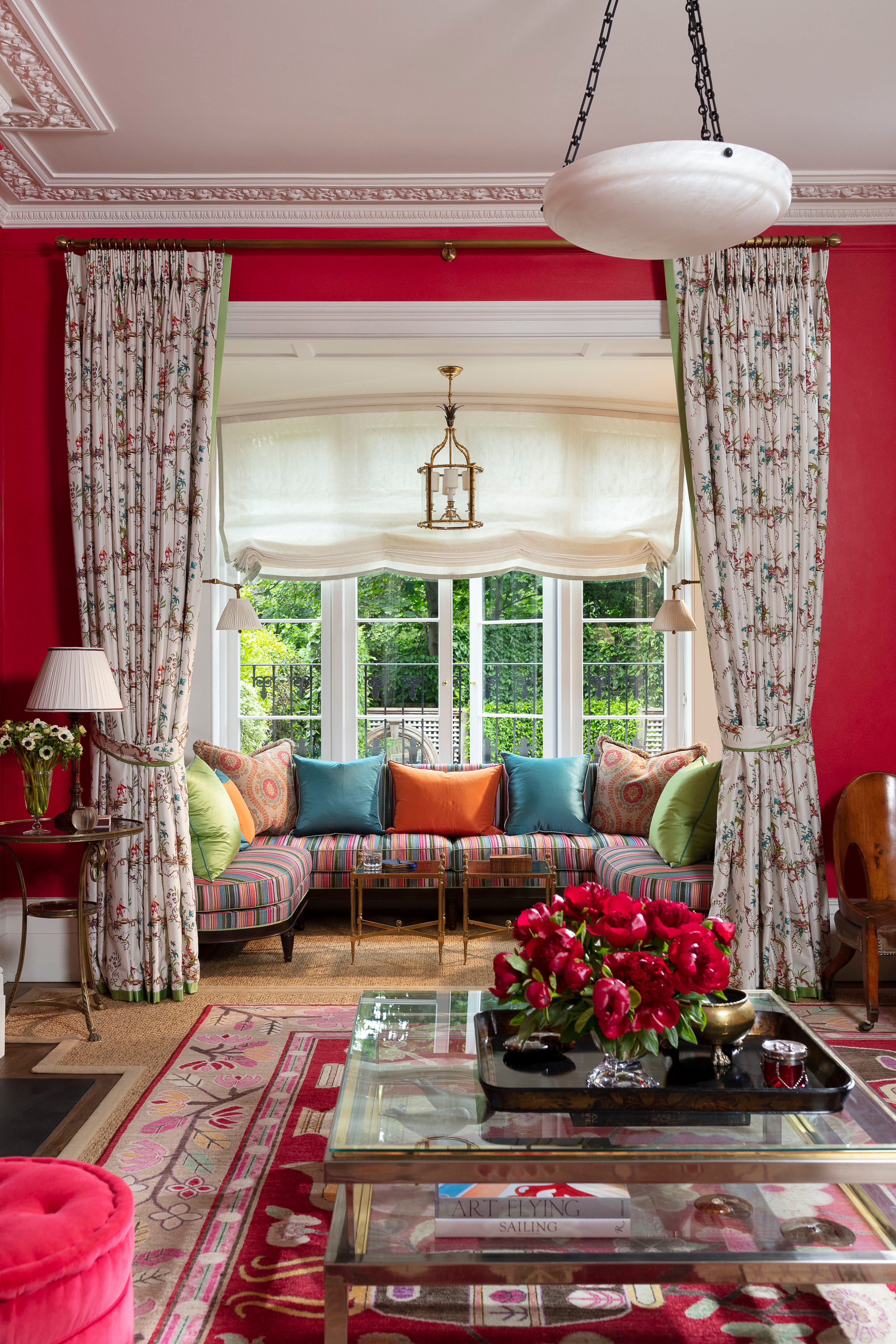
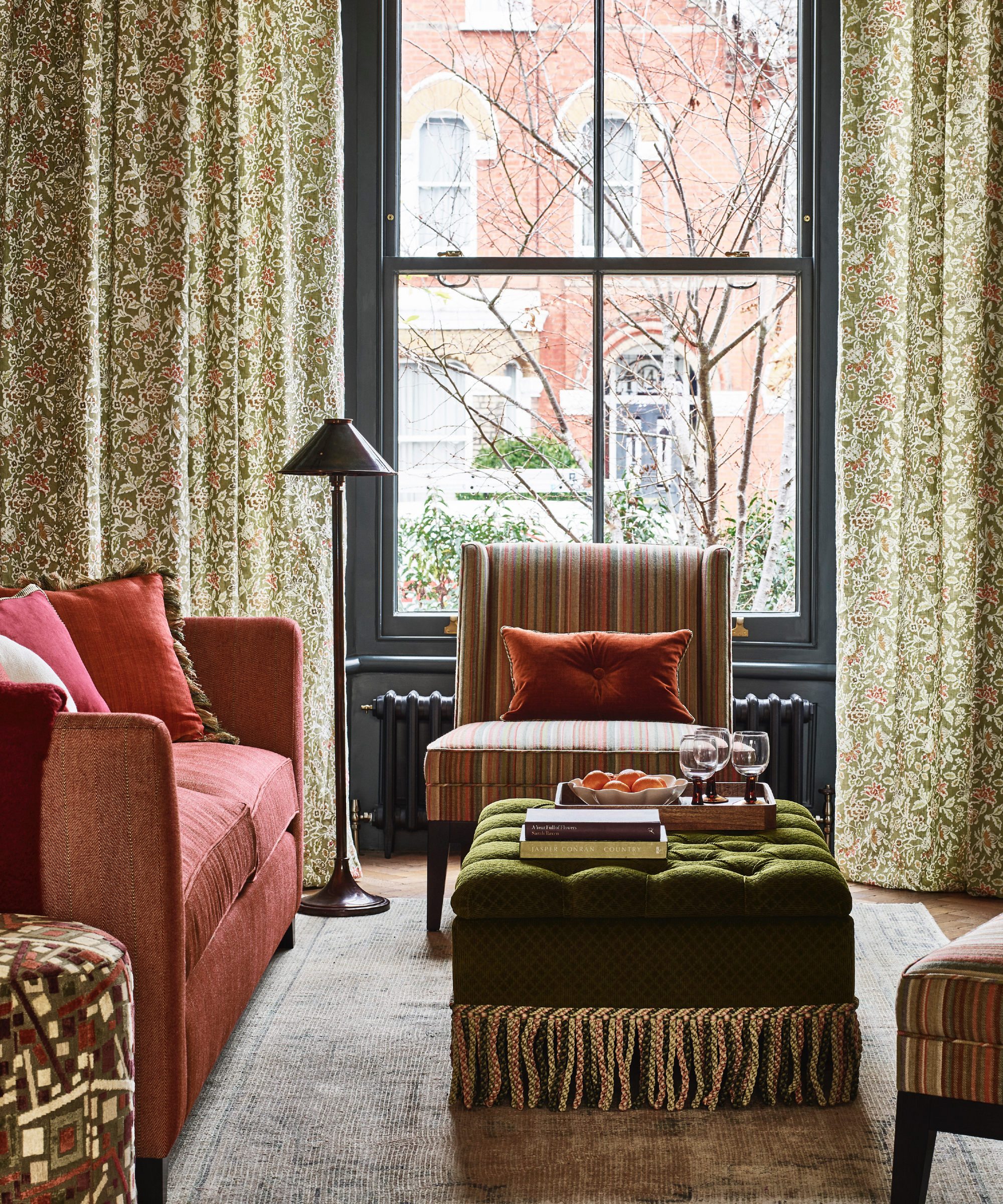
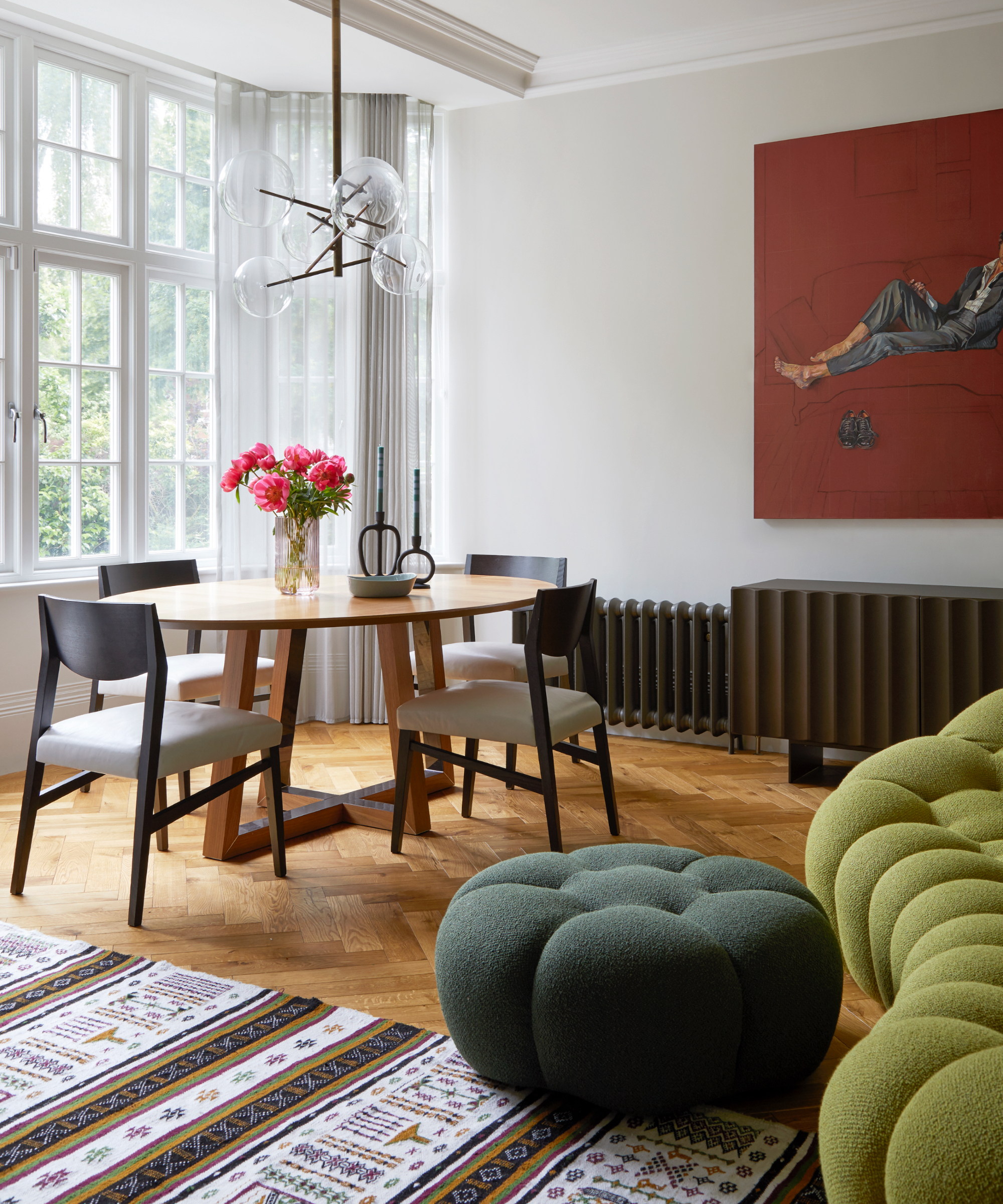
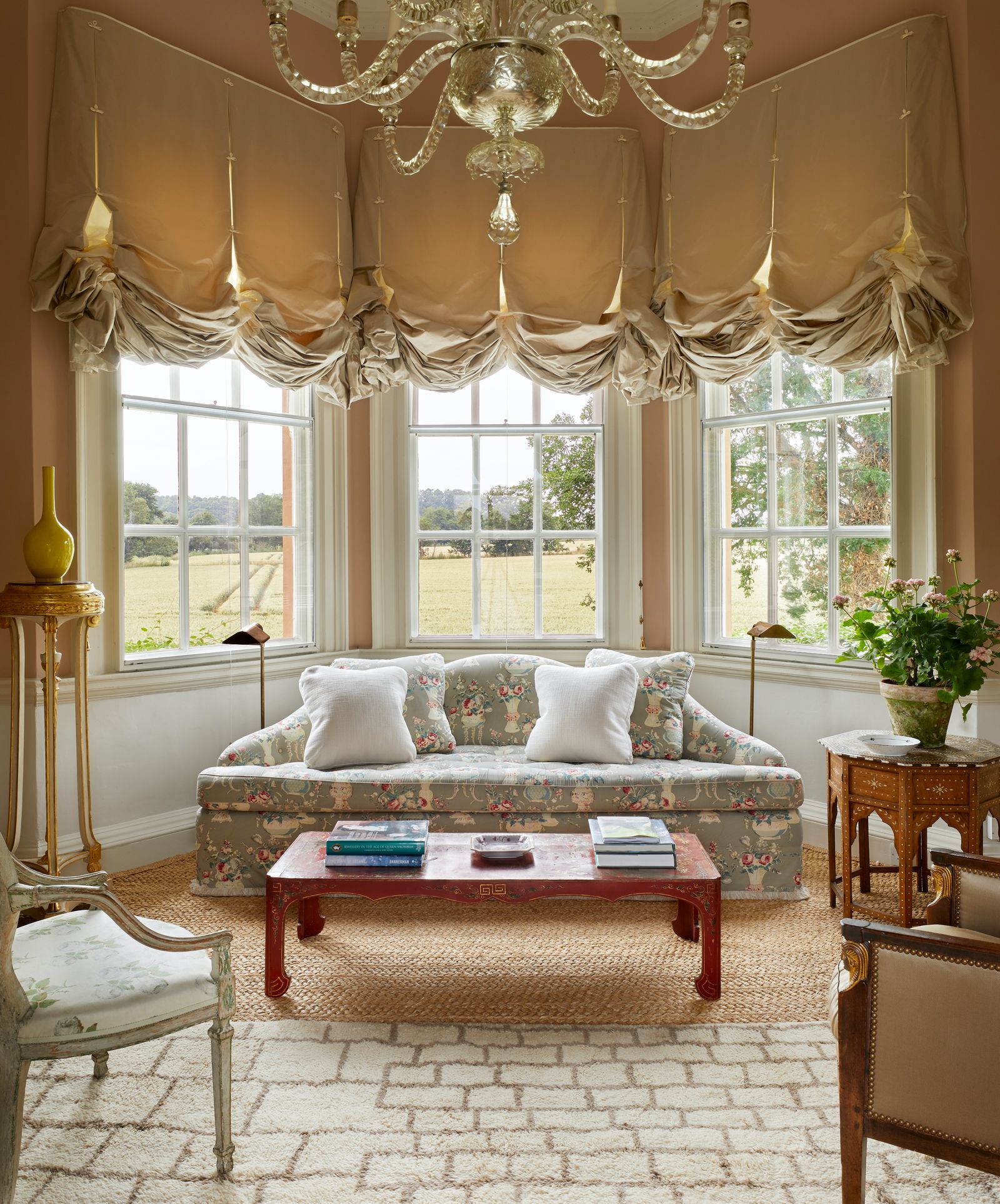
Beyond Roman blinds, other appealing options exist. The London blind, characterized by its soft, inverted pleats, is particularly well-suited for traditional interiors, offering a refined touch. For a more theatrical and luxurious feel, Austrian blinds, with their distinctive ruched, vertical gatherings, provide a generous swathe of fabric and a dramatic presence. Even in rooms with existing curtains, blinds can serve a complementary role. Many designers advocate for layering sheer roller blinds behind curtains, offering privacy without plunging the room into darkness, especially useful for morning routines.
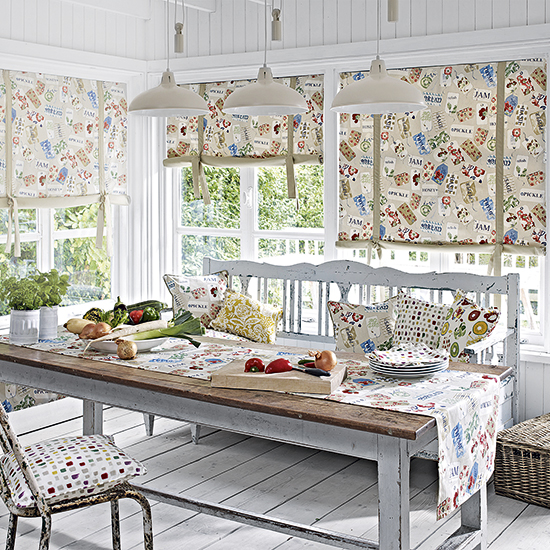
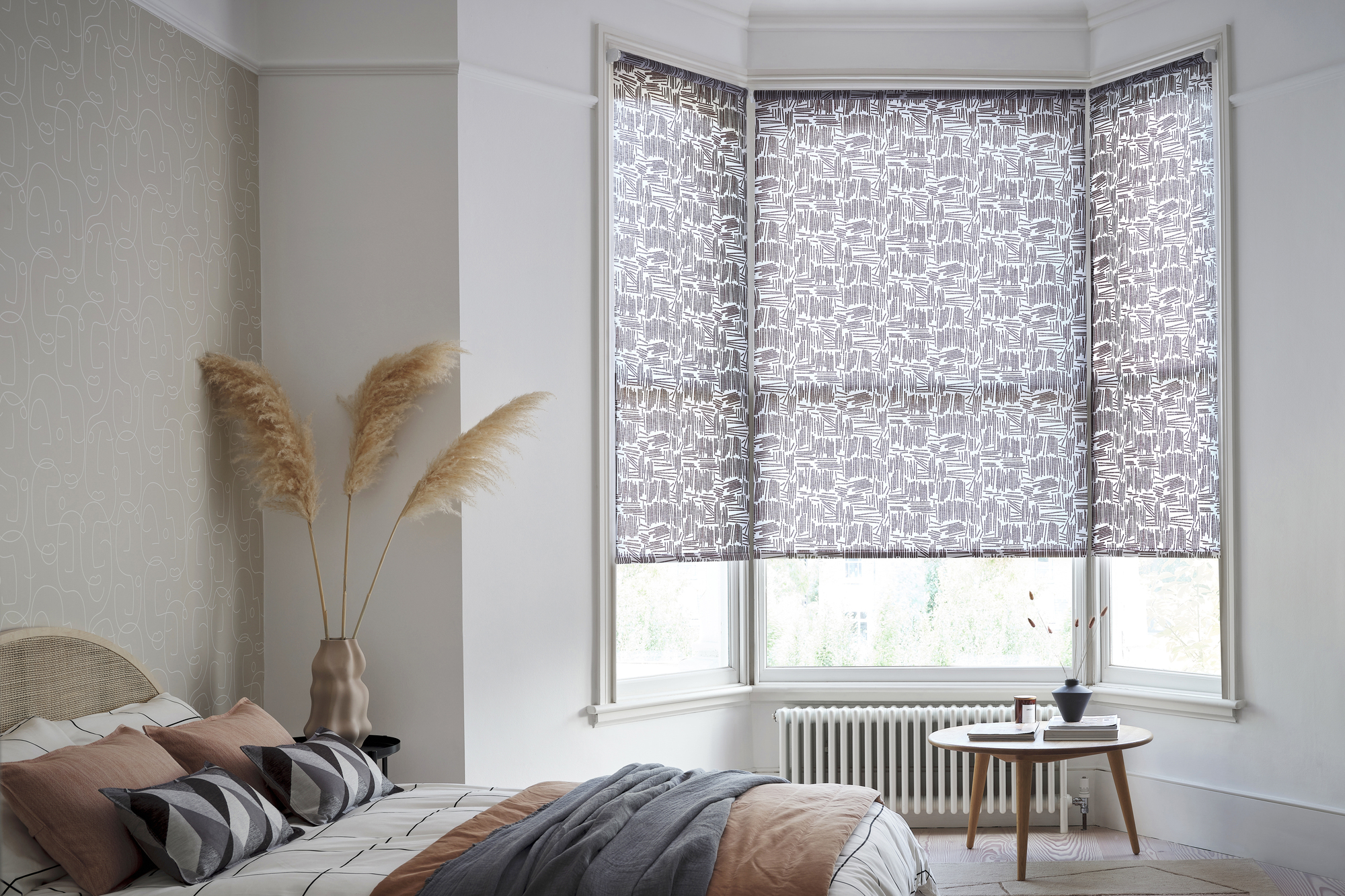
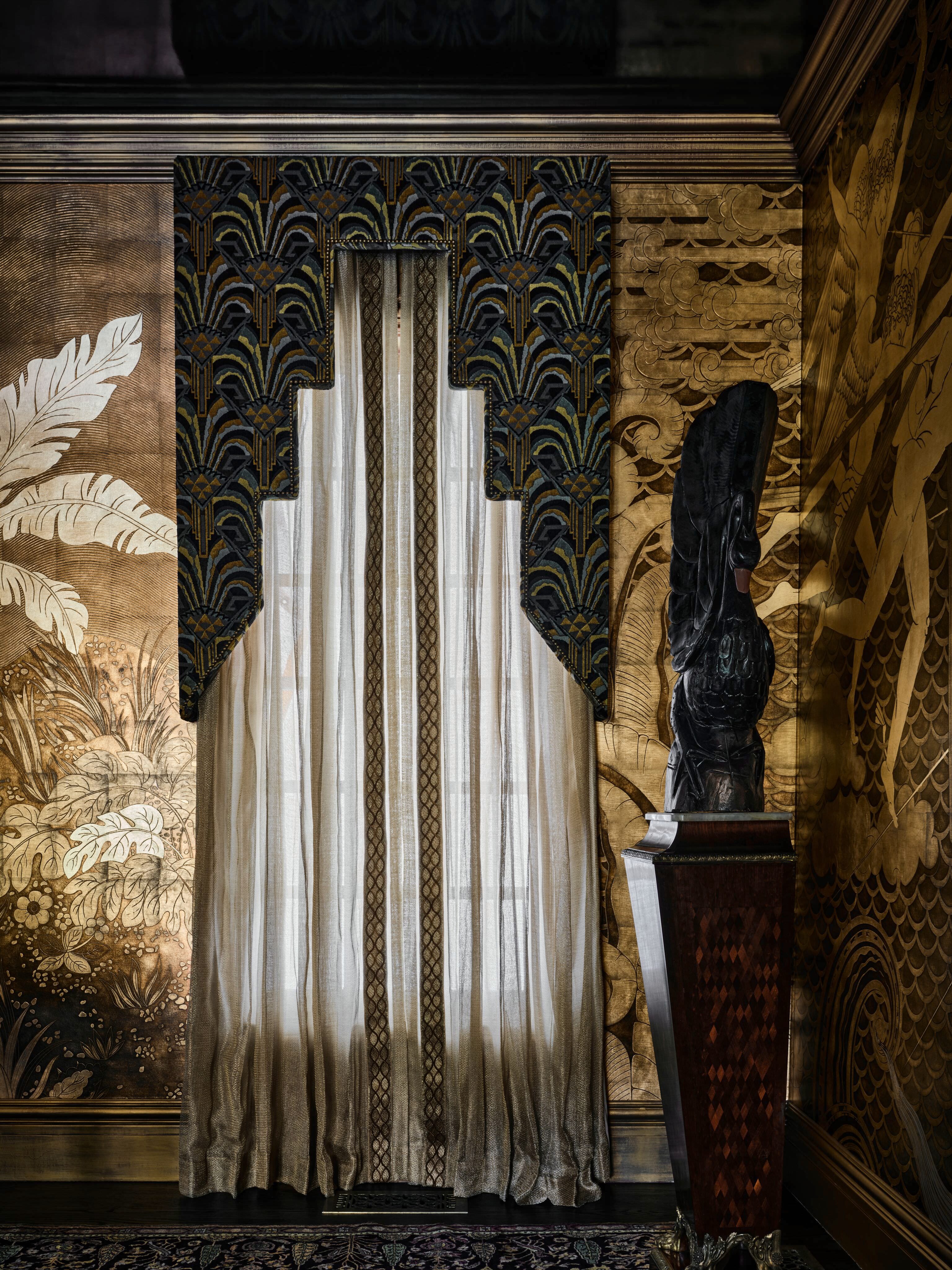
Blinds are not solely functional; they can be highly expressive. Designers like Daniel Slowik suggest treating blinds with the same decorative consideration as a dress, incorporating fullness, trimming, or frills to enhance their aesthetic appeal. Festoon blinds, bows, or even Maltese cross details can add unique character. To maximize the impact of these design elements, using plain fabric can draw attention to the blind's shape and structure rather than relying on patterns.
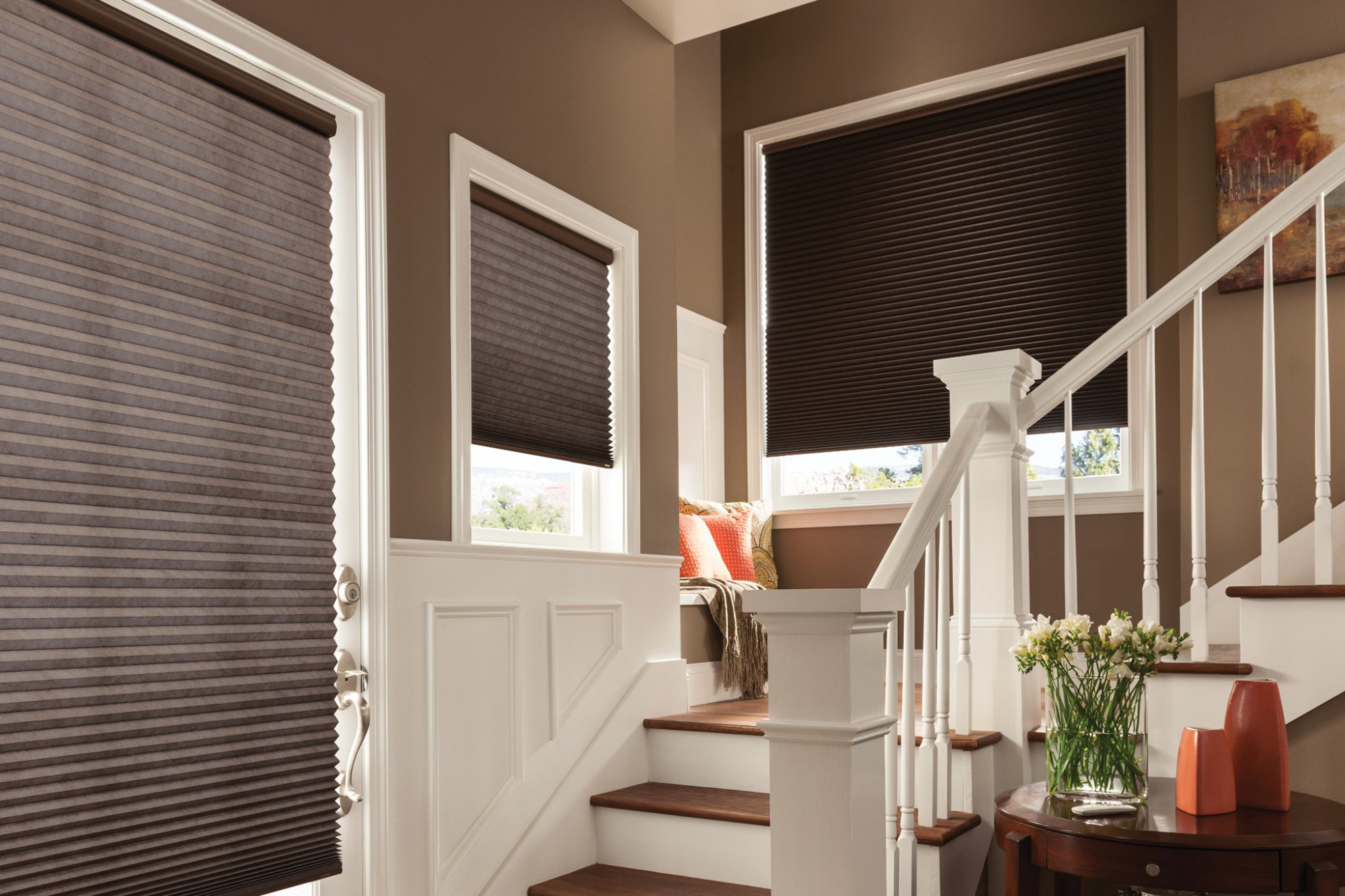
Furthermore, blinds possess the ability to subtly manipulate the perception of a room's proportions. In spaces with unusual dimensions, such as a stair window with a high ceiling, strategic placement of a blind significantly above the window's true height can create the illusion of a taller, more elegant opening, a trick difficult to achieve with curtains. Whether the goal is complete light blockage or a gentle filtering of daylight, blinds offer versatile solutions that can adapt to various decorative schemes, from urban settings to countryside homes.
#WindowTreatments #InteriorDesign #HomeDecor #Blinds #RomanBlinds #AustrianBlinds #LondonBlinds #DesignIdeas #DecorativeSolutions #WindowTreatments #InteriorDesign #HomeDecor #Blinds #RomanBlinds #AustrianBlinds #LondonBlinds #DesignIdeas #DecorativeSolutions
0 commentaire au total
 Aucun commentaire pour le moment
Vous aimerez aussi

8 Best Smart Blinds


Budget Blinds — The Company That Brings A Full Design Showroom To Your Home!
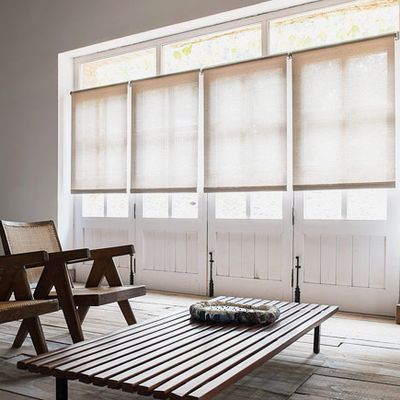
The Best Window Curtains and Shades, According to Interior Designers
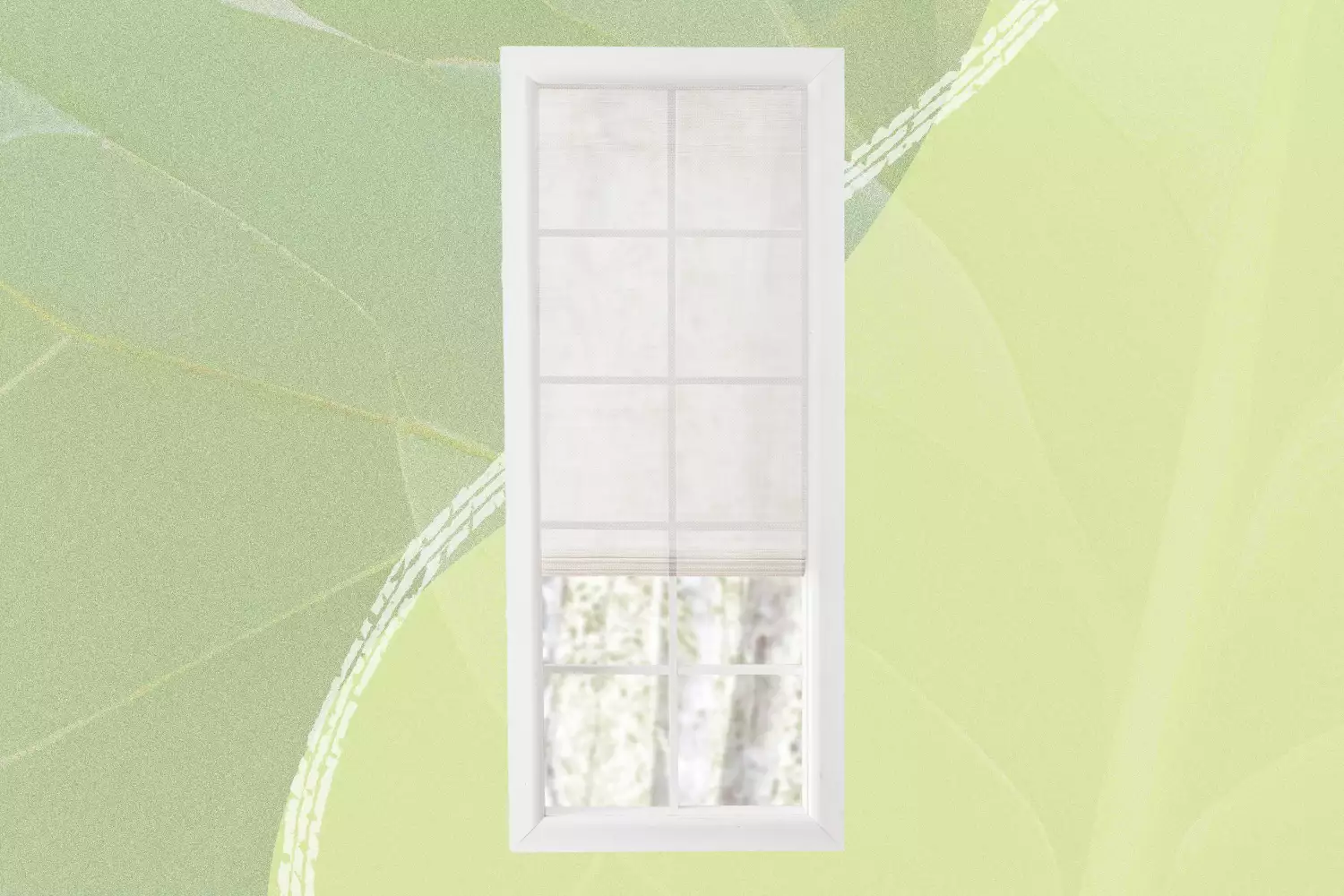
The 11 Best Places to Buy Blinds Online for Fresher Window Treatments

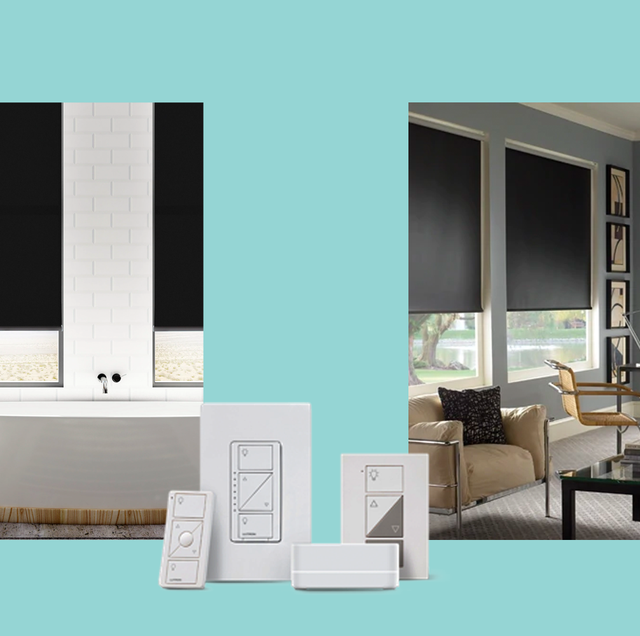
7 Best Smart Blinds and Smart Shades, According to Pros

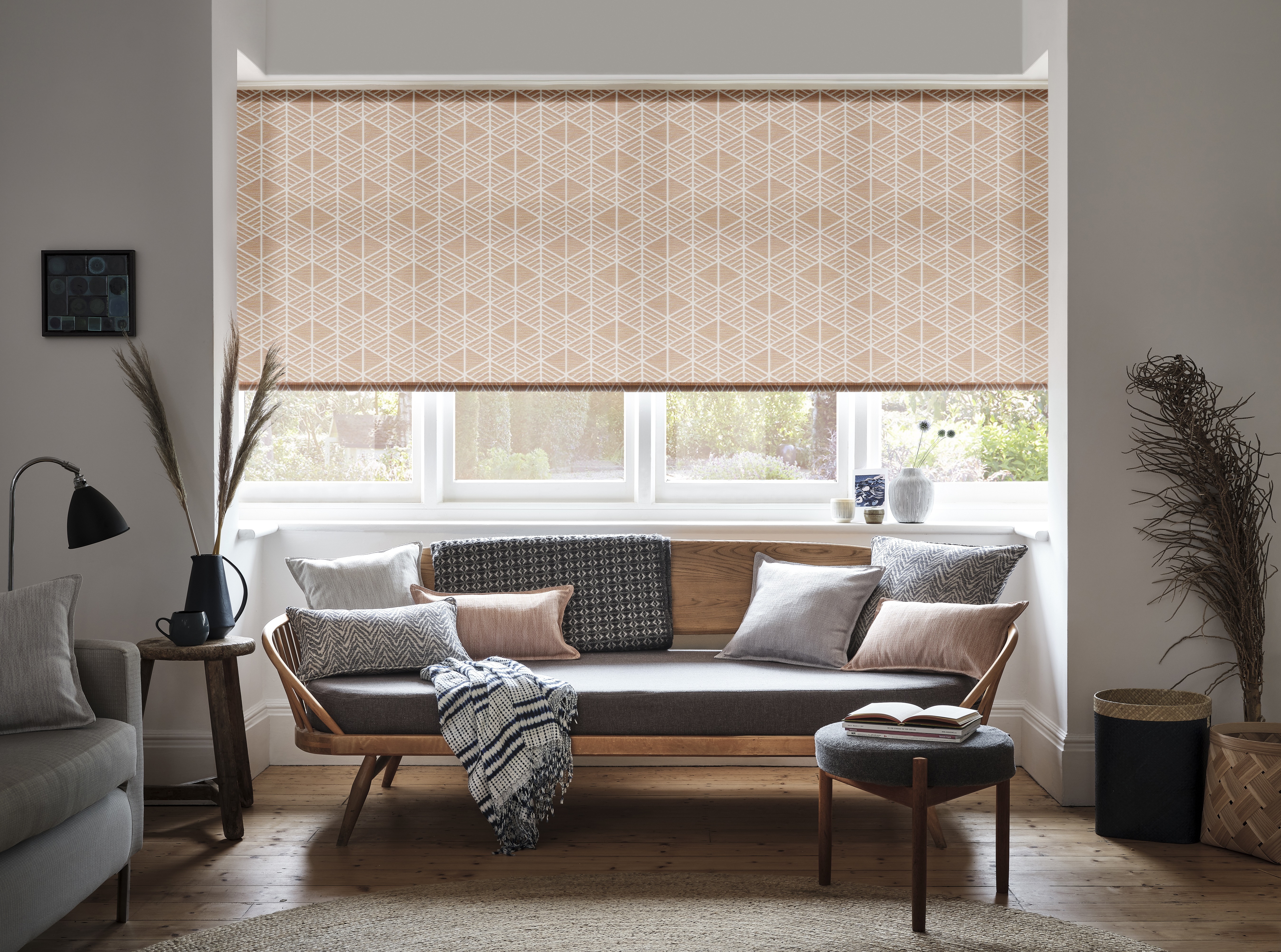
How to reverse roll a roller blind - a neat interior design trick to instantly make your home tidier and better


11 Blinds To Make Your Windows The Coolest On The Block
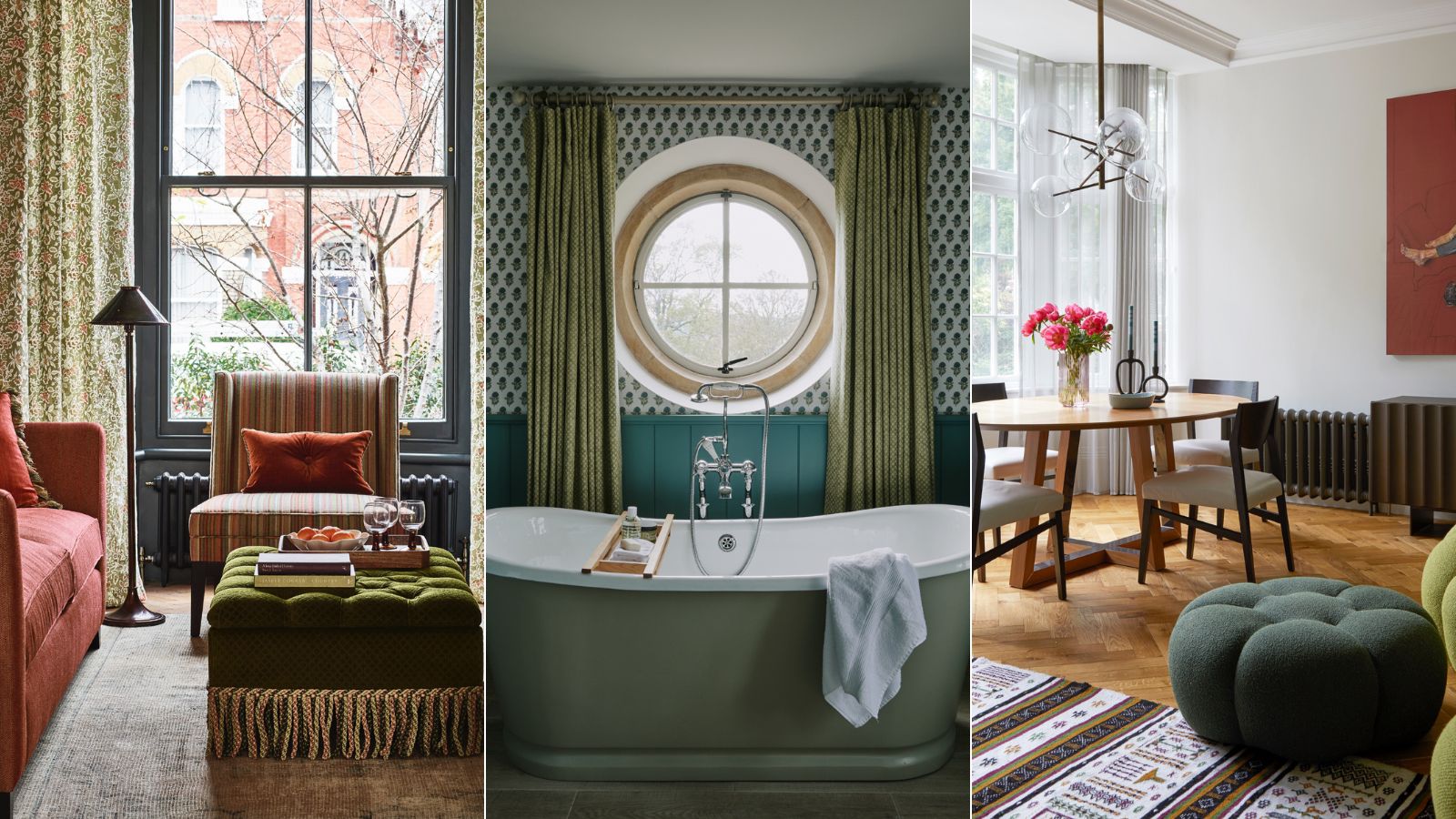
Should you choose drapes or blinds? We asked interior designers which window treatment is best

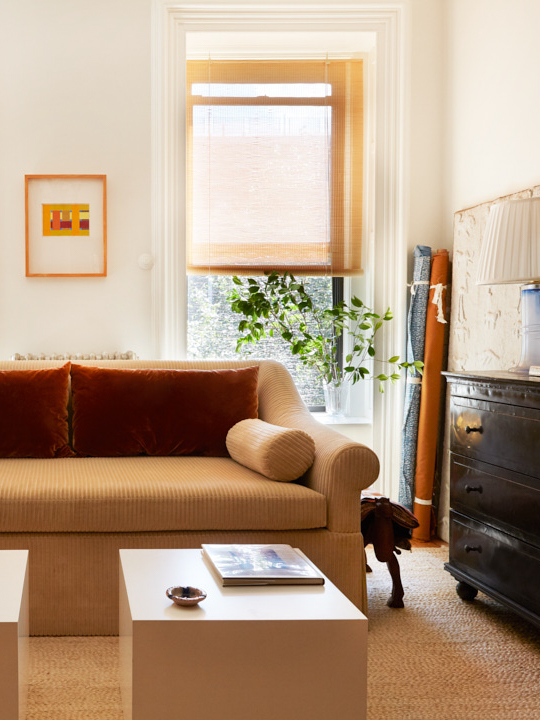
The Best Places to Buy Blinds Let You Take the Lead in Designing

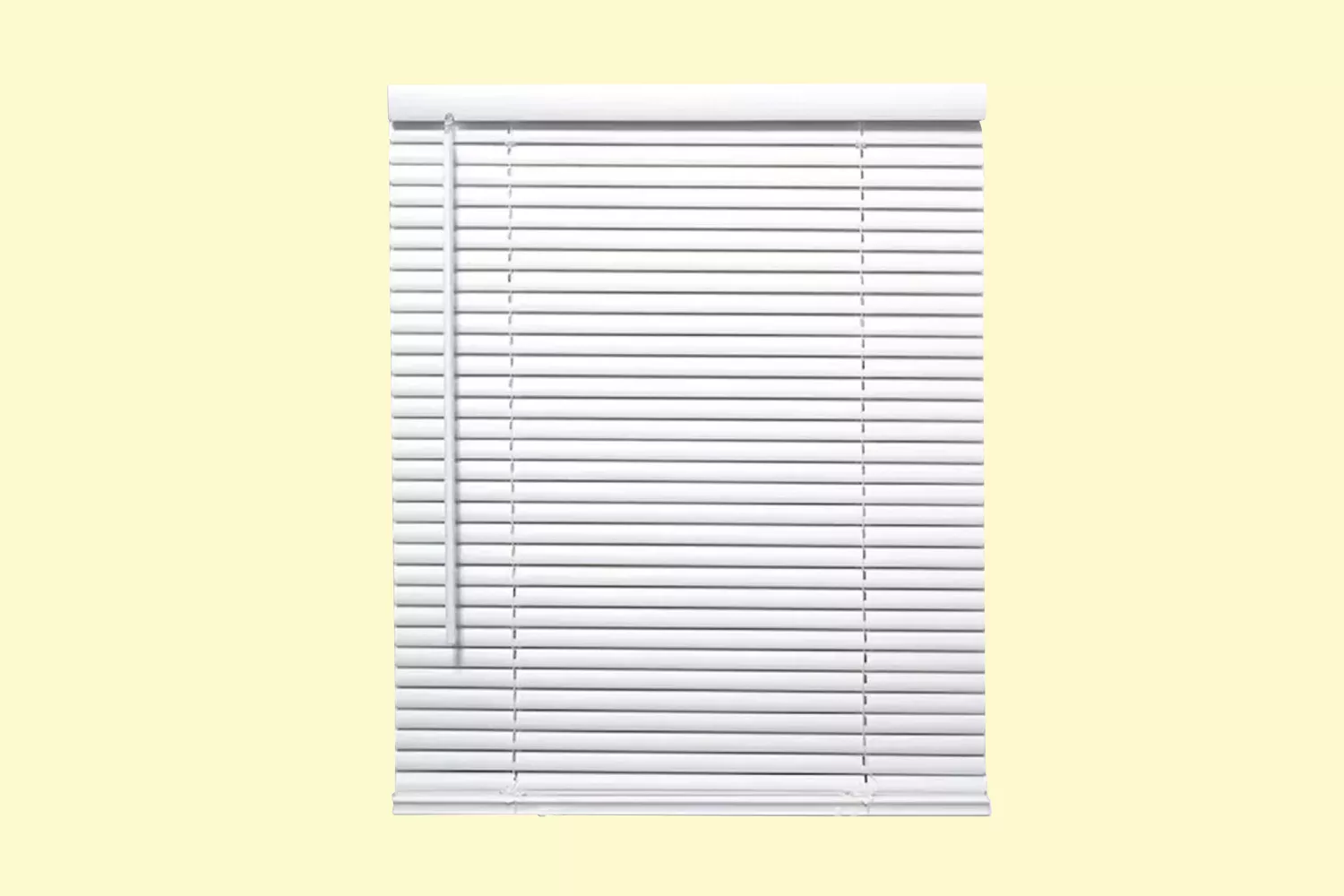
The Best Places to Buy Blinds for Every Style and Budget

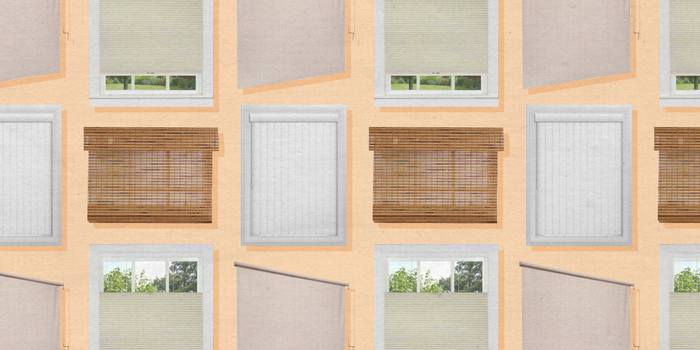
The 11 best places to shop for blinds and shades online
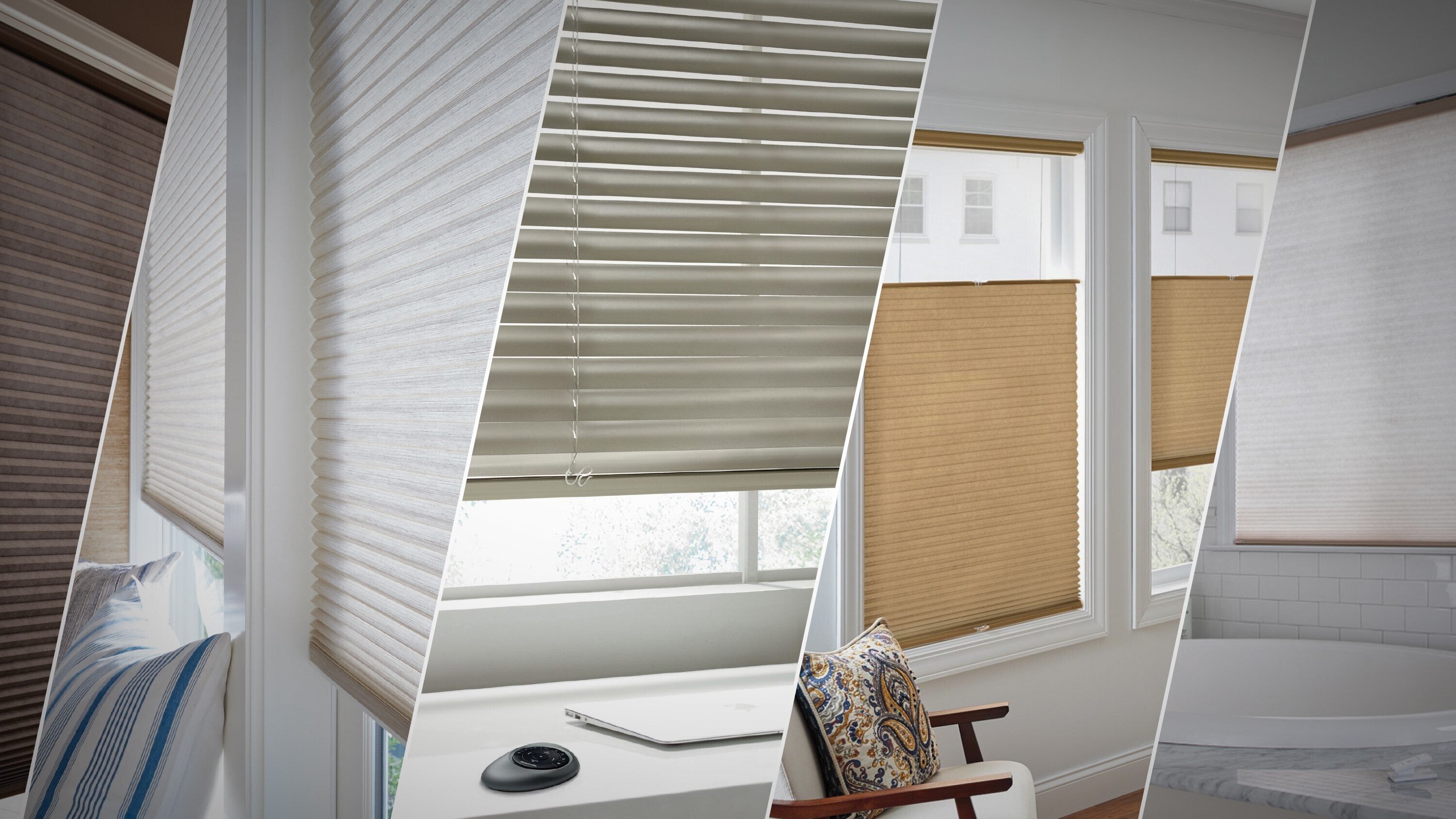
Best smart shades: High-tech, high-fashion window treatments

The Best Window Blinds of 2025


Window blinds, shutters and curtains: top trends for 2017

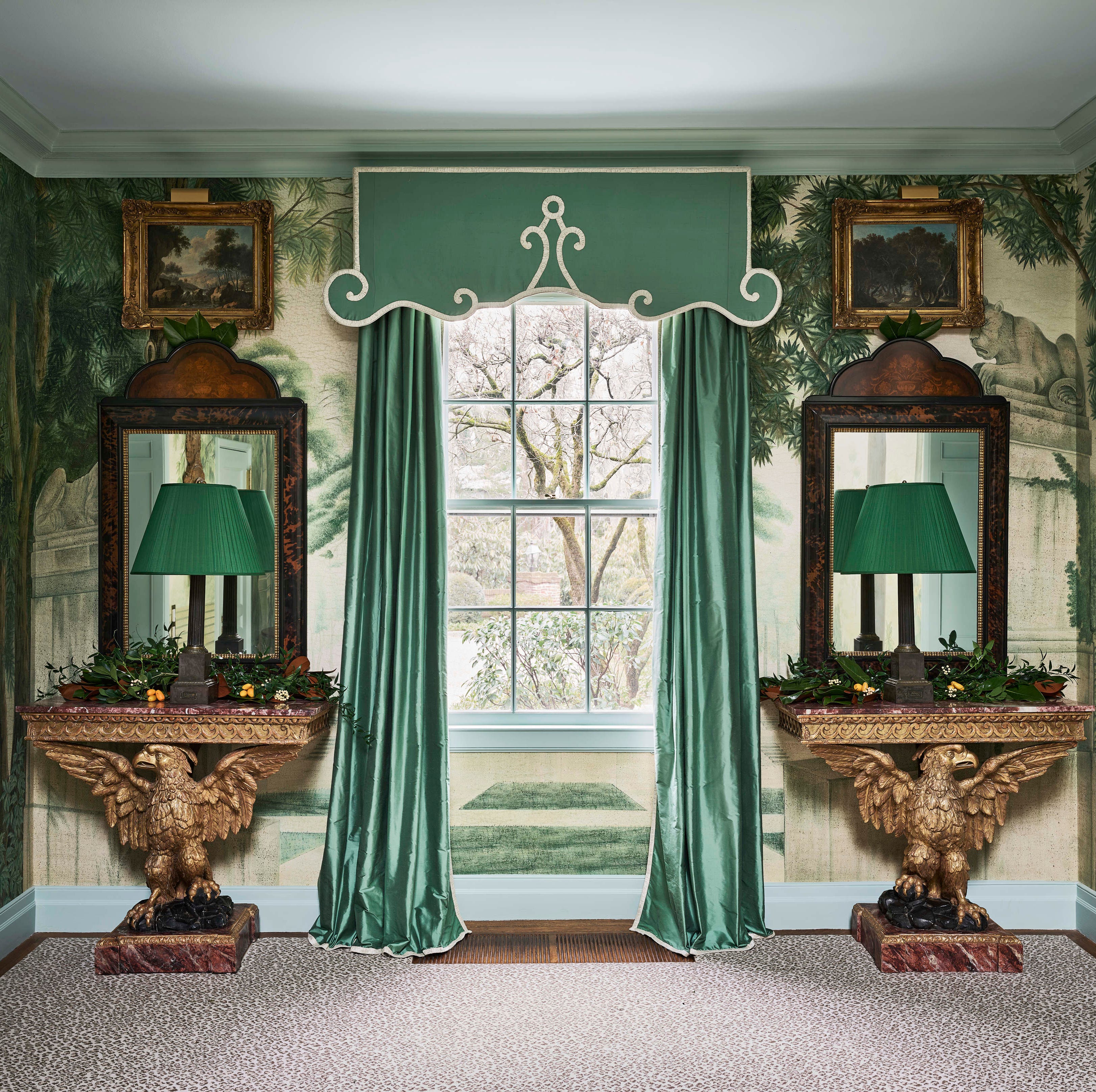
These Brilliant Window Treatment Ideas Will Infuse Luxe Style into Every Room
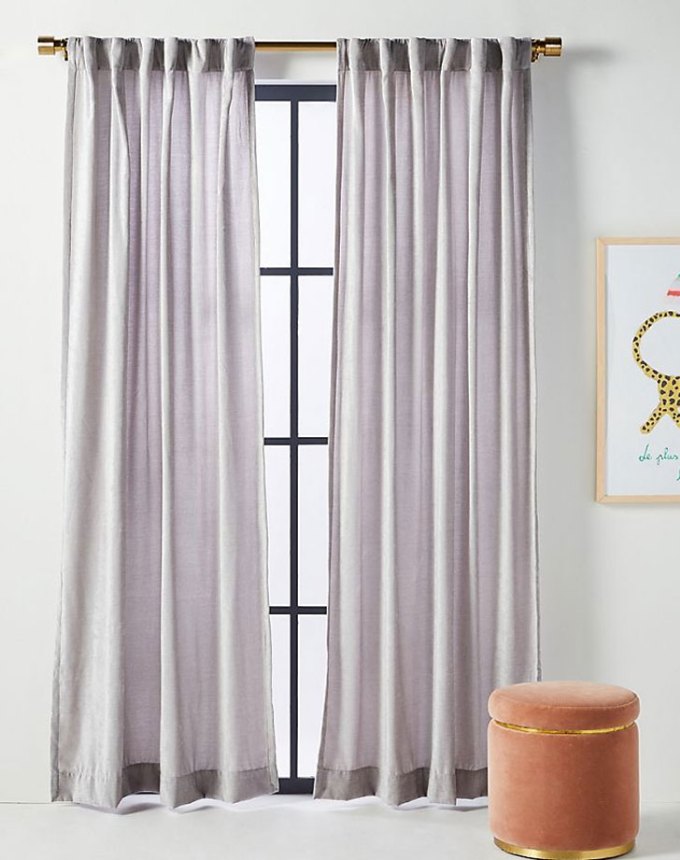
29 Living Room Curtain Ideas Designers Can’t Stop Raving About

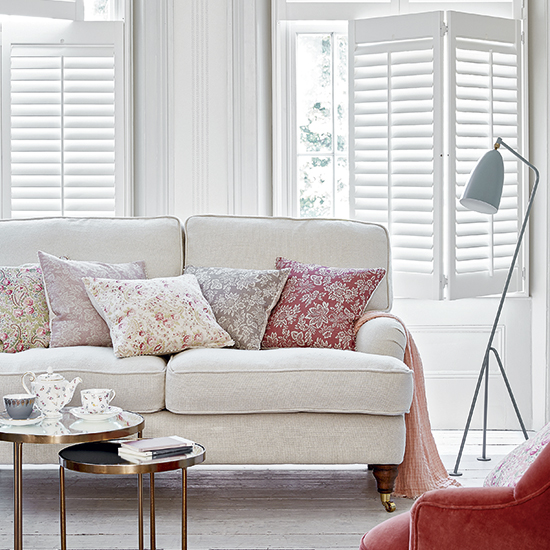
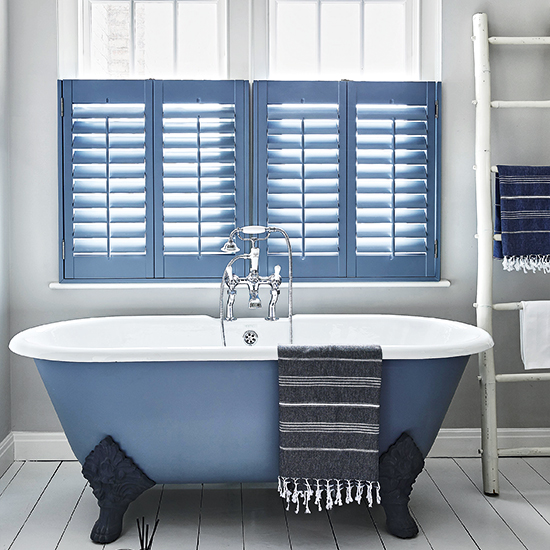
Stylish shutters and blinds for sunny rooms
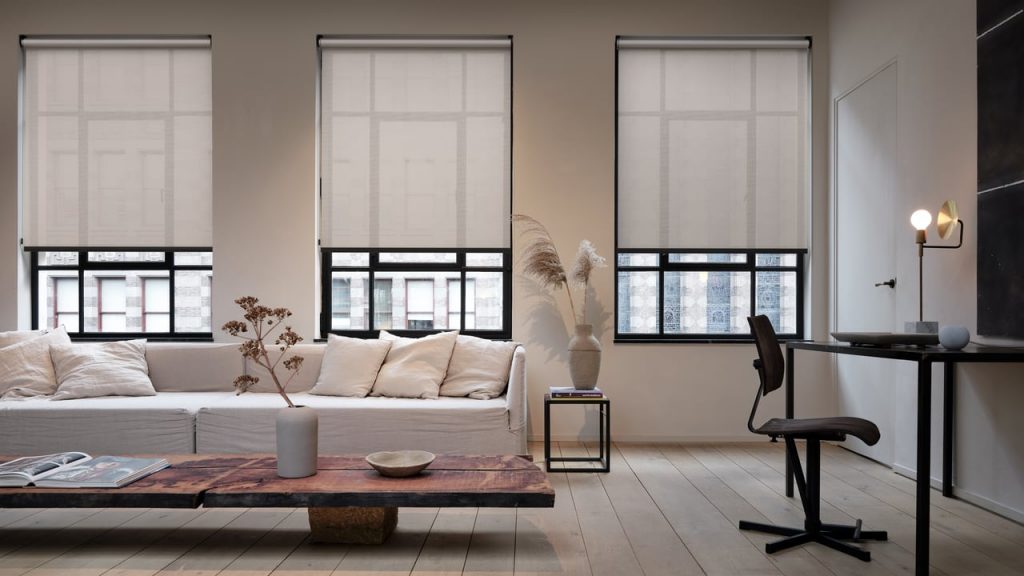
Smart Blinds: Window Covering in the Matter Standard
Contour Blinds
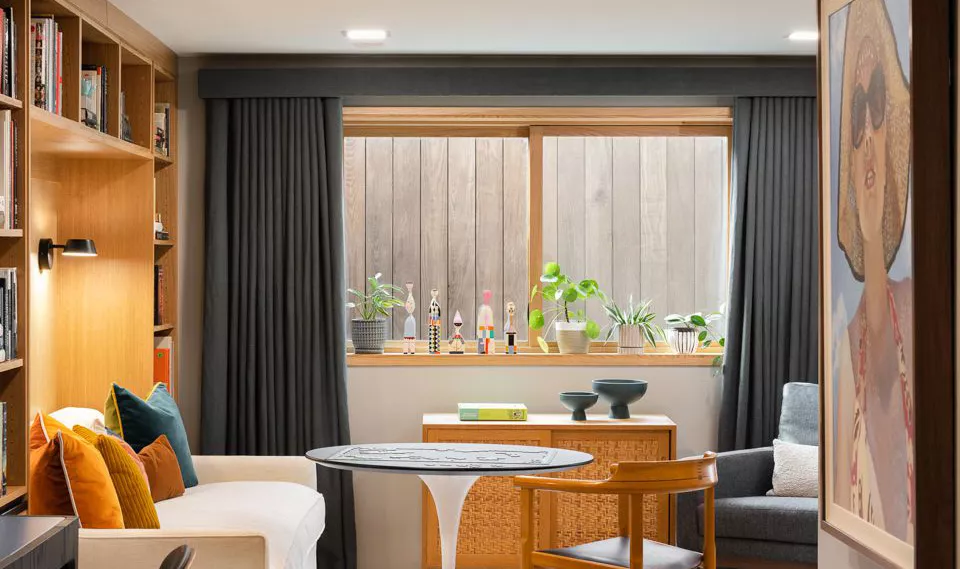
24 Window Sill Decorating Ideas Designers Love for Every Home