




1/4
Dyeing Your Pool Green For St. Patrick’s Day Can Be an Unlucky Mistake
The article discusses the trend of dyeing swimming pools green for St. Patrick's Day, drawing a comparison to Chicago's tradition of dyeing the Chicago River. While the Chicago River tradition is a well-established and celebrated event where approximately 50 pounds of vegetable dye transform the river into a shamrock green color for a few days, applying this concept to residential swimming pools is strongly advised against by pool professionals. The article highlights that attempting to dye a home pool green can lead to significant and costly maintenance issues.
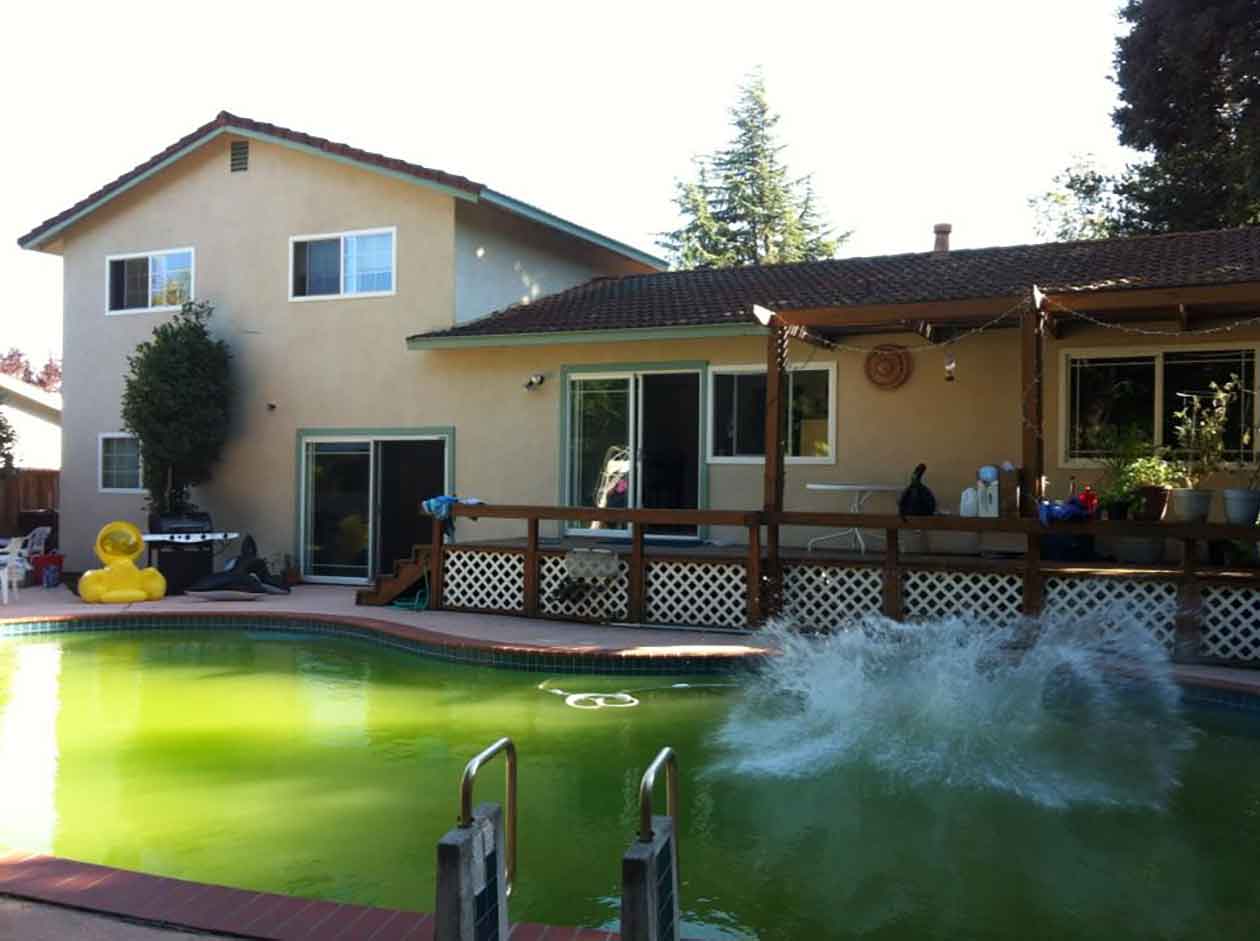
One primary concern is the potential for maintenance headaches. Pool professionals, such as Derrick Todd of Aquanut Academy, explain that dye pigments can build up in filters, making them difficult to clean, and sometimes the filters, particularly cartridge filters which typically filter down to about 10 microns, may not even be able to catch all the pigments. This can result in staining the pool's surface, a problem that is often difficult to reverse. The article recounts an anecdote where a pool owner dyed a rented pool green for a St. Patrick's Day party, leading to discolored tiles and a significant cleaning fee charged by the landlord. Additionally, attendees at this party noted that the green-dyed water became cloudy, rendering the pool unusable after dark.
Another critical issue is the adverse chemical reactions that can occur. Cole Daasnes of Poseidon Pools warns that dyes can react negatively with harsh pool chemicals like shock or acid. This means that if a pool owner dyes their pool, they might be unable to properly treat the water for heavy bather loads, which are common during parties. Limiting circulation, filtration, and chemical treatment to maintain the green color can inadvertently lead to a genuine green pool caused by algae growth, rather than the intended festive dye. This essentially creates the very problem pool maintenance aims to prevent.
Kelli Clancy of Legacy Pool Spa Service raises concerns about using inappropriate dyes, which could permanently stain pool equipment such as baskets and filter cartridges. She also emphasizes the importance of water clarity for safety, particularly for drowning prevention, as a dyed pool can obscure the bottom. Rudy Stankowitz of Talking Pools echoes these sentiments, stating that dyeing a pool green goes against the core principles of pool maintenance, which is to keep pools clear. He also warns that color additives, especially if overused, can cause plaster surfaces to retain the color longer than desired. If green paint, rather than dye, is used, the cleanup becomes even more challenging, requiring specialized enzyme products and extensive filtration, backwashing, and repetition to restore clarity.
Instead of dyeing pool water, the article recommends alternative, safer methods for hosting a St. Patrick's Day-themed pool party. These include using green LED lights to illuminate the pool and spa, which creates the desired green hue without affecting water chemistry or causing damage. Other suggestions involve incorporating green-toned party décor, such as balloons, floats, floating lights, and themed hats, along with green-themed food and beverages served in green glasses. The article concludes with a checklist of St. Patrick's Day-themed pool party accessories, such as a beer mug inflatable float, green shamrock string lights, a themed table runner, throw pillows, yard signs, and disposable cups, all available for purchase to help create a festive atmosphere without compromising pool integrity.
#StPatricksDay #PoolMaintenance #PoolSafety #PoolPartyIdeas #WaterChemistry #PoolDecor #DyeingPool #StPatricksDay #PoolMaintenance #PoolSafety #PoolPartyIdeas #WaterChemistry #PoolDecor #DyeingPool
 No comments yet