1/20
Why Fringe Furniture Making a Fun Comeback (and 11 Ways To Steal the Look)
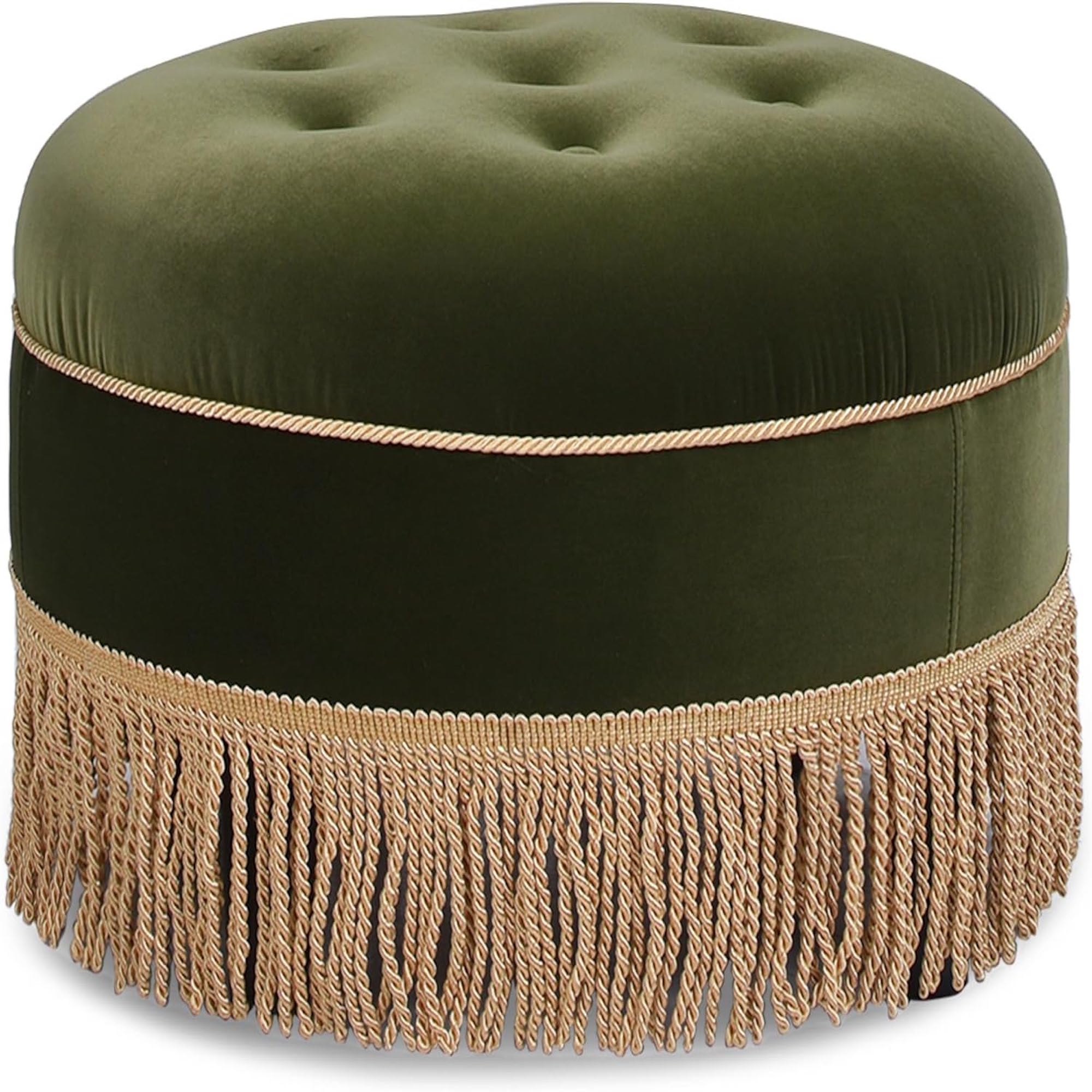
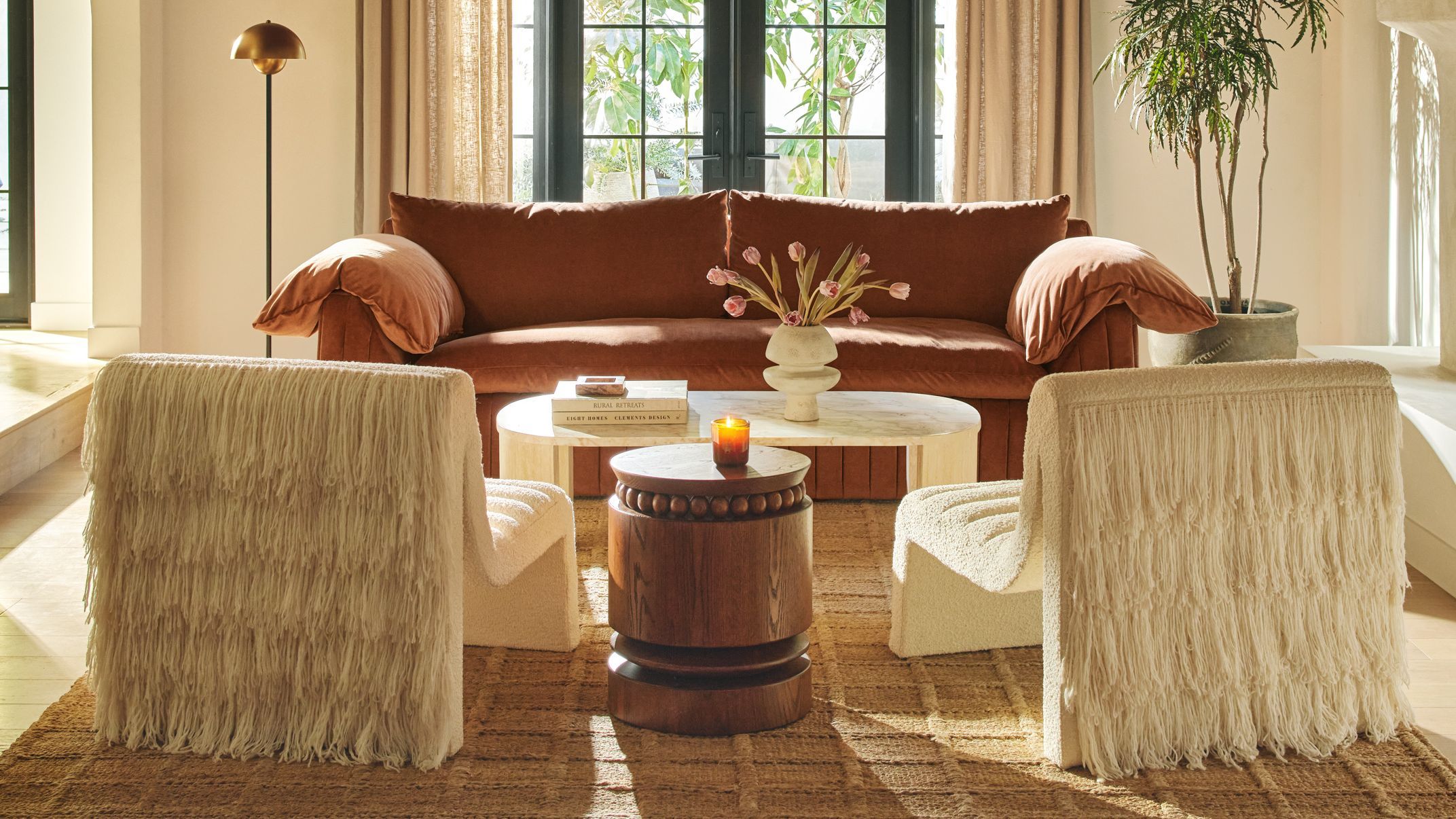
The article explores the resurgence of fringe furniture in modern interior design, highlighting its shift from a practical element to a decorative and opulent embellishment. This trend aligns with a broader movement towards more expressive and personalized living spaces, moving away from minimalist aesthetics. Several designers and celebrities, including Emma Roberts, Justina Blakeney, and Chloe Fineman, are embracing fringe in various forms, from lampshades and curtains to chairs and sofas.
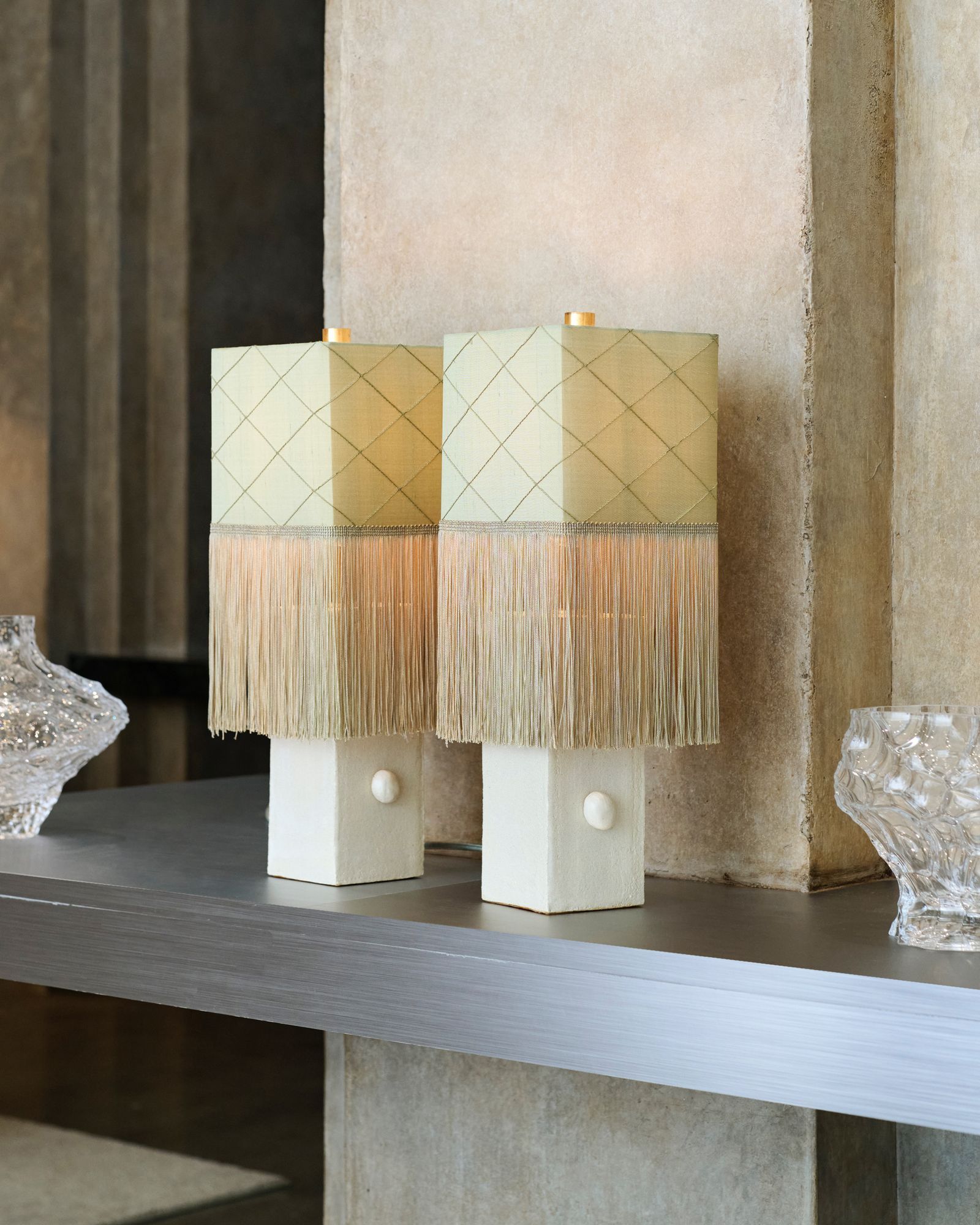
Analuisa Corrigan, a ceramicist-turned-designer, shares her "fringe journey," detailing her experimentation with different types of silk fringe for lighting fixtures and other furniture. She notes the historical context of fringe, originally used by Native Americans to prevent textile fraying and repel elements, a function that has evolved into pure decoration. Corrigan observes that despite its historical prevalence, many people remain hesitant to incorporate fringe into their homes, often due to a desire for minimalist, serene environments. She counters this by suggesting fringe can be a subtle and playful addition, particularly effective in diffusing light.
Kristin Dickson-Okuda of Iko Iko and Waka Waka, a long-time admirer of fringe in fashion, applies this aesthetic to furniture design. She advocates for exaggerated or mismatched applications of fringe, treating it as a garment trim for furniture. Her work includes "chair dressings" for historical Sussex chairs with elaborate silk trains and the Compartment Chair, which features a Japanese-inspired zabuton cushion with fringed rayon. Dickson-Okuda encourages artists to explore fringe in diverse materials, volumes, and textures, emphasizing its potential to create unexpected and engaging designs.
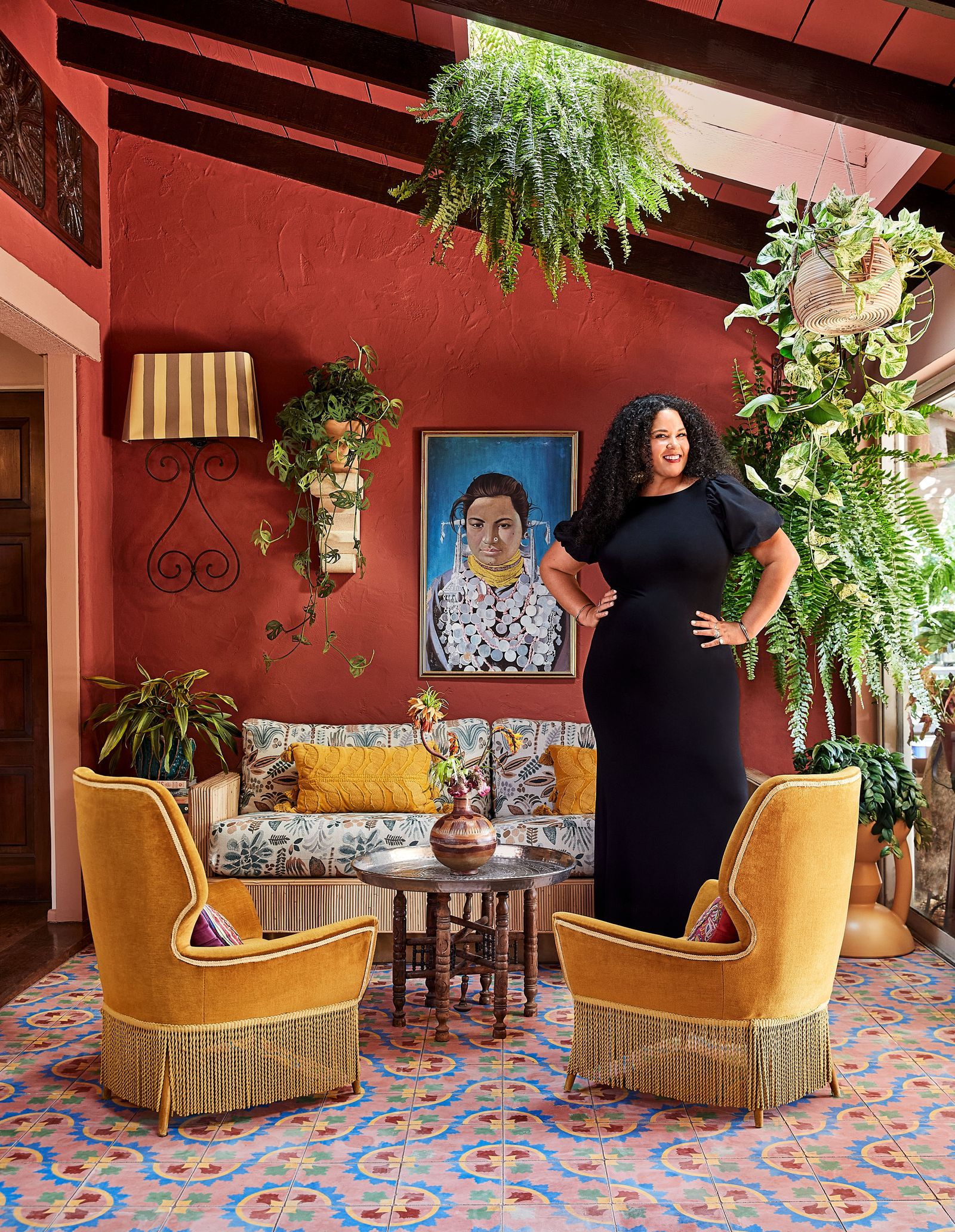
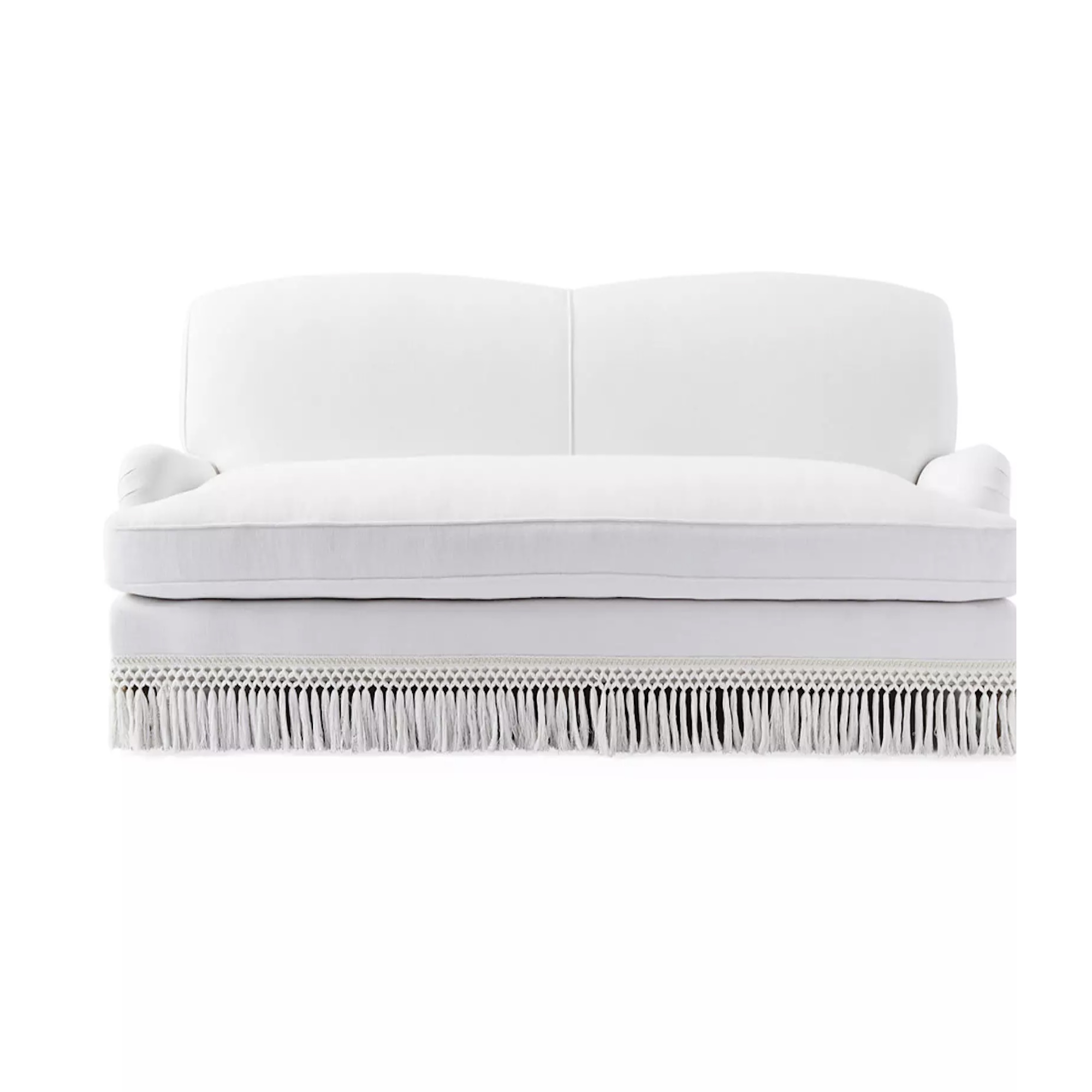
Interior designer Madelynn Hudson discusses her experience with adding bullion fringe to her sofa to enhance its character. She posits that the current revival of fringe, particularly in upholstery skirts, is influenced by French Art Deco and the Venetian Secession movement, offering a fresh, sophisticated take on a classic element. Hudson believes this trend signifies a move towards "curated and collected homes" that reflect individual personality, departing from plain, stark interiors. She anticipates a shift towards more feminine and lush aesthetics, incorporating jewel tones, dark woods, and metallic accents, which she refers to as "house jewellery."
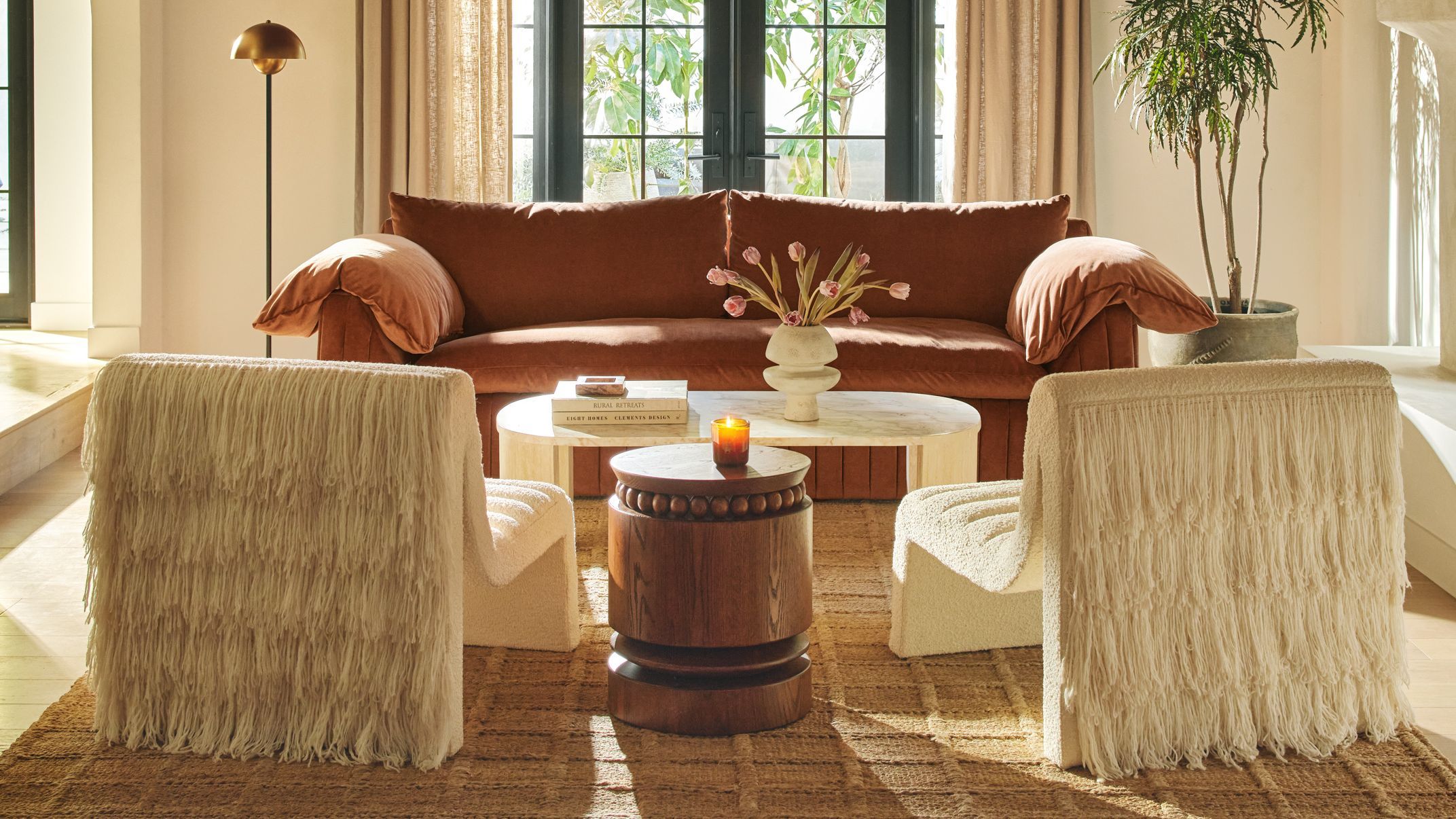
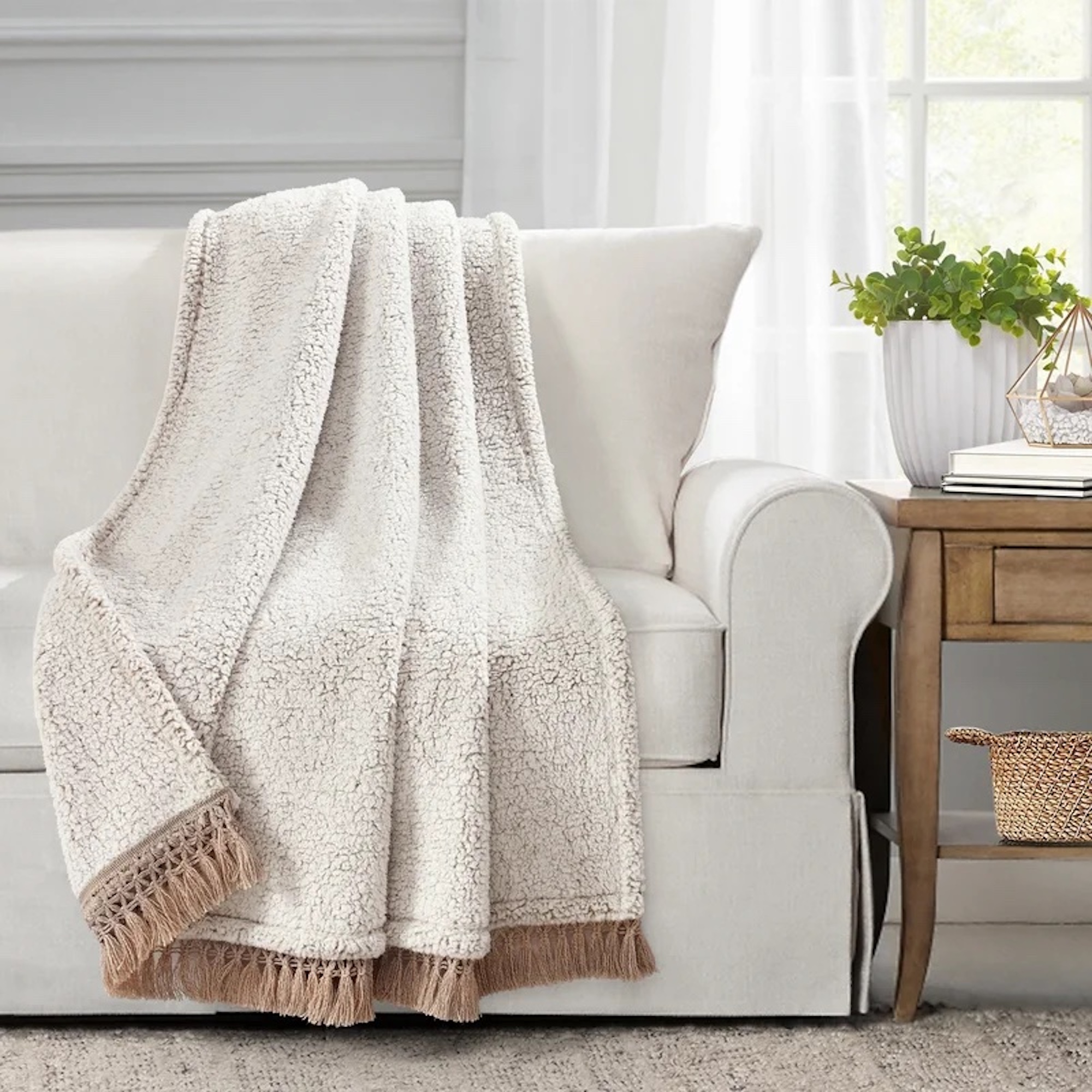
Carly Cushnie, in her debut furniture collection for Lulu and Georgia, incorporates shaggy fringe into a bouclé chair, aiming to create drama and movement. She highlights fringe's versatility, noting its ability to stand out in contrasting colors or blend in tonally. Cushnie emphasizes that fringe introduces playfulness and life into stationary furniture pieces, contributing to a richer, more textured home environment. Francesca Grace, another designer, advocates for fringe's ability to add personality, suggesting it can be introduced through smaller elements like pillows and lampshades for those new to the trend. She favors thick bullion fringe for its elevating effect and has incorporated it into her furniture line, Somme, and commercial projects, such as Nardò restaurant.
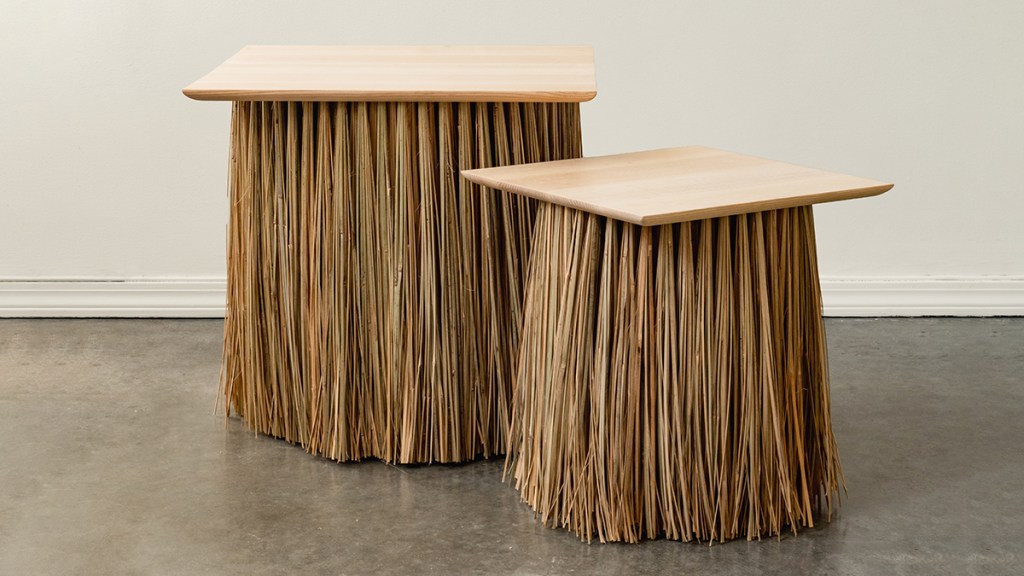
Tiffany Howell of Night Palm uses fringe to introduce a fashion-forward element into her designs, conceptualizing it as the "skirt" of a sofa, complemented by upholstery as the "top" and lighting as "jewelry." She focuses on creating timeless designs by pairing contemporary furniture with ’70s-style fabrics and fringe. Howell notes the growing trend of sculptural fringe elements and believes fringe injects "soul" and "old-world romance" into spaces. Both Madelynn Hudson and Tiffany Howell advise using monochromatic themes for a modern look, suggesting that fringe adds a pop of color without overwhelming the space. Kristin Dickson-Okuda highlights the tactile and interactive nature of fringe, inviting touch and movement. Élan Byrd, an artist with a fashion background, uses raffia to create fringe effects in her wall art, emphasizing texture and dimension. She asserts that fringe can be integrated into any design style, offering a way to add character and depth to interiors, moving beyond blank spaces to create personalized and cohesive home environments.
#FringeFurniture #InteriorDesign #HomeDecor #DesignTrends #ModernDesign #OpulentEmbellishment #TextileArt #FurnitureDesign #VintageRevival #FringeFurniture #InteriorDesign #HomeDecor #DesignTrends #ModernDesign #OpulentEmbellishment #TextileArt #FurnitureDesign #VintageRevival
0 Kommentare insgesamt
 Noch keine Kommentare
Das könnte Ihnen auch gefallen

Is Fringe Furniture Making a Sexy Comeback?

Wood Paneling and 11 More Vintage Decor Trends Making Huge Comebacks
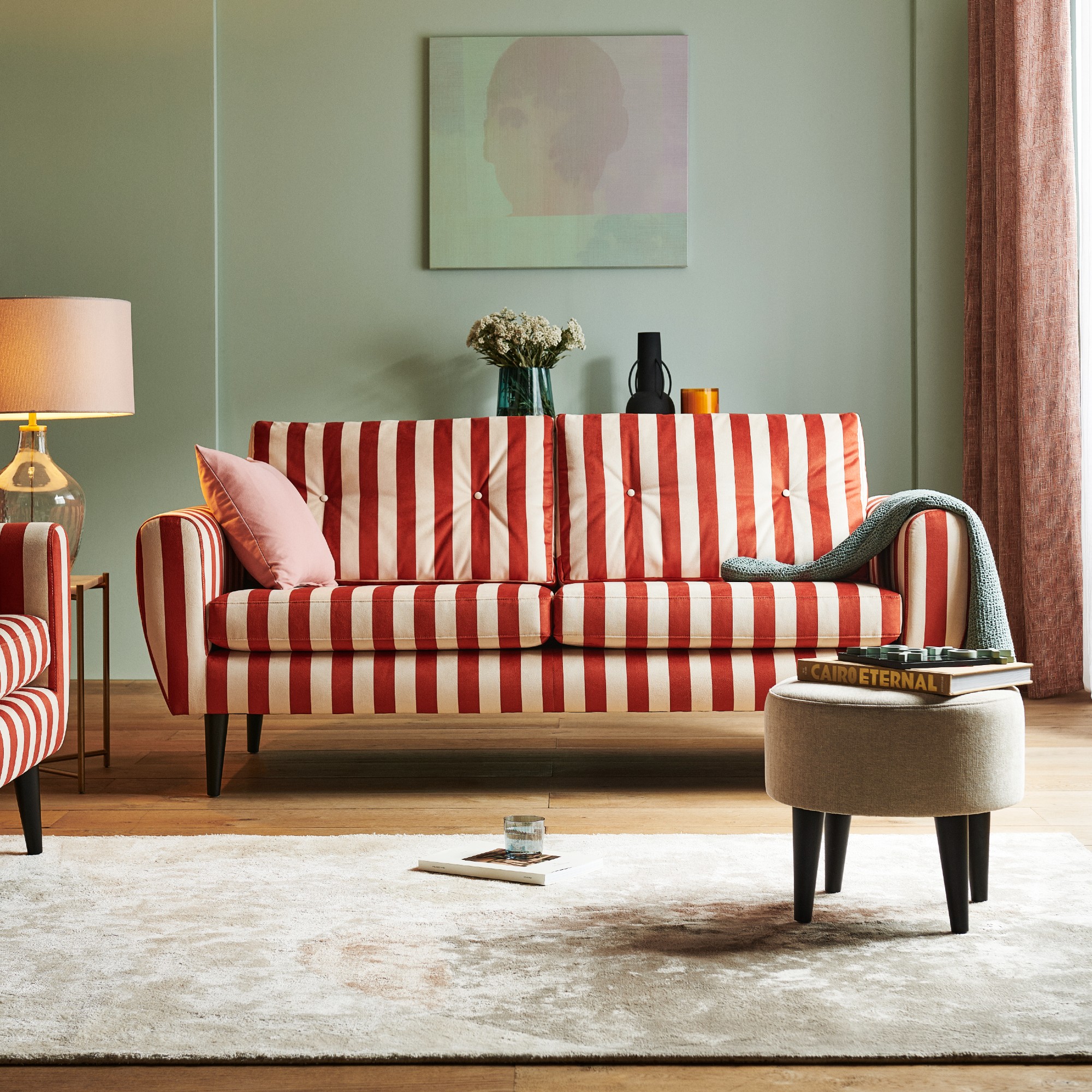
Experts say this timeless pattern is the next big upholstery trend – here's how to style it in your living room

Are You Ever Actually Done Decorating Your Home?
8 Unexpected Furniture Trends That Are Coming Back In Style
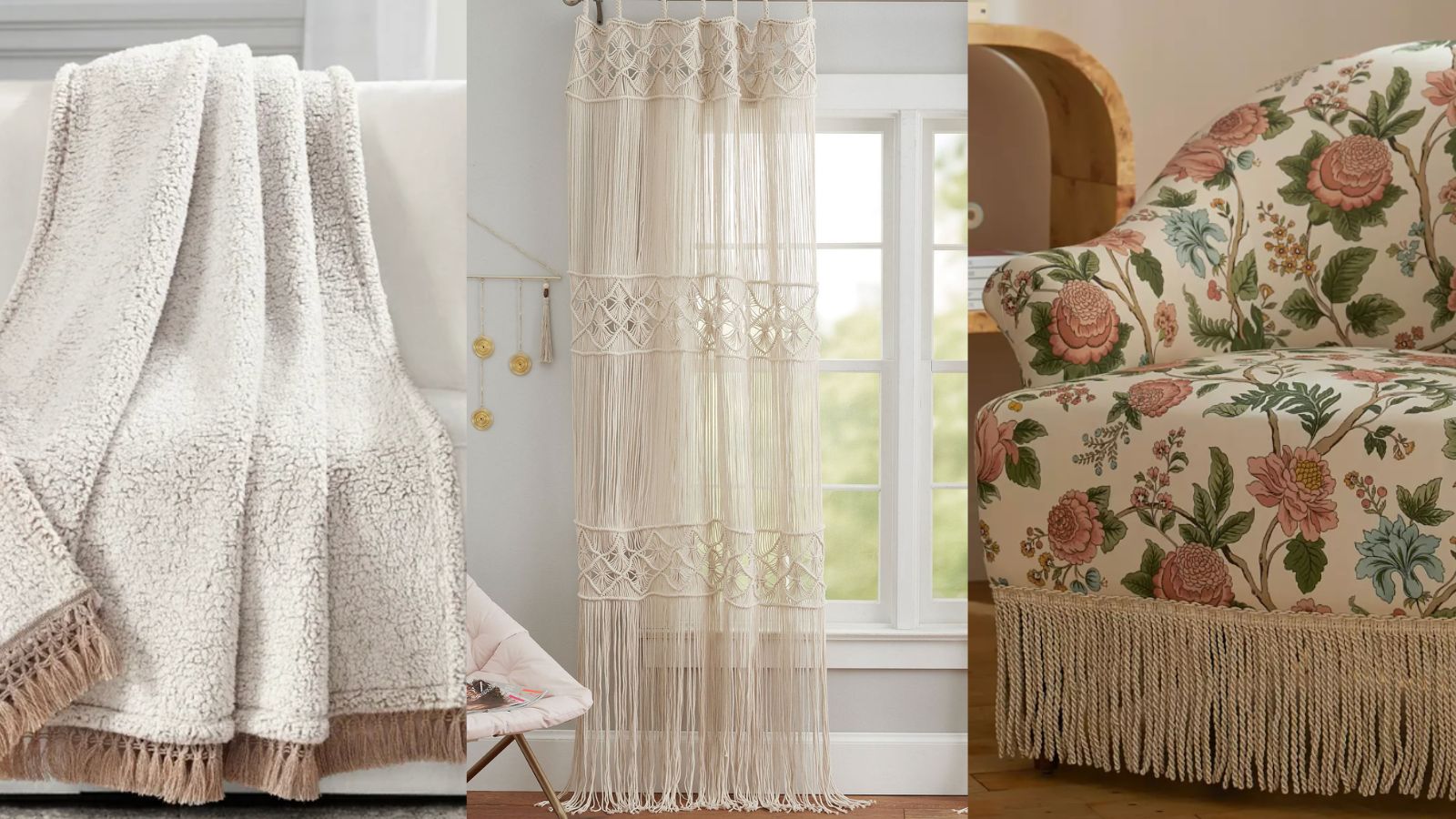
Fringe decor is in – here’s what you need to buy to bring the fringed interiors trend into your home

10 Furniture Styles That Instantly Make Your Home Look Outdated

This Convenient Couch Trend Is Making a Comeback

5 Modern Furnishings With Fun Fringe Accents

8 Furniture Trends That Will Be Everywhere in 2026, According to Designers

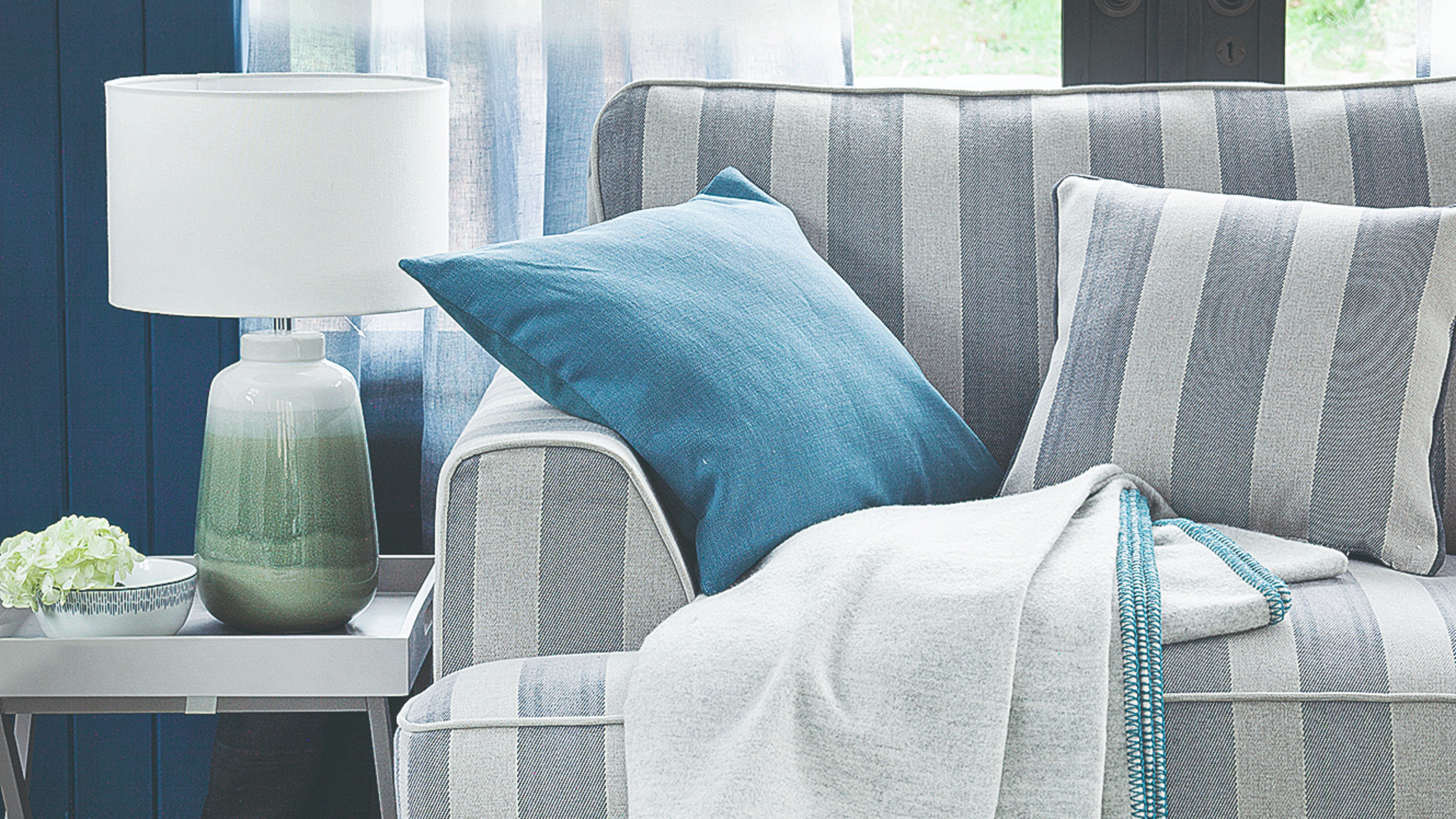
Experts say this timeless pattern is the next big upholstery trend – here's how to style it in your living room
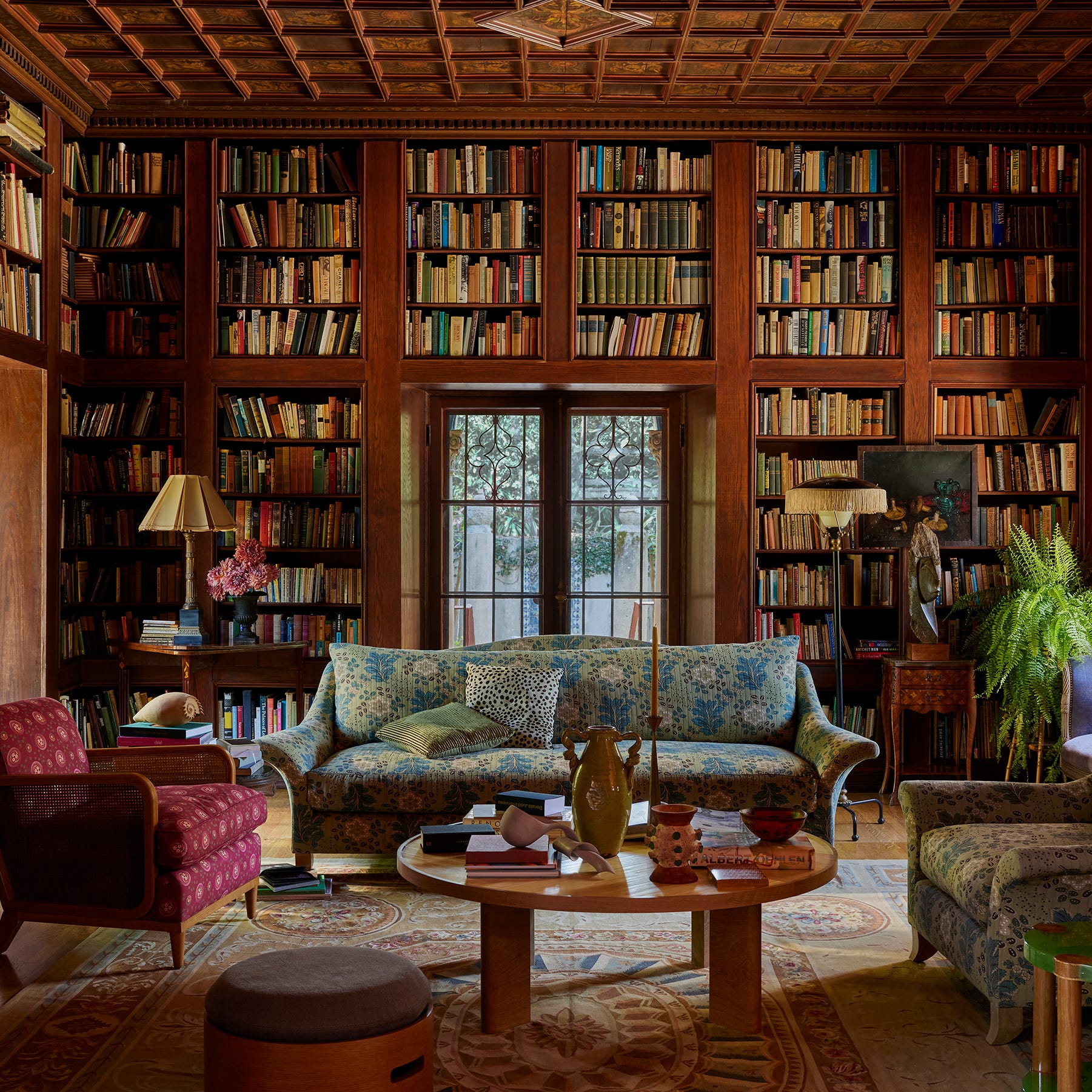
These New Furniture Pieces Are Future Heirlooms
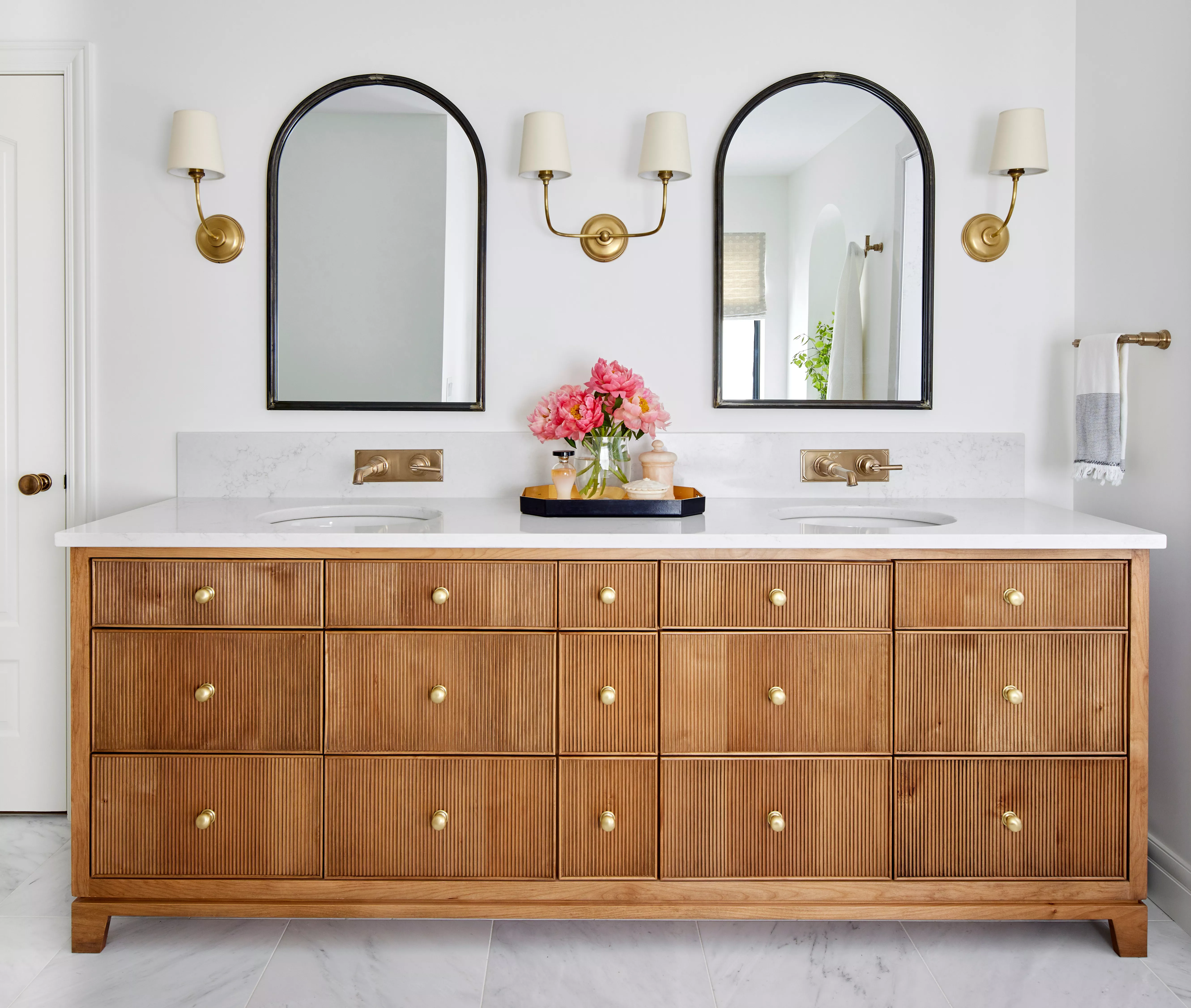
Fluted Furniture Is Everywhere Right Now—Here’s How to Make It Work In Your Space
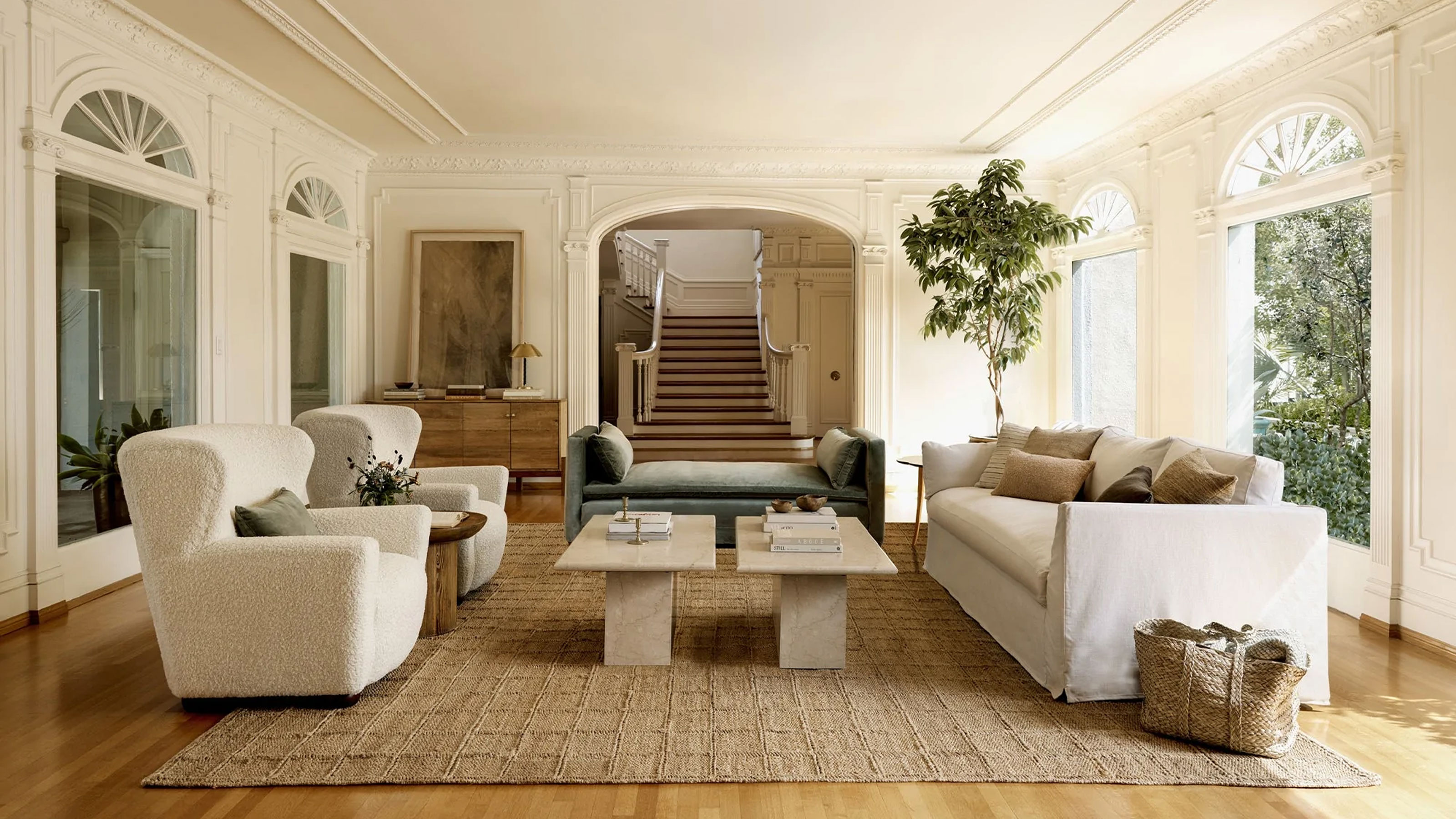
Best indoor furniture stores – 15 of the best places to shop indoor furniture

Living room trends this year prioritise comfort, individuality, and artistry. From chunky armed sofas to kidney-shaped marble pieces, take your pick

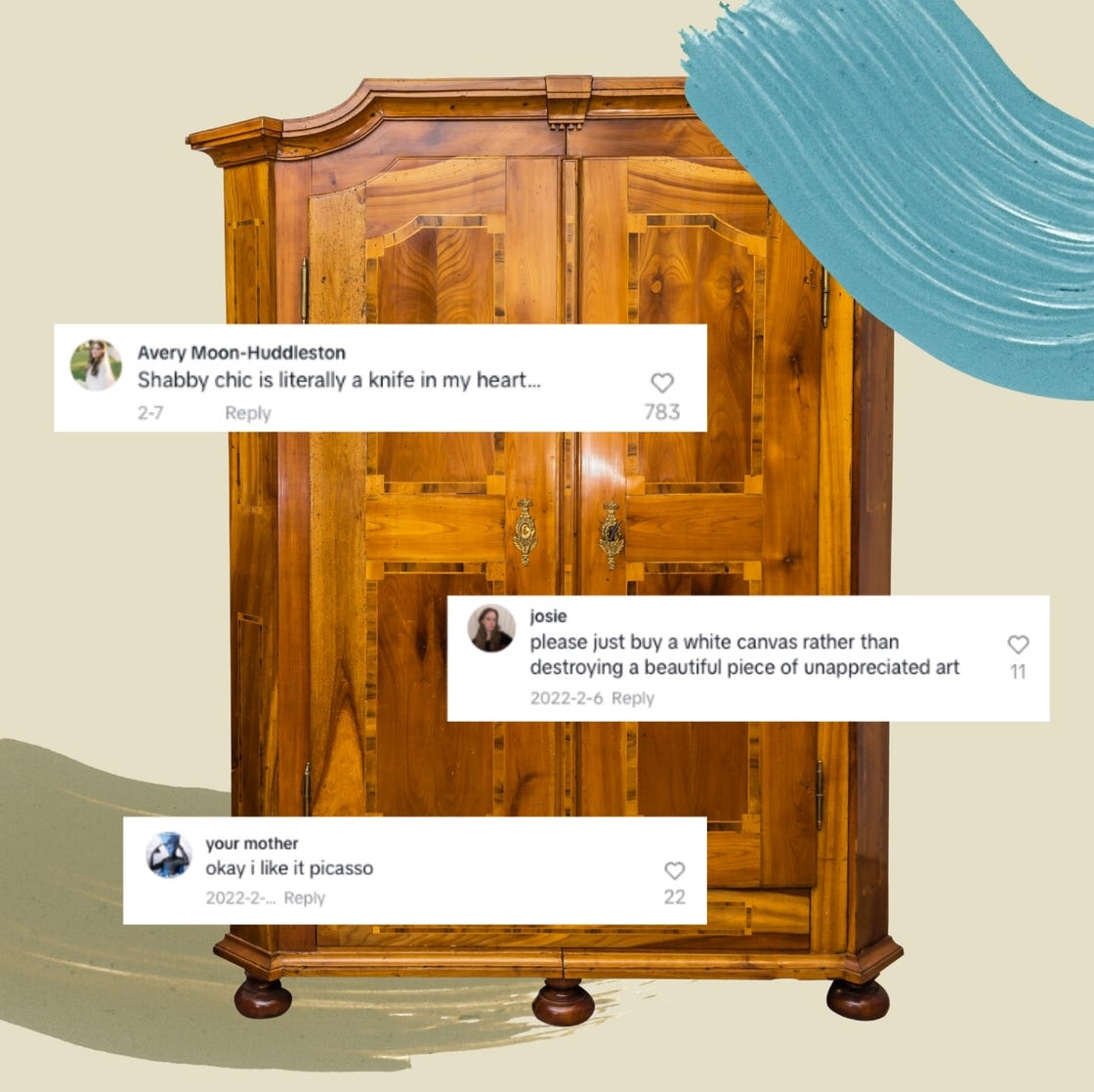
To Flip or Not to Flip: Have Antique Furniture Revamps Gone Too Far?
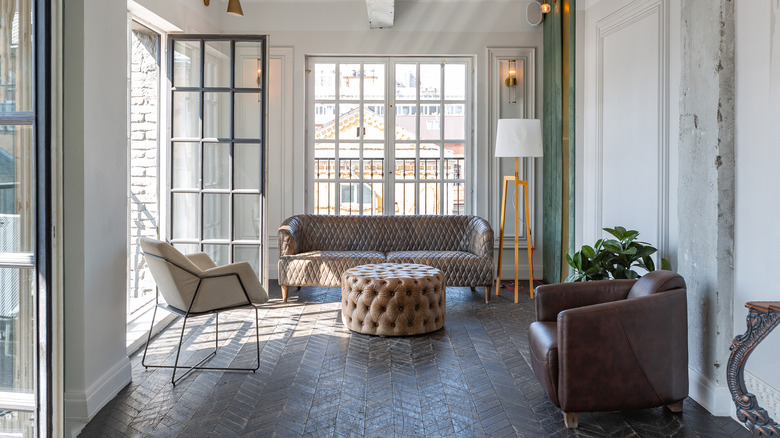
Outdated Furniture Pieces That Are Having A Comeback

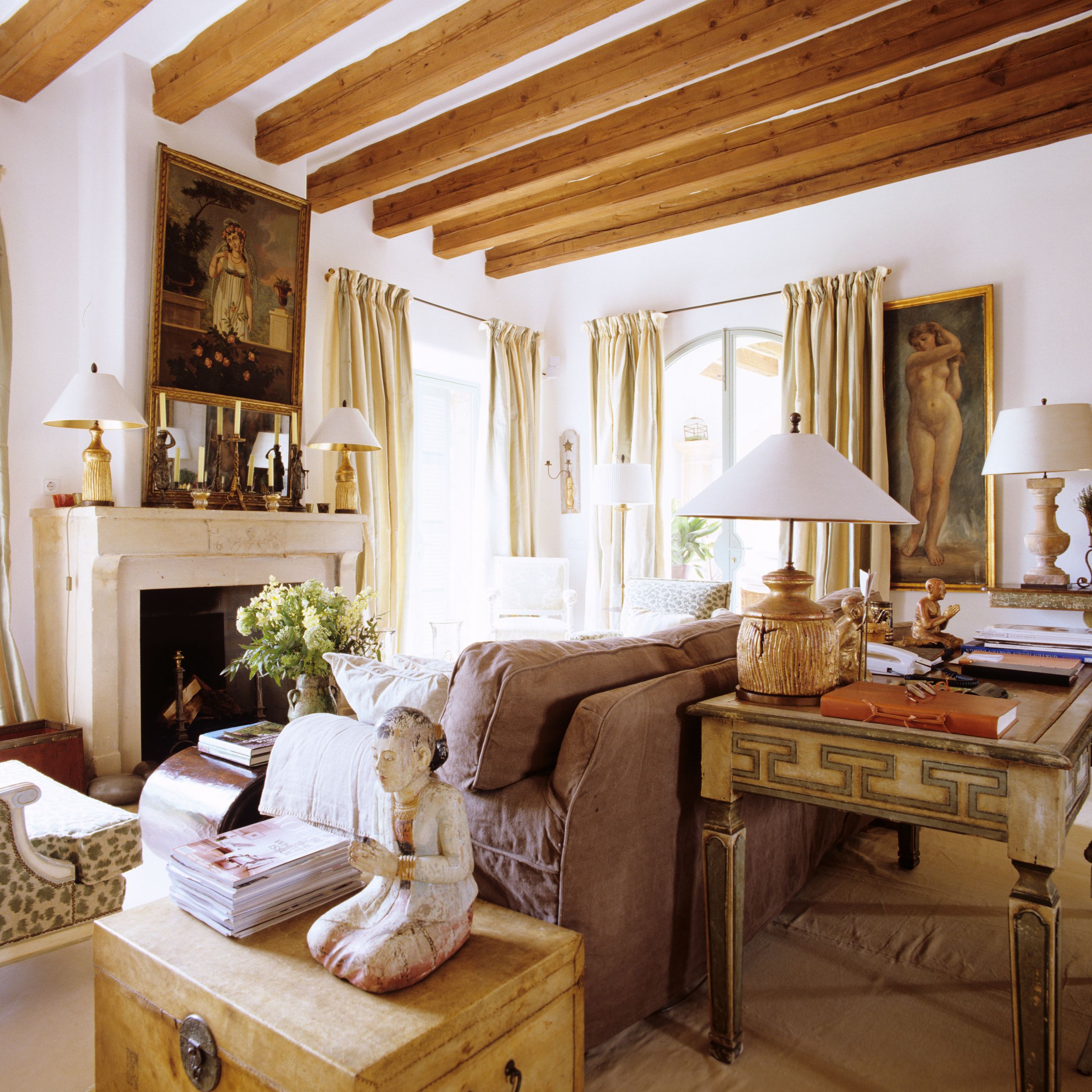
What’s Old Is New Again: Vintage Furniture Is The Hottest Home Decor Trend
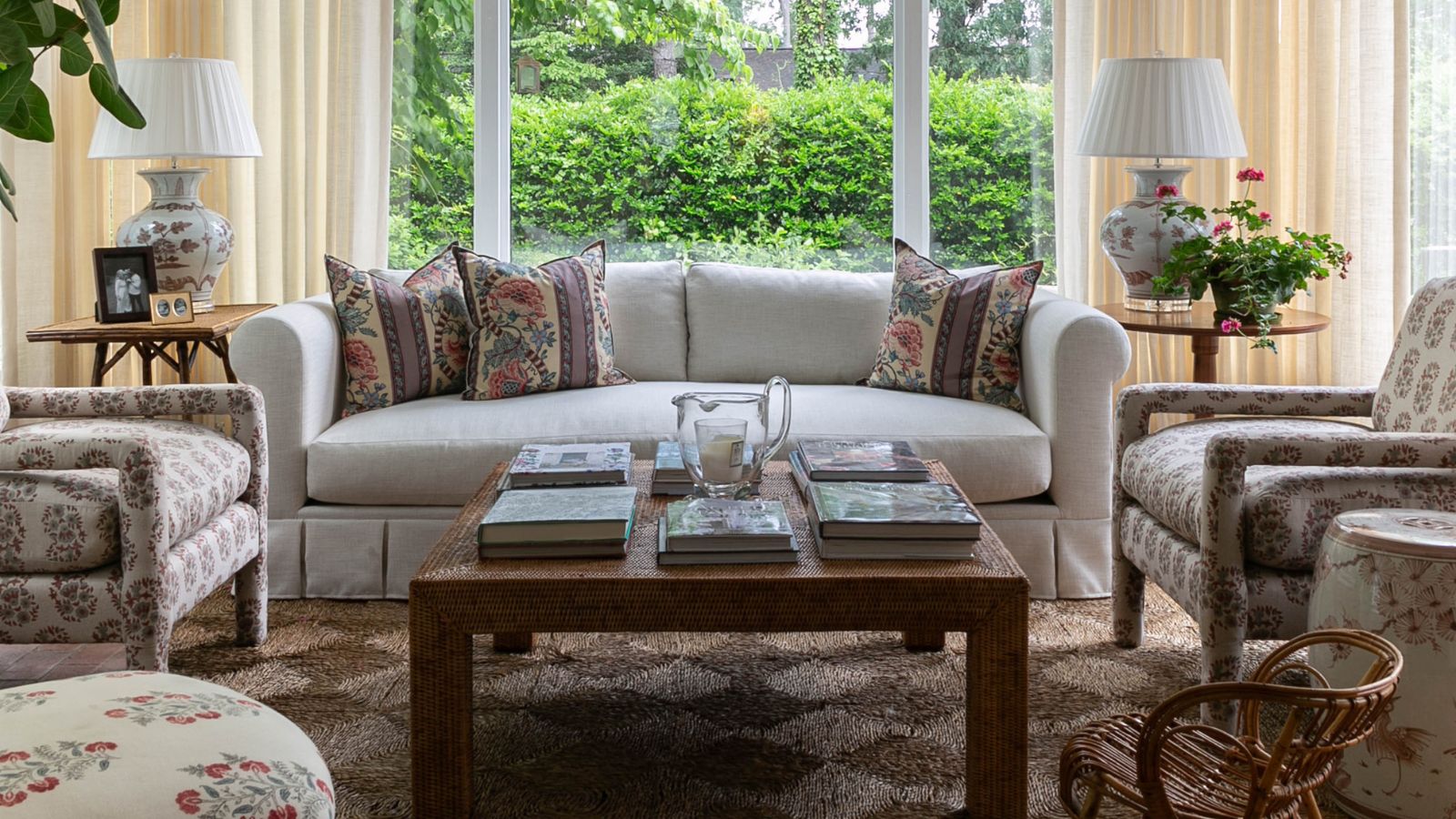
Skirted furniture trend – here are the pieces we're loving
This Classic ’90s Furniture Trend Is Back, and We’re Obsessed All Over Again