1/2
What To Know About Invisible Fencing for Dogs
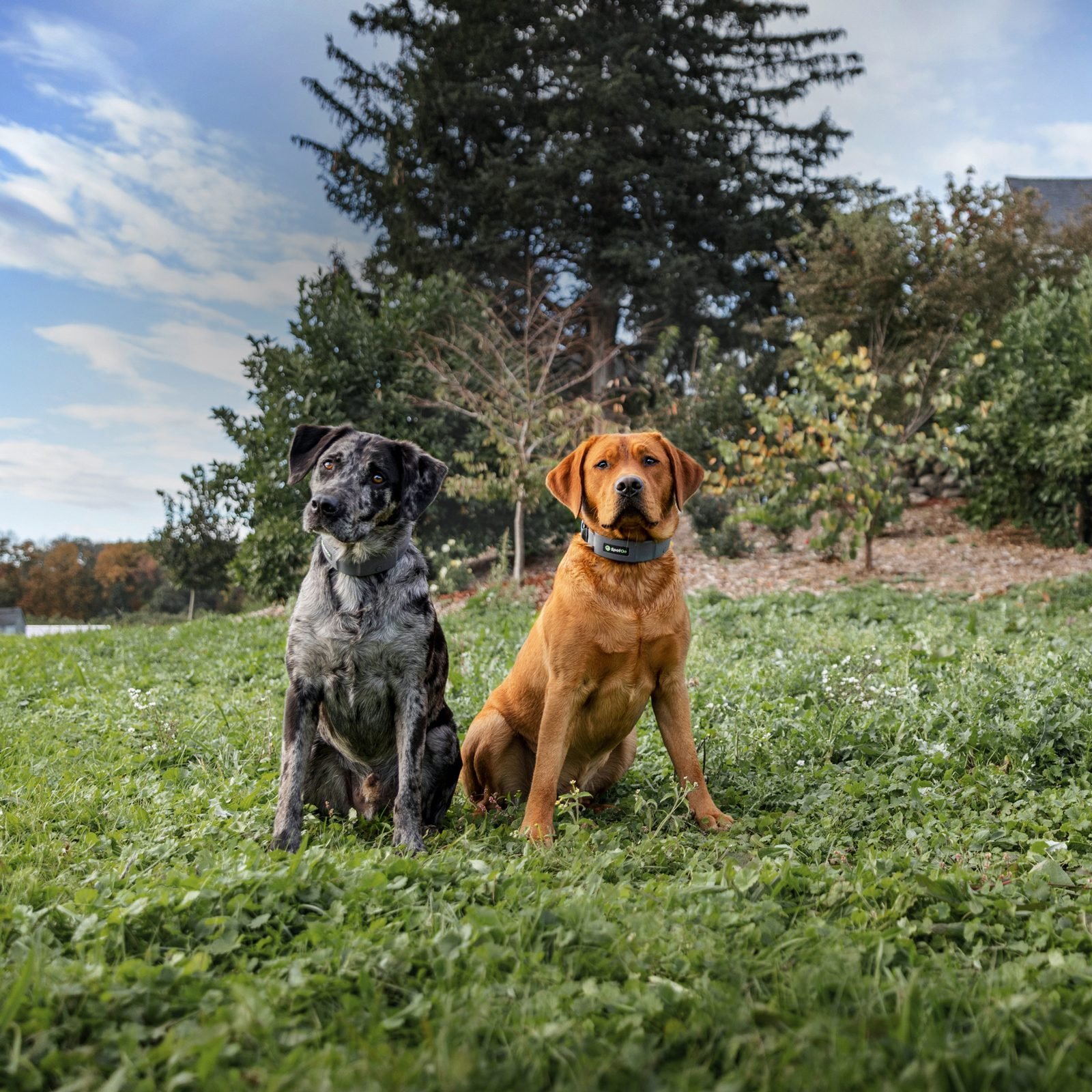
Invisible fences offer an alternative to traditional physical fences for pet containment. Initially, these systems utilized buried boundary wires that emitted a radio signal to a dog's collar. As the dog approached the boundary, the collar would first produce an auditory warning, followed by a mild static shock. Through training, dogs learned to associate the sound with discomfort and consequently avoided crossing the boundary. The evolution of Wi-Fi technology has led to the development of wireless invisible fences, simplifying installation by allowing users to program fence boundaries via a mobile application. Companies like Wagz, SpotOn, and Halo offer geofencing solutions that generally avoid actual shocks, instead employing beeps, vibrations, and static pulses as deterrents.
Invisible fencing presents several advantages, including its invisibility, which preserves views and aesthetics, and its adaptability to various terrains, including sloped or irregular landscapes. The ability to adjust boundaries, even creating exclusion zones within a larger area to protect features like flower gardens, is another key benefit. Since these systems do not involve physical barriers, they typically do not require permits or neighbor negotiations. They also provide reliable containment, as pets cannot jump over or burrow under them, and they are generally more cost-effective than installing physical fences.
However, invisible fences also have notable drawbacks. A significant concern is that they offer only one-way protection, preventing pets from leaving the yard but not preventing other animals, such as stray dogs or wildlife, from entering. This can pose risks if a dog with a strong prey drive attempts to chase an intruder, potentially overriding the collar's deterrent signals. Furthermore, if a dog crosses the boundary, it may be deterred from re-entering, as the system does not differentiate between exiting and entering. Training is essential for these systems to be effective, and some trainers express concern that the aversion-based training method can be stressful for dogs and may negatively impact the pet-owner relationship. Dependence on electricity is another limitation, as power outages or dead collar batteries can render the fence inactive. Finally, invisible fences are not suitable for all dogs, as very young dogs may be difficult to train, and some dogs with medical conditions may not tolerate wearing the collar.
Installation for app-based geofences involves programming boundaries on a smartphone, fitting the collar, and training the dog. Wired systems require burying a wire a few inches deep and connecting it to a transmitter. The cost of invisible fences varies significantly by type. In-ground wired fences are the most affordable, starting around $200. Wireless transmitter-controlled fences are slightly more expensive, ranging from $250 to $350. App-based geofences are the most expensive, costing between $650 and $1,300, often with additional monthly subscription fees for the app. Many manufacturers provide training resources, including videos, to assist owners with the setup and training process.
#InvisibleFence #DogTraining #PetContainment #SmartPetTechnology #HomeImprovement #PetSafety #WirelessFence #DIYPets #InvisibleFence #DogTraining #PetContainment #SmartPetTechnology #HomeImprovement #PetSafety #WirelessFence #DIYPets
0 Kommentare insgesamt
 Noch keine Kommentare
Das könnte Ihnen auch gefallen

The Best Indoor Dog Fences in 2024


9 Best Door Scratch Protectors for Dogs

Fence System from BŌK Modern


Feather Edge Boards


The Best Dog Gates | Reviews by Wirecutter

10 Best Dog Gates for Rottweilers

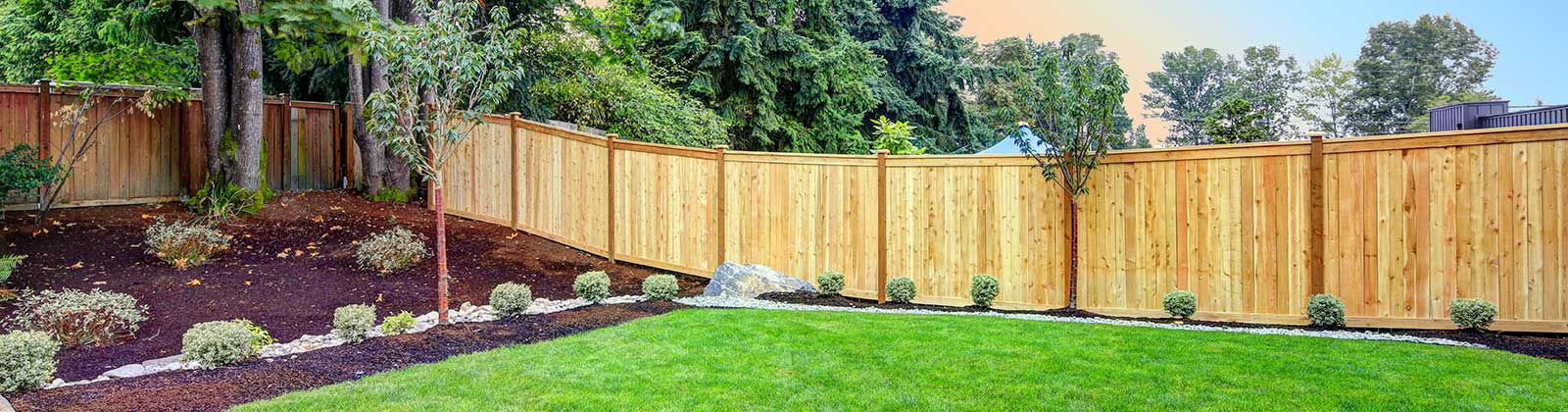
Fences

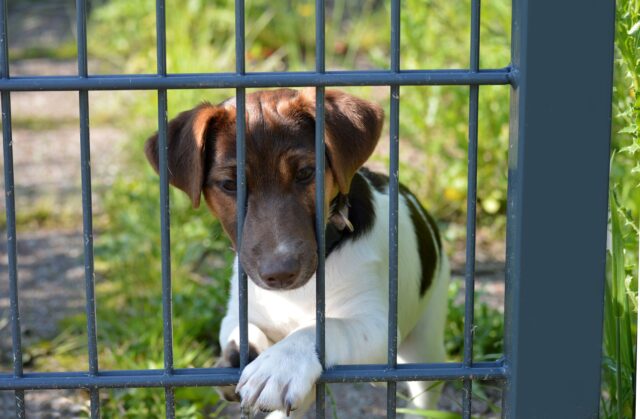
10 Best Dog Gates
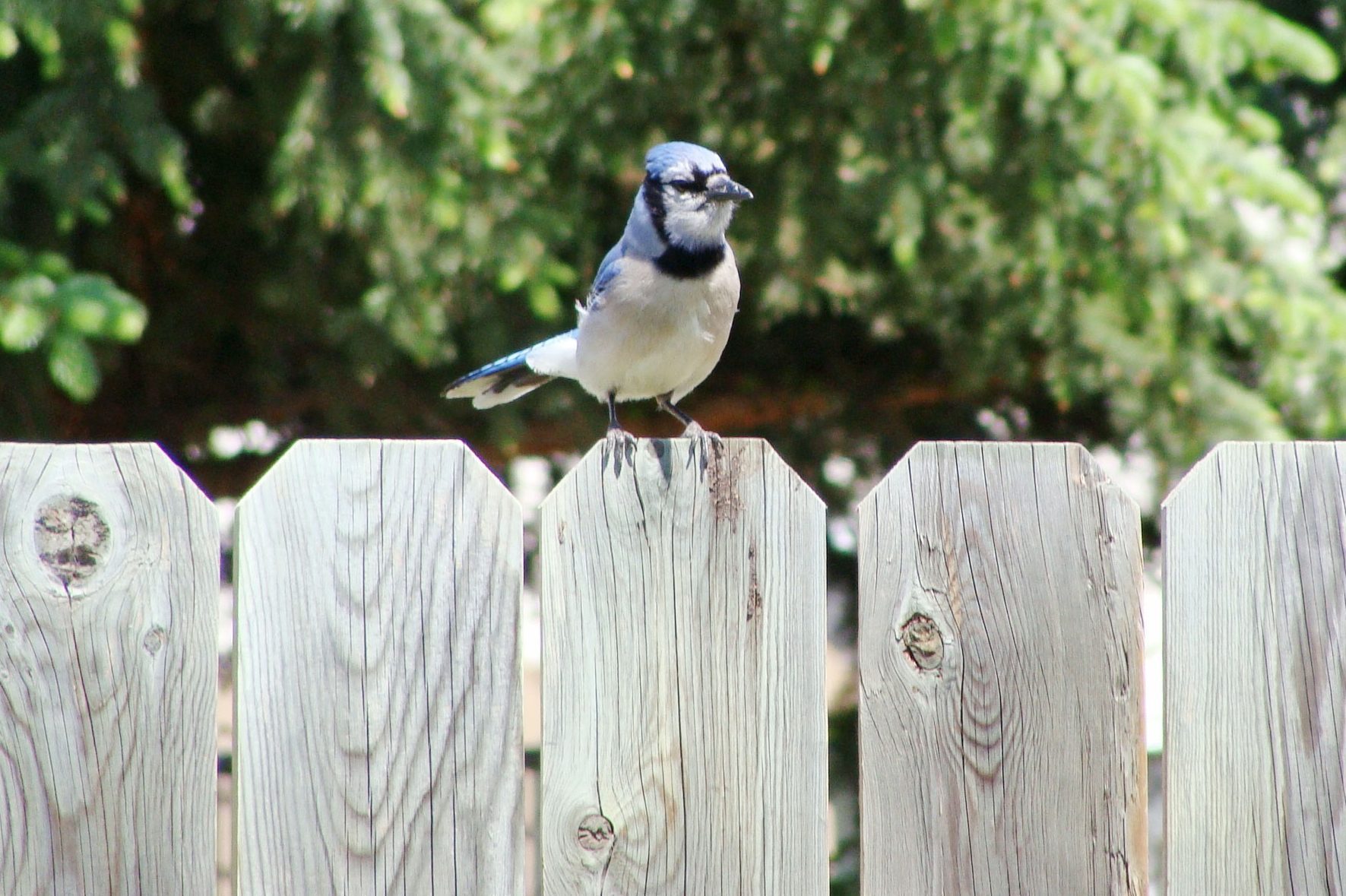
How To Make Your Fence Wildlife Friendly

10 Privacy Fence Ideas for Your Yard
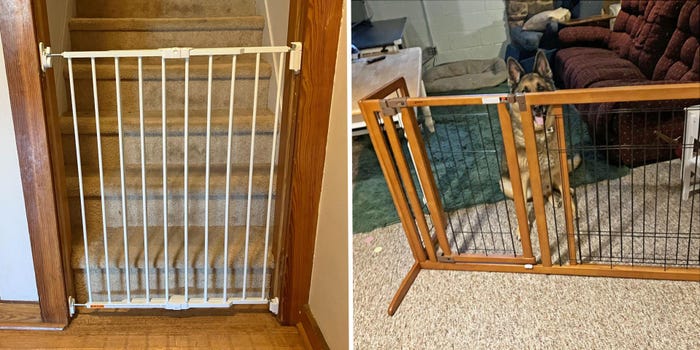
The right dog gate can keep pets and people safe — here are the best options for big dogs, stairs, and more
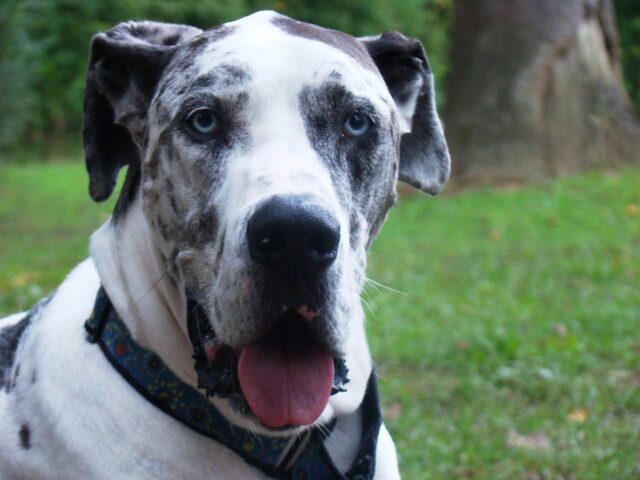
10 Best Dog Gates for Great Danes
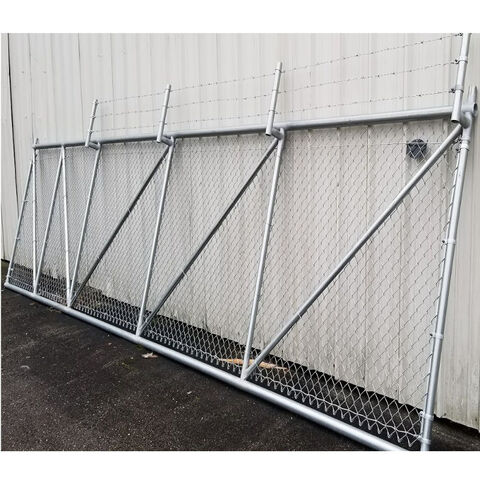
6m Sliding Gate for Woven Wire Mesh Chain Link Fence Factory Price
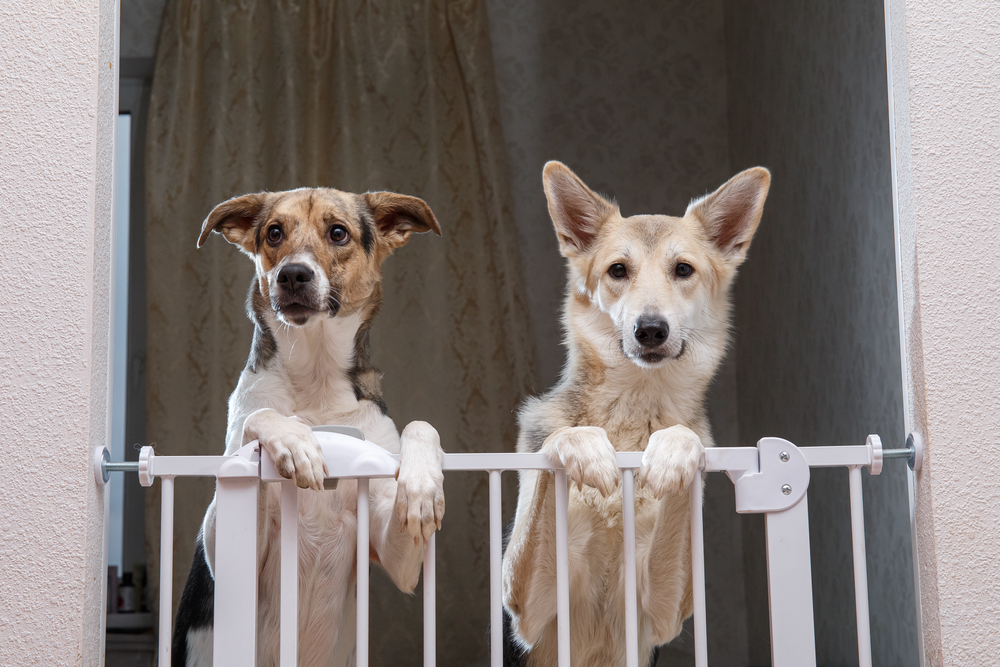
The Best Dog Gates For Doorways
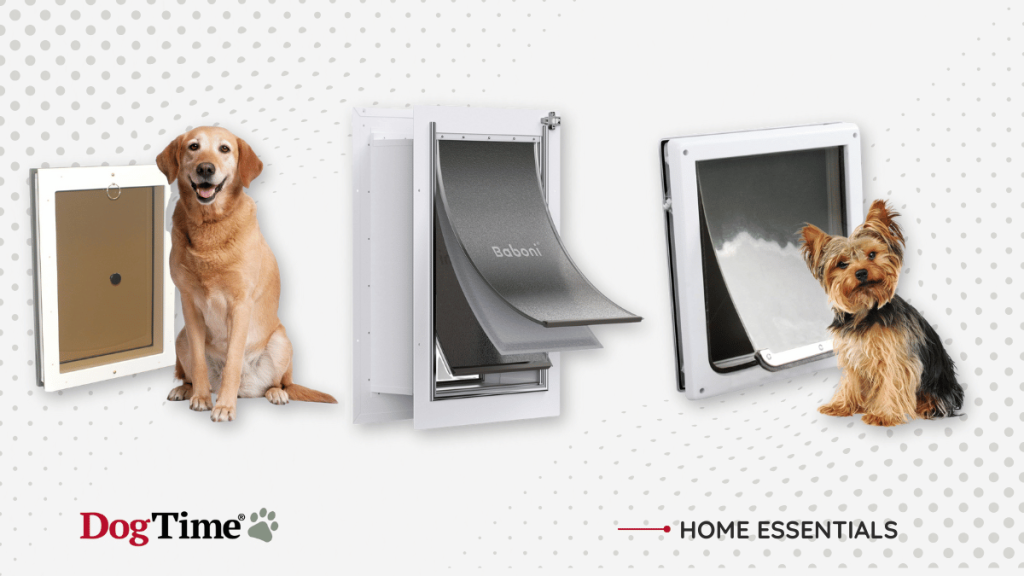
10 Best Dog Doors for Your Furry BFF

5 Stair Safety Tips for Dogs