1/29
We Tested the Best Window ACs for Every Room, Budget, and Heat Wave
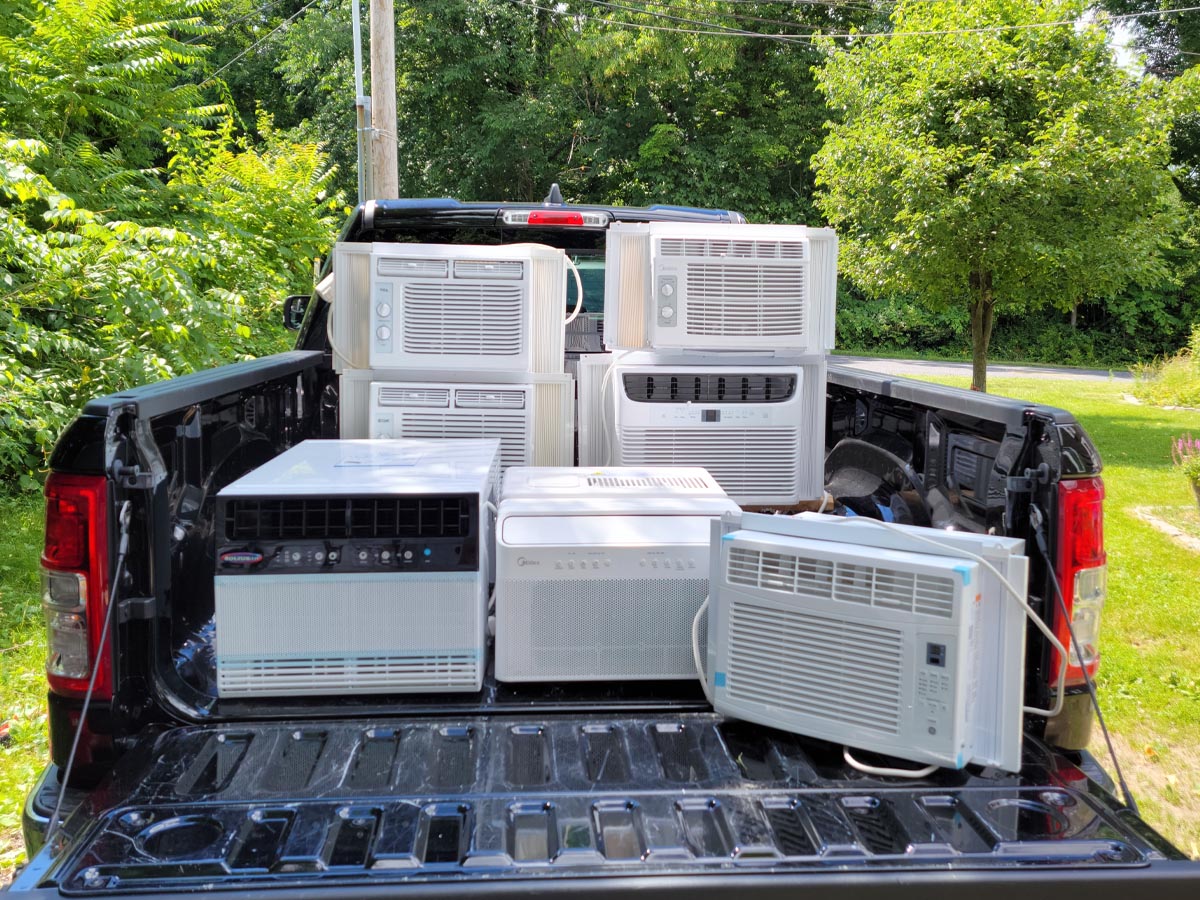
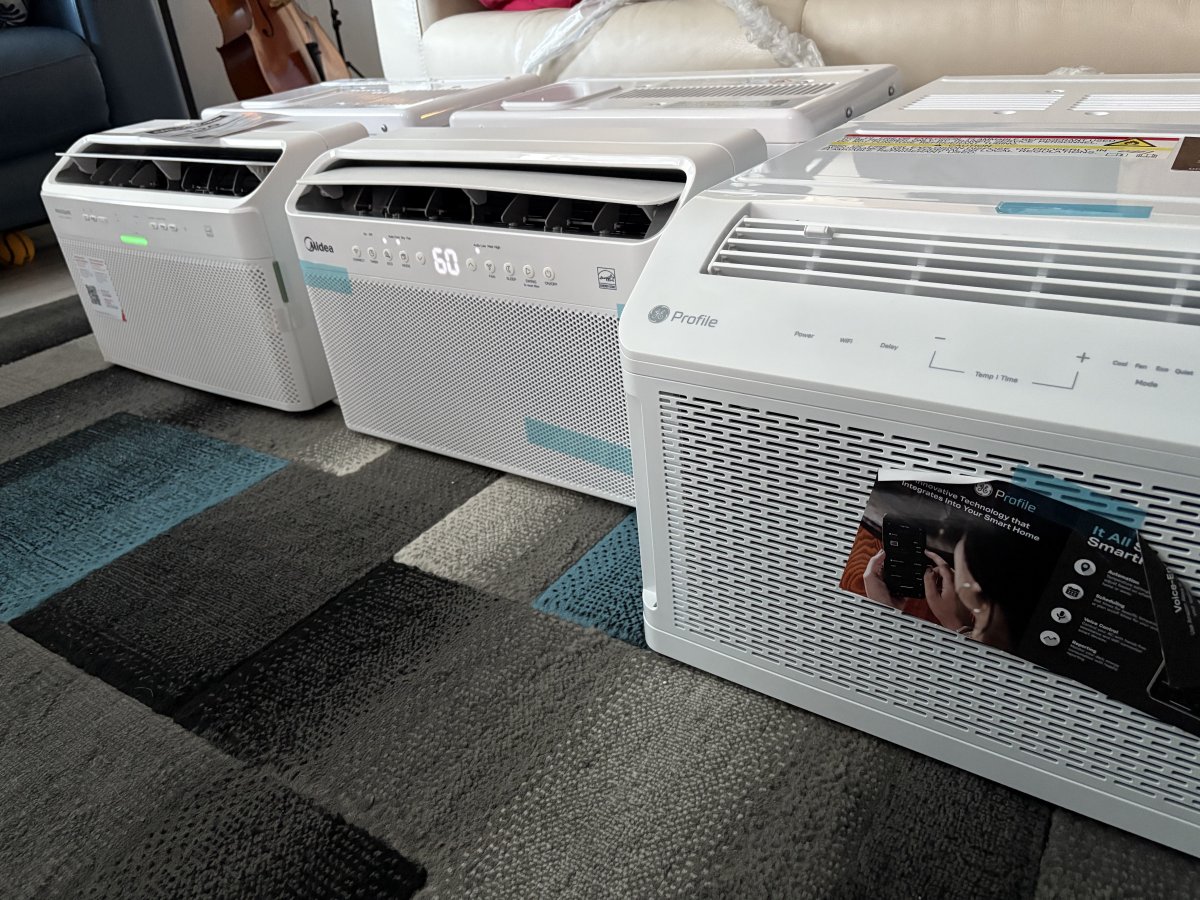
Window air conditioners are a practical solution for cooling homes that lack central air conditioning, particularly during hot summer months. This article details the findings from testing eight popular window AC models, focusing on their real-world performance, including cooling speed, energy consumption, ease of installation, and noise levels. The goal is to assist consumers in navigating the numerous options available, which now include smart features and enhanced energy efficiency, by breaking down crucial considerations such as sizing, noise ratings, and overall efficiency.
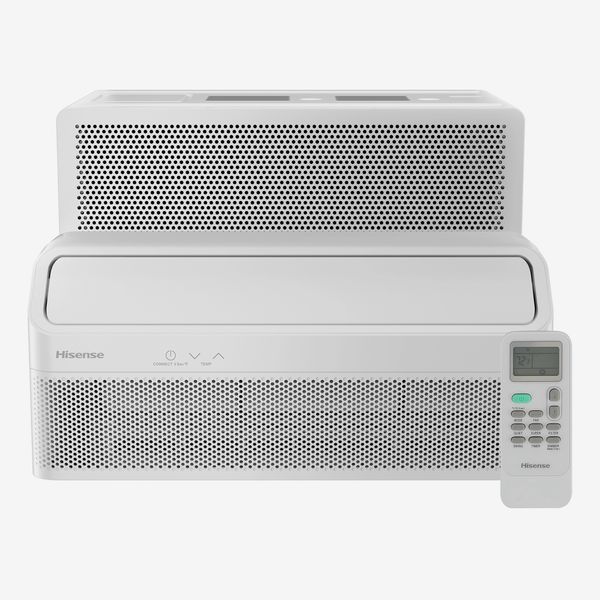
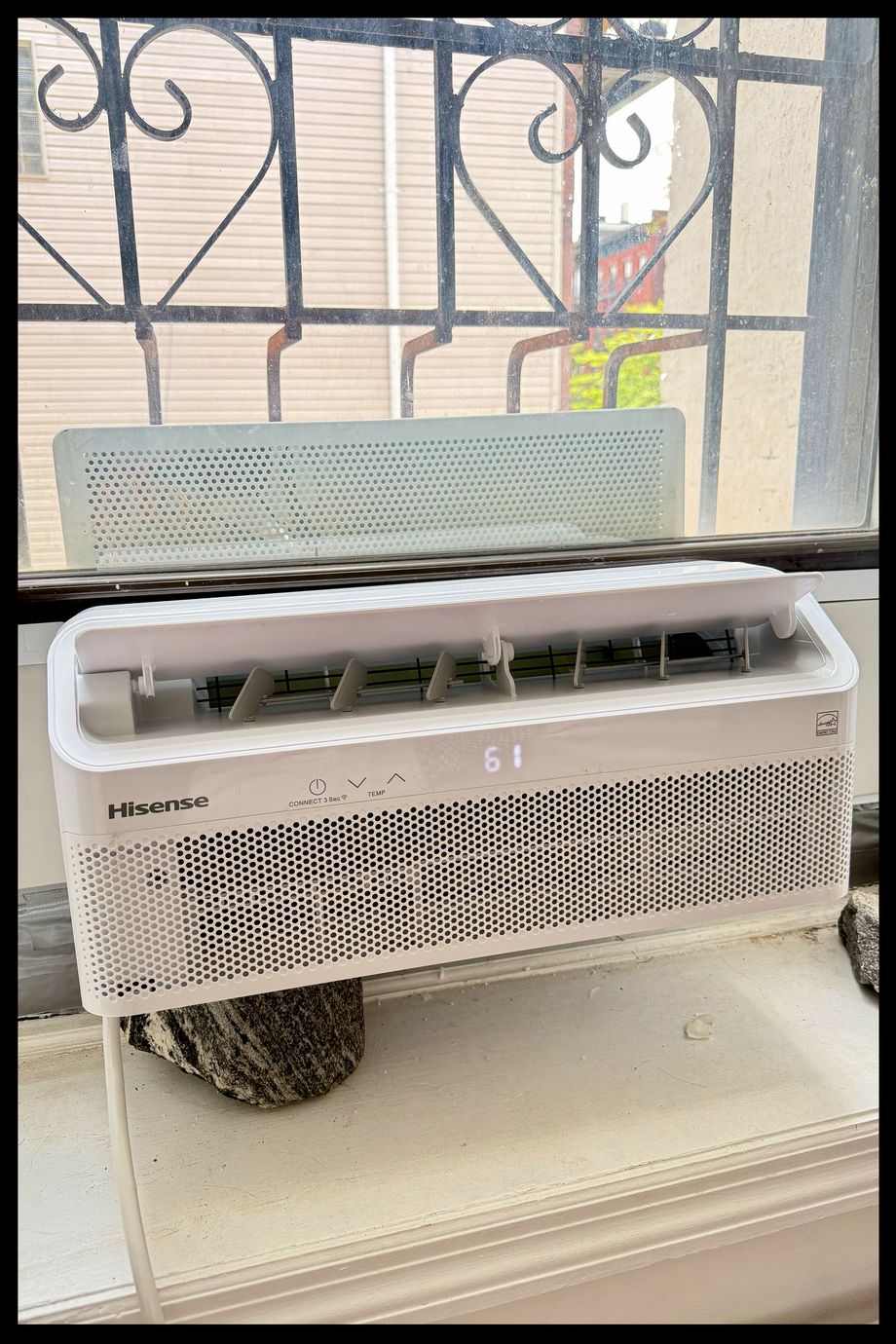
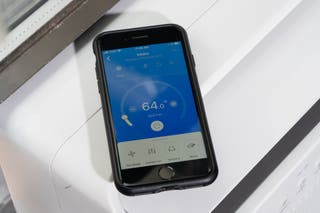
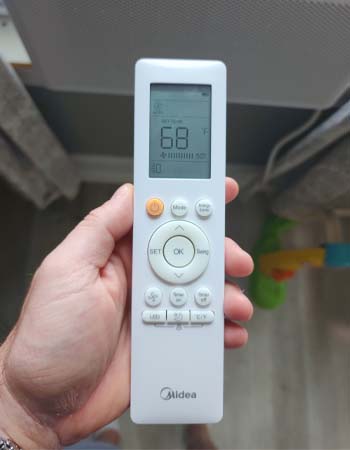
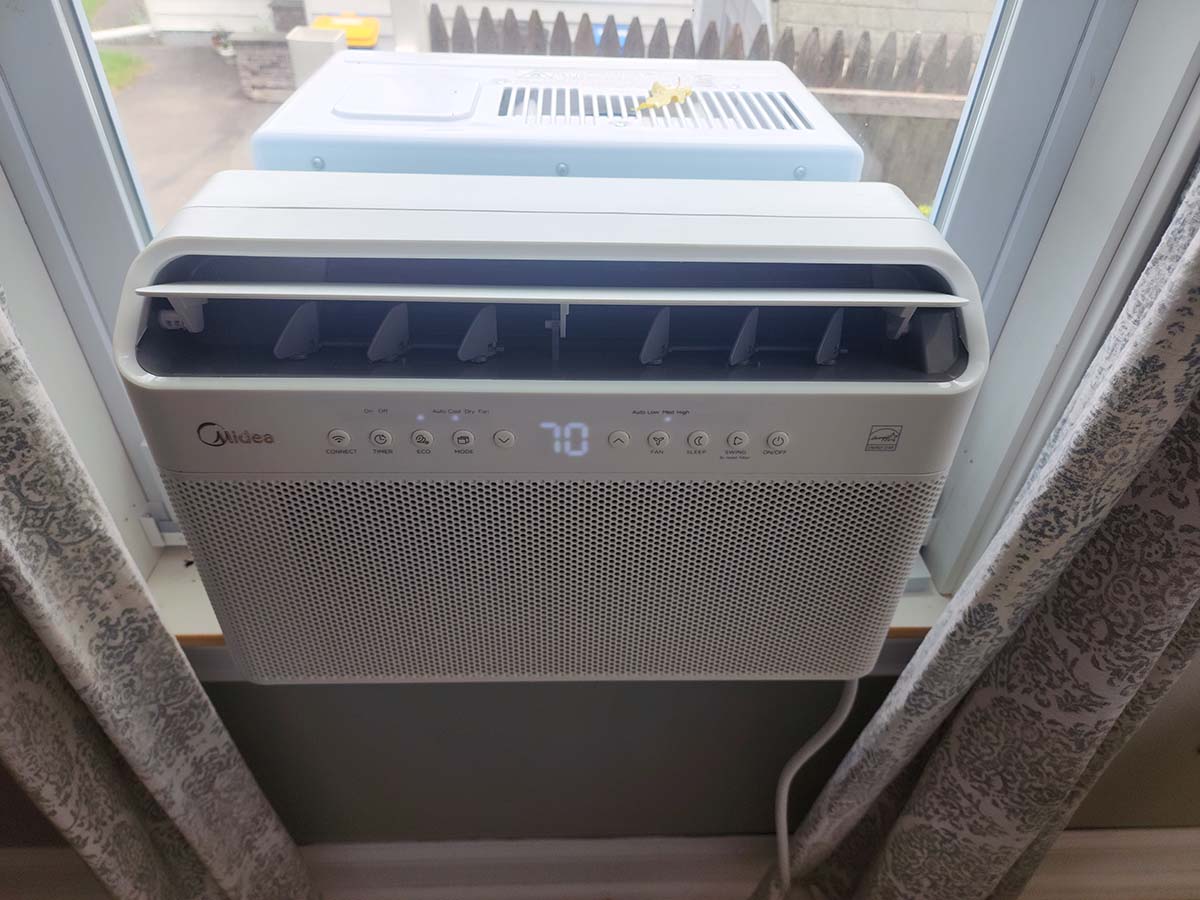
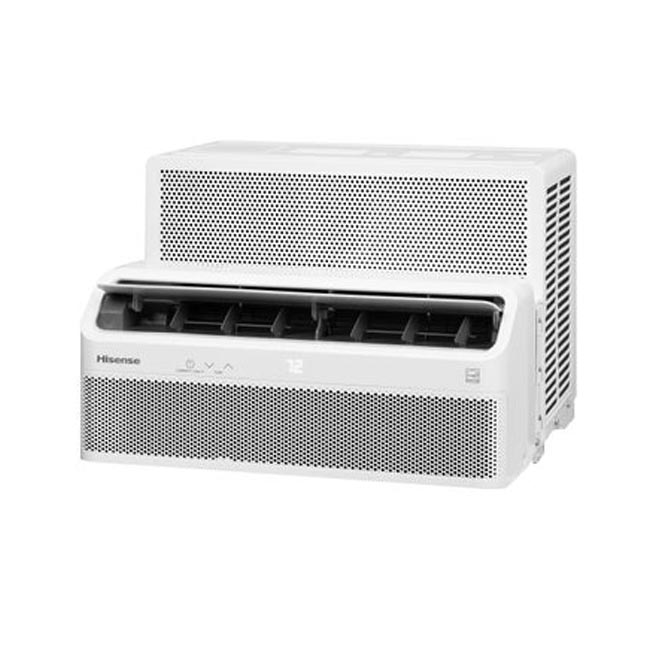
The testing identified the Hisense Ultraslim Window Air Conditioner as the top overall choice, praised for its sleek interior design, quiet operation, and straightforward installation process. Its bracket-style mounting system places most of the unit's bulk and noise outdoors, leaving a slim panel indoors. This model, suitable for rooms up to 350 square feet, delivers powerful cooling down to 61 degrees Fahrenheit with minimal noise, even at high fan settings. While it has limited on-unit controls and lacks directional vent adjustment, it offers comprehensive control via remote and a smartphone application, including 'Quiet' and 'Super' modes.
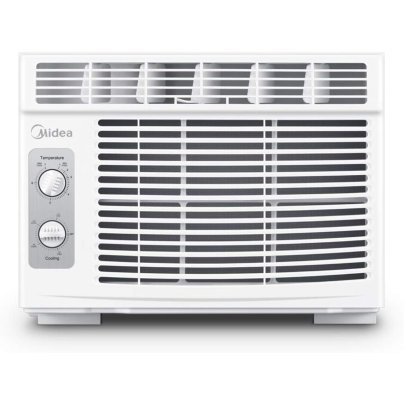
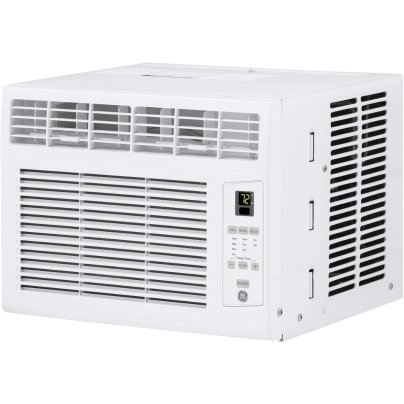
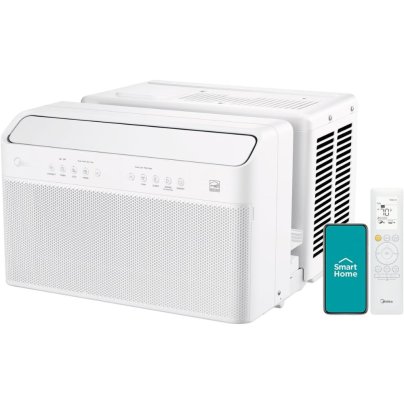
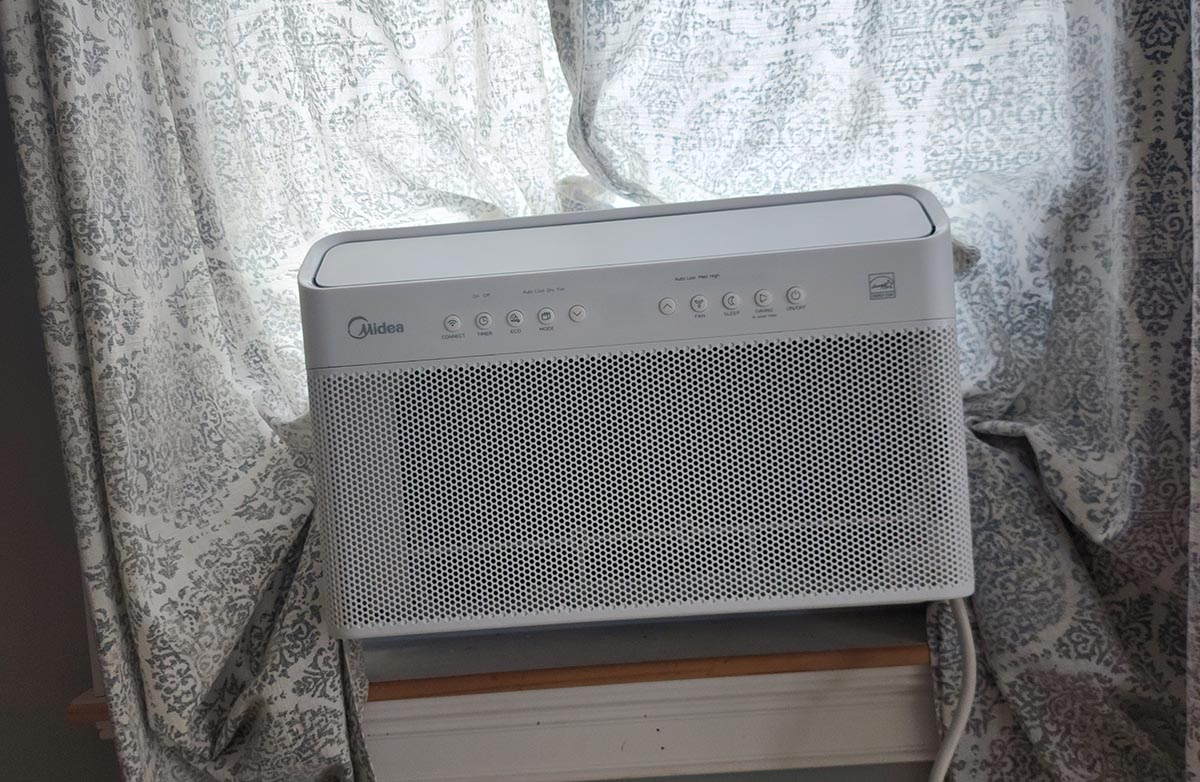
For those on a budget, the Midea 5,000 BTU EasyCool Window Air Conditioner is recommended. This compact and lightweight unit is ideal for smaller windows and rooms up to 150 square feet. It features simple analog controls for temperature and mode, making it user-friendly. Despite its basic design, it boasts an 11 CEER rating, ensuring energy efficiency. Installation is quick due to its size, and it effectively cools spaces without excessive noise, though its louvers only adjust horizontally. The GE 6,000 BTU Window Air Conditioner is another compact, budget-friendly option for small spaces like home offices or guest rooms, offering simple manual controls. It is louder than inverter models but provides reliable cooling for its price point.
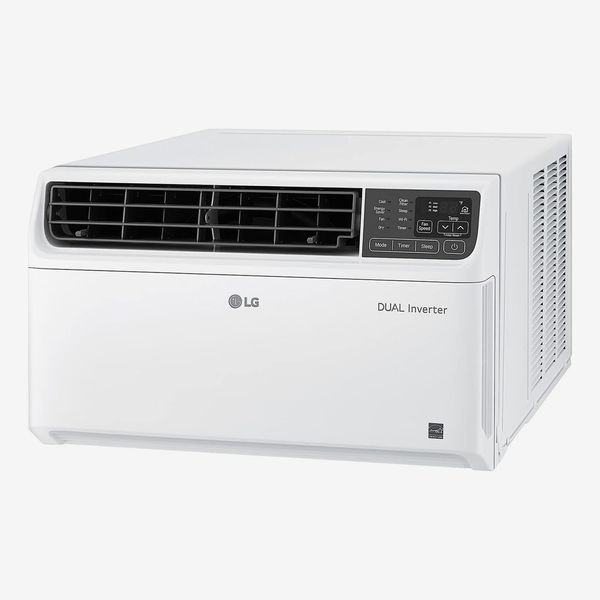
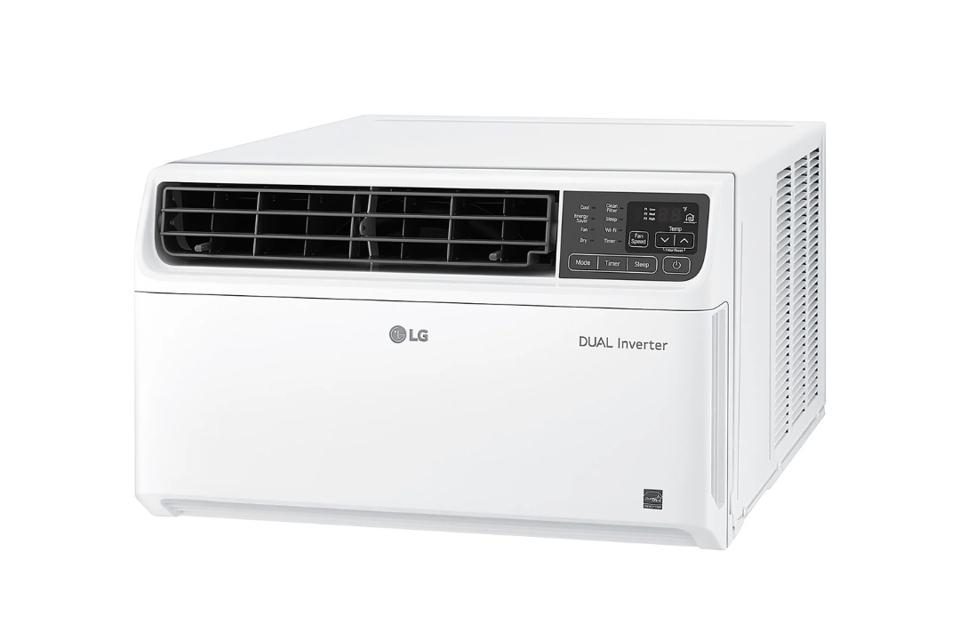
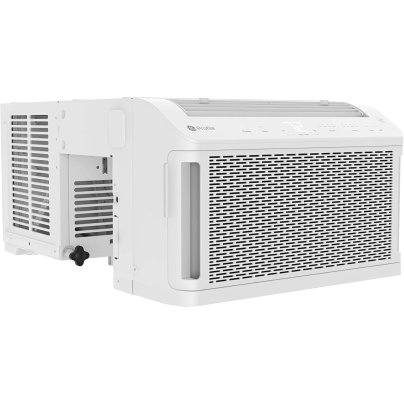
For larger spaces, the LG 14,000 BTU Dual Inverter Smart Air Conditioner is highlighted for its powerful, quiet cooling capabilities, suitable for rooms up to 700 square feet. Despite its substantial size and weight, it operates at impressively low noise levels, even when set to 60 degrees Fahrenheit. Installation is relatively simple, primarily involving snapping on a front panel. However, it lacks an auto-swing function, which limits airflow distribution. The Frigidaire 8,000 BTU Window Air Conditioner with Wi-Fi is recognized for its quiet operation and consistent cooling for mid-sized rooms (up to 350 square feet). It includes a dual-filter system for dust and improved air quality, with easy-to-clean reusable filters. It also features multiple operating modes and a sleek remote, though it lacks an auto-swing function.
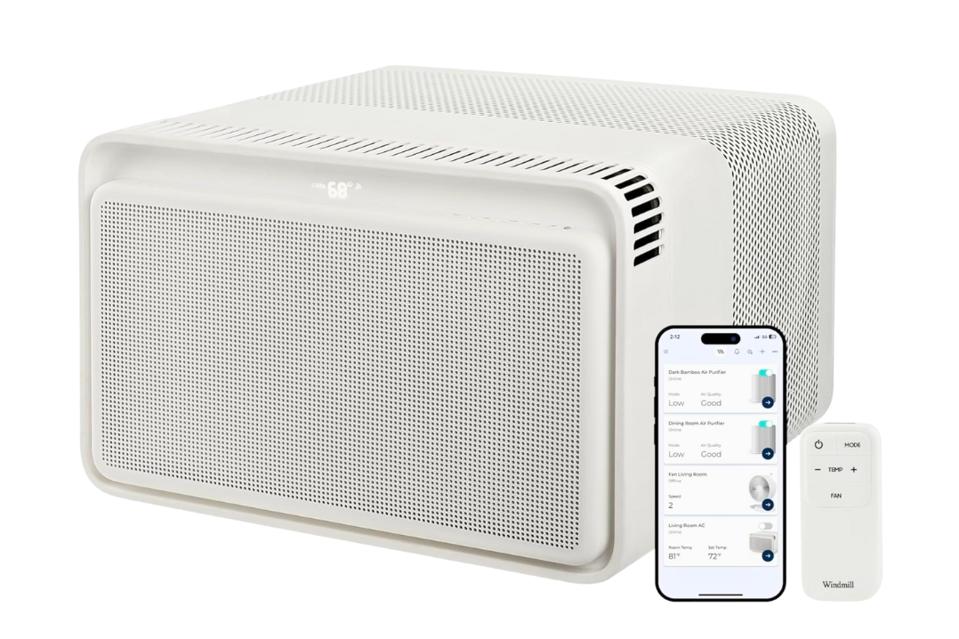
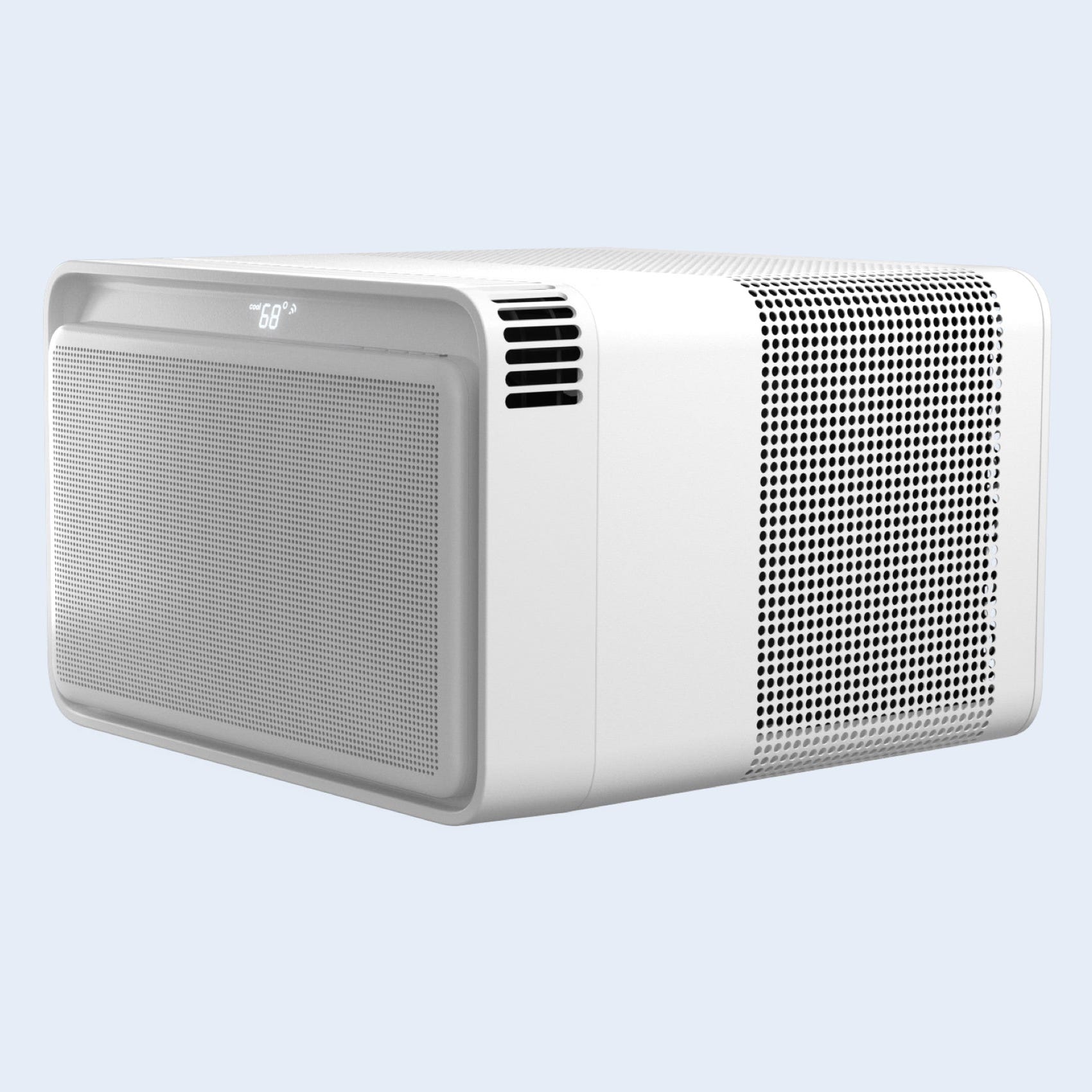
The Windmill WhisperTech 8,000 BTU Air Conditioner is praised for its modern design and exceptionally quiet operation, achieving noise levels as low as 42 decibels. Its inverter-powered motor and upward-angled airflow contribute to effective cooling and reduced noise. It offers flexible control via remote, a front panel, or a smartphone app, and is compatible with Alexa and Google Assistant. Finally, the Toshiba Smart 8,000 BTU Air Conditioner stands out for its exceptionally easy installation, modern design, and effective cooling down to 62 degrees Fahrenheit. It supports smart control via app and voice assistant. While it is louder on higher fan settings and lacks auto-swing, its user-friendly setup makes it an attractive option for renters or first-time buyers.
The article also provides a detailed comparison chart of the tested models, outlining their room size capacity, dimensions, and energy efficiency ratings (CEER). A section on how the products were tested clarifies the methodology, which involved real-world installations, temperature tracking, noise level measurements, and assessments of installation ease and control intuitiveness. Key factors to consider when choosing a window AC unit include matching the BTU capacity to room size, evaluating energy efficiency (CEER ratings and Energy Star certification), checking noise levels, and considering smart-home compatibility and other features like remote controls and filter indicators. The installation process, including window dimensions and mounting hardware, is also crucial. Finally, a FAQ section addresses common queries regarding window ACs versus portable units, continuous operation, water usage, winterization, temperature limits, and average lifespan.
#WindowACUnits #HomeCooling #EnergyEfficiency #SmartHome #ProductReview #Hisense #Midea #LG #Frigidaire #WindowACUnits #HomeCooling #EnergyEfficiency #SmartHome #ProductReview #Hisense #Midea #LG #Frigidaire
0 Kommentare insgesamt
 Noch keine Kommentare
Das könnte Ihnen auch gefallen
There’s a New Generation of Window AC Units. We Found the Best Ones.

Your Apartment + These Top-Rated Window A/C Units = True Summer Love
The Best Window Fan

We've Tested Over 50 Fans and These Are The 9 We're Using This Summer
The 6 Best Window Air Conditioners Of 2025: Our Top Energy-Efficient Picks


Our Favorite ACs Keep You Cool Quietly and Efficiently
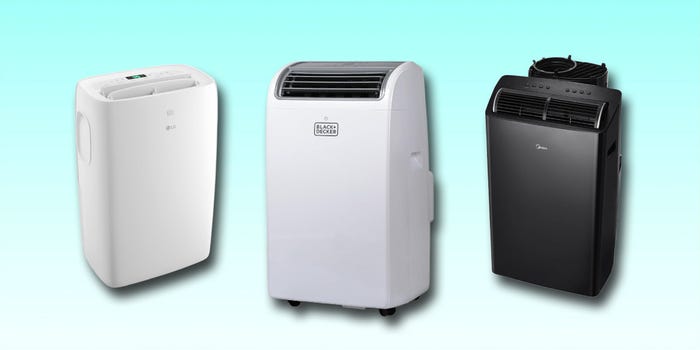
Halfway through the summer and the heat isn't giving up — here are the best portable ACs we tested to keep you cool

8 Best Window Brands, According to Home Renovation Experts

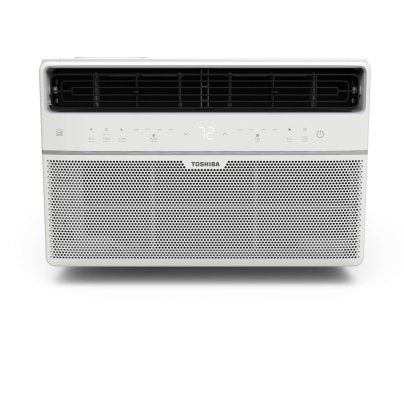
6 Small Window ACs That Take Minutes to Install and Seconds to Start Cooling

How to Pick Windows: 5 Factors to Consider

The Best Window Brands for the Home
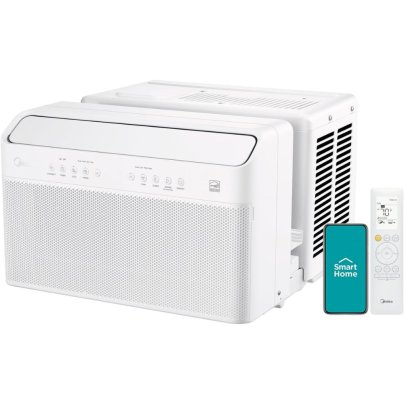
We Installed 5 U-Shaped Air Conditioners to Find the Best for Quiet, Efficient Cooling

Best Replacement Windows of 2025
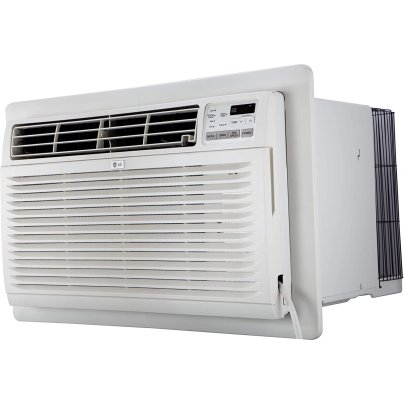
The Best Through-the-Wall Air Conditioners

5 Best Window Brands for Your Home (2026)

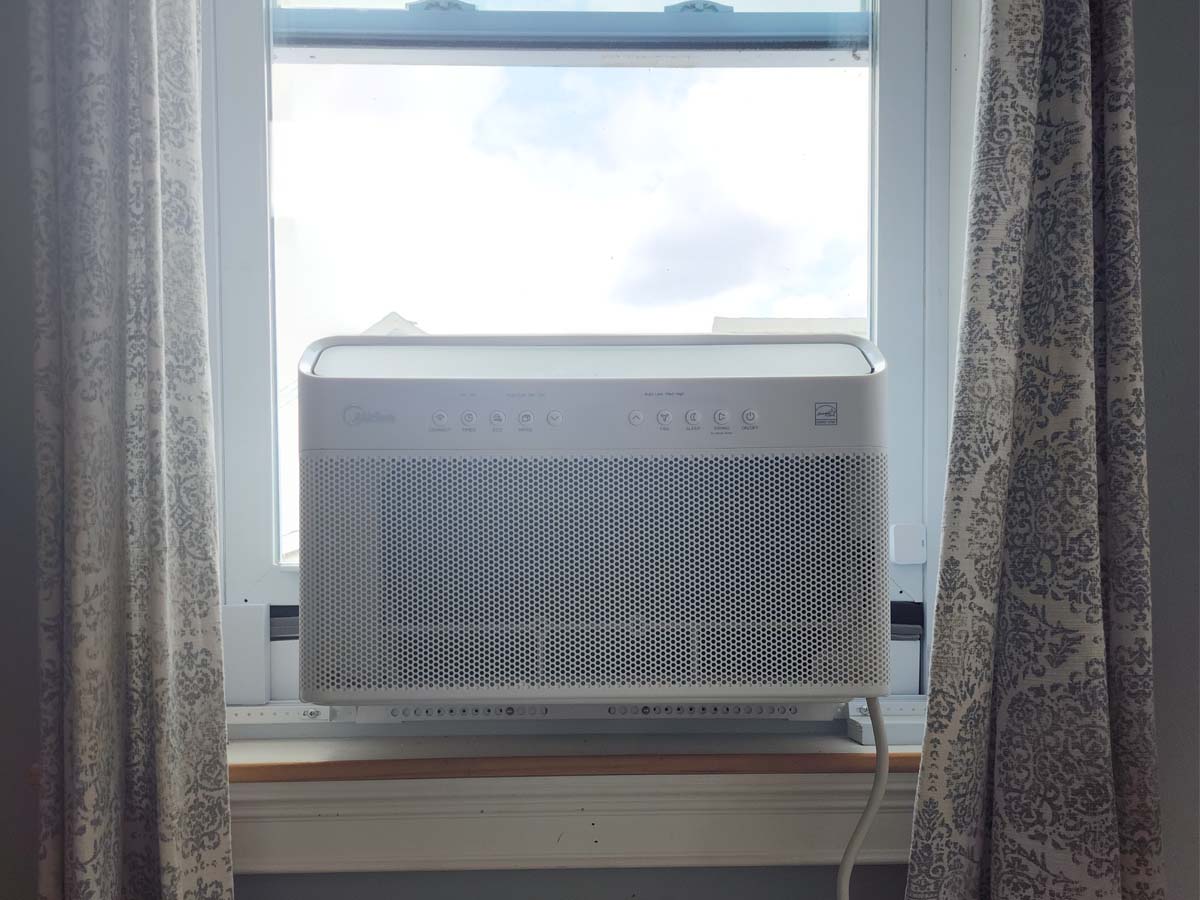
Midea U-Shaped Air Conditioner Review: Can This Unique AC Keep a Room Cool Yet Quiet?
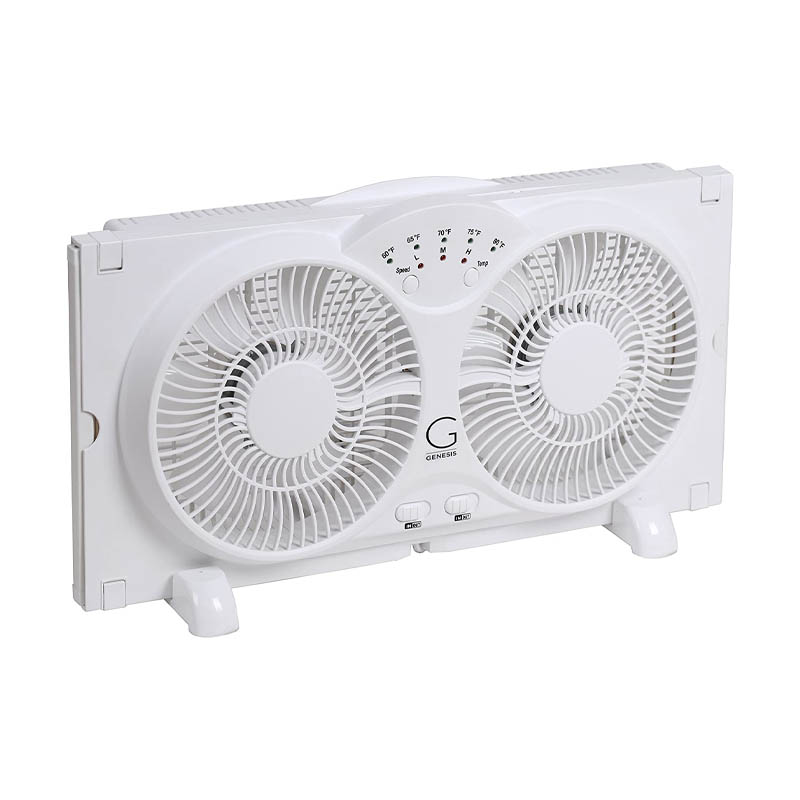
We Tested Several Window Fans—Our Favorite Made Warm Days More Bearable
The best air conditioners, and why we still recommend the Midea U

5 Best Window Brands for Your Home (2025)


Do Europeans Really Make the Best Windows?