1/2
The Popular Type Of Flooring Mike Holmes Doesn't Recommend For Kitchens
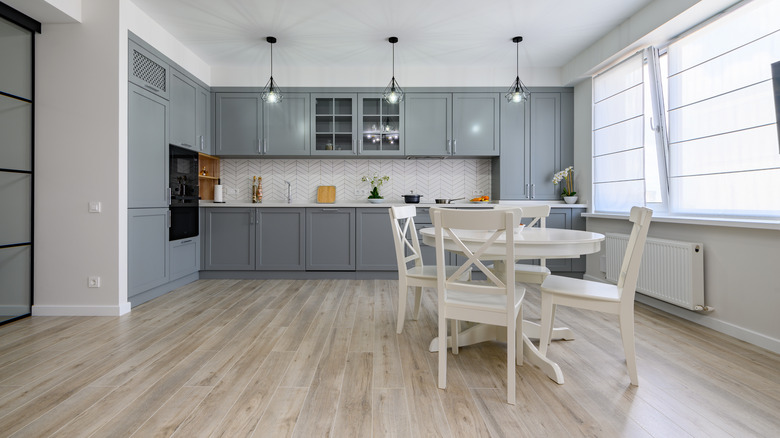
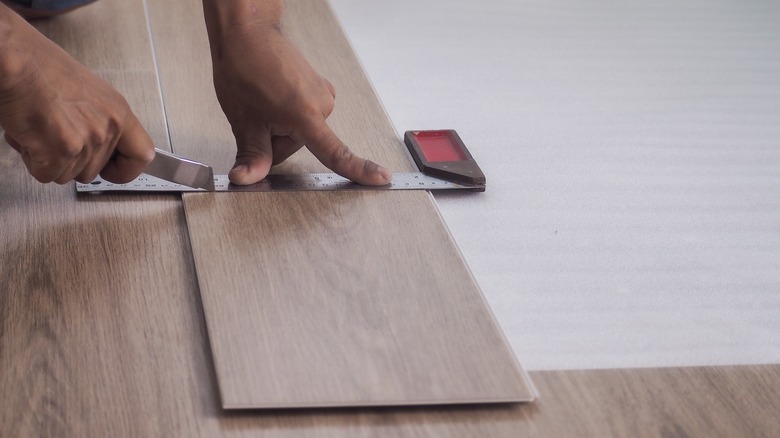
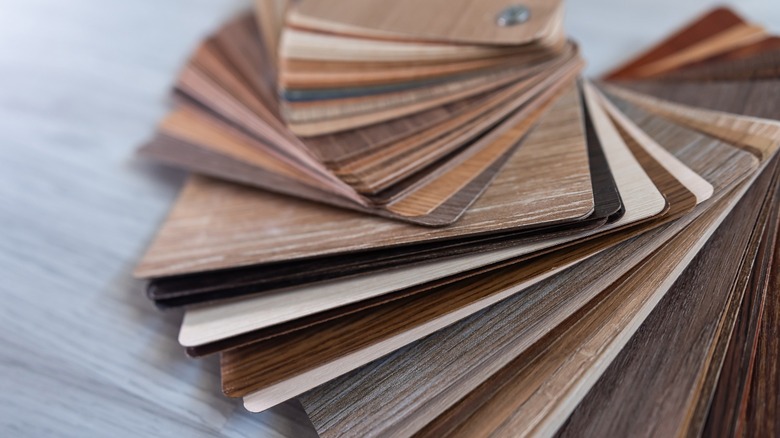
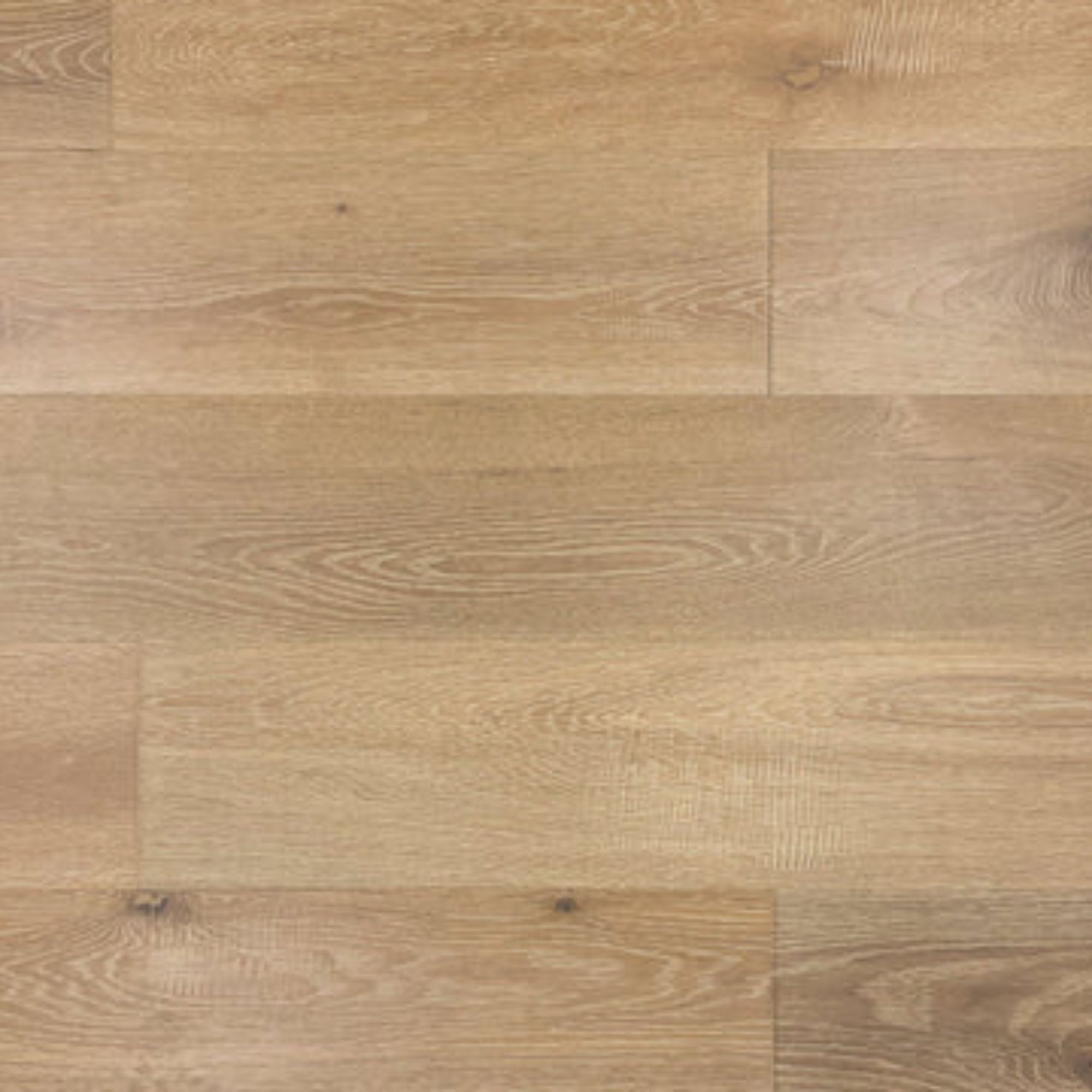
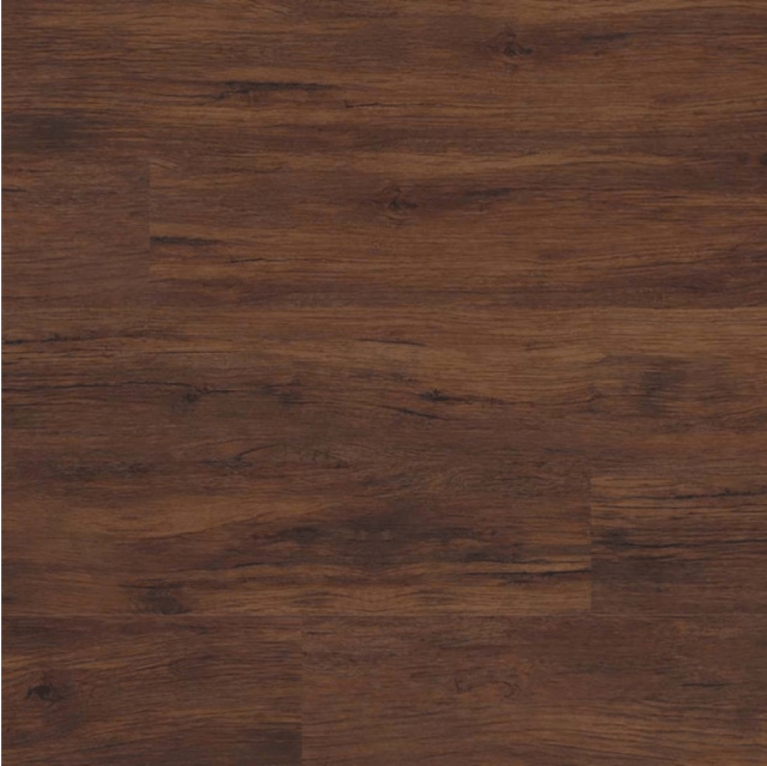
Mike Holmes, a renowned contractor and host of HGTV's "Holmes on Homes," advises against using vinyl flooring in kitchens, despite its popularity and affordability. While vinyl flooring can mimic more expensive materials like tile, wood, or stone, Holmes highlights several significant drawbacks that make it unsuitable for kitchen environments.
One of his primary concerns is the potential for mold. He notes that the mastics used with vinyl flooring are prone to mold growth, which can be a significant health and maintenance issue in a kitchen, an area frequently exposed to moisture. Beyond mold, Holmes criticizes vinyl's lack of durability. He points out that the material is not damage-resistant, suggesting that dropping sharp objects could easily cause dents and imperfections. Although he acknowledges that some higher-quality vinyl options offer better durability, his general assessment remains negative regarding its resilience in a high-traffic, accident-prone area like a kitchen.
Furthermore, Holmes raises substantial environmental and health concerns associated with vinyl flooring. The manufacturing process is energy-intensive and not eco-friendly, as vinyl is derived from petroleum and is not biodegradable. This contributes to a larger environmental footprint compared to other flooring alternatives. More critically, Holmes links vinyl, primarily made from PVC (polyvinyl chloride), to potential health issues. New PVC-based vinyl flooring is known to emit fumes, particularly in the initial days post-installation, which can affect indoor air quality.
Another health risk stems from phthalates, chemicals often present in vinyl flooring, which can leach into food and water. Studies, including one published by the National Library of Medicine, have identified phthalates as endocrine disruptors, capable of altering hormonal and reproductive system functions. Holmes notes the lack of transparency from many manufacturers regarding the specific types of phthalates used, making it difficult for consumers to assess the true health risks. For those seeking non-toxic vinyl options, he recommends looking for materials with safety certifications from the Resilient Floor Covering Institute, though his overall recommendation remains against vinyl for kitchens due to these multifaceted concerns.
#MikeHolmes #KitchenFlooring #VinylFlooring #HomeRenovation #FlooringMistakes #EcoFriendlyHome #HealthyHome #InteriorDesign #HomeImprovement #MikeHolmes #KitchenFlooring #VinylFlooring #HomeRenovation #FlooringMistakes #EcoFriendlyHome #HealthyHome #InteriorDesign #HomeImprovement
0 Kommentare insgesamt
 Noch keine Kommentare
Das könnte Ihnen auch gefallen
Our Real Estate Expert Names The Kitchen Flooring Choice That Can Hurt Your Resale Value
This Once-Taboo Kitchen Flooring Is Climbing the Ranks
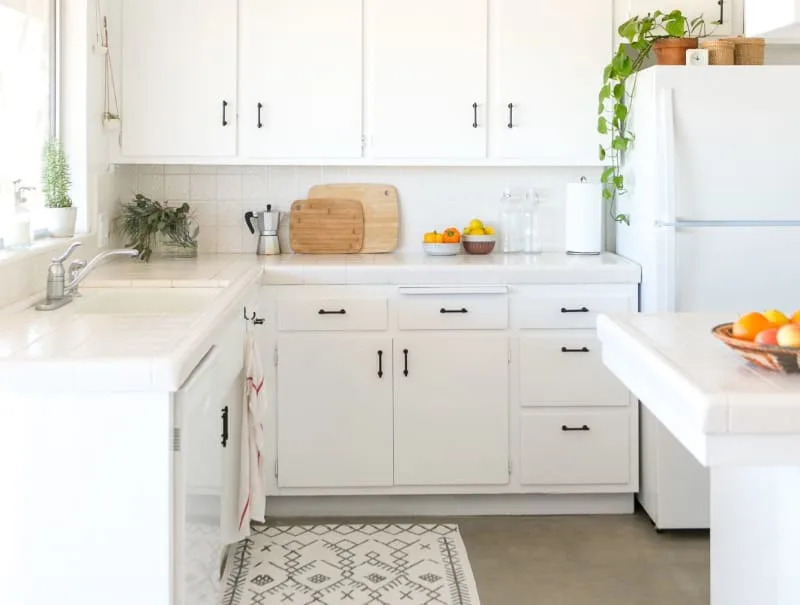
4 Kitchen Flooring Trends That Are on Their Way Out (and 3 Replacing Them)


HGTV's Mike Holmes Shares A Flooring Option You Can Count On For Durability & Style
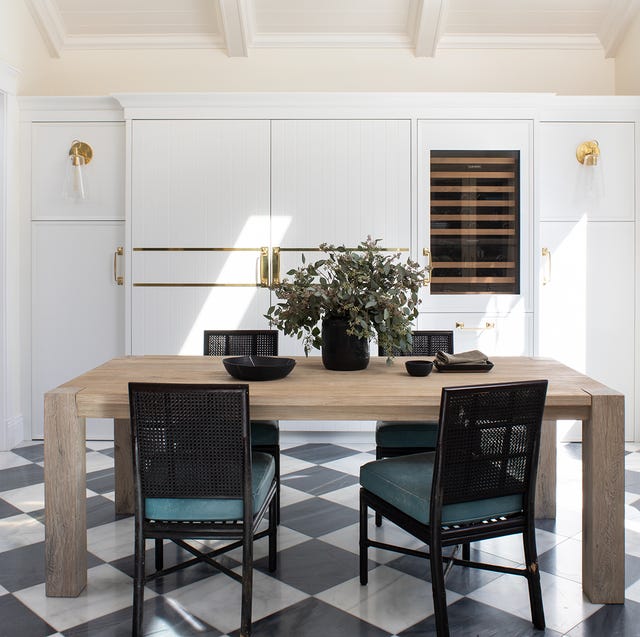
The Most Popular Kitchen Flooring Ideas for Every Style

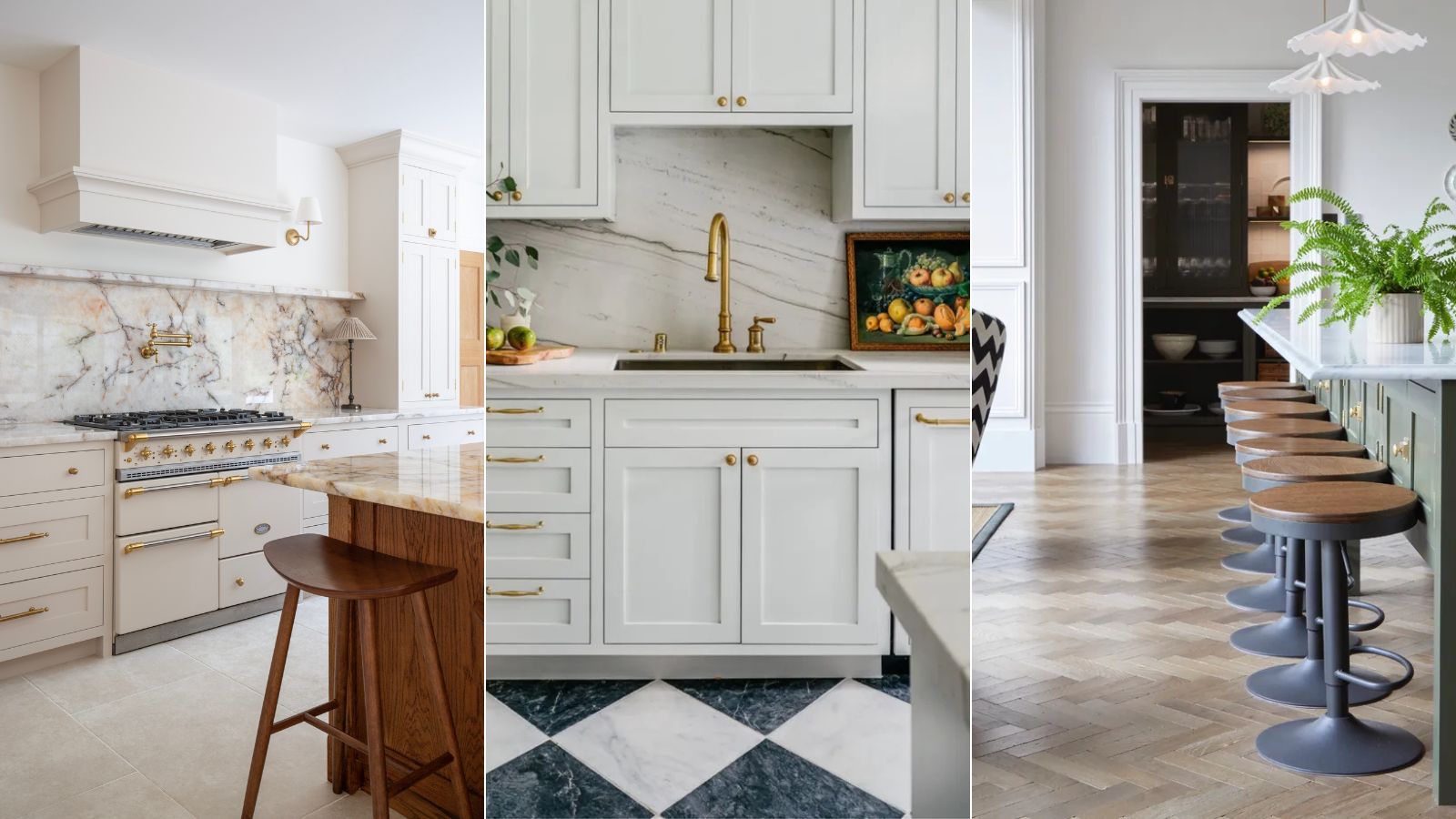
5 dated kitchen flooring trends to avoid in 2025 – and what experts say you should choose instead


HGTV's Mike Holmes Shares A Flooring Option You Can Count On For Durability & Style
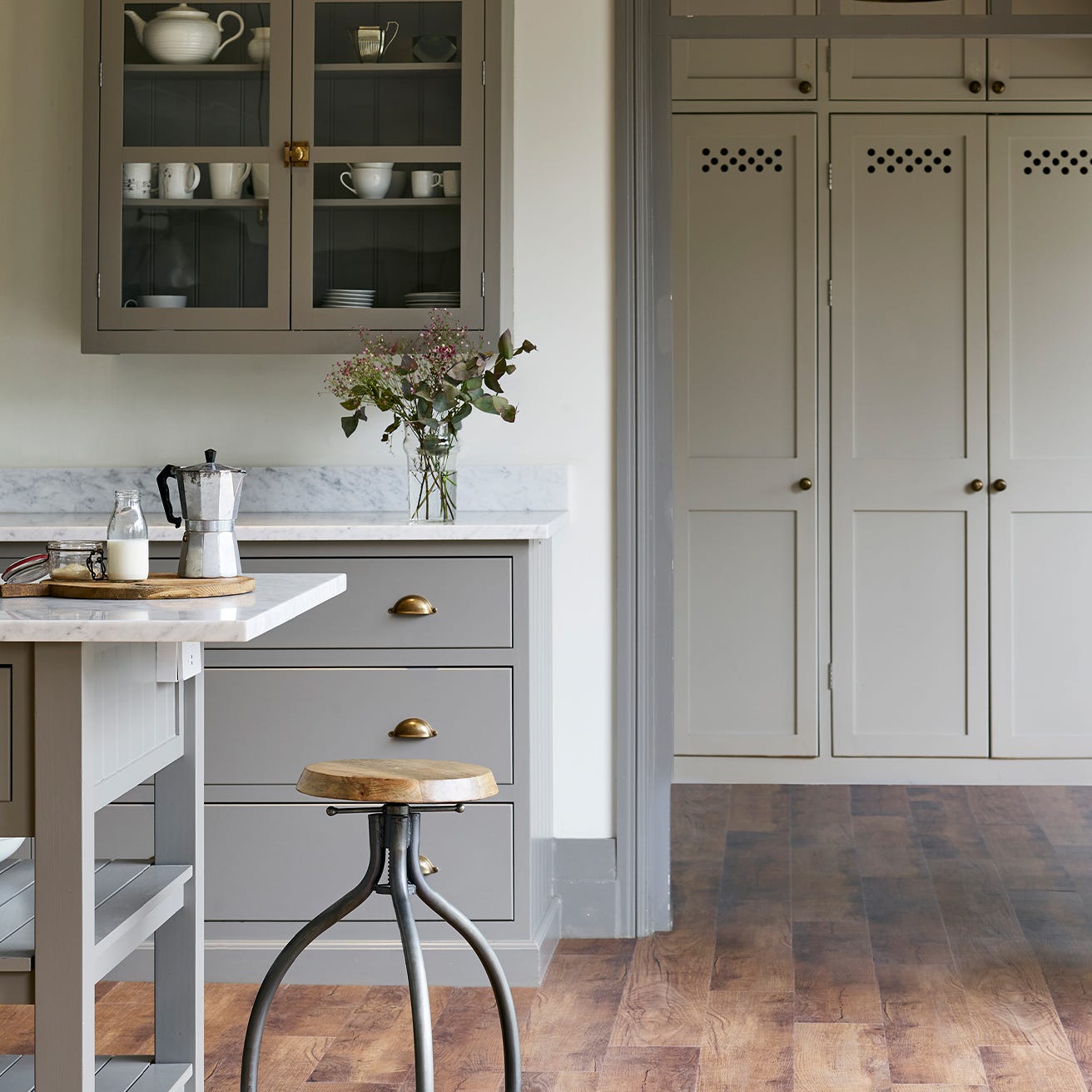
10 kitchen flooring ideas for a refreshed look
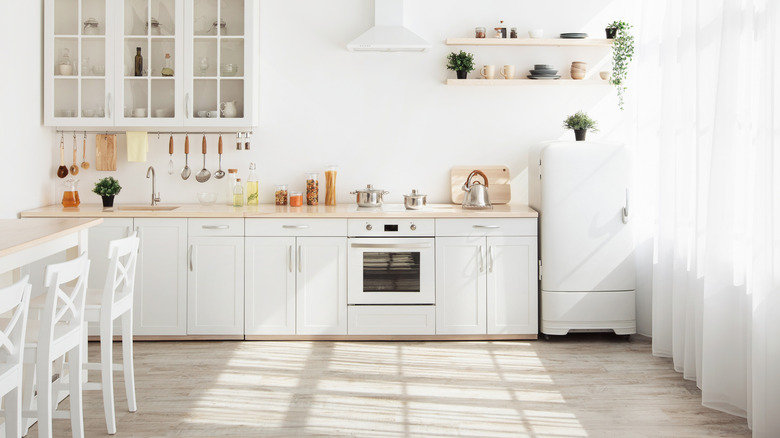
6 Kitchen Flooring Options That Are Durable And Stylish


HGTV's Mike Holmes Says Hardwood Flooring Should Never Be Installed In One Area


15 Modern Kitchen Flooring Ideas


Kitchen Flooring | Kitchen Vinyl & Laminate Flooring


The Durable Flooring HGTV's Mike Holmes Recommends For Kitchens (It's Not Hardwood)
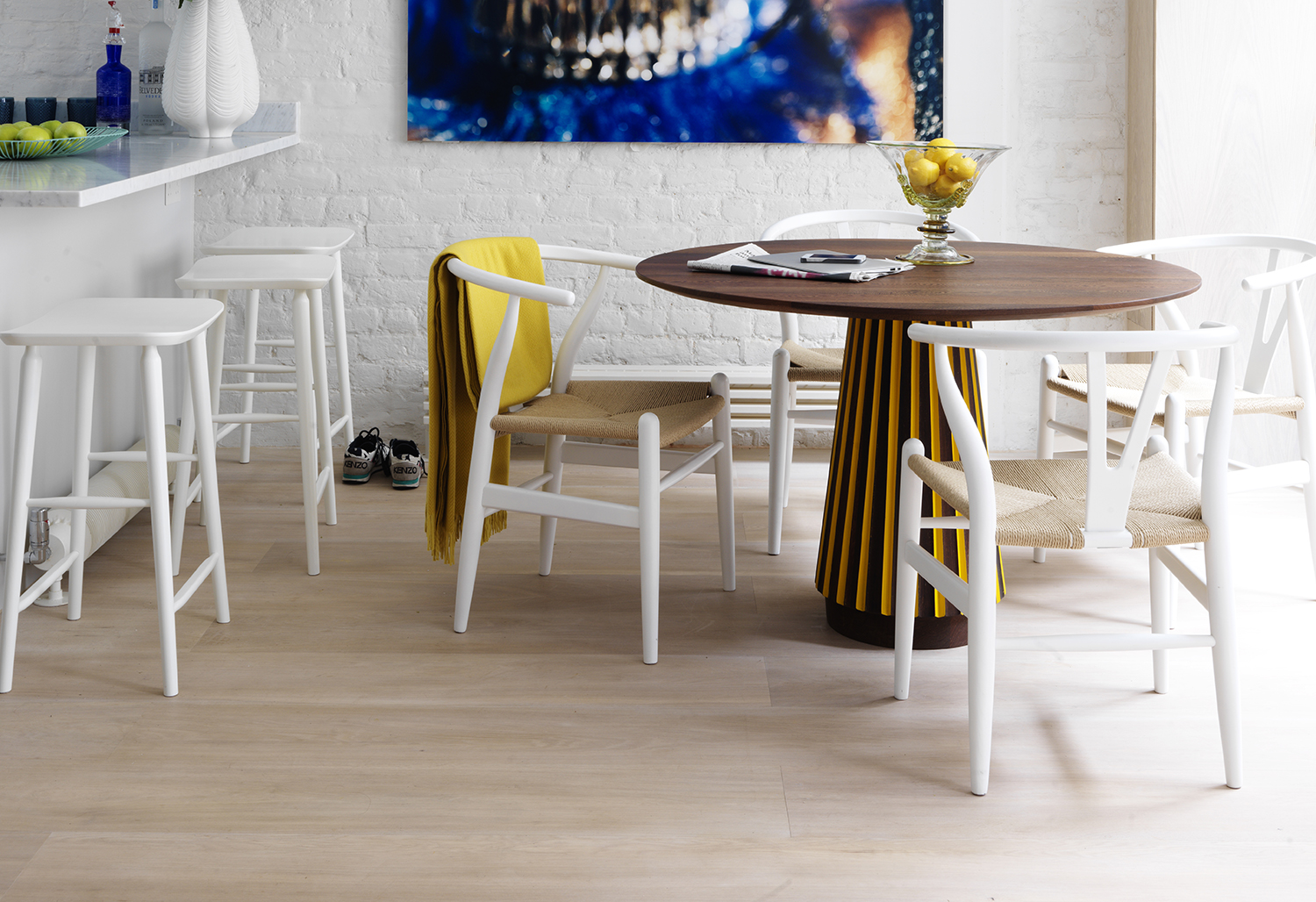
8 kitchen flooring trends for 2024 - durable, beautiful and designer-approved

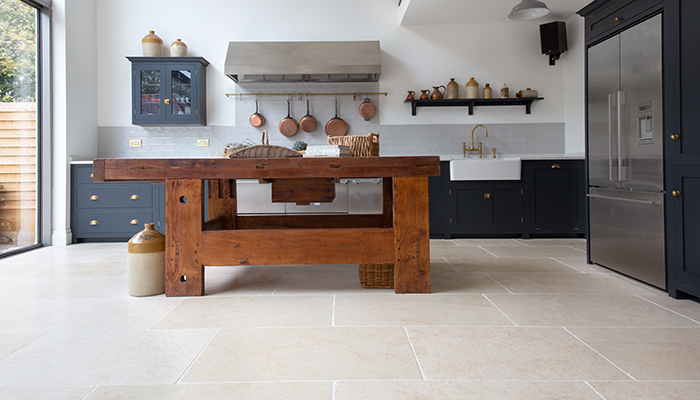
10 key kitchen flooring trends you need to know about for 2022
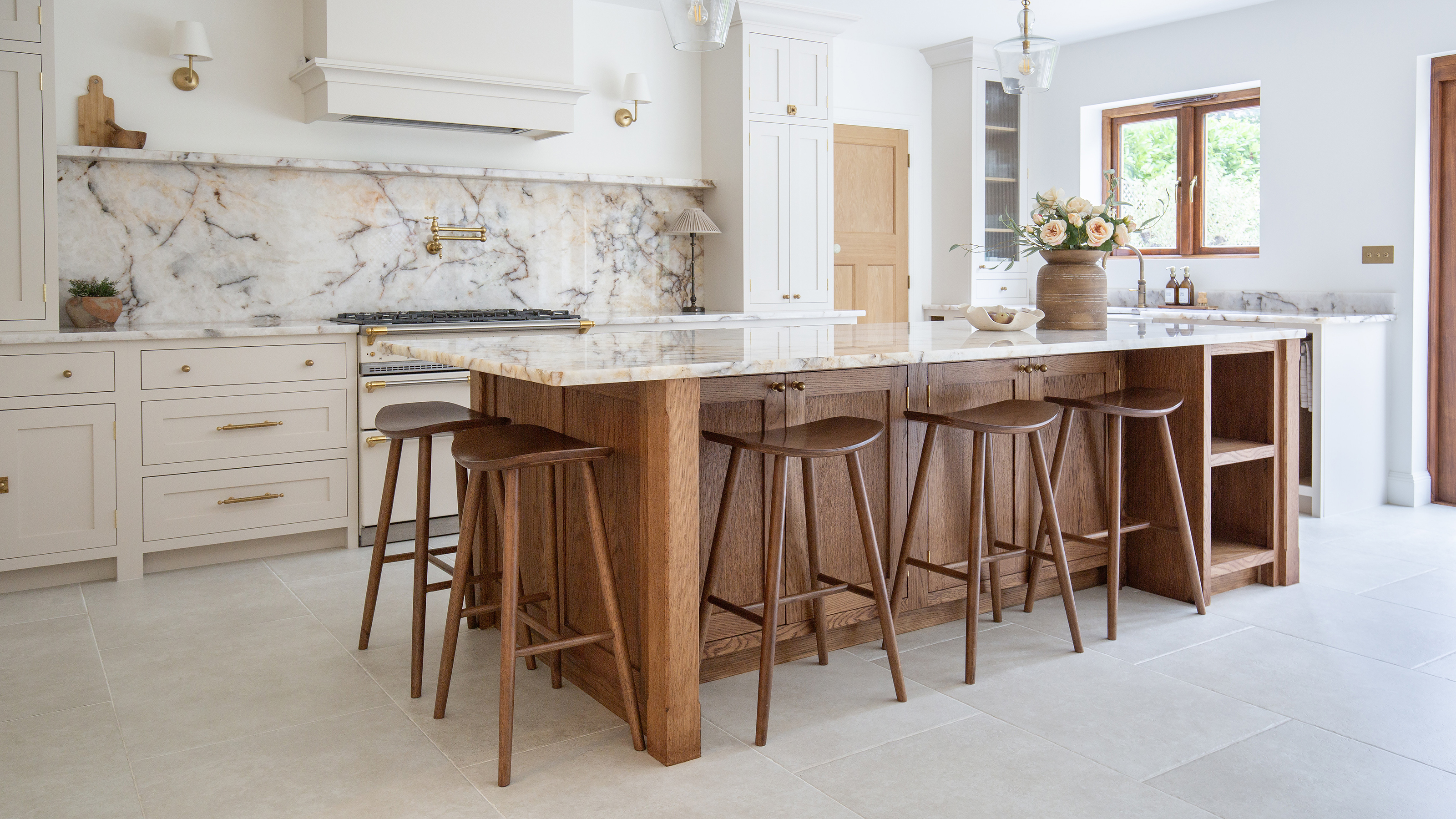
What is replacing herringbone flooring in kitchens? This is the flooring trend to watch in 2025
9 Durable Kitchen Flooring Finishes That Interior Designers Swear Will Look Good for Longer
6 Outdated Kitchen Flooring Ideas in 2025 That Threaten to Turn Back the Clock — Plus What to Choose Instead
These Designer-Approved Flooring Ideas Look Great in ANY Kitchen
The Kitchen Countertop Material Designers Say You Should Avoid