The '60s-Inspired Design Trends That Pros Say You're Going to See Everywhere in 2026
Interior design in 2026 is poised to draw significant inspiration from the 1960s, with experts predicting a widespread resurgence of key stylistic elements from that era. This trend reflects a desire for interiors that are personal, uplifting, and expressive, moving away from more standardized aesthetics. Interior designer Carlos Nyce emphasizes that 1960s design prioritized daily life upliftment, encouraging experimentation and beautiful living, a sentiment echoing in the upcoming year's trends.
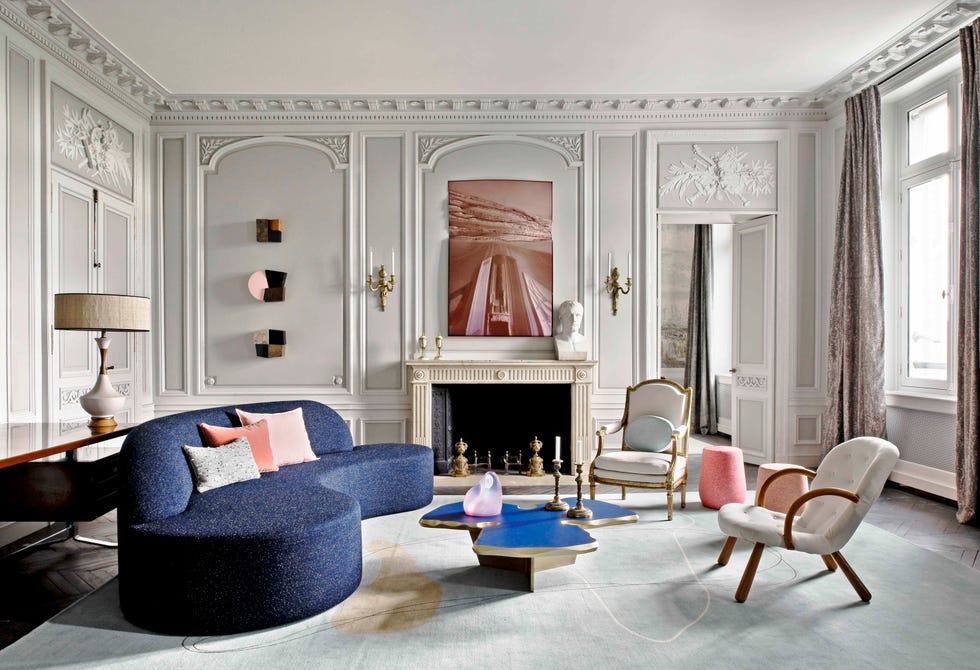
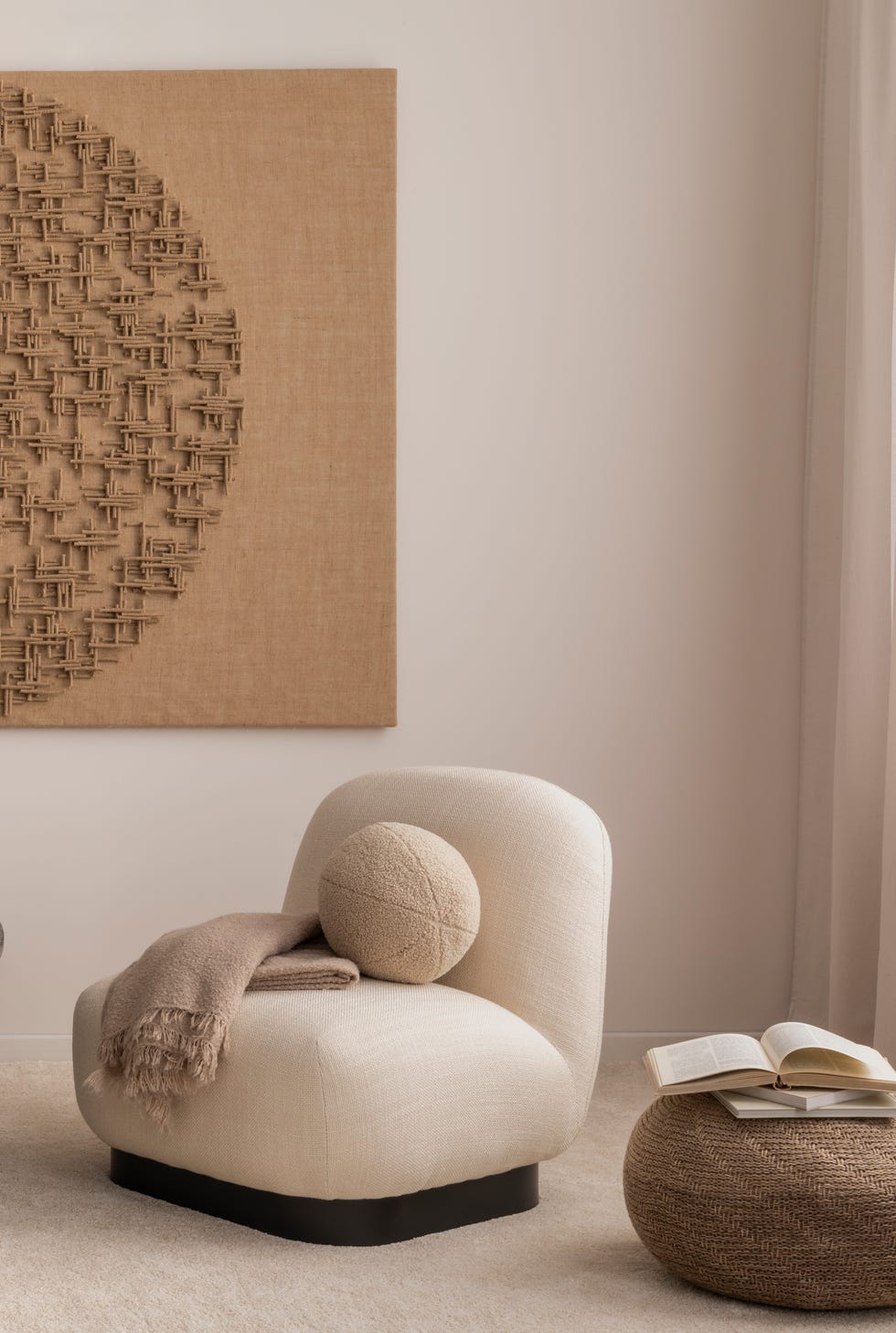
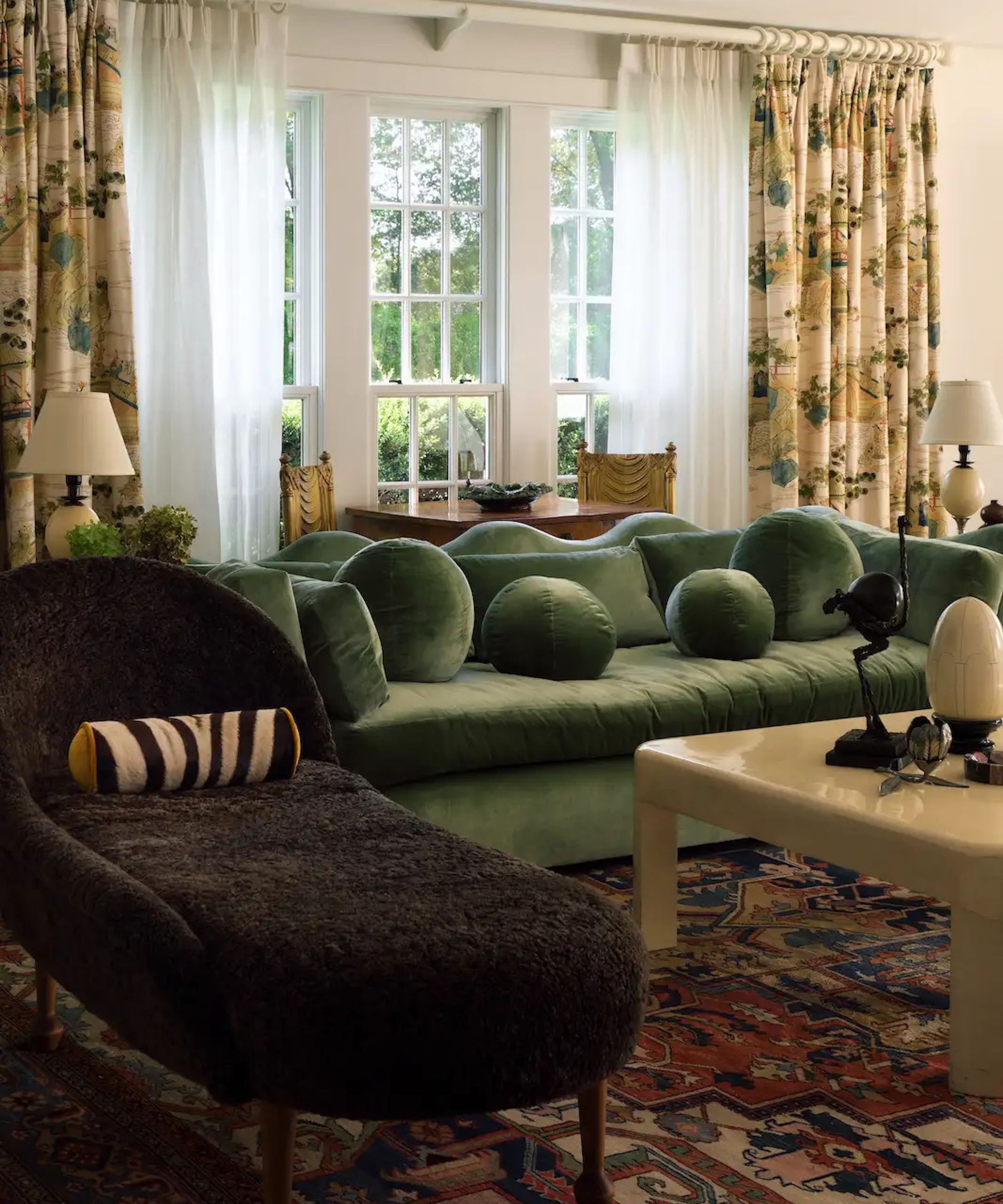
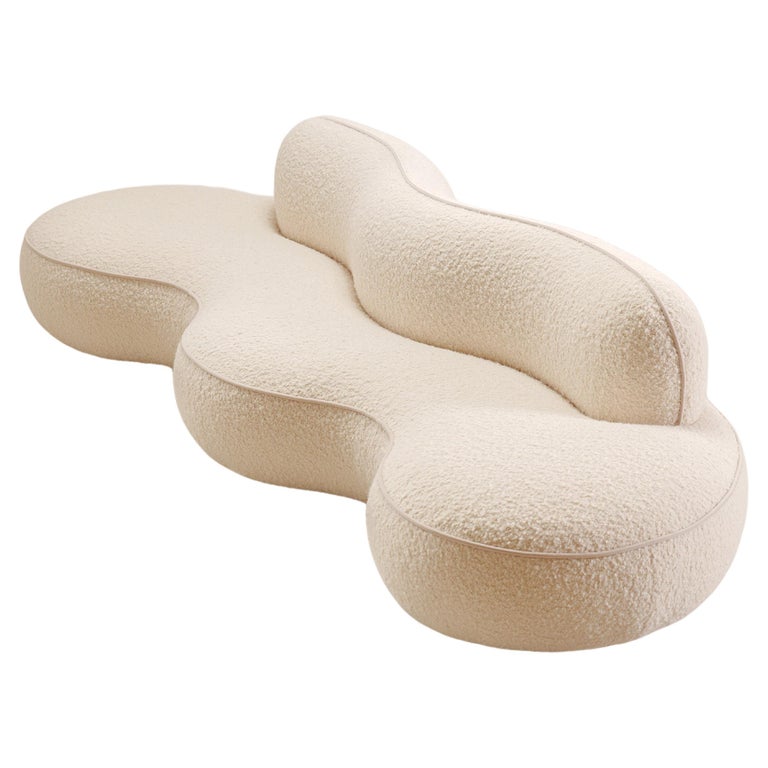
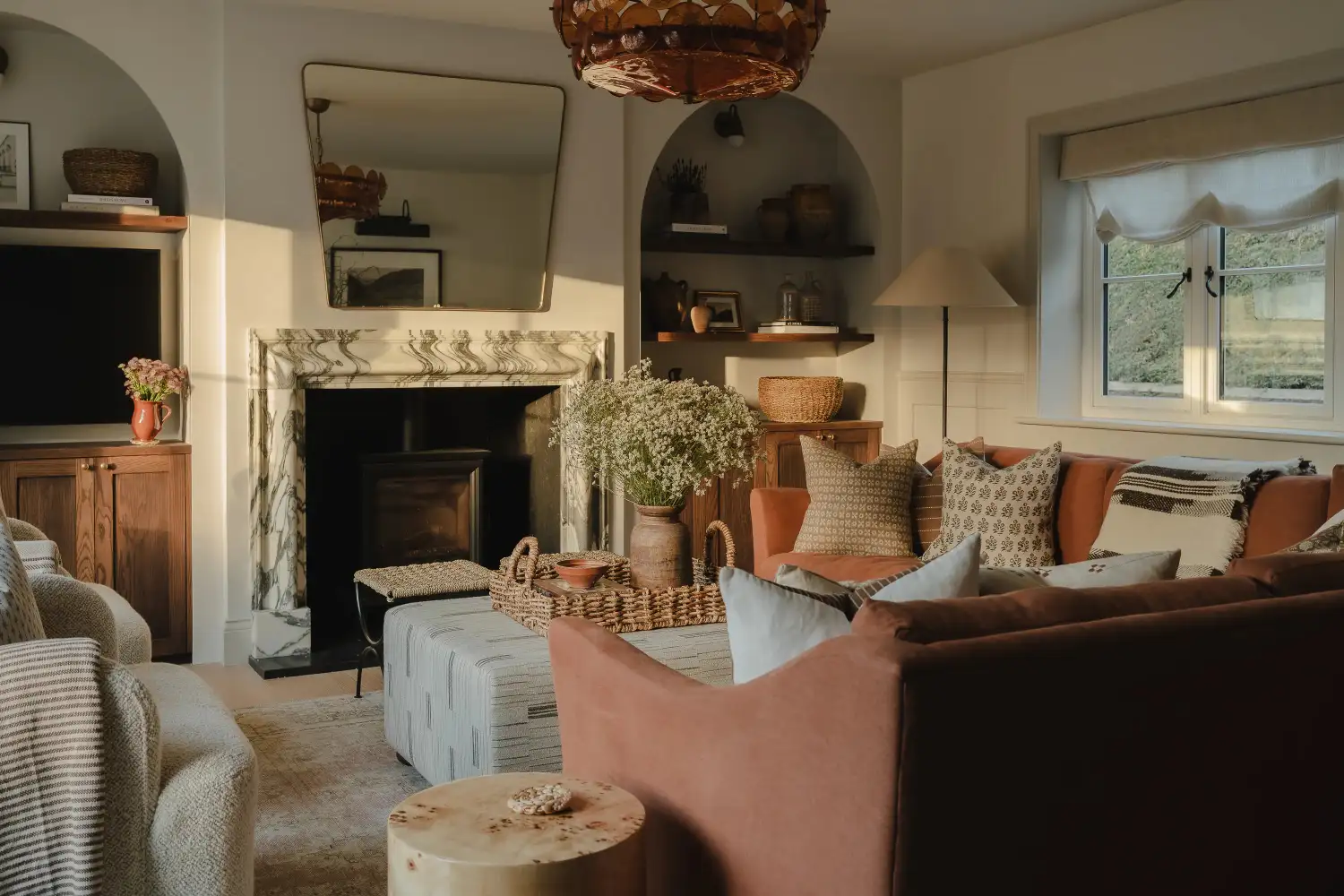
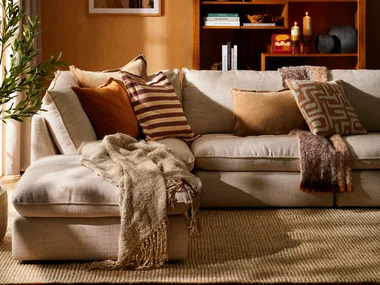
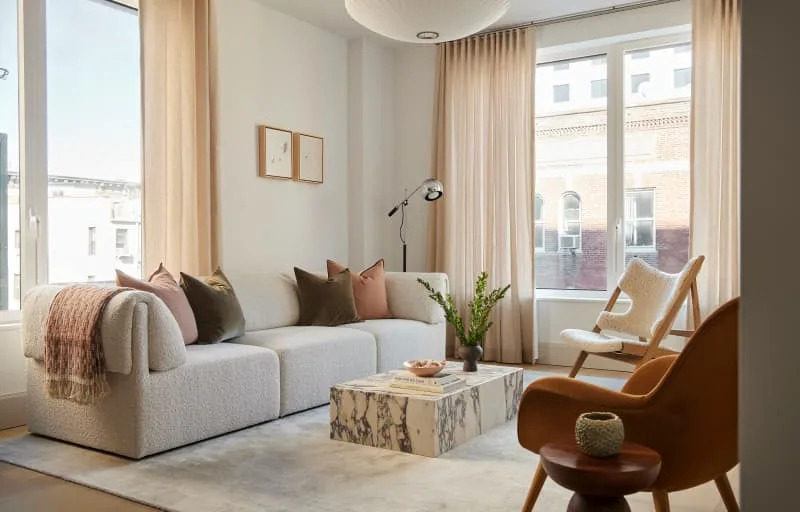
One prominent feature making a comeback is curved seating. Designers suggest that sculptural and curved furniture, a staple of 1960s interiors, will replace sharp lines and corners. Lauren Saab, founder of Saab Studios, highlights that curved seating creates a welcoming and conversational atmosphere, inviting people to linger and interact. She also notes the inherent elegance of curves, explaining that a curved sofa flanked by two curved chairs effortlessly forms a natural, elevated gathering space. This design choice is seen as both practical and aesthetically pleasing.
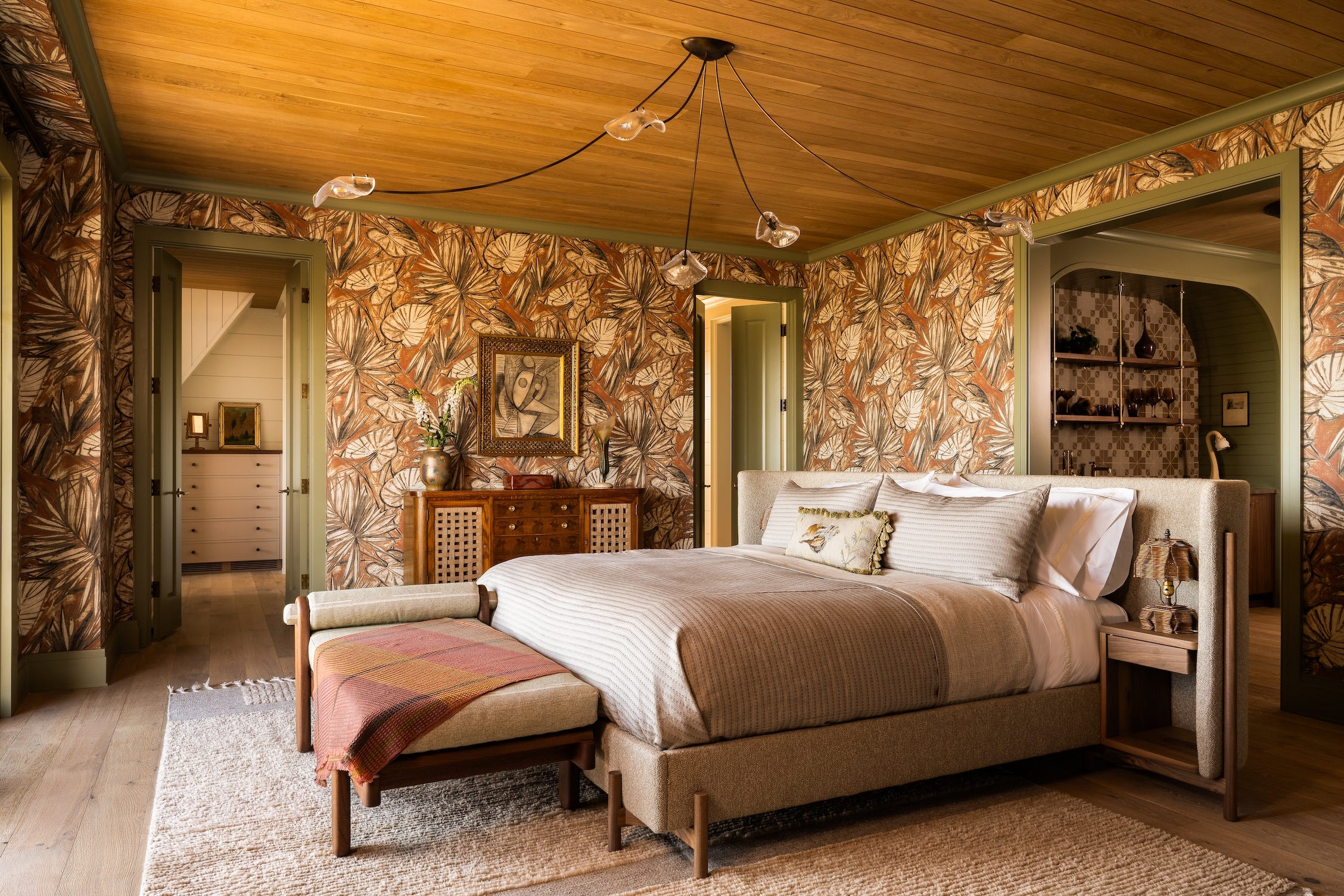
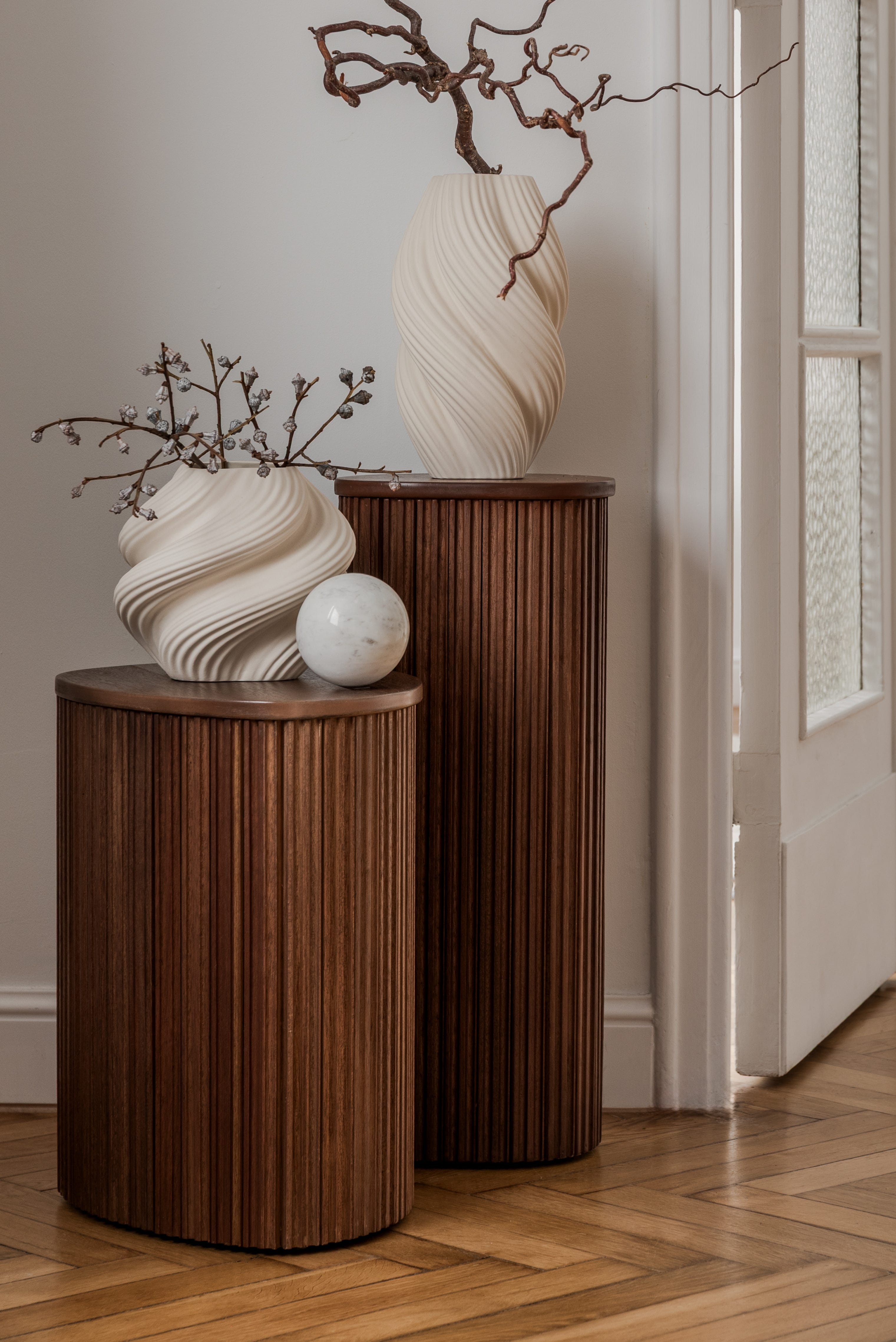
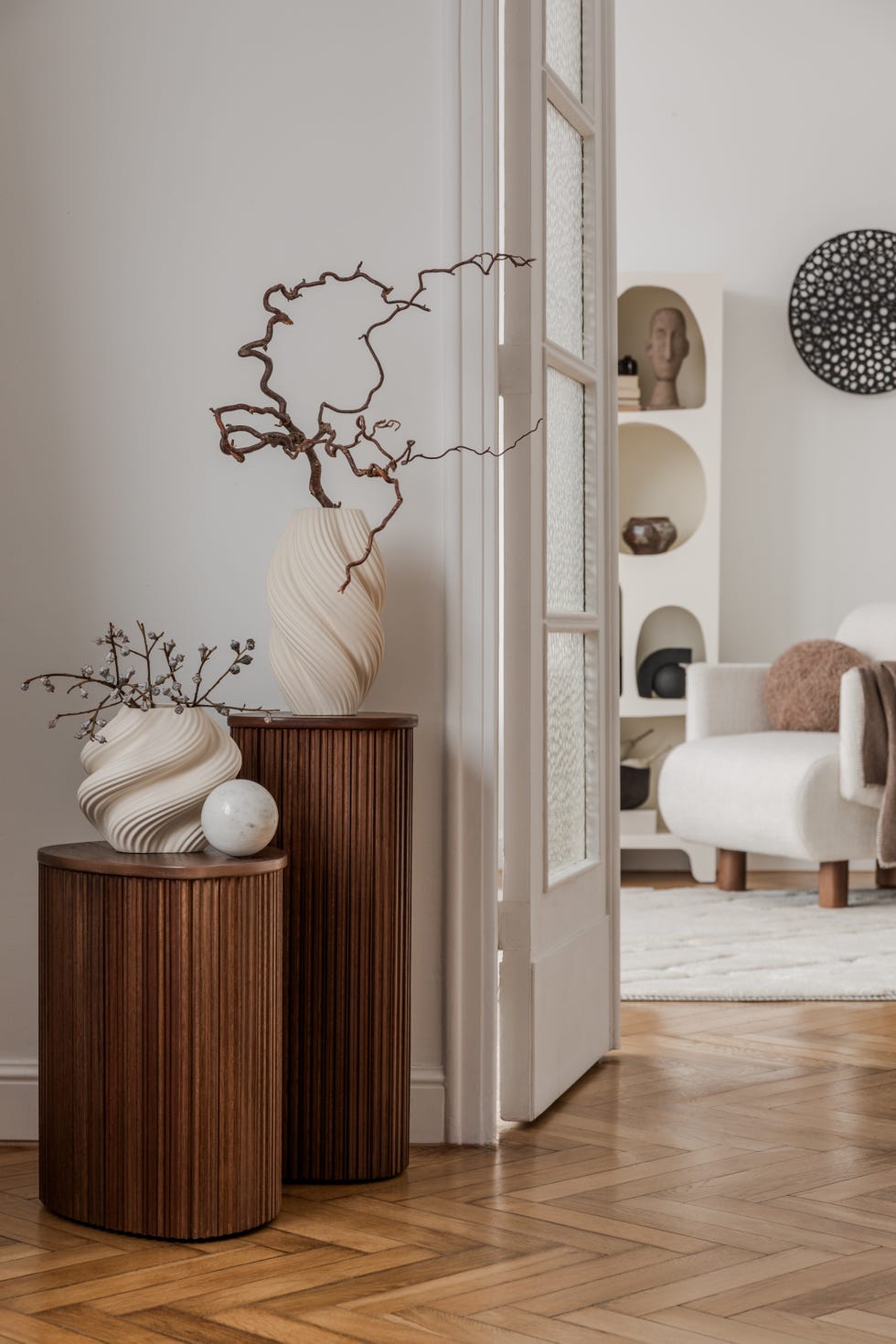
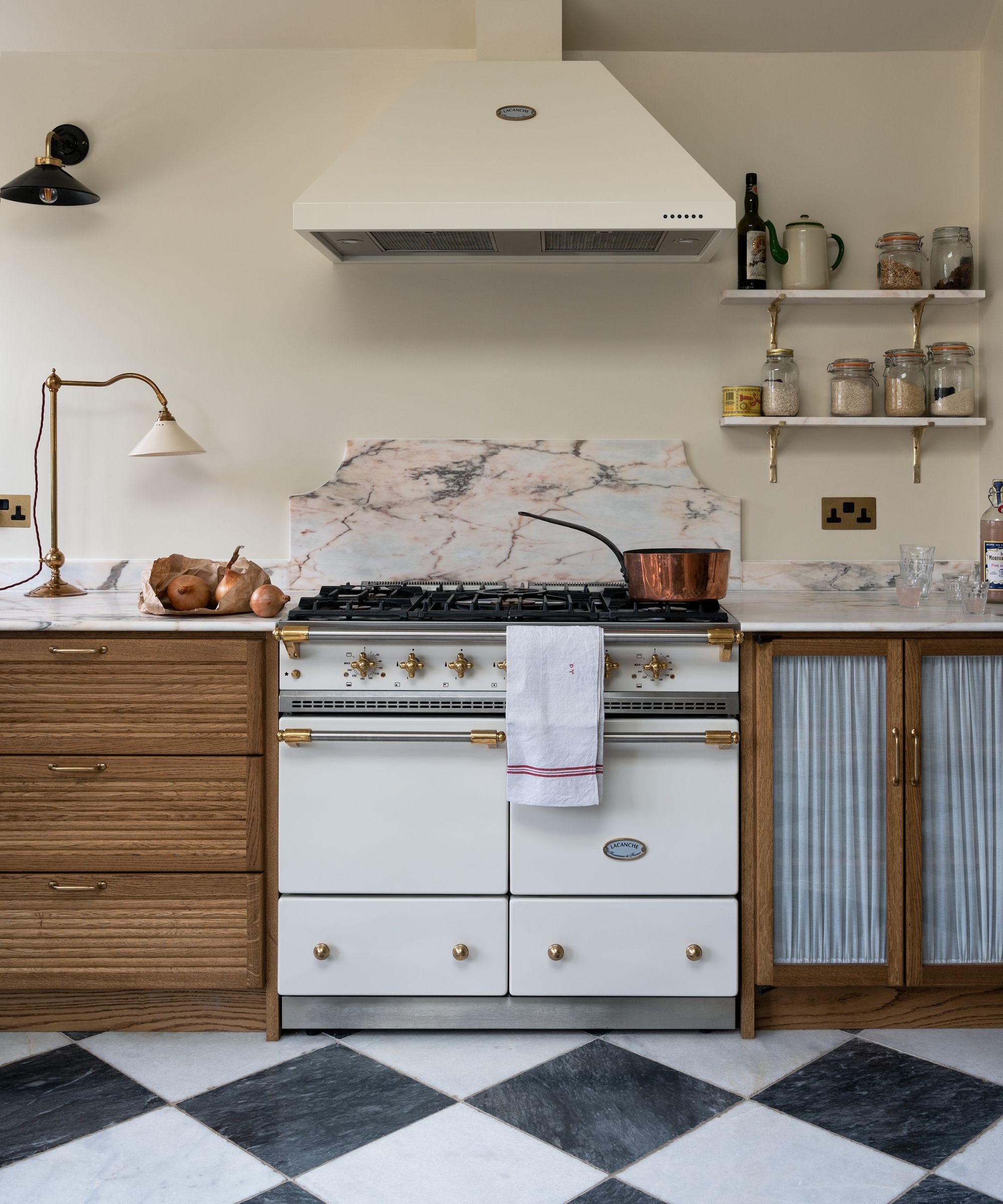
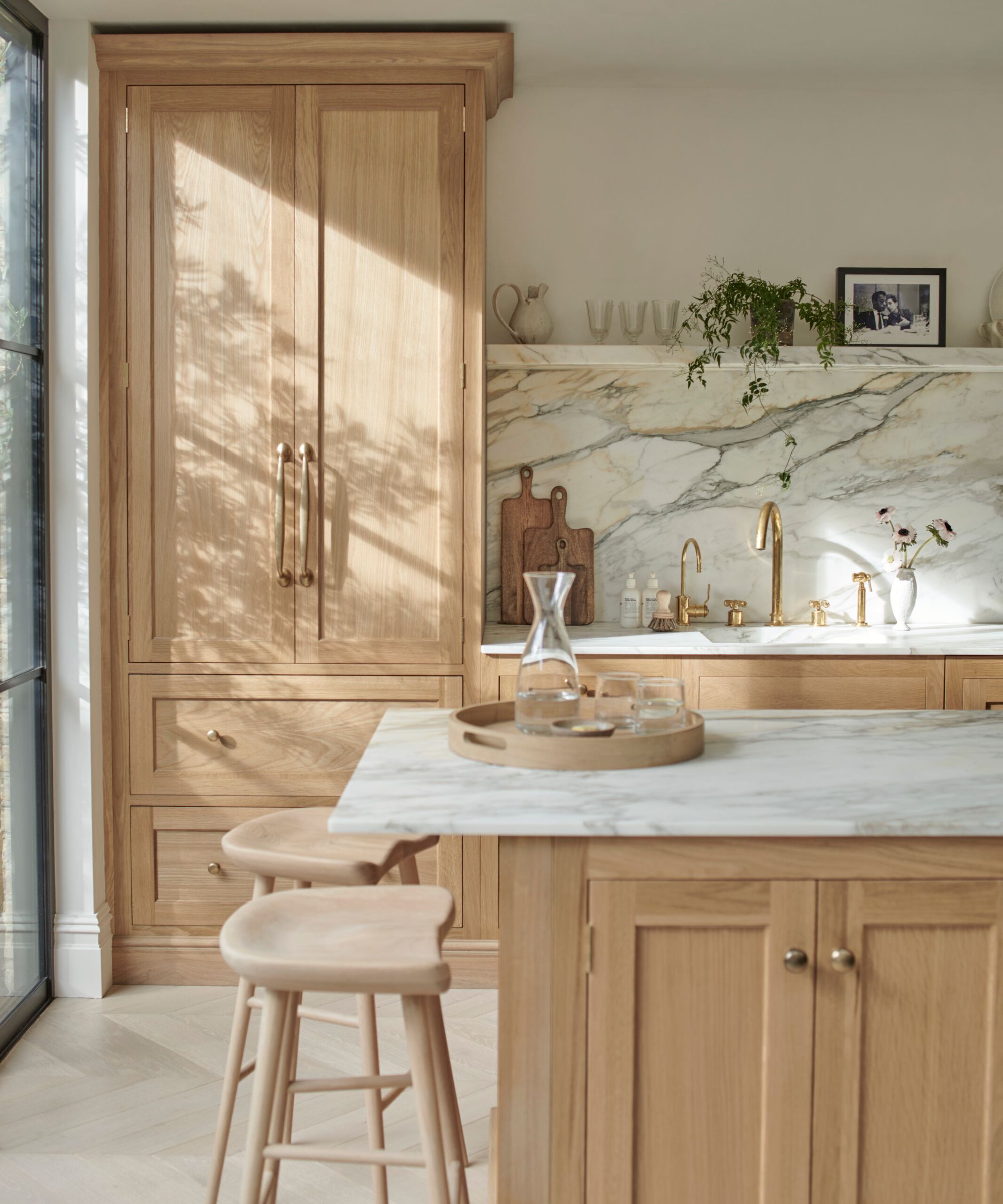
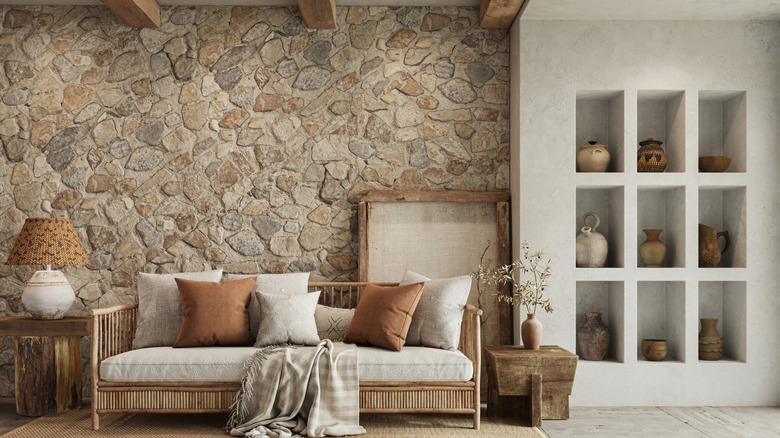
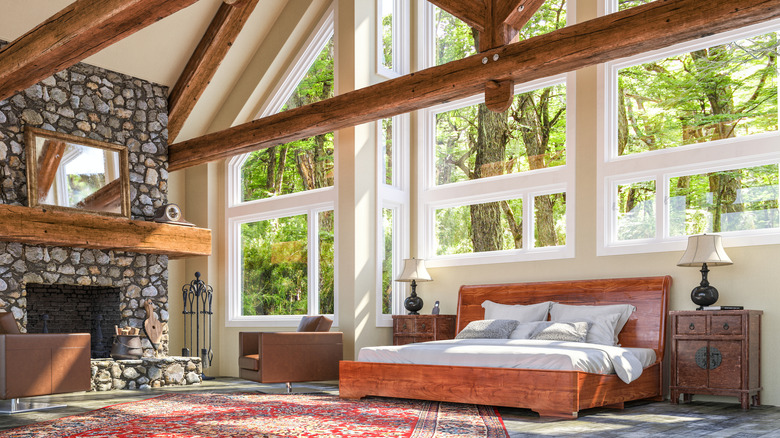
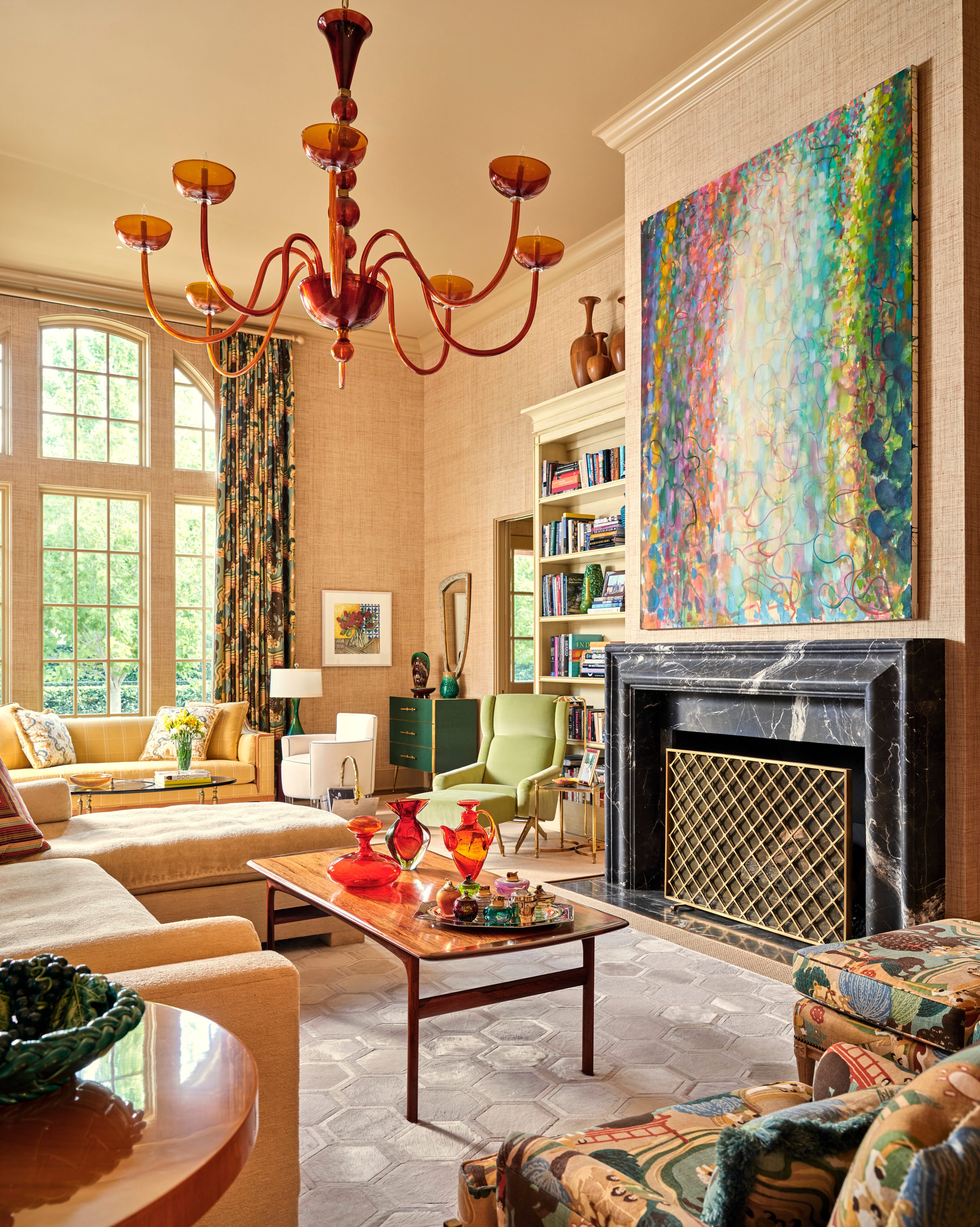
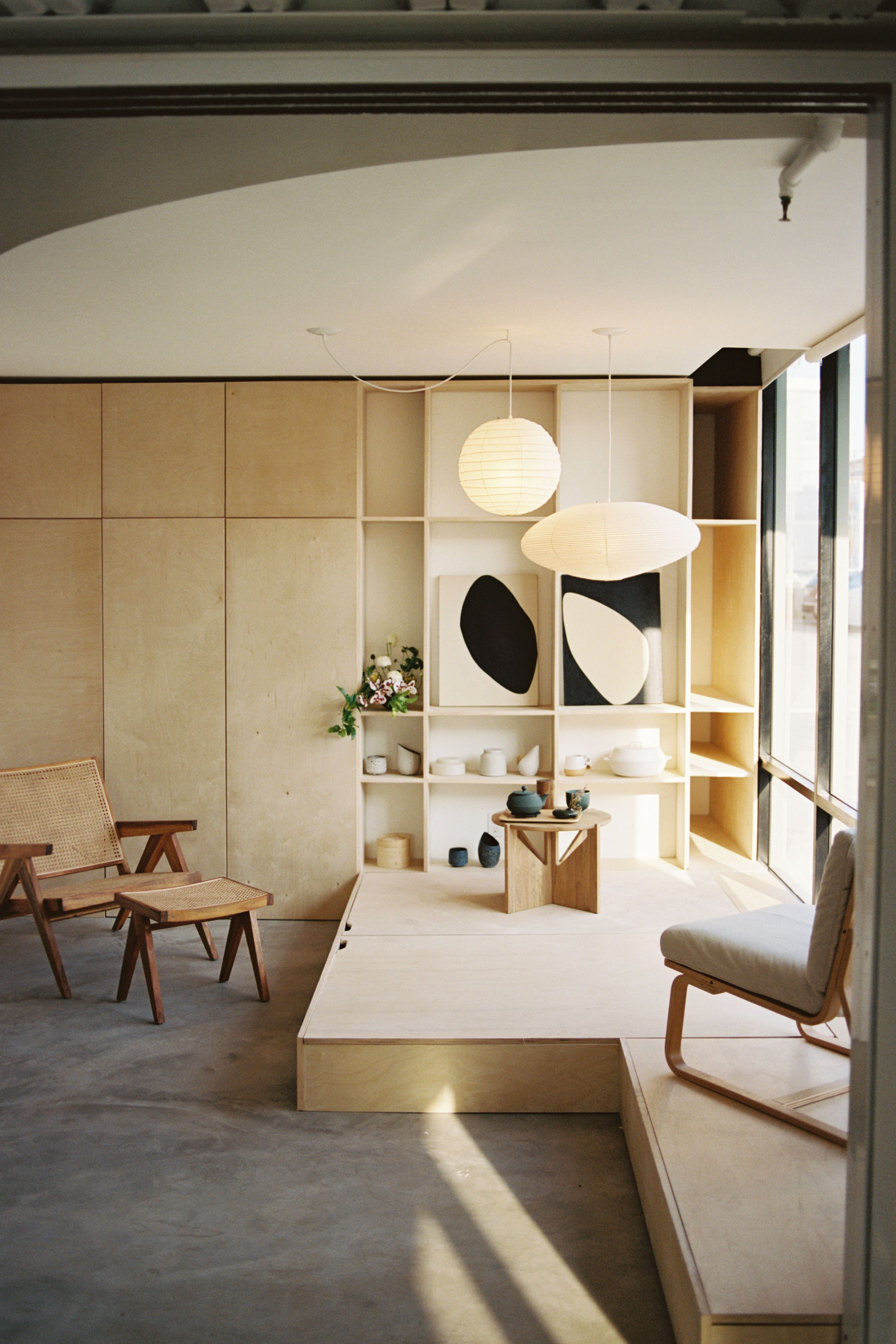
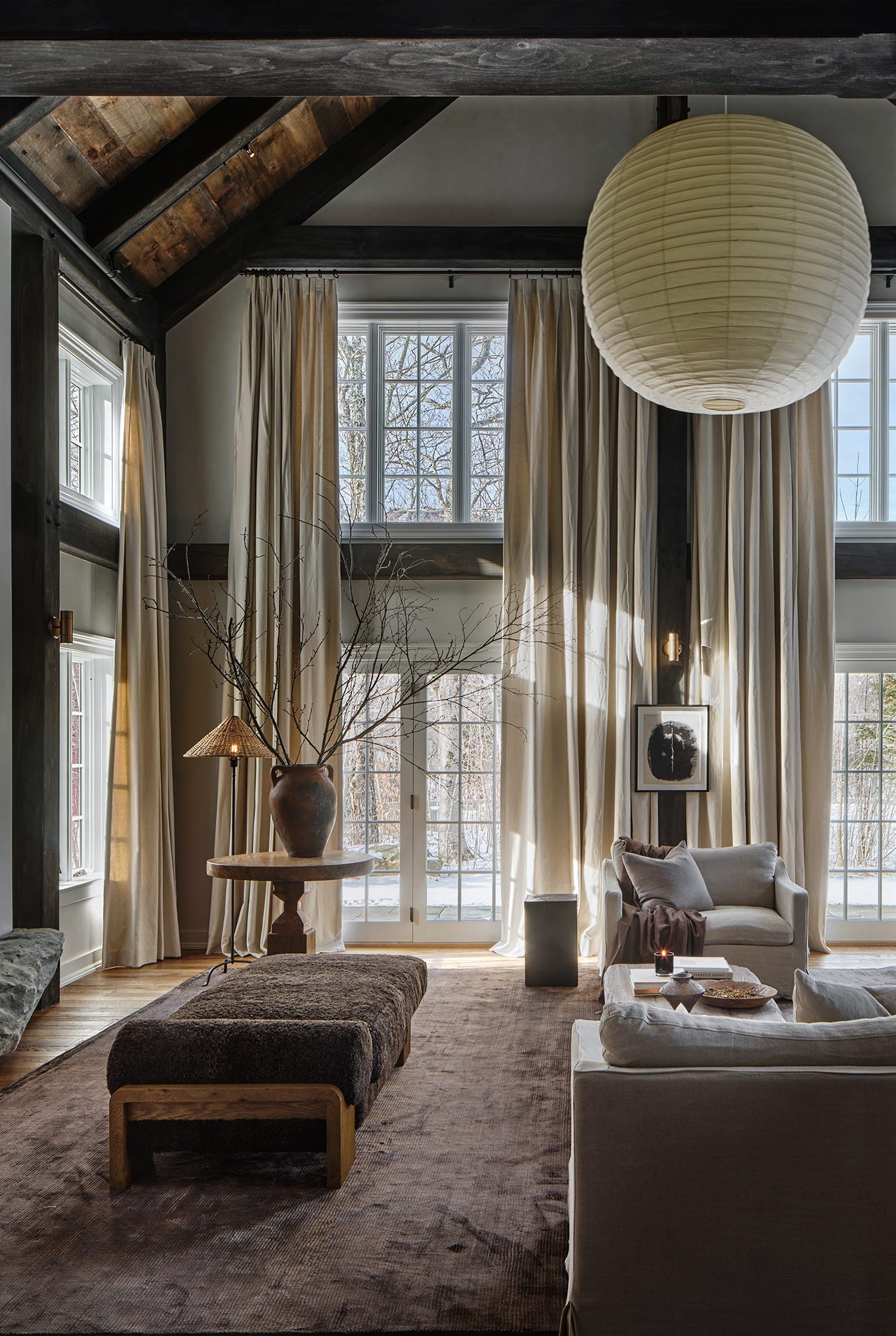
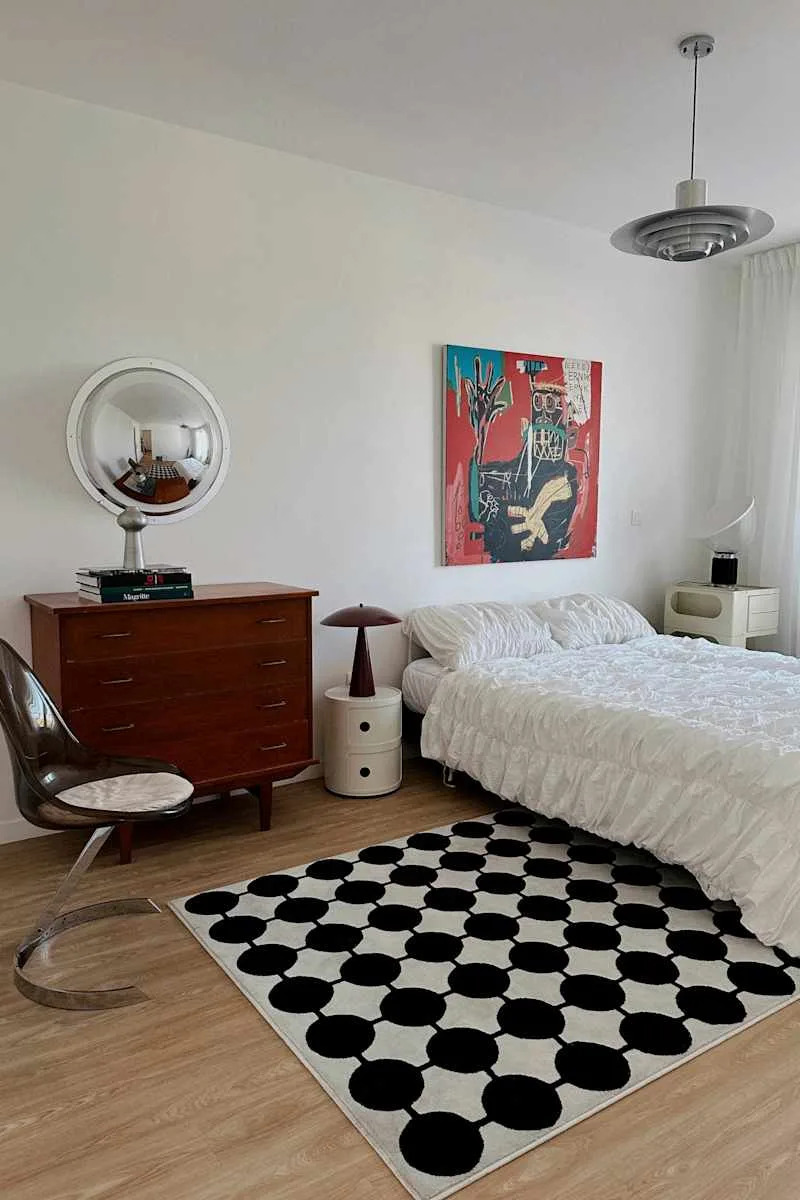
Rich wood tones, particularly walnut, are also expected to be highly visible. Walnut, celebrated in the 1960s for its distinctive grain and natural luster, is regaining popularity as a preferred material over flat-painted cabinetry. Saab points out that walnut paneling and millwork contribute to a sense of architecture, transforming walls into sculptural elements rather than mere surfaces. Beyond walnut, an increased use of teak and oak is also anticipated, further enhancing the natural and sophisticated feel of interiors.
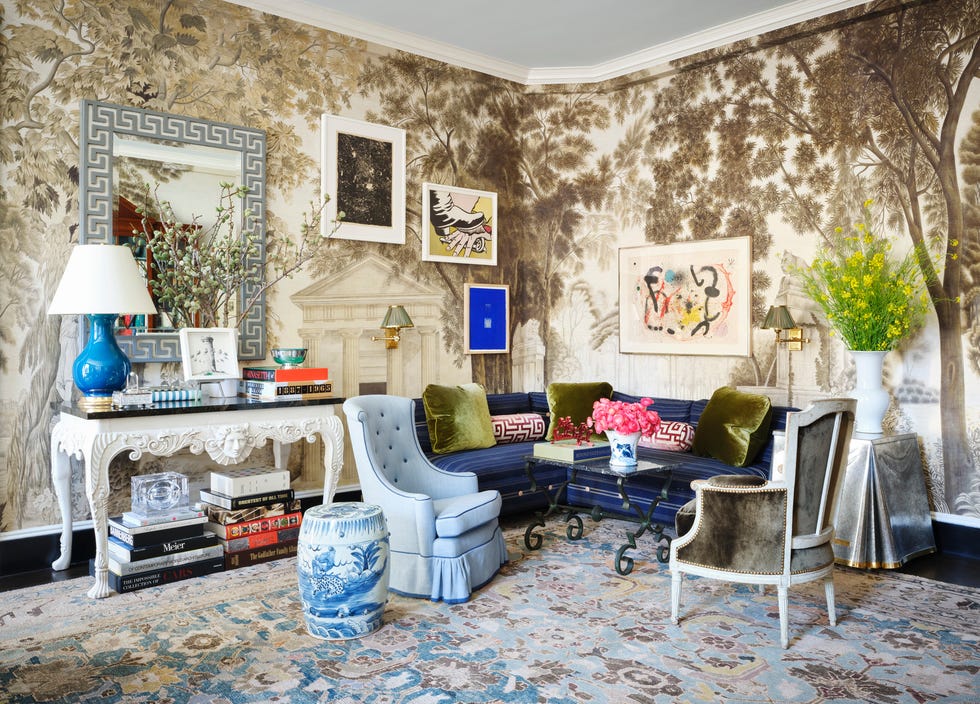
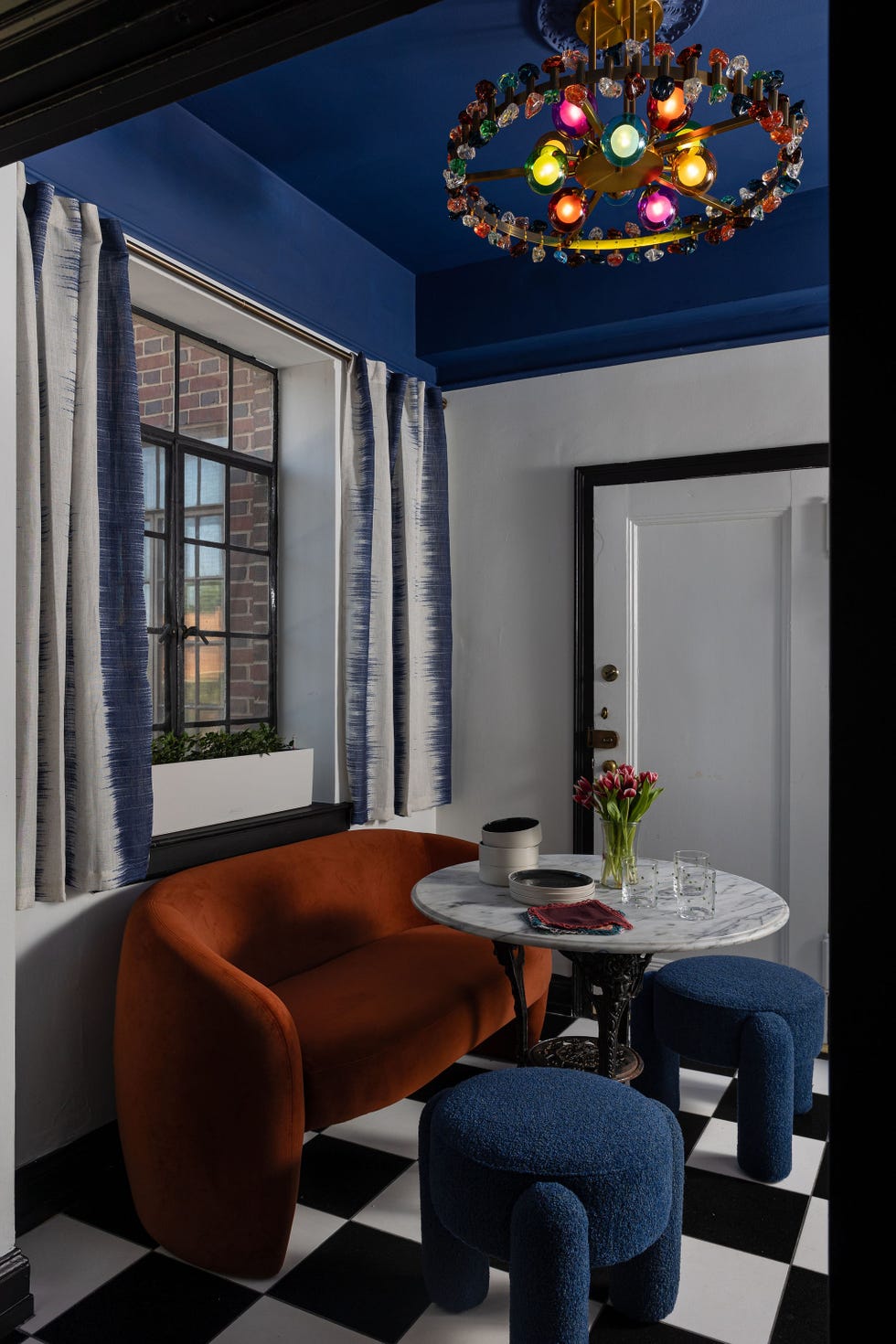
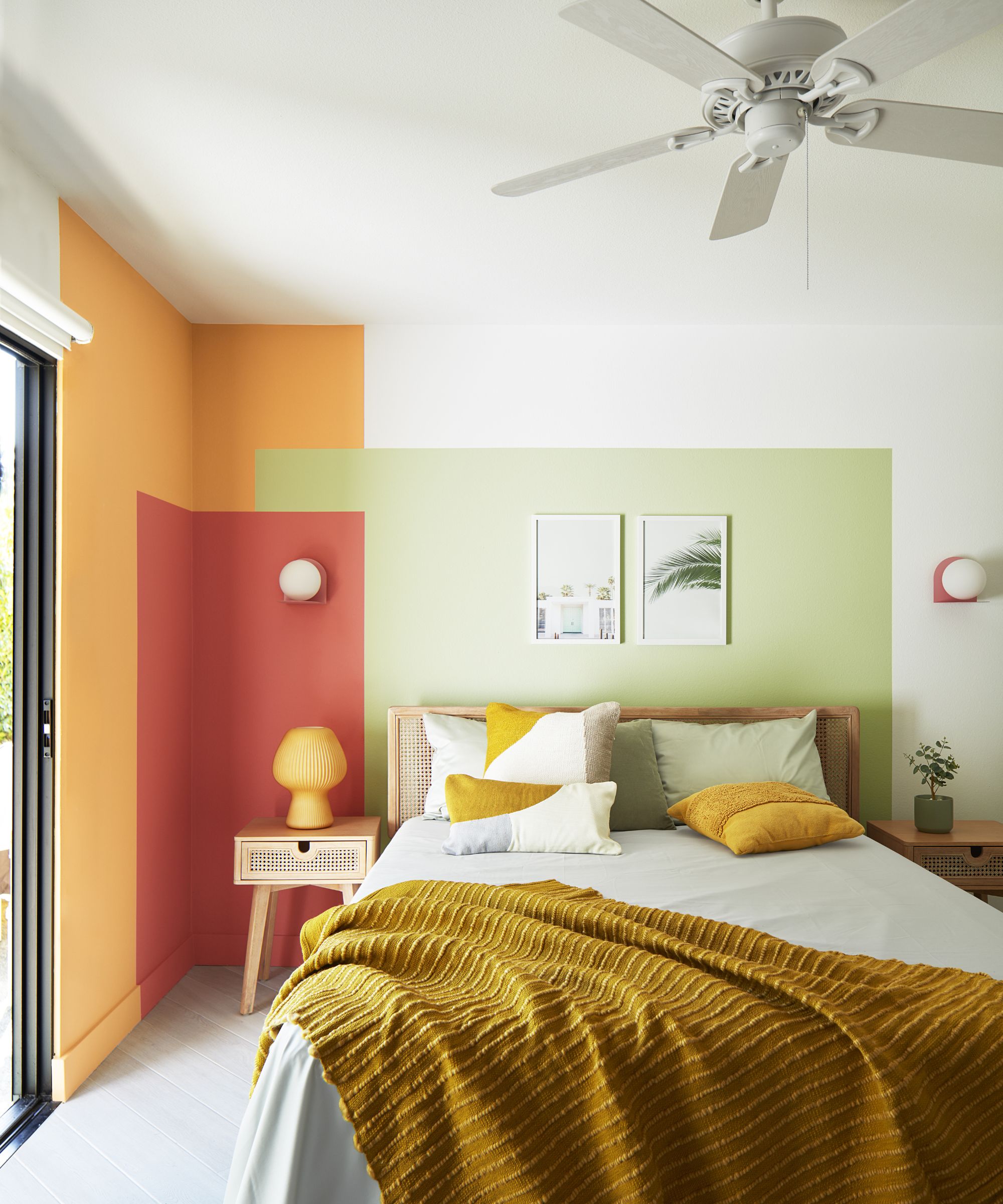
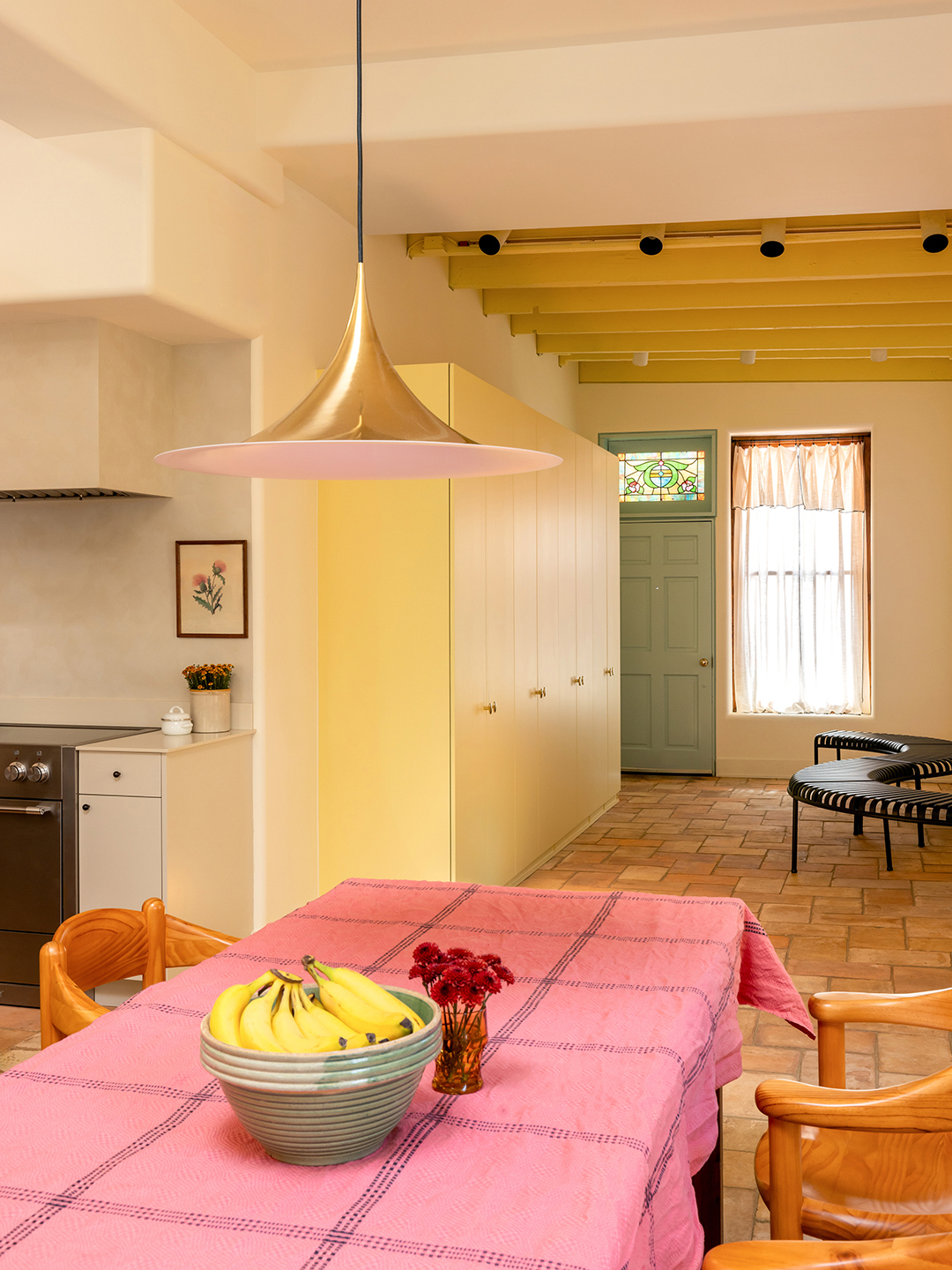
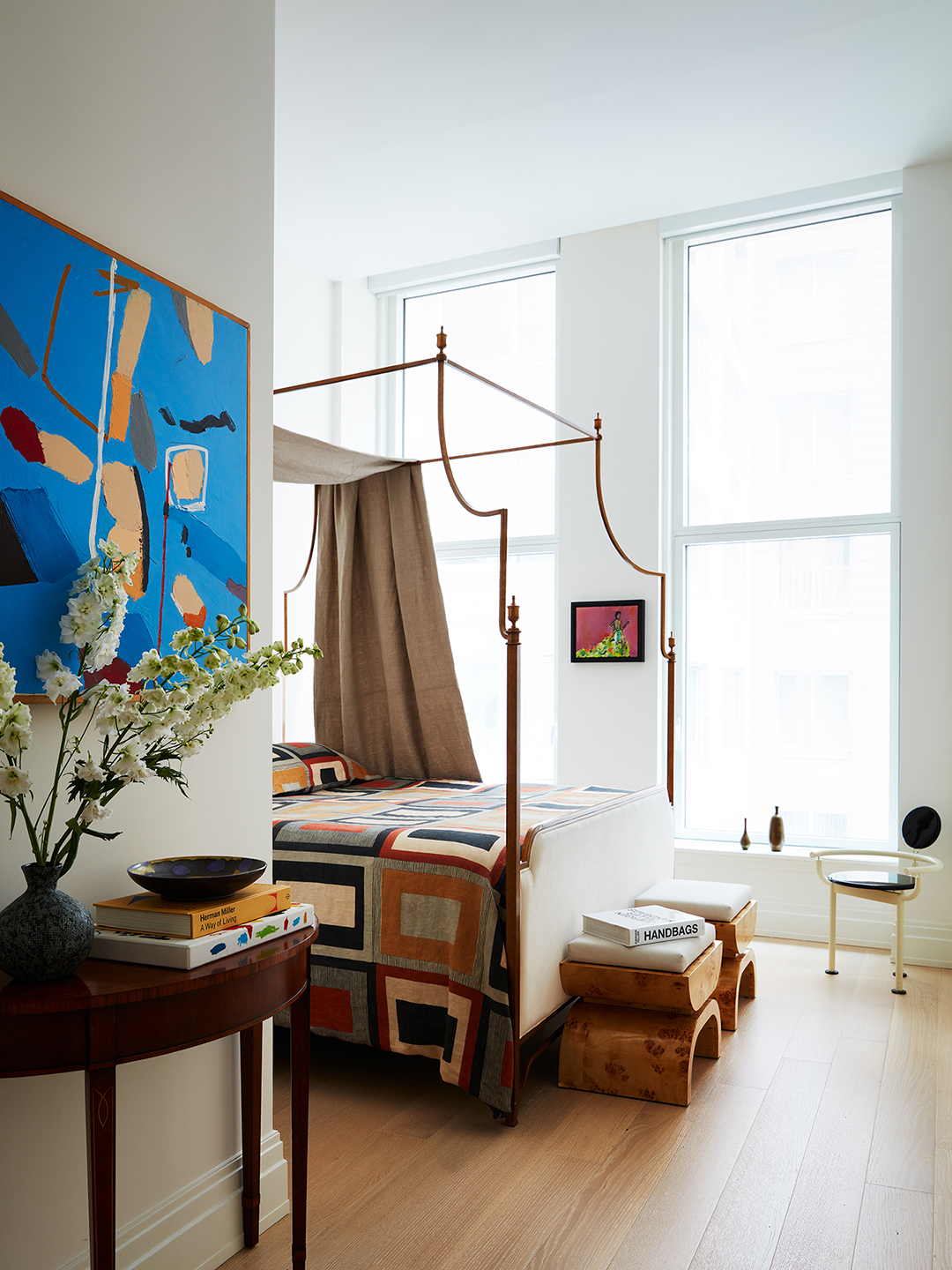
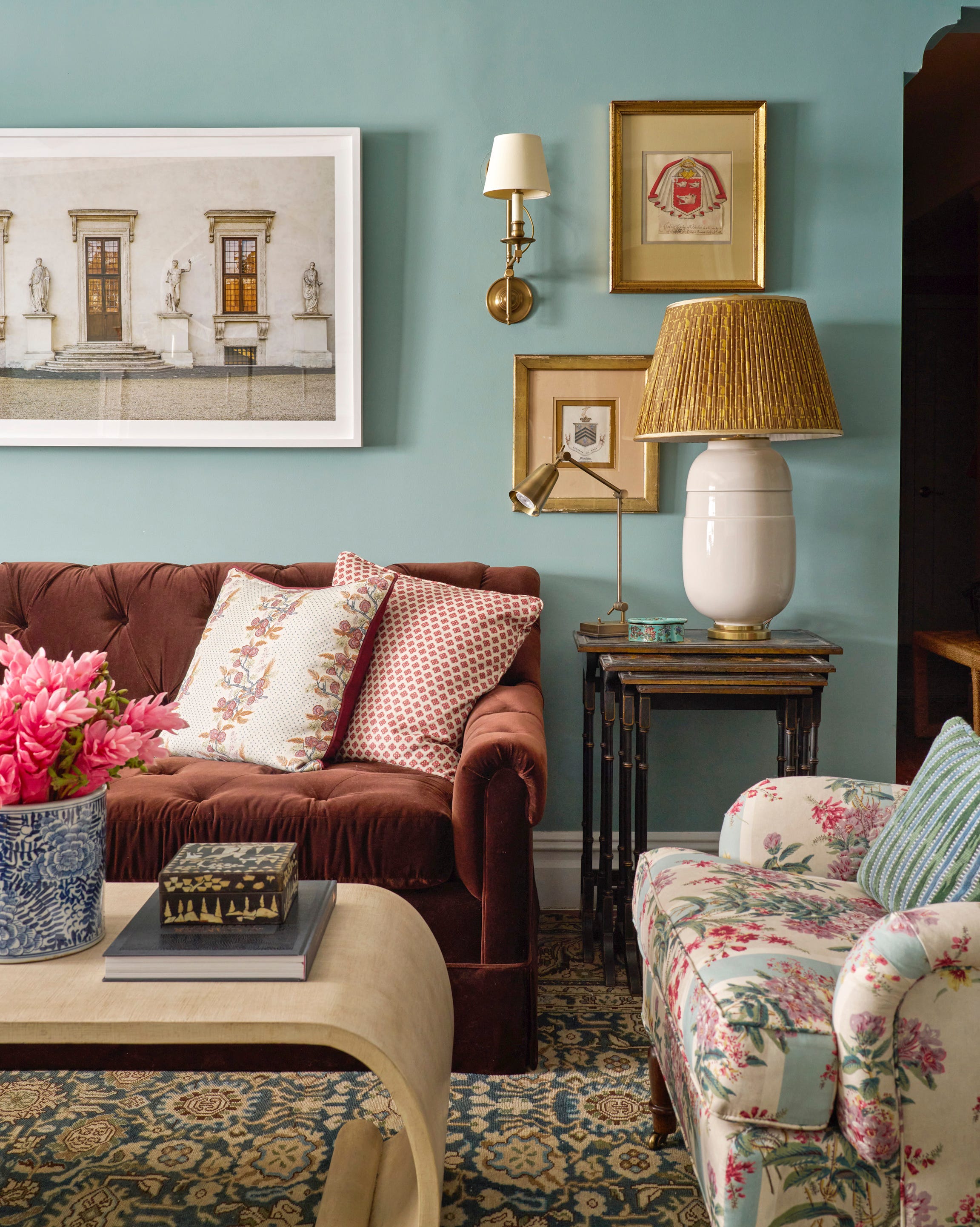
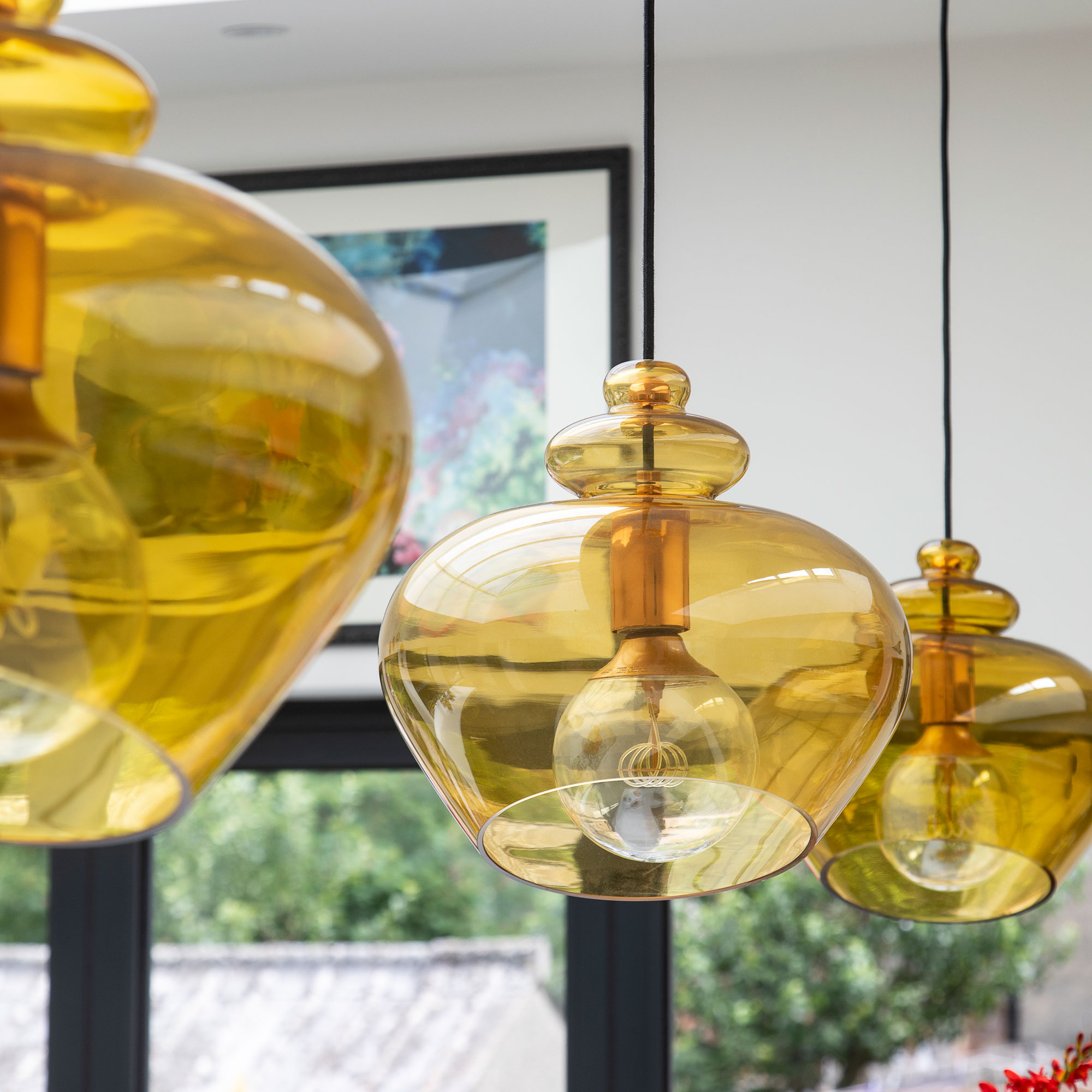
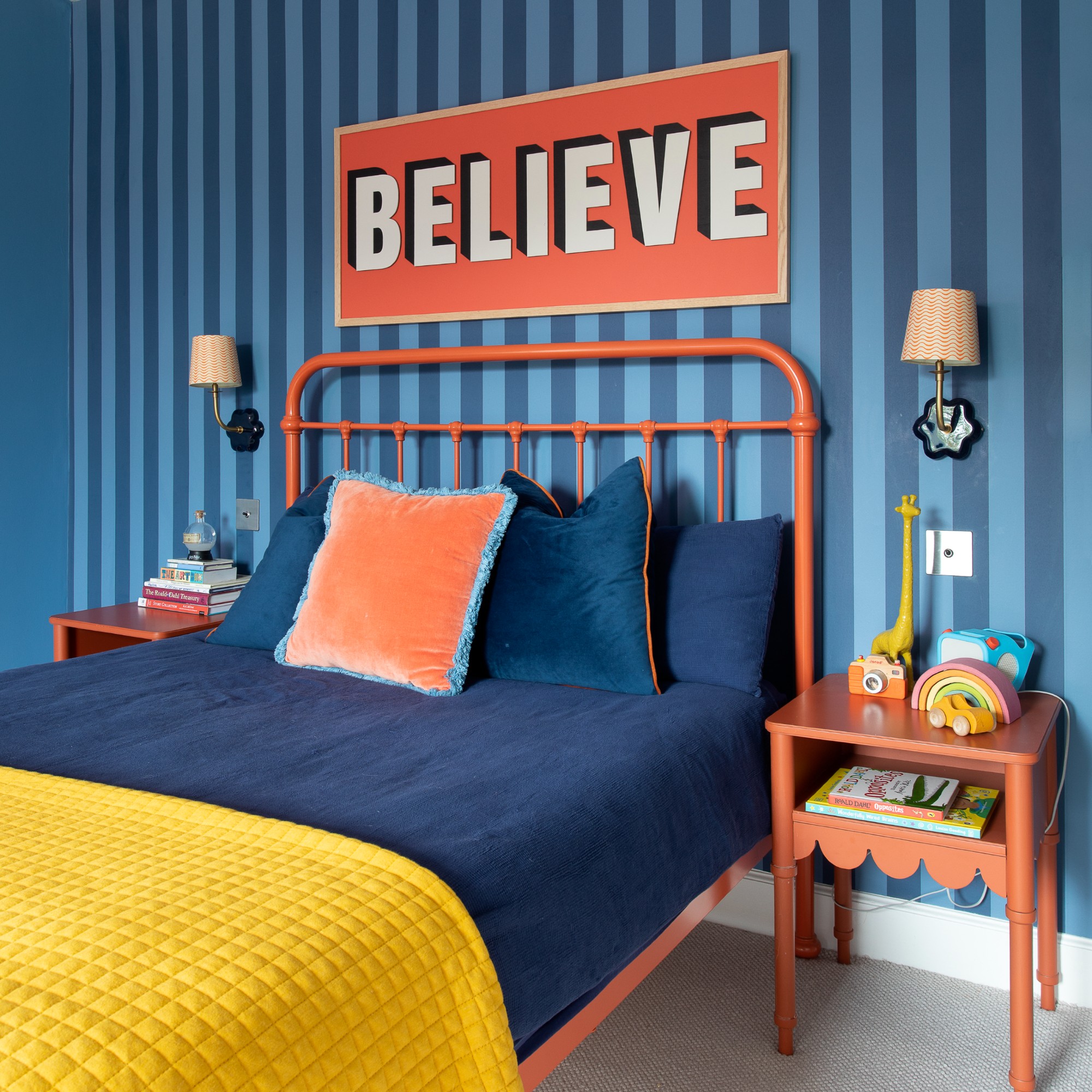
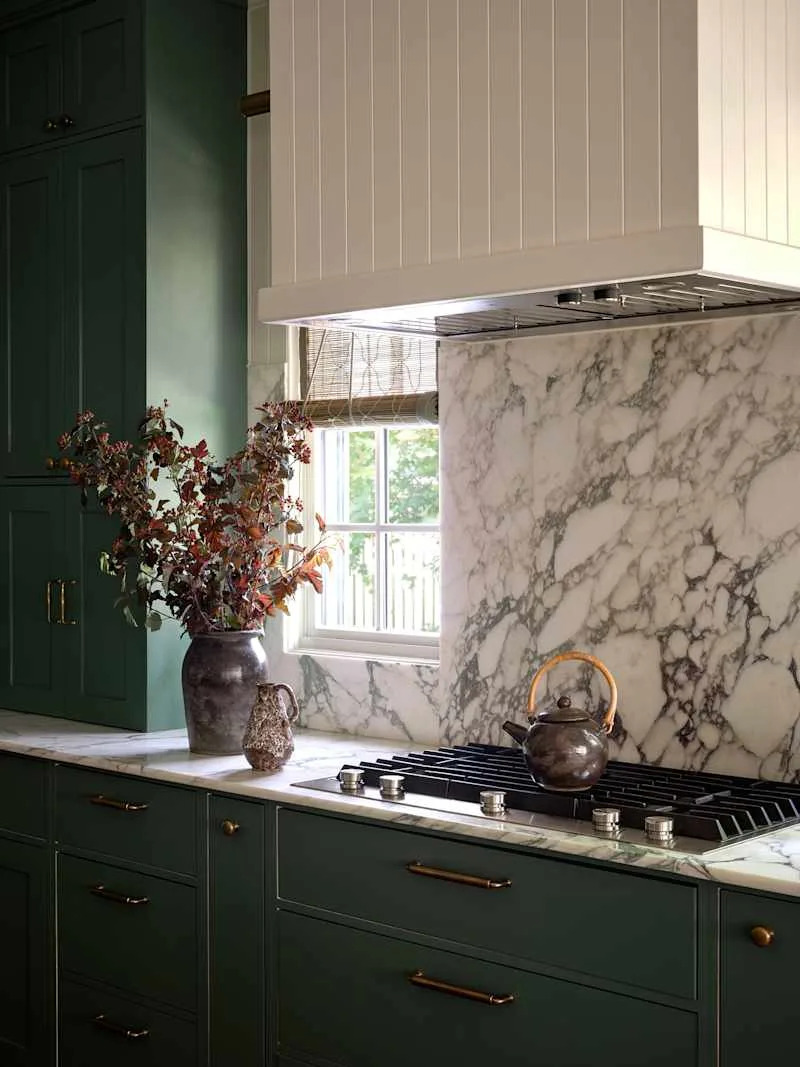
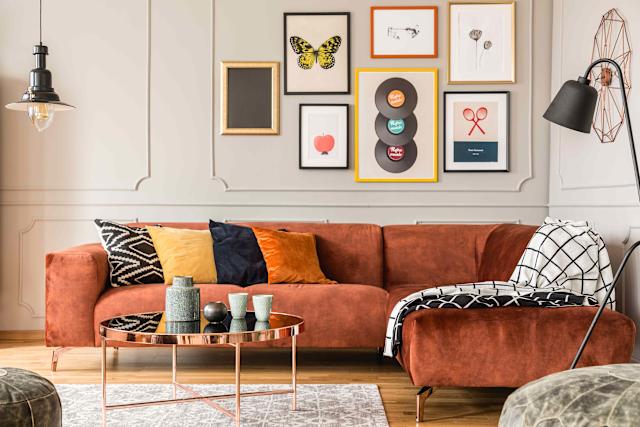
Color palettes for 2026 will feature both saturated primary colors and earthy tones. Peter Miles, principal at The Drawing Board, Inc., notes the return of bold, saturated primary colors like burgundy and chartreuse, which allow for a strong expression of individuality. Complementing these vibrant hues, earthy tones such as mustard, olive, terracotta, and ochre will also be prevalent. Nyce explains that these shades evoke the cheerful and comforting energy characteristic of 1960s interiors, making spaces feel more inviting and warm.
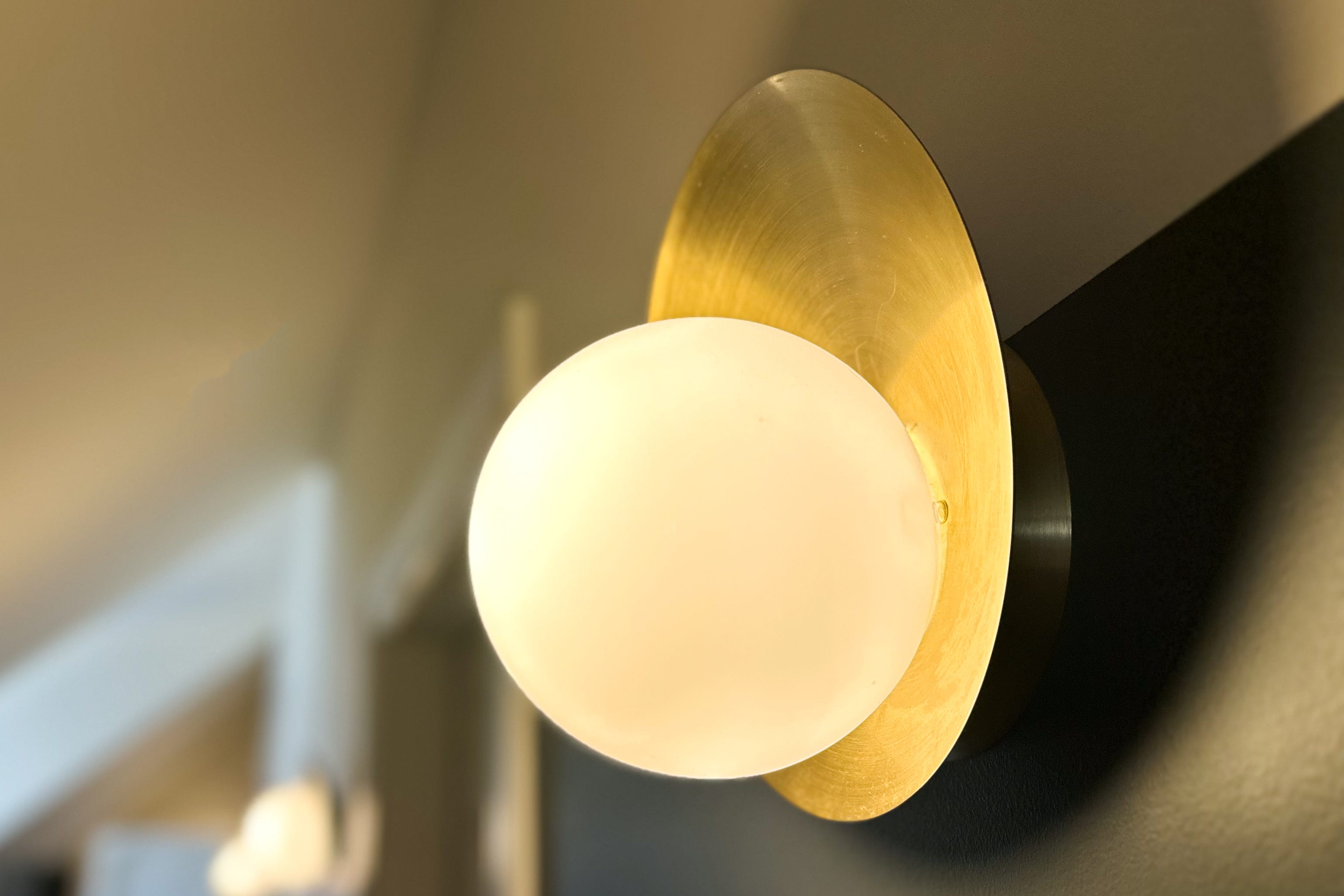
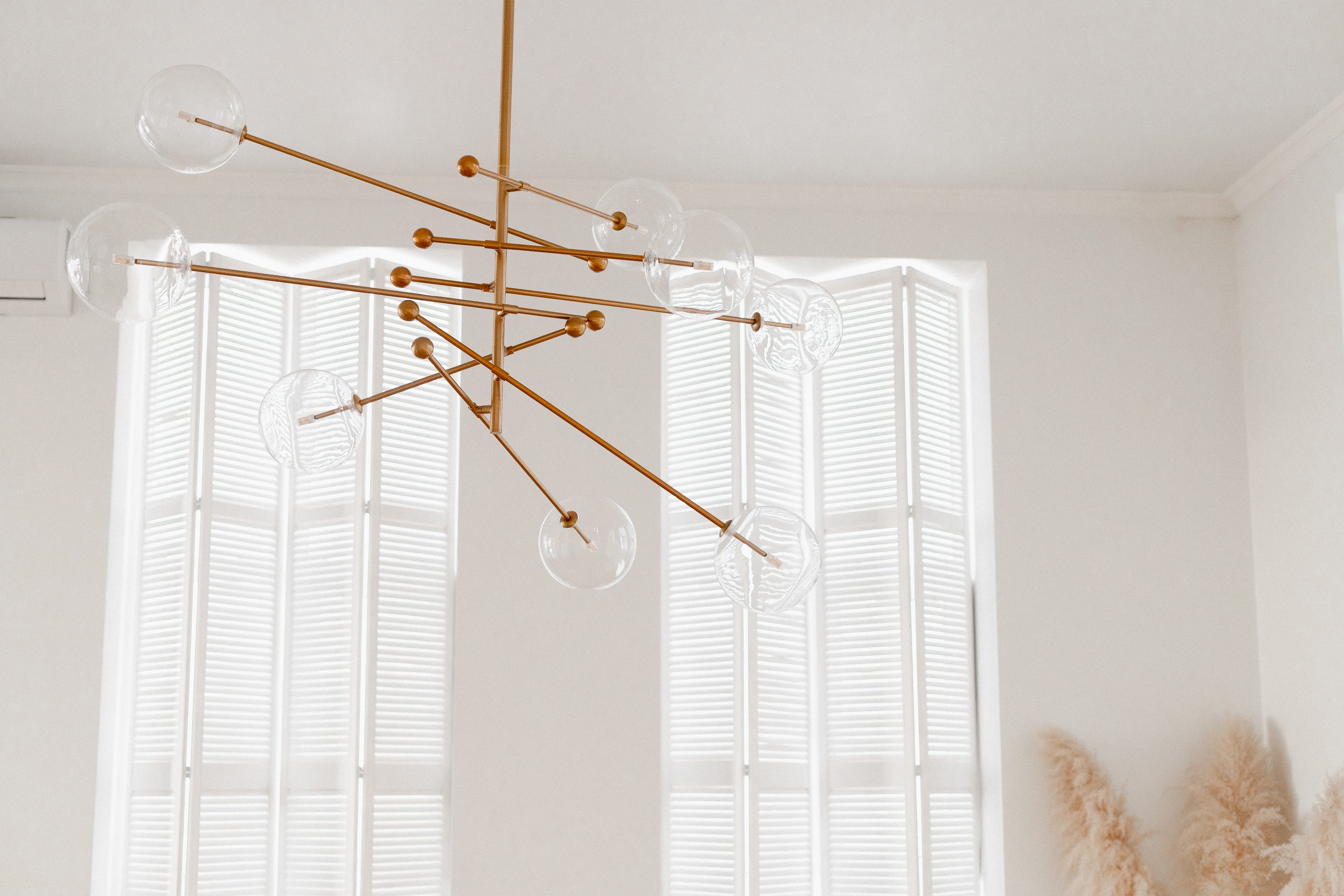
Space-age decor and finishes, including materials like chrome and velvet, are also experiencing a revival. Miles indicates that these luxe finishes contribute to a sophisticated and energetic aesthetic. Velvet upholstery can create a soft, cozy, and enveloping feel, particularly in spaces like libraries or studies. Chrome light fixtures and tables offer a striking contrast to these softer textures, adding a modern yet vintage touch. This blend of materials aims to infuse interiors with a vibrant, retro-futuristic vibe.
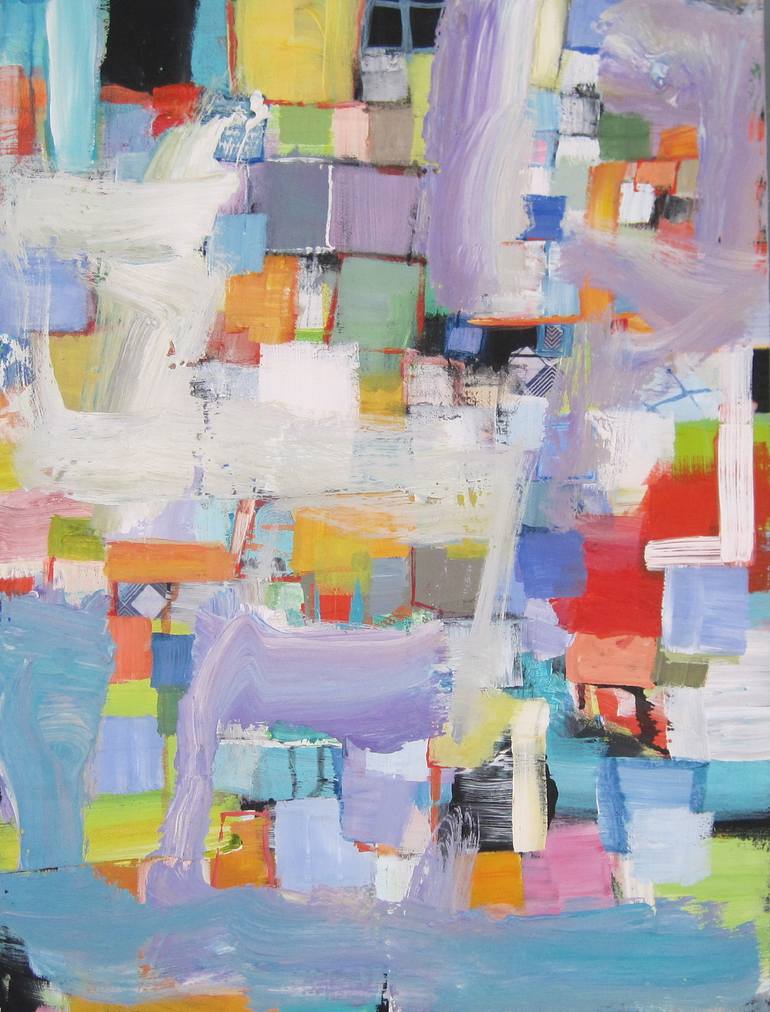
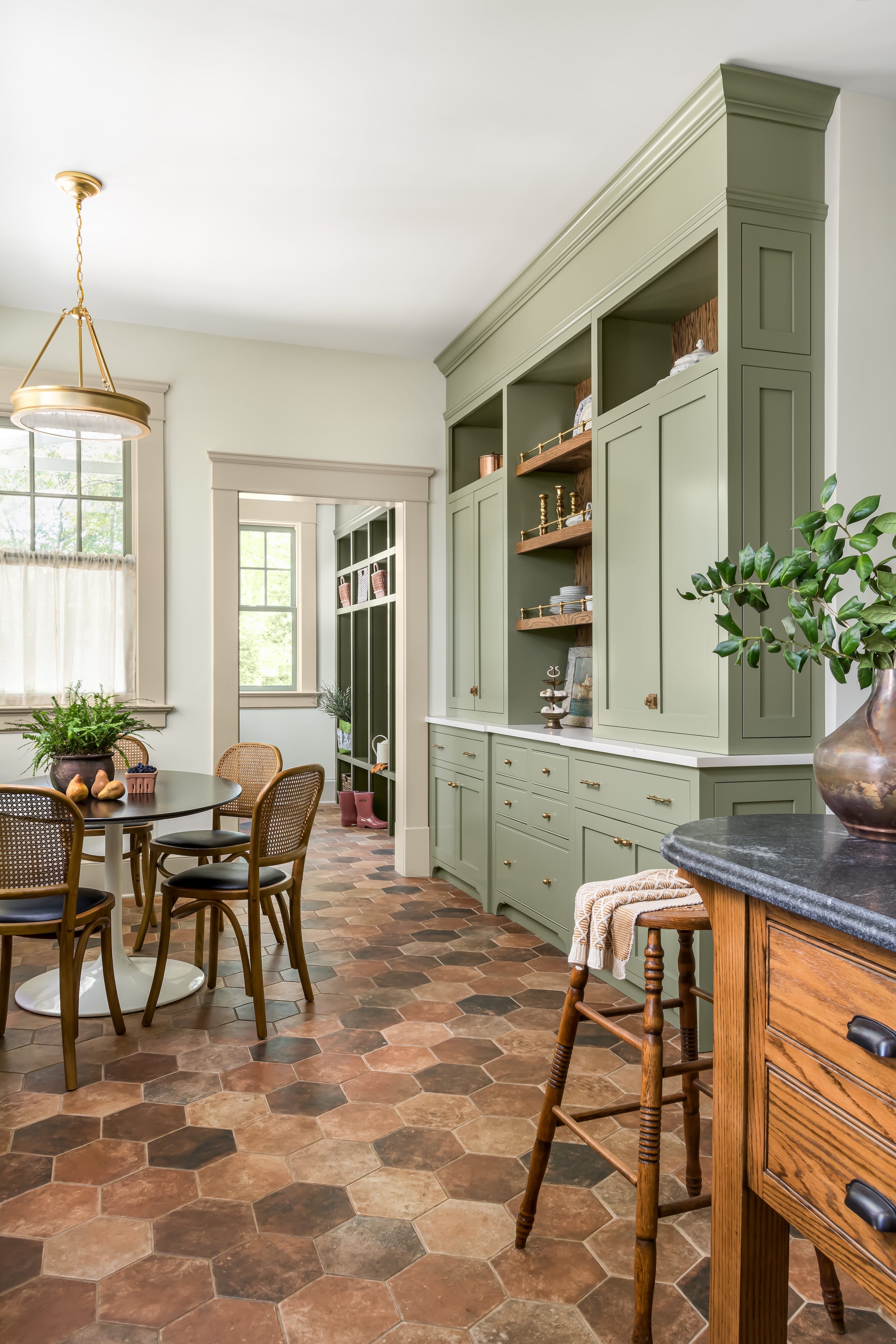
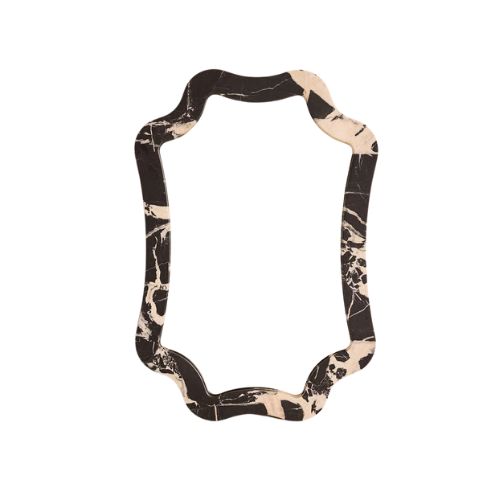
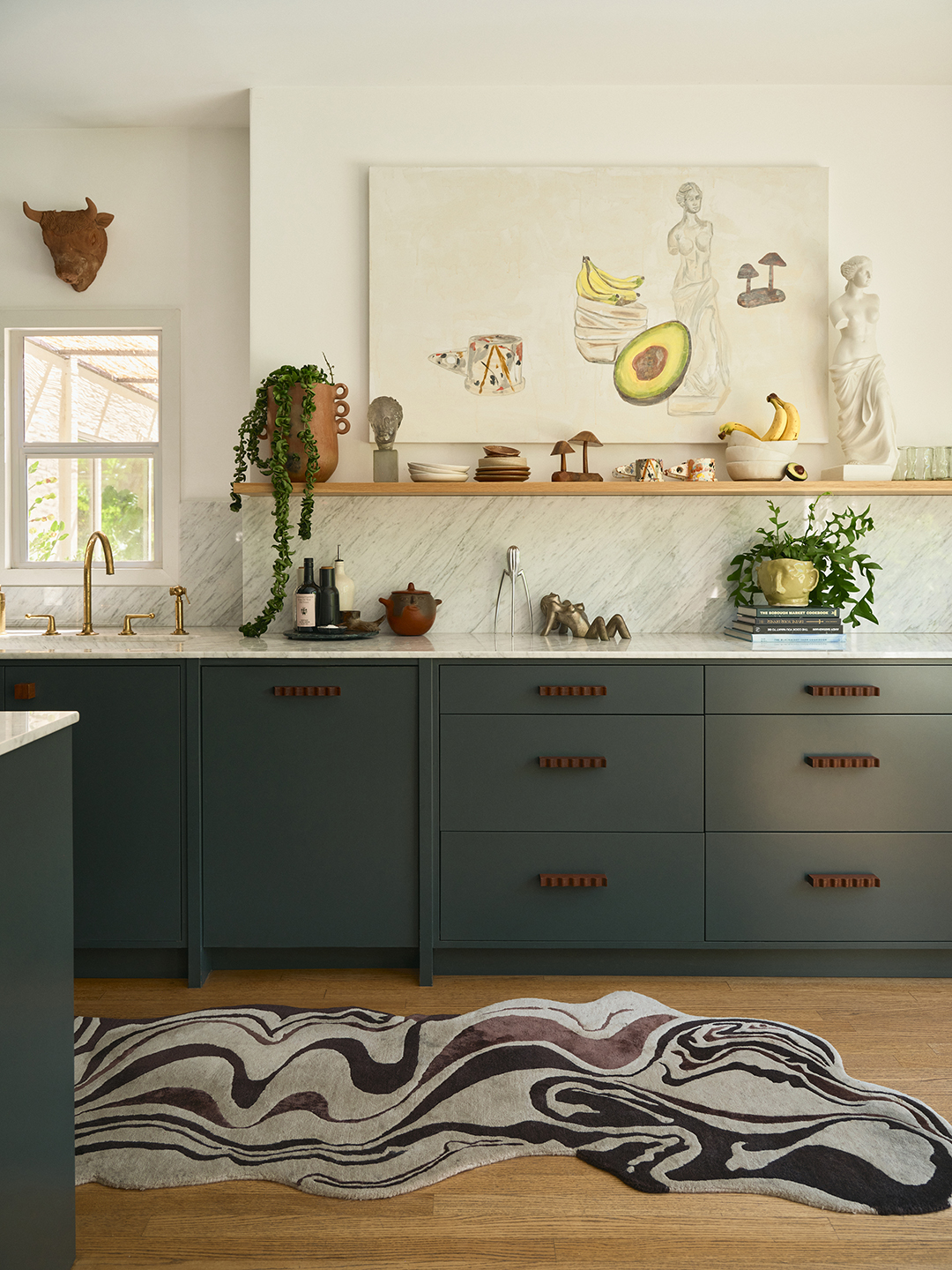
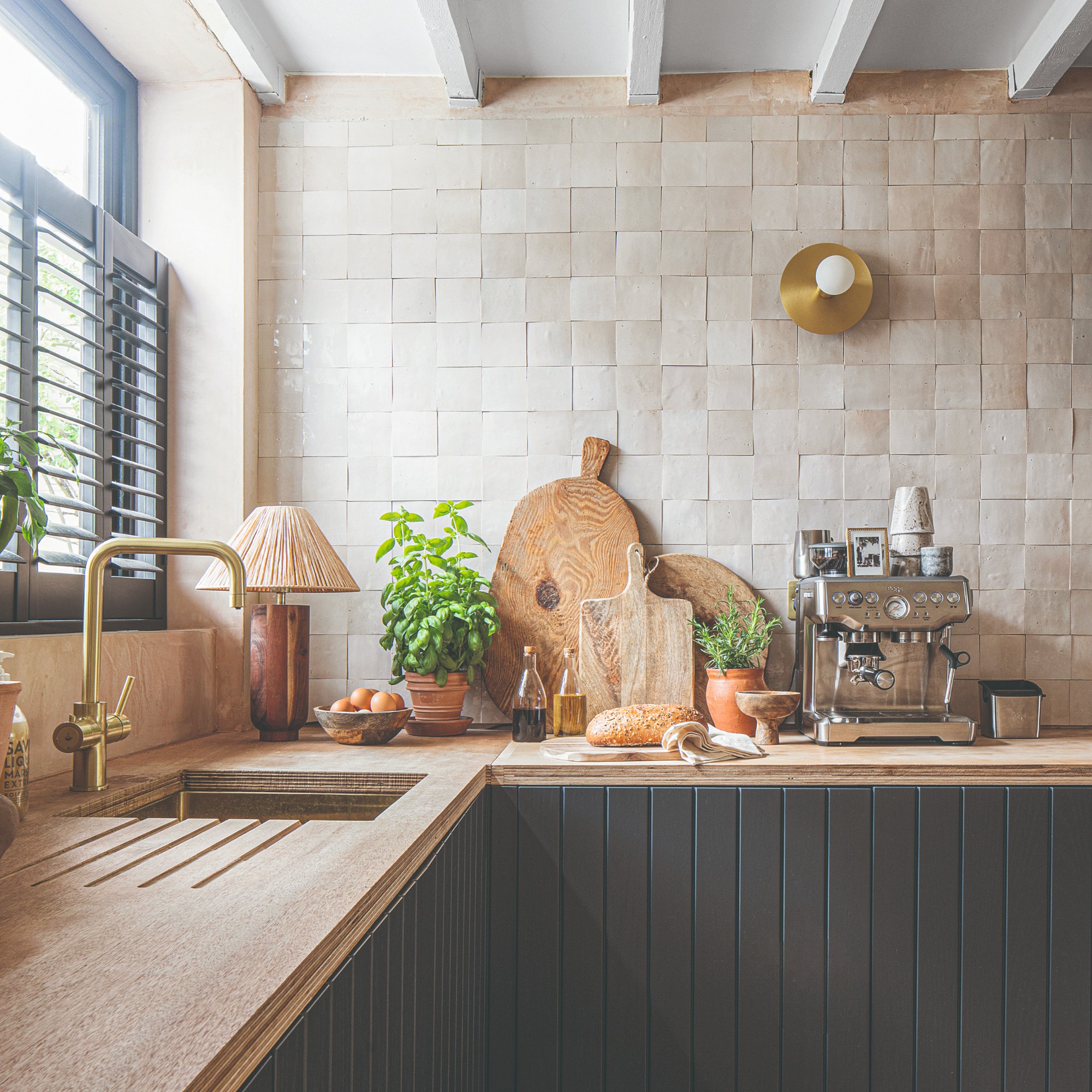
Patterned tiles and geometric designs will add texture and visual interest to homes. Plain tiles are being replaced by retro-inspired tile work and terrazzo, which introduce movement and handcrafted texture to both walls and floors. Nyce suggests that these materials provide a sense of rhythm and artistry without feeling overly nostalgic. Additionally, geometric patterns, inspired by pop art, are set to reappear in rugs and textiles, further cementing the 1960s influence on interior design in 2026.
#InteriorDesign #SixtiesRevival #DesignTrends2026 #CurvedFurniture #WalnutWood #EarthyColors #SpaceAgeDecor #GeometricPatterns #RetroDesign #InteriorDesign #SixtiesRevival #DesignTrends2026 #CurvedFurniture #WalnutWood #EarthyColors #SpaceAgeDecor #GeometricPatterns #RetroDesign
0 Kommentare insgesamt
 Noch keine Kommentare
Das könnte Ihnen auch gefallen
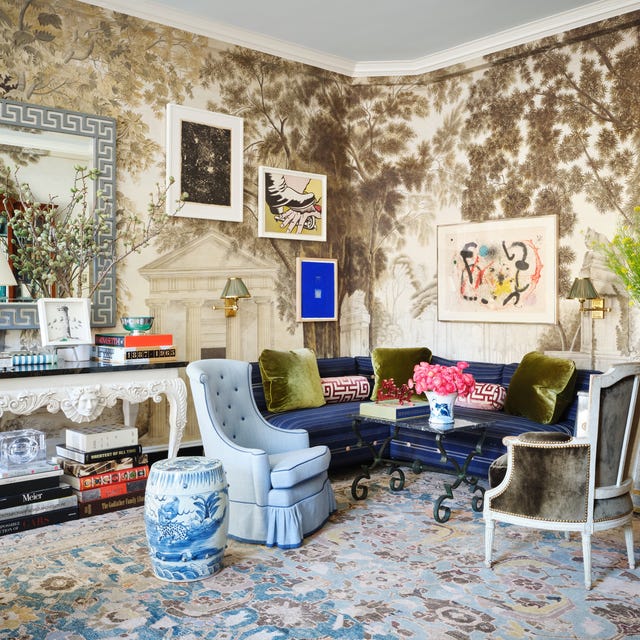
Designers Predict These 6 Living Room Trends Will Be Everywhere in 2026

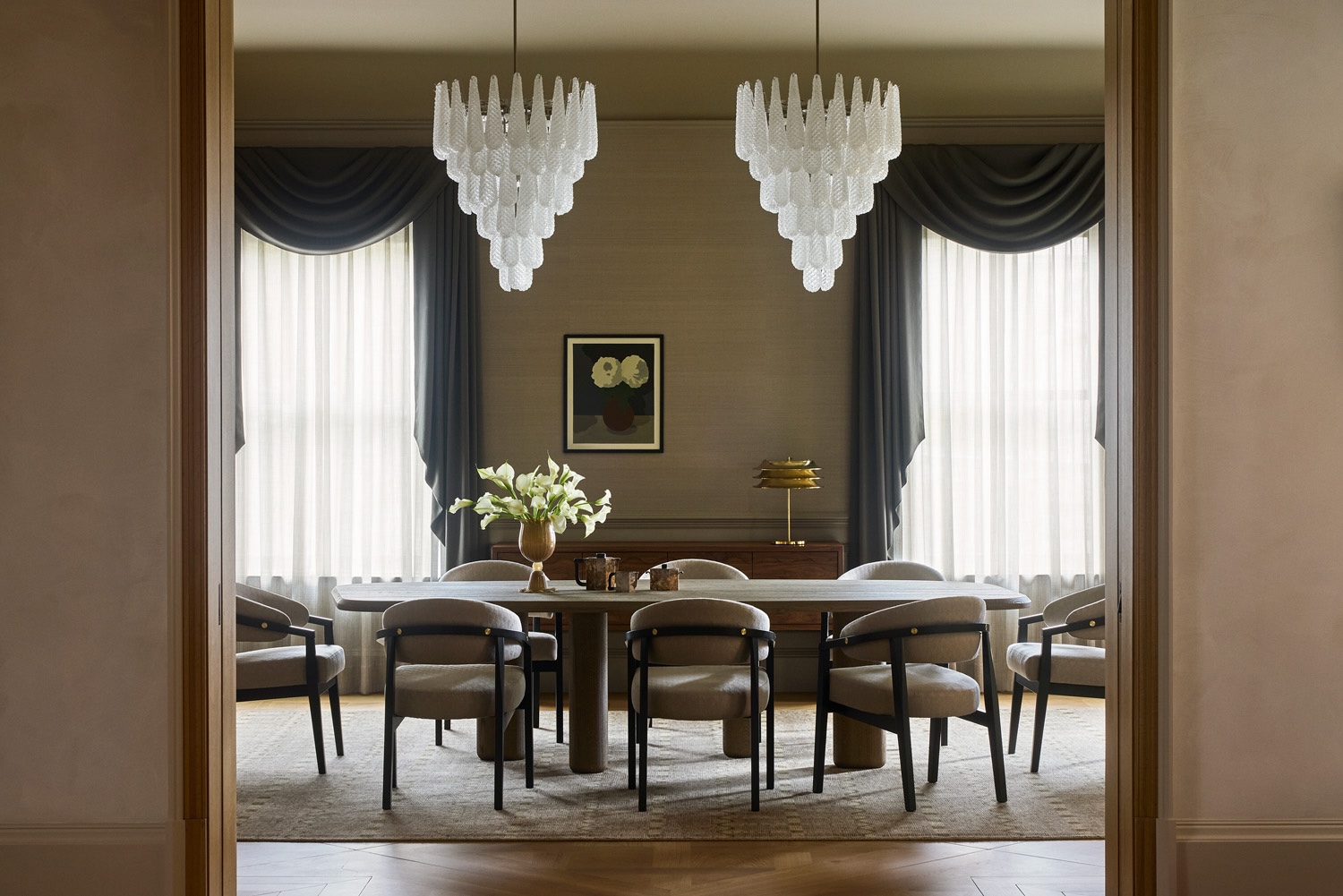
The Vintage Interior Trends Designers Predict Will Define Homes in 2026

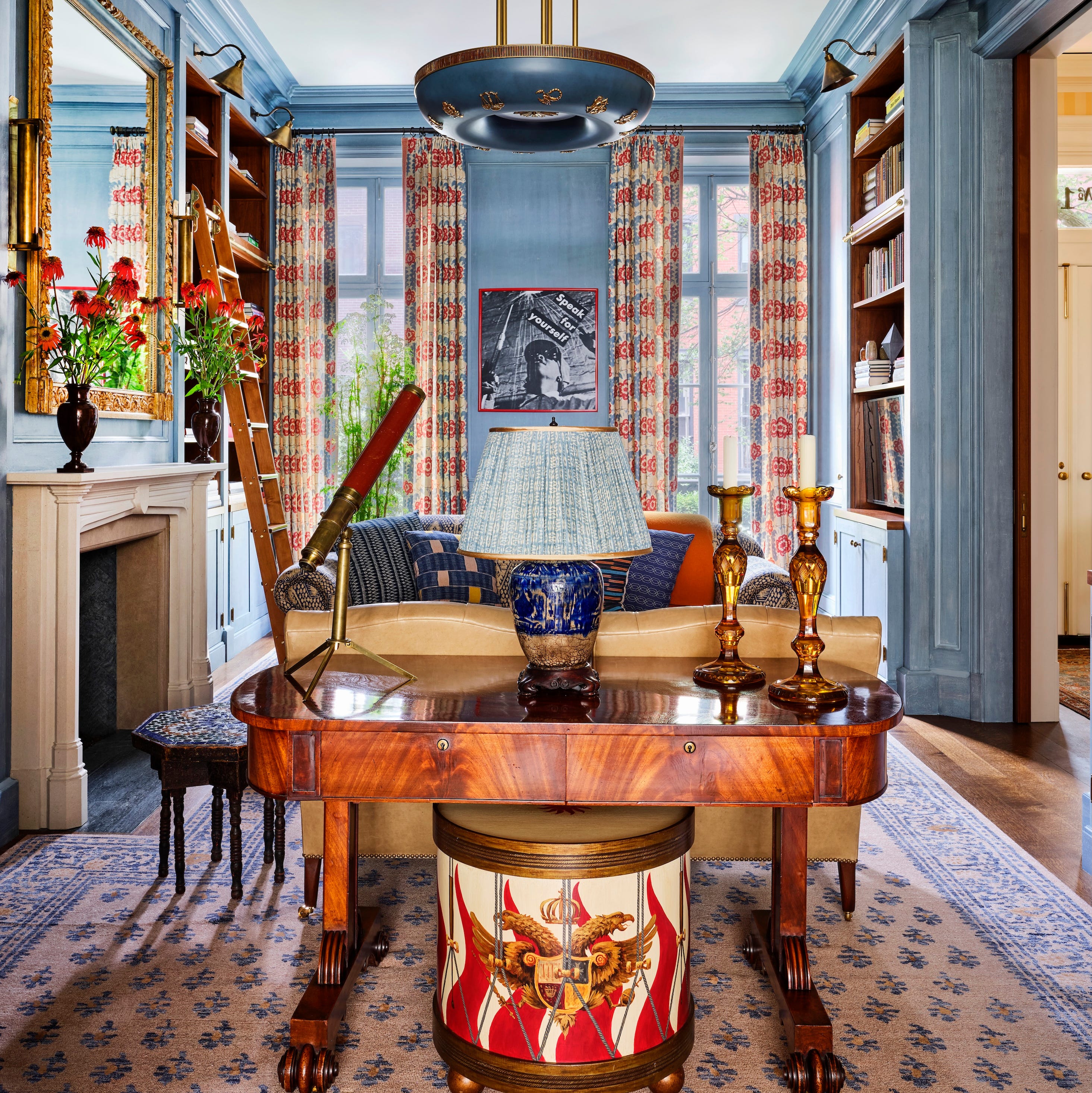
These Lighting Trends Will Be Everywhere in 2026, According to Designers

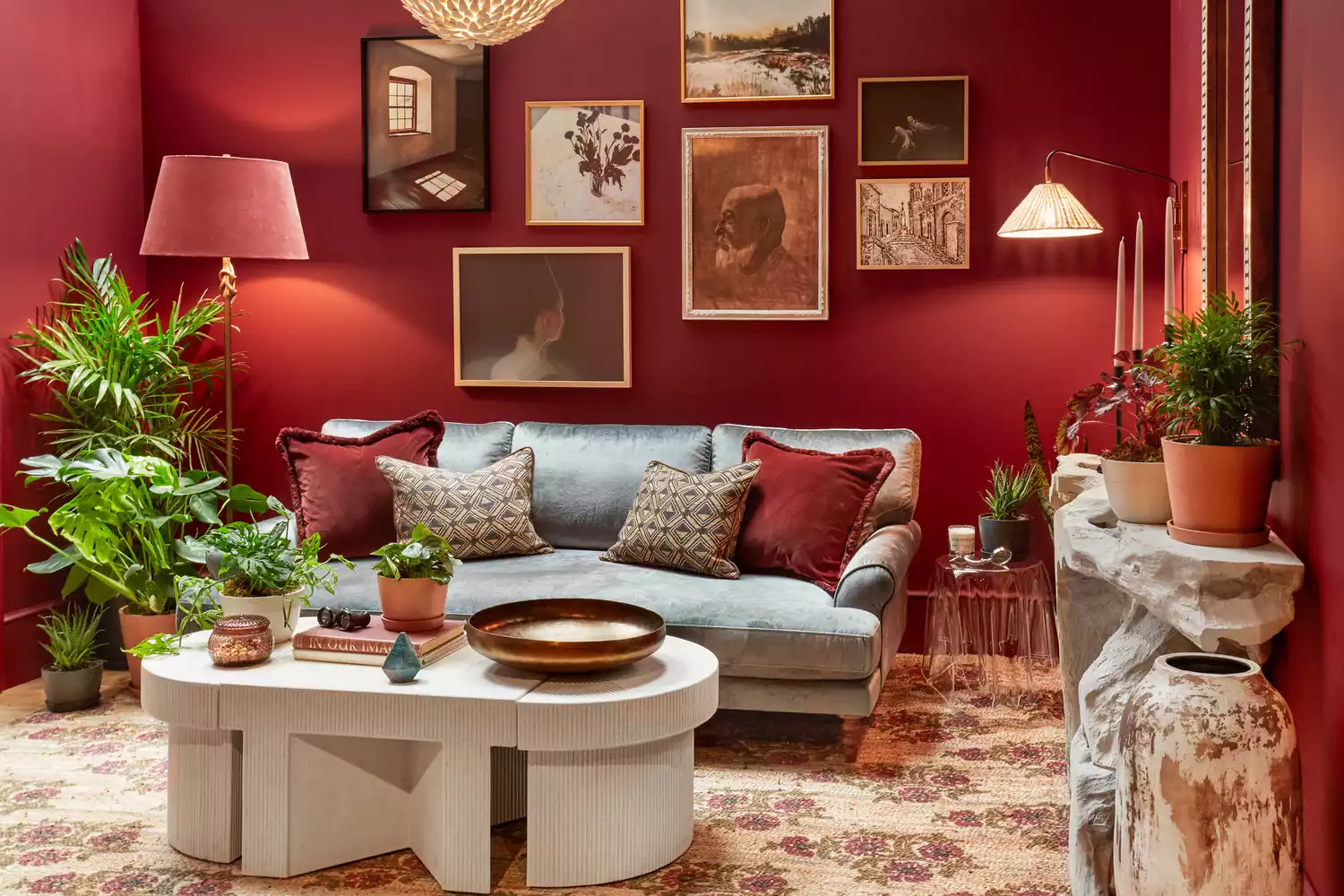
6 Early 2000s Design Trends Making a Comeback—in a New Way for 2025

Designers Are Calling It: These Interior Design Trends Will Be Everywhere in 2026

8 outdated '60s interior design trends making a comeback in 2024
Old Is New Again: Designers Say These 6 Retro Design Trends Are Defining 2025 Style

These Are the Most Popular Interior Styles of 2026, According to Designers
Designers Say These Vintage Lighting Trends Will Be Everywhere in 2026

8 Design Trends Designers Think Are Finally Back in 2026
The decorating trends everyone will be talking about in 2026
2026 Home Design Trends to Watch
6 Vintage Design Trends That Are Making a Comeback in 2025, According to Designers
Rustic Design Trends You Can't Ignore In 2026

This Centuries-Old Pattern Is the Next Big Design Trend for 2026 – Here Are 24 Pieces That Prove It
5 Styles That Will Dominate Home Decor in 2026, According to Experts
Designers Are Calling It: These Furniture Trends Will Be Everywhere in 2026
The Decorating Trends Designers Are Leaving Behind in 2026

These 6 lighting trends are set to be big in 2026
It's Official: Designers Say These 6 Living Room Trends Are Going Out of Style in 2026