1/14
‘Soft kitchens’ are the latest way kitchen pros are making our spaces work harder - it’s the secret to an inviting design
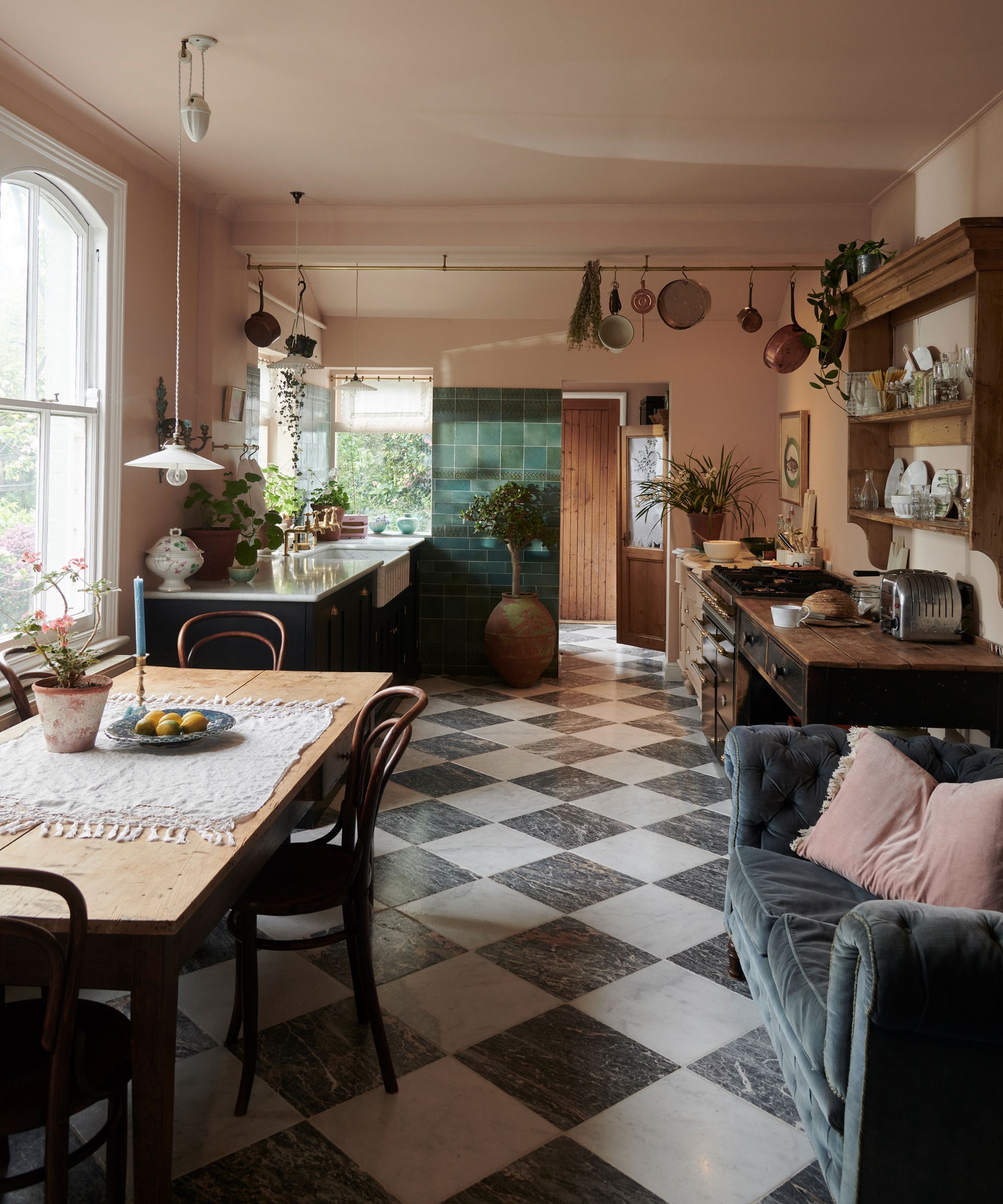
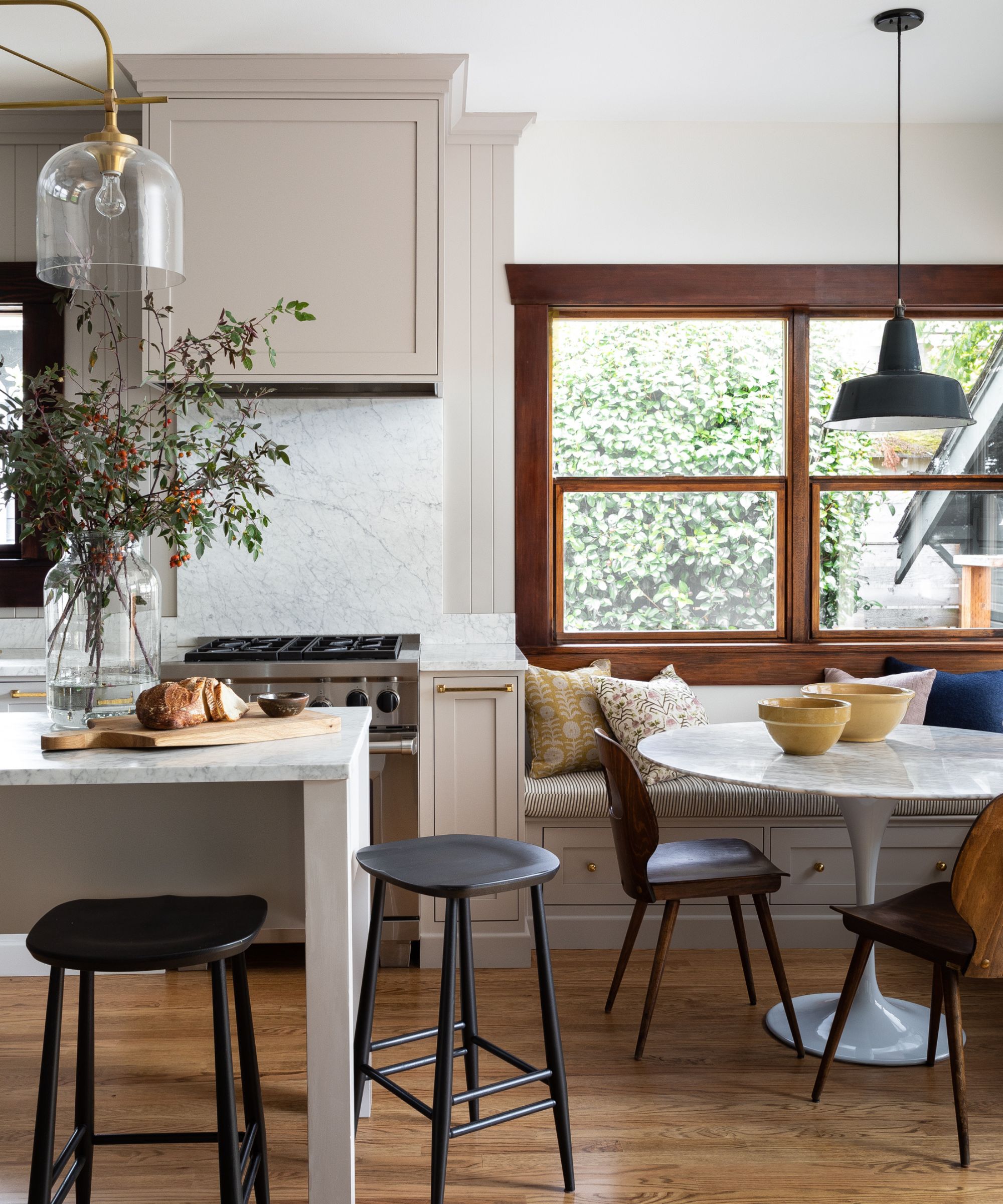
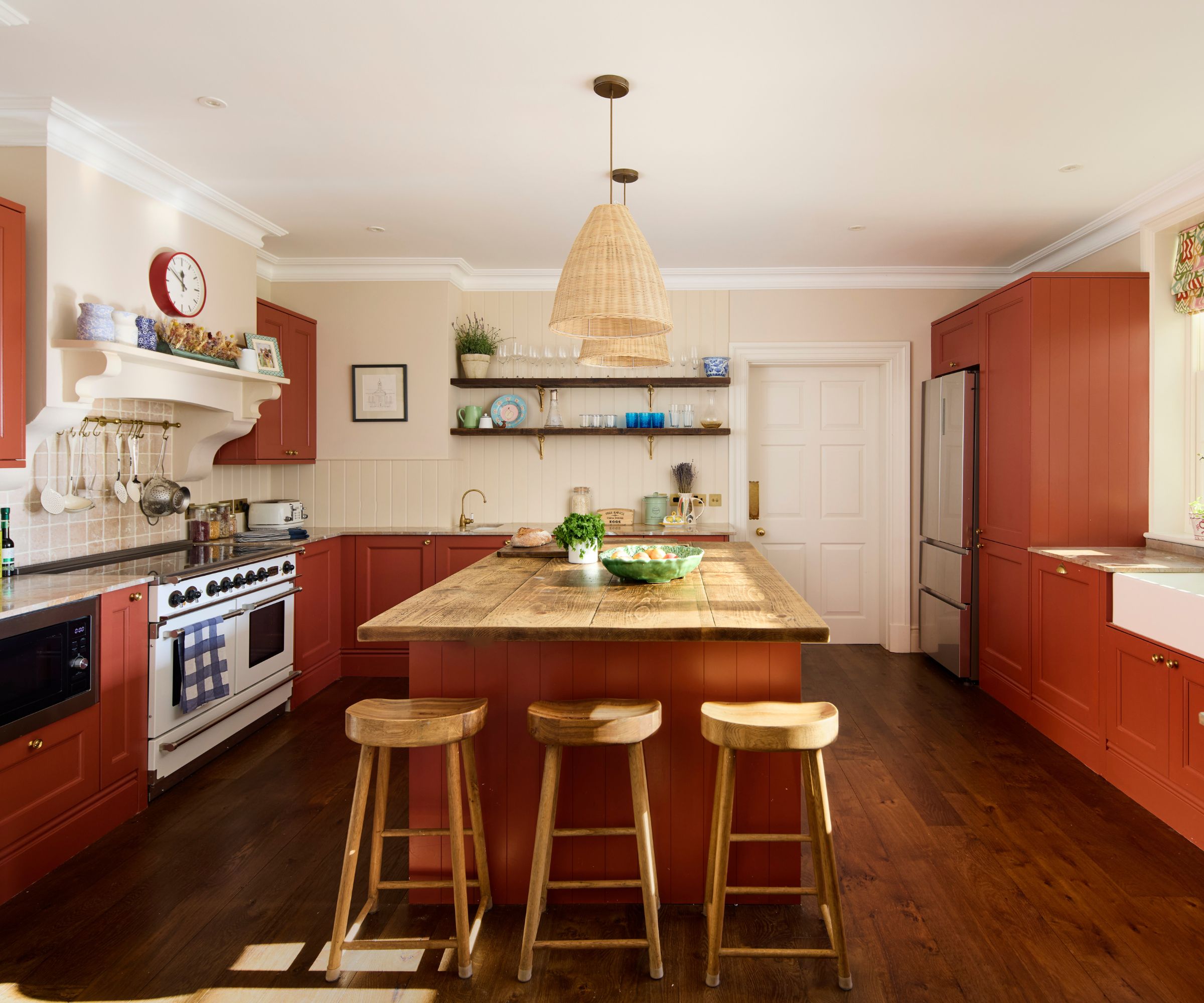
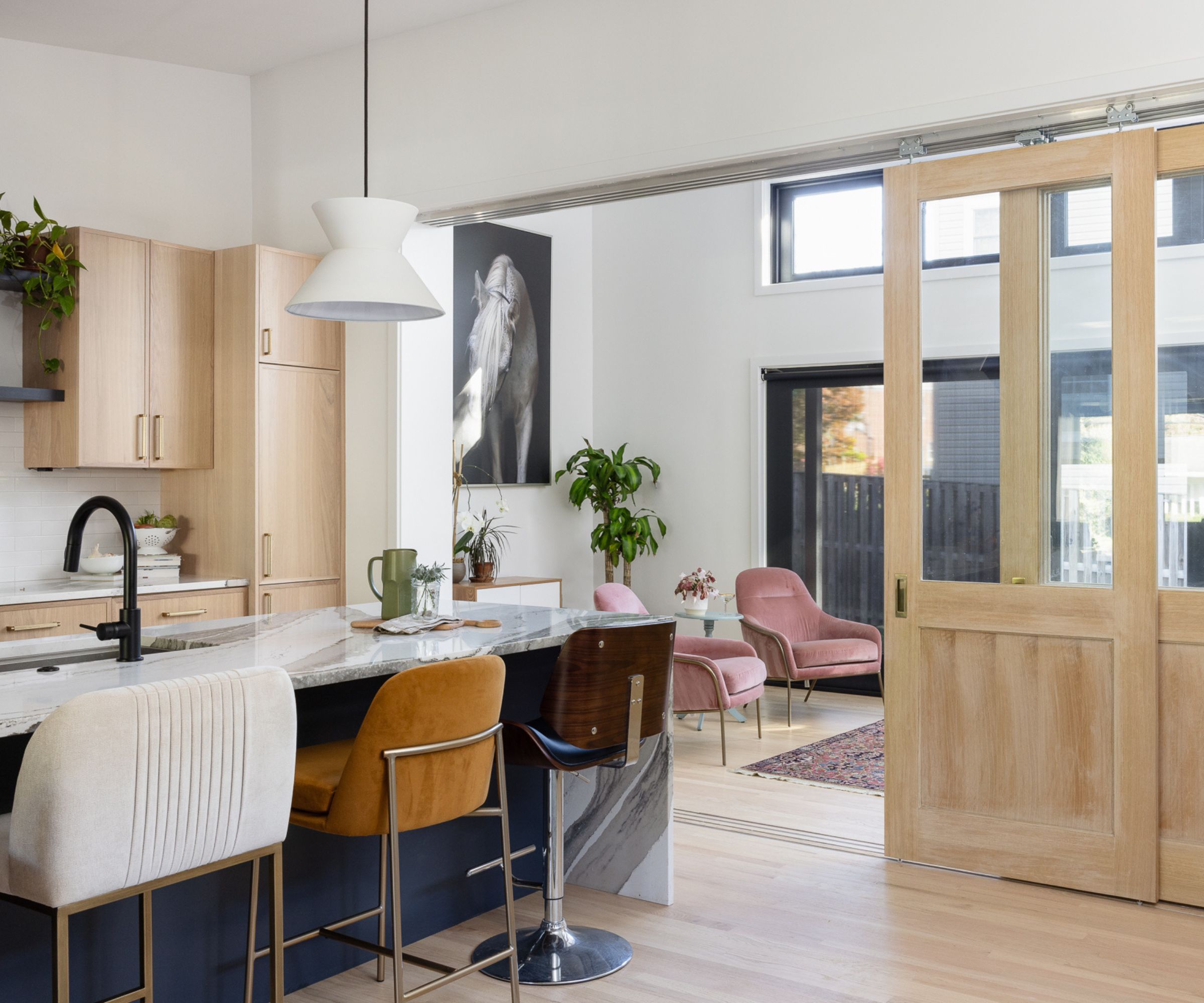
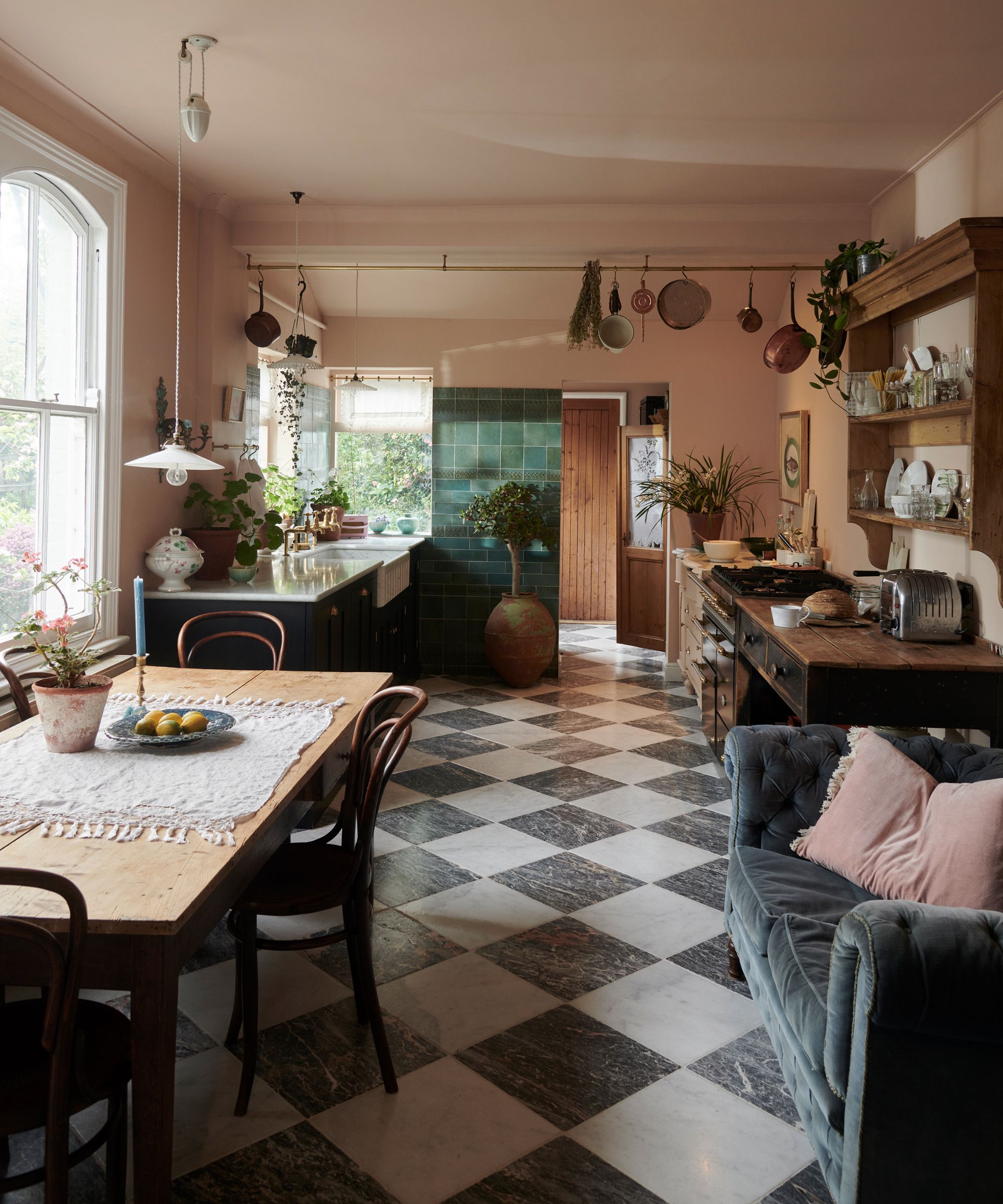
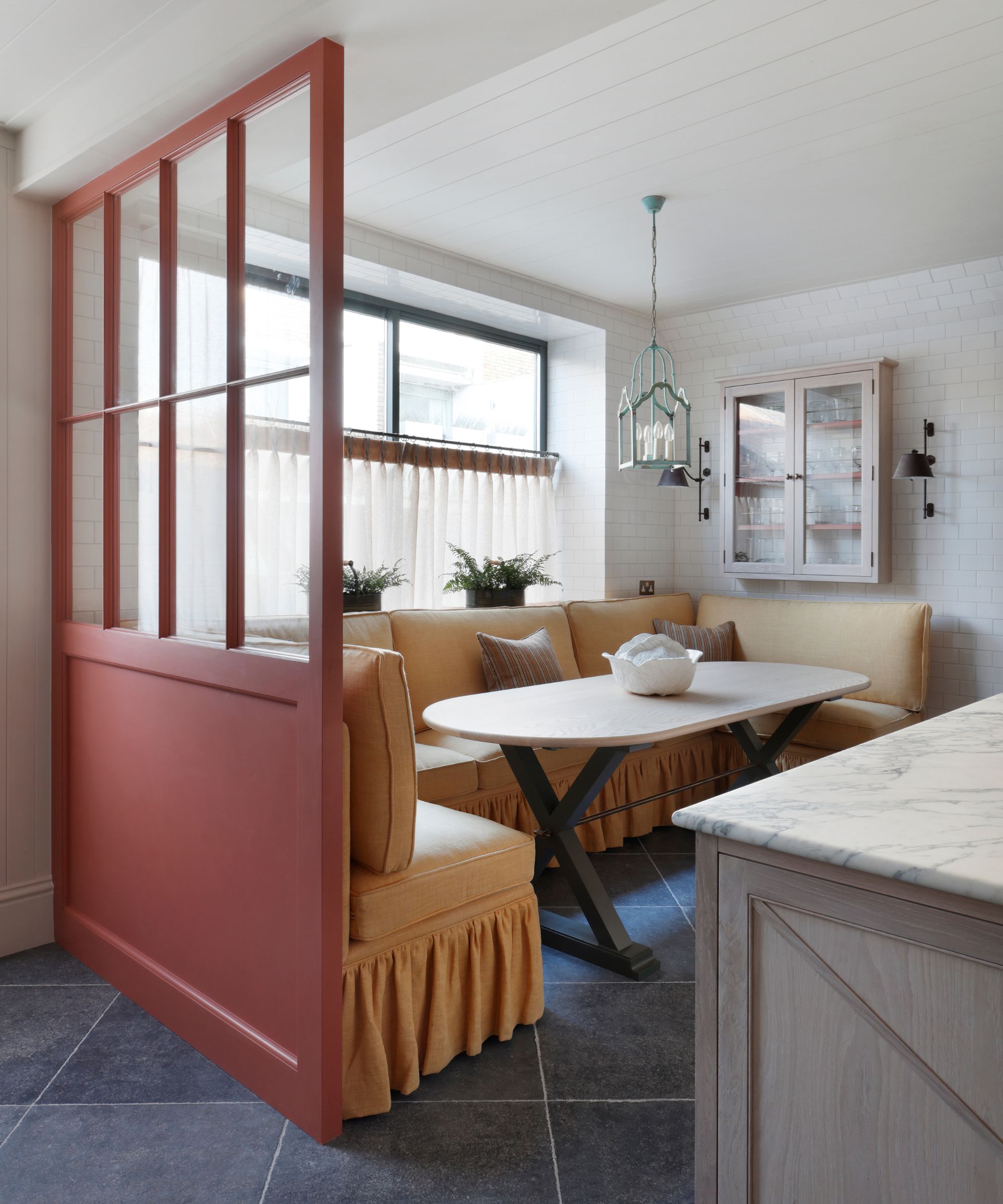
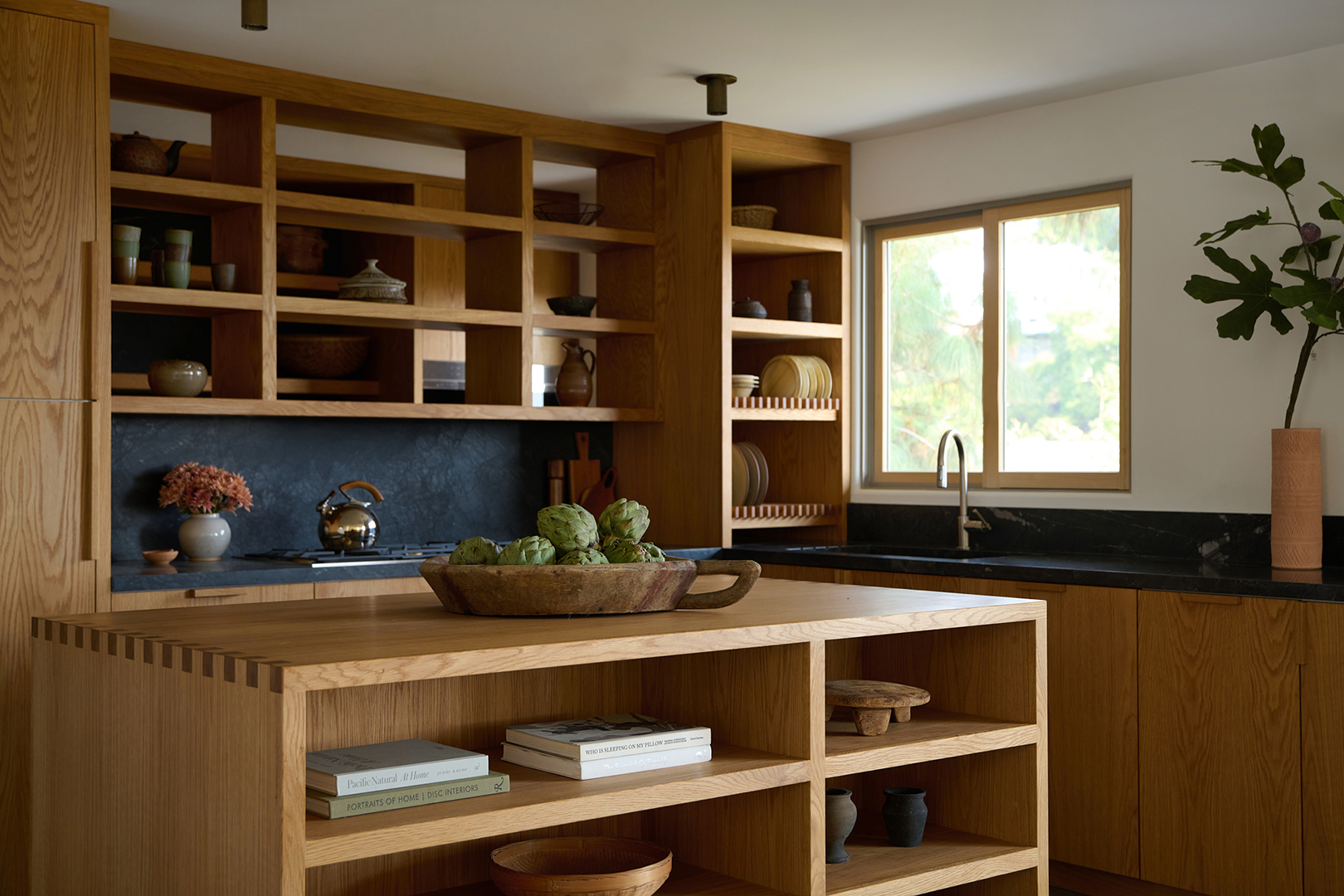
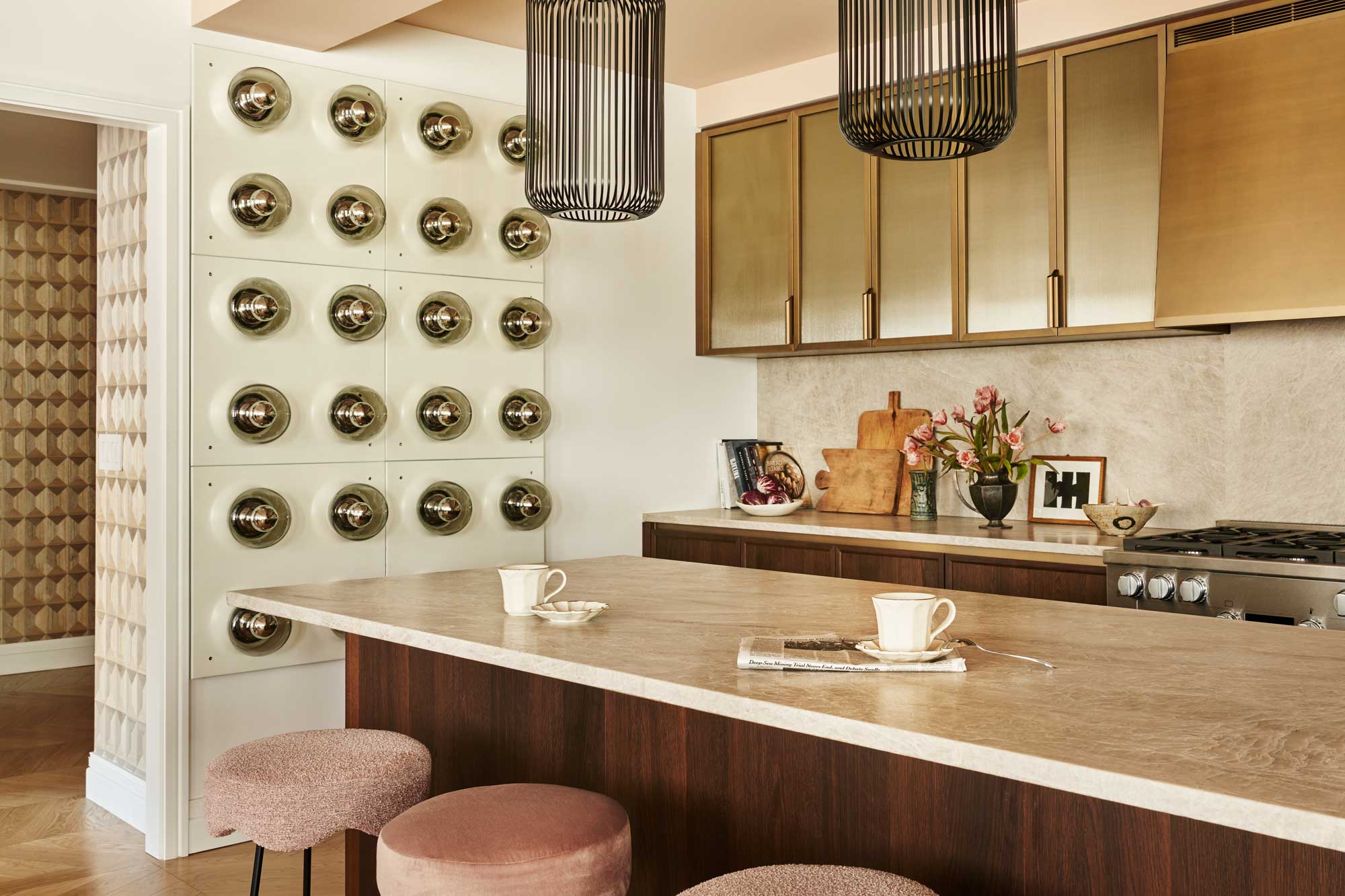
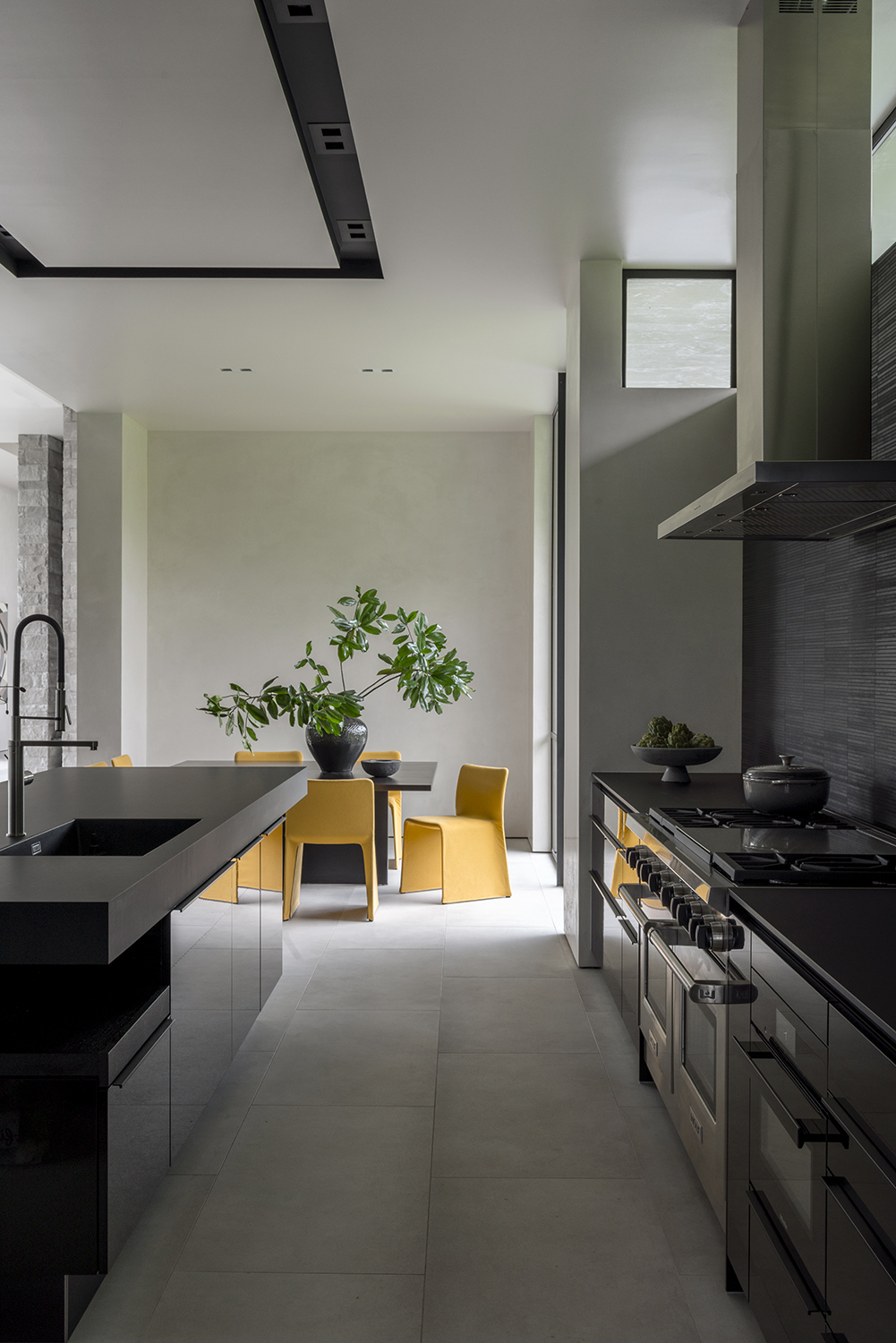
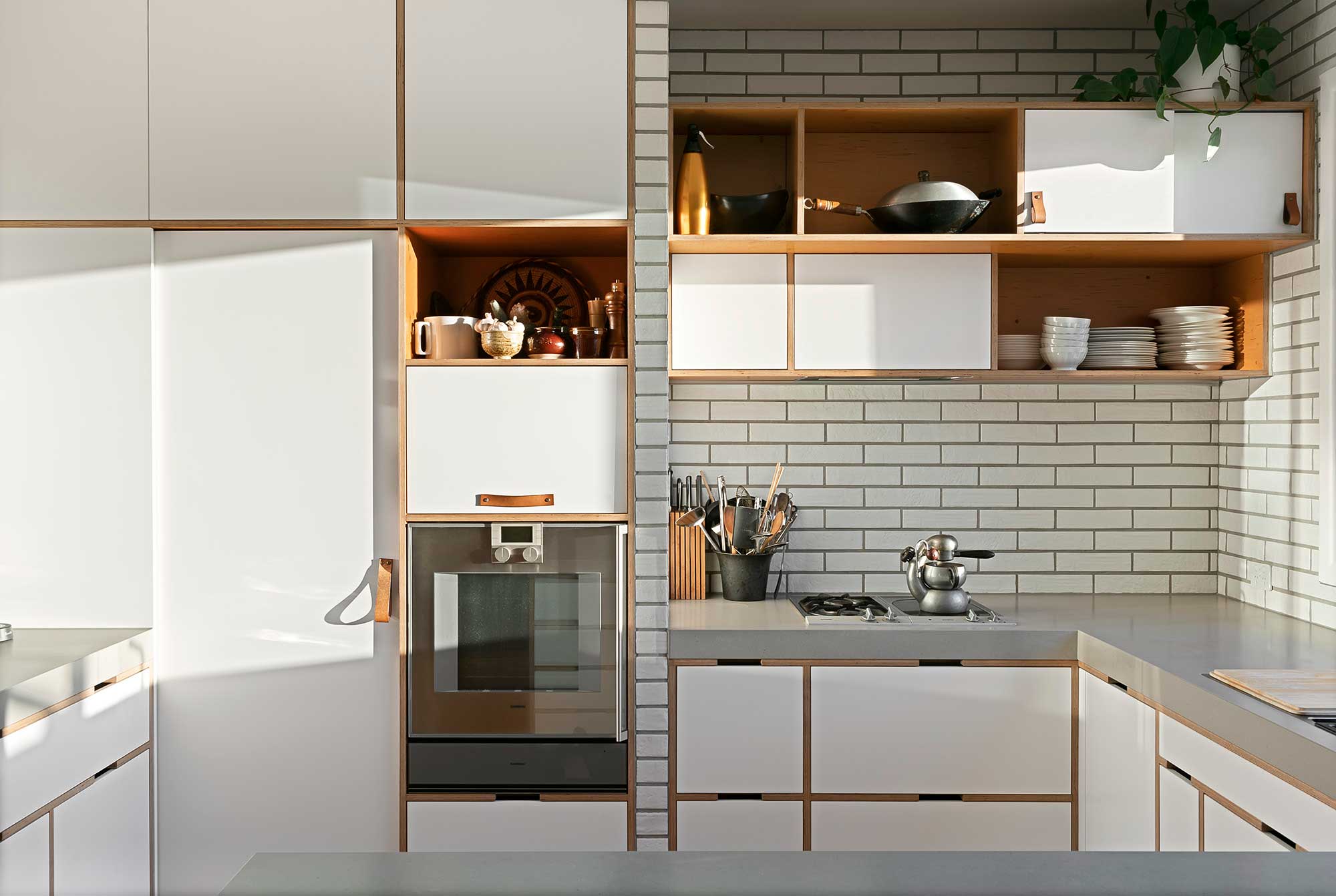
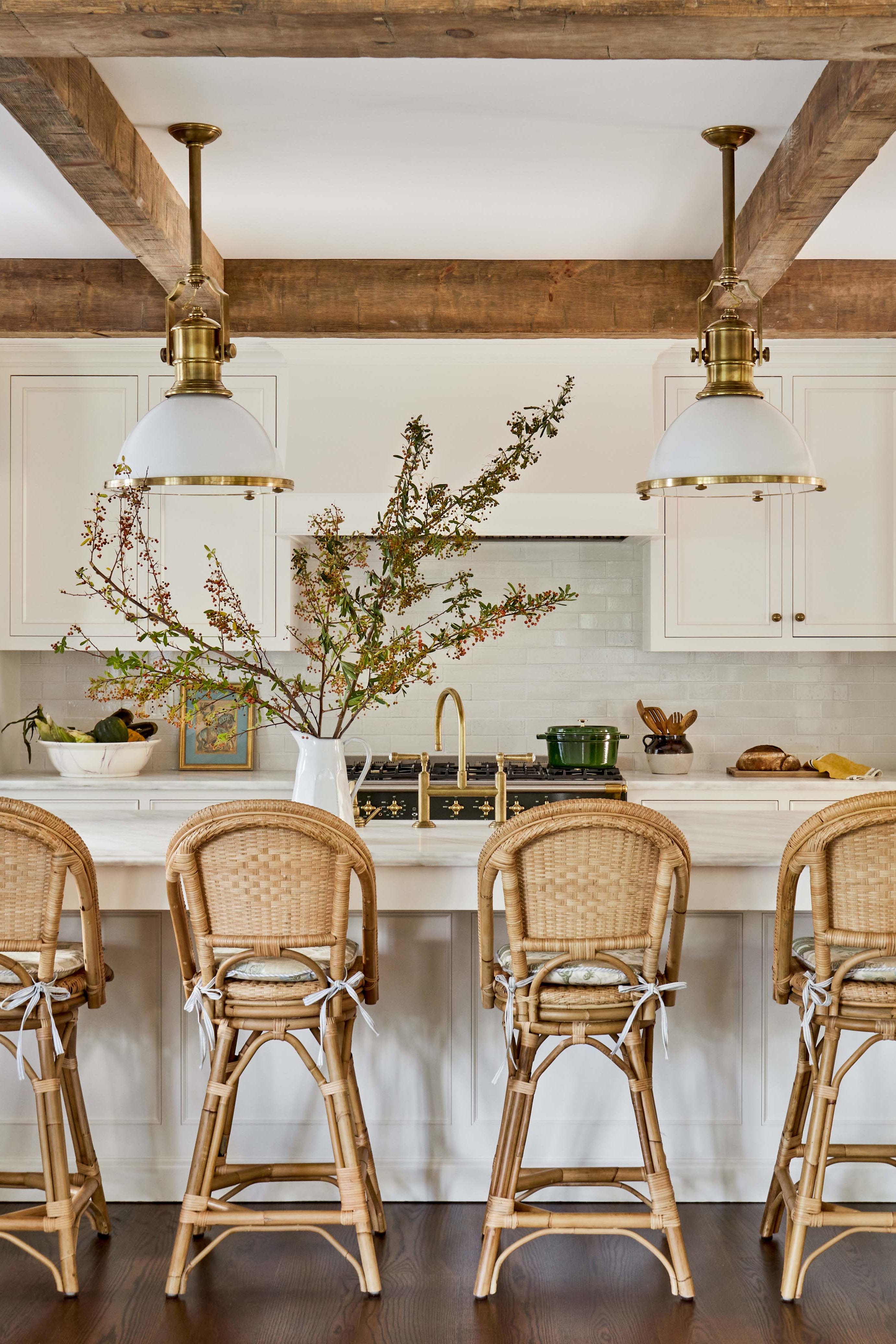
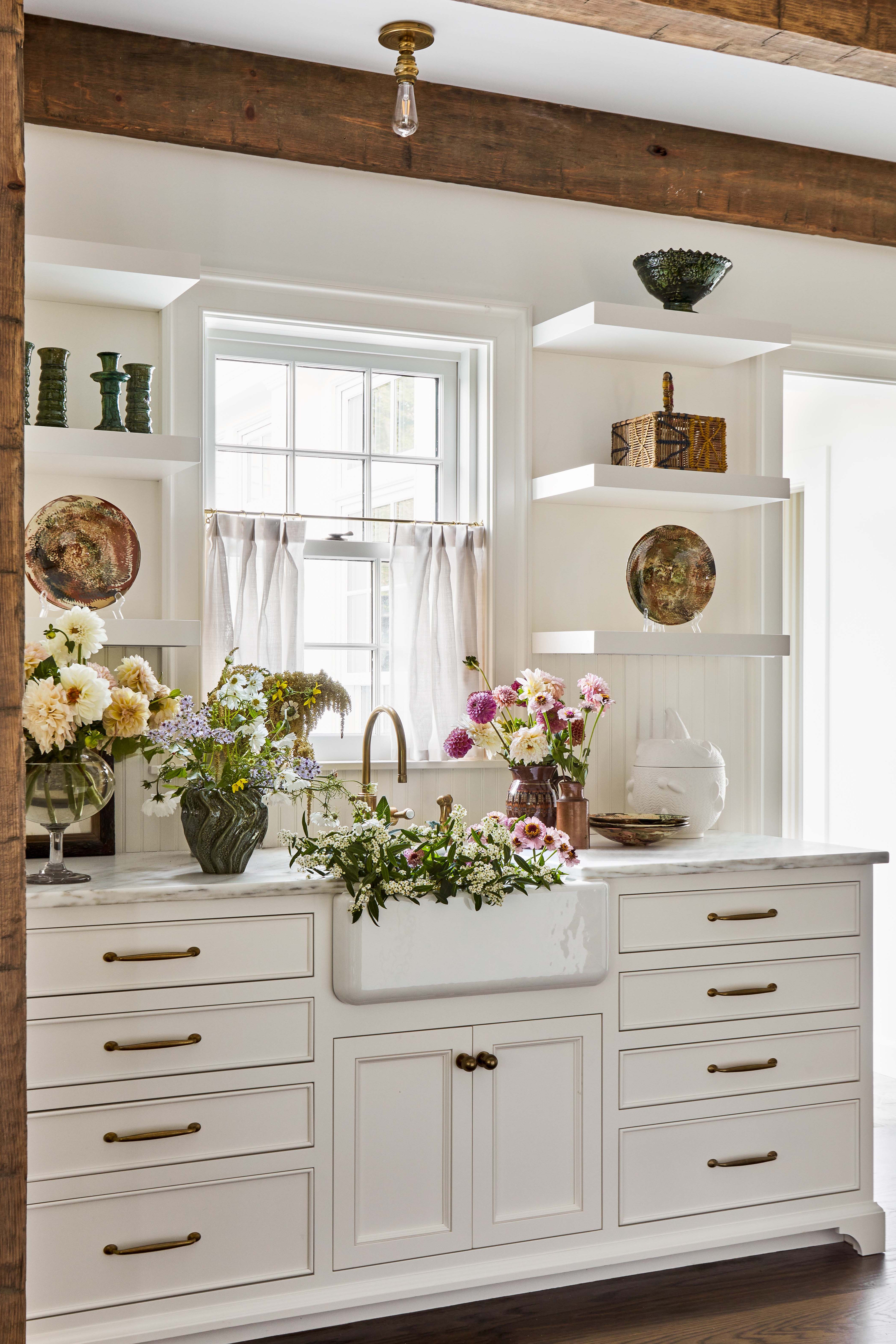
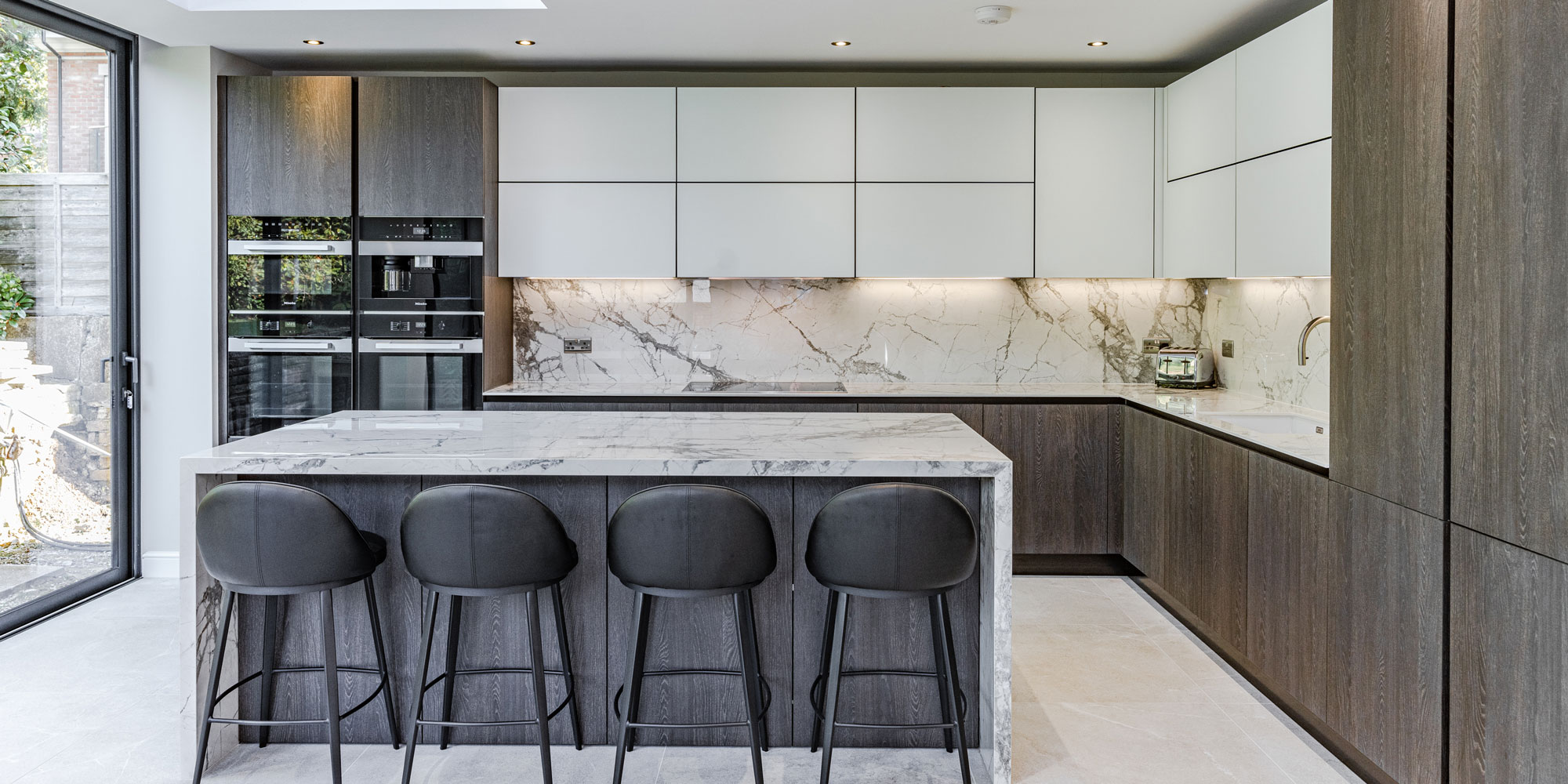
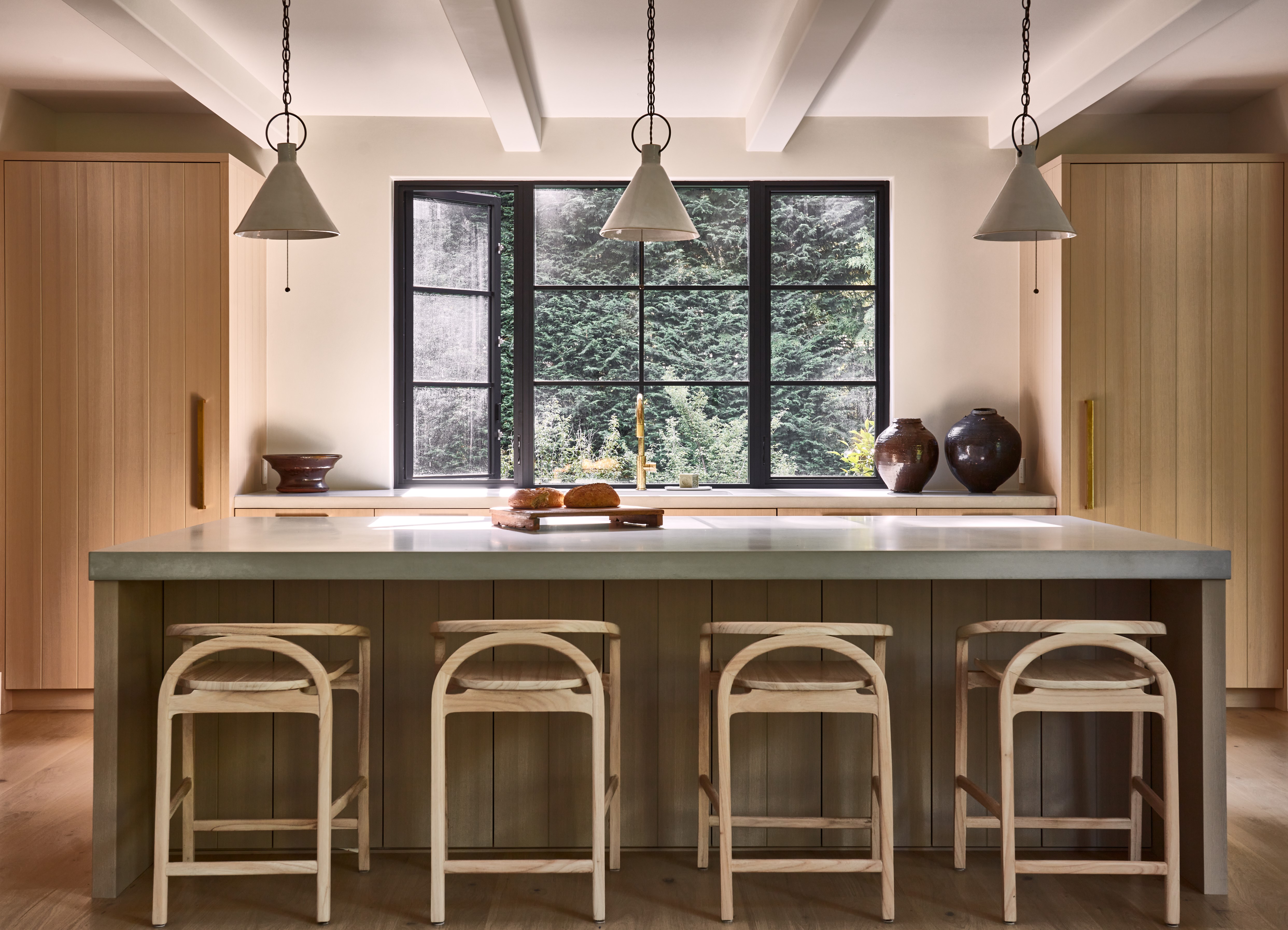
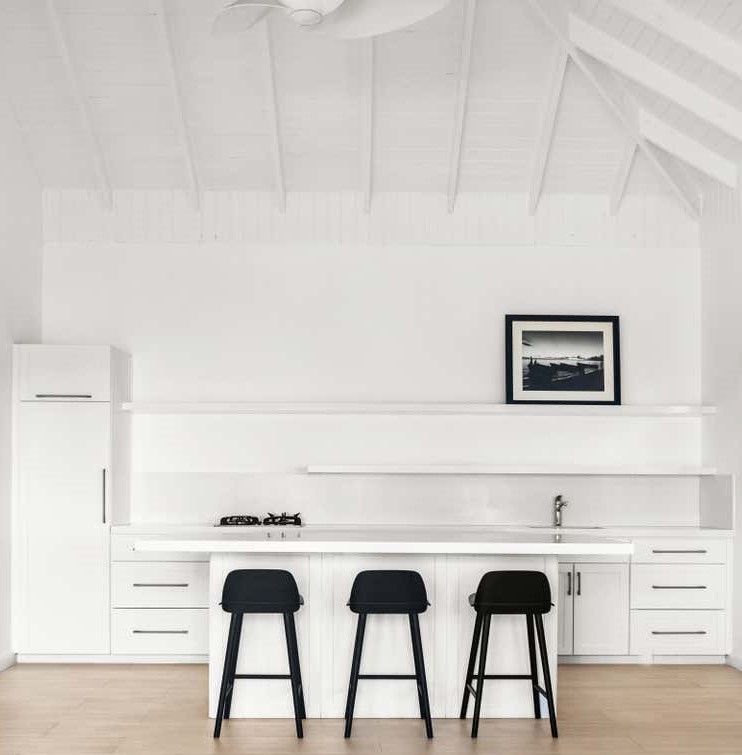
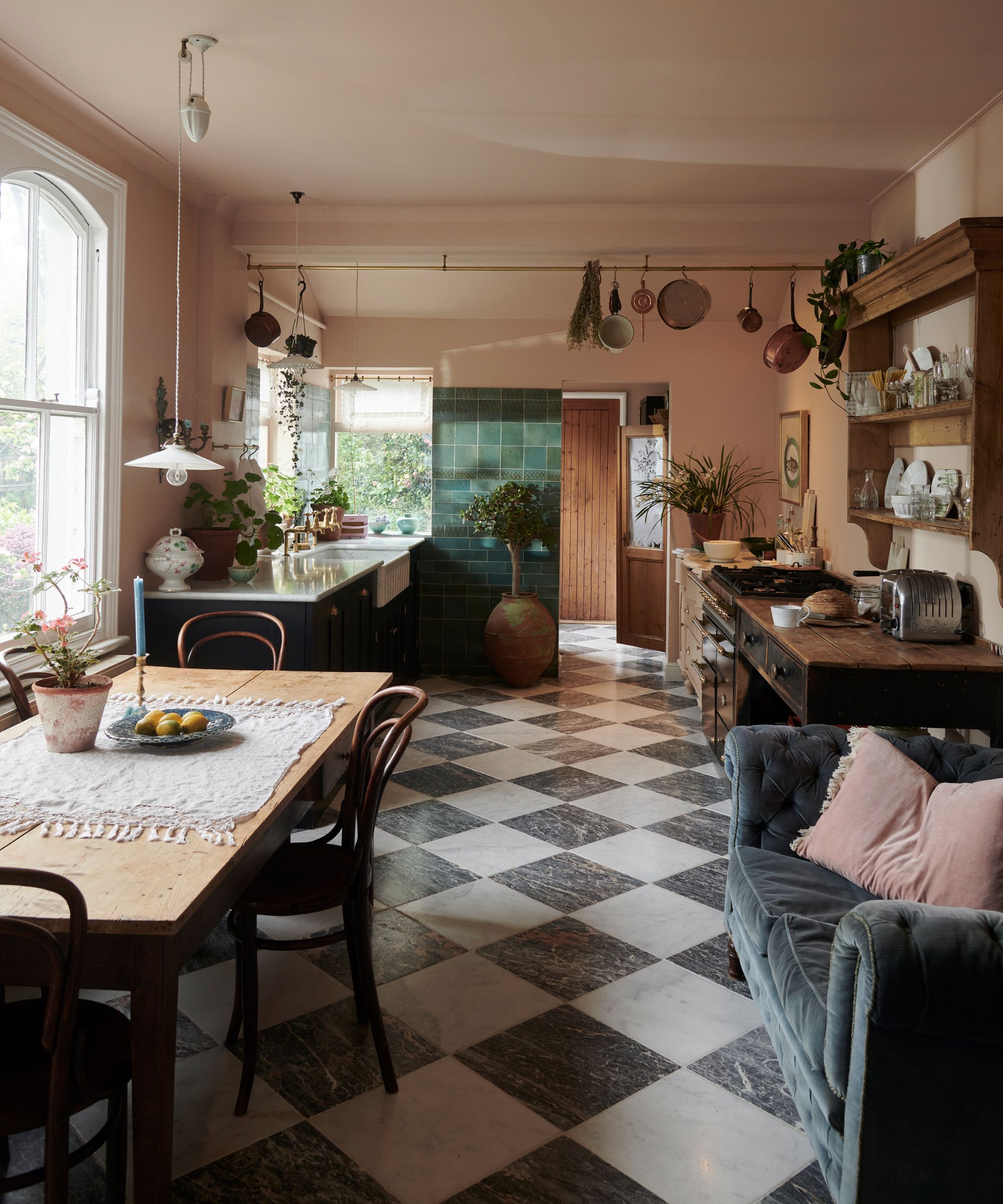
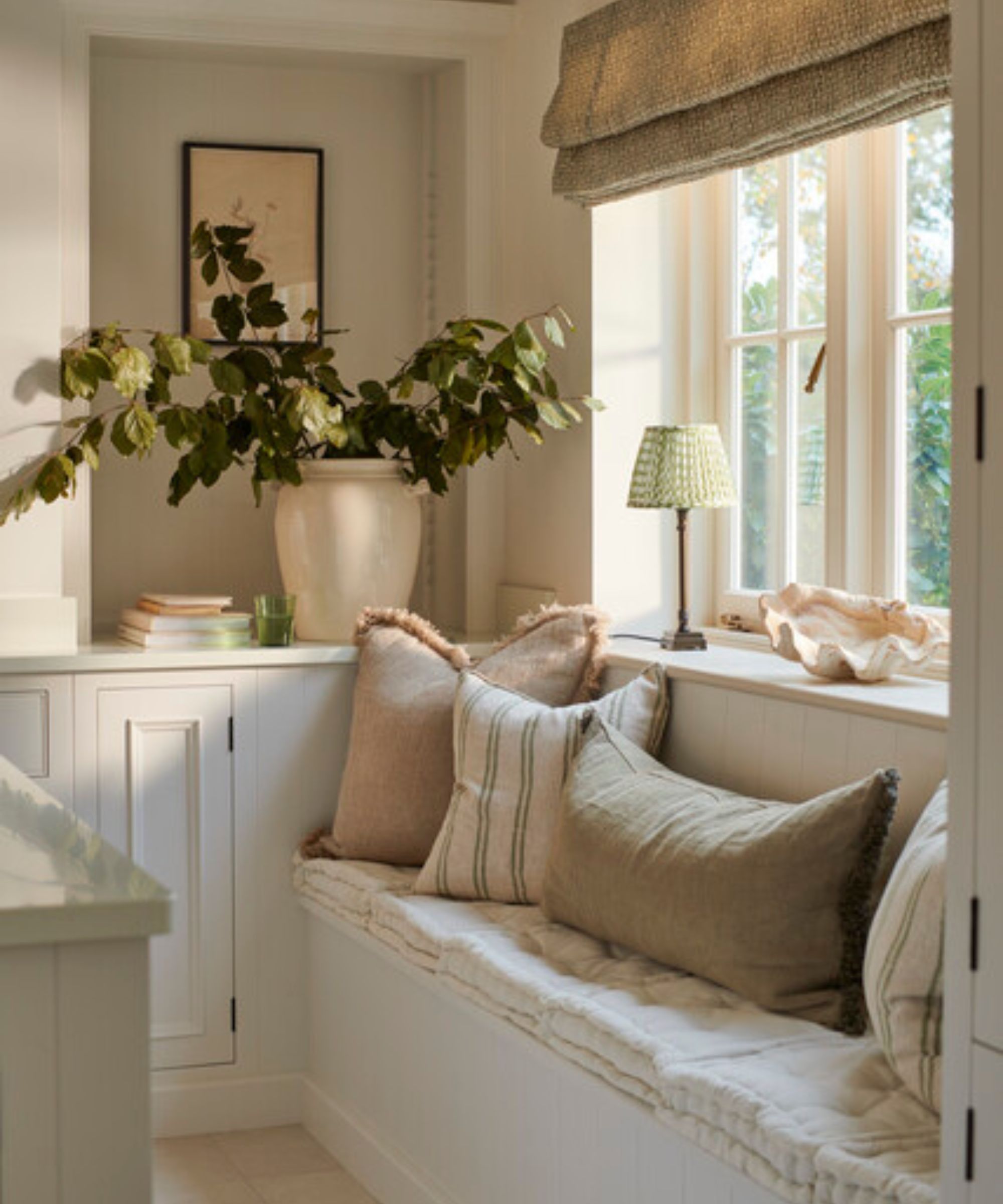
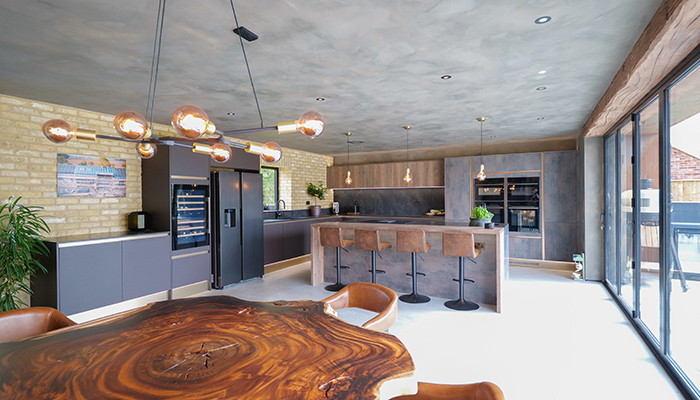
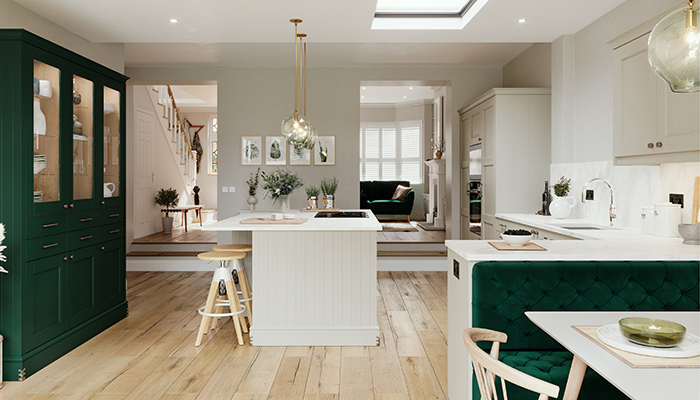
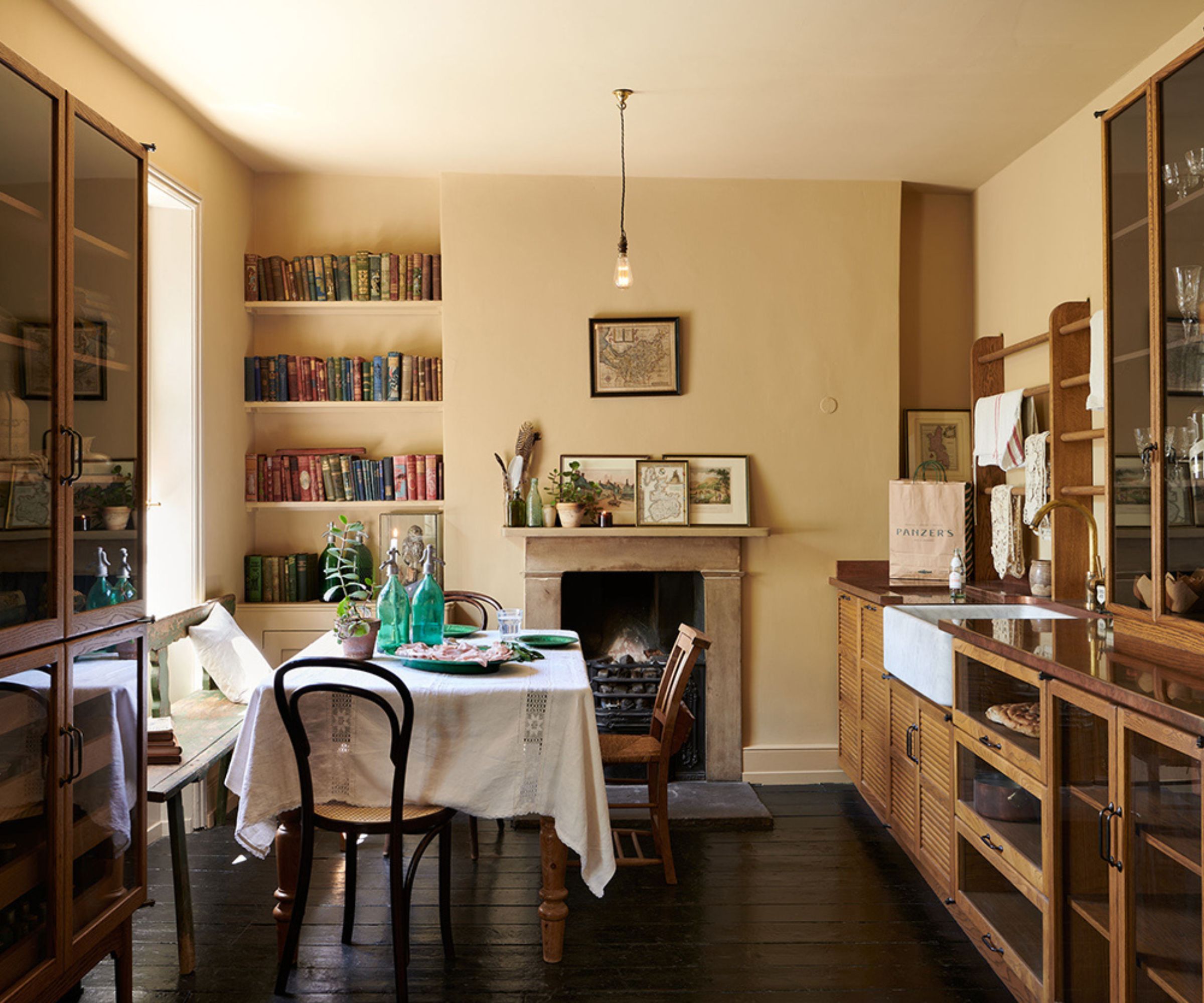
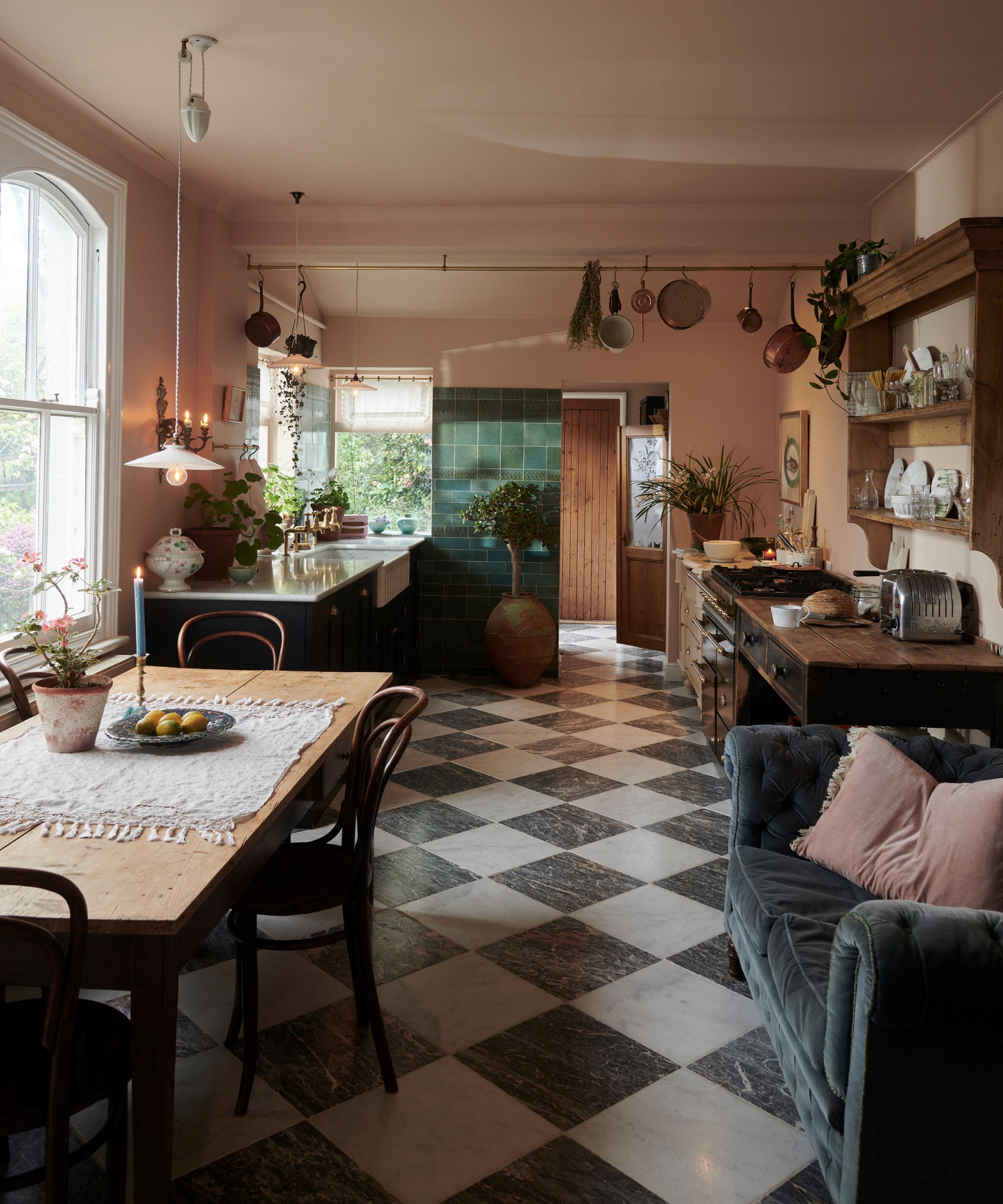
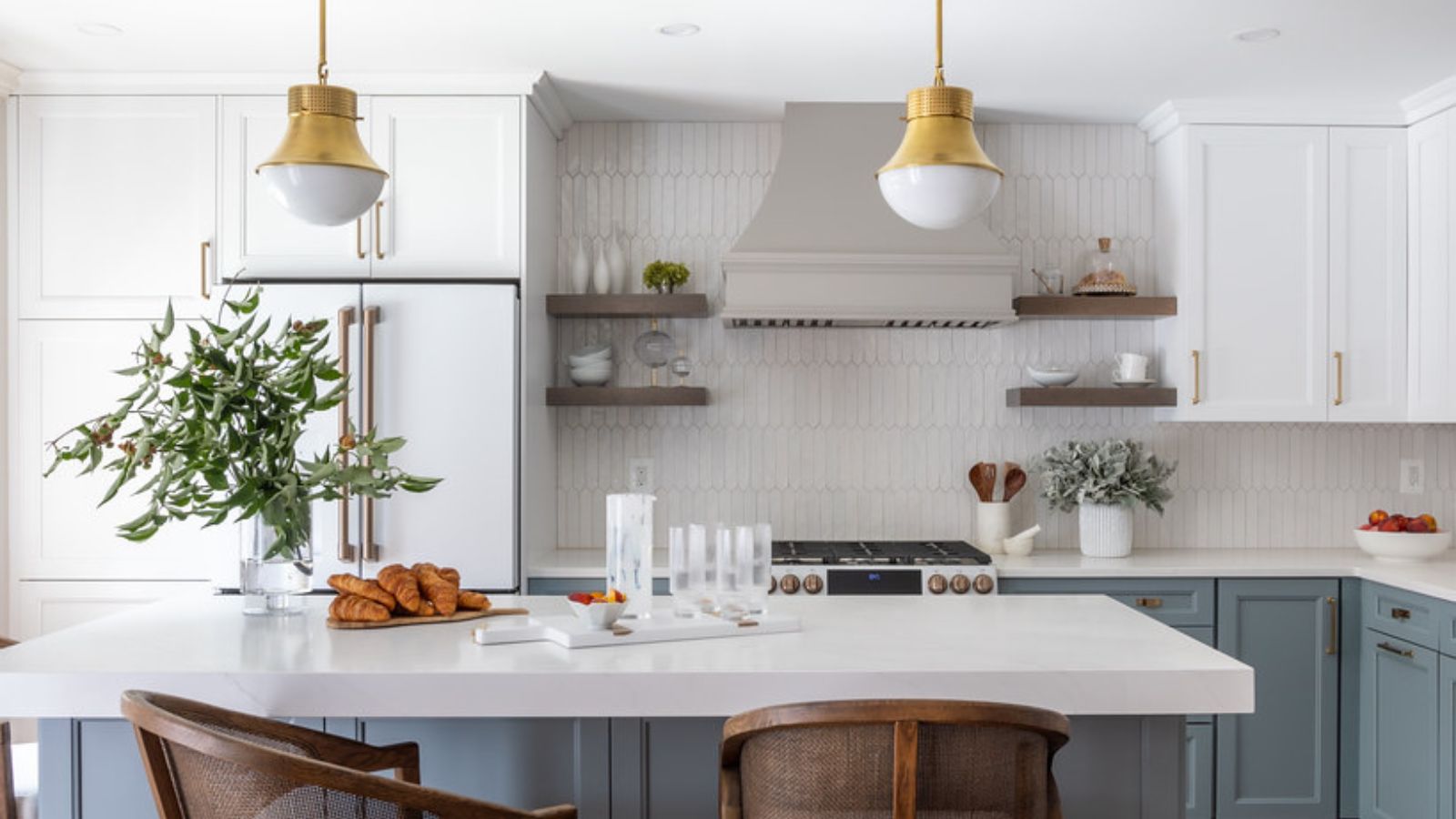
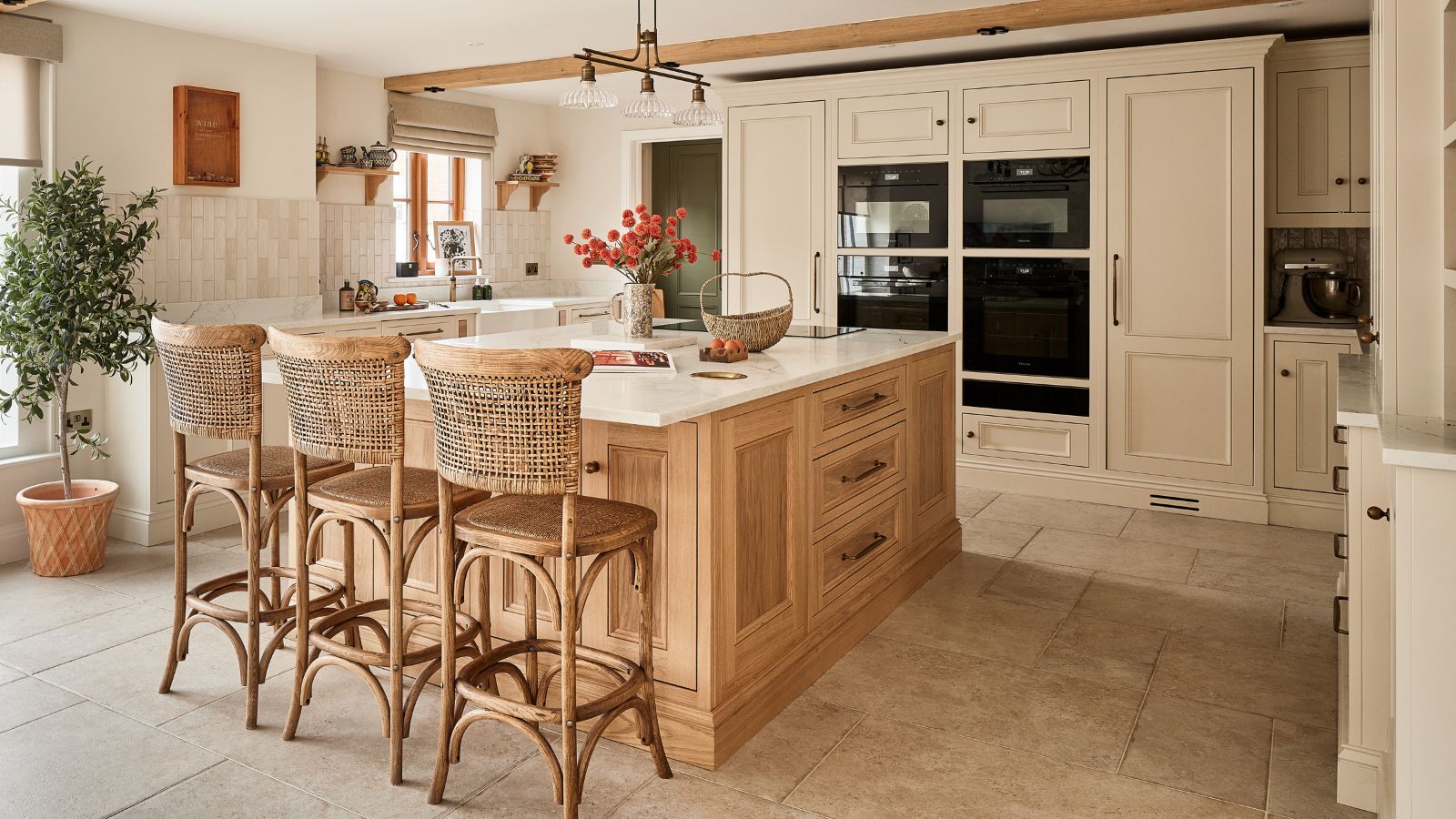
The 'soft kitchen' trend represents a significant shift in kitchen design, moving away from purely functional spaces towards more inviting, comfortable, and social environments. This trend reflects the evolving lifestyle where kitchens increasingly serve as multi-purpose rooms for living, entertaining, and cooking, rather than just practical workspaces. The core idea behind a soft kitchen is to create a homely atmosphere that encourages family and guests to linger and socialize, making the kitchen the convivial heart of the home, especially as open-plan layouts remain popular and become more essential during colder months for both hosting and economical heating.
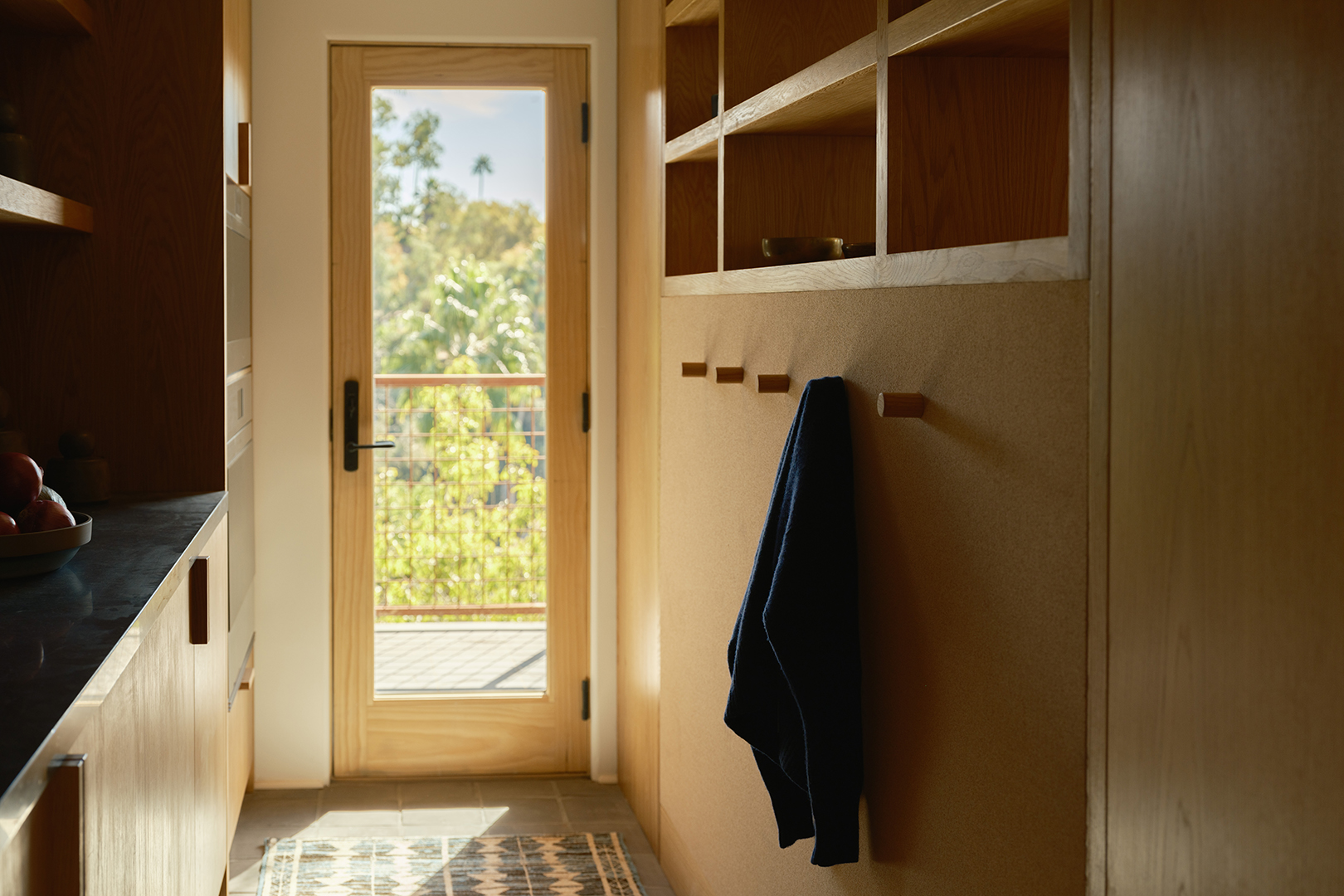
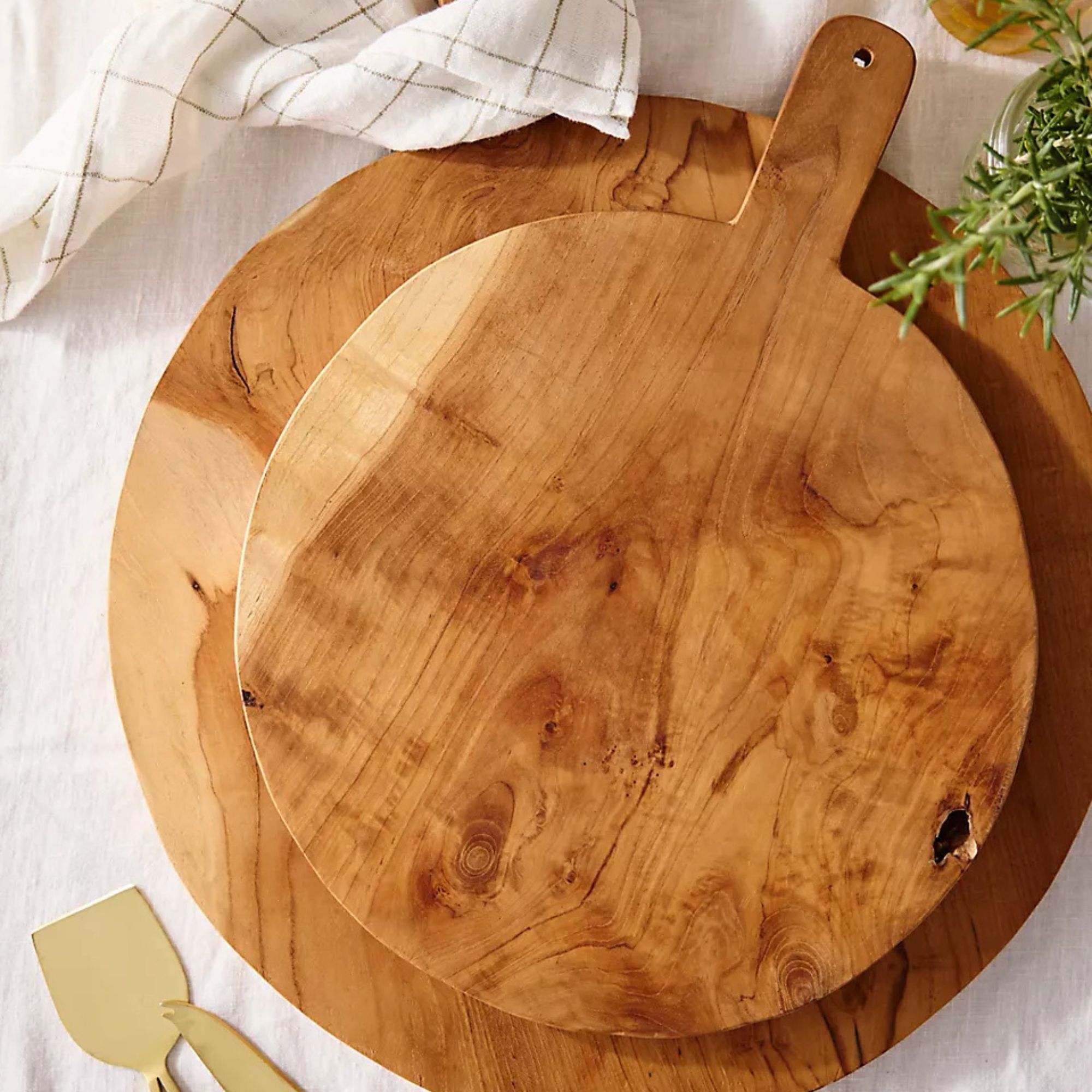
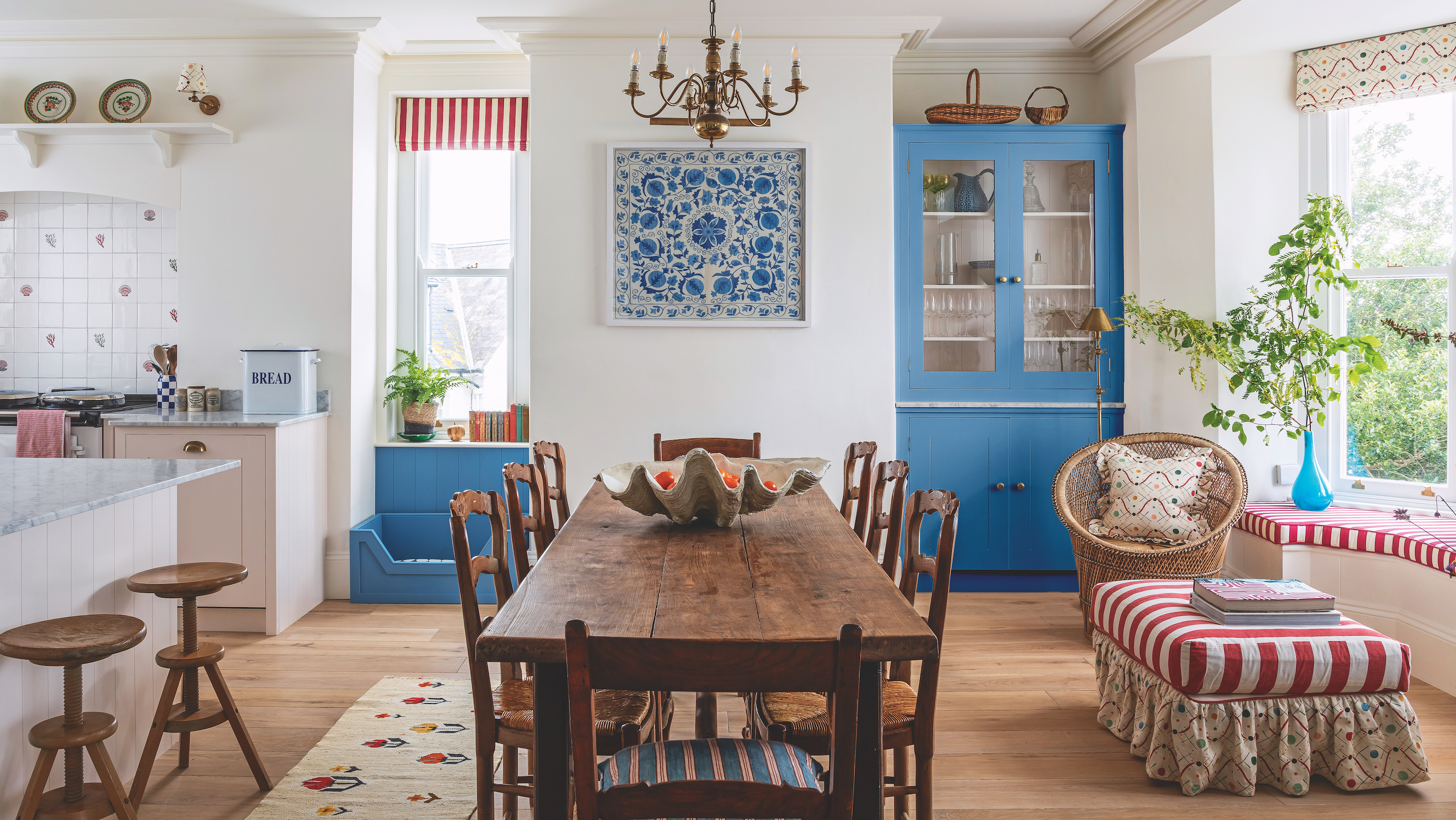
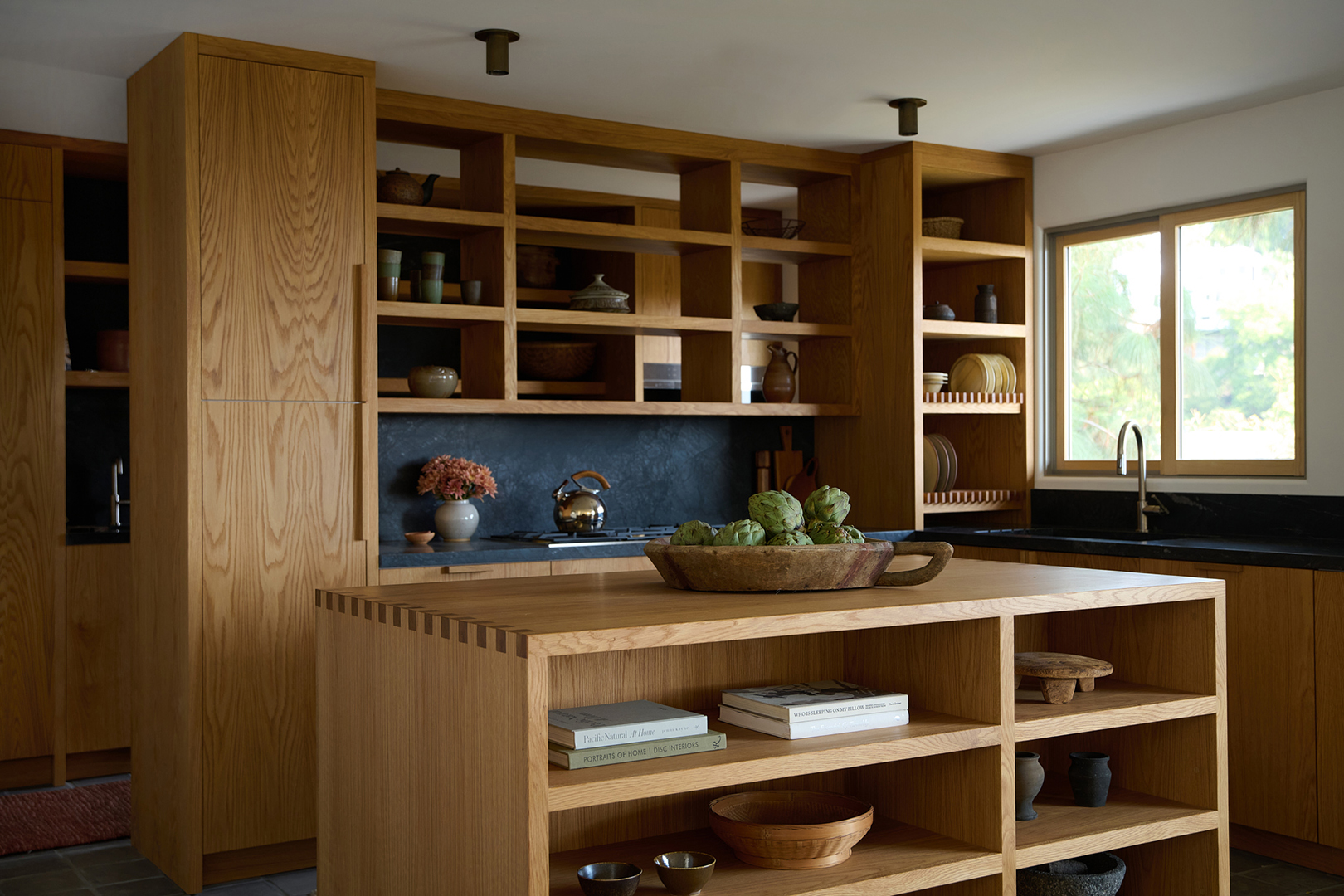
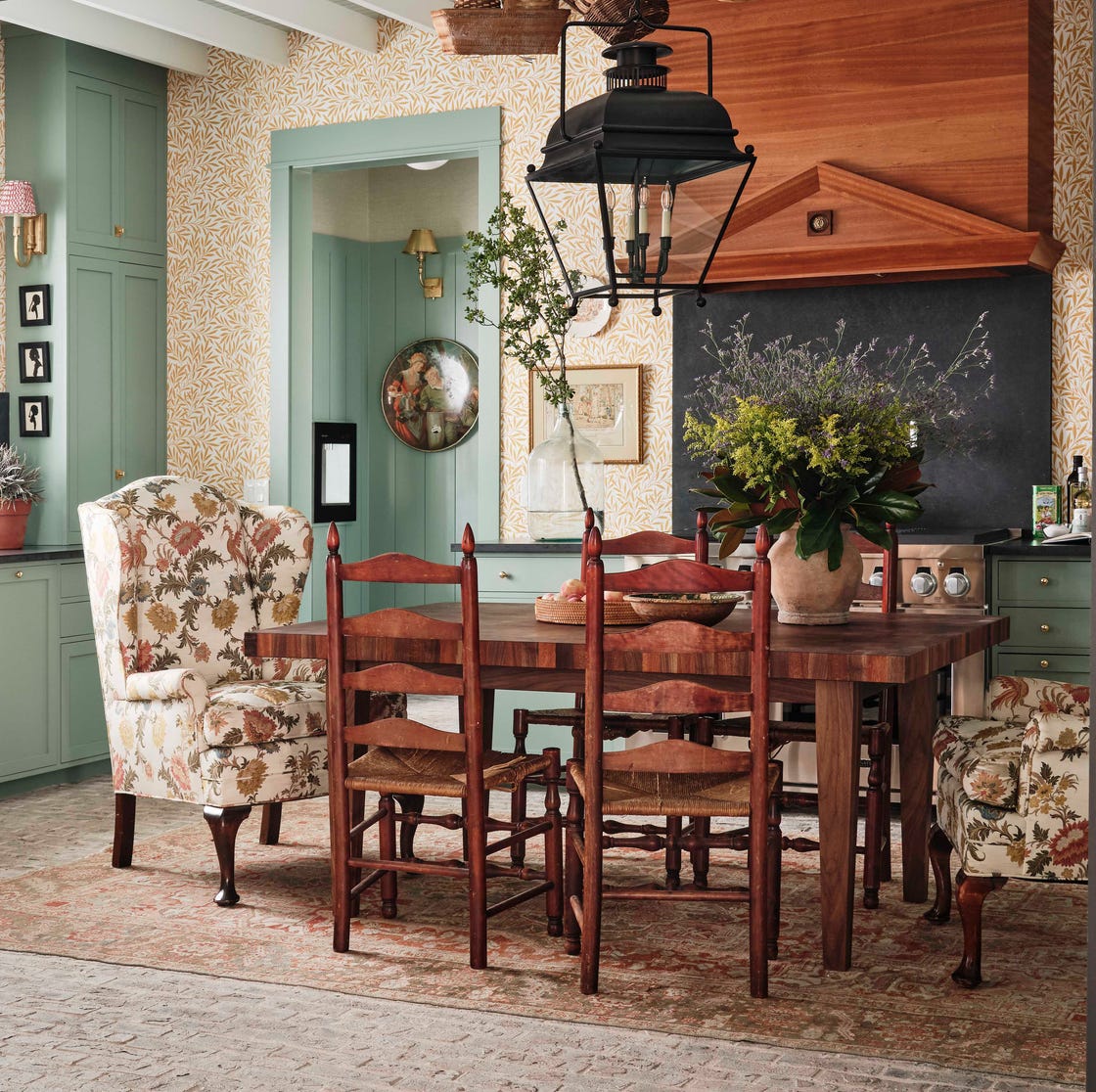
Achieving the soft kitchen aesthetic involves deliberate design choices that counter the traditional hard and clinical feel often associated with kitchens. A primary method for softening the space is through the strategic layering of tactile materials and soft furnishings. Incorporating rugs is a key element, as they instantly add warmth, texture, and a relaxed feel to areas typically dominated by hard surfaces. When selecting rugs, practicality is as important as style; faux fibers that mimic natural materials like sisal are recommended for their durability in splash zones, while still contributing to a cozy, lived-in ambiance. Examples include jute rugs for high-traffic areas and patterned rugs for adding a classic, timeless touch.
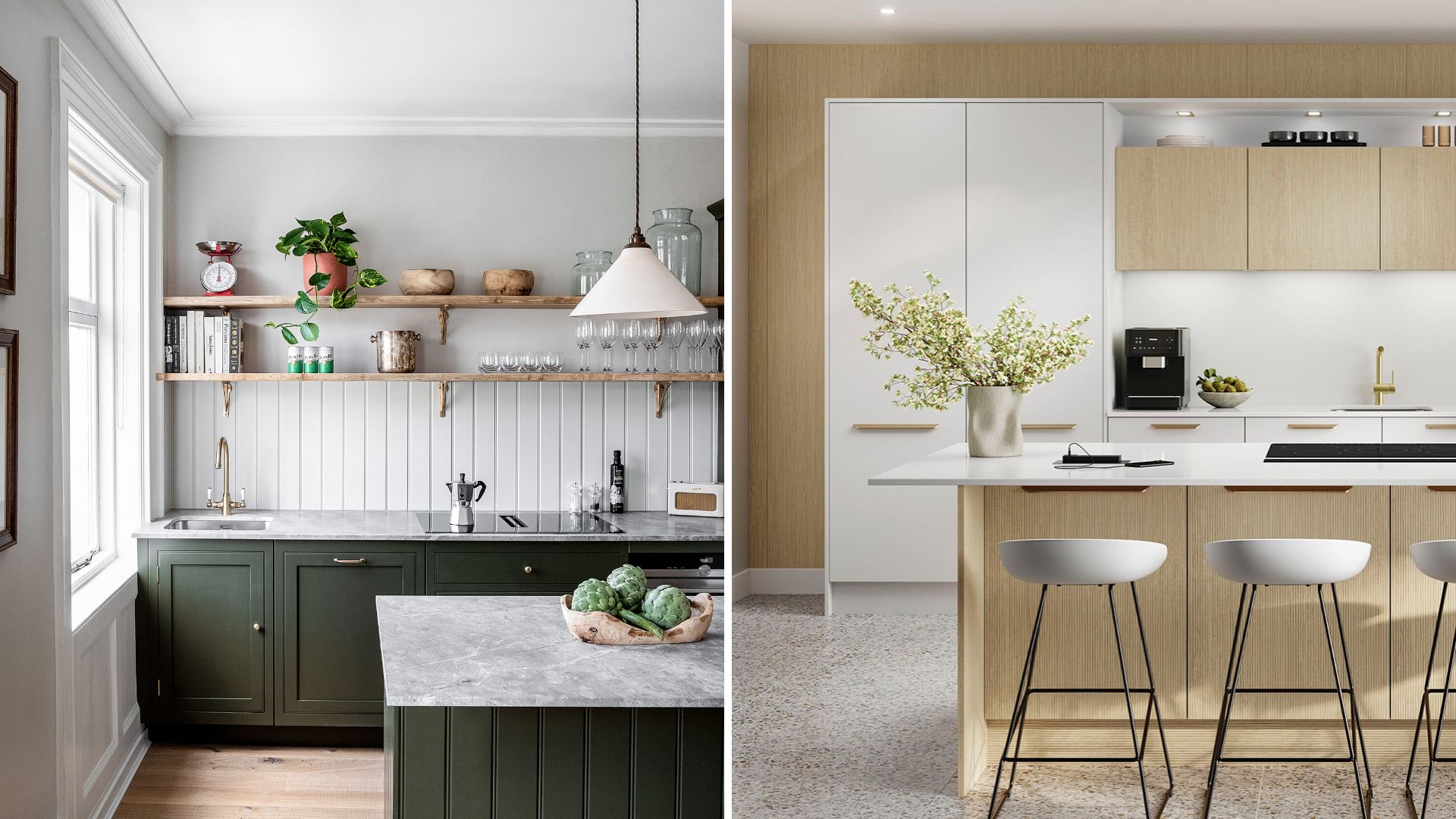
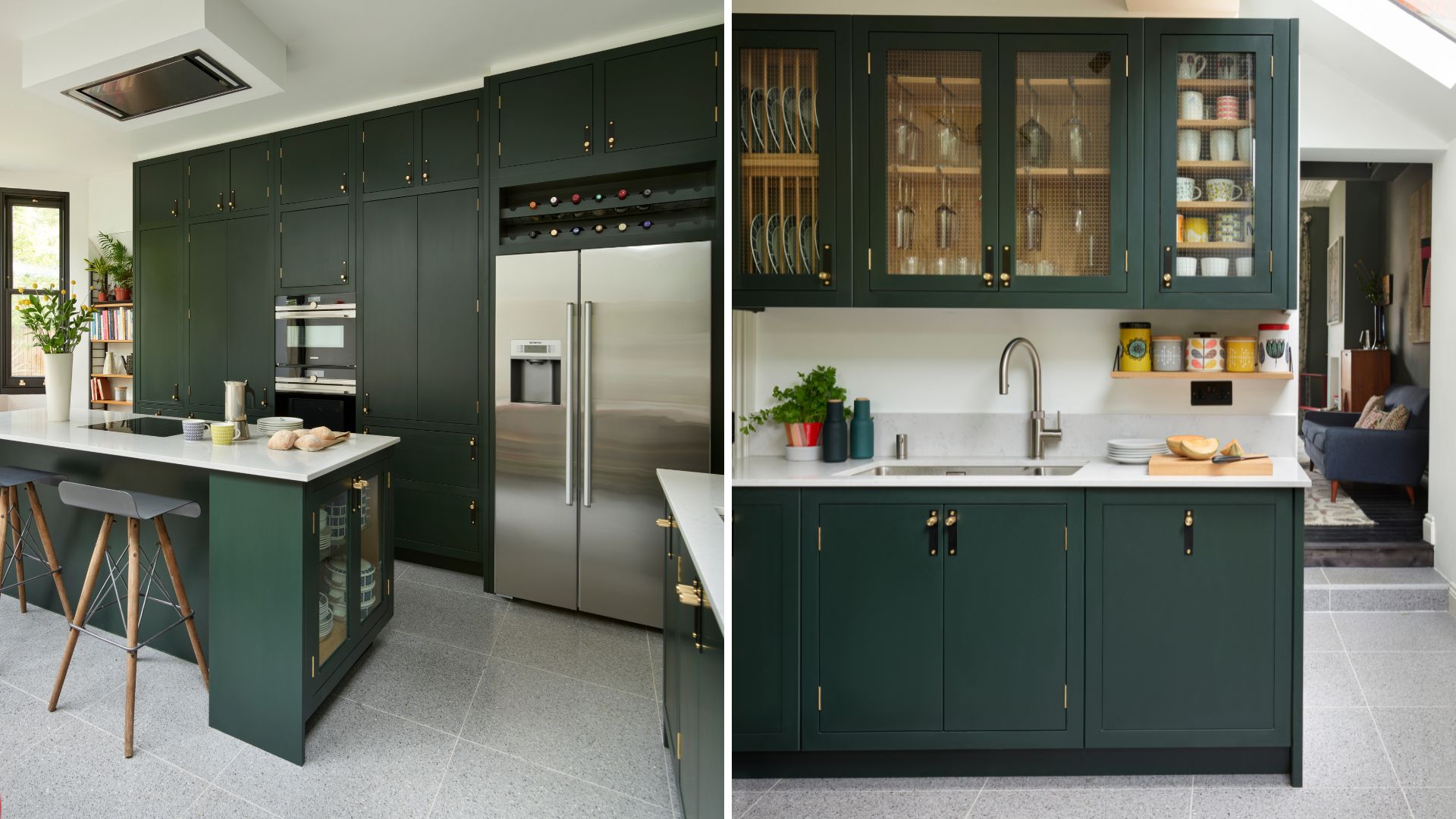
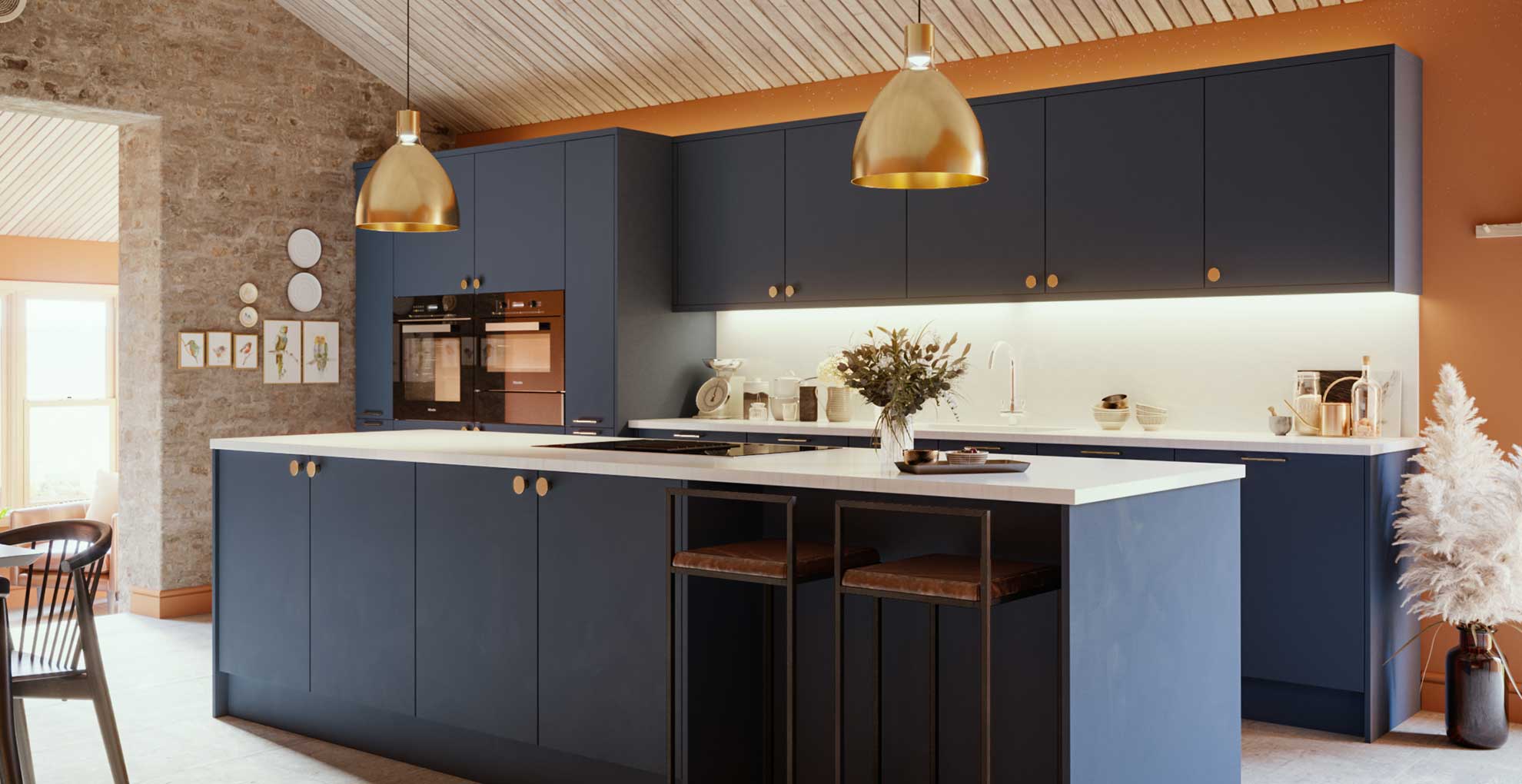
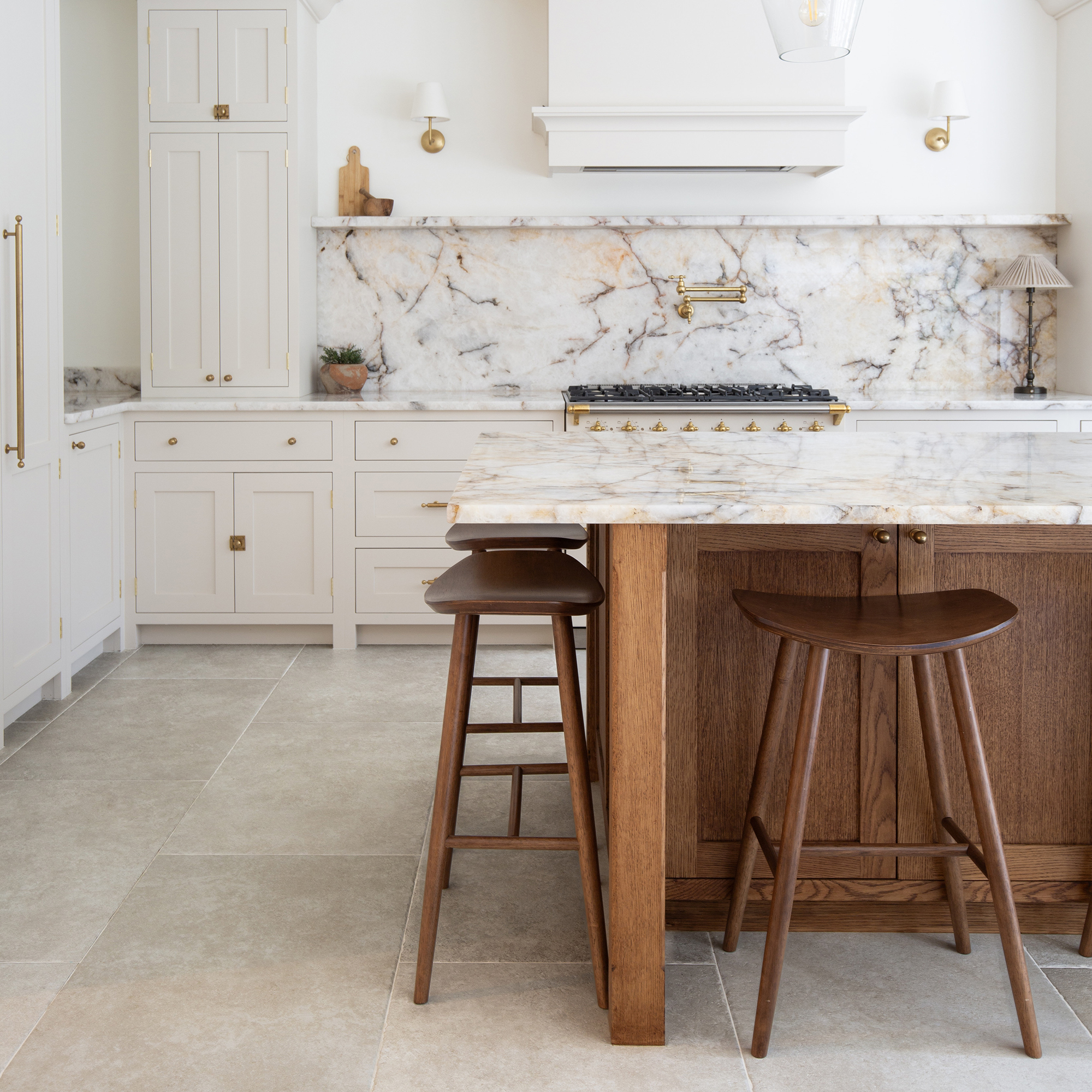
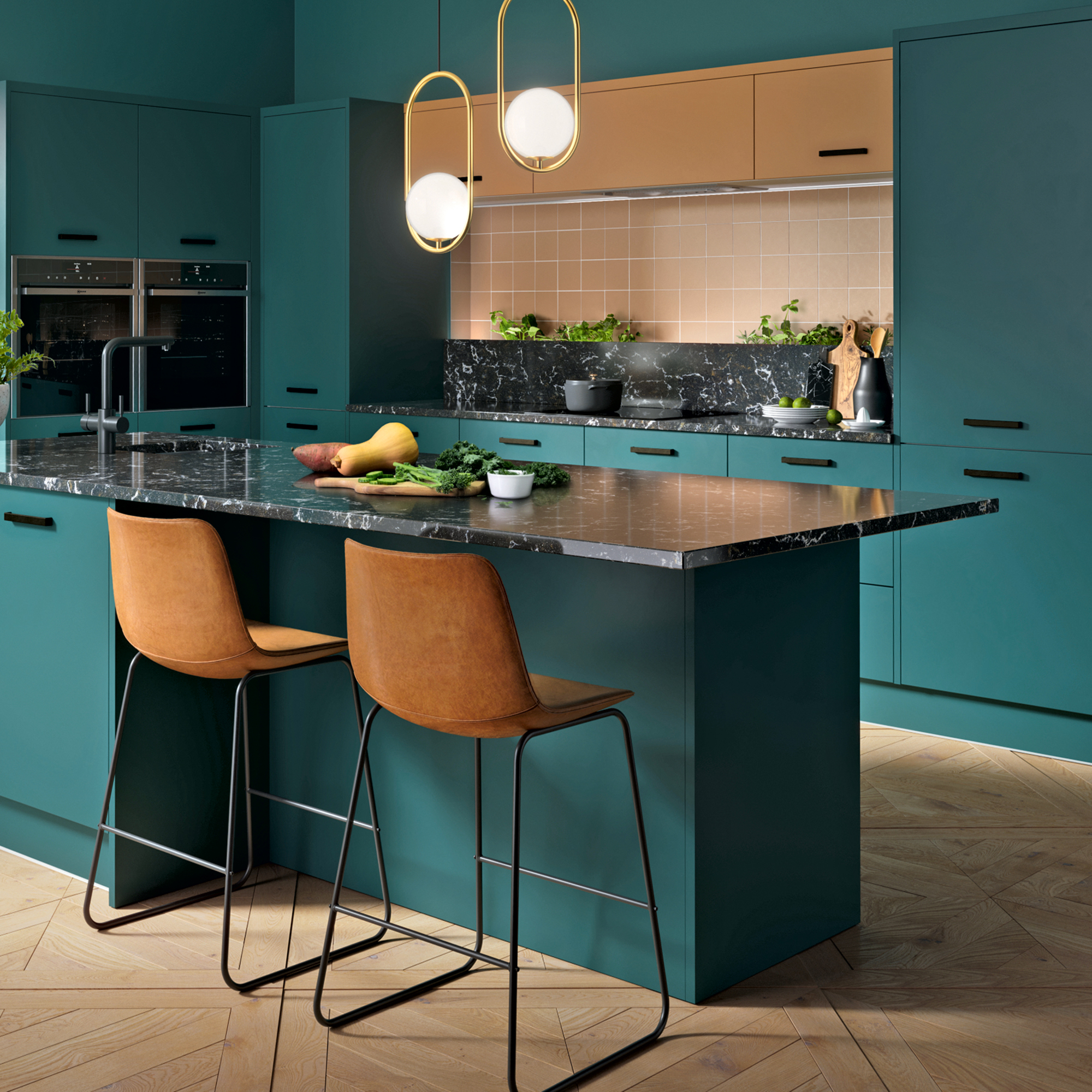
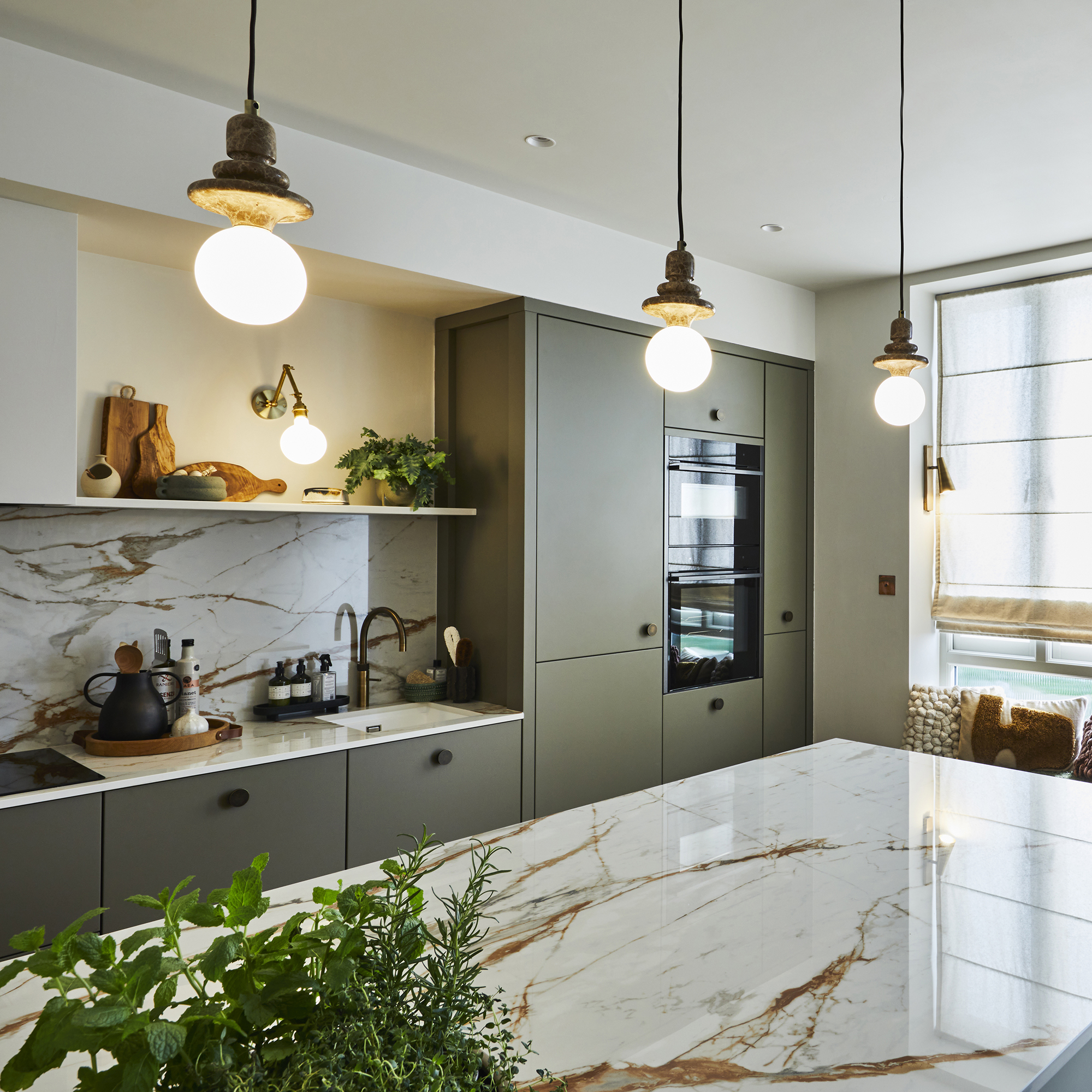
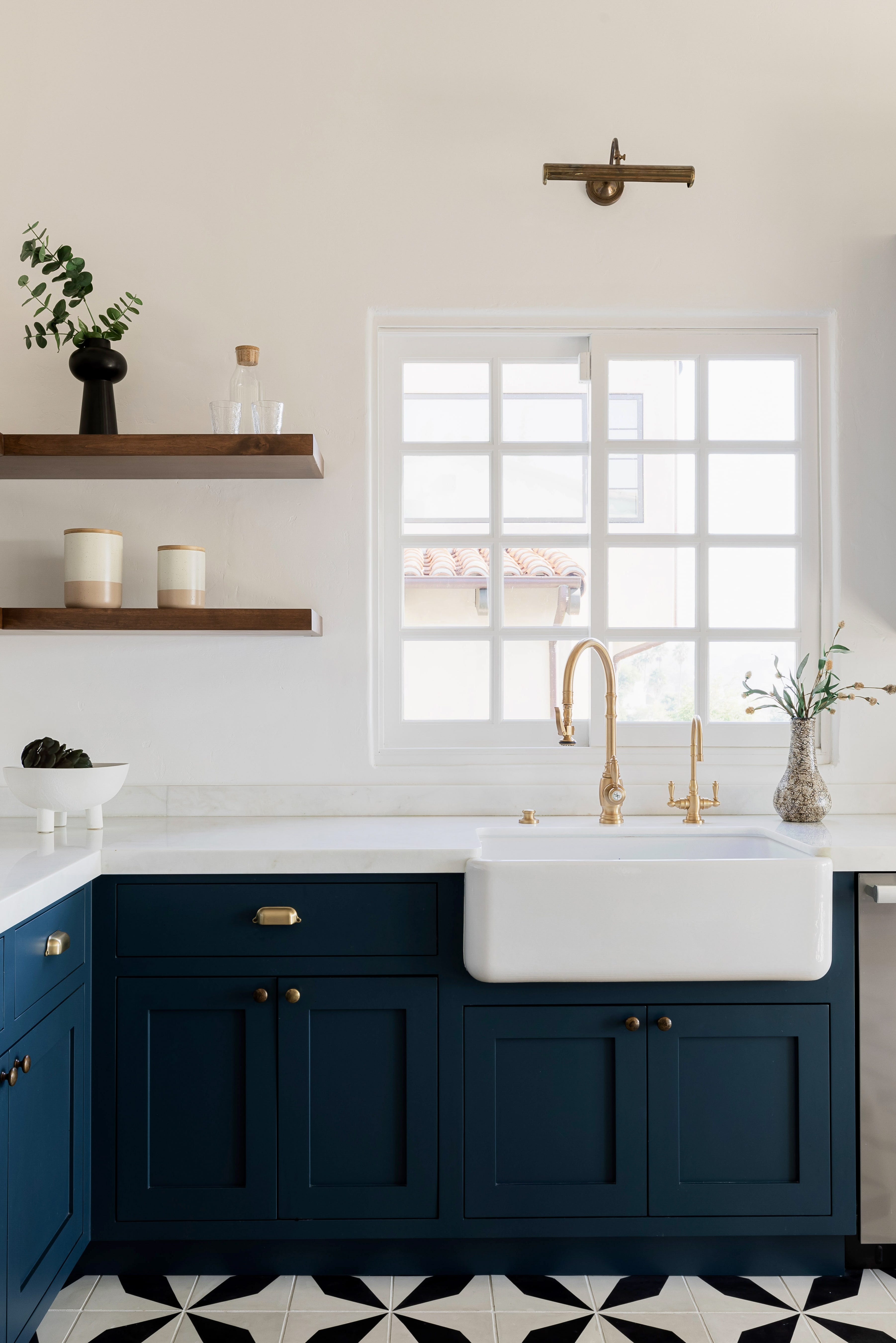
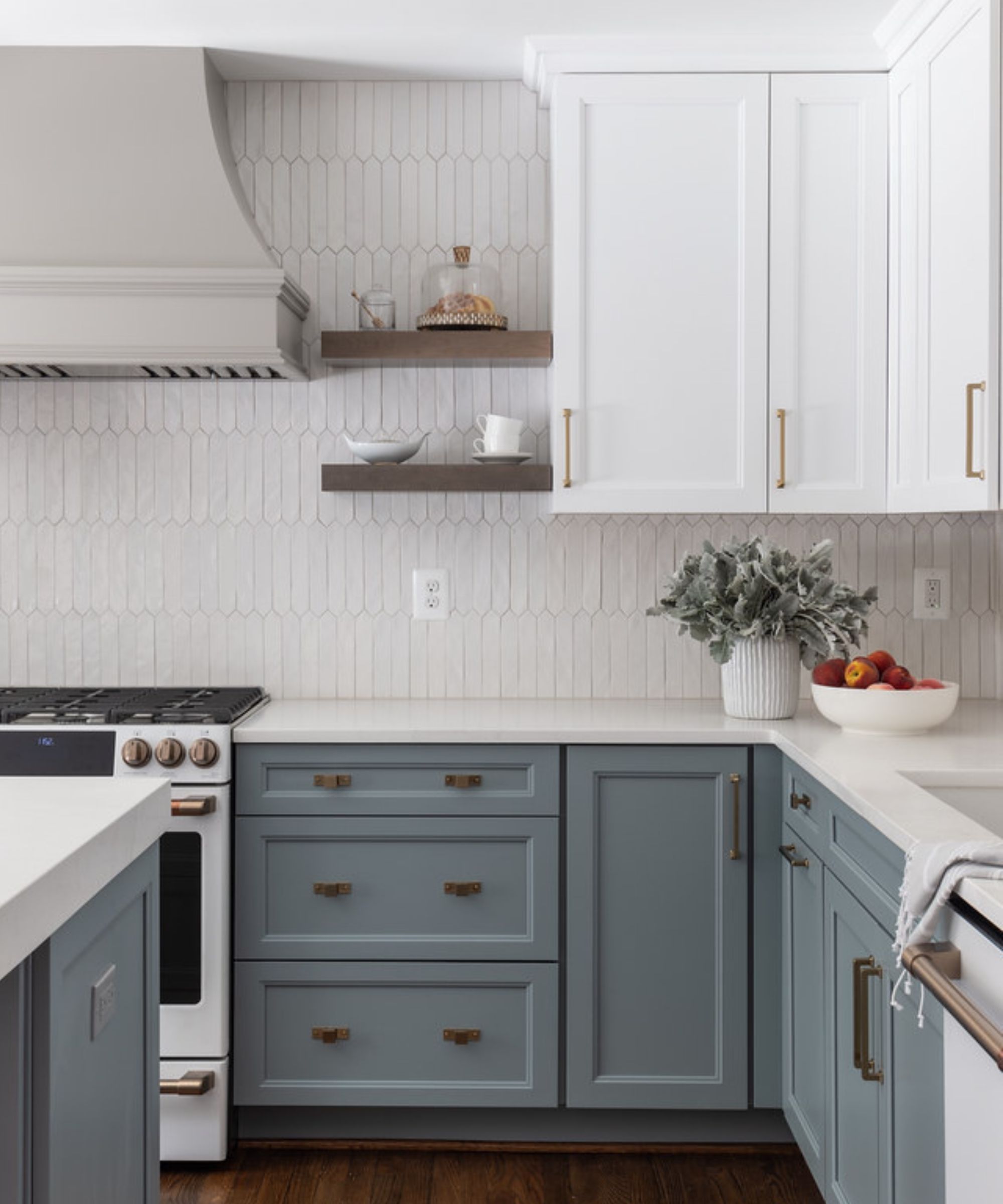
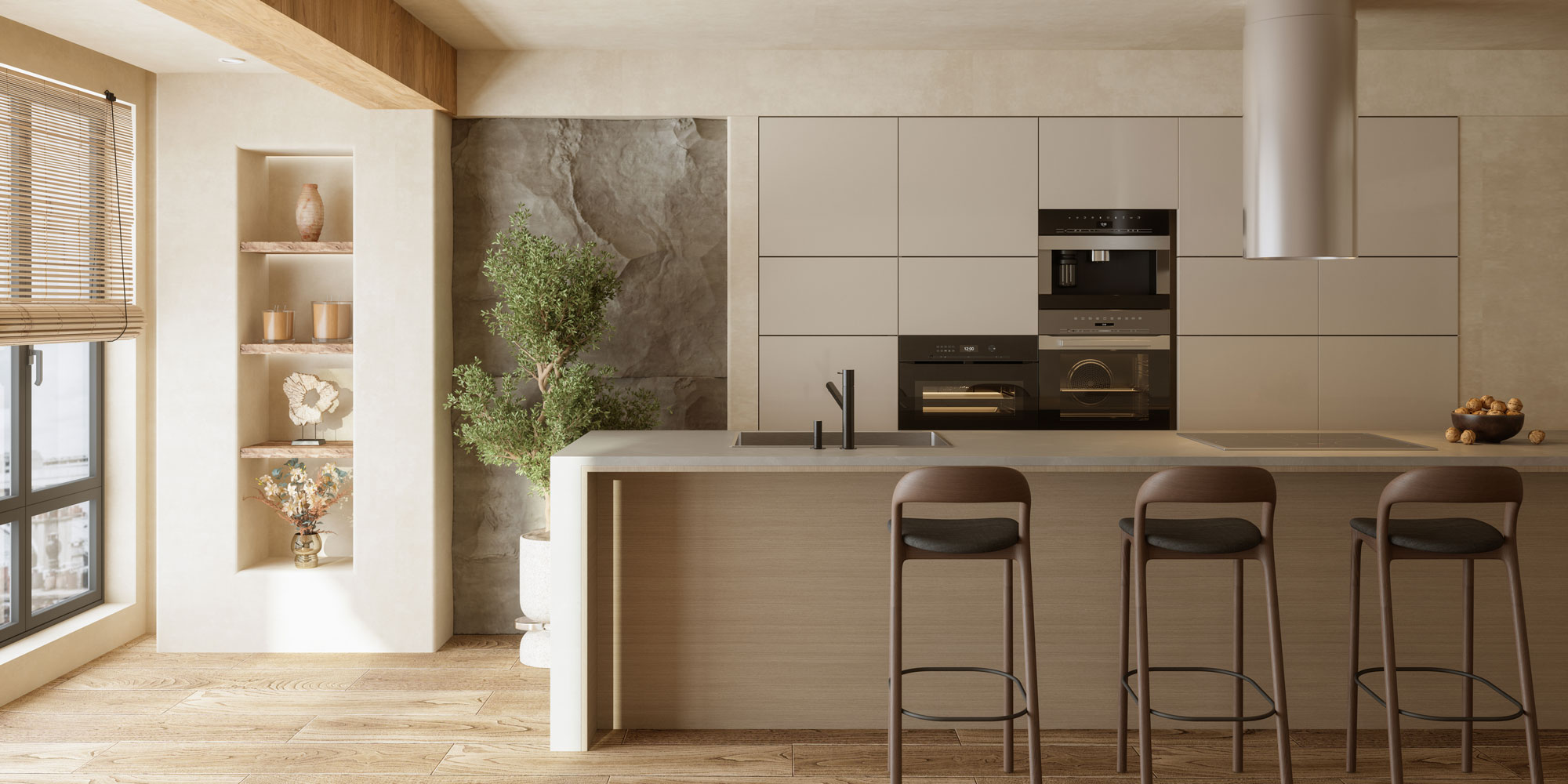
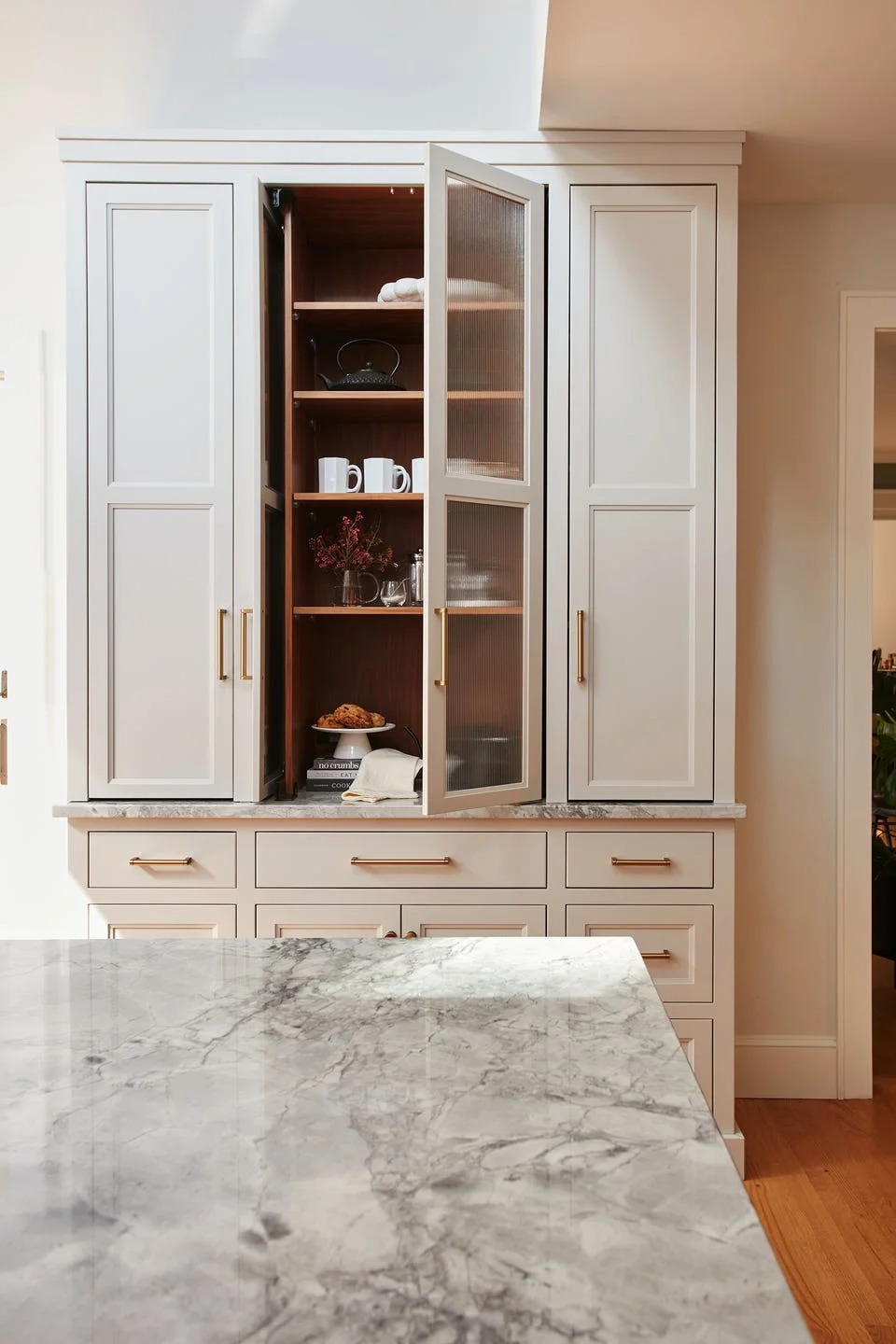
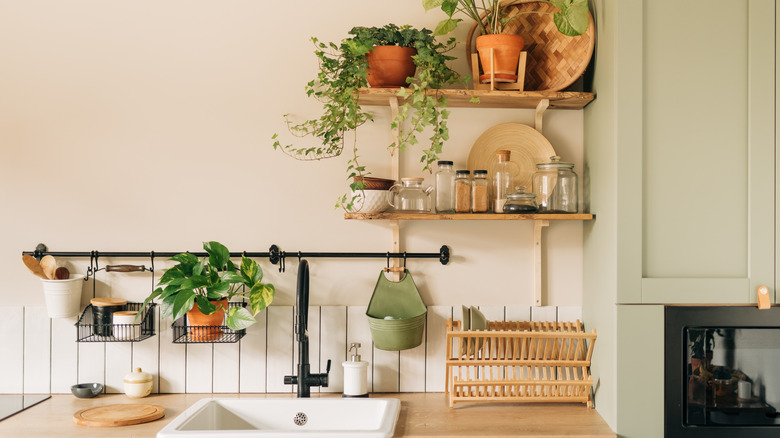
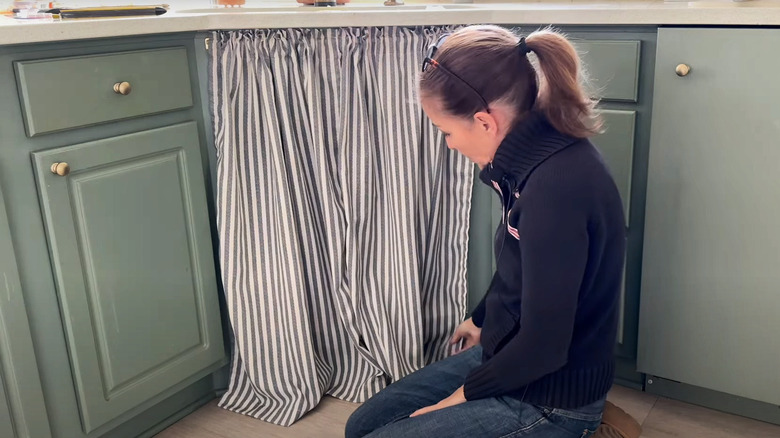
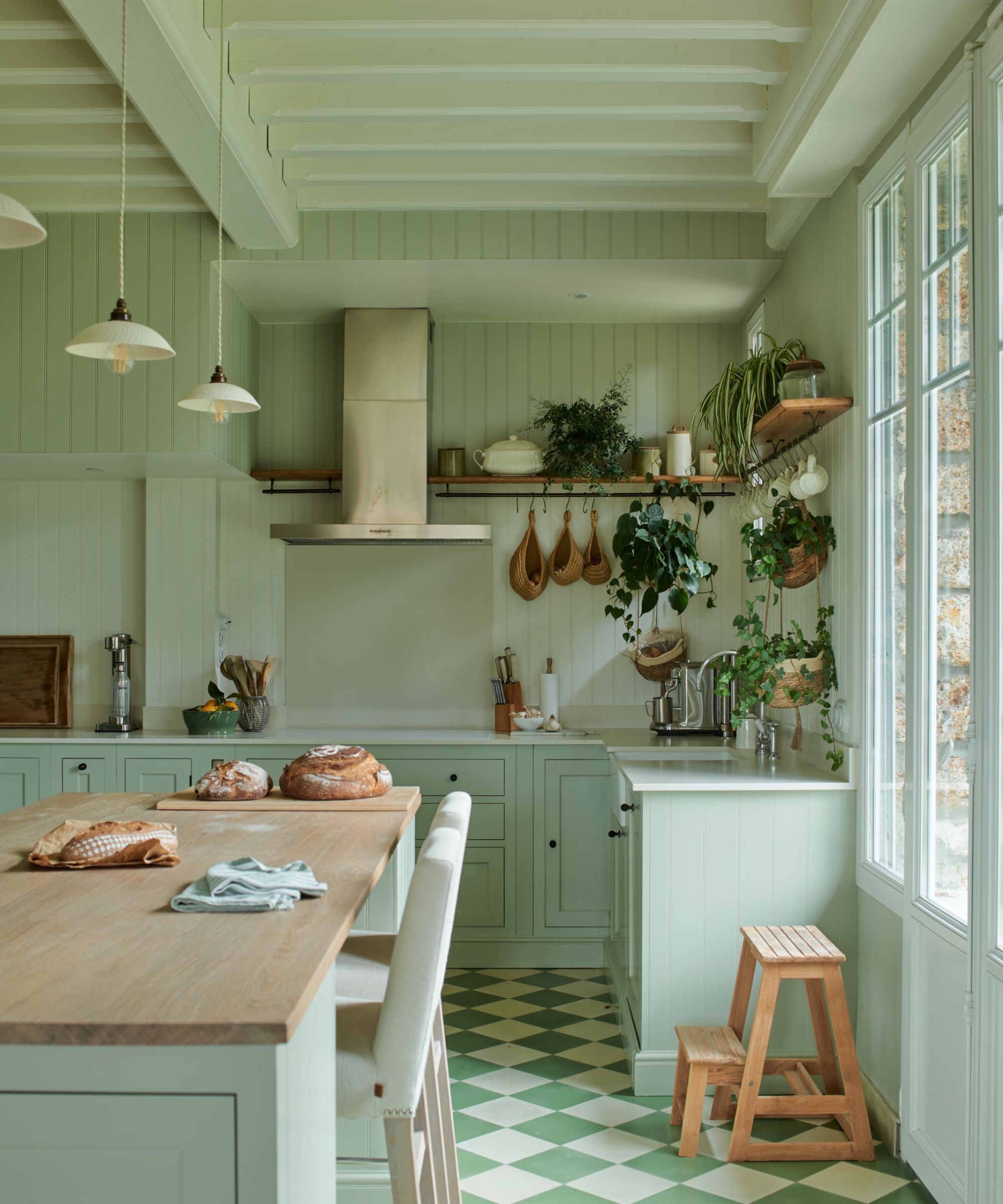
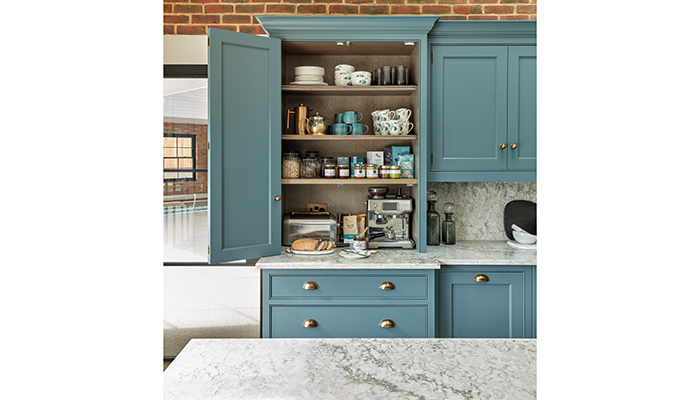
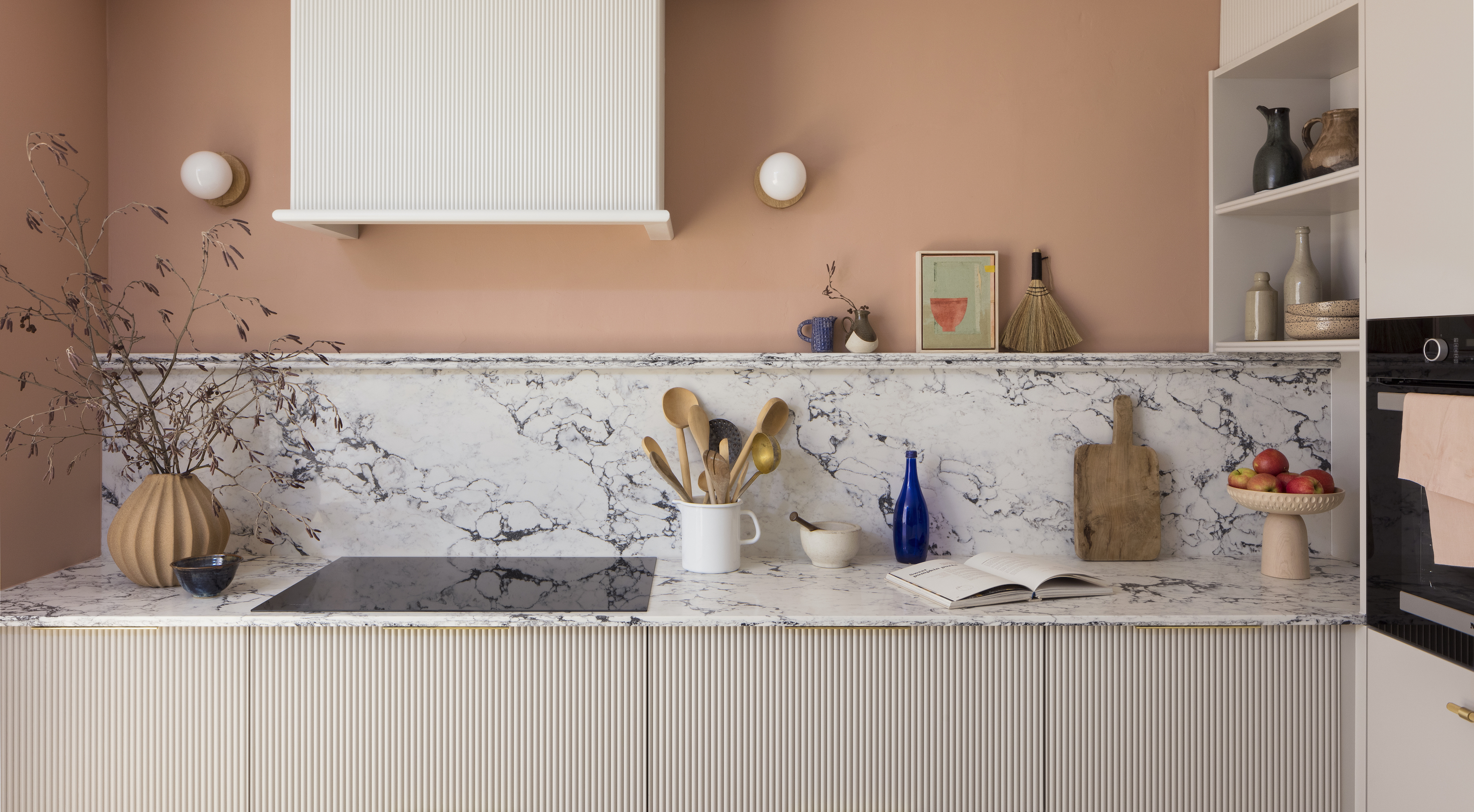
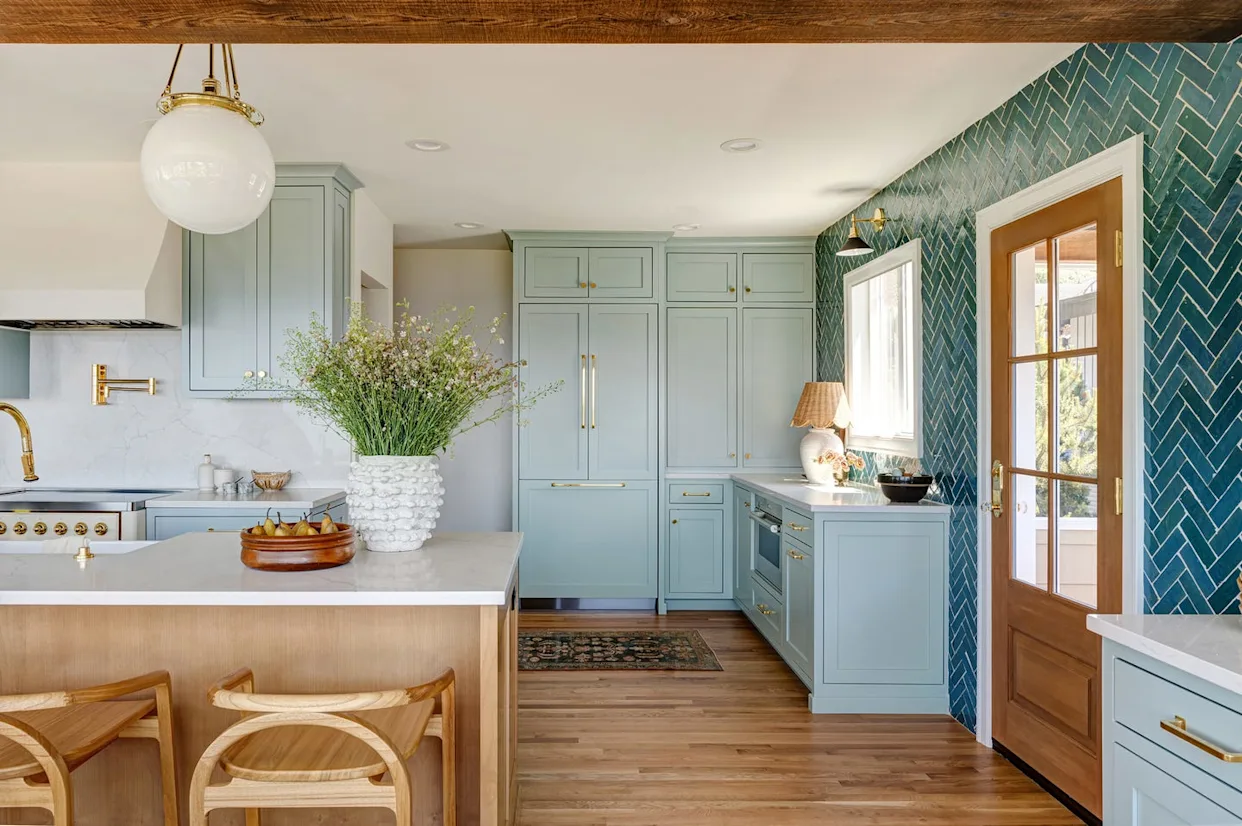
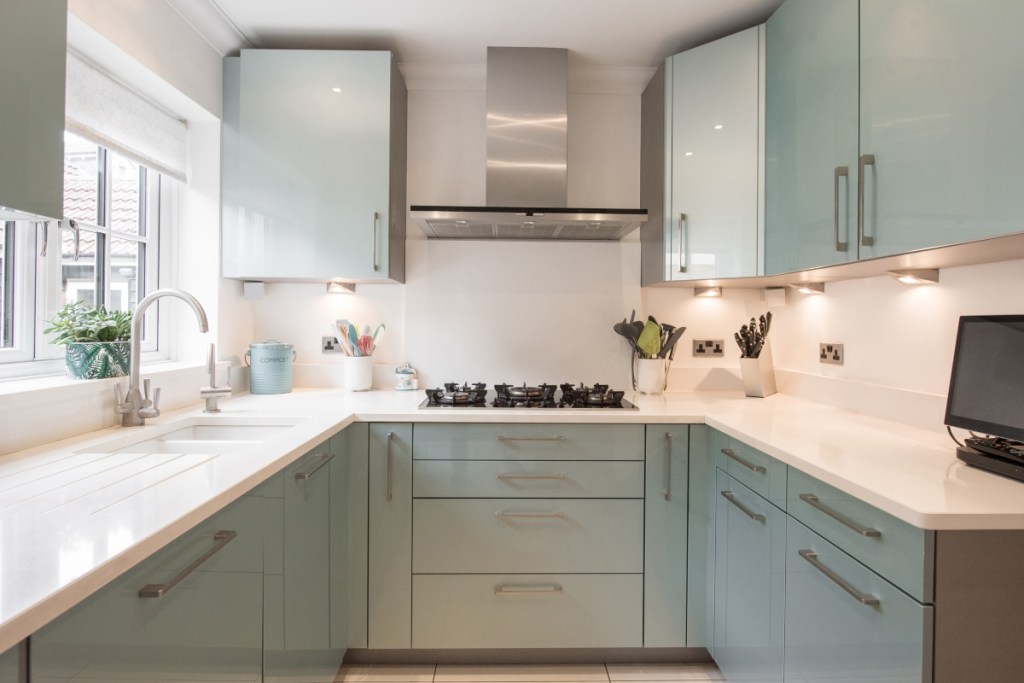
Color palette plays a crucial role in establishing a soft kitchen. Earthy tones, such as gentle greens and soft blues, are gaining popularity and are expected to continue trending. These shades create a sense of balance and tranquility, adding warmth without overwhelming the space. They work particularly well on cabinetry, providing a relaxed backdrop for daily life and offering a timeless appeal that is less likely to become dated. Warm-toned neutrals are also an excellent alternative if green is not preferred.
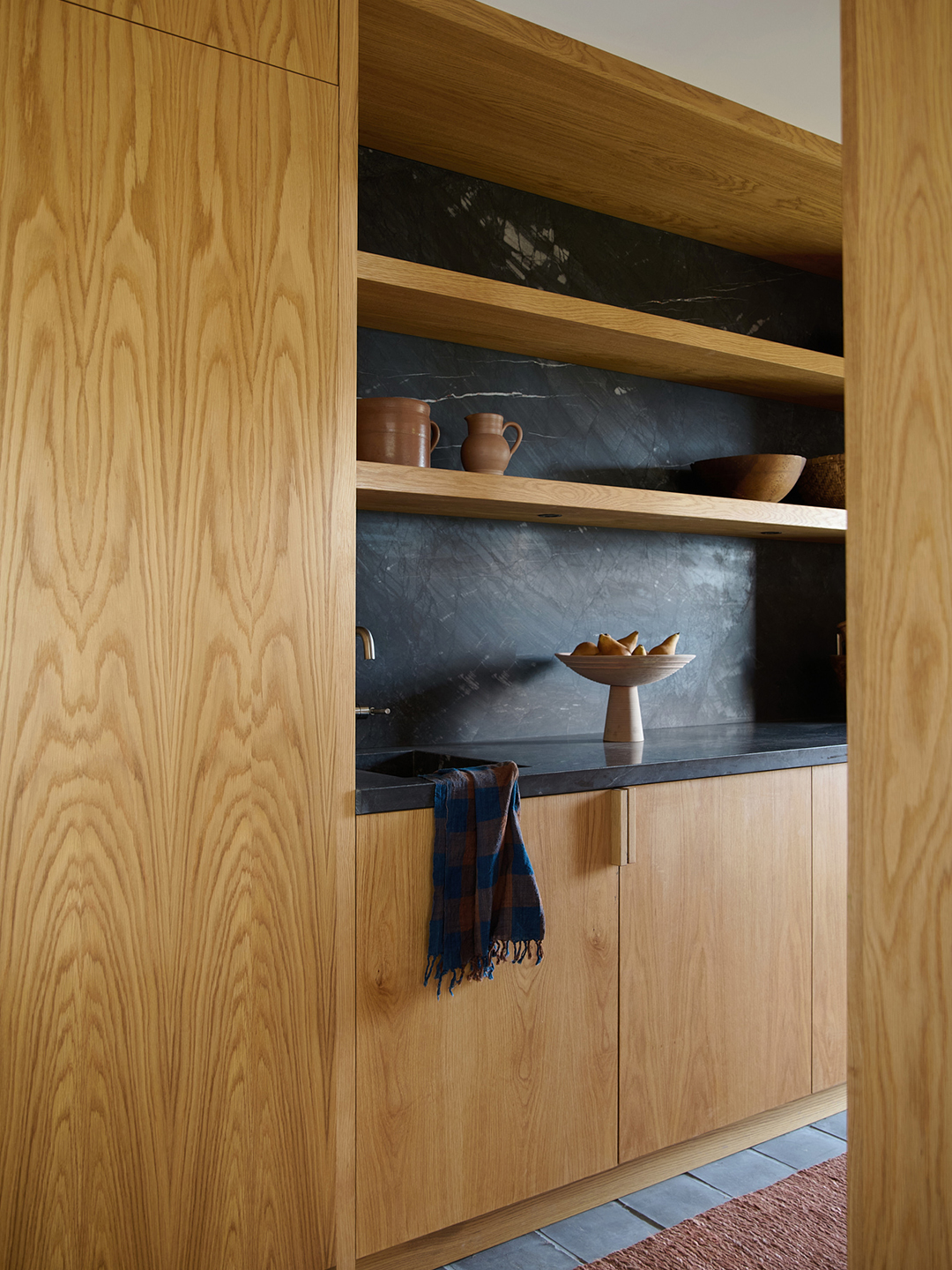
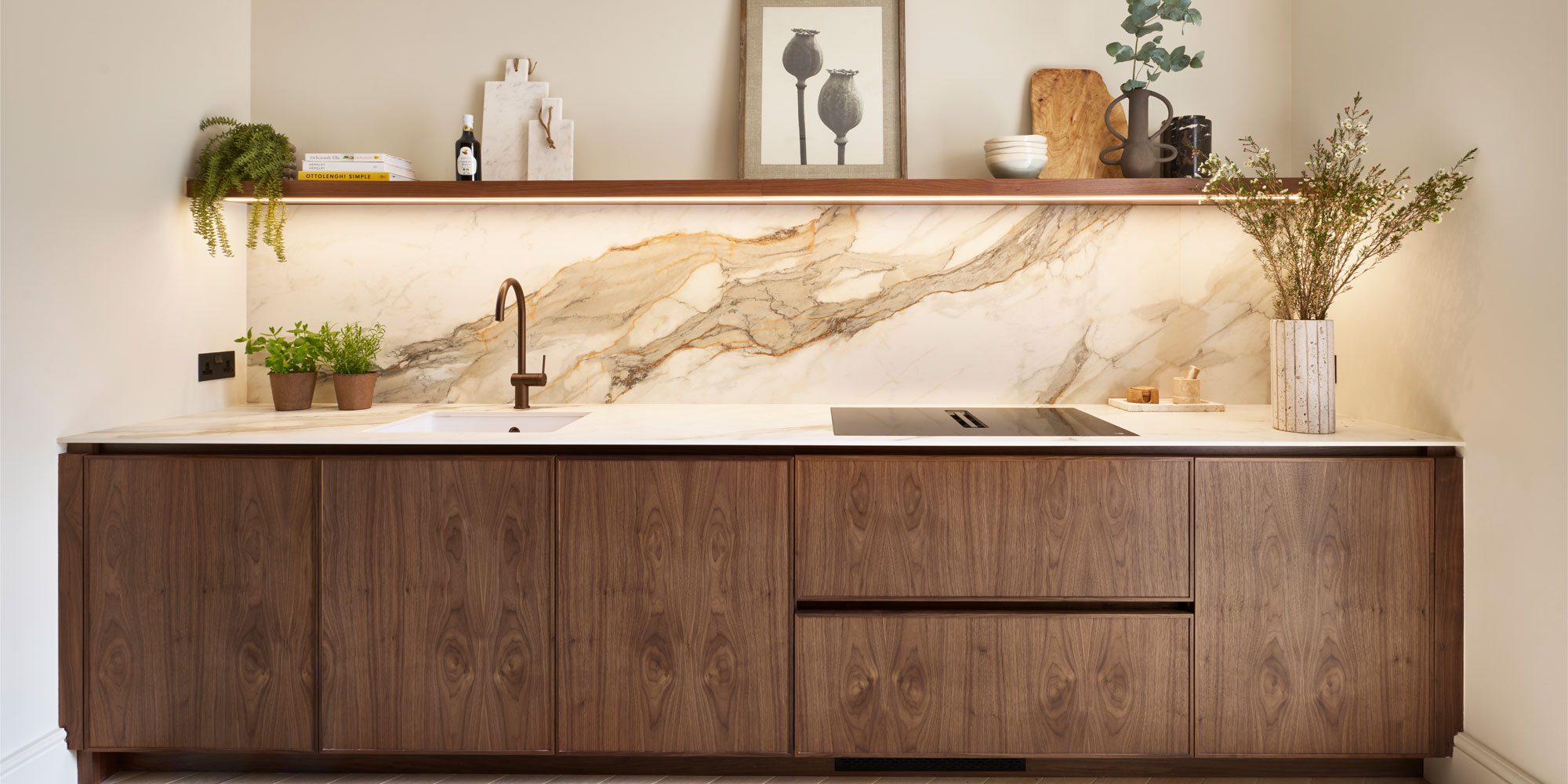
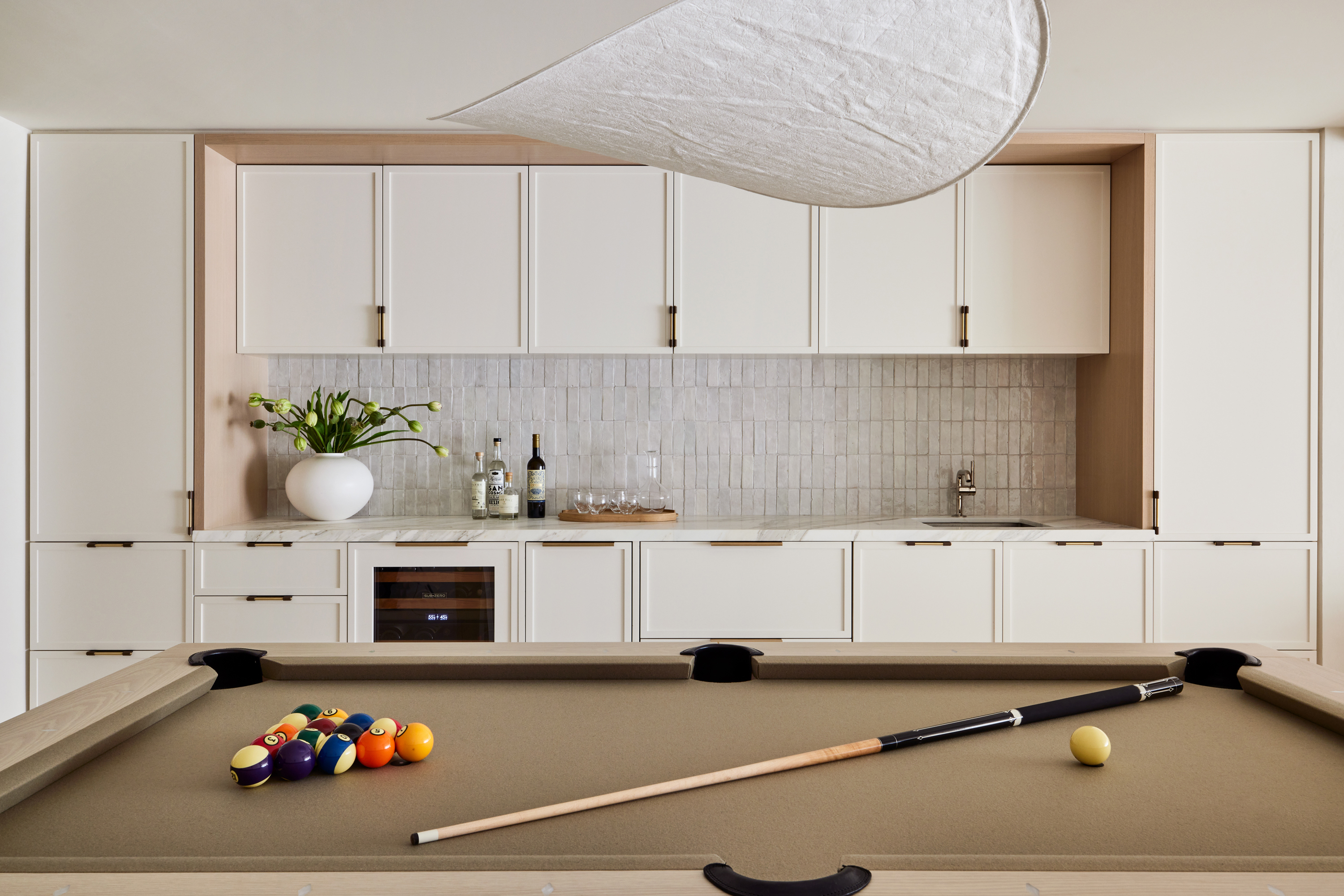
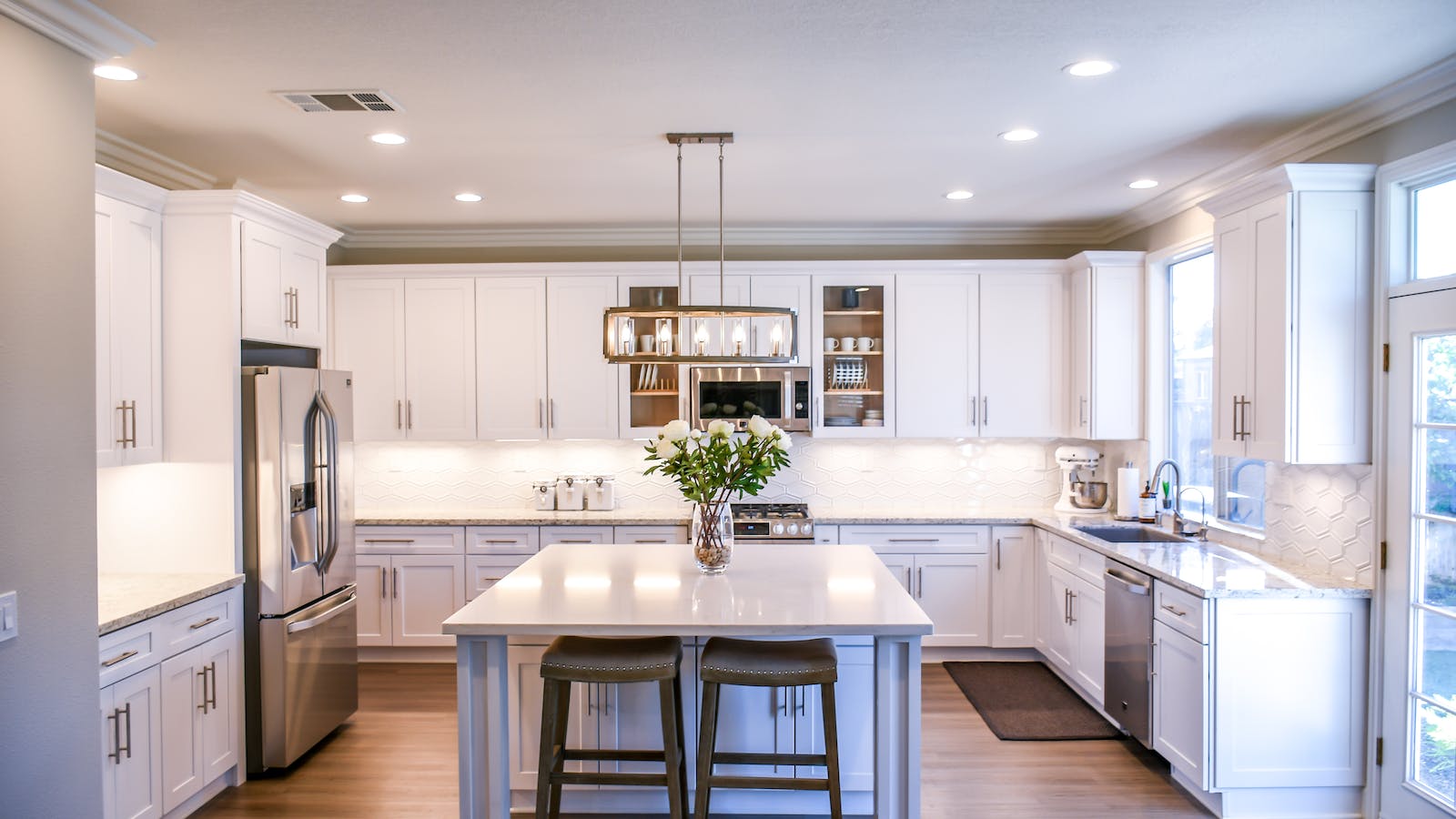
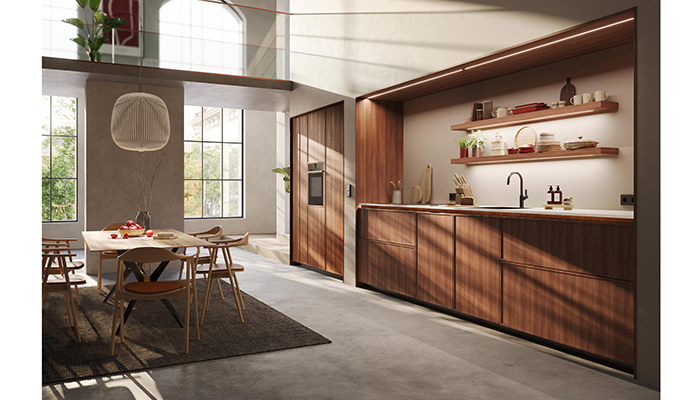
Lighting is another critical component in creating a soft kitchen. The trend emphasizes moving away from harsh, single overhead light sources in favor of layered, ambient lighting. Integrated shelf lighting, for instance, can add depth and calm, drawing attention to decorative objects and blurring the lines between work zones and seating areas. The tone of light bulbs is also significant, with softer, dimmer lights being preferred over bright, flat illumination to foster a relaxed and inviting atmosphere. Portable table lamps on counters or dining tables further contribute to this cozy ambiance, making the space feel less exposed and more welcoming. Ultimately, a soft kitchen is about designing a space that is not only aesthetically pleasing but also highly functional and adaptable to the dynamic needs of a modern family, ensuring it works hard while also providing a comfortable and inviting haven.
#SoftKitchenTrend #KitchenDesign #HomeDecor #InteriorDesign #KitchenRemodel #EarthyTones #AmbientLighting #SoftFurnishings #KitchenTrends2026 #SoftKitchenTrend #KitchenDesign #HomeDecor #InteriorDesign #KitchenRemodel #EarthyTones #AmbientLighting #SoftFurnishings #KitchenTrends2026
0 Kommentare insgesamt
 Noch keine Kommentare
Das könnte Ihnen auch gefallen
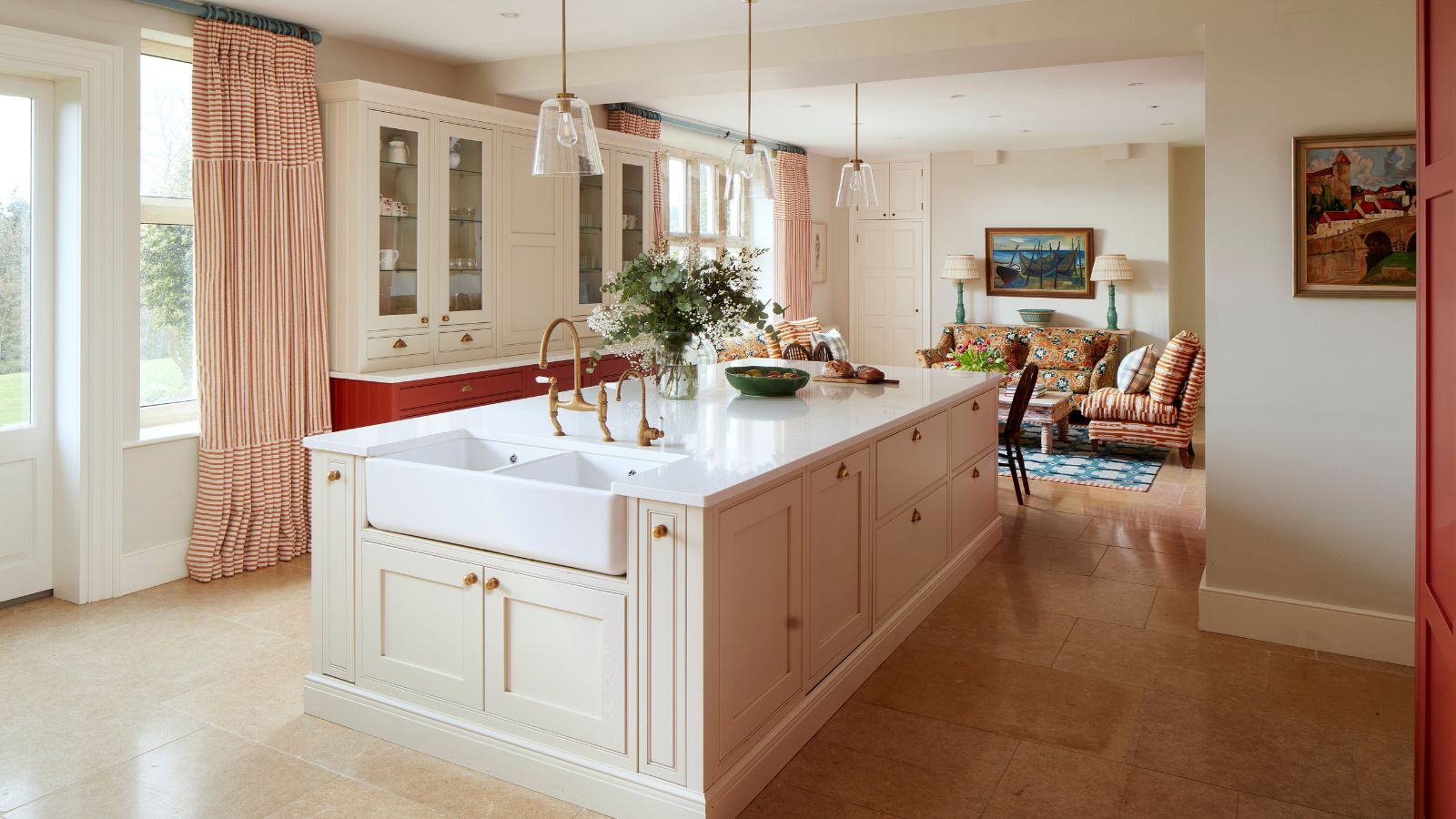
5 Stylish, Designer-Approved Ways to Create a 'Soft Kitchen'

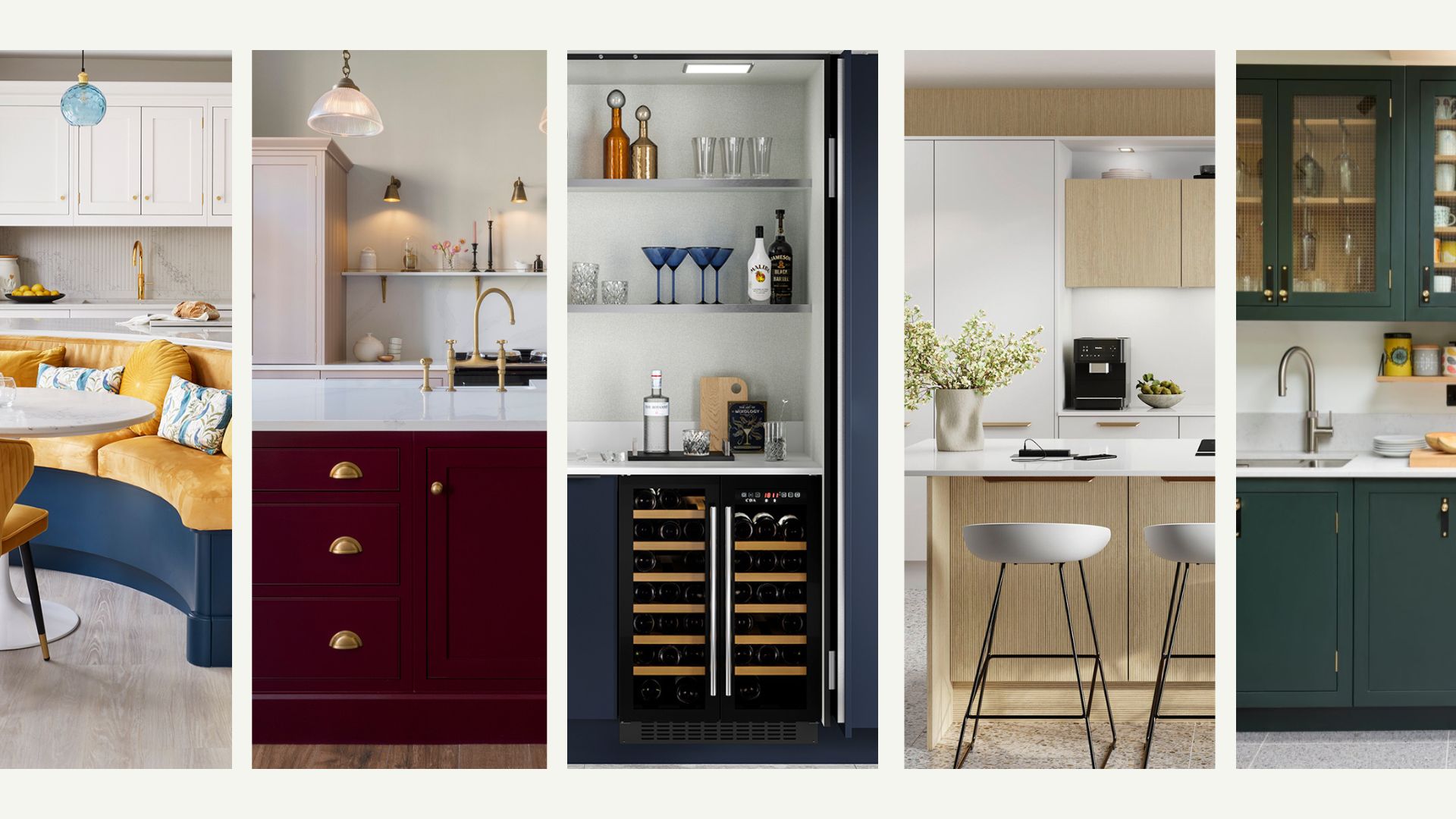
Kitchen Trends 2025: standout designs and colours inspiring home improvement projects

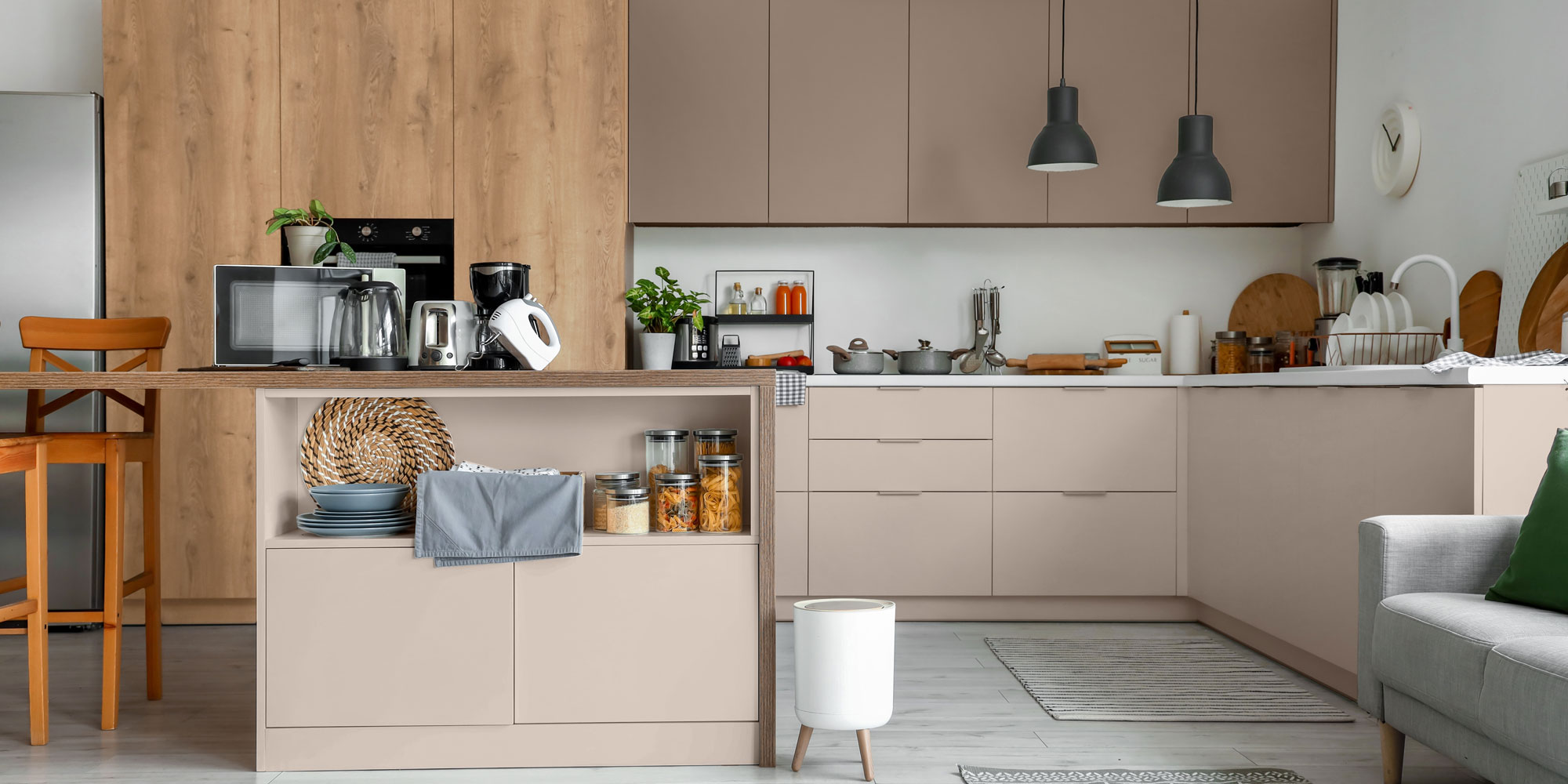
7 kitchen trends for 2026
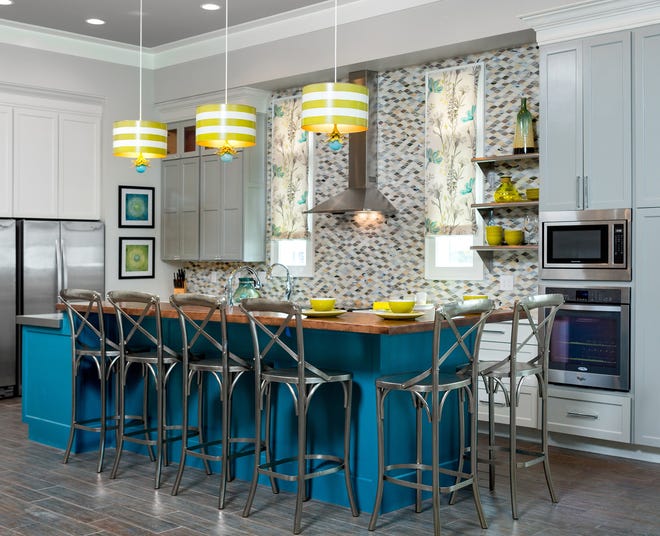
Open shelving, built-in amenities lead kitchen trends
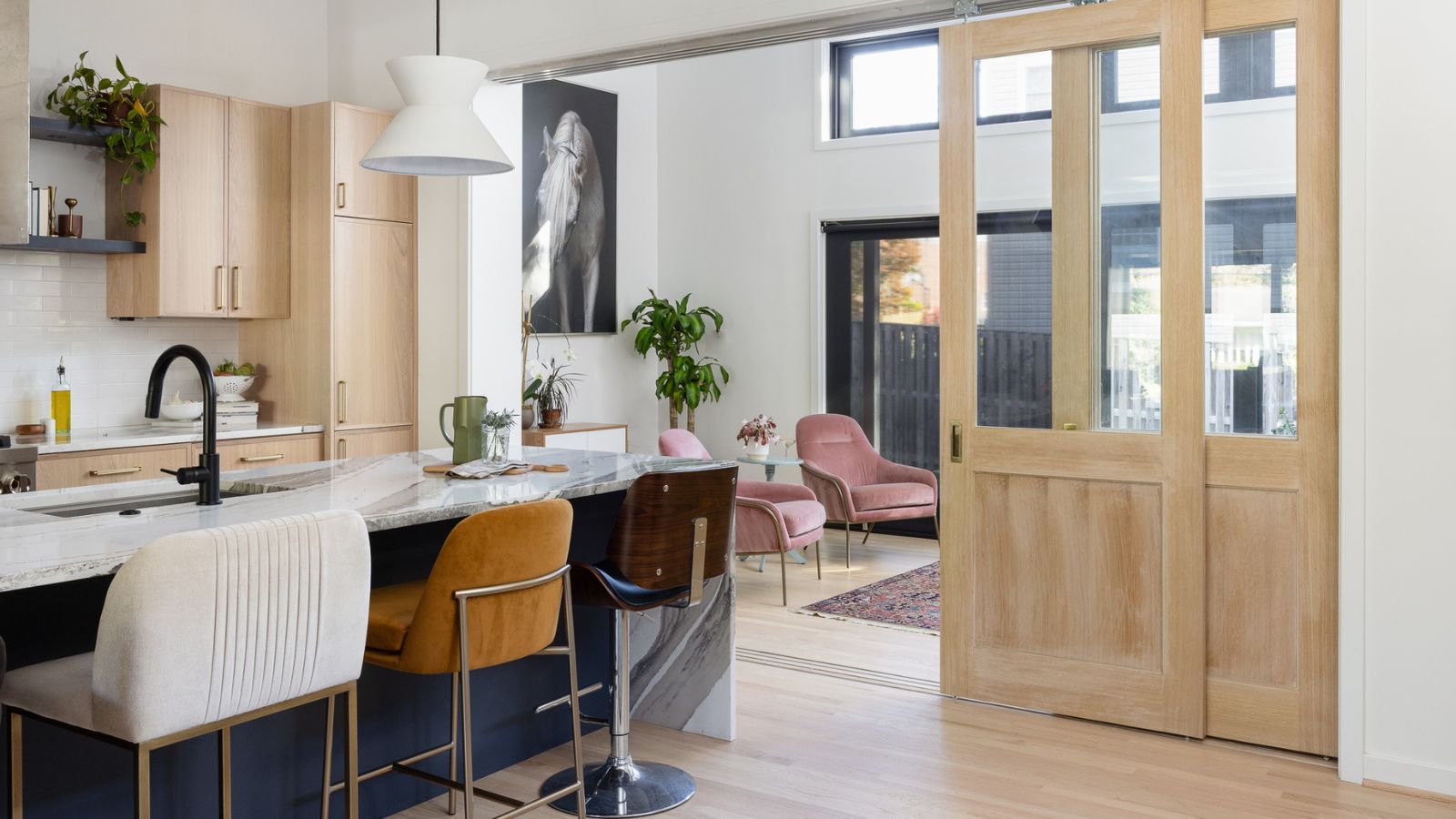
What does the future of kitchens look like? I asked 6 designers what they think will be big in kitchen design in the next 10 years
5 kitchen worktop trends that experts think you should be considering for your next project in 2025
Design Pros Reveal the Surprising Kitchen Trend That's About to Take Over
8 Kitchen Trends for 2025
How These Designers Created a Sense of Coziness in an Open-Concept Kitchen

How to make your kitchen design more functional, according to experts
9 Ways To Refresh Your Kitchen By Adding Texture
How wellbeing in kitchen design is now a priority for homeowners
Kitchen trends
For a Homey and Charming Kitchen Vibe, Designers Say to Choose This Aesthetic

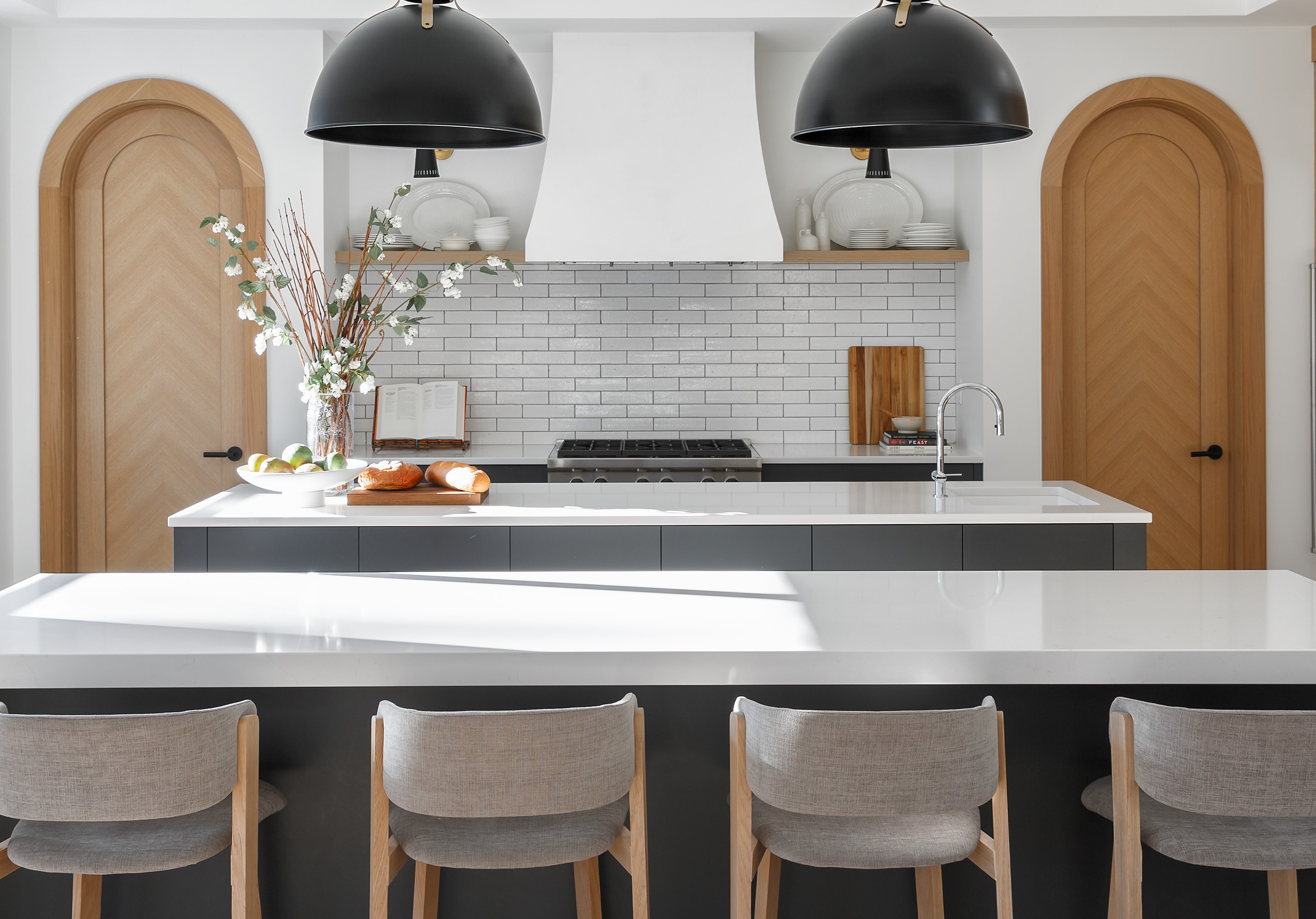
Symmetry in kitchens — the trend designers love that creates a calming, clutter-free space

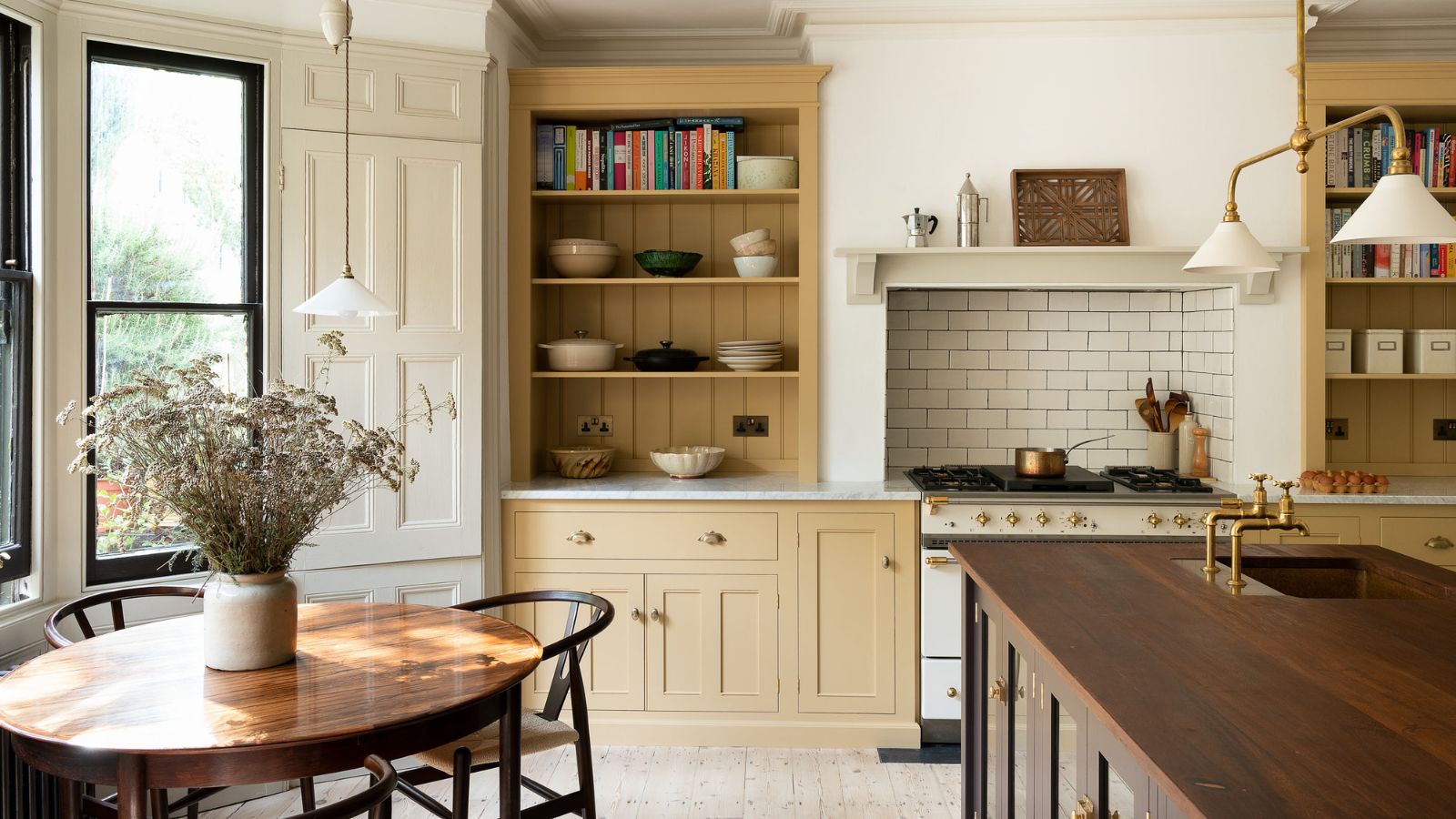
How to Get the Look of 2026’s Top 3 Kitchen Trends – According to the Designers Who Shaped Them
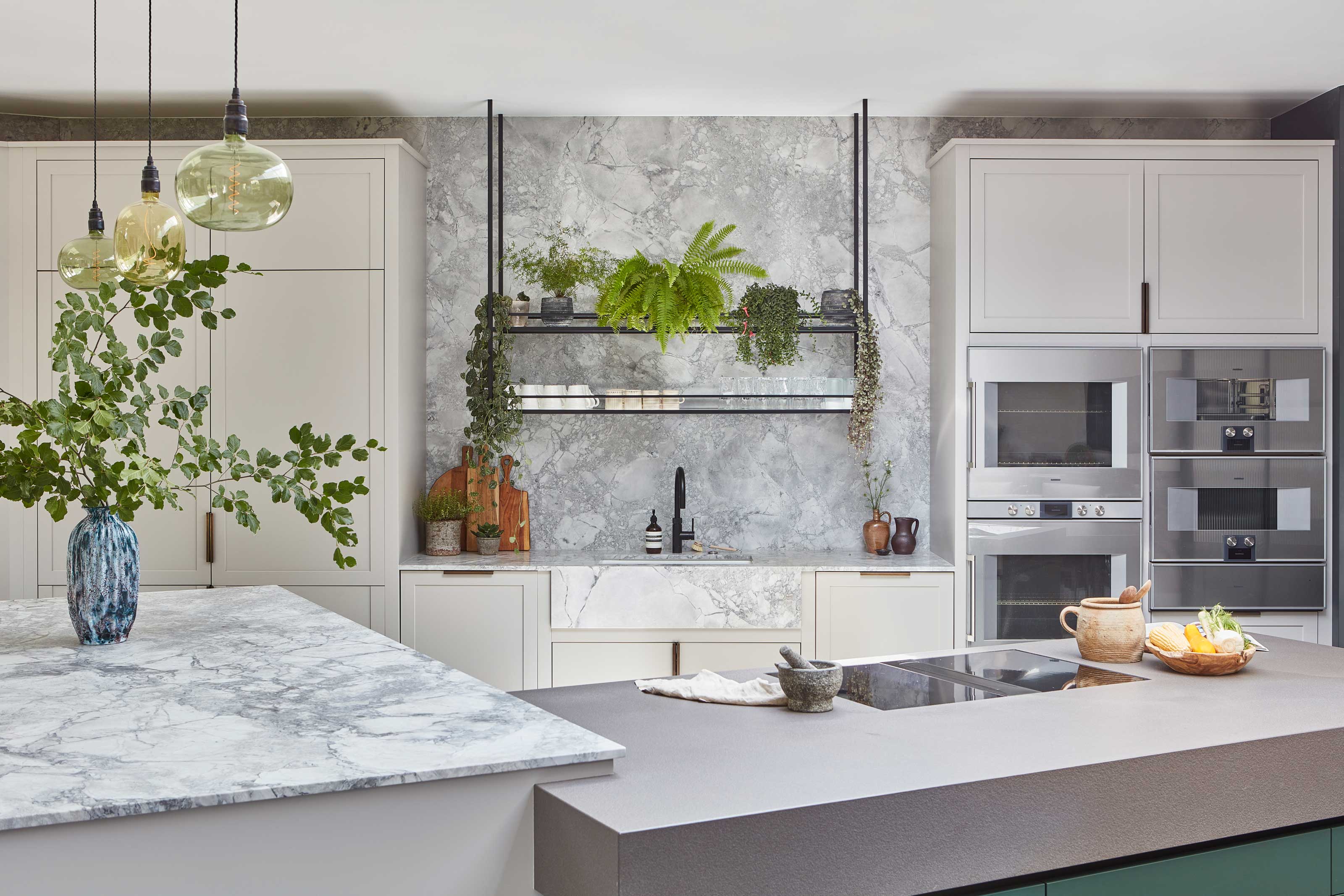
8 hacks the best designers use to make a kitchen more ergonomic – from the right layout to raising your appliances
My small kitchen feels cold and impersonal – but interior designers say these things will instantly make it feel cozier
How can you make your kitchen more sociable? 10 tips from interior designers
Kitchen Decor Ideas 2025: Elevate Your Cooking Space with Modern Kitchen Ideas