room dividers Archives
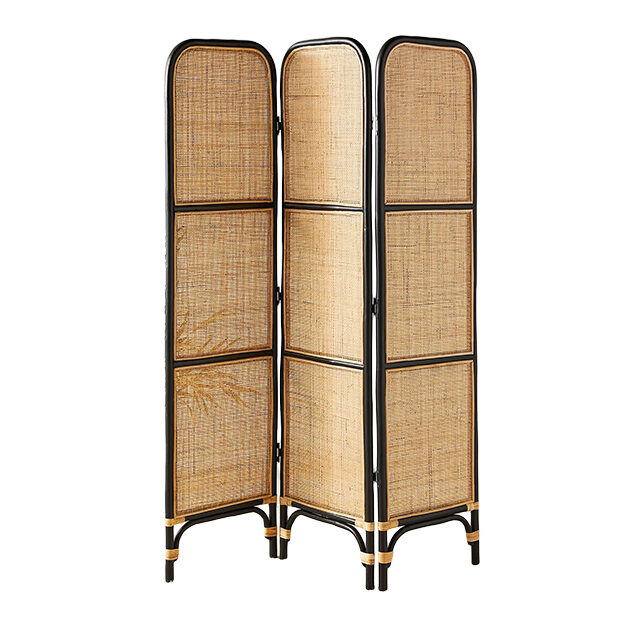
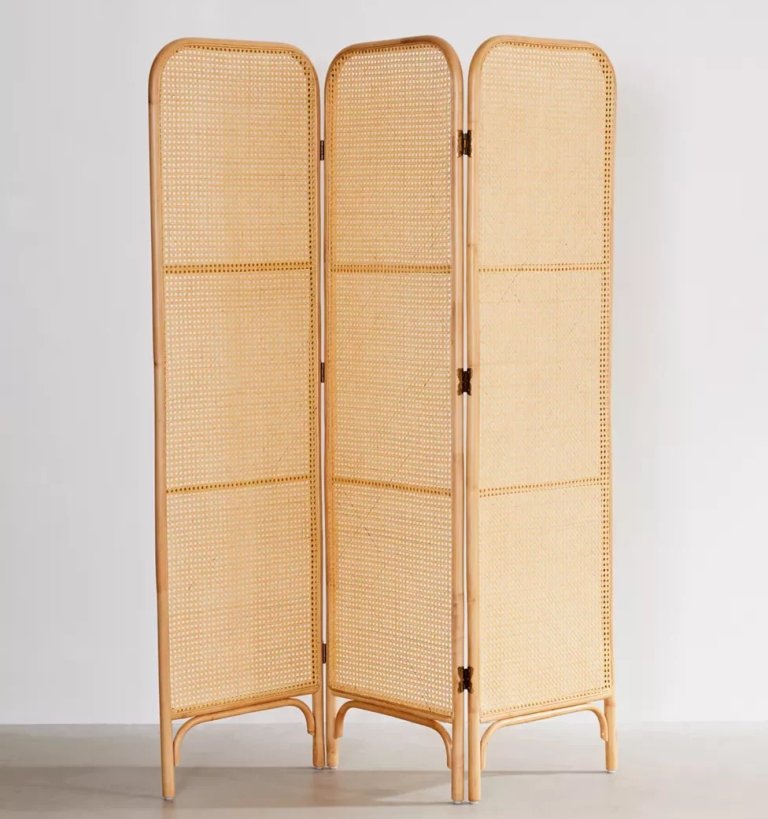
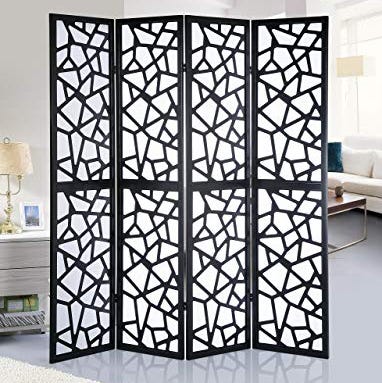
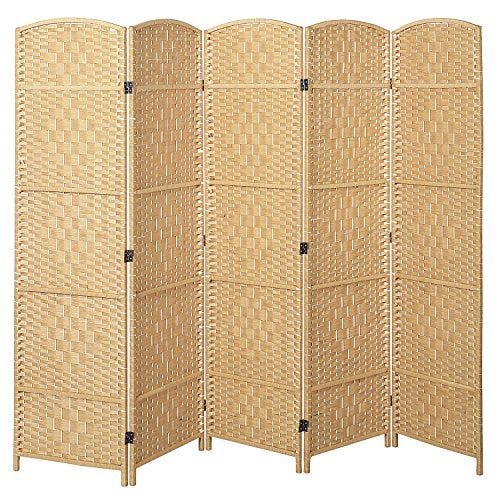
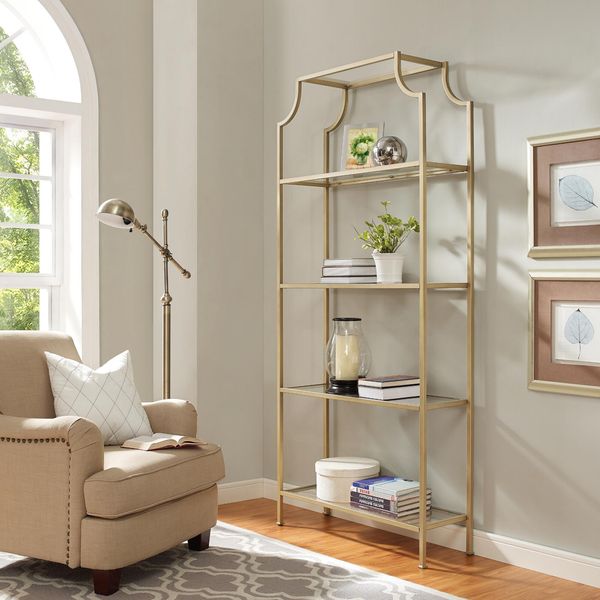
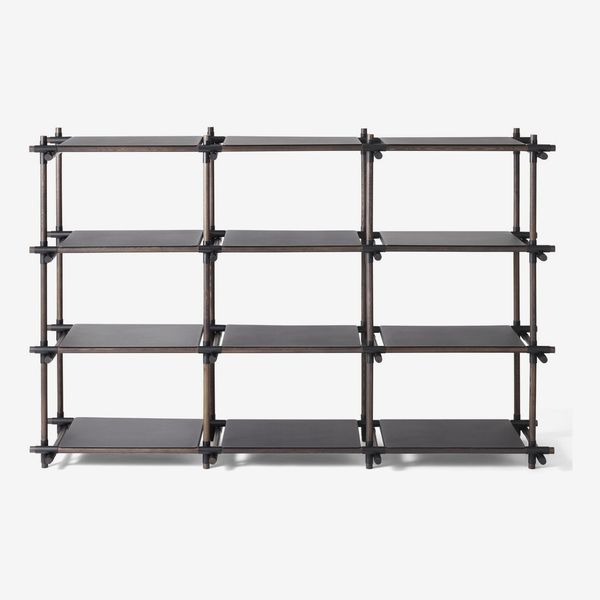
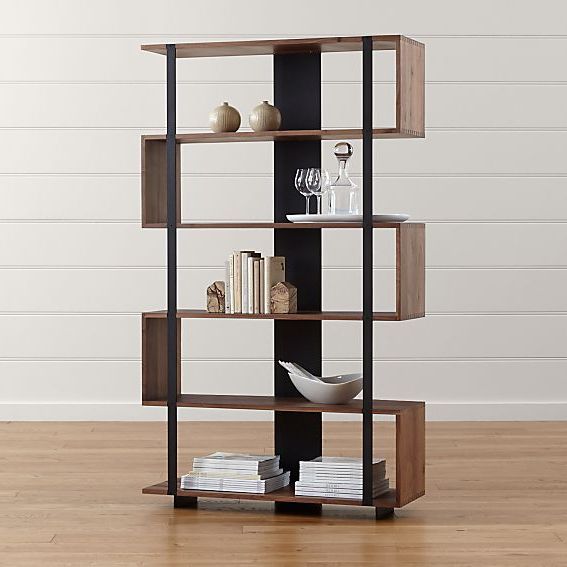
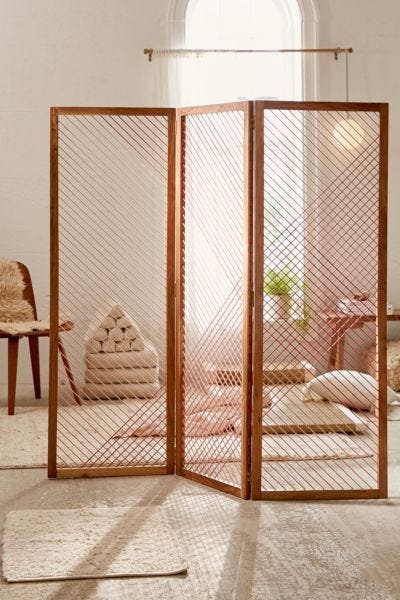
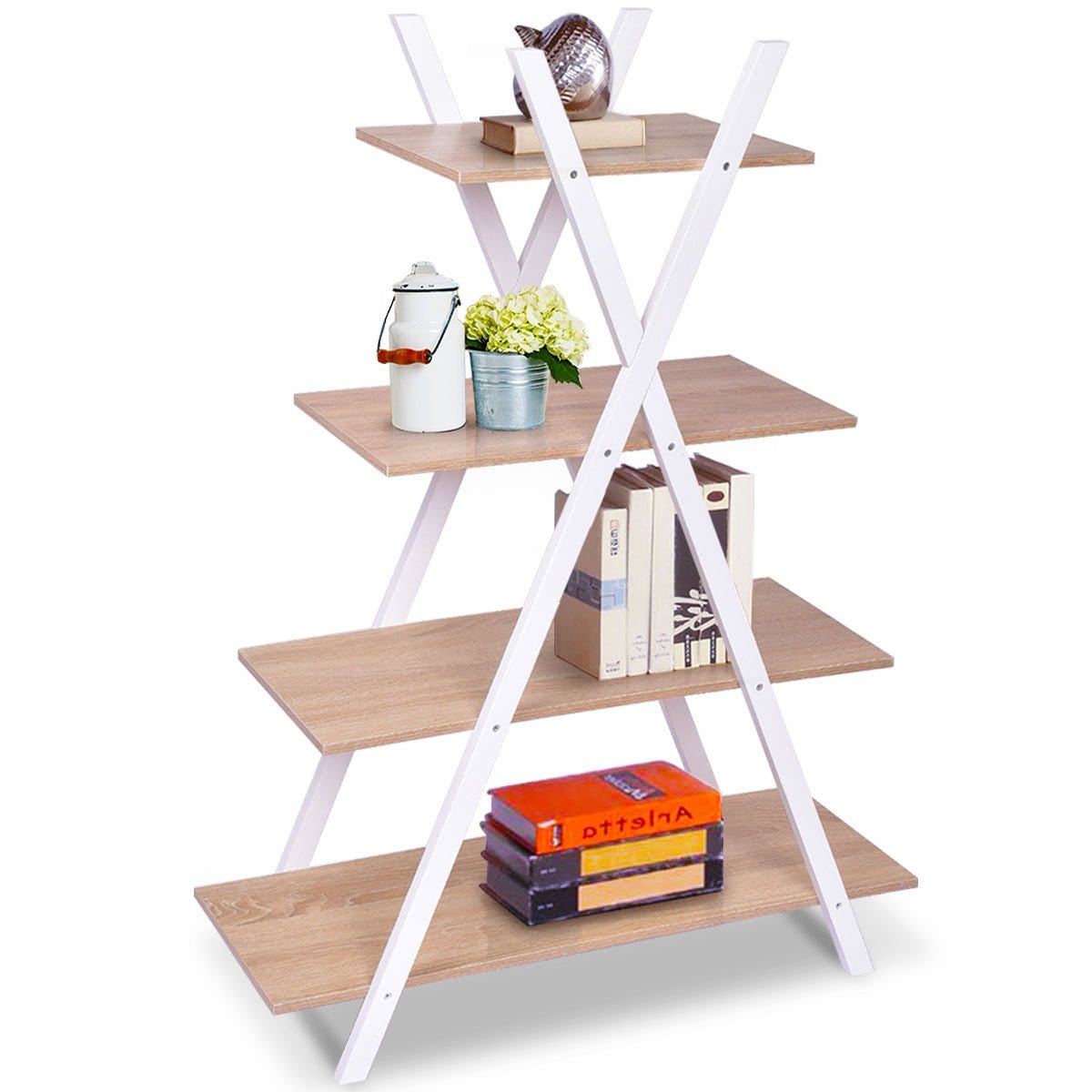
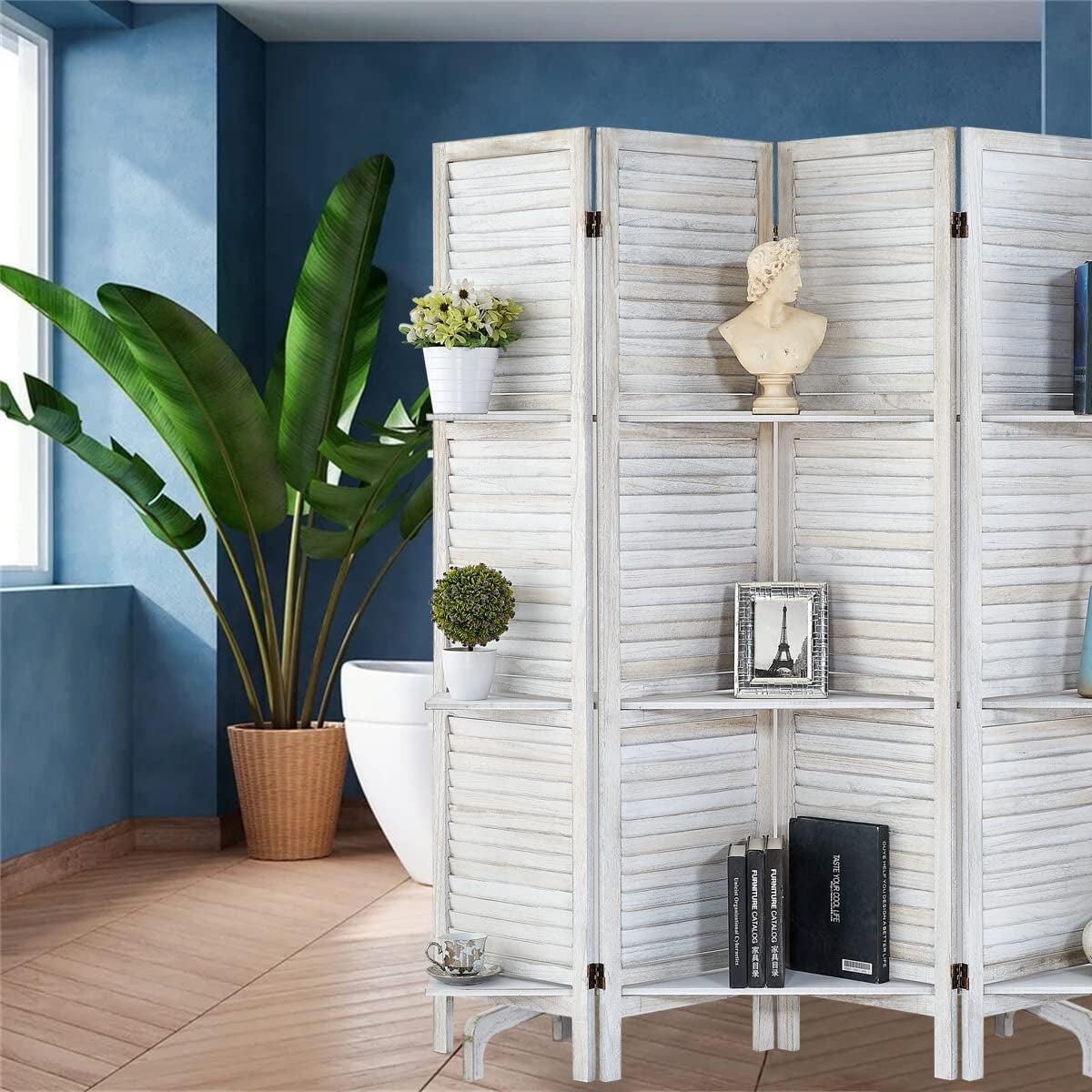
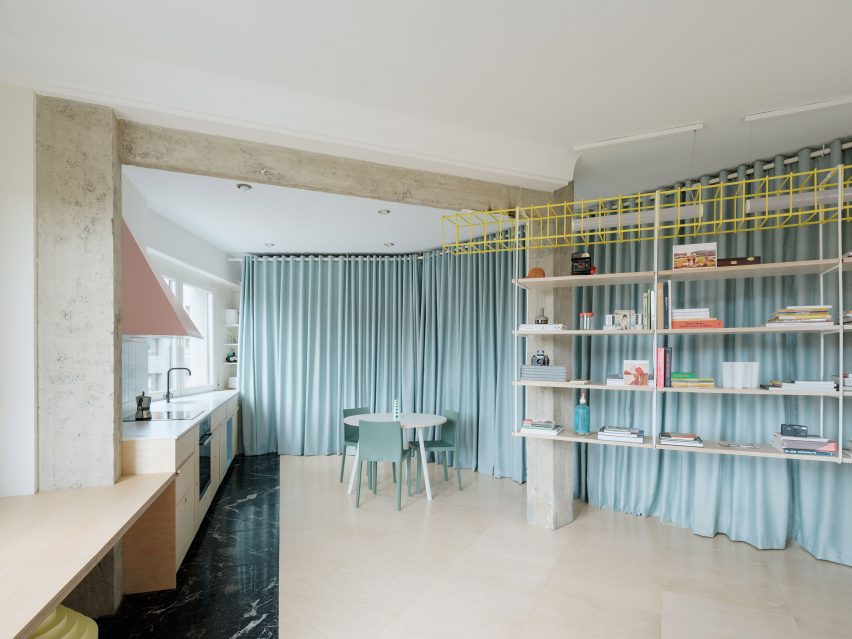
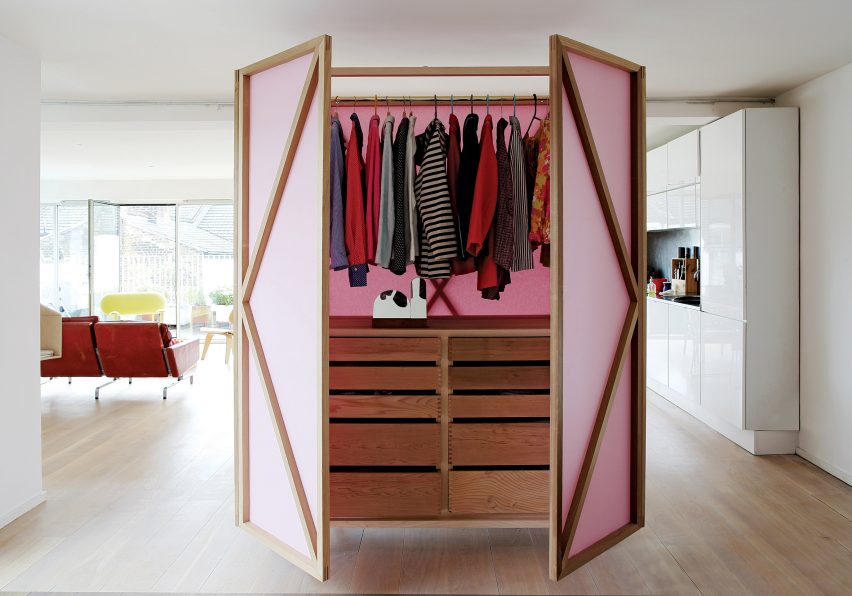
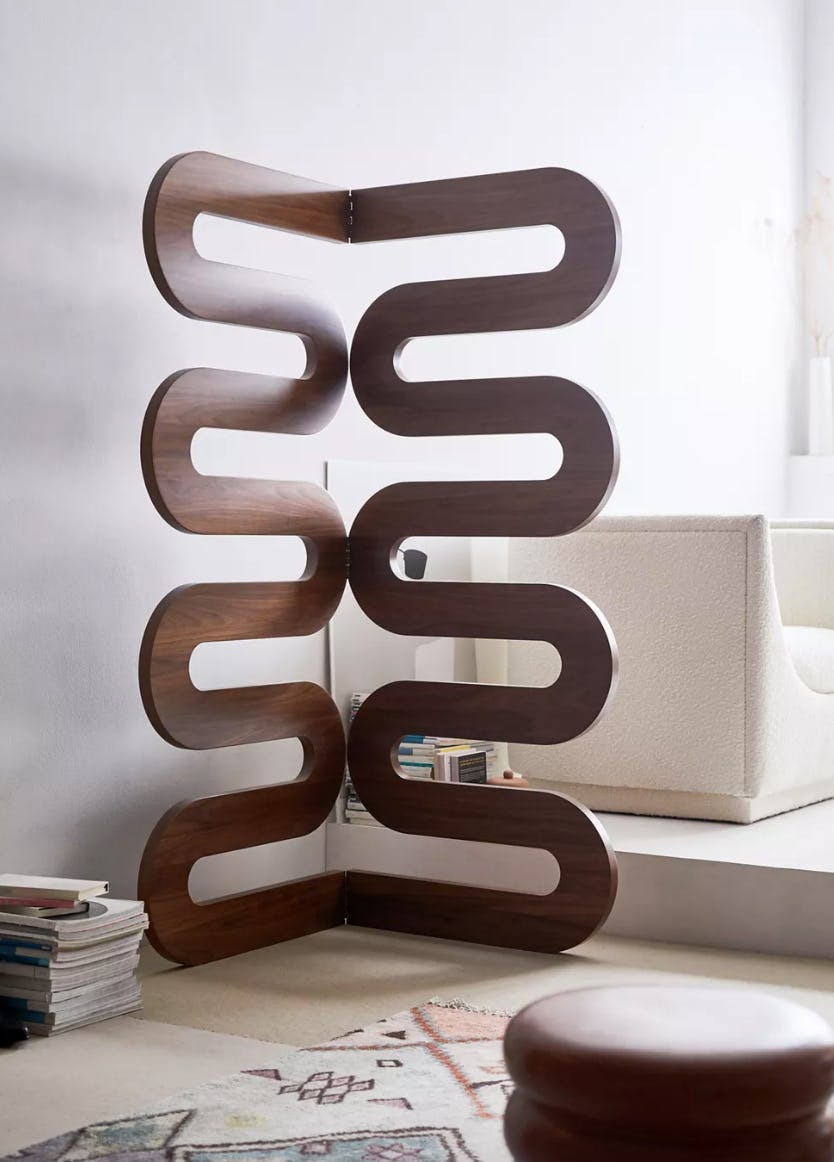
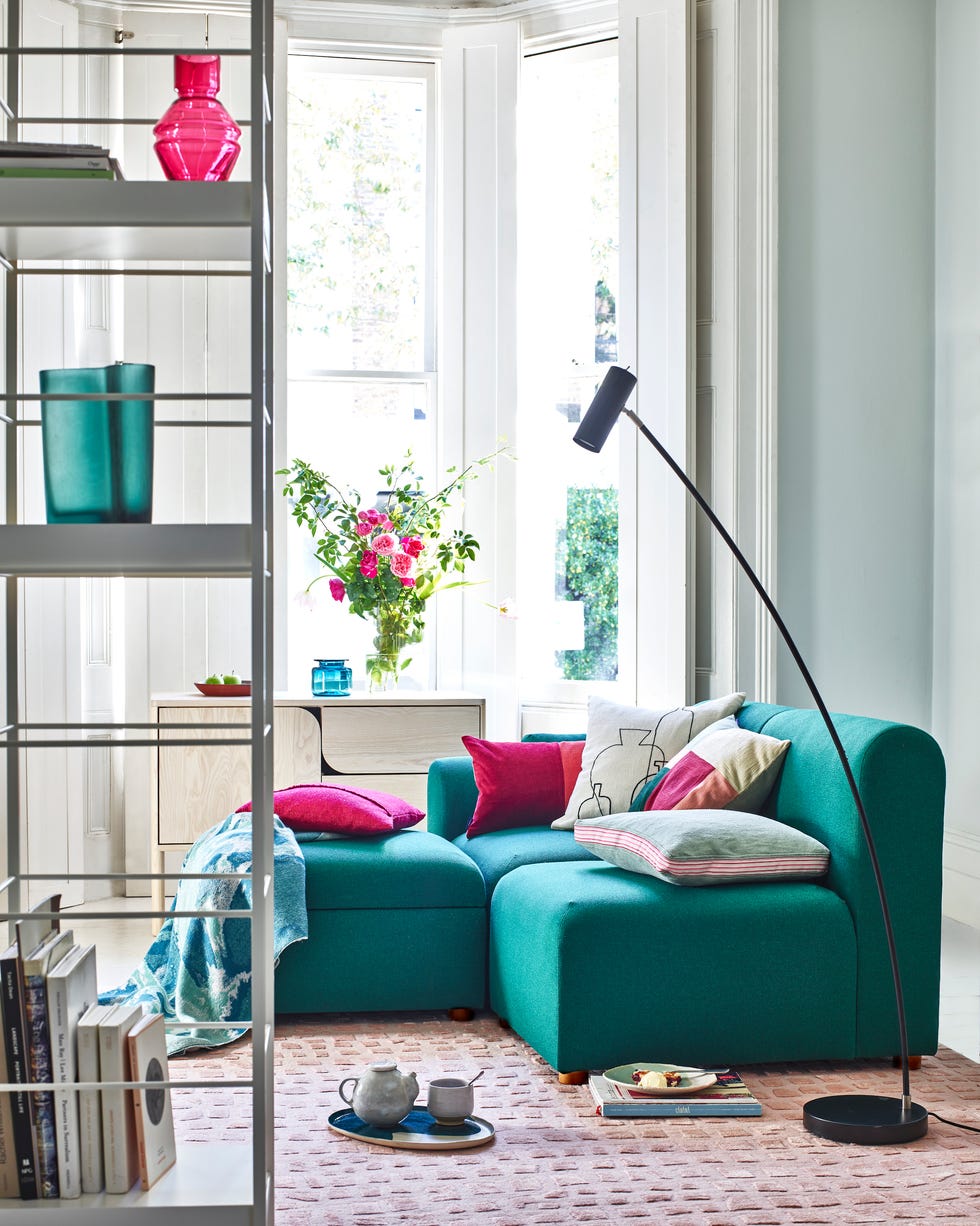
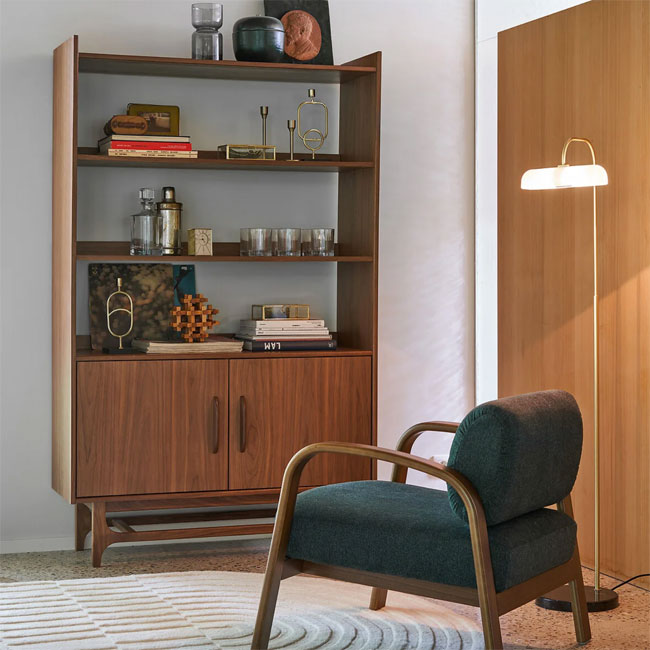
This article highlights the enduring appeal and functionality of midcentury modern shelving units, emphasizing their versatility as both bookcases and room dividers. The design philosophy of the midcentury modern era, spanning roughly from the 1930s to the 1960s, prioritized clean lines, organic forms, and functionality, often incorporating natural materials such as wood, metal, and glass. These shelving units are not merely storage solutions but serve as significant design elements that can define spaces and enhance a room's aesthetic.
The abstract will detail how these units contribute to interior design by offering practical storage while simultaneously acting as subtle partitions in open-plan living spaces. They provide opportunities to display personal collections, books, and decorative items, reflecting the owner's taste and adding character to a home. The construction often features modular components, allowing for flexible arrangements and adaptation to different room sizes and needs. This modularity was a revolutionary concept during the midcentury period, promoting customization and efficiency in furniture design.
Key design characteristics include minimalist aesthetics, often with a focus on geometric shapes and an absence of excessive ornamentation. Materials like teak, walnut, and rosewood were commonly used, prized for their durability and warm tones, which continue to resonate with contemporary interior styles. Metal elements, particularly brass or steel, were also integrated to provide structural support and a contrasting texture. The open-back or partially open designs of many midcentury modern shelving units contribute to an airy feel, preventing a room from appearing cluttered or confined.
The article aims to guide readers through a curated selection of 20 top midcentury modern shelving units, offering inspiration for incorporating these classic pieces into various home settings. It will discuss how to identify authentic midcentury designs and what features to look for in reproductions or modern interpretations. Considerations such as scale, proportion, and the unit's interaction with natural light will be explored, providing a comprehensive understanding of their design impact. The enduring popularity of midcentury modern furniture is attributed to its timeless elegance, robust construction, and ability to blend seamlessly with both traditional and contemporary interiors.
Moreover, the abstract will touch upon the historical context of these designs, explaining how post-World War II advancements in manufacturing and a shift towards more informal living influenced their development. Designers sought to create furniture that was accessible, practical, and aesthetically pleasing for the burgeoning middle class. This period also saw a rise in compact living spaces, making versatile furniture like shelving units that could serve multiple functions highly desirable. The functional artistry of these pieces ensures their continued relevance in modern homes, where space optimization and aesthetic appeal remain paramount concerns. These units represent a blend of art and utility, embodying a design philosophy that continues to influence contemporary furniture trends.
#MidcenturyModern #ShelvingUnits #RoomDividers #InteriorDesign #HomeDecor #RetroDesign #Bookcases #VintageFurniture #DesignClassics #MidcenturyModern #ShelvingUnits #RoomDividers #InteriorDesign #HomeDecor #RetroDesign #Bookcases #VintageFurniture #DesignClassics
0 Kommentare insgesamt
 Noch keine Kommentare
Das könnte Ihnen auch gefallen
37 Room Dividers So You Can Easily (And Stylishly) Separate Your Space

10 unique room dividers from Indian and international designers

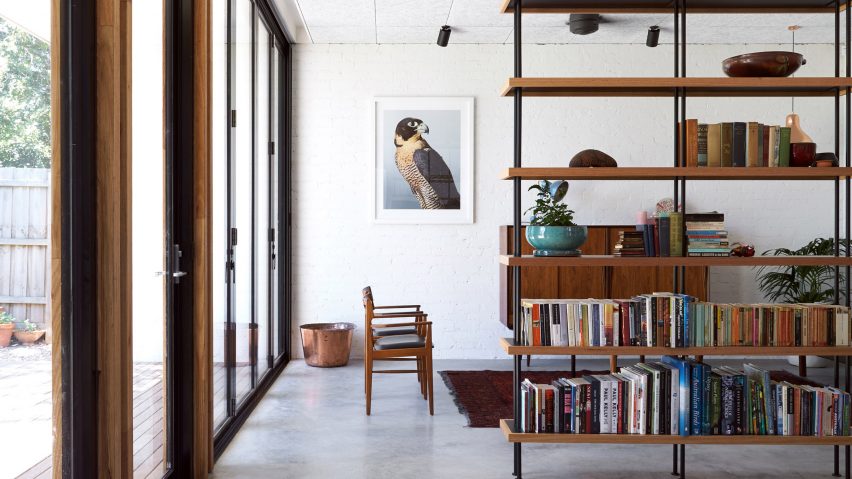
Ten interiors that use innovative room dividers instead of walls

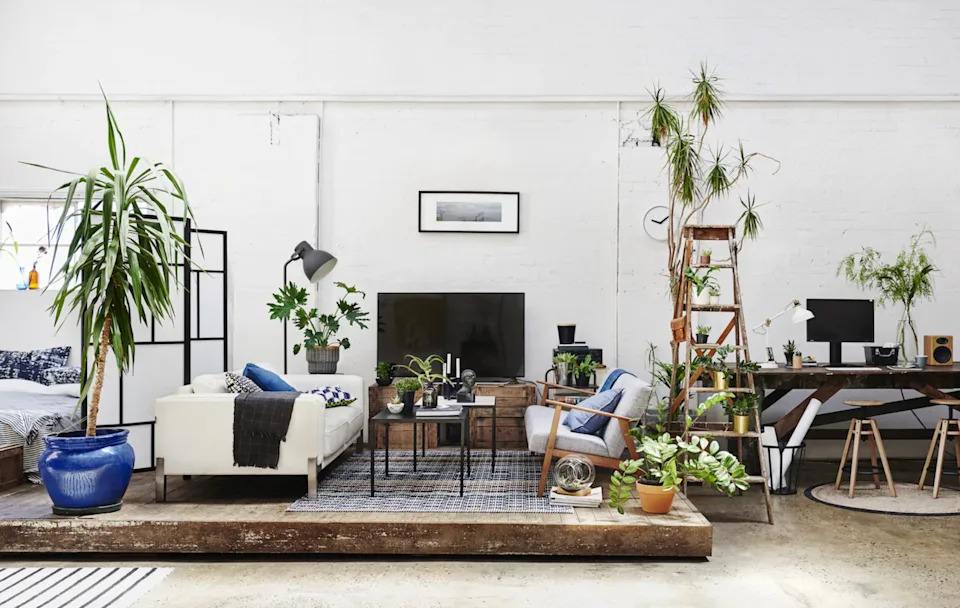
16 room divider ideas – innovative ways to zone an open plan space

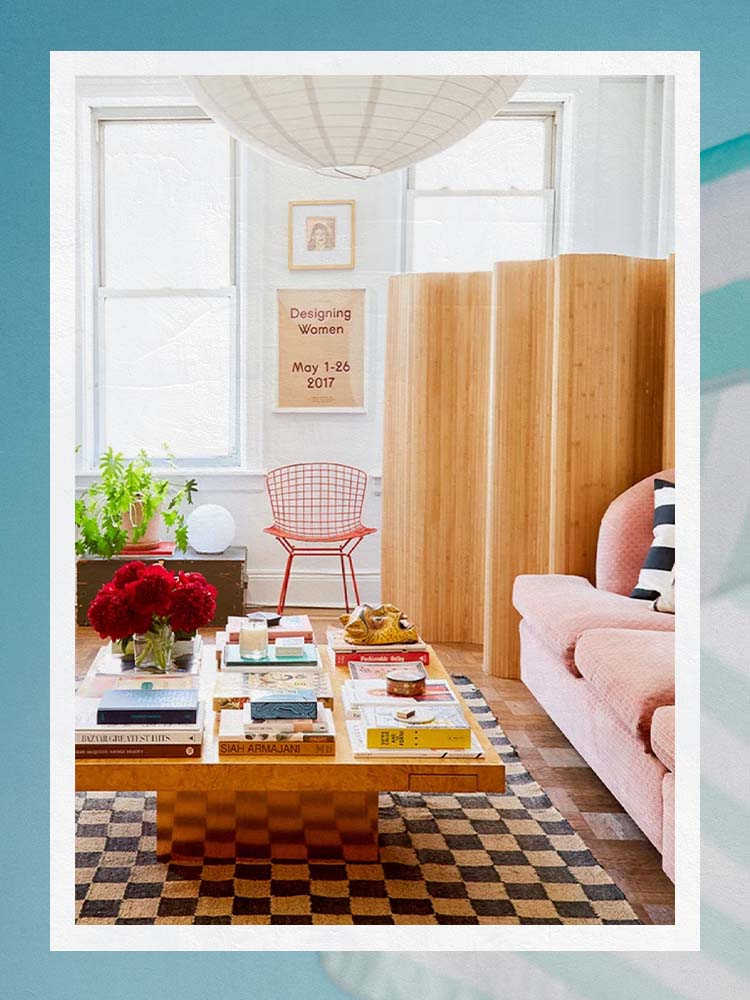
12 Folding Screens That Divide and Conquer Any Room

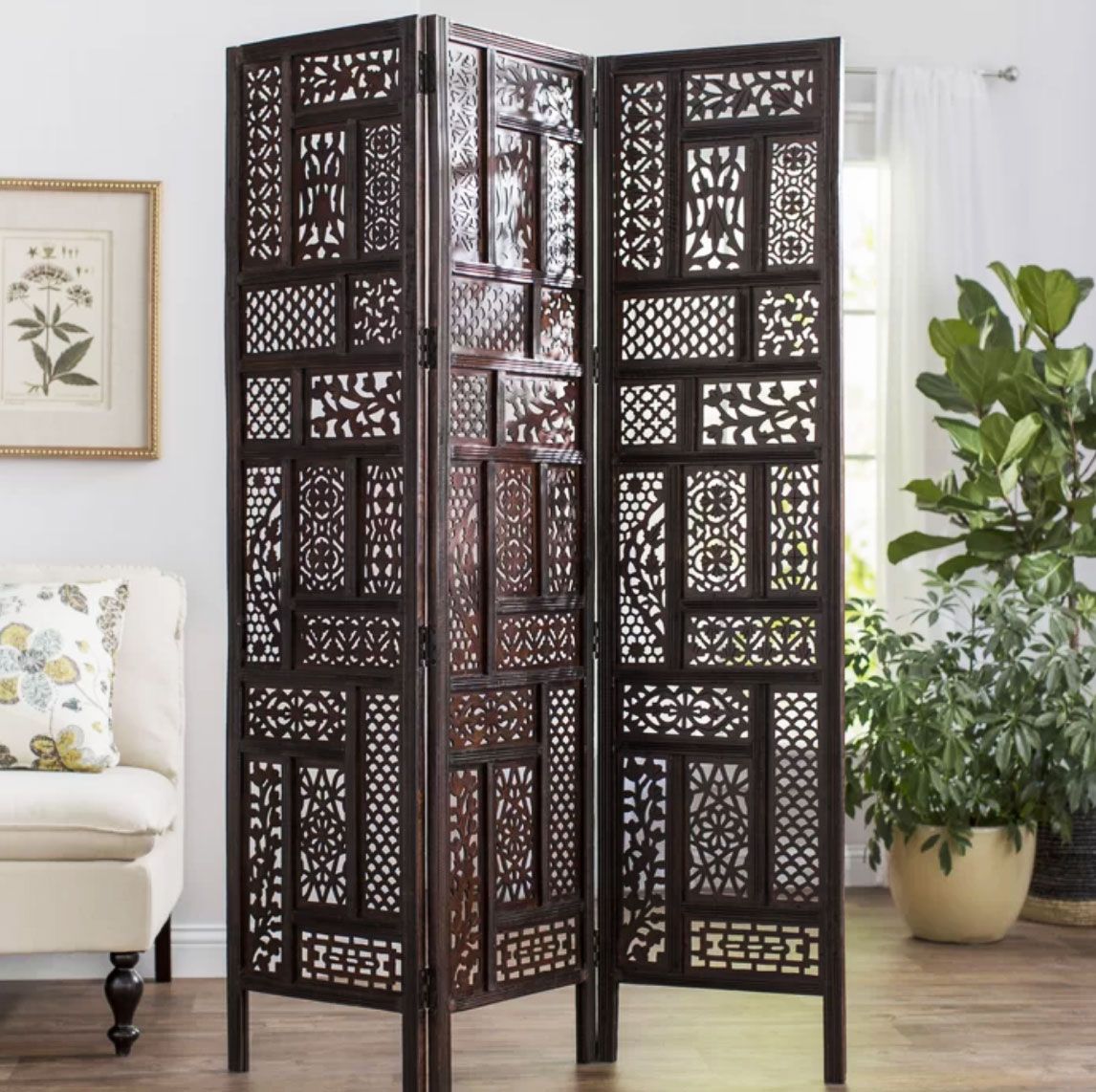
The Best Room Dividers, According to Interior Designers
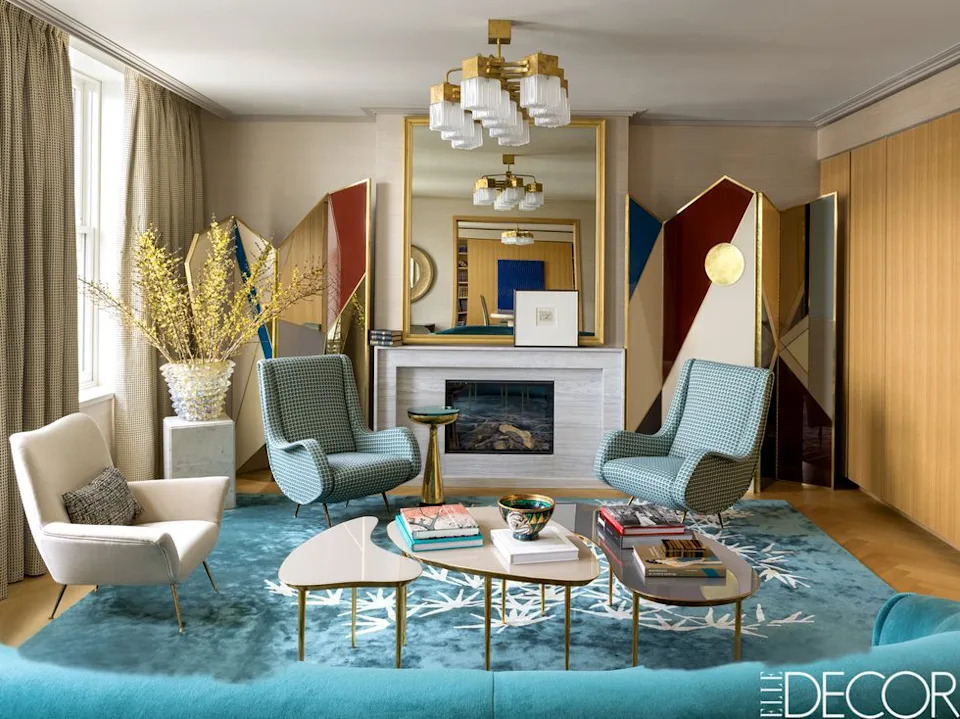
These Room Divider Ideas Will Transform Your Home in an Instant
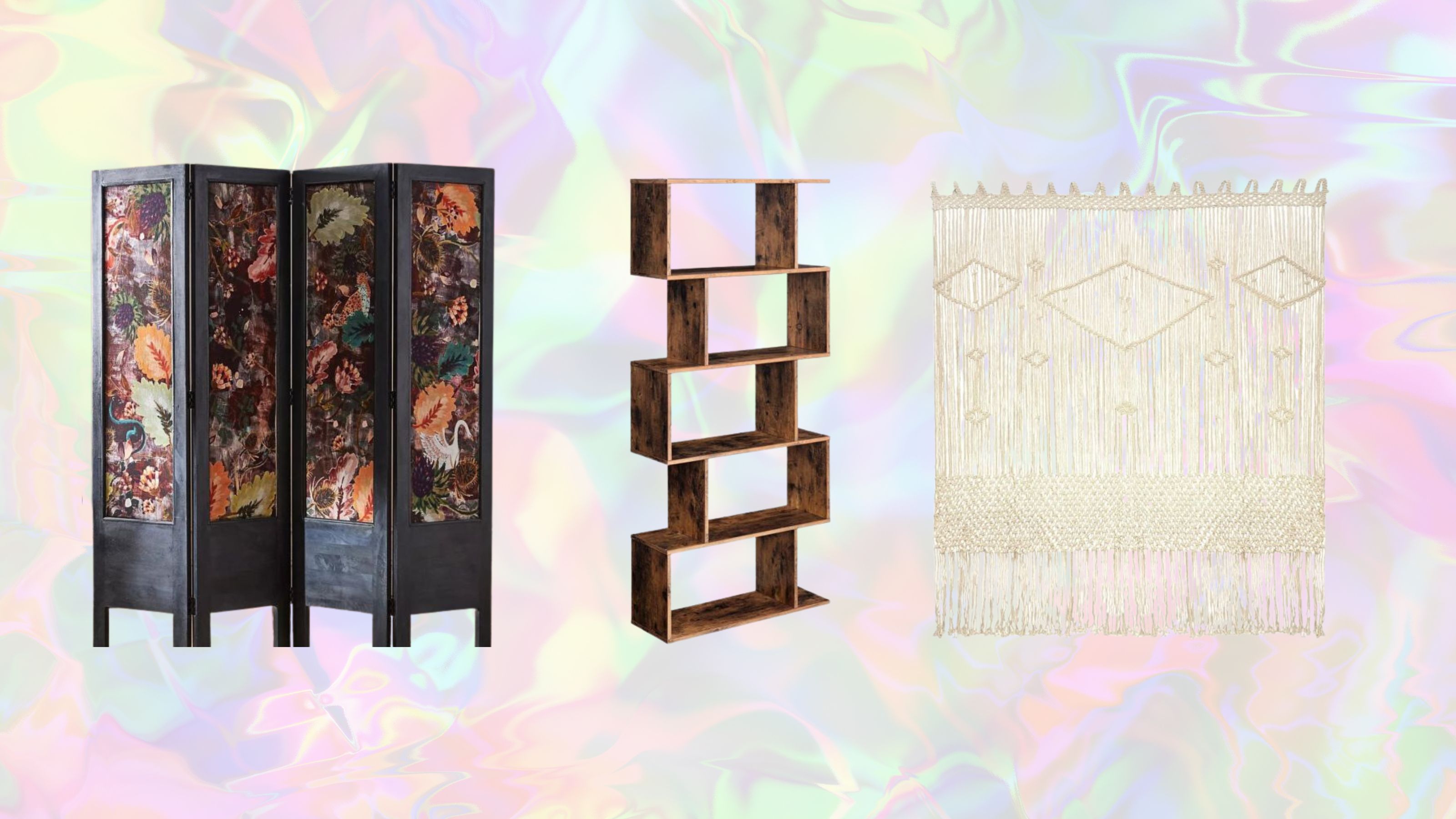
These practical and stylish room dividers are high on shoppers' wishlists — if you live in a tiny space, they're fab

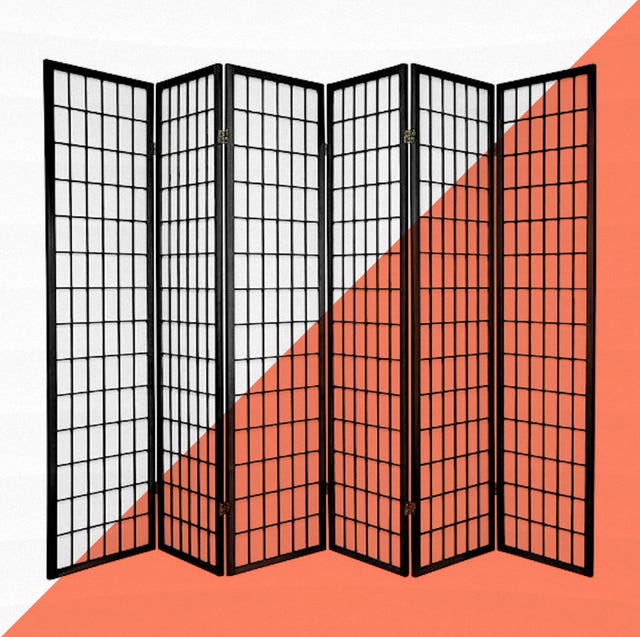
10 Best Room Dividers for Creating More Privacy at Home
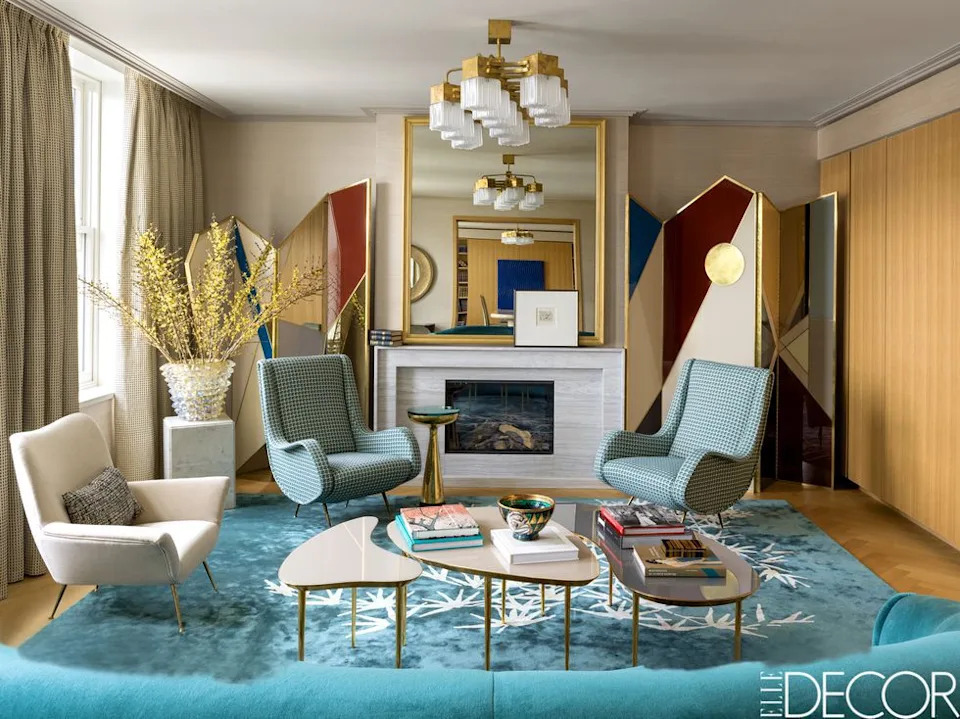
These Room Divider Ideas Will Transform Your Home in an Instant
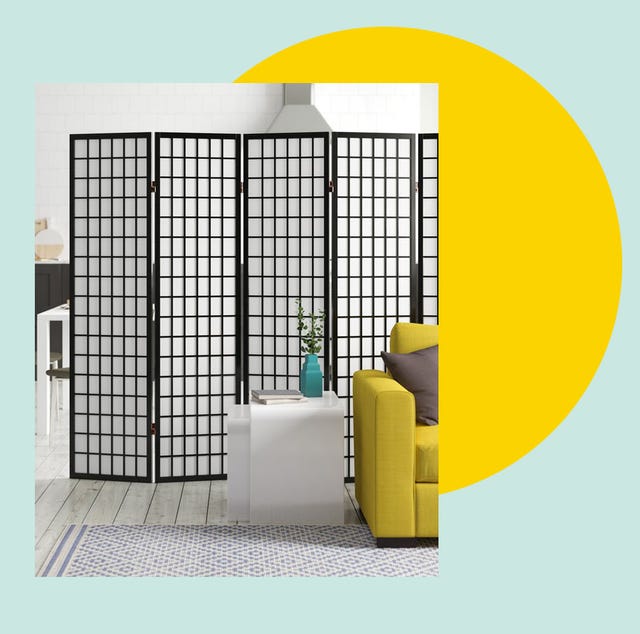
17 of the best room dividers for minimal effort and maximum privacy

The Alexa Chung-Approved Decor Trend That Should Be Next On Your Wishlist
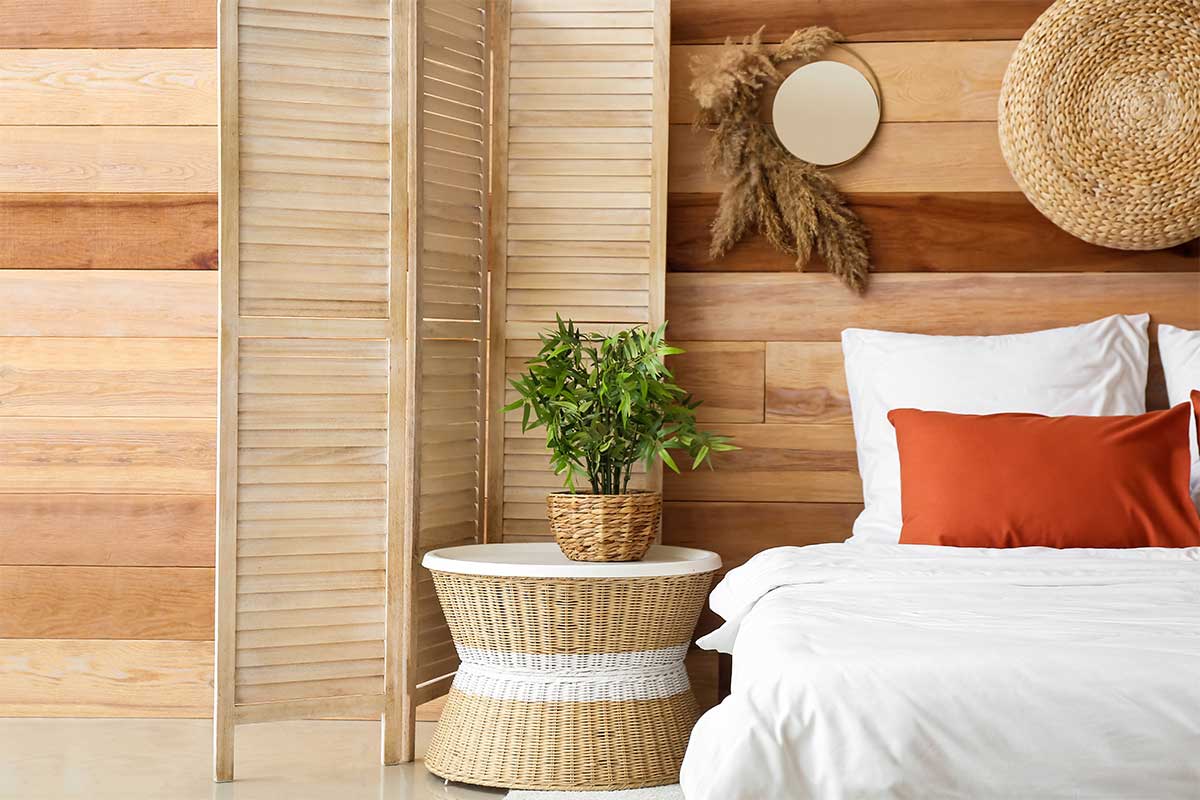
Divide & Conquer: NoVA Decor Experts on Making the Room Divider Work
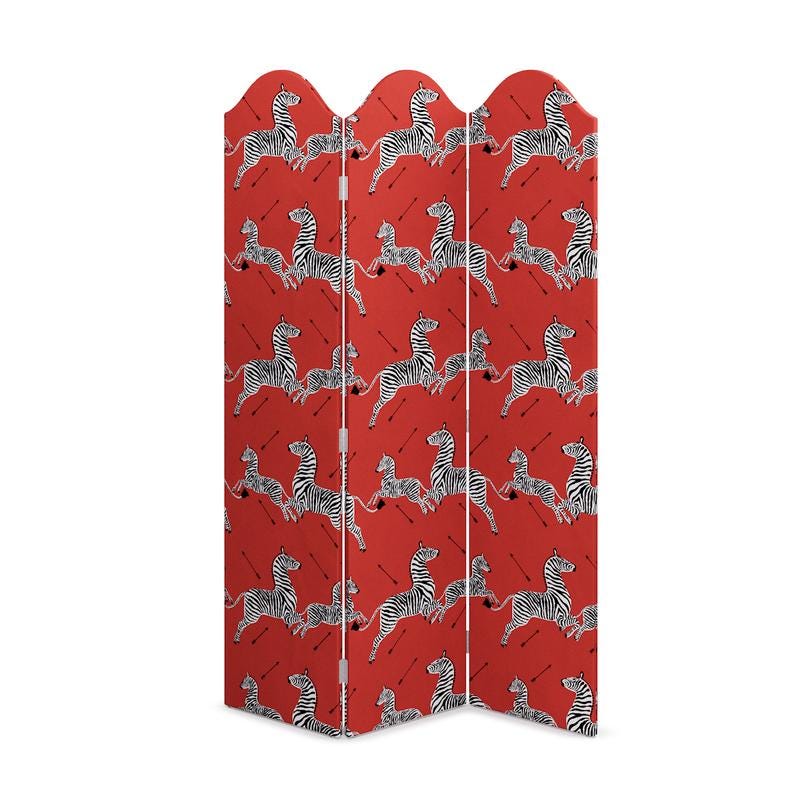
15 Genius Ways To Stylishly Separate Your Space

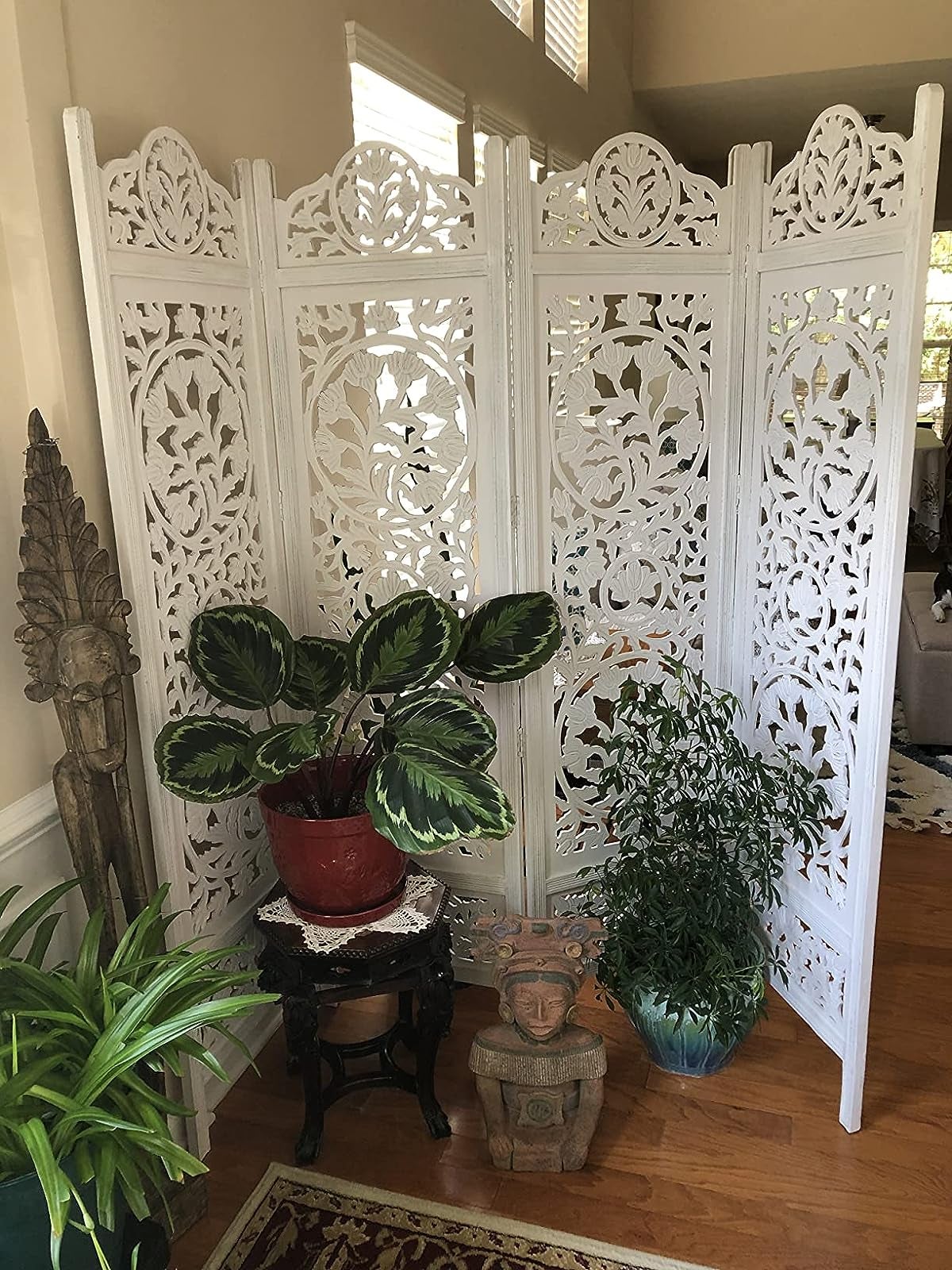
35 Room Dividers So You Can Easily (And Stylishly) Separate Your Space
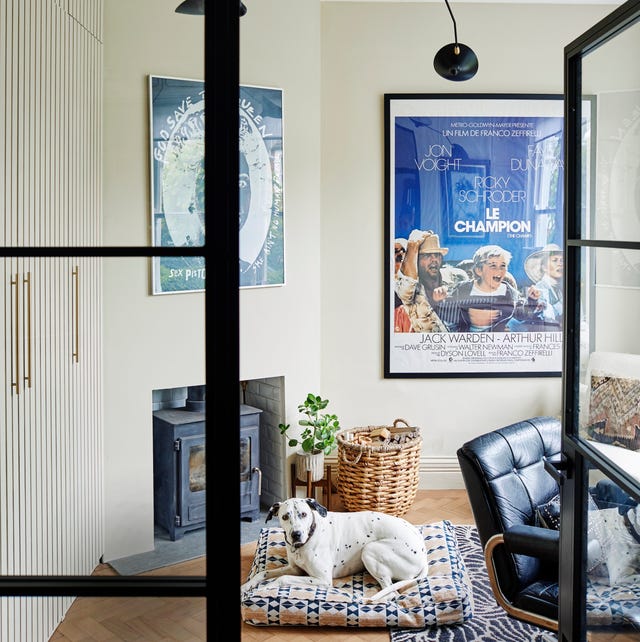
Room divider ideas: 12 stylish ways to divide a room

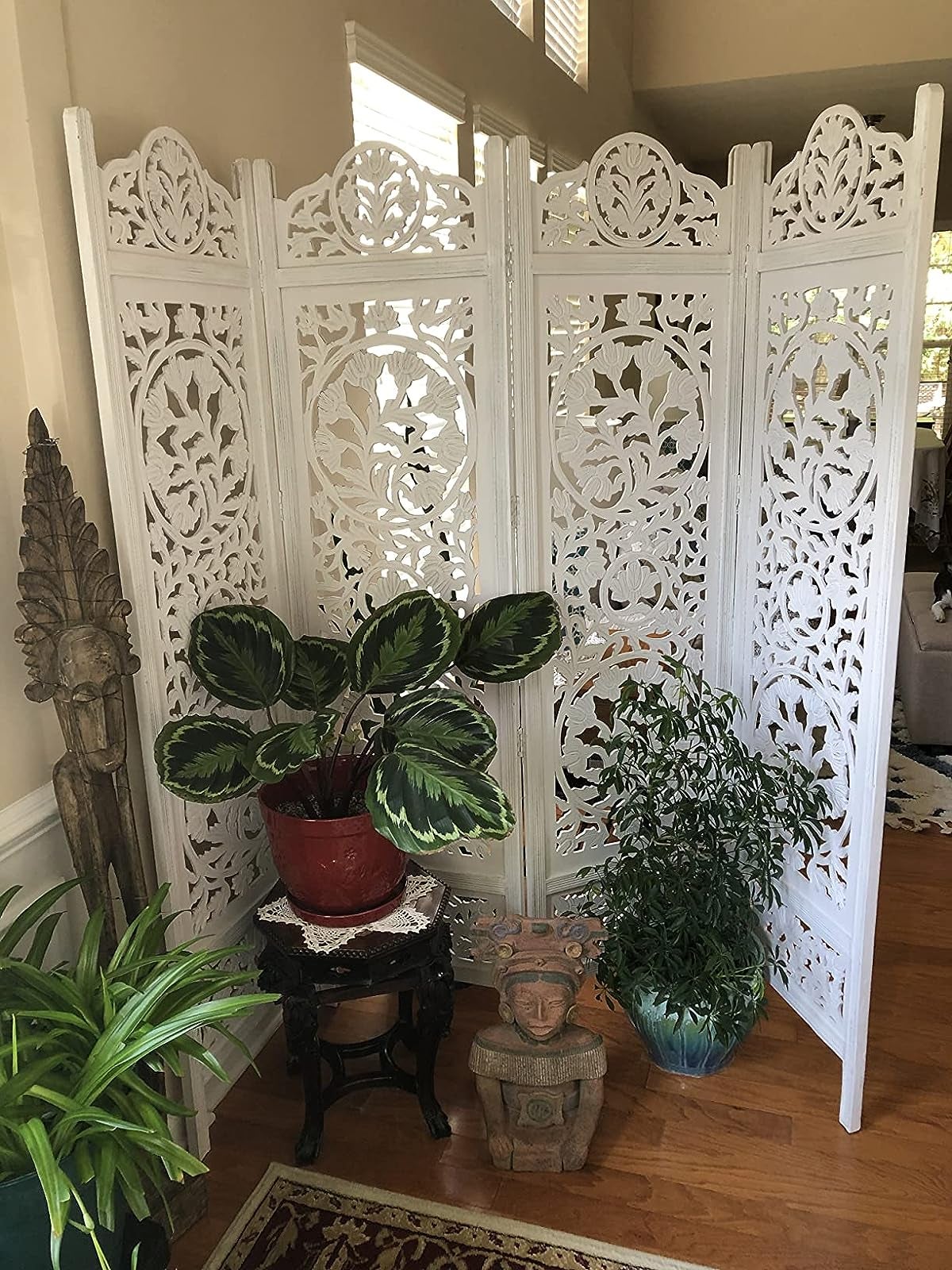
30 Room Dividers So You Can Easily (And Stylishly) Separate Your Space
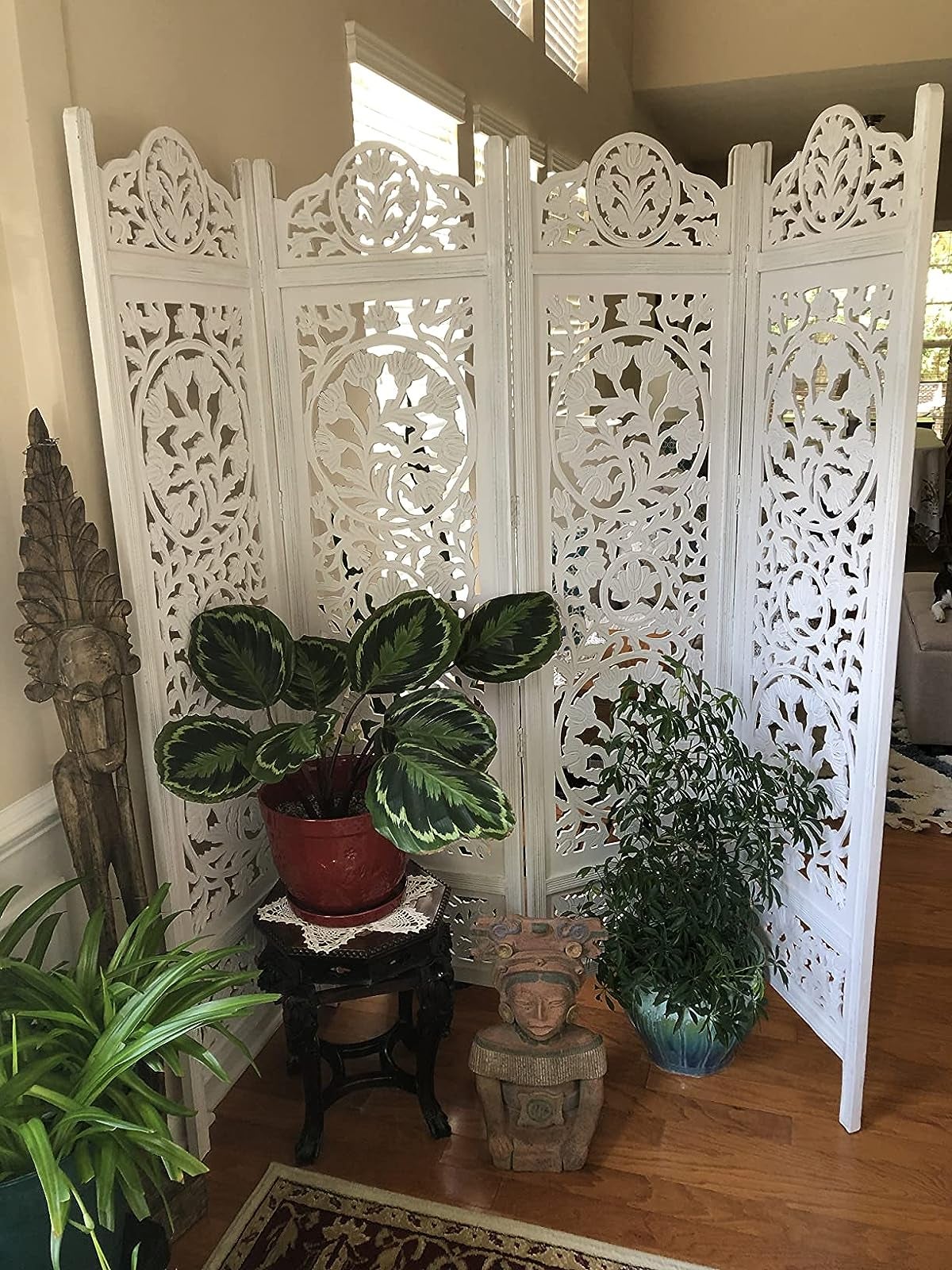
32 Room Dividers So You Can Easily (And Stylishly) Separate Your Space
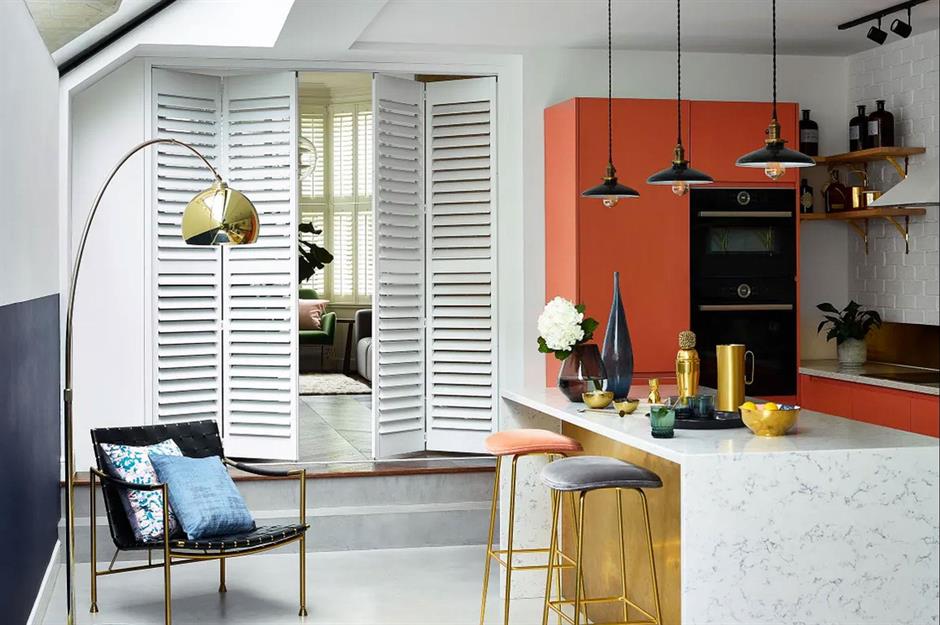
Smart room dividers that break new boundaries | loveproperty.com
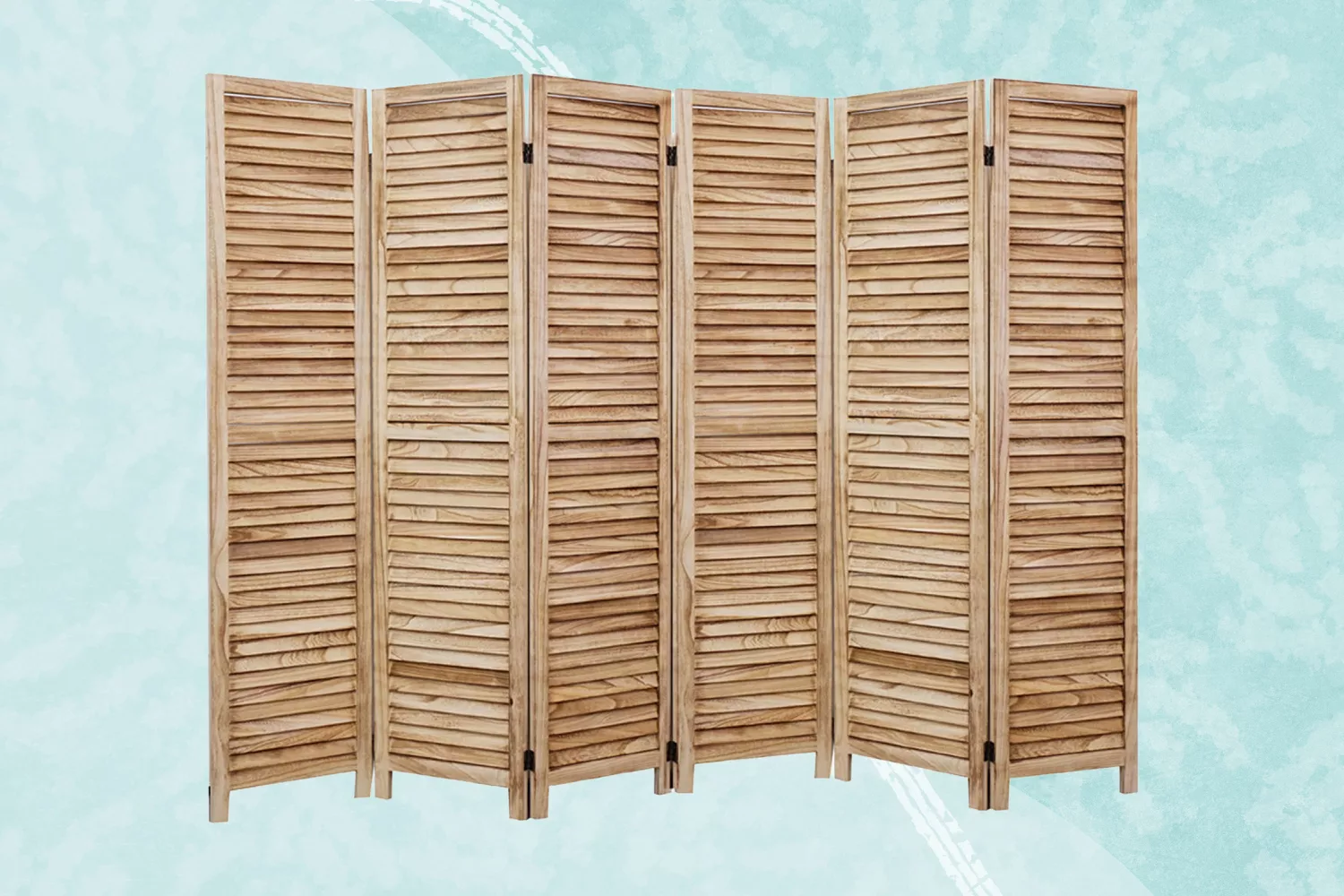
Our Favorite Room Dividers for Flexible, Functional Spaces