
1/5
Interior Timber Wall Cladding
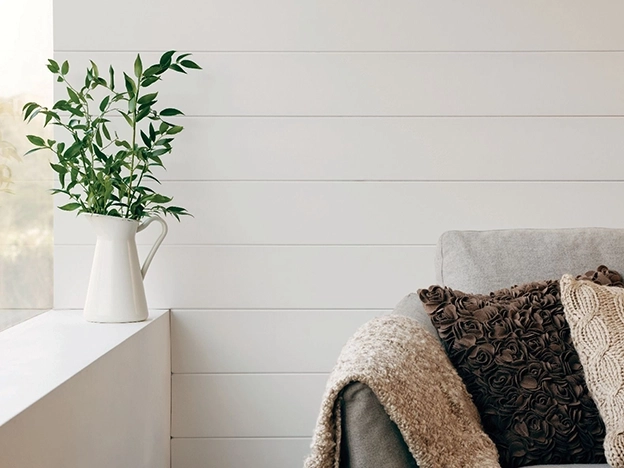
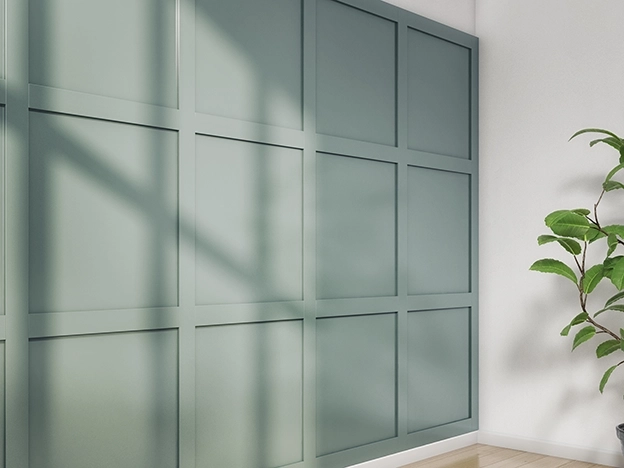
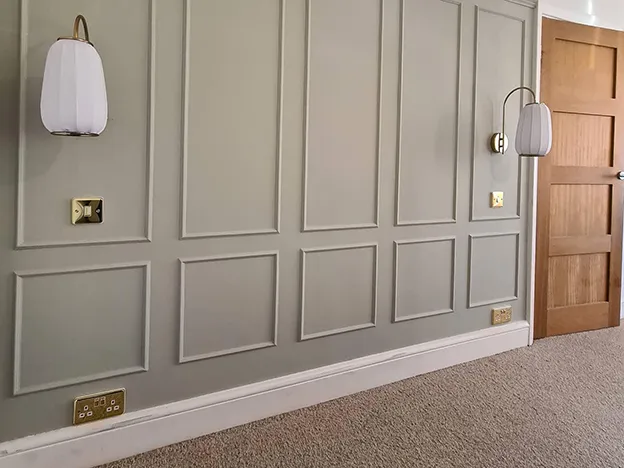
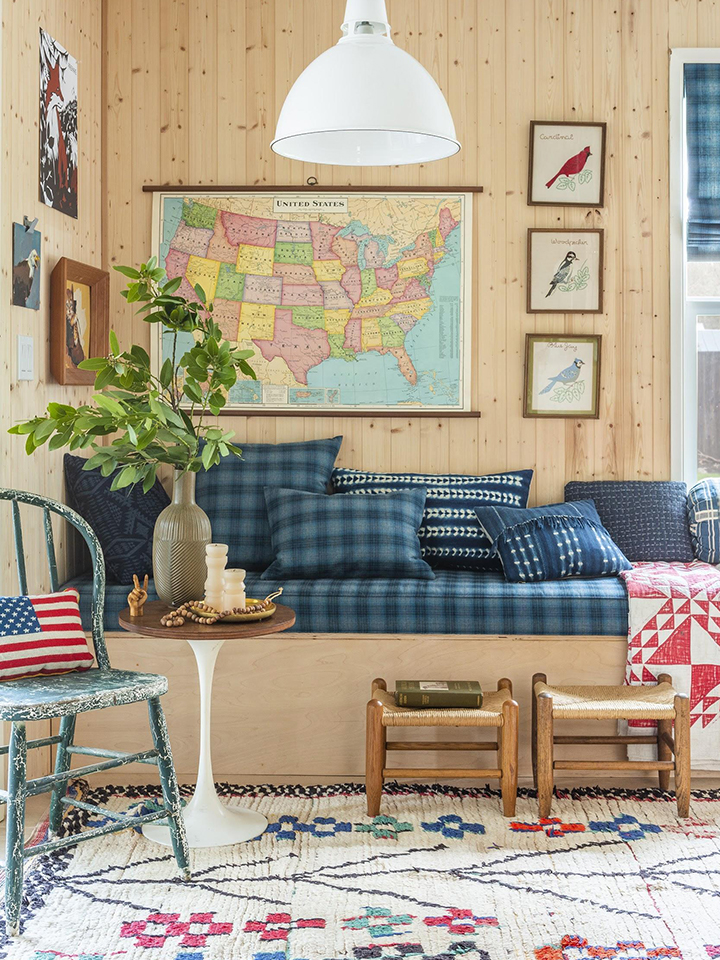
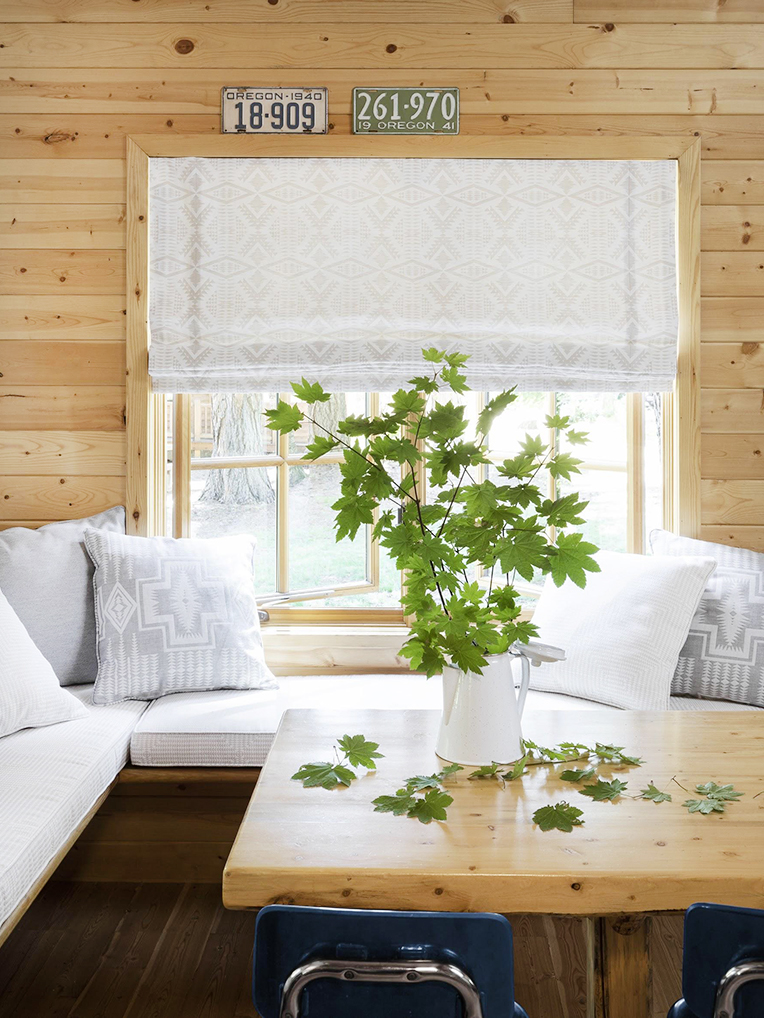
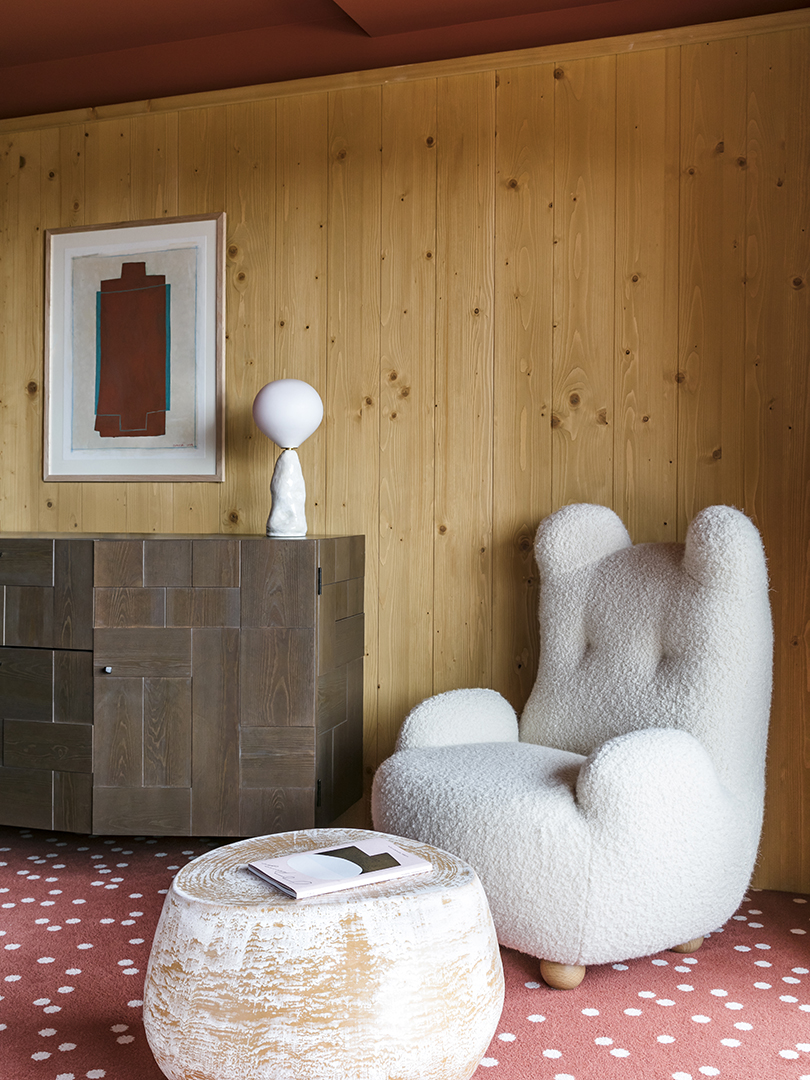
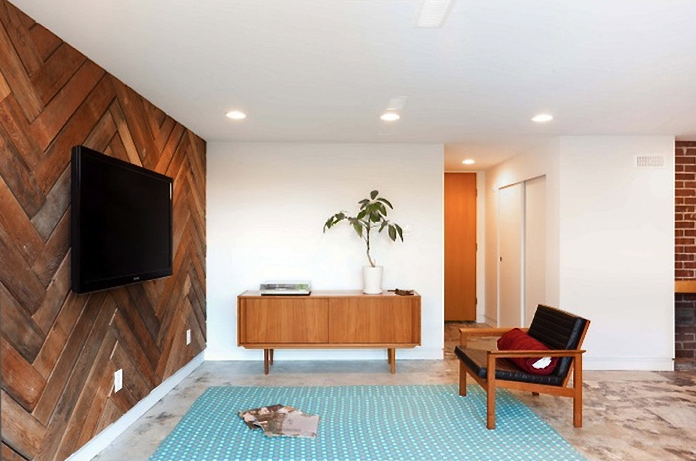
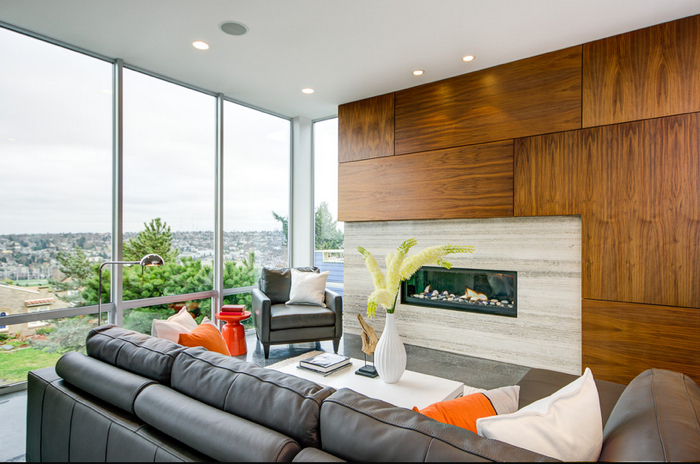
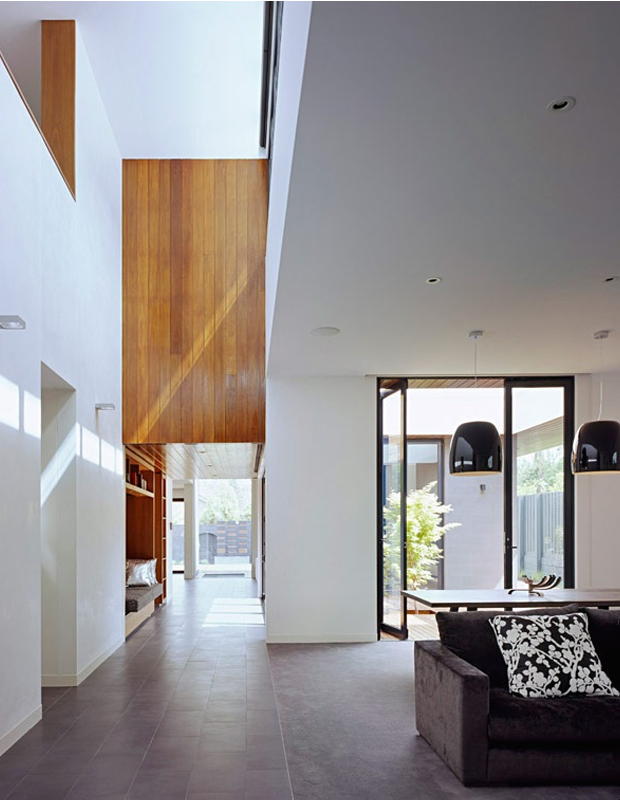
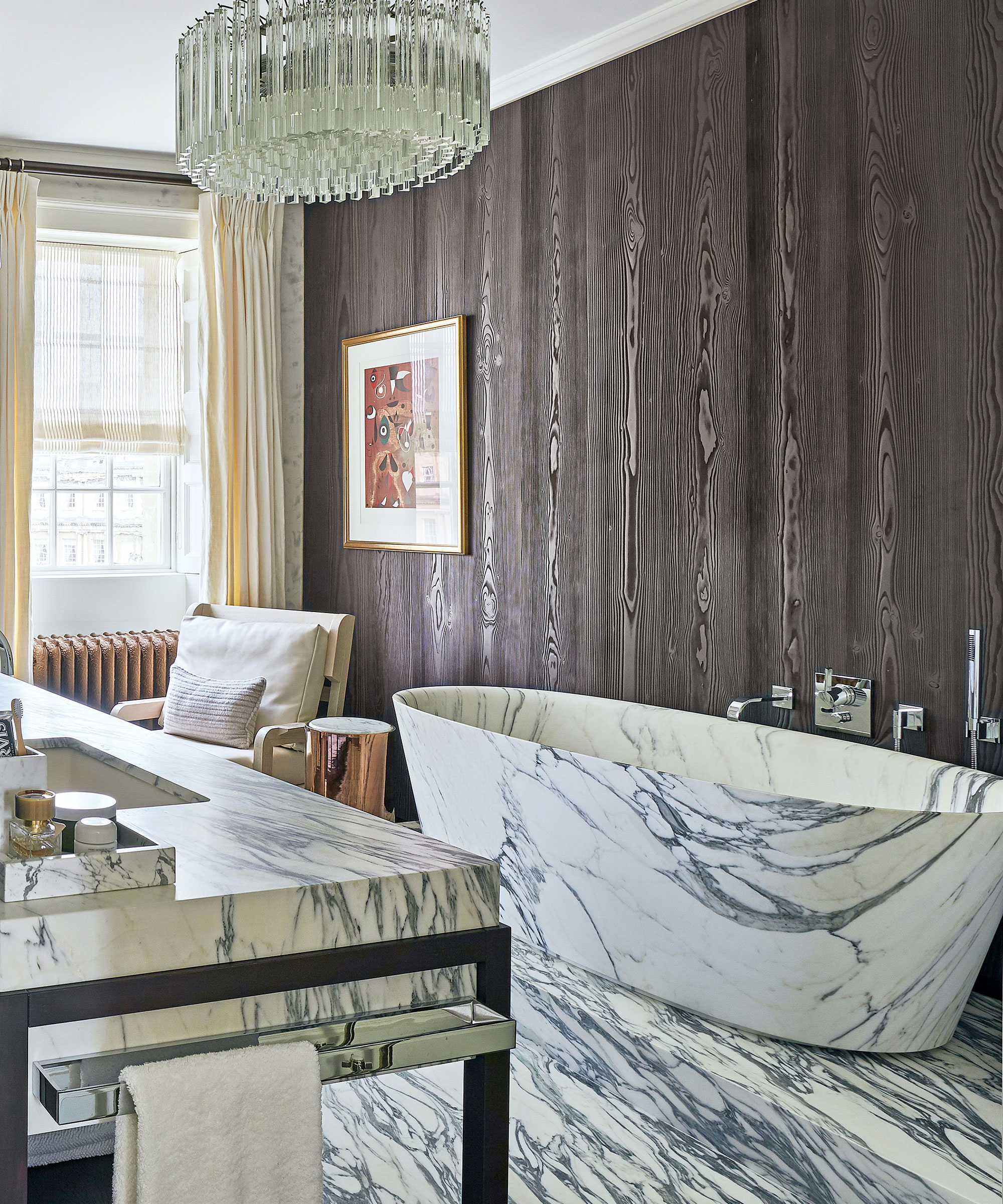
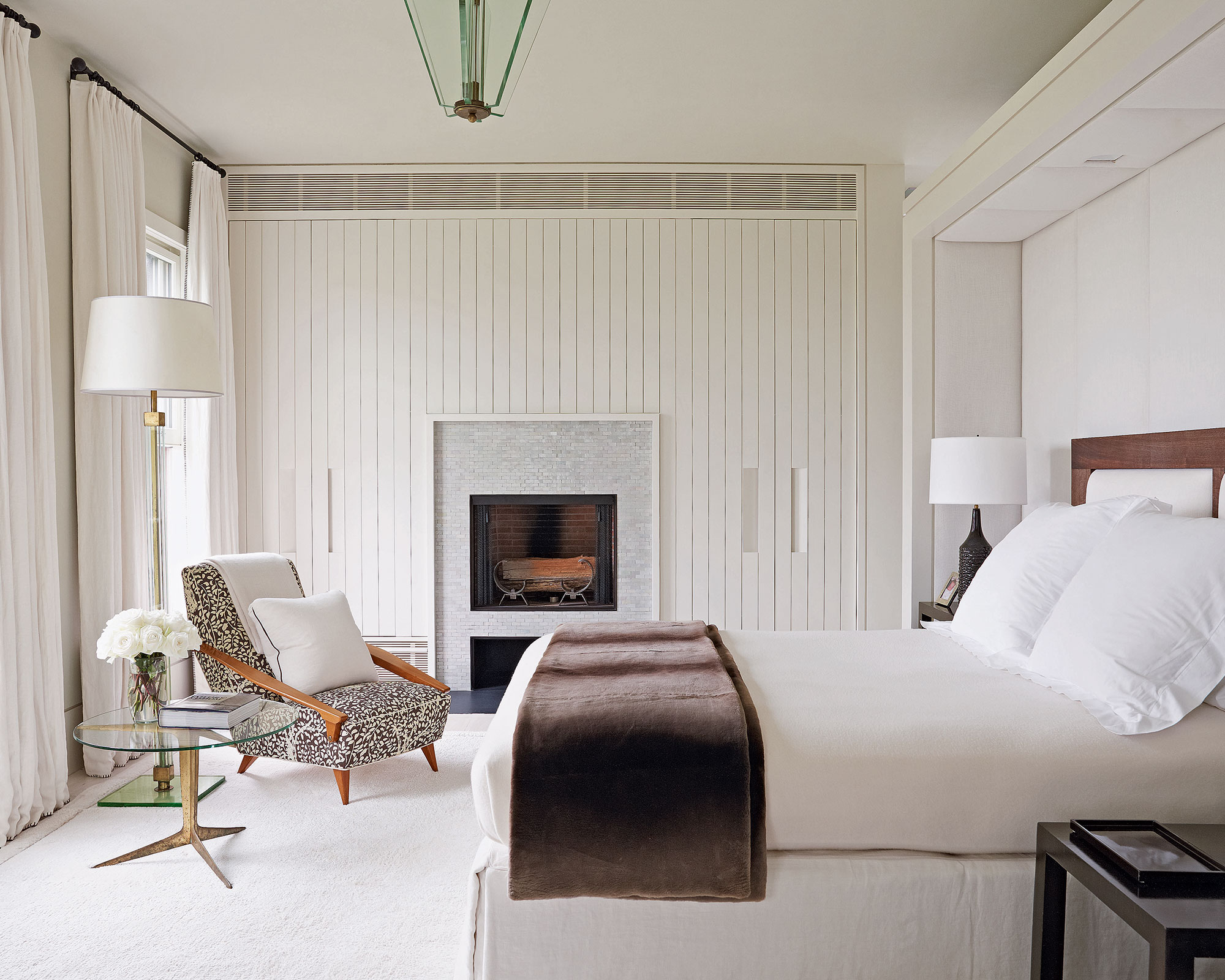
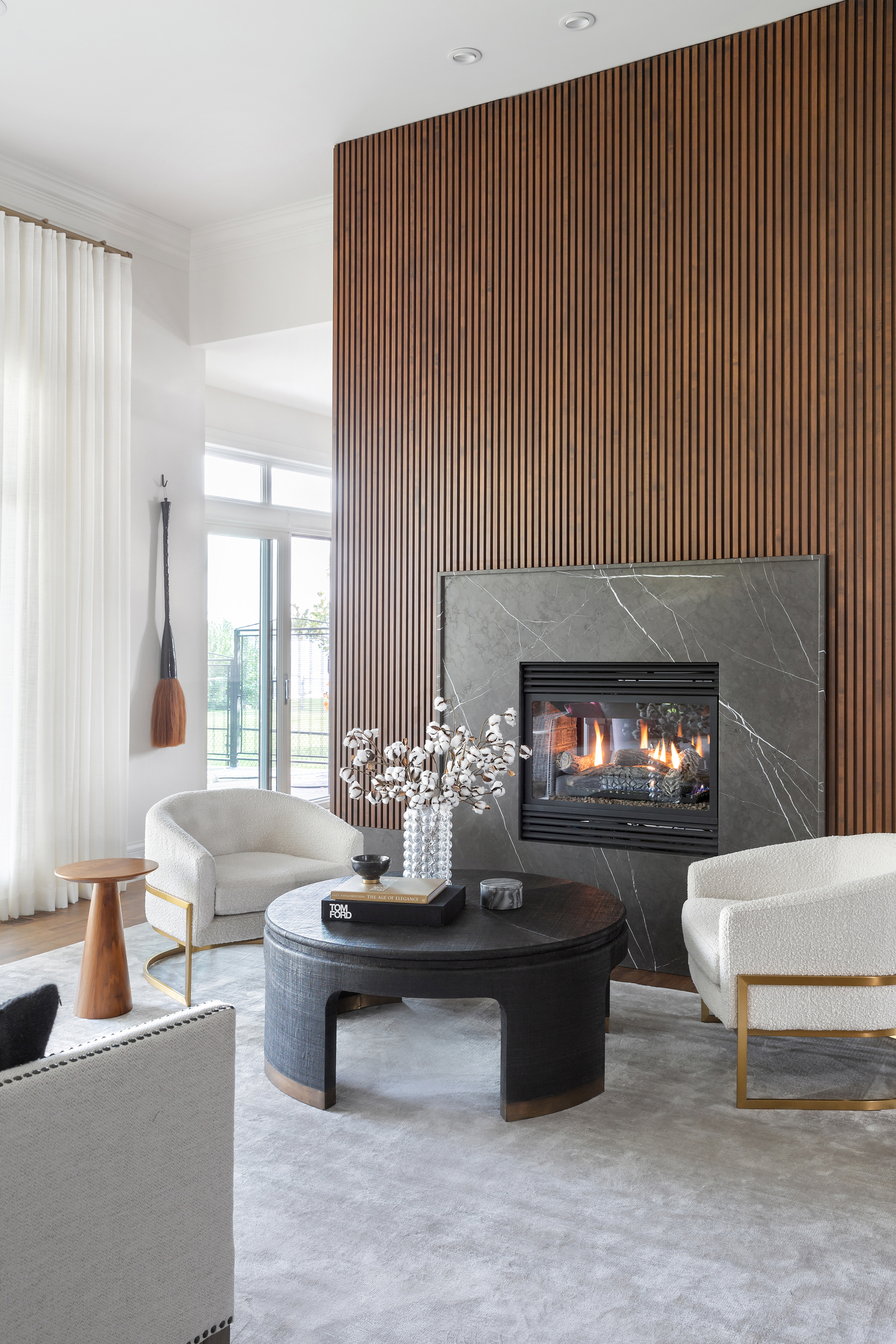
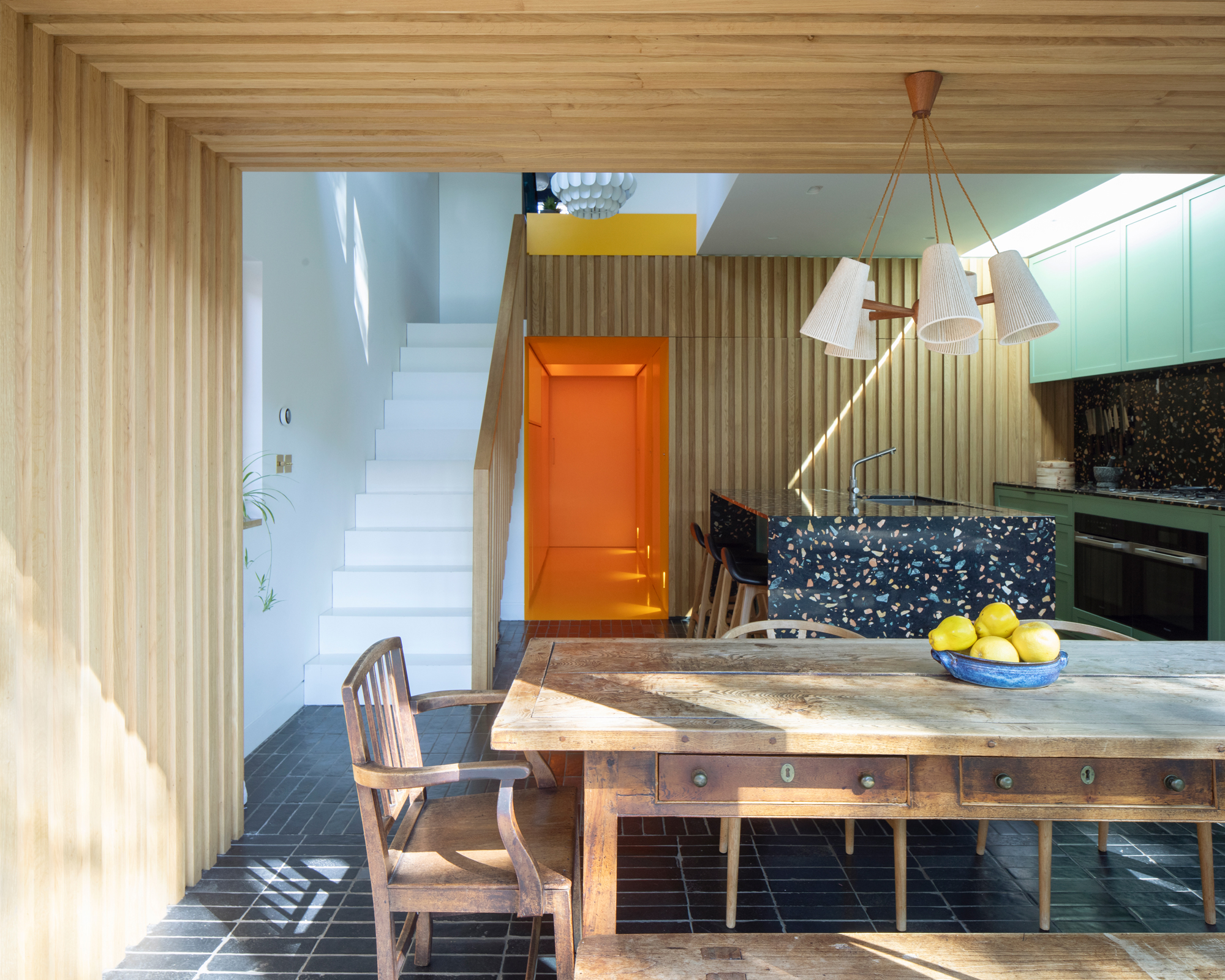
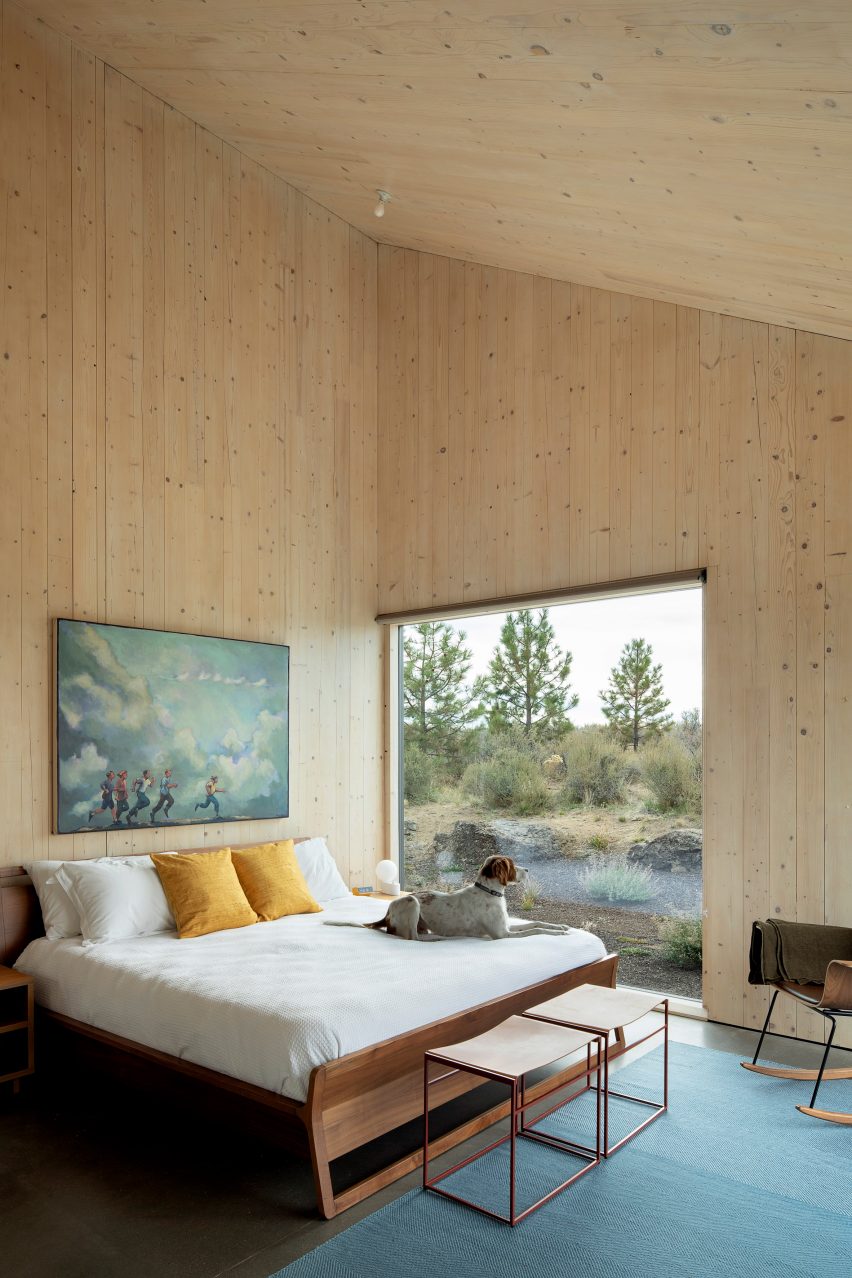
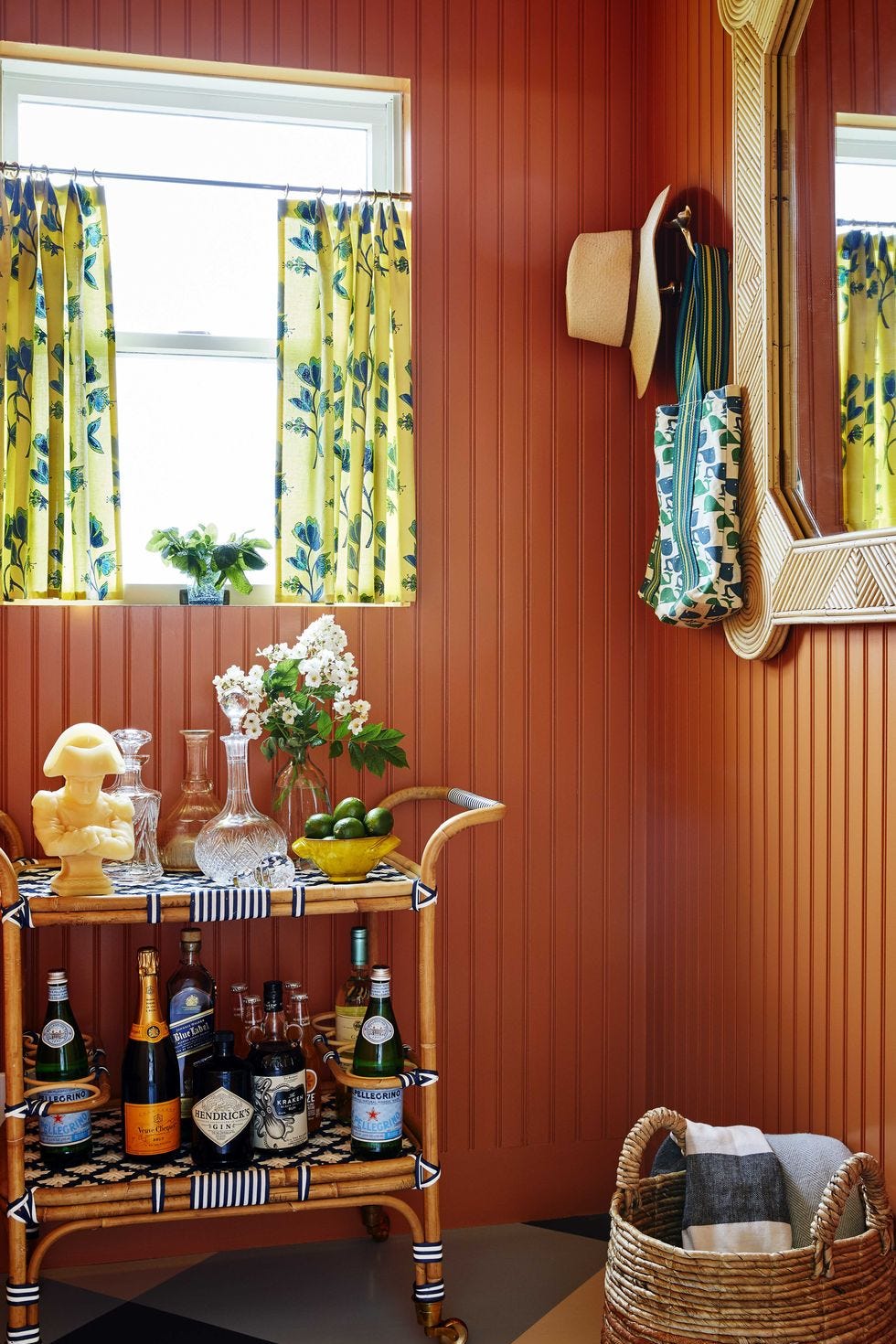
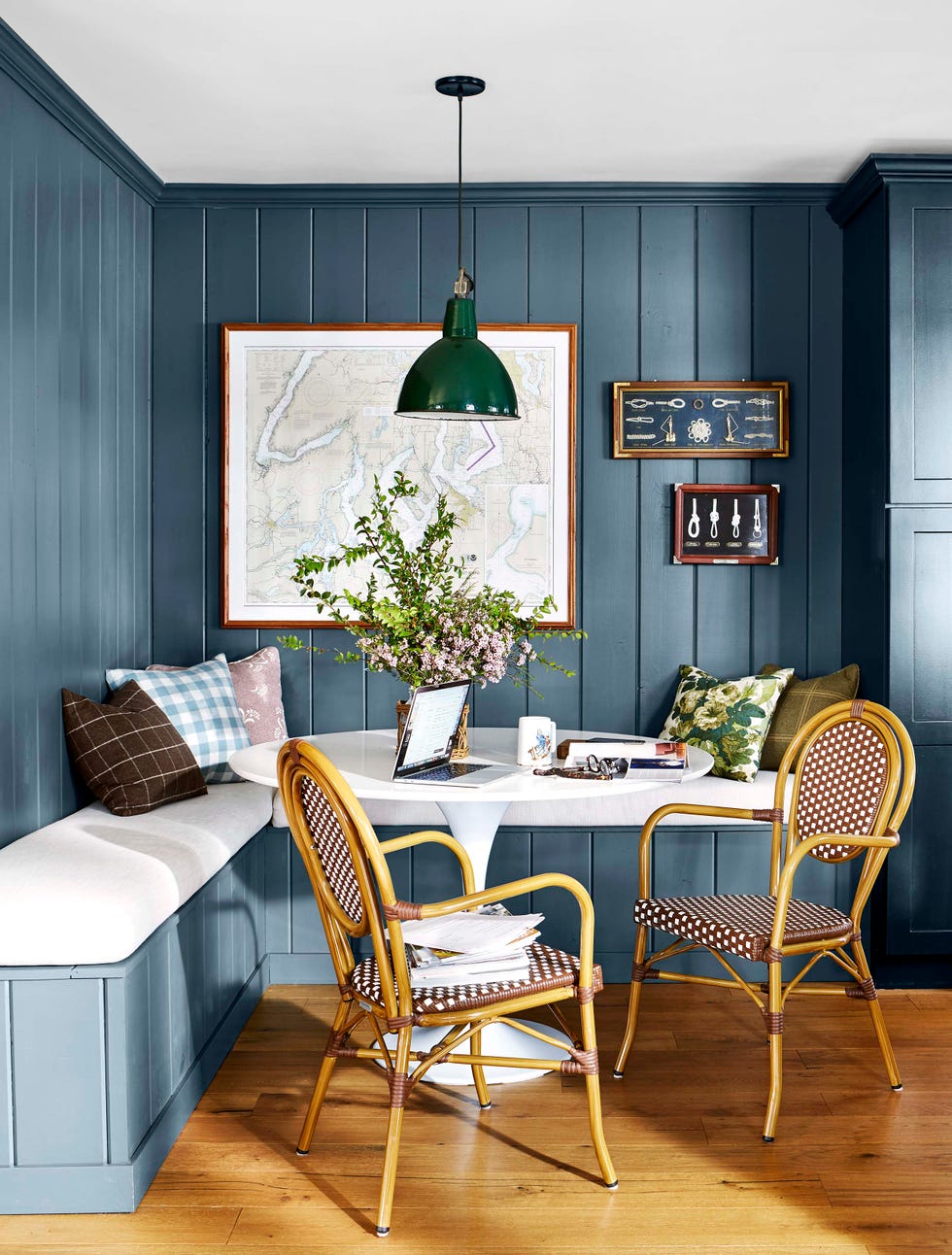
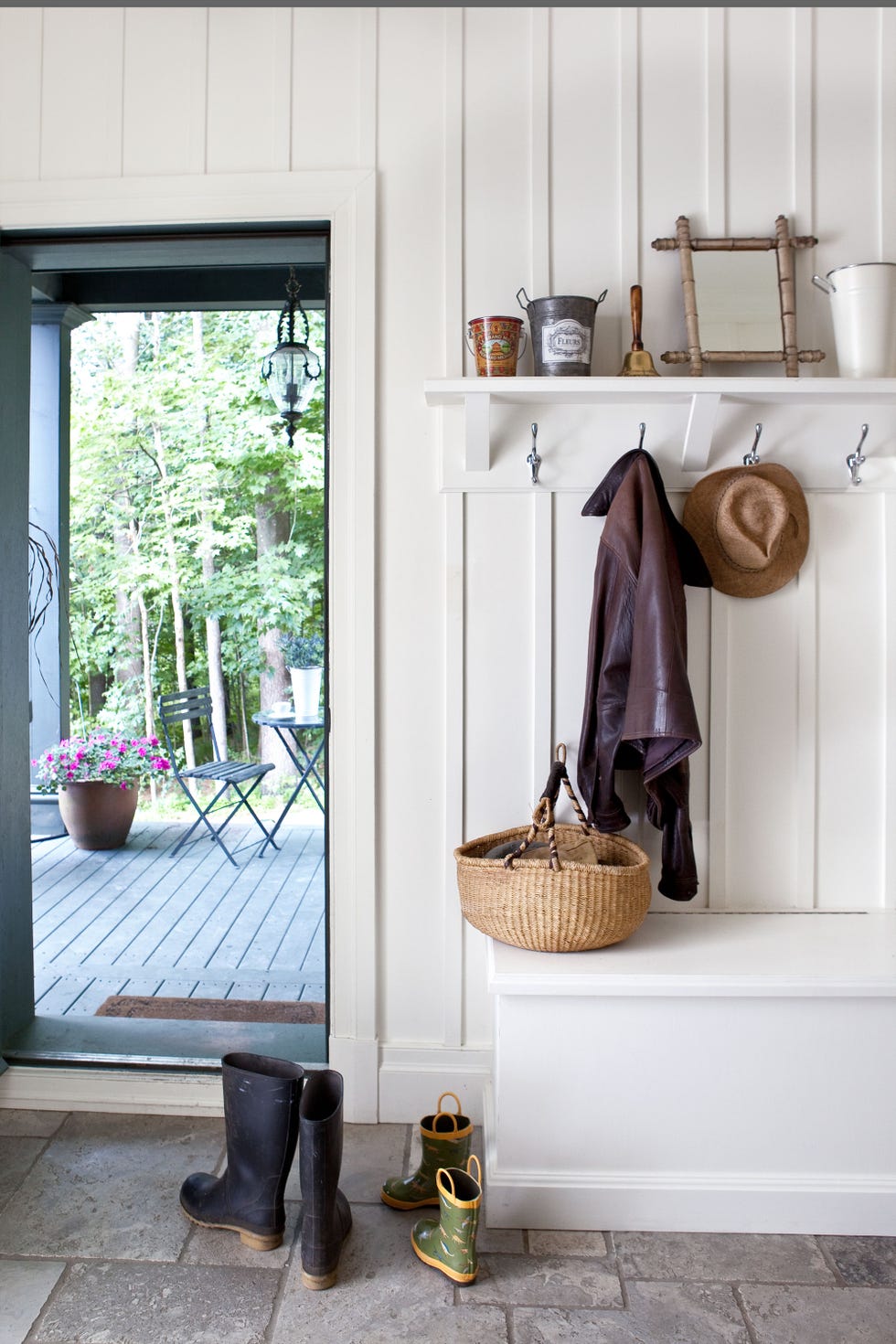
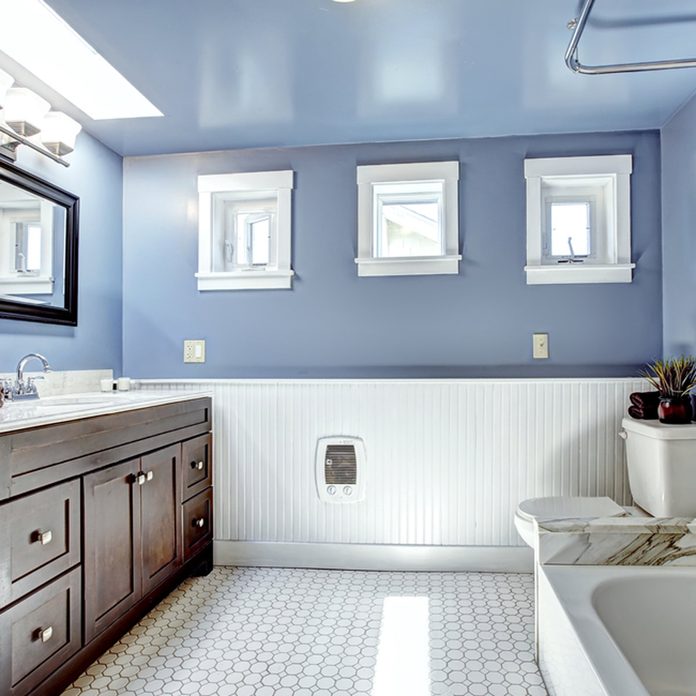
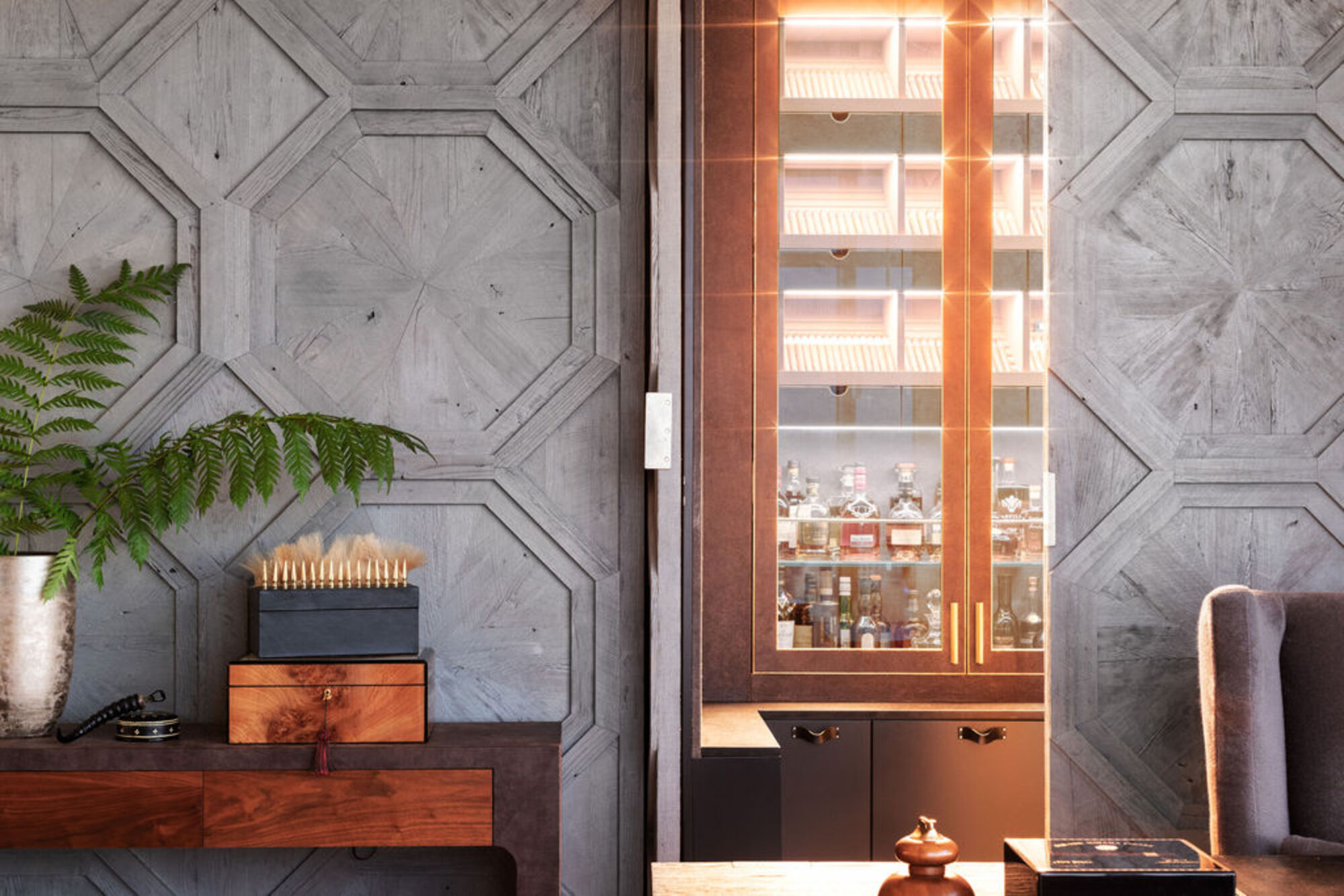
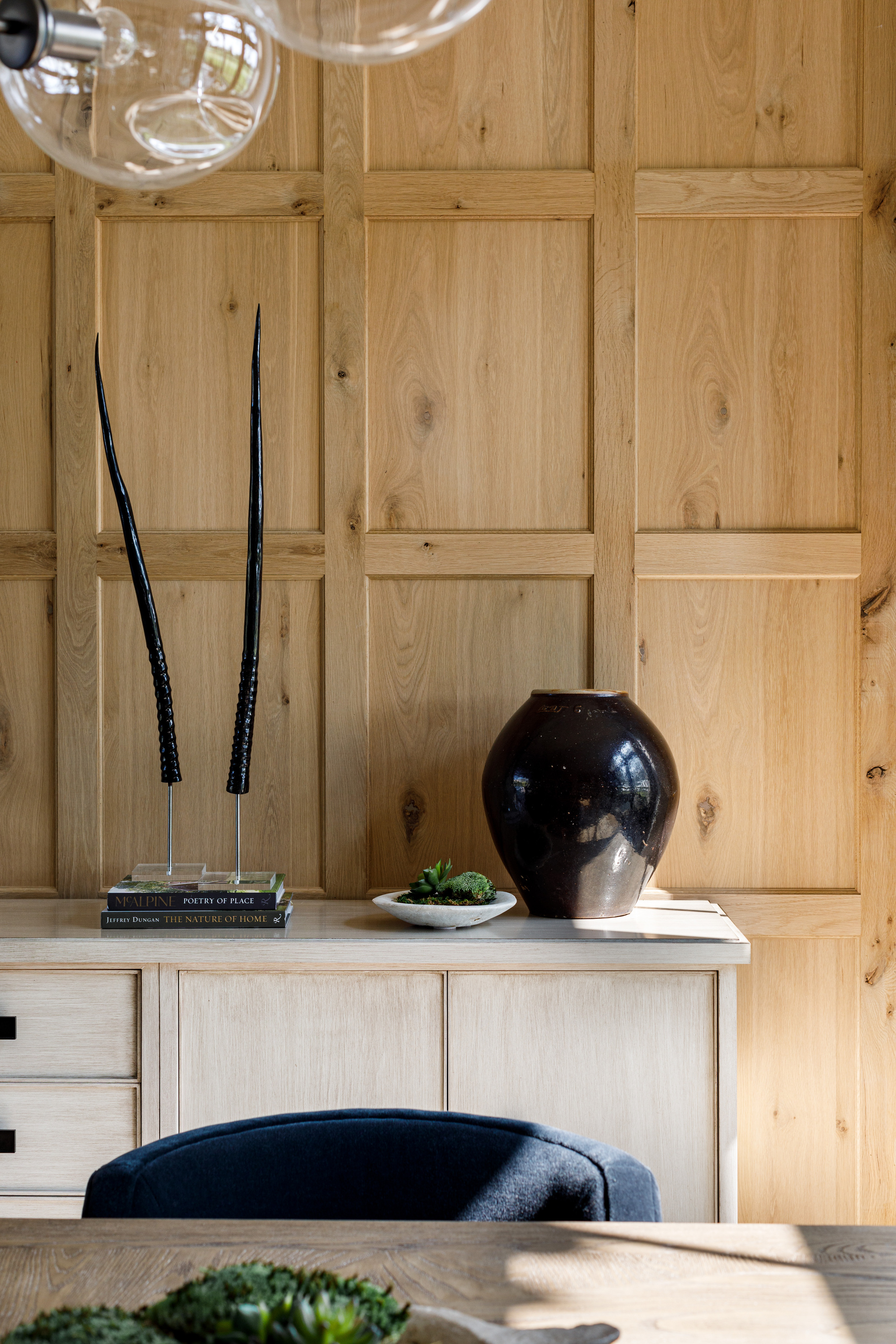
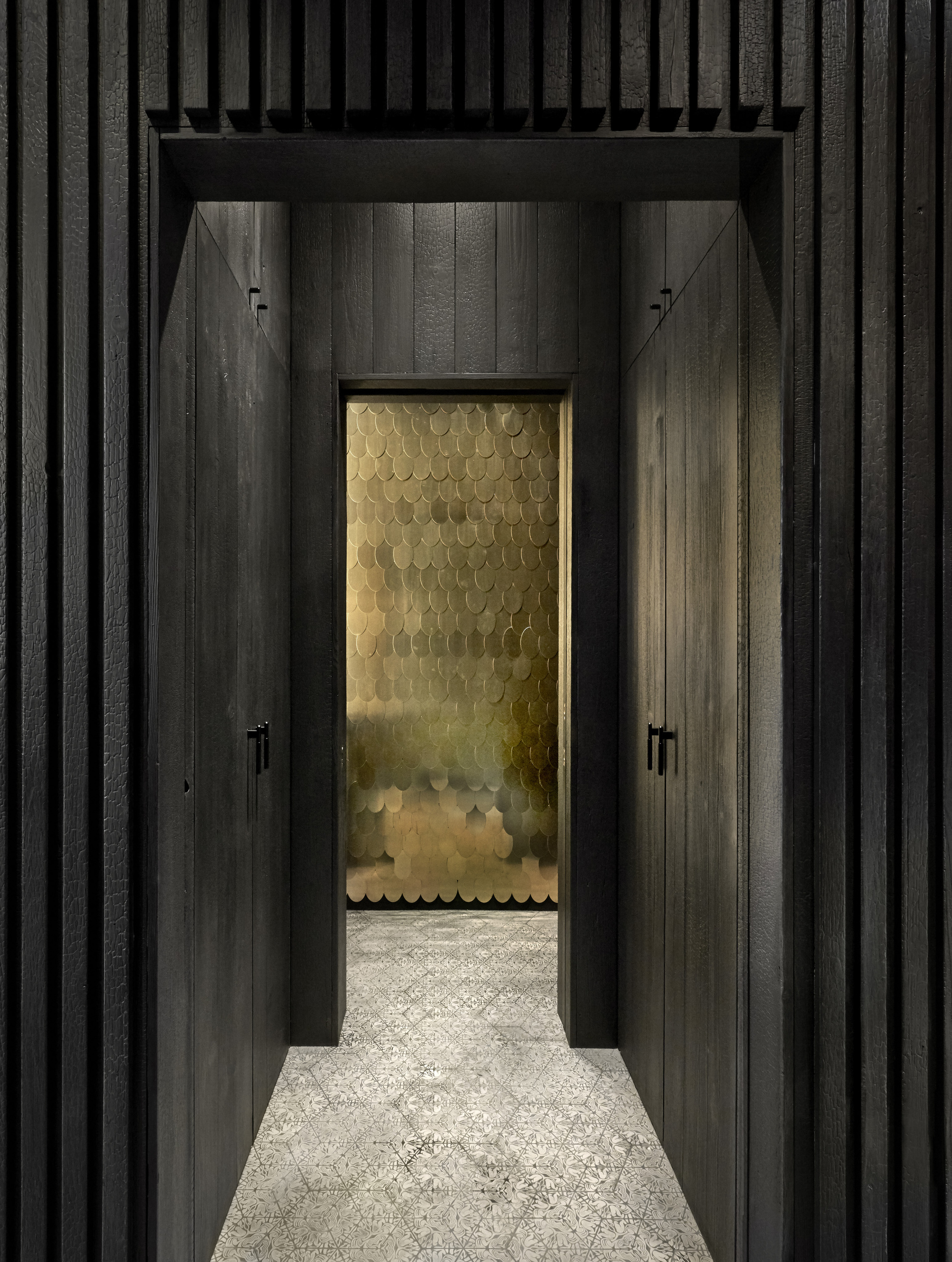
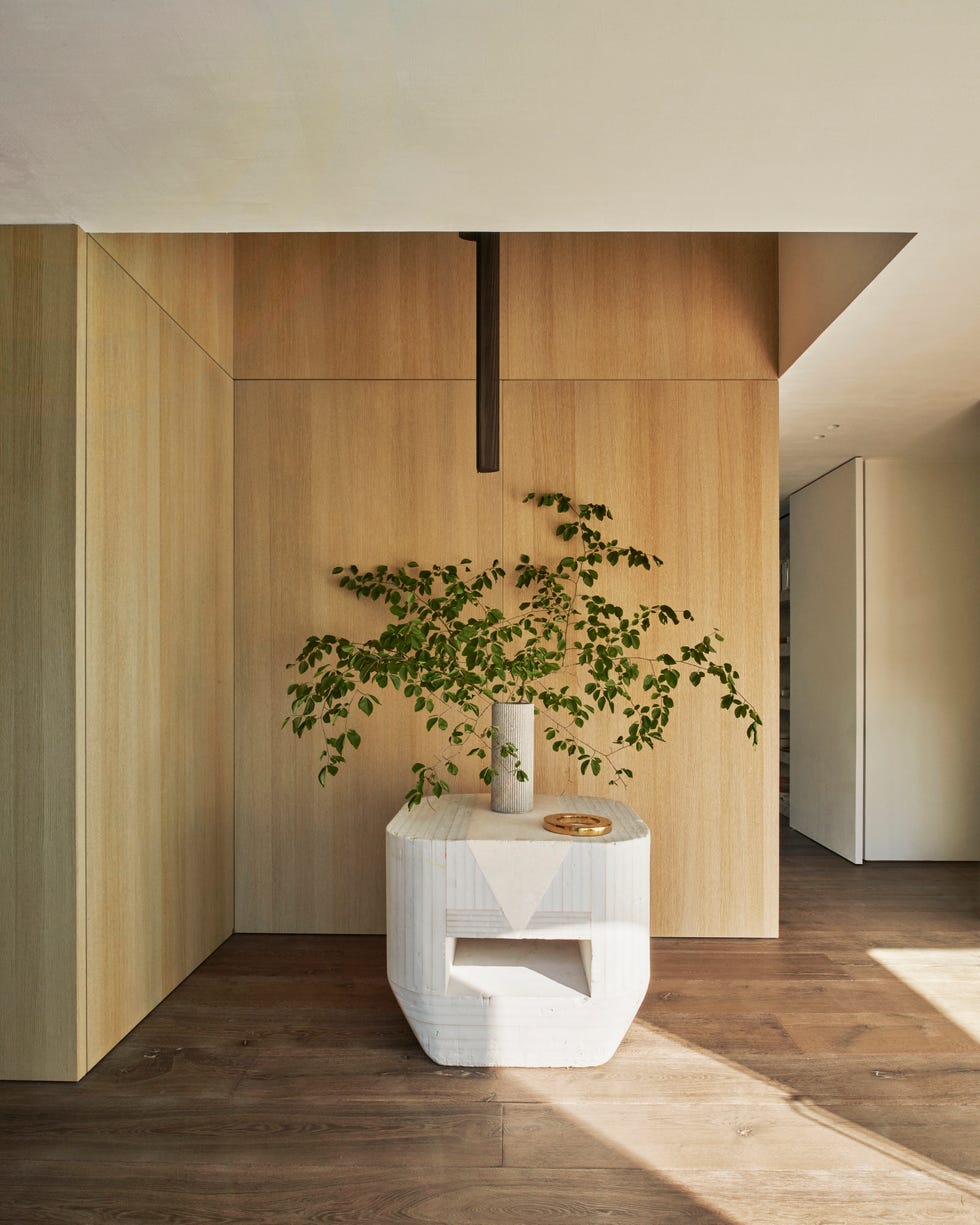
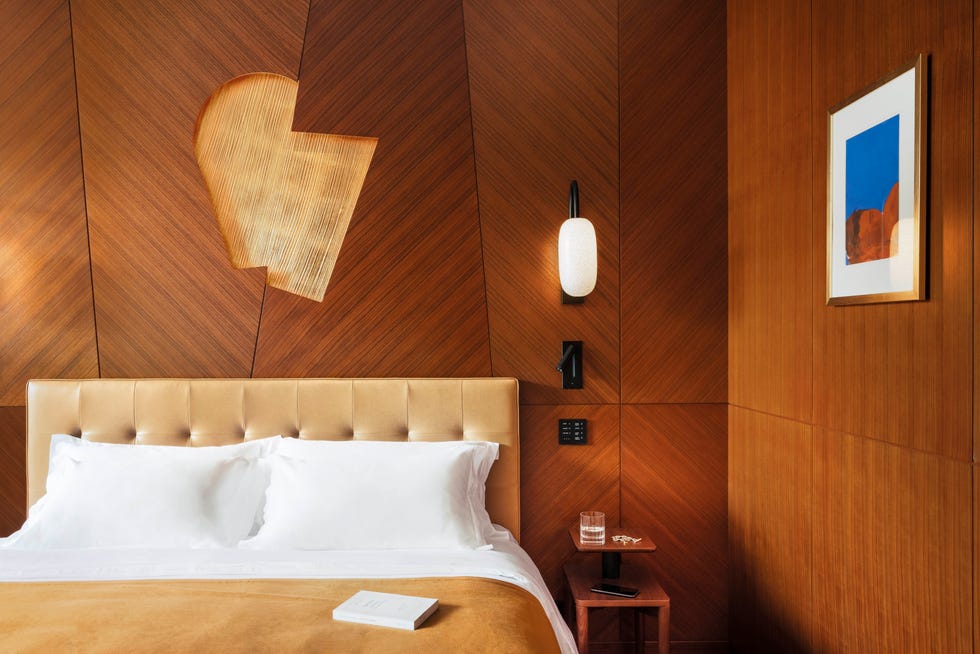
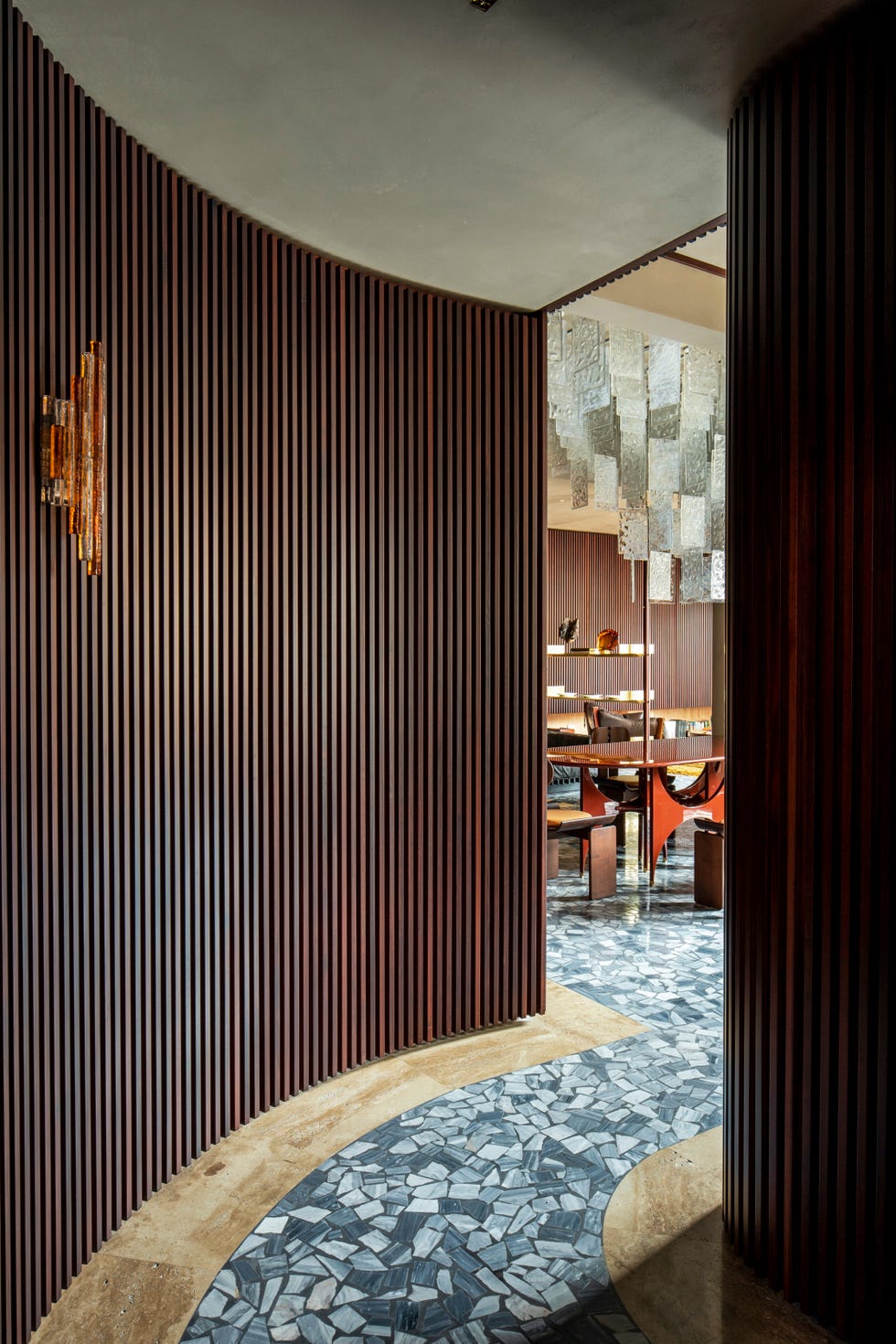
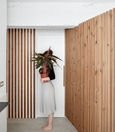
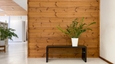
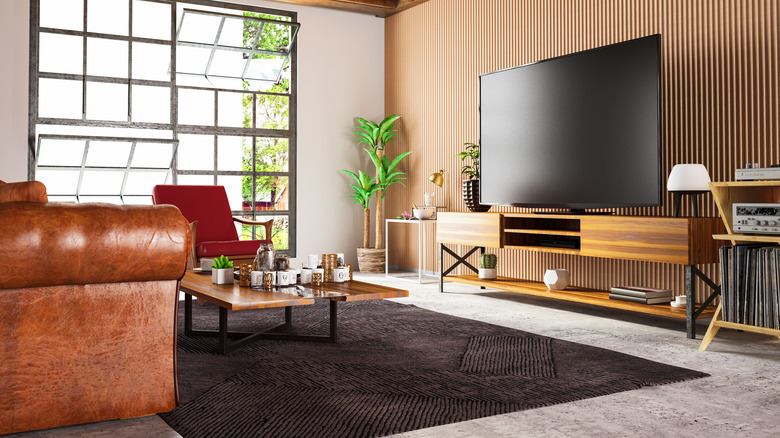
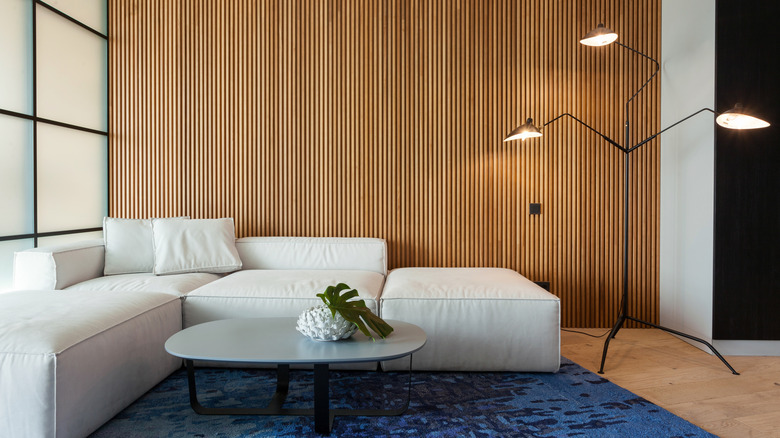
Interior timber wall cladding offers an aesthetic upgrade and enhances a home's energy efficiency. This versatile product is available in various sizes and wood types, providing homeowners with an easy-to-install and maintain solution for transforming their living spaces. Cladding can contribute to a modern look and feel, similar to wall panelling, and can be customized with different paints or wood stains to match diverse interior design preferences. Beyond its visual appeal, interior timber cladding significantly improves the insulation and soundproofing properties of a room, leading to a more comfortable and energy-efficient home environment. This makes it a valuable addition for homeowners looking to combine style with practical benefits.
Installation of wooden cladding is a straightforward DIY project. The process typically involves measuring and cutting the cladding panels to the desired size. Support battens are then attached to the wall, to which the cladding panels are secured using nails or screws. This method ensures a snug fit and a professional finish. For painting, a high-quality interior wood paint or stain is recommended, with the choice of finish aligning with the room's existing decor. Priming the wood before painting is advised to achieve a smooth and durable surface, ensuring longevity and a refined appearance. Wood stains can be used to emphasize the natural grain of the timber, offering a more rustic or natural aesthetic, while paints allow for a complete color transformation.
From a practical standpoint, interior timber cladding serves as an additional layer of insulation for walls. This extra barrier helps to regulate indoor temperatures, keeping the home warmer during colder months and cooler in warmer seasons. The improved thermal performance contributes to lower energy consumption and increased comfort. Furthermore, the added material layer acts as an effective sound barrier, reducing noise transmission between rooms and from outside the home, thereby enhancing the overall tranquility of the living space. The variety of materials available, such as MDF and different types of softwood, allows for choices based on specific needs, including budget, desired finish, and environmental considerations. Many products come pre-primed or fully finished, simplifying the installation and decorating process for homeowners.
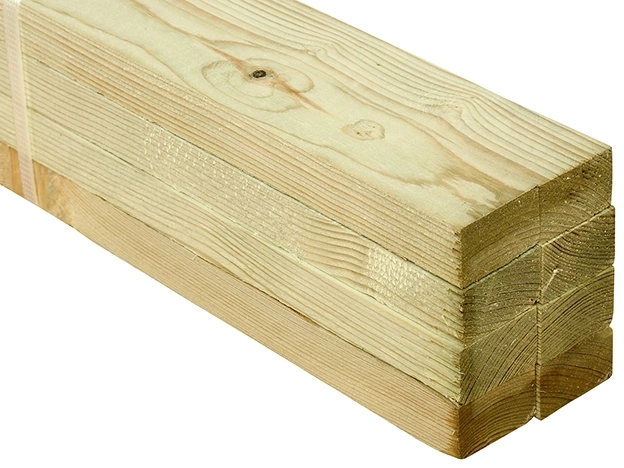
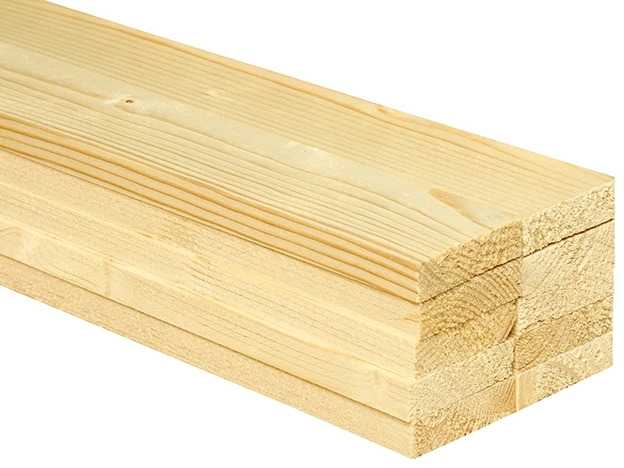
The selection of cladding varies in length, thickness, and width, catering to different project requirements. For instance, options include pieces ranging from 900mm to 3000mm in length, 8mm to 17mm in thickness, and widths of 94mm, 144mm, or 200mm. Pack quantities also differ, from single units to packs of nine, providing flexibility for projects of all scales. Popular finishes include natural wood tones and white, offering both traditional and contemporary styles. Brands like Wickes and Cheshire Mouldings offer a range of products, including V-jointed traditional softwood cladding, general-purpose softwood cladding, and primed slatted or round MDF cladding. These options enable homeowners to select products that meet their specific design preferences and functional needs, whether for a subtle enhancement or a complete room transformation, all while benefiting from improved home performance.
#InteriorDesign #WallCladding #HomeRenovation #DIYHomeImprovement #EnergyEfficiency #Soundproofing #WoodCladding #MDFCladding #HomeDecor #InteriorDesign #WallCladding #HomeRenovation #DIYHomeImprovement #EnergyEfficiency #Soundproofing #WoodCladding #MDFCladding #HomeDecor
0 Kommentare insgesamt
 Noch keine Kommentare
Das könnte Ihnen auch gefallen
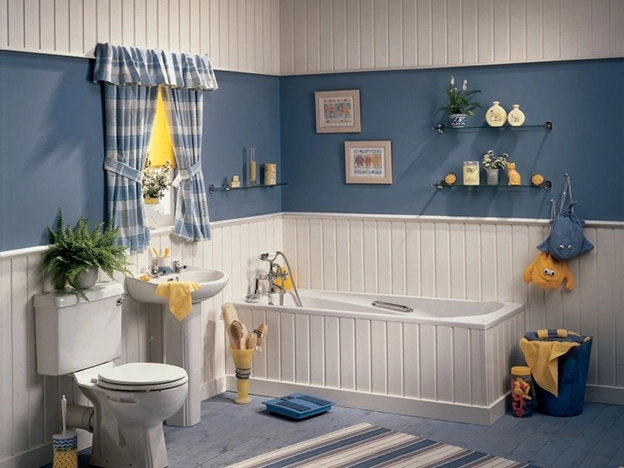
Cladding

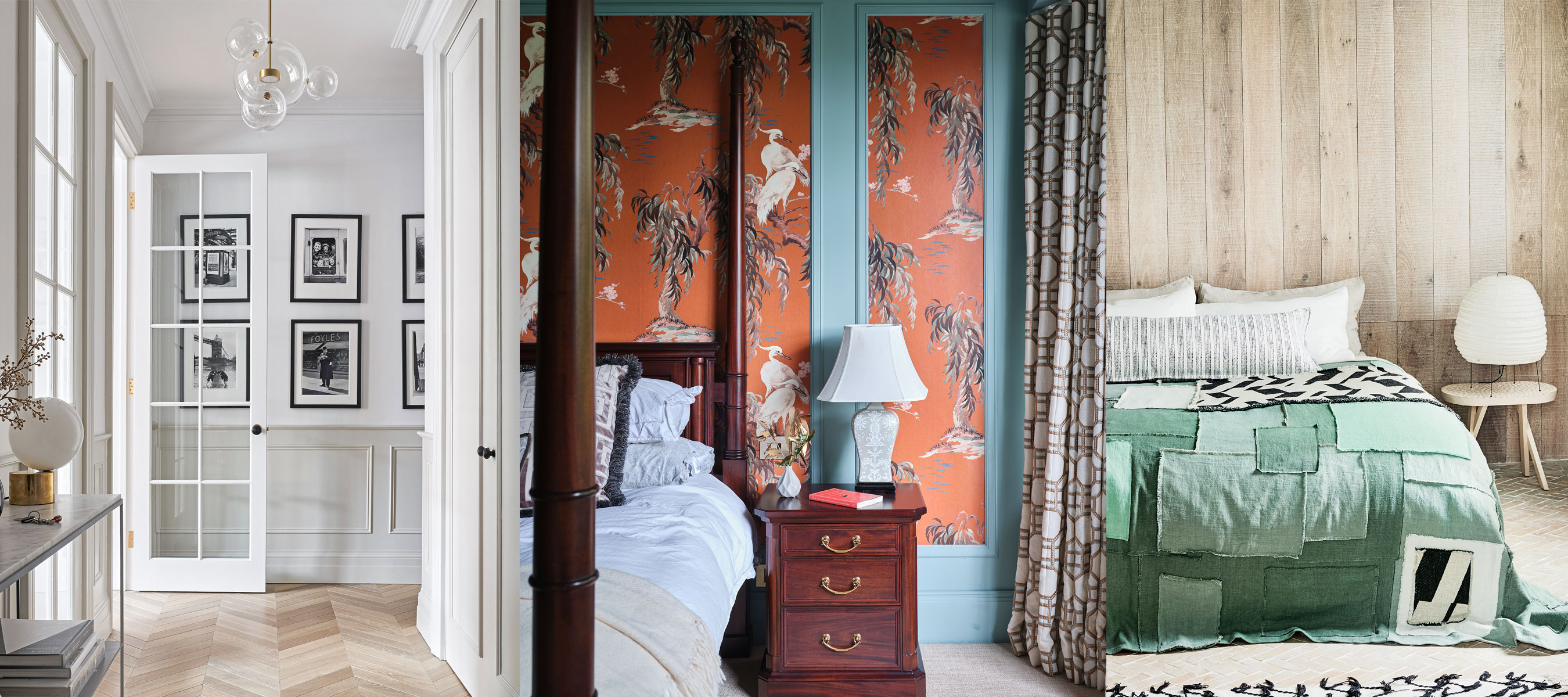
Wall paneling ideas – 18 ways to add decorative cladding and moulding


Building Materials - Building Supplies

Shiplap Cladding

Mouldings | Decorative Moulding
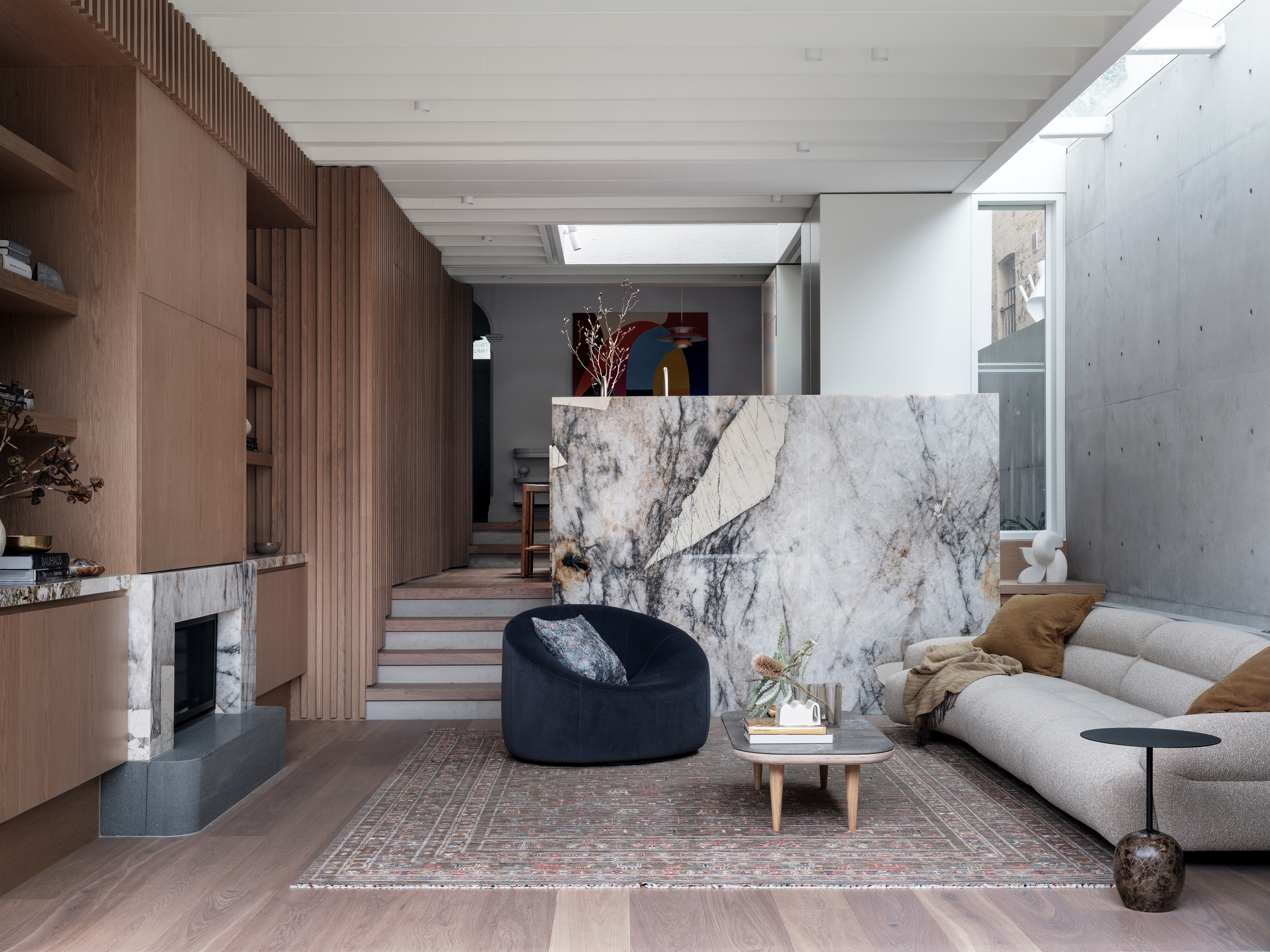
Slat wall ideas – 8 spaces that show how interior designers are elevating this wall paneling trend

5 Home Renovation Trends That Interior Designers Are Ditching in 2026
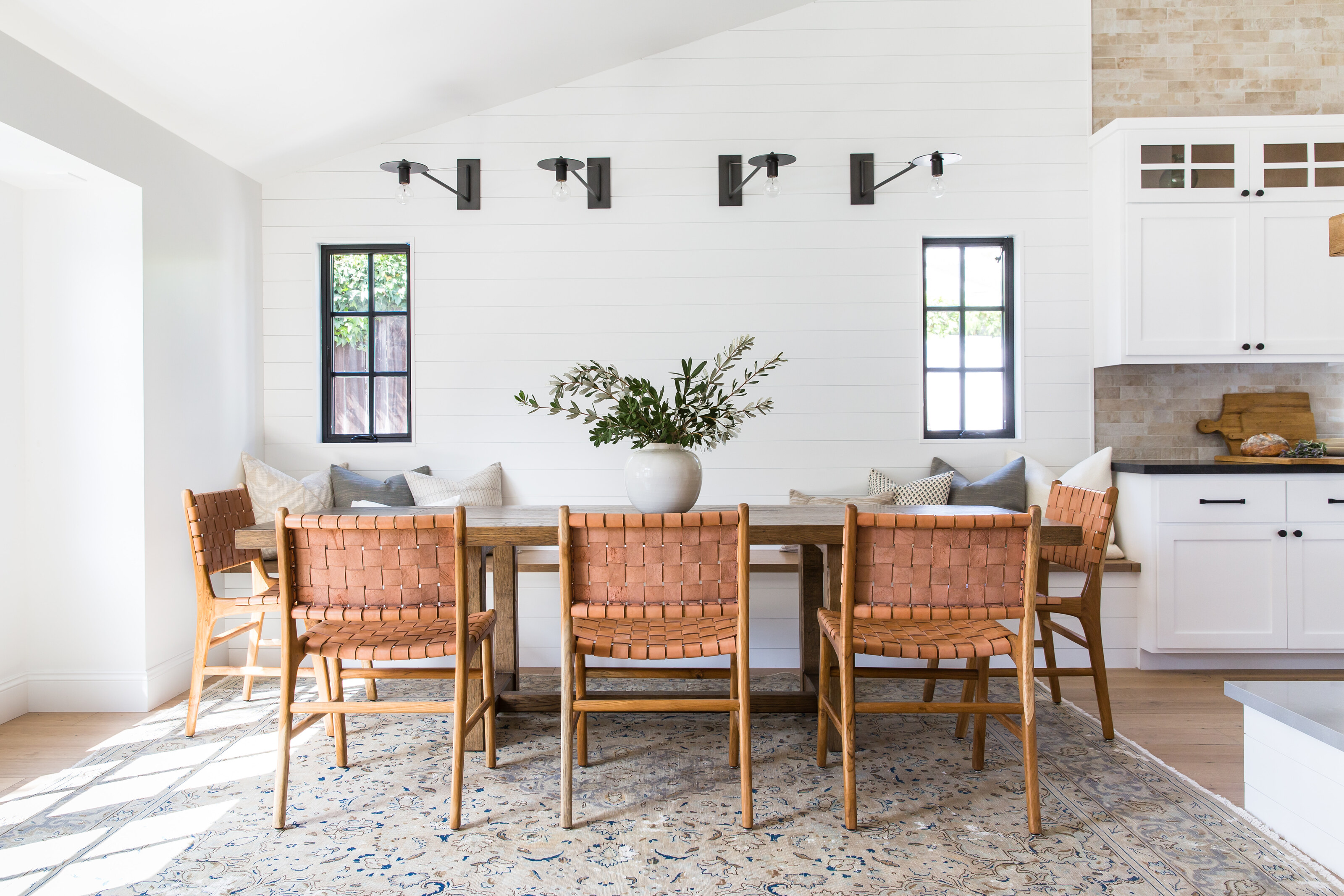
Wall paneling ideas – experts offer 9 simple tricks to wake up your walls
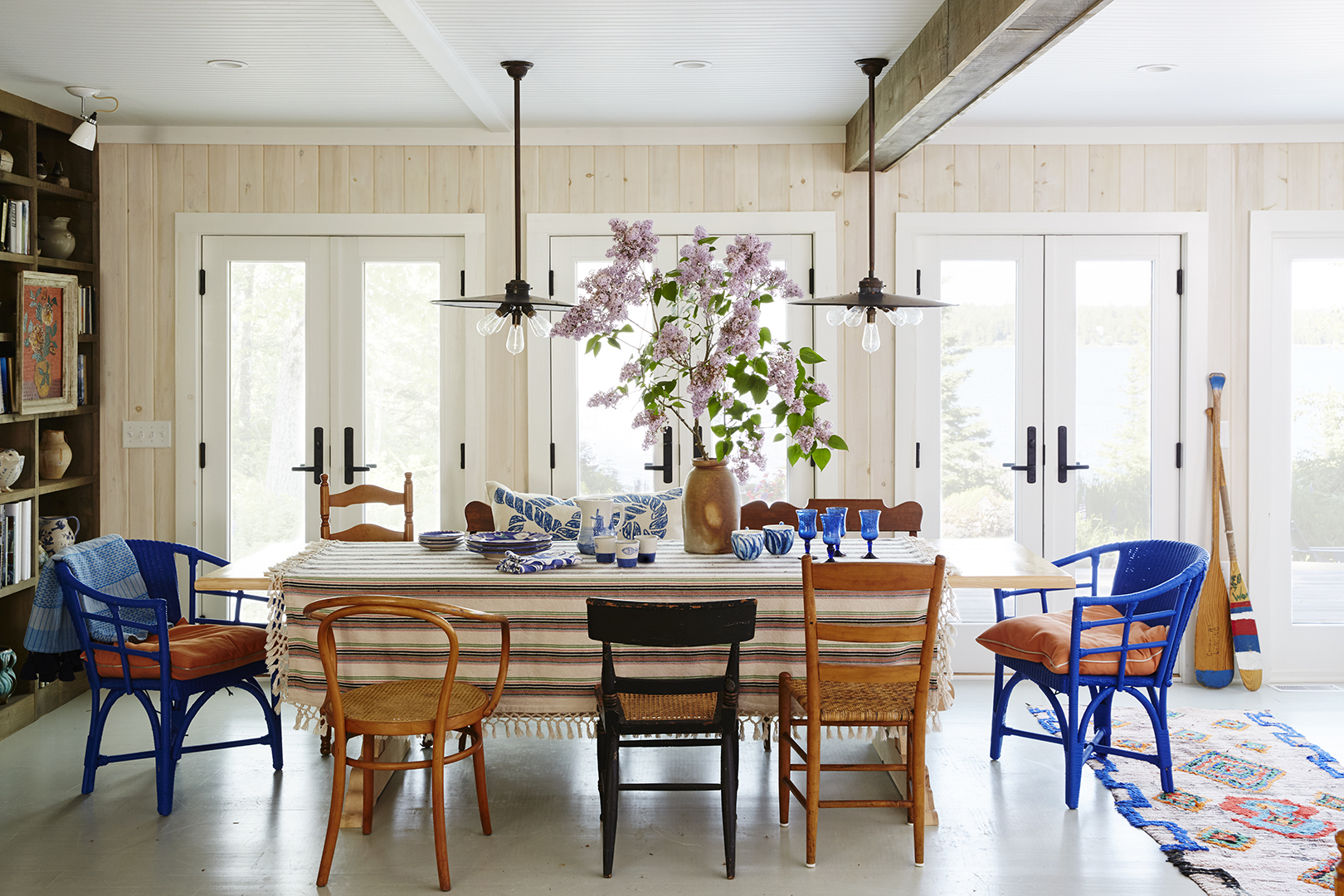
Designers Are Betting on This Wall Treatment as the New Shiplap

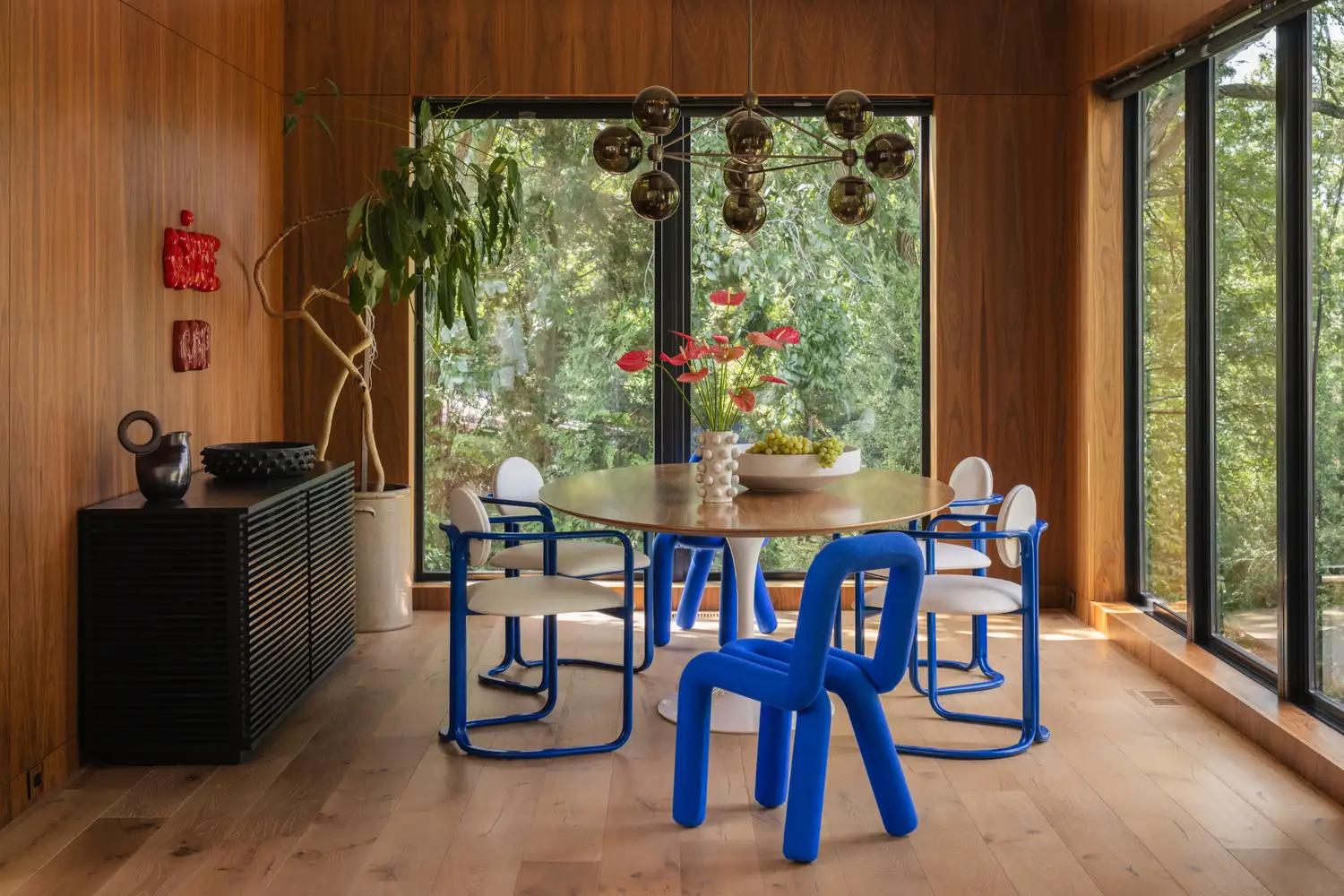
Wood Paneling Is Officially Cool Again—Here's How Designers Are Using It Now

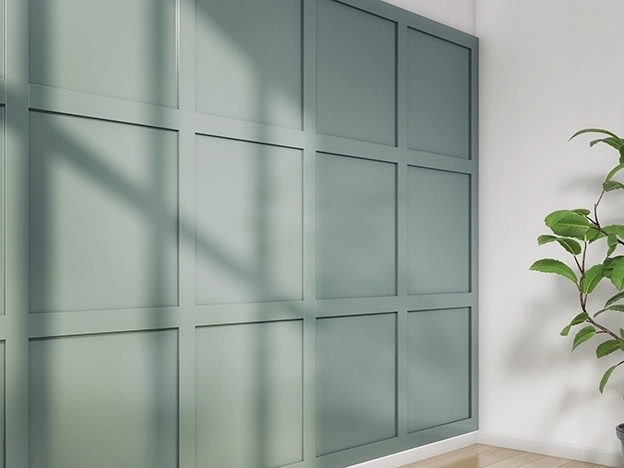
Timber
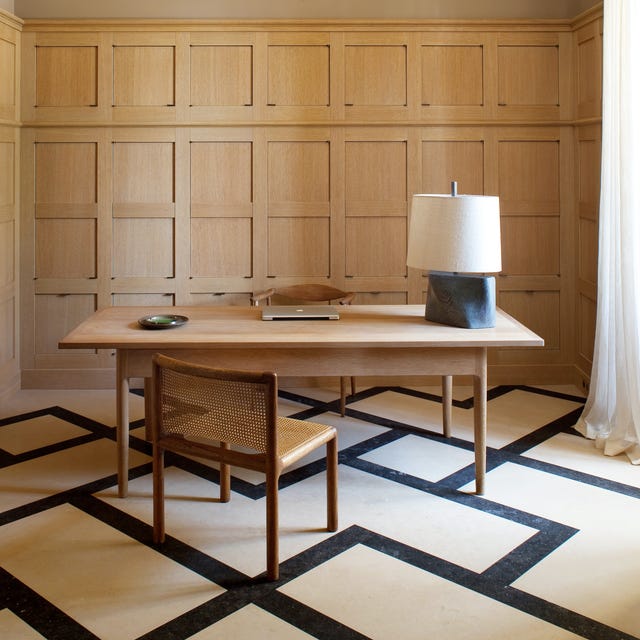
Wood panelling: an essential guide to the big decorating trend

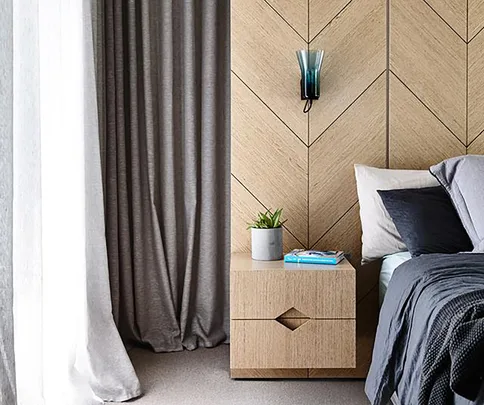
9 stunning timber feature walls to inspire

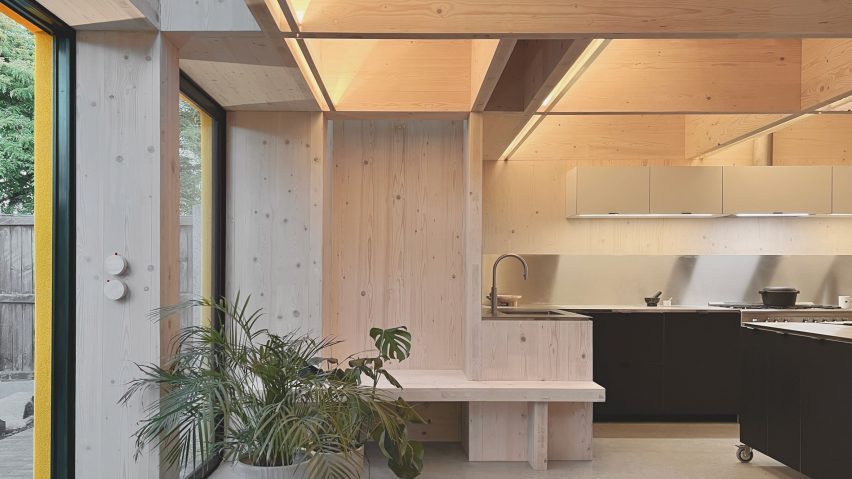
Fourteen homes where exposed cross-laminated timber creates cosy interiors
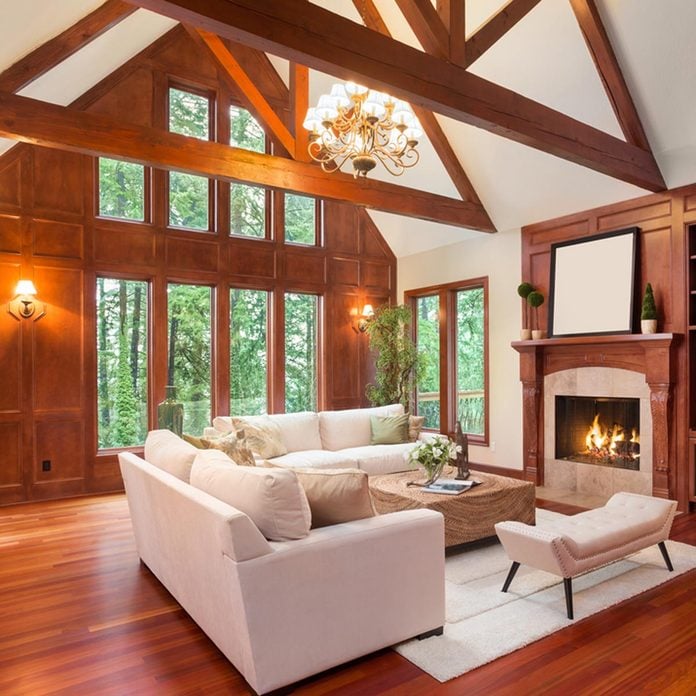
10 New Trends in Wood Trim for 2018

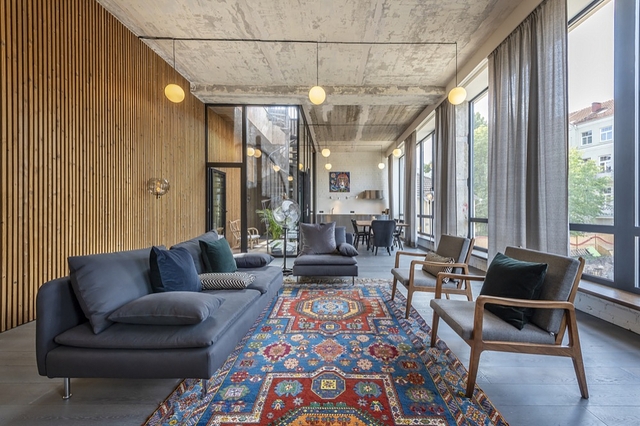
How to Use Thermowood in Interiors from Lunawood

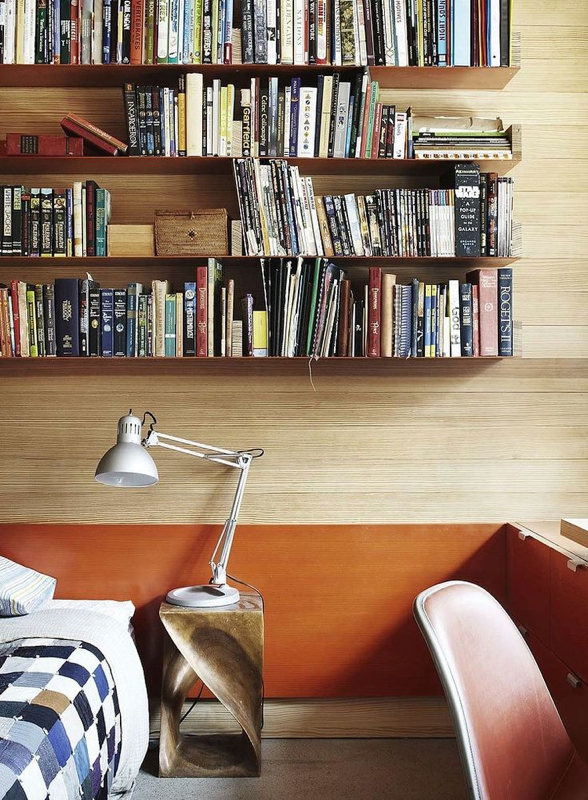
12 Contemporary Wood Walls You’ll Actually Love

Wood Paneling Is Back—and Better Than Ever

Remember the wood-panelled walls from the 1970s? They're back, with a modern twist
The Inexpensive Wall Design Rock The Block's Alison Victoria Absolutely Loves