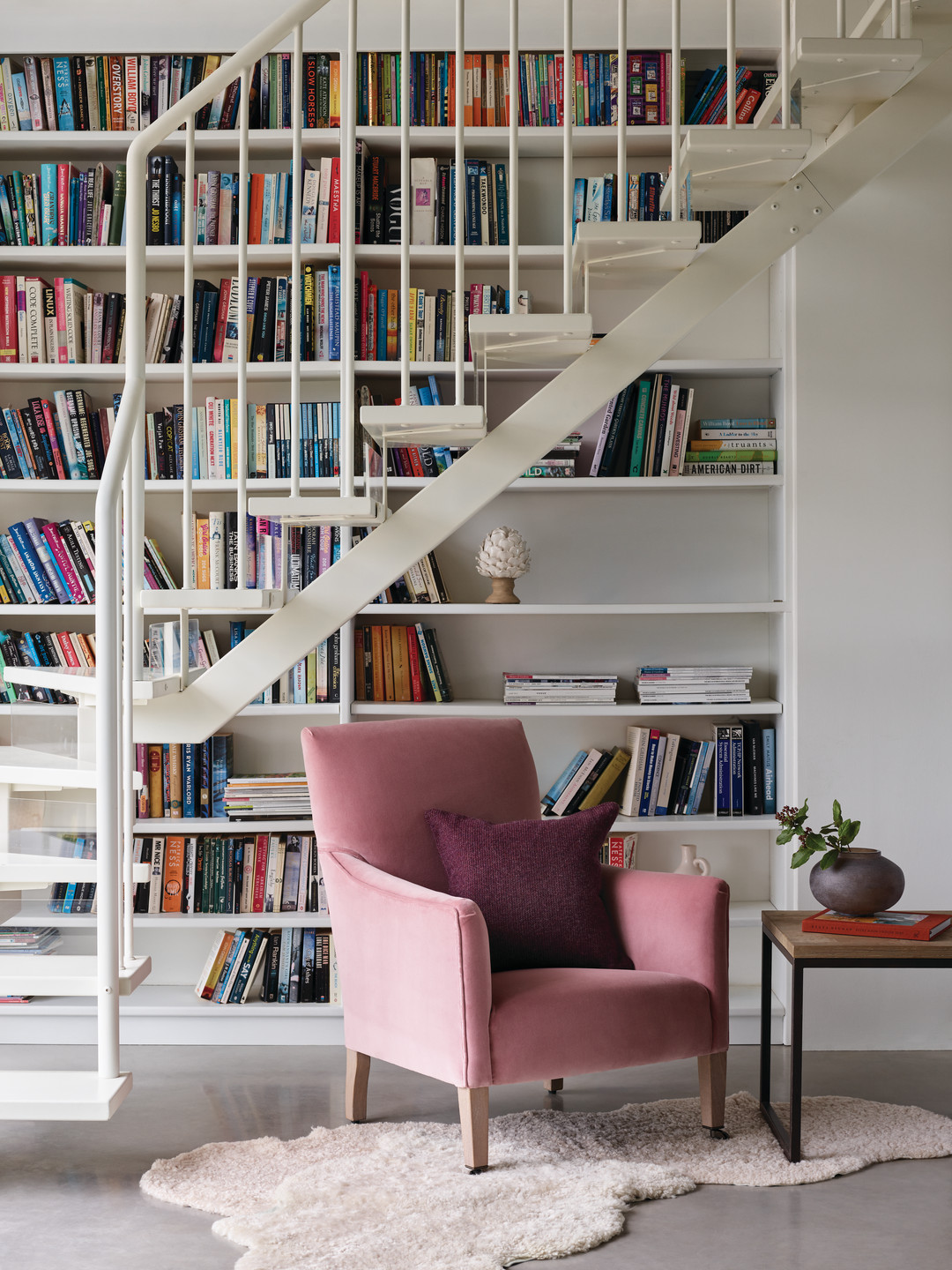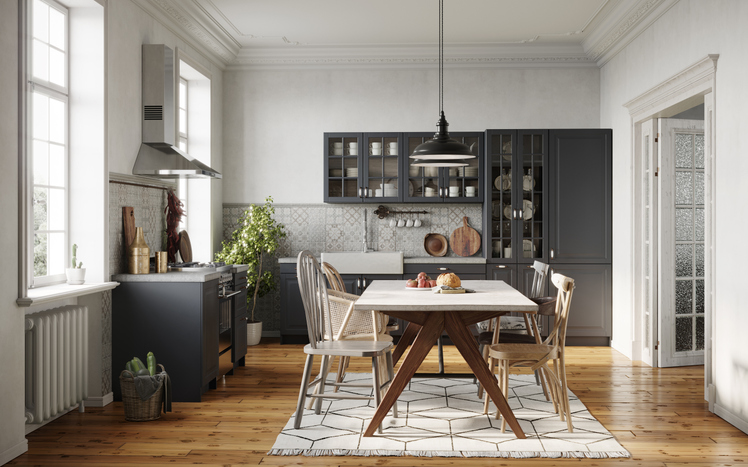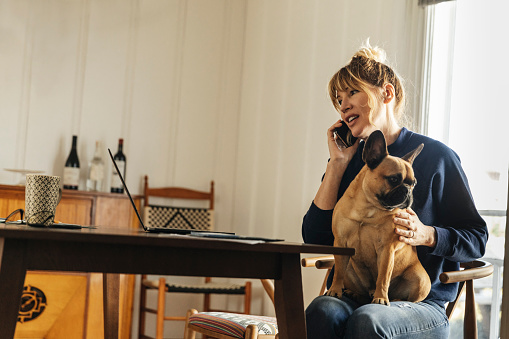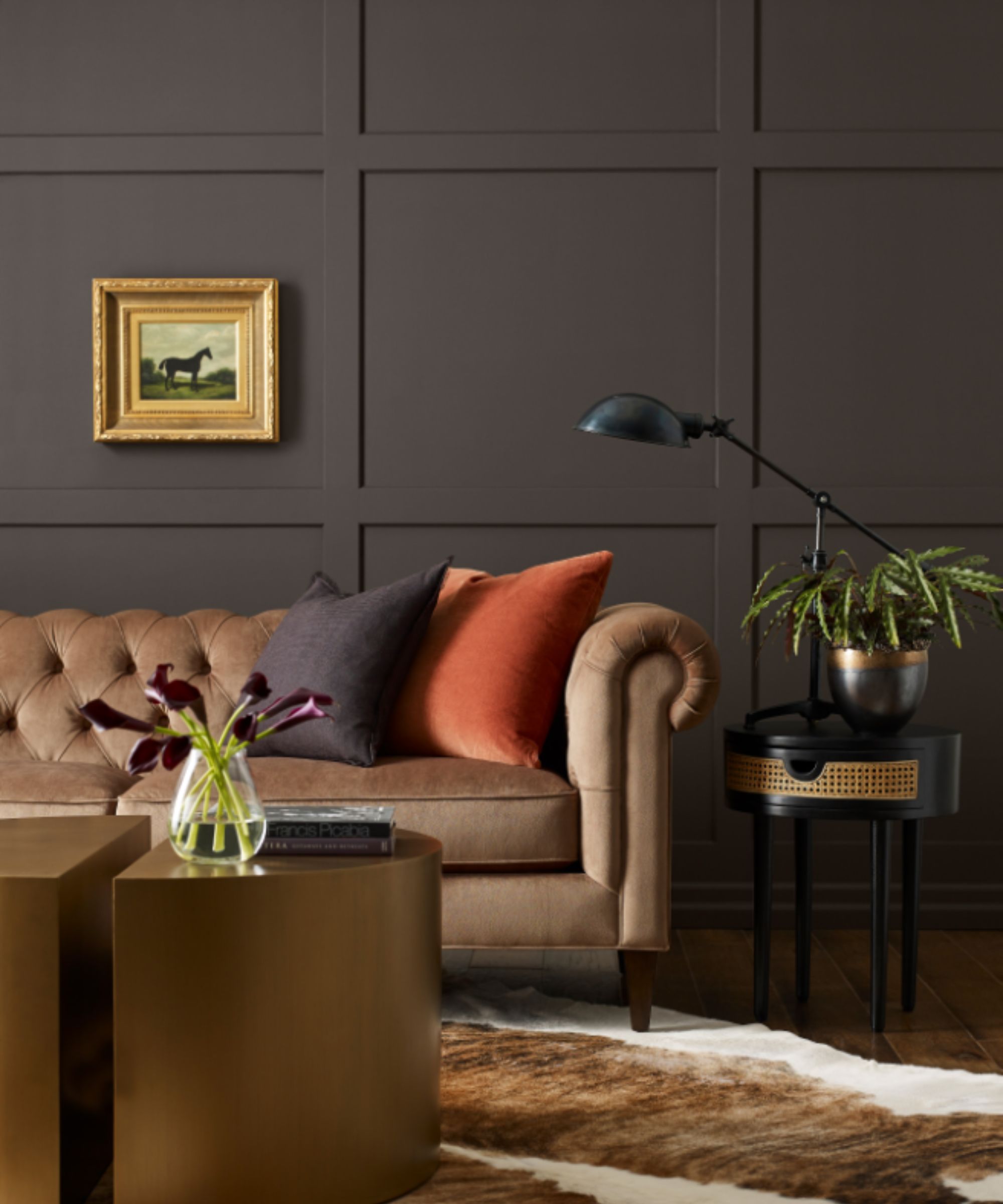

Feng shui helps organize every day life
The article explores how applying basic principles of Feng Shui, an ancient Chinese art of positioning objects to enhance 'chi' or energy flows, can help alleviate stress and improve daily life. Originating 3,000 to 6,000 years ago, Feng Shui aims to balance energies in a living space to promote good health and fortune. Its popularity in the United States grew after Richard Nixon's visit to China in 1972.
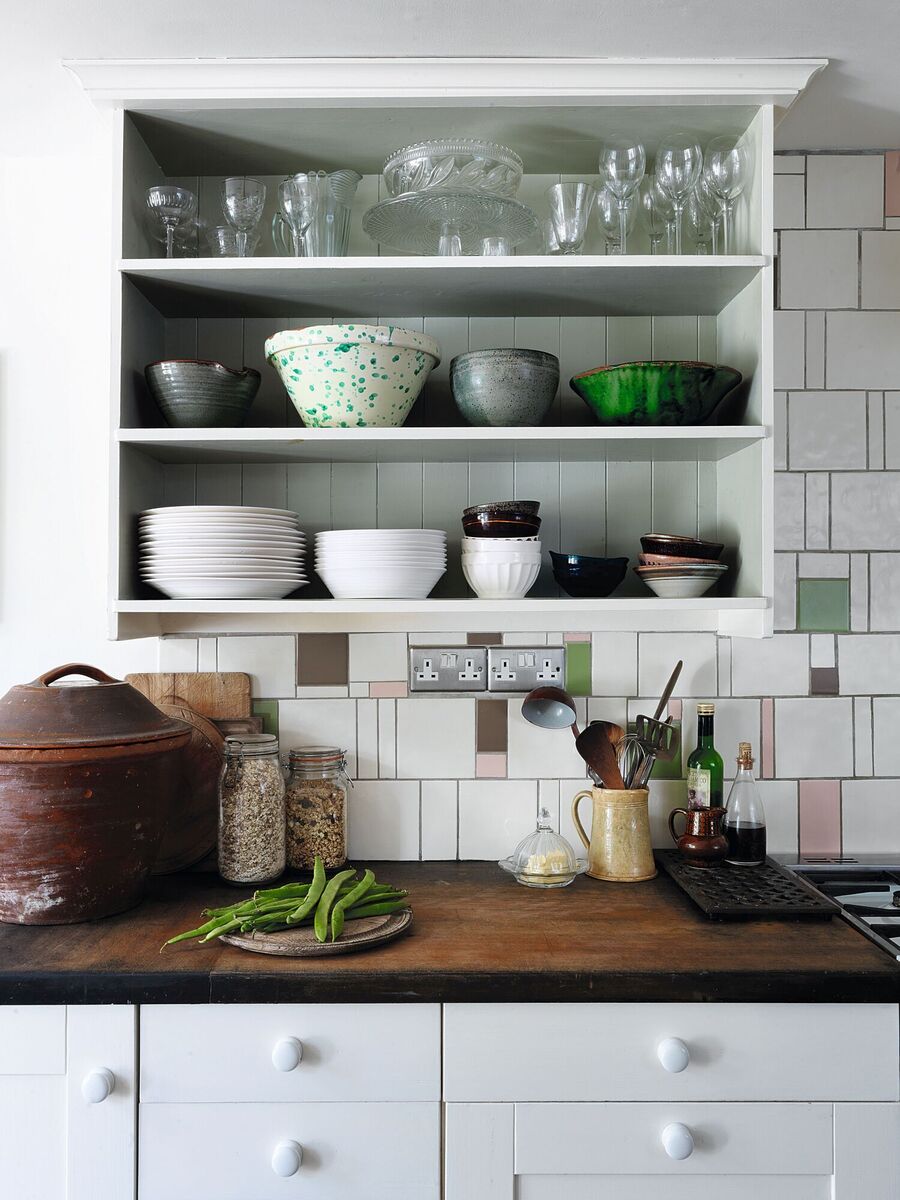
Stacy Davenport, an Austin-based Feng Shui consultant trained by master Lin Yun from Beijing, highlights that shifting the energy of a living space supports personal goals and dreams. She attributes her own financial success to incorporating Feng Shui principles. A core tenet of Feng Shui is decluttering. Davenport advises removing old, unused, and broken items, suggesting a symbolic removal of 27 items from cabinets, closets, garages, or drawers. The number 27 is significant in Feng Shui, as its digits sum to nine, an auspicious number, and relates to the nine sections of the bagua grid, a tool for evaluating energy flow.
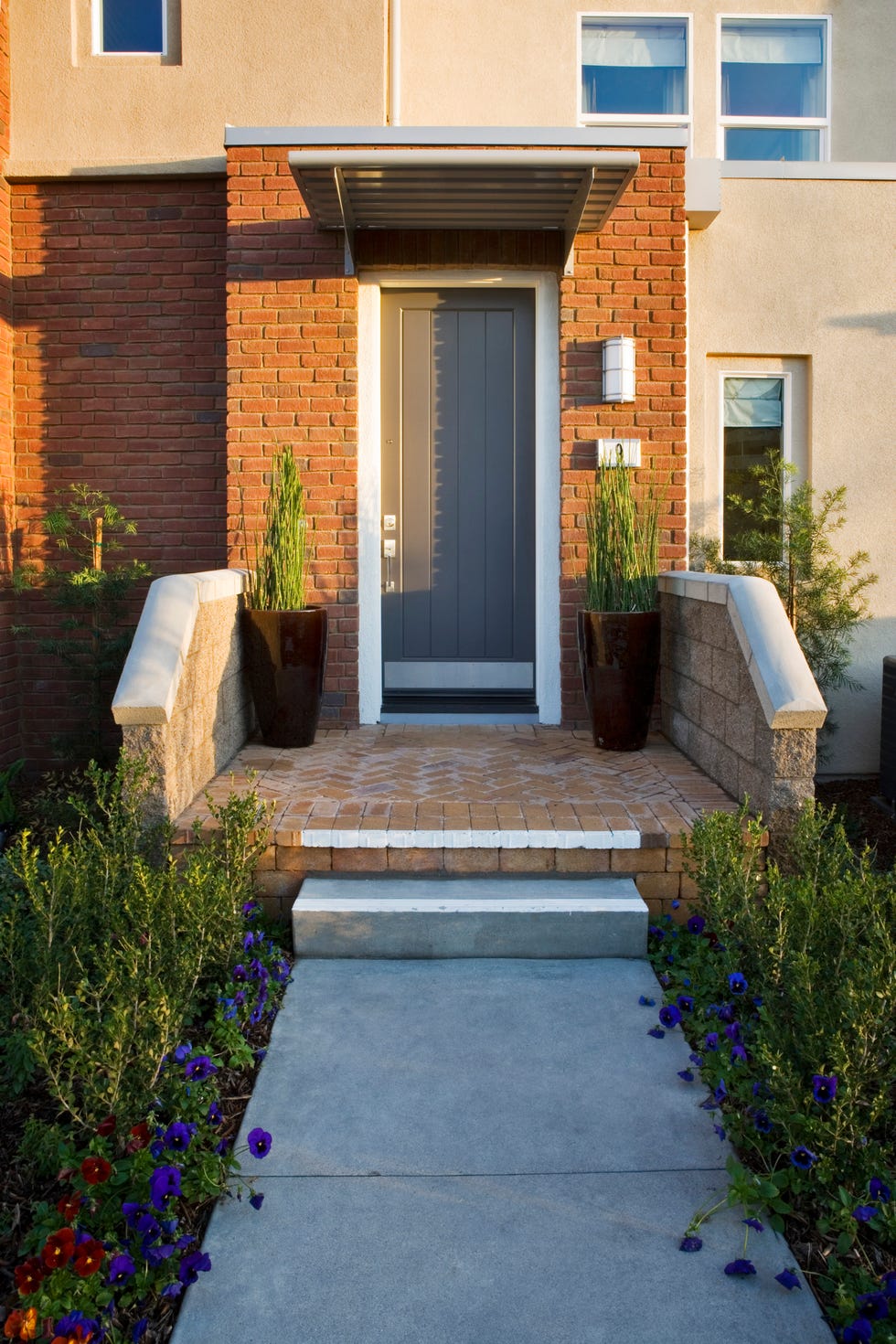
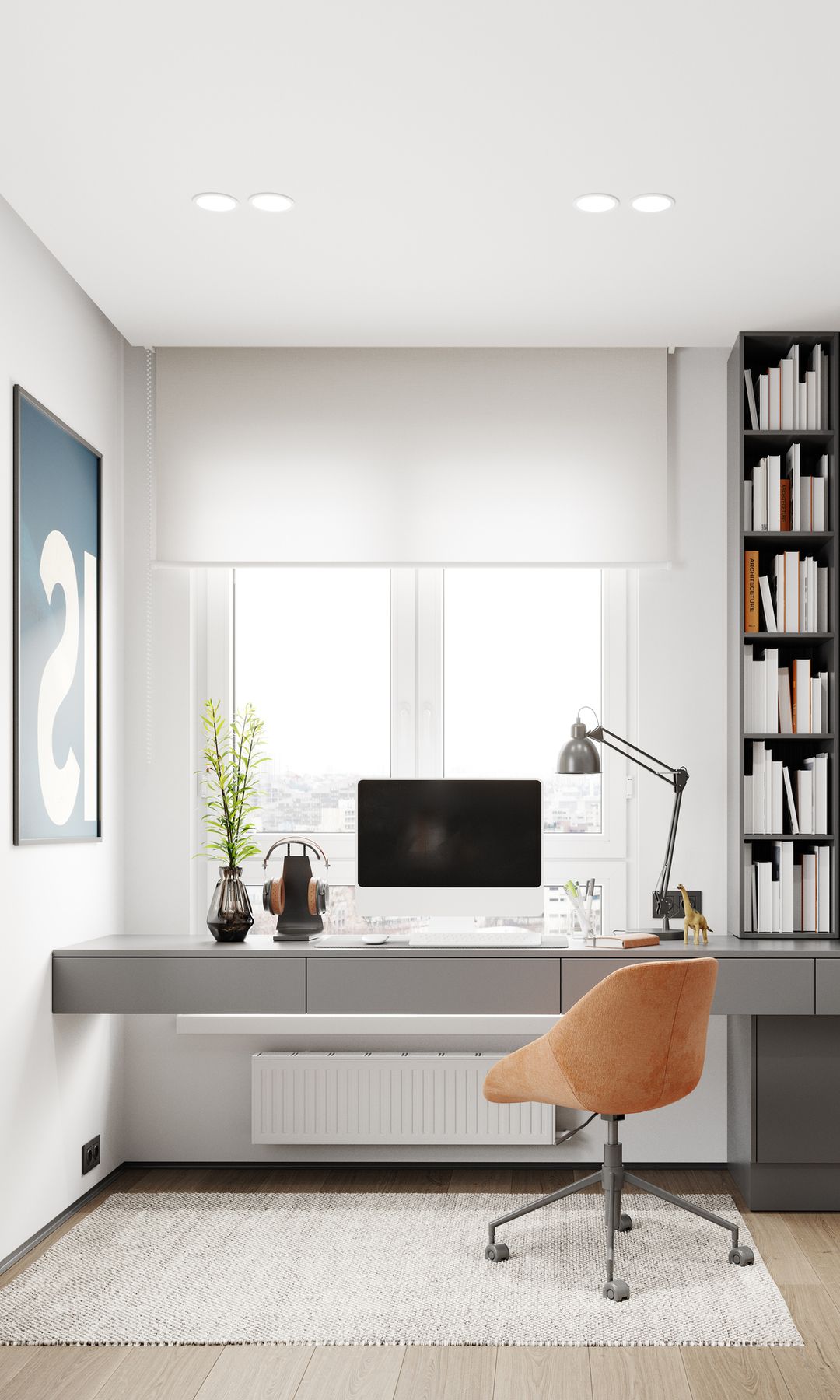
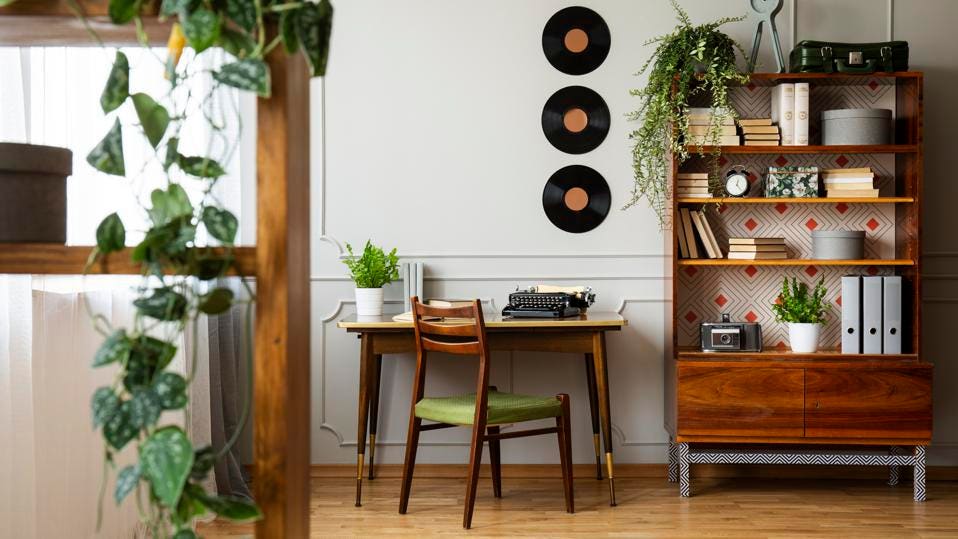
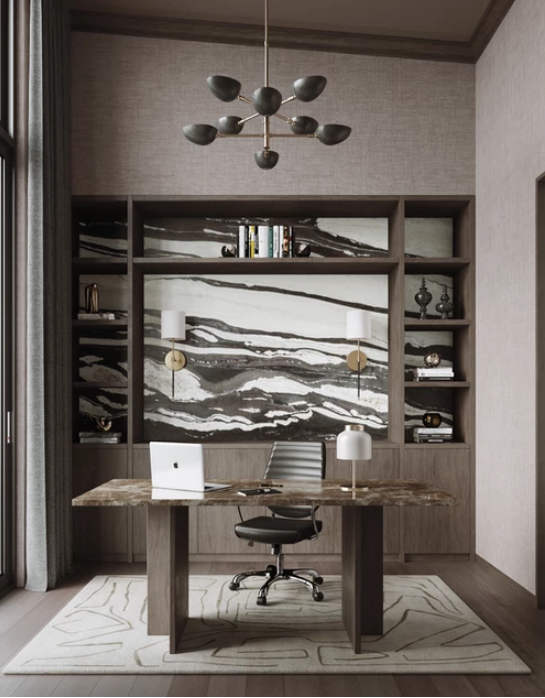
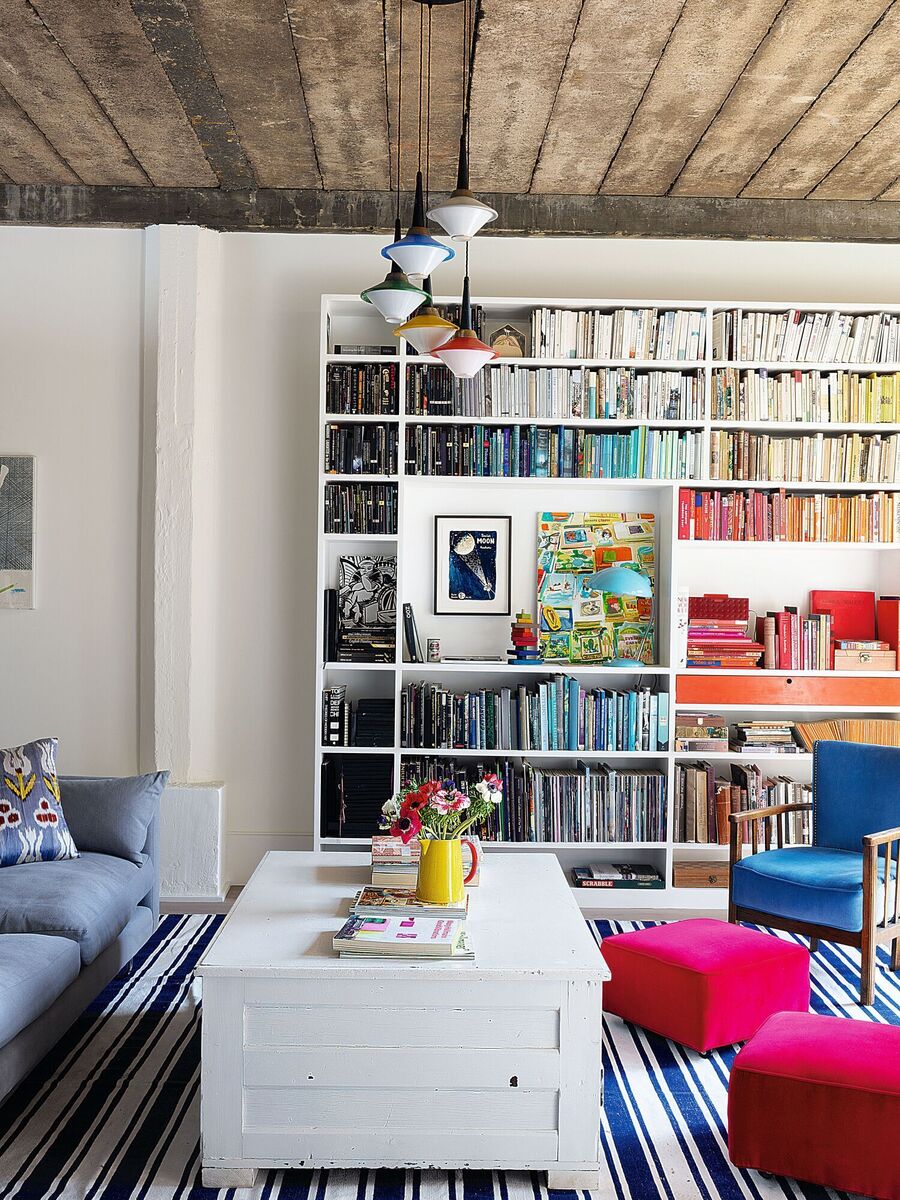
For students, clearing a study space of clutter can enhance focus and reduce stress, particularly during demanding academic periods. It is also recommended to keep room entrances clear of disorder, as doors symbolize opportunities. Jackie Ruth, a multimedia journalism junior interested in Feng Shui, affirms that an organized and neat environment boosts her productivity.
Beyond organization, Feng Shui offers tips for various aspects of life, including relationships. For singles seeking a partner, clearing unused items and creating empty space is believed to foster emotional openness for new connections. Amy Bourland, another Feng Shui consultant, suggests intuitively assessing spaces and removing anything that feels negative or bothersome, advising to temporarily store items if unsure of their impact.
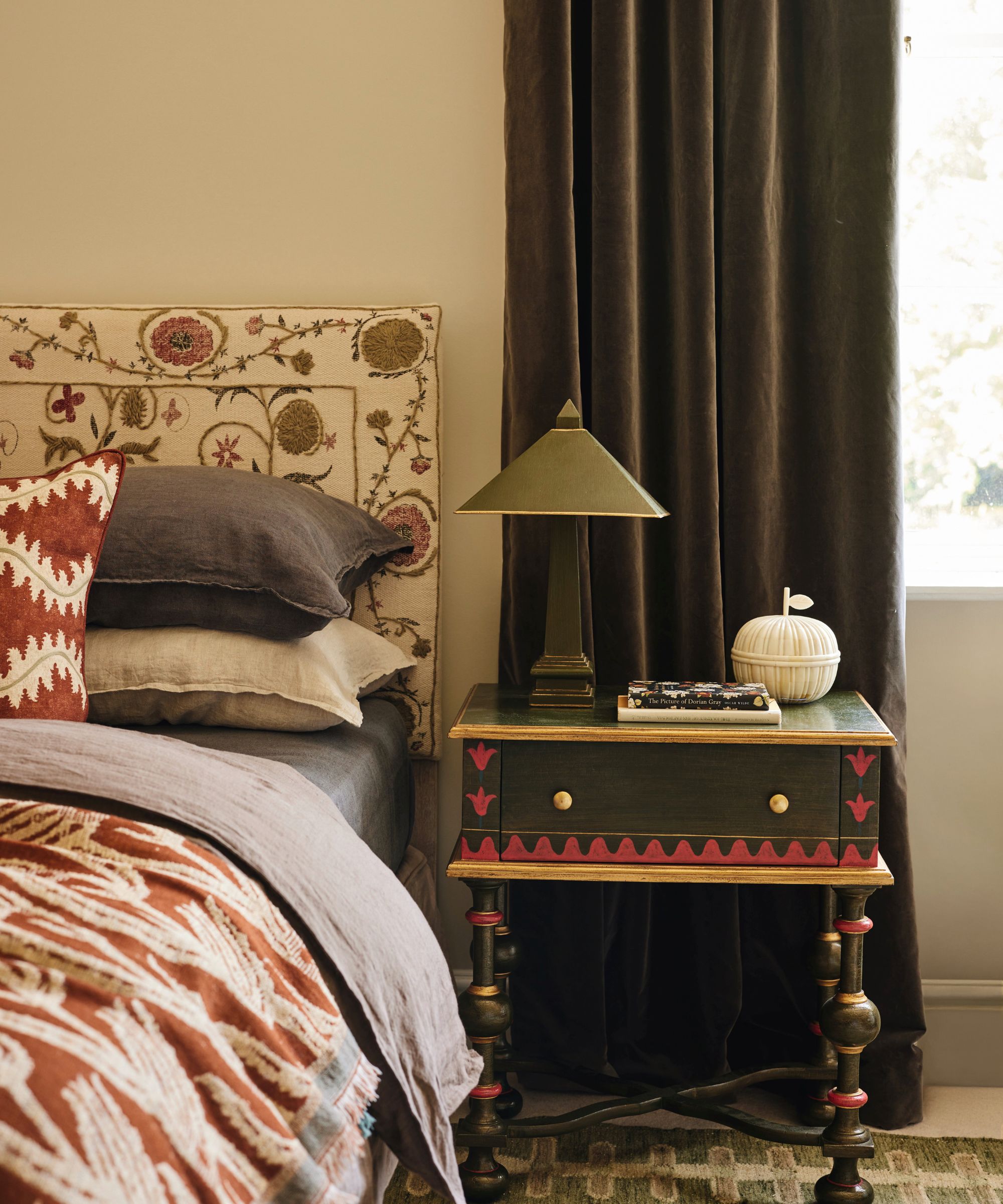
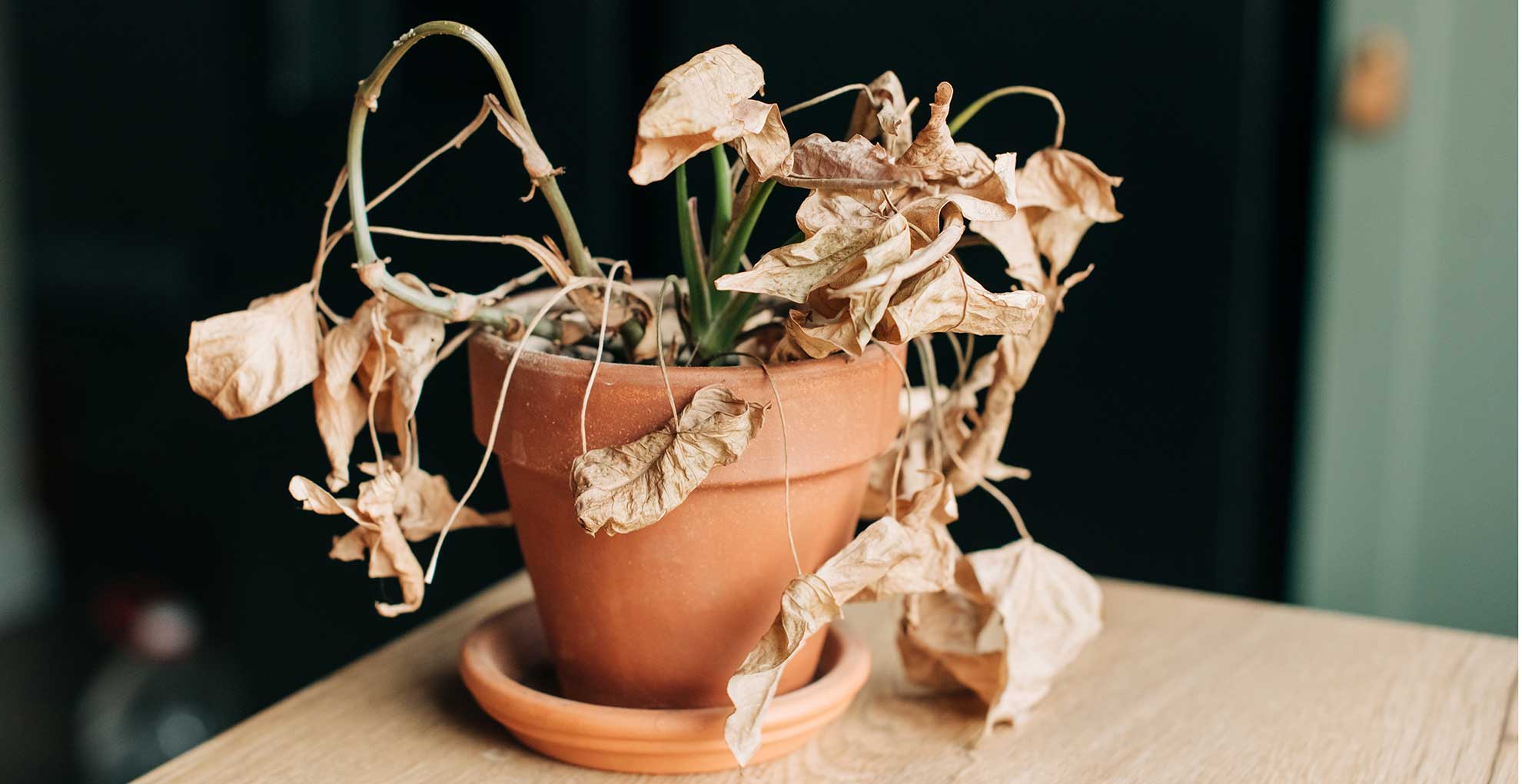
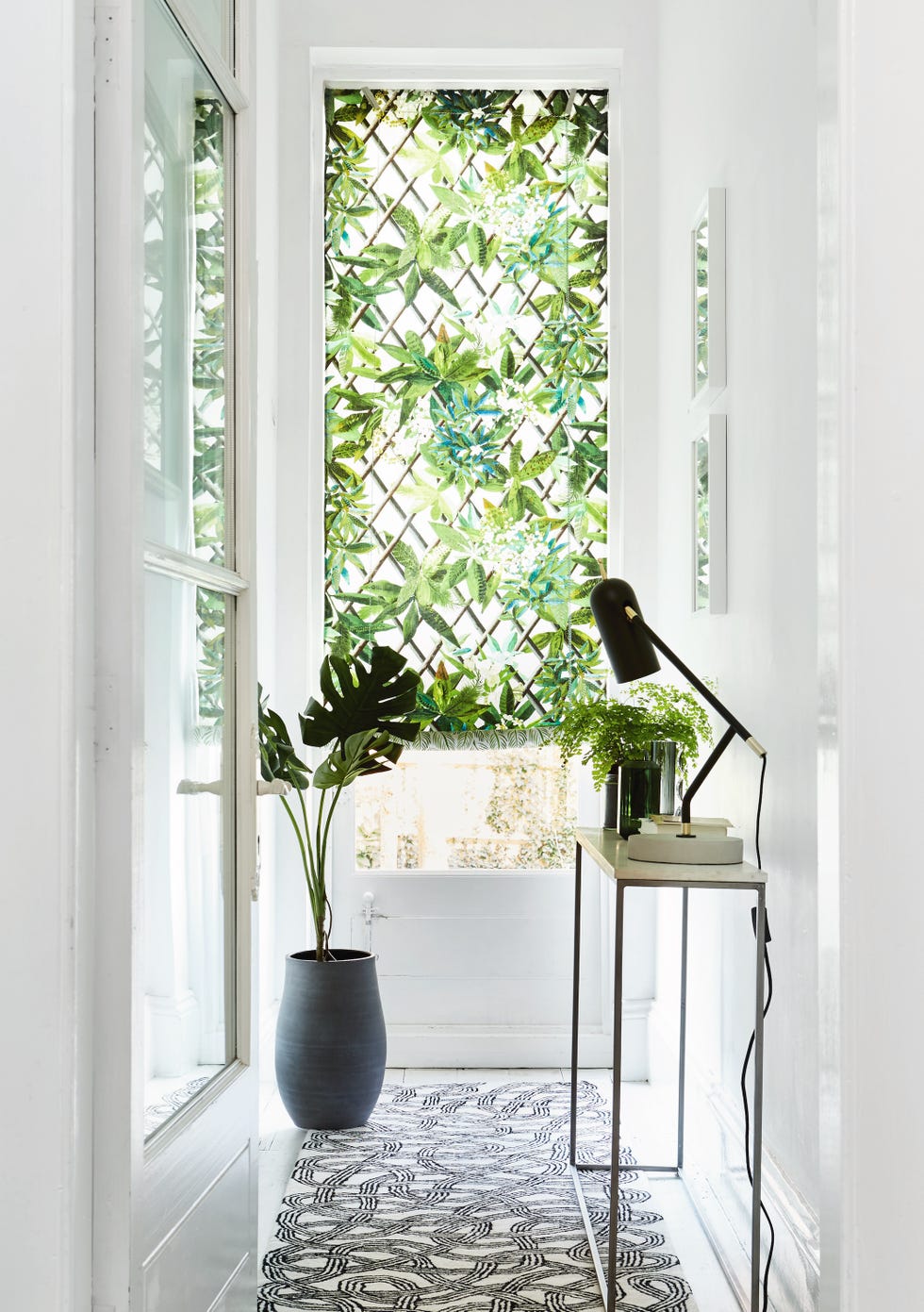
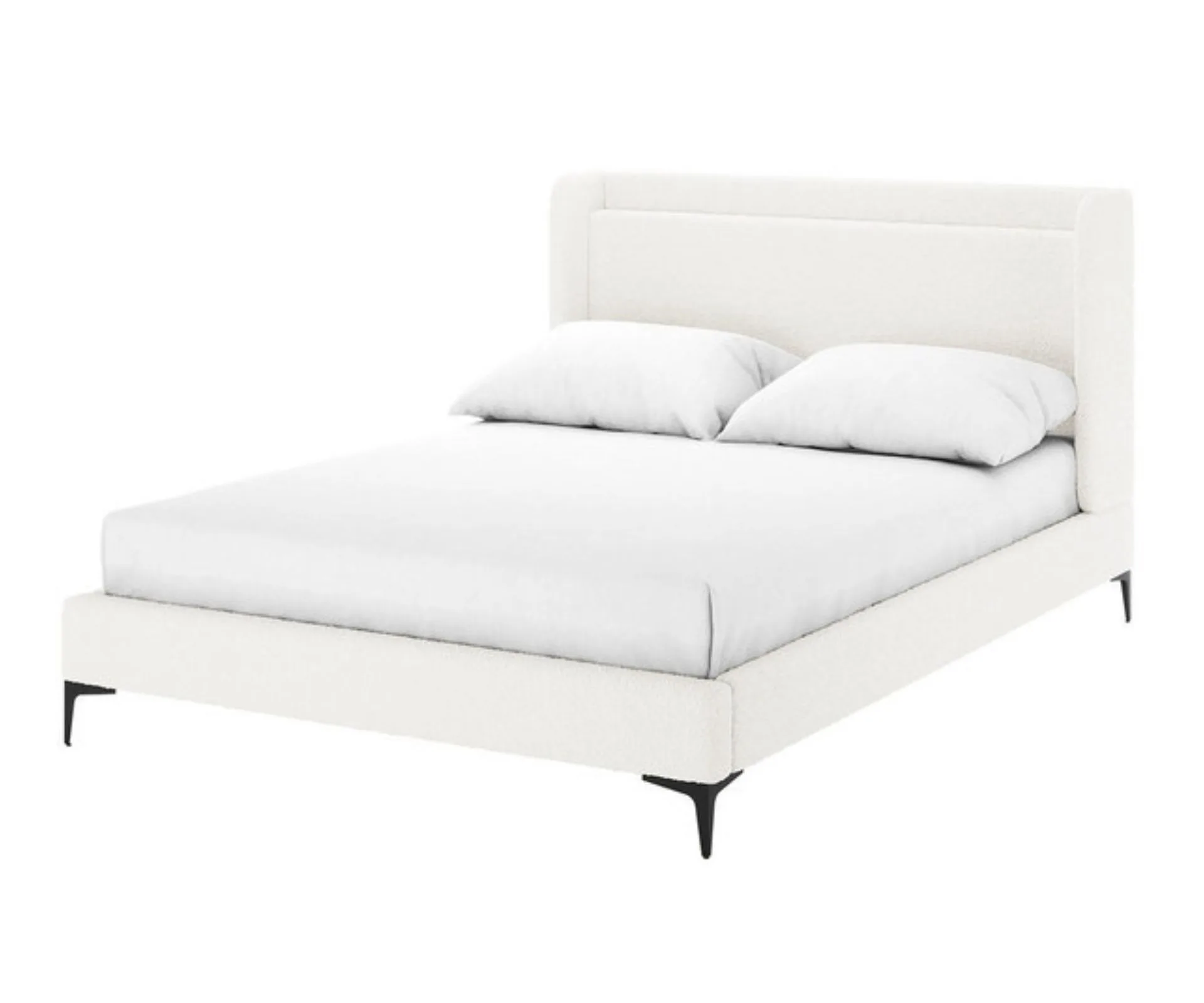
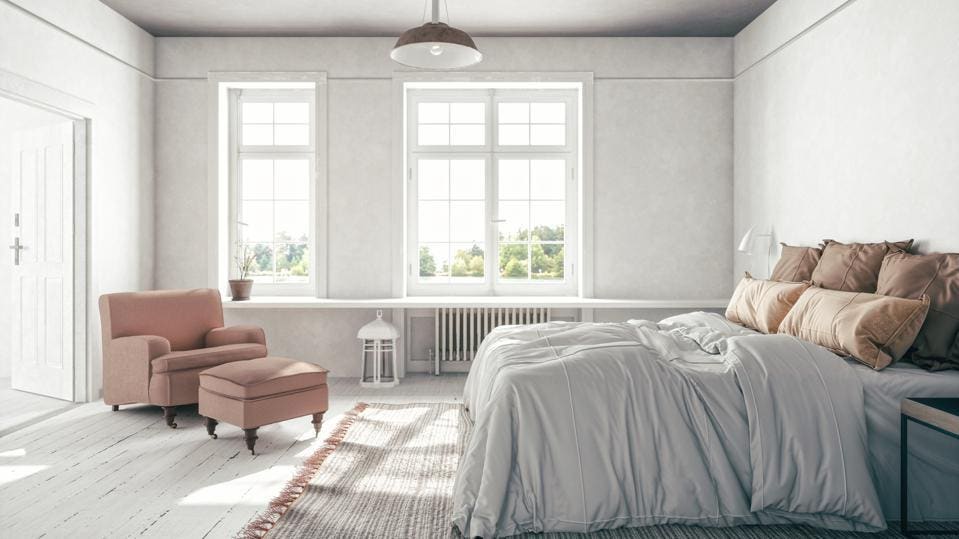
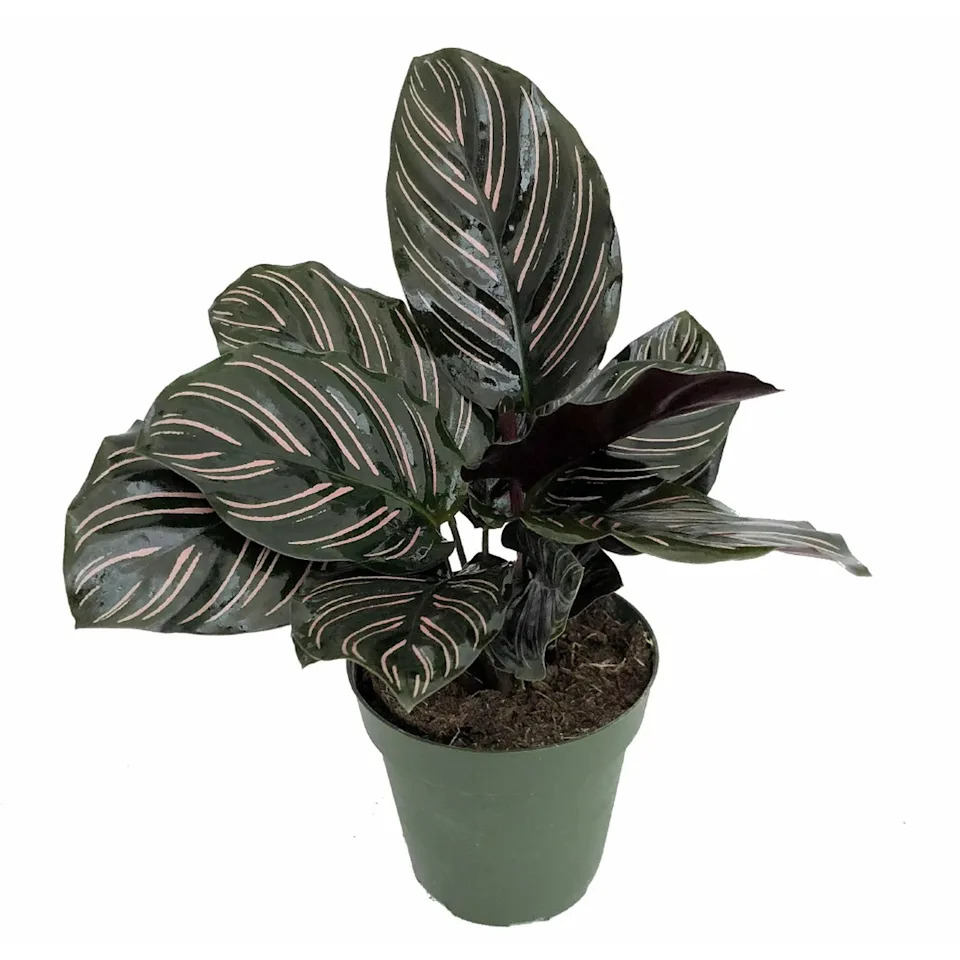
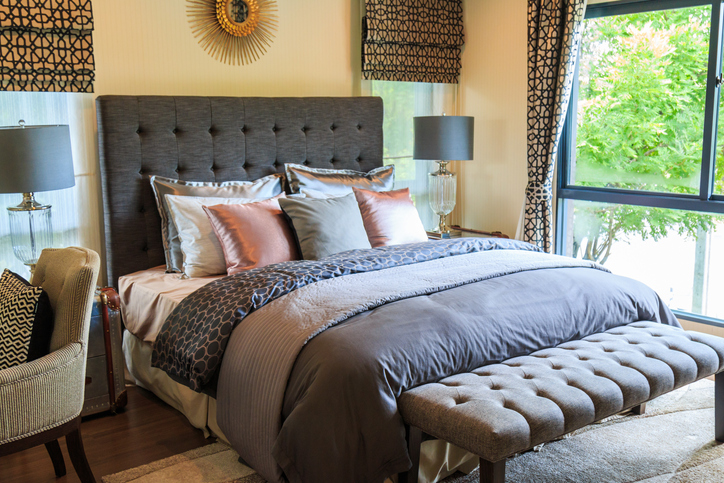
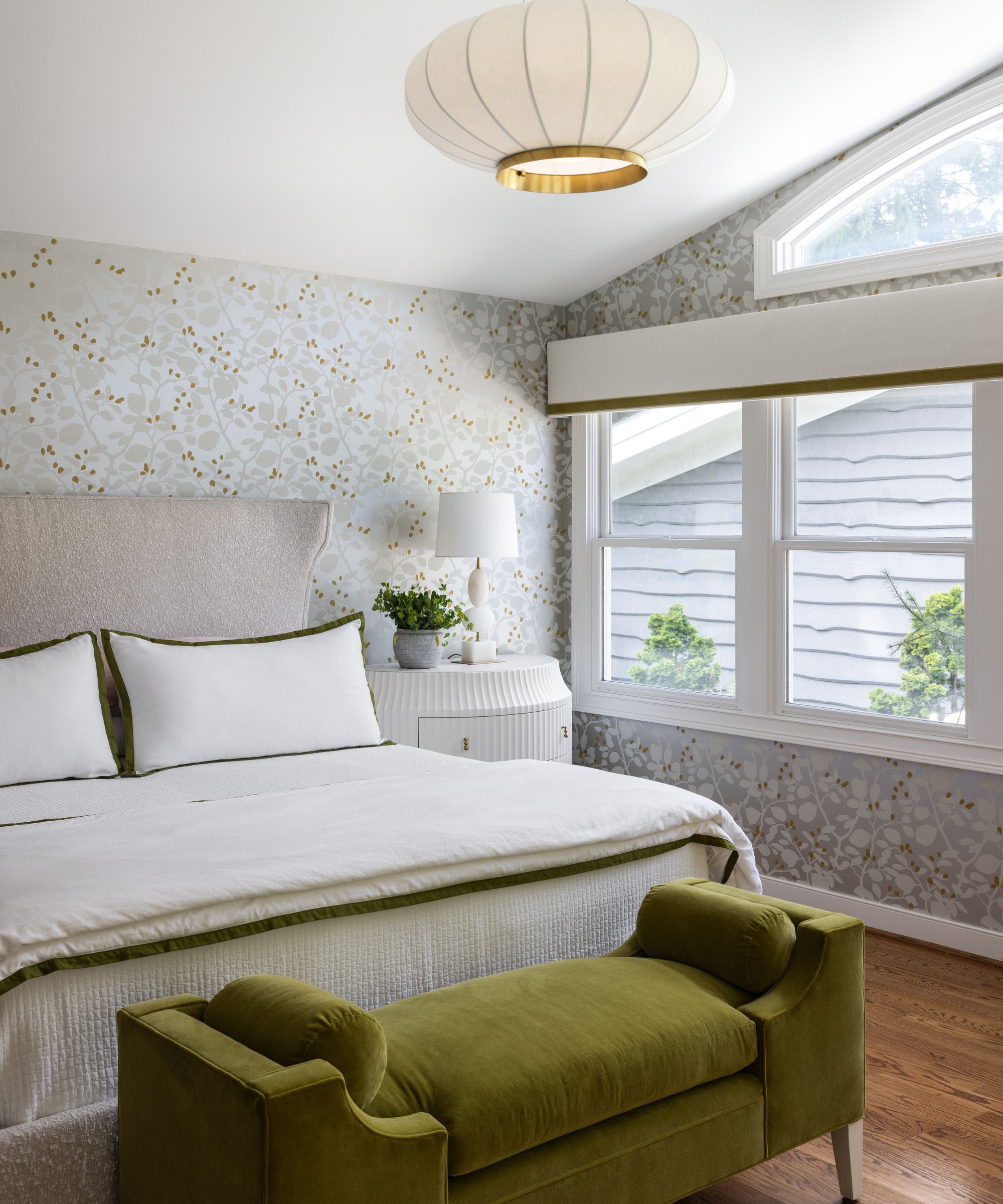
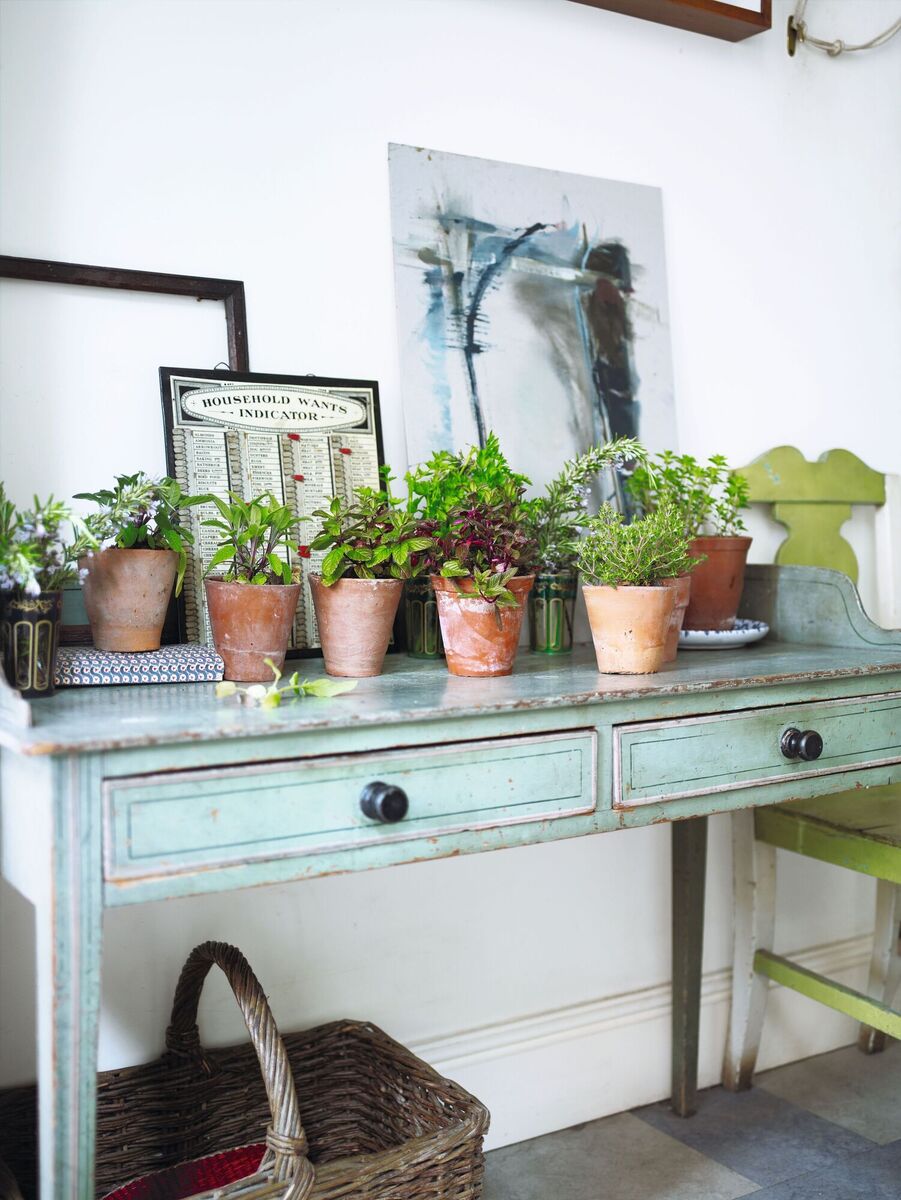
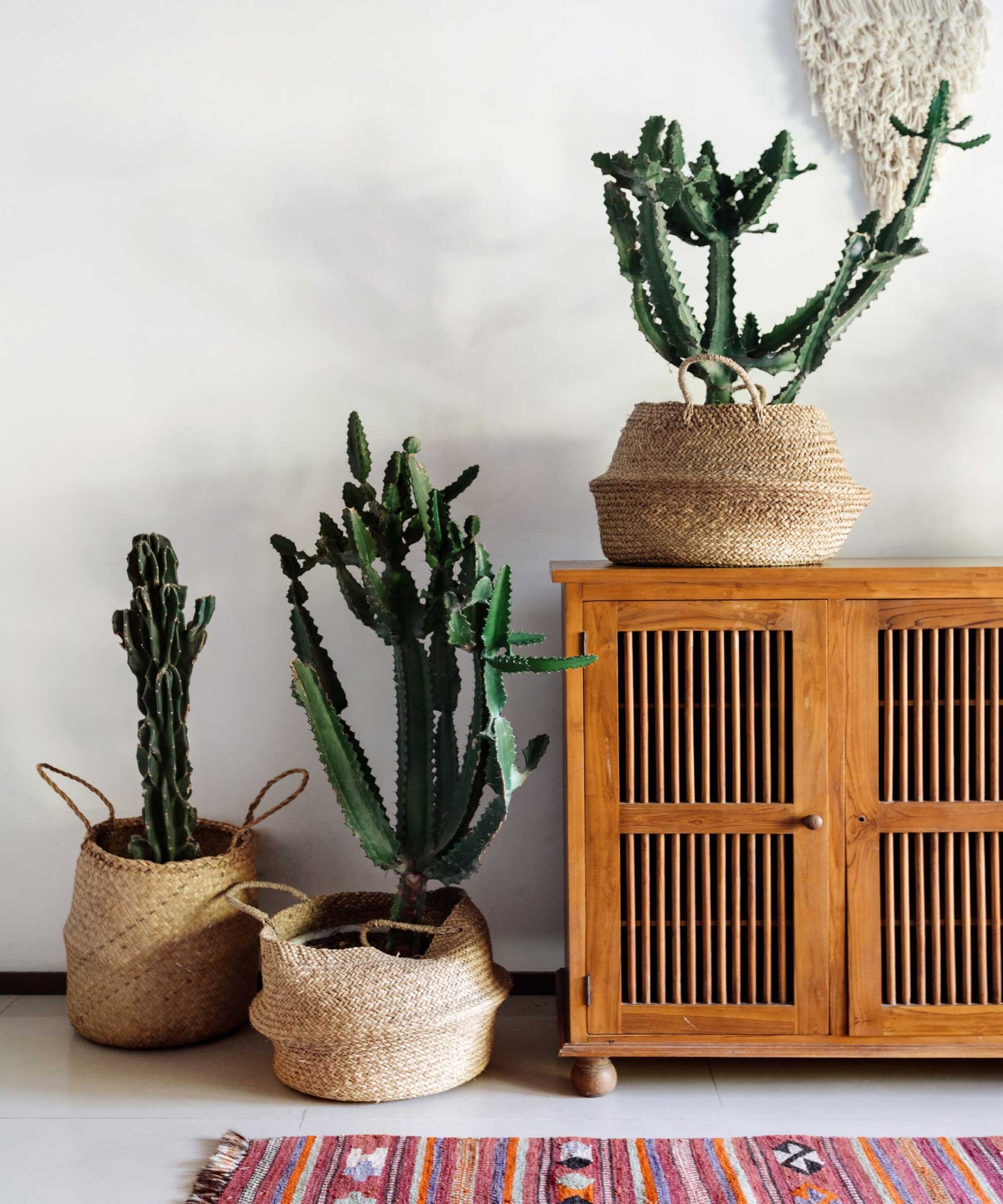
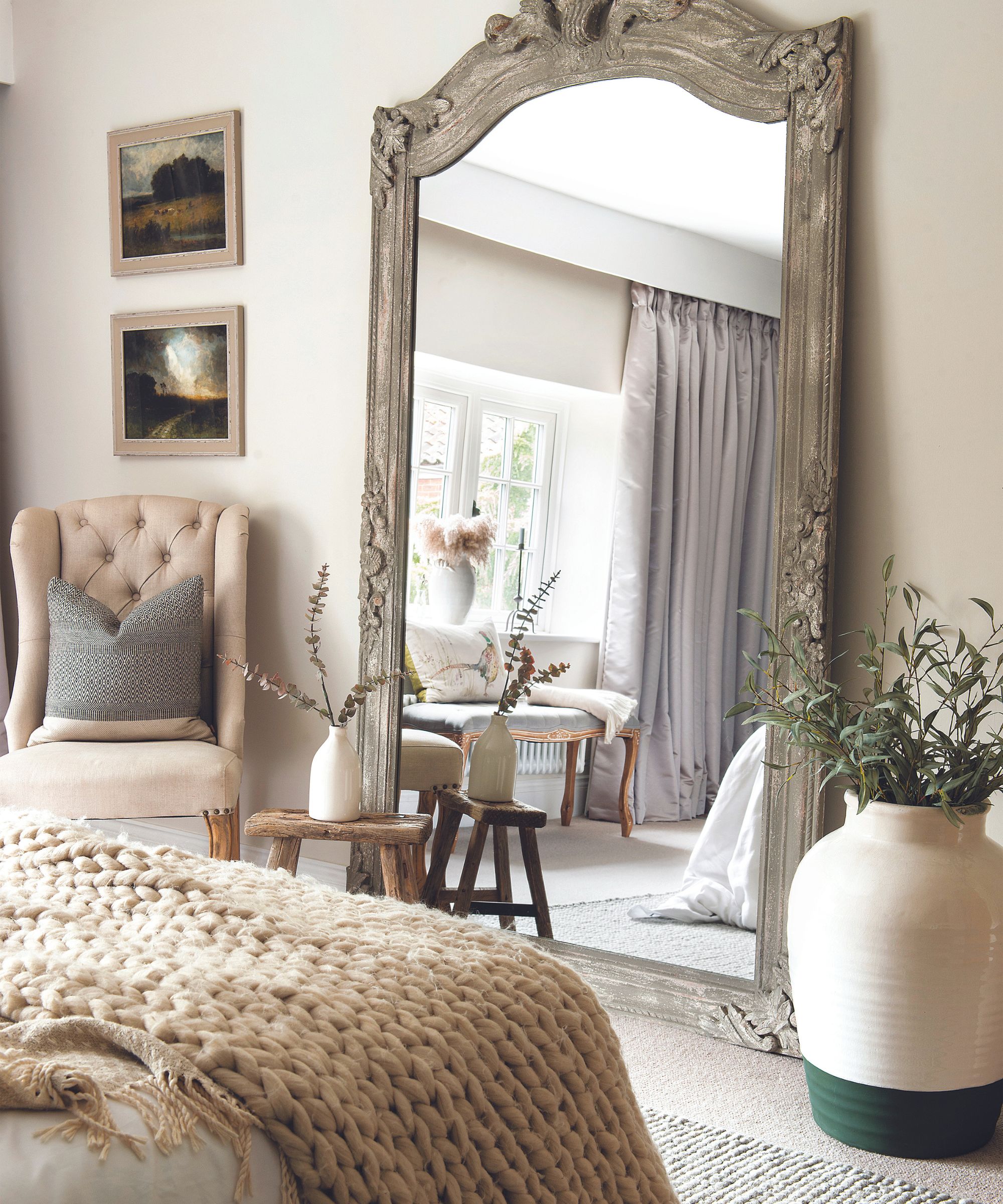
The article also touches upon creating a more vibrant living environment, even without extensive furniture rearrangement, by incorporating plants to energize and overflow spaces with positive energy. A significant focus is placed on the bedroom, particularly bed placement, to ensure restful sleep and increased energy. Feng Shui recommends positioning the bed diagonally from the bedroom door, providing a clear view of the entrance for a sense of security. Conversely, the foot of the bed should not point directly out of a door leading outside the room, a position likened to a coffin, which is believed to hinder energy flow. Additionally, acquiring new bed pillows is suggested for more restful sleep. While incorporating all Feng Shui tips may be impractical, applying a few at a time can positively impact one's chi and stress levels, allowing individuals to manifest desires more easily, as noted by Davenport.
#FengShui #StressRelief #HomeOrganization #EnergyFlow #Decluttering #InteriorDesign #Mindfulness #PersonalWellbeing #FengShui #StressRelief #HomeOrganization #EnergyFlow #Decluttering #InteriorDesign #Mindfulness #PersonalWellbeing
0 Kommentare insgesamt
 Noch keine Kommentare
Das könnte Ihnen auch gefallen
How to Feng Shui Every Room in Your Home
How to feng shui your home: 8 ways to attract positive energy

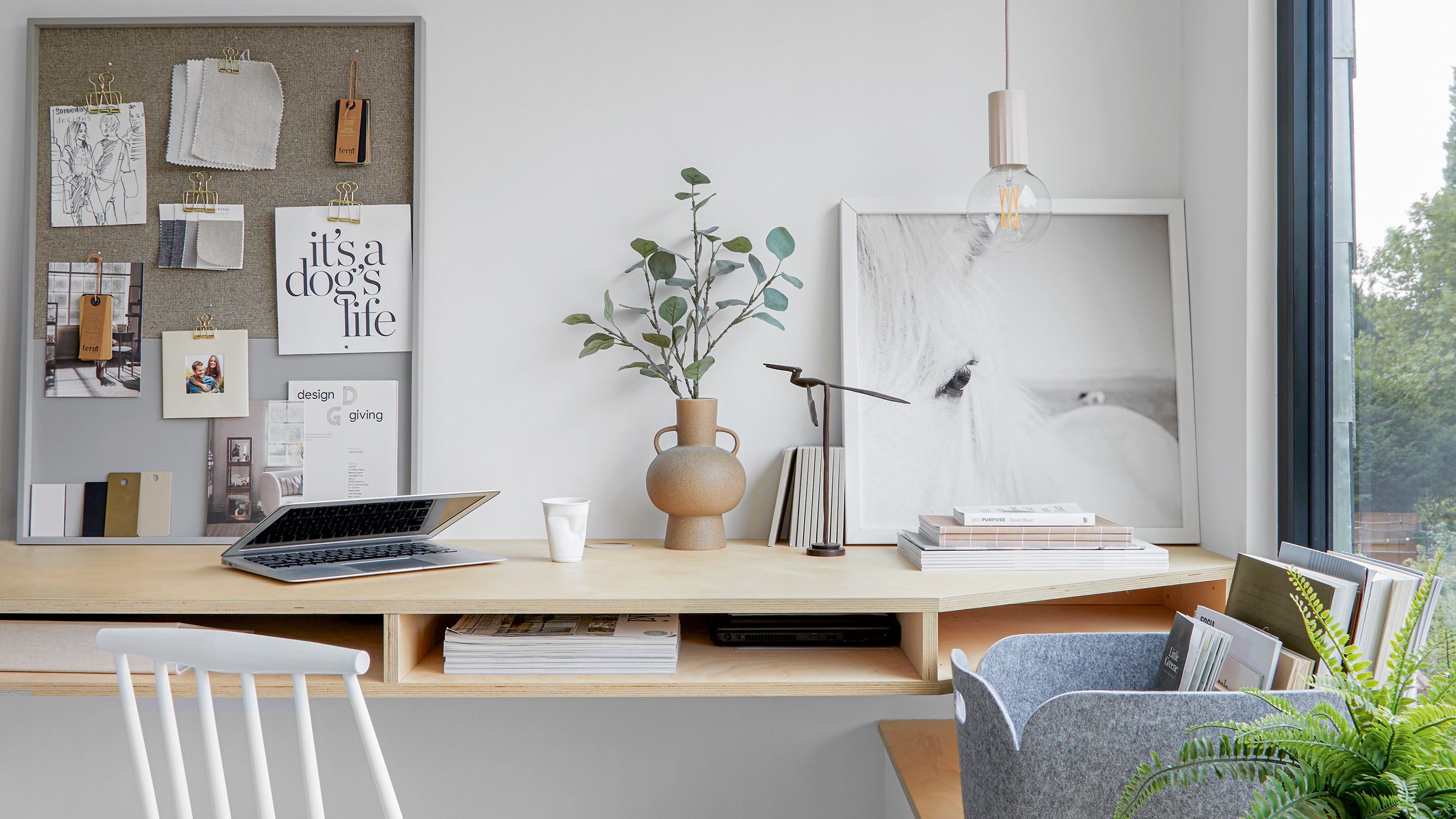
7 Good Home Office Feng Shui Ideas — Experts Say These Rules Will Fill Your 2025 With Success and Wealth

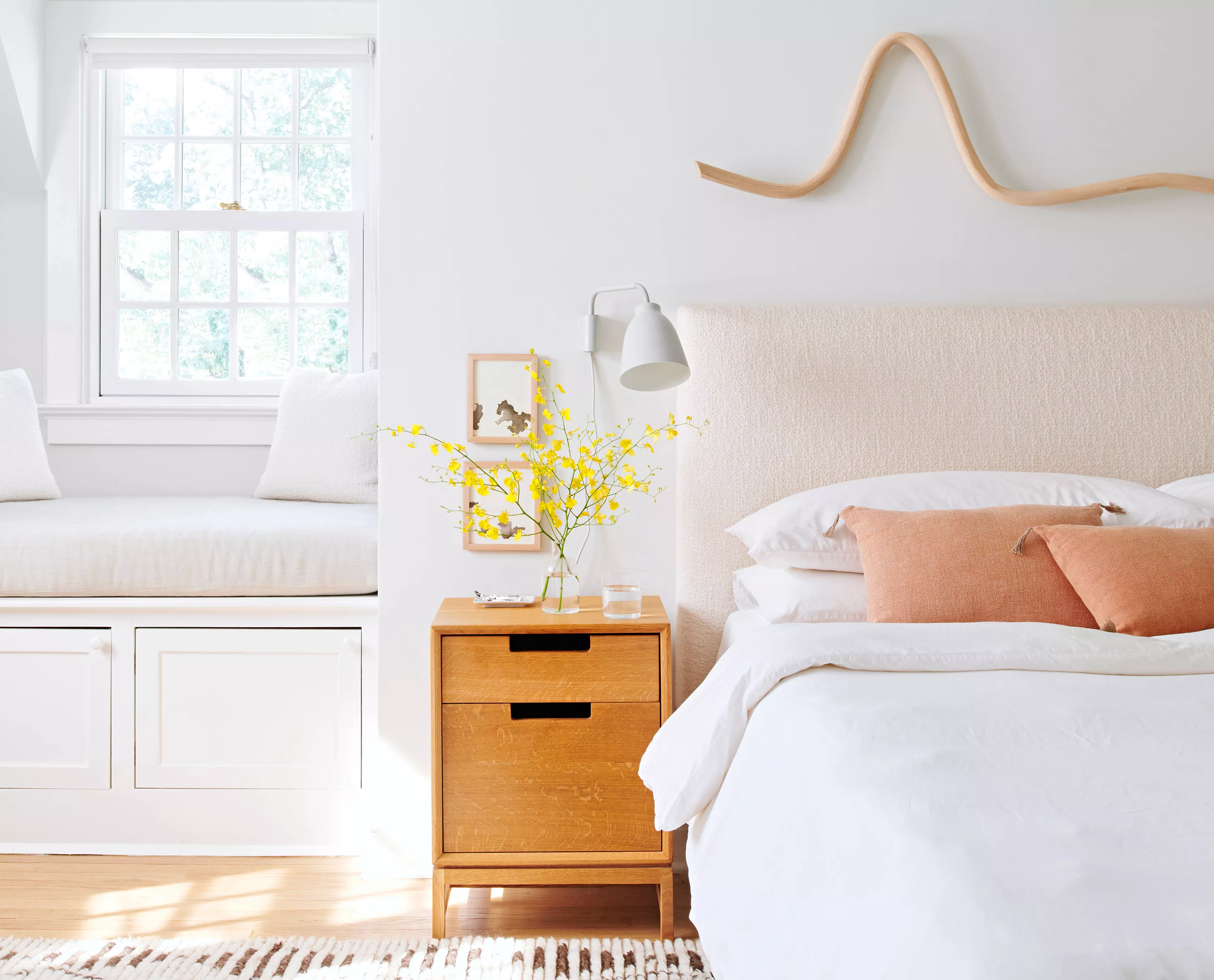
6 Things You Should Never Put in Your Home if You Want Positive Feng Shui

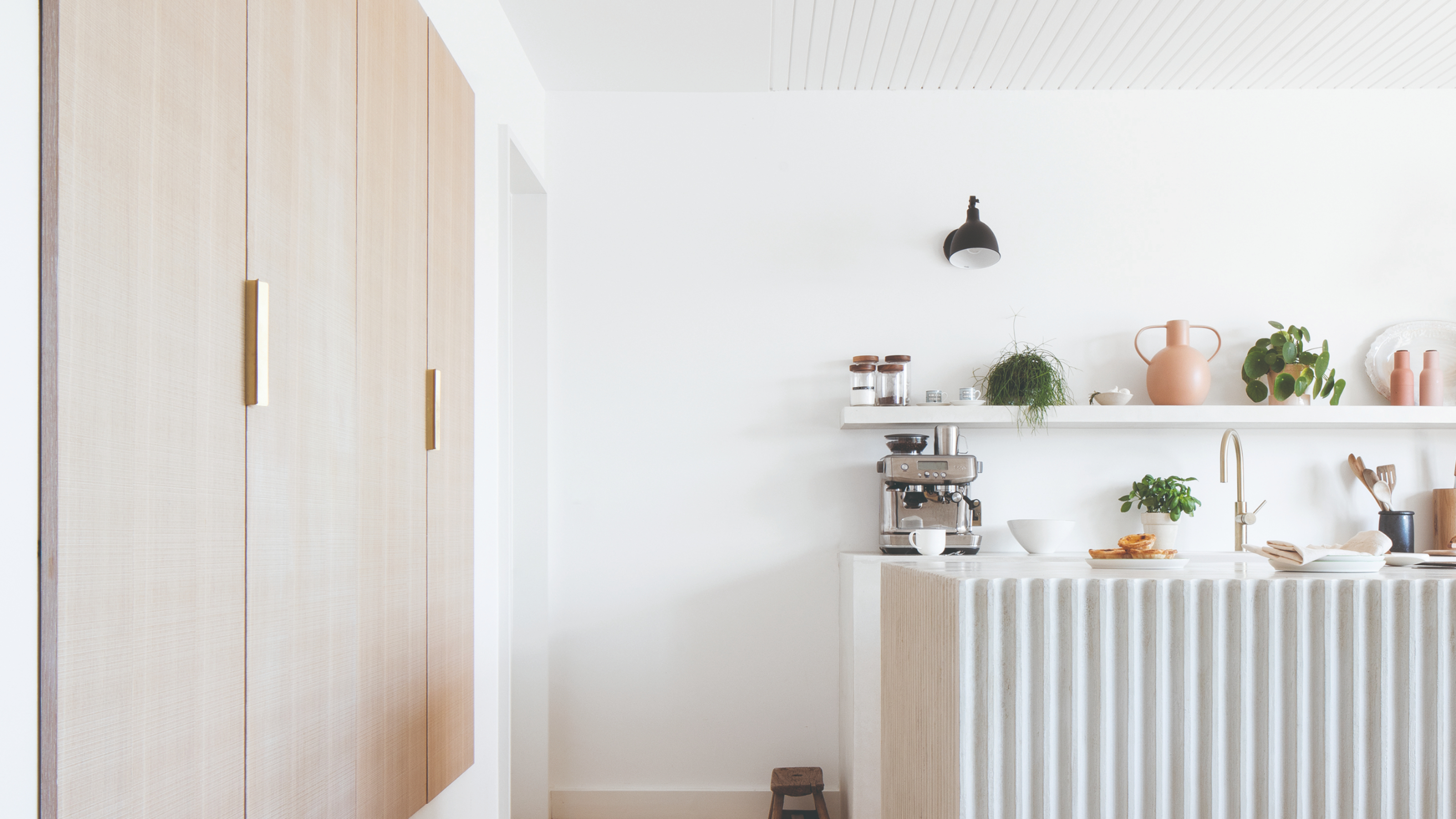
8 Feng Shui tips to revitalise your home for free (and in less than 24 hours)
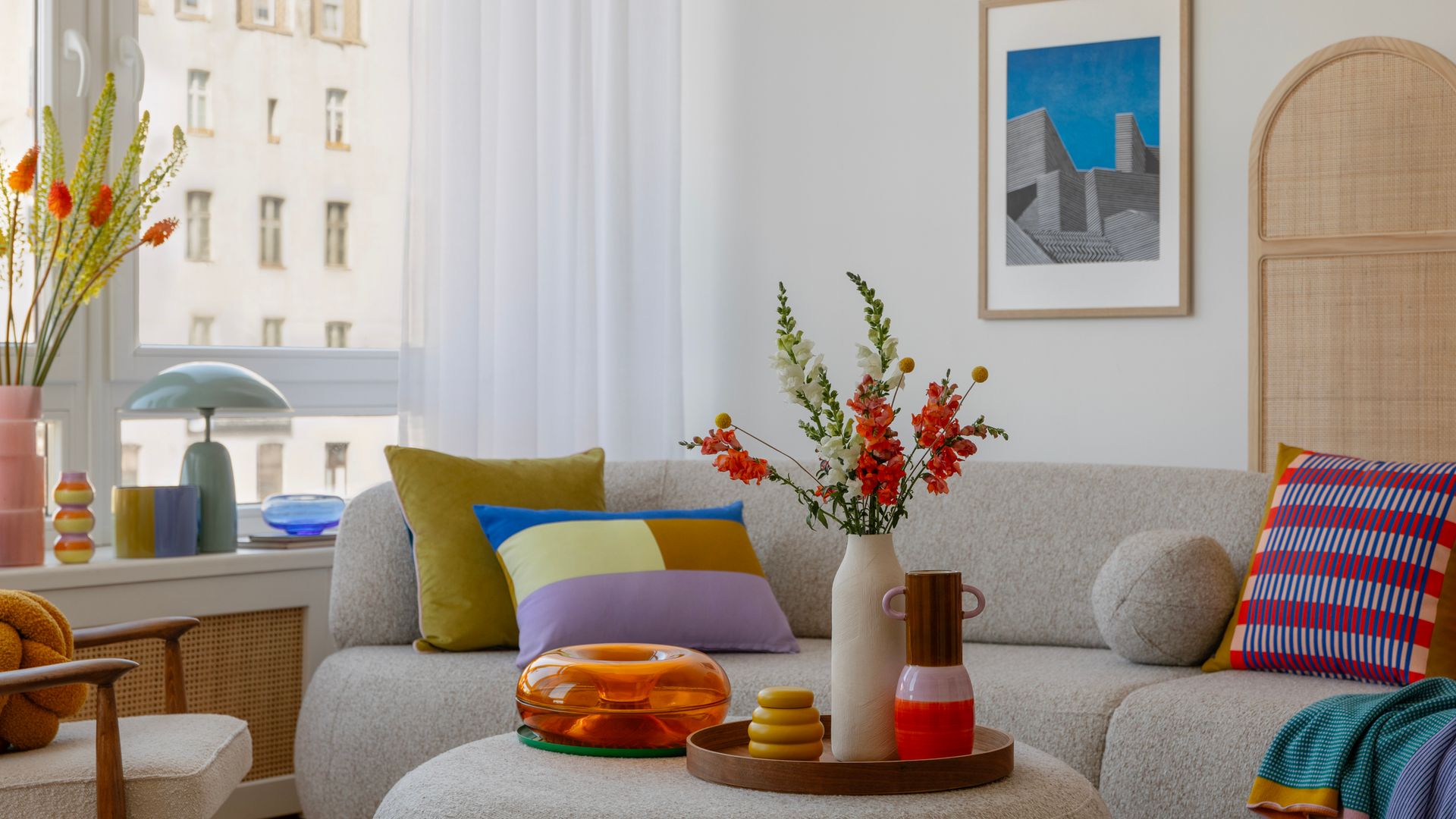
10 household objects blocking your peace and prosperity, according to a Feng Shui expert

10 Expert Feng Shui Tips for Your Living Room

How to use feng shui to bring harmony to your home
Feng shui tips to tweak your wealth, career, and health this month

Bring a bit of feng shui into your home
Feng Shui consultants say these are the unluckiest items to have in your home

Feng Shui and Manifestation Through Interior Design
Feng Shui Tips for Every Room in Your Home
How to master the layout of your home, according to Feng Shui

Three feng shui principles to improve the energy of your small flat

Feng Shui consultants say these are the unluckiest items to have in your home
9 'negative' things you should declutter in 2025 to re-energise your home, according to Feng Shui experts

10 Feng Shui Rules To Live By For A Calm, Restorative Space

I'm a Feng Shui consultant and these are the 5 crucial areas to clean in your home ahead of the Feng Shui new year
Philly Feng Shui: What I Did to Find Zen in the City