Common design mistakes you're making in every room of your house
The internet offers a vast array of interior design aesthetics, from Scandinavian and Boho to Country House and Maximalist, each accompanied by experts and influencers providing guidance on essential items to achieve these trends. This has led Americans to spend an average of $1,599 annually on home decor, according to a 2024 Opendoor survey. However, LA-based content creators Robert Gigliotti and Ethan Gaskill have gained significant attention on TikTok by sharing their most disliked interior design and home decor trends, accumulating over 8 million views with their series called "home decor icks."
Gigliotti and Gaskill, who are not professional designers but have developed a keen eye for design through personal and family experiences, advocate for working with a space's inherent features rather than against them. Gigliotti's interest in design stemmed from helping his mother flip houses, where he grew tired of the repetitive "builder gray" aesthetic and began influencing tile and finish choices. Gaskill was inspired by his father, a custom home builder, and his mother, a real estate agent, who instilled in him the importance of maintaining a tidy space that reflects one's identity and positively impacts their mindset. Their approach resonates with audiences because they openly admit to having made similar mistakes themselves. They emphasize that their critiques are lighthearted and not meant to be taken too seriously, encouraging individuals to have fun with their decor choices as long as they love the outcome.
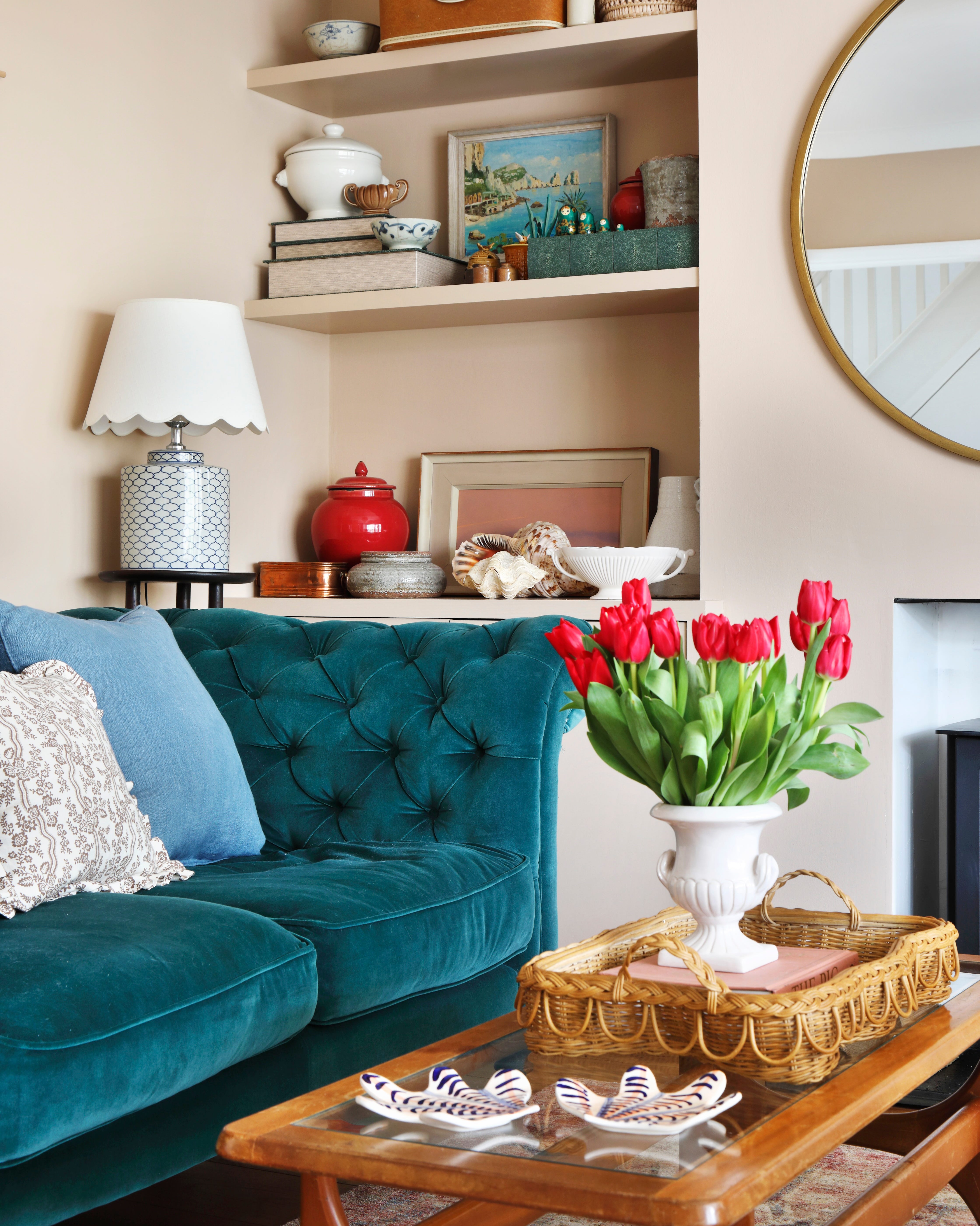
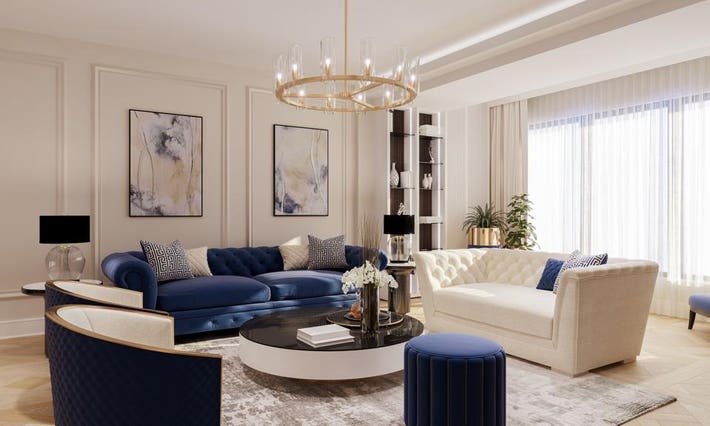
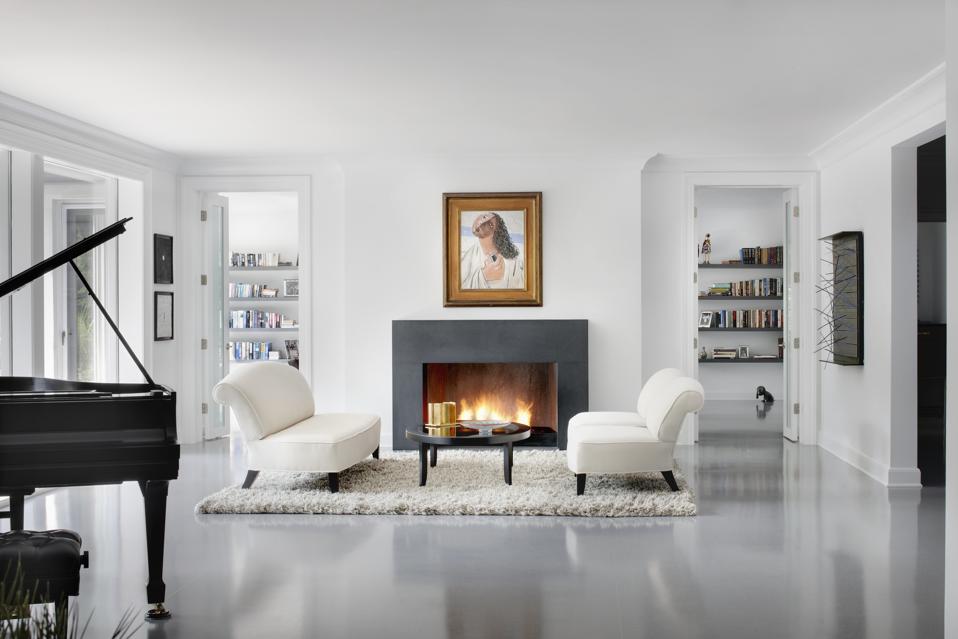
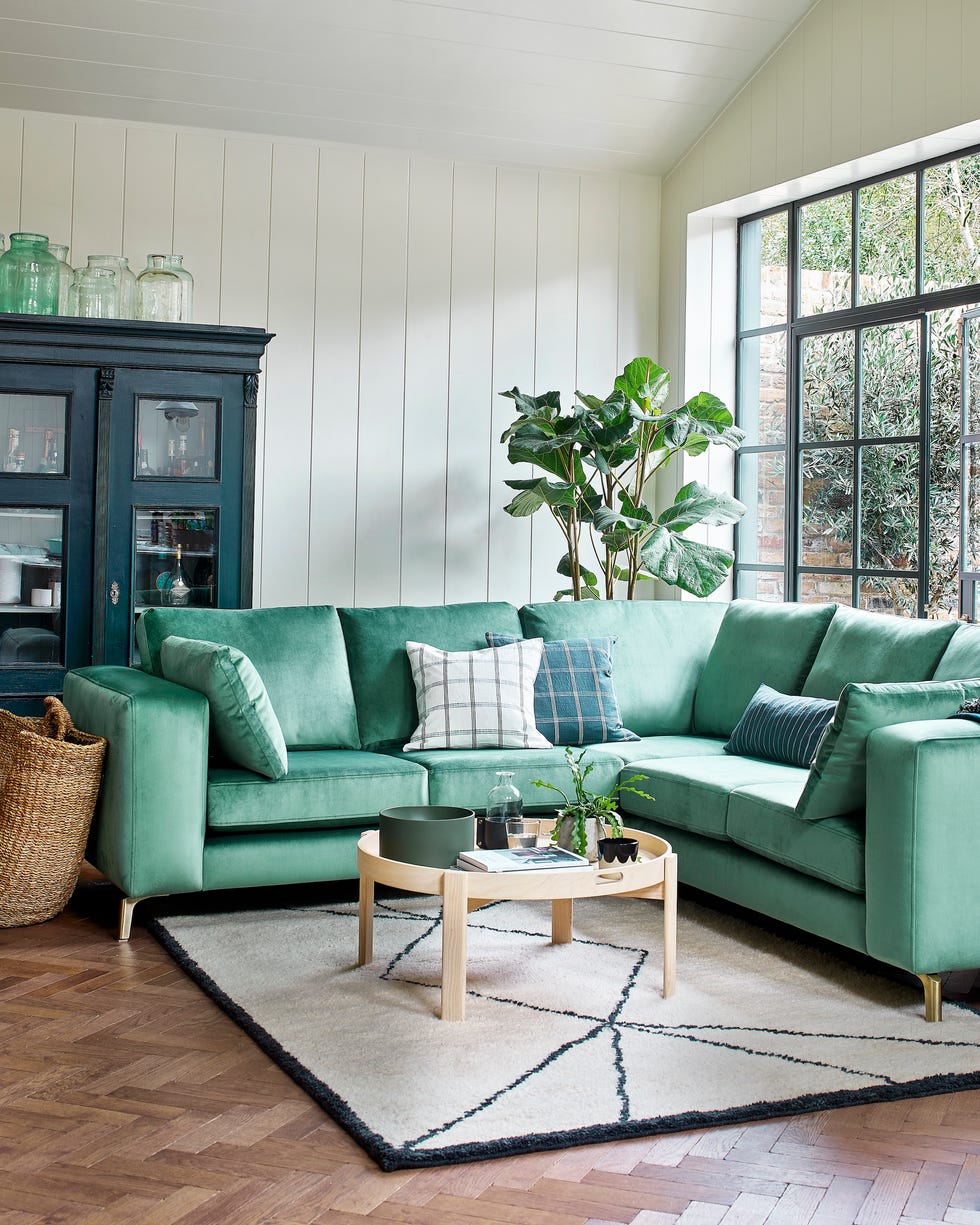
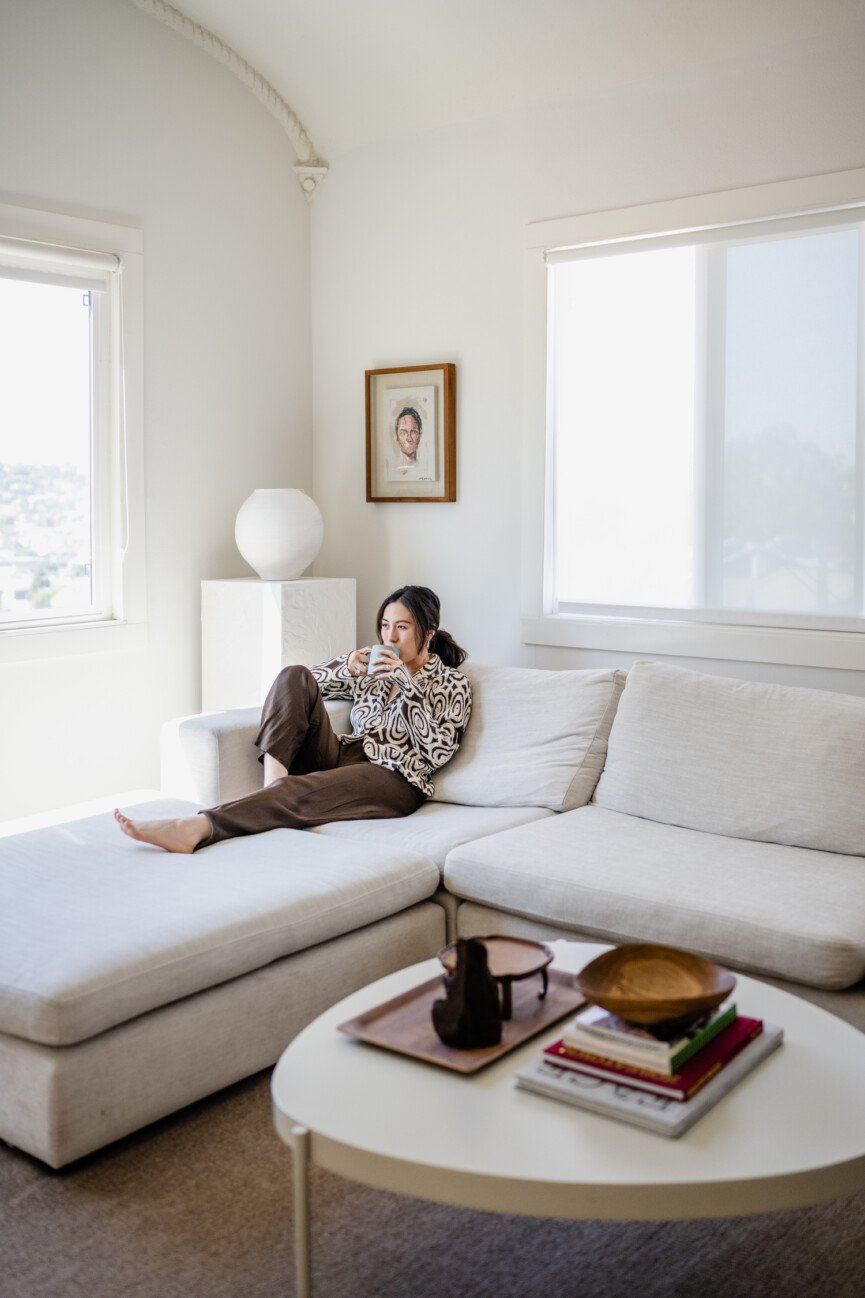
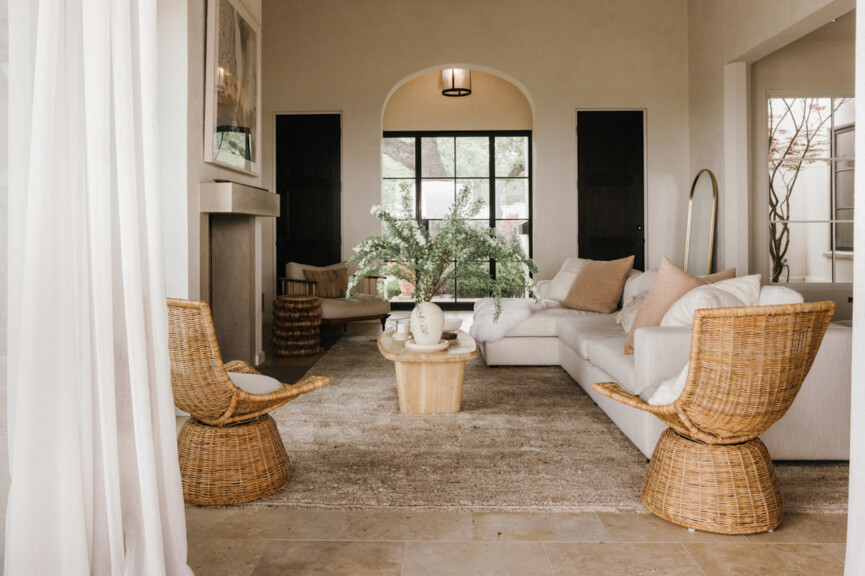
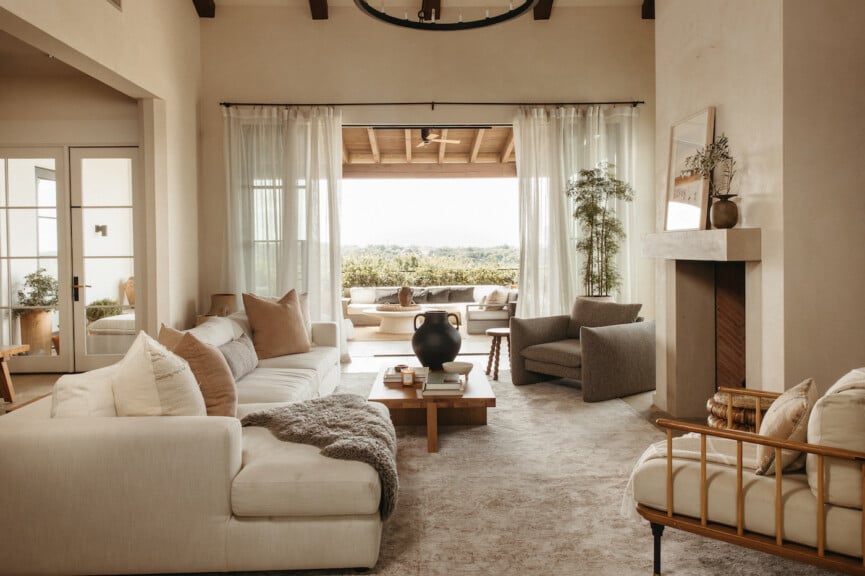
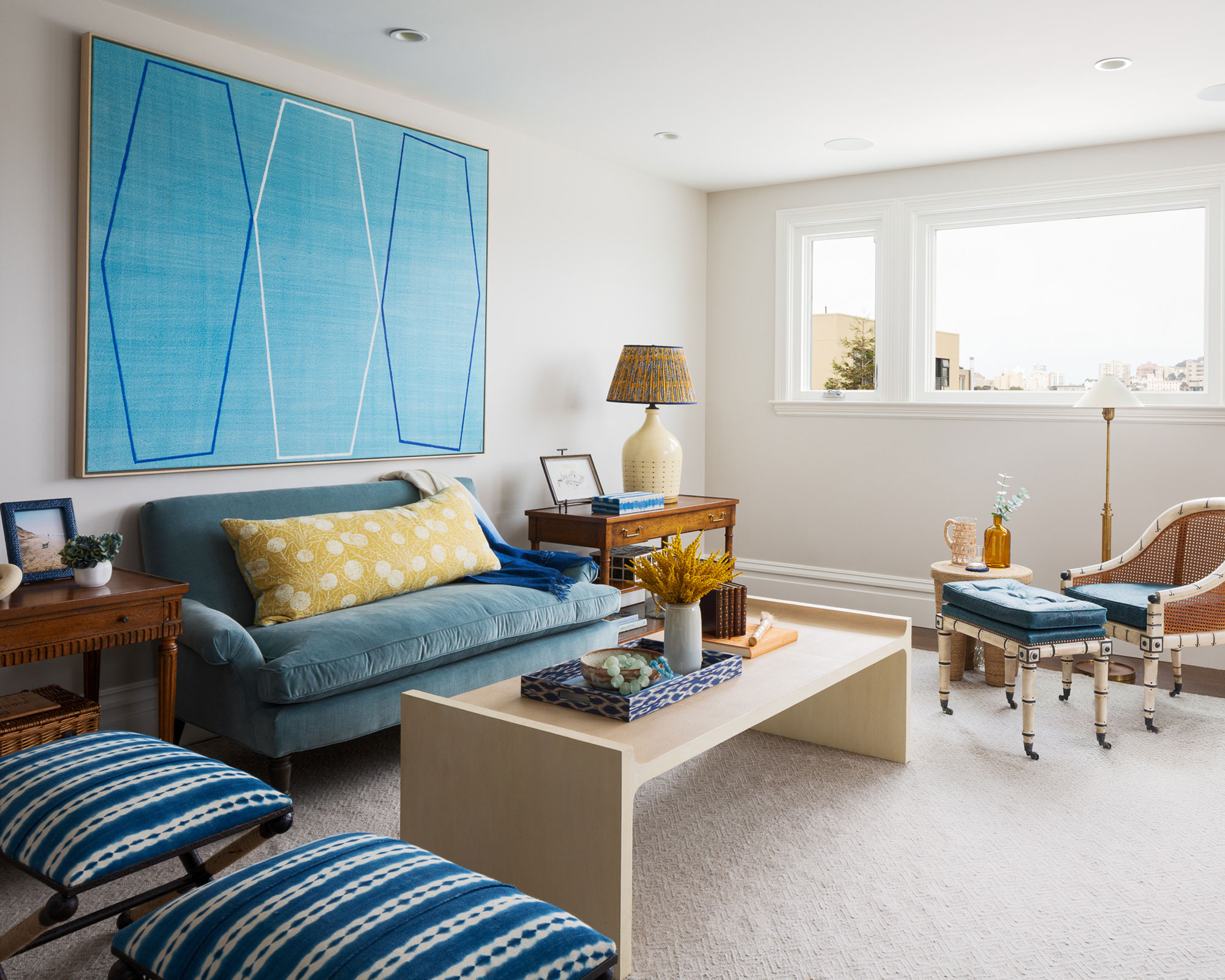
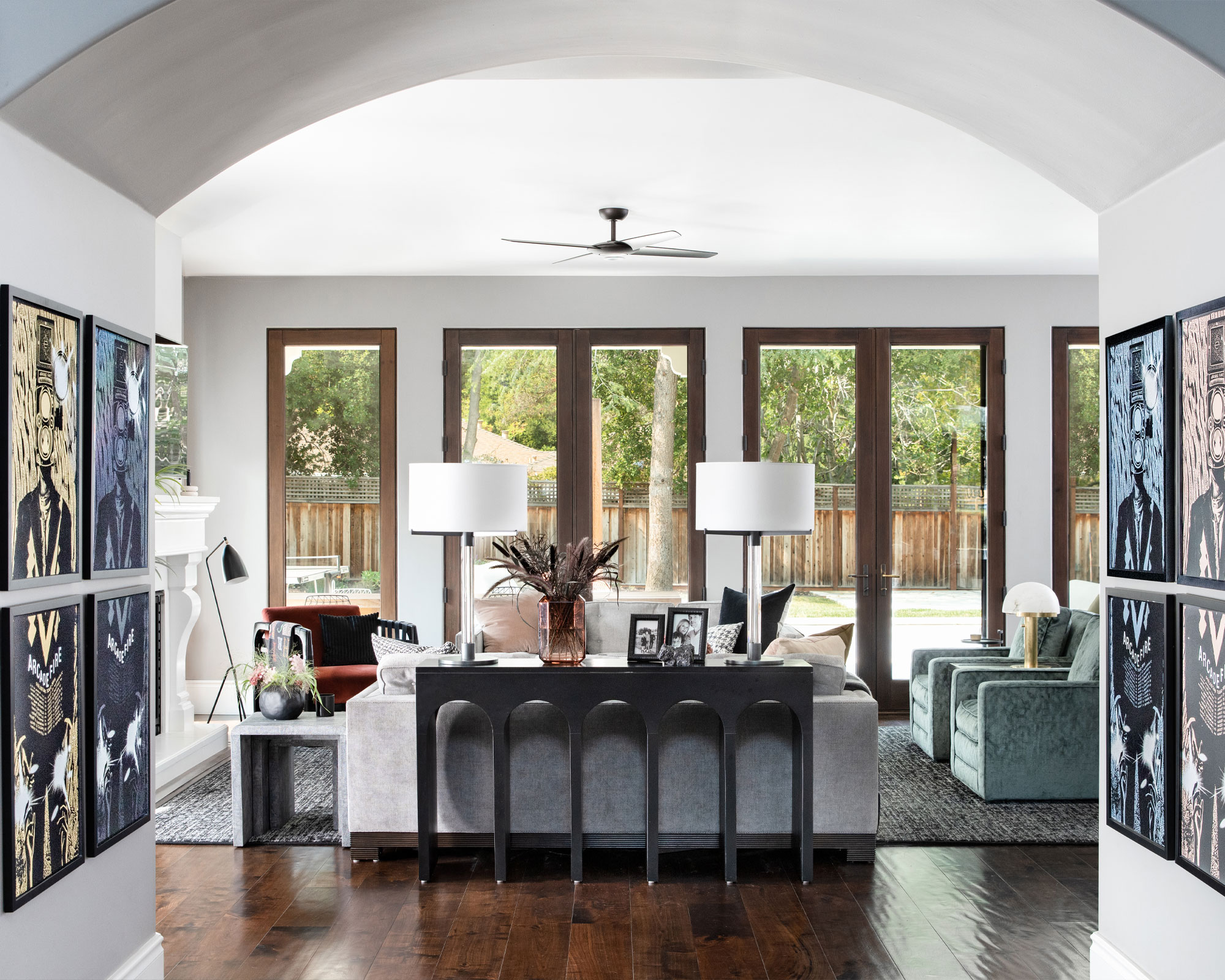
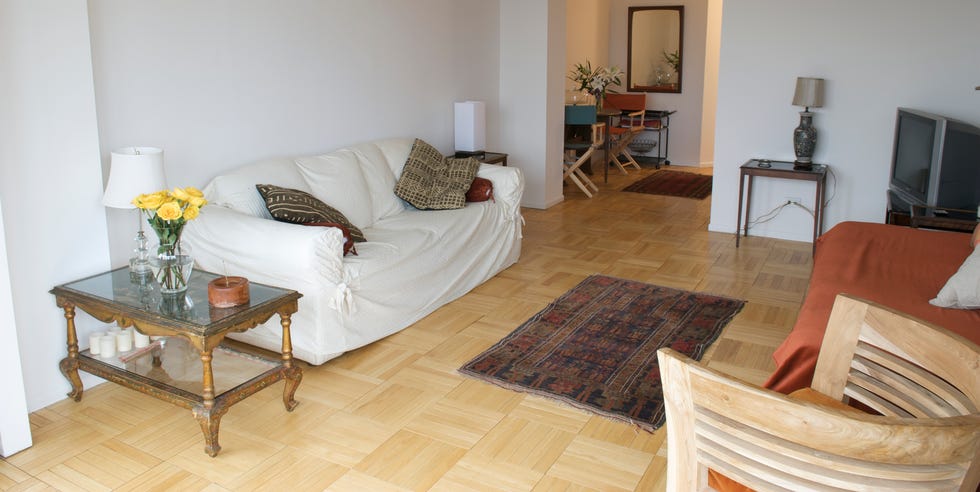
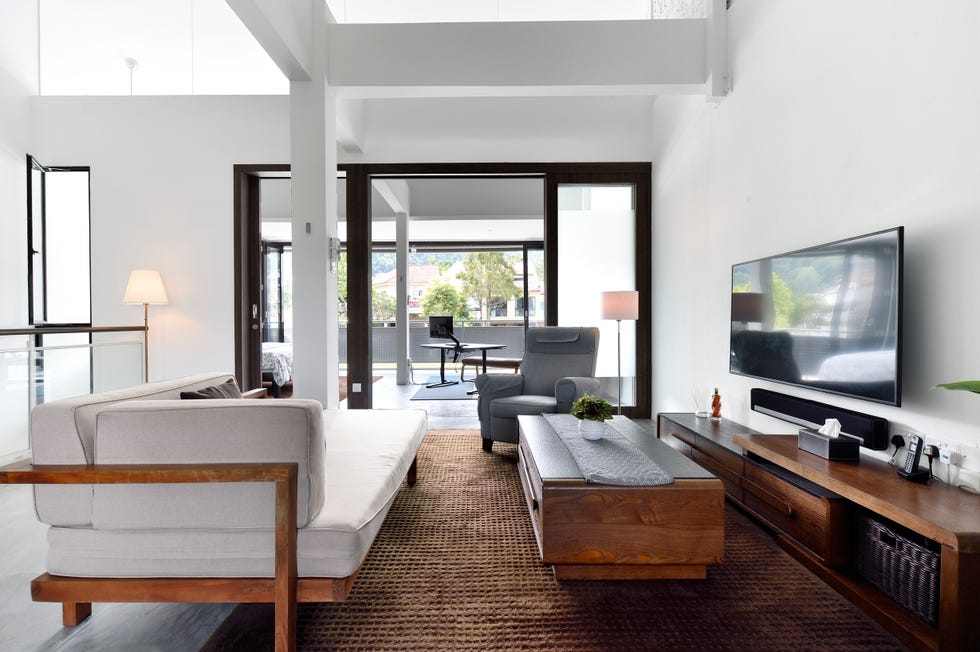
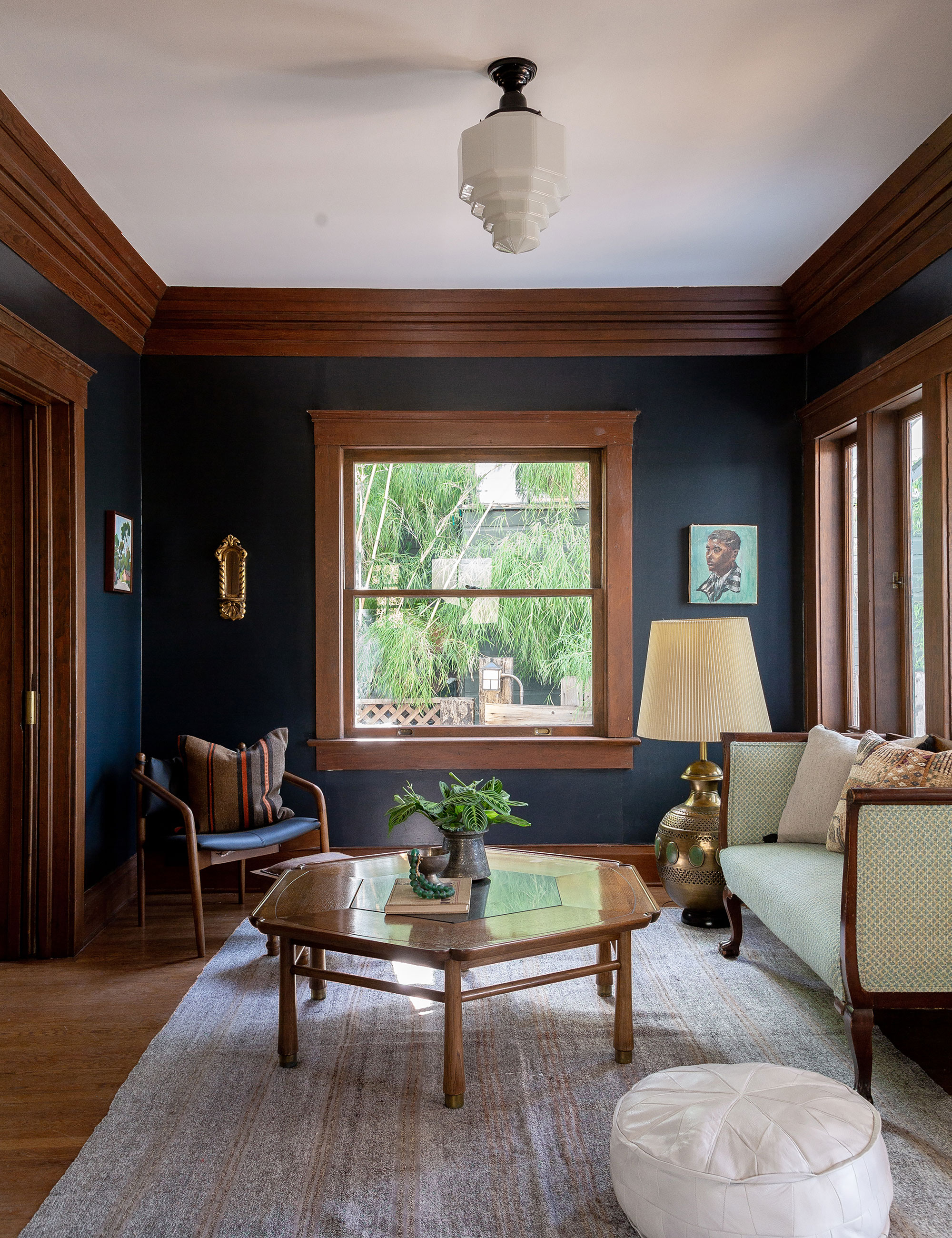
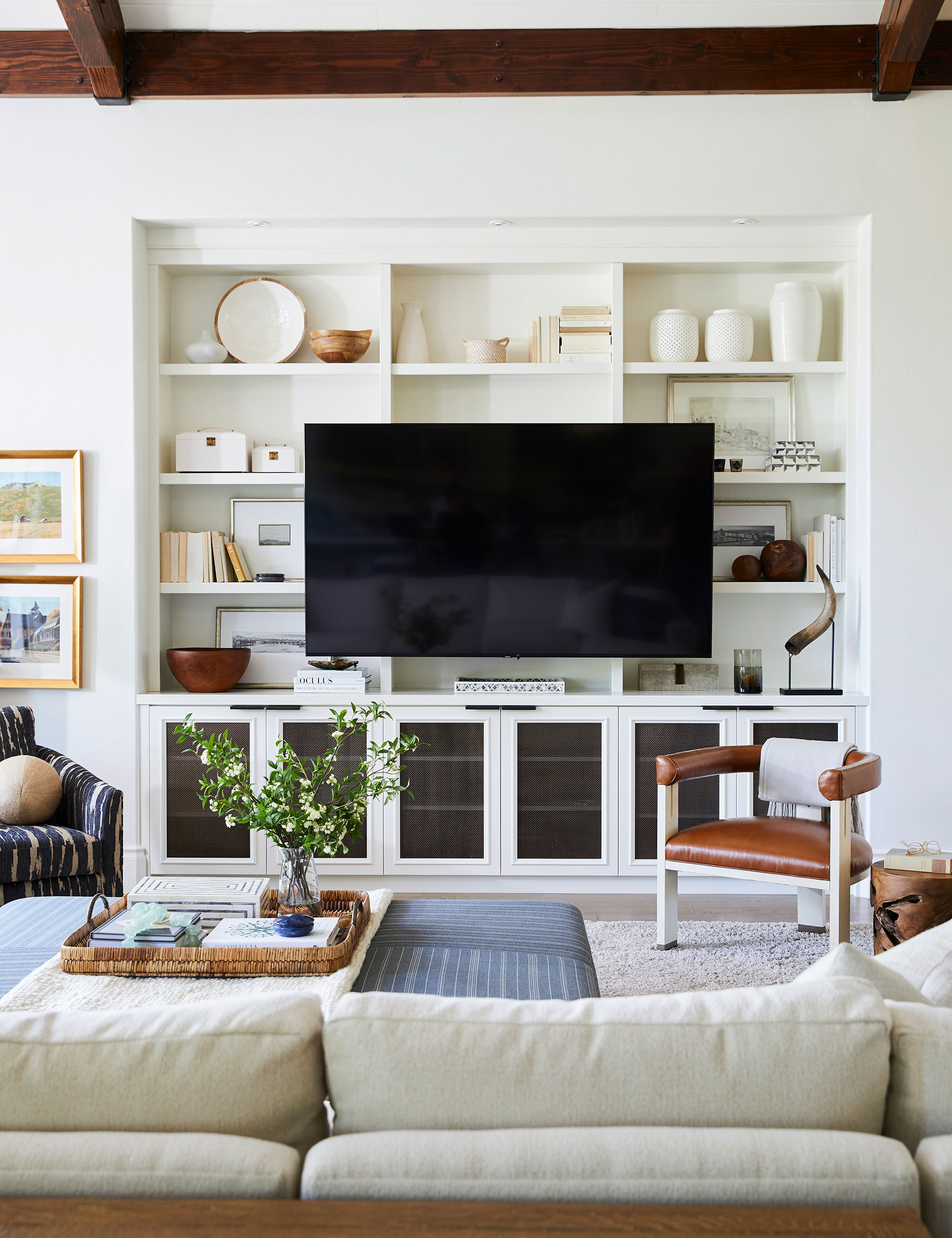
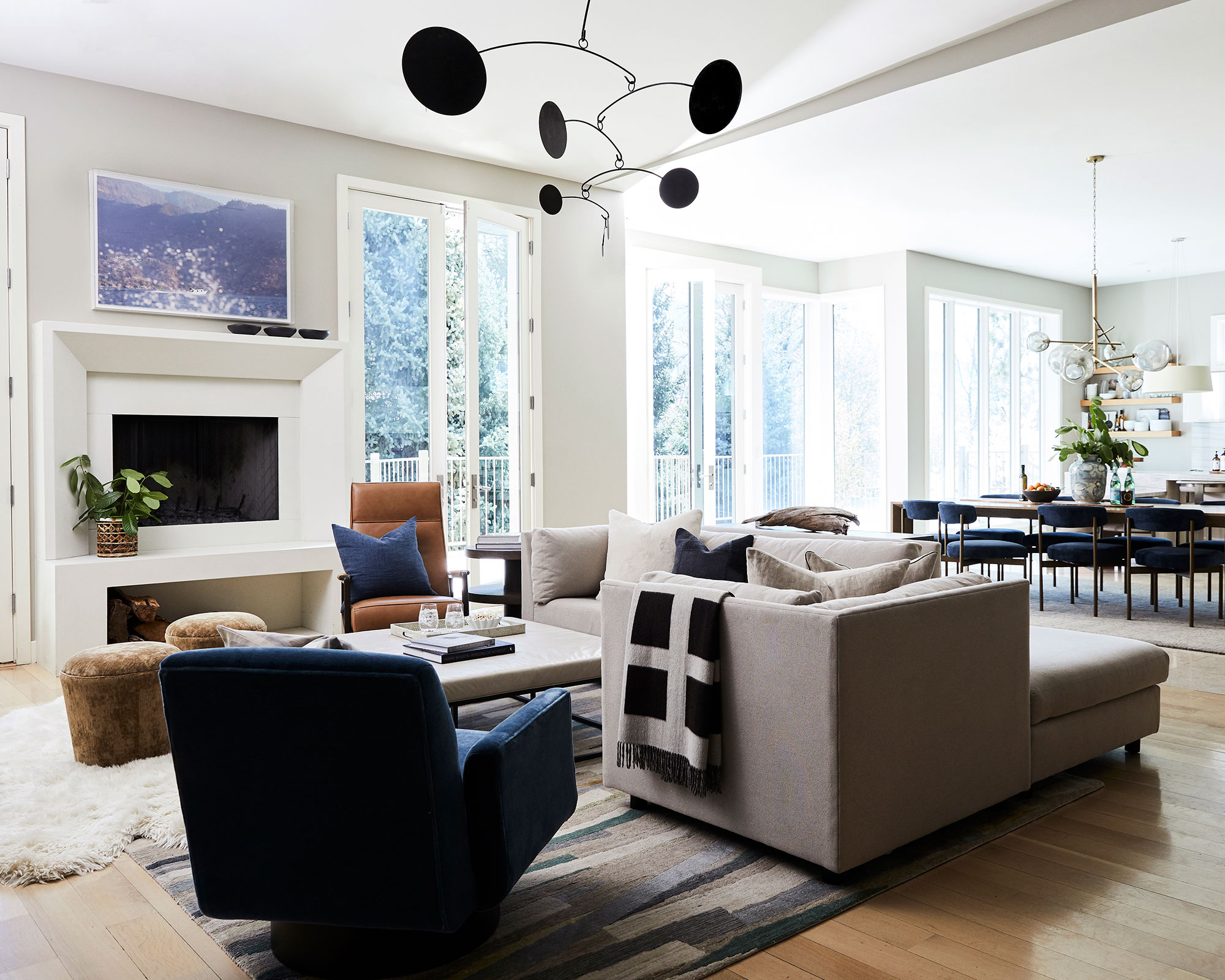
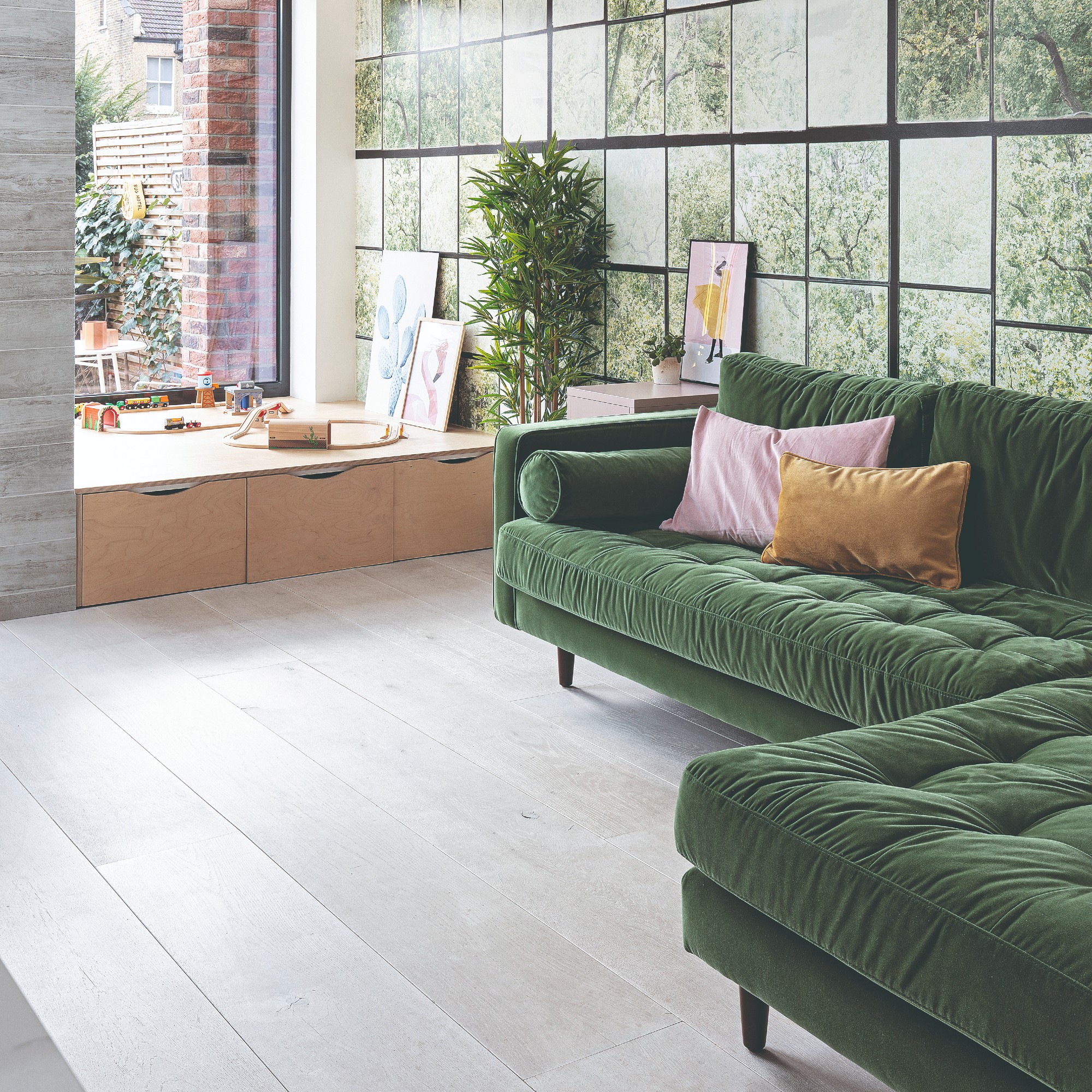
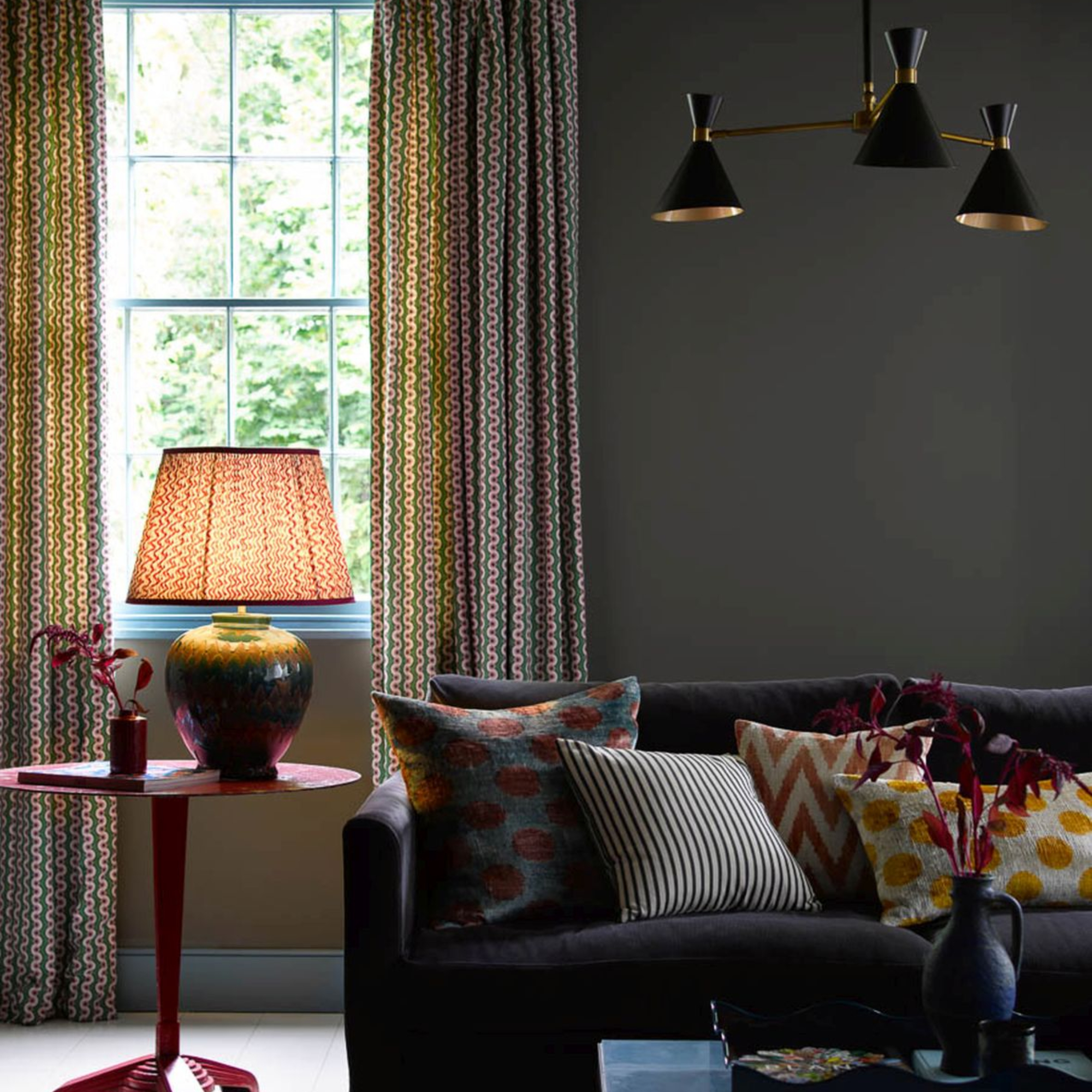
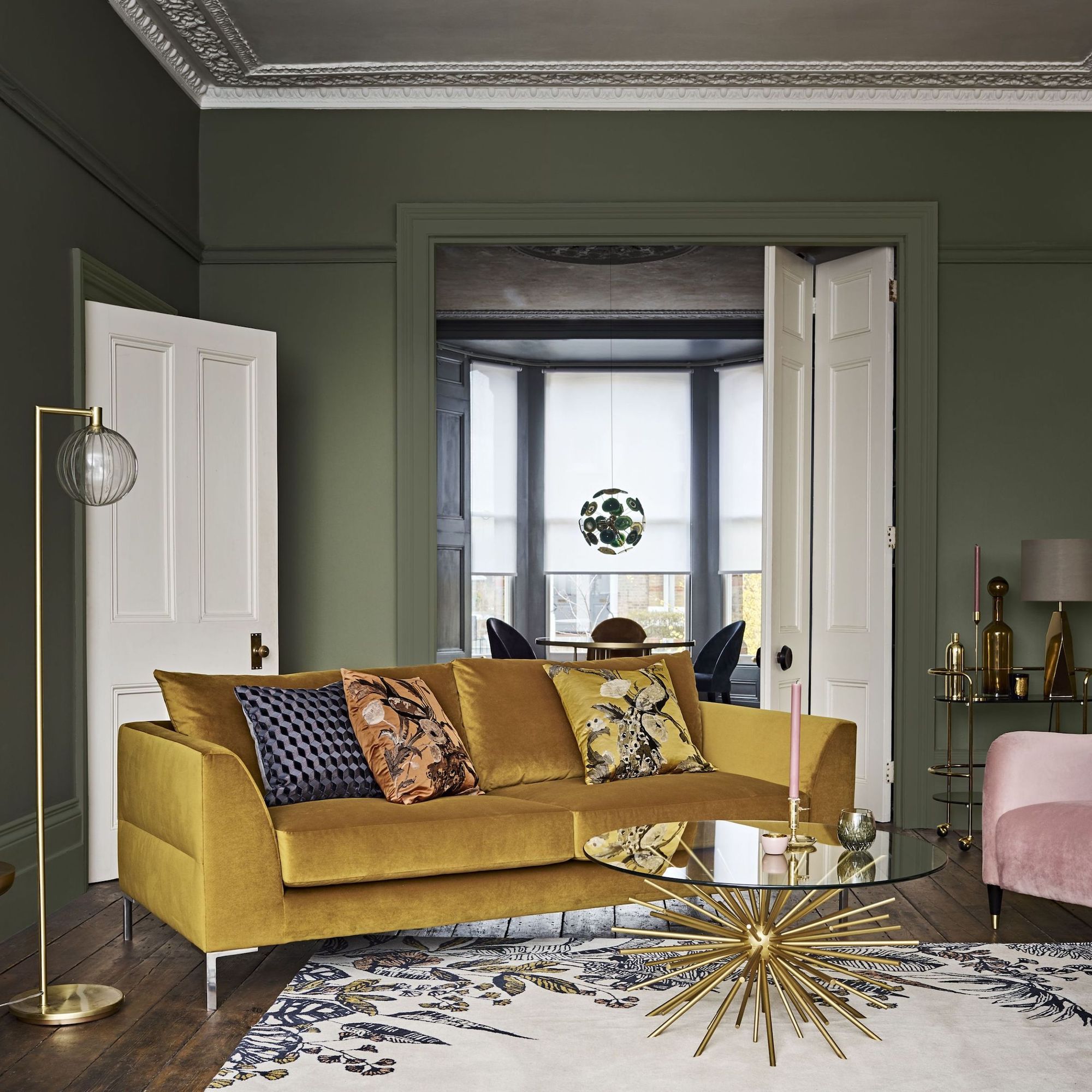
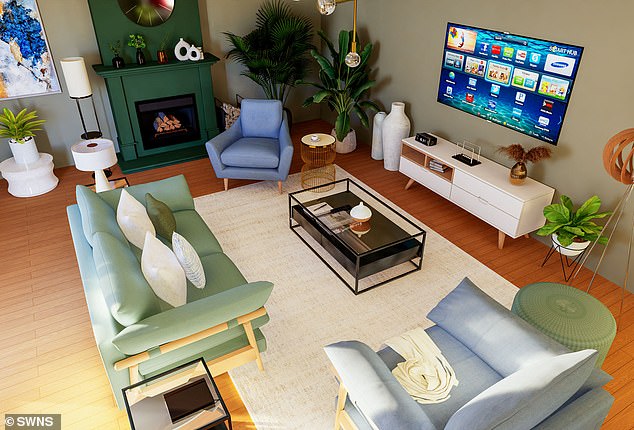
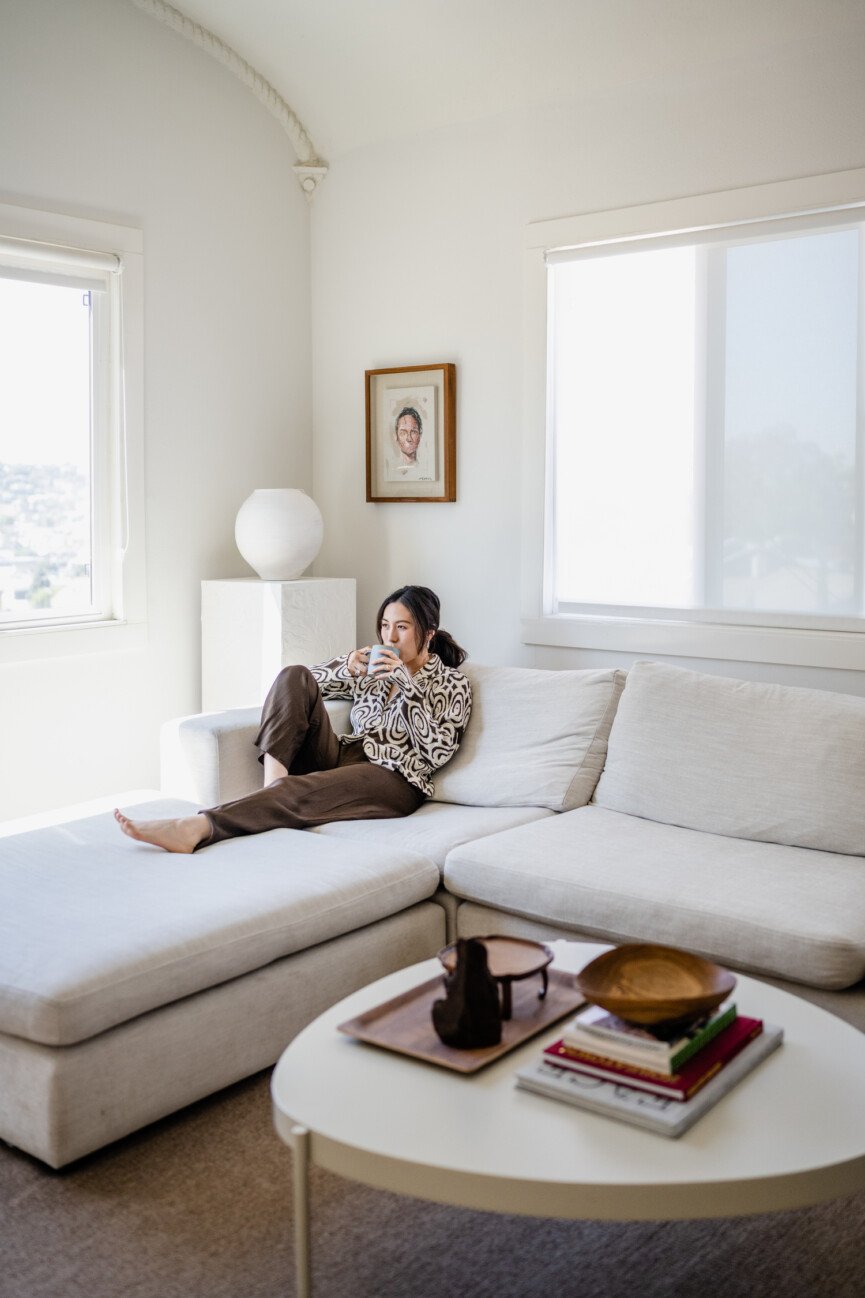
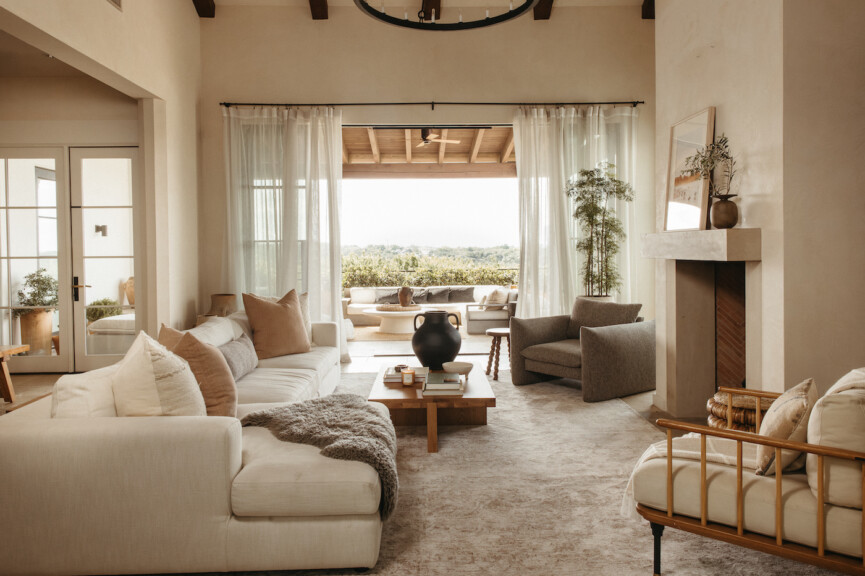
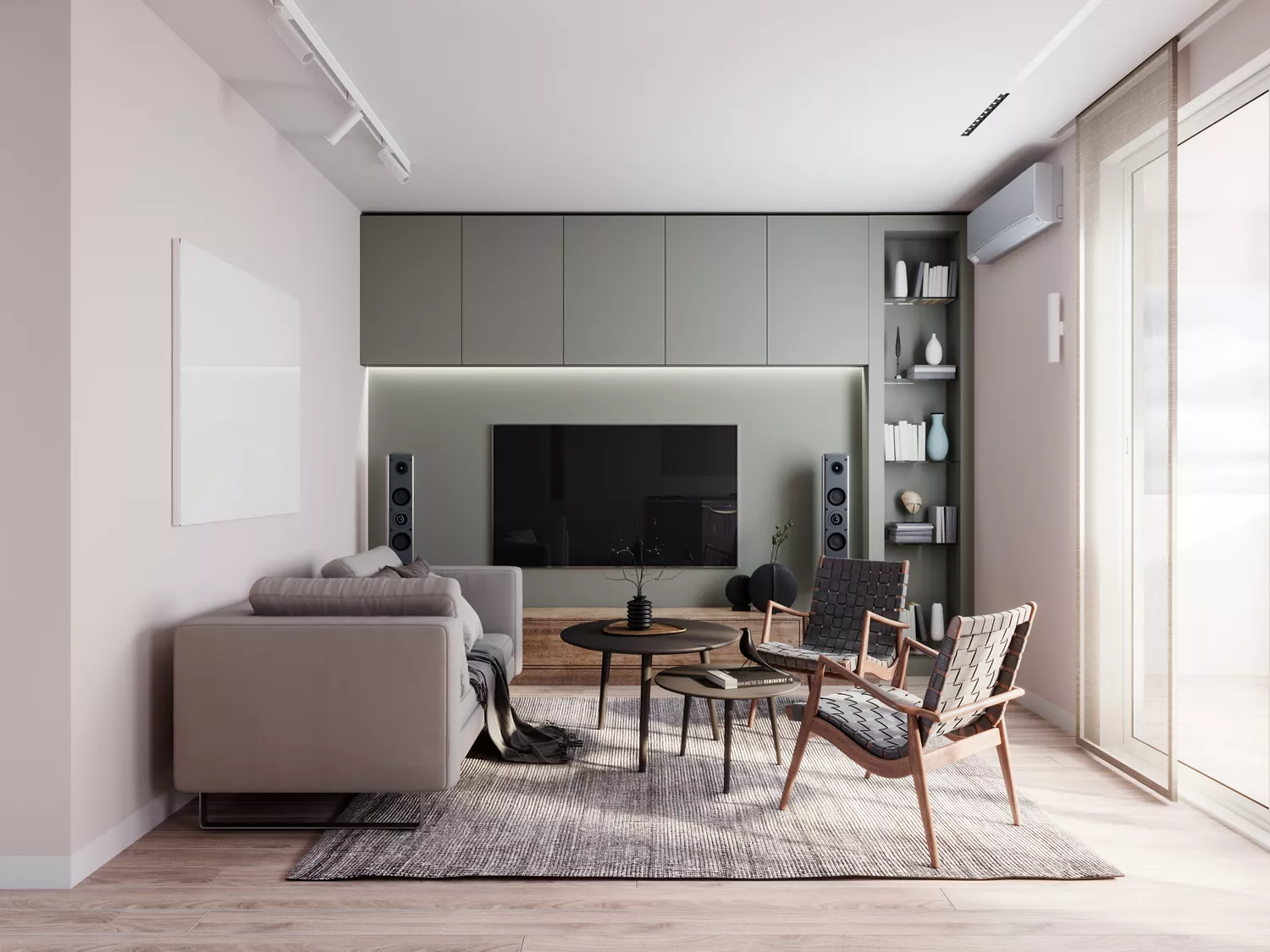
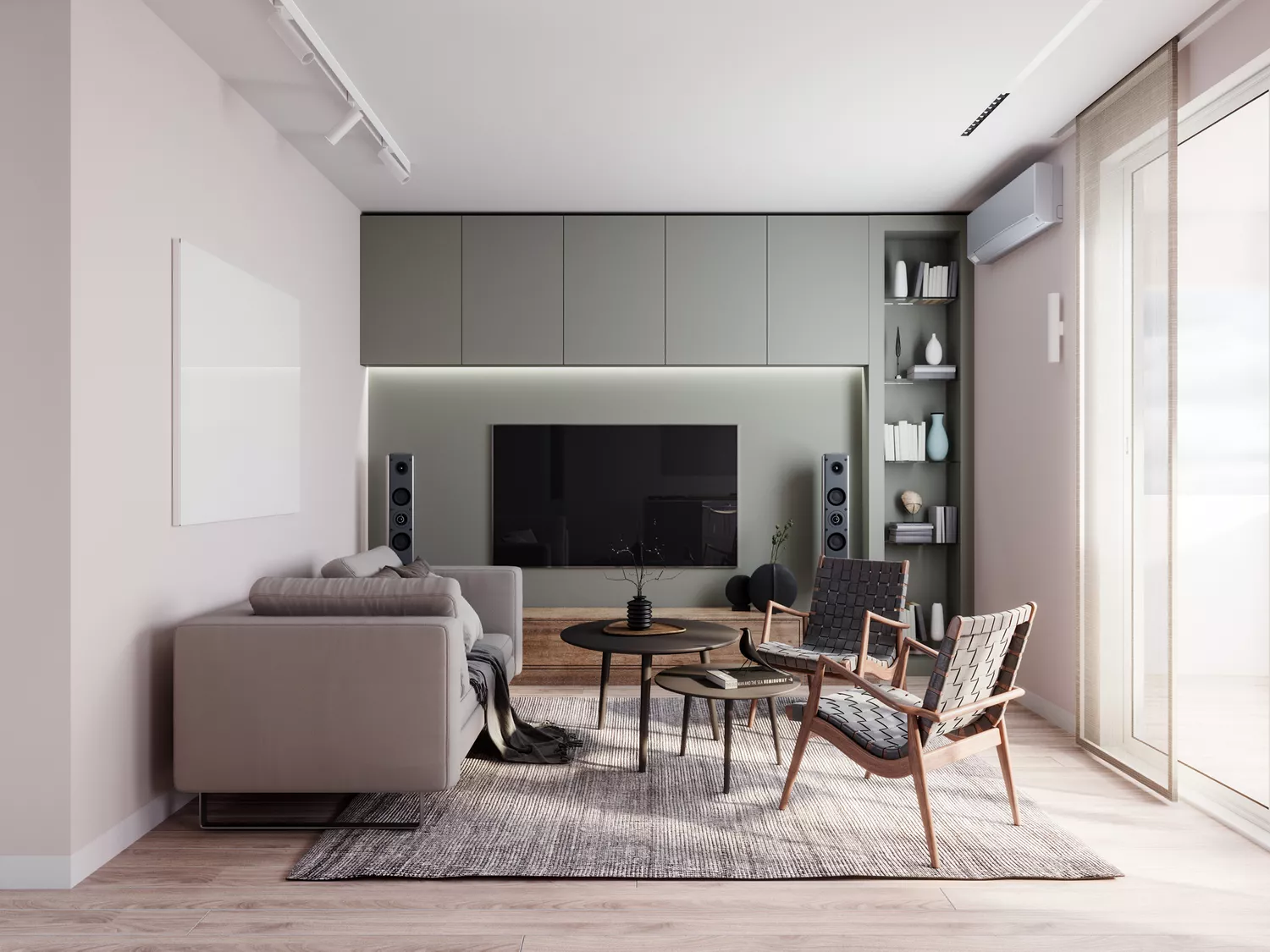
In the living room, Gigliotti suggests moving away from trendy, statement couches like the "funky bubble couches" or expensive Togo sofas, which he believes are impractical and difficult to integrate into different spaces or over time. He shares his own experience of quickly selling an orange bubble sofa after realizing it was a social media-driven purchase rather than a truly desired item. Instead, he recommends opting for more classic pieces or using versatile linen slipcovers, and also highlights thrifting as a viable option. The collaborators also caution against letting personal interests overwhelm home decor. Gaskill recounts an instance where his love for horror films led him to display a melting skull art print, which he later realized was too dominant. Gigliotti adds that while one can love fashion, there's no need to display luxury brand boxes as decor. Additionally, grommet curtains are described as an outdated and unappealing choice, likened to hanging a shower curtain in the living room.
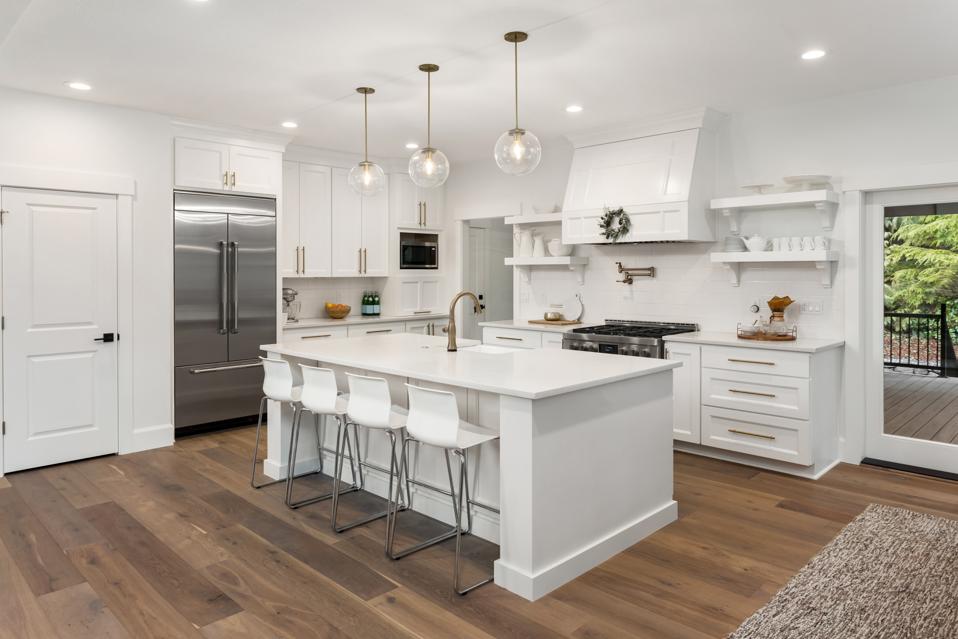
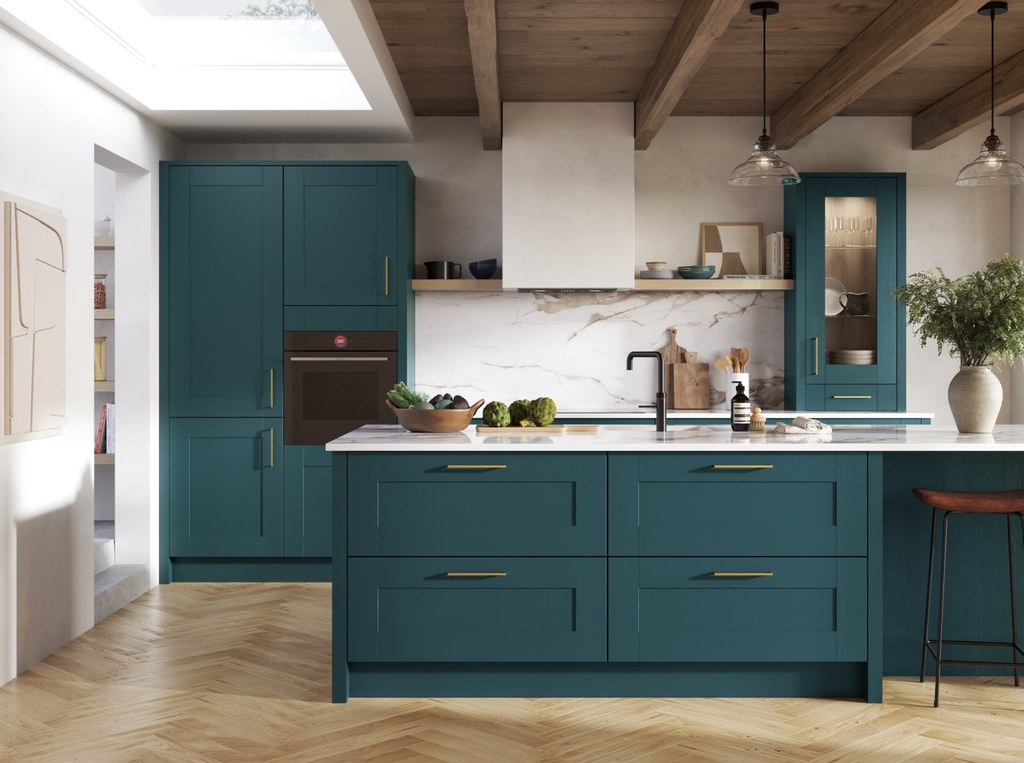
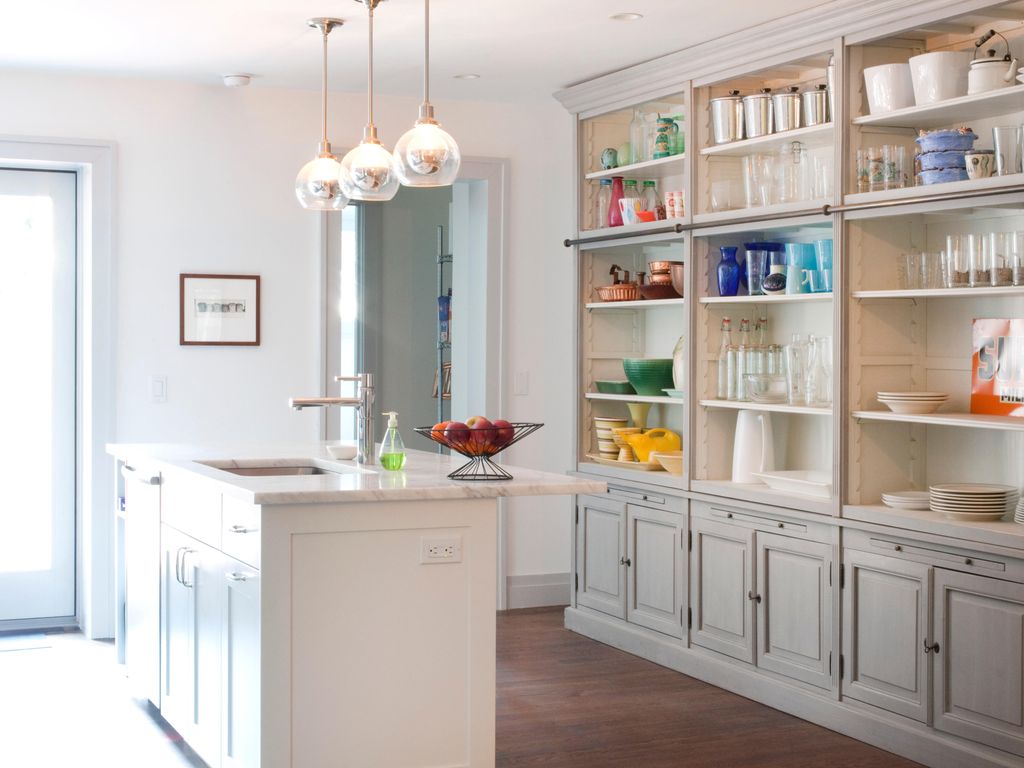
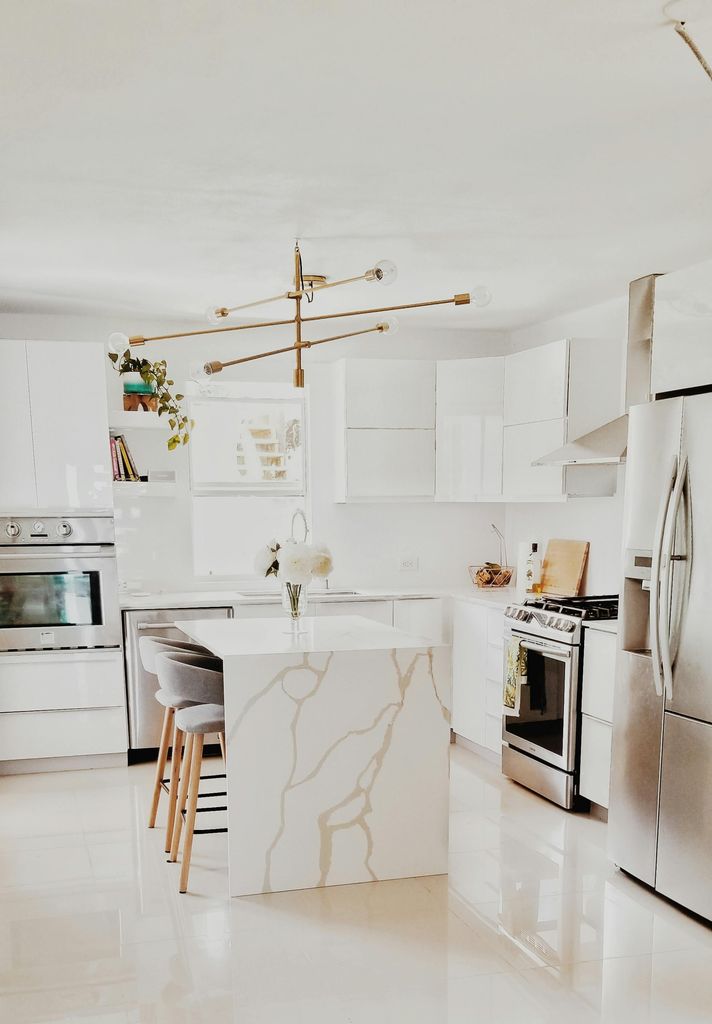
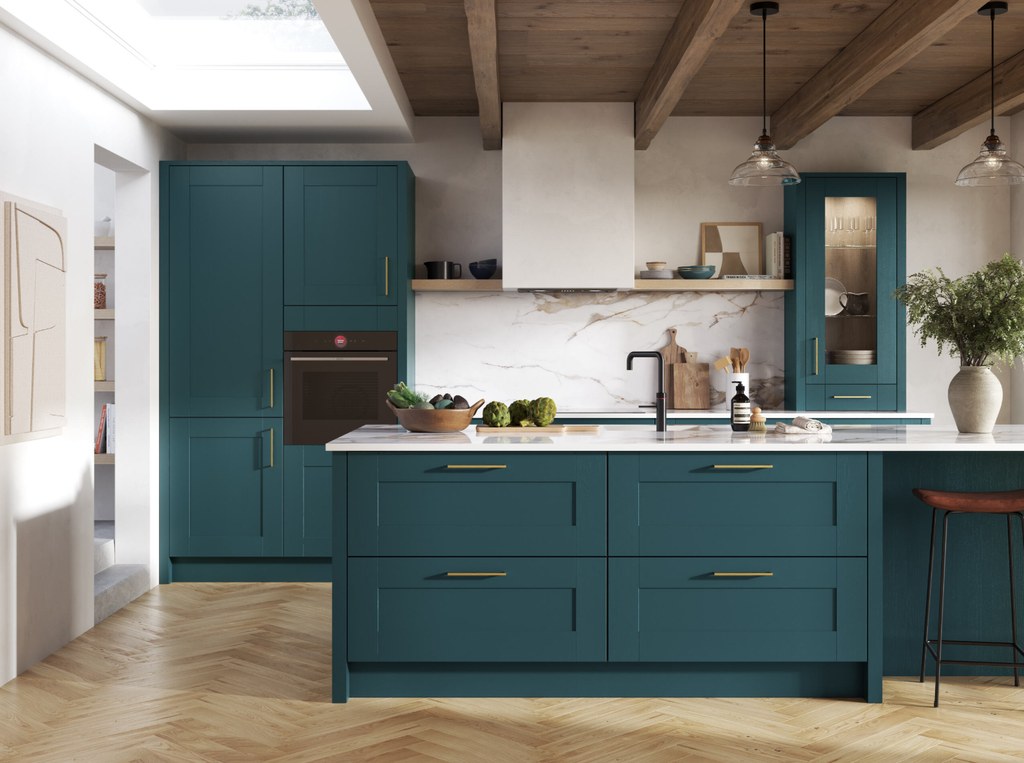
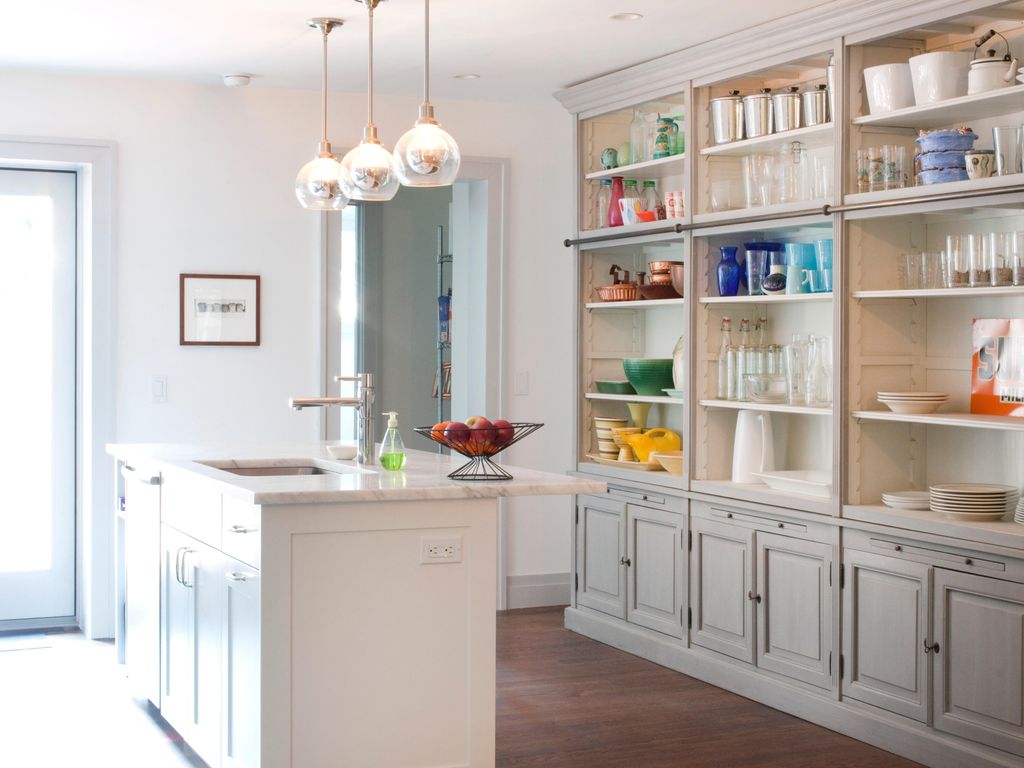
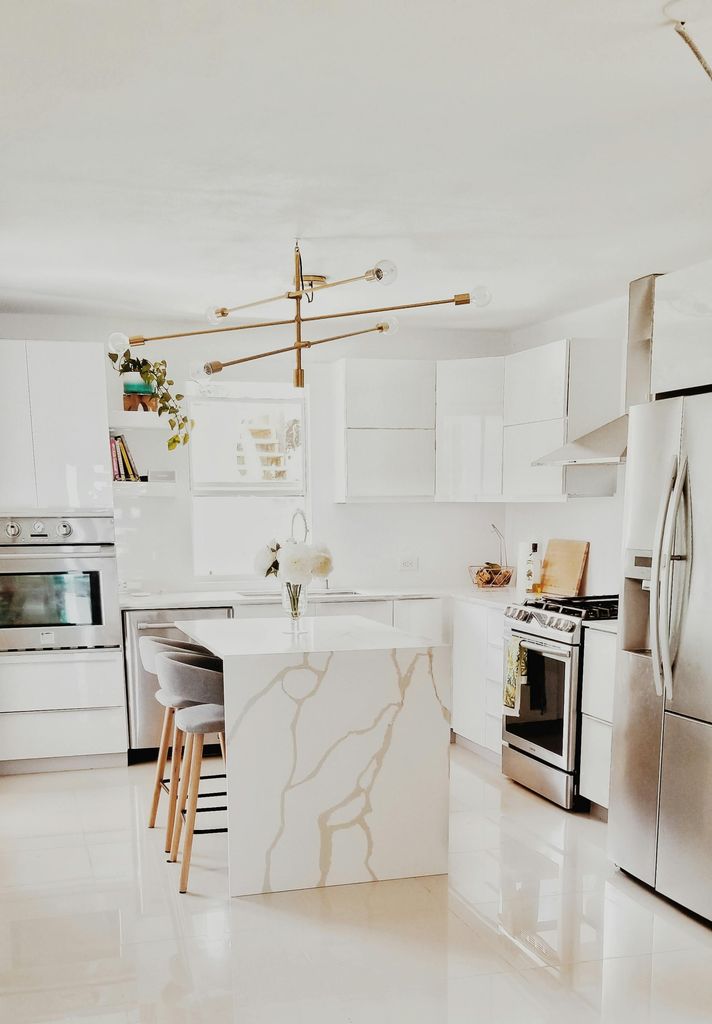
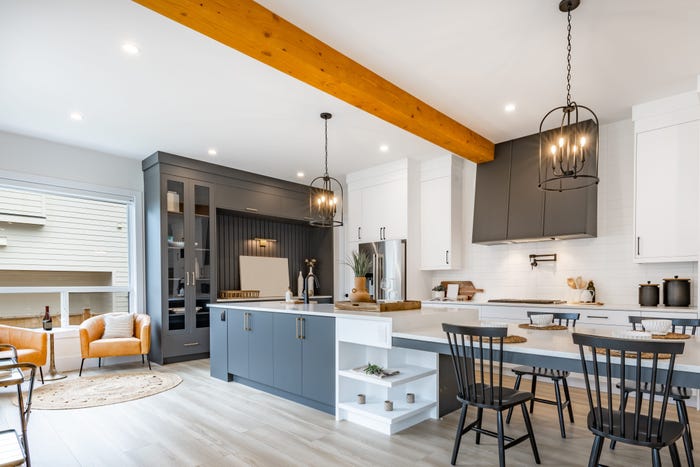
Moving to the kitchen, Gaskill advises against cluttering countertops with too many appliances, suggesting that only the most frequently used items, such as a coffee maker or toaster, should be left out, with others stored away. Gigliotti further emphasizes that appliances don't need to be a "design moment"; instead, they should blend into the space. He advocates for classic choices like stainless steel over "fake vintage or retro appliances." The article also addresses the trend of over-decorating bar carts and open shelving, which Gigliotti believes can make a space look overly curated and less lived-in. He suggests prioritizing functionality, as authentic and useful items contribute more to a home's appeal.
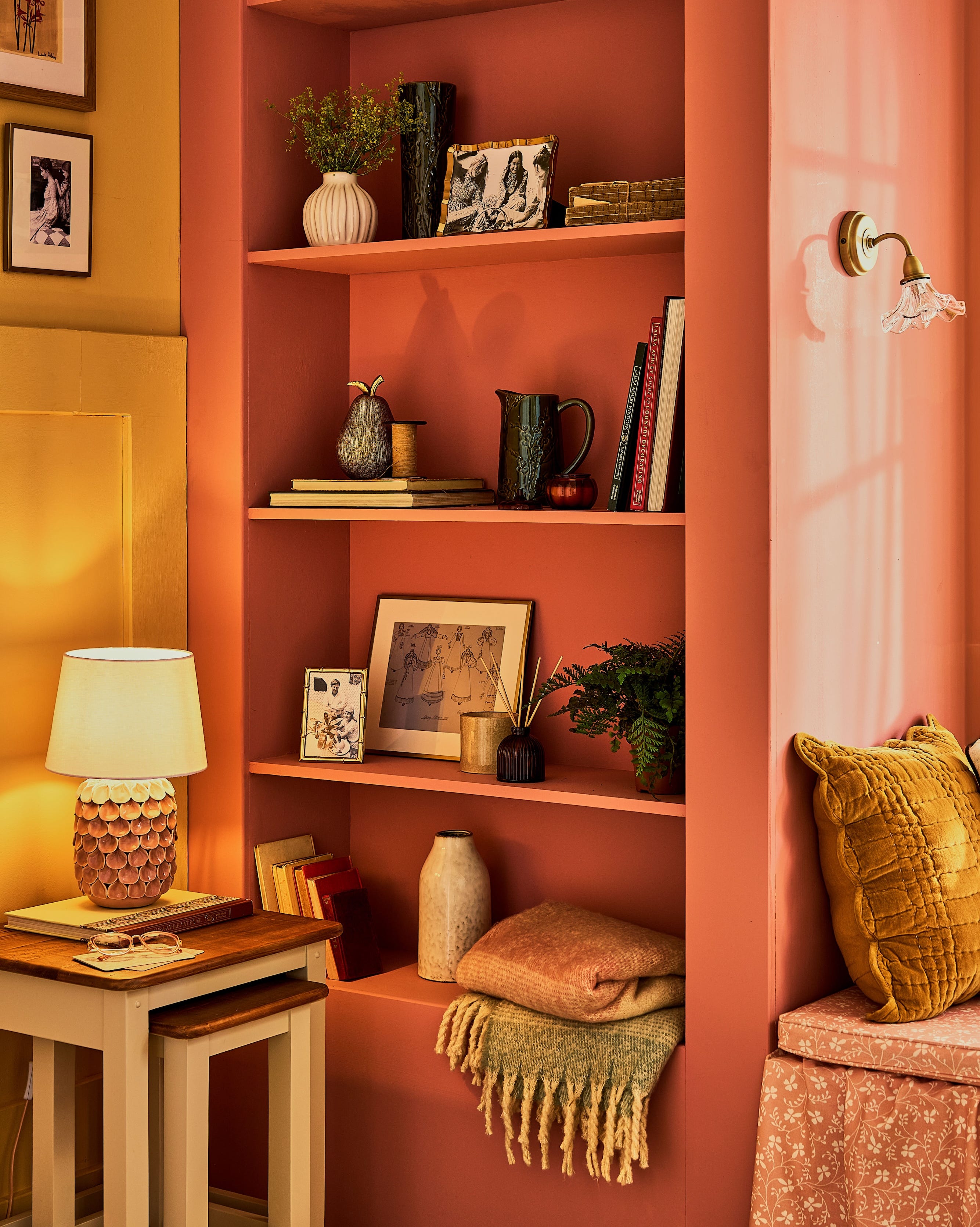
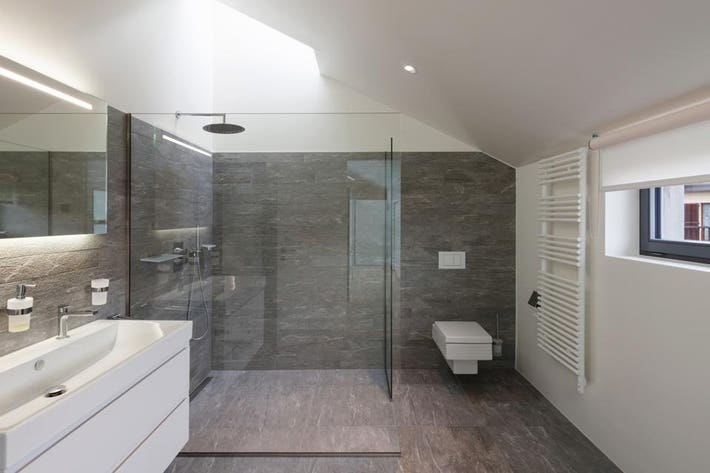
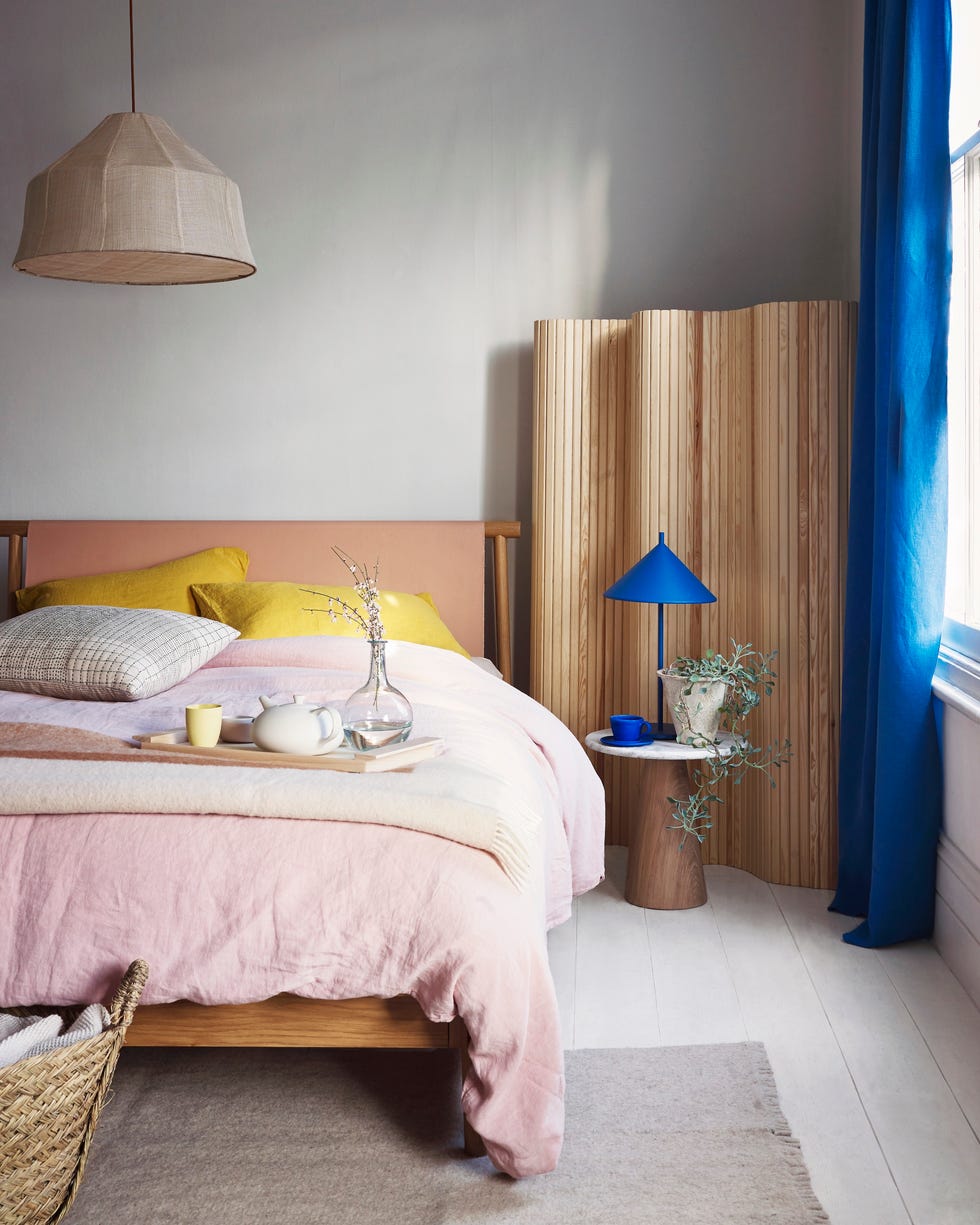
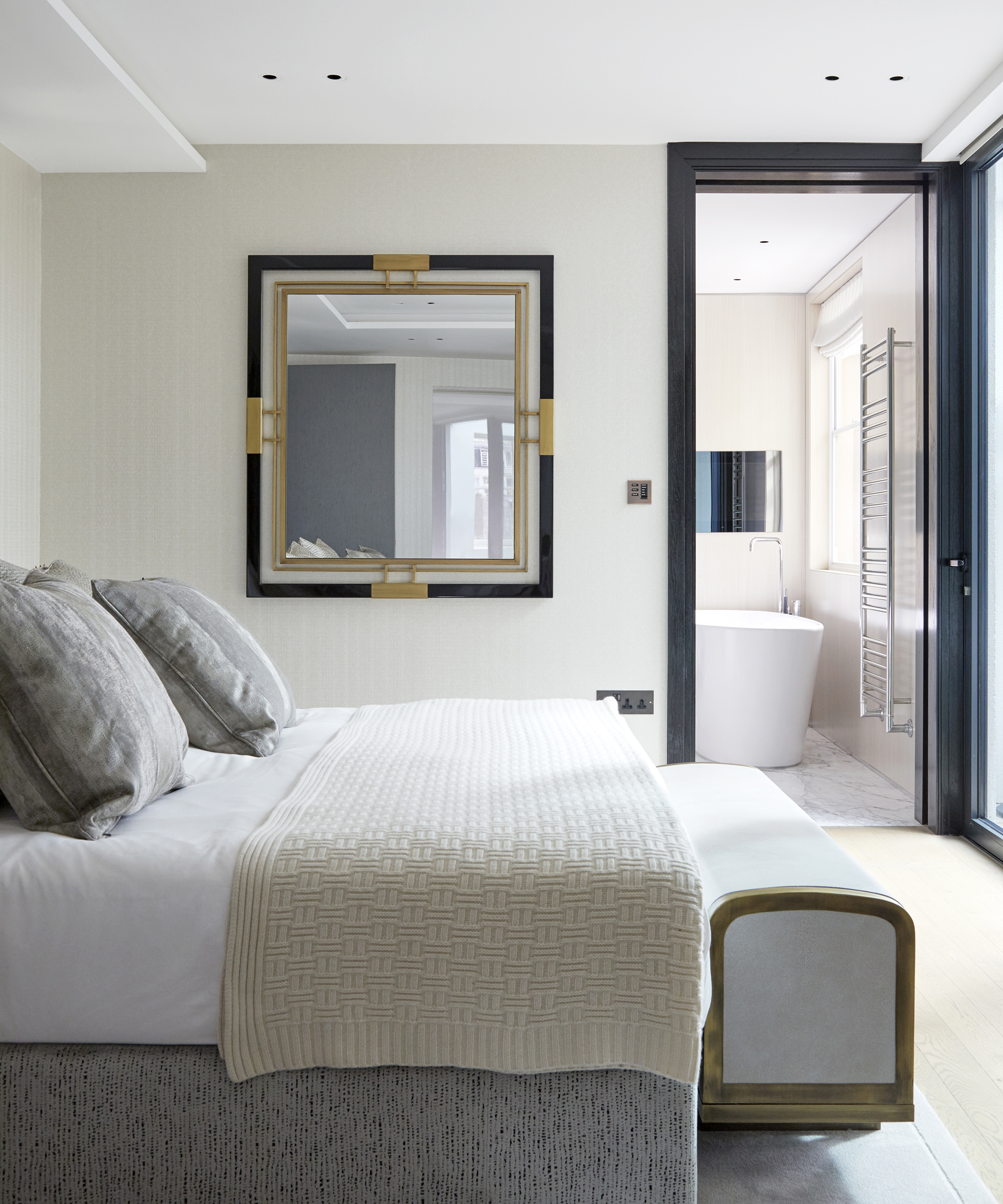
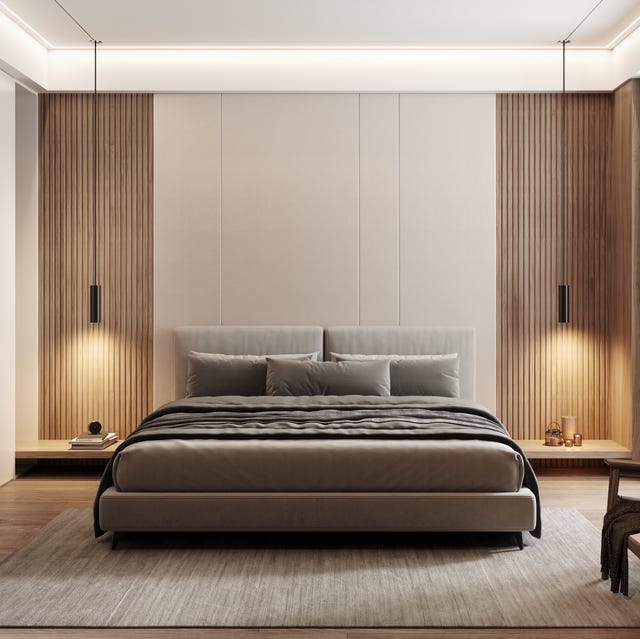
For bathrooms, the duo strongly advises against peel-and-stick tiles, explaining that the adhesive often fails in steamy environments, leading to bubbling and an undesirable appearance. They suggest that poorly executed DIY projects can draw more attention to an area one is trying to mask, and that homes should not be treated like "craft projects." Furthermore, toiletries should not be treated as decorative items, and shelving should not be installed solely for displaying items like nail polish. The article also touches on "cringey" art prints, expanding beyond the well-known "Live, Laugh, Love" to include quirky food-themed or odd phrase art that is losing its appeal. In the bedroom, Gaskill advises against placing beds perpendicularly in a corner, as it creates unusable space and suggests a lack of thoughtful room layout. Lastly, the collaborators recommend against color-coding bookshelves, arguing that a mix-matched approach adds character and charm to a home. They conclude by stressing the importance of accepting a home's existing characteristics rather than forcing unnecessary design elements like fake beams or brick walls through DIY projects. For those seeking change, a new coat of paint and good artwork are recommended as the best starting points.
#HomeDecor #InteriorDesign #DesignMistakes #HomeImprovement #DecorTrends #TikTokTrends #SpacePlanning #DIYDecor #FunctionalDesign #HomeDecor #InteriorDesign #DesignMistakes #HomeImprovement #DecorTrends #TikTokTrends #SpacePlanning #DIYDecor #FunctionalDesign
0 Kommentare insgesamt
 Noch keine Kommentare
Das könnte Ihnen auch gefallen
Designers Share 4 Common "Mistakes" You're Making in Your Living Room—and How to Correct Them

6 mistakes design experts instantly notice in your home – and how to fix them
5 small living room mistakes – designers share the worst decorating disasters that we need to stop doing right now

11 Living Room Layout Mistakes Designers Want You To Stop Making
5 Living Room Design Mistakes You Didn't Know You Were Making
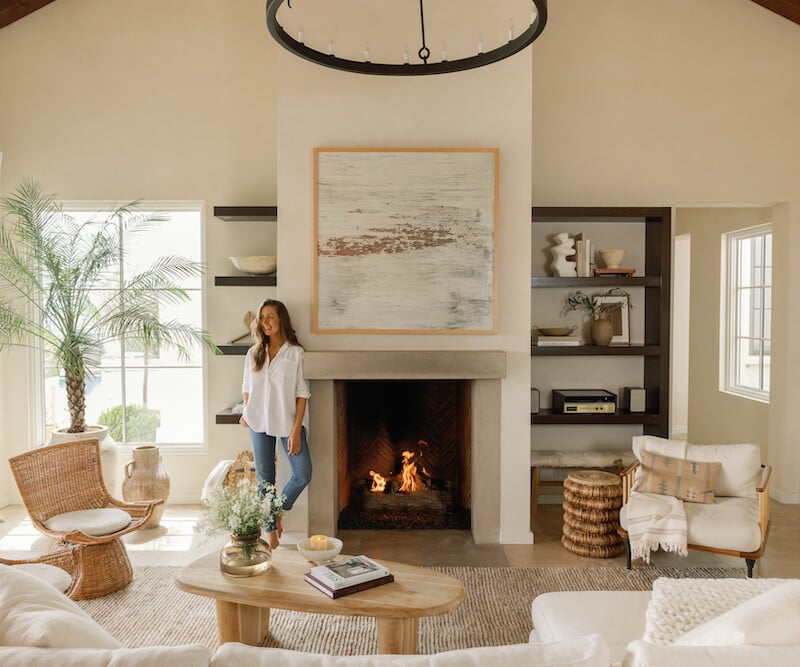
Designers Say This Is the #1 Living Room Mistake Everyone Makes

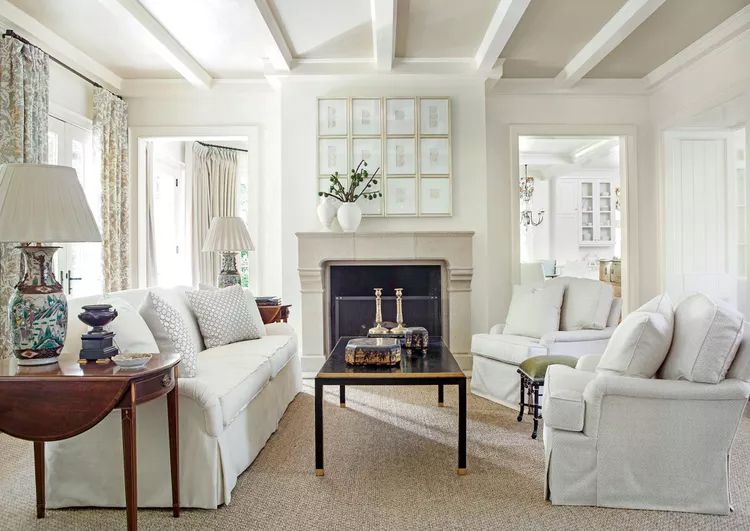
7 Living Room Decorating Mistakes You Should Never Make
8 shockingly common kitchen design mistakes according to a pro

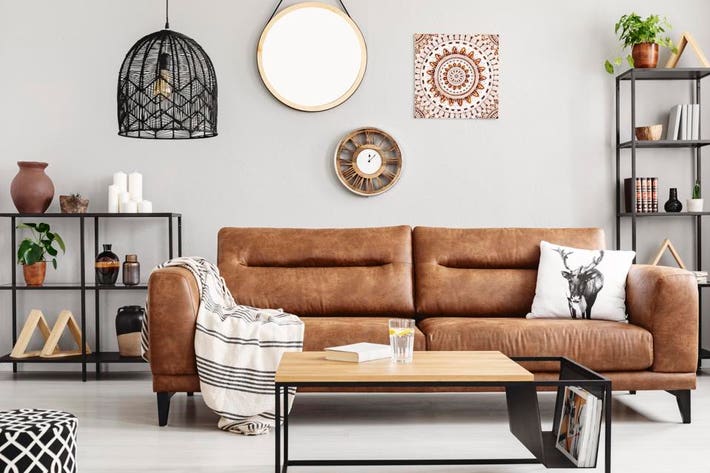
10 Interior Design Mistakes Experts Avoid In Their Own Homes

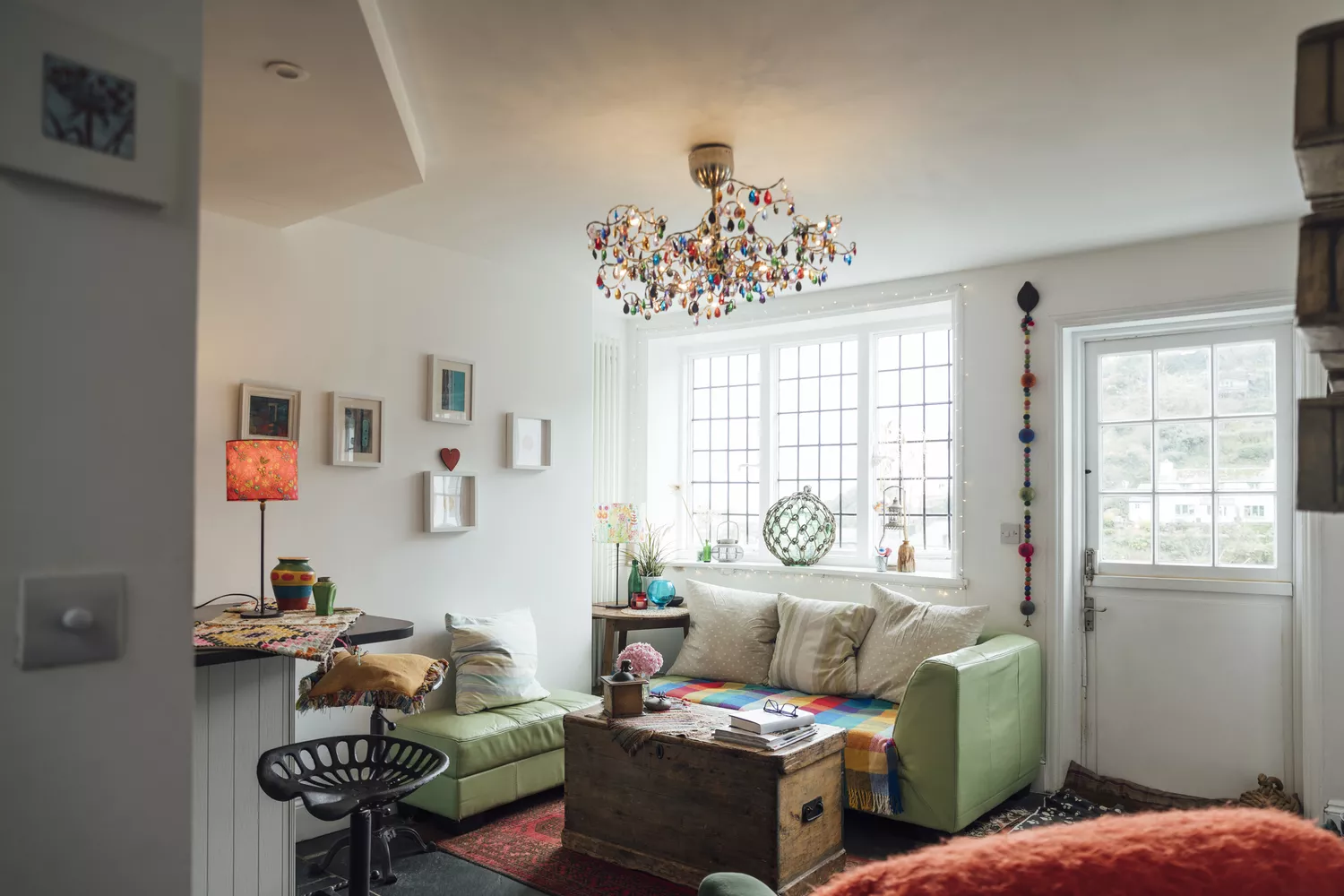
11 Decor Mistakes That Always Make Your Home Look Tacky, According to Designers

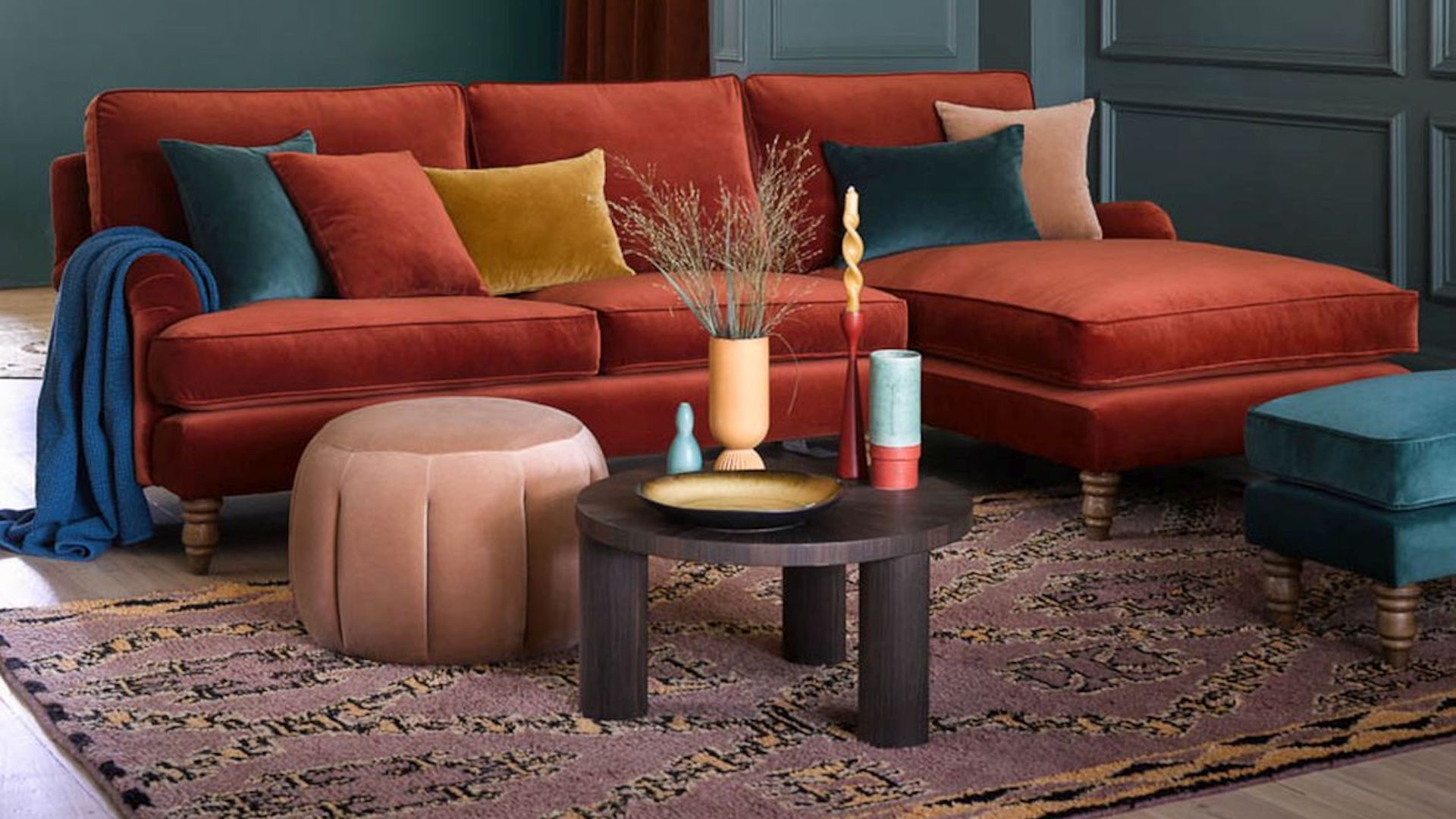
10 common living room design disasters experts warn against falling for
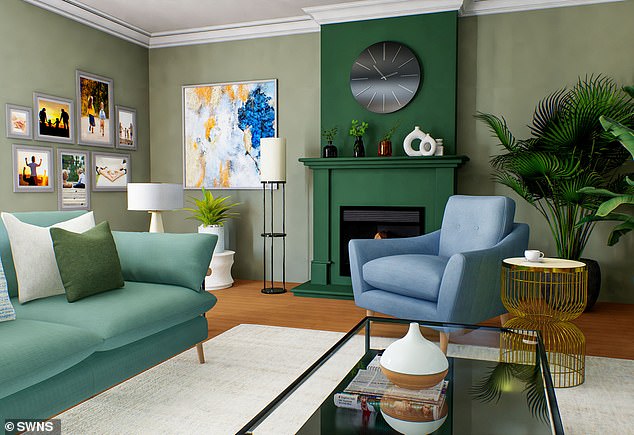
Are YOU guilty of these living room layout mistakes? Decor expert reveals the 8 sins people make
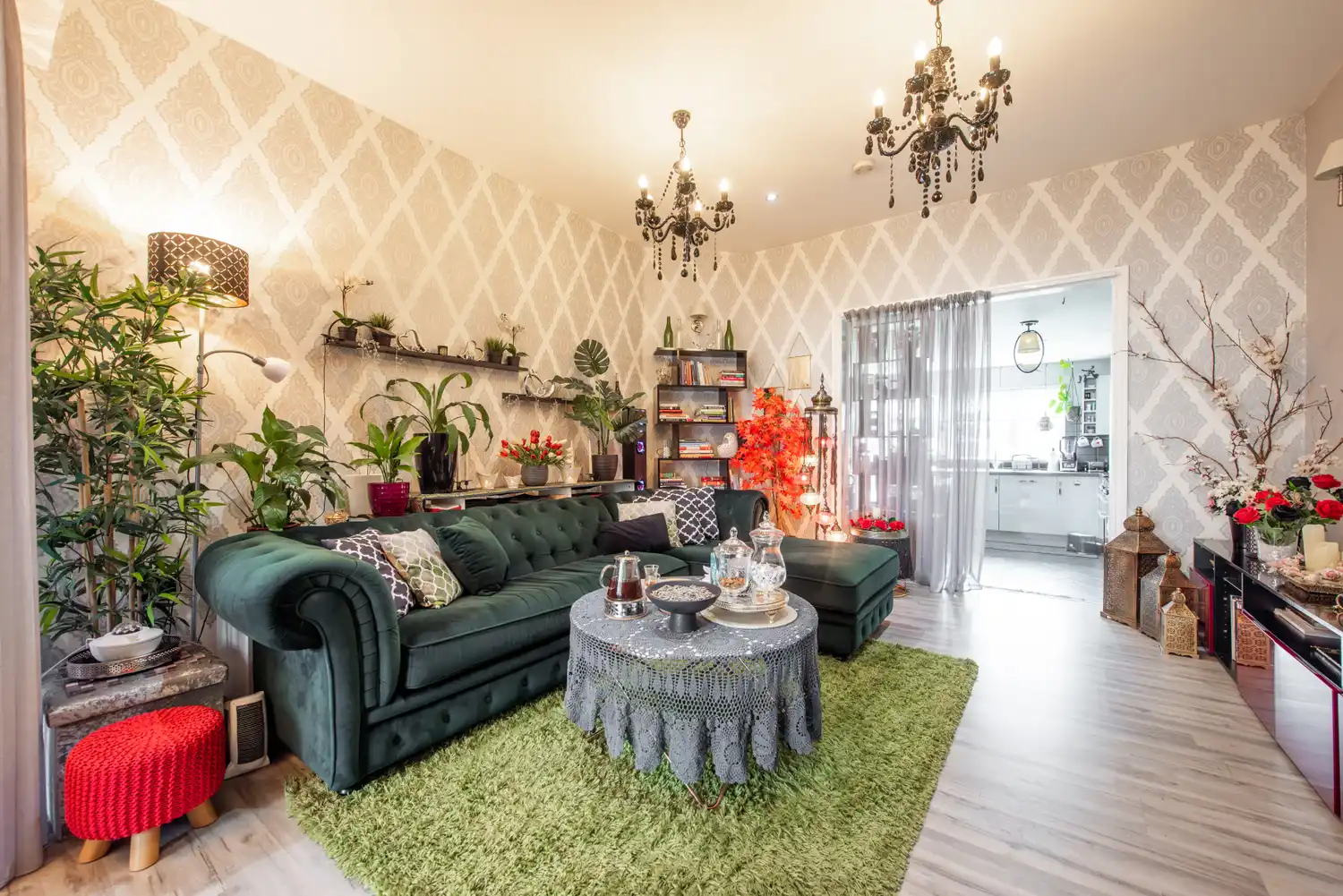
6 Home Décor Mistakes Interior Designers Notice Right Away—and How to Fix Them
9 whole house layout mistakes – avoid these common floor plan flaws
5 entryway mistakes we all make – and how designers suggest we avoid them
How to Fix the Most Common Living Room Layout Mistakes
7 Design Mistakes Interior Designers Always Notice
10 Mistakes Designers IMMEDIATELY Notice When They Walk Into Your Home
8 shockingly common kitchen design mistakes according to a pro

6 Small Living Room Layout Mistakes You Should Never Make, According to Designers