Can You Mix and Match Wood Furniture? What Designers Actually Think of the Trend
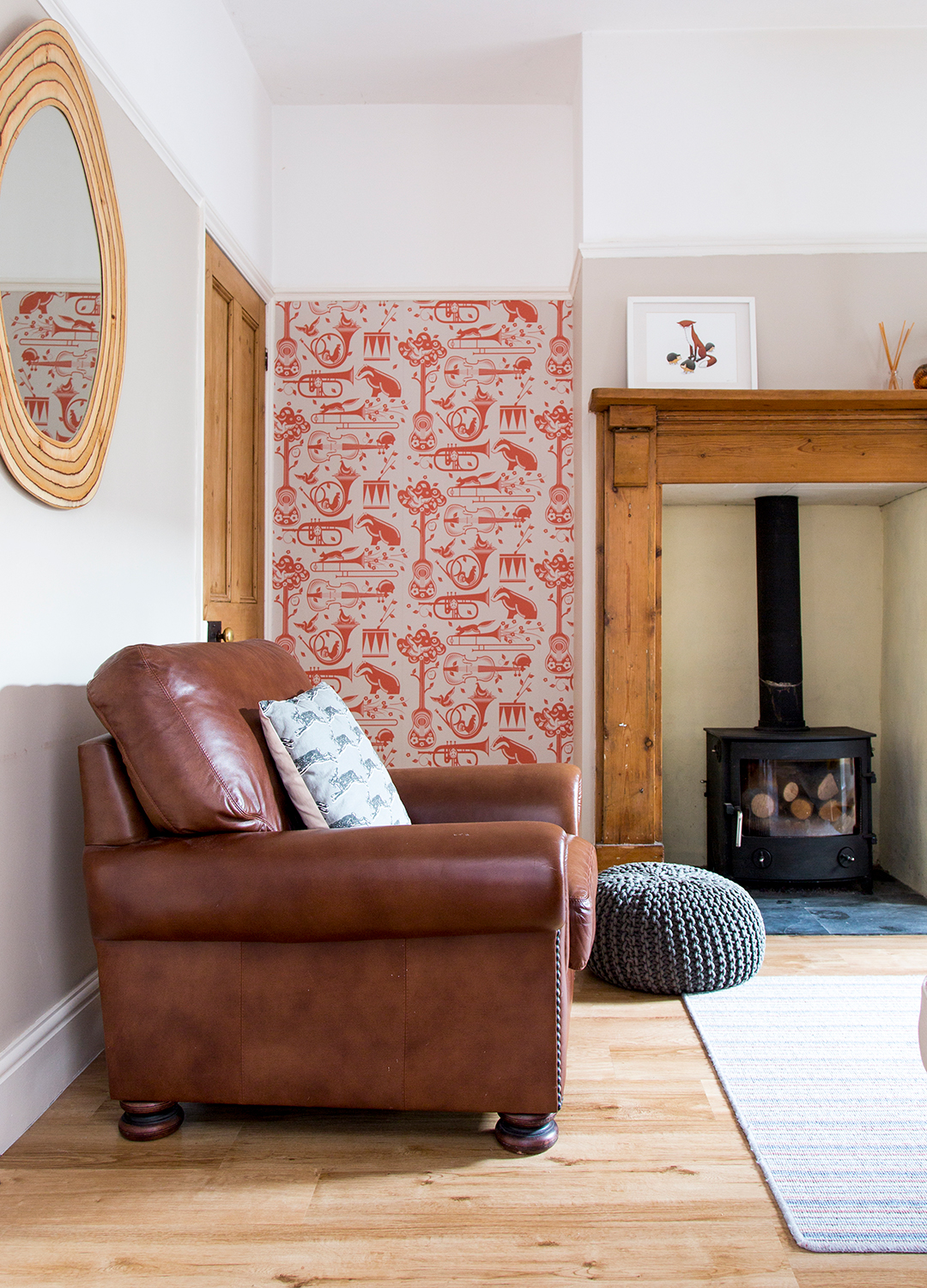
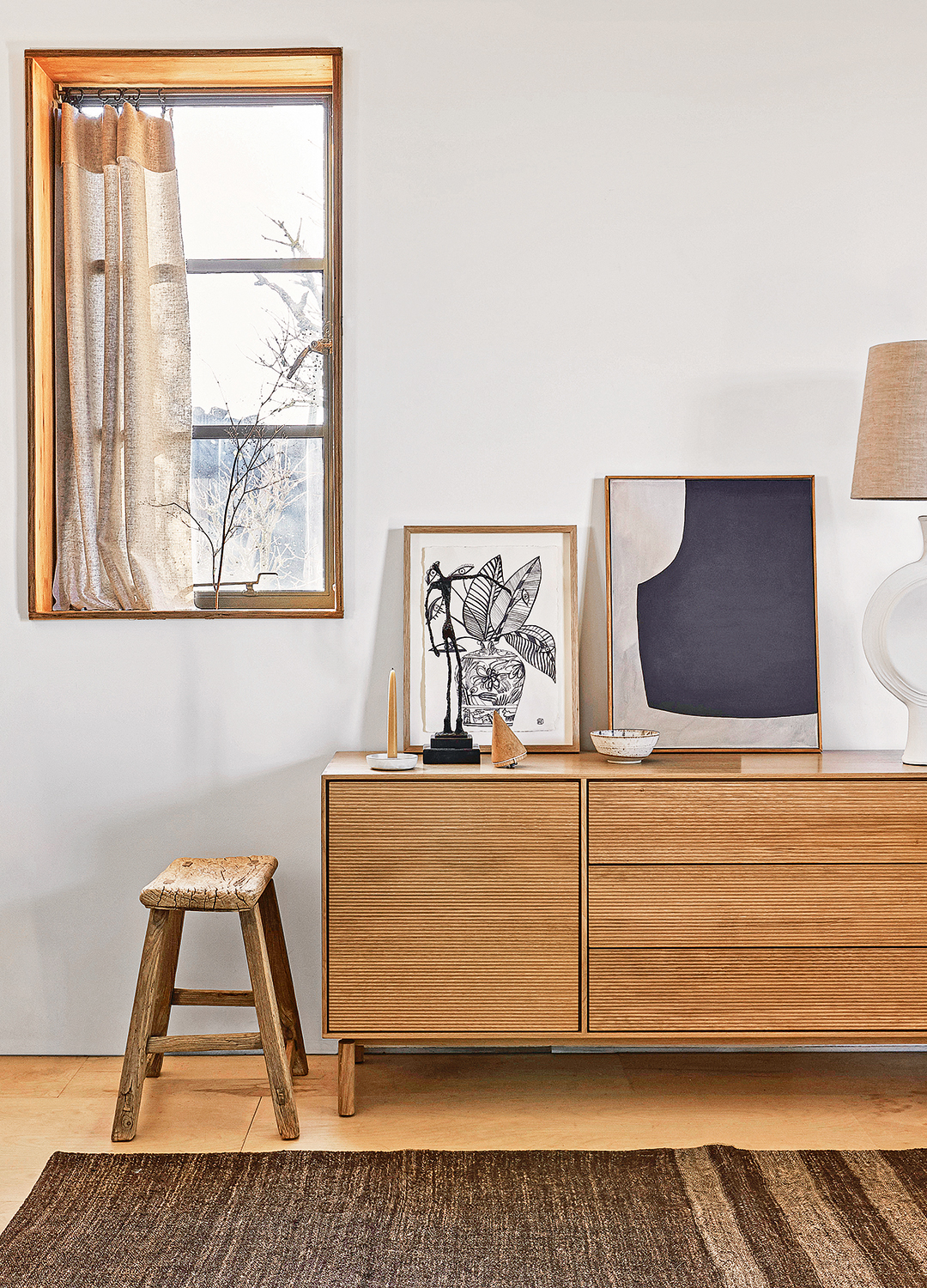
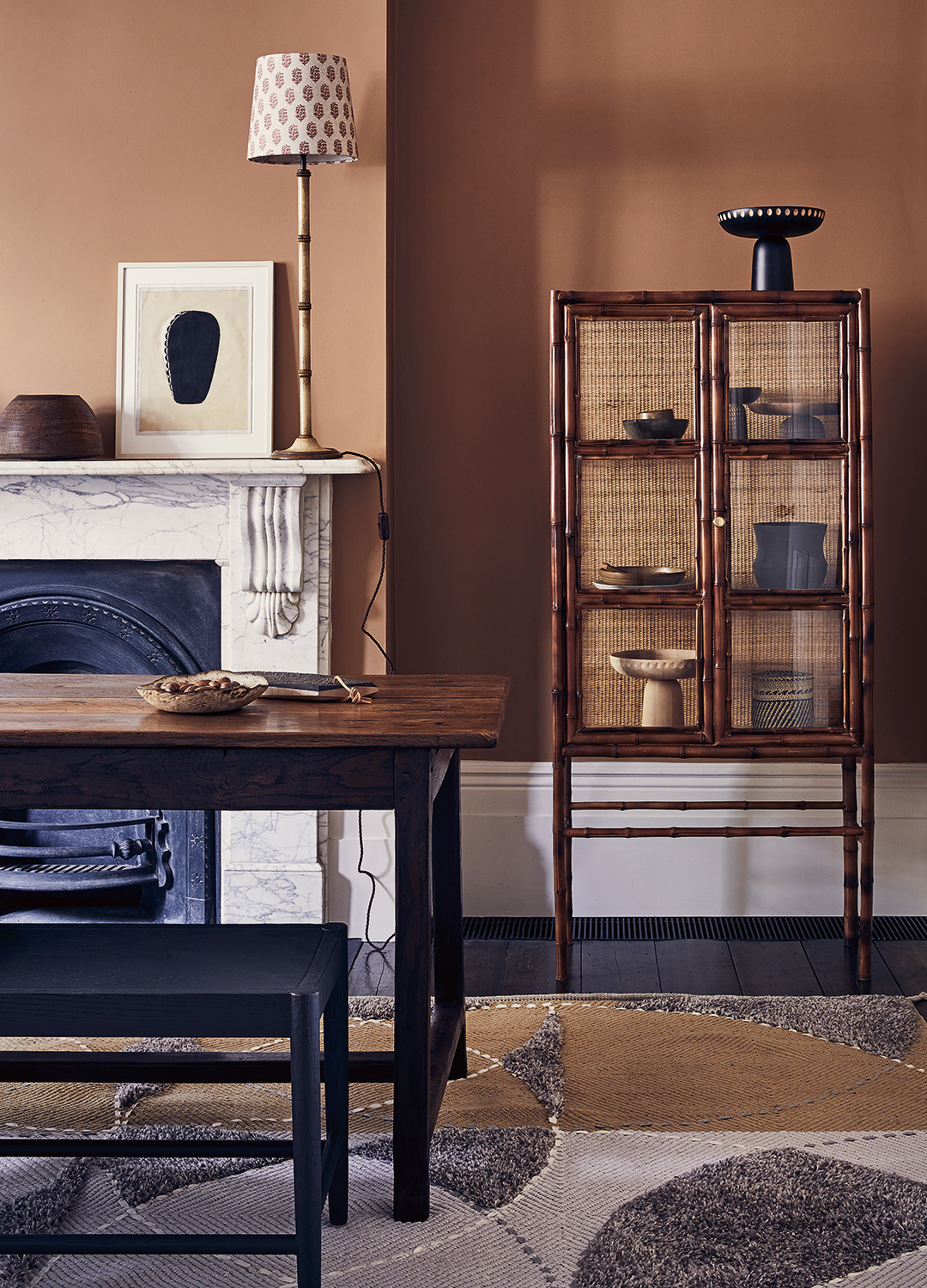
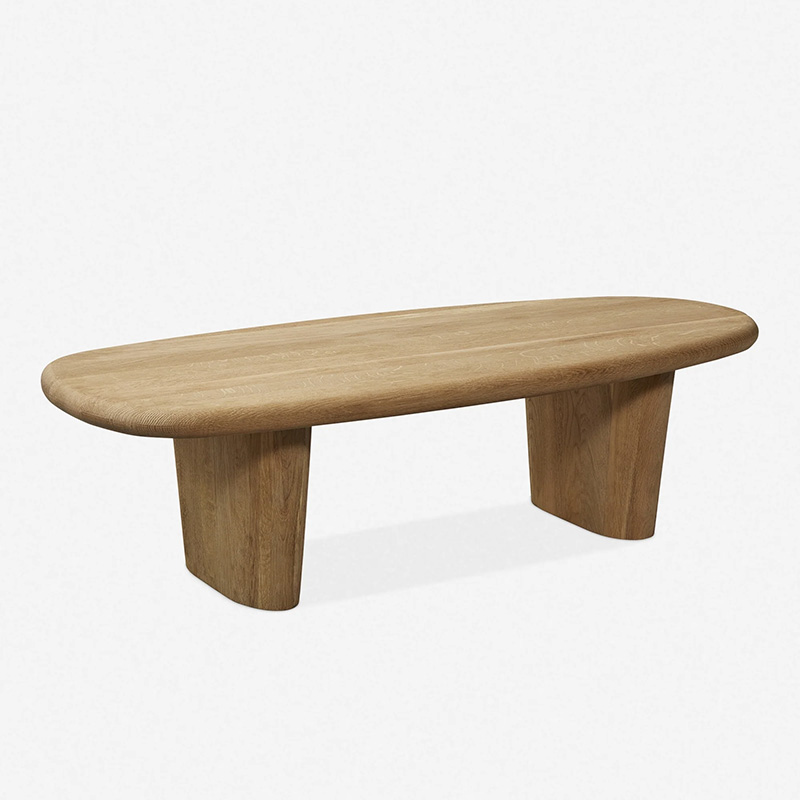
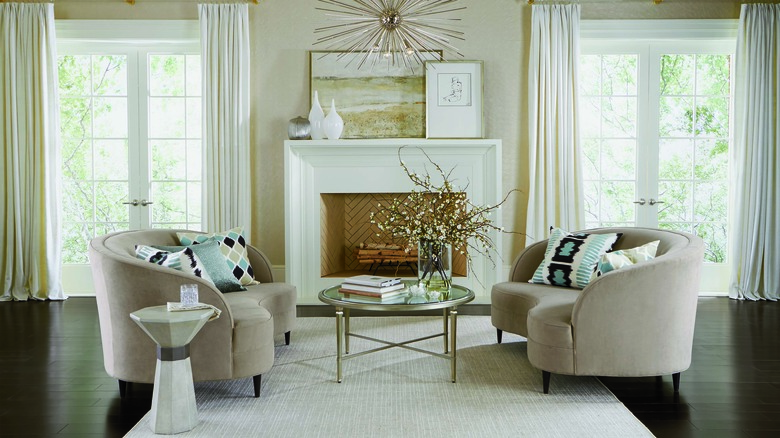
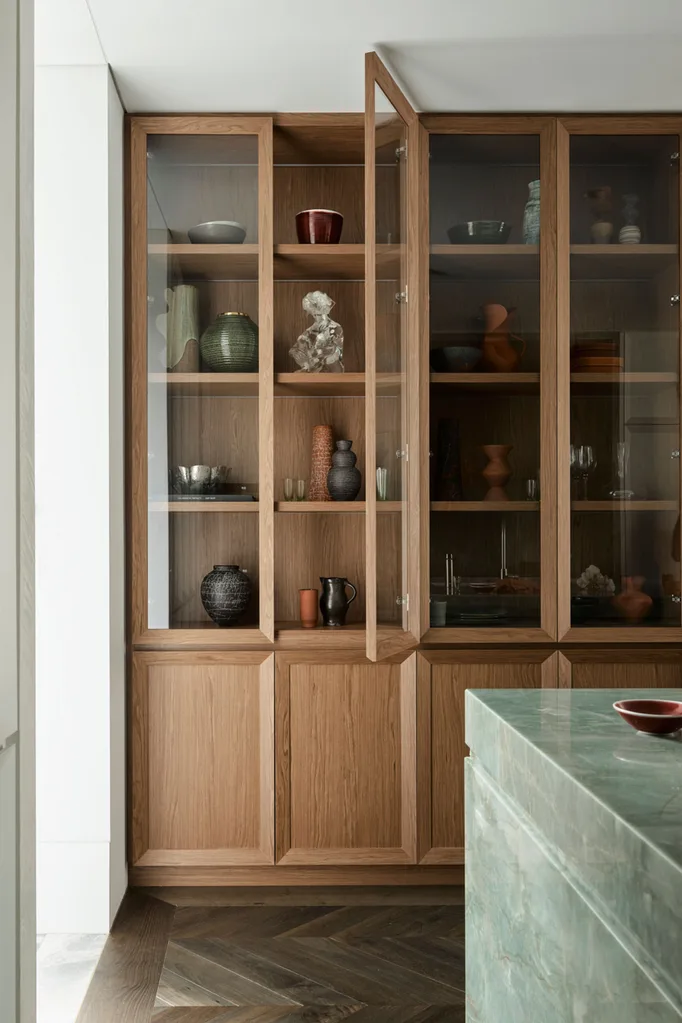
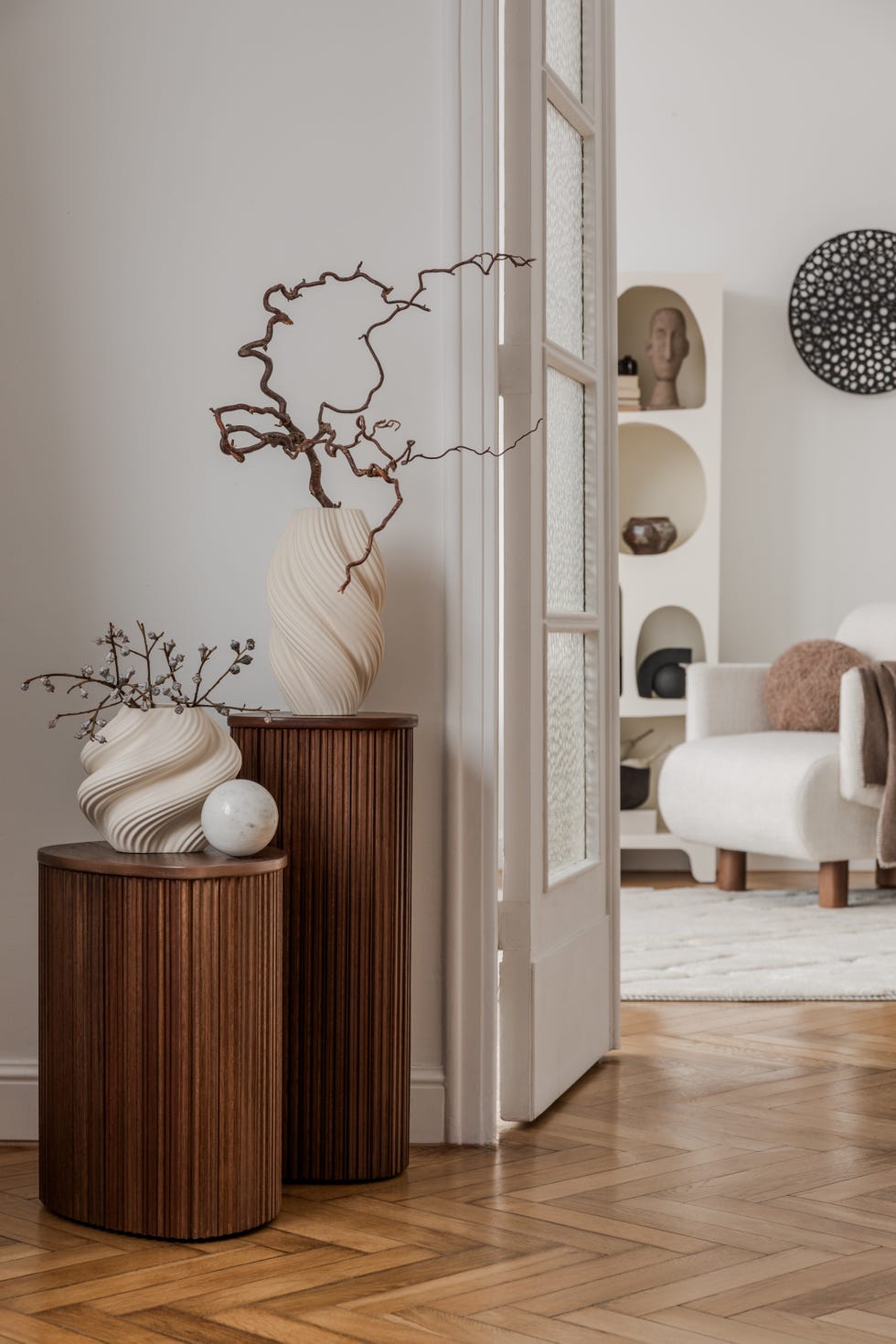
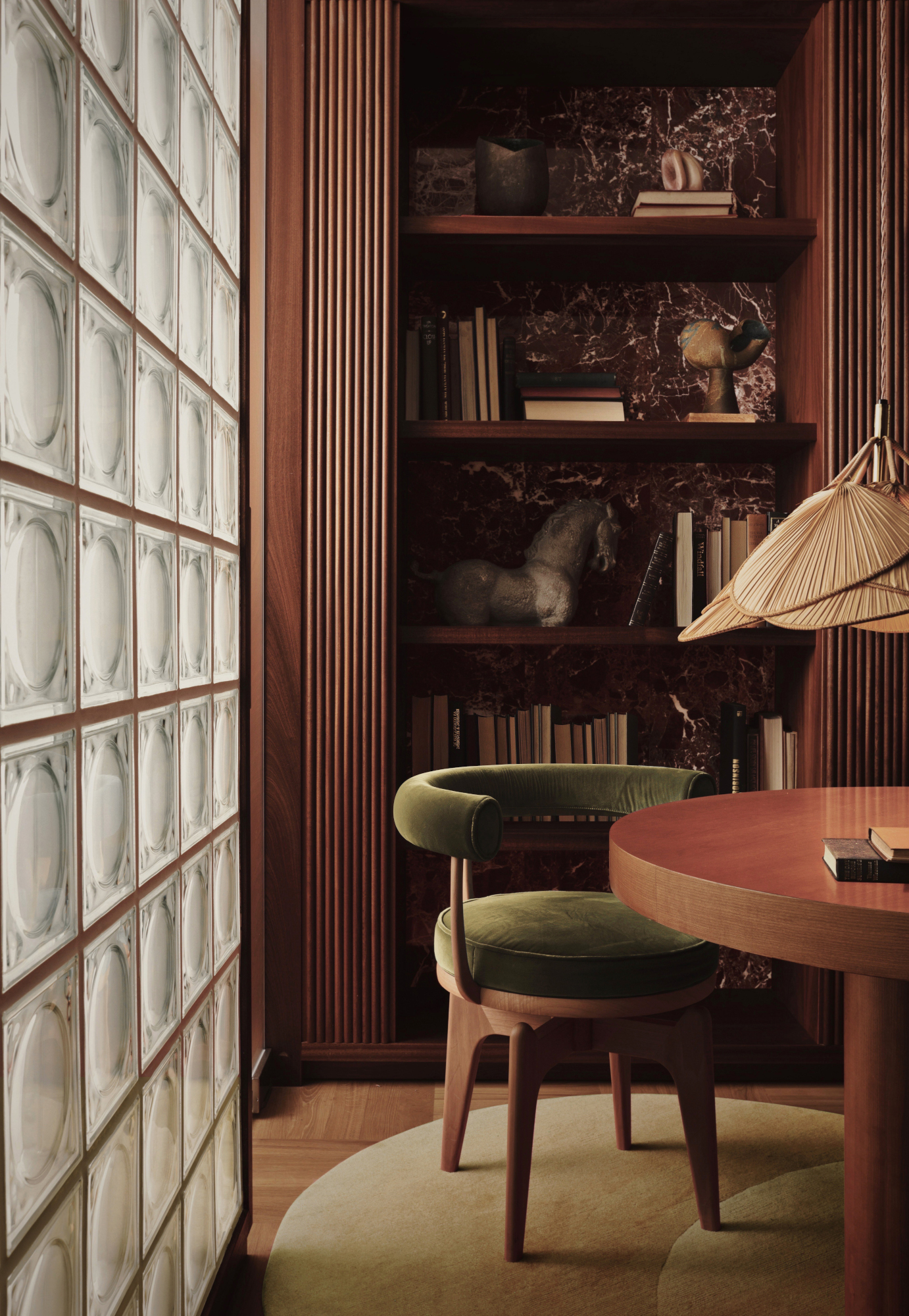
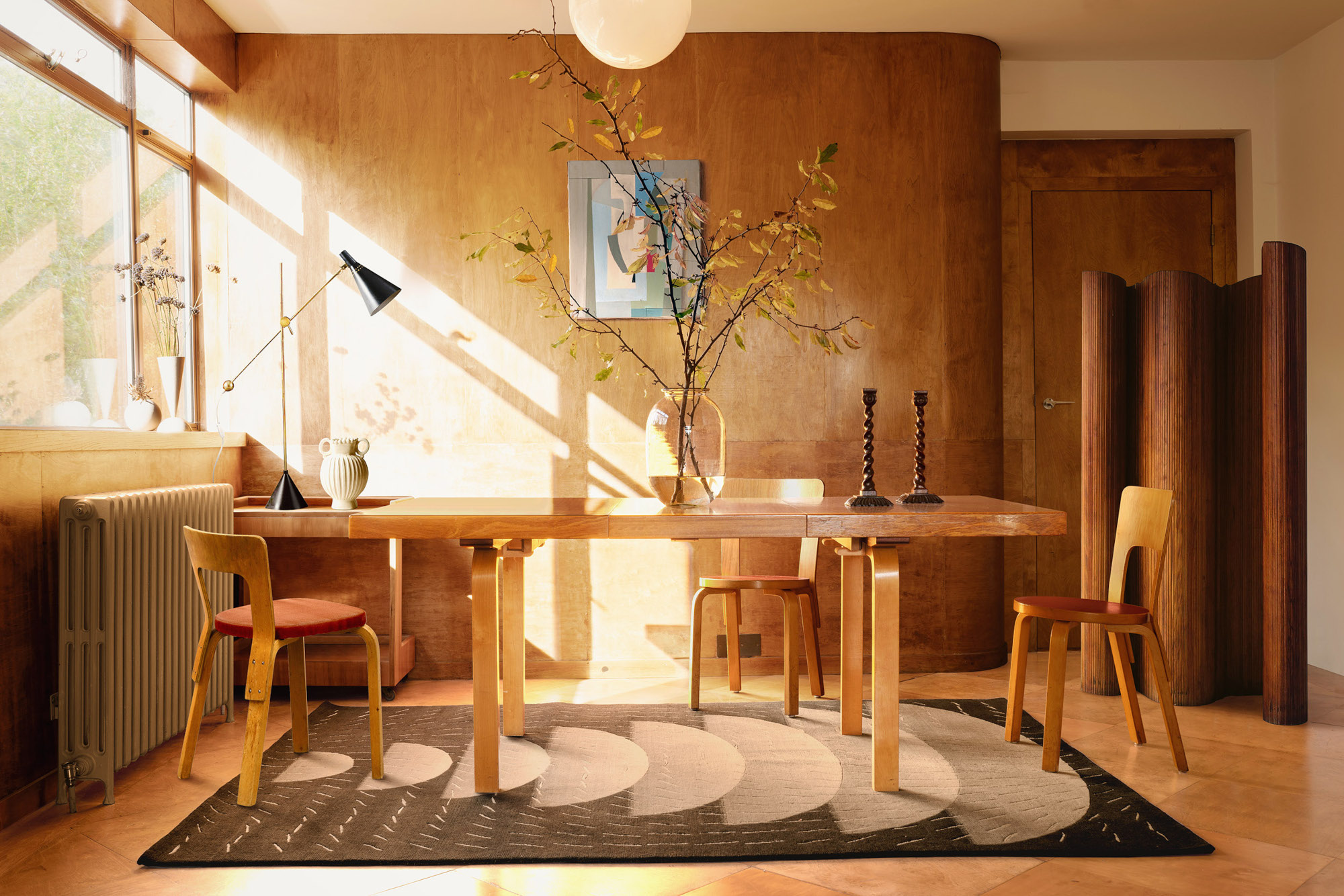
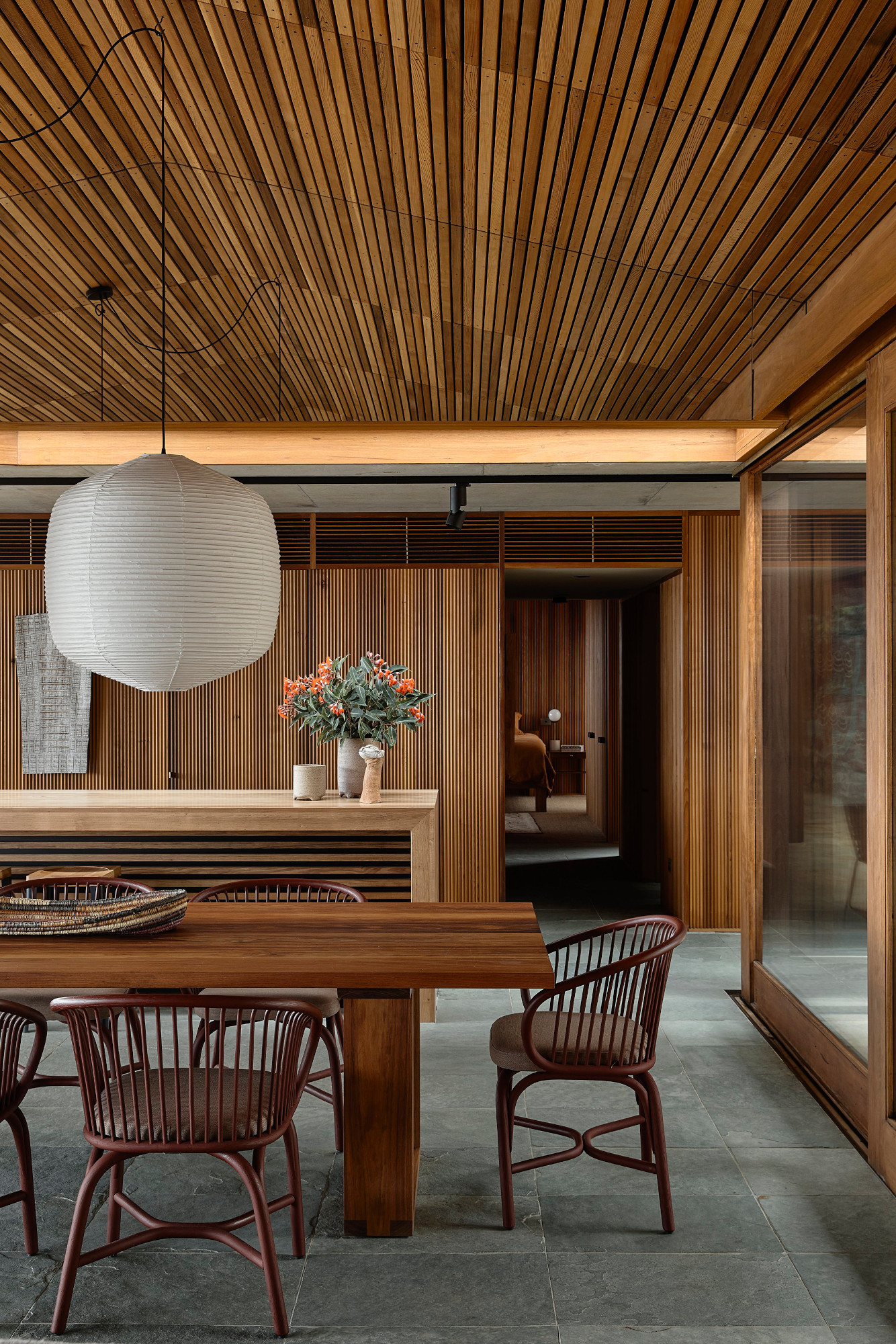
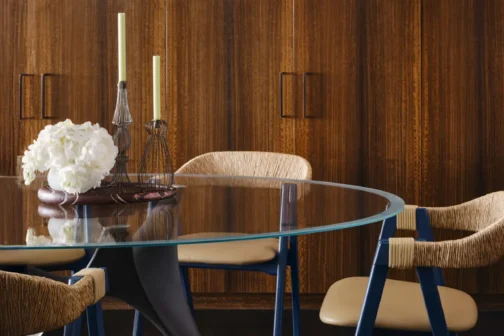
The article explores the art of mixing and matching different wood furniture colors within a living space, a design approach that, while seemingly complex, can significantly enhance a room's aesthetic. Designers Han Dang, Eugenia Triandos, and Iman Stewart offer their expertise on successfully integrating various wood tones. They emphasize that strategic mixing can introduce depth, richness, and a layered, natural look, making a space feel curated and personal rather than mass-produced. The common pitfall of identical wood tones, often dubbed the 'big box store five-piece set,' is highlighted as something to avoid in favor of more individualized design.
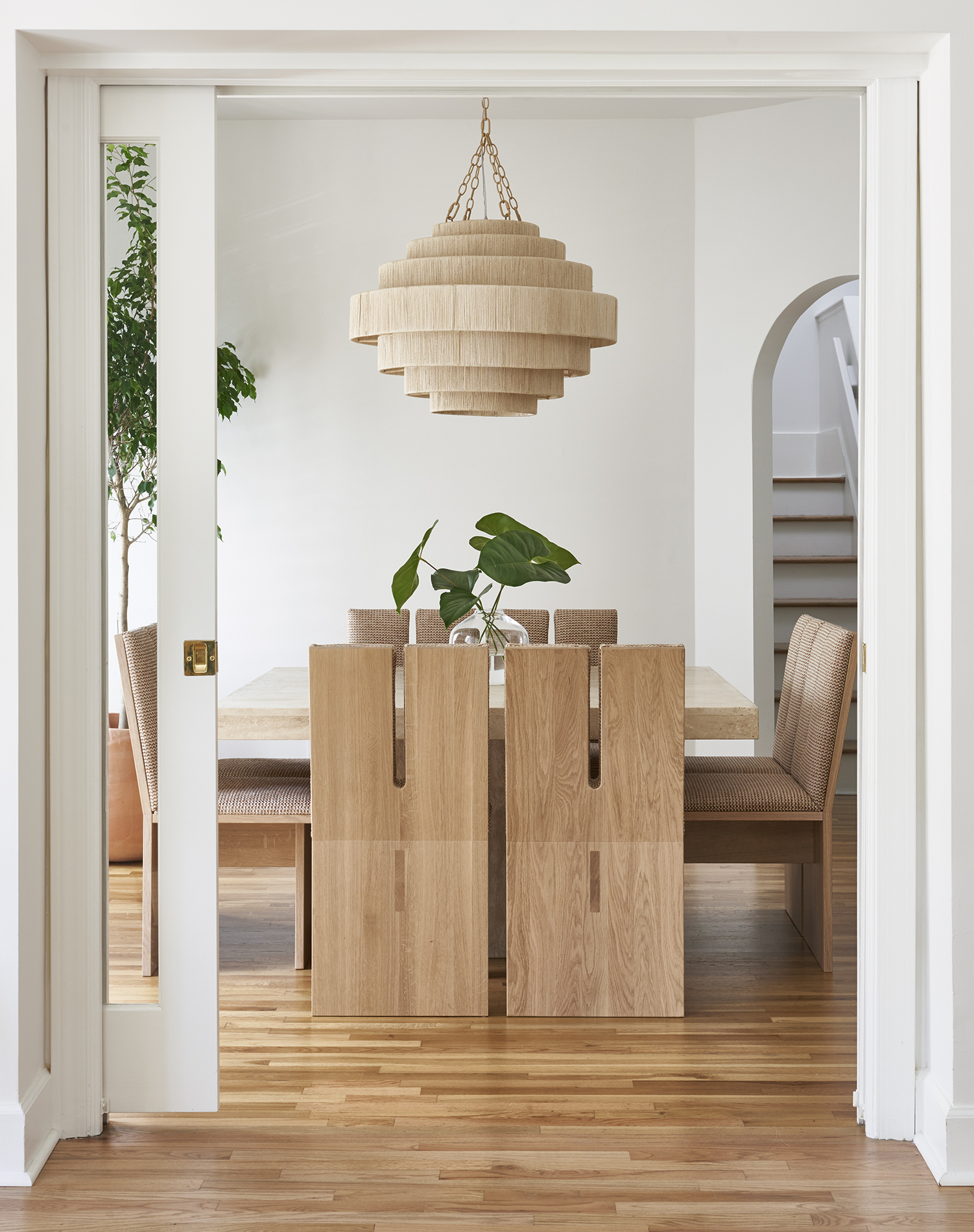
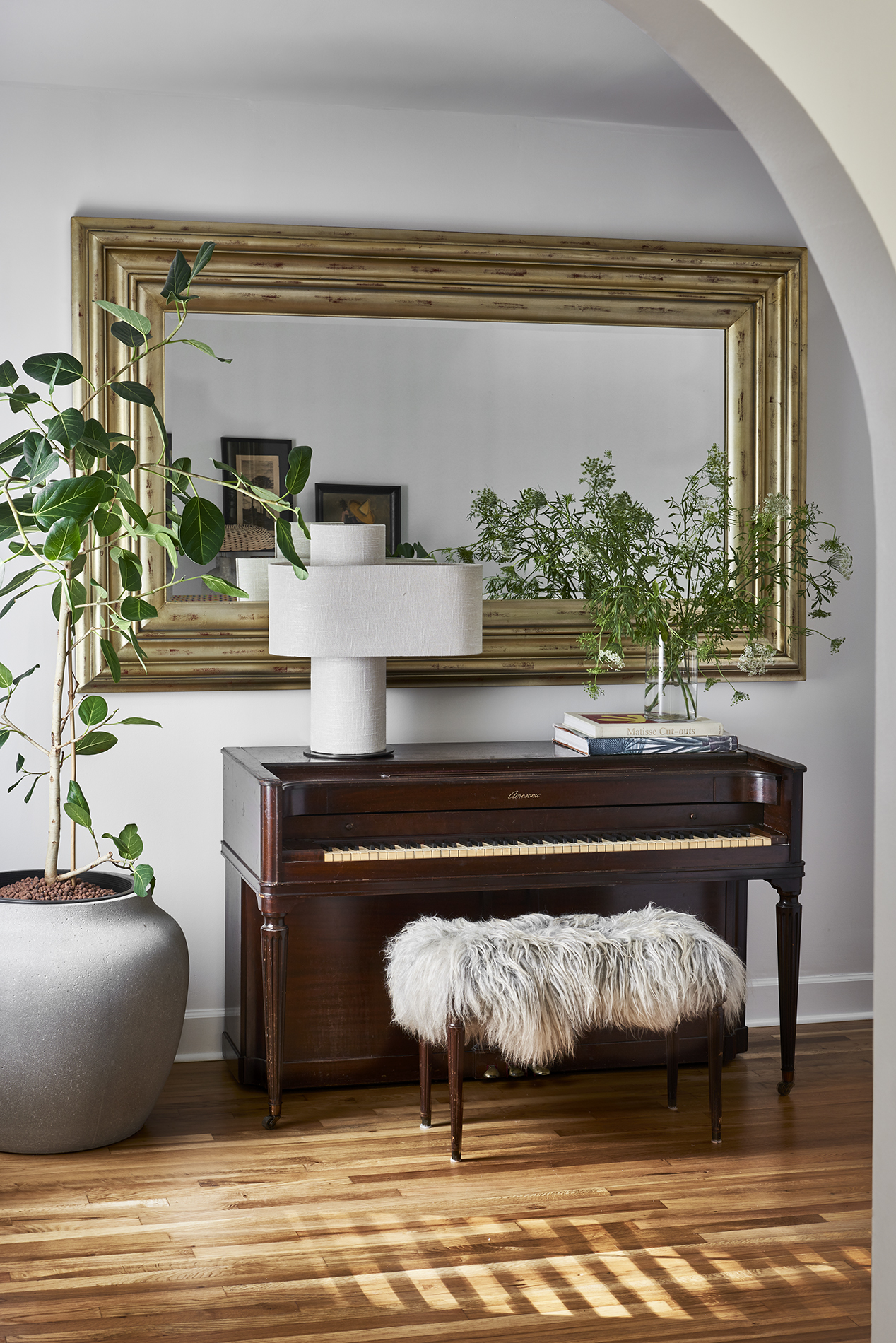
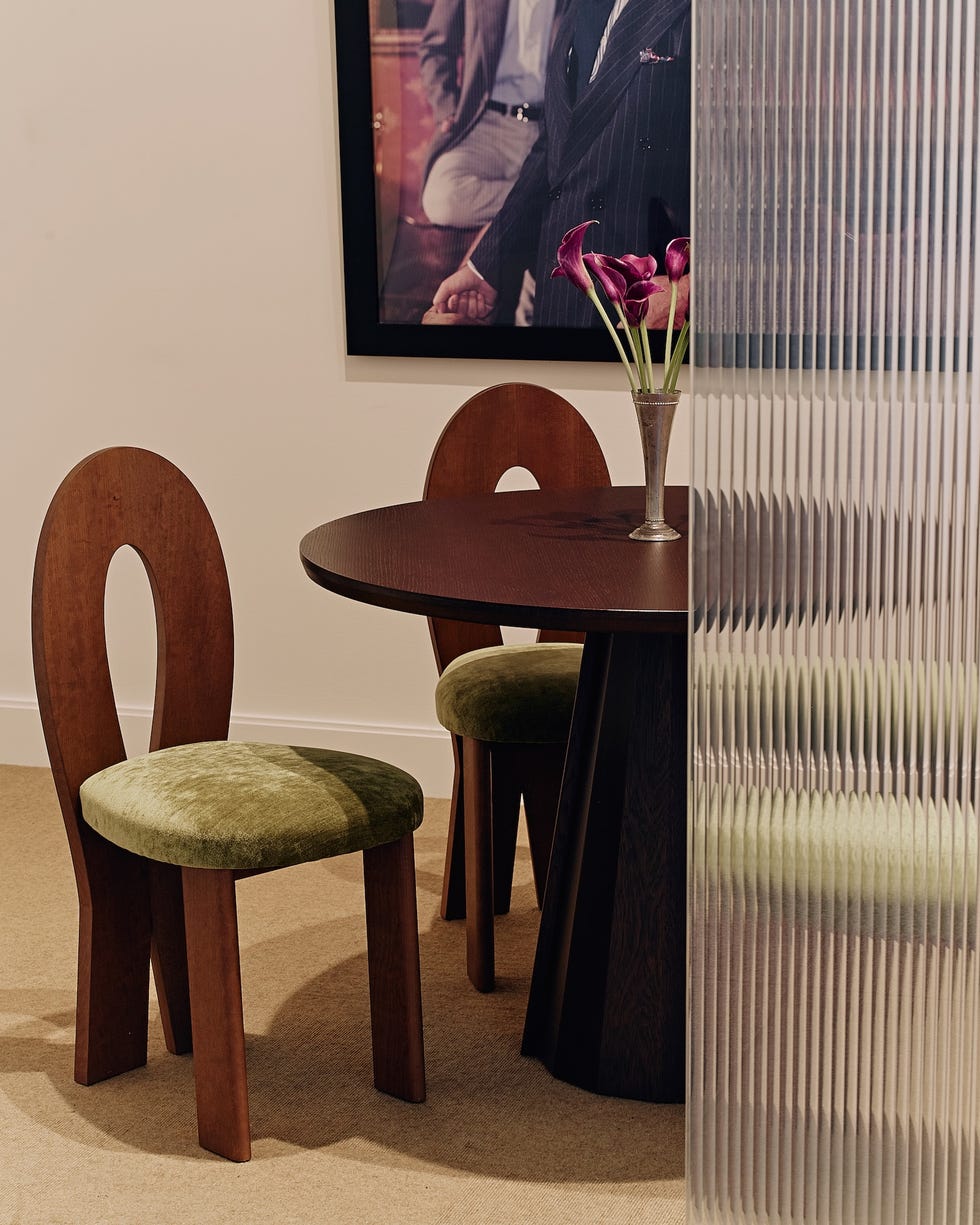
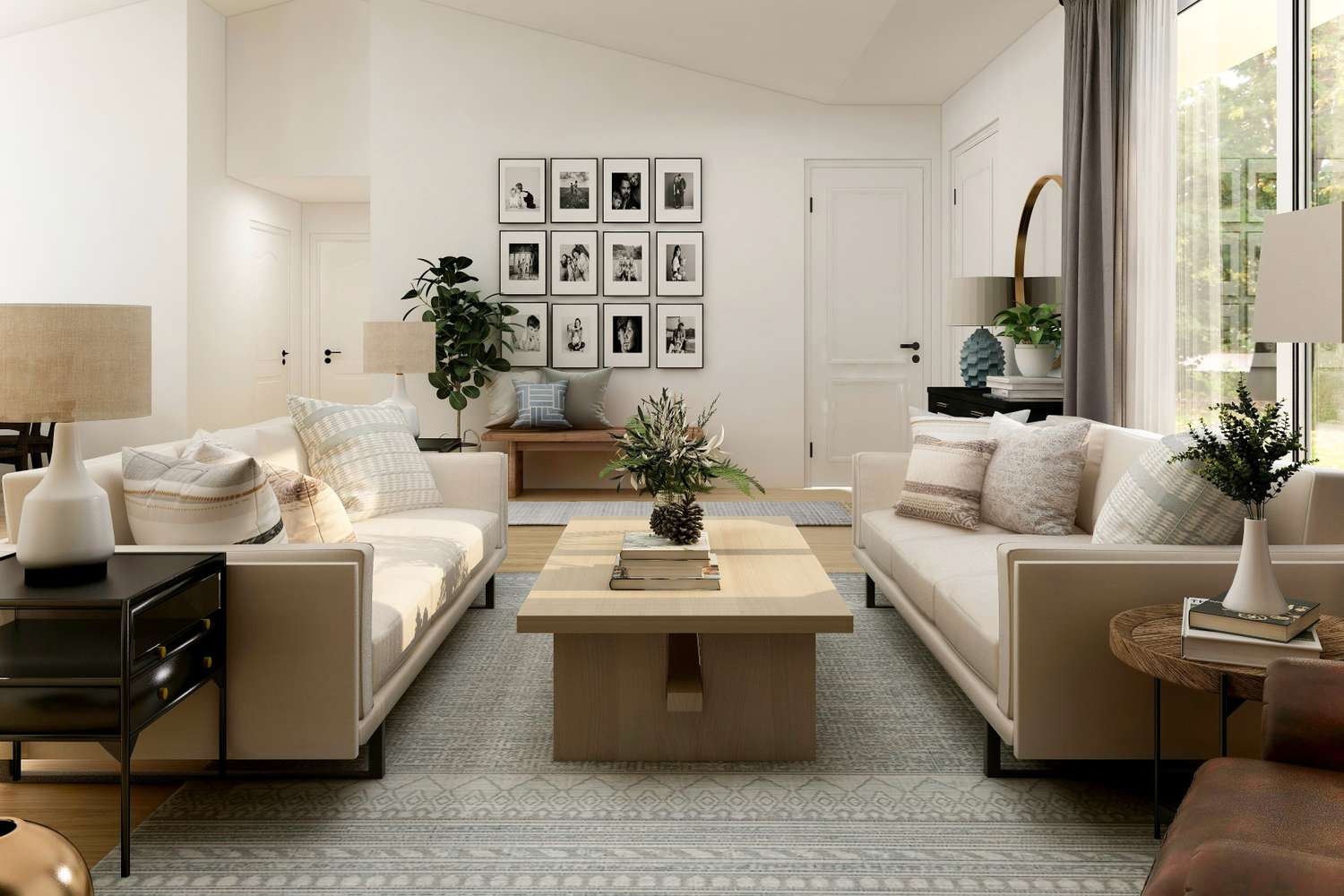
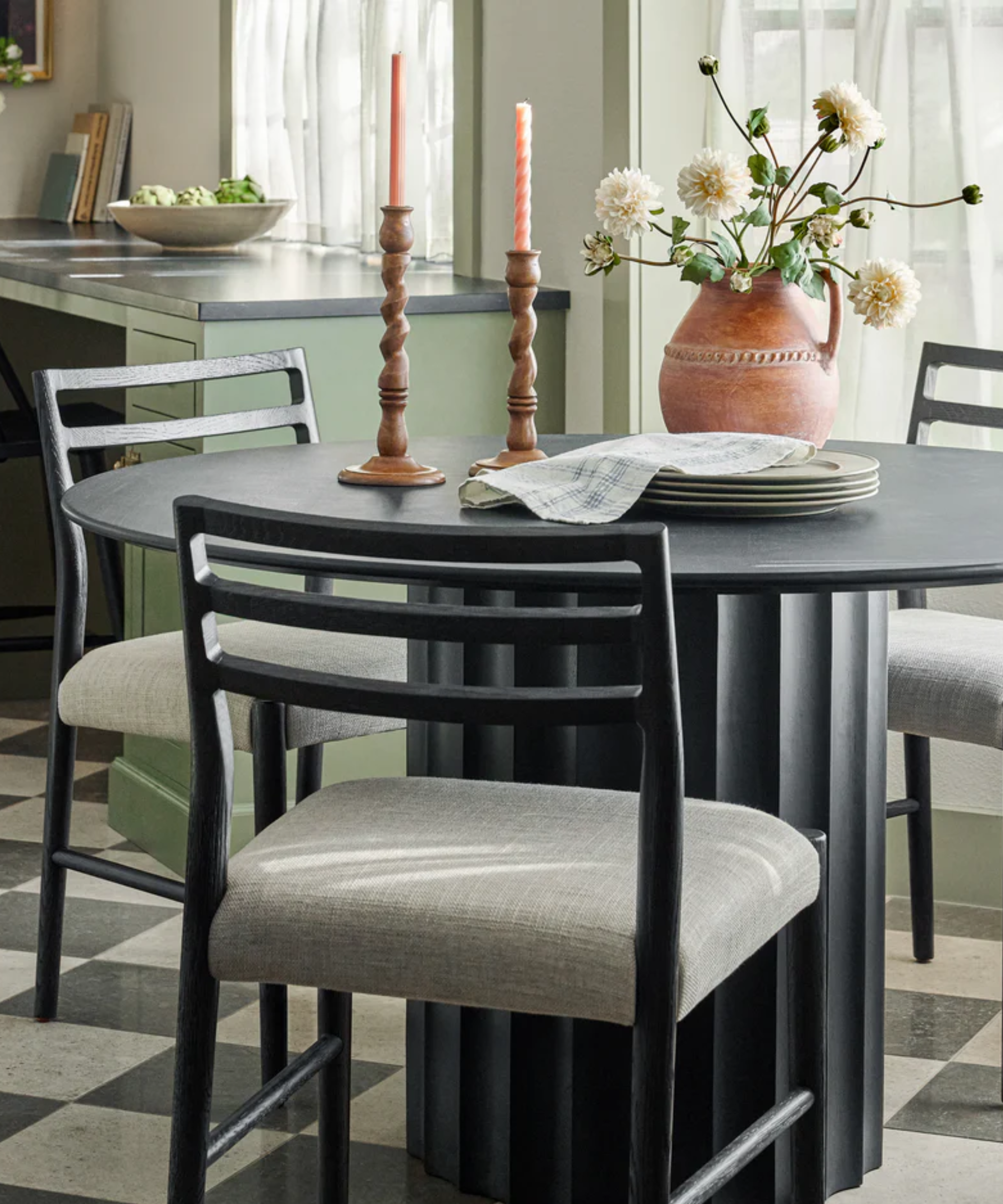
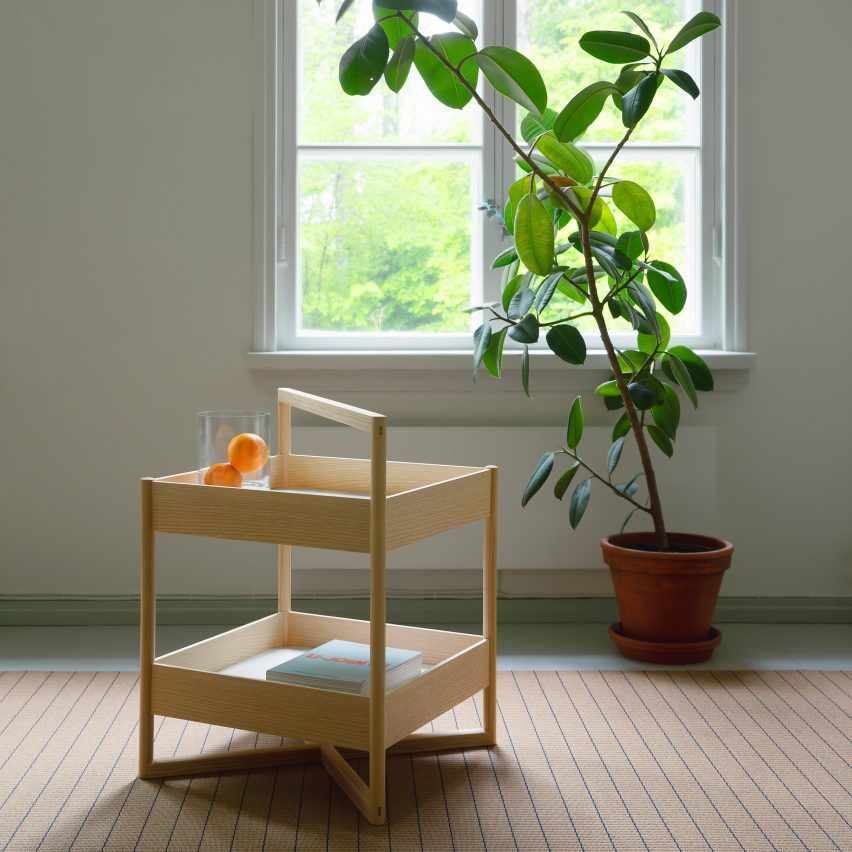
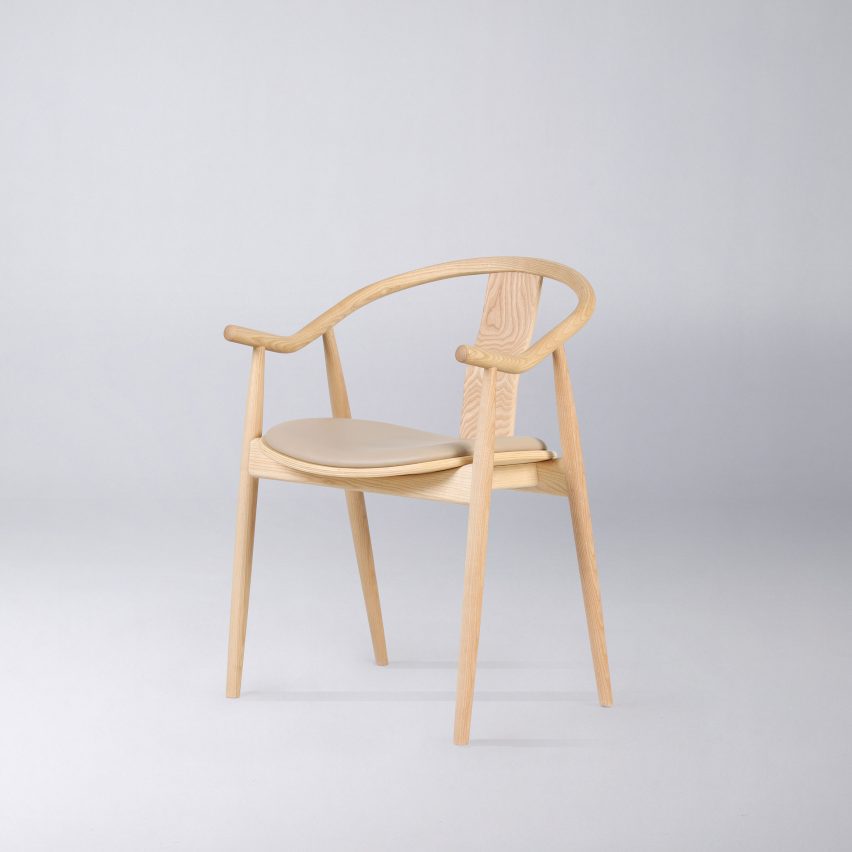
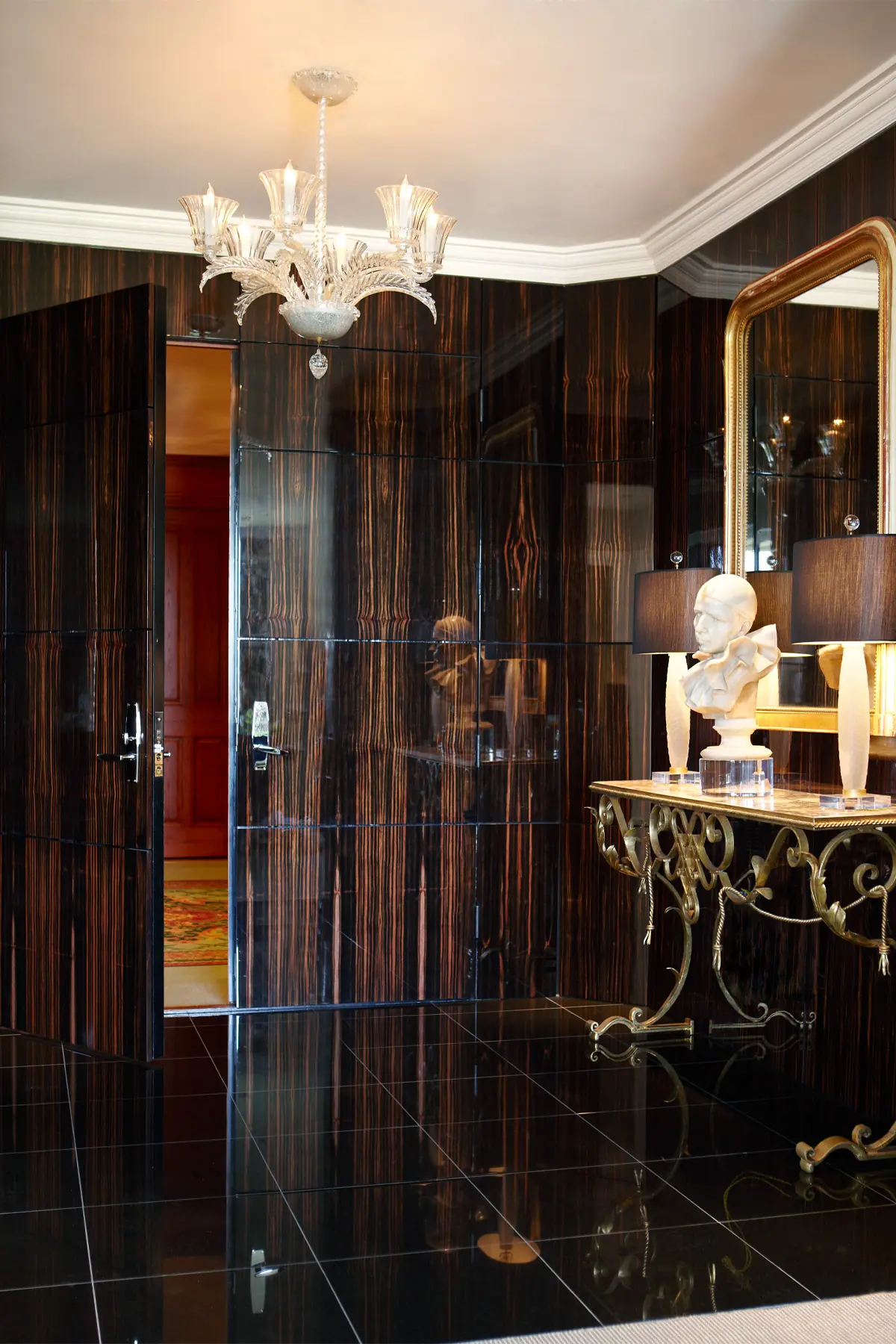
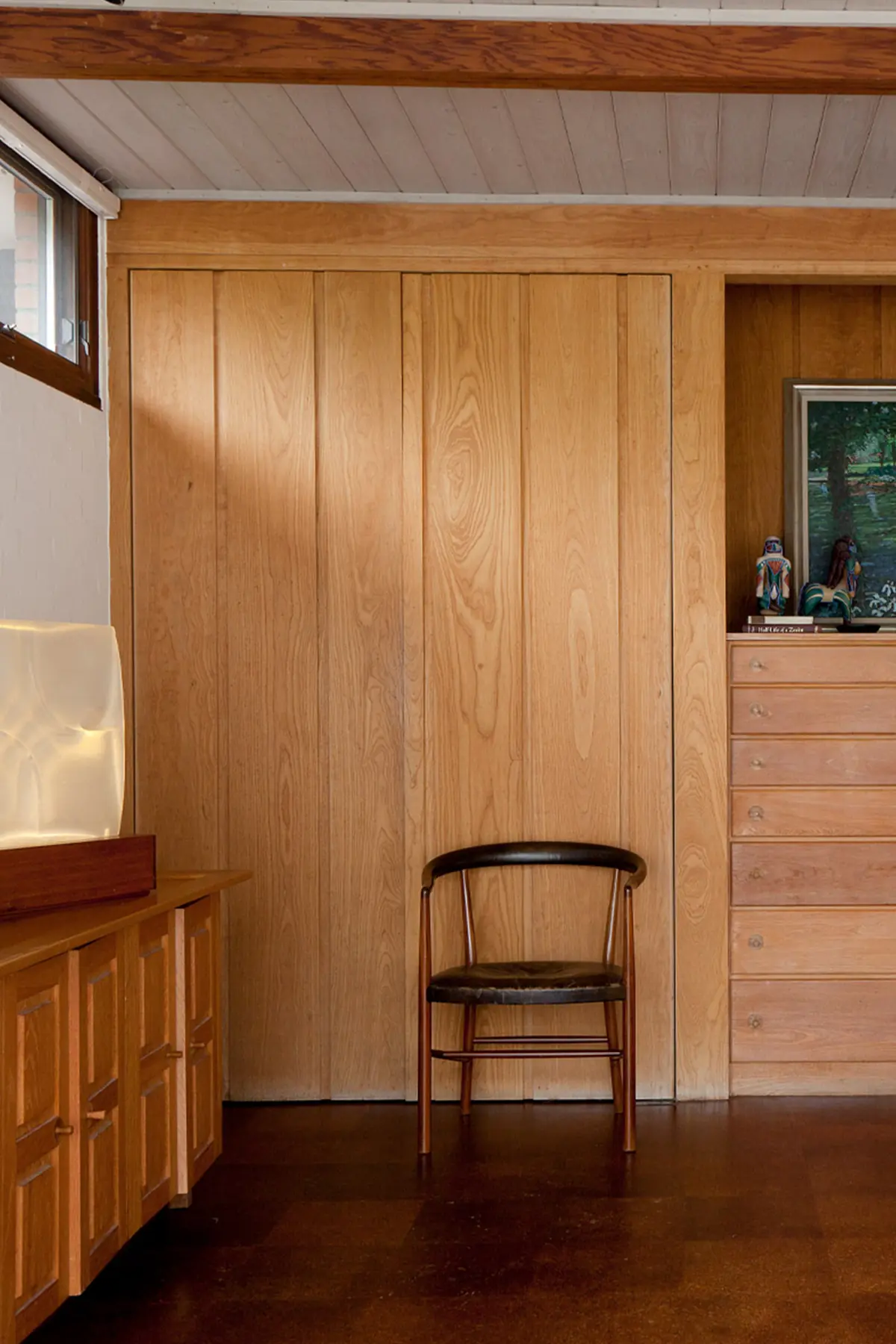
The core principle for effective wood mixing revolves around understanding and aligning undertones. The designers advise categorizing woods into warm (like cherry or oak) and cool (such as ash or gray-stained oak) categories. Maintaining consistency within these undertone groups is crucial for creating harmony, even when the actual wood shades vary significantly. Triandos suggests that adhering to the same base hue or undertone while varying the saturation from light to dark allows for limitless wood combinations. Additionally, black wood furniture can serve as a neutral element, balancing the overall color palette. The choice of wood tone can also influence the room's formality, with darker woods conveying elegance and lighter, bleached woods promoting a casual atmosphere. A medium brown is recommended as a versatile and timeless option that adapts well to various design intentions.
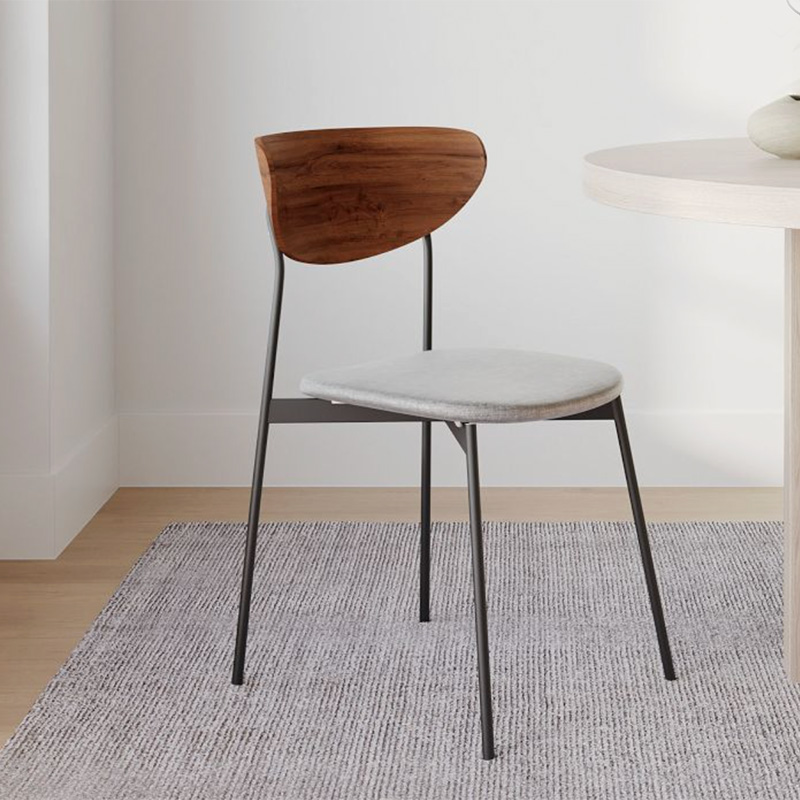
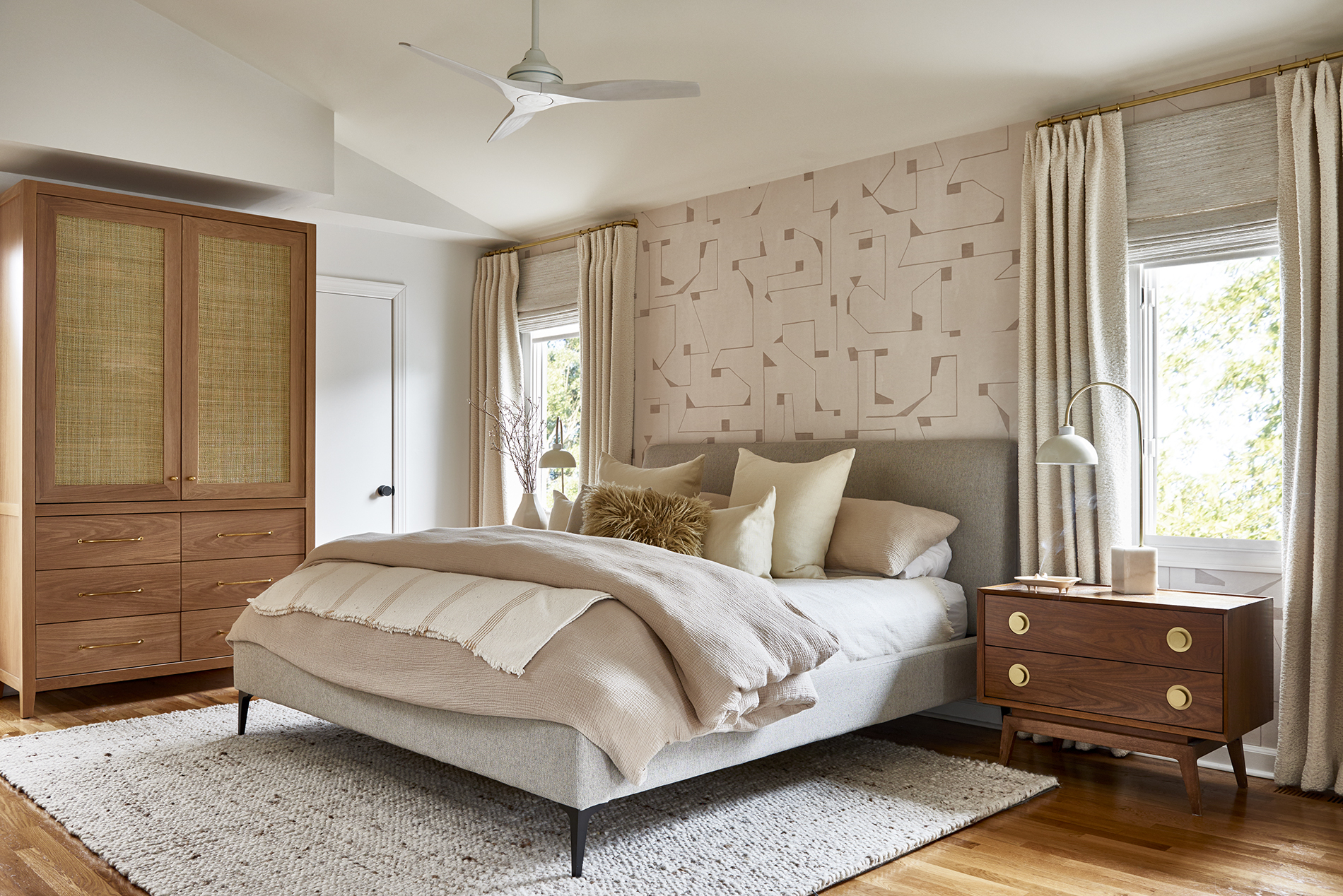
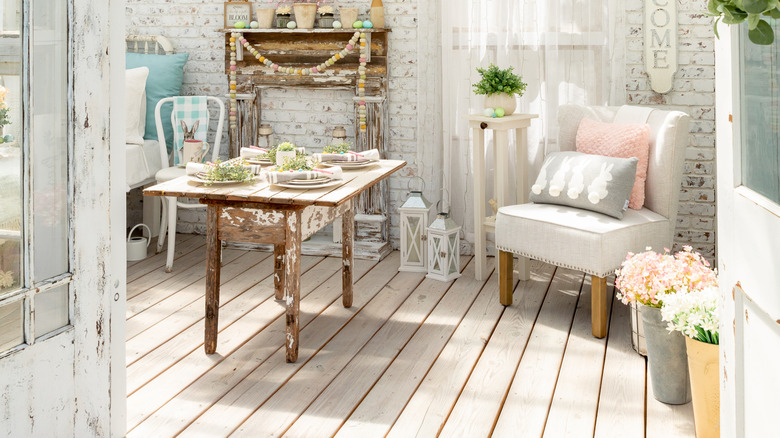
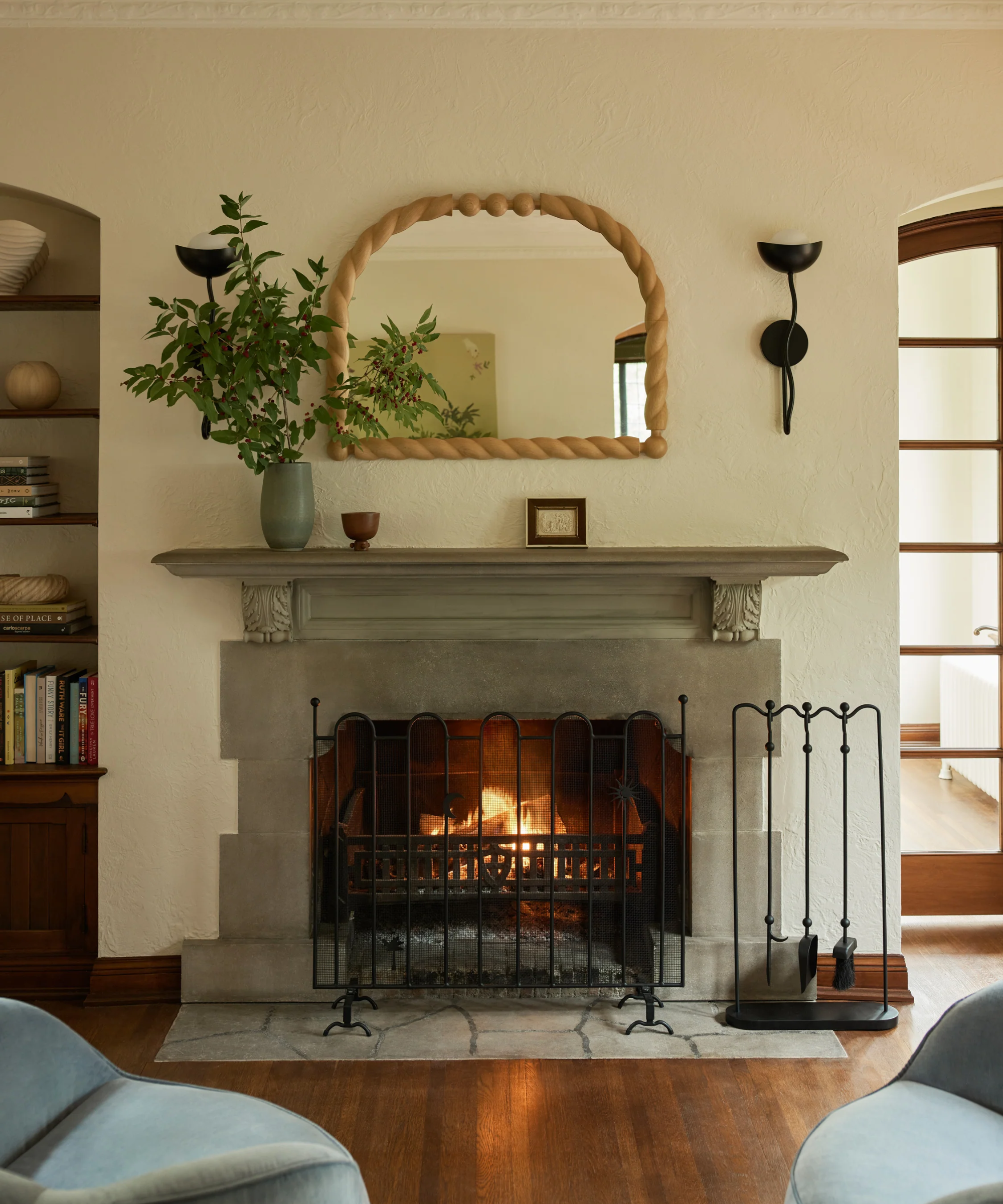
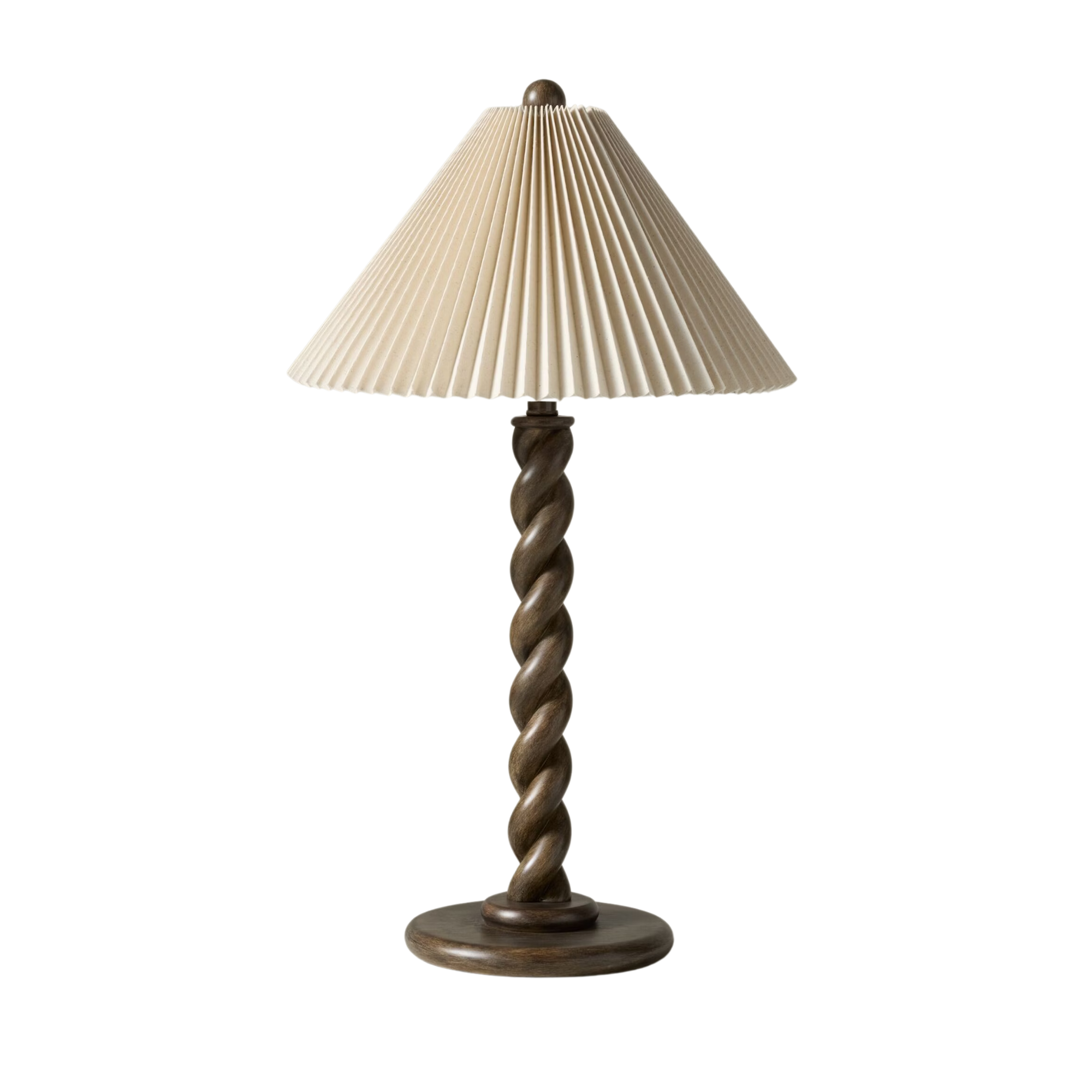
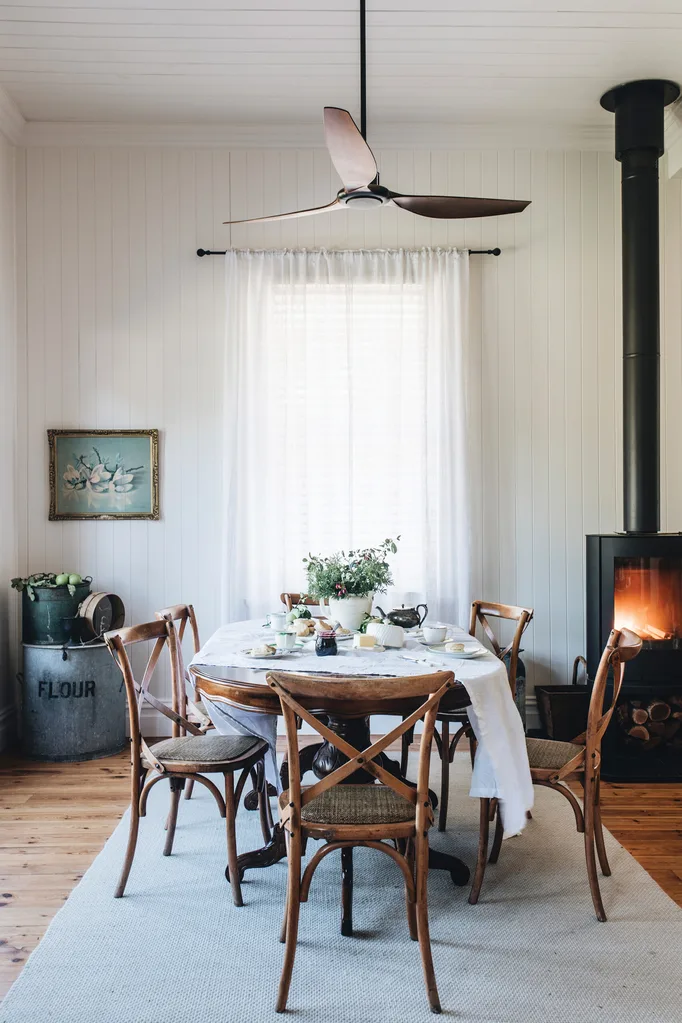
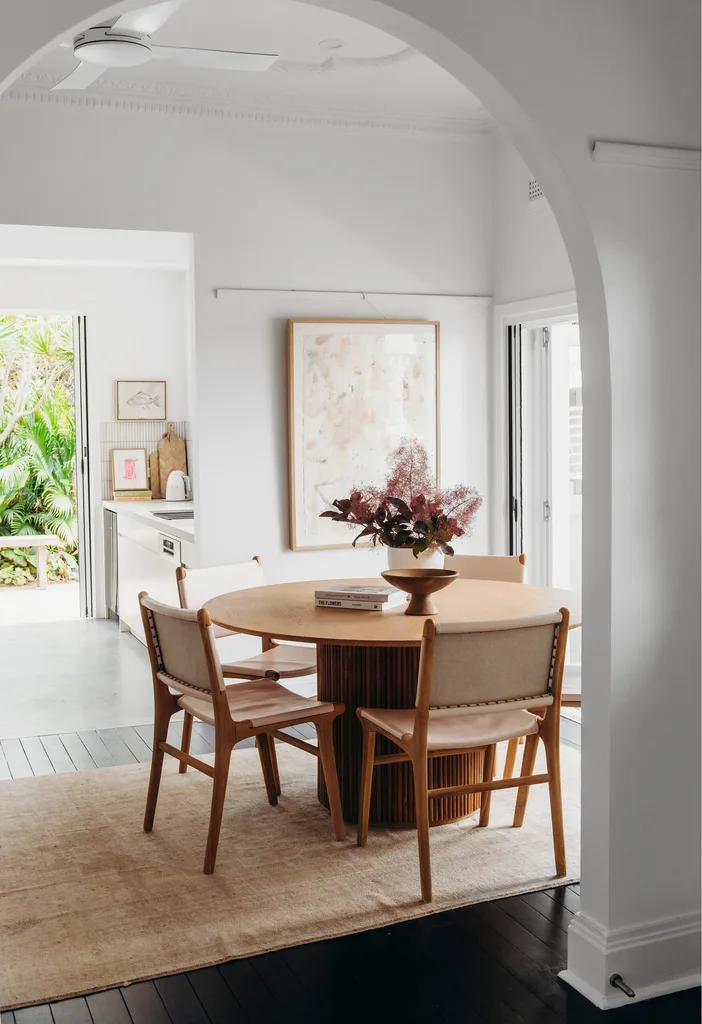
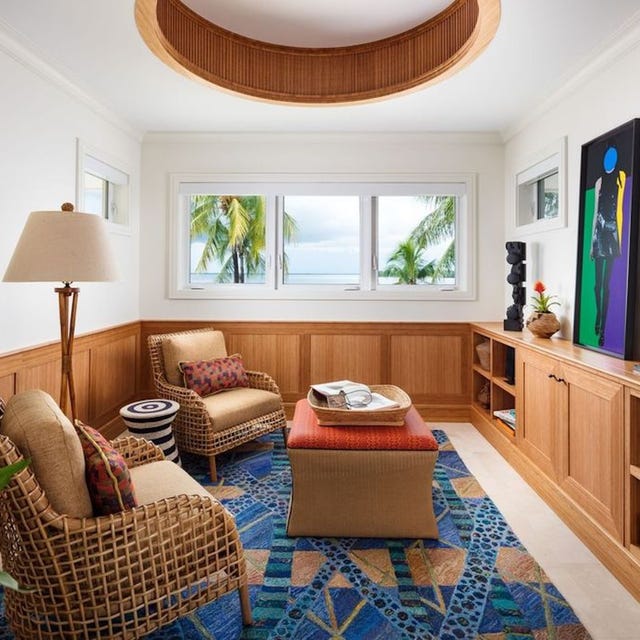
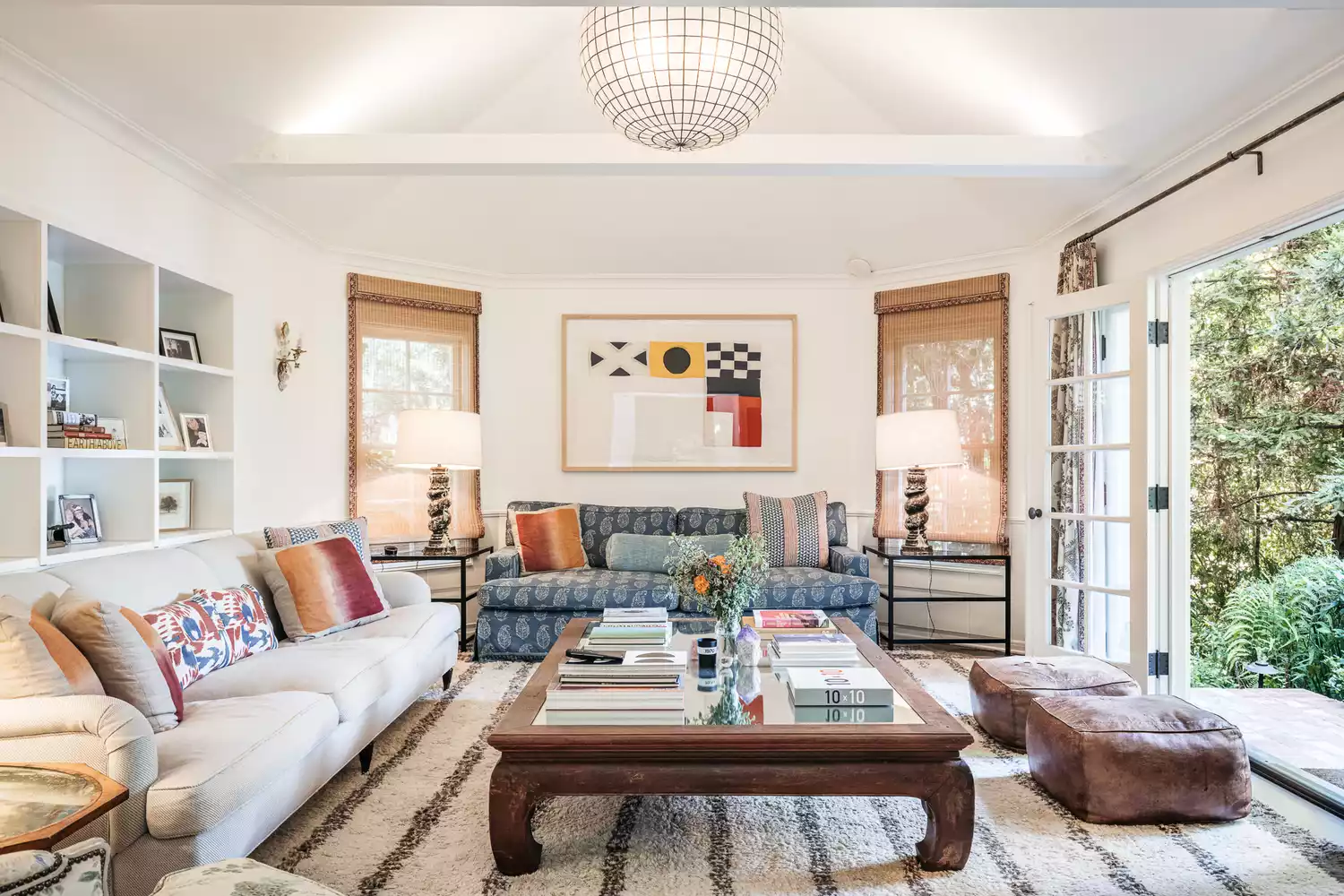
Creating contrast is another vital aspect of mixing wood furniture. It is suggested to mix no more than two natural wood tones, ensuring they exhibit a strong contrast, such as pairing a light maple with a dark walnut. This principle extends to how furniture interacts with the flooring; sufficient contrast prevents pieces from blending indistinguishably. Designers recommend establishing a base wood tone for larger elements like flooring or significant furniture pieces, then introducing accent woods in smaller items like side tables or chairs to provide visual interest and brightness. If the base wood is light, darker accents are suggested, and vice-versa.
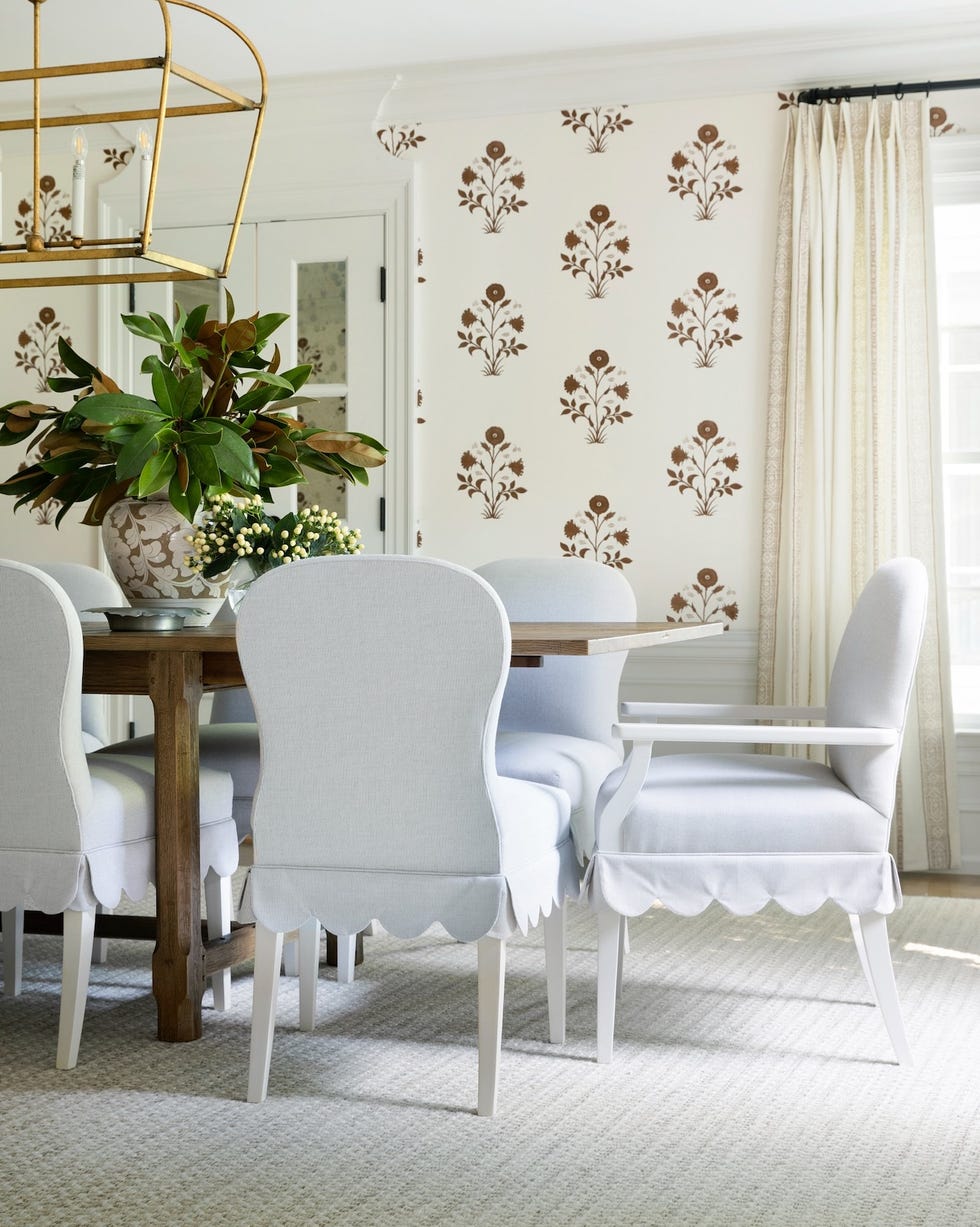
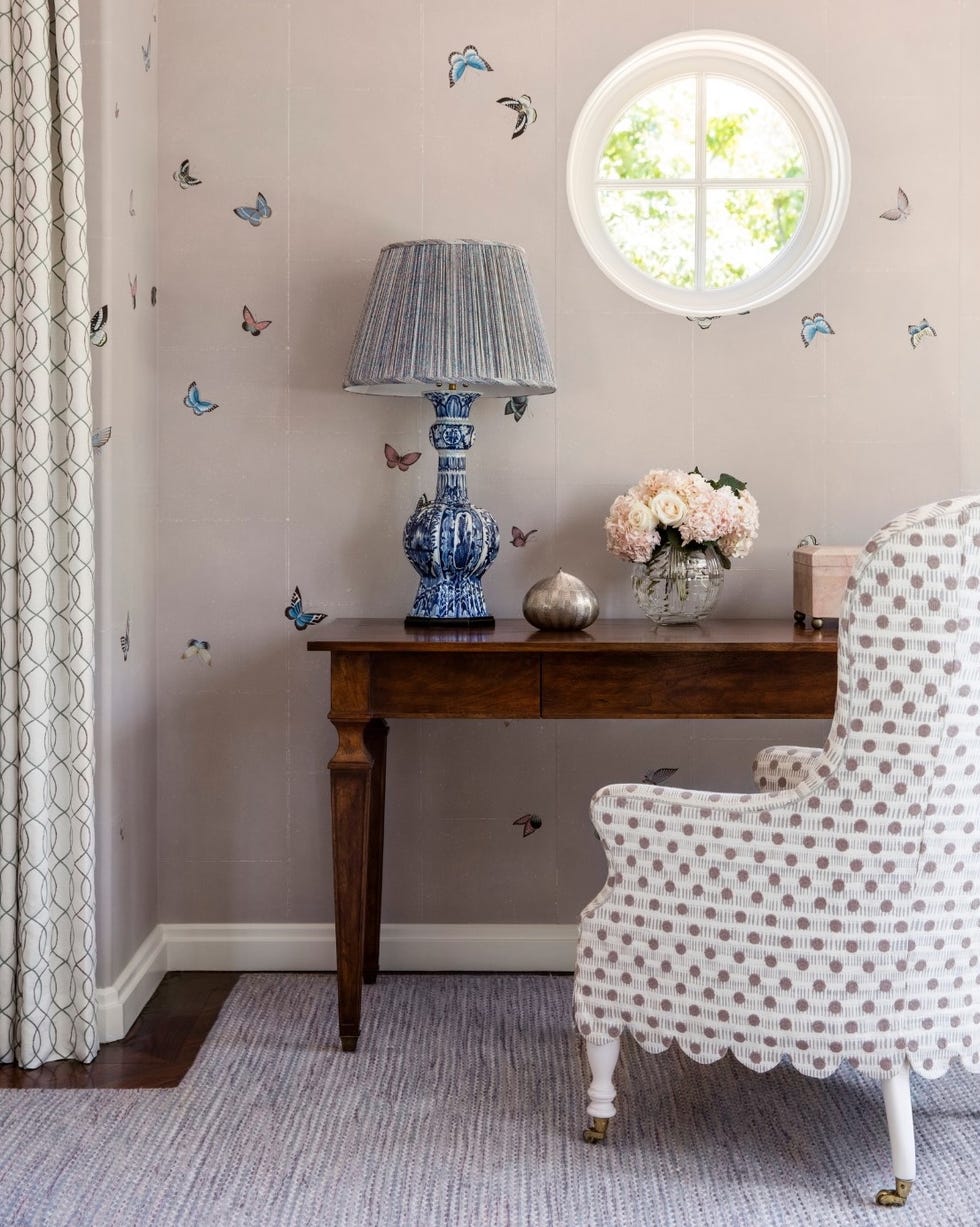
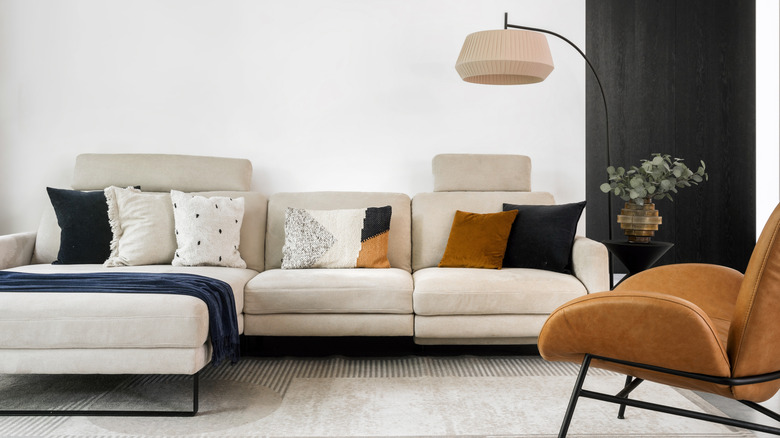
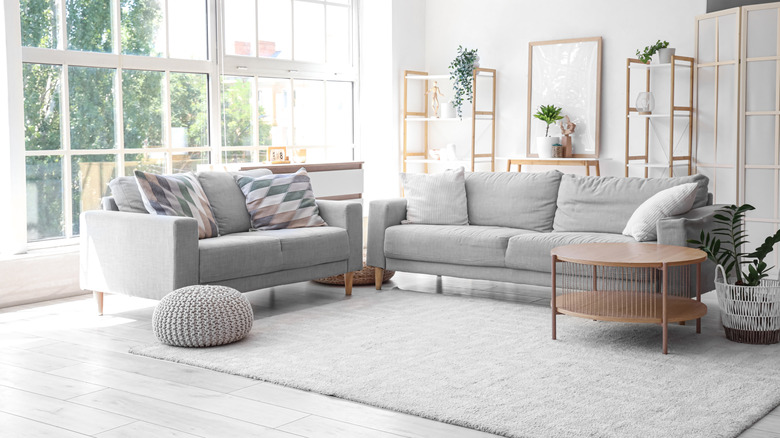
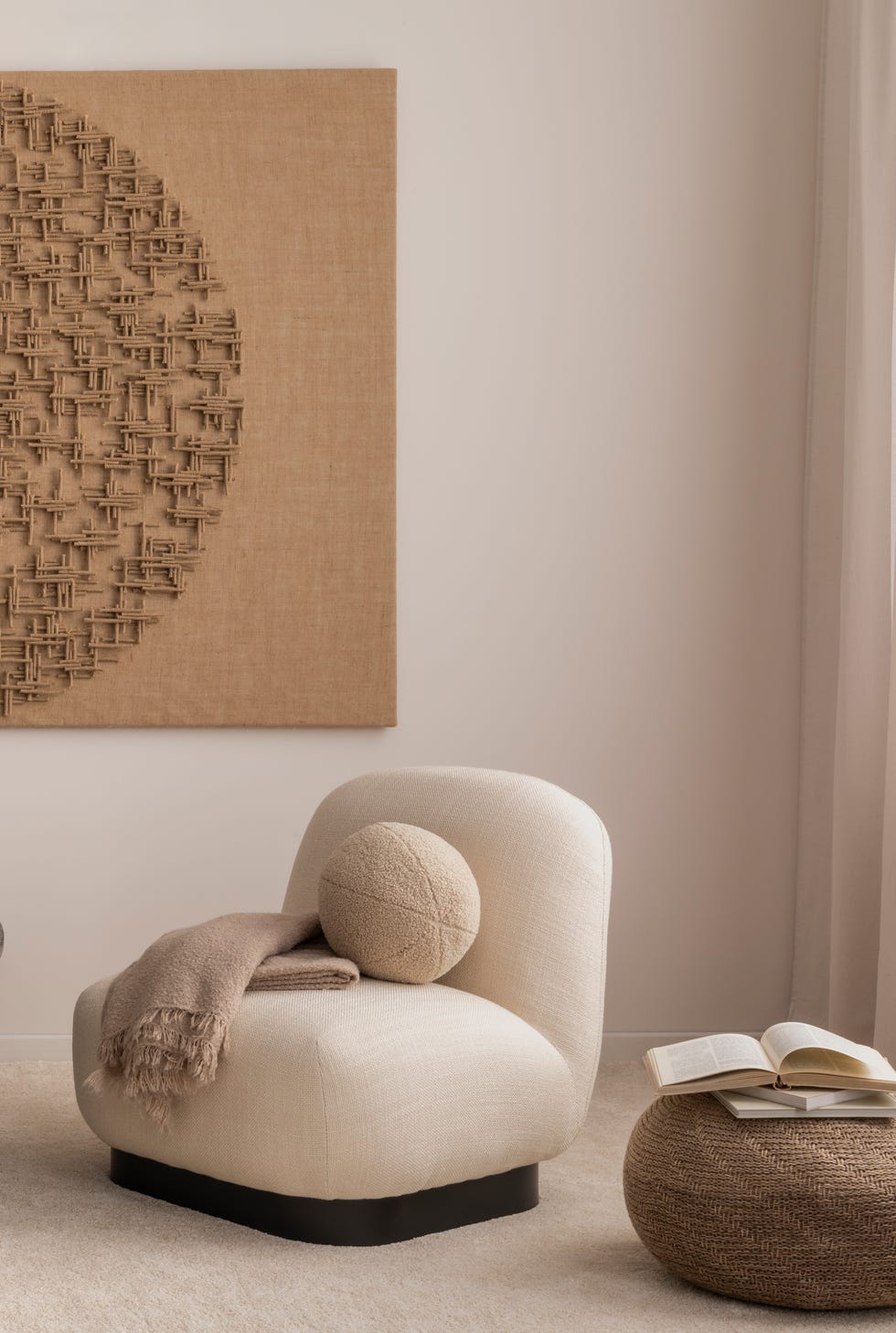
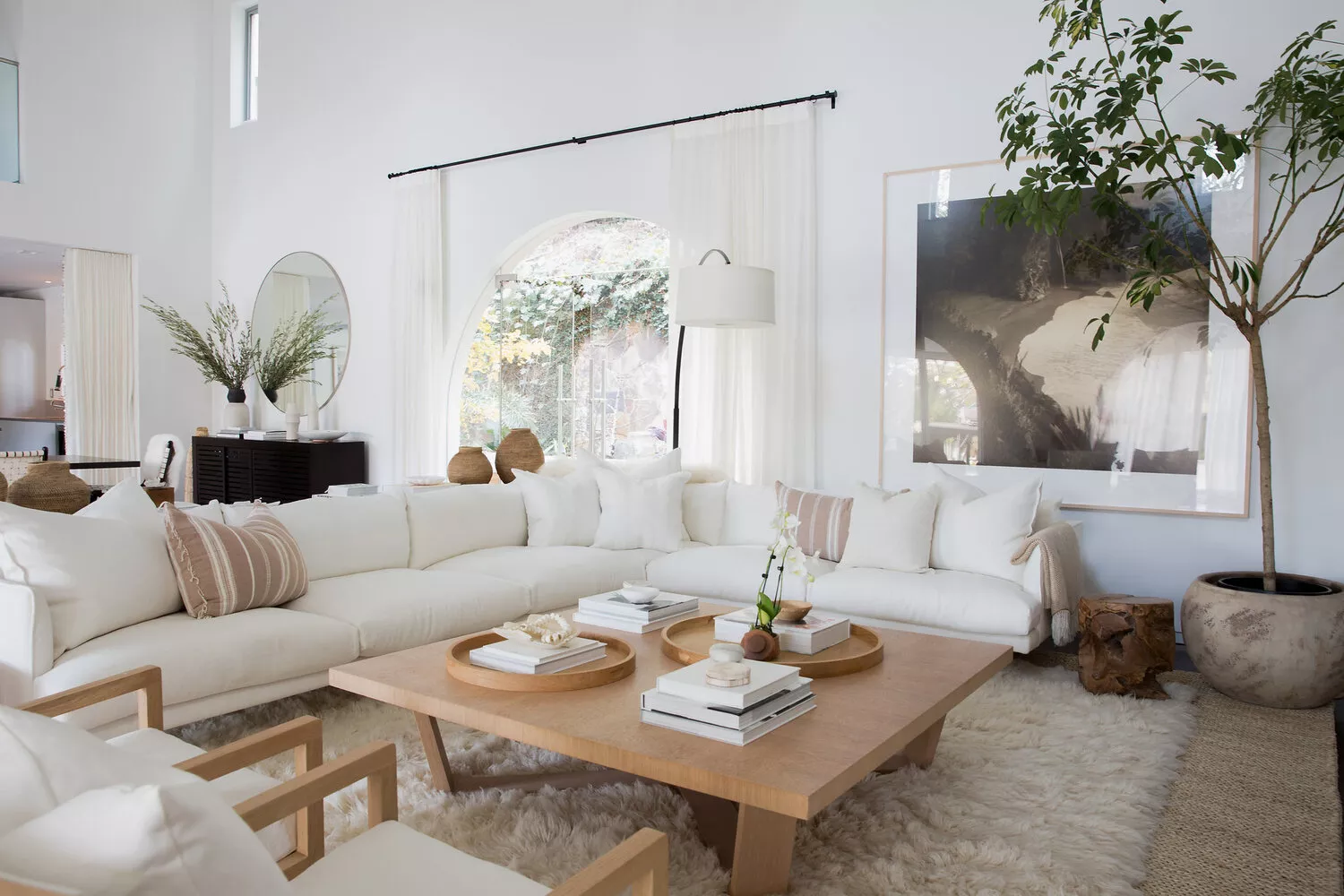
To prevent a space from becoming overwhelmed by wood, designers advise incorporating other materials and textures. Metals in light fixtures, stone countertops, and upholstered furniture can break up the wood's presence, adding contrast and softness. Soft furnishings like linen drapery and rugs are effective in toning down the wood and defining different areas within a room. Decorative accents such as leather can further enhance this balance. Iman Stewart highlights the importance of neutral colors like off-whites and strategic lighting to balance the wood's warmth and presence, ensuring a cohesive and inviting environment.
#WoodFurniture #InteriorDesign #HomeDecor #MixingWoodTones #DesignTips #Undertones #FurnitureStyling #DesignCohesion #WoodFurniture #InteriorDesign #HomeDecor #MixingWoodTones #DesignTips #Undertones #FurnitureStyling #DesignCohesion
0 Kommentare insgesamt
 Noch keine Kommentare
Das könnte Ihnen auch gefallen
5 rules of thumb for mixing wood tones around your home, shared by interior designers

Wood Furniture Is Cool Again, Thanks to This Upcoming Group of Designers
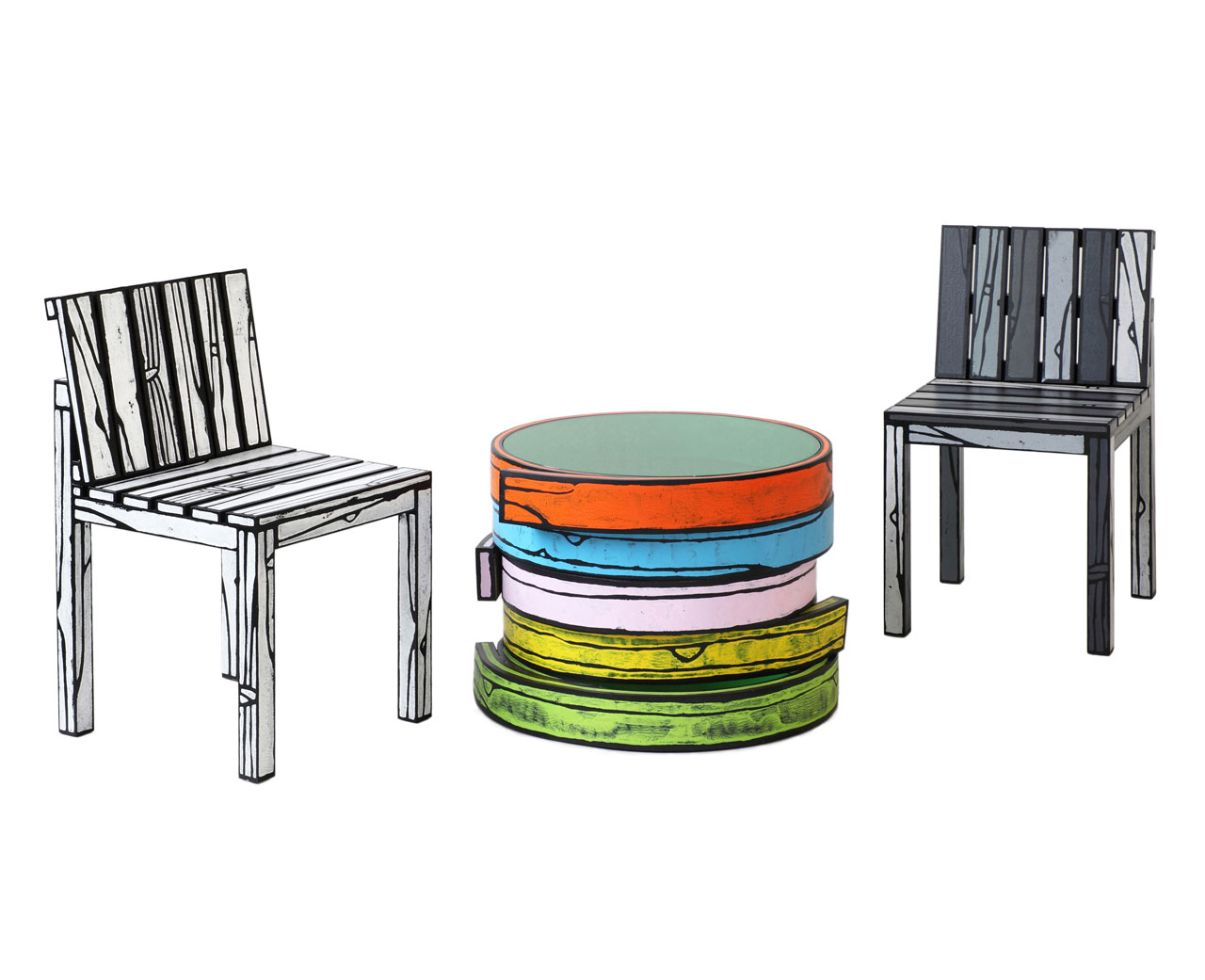
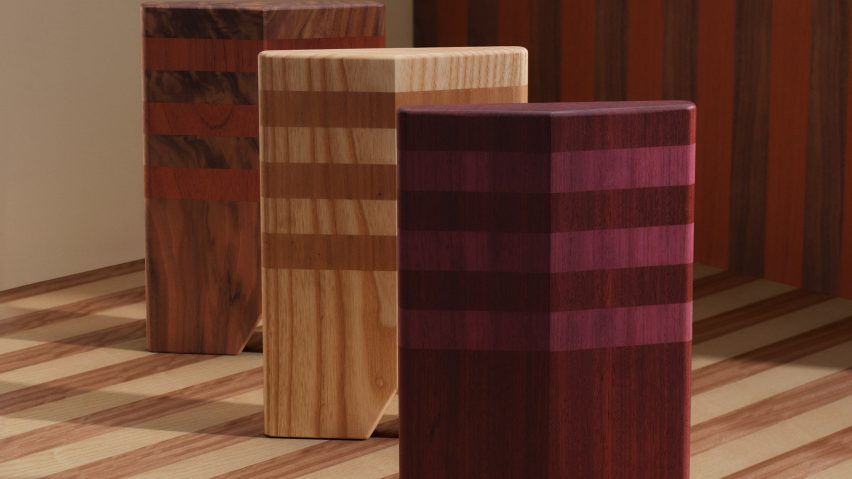
Colorful Wood Grain Furniture by Wrong Woods

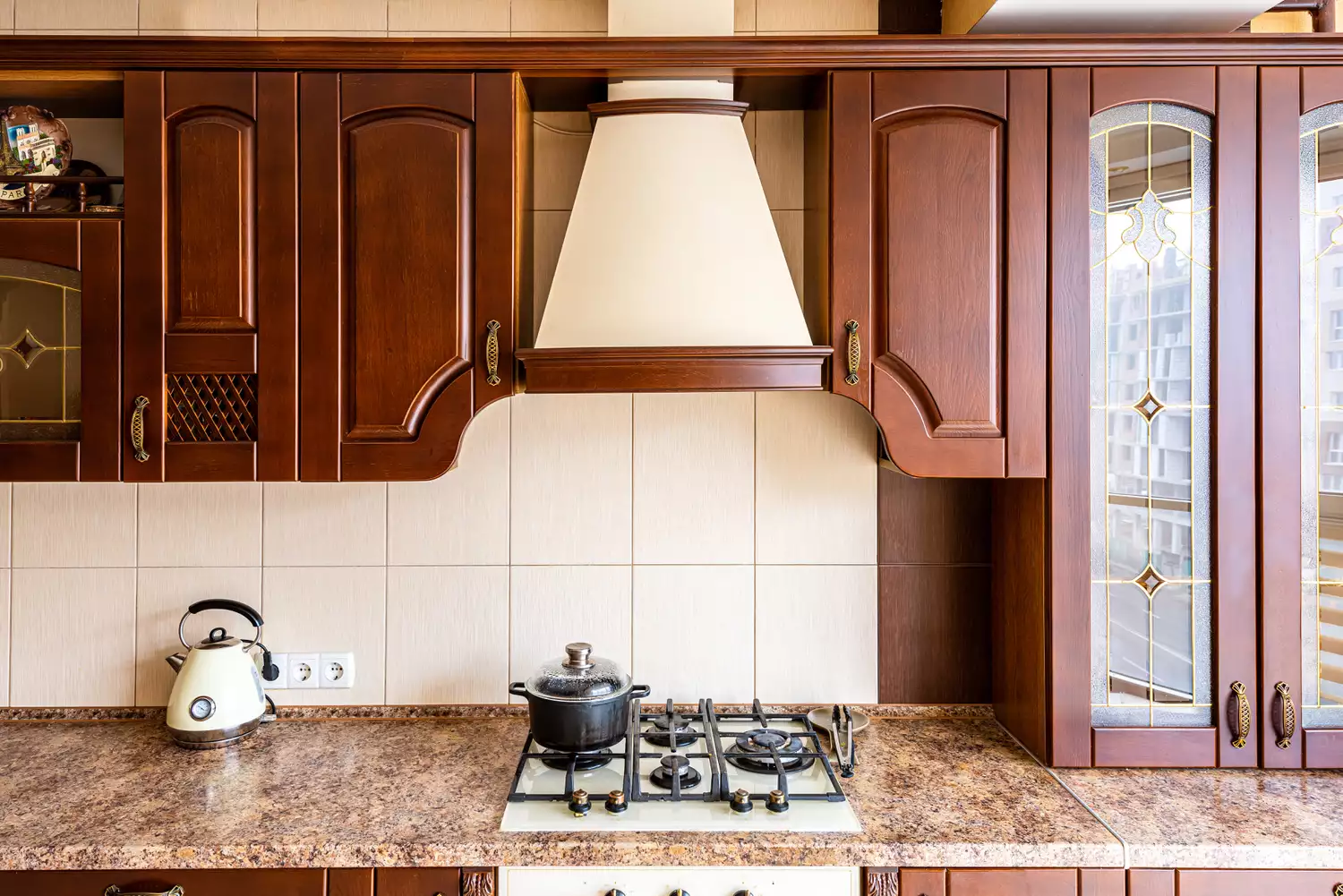
7 Wood Finishes That Are Making Your House Look Dated, According to Designers
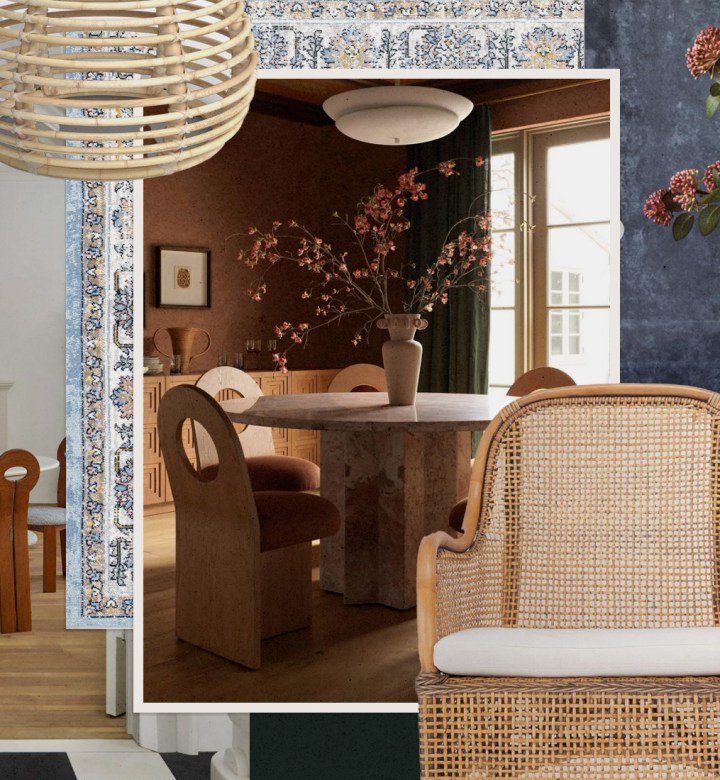
The 4 Rules of Designing with Wood in 2025
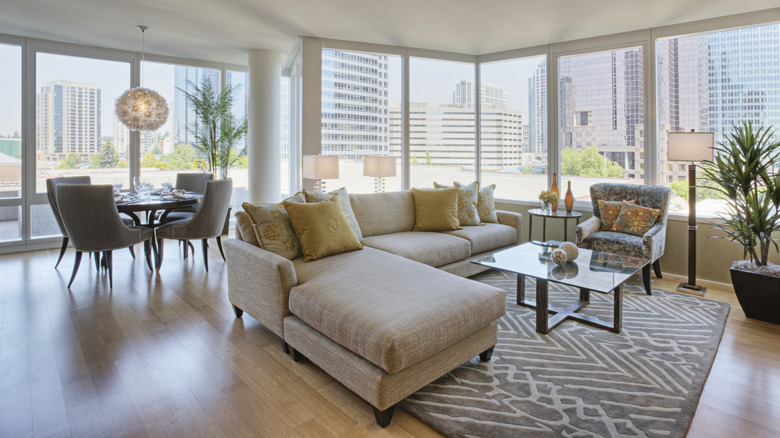
Tired Furniture Trends That Are Now Becoming A Thing Of The Past
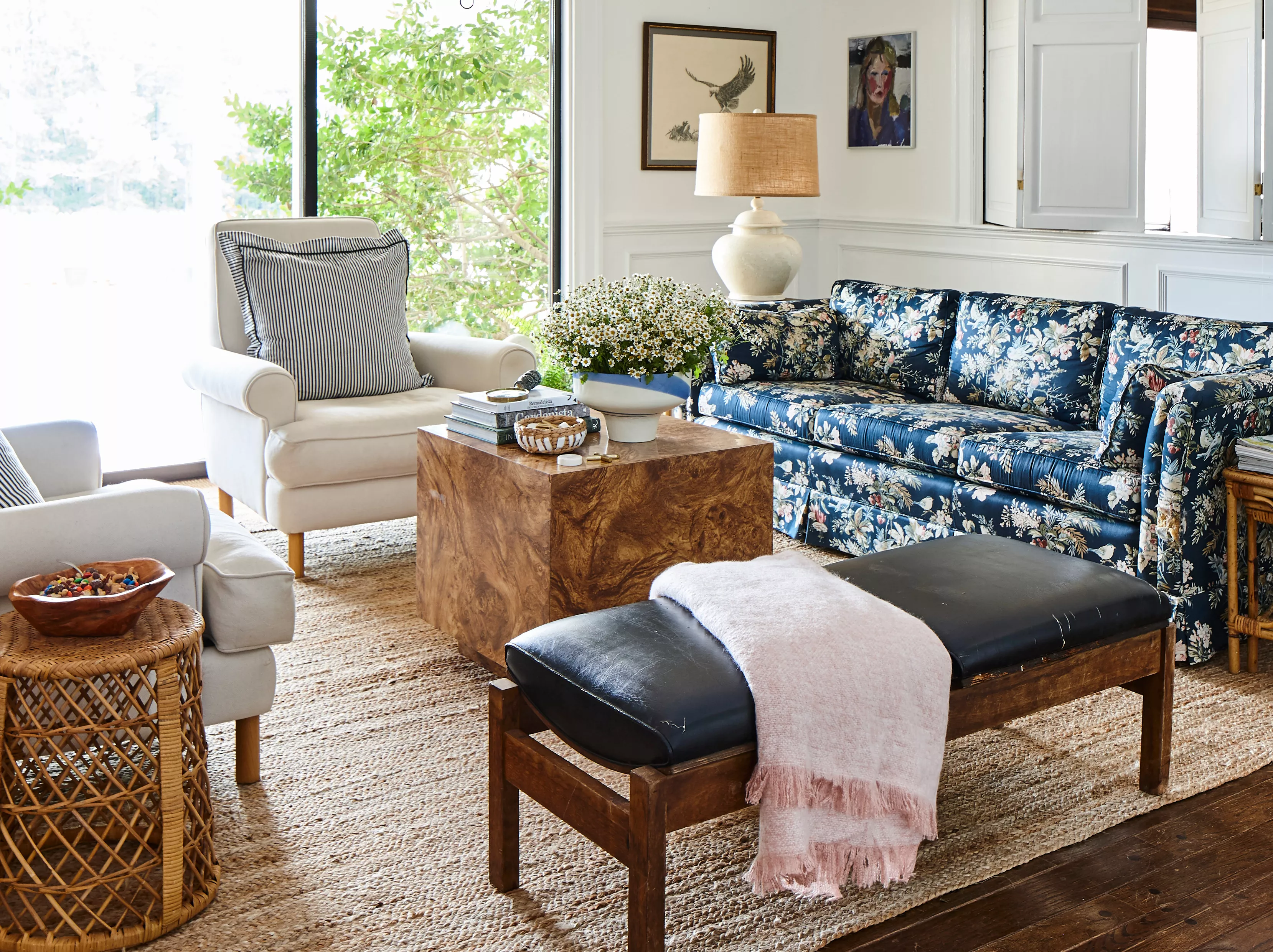
10 Furniture Styles That Instantly Make Your Home Look Outdated

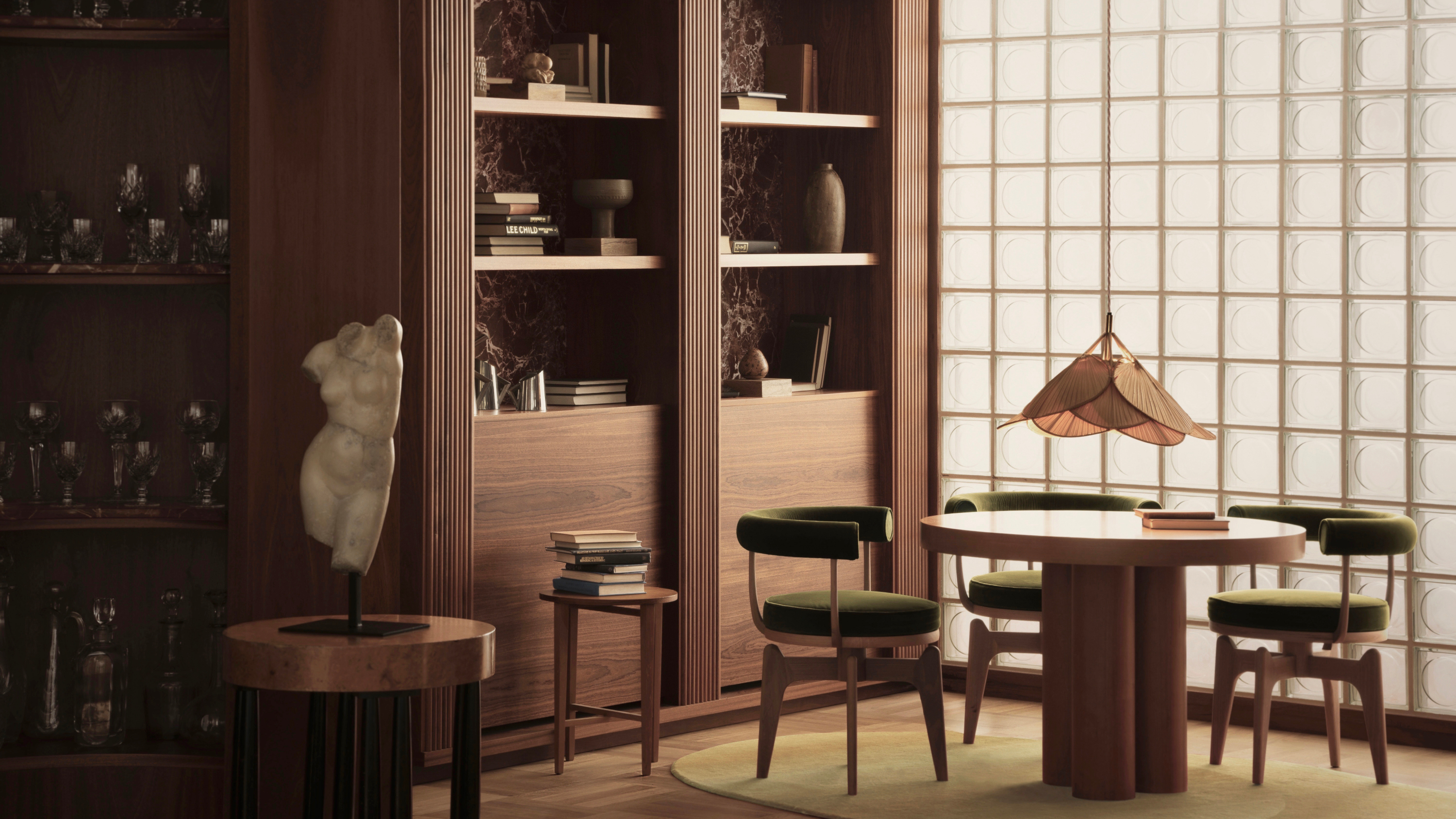
Designers Have a New Clever Shortcut To Make Rooms Look More Rich — 5 Spaces That Nail the Look

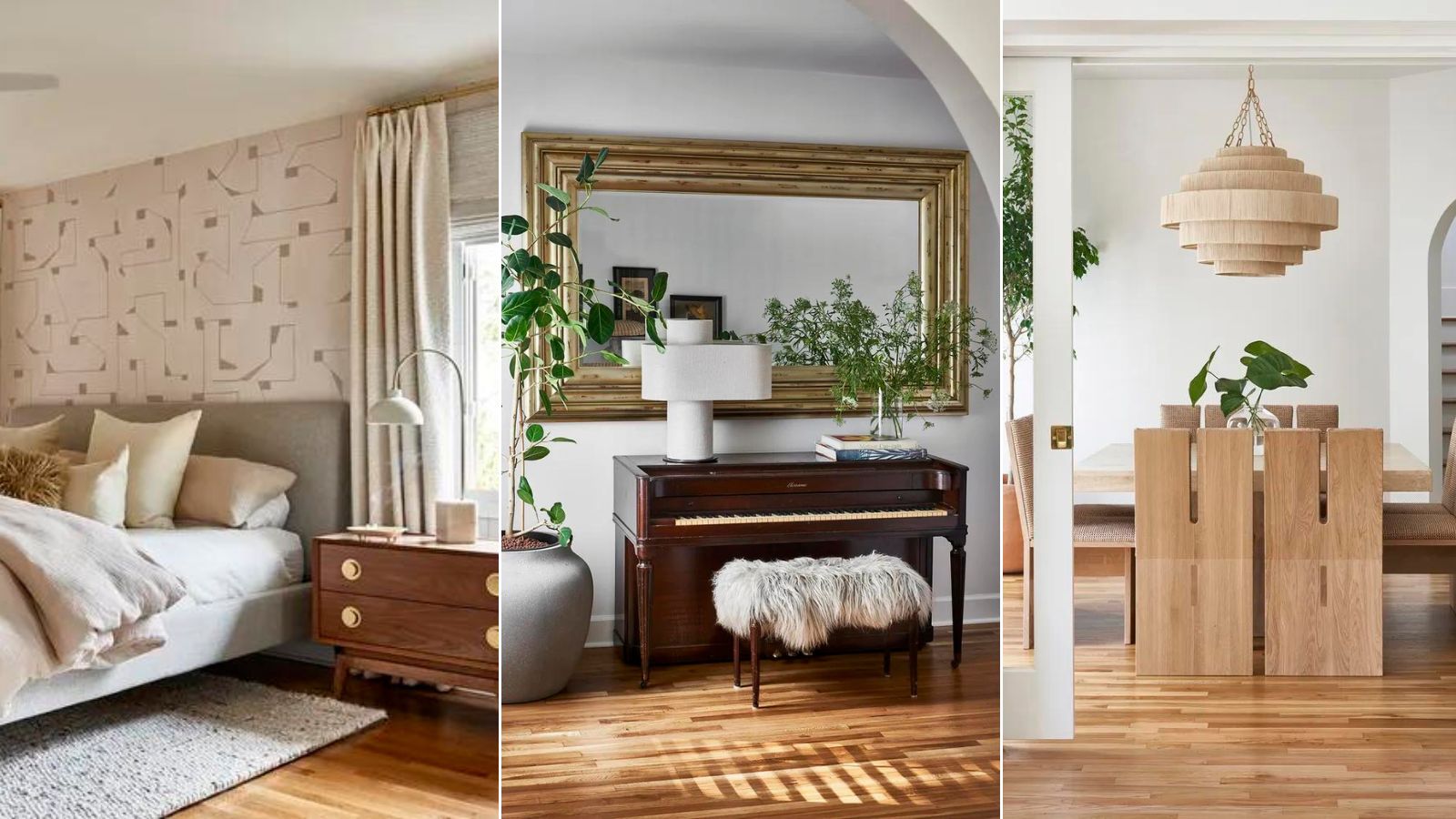
How to mix different wooden tones like an interior designer – 'It makes spaces feel more collected'

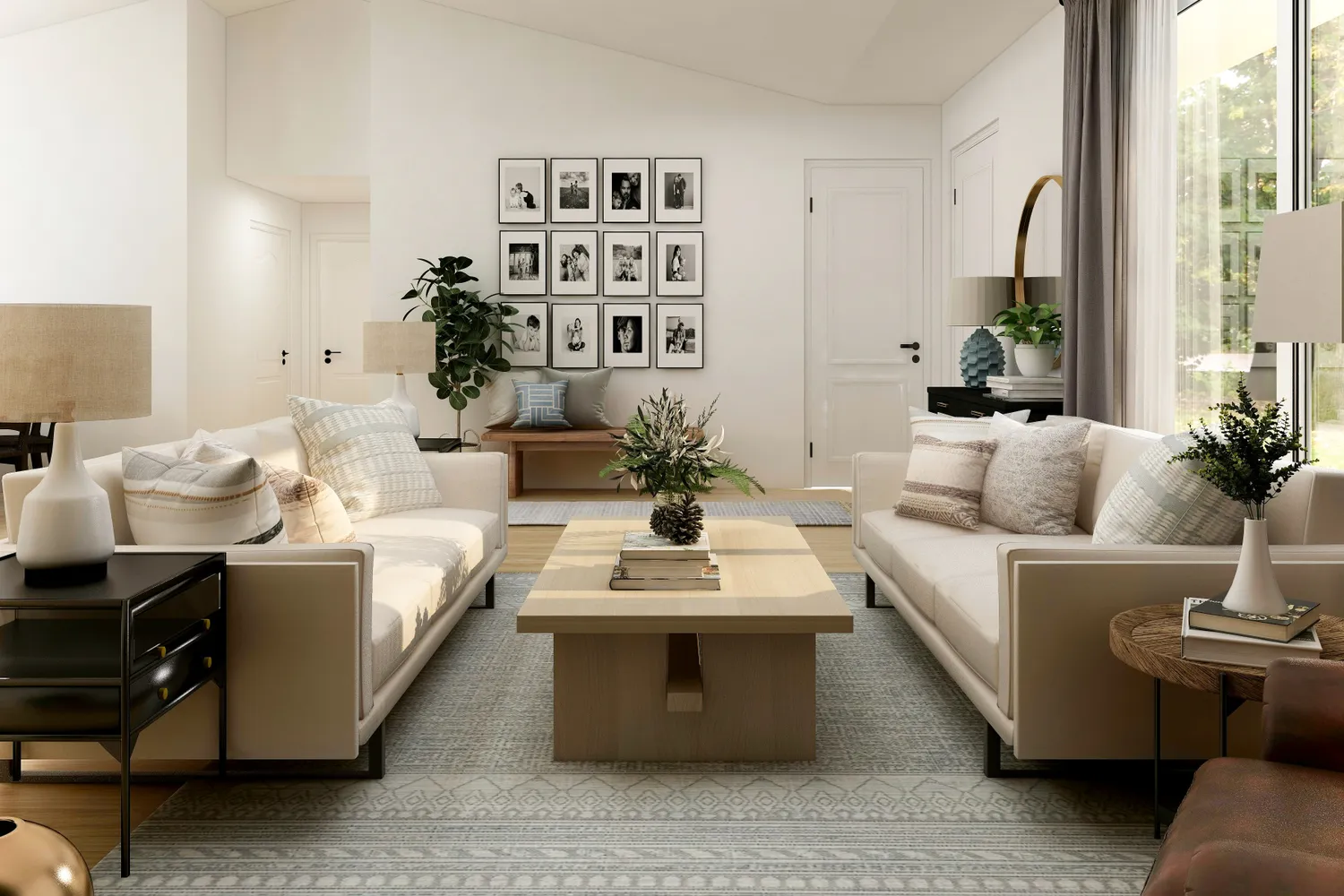
We Asked Designers If Matching Furniture Looks Outdated, and They All Agreed
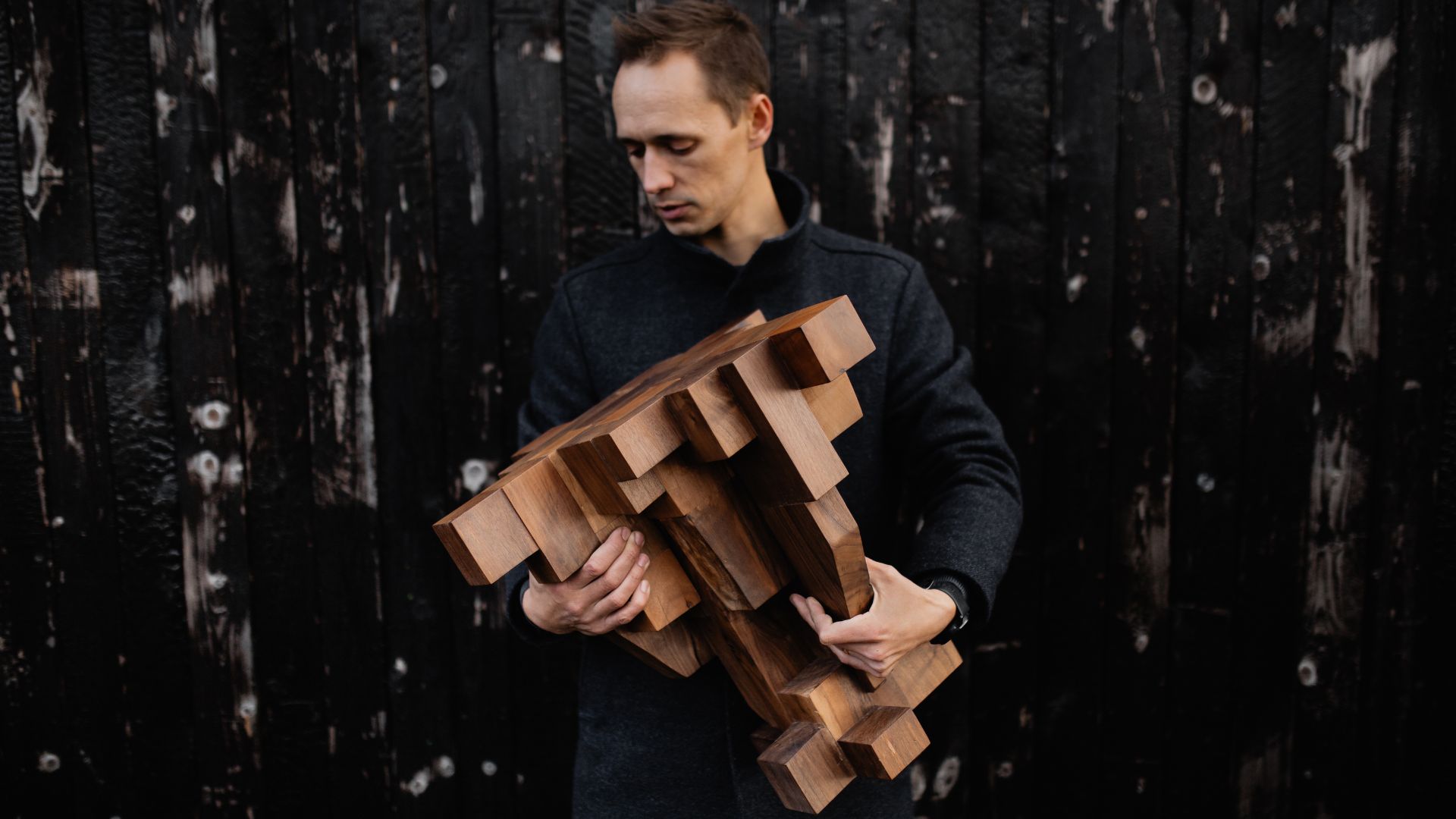
Blending functionality with artistry: the essence of Albert Potgieter’s designs

Eight wooden furnishings that go against the grain
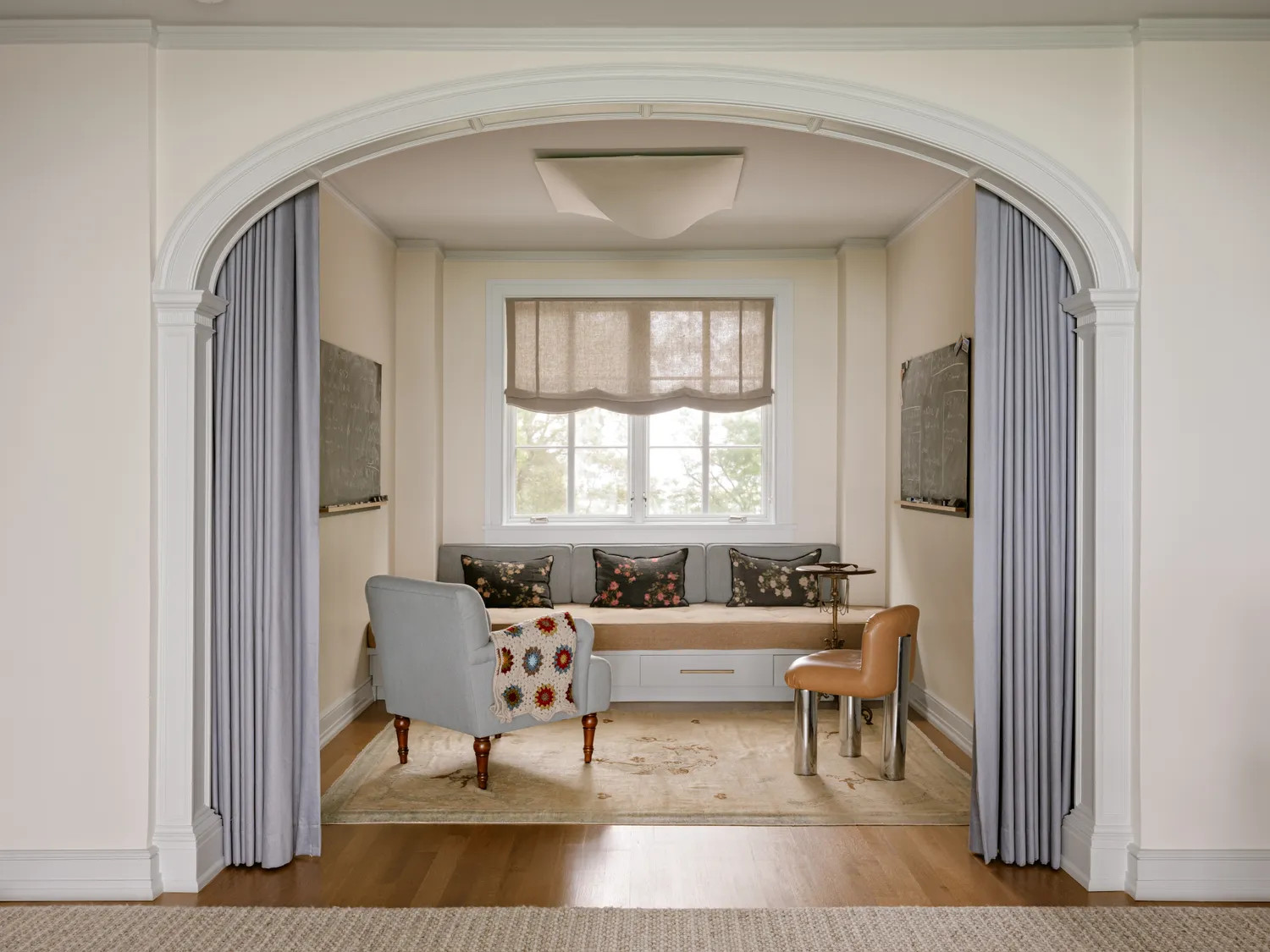
How To Mix Antique And Modern Furniture Without Making It Look Mismatched
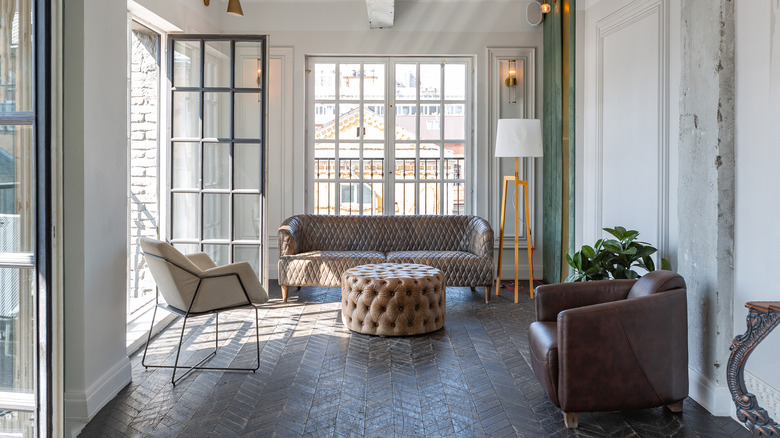
Outdated Furniture Pieces That Are Having A Comeback

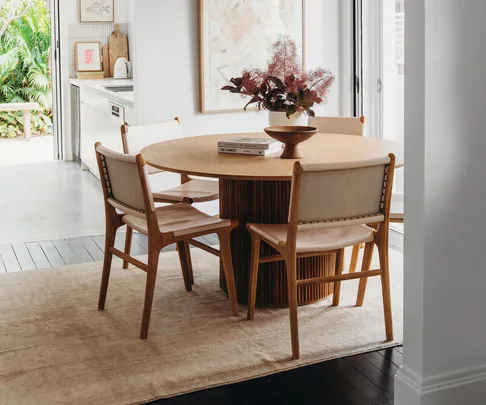
5 tips for mixing timber floors with timber furniture

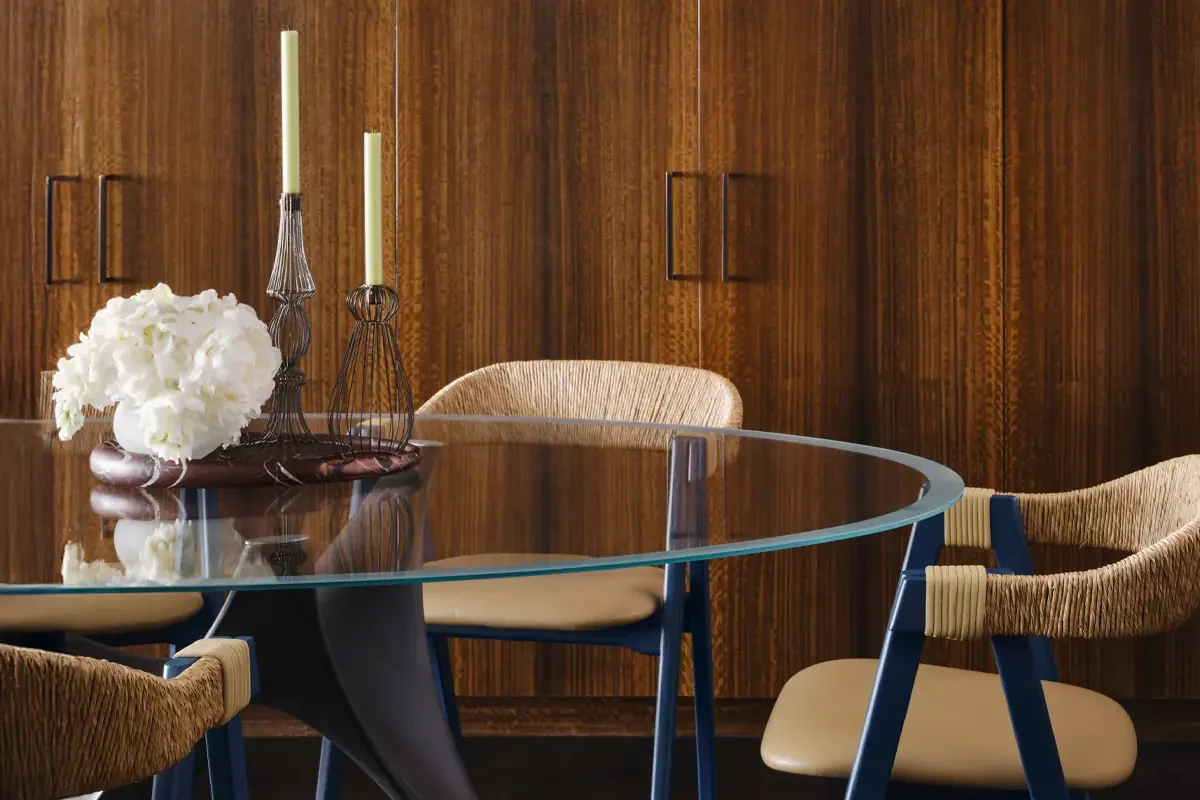
Wood as a Home Design Trend: Through the Archives to Today
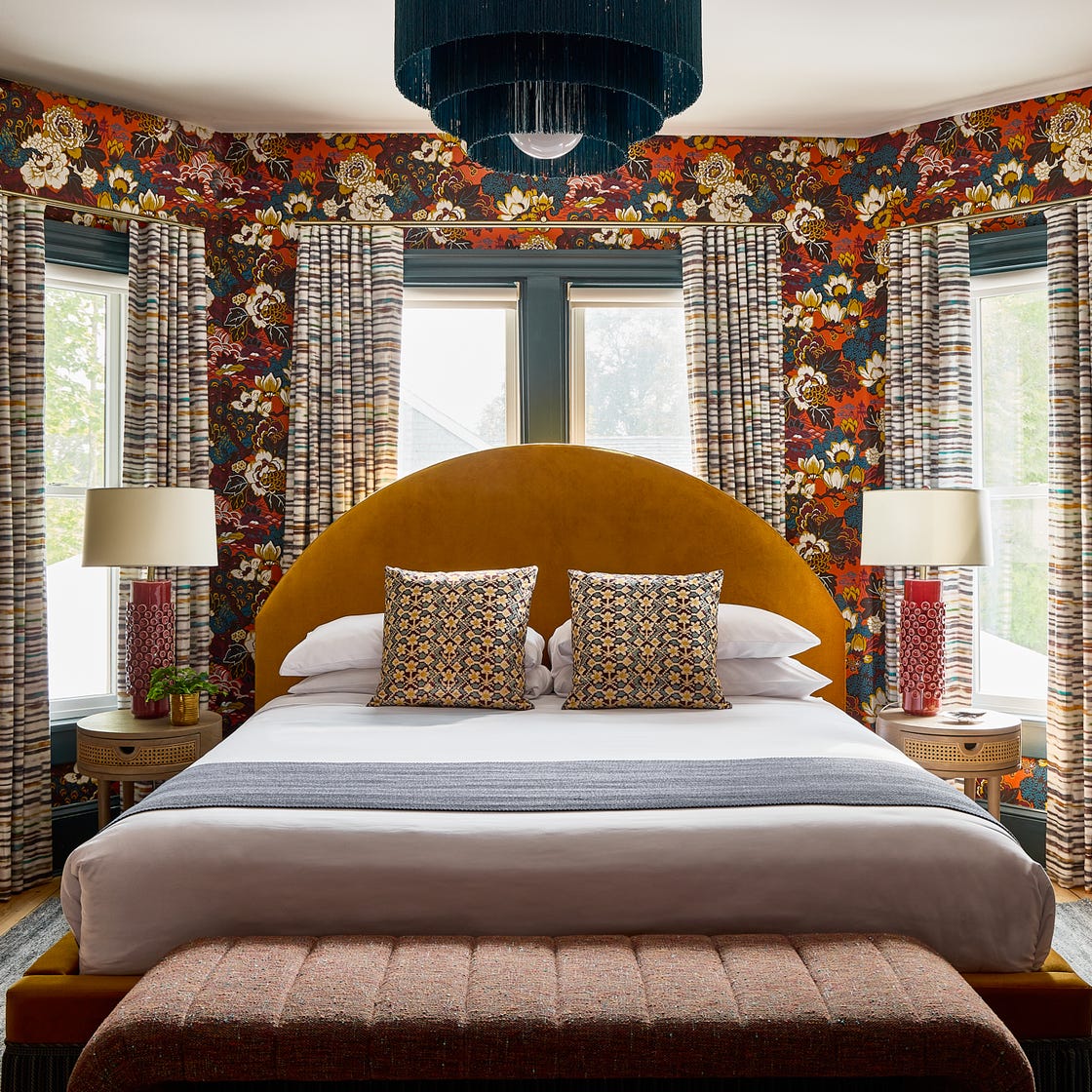
12 Furniture Trends That Will Dominate 2025, According to Designers

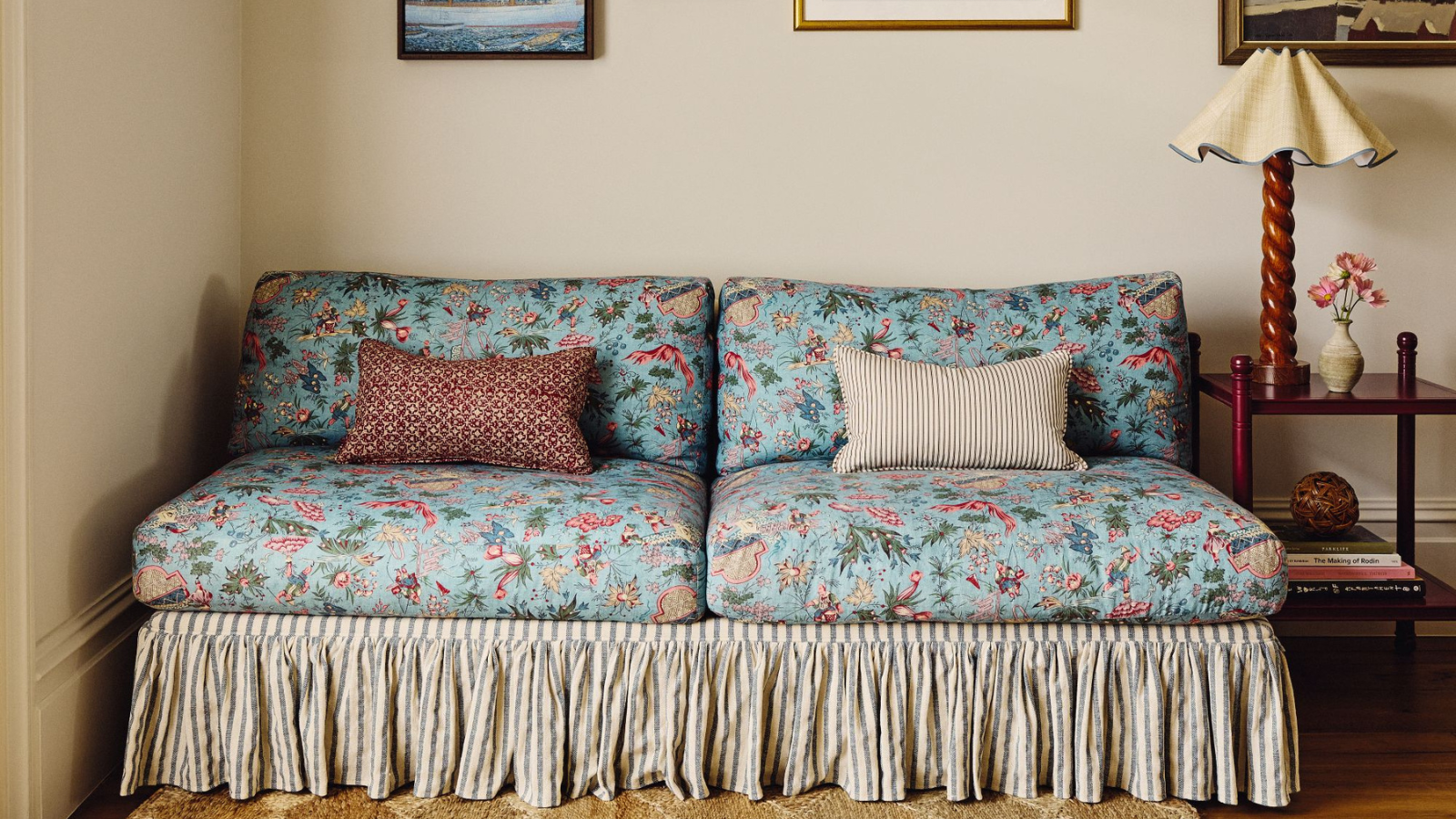
Flip the script on classic interiors – how the twisted wood trend brings a welcome whimsy into our homes
Designers Are Calling It: These Furniture Trends Will Be Everywhere in 2026

How to Mix Modern and Antique Furniture