1/5
Amorim Cork Composites spotlights the versatility of cork
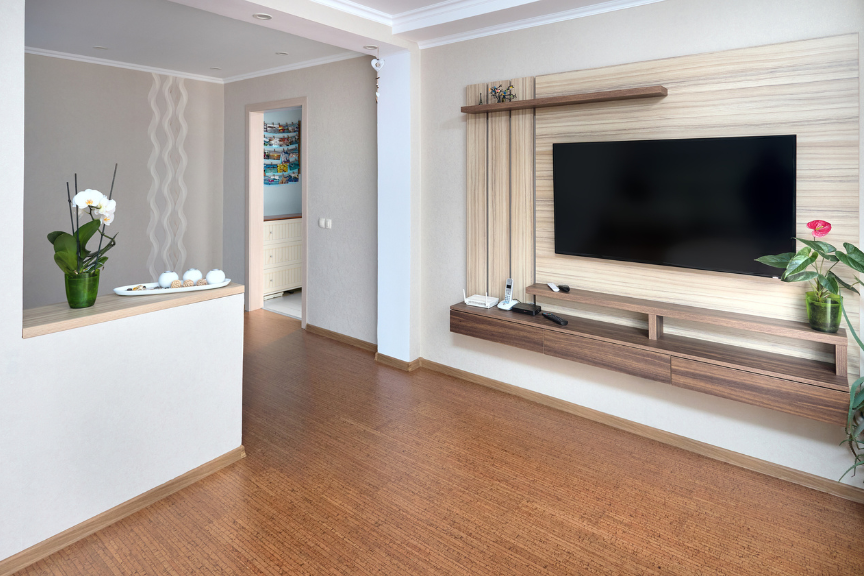
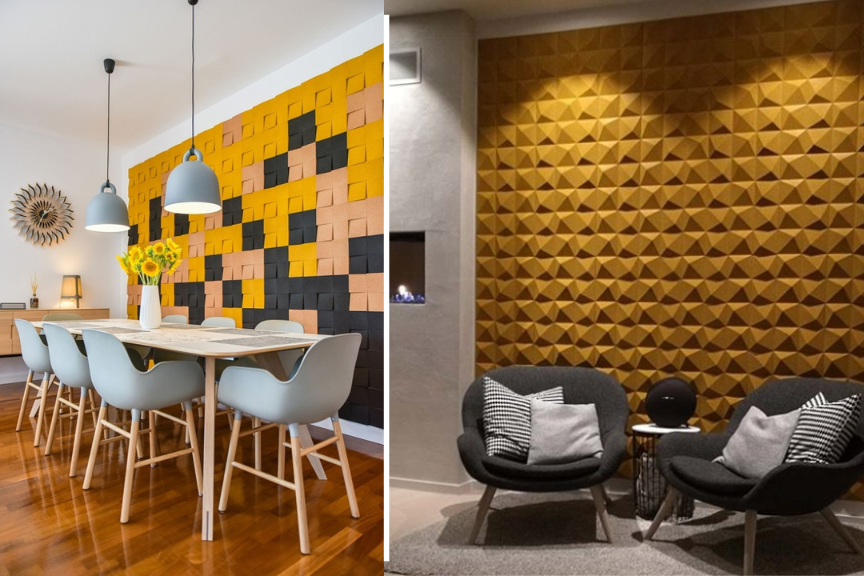
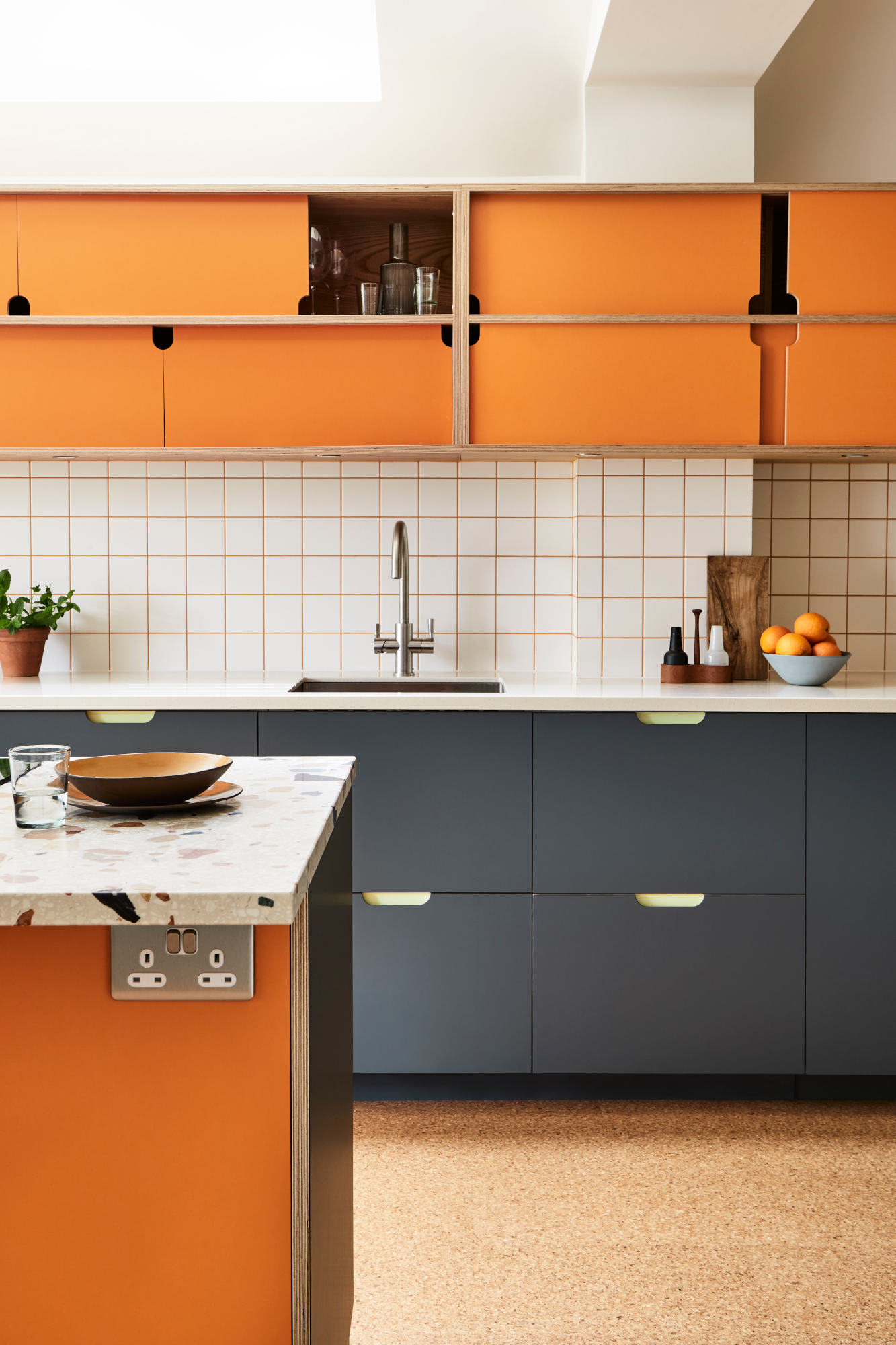
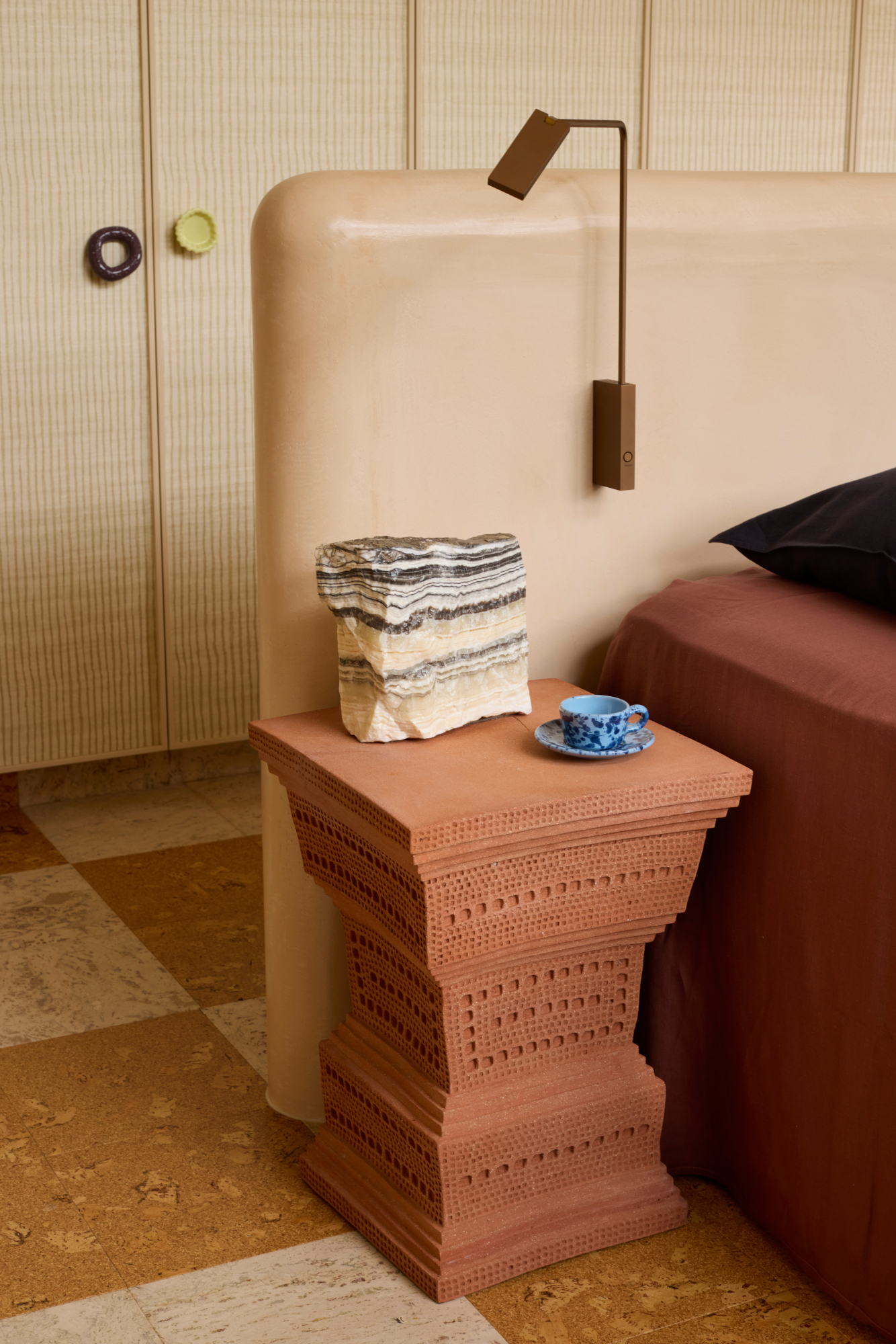
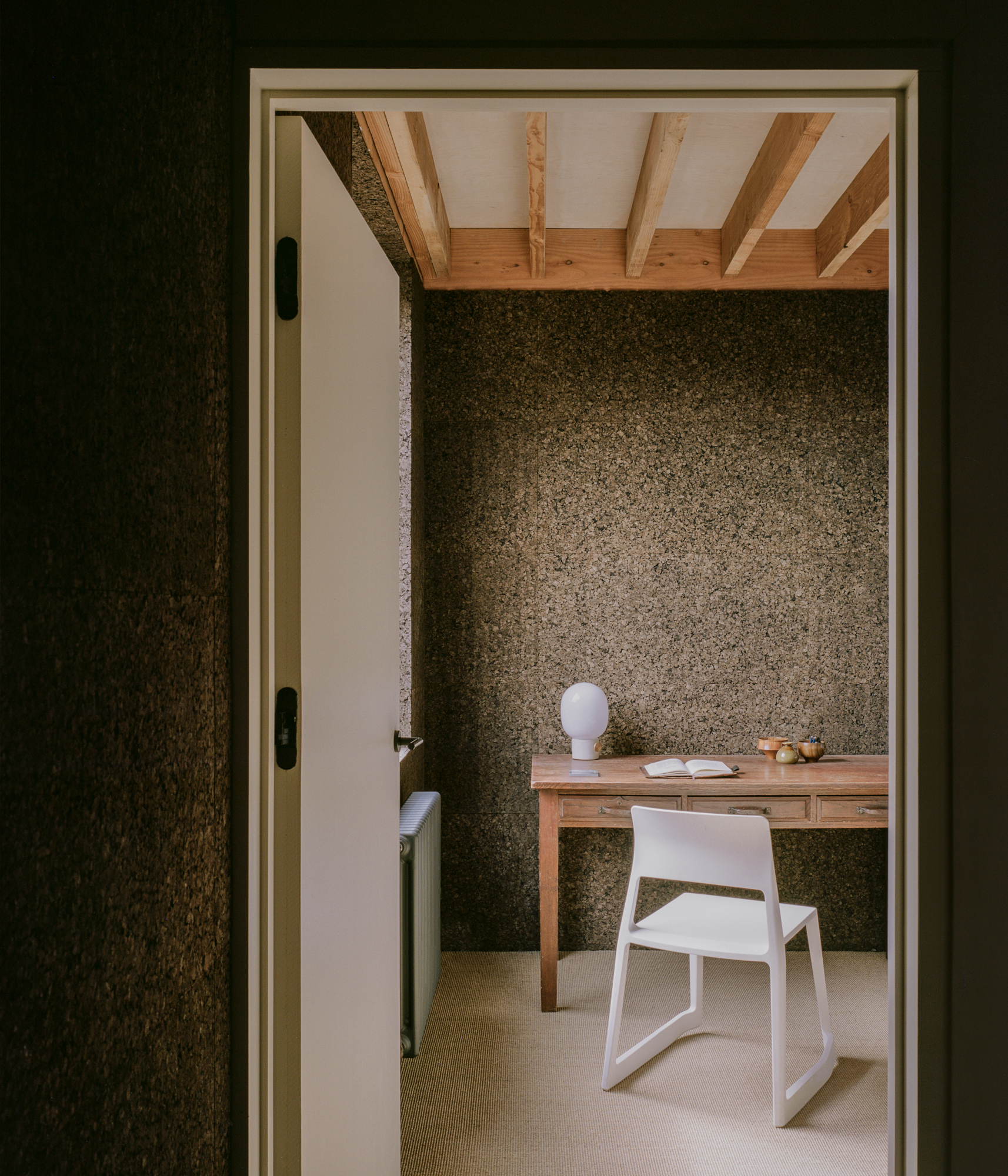
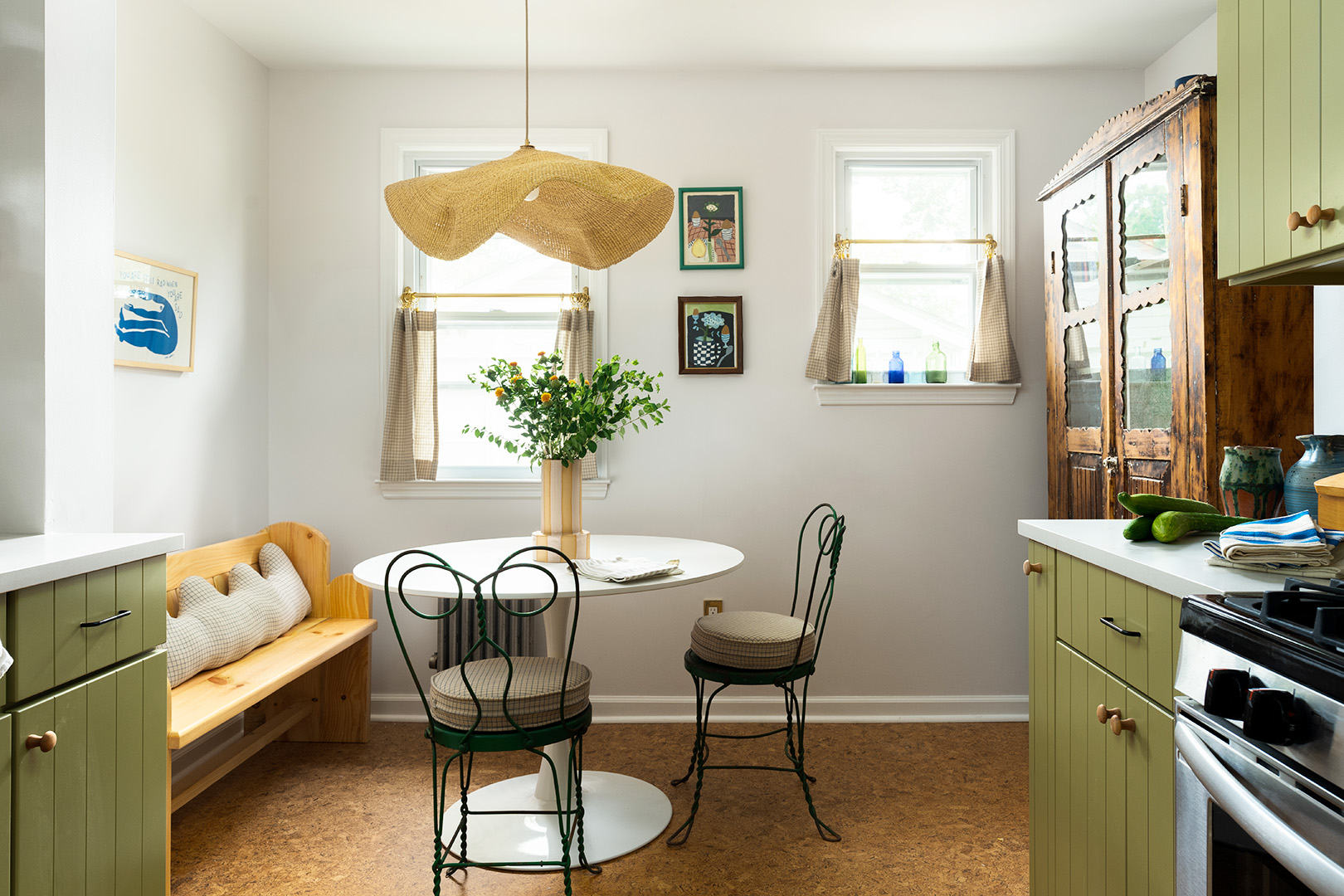
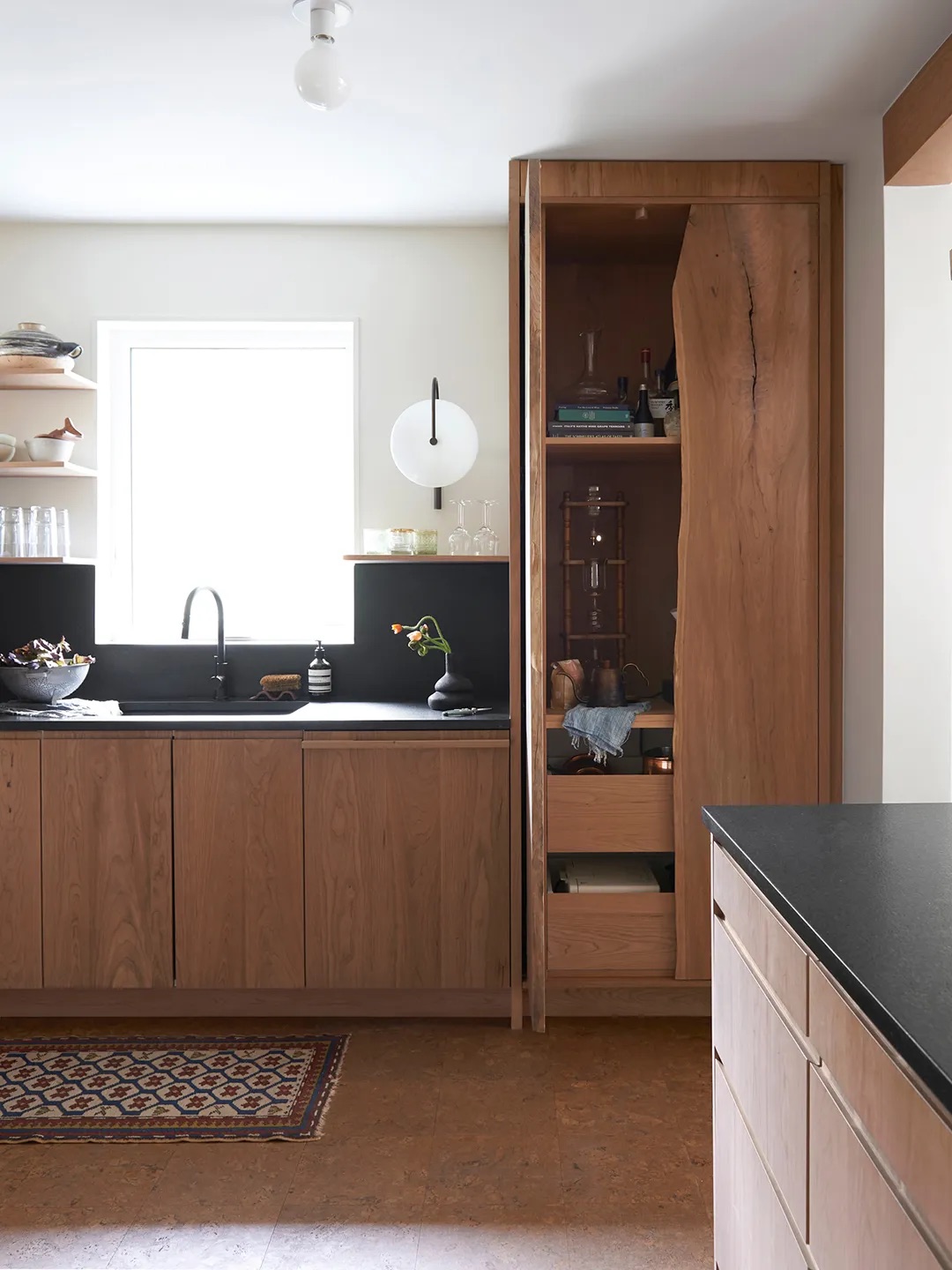
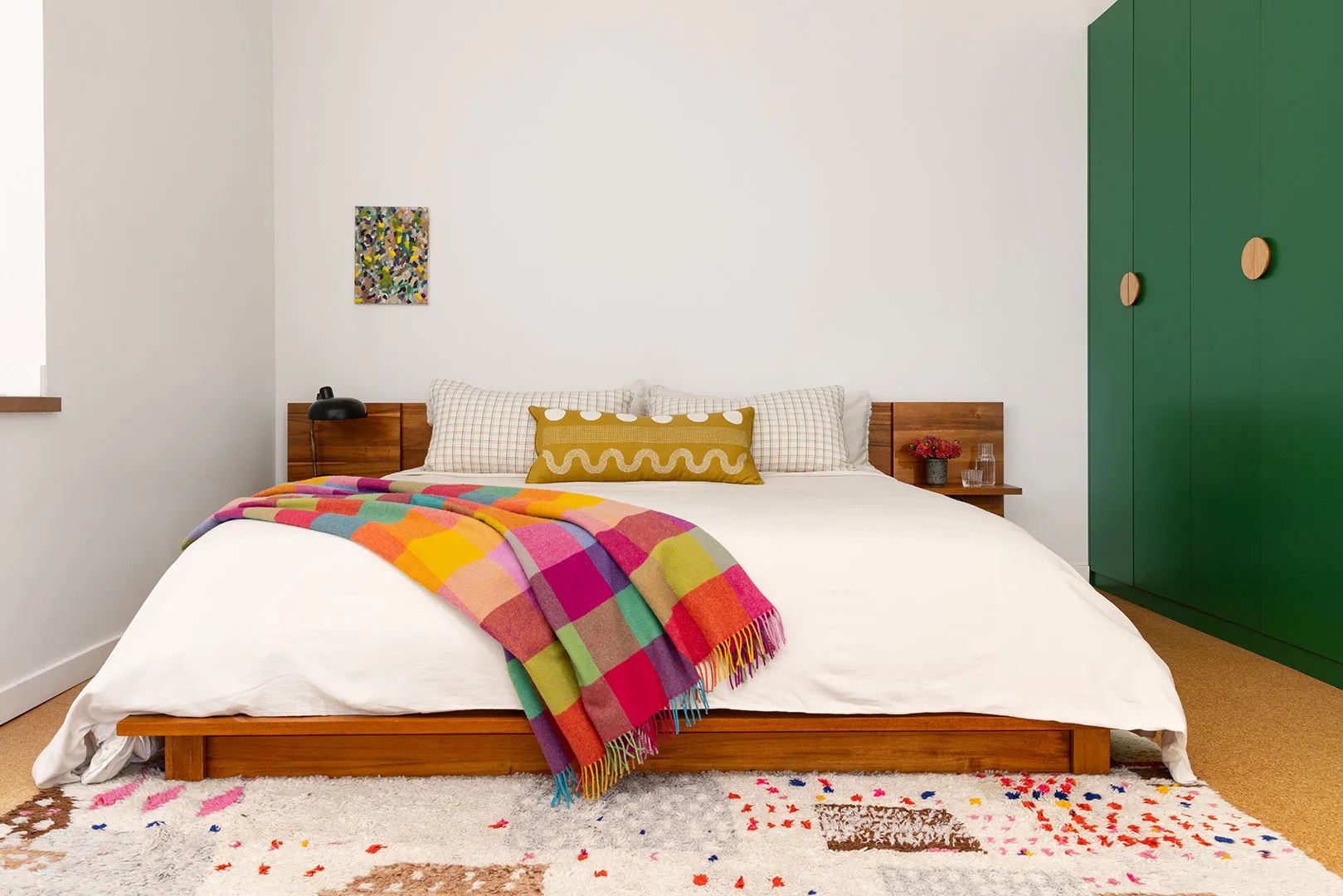
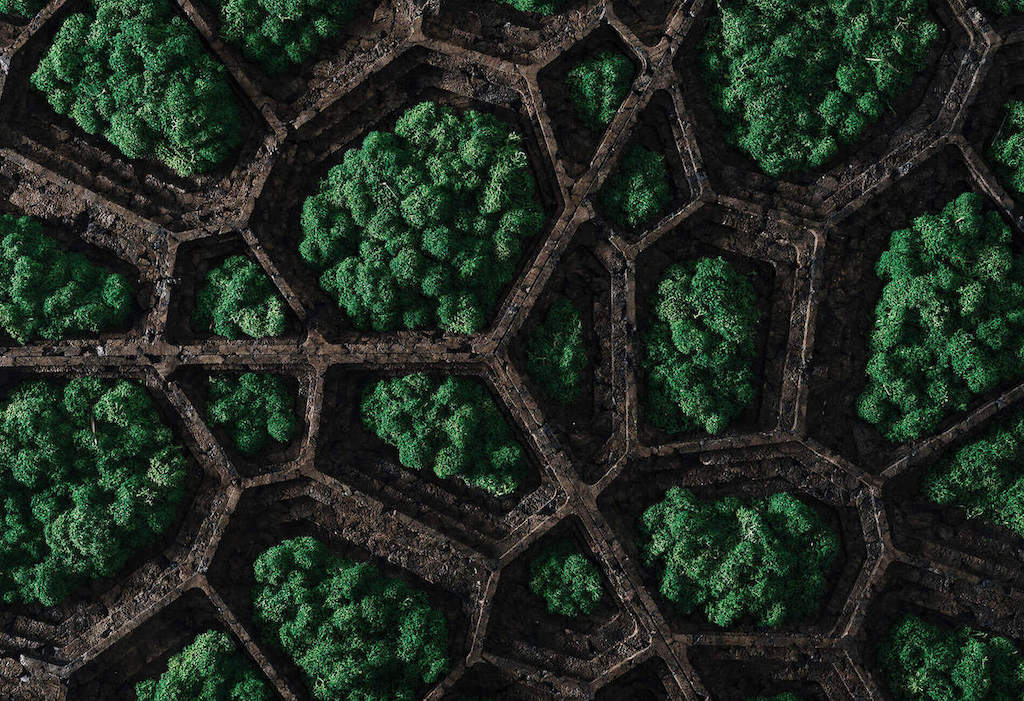
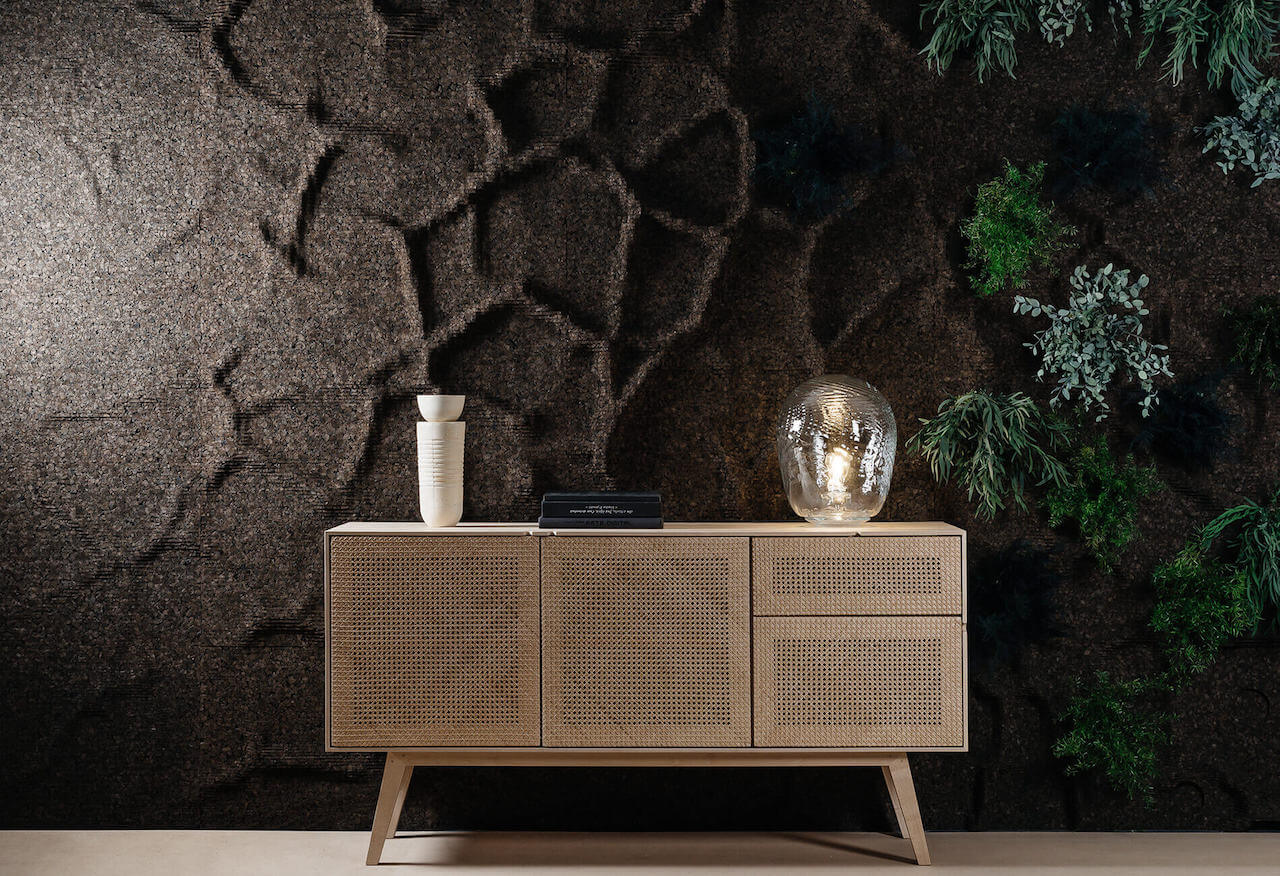
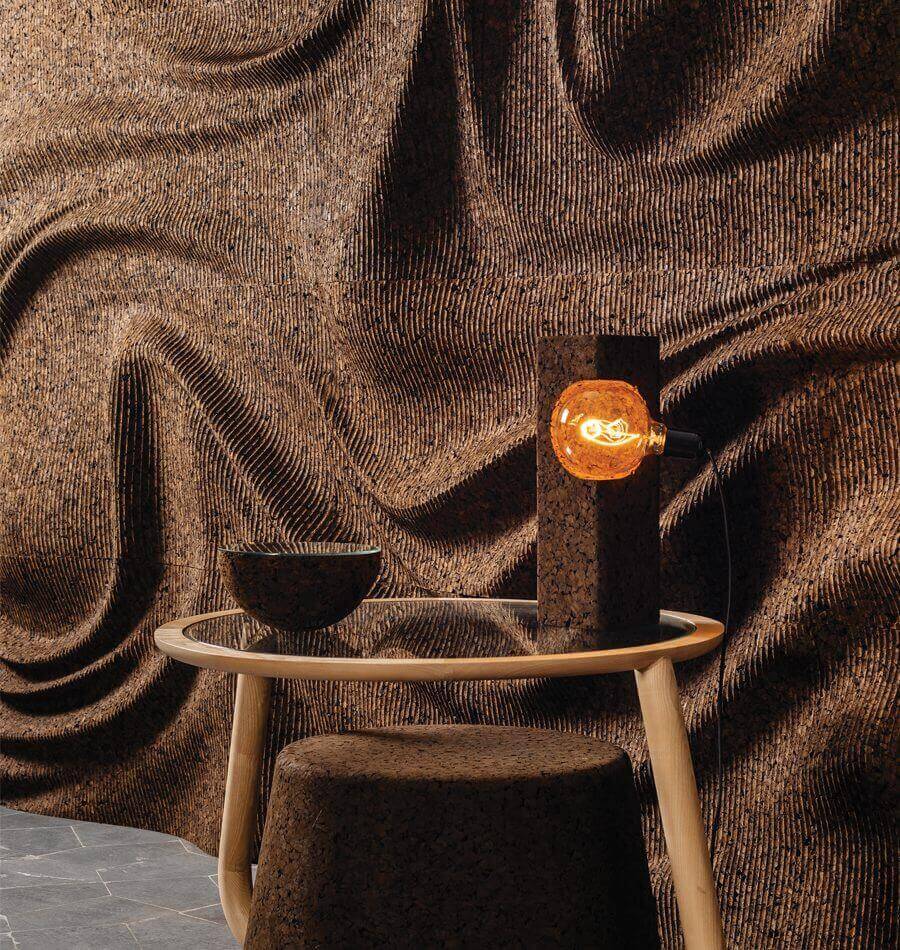
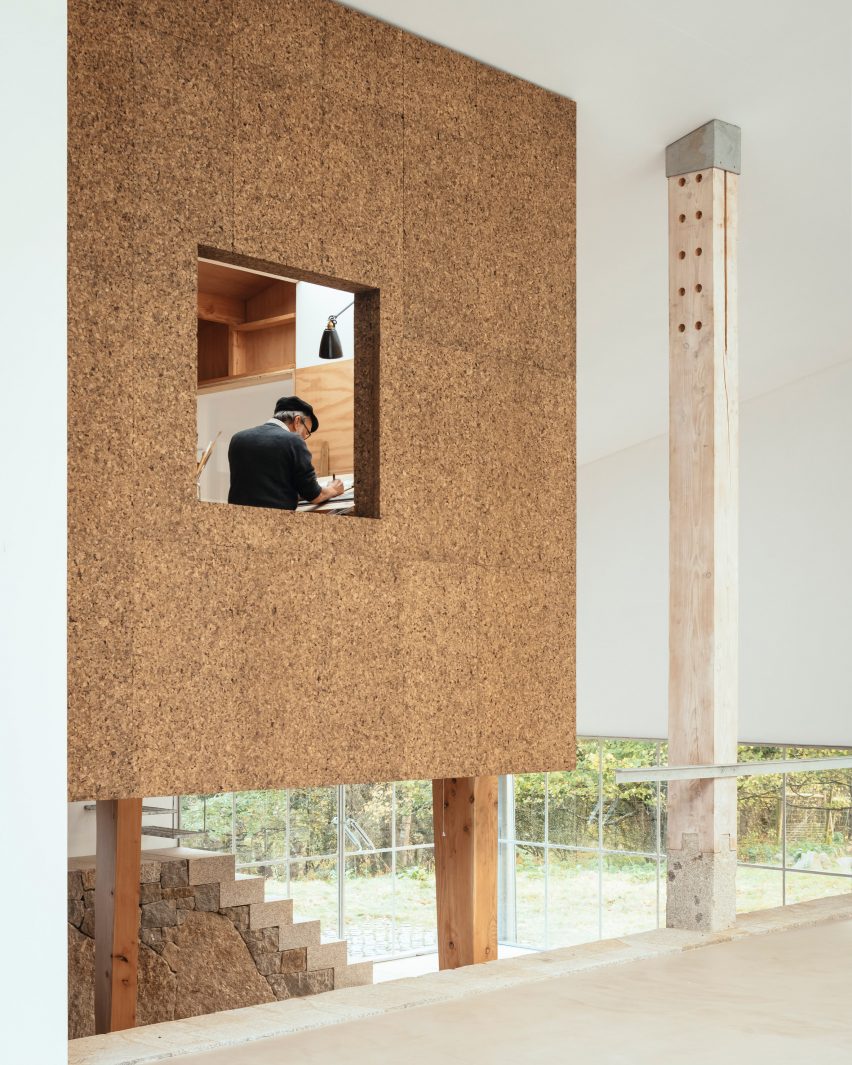
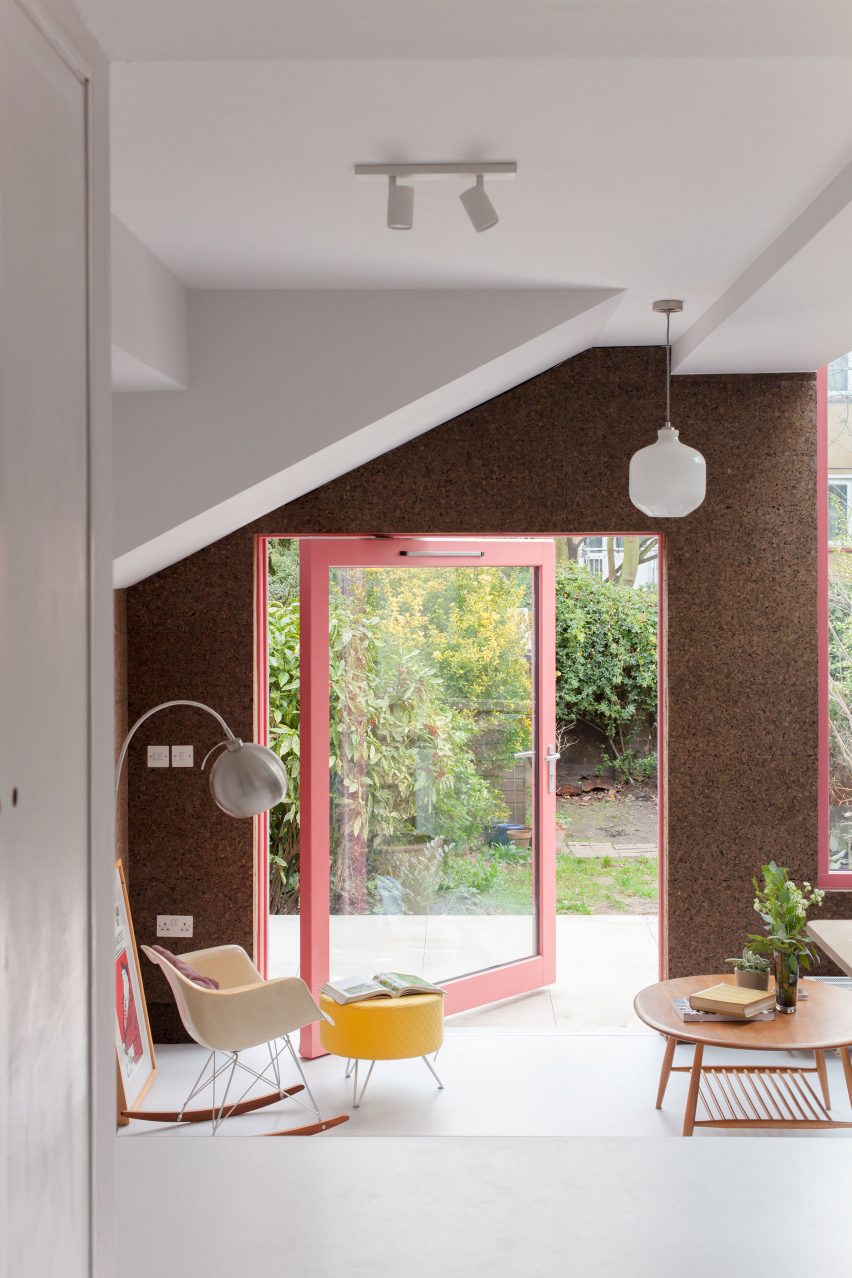
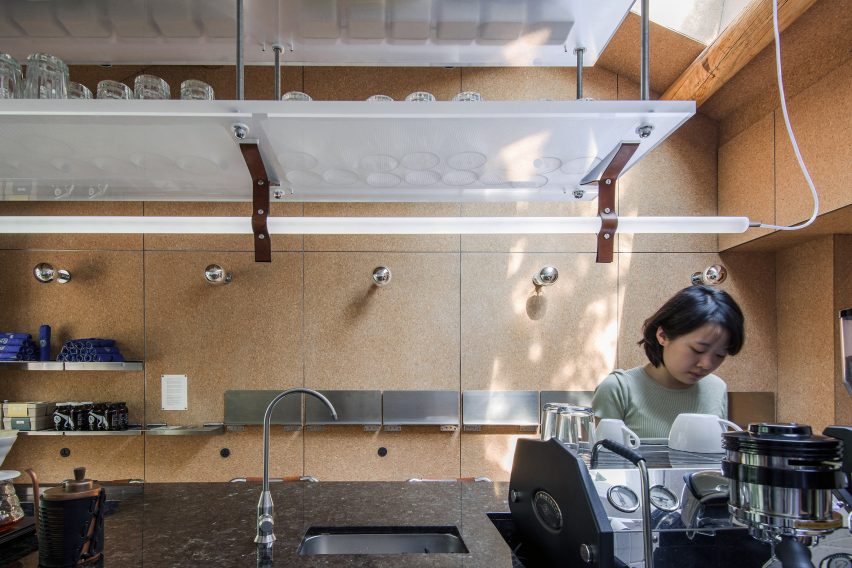
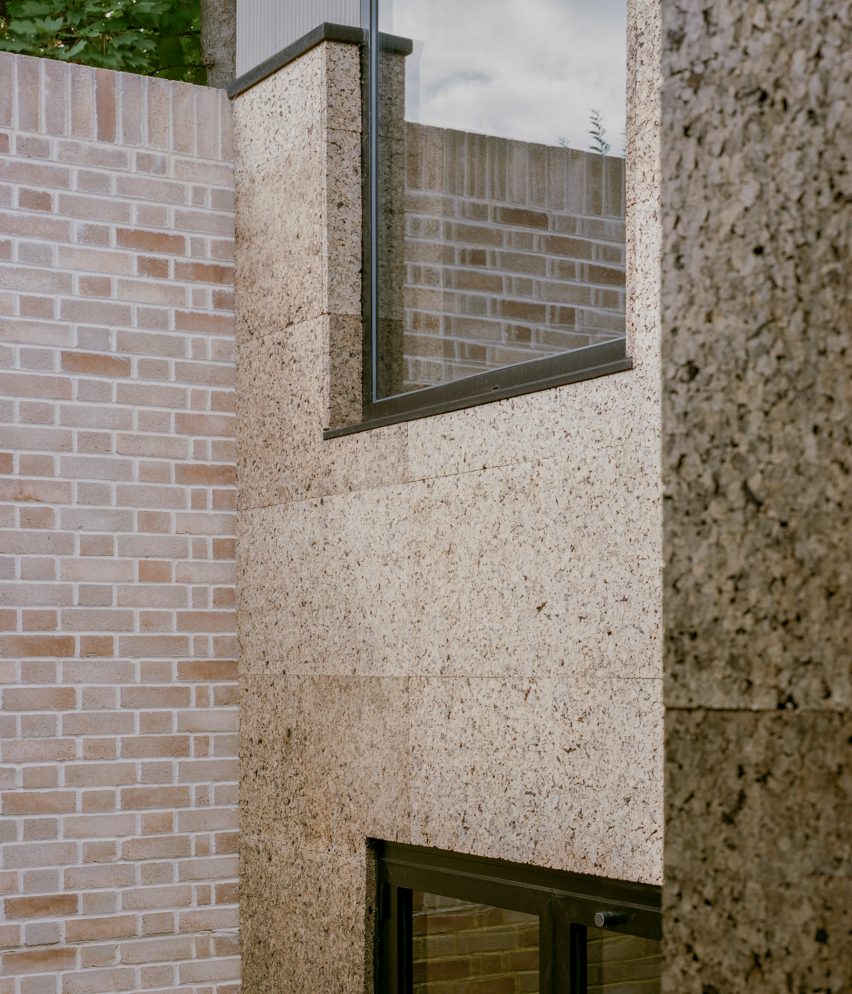
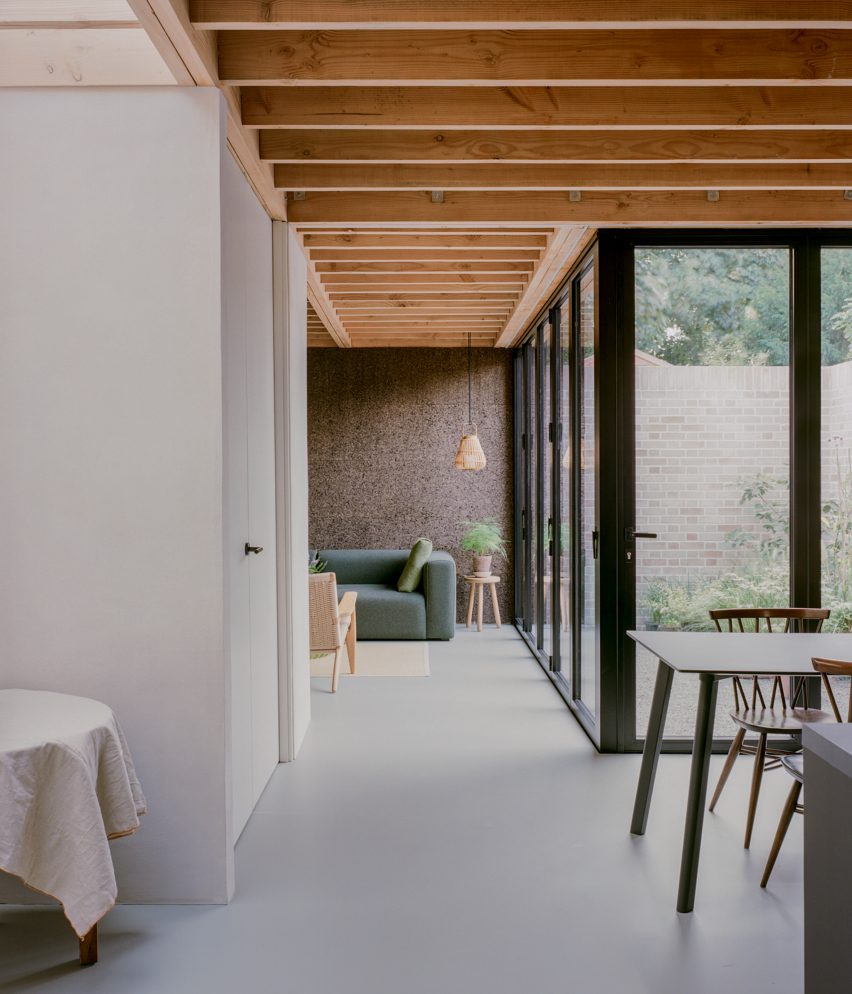
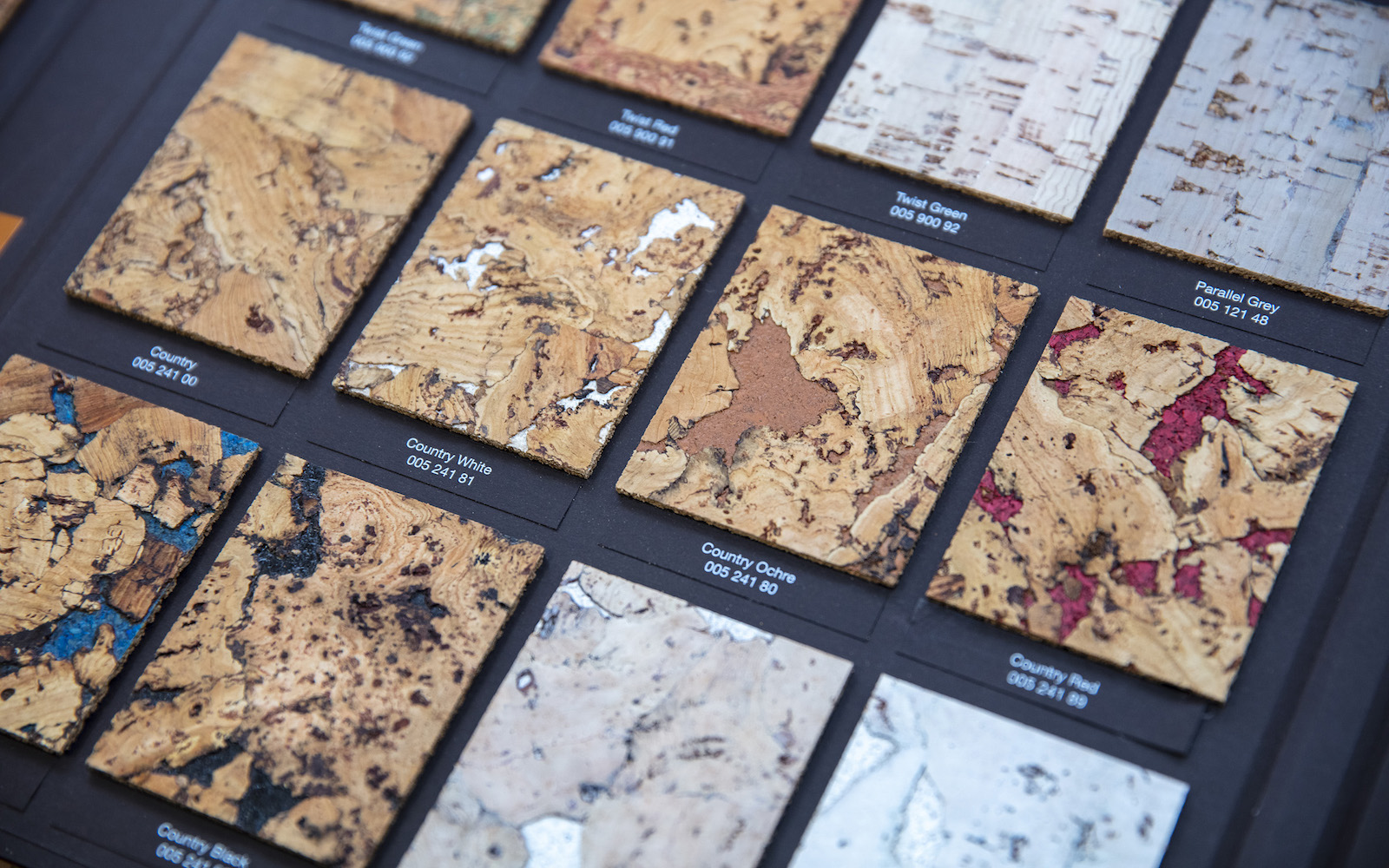
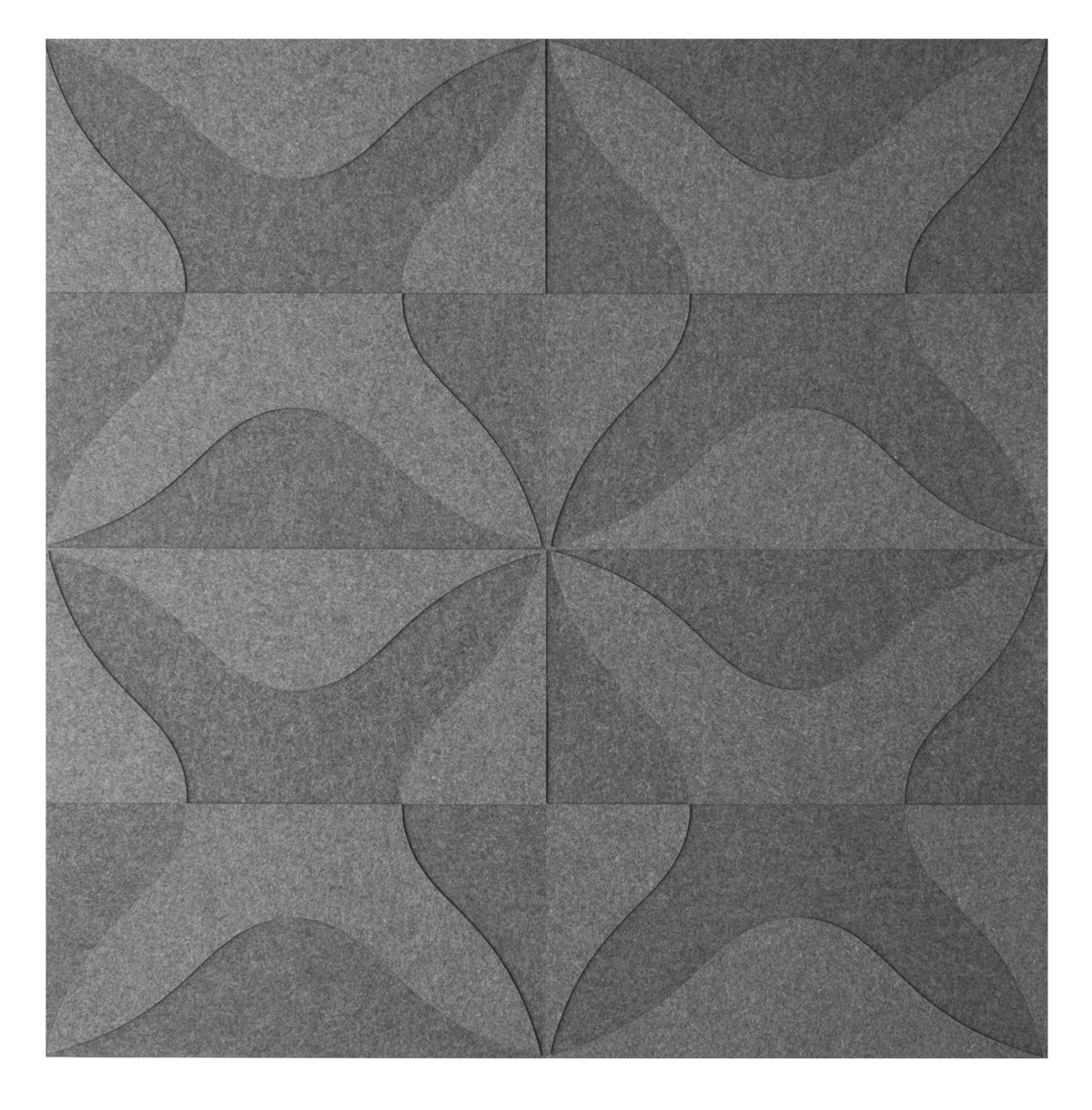
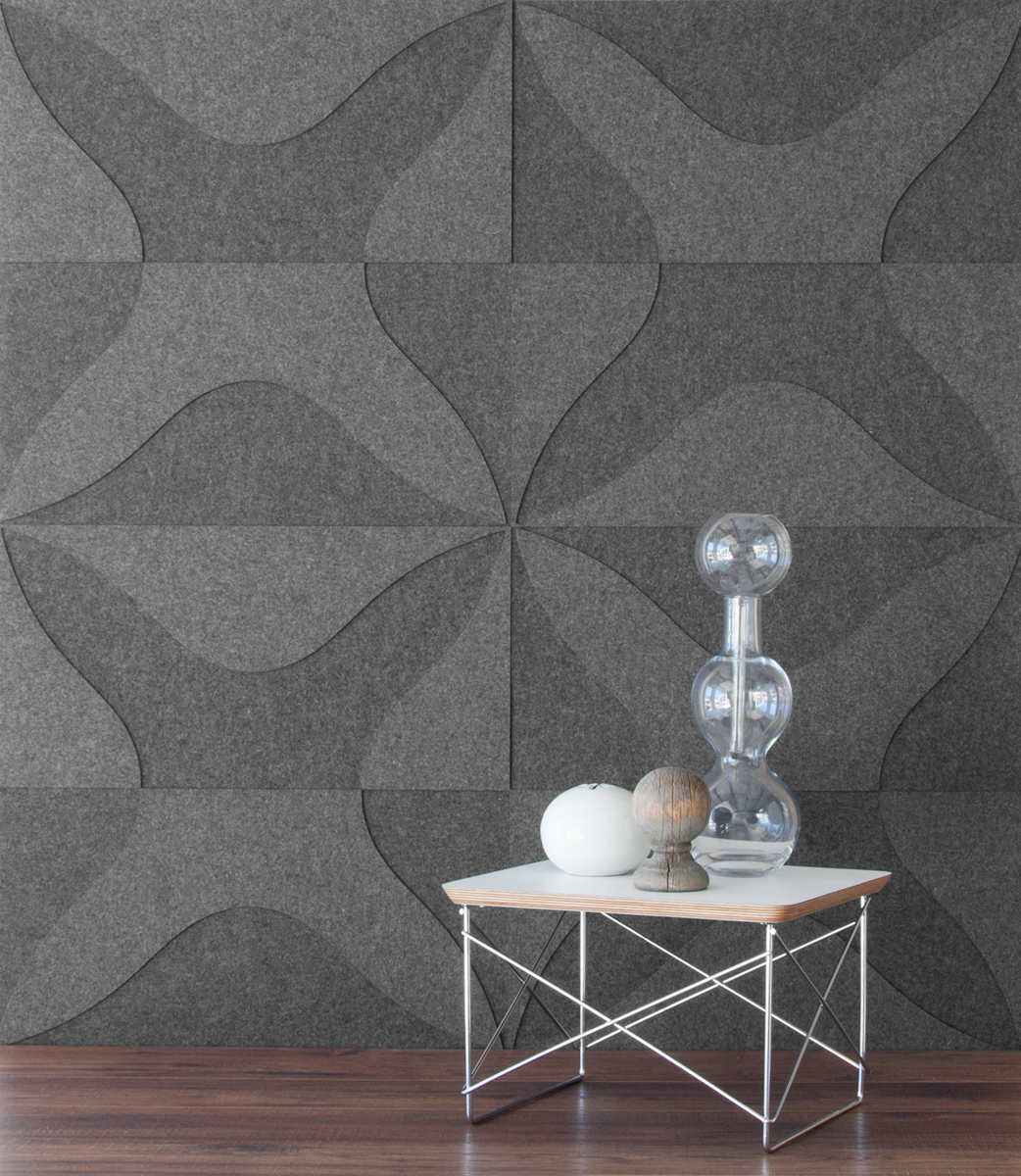
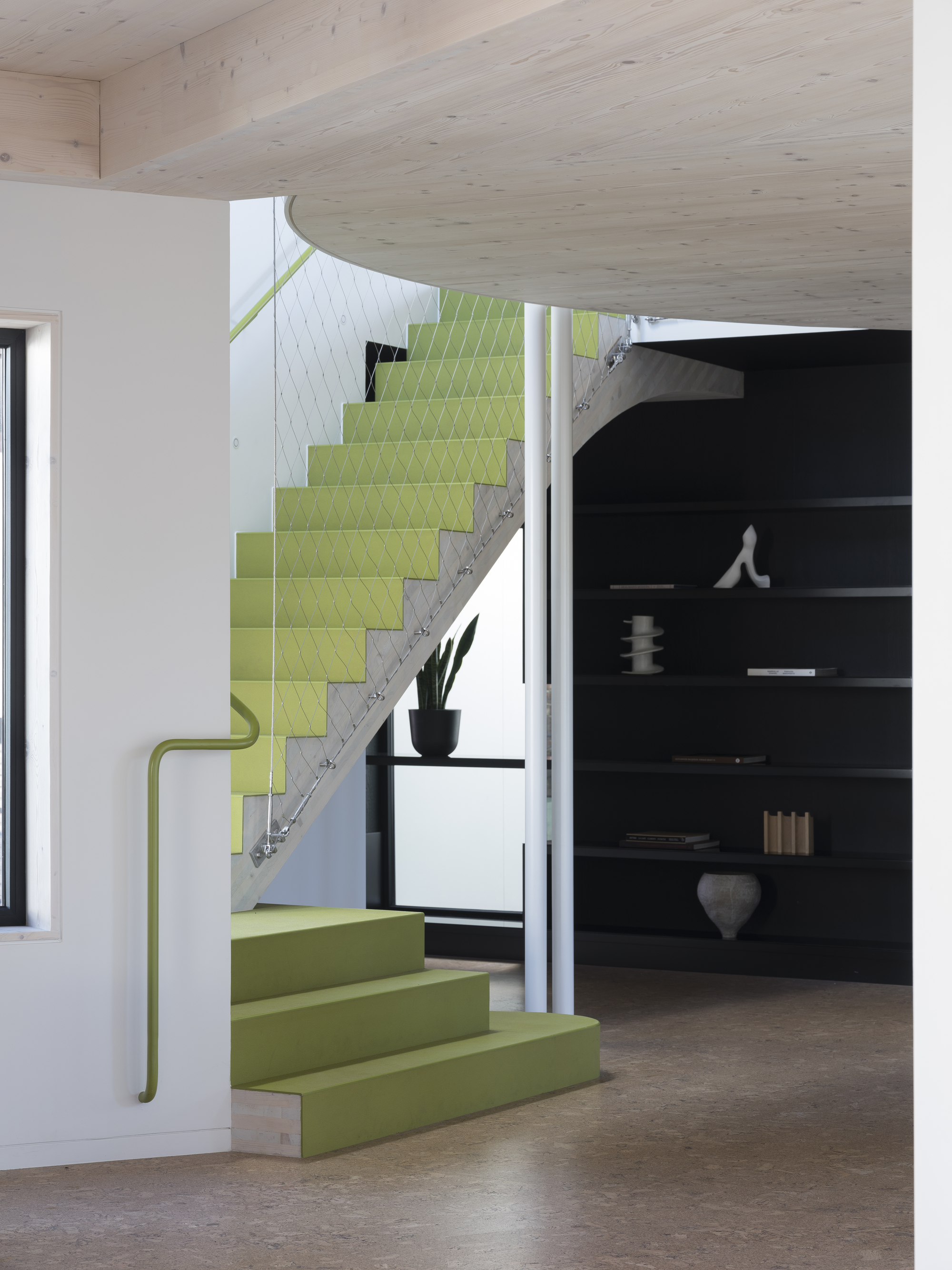
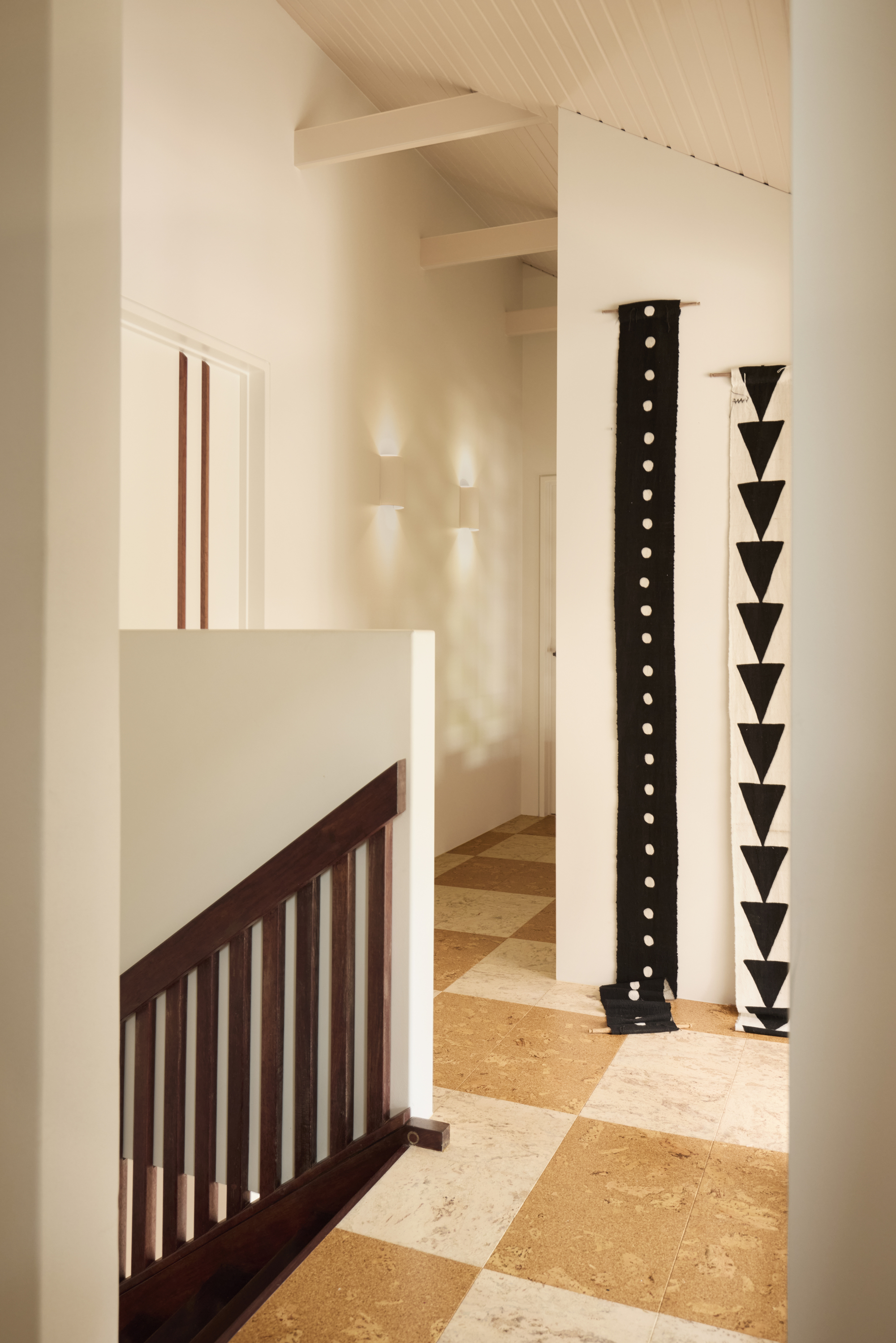
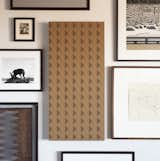
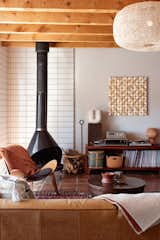
Amorim Cork Composites, an innovation arm of the world's leading cork producer Corticeira Amorim, highlights the growing interest among architects and designers in utilizing cork to minimize the carbon footprint of their projects. The company emphasizes cork's remarkable versatility as a material, citing its natural properties such as thermal and acoustic insulation, impact absorption, anti-slip characteristics, and soft tactile quality. This increased adoption is evident in various high-profile collaborations, including furniture designs for renowned designers Tom Dixon and the Campana Brothers, the creation of door handles for architect Eduardo Souto Moura, and the supply of wall panels for Counterspace's 2021 Serpentine Pavilion.
A key environmental advantage of cork is its ability to sequester carbon. Unlike timber harvesting, cork is obtained from the outer bark of the cork oak tree, predominantly found in Western Mediterranean regions like Portugal. This process allows the tree to remain standing and continue sequestering carbon, with cork forests retaining up to 73 tons of carbon dioxide for each ton of cork harvested annually. This makes cork a renewable and sustainable alternative to more polluting materials in construction and design.
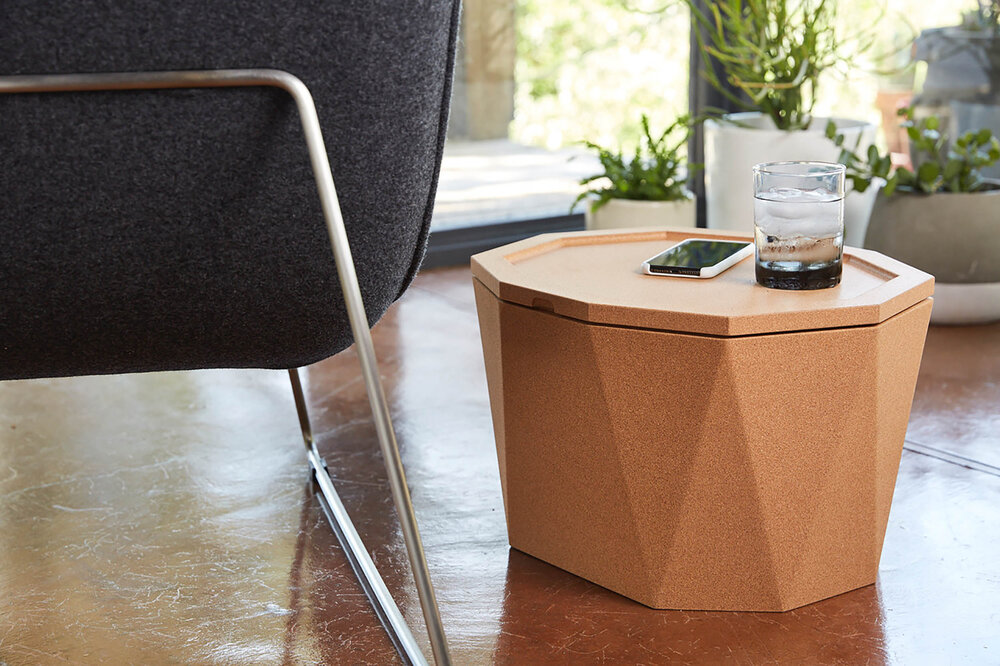
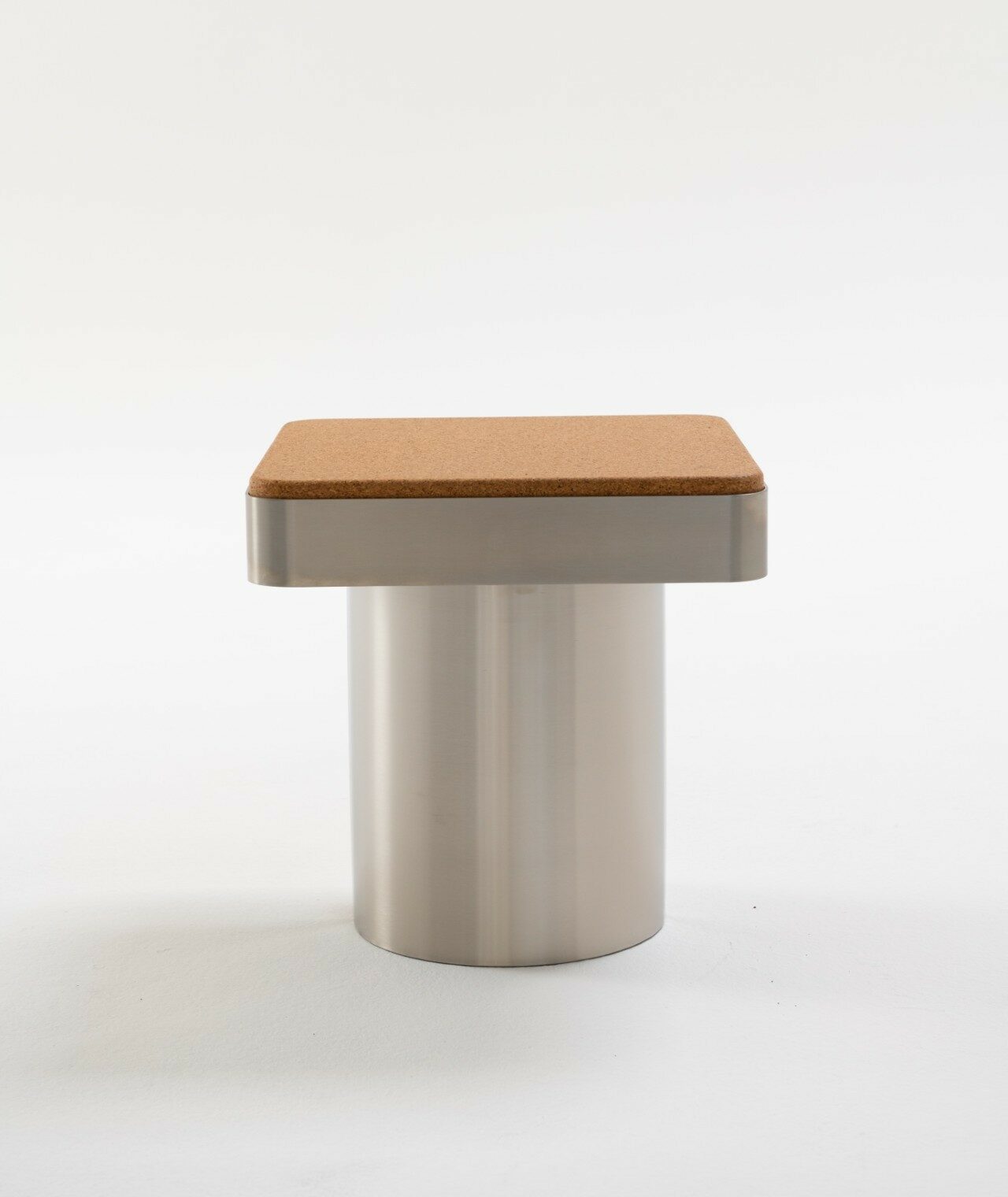
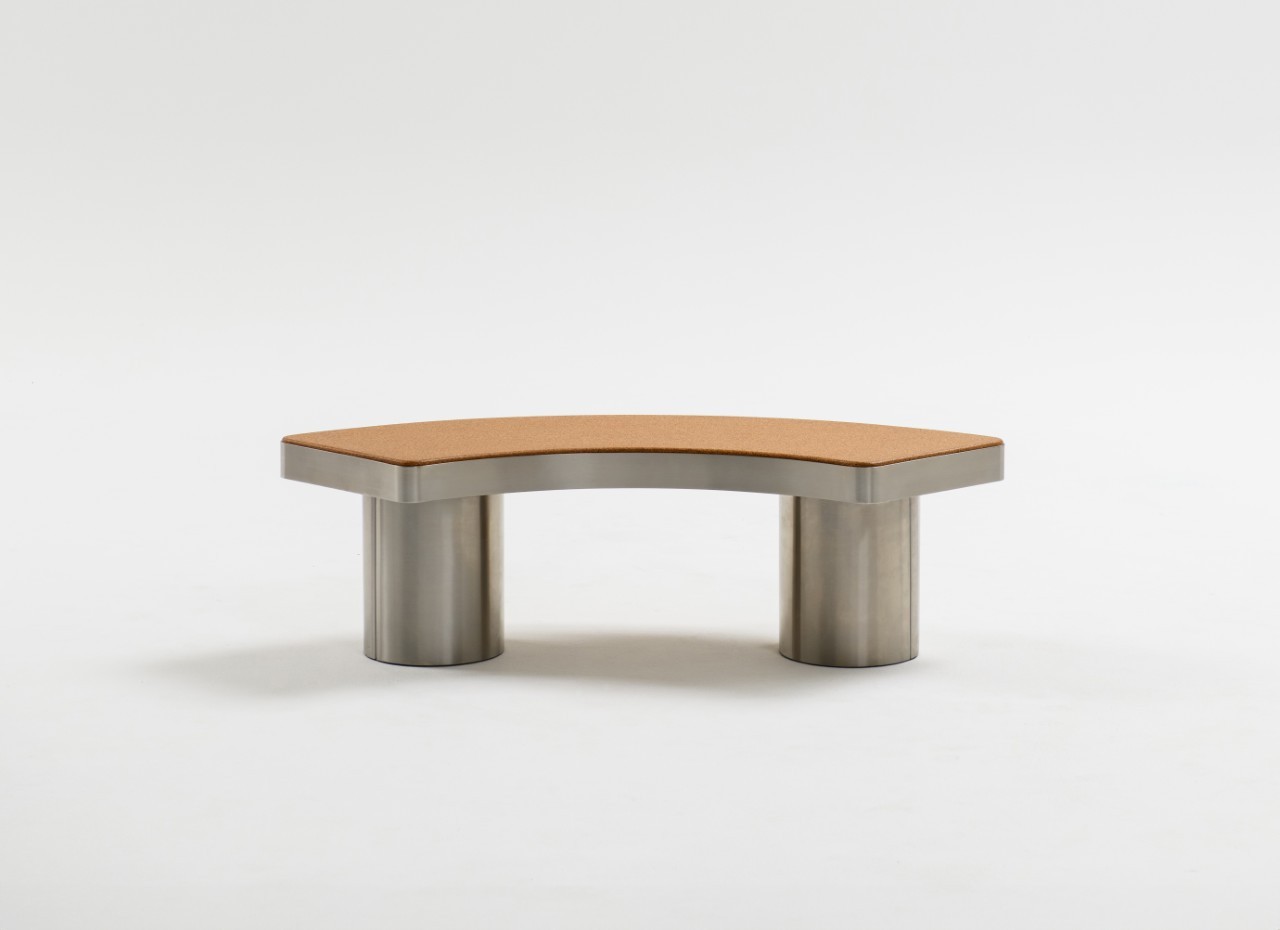
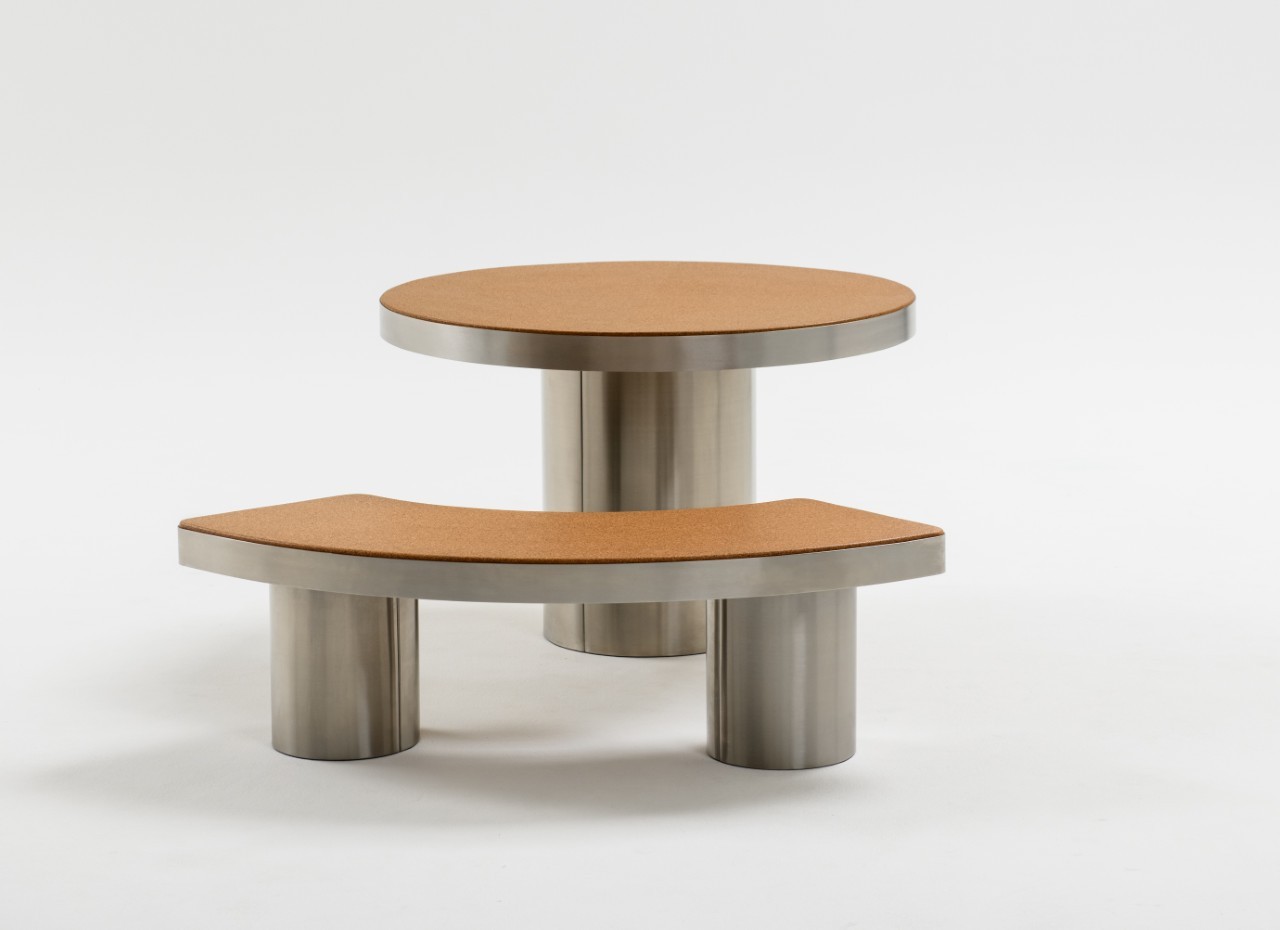
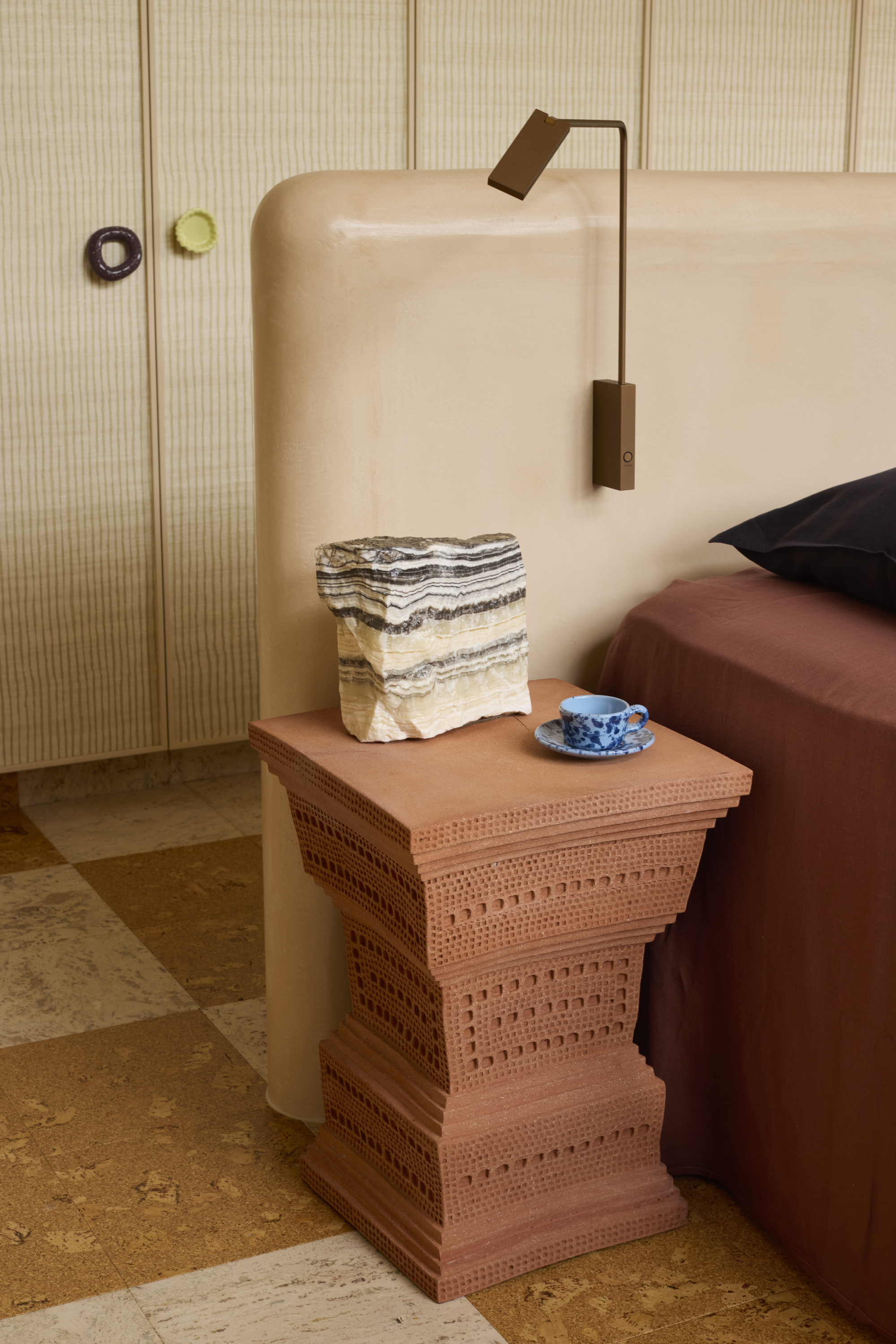
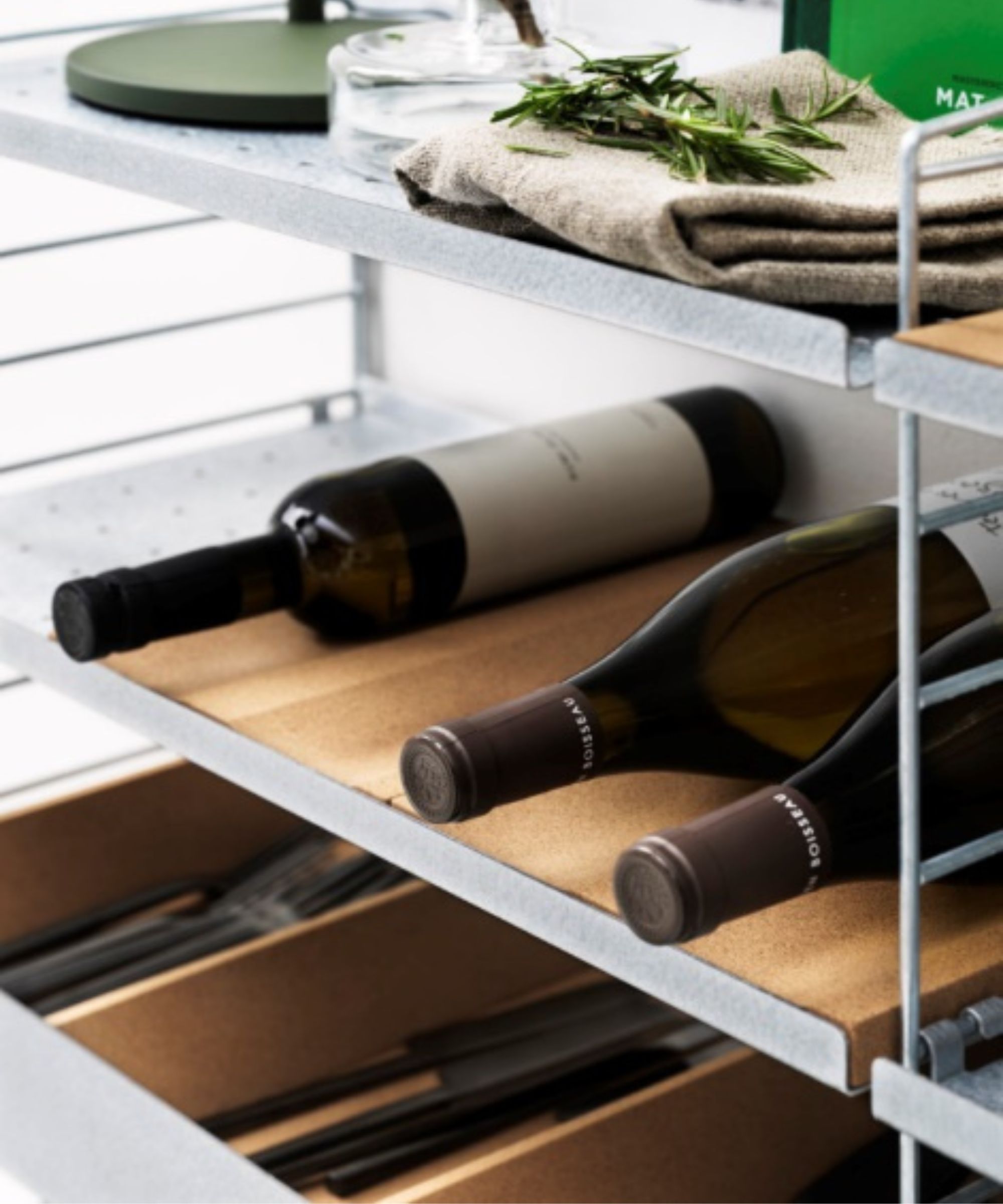
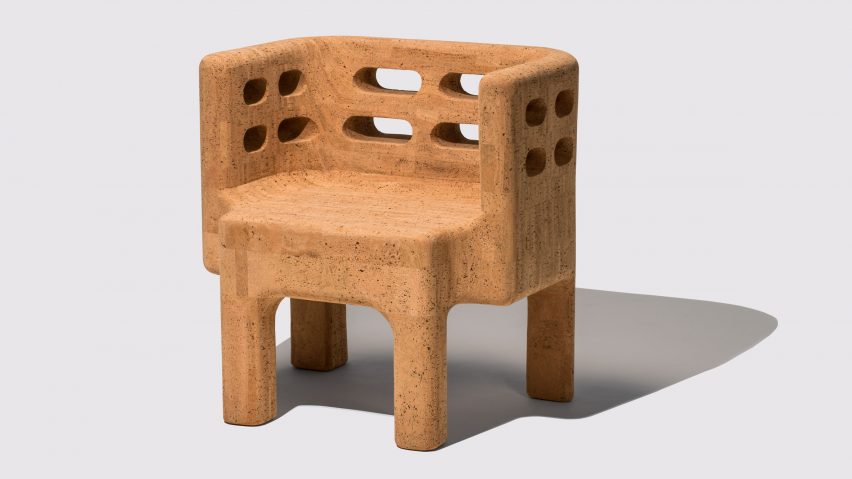
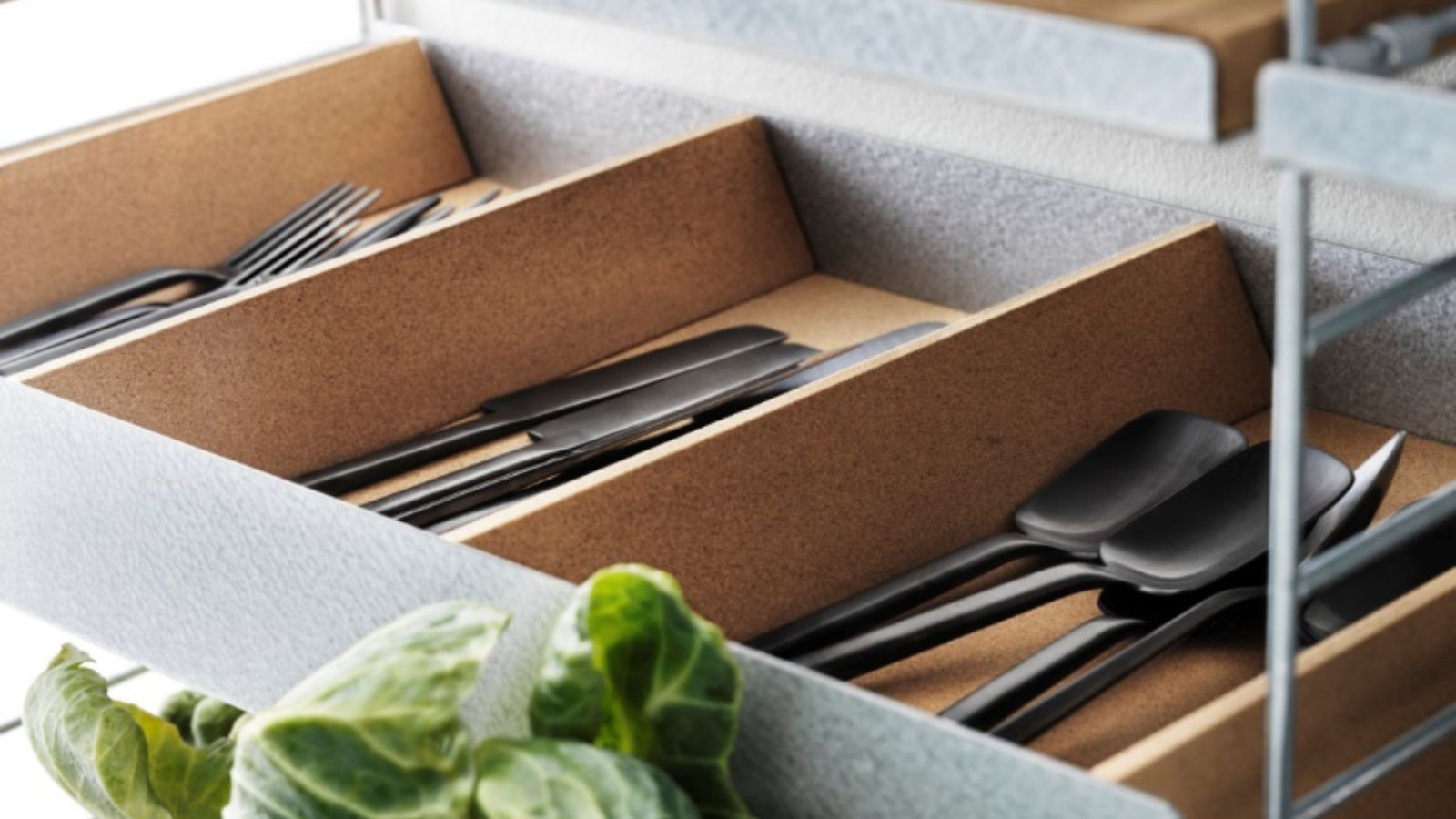
While cork has traditionally been associated with bottle stoppers, Amorim Cork Composites is actively exploring innovative applications for the material. They are developing new composites and products by repurposing cork waste generated during manufacturing. This involves combining cork with other natural materials such as clay, foams, wood, and metal to create a diverse range of items, including tables, kitchen accessories, office supplies, furniture, and lighting. The company notes that these cork-based products are often distinguished by their aesthetic appeal and contemporary design.
Further innovation is seen in Cork Polymer Compounds, which are bio-composites created by blending cork with polymers. These compounds offer the malleability and durability of thermoplastics while retaining the lightness, resilience, and sustainability inherent in cork. Amorim Cork Composites explains that cork's low density can reduce the volume of plastic consumed by up to 60 percent, positioning these compounds as a more sustainable alternative to entirely plastic-based materials.
To foster further development and collaboration, Amorim Cork Composites established the ACC Design Studio last year. This studio serves as a creative hub dedicated to exploring new innovative materials and concepts derived from cork. It facilitates partnerships with designers, architects, and brands, providing them with continuous technical support throughout their projects. This initiative underscores the company's commitment to pushing the boundaries of cork's utility and promoting its sustainable applications in design and architecture.
#CorkDesign #SustainableMaterials #CarbonFootprintReduction #ArchitecturalInnovation #ProductDesign #RenewableResources #BioComposites #MaterialVersatility #CorkDesign #SustainableMaterials #CarbonFootprintReduction #ArchitecturalInnovation #ProductDesign #RenewableResources #BioComposites #MaterialVersatility
0 Kommentare insgesamt
 Noch keine Kommentare
Das könnte Ihnen auch gefallen
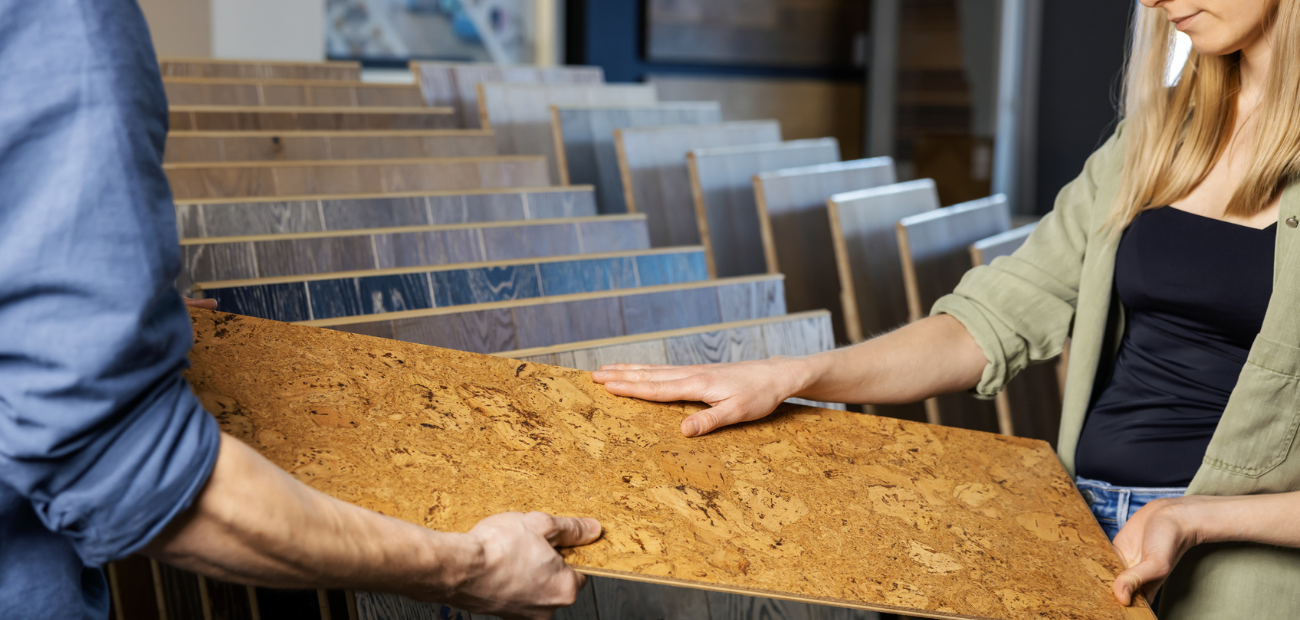
Sustainable Material Spotlight: Cork
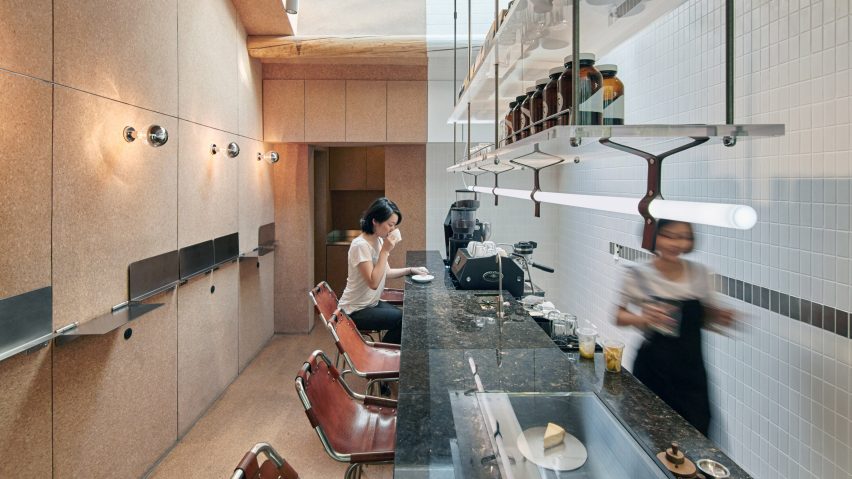
Ten interiors with textured cork-covered walls
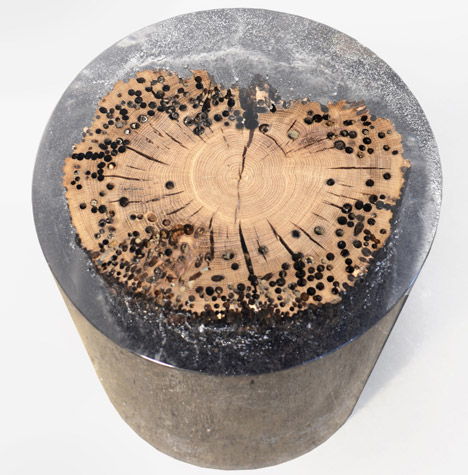
Alcarol traps natural materials in resin to form New Visions furniture collection

Emma Chamberlain's LA bathroom uses a unique material choice to master mid-century modern

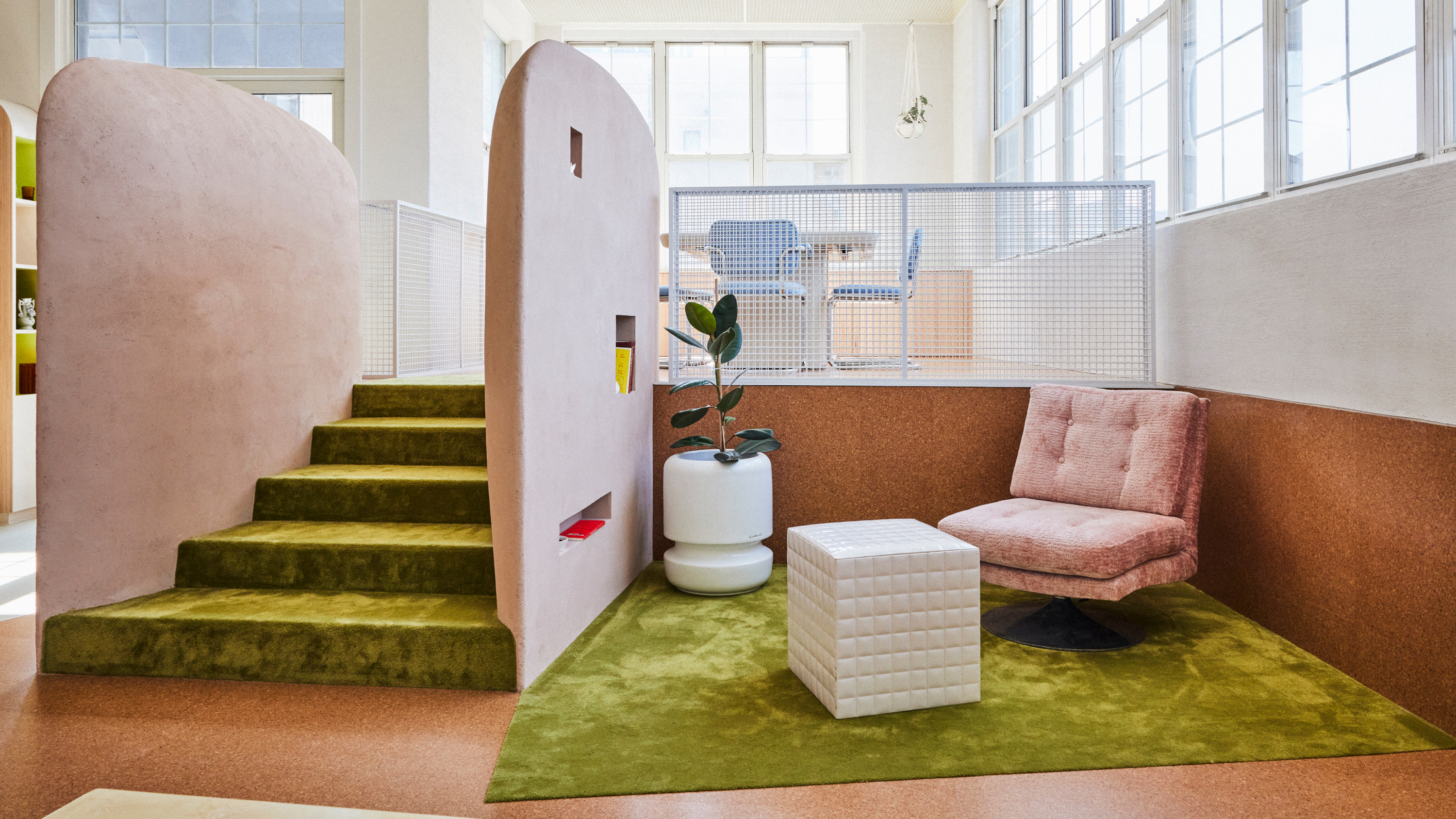
Designers Are Loving Cork for Textured, Planet-Friendly Schemes – These 6 Homes Nail the Look

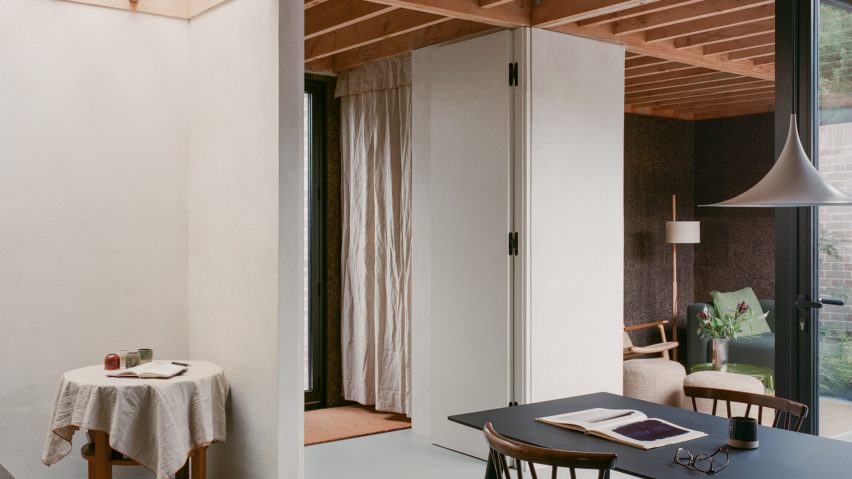
Polysmiths designs "beautifully sustainable" London house featuring cork-lined living spaces
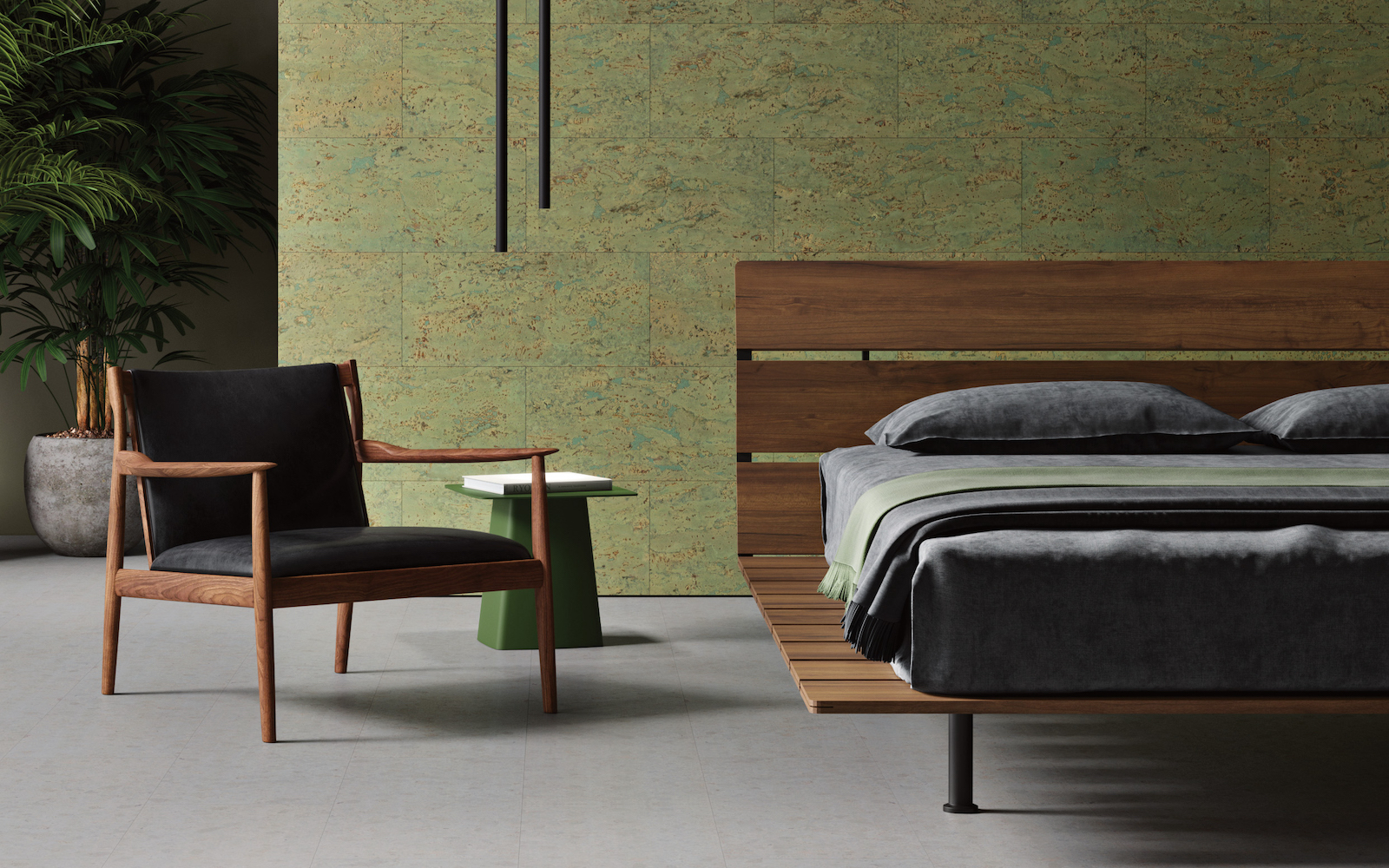
Cork flooring – is this the future?
I Tried Cork Tiles to Achieve Warm Texture in a Dark Space

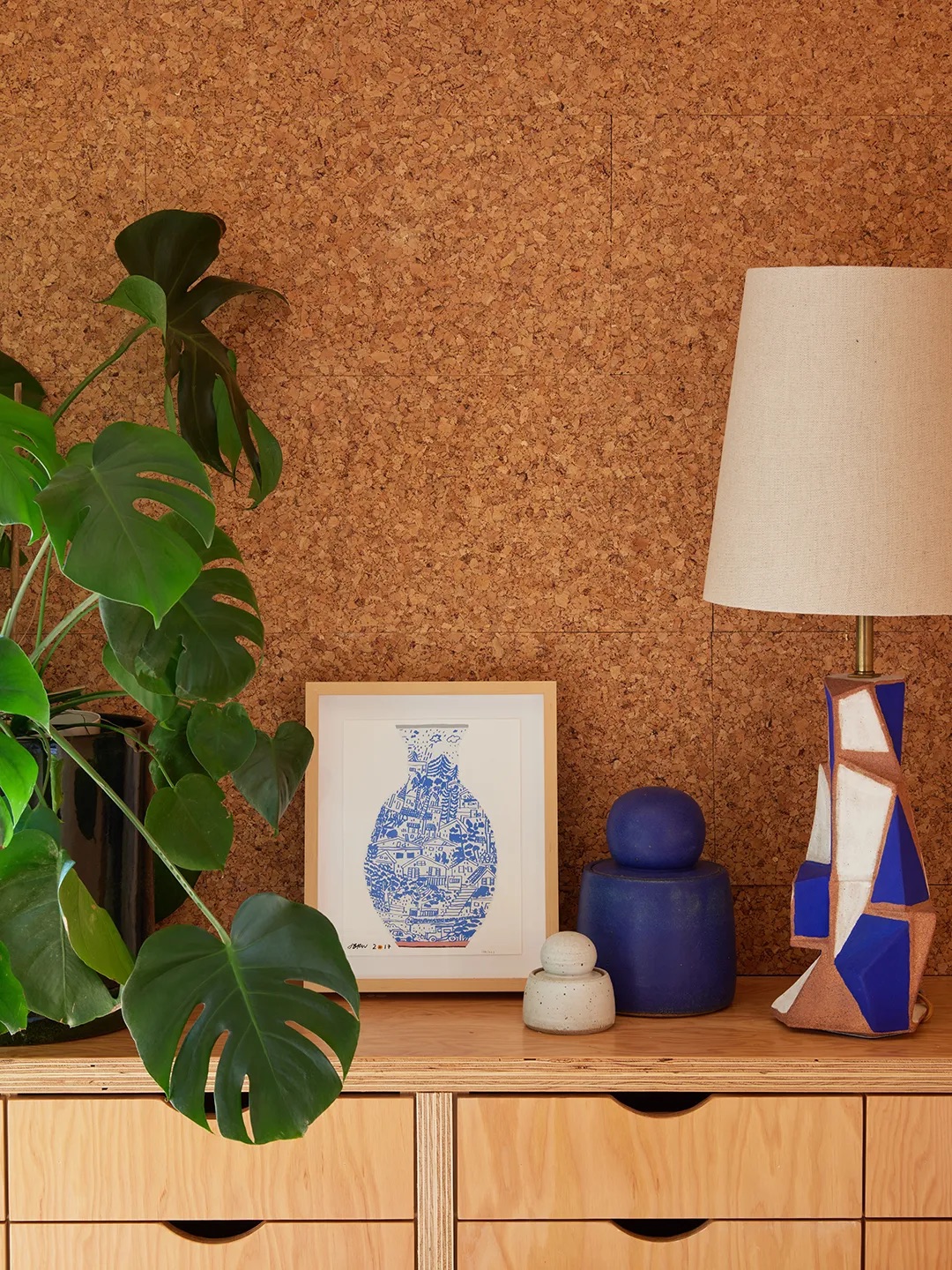
Floors, Walls, Furniture—Cork Has Come a Long Way From Basic Office Pinboards

Custom Modern Furnishings by Submaterial Studio
New Wool Felt and Cork Wall Coverings from Submaterial
Atlas Concorde opens the door to LOG

Product watch: make more of your walls with Modular by Granorte

A new life with composites

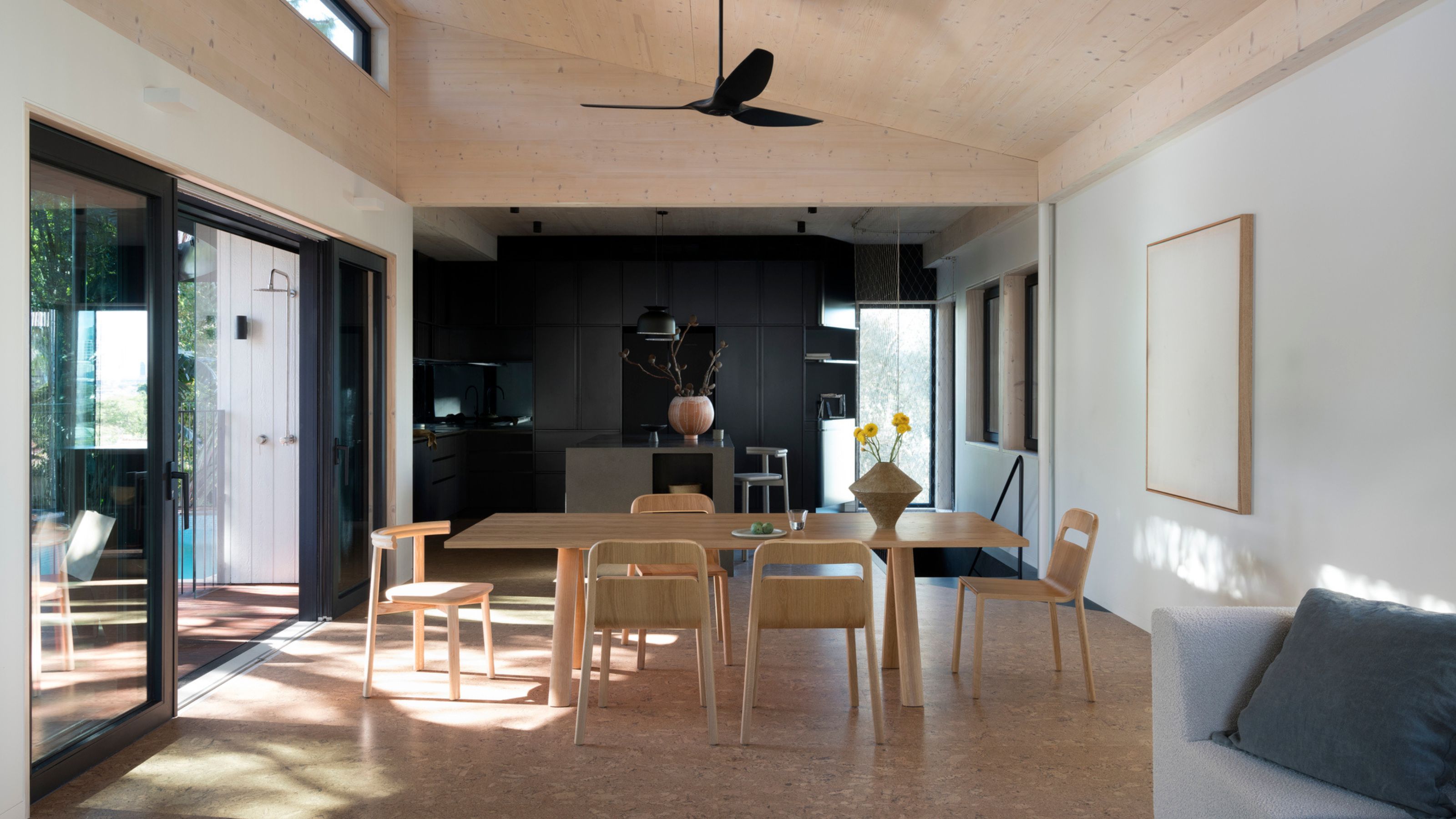
I've Fallen for Cork Flooring — The Trending Surface With Both Style and Sustainability Cred
These Textural Wall Creations Will Have You Asking “Can I Touch That?”
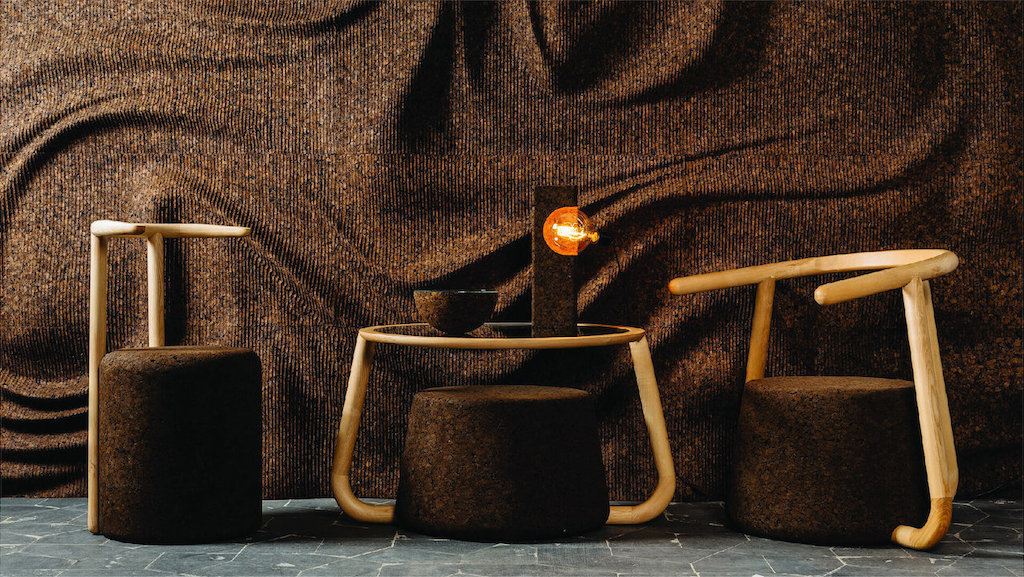
A new vision for cork, that is attractive and utilizes contemporary digital designs

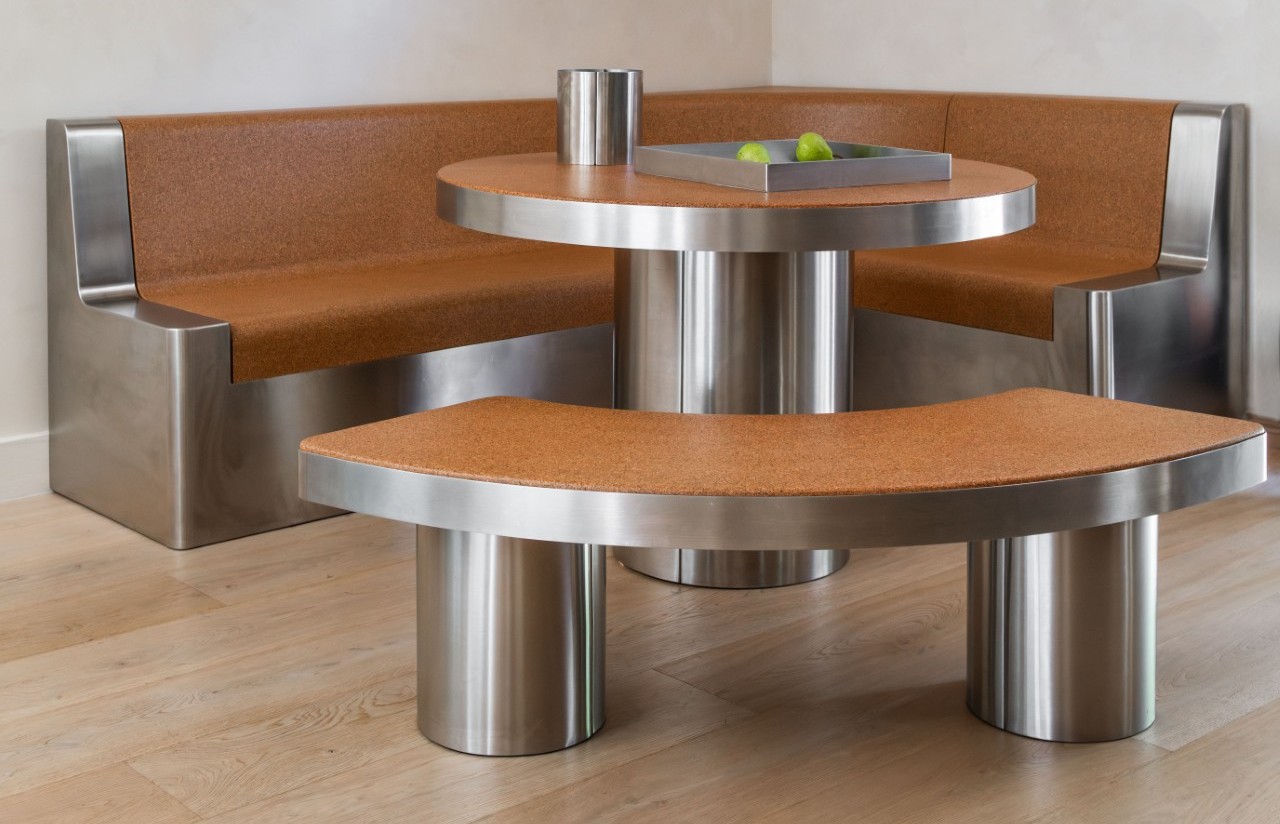
Cork Meets Chrome in Studio AHEAD’s Futuristic Furniture Collection
Prioritizing Comfort in Interiors: Nature-inspired Floors Made of Wood and Cork

How to clean cork – 5 expert cleaning tips to keep surfaces spotless