1/8
7 Ways to Bring Maine Cottage Style into Your Home
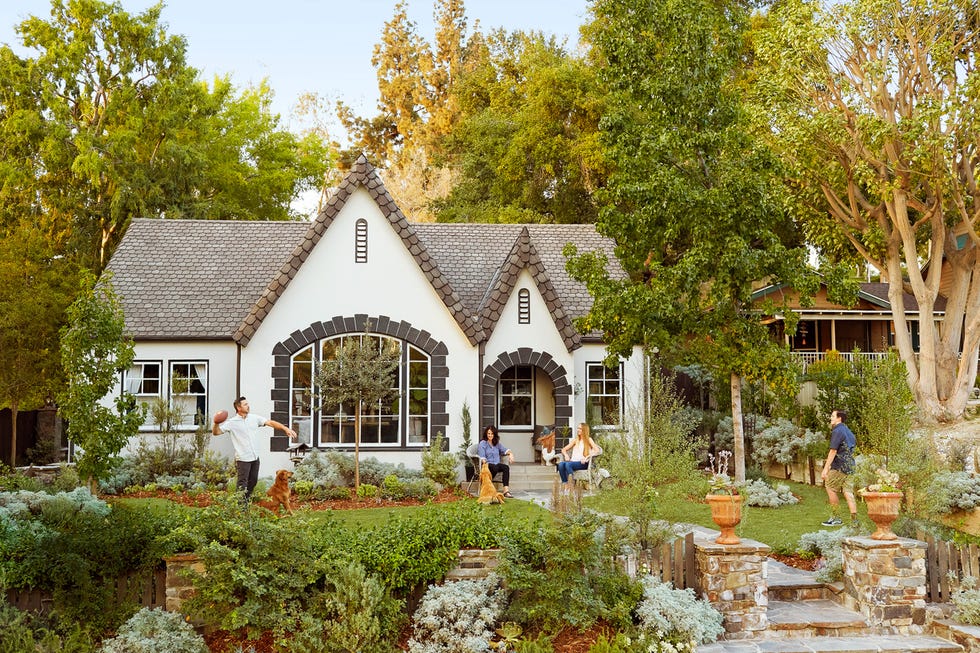
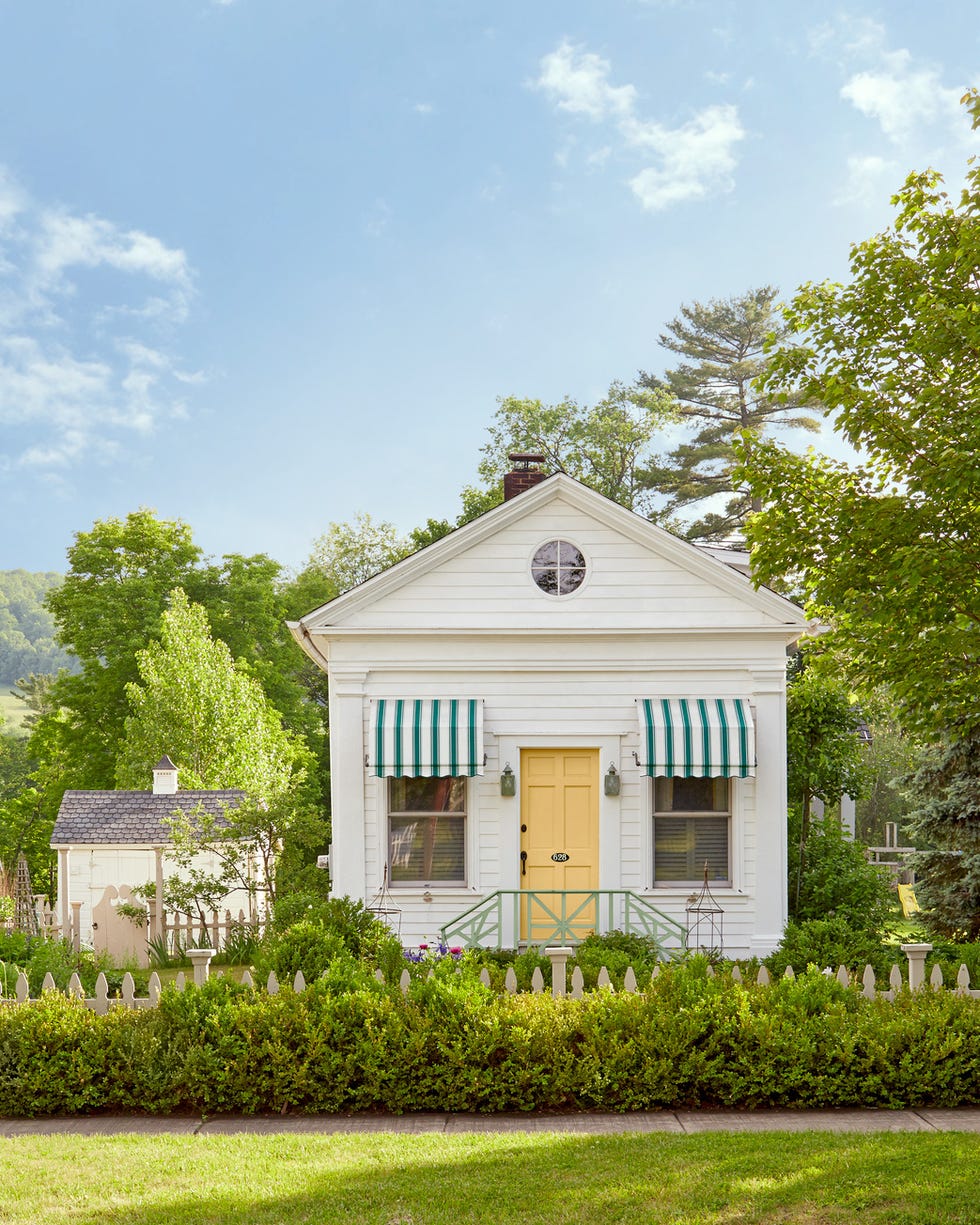
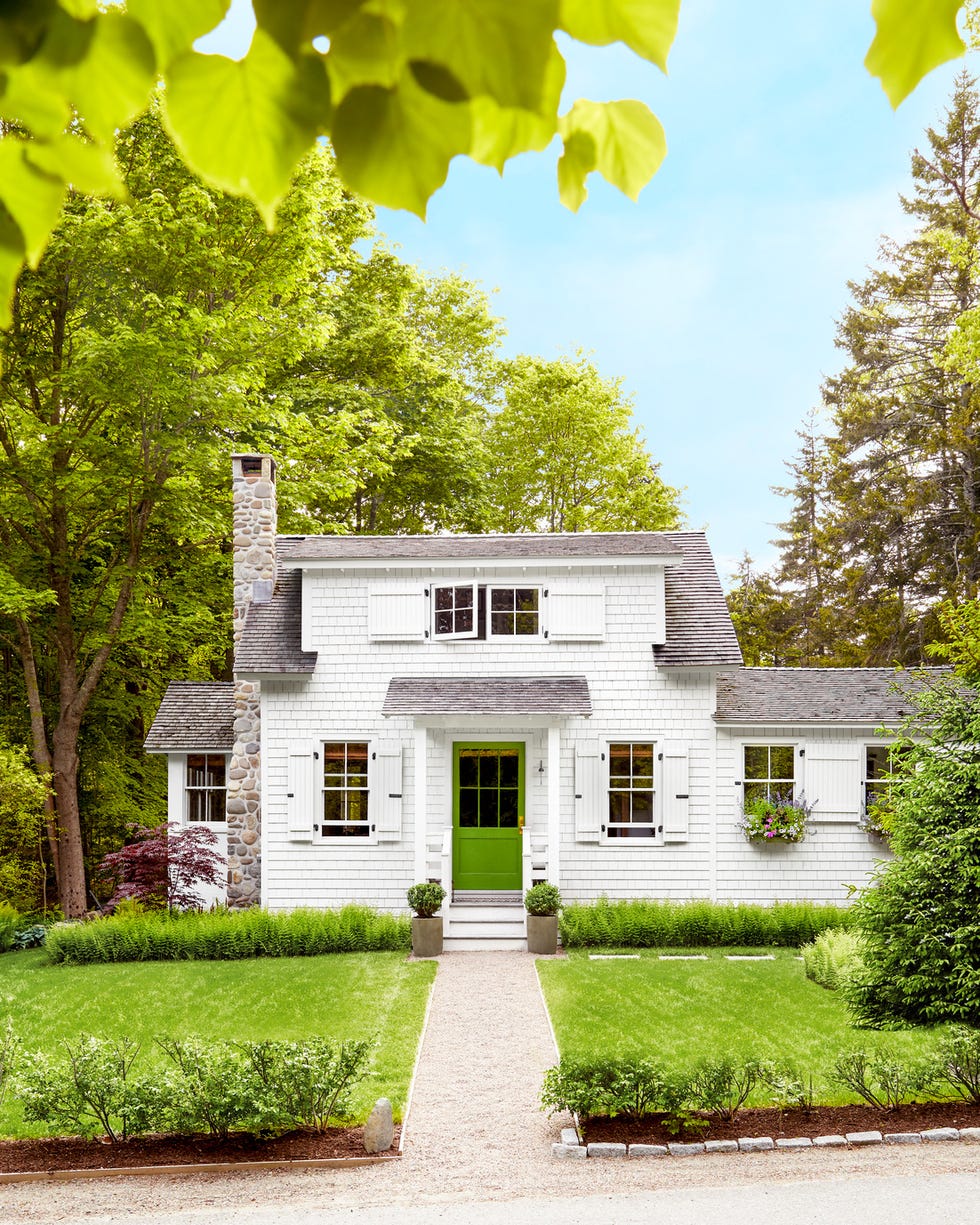
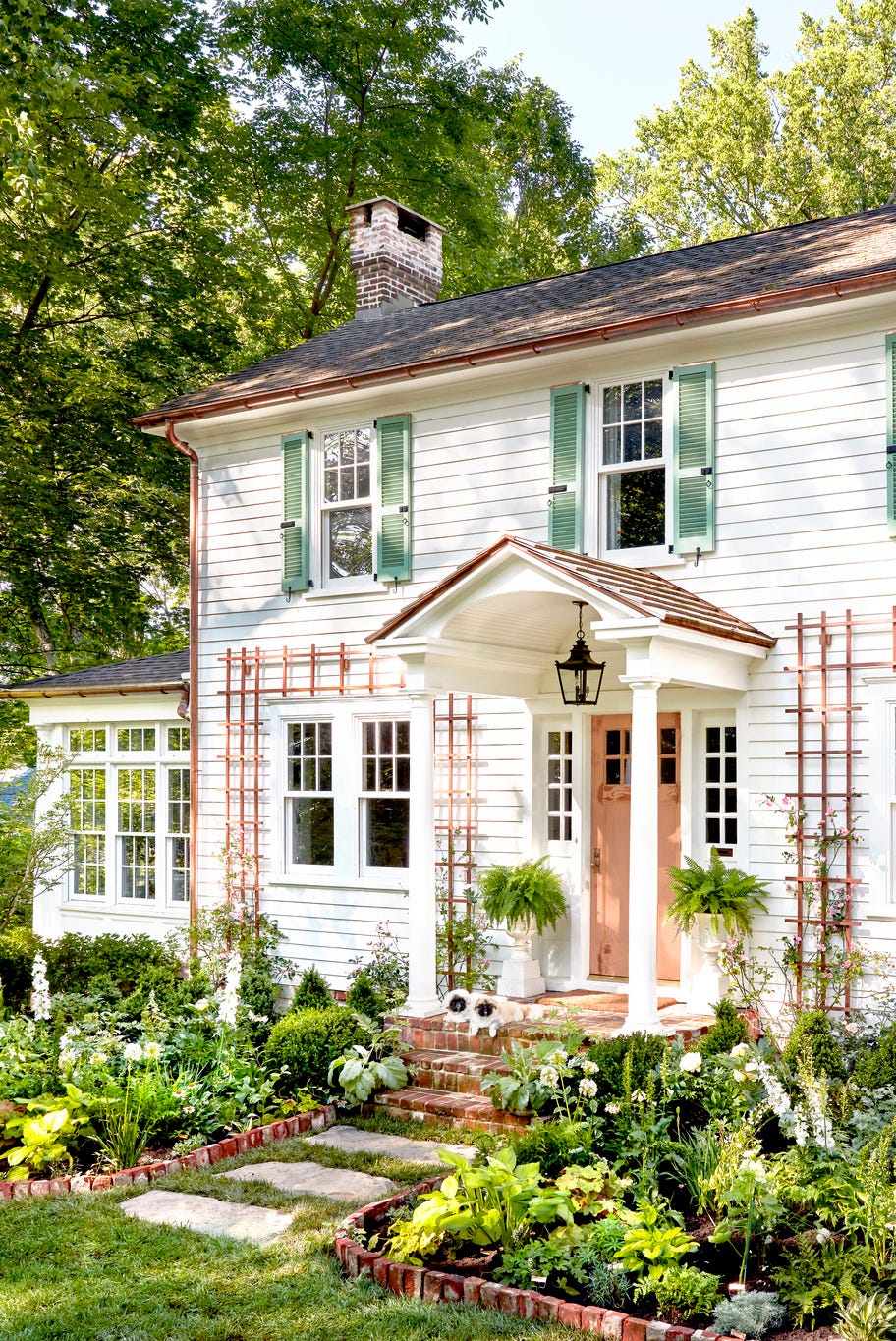
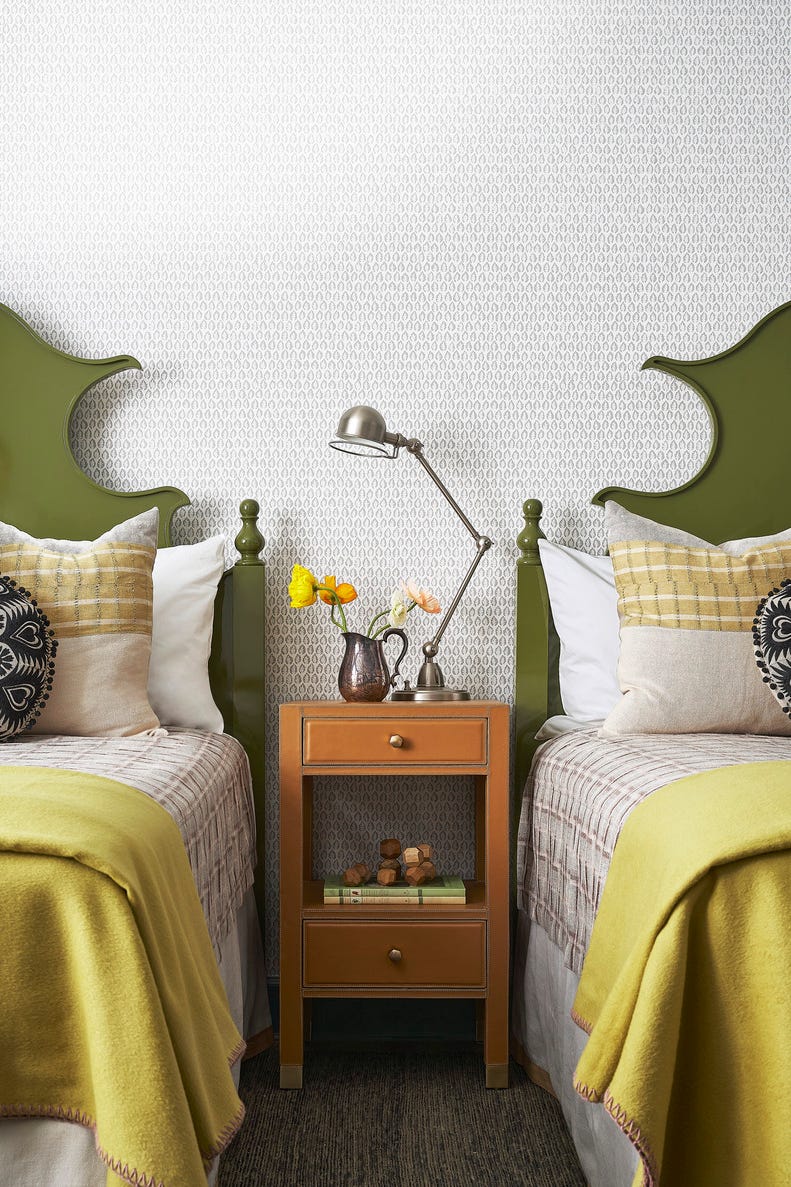
A new design book, "The Maine House," by photographer Maura McEvoy, art director Basha Burwell, and writer Kathleen Hackett, explores the distinctive and romantic aesthetic of homes in Maine. These houses range from old fishing shacks to pastoral farmhouses and cliffside retreats, showcasing a unique blend of quirkiness and charm. The book highlights the details that define Maine's home decoration, such as specific regional elements, curated collections, and practical approaches to living spaces. The authors emphasize that while not everyone can move to Maine, the characteristic style can be adopted anywhere.
Kathleen Hackett identifies several core elements of Maine home design, initially listing features like clapboard siding, cedar shingles, painted furniture and floors, open shelves, farm sinks, cast-iron stoves, and beadboard. However, she clarifies that the true essence of Maine style lies deeper, in a "fierce individuality" and a practical, uncluttered approach to beauty. The article then outlines seven principles for incorporating this classic Maine aesthetic into any home.
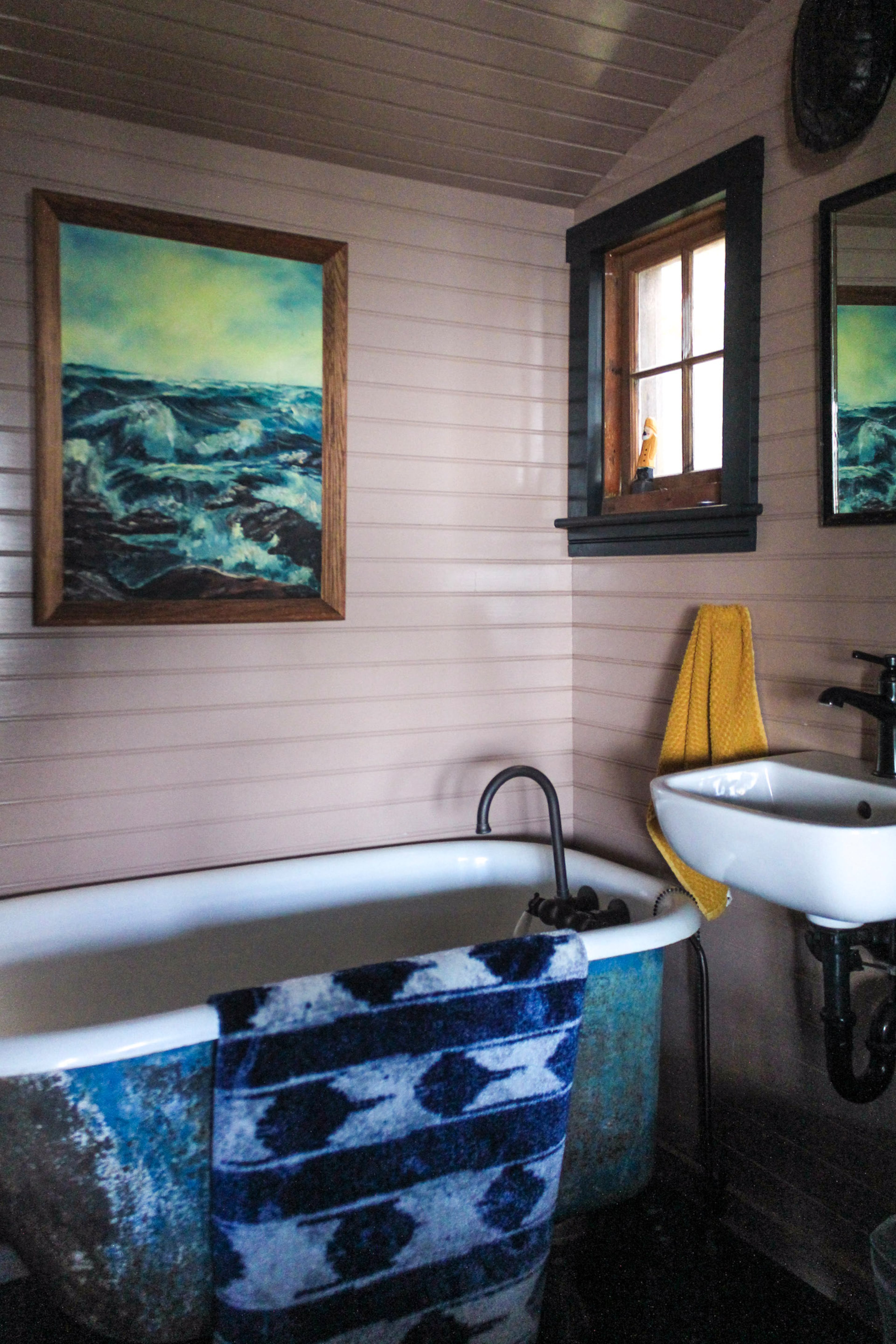
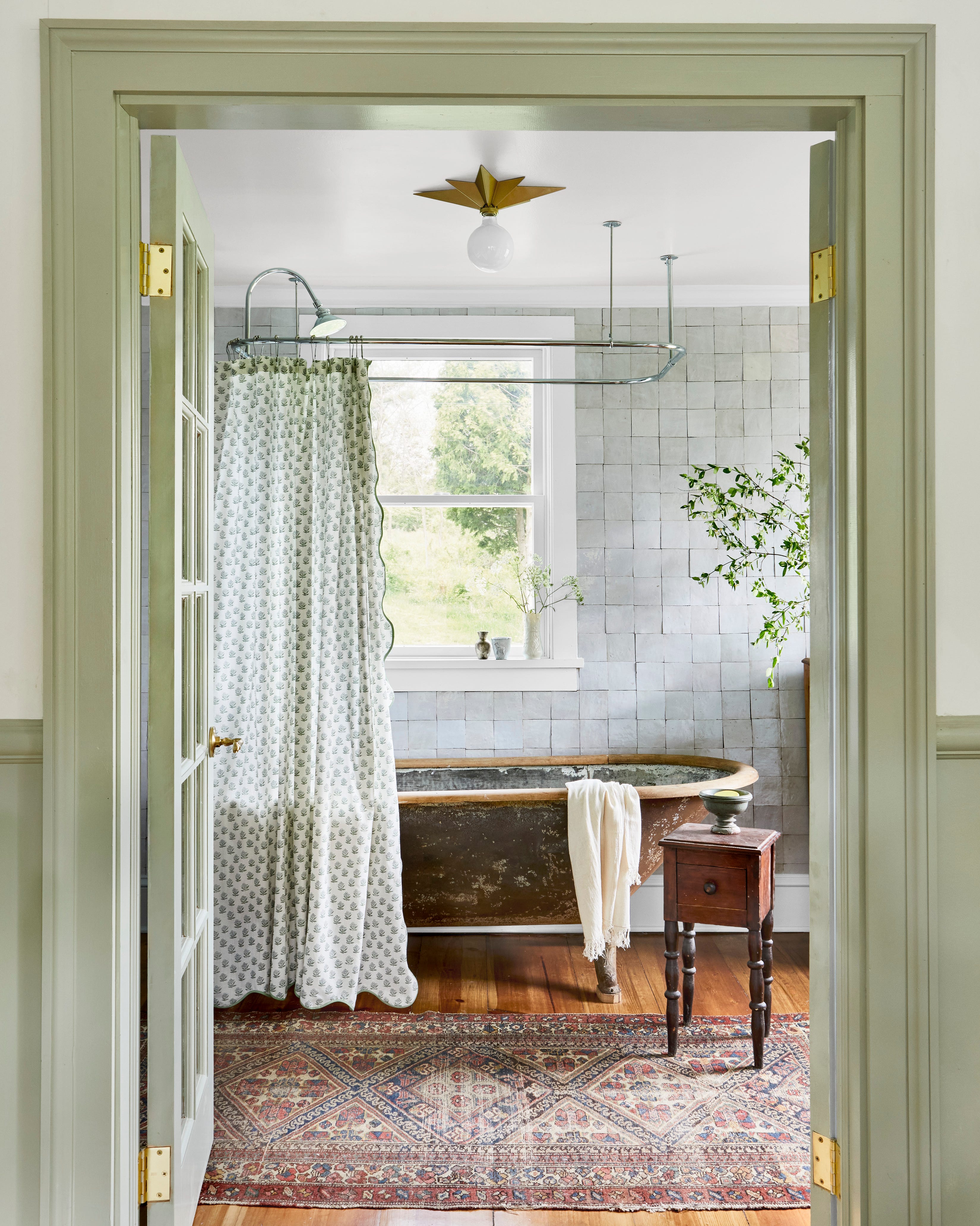
Firstly, integrating nature into design is crucial. Maine's abundant natural beauty provides inspiration for colors, views, and decorative elements. This can involve simple acts like gathering shells, rocks, or feathers for display, or framing natural elements like leaves, as Hackett has done in her own home. The second principle encourages creating a narrative within the home. True Maine houses, according to Hackett, are not professionally decorated but evolve over a lifetime, with inhabitants continuously adding to their spaces rather than redoing them. This organic accumulation results in a deeply personal and storied environment.
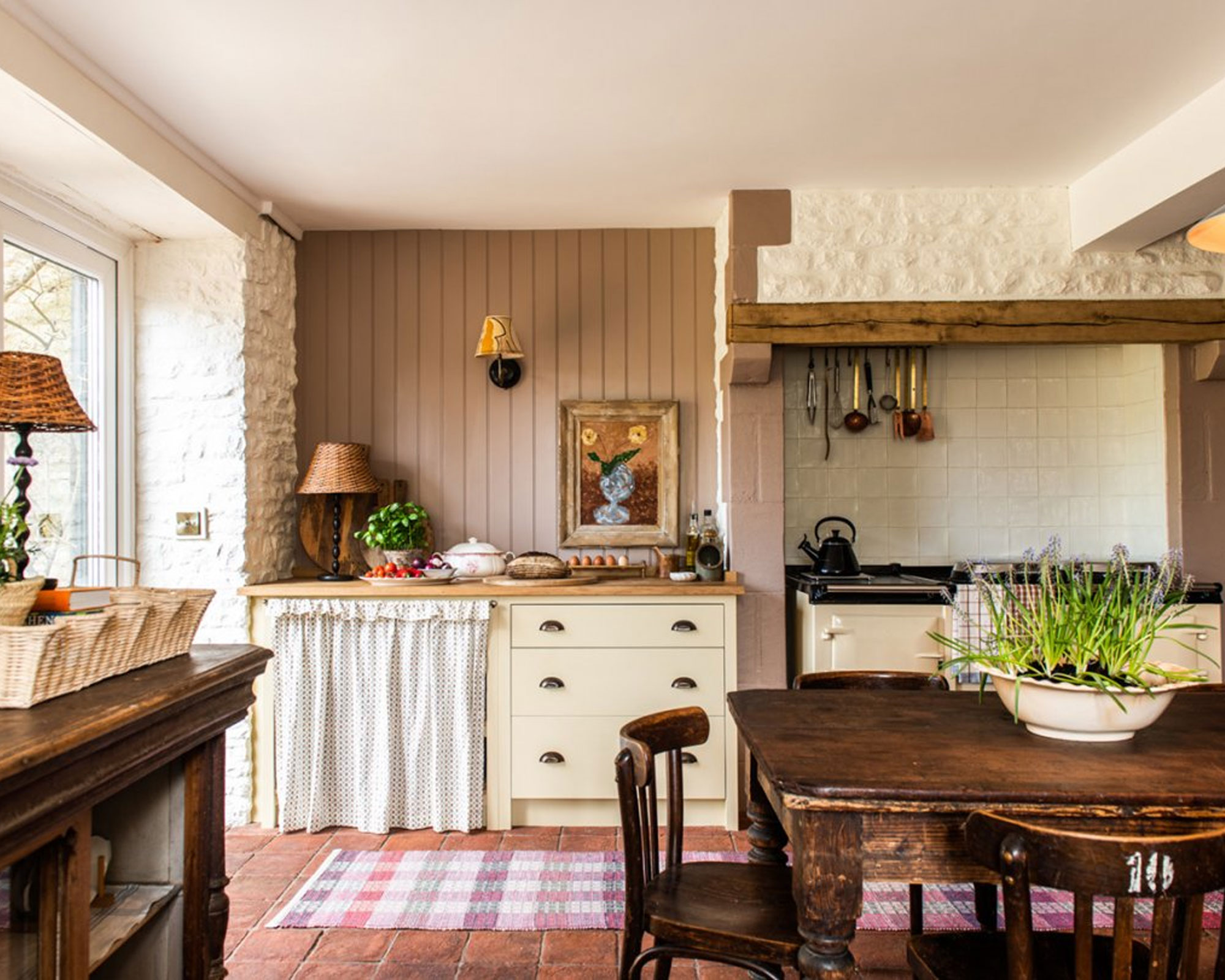
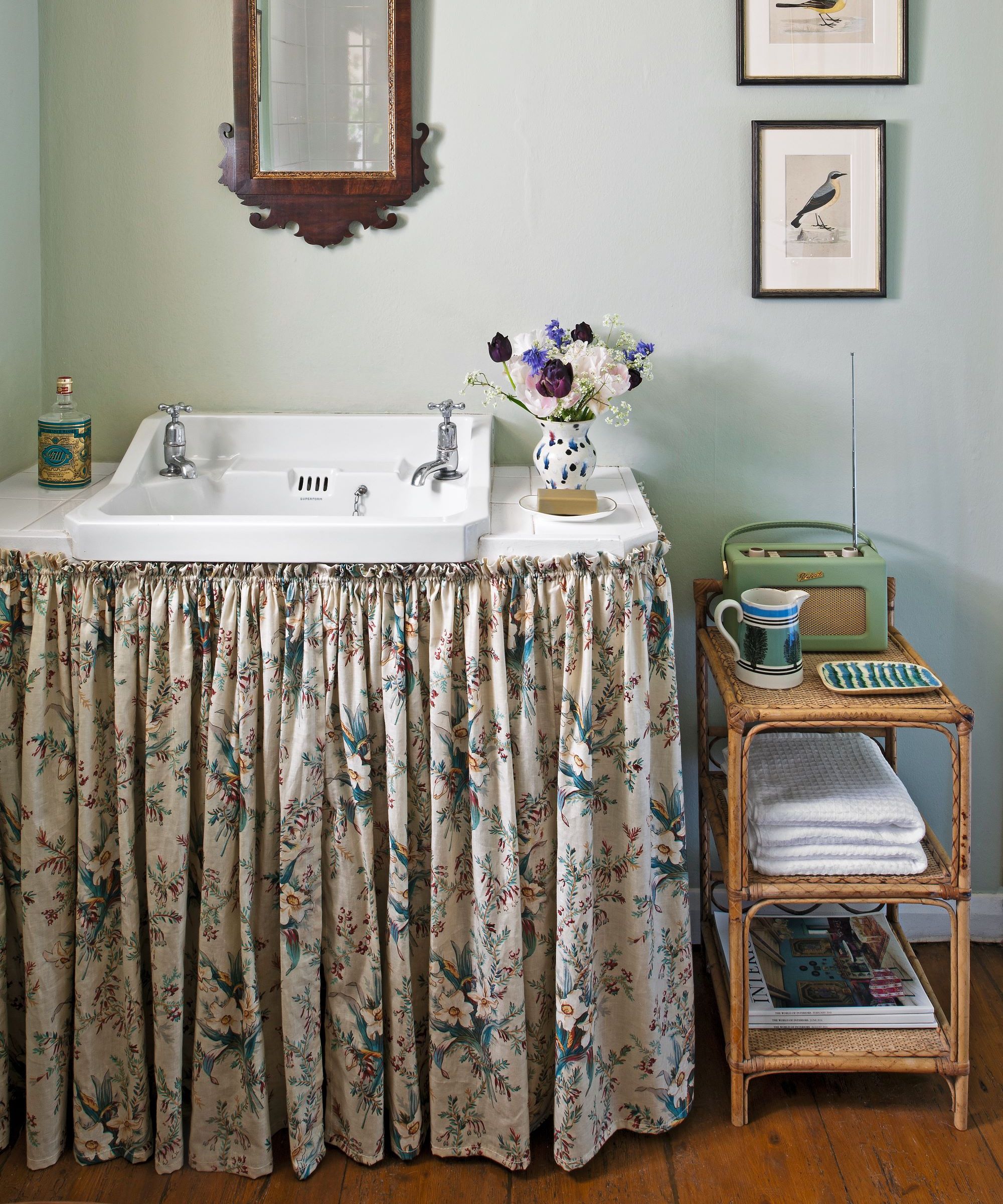
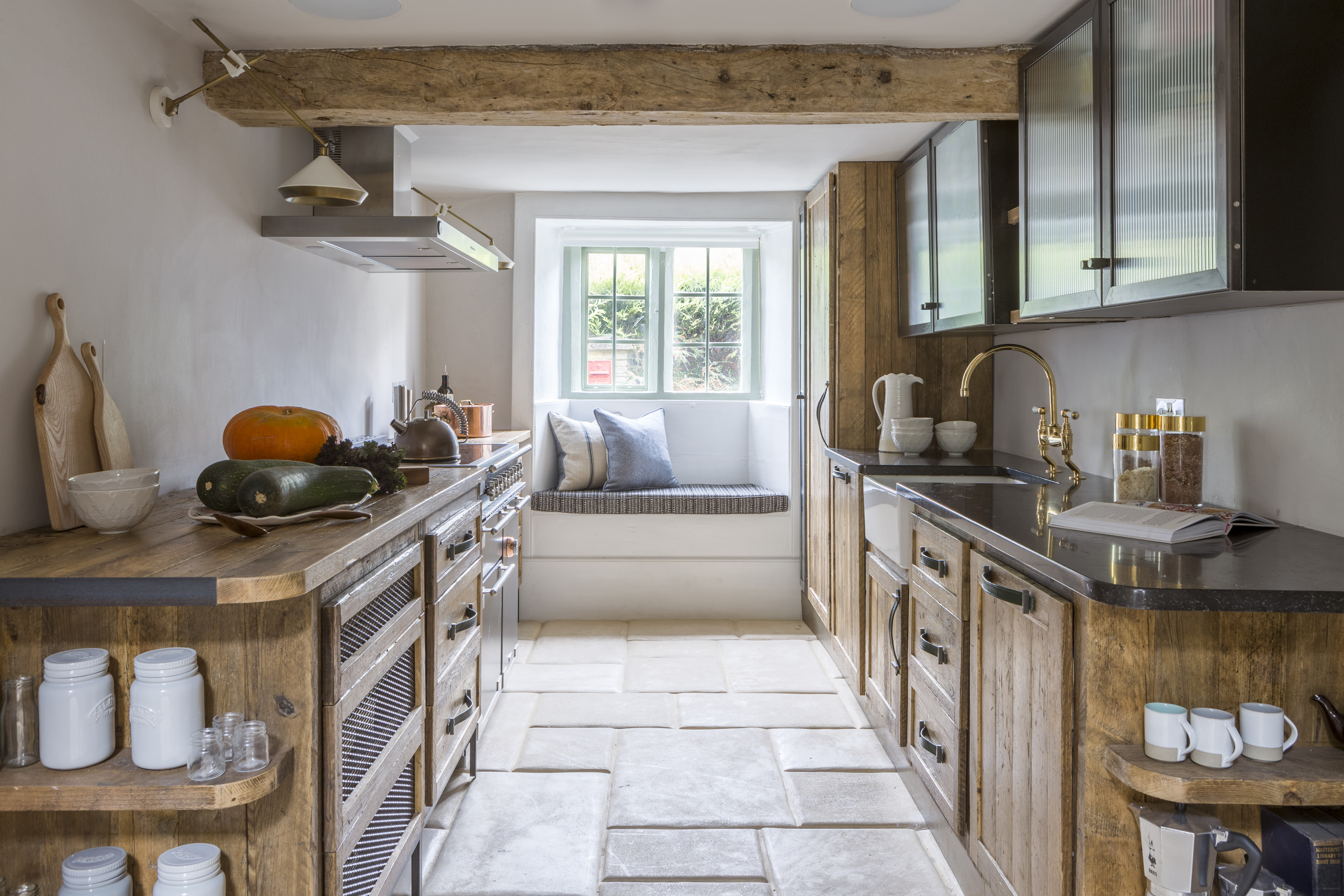
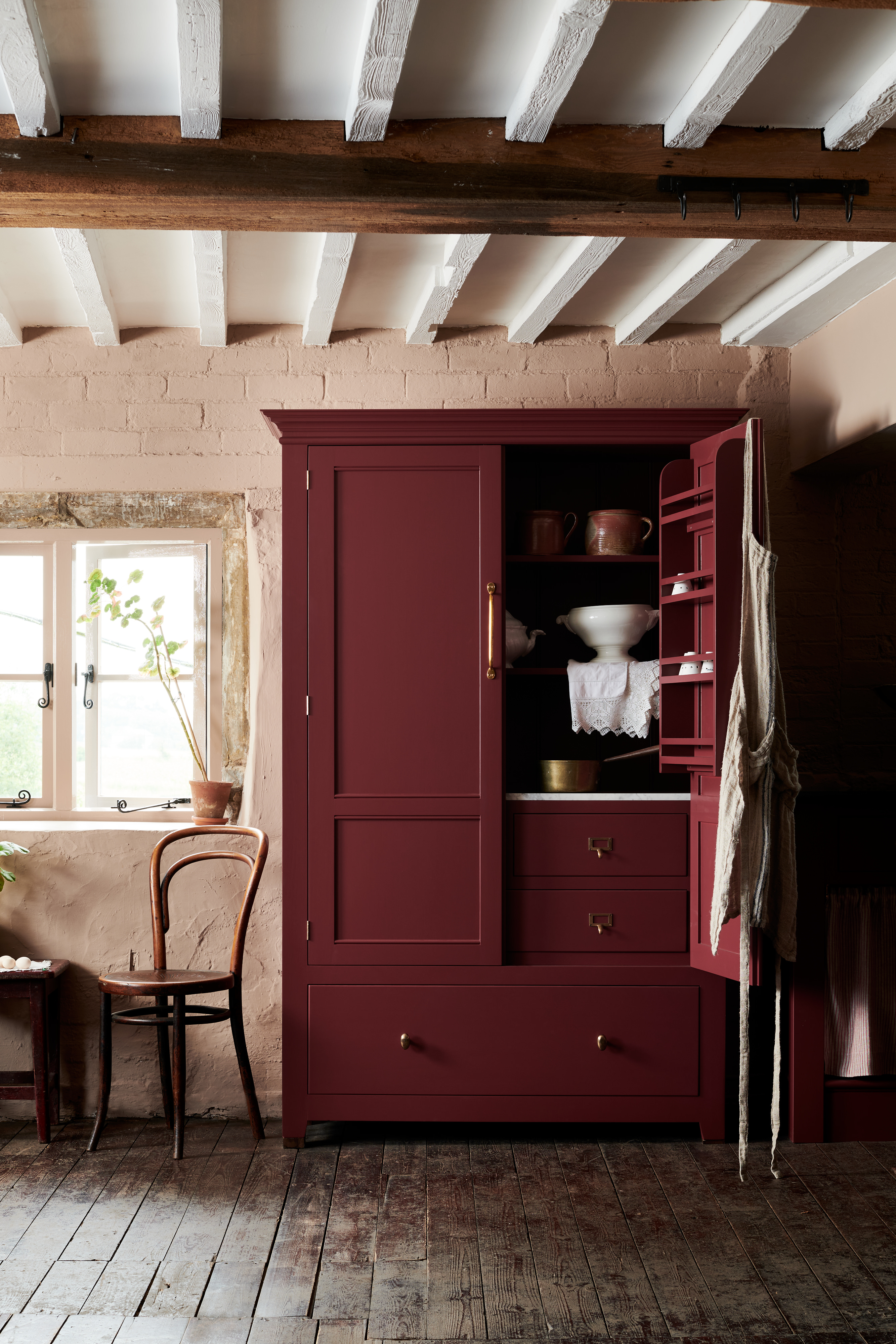
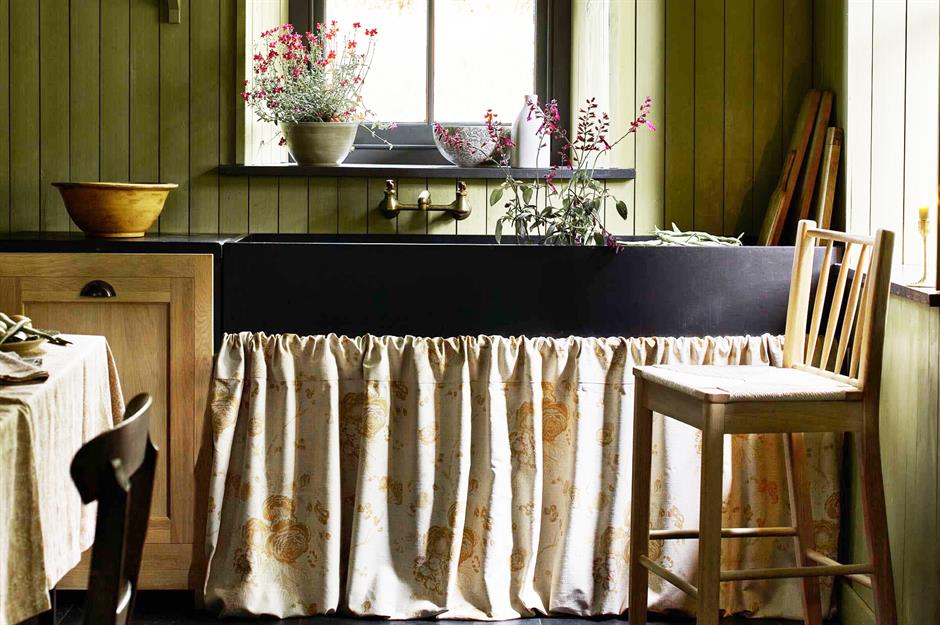
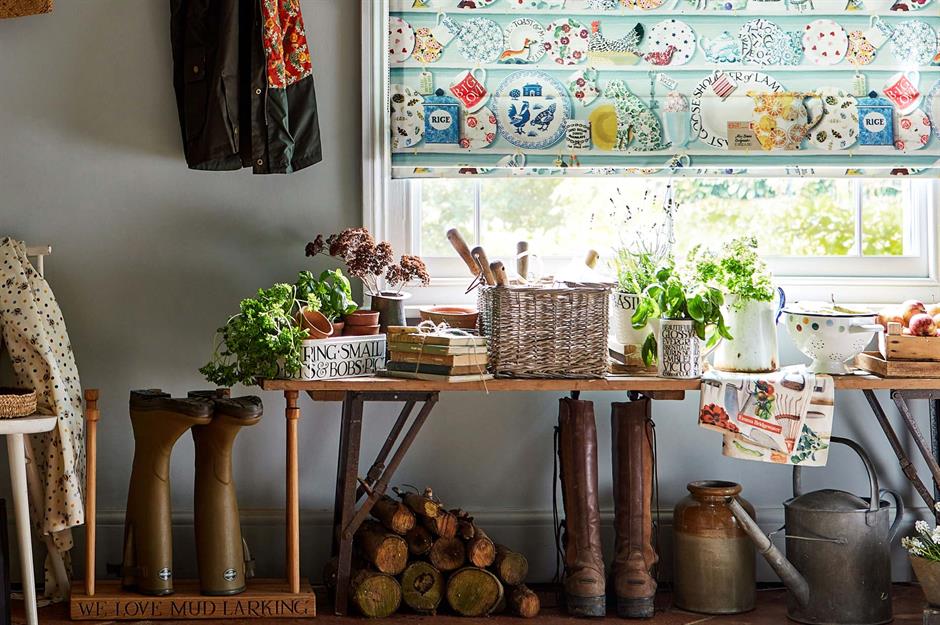
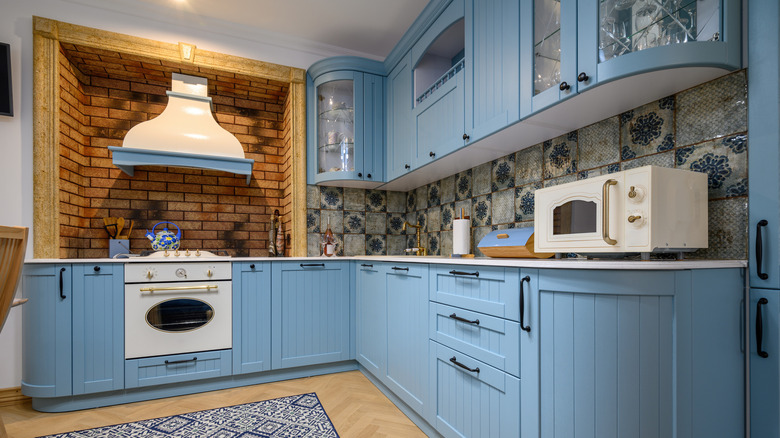
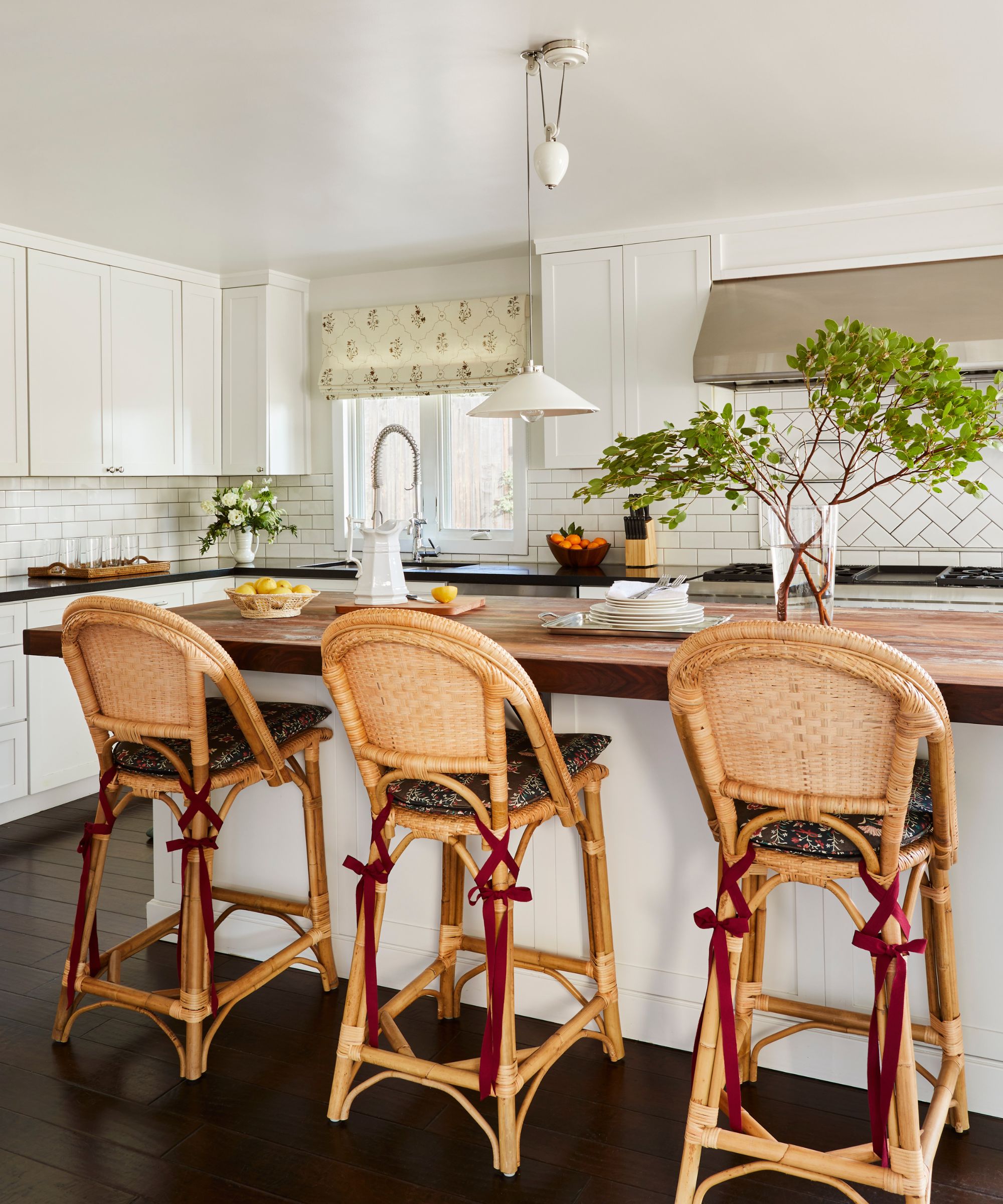
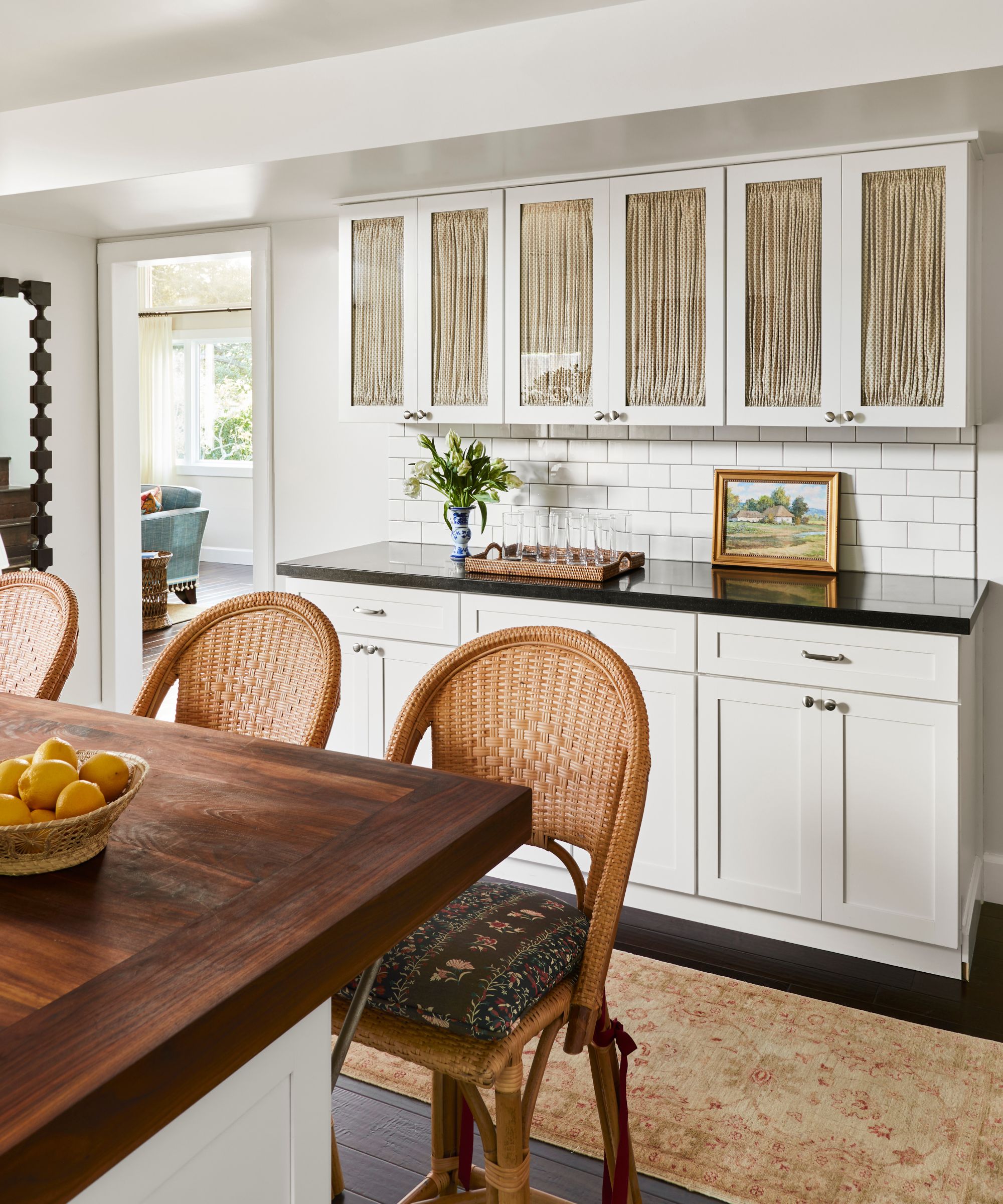
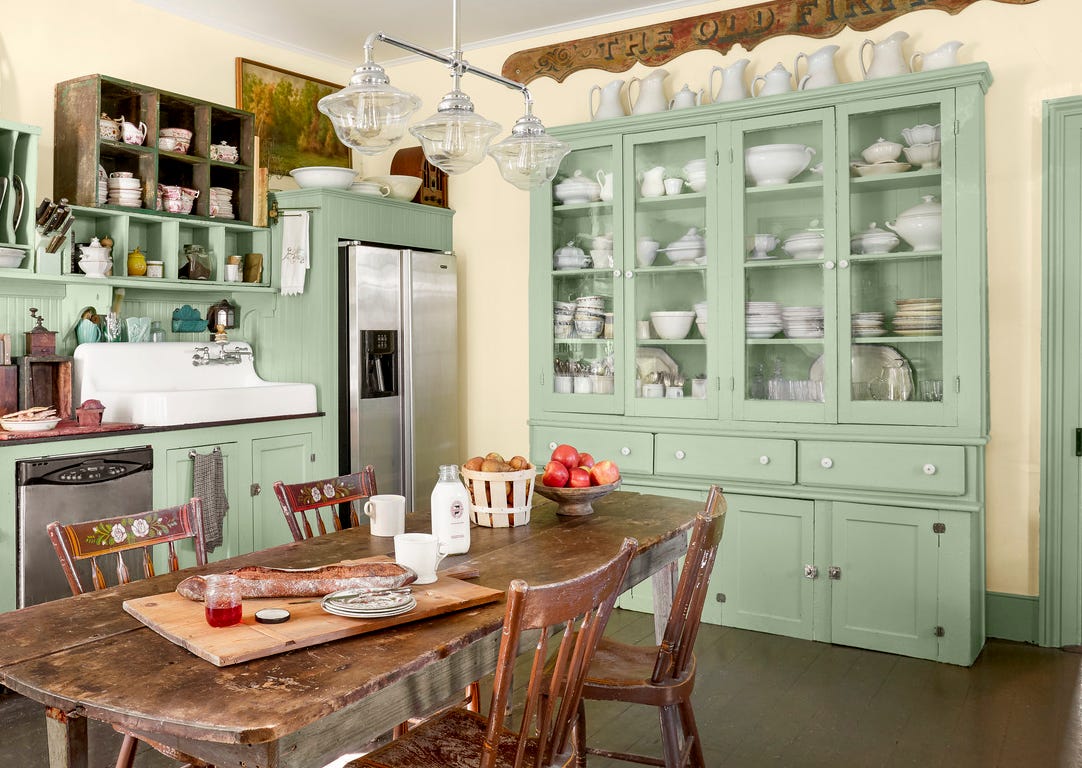
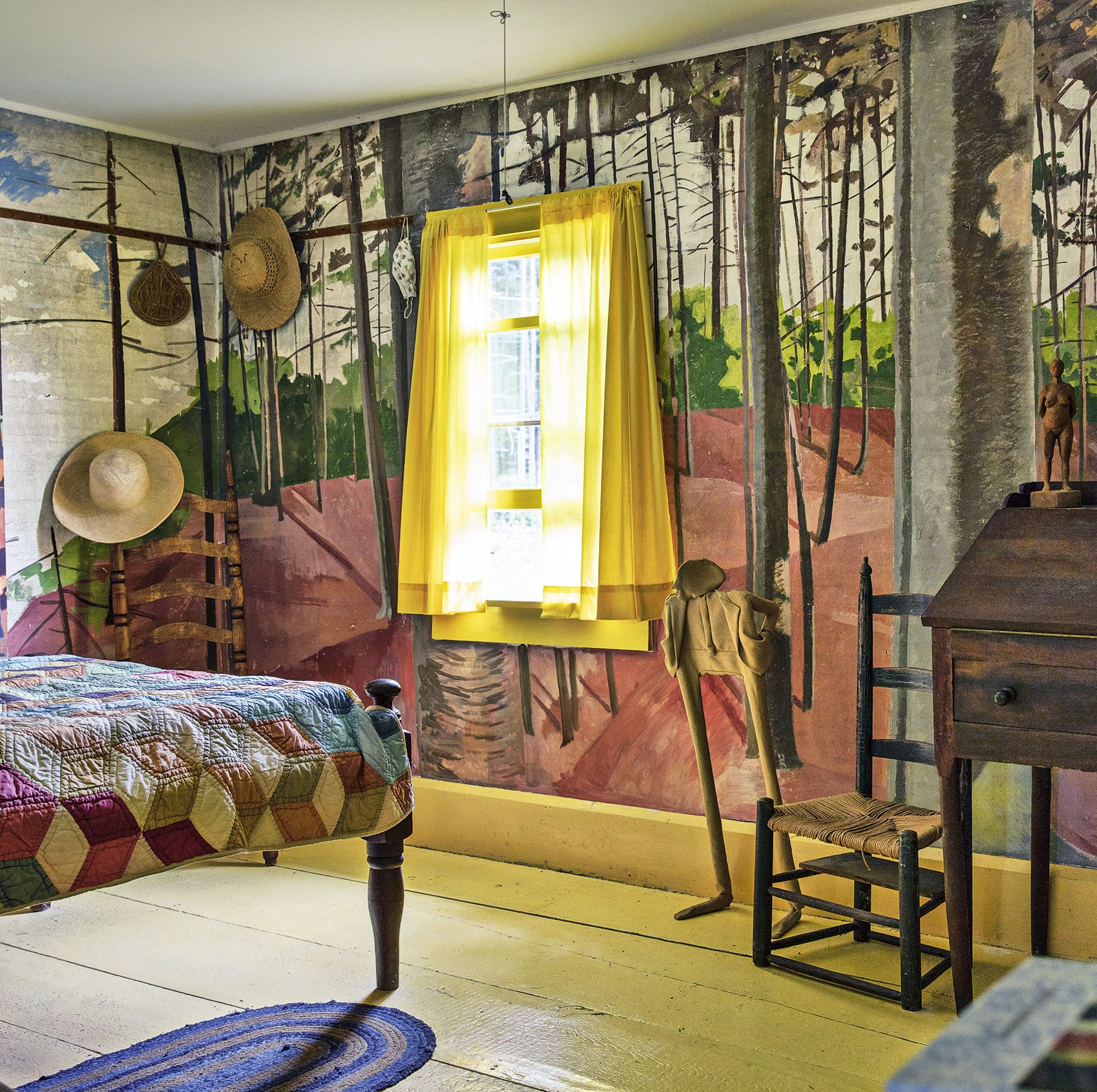
Embracing practicality is the third tenet. This reflects a "Yankee thrift" mindset, where utility and function take precedence over mere aesthetics. The example of artist Lois Dodd, who transformed dried glue on her kitchen floor into an artistic drip-paint design rather than covering it, illustrates this functional and unfussy approach. The fourth principle suggests cobbling together a kitchen, rejecting state-of-the-art custom designs in favor of a mix-and-match, built-over-time character. This might involve hanging baskets, using an old shopkeeper's table as a chopping block, or even using dish towels as cabinet fronts, emphasizing frugality.
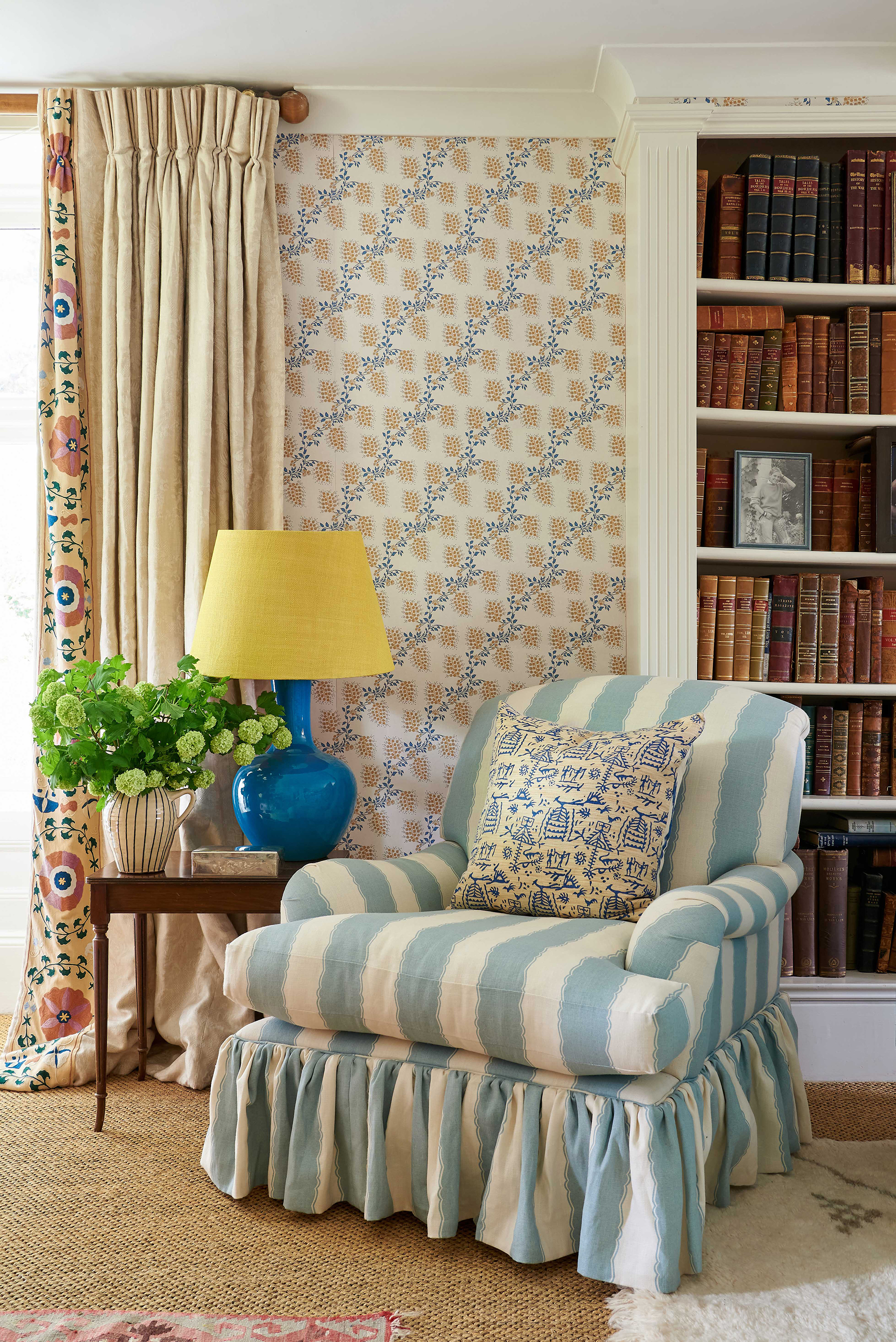
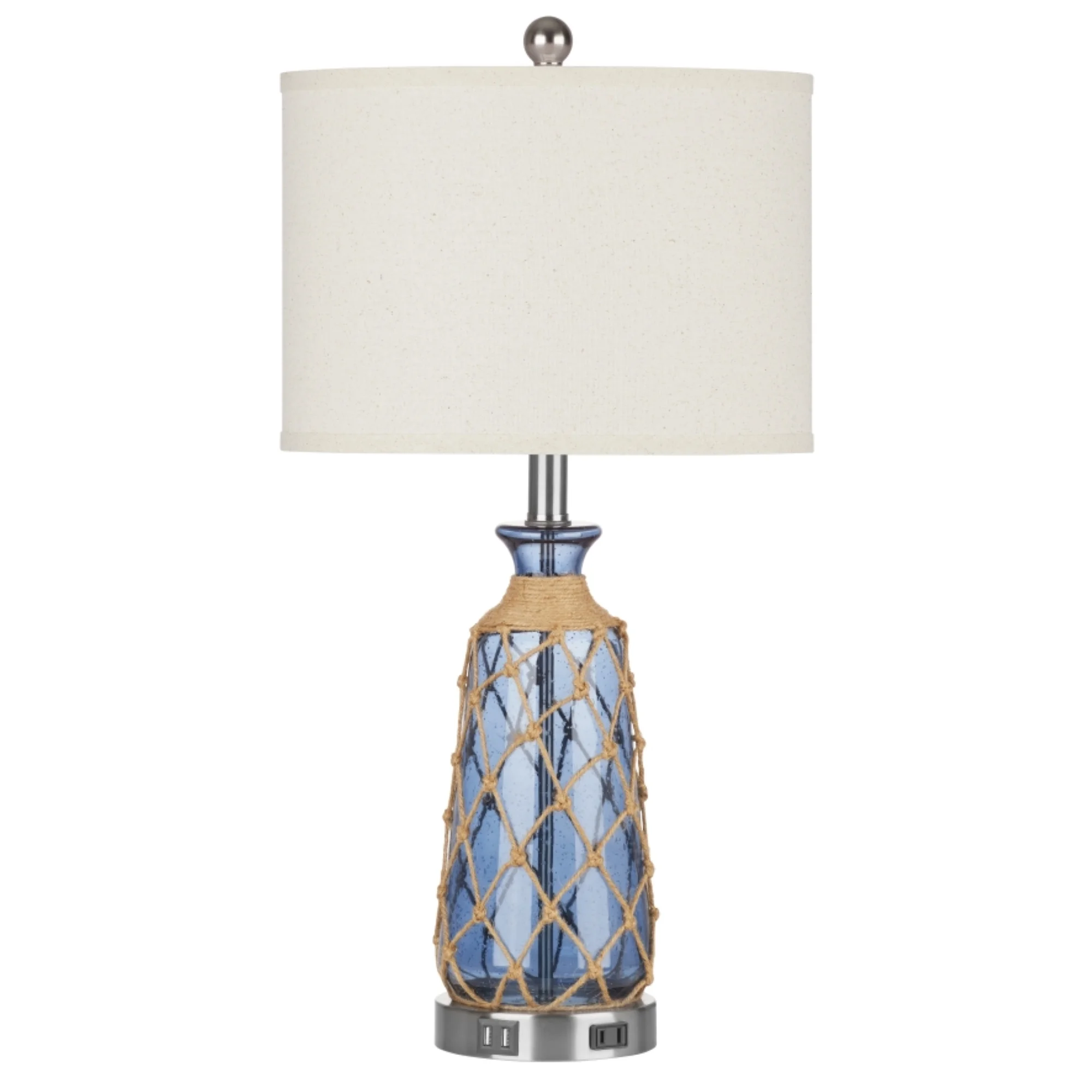
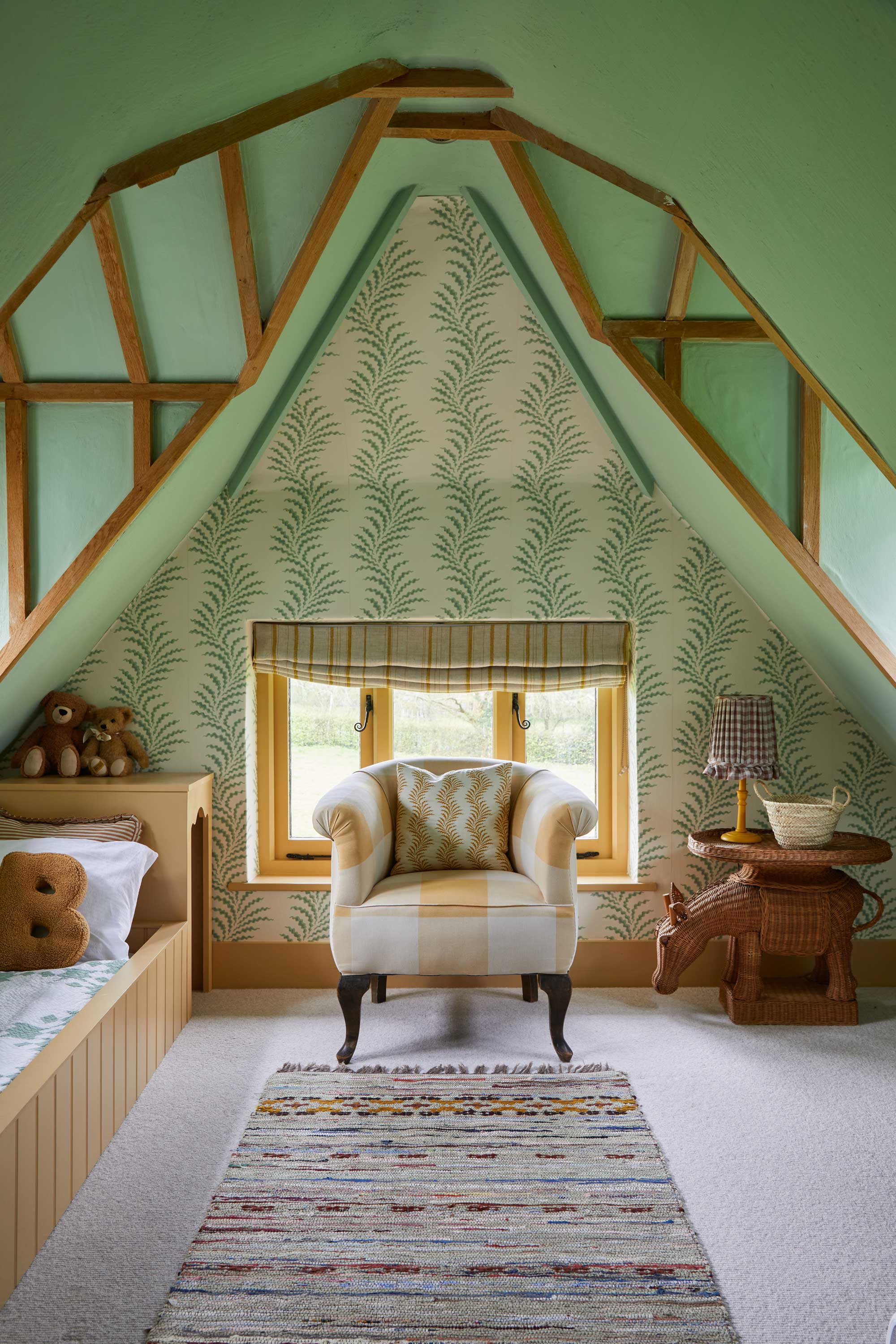
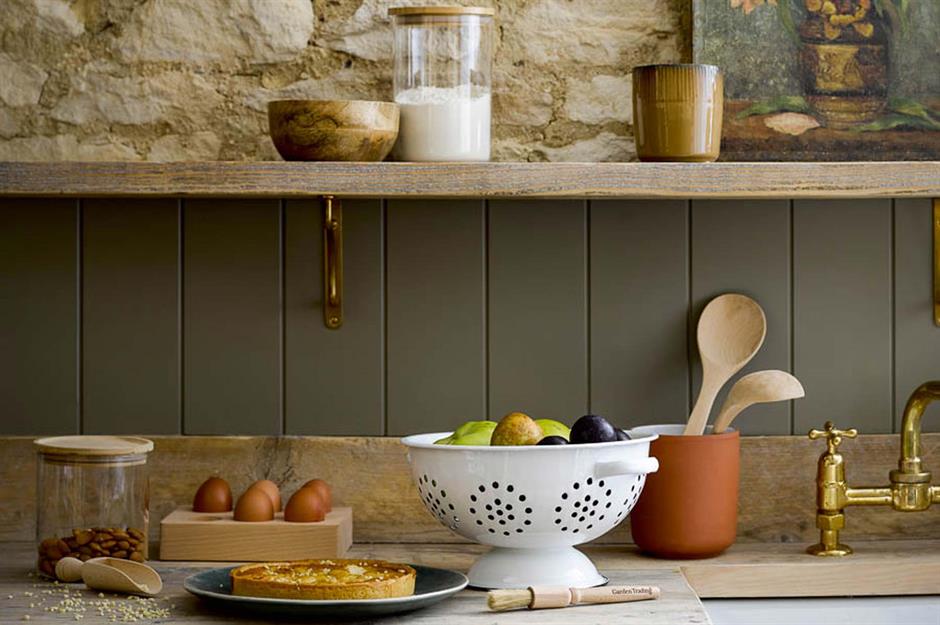
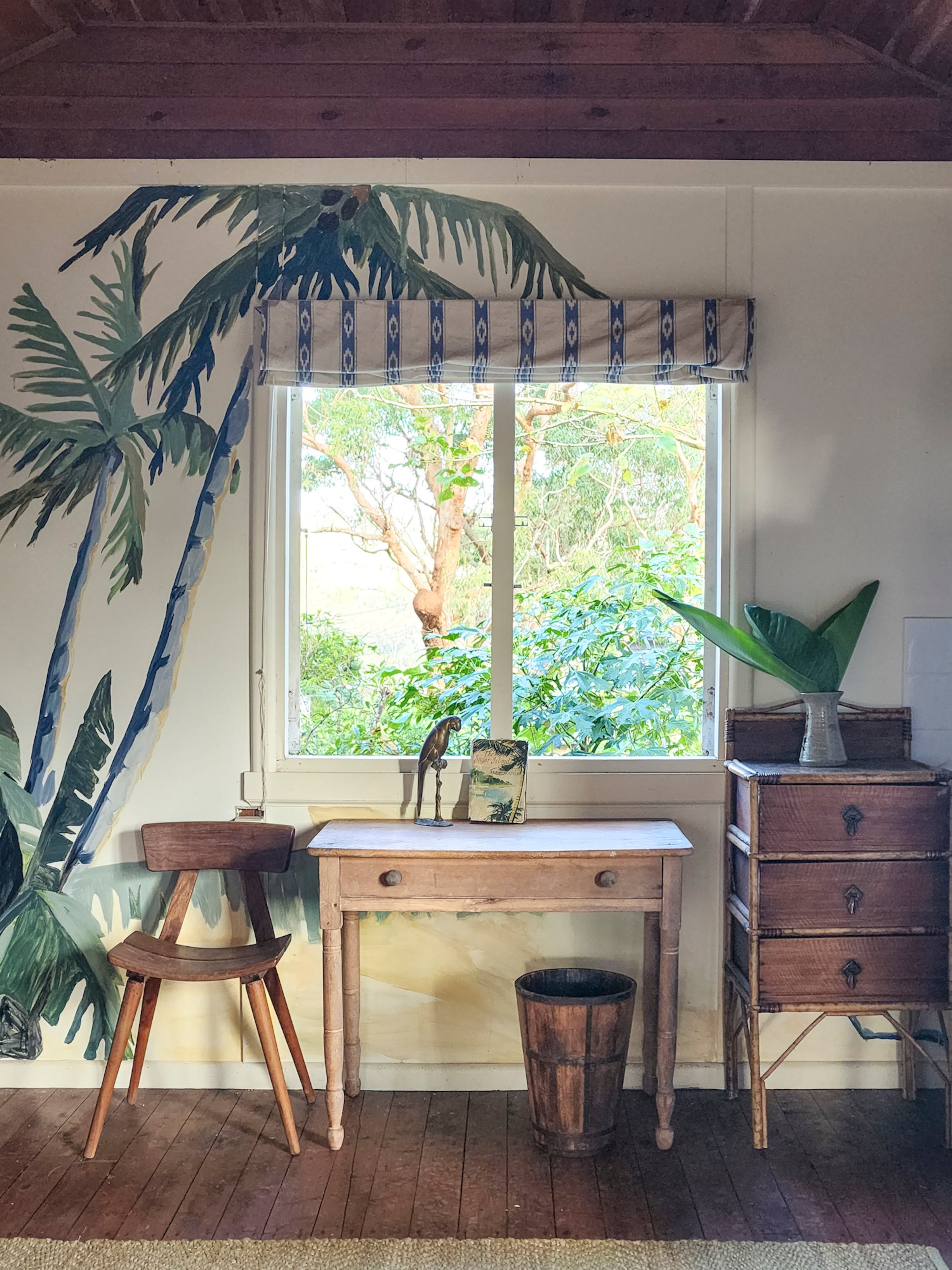
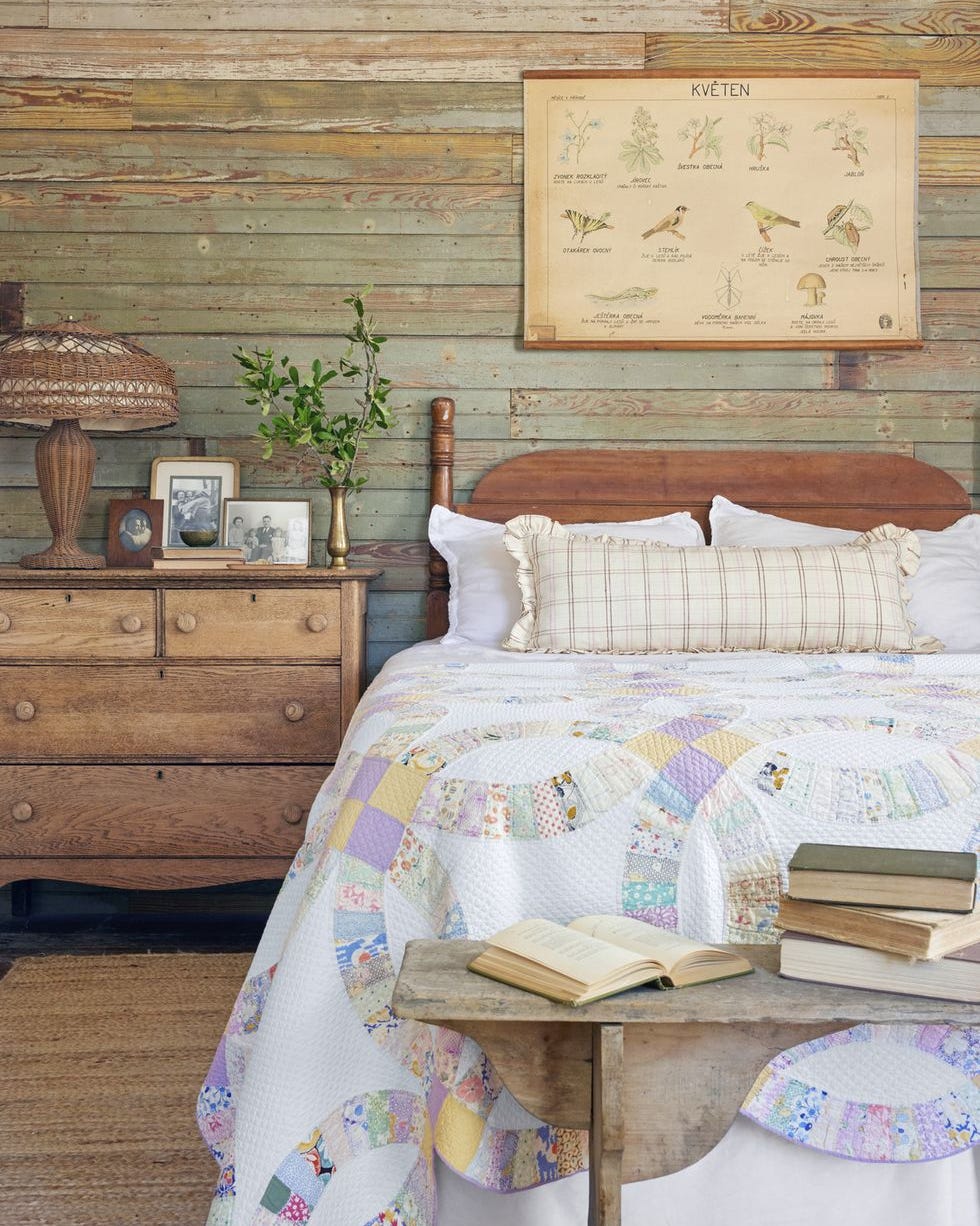
Leaving wood unfinished is the fifth guideline. Many Maine interiors feature raw wood walls and surfaces, reflecting the idea of not covering up beautiful natural materials and adhering to a sense of "no excess" and understatement. The sixth piece of advice, to tilt lampshades, is a charming detail observed in summer camps and cottages, implying that practicality often dictates that a lampshade that fits "well enough" is sufficient, even if not perfectly straight. Finally, the seventh principle recommends stocking the house with books. Whether it's works by local authors like E.B. White and Stephen King or other beloved writers, a well-stocked bookcase is a common and cherished fixture in a classic Maine home, highlighting a love for literature and perhaps a cozy retreat from the elements.
#MaineStyle #HomeDecor #CottageDesign #InteriorDesign #CoastalLiving #PracticalDesign #NatureInspired #DecoratingTips #MaineStyle #HomeDecor #CottageDesign #InteriorDesign #CoastalLiving #PracticalDesign #NatureInspired #DecoratingTips
0 Kommentare insgesamt
 Noch keine Kommentare
Das könnte Ihnen auch gefallen
Cottage decorating ideas – 13 ways to get a charming, characterful look

Here’s Everything You Need to Know About Cottagecore
11 tips for bringing a modern coastal look to your home
What Really Makes A House A Cottage?
How to recreate an English cottage style, no matter what style of home you live in
Folk decor ideas – 7 ways to bring this enchanting design style into the home
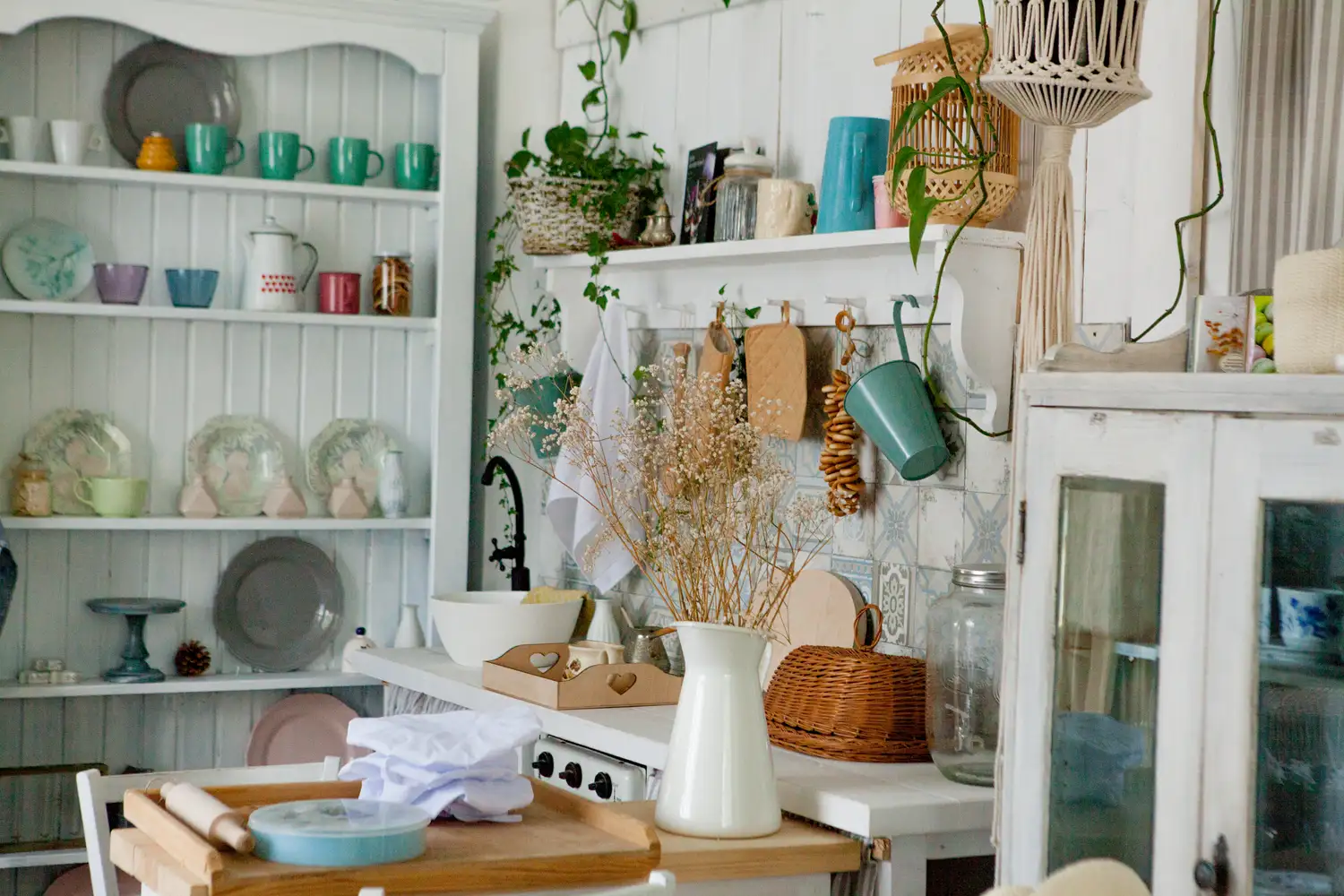
Cottage Kitchens Are Trending—Here’s How to Bring the Cozy Look Home
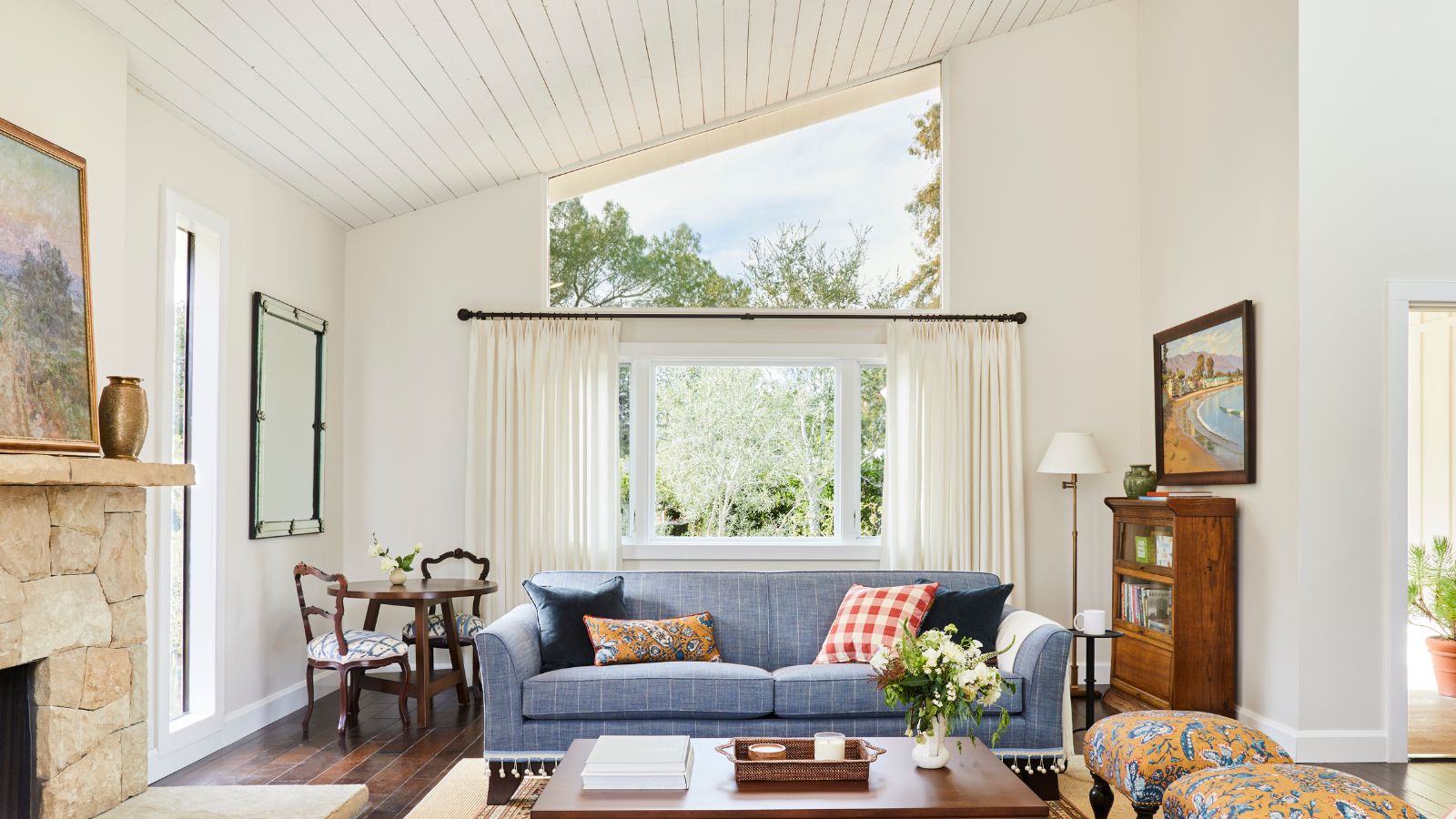
Fans of traditional British coastal style will all love this bright, pretty Californian home
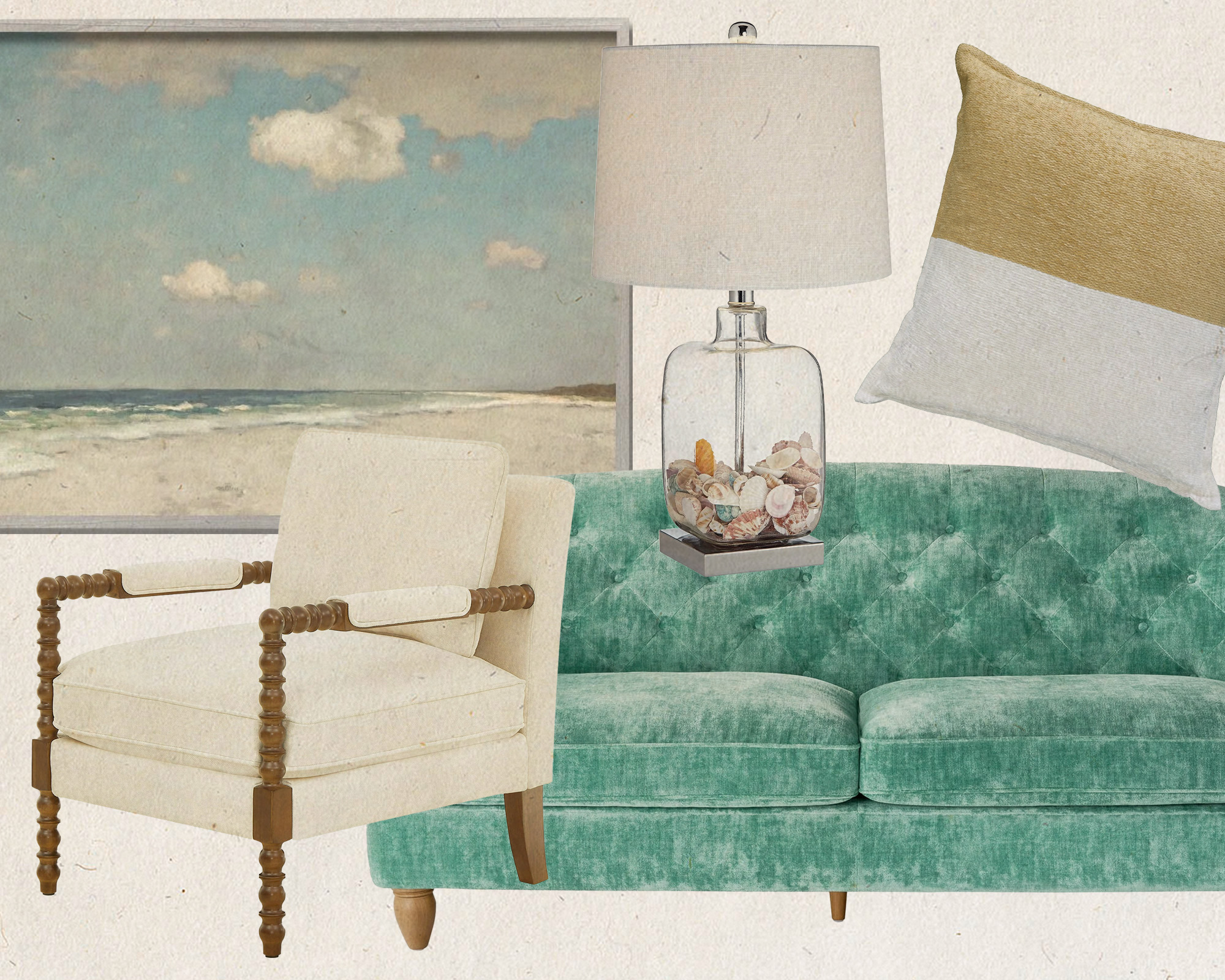
Designers love the coastal-cottage aesthetic – here's how to re-create it in your home
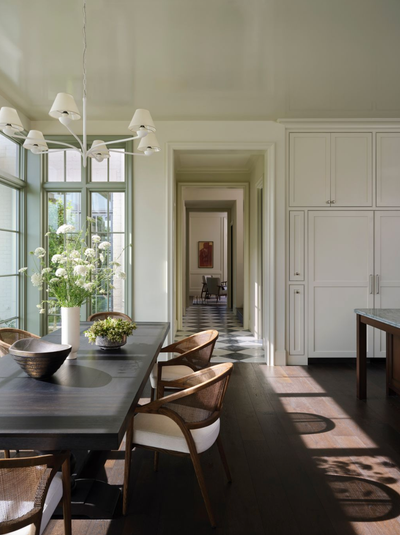
7 Home Decor Ideas I'm Stealing From This Timeless Southern Home

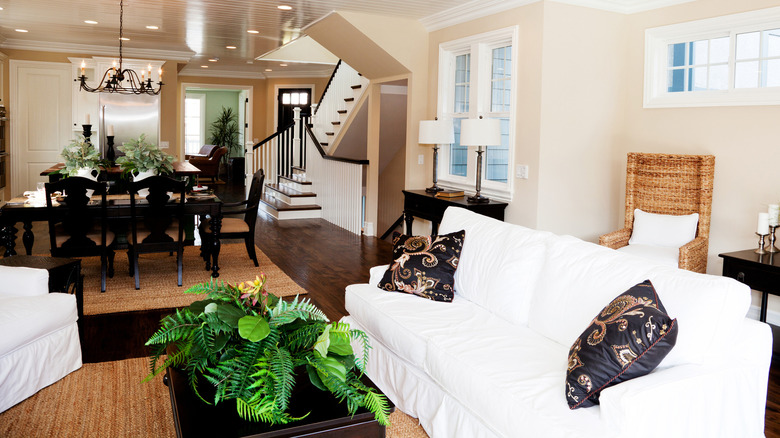
5 Ways To Bring Cape Cod Style To Your Home
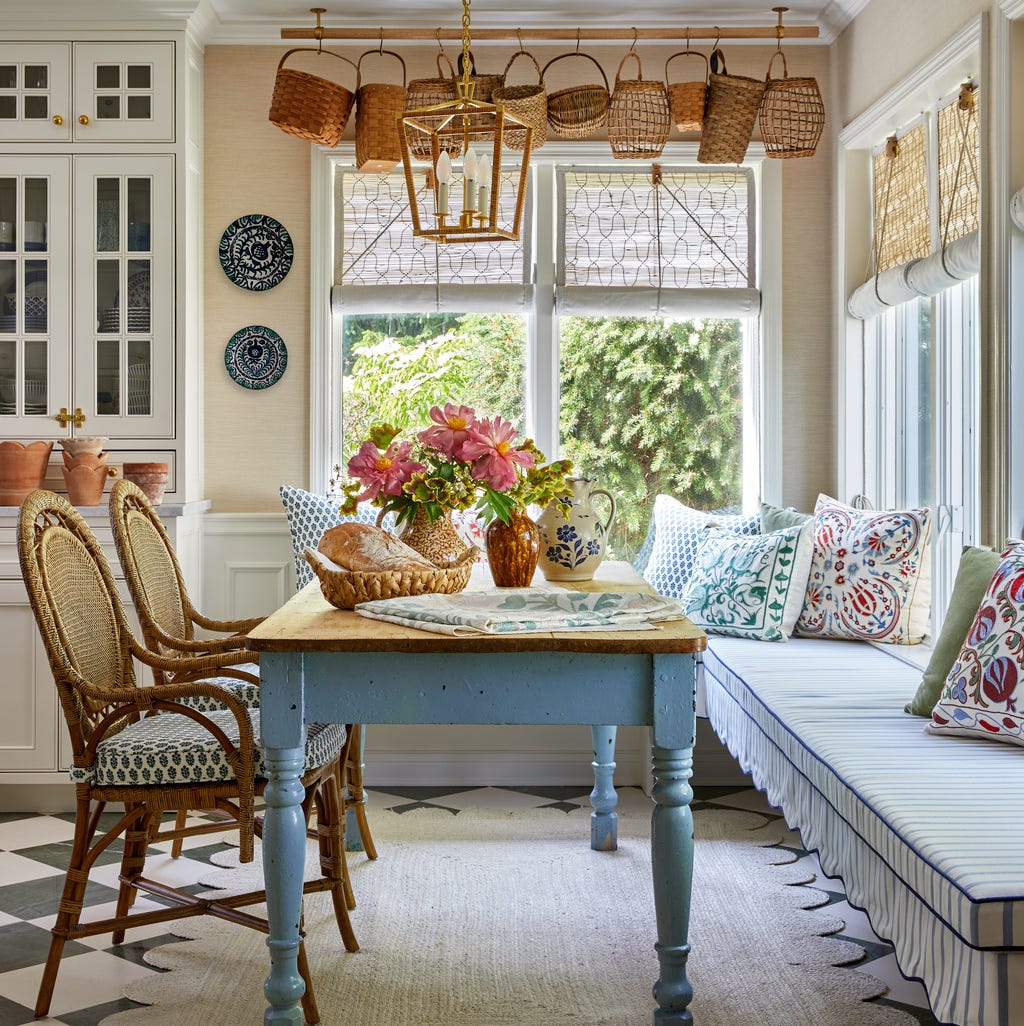
How to Decorate the Cottage of Your Dreams
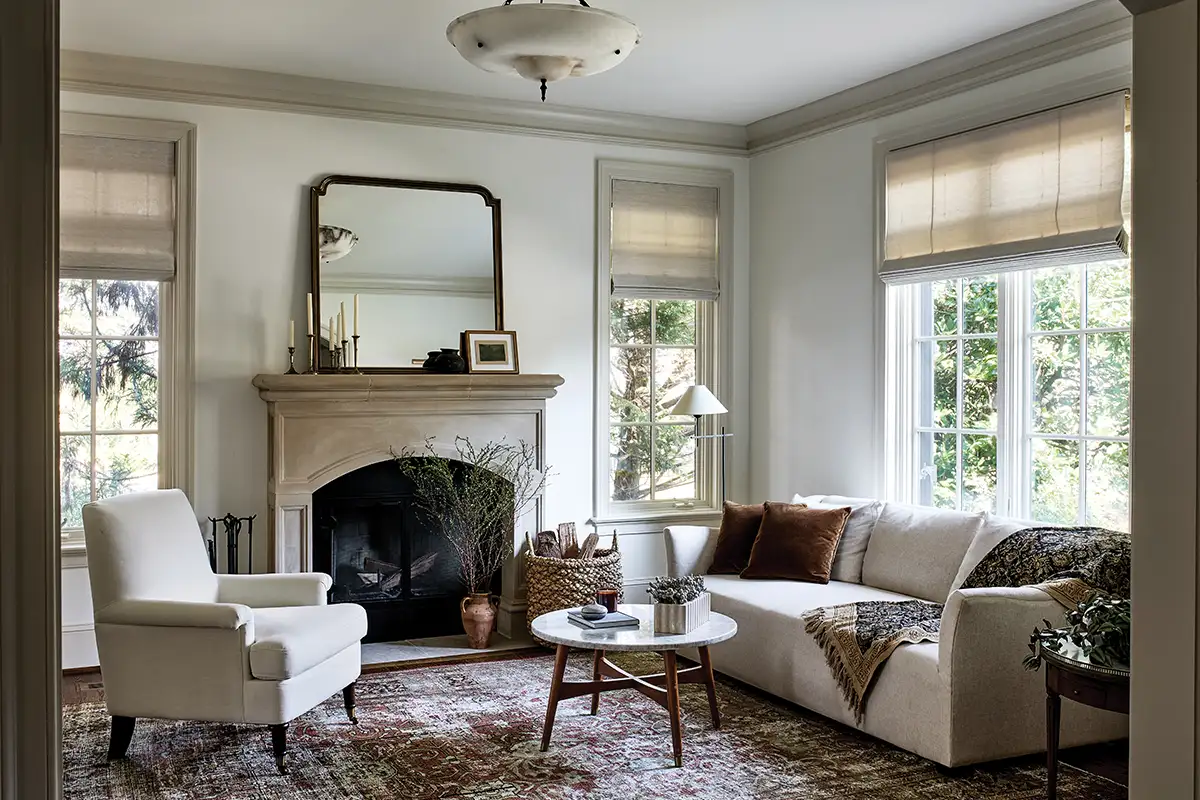
Embrace English Country Charm in Your Home Décor
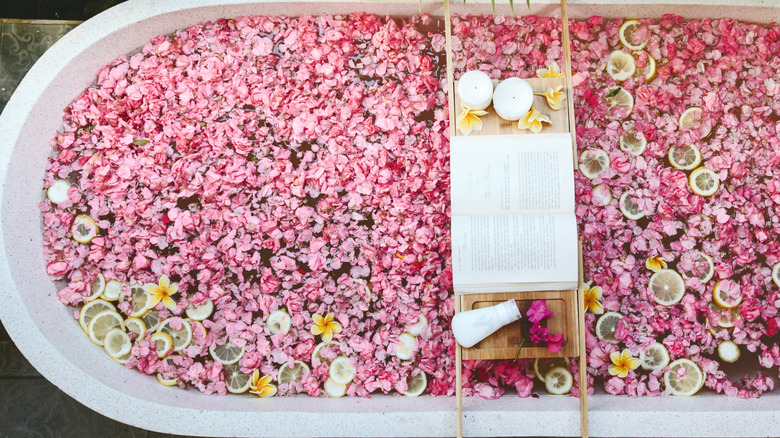
15 Simple Ways To Bring The Cottagecore Aesthetic Into Your Bathroom

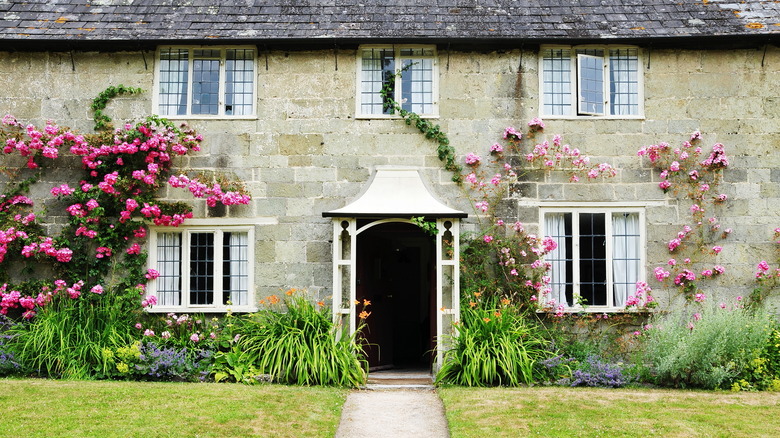
30 English Cottage Design Ideas That Radiate Charm
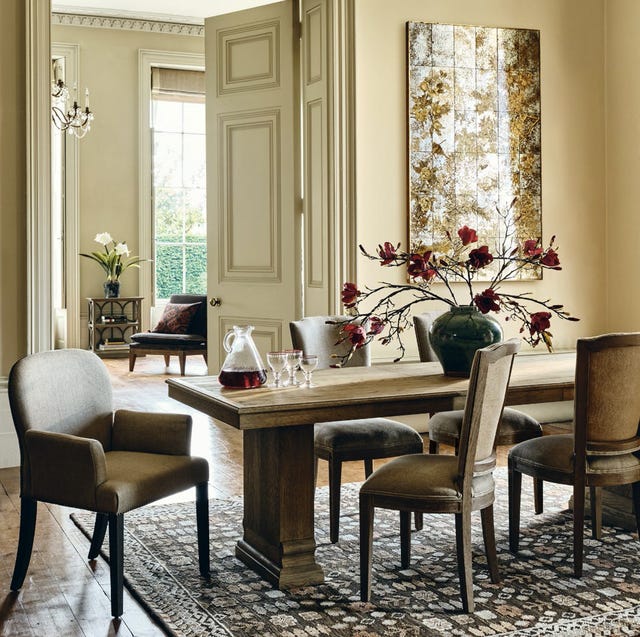
Get the stately home look: Design ideas inspired by traditional English interiors
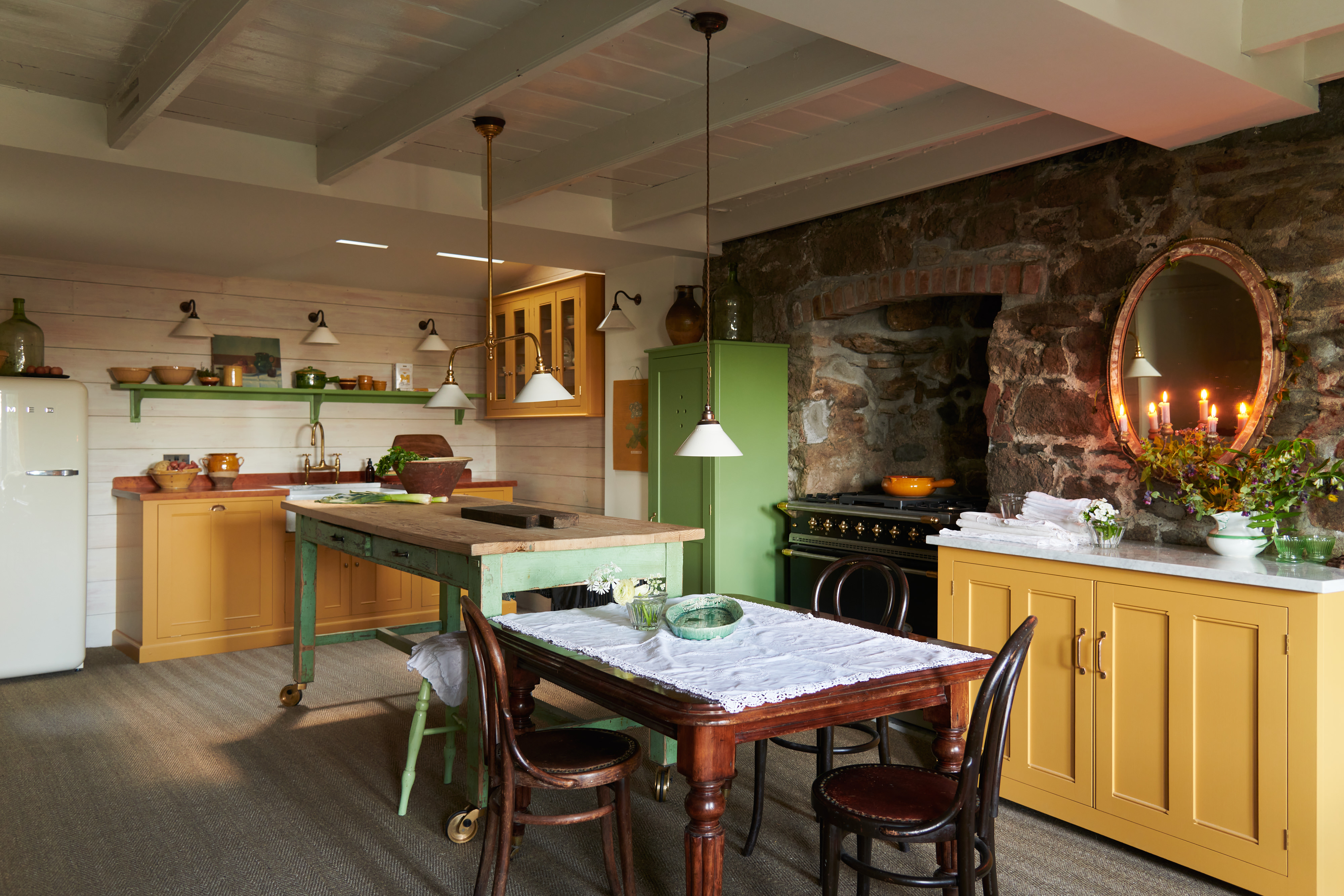
'It's decorating like The Holiday' - 5 style lessons to steal from English cottages that feel cozy and quaint, yet still modern

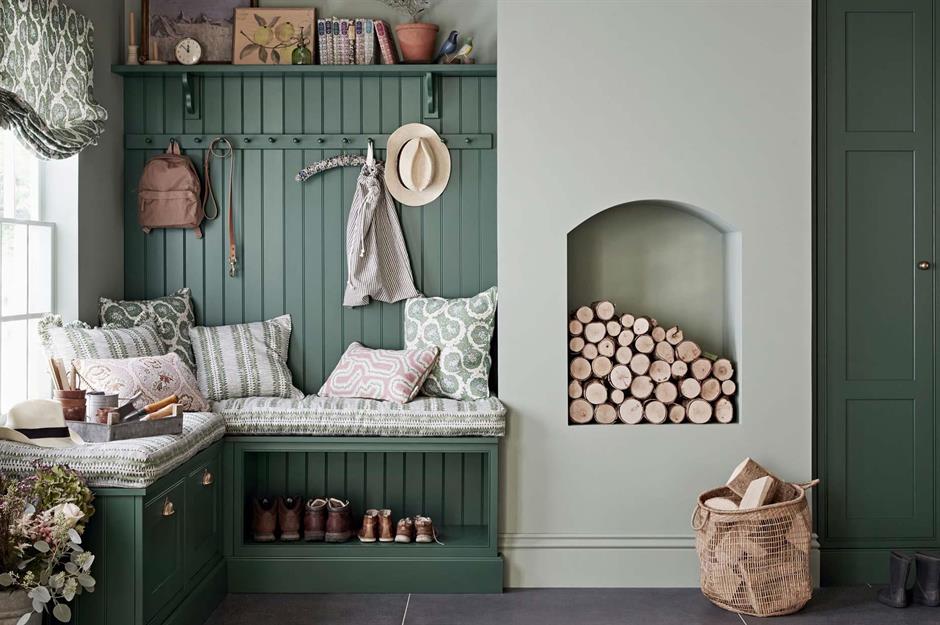
24 cottagecore décor ideas for a modern take on country style | loveproperty.com
These Homes Are a Cottagecore Dream

6 Tips for Creating a Cozy, Charming Farmhouse Look