1/4
7 easy and efficient ways to keep your house warm this winter
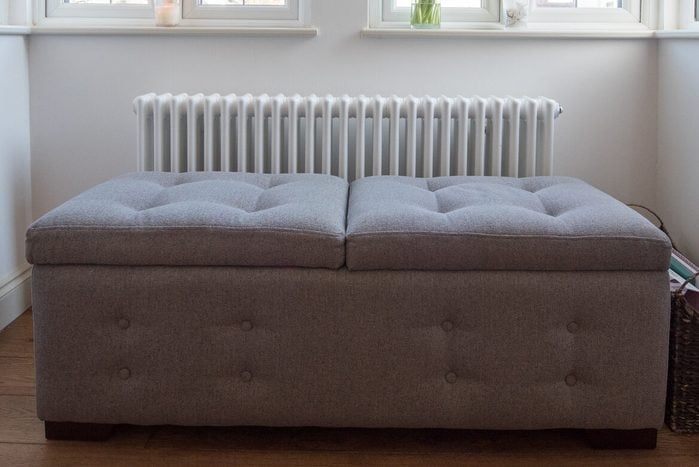
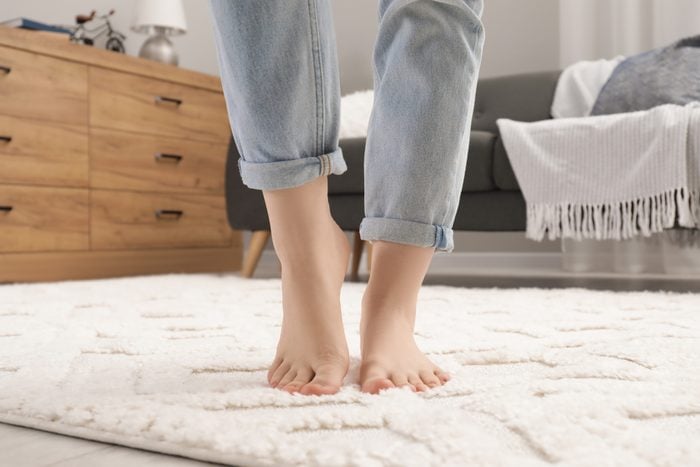
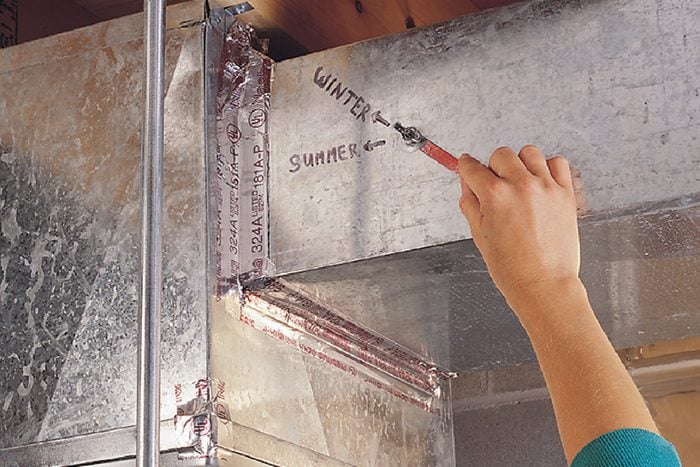
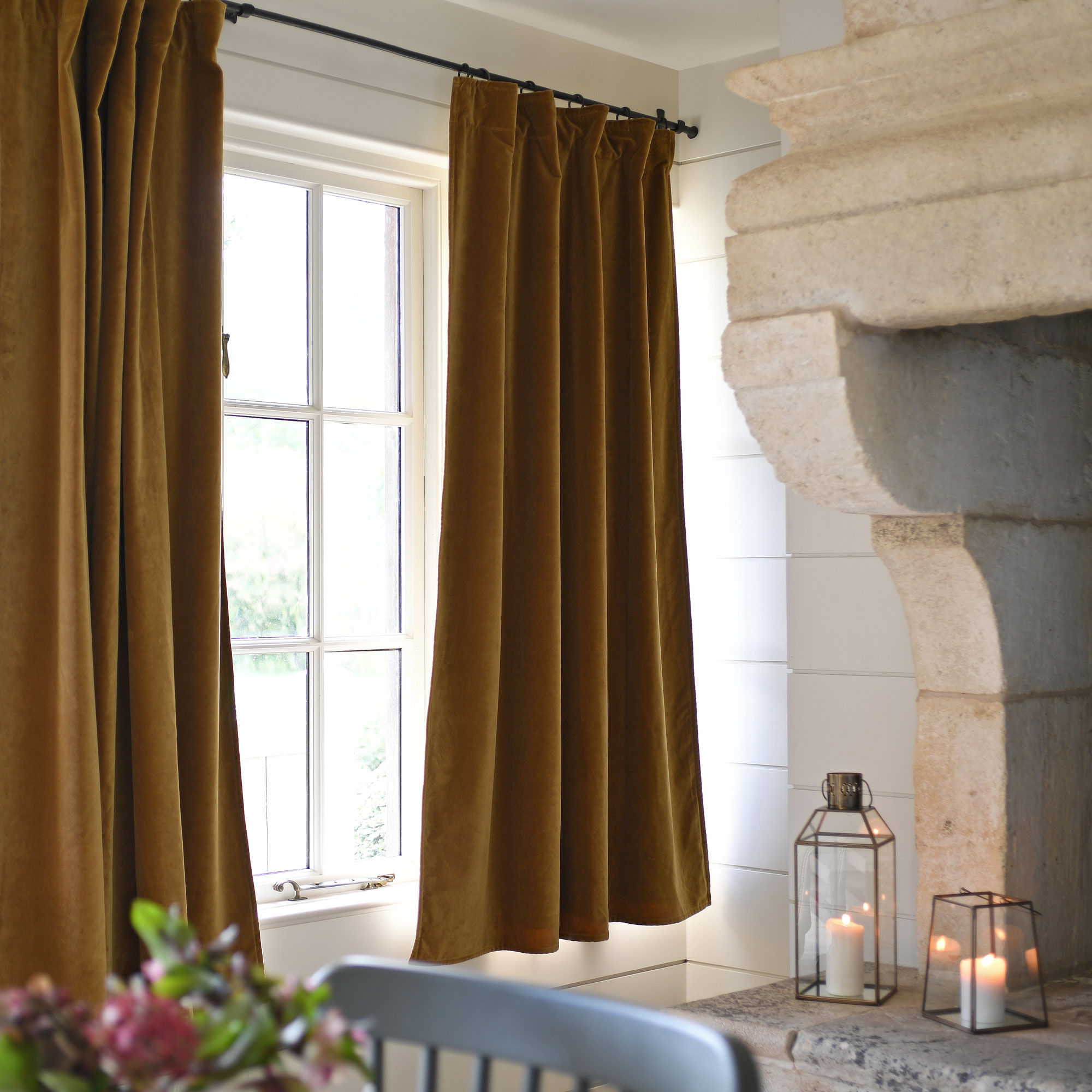
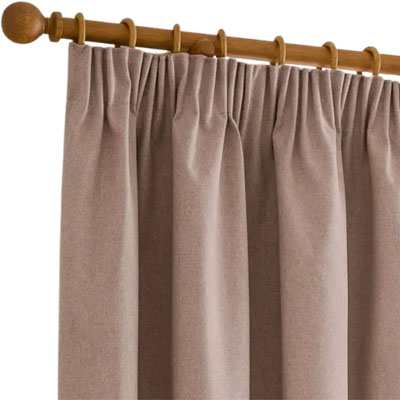
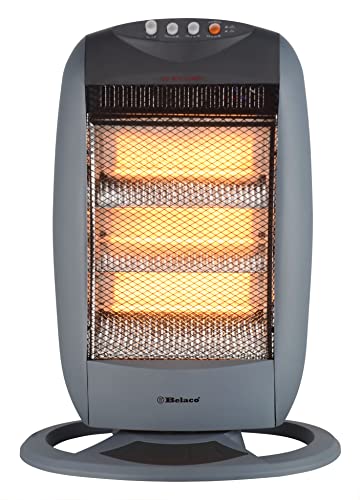
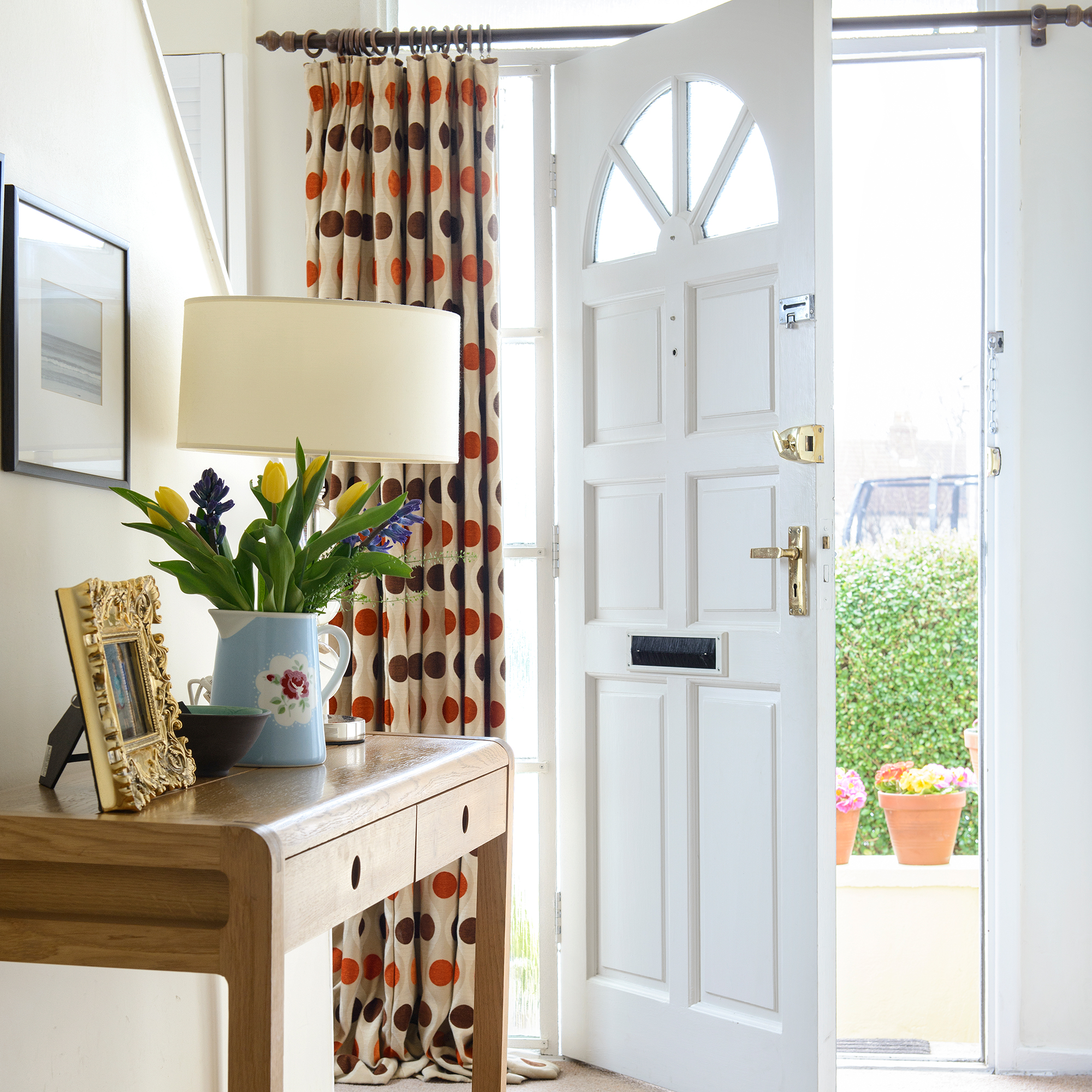
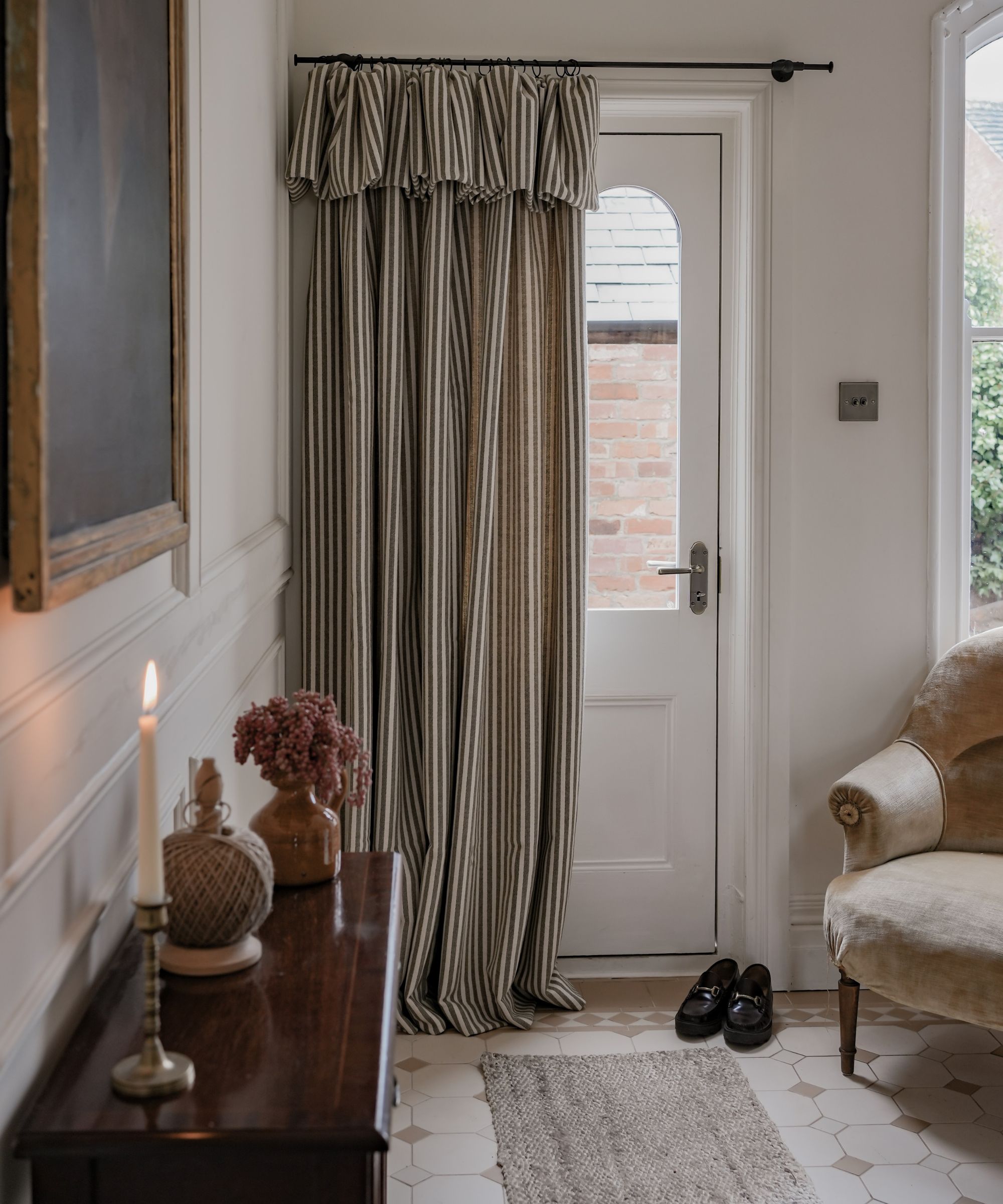
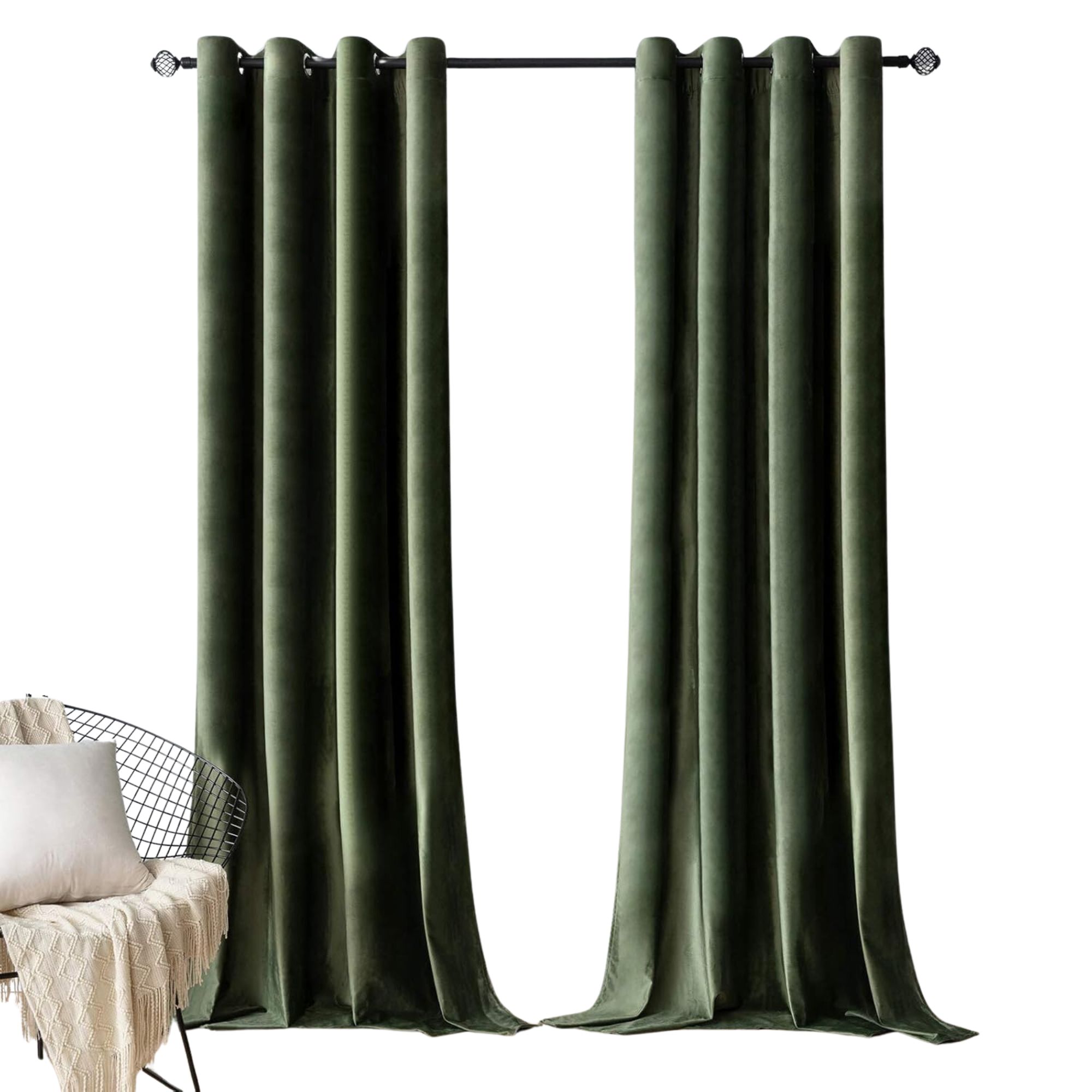
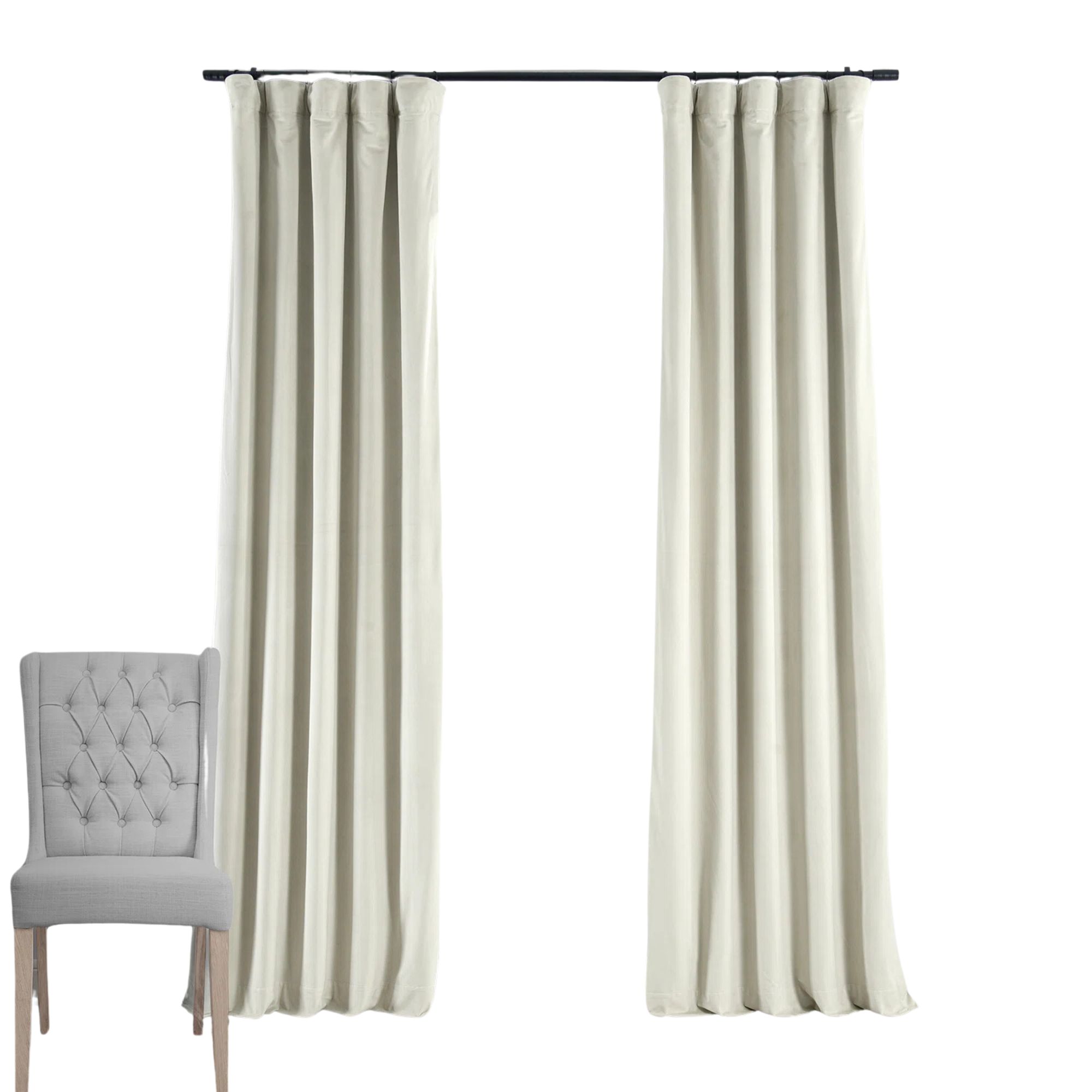
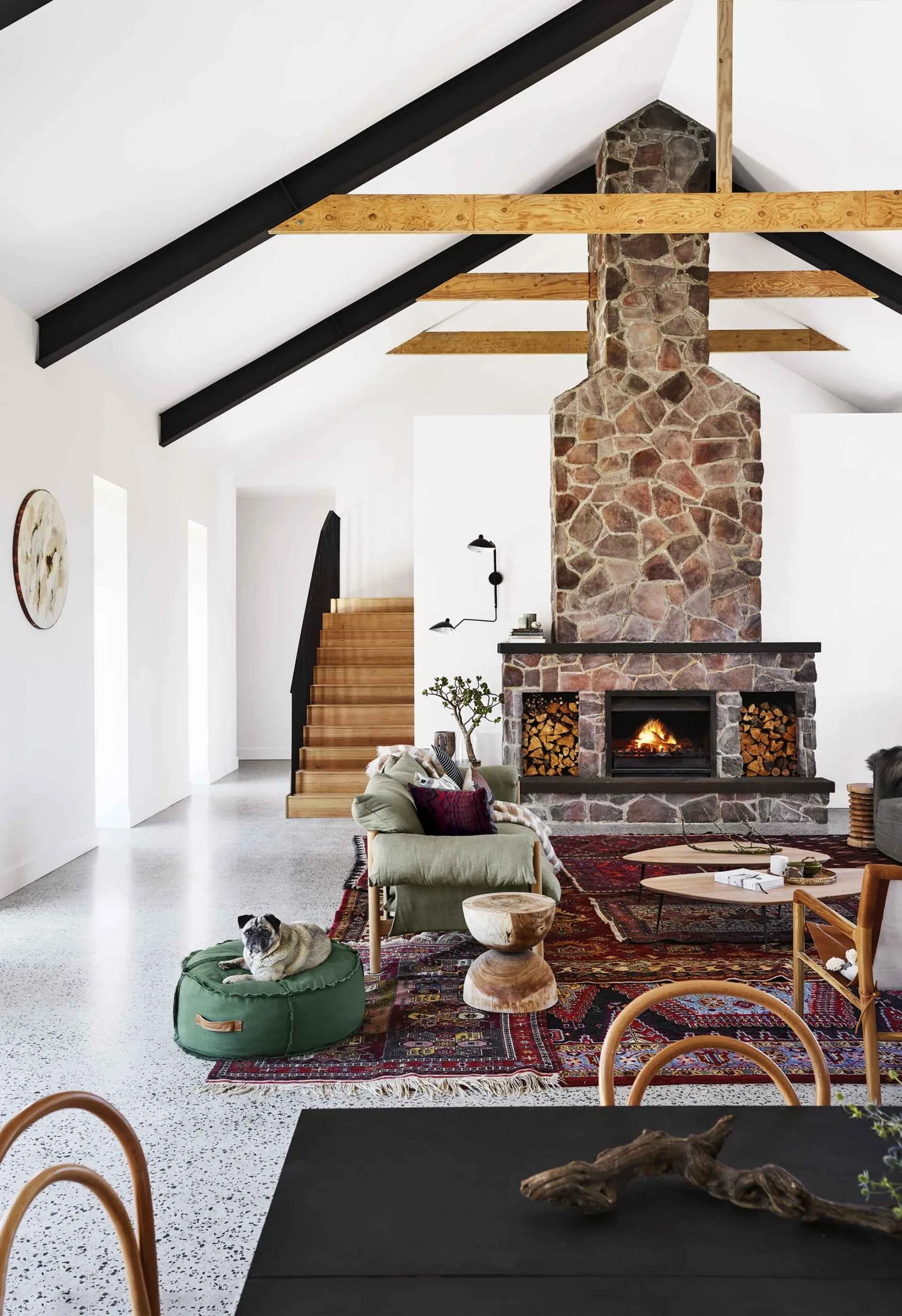
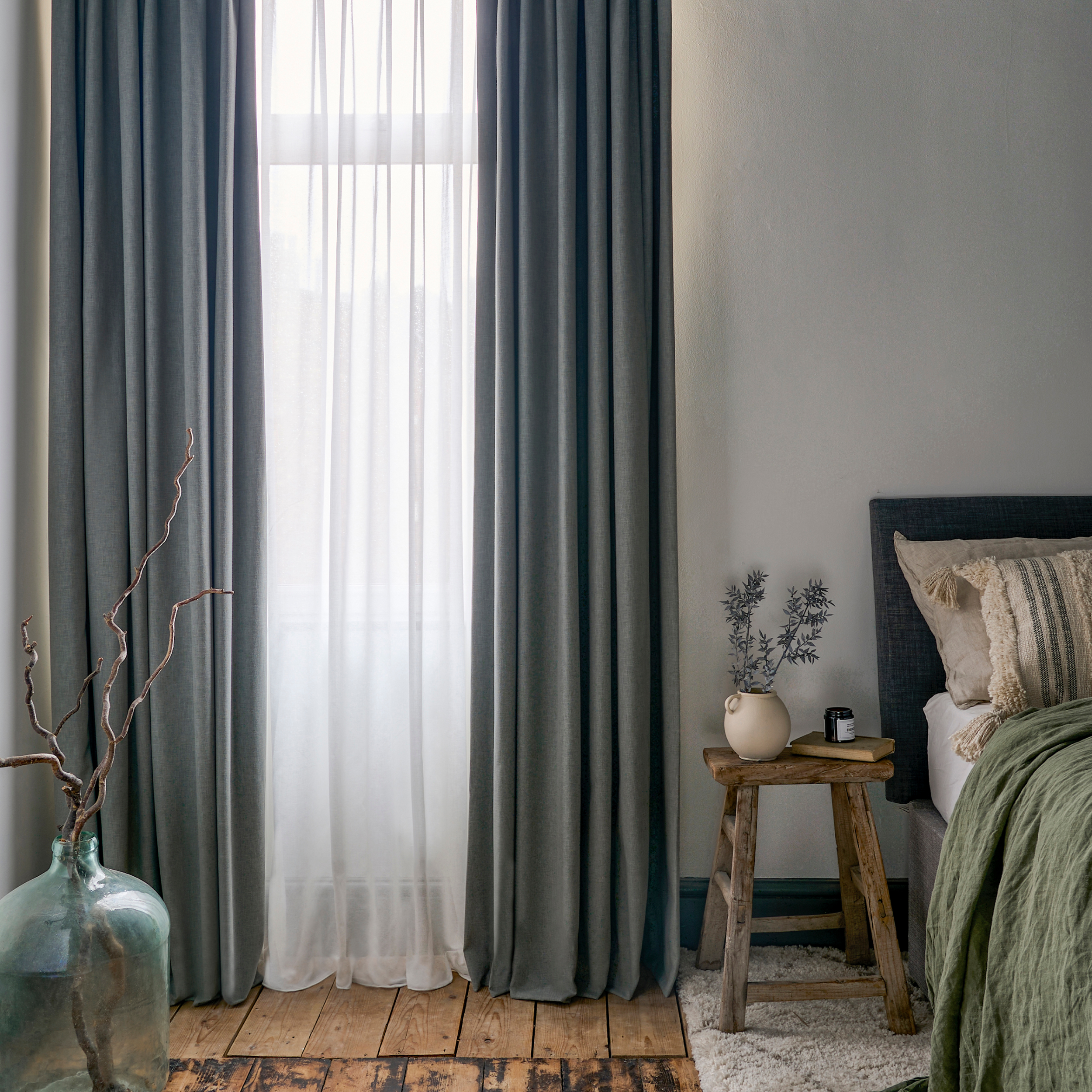
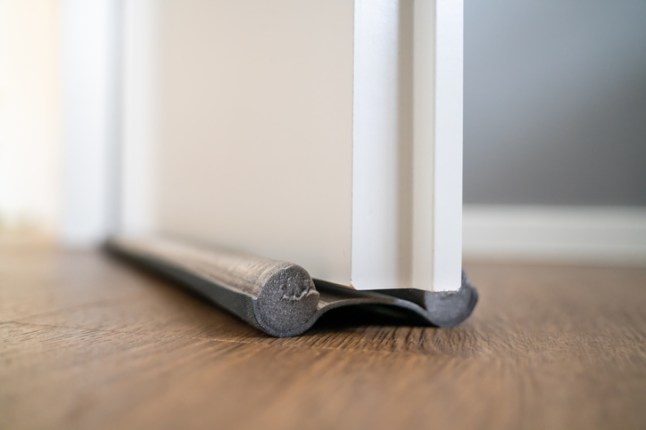
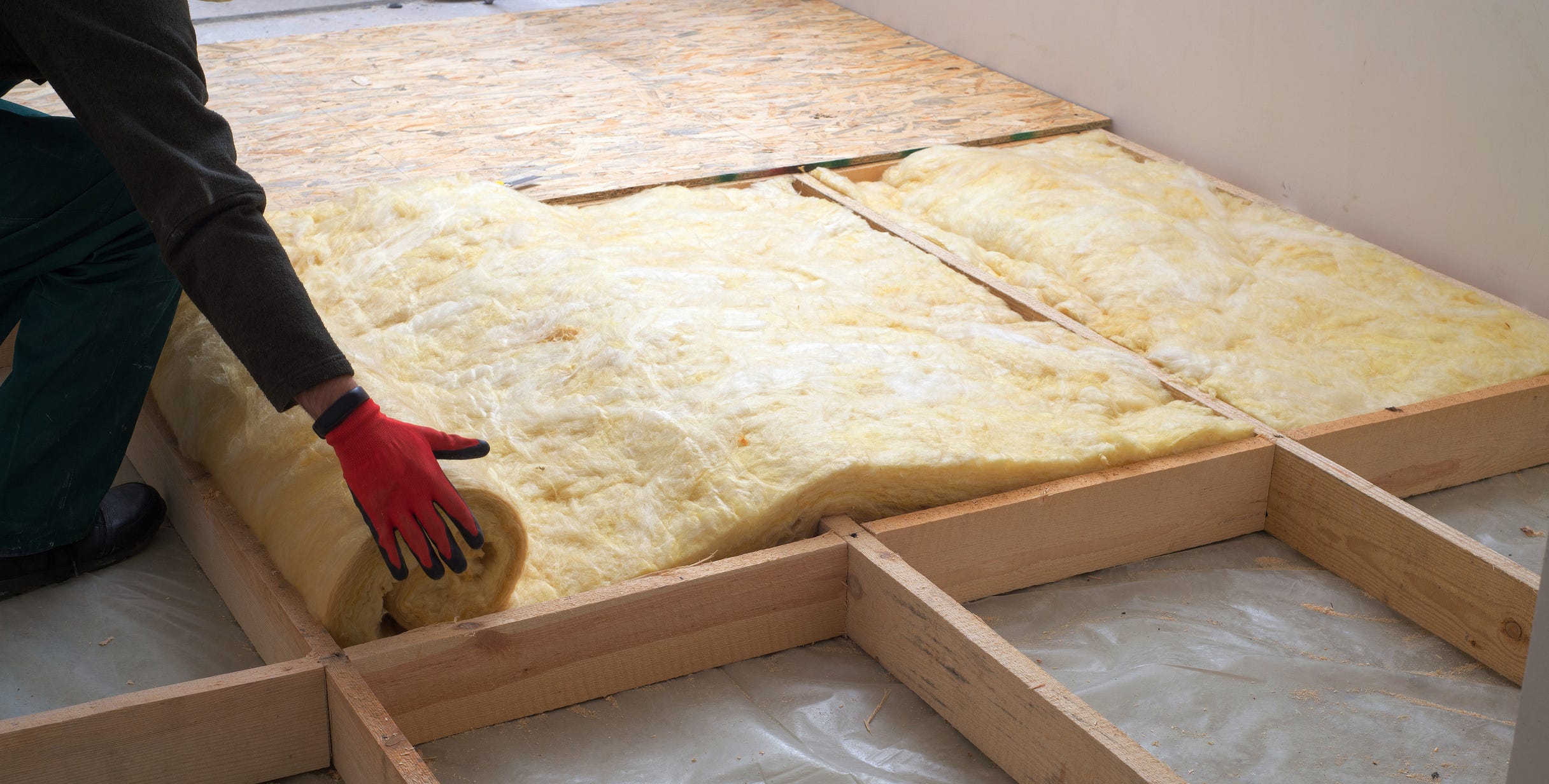
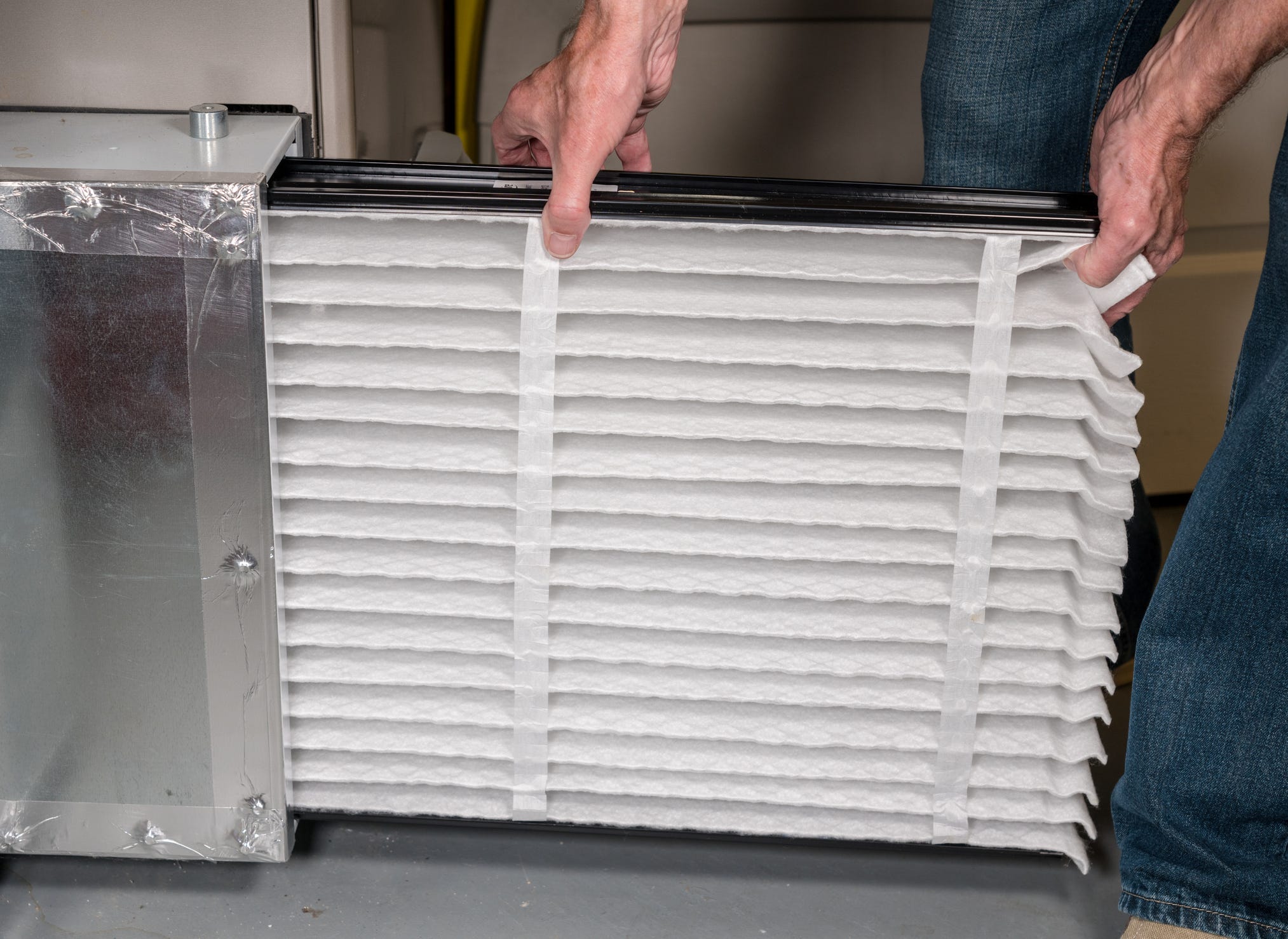
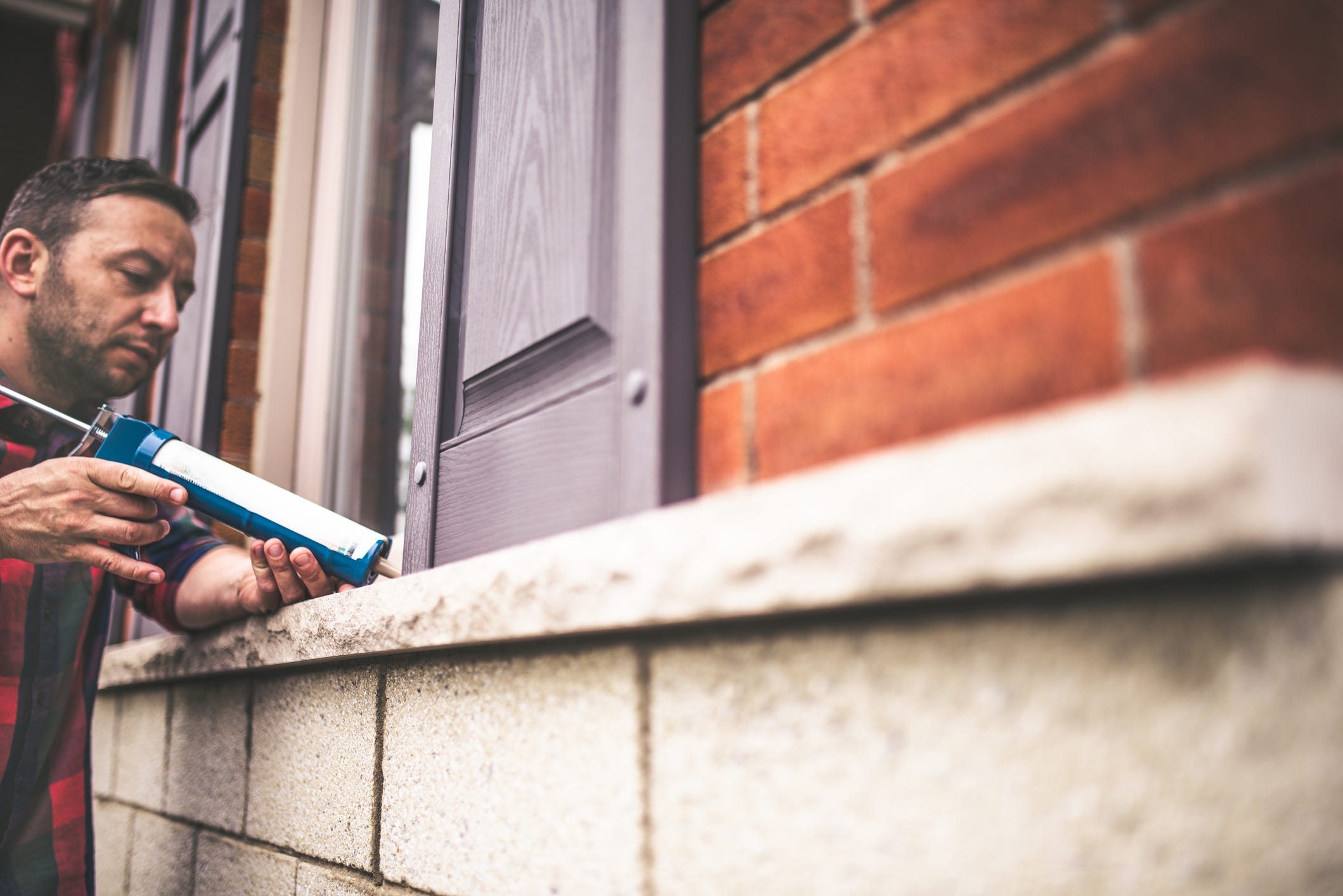
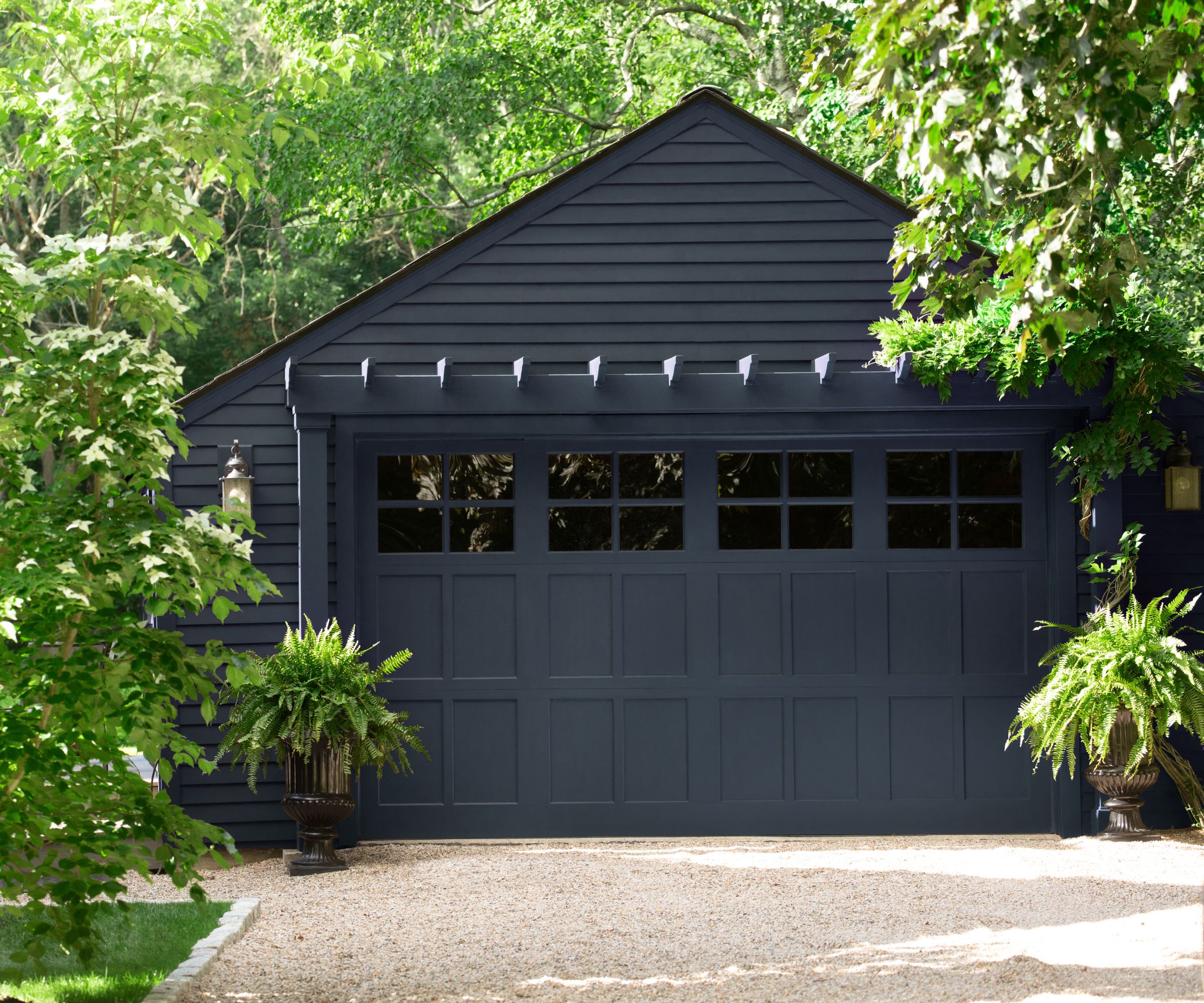
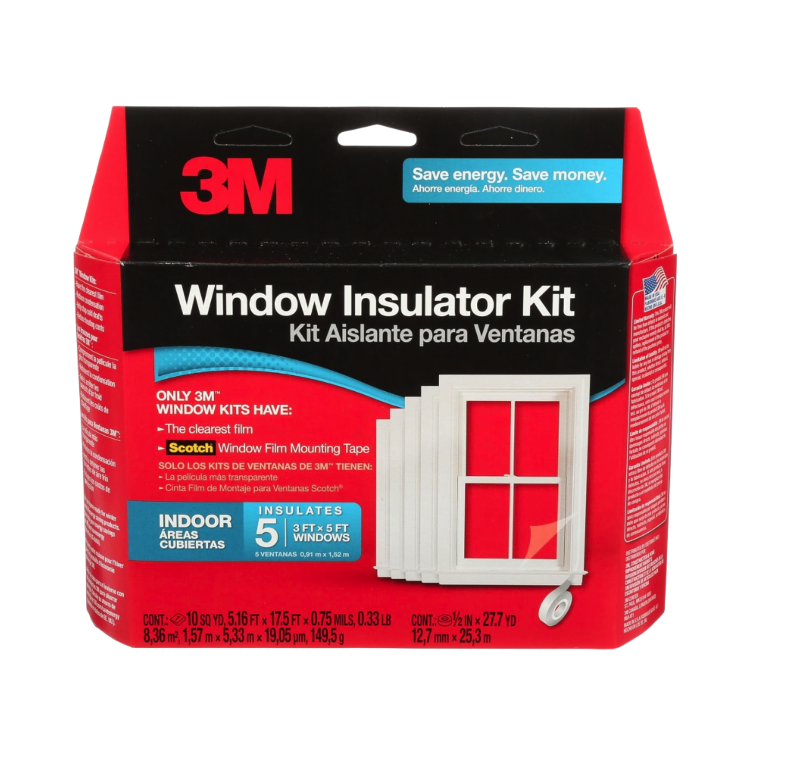
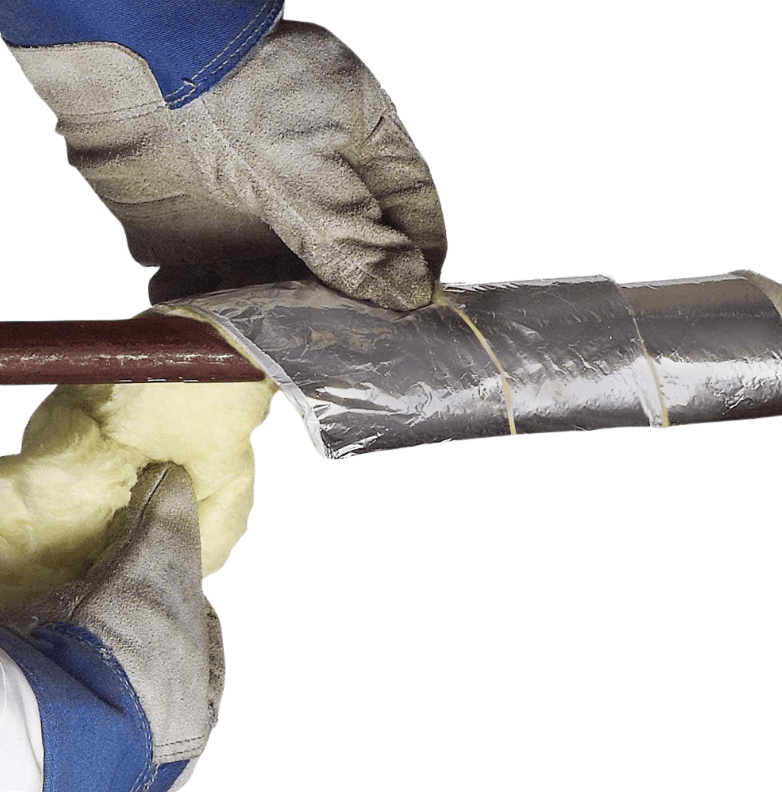
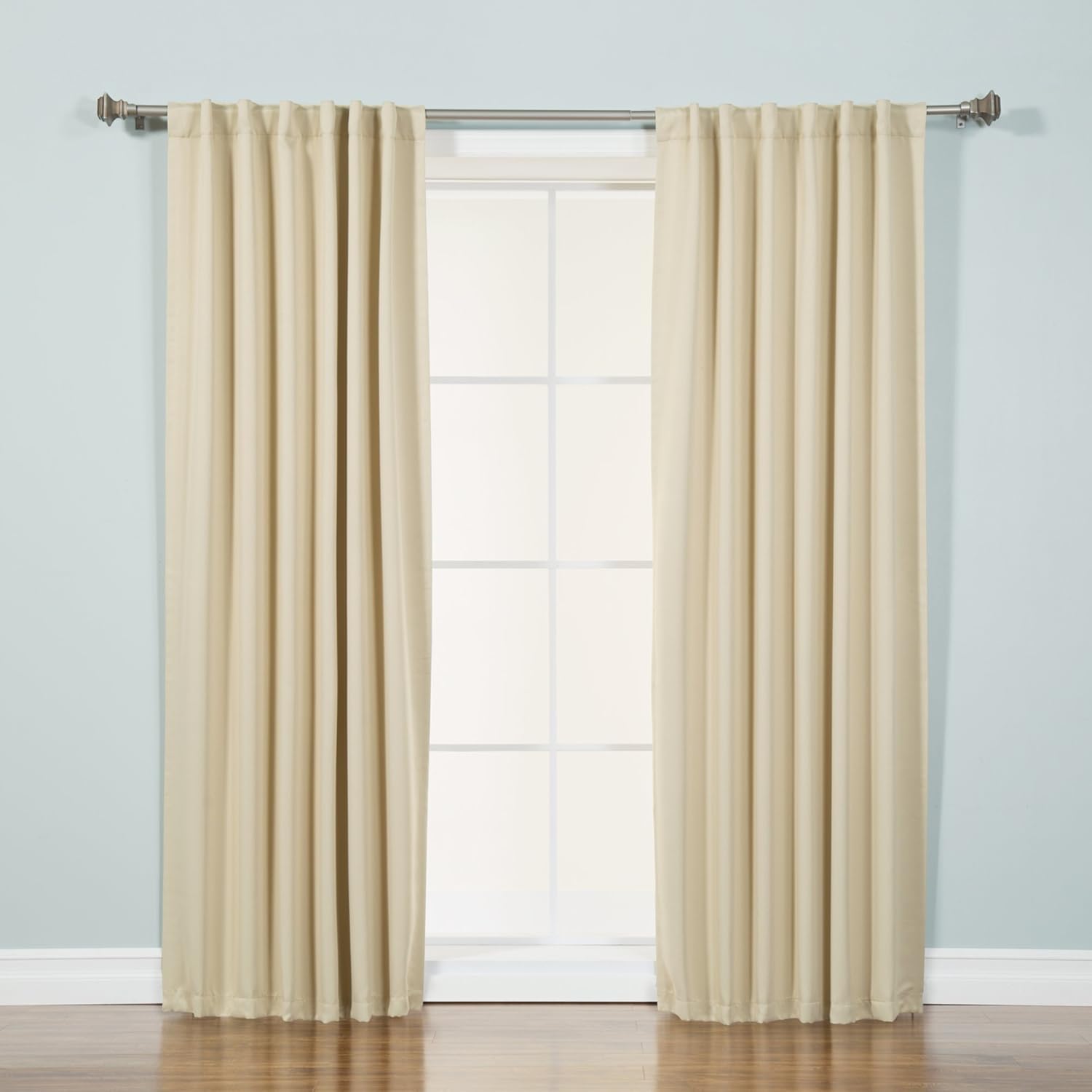
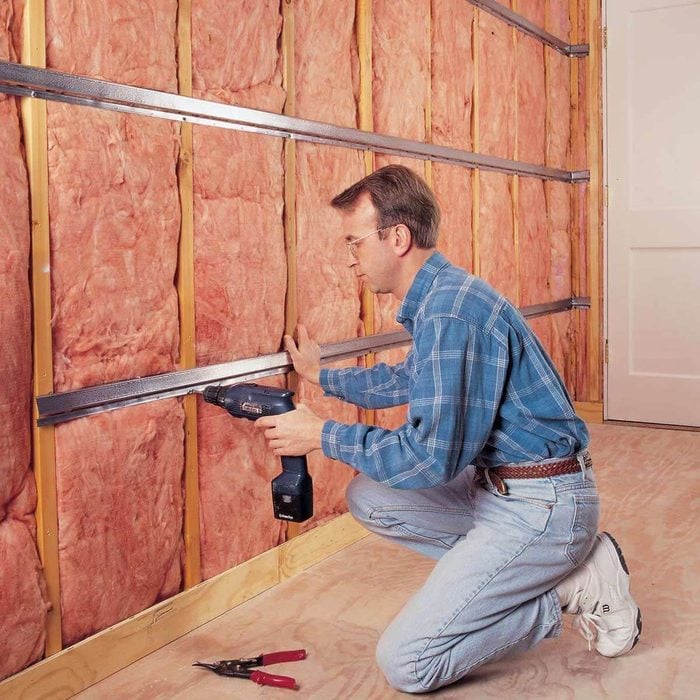
This article provides practical and energy-efficient strategies to keep homes warm during winter, particularly addressing common issues in Australian houses often described as being poorly insulated. The primary focus is on reducing heat loss and optimizing existing heating systems to lower energy consumption and costs. The article outlines seven main methods to achieve this, starting with insulation. It emphasizes that 25–35% of an uninsulated home’s warmth is lost through the roof, making insulation, especially ceiling insulation, a critical investment for both winter warmth and summer cooling. While professional installation is recommended, experienced DIYers can undertake ceiling and underfloor insulation. Safety precautions are highlighted for DIY insulation to avoid electrical hazards and fires. Moving beyond structural improvements, the article advises optimizing heat distribution within the home by ensuring nothing obstructs the flow of hot air from heating sources and closing doors to unused rooms. This practice concentrates heating to occupied areas, thereby reducing heating bills. For homes with hard floors, laying rugs is suggested as a simple yet effective way to add insulation and prevent cold air seepage, particularly through gapped floorboards in older properties. Windows are identified as significant points of heat loss, accounting for up to 40% of heating energy. The article recommends using curtains to retain warmth, with pelmets adding extra insulation by preventing warm air from escaping through the top. For more substantial improvements, double-glazing is mentioned as an effective, though more costly, option. Harnessing natural sunlight is another tip; opening curtains during sunny parts of the day allows solar radiation to warm rooms for free, with curtains then closed as evening approaches. Sealing draughts around doors and windows is presented as a cost-effective measure to improve heating efficiency. Various products like door snakes, weather seal tape, silicon sealant, and specialized door seals are recommended, along with a chimney balloon or damper for homes with fireplaces. Finally, the article suggests utilizing ceiling fans in reverse mode during winter to push rising warm air back down towards the floor, ensuring better heat distribution. For those without ceiling fans, pedestal or tower fans can serve a similar purpose, mixing warm air more thoroughly throughout the room. Beyond these household adjustments, the article offers personal warming solutions such as heated throws, electric blankets (with advice on using timers for efficiency), and hot water bottles, while also providing crucial safety warnings against dangerous heating practices like using heat beads, barbecue briquettes, or outdoor gas heaters indoors due to carbon monoxide risks.
#HomeHeating #WinterWarmth #EnergyEfficiency #HomeInsulation #DraughtProofing #EnergySaving #HouseholdTips #CurtainBenefits #CeilingFans #HomeHeating #WinterWarmth #EnergyEfficiency #HomeInsulation #DraughtProofing #EnergySaving #HouseholdTips #CurtainBenefits #CeilingFans
0 Kommentare insgesamt
 Noch keine Kommentare
Das könnte Ihnen auch gefallen
17 Tips and Hacks to Help Keep Your House Warm This Winter


6 of the best heater ideas to warm up your home this winter


How to warm up your first floor – 7 expert tricks to hold heat downstairs for a cozy winter

6 Expert-Backed Ways to Keep Cold Air—and High Energy Bills—Out of Your House This Winter

These are the 7 ways I'm trying to keep my 110-year old house warm this winter – all without turning on the central heating
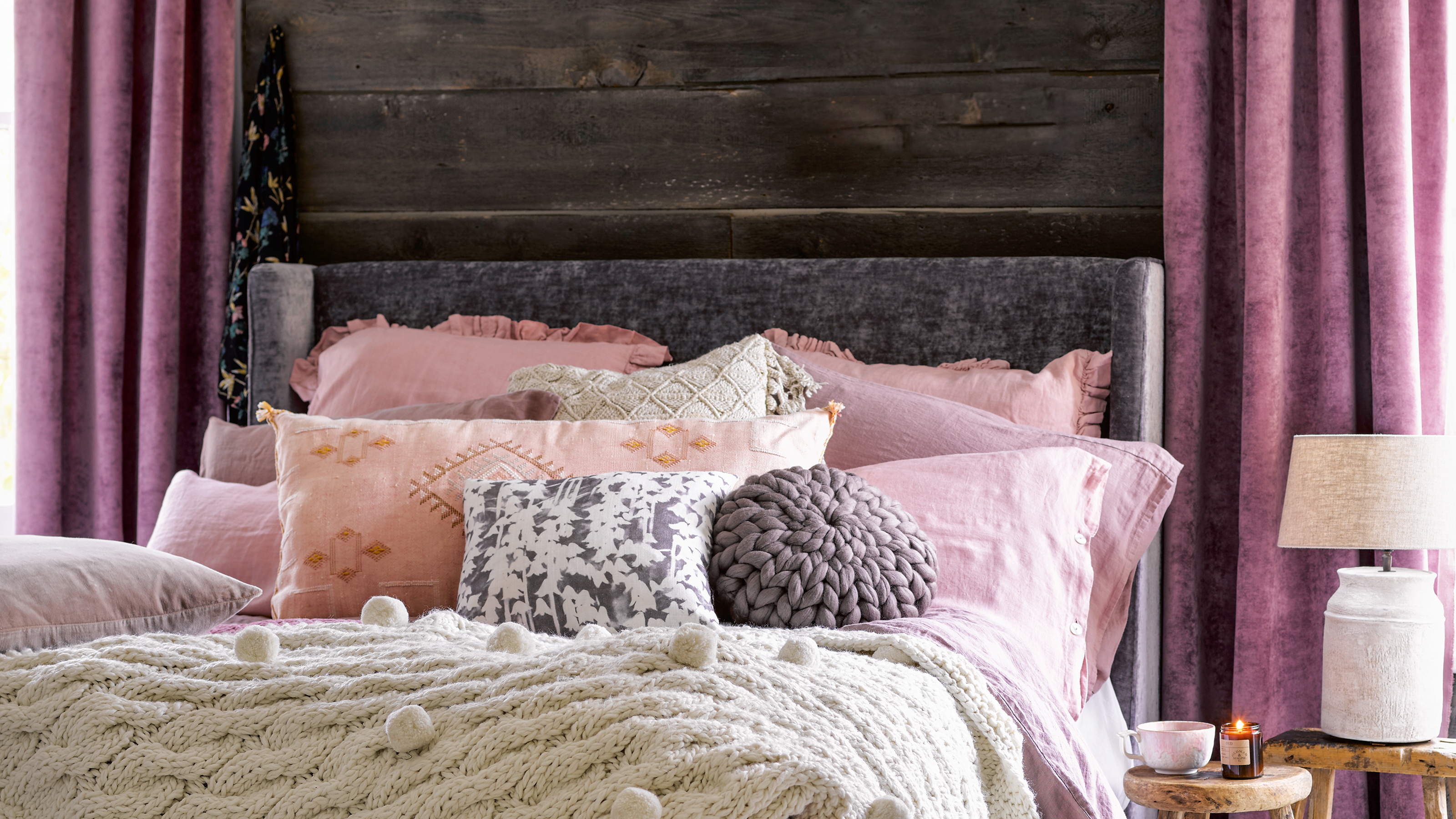
7 winter window dressing ideas that experts promise will help keep your home warm and cosy
Keep warm for less this winter

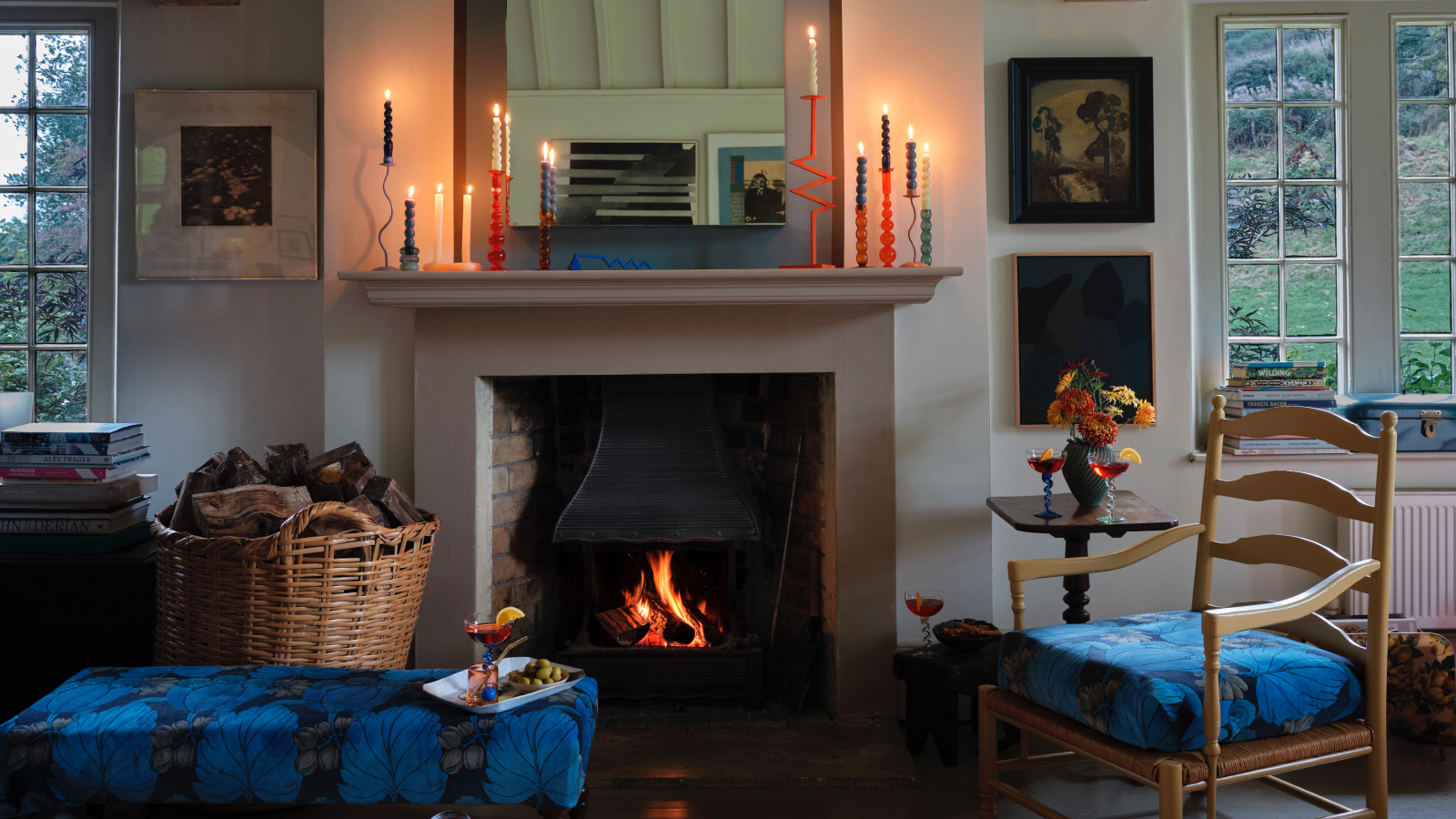
I asked professional organizers for the best winter storage tips for your living room and we love these 7 smart ideas
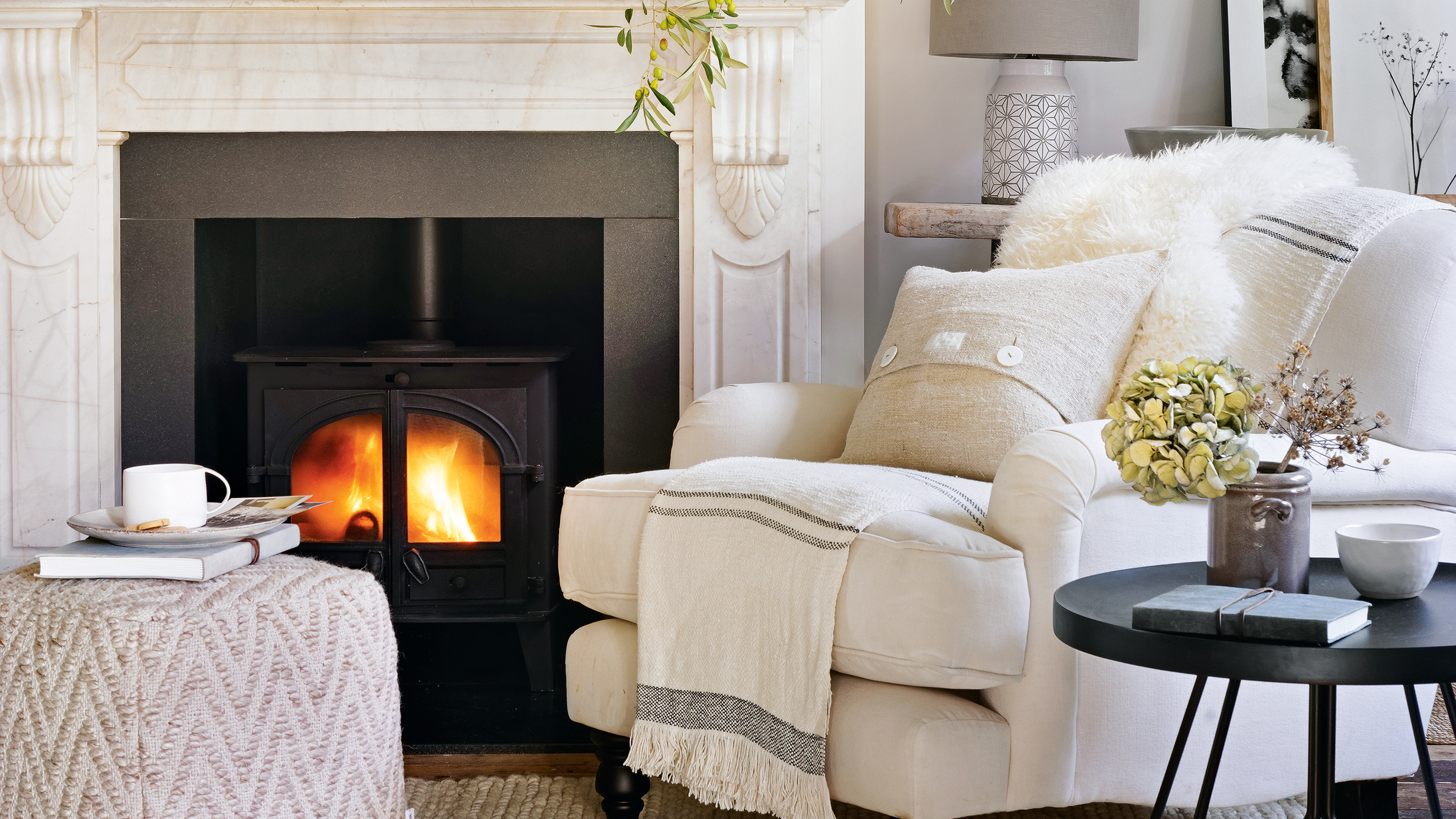
How to keep your house warm in winter — 29 budget-friendly and easy ways to stay cosy
Mantel magic: 7 tips to make your hearth into a wintry respite

It's Time to Prepare Your Home for Winter With These 10 Quick, Easy Ways
11 Best Ways to Heat a Garage In the Winter

Heat your home efficiently this winter
7 fireplace ideas for the home this winter
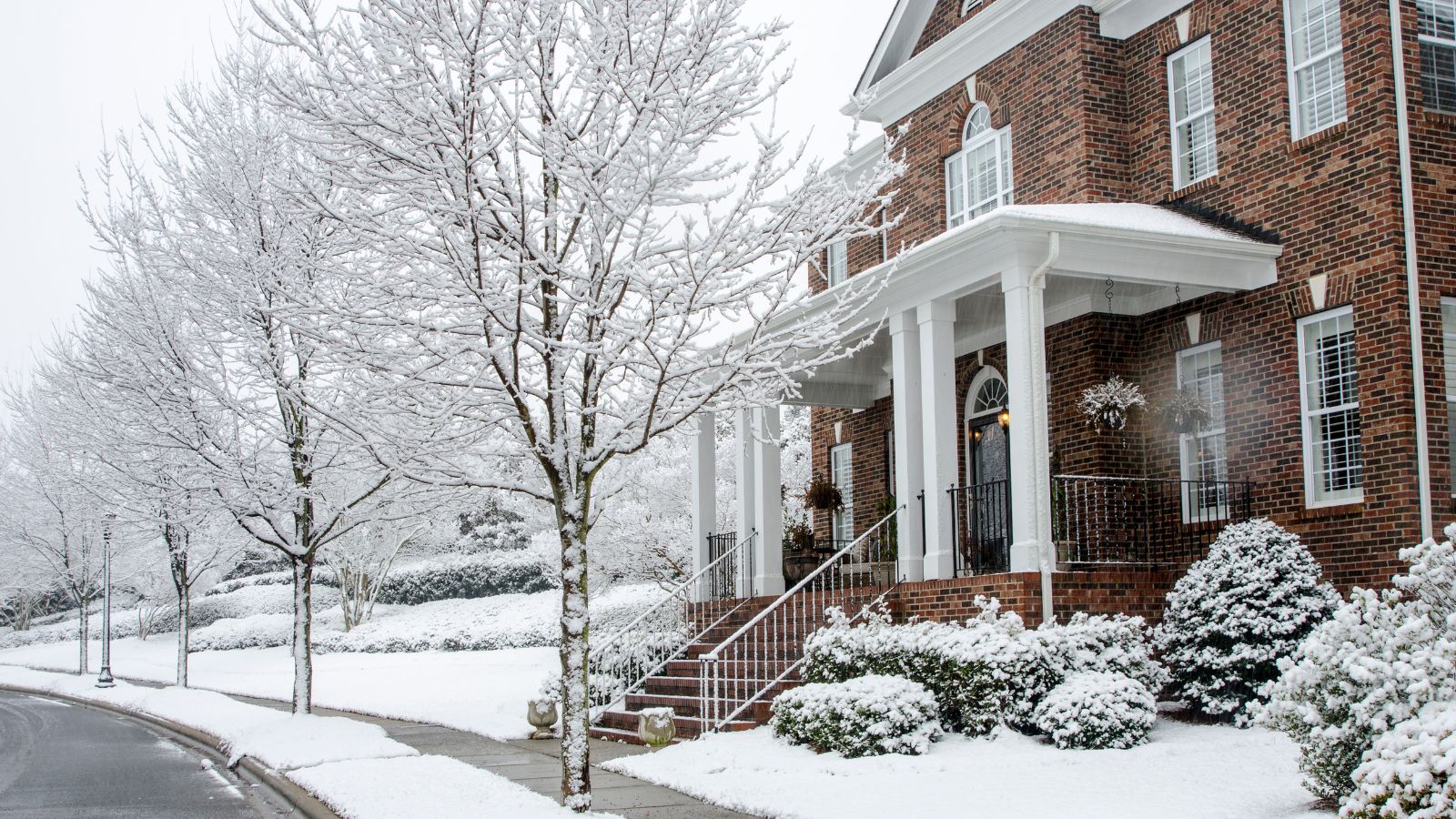
How to Winterize Your House And Save Yourself Thousands in Repairs Later
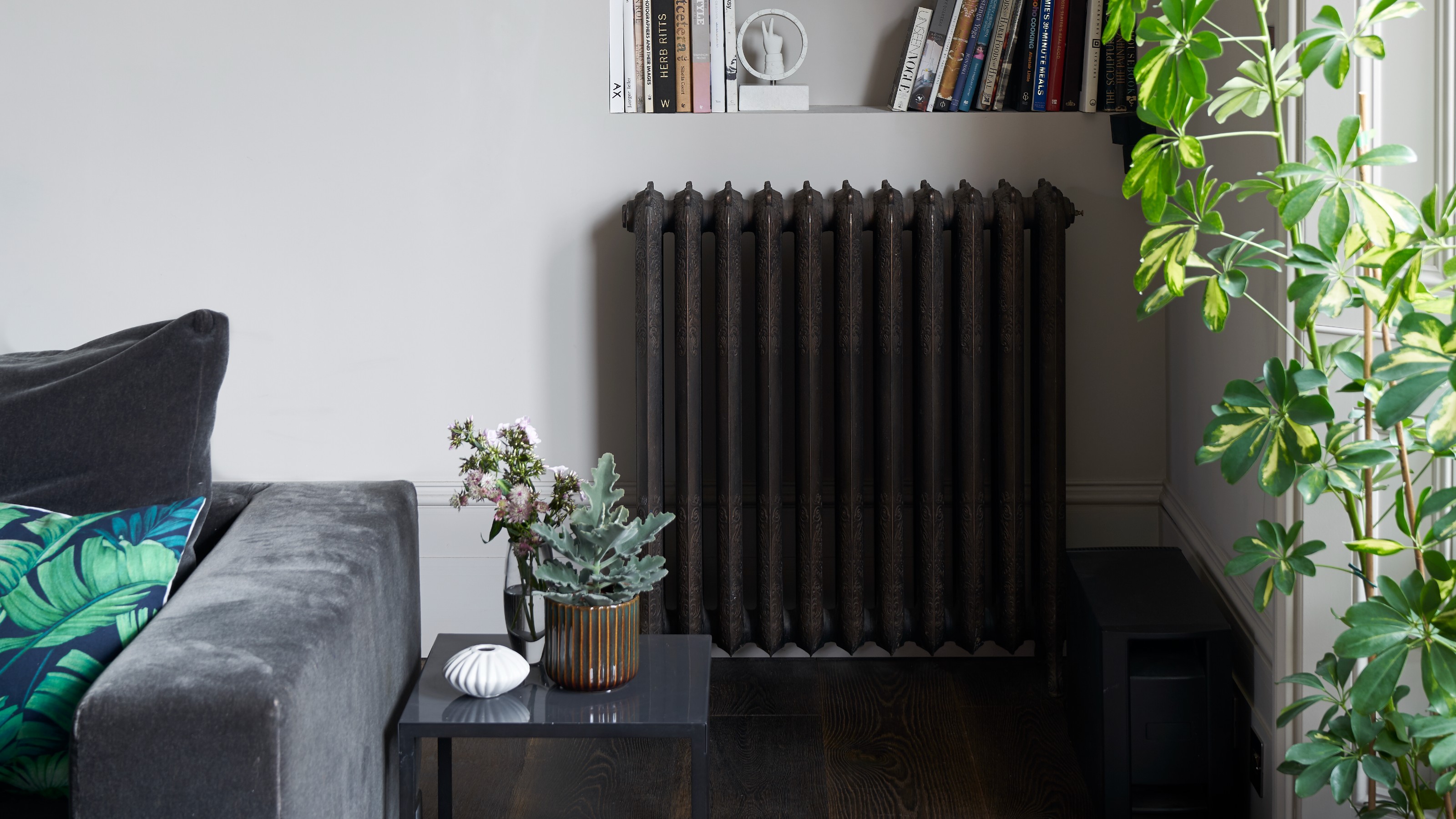
What’s the most efficient way to heat a house? How to heat your home for less, according to experts


7 curtain hacks for a warmer home this winter
9 cheap ways to heat your home this winter for under £10 each

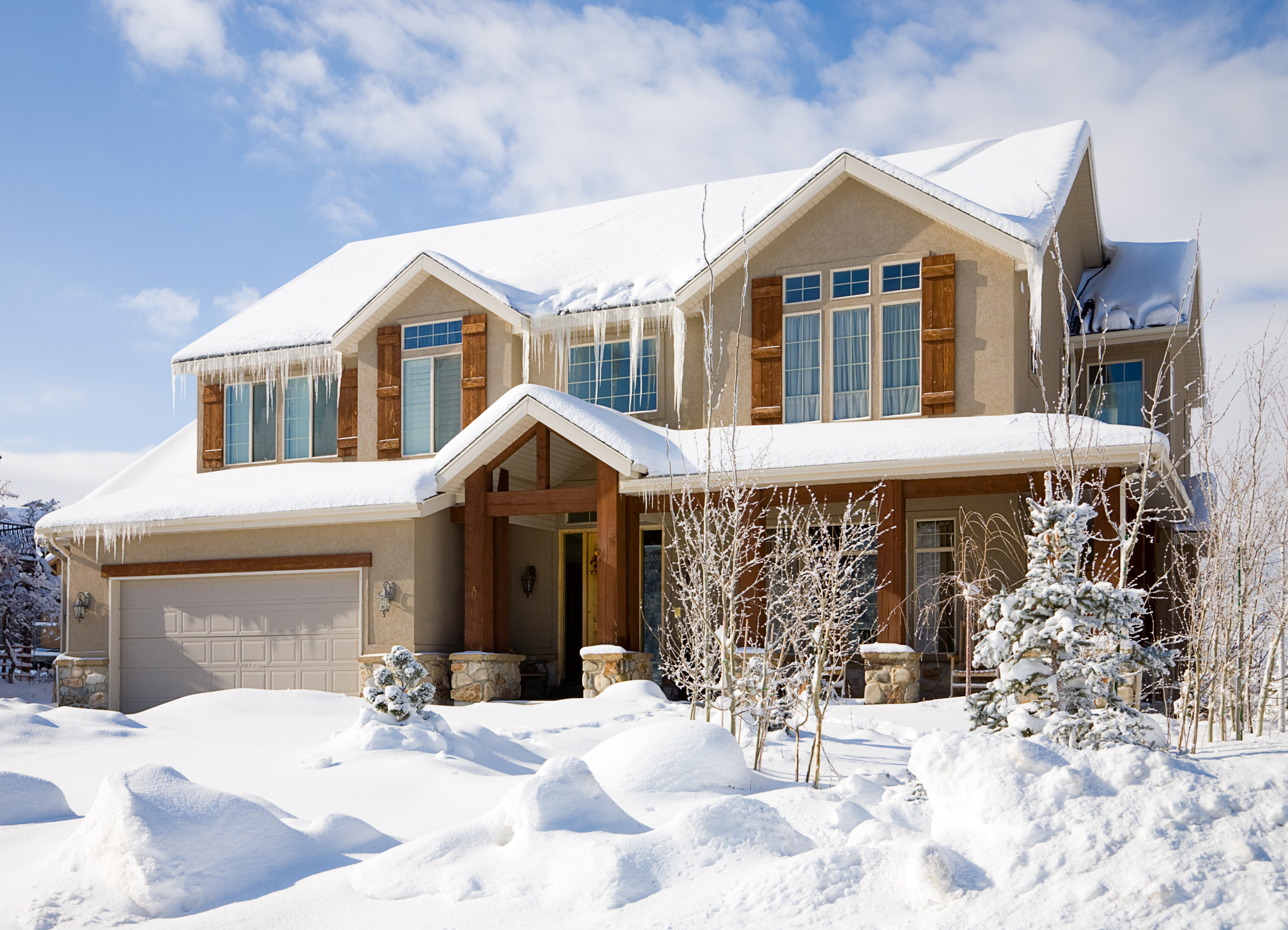
The 8 Must-Have Products to Winterize Your Home

Top 10 Winter Energy Saving Tips