1/8
6 Design Secrets from the Set of Wes Anderson’s ‘The French Dispatch’
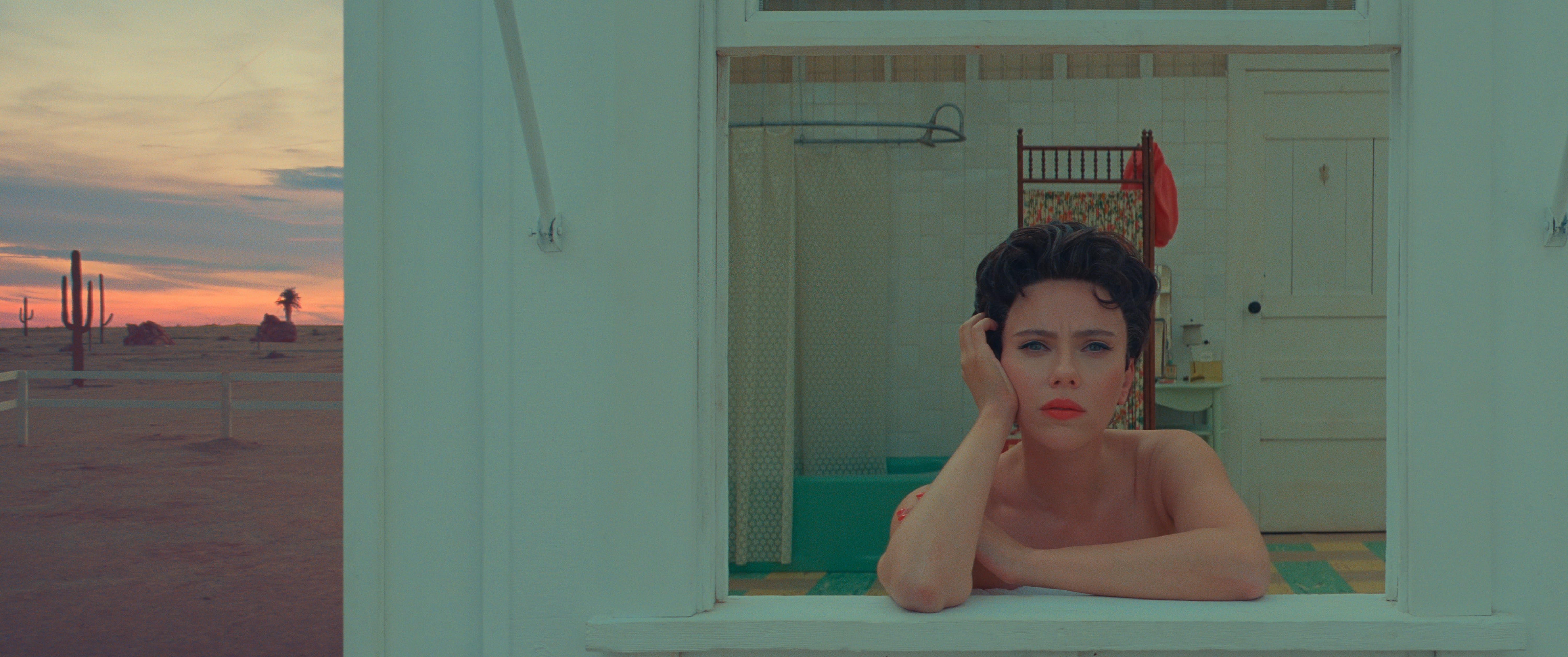
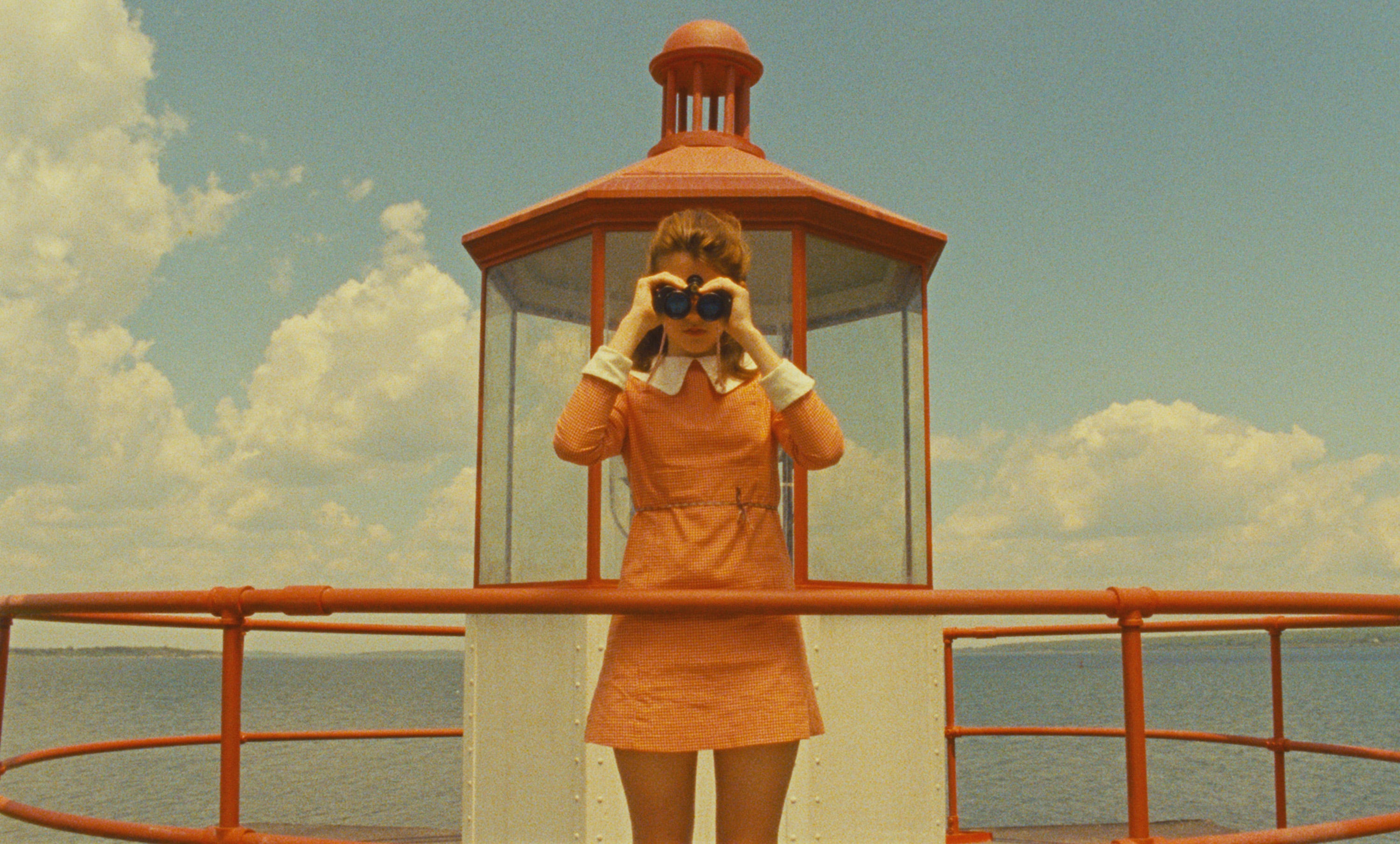
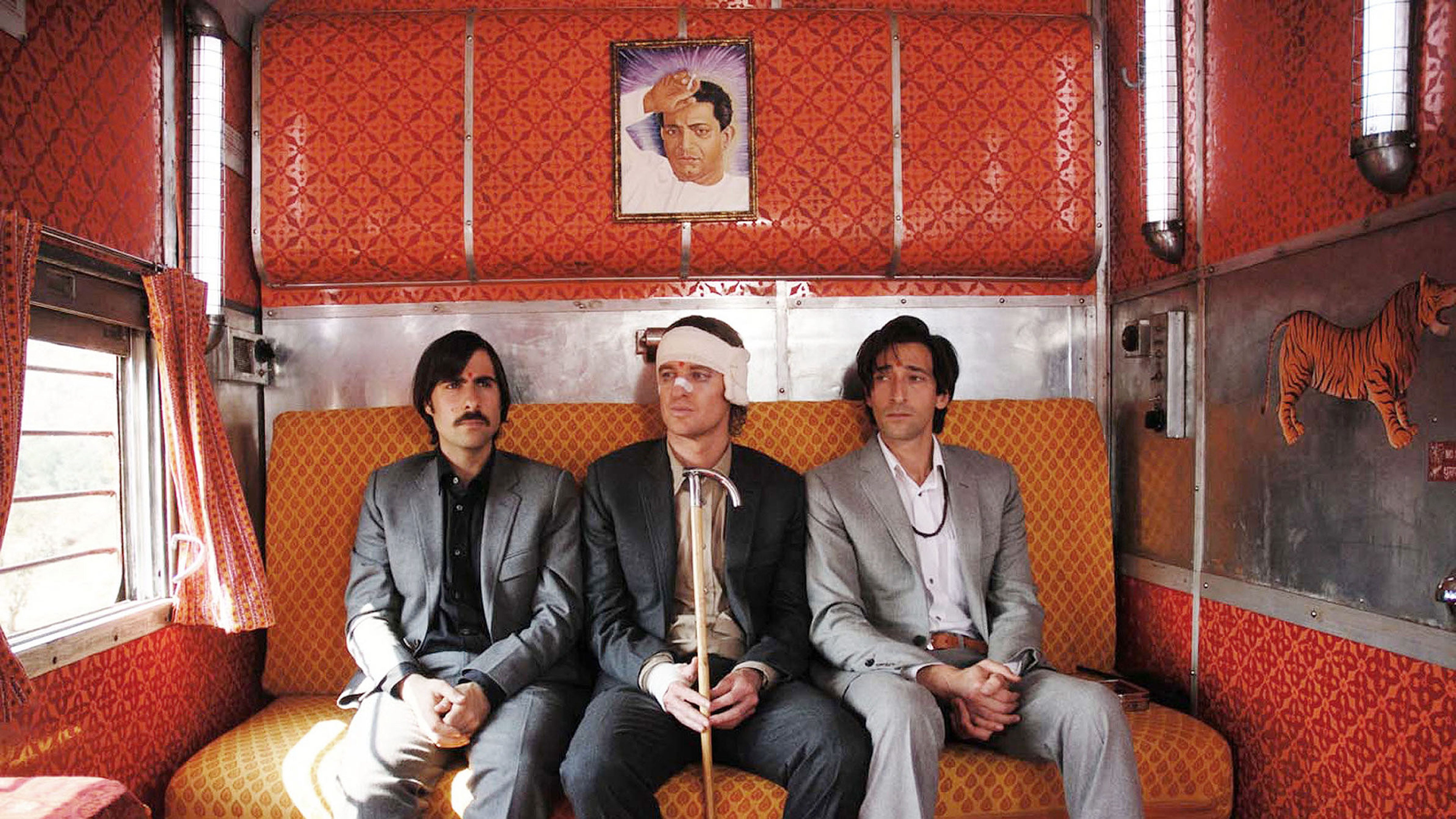
Wes Anderson's latest film, 'The French Dispatch,' offers a visual feast for design enthusiasts, inspiring home decor ideas through its meticulously crafted sets. The director, known for his deep involvement in production design and set decoration, oversees every detail from color palettes to furniture and art selection, creating nostalgic and distinct cinematic worlds. His unique aesthetic has even spawned the Instagram account and coffee table book, 'Accidentally Wes Anderson,' featuring real-world locations that mirror his filmic style.
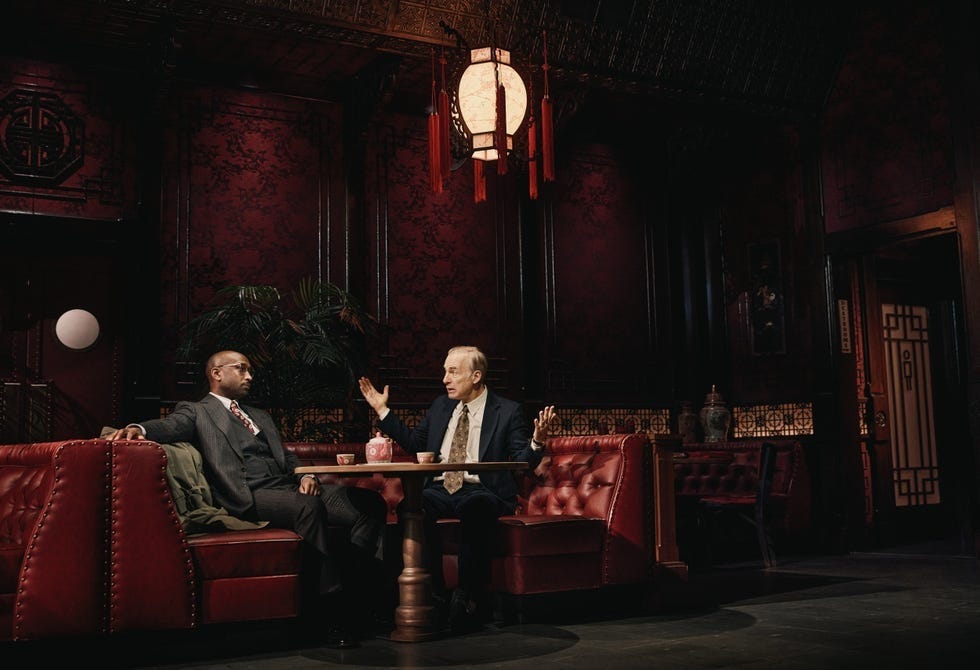
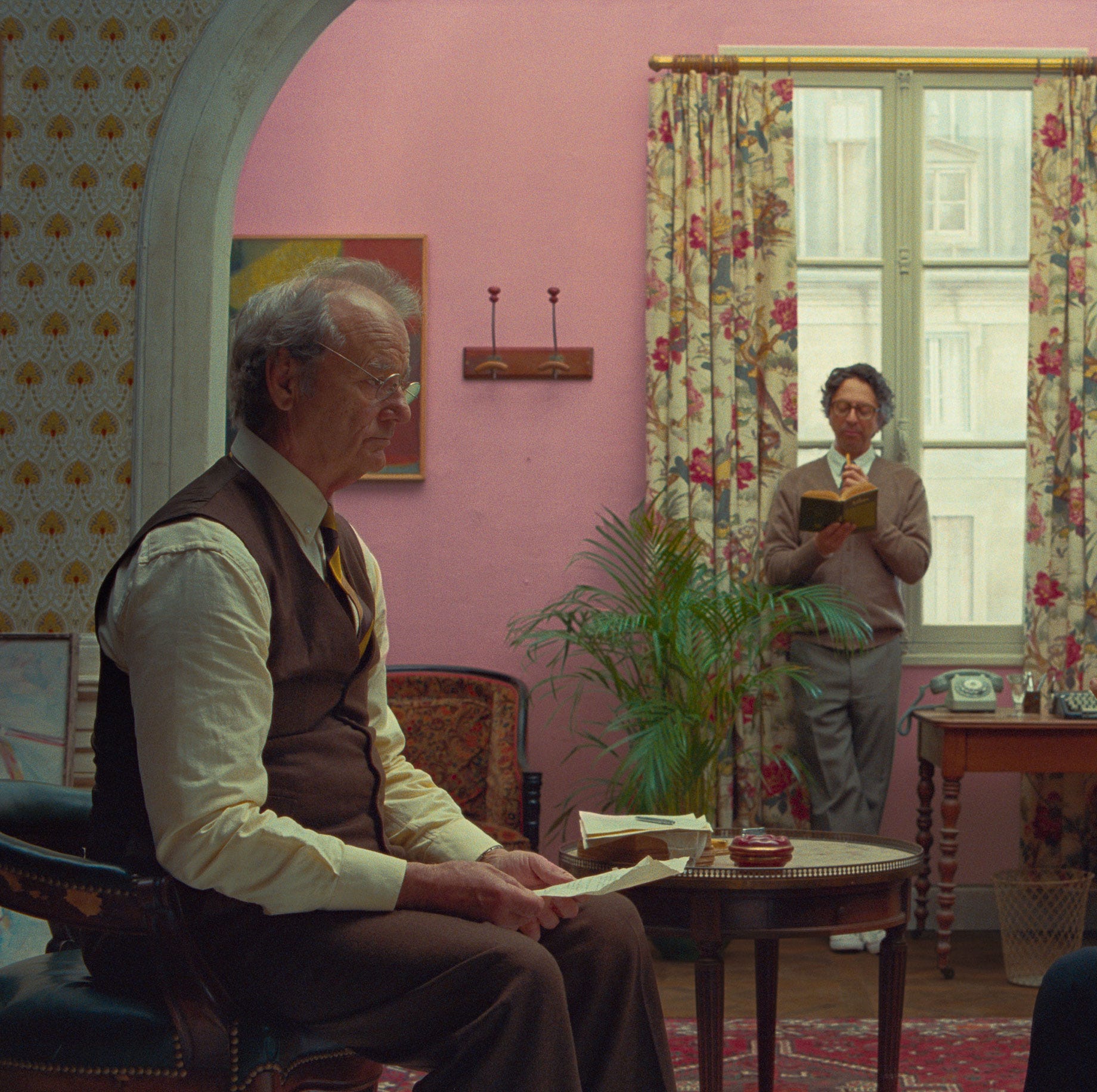
'The French Dispatch' transports audiences to postwar France, presenting a series of stories from the final issue of a New Yorker-esque American magazine in the fictional French city of Ennui-sur-Blasé. The real-life town of Angoulême served as the backdrop for this imaginary setting. The film features a stellar ensemble cast including Bill Murray as the magazine's editor, Tilda Swinton, Timothée Chalamet, Frances McDormand, Jeffrey Wright, Owen Wilson, and Benicio del Toro. However, the true star is the elaborate set design, which is expected to ignite a trend in vintage French decor.
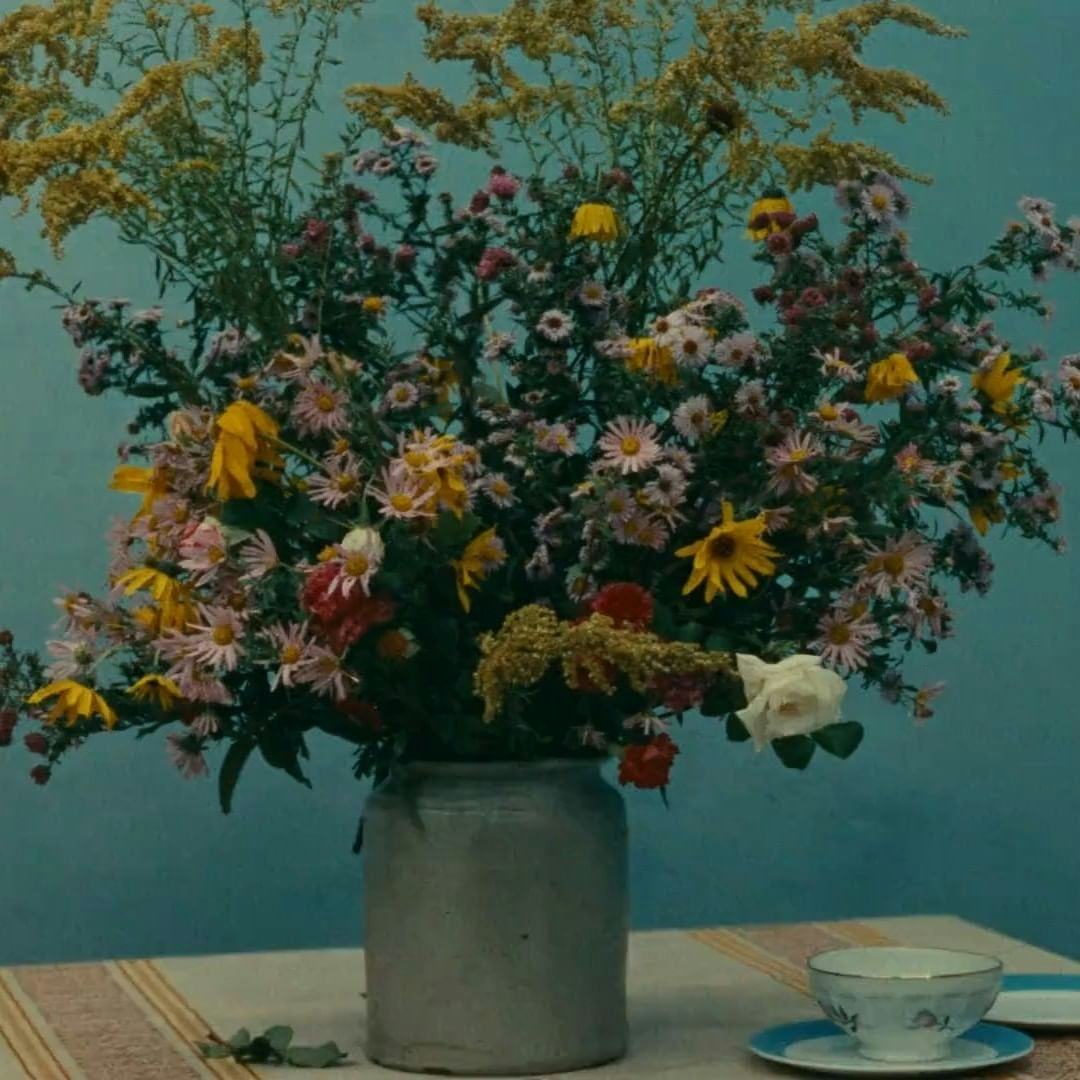
Production designer Adam Stockhausen and set decorator Rena DeAngelo shared insights into achieving Anderson's signature 'Frenchified' look. Their creative process began with Anderson providing a curated list of films for design inspiration. For 'The French Dispatch,' they drew cues from movies like 'The Red Balloon,' particularly its use of jewel tones and vibrant color pops against a subdued postwar Parisian backdrop. Stockhausen highlighted the pervasive use of citron yellow, which extended from a bright café, Le Sans Blague, to cars and storefronts, complemented by greens, burgundies, and dark blues. Other influential films included Jacques Tati’s 'Mon Oncle,' Orson Welles’ 'The Trial,' Jean Luc Godard’s 'Masculin Féminin,' Francois Truffaut’s 'The 400 Blows,' '50s noir 'The Sweet Smell of Success,' and the screwball comedy 'His Girl Friday.'
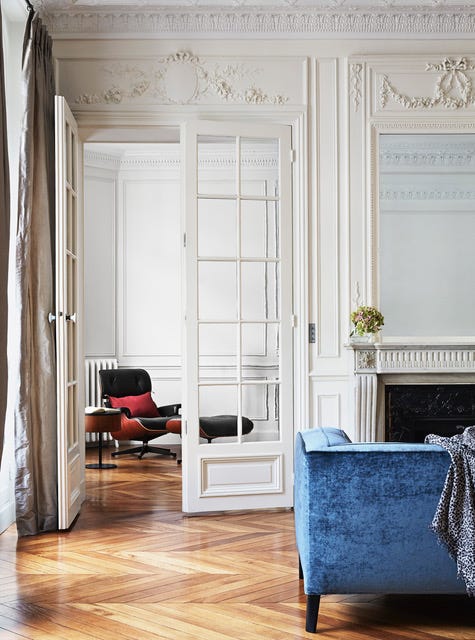
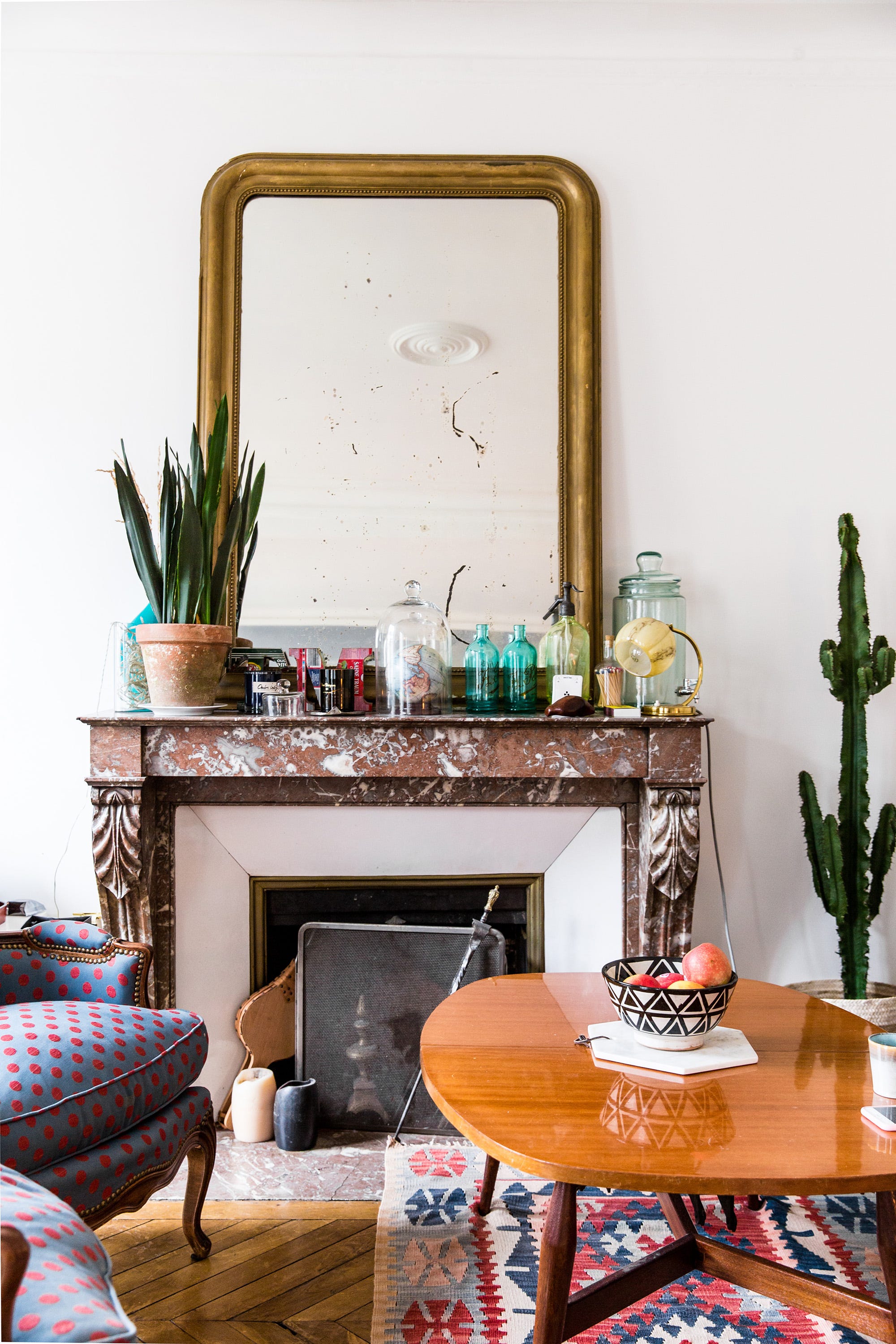
DeAngelo embarked on a six-month quest across French antique shops and flea markets to source authentic pieces, ranging from furniture to vintage copper pans for a scene featuring a police station chef. While she began her search at the renowned Saint Ouen flea market in Paris, she soon discovered more affordable finds in smaller markets in cities like Le Mans and Chartres, leveraging the knowledge of her French crew. She also visited the brocante in Bordeaux and found a treasure trove of French antiques with estate liquidator Denis Gargoulie in Angoulême. Many of these finds made their way into the film, and some, like vintage French linen, leather bergères, and a Victorian sofa, found their way into DeAngelo's personal collection.
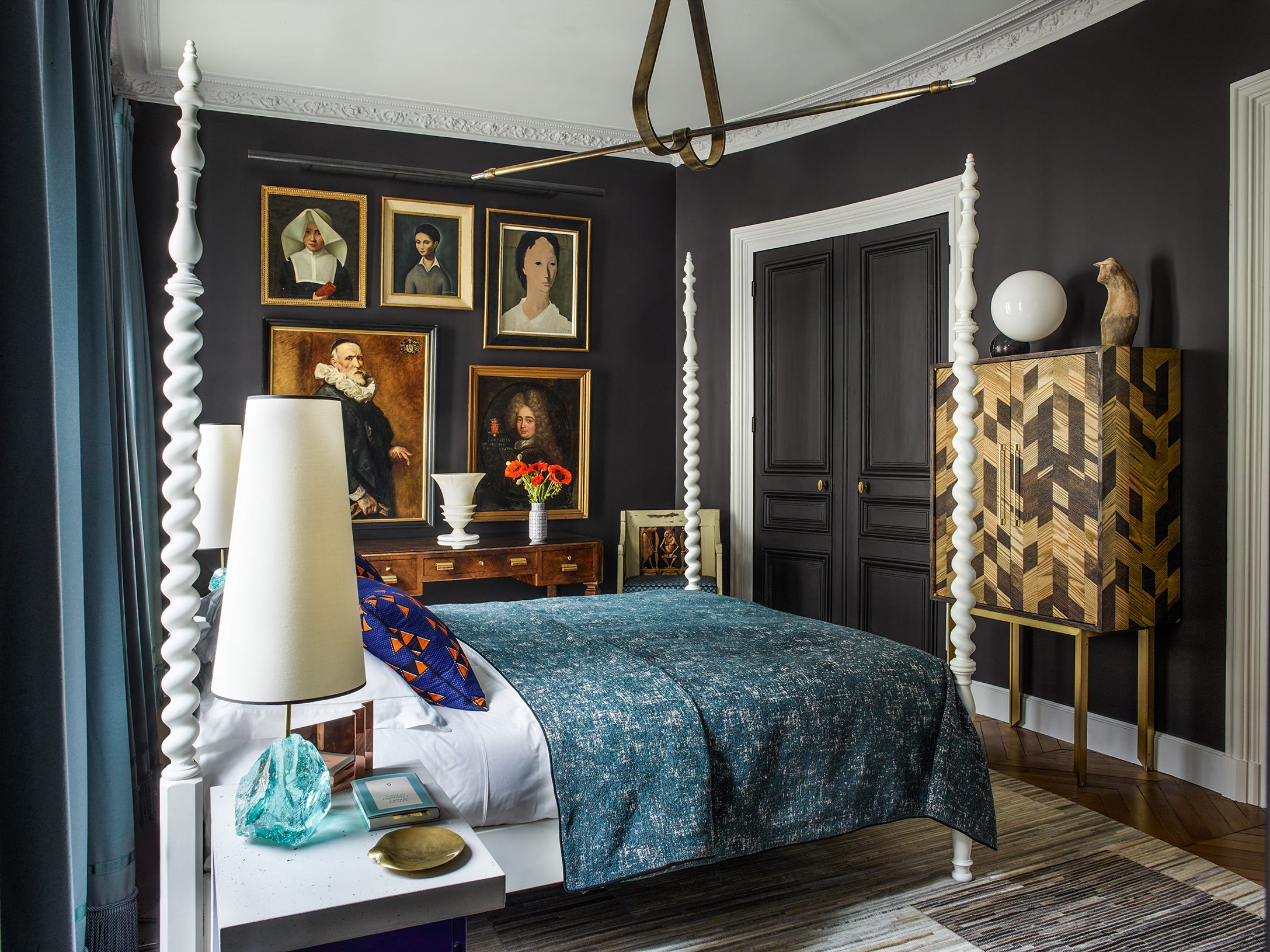
A recurring design element was turned and barley-twist furniture, which Stockhausen noted they found repeatedly in flea markets. This detail, favored by Anderson, appears ubiquitously throughout the film, from the writers' desks in the magazine office to an electric chair in a darkly comedic prison scene. The team also meticulously studied vintage lighting, drawing inspiration from old photographs of postwar France. DeAngelo observed the lighting in period cafés and offices, sourcing authentic vintage French fixtures, including fluorescent and industrial pendants, to imbue sets like the police station and cafés with a sense of realism.
True to Anderson's style, many sets were created in miniature, contributing to the film's distinctive storybook quality. Stockhausen explained their process of blending dollhouse-sized sets with full-scale scenes shot on location in Angoulême or constructed on a soundstage. Collaborating with propmaker Simon Weisse, who has worked on several of Anderson's films, they developed detailed miniature constructions. For instance, the lower sections of 'The French Dispatch' building were full-sized, while the upper parts and signage were miniatures. Similarly, for airplane scenes, a section of the main cabin was built full-size, with the rest as a miniature. The color palette, a hallmark of Anderson's films, was not based on pre-selected swatches but developed through an iterative process of experimentation and adjustment on location, highlighting a 'paint by feel' approach rather than numerical precision.
#WesAnderson #FrenchDispatch #SetDesign #ProductionDesign #VintageDecor #PostwarFrance #FilmInspiration #FleaMarketFinds #MiniatureSets #WesAnderson #FrenchDispatch #SetDesign #ProductionDesign #VintageDecor #PostwarFrance #FilmInspiration #FleaMarketFinds #MiniatureSets
0 Kommentare insgesamt
 Noch keine Kommentare
Das könnte Ihnen auch gefallen
10 Questions With… Friedmann & Versace

Paris Design Week 2024: the highlights

Kevin Thompson On Building Leonard Bernstein’s Homes Away From the Podium for ‘Maestro’
Wes Anderson-Inspired Decorating Tips and Decor
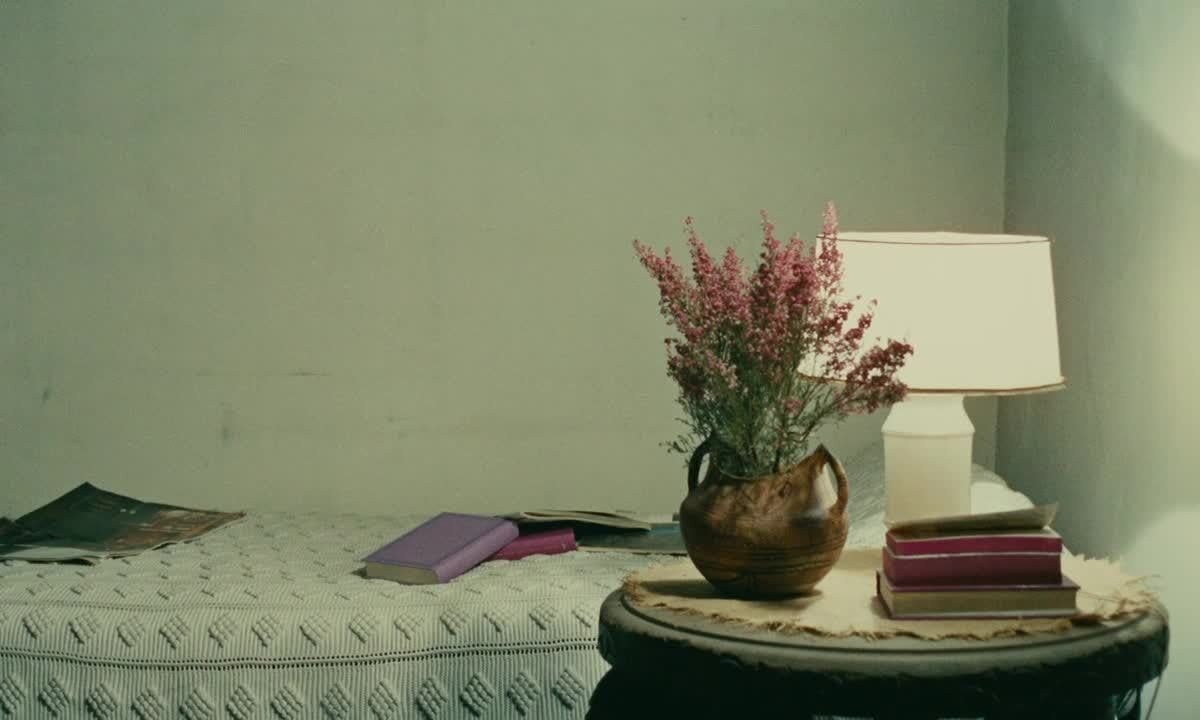
This Classic French Film Will Inspire You To Redecorate
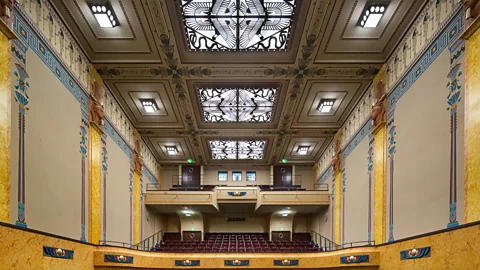
The vintage French style taking interiors by storm

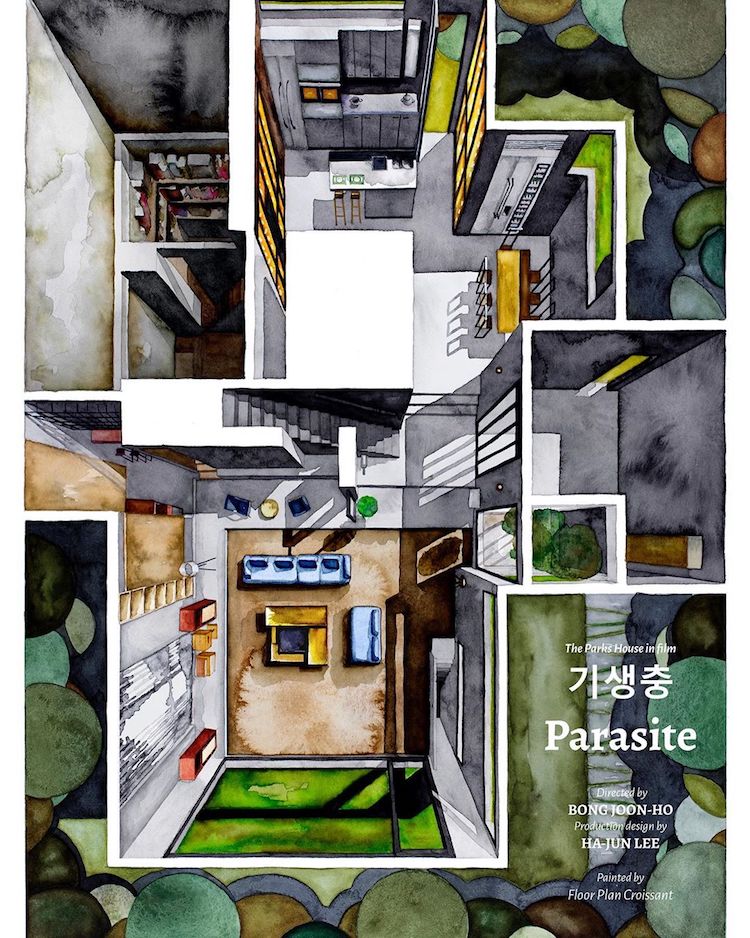
Illustrated Floor Plans Feature Architecture and Set Design of Beloved Films

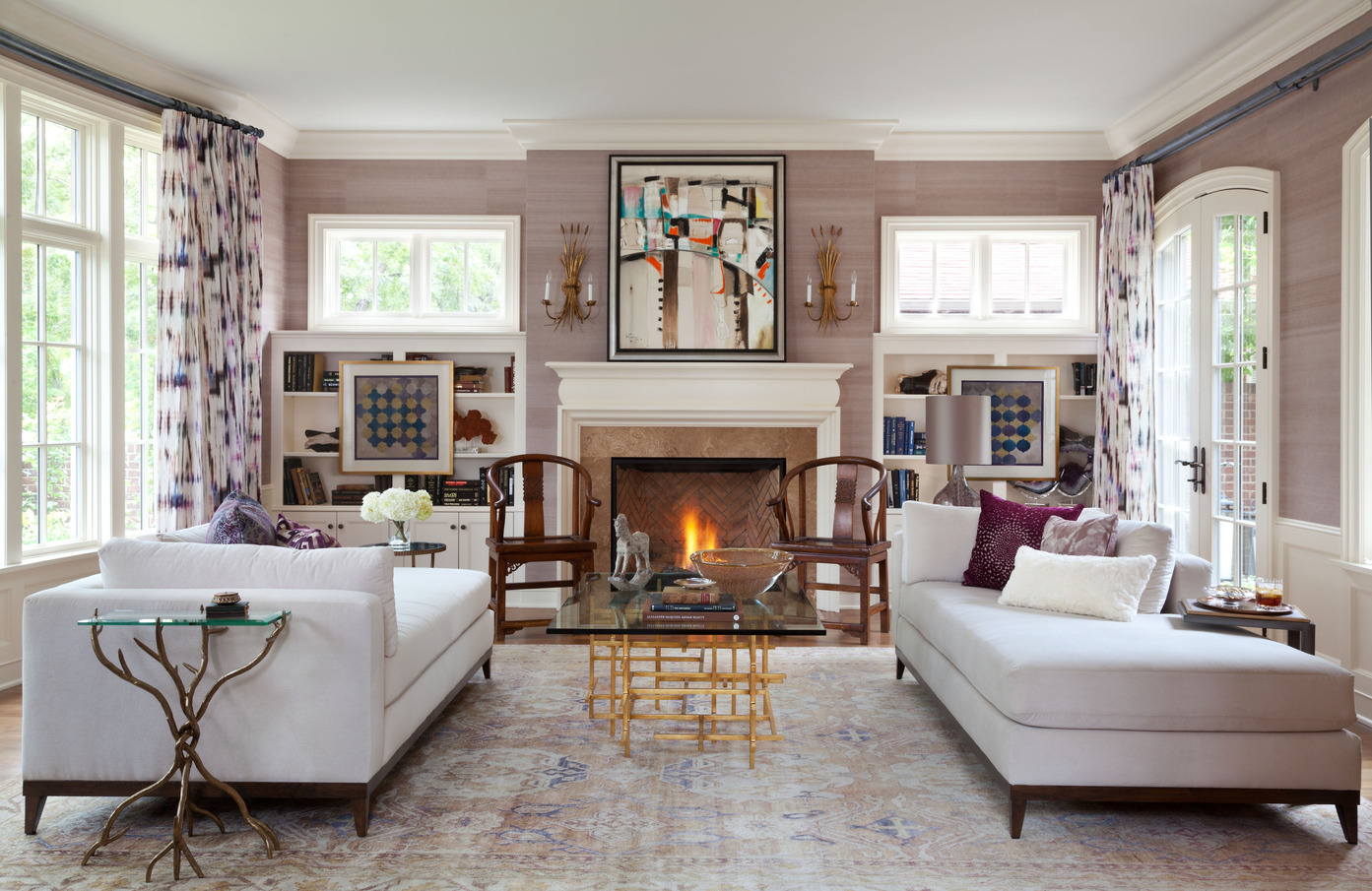
10 Questions With Interior Designer Andrea Schumacher
A Broadway Set Designer Shares His Best Tips for Decorating with Drama

Your Complete Guide to Parisian Interior Design, Straight From Designers

5 Lessons From a New York Home That Takes Its Cues From Modern Parisian Design

9 Movies With Stunning Interiors Every Design Lover Must See

Dreaming of a French-Inspired Home? Designers Share Everything to Know
Inside the Paris penthouse of a ‘design detective’
8 totally aesthetic Wes Anderson-inspired home decor ideas

7 French Interior Design Rules To Live By For An "Effortlessly" Chic Lifestyle
Our Ultimate Ranking Of Wes Anderson Movie Interiors
9 of the Most Stunning Examples of Interior Design in Movies
Home & Design | French Connection

Q&A: Interior Designer Wanda Horton