1/8
Our Ultimate Ranking Of Wes Anderson Movie Interiors
Wes Anderson's films are renowned for their distinctive visual style, characterized by striking symmetry, bold color palettes, and whimsical aesthetics. This unique approach extends to his meticulously designed interiors, which contribute significantly to the overall charm and character of his cinematic works. Anderson's precise attention to detail in set design is so profound that it has inspired numerous parodies and social media trends, with production designer Adam Stockhausen noting the director's exacting standards. Anderson himself has expressed a childhood ambition to be an architect, a desire he believes fuels his passion for creating 'fantasy locations' through film.
Despite a consistent stylistic signature, each of Anderson's films possesses its own unique interior design identity, making them a source of inspiration for interior designers. This article ranks some of the most notable interiors from his filmography, inspired by his latest work, 'The Phoenician Scheme.' Starting with 'Asteroid City' (2023), the production team constructed an entire 1950s-style town, complete with a motel, diner, and gas station, all set against a red dirt desert landscape. While the interiors are painstakingly detailed, the desert environment is arguably the film's primary visual draw.
'Moonrise Kingdom' (2012), set on the fictional island of New Penzance, features charming 1960s-style buildings. The Bishop family house, with its coastal decor and checkerboard floors, and Suzy's orange lighthouse hideaway, contribute to the film's escapist fantasy. In contrast, 'The Darjeeling Limited' (2007) immerses viewers in a vibrant visual experience aboard a train traveling across India. The train carriages, co-designed by Anderson and set designer Mark Friedberg, are a riot of clashing patterns and oversaturated hues, including sunset oranges, cerulean blues, and rich yellows.
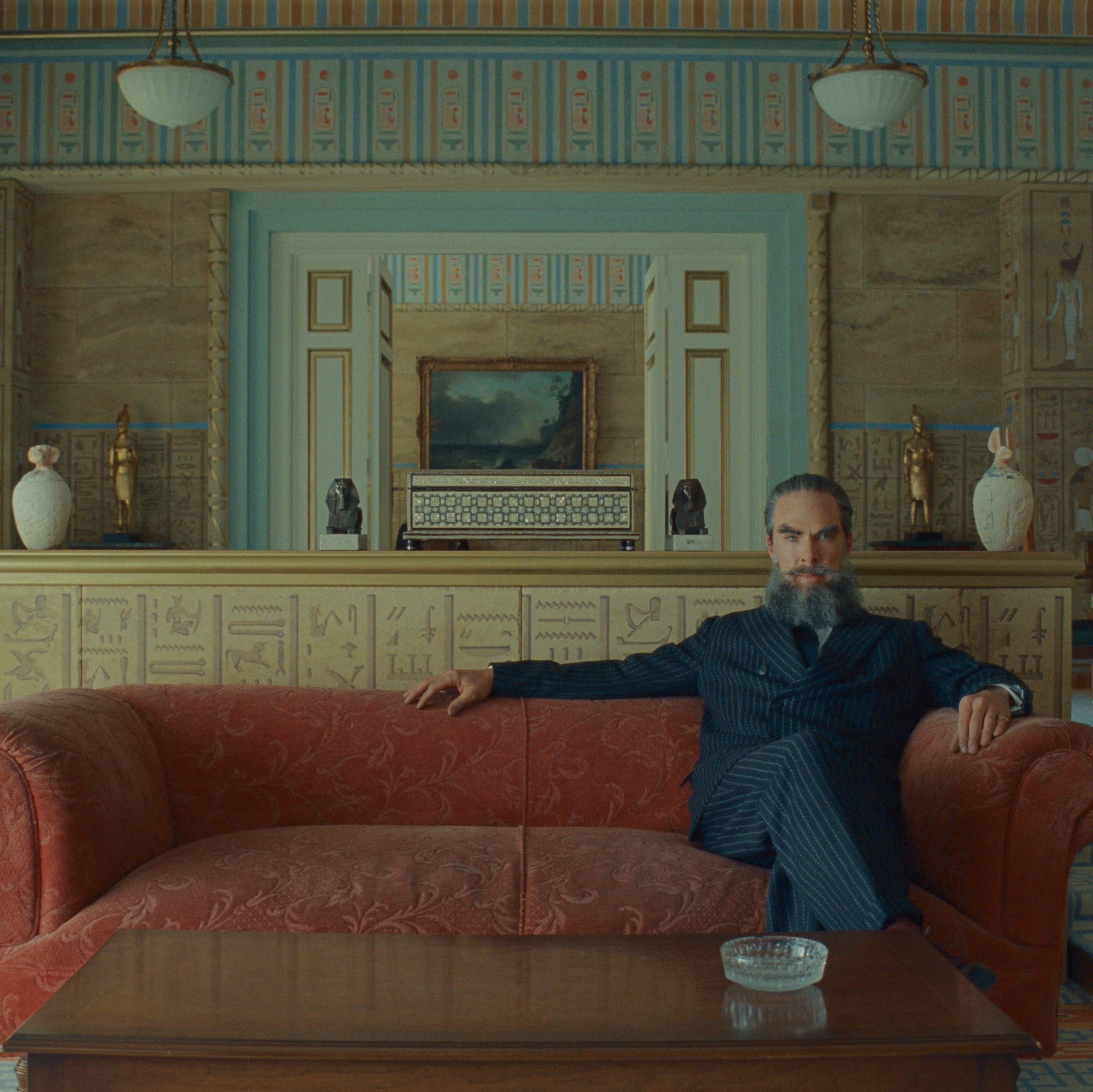
Anderson’s most recent film, 'The Phoenician Scheme' (2025), deviates from the vibrant palettes of previous works, adopting a cooler and darker visual tone. The interiors of ruthless business tycoon Zsa-zsa Korda's palazzo are a grand and eclectic mix, featuring medieval artwork, mid-century furniture, ancient Egyptian iconography, marble columns, wall murals, and striking tiled floors, reflecting the complex character of Korda himself.
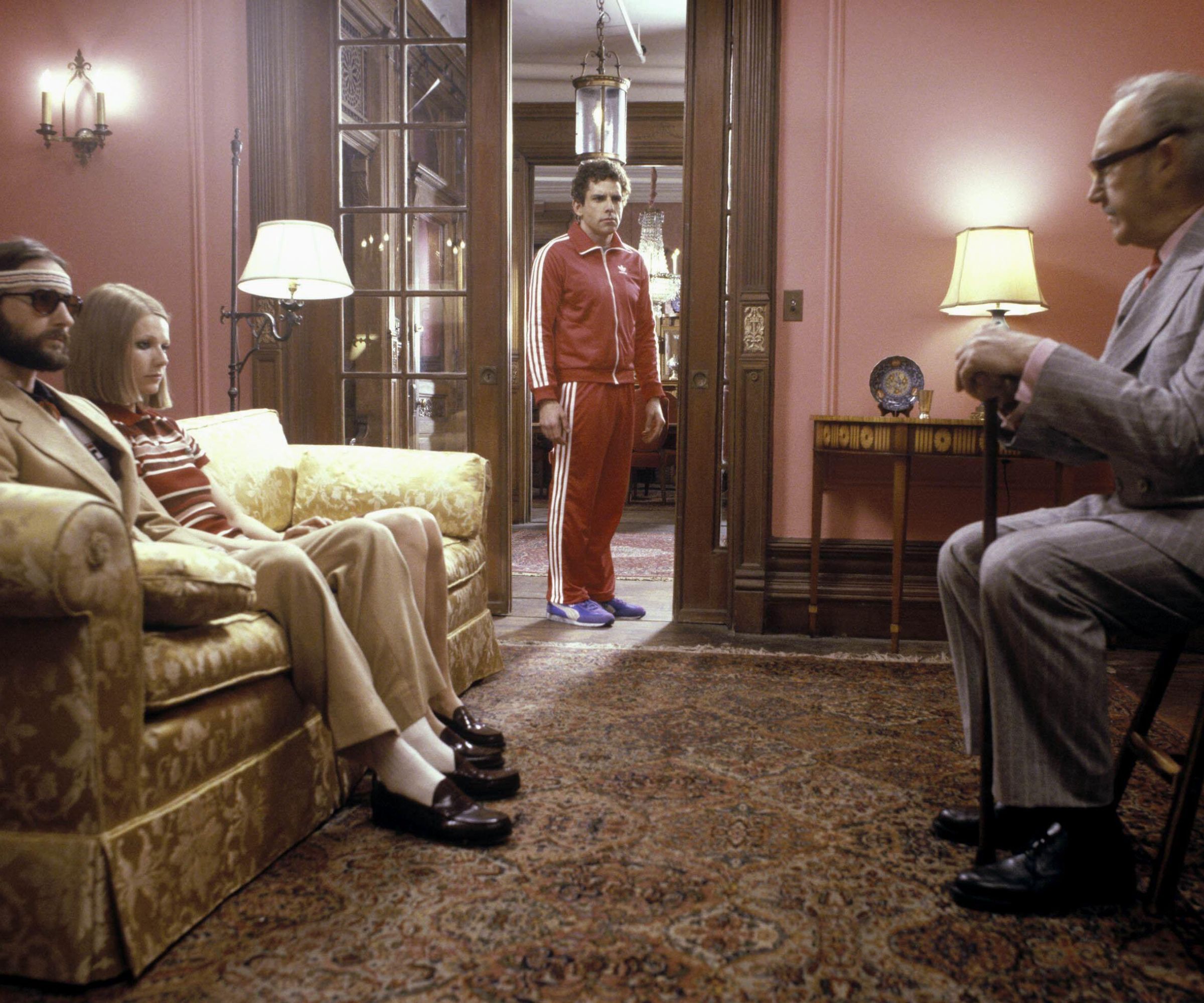
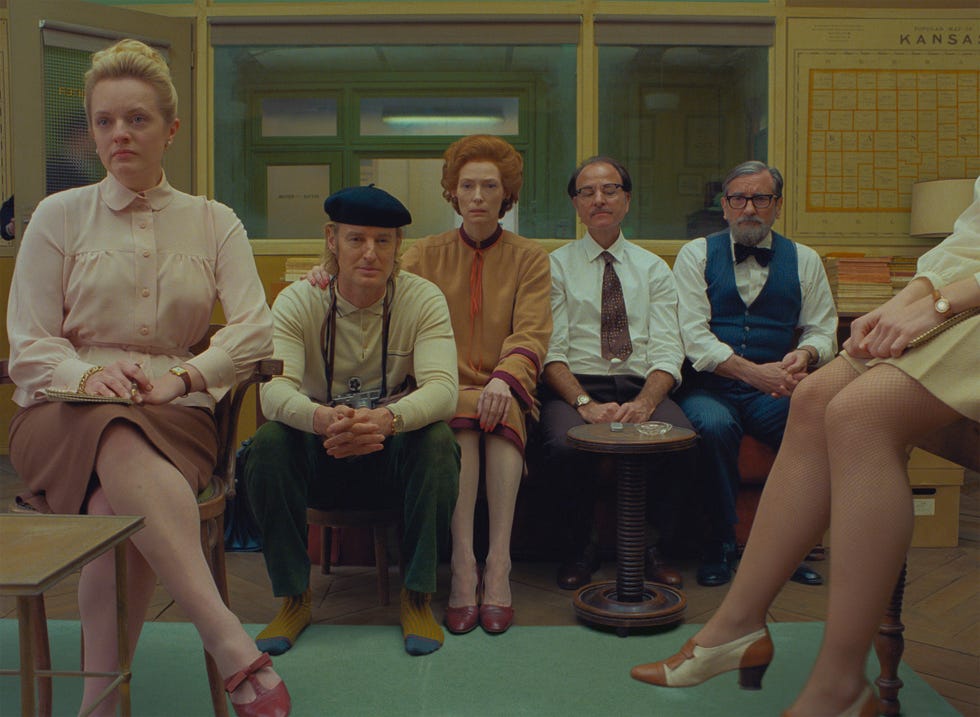
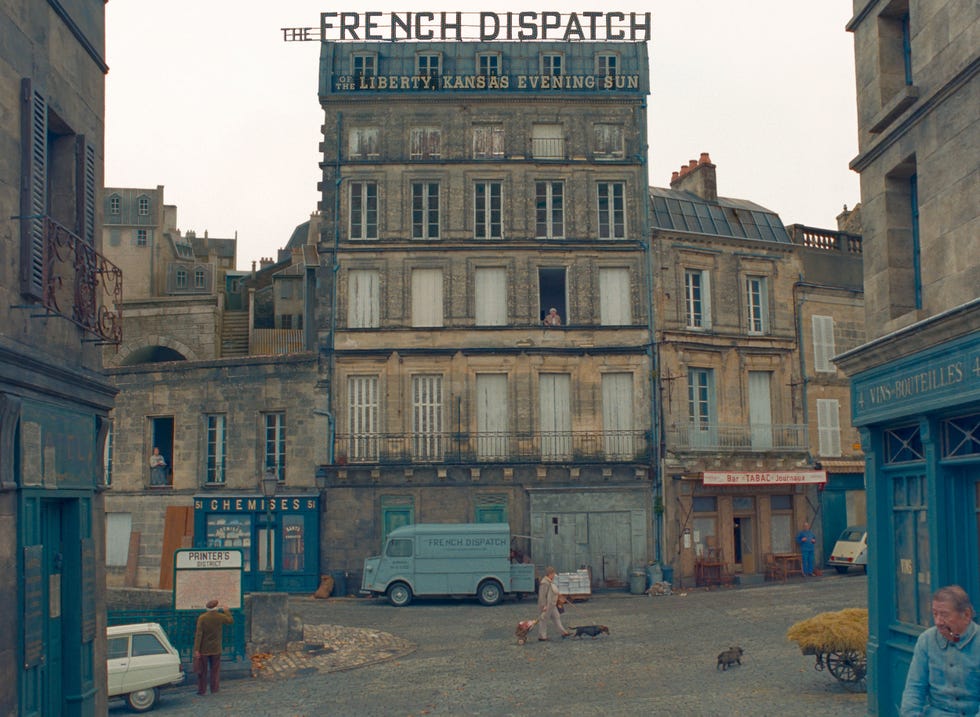
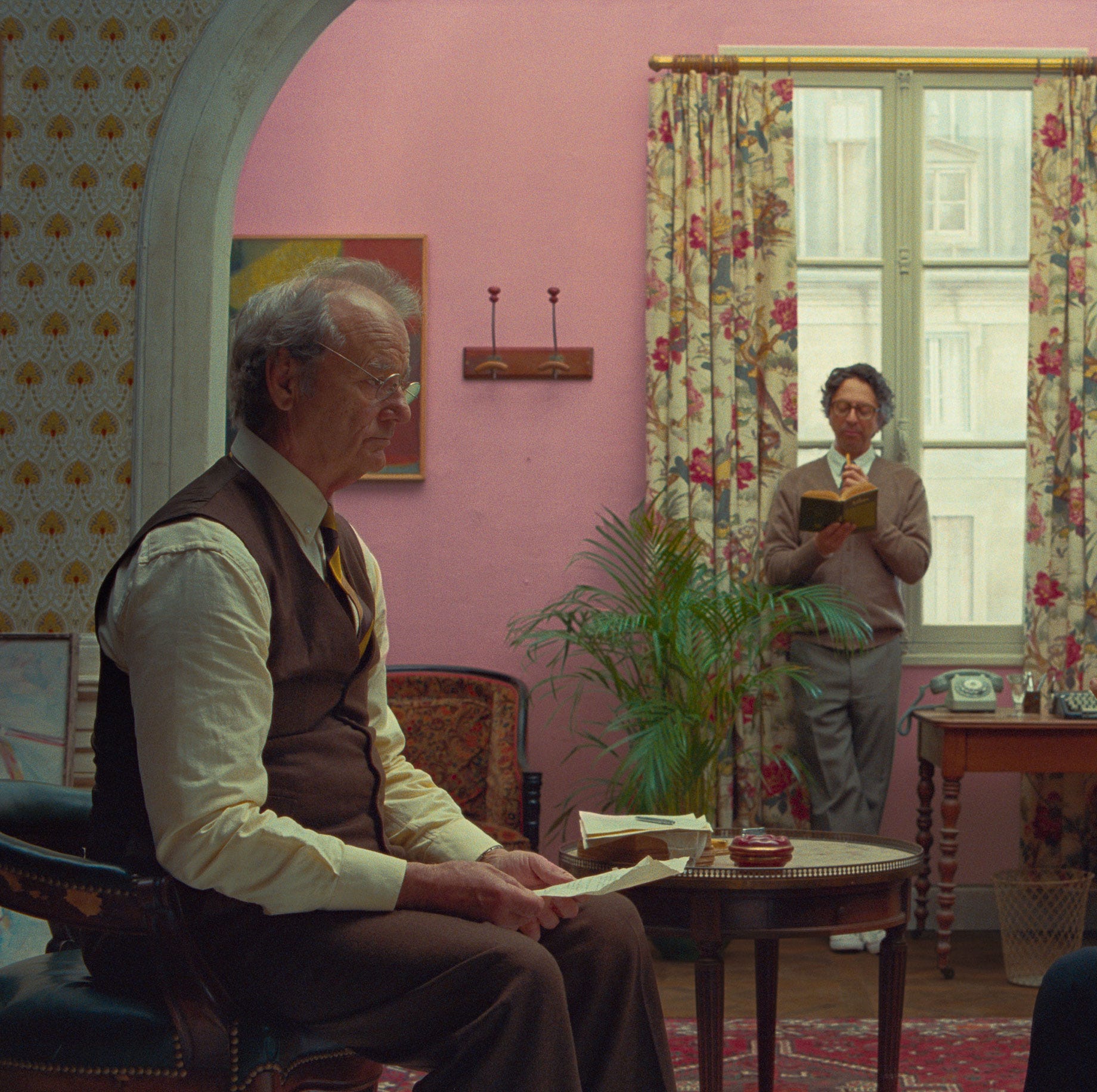
'The French Dispatch' (2021) offers a nostalgic glimpse into the offices of an American newspaper in France. Shot partly in black and white and partly in color, the film's interiors are filled with antique and thrifted furniture, set against a warm mid-century palette, creating a picturesque and purposeful aesthetic that is distinctly Wes Anderson. 'The Royal Tenenbaums' (2001) presents a more lived-in, whimsical version of a 1970s New York house. The Tenenbaum home, with its ballroom, library, and boardgame-filled closet, was designed to evoke a strong sense of family history, with every corner seemingly holding a story.
Finally, 'The Grand Budapest Hotel' (2014) is highlighted as Anderson's most opulent visual masterpiece. Inspired by the spa town of Karlovy Vary, Czech Republic, and its Belle Époque architecture, the film features a rich color palette ranging from soft pastels to bold purples and reds. This creates a sumptuous and dreamlike quality in the sets, showcasing Anderson at his most visually extravagant.
#WesAnderson #MovieInteriors #FilmProductionDesign #AestheticRanking #GrandBudapestHotel #RoyalTenenbaums #FrenchDispatch #PhoenicianScheme #DarjeelingLimited #MoonriseKingdom #AsteroidCity #SetDesign #InteriorInspiration #WesAnderson #MovieInteriors #FilmProductionDesign #AestheticRanking #GrandBudapestHotel #RoyalTenenbaums #FrenchDispatch #PhoenicianScheme #DarjeelingLimited #MoonriseKingdom #AsteroidCity #SetDesign #InteriorInspiration
0 comment in total
 No comments yet
You may also like
8 totally aesthetic Wes Anderson-inspired home decor ideas

Best Window Films From Our Tests
9 Iconic Movie Bedrooms We Can't Stop Dreaming About

We asked interior designers for their favorite homes from Nancy Meyers' movies – these were the 5 that came up top

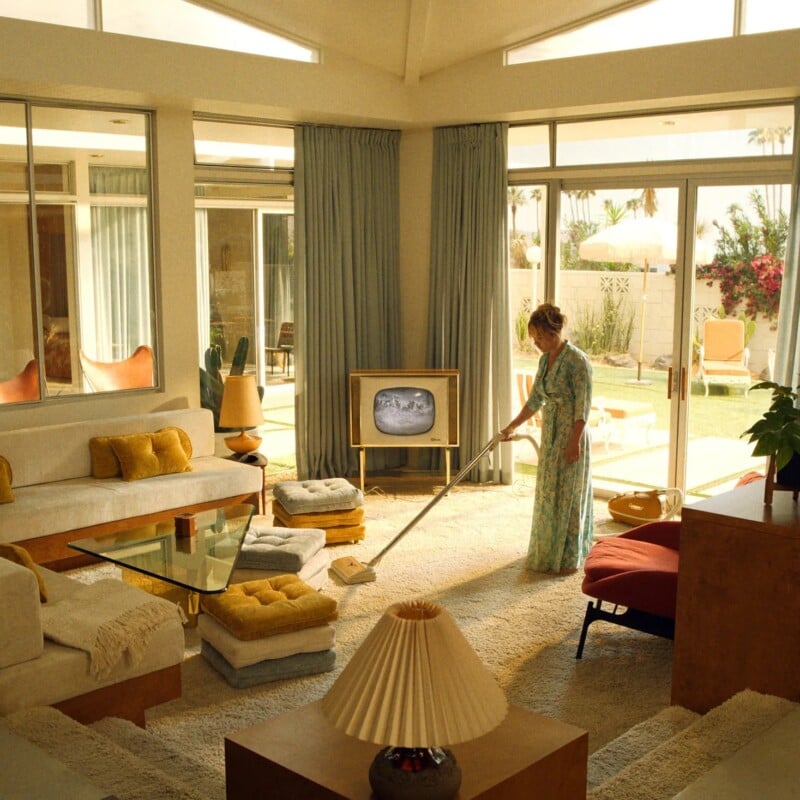
9 of the Most Stunning Examples of Interior Design in Movies

Our Favorite Western Interiors of 2021

Explore Interior Design’s Hall Of Fame Icons On Screen

How WOW!house showcases the best in contemporary interior design
9 Movies With Stunning Interiors Every Design Lover Must See
Illustrated Floor Plans Feature Architecture and Set Design of Beloved Films

6 movies you need to watch before your next redecorating project
The Best Window Films Tested for Privacy and More

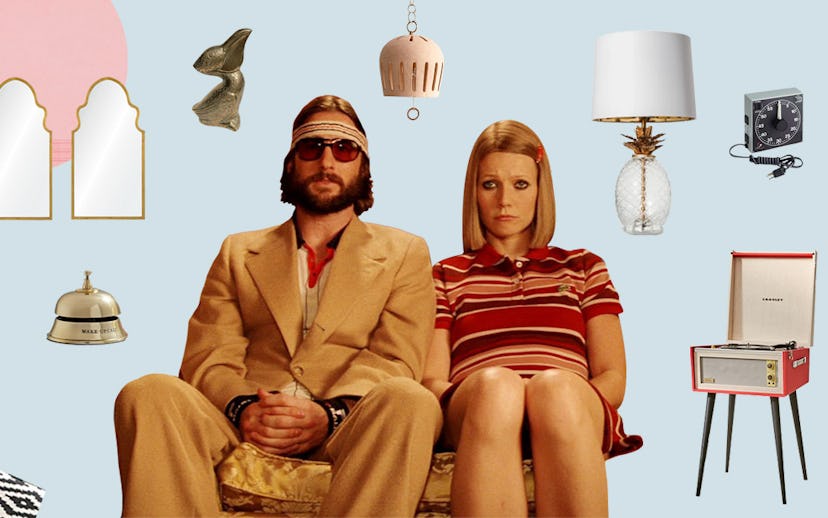
Wes Anderson-Inspired Decorating Tips and Decor
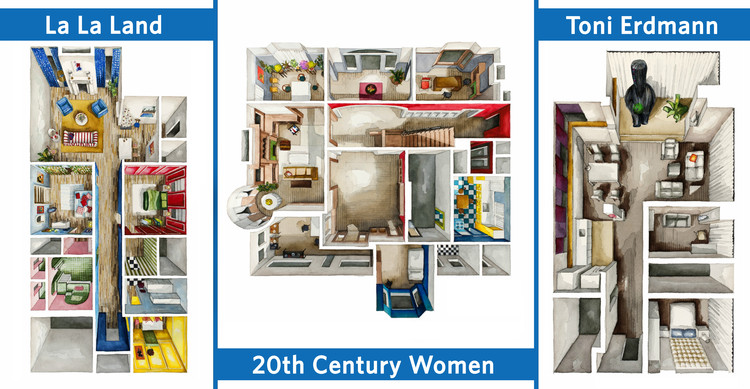
Designing the Year's Best Motion Pictures: 5 Floor Plans from Oscar-Nominated Films

The best interior designers
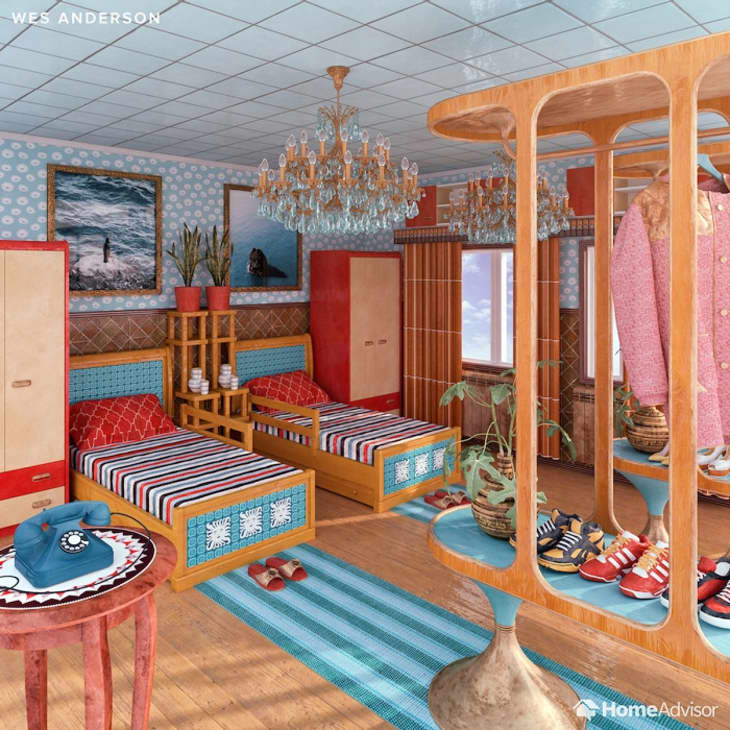
These 7 Fantasy Bedrooms Are Inspired by Wes Anderson, Peter Jackson and More Star Directors
Cutting Room: "Interiors" takes classic films back to the drawing board
6 Design Secrets from the Set of Wes Anderson’s ‘The French Dispatch’