How to Incorporate Color Drenching in Your Home Design
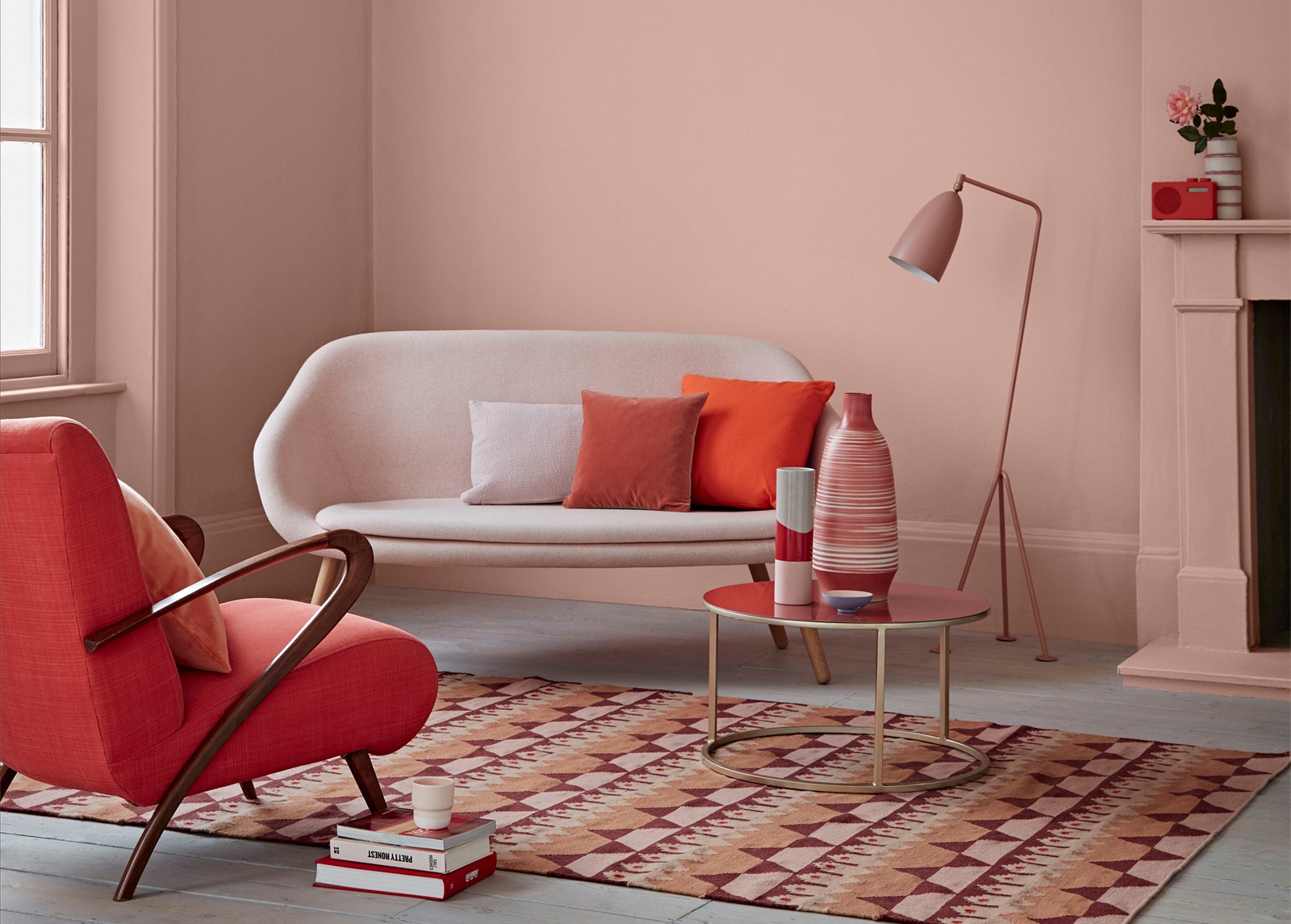
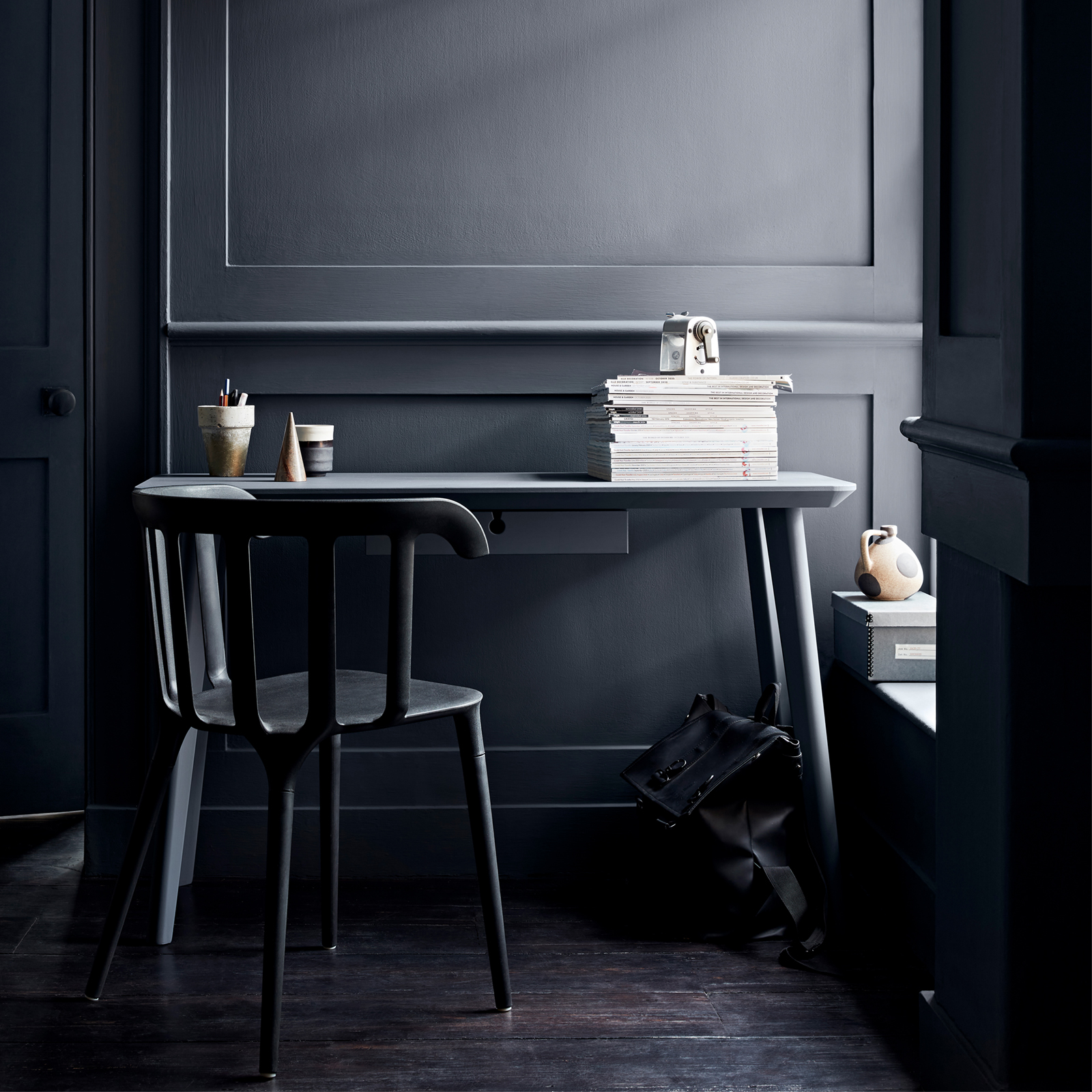
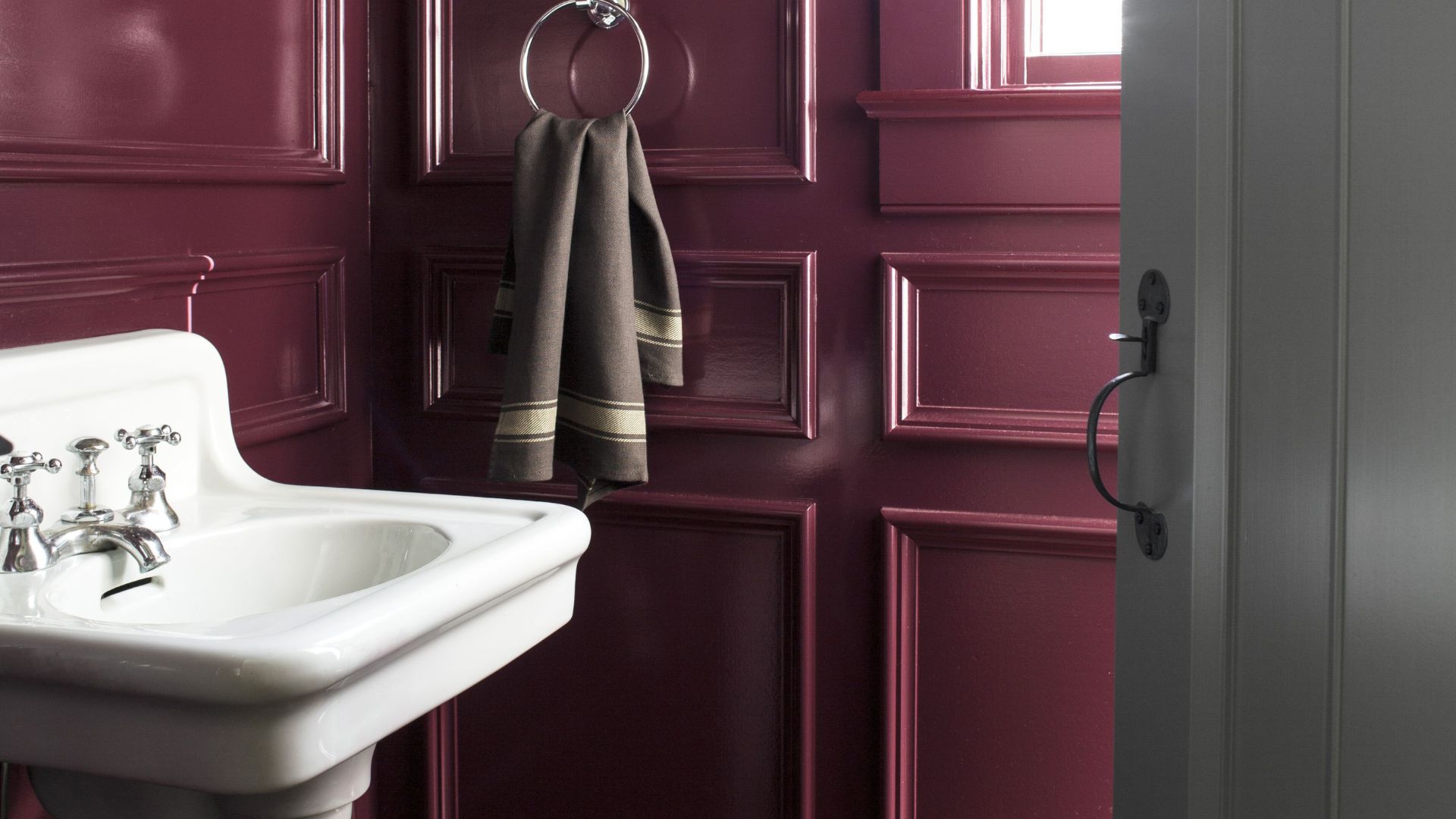
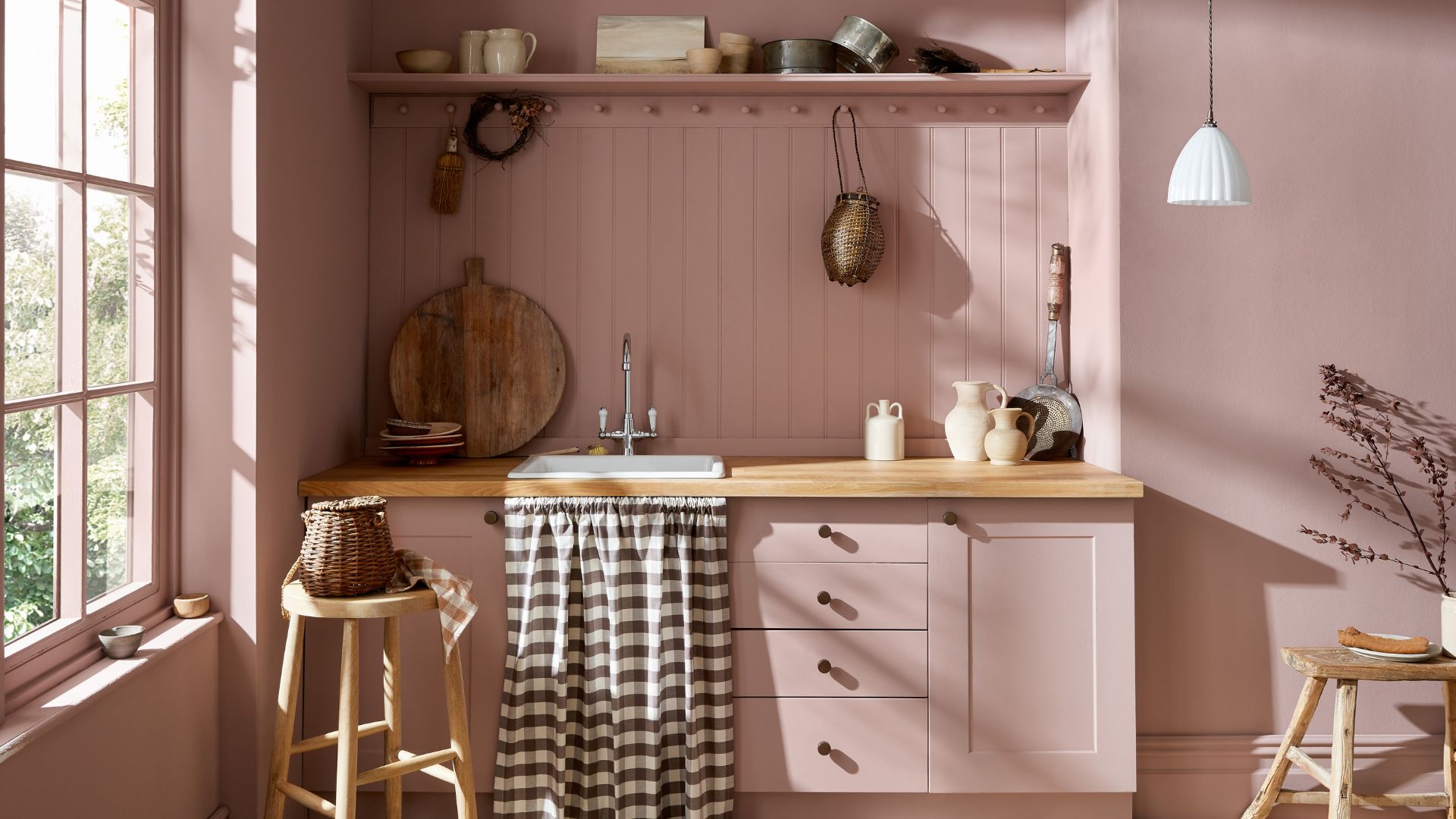
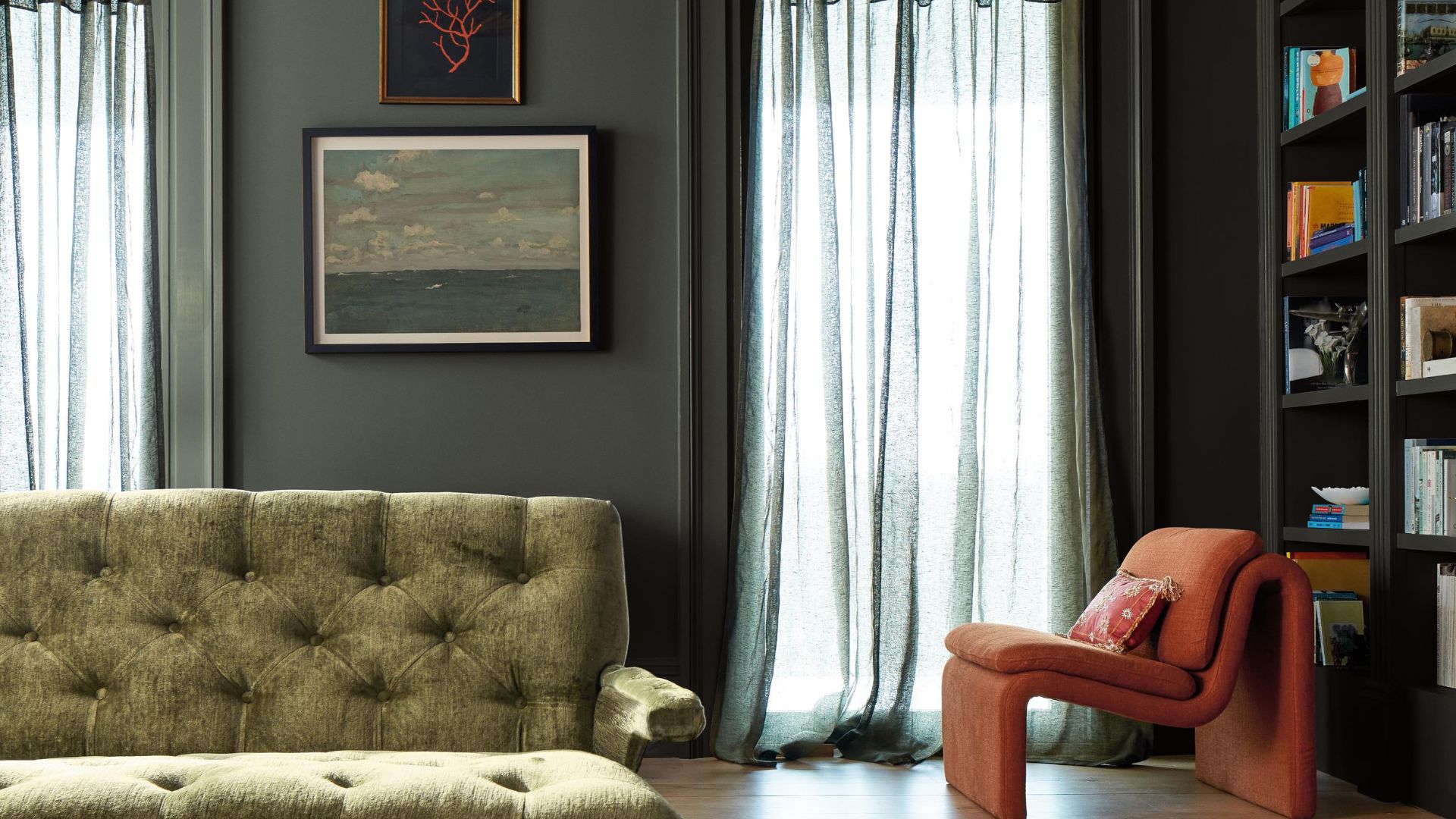
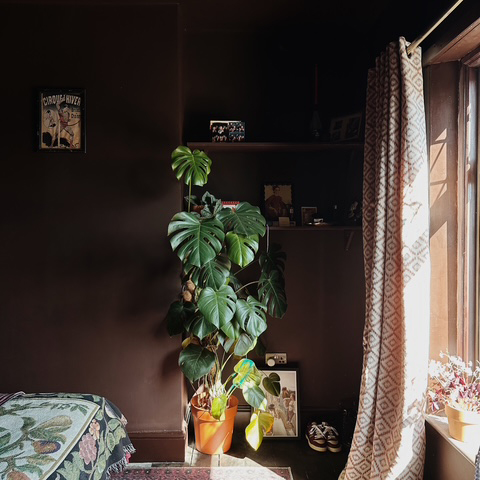
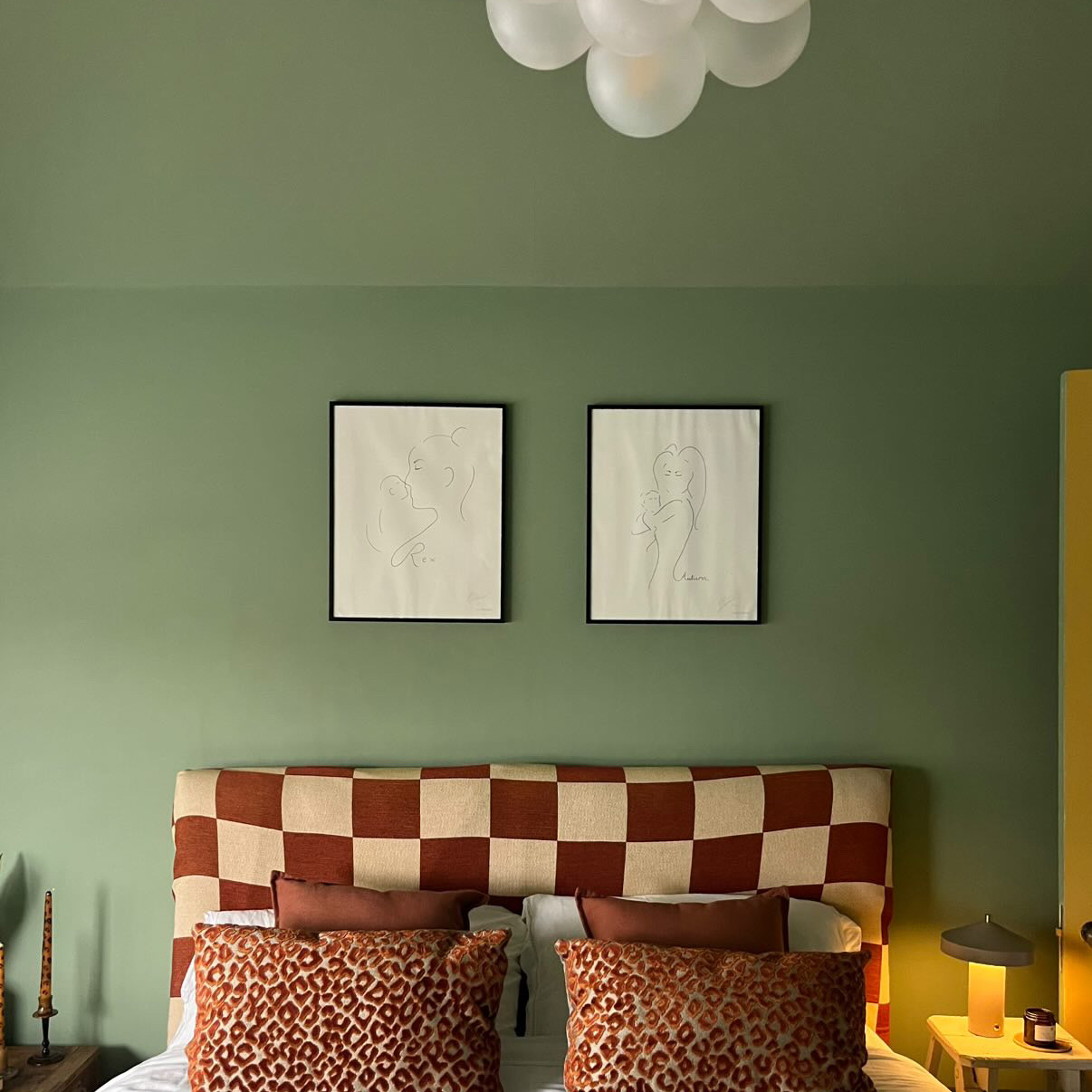
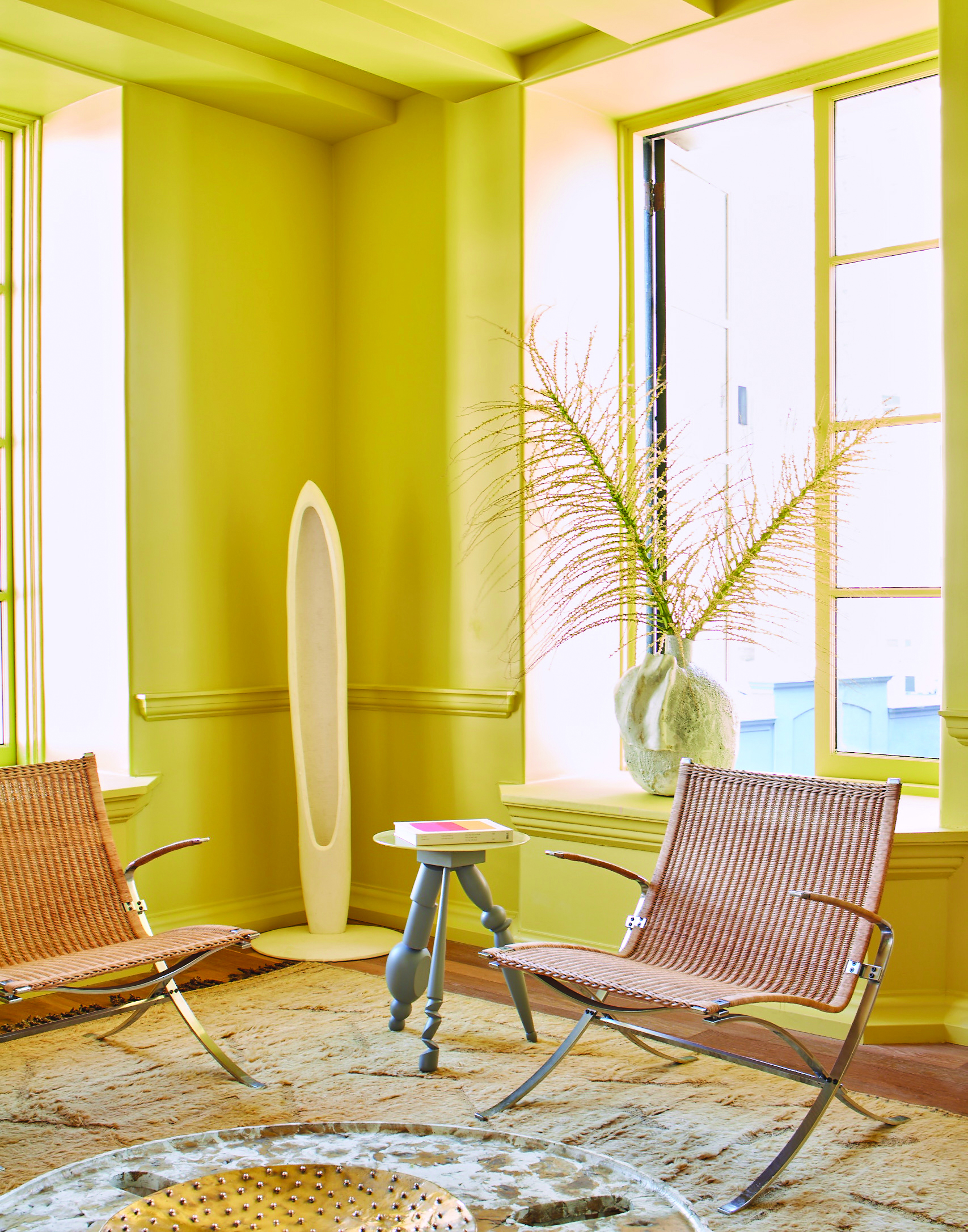
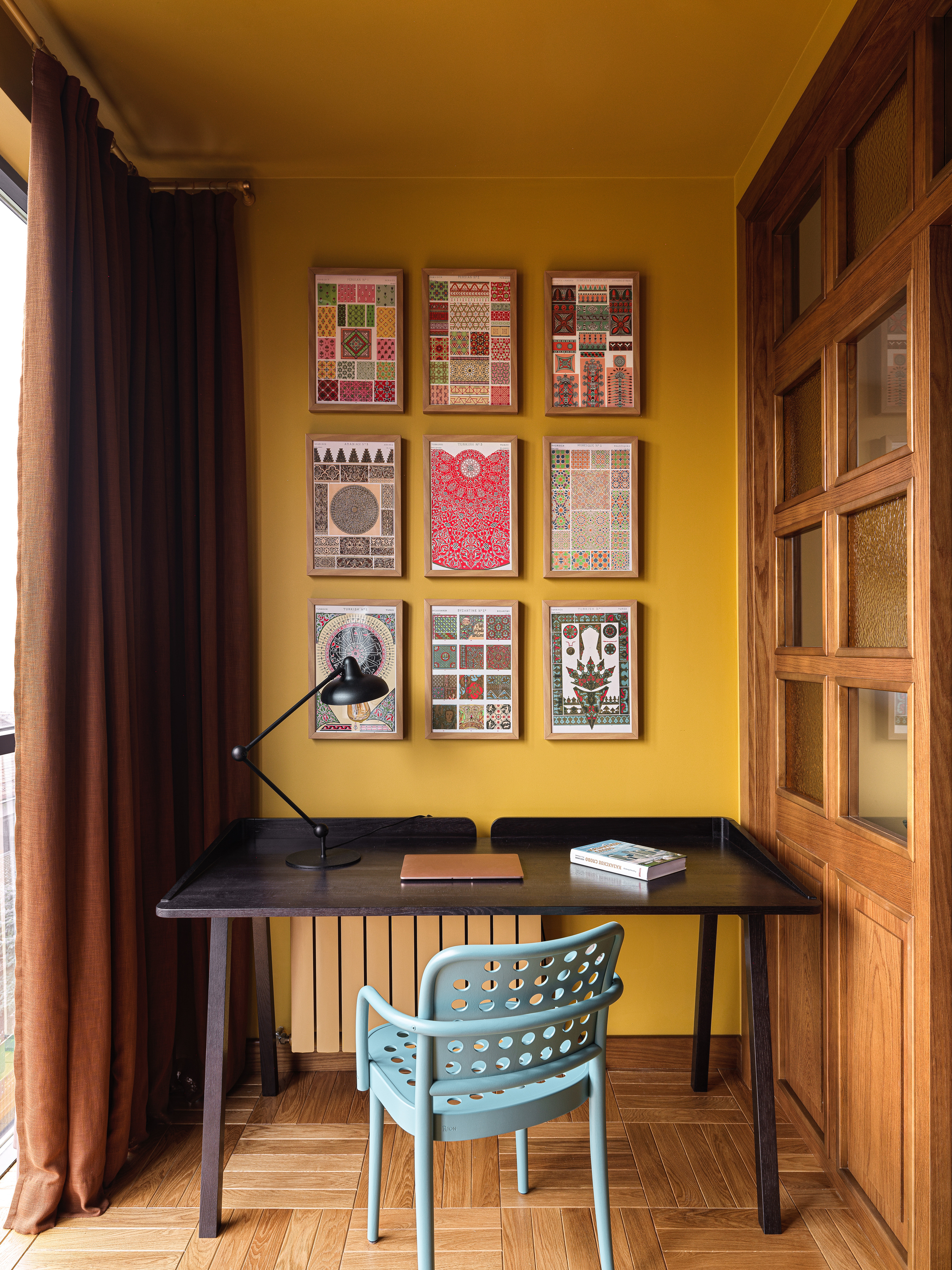
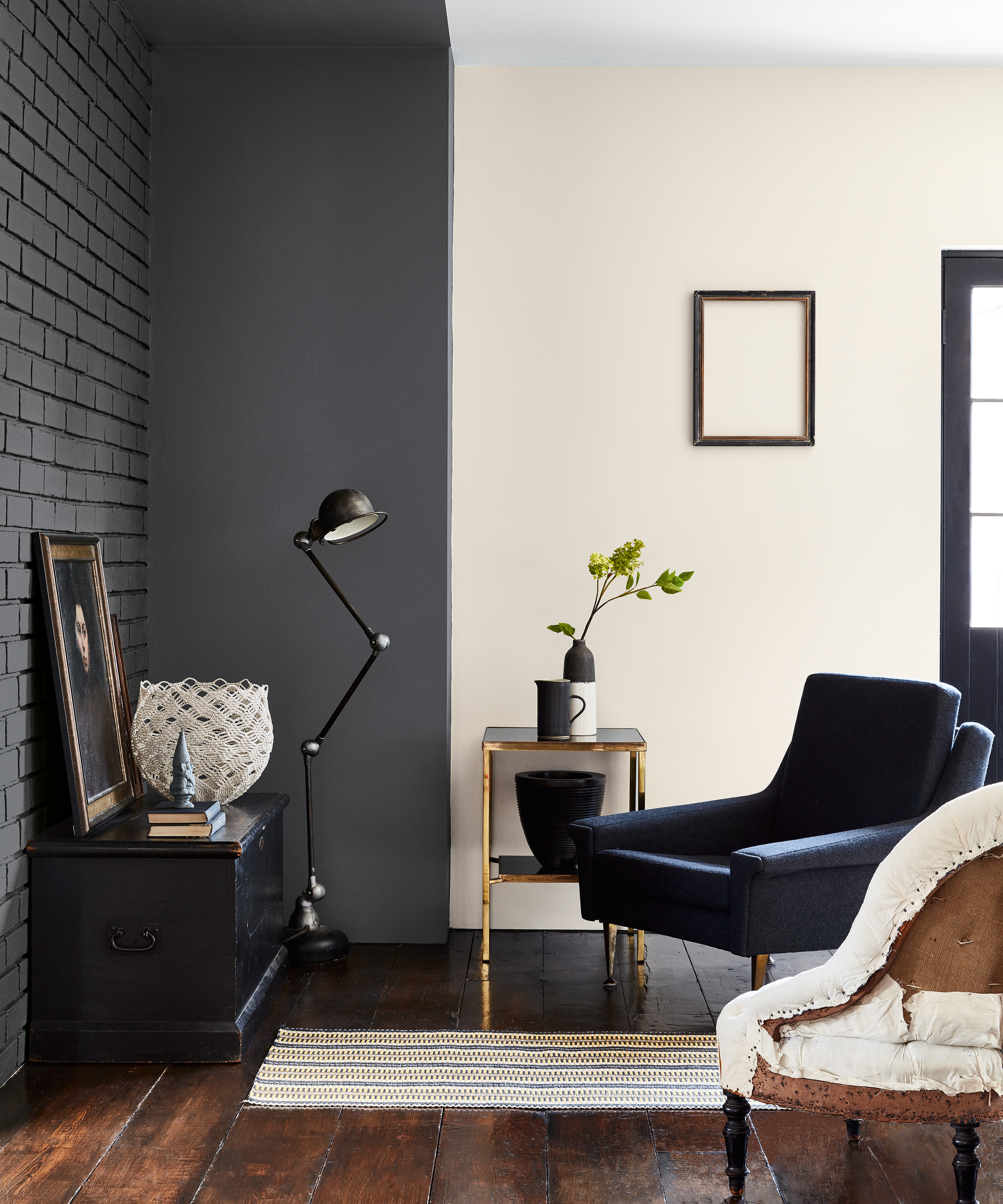



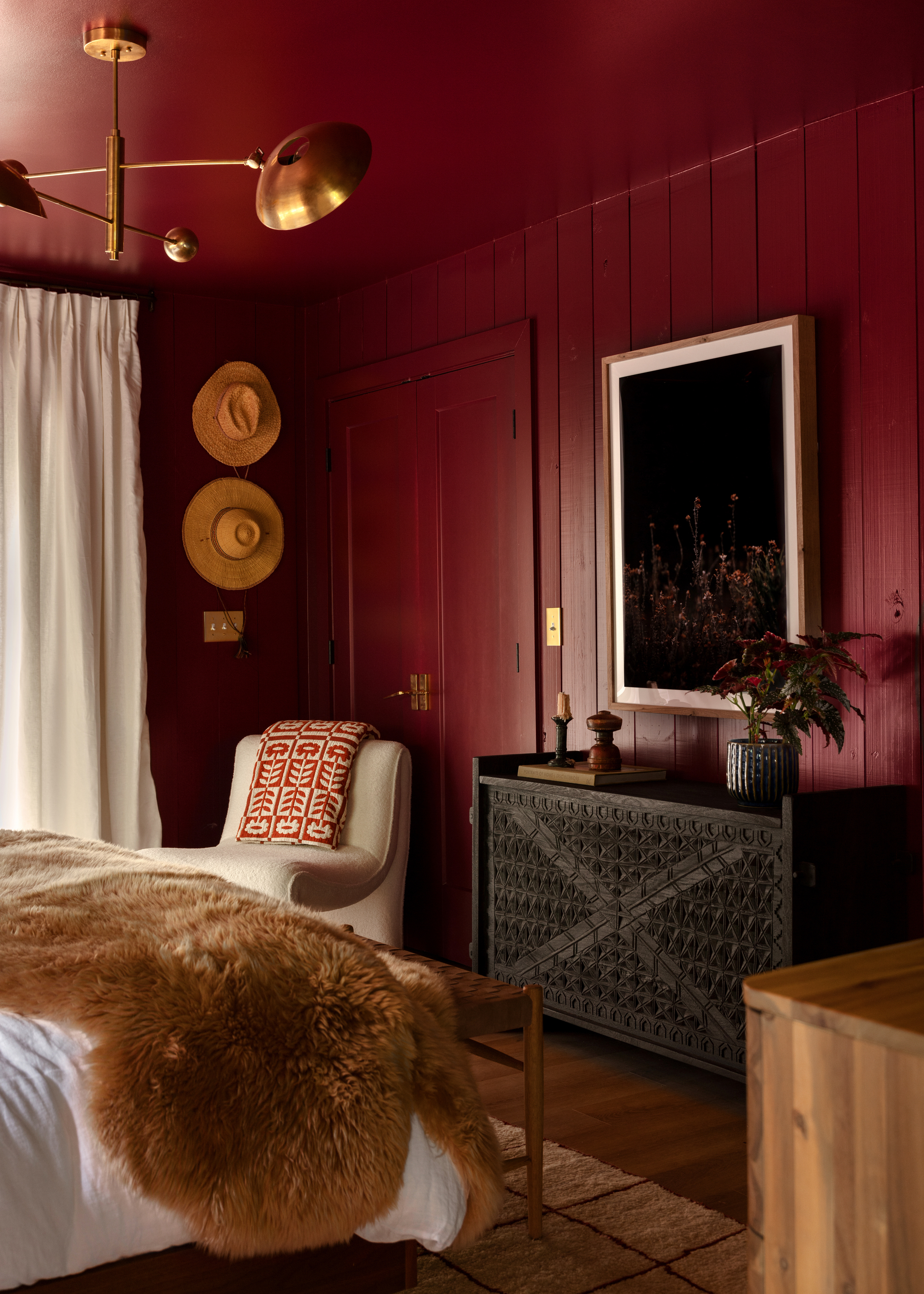
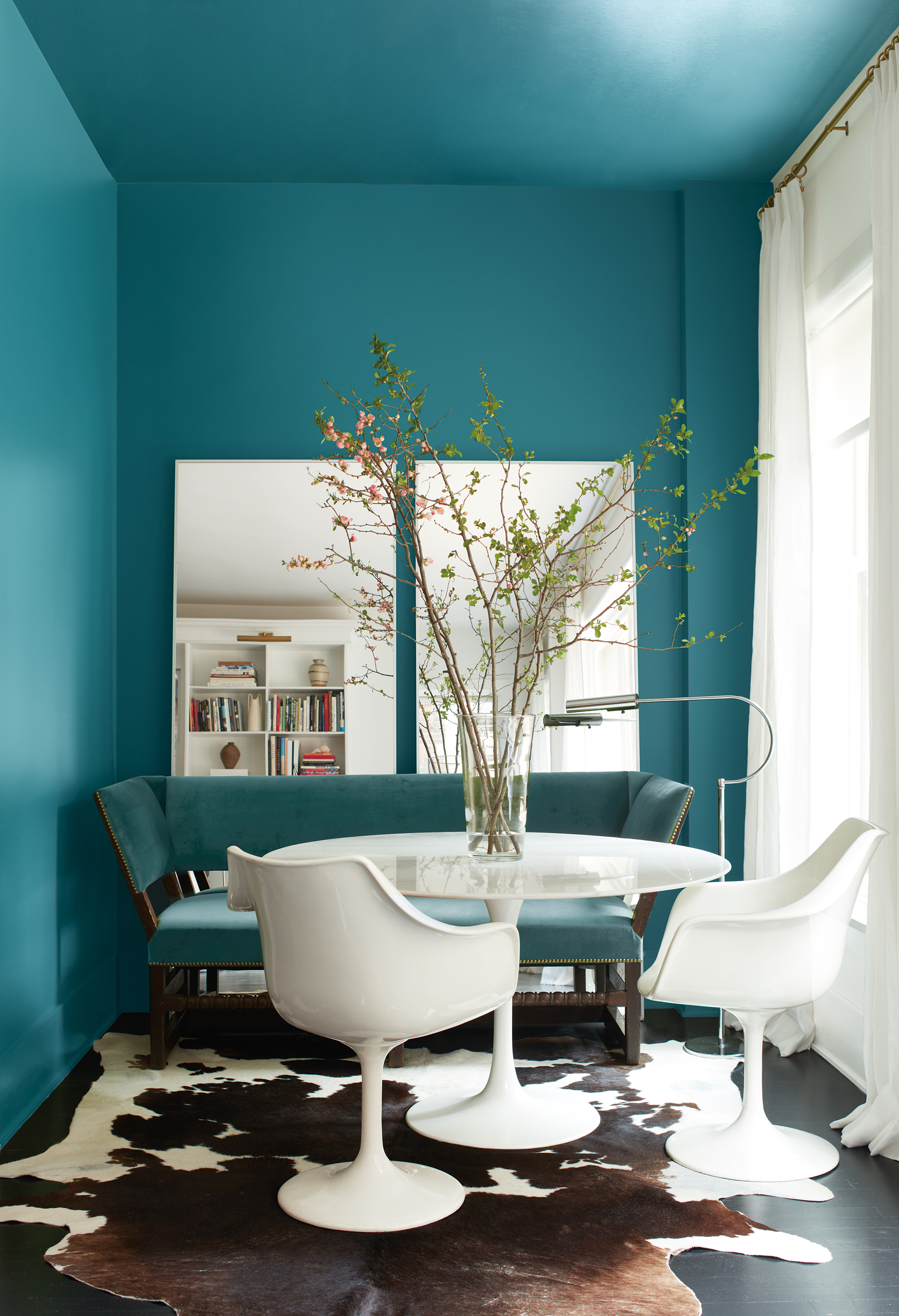
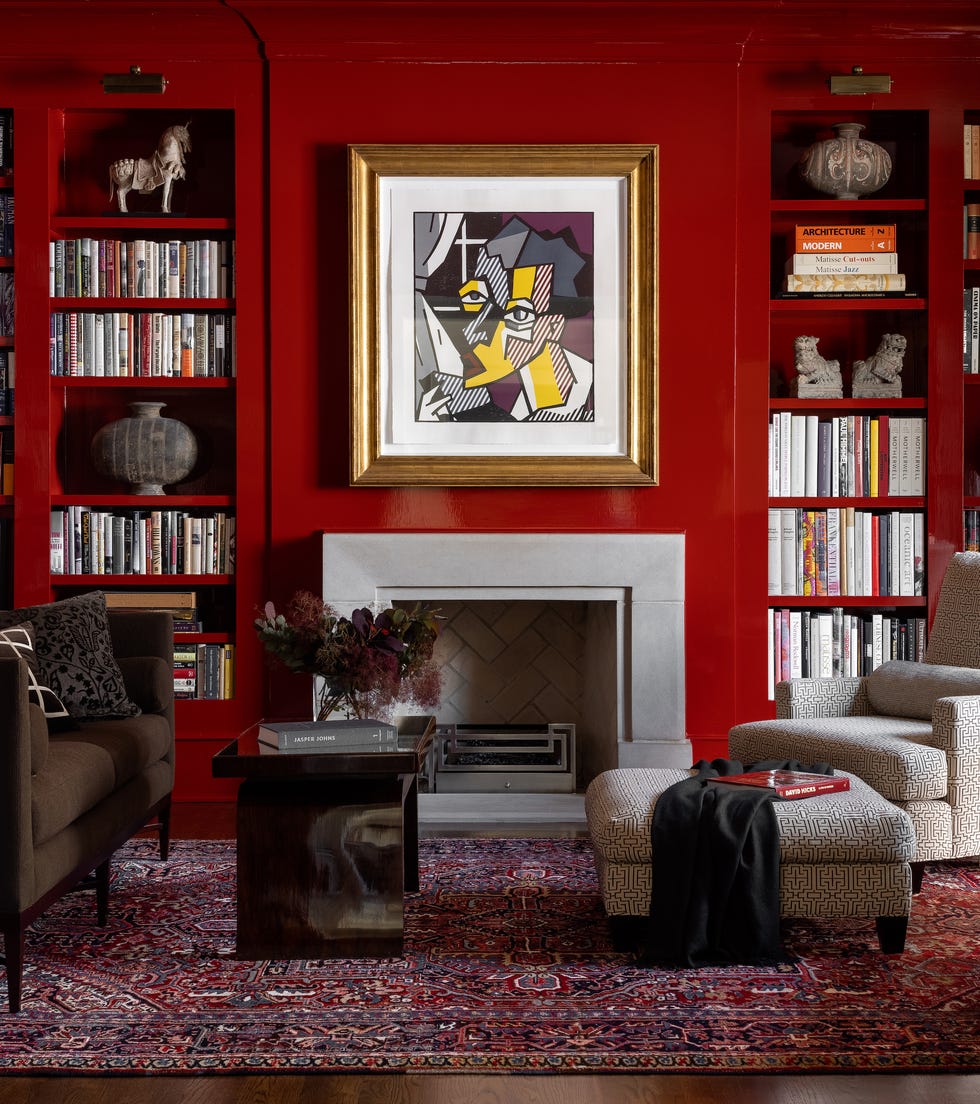
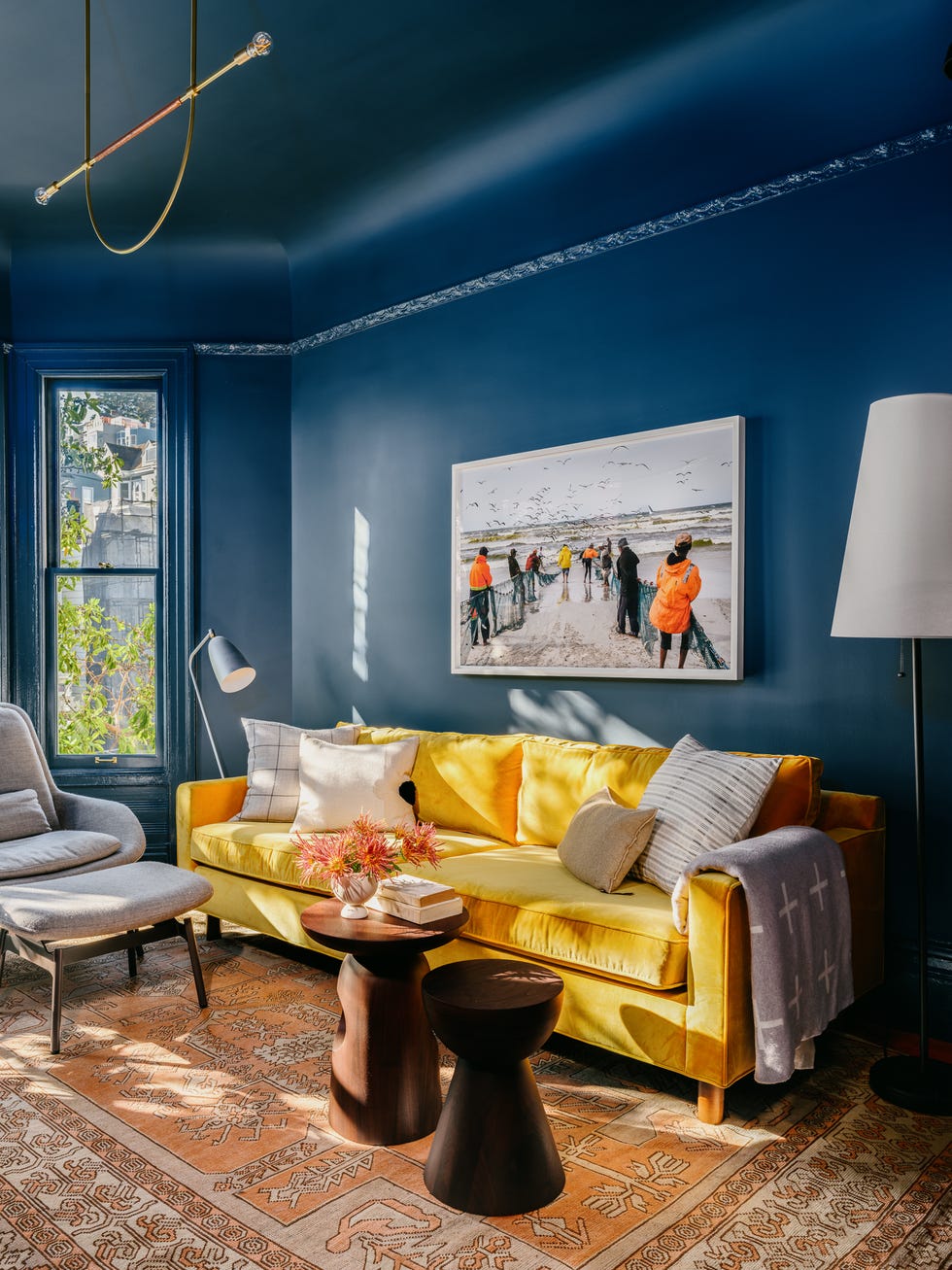
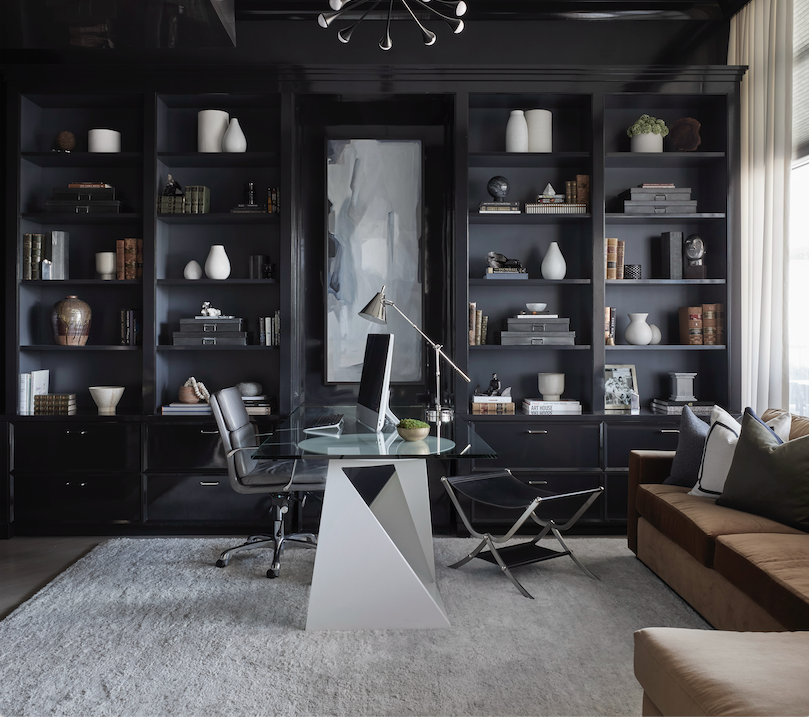
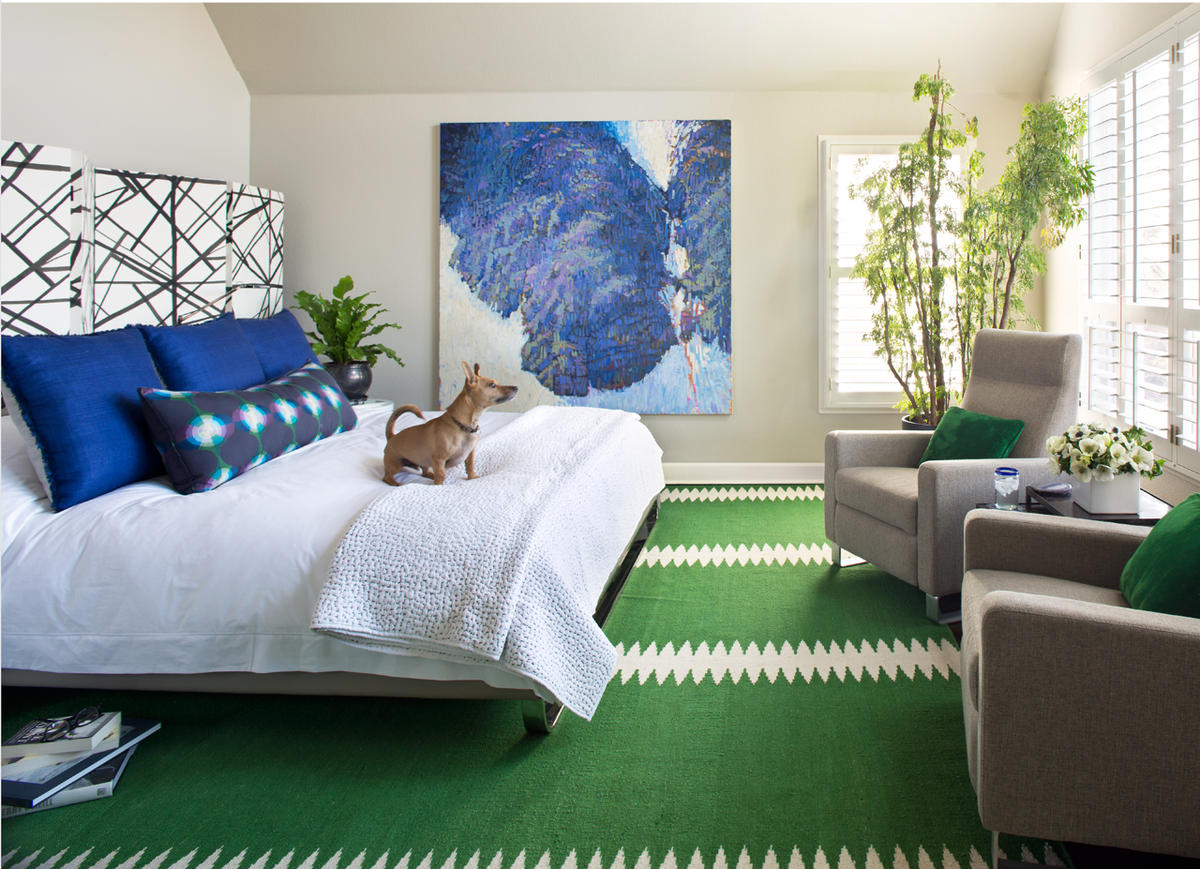
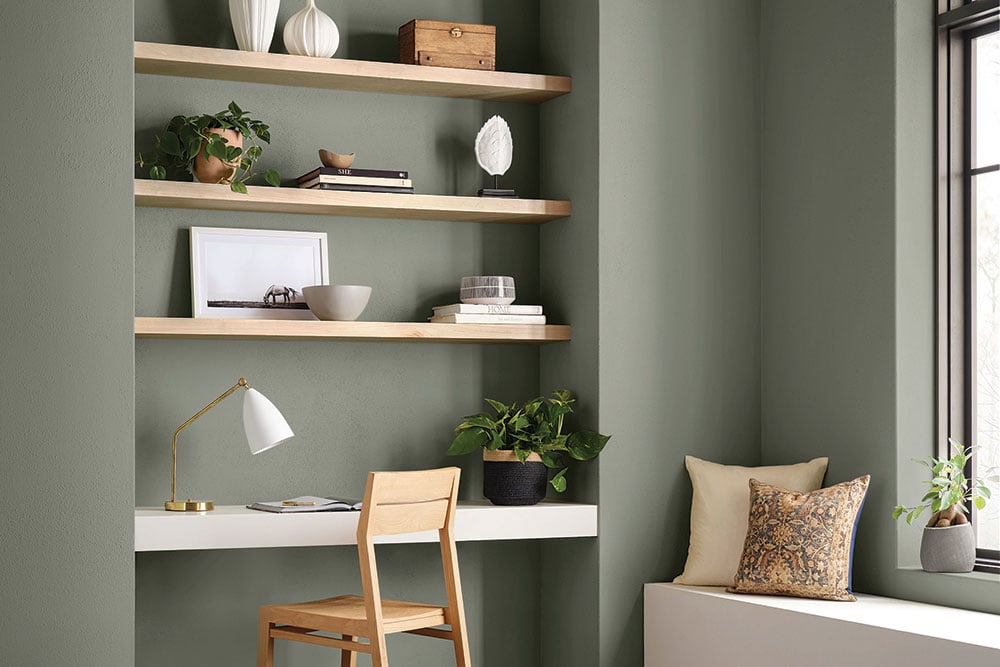
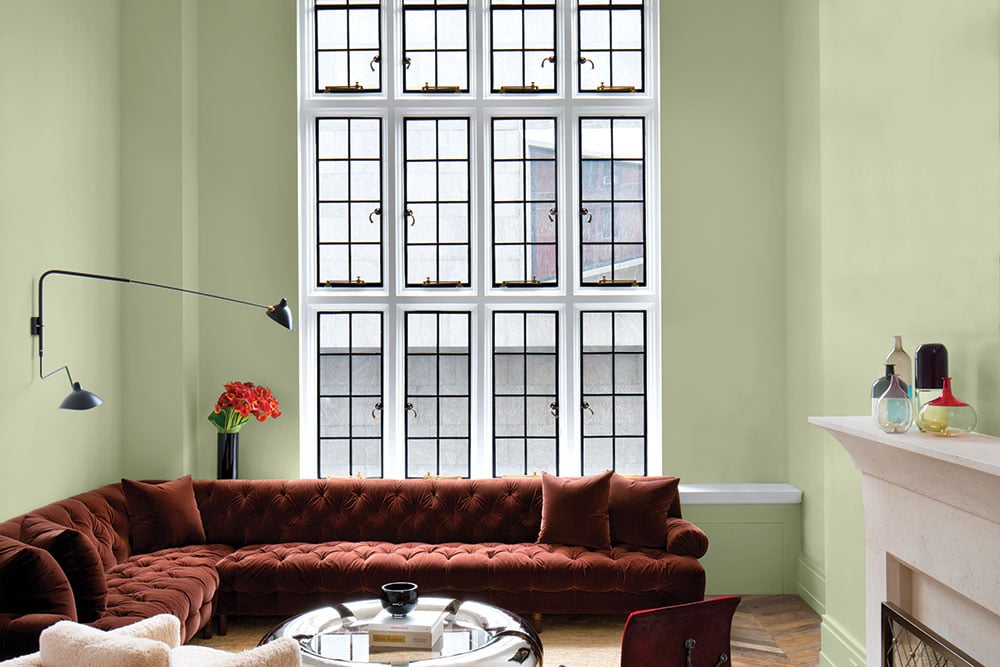
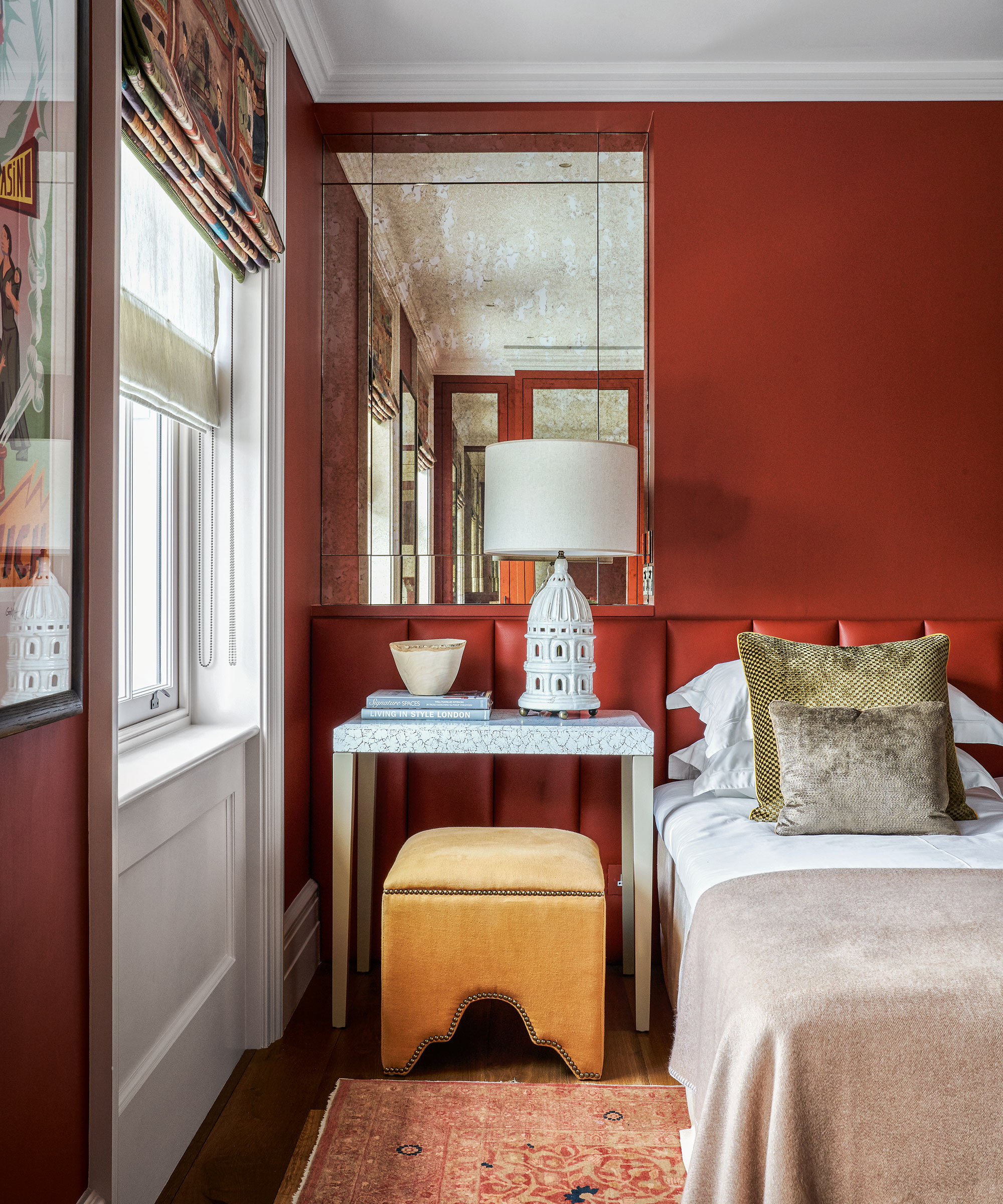
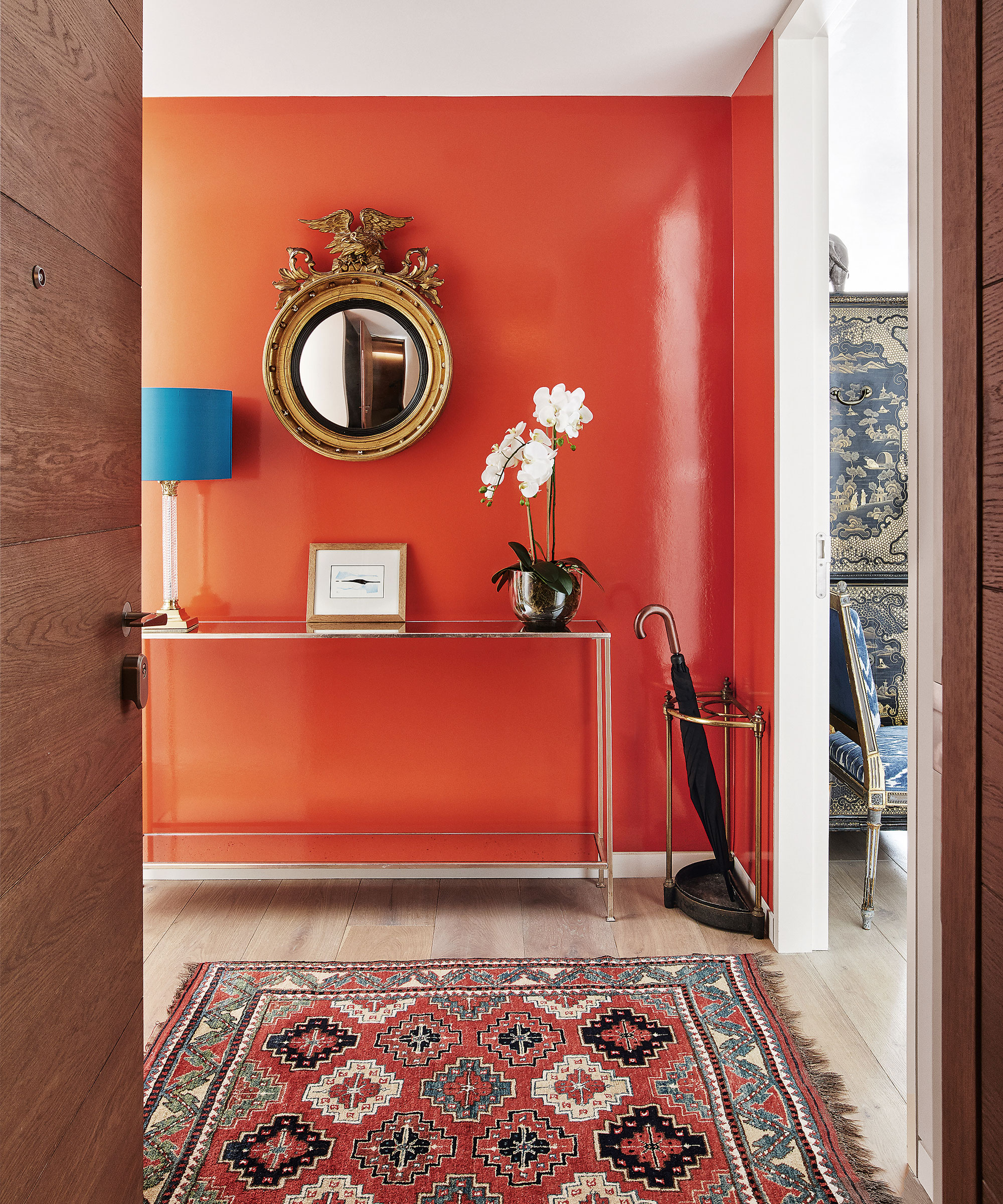
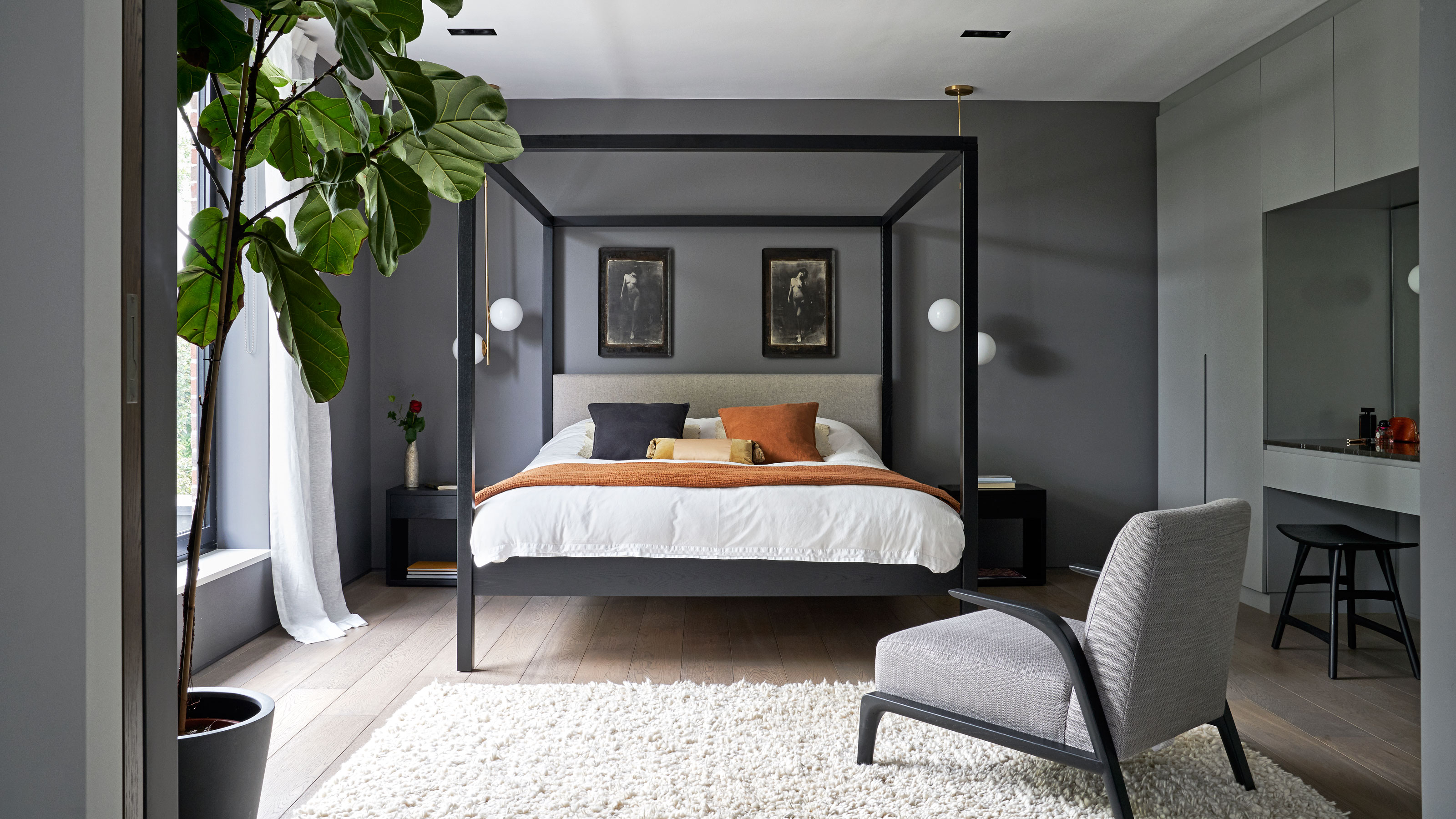
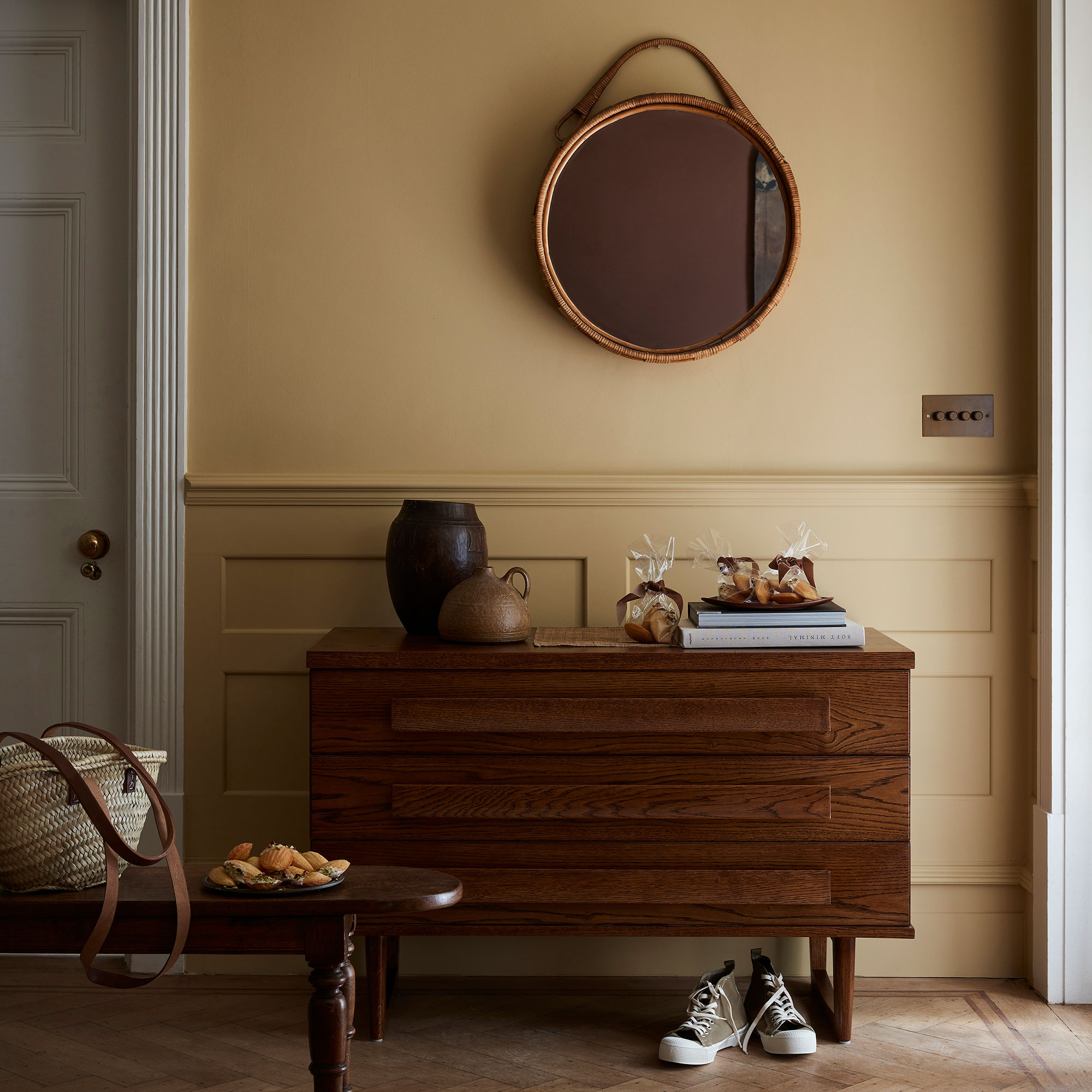
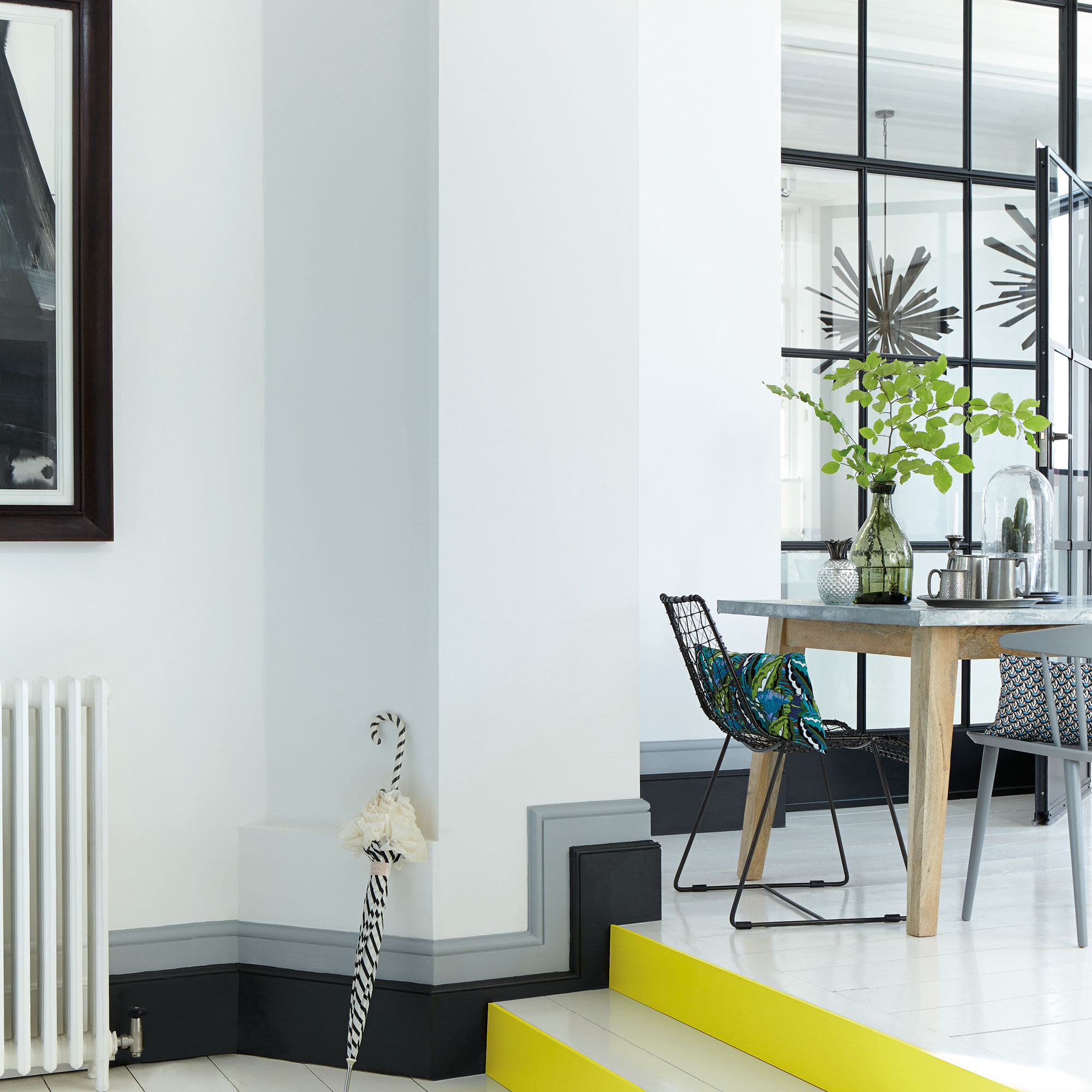
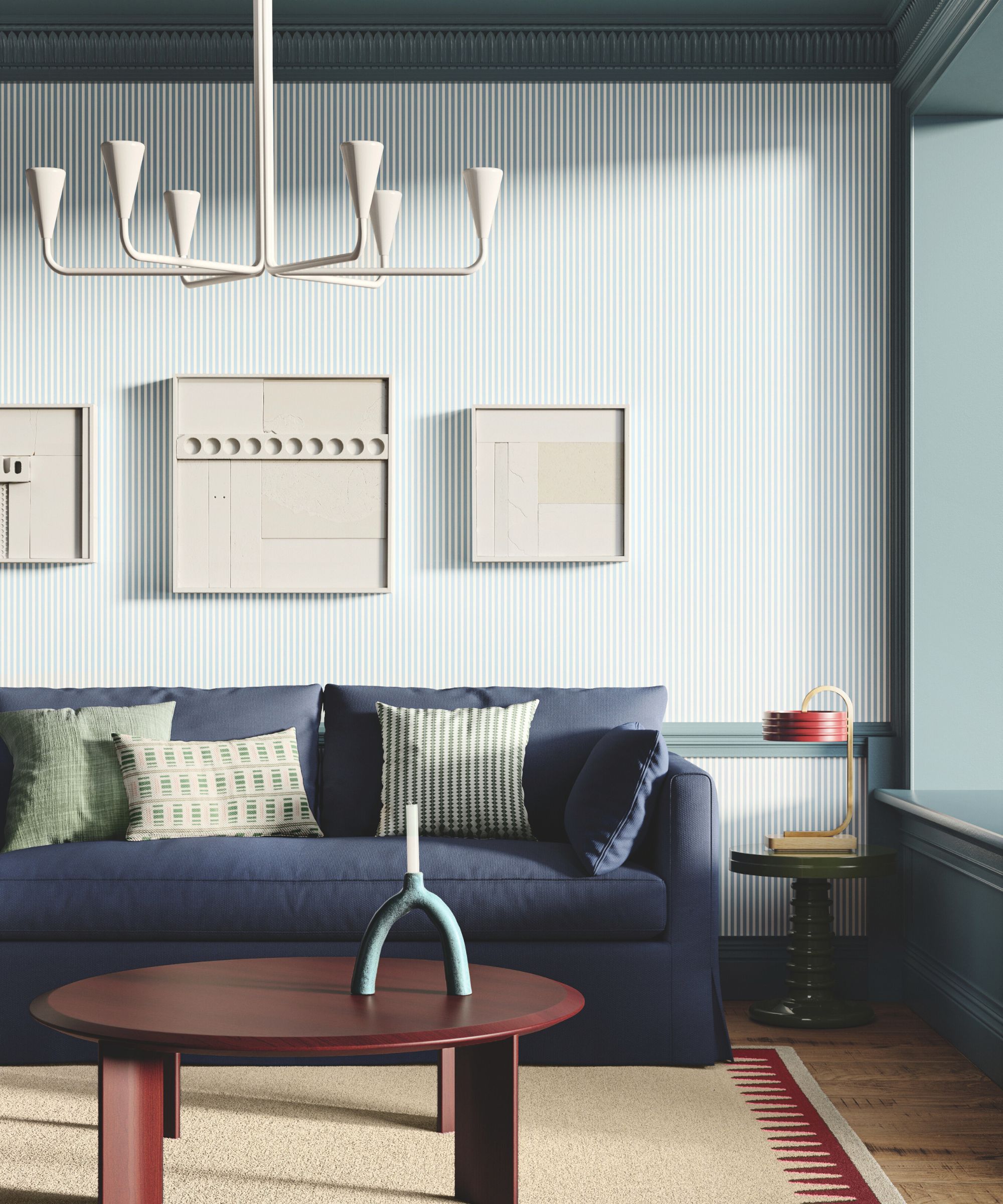
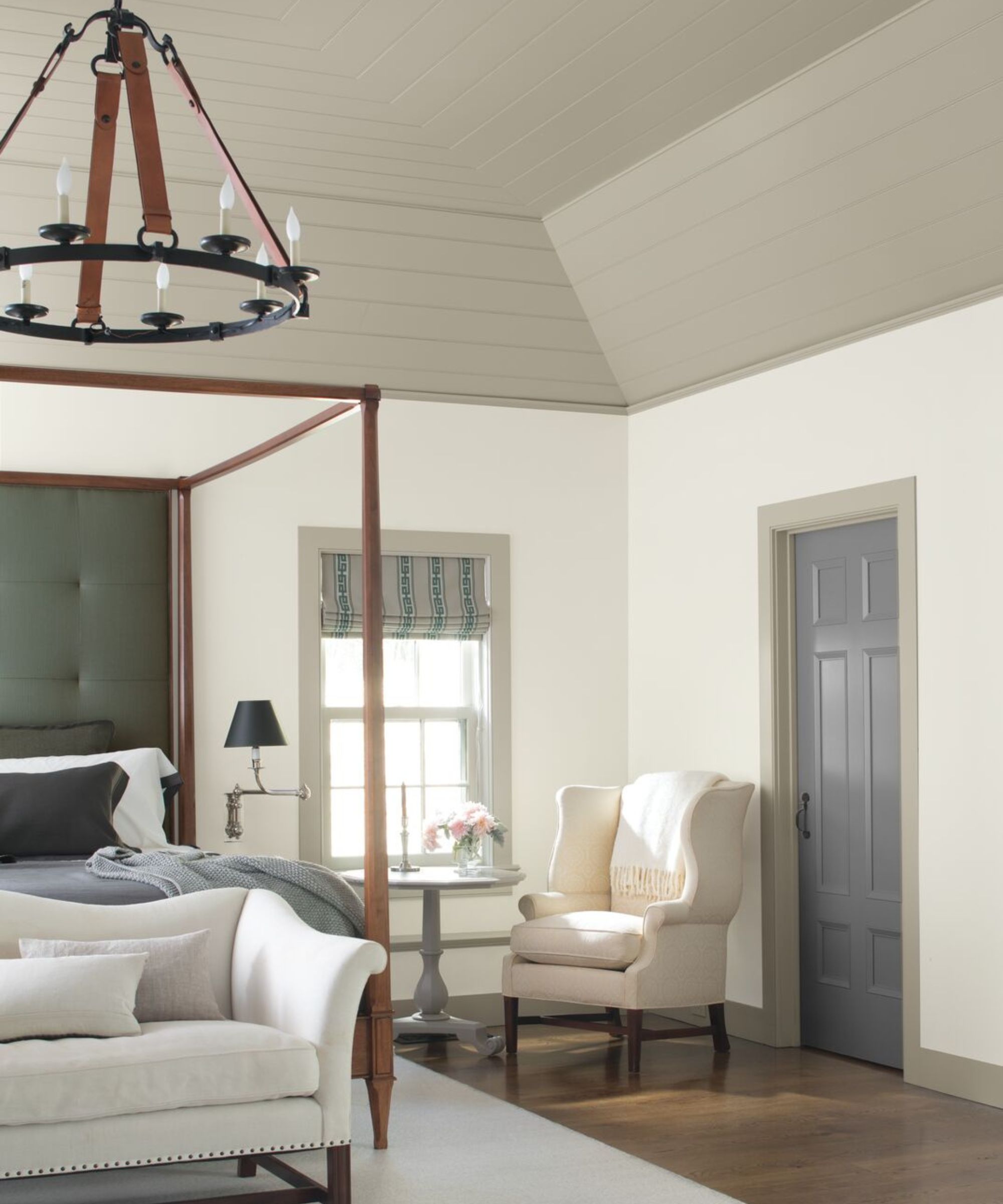
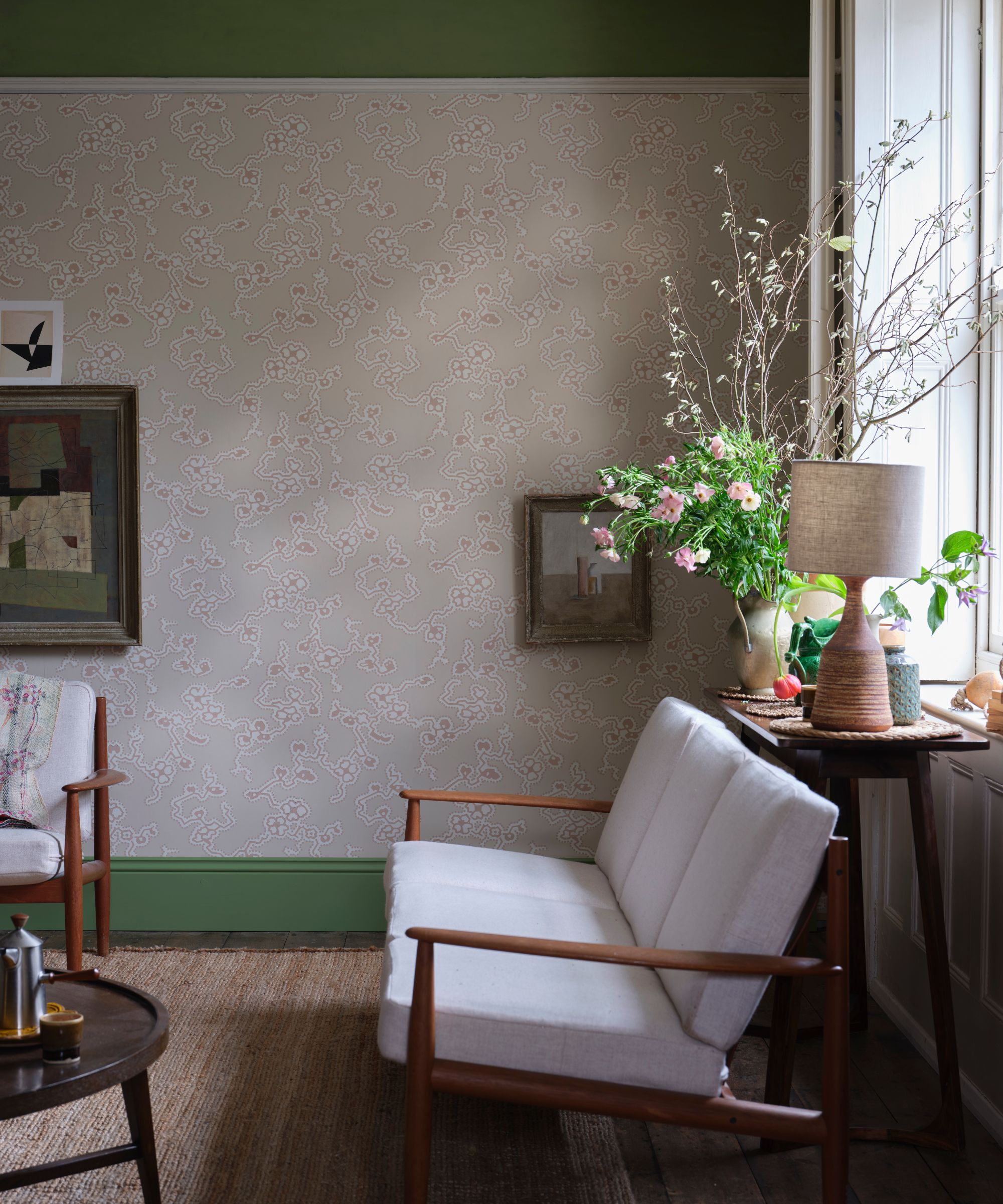
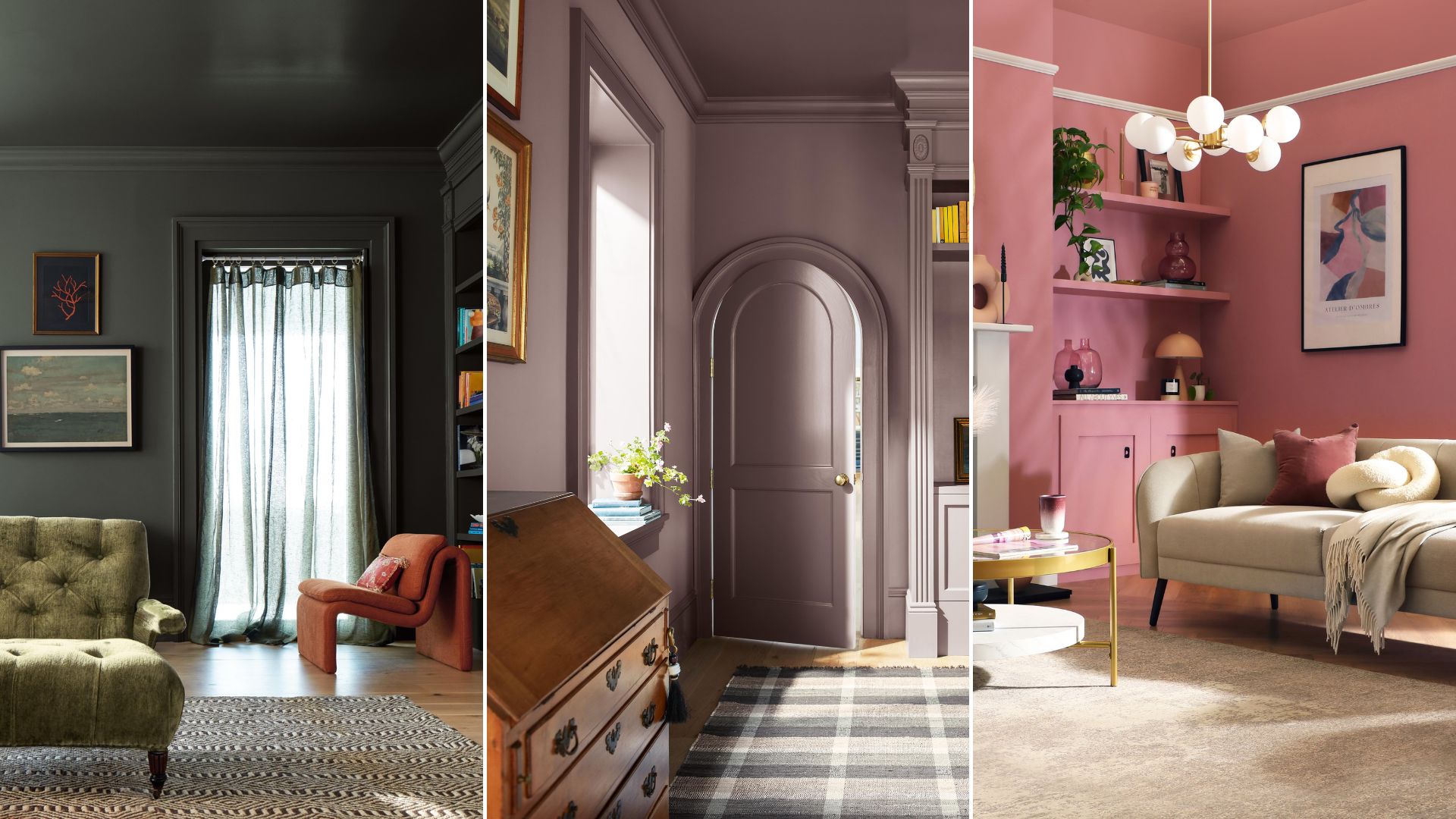
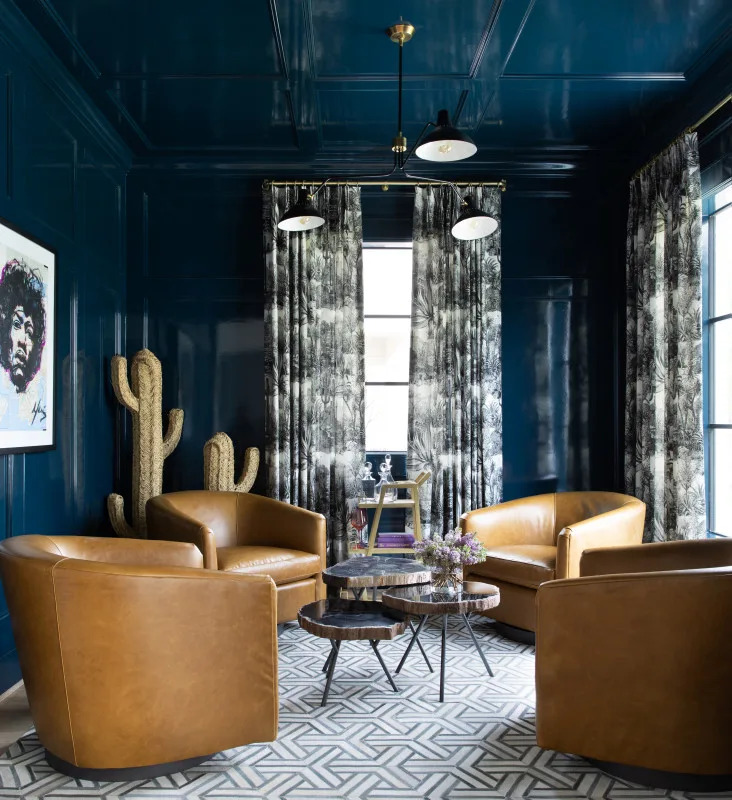
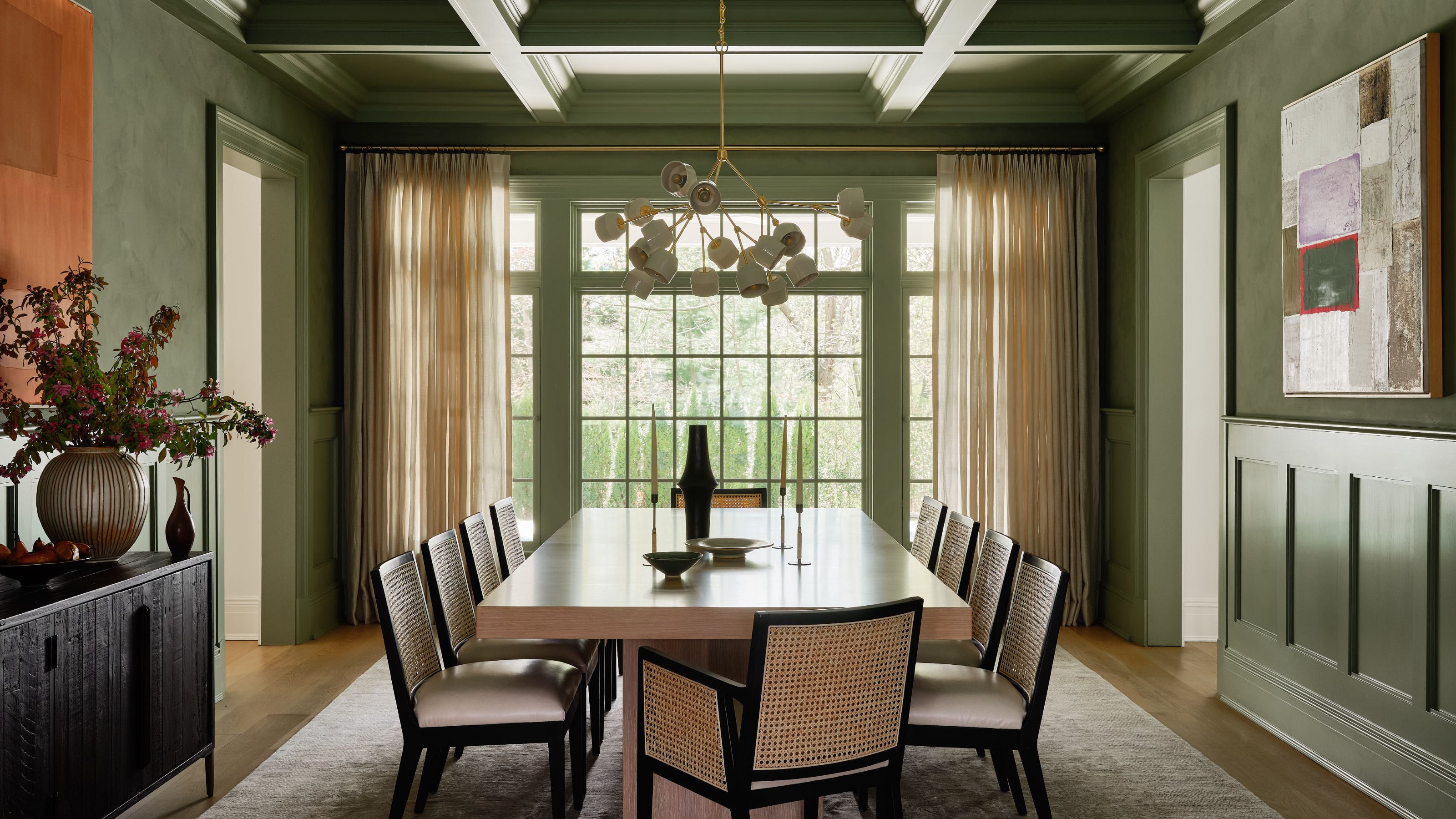
Color drenching, a technique involving the application of a single color across various surfaces in a room—including walls, trim, furniture, and often the ceiling—is gaining popularity in interior design. This method aims to create a cohesive and immersive atmosphere, promoting a sense of calm and focus by minimizing visual interruptions. While it has recently resurfaced as a trend, designers note that color drenching is not a new concept, with historical examples found in traditional settings like dark smoking lounges.
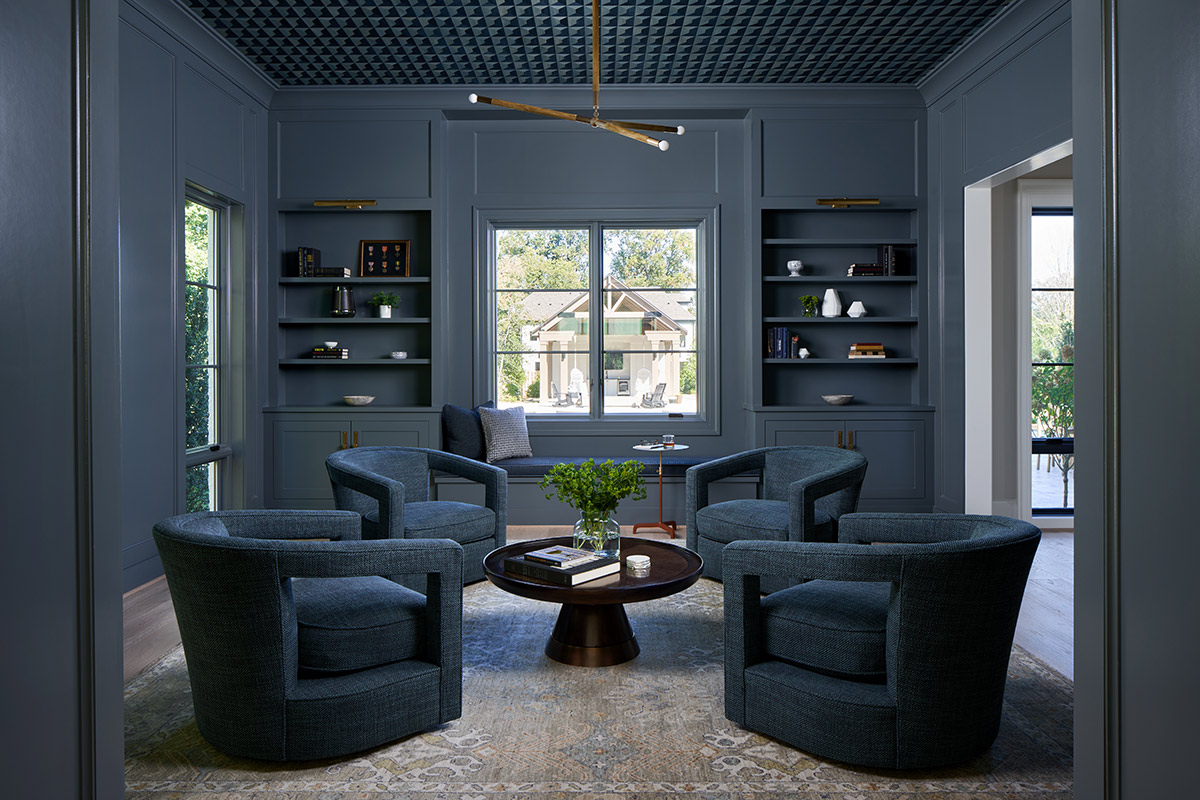
Designers such as Tracy Morris of Tracy Morris Design emphasize that color drenching can produce a significant impact, particularly in smaller spaces. She suggests applying this technique to secondary areas of a home, such as offices, powder rooms, or guest rooms, rather than primary living spaces. Morris illustrated this with a project in a McLean home, where a whiskey room was designed to be as cozy, welcoming, and moody as possible by selecting a rug first and then painting the walls to match the ceiling’s hand-cut wood veneer wallpaper. Kristin Harrison of Georgia & Hunt also supports using color drenching in smaller rooms, noting that it can paradoxically make a space feel larger by reducing visual breaks.
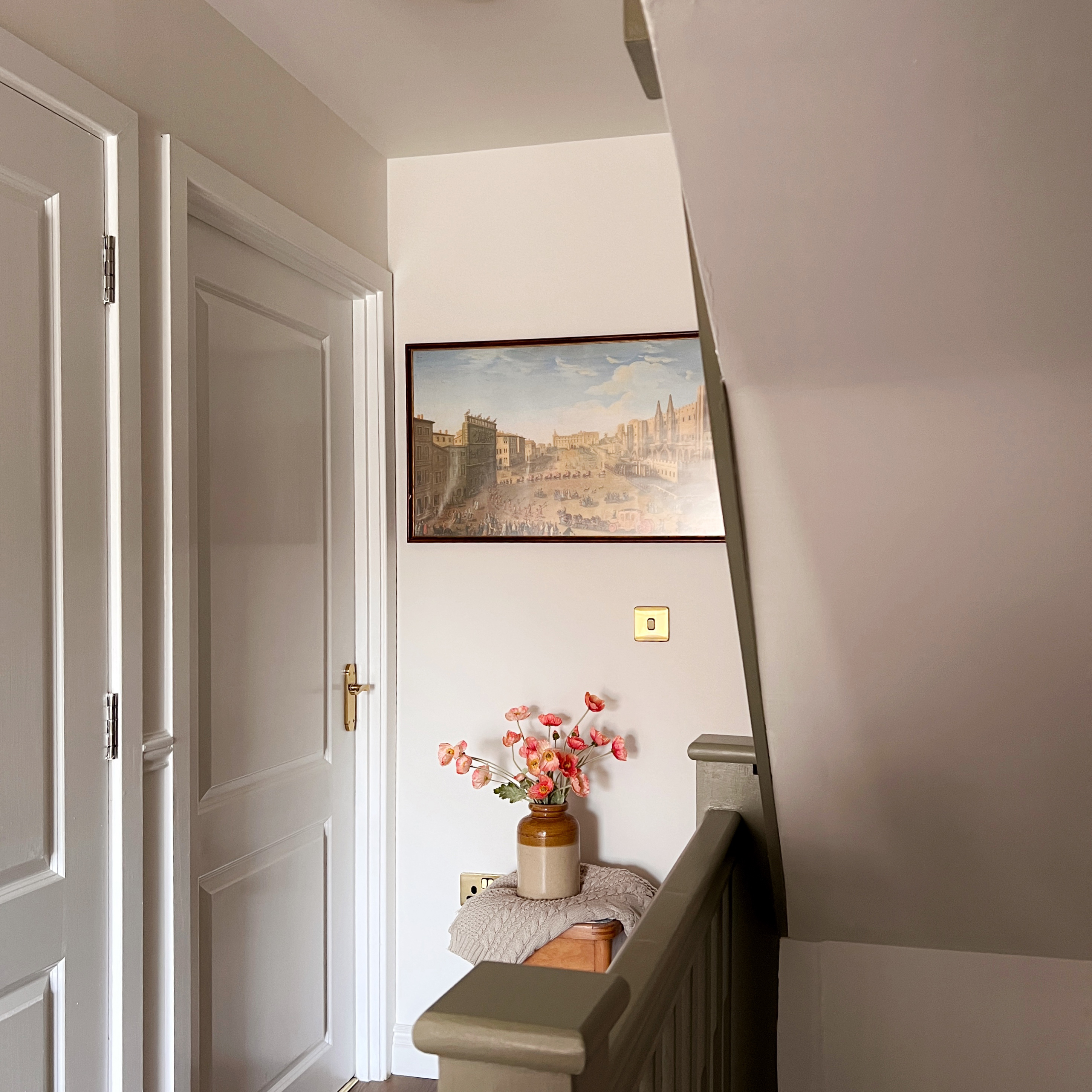
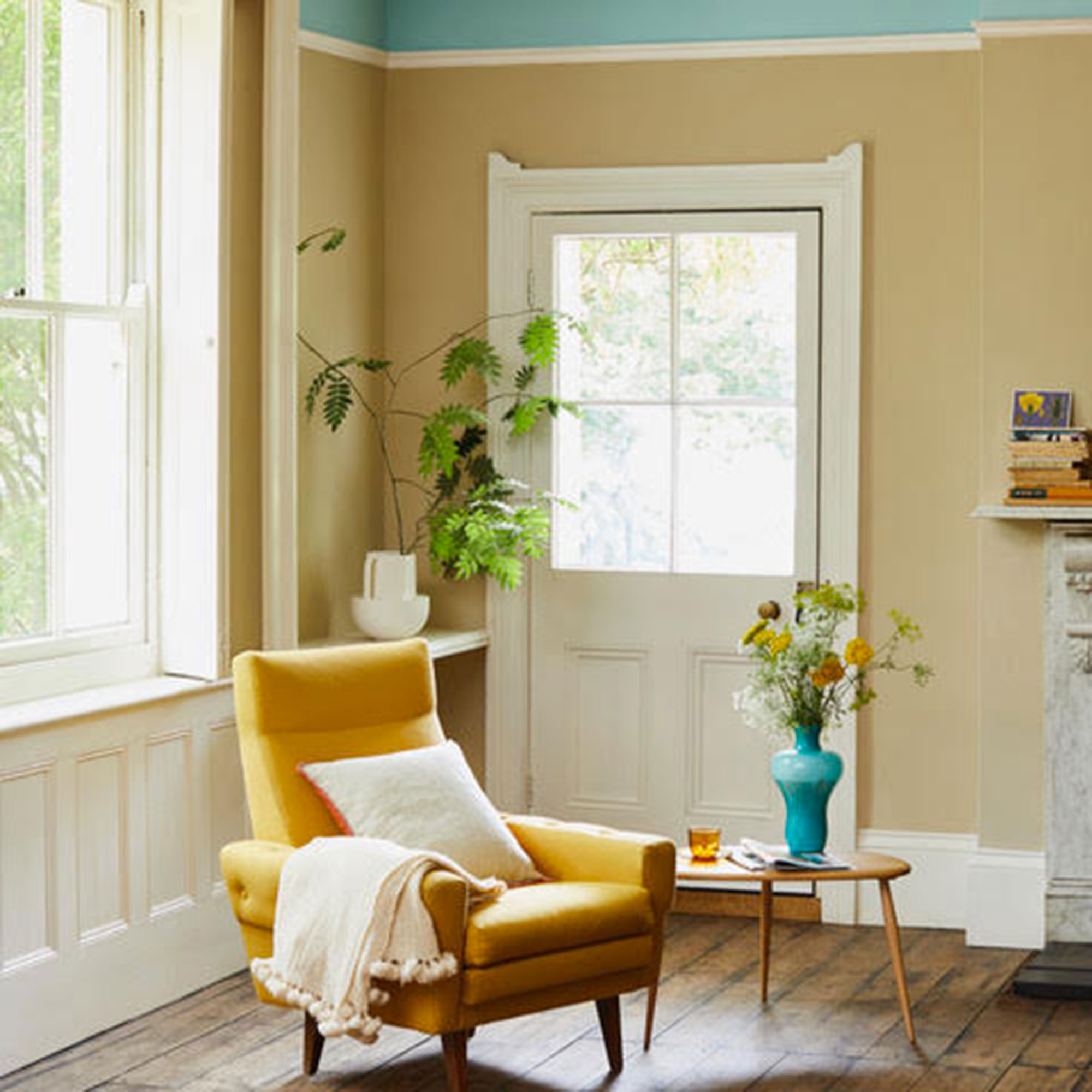
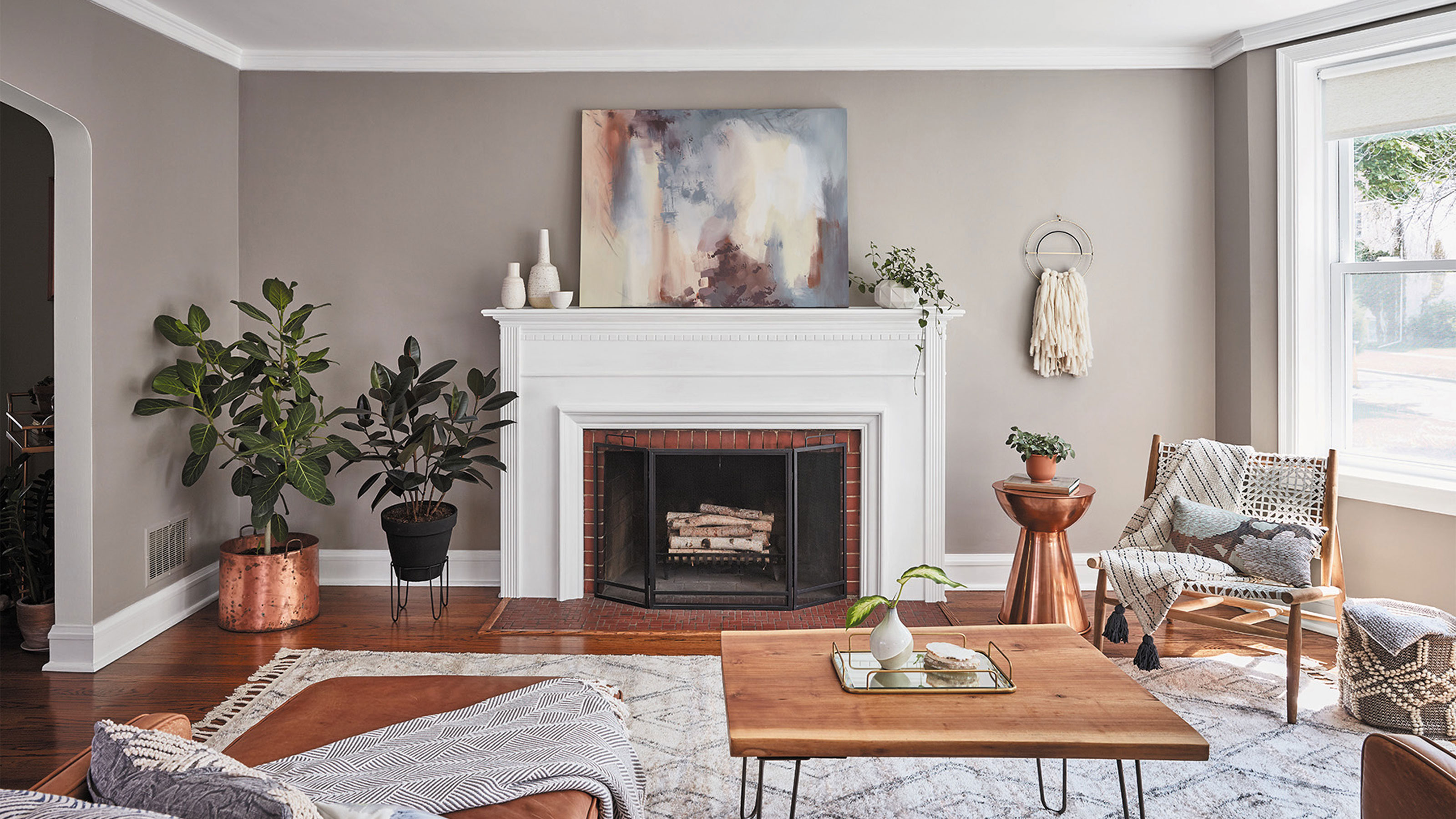
A crucial aspect of successful color drenching is the incorporation of varied textures to prevent the room from feeling heavy or monotonous. Harrison highlighted a project in a McLean Cape Cod-style home where a neutral taupe color drenched the living space. To add visual interest and warmth, she integrated natural materials like a wooden table, a jute rug, and a linen couch. Even a pale cream mantle, imported from Italy, was chosen to complement the warm neutral palette, demonstrating how different textures and subtle variations in tone can enhance the depth and richness of a monochromatic scheme.
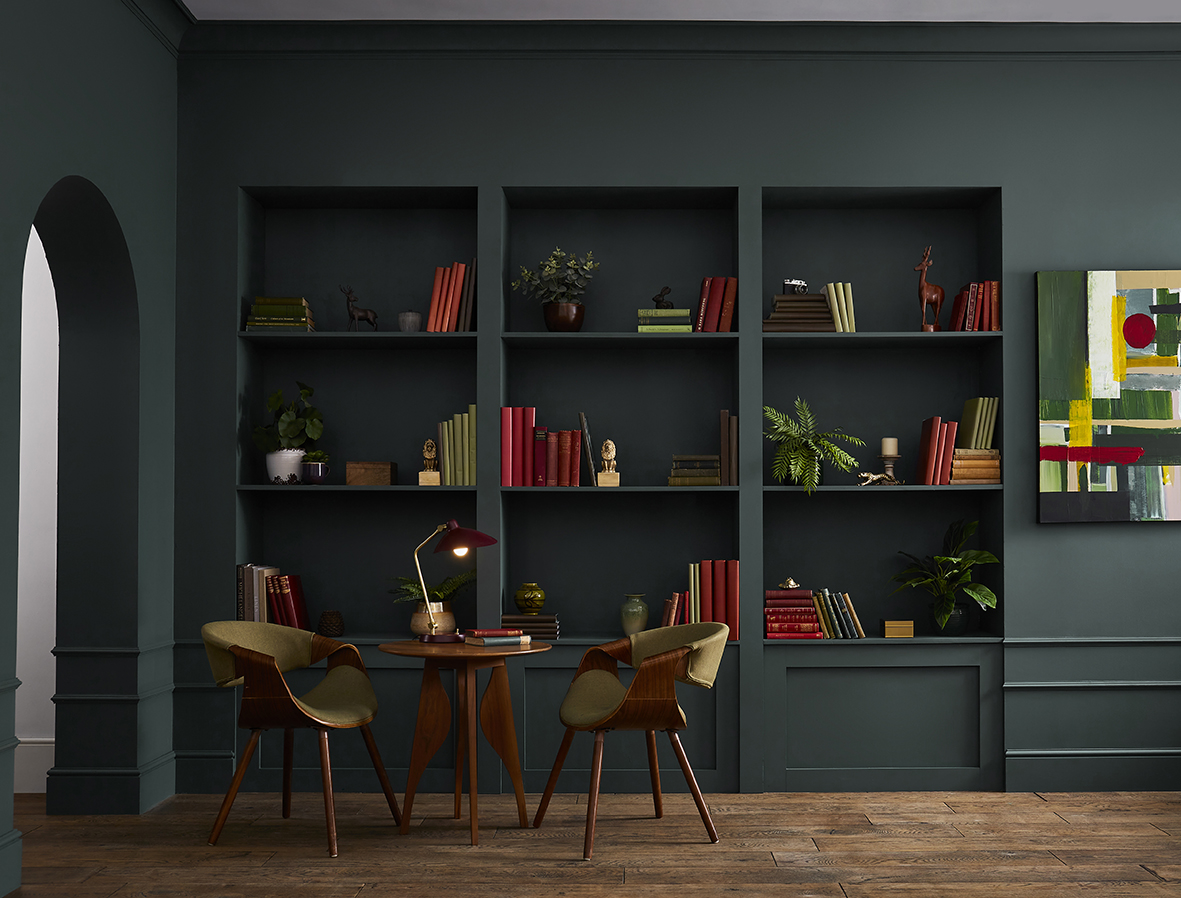
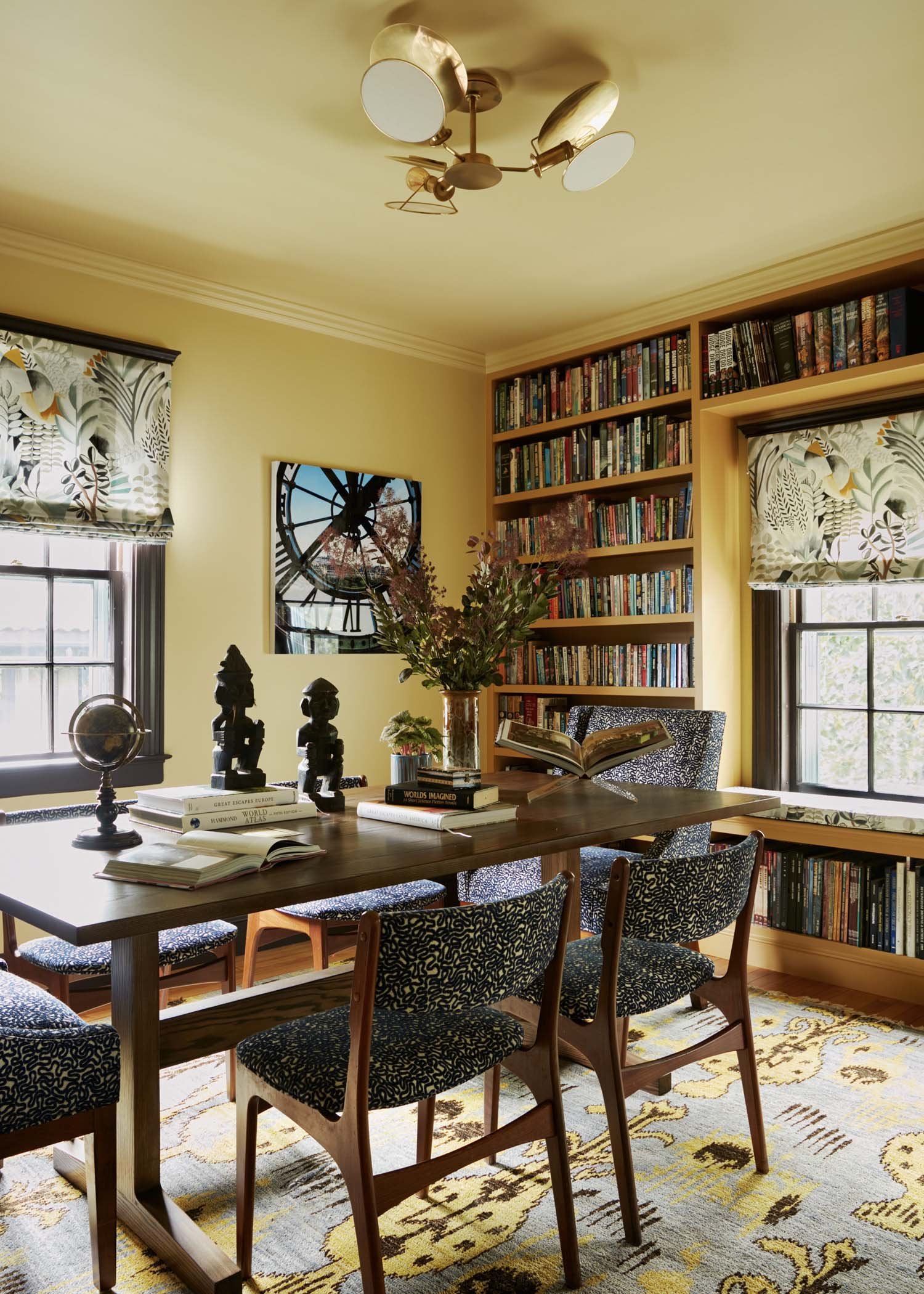
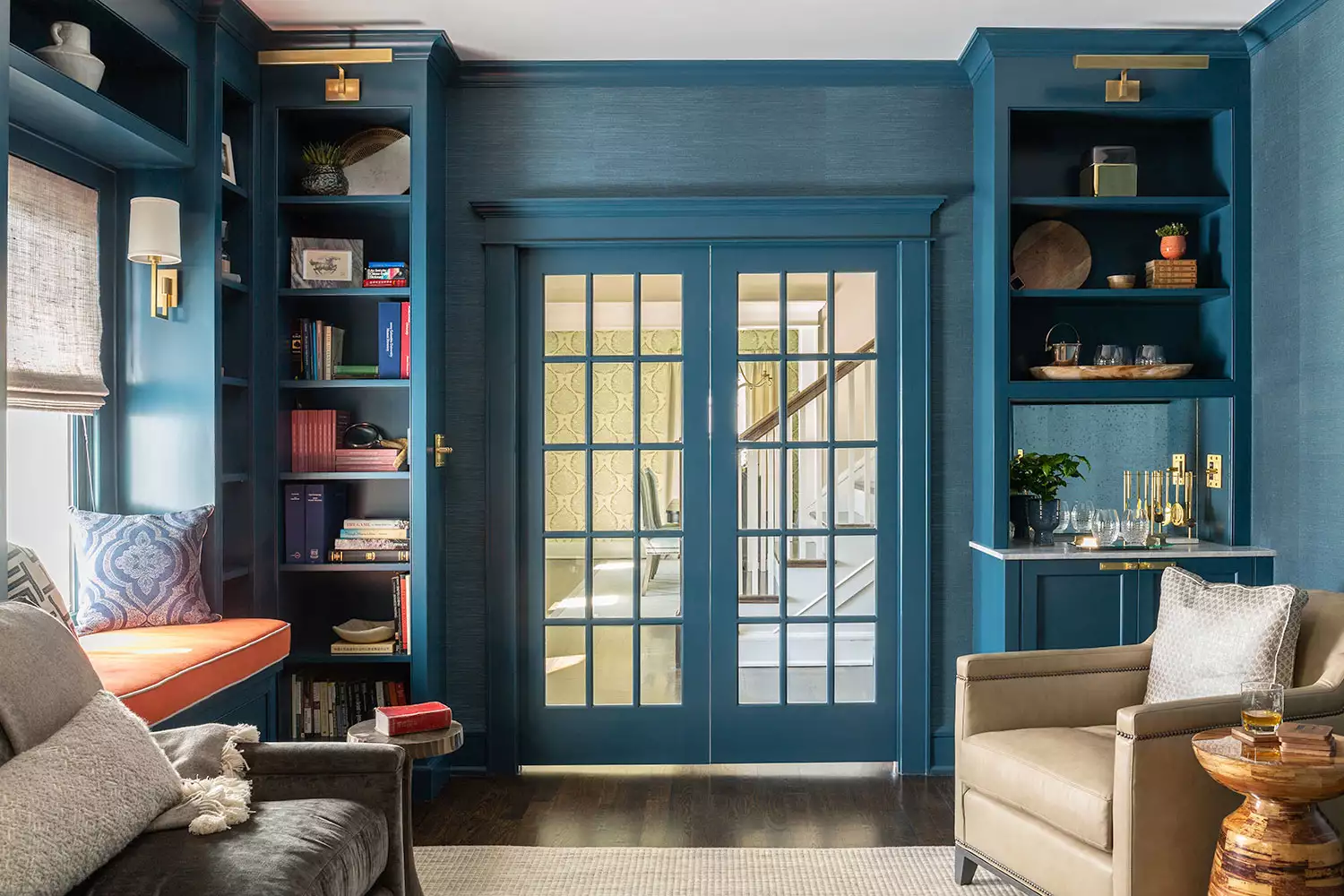
Selecting the right color is a personal decision, and designers advise homeowners to trust their instincts and choose shades that evoke joy and happiness. Susan Sutter of Susan Sutter Interiors recommends considering colors already present in the home's overall design. In a library project, for instance, she opted for blue, a recurring theme throughout the new-build home, applying it to the couch, walls, and built-in shelves. Sutter noted that the fabric for the sofa was chosen first, as it is often harder to match than paint, which can be customized later in the process. Tracy Morris suggested drawing inspiration from one's wardrobe, as the colors people wear often reflect their innate preferences.
Ultimately, designers encourage homeowners to experiment with color drenching without fear of permanence. Harrison remarked that paint is a relatively low-risk element in design, as any mistakes can be easily rectified by repainting. This approach allows for creative freedom and the opportunity to personalize a space significantly, transforming it into a unique and emotionally resonant environment through the deliberate use of a single color and complementary textures.
#HomeDesign #InteriorDesign #ColorDrenching #HomeDecor #DesignTechniques #RoomDecor #TextureInDesign #ColorSelection #HomeDesign #InteriorDesign #ColorDrenching #HomeDecor #DesignTechniques #RoomDecor #TextureInDesign #ColorSelection
0 Kommentare insgesamt
 Noch keine Kommentare
Das könnte Ihnen auch gefallen
Incorporate Color Drenching Into Your Home Design

Should You Paint Ceilings and Walls the Same Color? Experts Give Their Verdict

The Color Drenching Paint Trend Isn't Going Anywhere

14 Perfect Dark Paint Colors, According To Interior Designers
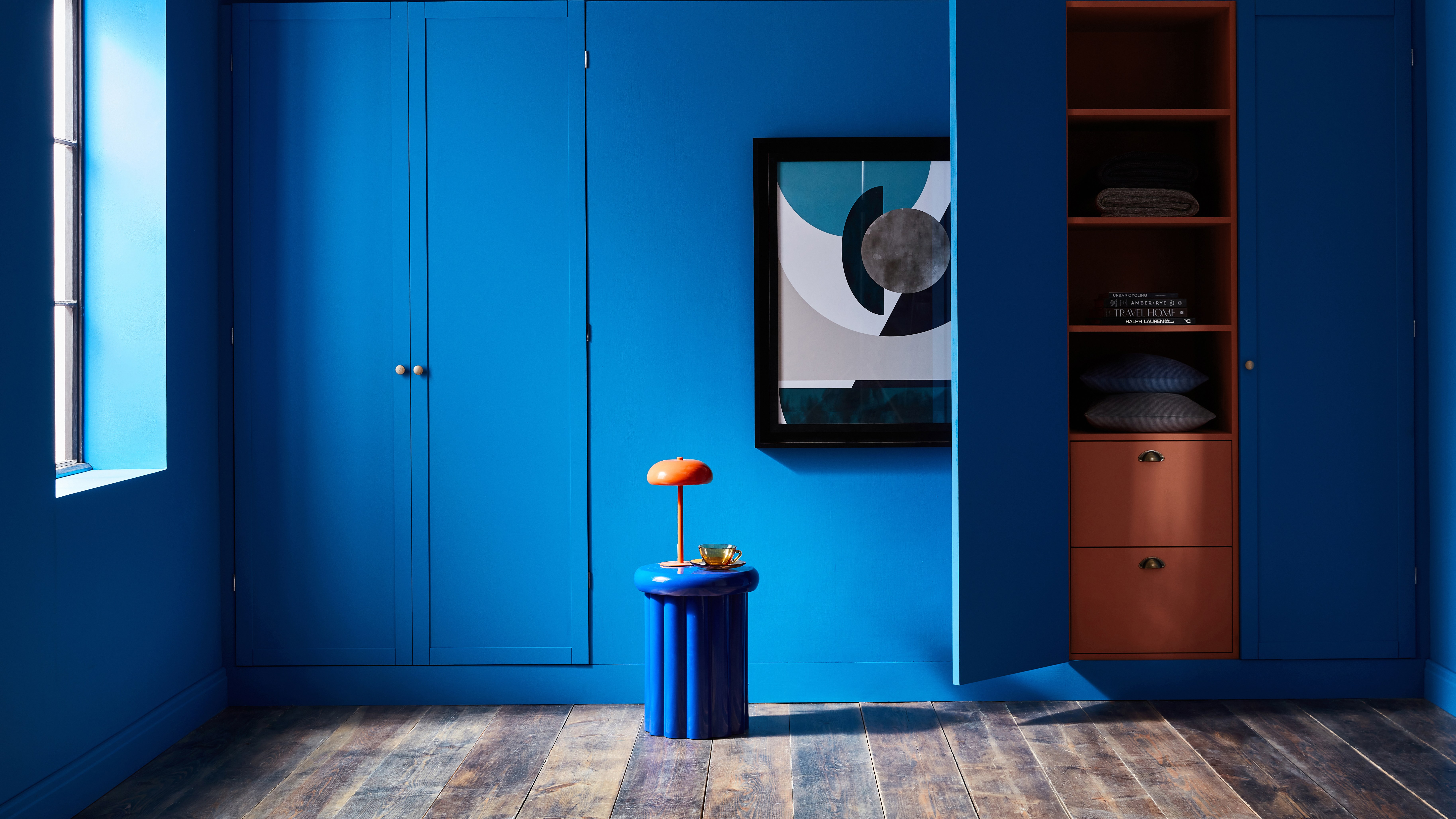
How to transform your rooms with colour drenching
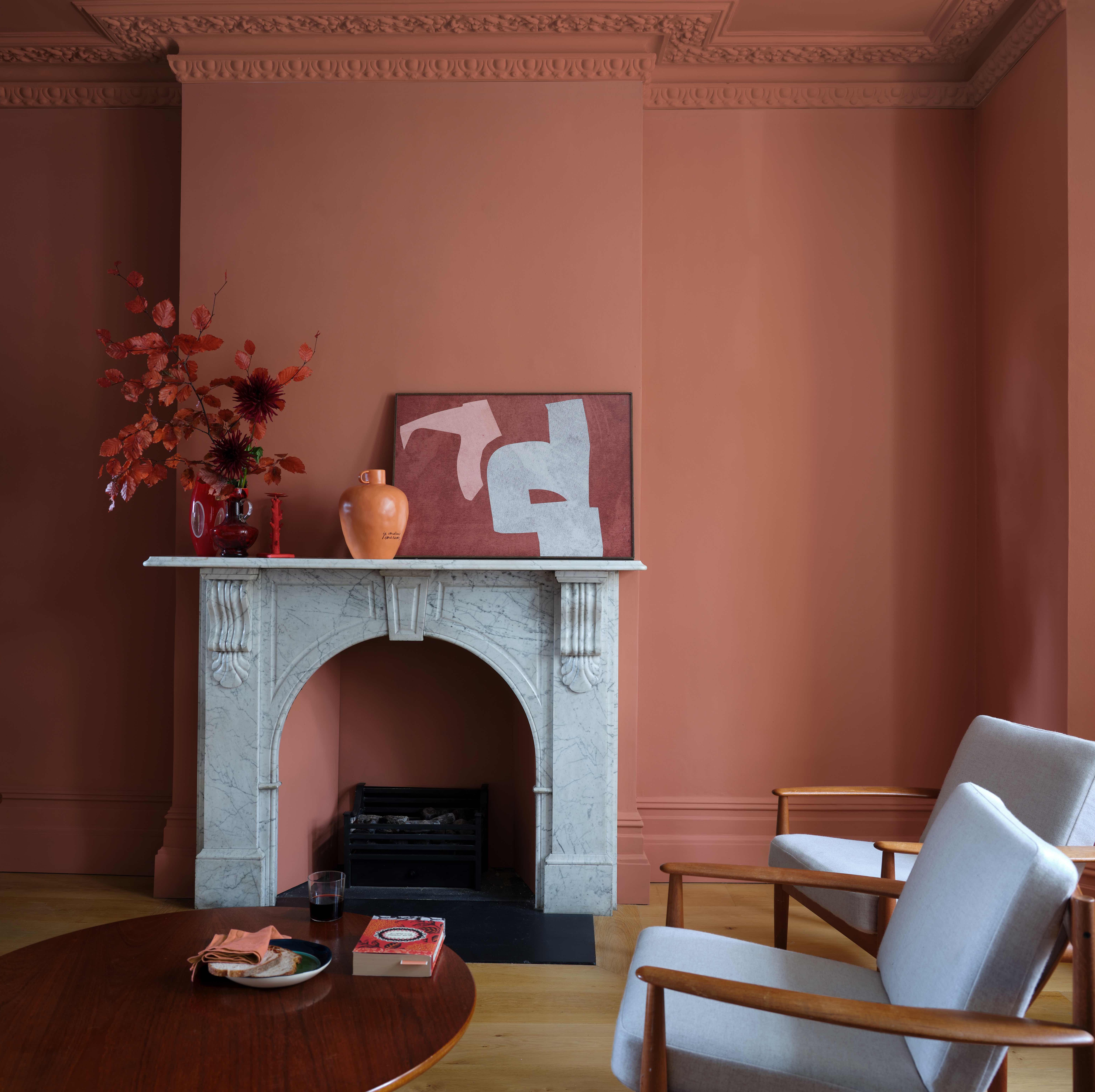
6 great ways to use colour drenching in your home
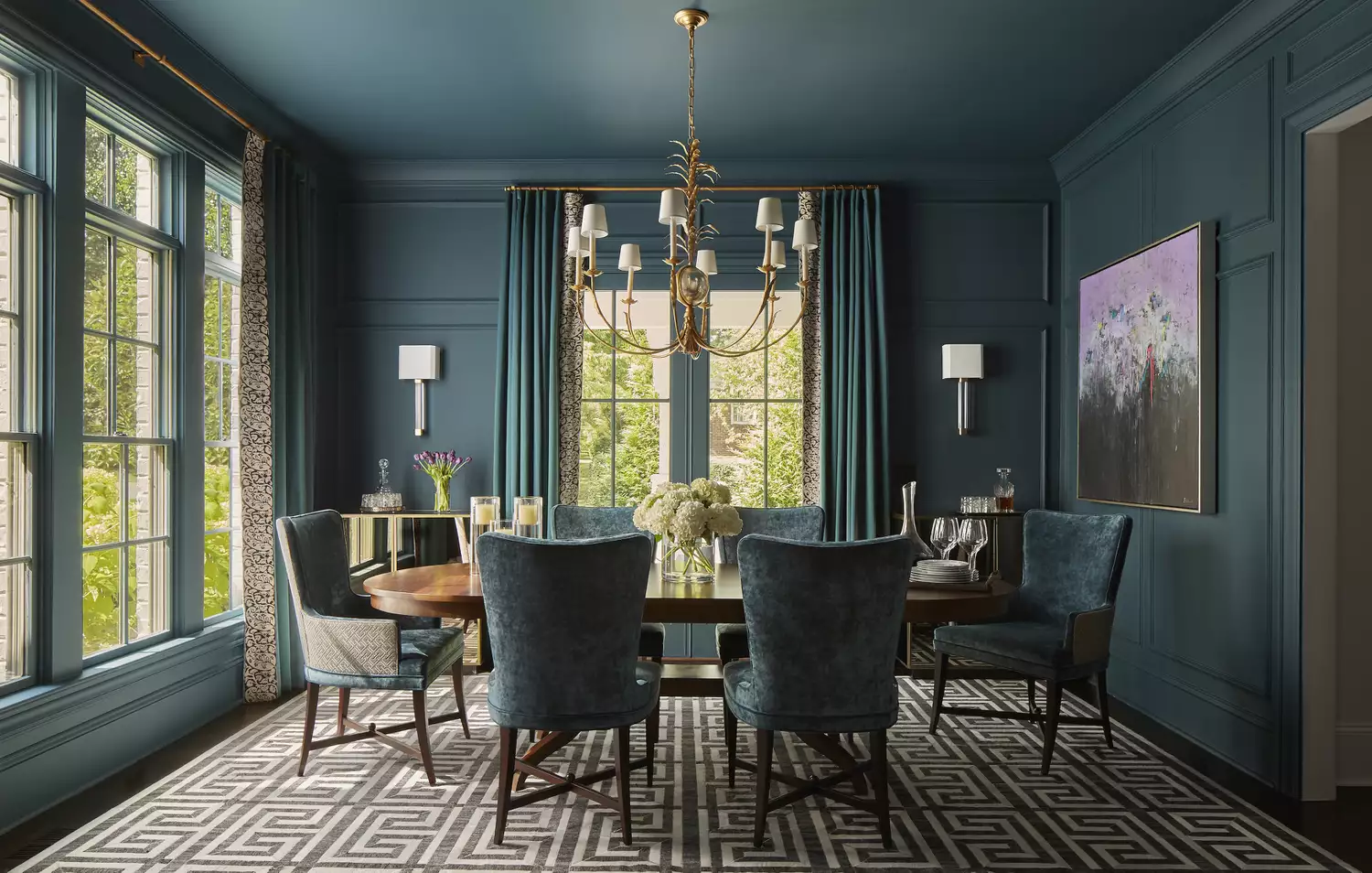
10 Color Drenching Ideas That Highlight the Beauty of This Paint Trend
What are the worst colors to paint a room? The shades experts say you should never use

Experts explain the 'colour drenching' trend – sharing 7 thoughtful ways to try it in your home

Color Drenching Might Be Everywhere, But My Mom’s Been Doing It Since the ’90s
15 ways to add color to your home, according to interior designers
Should woodwork be lighter or darker than walls? The rules colour experts use to choose the perfect colour
Color Drenching Is the Bold Paint Trend Taking Over—Here’s How to Nail It
A Complete Guide to Color Drenching a Room — The Tone-On-Tone Paint Style Taking Over Our Homes
Four Gorgeous Front Range Rooms That Embrace Color

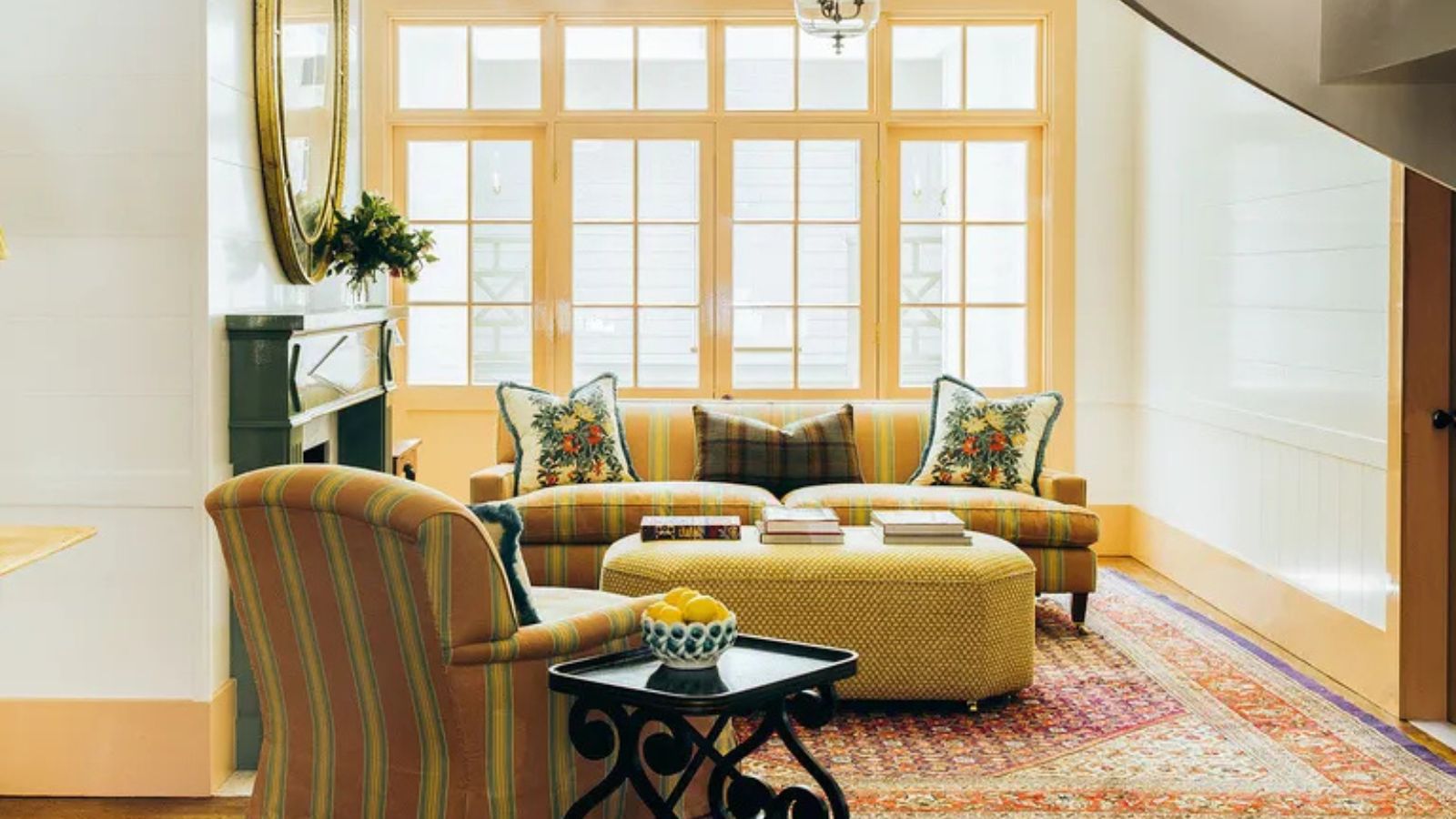
What the unexpected fashion trick, the 'Sandwich Method', taught me about decorating with color in my home
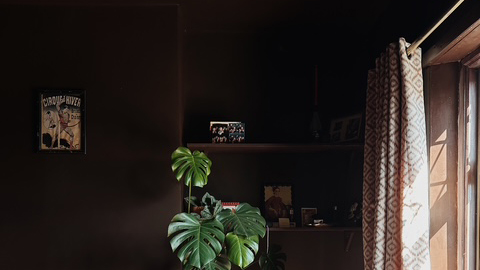
Is colour drenching really a radical new way to decorate, or is it just lazy decorating?
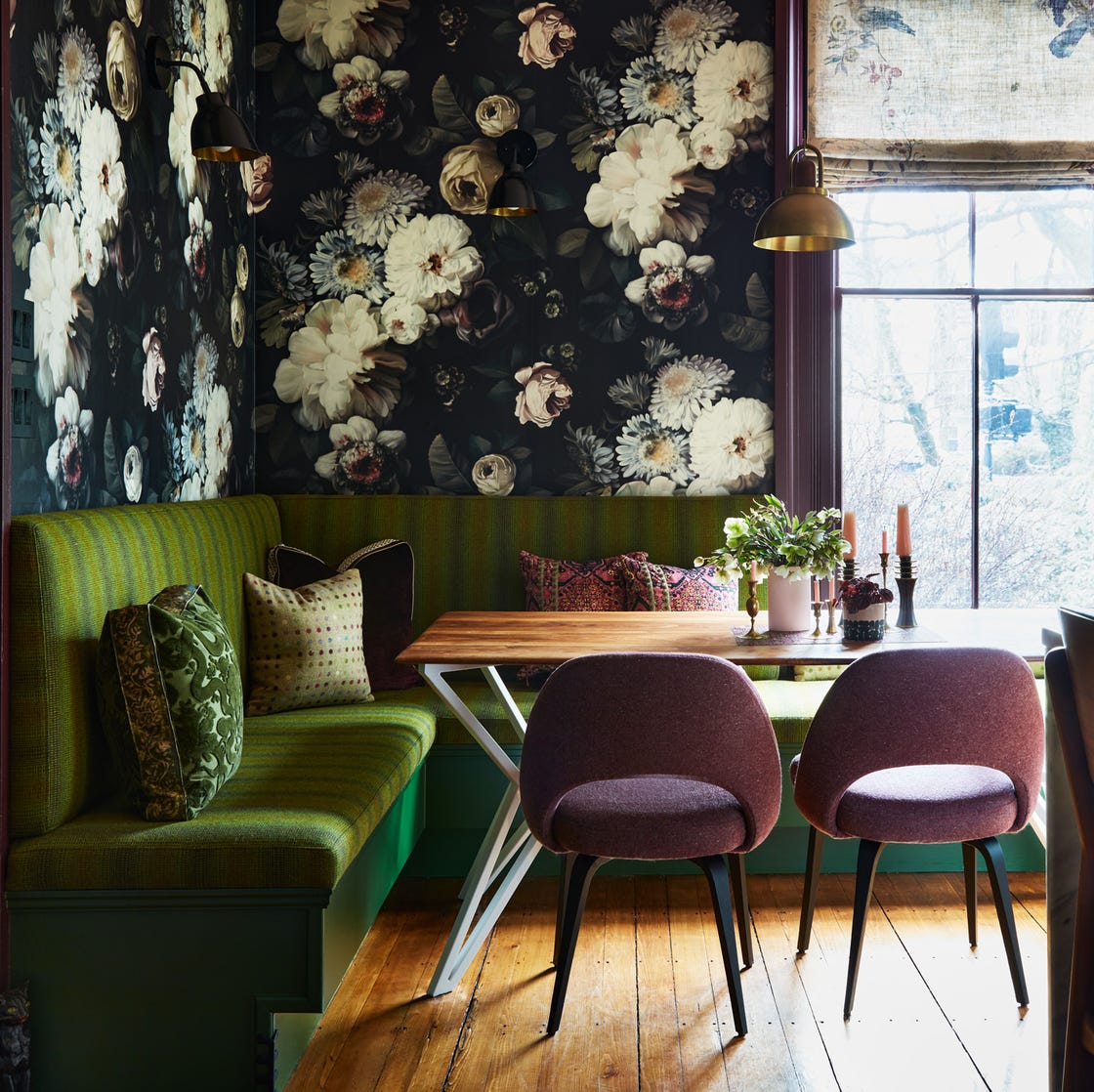
12 Color Schemes That Are Popping Off Right Now, According to Designers
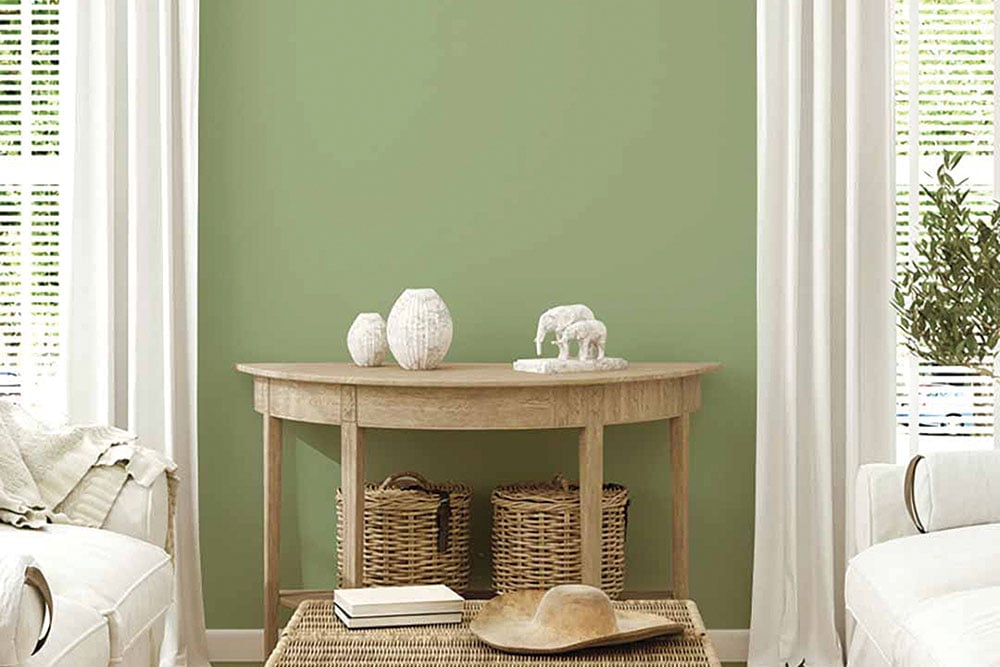
How To Incorporate The Latest Color Trends in Your Home

Tips for Bringing More Color Into Your Home, Straight from Interior Designers