
1/11
The 4 Best Wi-Fi Mesh-Networking Systems of 2026 | Reviews by Wirecutter
The Eero 7 mesh-networking system is identified as the optimal choice for most individuals seeking a robust Wi-Fi solution, based on extensive testing. This system offers quick setup, lag-free Wi-Fi coverage across a home, and remote management via a mobile app. It is capable of simultaneously streaming multiple 4K videos and managing numerous smart devices, serving as a suitable introduction to Wi-Fi 7 technology.
For users with gigabit or faster internet connections or a large number of smart home devices, the TP-Link Deco BE63 is recommended as an upgrade. This system is significantly faster and provides more Ethernet connections than the Eero 7, making it ideal for demanding network environments. It incorporates Wi-Fi 7 technology, ensuring high-speed connectivity for current and future devices.
As a budget-friendly alternative, the TP-Link Deco BE23 offers solid performance at a lower price point. This three-piece mesh network is easy to set up, features a compact design, and delivered reliable connections in busy test networks, outperforming several more expensive systems. It also utilizes Wi-Fi 7, providing a degree of future-proofing.
The selection of these mesh systems is based on comprehensive evaluation over six years, involving testing more than 130 systems in real-world and lab environments. Key criteria for selection included ease of setup and administration, strong speed and range test results, responsiveness under network congestion, expandability, and the presence of multiple 2.5 gigabit Ethernet ports, along with other desirable features like tri-band Wi-Fi 7.
Mesh-networking systems are particularly beneficial for homes larger than 2,300 square feet, or those with signal-blocking architectural elements such as lath-and-plaster, brick, stucco, or concrete walls, as well as tall, narrow buildings. A mesh network comprises a base unit connected to the internet and satellite nodes that extend the network's range and reliability. While a single router might suffice for smaller homes or central placement, mesh systems excel in providing consistent coverage in challenging layouts. The article also clarifies that mesh systems primarily enhance coverage and reduce latency across a wider area, rather than inherently increasing internet speed beyond the subscribed plan.
The Eero 7's advantages include its rapid setup time (5-20 minutes), strong performance with speeds up to 806 Mbps near the base router and 56-560 Mbps elsewhere, compatibility with existing Eero systems for expansion, and support for various smart home standards (HomeKit, Matter, Thread, Zigbee). It also offers optional cellular internet backup through the Amazon Eero Signal accessory, providing a fail-safe for internet outages. However, its drawbacks include a limited number of Ethernet ports, an optional annual subscription for advanced features like parental controls and anti-malware, and its dual-band Wi-Fi 7 architecture which omits the 6 GHz radio present in more expensive Wi-Fi 7/6E routers. The system also relies on cloud administration and offers limited user-adjustable settings.
The TP-Link Deco BE63 stands out with multi-gigabit speeds and Wi-Fi 7 support, featuring five 2.5 GbE Ethernet ports per unit, making it suitable for 1-gig or 2-gig internet services and wired devices. Its units are pre-paired for simple setup. While highly performant, it is noted that even faster, more expensive systems exist, though their benefits are often unnecessary for typical home use due to current internet speed limitations and device capabilities.
The TP-Link Deco BE23, as the budget pick, delivers steady wireless coverage, exhibiting minimal slowdowns during congestion tests and outperforming several higher-priced mesh networks. It is easily expandable with up to six units and boasts a compact, discreet design. Its limitations include only two 2.5-gig Ethernet ports per node and a slightly more complex app interface compared to Eero for features like parental controls.
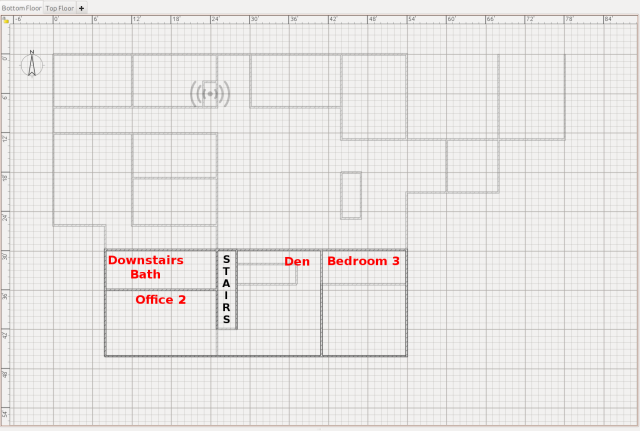
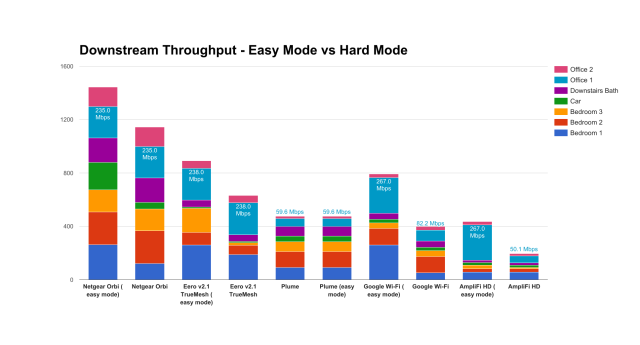
The article also briefly mentions other mesh networks considered, such as Ubiquiti's UniFi Express 7 for more technically inclined users seeking extensive customization and monitoring options, and the high-performance Netgear Orbi 870 for those with substantial budgets and plans for 5- or 10-gig internet service. Testing methodology involved simulating a busy home network with multiple devices performing various tasks, focusing on real-world performance across different areas and building materials rather than just peak throughput. The goal was to identify systems that ensure consistently fast Wi-Fi throughout the entire home.
#WiFiMeshSystem #HomeNetworking #WiFi7 #Eero7 #TPLinkDecoBE63 #TPLinkDecoBE23 #SmartHome #InternetSpeed #WirelessTechnology #WiFiMeshSystem #HomeNetworking #WiFi7 #Eero7 #TPLinkDecoBE63 #TPLinkDecoBE23 #SmartHome #InternetSpeed #WirelessTechnology
0 Kommentare insgesamt
 Noch keine Kommentare
Das könnte Ihnen auch gefallen
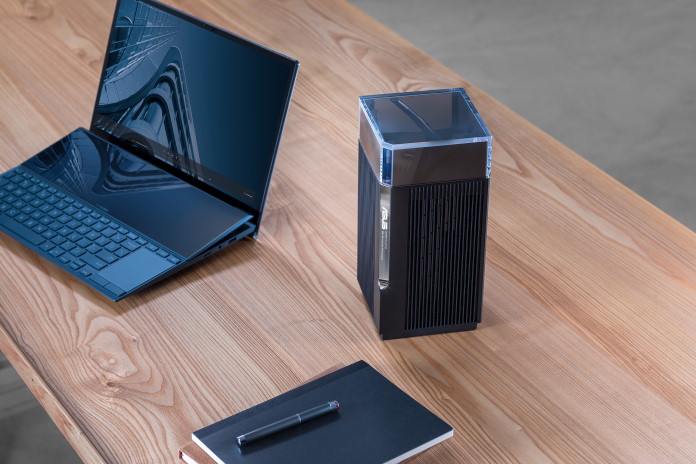
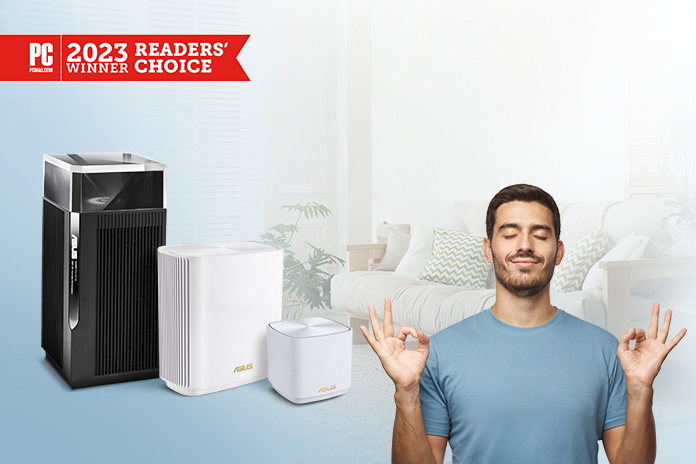
Find your Zen with the best ASUS mesh WiFi systems in 2023


The 4 Best Grab Bars of 2026 | Reviews by Wirecutter
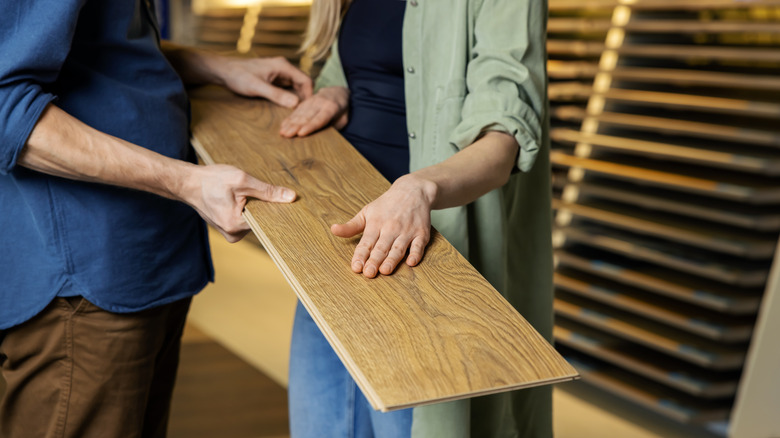
These 4 Flooring Trends Are Set To Dominate In 2026, According To A Design Expert

4 Color Palettes That Will Dominate Home Design in 2026 and Beyond, According to Sherwin-Williams

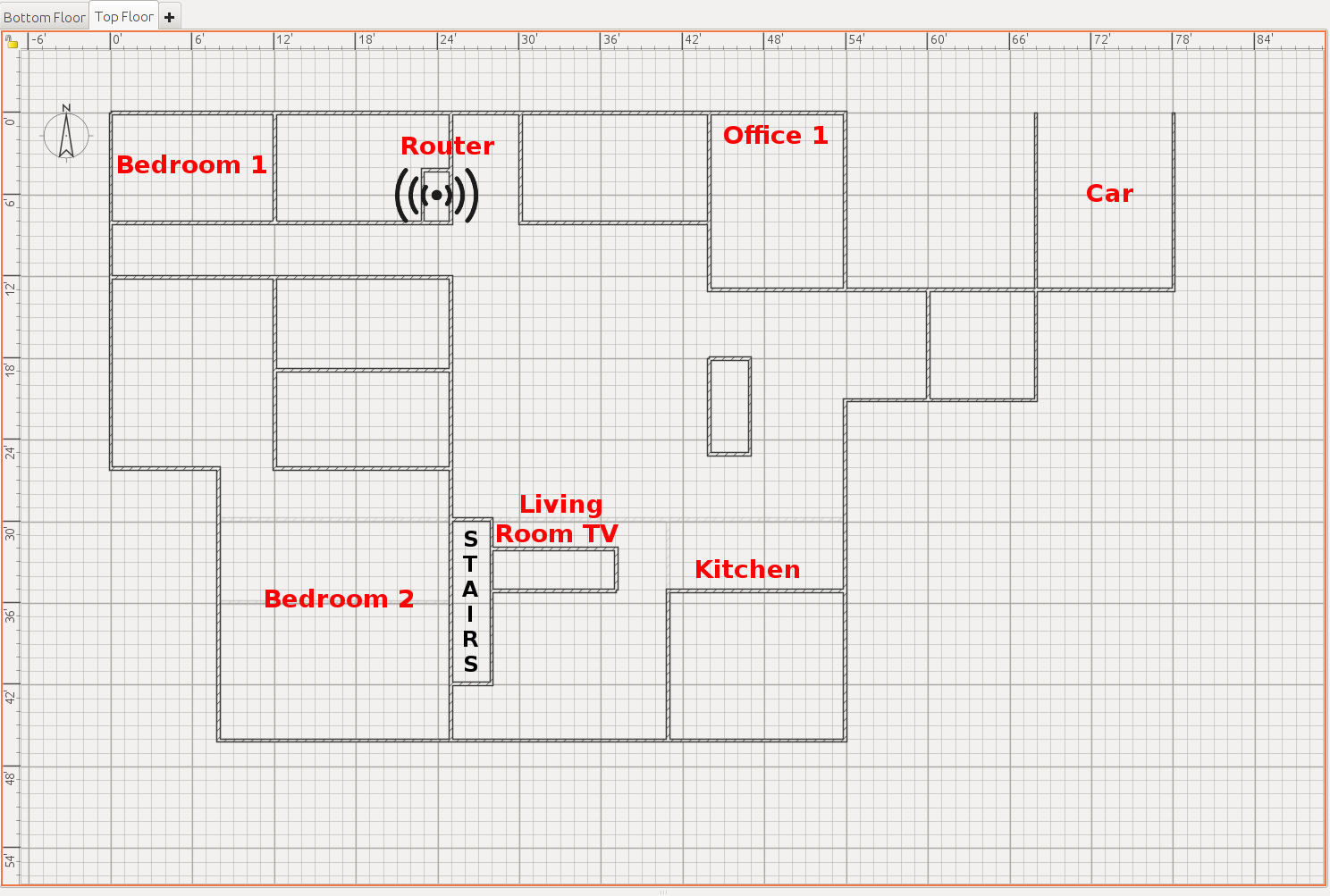
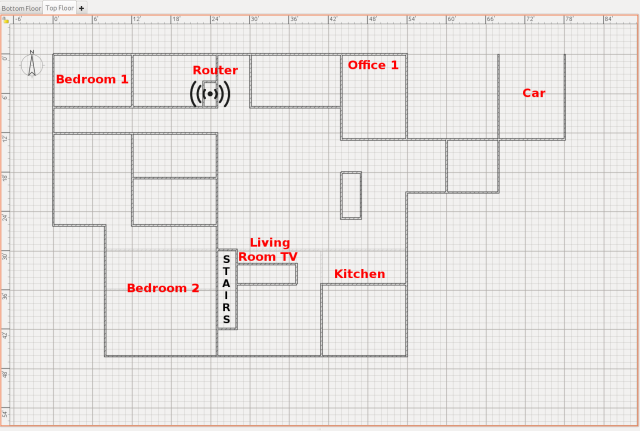
Send Wi-Fi companies floor plans, receive the ultimate mesh networking test


The 4 Best Hybrid Mattresses for 2026 | Reviews by Wirecutter

The Best Projectors for 2026 | Reviews by Wirecutter

Designers Are Convinced These 4 Flooring Trends Will Rule 2026


The 4 Best Hangers of 2026 | Reviews by Wirecutter

The Verdict Is In: Refined Layering Will Be Everywhere in 2026


The best smart home products of 2025-26


The 4 Best Smart Thermostats of 2026 | Reviews by Wirecutter

The Best Google Home–Compatible Smart-Home Devices in 2026 | Reviews by Wirecutter

The 4 Best Cribs of 2026 | Reviews by Wirecutter

The 3 Best Smart Strip Lights of 2026 | Reviews by Wirecutter

The 4 Best Smart Retrofit Shade, Blind, and Curtain Openers of 2026 | Reviews by Wirecutter

The 4 Best Smart Window Shades, Blinds, and Curtains of 2026 | Reviews by Wirecutter
Best Smart Home Devices of 2026: Home Upgrades for Anyone


The 4 Best Google Nest Smart Speakers of 2026 | Reviews by Wirecutter

8 Window Treatment Trends That Will Dominate 2026, According to Designers