1/6
You've Got to See This Hidden Storage Unit for a Mudroom
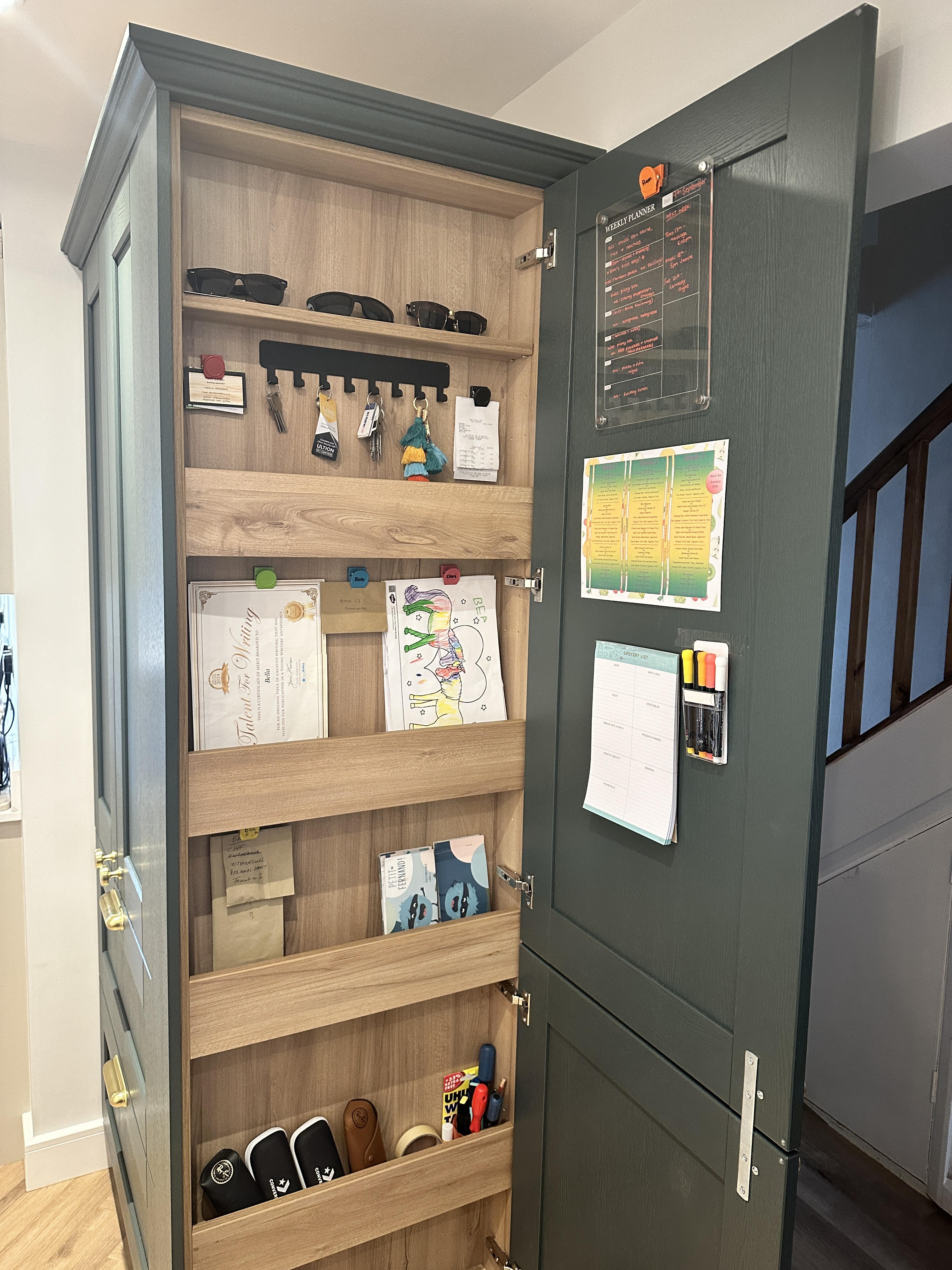
The article details designer Kiersten Brien's process of transforming a traditional coat closet into a highly functional mudroom with hidden storage. It addresses the common challenge of 'drop zones' near entryways, where items like backpacks, shoes, and coats accumulate, and presents Brien's innovative solution for keeping these areas organized. Brien, founder of Pitmilly House and known for her Instagram account, emphasizes her attraction to hidden, dual-purpose design elements and her approach to client-focused design.
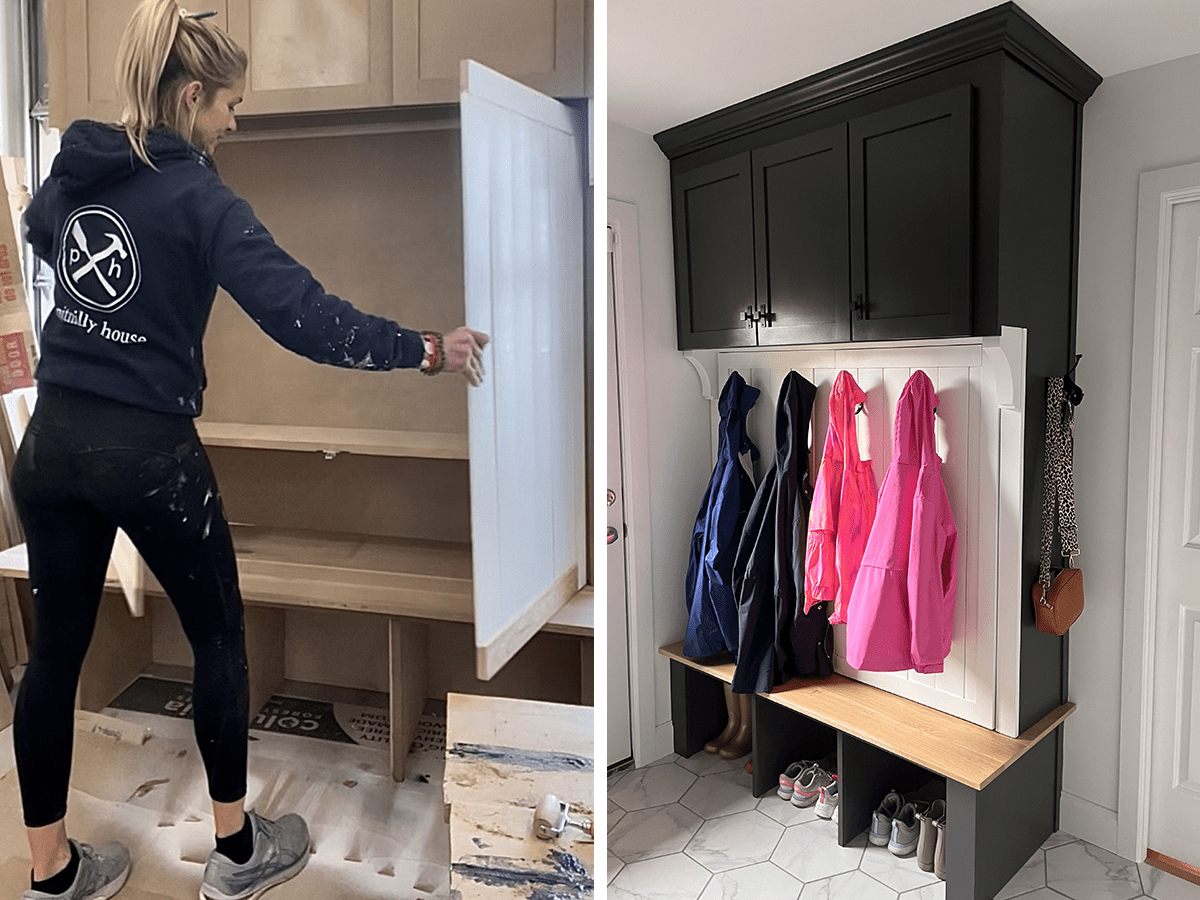
The transformation began with evaluating the existing space, which was originally a 1980s-era laundry room with a sliding door coat closet. Brien's client desired a mudroom/laundry room combination to manage children's belongings. Her strategy involved observing the uncleaned space to understand the volume and types of items that needed storage, allowing the collection of items to inform the design scope. This insight led to the decision for a hidden, dual-purpose storage solution to achieve a clean and organized aesthetic tailored to the client's daily needs.
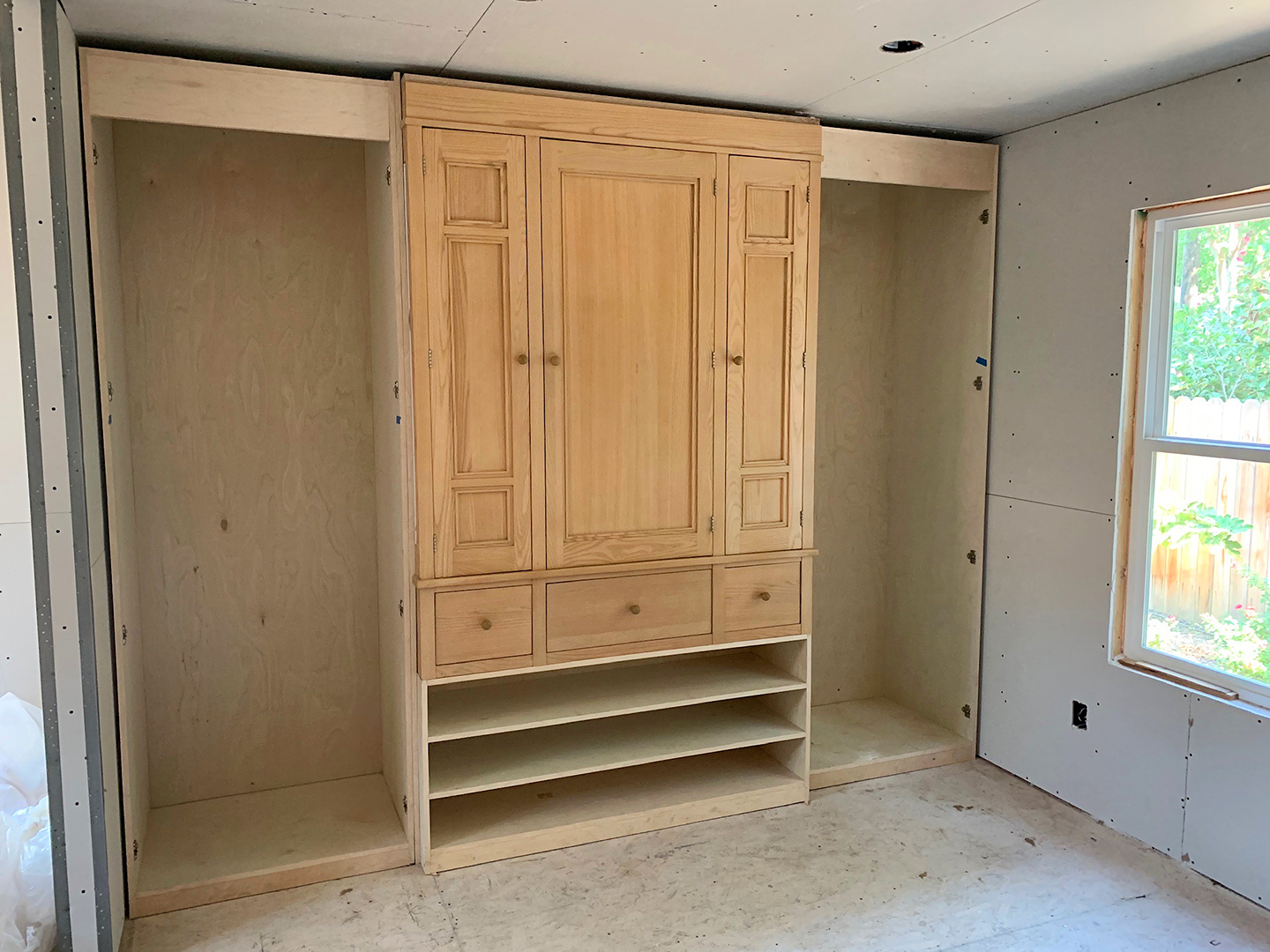
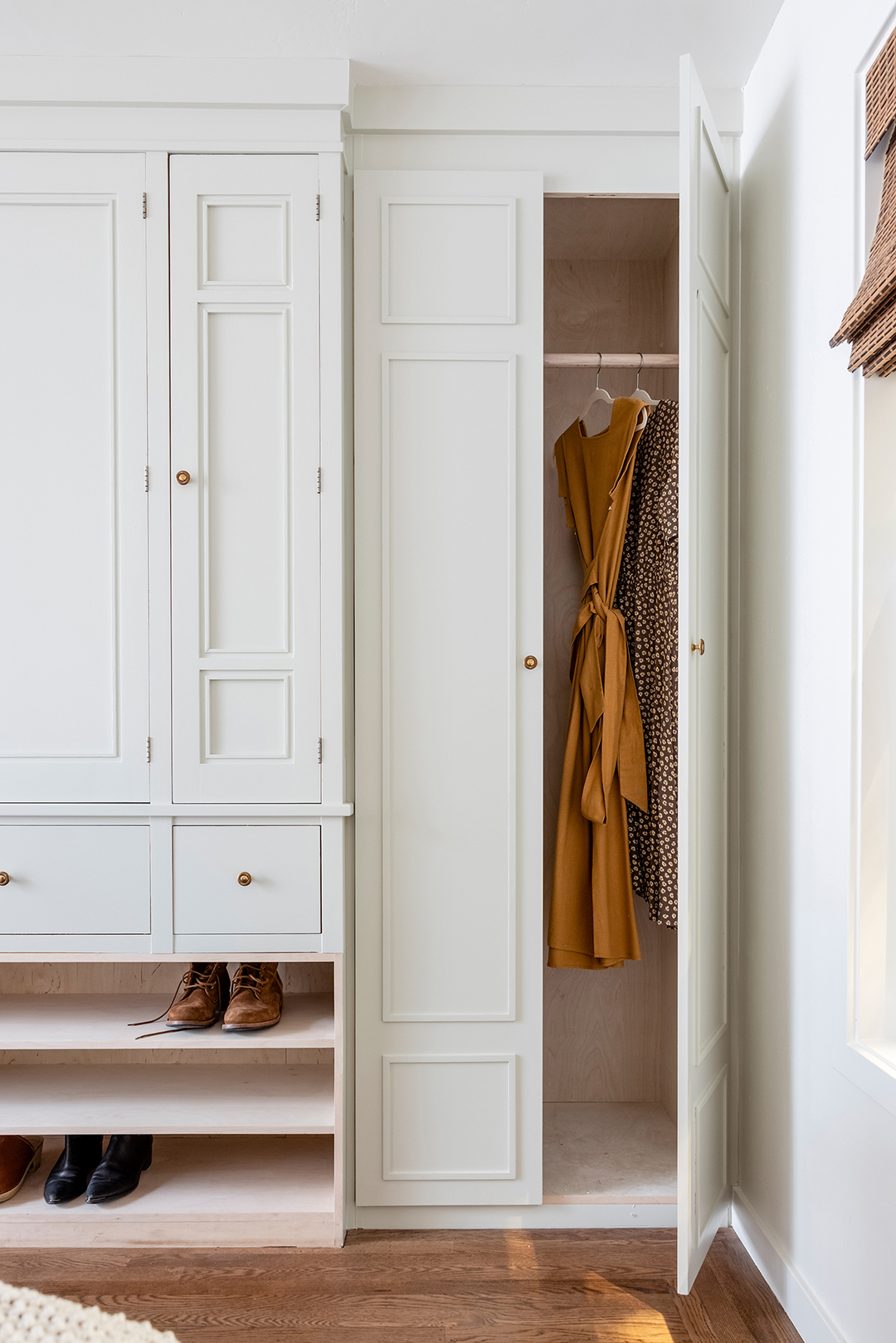
A core recommendation from Brien is to break down large projects into smaller, manageable tasks. For this mudroom, the build was conceptualized as three distinct structures: a cubby bench at the bottom, a shallow box cabinet with European hinges in the middle for a seamless look, and a custom row of upper cabinets. This modular approach simplifies the construction process and makes it less daunting for DIY enthusiasts.
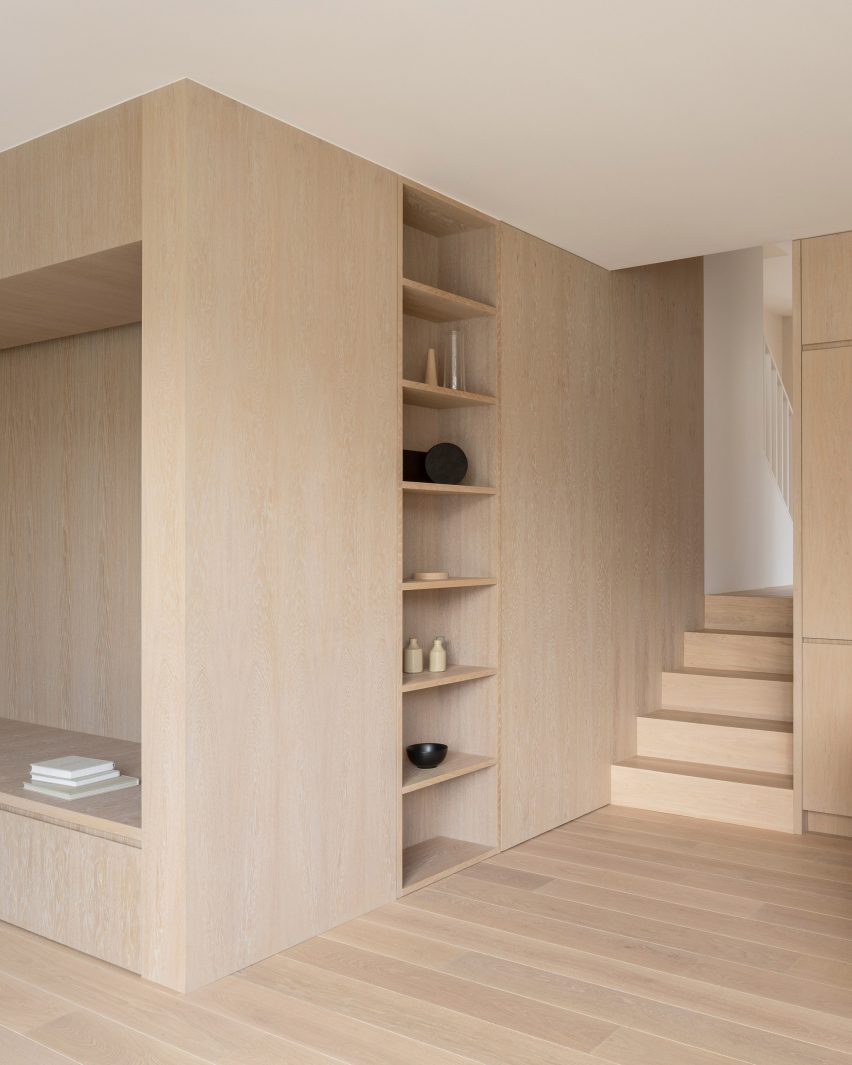
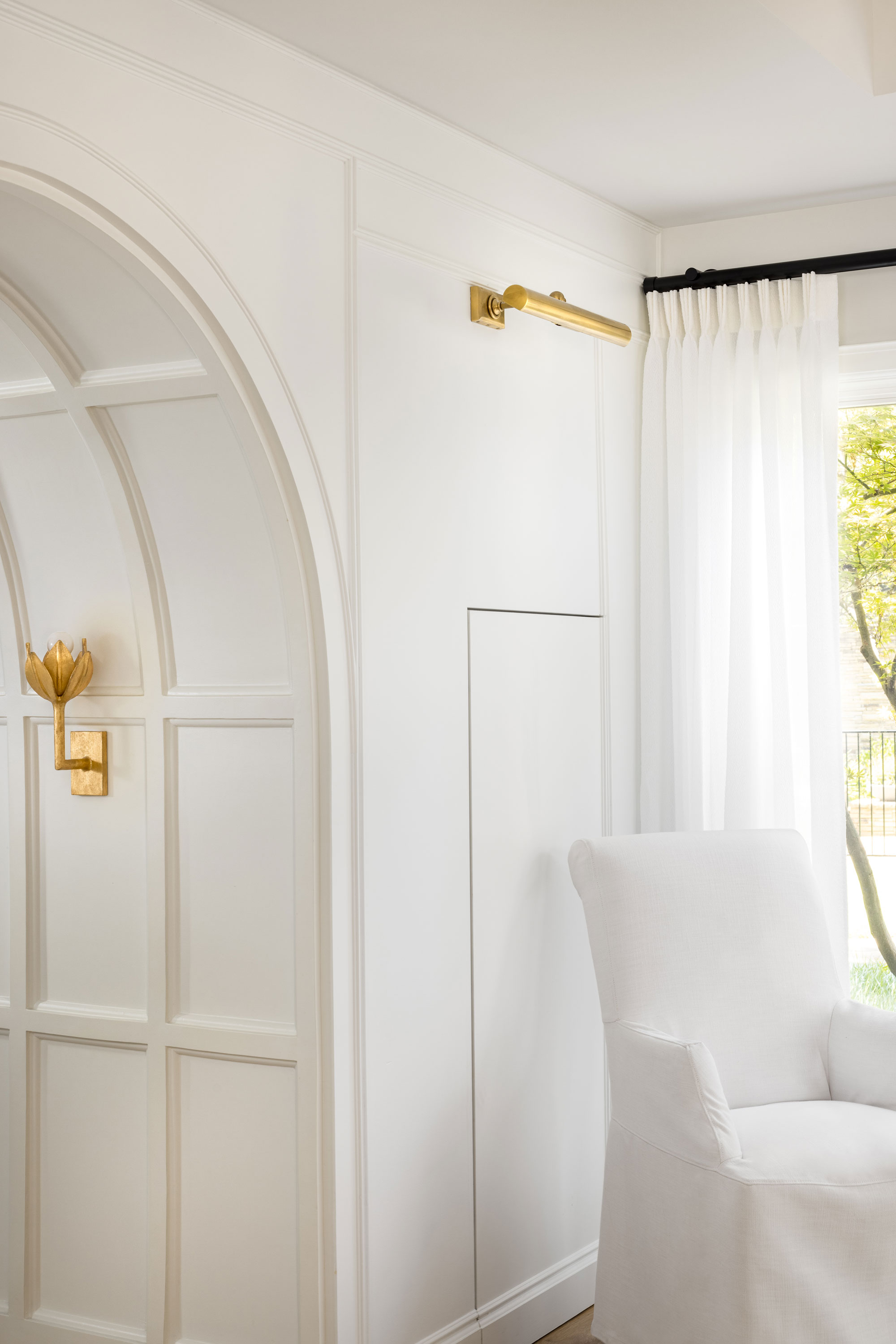
The article also highlights the importance of considering the entire home's aesthetic when undertaking a renovation project. Brien ensured the mudroom's design integrated with the adjacent laundry area by extending white vertical shiplap and incorporating charcoal cabinets, white oak shelves, and brass accents, creating a cohesive look. She sourced the white oak from a local tree and matched the dark grey paint to an existing building, demonstrating a thoughtful approach to materials and color palettes. The design integrated functionality with aesthetics, such as using the shiplap for a hidden door and brass hooks as a layer in front of the coat closet.
Selecting the appropriate tools is presented as crucial for a successful outcome, with Brien noting that while she uses professional shop tools, a table saw, track saw, or even a circular saw can suffice for similar projects. The article also advocates for building prototypes, whether through drawings or full-scale models, to anticipate and address real-world challenges. Brien herself created prototypes for the mudroom unit to refine the design through trial and error, preventing potential issues and material waste. Finally, the article encourages readers to embark on DIY projects, suggesting starting small to build skills and confidence, allocating ample time and budget, and avoiding projects with strict deadlines.
#MudroomDesign #HiddenStorage #HomeRenovation #DIYProjects #InteriorDesign #SpaceOptimization #EntrywayOrganization #KierstenBrien #PitmillyHouse #MudroomDesign #HiddenStorage #HomeRenovation #DIYProjects #InteriorDesign #SpaceOptimization #EntrywayOrganization #KierstenBrien #PitmillyHouse
0 comment in total
 No comments yet
You may also like
37 Cute Home Decor Items That Add Secret Storage

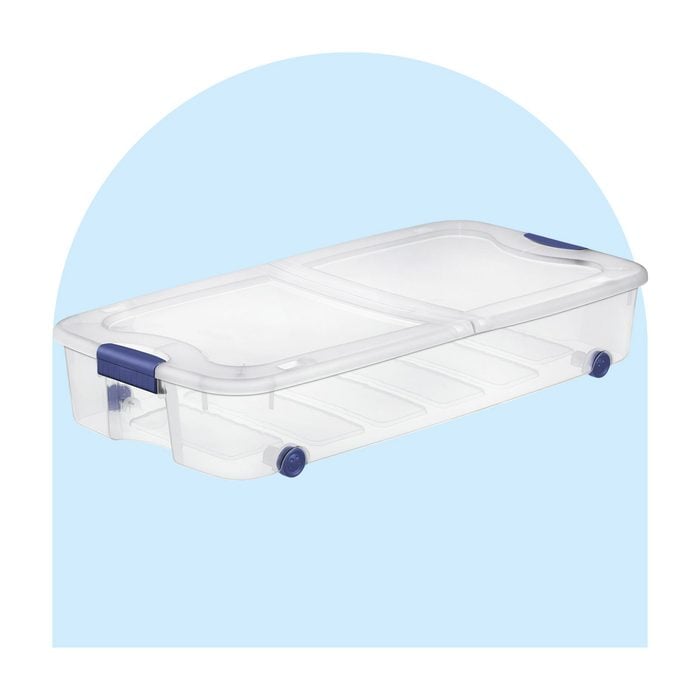
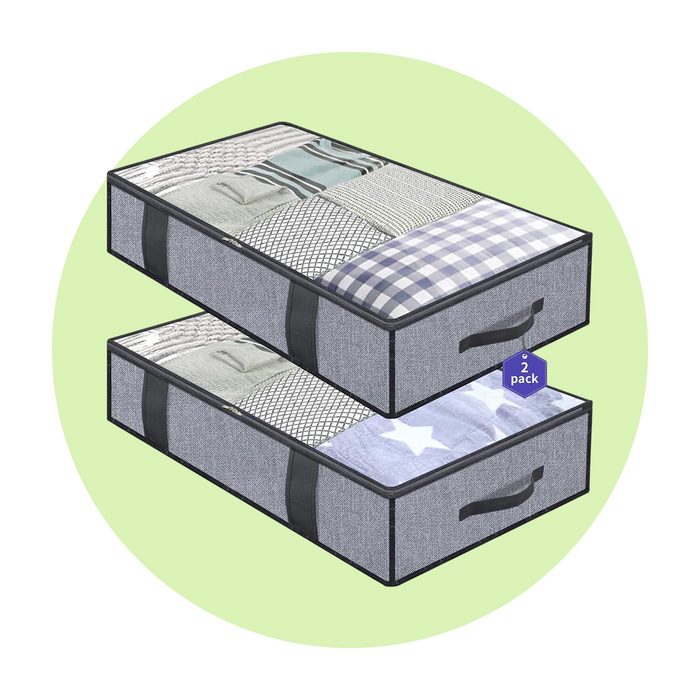
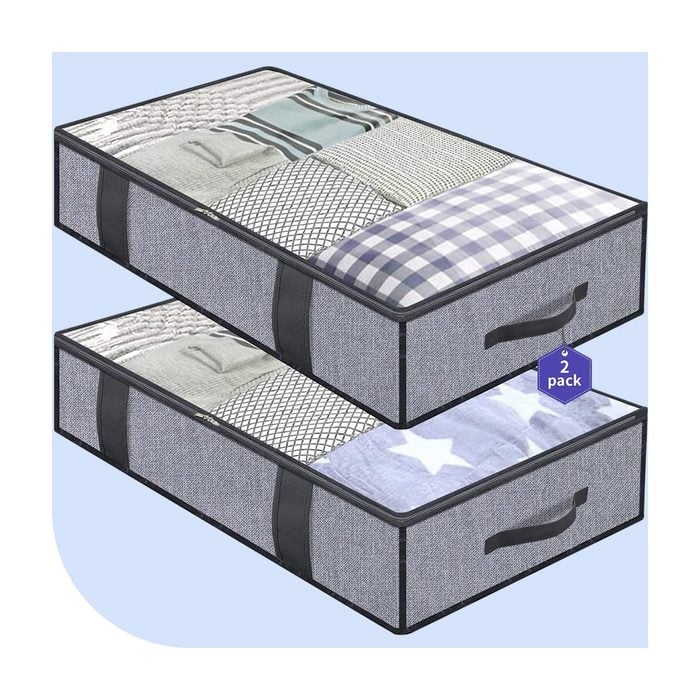
8 Under-Bed Storage Solutions That Will Help You Get Organized

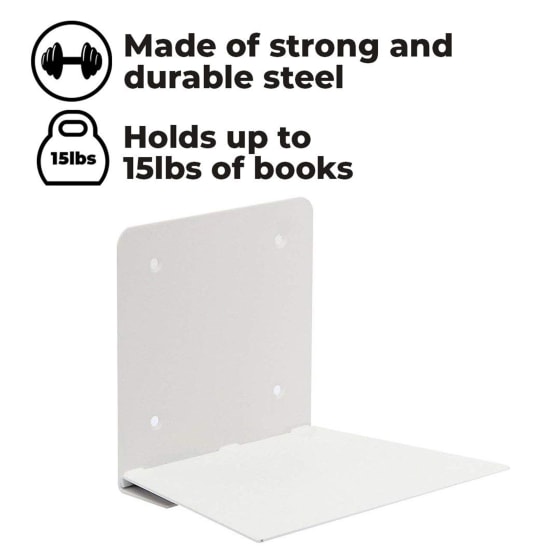
I Found This Floating Shelf With a Hidden Compartment That Is Such a Clever Way to Add Extra Storage to Your Home

Organize Your Home By Using This Dead Space As Hidden Storage
Seven interiors where doors and panels hide secret rooms
14 Handy Organizers That Fit Under Your Bed For Extra Storage Space
9 Hidden Storage Ideas That Conceal Clutter in Plain Sight

Oh Wow, This Secret TV Storage Is the Genius Idea Everyone With a Living Room With Fireplace Alcoves Will Want to Copy
Unlock Extra Storage Space With These Under-Bed Boxes That Hide Clutter and Keep the Bedroom in Order

The Murphy Door Is the Hidden Storage Solution We’ve Been Waiting For
10 Genius Hidden Storage Ideas That'll Help Conceal Clutter and Keep Your Home's Eyesores Out of Sight
This Genius "Hidden" Kitchen Storage Is the Perfect Swap for Your Unorganized Junk Drawer
Our 8 Favorite Under-Bed Organizers for Sweaters, Shoes, and More

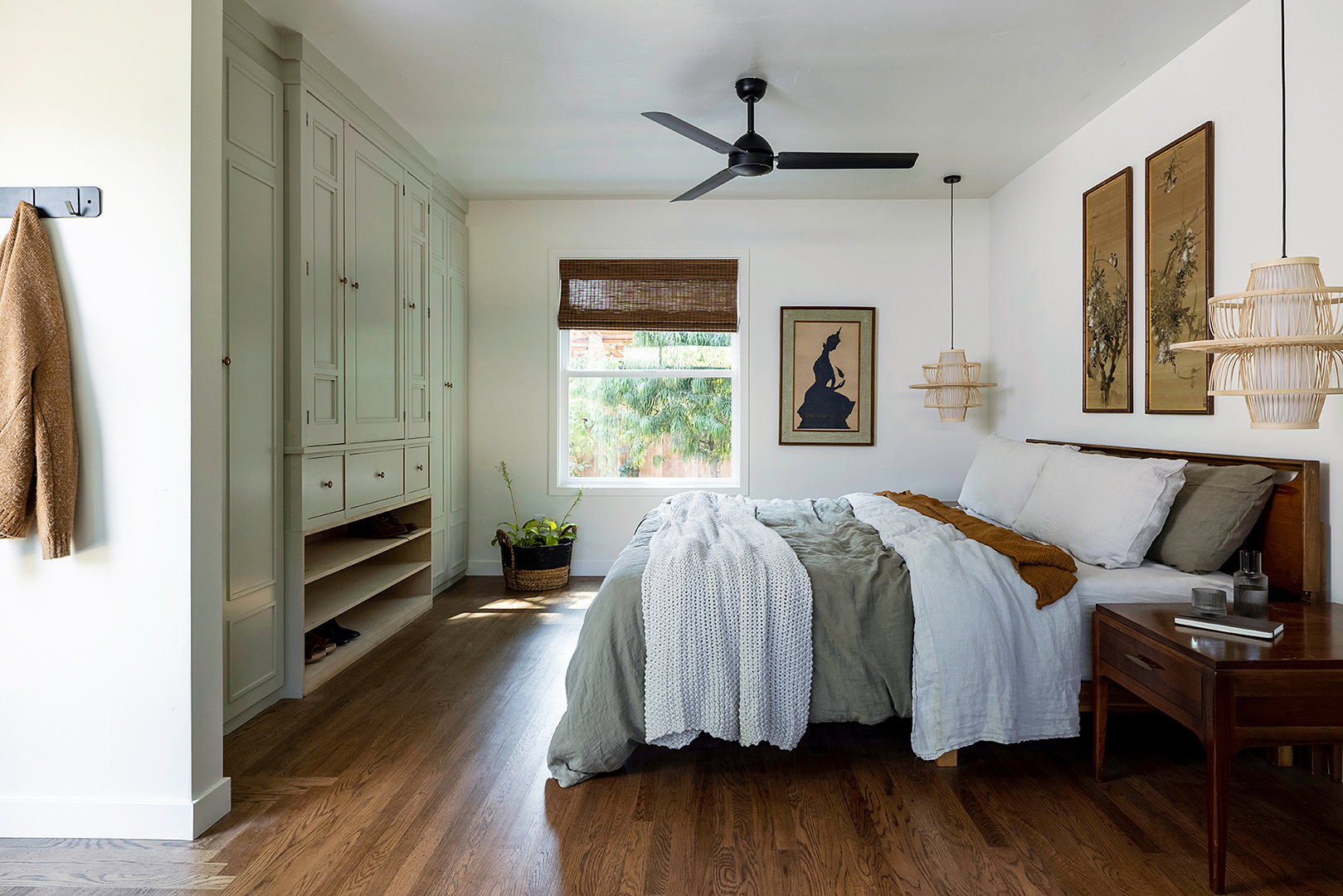
This Custom Wall of Closets Has a Storage Surprise Hidden in the Center

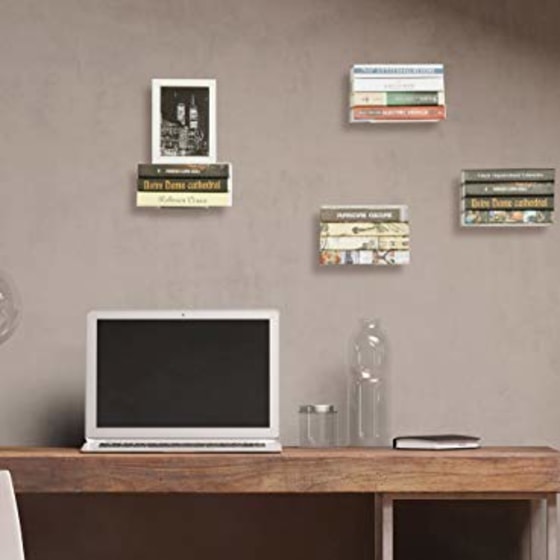
These floating wall shelves for books transformed by bedroom

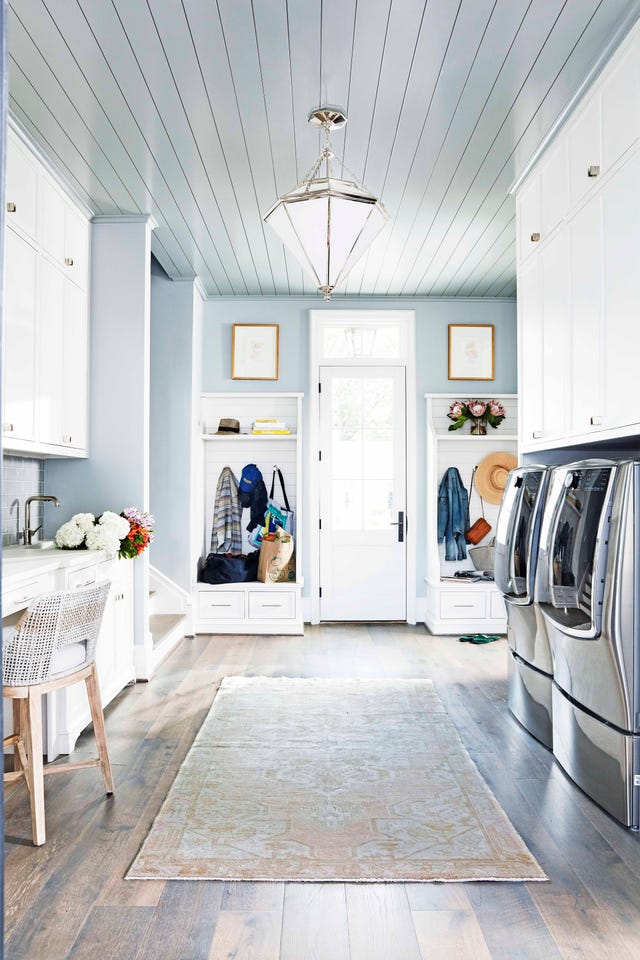
This Mudroom Is Ingeniously Designed to Keep Clutter at Bay

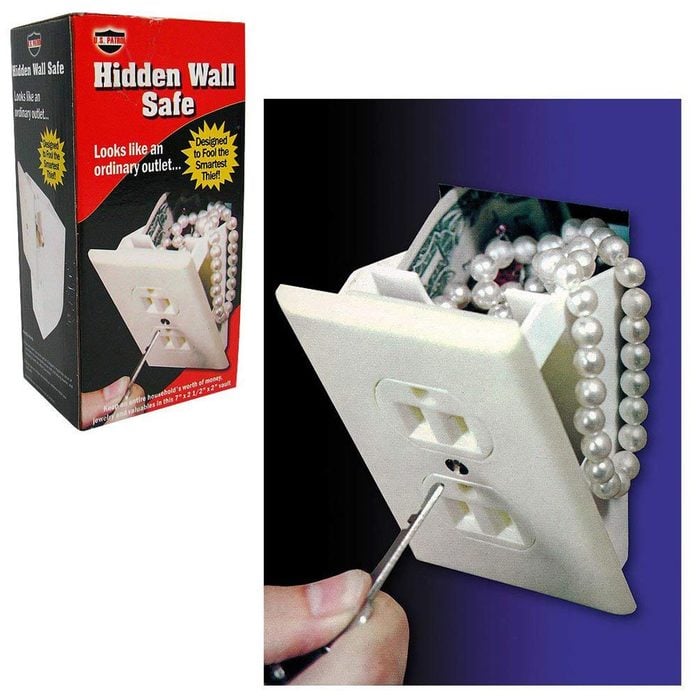
10 Secret Hiding Place Products for Your Home

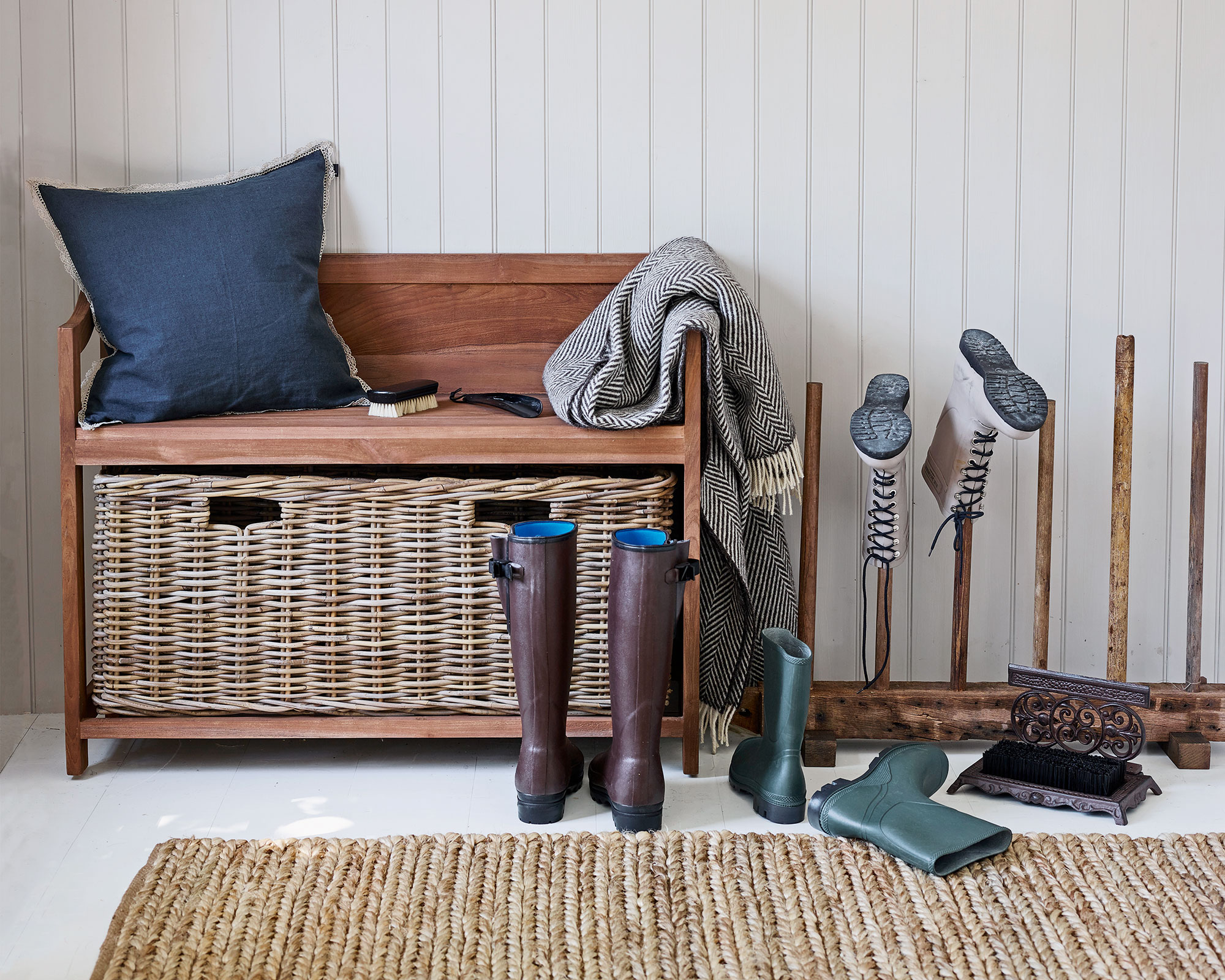
Understairs mudroom ideas – 10 ways to stay tidy in style

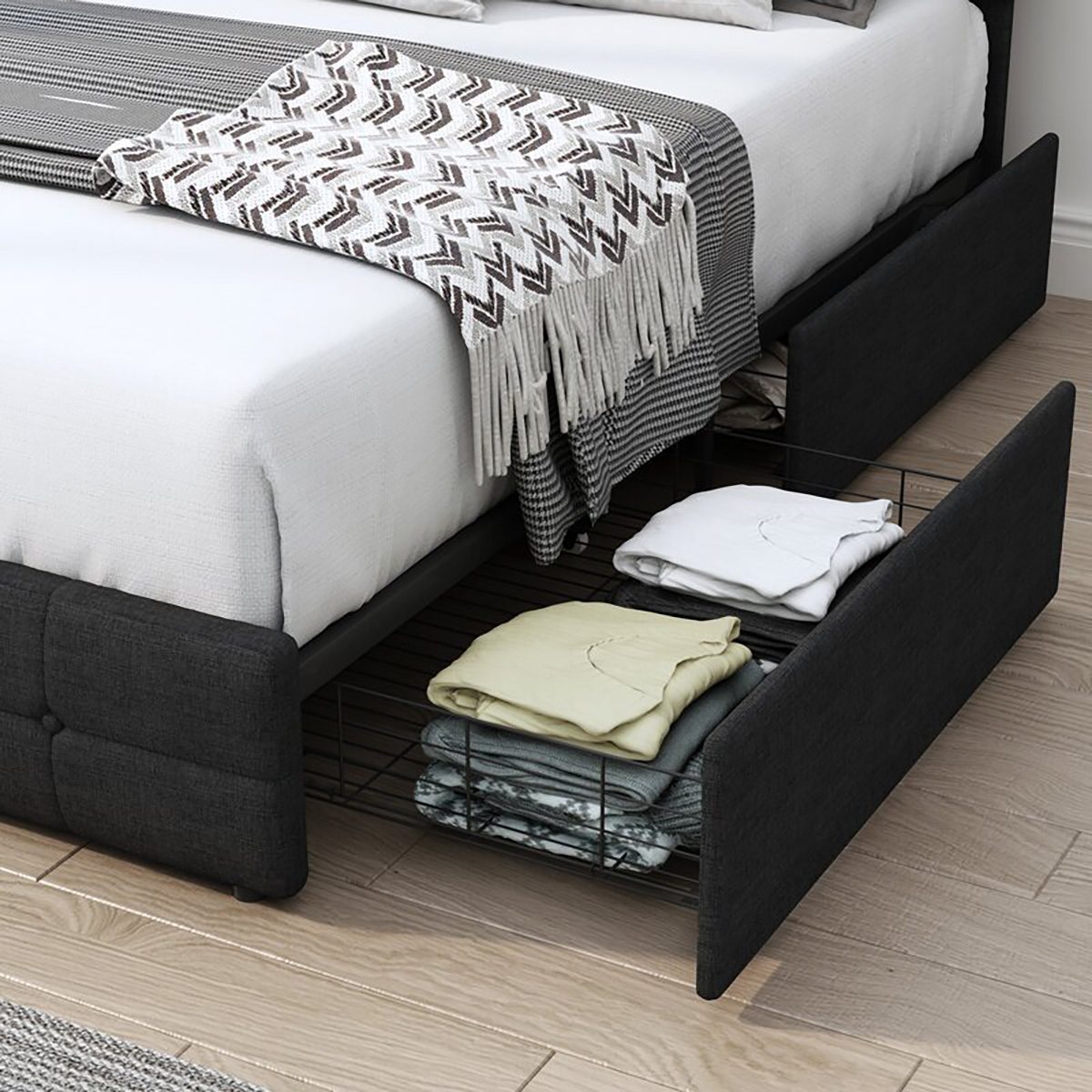
5 Best Under Bed Storage Solutions of 2025
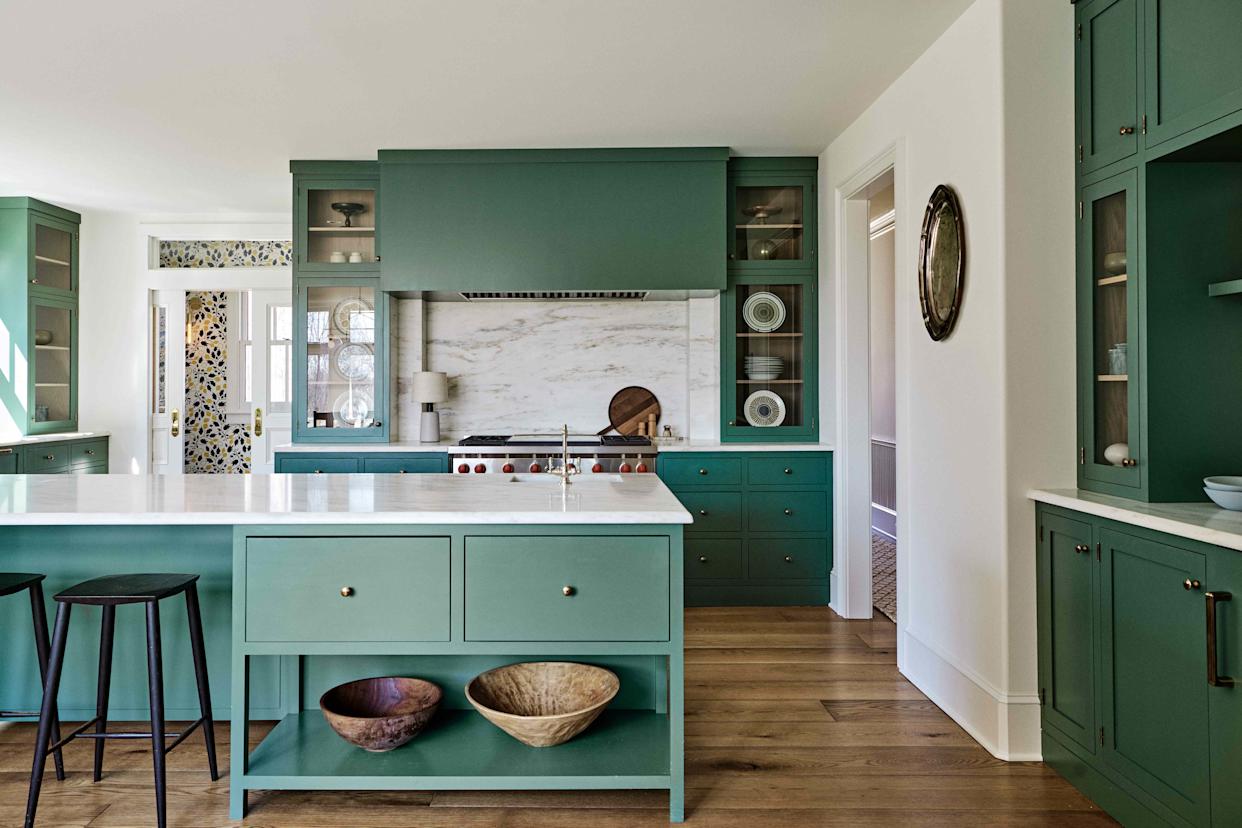
9 Secret Storage Spaces in Your Home You're Probably Overlooking