1/3
What Is A QNED TV And Is It Different Than OLED?
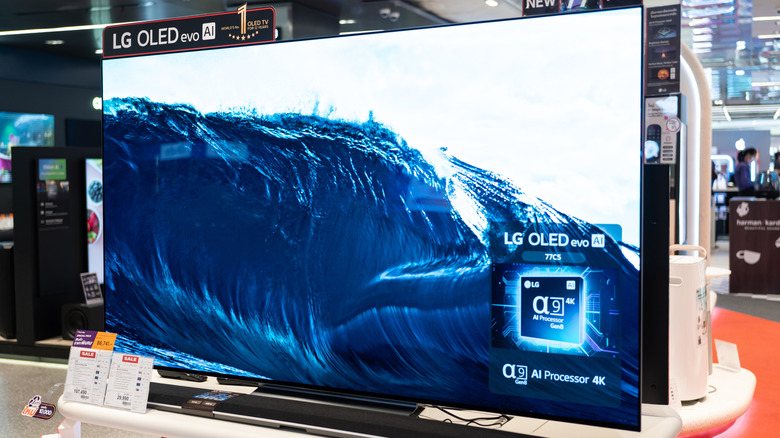
The television market presents a complex landscape of acronyms and technological terms, making the selection of a new TV a challenging endeavor. Among the various terminologies like UHD, 60Hz, and HDMI 2.1, two prominent display technologies, QNED and OLED, frequently emerge in discussions. QNED, a proprietary marketing term coined by LG, refers to its mid-tier to premium LED-LCD televisions that incorporate Mini-LED backlighting and quantum dot enhancements for color. Essentially, QNED is LG's version of QLED (quantum dot light-emitting diode) technology, distinguished by LG's specific implementation.
In contrast, OLED (organic light-emitting diode) technology fundamentally differs from QNED by completely eliminating LED backlighting. OLED panels are self-emissive, meaning each individual pixel on the screen can generate its own light and be independently controlled. This capability allows OLED pixels to be entirely turned off when not in use, resulting in perfect black levels. The ability to achieve true black contributes significantly to the rich, accurate colors and exceptional contrast that OLED TVs are renowned for. For an extended period, LG has been a dominant force in the OLED manufacturing sector, to the extent that it supplies OLED panels to other prominent TV manufacturers, including Samsung and Sony.
QNED TVs, particularly LG's offerings, leverage LED-LCD backlighting combined with LG's proprietary NanoCell wavelength filtering. This combination, augmented by a layer of quantum dots, significantly boosts color volume and accuracy. Quantum dots are nano-sized particles that react intensely to LED backlighting, further enhancing color reproduction. Specific QNED models, such as the LG QNED90, integrate Mini-LED lighting instead of traditional LED backlighting, offering more precise control over illumination. These attributes make QNED TVs particularly well-suited for brightly lit environments, such as living rooms with significant ambient light. The high brightness output of QNED displays helps to overcome glare and prevent the washed-out appearance that can occur due to sunlight or other light sources, providing a vibrant viewing experience even in challenging lighting conditions.
While OLED TVs excel in dark viewing environments, their performance in brightly lit rooms has improved over time. However, they generally do not match the brightness levels of QNED TVs, which are designed to combat ambient light effectively. OLED displays deliver their optimal performance in spaces where lighting can be carefully managed. A potential drawback associated with OLED technology is the risk of screen burn-in, which can occur if static images remain on the screen for prolonged periods. This phenomenon is often observed with persistent on-screen elements like news tickers or network logos in sports broadcasts. Despite this, OLED's fundamental advantage of per-pixel illumination ensures unparalleled contrast and black levels, making it a preferred choice for cinematic viewing experiences in controlled lighting settings.
#QNEDTV #OLEDTV #DisplayTechnology #Television #LGTV #QuantumDot #MiniLED #HomeEntertainment #TVComparison #QNEDTV #OLEDTV #DisplayTechnology #Television #LGTV #QuantumDot #MiniLED #HomeEntertainment #TVComparison
 No comments yet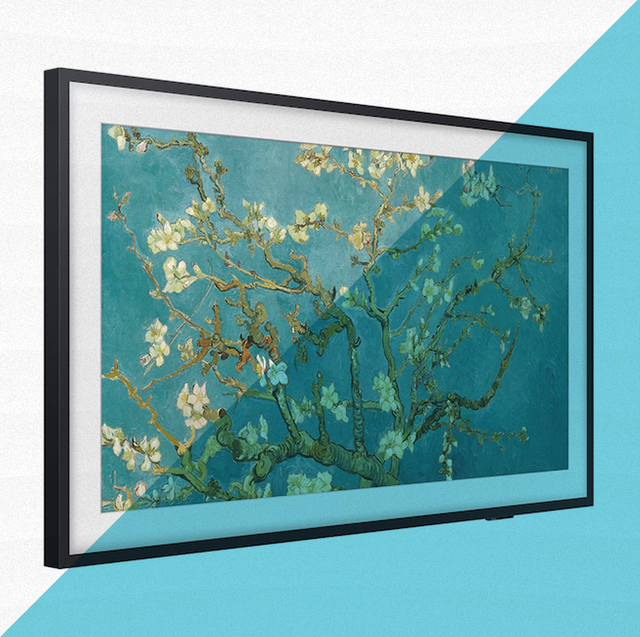
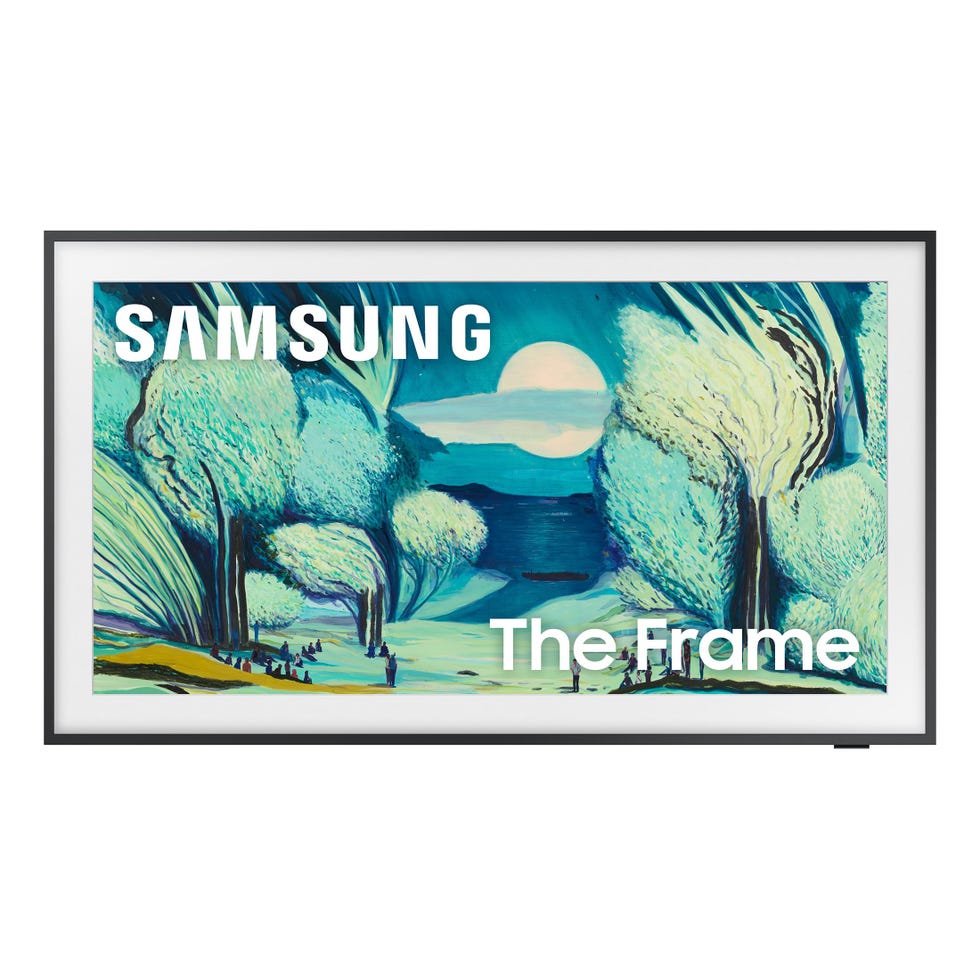
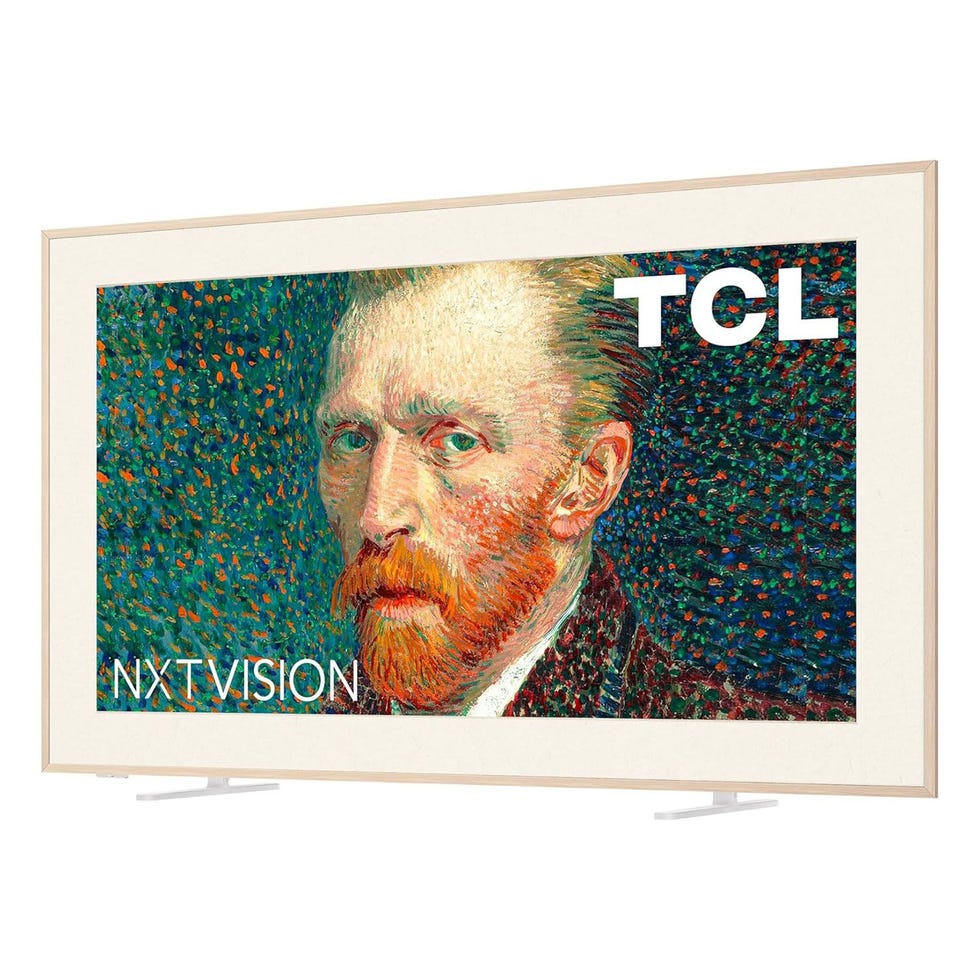
The Samsung Frame Blends Into Your Living Room More Than Any Other TV. But It's Not Your Only Option.
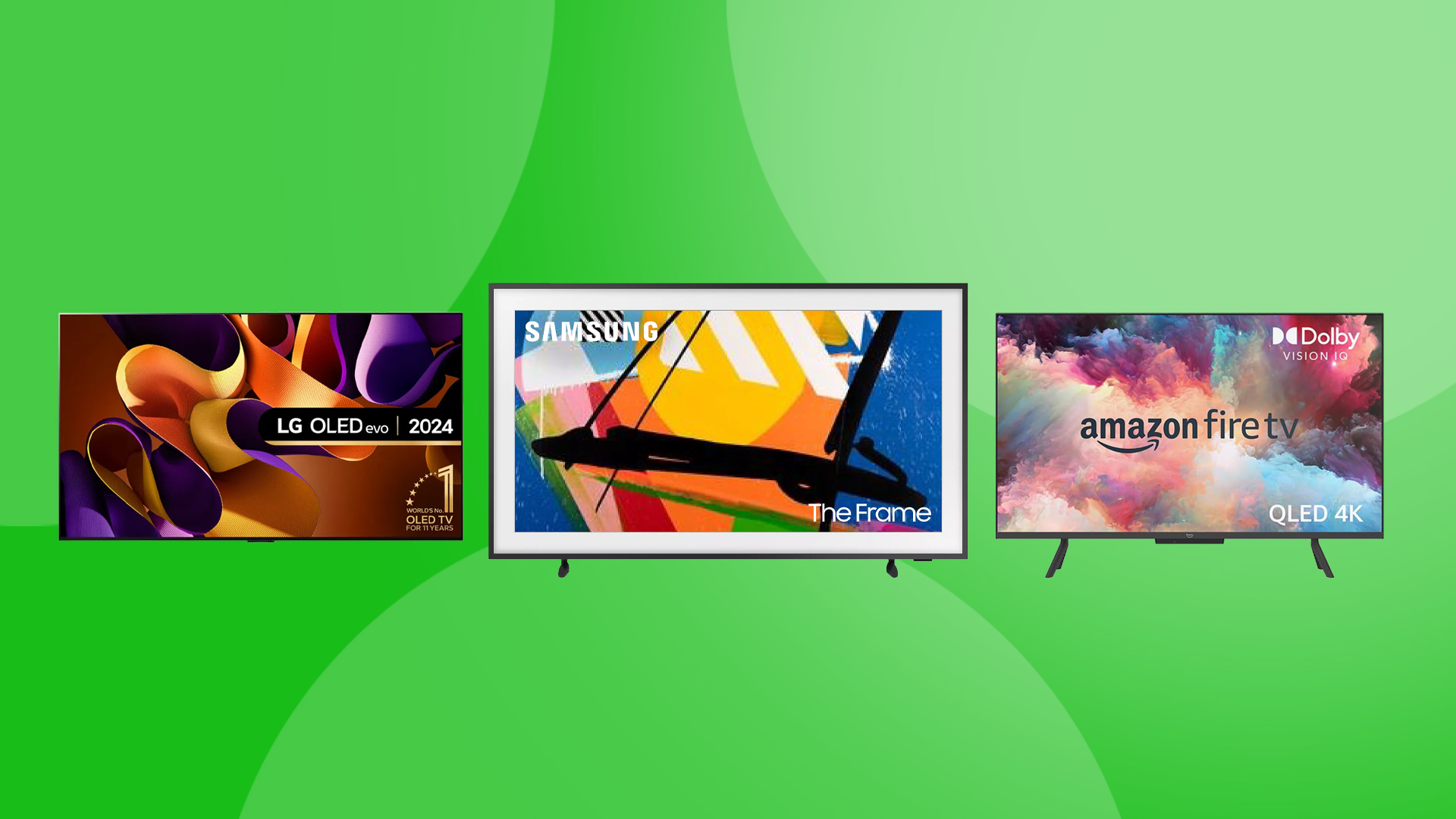
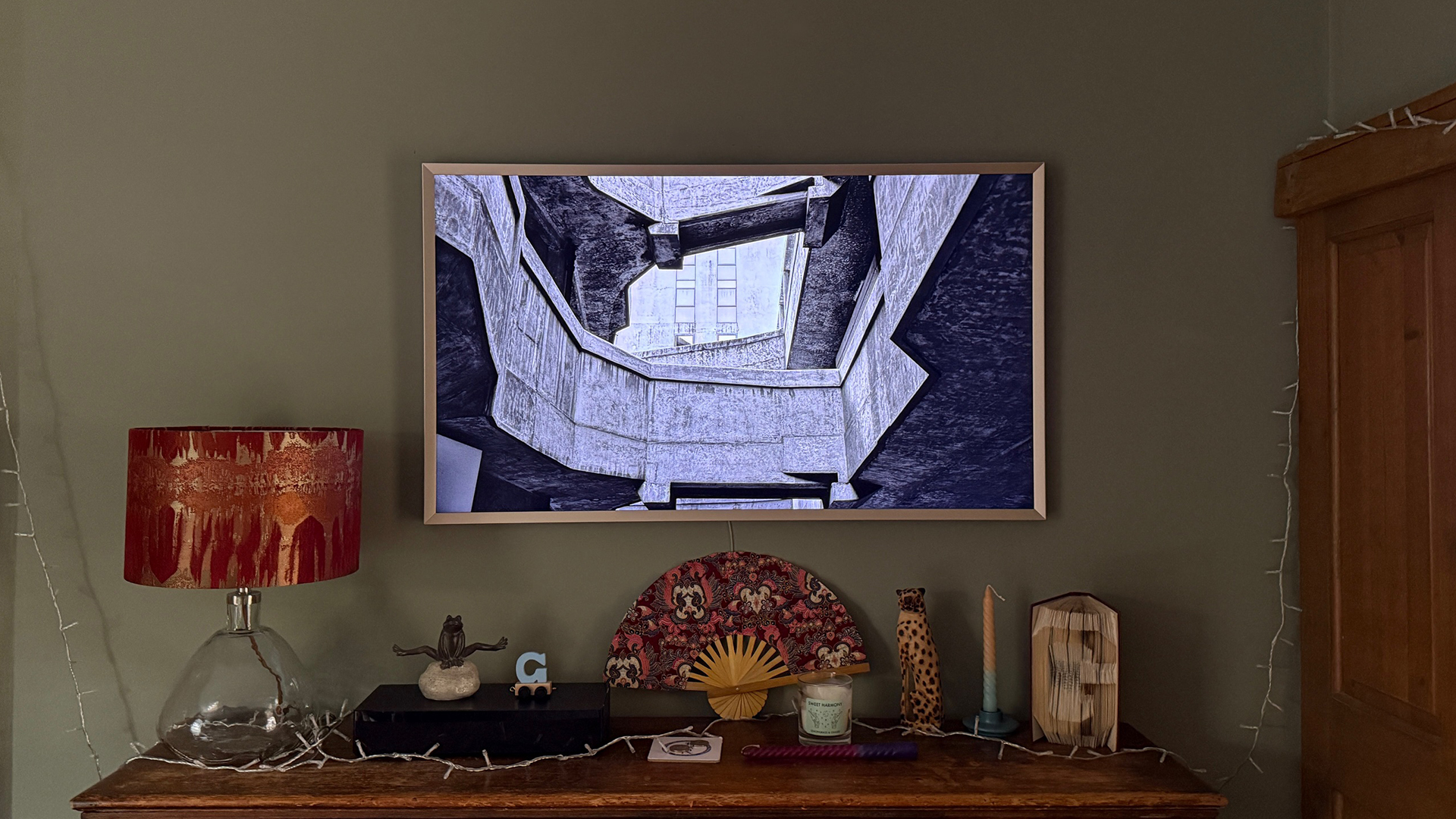
The best frame TVs: fantastic TVs that show off your favourite art
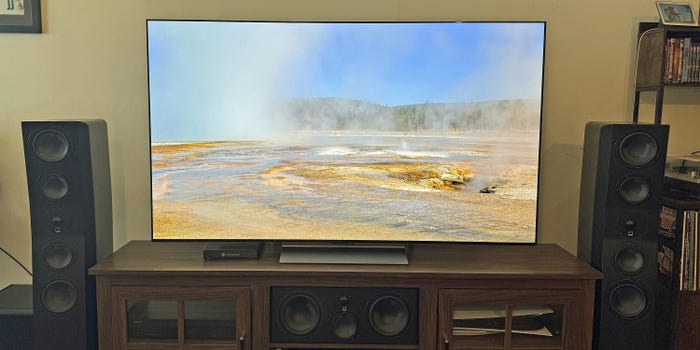
Our experts reviewed the best 4K TVs for a sharp, colorful picture

Is an OLED TV Okay for a Bright Room? Why It Works for Me, but You Might Want to Think Again