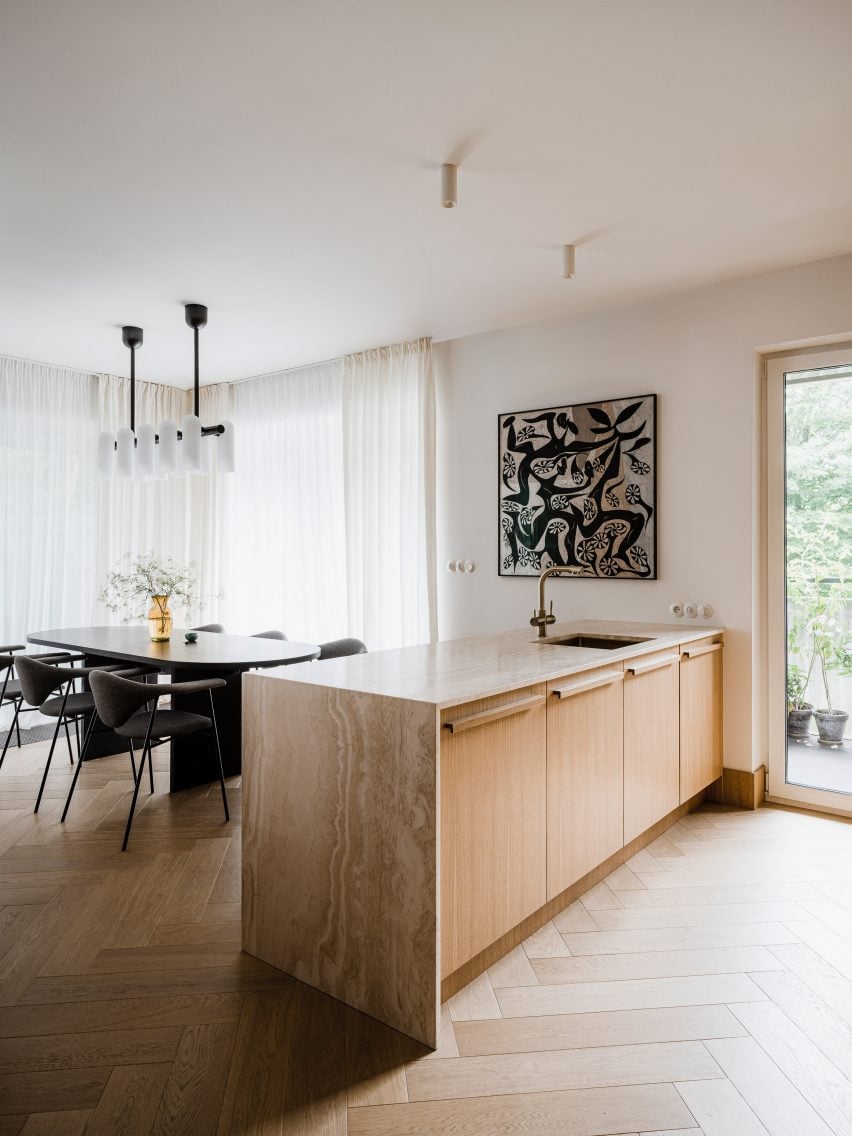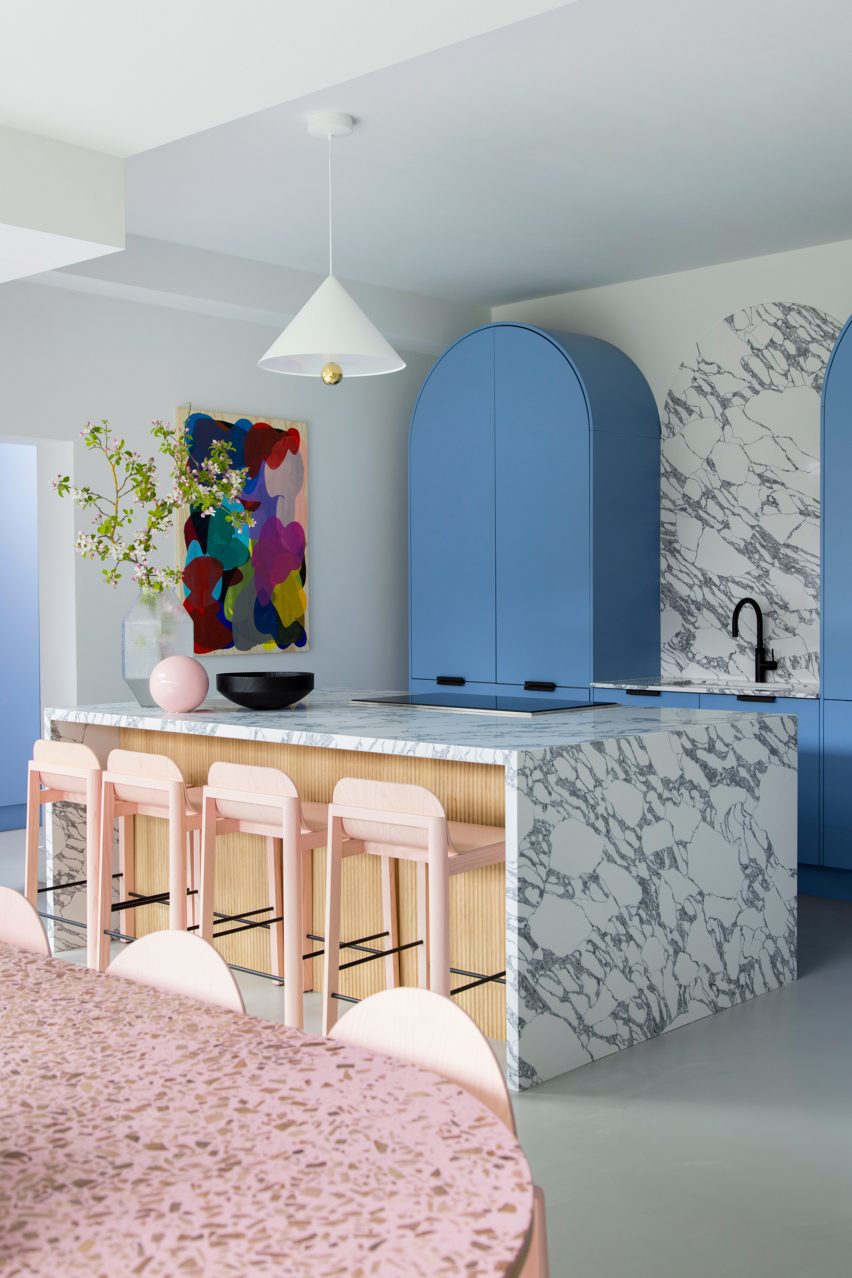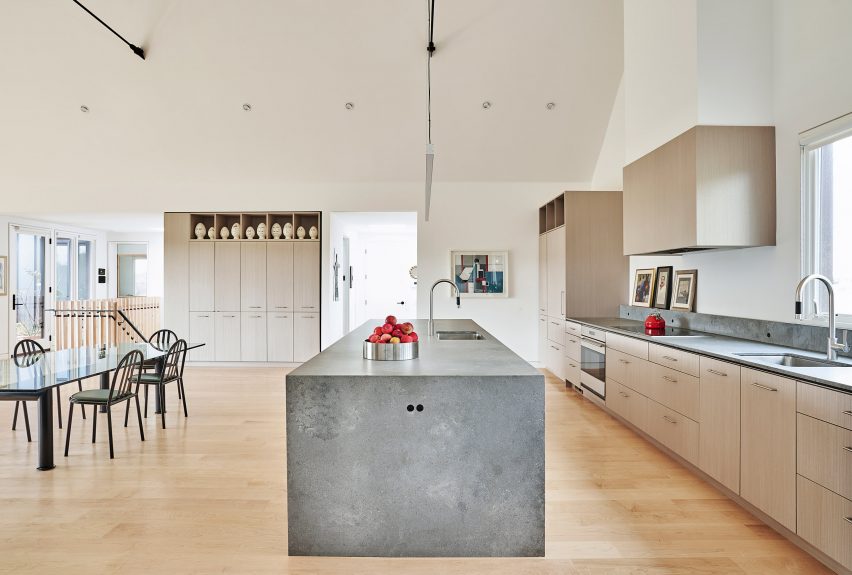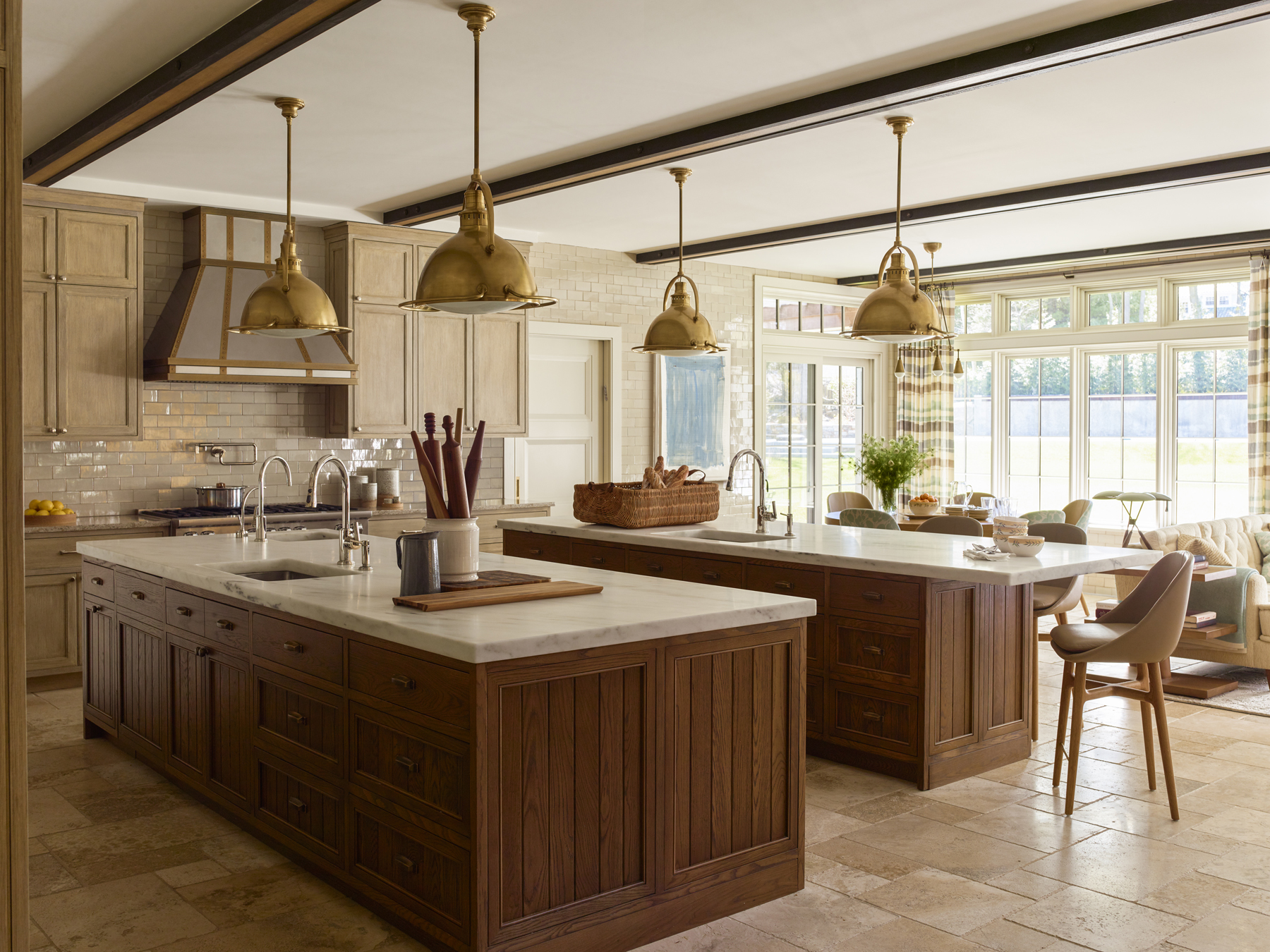
What are waterfall kitchen islands and how do I use them in an open plan?
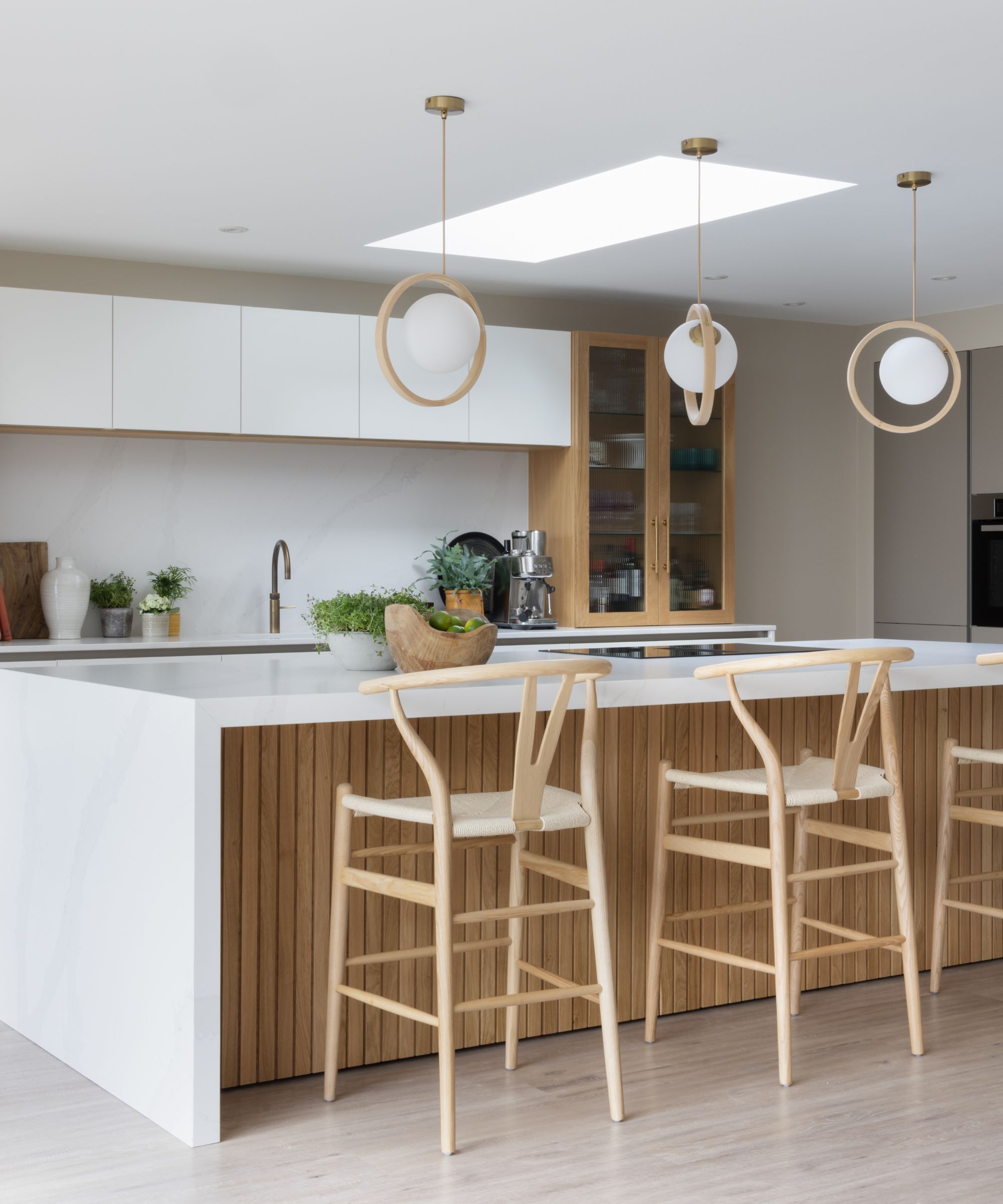
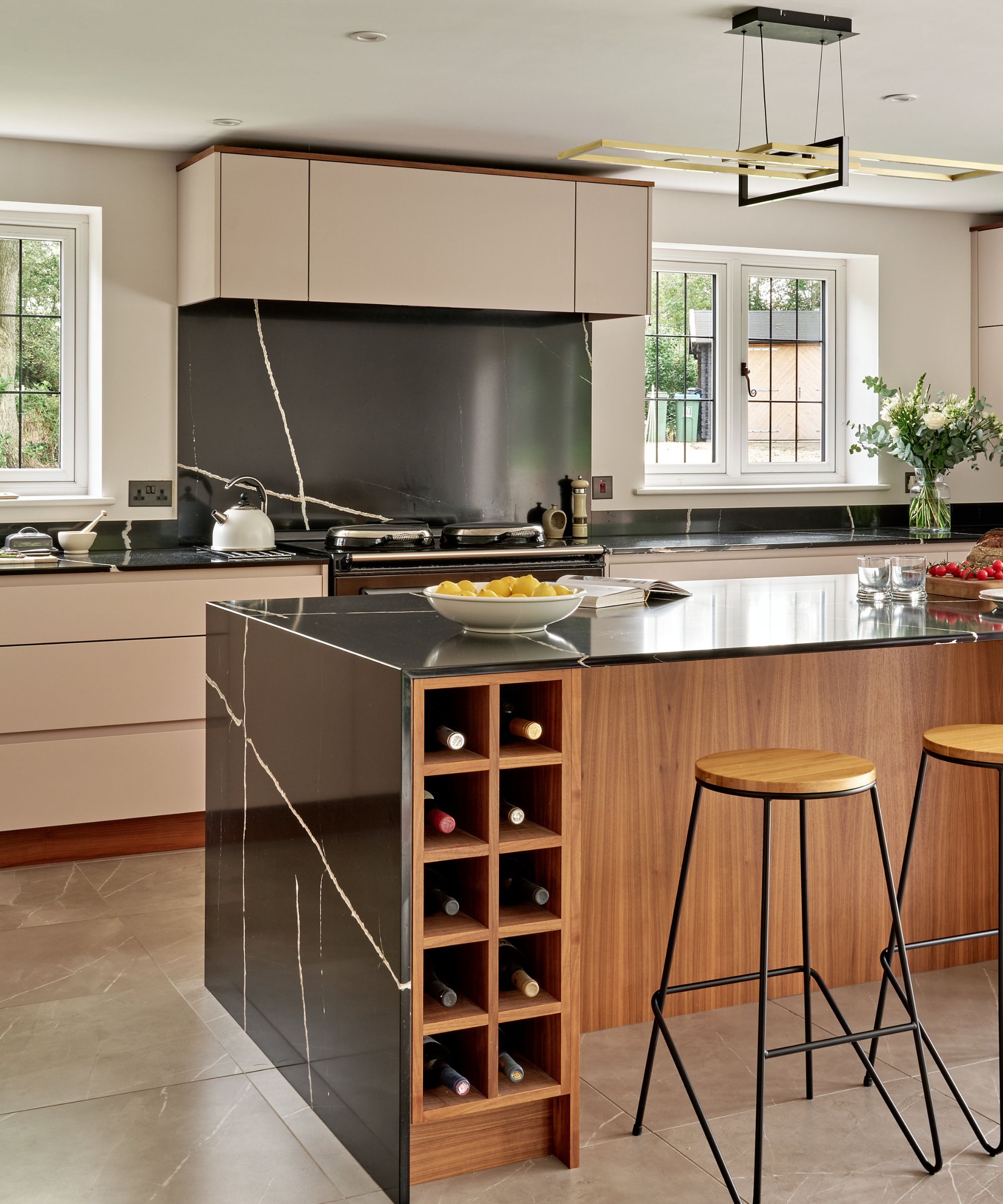
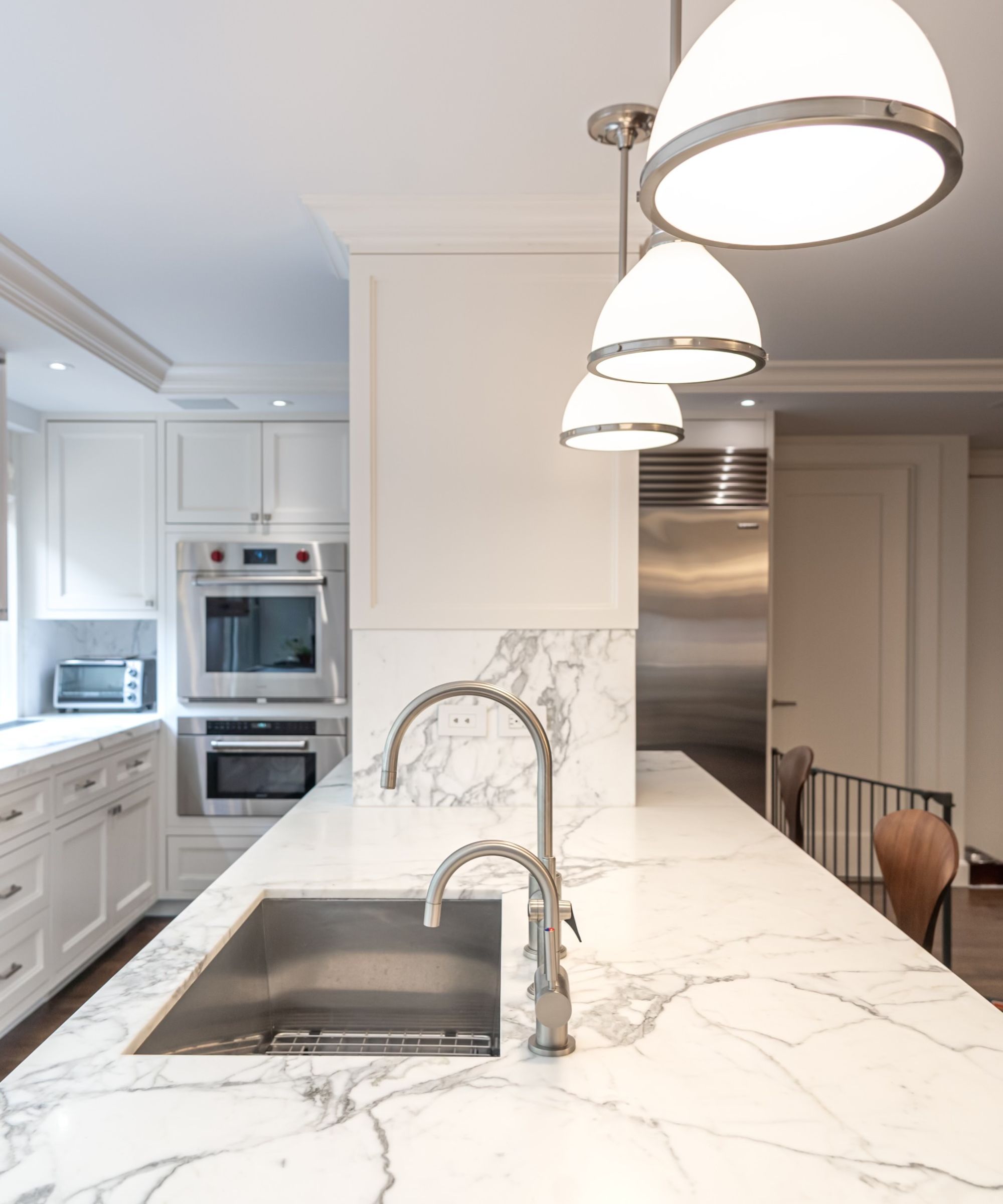
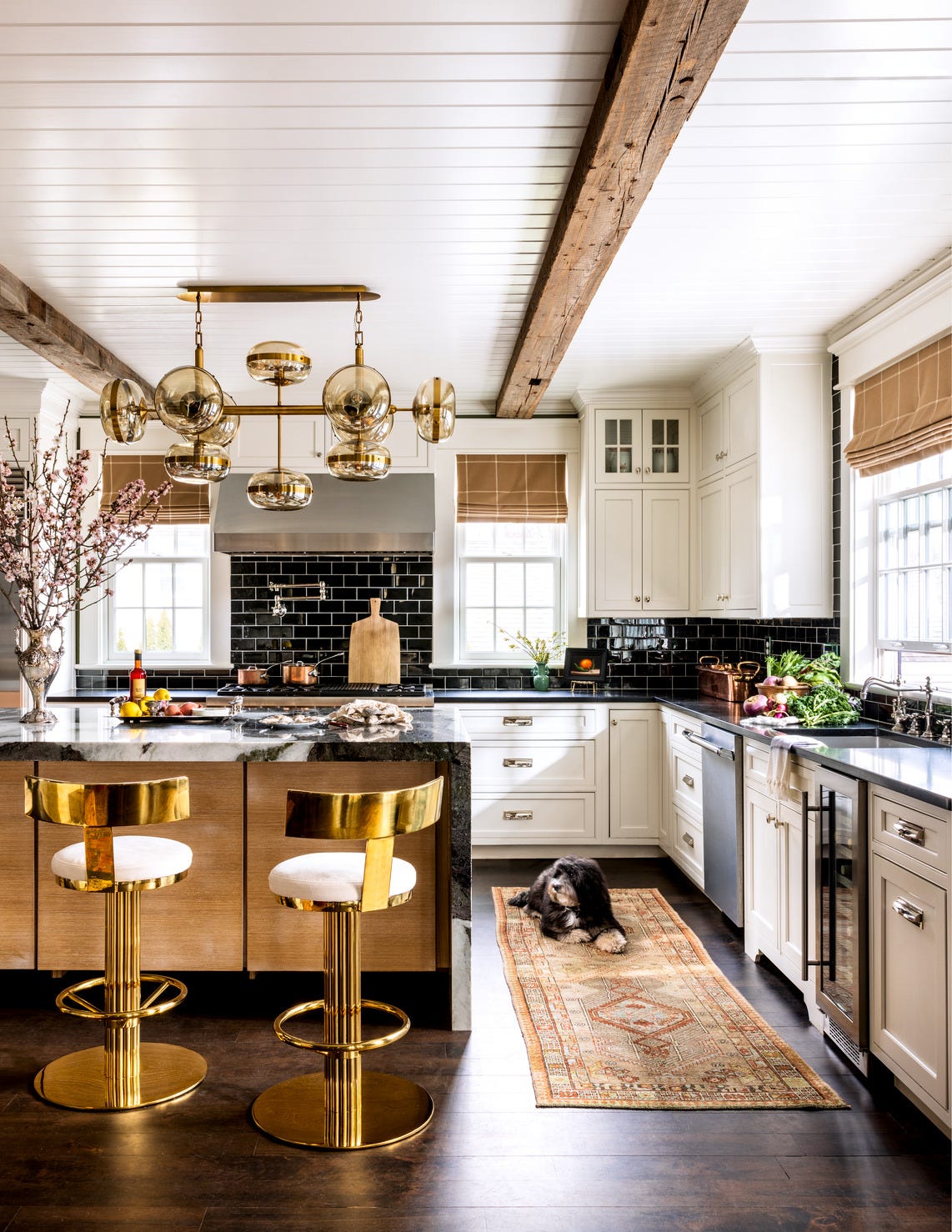
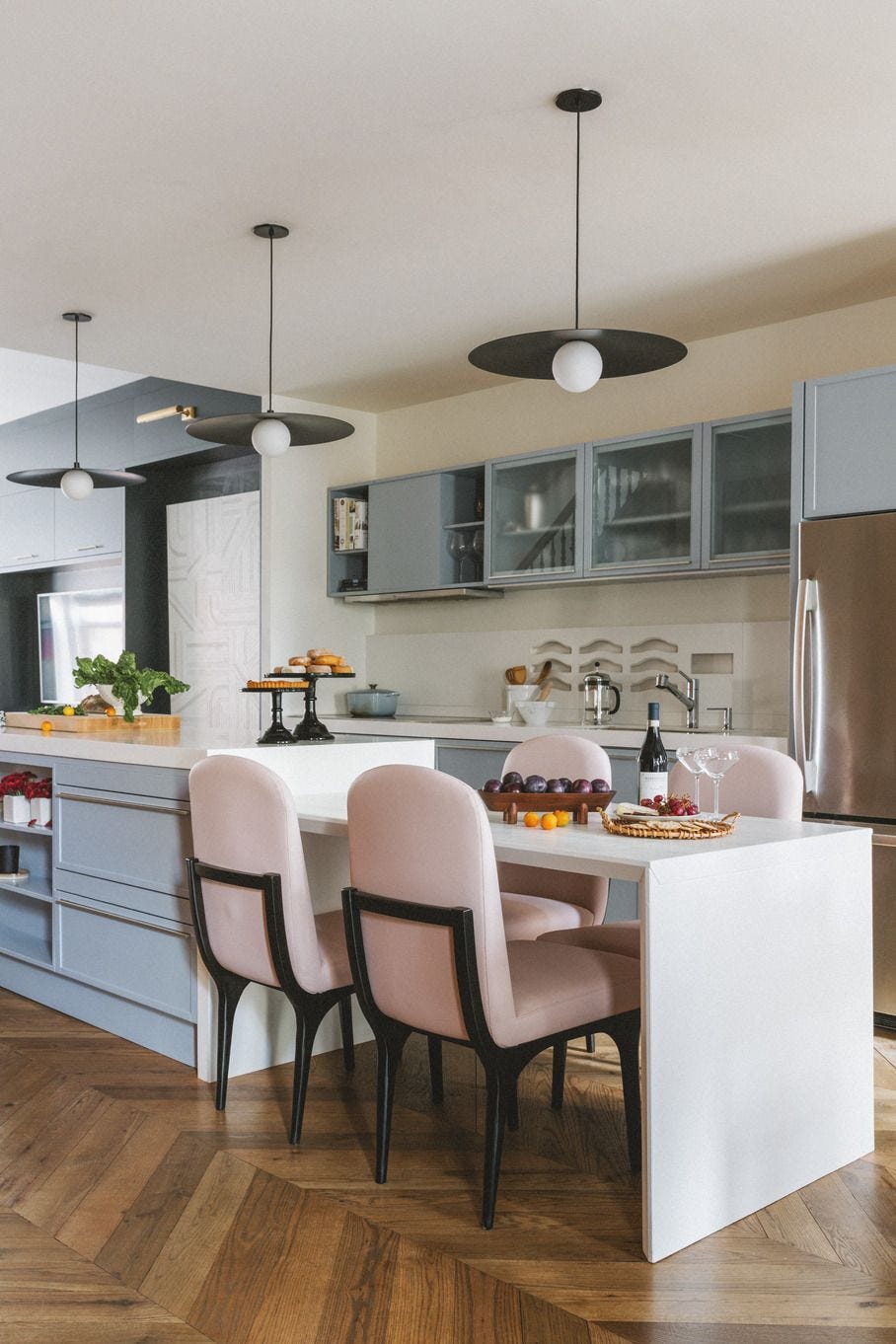
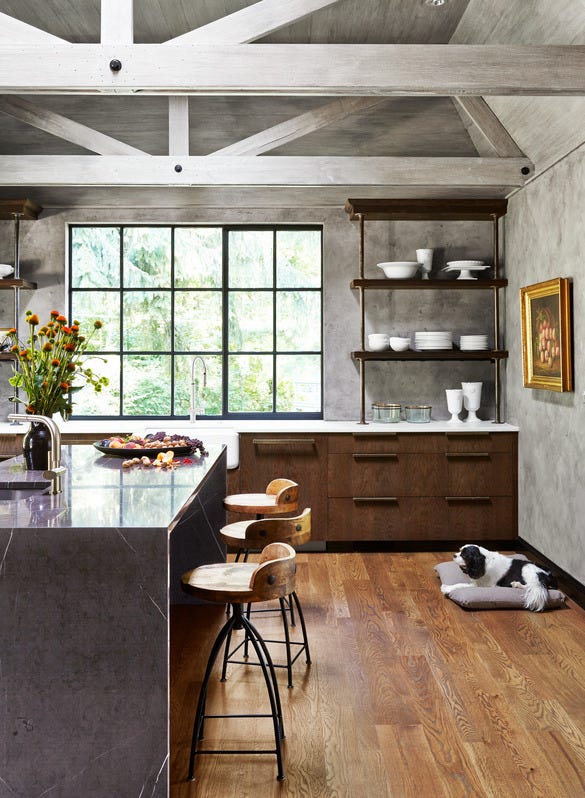
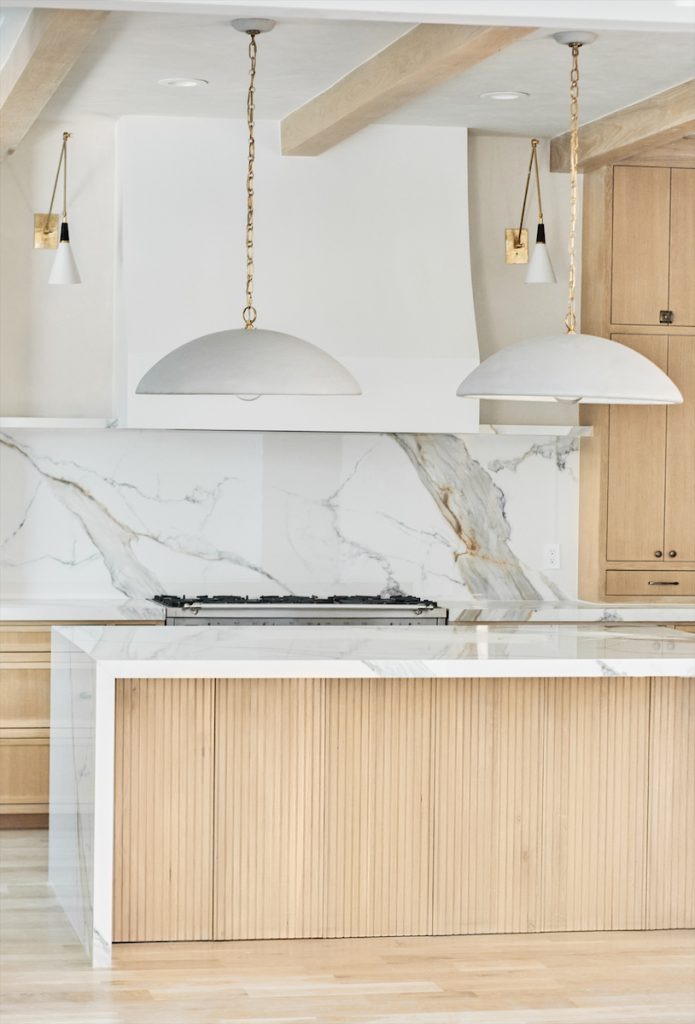
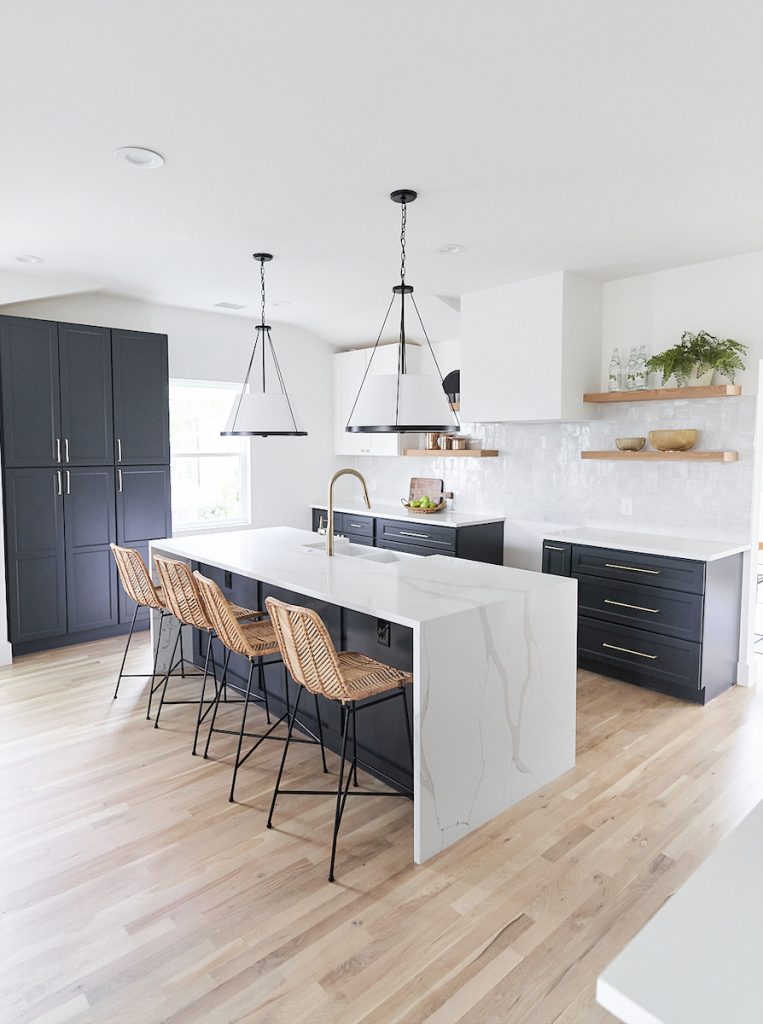
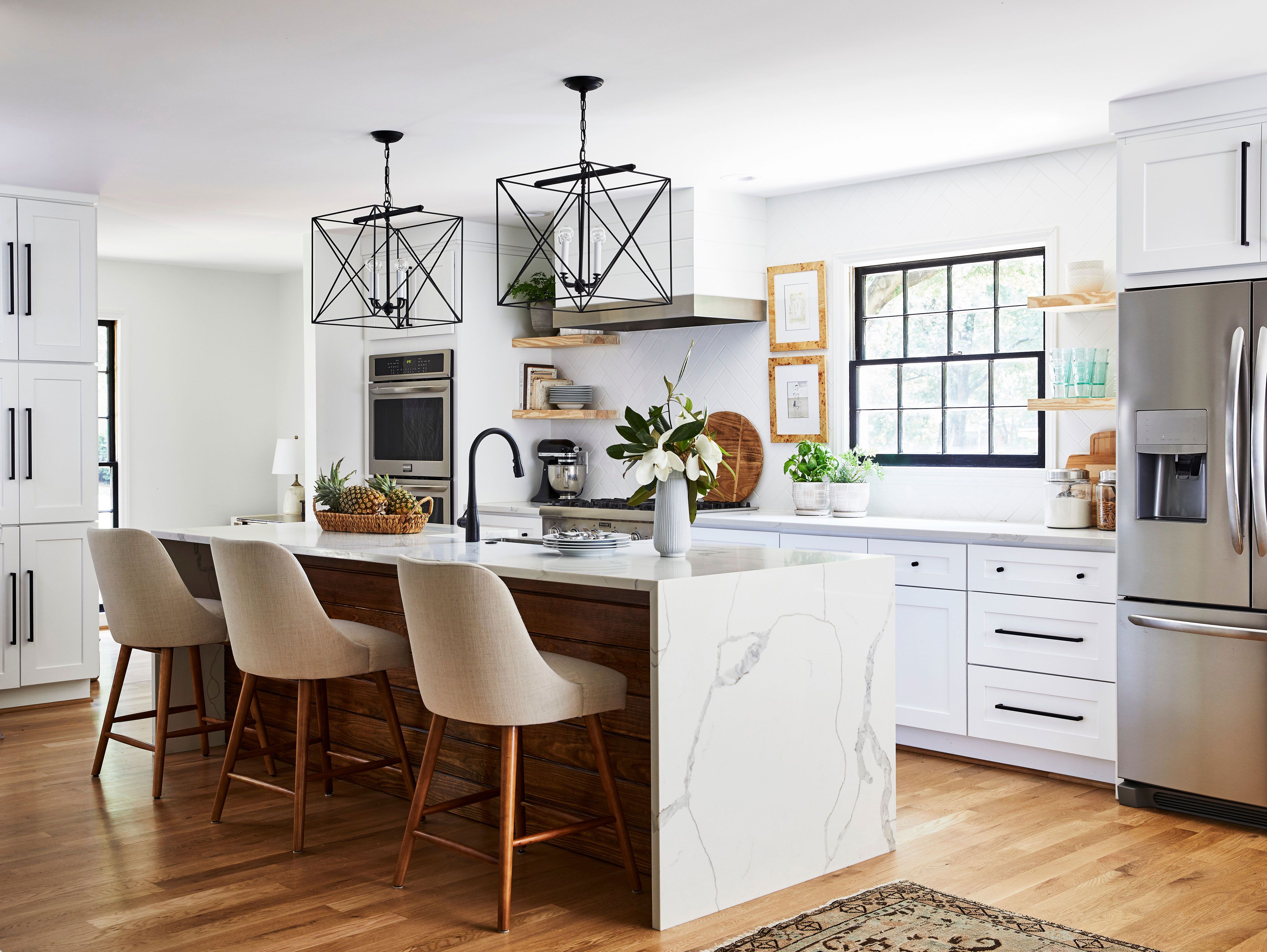
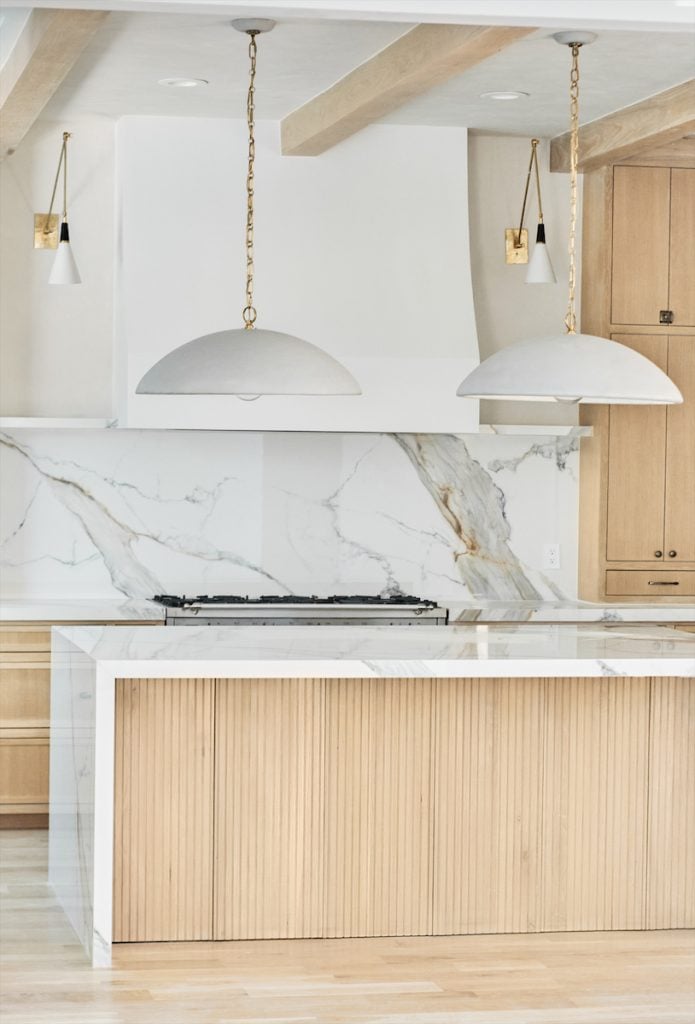
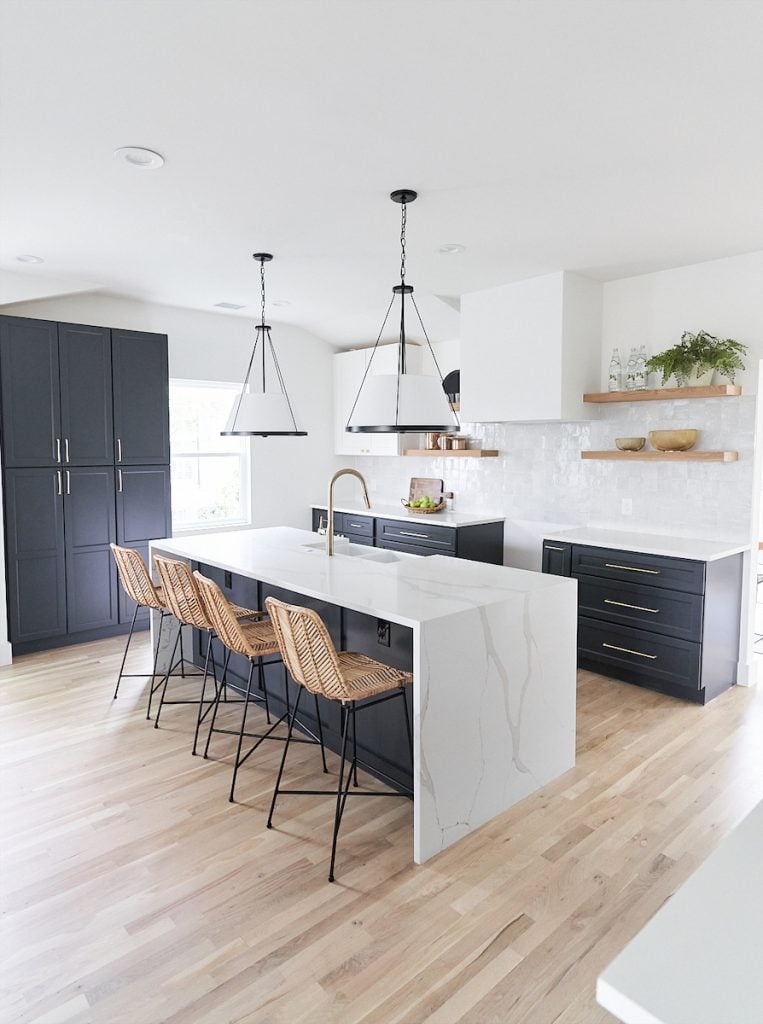
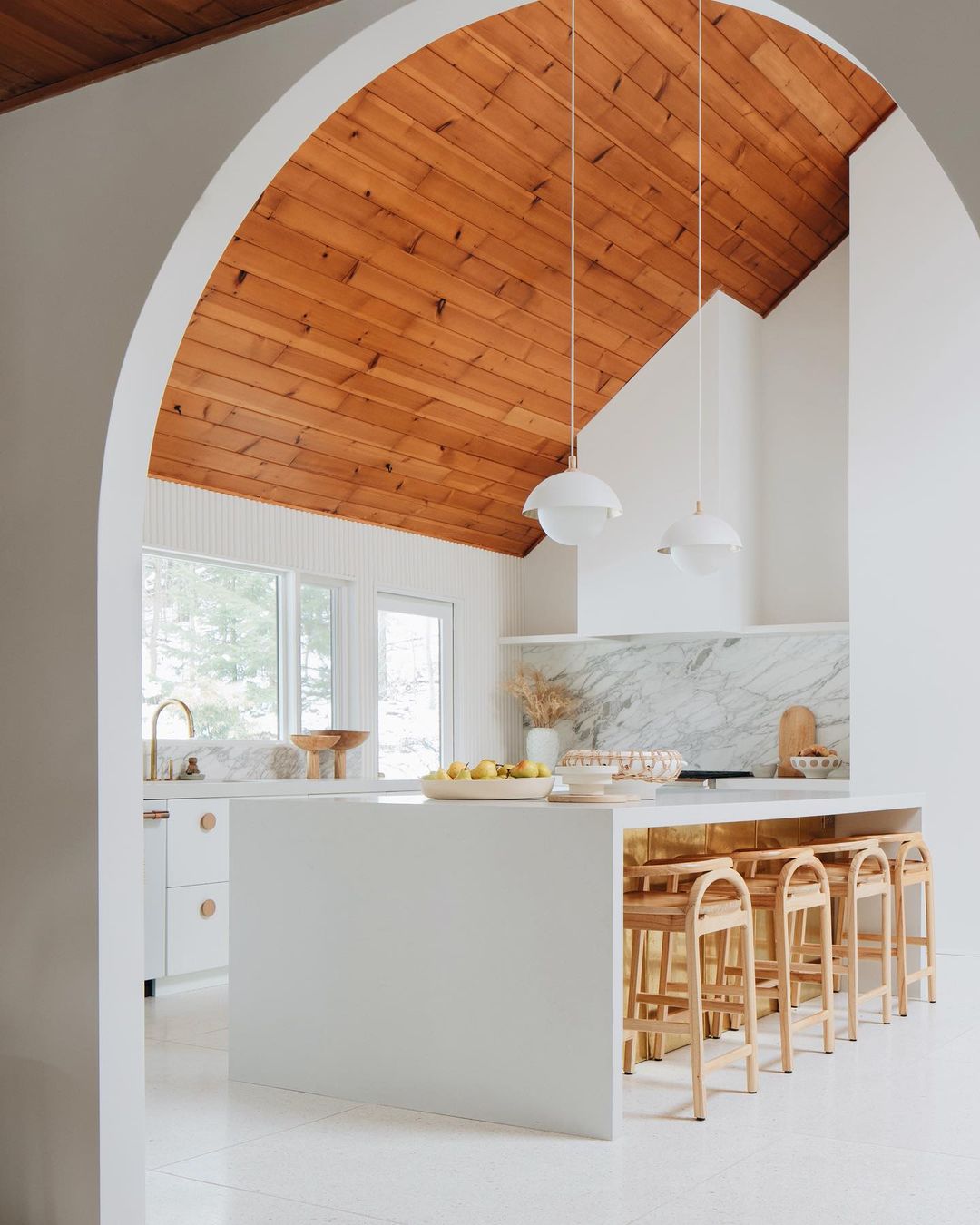
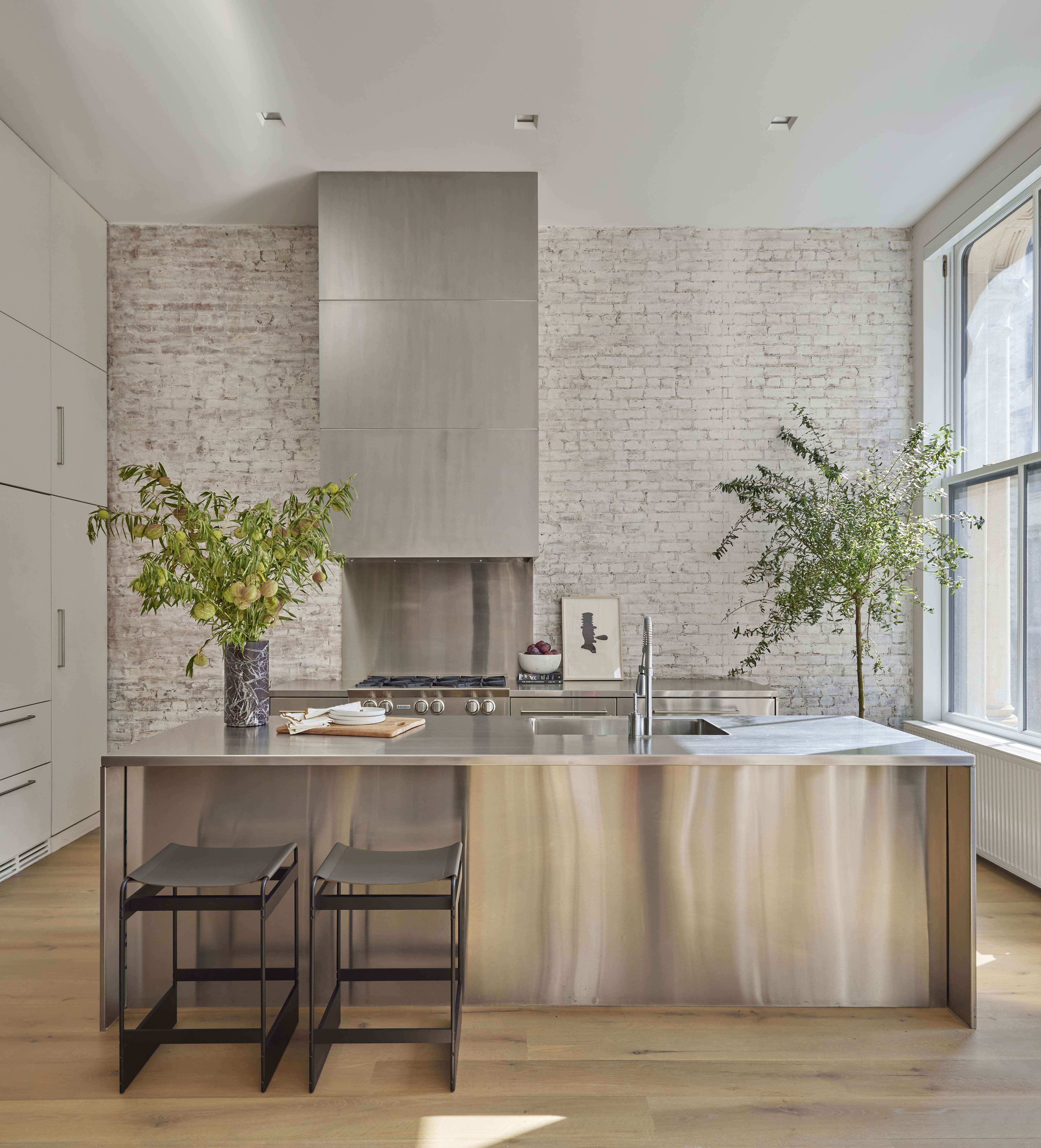
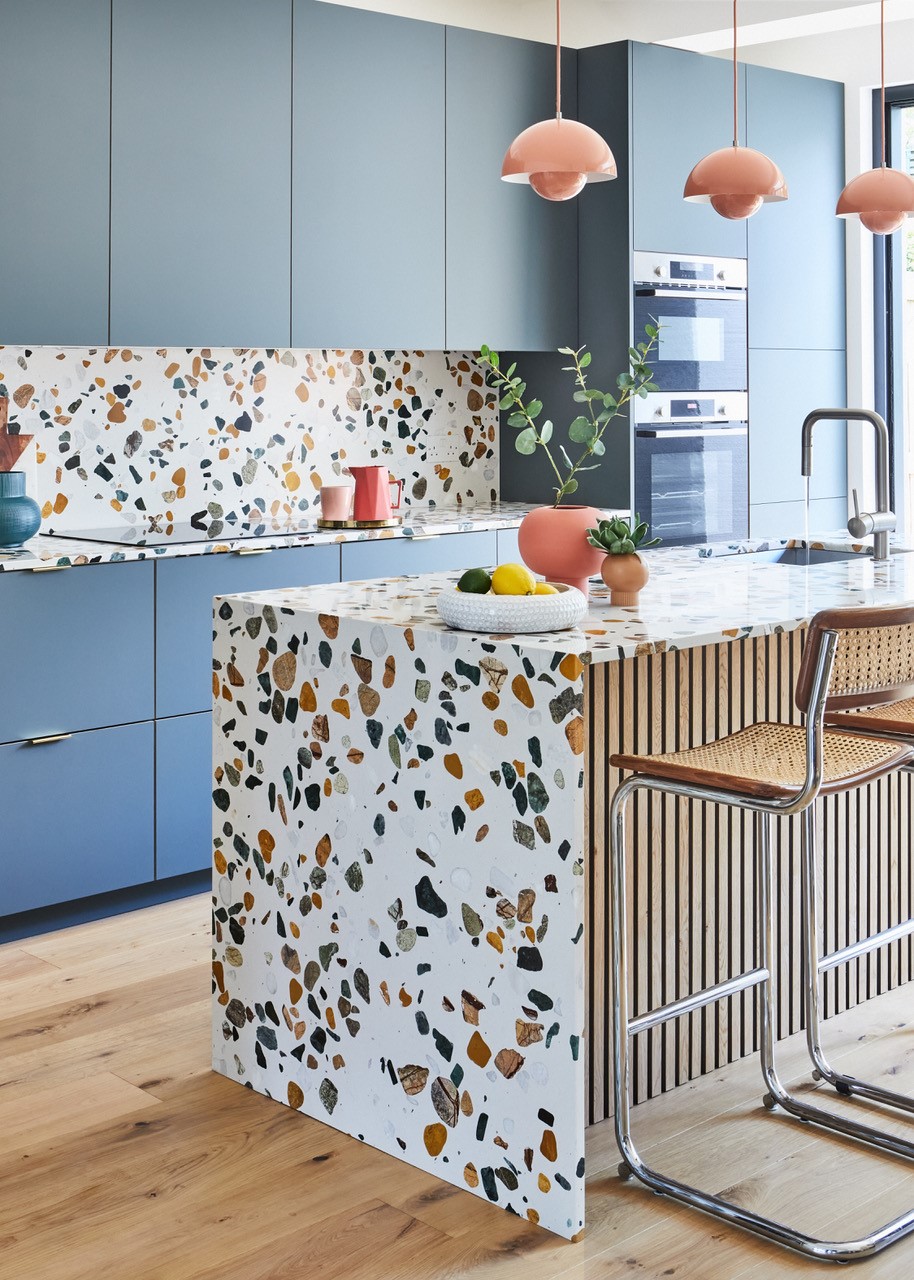
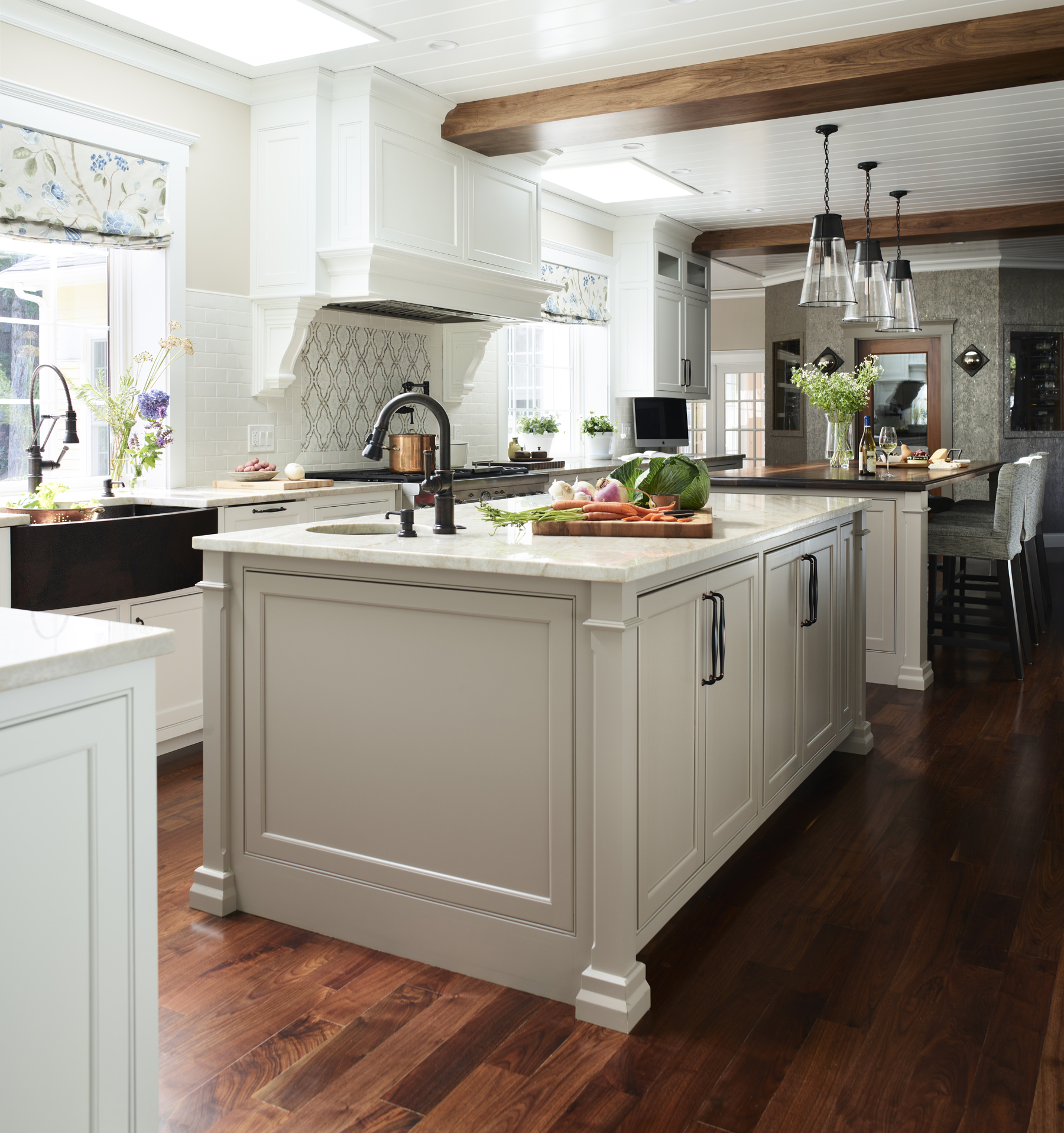
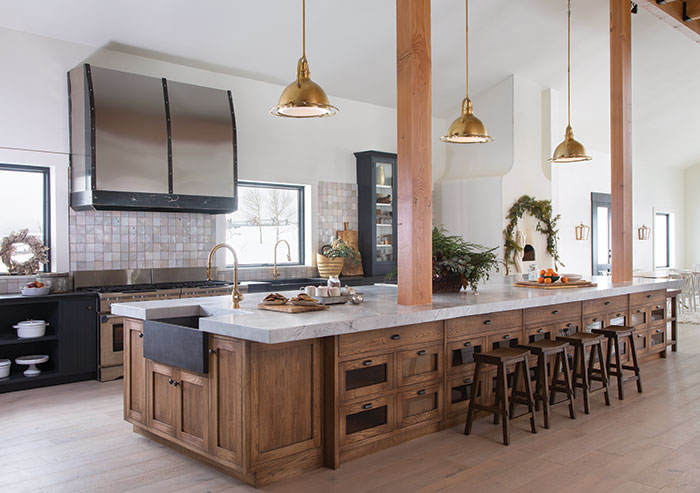
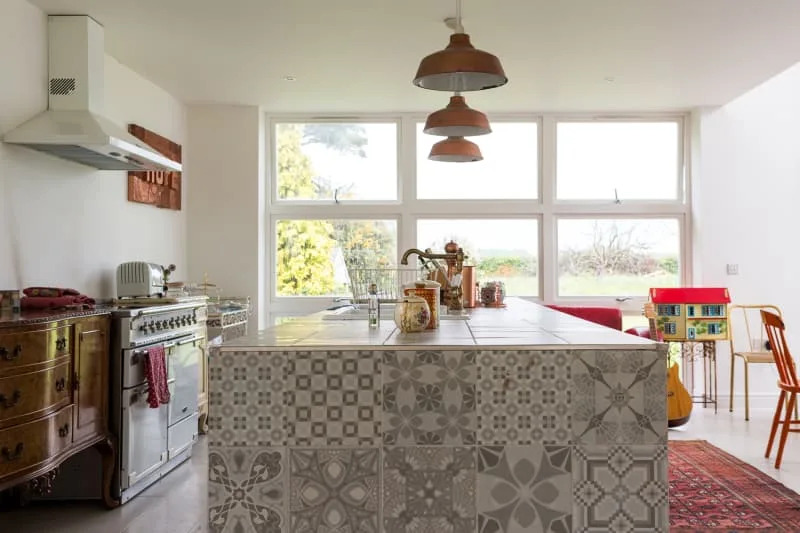
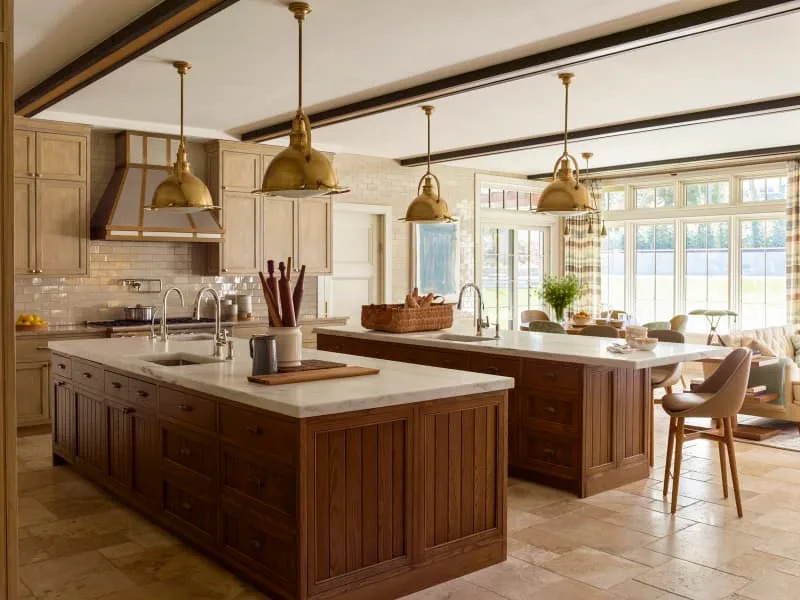
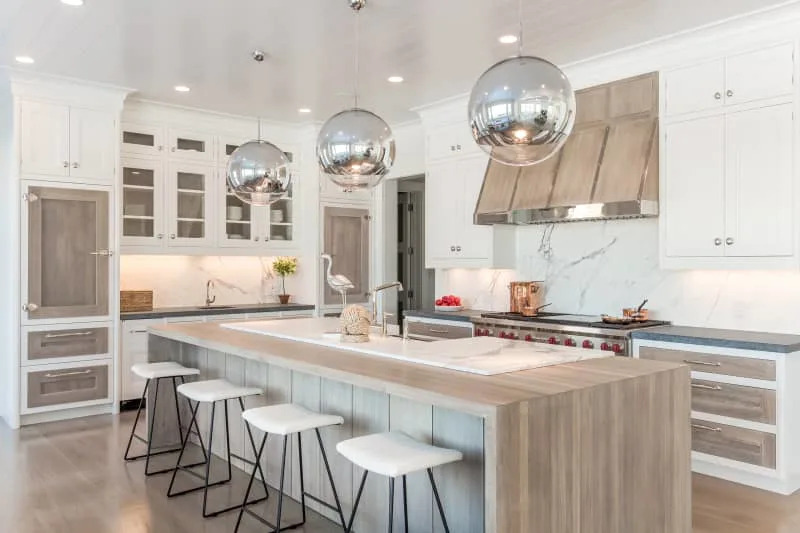
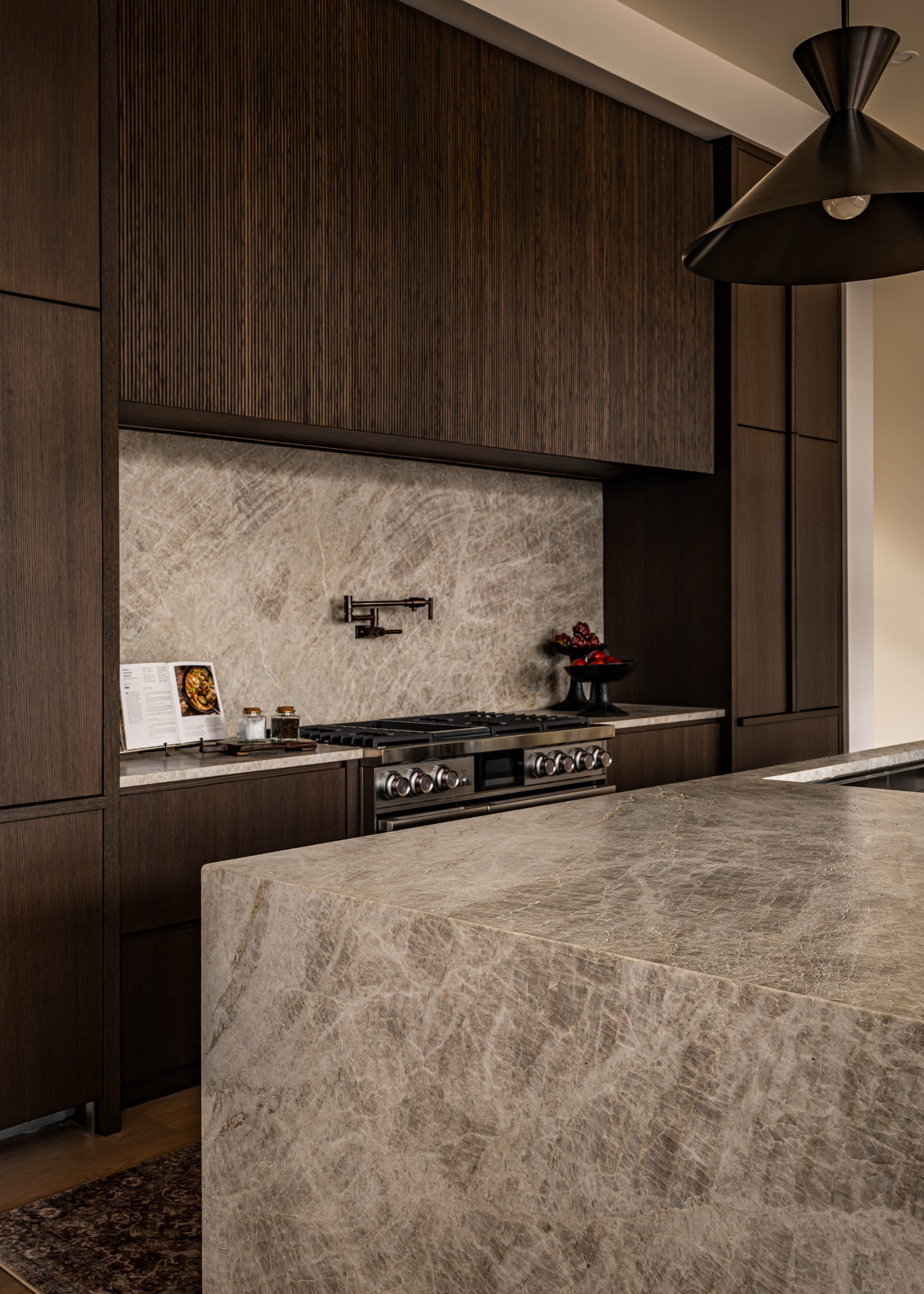
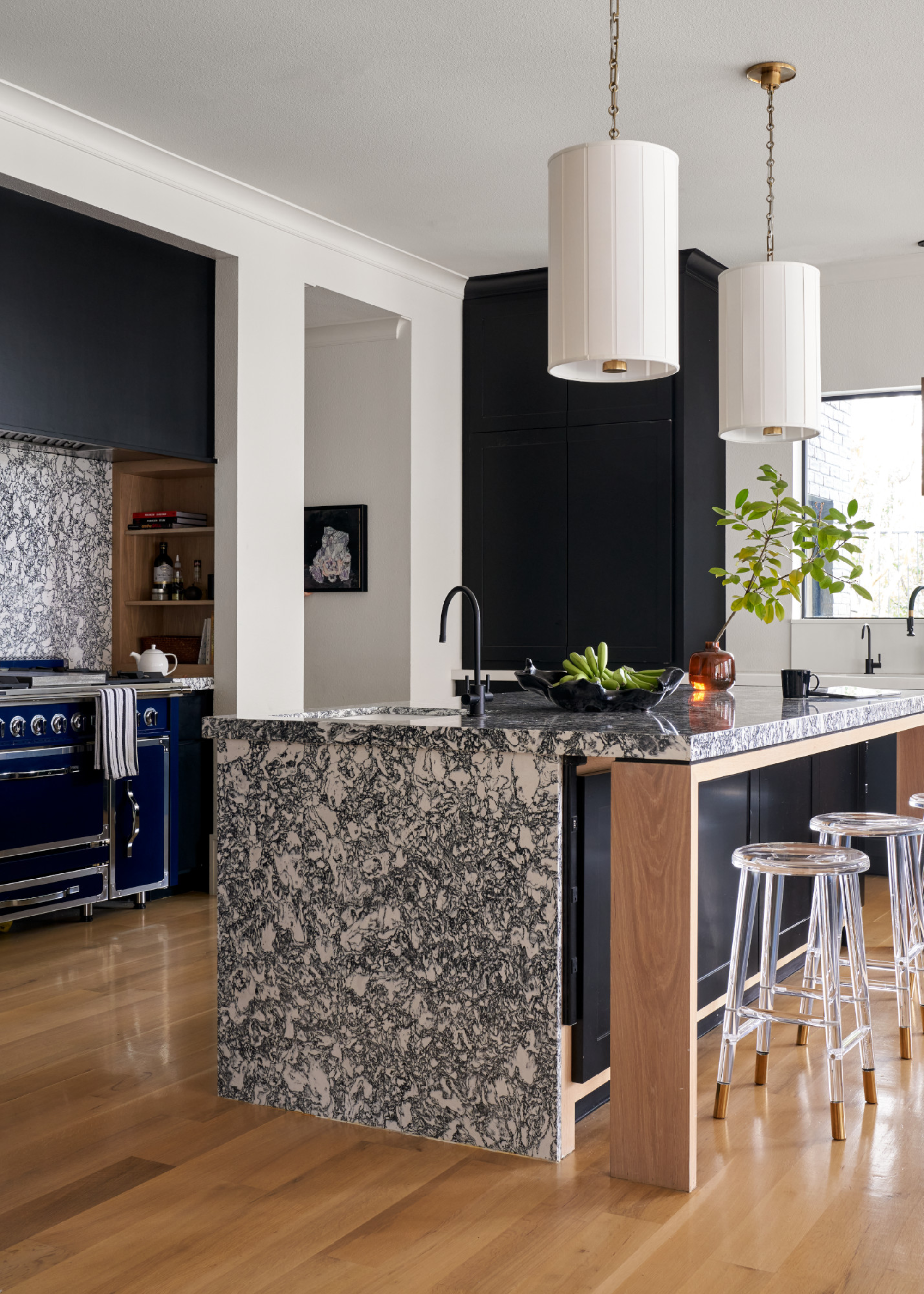
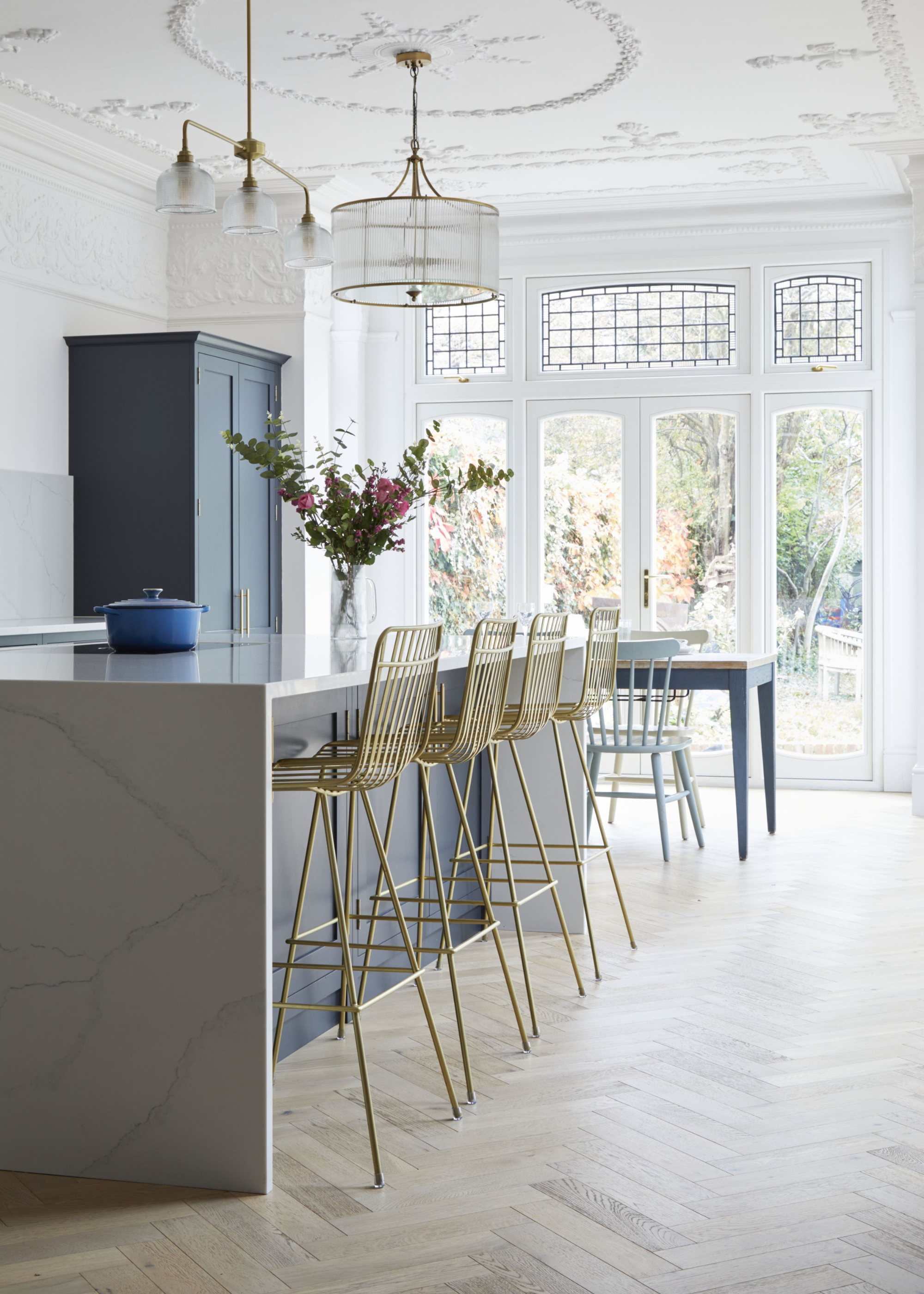
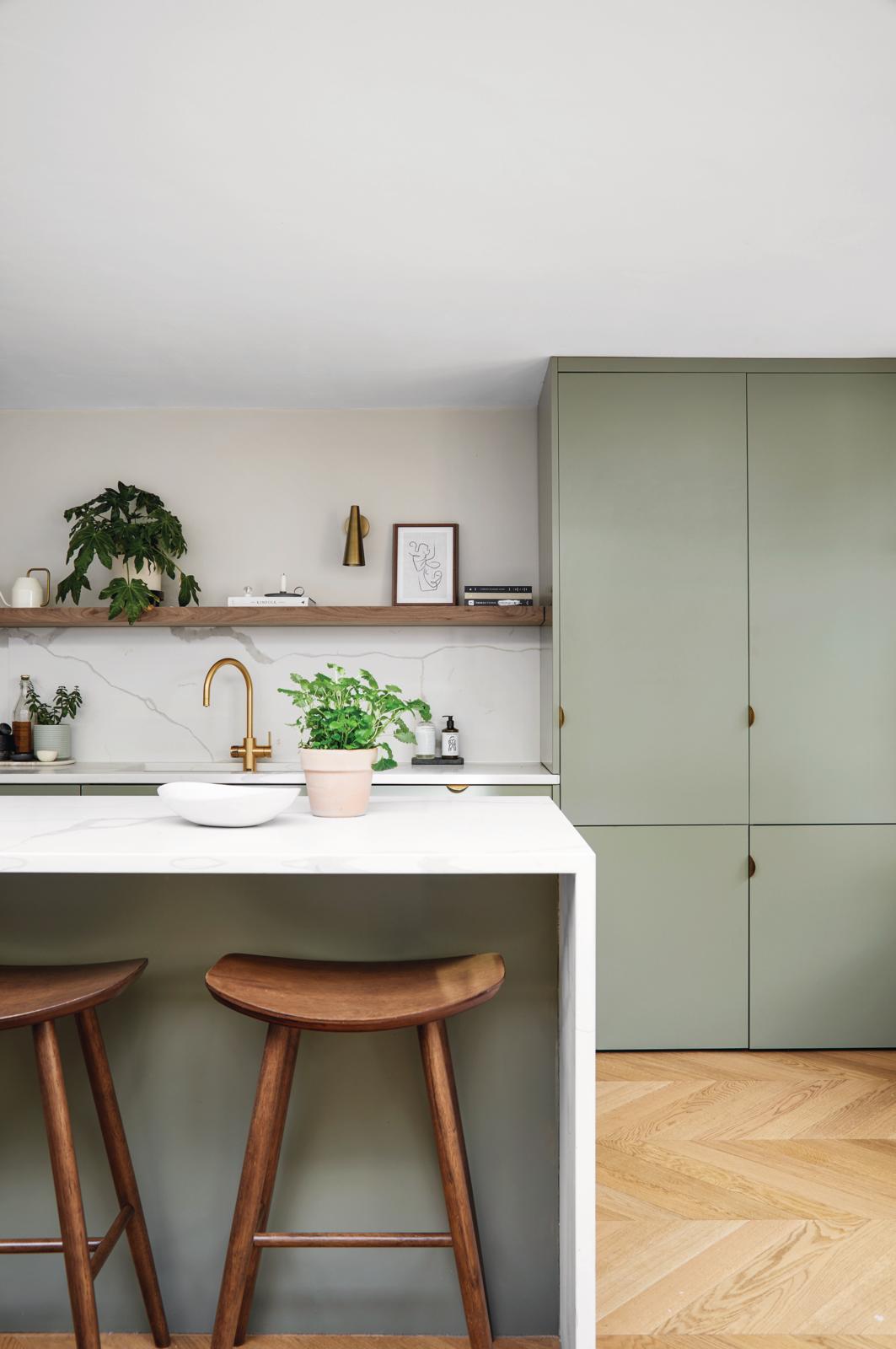
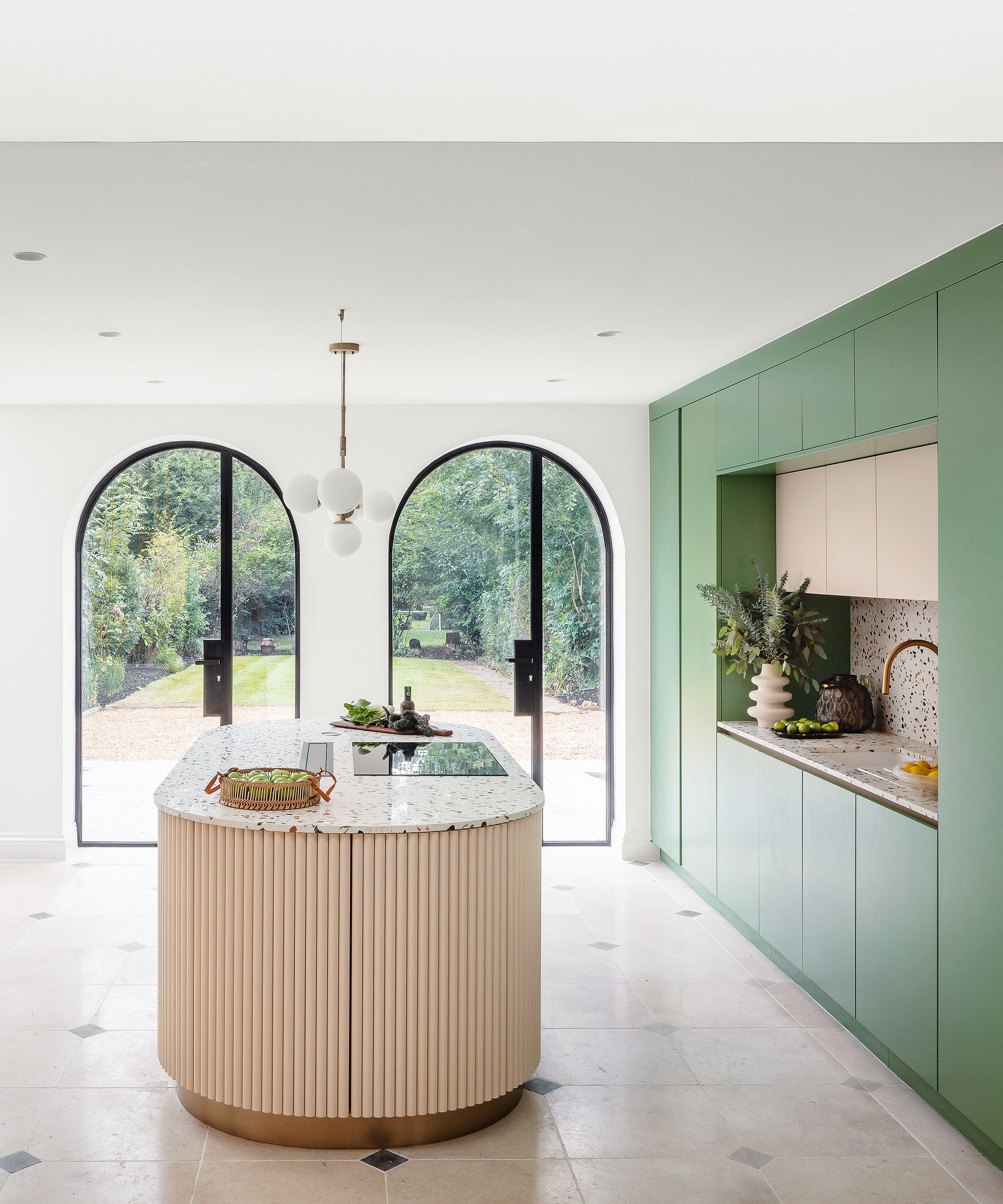
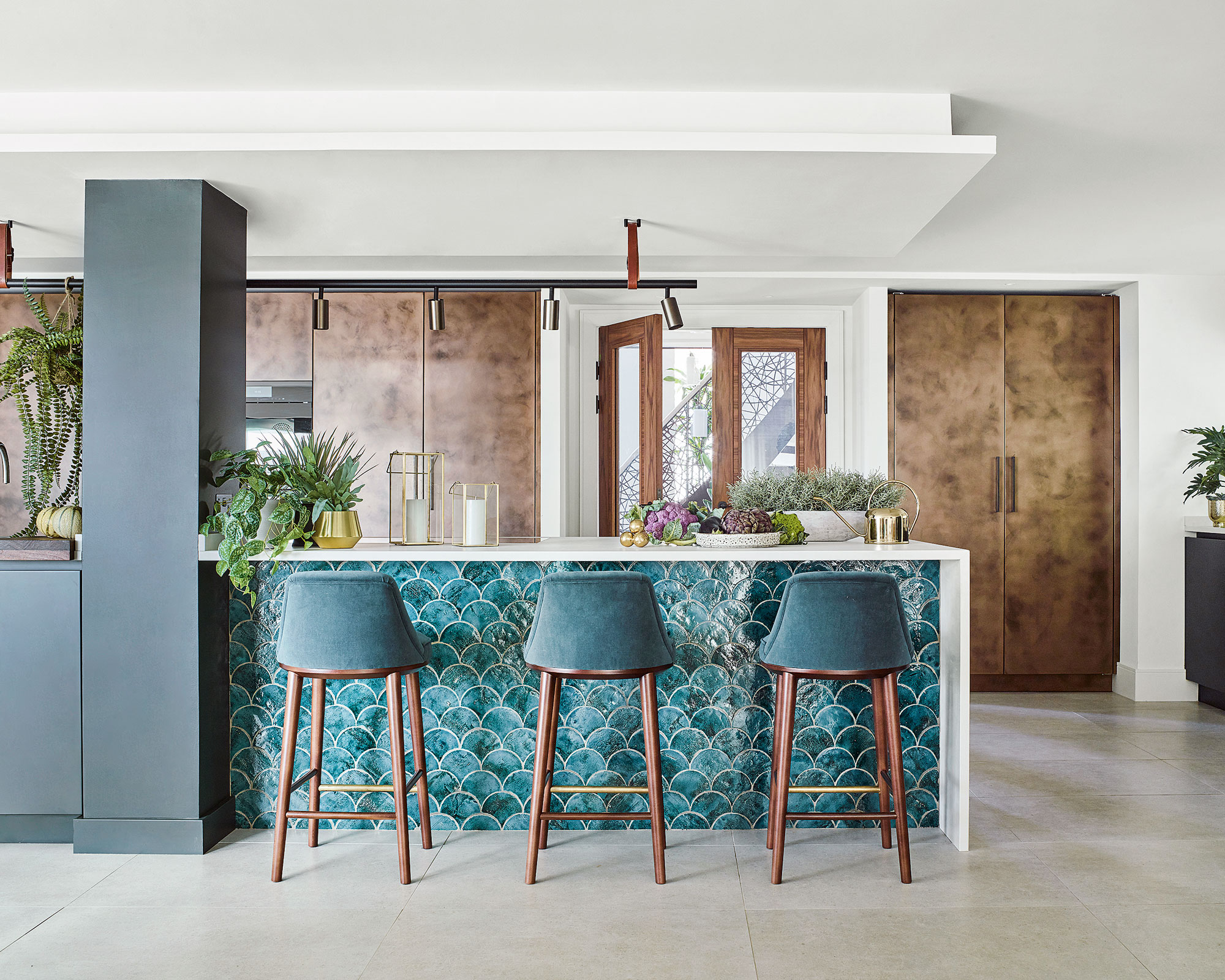
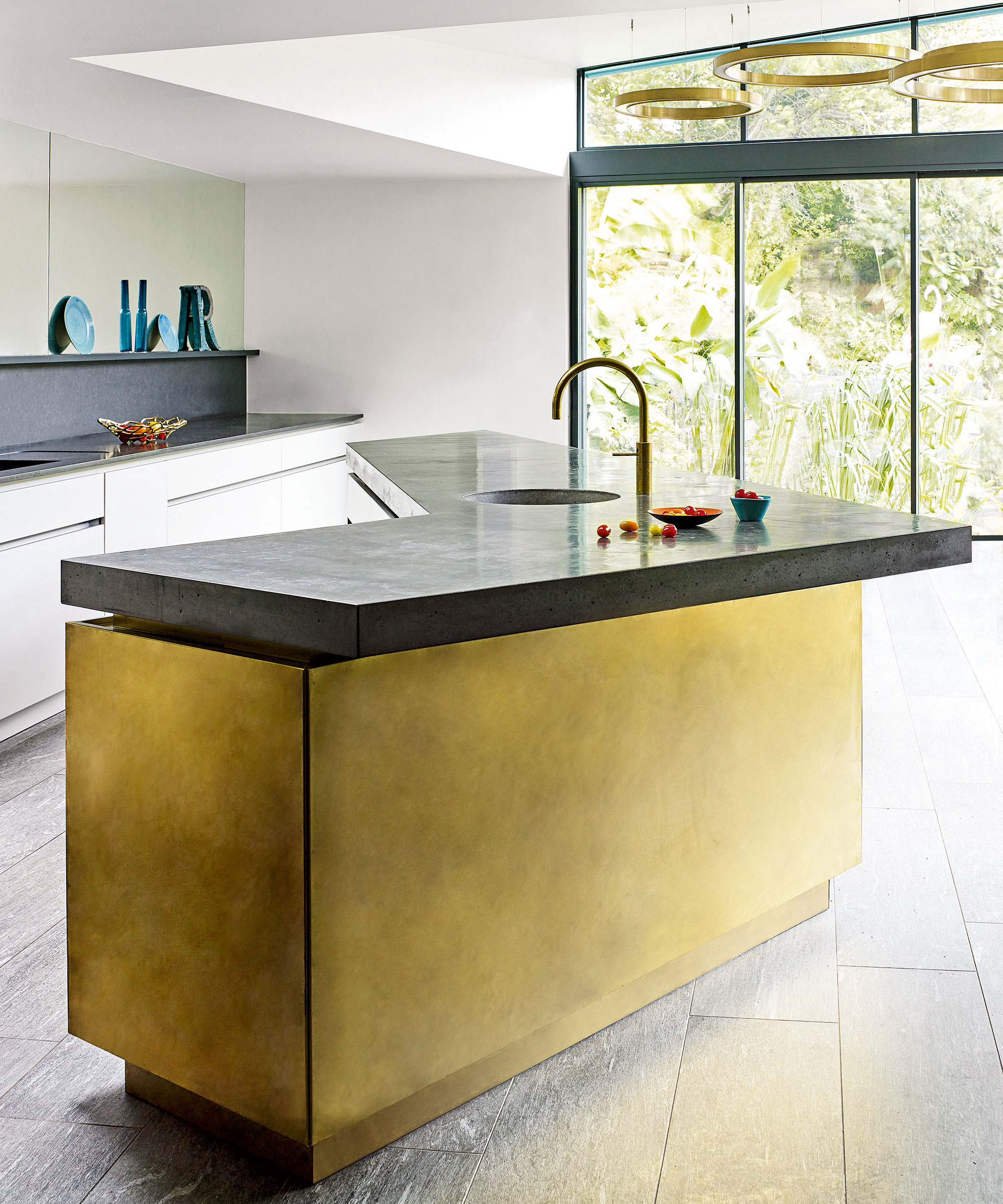
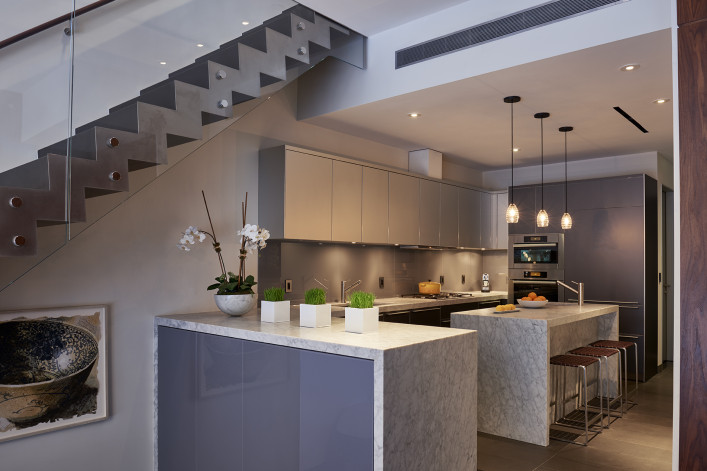
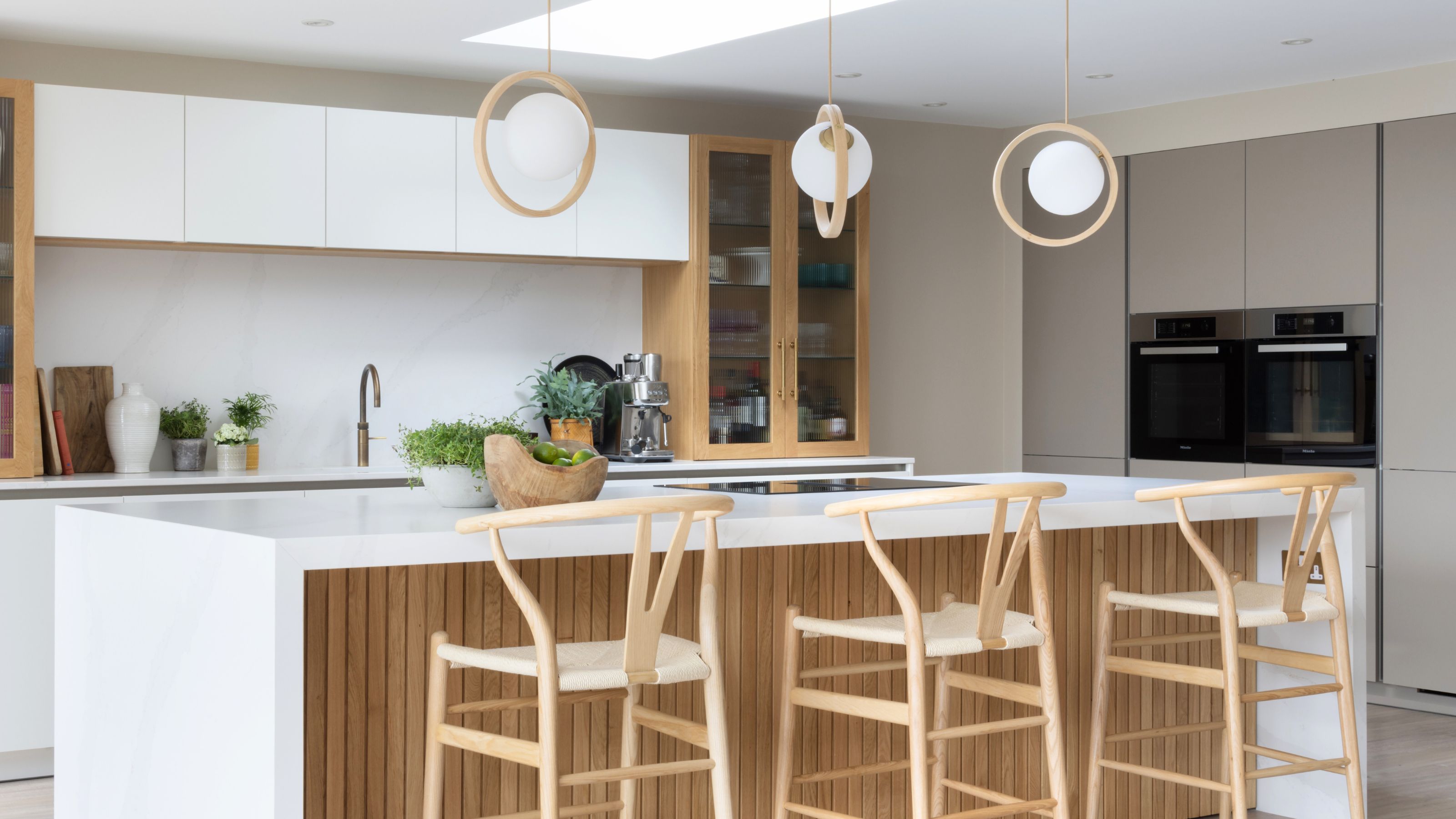
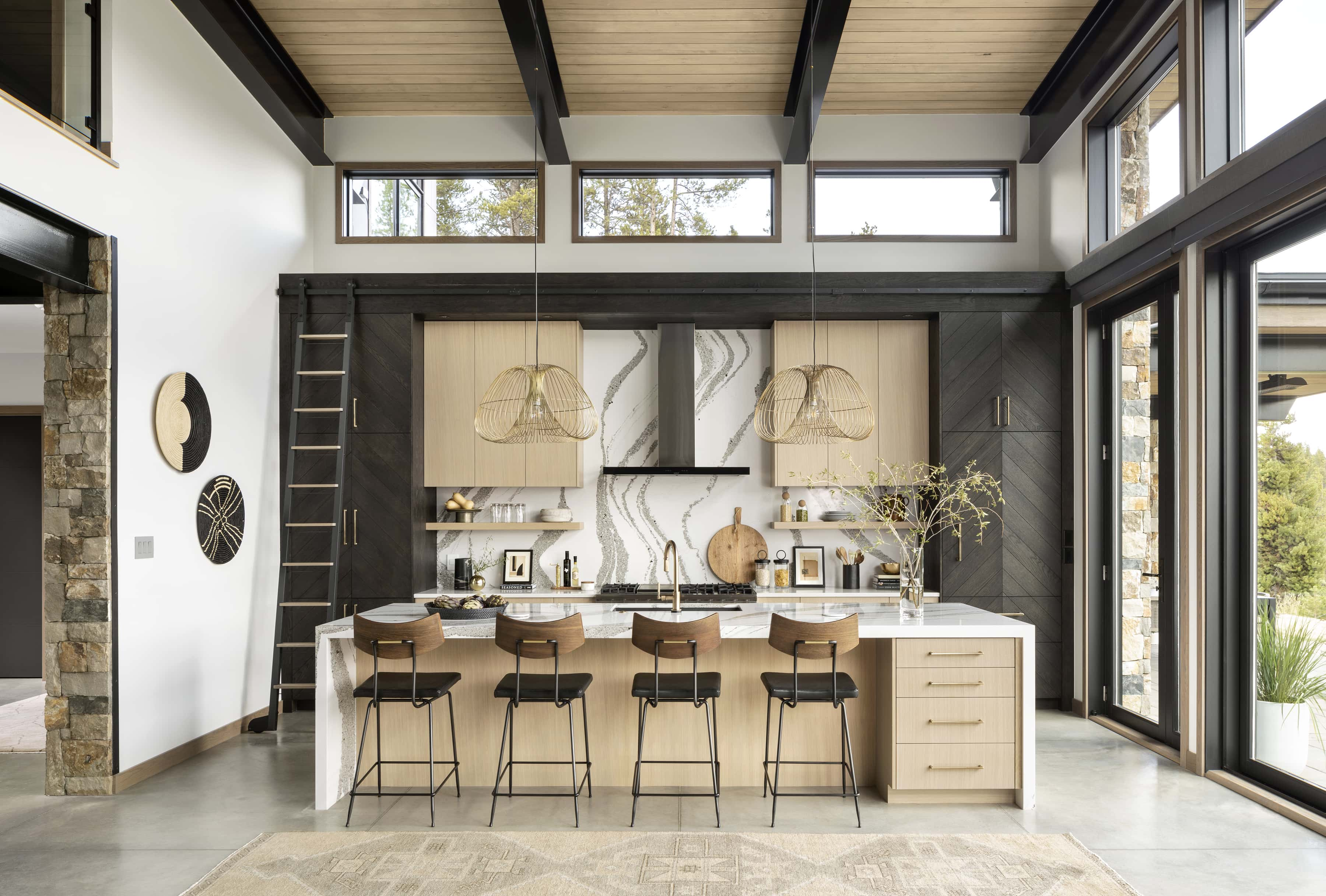
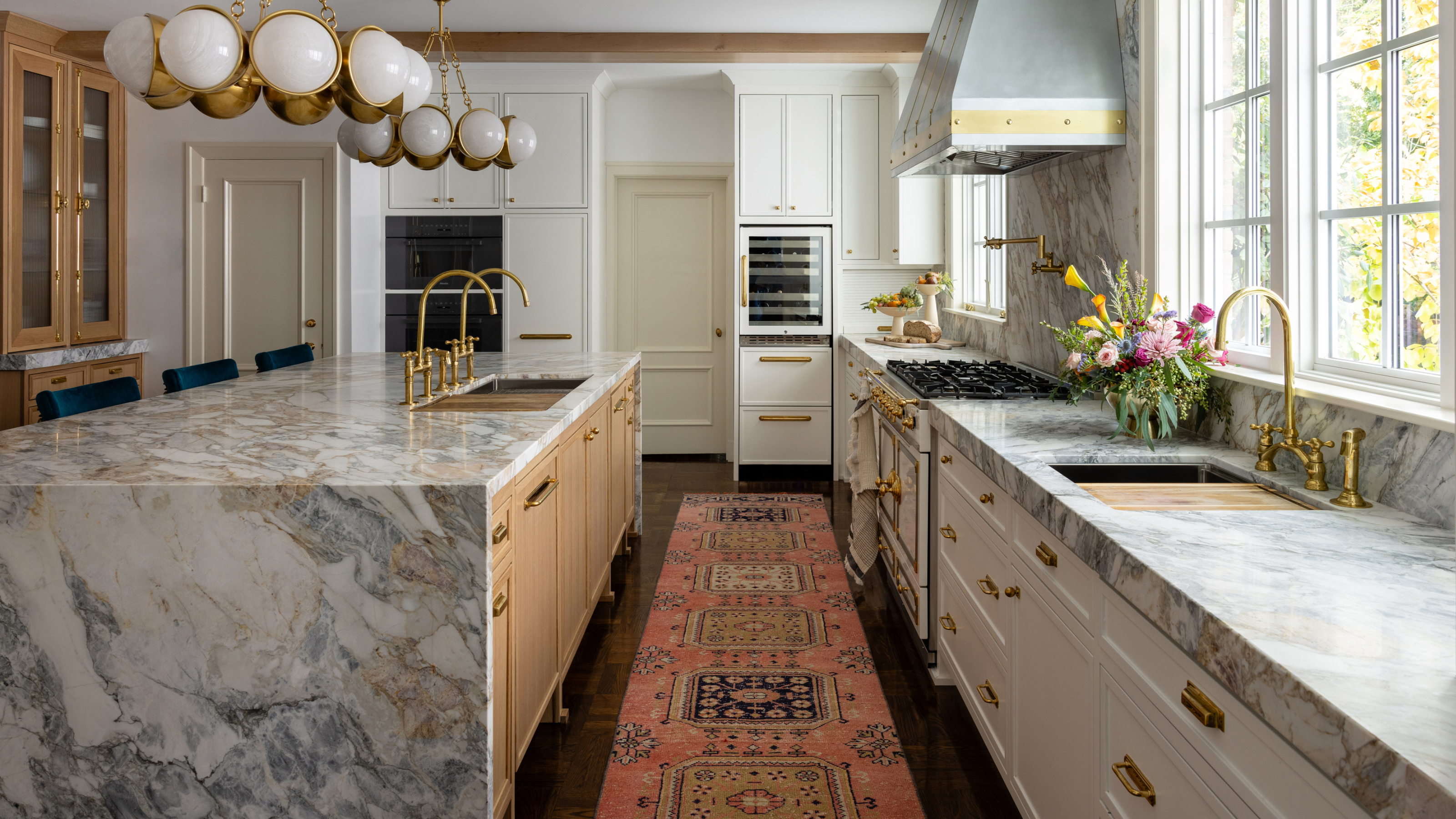
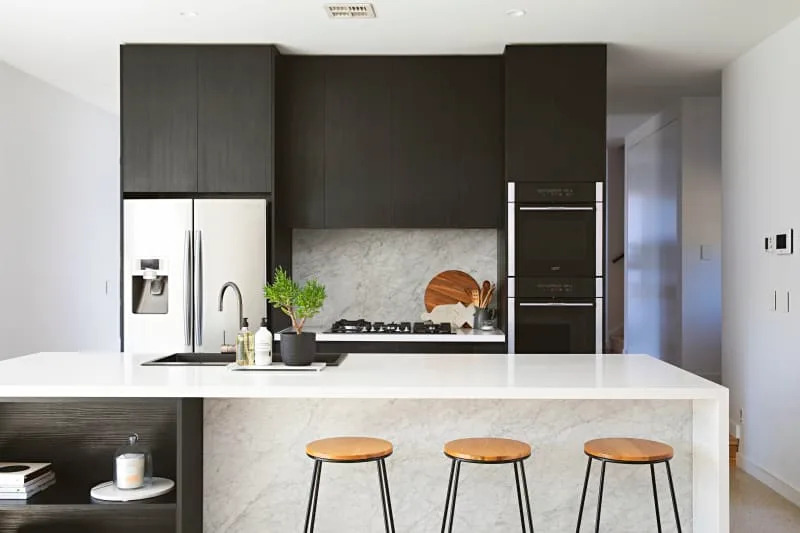
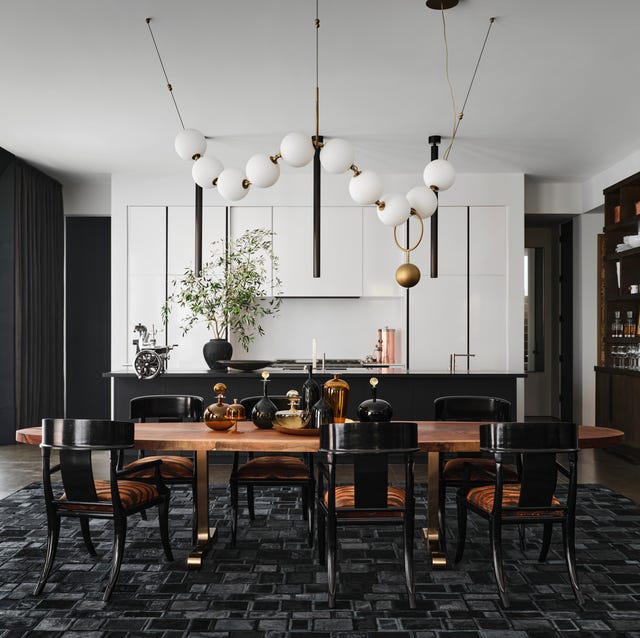
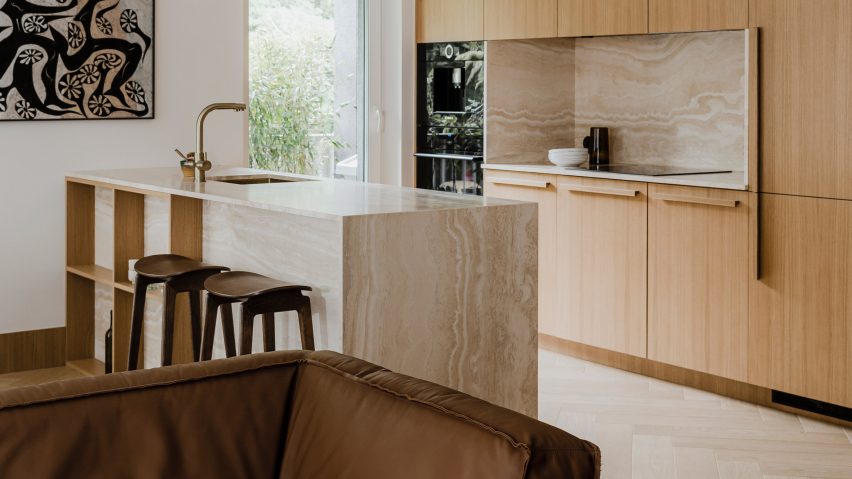
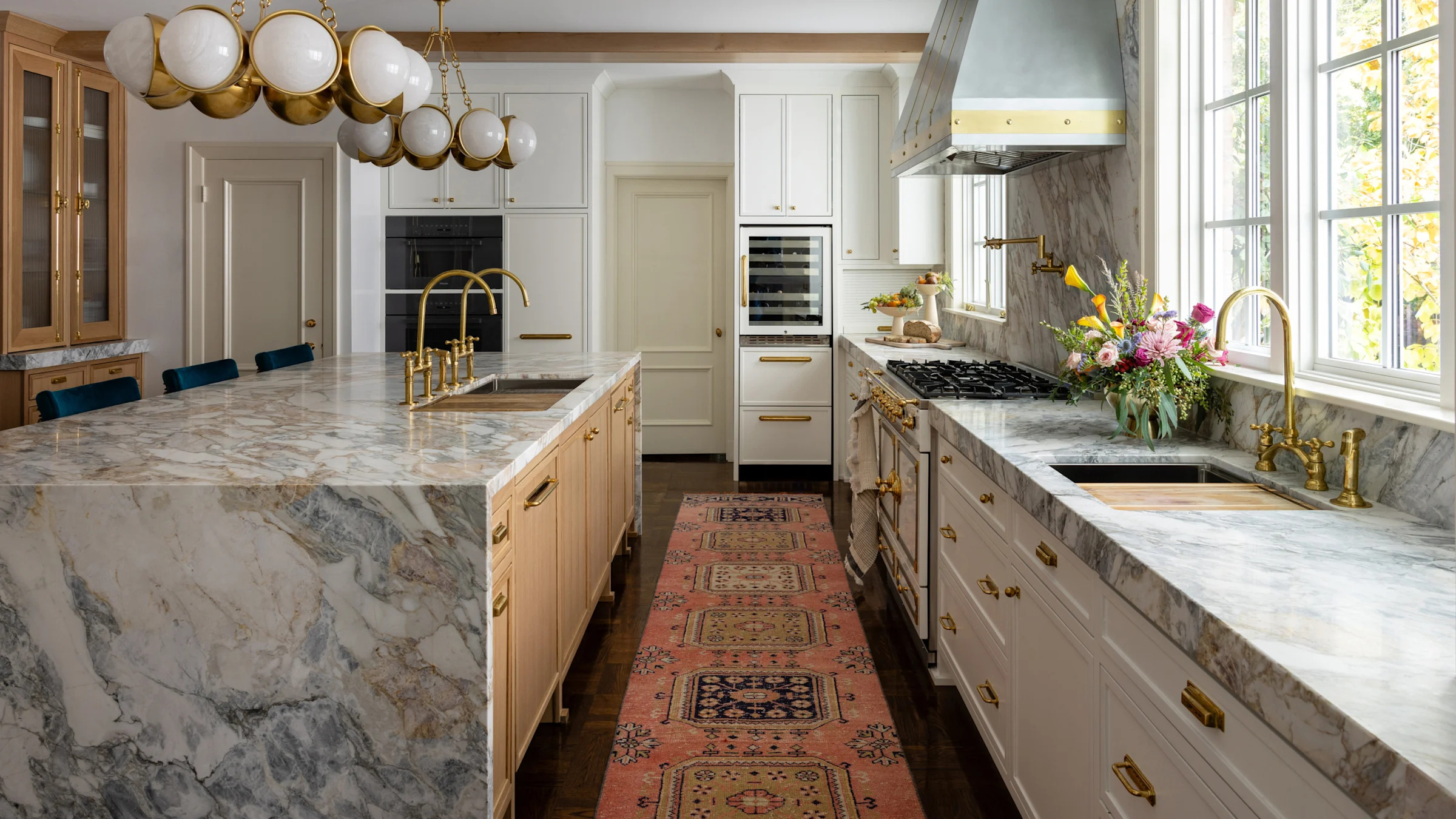
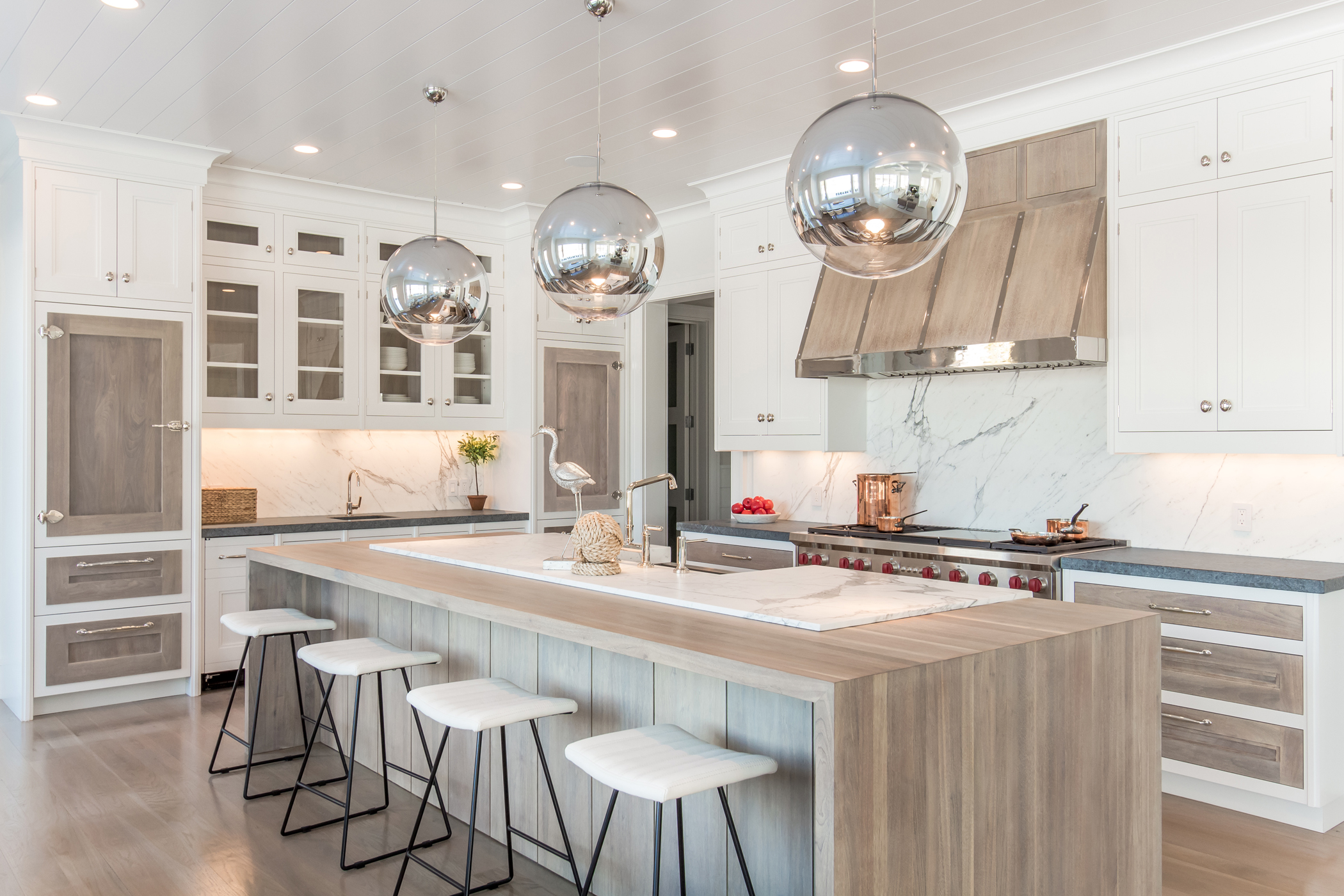
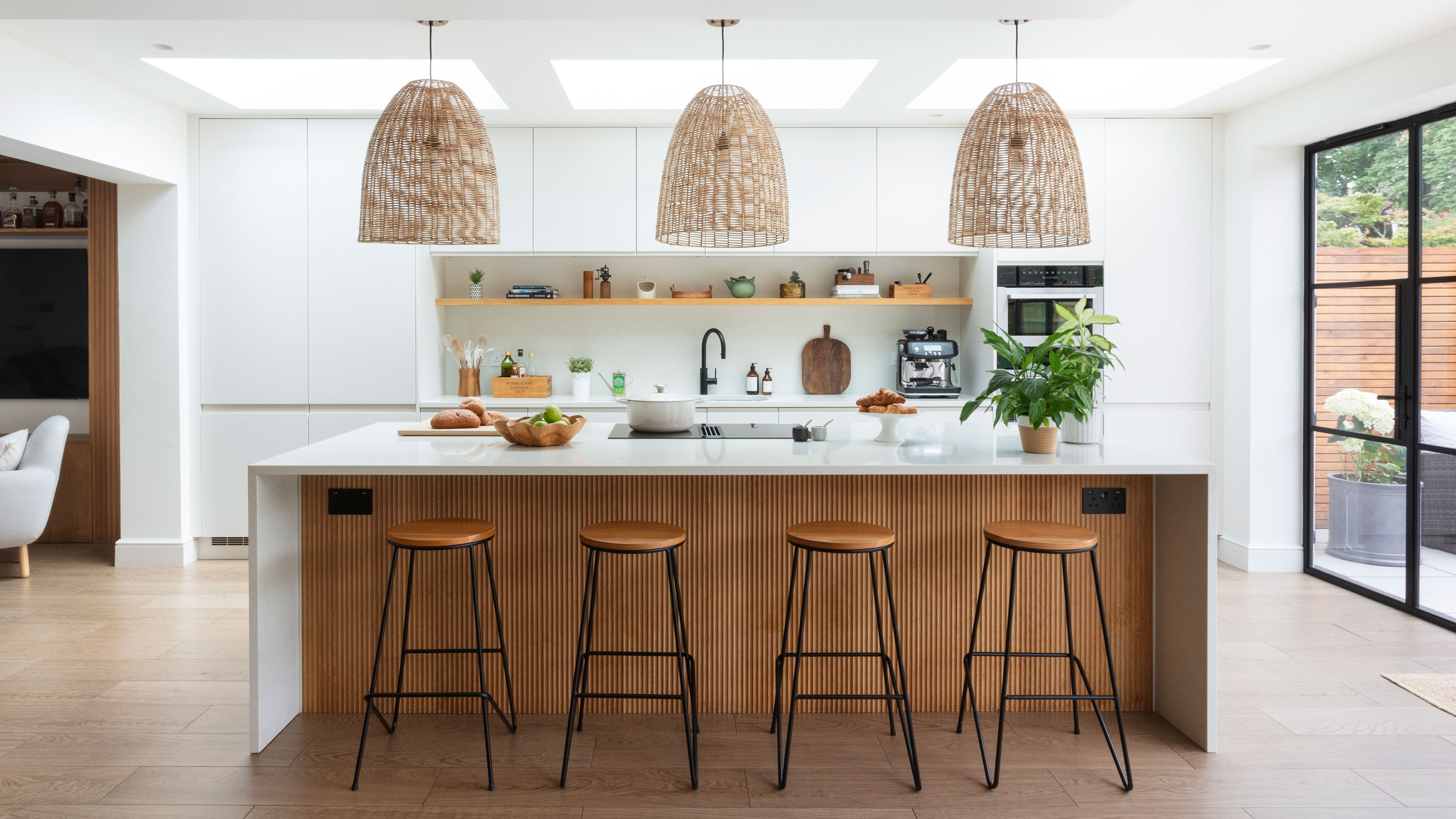
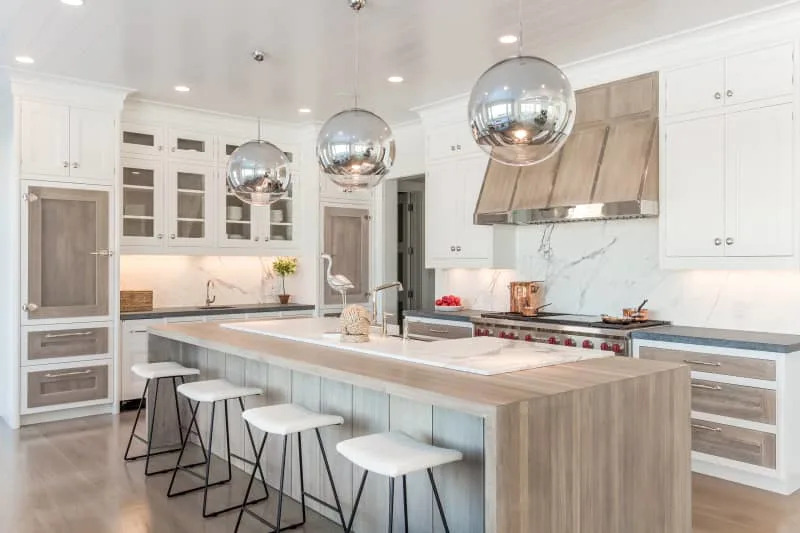
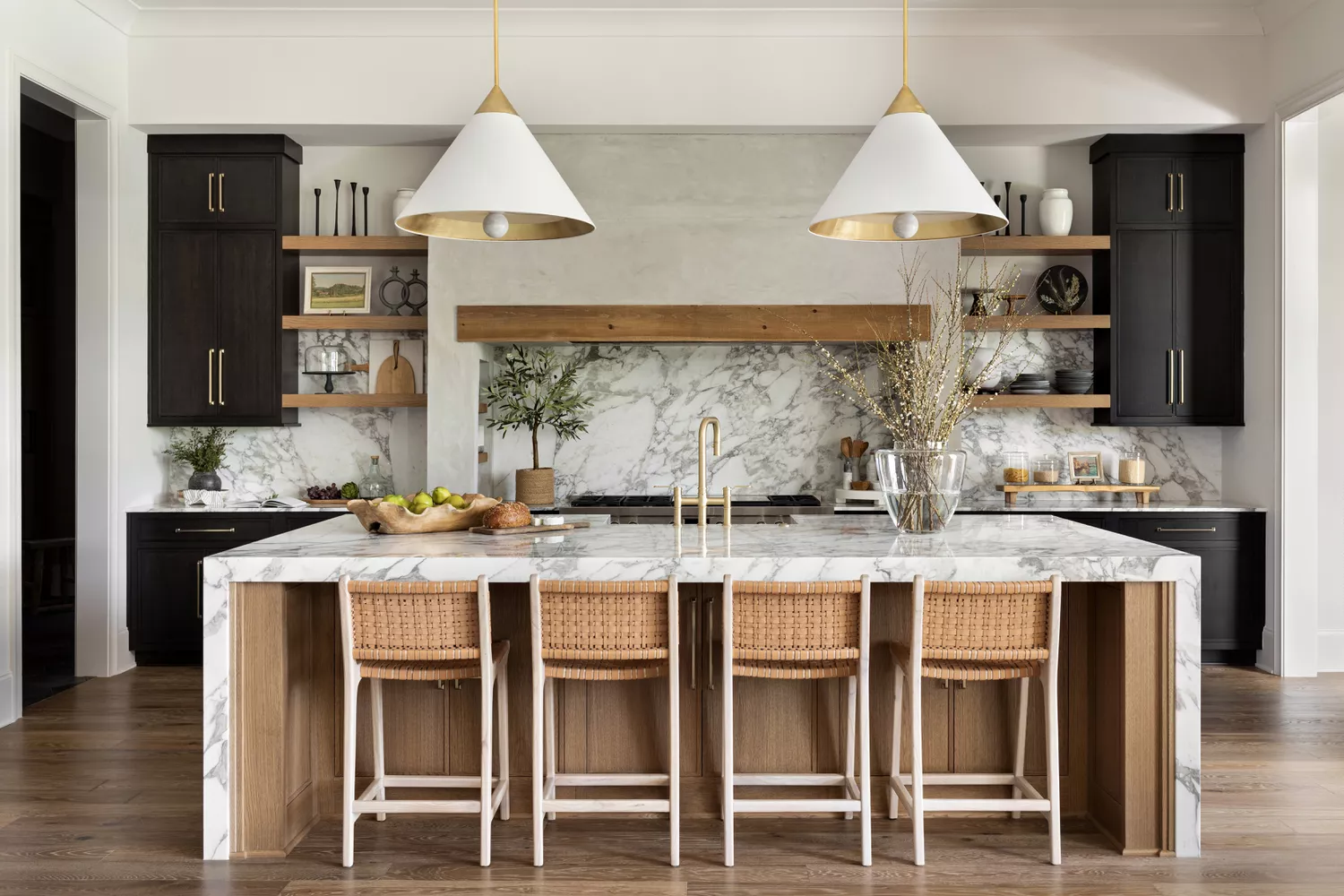
The article explores waterfall kitchen islands as a design solution for creating visual cohesion in open-plan living areas. A waterfall island is characterized by the countertop material extending down the sides of the cabinets, typically on both ends, creating a cascading visual effect. This design choice aims to blend the kitchen and adjacent dining spaces seamlessly while offering an elegant aesthetic.
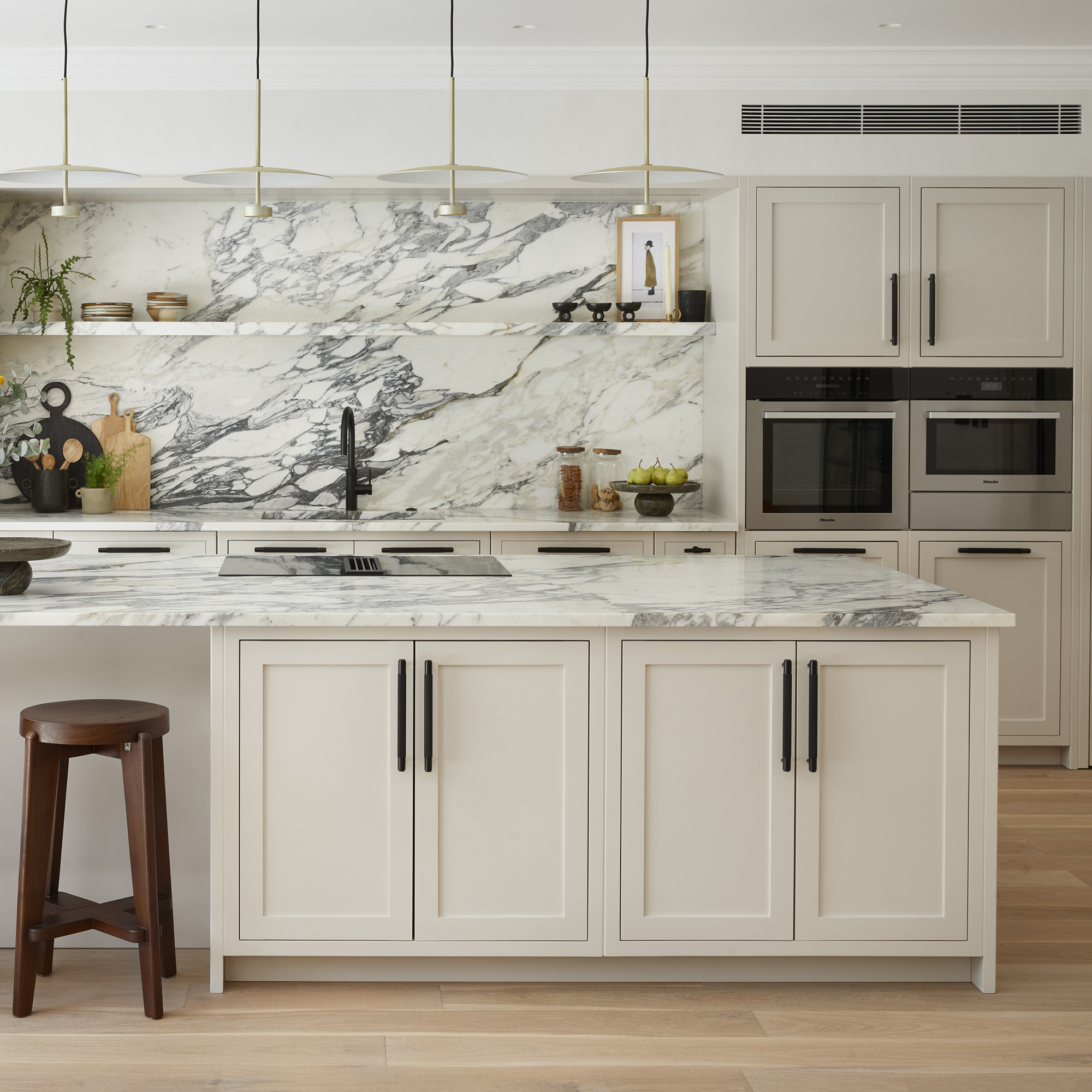
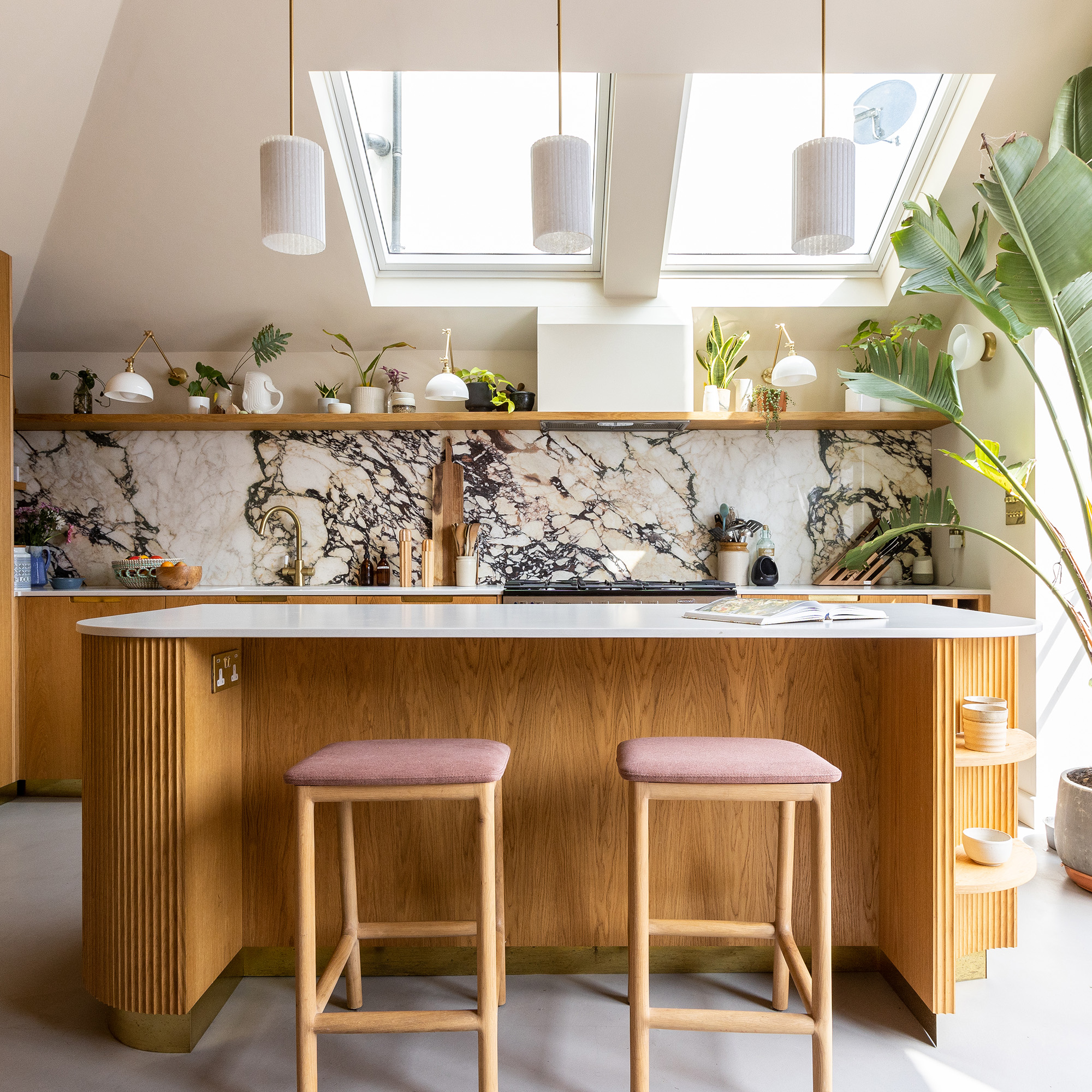
Mark DuBois, principal at Studio DuBois, a New York City-based architecture and design company, highlights that the waterfall design transforms the countertop into a sculptural object. He notes that this effect is particularly striking when using materials like marble, especially veined varieties, granite, or quartzite. While stone is a popular choice, other materials, including wood, can also be used for waterfall countertops. DuBois explains that traditional kitchen islands often have countertops that overhang to accommodate seating, which can result in an awkward appearance with corners extending into the space. The waterfall design mitigates this by creating a modern, sleek look.
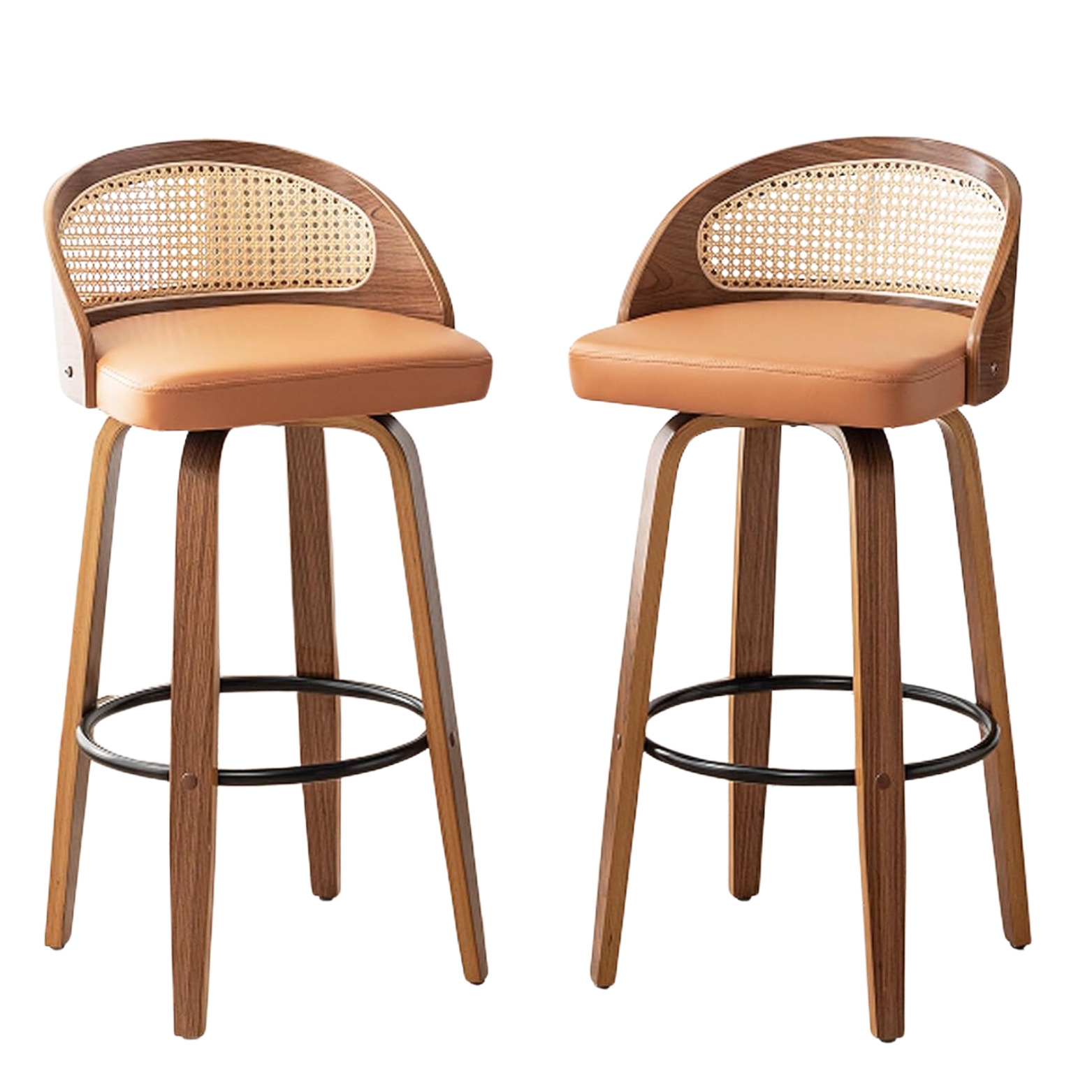
Judy Olson Dunne, principal at Butter and Eggs, a New York City-based design firm, further emphasizes that waterfall countertops can be a "showstopper." Beyond their aesthetic appeal, these islands offer functional benefits, such as concealing bar stools and minimizing the need for additional furnishings if the island also serves as a dining table. They can also discreetly camouflage appliances. DuBois suggests installing electrical outlets beneath the cabinets, which helps in partially hiding chargers and cords, contributing to a cleaner look.
Waterfall islands have gained significant popularity in recent years. DuBois mentions that he first implemented this design in the late 1990s or early 2000s, while Dunne's first project featuring one was in 2008. Dunne observes a shift in client awareness, noting that clients are now familiar with and specifically request waterfall finishes, a contrast to earlier days when she had to provide extensive explanations. Initially prevalent in contemporary buildings, waterfall islands are now being incorporated into more traditional apartments, indicating their widespread acceptance in diverse design contexts.
Regarding cost, waterfall counters are considered a high-end kitchen feature. Dunne estimates prices for stone materials, excluding exotic or highly popular options, to be around $80-$130 per square foot. The thickness of the material, typically 2 or 3 centimeters, also influences the overall cost. A crucial aspect of installation is finding a fabricator experienced in handling and properly installing waterfall countertops, which contributes to the expense. DuBois stresses the preference for a mitered joint, where two pieces of stone are cut at 45-degree angles to create a seamless corner by hiding the joint line. This precise cutting often requires computer-controlled machines and experienced installers, as miter joints are delicate.
However, mitered joints are not suitable for all materials; quartzite, for instance, despite being harder than granite, is brittle. Attempting a 45-degree cut on quartzite can cause it to chip, necessitating a stacked edge instead. In addition to their visual appeal and dining utility, waterfall kitchen islands offer an enhanced layer of durability for items stored beneath them. Dunne concludes that these islands are both aesthetically pleasing and functionally advantageous, providing increased resilience, which is a desirable attribute for homeowners.
#WaterfallKitchenIsland #OpenPlanLiving #KitchenDesign #InteriorRenovation #CountertopMaterials #ModernDesign #HomeImprovement #NYCRealEstate #WaterfallKitchenIsland #OpenPlanLiving #KitchenDesign #InteriorRenovation #CountertopMaterials #ModernDesign #HomeImprovement #NYCRealEstate
0 comment in total
 No comments yet
You may also like
What is a waterfall kitchen island? Experts reveal everything you need to know about this "sophisticated" design feature

10 perfect waterfall countertops that make a strong case for this being the best kitchen island style

5 Problems With Waterfall Kitchen Countertops That No-One Ever Talks About
The Big Problem with This Popular Kitchen Counter Trend (That No One Tells You About)

This Waterfall Kitchen Island Is Renovation Goals

Eight kitchen islands that have sleek waterfall edges
5 Problems With Waterfall Kitchen Countertops That No-One Ever Talks About

You’re Familiar With Open Kitchen Shelving, But What About an Open Island?

12 Waterfall Kitchen Island Ideas for a Streamlined Modern Look

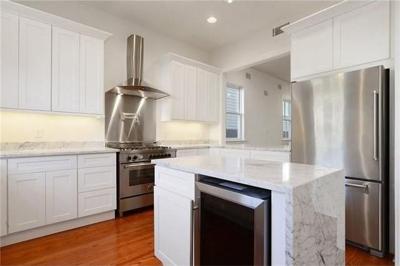
Waterfall edges on countertops are a smooth new look

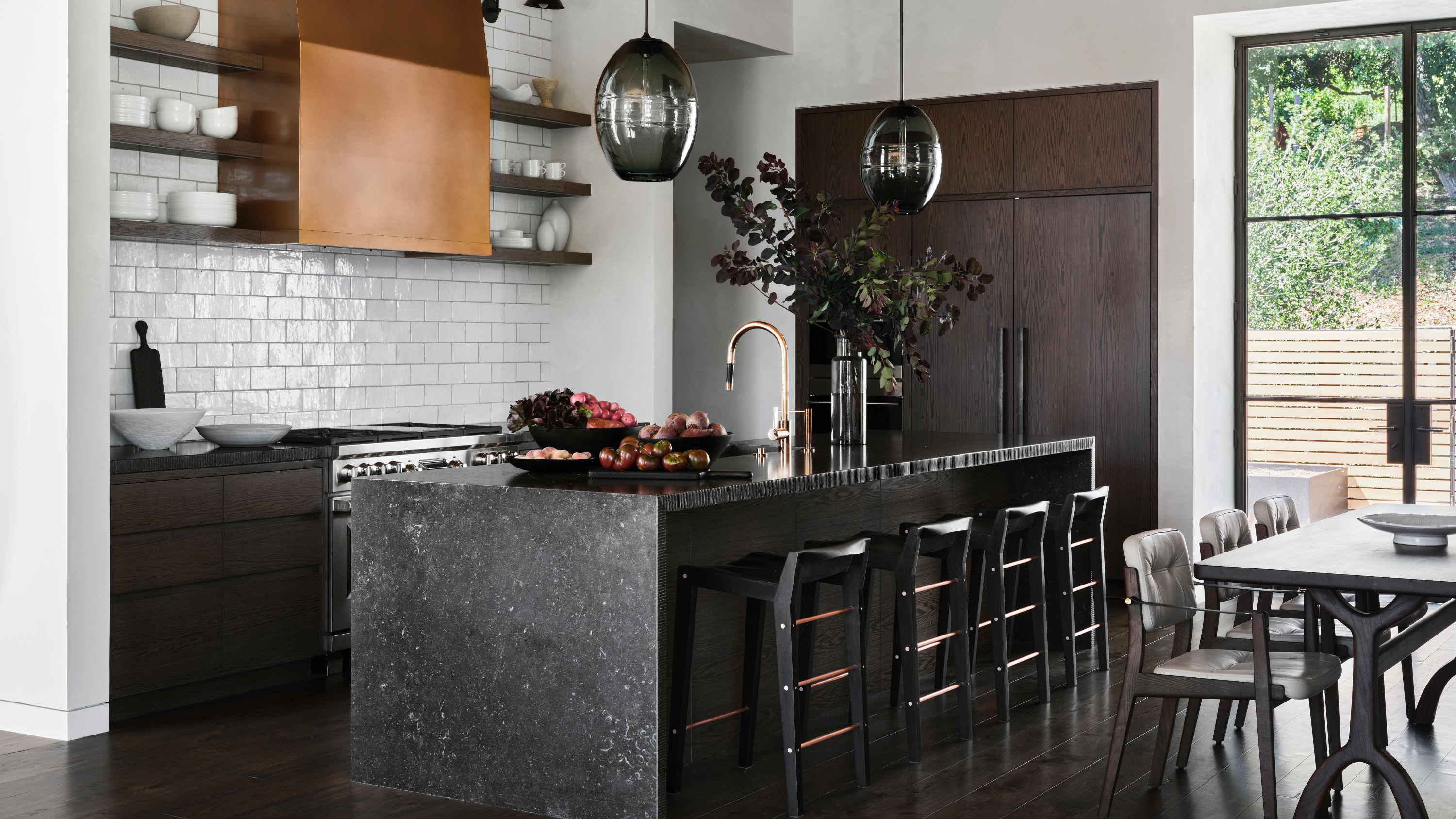
Are Waterfall Edges Going Out of Style? A Design Debate
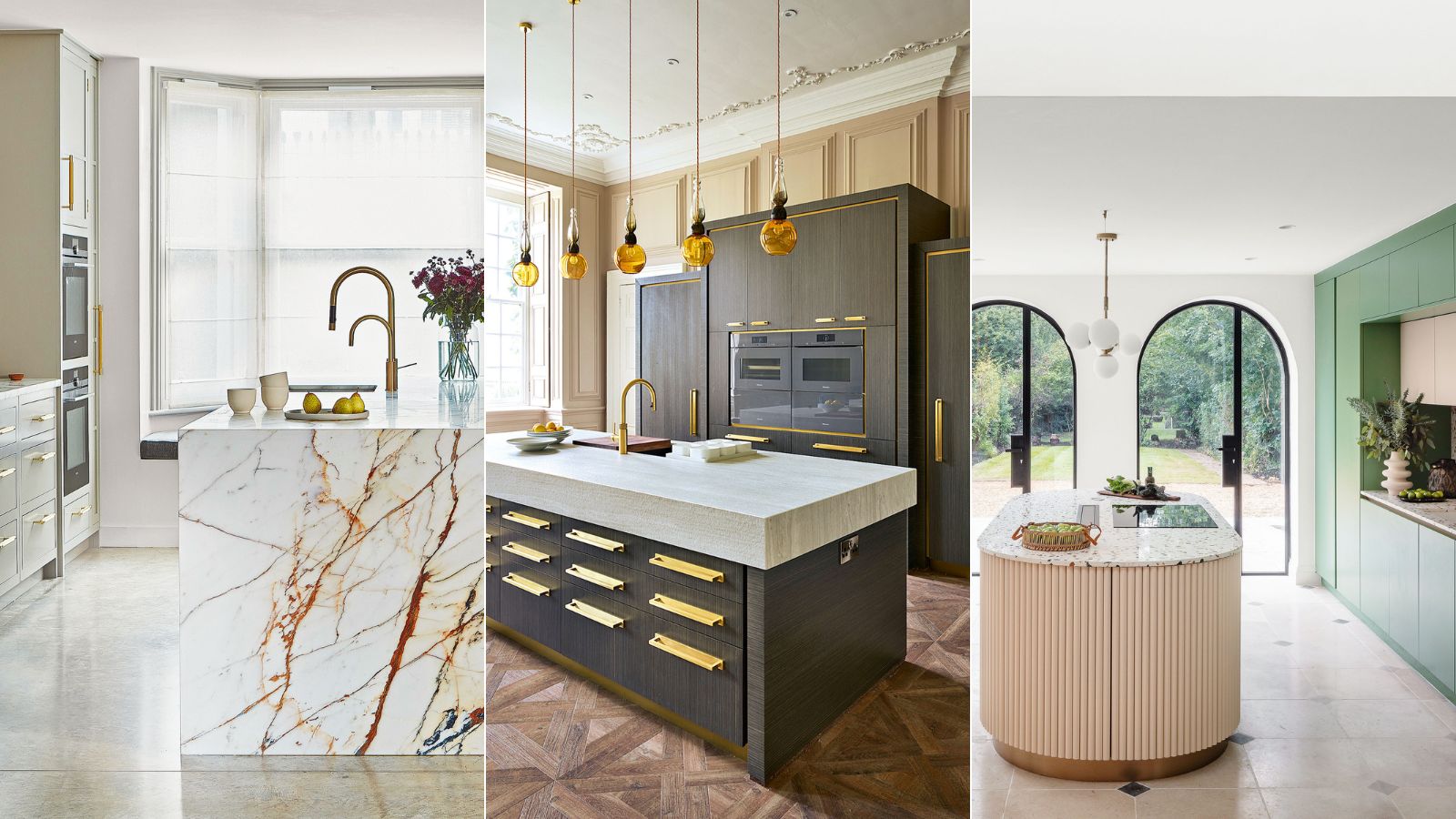
Kitchen island trends 2023 – 9 new looks for your kitchen's focal point that marry style and functionality

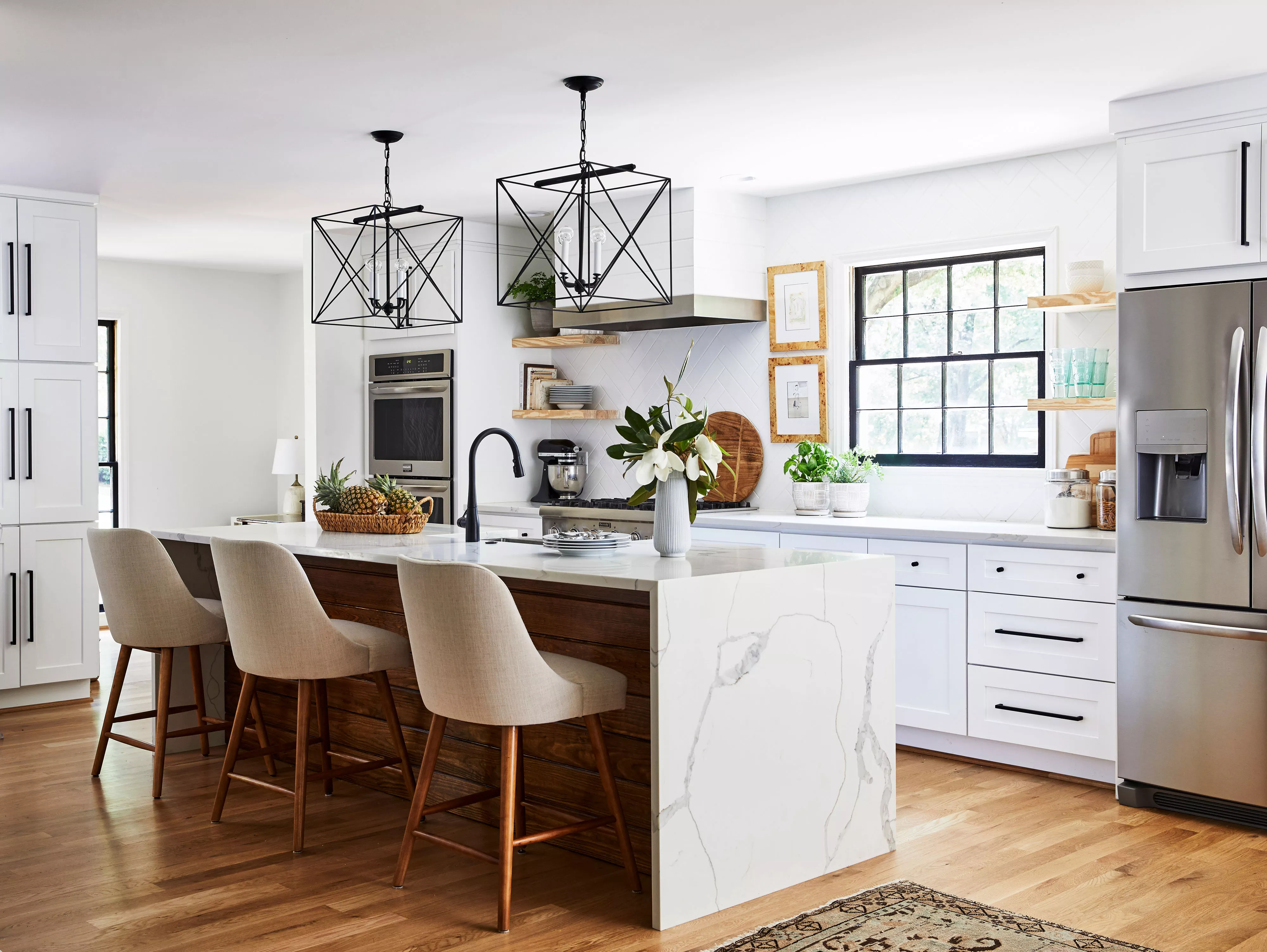
What Is a Waterfall Countertop and Is It Right for Your Kitchen?

Four trending ways to reimagine kitchen islands
The kitchen island trends dominating 2025 - the liveable looks we predict will become new classics
Kitchens for entertaining – 11 ideas for a stylish, sociable and practical design
This Modern Design Trend Adds Wow Factor to Any Kitchen
3 Kitchen Island Trends That Interior Designers Love (and 2 to Skip)
You’re Familiar With Open Kitchen Shelving, But What About an Open Island?

16 Stunning Waterfall Countertop Examples That Designers Did Right