1/5
This One Feature INSTANTLY Makes Your Bathroom Look Expensive, According to Designers
The article explores the growing popularity of alcove bathtubs with coordinating skirts or panels, highlighting how this design choice can elevate a bathroom's aesthetic and functionality. Designers are increasingly recommending these built-in fixtures for their seamless integration into a room's architecture, providing a sense of permanence and calm that appeals to contemporary homeowners.
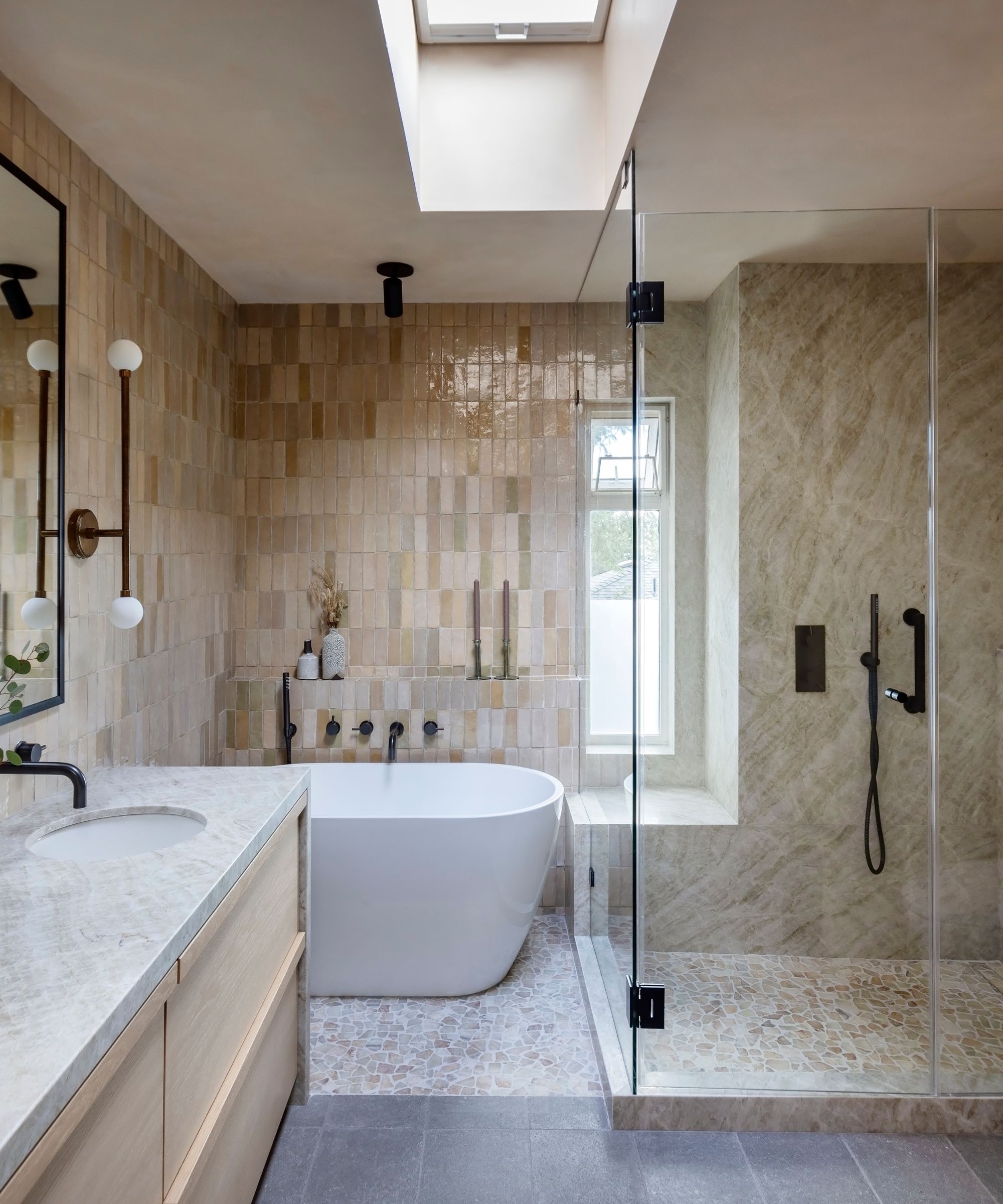
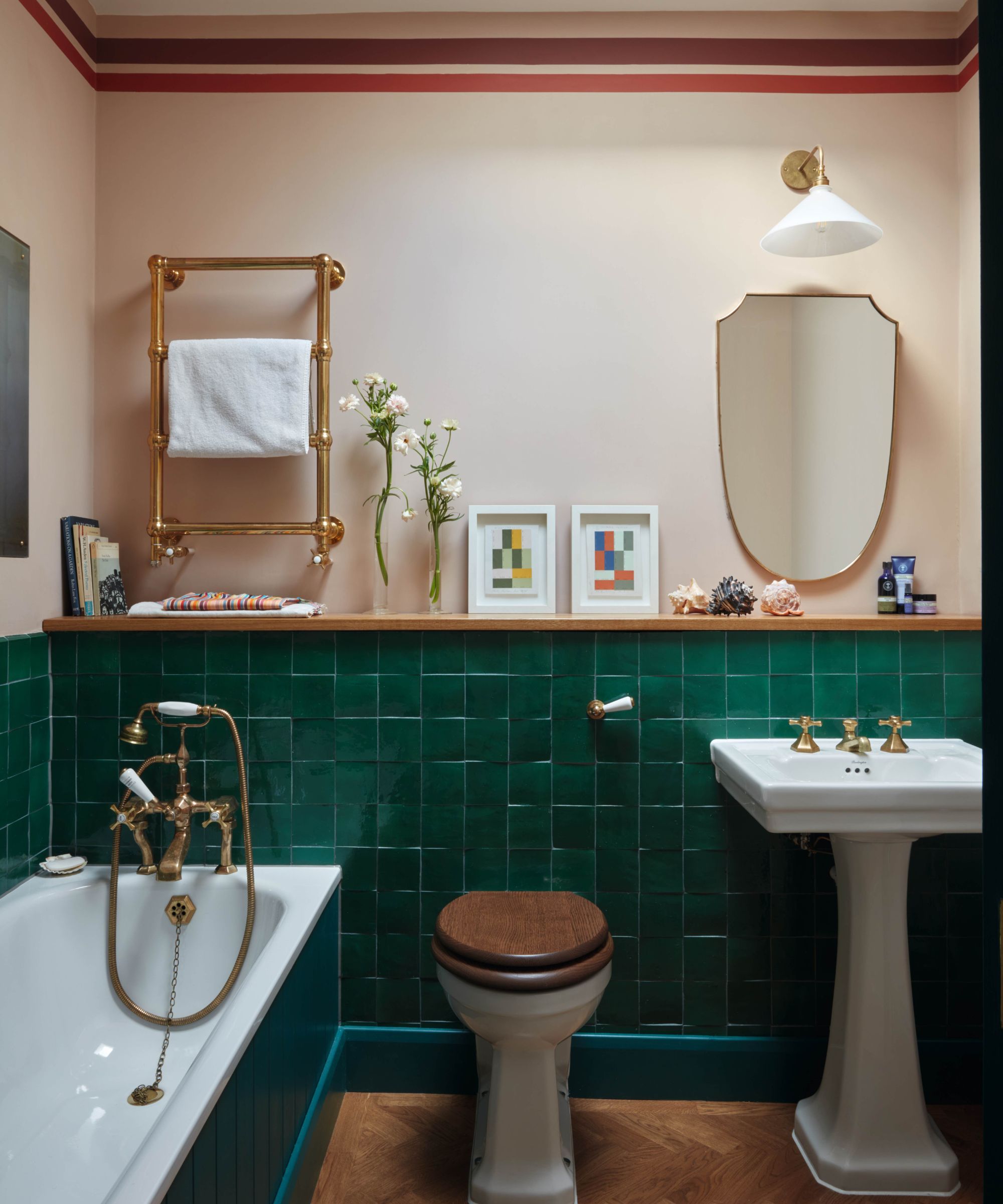
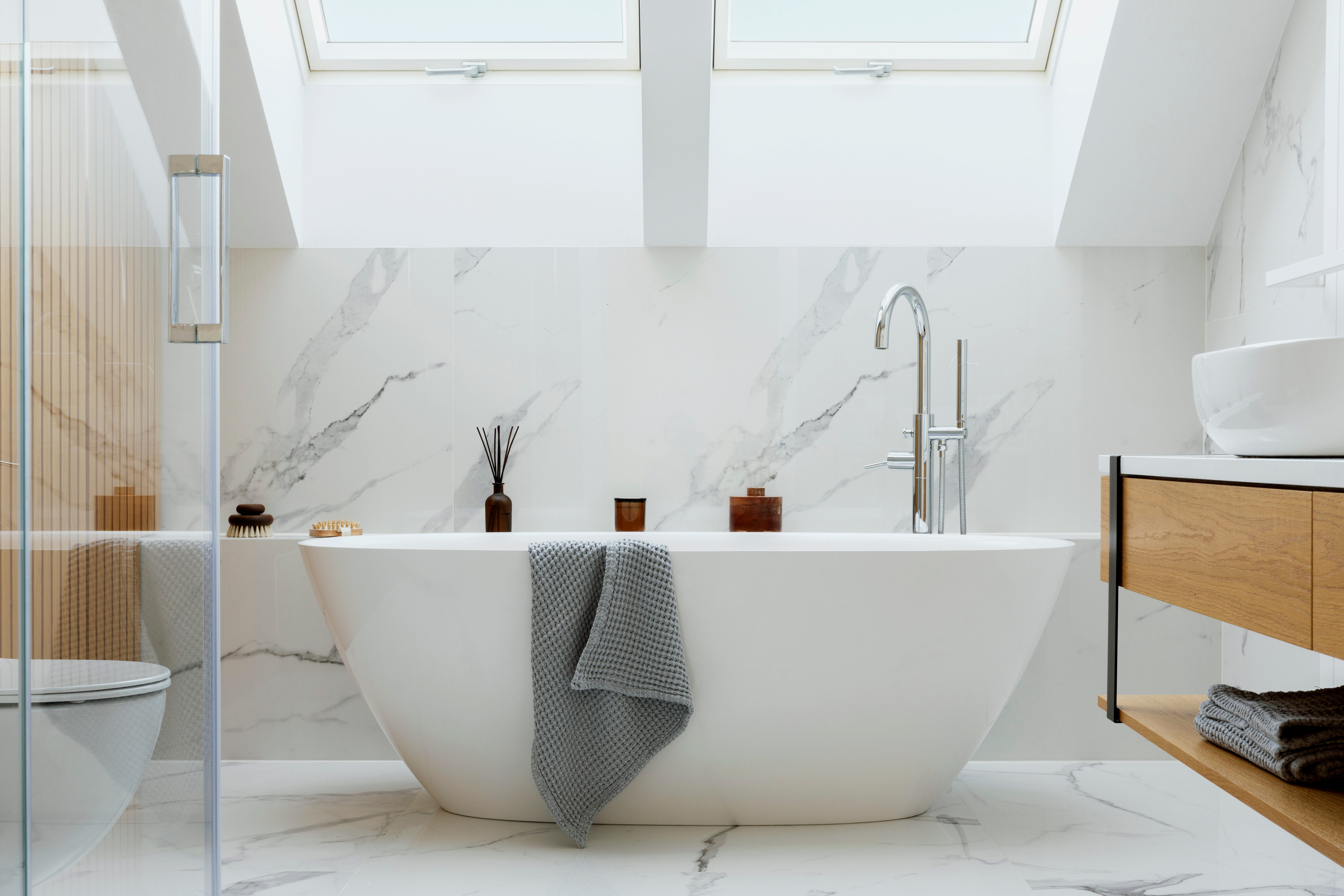
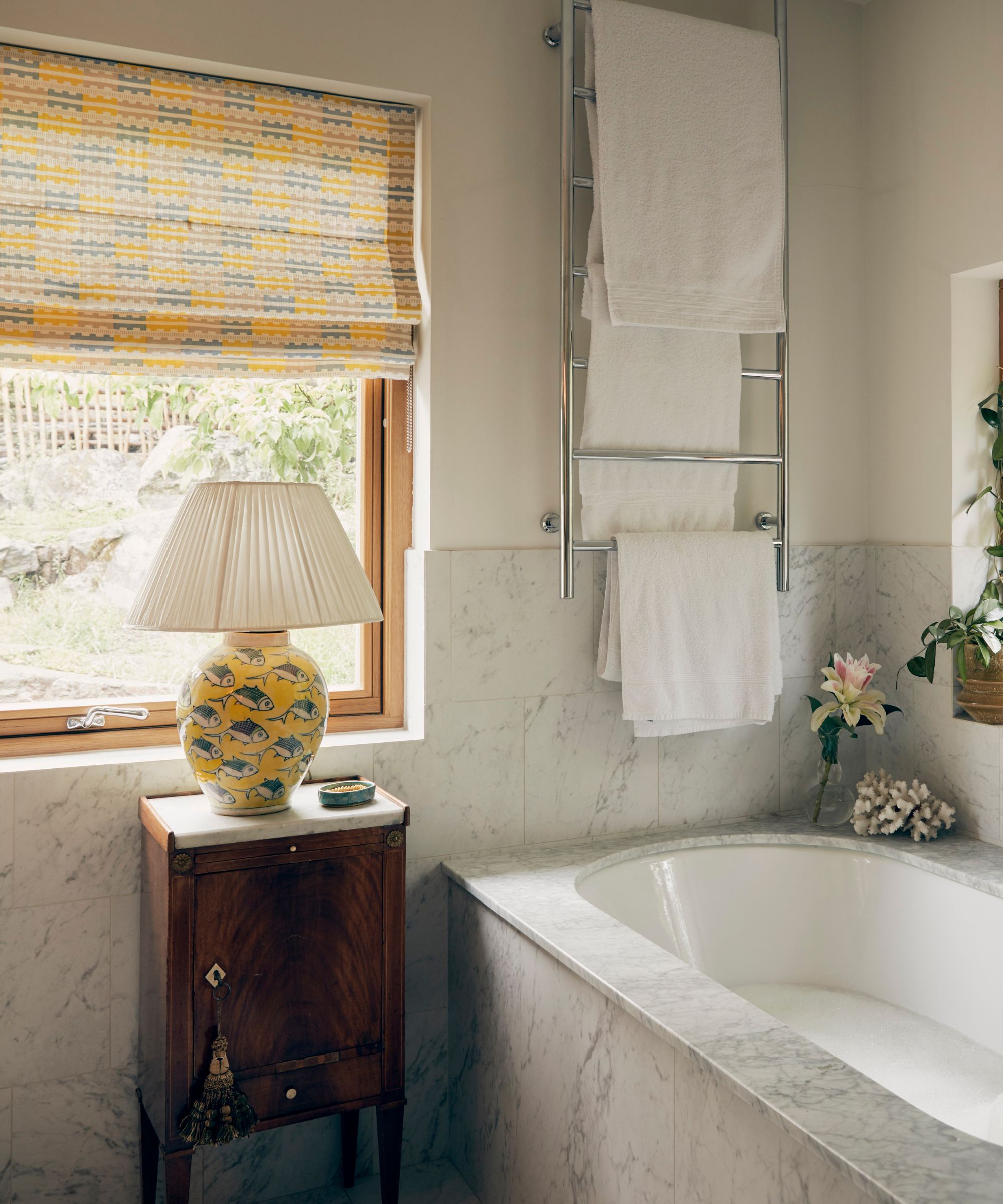
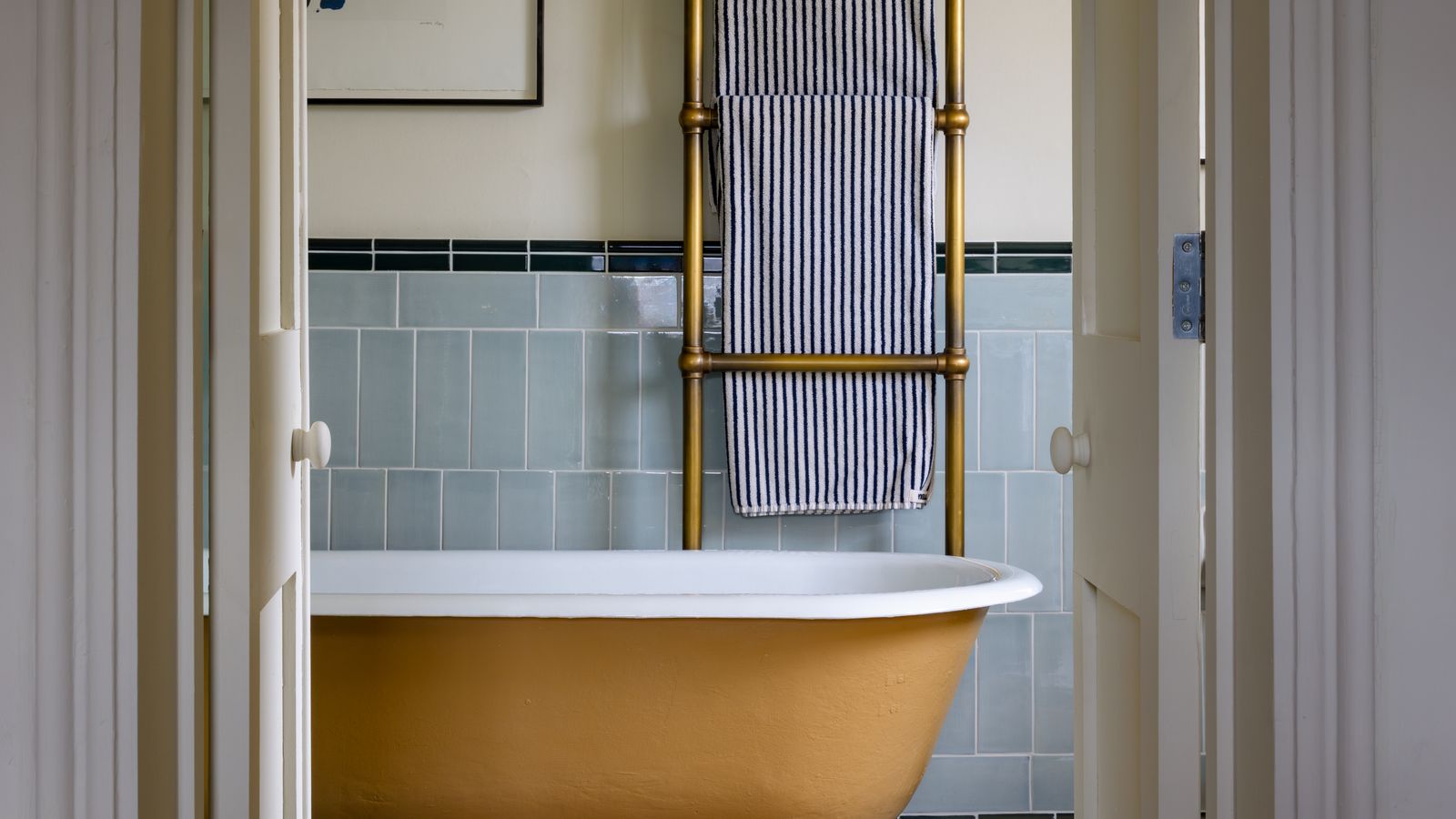
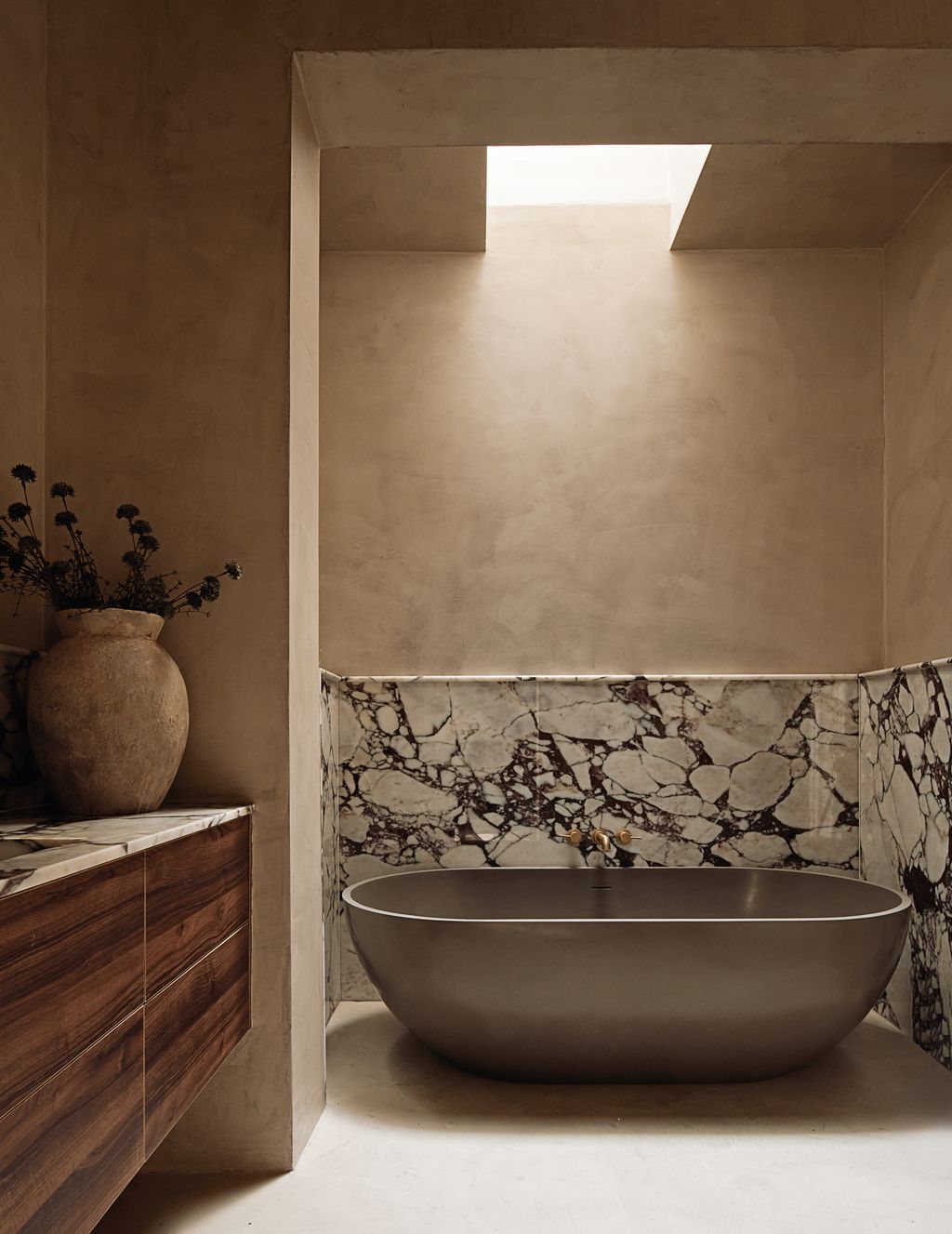
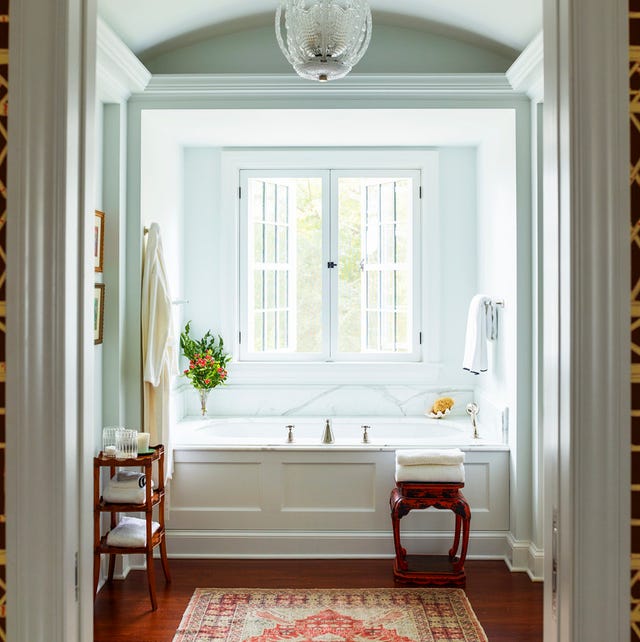
An alcove bathtub is defined as a fixture enclosed by walls on three sides, distinguishing it from freestanding tubs or shower stalls. These tubs are typically available in three standard sizes: 60, 66, and 72 inches. For smaller bathrooms, the installation can be combined with a shower. A bathtub apron, also known as a skirt or surround, is a paneling or covering fitted over the alcove tub to conceal its surface and enhance its visual appeal. While some alcove tubs come with integrated aprons, another option involves using a drop-in style tub and custom-framing the front with tiles or other materials to achieve a built-in, elevated look.
While it is technically possible to add an apron to various bathtub types, experts advise ensuring that the bathtub is specifically designed for enclosure. The structure and shape of the tub are crucial for a successful and integrated design. For instance, a recent project involved using a built-in tub with custom millwork that integrated open towel storage, adding both warmth and practicality while maintaining clean lines.
Several important considerations are outlined for adding a tub apron. Foremost among these is waterproofing; comprehensive waterproofing membranes must be applied beneath any tile or panel application, particularly on horizontal surfaces around the tub, to prevent moisture damage. Another factor is layout flexibility, as a built-in bathtub represents a significant commitment, and the layers and installation involved in a tub surround are not easily reversible for future renovations. Additionally, plumbers, contractors, and electricians require access panels or small openings to perform repairs or routine maintenance, necessitating their inclusion in the design.
The cost of covering a bathtub varies depending on the approach. Ready-made bathtub surrounds typically range from $40 to $3,000. However, custom fittings can incur costs upwards of $4,000, especially when factoring in labor and high-end materials like stone. Interior designer Bethany Reilly emphasizes the benefits of alcove bathtubs, such as their seamless integration, aesthetically pleasing finish, and ease of cleaning. These tubs are also a space-saving solution, as they generally occupy less room than freestanding units. Their three-sided enclosure minimizes water spillage, making them more practical for bathrooms. Another designer, Alena Capra, affirms the versatility of alcove bathtubs, noting the wide array of sizes and styles available for drop-in tubs that can be incorporated into an alcove installation, offering endless design possibilities.
#AlcoveBathtubs #BathroomDesign #TubApron #HomeRenovation #InteriorDesign #SpaceSavingSolutions #Waterproofing #CustomMillwork #AlcoveBathtubs #BathroomDesign #TubApron #HomeRenovation #InteriorDesign #SpaceSavingSolutions #Waterproofing #CustomMillwork
0 comment in total
 No comments yet
You may also like
Upgrading THIS Simple Feature Makes Your Bathroom Look More Expensive, According to Designers
Upgrading THIS Simple Feature Makes Your Home Look More Expensive, According to Designers
How To Make Your Powder Room Look Expensive - 6 Ways Designers Add Instantly Luxe Vibes

8 Things in Your Bathroom That Instantly Give Designers the Ick

Designers use this trick to make a bathroom feel more expensive – and it can work for a small space, too
These are the 4 color schemes designers say will always make a bathroom look more expensive
Upgrading THIS Simple Feature Makes Your Home Look More Expensive, According to Designers

How to make a bathroom look expensive on a budget – 14 expert tips

3 Ways to Make Your Bathroom Look More Expensive, According to Designers

Designers Swear This Bathroom Feature Is so Overrated

3 non-negotiables for an expensive-looking bathroom, according to interiors expert Kate Watson-Smyth
This Bathroom Trend Will Literally Stand the Test of Time
8 Tricks That Immediately Make Your Bathroom Look Expensive, According to Designers
Forget Bathtubs — Designers Say This Feature is the New Focal Point You Should Invest in for a Bathroom
Designers Say This Small Change Can Make a "Huge Difference" Your Bathroom
Breathtaking new looks for bathrooms, from linen and lights to a truly spectacular nickel bathtub
Designers say this 1 unassuming and affordable feature will make your home look more expensive

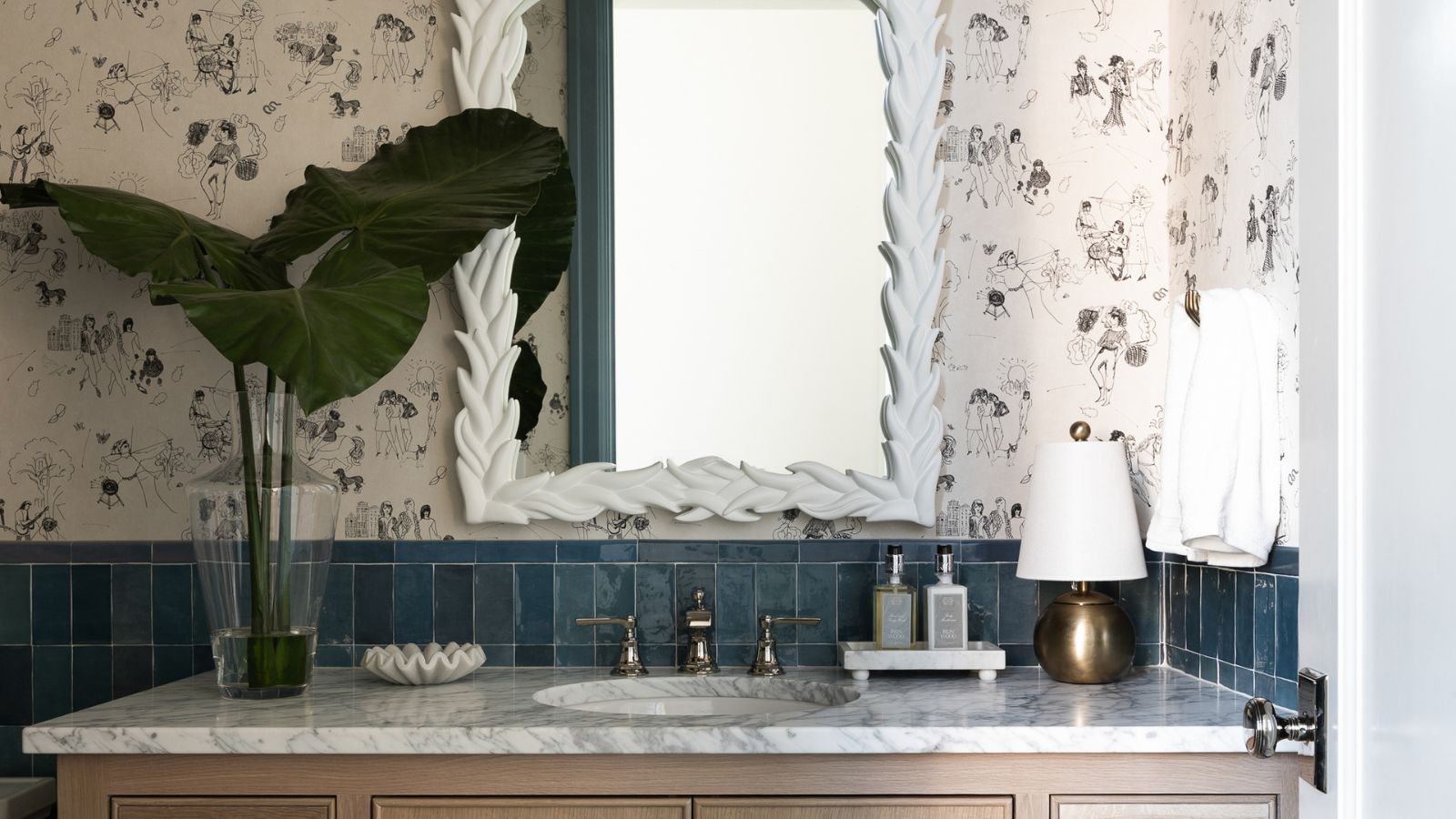
Designers Say Your Bathroom is Missing This 1 Thing
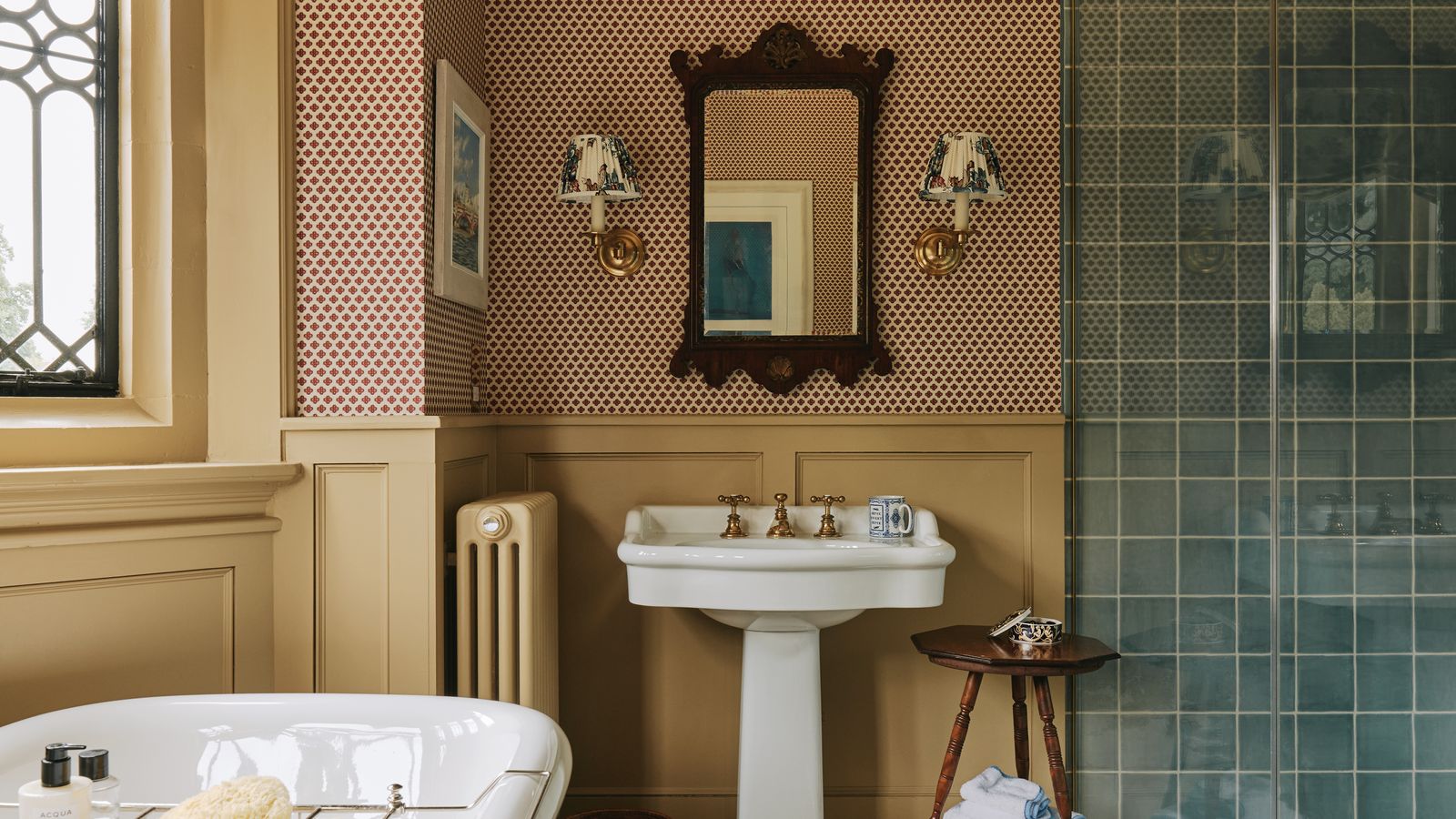
The decorative schemes, layouts and materials to copy for your bathroom this year
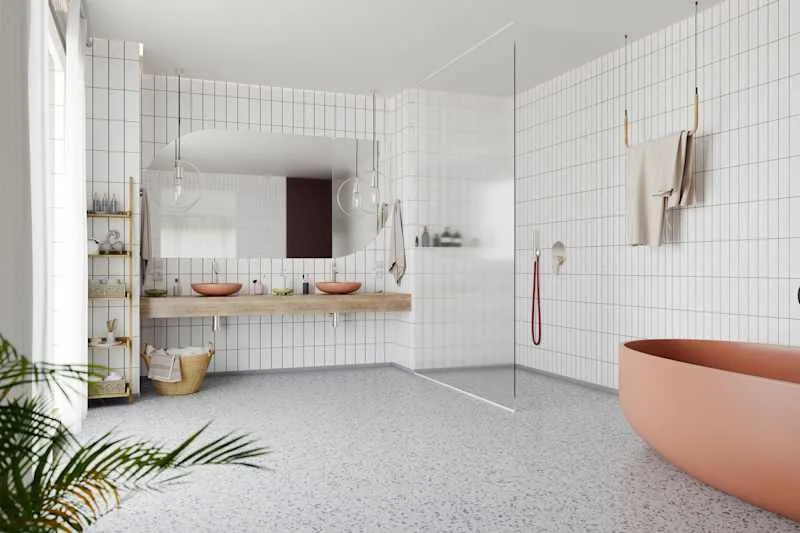
I Regret Having This Luxe Feature in My Bathroom