This 1920’s Bathroom Reno Is Brimming with Modern Design Elements
This article details the renovation of a 1920s bathroom, a project undertaken by interior designer Anne Sage for a client. The primary goal of the renovation was to respectfully blend the home's original 1920s architectural character with modern functionality and aesthetics, all within a tight two-week timeframe. The project aimed to create a serene and livable bathroom space that would appeal to the current homeowner while also considering future resale value.
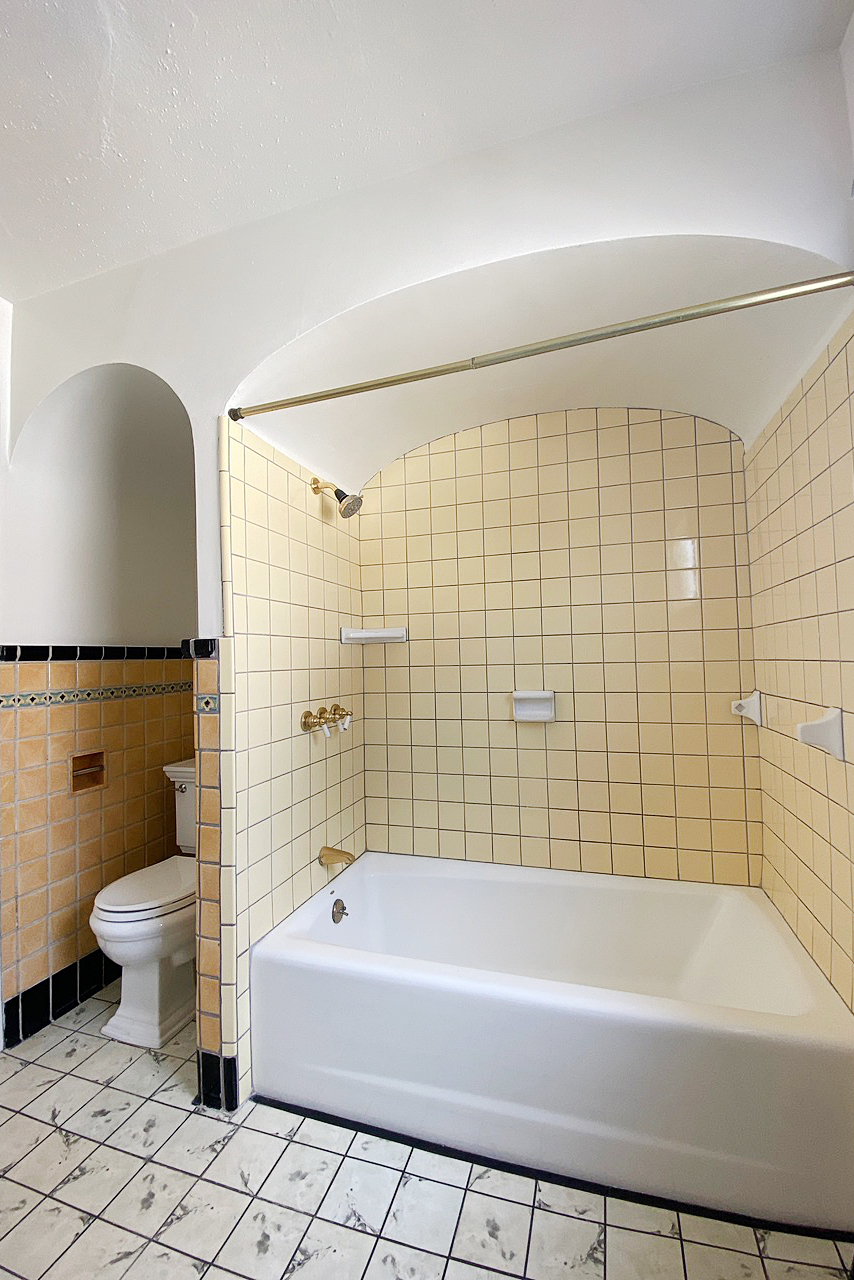
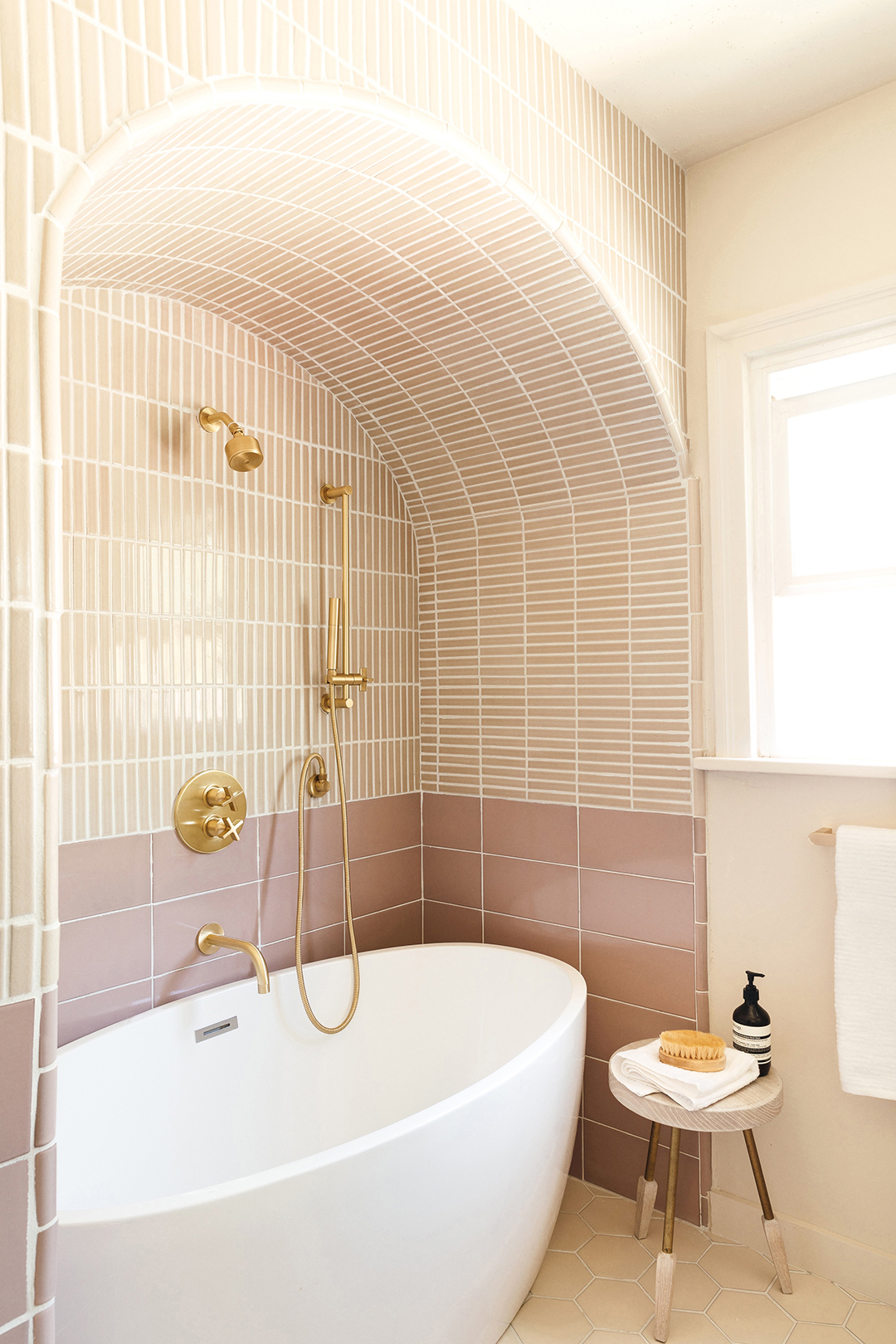
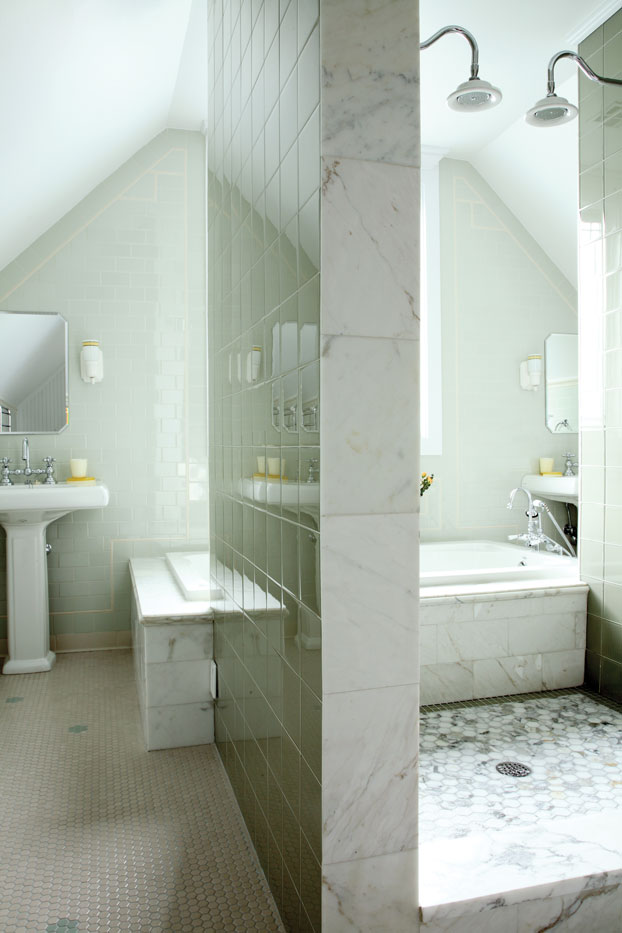
Key aspects of the renovation included addressing the dated elements of the bathroom, such as original 1920s details and unfortunate later additions like linoleum flooring. Sage drew inspiration from the common arched motifs of the 1920s era, specifically reconstructing the shower arch to harmonize with an existing arch over the toilet, creating a more cohesive look. Functionality was also a major consideration; the new design incorporates a floating vanity for easier cleaning of the entire floor and a one-piece toilet with fewer crevices for maintenance. The addition of a built-in tub from AllModern was a strategic choice to enhance both the user experience and the home's resale value, offering a boutique hotel sensibility.
The design process involved Sage conceptualizing all aesthetic choices, which were then approved by the client. The installation was managed by Pulled, a home project management app, which coordinated the labor to complete the renovation from demolition to finishing touches in just two weeks. This rapid timeline was crucial as it was the client's only bathroom. A significant lesson learned during the project was the unpredictability of renovating old homes; after demolition, unforeseen issues such as leveling the floor and prepping walls for tile application required additional work and budget, leading Sage to advise clients to plan for a 30% contingency.
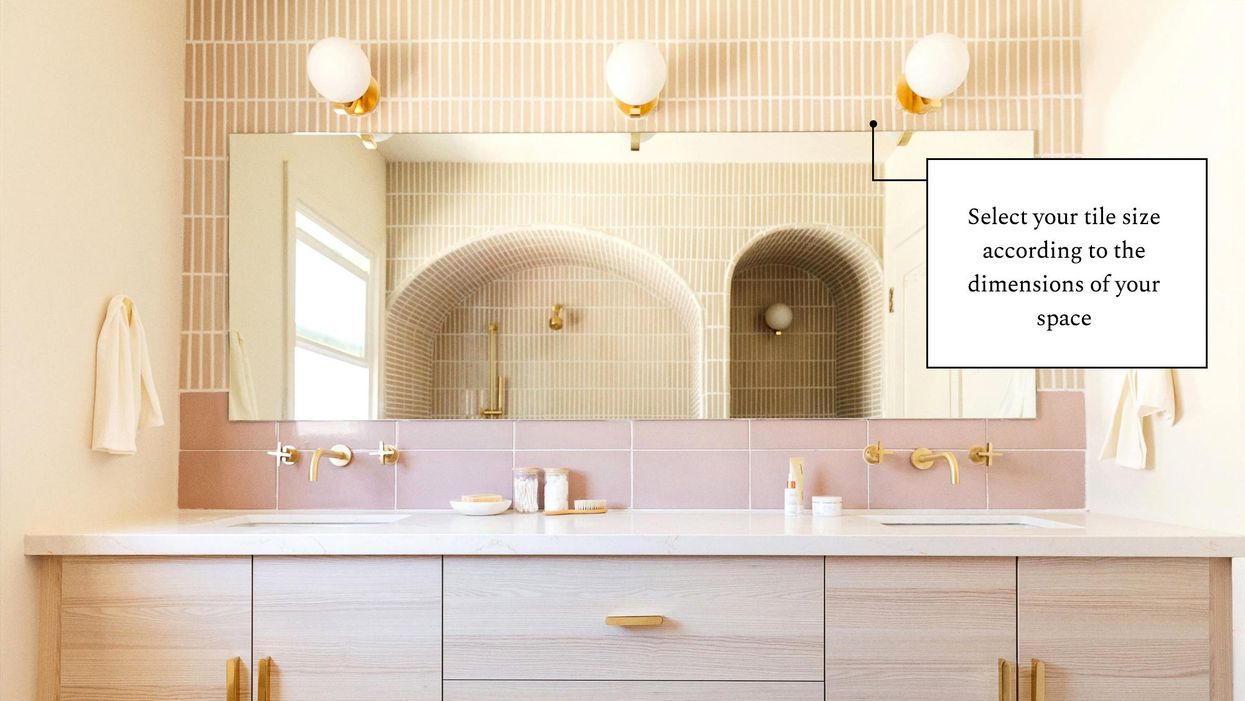
The chosen color palette of blush, mauve, ivory, and sand tiles from Fireclay Tile was selected to bridge the gap between 1920s popularity and contemporary trends. The tile choices were meticulous: small 1" x 6" tiles were used for the arches to ensure a smooth curve, while larger 6" x 12" tiles in a darker shade grounded the space. For the floor, a classic hex flower pattern was updated with larger hex tiles and a deconstructed floral arrangement, spacing pink tiles further apart for a modern touch. The use of white oak finishes on the cabinet and warm brushed brass fixtures contributed to a luxurious, Californian aesthetic. A complementary paint shade, 'County Line' from Portola Paints, completed the look on two smaller walls.
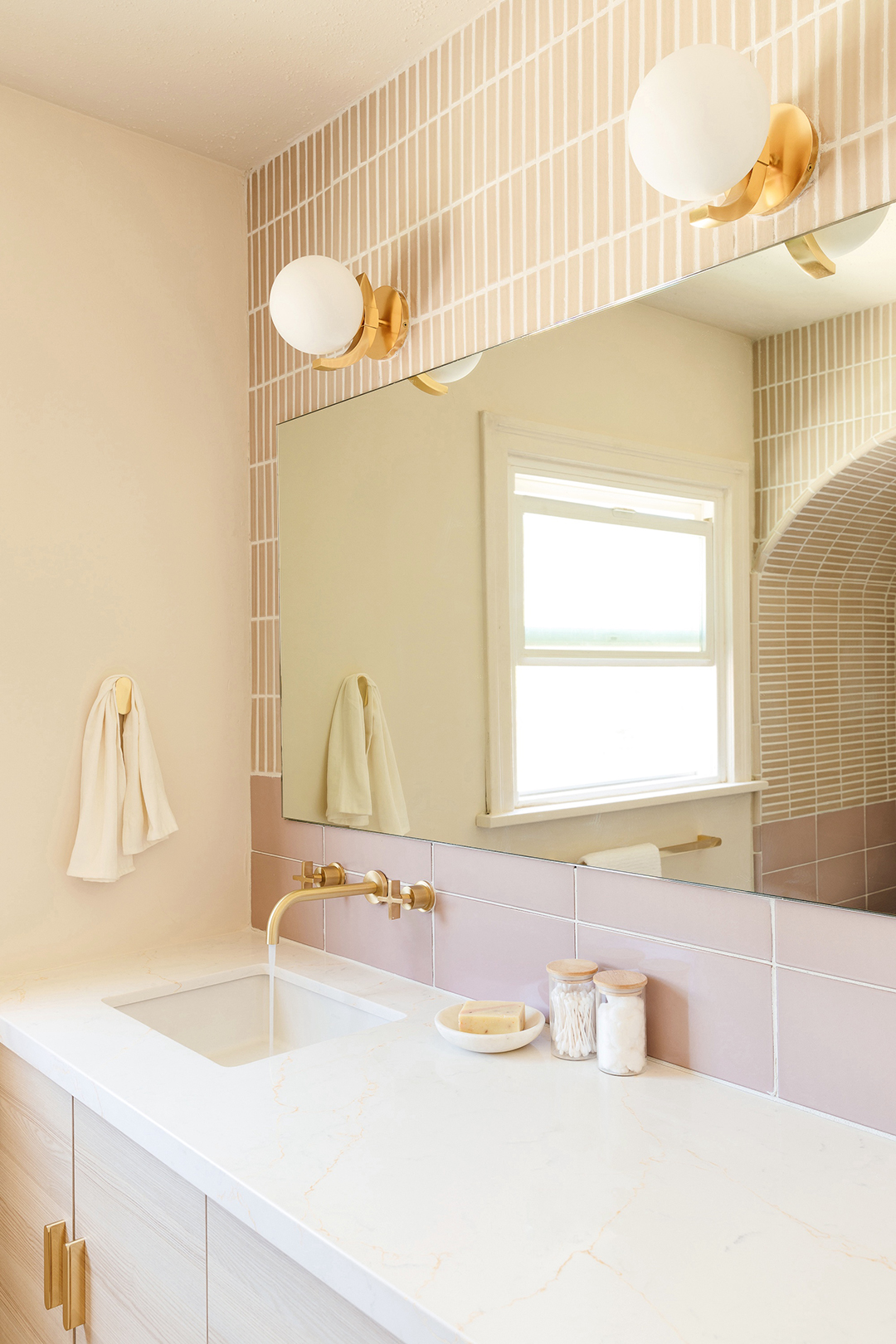
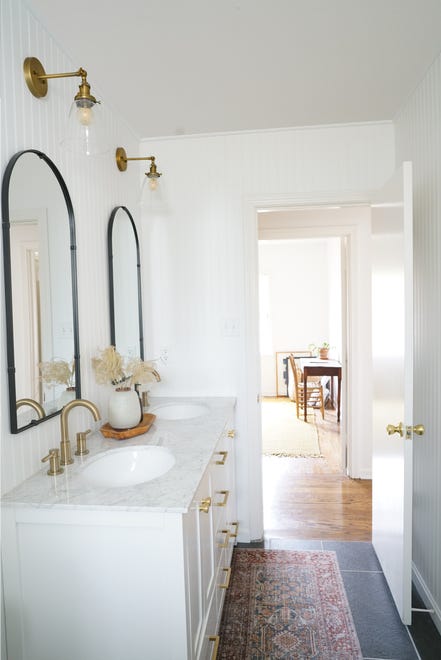
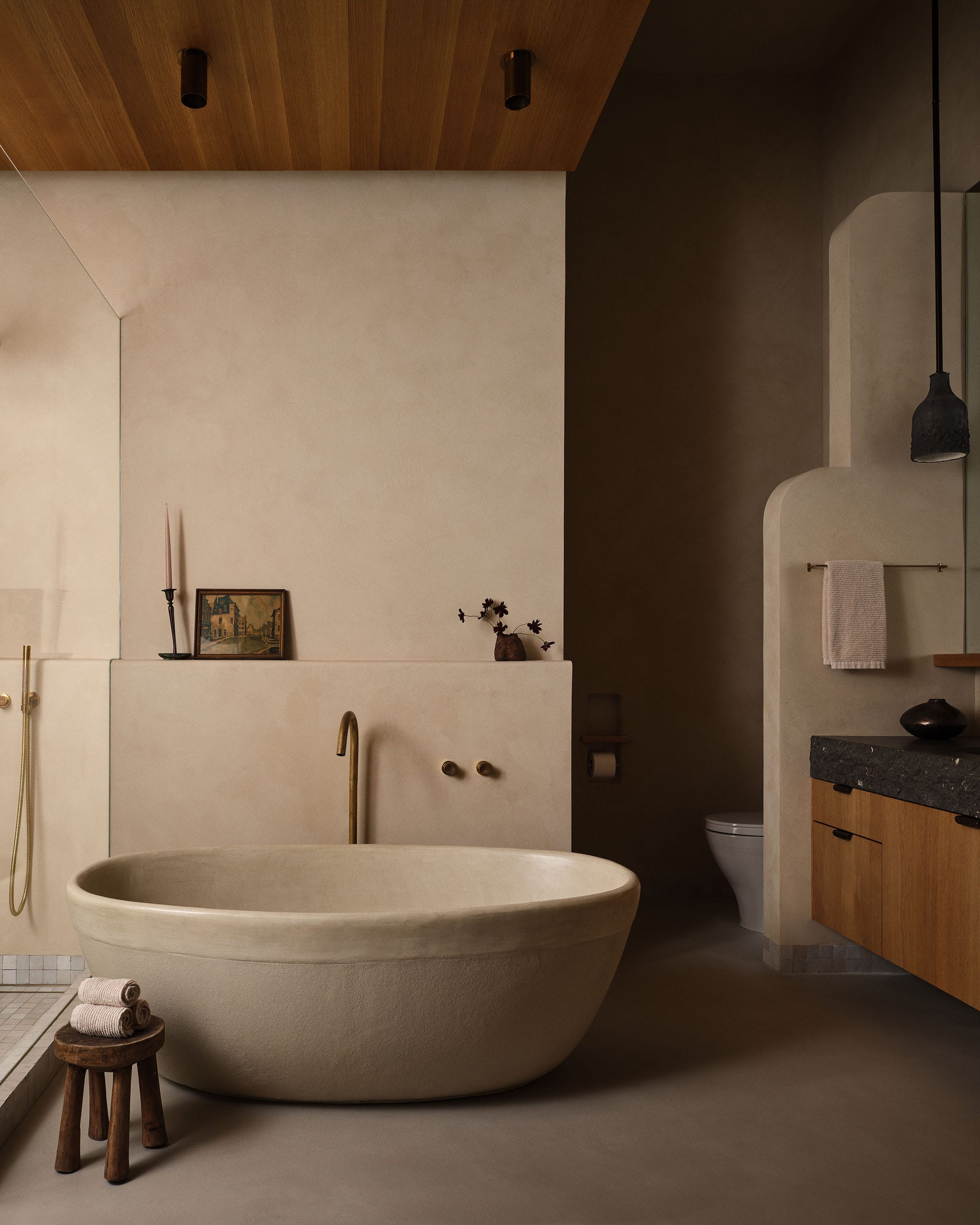
To maximize space in the compact 8' x 8' room, a floating cabinet from BOXI by Semihandmade was installed, providing significant storage and creating a visually seamless line that made the bathroom feel larger. This clever design allowed for the installation of two sinks where only one previously existed. All lighting, fixtures, and hardware were sourced from Rejuvenation, ensuring a uniform finish with their Aged Brass, which provided a warm, not-too-shiny surface. The sconces, inspired by 1920s hotel lighting and featuring rounded shapes, echoed the curves throughout the space. An additional sconce was strategically placed in the alcove above the toilet to brighten a previously dark area. To manage costs for both materials and labor, much of the wall behind the cabinet was covered with a large mirror, eliminating the need for tiling behind it. The overall renovation successfully merged historical respect with modern design, creating an updated, functional, and aesthetically pleasing bathroom.
#BathroomRenovation #InteriorDesign #HomeRenovation #1920sStyle #ModernDesignElements #TileWork #FloatingVanity #HomeImprovement #BathroomRenovation #InteriorDesign #HomeRenovation #1920sStyle #ModernDesignElements #TileWork #FloatingVanity #HomeImprovement
0 comment in total
 No comments yet
You may also like
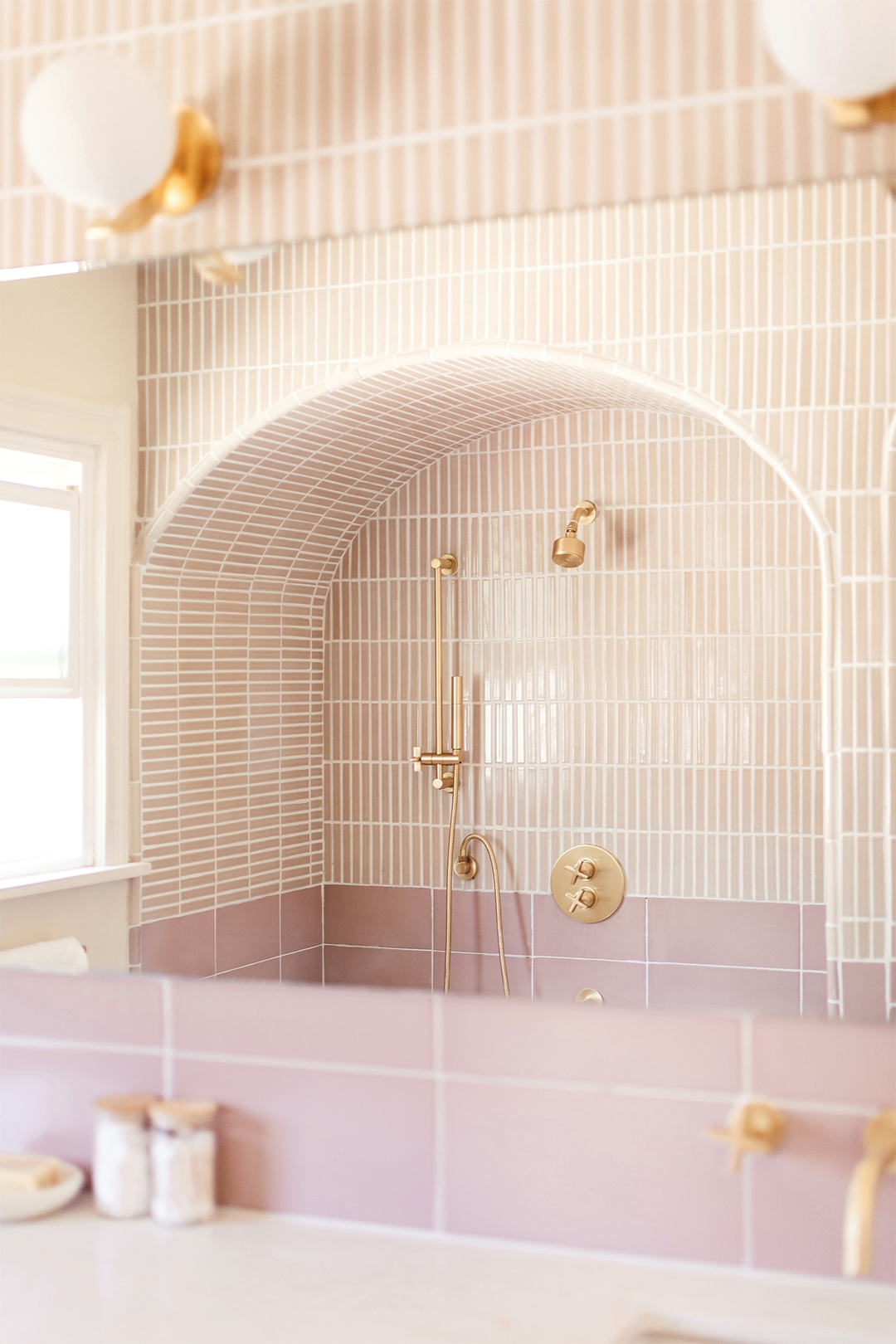
The Addition That Made This Bathroom’s 1920s Archways Feel Fresh

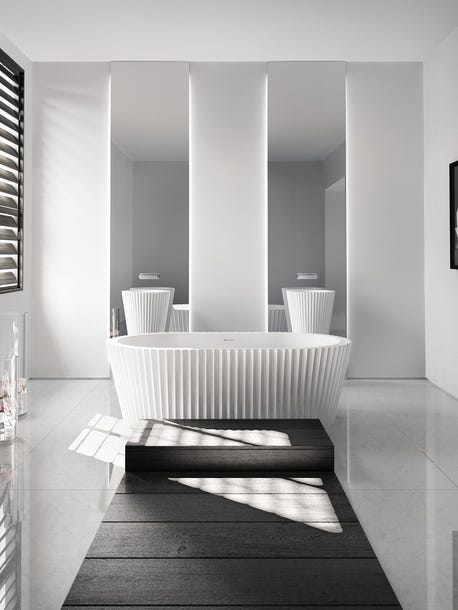
Gallery: Splish splash, clean design takes a bath
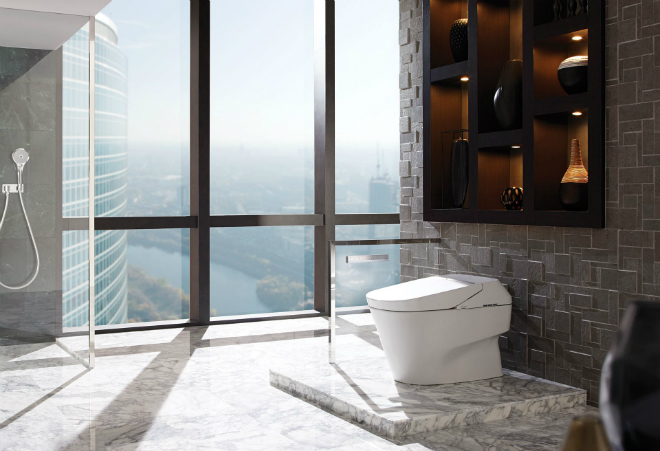
Ideas: Modern Bathroom Elegance
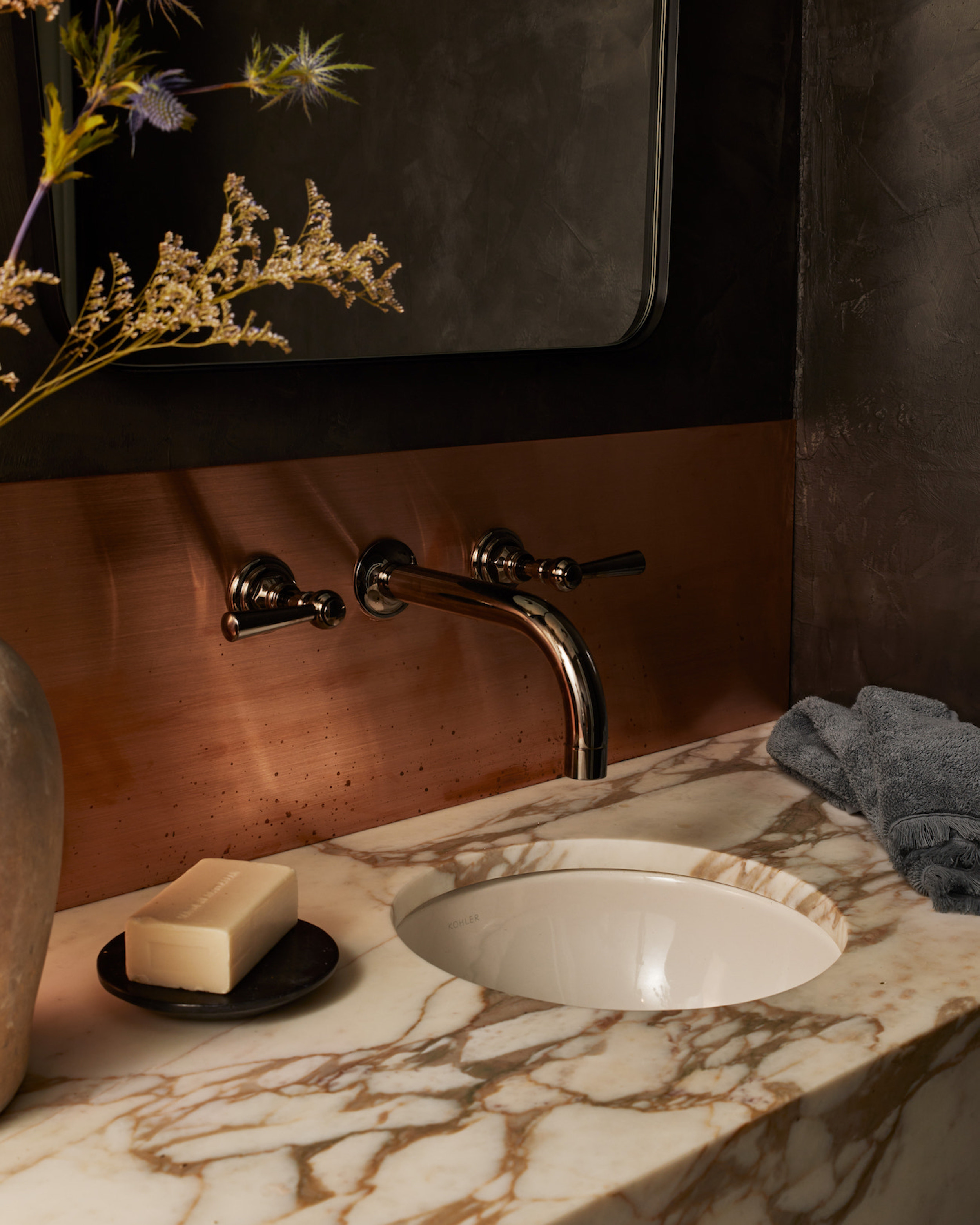
Modern and Contemporary Bathrooms with Wow Factor
Modern Bathroom Ideas — 33 Projects That Will Inspire You With Clever Design Features

SEE IT: Look at these renovations that brought 3 bathrooms into the 21st century
Never Go Out of Style With These 5 Bathroom Design Ideas Where Modern Meets Classic
In This Home’s Main Bathroom, the Vanity Mirror Gets to Be the Star

10 Mid-Century Modern Bathroom Ideas to Steal From Stylists

29 Bathroom Renovation Ideas 2025 That Help Older Bathrooms Look New With Minimal Work

Bathroom Decor Items That Will Look Severely Outdated In 2025
7 luxurious bathroom updates to do right now

30 Modern Bathroom Ideas That Are Renovation Gold

These 67 Modern Bathroom Styles Are Dopamine Decor at Its Best

Scene-setting bathroom ideas: step into our dramatic, refined bathroom spaces

An (Almost) Completely New Layout Revived This Beige Builder-Grade Bathroom

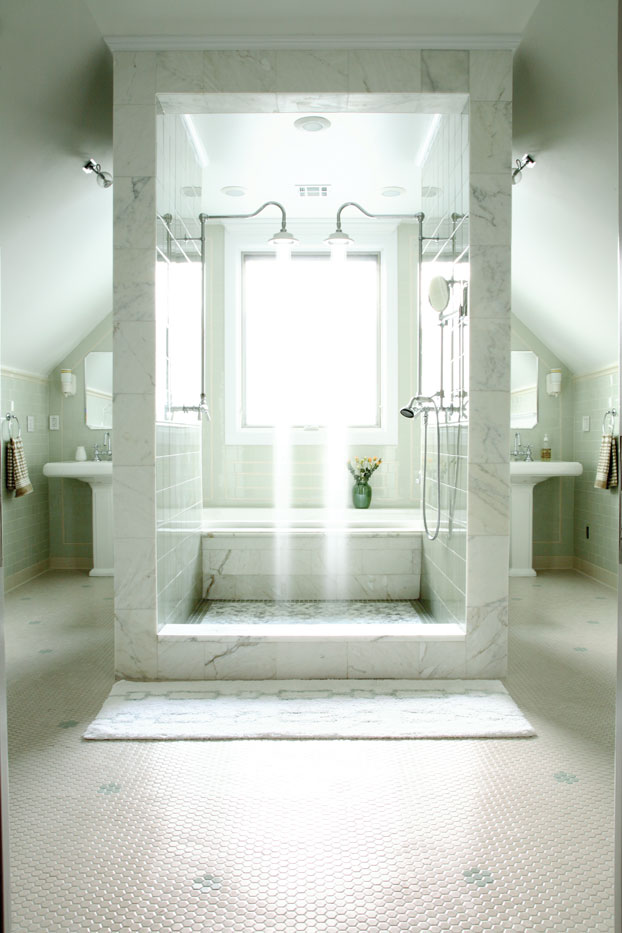
Splish, Splash

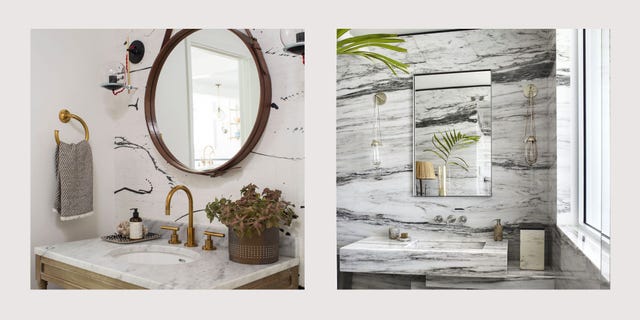
The Bathroom Trends To Keep On Your Radar in 2019
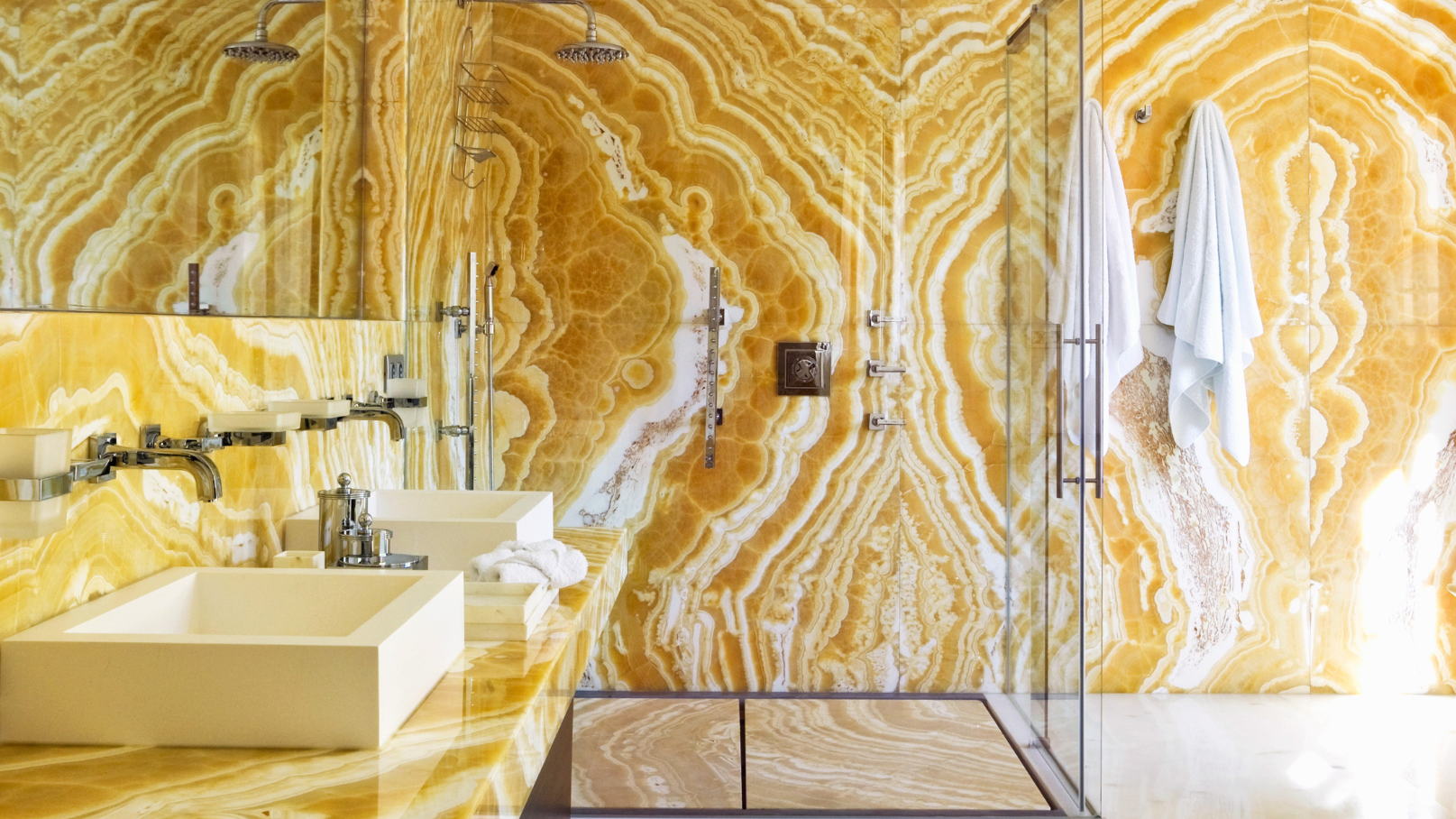
9 modern bathroom ideas to try for a spa-like oasis

The Midcentury-Modern Colored Tile Bathroom Is Back, Thank God