1/5
The Power of Water in SWFL Architecture
The intrinsic connection between water and well-being is a fundamental aspect of life in Southwest Florida (SWFL). This region's allure is deeply rooted in its aquatic environment, influencing not only the lifestyle but also the architectural and landscape design. Color theory highlights the calming effect of blue hues, while psychology suggests that the mere sight of water can trigger positive neurochemicals due to our biological dependence on it. The concept of "Blue Mind," popularized in a 2015 book, further solidifies water's role as a scientifically proven mood and wellness enhancer. For residents of SWFL, the intuition that water equates to peace of mind has long been a guiding principle in their living spaces.
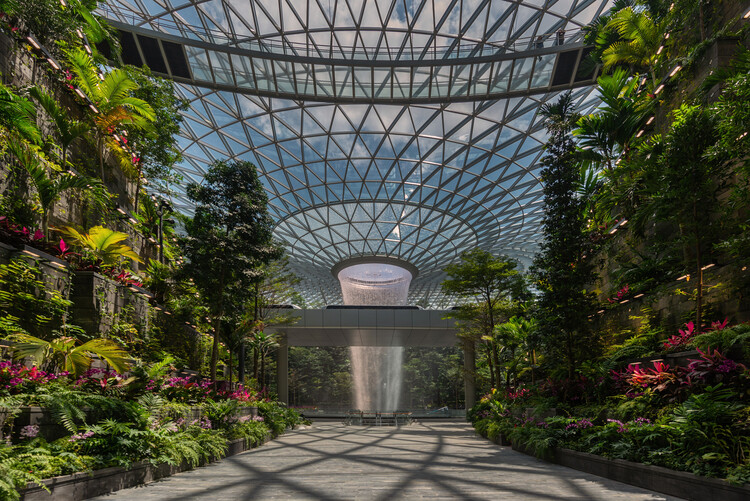
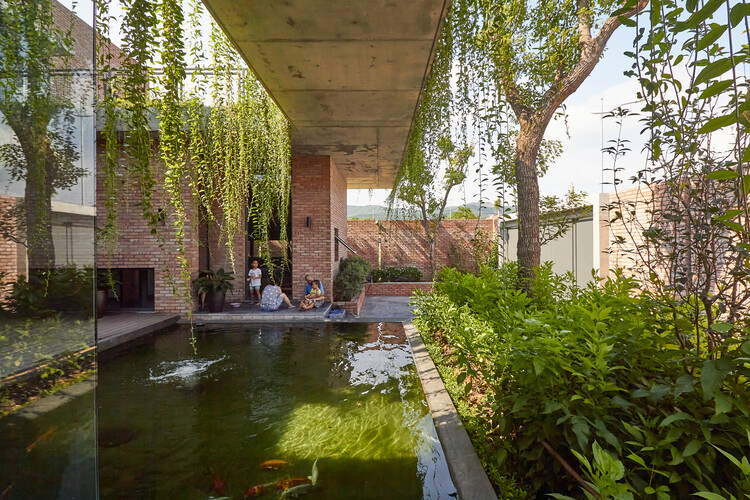
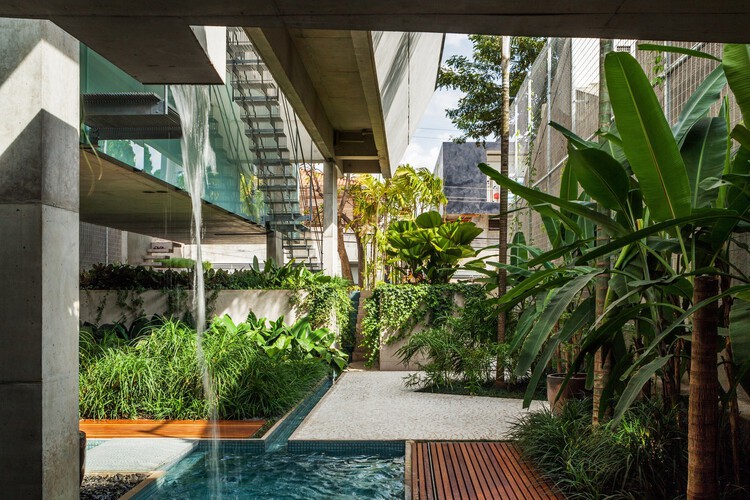
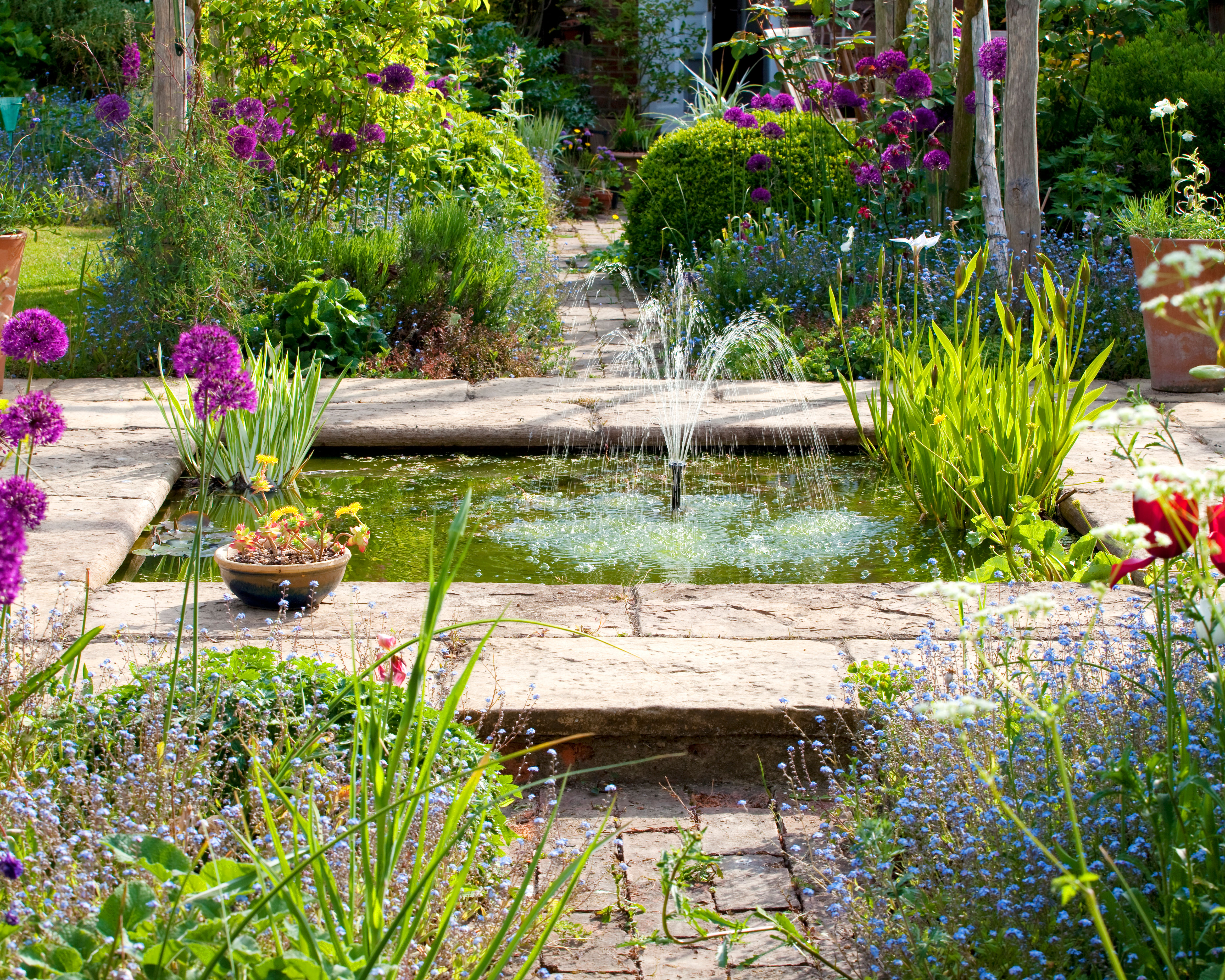
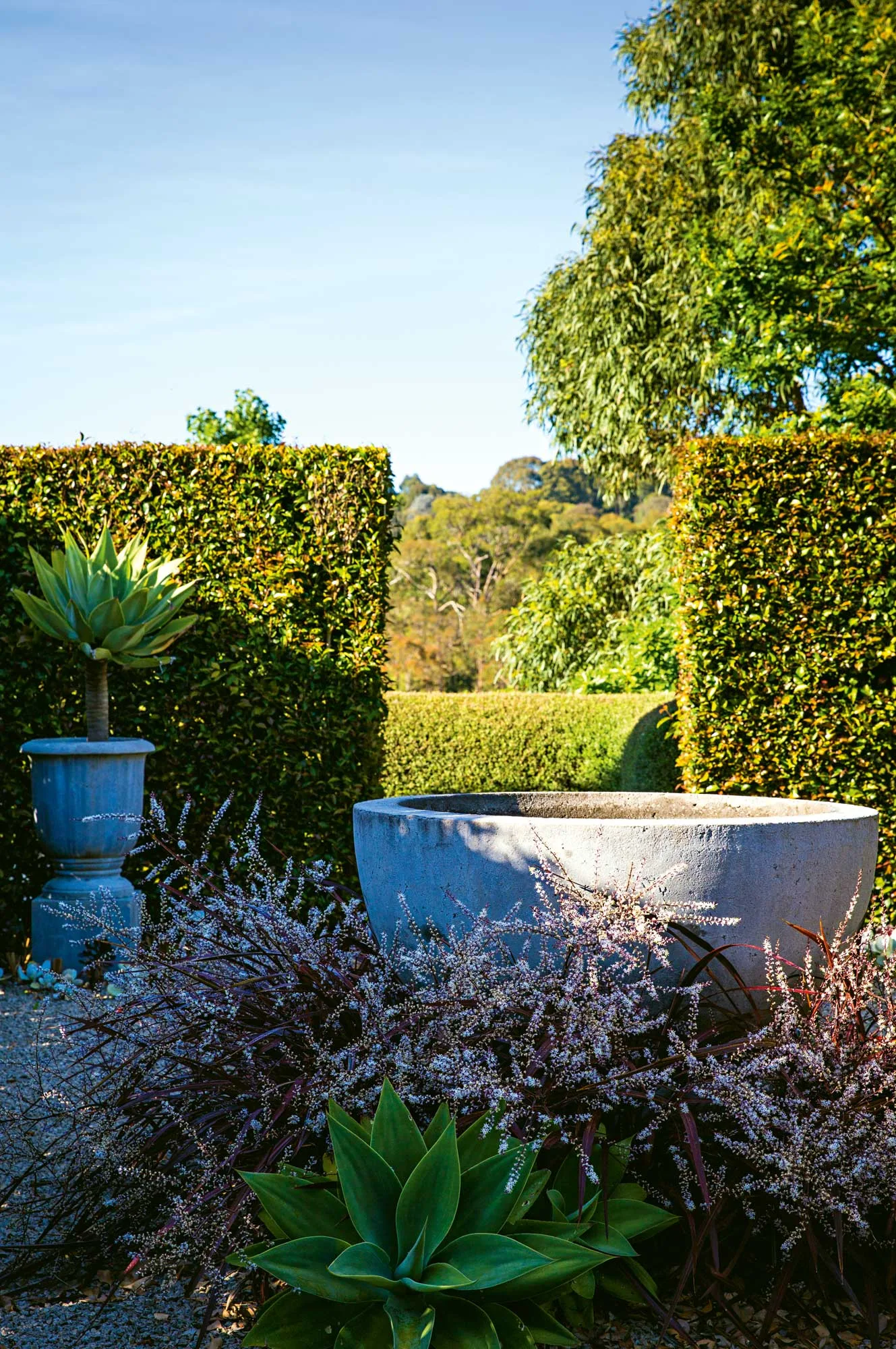
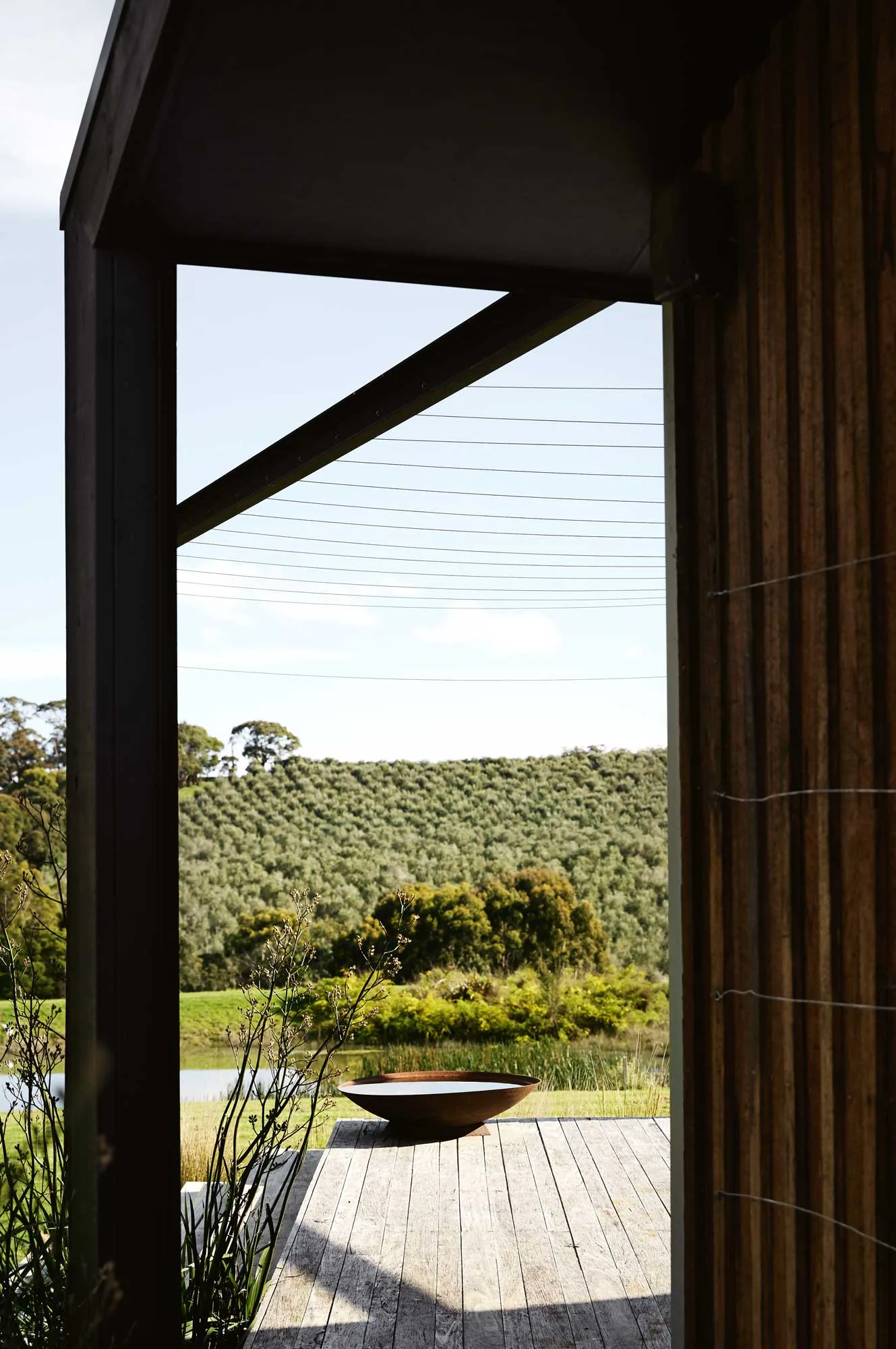
Local design professionals in SWFL adeptly incorporate aquatic features to seamlessly integrate residences with the natural, paradisiacal surroundings. This includes the use of infinity pools that seemingly merge with the ocean, water gardens that reflect the swaying palms, and cascading water walls, affectionately known as 'weeping walls,' which contribute to the overall ambiance. Naples-born landscape architect David Young emphasizes the critical role of water shaping and presentation in his projects. In a notable Siesta Key property, where the Gulf of Mexico is visible from the front, Young designed water gardens that flow throughout most of the first level. A zero-edge-like pool extends under the house, with walkways bisecting it. From inside, the cerulean water appears to flow directly into the home, and the azure views extend outwards into the Gulf, creating an illusion of continuation.
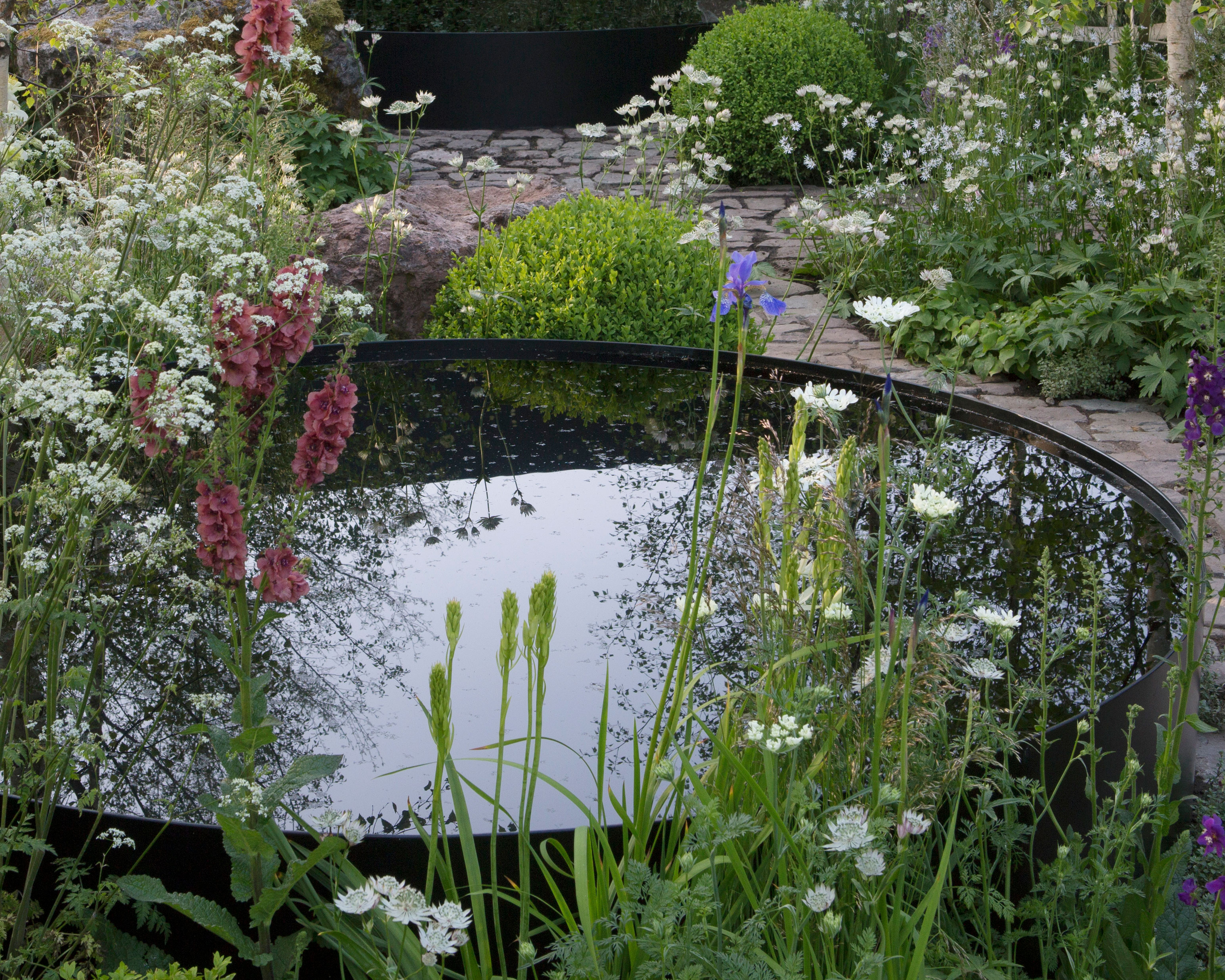
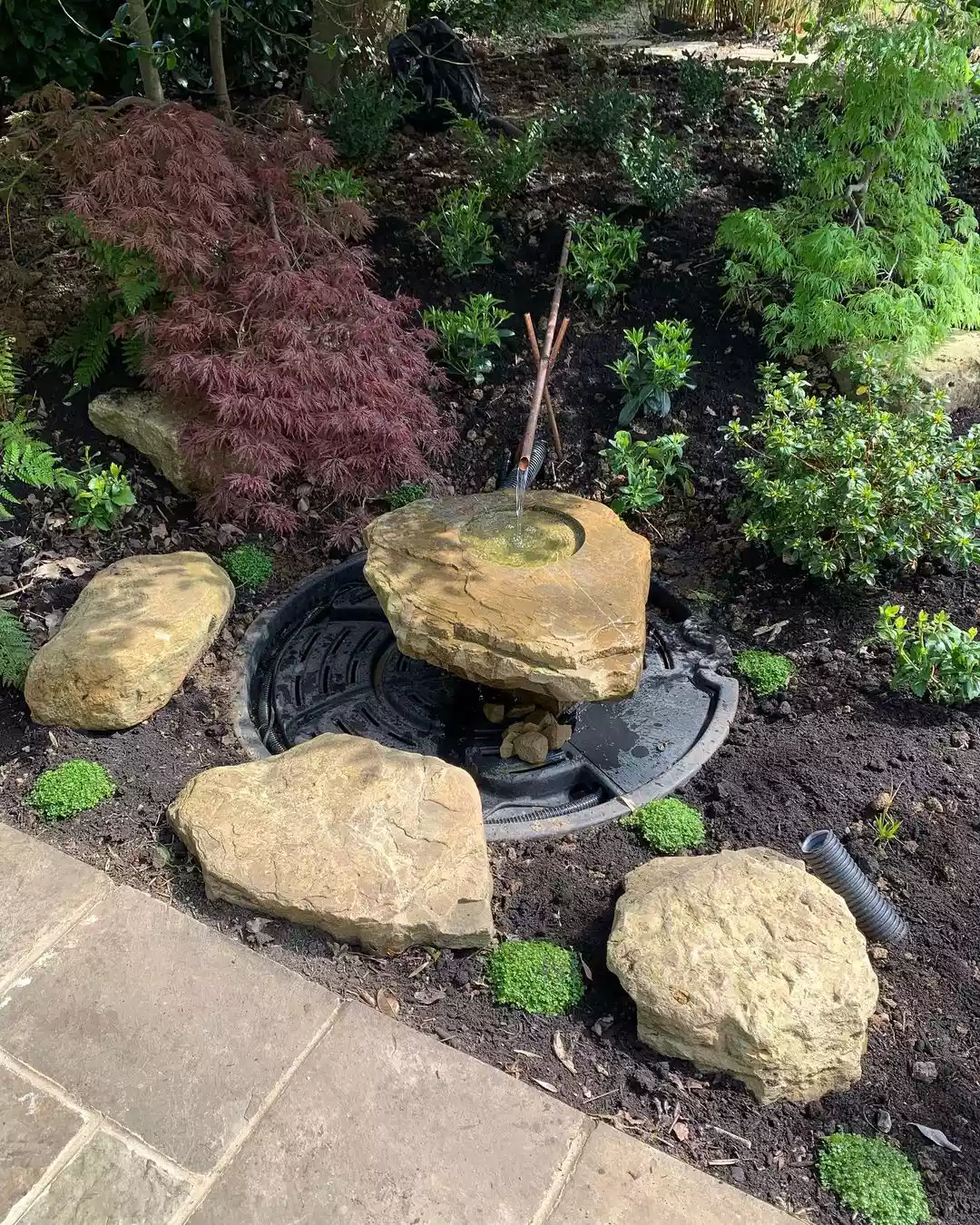
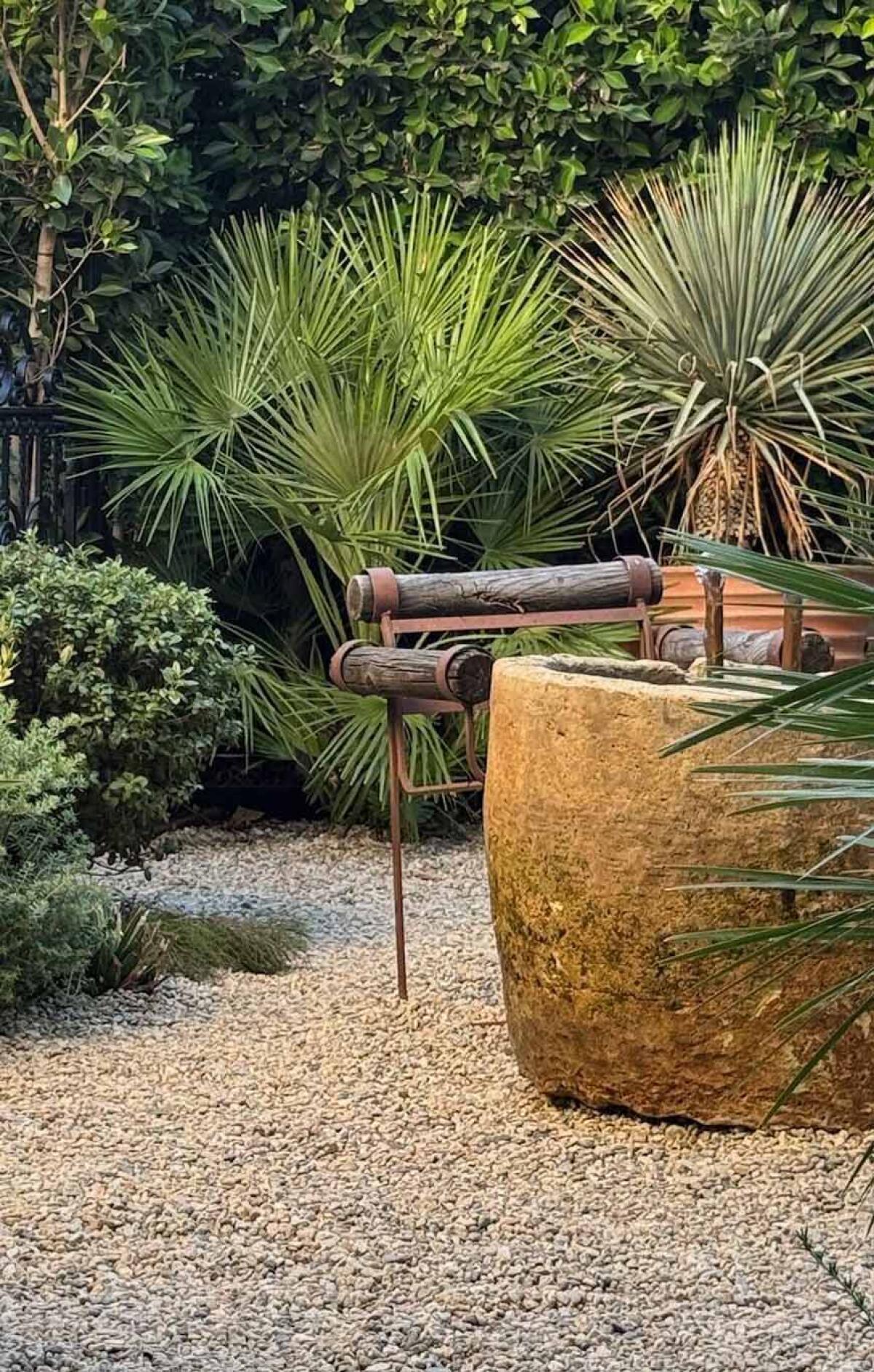
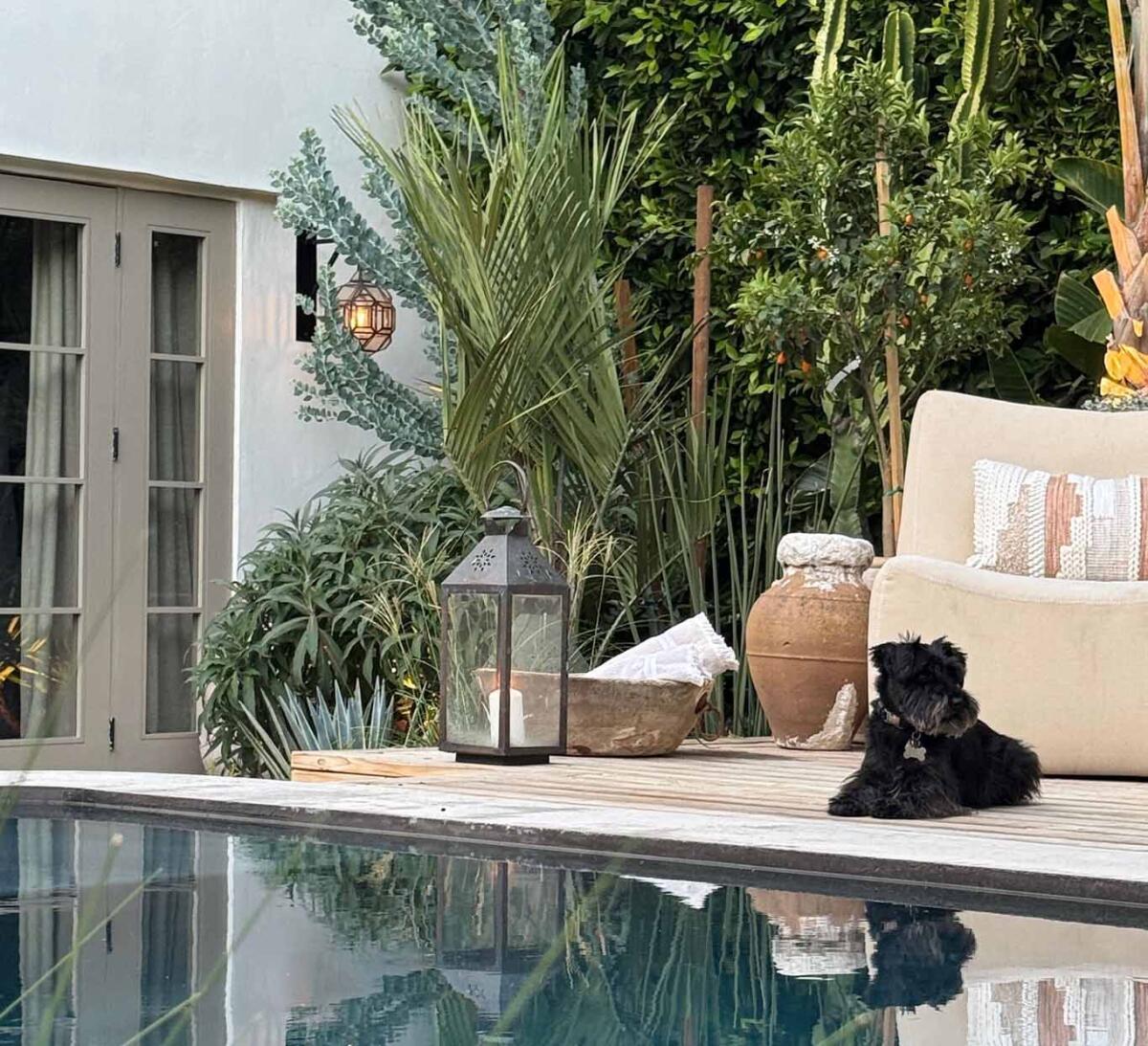
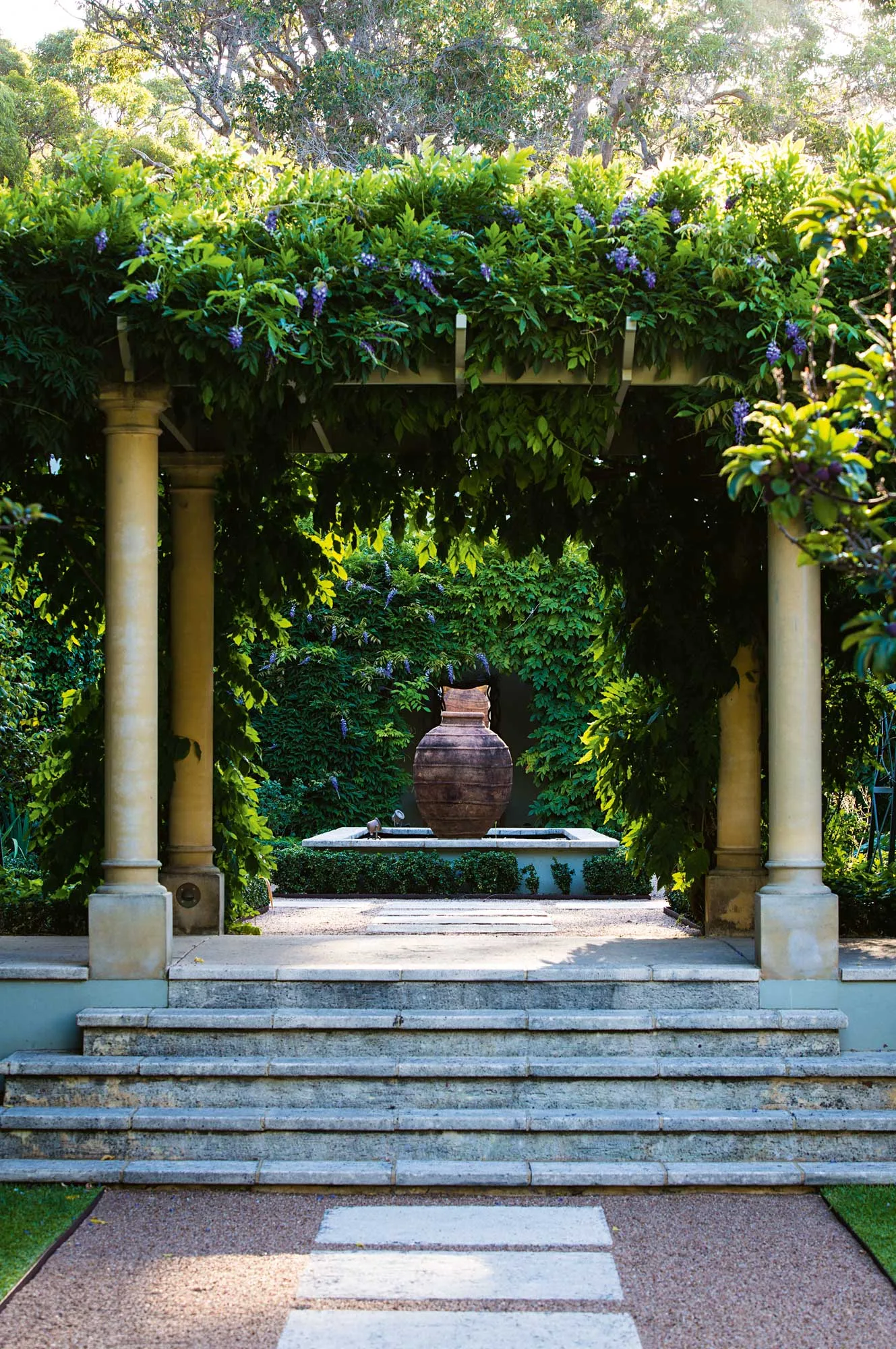
The influence of Mexican modernist architect Luis Barragán, known for his masterful use of water, is evident in Young's work. Barragán's philosophy, particularly his notion that "In fountains, silence sings," resonates with the dual benefits of moving water. The subtle murmuring and gentle pitter-patter of water features act as white noise, effectively masking urban sounds like traffic and noisy neighbors, and even quieting internal mental chatter. Visually, water's reflective properties are captivating. Still bodies of water, such as zero-edge pools, create a mirror-like surface that reflects the surrounding landscape and architecture, functioning as a dynamic, living canvas. Conversely, the movement of water in fountains and rippling ponds refracts light, producing captivating patterns and shimmering effects nearby. Young's Bird Key project, inspired by Barragán, features a scupper-like waterfall, which he notes provides more ambiance than still water.
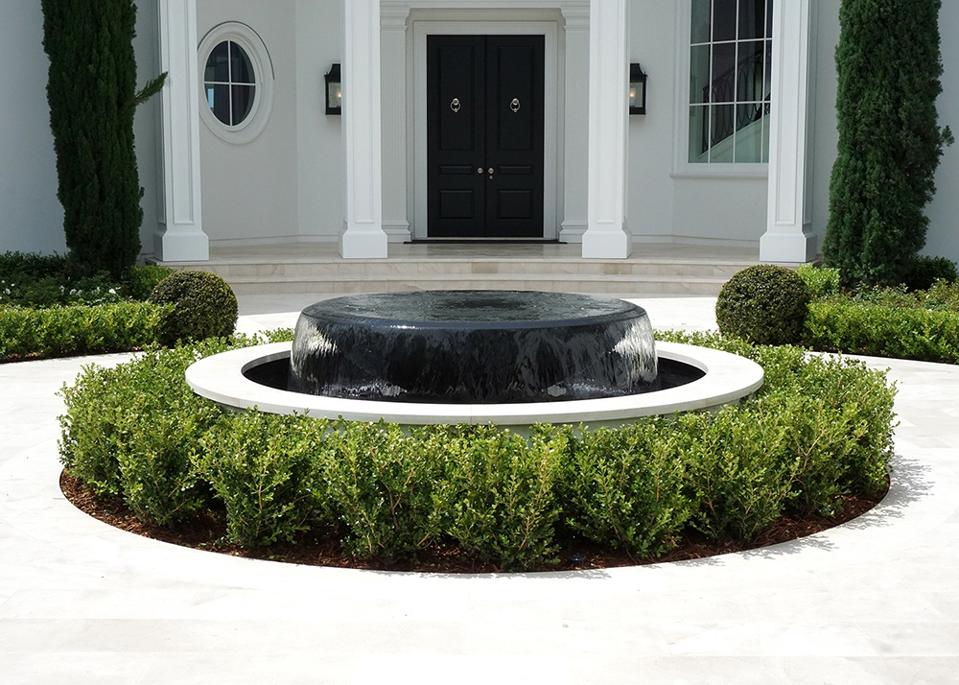
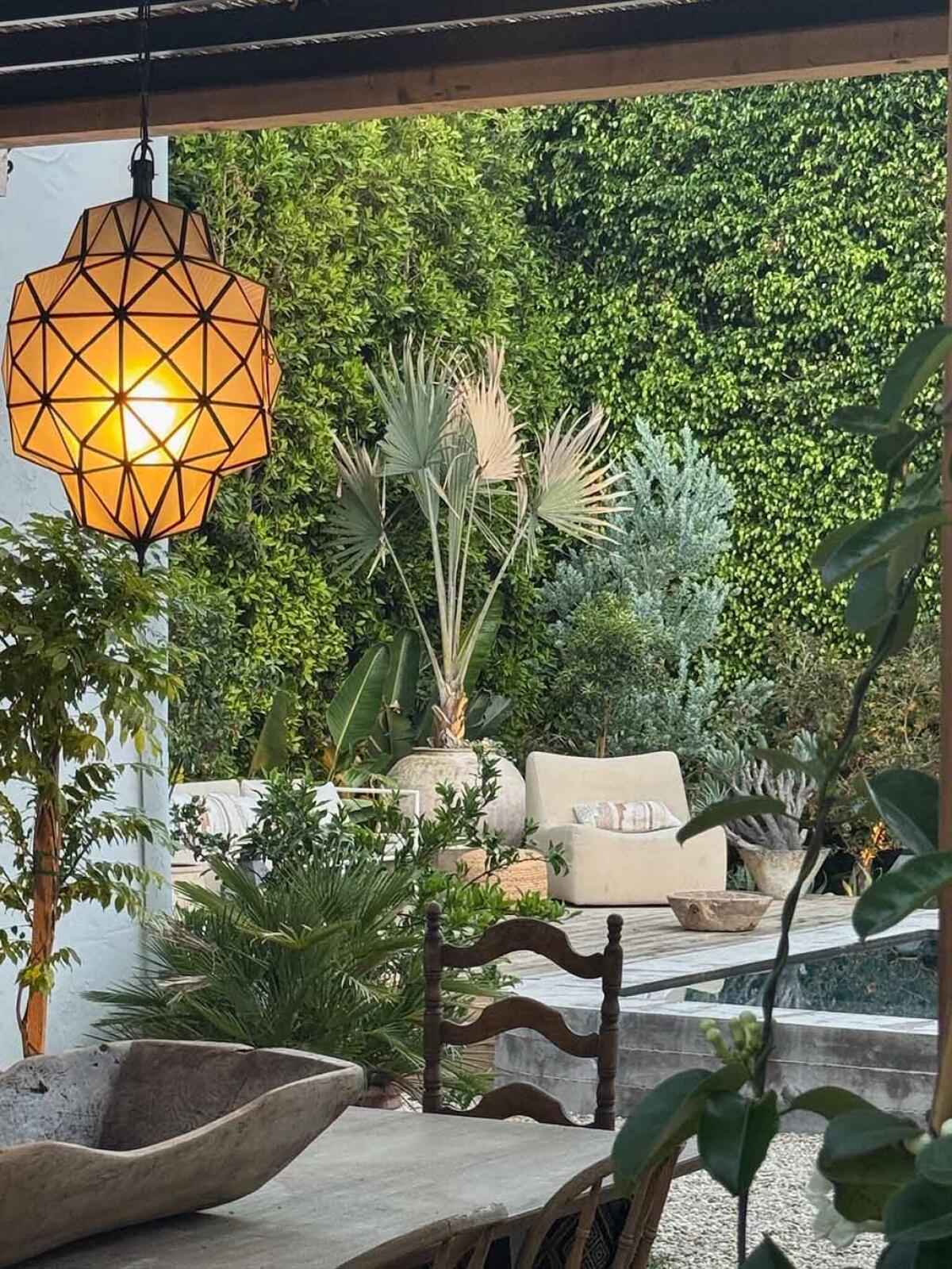
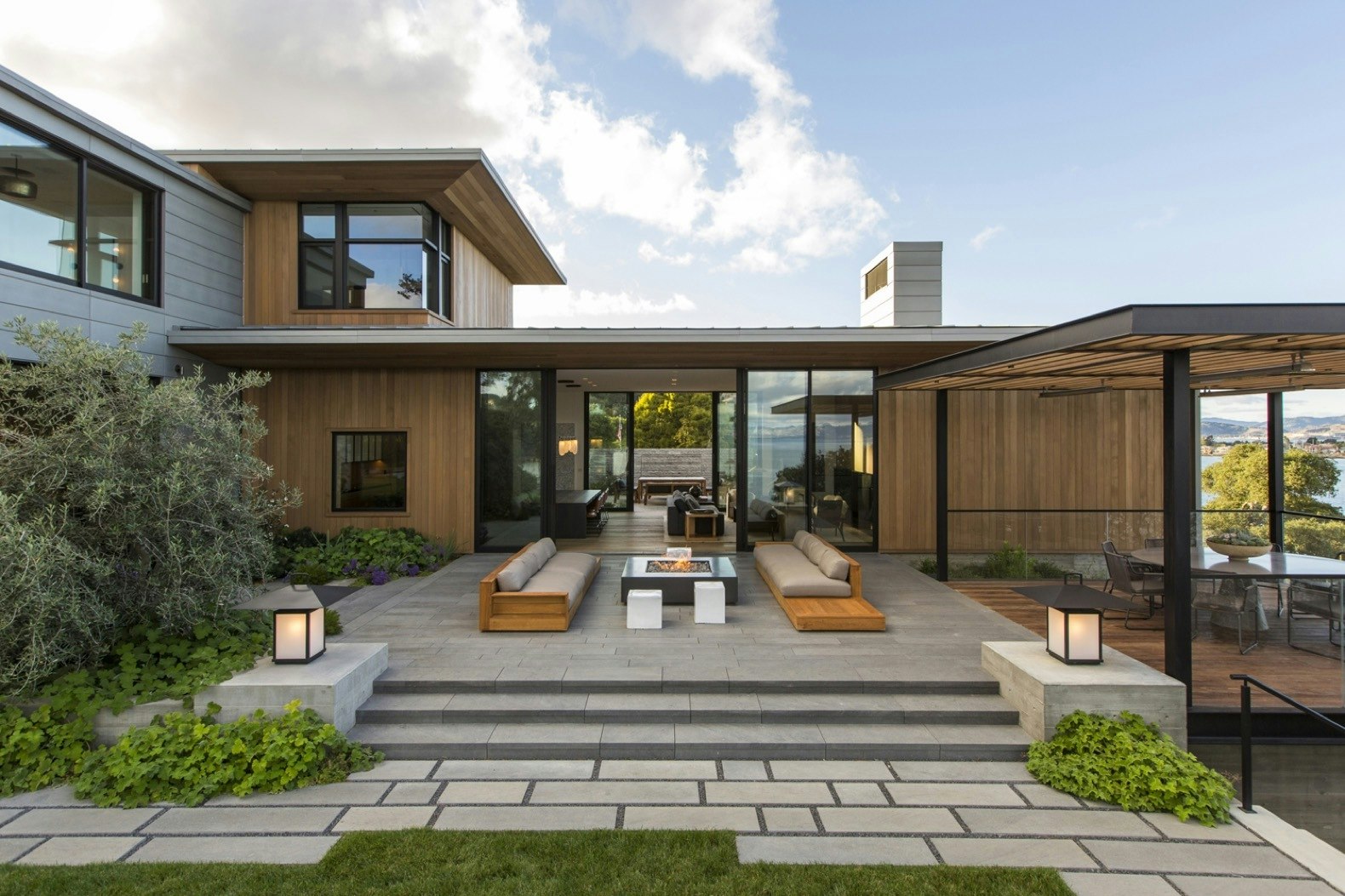
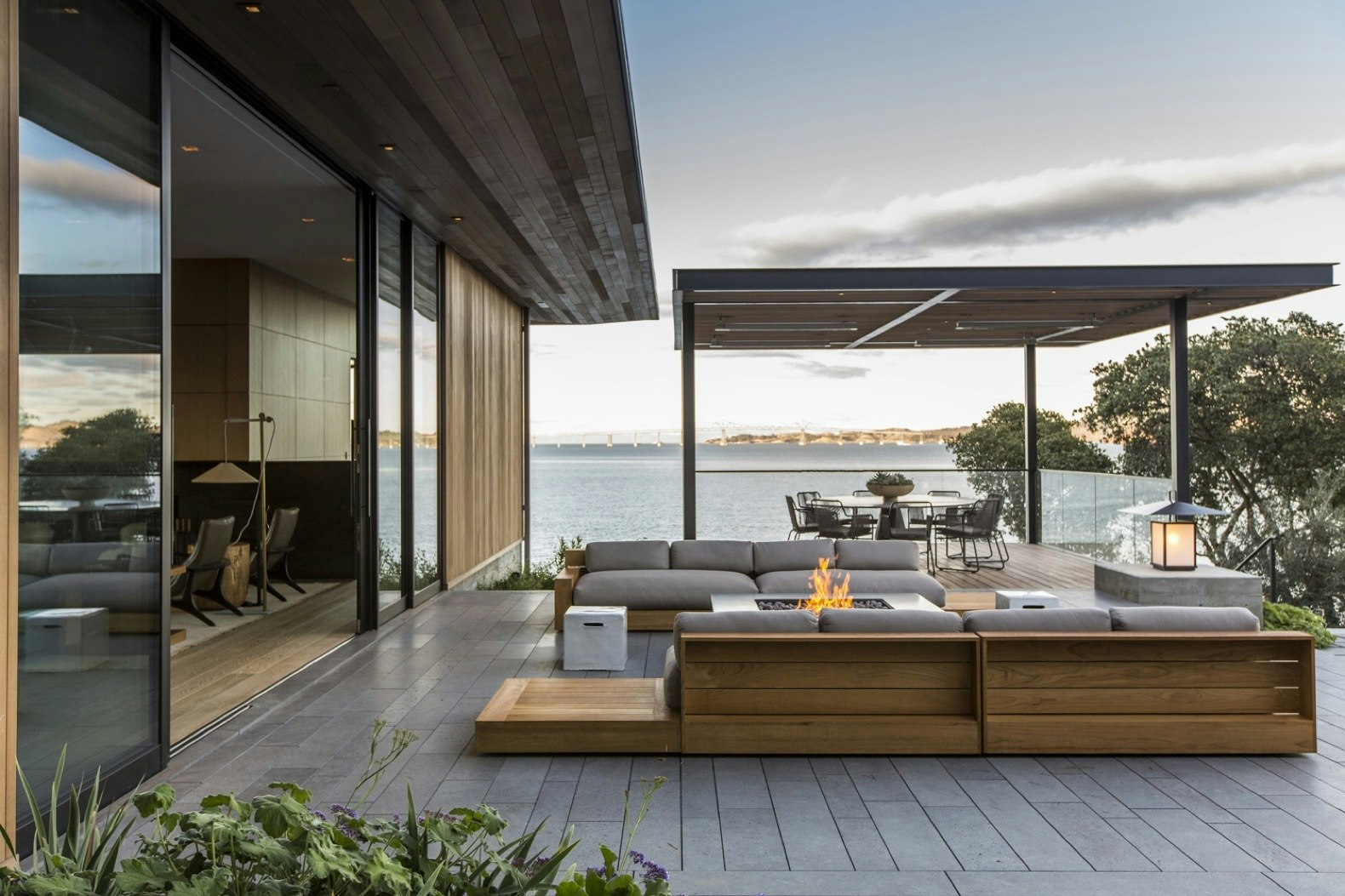
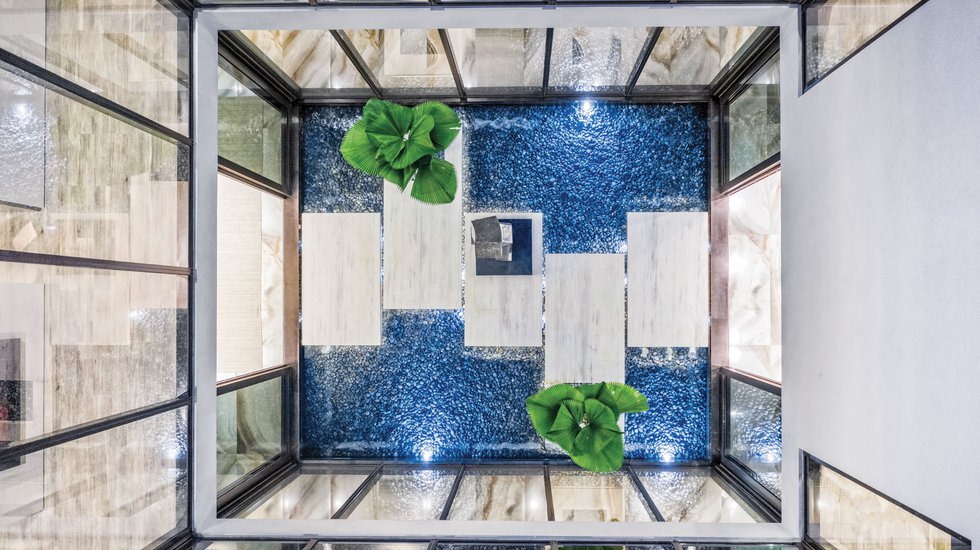
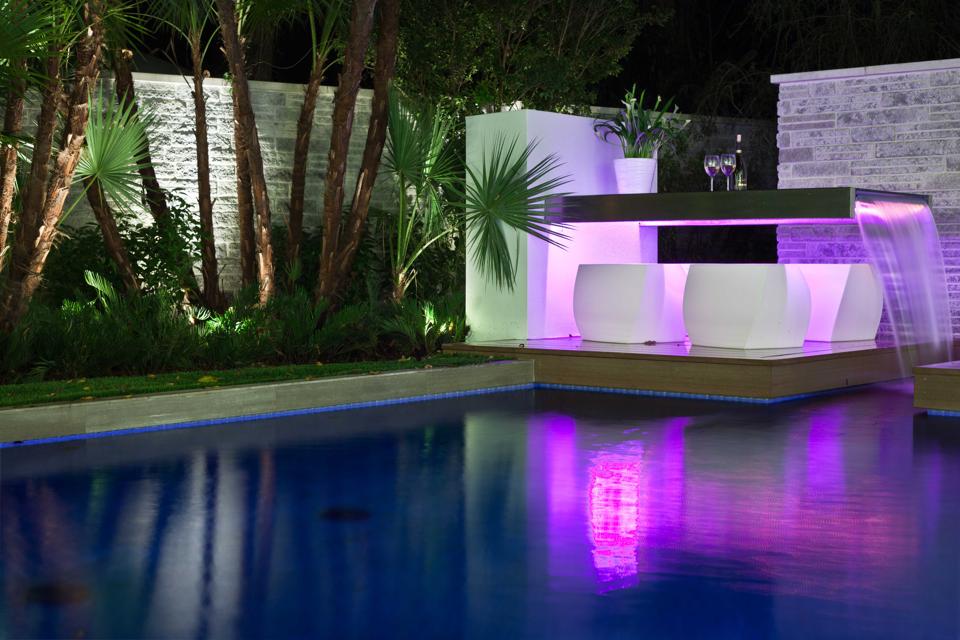
Strategic lighting further enhances these aquatic features. This can range from fountains oriented to catch the sun's rays to soft white LEDs illuminating weeping walls or vibrant neon lights within a pool. Young’s Barragán-inspired fountain is lit from below, creating an interplay of light and shadow on the exterior walls, visible through the home's glass elements. Another example is the "Jellyfish House" by Wiel Arets Architects, which incorporates a glass-bottom pool on its upper level, casting mesmerizing watery patterns onto the living space below. While water features are aesthetically pleasing, architect Ralph Choeff of Choeff Levy Fischman Architects advises caution with indoor aquatic elements in South Florida due to potential humidity issues that can interfere with air conditioning and cause duct sweating. His firm primarily positions water features outdoors, relying on extensive glass to bring exterior views inside. They also create illusions of indoor water flows by designing channels that extend into the residence, splitting rooms with a water element visible from both sides. Choeff once designed a glass-wrapped atrium with a water sculpture garden, where pavers allowed residents to walk over a pebble-lined pool, creating a unique experience as they navigated the spaces overlooking the bay.
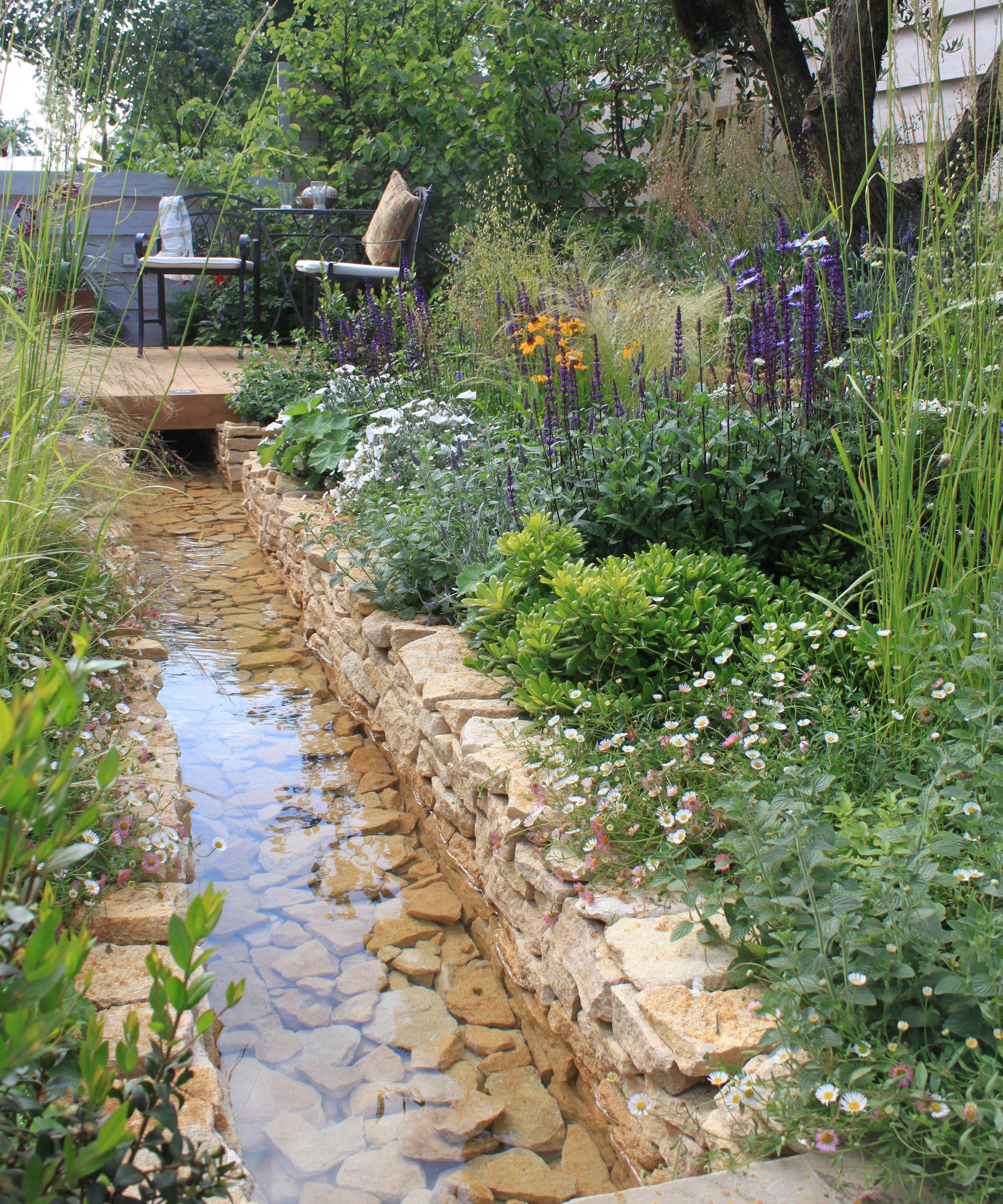
Beyond aesthetics, water holds spiritual significance in home design. Choeff mentions clients mindful of feng shui or Vastu Shastra who use water to balance their residences. Jun Sun Filthaut, a feng shui consultant, explains that water symbolizes good fortune and prosperity. She recommends placing water near the entry on the "dragon side" (left side when facing out from the house) to enhance abundance, ensuring the water flows towards the house, not away. However, she cautions against an excess of the water element, which could lead to feelings of spaciness or being overly emotional. Naples architect Mark Leonardi excels in creating water-enhanced transcendent residences, such as a Port Royal home where a stream follows a limestone wall in the forecourt, with water cascading through fragmented sections near the front door from a Carlo Scarpa-inspired fountain. Leonardi's designs often feature aquatic elements that begin at the front and continue to the back, making the entire building appear to float on water. Reflection pools may run along glass walls, visible from within, or faceted glass sculptures may stand before tall windows, reflecting sunlight through the space. He frequently uses dark stone for water features to enhance their reflective quality and emphasize their organic origins.
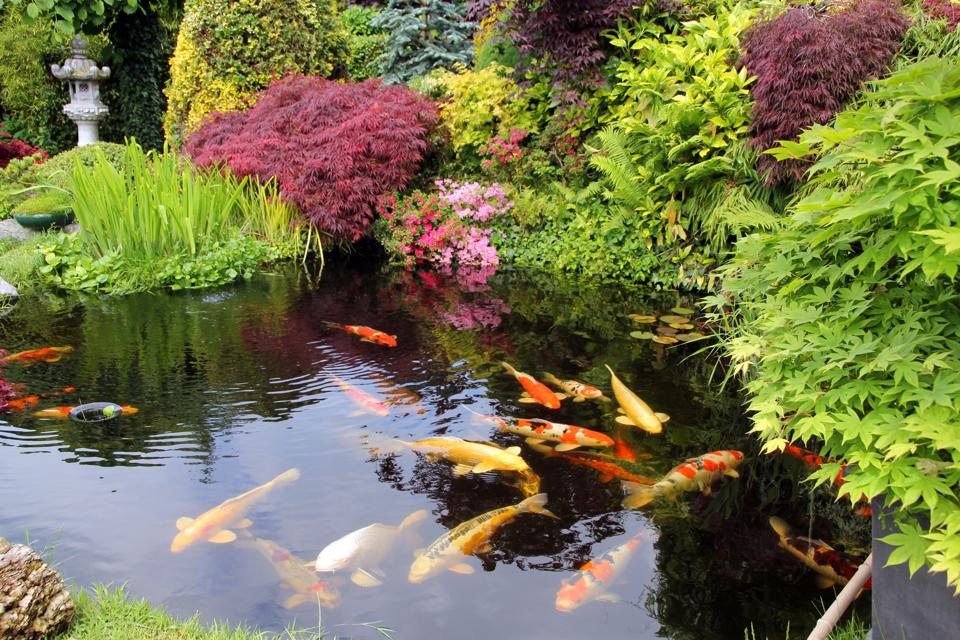
Water significantly adds a sensory dimension to design through reflections, sound, and spatiality, fostering a profound sense of tranquility. David Corban, an architect behind projects like Naples’ Celebration Park, notes that water inherently draws people to it, much like in Japanese gardens where it guides visitors to specific areas. Architects utilize water to define spaces, attract attention, or create dividers, effectively directing movement without physical walls. Despite water's potential, architects advocate for clean, minimalist forms. David emphasizes that the "sexiest pools are long and lean," free of harsh breaks, which he likens to the "acne of architecture." The most effective water features are seamless. Incorporating sustainable practices with watery landscapes allows for greater enjoyment while being environmentally responsible. Non-chlorinated aquatic features can attract wildlife, but they also require substantial water. Recirculating systems, which reuse water, are recommended for harmonious design. Ralph suggests shallow reflection pools to minimize water usage, and using rocks or pebbles at the bottom to reduce maintenance. Creating aesthetic features that double as net-positive stormwater retention systems helps prevent flooding and maintains clean waterways. Ralph integrates rain gardens filled with Florida-friendly plants that capture, filter, and slowly release water into aquifers. These systems, like those at Naples Botanical Garden, are often perceived as beautiful landscaping rather than functional water retention. Naturally treated ponds with waterfalls or aerators also contribute to sustainability. Ralph concludes by highlighting the unique and powerful relationship Southwest Florida residents have with water, acknowledging both its benevolent and malevolent forces, which fosters a constant reverence for its power.
#SWFLArchitecture #WaterFeatures #LandscapeDesign #SustainableDesign #ModernArchitecture #HomeDesign #ArchitecturalInnovation #OutdoorSpaces #WellnessDesign #SWFLArchitecture #WaterFeatures #LandscapeDesign #SustainableDesign #ModernArchitecture #HomeDesign #ArchitecturalInnovation #OutdoorSpaces #WellnessDesign
0 comment in total
 No comments yet
You may also like
Water Features Add Architectural Flair, Wellness Benefits And Real Estate Enhancements To A Home

7 Floating Homes That Will Make You Want To Live on Water
Innovative, Sustainable Materials for SWFL Homes
Seattle's floating home community makes room for a new wooden houseboat

AD Classics: Fallingwater House / Frank Lloyd Wright

Water feature ideas – 11 ways to add water to any backyard

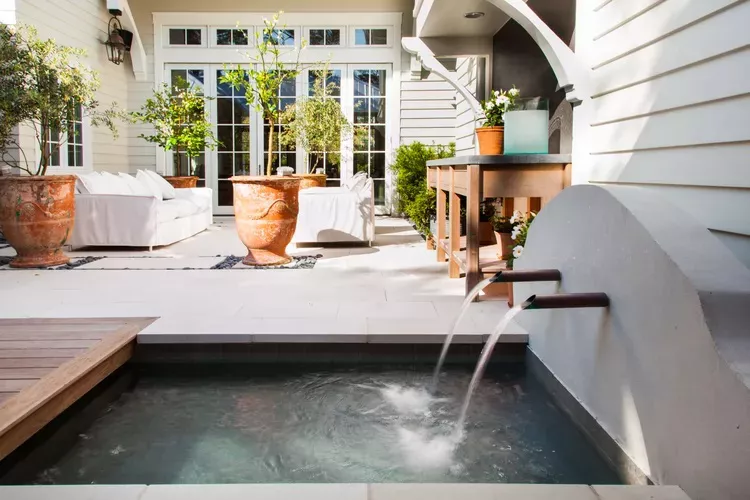
Want A Water Feature in Your Yard? 44 Ideas That Will Fit in Any Budget

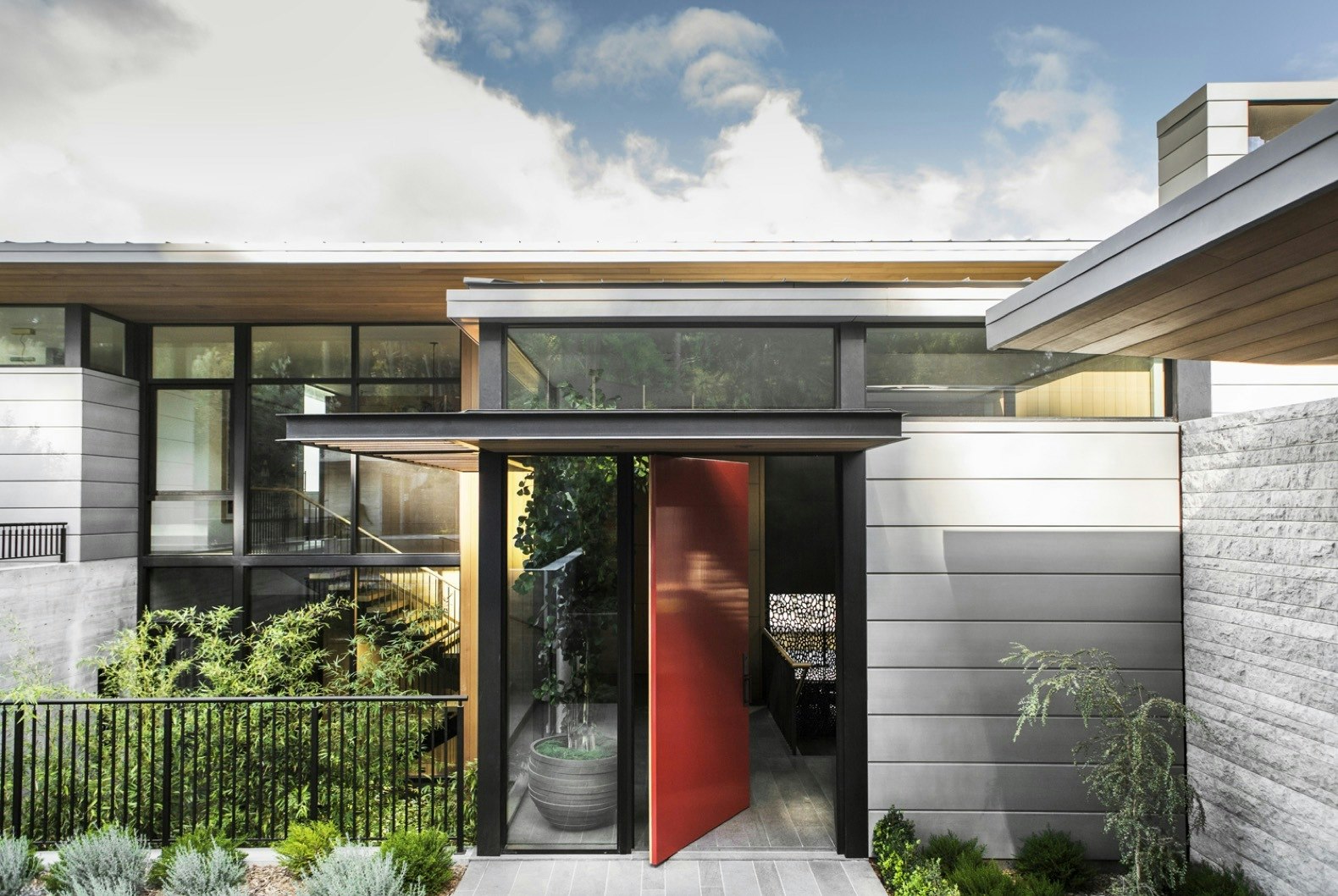
An Energy-Conscious Home Gets Woven Into a Waterfront Landscape

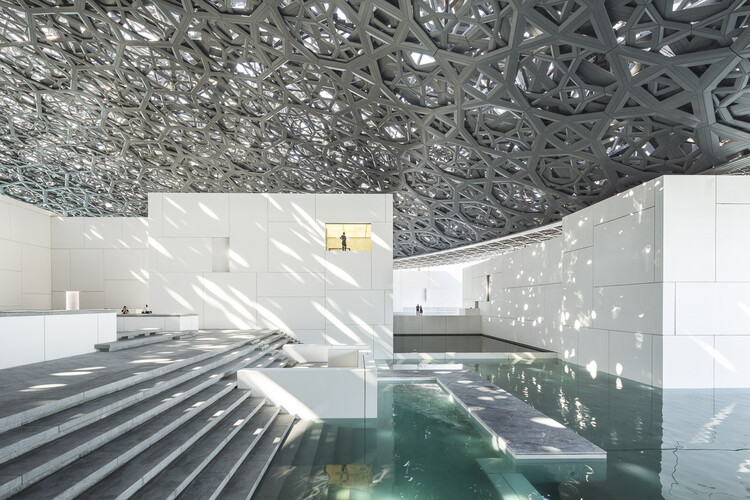
Water in Interior Design: 18 Projects that Include Water Fixtures in their Spaces

Frank Lloyd Wright Kitchen Collection

Backyard Water Feature Trends for 2025: Pools, Ponds, and Tech

26 Stupidly Gorgeous Water Feature in the Garden Ideas That’ll Haunt Your Mood Boards

Fallingwater: A Contradiction in Sustainable Design
9 Home Designs That Evoke the Flow of Water (Published 2024)
How Can Architecture Combat Flooding? 9 Practical Solutions
Waterproof Your Windows with Liquid Flashing

Living with water: four buildings that will withstand flooding

Want a Water-Wise Home? How One San Francisco Family Made a Lasting Change
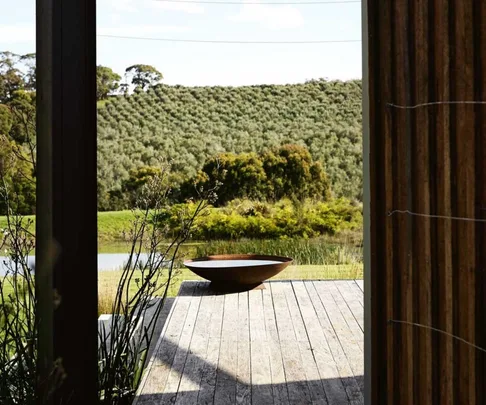
Outdoor water features to turn your garden into a zen oasis

Rain shower heads with good WELS-star ratings?