1/3
The History of Hawai‘i From Our Files: Midcentury Mod Island Style
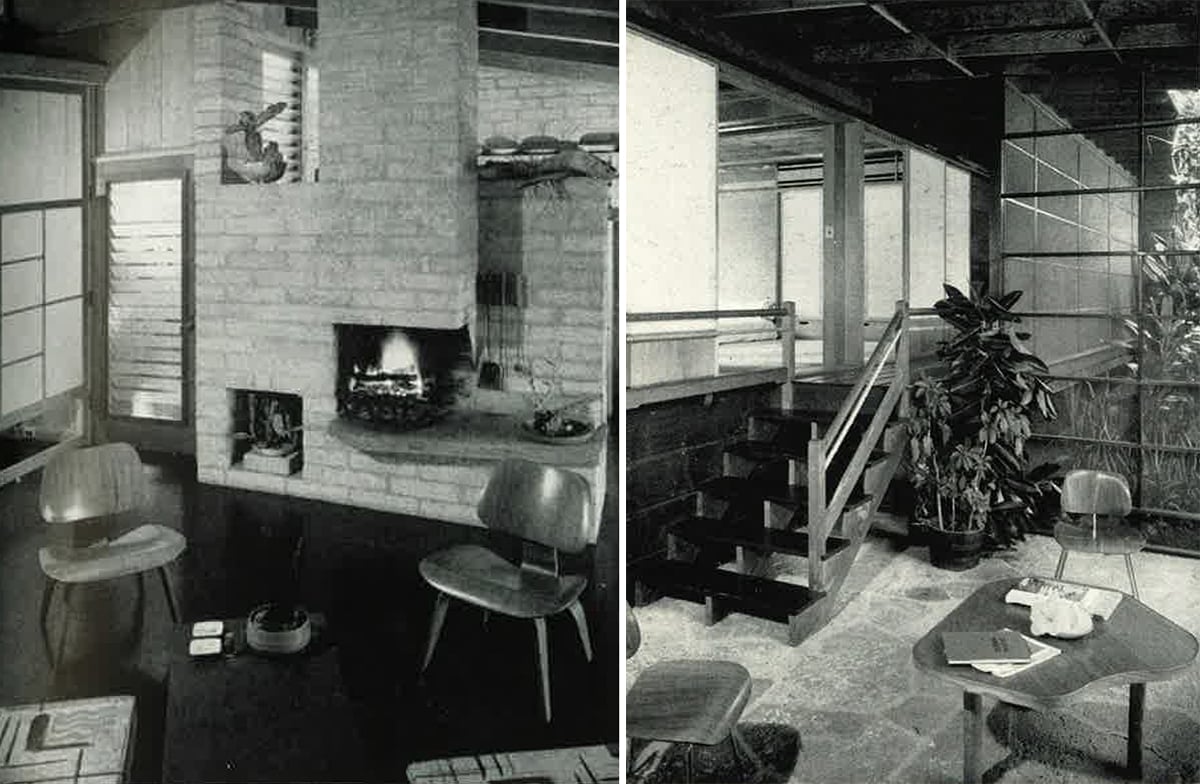
Delving into the archives of *Paradise of the Pacific*, a predecessor to *HONOLULU Magazine* that commenced publication in 1888, a particular feature from January 1952 titled “Ideas for Island Living” offers a glimpse into mid-century Hawaiian home design. This article spotlighted the Liliha residence of a young couple, designed by architect R.E. Windisch. The house, constructed from redwood with white-waxed interiors and concrete flooring, exemplified a forward-thinking approach to island living.
The architectural design emphasized openness and natural ventilation, a concept that resonates with contemporary preferences. The residence notably lacked full-height walls or partitions, except for those enclosing the bathroom. Instead, Windisch ingeniously incorporated sliding Japanese-style shoji doors and burlap drapes to define spaces, thereby maximizing airflow and creating an expansive feel. A key innovative feature was the primary bedroom, which could integrate seamlessly with the living room through shoji doors designed to disappear into a wall. Additionally, other bedrooms opened onto a sunken interior patio with a stone floor, further blurring the lines between indoor and outdoor living.
The interior details of the Whitaker home showcased a blend of functionality and mid-century aesthetic. The fireplace, crafted from natural tile and topped with a concrete slab, served as a subtle divider between the living area and a compact kitchen. The kitchen itself featured open shelving, allowing pots and dishware to be both accessible and decorative. Complementing the mid-century design, the living space was adorned with Eames molded plywood lounge chairs, which had been introduced just a few years prior in 1946, highlighting the era's taste for modern and functional furnishings.
This historical review draws parallels between mid-century design principles and current interior design trends, noting the enduring popularity of open-concept layouts in contemporary homes. While shoji doors may not be as prevalent today, the influence of Japanese design, particularly its emphasis on simplicity and harmony with nature, remains evident in many Hawaiian residences. This influence can be observed in elements such as raku-style ceramics, Noguchi lantern lamps, and Zen-inspired tropical gardens, demonstrating a continuous thread of aesthetic and functional choices in island home decoration.
#HawaiianDesign #MidcenturyModern #InteriorDesign #ArchitecturalHistory #OpenConcept #JapaneseInfluence #HomeDecor #RERWindisch #ParadiseOfThePacific #HawaiianDesign #MidcenturyModern #InteriorDesign #ArchitecturalHistory #OpenConcept #JapaneseInfluence #HomeDecor #RERWindisch #ParadiseOfThePacific
 No comments yet
The 18 best things to do in Honolulu if you love design
A Painter’s Home That Celebrates Hawaii (Published 2022)

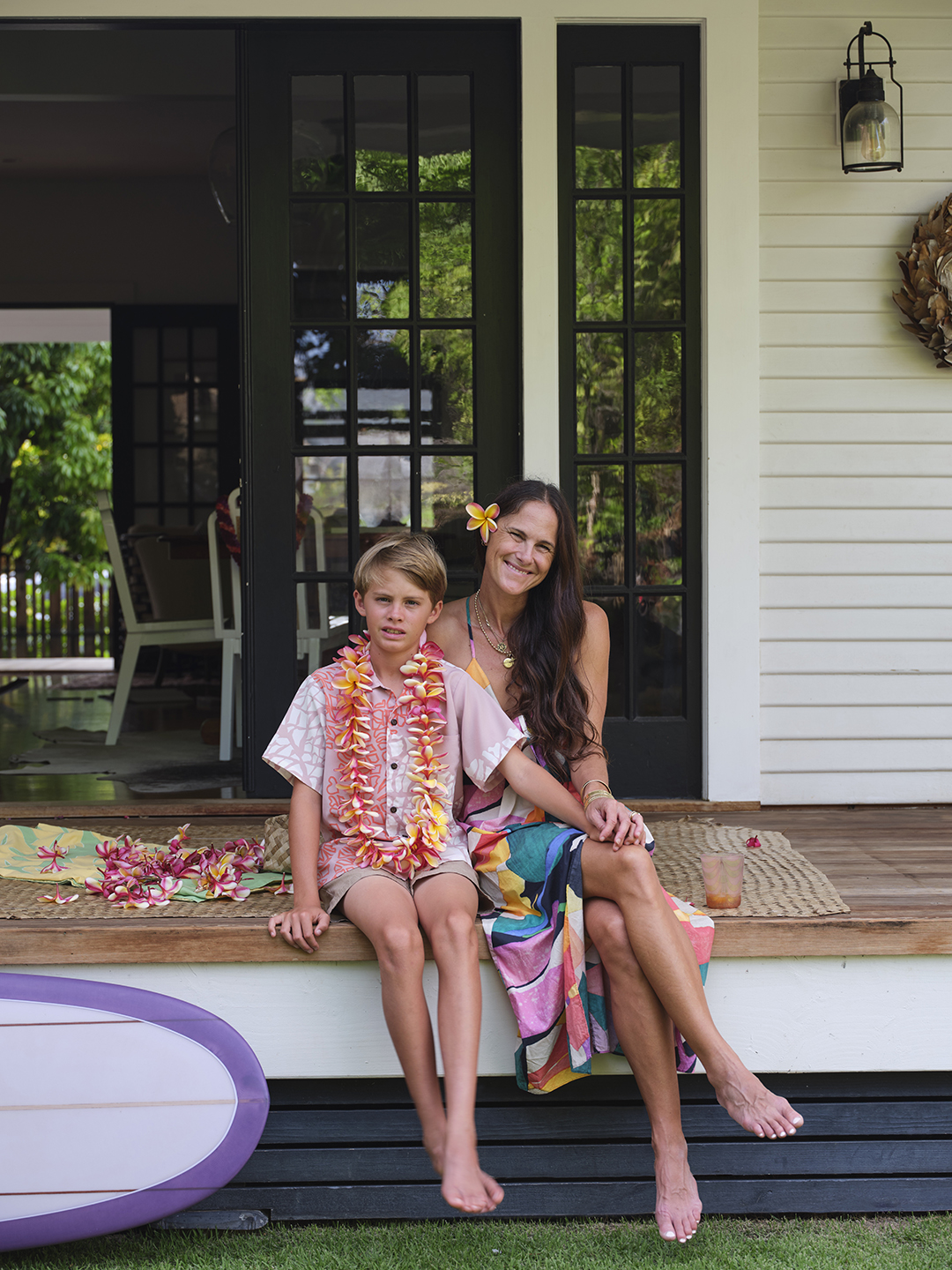
How a Maximalist Lei Maker and Her Family Downsized to a 1,000 Square-Foot Honolulu Bungalow

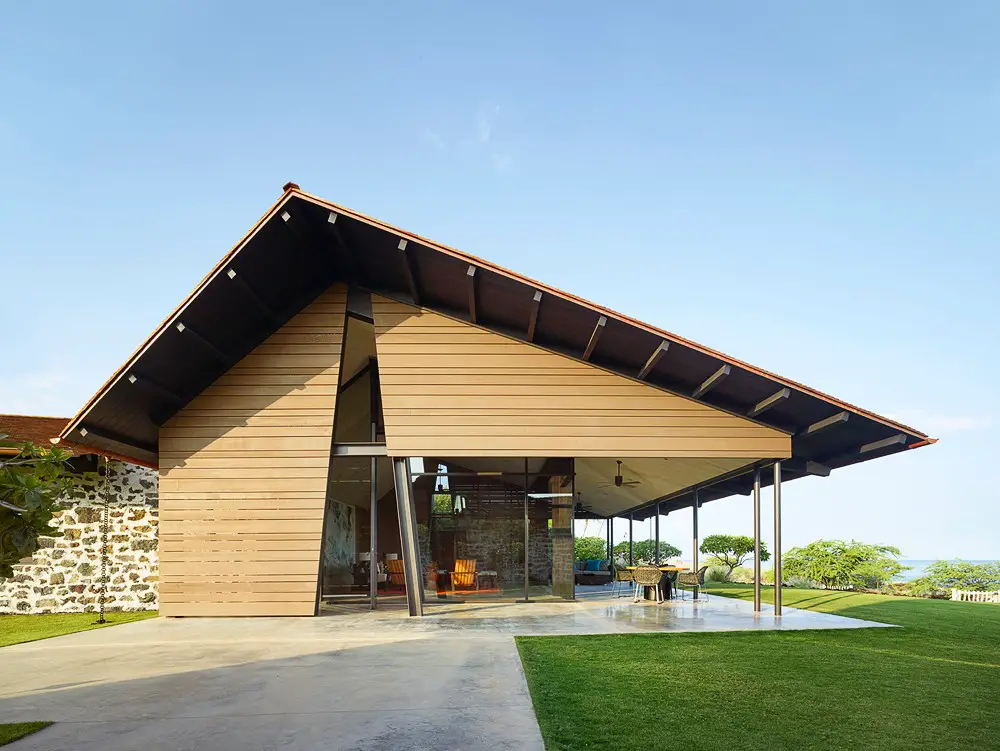
Makani’ Eka on The Big Island, Hawaii
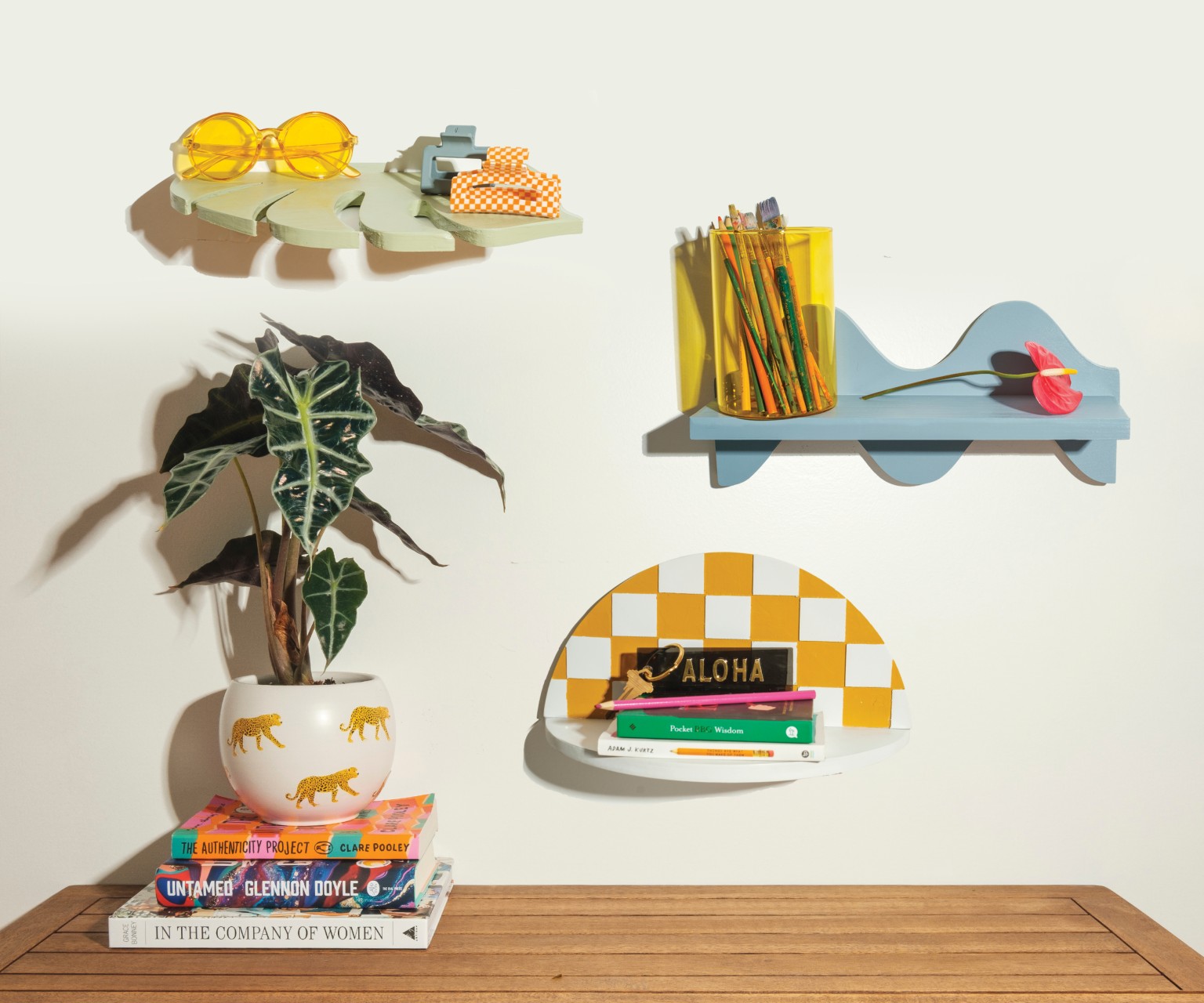
Curious Hawai‘i Brings Life to Our Walls with Fun Shelf Designs

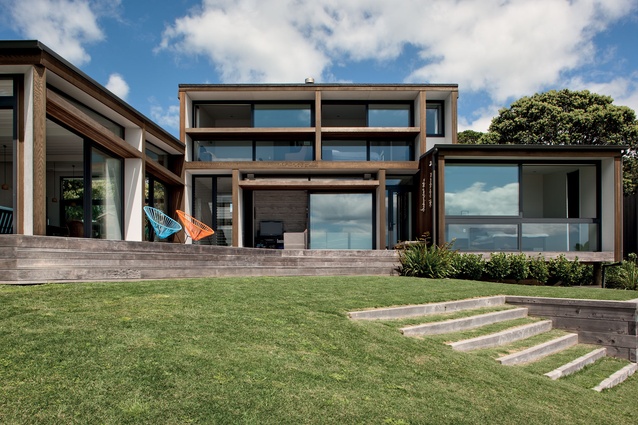
Houses revisited: Hahei Beach house