1/3
The Evolution of Zaha Hadid, Architect
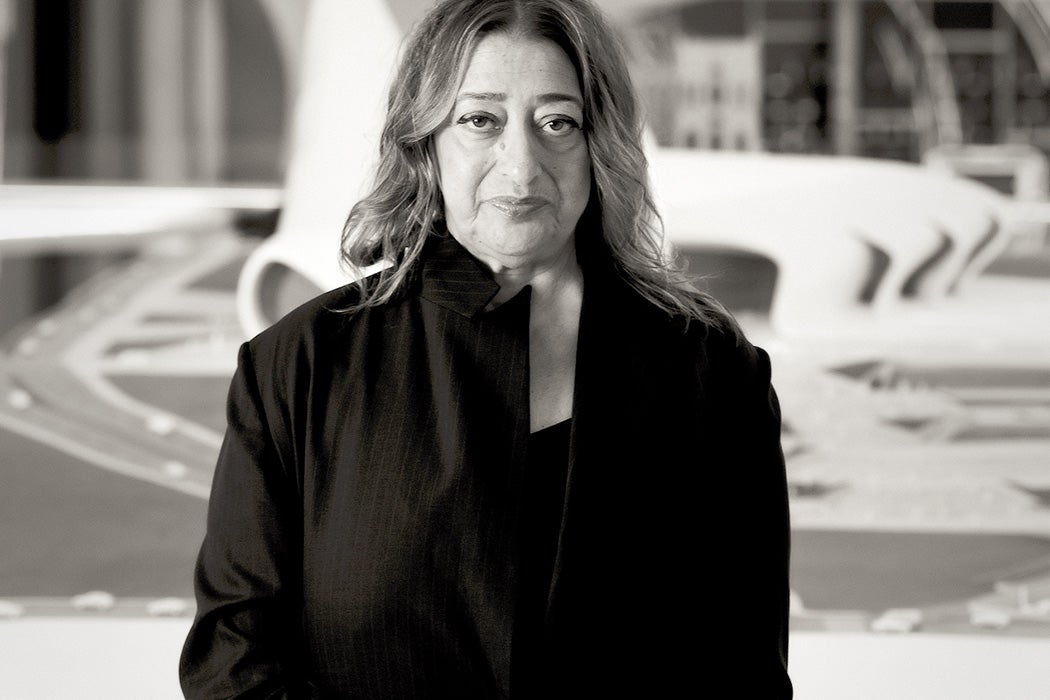
This article discusses the career and influence of Zaha Hadid, a prominent British-Iraqi architect who passed away seven years prior to the publication of the article. Hadid's impact on international architecture is highlighted, noting her role in redefining contemporary design forms. As an Arab woman achieving global recognition, she challenged traditional perceptions of an architect's identity. Born in Baghdad, Iraq, in 1950, Hadid grew up in a household with strong ties to politics and the arts. Her interest in architecture developed early, influenced by childhood visits to Sumerian cities.
After studying mathematics at the American University in Beirut, Lebanon, Hadid pursued architecture at the Architectural Association School of Architecture in London during the 1970s. Her architectural approach was significantly shaped by her engagement with Russian avant-garde movements. Following her graduation, she worked at the Office of Metropolitan Architecture (OMA), co-founded by her former professors Rem Koolhaas and Elia Zenghelis. In 1980, Hadid established Zaha Hadid Architects, embarking on an independent career path.
Hadid's work introduced innovative architectural forms that deviated from conventional designs. Her creations incorporated angular structures and fluid, swooping lines, drawing inspiration from Modernist paintings, a stark contrast to the prevalent rectangular forms in architectural design. She articulated her philosophy on these new forms and her rejection of past architectural conventions in a 1982 discussion titled "Randomness and Arbitrariness." She conceptualized her work as possessing a deliberate randomness, implying a combination of logic and foresight, distinct from mere arbitrariness. She critiqued the arbitrary copying of ideas prevalent among some architects of her time, emphasizing the need for architects to establish a new architectural dynamic that creatively engages with the landscape and embodies principles of liberation.
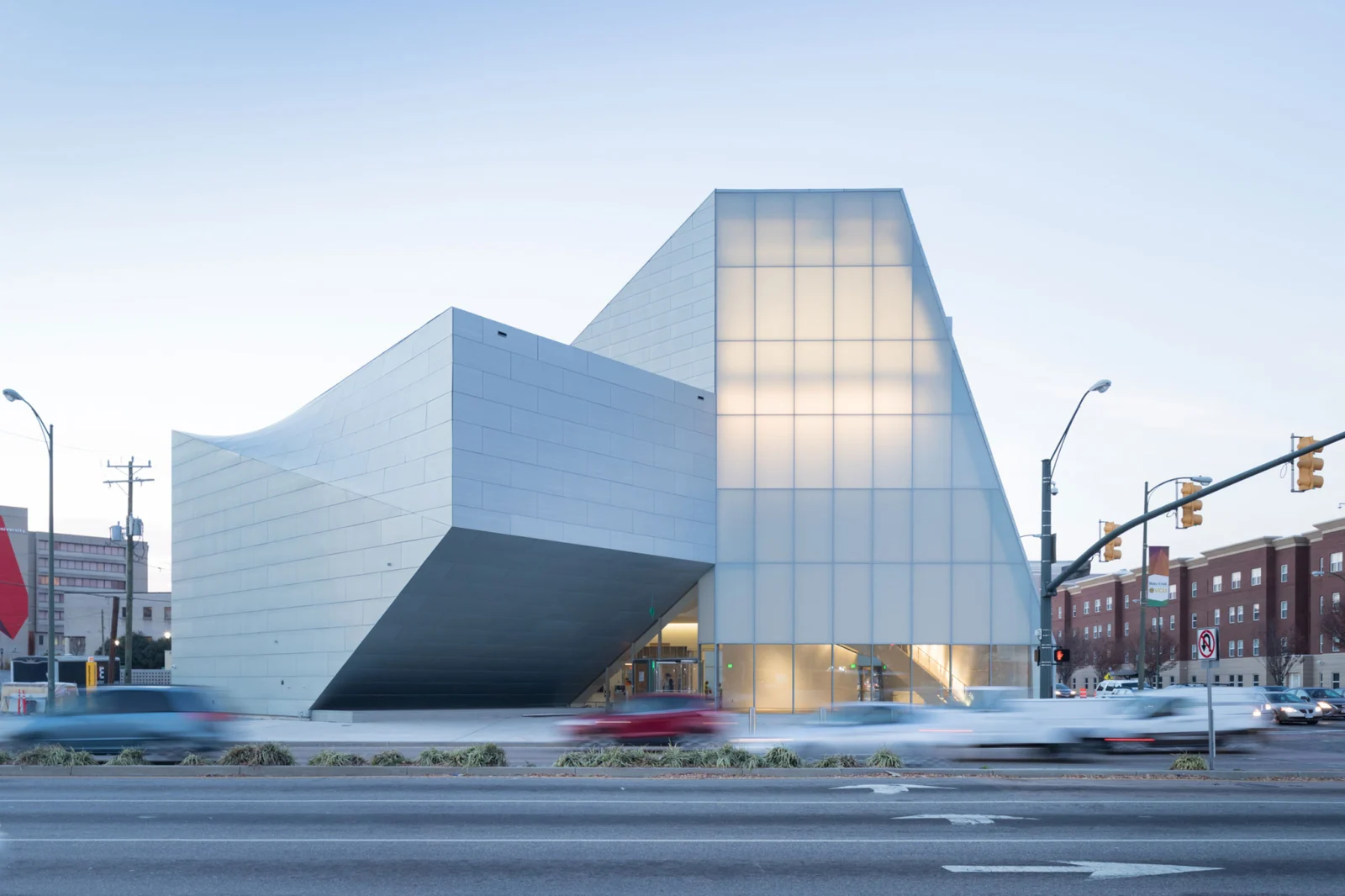
The Vitra Fire Station in Weil am Rhein, Germany, completed in the early 1990s, serves as a prime example of her early unconventional designs. This two-story structure features sharp, angular forms that extend across the site, conveying a sense of suspended action. As her career progressed, Hadid's designs evolved, with sharp edges softening into curves and rolls. For instance, the Heydar Aliyev Cultural Center in Baku, Azerbaijan, utilizes curving forms that integrate the building with its topography, blurring the lines between architecture and landscape.
Despite her statement that she never saw herself as a role model, Hadid became an inspirational figure due to her successful pursuit of her architectural vision. She achieved global recognition as a woman in a male-dominated field and, as an Iraqi, was celebrated for her architectural talent rather than her national origin, which was often negatively portrayed in Western media. However, observations by Mohammad ‘Aref highlight that Western interpretations of her heritage often oversimplified it to merely "born in Baghdad." Hadid recognized the profound historical influence of Arab architecture on Western design and consciously situated her work within this broader context. In 2004, she became the first woman to receive the Pritzker Architecture Prize, joining a select group of female laureates. Her later projects, such as Wangjing SOHO, Innovation Tower, Dongdaemun Design Plaza, and the Nanjing International Youth Cultural Center, gained widespread acclaim and moved into the architectural mainstream. She transitioned from an outsider to a leading figure in 21st-century architecture.
#ZahaHadid #Architecture #ModernArchitecture #ContemporaryDesign #ArchitecturalInnovation #IraqiArchitect #PritzkerPrize #DesignPhilosophy #ArchitecturalHistory #ZahaHadid #Architecture #ModernArchitecture #ContemporaryDesign #ArchitecturalInnovation #IraqiArchitect #PritzkerPrize #DesignPhilosophy #ArchitecturalHistory
0 comment in total
 No comments yet
You may also like
between innovation and tradition: discover architecture in iran through readers radar
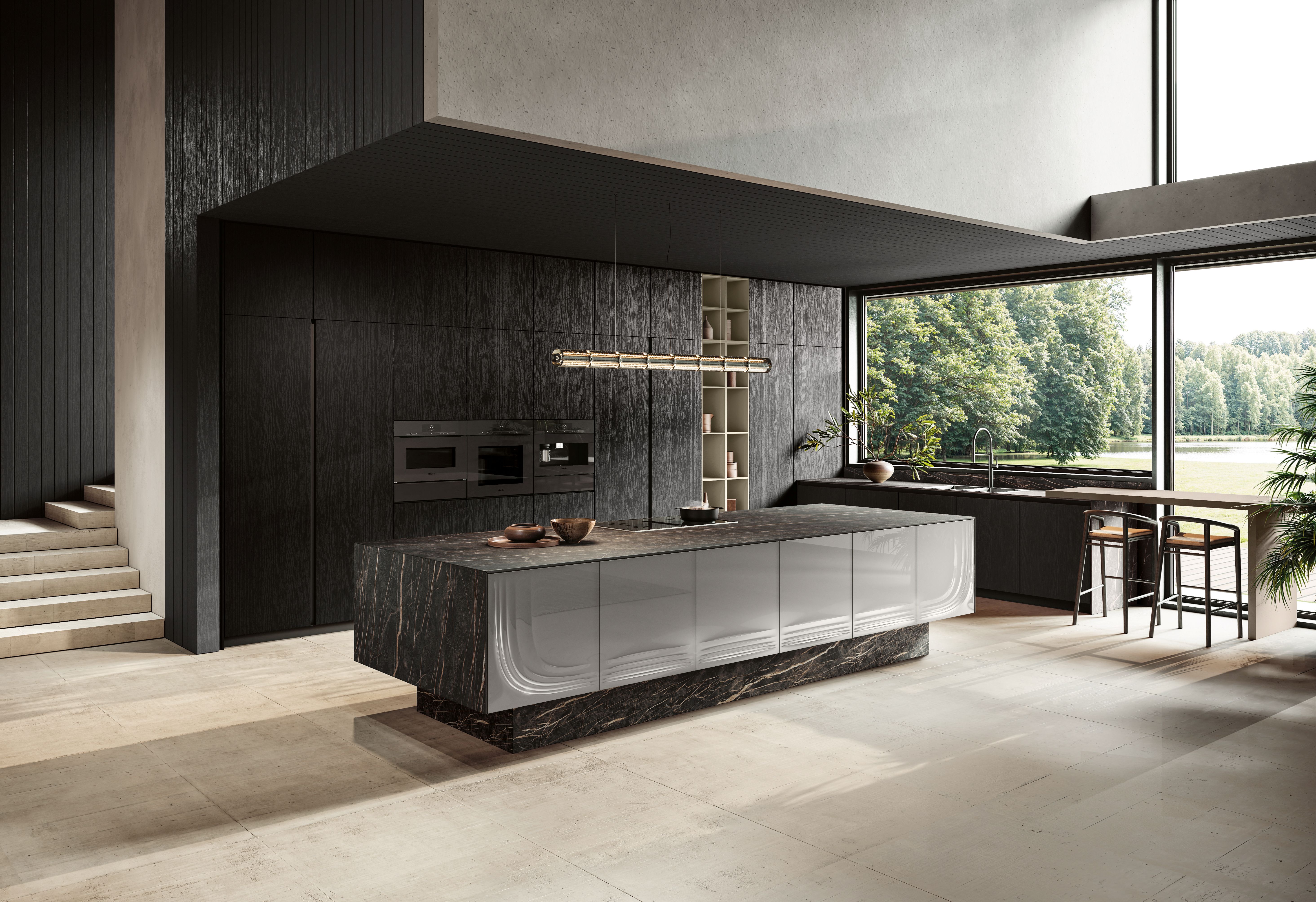
This monumental kitchen by Zaha Hadid Architects is inspired by the coast

Nailing the Detail: Bauhaus Design Principles

Bauhaus-Style Cape Cod House Gets A Guesthouse by Hariri & Hariri


The Hardie™ Architectural Collection by James Hardie
"Ornament Is Crime:" A Visual Manifesto for the Modernist Home


Gisue and Mojgan Hariri: 2005 Hall of Fame Inductees
Zaha Hadid Design creates table based on Princess Leia's trademark buns
Firms Like Zaha Hadid Architects Are Revolutionizing Office Design Using Big Data


Shama Hyder and Jared Skinner Shake Up the Architectural Design Space
Zaha Hadid designs crystal vase collection for Lalique

Tour A Zen Dubai Villa That Was Inspired by Nature
Whatever Happened to “The Architects’ Architect”?
17 Essential Architectural Styles Everyone Should Know

This Ahmedabad home flaunts a garden that steals the show

Hexagonal Plans: Geometric Sets in the Architectural Composition
Architecture Classics: Habitat 67 / Safdie Architects
Boffi unveils "evolved" version of Zaha Hadid Design's Cove kitchen
15 Best Architecture and Design Firms in the USA


Designing Beyond Buildings: An Architect’s Strategic Shift