The do’s and don’ts of using black in your decor
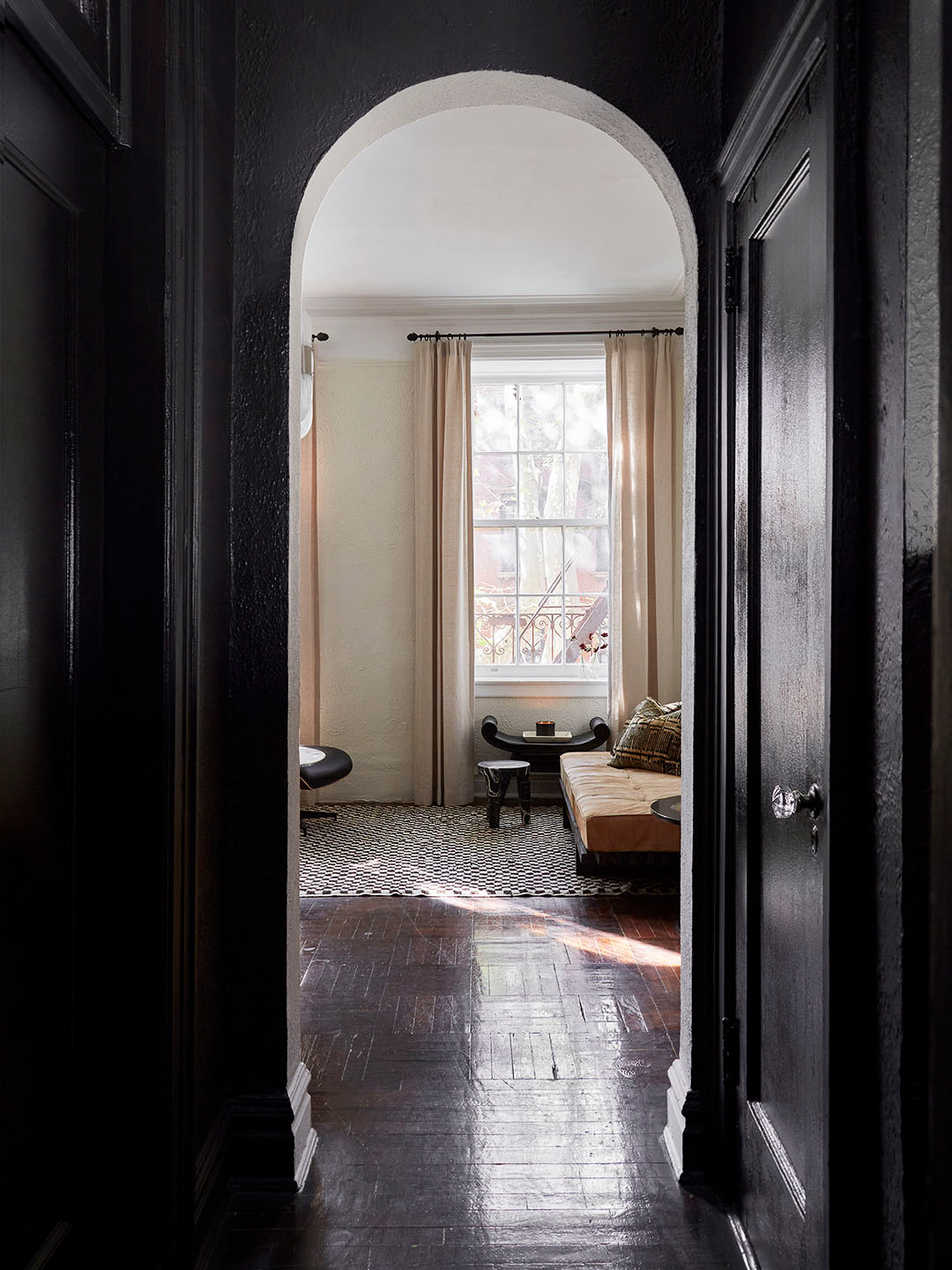
The color black, a long-standing staple in fashion, is making a significant and bold comeback in home decor. It is often perceived as a luxurious color that also serves as a versatile foundation, blending seamlessly with other hues. Essentially, black acts as a neutral color, offering flexibility for use as either a primary color or as accent elements within a space. Incorporating black into home decor requires careful consideration of certain do's and don'ts to achieve the desired aesthetic without overwhelming the space or making it appear gloomy.
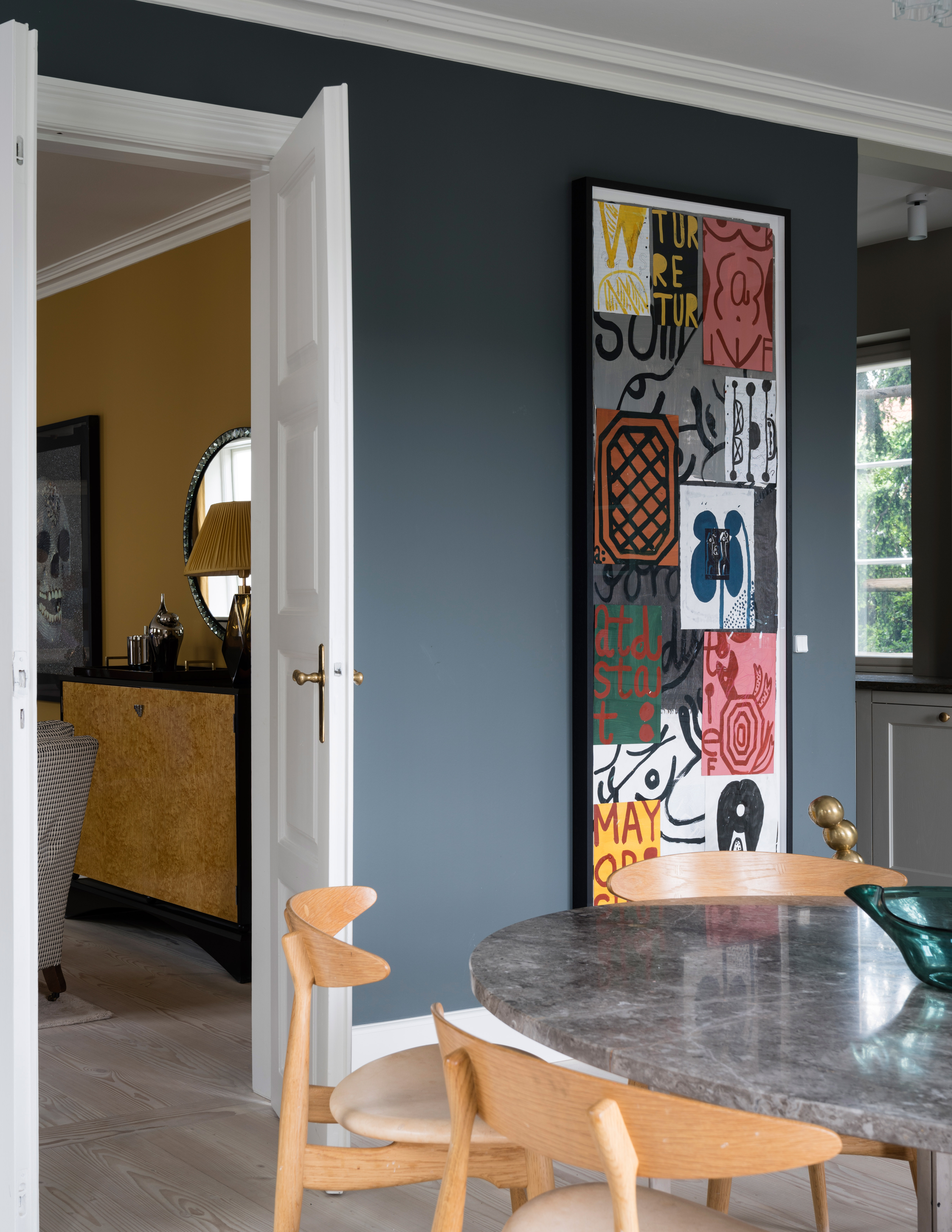
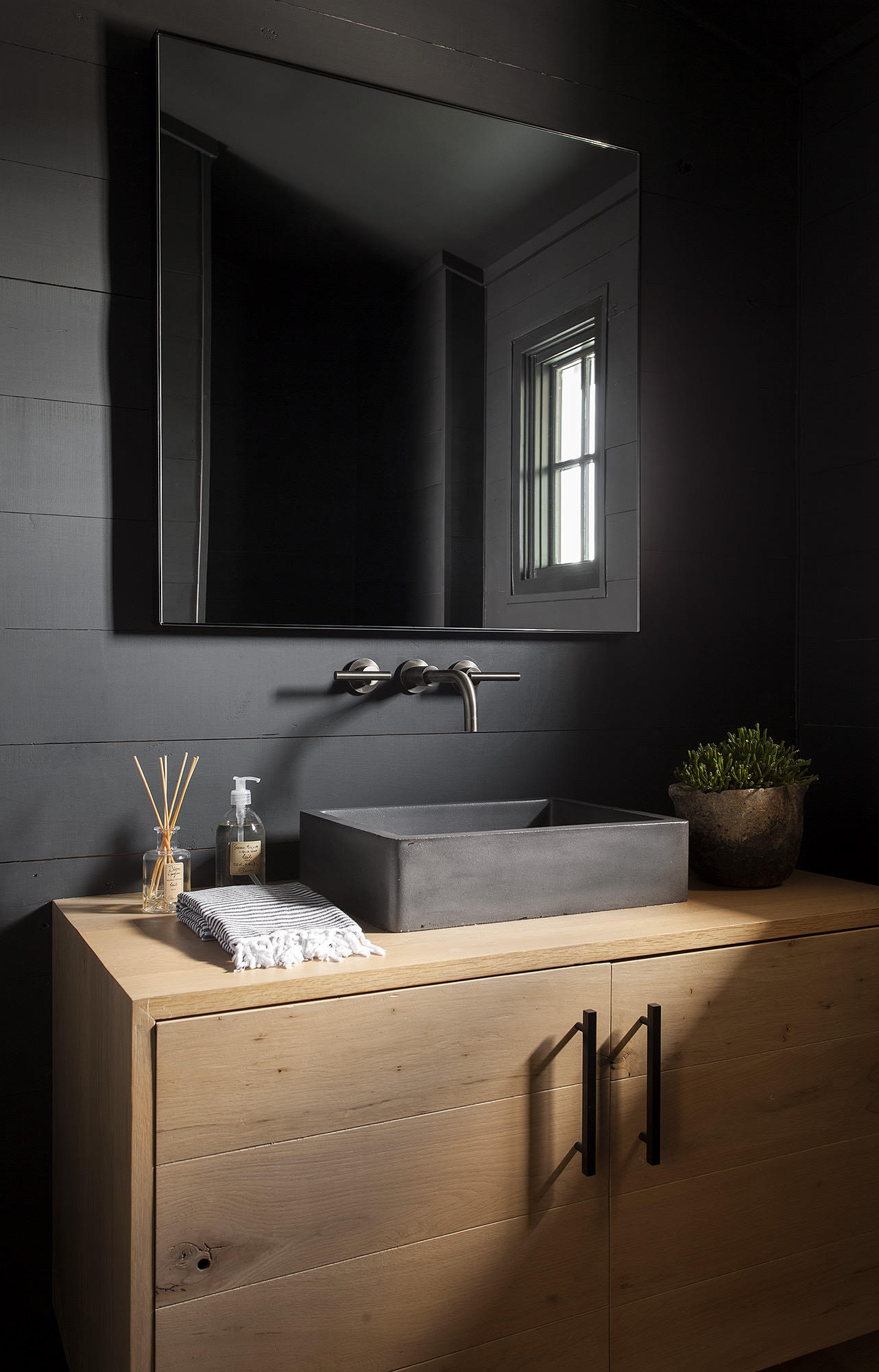
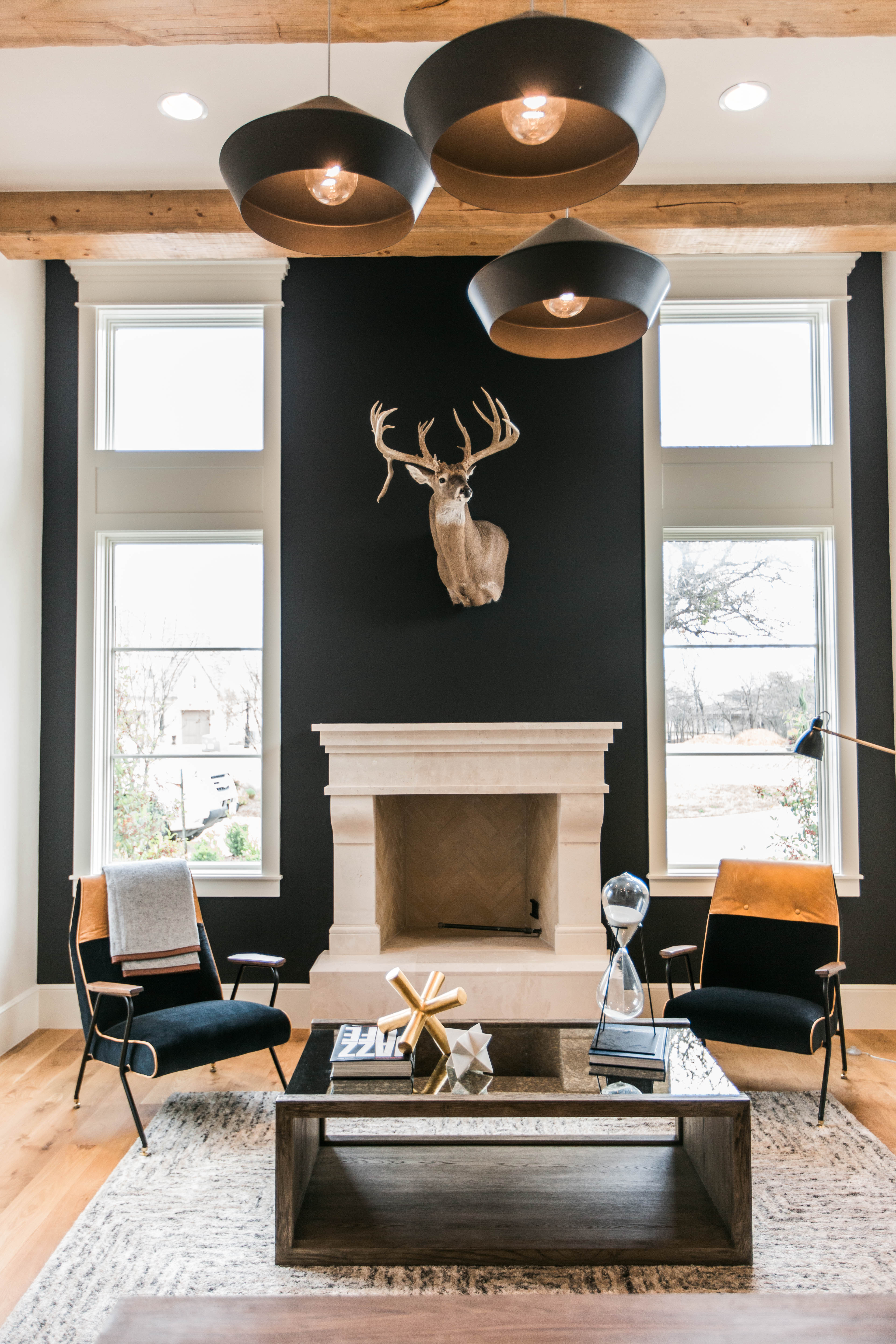
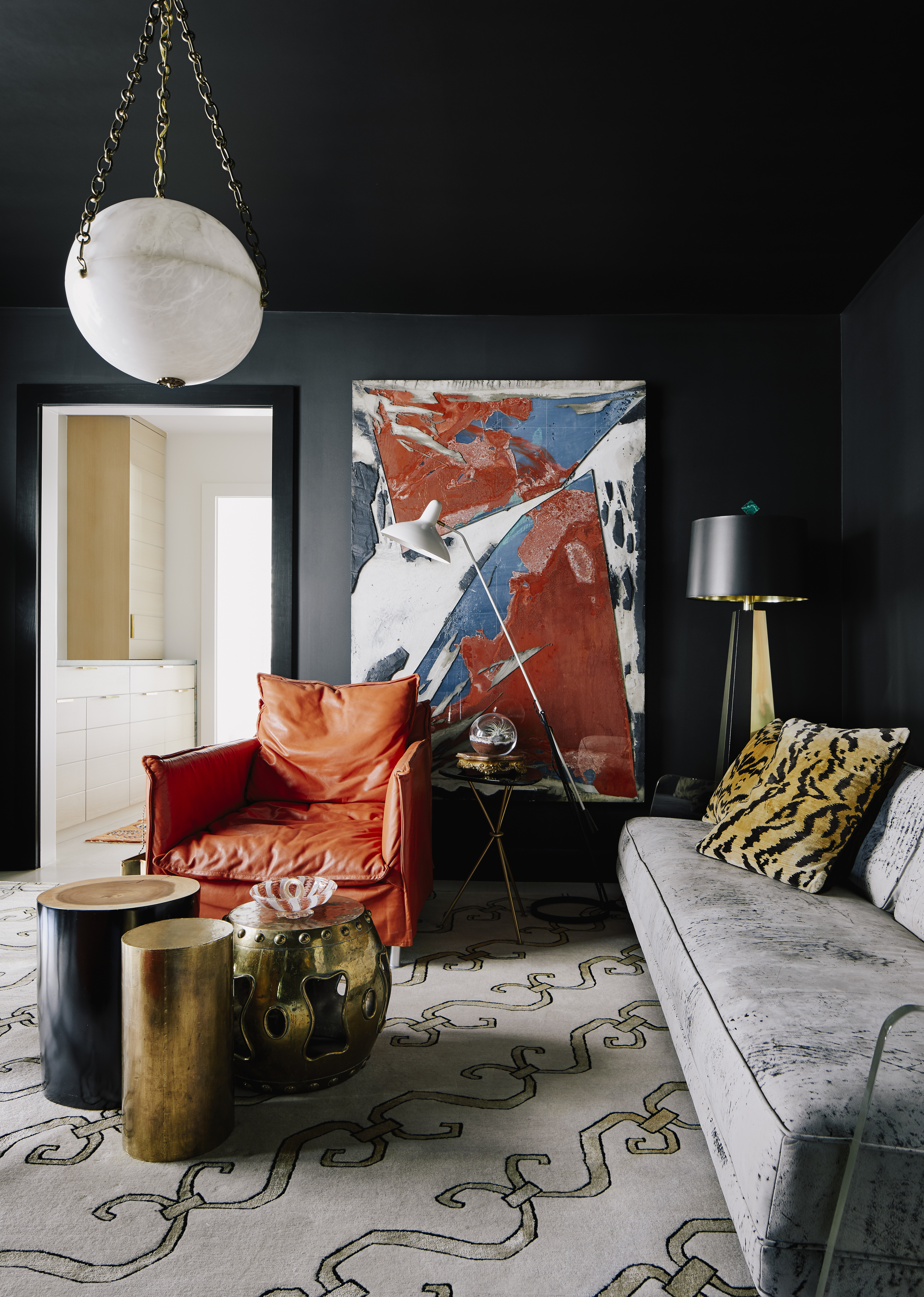
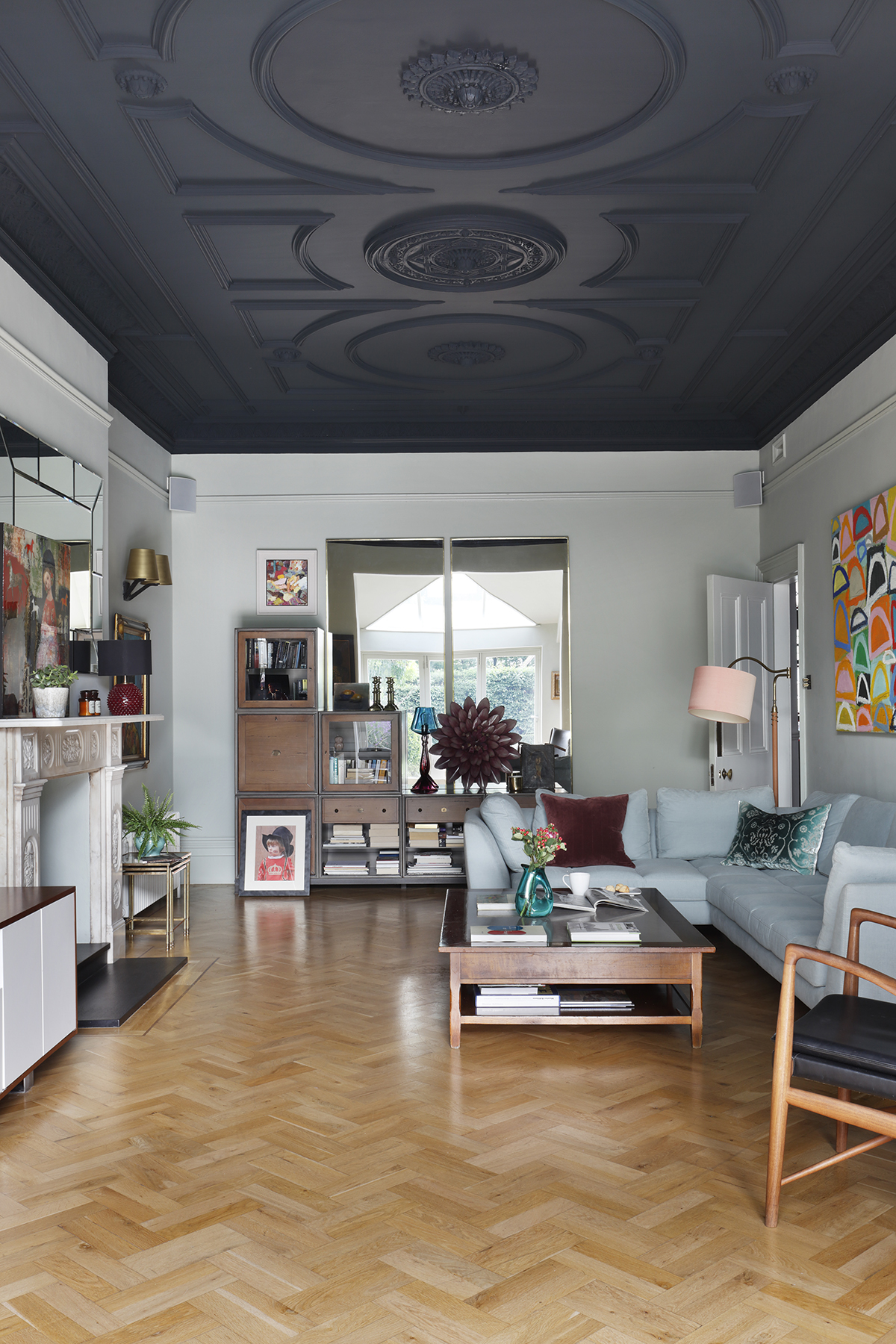
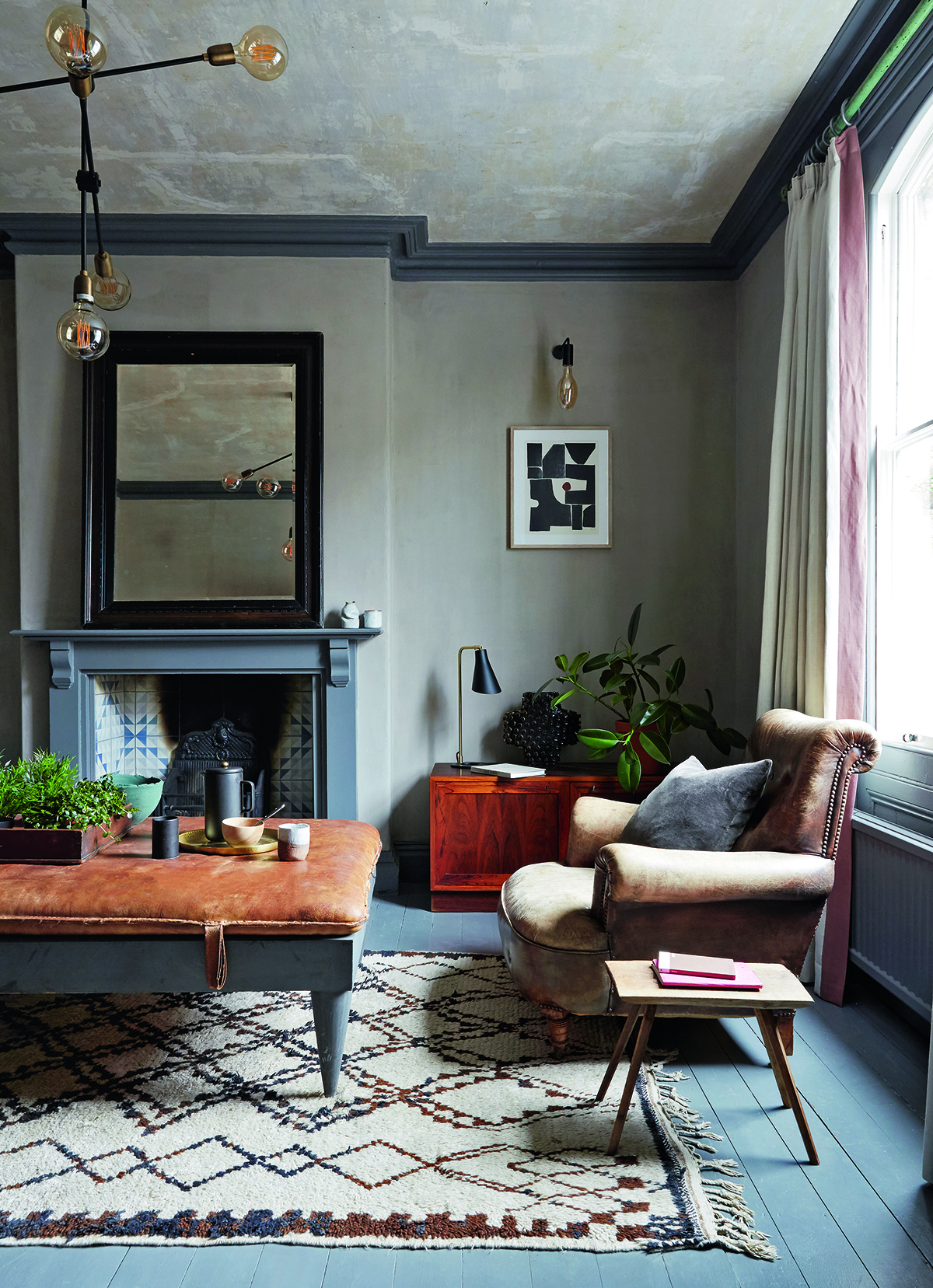
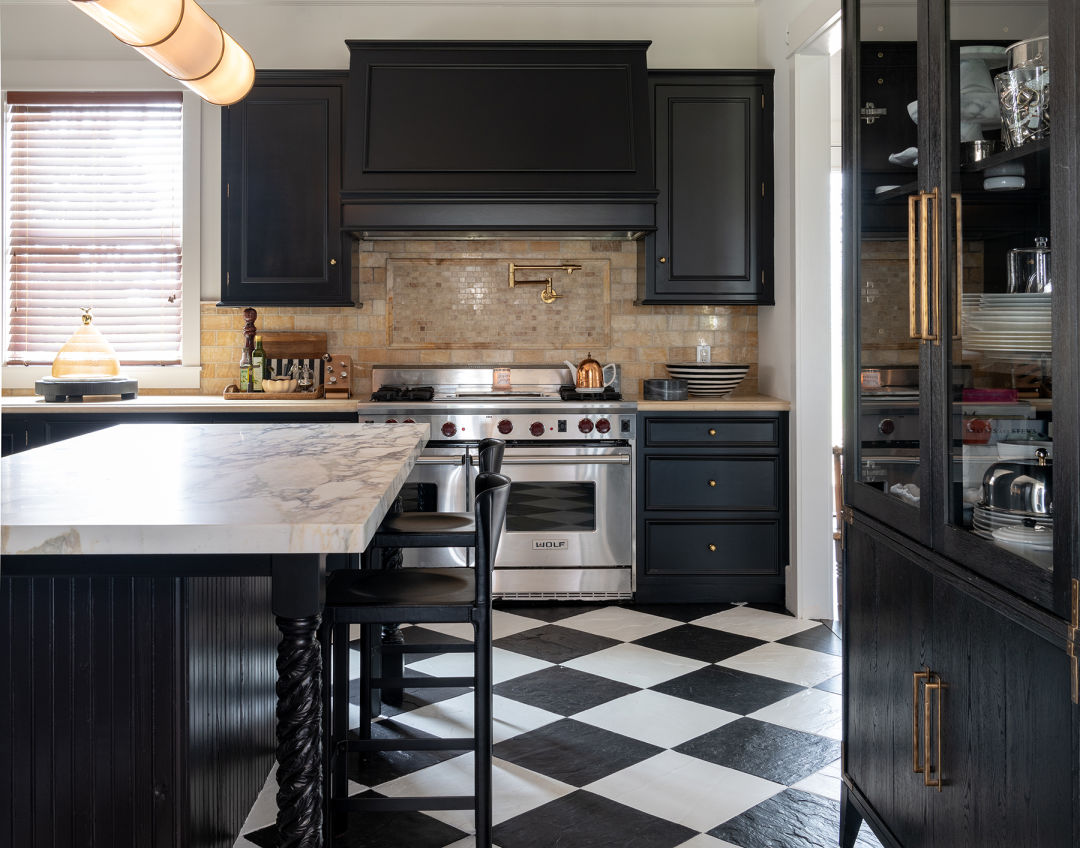
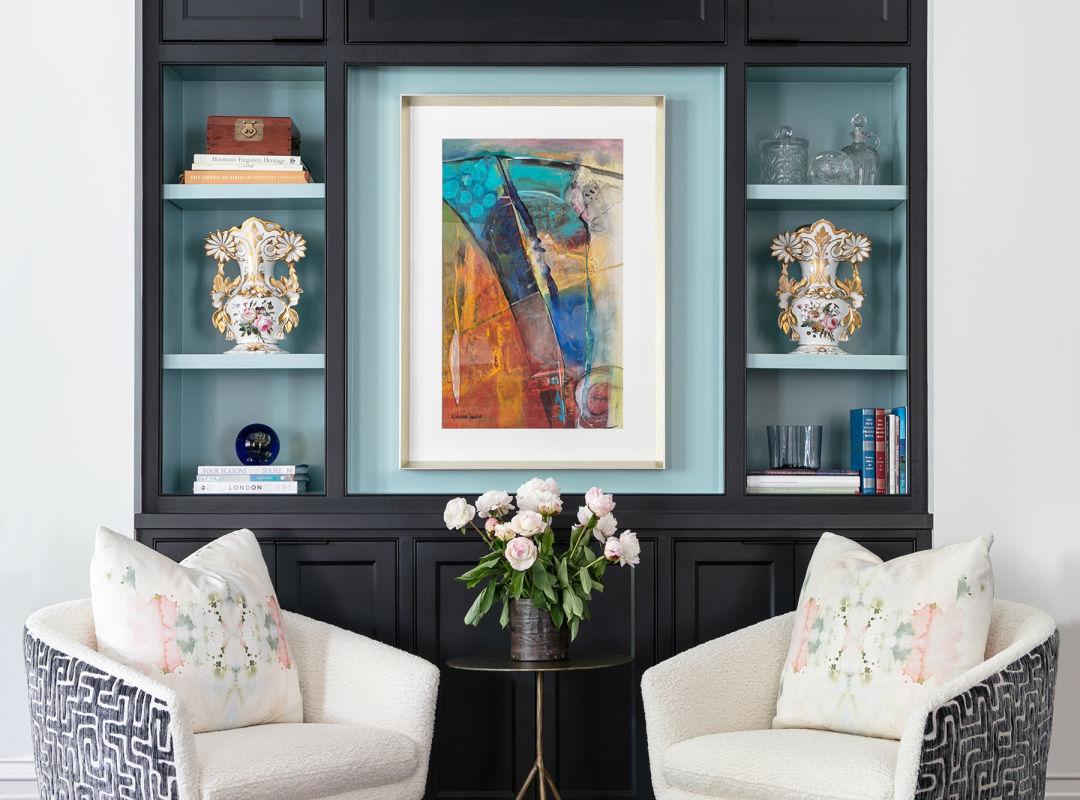
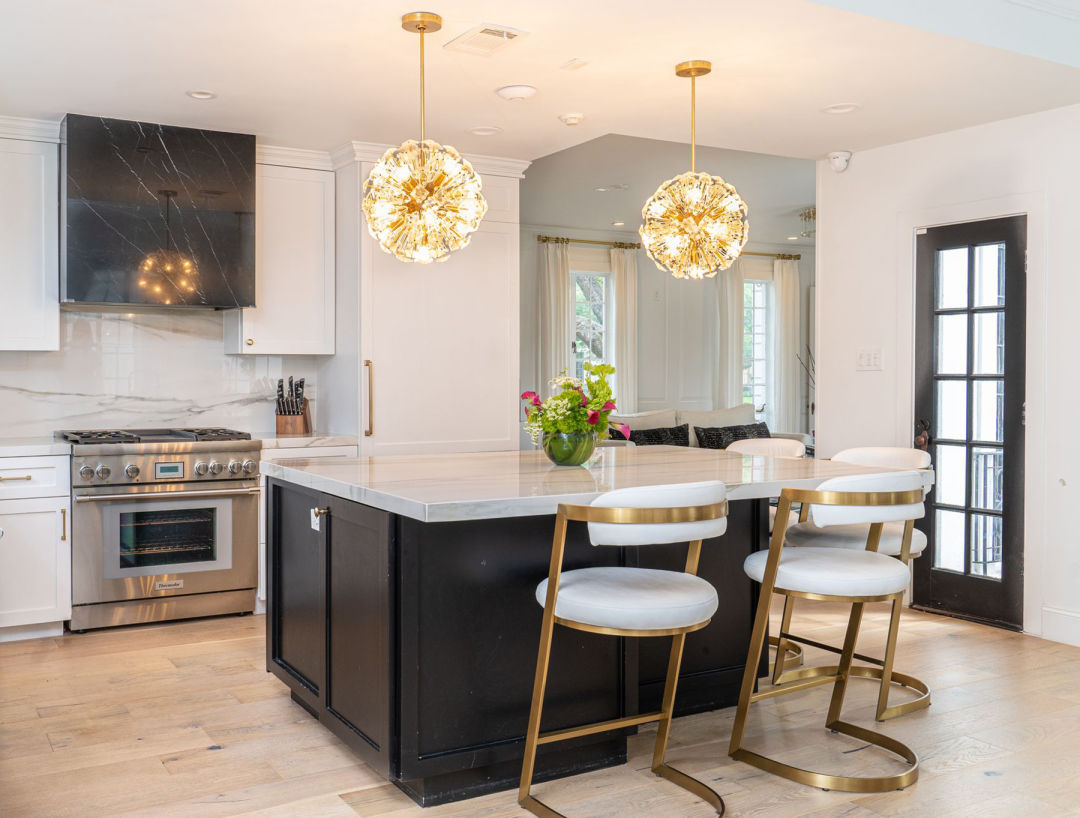
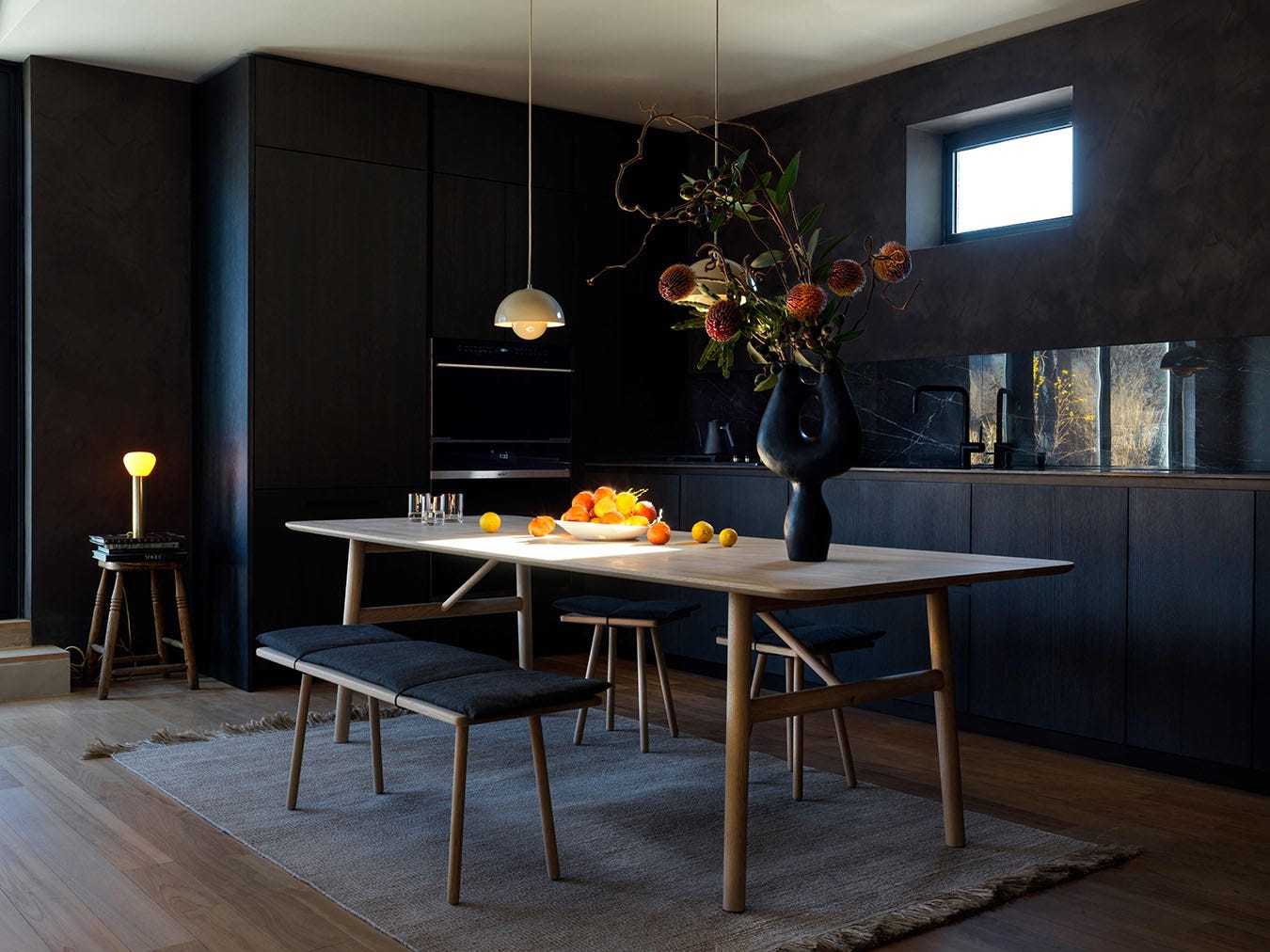
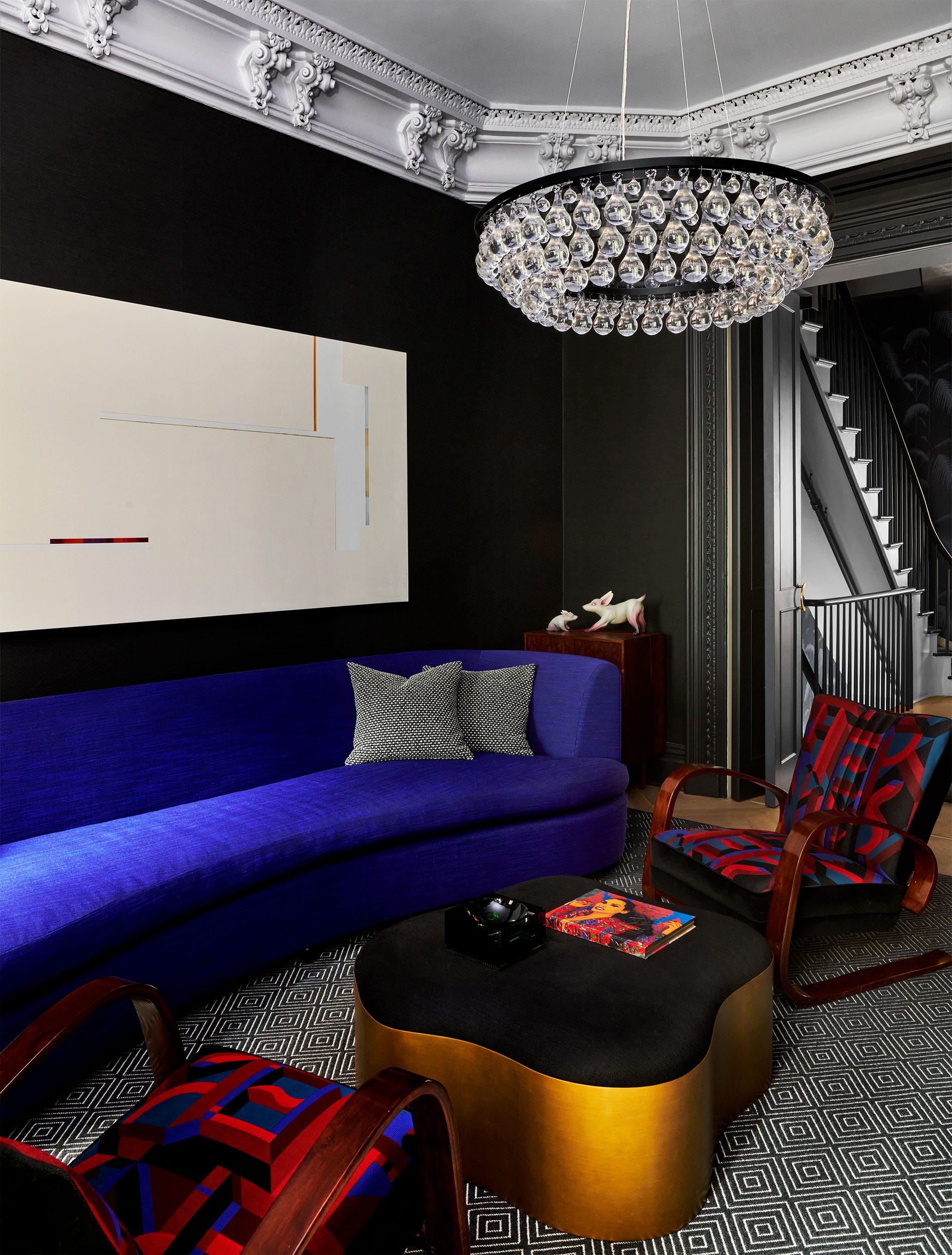
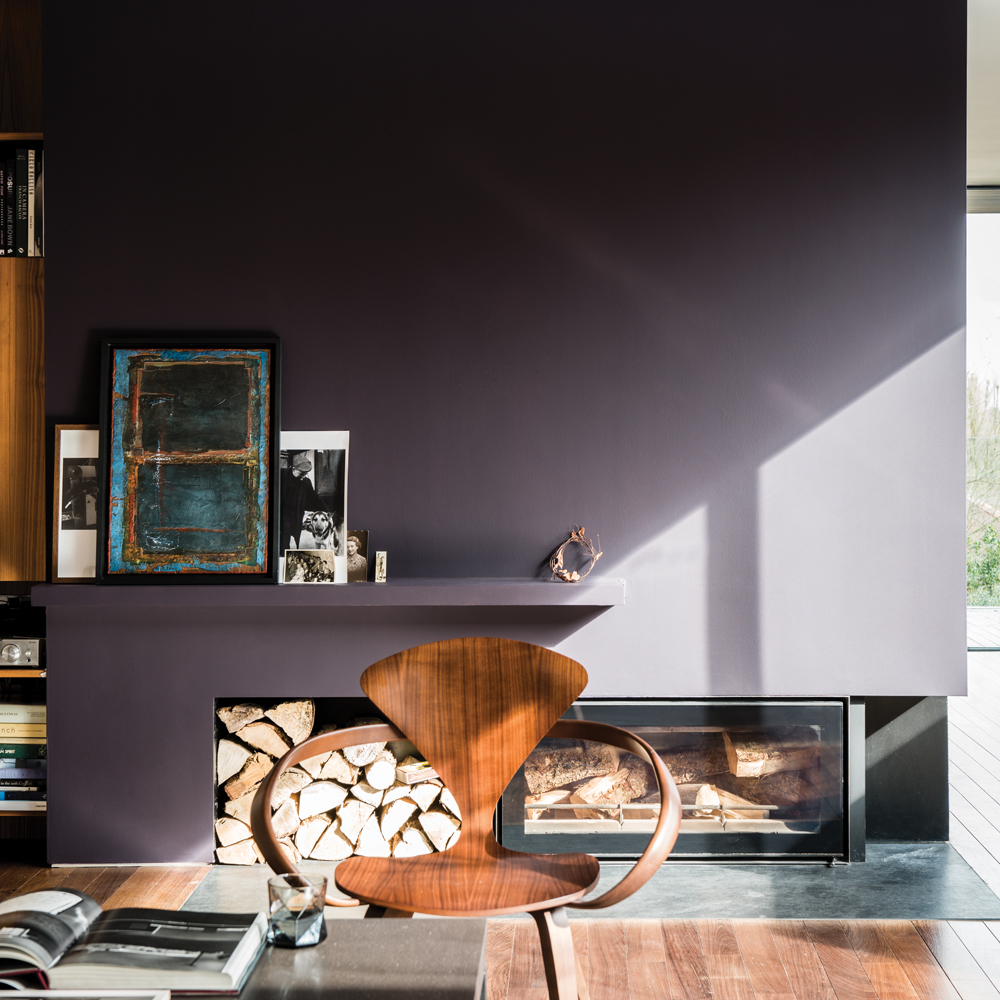
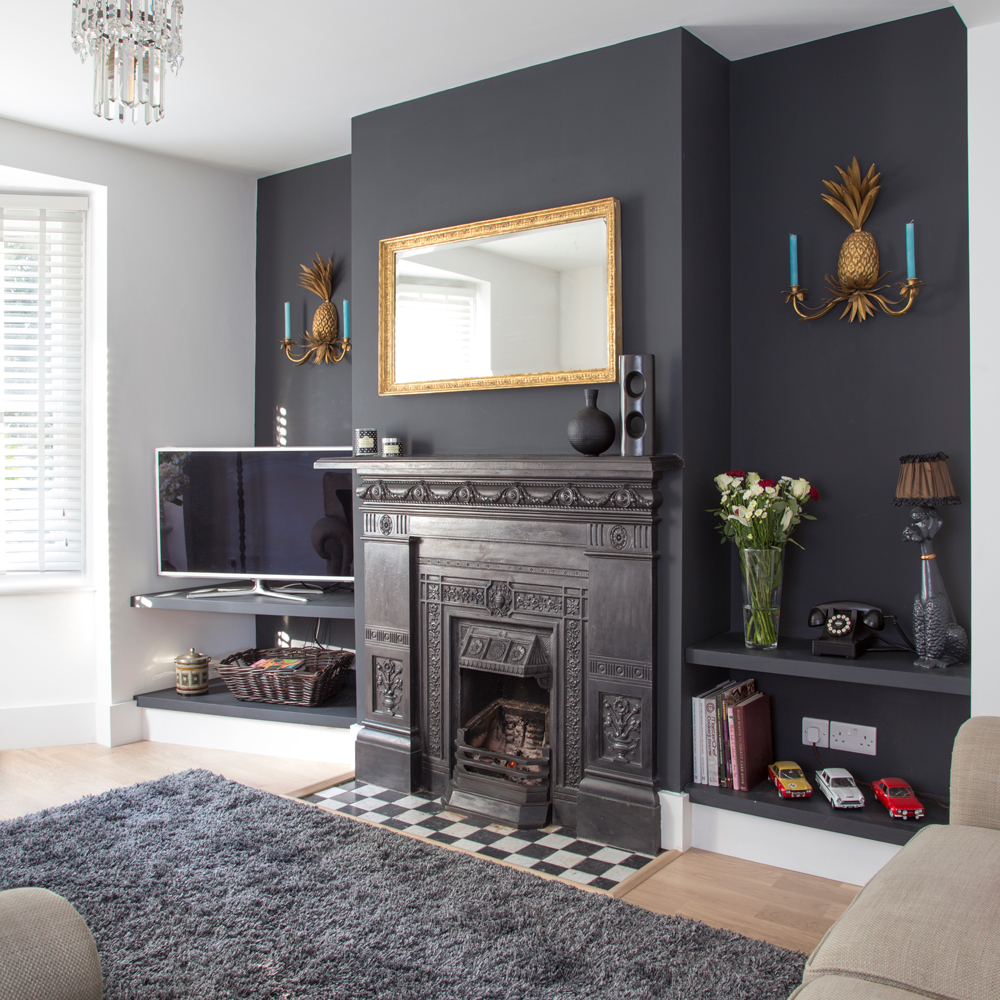
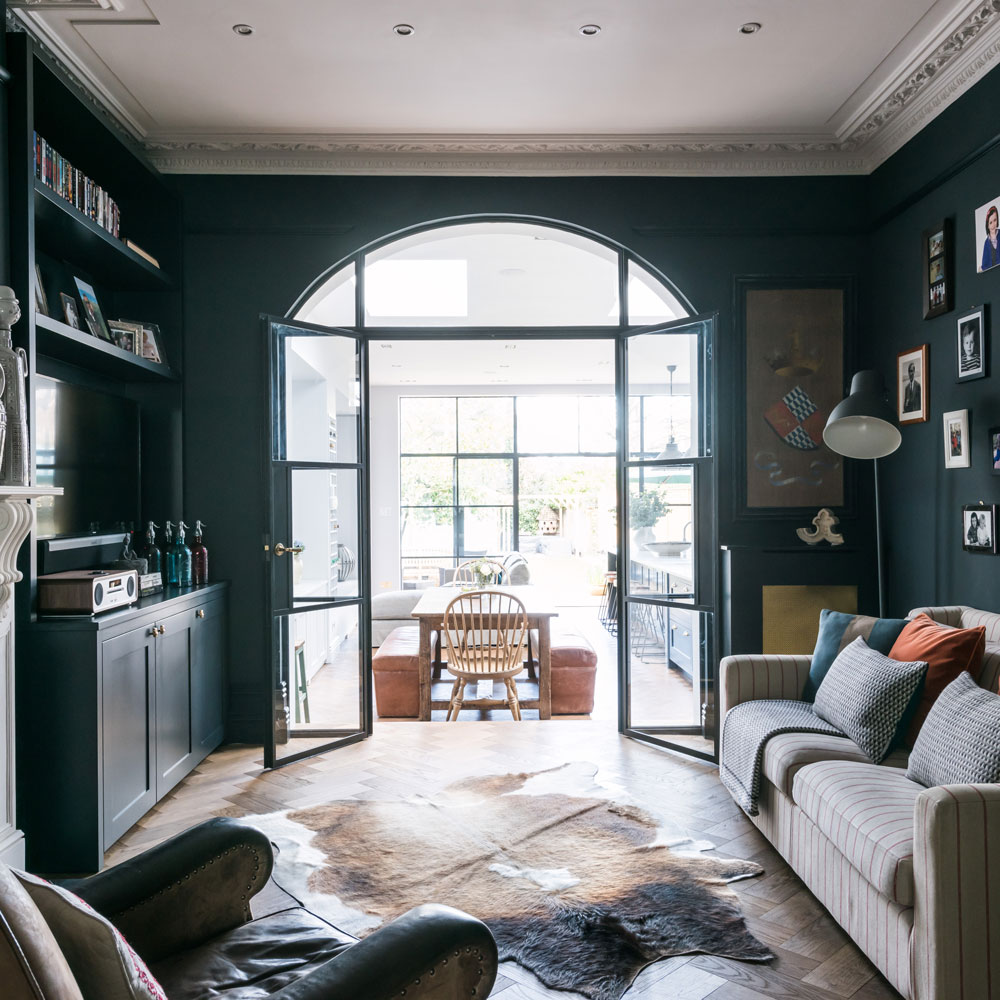
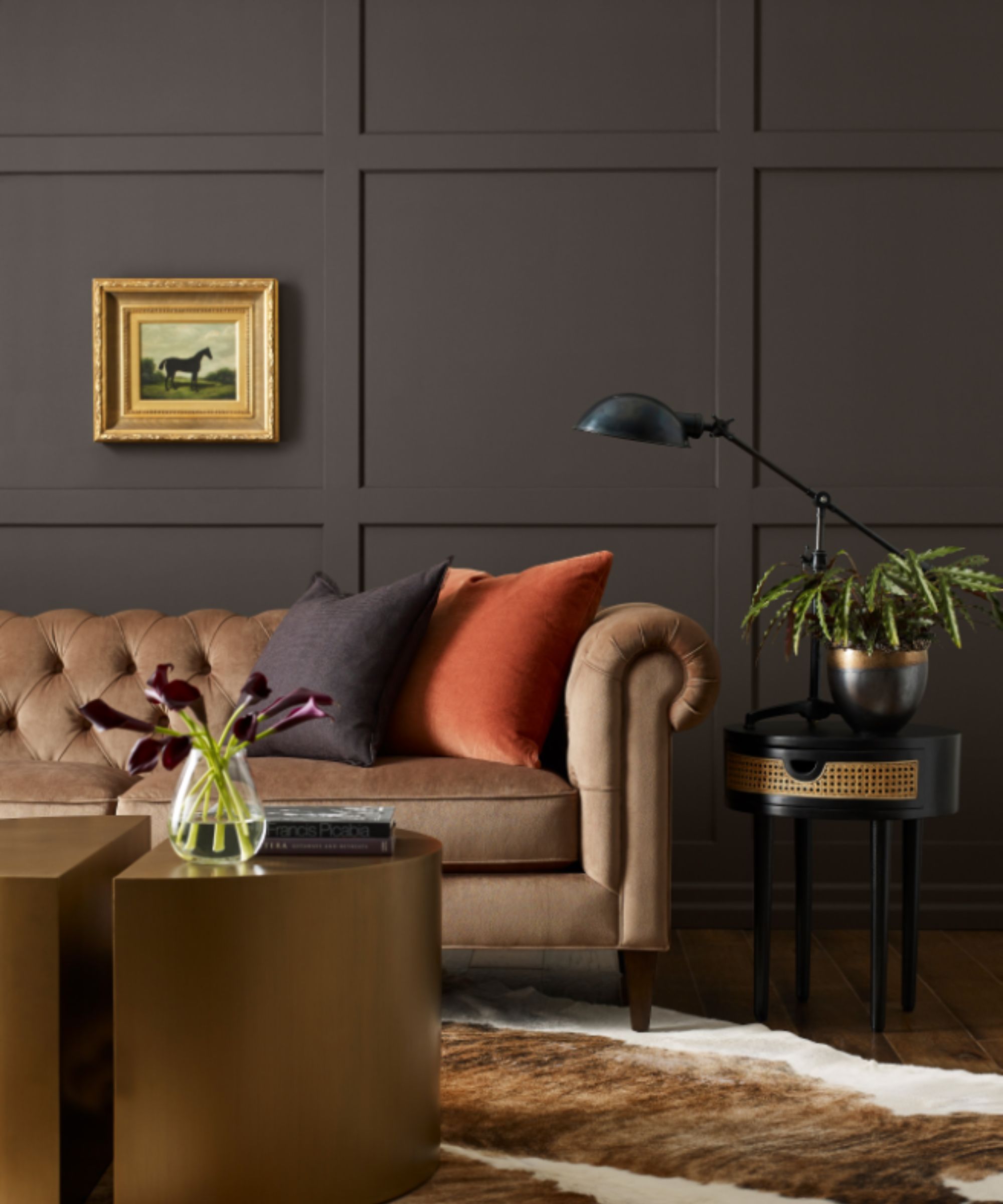
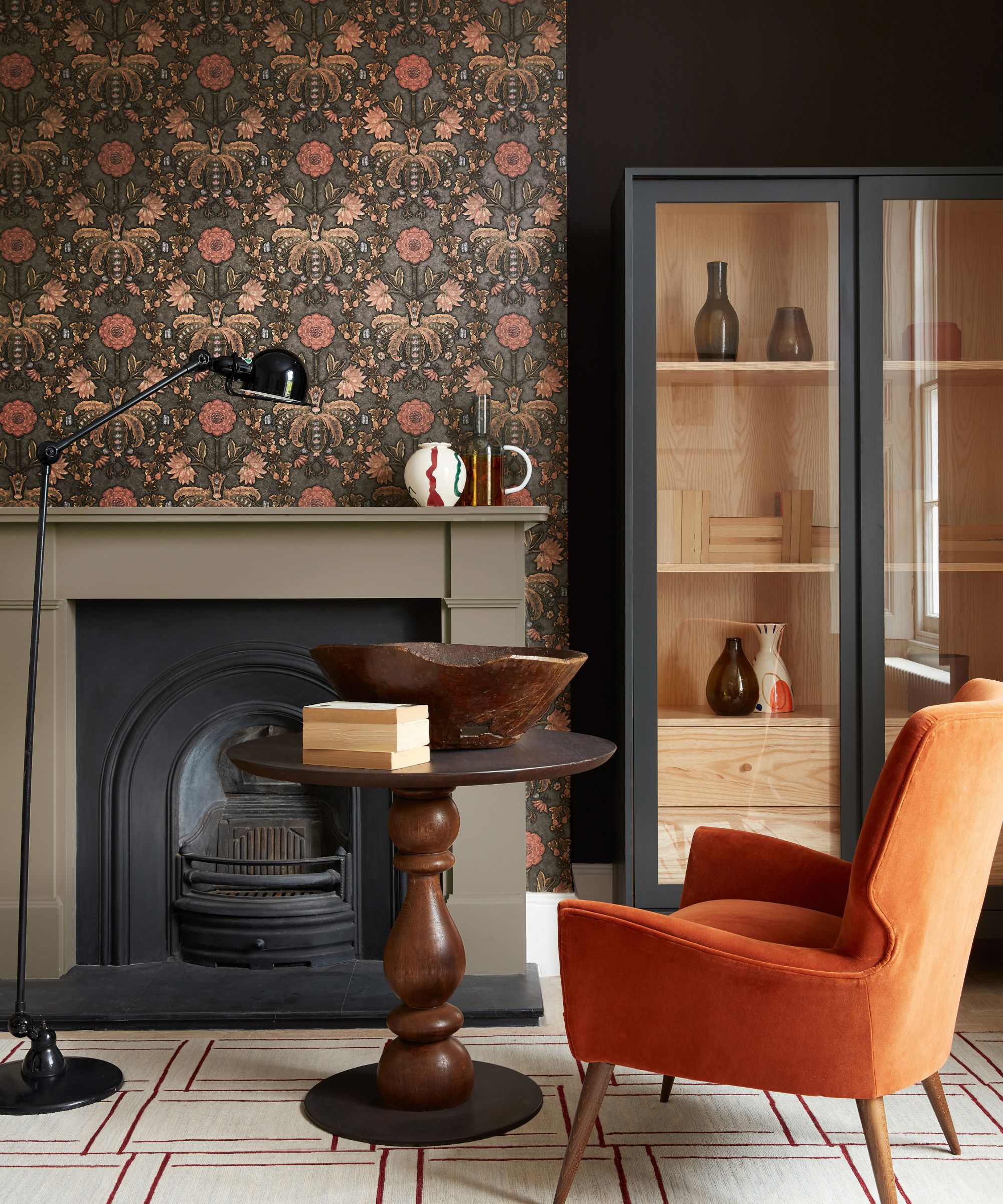
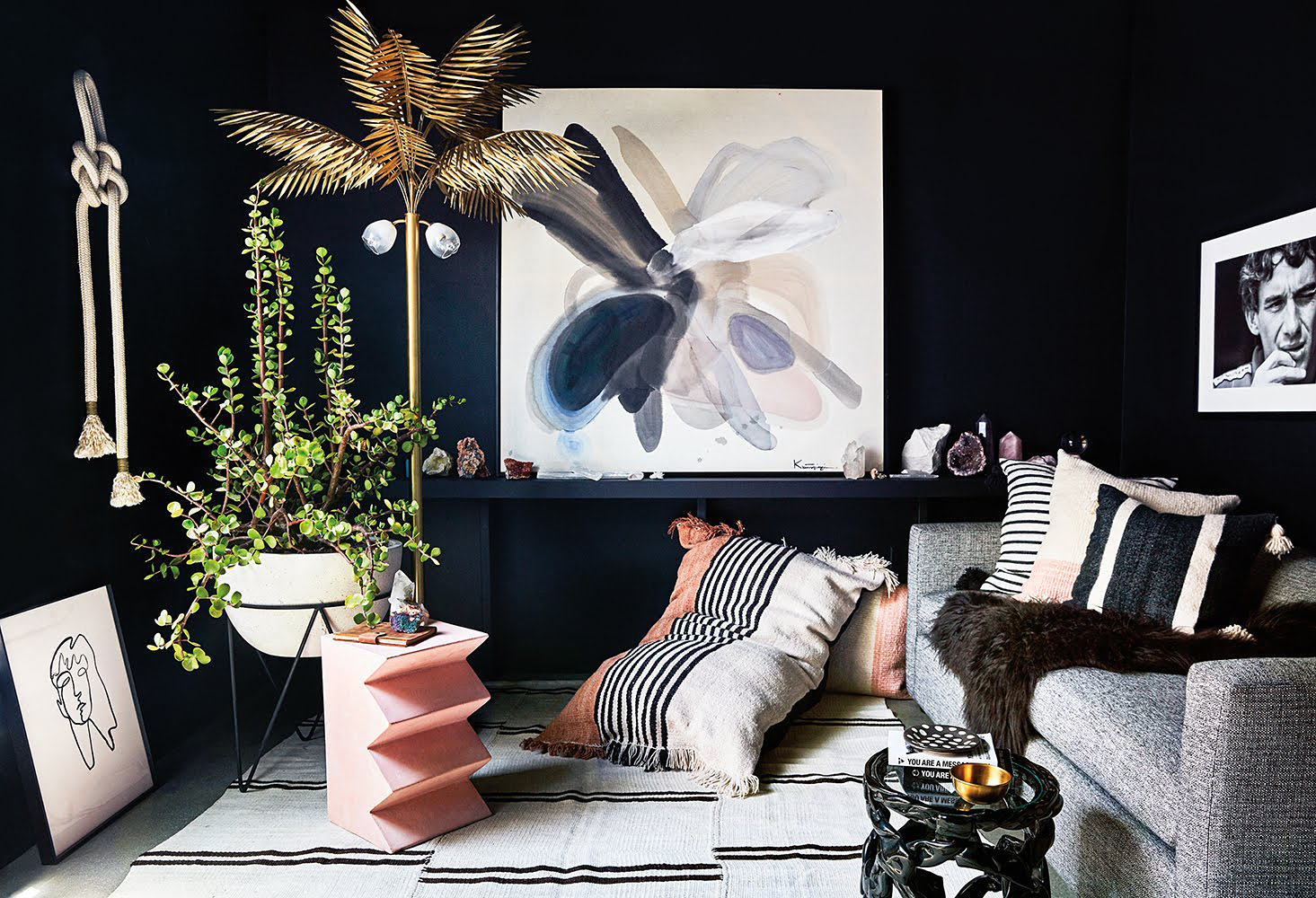
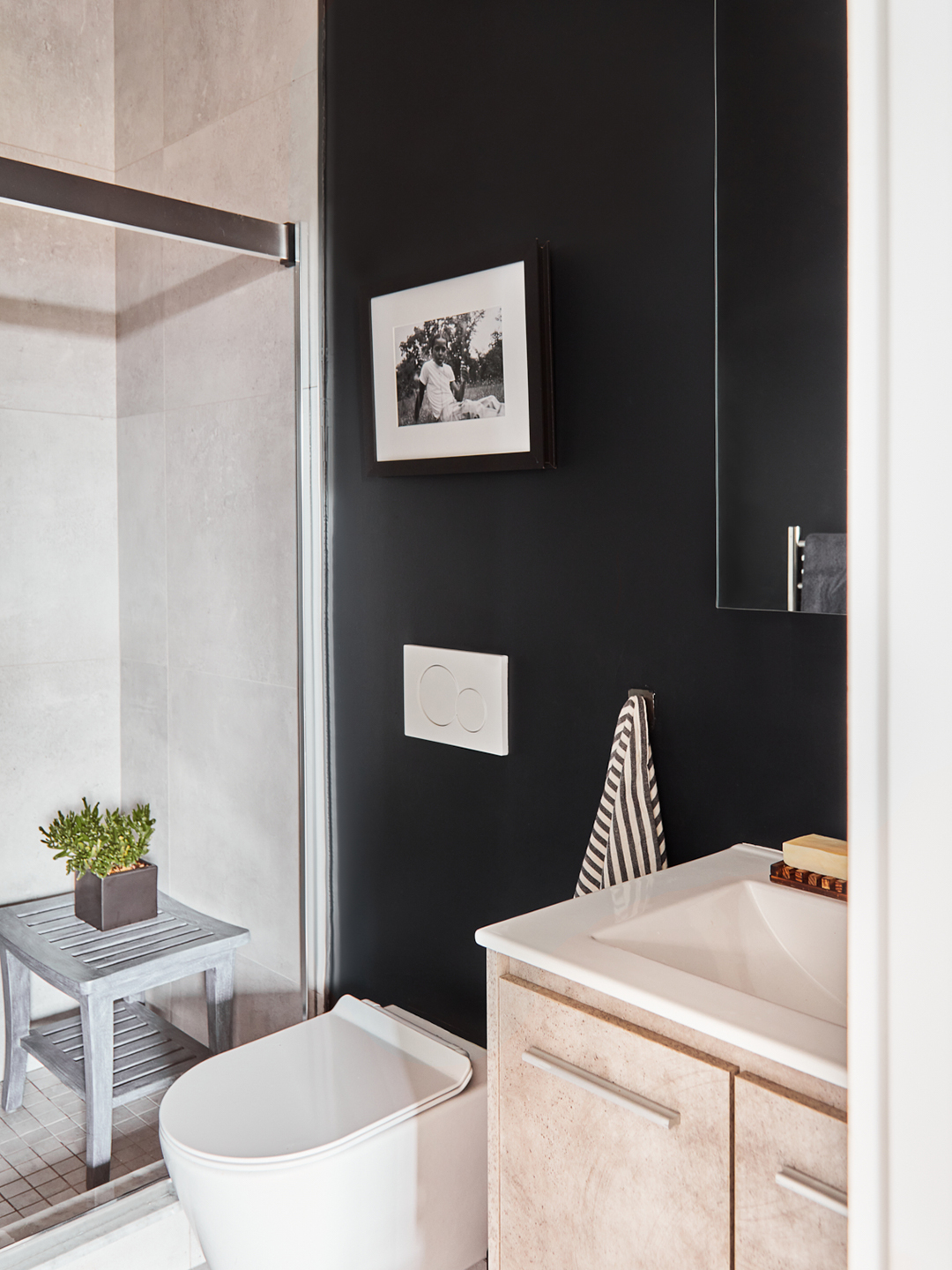
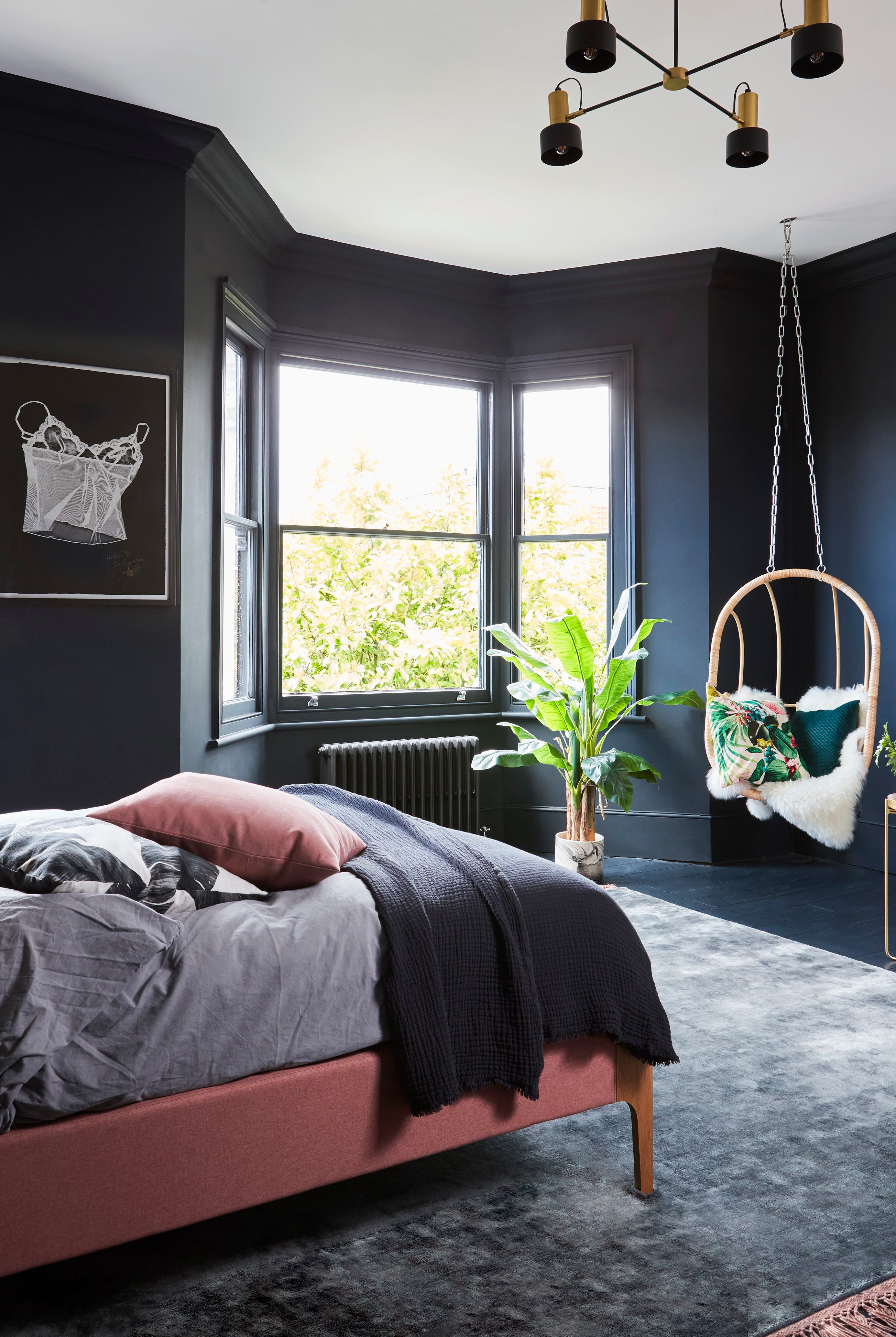
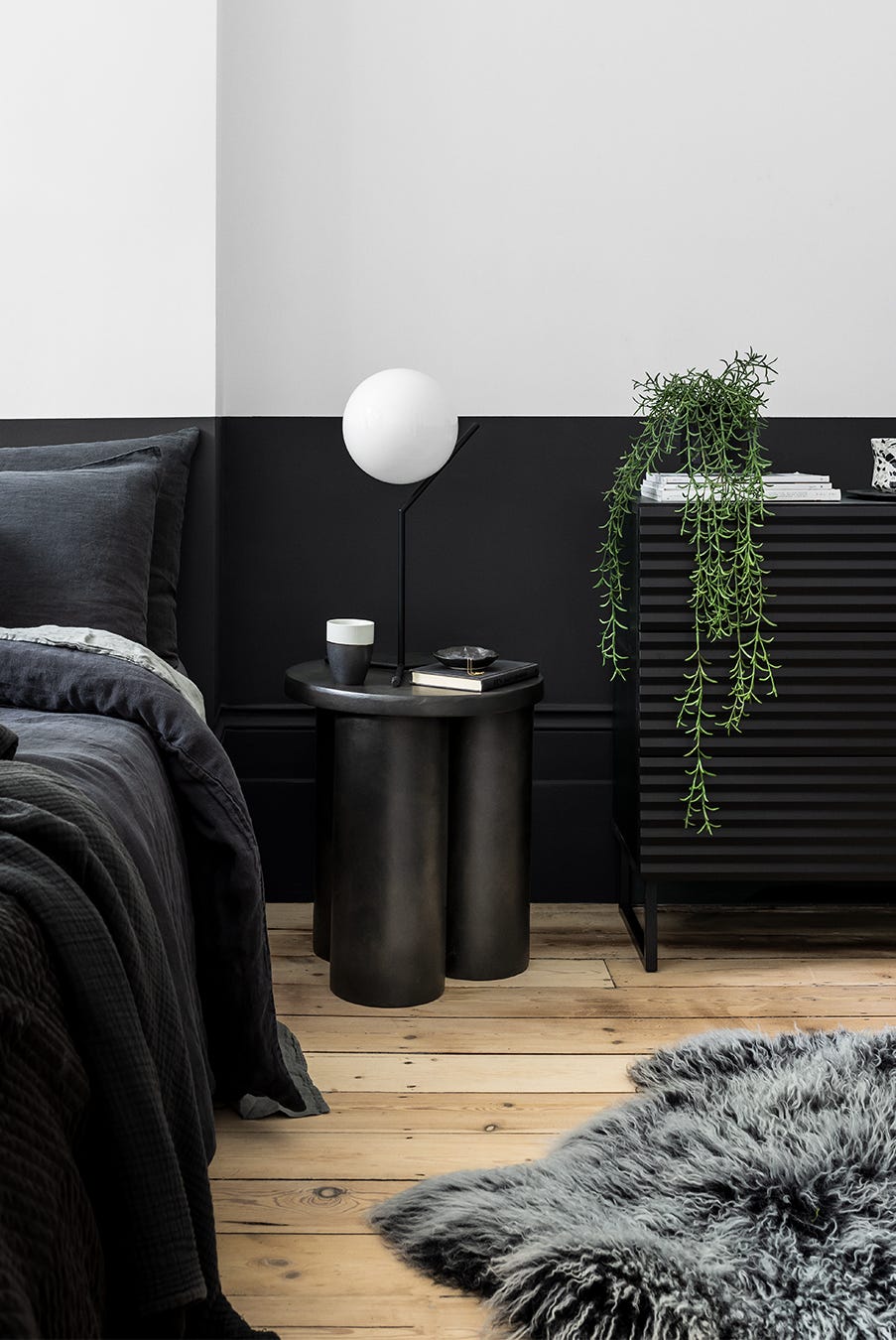
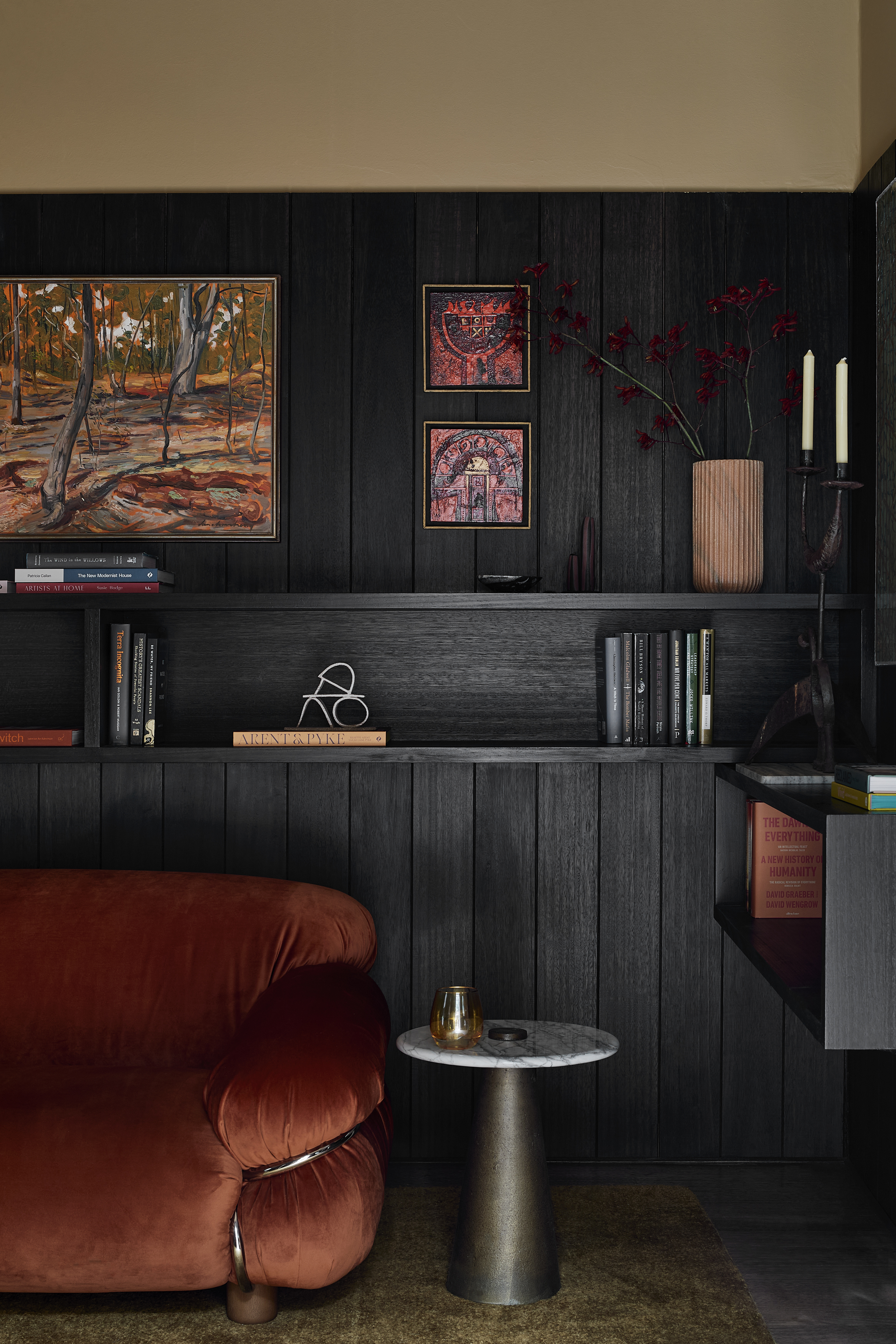
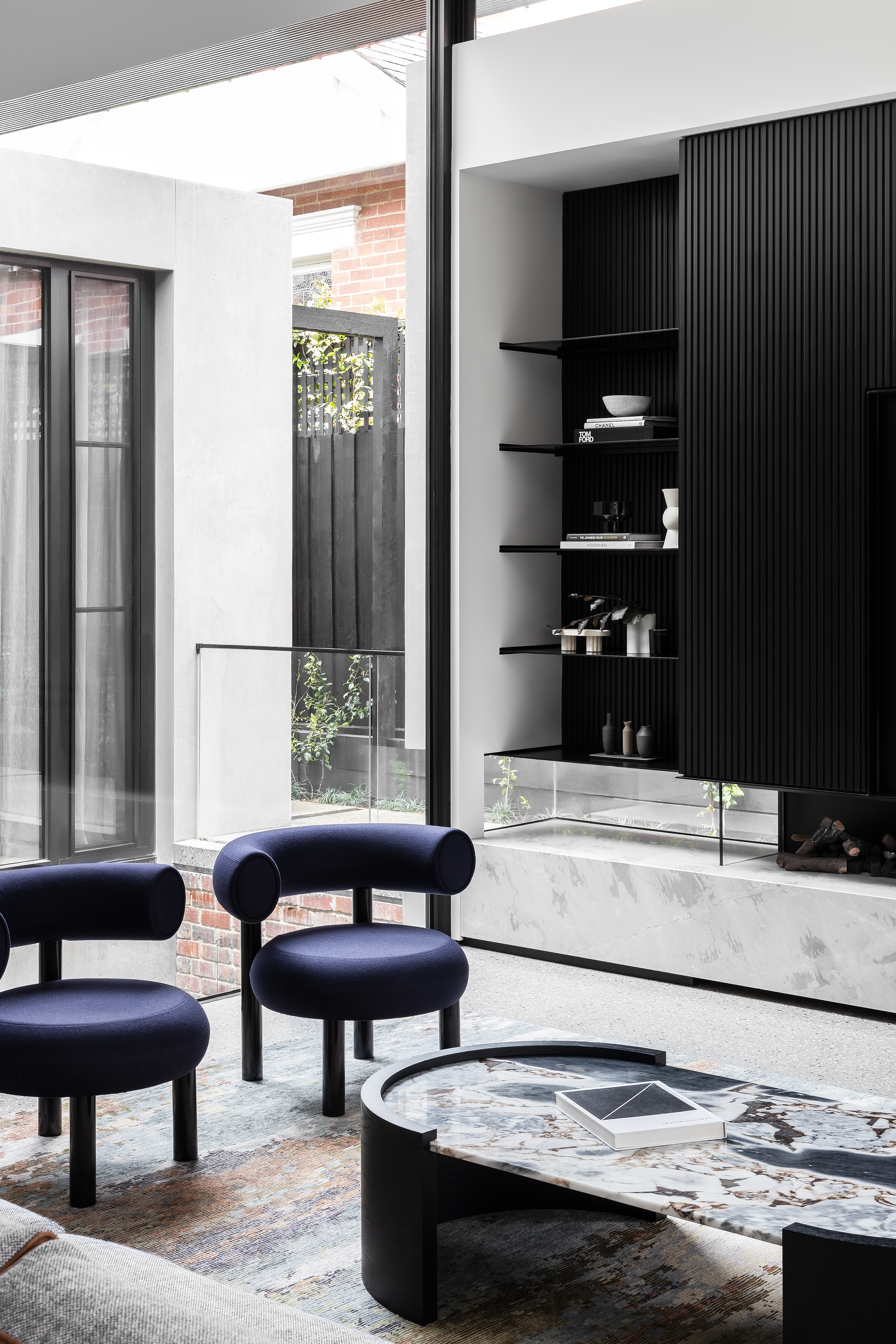
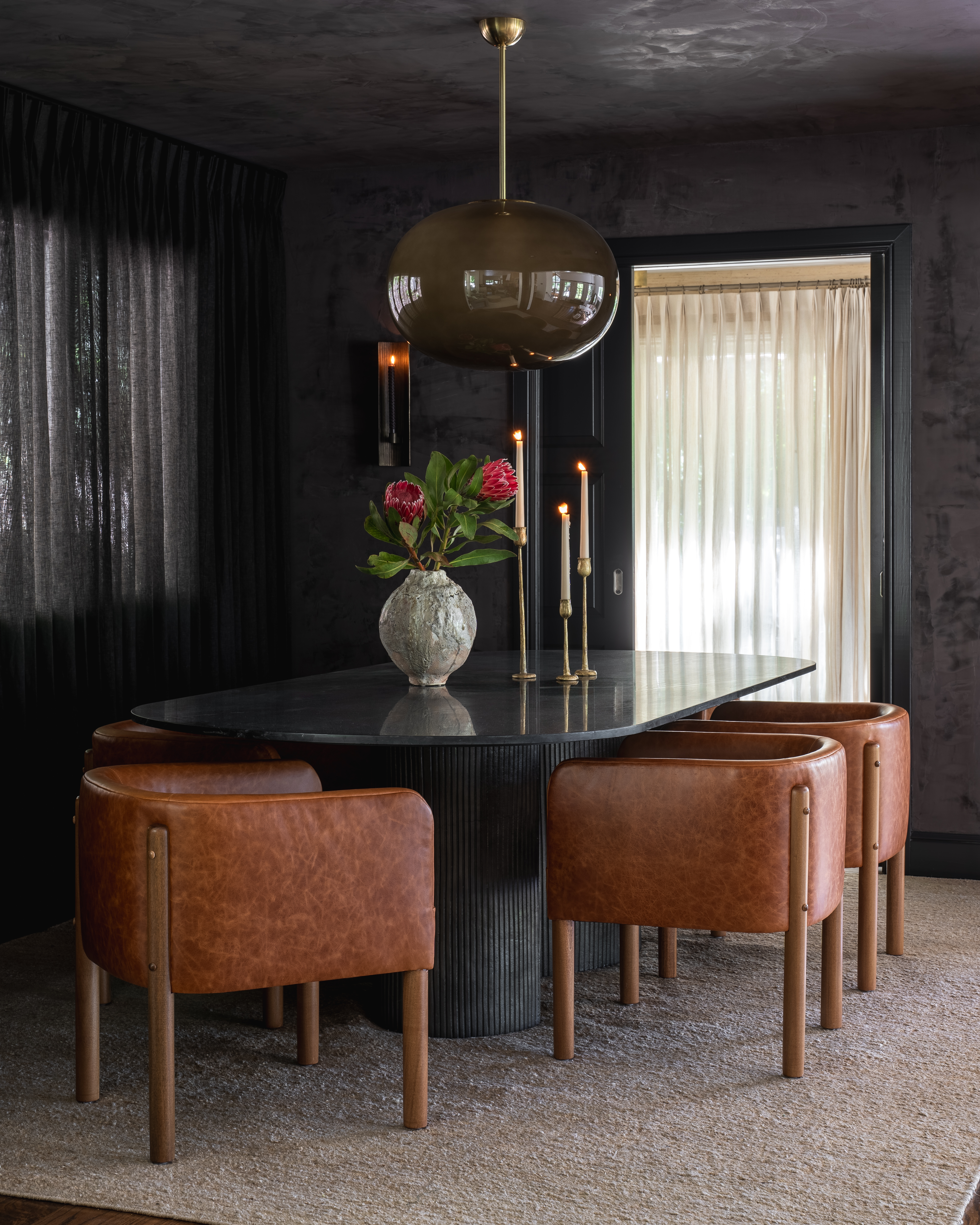
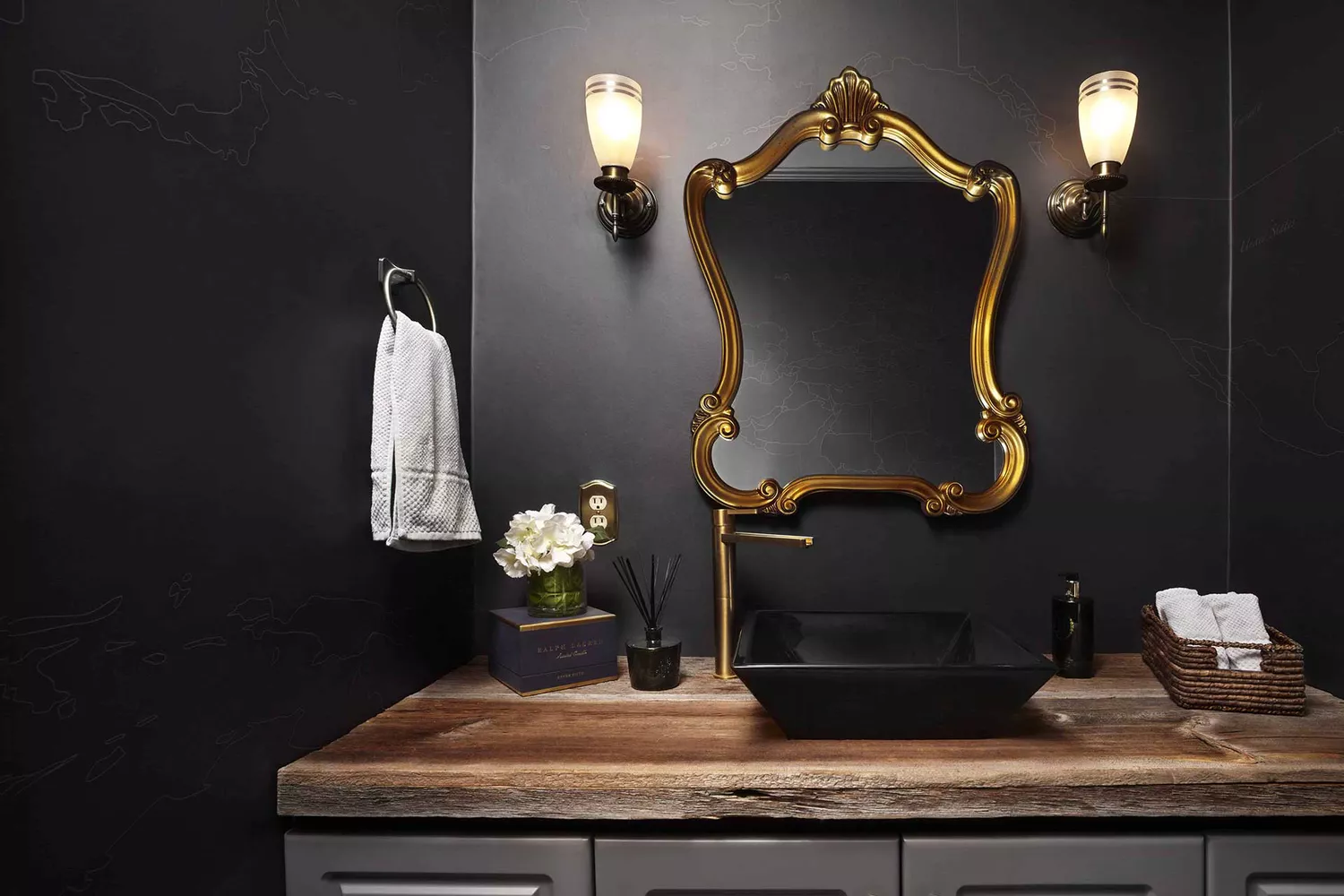
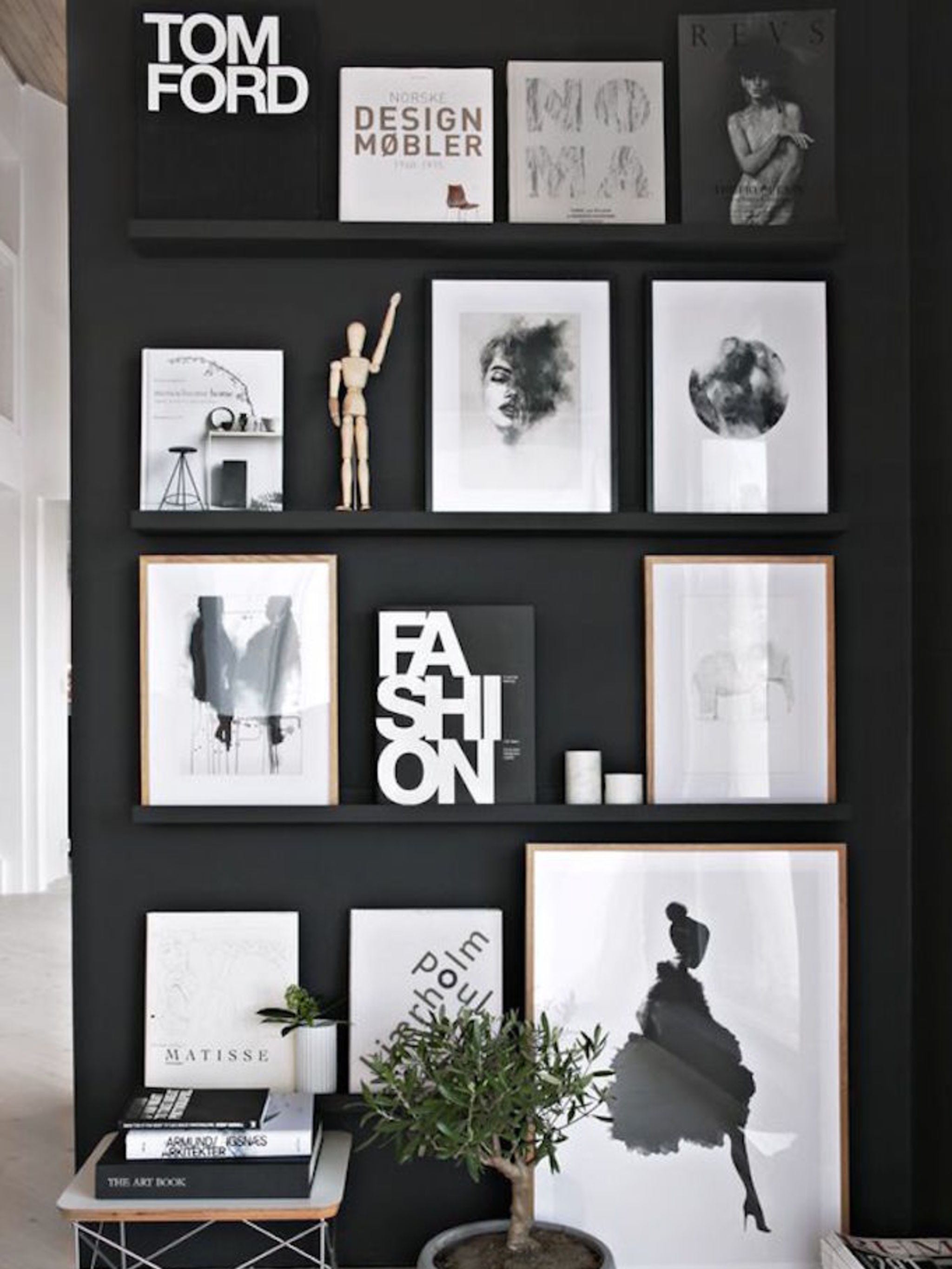
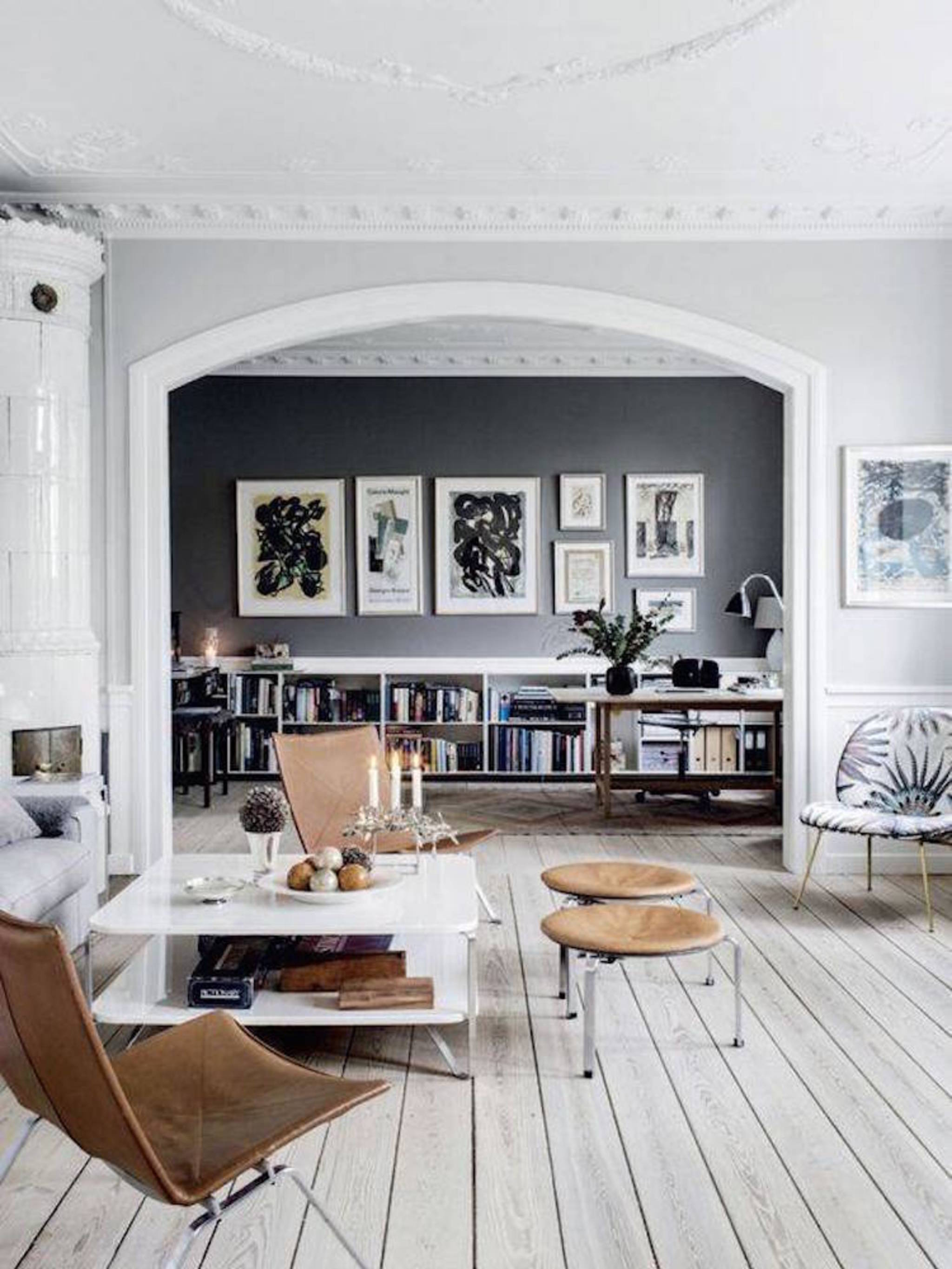
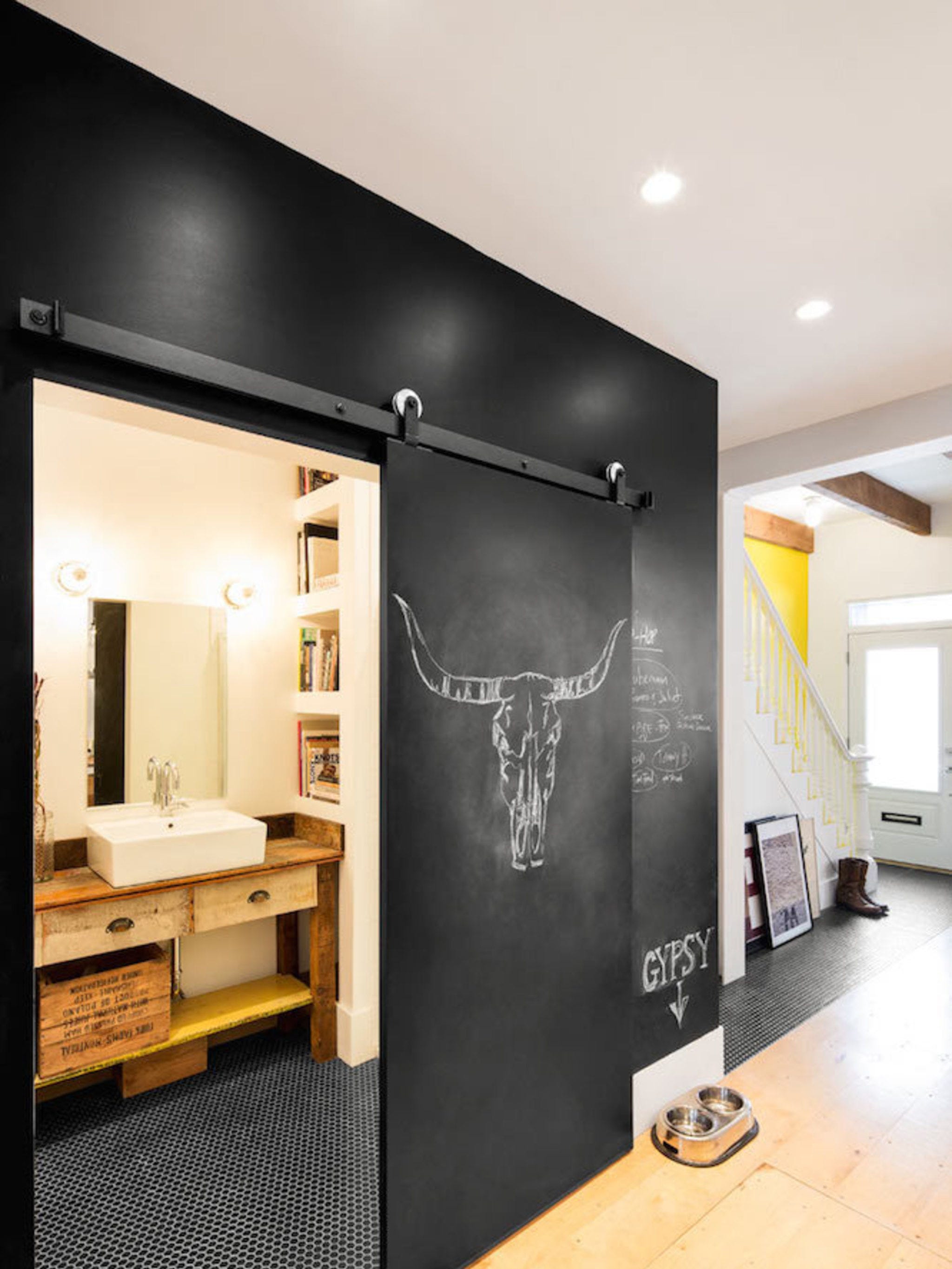
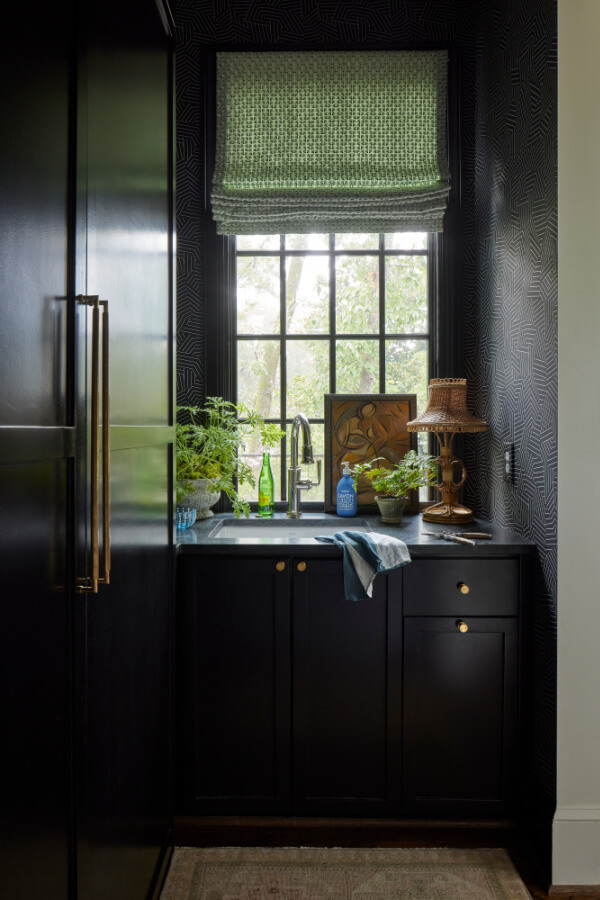
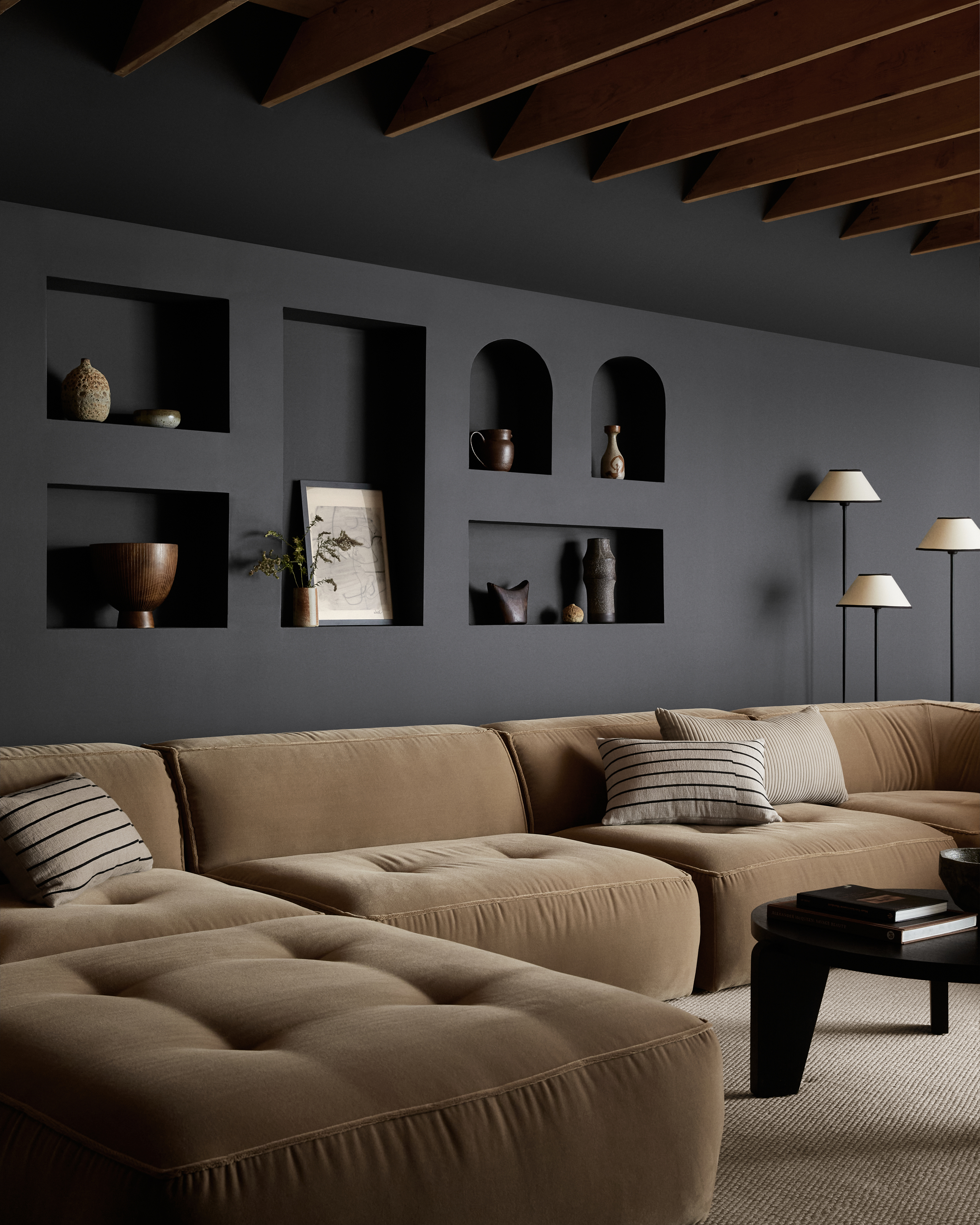
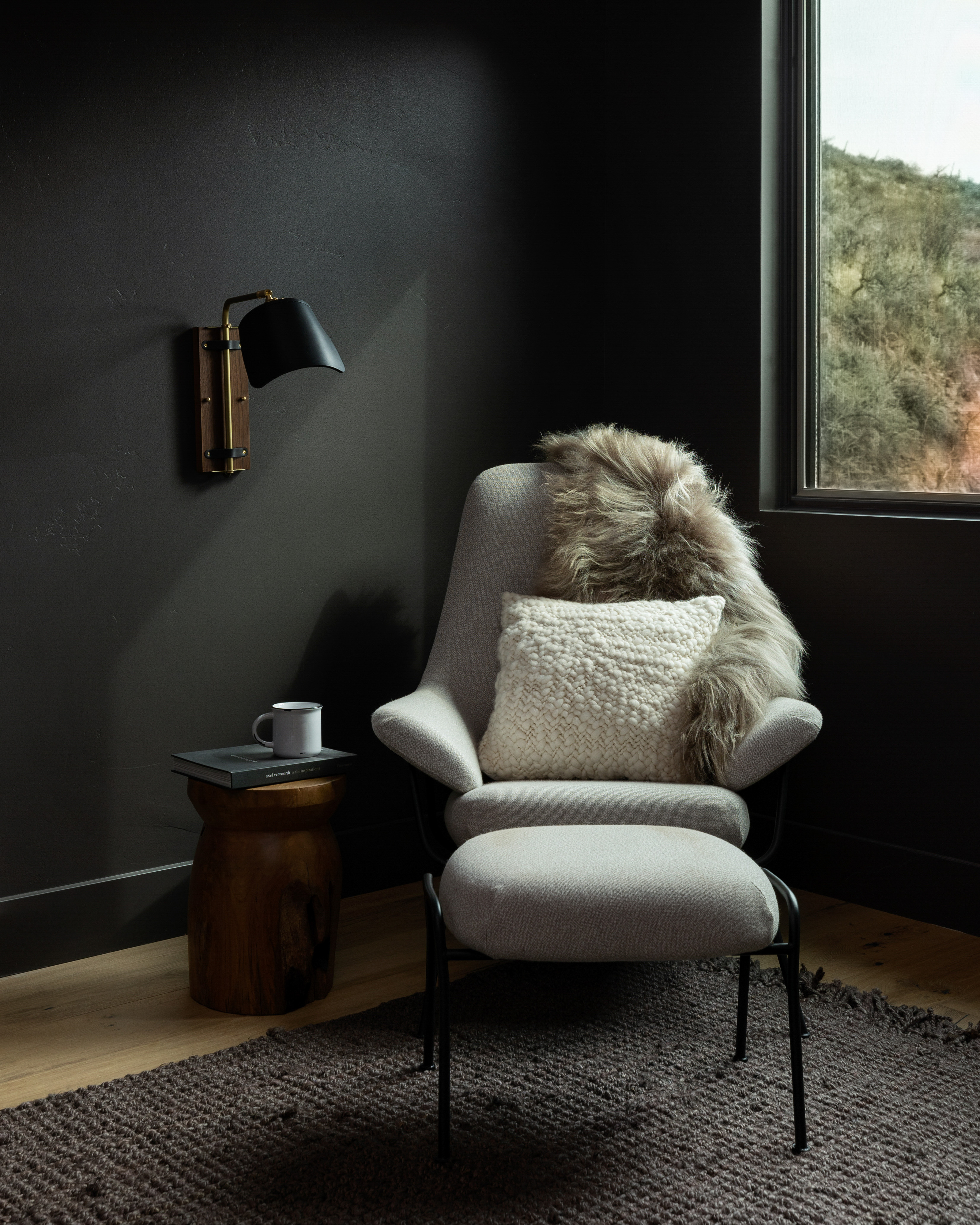
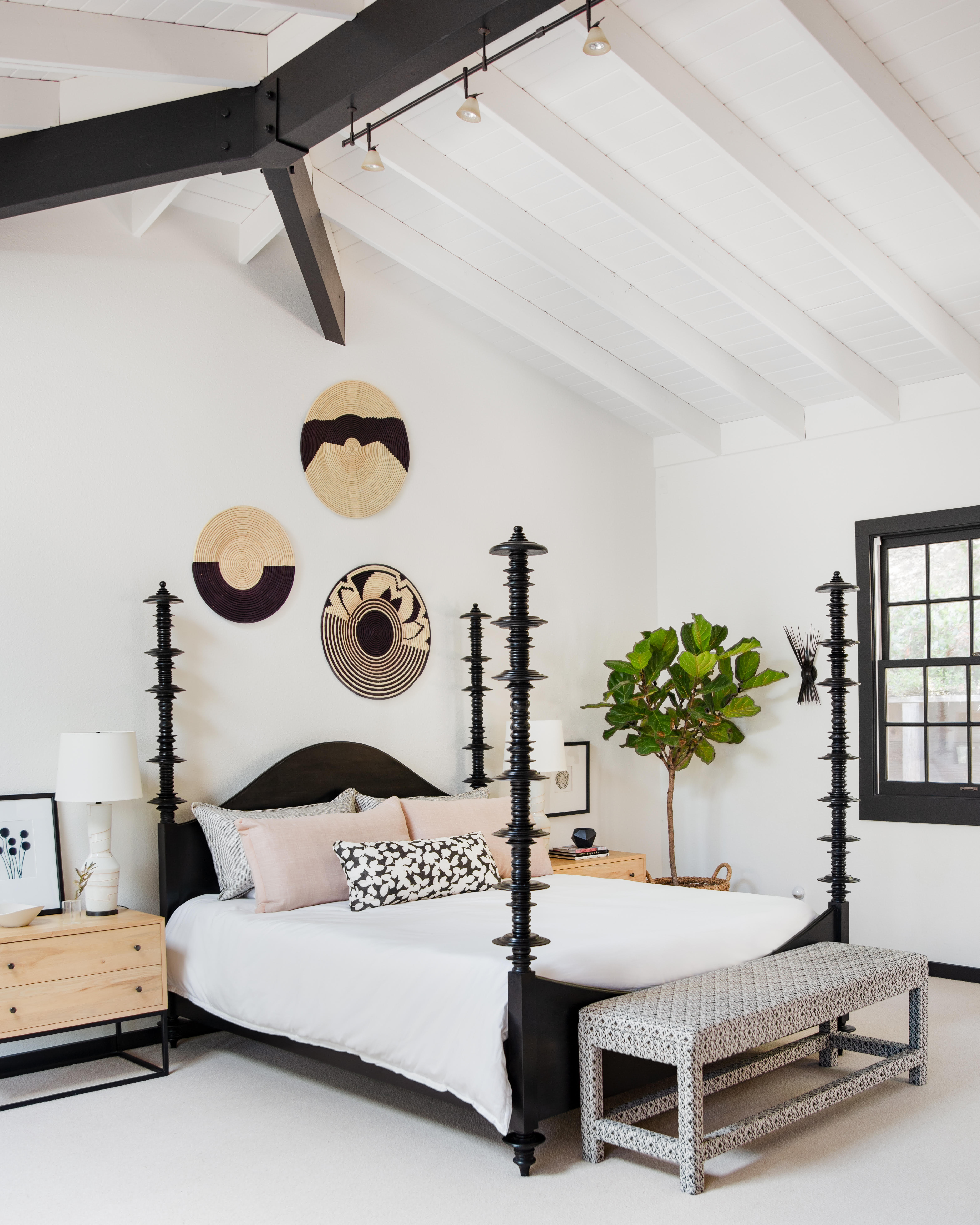
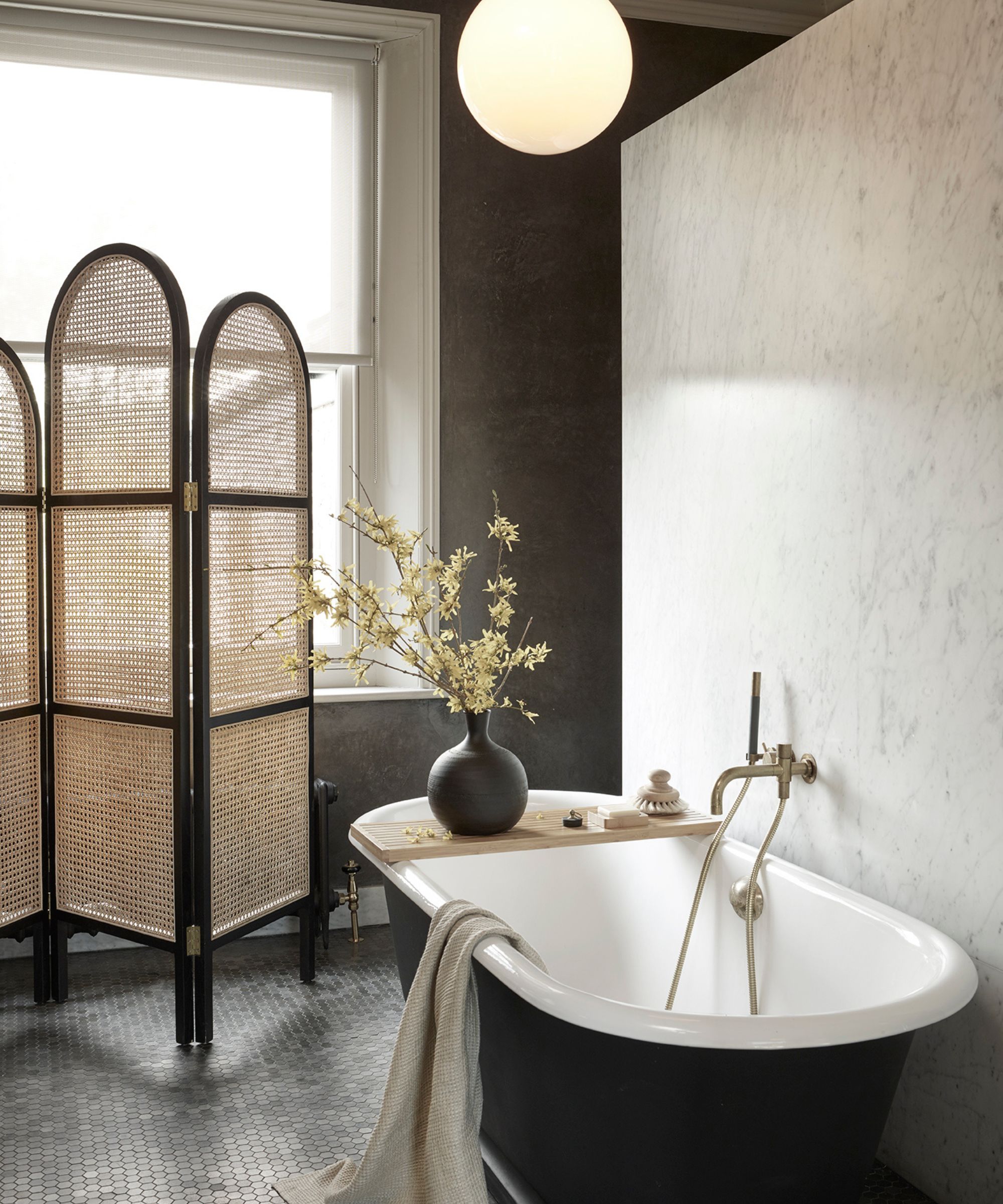
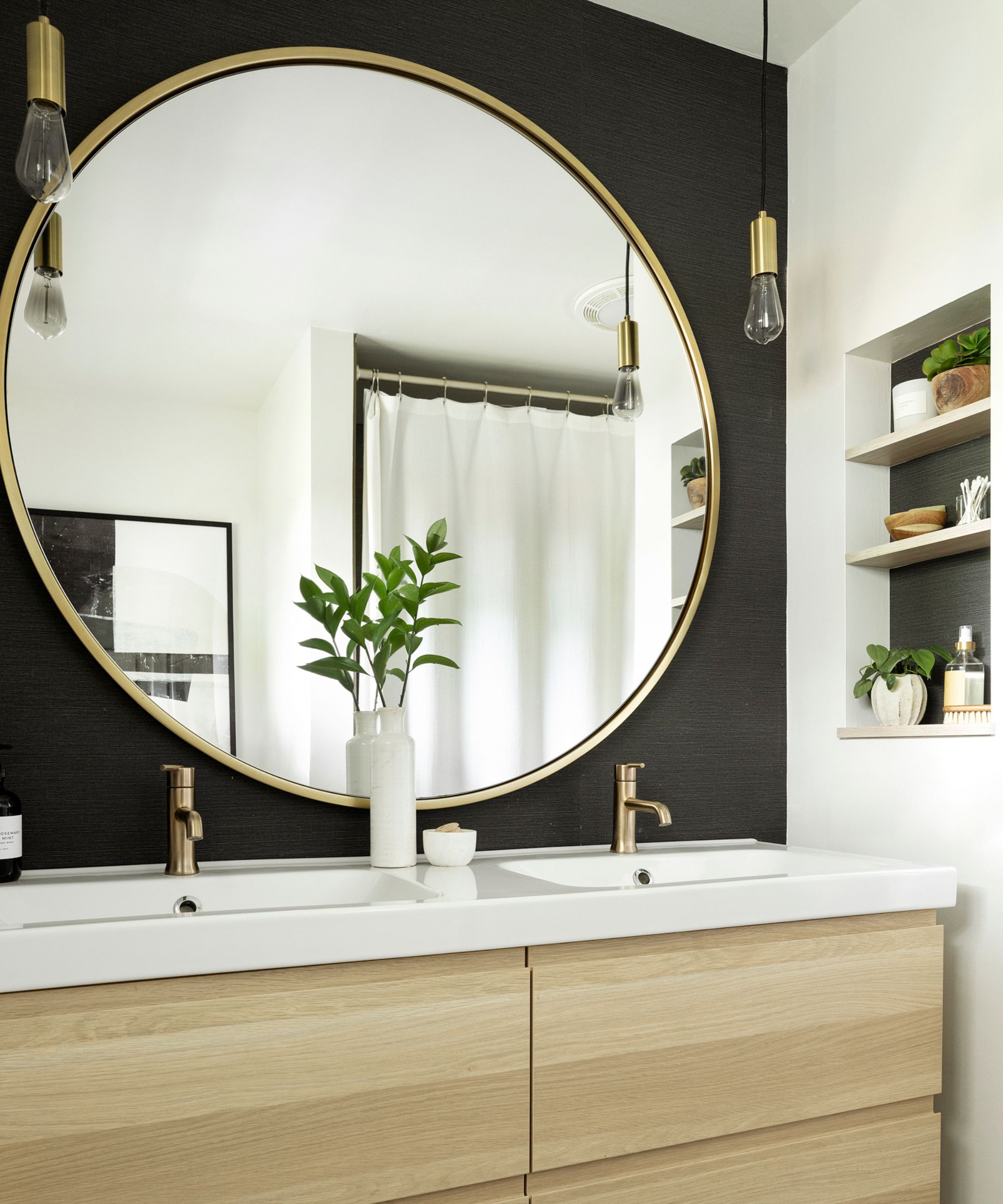
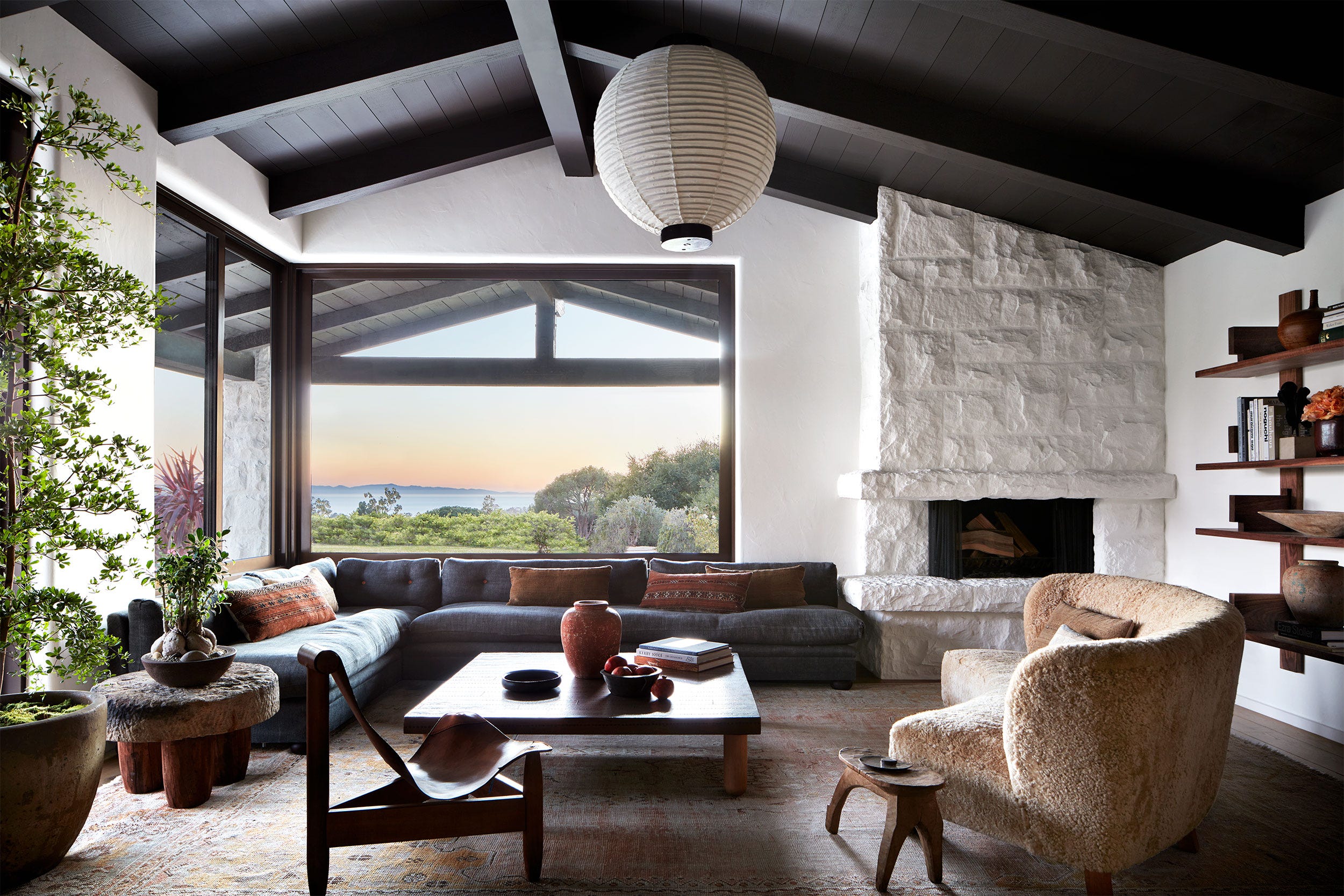
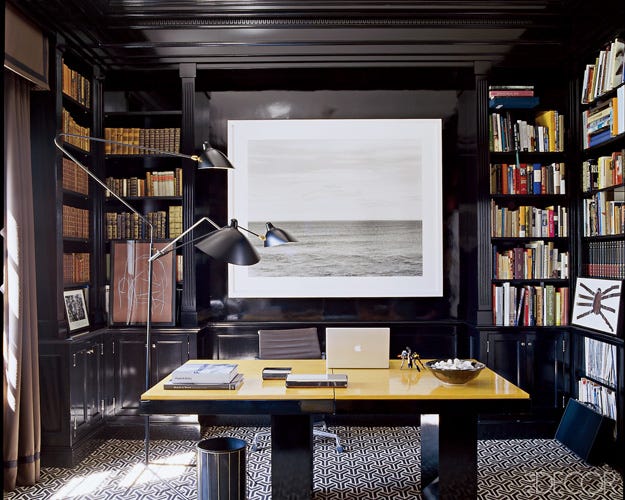
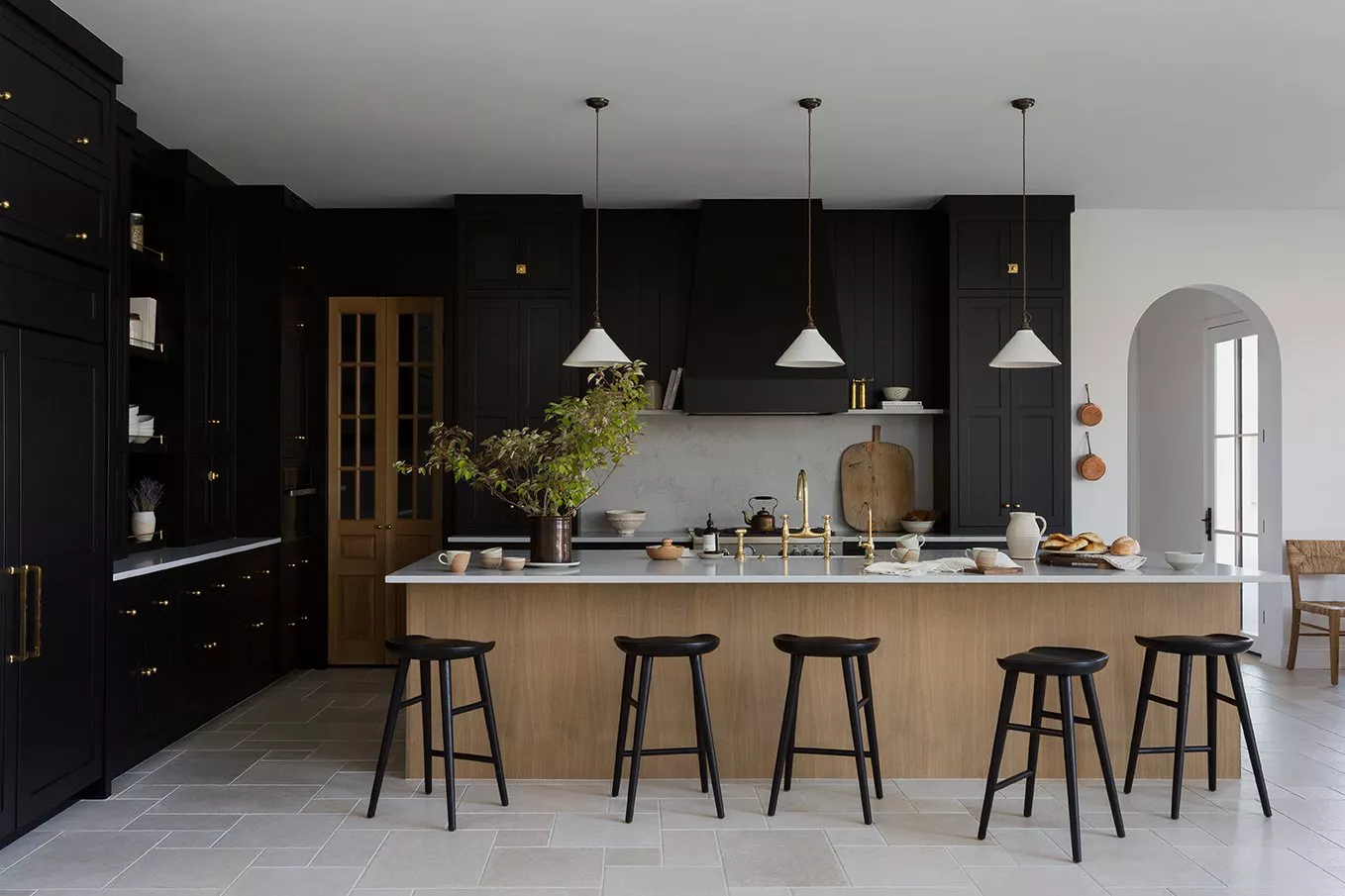
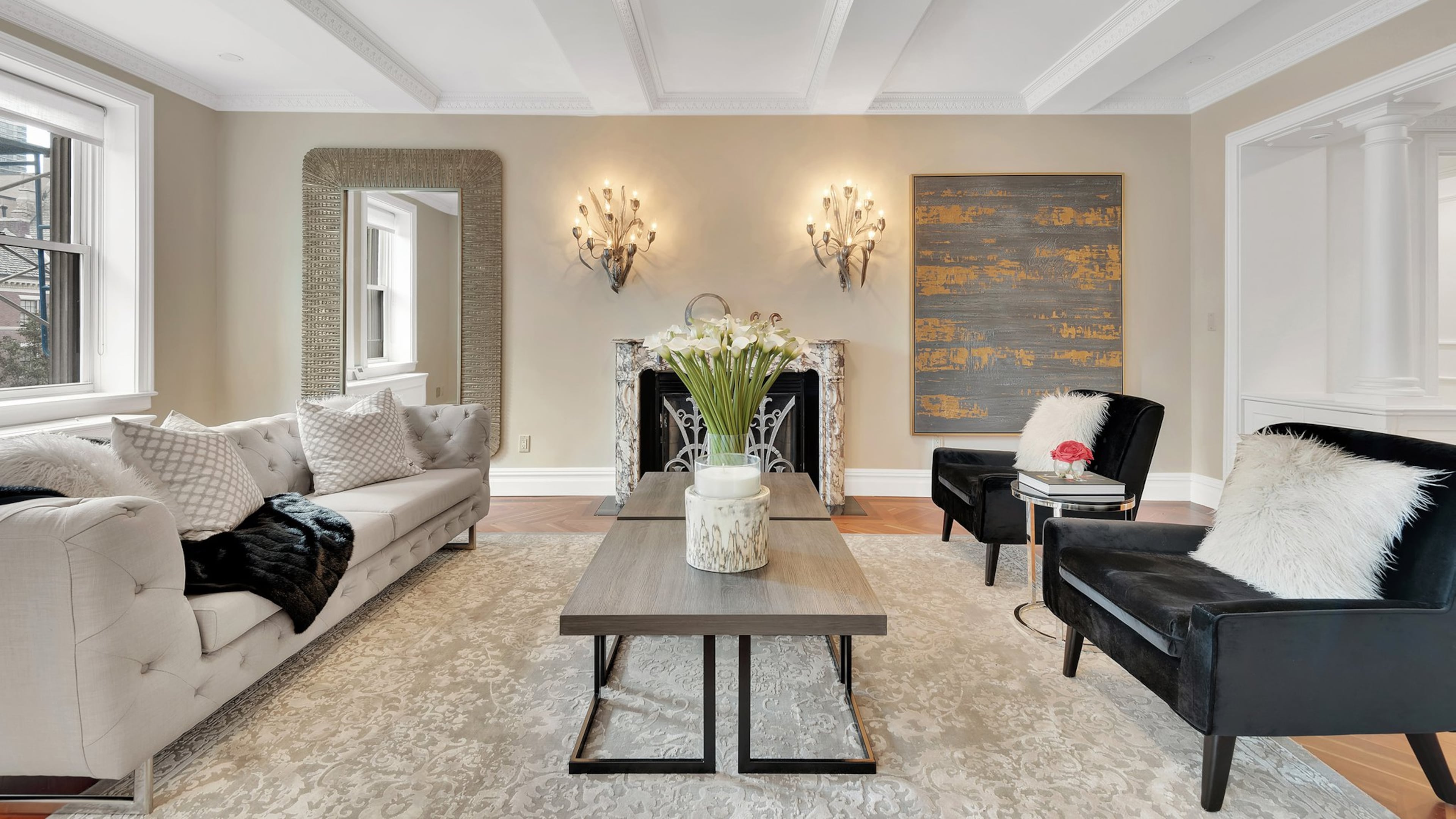
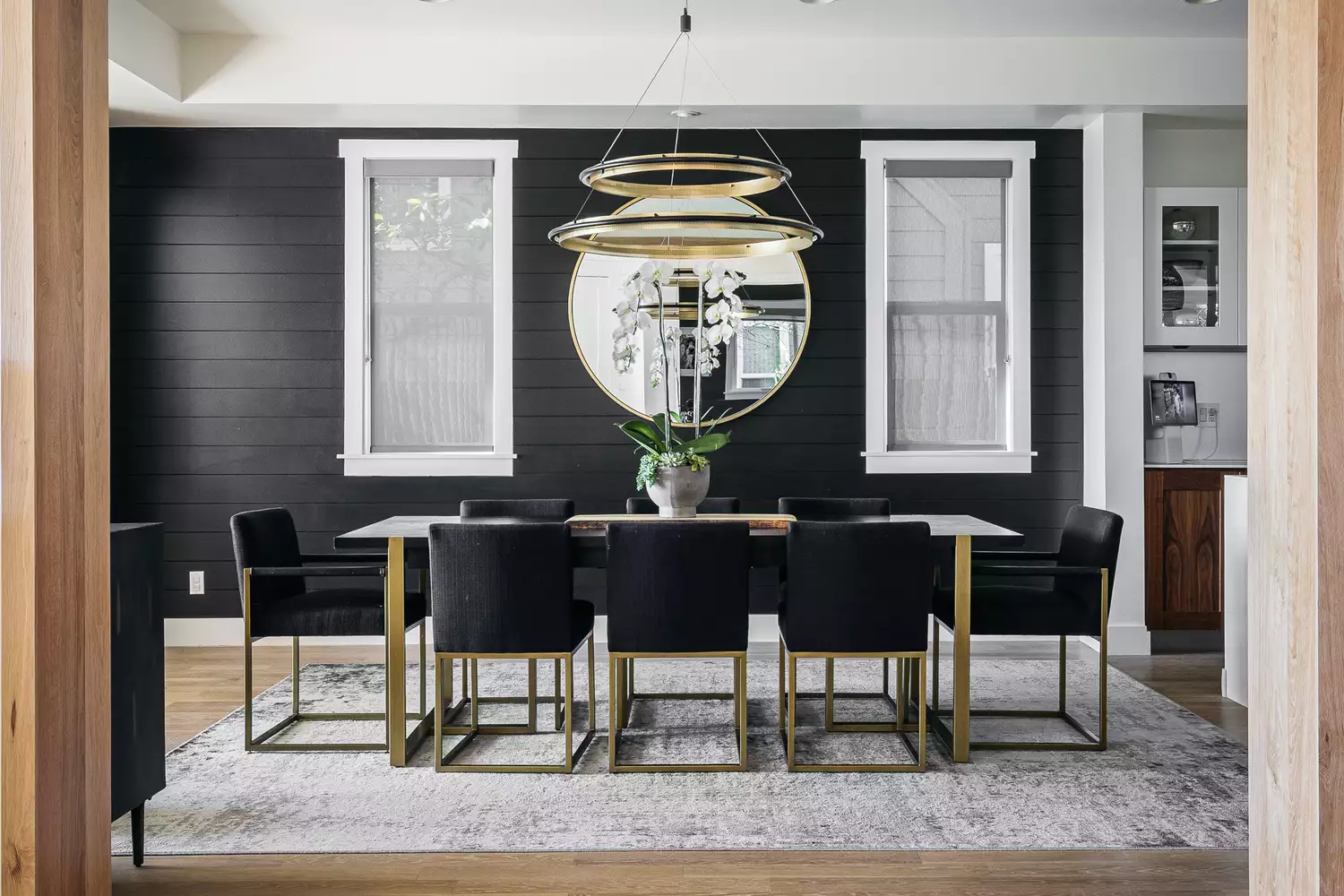
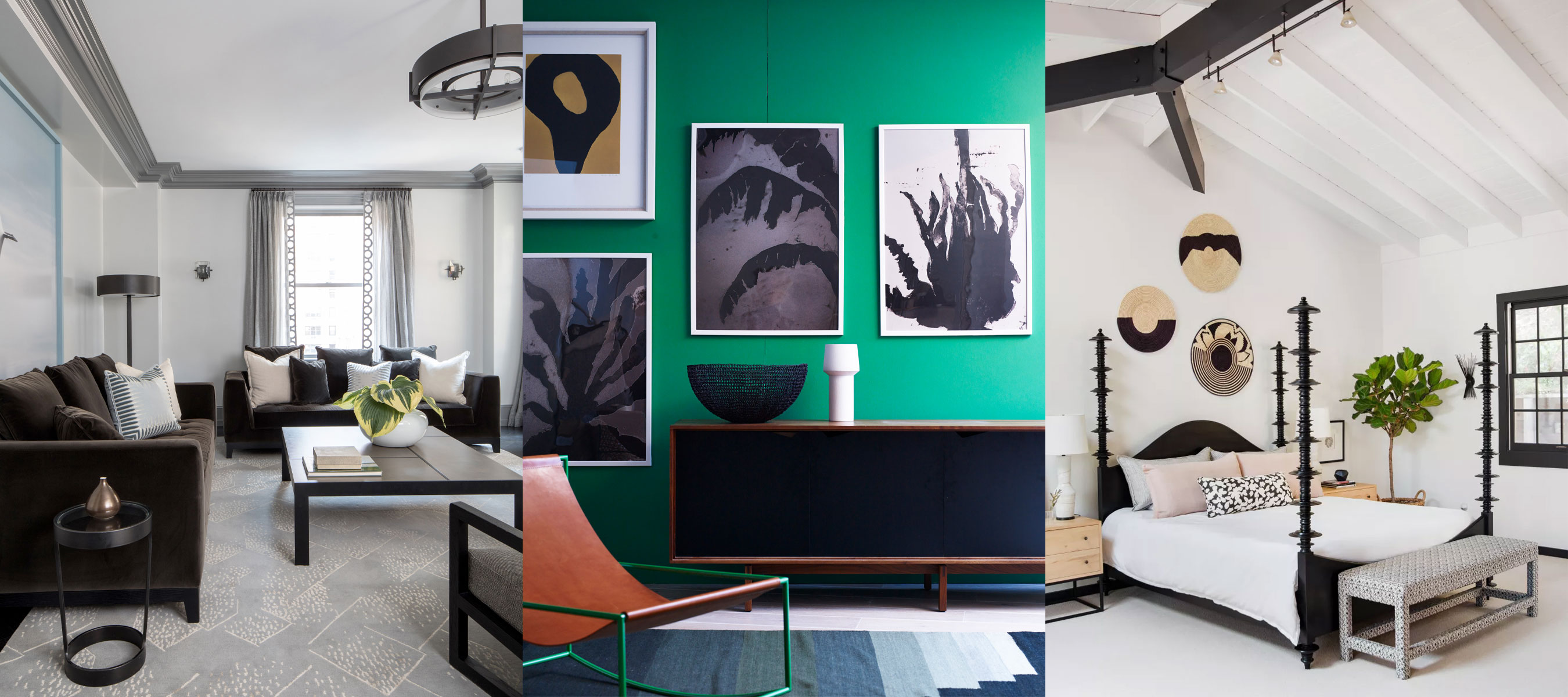
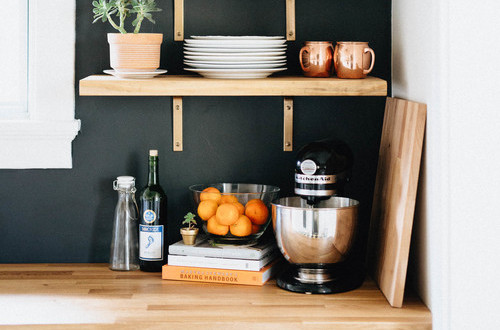
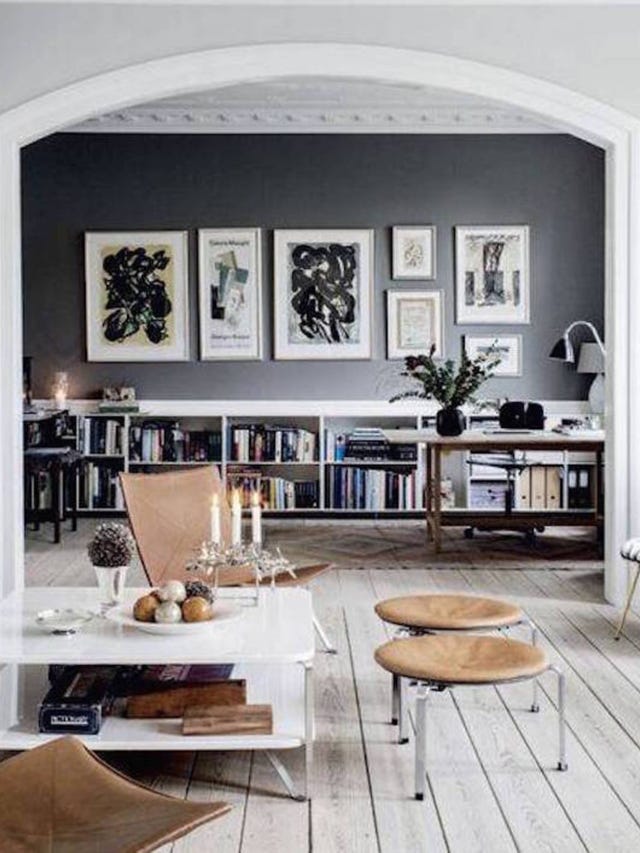
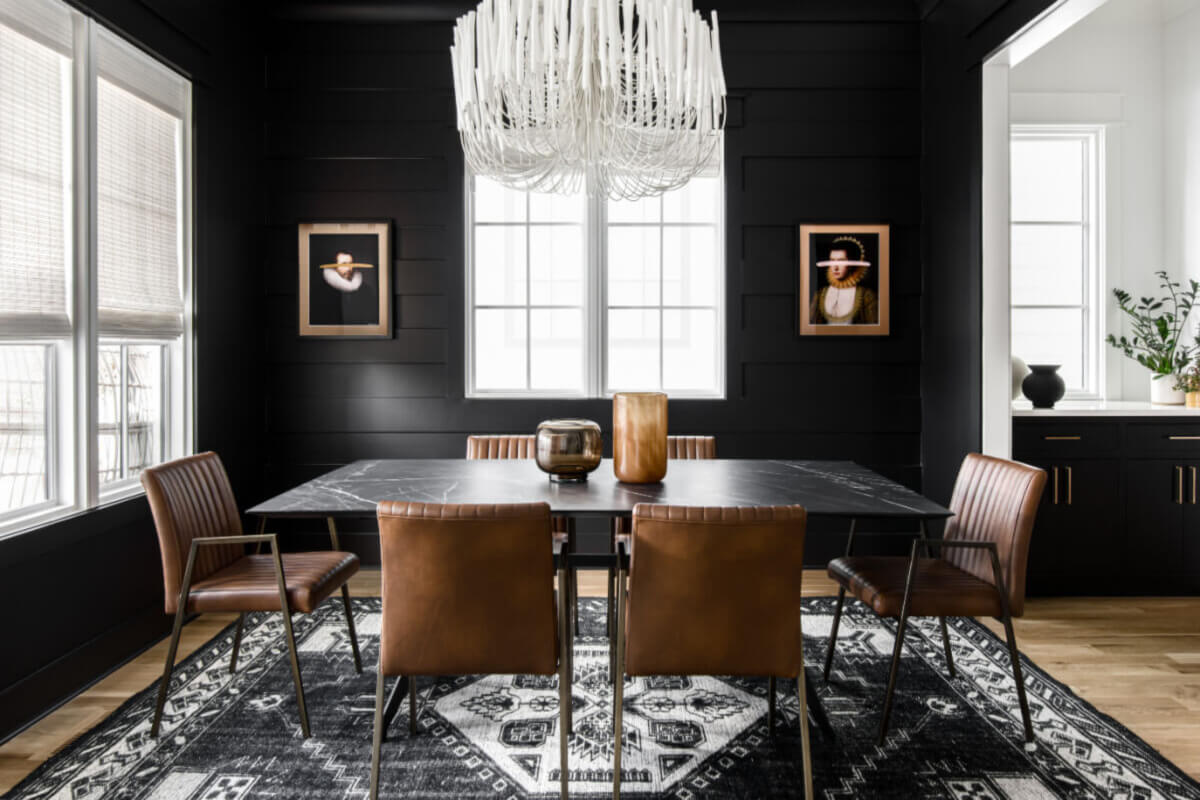
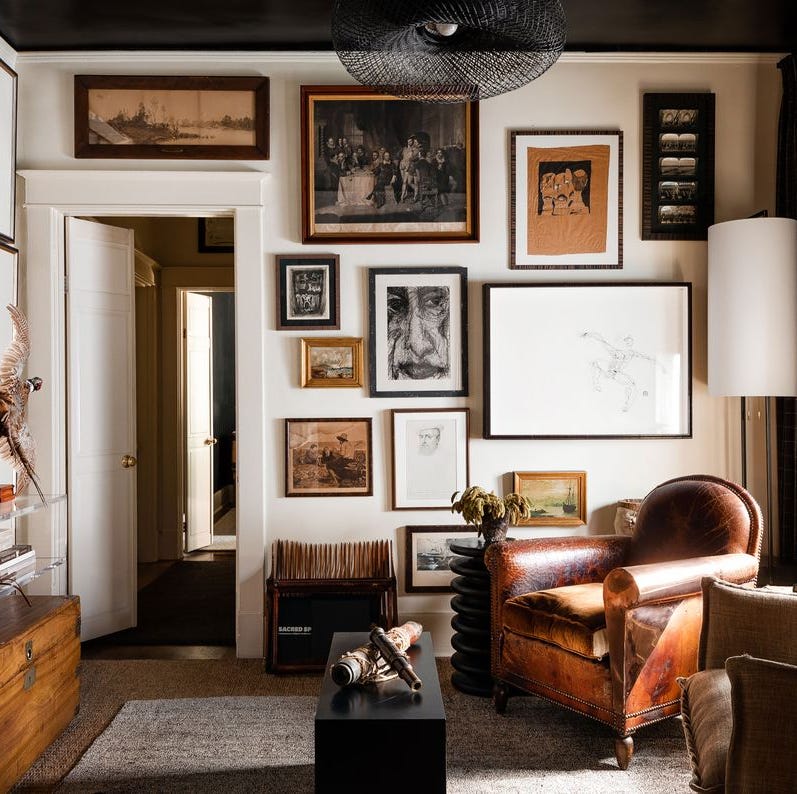
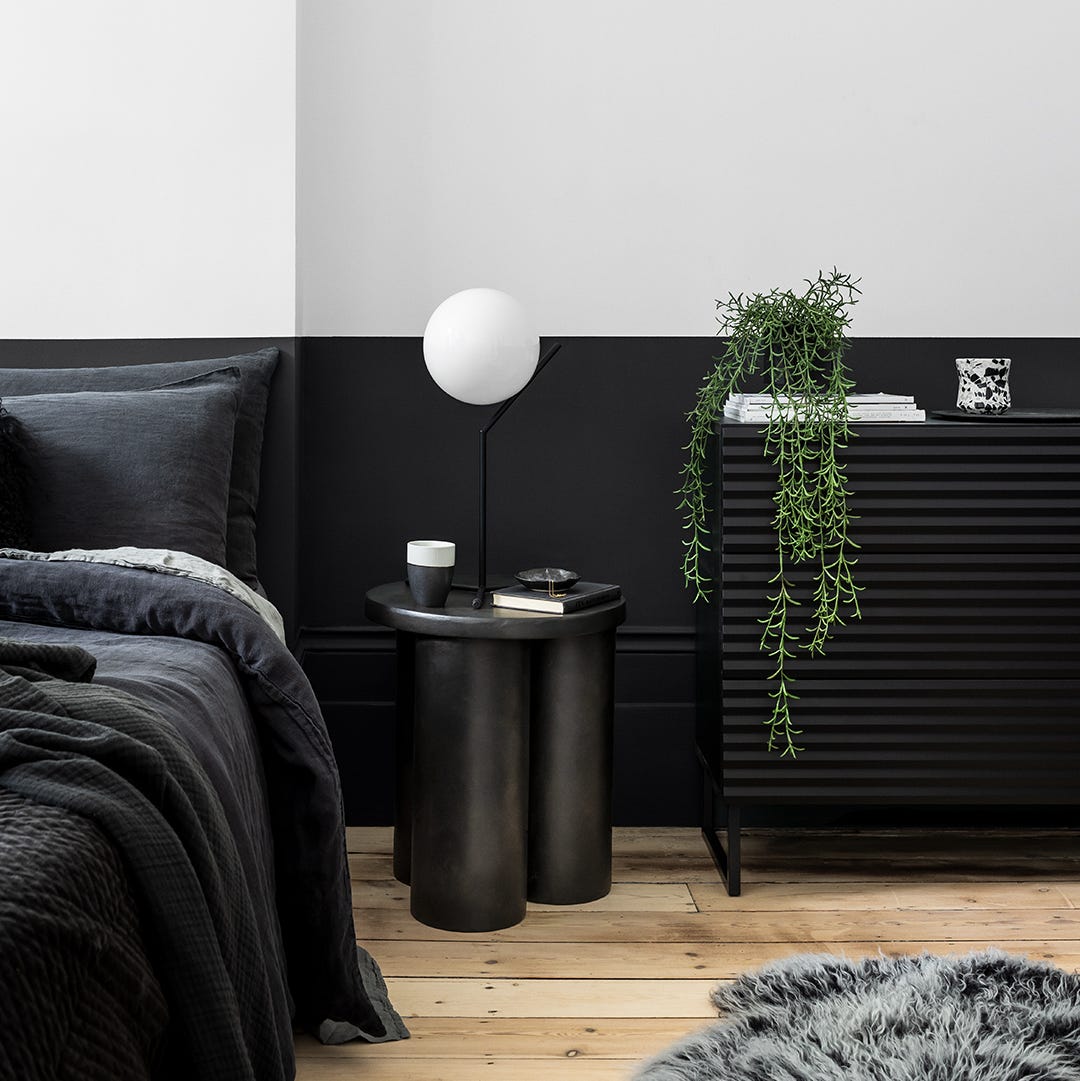
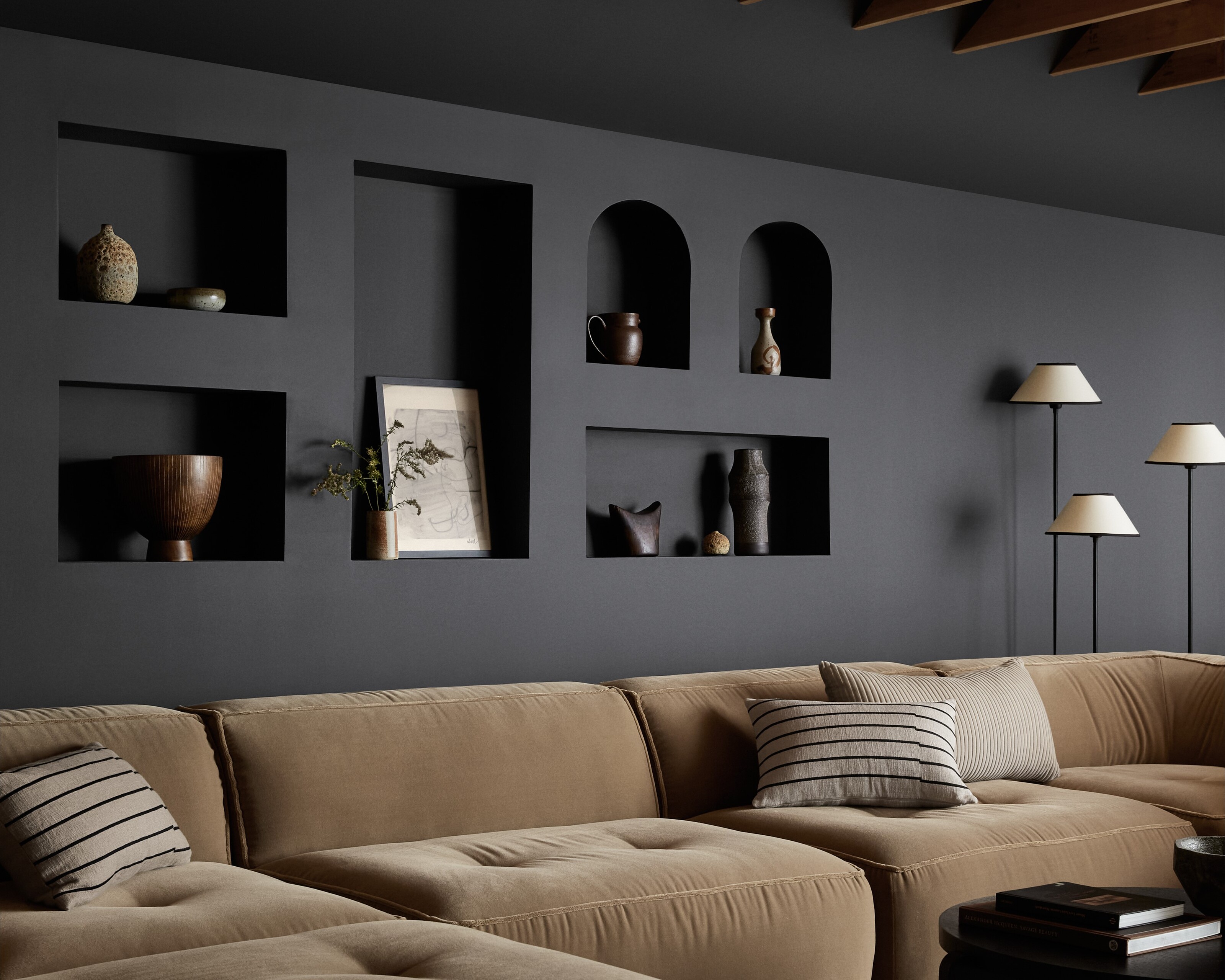
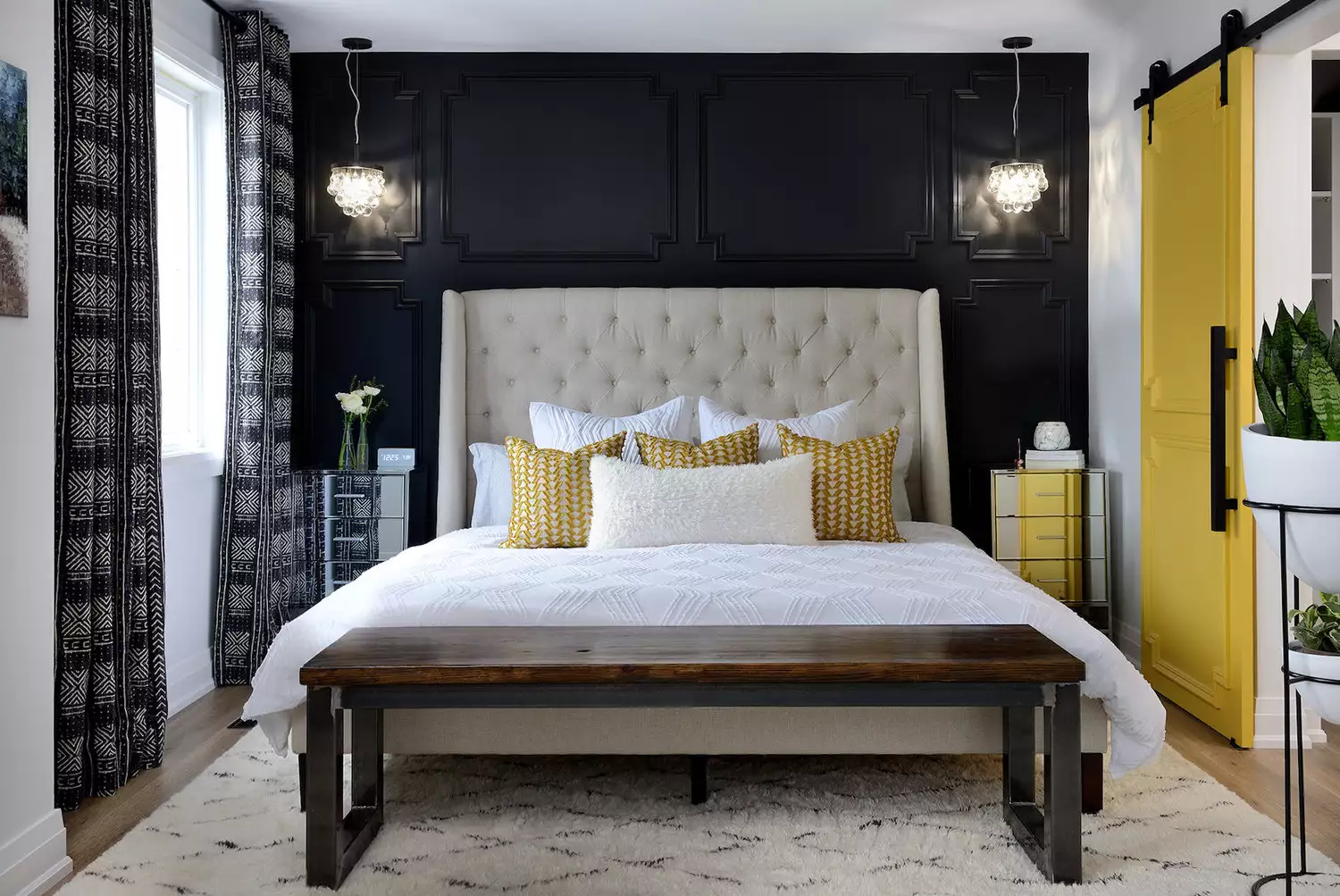
When using black in home decor, it is advisable to consider it for primary furnishings such as coffee tables, sofas, or chairs. This approach allows black to establish a strong presence without dominating the entire room. Another effective strategy is to utilize black as an accent wall color. While a bold choice, pairing it with a contrasting color like white can create a classic and timeless appeal. Artwork is another excellent medium for integrating black into a space, offering a way to introduce the color in a curated and artistic manner. Mixing black with contrast colors such as white, taupe, or light gray helps to balance the visual weight of black and prevent the room from appearing too dark or harsh. Experimenting with various materials like velvet, faux fur, or textured wallpaper can add depth and tactile interest to black elements, enhancing the overall sophistication of the decor.
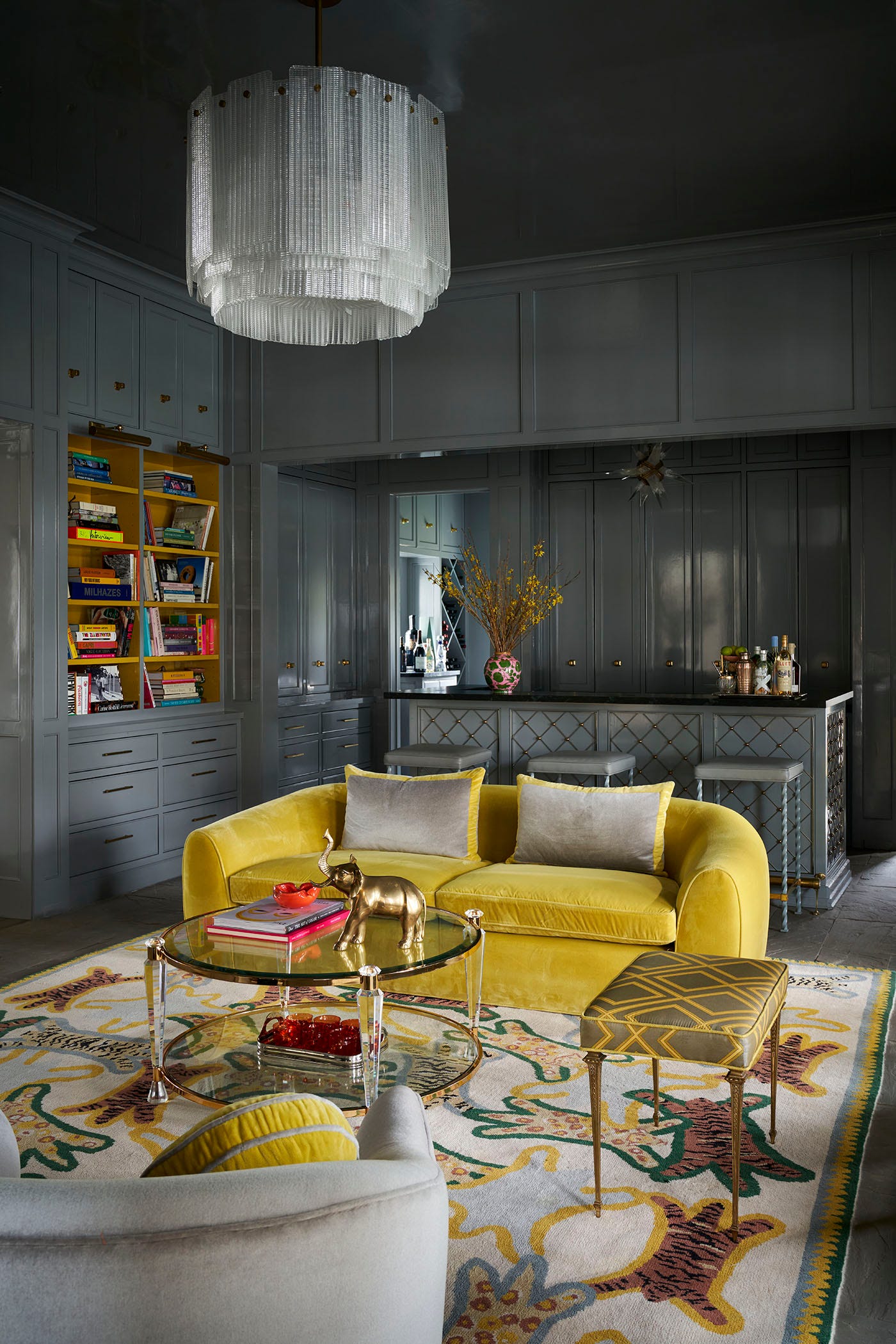
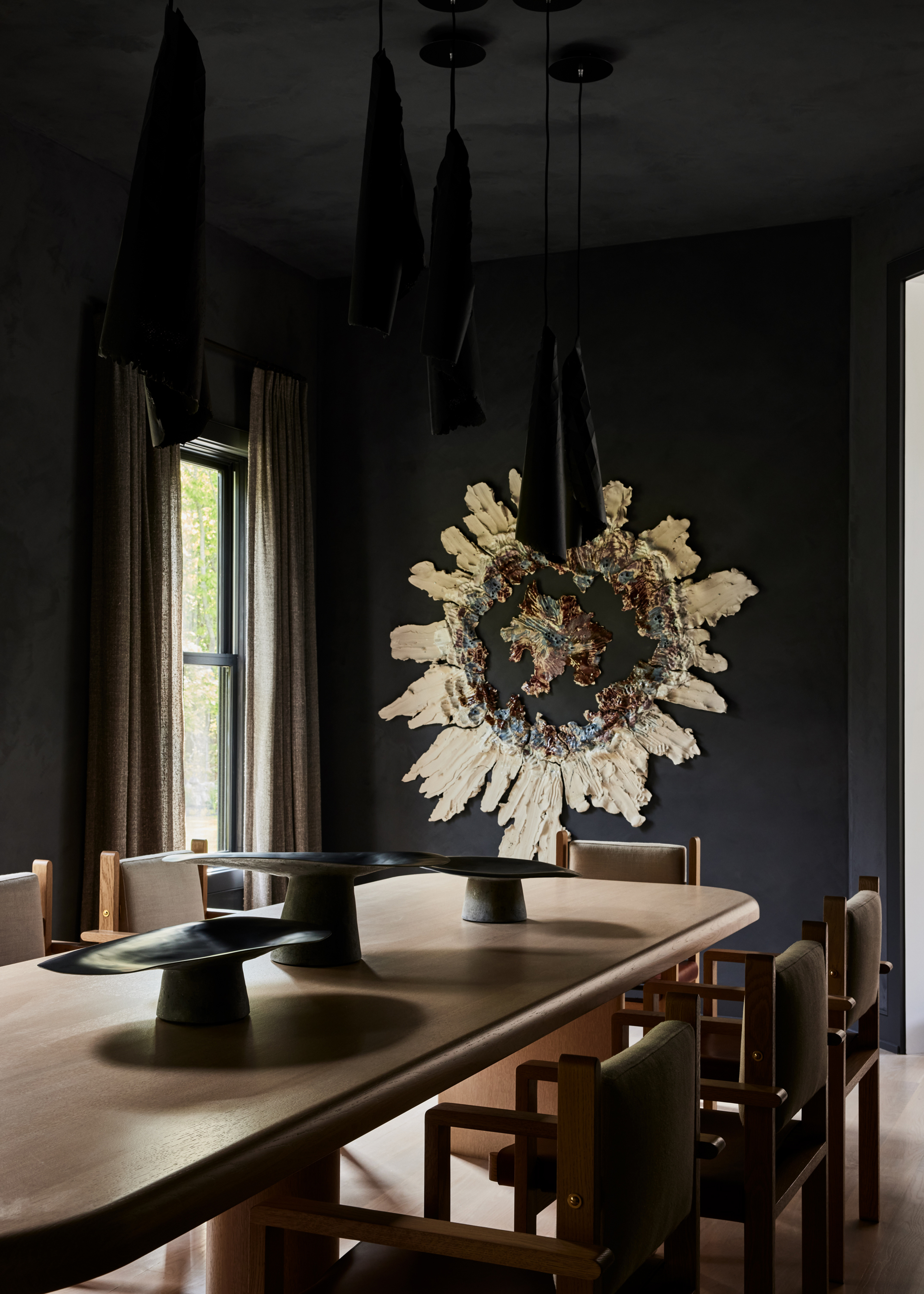
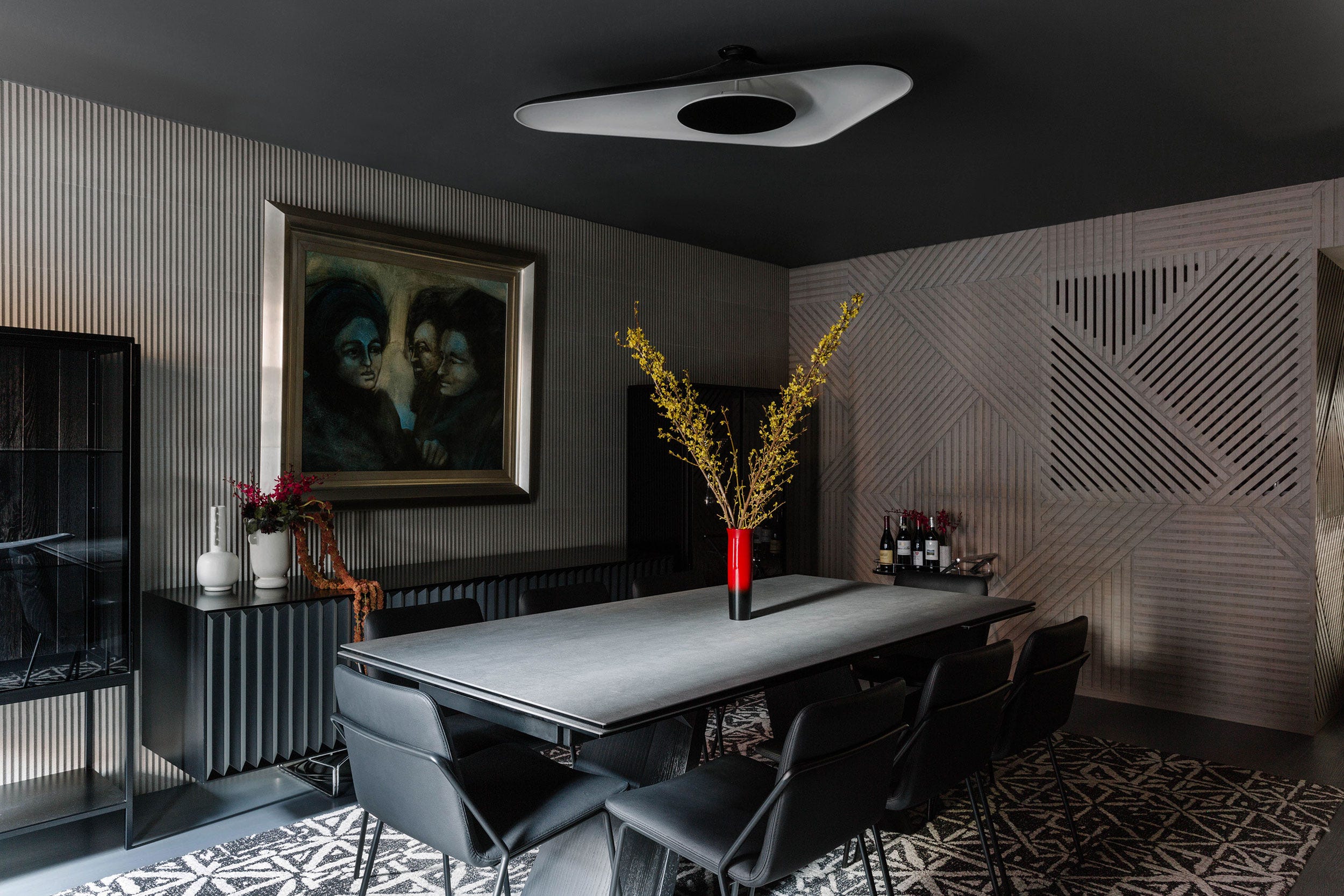
Conversely, there are certain practices to avoid when decorating with black. A crucial don't is to blend different shades of black within the same space. Unlike many other colors, the shade of black should remain consistent throughout a room. Inconsistent shades can make the color appear faded, worn, or mismatched, detracting from the intended luxurious effect. Overdoing black is another common pitfall. Less is often more with this powerful color; a room entirely dominated by black can appear harsh, somber, or even gloomy. Instead, it is recommended to use black as an accent rather than the main color.
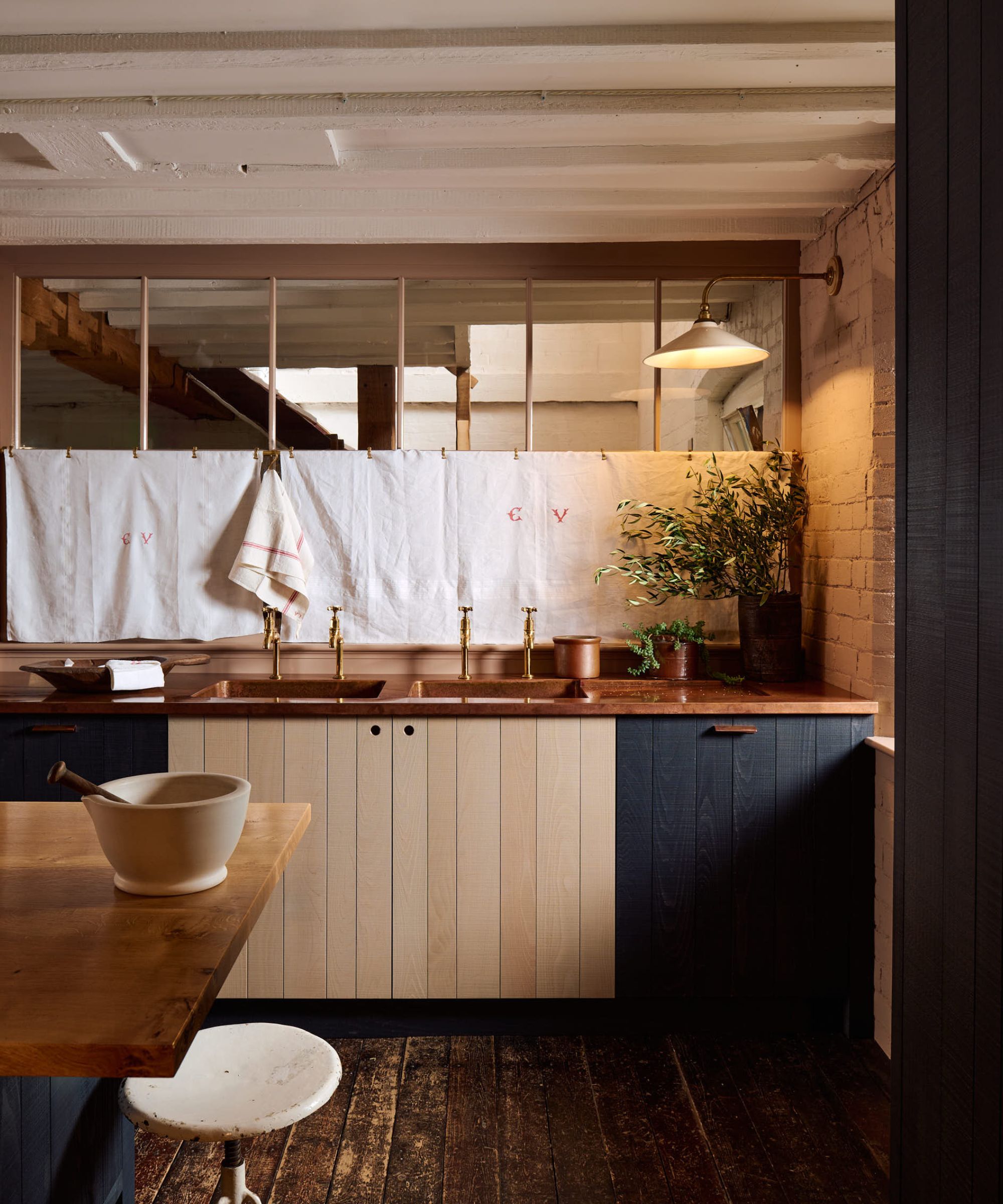

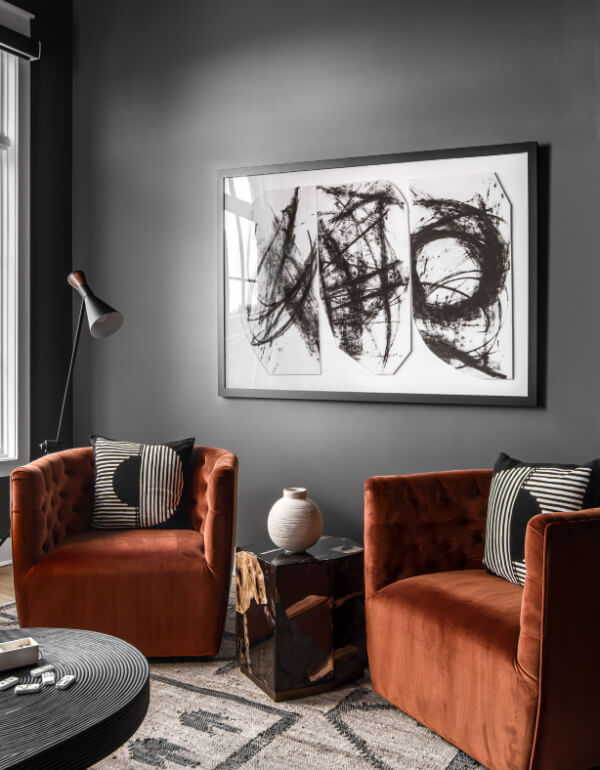
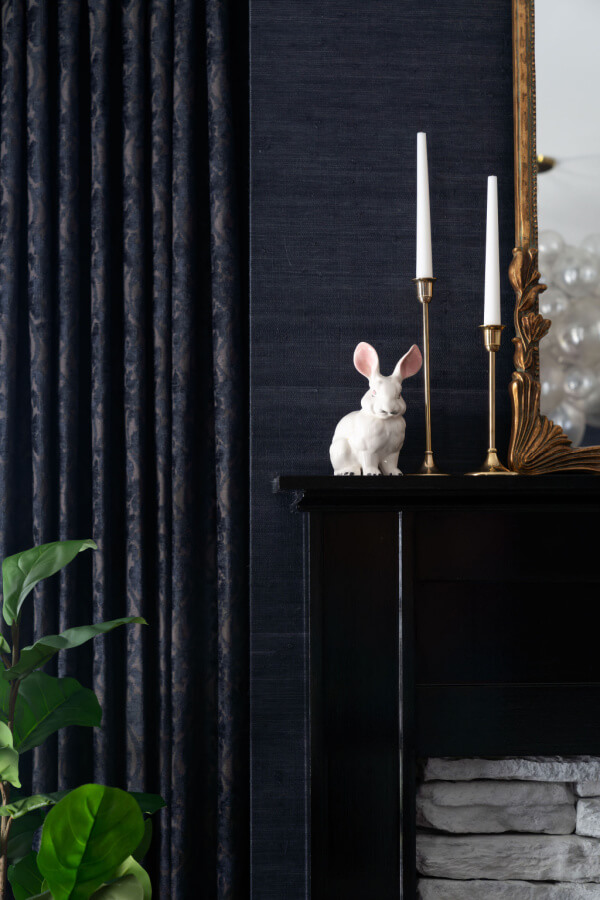
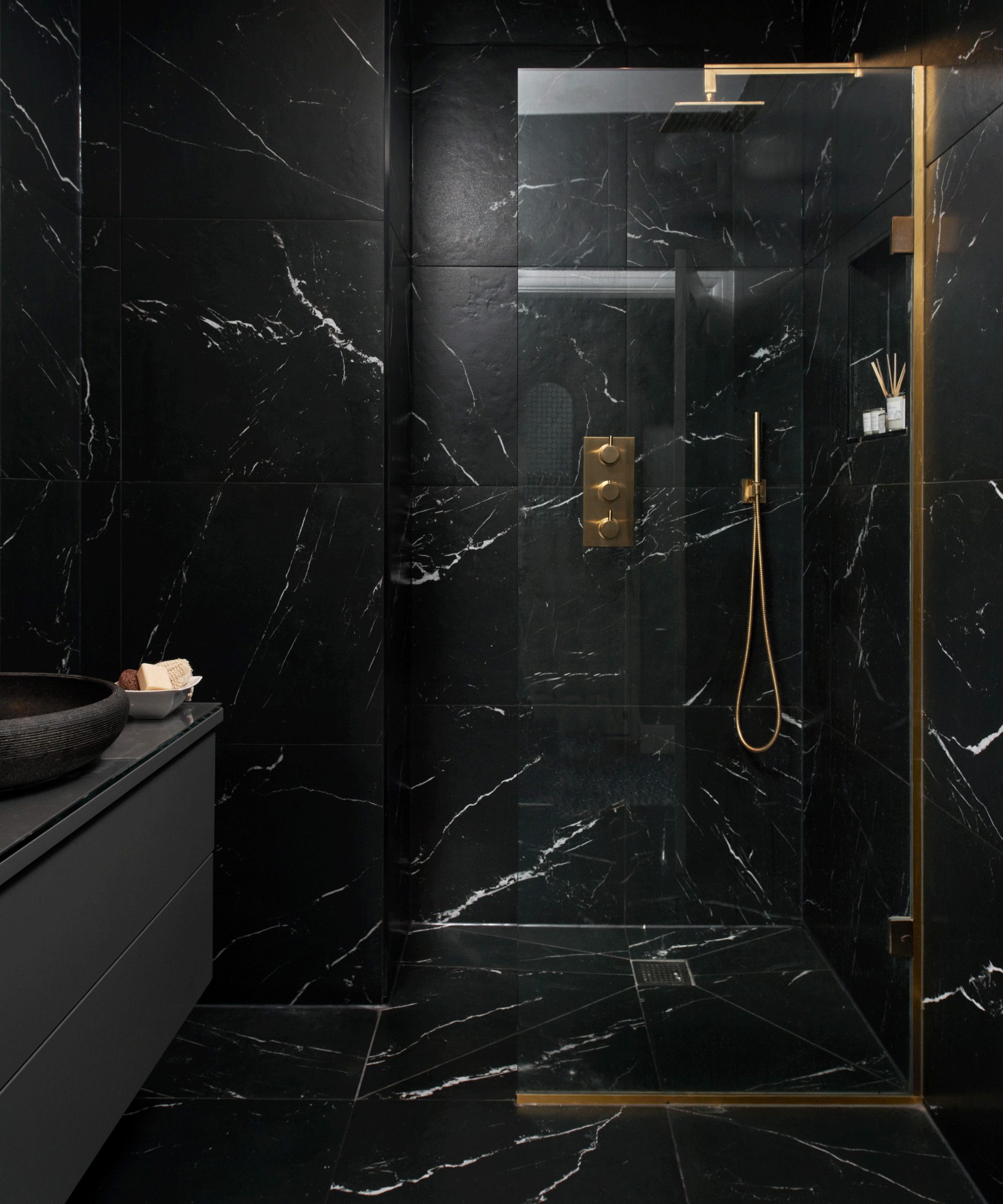
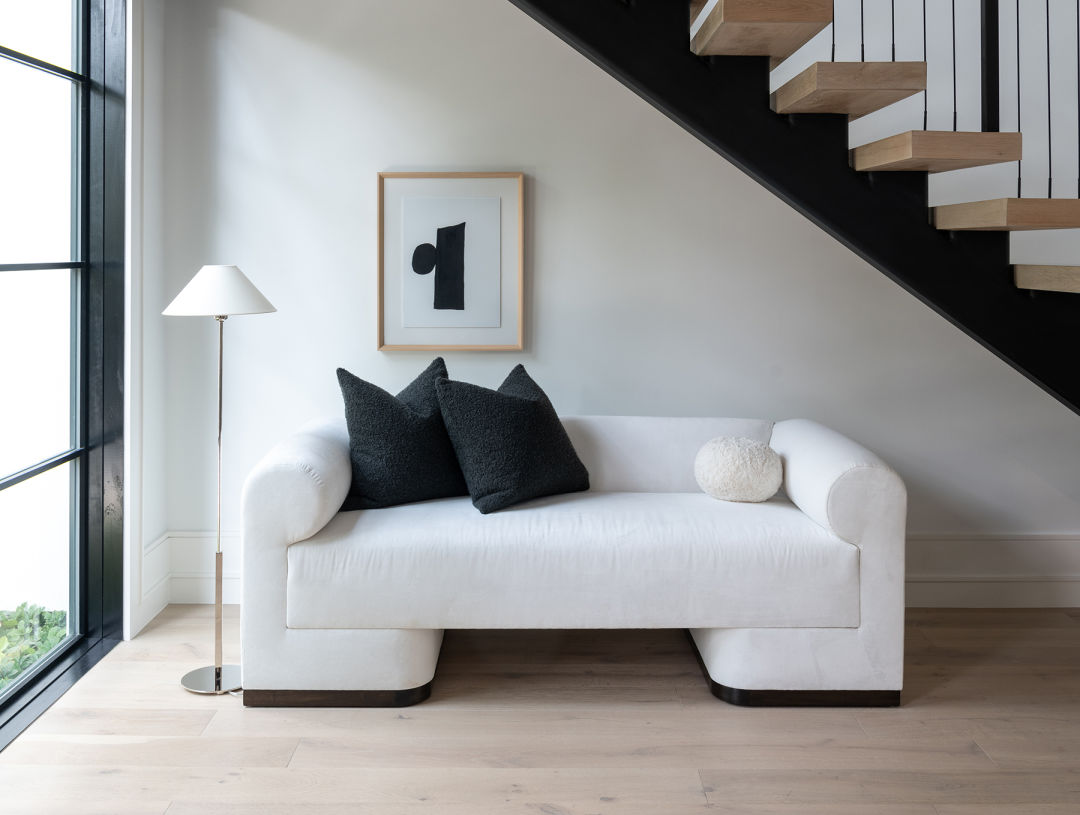
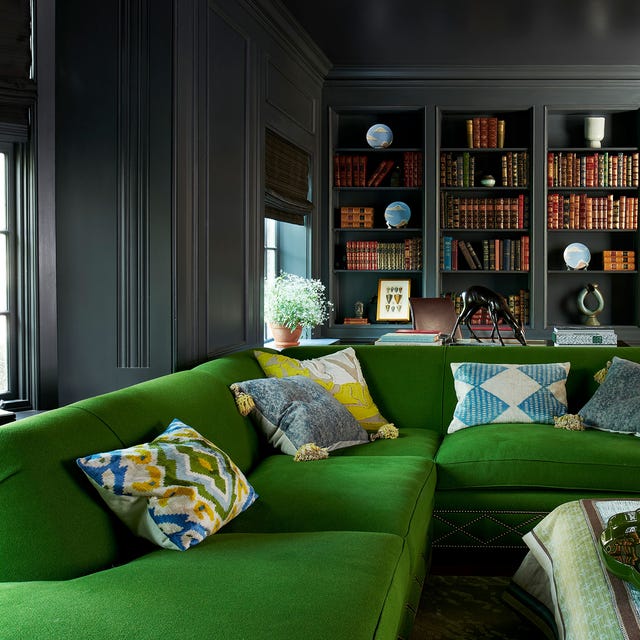
Furthermore, designers should not shy away from incorporating black into smaller accent elements. Toss pillows, throws, and even picture frames are excellent ways to introduce black without making a significant commitment. These smaller touches can tie a room together and add sophistication. Mixing black with darker shades of blue, such as indigo, is generally not recommended. These colors tend to look similar when placed together, preventing the black from truly standing out and achieving its full impact. Finally, ignoring finishes like steel or dark metals as a means to incorporate black is a missed opportunity, especially for those aiming for an industrial chic aesthetic. These materials naturally embody the essence of black and can contribute significantly to the overall design. Adhering to these guidelines can help ensure that black is utilized effectively and elegantly in home decor.
#HomeDecor #InteriorDesign #BlackDecor #AccentColors #DesignTips #ColorPalette #Furnishings #HomeDecor #InteriorDesign #BlackDecor #AccentColors #DesignTips #ColorPalette #Furnishings
0 comment in total
 No comments yet
You may also like
Best black paints – 10 dramatic shades and how to use them in your home

Black living room ideas: decorating inspiration for daring dark schemes
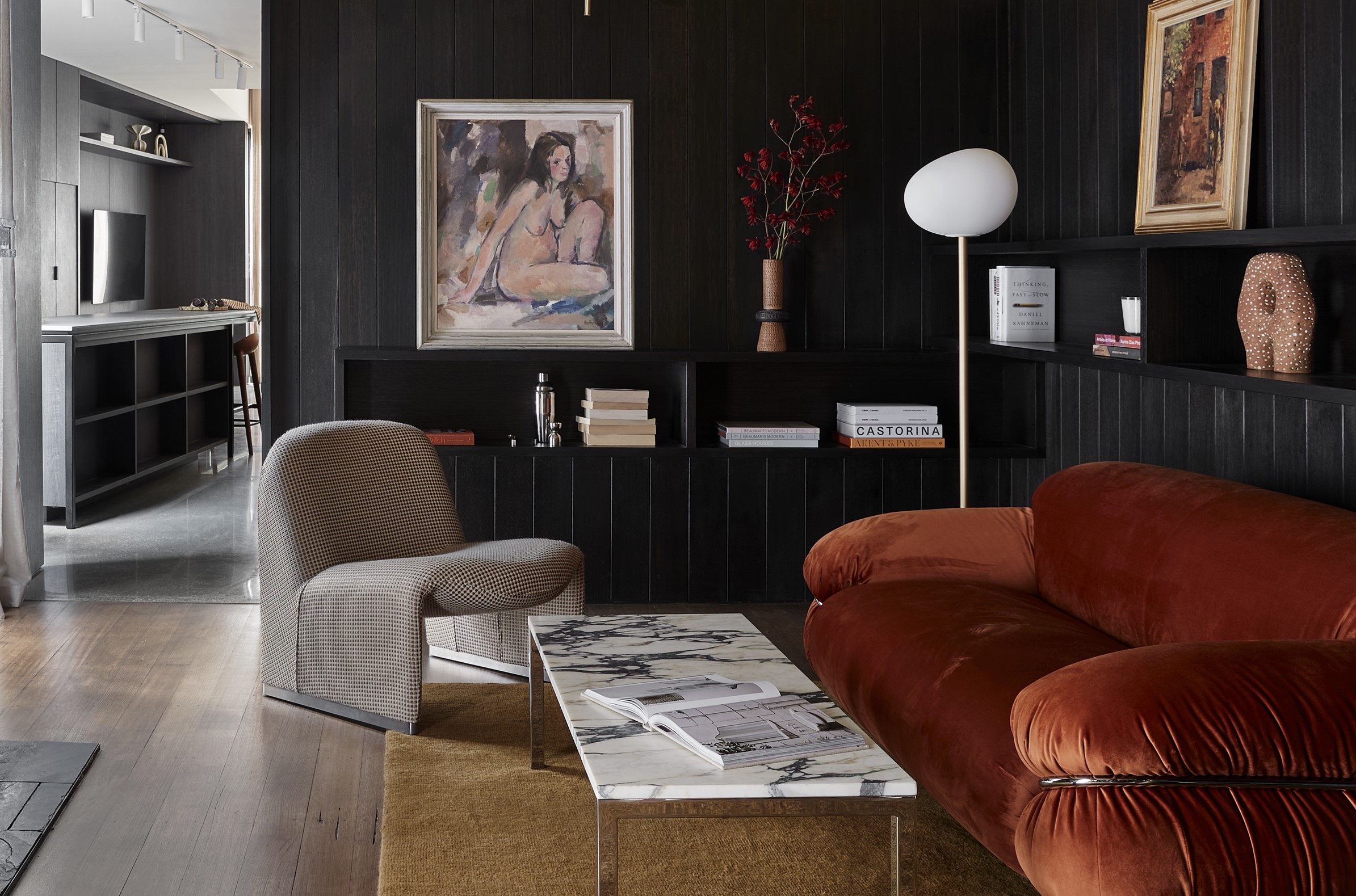
What Color Goes With Black? 10 Combinations That Help Soften This Dramatic Shade
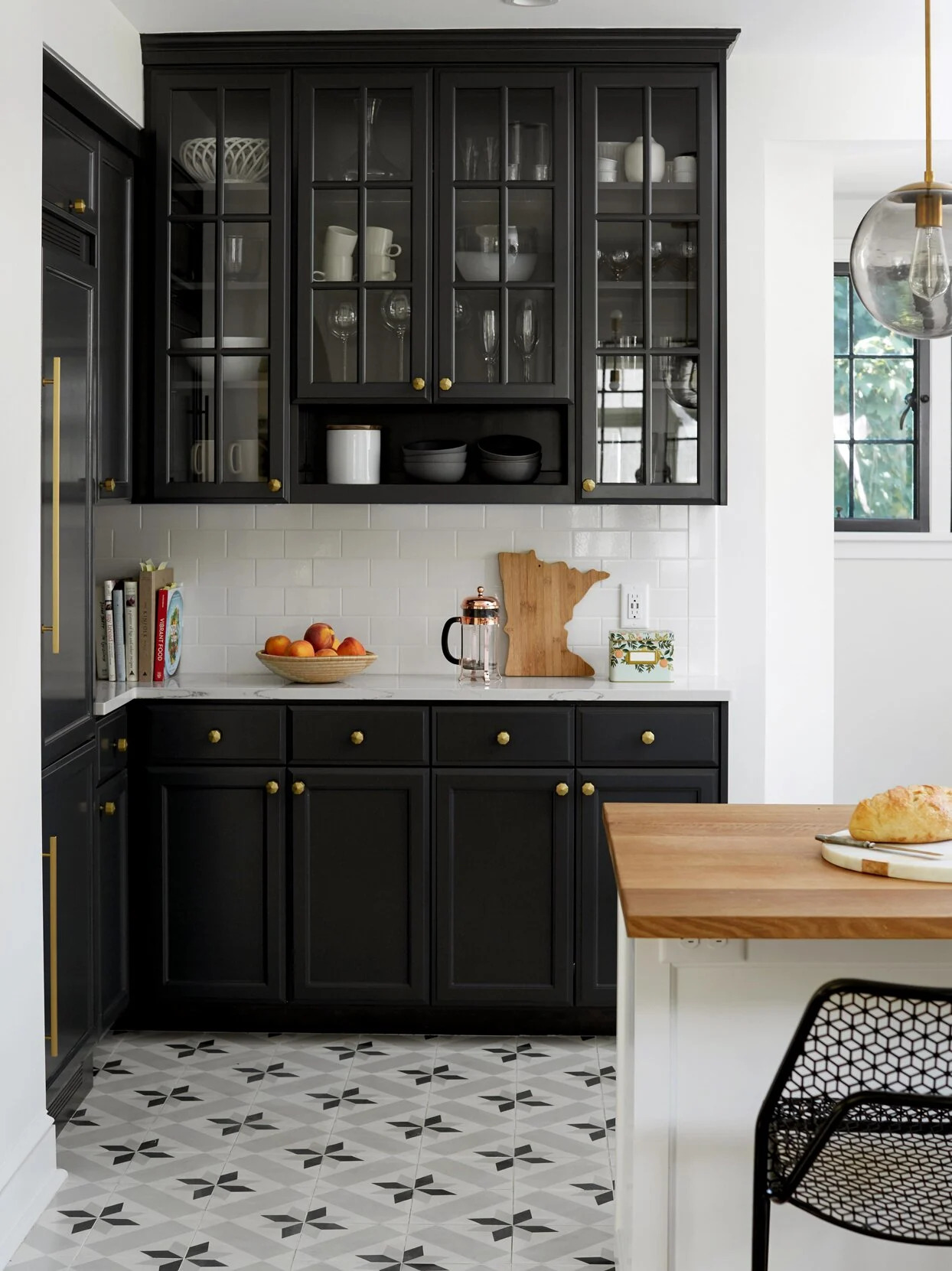
How to Choose the Best Black Paint Colors for Bold, Beautiful Walls
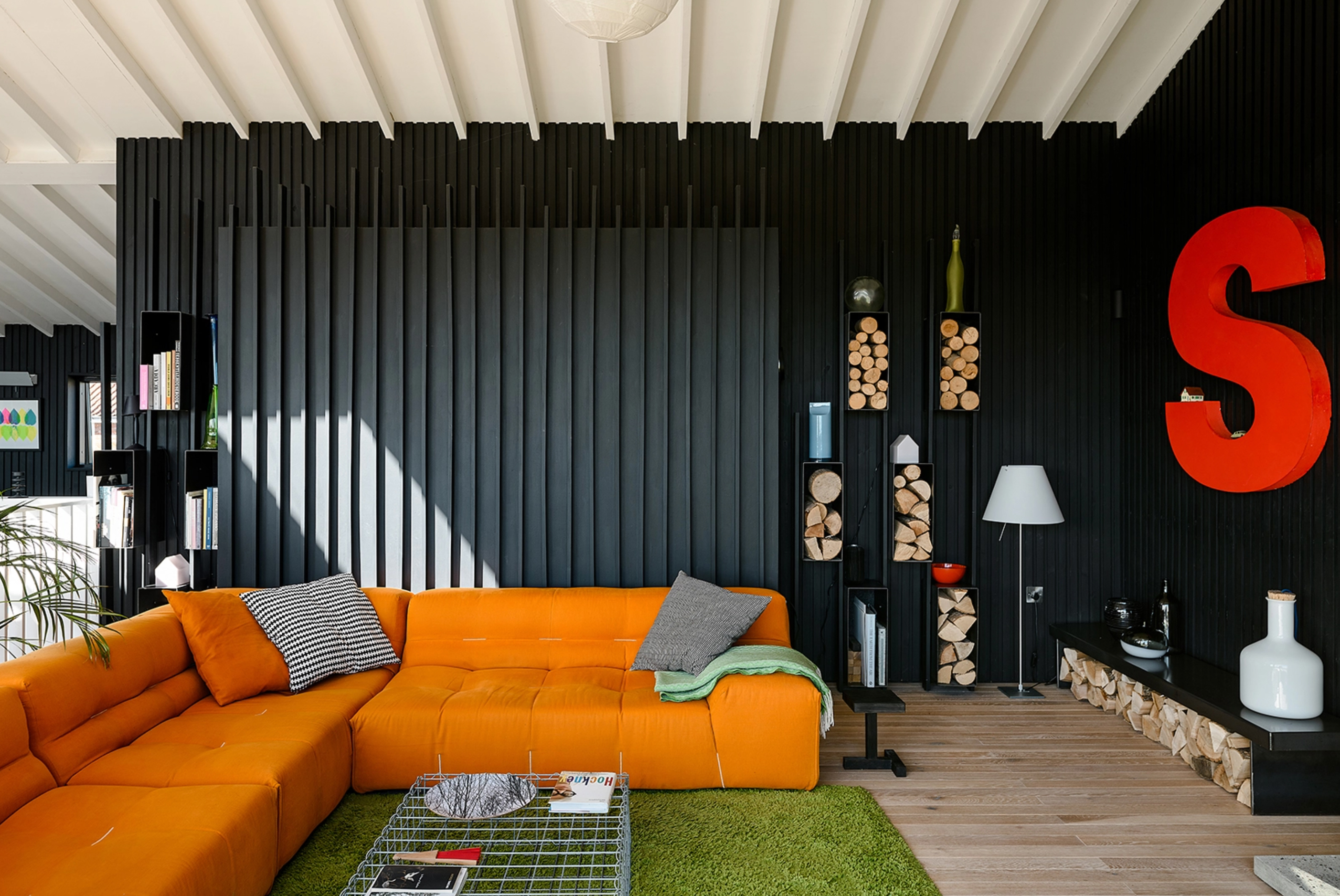
Black living room ideas – 10 spaces that will tempt you to the dark side
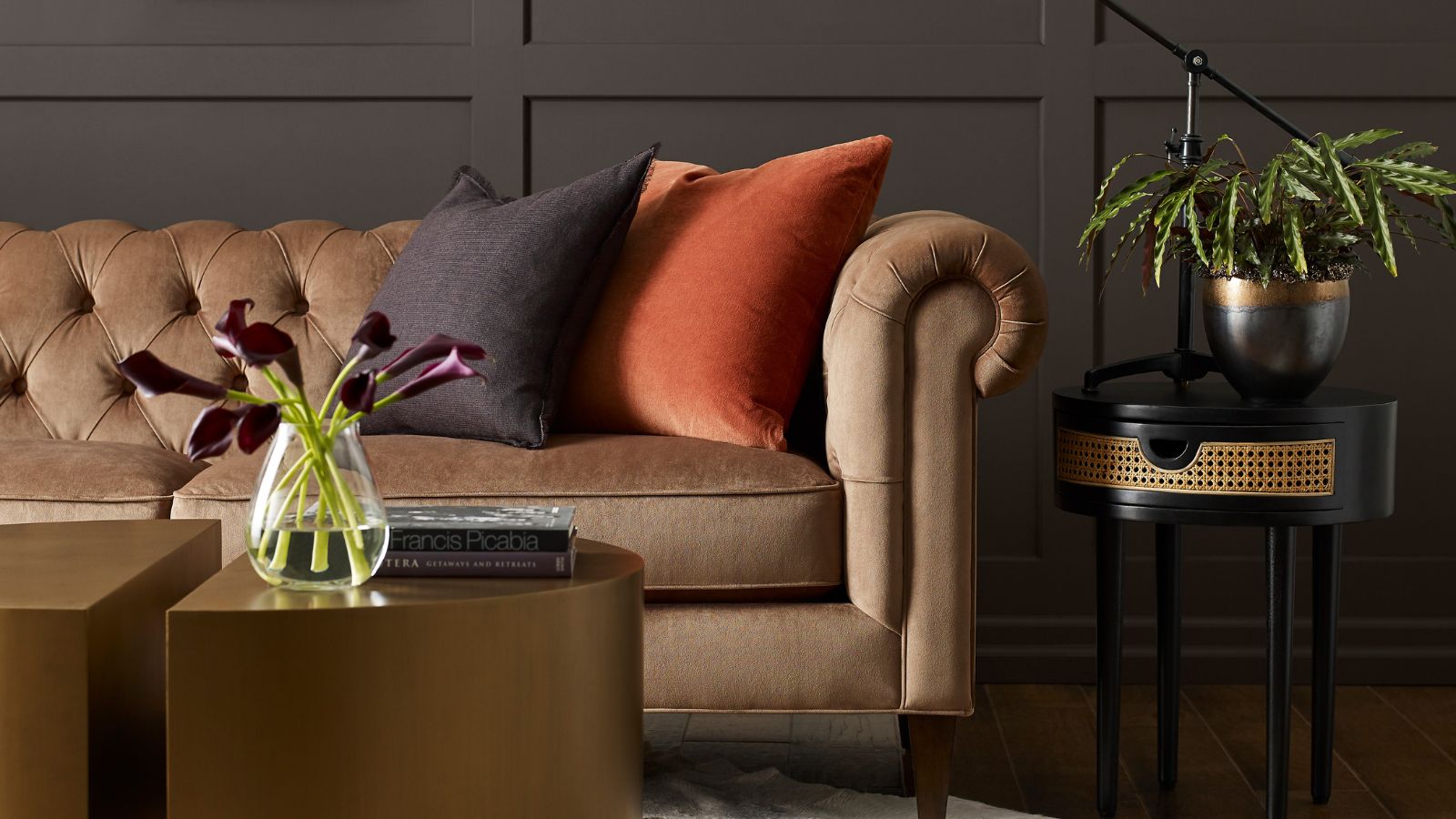
How to decorate with black and brown – experts weigh in on this moody and sophisticated color combination

39 Beautiful Black Room Ideas to Add Some Dramatic Flair

What colors go with black? 5 accent colors favored by the experts
Black (Yes, Black) Is the Hot New Home Design Trend

How to Decorate With One of 2018’s Most Popular Colors | domino
15 Enviable Black Feature Walls

Is black a good color for a bathroom? Experts weigh in on whether you should decorate with this moody hue
10 Black Living Room Ideas That Make a Moody Statement

How to Use One of the Trickiest Paint Colors in Your Home

Obsessed With Black Walls? Try the Color Drenching Trend!

These 15 Black Ceilings Are Proof That Black Paint Magic Is Real

Our Favorite Sexy and Sophisticated Black Rooms
From Chic To Cosy: 10 Black Bedroom Ideas You Need To Try

"Near-Black" Wall Paints are The Most Dramatic Way to Decorate — Here's How Designers are Using Them
18 Colors That Go With Black in Any Room