1/2
The Design Rules of Putting a Mirror Over the Fireplace
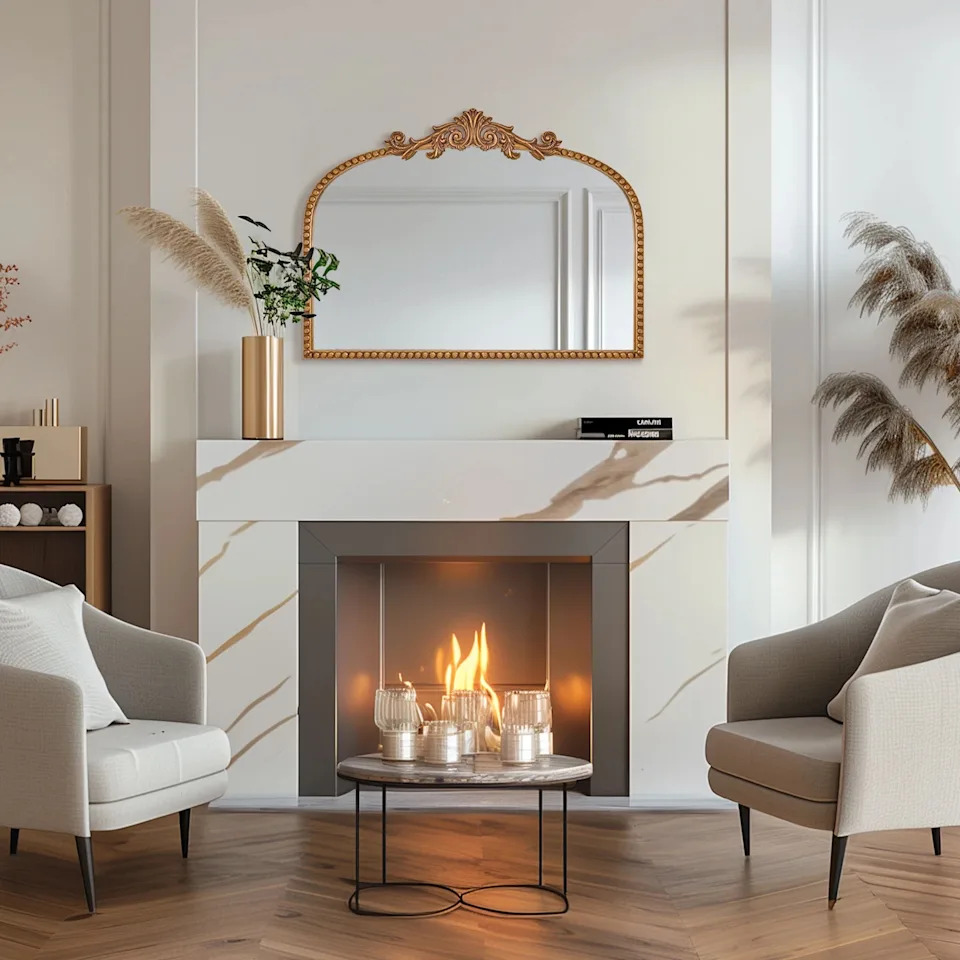
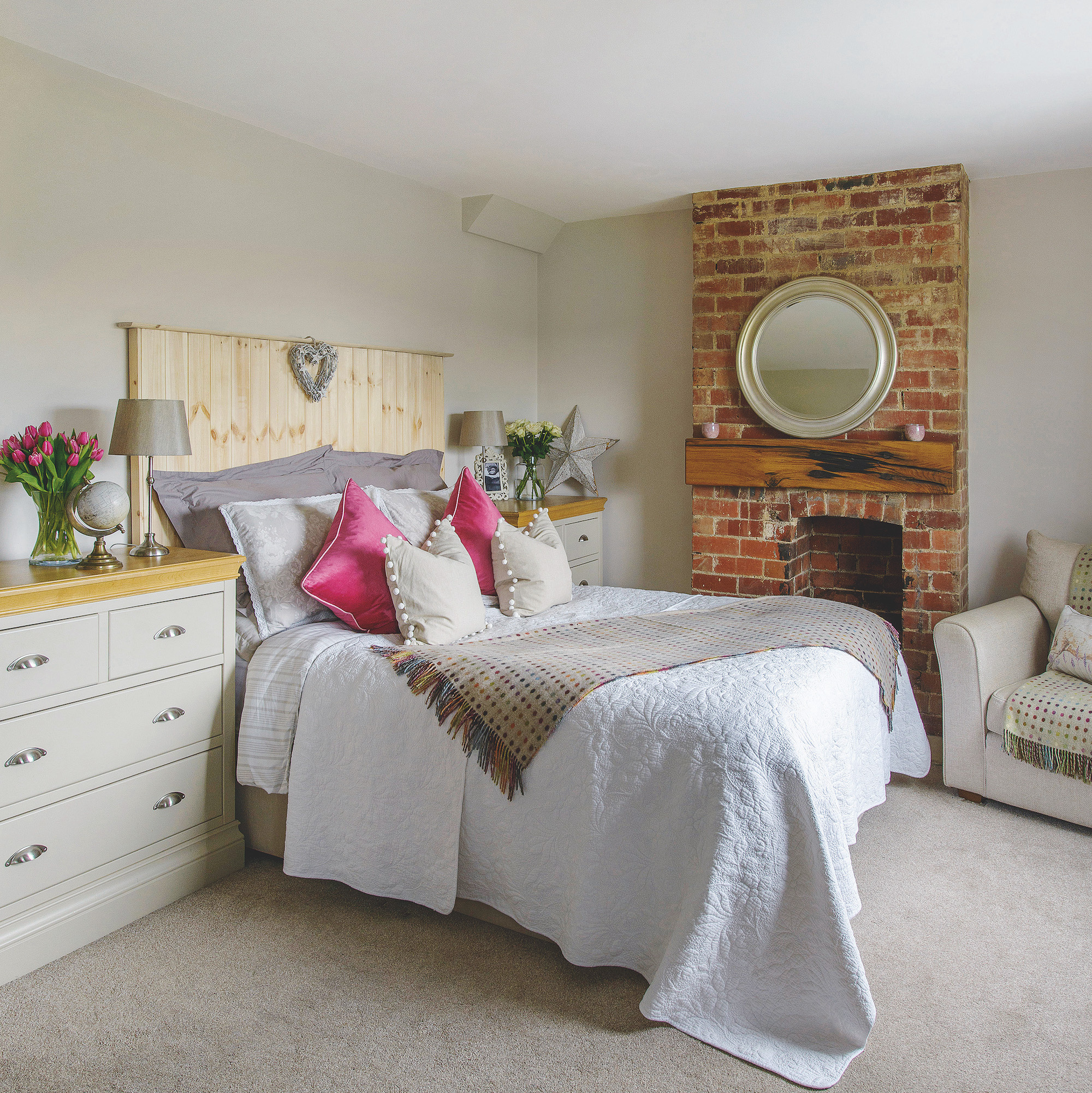
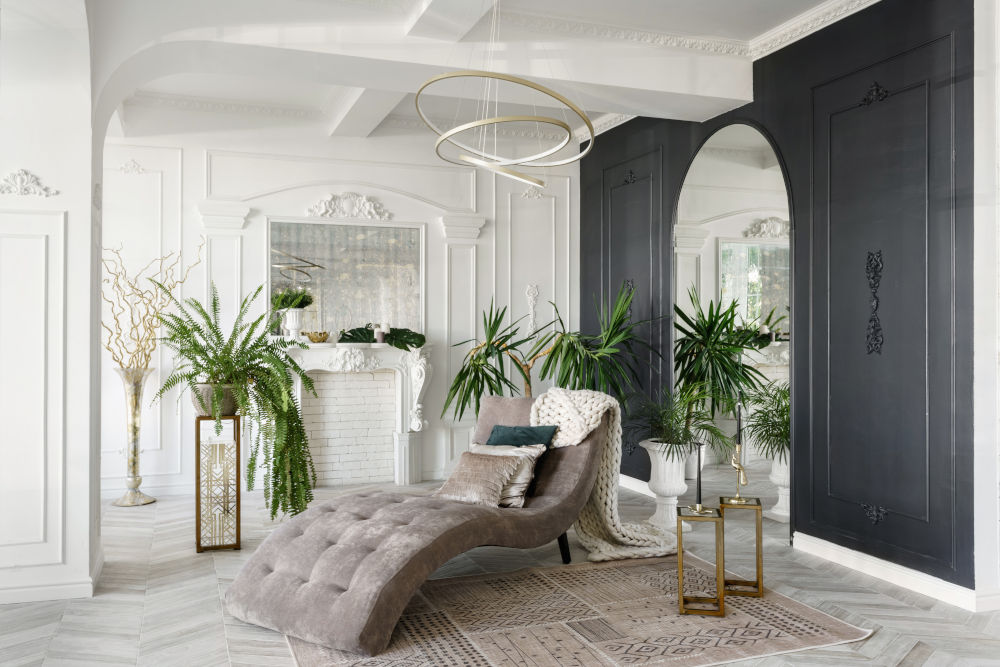
Placing a mirror above a fireplace can serve as a stylish focal point in a living room or dining room, effectively reflecting light and views, particularly when positioned near windows or other light sources. This design choice, according to Kathy Kuo, founder and CEO of Kathy Kuo Home, not only adds visual interest and can make a room feel more open but also allows for the practical use of the mantel for additional decorative accents. Interior design experts provide specific guidelines for selecting and placing a mirror above a fireplace to achieve the best aesthetic and functional results.
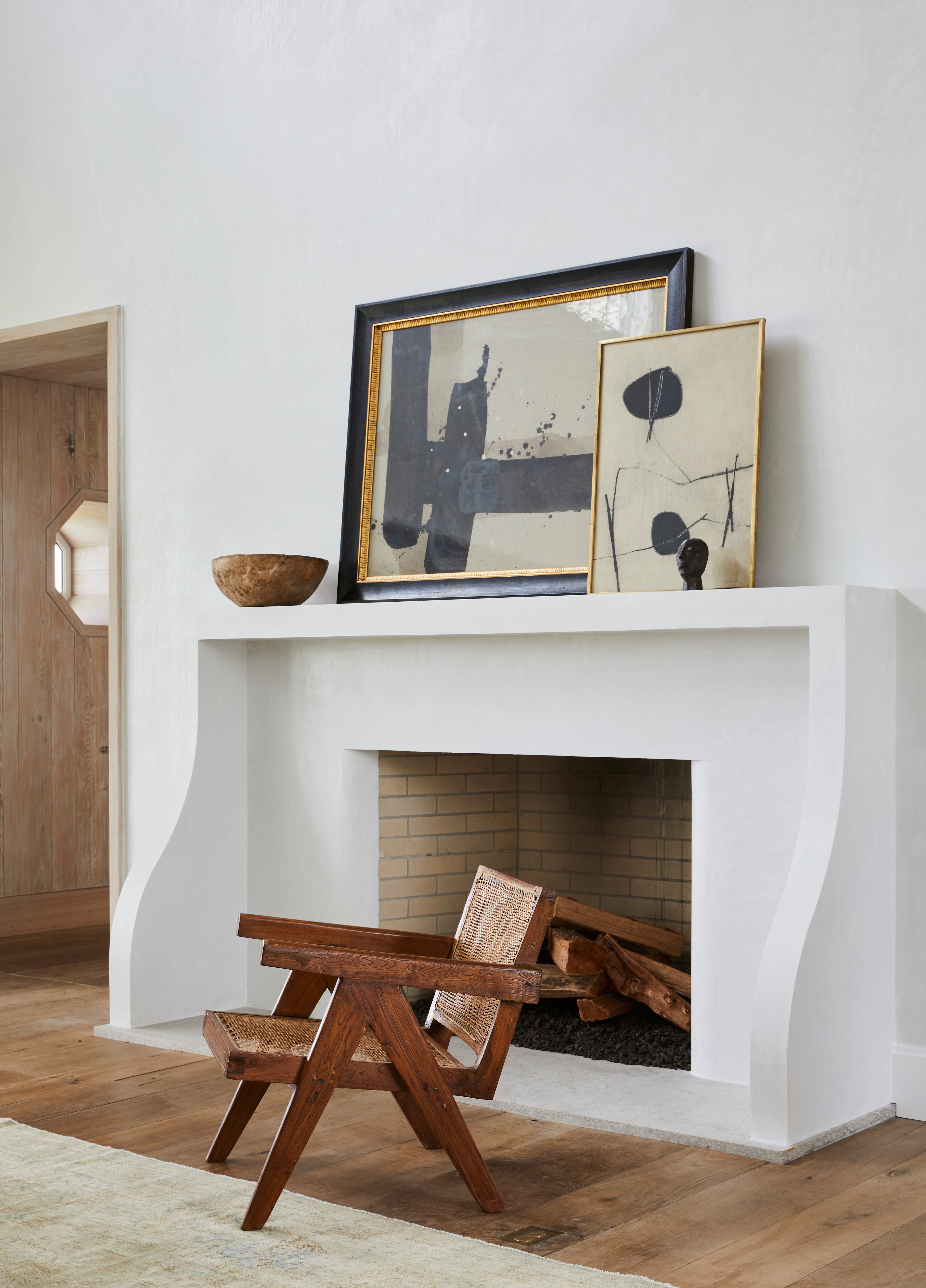
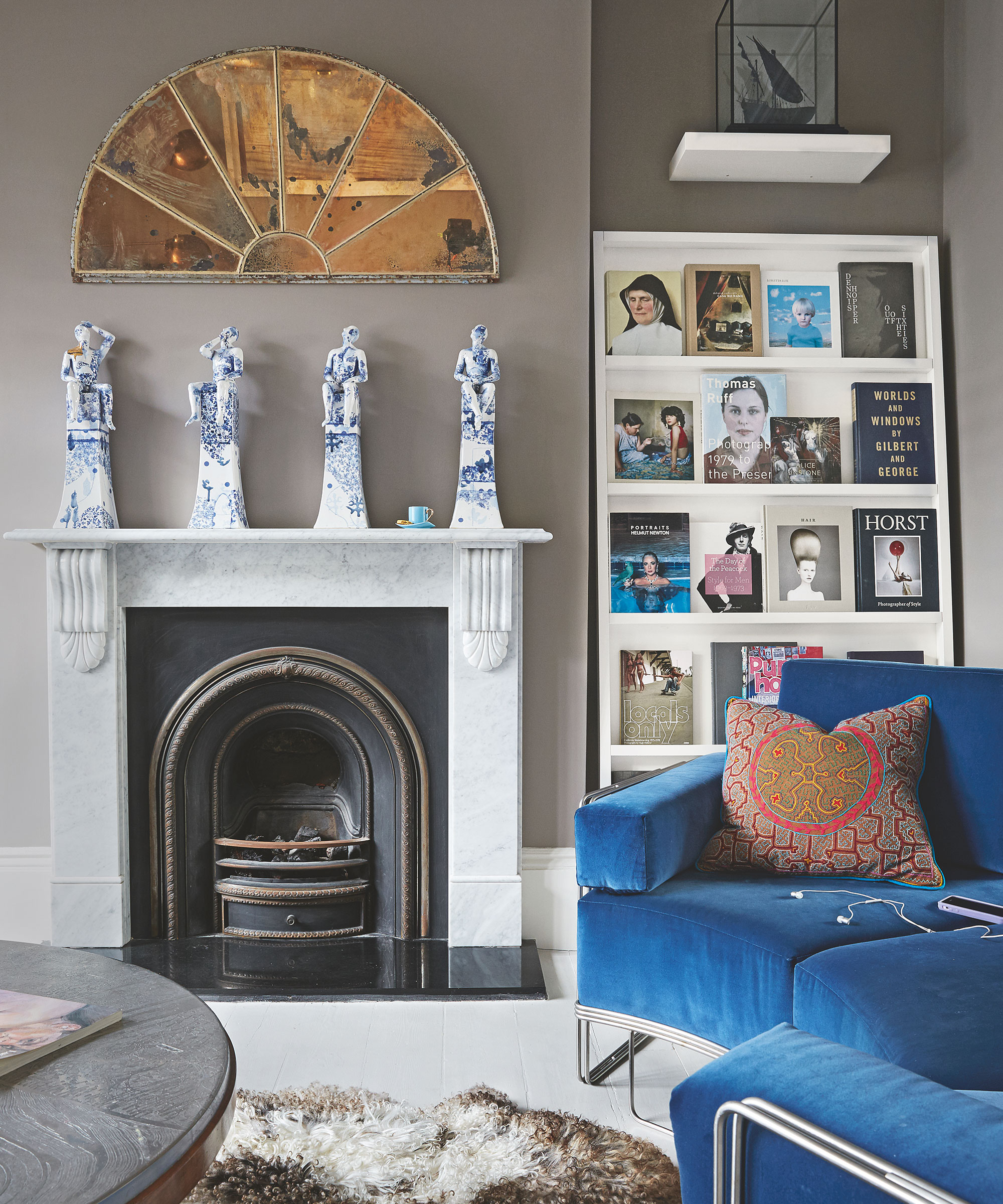
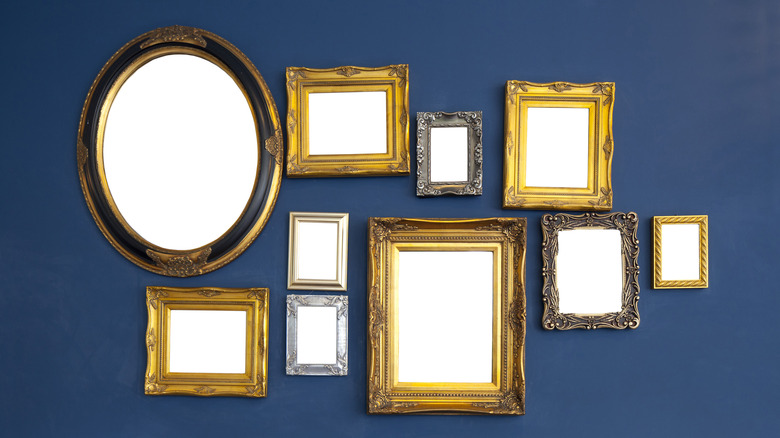
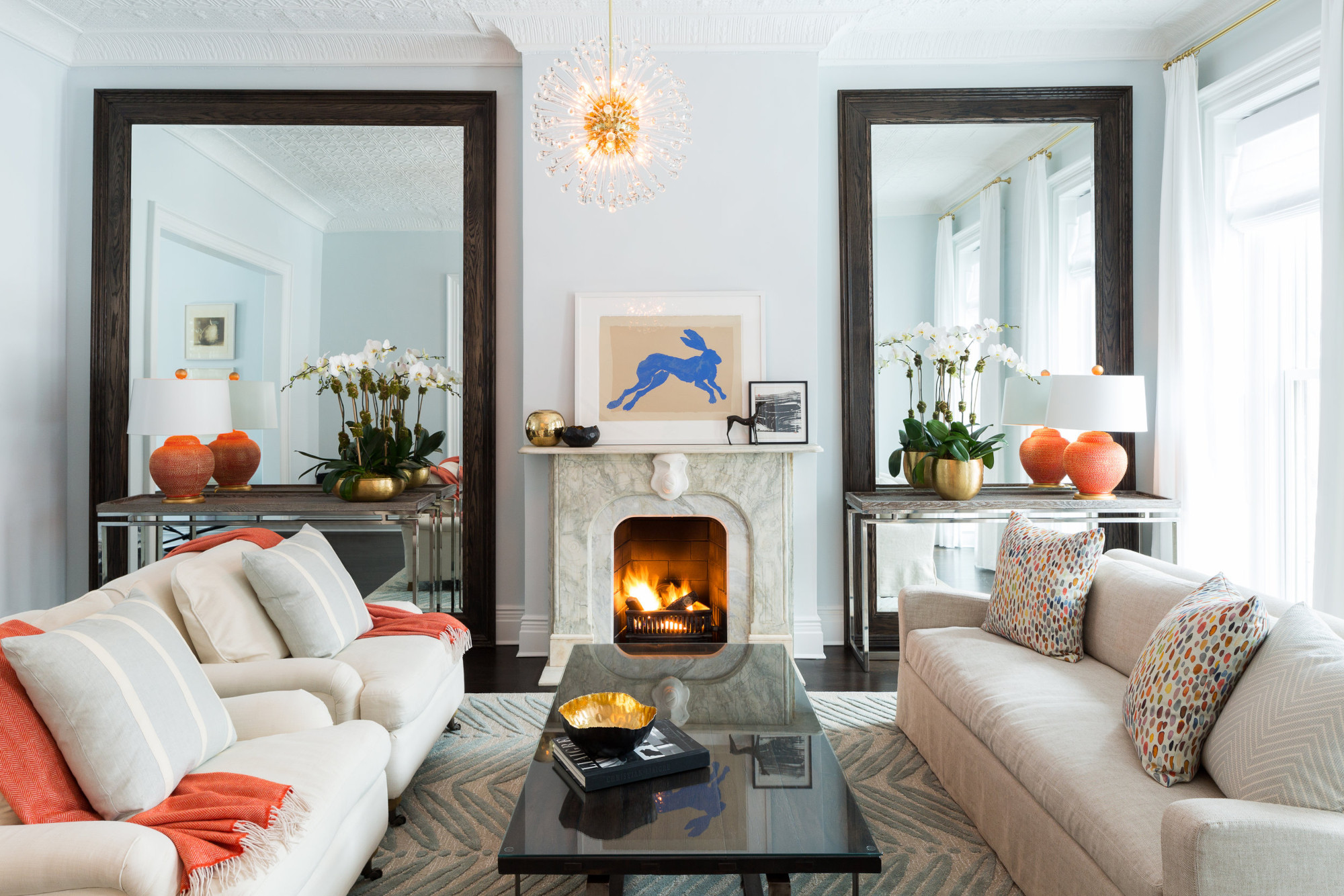
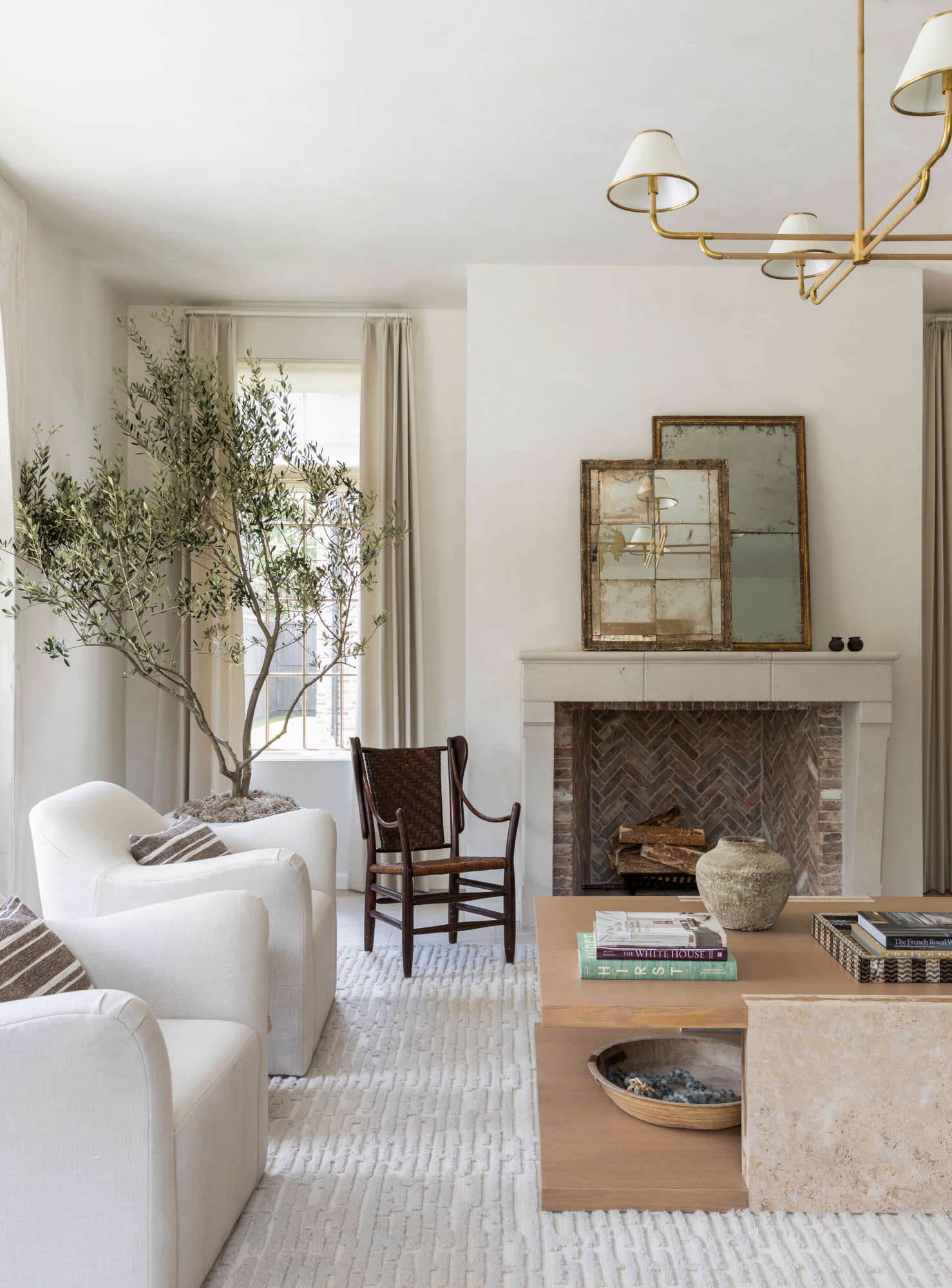
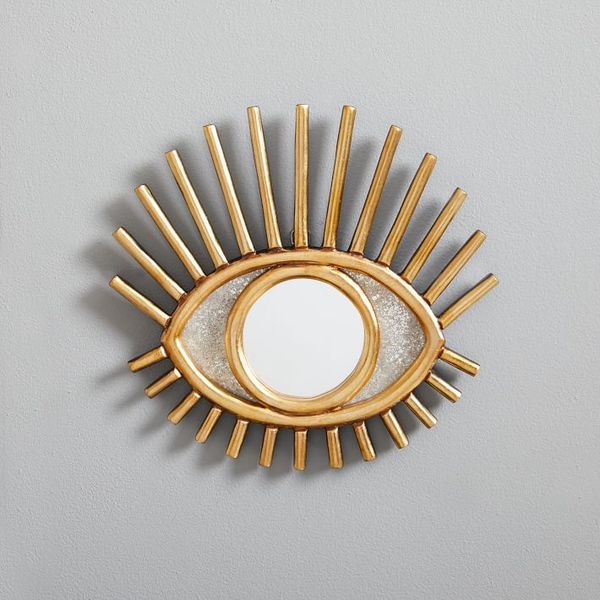
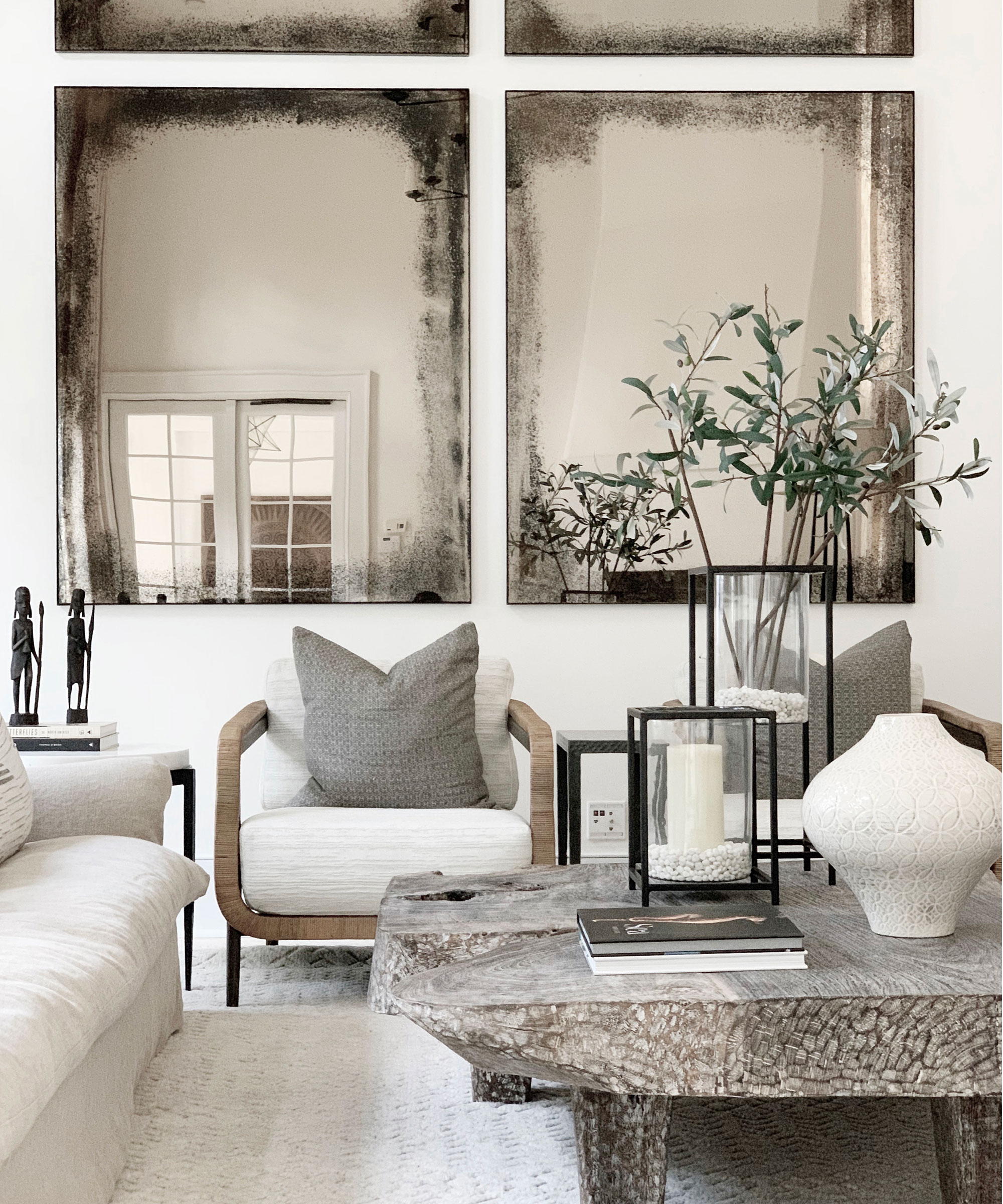
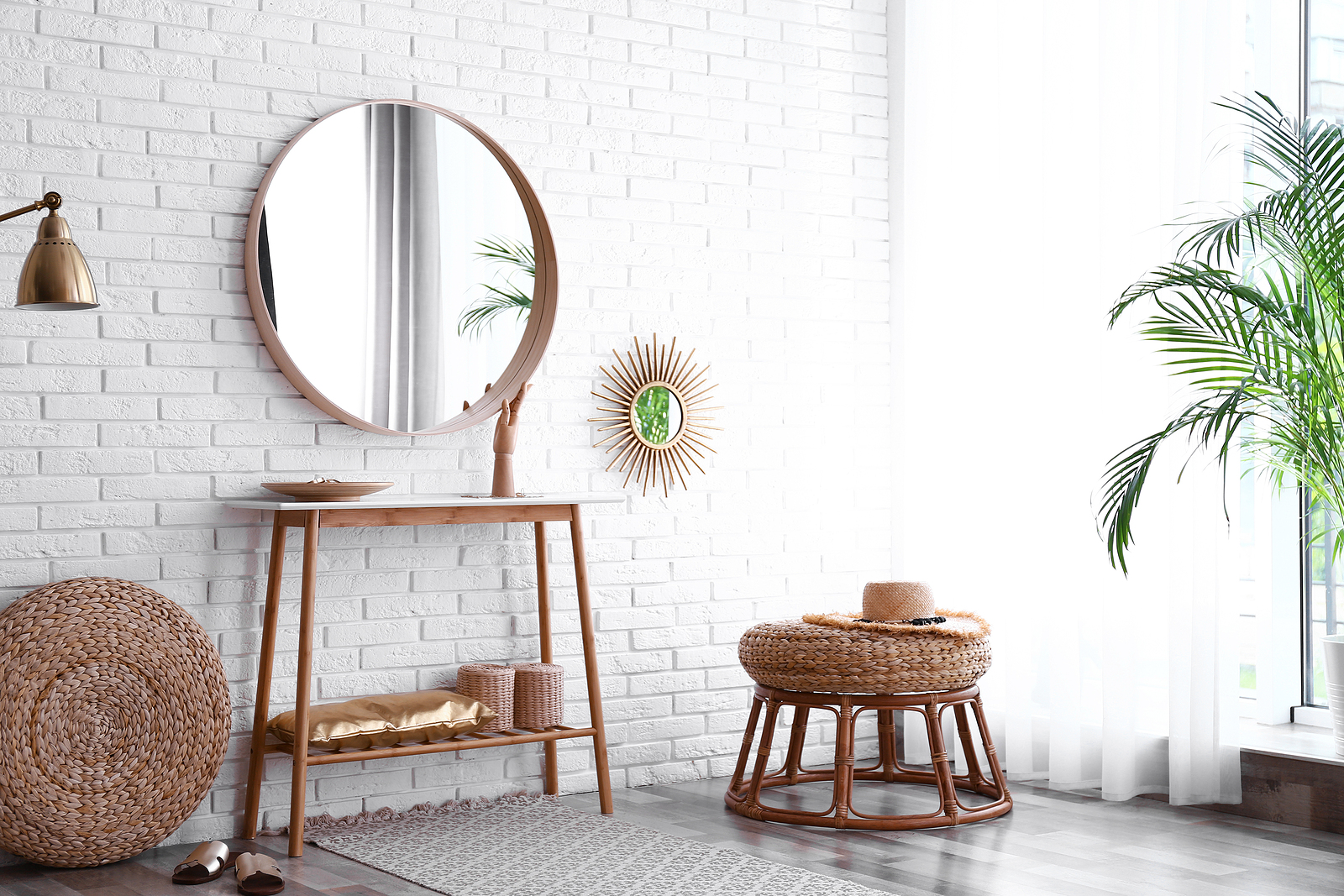
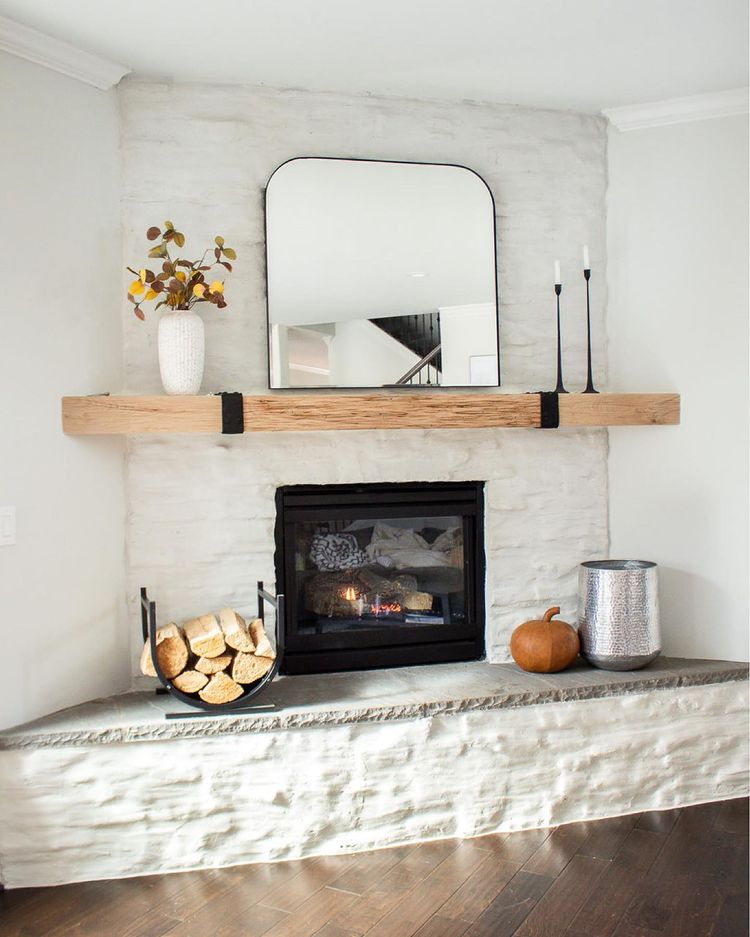
A crucial rule for mirror selection is ensuring its size is appropriate for the mantel. Regardless of the mirror's shape, its width should ideally be at least two-thirds of the fireplace mantel's width to prevent it from looking disproportionate or 'lost' on the wall. Experts advise against using small mirrors, generally those less than 30 inches, unless they are incorporated into a layered design. For instance, a smaller mirror could be leaned against the wall rather than hung, or flanked by sconces if wall space is limited. Alternatively, a collection of smaller mirrors, such as a gallery wall of sunburst designs, can create a cohesive and impactful display.
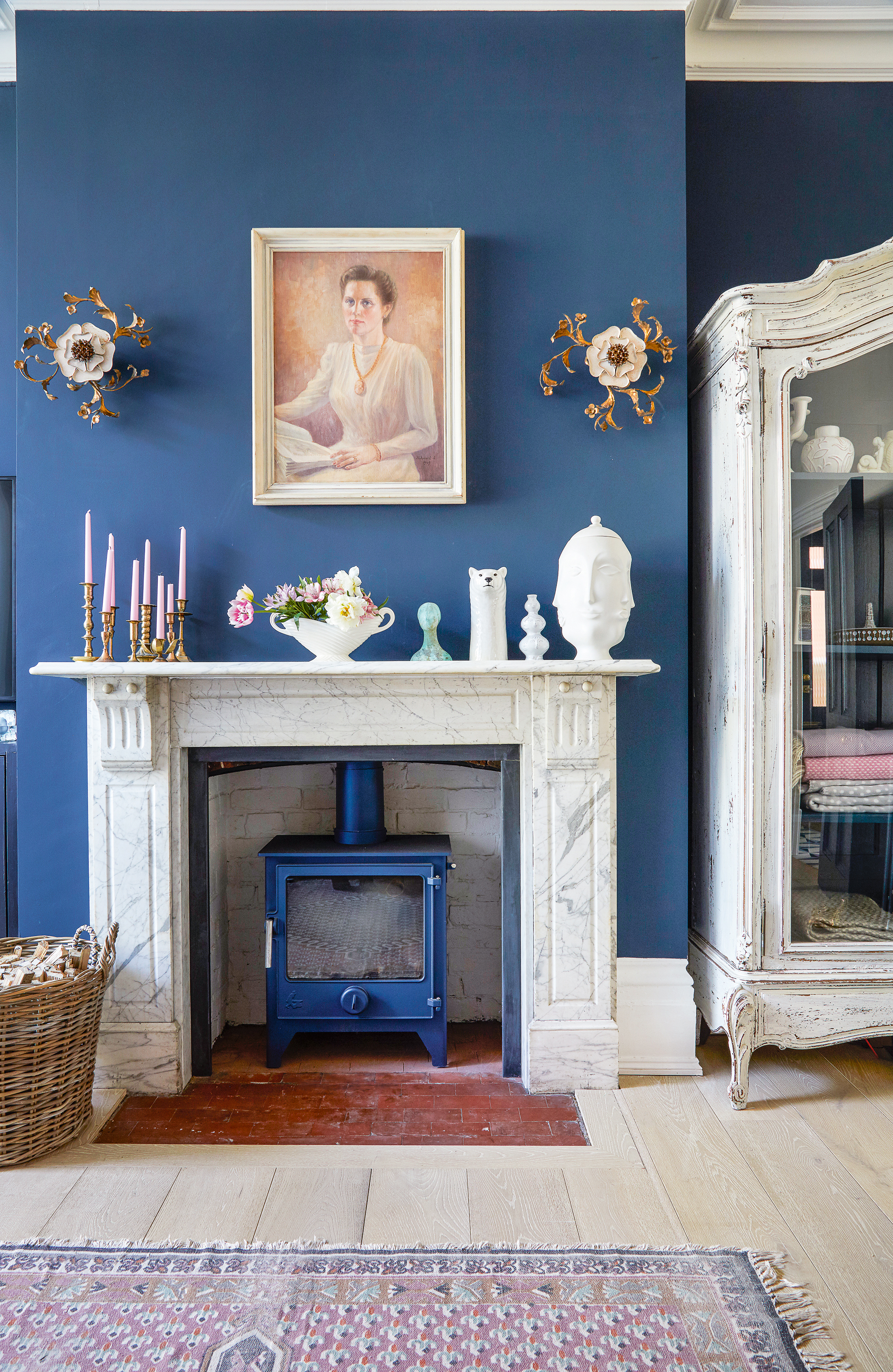

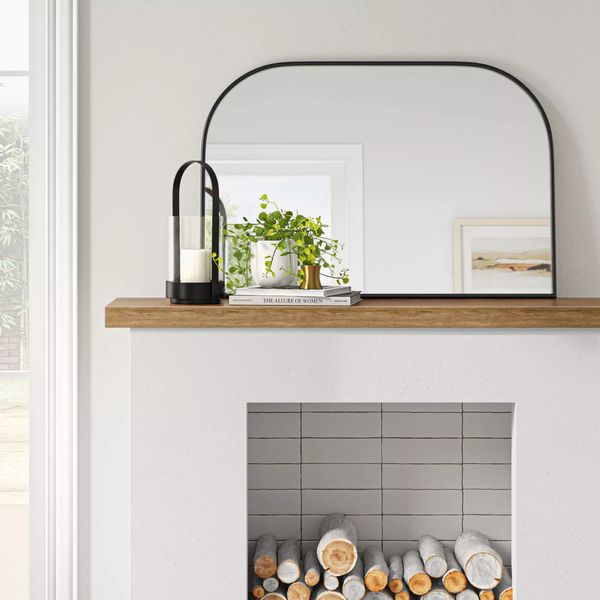
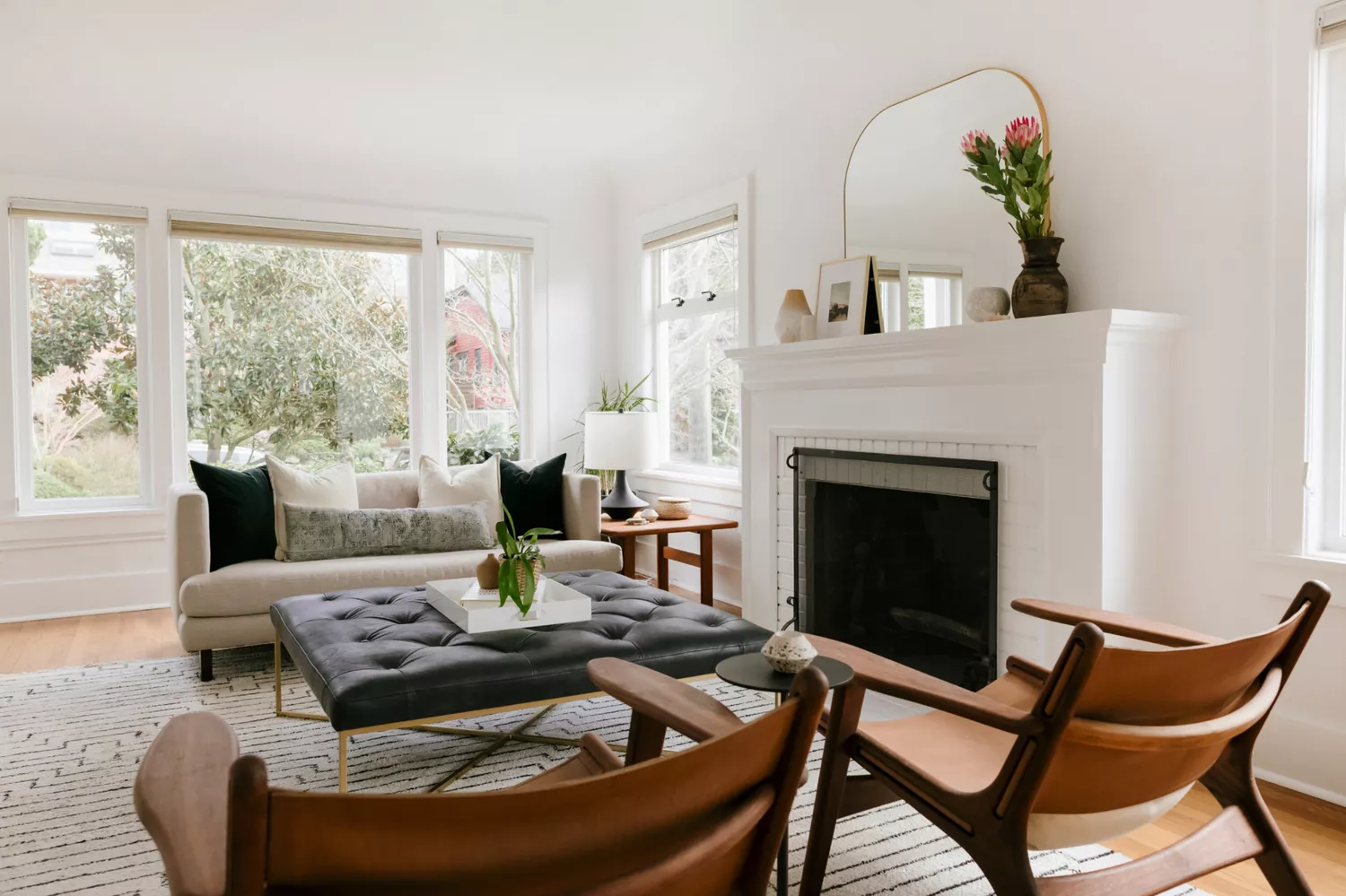
If a smaller mirror is desired, layering it with other decor elements can balance the space. Grouping accessories like candles of varying heights along the mantel or incorporating framed art can help fill the display and integrate the mirror effectively. Proper hanging height is also essential. A common guideline, known as the 66 percent rule, suggests leaving 66 percent of the wall space open above the mirror and 33 percent between the mirror's bottom and the mantel. Megan Dufresne, principal designer at MC Design, recommends positioning the bottom of the mirror four to six inches above the mantel and leaving about a foot of space between the top of the mirror and the ceiling. If a mirror is hung too high, adding plants on either side can create an illusion of lower placement.
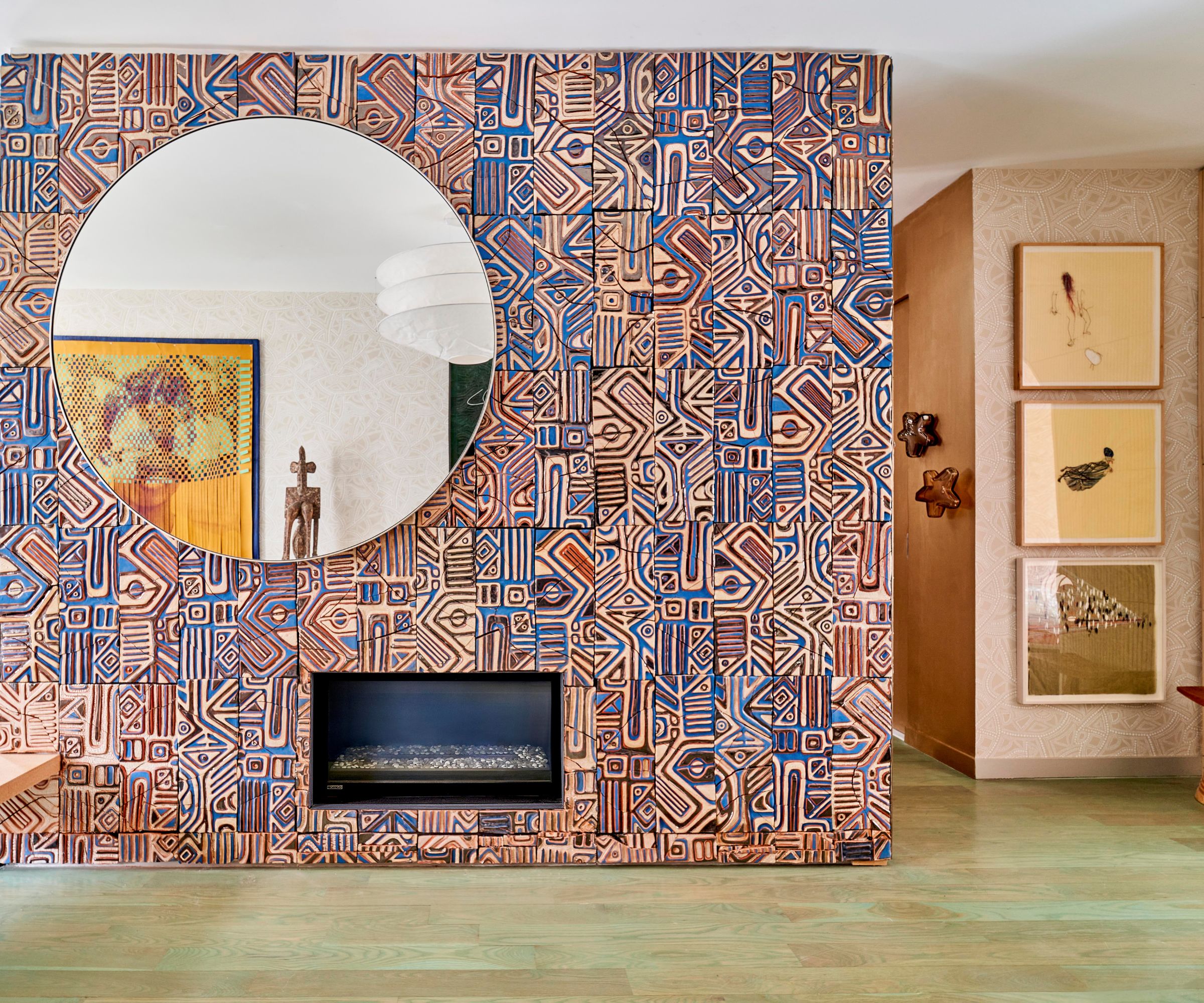
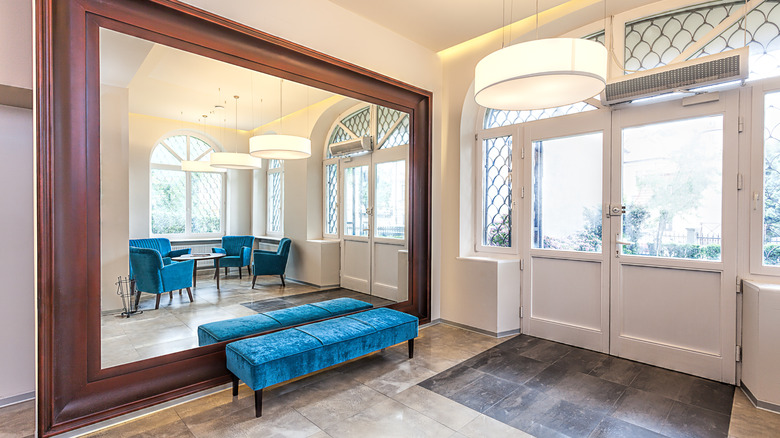
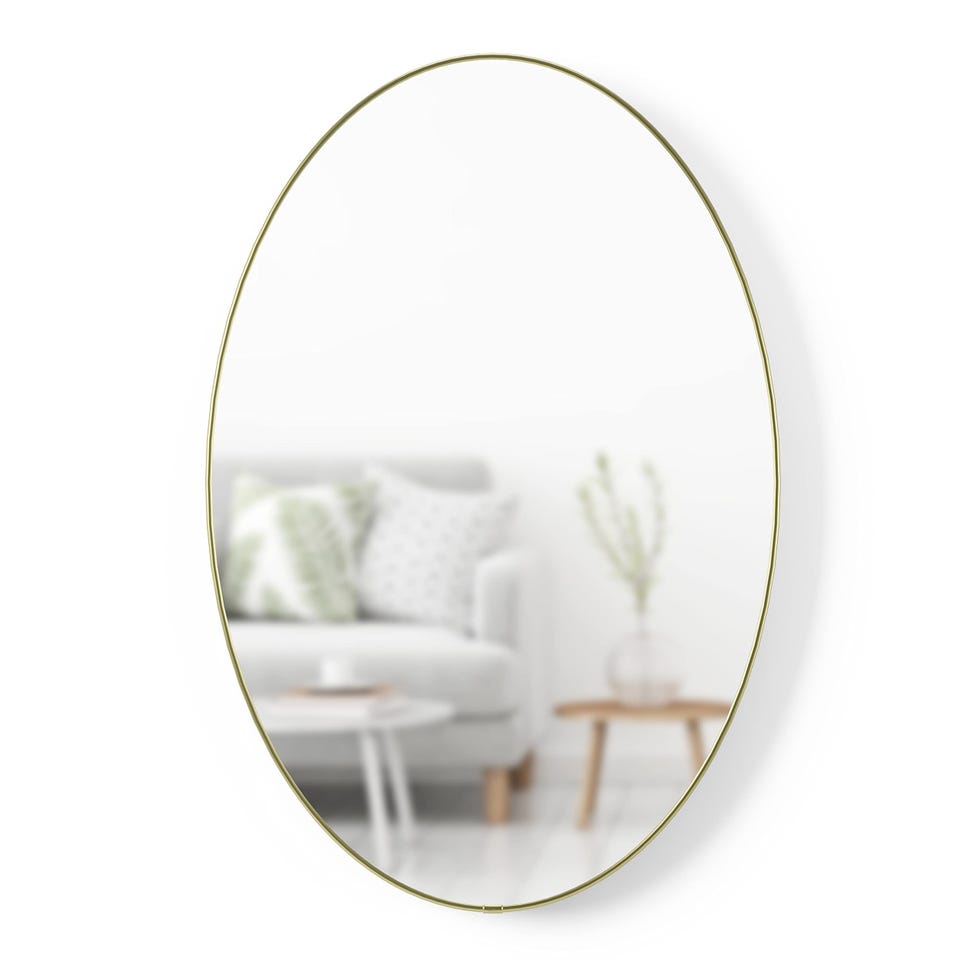
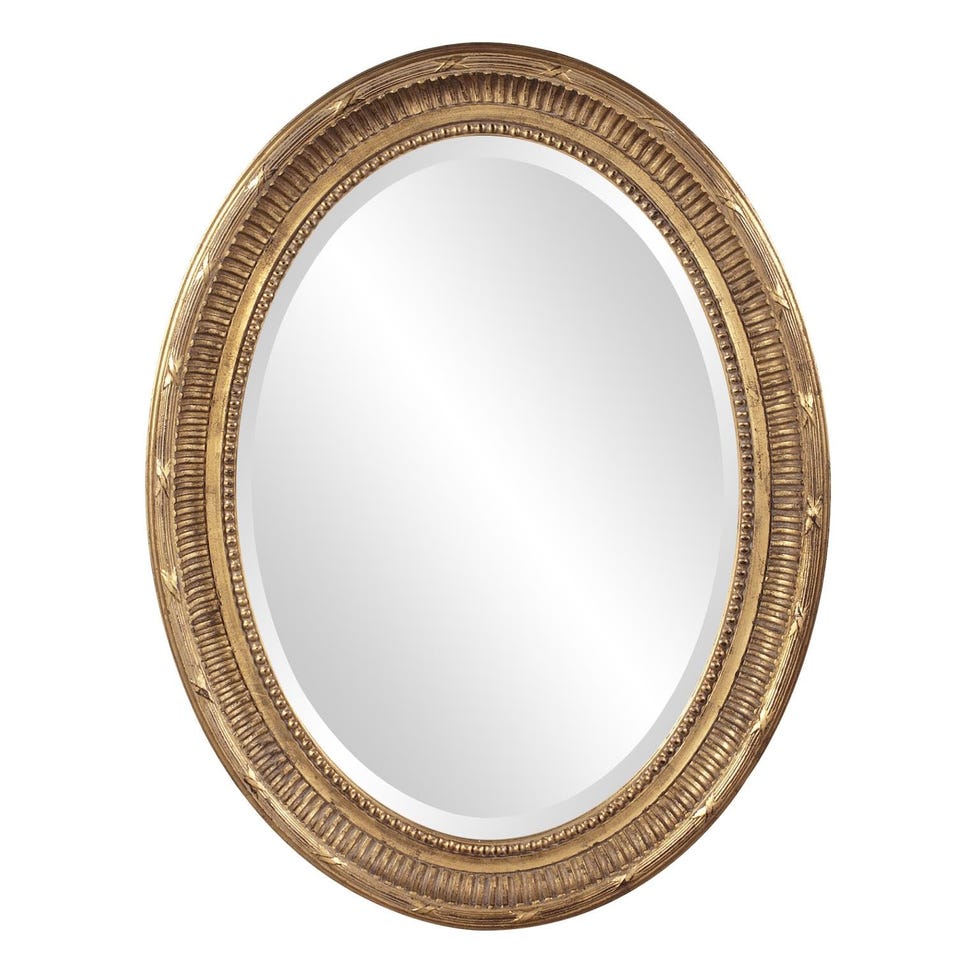
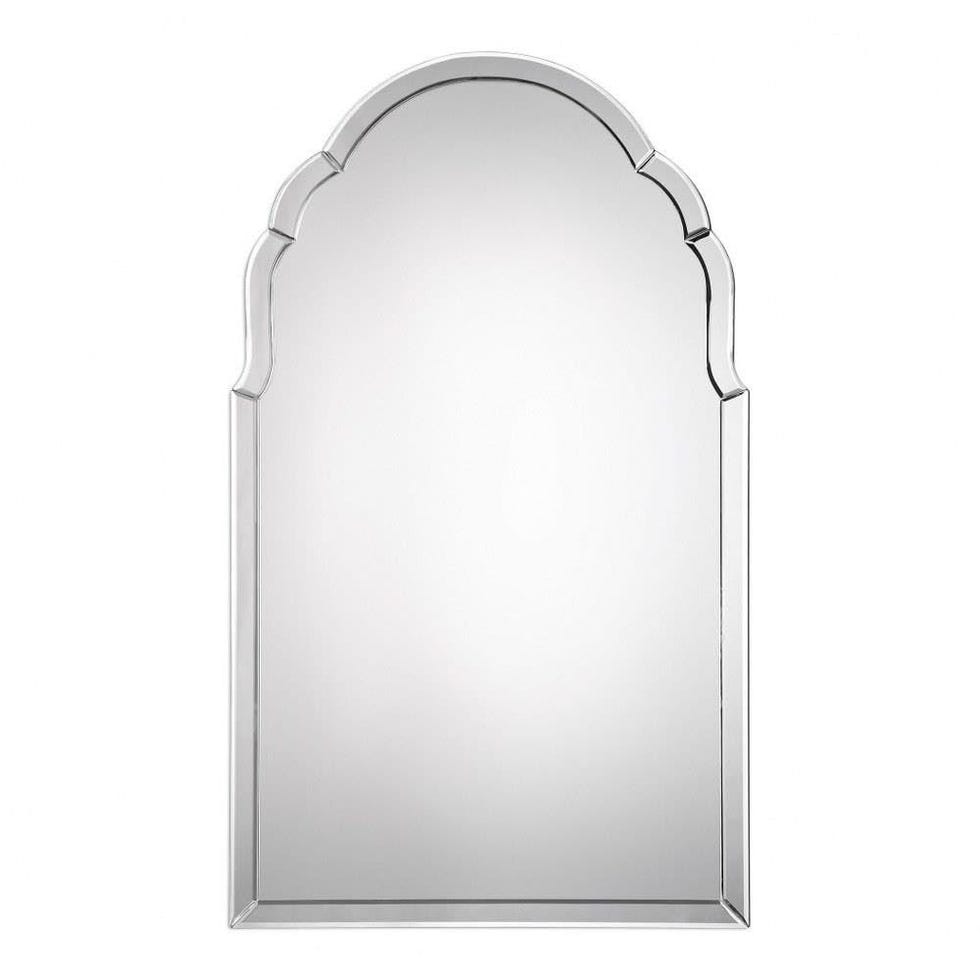
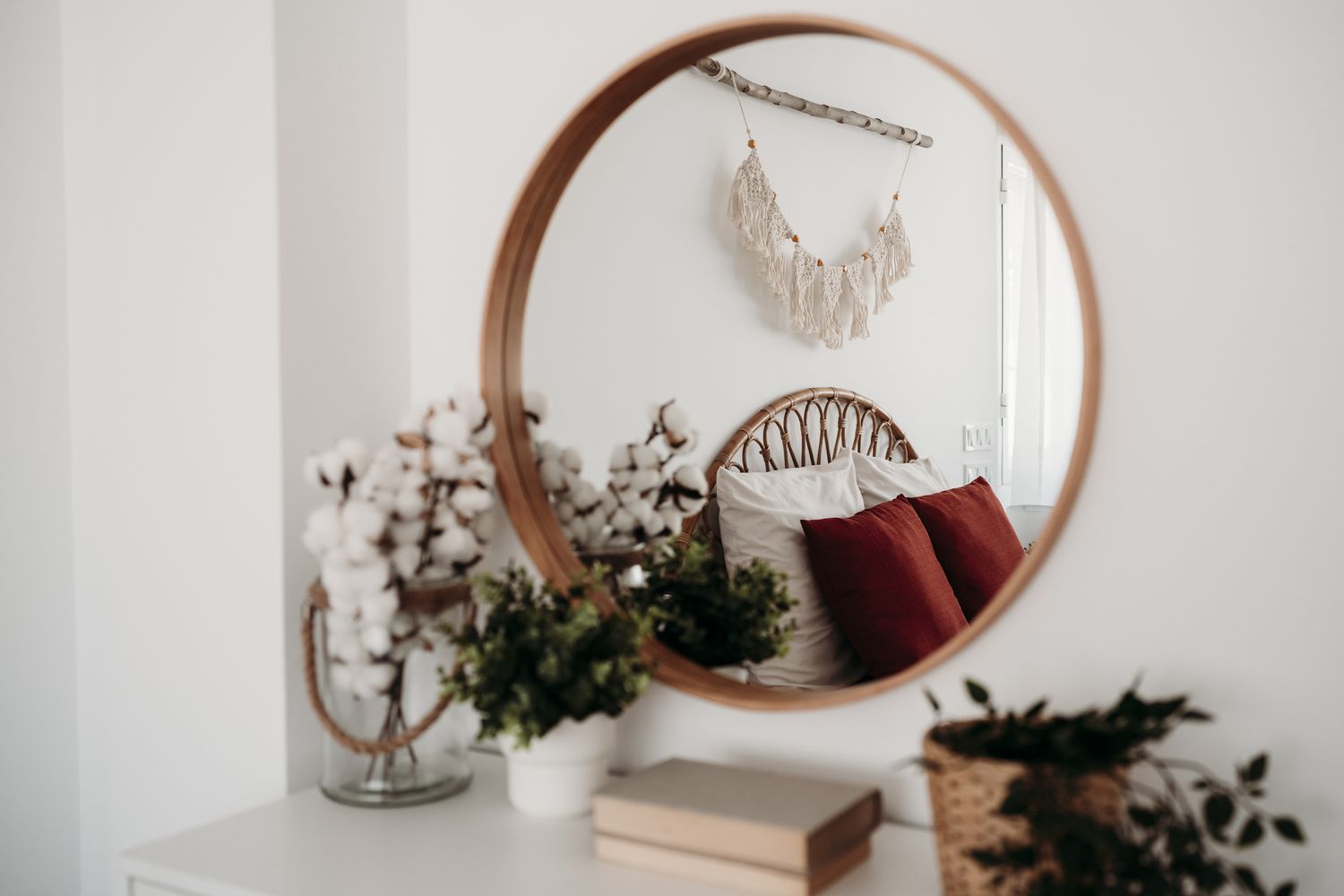
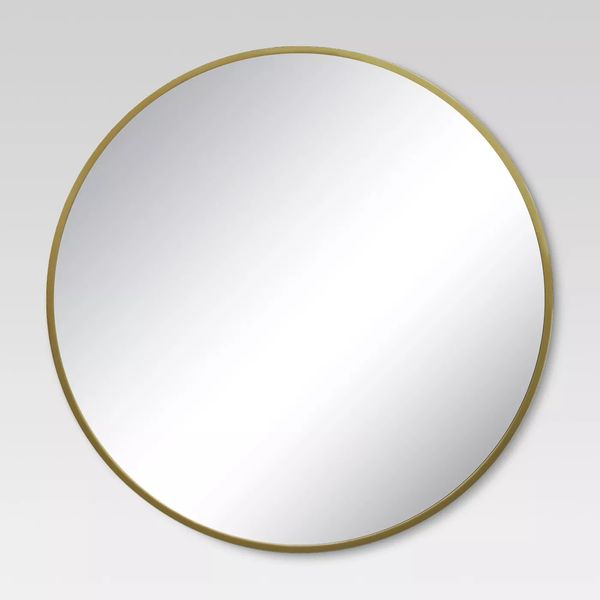
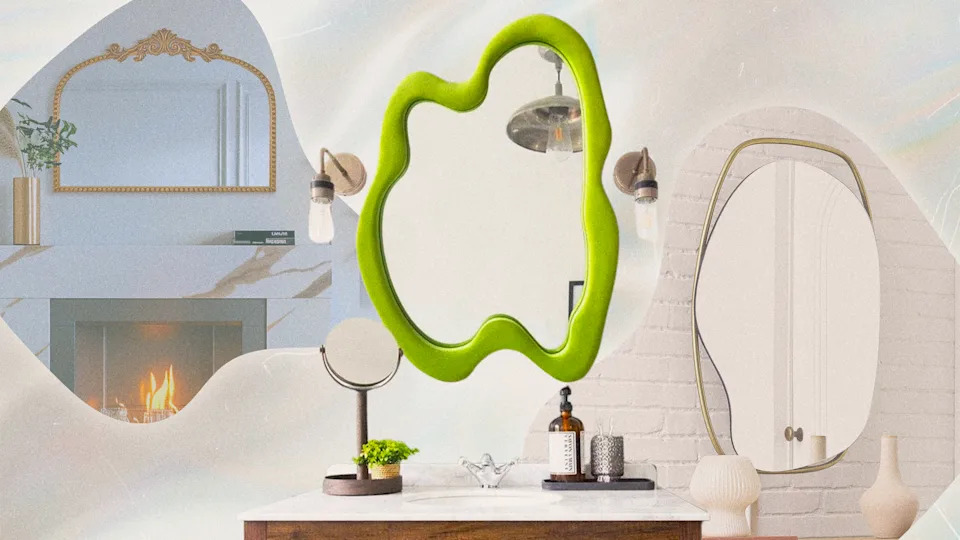
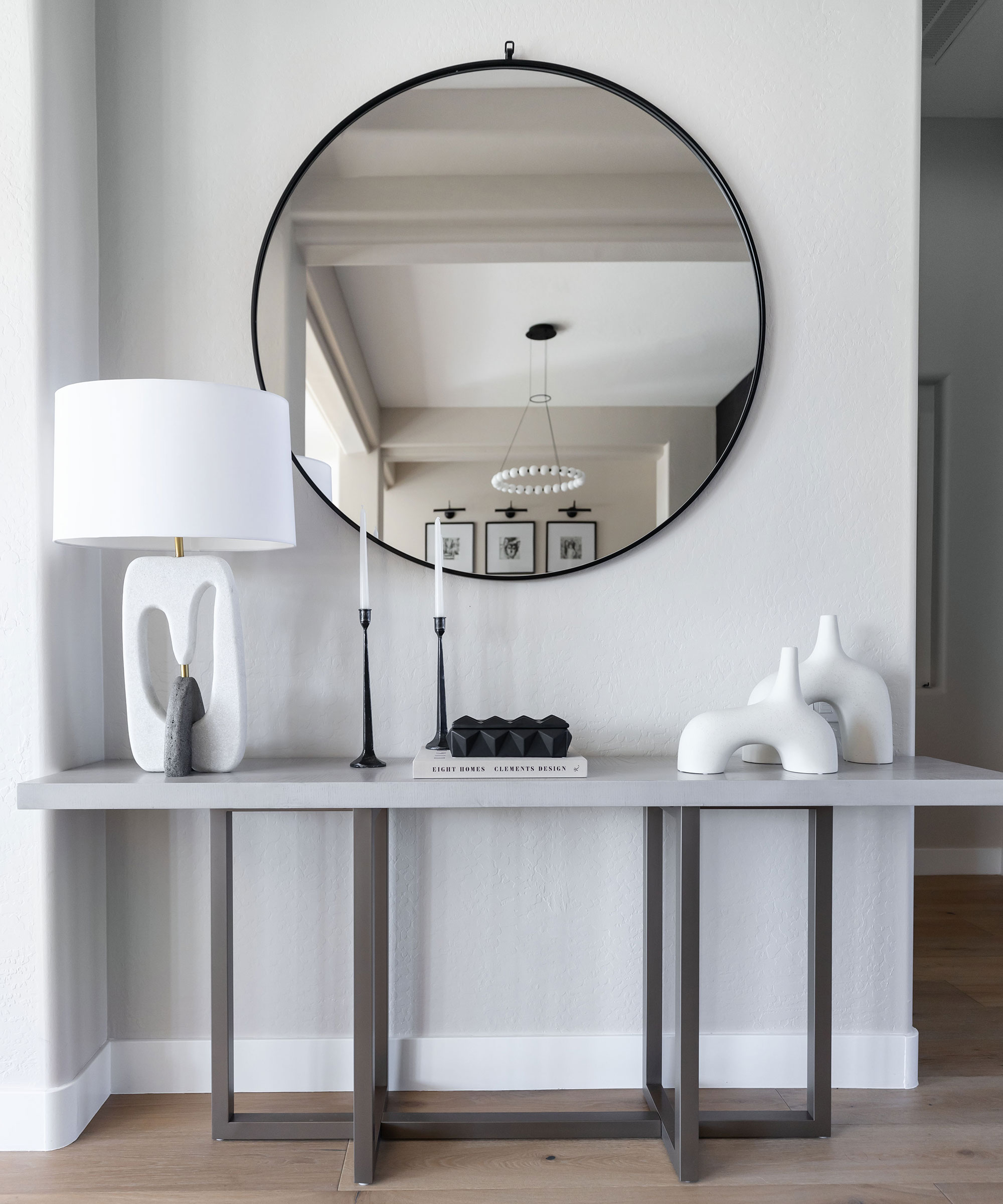
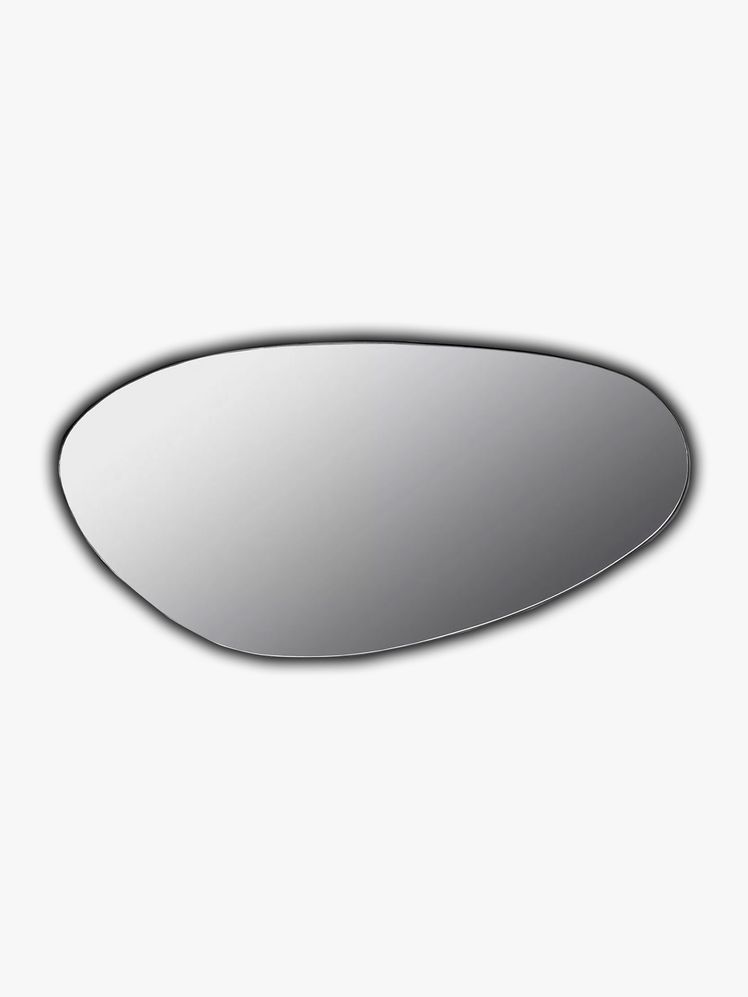
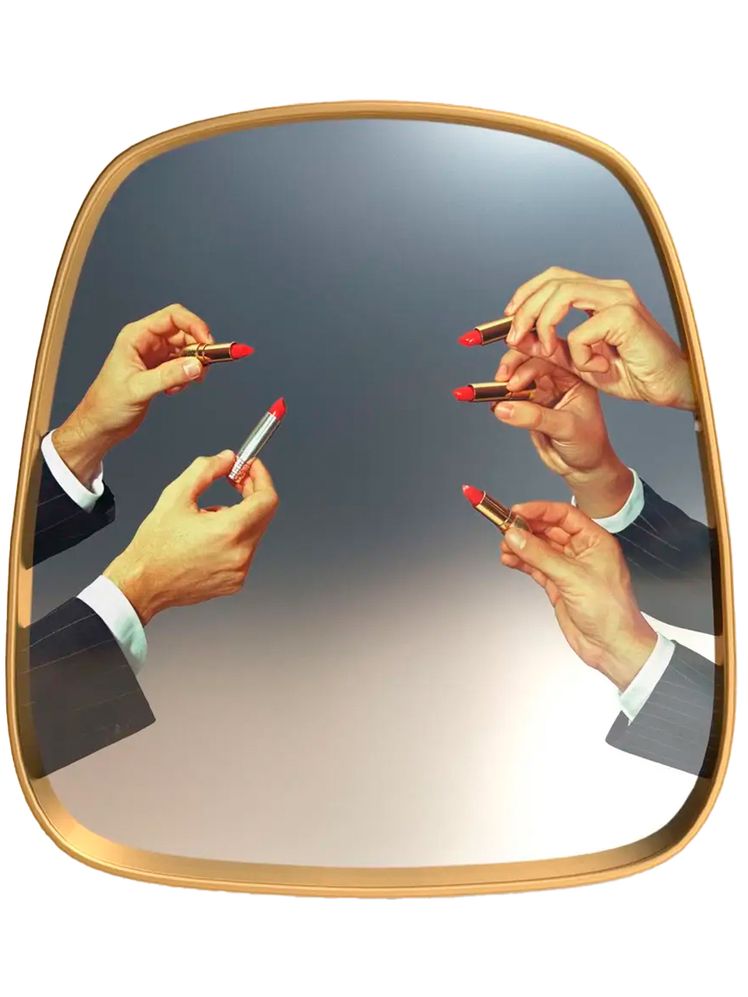
Considering the mirror's reflection is another critical aspect. Susan Peters of 9108 designs emphasizes the importance of ensuring the reflection is appealing when entering the room, advising against reflections of unkempt areas like messy bookshelves or TV screens. It is also important to check that the mirror does not reflect bright light bulbs directly, instead aiming for a warm, amplified glow from hanging or ceiling fixtures. The shape of the mirror should complement the fireplace and the room's overall style, with options ranging from round, rectangular, square, or oval, to geometric shapes. A round mirror can soften the vertical lines of a tall fireplace, while a rectangular mirror with rounded corners, like a French Louis Philippe style, can suit a traditional look.
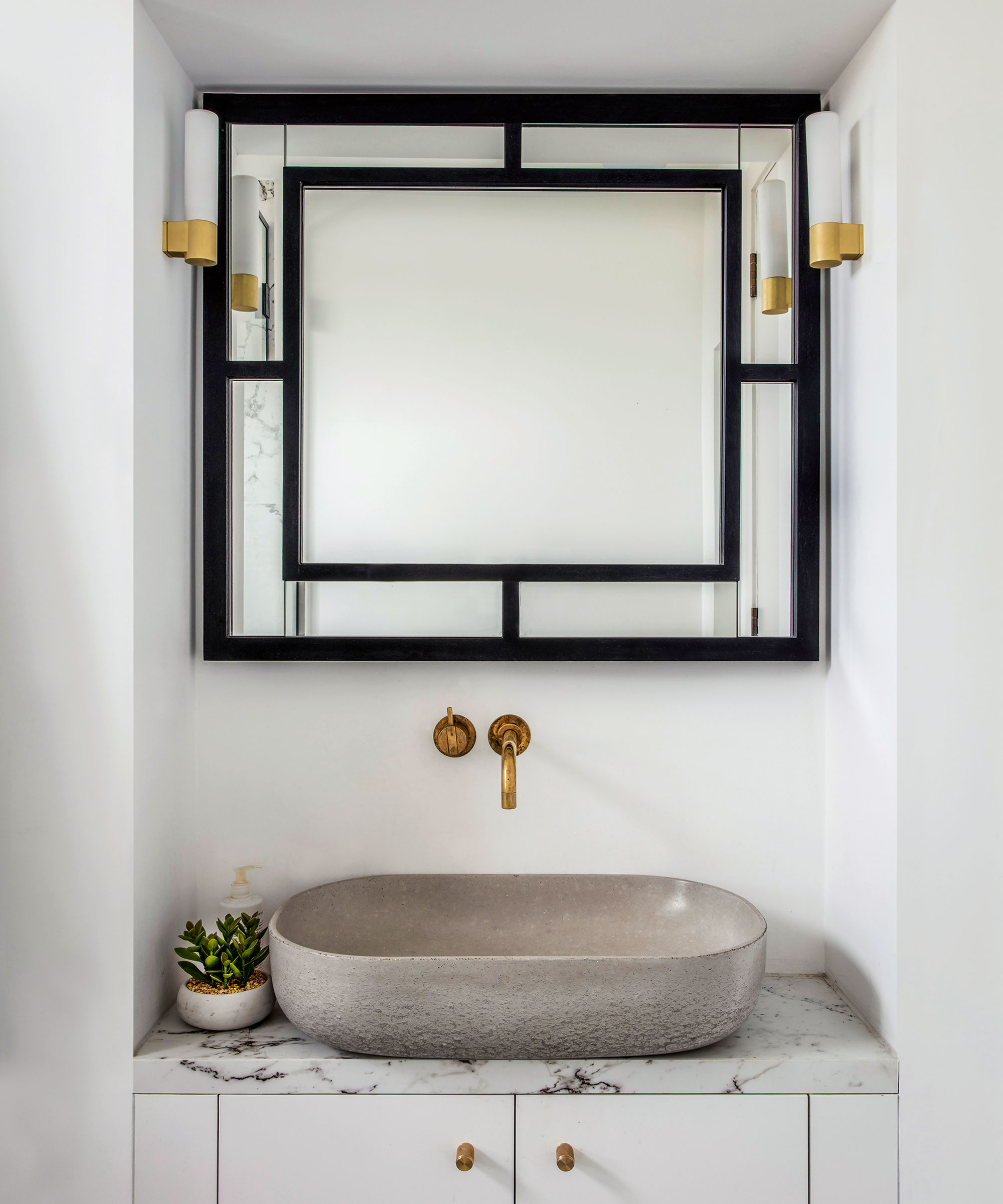
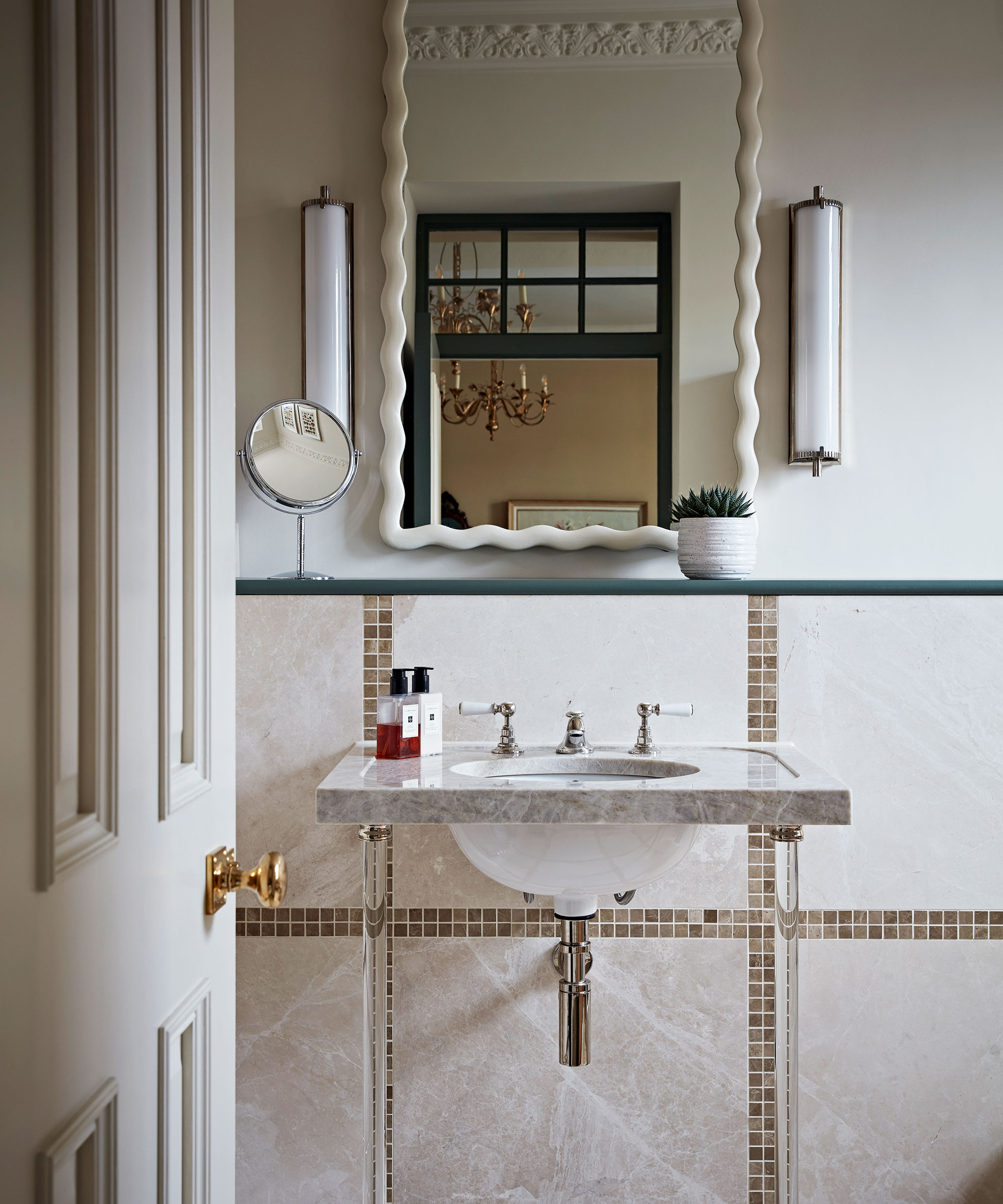
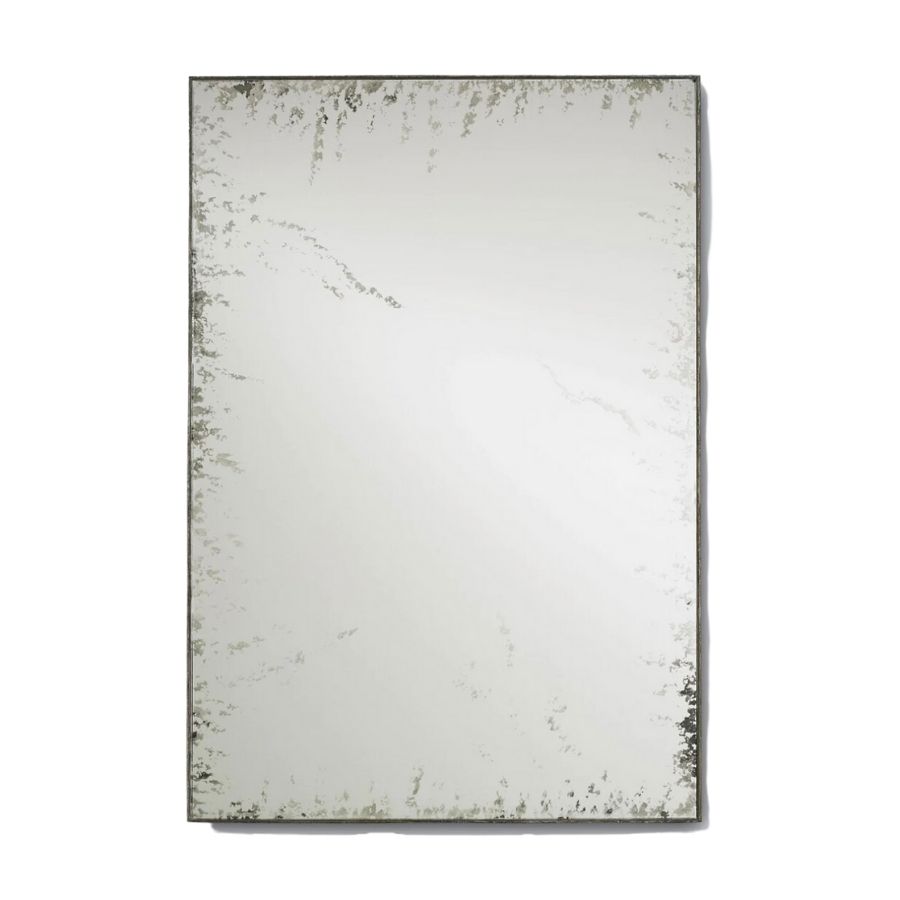
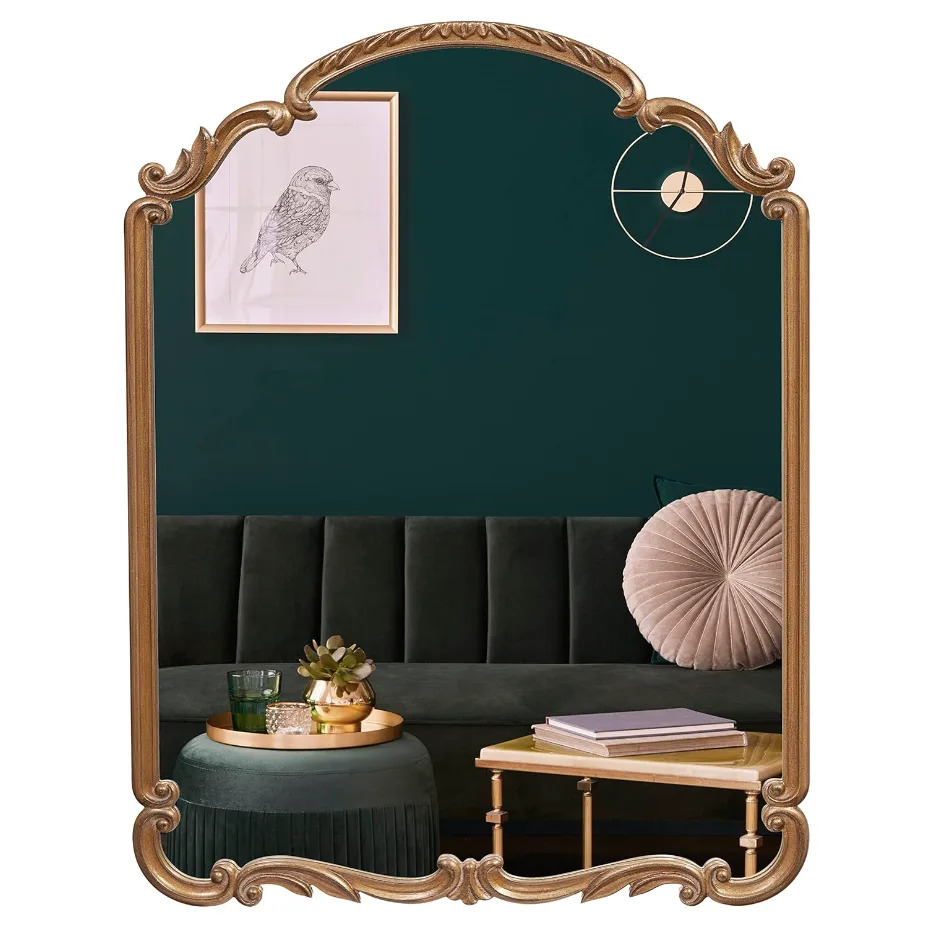
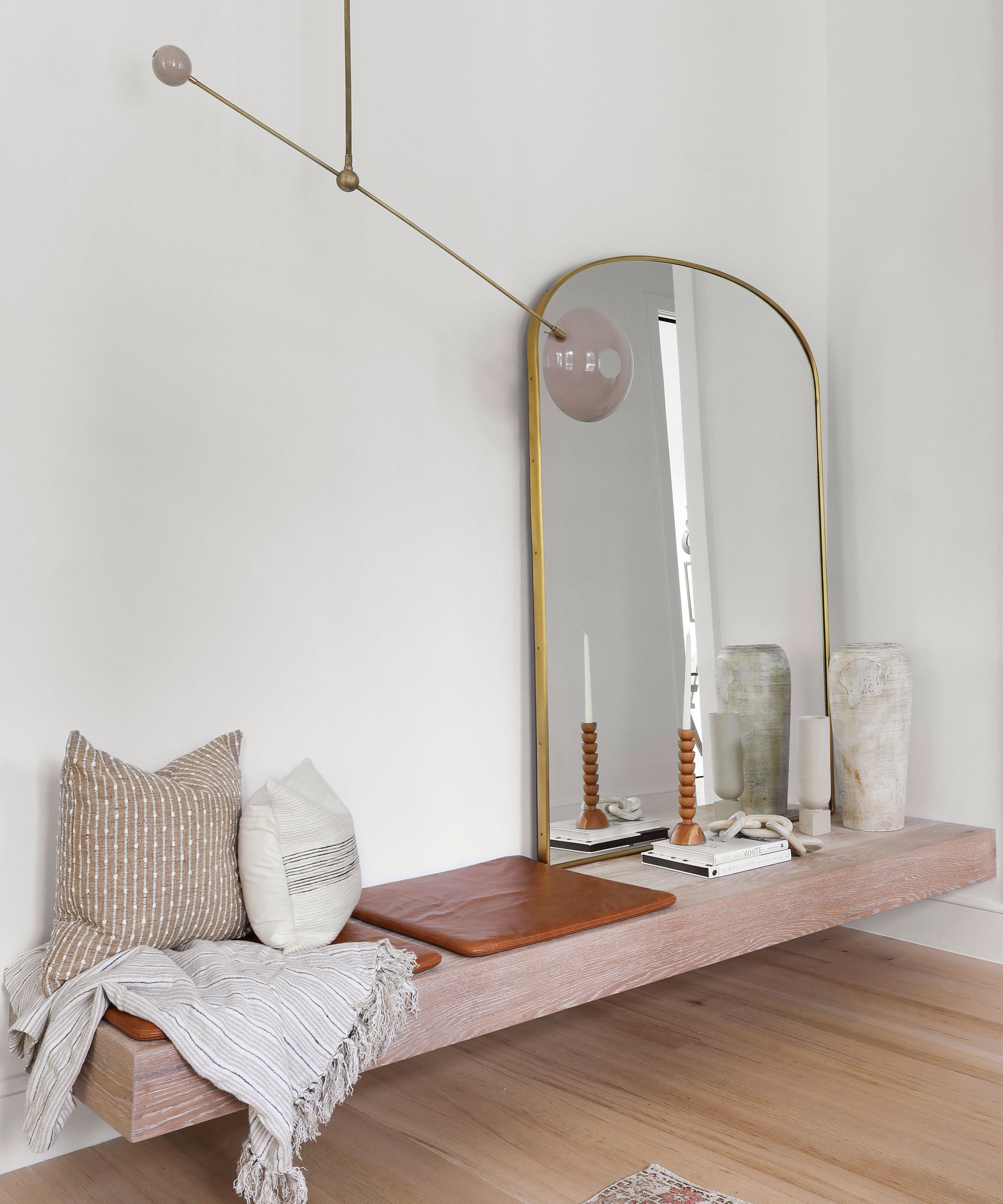
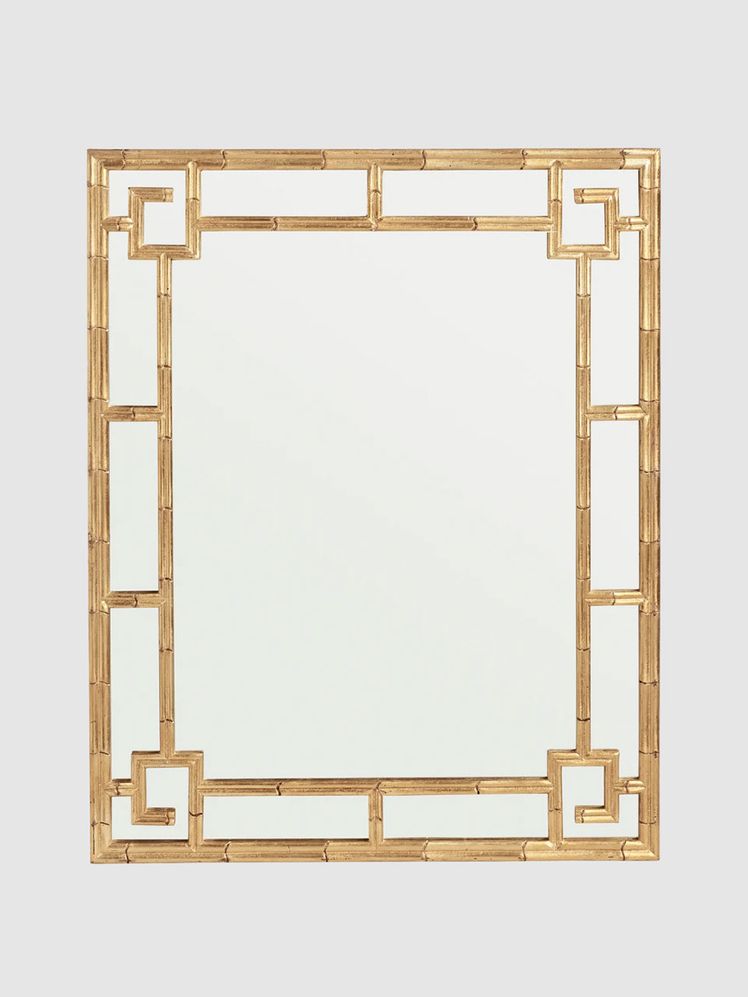
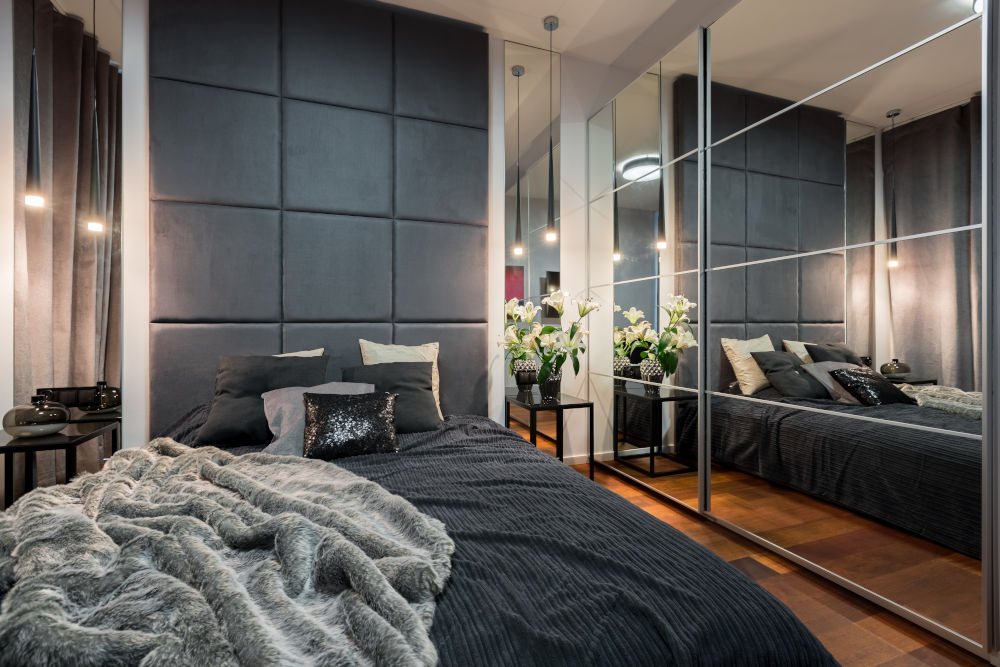
Finally, the frame style significantly influences the design. A frameless mirror can provide a contemporary feel, while a well-chosen framed mirror can enhance the fireplace wall. Examples include a gilded antique mirror for a classic marble fireplace, a streamlined mirror with a thin brass frame for a midcentury modern aesthetic, or an ornate frame to add interest to a modern room. Feng shui principles suggest that mirrors are water elements that can balance the fire element of a fireplace, though practitioners advise against placing mirrors facing the front door or reflecting the bed in a bedroom. Adhering to these design guidelines helps ensure the mirror effectively enhances the space.
#FireplaceDecor #MirrorPlacement #HomeDecor #InteriorDesignTips #LivingRoomDesign #MantelStyling #DesignGuidelines #FengShuiMirrors #HomeAccessories #FireplaceDecor #MirrorPlacement #HomeDecor #InteriorDesignTips #LivingRoomDesign #MantelStyling #DesignGuidelines #FengShuiMirrors #HomeAccessories
0 comment in total
 No comments yet
You may also like
10 Designer Tips for Decorating the Space Above Your Fireplace

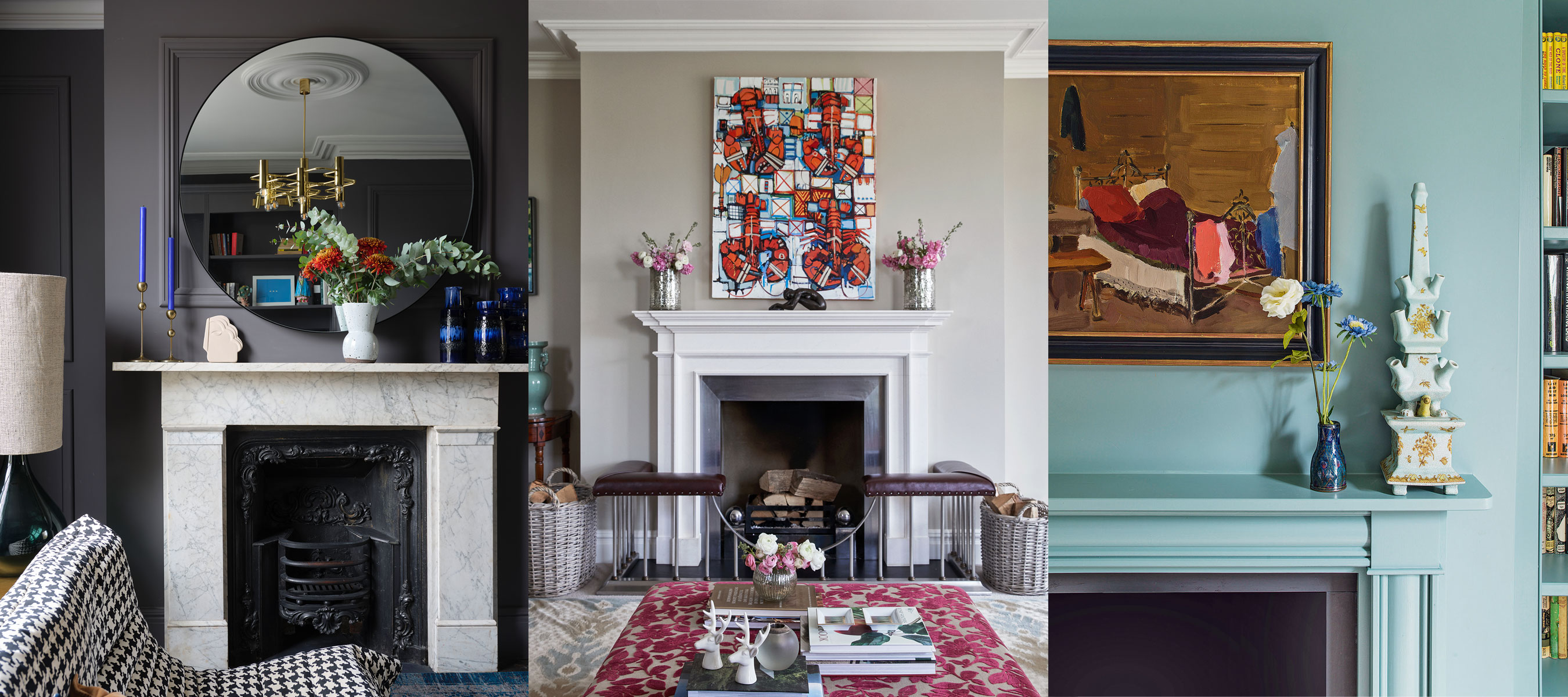
Mantel decor ideas – 10 tips for year-round fireplace and mantelpiece decoration
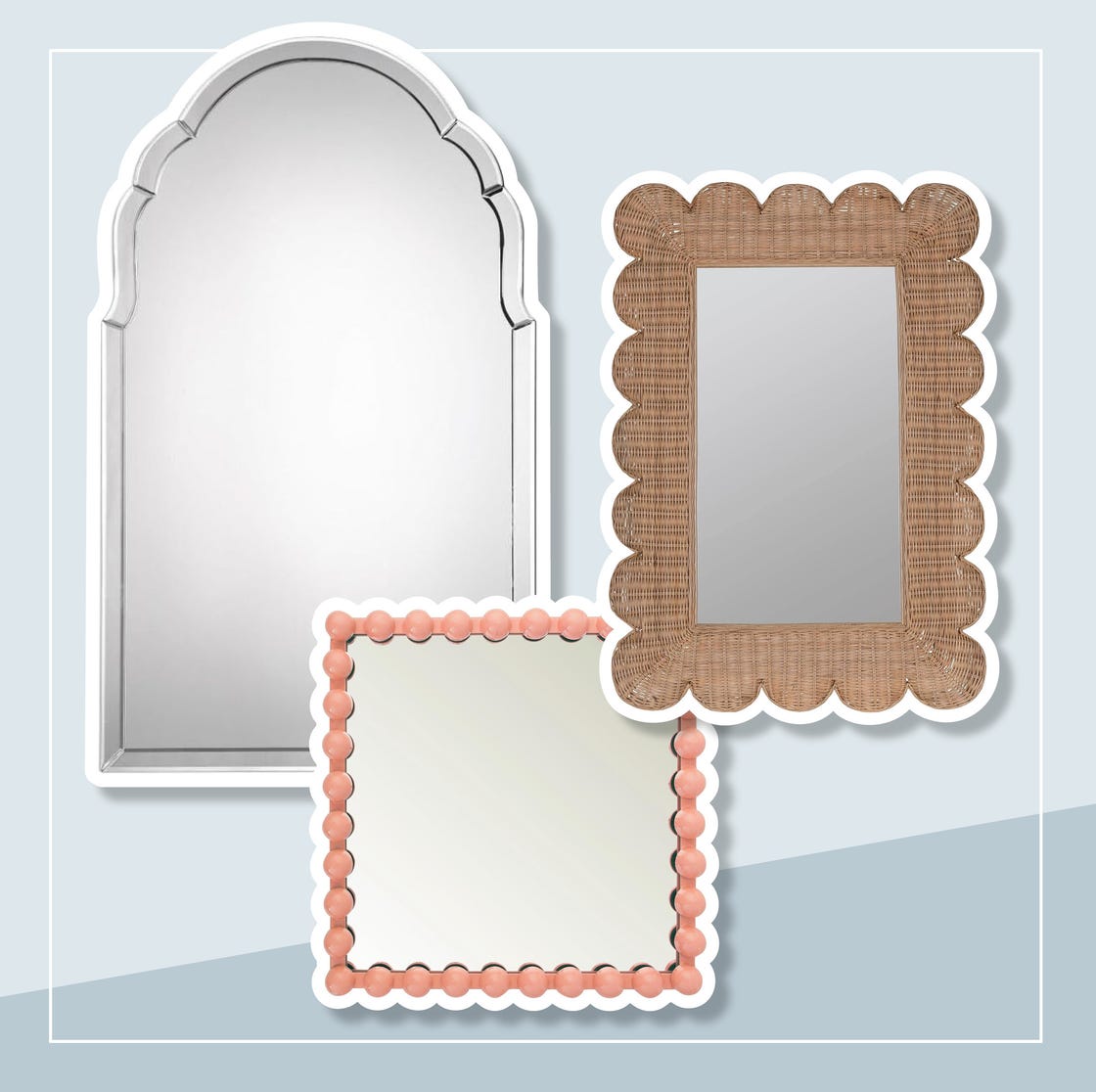
These 12 Stylish Amazon Mirrors Will Instantly Elevate Your Space, According to Designers

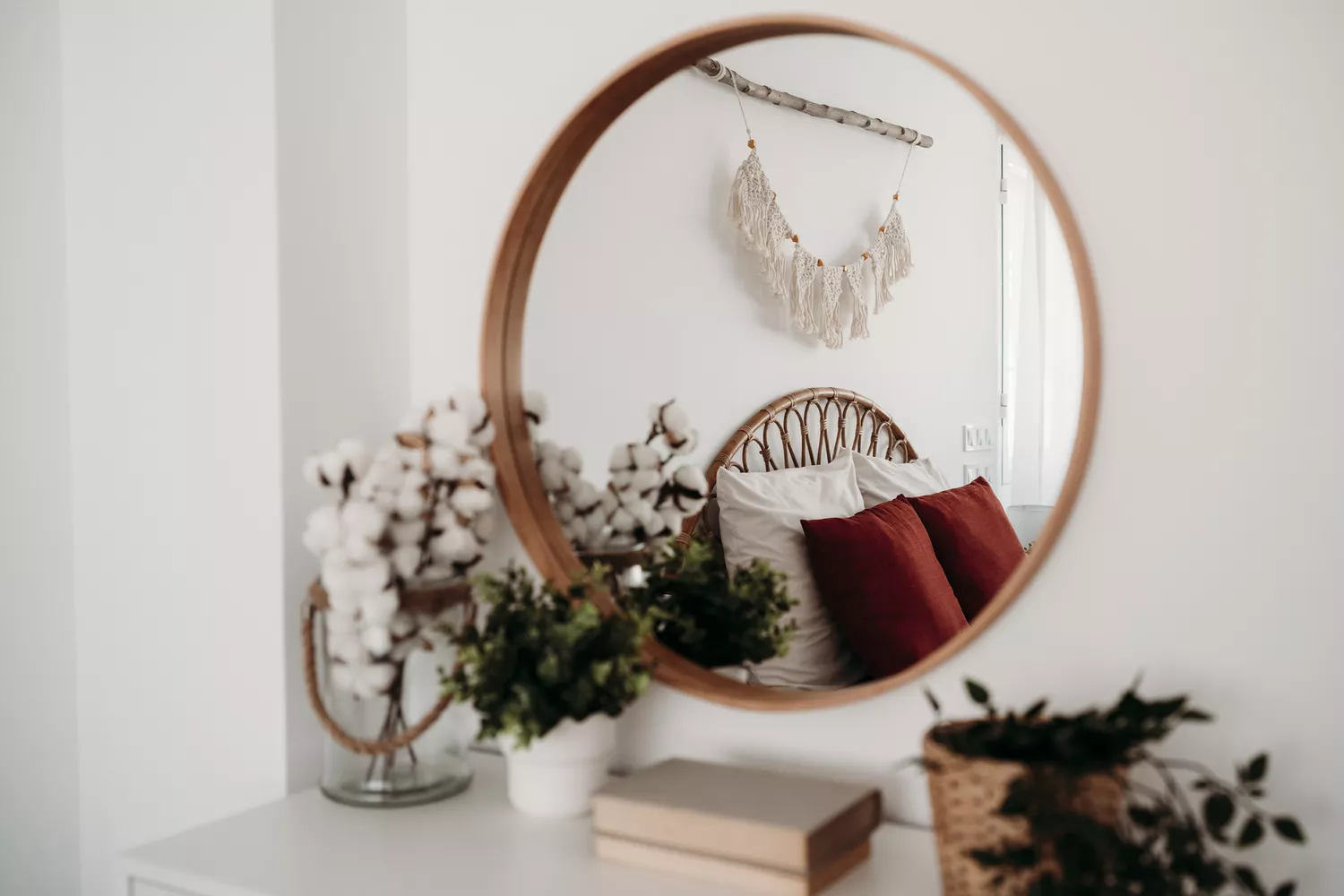
4 Mirror Mistakes That Make Rooms Look Smaller (And How to Fix Them), According to Designers
How to decorate a mantel according to experts – 11 pro tips for your fireplace

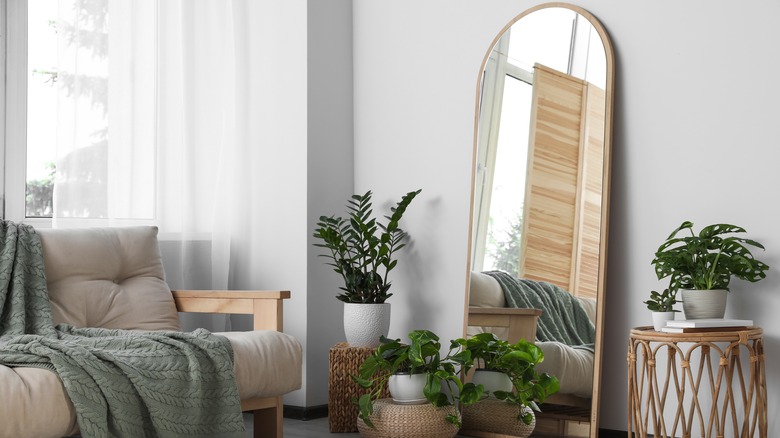
How To Use Mirrors To Make Your Small Space Look Bigger, According To An Expert
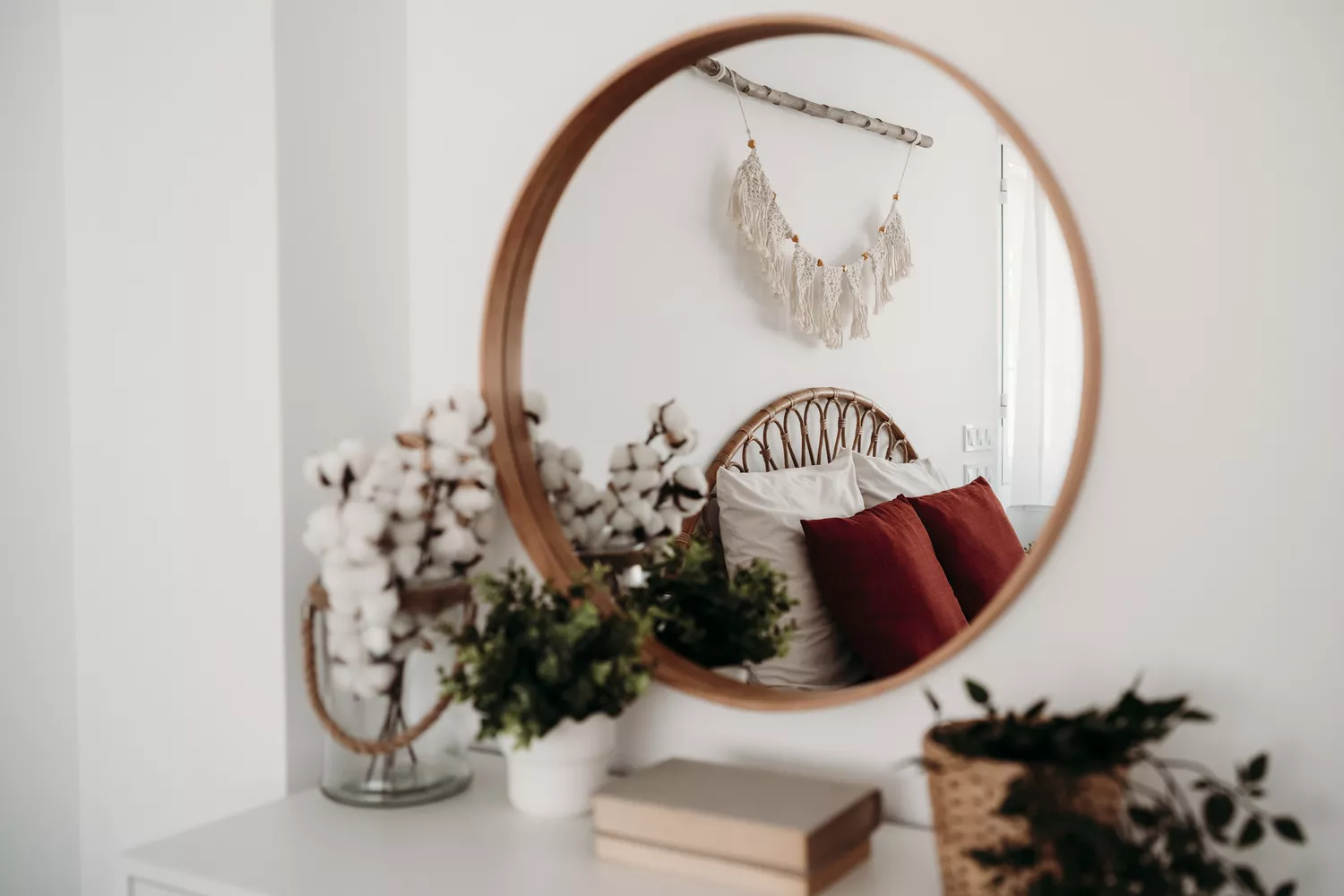
4 Common Mistakes You’re Making When Decorating With Mirrors, According to Designers
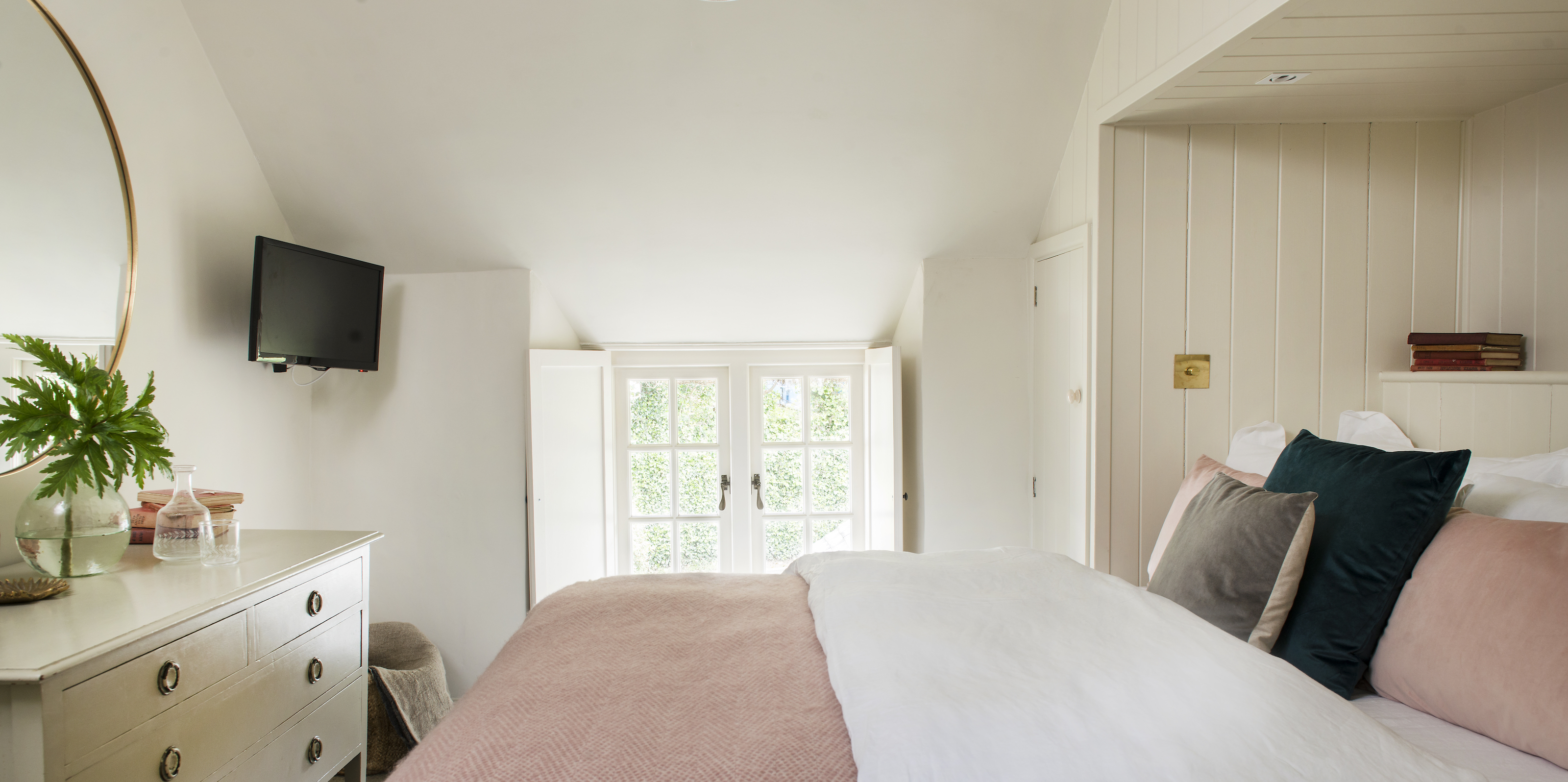
Bedroom mirror ideas - 10 fun and functional ways with mirrors
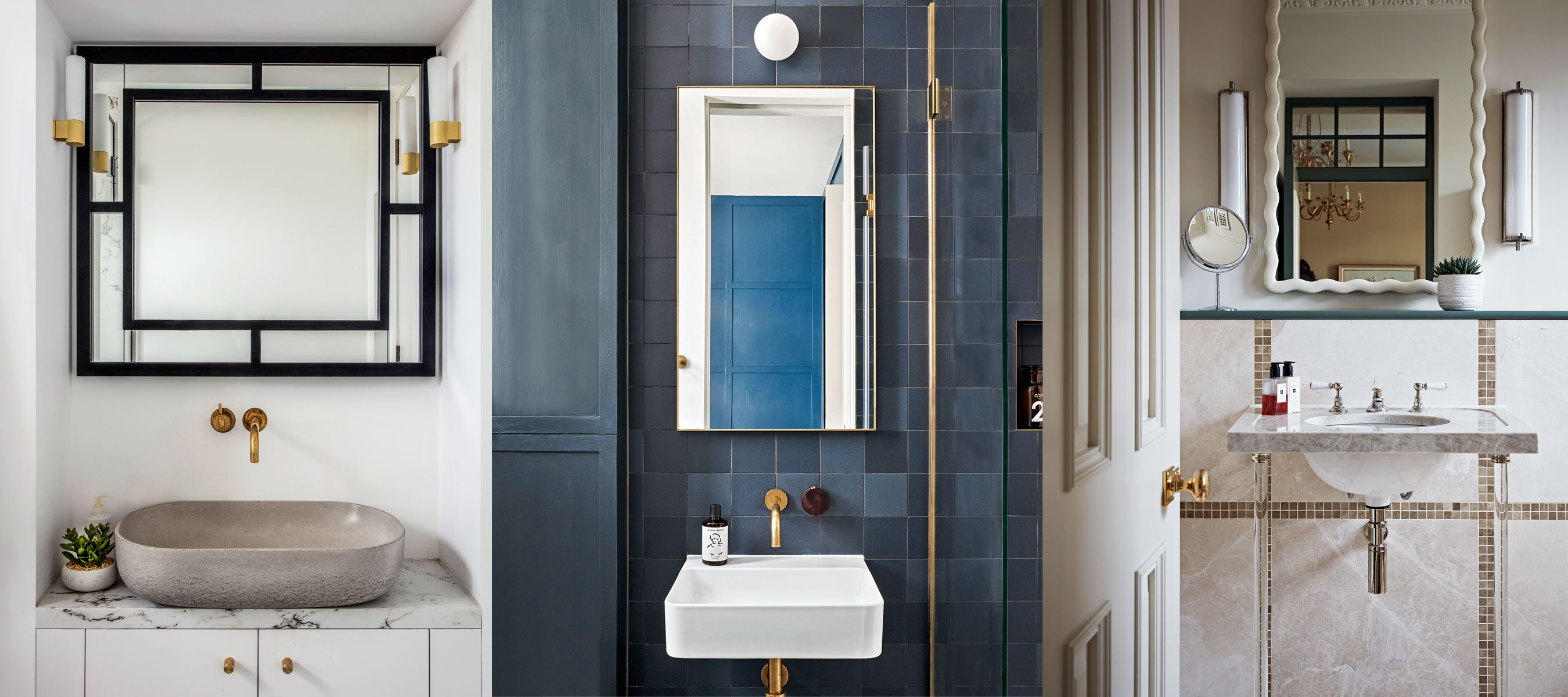
Bathroom lighting ideas over mirrors – 10 rules for side and over mirror lighting
5 Mistakes You Might Be Making When Decorating With Mirrors, According To Designers
The Best Decorative Mirrors, According to Interior Designers
The best mirrors for a bright and roomy home

Join the debate: Interior designers are divided on Eva Mendes' controversial mantelpiece decor. What do you think?
5 places you didn’t know you needed a mirror in your home, but where placing one elevates everything

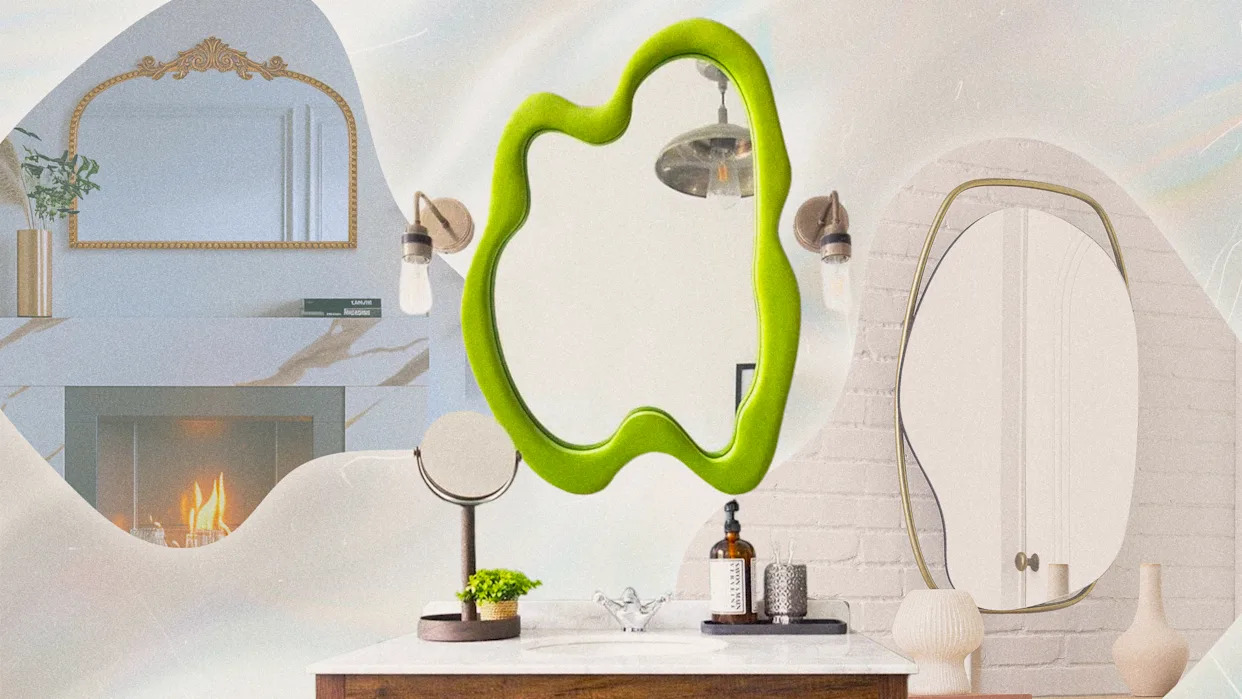
These 2025 Mirror Trends Will Make Even the Barest Walls Look Luxe

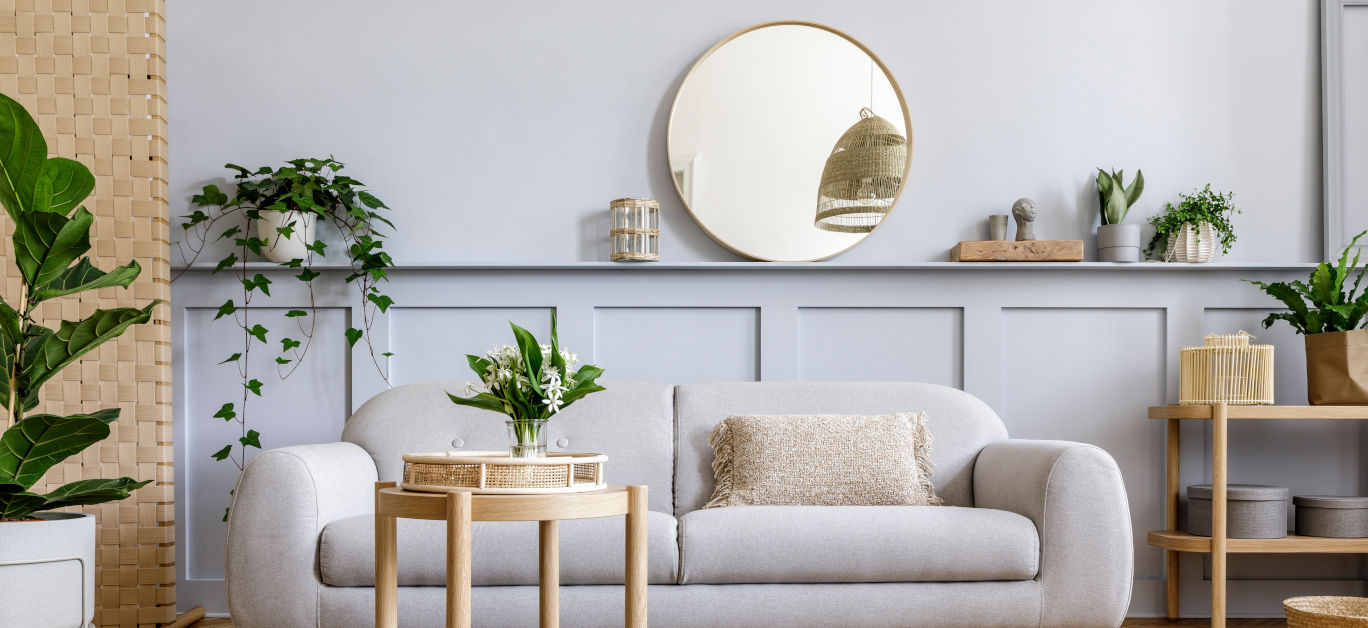
7 easy ways to add luxury to your home with mirrors

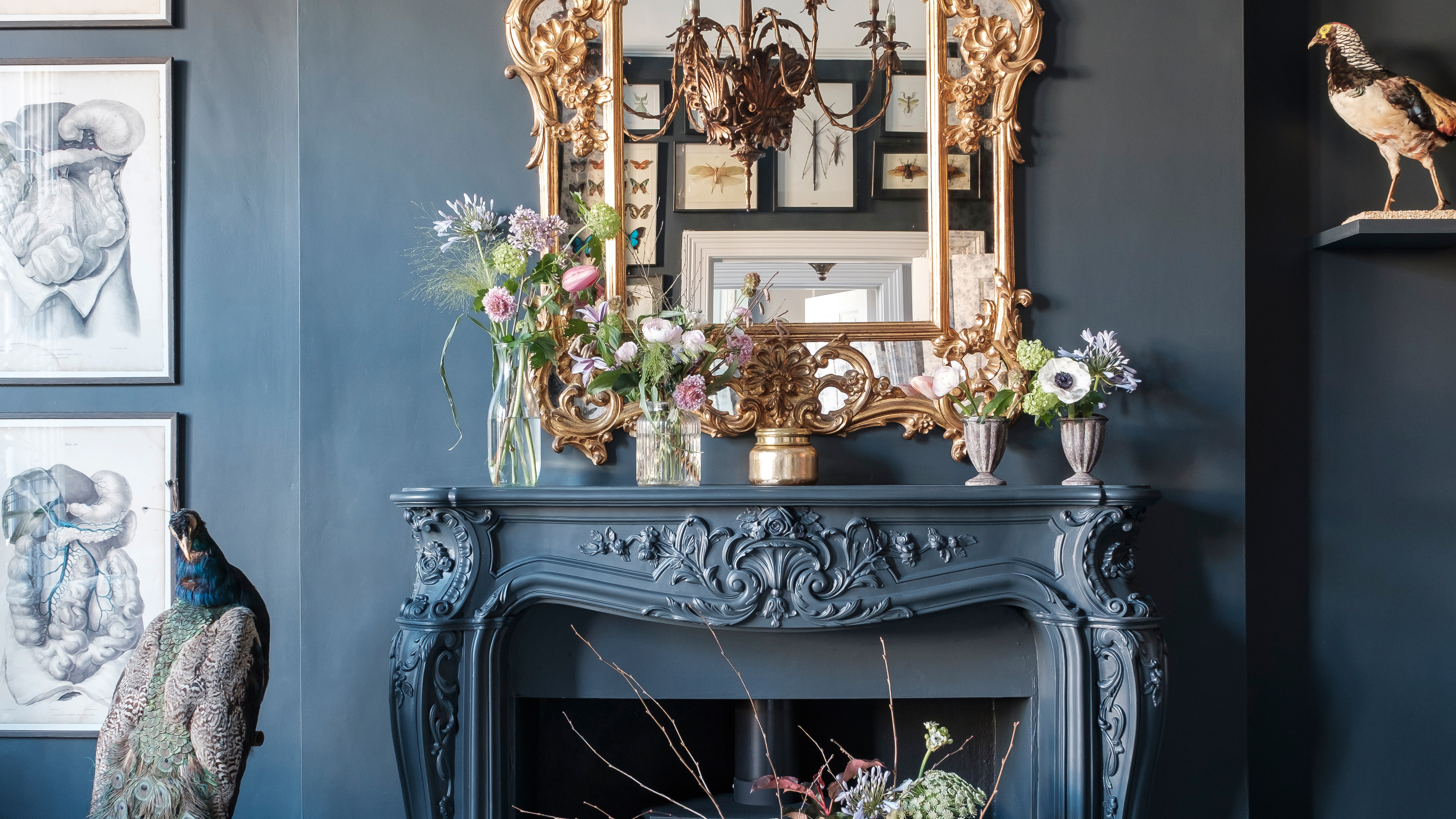
10 mantel decor ideas to make your fireplace a focal point all year round
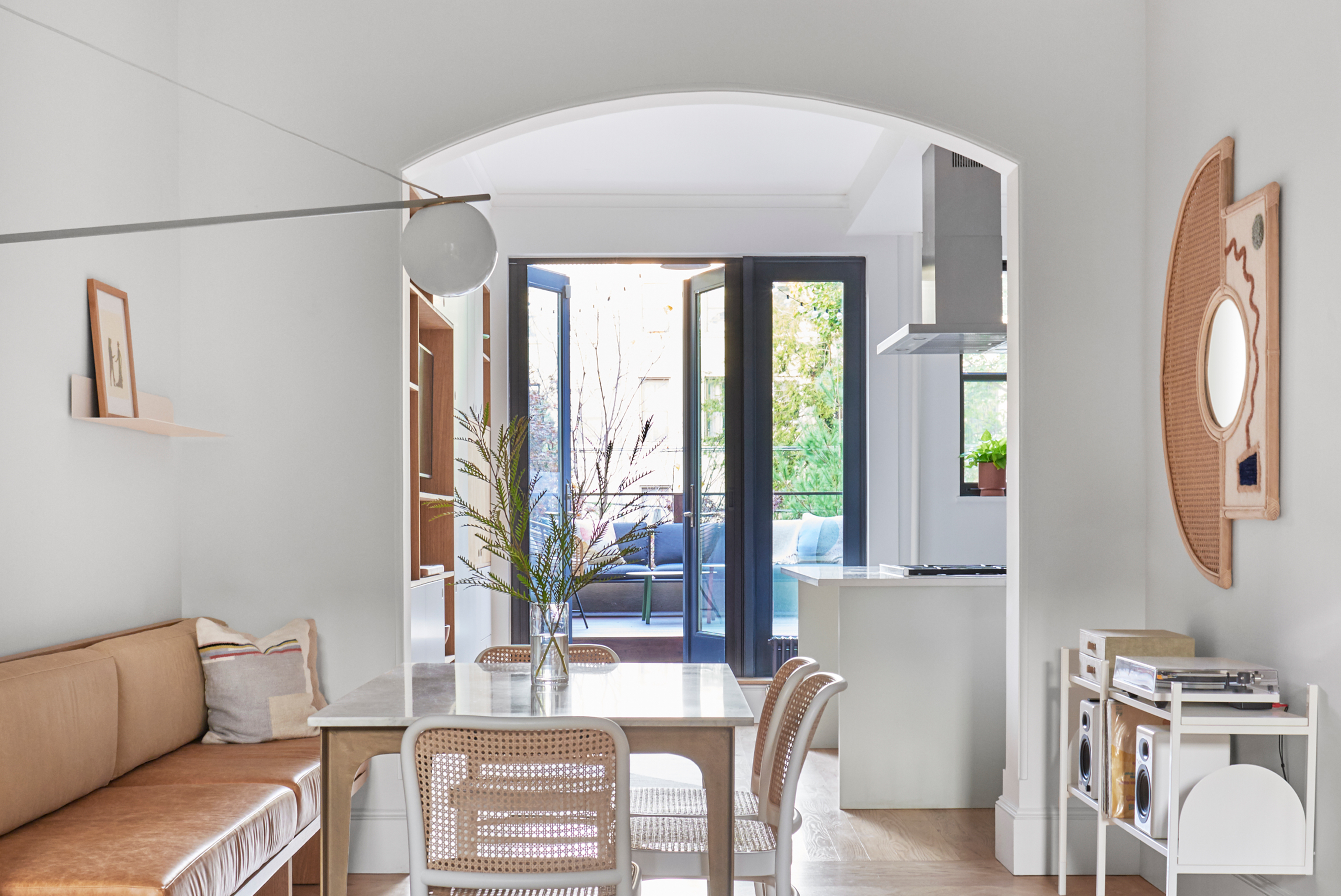
Is it okay to have more than one mirror in a room? This is the one instance designers say it's never okay
6 places you didn't know you needed a mirror in your home – for a bigger, brighter, better space
Shopping for Fire Screens (Published 2022)