1/2
The Biggest Drawback Of Magnetic Knife Strips
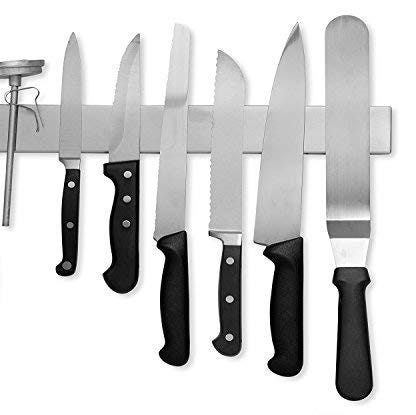
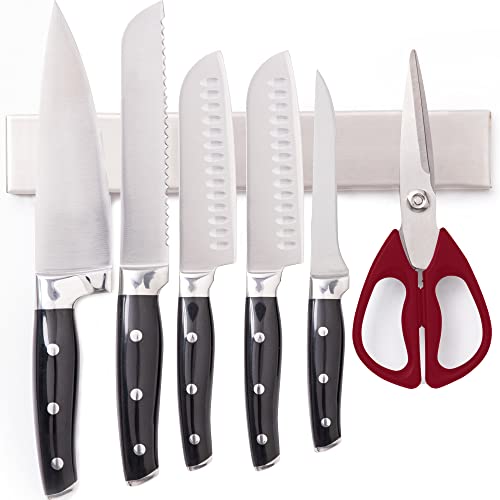
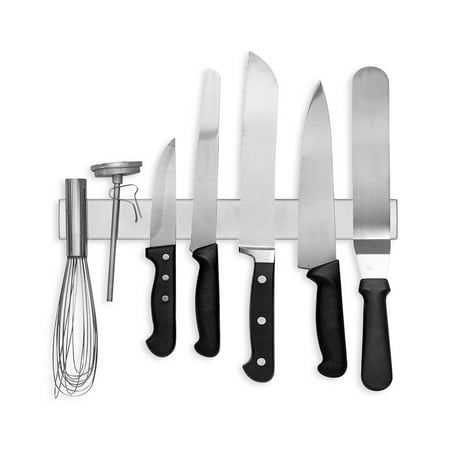
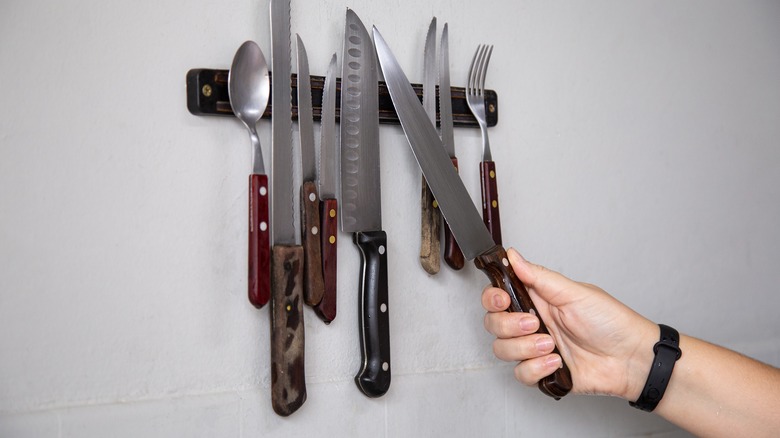
Maintaining quality cooking knives requires proper storage to preserve their condition and structural integrity. While magnetic knife strips are often considered for their space-saving and sanitary benefits, especially in smaller living spaces, traditional metal magnetic strips present several significant drawbacks. The ultra-strong magnets in these strips can, over time, damage knife blades and compromise their structural integrity. This damage can manifest as cosmetic scratches on the blade's side and, according to experts like Mari Sugai of Korin Knives, can even magnetize the knife itself. For knives with thinner blades, such as Japanese-style knives, powerful magnetic strips can be particularly detrimental, potentially leading to breakage.
Beyond the damage to the knives, the placement of magnetic strips can also create practical issues. Mounting a strip over a stove, for example, can result in knives becoming greasy and oily, requiring more frequent cleaning. Furthermore, magnetic knife strips pose a considerable safety risk, especially in households with small children or active pets, as easily accessible knives can lead to accidents.
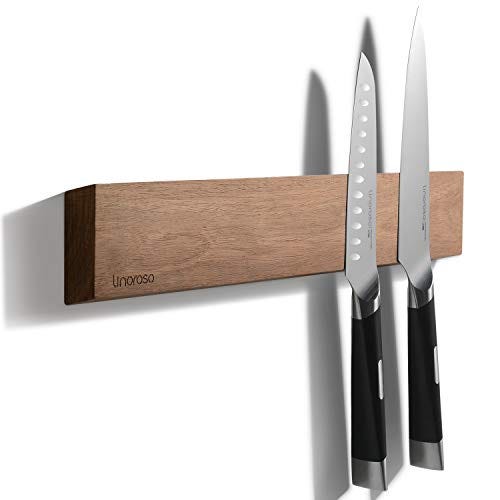
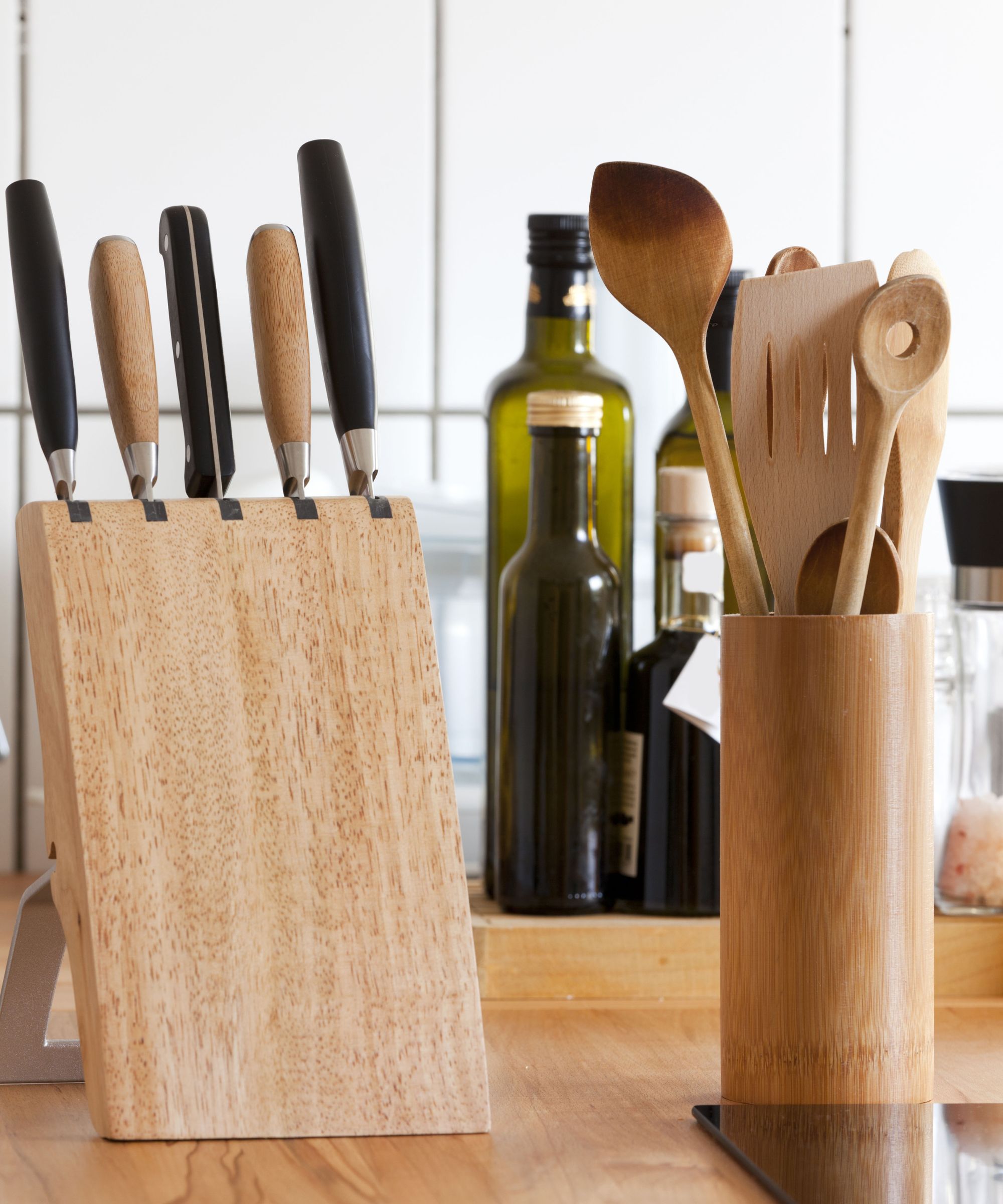
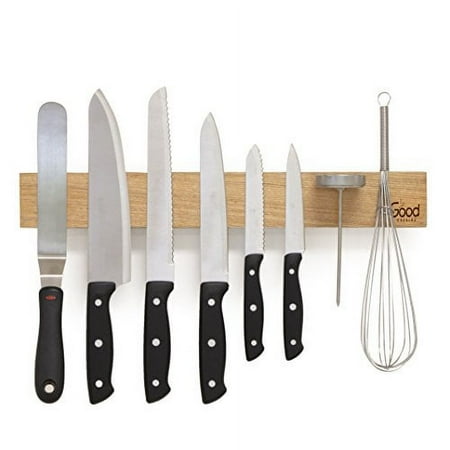
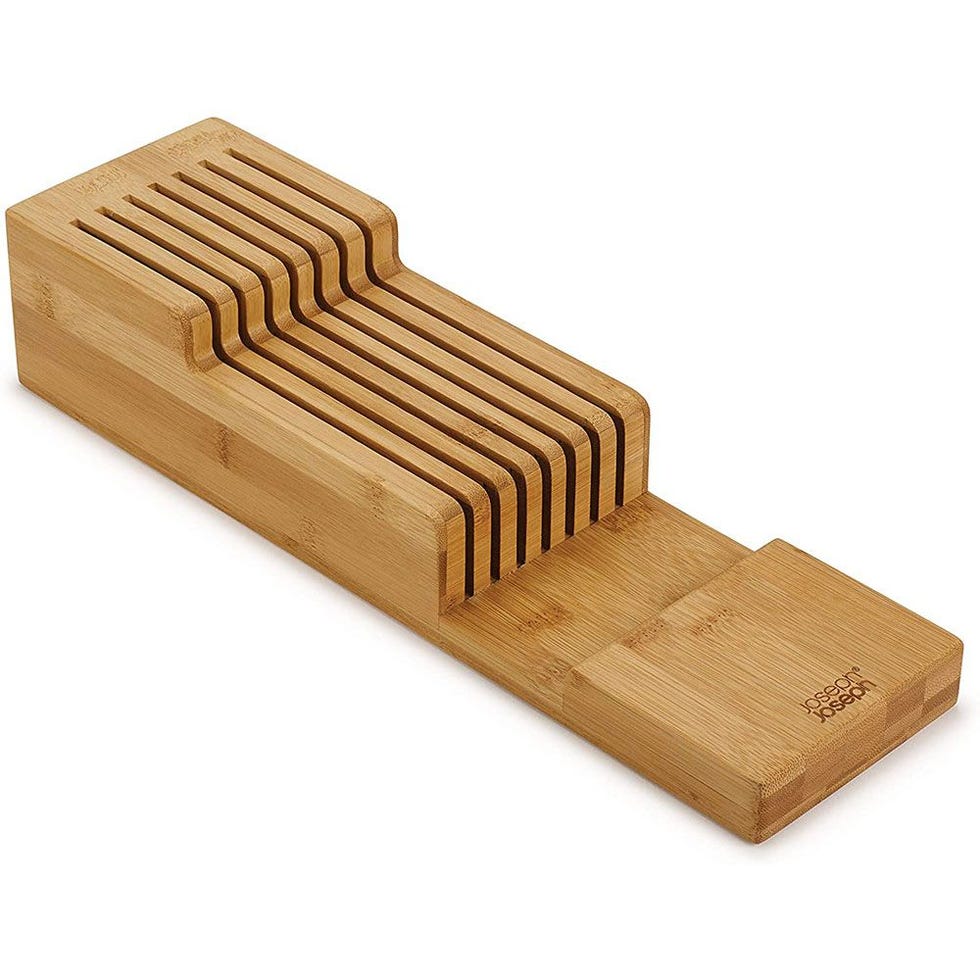
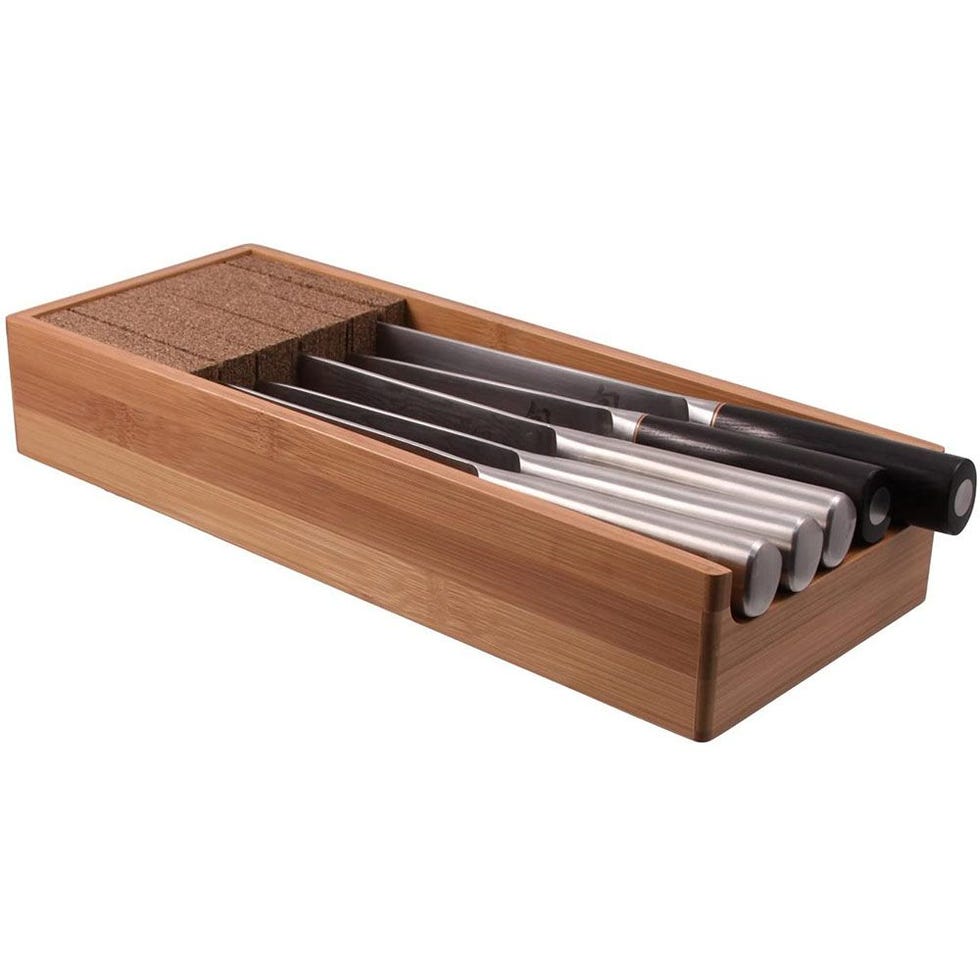
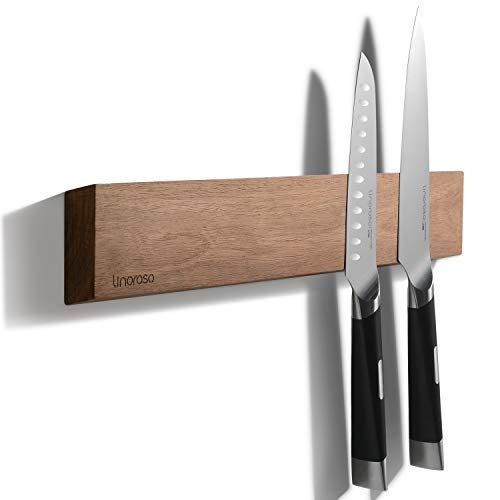
While knife blocks are also problematic due to blade dulling and potential mold growth if knives are stored wet, the discussion among home cooks often circles back to the magnetic strip dilemma. Many online culinary communities, such as those on Reddit, suggest that while metal-plated magnetic strips are generally not recommended, wooden-plated magnetic strips offer a superior alternative. These strips feature a thin layer of wood positioned over the magnet, which prevents direct metal-on-metal contact, thereby eliminating scraping and blade damage.
Wooden-plated magnetic strips, such as those offered by brands like wooDsom, are designed to be gentle on delicate blades while still providing the benefits of easy access and space-saving. They are also simple to clean and install, coming in various sizes and finishes to complement different kitchen aesthetics. To ensure longevity and minimize wear on the blade, it is recommended to slide the knife vertically downward when removing it from a magnetic strip, rather than pulling it straight off. This technique helps prevent excessive torque and prolonged wear on the blade, making wooden magnetic strips a viable and safer storage solution for valuable kitchen cutlery.
#KitchenStorage #KnifeCare #MagneticKnifeStrip #KitchenDesign #CookingTips #HomeSafety #KnifeMaintenance #KitchenTools #KitchenStorage #KnifeCare #MagneticKnifeStrip #KitchenDesign #CookingTips #HomeSafety #KnifeMaintenance #KitchenTools
0 comment in total
 No comments yet
You may also like
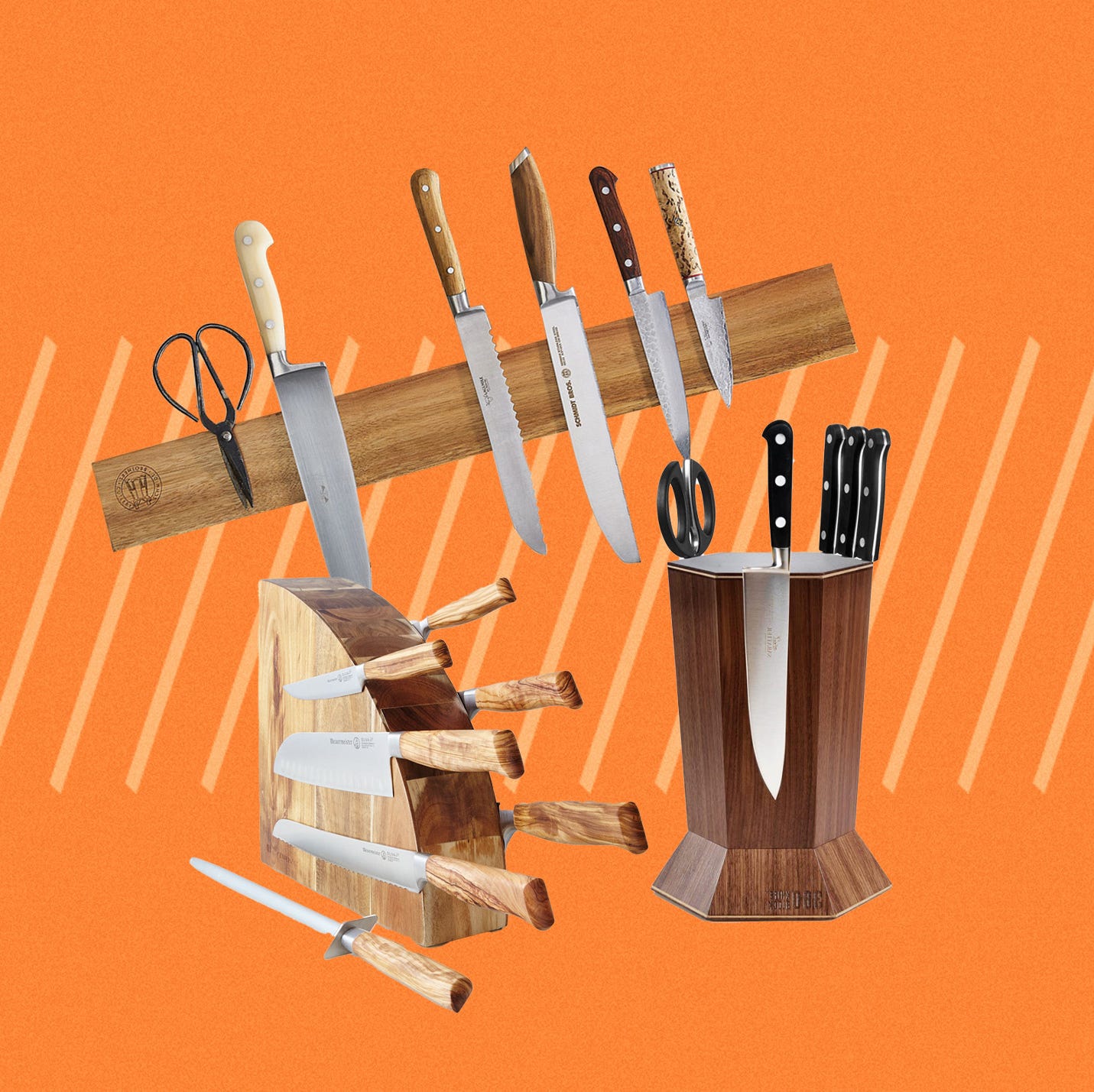
If You're Not Using A Magnetic Knife Holder For Your Sharp Tools, You're Doing It Wrong
7 Items You Should Never Hang With Adhesive Hooks, According to Designers

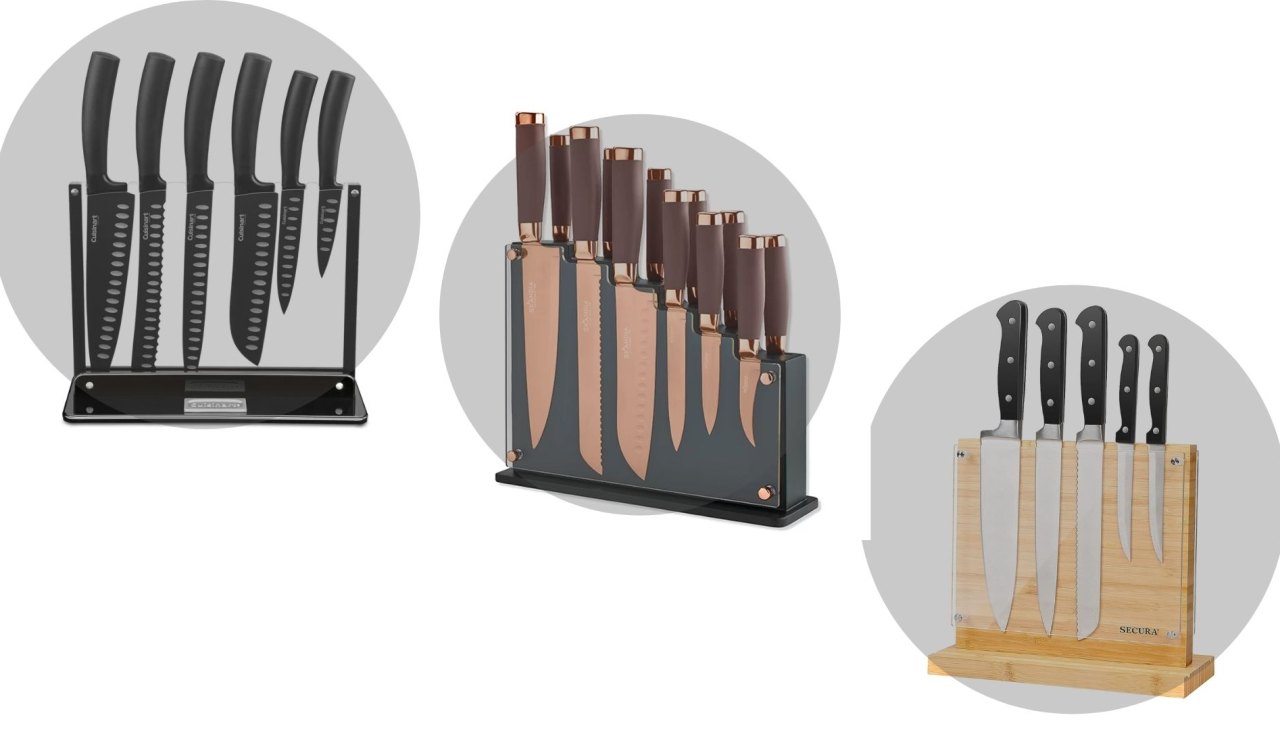
11 Best Magnetic Knife Sets That Look Great on Every Kitchen Counter

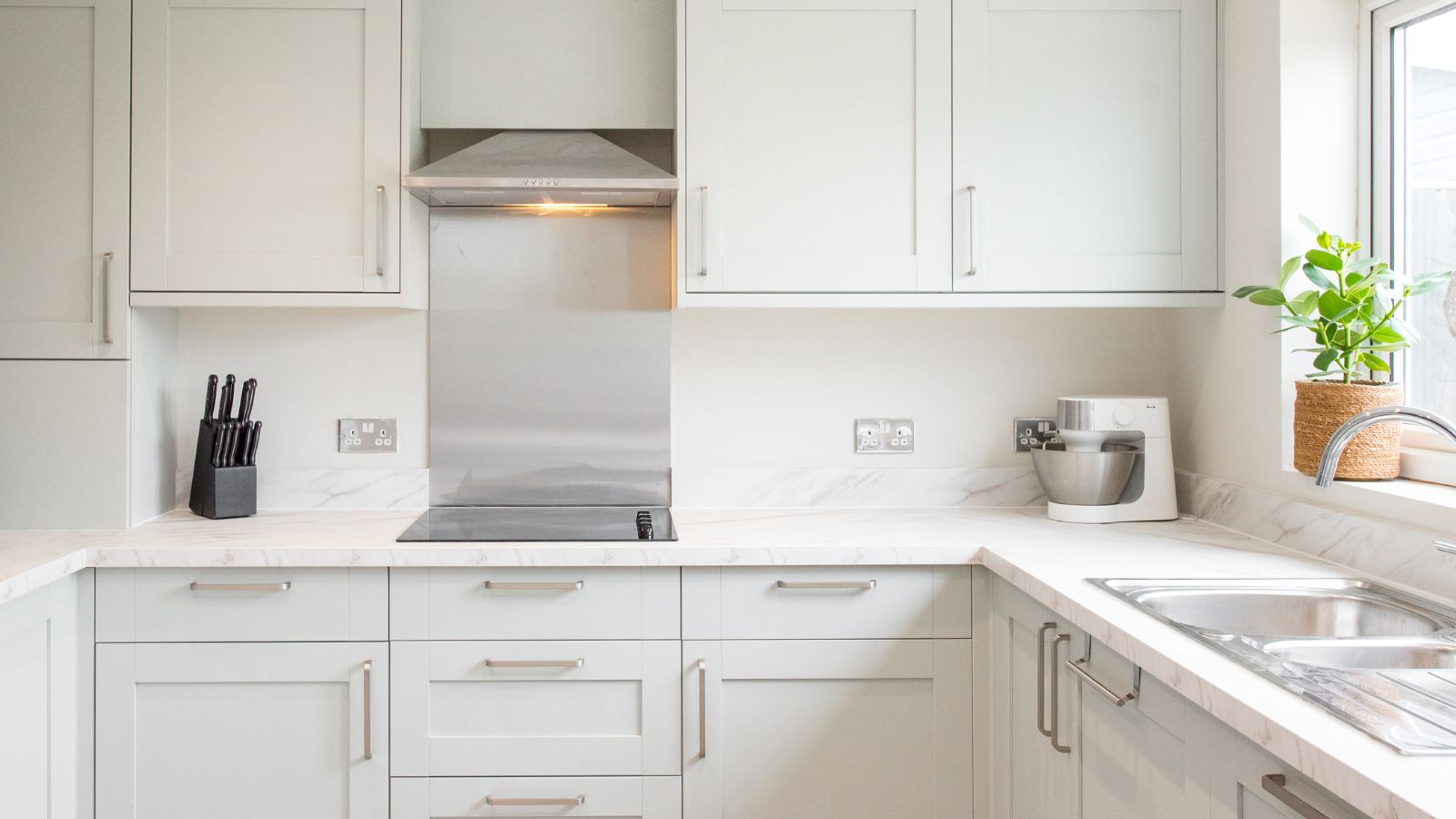
Why you should get rid of your knife block right now

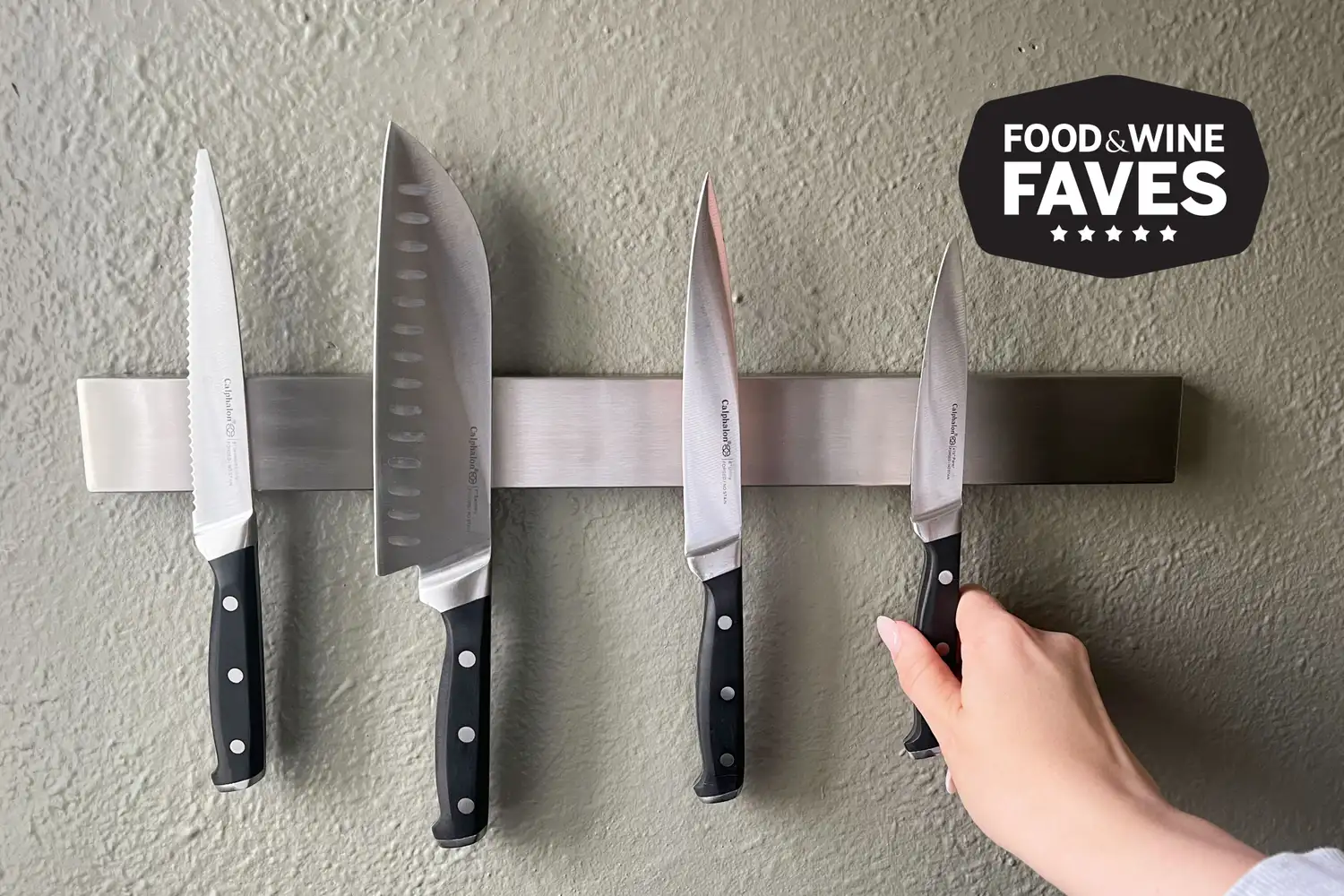
You're Storing Your Knives Wrong — We Found the Right Way

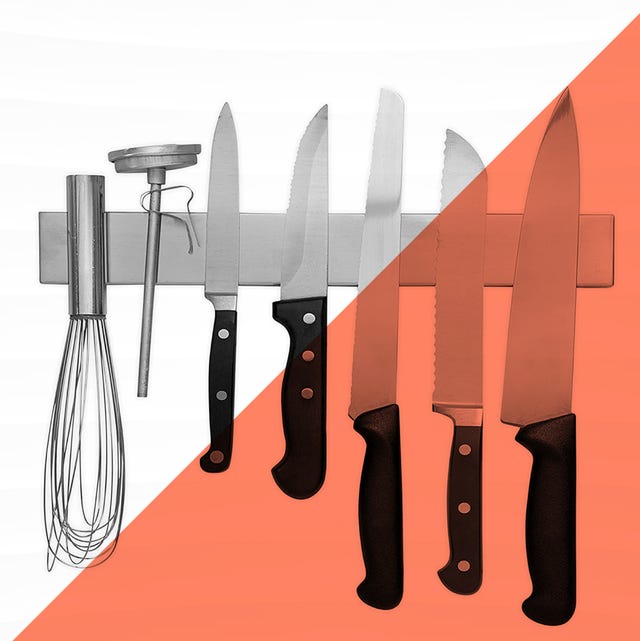
10 Best Knife Blocks to Store Your Knives