1/11
The Best Whirlpool Tubs You Can Get
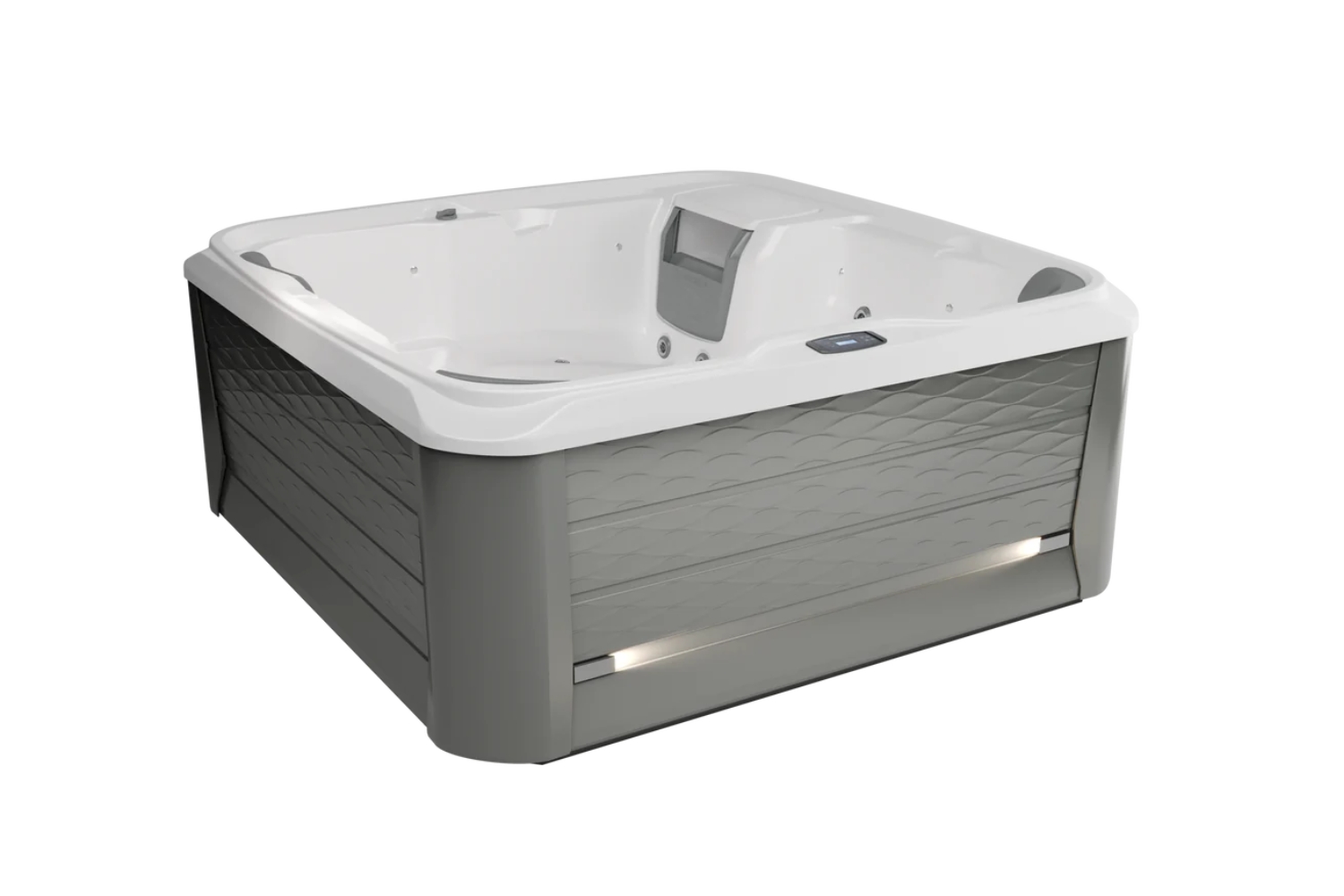
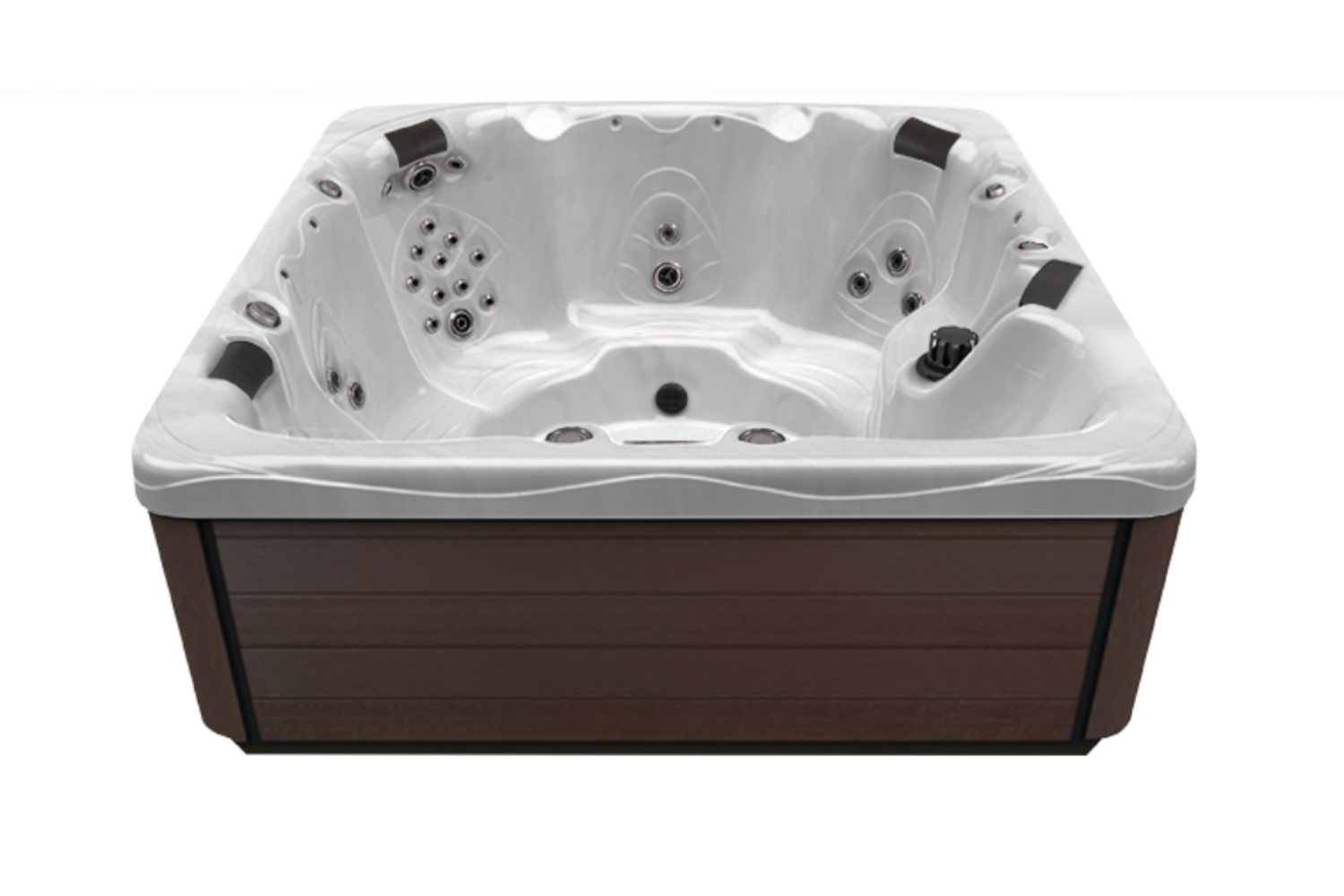
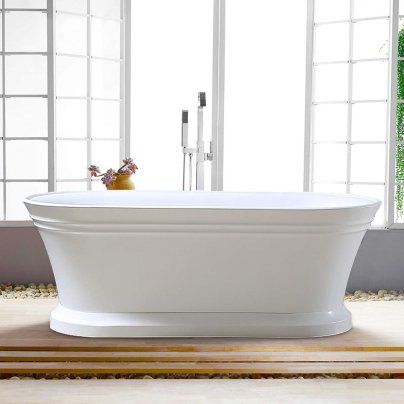
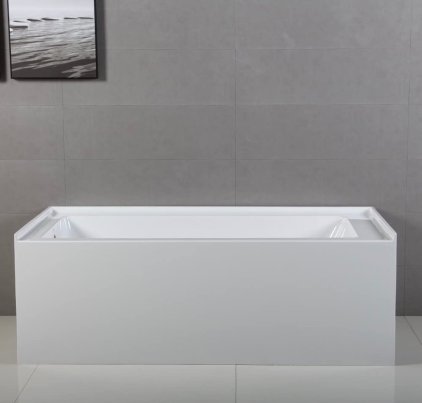
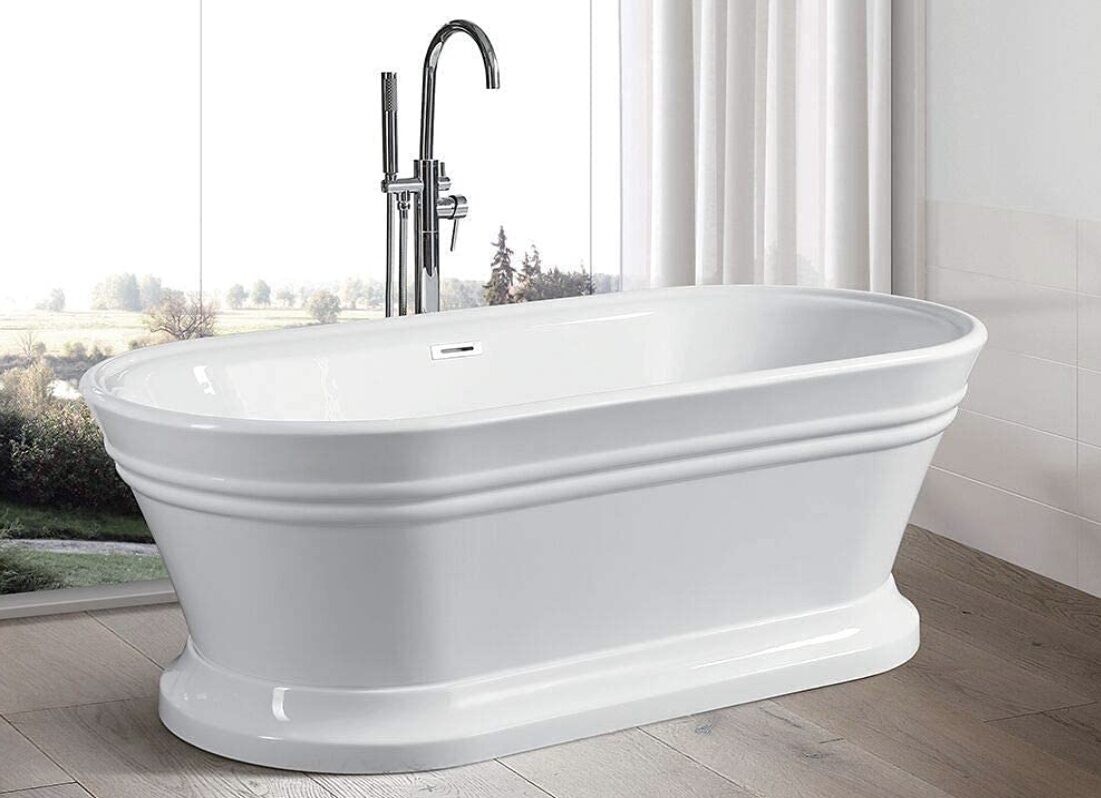
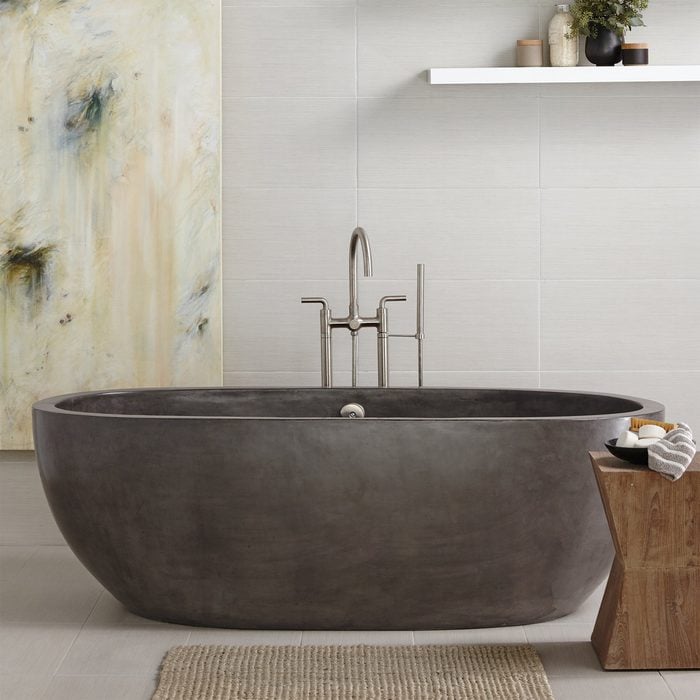
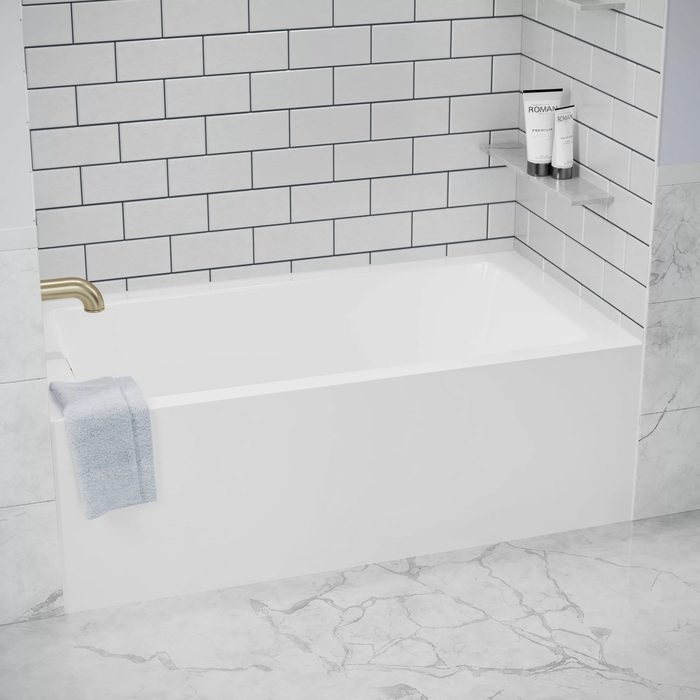
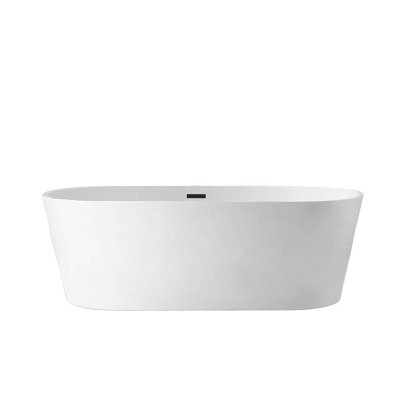
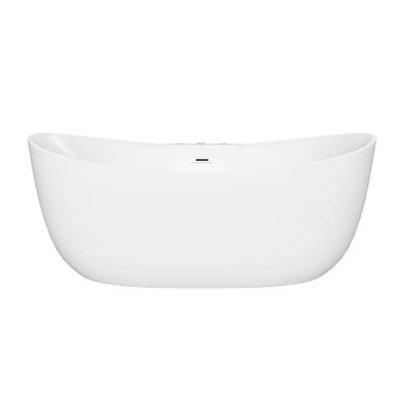
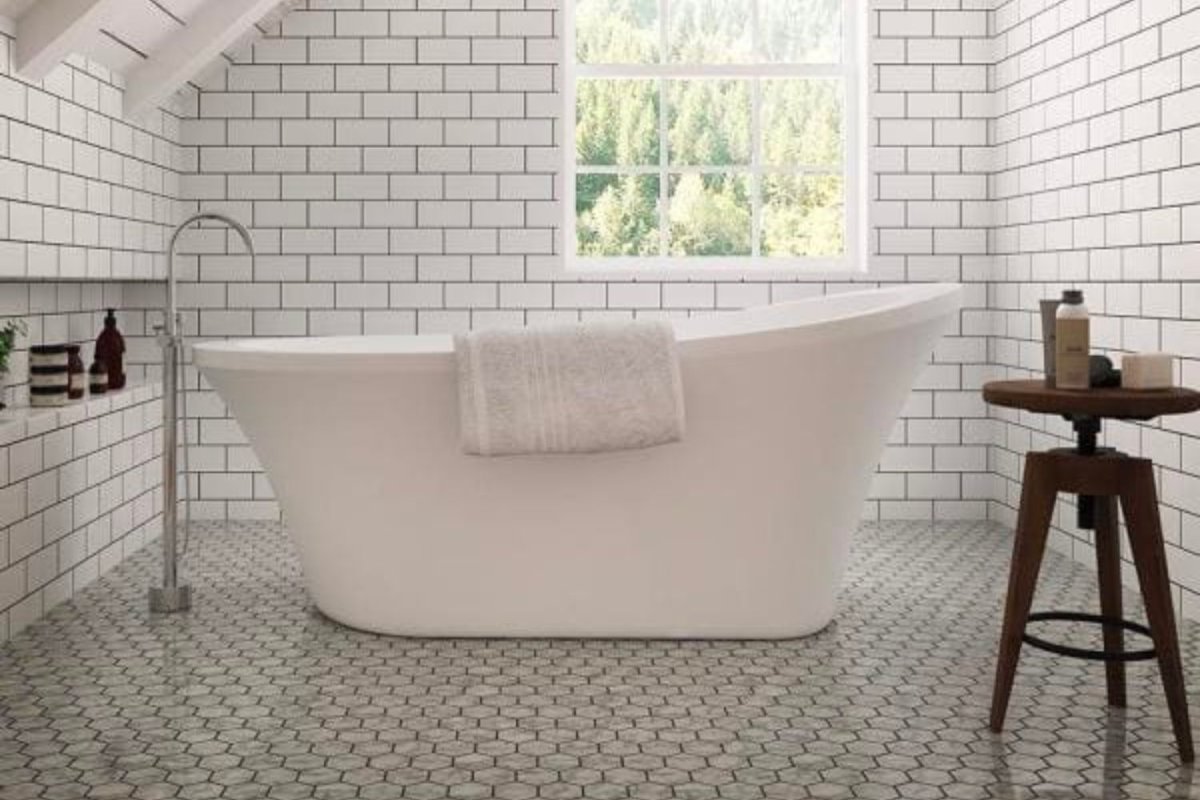
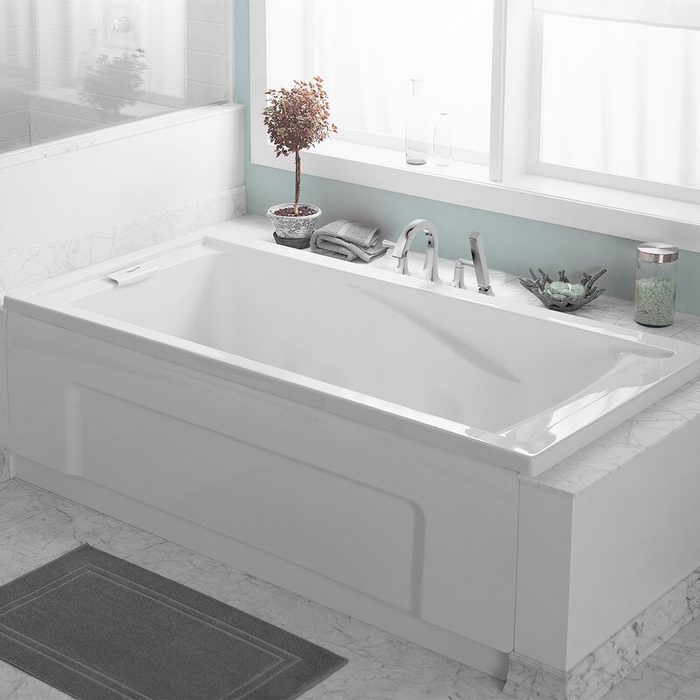
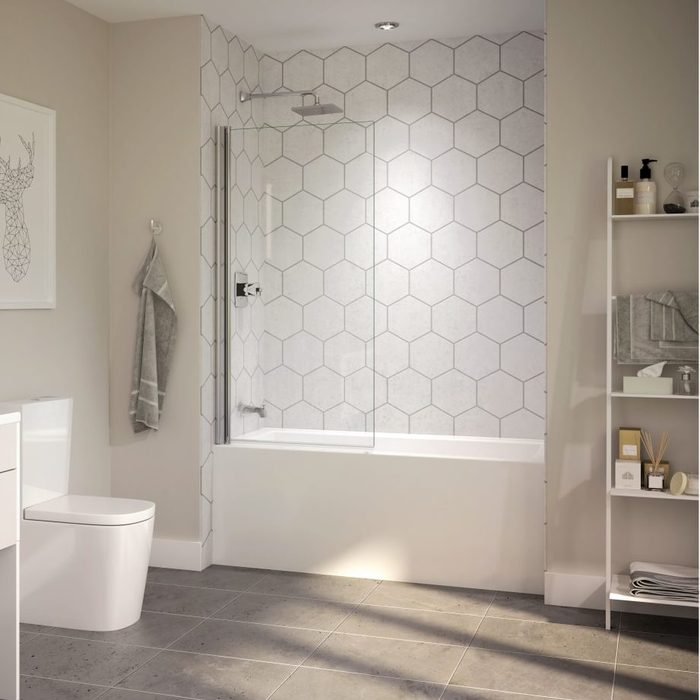
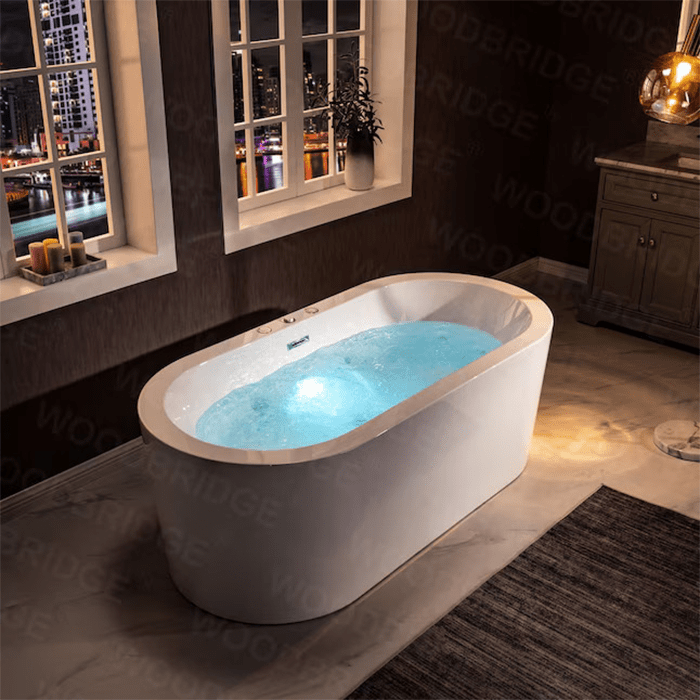
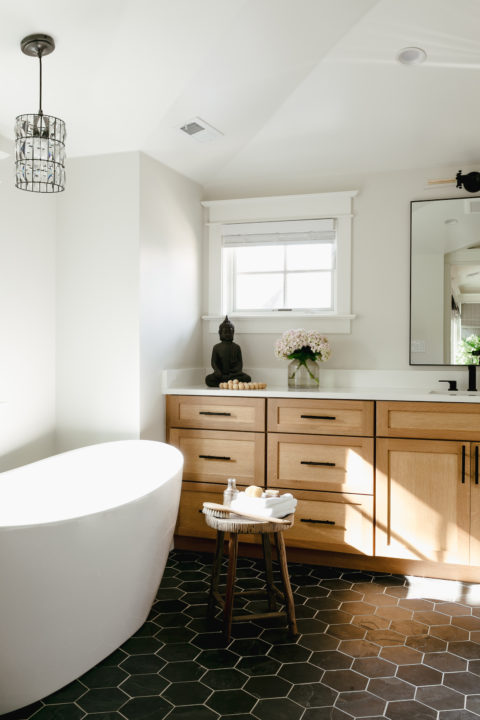
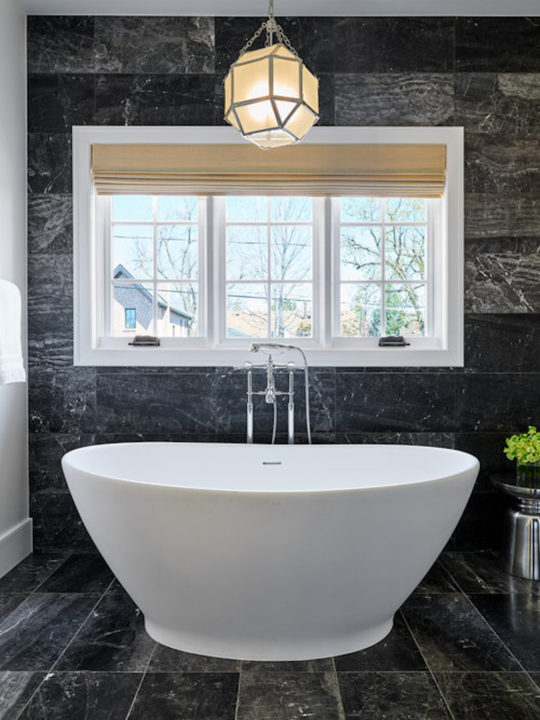
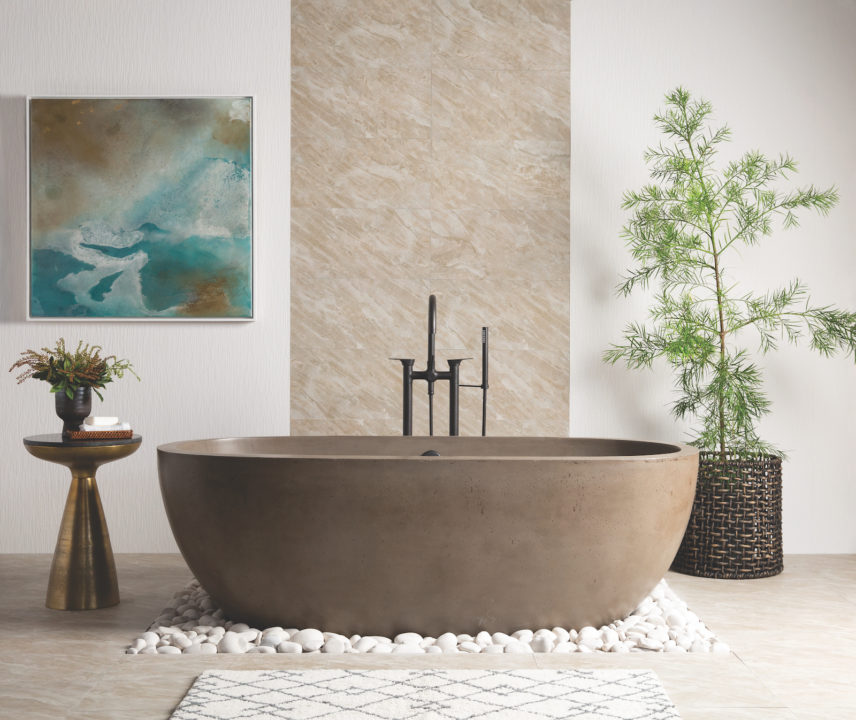
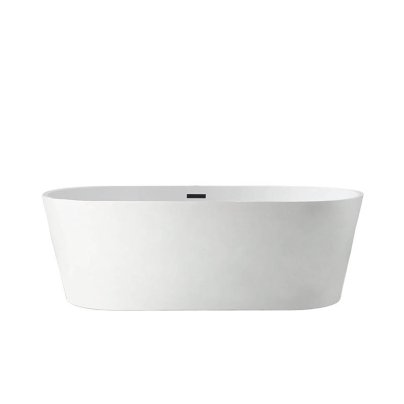
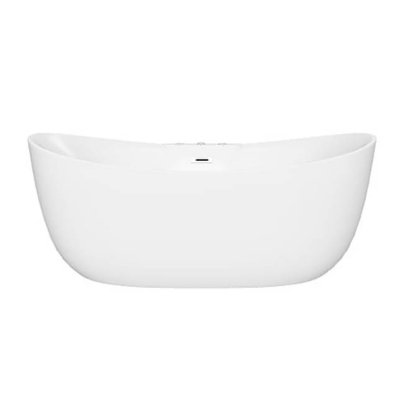
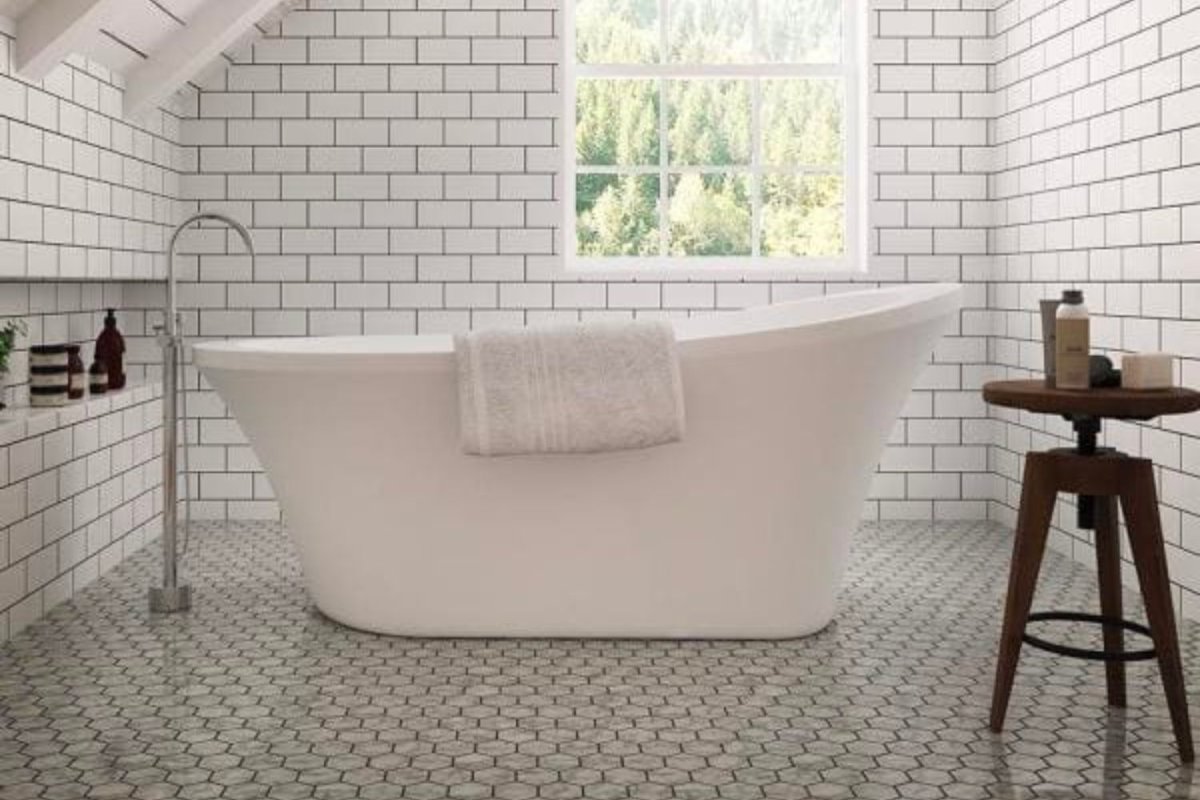
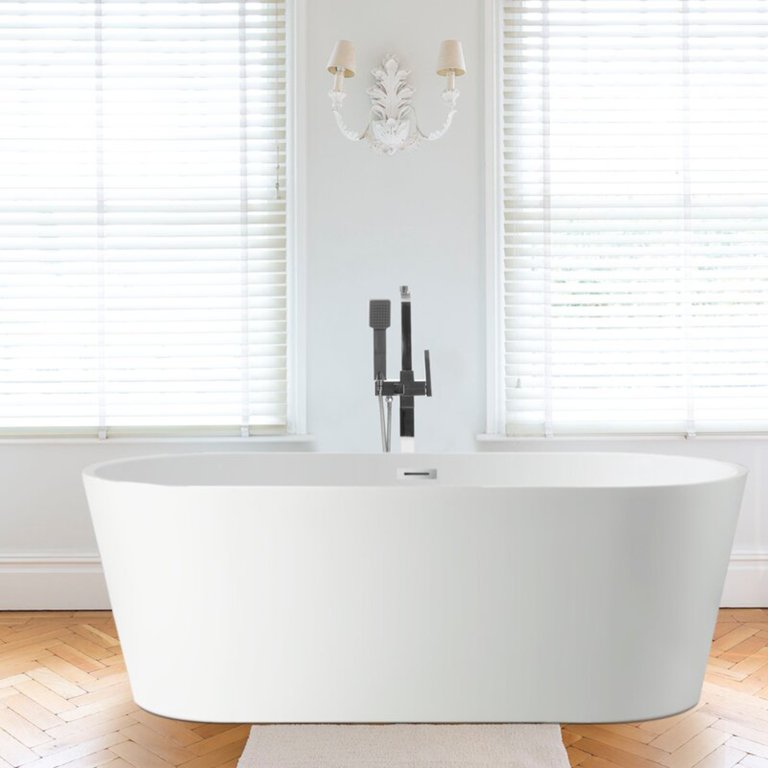
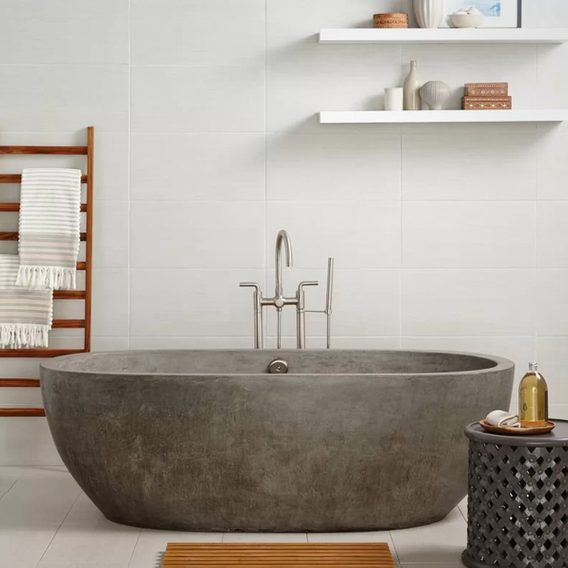
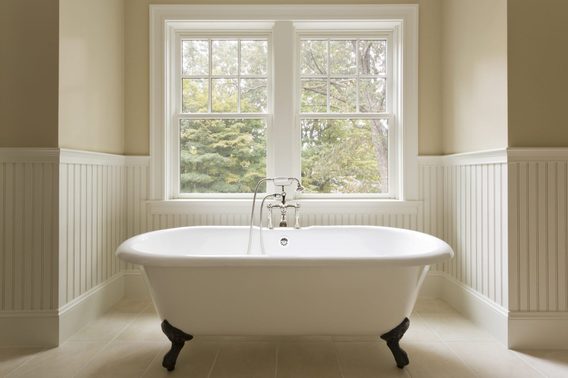
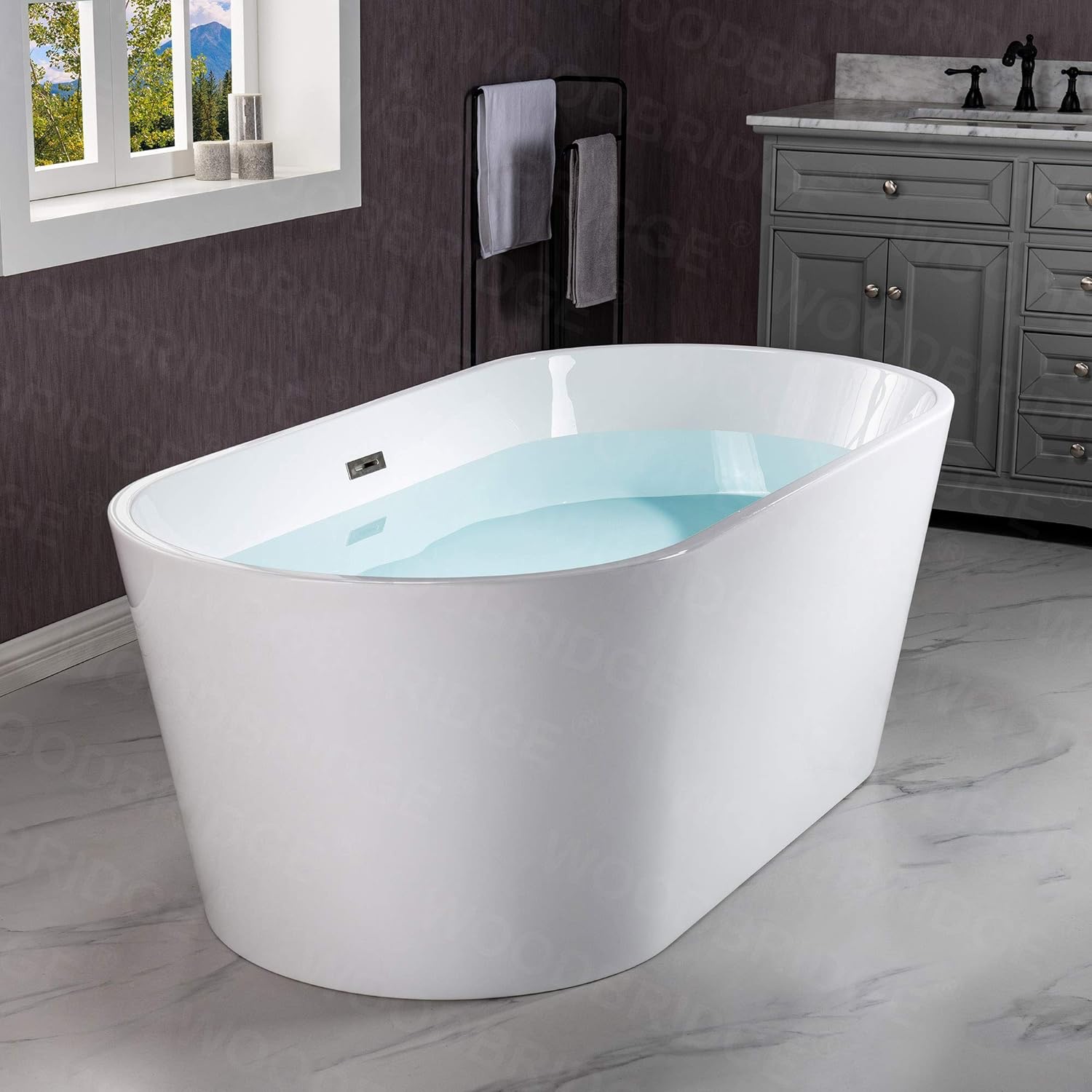
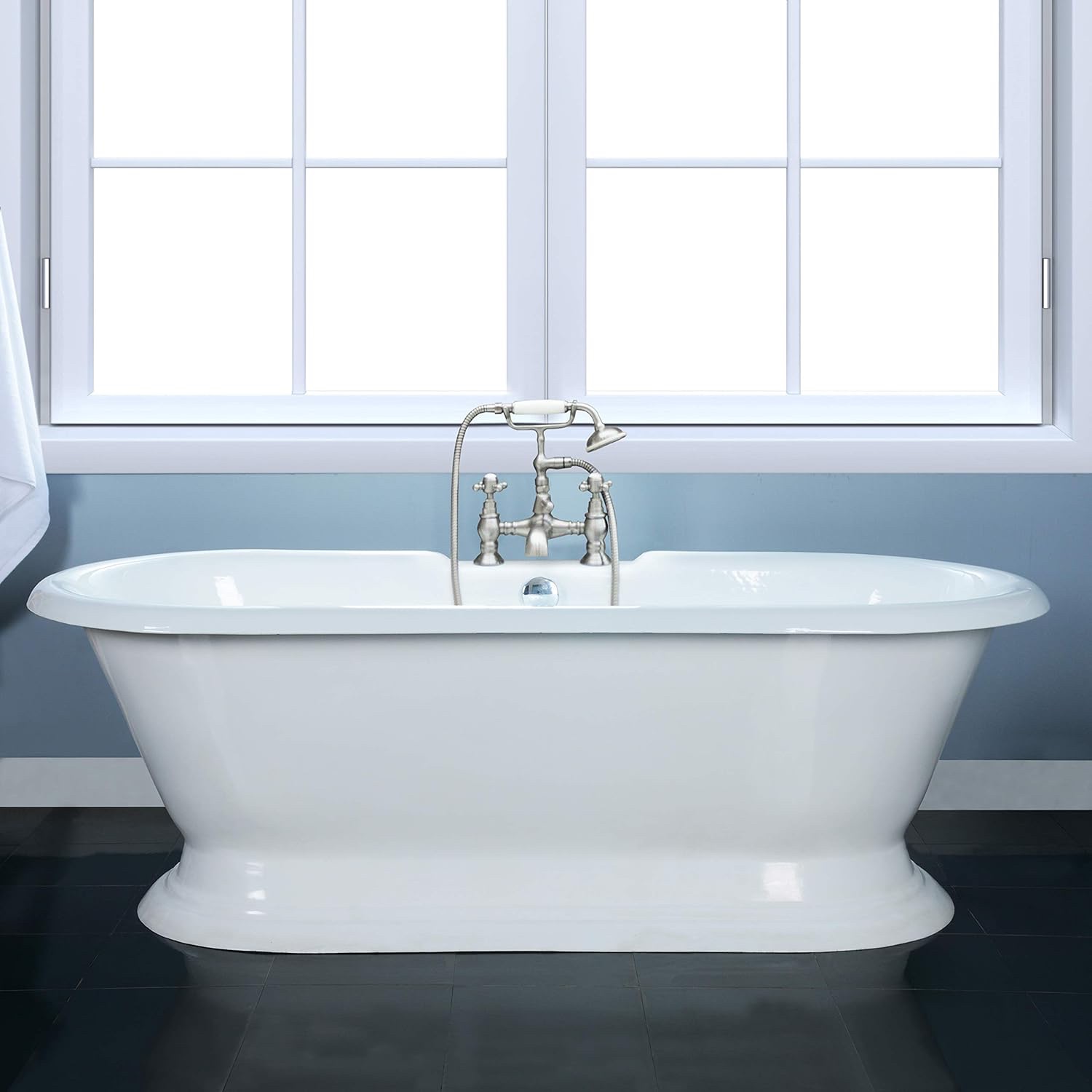
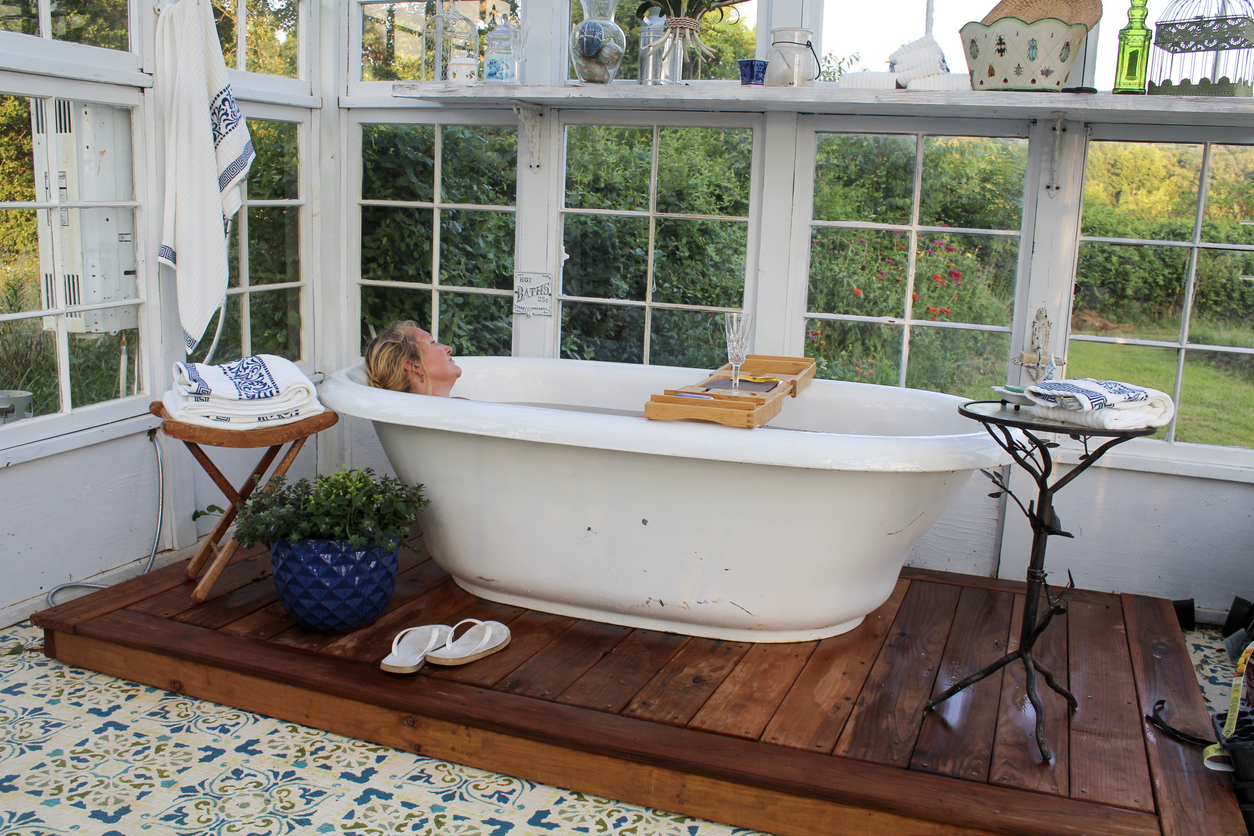
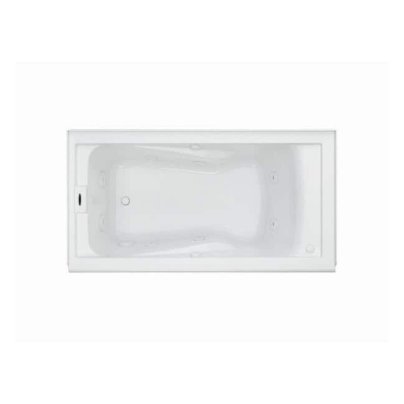
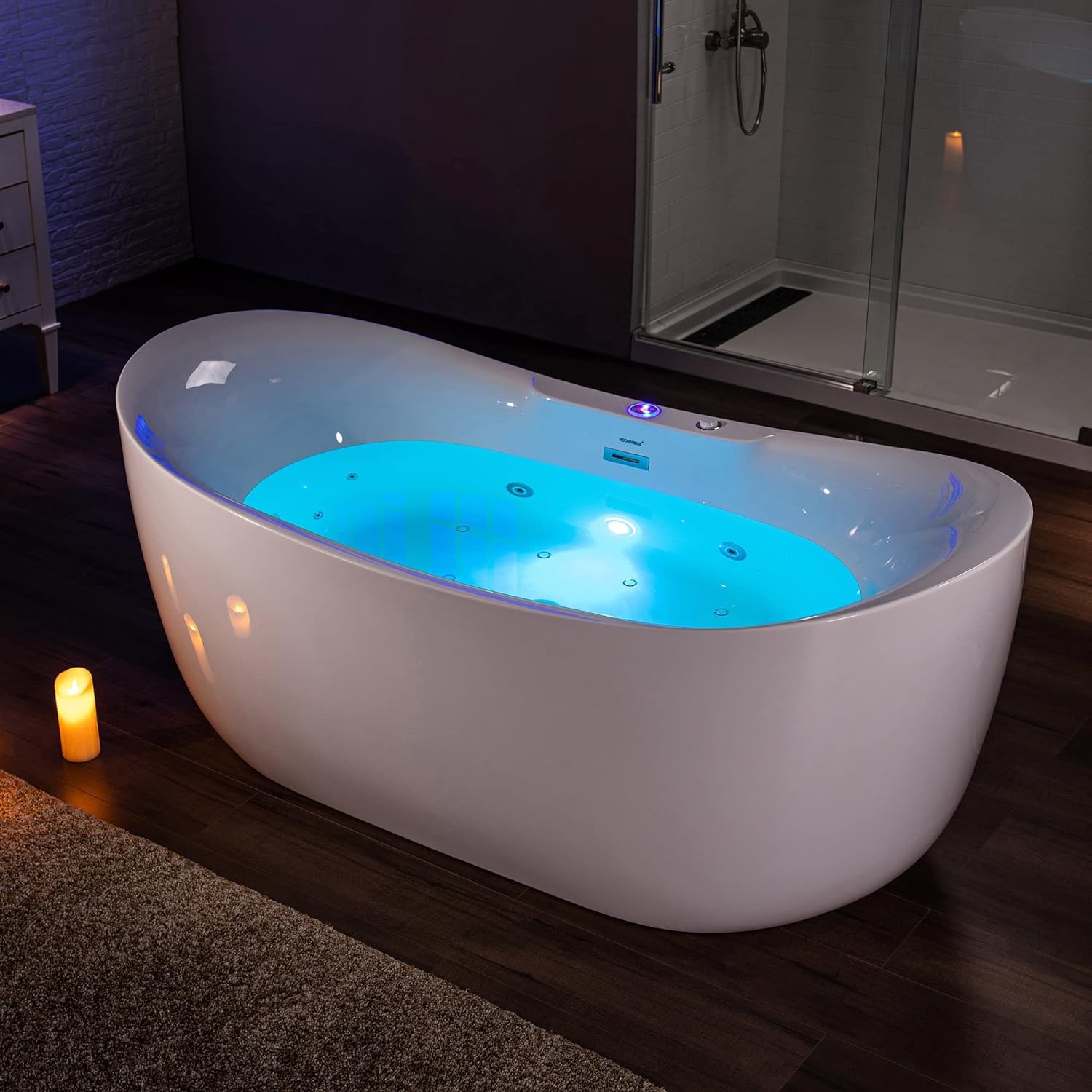
Whirlpool tubs offer a luxurious and relaxing bathing experience with their underwater jets providing hydro-massage. This guide outlines key factors for selecting the best whirlpool tub, including type, jets, size, pump system, material, and extra features. Various types of whirlpool tubs are available to suit different bathroom configurations: alcove tubs fit into a three-walled nook; freestanding tubs serve as a stylish focal point; corner tubs are triangular and space-efficient, often accommodating two people; drop-in tubs are installed into a prebuilt platform; and walk-in tubs cater to individuals with limited mobility, featuring a door and a built-in seat.
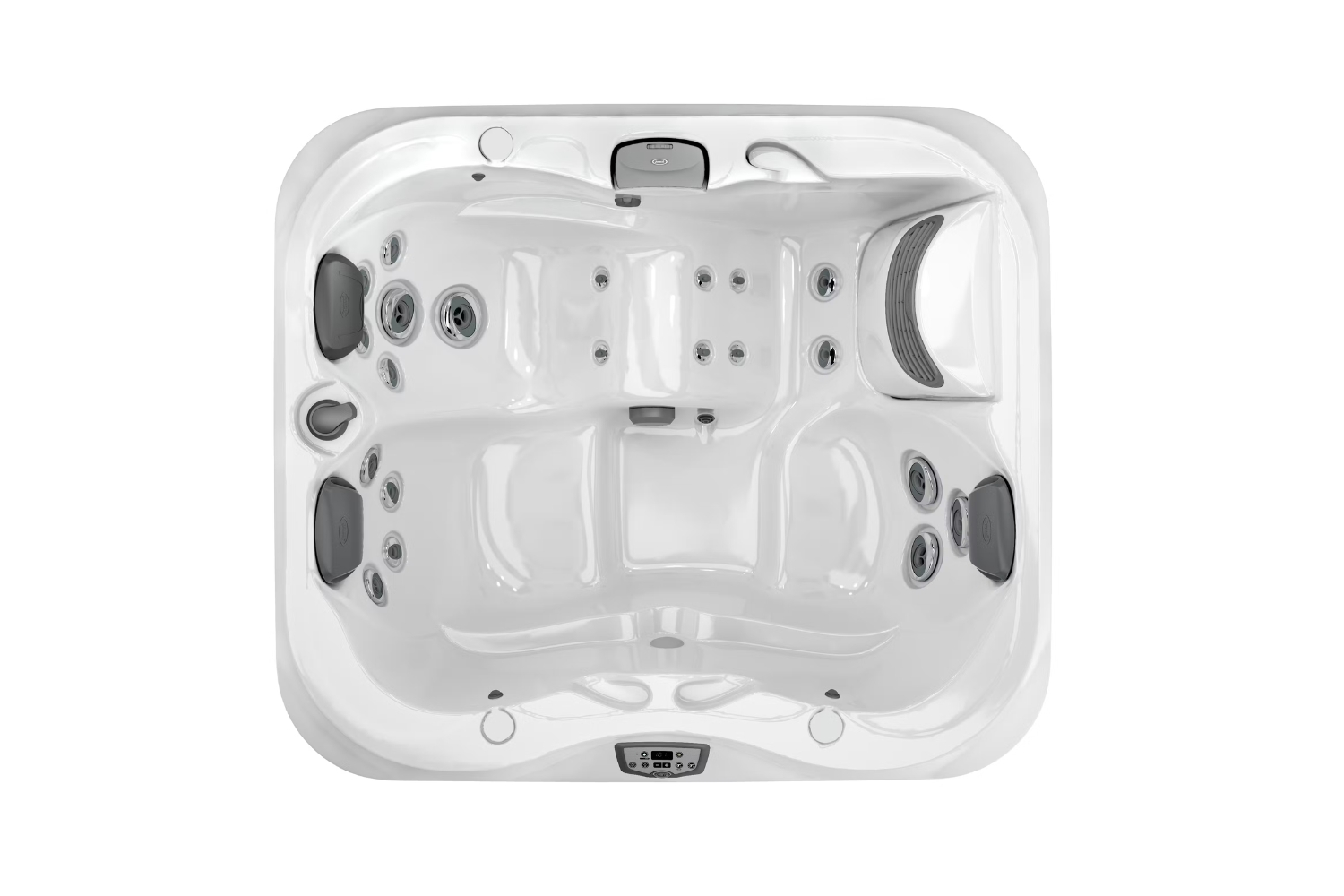
The number and adjustability of jets are crucial for a customized massage experience, with most tubs featuring six to ten or more jets. Adjustability allows users to target specific areas and control pressure intensity. Size and capacity are also important considerations; bathroom dimensions, drain location, and the tub's water volume (ranging from 25 to 150 gallons) should be evaluated. The structural integrity of the bathroom floor must support the tub's filled weight. The pump system, which circulates water through the jets, can be integrated within the tub's footprint or installed separately. An in-line heater is a desirable feature, as it maintains water temperature without needing additional hot water refills, enhancing the luxurious aspect of the bath.
Whirlpool tubs are typically made from acrylic, fiberglass, or cast iron. Acrylic is lightweight, affordable, durable, and offers diverse design options, though it can scratch. Fiberglass is also lightweight and affordable but less durable than acrylic. Cast iron tubs are premium, highly durable, and resistant to scratches but are heavy and expensive. Modern tubs often combine acrylic with fiberglass reinforcement for enhanced strength. Extra features contribute to comfort and convenience, such as molded backrests and armrests, ambient lighting, aromatherapy, and air jets (which provide a gentler, bubbling massage compared to water jets). Safety features like grab bars and slip-resistant bottoms are common, especially in walk-in models. Antimicrobial coatings on piping and automatic cleaning systems help prevent mold and mildew buildup.
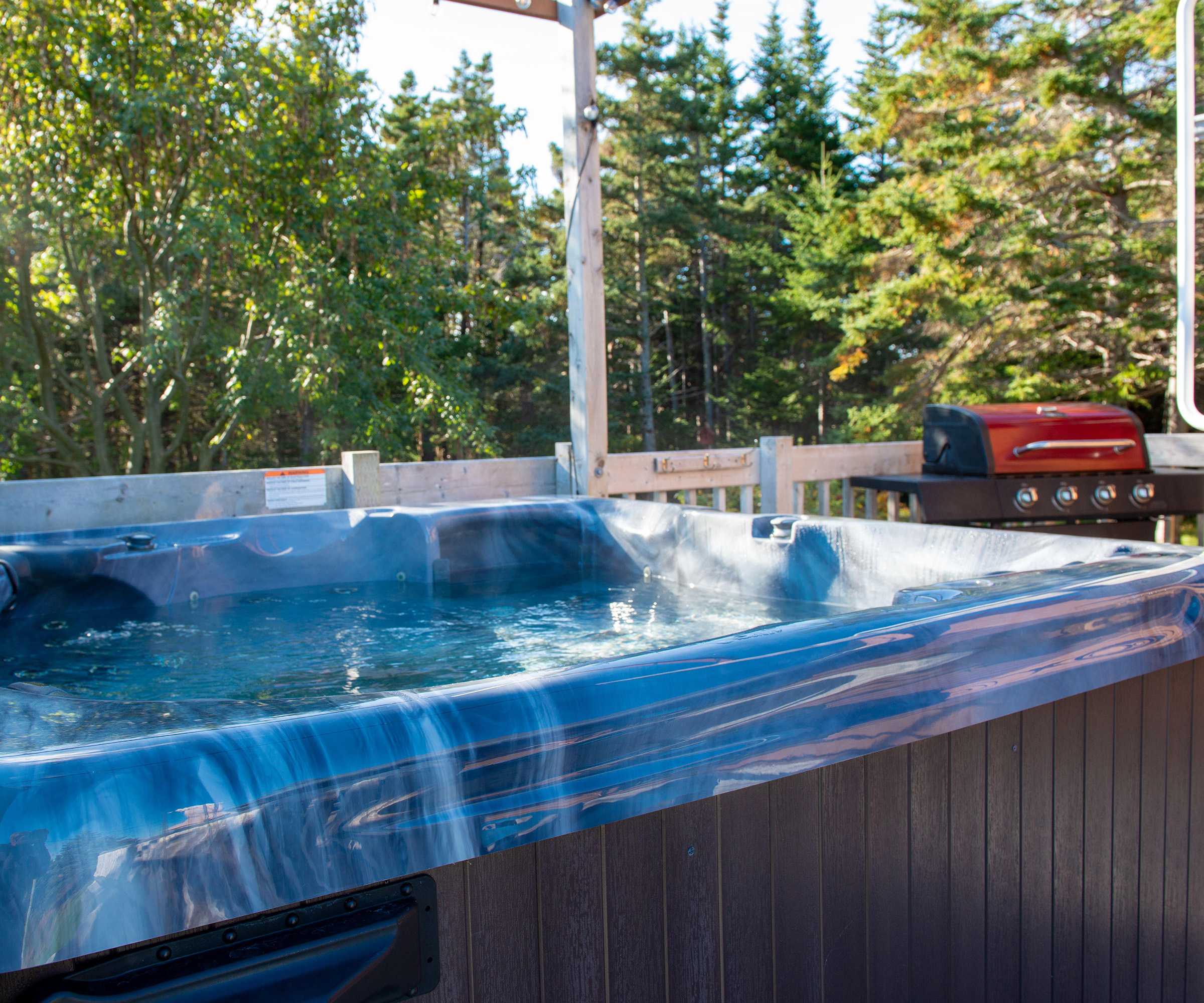
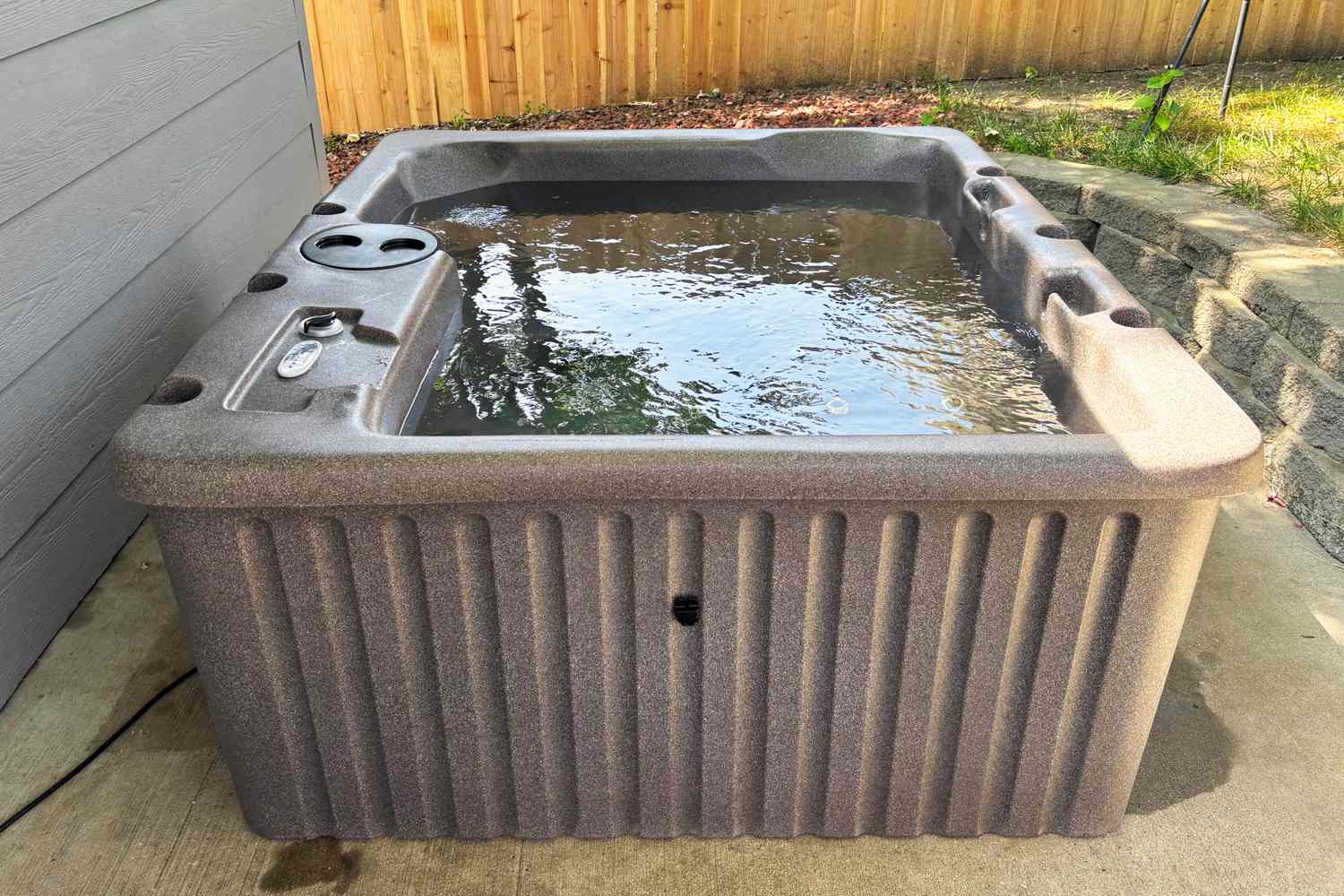
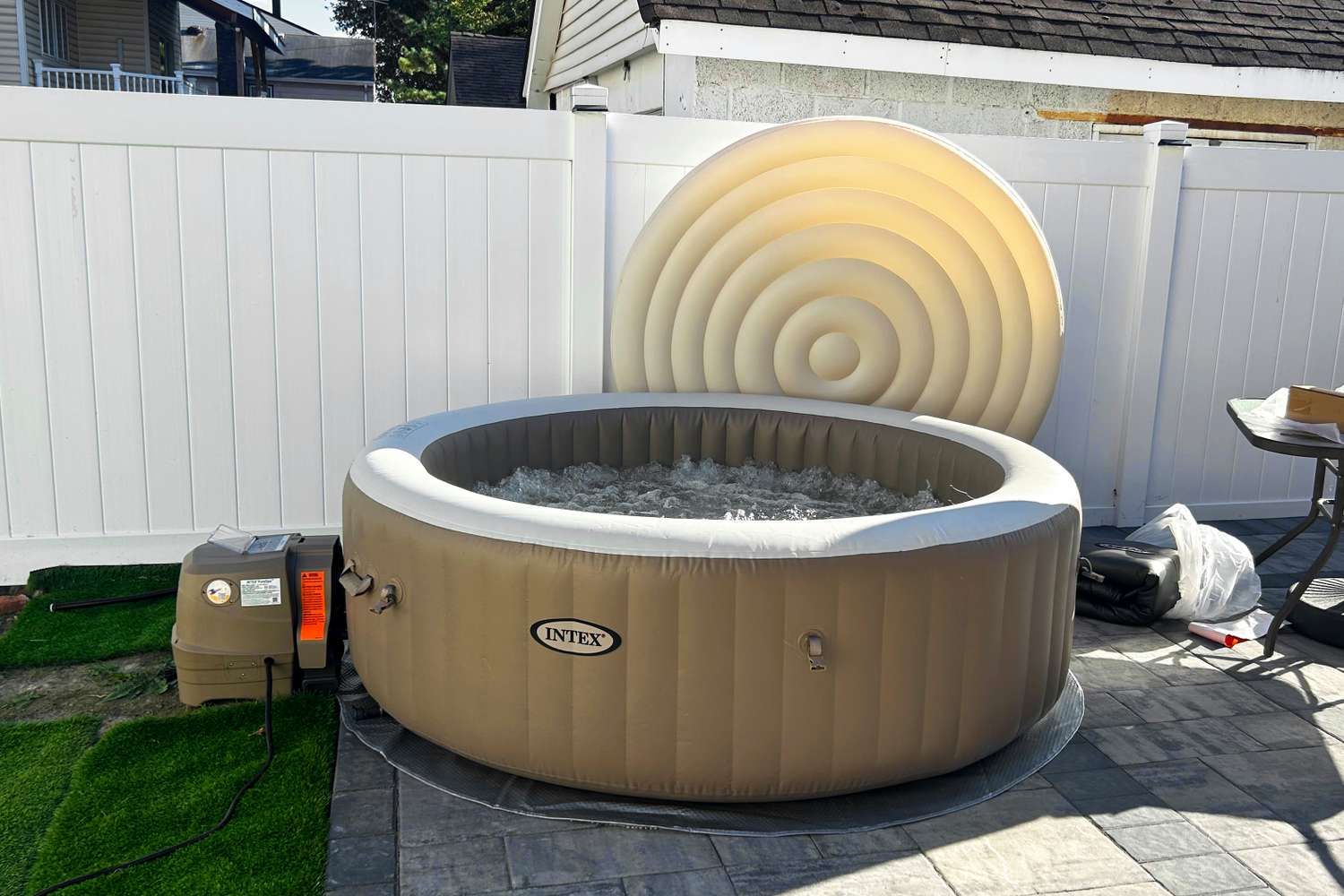
The benefits of owning a whirlpool tub are similar to those of an outdoor hot tub, including muscle-tension relief, stress reduction, and improved sleep and pain relief. They offer easier and more accessible relaxation within the home, doubling as practical bathtubs. Installation typically involves measuring the space, checking plumbing and electrical requirements, and often requires professional help due to the complexity of plumbing and wiring. Maintenance is more involved than with standard tubs, necessitating regular cleaning of jets and internal piping to prevent mildew and mold, following manufacturer guidelines. Whirlpool tubs generally last over 10 years, with some lasting several decades, and healthy individuals do not need a doctor's consultation before use, though those with specific health conditions should seek medical advice.
#WhirlpoolTubs #BathroomDesign #HomeImprovement #BathtubFeatures #Relaxation #Hydrotherapy #HomeSpa #ProductReview #WhirlpoolTubs #BathroomDesign #HomeImprovement #BathtubFeatures #Relaxation #Hydrotherapy #HomeSpa #ProductReview
0 comment in total
 No comments yet
You may also like
11 of Today’s Best Hot Tub Brands
Best Spa and Jacuzzi Tubs For Your Bathroom

The Best Walk-In Tubs of 2025

Best Walk-In Tubs With Showers In 2025

The Best Bathtubs for Your Style and Budget, Vetted
Level Up Your Soaking Sanctuary With These Gorgeous Bathtubs

Take Your Bathroom From Basic to Inviting With Our Favorite Bathtubs

The Best Soaking Tubs to Transform a Bathroom Into a Spa

The 8 Best Bathtubs for a Satisfying Soak
Interior Envy: 22 Clawfoot Tubs We Love

Bathtub Styles, Fixes and Cleaning
After Testing 19 Hot Tubs, We Found 7 That We Think Are Actually Worth Your Money
Looking for a Hot Tub? These 6 Performed the Best in Our Tests

Soak Off a Stressful Day in One of The Best Freestanding Tubs
Tub Chairs - Our Pick of the Best
Best Towel Warmers and Heated Bar Options for Luxurious Baths
Soak Off a Stressful Day in One of The Best Freestanding Tubs of 2025
6 Designers on the Best Freestanding Tub Brands for Sudsy Soaks

Rules for buying a hot tub – pro tips on selecting the best

We Tested The Best Showerheads—These Make Your Bathroom Feel Like a Literal Spa