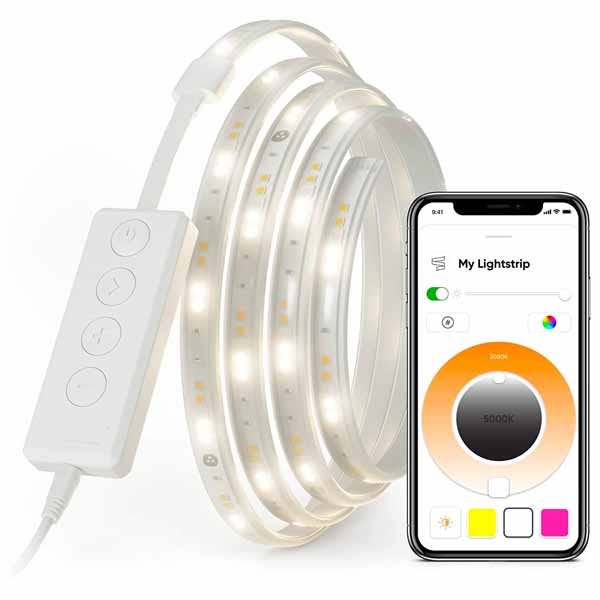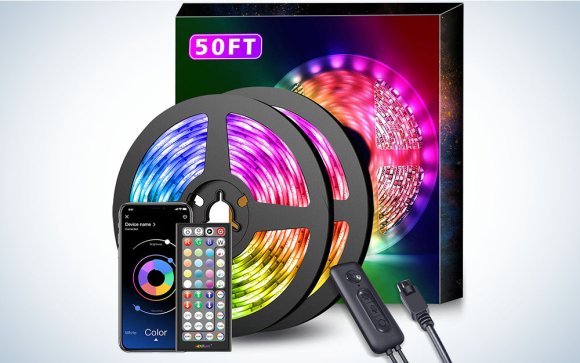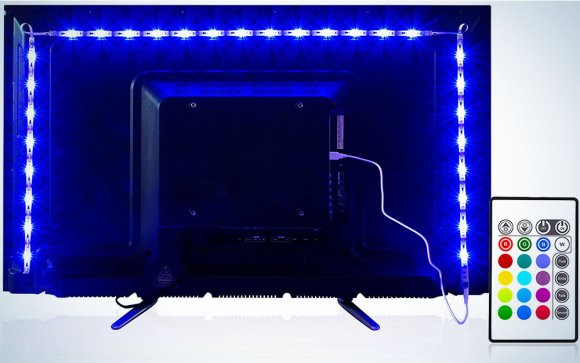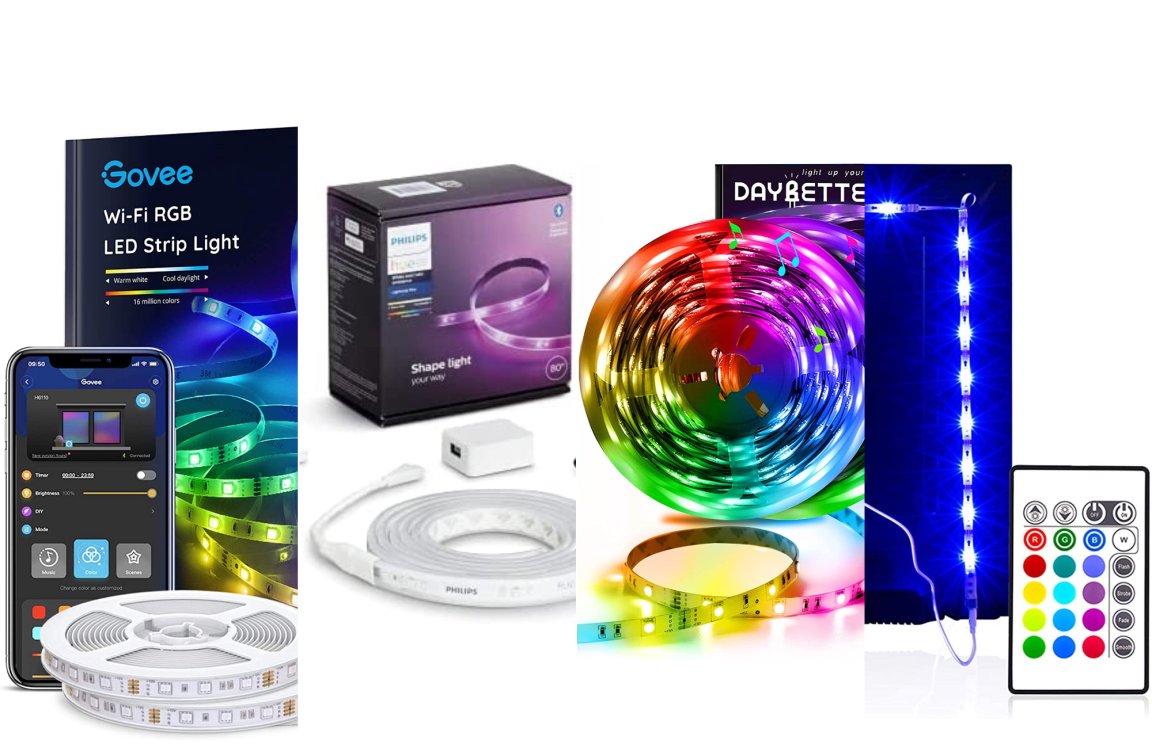
Stair Accent Lights Made From Cheap LED Strips
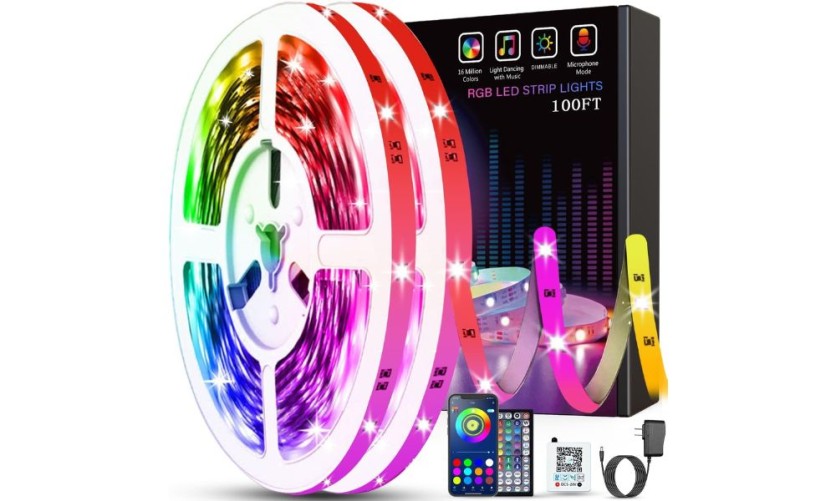
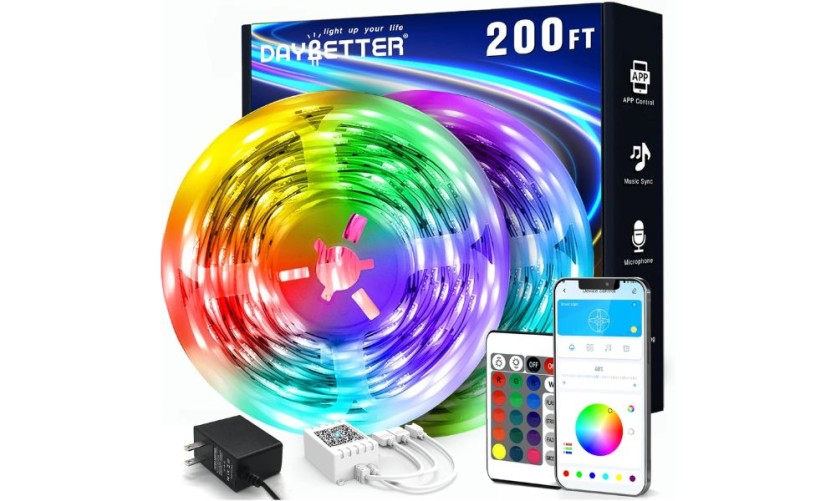
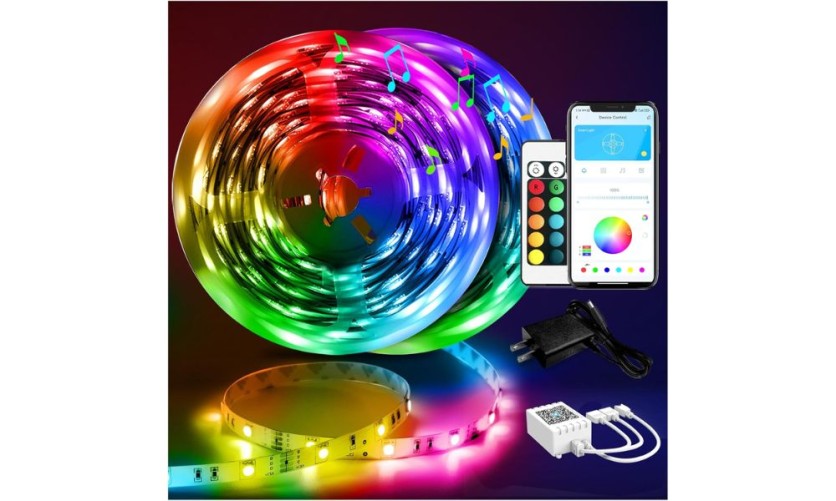
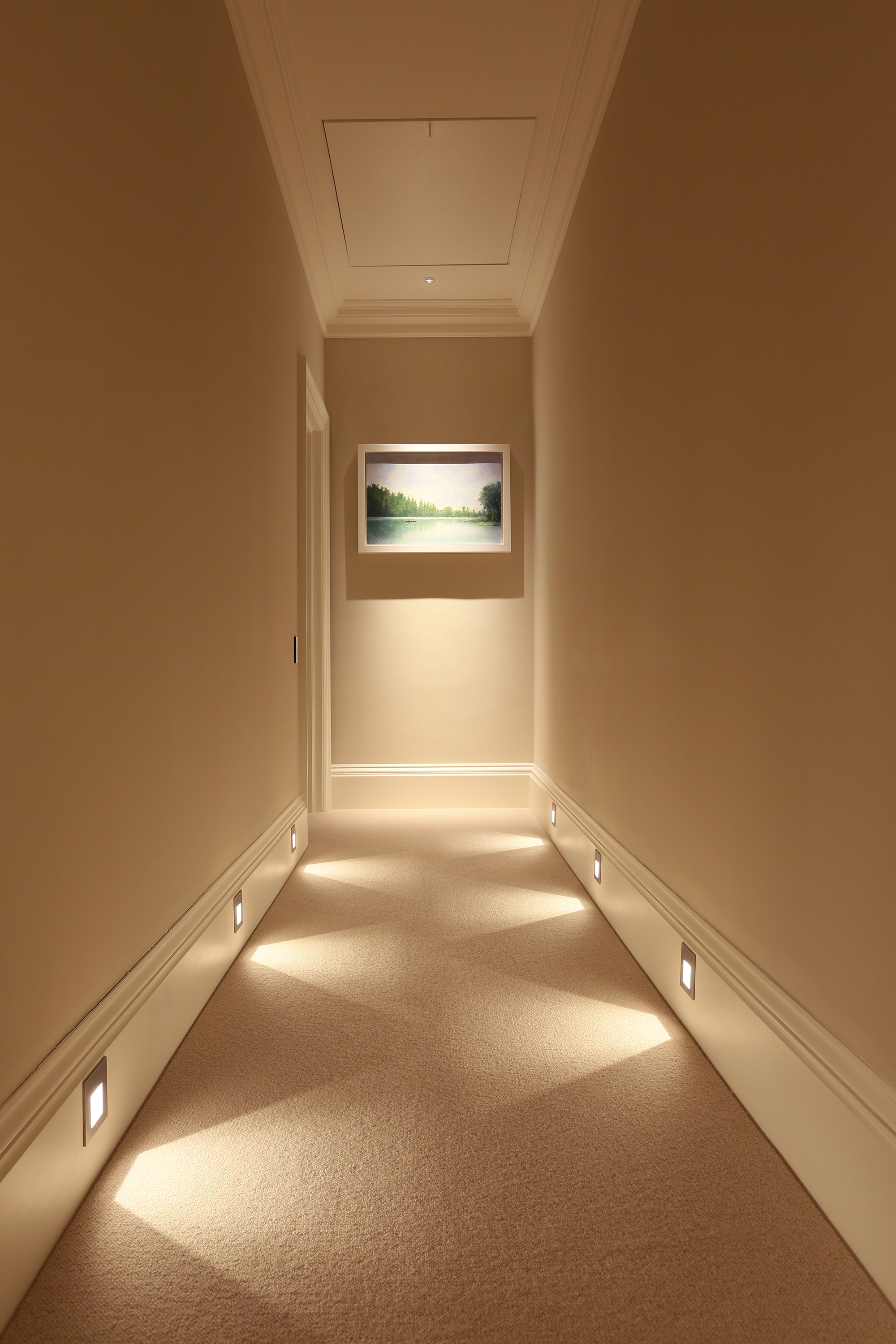
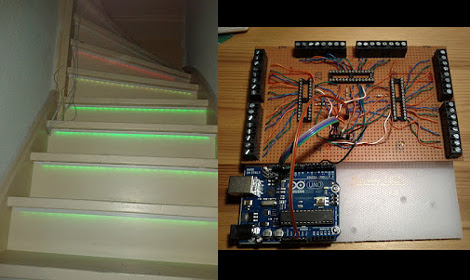
This article details a DIY project for creating accent lighting for stairs using inexpensive LED strips. The project, conceived by Geert, involves installing LED channels under the bullnose of each stair step. The chosen LED strips are RGB versions, and although they lack individually addressable pixels, they are cost-effective, with ten meters costing less than forty dollars. These strips feature a power rail and three ground rails, one for each color.
To achieve separate control for each step and enable color mixing and animations, Geert designed a custom driver board. This board incorporates a set of TLC5940 LED drivers, which are managed by an Arduino microcontroller. The Arduino is programmed to handle various color changes and animations, with future plans to integrate sensors that will allow the LEDs to react to movement on the stairs. This adaptive lighting system aims to enhance both the aesthetic appeal and functionality of the staircase.
The physical installation involves mounting each LED strip within an angle bracket, which provides structural support and helps conceal the strip for a cleaner look. The connection between the LED strips and the driver board is made using readily available telephone extension wire, demonstrating a resourceful use of common materials. The design prioritizes both visual effect and practicality, ensuring the lighting is integrated seamlessly into the stair design.
Discussions surrounding the project highlighted several technical aspects and potential improvements. One commenter, madsci1016, raised concerns about the TLC5940's constant current driver, noting its finicky nature when operating near its voltage rail and potential burnout issues. Geert, in response, clarified that he used 10k resistors for each TLC5940, limiting the current to 3.9mA, which is well within the strips' capabilities. He also mentioned that the strips have their own current resistors for each color channel, allowing direct connection to 12V DC. Furthermore, Geert reduced the voltage from 12V to 9V to dim the lights, preventing overheating and ensuring longevity.
Other suggestions included using Electroluminescent (EL) wire for a 'Tron stairs' aesthetic, with roboman2444 noting it would look "nicer." The practicality of sourcing inexpensive LED strips was also discussed, with Sasha pointing out that even cheaper strips could be obtained directly from manufacturers for less than $2 per meter. A particularly innovative suggestion from hospadar involved integrating microphones or piezo sensors to detect steps, allowing the lights to dynamically illuminate as someone walks up the stairs, adding an interactive element to the lighting system. Overall, the project exemplifies a creative and accessible approach to home accent lighting, combining off-the-shelf components with custom electronics to achieve a personalized and dynamic visual effect.
#StairAccentLighting #LEDStrips #ArduinoControl #TLC5940 #HomeHacks #DIYElectronics #RGBLEDs #CustomLighting #SmartHome #StairAccentLighting #LEDStrips #ArduinoControl #TLC5940 #HomeHacks #DIYElectronics #RGBLEDs #CustomLighting #SmartHome
0 comment in total
 No comments yet
You may also like
We Tested Best LED Light Strips for Illuminating Any Location, See Our Favorites


Customize Your Staircase With These 13 Bold Ideas For A New Look In 2025
Landing lighting ideas – 10 ways to create atmospheric and chic illumination

The Range light-up sign shoppers are loving in stores right now
Staircase lighting ideas – stylish ways to illuiminate your stairs

Step Up Your Staircase With These Decorating Ideas
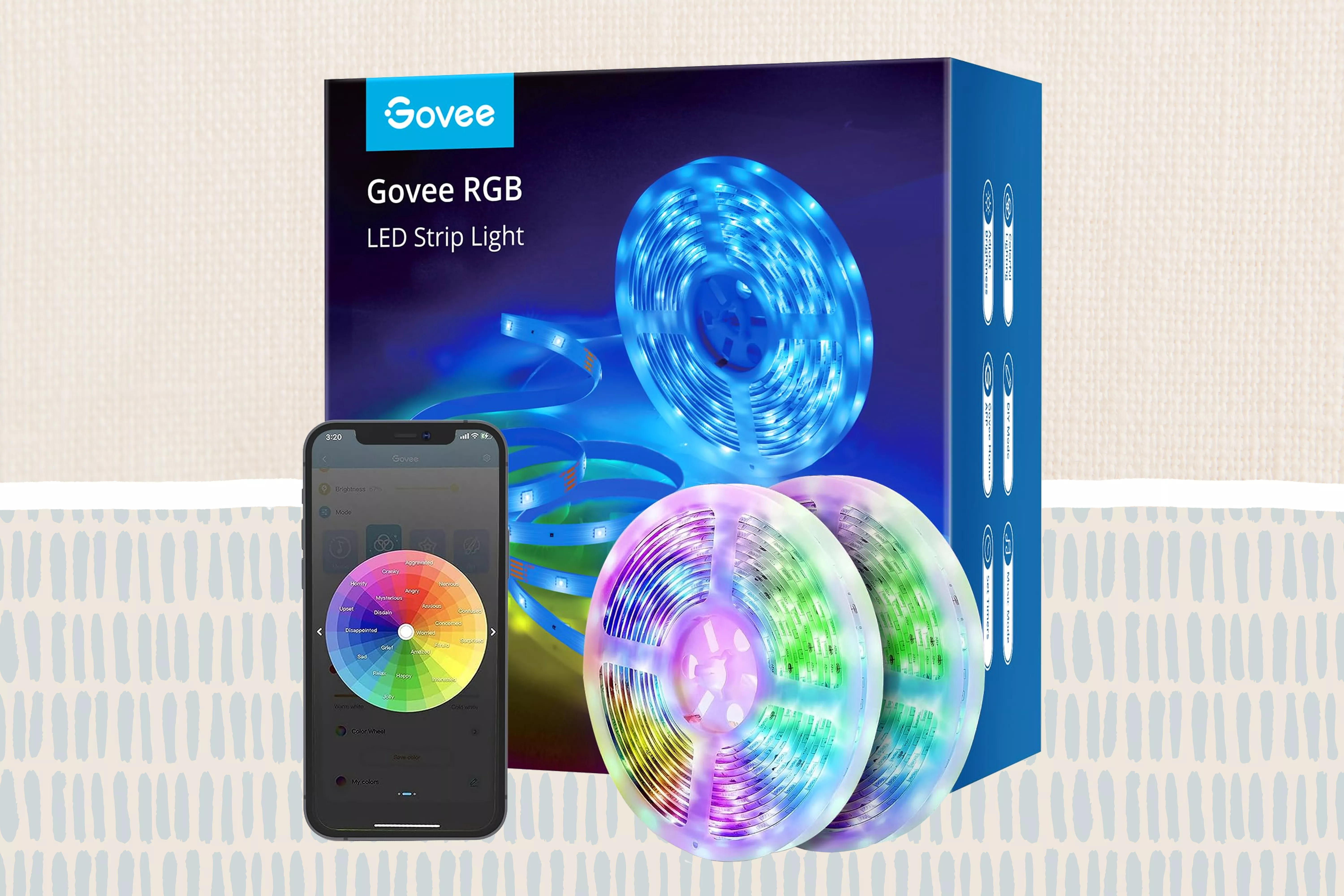
The 7 Best LED Strip Lights to Illuminate Your Space

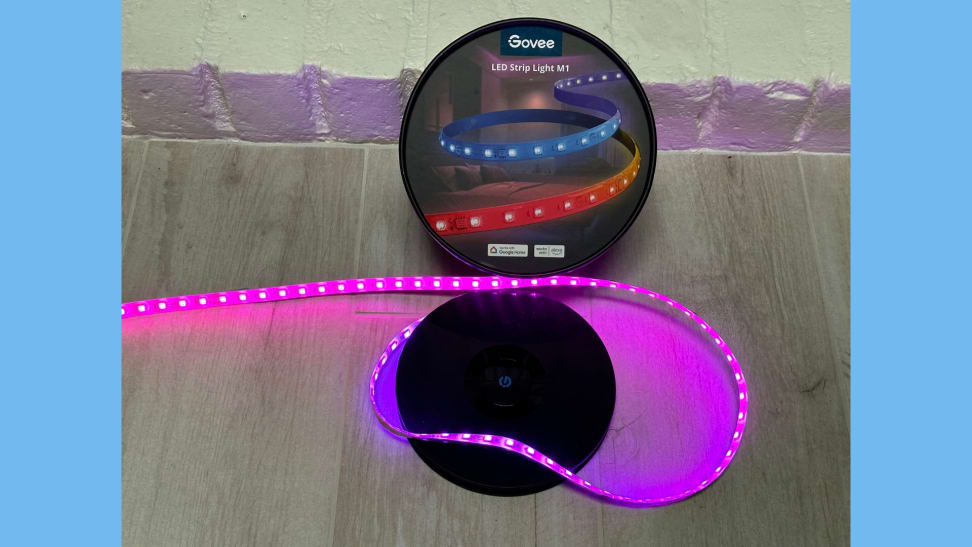
These are the best LED strip lights for fun, colorful custom smart lighting

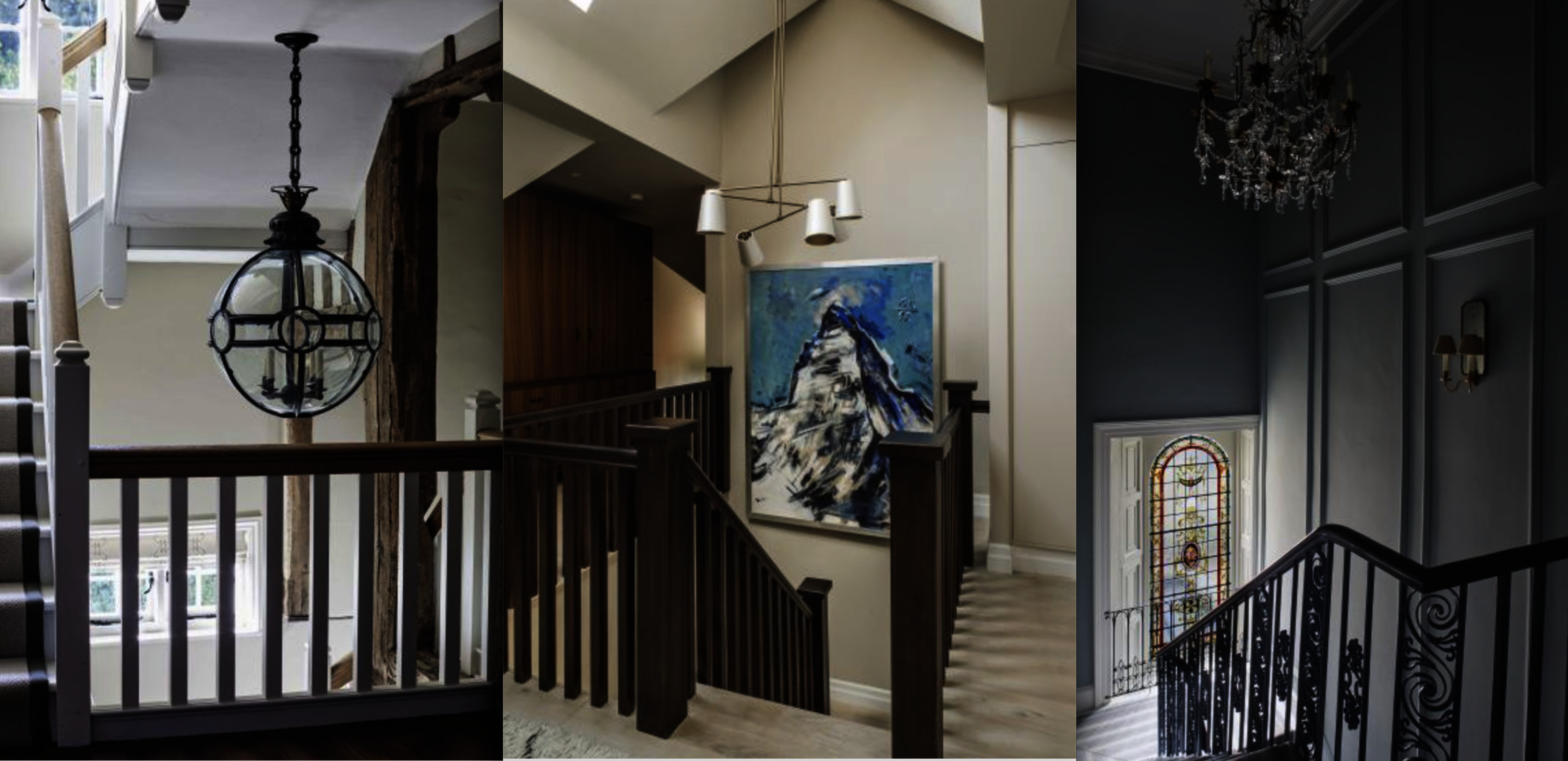
Staircase lighting ideas – 10 ways to illuminate stairs in style
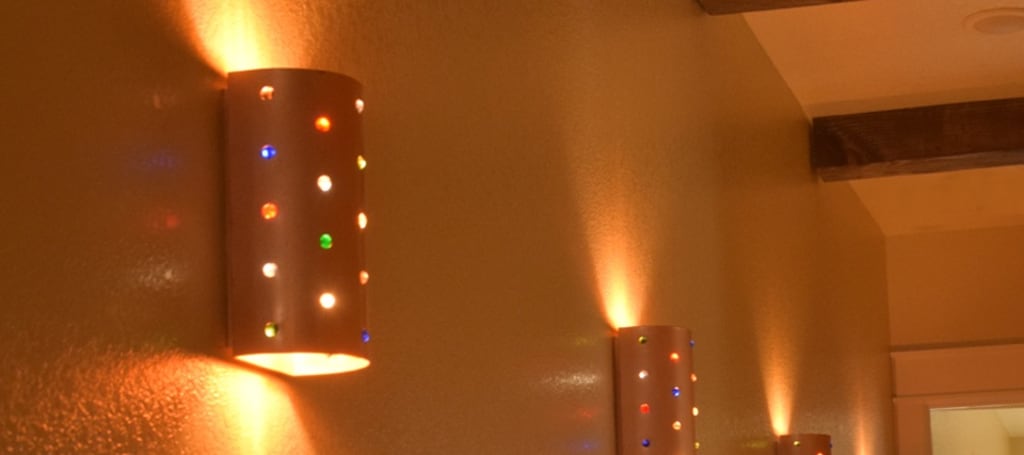
Best wall sconces for staircase
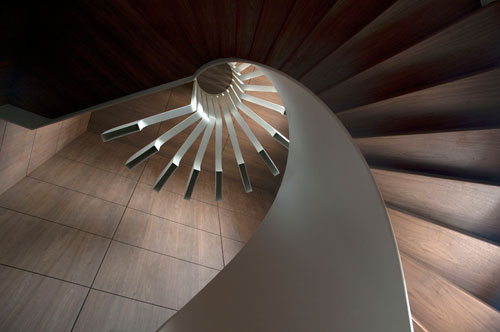
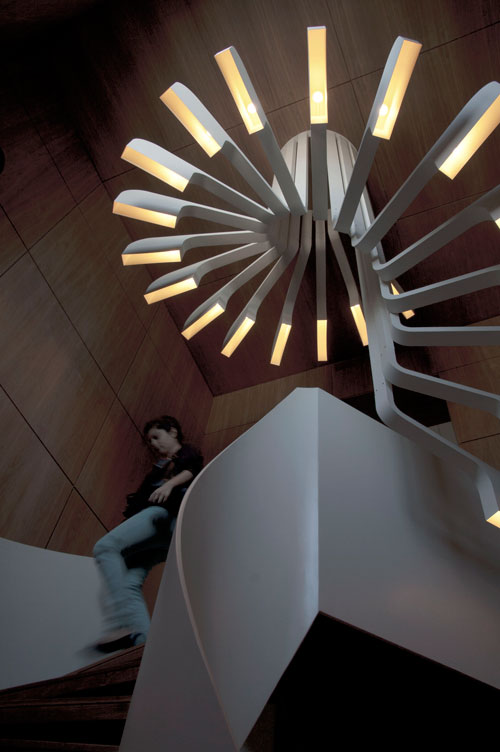
Spiral Staircase Lighting by .PSLAB
27 Light Fixtures That Don't Cost A Fortune

Viewrail Flight Stack

Best LED Strip Lights 2024 for Vibrant and Customizable Lighting
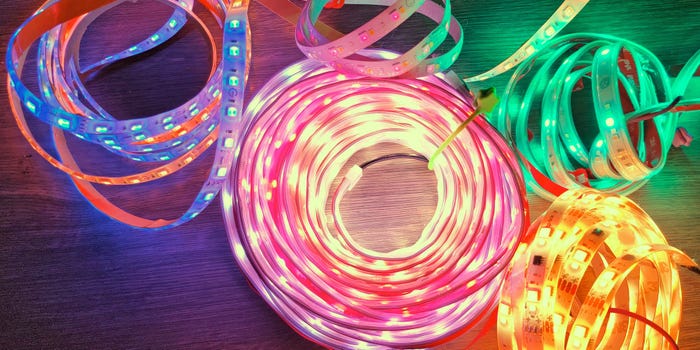
The Best LED Strip Lights
37 Chic Finds Under $100 That’ll Make Your Home Look Like A Million Bucks
Striped lamps are the foolproof way to add flair to any room
Where To Go For Affordable, Stylish Lighting
The best LED light strips for any space
How to install LED strips for your under-cabinet lighting