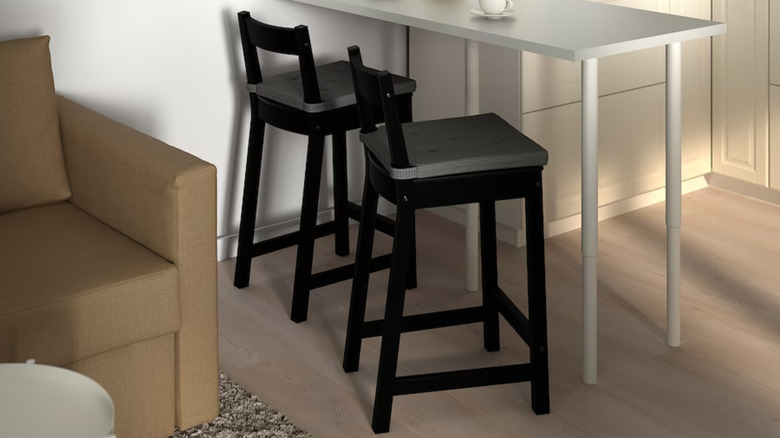
1/6
Shopping Guide: What Counter Stool Should I Buy? (Published 2016)
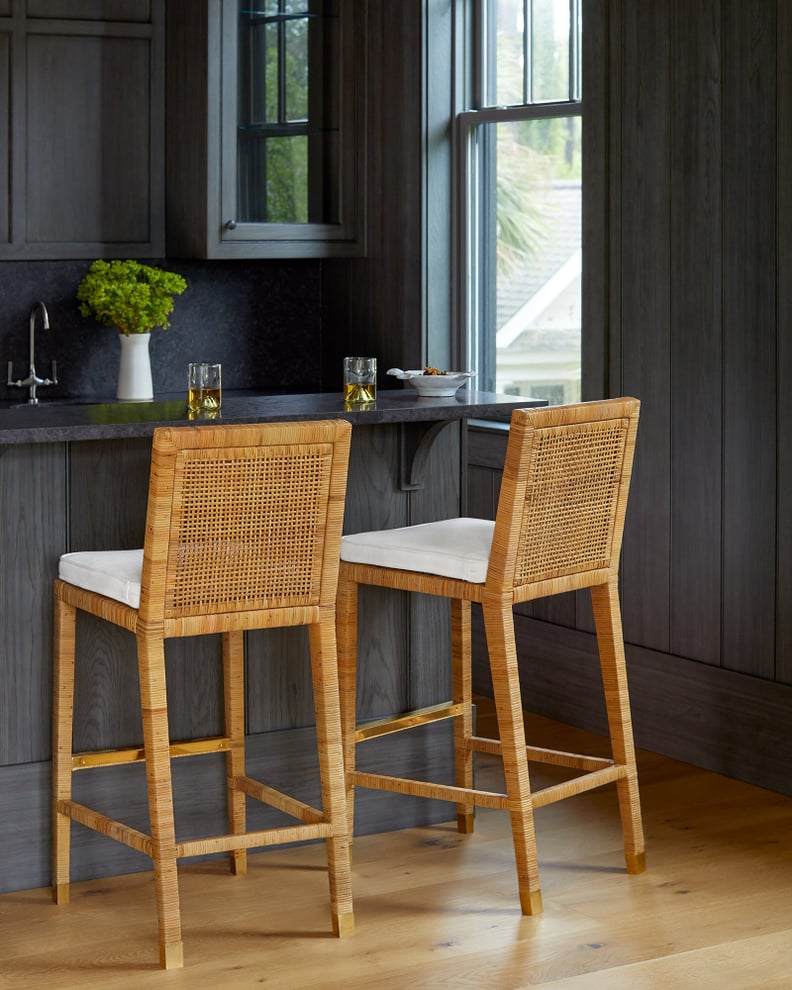
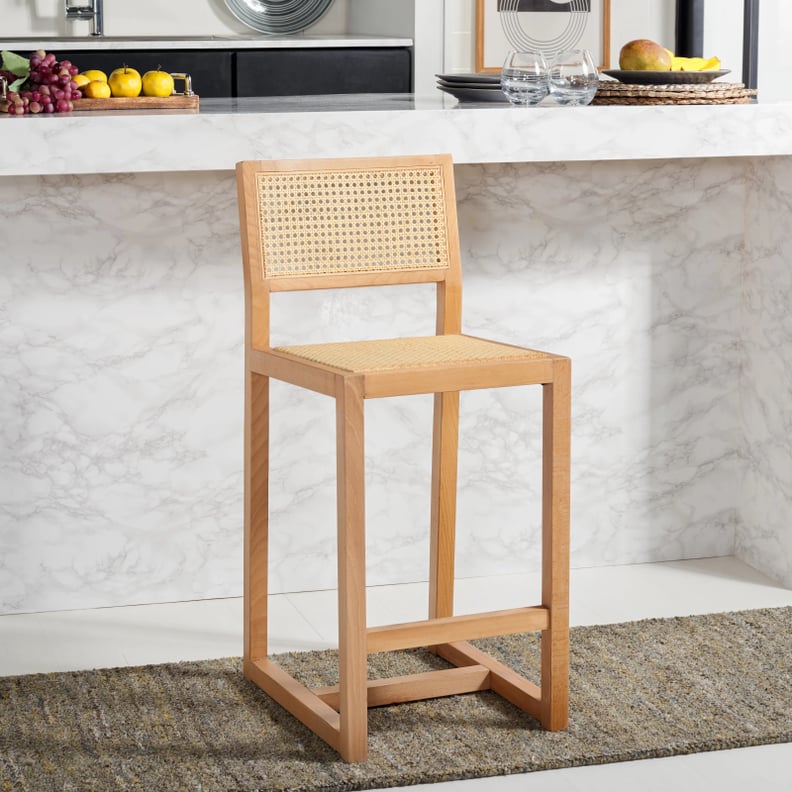
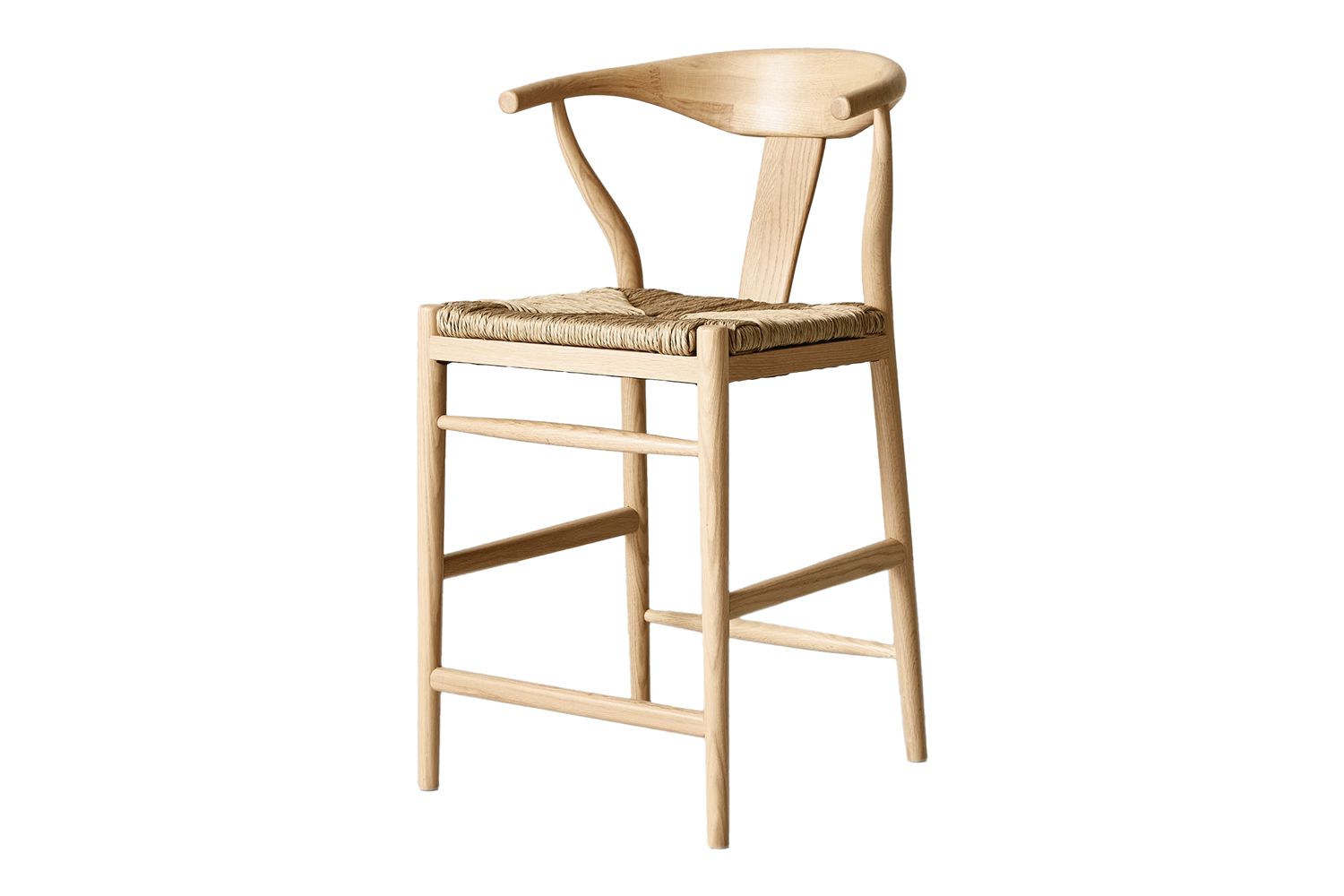
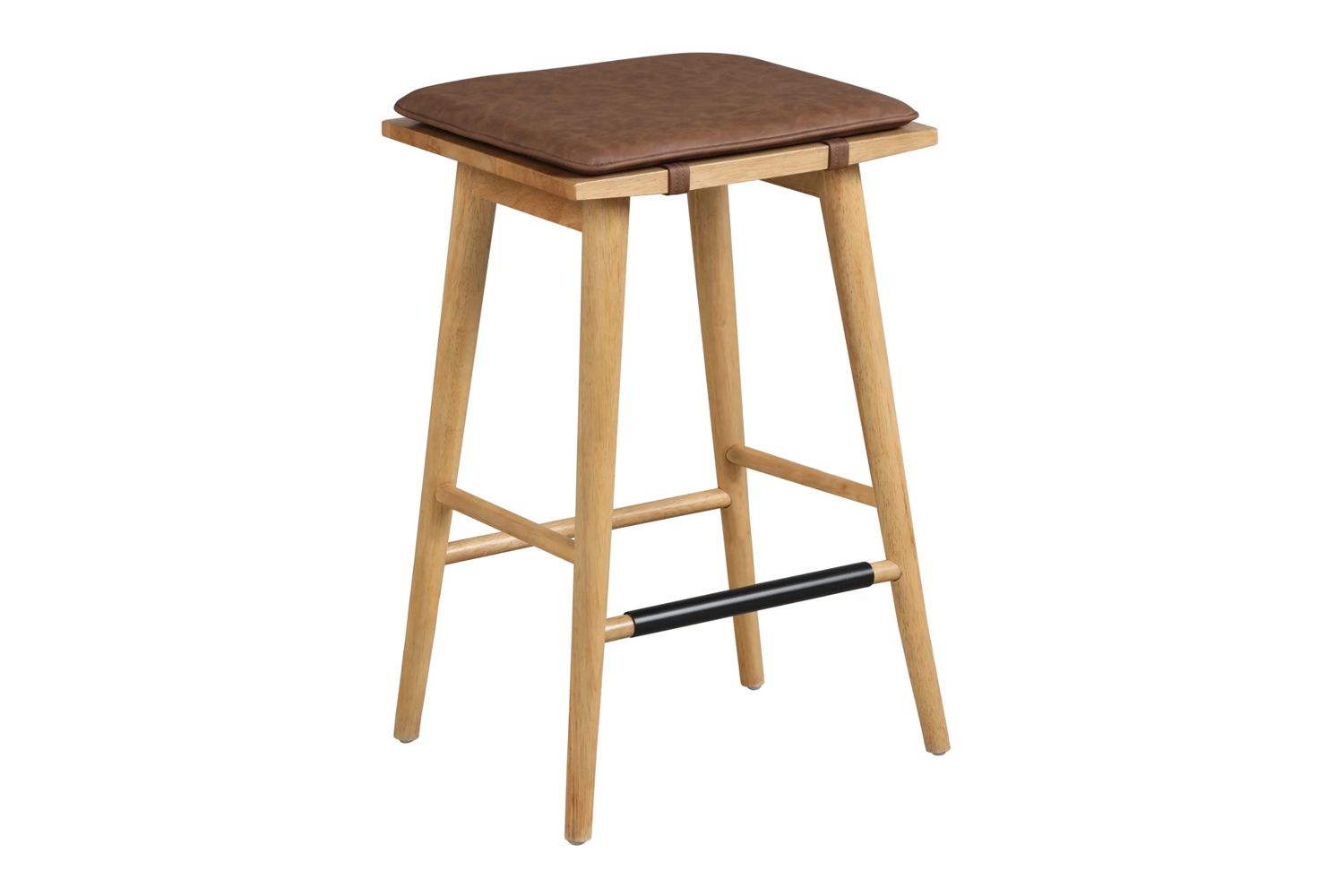
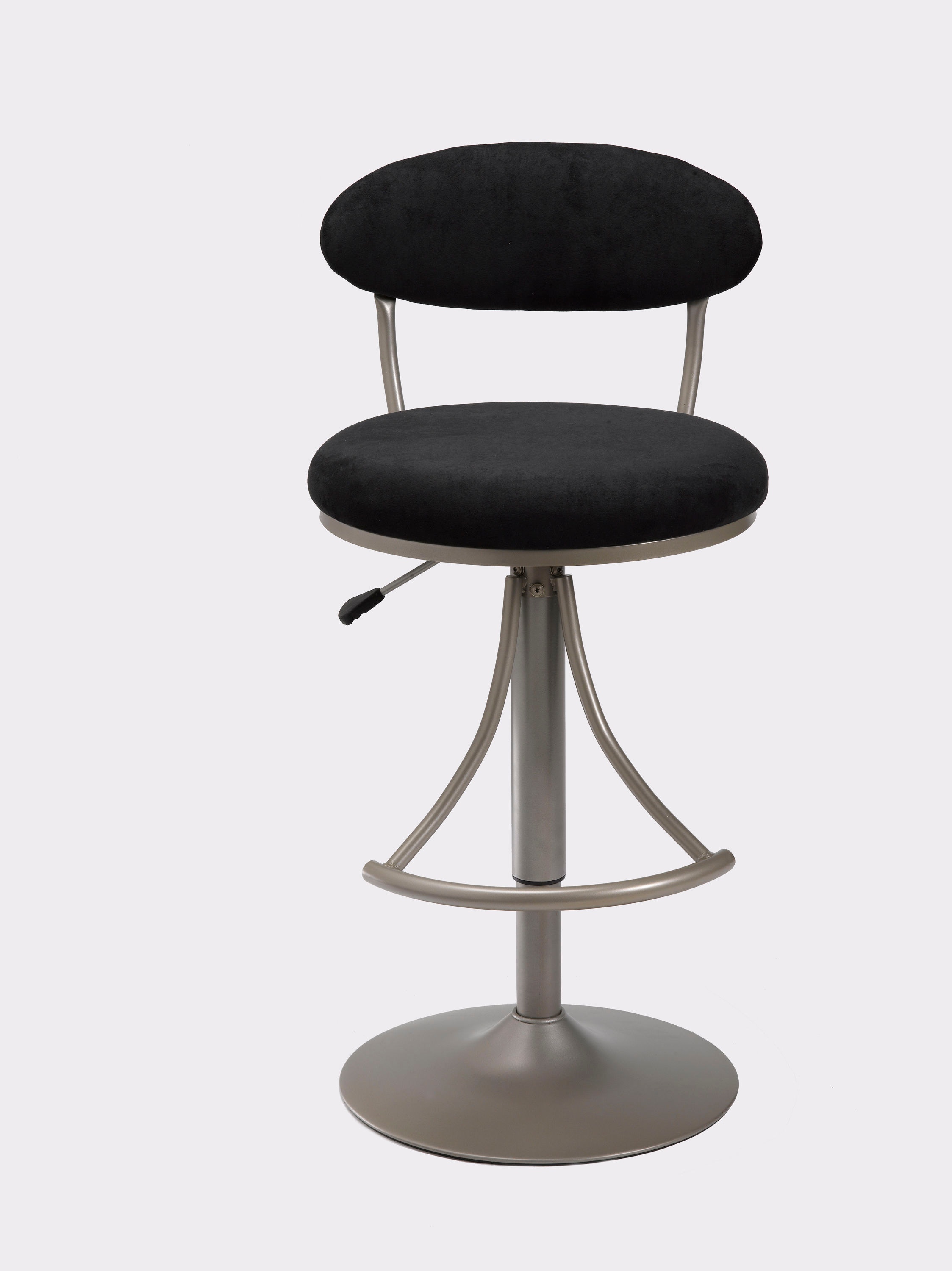
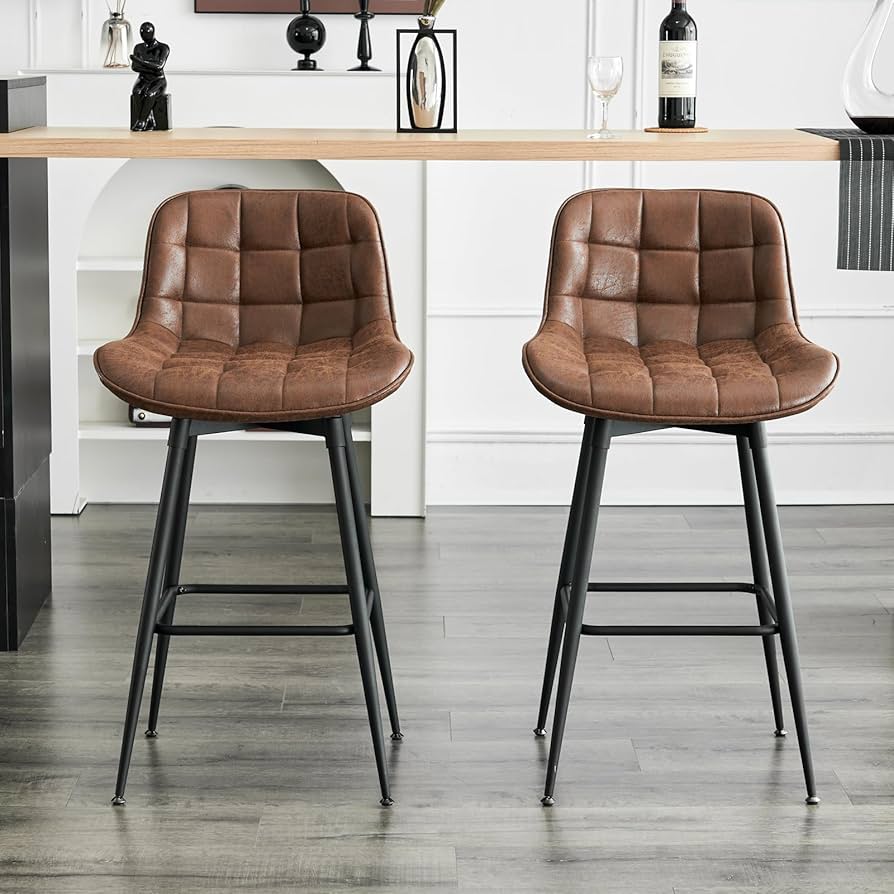
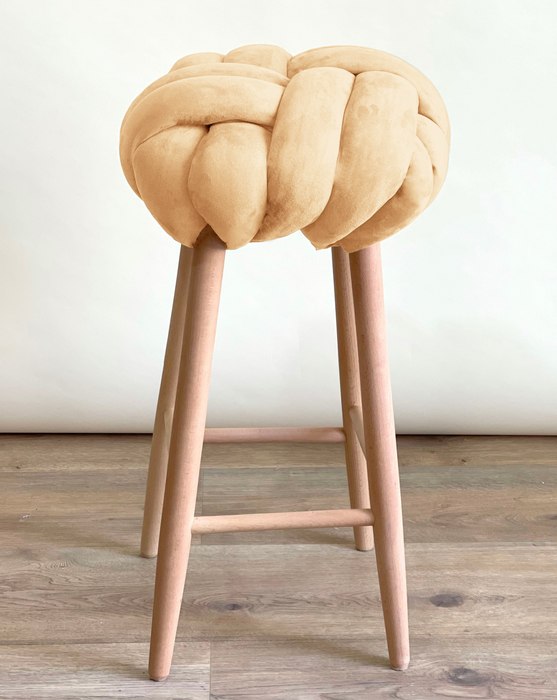
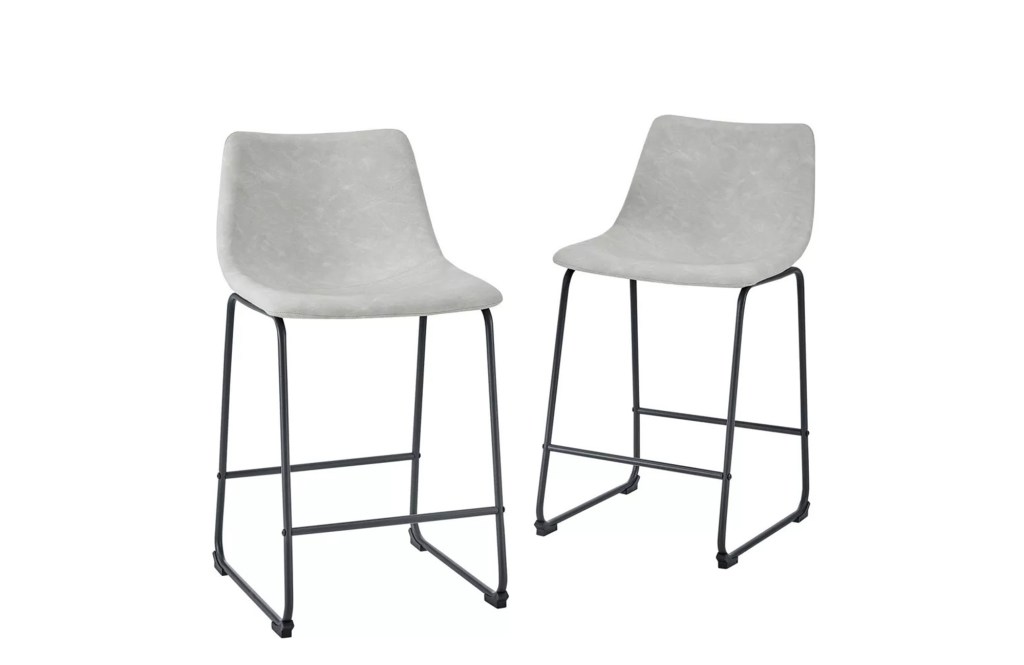
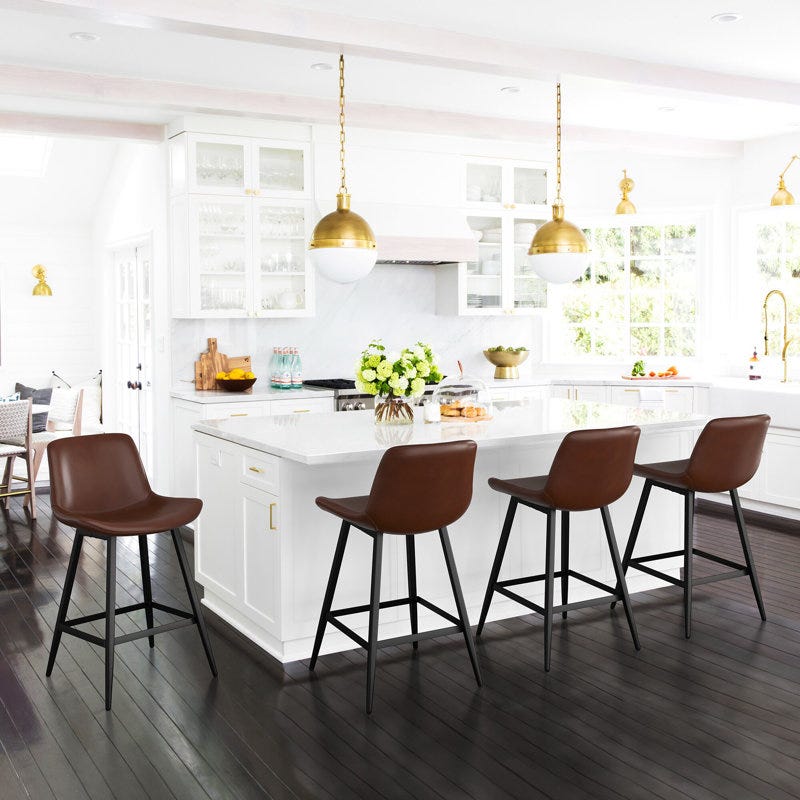
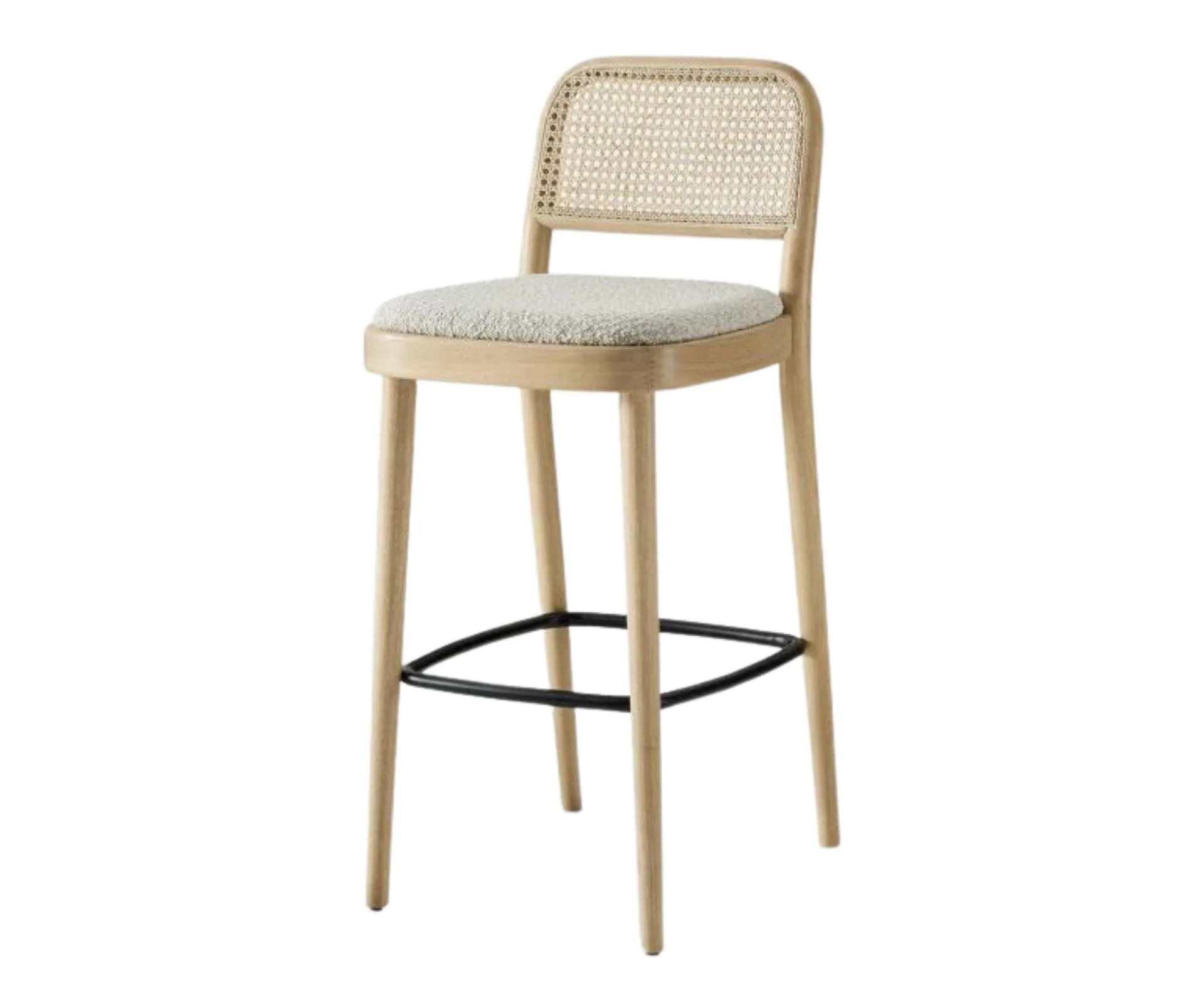
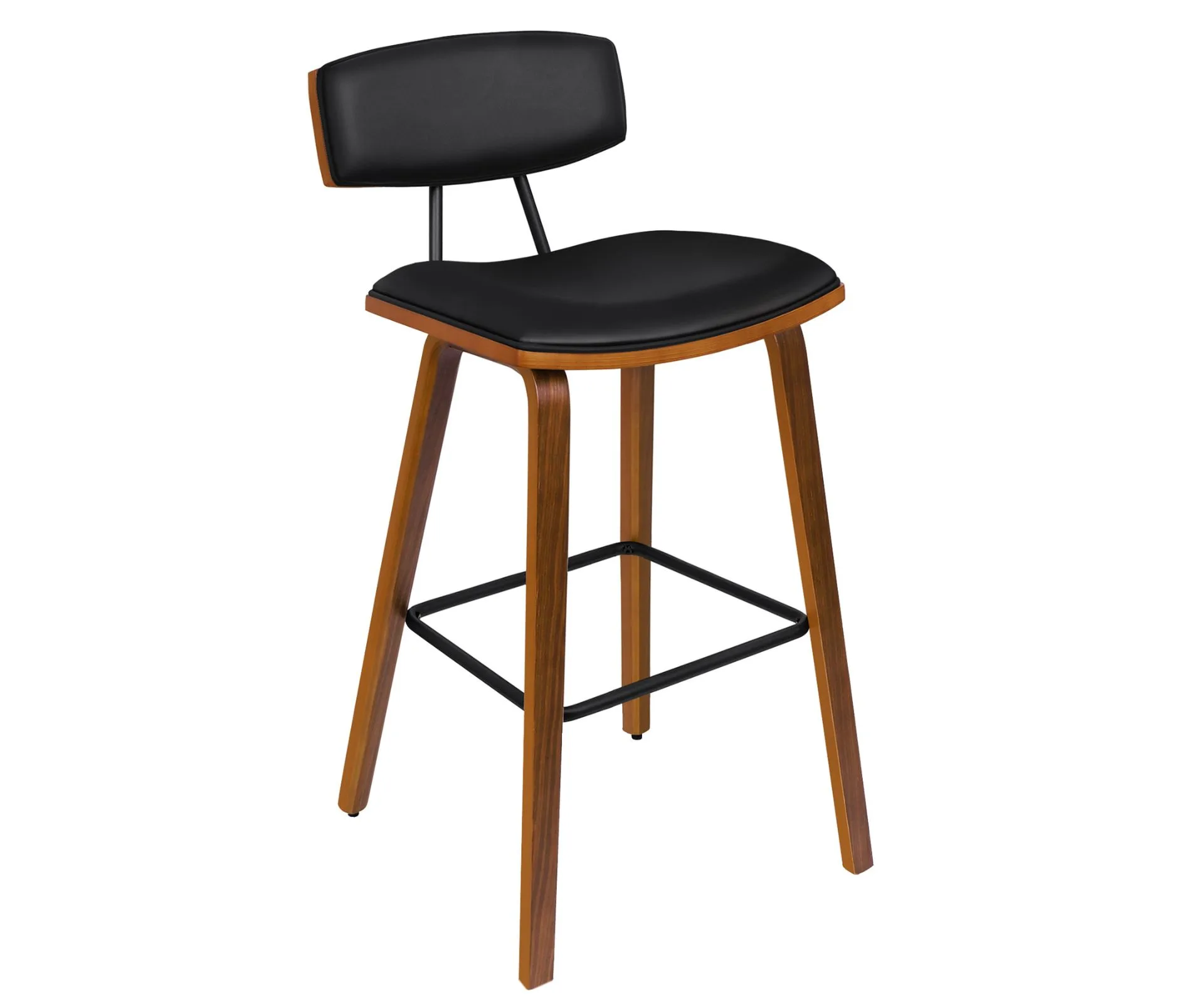
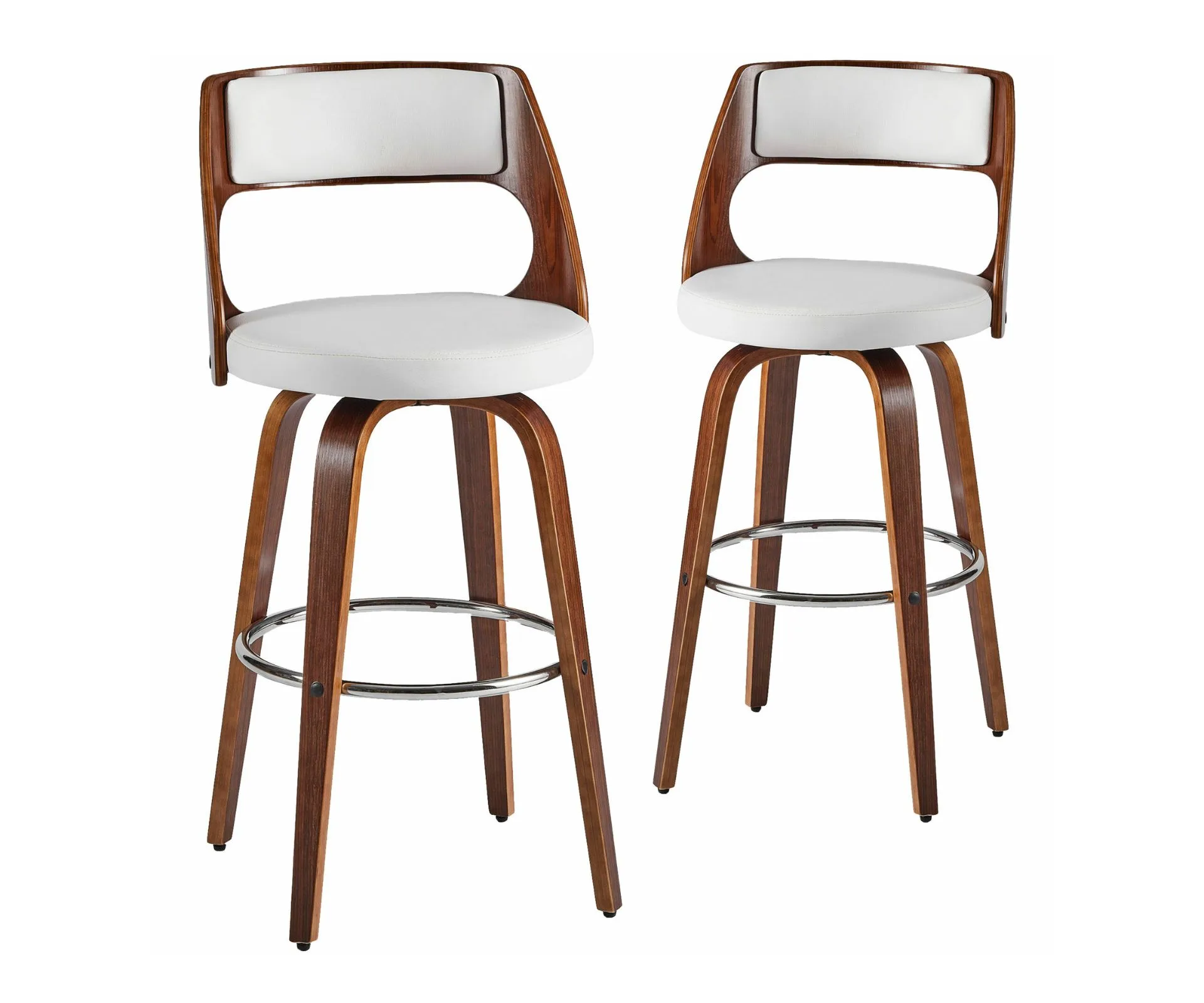
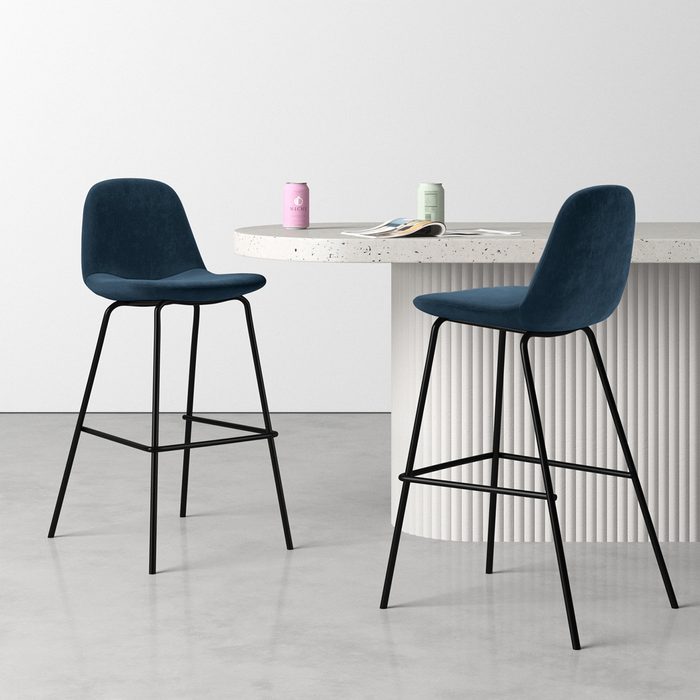
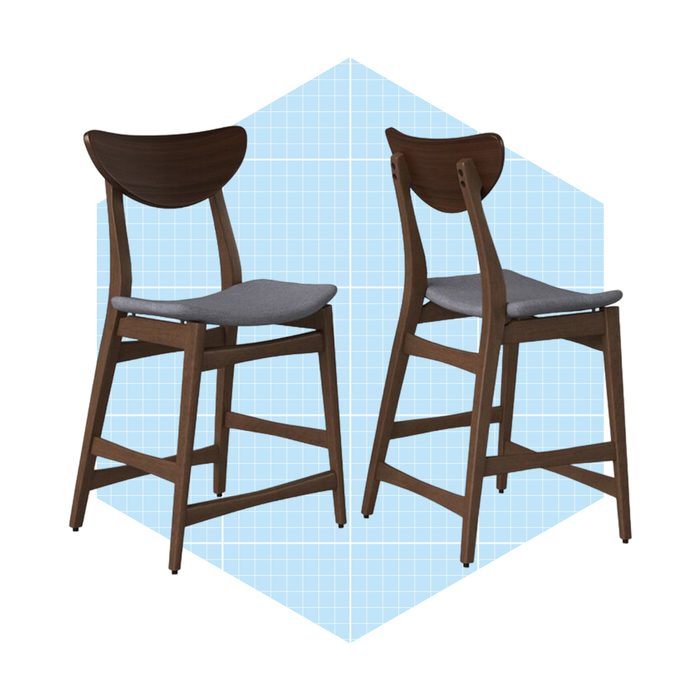
Counter stools serve as prominent design elements in both commercial and residential settings, unlike dining chairs that often blend into the background. Designers Jeremy Levitt and Andrew Cohen of Parts and Labor Design emphasize that stools can make a significant statement, enhancing visual interest and making spaces more inviting, especially in kitchens. When considering a counter stool, several factors are crucial for both aesthetics and functionality.
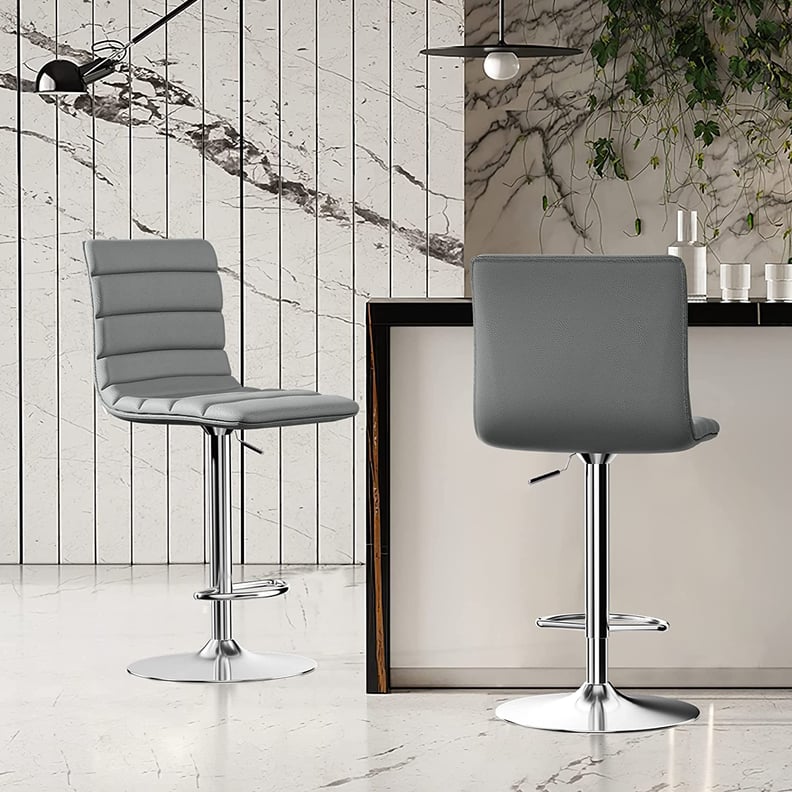
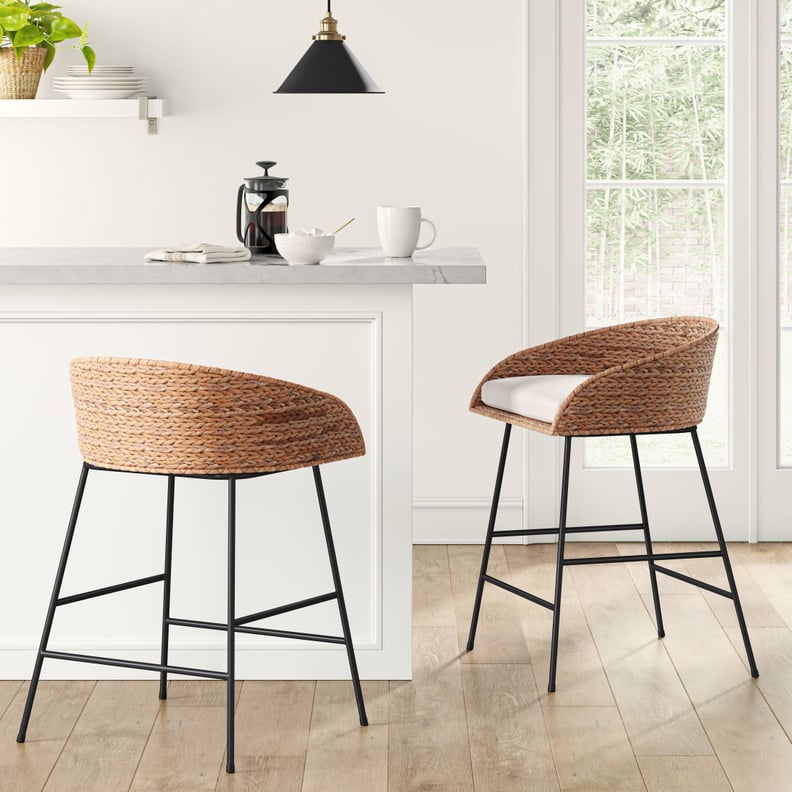
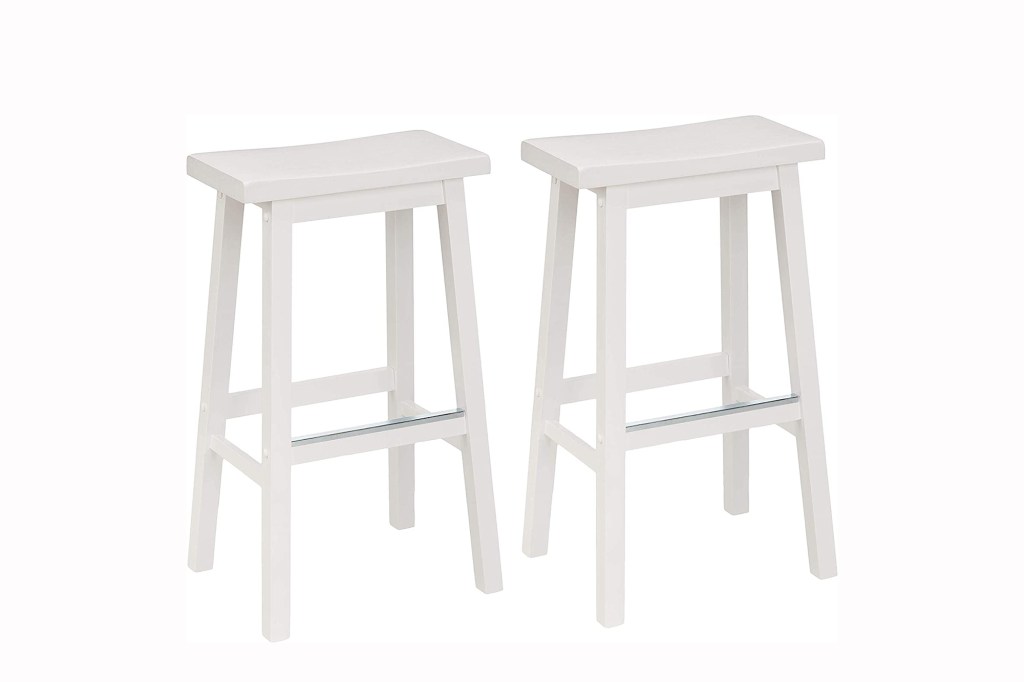
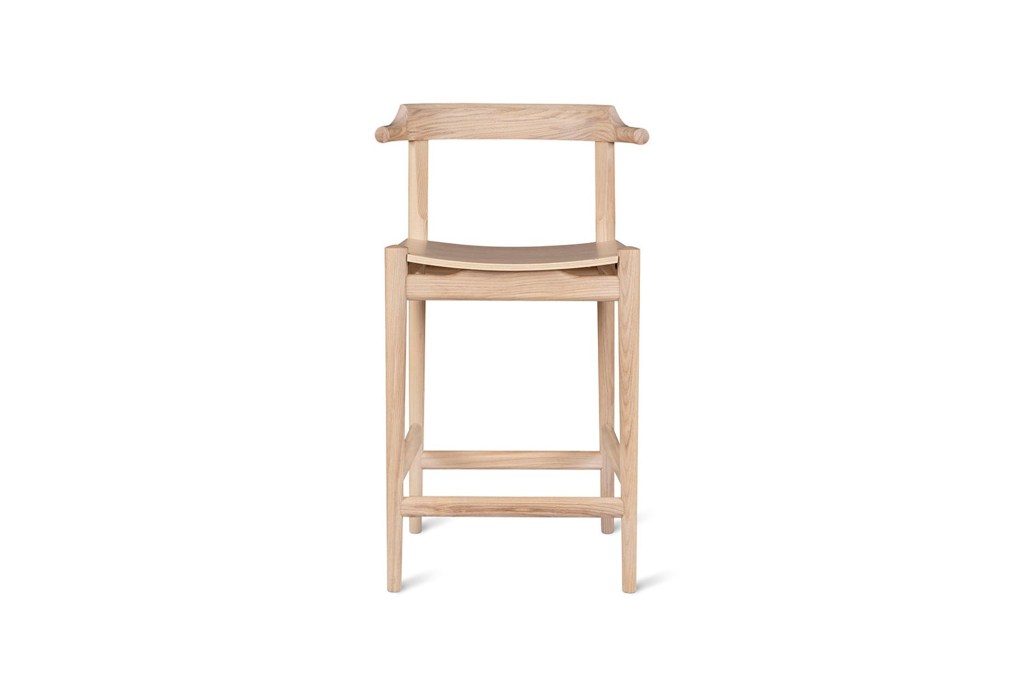
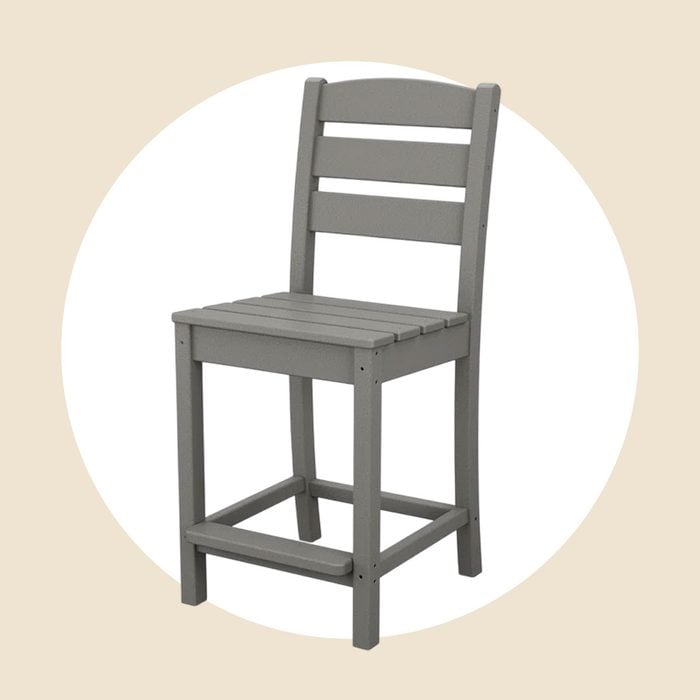
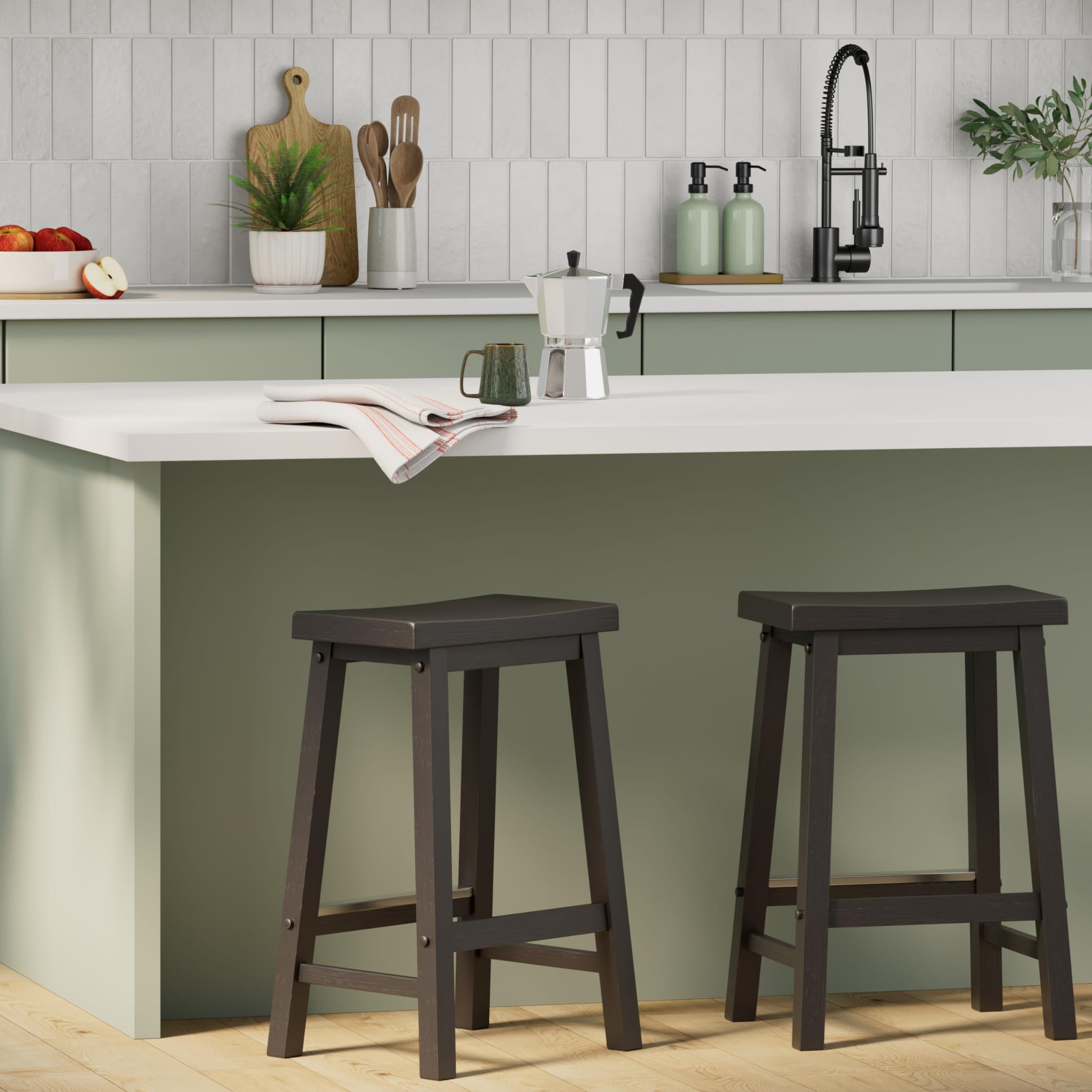
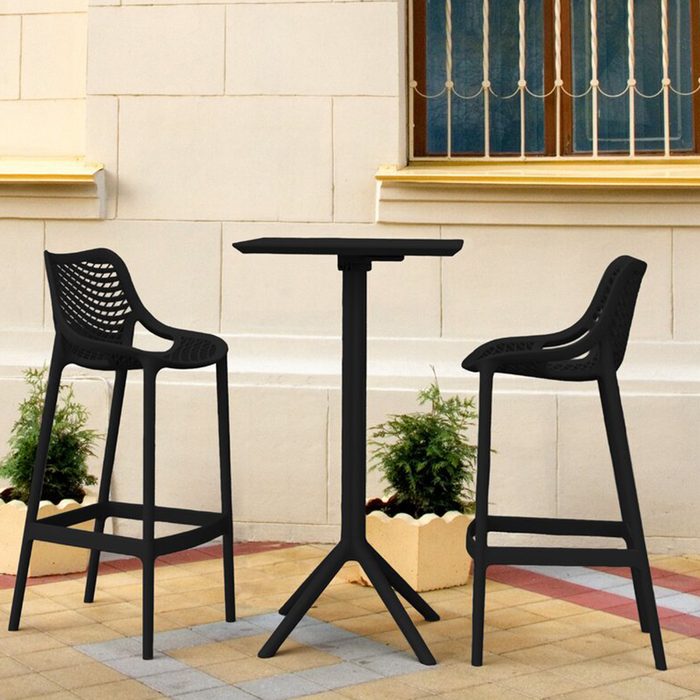
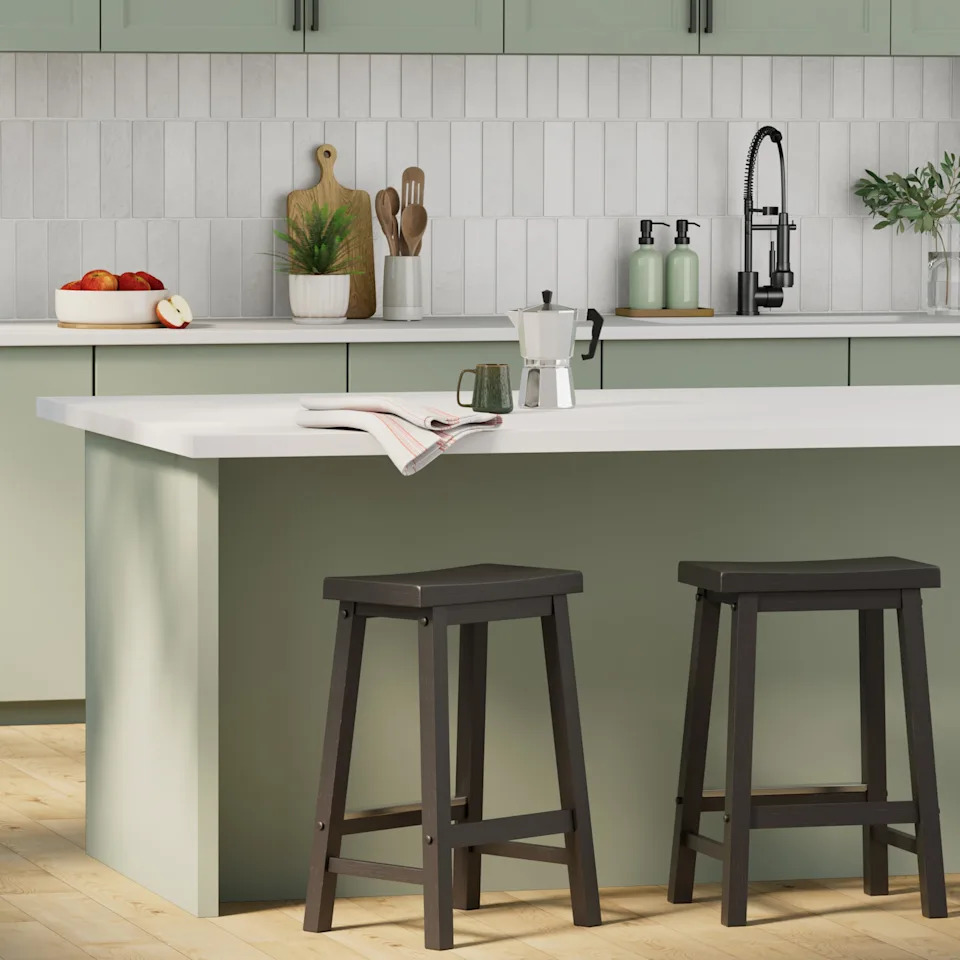
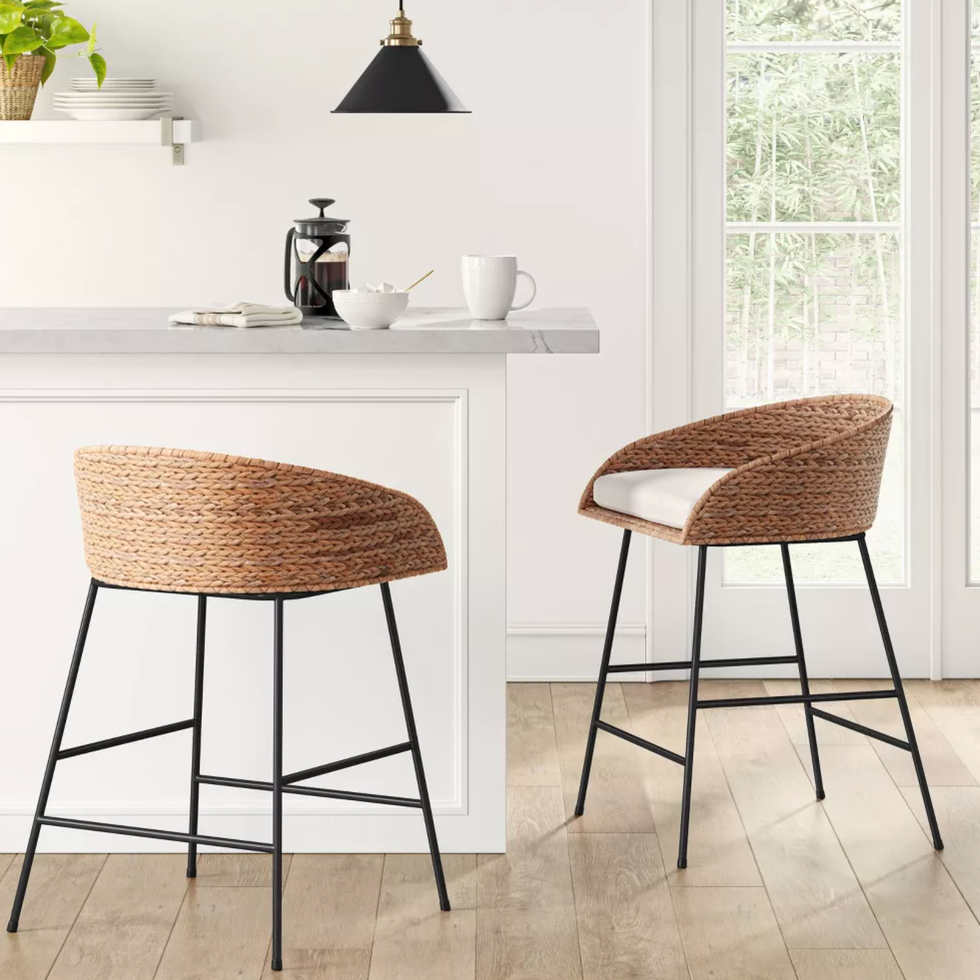
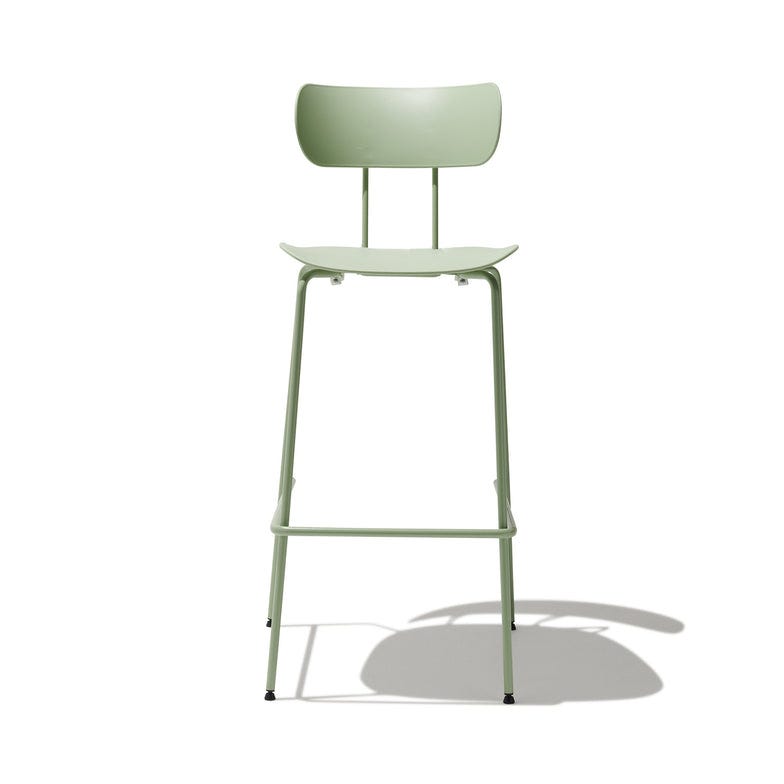
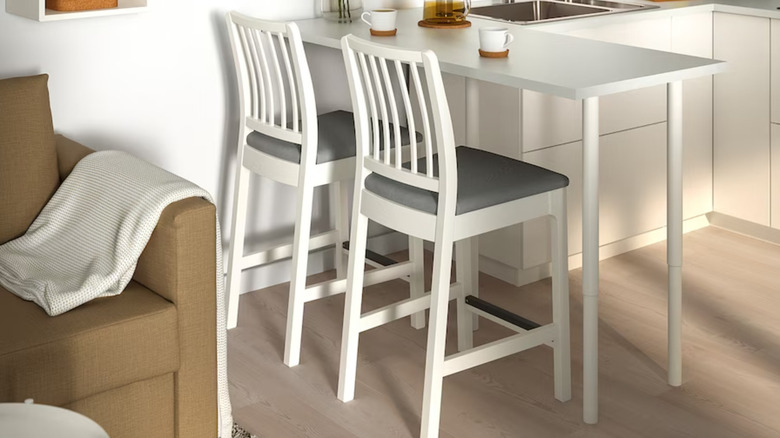
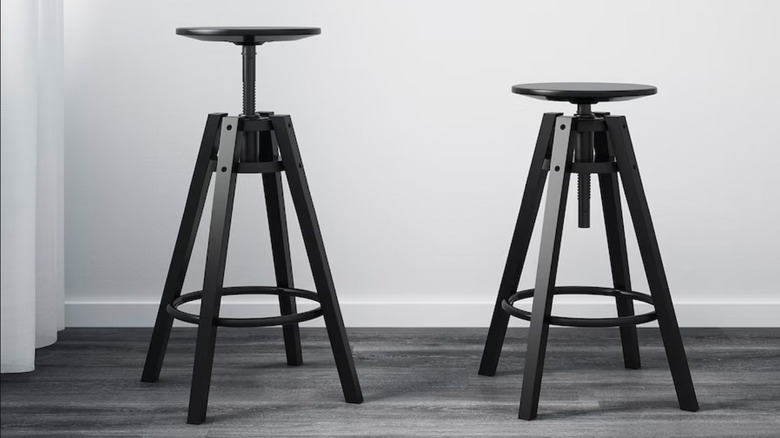
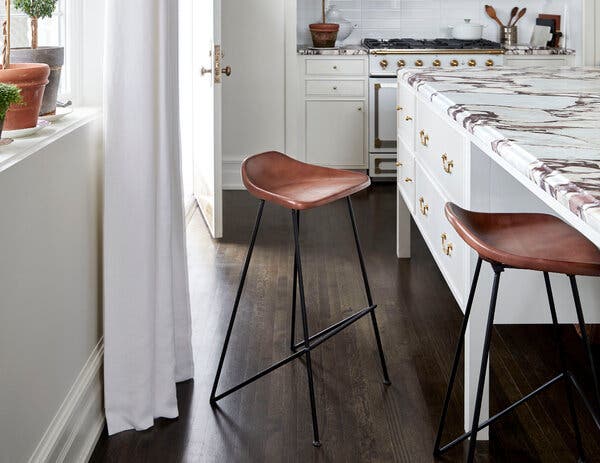
One key decision is whether to opt for a backrest. Backrests provide stability and support, offering a more traditional seating experience. However, backless stools offer greater flexibility in sitting positions, allowing users to turn and interact more freely with their surroundings. This adaptability can be particularly beneficial in social settings, such as a kitchen island, where conversation might involve people on multiple sides.
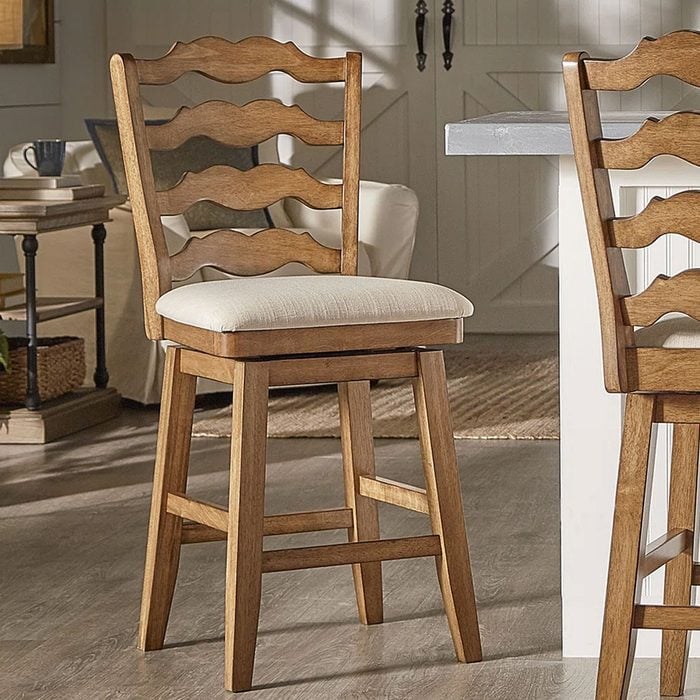
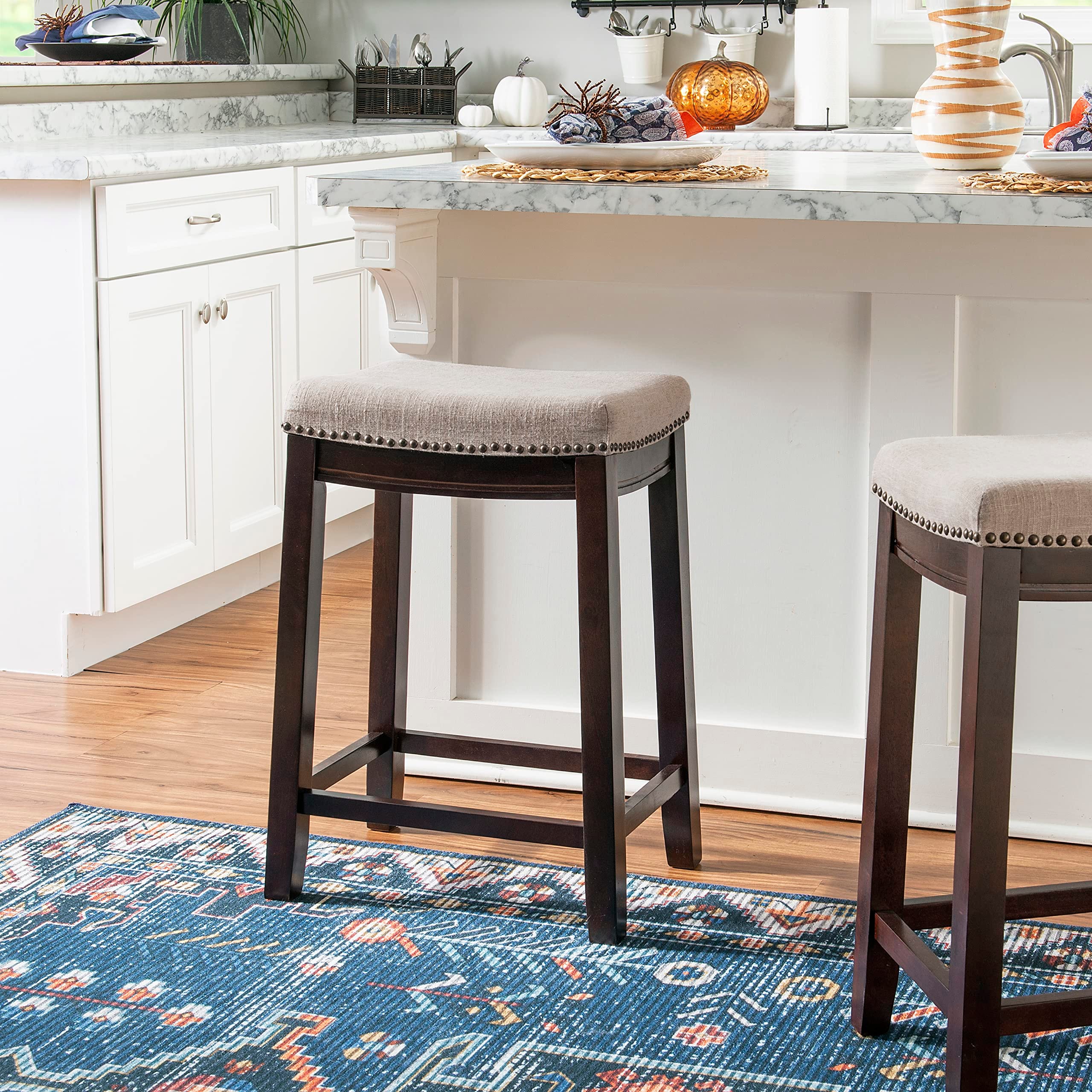
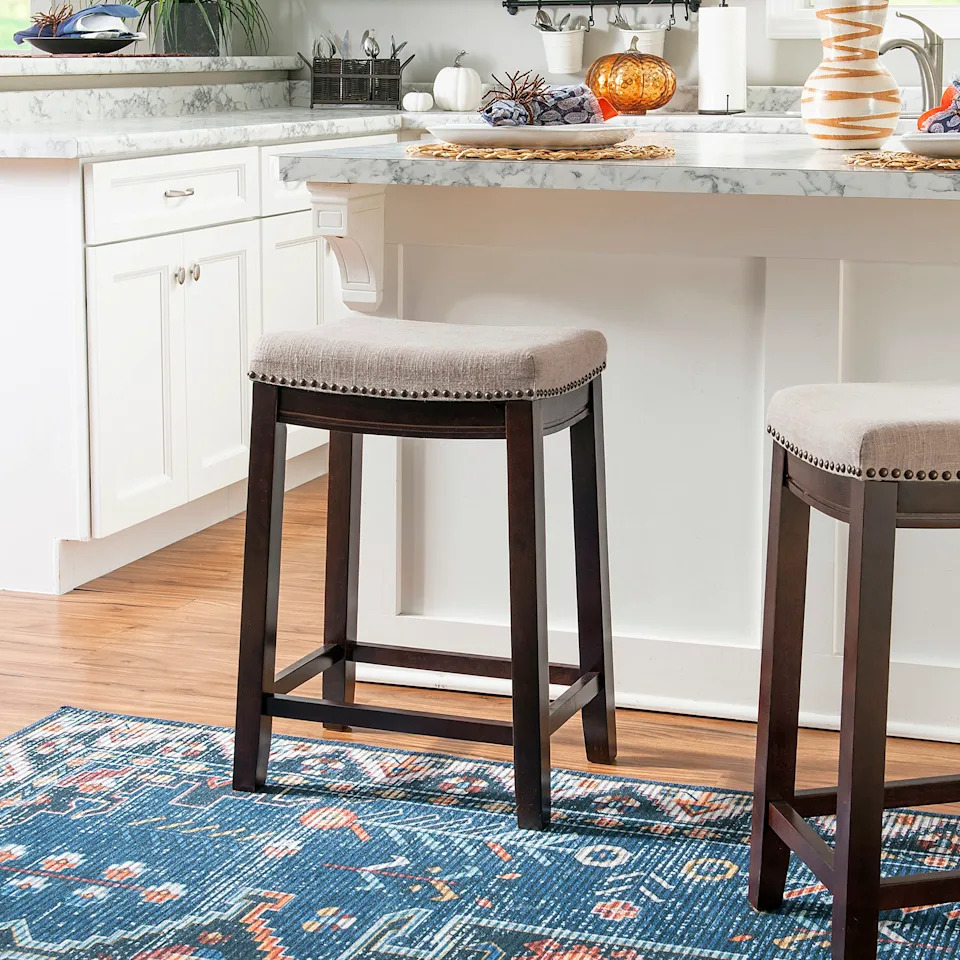
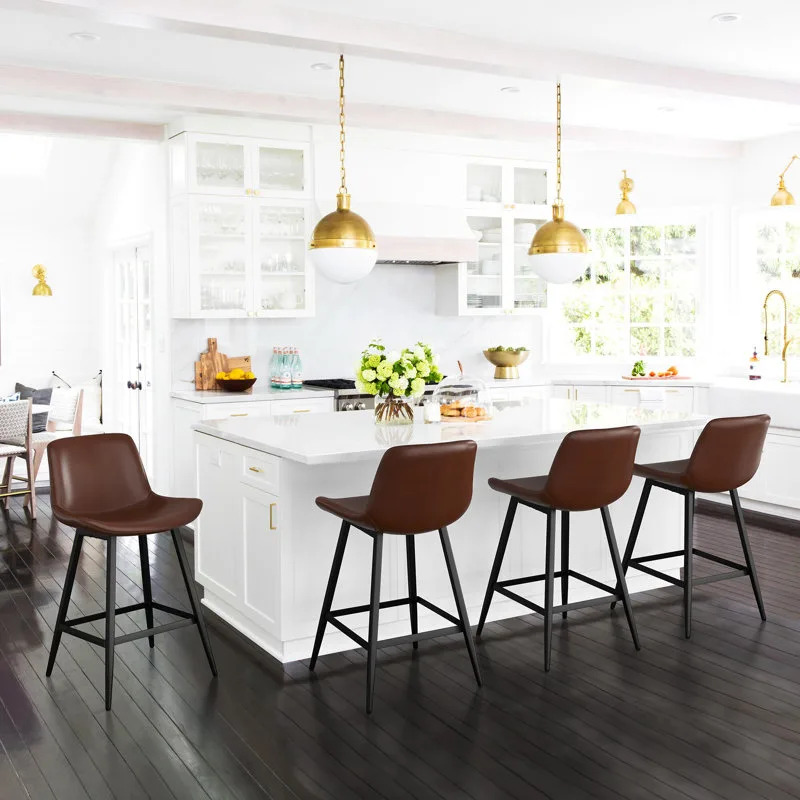
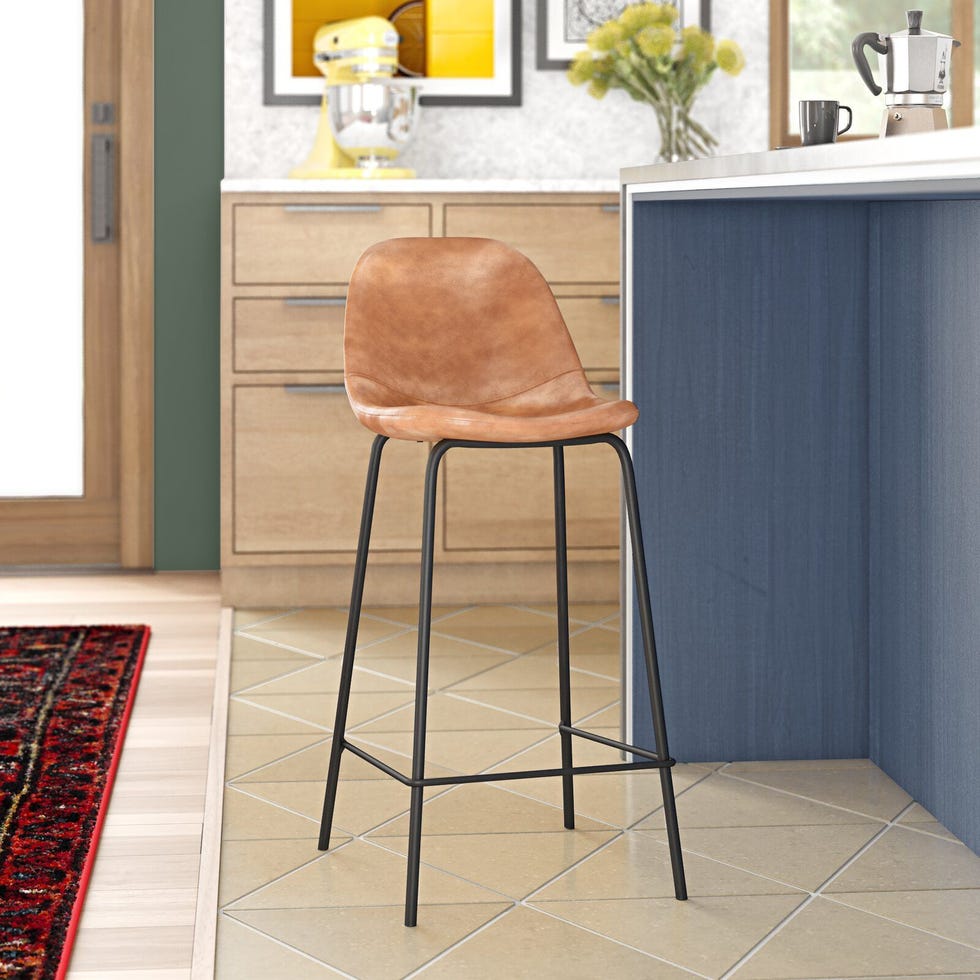
The material of the stool is another important consideration, especially regarding upholstery. While fabric or leather upholstery adds comfort and can elevate the stool's luxurious feel, hard surfaces like wood or metal are generally easier to clean. This practical aspect is vital for households with children or in high-traffic areas where spills are more likely. The choice between upholstered and hard-surface stools often balances comfort with maintenance requirements.
Height is a critical dimension for counter stools to ensure proper ergonomics and integration with existing furniture. For standard kitchen counters, a seat height of approximately 24 inches is recommended. If the counter surface is higher, such as a bar-height counter, a seat height closer to 30 inches would be more appropriate. Achieving the correct height ensures that users can comfortably sit and interact with the counter without straining.
Space efficiency also plays a role in stool selection. In smaller areas, stools that can be completely tucked underneath the countertop when not in use can help maintain an uncluttered appearance and free up floor space. This design feature is particularly valuable for optimizing space in compact kitchens or open-plan living areas.
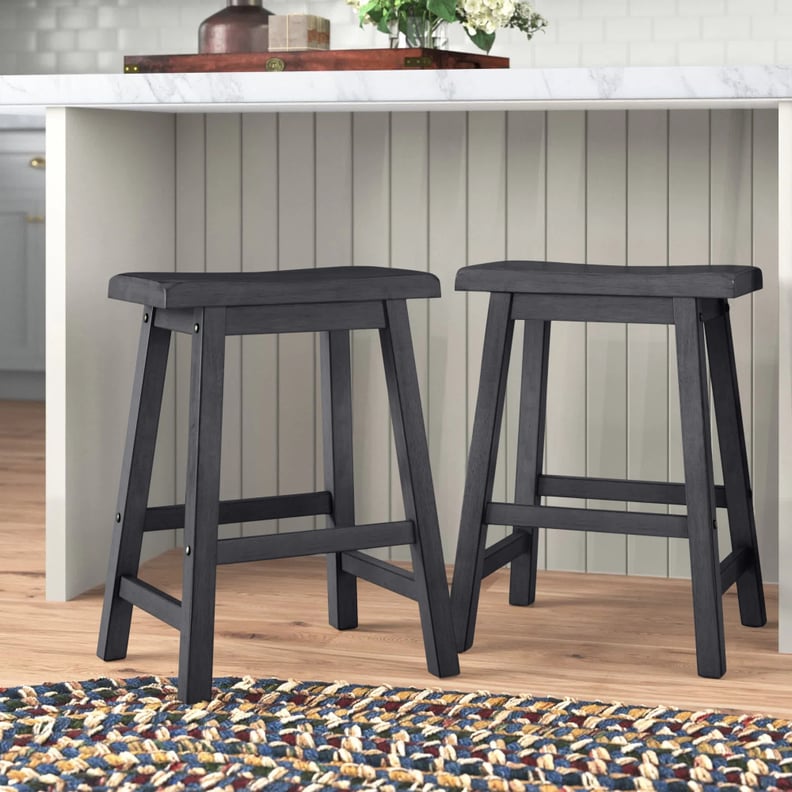
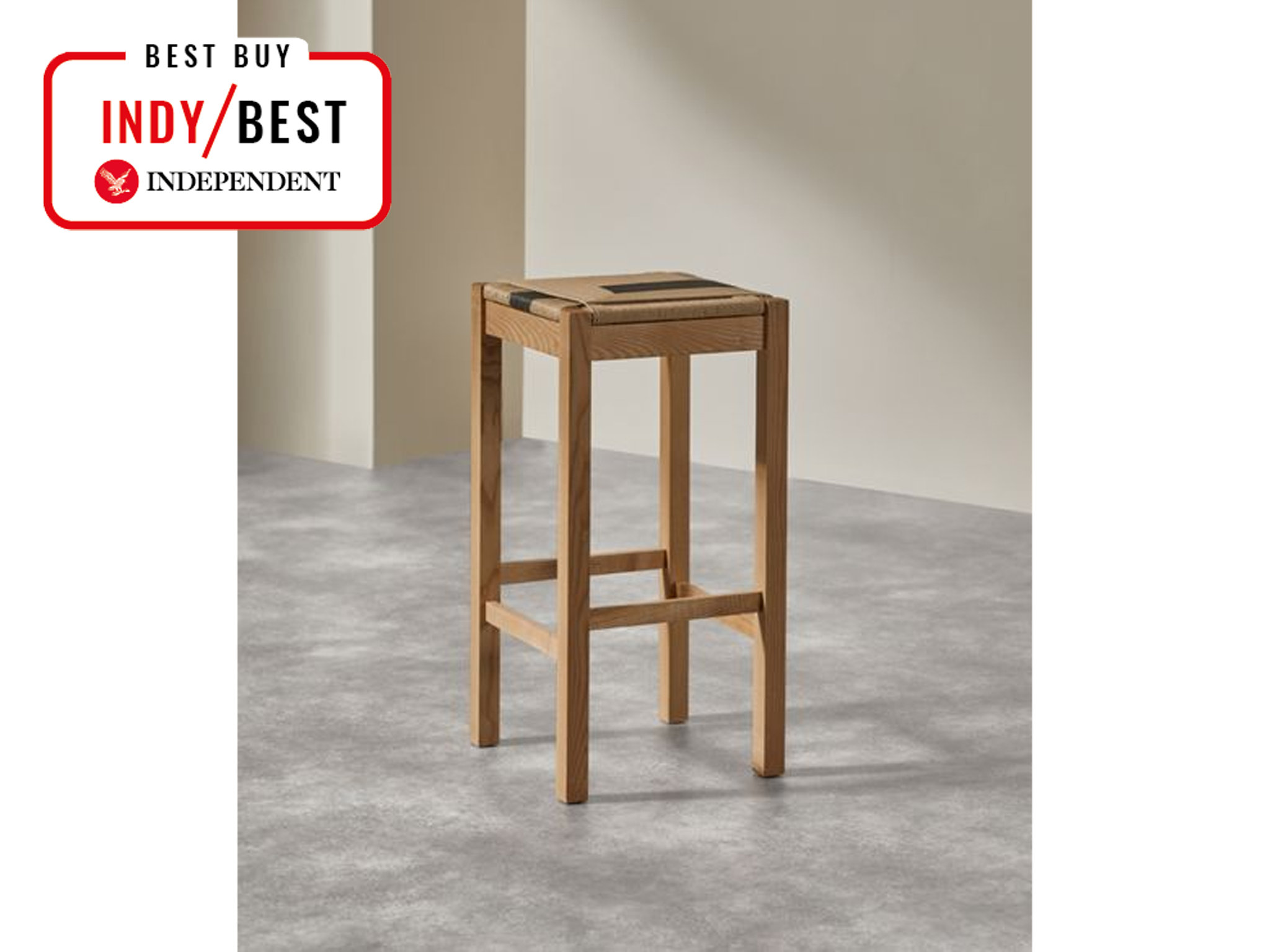
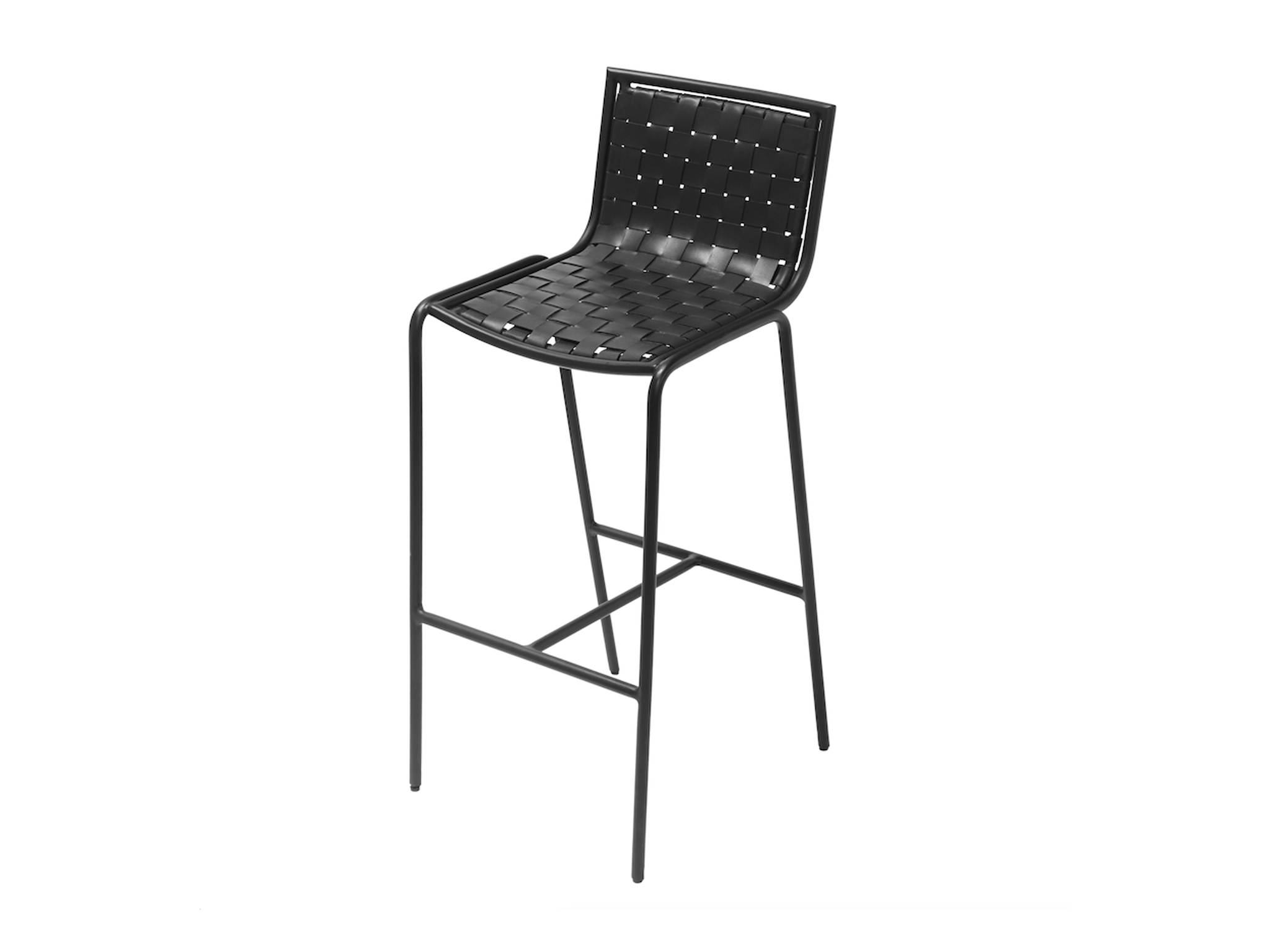
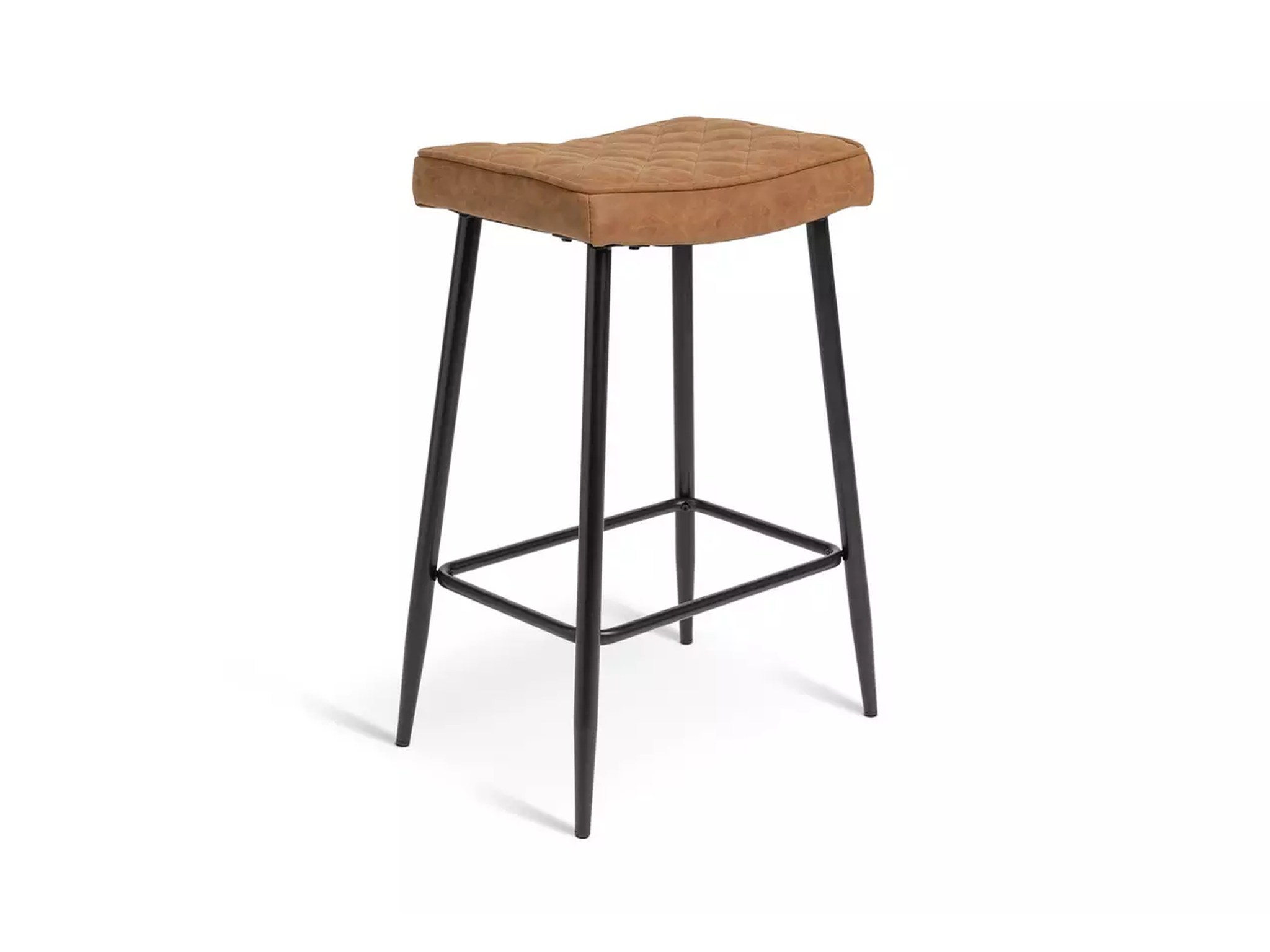
The article then presents a curated selection of counter stools, each offering distinct styles and features. The "Style Counter Stool" from Houzz, priced around $154, features a carved ash seat and a powder-coated iron base, noted for its modern rusticity and versatility, suitable for various interiors. The "Gavilan Bar Stool" from KGBL, starting at $4,000, is highlighted for its asymmetrical design, which gives it a sense of motion and a modern yet timeless appeal, reminiscent of an old motorcycle.
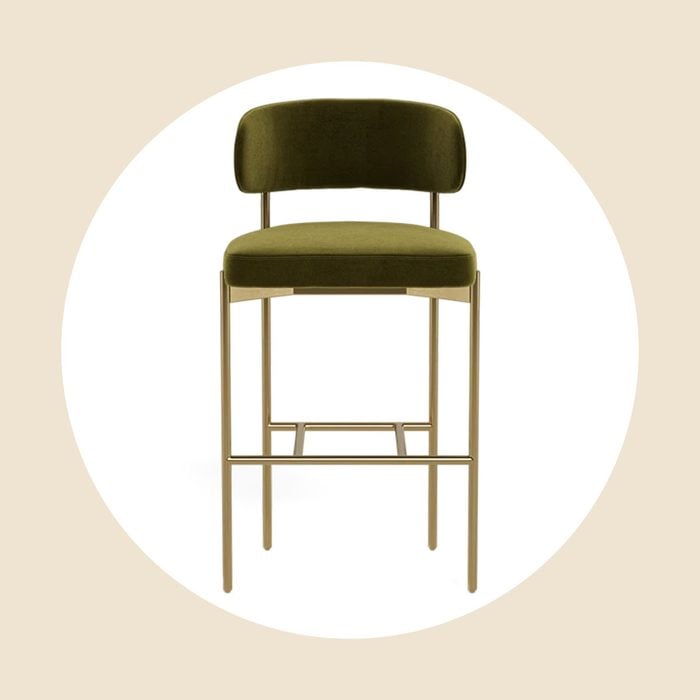
For a classic aesthetic, the "Solo Breakfast Bar Stool" by Neri & Hu, available from $1,745 at The Future Perfect, boasts a walnut base and a scooped leather seat, drawing inspiration from mid-century designs and Eames chairs to evoke a luxurious hotel experience. The "Bride’s Veil Stool" from Phase Design, starting at $1,160 at Property Furniture, is described as an "object of the moment" due to its sweeping metal rods in a smoked-brass finish, making it look like a piece of jewelry and reflecting current tastes for sculptural and shiny elements. Finally, the "CB-28 Spindle Stool" by BassamFellows, from $1,880 at Suite NY, offers a unique take on the Windsor chair form, replacing wooden spindles with metal and featuring a swiveling seat mechanism for added functionality and surprise.
#CounterStools #HomeDecor #KitchenDesign #InteriorDesign #FurnitureShopping #DesignTips #ModernFurniture #CounterStools #HomeDecor #KitchenDesign #InteriorDesign #FurnitureShopping #DesignTips #ModernFurniture
0 comment in total
 No comments yet
You may also like
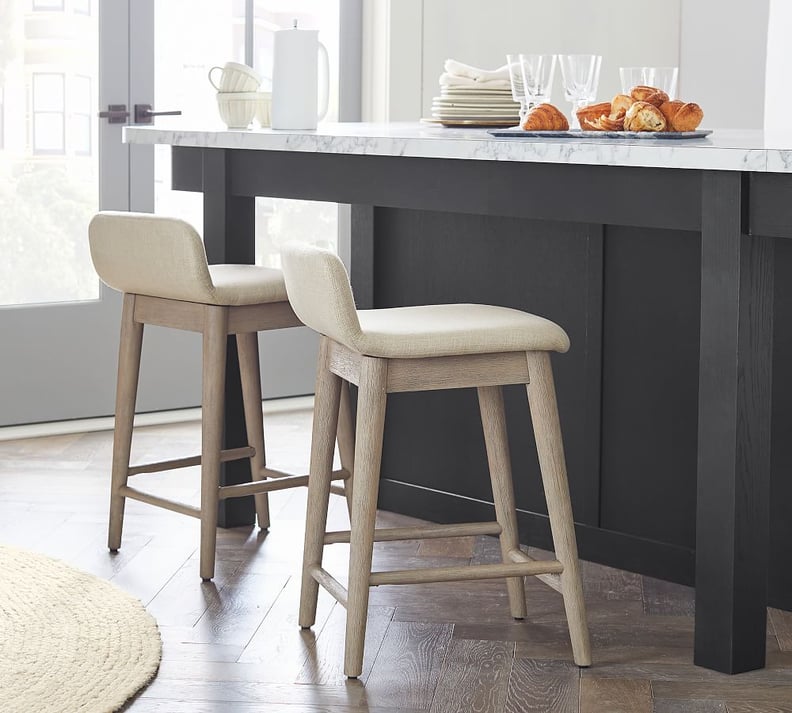
The Best Counter Stools and Barstools For Your Kitchen Island
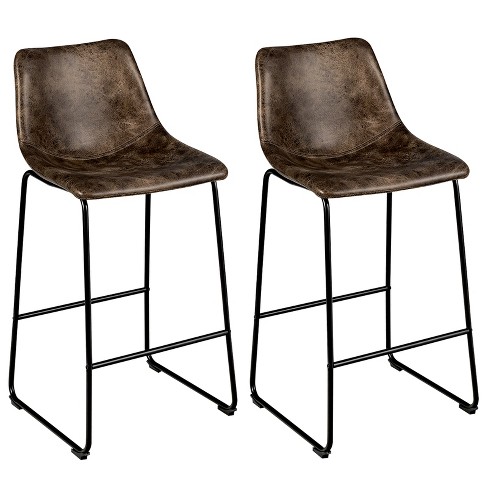
Shop suede counter stool Outlet Online Tangkula Set of 2 Bar Stool Faux Suede Upholstered Kitchen Dining Chair w Metal Leg Brown

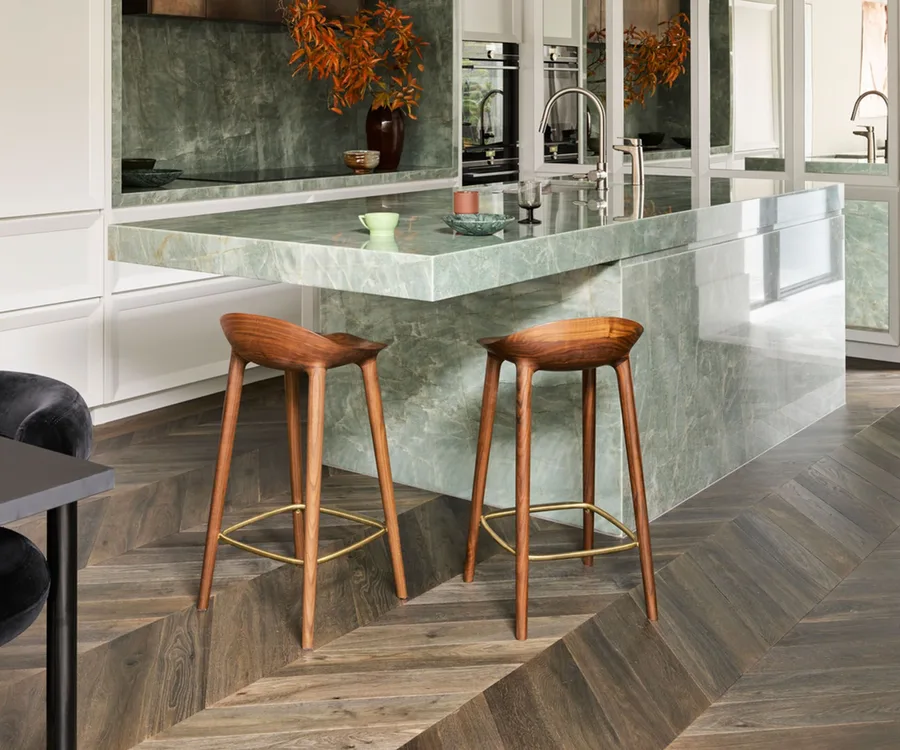
The best bar stools to elevate your kitchen


Shopping Guide: Benches (Published 2016)

The Best Counter and Bar Stools For Your Kitchen Island
The 23 best bar stools for every style and budget in 202
These Designer-Approved Bar Stools Bring the Perfect Balance of Style and Comfort

8 best bar stools for your kitchen island or breakfast bar
The 11 Best Bar Stools for Every Kitchen Island and Counter

Shopping Guide: Coffee Tables (Published 2016)
Buyers' Guide: Sideboards, benches and consoles

Got a Kitchen Island? Then You Need to Accessorize With These V Chic Barstools
Shopping for Kitchen Stools (Published 2021)
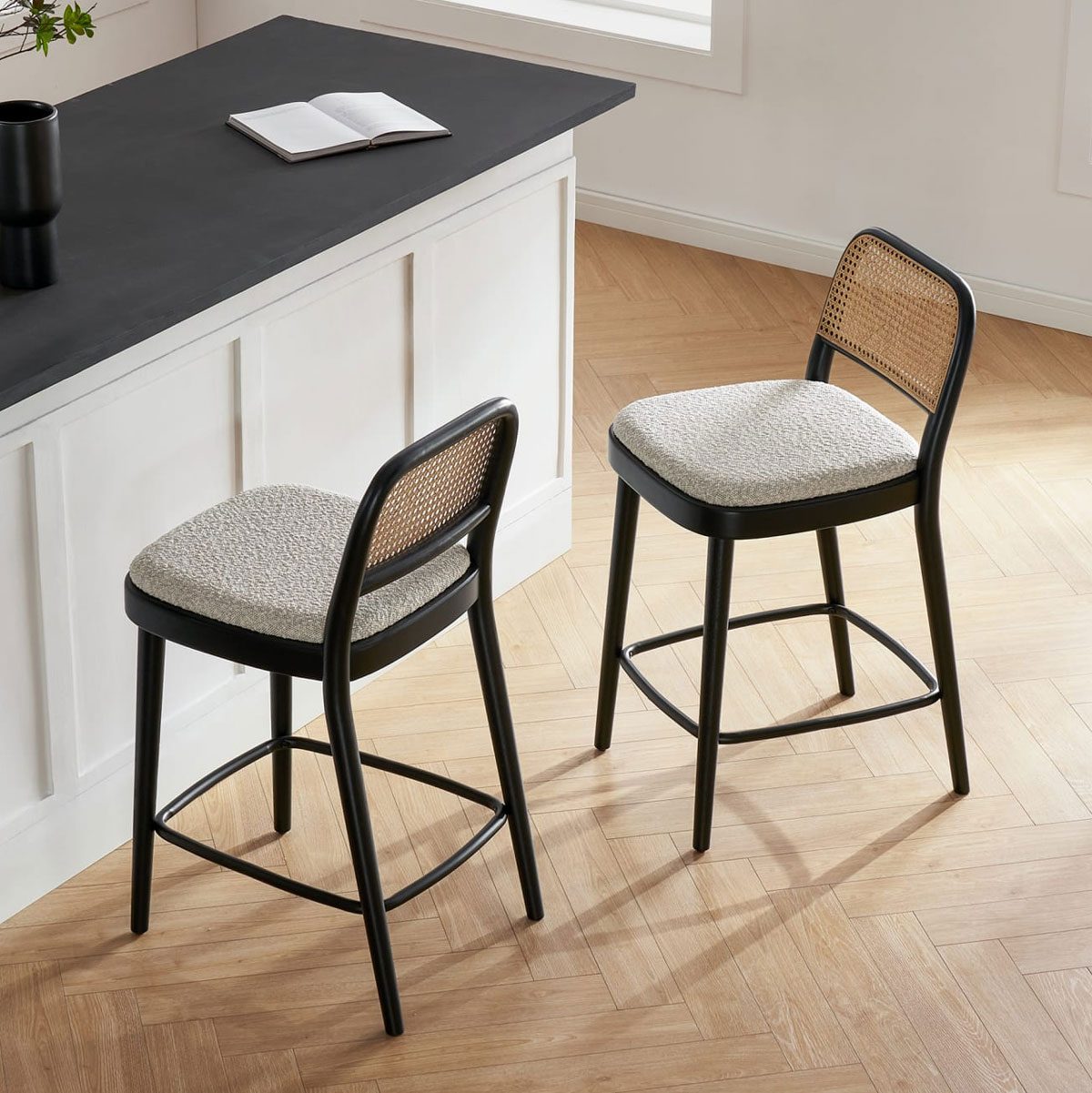
10 Best Bar Stools for Kitchen Islands and Counters in 2026

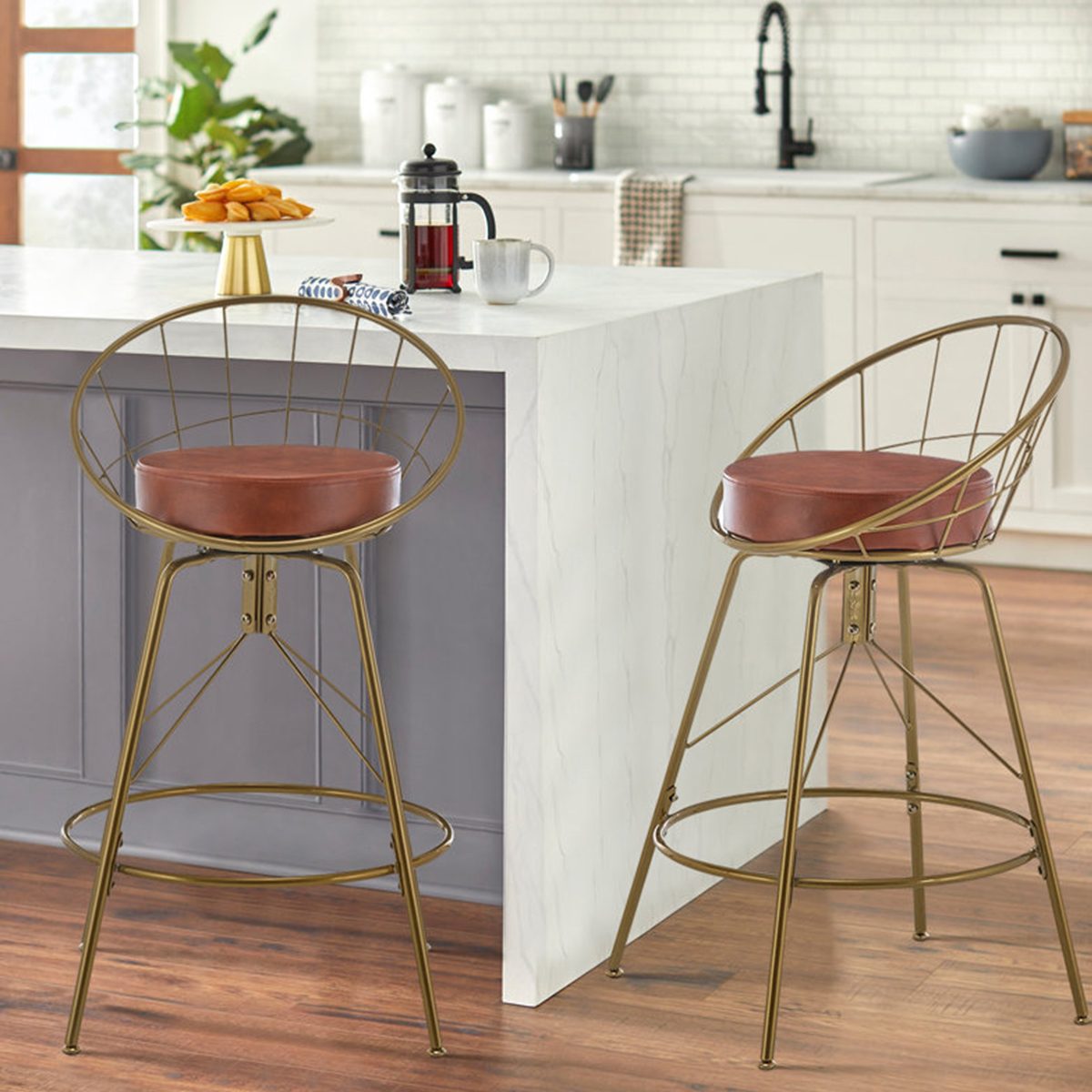
10 Best Bar Stools for Bars, Counters and Outdoors


IKEA Bar Stools Ranked By Reviews To Help You Find The Perfect Additional Seating

'Get This Element Right, and Add The Perfect Finish to Your Kitchen,' Say Designers

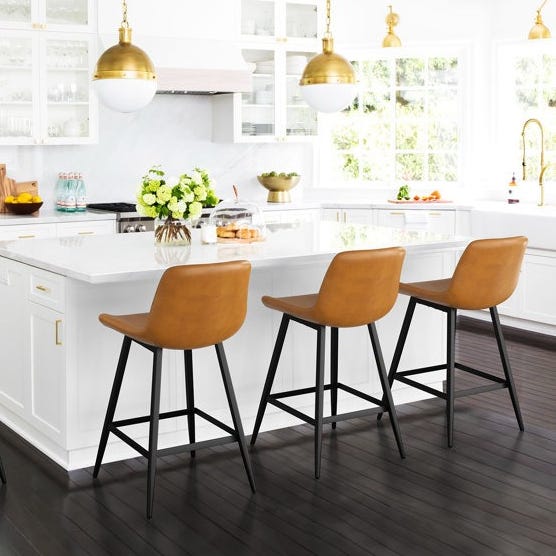
These Affordable Bar Stools From Wayfair Will Transform Your Kitchen Island

These Affordable Bar Stools From Wayfair Will Transform Your Kitchen Island

It's Time to Upgrade Your Bar Stools — These Are Our Favorite Interior Designer-Approved Picks