1/4
Recycle & Reuse Scrap Metal Around The Farm Or Homestead
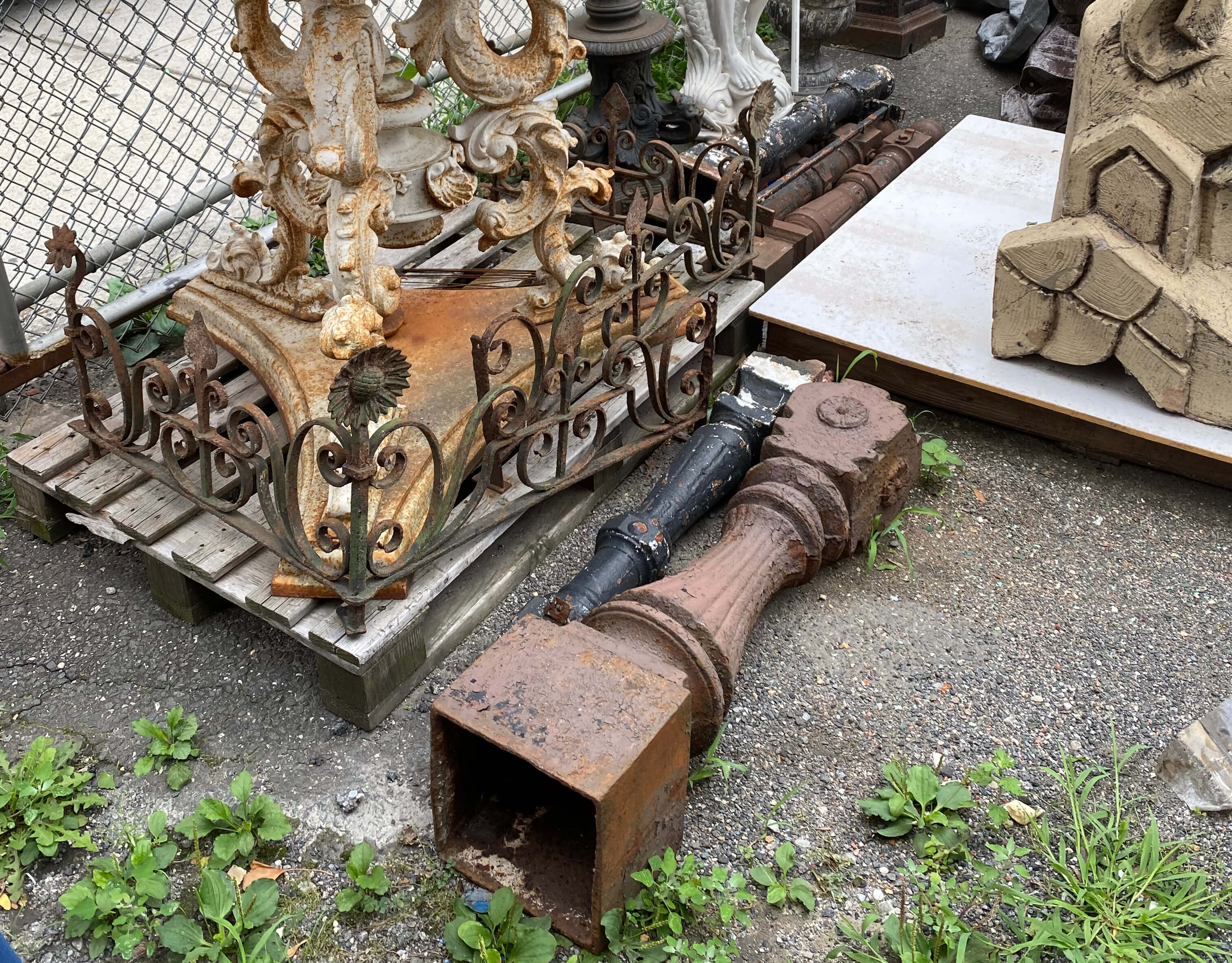
The article emphasizes the value of repurposing scrap metal on farms and homesteads, drawing inspiration from a child's observation that "metal's never trash." It highlights the author's practice of collecting various metal scraps, including fencing, broken tools, and household items like jar lids and bottle caps, in designated containers. These collected metals are occasionally taken to a scrap metal yard for sale, demonstrating that even small amounts can yield a monetary return, with earnings fluctuating based on the type and quantity of metal, such as copper and aluminum fetching higher prices. Beyond selling, the article focuses on creative ways to reuse these materials for practical applications.
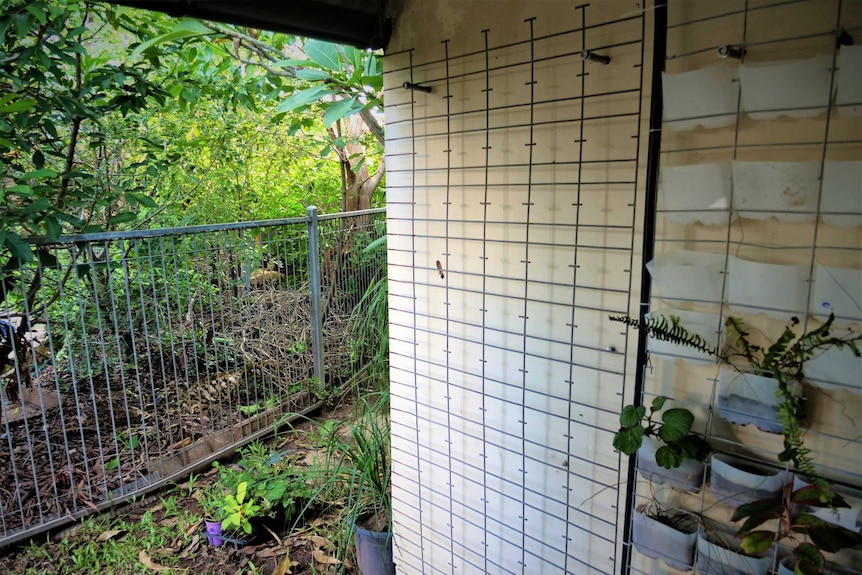
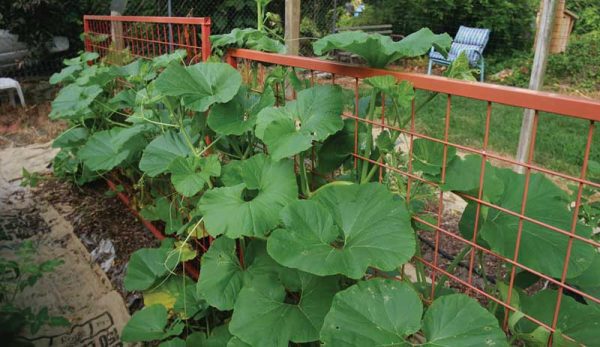
One significant application discussed is the creation of trellises for vegetable gardens using discarded retail display racks. These metal mesh racks, obtained cheaply from closing stores, are repurposed to support climbing plants like cucumbers. The author describes installing them by hammering rebar into the ground for support and securing the racks with tie wire. This method not only provides functional trellises but also adds a decorative element with their varied colors. The article also mentions adapting these racks for permanent structures, such as framing a gate in a narrow side yard.
Another example of repurposing is the use of scavenged hinges for chicken coops. The author details how hinges from a fence and gate removal project were modified to create a chicken-sized gate for a "chunnel" – a chicken tunnel – allowing hens safe access to a foraging area. The modification involved bending a too-long hinge to fit the specific space, illustrating a practical, problem-solving approach to construction. Furthermore, the article explores making "country hinges" from scrap copper roofing. Due to copper's flexibility, strips are cut, pre-drilled, and attached to function as durable hinges, as exemplified by a 10-year-old nest box hinge still in use.
Ventilation in chicken coops is addressed through the reuse of various metal screen scraps. Given the need for airflow to prevent heat buildup, especially in southern climates, openings in coop gables and windows are covered with different types of metal screens. The author recounts purchasing a roll of brass screen, typically used for fireplace screens, from a scrap dealer. This screen, noted for its fine mesh, weather resistance, and aesthetic appeal, was cut into sections and screwed into place. The article advises using brass screws with brass screens to prevent corrosion between dissimilar metals and suggests using washers for meshes with wider openings, like hardware cloth, to secure them effectively.
Finally, the article provides a method for deterring predators from tunneling under chicken runs by repurposing leftover fence wire. Instead of burying fences, which leads to rust and compromise due to soil acids, an "apron fence" technique is recommended. This involves laying a 2-foot section of fence wire flat on the ground at the base of the main fence, with an upright section against the fence and the remainder extending outward. This apron is secured with landscape staples or bent wire and can be covered with mulch or grass. This strategy frustrates digging predators, causing them to abandon the attempt and seek easier targets. While apron fences will eventually rust, they are easier to replace than buried fencing, and if scavenged, cost nothing to implement, reinforcing the central theme that metal is a valuable resource rather than waste.
#ScrapMetal #MetalRecycling #Homesteading #FarmEquipment #DIYProjects #ChickenCoop #GardenTrellis #PredatorControl #SustainableLiving #ScrapMetal #MetalRecycling #Homesteading #FarmEquipment #DIYProjects #ChickenCoop #GardenTrellis #PredatorControl #SustainableLiving
0 comment in total
 No comments yet
You may also like
Time to Shine: Let’s Restore All Your Rusty Metal

Graeme built this lush vertical garden from old fencing and milk bottles

You Haven’t Seen Christmas Decorating Until You’ve Seen This Michigan Farmhouse
Wait, Don't Throw Out Your Old Cables! 6 Smart Ways to Reuse Them Around Your House

Metal furniture makeover


This Rustic Christmas Village Is Going to Be 2018's Hottest Holiday Collectible

Wayfair is selling a 'durable' $400 outdoor storage shed for $180, and shoppers say it's 'just the right size'
The Right Mop Bucket Can Be a Sustainable Household Multitasker — Here Are 5 We Love

Sheet Metal
DIY: Use galvanized metal for light fixture

13 Fun Ways To Repurpose Flip-Flops Around Your Home & Garden

6 clever ways to upcycle leftover decorating materials: to save money and be more eco-friendly

Portable Metal Farmhouse Wall Decor Storage Organizer Basket Bin with Handles and Floating Shelves

12 Metal-Clad Contemporary Homes


6 Genius Ways to Repurpose Old Charging Cables That'll Help you Declutter Your Home

Builders' Metalwork

Repairing Our Stoop and Historic Ironwork
How to restore cast iron – make repairs, remove rust and paint, and refinish
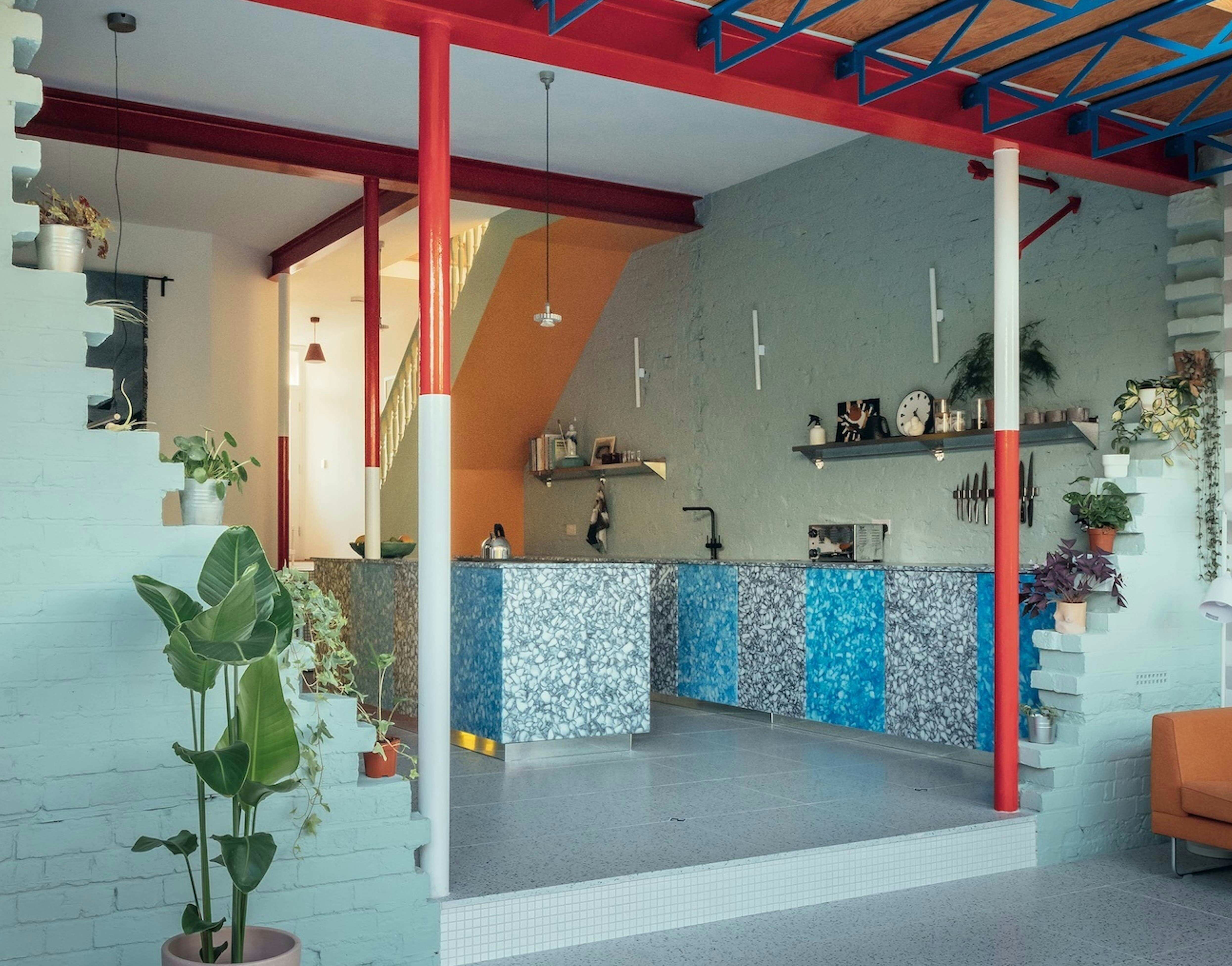
For These Designers and Homebuilders, the Best Materials Are Ones That Have Already Been Used


A product of the circular economy enters the kitchen