1/2
OSB vs. Plywood: Which Is Better?
This article compares Oriented Strand Board (OSB) and plywood, two commonly used engineered wood panels in construction, to help homeowners and builders decide which material is best suited for various applications. It details the characteristics, manufacturing processes, uses, costs, and pros and cons of each material, drawing on insights from a builder and an interior designer.
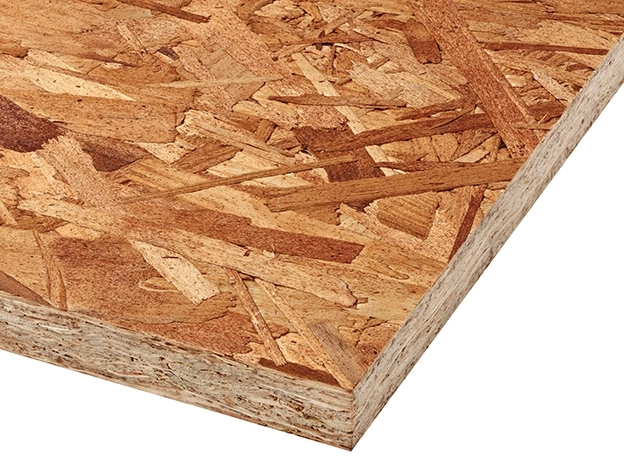
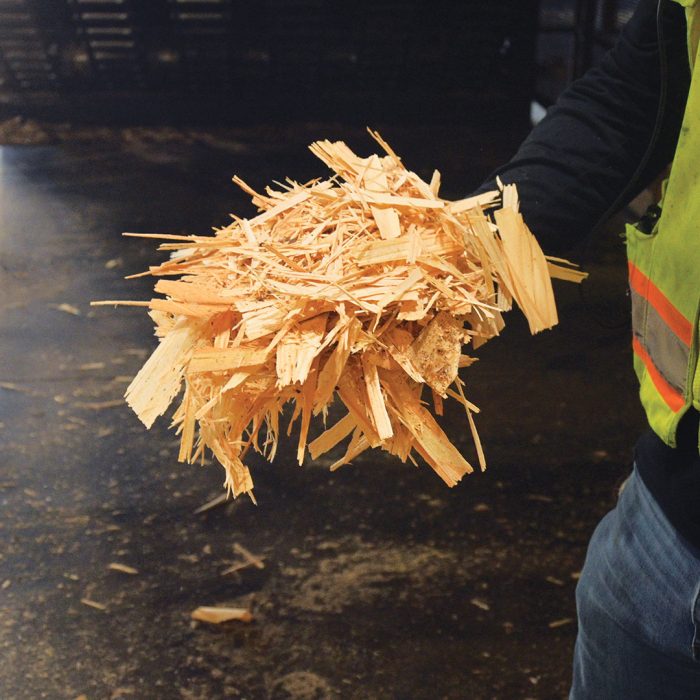
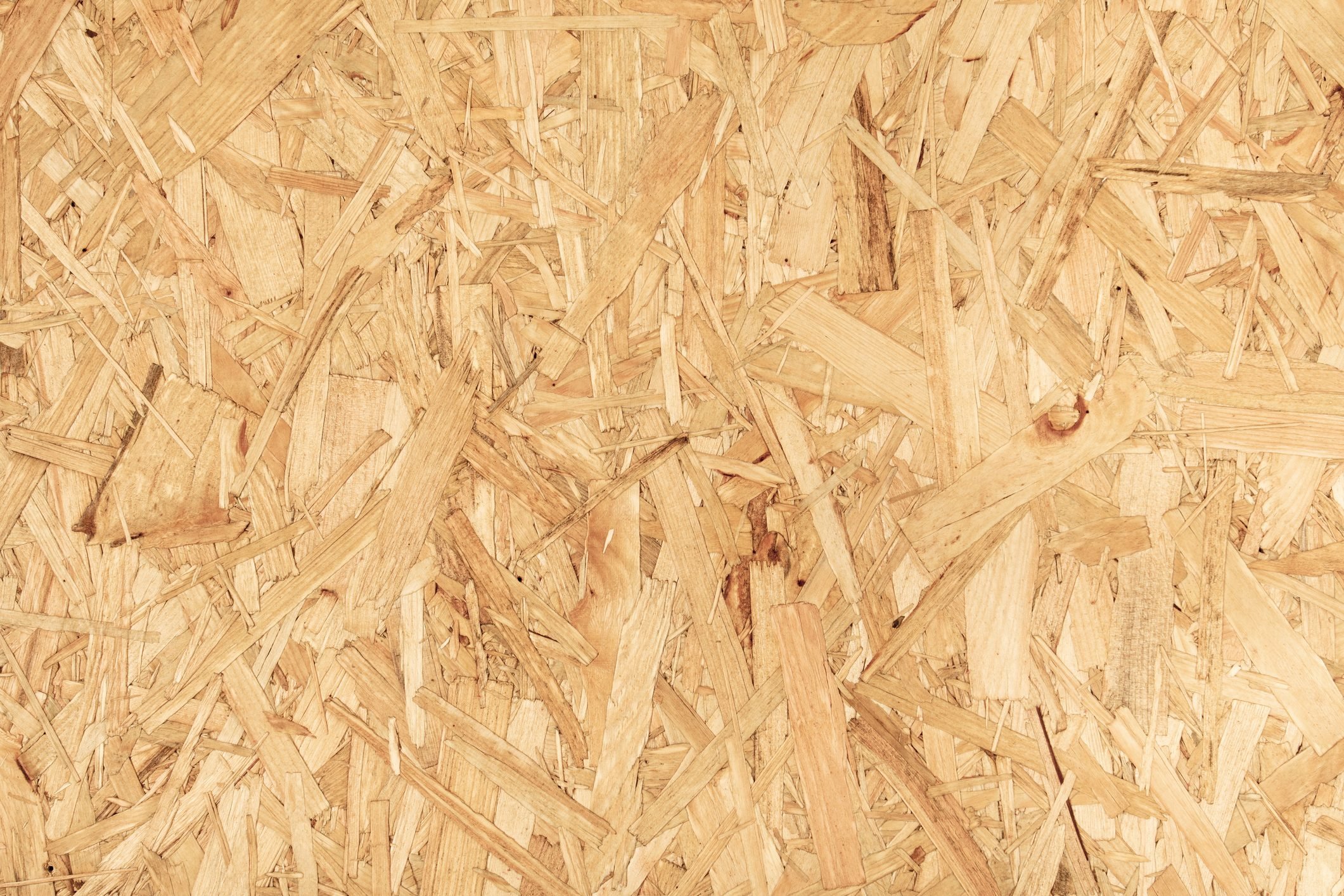
OSB is a structural, engineered wood panel that accounts for approximately 70% of floor, wall, and roof sheathing in North America. It is produced by pressing rectangular wood strands together with glue or resin under high heat, resulting in a solid panel of consistent quality without laps, gaps, or voids. OSB is primarily used for structural components like wall and roof sheathing and subfloors. It also finds utility in trailer liners, recreational vehicle flooring, and occasionally in furniture or cabinets, though its aesthetic is often described as resembling a workshop rather than a luxury finish. OSB is generally more cost-effective than plywood, with a 4x8 sheet costing between $15 and $43 depending on thickness. When installing OSB as a subfloor, the strength axis should run perpendicular to the framing. For sheathing, it can be installed vertically or horizontally unless otherwise specified. The rough side of OSB should face up for subflooring and roofing to provide traction, while for walls, the smooth side faces the studs. Advantages of OSB include its textured, slip-resistant surface for safer roof installation, pre-scribed lines for easier nailing, and the absence of knots or voids found in plywood. It is also considered a sustainable product due to being made from fast-growing trees. However, OSB's main drawback is its tendency for edges to swell when wet, remaining swollen even after drying, which can cause visible ridges through finishes.
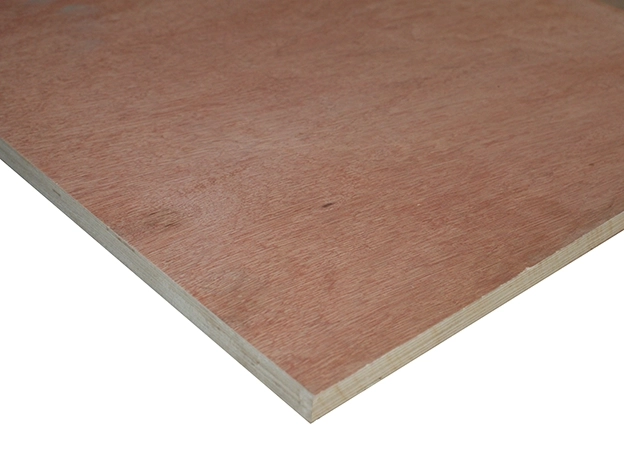
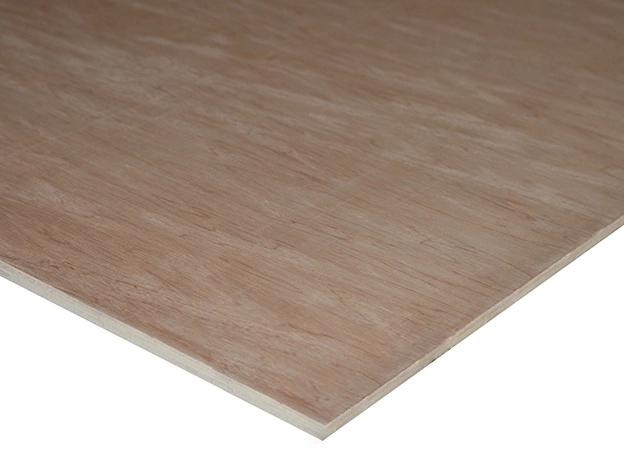
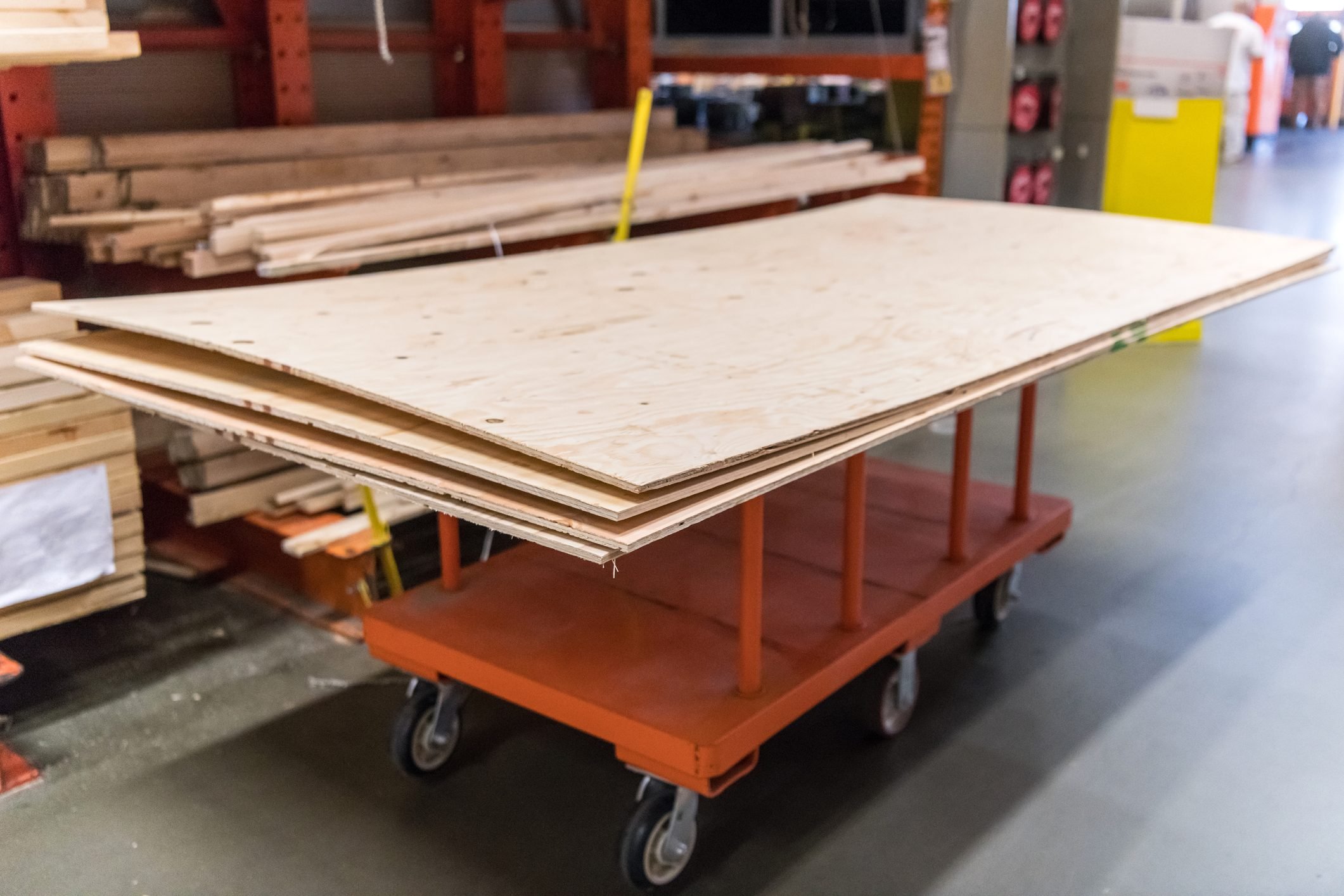
Plywood is another type of structural engineered wood panel, available in various sizes and thicknesses. It comes in numerous appearance grades, from smooth, natural surfaces suitable for finish work to more economical grades for sheathing. Plywood is manufactured from thin sheets of cross-laminated veneer bonded under heat and pressure with strong adhesives. The inner sheets are typically softwood, while face sheets can be softwood or decorative hardwood. Plywood's smooth surface gives it both decorative and structural value, making it suitable for high-end applications like cabinetry and wall paneling, in addition to structural uses like sheathing and subfloors. Plywood is more expensive than OSB, with prices ranging from $4.50 to $10 per square foot, due to its more exacting manufacturing standards and the use of higher-quality logs. Benefits of plywood include its wider range of uses, including decorative applications, its smooth face which is ideal for laying tiles on subfloors, and its slightly higher stiffness and better nail-holding ability compared to OSB. Conversely, plywood can delaminate if exposed to moisture for extended periods and may warp when left in the rain.
In conclusion, the choice between OSB and plywood largely depends on the project's specific requirements and budget. OSB is a cost-effective choice for structural applications where its appearance is not critical, such as sheathing and subfloors. Plywood, while more expensive, is preferred for applications requiring a smoother finish or higher aesthetic quality, like cabinetry or visible wall paneling. Both materials are structurally sound, but they have distinct characteristics that make them suitable for different construction and design needs.
#OSB #Plywood #ConstructionMaterials #HomeBuilding #DIYProjects #BuildingMaterials #StructuralPanels #HomeRenovation #OSB #Plywood #ConstructionMaterials #HomeBuilding #DIYProjects #BuildingMaterials #StructuralPanels #HomeRenovation
0 comment in total
 No comments yet
You may also like
Sheet Materials

13 Boldly Textured Homes That Bet Big on Oriented Strand Board

Different Types of Wood Flooring and What to Consider Before Installing

Subfloor Material, Panel Sizes, Moisture-Resistance, & More

Bolefloor brings natural wood appearance to floorboards

Wood Flooring – Our Pick of the Best
If You Can’t Get Plywood Now, Try This Instead
Solid Oak Arcade Cabinet: When Particle Board Won’t Do

How to plan the perfect wood flooring - what you need to know about wood versus wood-style
Types of wood flooring
Solid Wood Isn't Always Superior to Engineered Wood—Here's Why