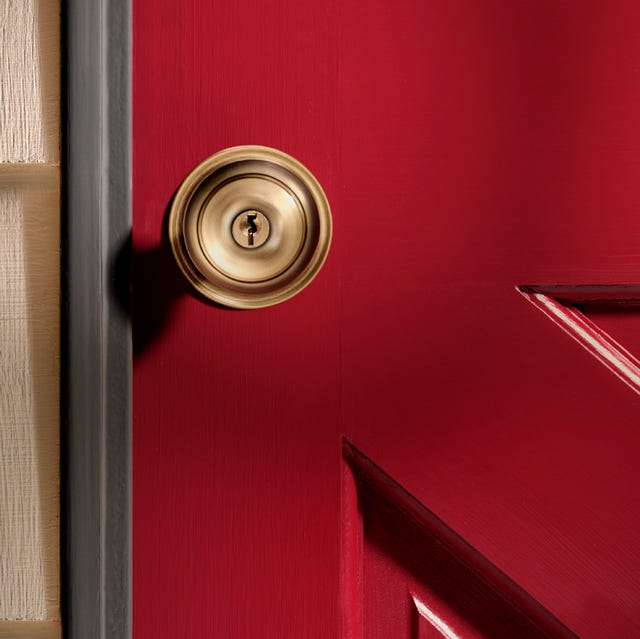
1/8
Not Sure How To Unlock a Door Without a Key? Here Are 7 Different Ways to Get Inside
This article provides a comprehensive guide on various methods to unlock a door without a key, ranging from non-destructive techniques to those involving significant damage. It addresses common scenarios where individuals find themselves locked out and offers practical solutions, categorizing them by the level of potential damage incurred. The discussion begins with methods that cause no damage, such as using a substitute key like a straightened paperclip or a tiny eyeglass-repair screwdriver for interior privacy locks. These locks often feature a small hole on the doorknob designed for this purpose. The article also mentions the "Spam Key" as a historical, but still potentially useful, substitute for older lock types.
Another non-destructive approach detailed is the removal of the doorknob, particularly for low-security interior doors. This involves unscrewing exposed mounting screws or systematically dismantling the doorknob components to access and manipulate the locking mechanism. Tools required for these methods include screwdrivers, with specific recommendations for eyeglass-repair kits and general screwdriver sets provided. The article then moves to methods that might cause aesthetic damage, especially to the door jamb. These include techniques for manipulating latch bolts. If the angled end of a spring-loaded latch bolt faces away from the user, a wire clothing hanger can be bent into a hook to pull the bolt back. If the angled end faces towards the user, a credit card can be used to push the bolt into the door, allowing it to open.
The guide also delves into more advanced and potentially damaging techniques. Lock picking with bobby pins is explained in detail, requiring two pins: one bent to act as a tension wrench to turn the lock cylinder, and another straightened and slightly bent at the tip to manipulate the internal pins. The concept of how a key works by aligning spring-loaded pins at the shear line is explained to clarify the mechanics of lock picking. For those willing to sacrifice the lock, drilling through the lock cylinder is presented as an option. This method involves using a drill to destroy the internal pins, allowing the cylinder to turn freely, though it necessitates a replacement lock. The article advises starting with a small drill bit and progressing to larger ones, using lubricating oil to aid the process.
Finally, for situations demanding extreme measures, the article describes how to kick open a door. This method, categorized under actions that will require a new door, is advised only if the door swings away from the individual and hinges are visible. The weakest point on most doors is identified as just above the doorknob, and the technique involves a strong, flat-footed kick to this area. The authors caution against using one's shoulder to avoid injury. Throughout the article, tool recommendations are provided, alongside visuals of the tools and demonstrations of the techniques. The content emphasizes that these methods should only be attempted on one's own property.
#LockedDoor #HomeSecurity #DIYSolutions #LockPicking #DoorRepair #EmergencyAccess #HomeMaintenance #ToolUse #LockedDoor #HomeSecurity #DIYSolutions #LockPicking #DoorRepair #EmergencyAccess #HomeMaintenance #ToolUse
0 comment in total
 No comments yet
You may also like
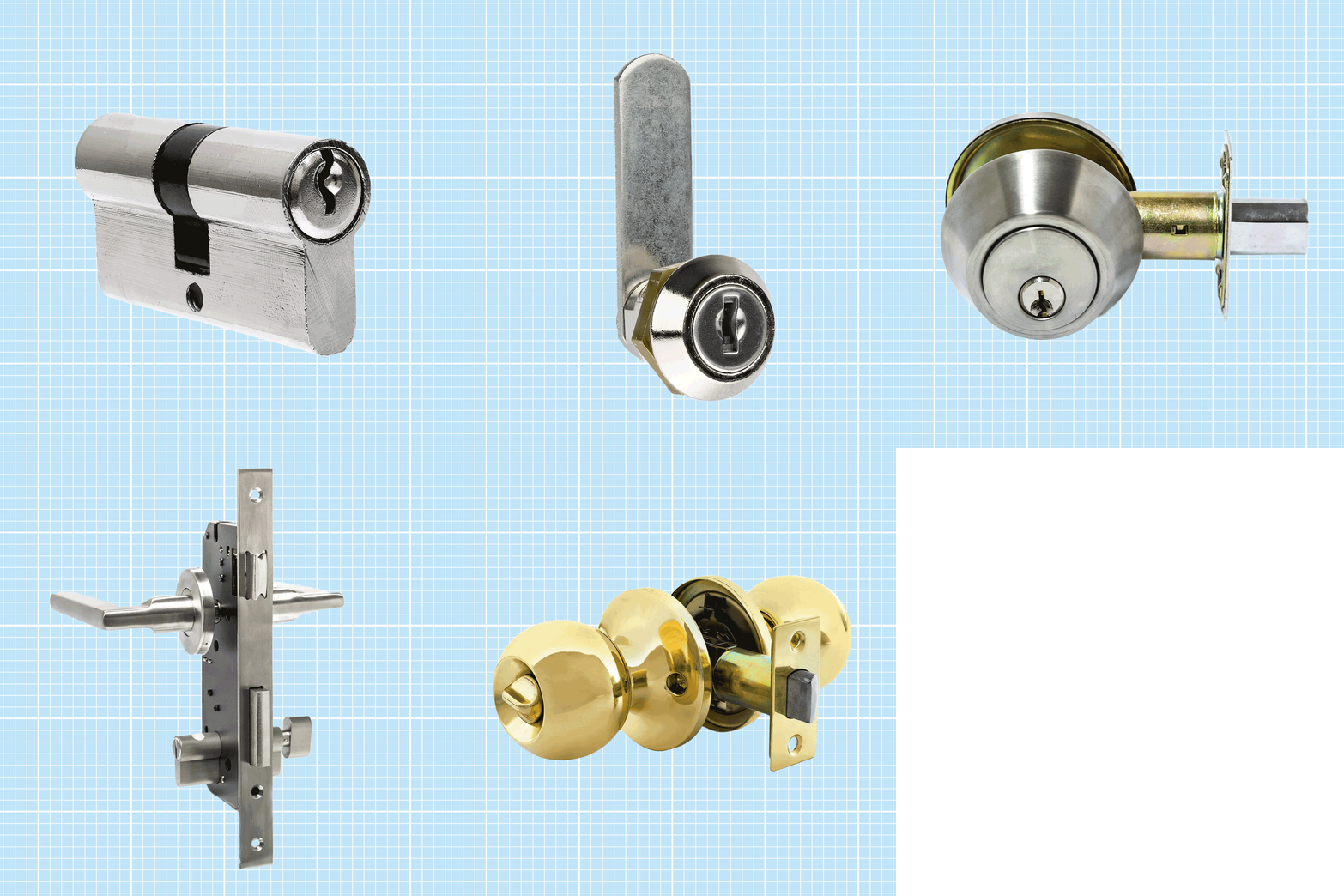
8 Types of Door Locks To Keep Your Home Safe


The Best Smart Locks For Your Needs, Tested and Reviewed

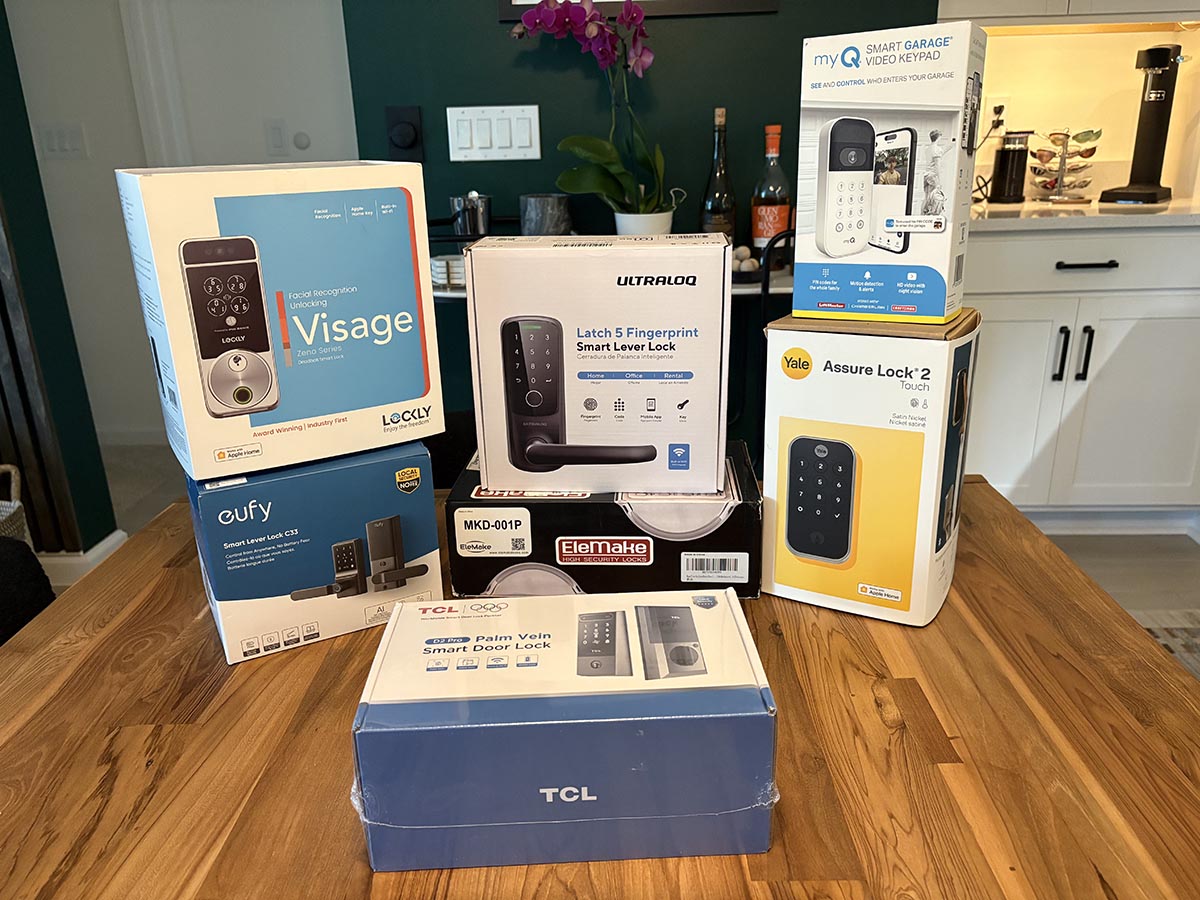
The Best Keyless Door Locks: 7 Models Tested for 2025
These Sturdy Door Locks Will Give You Peace of Mind at Home

Tested: The Best Door Locks For Your Home, Garage, or Rental

25 Hidden Door Ideas For That Secret Room You've Always Dreamed About

After Six Months of Testing, Here Are the 6 Best Smart Door Locks Worth Installing
Set Up Your Front Door to Auto-Unlock and Open Hands-Free

15 Clever Hidden Door Ideas for the Ultimate Secret Hideaway