




Mistress of Glittering Rides
Lourinda Bray, a carousel menagerie restorer from Pasadena, operates her Running Horse Studio in Irwindale, where she brings antique wooden carousel figures back to life. With four decades of experience, Bray's studio is a hub for hundreds of carved wooden animals, both real and imaginary, undergoing meticulous restoration. These figures, ranging from horses to zebras, dragons, and even a red-eyed witch, are either destined for reinstallation on functioning carousels or purchased by decorators and private collectors as unique decor items.
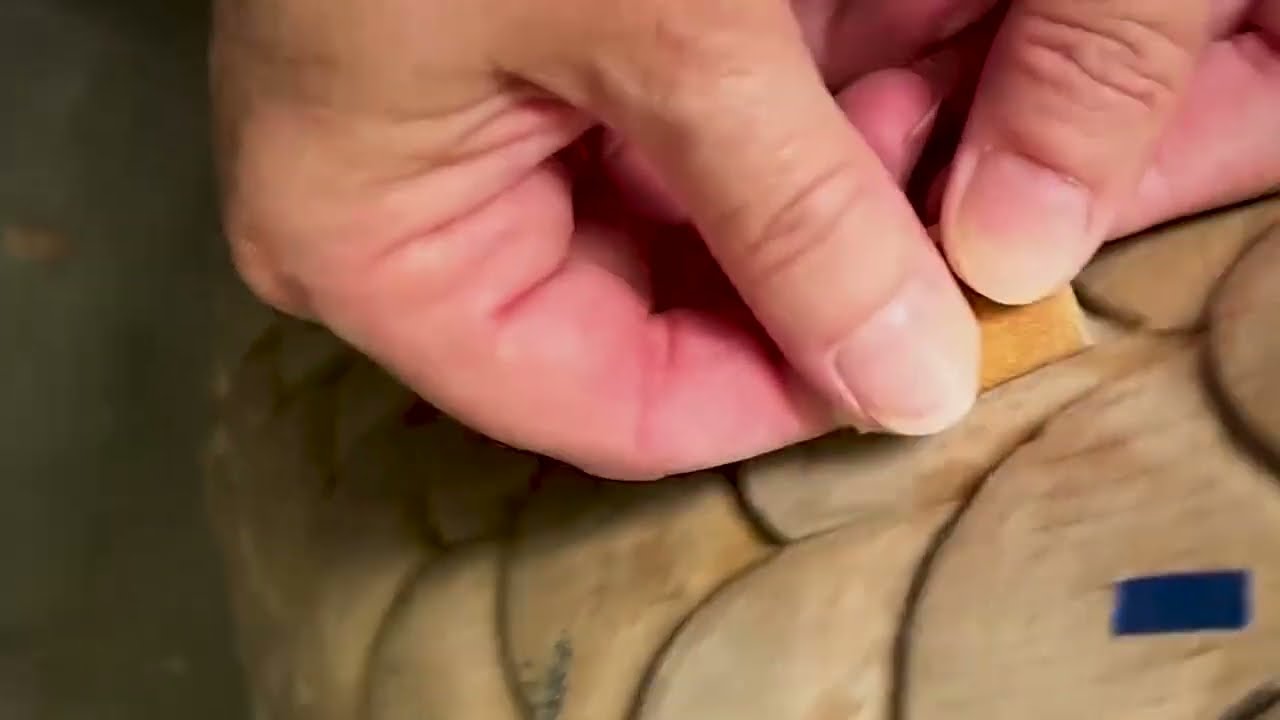
The restoration process is intricate and demanding, beginning with the removal of decades of layered enamel paint using chemical solvents. Following this, damaged or broken parts, such as hooves that often snap due to eager riders, are repaired or replaced. While older figures might have genuine horsehair tails, contemporary replacements can also be provided. The hollow-bodied wooden beasts, often crafted from Basswood, a hardwood indigenous to the American Northeast, are susceptible to cracking and wear over time, necessitating careful patching and filling of gaps. Glass baubles and eyes, typically found on one side of the saddle, also require attention as they can become dislodged.
Once the structural repairs are complete, the figures are meticulously sanded to achieve a smooth finish. They are then primed with a ghostly white coat to seal the wood, preparing them for the final decorative stages. The last steps involve applying paint, gold leaf, and high-gloss varnish, aiming to restore each animal as closely as possible to its original factory finish. Bray emphasizes that her objective is guided by historical photographs and detailed drawings to ensure accuracy in the restoration.
Bray, who grew up in Pasadena and developed an early fascination with the Griffith Park merry-go-round, began her career as a commercial sign-painter. Her journey into carousel restoration started on a whim when she acquired a carousel horse in need of repair and taught herself the necessary woodworking skills. Her studio, established in 1982 or 1983, has since attracted clients globally, all seeking to revive their cherished carousel animals. She highlights the challenging nature of the work, noting that while many are drawn to the aesthetic finishing touches, the true labor lies in the painstaking preparation and repair, often involving sore backs and raw fingertips.
The article also touches upon the historical evolution of carousels, noting that while their roots trace back to the Crusades, the merry-go-round as it is known today is largely an American innovation. American carvers, with the advent of steam-power in the mid-1860s, created larger and more elaborate carousels, introducing the vertical movement of the animals. This context underscores the historical significance and craftsmanship involved in Bray’s work, which preserves a unique piece of cultural and artistic heritage.
#CarouselRestoration #LourindaBray #RunningHorseStudio #AntiqueRestoration #PasadenaArts #WoodCarving #HistoricalPreservation #DecorativeArts #Irwindale #CarouselRestoration #LourindaBray #RunningHorseStudio #AntiqueRestoration #PasadenaArts #WoodCarving #HistoricalPreservation #DecorativeArts #Irwindale
 No comments yet