Microfiber vs. Cotton Sheets: Which One Leads to Better Sleep?
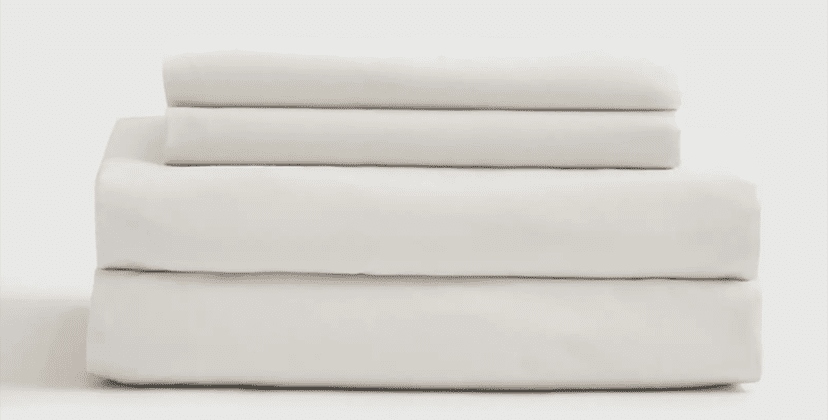
Choosing the right bed sheets is crucial for a comfortable night's sleep, given the significant amount of time spent in bed. While cotton has traditionally been the dominant material in the bedding industry due to its natural softness and breathability, microfiber sheets are gaining popularity, largely owing to their affordability. This article delves into the differences between these two common bedding materials to help consumers make an informed decision based on their preferences and sleeping habits.
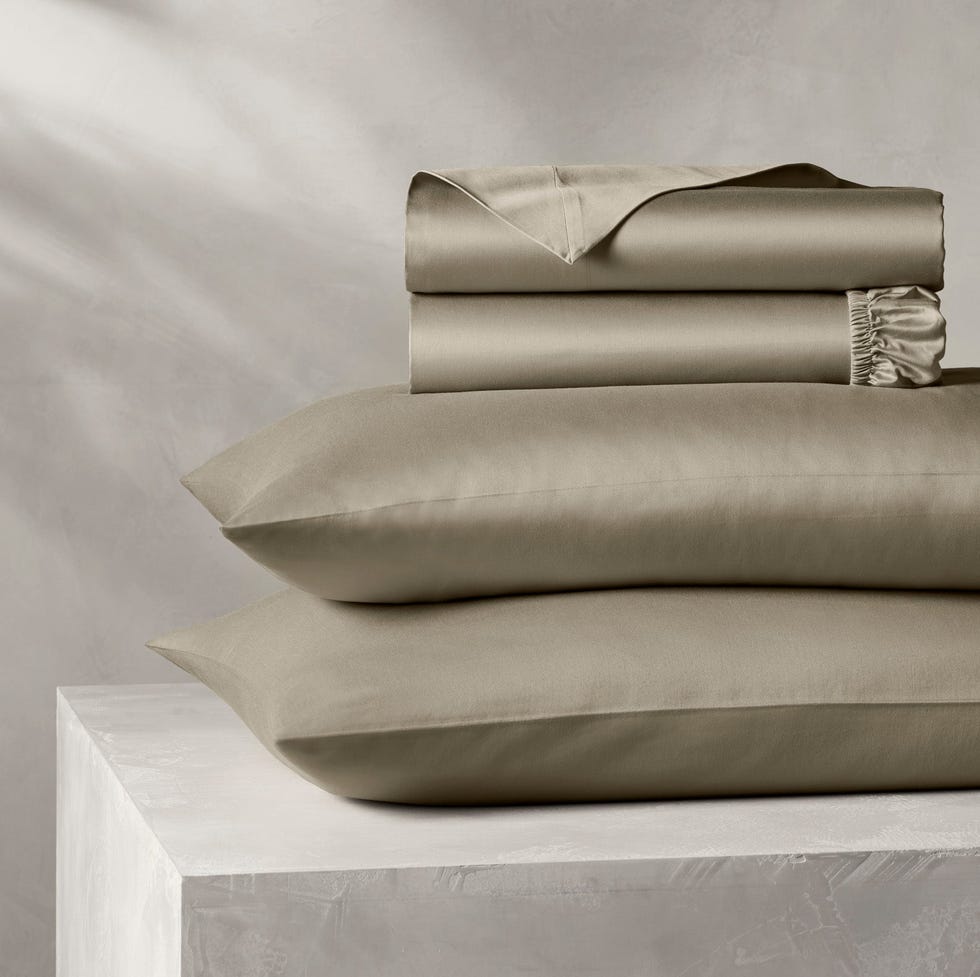
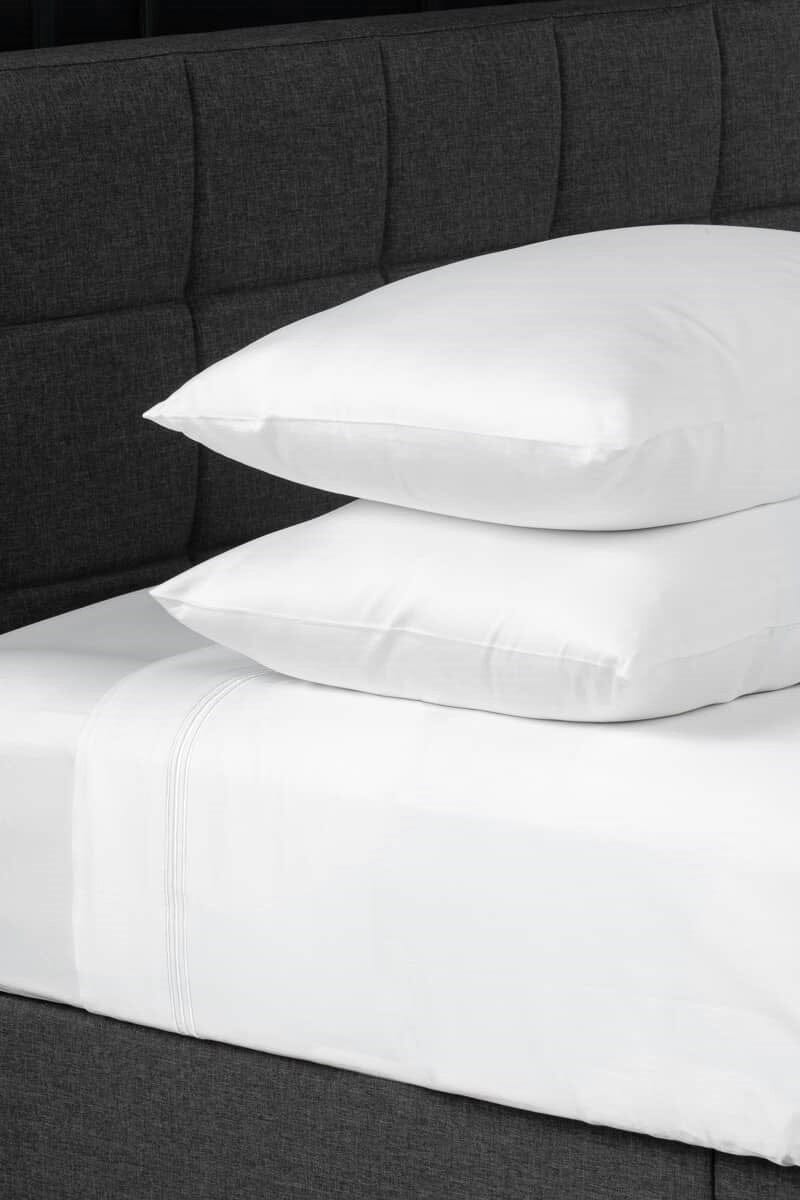
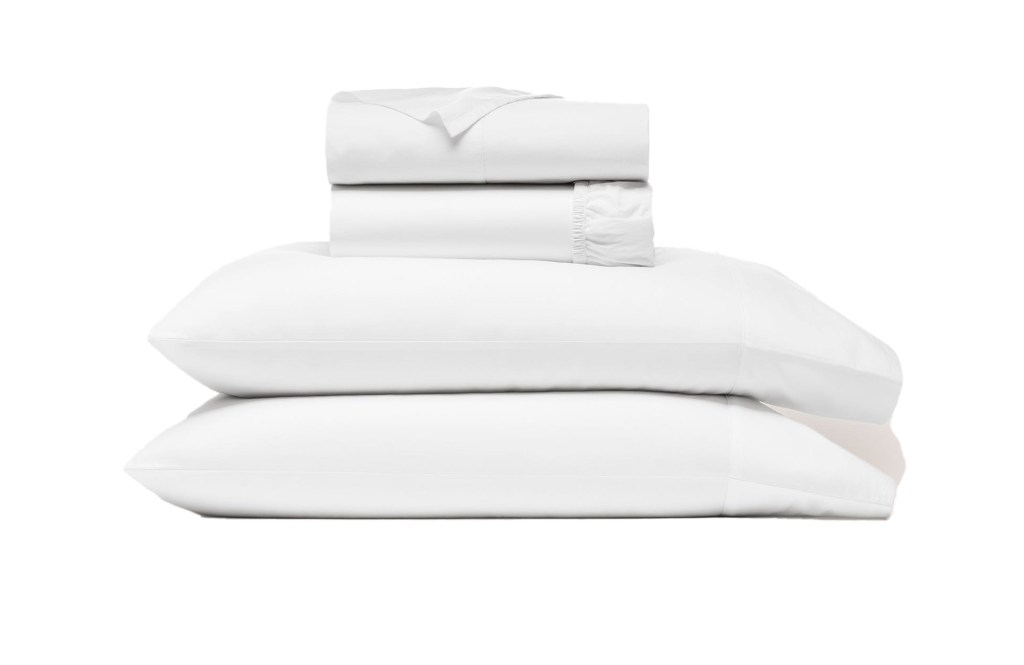
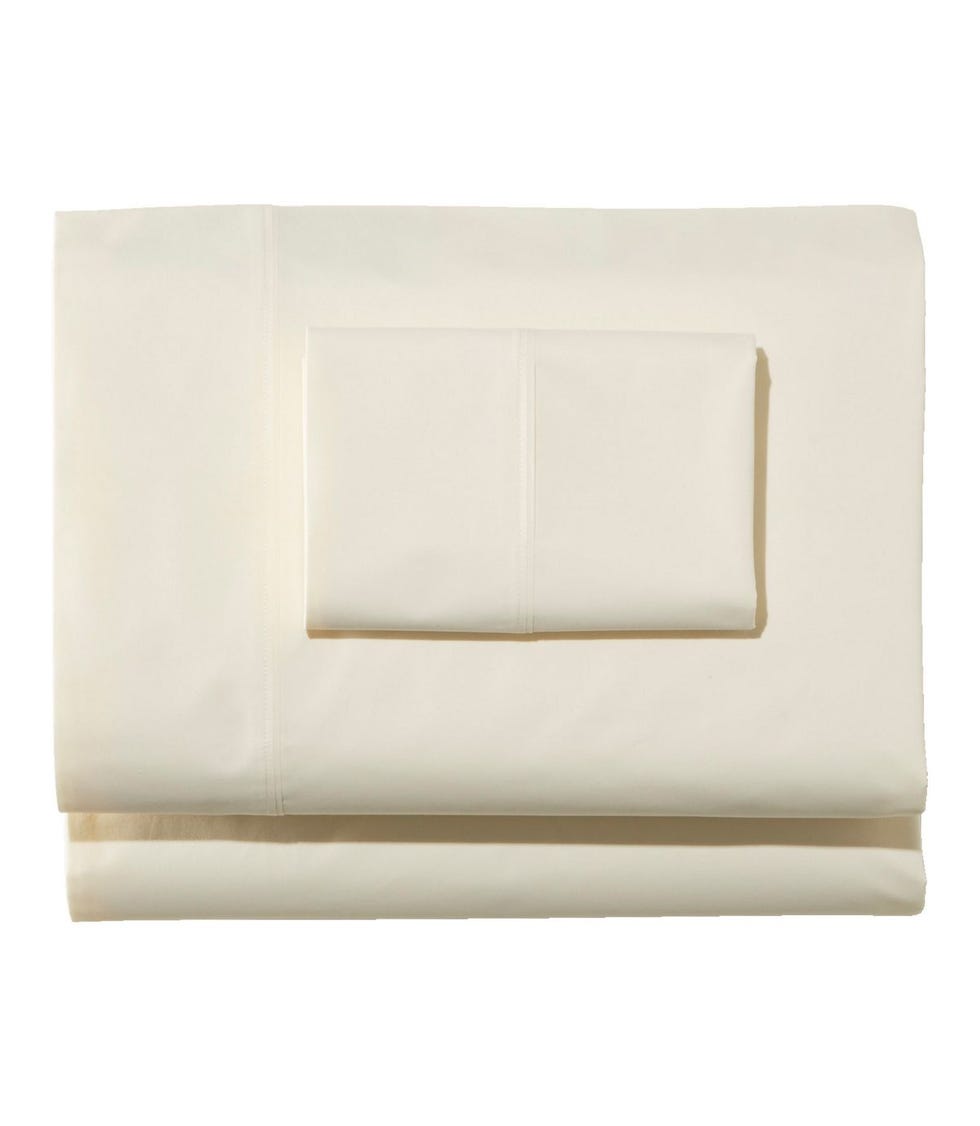
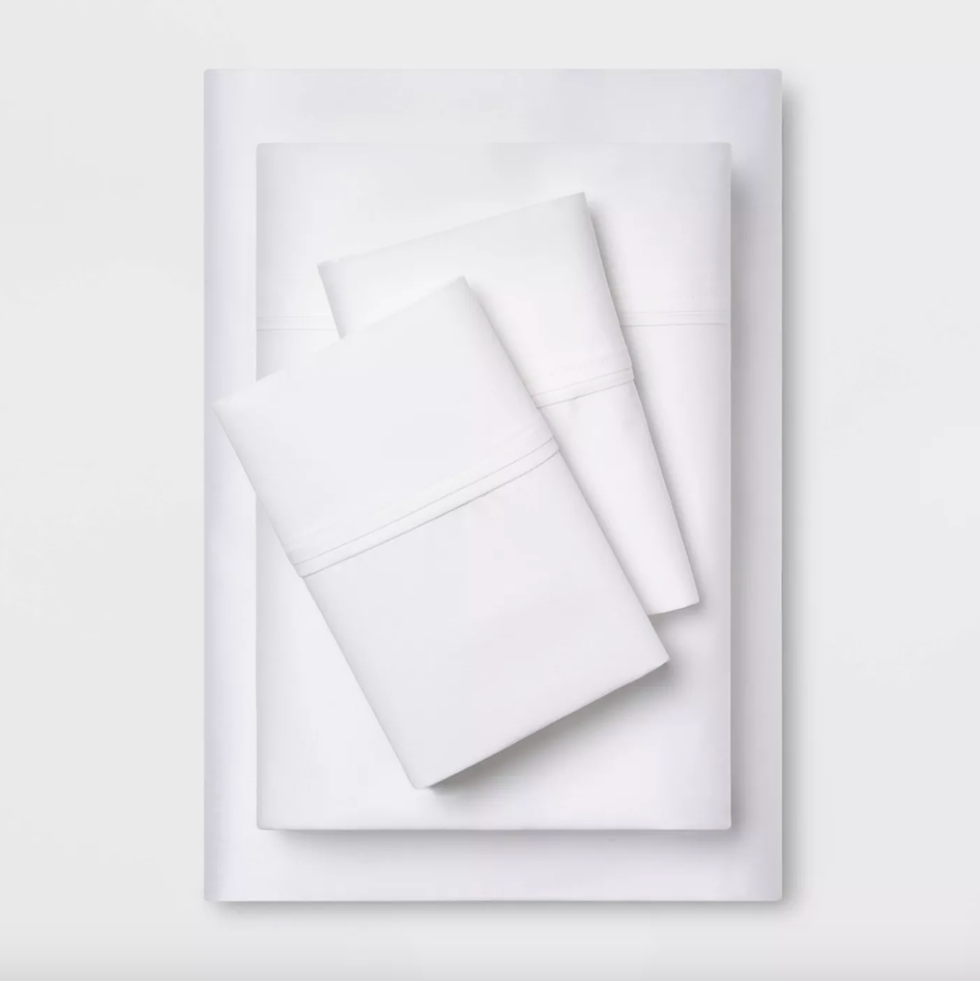
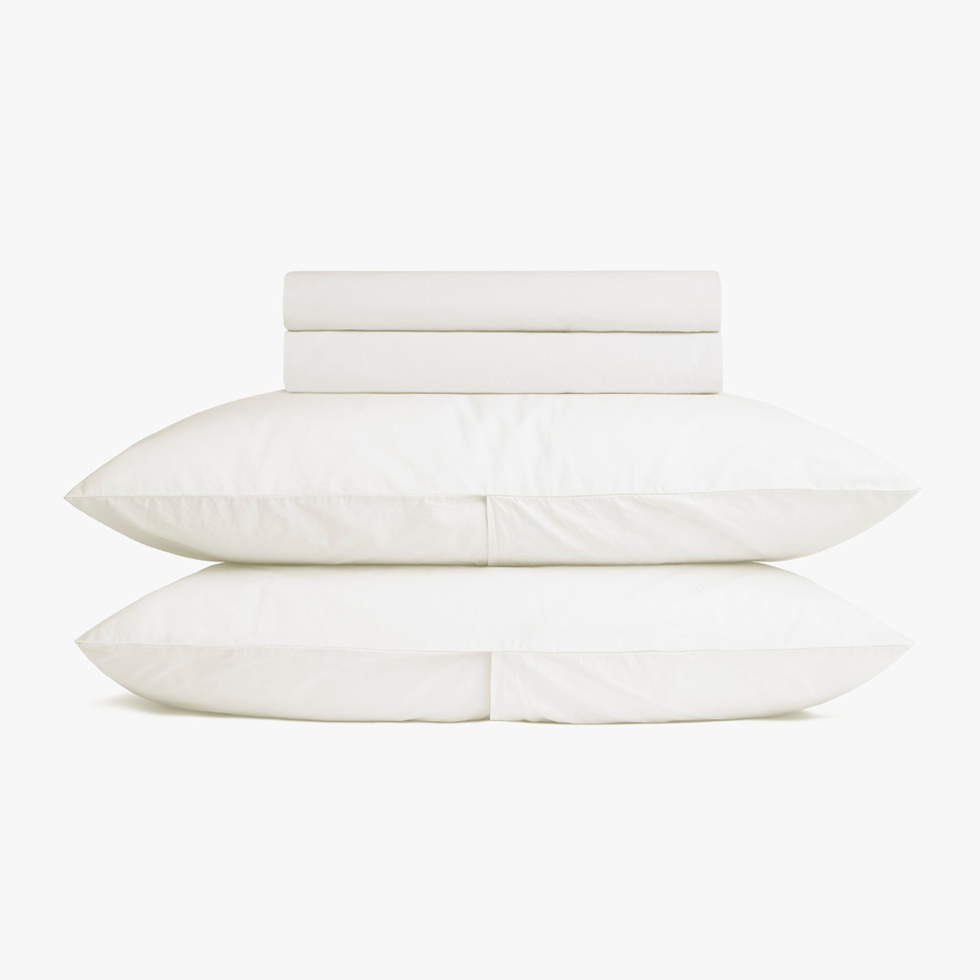
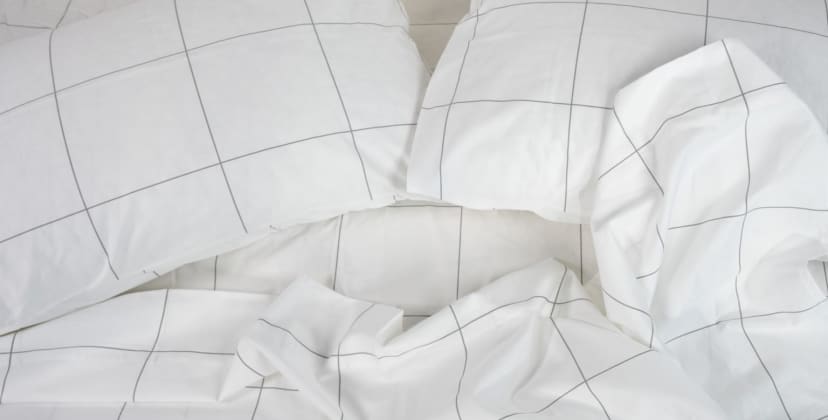
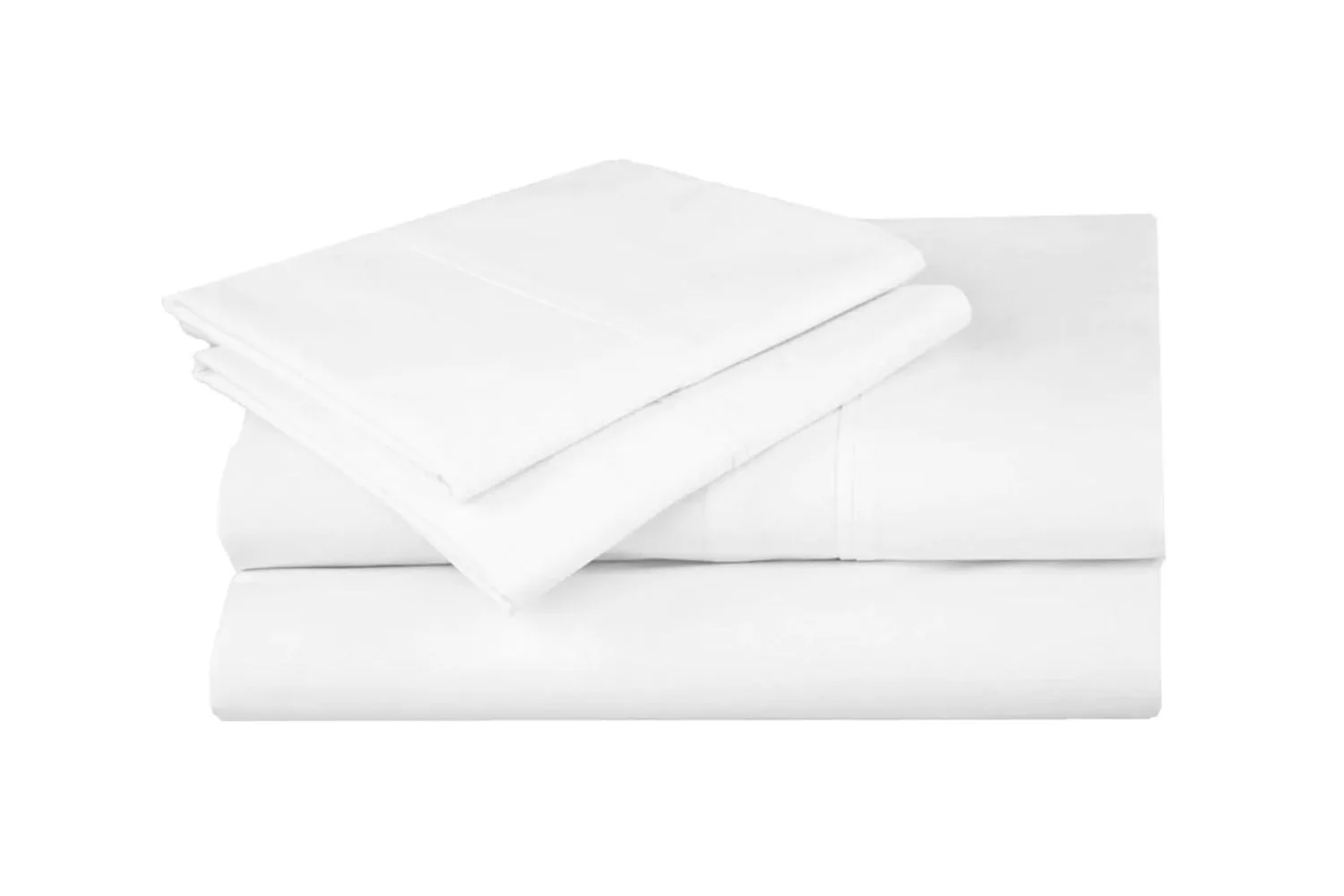
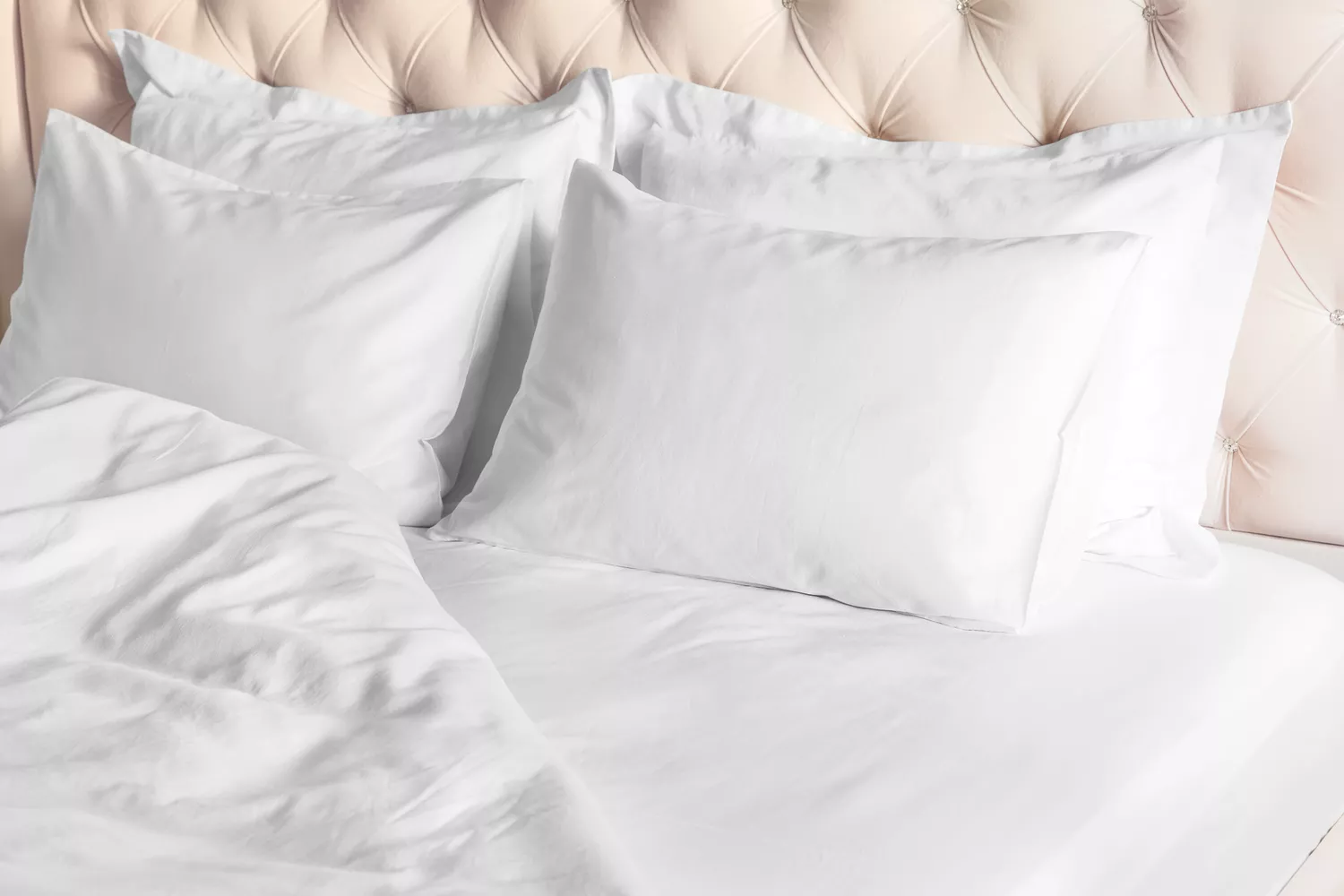
Cotton, a natural fiber harvested from the cotton plant, is prized for its high breathability, softness, and ease of maintenance. It is available in various weaves and fabrics, such as percale, sateen, jersey knit, and flannel, making it versatile for all seasons. The article details several types of cotton, including Upland cotton, which is the most common and affordable; Pima cotton, known for its silky touch and resistance to tears due to its extra-long fibers; Supima cotton, an exclusively U.S.-grown, strictly regulated extra-long staple cotton renowned for its consistent fiber quality and luxurious feel; and Egyptian cotton, an extra-long staple cotton handpicked in Egypt, recognized for its extreme softness and durability that improves with washing. Organic cotton, grown without pesticides or chemical fertilizers, is also highlighted, with certifications like Global Organic Textile Standard and Oeko-Tex Standard 100 ensuring its authenticity.
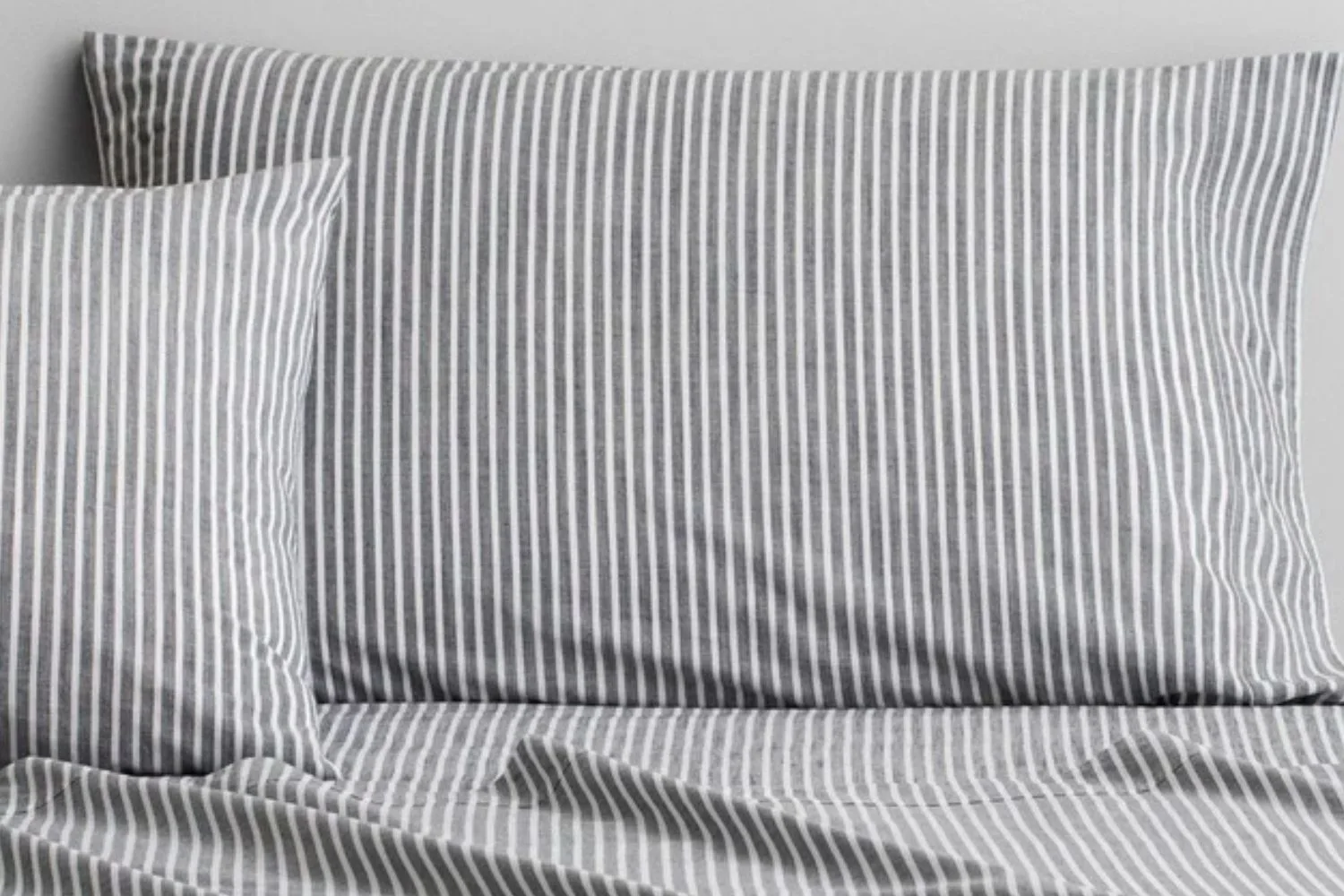
Despite its many advantages, cotton sheets do have some drawbacks. They are prone to wrinkling and can vary significantly in quality, with lower-quality options being more susceptible to pilling or tearing. High-quality cotton sheets can also be quite expensive, often exceeding $300 per set. The article emphasizes the importance of weave for temperature regulation; percale is recommended for hot sleepers, flannel or jersey for those who get cold, and sateen for a balanced feel. Thread count, a measure of yarns per square inch, is clarified, noting that a higher count doesn't always signify better quality, especially for sateen sheets where a lower count (around 400) can result in a softer, more drapey fabric.
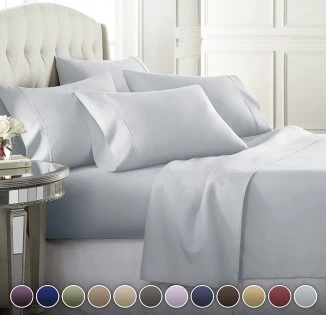
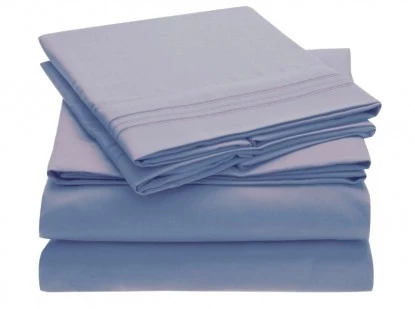
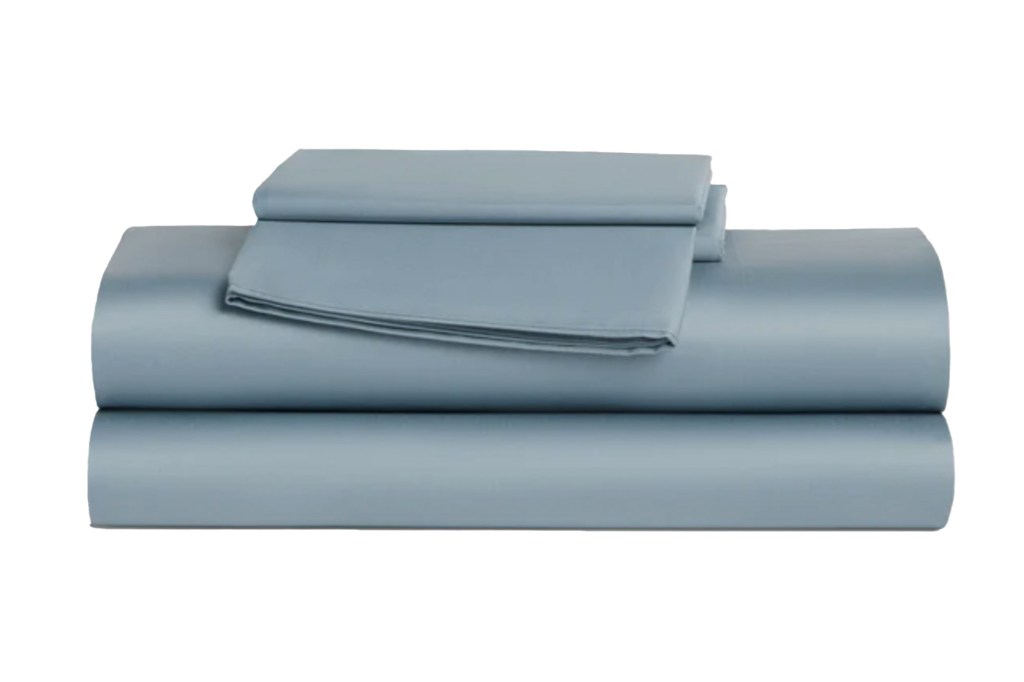
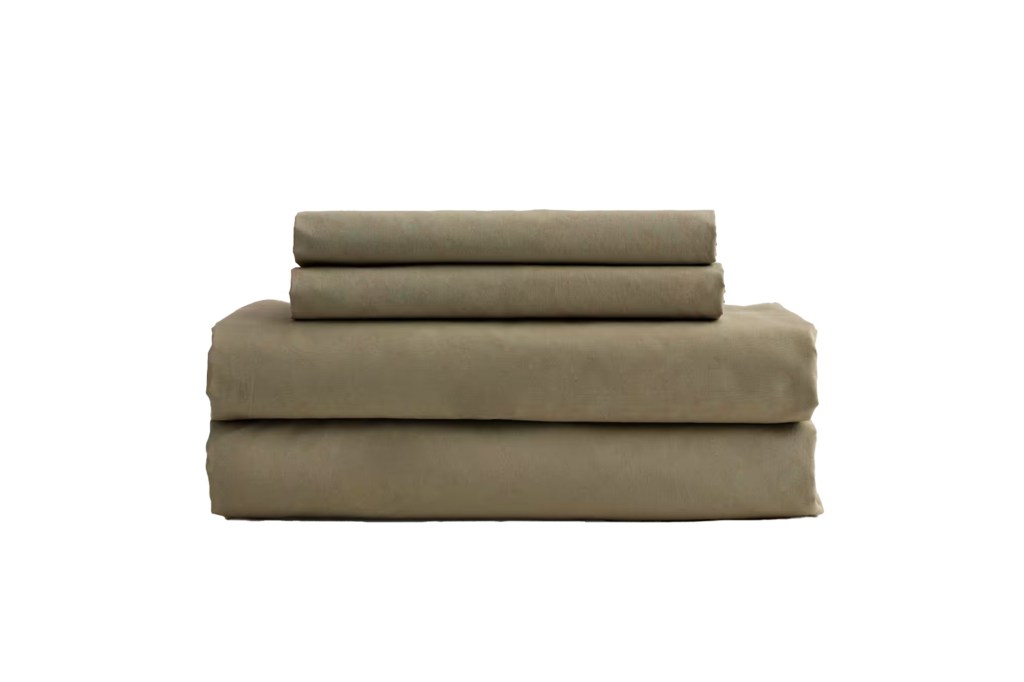
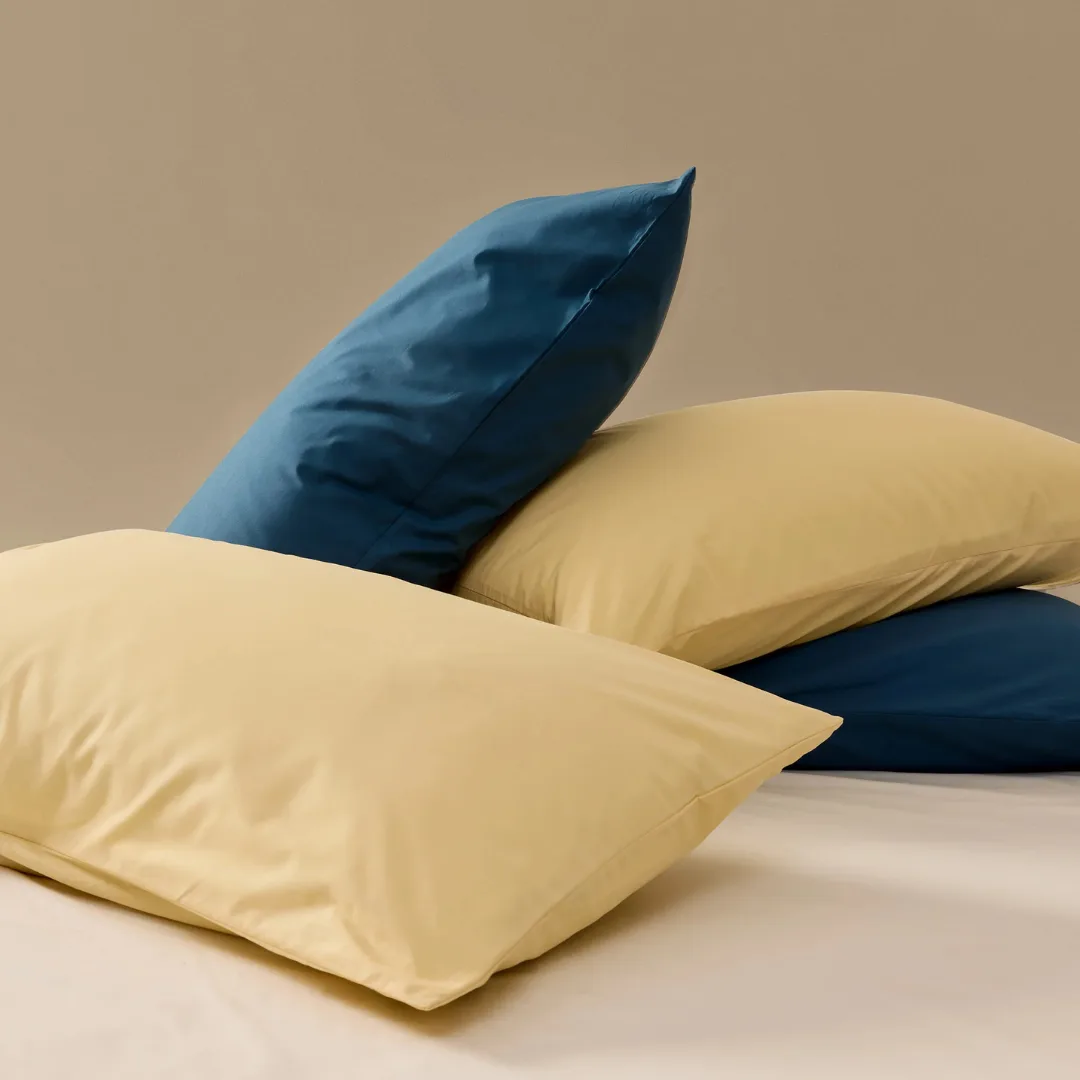
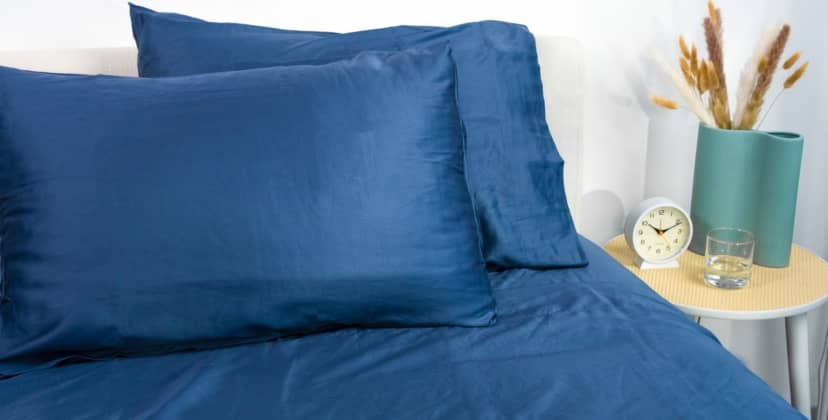
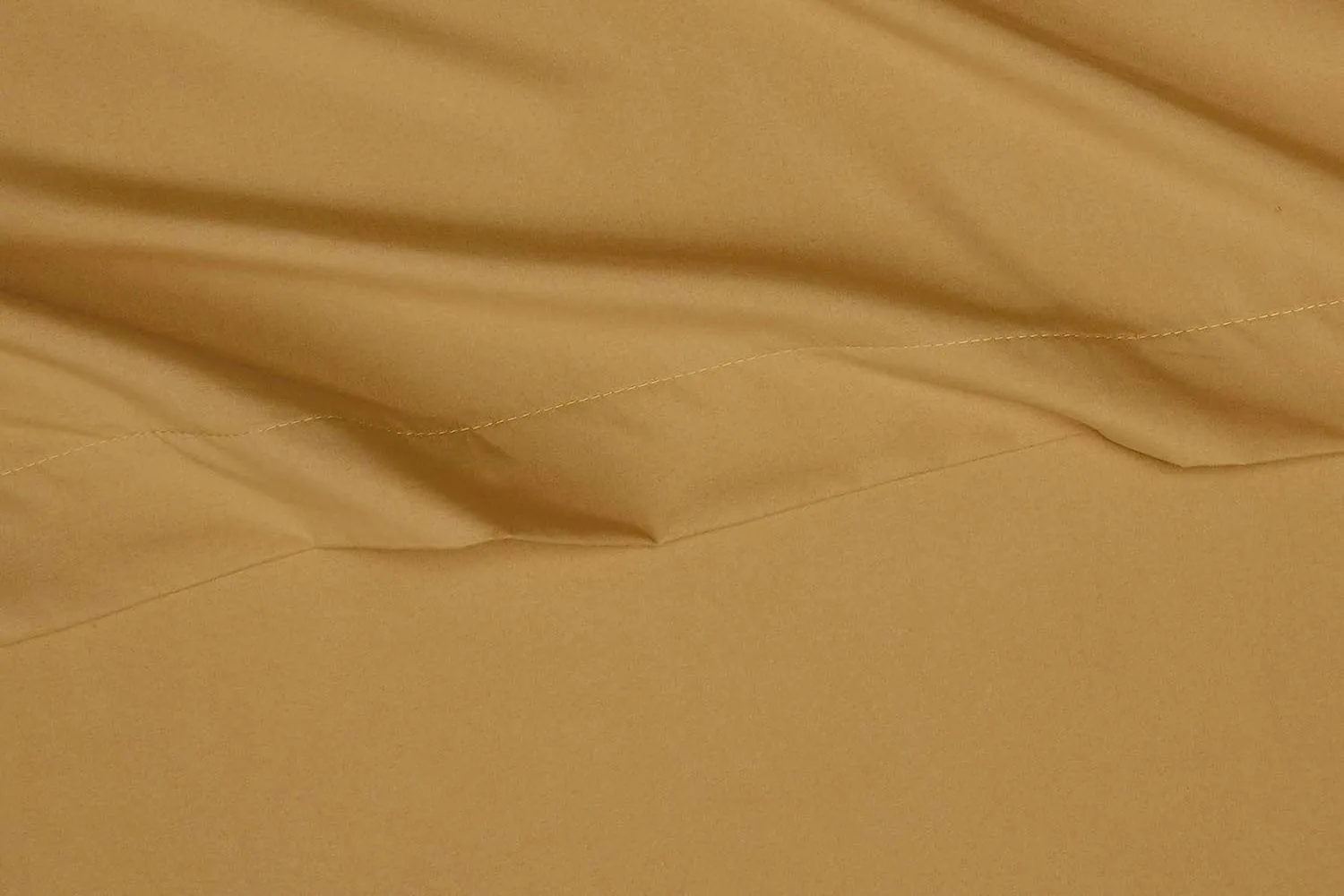
Microfiber, a synthetic material made from polyester, nylon, or wood pulp, offers several benefits. It is less prone to shrinking and wrinkling than natural fibers and is engineered to be exceptionally soft and silky, all while being very affordable. Like cotton, microfiber sheets also come in various weaves, such as percale or sateen, which influence temperature regulation and durability. However, microfiber has notable disadvantages. It tends to trap heat, making it less suitable for hot sleepers, and can generate static electricity after drying. A significant concern is its environmental impact: microfiber sheds tiny microplastics during washing, which pollute waterways and are non-biodegradable, accumulating in landfills for extended periods.
The debate between microfiber and cotton ultimately depends on individual preferences and lifestyle. While both are soft, microfiber often feels silkier initially, though cotton softens with each wash. Cotton excels in breathability due to its natural fibers, while microfiber tends to trap heat. Both are relatively easy to maintain, but microfiber is less likely to pill or shrink. Microfiber sheets are generally more affordable, usually under $100, whereas cotton sheets have a broader price range, with premium sets costing over $200. Environmentally, cotton is a renewable and biodegradable resource, making it a more sustainable choice compared to microfiber, which contributes to microplastic pollution and often requires more chemicals in its production. Therefore, the choice between microfiber and cotton sheets involves weighing softness, breathability, maintenance, cost, and environmental considerations to achieve optimal sleep comfort.
#BeddingMaterials #CottonSheets #MicrofiberSheets #SleepComfort #HomeDecor #TextileComparison #EcoFriendlyBedding #BedroomEssentials #BeddingMaterials #CottonSheets #MicrofiberSheets #SleepComfort #HomeDecor #TextileComparison #EcoFriendlyBedding #BedroomEssentials
0 comment in total
 No comments yet
You may also like
The Best Microfiber Sheets

8 Best Cotton Sheets (2025)

A Complete Guide on the Best Cotton Sheets
The 7 Best Sateen Sheets That Deliver A Luxuriously Cool, Soft Feel

7 Best Cotton Sheets for the Dreamiest Night's Sleep

Our Favorite Cotton Sheets


A Guide to Cotton Sheets—and How to Choose the Right Fiber and Thread Count for You

Best Cotton Sheets of 2025: Supima, Pima, and Organic Options

These Are the 14 Best Cotton Sheets for a Dreamy Night's Sleep

We Tested Over 100 Cotton Sheet Sets—These 8 Are the Best of the Best
Linen, bamboo or cotton: which material is the best for bed sheets?

7 best cotton sheets from $69 to see you all the way through winter to summer

The best cotton sheets, tested and reviewed
The Best Bedding to Improve Your Sleep
Out of 300+ Sheets, These Nine 100% Cotton Styles Are the Ones We Recommend Buying

I’ve Tested Sheets For 3+ Years In Alabama—This Set Keeps Me Cool Night After Night
Best cotton bed sheets that feel like sleeping on a cloud, per our reviews
I'm Obsessed With Cozy Bedding and These Cotton Sheets Get the Job Done
These Top-Reviewed Egyptian Cotton Sheets Are the Key to a Good Night's Sleep

OK, Once and For All: What Is the Best Fabric For Bed Sheets?