Martha's Faux-Bois Furniture
The author shares her long-standing admiration for faux-bois furniture, a type of garden furnishing crafted from concrete to mimic the appearance of wood. Her fascination began over a decade ago when she acquired her house in Maine, a residence built with hand-cut pink granite. She believed that incorporating these heavy, rustic, and artisanal pieces would introduce a whimsical element to the otherwise formal English antiques that furnished the house, complementing the handcrafted nature of its architecture.
Her initial collection of early-20th-century concrete faux-bois pieces was sourced from various antiques shows, including the New York Botanical Garden show and the Lexington Avenue Armory Garden Antiques Show, as well as from dealers in Maine, Connecticut, and New York. The collection grew to include planters, chairs, benches, luncheon tables, and stands, strategically placed throughout her home and on the terrace. These pieces successfully softened the formal decor and frequently became topics of conversation, memorable for their unexpected weight.
As her collection expanded, the author sought larger and more significant pieces. After finding a substantial faux-bois table at the Armory show for her "living hall" in Maine, she decided that its presence added a desirable gravitas to the space. Subsequently, her search for similar large tables led her to discover a newly made bench from Texas, crafted by a third-generation faux-bois artist named Carlos Cortes. This discovery highlighted the global tradition of faux-bois, which extends beyond France and Italy to Japan, Mexico, and Spain.
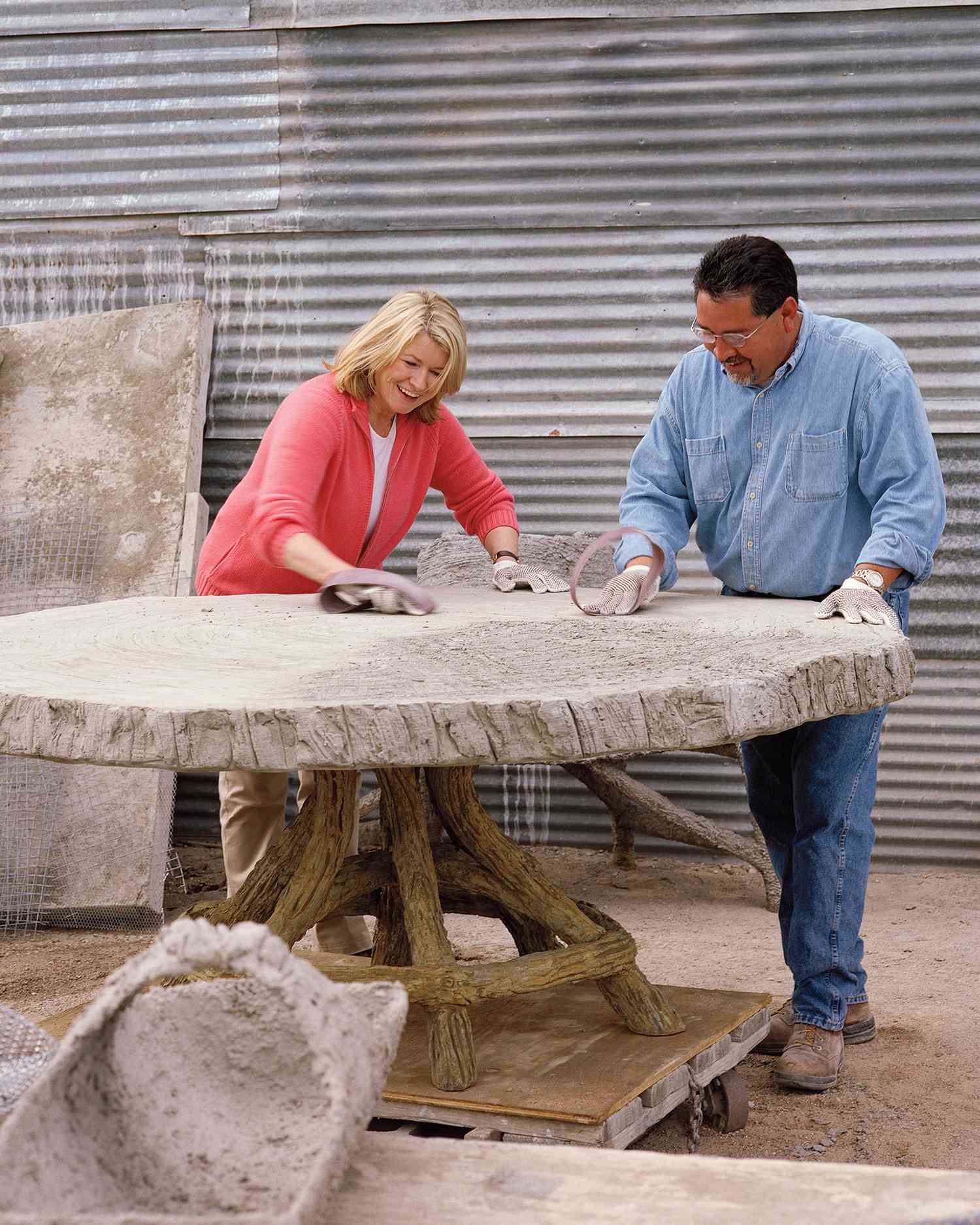
Intrigued, the author contacted Carlos Cortes and visited his open-air atelier in San Antonio, which was formerly an automotive service station. During her visit, she shared photographs of her existing faux-bois pieces to convey her preferred style. Cortes demonstrated his crafting process, which involved simple materials like concrete, steel wire, and rebar, and basic tools such as sticks, coarse brushes, forks, and trowels. He explained how a wire form provides the structure, mortar fills the screen, and a paintbrush pushes concrete into the screen, while forks and trowels are used to carve intricate wood-grain patterns.
The author commissioned two dining tables from Cortes, one large and one smaller, designed with pink granite terrazzo tops. These were delivered six months later. Impressed by their quality, she then decided to replace a formal skirted round table in her living hall with a giant rectangular faux-bois table and accompanying benches. This larger commission featured wood-grained cement for both the tabletop and the four bench tops. She set a deadline for the furniture's completion before summer.
Upon delivery, the table base, top, and four benches, including the 1,200-pound tabletop, were admired for their beauty and immense weight. The installation required building a ramp over four stairs to maneuver the table into the living hall. Once in place, the pieces proved to have perfect proportions for the room. The inclusion of EZ Glide surface protectors on the feet allowed the heavy furniture to be moved easily across the smooth wooden floors. The completed faux-bois table and benches were deemed a masterful fit for the room.
#FauxBoisFurniture #HomeDecor #ArtisanalCraftsmanship #ConcreteArt #InteriorDesign #MarthaStewart #HandcraftedFurniture #CarlosCortes #FauxBoisFurniture #HomeDecor #ArtisanalCraftsmanship #ConcreteArt #InteriorDesign #MarthaStewart #HandcraftedFurniture #CarlosCortes
0 comment in total
 No comments yet
You may also like
Designer Mary Ratcliffe Goes Against the (Wood) Grain
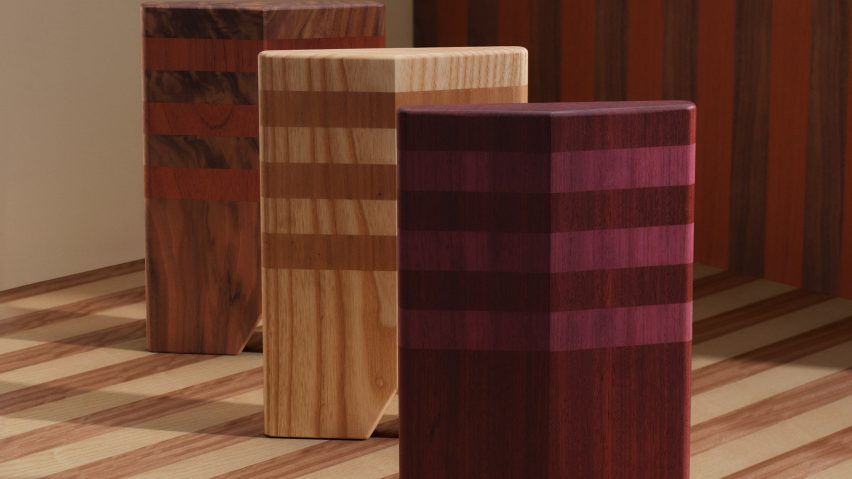
Eight wooden furnishings that go against the grain

Martha Stewart Has Put an End to Furniture That Lacks in Style and Substance – Starting With This Farmhouse Style Ottoman (With Almost 40% Off)


handcrafted furniture explores organic relationship between solid maple wood and textiles

22 Stores to Shop for Furniture in Boston


Martha Stewart’s ’90s home library shows a rare, refined twist on color-drenching that designers should revisit in 2026

Martha Stewart's Furniture Deals Are on Surprise Sale at Wayfair — Shop Armchairs, Storage Benches, and More

Wright Auction Sells Iconic and Rare 20th Century Furniture
Hang On, Walmart Just Released Some Very Chic Fall Furniture (All Under $500)

These Are the Best Martha Stewart Home Deals at Wayfair This Month — Up to 57% Off
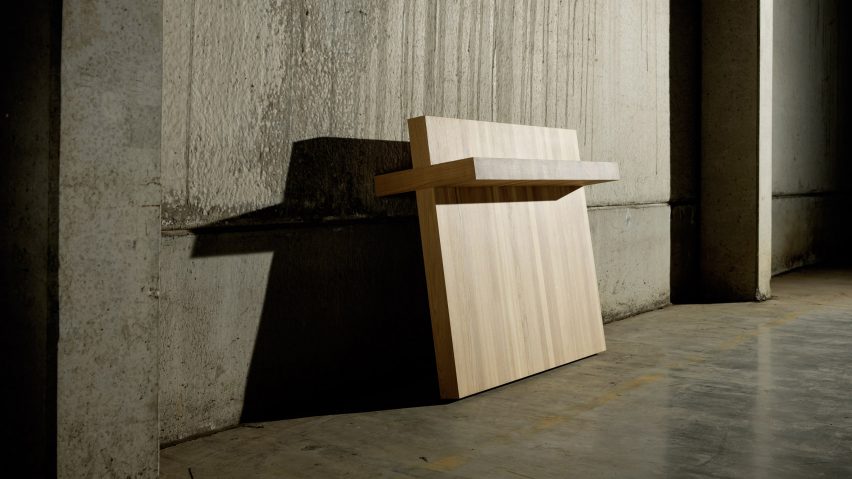
Casimir celebrates 30 years as a designer with oak and walnut furniture collection

Among the ‘it’ pieces of MidcenturyLA

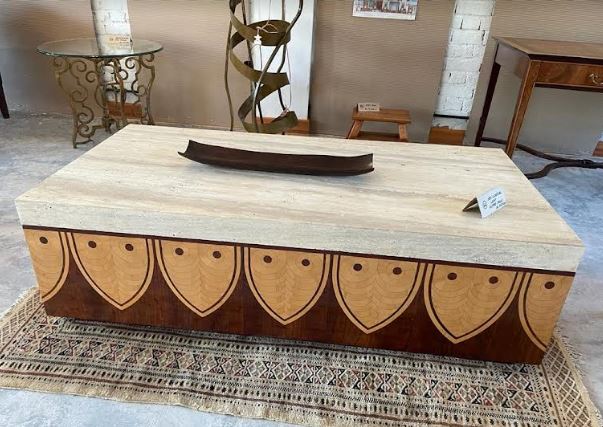
Pieces of wooden furniture on display

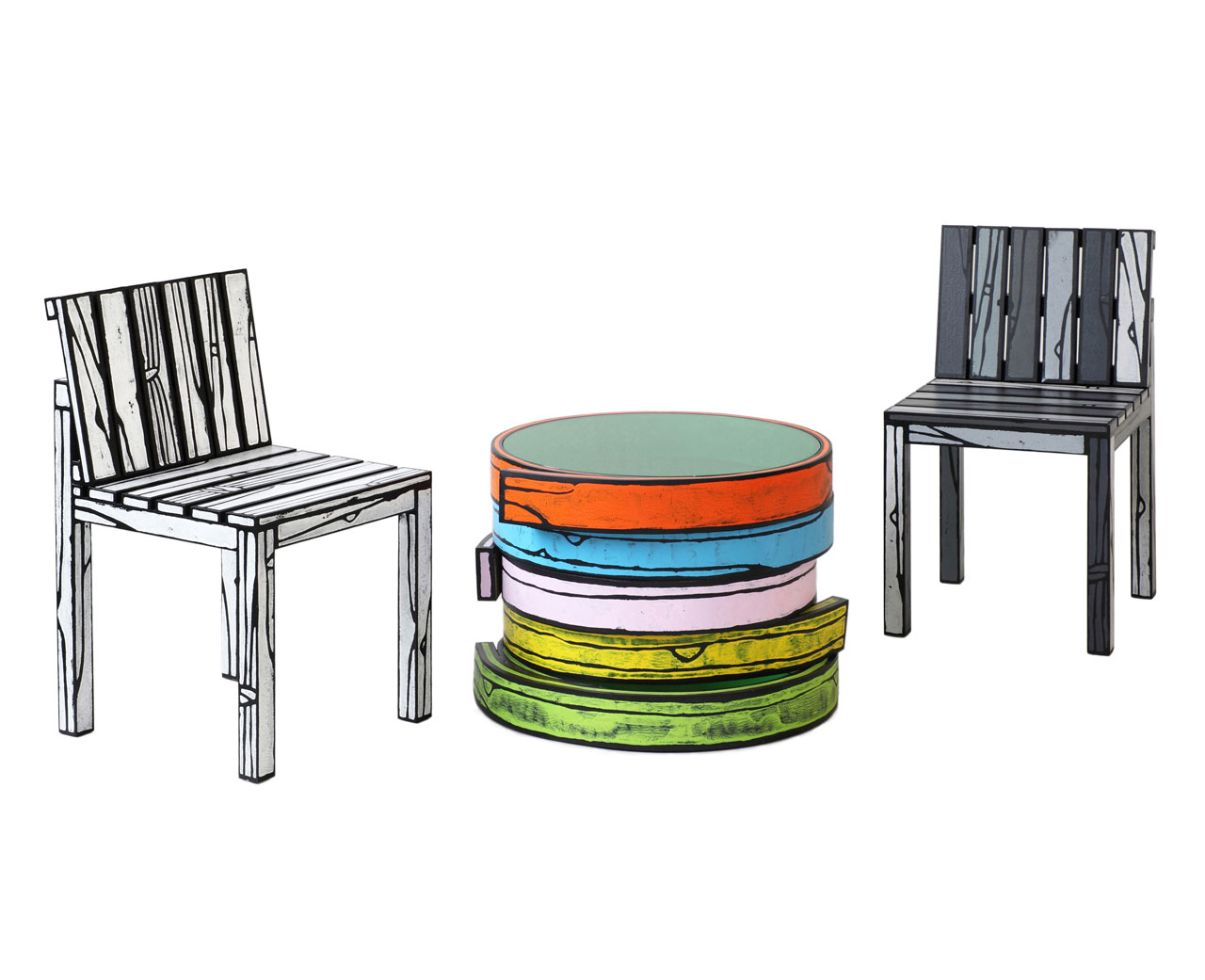
Colorful Wood Grain Furniture by Wrong Woods

The Pleasure of Breaking the Rules

Timber


Furniture Boards


Wood Treatments

7 Best New Marshalls Decor Finds Hitting Shelves This January


Our Editors Found the Best American-Made Furniture Companies—These Are the 12 Worth Scrolling Now