




Maps Are for More Than Just Finding Your Way (Published 2024)
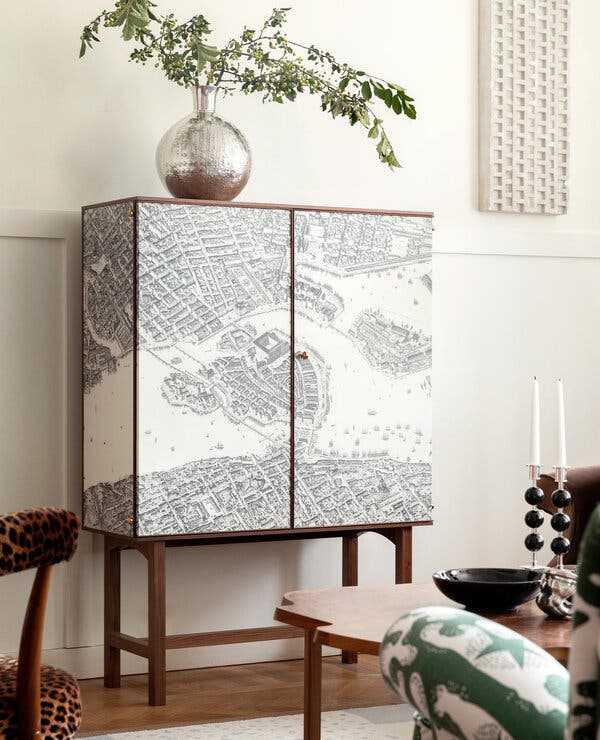
In an era dominated by digital navigation, traditional maps are experiencing a resurgence in interior design, transforming from functional tools into decorative elements. This trend is exemplified by Svenskt Tenn, a Swedish design company celebrating its centennial, which is incorporating antique maps into its furniture and home accessories. The company's limited-edition Stockholm Cabinet features an 1870s map of the city, rich with details of pedestrians, horse-drawn carriages, and historical landmarks, inviting observers to engage with the past and imagine the narratives embedded within the cartographic details. This design approach reflects Svenskt Tenn's historical practice, initiated by its founder Estrid Ericson and architect Josef Frank, who extensively used maps of global cities like Stockholm, Manhattan, and Paris to adorn textiles, dinnerware, and wallcoverings.
The integration of maps into household items, known as 'cartifacts,' is a long-standing tradition. Historically, maps have graced a diverse array of objects, from ancient mosaic floors in the Middle East and medieval cathedral calf skins to Japanese folding screens, British and Italian tapestries, and even early American schoolgirl samplers. The Vatican's frescoes and American civic building murals also showcase large-scale map art. Contemporary examples of cartifacts range from bamboo cheeseboards shaped like Manhattan to linoleum flooring designs featuring maps. This phenomenon underscores the enduring appeal of maps as not just geographical guides, but also as sources of aesthetic inspiration and historical narrative. The intricate details and historical context of these maps allow for a deeper engagement, making them a focal point in any room.
The resurgence of maps in design highlights their versatility and their ability to transcend their primary function. They serve as conversation starters, artistic statements, and historical documents, all at once. The detailed imagery on these maps, whether depicting bustling cityscapes or serene landscapes, offers a unique visual texture that can enrich an interior space. This trend is not merely about nostalgia but about appreciating the artistry and storytelling inherent in cartography. By integrating maps into modern living spaces, designers and homeowners are celebrating the rich history of mapping and its continued relevance in contemporary aesthetics, creating environments that are both visually appealing and intellectually stimulating.
The ongoing popularity of cartifacts indicates a broader appreciation for handcrafted and historically significant items in home decor. As people seek unique ways to personalize their living spaces, objects adorned with maps offer a distinctive blend of history, art, and geography. This movement also speaks to a human desire for exploration and connection to different places, even from the comfort of one's home. The transformation of a functional map into a decorative piece allows for a different kind of interaction—one that is contemplative and imaginative rather than purely navigational. Ultimately, maps in home design offer an engaging way to bring the world, both past and present, into personal environments, demonstrating their timeless appeal as both informative and beautiful objects.
#InteriorDesign #HomeDecor #Cartography #SvensktTenn #MapArt #HistoricalDesign #FurnitureDesign #TextileDesign #ArchitecturalDesign #InteriorDesign #HomeDecor #Cartography #SvensktTenn #MapArt #HistoricalDesign #FurnitureDesign #TextileDesign #ArchitecturalDesign
 No comments yet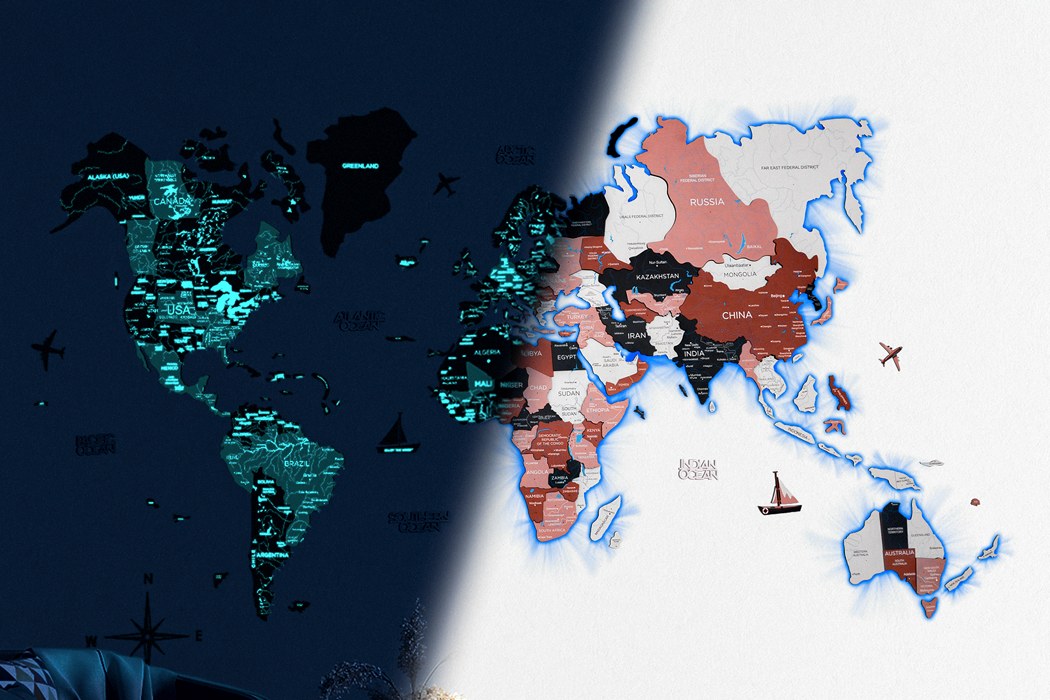
Can't wait to travel the world again? This 3D glowing wooden world map is every wanderlust's dream wall-art!